
Buenos Aires was founded by Spanish colonists in the 16th century on the wide, flat banks of the Río de la Plata. From the beginning, it was built to serve trade. Its name — meaning “fair winds” — reflected the hopes of those who saw its position as a gateway between Europe and South America. The people born there became known as porteños, a word rooted in the city’s identity as a port town.
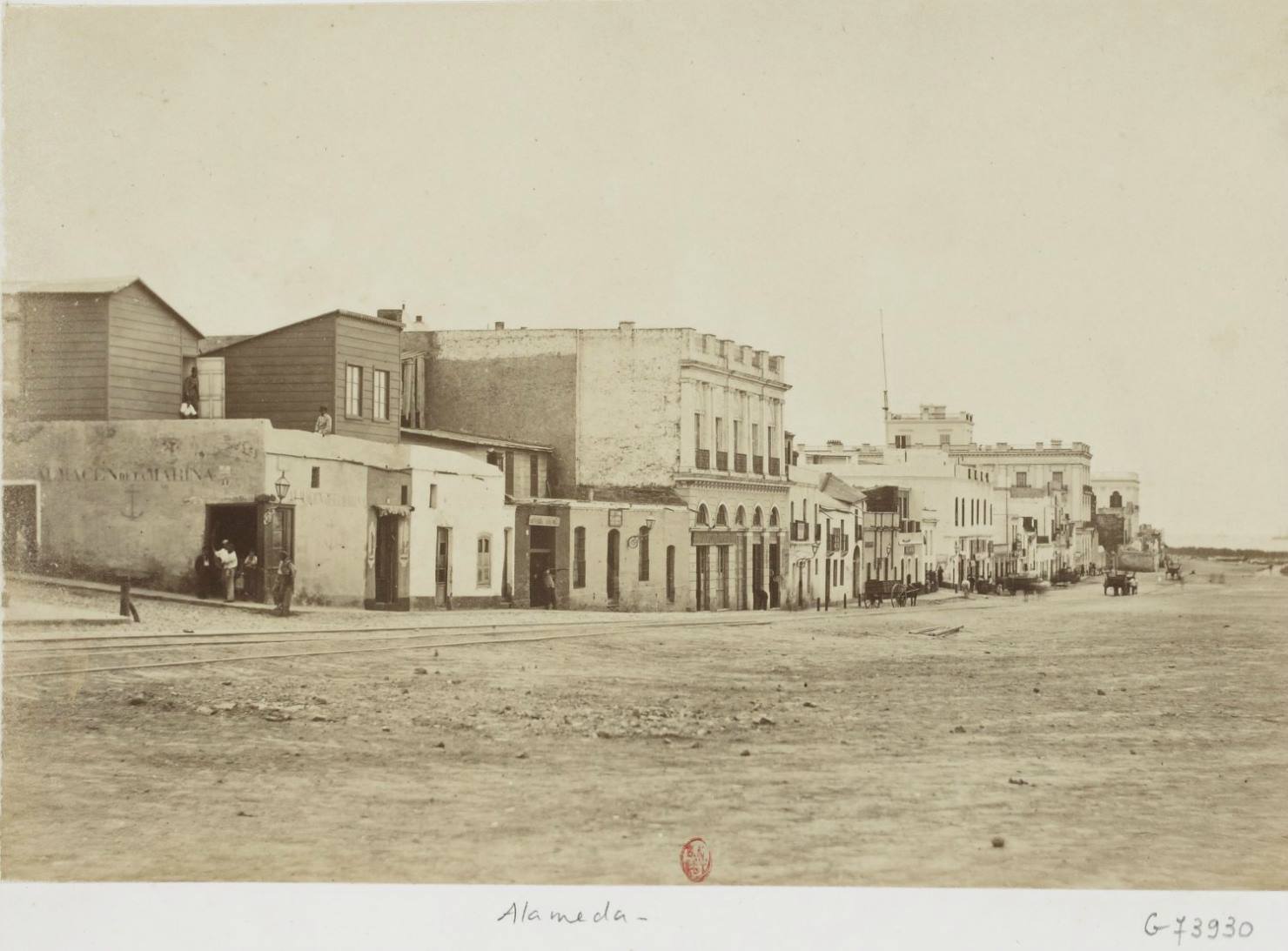
By the mid-1700s, Buenos Aires had grown into a busy commercial hub with nearly 20,000 residents. Narrow earthen streets ran north from the Riachuelo River, lined with low buildings that reflected the practical needs of a working port city. One persistent problem slowed early growth: the harbour was badly silted up. Larger ships had to anchor far offshore, and cargo was transferred to smaller boats to reach land — a slow and costly process.
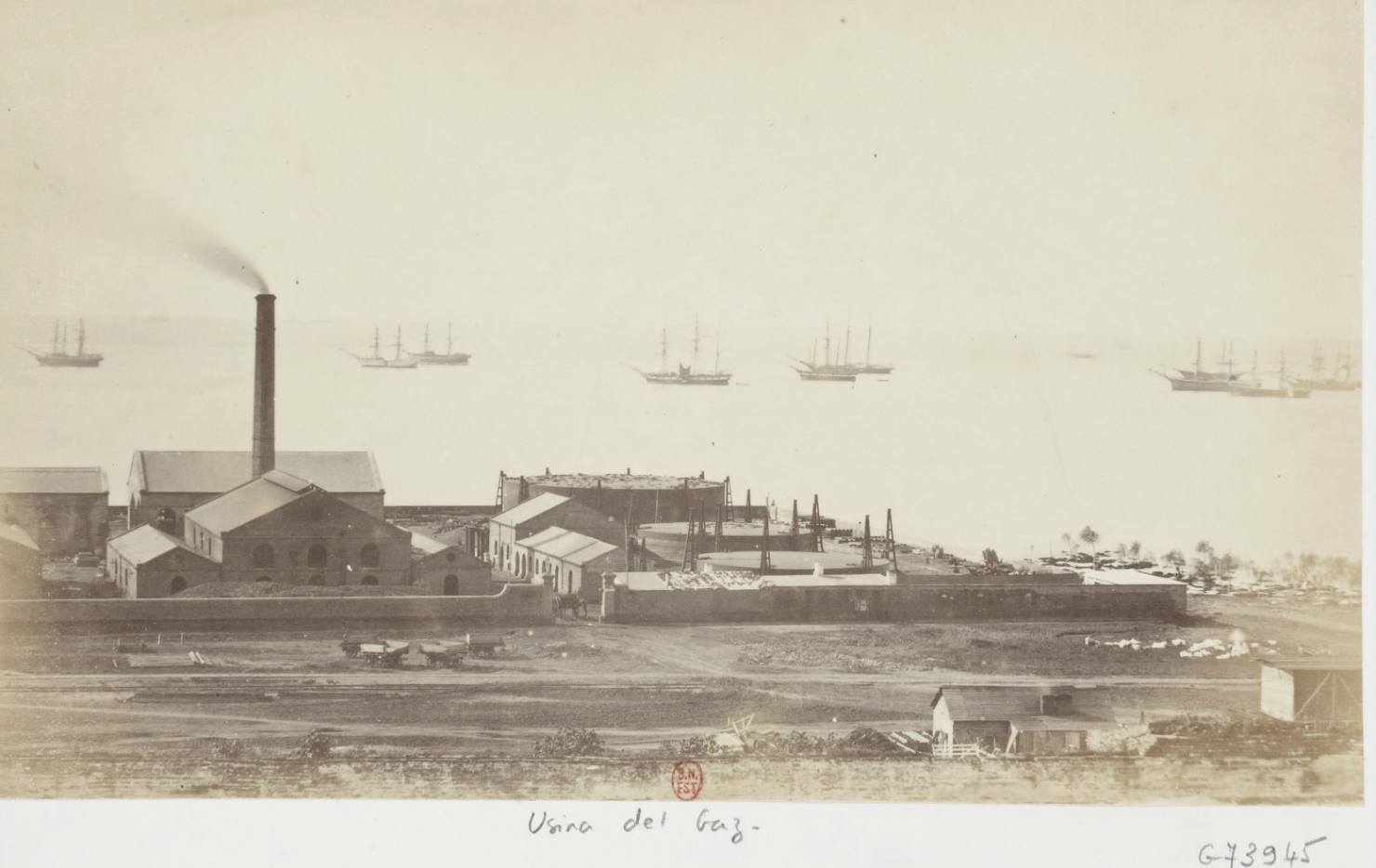
When Argentina gained independence, Buenos Aires took on a new role as the nation’s capital. That shift brought wealth, ambition, and rapid change. Throughout the late 19th century, the city built grand public buildings, wide avenues, and cultural institutions that rivaled those of European capitals. Visitors who arrived in the 1870s found a city actively reinventing itself.
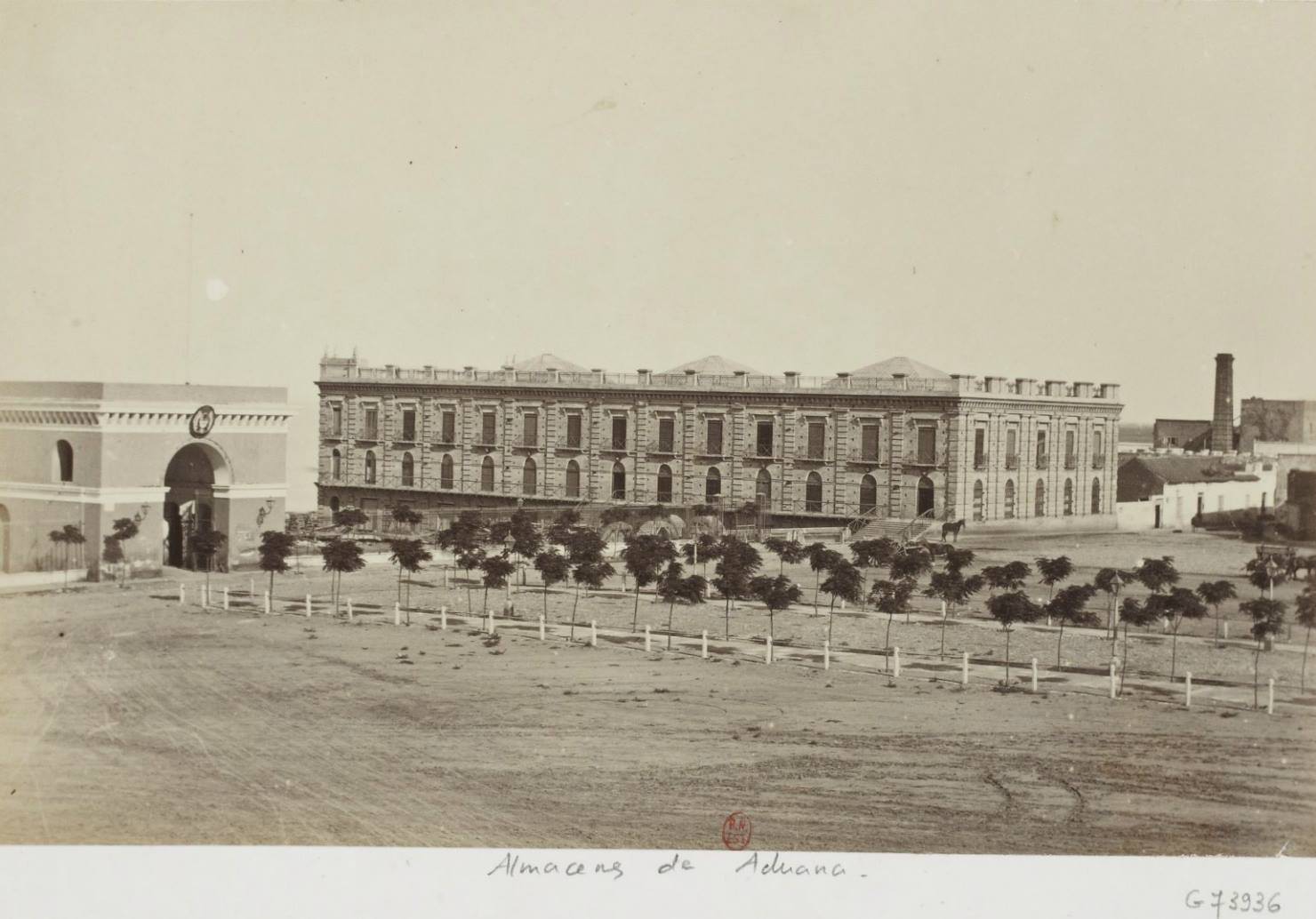
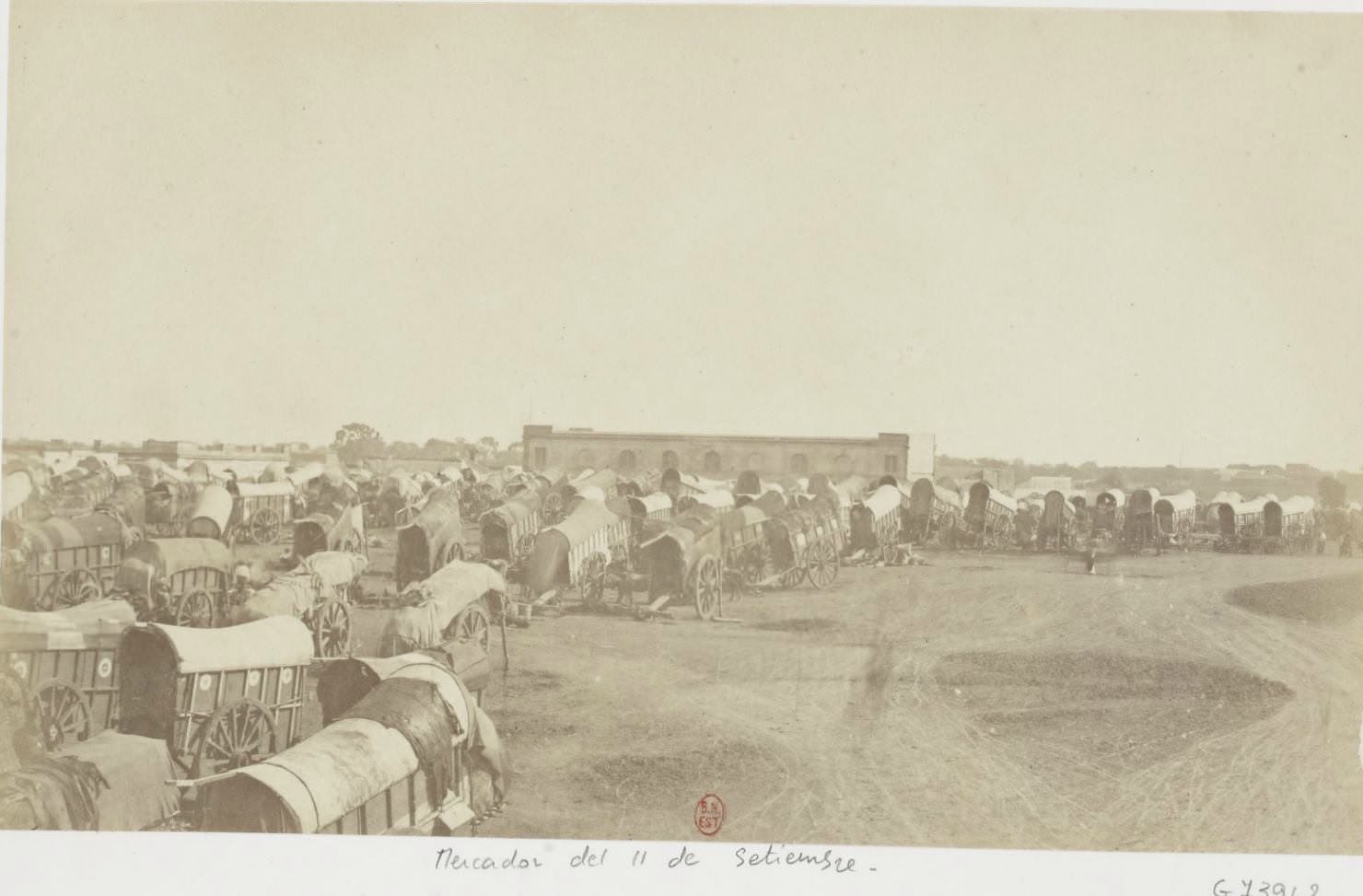
The 1870s were a turning point for Argentina as a whole. Industrialization across Europe had changed the global economy. Britain, France, and other powers needed raw materials and food at a scale they had never needed before. Argentina’s vast, fertile plains — the Pampas — were perfectly suited to supply that demand. Cattle ranching and grain farming expanded quickly, and Buenos Aires became the shipping hub for all of it.
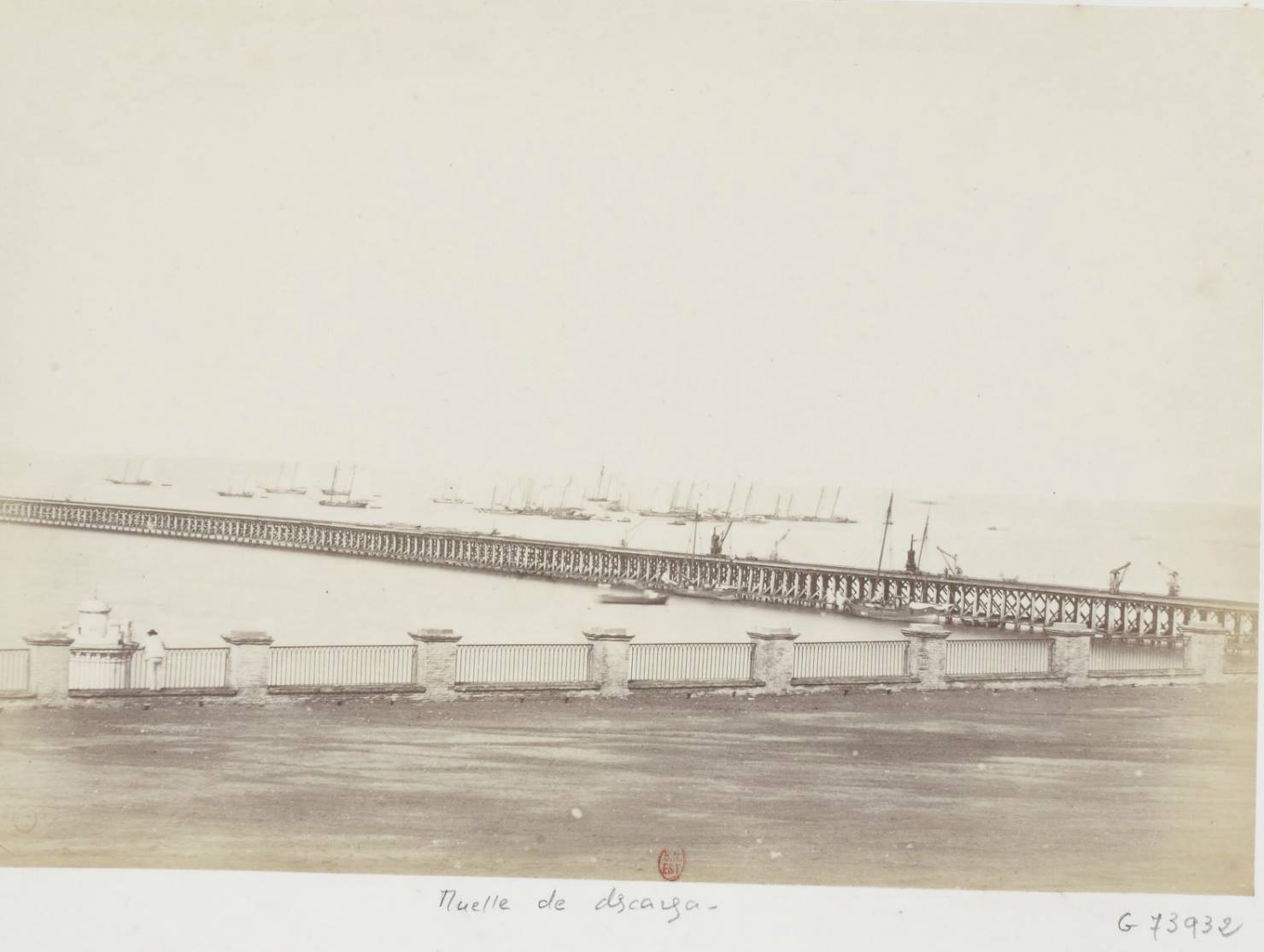
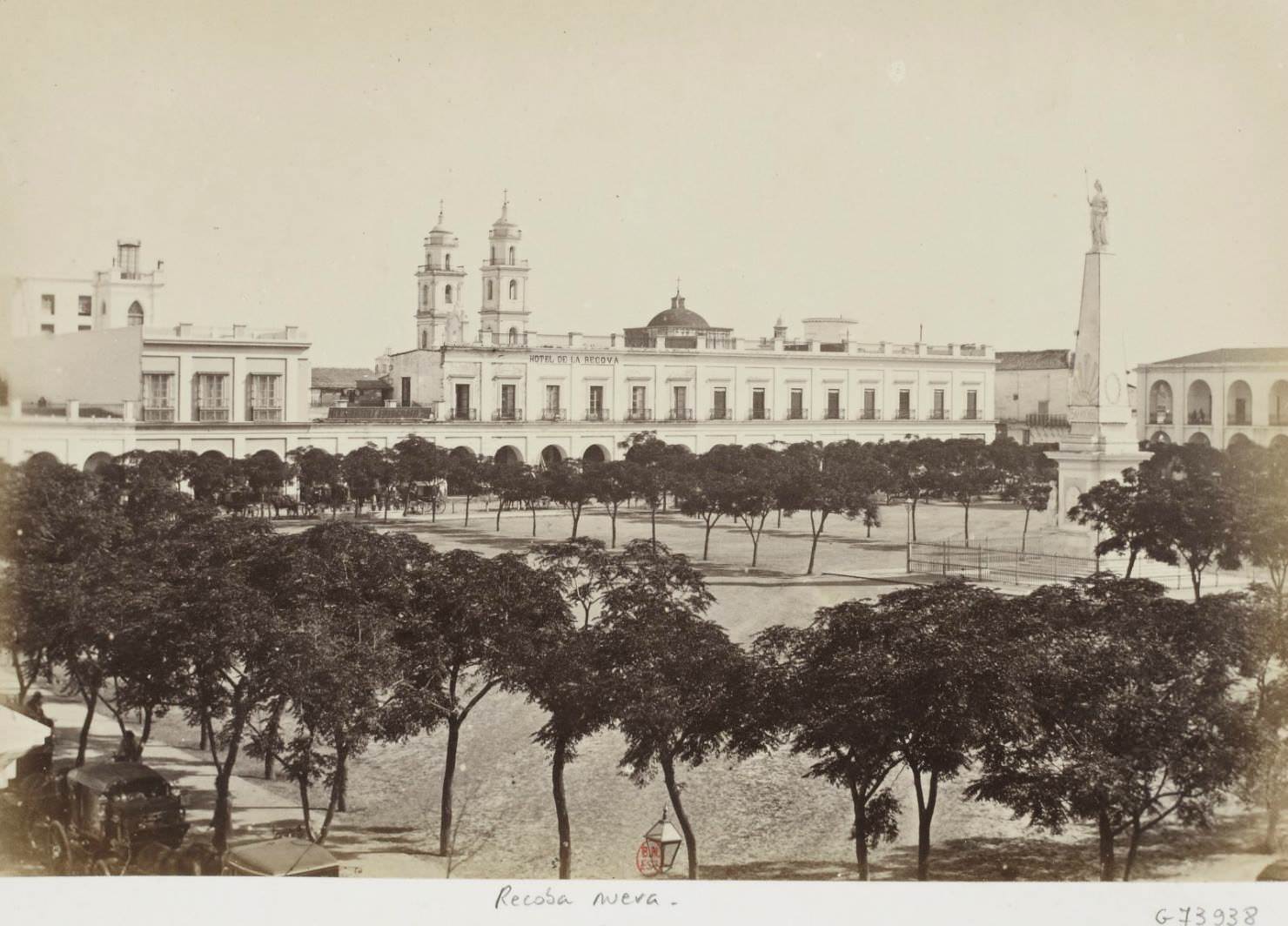
With new money flowing into the city, the streets of Buenos Aires changed fast. Gas lamps lit the main plazas. Horse-drawn trams moved people across the growing urban grid. New banks, markets, and government offices filled the city center. The Plaza de Mayo, already the political heart of the nation, buzzed with daily life.
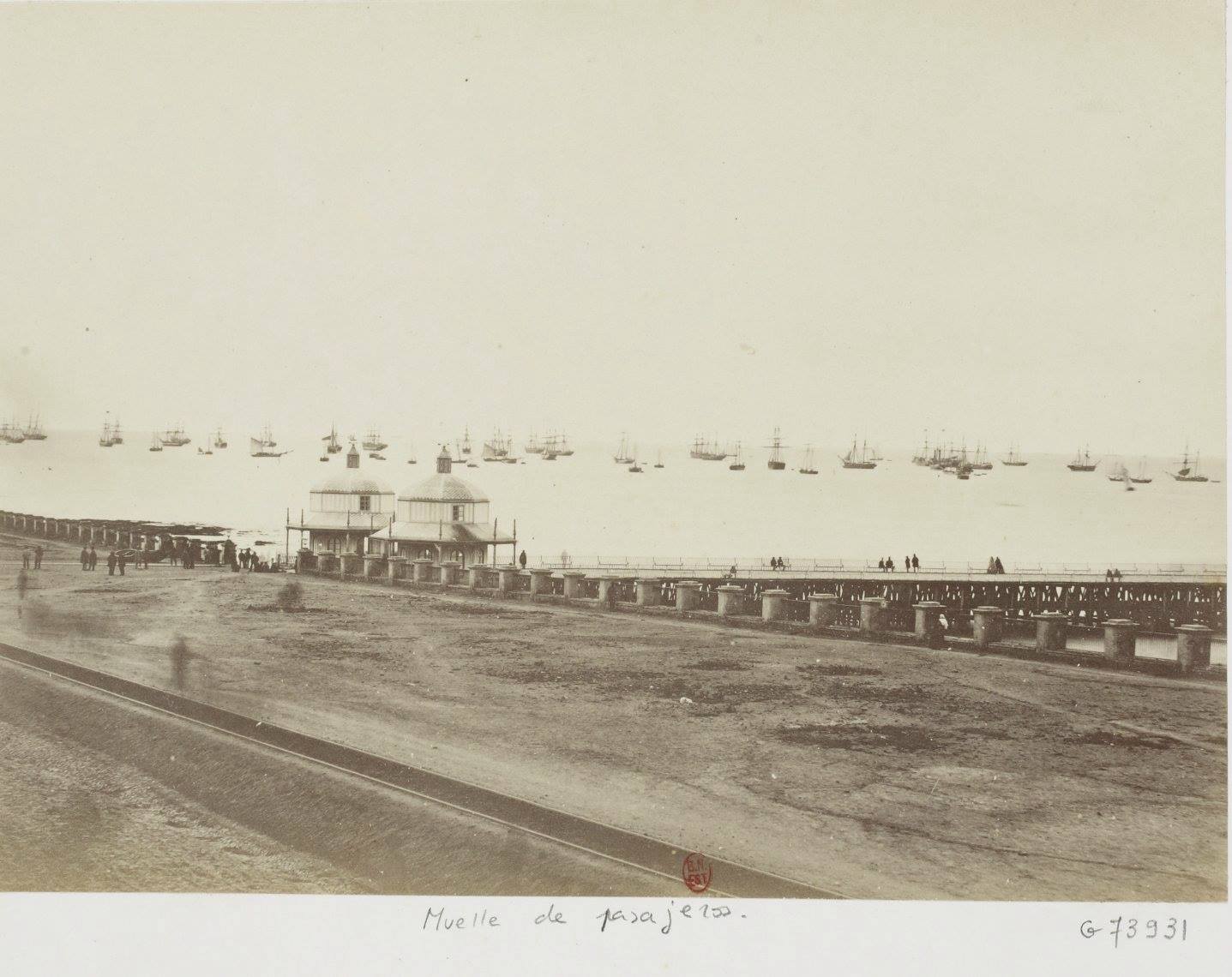
Immigration played a large part in shaping the Buenos Aires of the 1870s. Thousands of Europeans — especially Italians, Spanish, French, and British — arrived each year looking for work and land. They settled into neighborhoods that quickly developed their own character. Their labor built the docks, railways, and warehouses that kept the city running.
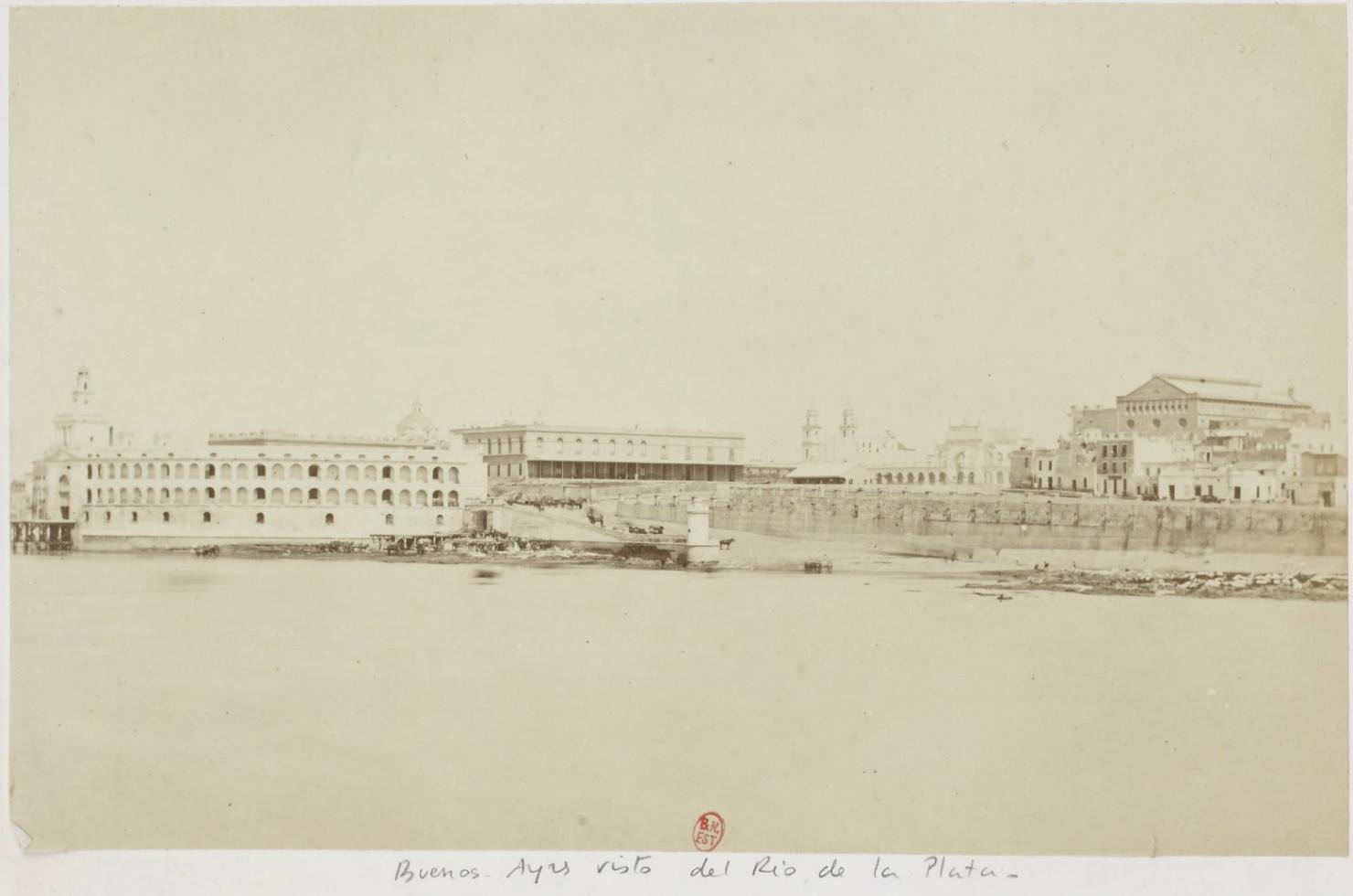
Tensions between Buenos Aires and the rest of Argentina grew sharper after 1850 and remained a live issue through the 1870s. The porteños controlled the port, the customs revenue, and most of the country’s foreign trade. Provinces in the interior resented that control deeply. Political conflicts over where power should sit — in the capital or spread across the nation — shaped Argentine politics for decades.
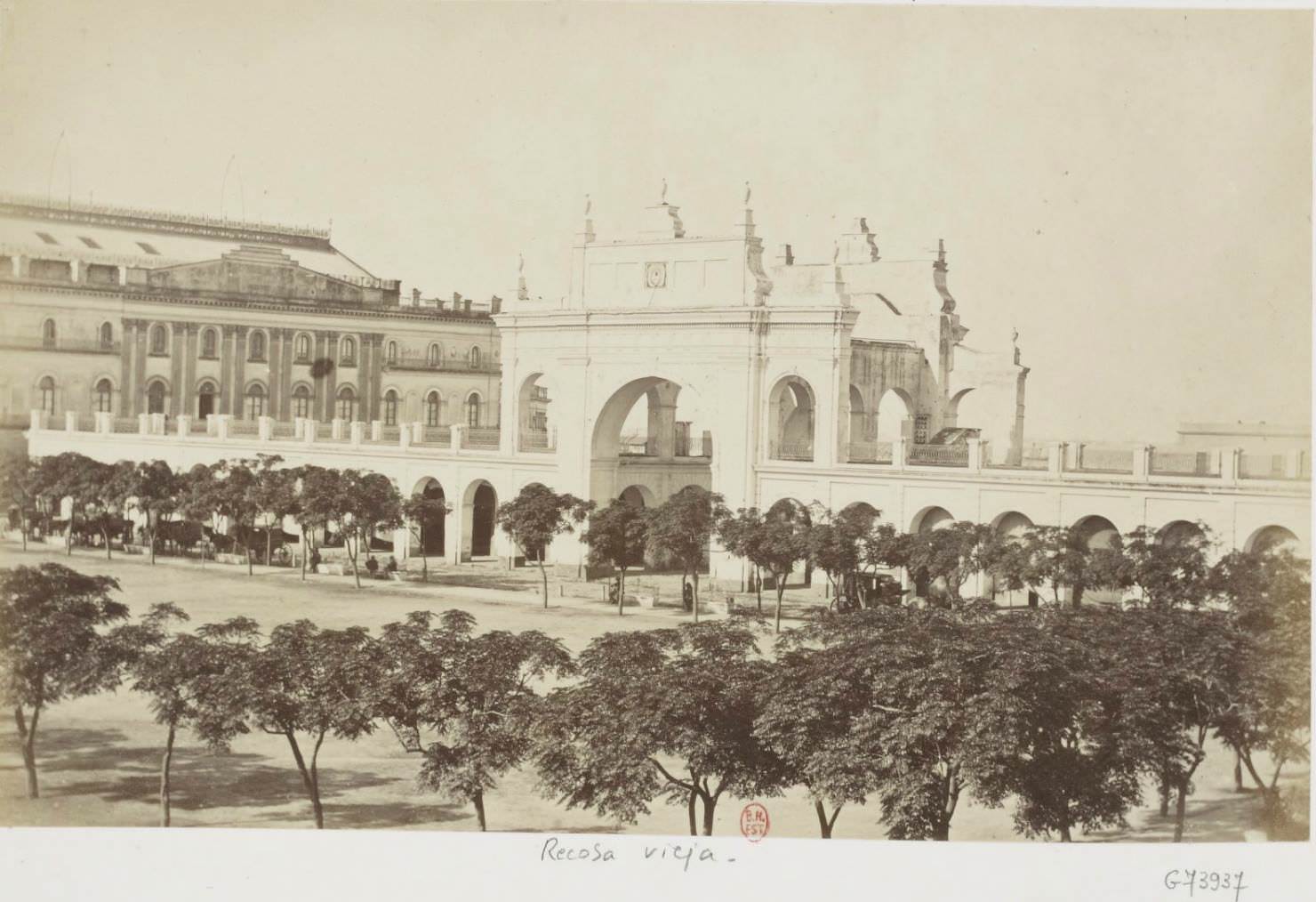
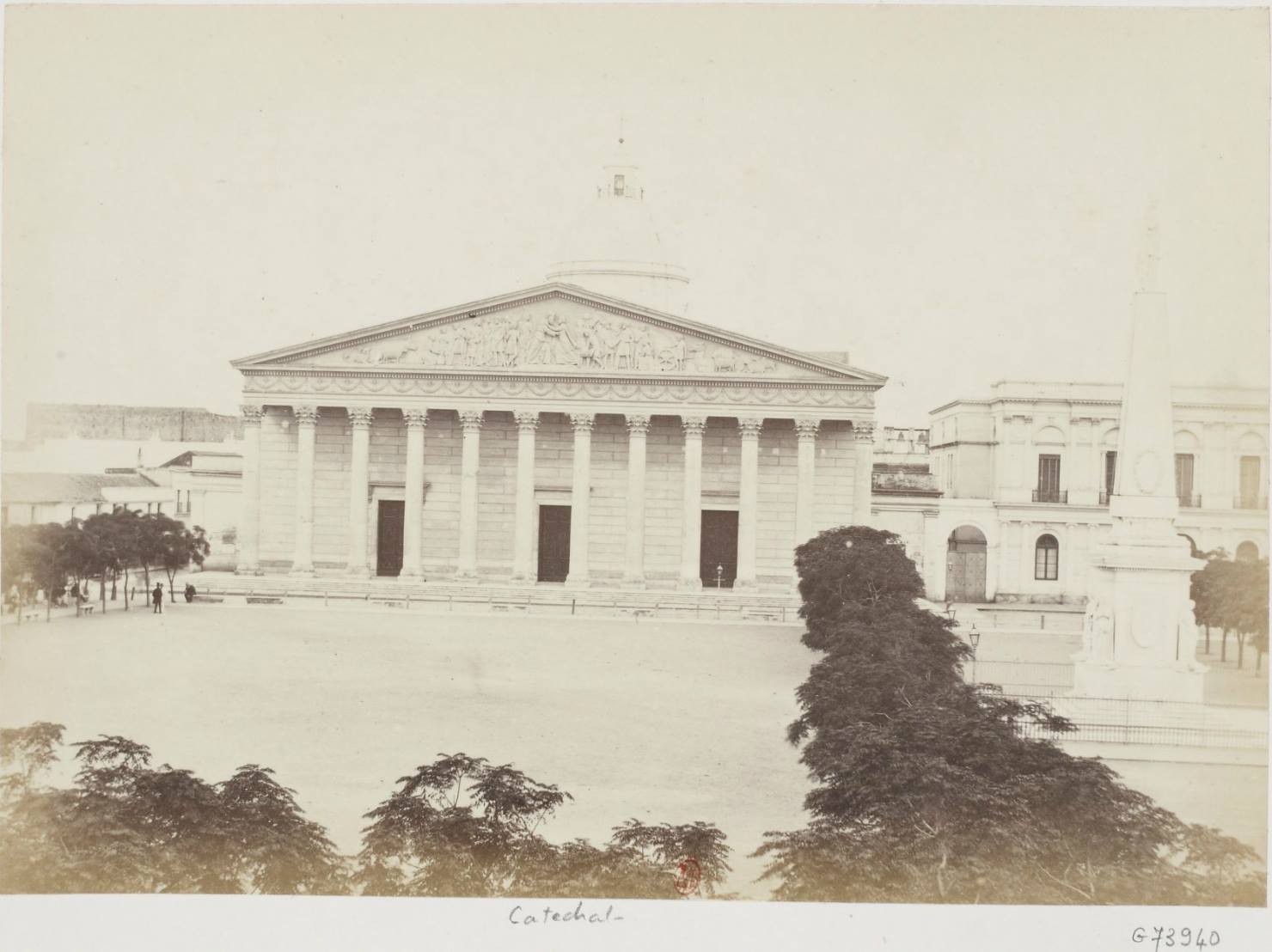
Architecture in 1870s Buenos Aires told the story of a city caught between its colonial past and its European ambitions. Older, single-story adobe homes sat alongside newer two- and three-story buildings built in French and Italian styles. Churches, theaters, and government halls were being constructed or renovated across the city. The built environment was changing block by block.
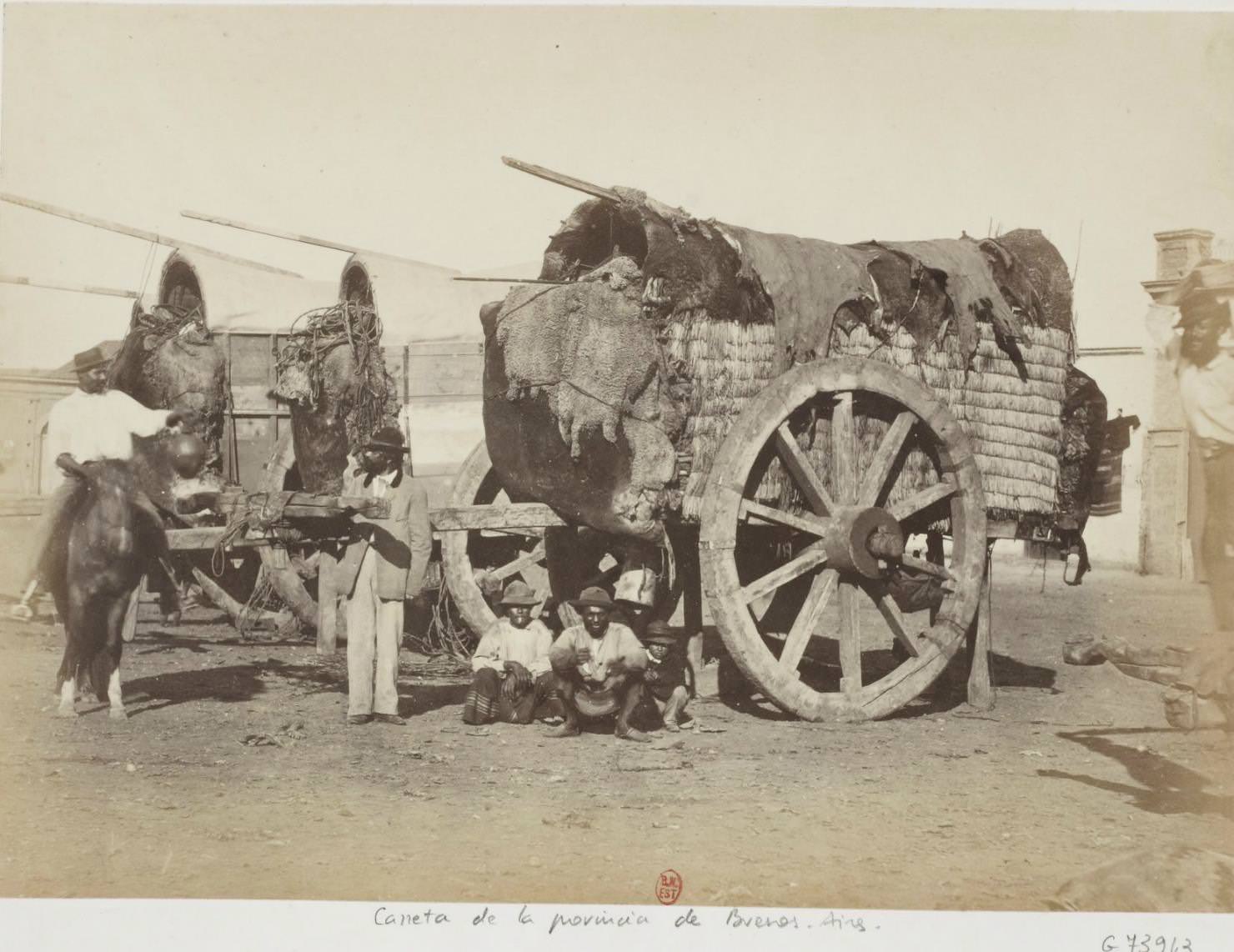
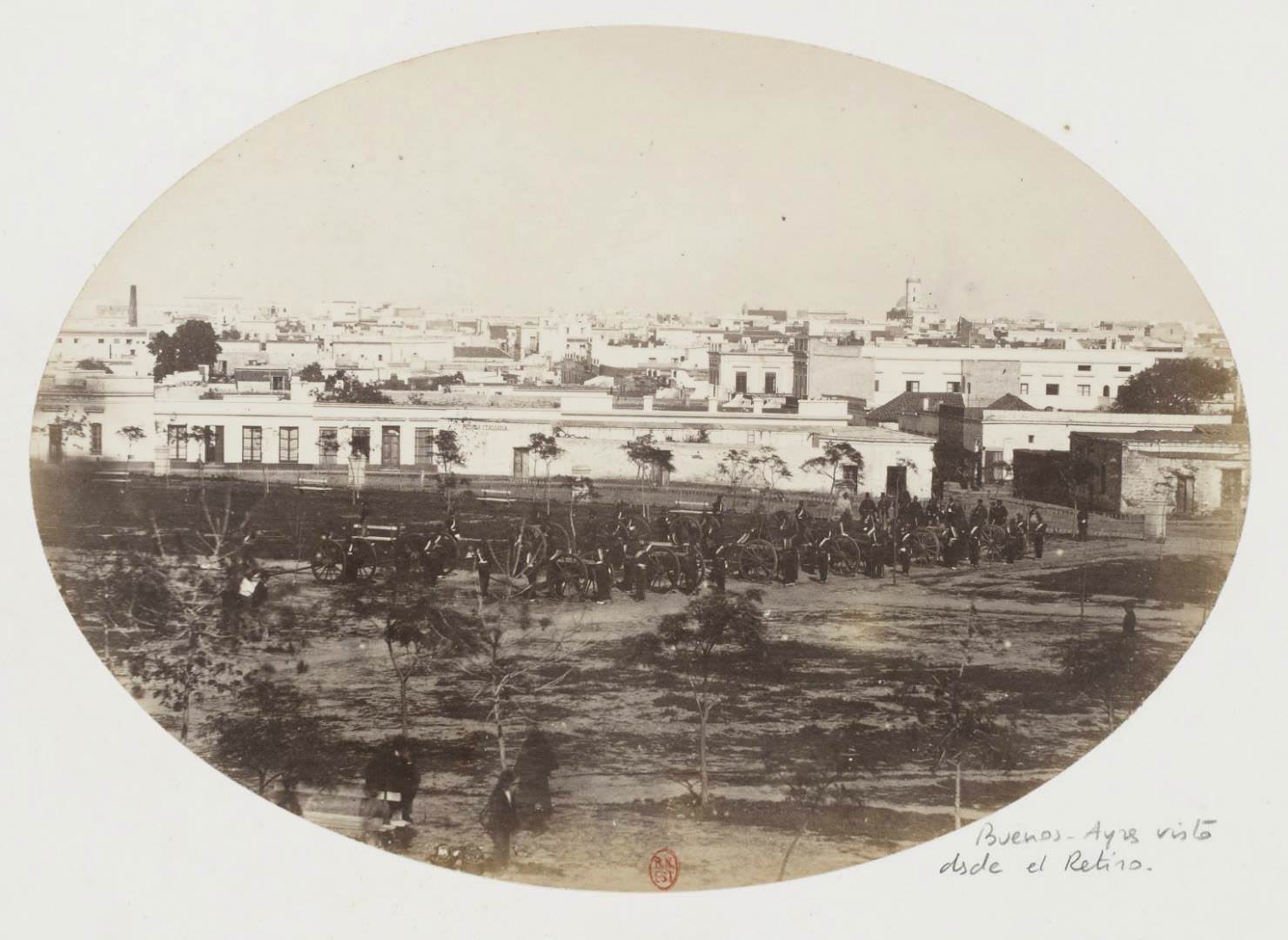
The port itself was still an ungainly operation in this era. Work on a proper modern harbor had not yet begun — that would come in the 1880s and 1890s. In the 1870s, the waterfront remained a rough, muddy stretch where workers, merchants, and animals crowded together amid cargo and carts. It was loud, chaotic, and absolutely central to the city’s wealth.
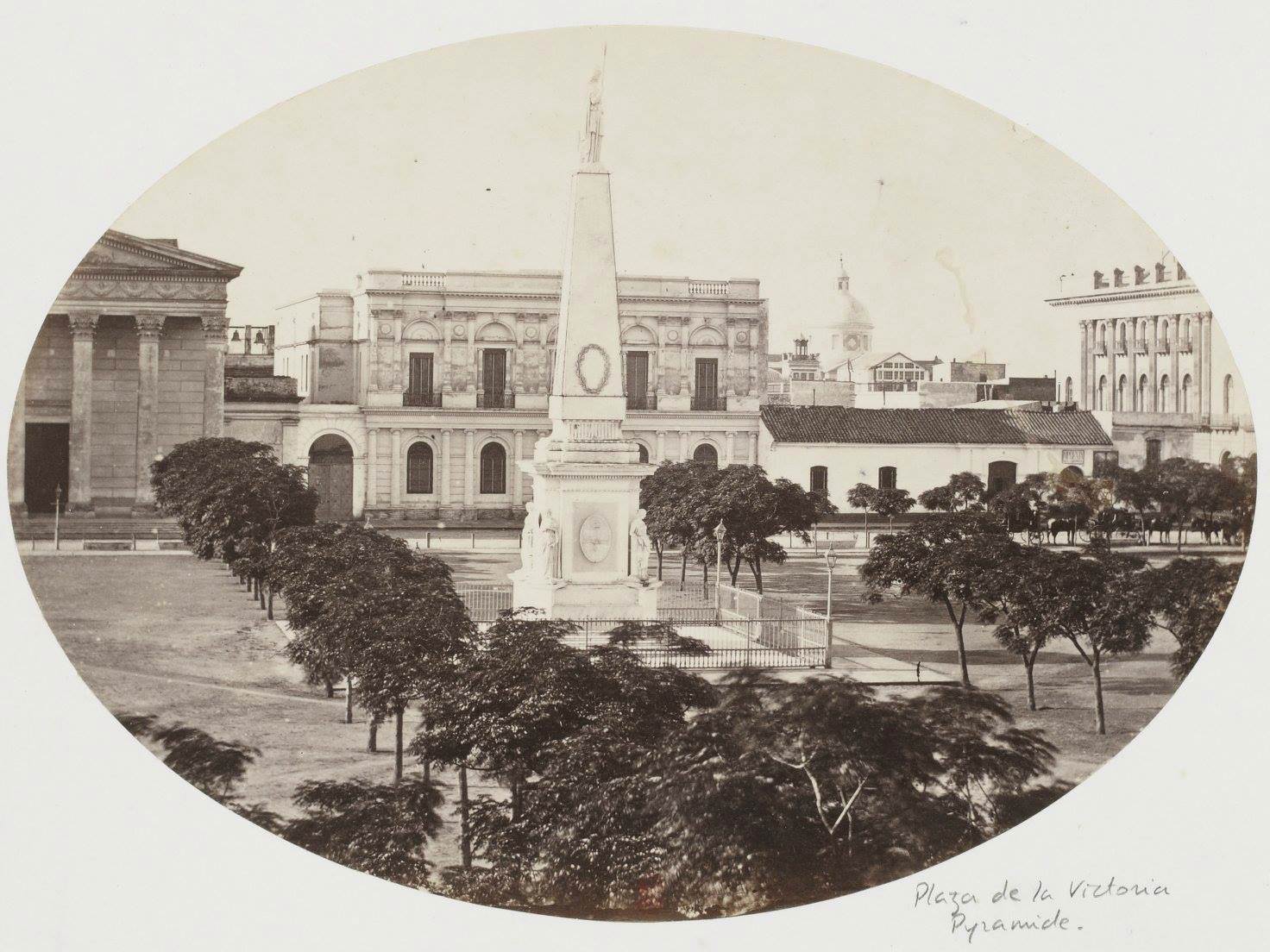
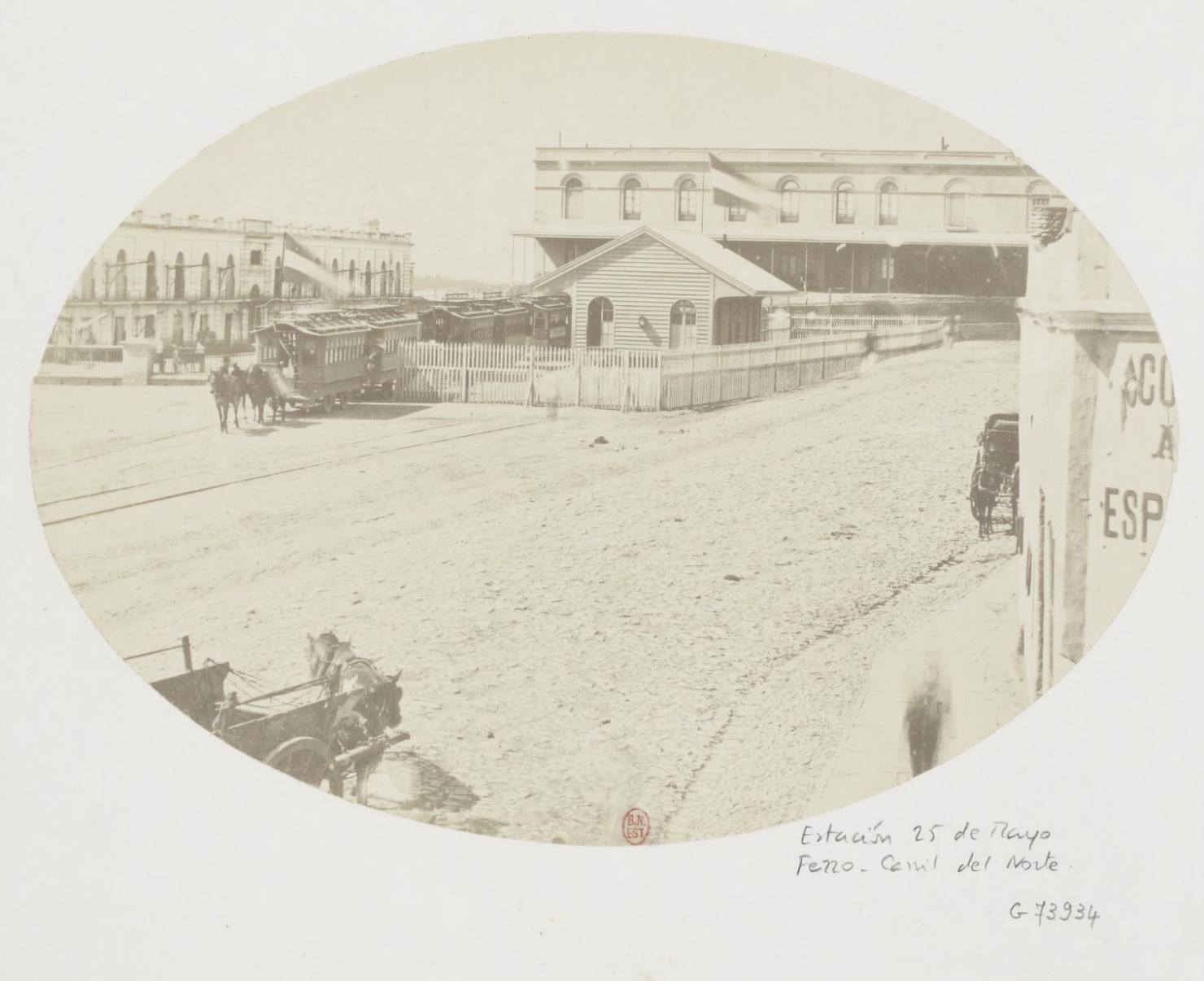
Daily life for working-class porteños in the 1870s was physically demanding. Many worked the docks, the slaughterhouses on the city’s outskirts, or the small workshops that supplied the growing urban population. Markets sold fresh produce, meat, and imported goods. Street vendors were a common sight, weaving through crowds of residents, workers, and new arrivals still learning the rhythms of city life.
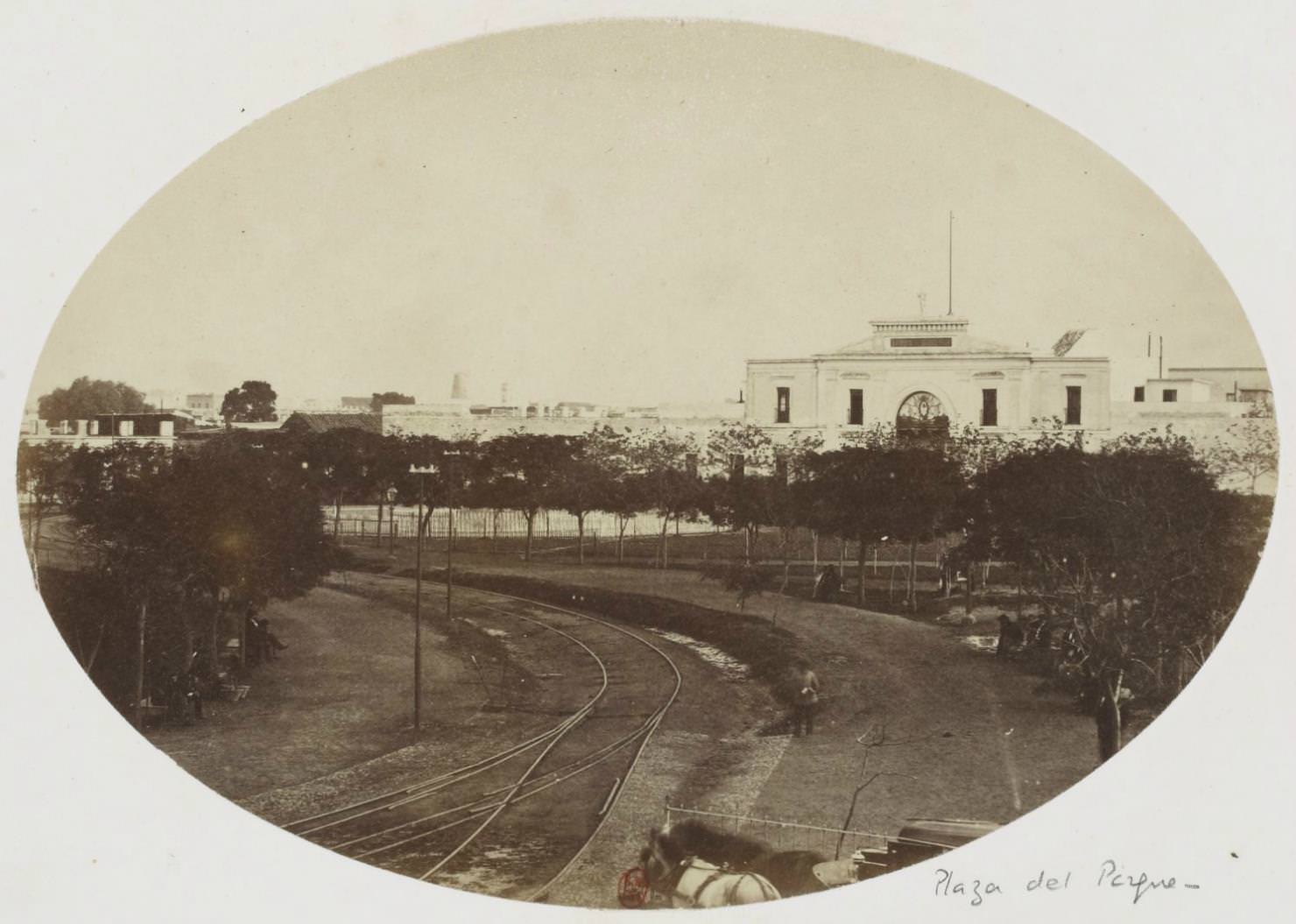
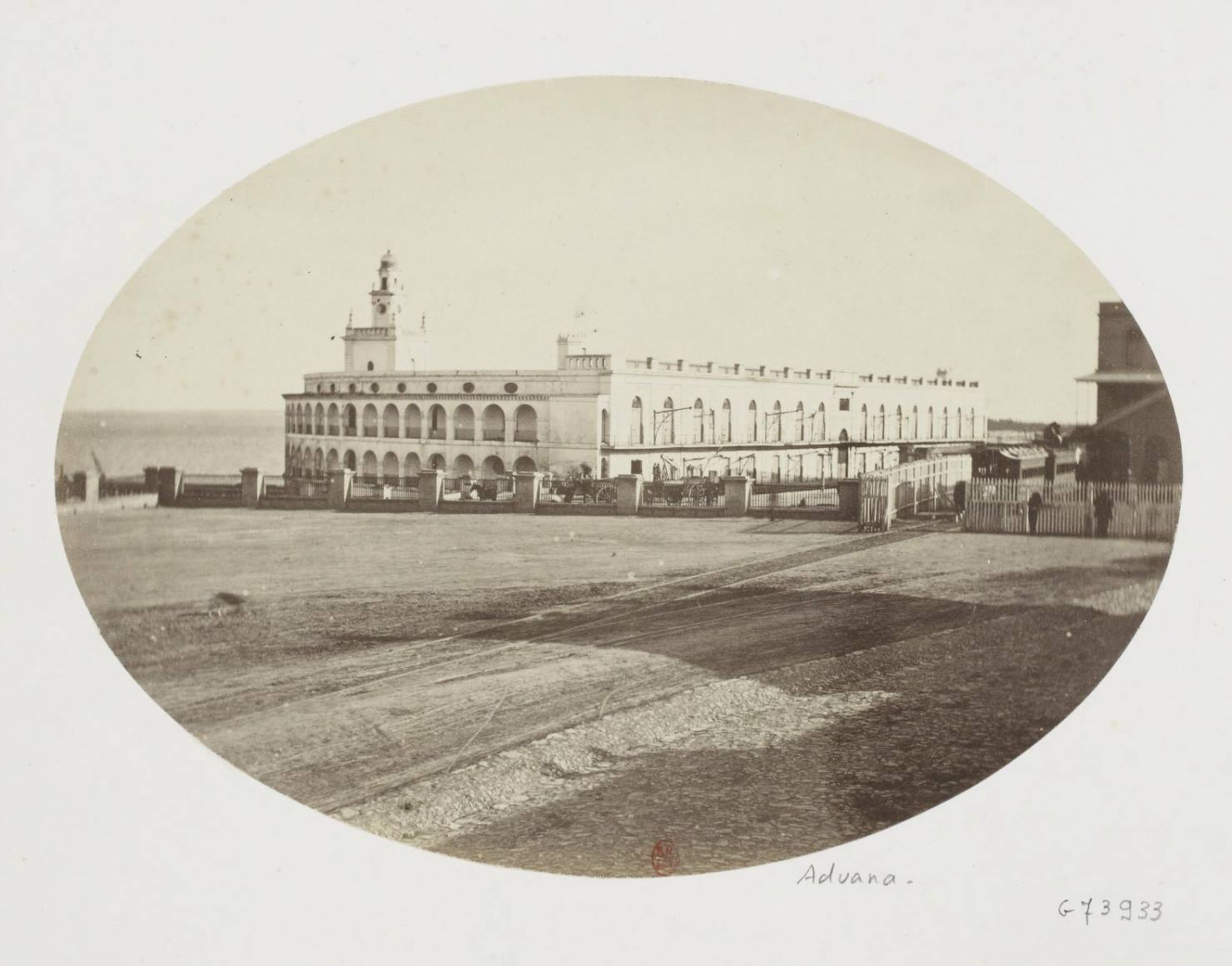
Photography itself was still a relatively new tool in the 1870s, but it had already taken hold in Buenos Aires. Studios opened in the city center, catering to the growing middle and upper classes who wanted portraits. A smaller number of photographers took their equipment into the streets and documented the city’s public spaces, markets, and architecture — leaving behind the images that survive today as a window into this era.
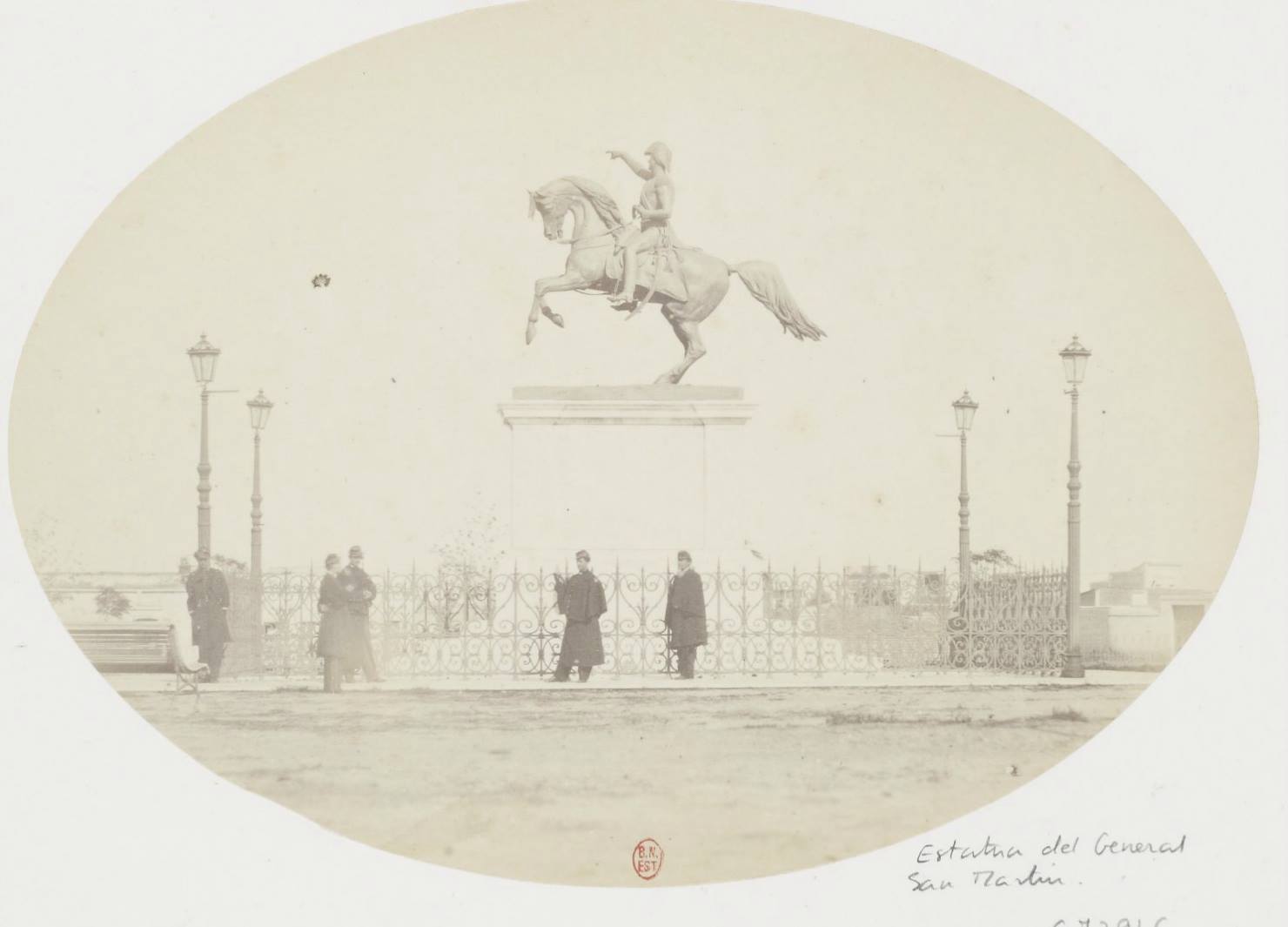
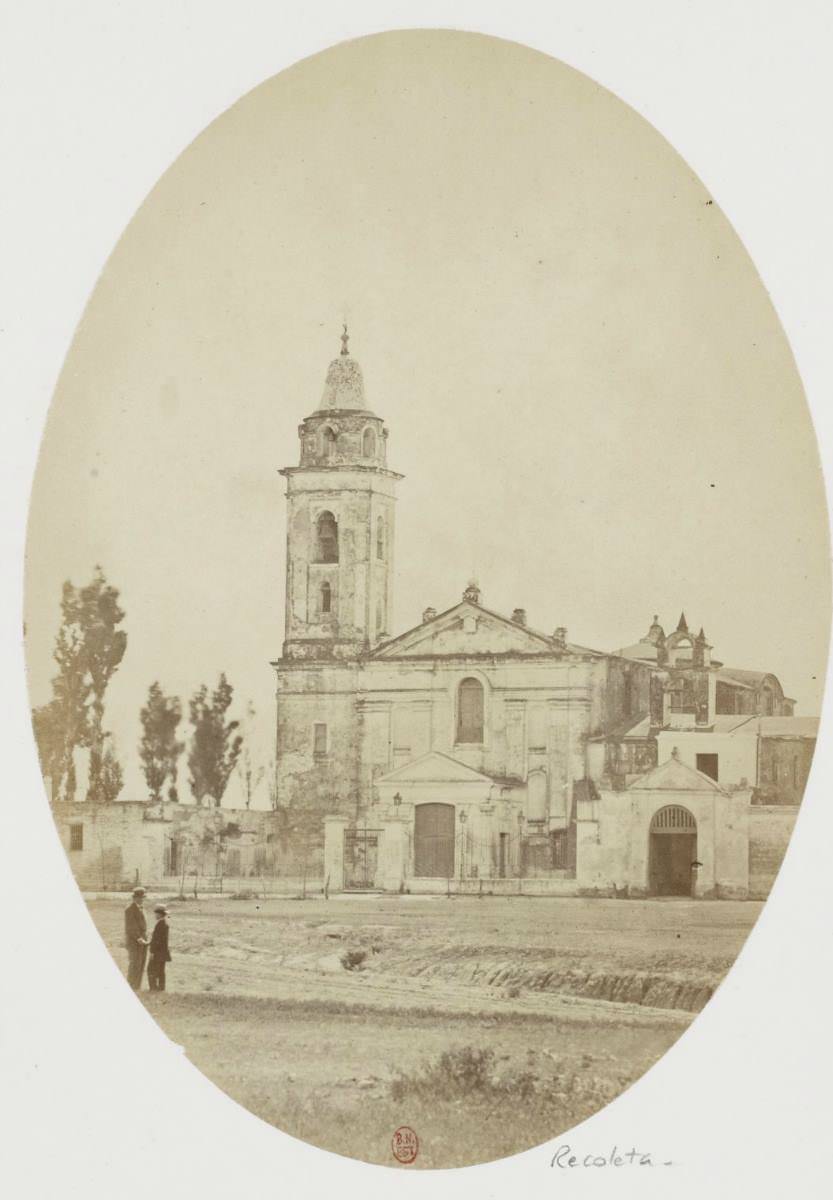
The photographs from this decade capture Buenos Aires at a rare moment — large enough to feel like a real metropolis, but still raw enough that its growth was visible in real time. Streets that were unpaved in one photo would appear cobbled a few years later. Buildings went up quickly. The city in these images is not the polished Buenos Aires of the 1890s. It is younger, rougher, and moving fast.
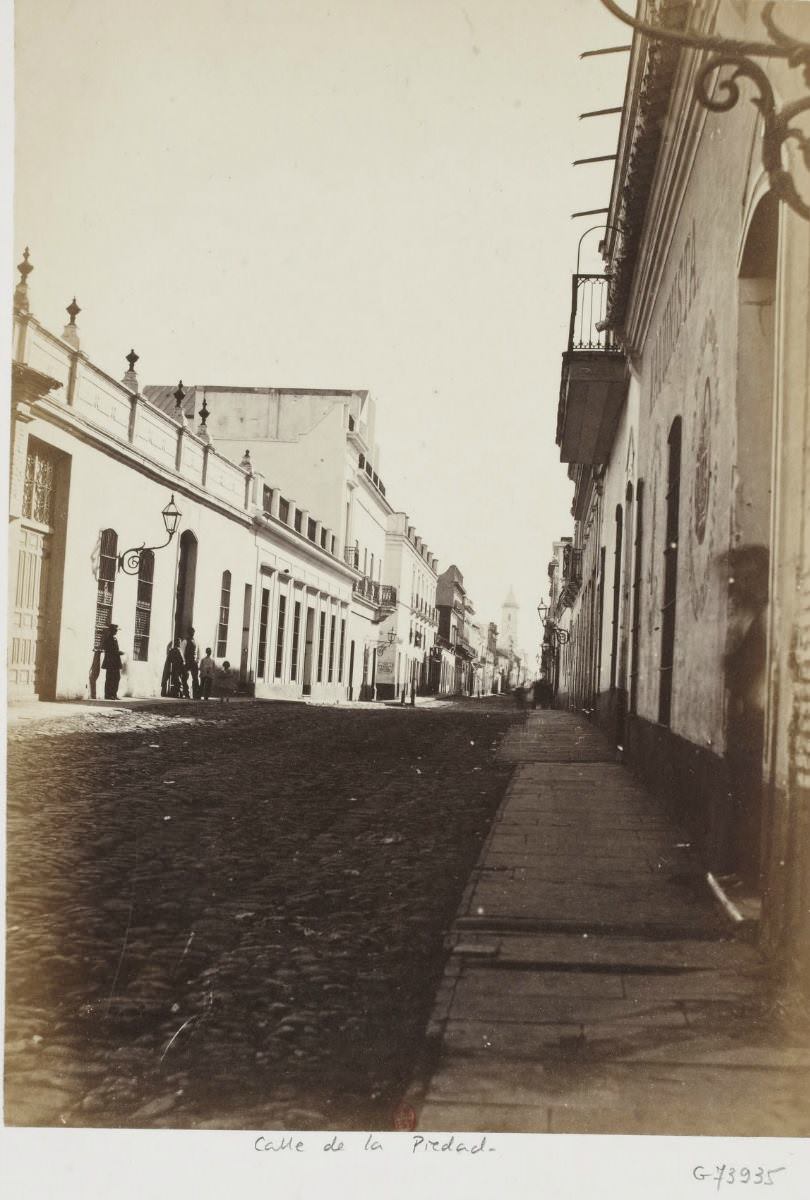
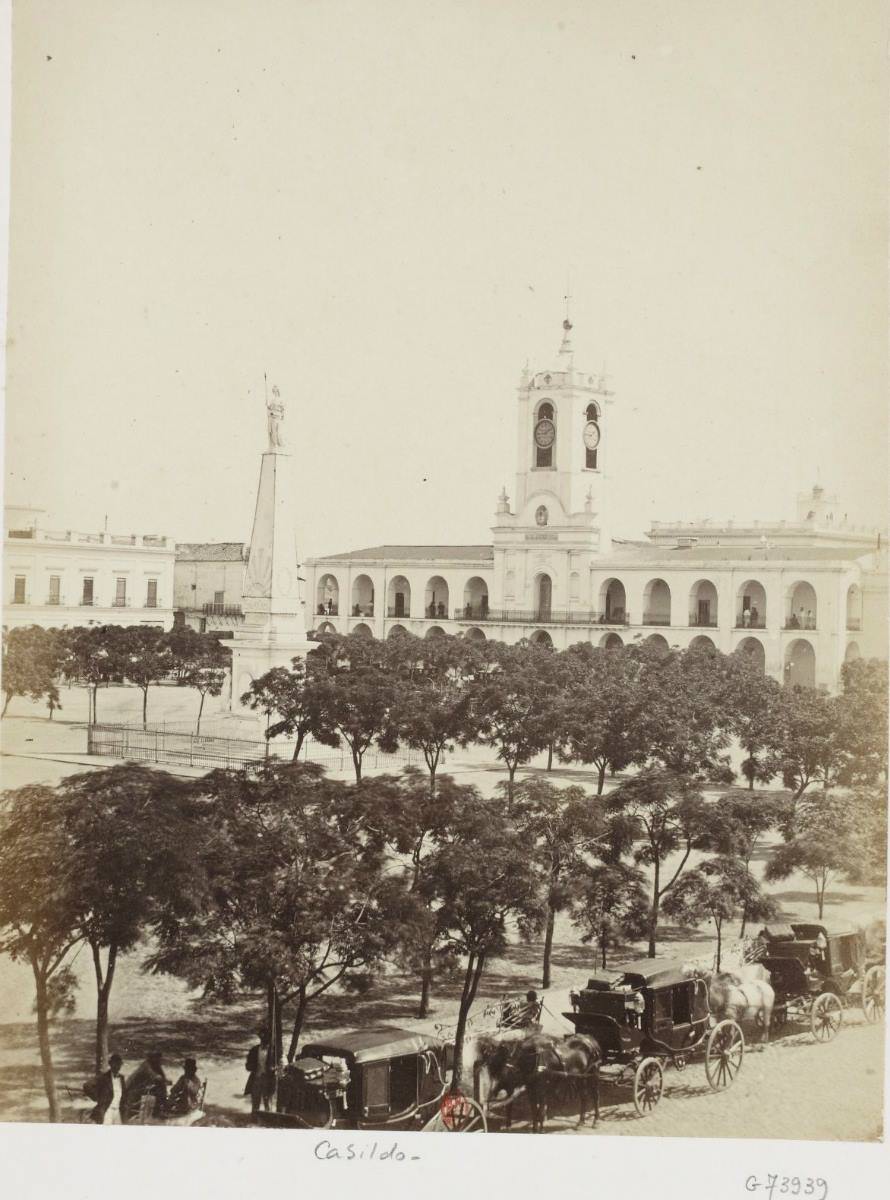





Thank you so much for sharing this!
Looking for more information about the photo of the Mercado 11 de Septiembre
It’s Alem Avenue!
No, it’s not. That photo is located in the square in front of Once train station today.
Great post! I always enjoy looking at vintage photos of Buenos Aires, and this collection is particularly fascinating since I haven’t come across these images before.