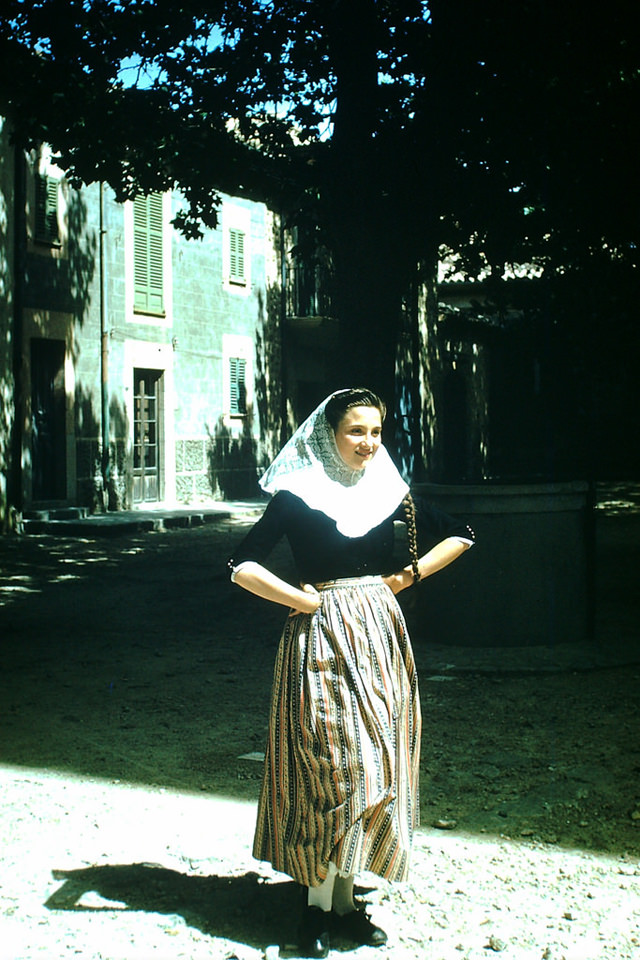
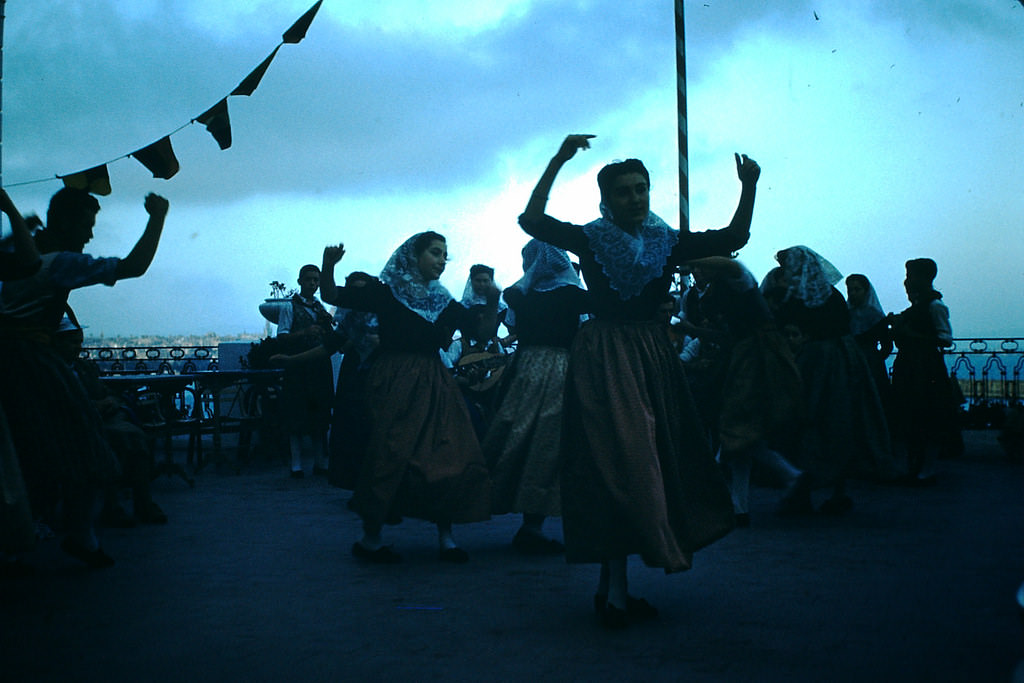
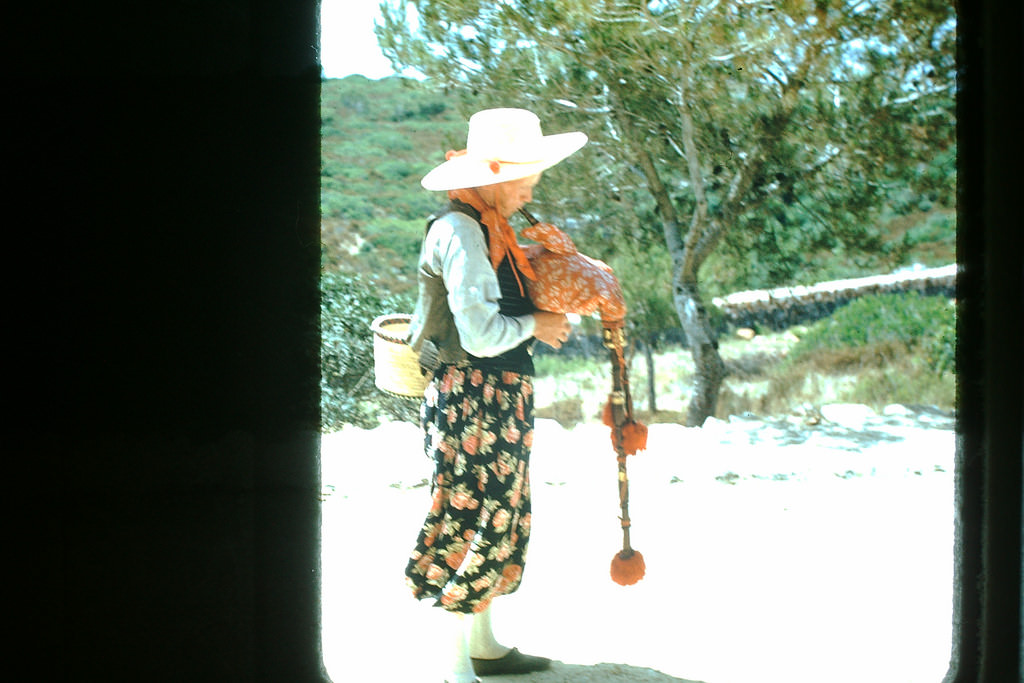
Mallorca is the largest of the Balearic Islands, a Spanish archipelago sitting in the western Mediterranean Sea. The island packs an enormous variety of landscapes into a relatively small space — rugged limestone mountains in the northwest, wide sandy bays along the east coast, and quiet coves tucked between rocky headlands almost everywhere in between. In the 1950s, before mass tourism transformed the shoreline, Mallorca moved at a slower pace, shaped by farming, fishing, and deep-rooted local tradition.
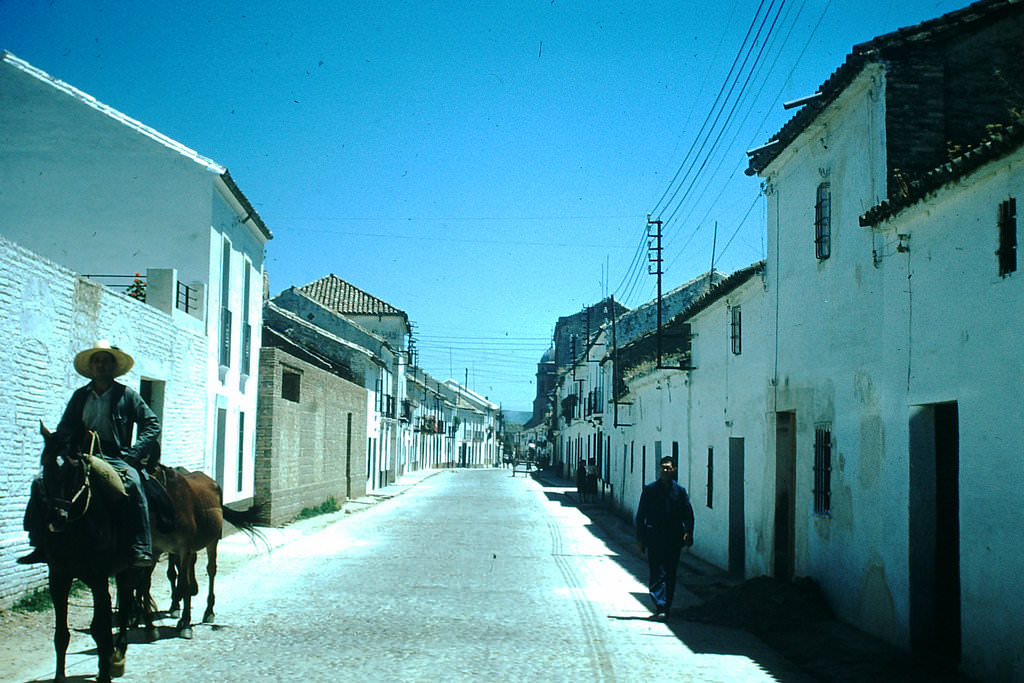
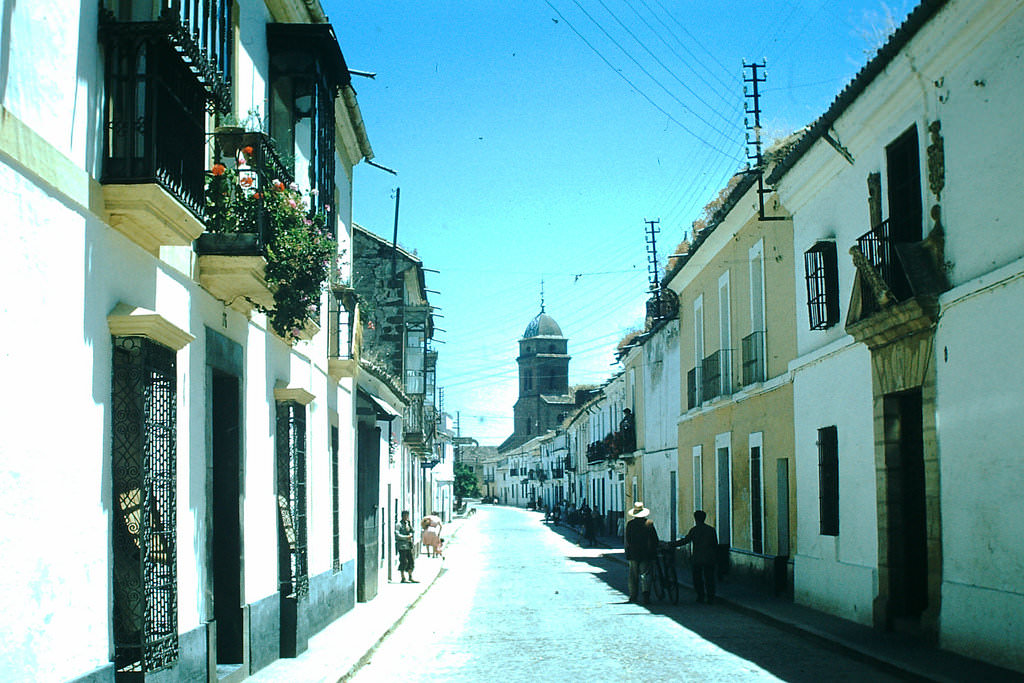
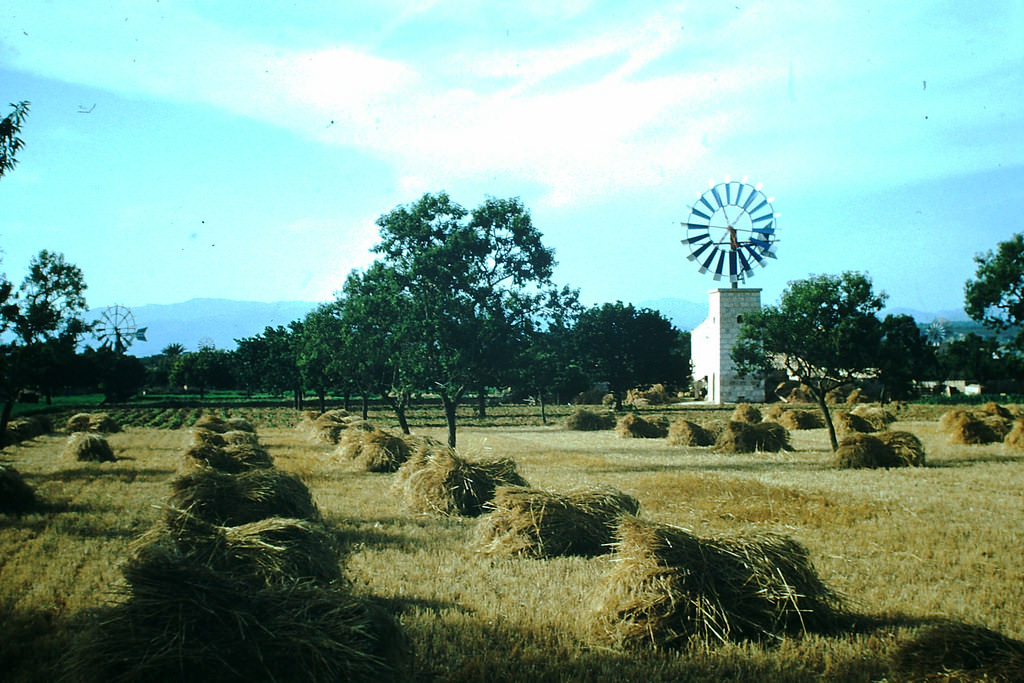
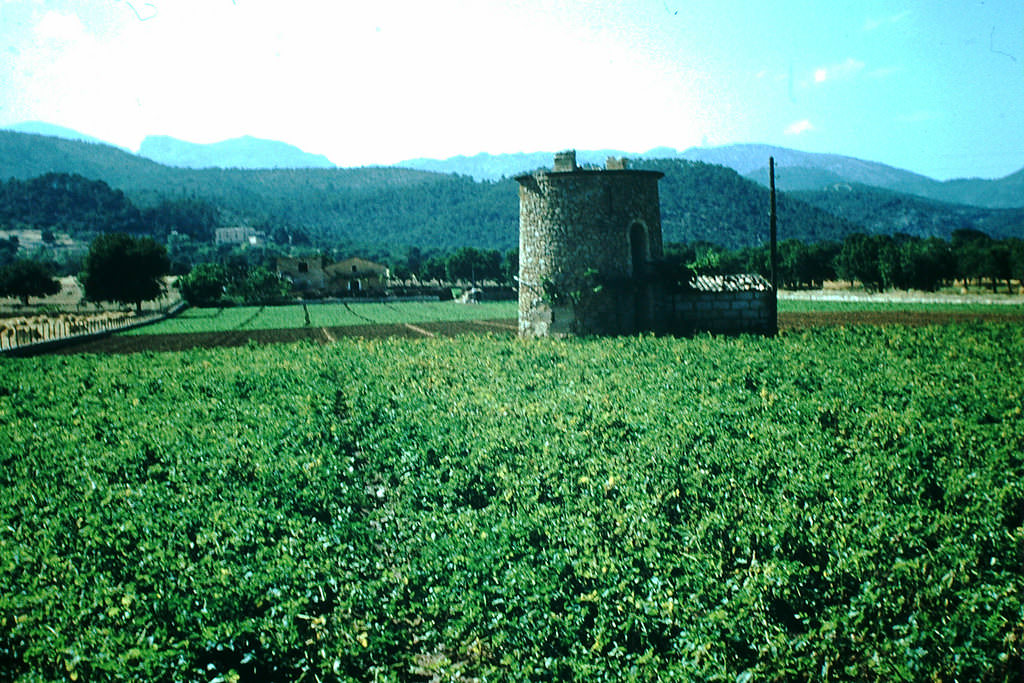
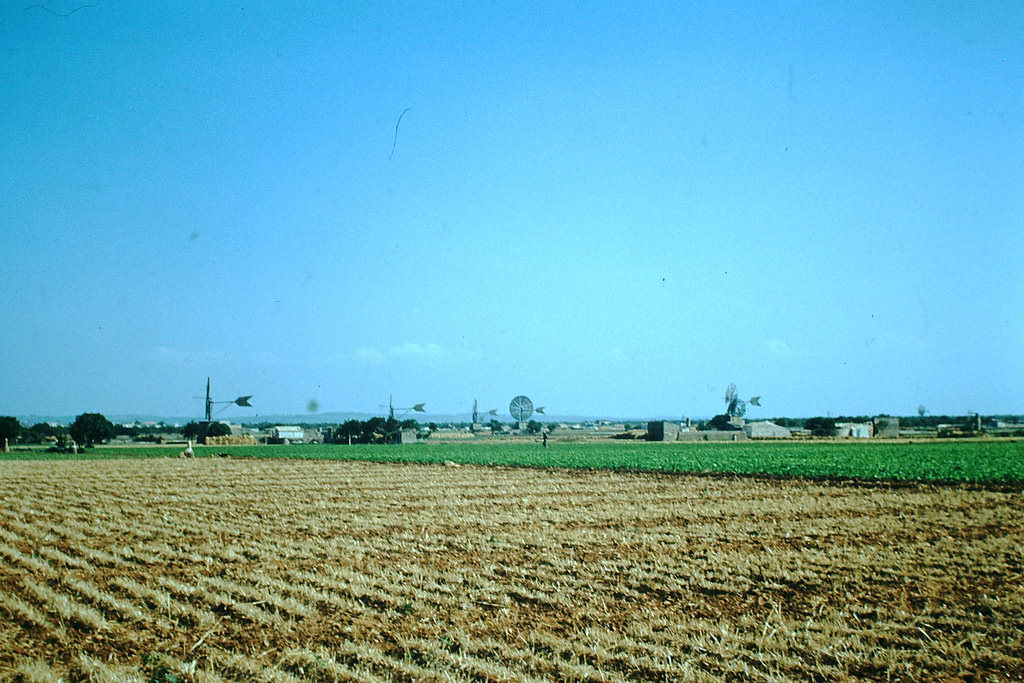
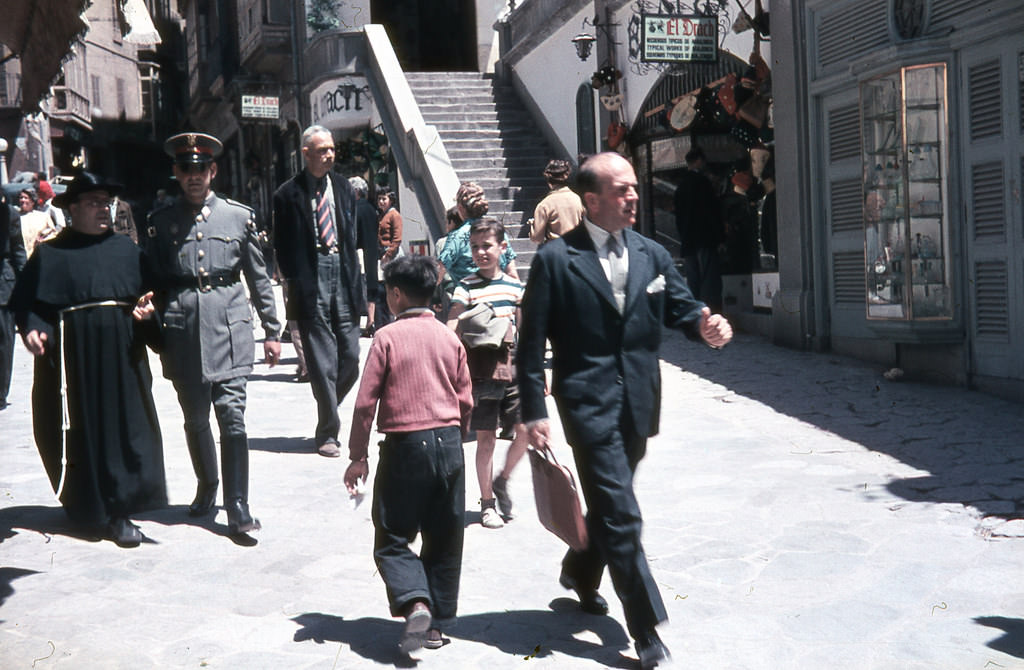
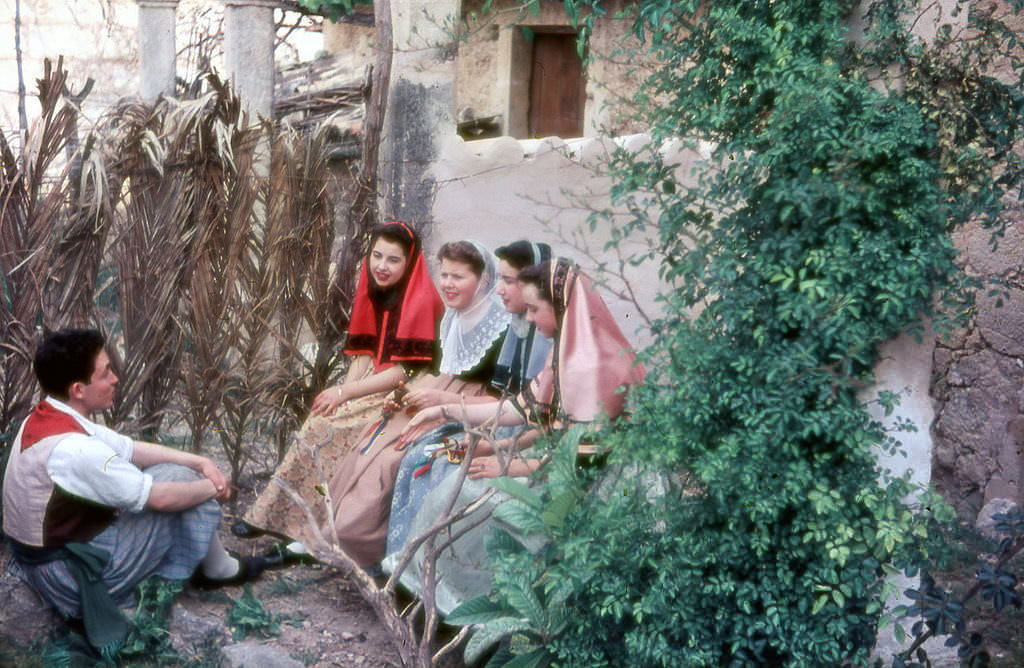
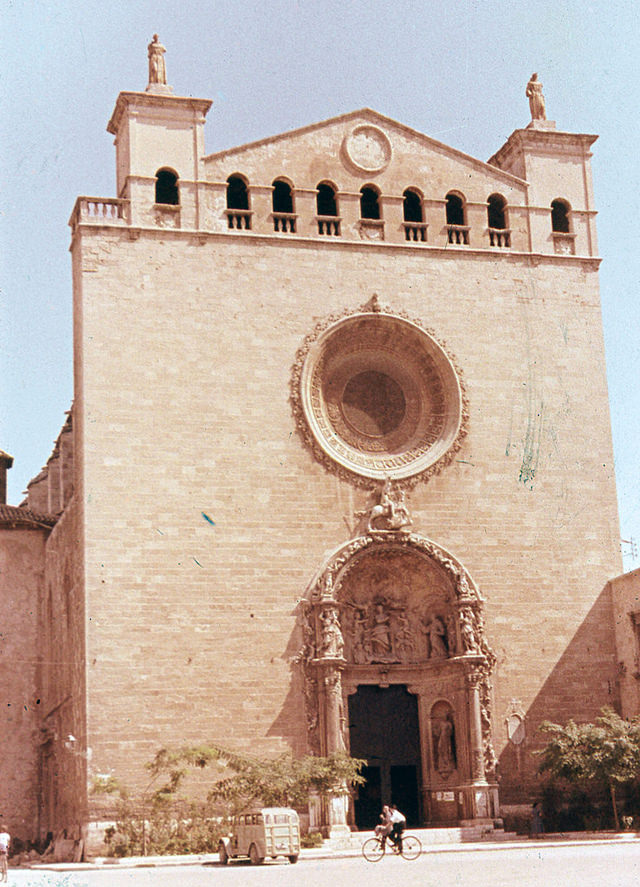
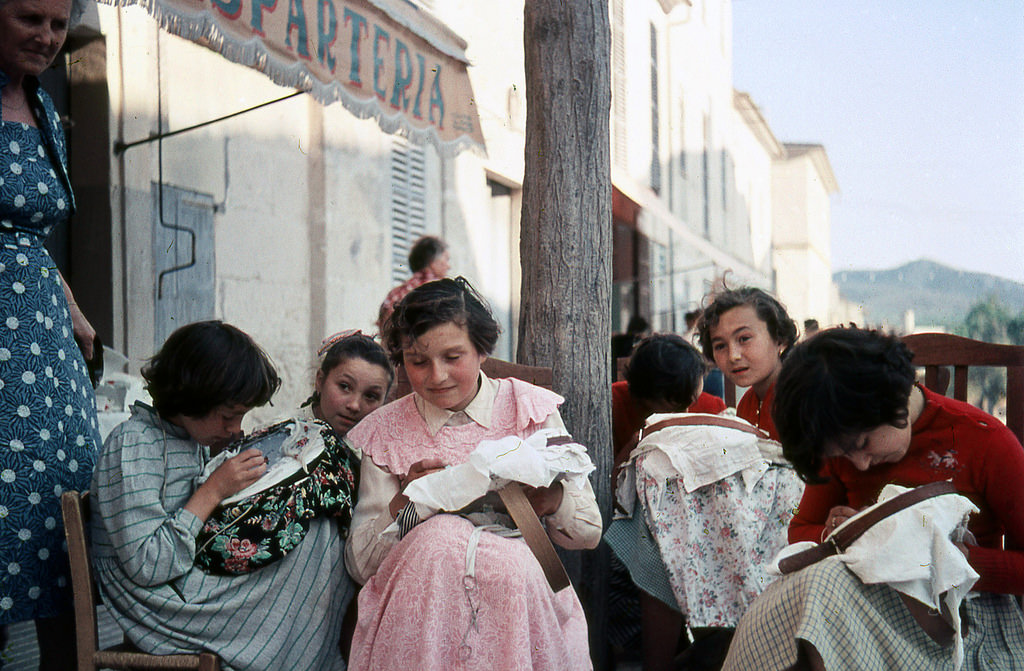
The island’s interior was — and still is — dotted with small villages built from golden sandstone. Narrow streets wound past whitewashed houses, outdoor markets, and Baroque churches that had stood for centuries. Almond and olive groves covered the hillsides, and the harvest of both crops was a central part of rural life. Wineries operated across the central plain, producing wines that locals had been making since Roman times.
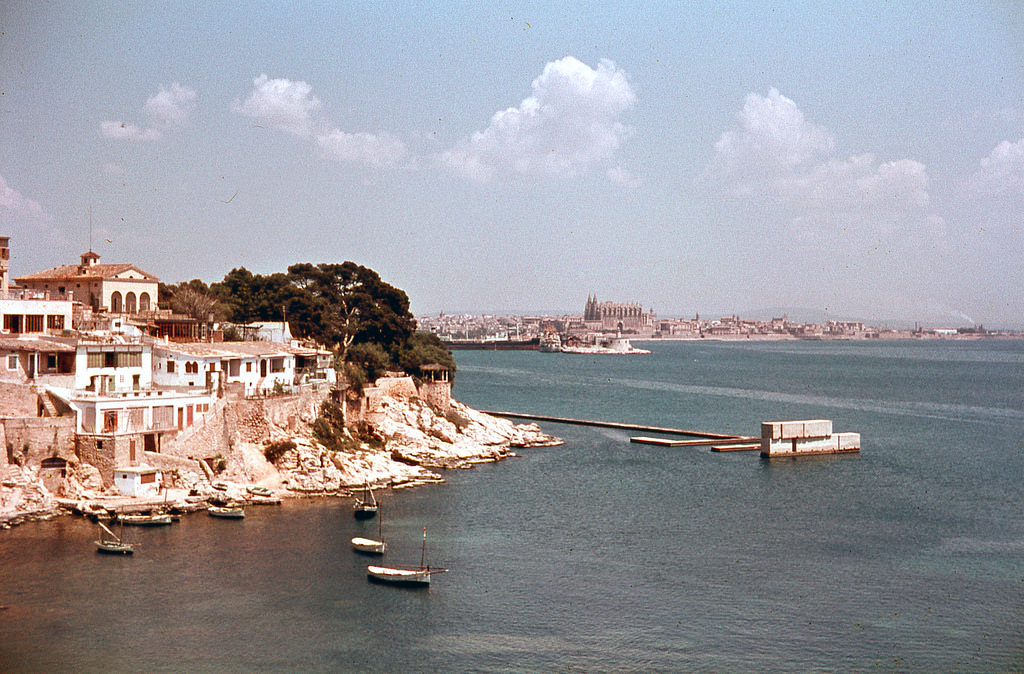
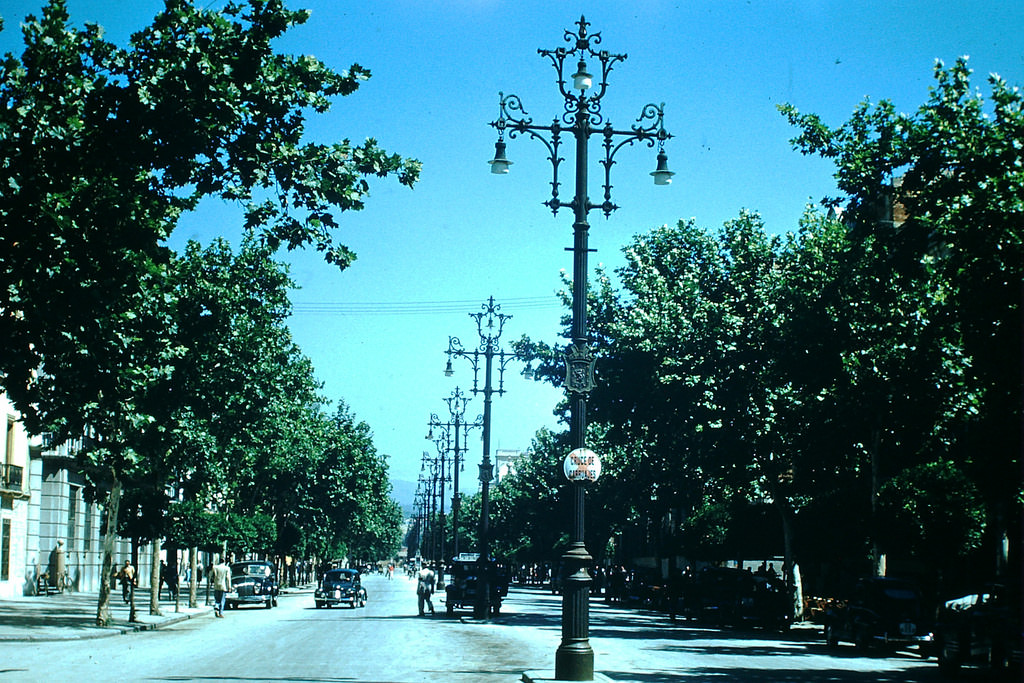
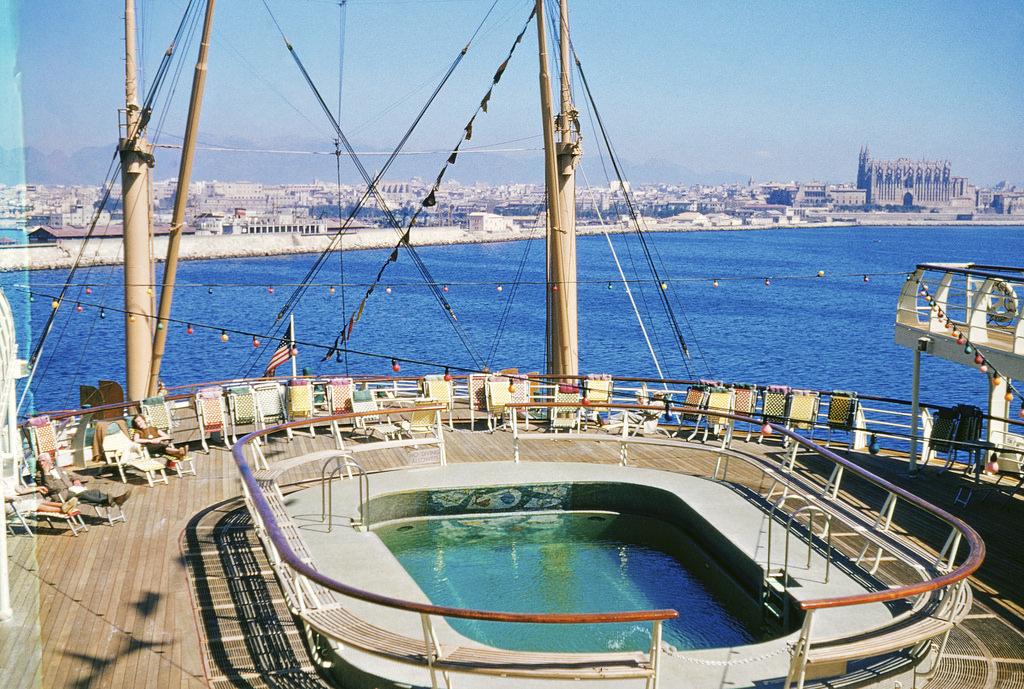
Palma, the island’s capital, anchored life on Mallorca. The city’s Gothic cathedral, La Seu, rose dramatically above the harbor, its amber walls catching the Mediterranean light in a way that made it one of the most recognizable buildings in Spain. The old quarter around it held centuries of Moorish, Christian, and Spanish architectural layers all pressed together.
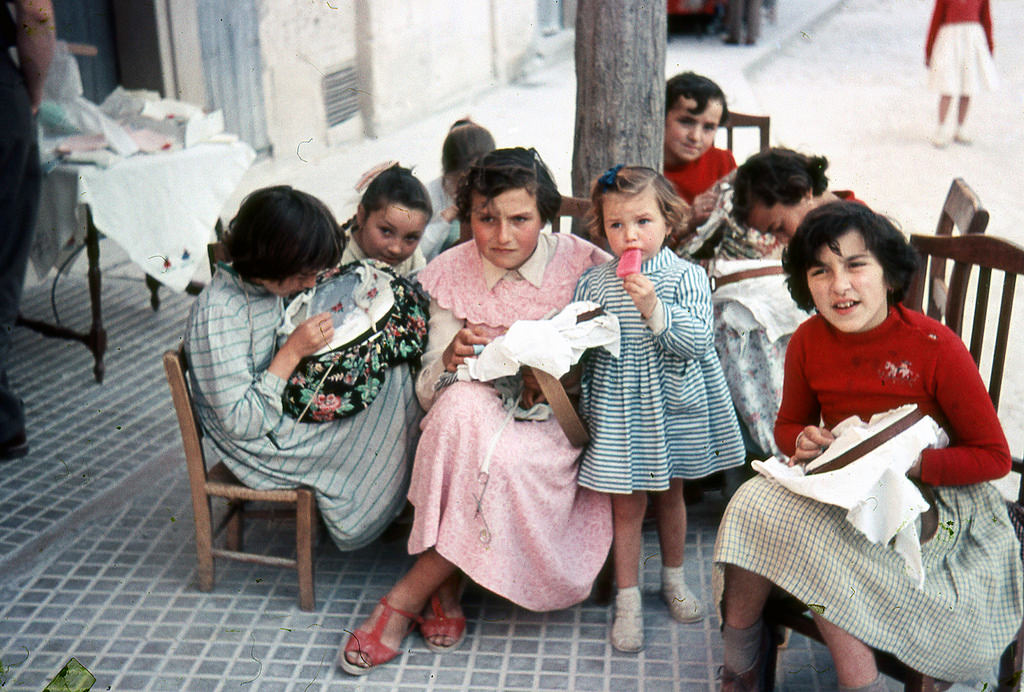
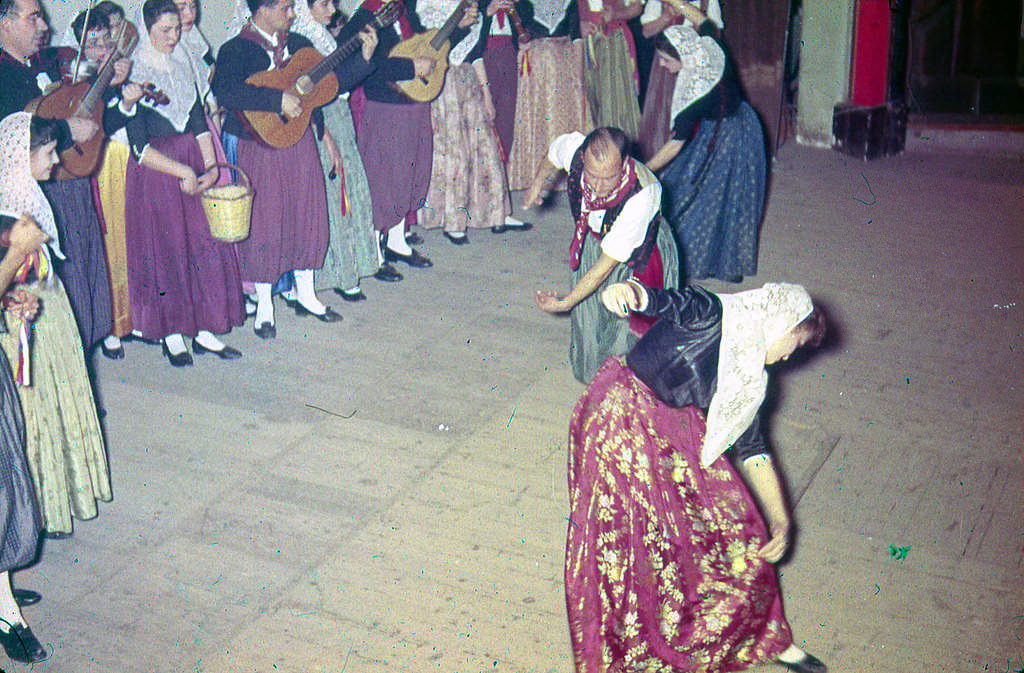
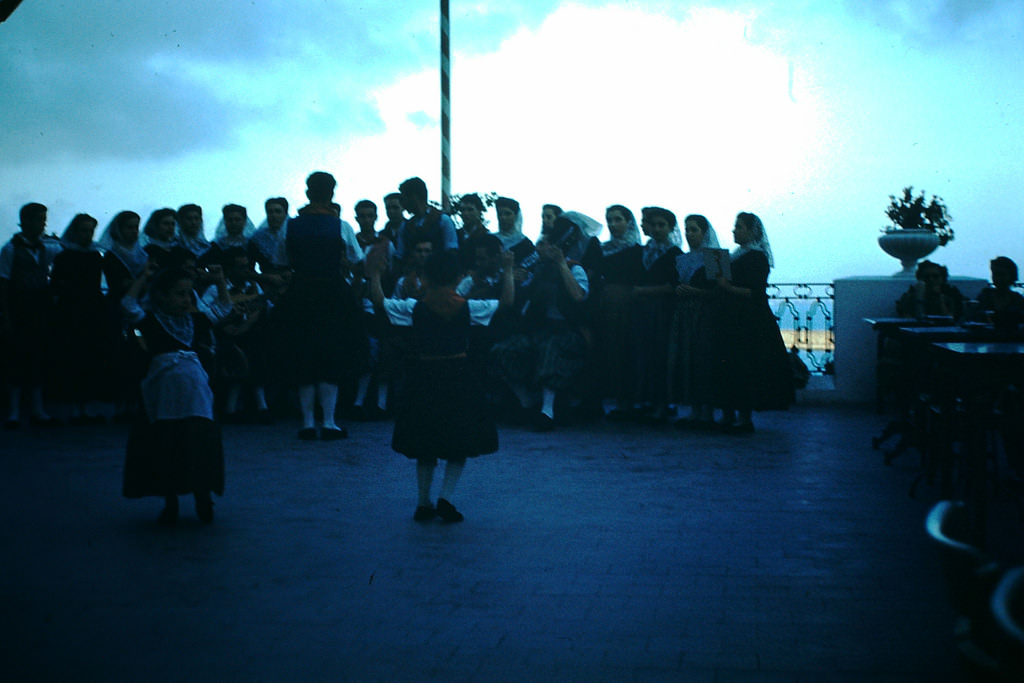
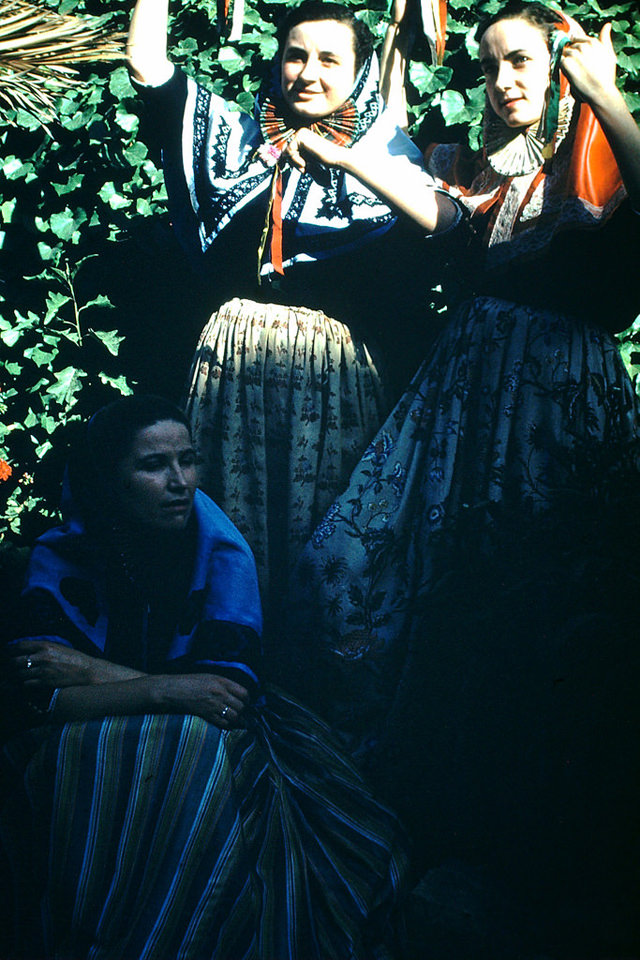
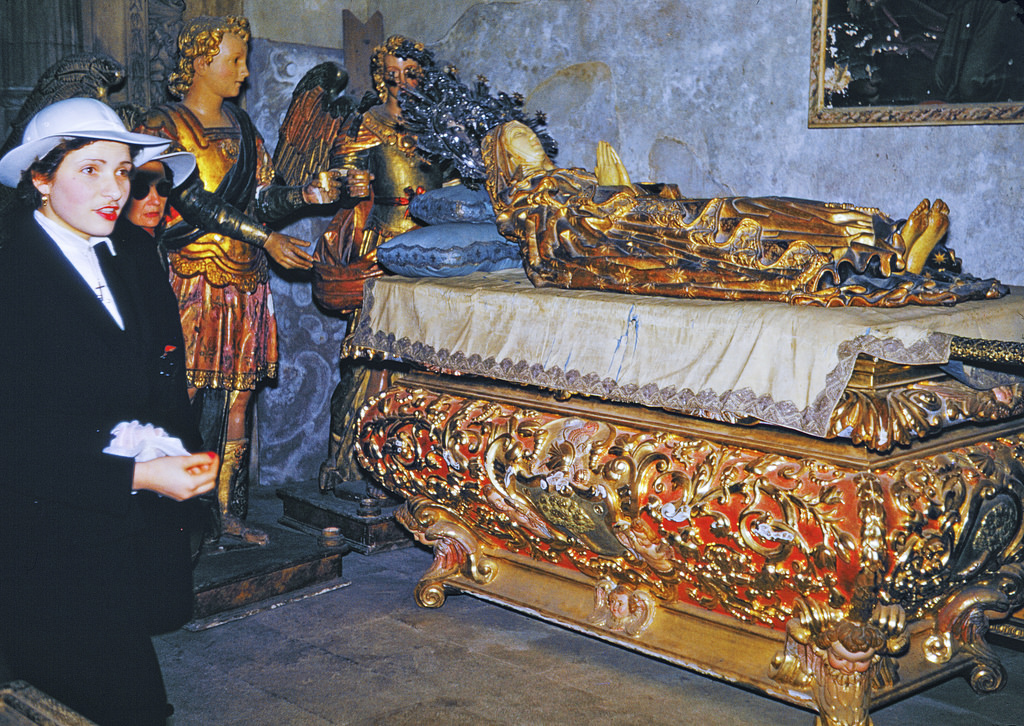
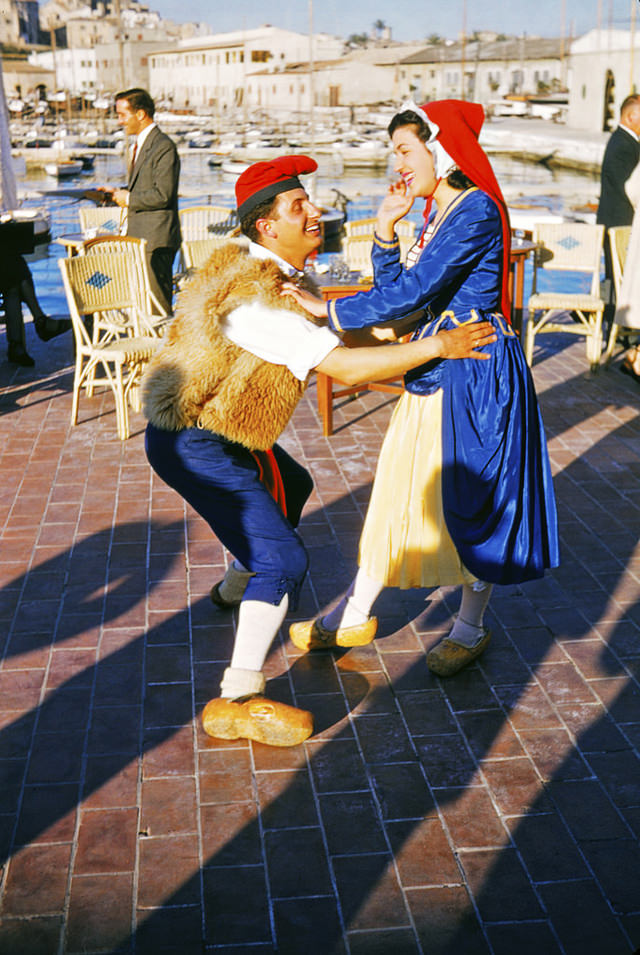
Religious ceremonies were a major part of island life. The Holy Week processions in Pollensa, a hilltop town in the north, drew crowds every year. On Good Friday, participants carried figures through the streets in a solemn procession that dated back centuries. The event mixed deep Catholic tradition with a genuine community gathering, drawing both locals and early visitors.
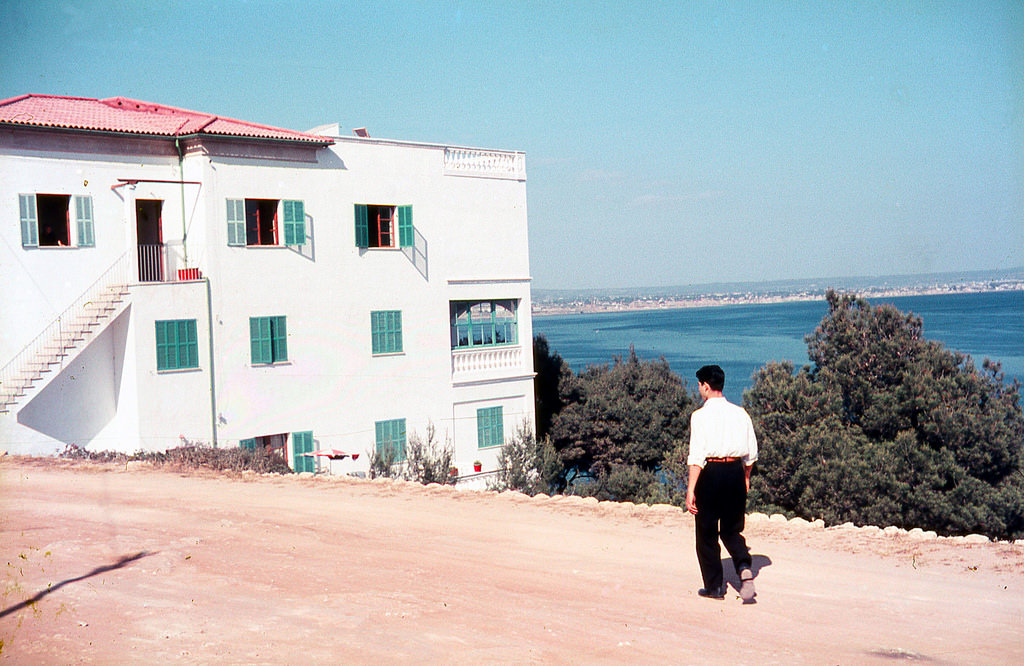
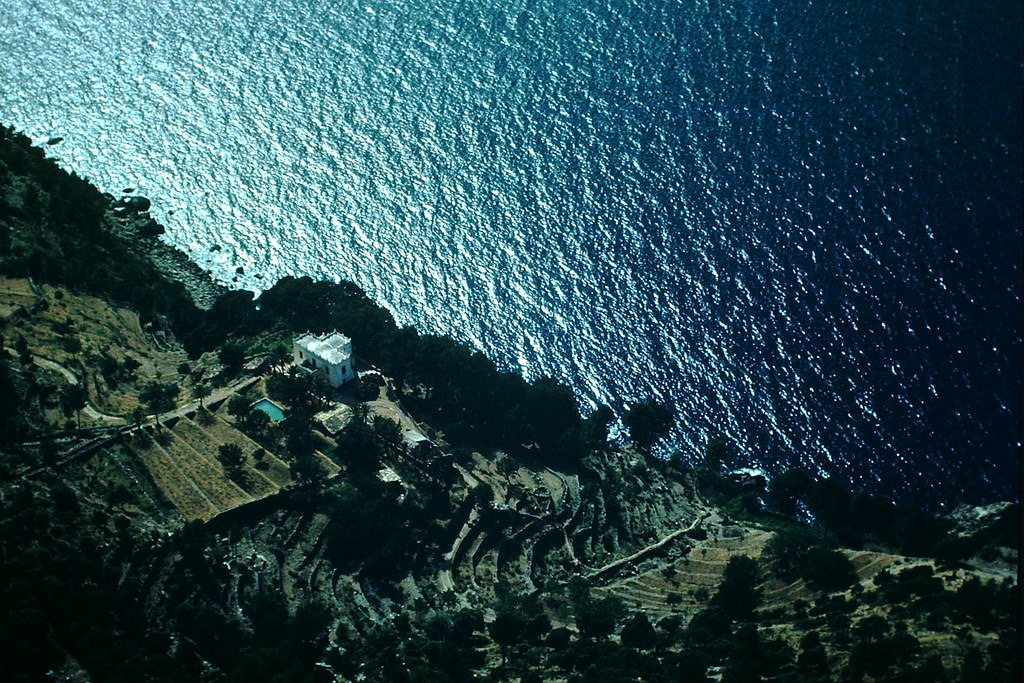
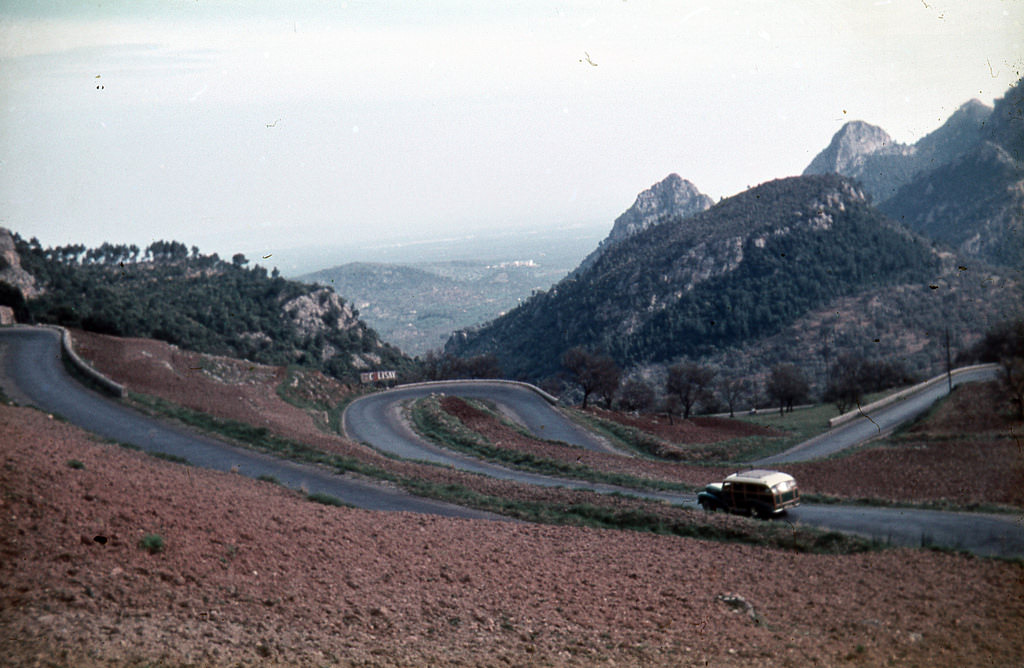
The Serra de Tramuntana mountain range ran along the entire northwest coast of the island. Villages like Valldemossa and Deià clung to the steep slopes, surrounded by terraced olive groves built up over generations. The mild climate kept the mountains green even in winter, and the views down to the sea from the higher paths were extraordinary.
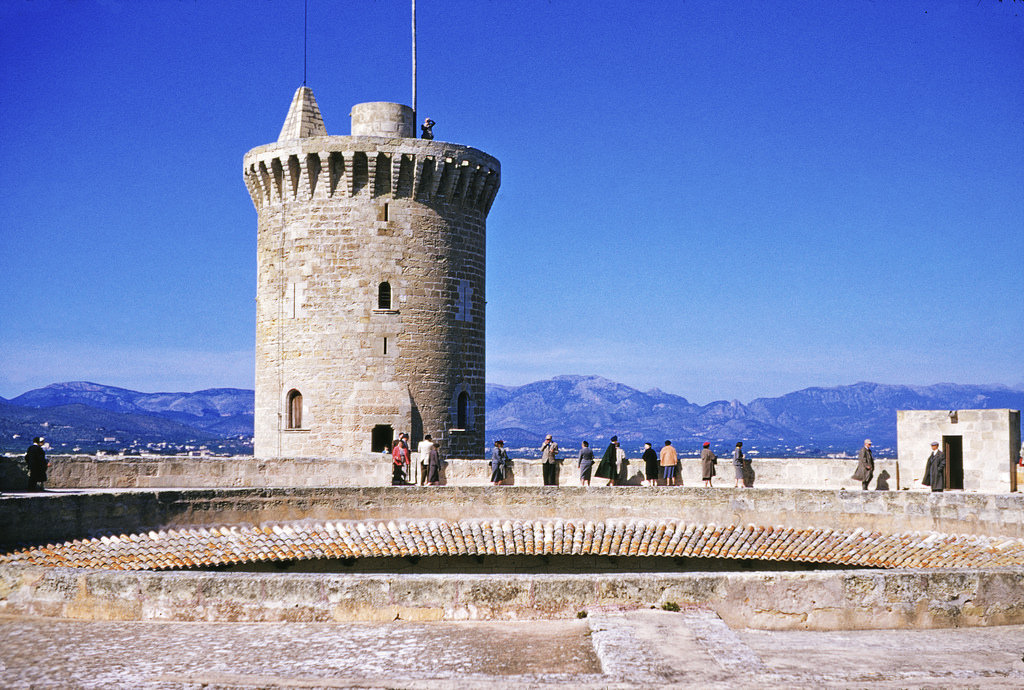
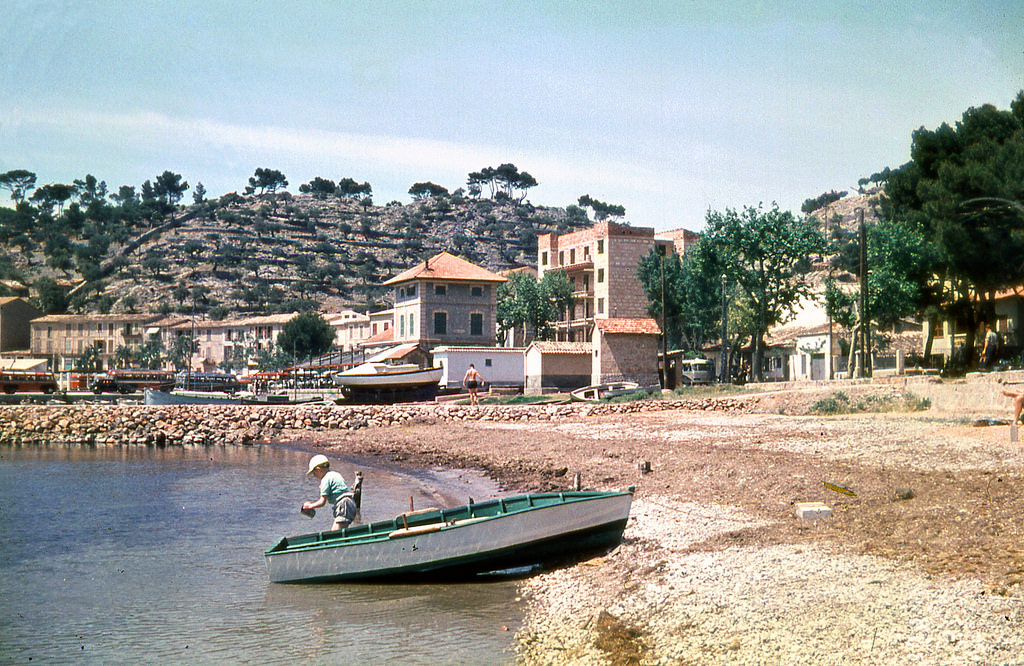
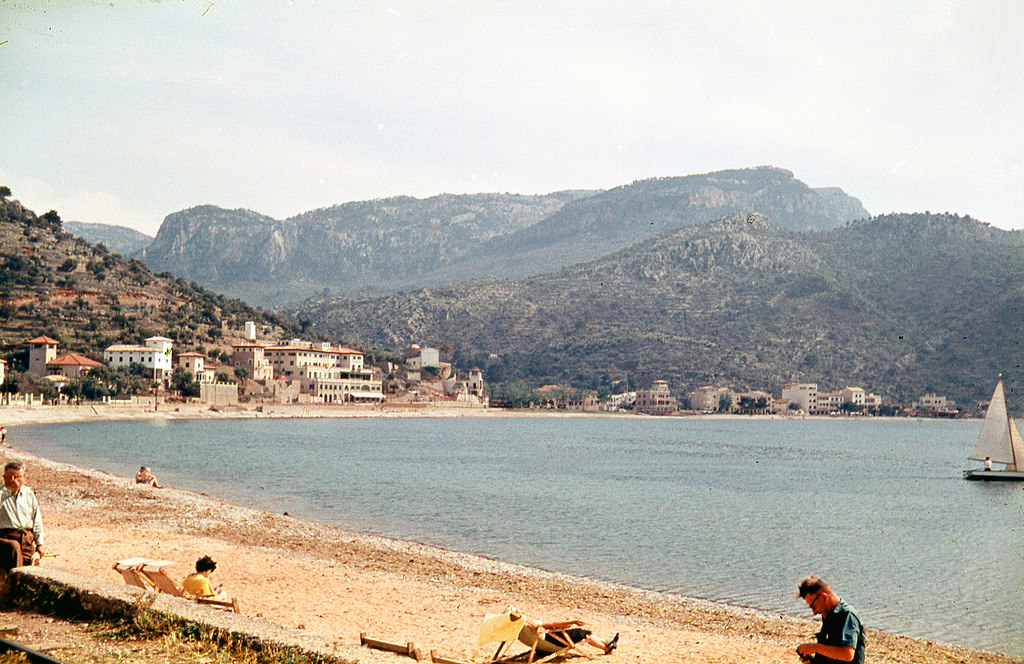
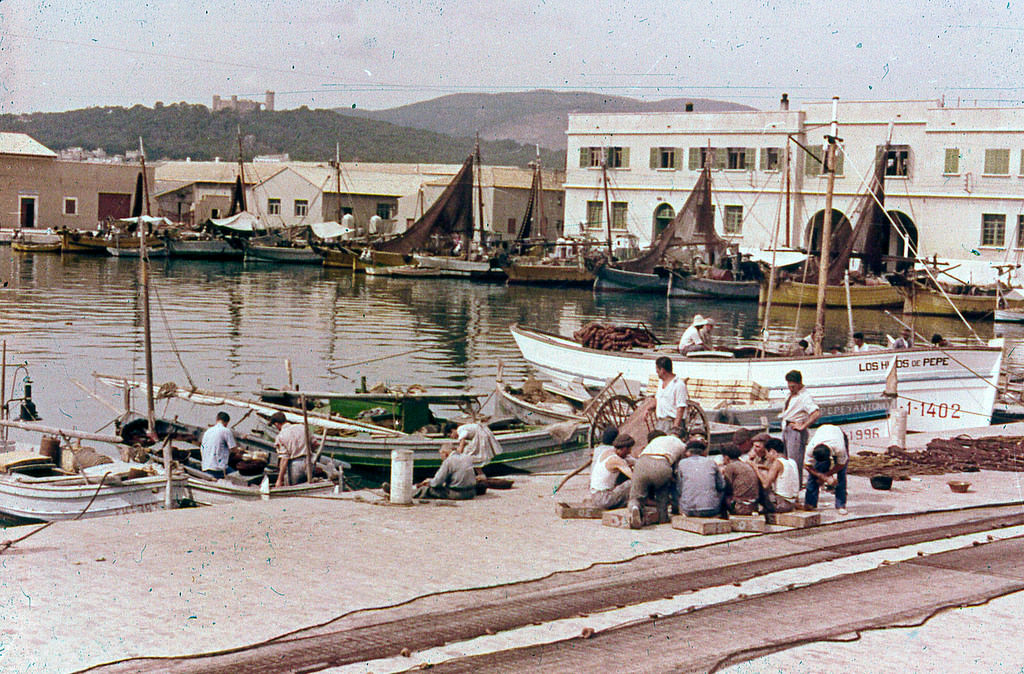
Fishing was essential along the coast. Small wooden boats worked the waters off villages like Port de Sóller and Cala Rajada, bringing in catches of fish and shellfish that fed local families and supplied the markets in Palma. The harbors themselves were simple and functional — colorful boats, nets drying in the sun, and fishermen repairing gear on the docks.
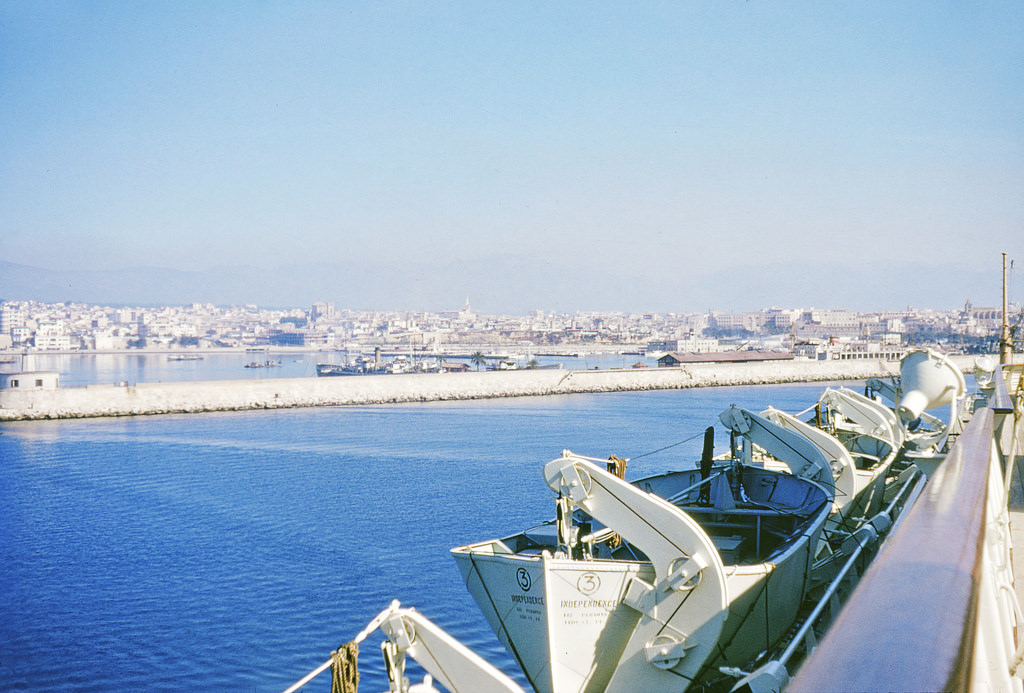
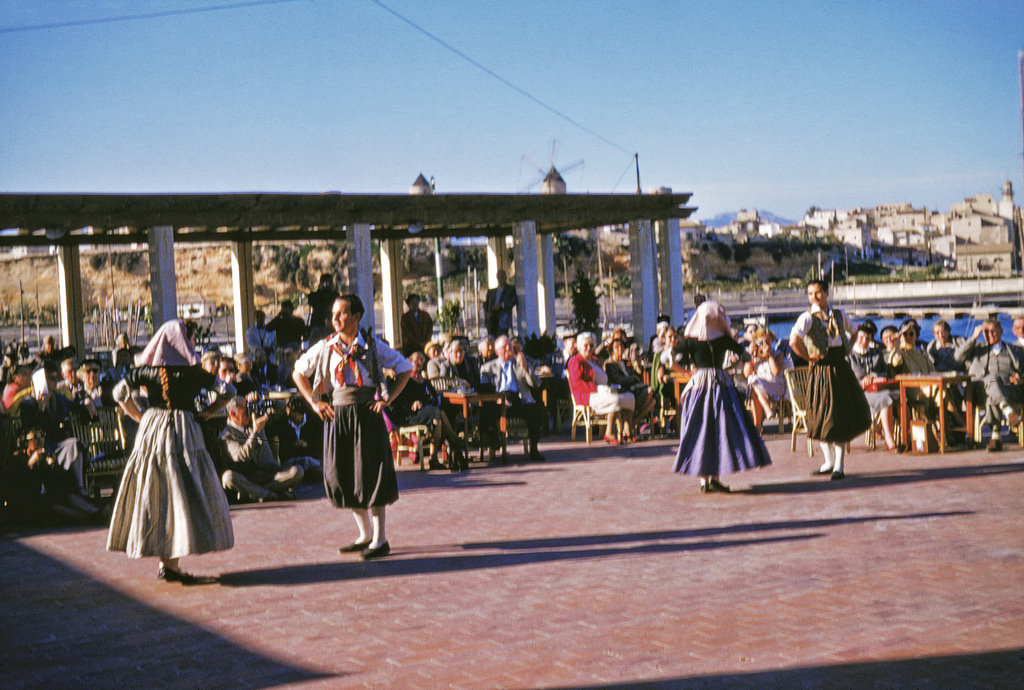
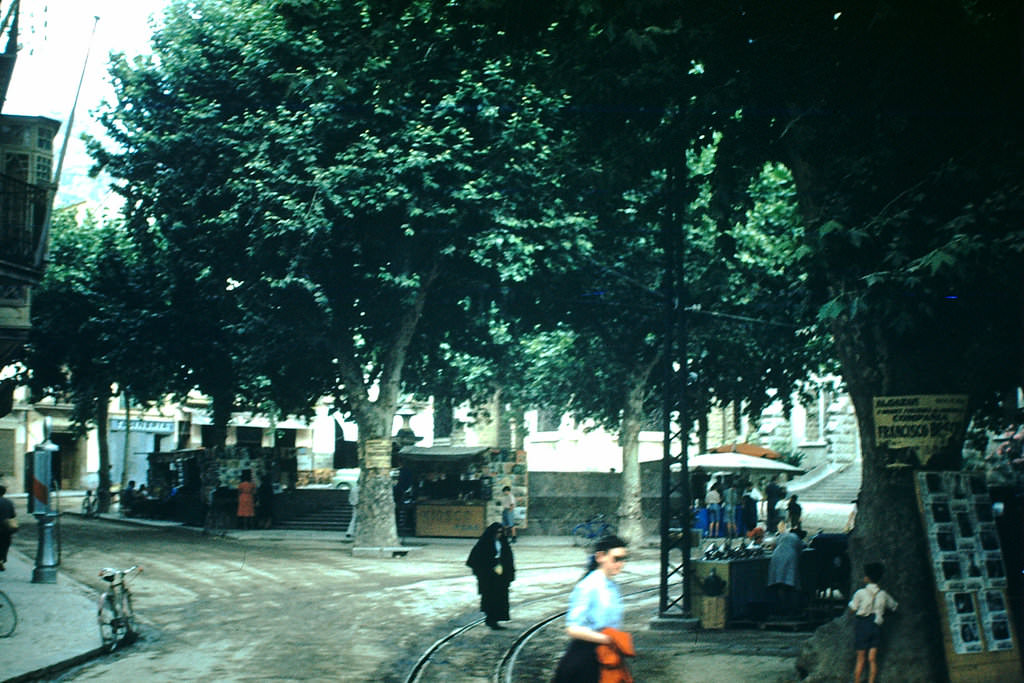
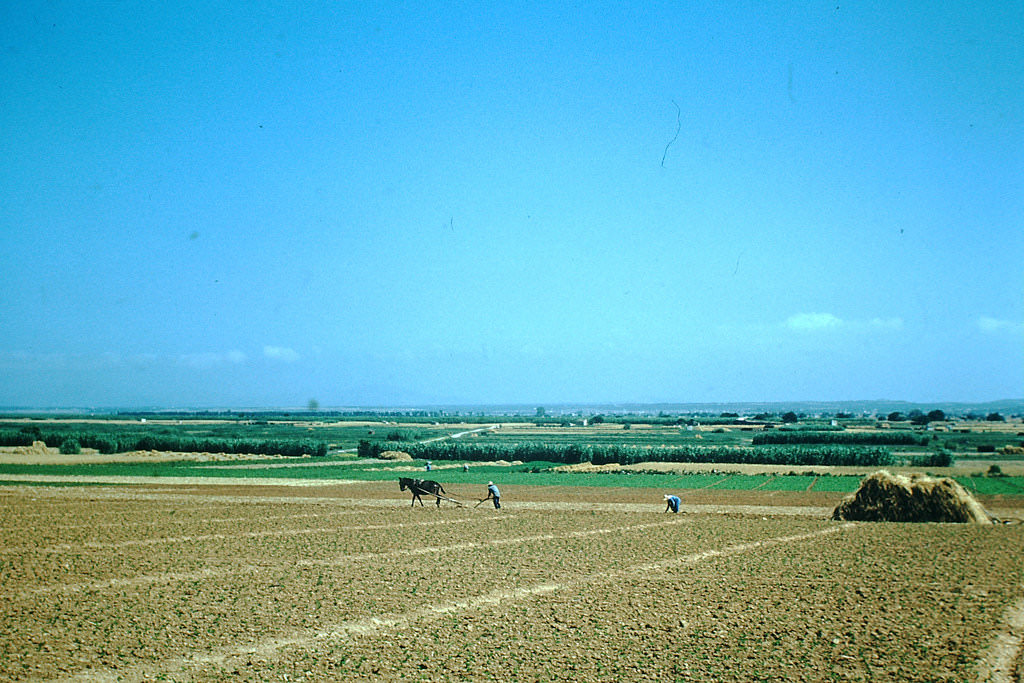
Mallorca’s fresh produce farms supplied both local tables and export markets. The island grew tomatoes, citrus fruits, figs, and capers. The weekly markets held in towns like Sineu and Inca were lively affairs where farmers, merchants, and shoppers gathered to trade goods and catch up on news. These markets had been running in the same locations for hundreds of years.
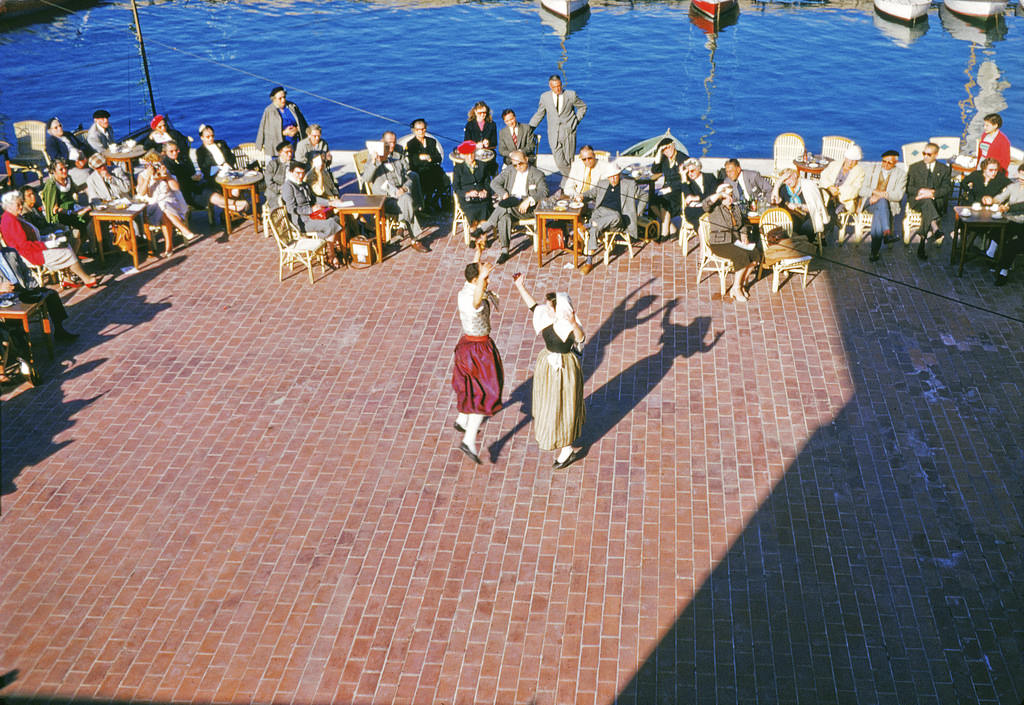
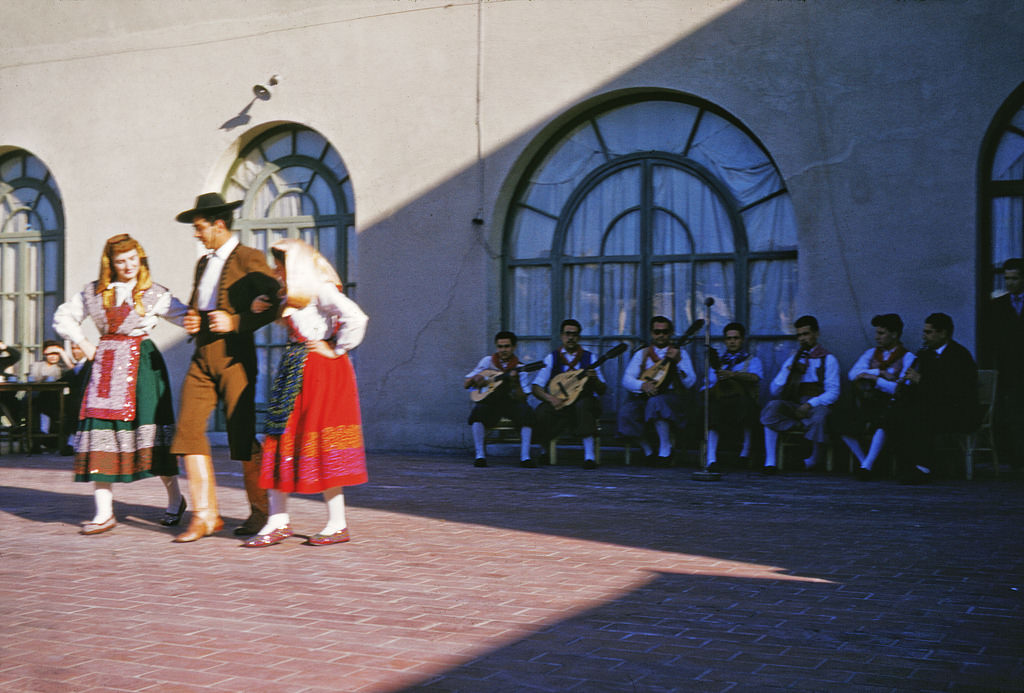
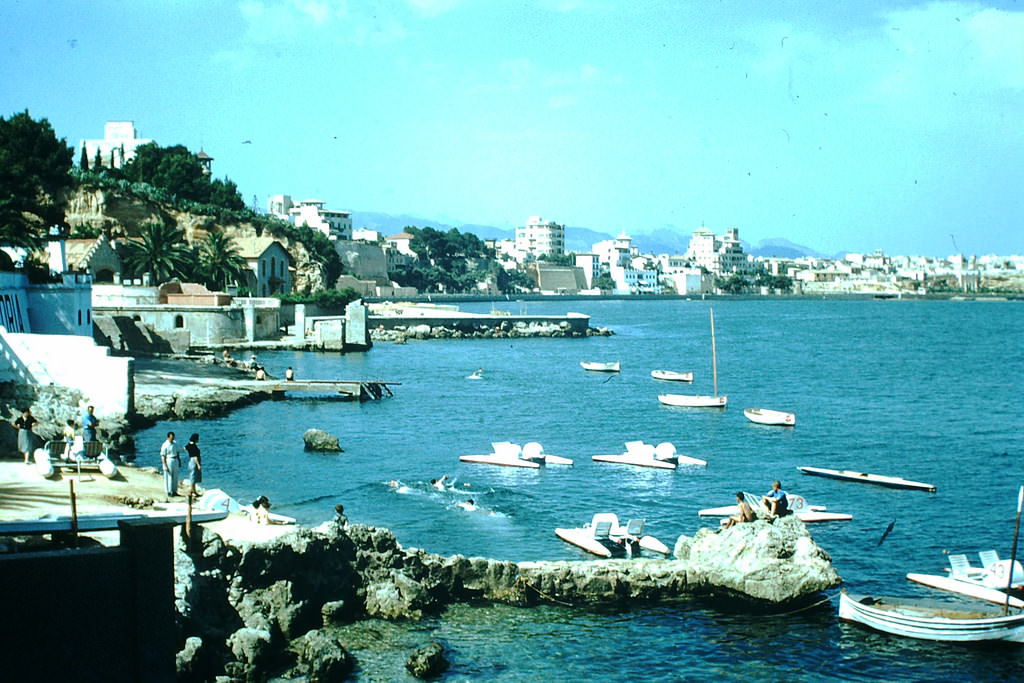
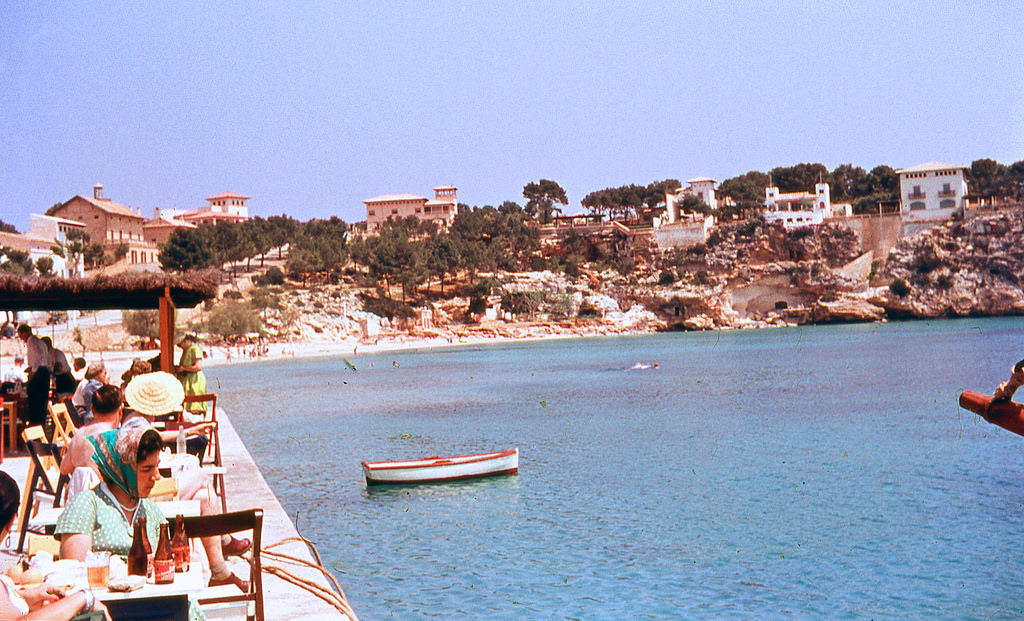
Early tourists did begin arriving in the 1950s, though in numbers far smaller than the millions who would come in later decades. Most stayed in Palma or along the Bay of Palma, and travel to the island still required a ferry from the mainland or a flight into the small airport. The infrastructure for mass tourism was only just beginning to be built.
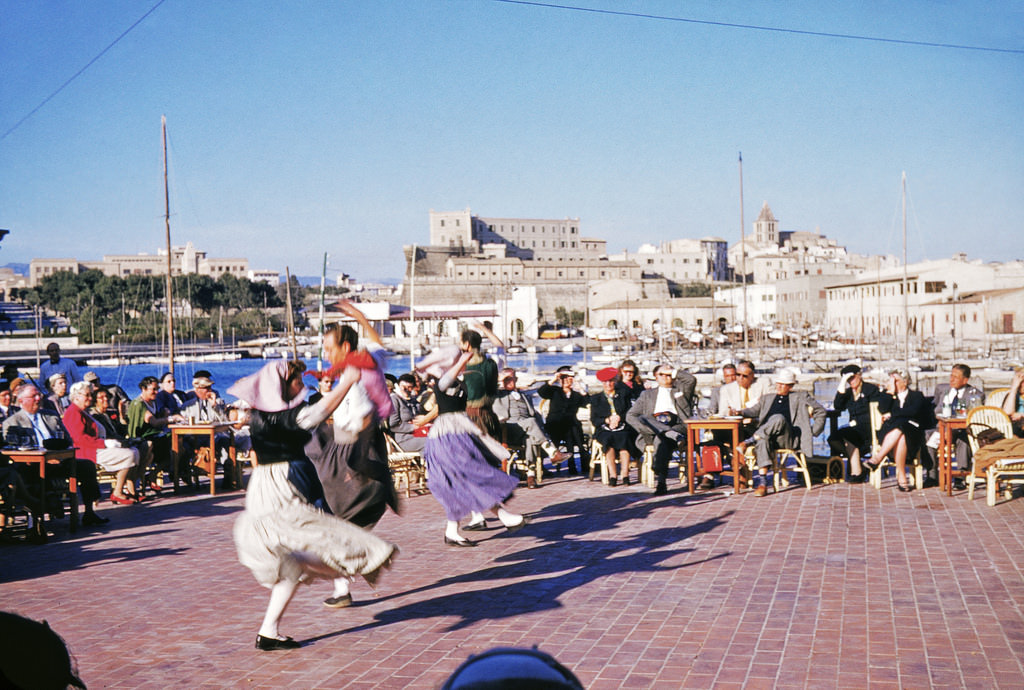
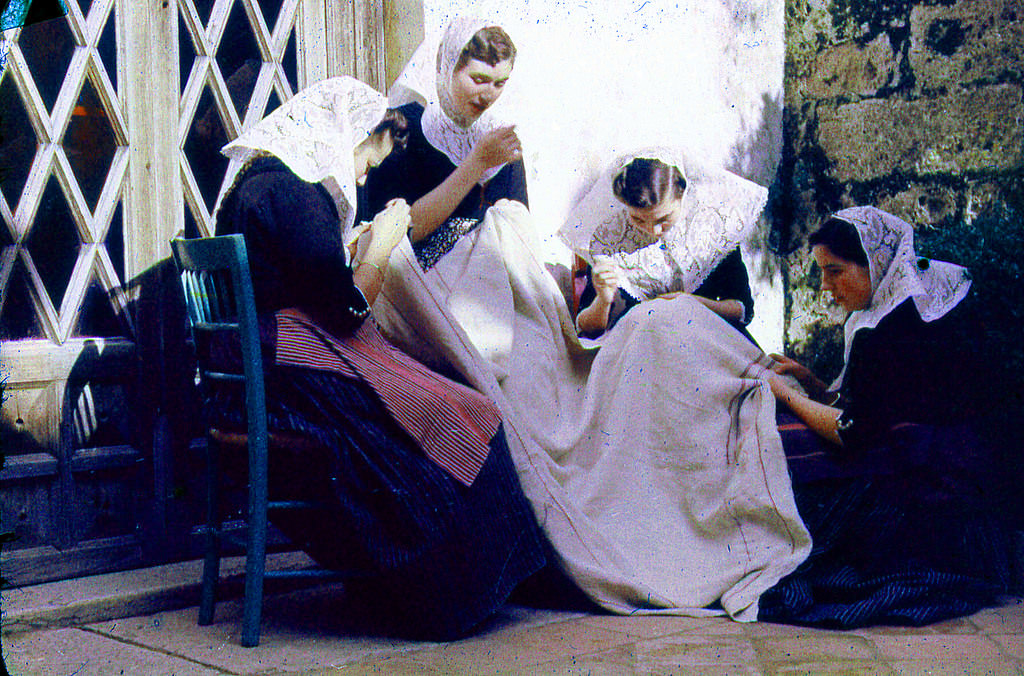
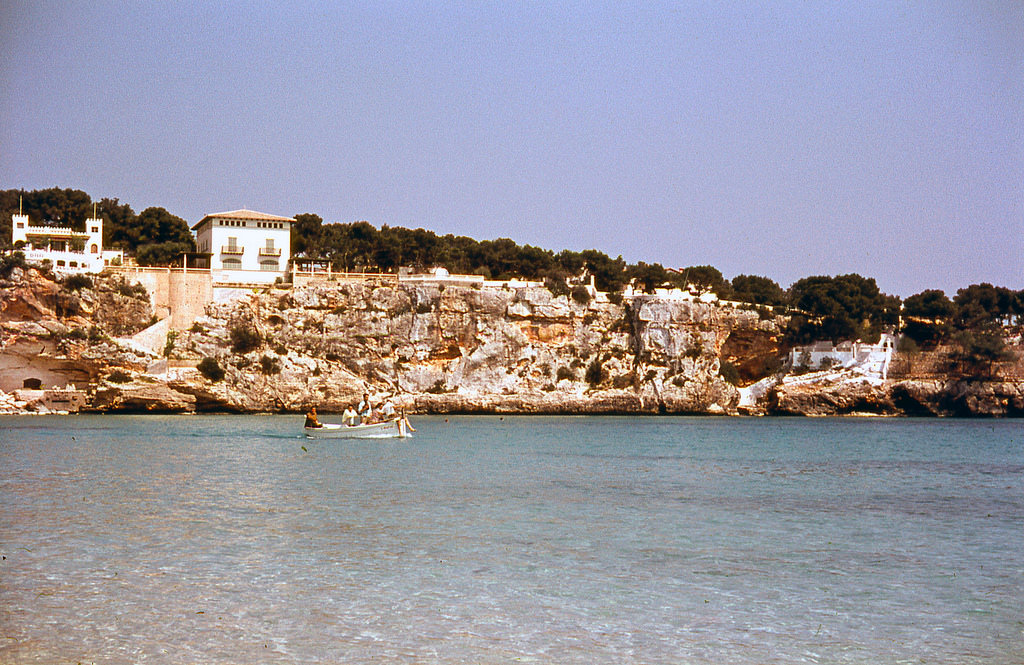
The coastline in this era was largely undeveloped outside of the main towns. Coves that would later be packed with sunbathers and hotels were still accessible only by foot or by boat. The water was clear, the beaches were empty, and the only sounds were the wind and the sea. These color photographs capture that version of Mallorca — an island largely untouched by the changes soon to come.