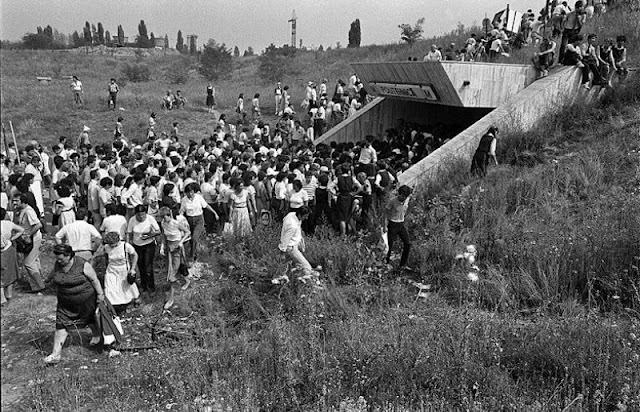
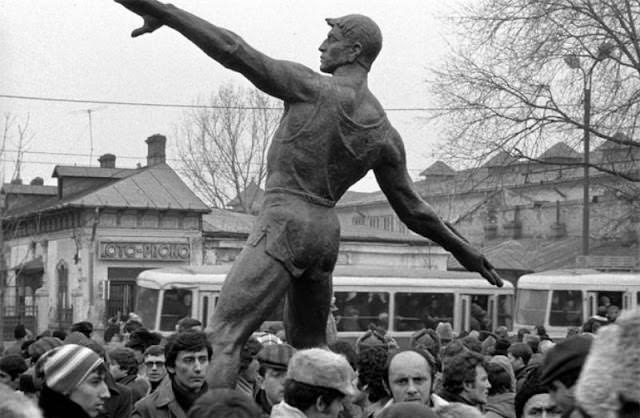
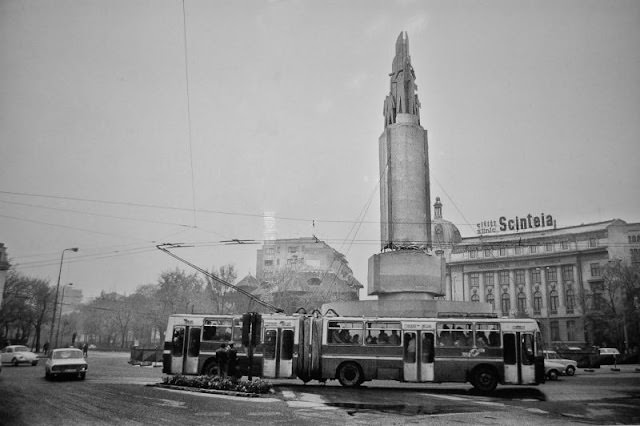
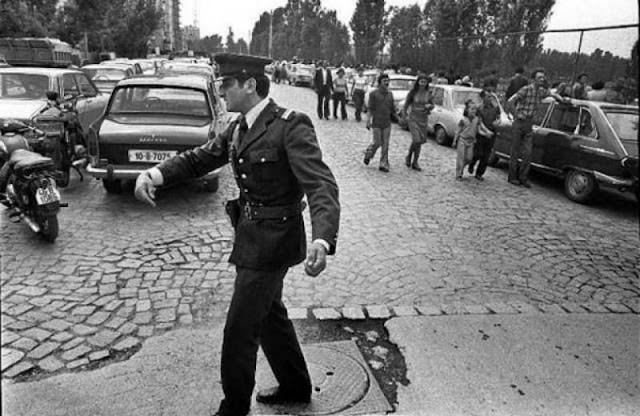
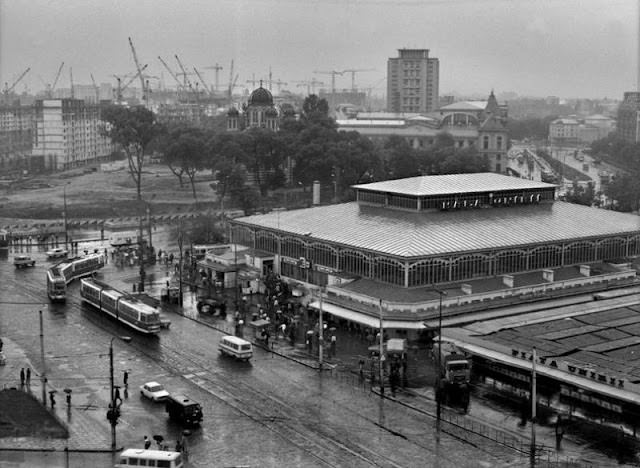
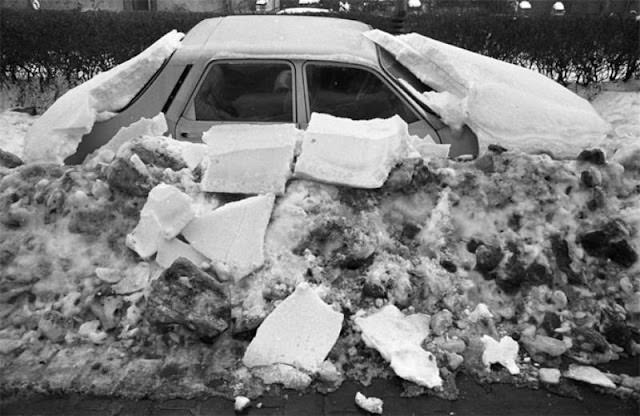
Andrei Pandele was trained as an architect, but it was his camera that made him dangerous to the Romanian state. In the 1970s and ’80s, as Nicolae Ceaușescu’s communist regime bulldozed churches, historic neighborhoods, and centuries-old buildings across Bucharest, Pandele took to the streets to record what was being erased. His architectural training gave him a sharp eye — he understood what structures were at risk and moved quickly to photograph them before demolition crews arrived.
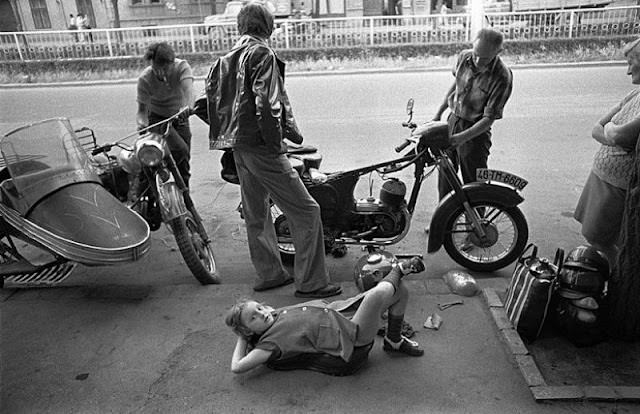
The risks were serious. Within his first year and a half of shooting, Pandele was interrogated by authorities approximately 30 times. The Securitate, Romania’s secret police, kept a close watch on anyone documenting the regime’s transformation of the city. Despite repeated questioning, Pandele did not stop.
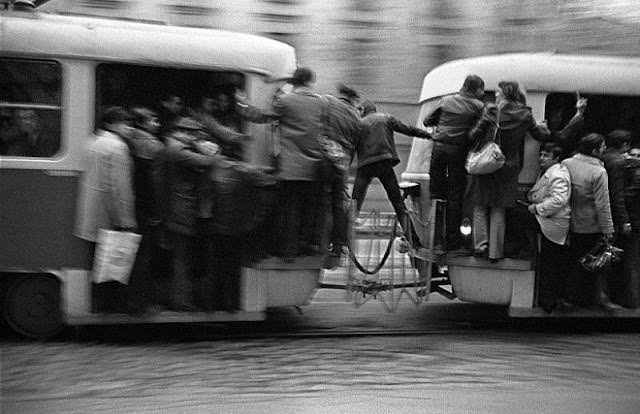
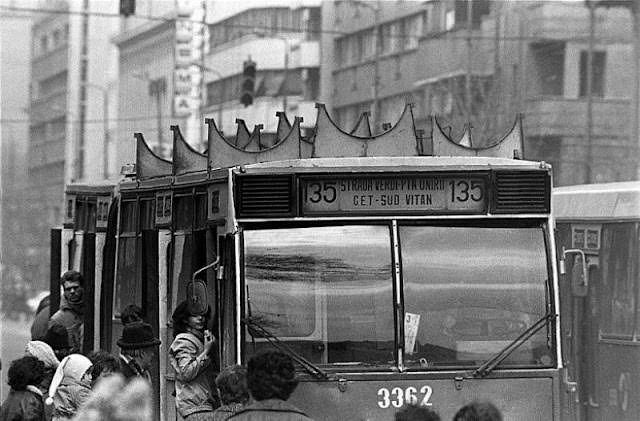
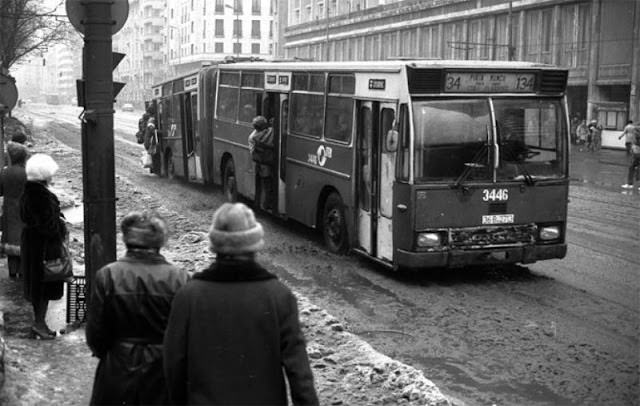
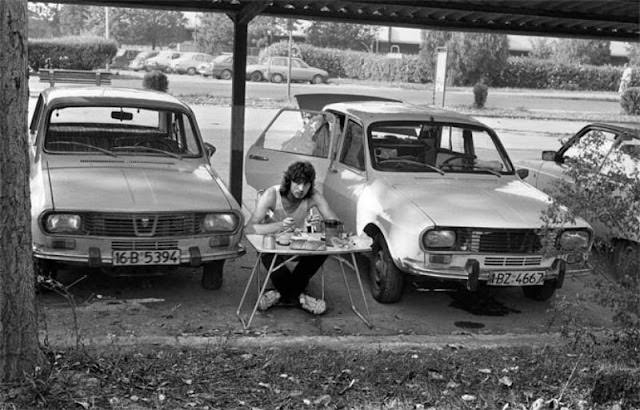
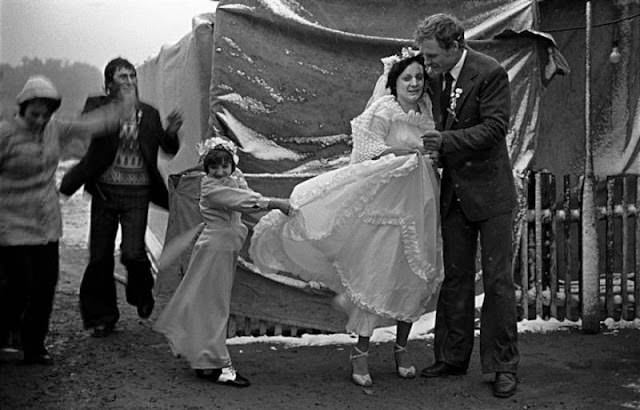
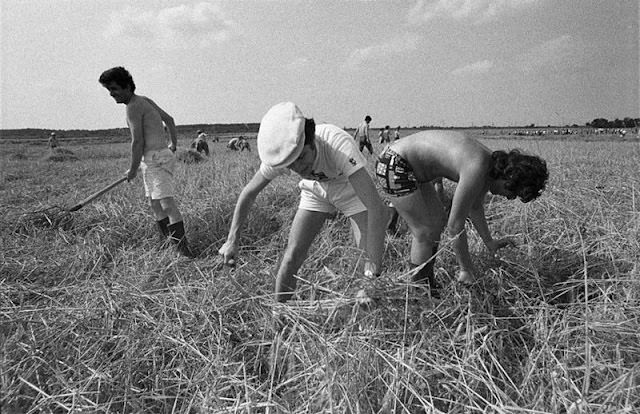
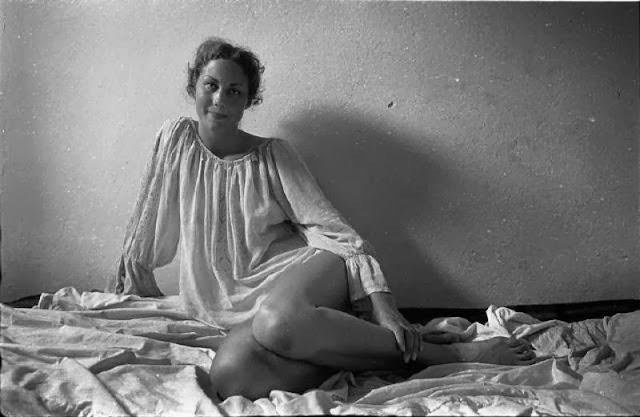
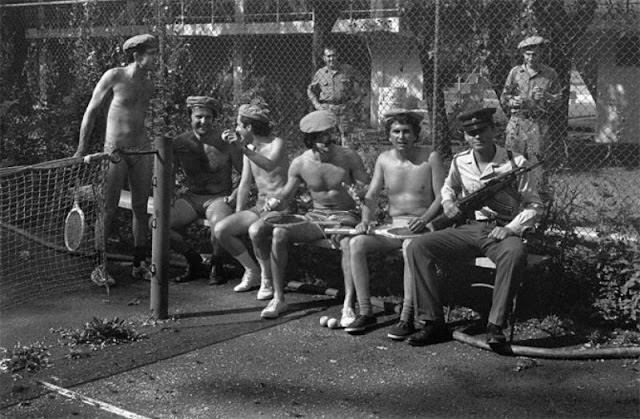
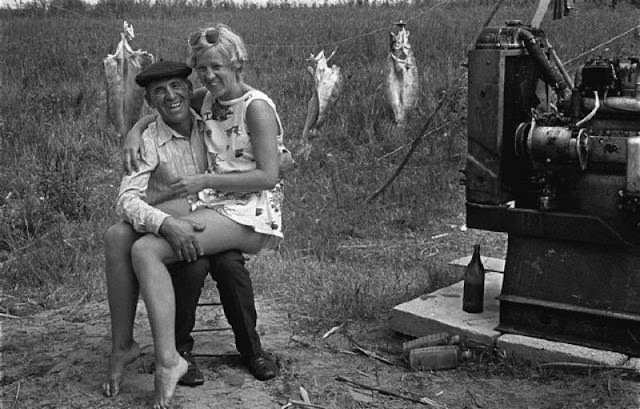
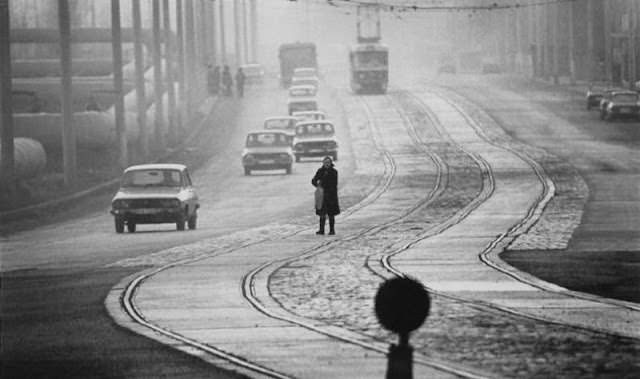
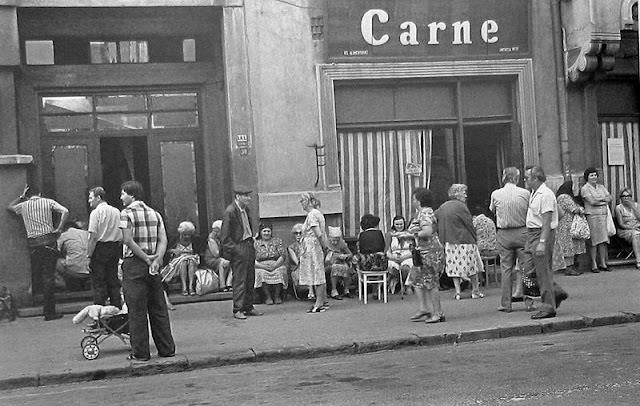
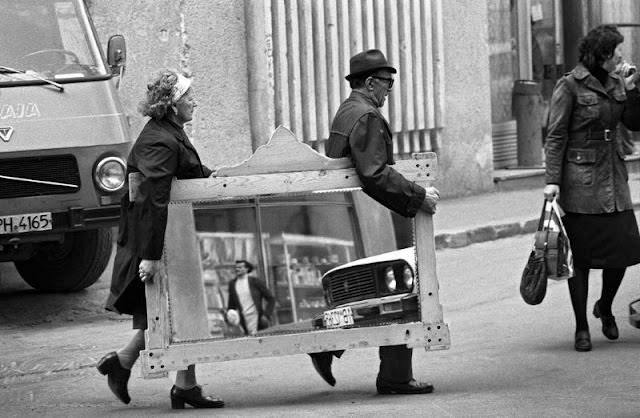
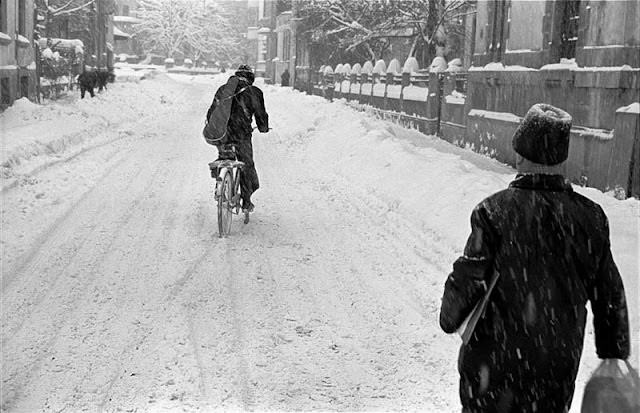
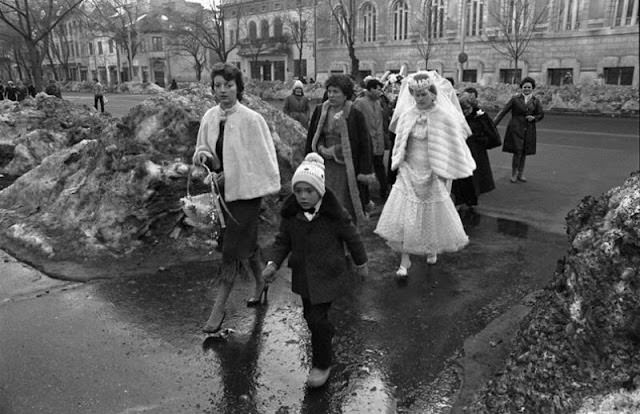
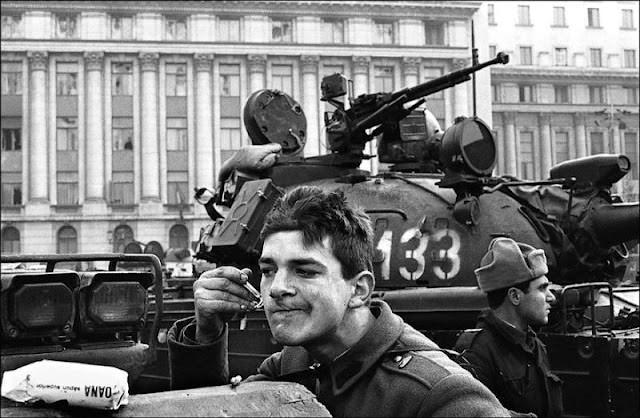
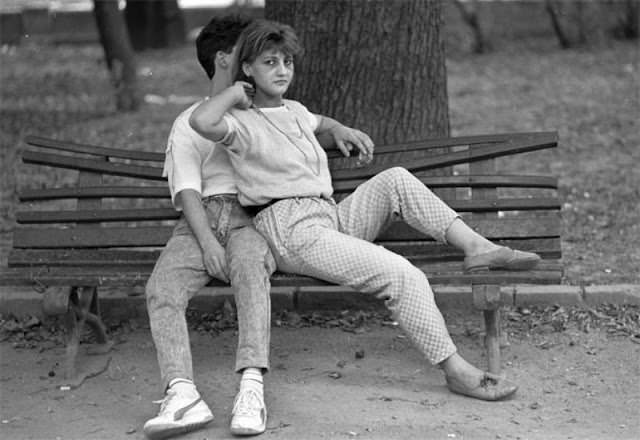
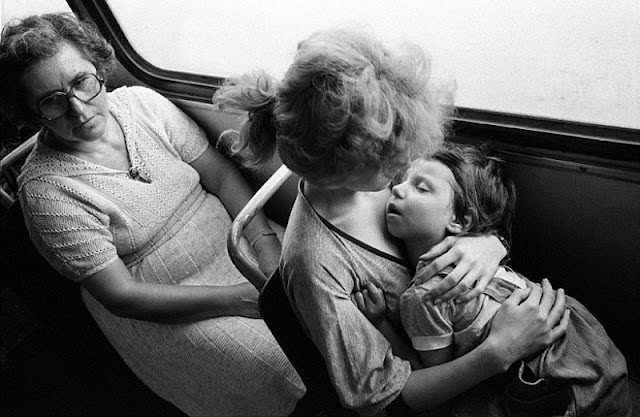
His photographs go well beyond architecture. They show the texture of ordinary life for Bucharest’s residents under one of Eastern Europe’s most repressive governments. Long lines for basic food and goods were a daily reality for Romania’s 22 million citizens. Pandele pointed his lens at those lines, at crowded trams, and at quiet personal moments that the regime never intended the outside world to see.
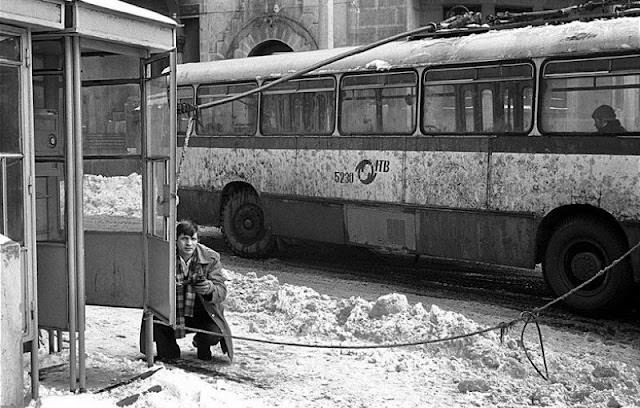
Ceaușescu’s so-called modernization program was sweeping and ruthless. Entire districts were flattened to make way for wide Socialist-style boulevards and massive concrete blocks. For residents, it meant forced relocation and the loss of communities that had existed for generations.
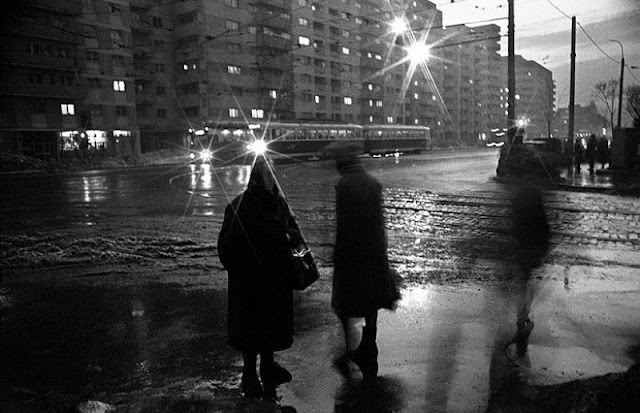
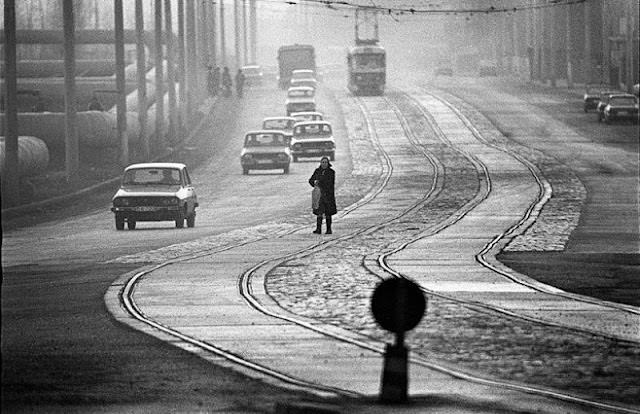
Pandele understood that the destruction was not only physical. The human cost — disrupted lives, displaced families, and a population living under constant surveillance and scarcity — was the deeper story he was committed to telling.
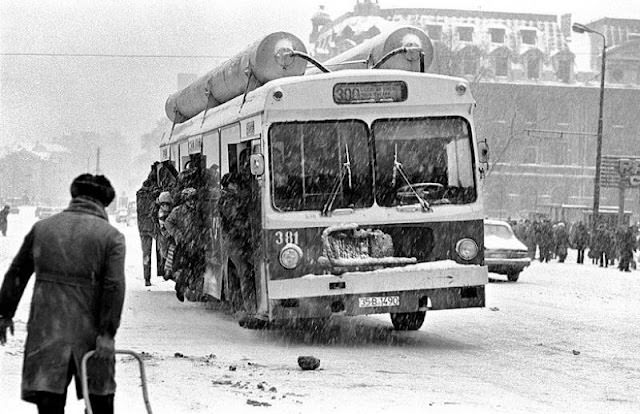
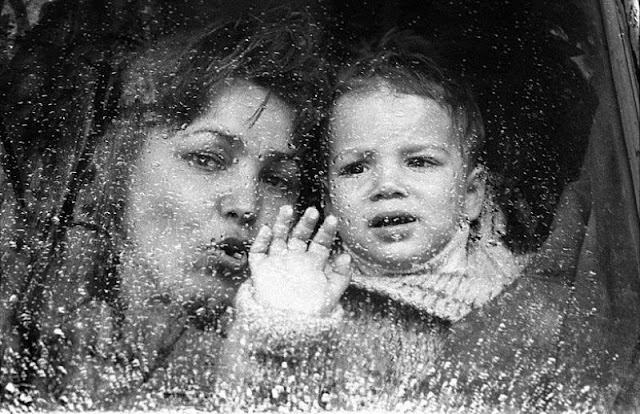
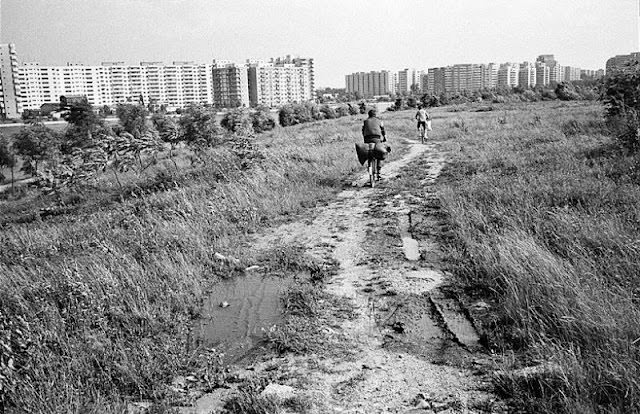
What makes these images so striking is their intimacy. These are not staged propaganda shots. They are candid frames of real people — workers, children, elderly residents — going about their lives in a city being dismantled around them.