
Brighton sits on the southern coast of England, tucked into the shoreline of the English Channel. What began as a small fishing village in the early 18th century gradually transformed into one of England’s most visited seaside resorts. The shift started when Brighton reinvented itself as a health resort, drawing visitors who believed sea air and bathing held medicinal benefits. Then, in 1841, the opening of the London and Brighton Railway changed everything. Suddenly, Londoners could make the trip for a day out, and they did — in enormous numbers. The town’s population reflected this growth, jumping from around 7,000 in 1801 to over 120,000 by 1901.
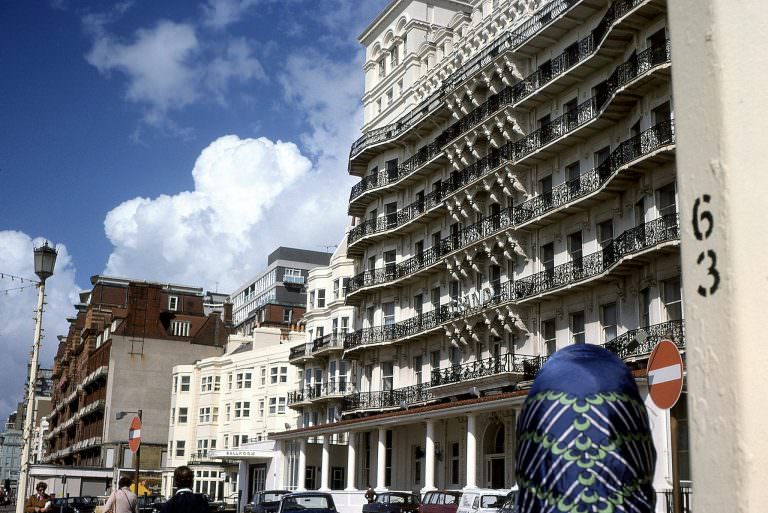
The Victorian era left a lasting mark on Brighton’s skyline and seafront. The Grand Hotel opened in 1864, the West Pier in 1866, and the Palace Pier in 1899. Before those, Captain Samuel Brown had already built the Chain Pier, an earlier structure that drew its own share of visitors. Artists took notice too — both J.M.W. Turner and John Constable painted Brighton during this period, capturing the coastal light and the busy seafront atmosphere.
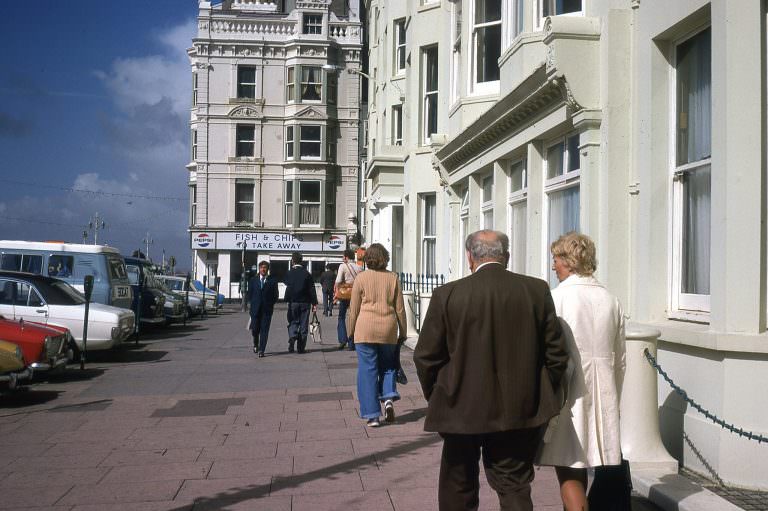
By the time the 1970s arrived, Brighton looked quite different from its Victorian heyday. Large parts of the town had fallen into disrepair. Unemployment was high across British city centres, and Brighton was no exception. Squatting became a visible part of life, with empty and neglected buildings occupied by those who had nowhere else to go. It was a counter-culture born out of economic hardship, and Brighton’s rundown streets made it easy to find vacant properties.
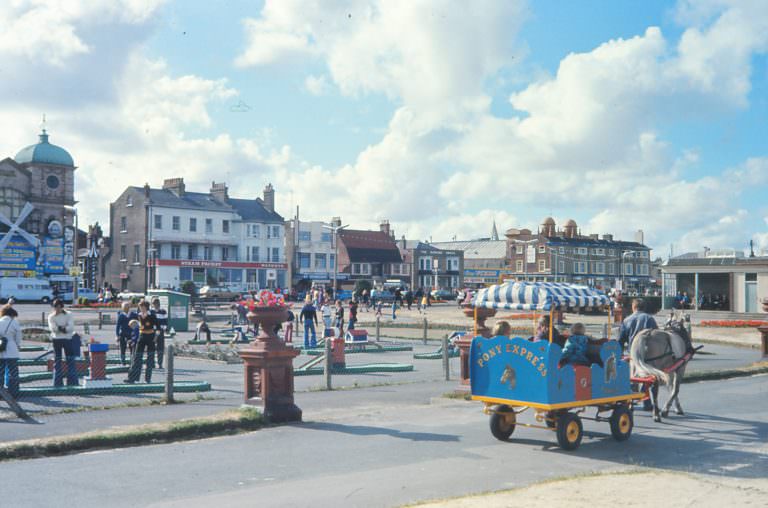
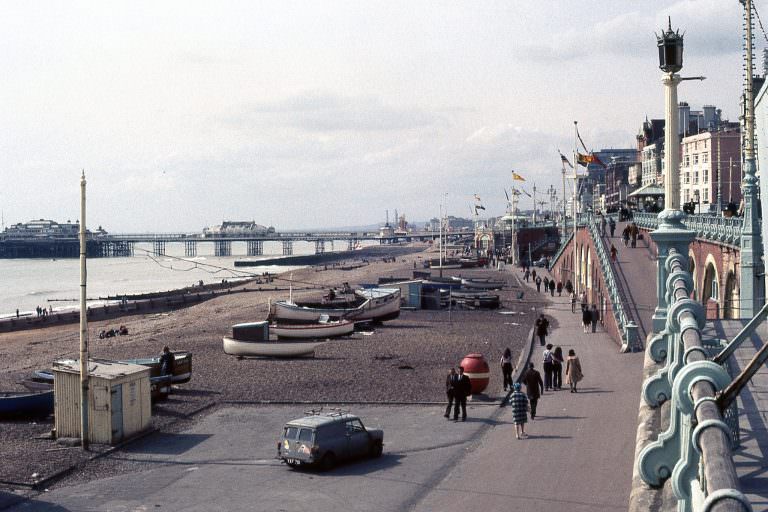
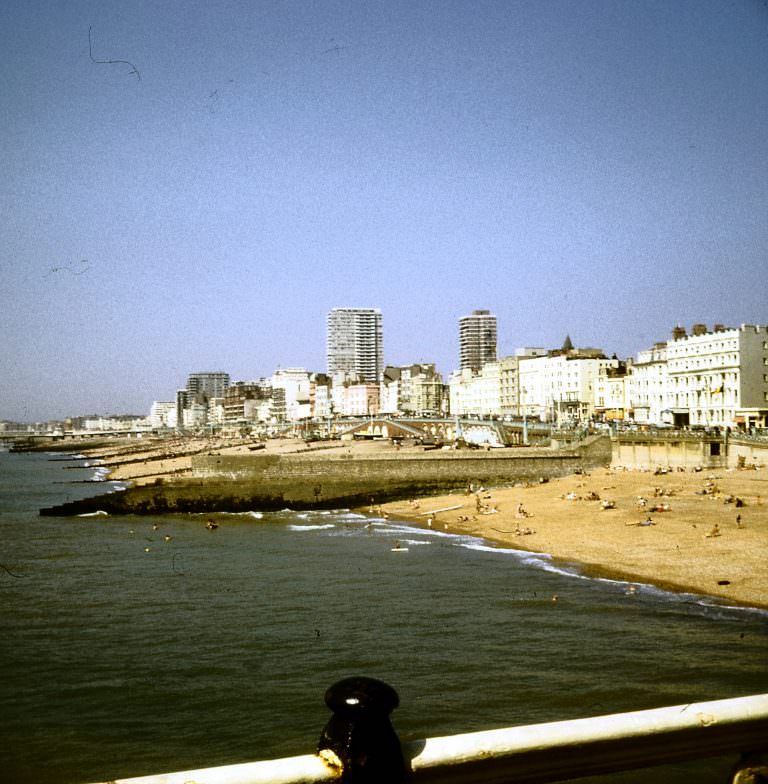
At the same time, Brighton had developed a strong reputation as a retirement destination. Its mild coastal climate and long-established amenities attracted an older population, giving the town a noticeably different character compared to trendier urban centres. The seafront, despite being one of the town’s biggest draws, had been significantly underdeveloped for years. Plans were in motion to change that — Brighton Marina was being redeveloped during this period — but much of the waterfront still carried a tired, overlooked look.
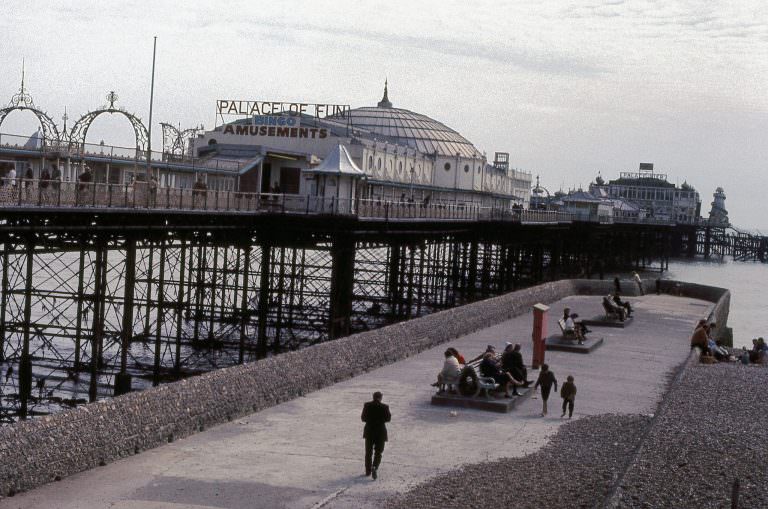
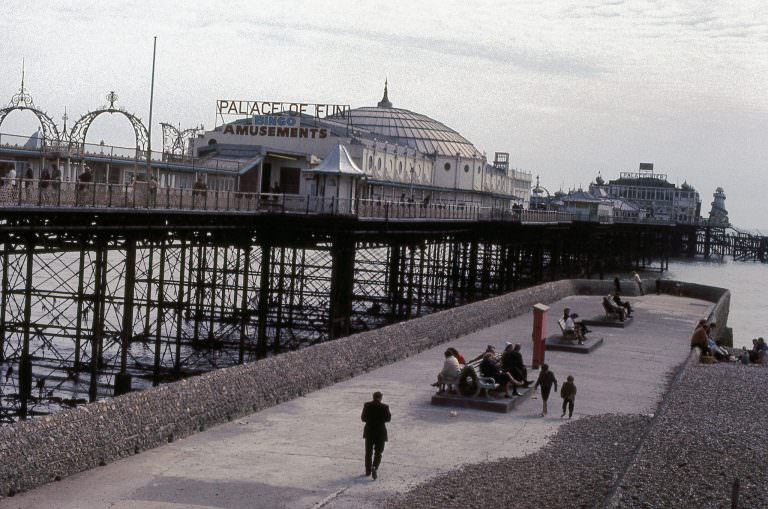
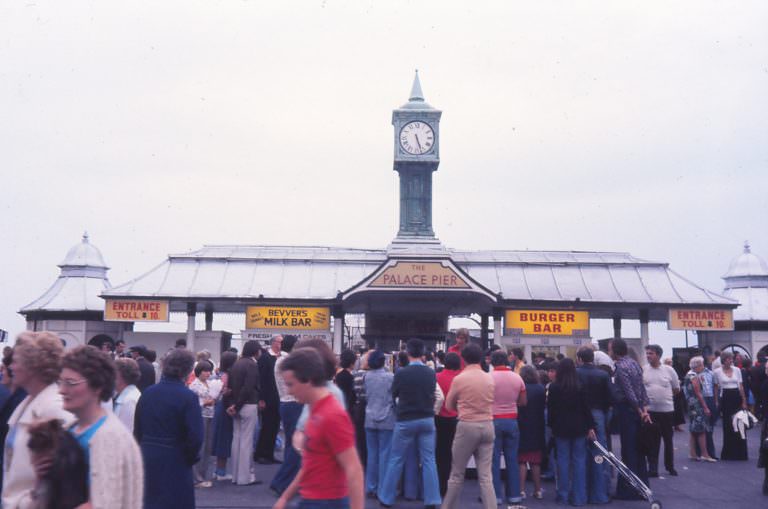
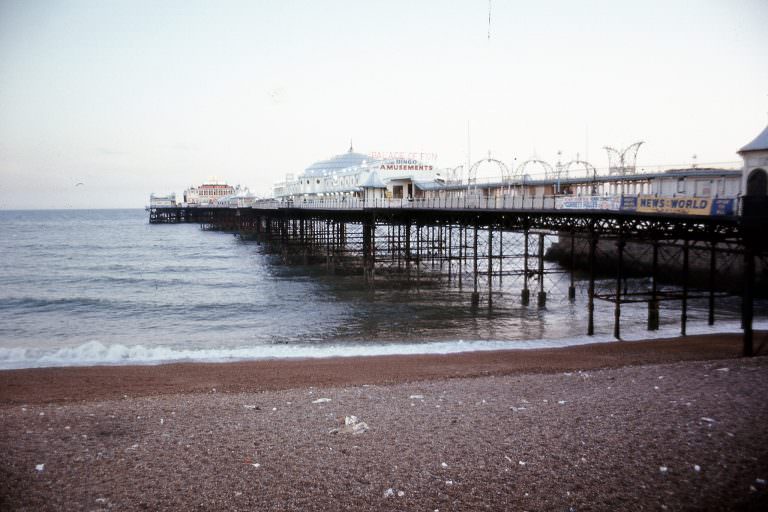
The Palace Pier remained one of Brighton’s most recognisable landmarks through the decade. Built at the close of the 19th century, it stretched out over the water and offered amusements, food stalls, and a classic seaside atmosphere that drew both locals and tourists. Photographs from the early 1970s show it still busy, still standing as a symbol of Brighton’s identity, even as the town around it showed signs of wear.
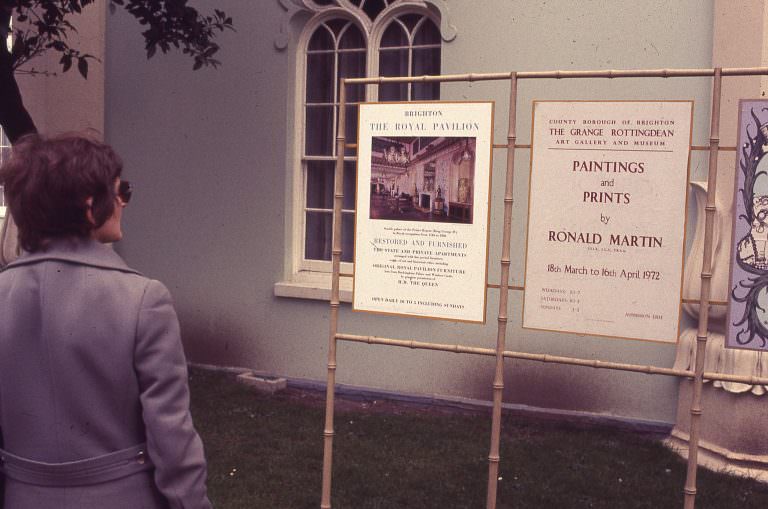
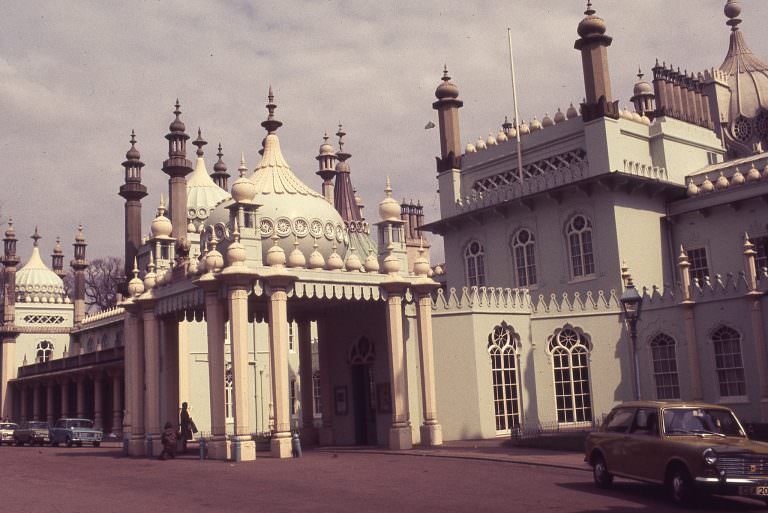
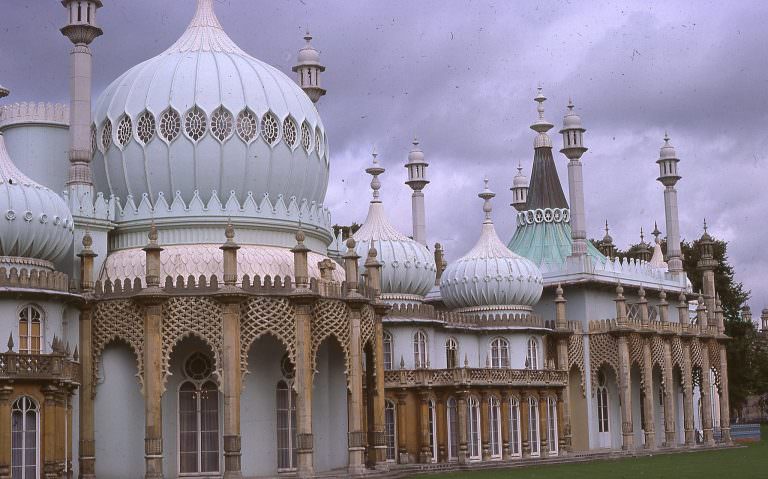
The Royal Pavilion stood as another constant. Built as a royal seaside retreat in the early 19th century, its exotic domes and Indian-inspired architecture made it unlike anything else in England. By the 1970s, it had long since ceased to be a royal residence and was open to the public as a museum and landmark. It appears in multiple photographs from this era, its distinctive silhouette unchanged against the Sussex sky.
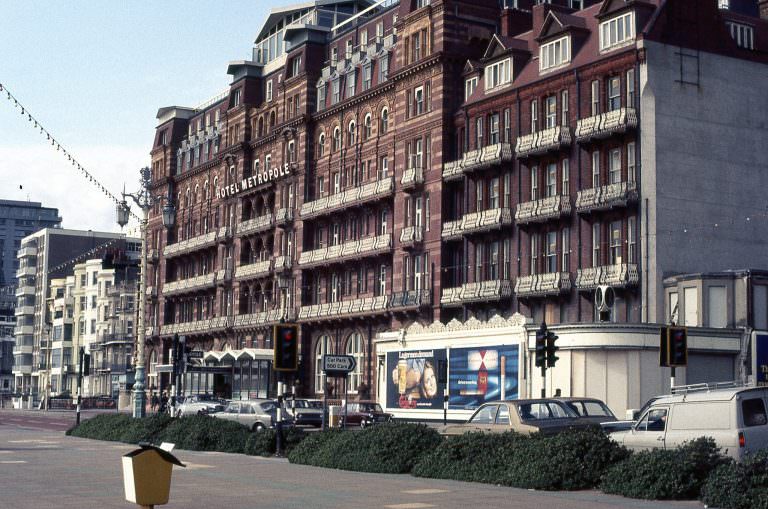
Brighton’s hotels told their own story of the decade. The Metropole Hotel, a grand Victorian structure on the seafront, continued to operate as one of the town’s most prominent buildings. Not far away, the Grand Hotel — opened over a century earlier — still anchored the seafront strip. These buildings had witnessed decades of Brighton life, and by the 1970s they stood as relics of an earlier, more prosperous era of tourism.
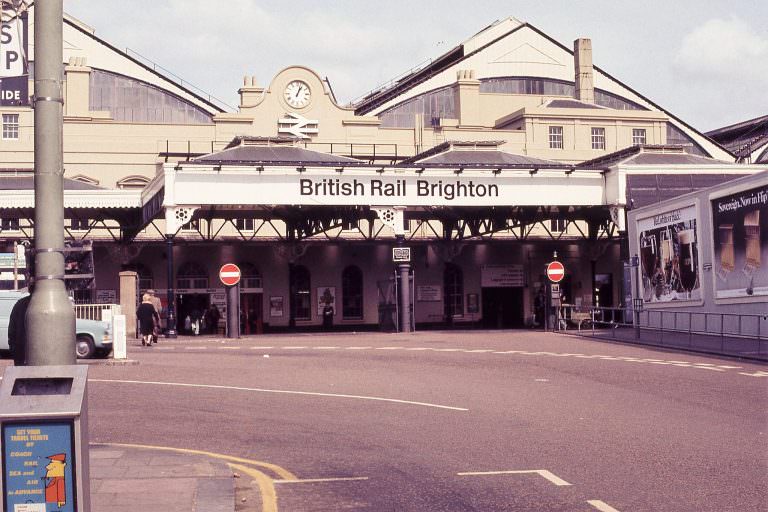
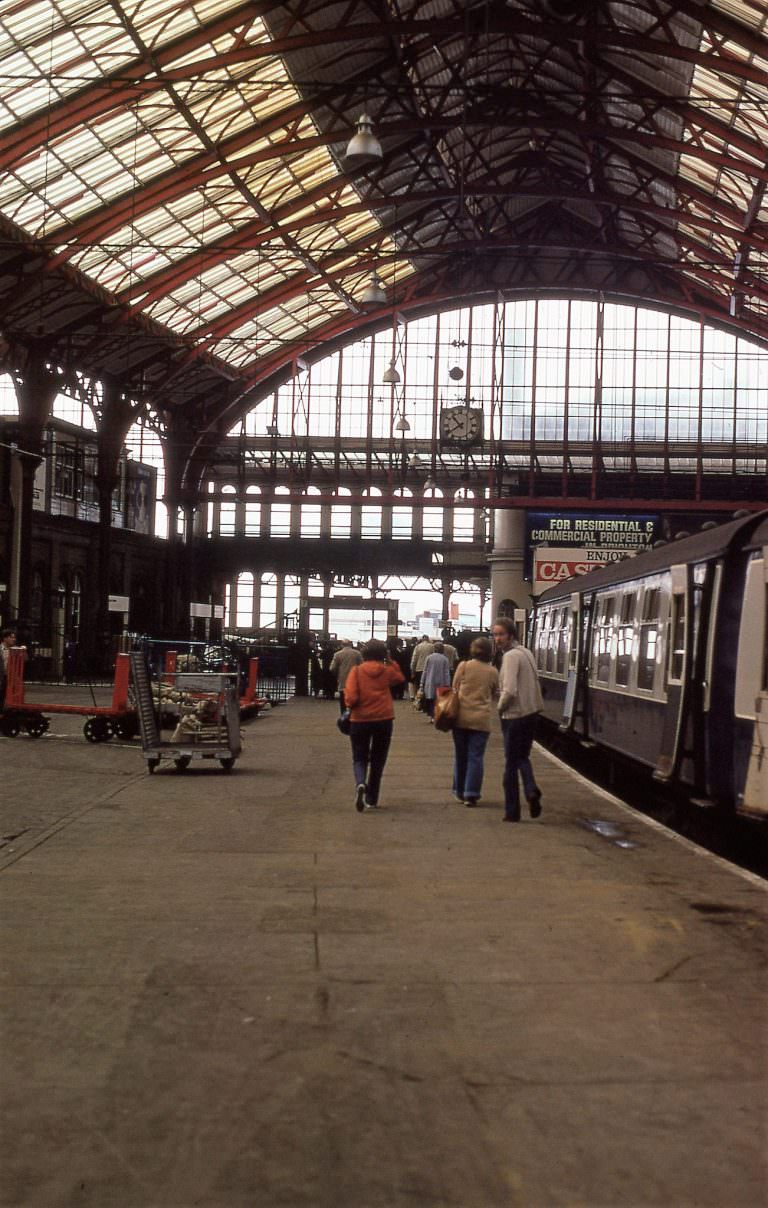
Brighton Railway Station, the terminus that had originally opened Brighton to mass tourism back in 1841, remained the town’s main gateway. Its Victorian ironwork and arched roof made it one of the more architecturally striking stations in England. In 1972, it looked much as it had for decades — functional, grand, and busy with commuters and day-trippers alike.
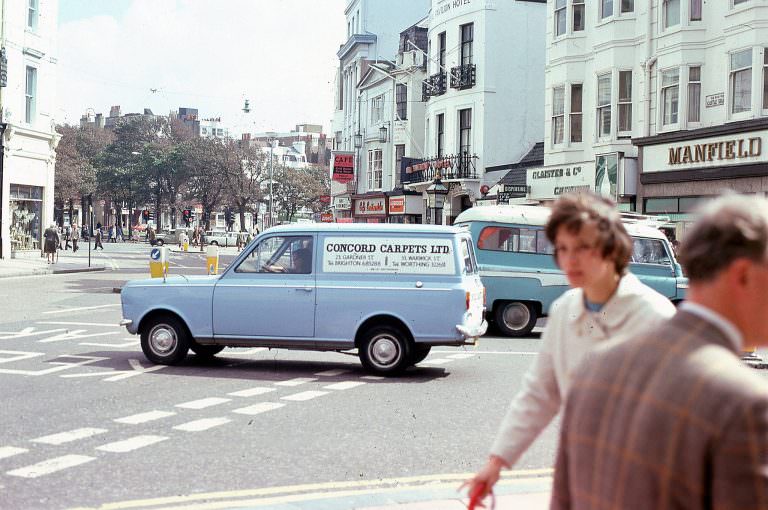
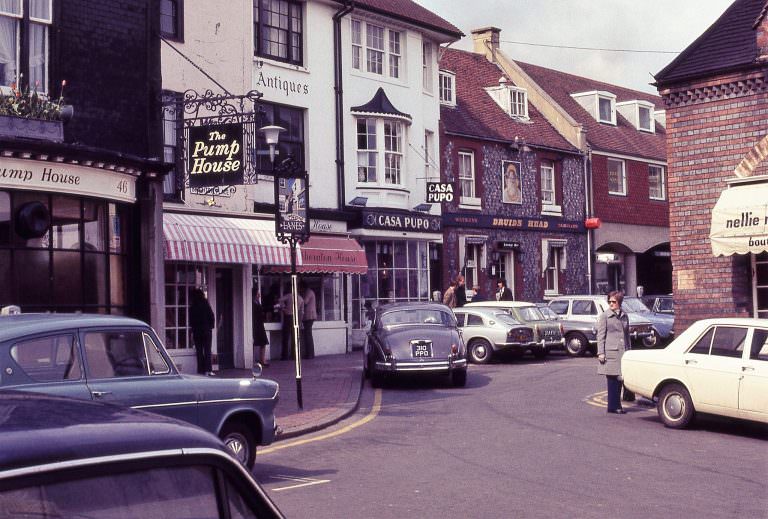
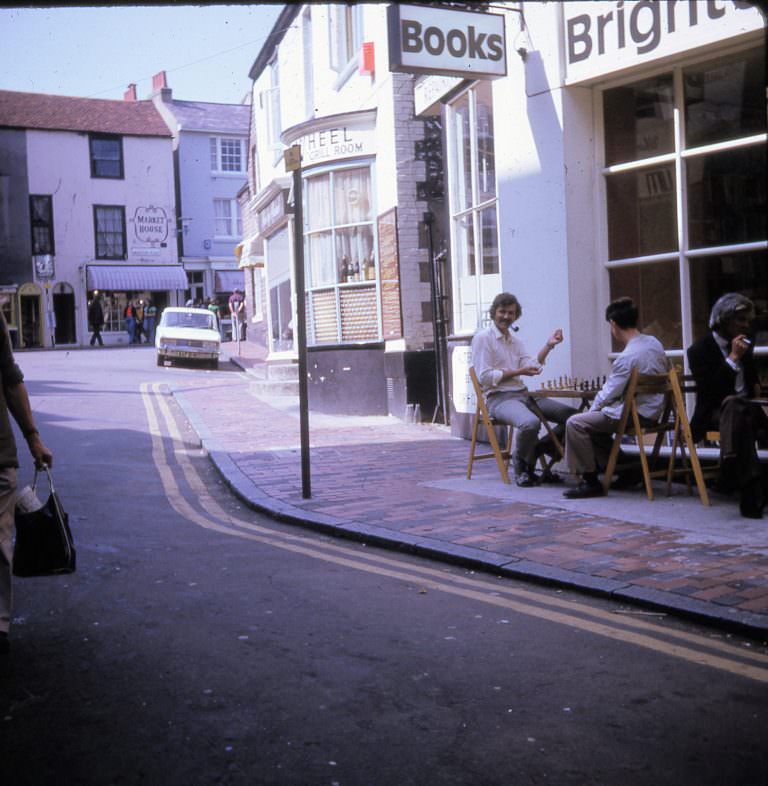
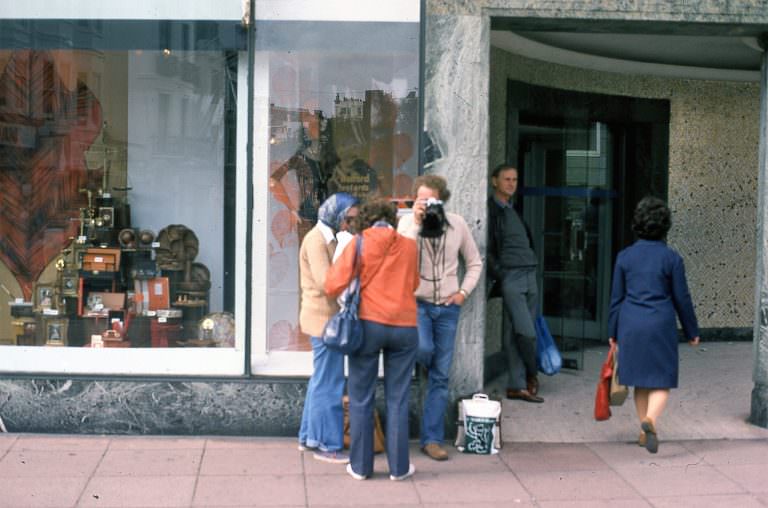
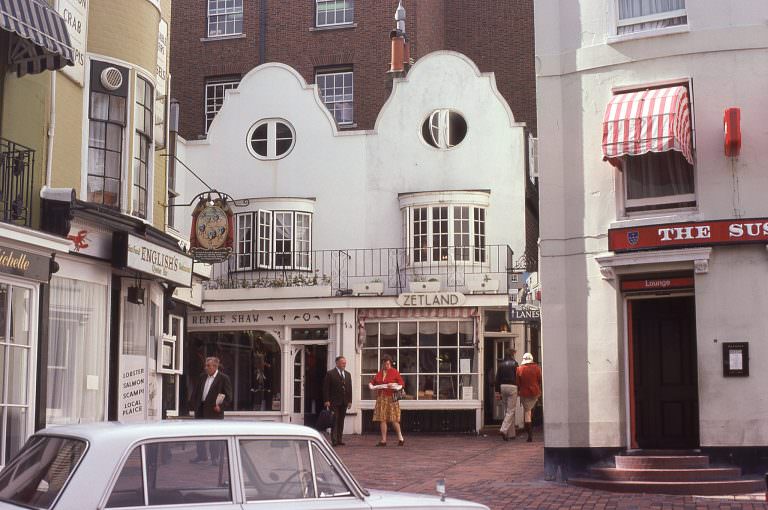
The streets of central Brighton in the mid-1970s had a lived-in, unglamorous quality. East Street and North Street formed the commercial heart of the town, lined with shops, pubs, and restaurants that served the local population as much as visitors. Hanningtons Department Store, located on the corner of East Street and North Street, was a Brighton institution — a large, locally rooted store that had served shoppers for generations.
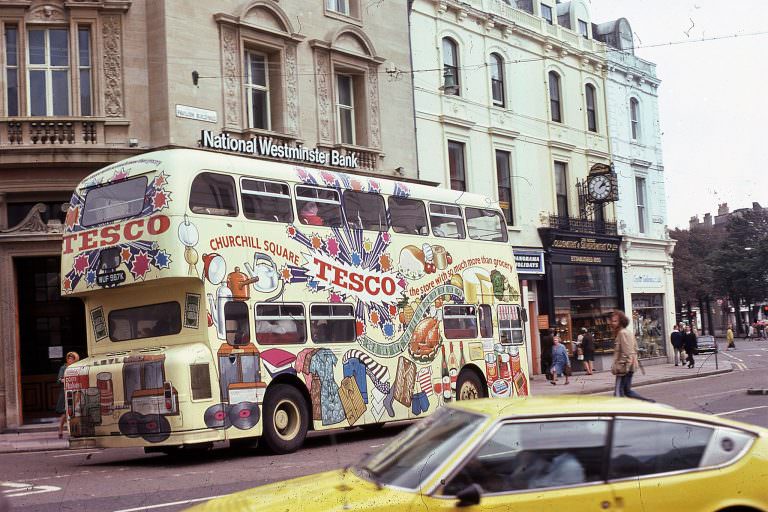
Public transport connected Brighton’s various neighbourhoods and ran visitors along the seafront. A 1974 photograph captures a Tesco bus outside Pavilion Buildings on North Street — a practical slice of everyday Brighton life that sits in contrast to the more ornamental architecture nearby. The mix of the functional and the historic was typical of 1970s Brighton.
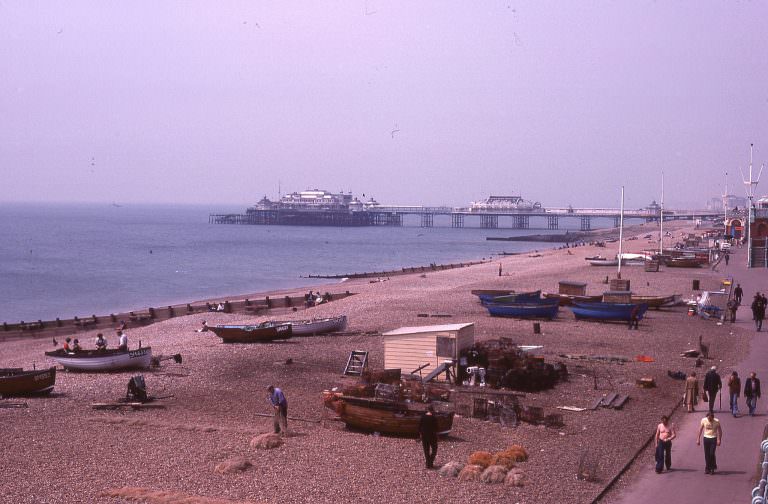
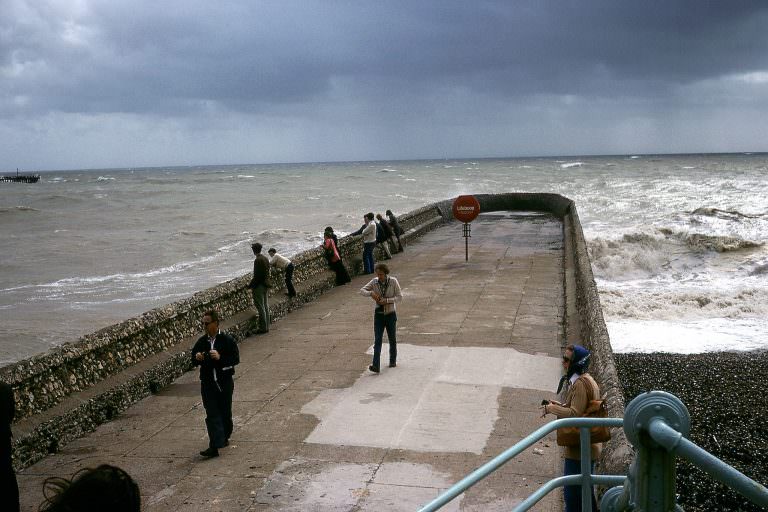
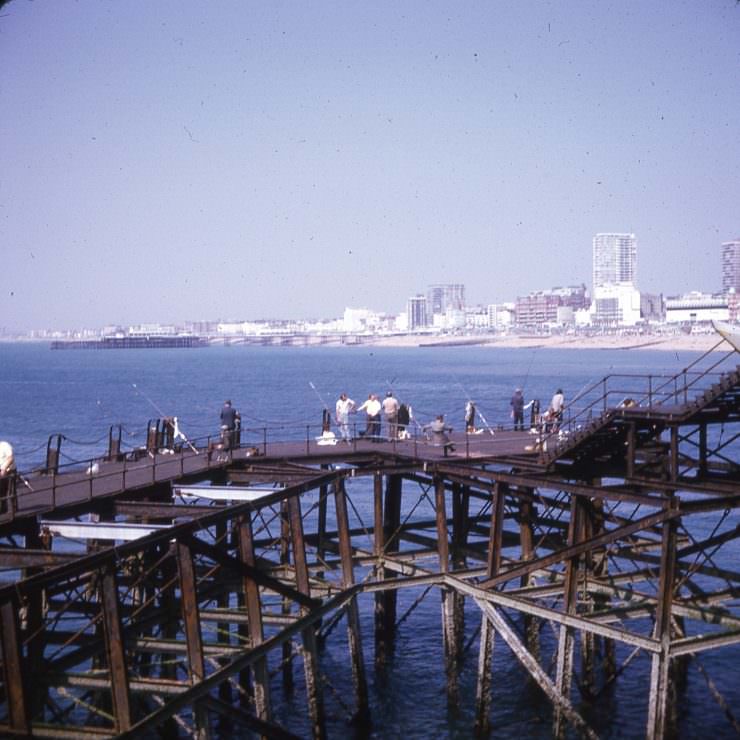
The West Pier, opened in 1866, was already in a troubled state by the mid-1970s. It had closed to the public in 1975 due to structural problems, and photographs from 1976 show it beginning its long decline. The contrast between the still-operational Palace Pier and the shuttered West Pier captured something essential about Brighton during this period — a town with magnificent bones, but struggling to maintain them.
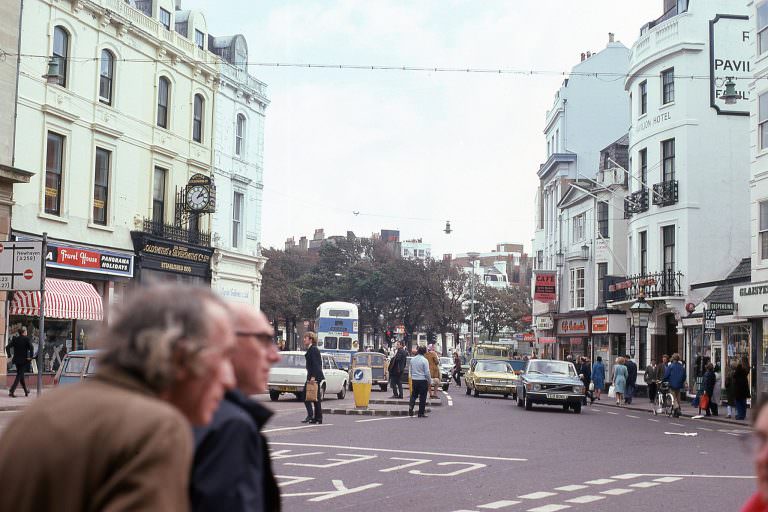
Pavilion Buildings, located on North Street near the Royal Pavilion, appeared in several photographs from 1974. The area formed a busy commercial hub, with the exotic rooflines of the Pavilion visible just behind the everyday street activity. It was this layering — Georgian grandeur behind 1970s shopfronts — that gave central Brighton its distinctive visual character.
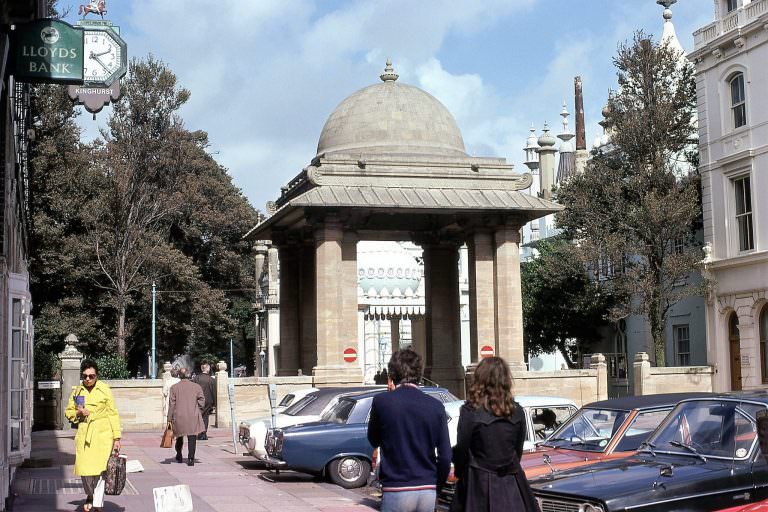
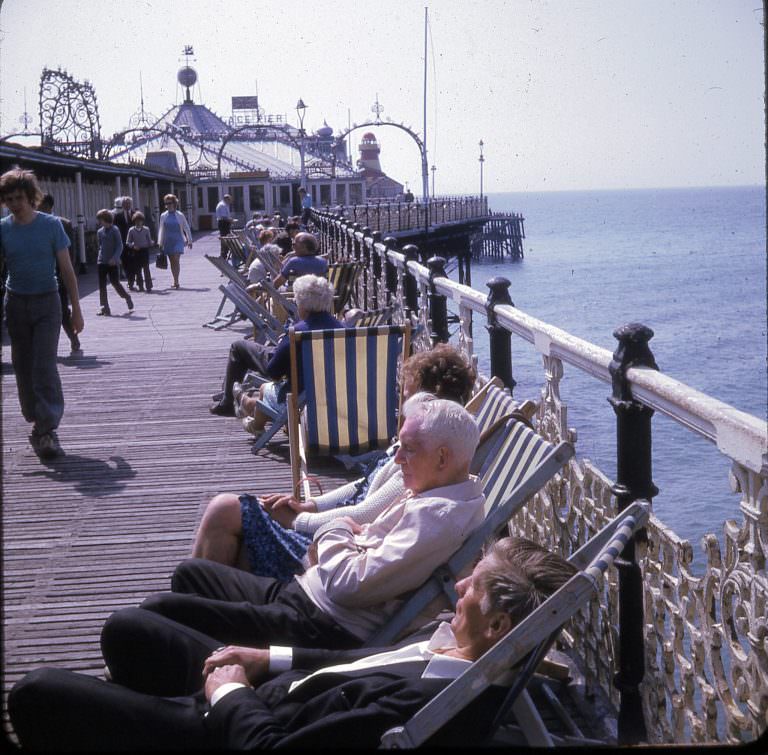
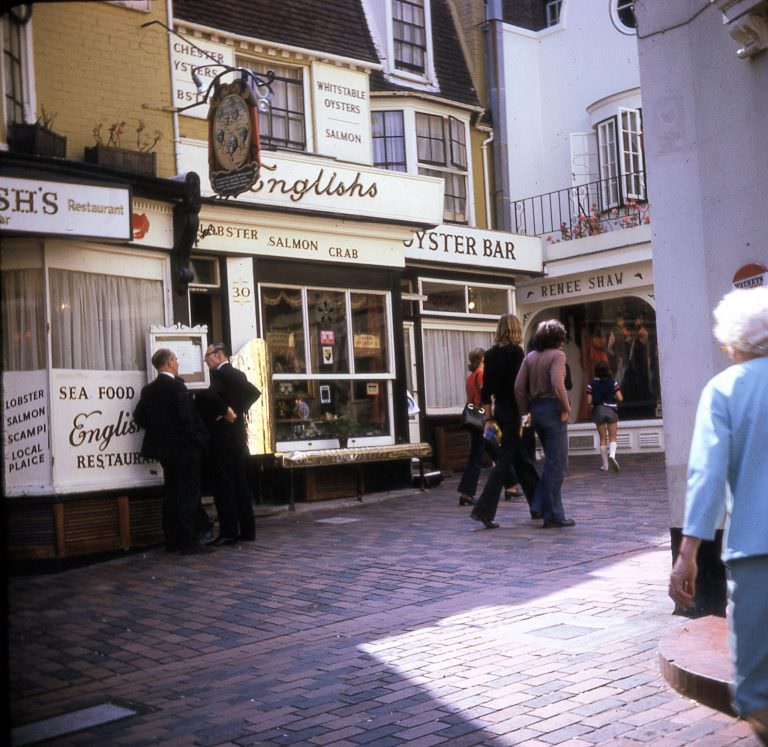
Family snapshots from the decade offer a more personal window into Brighton life. A slide from 1973 and a beach photograph show ordinary visitors enjoying the town — children on the shingle beach, people walking the pier, couples eating at seafront restaurants. English’s Restaurant, one of Brighton’s best-known seafood establishments on East Street, appears in a 1973 photograph, its traditional frontage unchanged for decades.
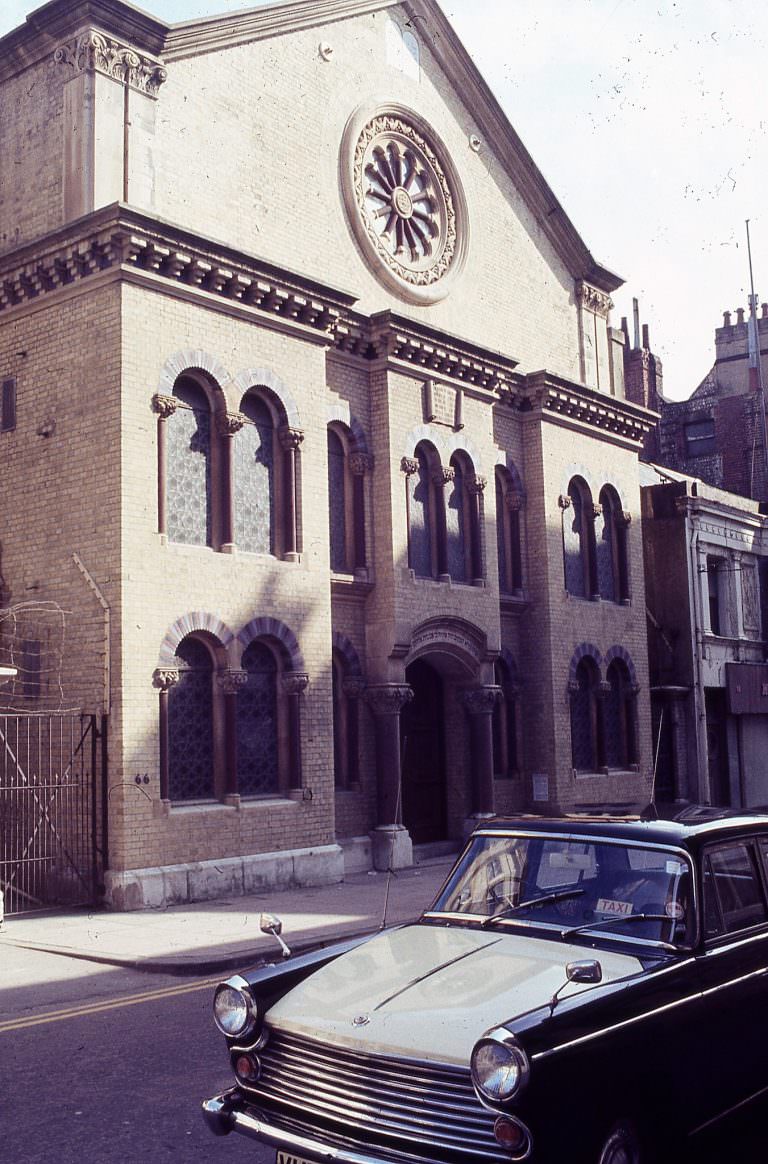
Brighton’s religious buildings also feature in the photographic record of the era. The Middle Street Synagogue, built in 1875, served Brighton’s Jewish community and remained one of the most architecturally impressive places of worship in the town. A 1972 photograph shows its ornate facade still standing prominently on Middle Street, a short distance from the seafront bustle.
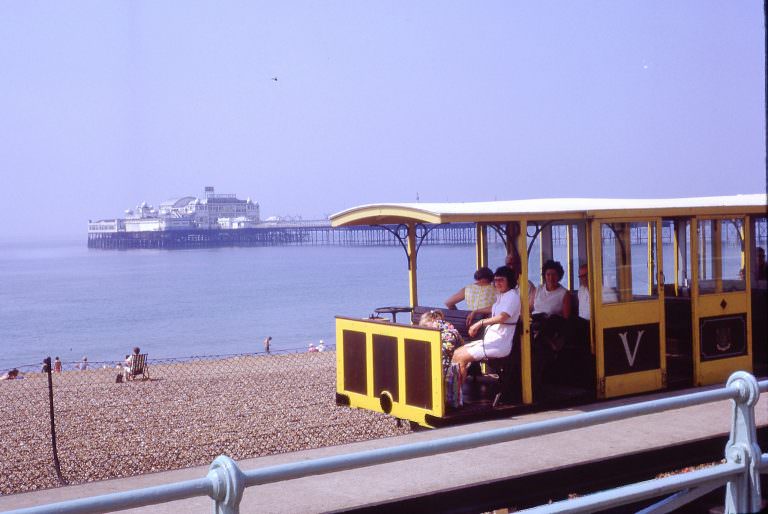
Volk’s Electric Railway, which runs along the seafront between the Palace Pier and Black Rock, was the oldest operating electric railway in the world by this point. Opened in 1883, it continued to carry passengers along the beach in the 1970s, a Victorian oddity that had somehow outlasted countless more modern transport systems. A 1971 photograph shows it still running, small and unhurried, along the water’s edge.
The Top Rank Suite on the corner of West Street and King’s Road was a major entertainment venue during the 1970s. It hosted concerts and events that drew crowds from across the region, and its corner location made it a prominent fixture on the seafront strip. The building later became Pryzm, but in 1974 it was still the Top Rank — one of the busiest nightlife spots on the south coast.
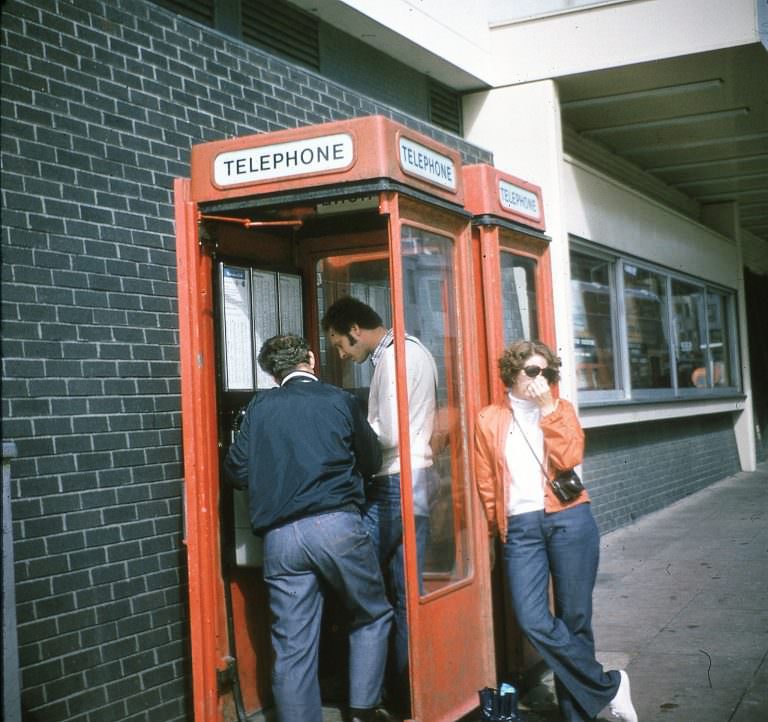
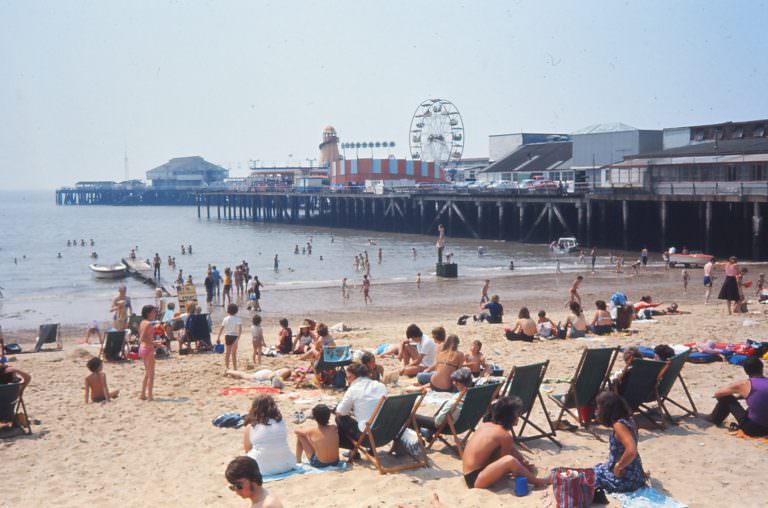
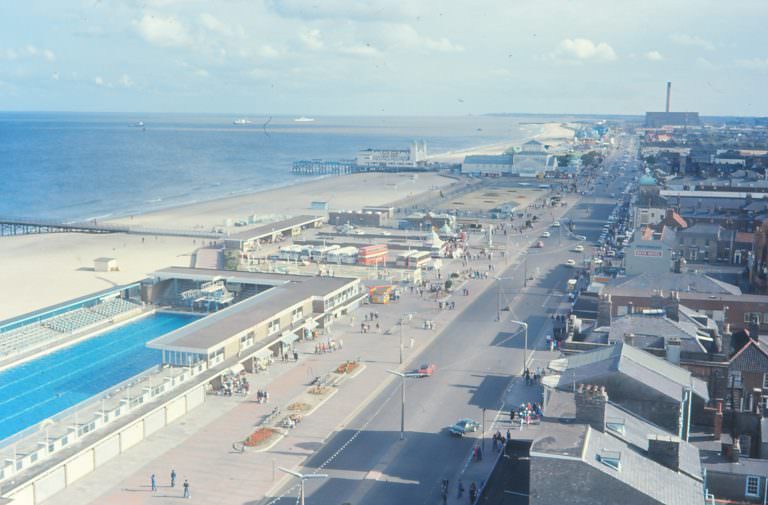
Later in the decade, the Palace Pier continued to draw visitors despite the general air of decline that had settled over parts of the town. Photographs from 1976 capture its familiar outline — the entrance gates, the walkway stretching over the water, the amusement buildings clustered at its far end. For many who visited Brighton in the 1970s, the pier was the defining image of the place, the thing they remembered most clearly.





The funny thing is, almost all of the photos still depict the same things as they did back then.
Having said that, I realized that much of the country hasn’t changed since 1900, much less 1970!
It would be nice if some of the IG filters could be recreated with some different mustaches.
That’s how I loved Brighton; I hoped to see pics of Tower Records at the clock tower
It looks like Brighton today, and the cars are definitely newer, but I can still sense the vibe!
Brighton is not in the last three photos. It was great to see West Pier in all its glory before it was burned down by, as the conspiracy goes, the owners of the Palace Pier.
What has changed? A majority of Londoners will never visit Brighton
There is a noticeable difference between the east and west piers.
It’s just as majestic today as it was in the photos.
It’s a lot different. There are many tents pitched in Brighton by the homeless population, and the city is covered in street art. Additionally, as with every single one of these photo galleries, the streets were obviously cleaner back then than they
There are better pubs and fewer people, but it hasn’t changed all that much.
All well and good, but I’ve never been to Brighton, so I don’t know how it looks today.
What if there was a free service that allowed you to view any street in the UK in 360 degrees?