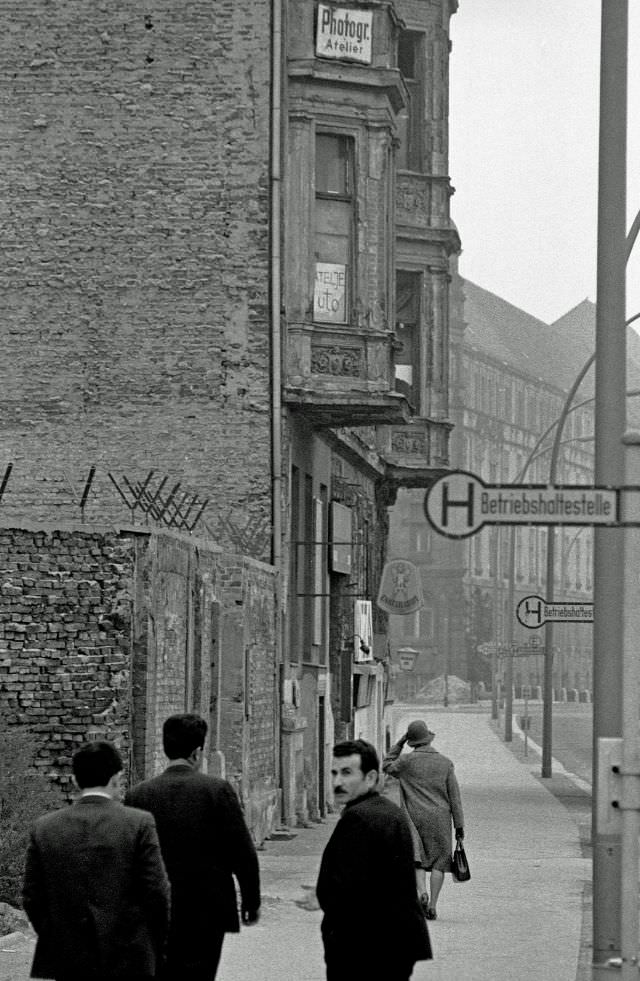
In 1970, Berlin was unlike any other city on Earth. The Berlin Wall had stood for nearly a decade, physically cutting the city in two. The Cold War kept West Berlin surrounded — an island of Western life deep inside East Germany. Soldiers, checkpoints, and barbed wire were part of the daily backdrop. Yet inside those borders, life went on. People worked, shopped, laughed, and gathered in the streets, largely unaware of how extraordinary their ordinary world looked from the outside.
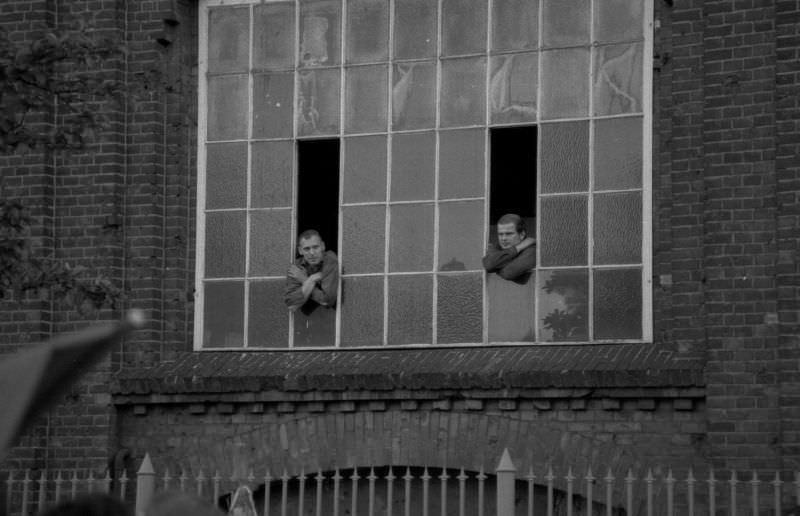
Heinrich Klaffs began photographing Berlin in 1970, walking the city with a camera and documenting what he saw. He wasn’t yet a professional — that would come later. From 1972 to 1974, he worked as a freelance photographer for a daily newspaper. After that, he transitioned into an editorial role, which he held until 2010. But it was this early period, before the press credentials and deadlines, that produced some of his most candid and personal work.
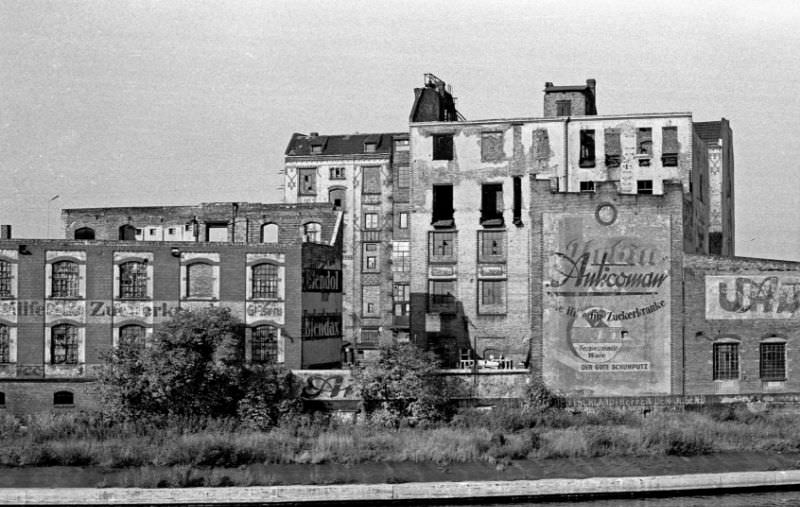
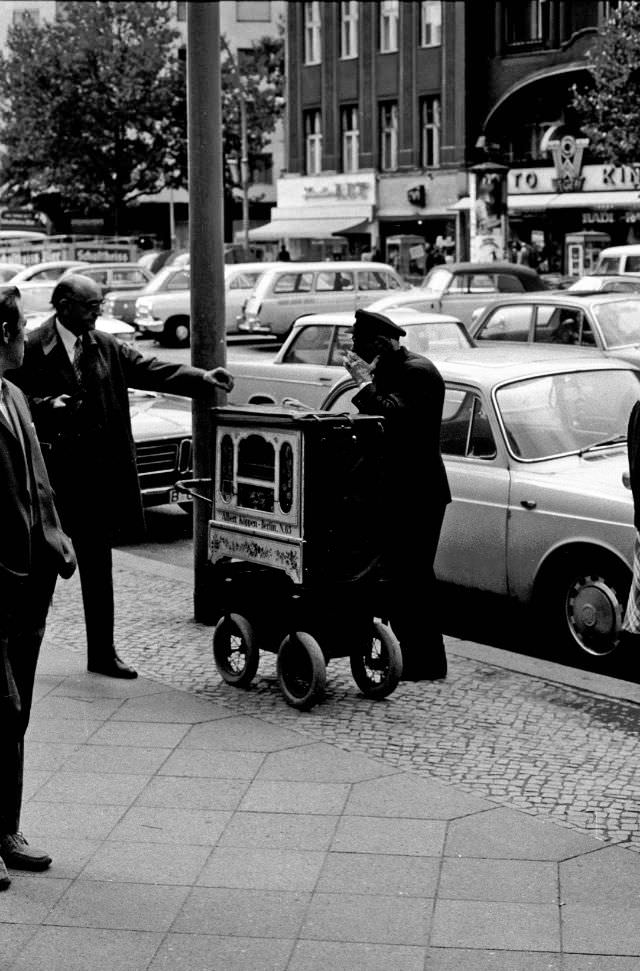
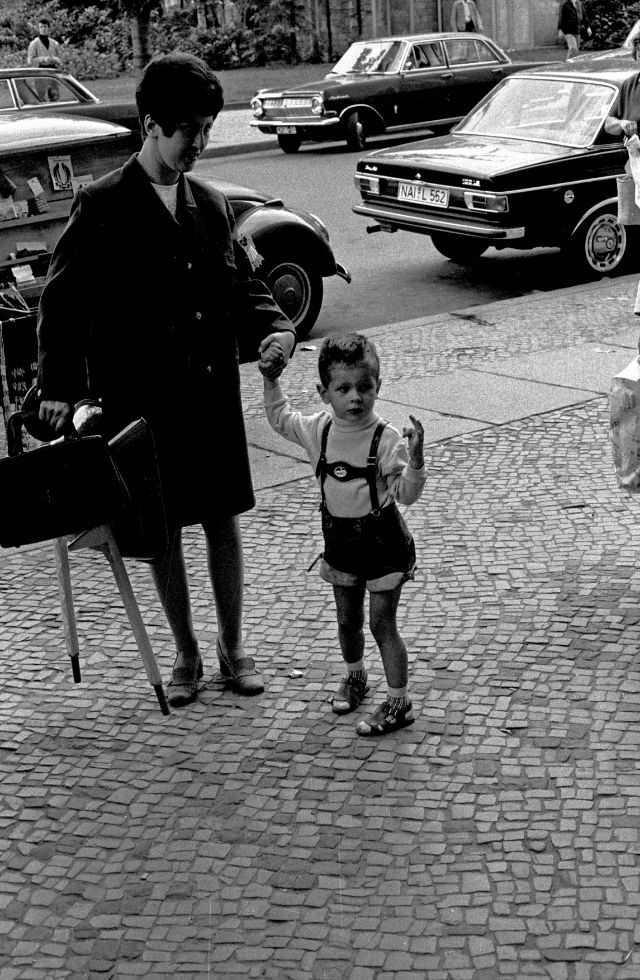
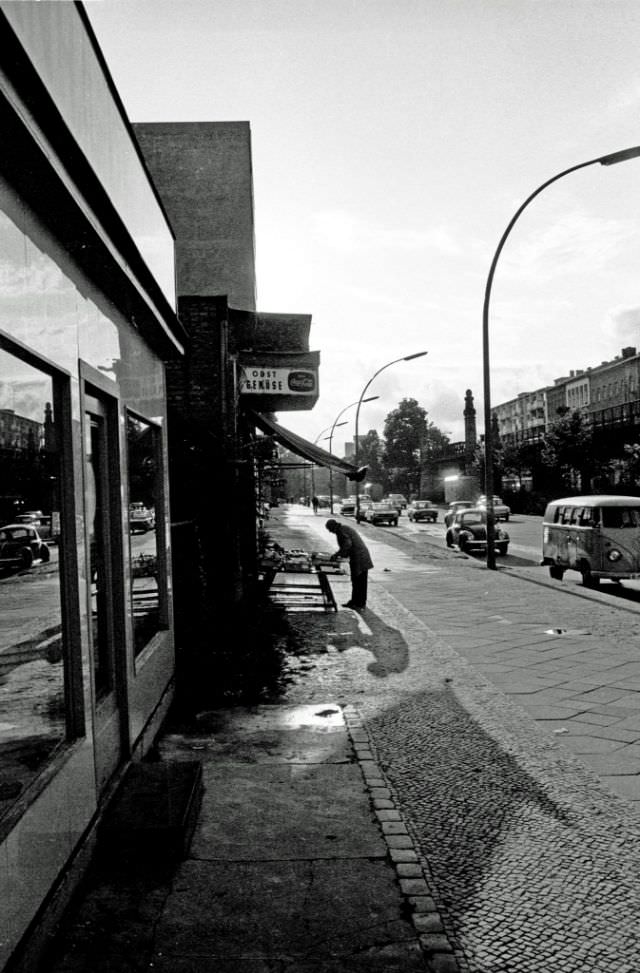
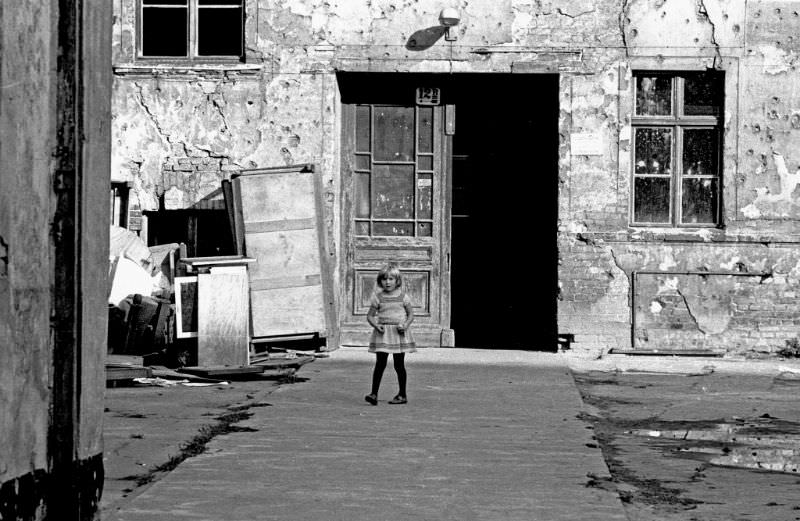
What makes these photographs remarkable is their ordinariness. Klaffs wasn’t chasing headlines. He pointed his camera at the everyday — the faces on a tram, the clutter of a market stall, children playing near a bullet-scarred building. These were scenes that most Berliners walked past without a second thought. Through his lens, they became a record of a city that no longer exists in the same form.
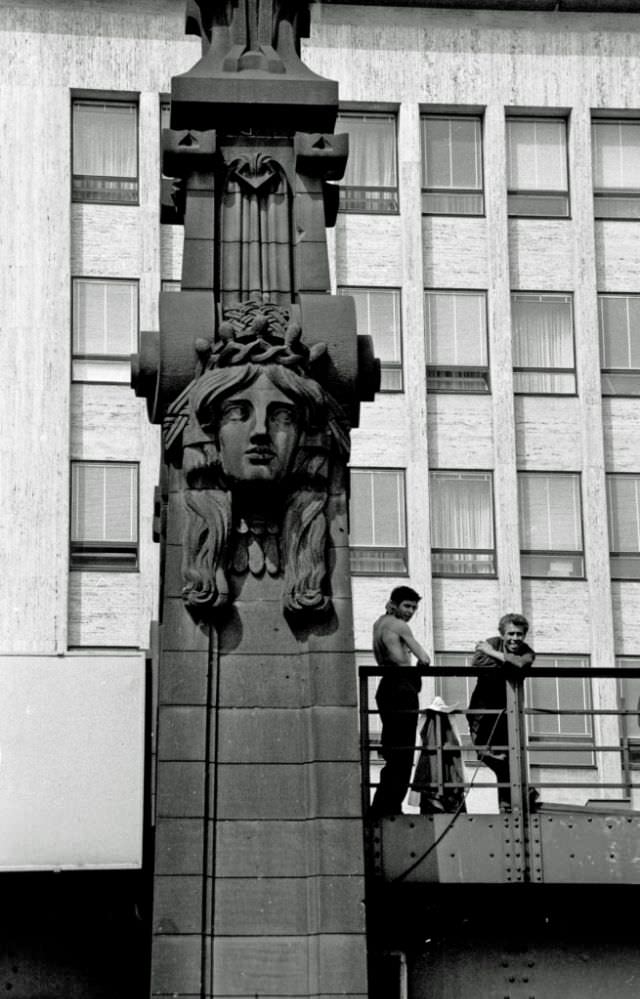
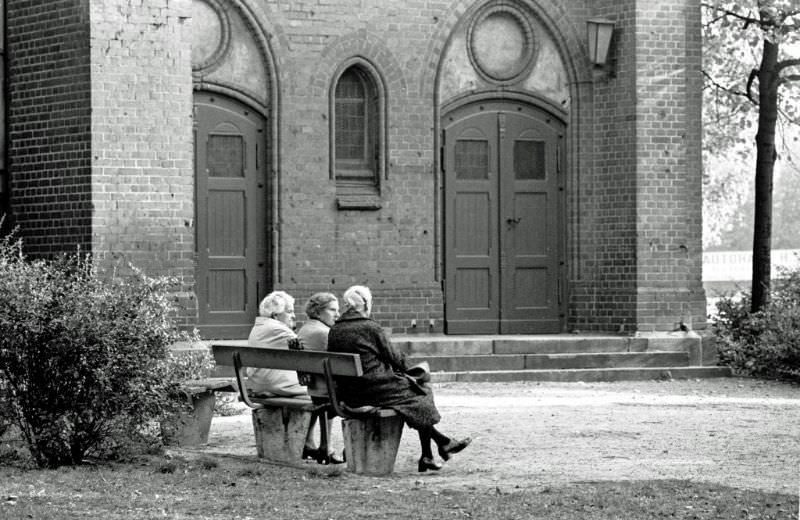
West Berlin in 1970 had a distinct energy. It attracted artists, students, and draft-dodgers from across West Germany, since residents were exempt from military service. The city was gritty, creative, and politically charged. Protest culture thrived. Alongside that tension, there were quiet neighborhoods, corner bars, and weekend markets that gave the city a stubborn sense of normalcy.
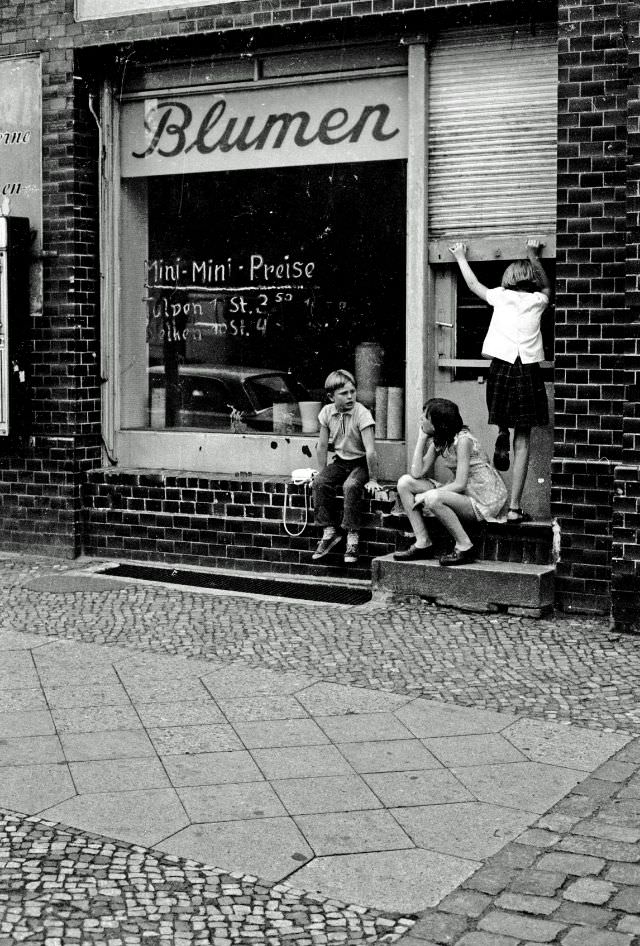
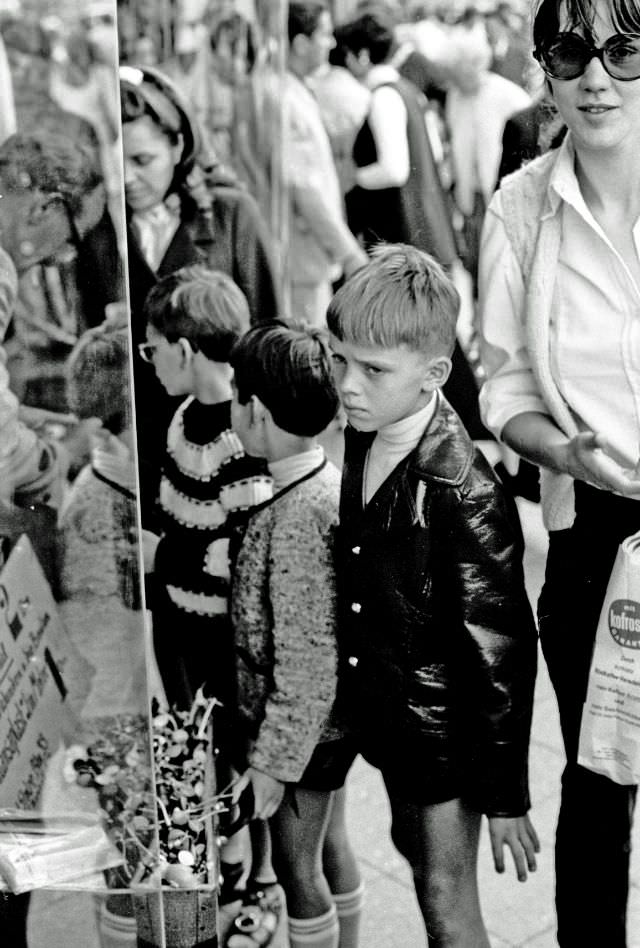
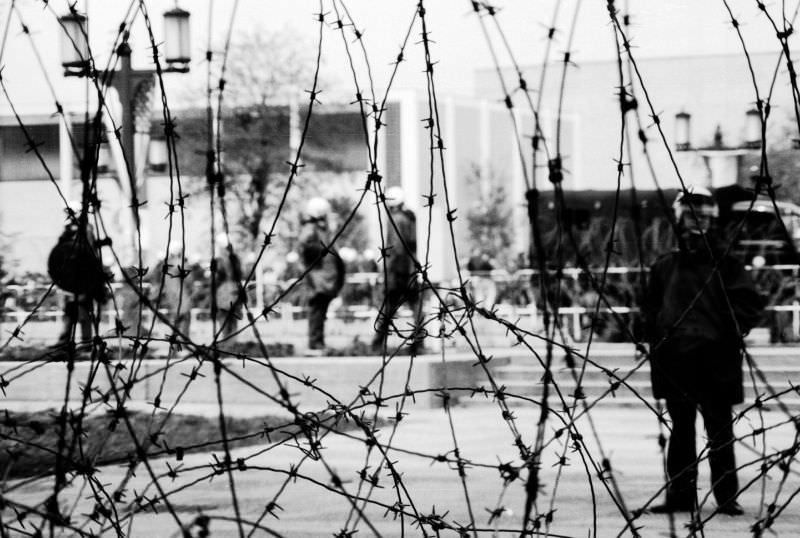
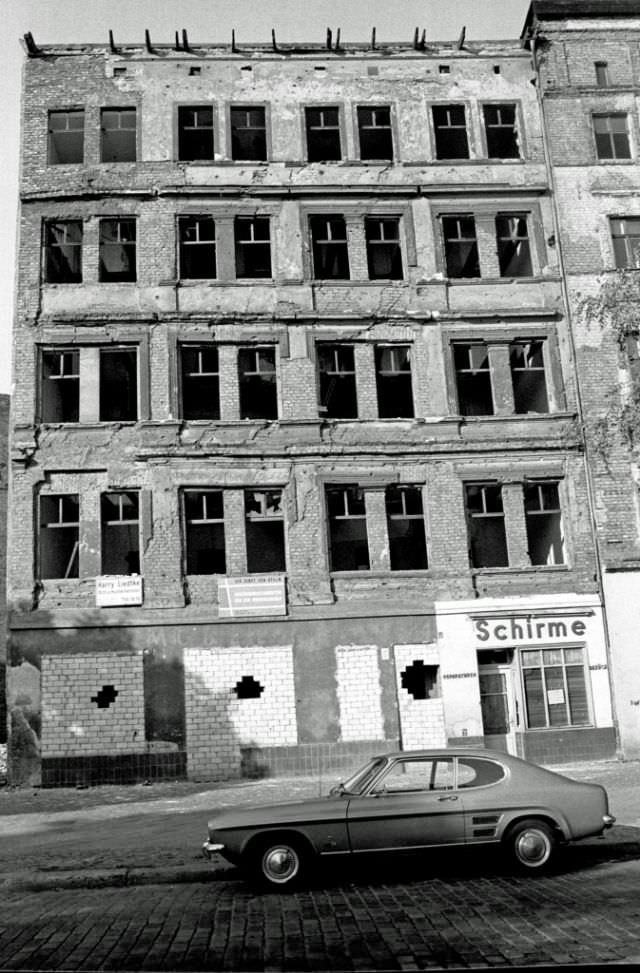
East Berlin, on the other side of the Wall, operated under a completely different system. The Socialist Unity Party controlled daily life. Buildings from the wartime destruction still sat unrepaired in some areas. State-run shops, collective housing blocks, and carefully monitored public spaces defined the landscape. The contrast between the two halves of a single city was stark and deliberate.
The Wall itself was more than a concrete barrier. It was a system — guard towers, death strips, trip wires, and armed soldiers with shoot-to-kill orders. By 1970, dozens of people had already died attempting to cross it. For those living in its shadow, the Wall was simply a fact of life, visible from rooftops and street corners throughout the city.
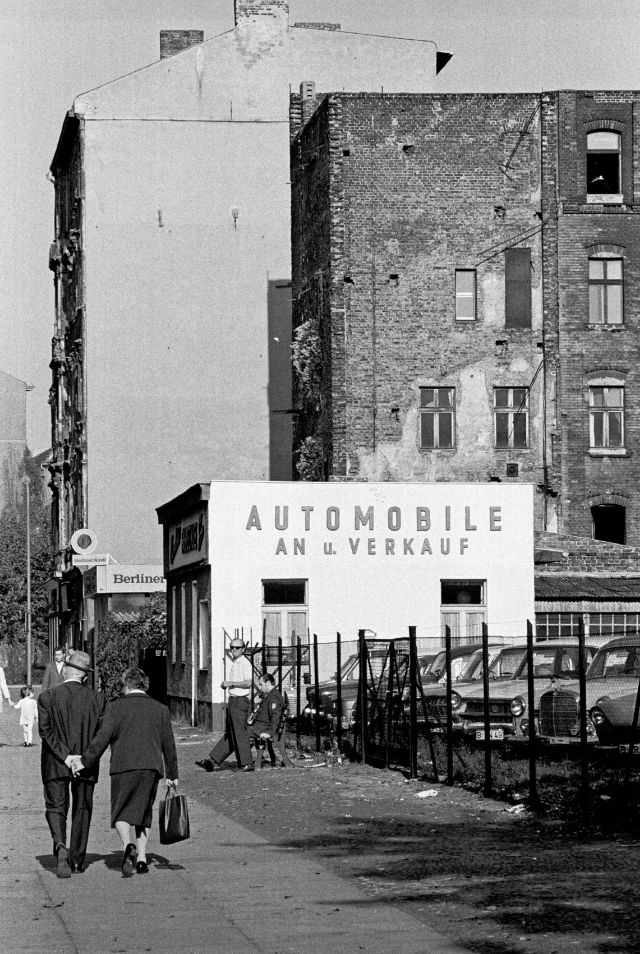
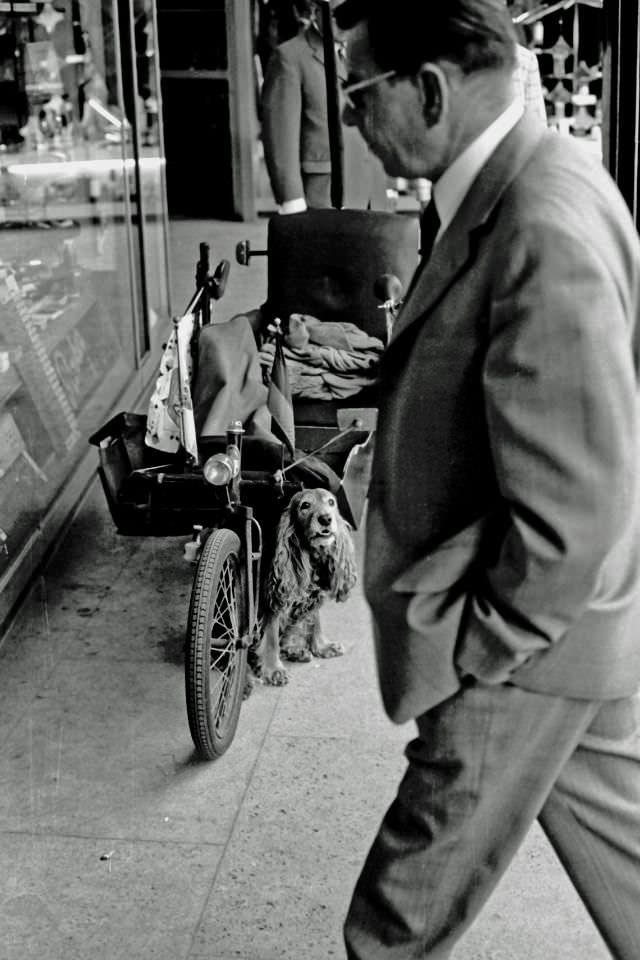
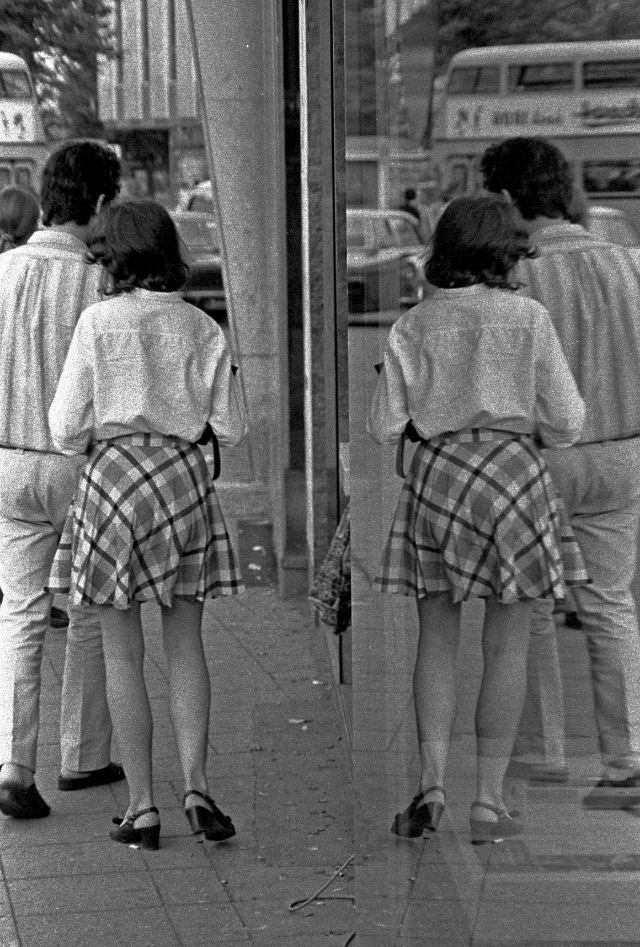
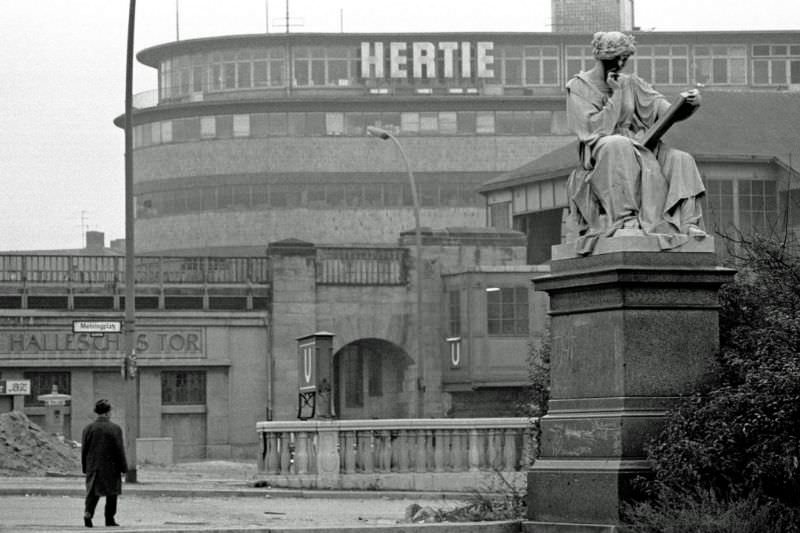
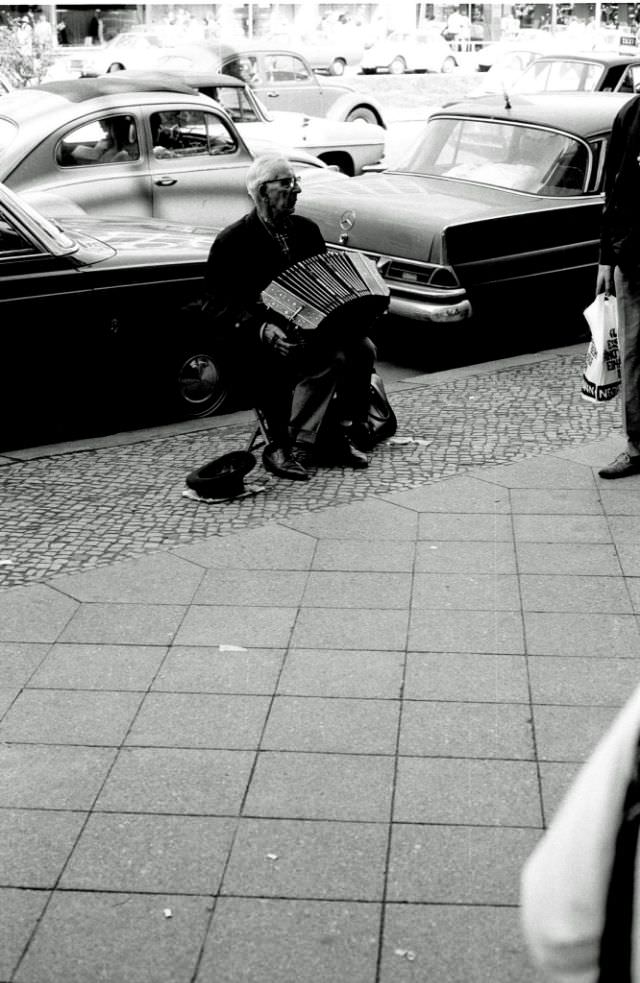
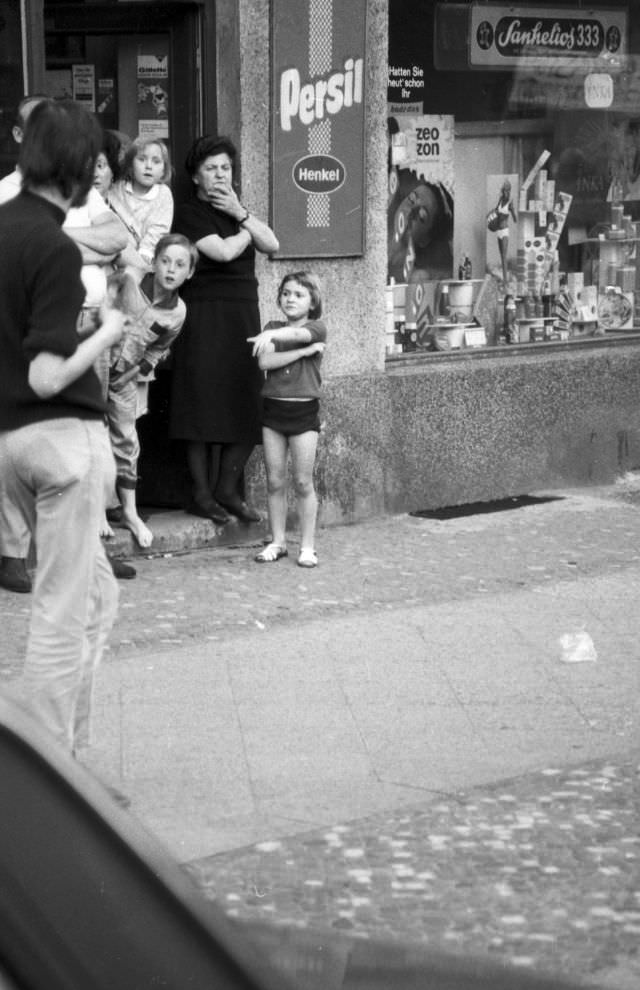
Street fashion, shop fronts, and vehicle styles place these images firmly in their era. The cars are wide and boxy. The clothes carry the muted tones of the early 1970s. Storefronts advertise brands and products that have long since disappeared. These details aren’t just visual interest — they’re the texture of a specific moment in time.
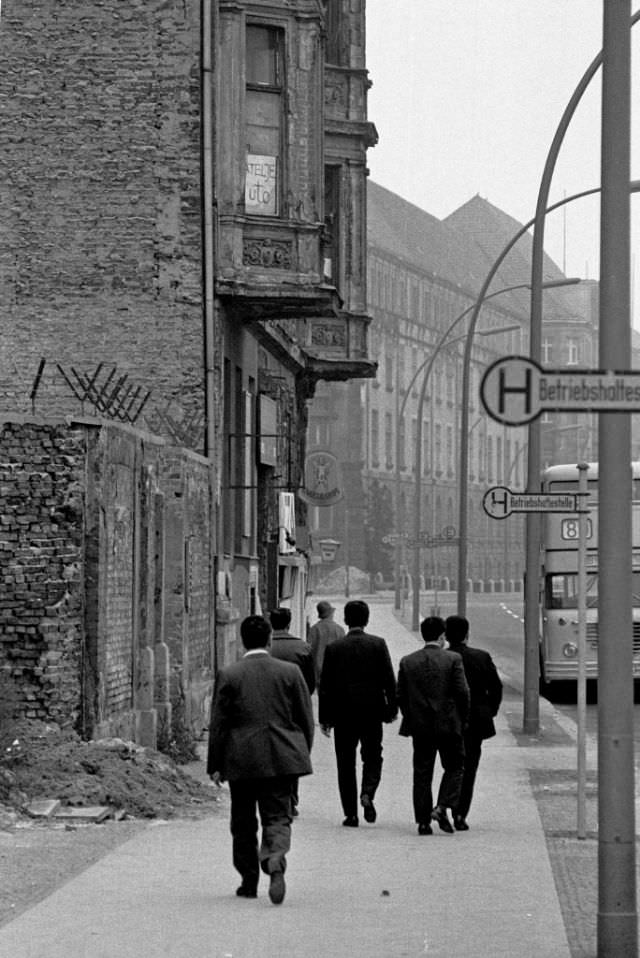
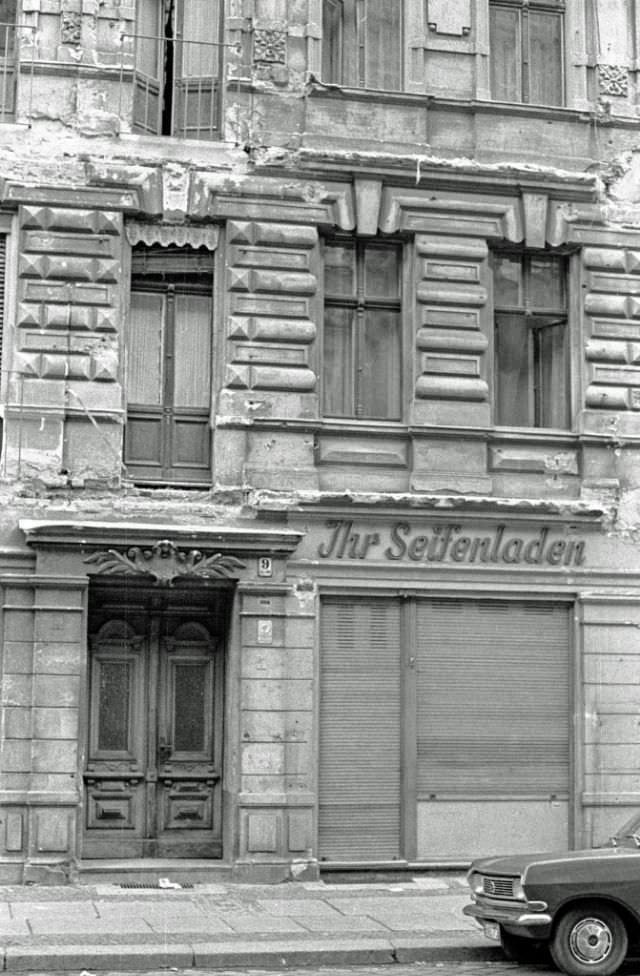
Klaffs moved through the city as an observer. His photographs don’t feel staged. The people in them are going about their business — waiting, talking, working. There’s no performance for the camera. That quality of authenticity is what separates street photography from posed portraiture, and it’s what gives this collection its historical weight.
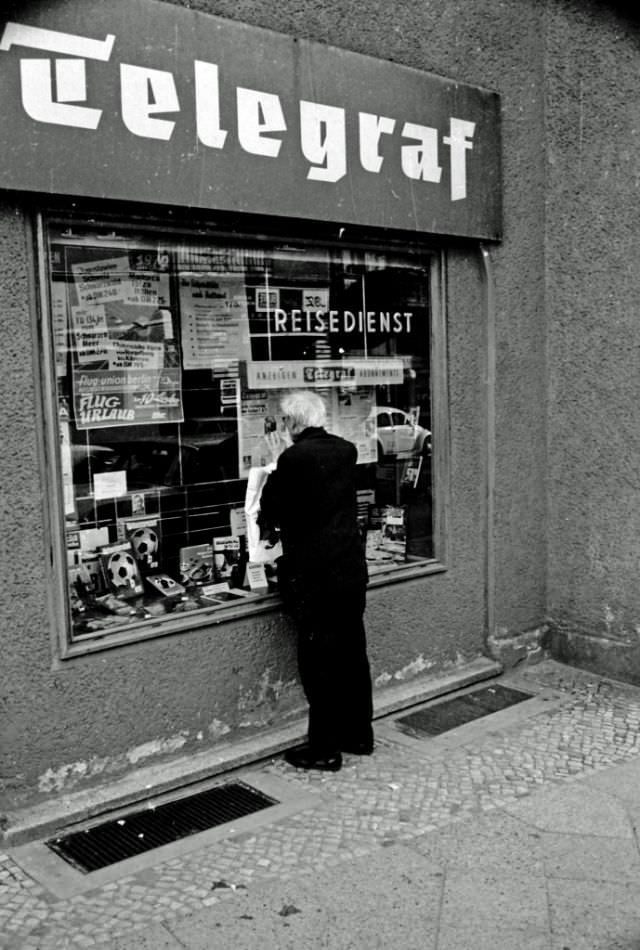
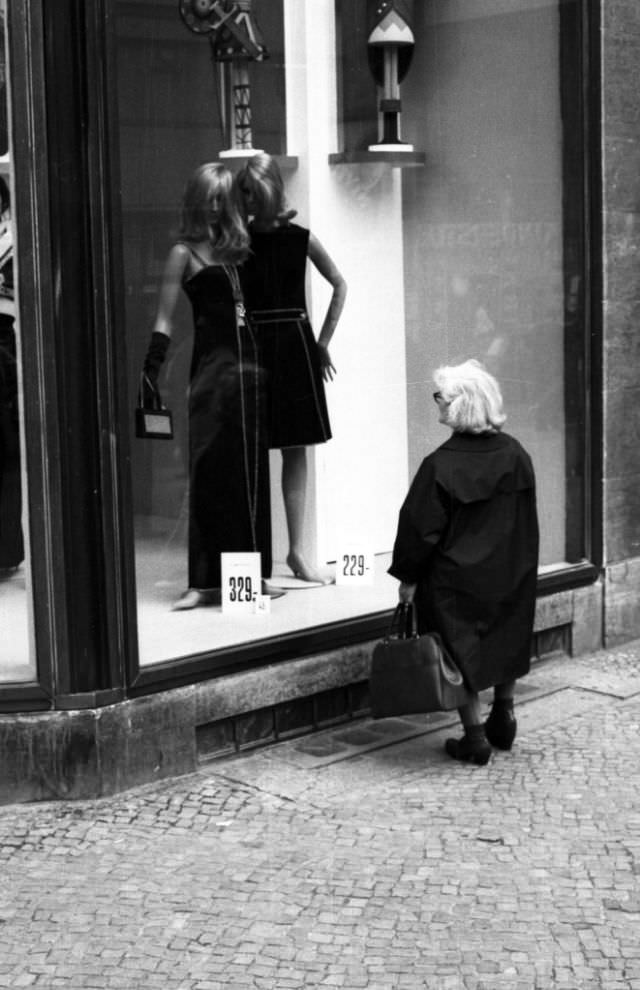
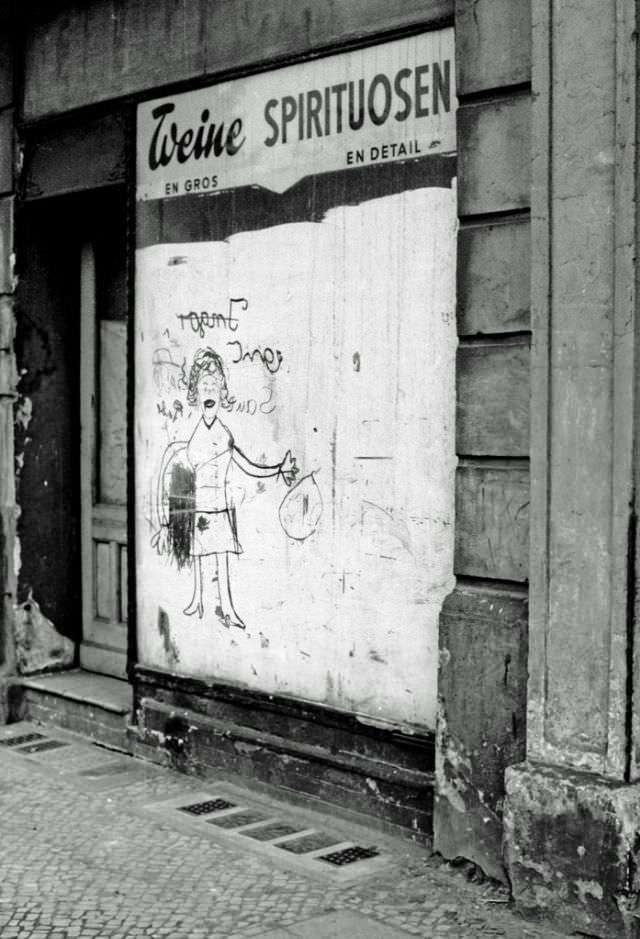
Berlin had been devastated by World War II less than three decades earlier. In 1970, the war was still a living memory for much of the population. Bombed-out lots, patched facades, and makeshift repairs were still visible across the city. The physical scars of 1945 had not fully healed, and they coexisted with the new scars left by division.
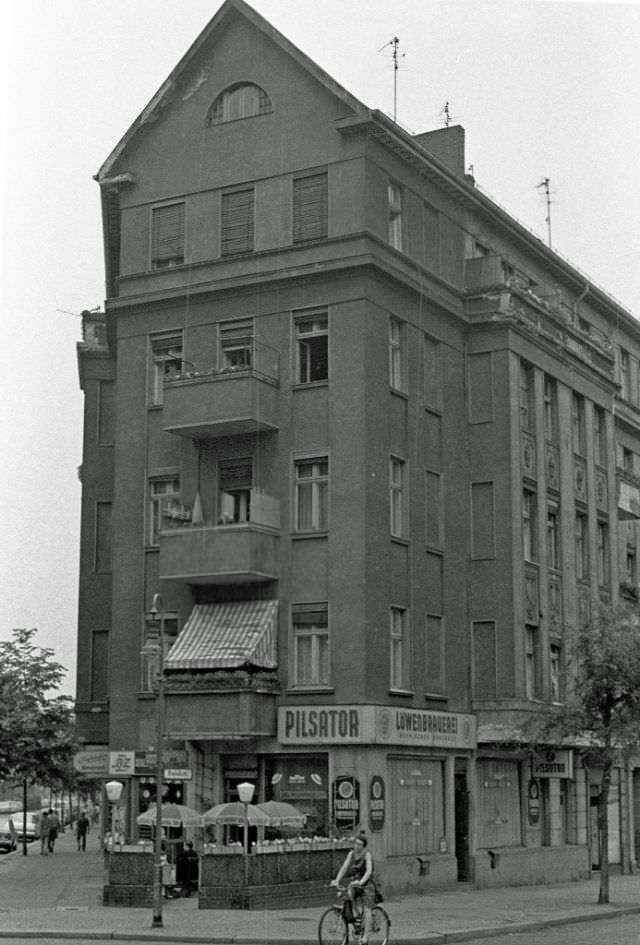
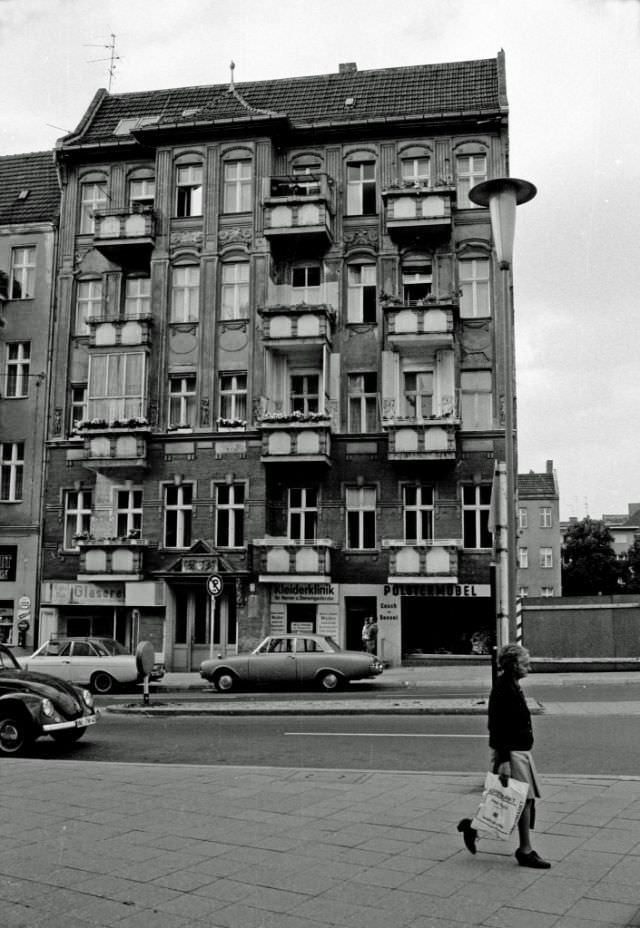
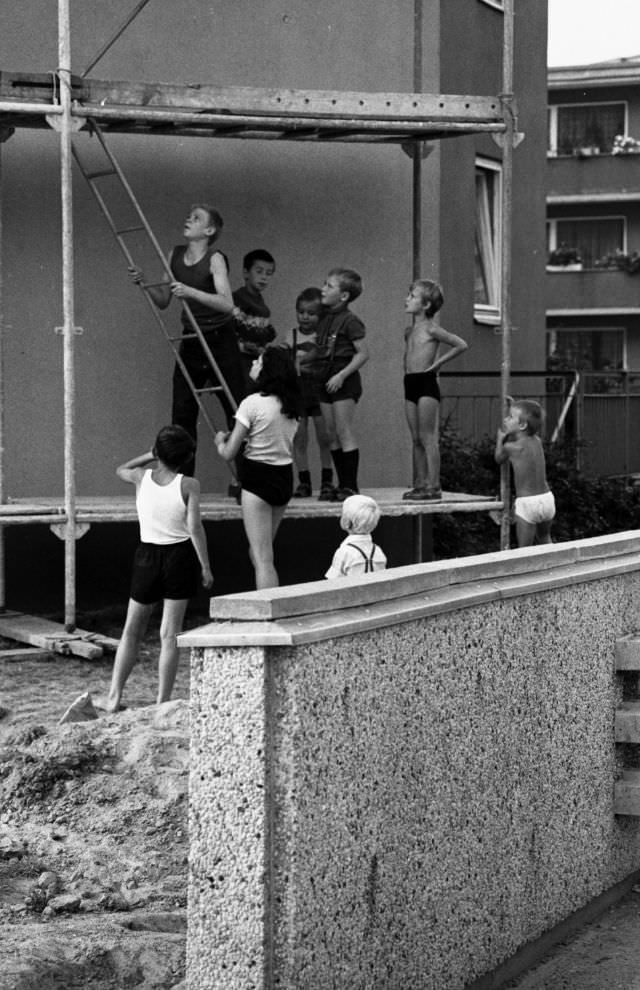
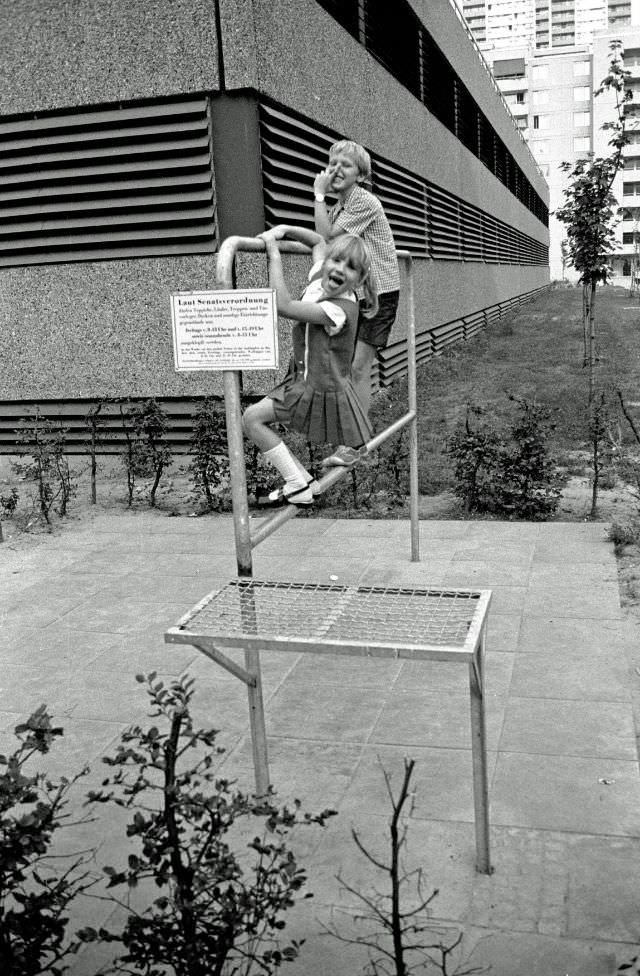
Children appear in several of Klaffs’ frames. They climbed, played, and ran through streets that adults treated with caution. For younger Berliners, the Wall and the Cold War were simply the world as it was — not an aberration, but the baseline reality they had grown up in.
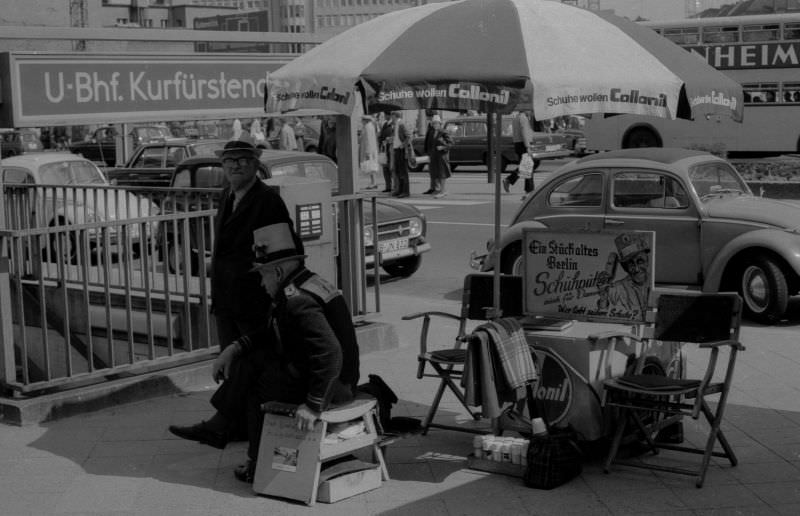
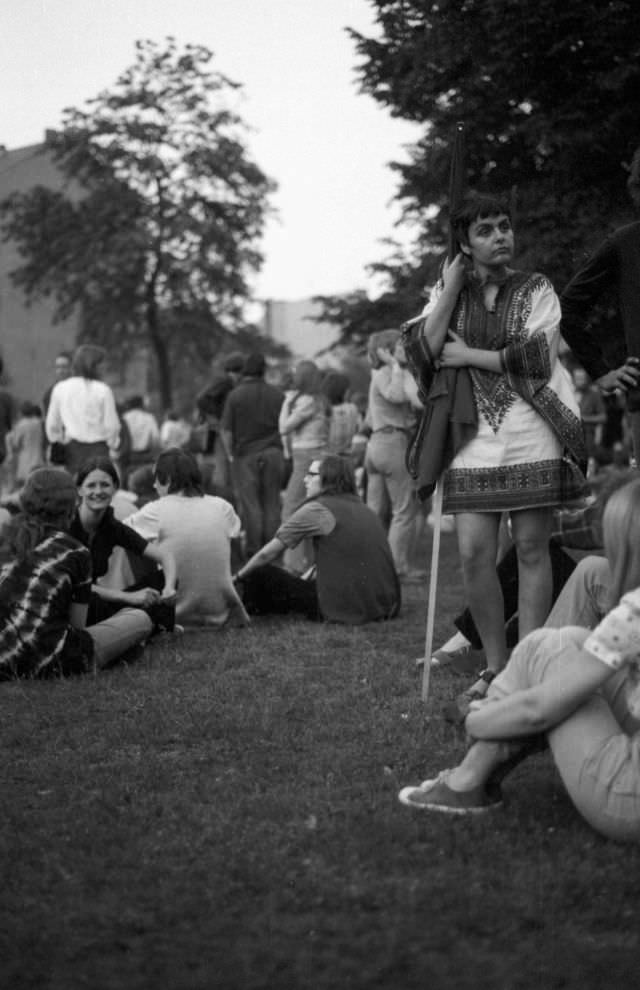
Markets and public squares were gathering points. Vendors sold produce, second-hand goods, and everyday items in open-air stalls. These spaces were social as much as commercial — places where residents ran into neighbors, heard local news, and spent unstructured time. The photographs capture that looseness, the unscheduled flow of city life.
Transportation in 1970s Berlin mixed the old with the new. Trams still ran on some routes. The U-Bahn and S-Bahn connected the city underground and overhead, though the lines were complicated by the division. In East Berlin, some S-Bahn ghost stations — sealed off and unreachable — sat beneath the streets, untouched since the Wall went up in 1961.
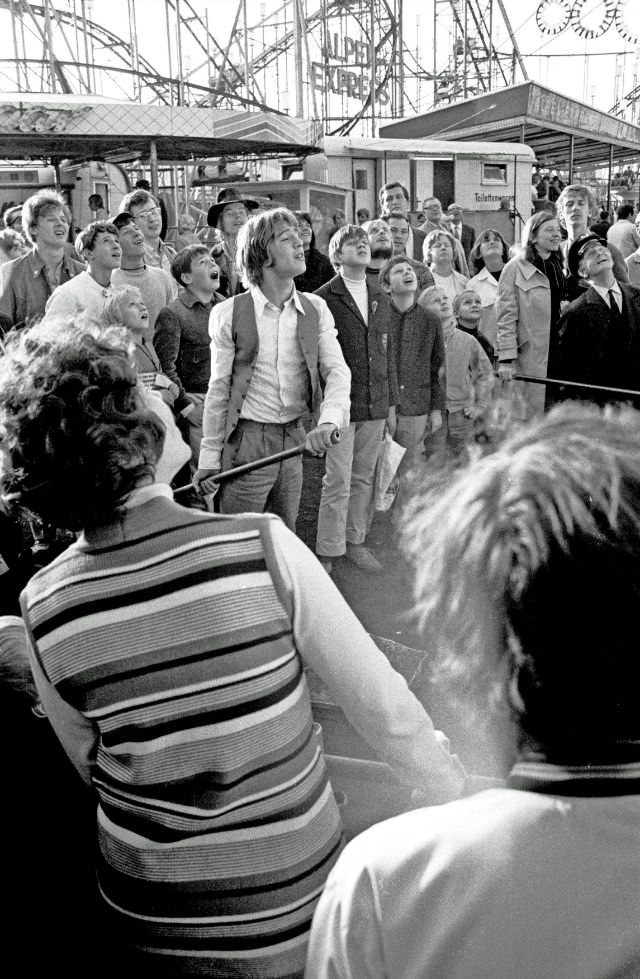
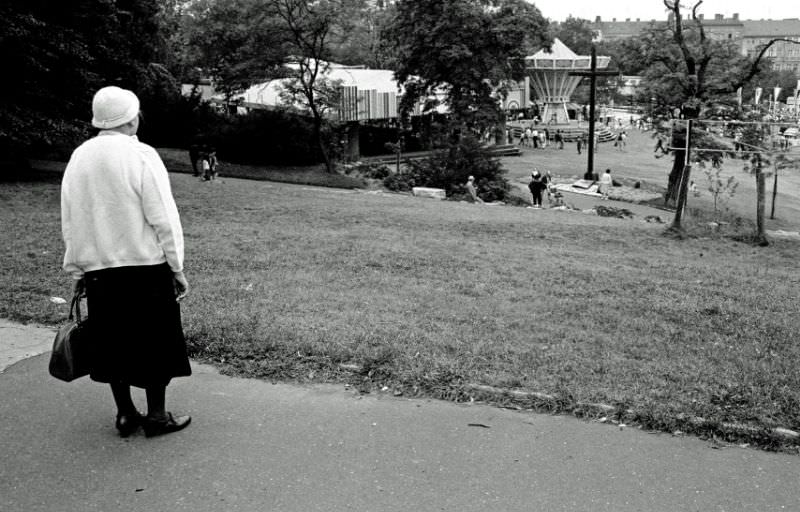
Klaffs captured Berlin at a moment of frozen tension. The city wouldn’t begin to change dramatically until the late 1980s. The photographs from 1970 show a place that had adapted to its strange circumstances — divided, isolated, and yet fully alive. The streets were busy. The people were present. The city carried on.