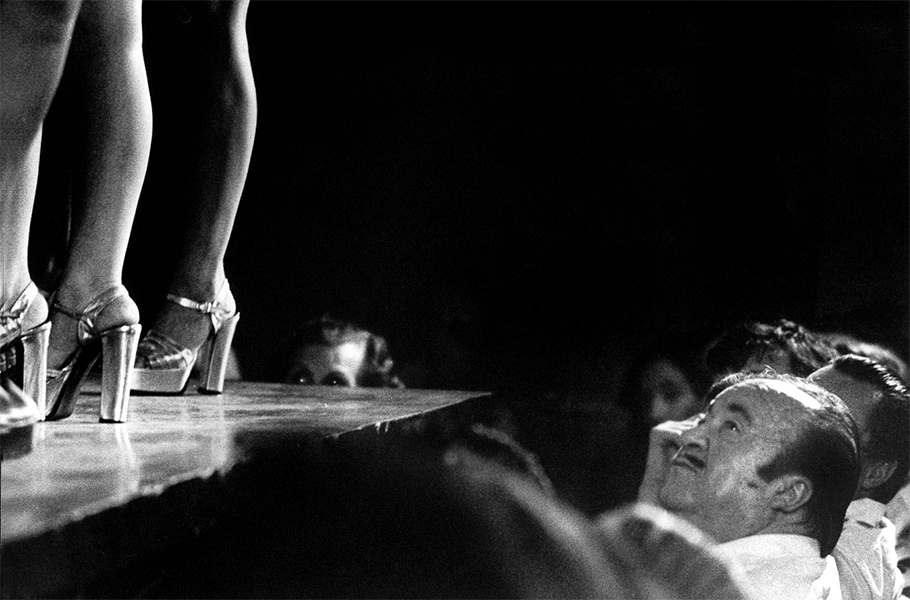
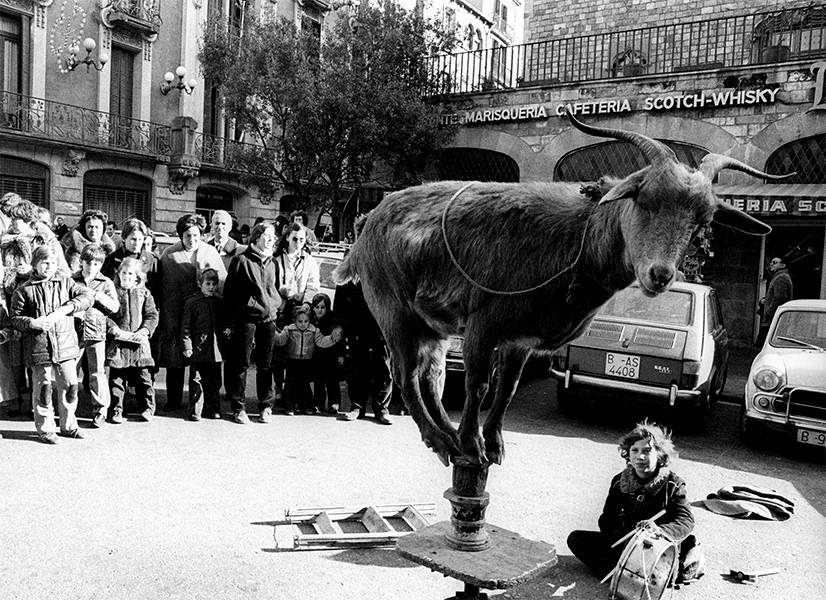
Isabel Steva Hernández, known to the world as Colita, stands as one of the most important figures in Catalan photography. Born and based in Barcelona, she built her craft under the guidance of three major photographers of the era: Oriol Maspons, Julio Ubiña, and Xavier Miserachs. From those foundations, she carved out a style entirely her own — direct, honest, and often laced with dry humor.
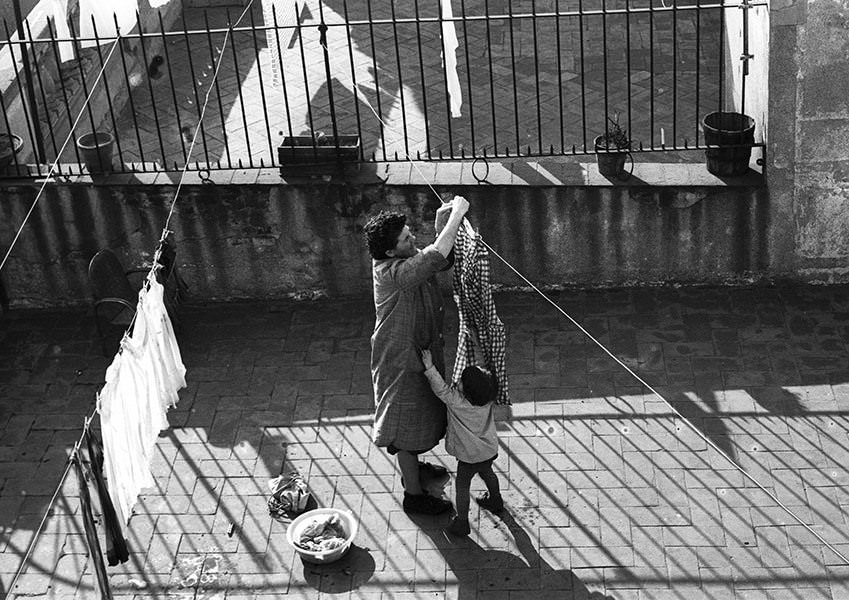
Colita’s Barcelona was a city in transition. Franco’s Spain still cast a long shadow over public life in the early 1960s, yet the streets, bars, and back rooms of the city hummed with creative energy. Her camera caught all of it — the ordinary and the extraordinary side by side.
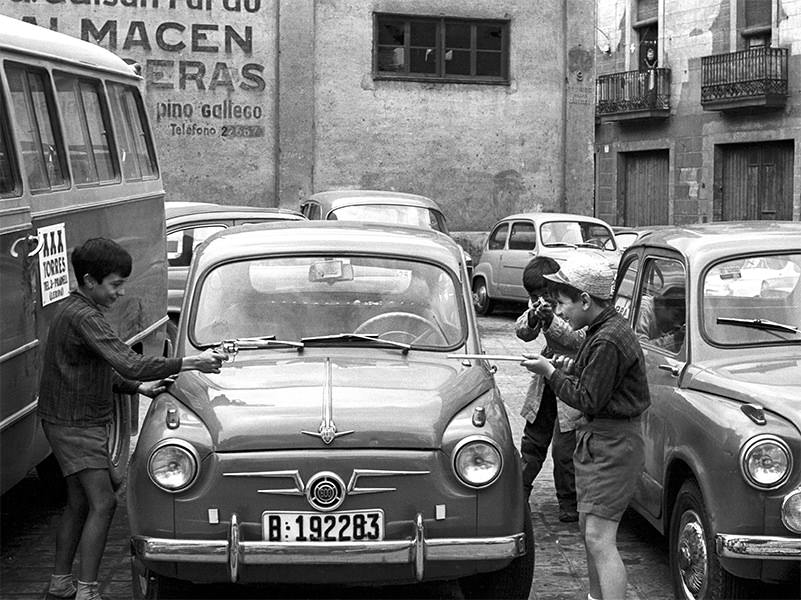
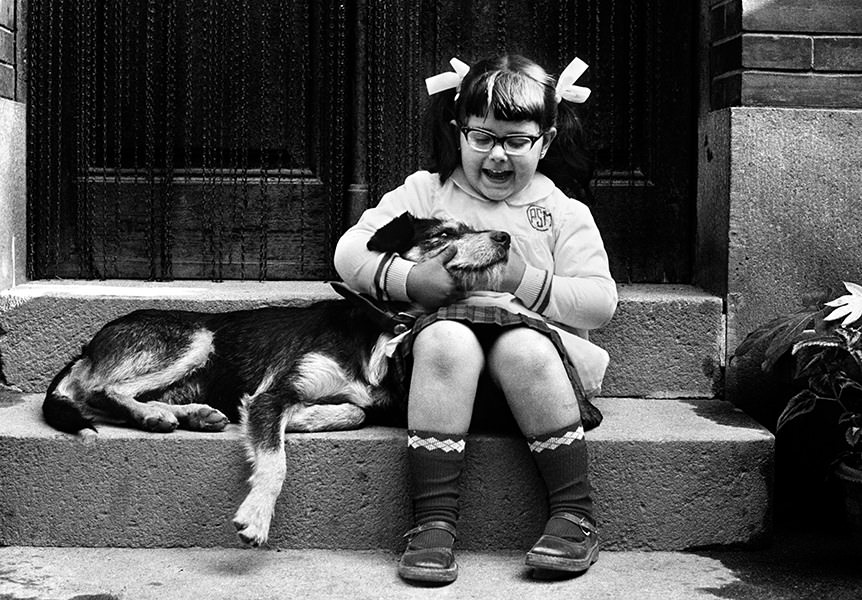
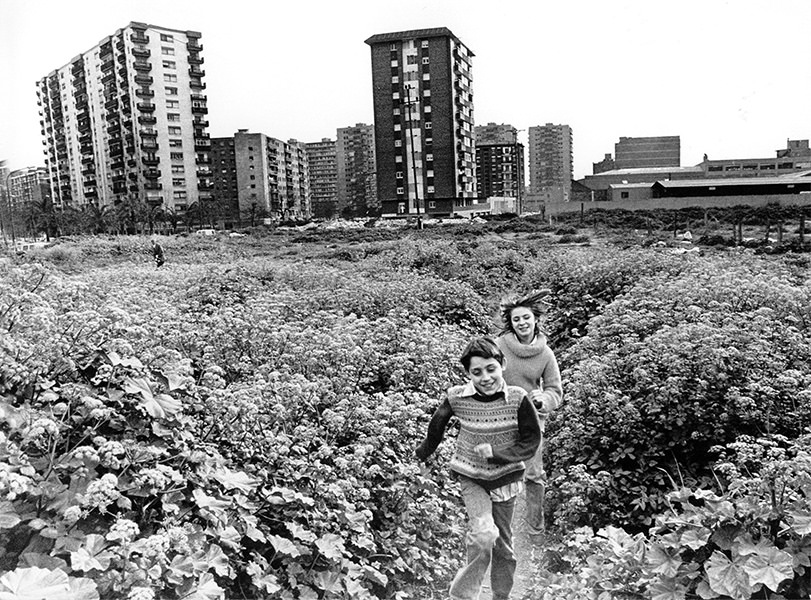
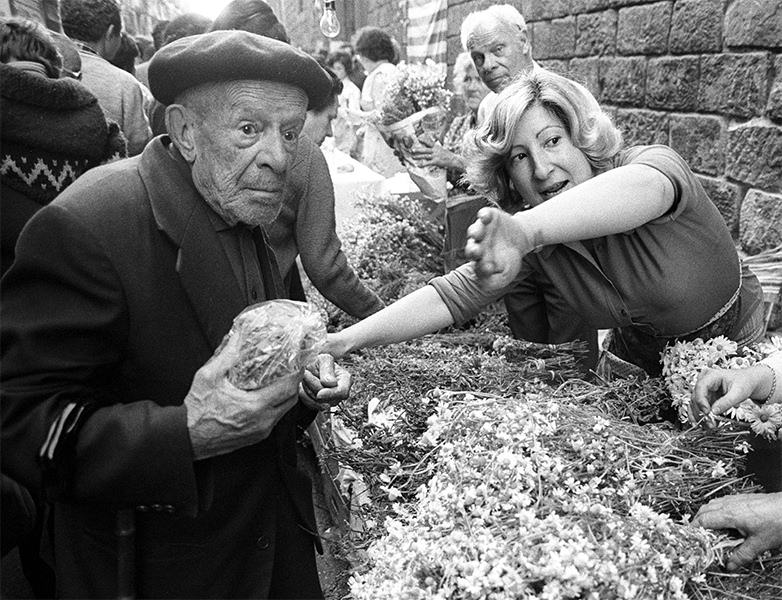
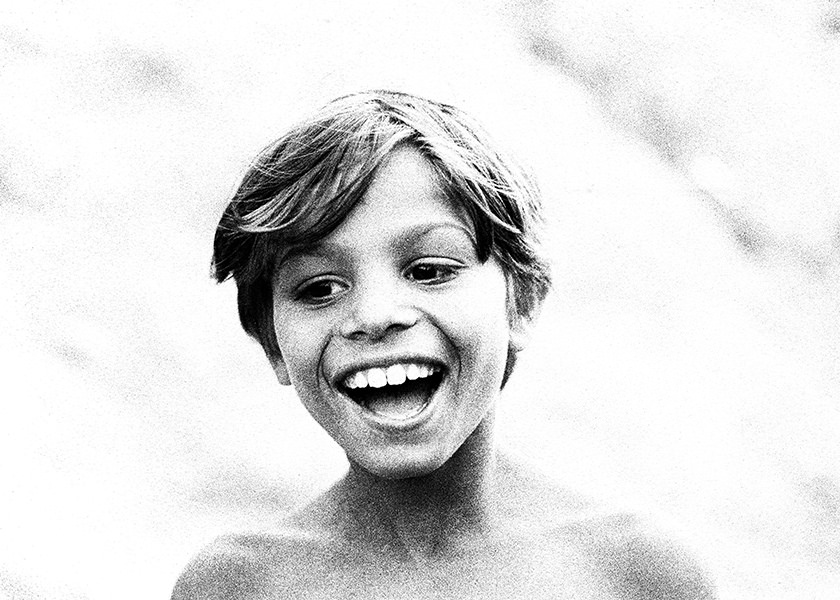
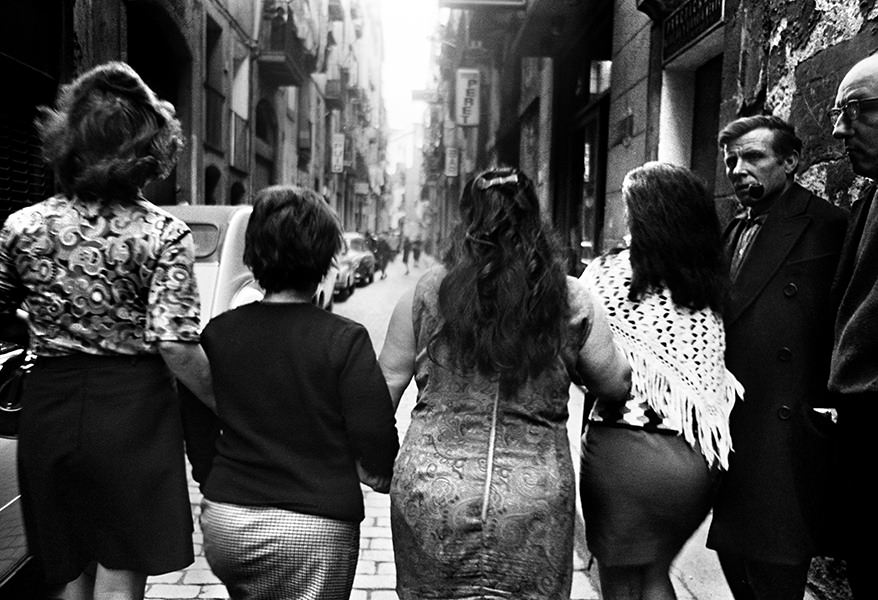
Street life was a constant subject. Colita moved through Barcelona’s neighborhoods with ease, photographing children, workers, and passersby with the same attention she gave to artists and intellectuals. Her images from this period show a city that was dense, warm, and very much alive.
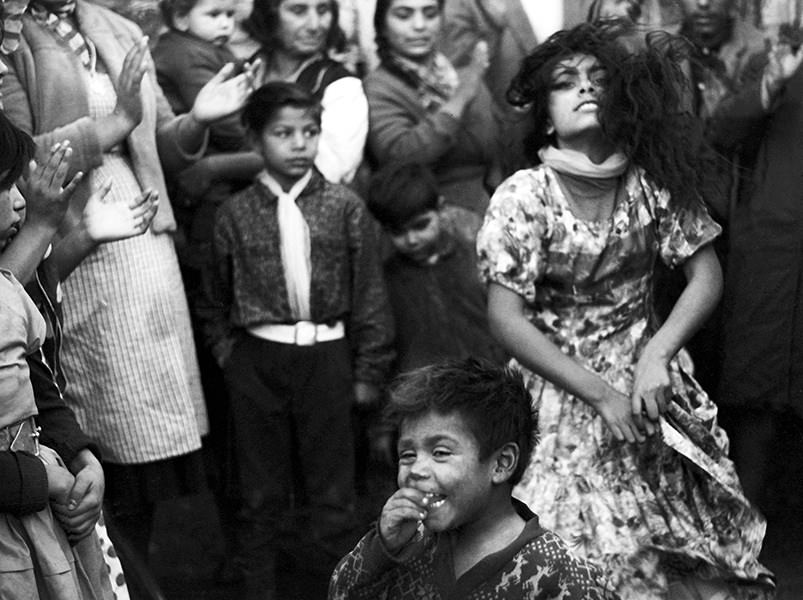
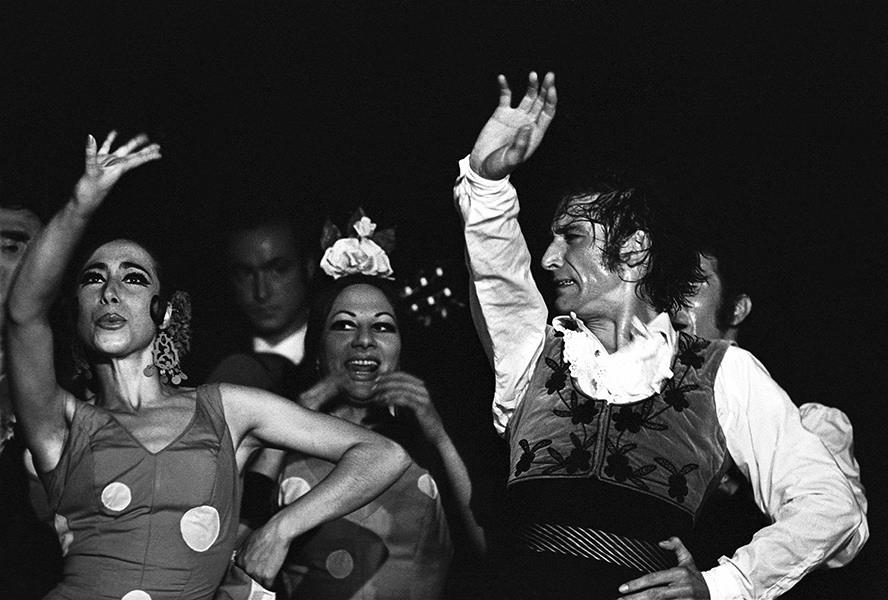
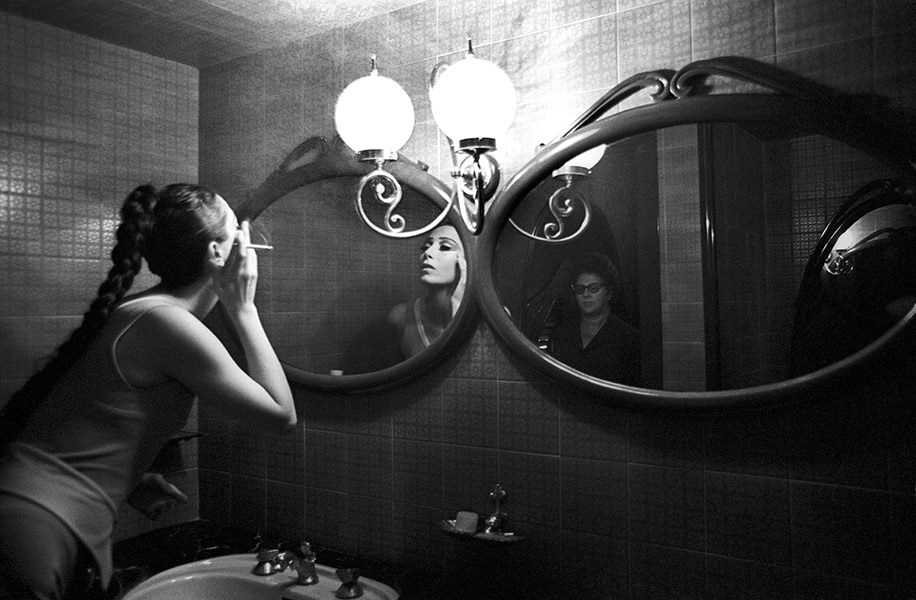
Starting in 1963, Colita devoted considerable energy to documenting Flamenco. For over a decade, she photographed dancers and singers with an intimacy that went far beyond performance shots. She captured the rehearsals, the dressing rooms, the exhaustion, and the fire. This body of work, built between 1963 and 1975, remains one of the most complete photographic records of Flamenco culture produced during that era.
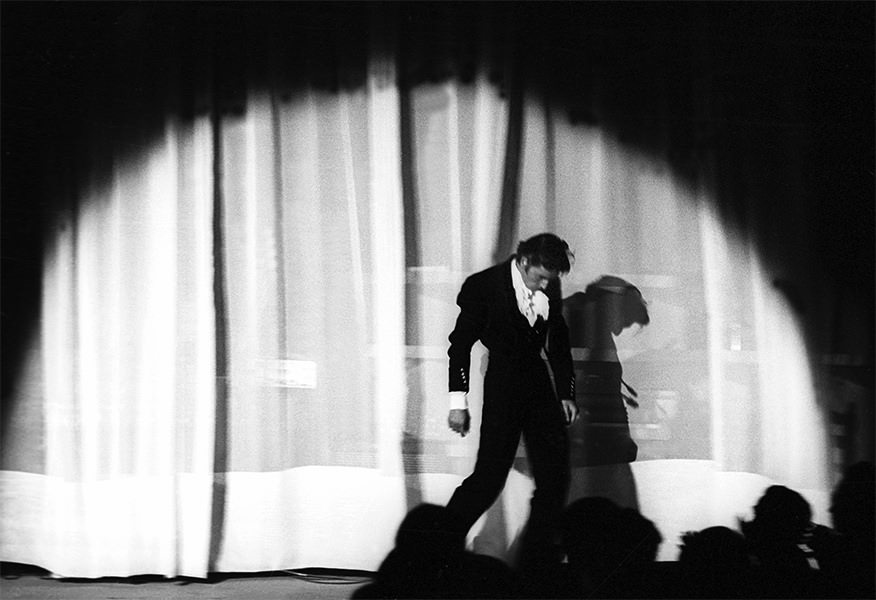
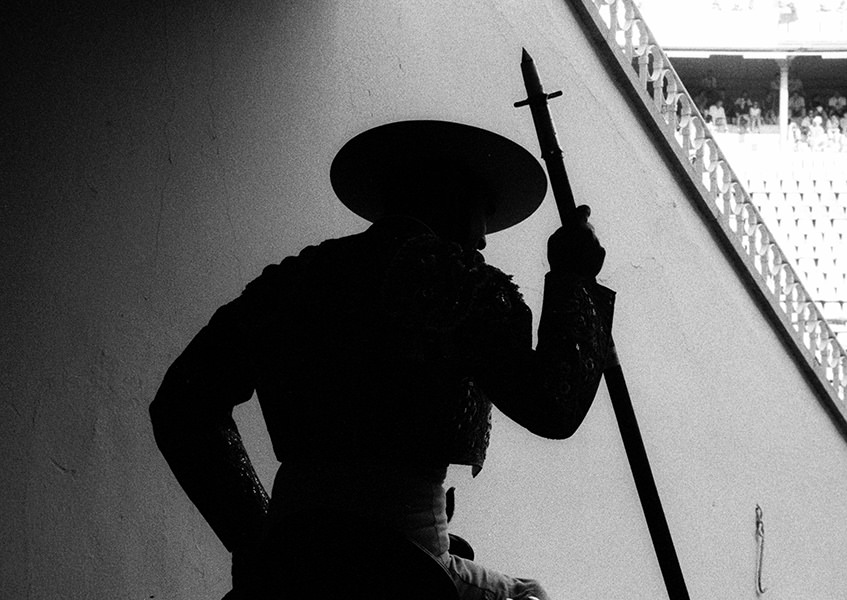
Colita is widely recognized as the official photographer of Barcelona’s Gauche Divine — a loose but influential circle of Catalan writers, architects, models, filmmakers, and artists who pushed against the cultural restrictions of the Franco regime throughout the late 1960s and into the 1970s. They gathered in places like the Bocaccio club on Carrer de Muntaner, which became the social heart of this movement.
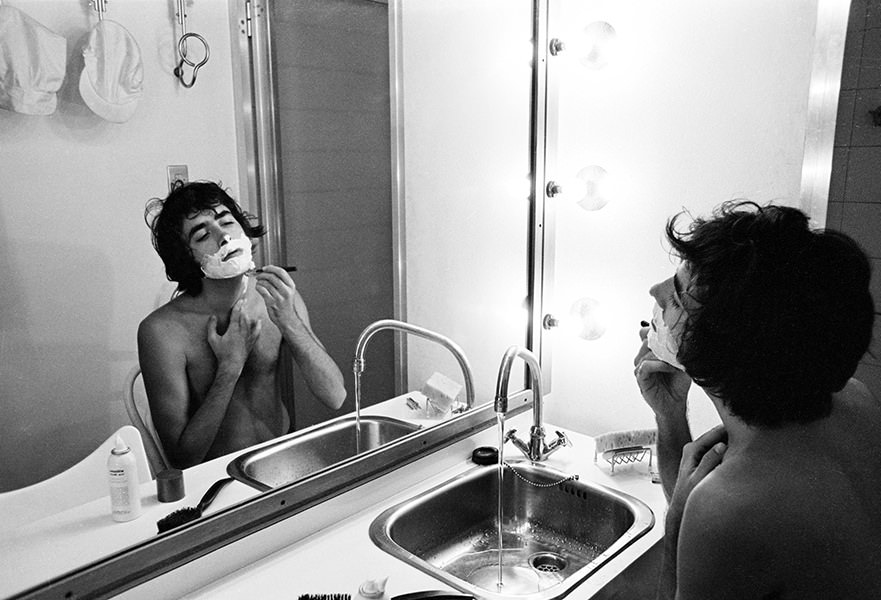
The faces Colita photographed read like a who’s who of mid-century Catalan and Latin American culture. She shot Joan Manuel Serrat, the beloved singer-songwriter whose music became tied to Catalan identity and anti-Franco sentiment. She photographed Lluís Llach, another singer whose work carried deep political weight during the dictatorship.
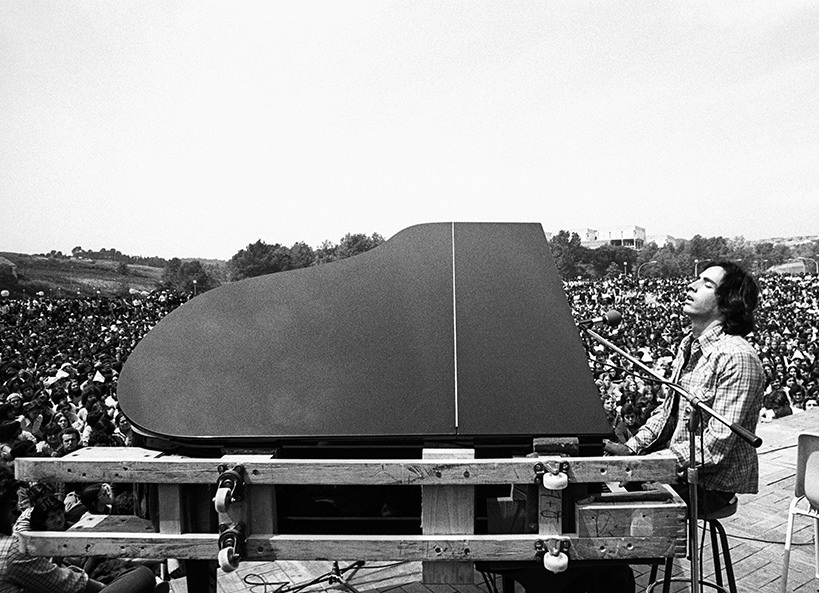
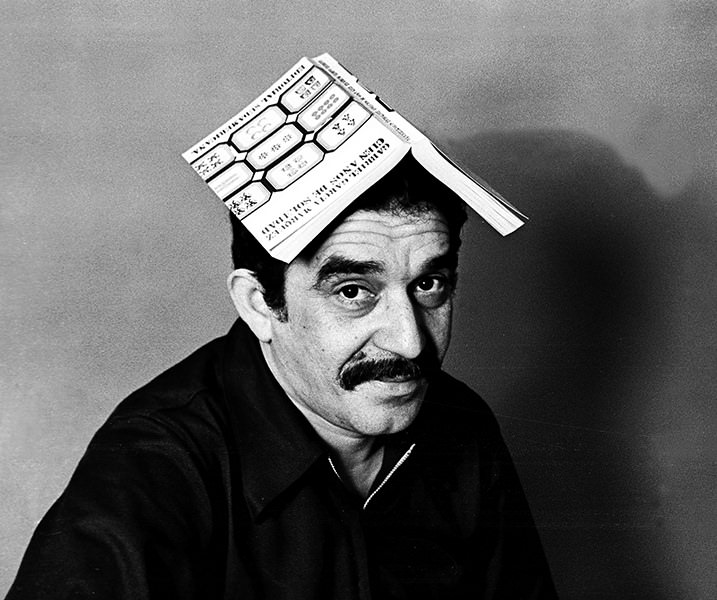
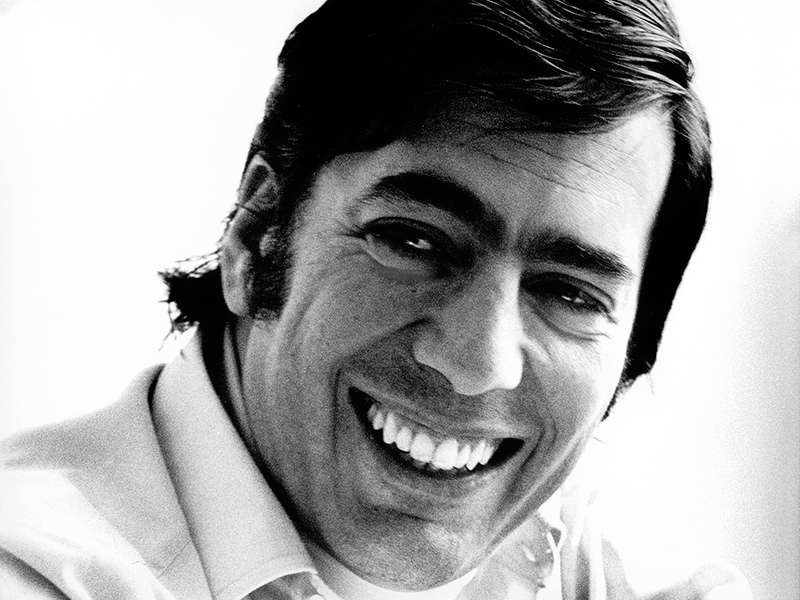
Her portraits of writers were equally striking. Ana María Matute, one of Spain’s most celebrated novelists, sat for Colita in 1974. Gabriel García Márquez, then living in Barcelona during the years he was rising to international fame, was photographed by her in 1969. Mario Vargas Llosa, another literary giant with deep Barcelona ties, appeared before her lens in 1976.
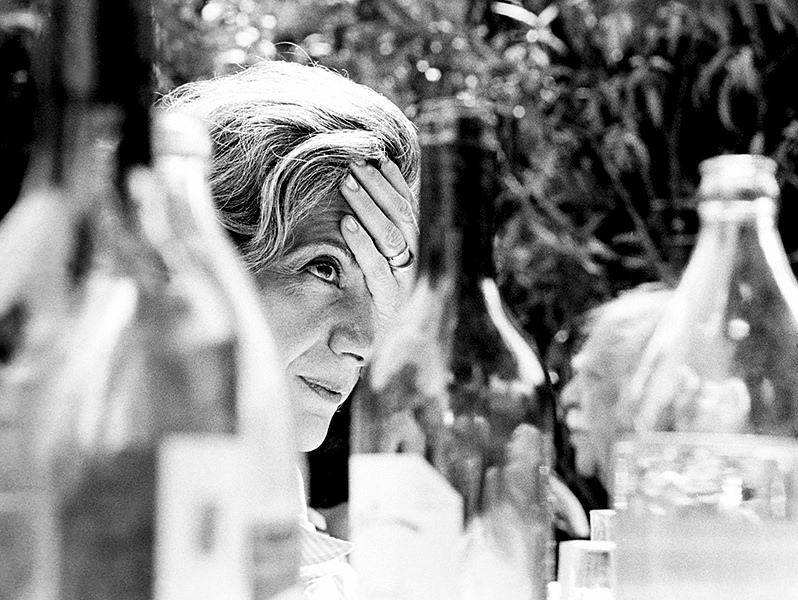
Artists and performers from beyond Spain also crossed paths with Colita’s camera. The actress and model Capucine, known across Europe and Hollywood, was photographed in 1968. Elsa Peretti, who would go on to become one of Tiffany & Co.’s most iconic jewelry designers, appeared alongside Camilla that same year. The Swiss-born model and actress Romy was captured in 1970.
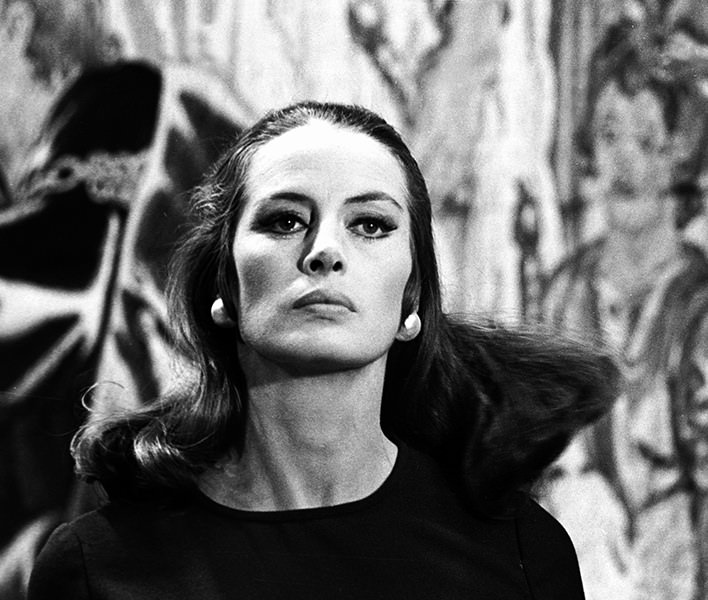
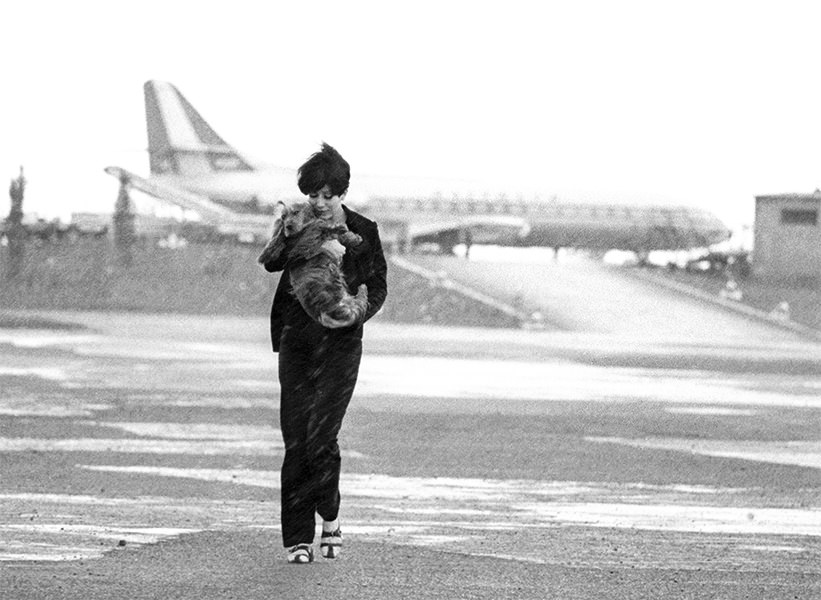
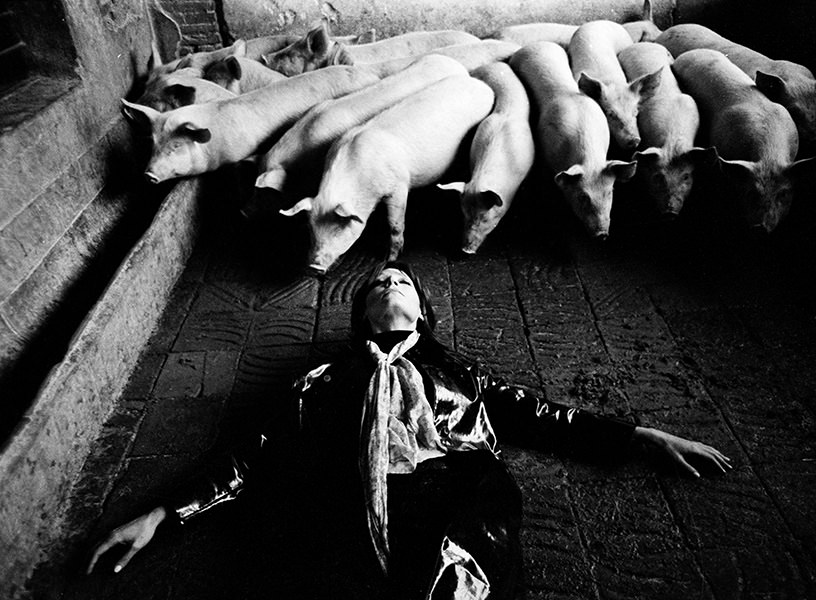
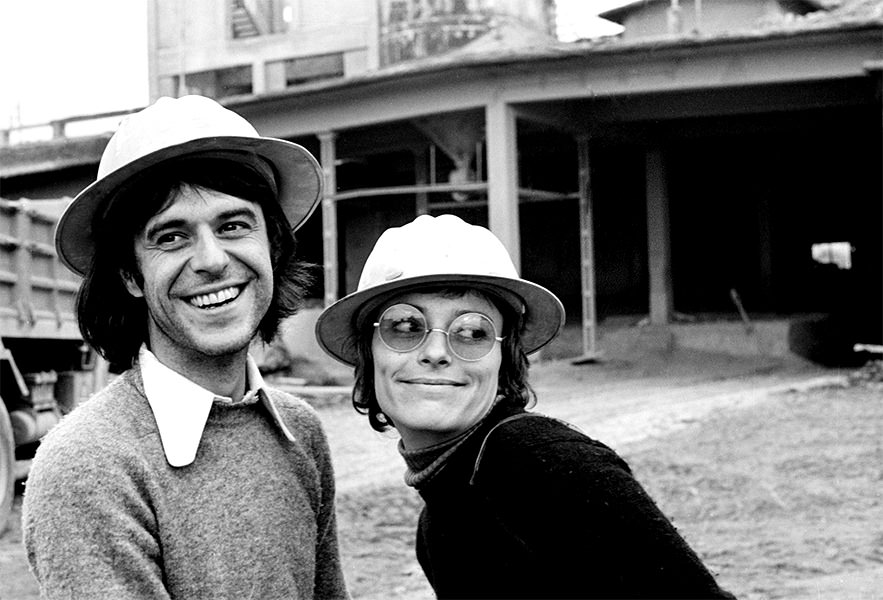
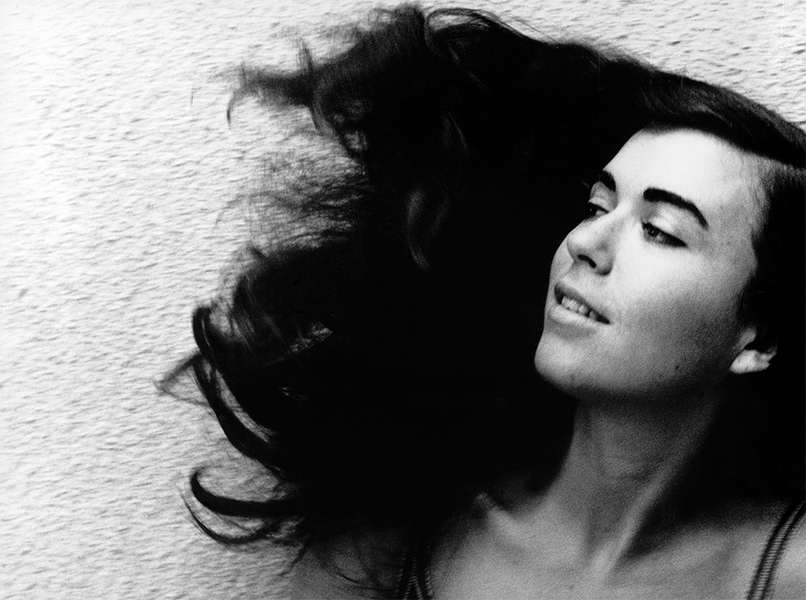
Architect Ricardo Bofill, a central figure in the Gauche Divine and one of Catalonia’s most ambitious designers, was photographed alongside Serena Vergano in 1970. Singer Maria del Mar Bonet, a defining voice in Catalan folk music, was photographed in 1976. These portraits were not staged or flattering in a commercial sense — they were frank, close, and real.
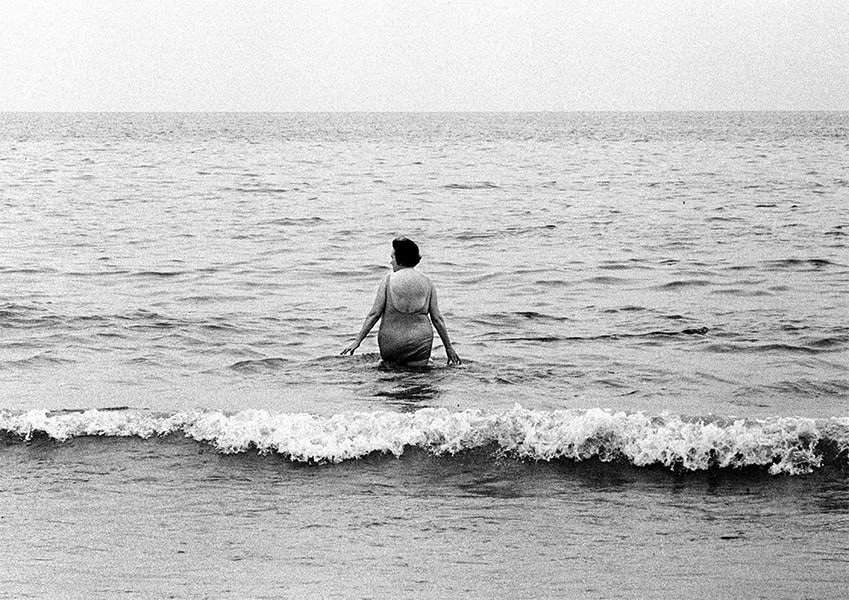
Throughout this period, Colita also continued shooting Barcelona itself — its coastline at Sitges, its festivals, its people at rest and in motion. The city’s texture in these decades comes through in her work as nowhere else.