Polo had always been a sport of horses, mallets, and speed. But in the early 20th century, a new version emerged that swapped horses for automobiles. Auto polo, as it was called, took the basic rules of traditional polo and placed them inside a roaring, metal-on-metal spectacle that drew thousands of spectators across the United States and Europe. It was loud, fast, destructive, and genuinely dangerous — and people absolutely loved it.
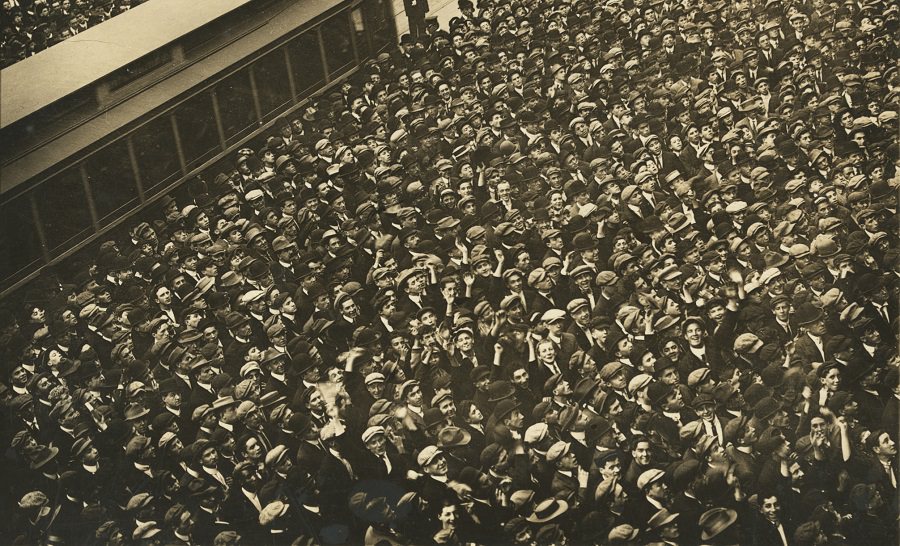
The sport’s origins trace back to 1911, when a Ford automobile dealer named Pappy Hankinson reportedly invented it as a publicity stunt to sell Model T cars. Whether the story is entirely true or partly legend, Hankinson became the name most closely tied to the sport’s early days. The first official game took place on July 20, 1912, in Wichita, Kansas. Four cars and eight players competed in front of a crowd of 5,000 people — a strong turnout that signaled just how much public appetite there was for this kind of spectacle.
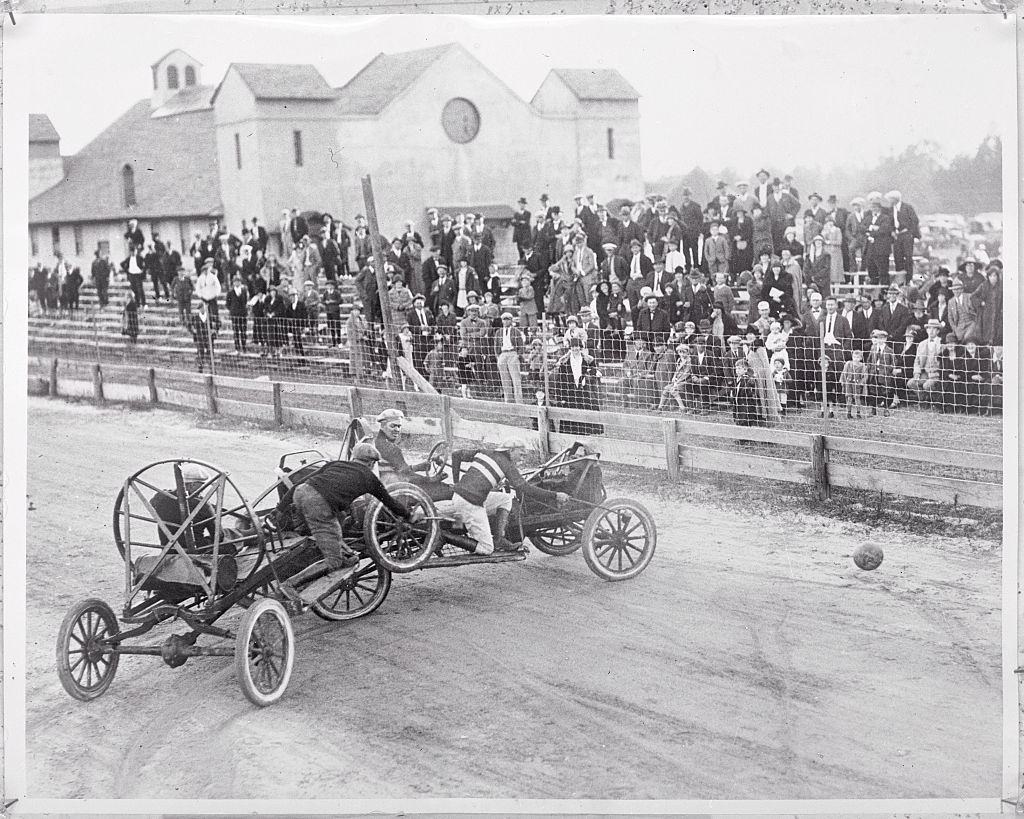
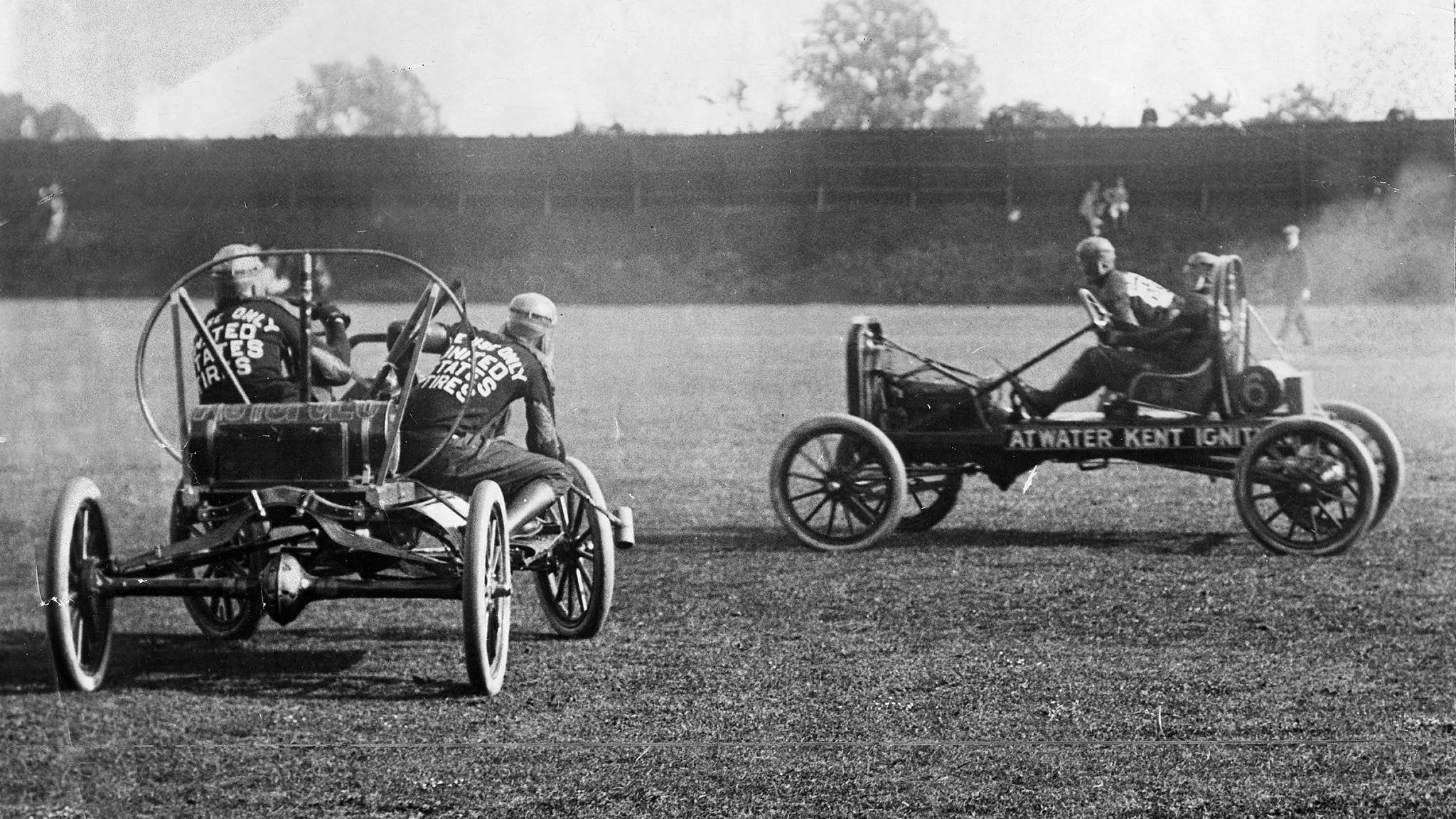
Each team had two cars on the field at a time. One person drove while the other — called the malletman — stood or perched on the vehicle and swung a long mallet at the ball. The goal was the same as equestrian polo: drive the ball through the opposing team’s goalposts. But unlike a horse, a car doesn’t stop easily, steer gently, or yield ground when another vehicle is coming straight at it.
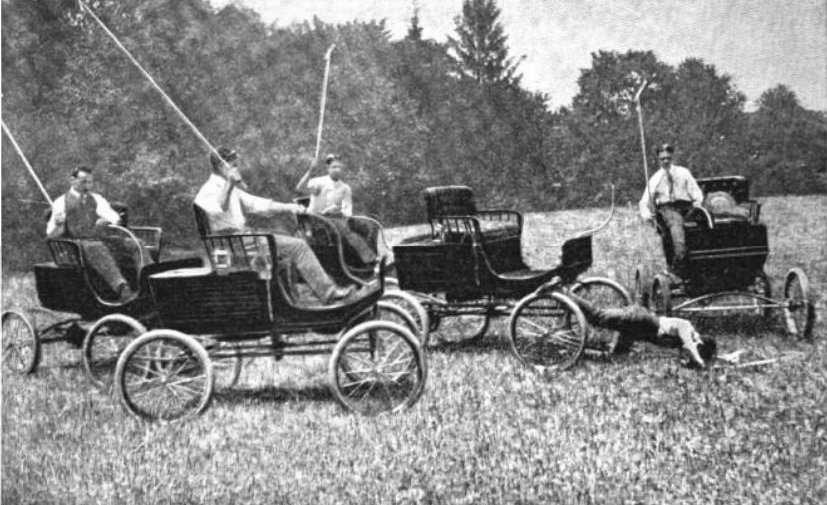
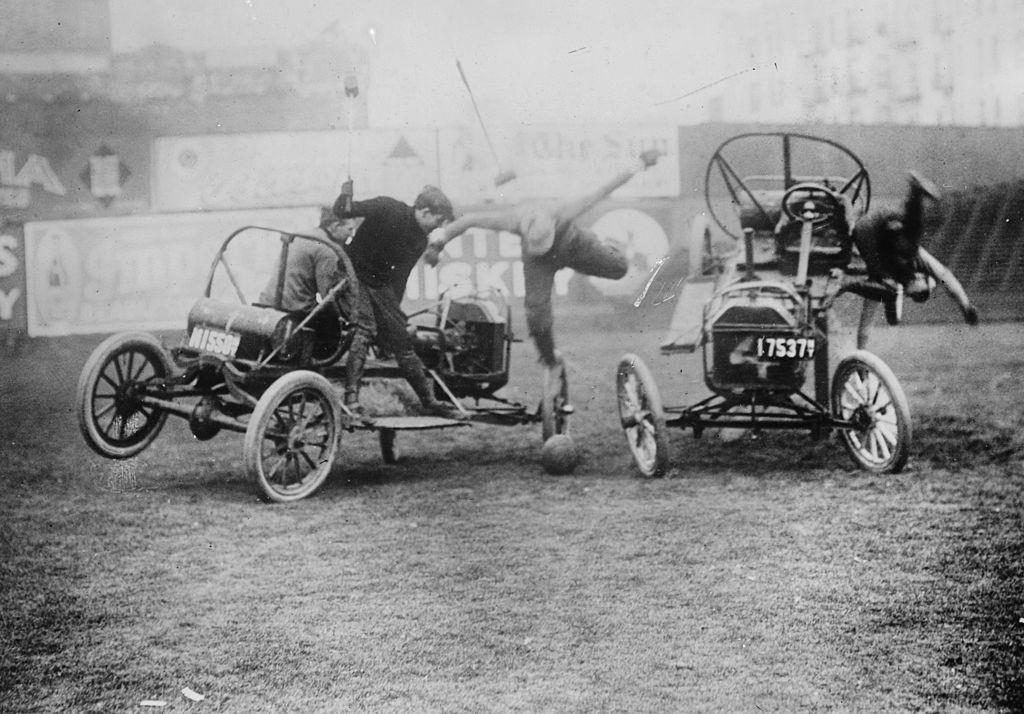
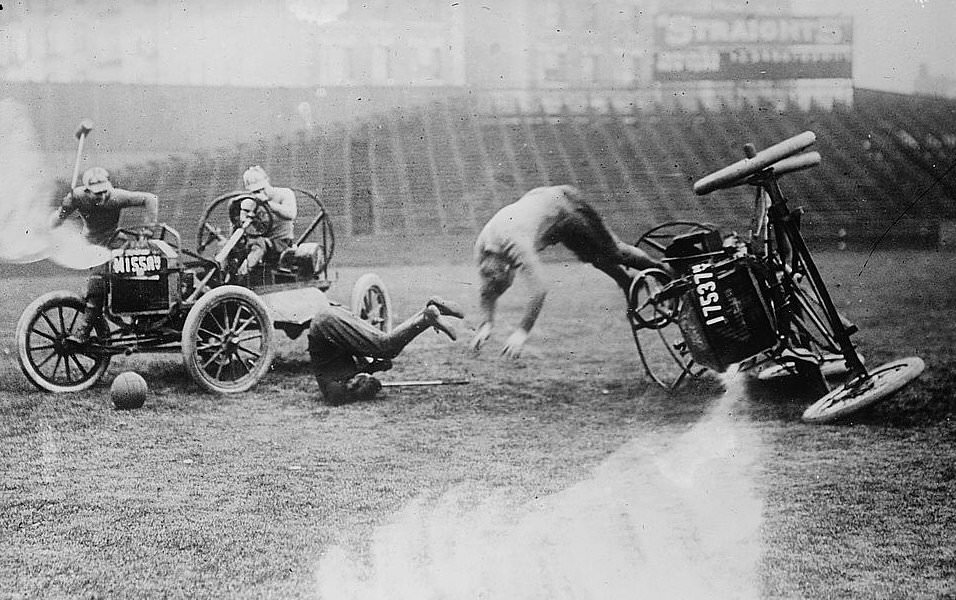
Collisions were not just common — they were expected. Cars would slam into each other, lock wheels, and spin out. Malletmen were regularly thrown from their positions. To reduce the risk, teams installed primitive roll cages made of metal hoops over the radiator and the rear platform where the malletman stood. These offered some protection during rollovers, but they were far from foolproof. Falls at speed led to severe cuts and broken bones, especially when a player went down and a car ran over them.
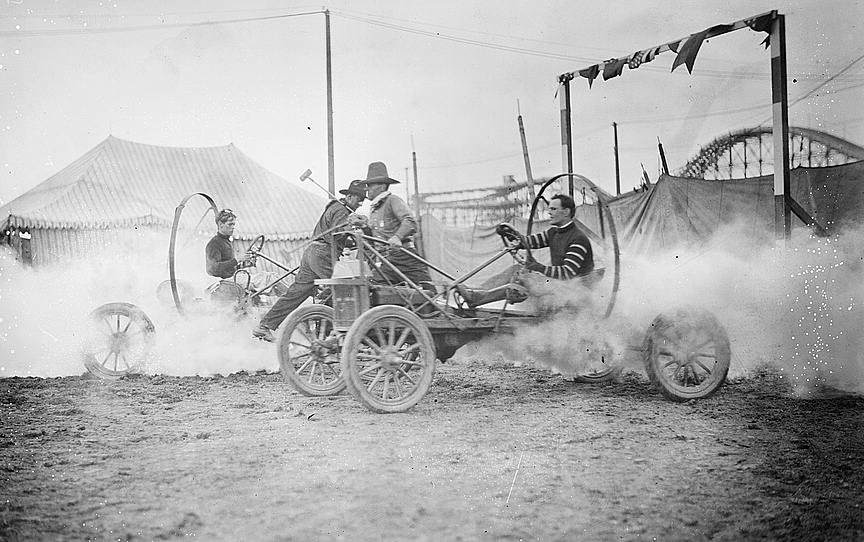
At the Los Angeles matches in 1922, one of the sport’s more notable incidents played out on the field. During a competition between teams from Canada and the United States, the Canadian team’s captain suffered a broken arm after a spill. The American team’s captain was also thrown from his car in a scramble for the ball. Injuries like these were regular occurrences, though outright fatalities remained rare throughout the sport’s run.
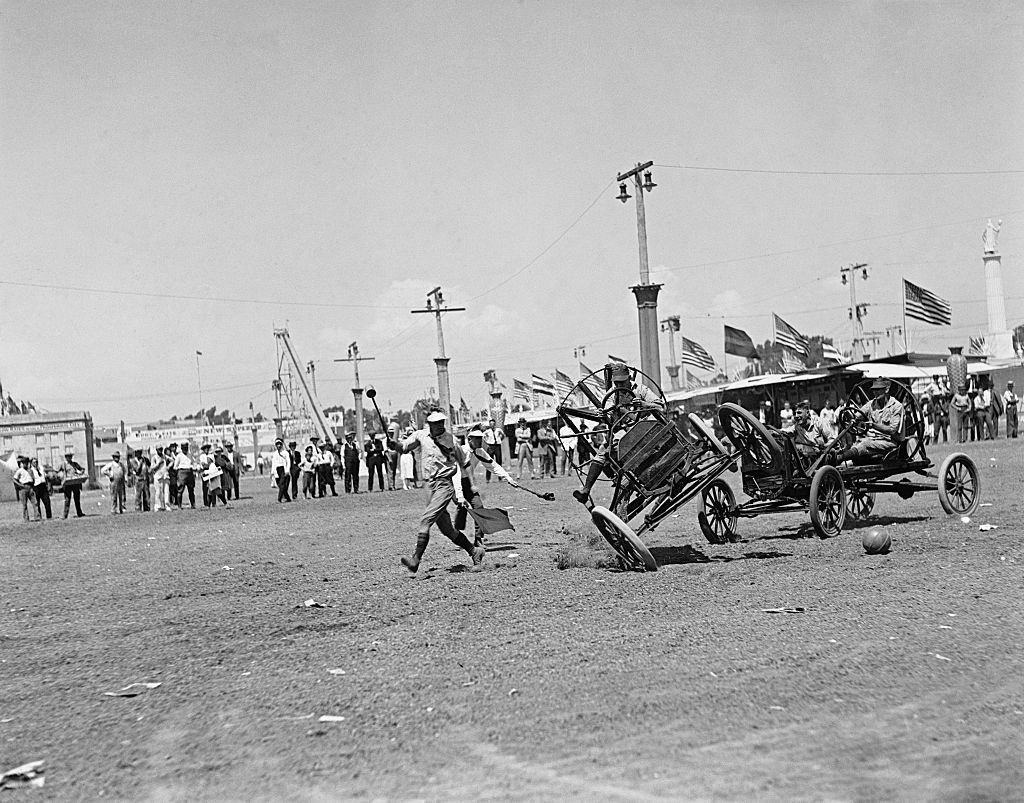
The physical toll on the vehicles was staggering. Hankinson tracked the damage his teams sustained over the course of a single year: 1,564 broken wheels, 538 burst tires, 66 broken axles, ten cracked engines, and six cars destroyed entirely. By the end of a match, most vehicles were severely wrecked. Players found themselves effectively uninsurable — no company would cover them for material or bodily damages caused during a game.
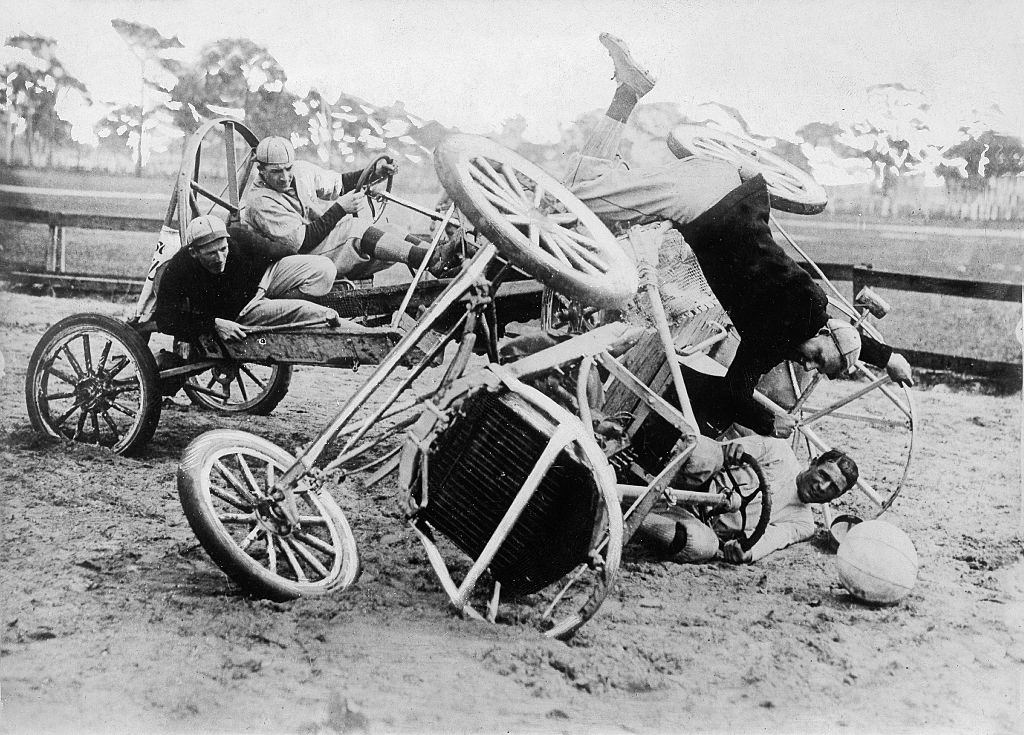
Watching a match meant watching cars get demolished in real time. The fields were often dirt or grass, which made traction unpredictable. Cars rolled, stalled, and piled into each other throughout each game. The spectacle drew fans at fairs, sports venues, and exhibitions across the country and in several European nations during the sport’s peak years between 1911 and the early 1920s.
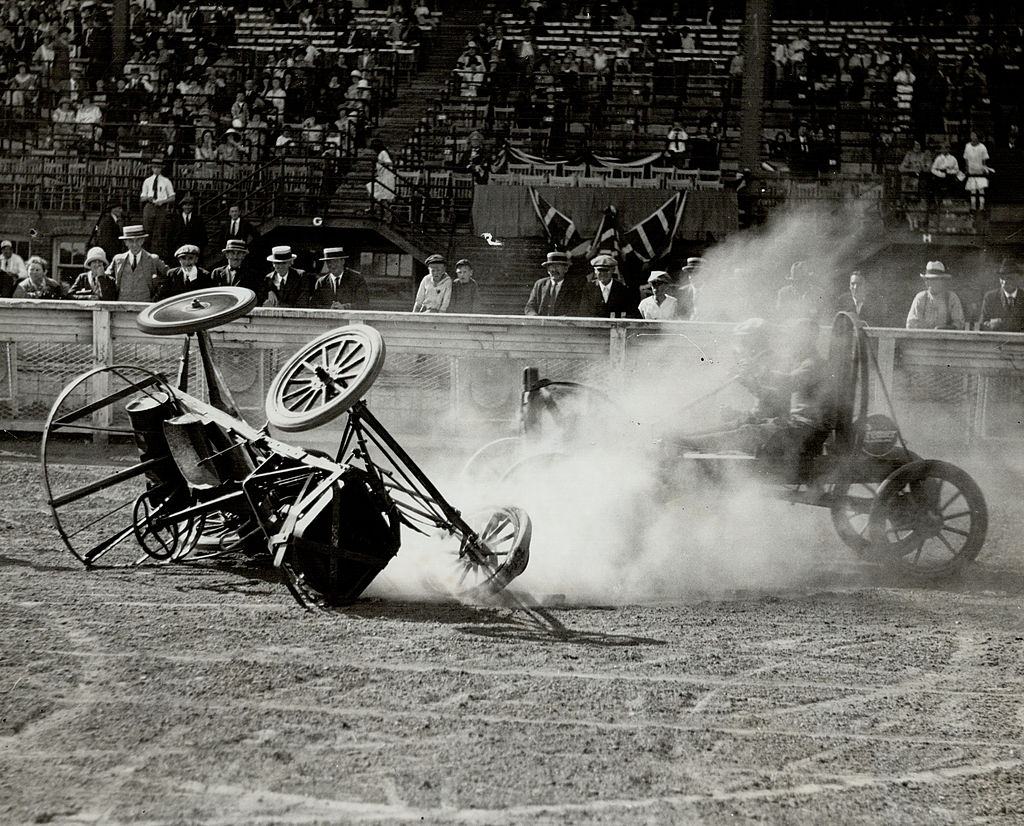
The malletman’s role was physically demanding and required both balance and nerve. Standing on a moving vehicle while swinging a mallet and watching opposing cars bear down at full speed was not for the faint-hearted. Photos from the era show players hanging off the sides of cars mid-match, fully committed to reaching the ball at any cost.
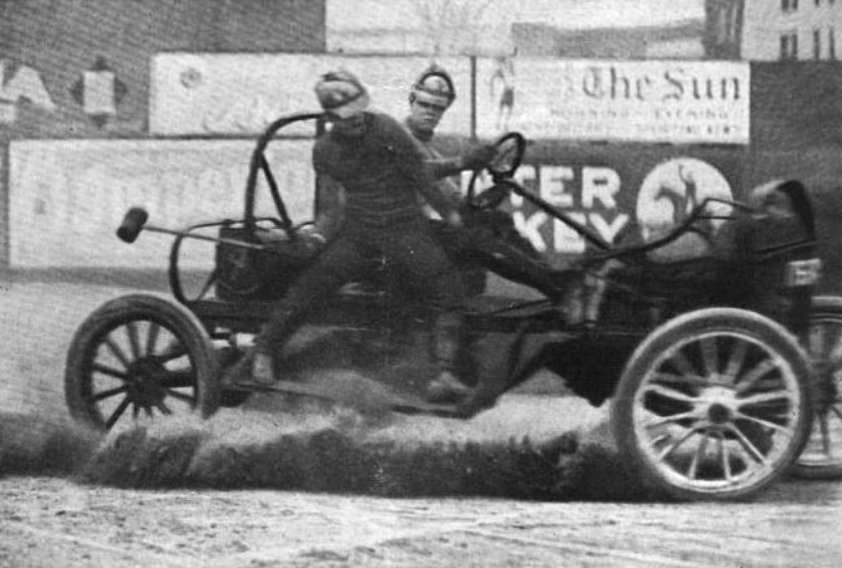
Venues like Hilltop Park in New York and Coney Island hosted some of the most well-attended matches of the era. Rollovers were a near-constant feature of competition, and the crowds knew it. The danger was part of the draw.
By the late 1920s, the sport had begun to fade. The main reason was simple economics. Destroying cars every weekend was expensive, and the cost of replacing vehicles made it increasingly difficult to sustain teams and events. Auto insurance for players was nearly impossible to obtain, and sponsors grew harder to find. The sport declined sharply, though it saw a brief revival in the Midwest after World War II before disappearing for good.
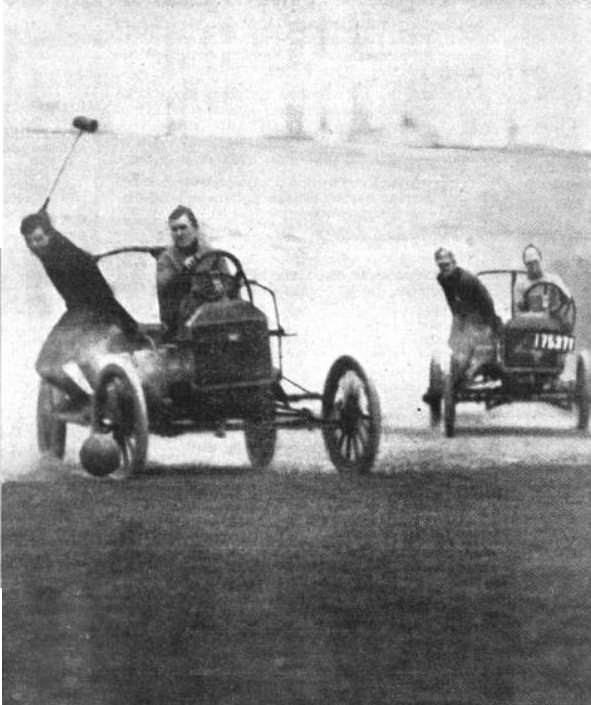
Below are more historical photographs capturing auto polo matches from across the United States during the sport’s most active years.