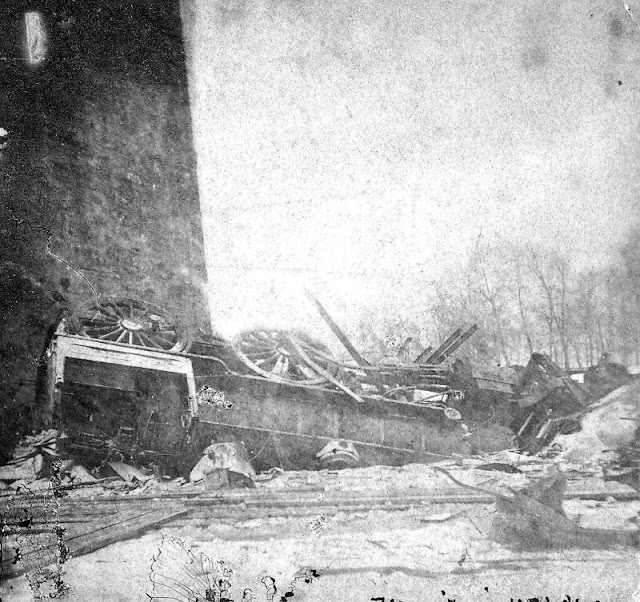
At 7:28 PM on December 29, 1876, the Pacific Express was rolling across a bridge over the Ashtabula River in northeastern Ohio. The train carried more than 150 passengers and crew — many of them heading home after the Christmas holidays. Then came a cracking sound. Within seconds, the bridge gave way, and the entire train plunged 70 feet into the icy river below. Ninety-two people died. Sixty-four more were injured. It was one of the deadliest railroad accidents the United States had ever seen.
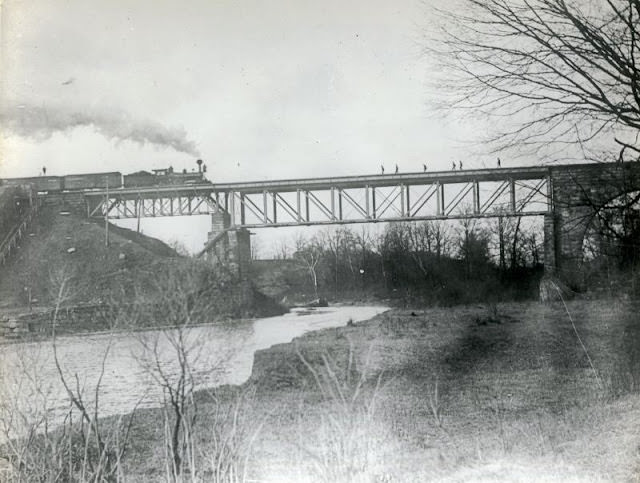
The Pacific Express was operated by the Lake Shore and Michigan Southern Railway. It was a heavy, two-engine train, and that night it was fully loaded. The weather made everything worse. Temperatures had dropped to -10°F, turning the Ashtabula River into a frozen trap for anyone who survived the fall. When the wooden passenger cars hit the wreckage, the coal stoves inside them ruptured and caught fire. Survivors who had lived through the fall now faced flames and freezing water at the same time.
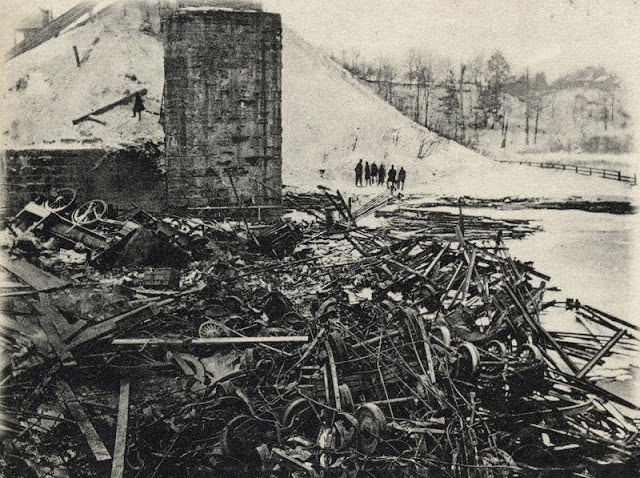
Rescuers rushed to the scene but faced staggering obstacles. The extreme cold, the burning wreckage, and the risk of further collapses along the riverbank made every effort dangerous. Despite their work through the night, the death toll climbed. Bodies were pulled from the icy debris for days afterward.
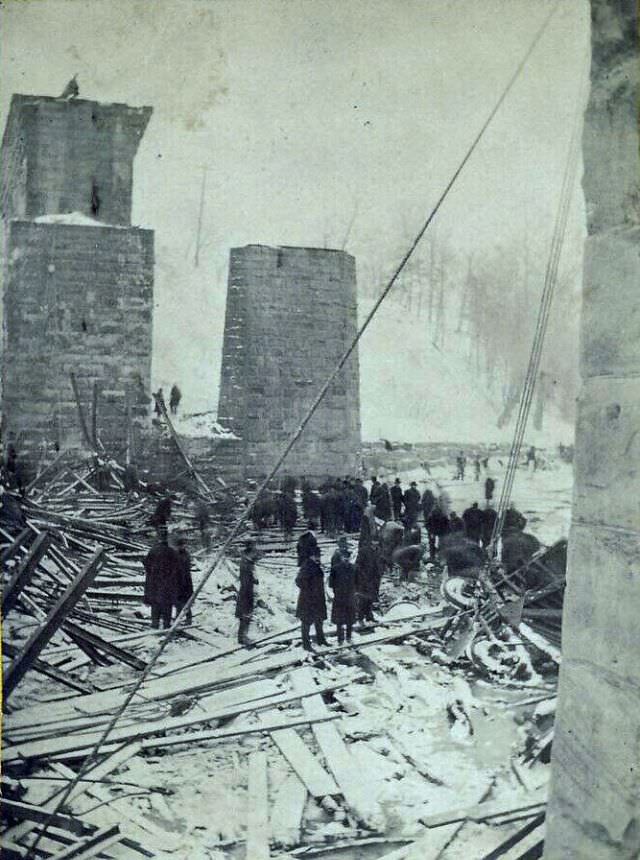
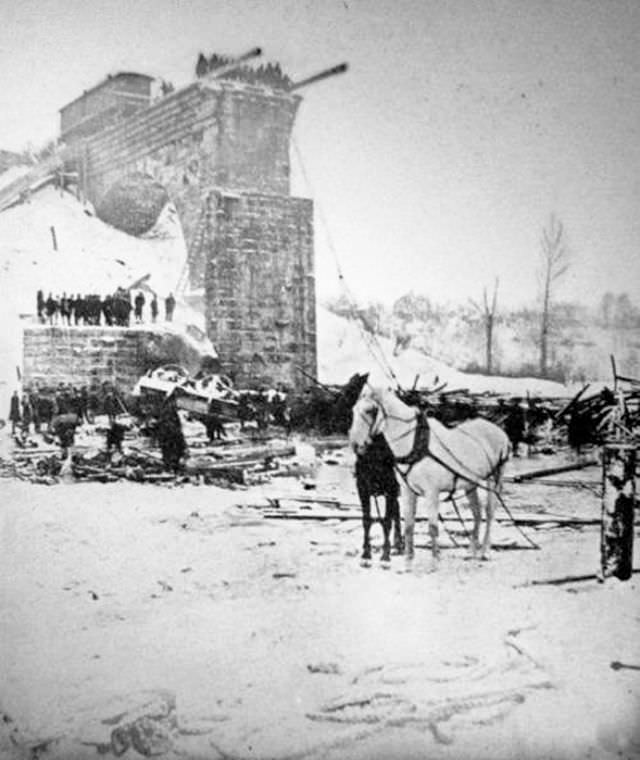
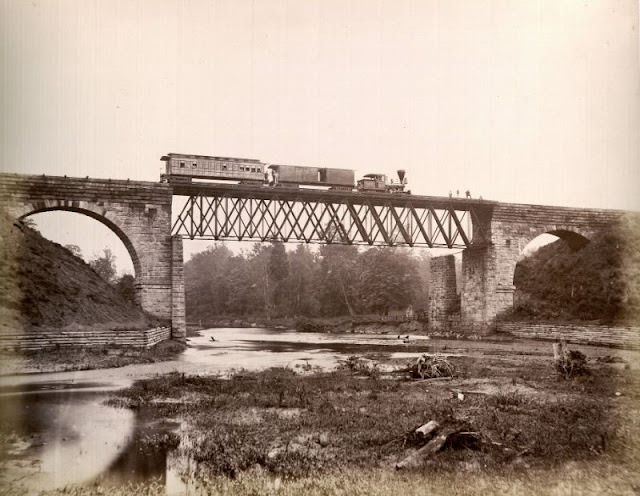
The bridge at the center of the disaster was an iron structure designed by engineers Charles Collins and Amasa Stone. When it was built, it was seen as a solid piece of engineering. In reality, it was dangerously flawed from the start. The design used cast iron rather than wrought iron — a critical difference. Cast iron is brittle under stress, while wrought iron is far more flexible and durable. The bridge also relied on the Truesdell truss design, which proved structurally inadequate for the loads it carried. On a bitterly cold night, with a fully loaded train pushing across it, the structure simply failed.
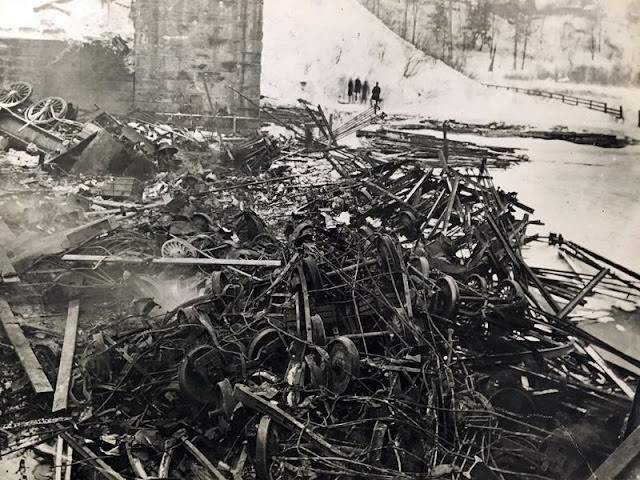
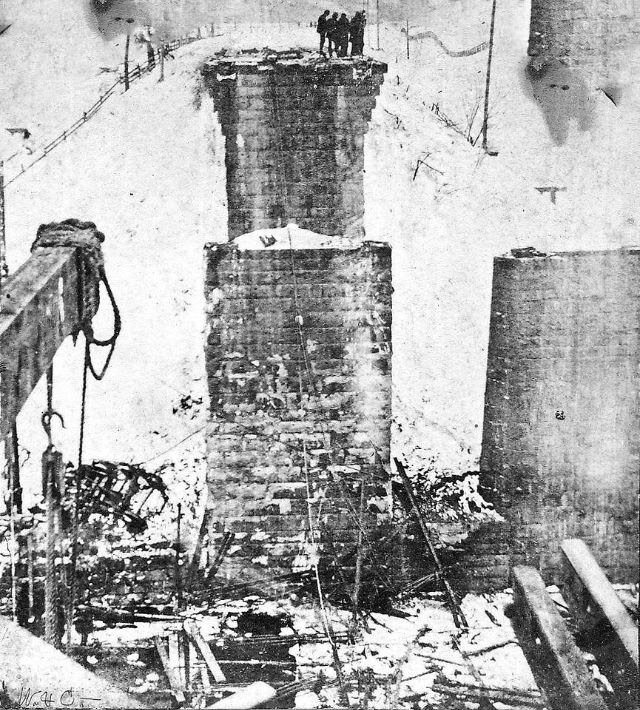
Investigations followed quickly. Engineers and government officials examined the wreckage, the materials, and the original design. Their findings were blunt: the iron used in construction was poor quality, the design was flawed, and there had been no adequate safety inspections to catch these problems before the collapse. The railway and its engineers had built a defective bridge and kept trains running over it.
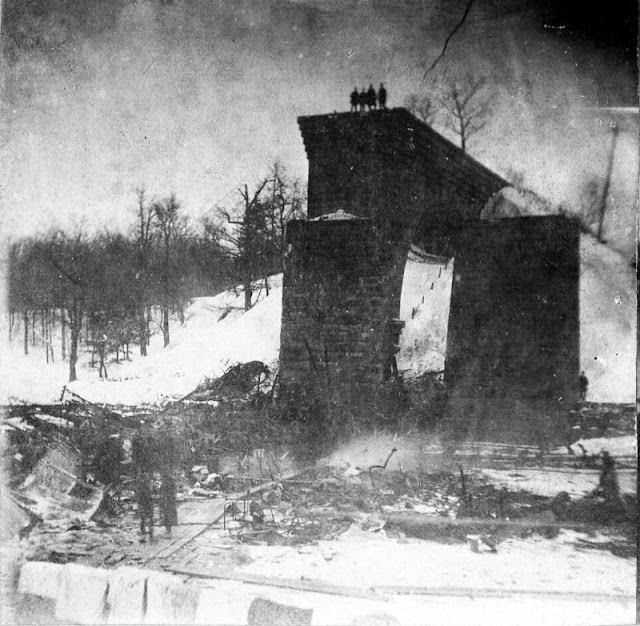
Charles Collins, one of the engineers behind the bridge’s design, was found dead in his home just days after the disaster. His death was ruled an apparent suicide. Amasa Stone, who had overseen the project and pushed for the flawed Truesdell truss design, survived the immediate aftermath but faced lasting public condemnation. Families of the victims filed numerous lawsuits against the Lake Shore and Michigan Southern Railway, and many eventually received financial compensation — though no amount could account for the lives lost.
Among the passengers on the Pacific Express that night was Philip Bliss, a well-known hymn writer. Bliss survived the initial crash and managed to escape the wreckage. He went back into the burning debris to save his wife. Neither of them came out alive. Conductor Webster Lewis survived and played a key role in organizing rescue efforts, guiding help to the injured amid the chaos and fire.
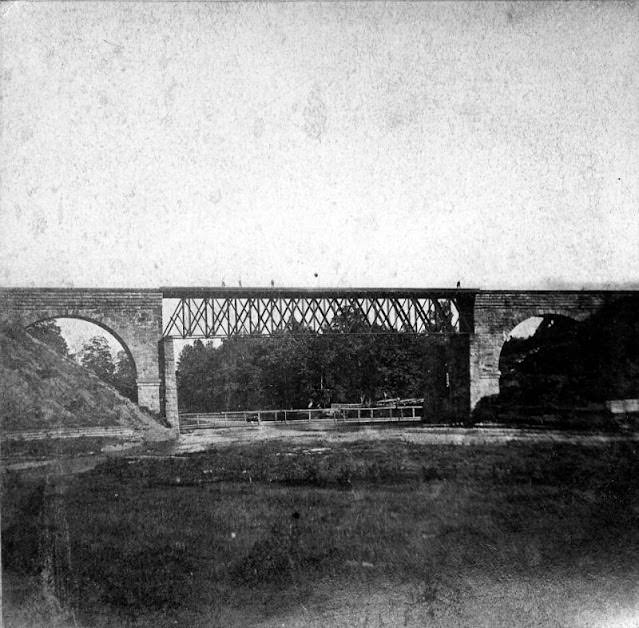
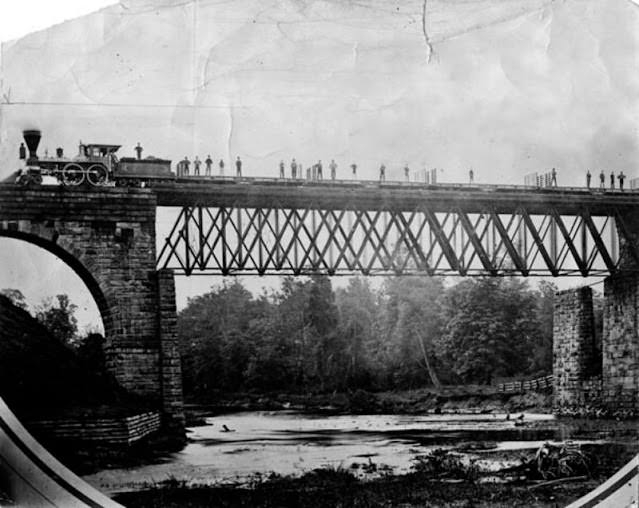
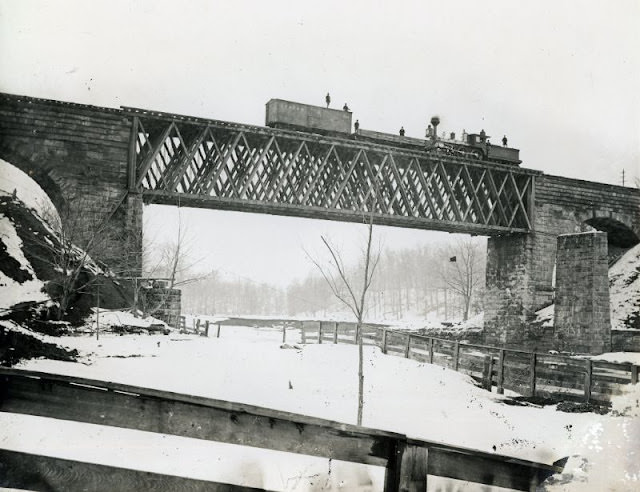
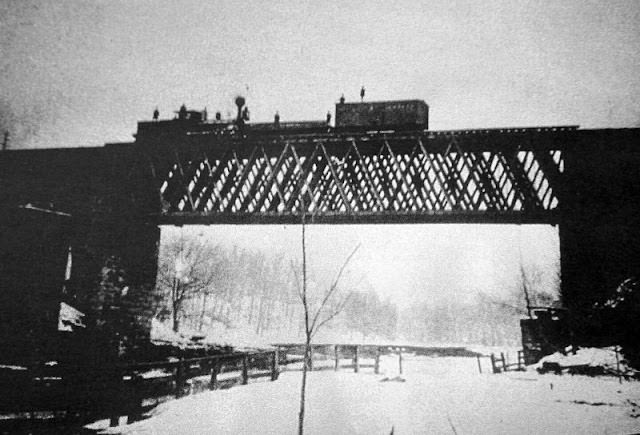
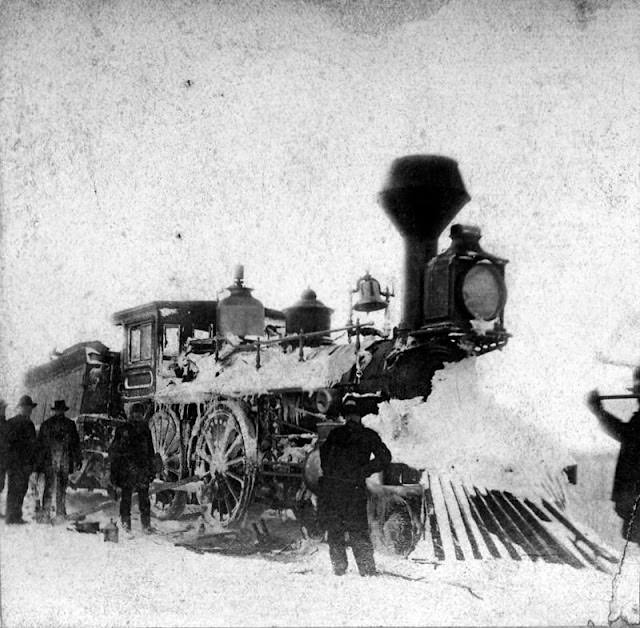
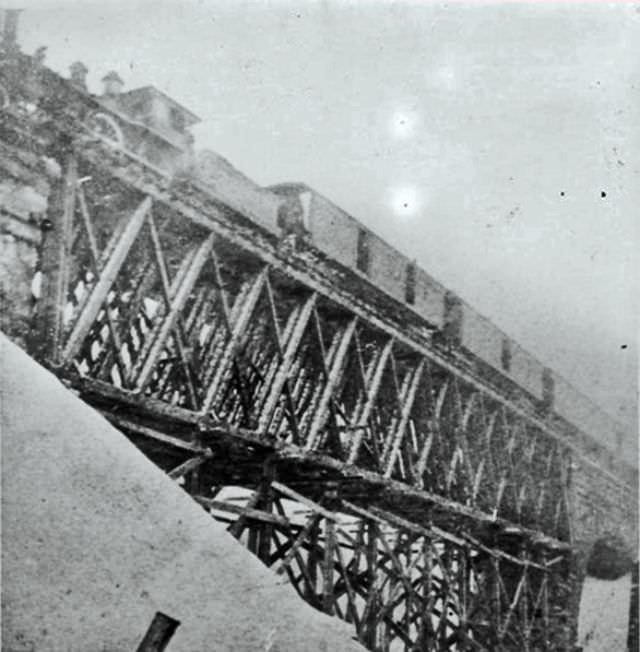
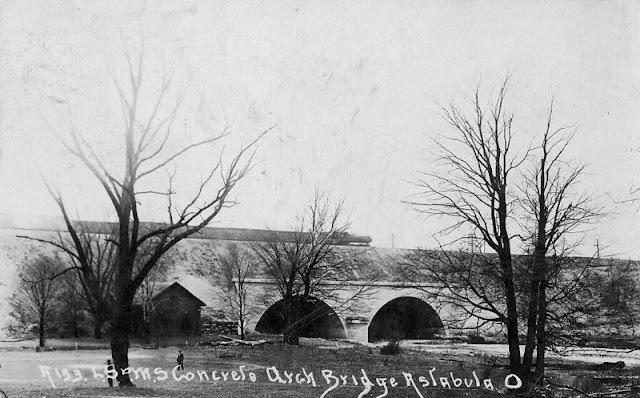
In the months and years after the disaster, the railroad rebuilt the crossing over the Ashtabula River. A temporary replacement structure went up quickly to restore rail traffic. The photos below show the various stages of that rebuilding process — from the initial temporary cribbed structure to the later Howe truss bridge and, eventually, a permanent concrete arch bridge that replaced them all.
The disaster forced a serious reckoning with railroad bridge safety across the United States. Wrought iron became the new standard for bridge construction, and later, steel replaced it. Government regulators stepped in with new laws requiring stricter safety inspections for railroad infrastructure. The catastrophe at Ashtabula exposed the danger of allowing private companies to build and operate major bridges without proper oversight.
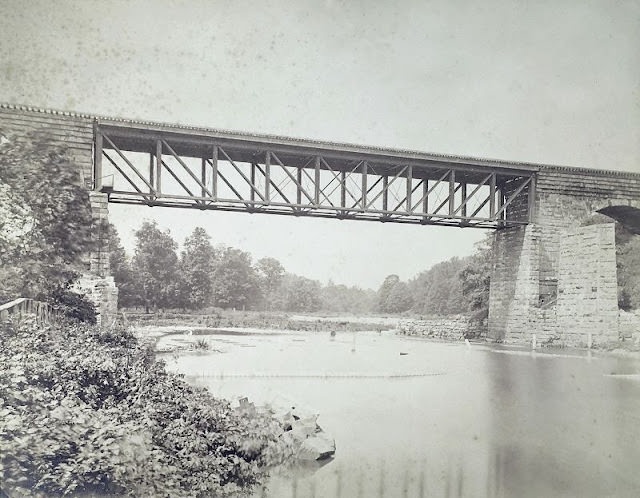
The concrete arch bridge that eventually stood over the Ashtabula River represented everything the 1876 structure was not — solid, well-engineered, and built to last. The contrast between the two structures tells the story of how much the disaster changed the way America thought about railroad infrastructure.
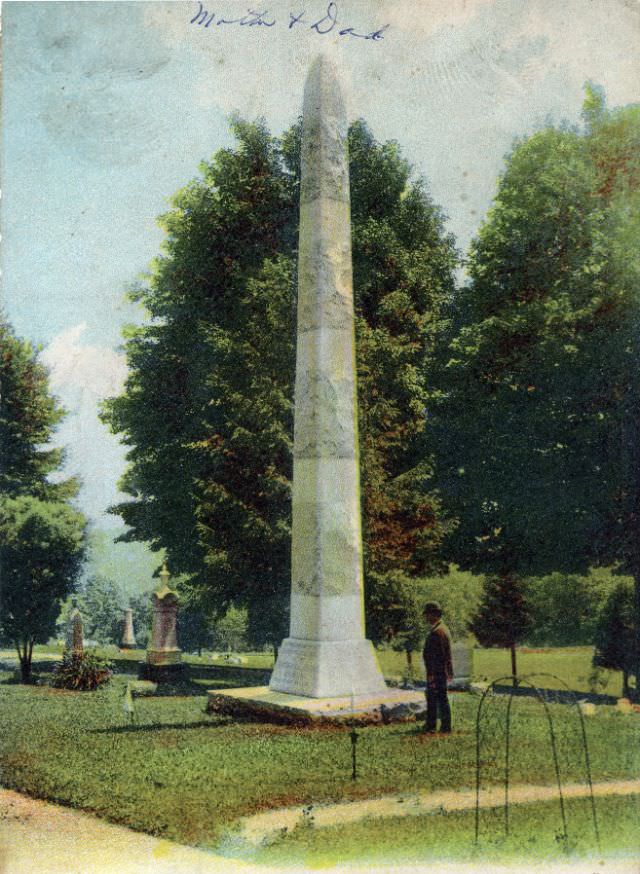
The victims of the Ashtabula disaster are remembered at Chestnut Grove Cemetery in Ashtabula, Ohio, where a monument was erected in their honor. Many of the dead were never identified, their bodies too badly burned or broken to be recognized. The monument stands for those unknown dead as much as for anyone else — 92 people who boarded a train on a cold December night and never made it home.