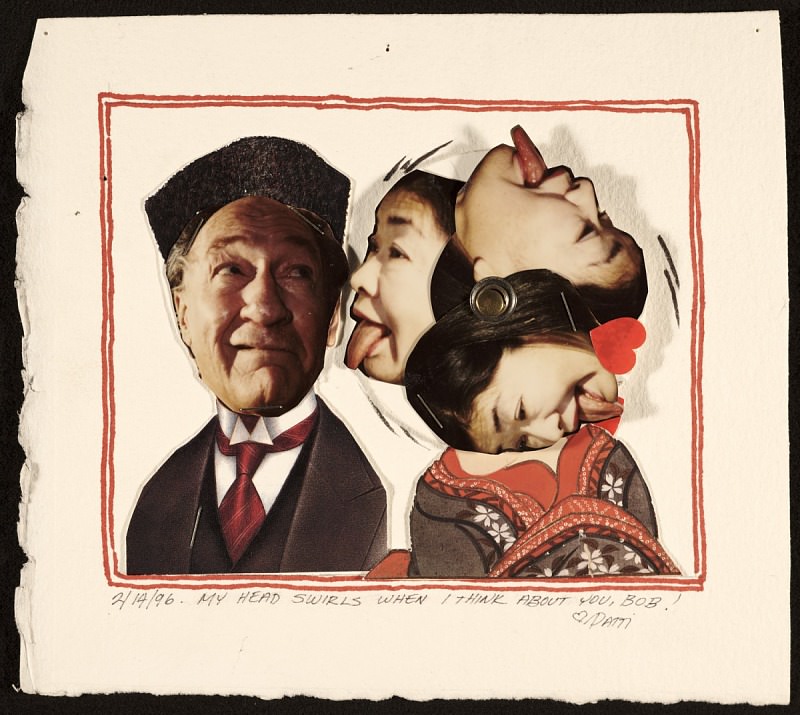
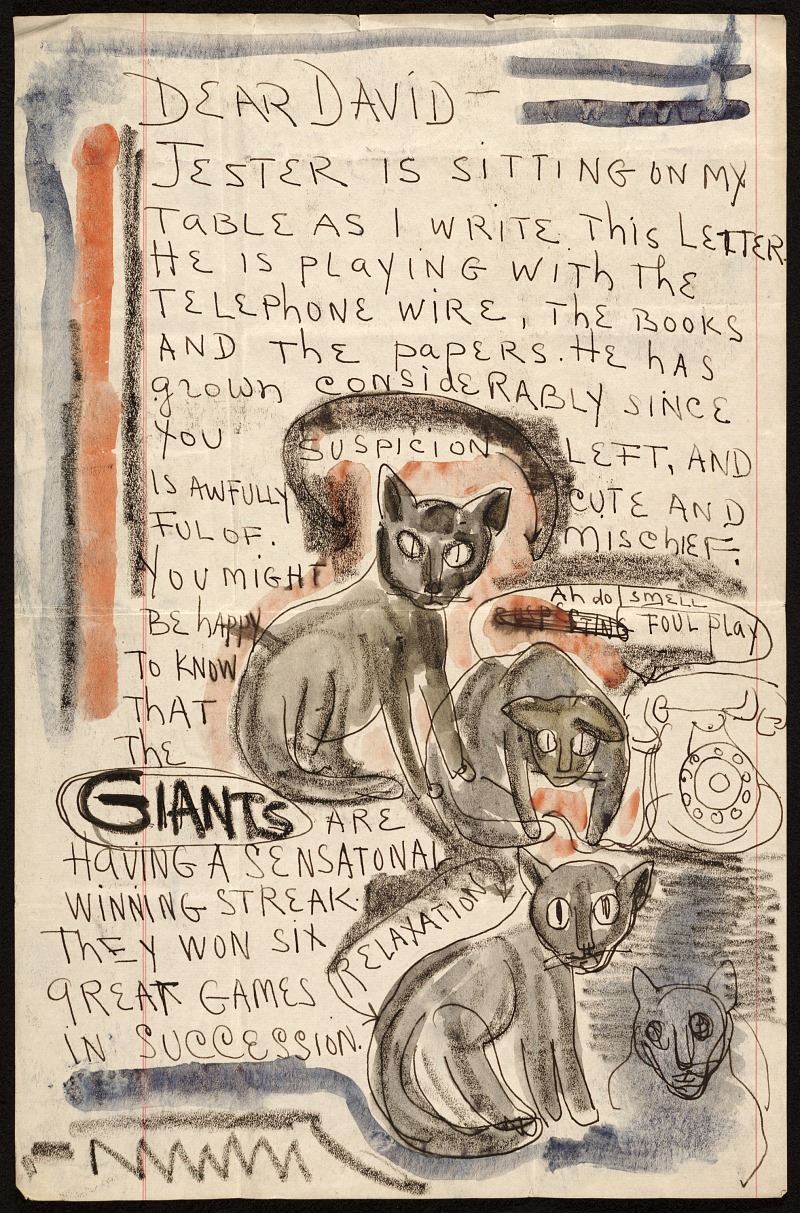
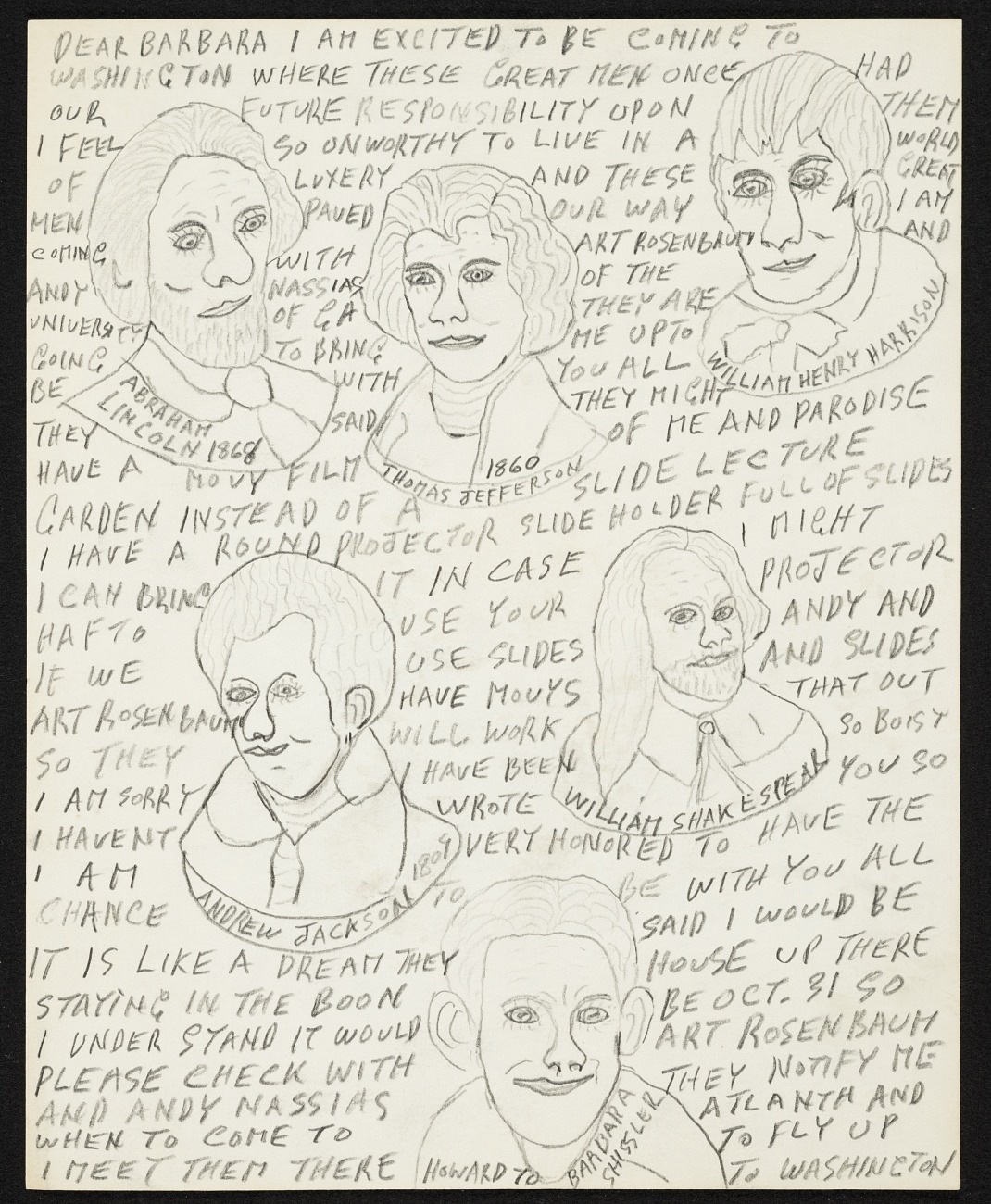
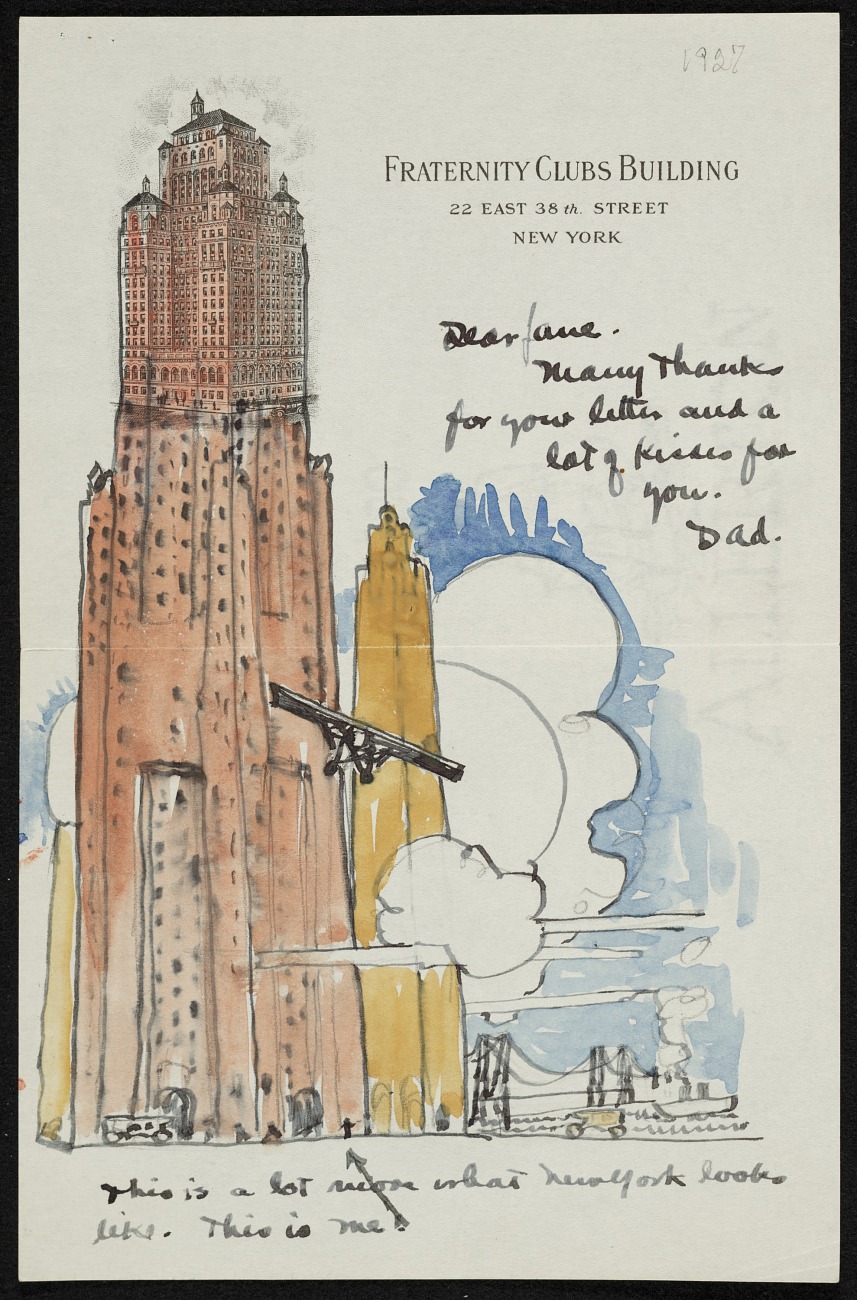
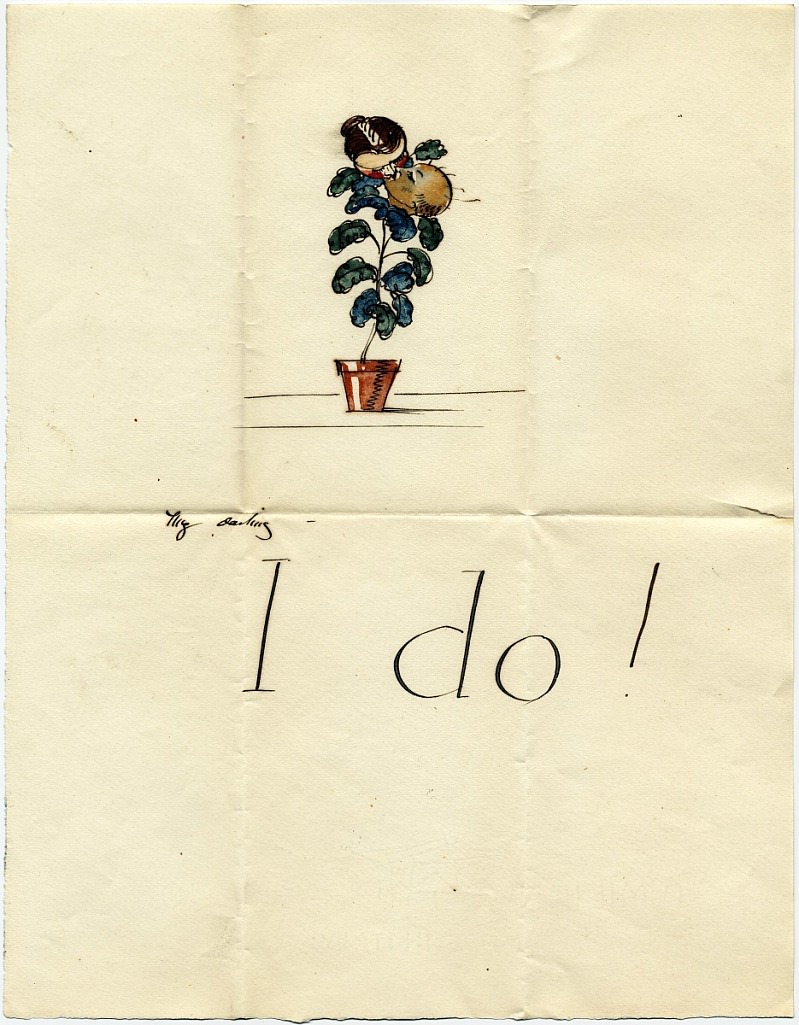
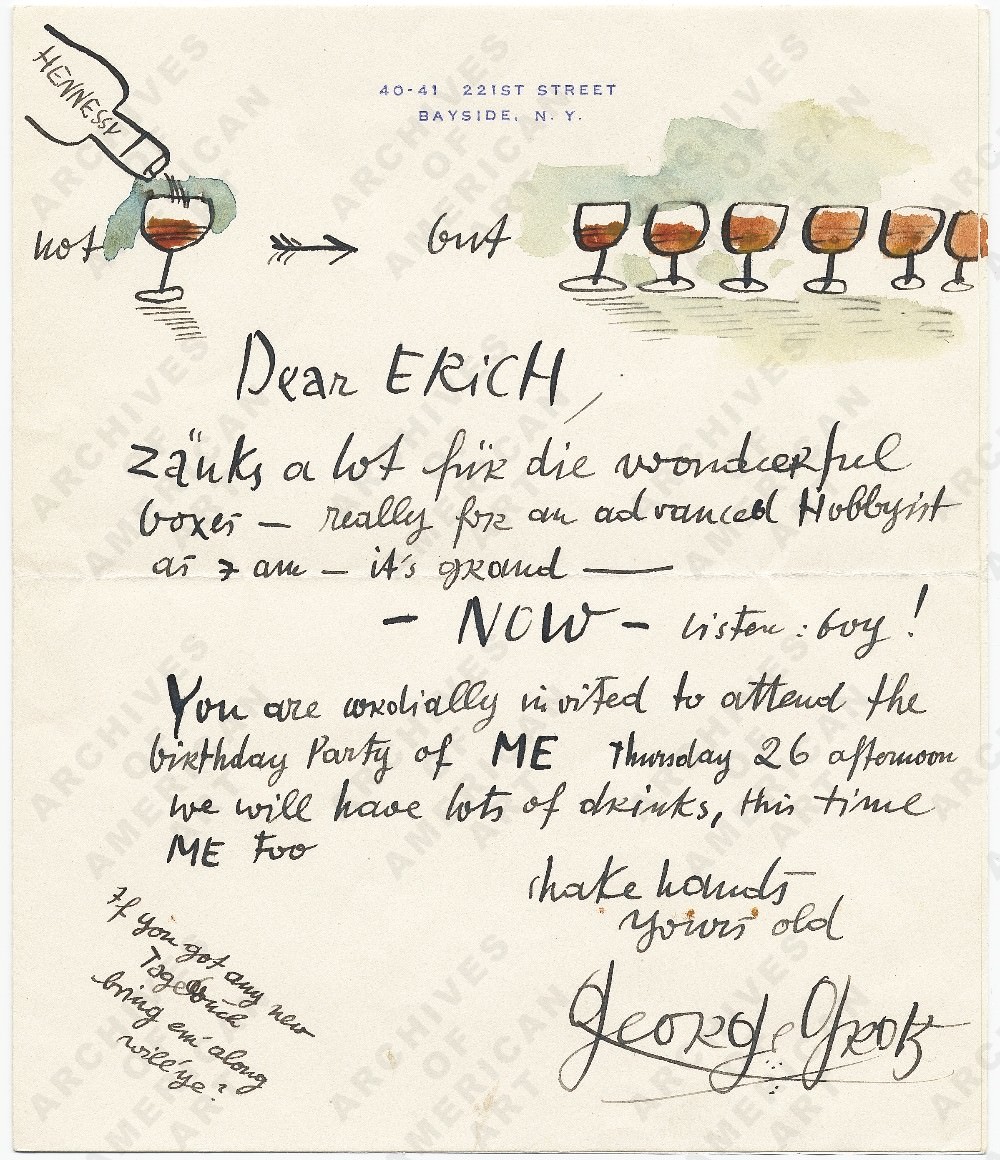
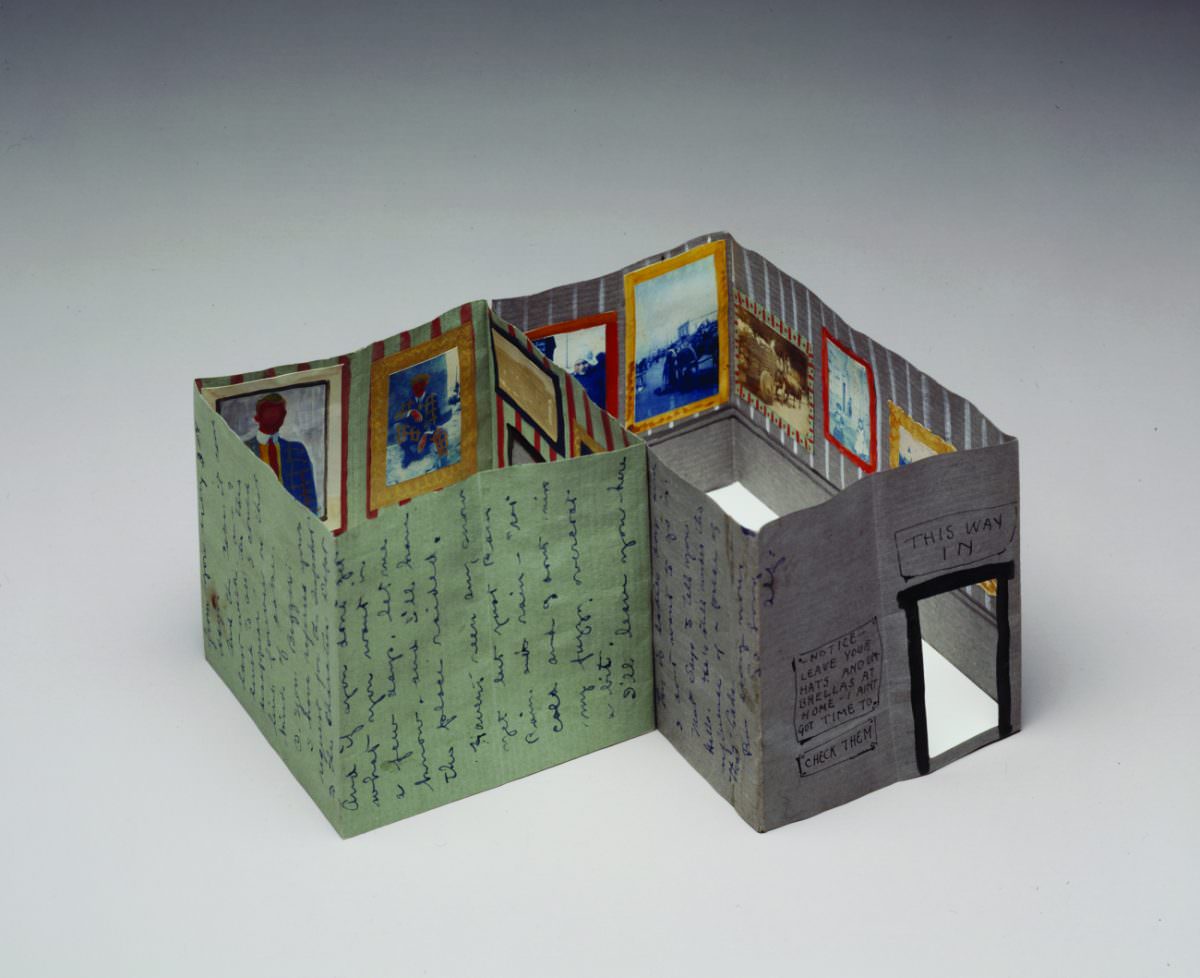
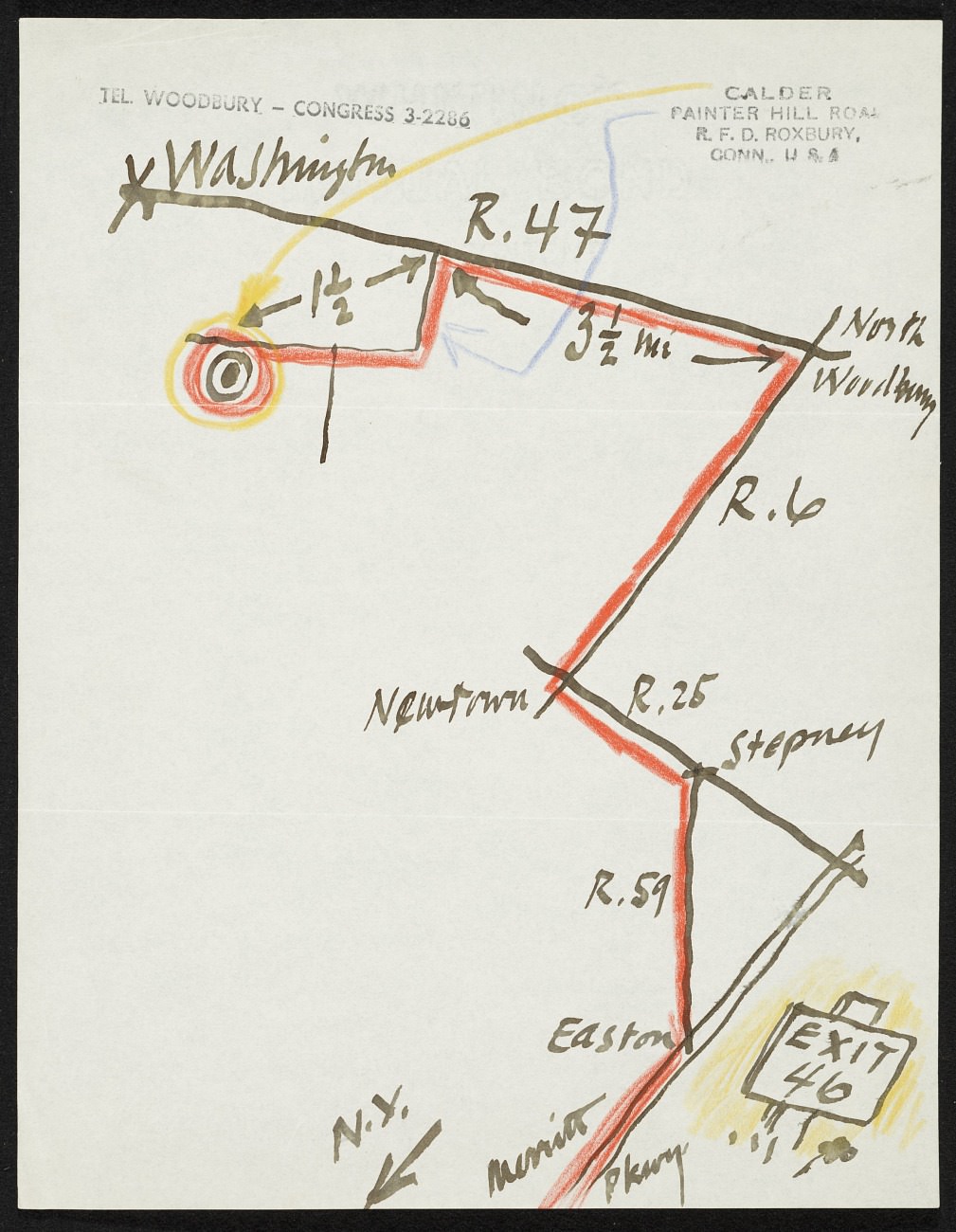
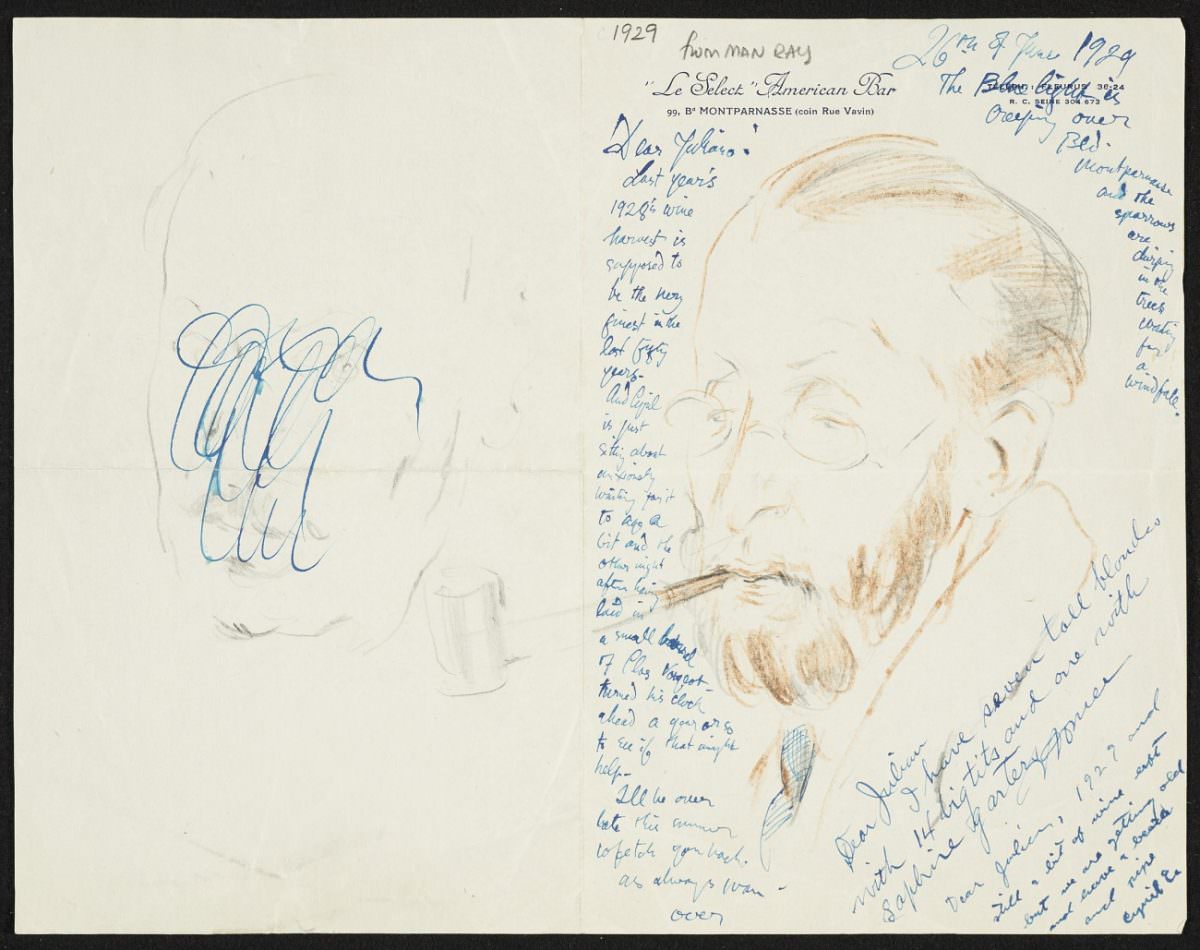
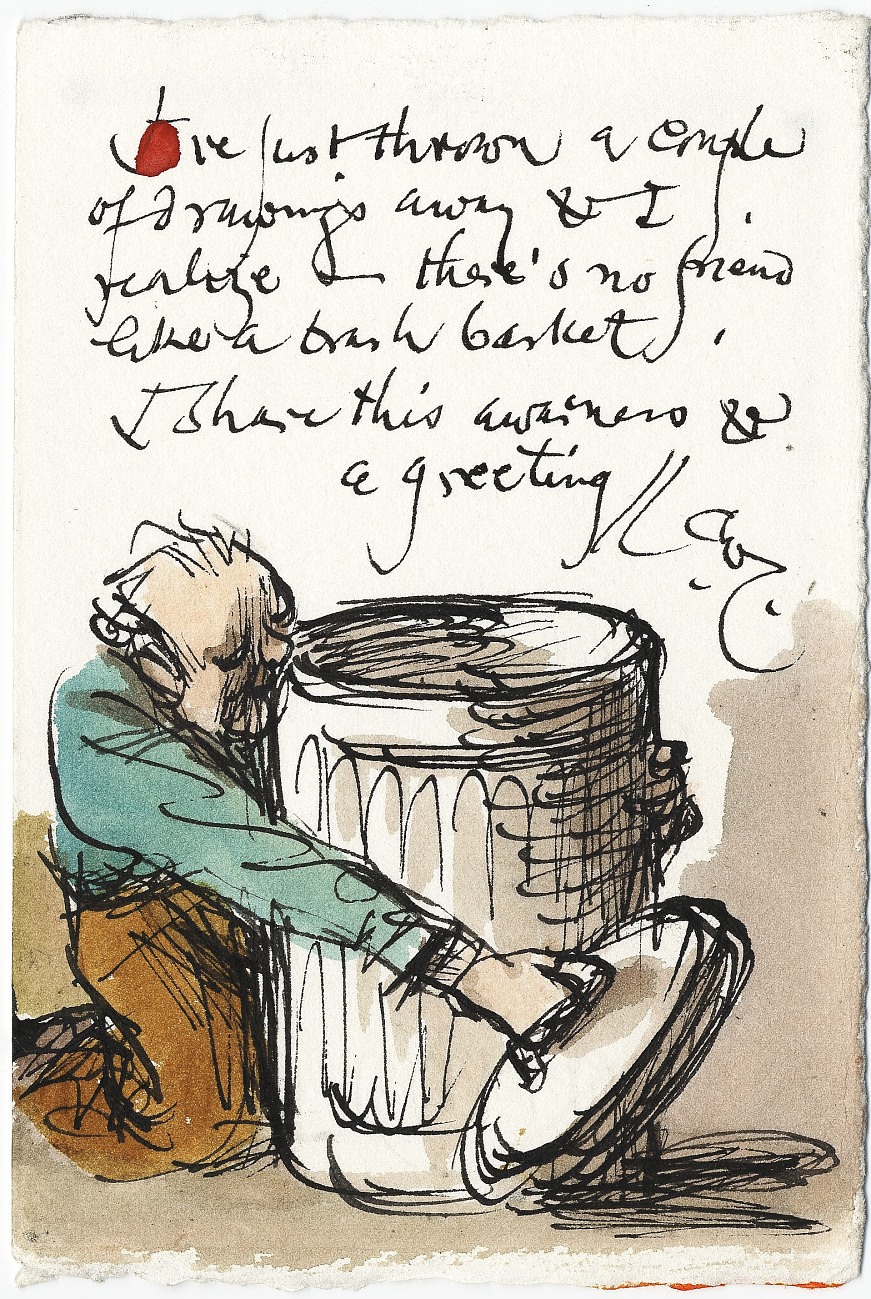
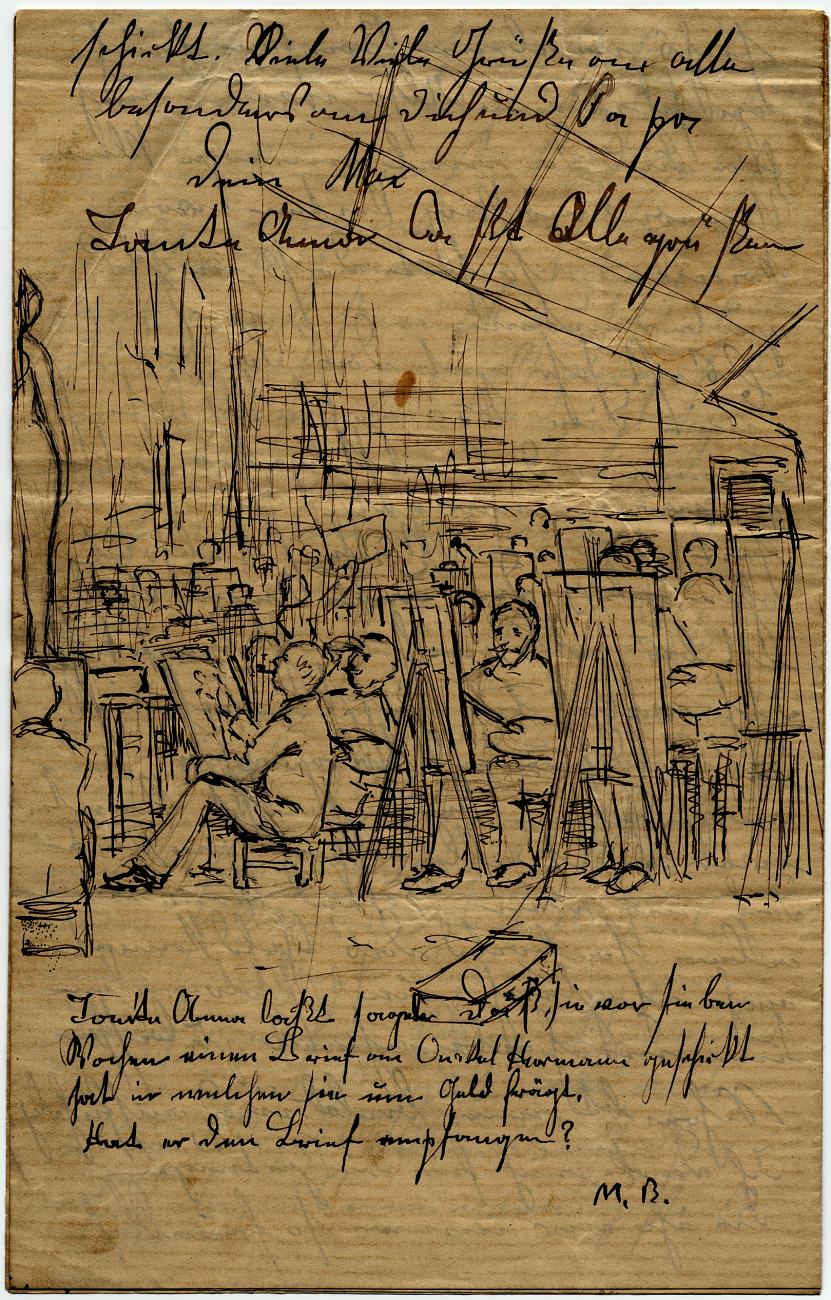
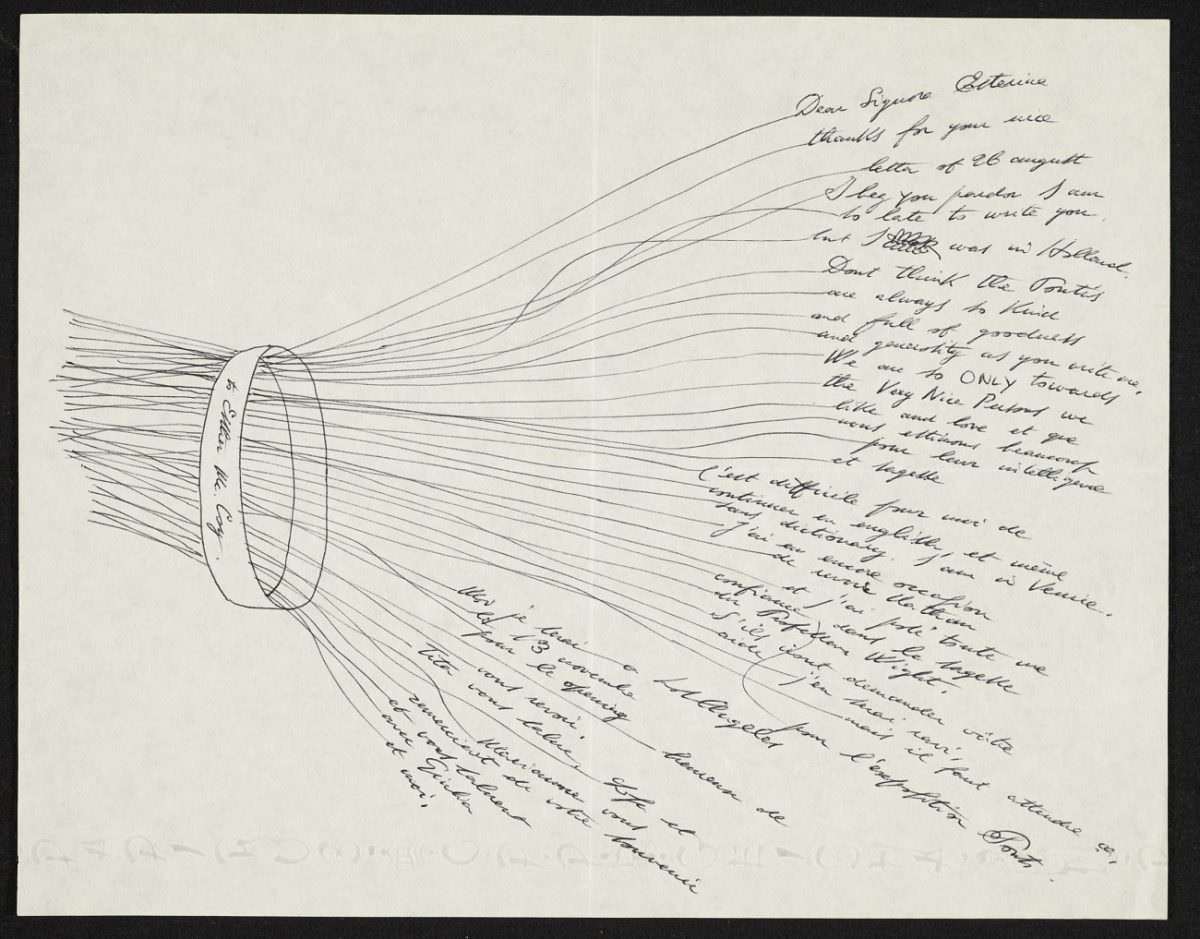
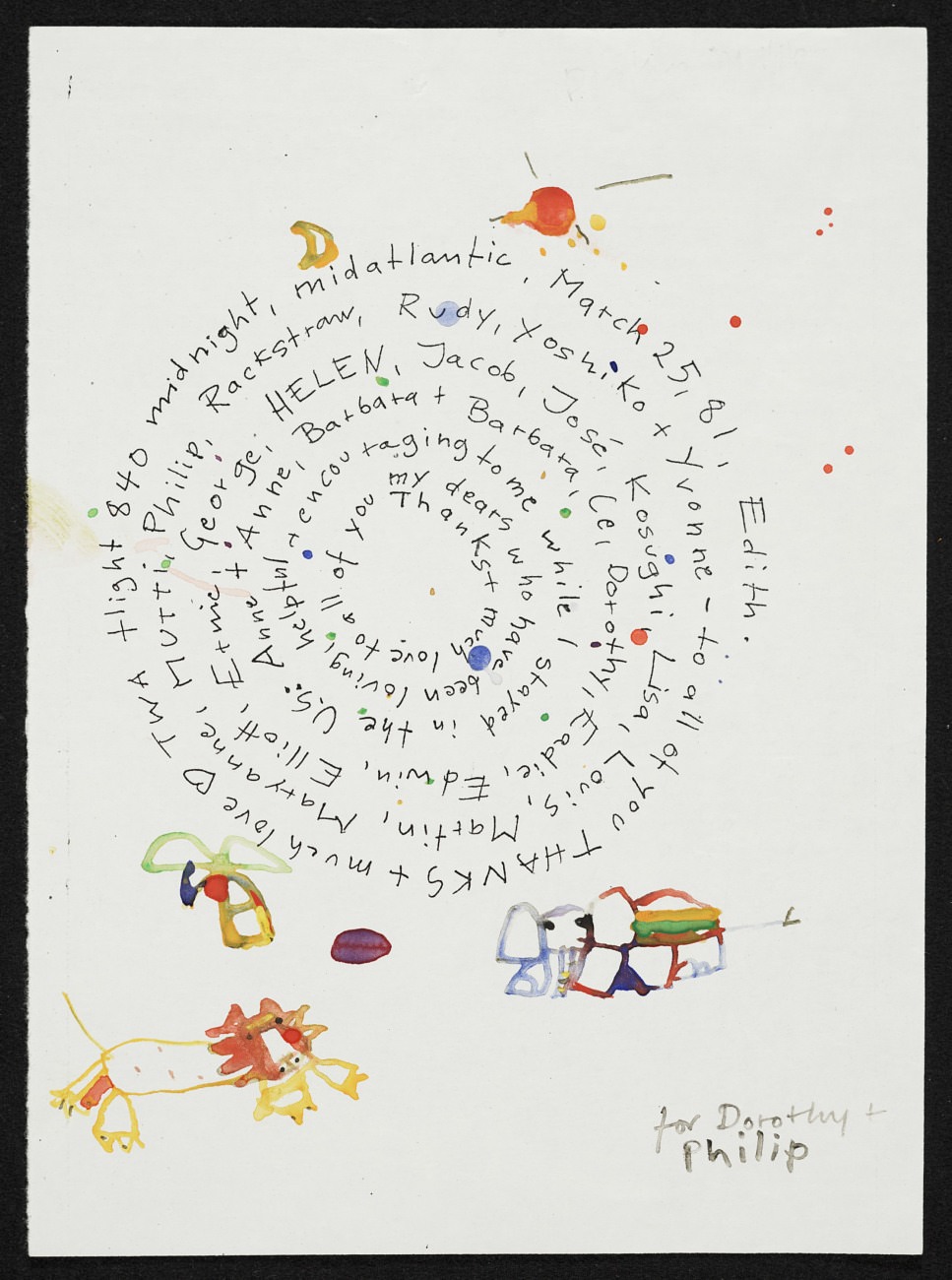
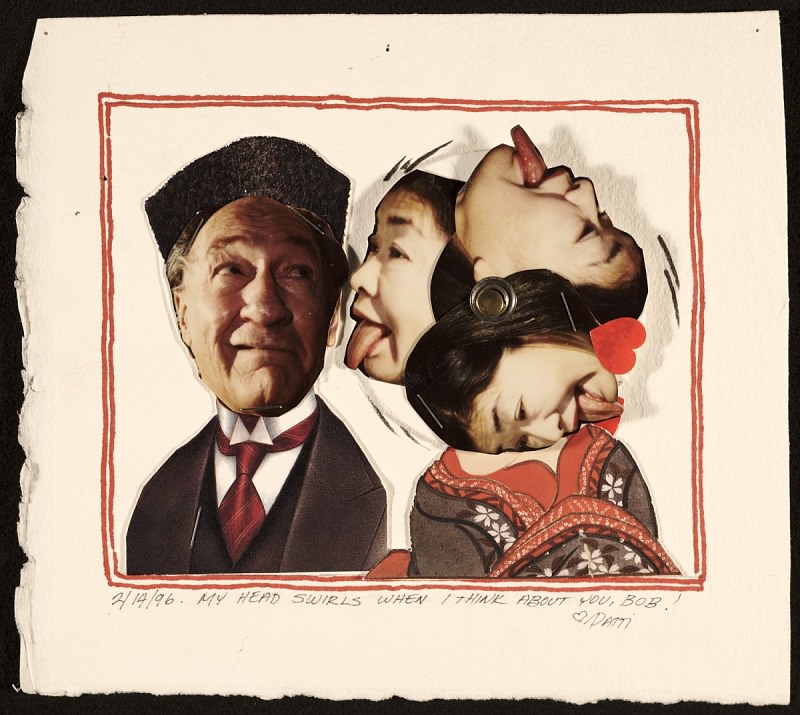
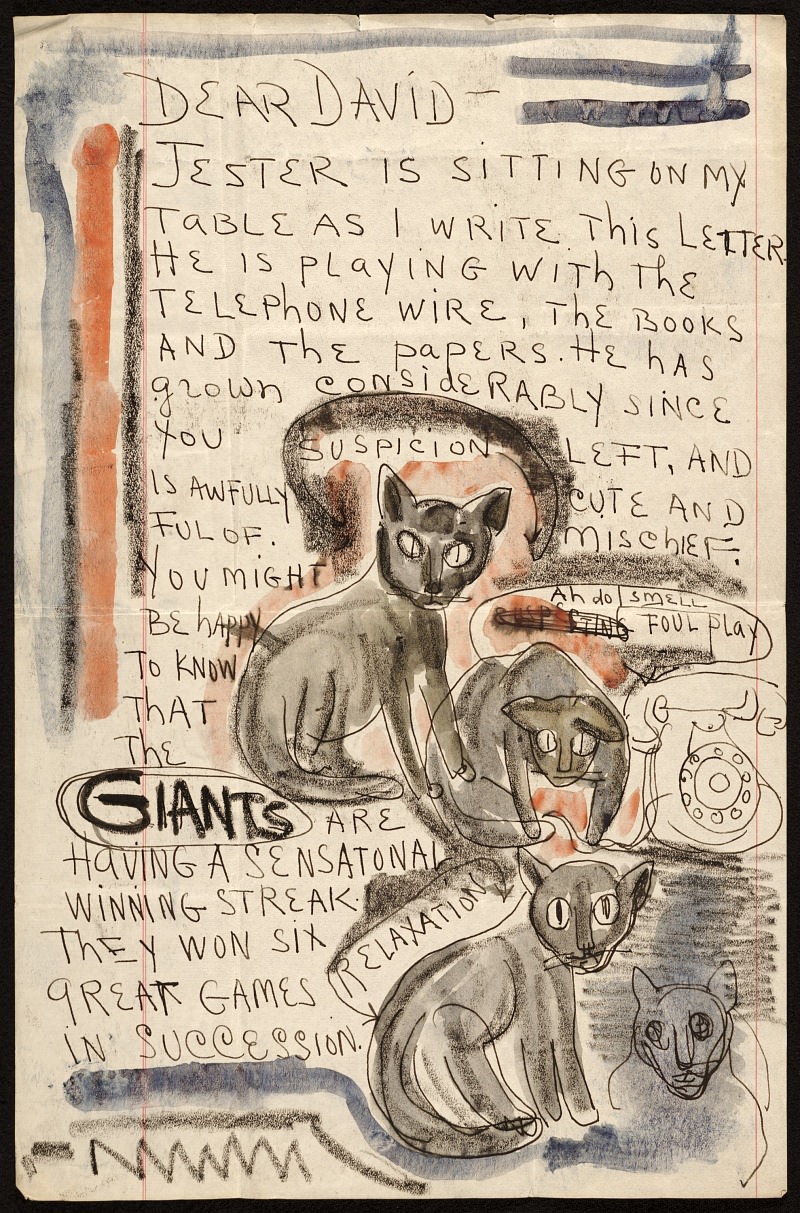
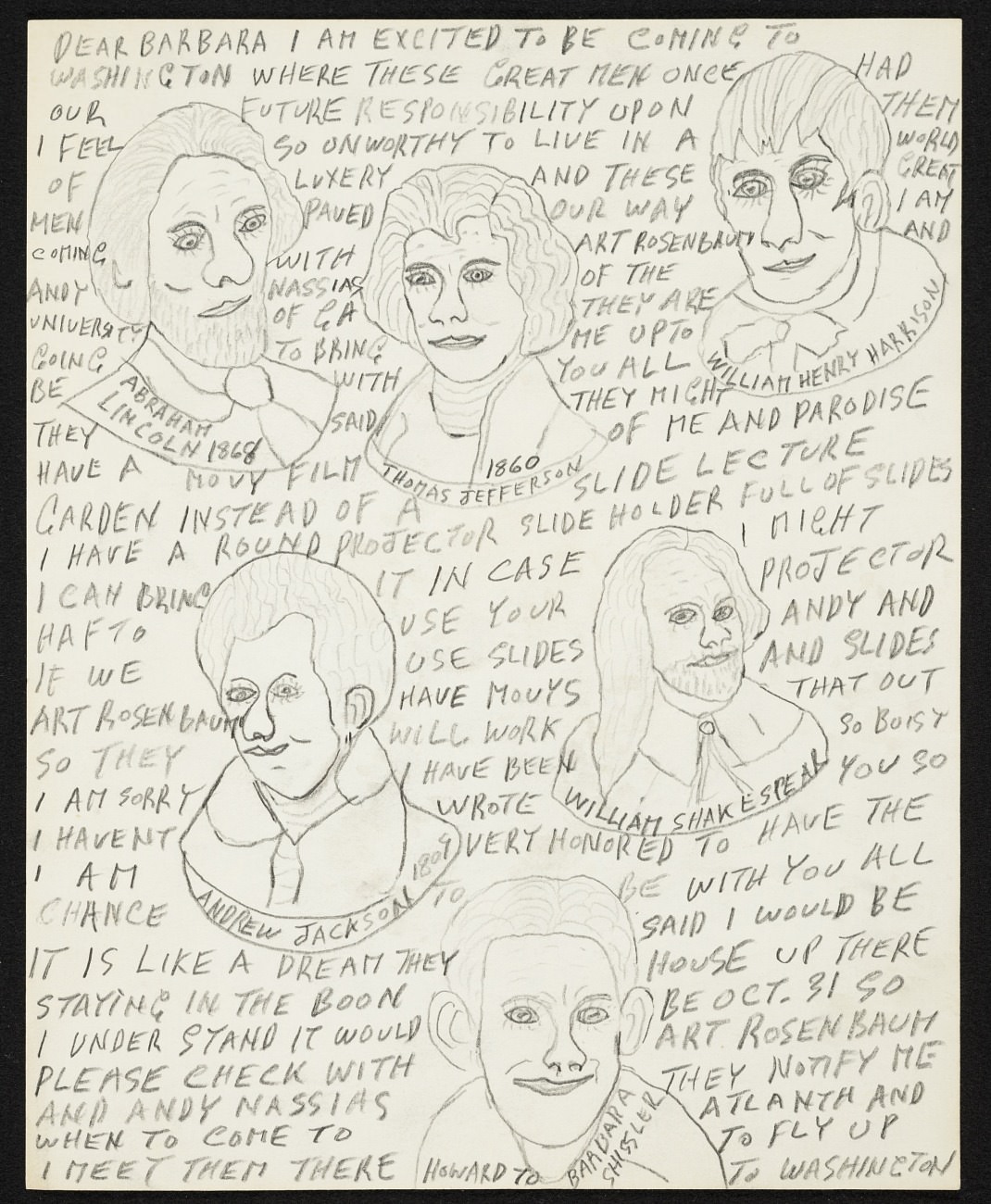
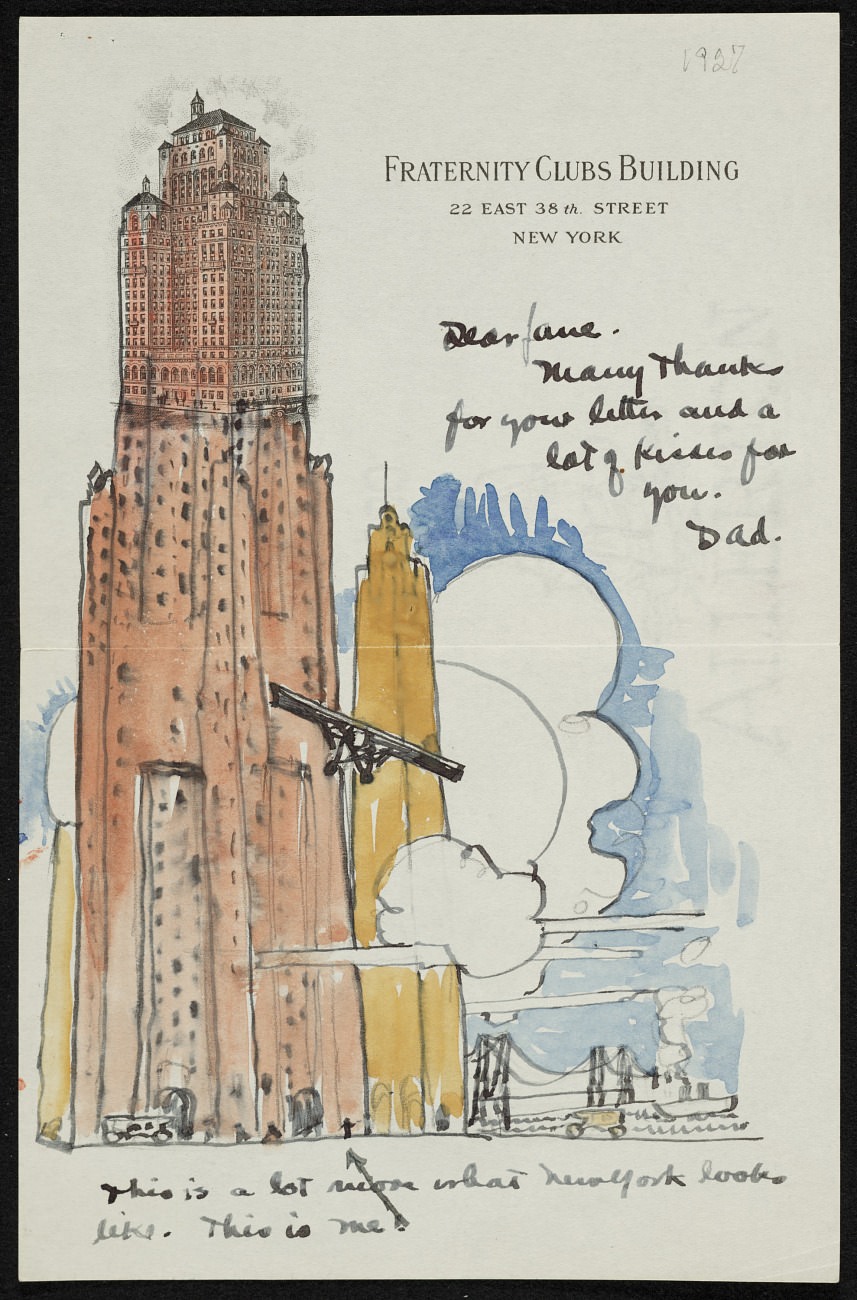
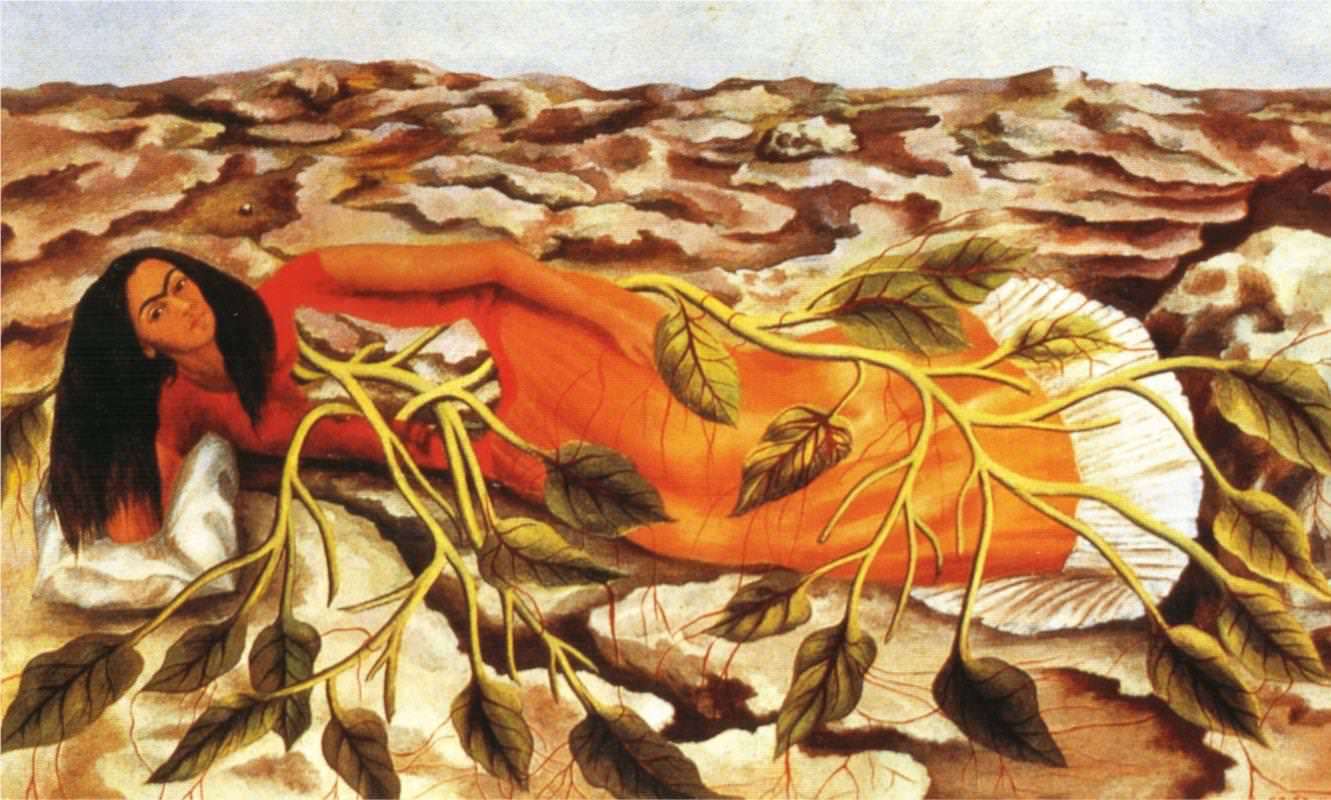
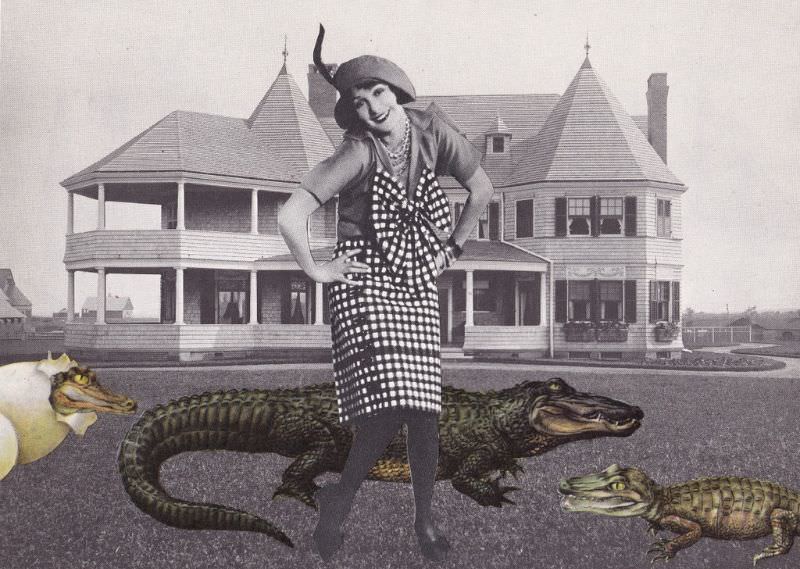
The Archives of American Art holds one of the most personal collections in the Smithsonian’s vast holdings: illustrated letters written by American artists. These aren’t simple notes. They’re filled with sketches, doodles, and color that turn handwritten words into small works of art. The Smithsonian put many of them on display in an exhibit called “More than Words: Illustrated Letters from the Smithsonian’s Archives of American Art.”
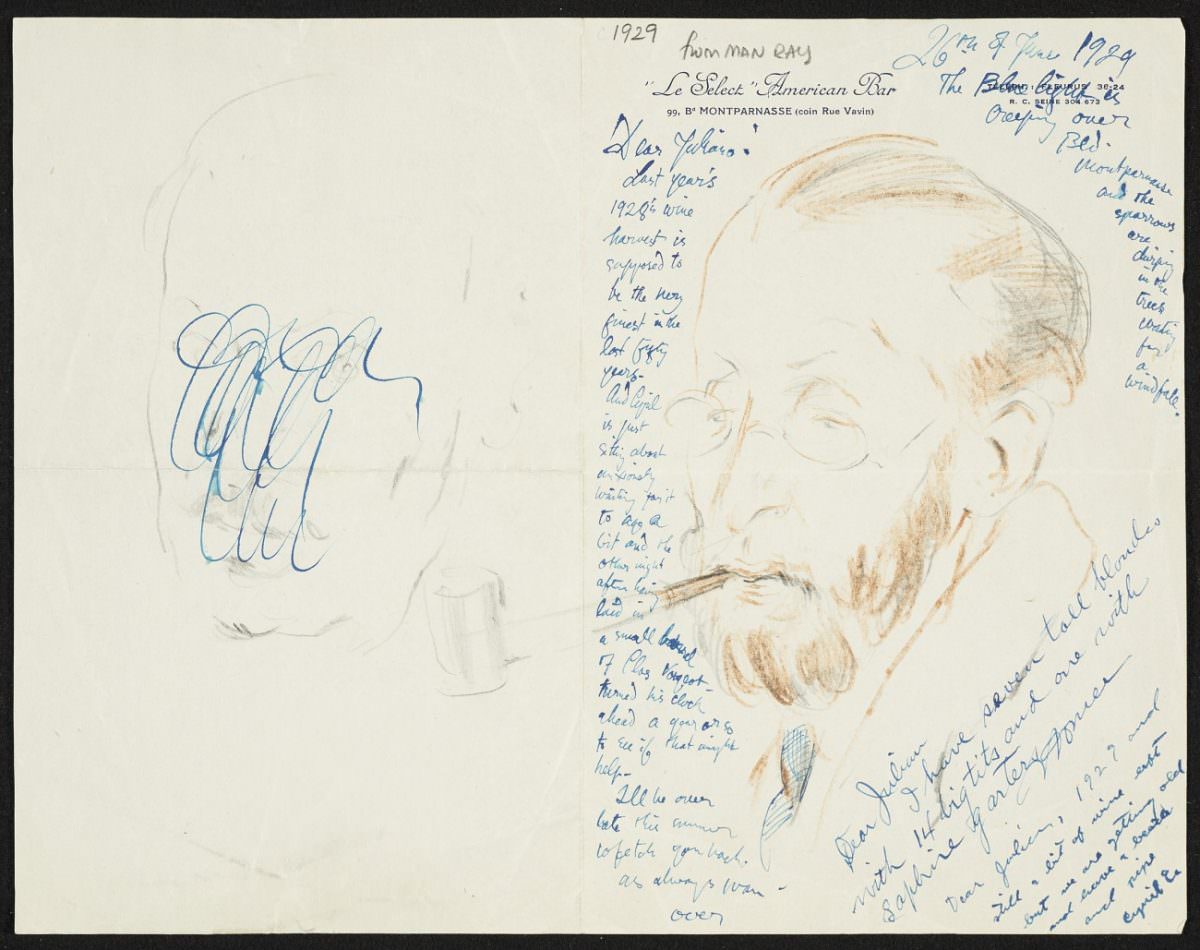
Sculptor Gaston Lachaise and Isabel Dutaud Nagle exchanged some of the most affectionate letters in the collection. Gaston called Isabel his “delicious little girl,” and she called him her “big dear.” Their letters mix playful teasing with passionate declarations, all accompanied by quick, lively sketches.
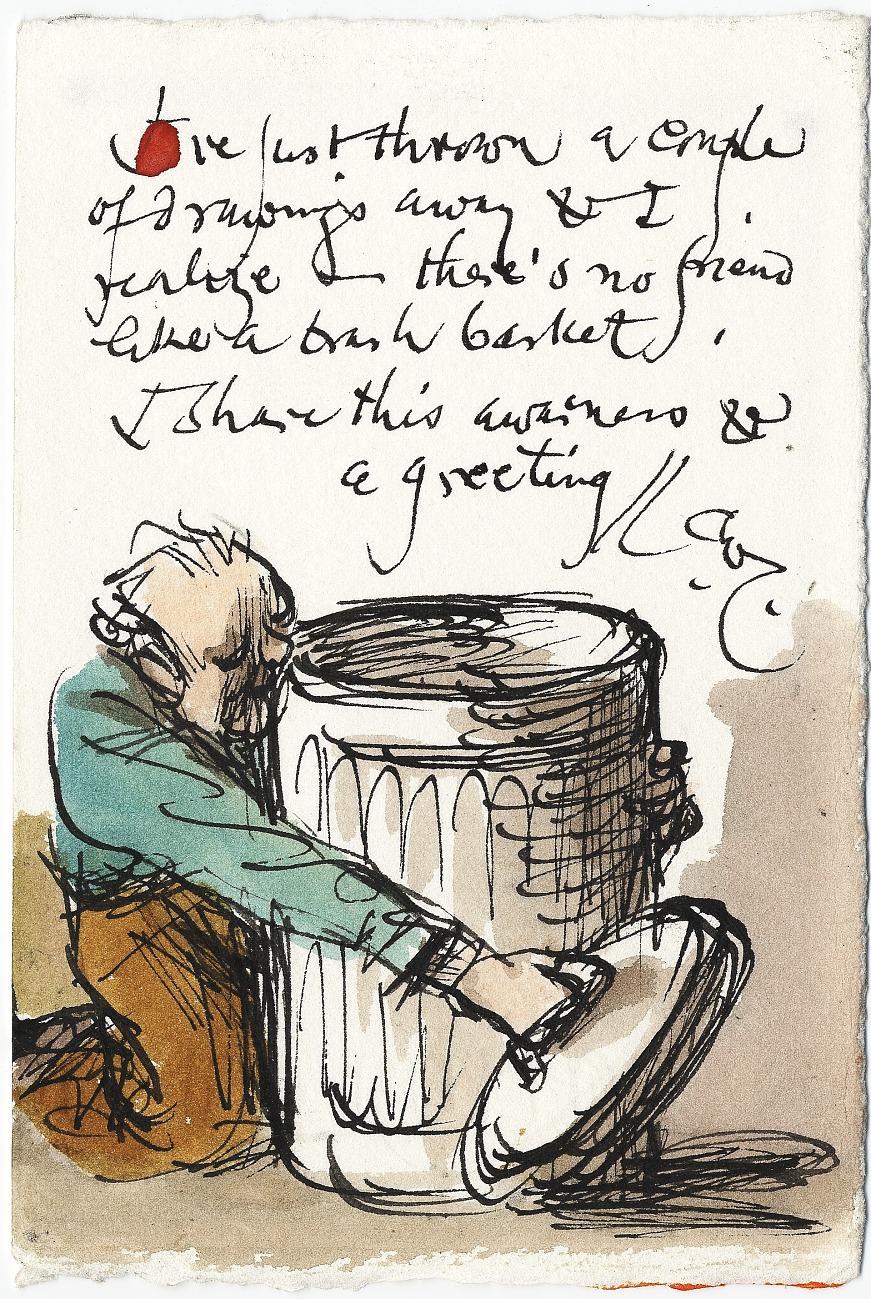
Not every letter was romantic. Illustrator Charles Dana Gibson wrote to his wife complaining about their daughter’s messy room and drew the chaos to make his point. It’s a small, funny moment that shows these artists lived ordinary lives alongside their creative ones.
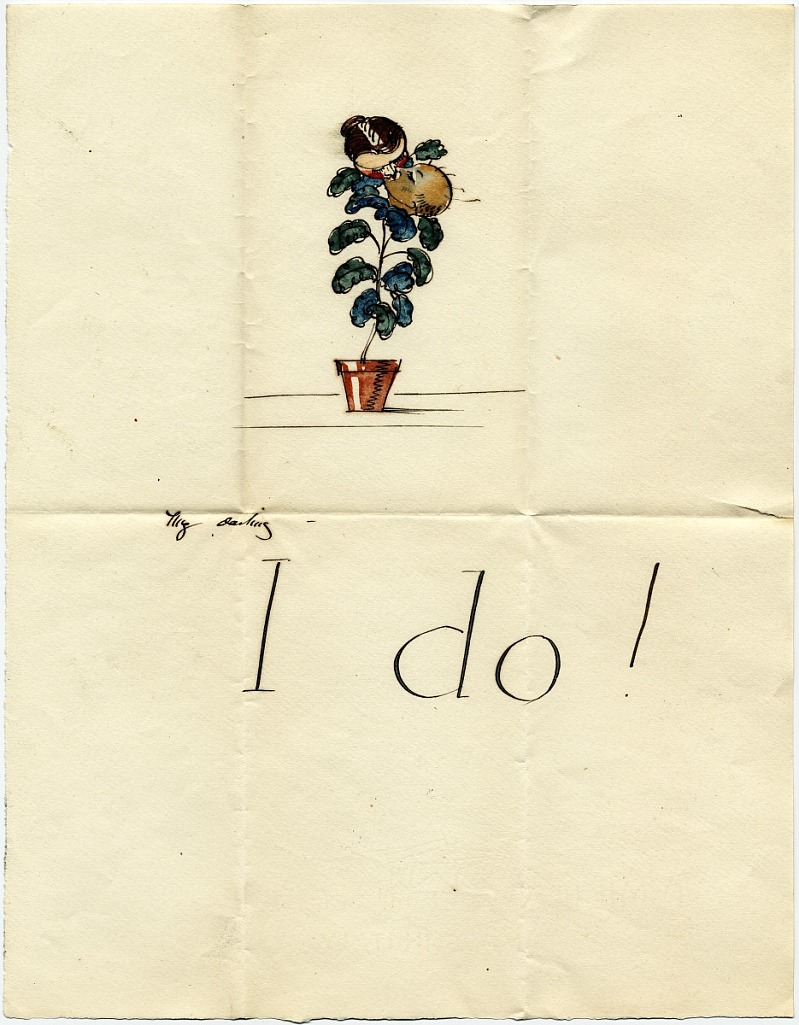
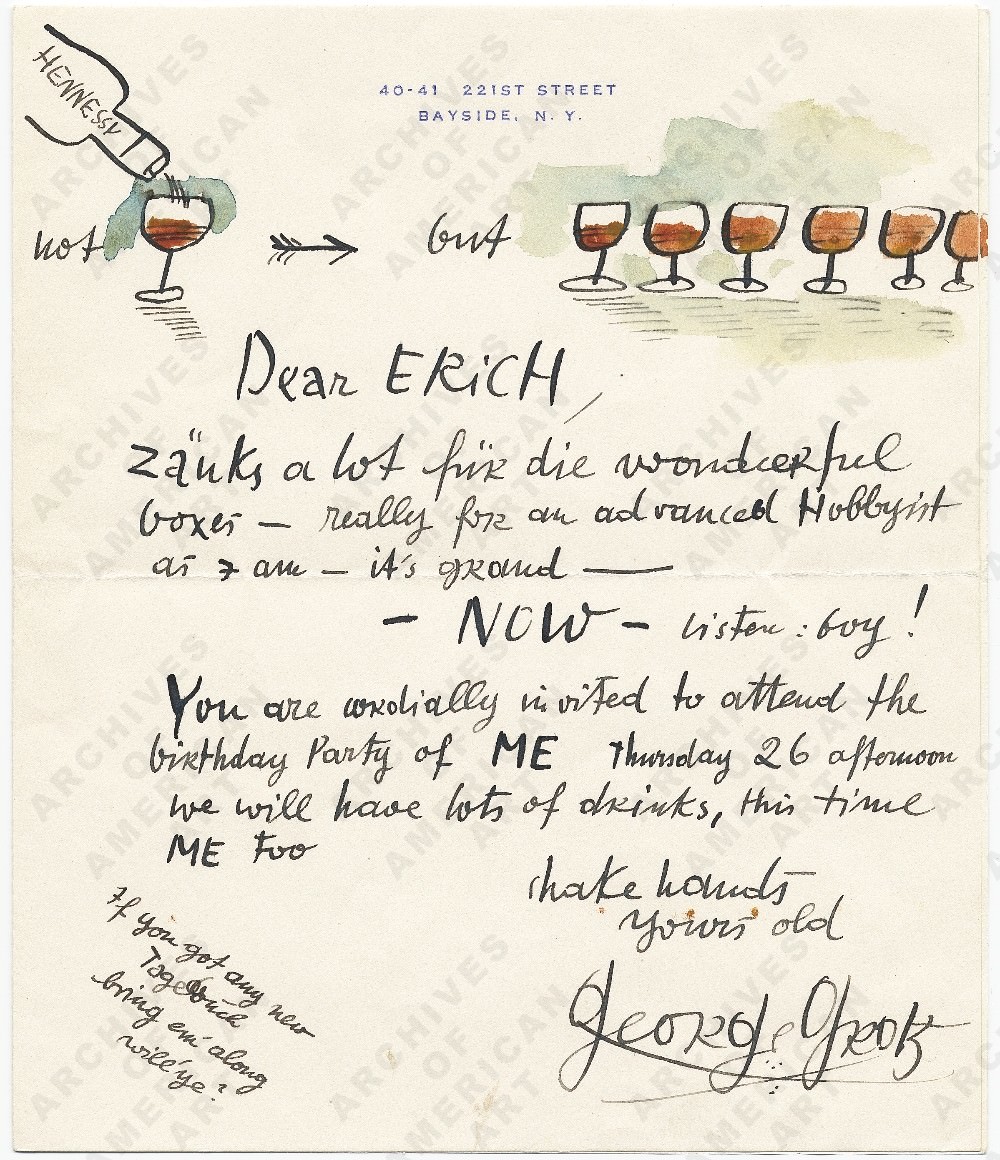
The artistic styles across the collection vary widely. Some artists, like Joseph Stella, filled their letters with bold colors and abstract shapes. Others, like Kahlil Gibran, used fine lines and flowing script, making each page look like a finished piece.
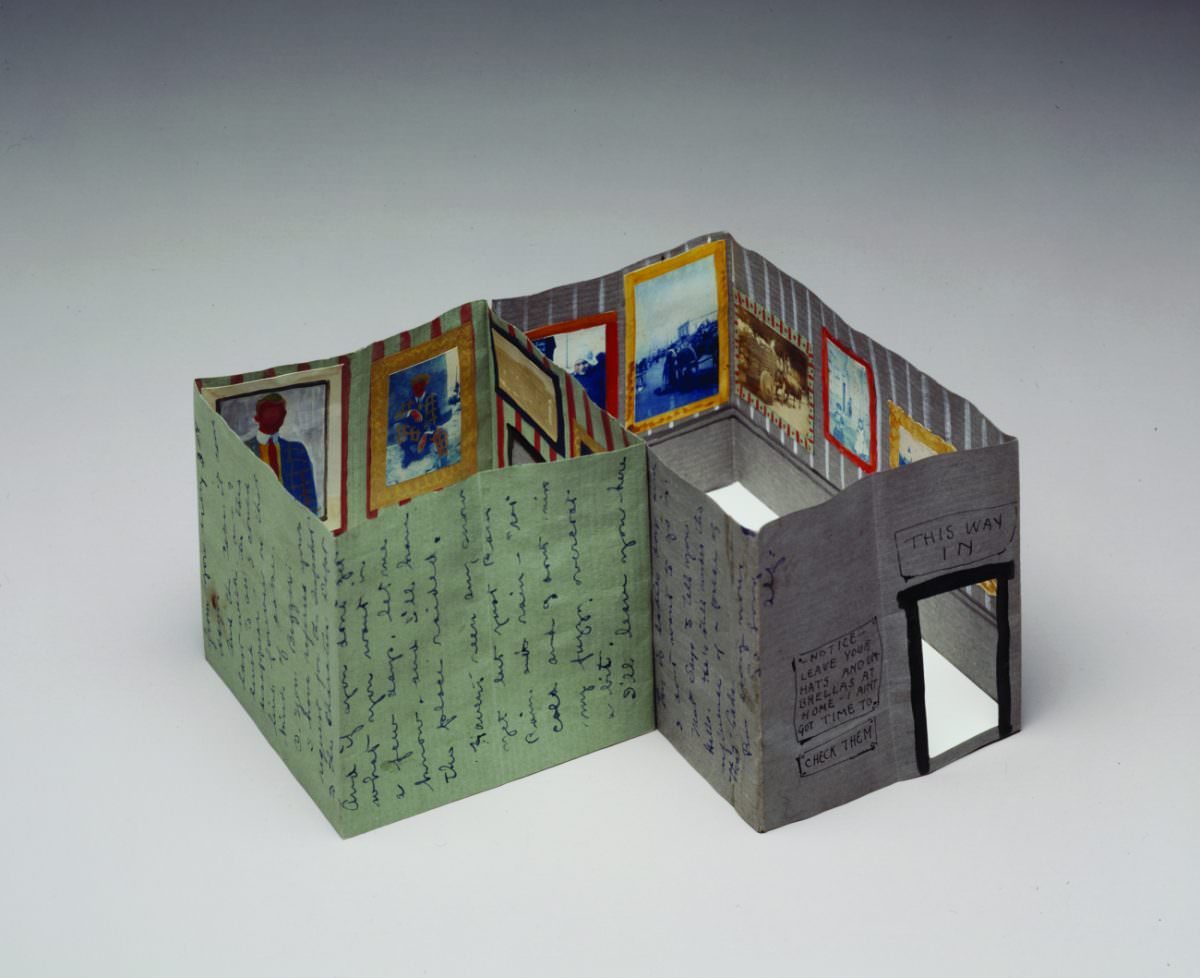
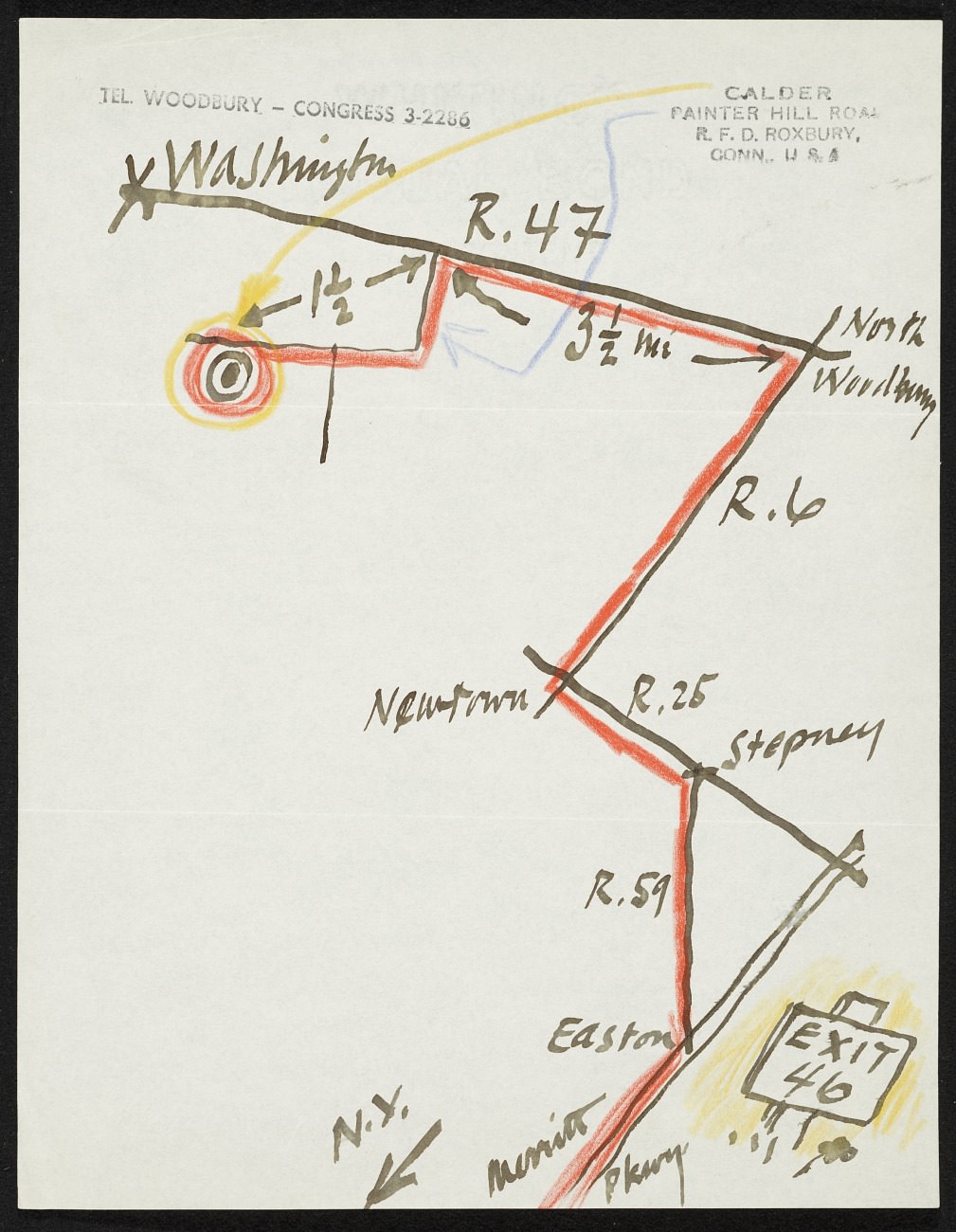
Letters also served as sketchbooks. Artists slipped in drawings of sculptures mid-process or rough ideas for paintings. These glimpses into their working methods are just as revealing as the personal words surrounding them.
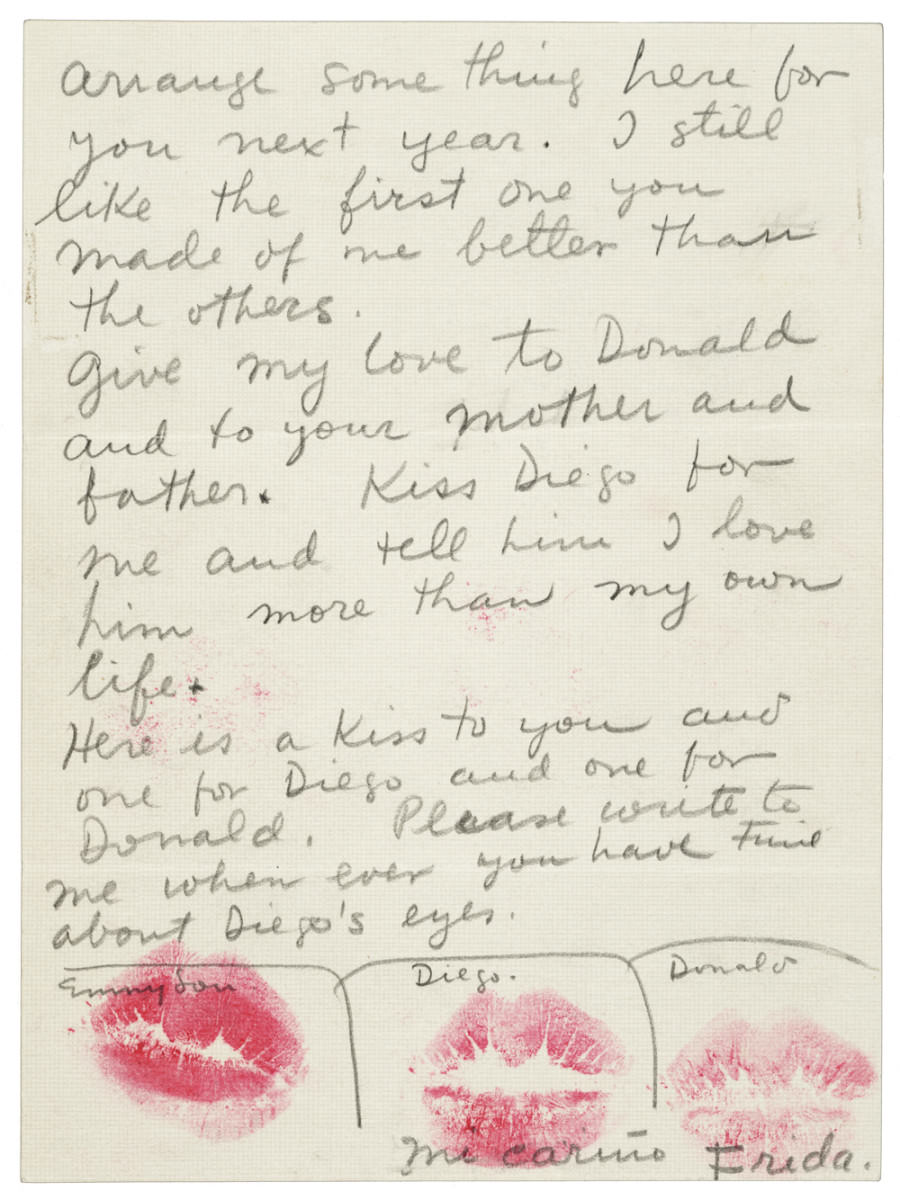
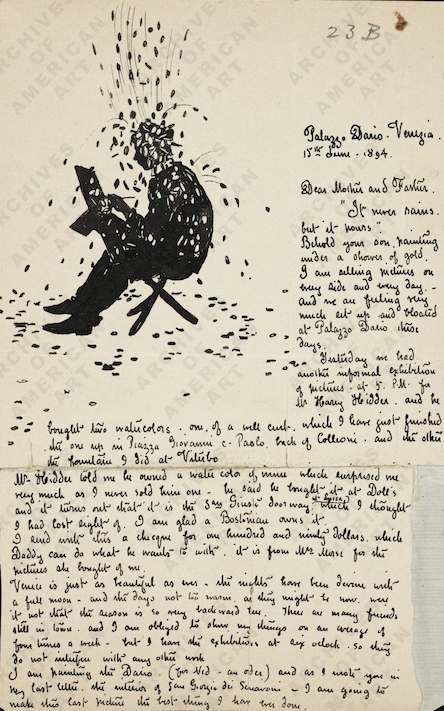
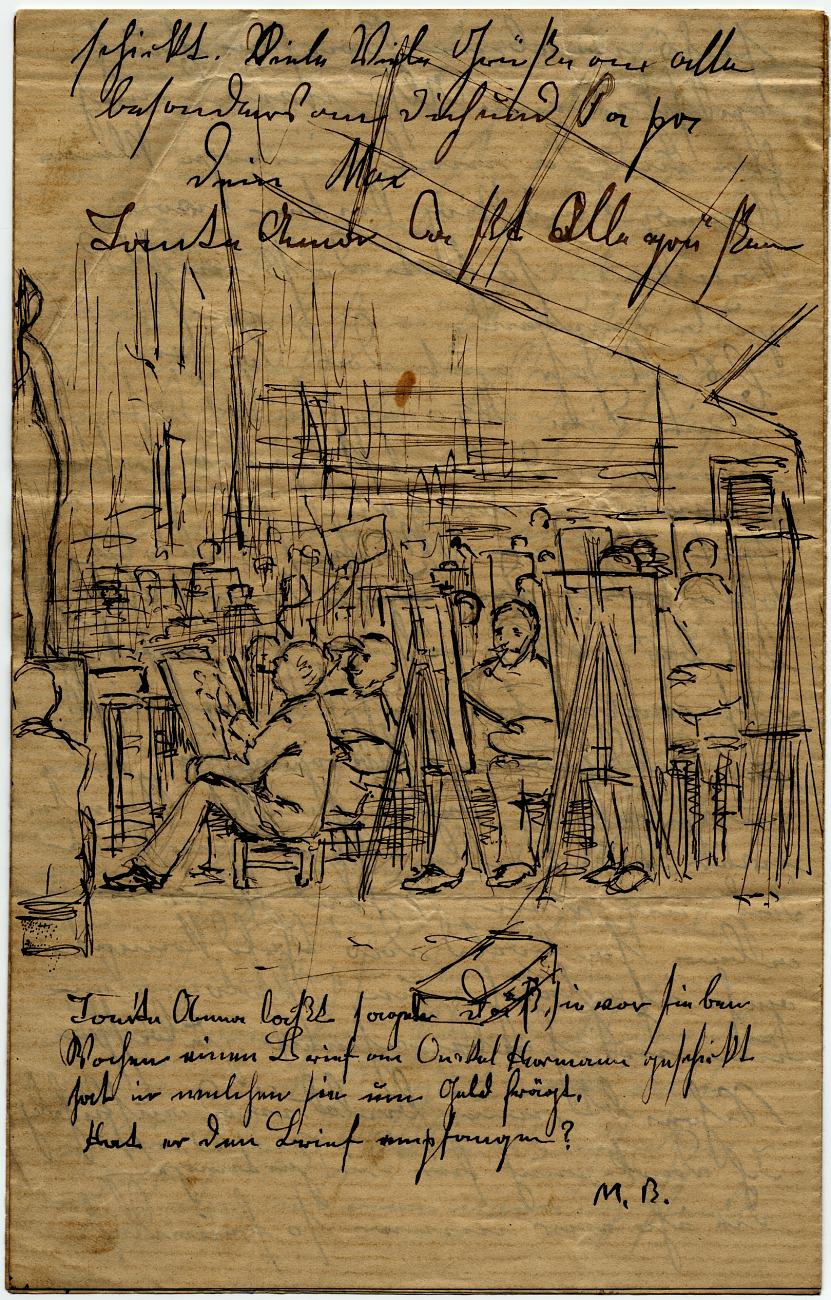
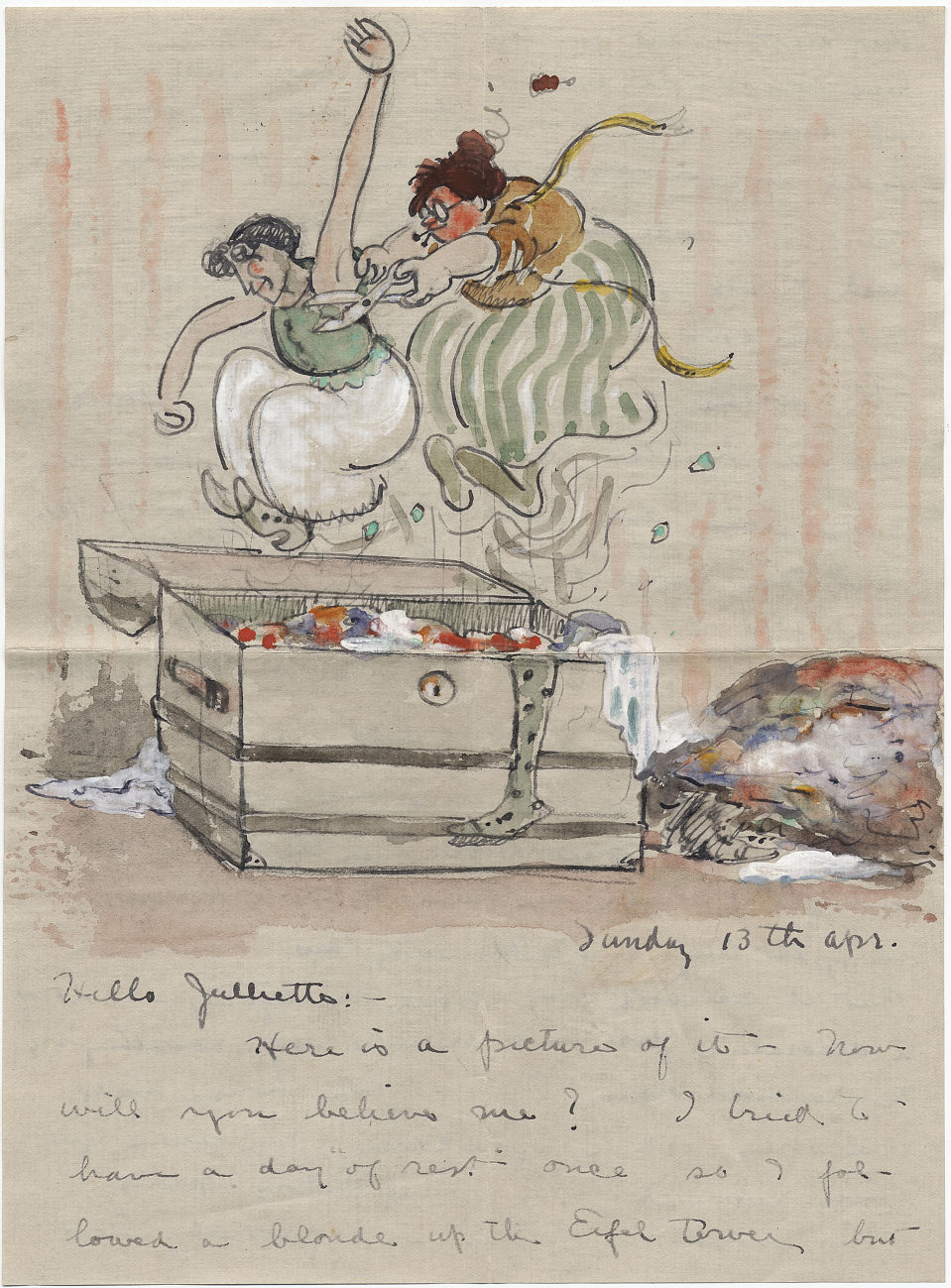
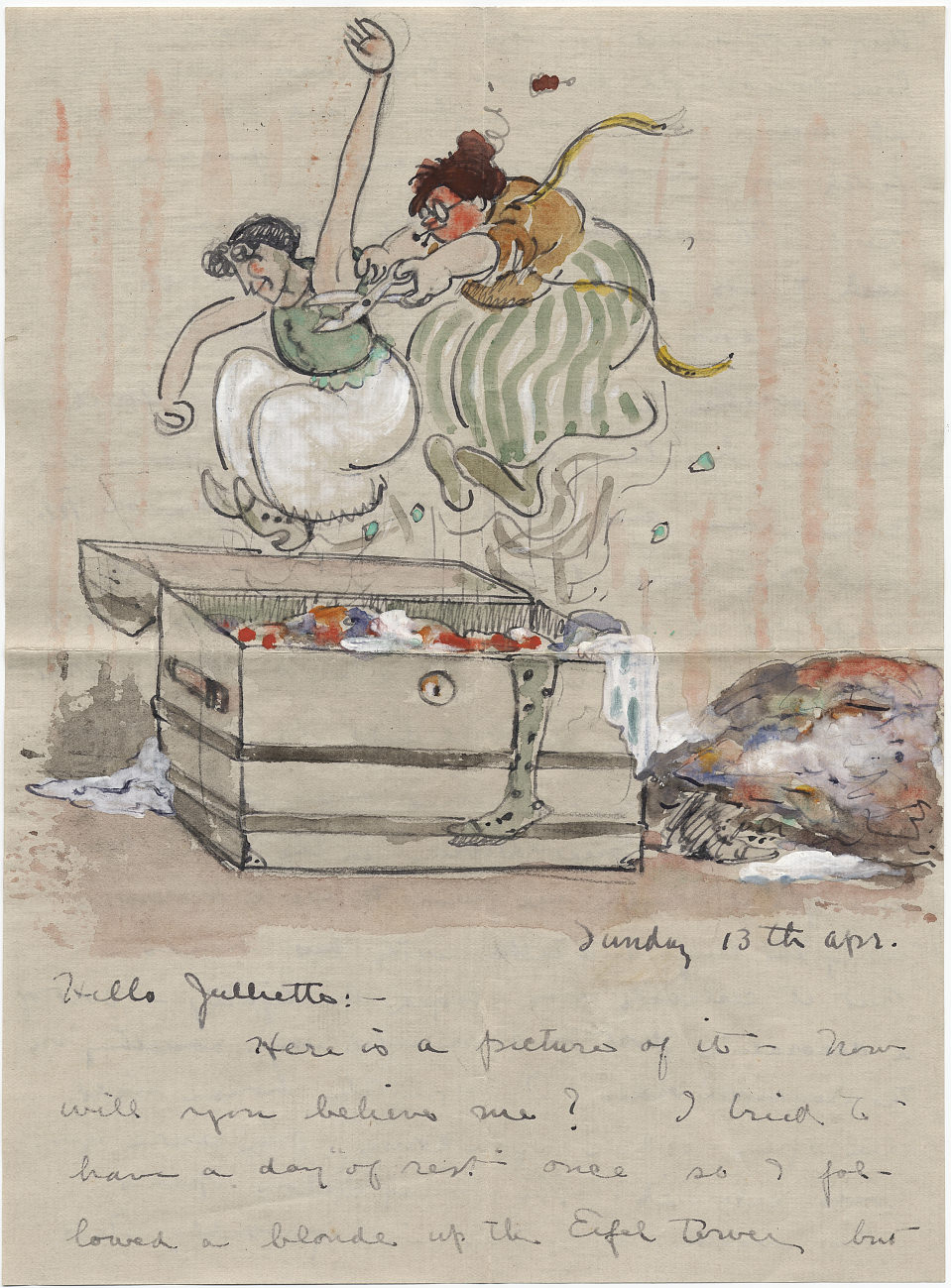
Alfred Joseph Frueh wrote multiple illustrated letters to Giuliette Fanciulli in 1913, each one packed with personality. His drawings give the words a second layer of meaning that plain text simply can’t carry.
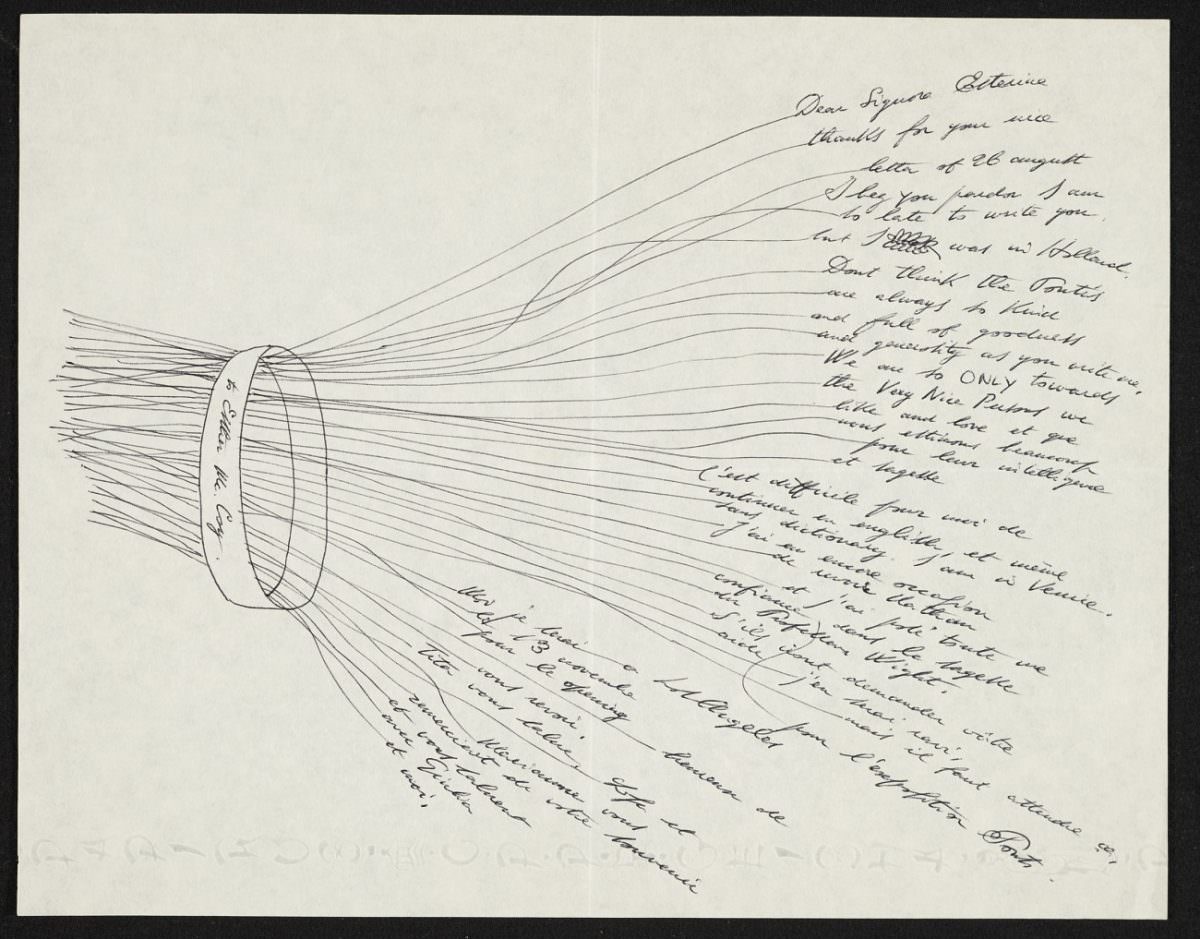
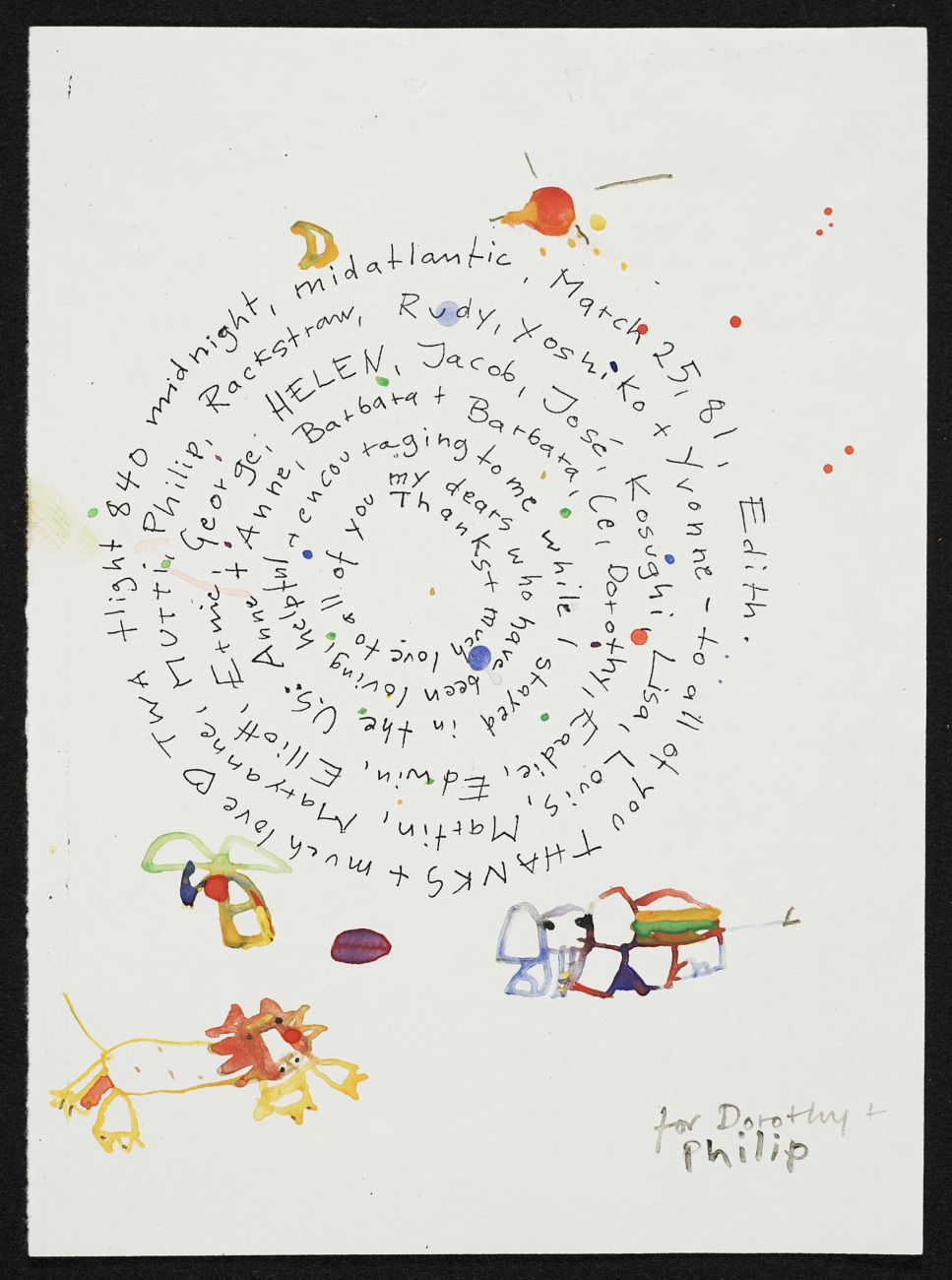
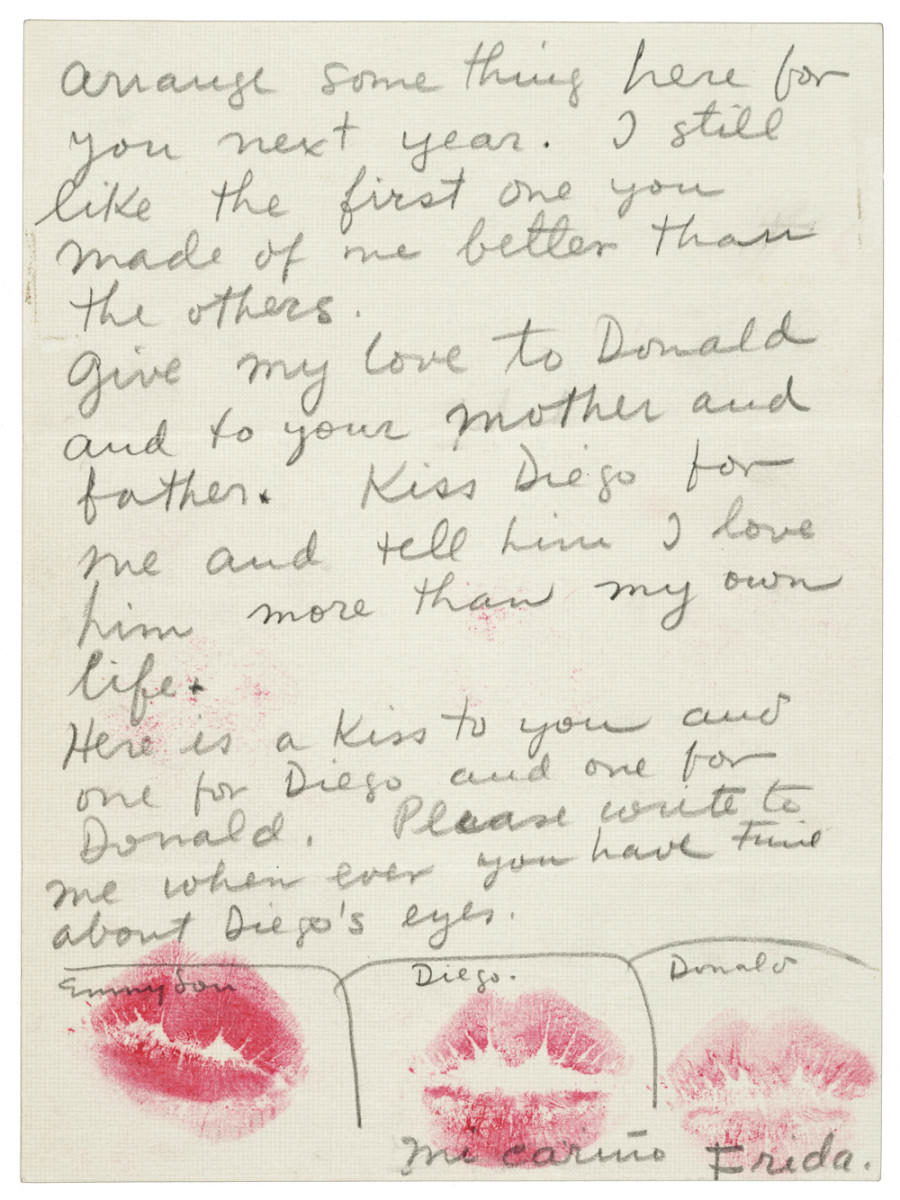
Valentines, family notes, and letters between friends all share space in the archive. Each one proves that for these artists, even everyday communication was a chance to create something visually alive.