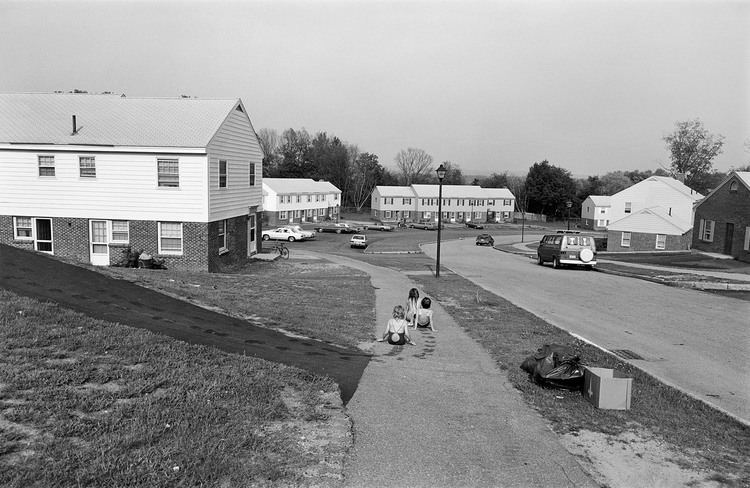
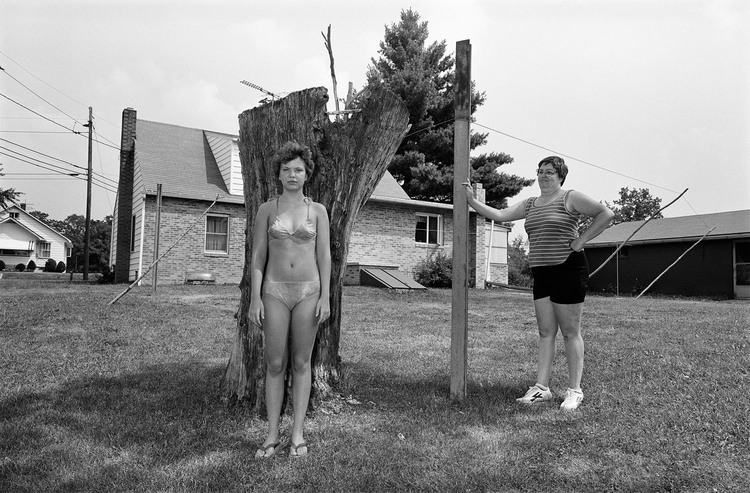
Sage Sohier is an American documentary photographer and Assistant Professor at Massachusetts College of Art. Over four decades, she has built a body of work centered on people and their everyday surroundings. Her photographs have earned her fellowships from the John Simon Guggenheim Memorial Foundation, the National Endowment for the Arts, the No Strings Foundation, and the Massachusetts Artists Foundation. Solo exhibitions of her work have been held at major venues including Foley Gallery in New York, the Museum of Contemporary Photography in Chicago, Robert Klein Gallery in Boston, and Blue Sky Gallery in Portland.
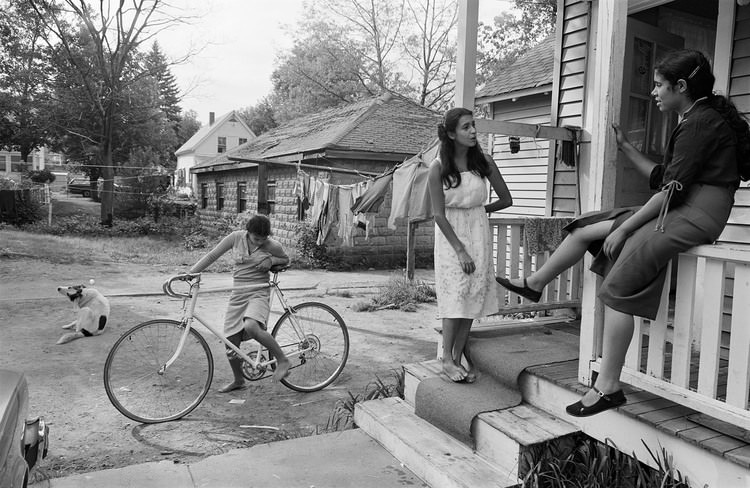
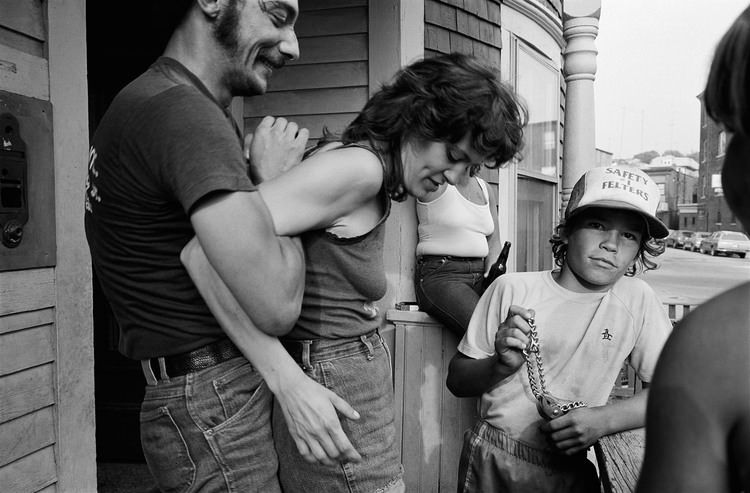
The photographs collected here span from 1979 to 1986, a period when Sohier was a young photographer based in Boston. During those years, she turned her camera on the working-class and ethnic neighborhoods of the city itself — places like South Boston, Dorchester, Brighton, East Cambridge, and Framingham. These weren’t staged portraits. They were honest pictures of people living their lives.
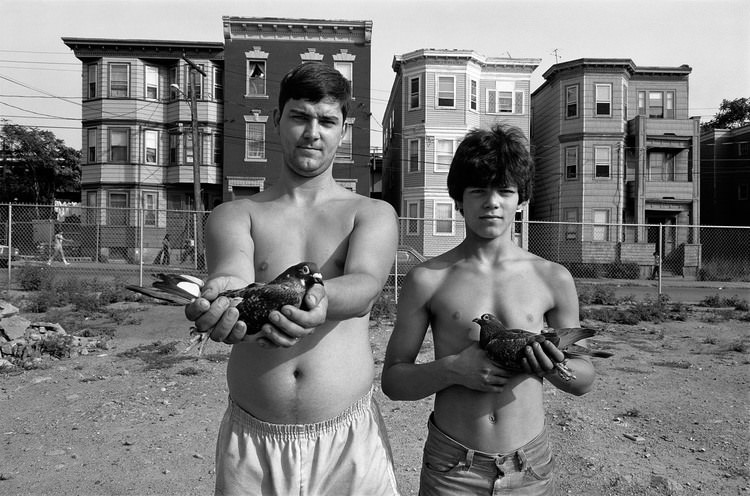
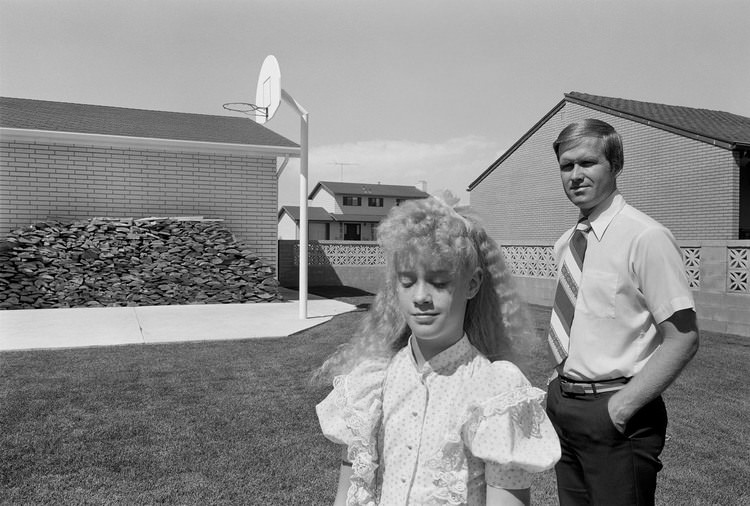
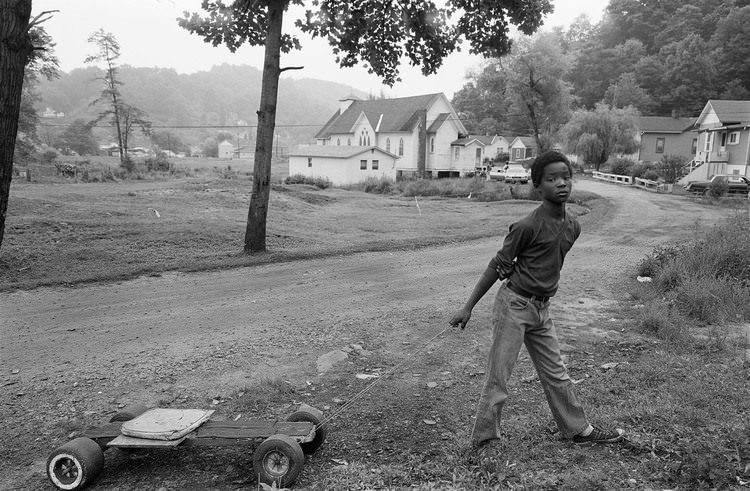
Each summer, Sohier hit the road and pushed well beyond Massachusetts. She traveled through Western Pennsylvania, stopping in towns like Altoona, Throop, and Gas Center — communities shaped by coal, steel, and hard times. She also made her way into the mining regions of West Virginia, documenting life in places like Buckhannon and Glen White, where the economy had long revolved around what could be pulled from the ground.
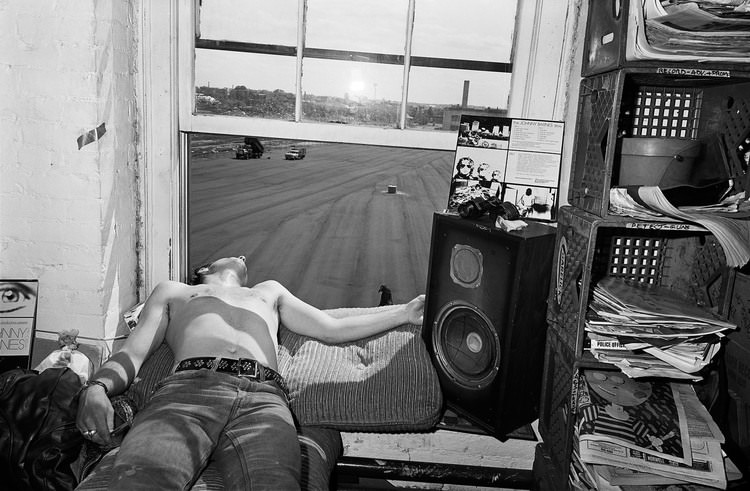
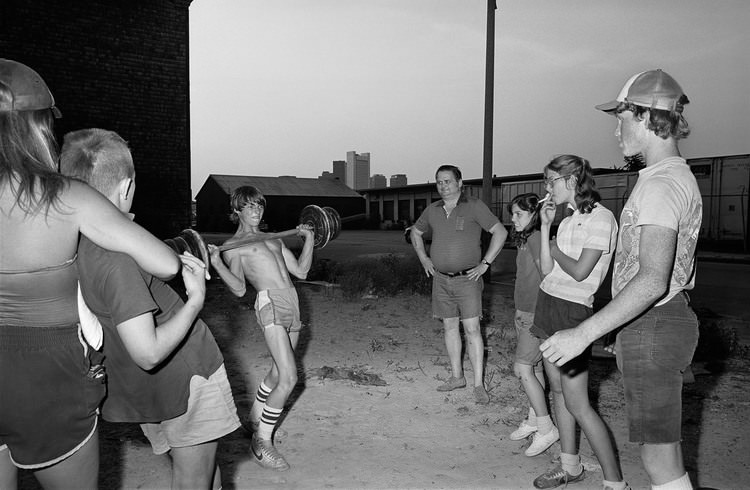
Sohier’s road trips also took her through Newburgh, New York — a city already visibly worn down by the late 1970s — and into Mormon communities in Idaho and Utah. Towns like Tremonton and the shores of Bear Lake gave her access to a quieter, more insular American life that rarely appeared in mainstream media.
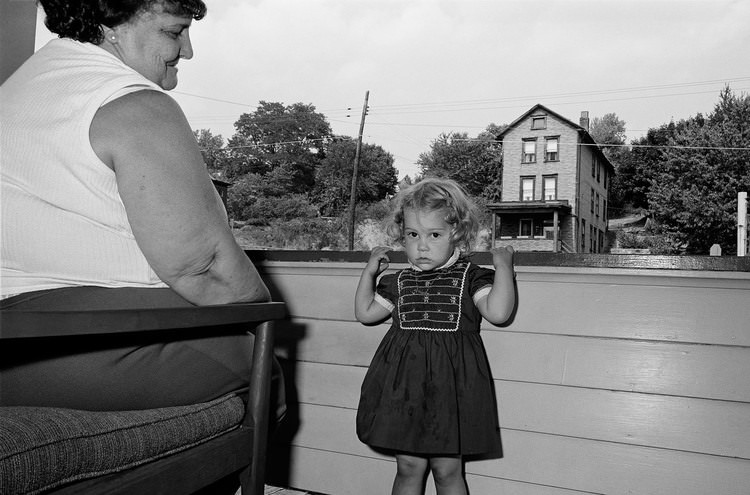
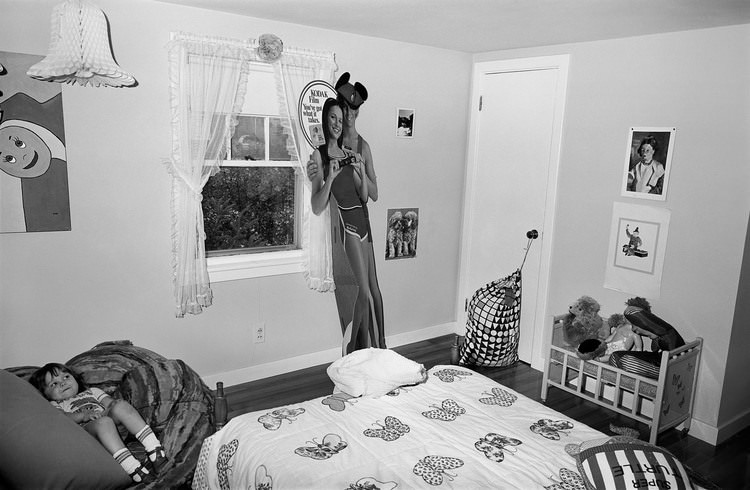
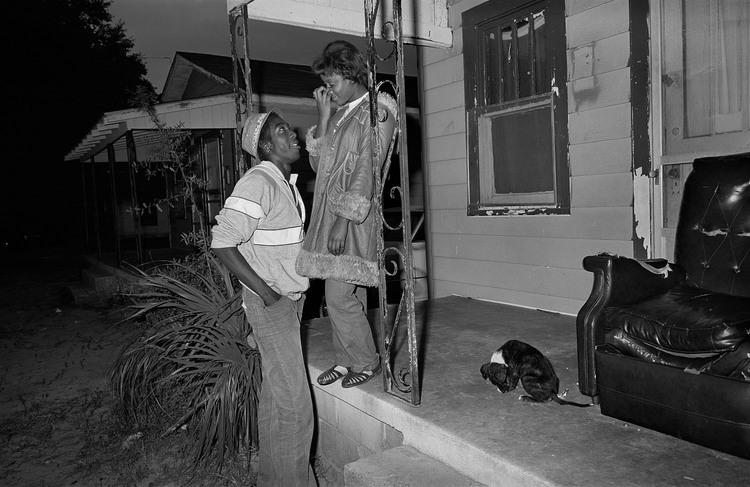
When Boston winters grew long, Sohier traveled south. She photographed in the citrus-growing regions of inland Florida — particularly around Immokalee, a town defined by migrant farm labor. She also moved along the Florida panhandle and into Louisiana, documenting life in Pensacola, New Orleans, and the surrounding Cajun country.
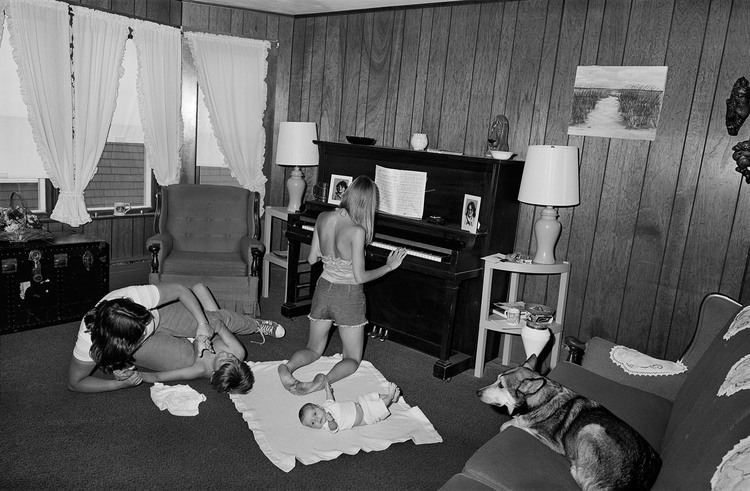
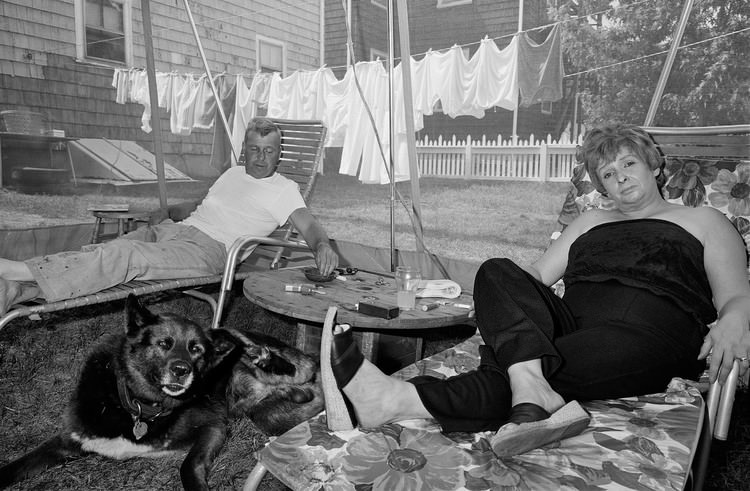
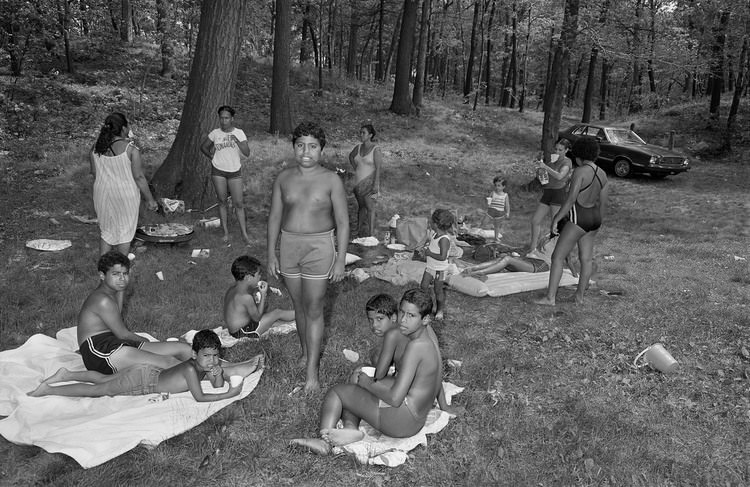
What ties all of these photographs together is Sohier’s consistent focus on ordinary people in their own spaces. She wasn’t chasing dramatic events or political figures. She was interested in backyards, living rooms, beaches, and street corners — the places where real life actually happens.
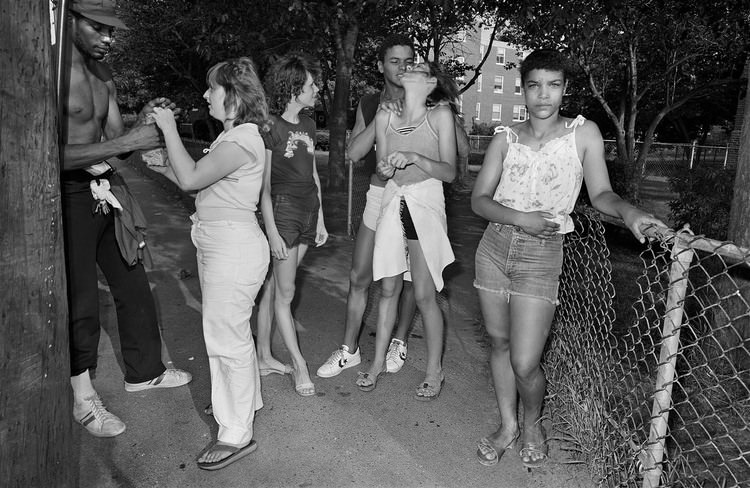
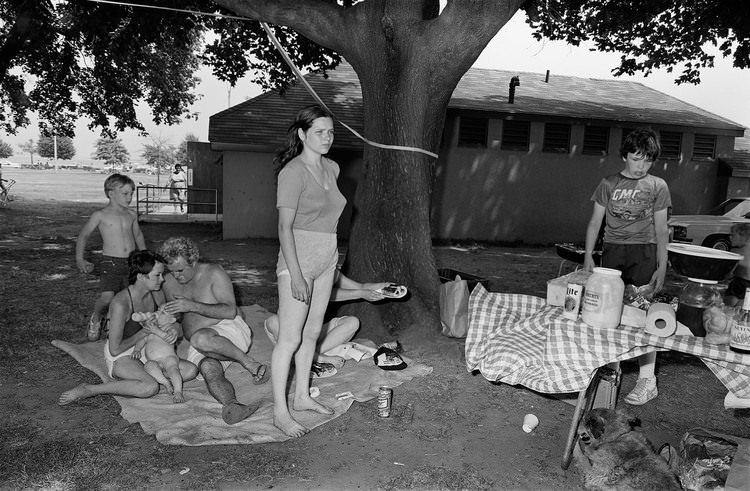
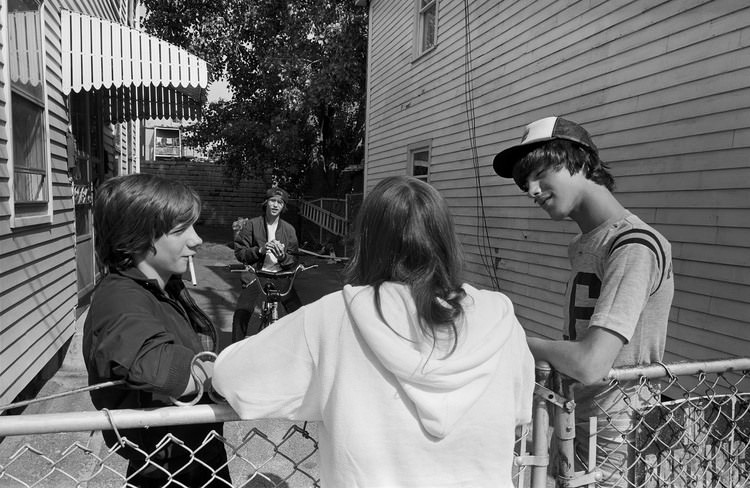
The New England photographs reveal distinct neighborhood identities from that era. South Boston, Brighton, and East Cambridge each had tight-knit communities, many of them immigrant or working-class, with strong local identities that showed clearly in the way people dressed, gathered, and used their space.
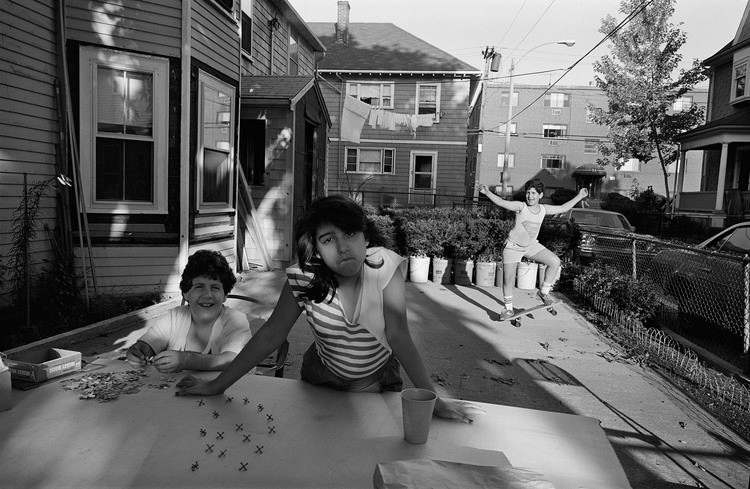
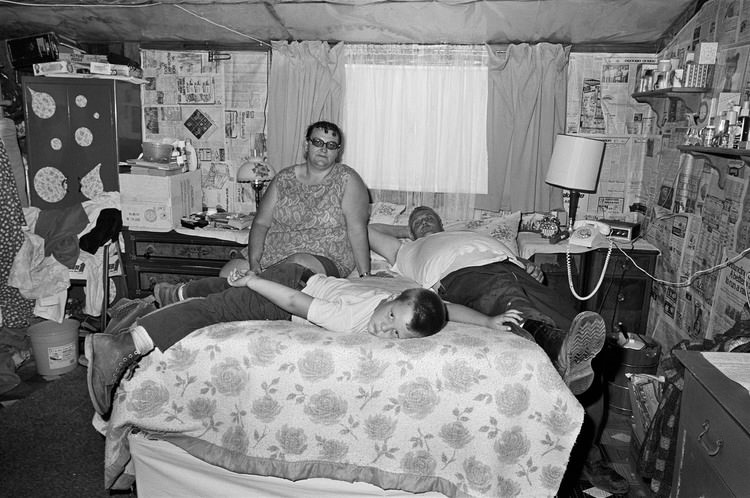
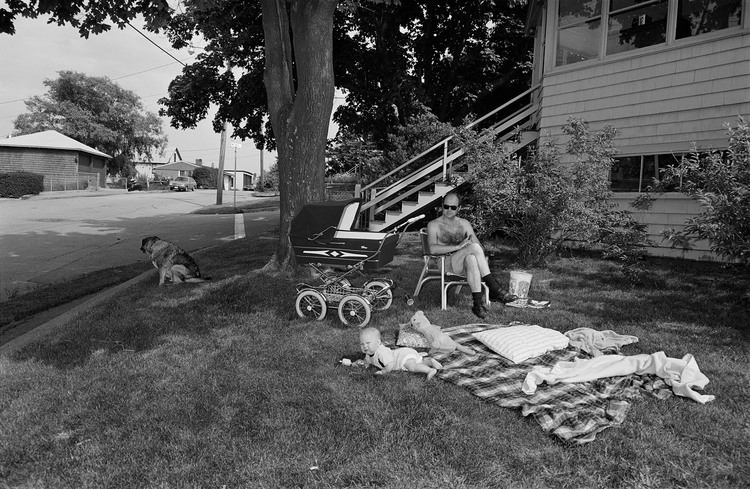
New Hampshire appears several times in Sohier’s archive from this period. Berlin, Concord, Hampton Beach, and Glen each offered something different — from the industrial mill town character of Berlin to the seasonal crowds of Hampton Beach. These were not glamorous places, and that was exactly the point.
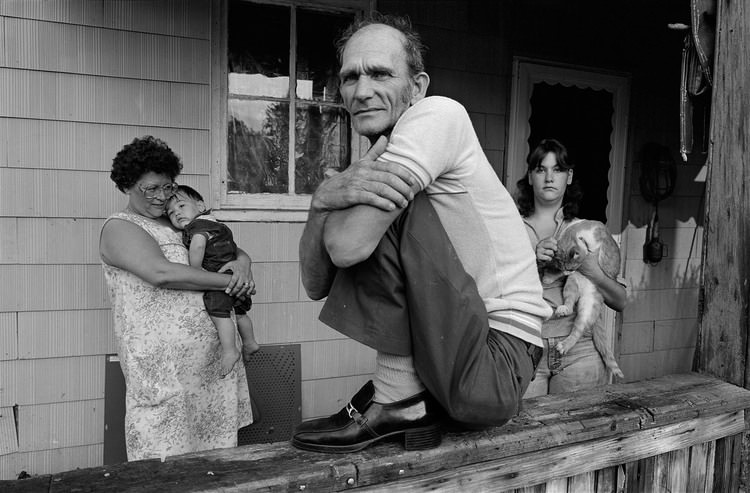
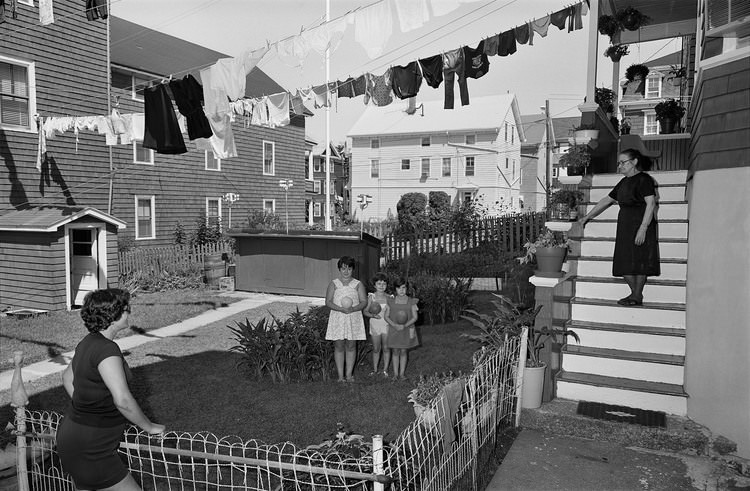
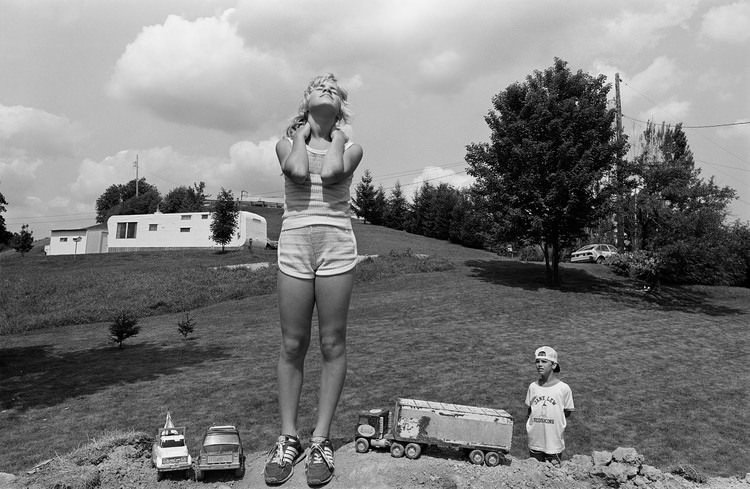
The West Virginia images from 1982 stand apart. Buckhannon and Glen White were communities in the heart of coal country, and Sohier’s photographs there capture a specific weight — the kind that settles into a place where the main industry is dangerous and the margins are thin.
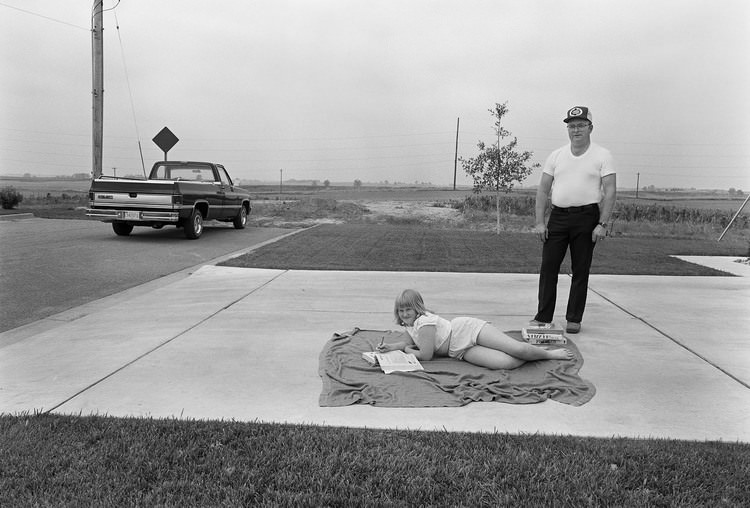
By the mid-1980s, Sohier’s travels had expanded further into the Midwest. Mount Vernon, Indiana, appeared in her 1985 archive alongside the Utah photographs, showing just how wide her geographic range had become across the course of these years.
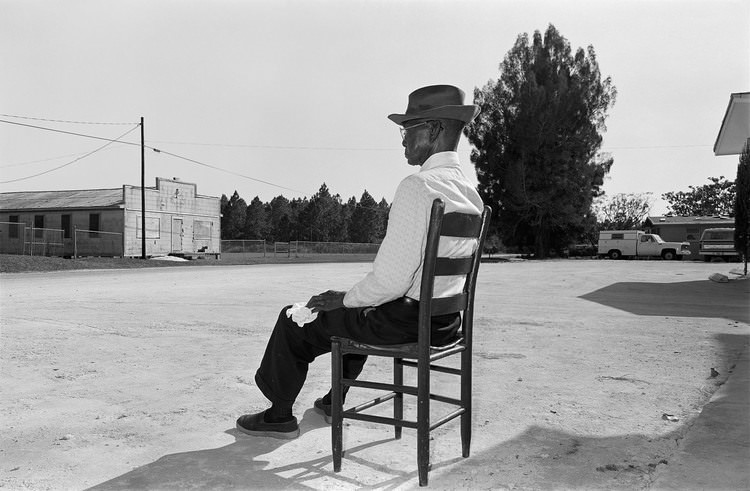
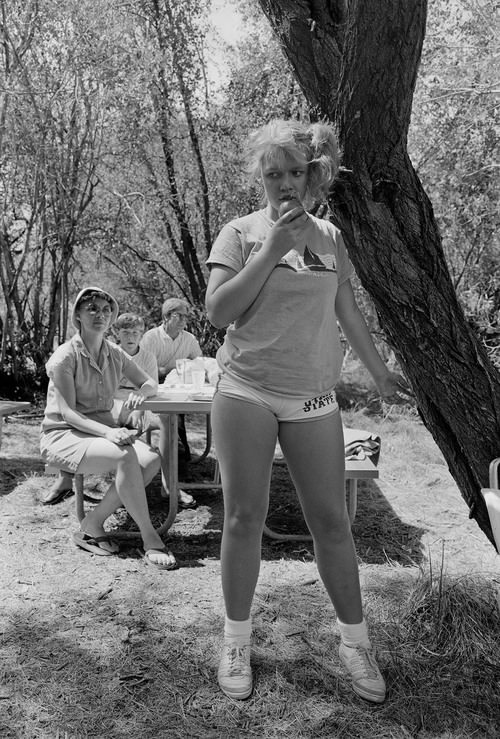
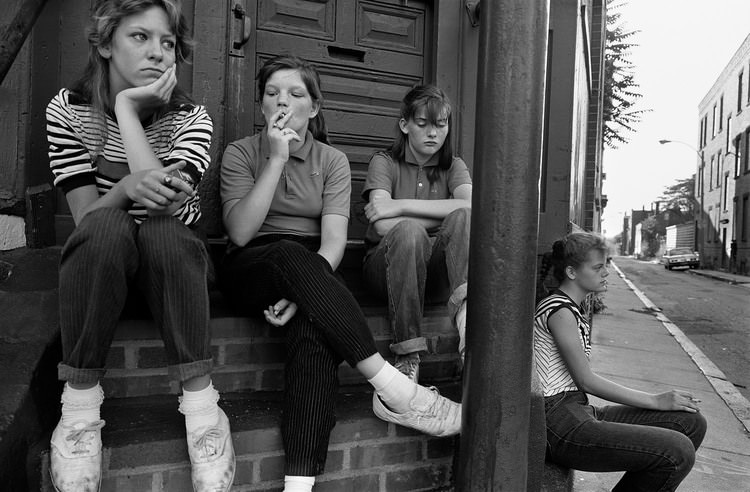
Across all of these locations, Sohier worked with a consistent eye. Her compositions are direct and uncluttered. People look at the camera or they don’t — neither approach feels forced. The result is a record of American life between 1979 and 1986 that feels both specific and wide-ranging.
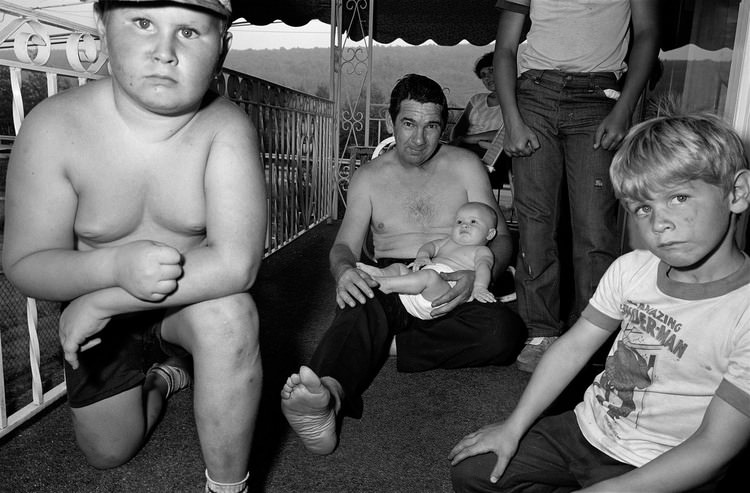
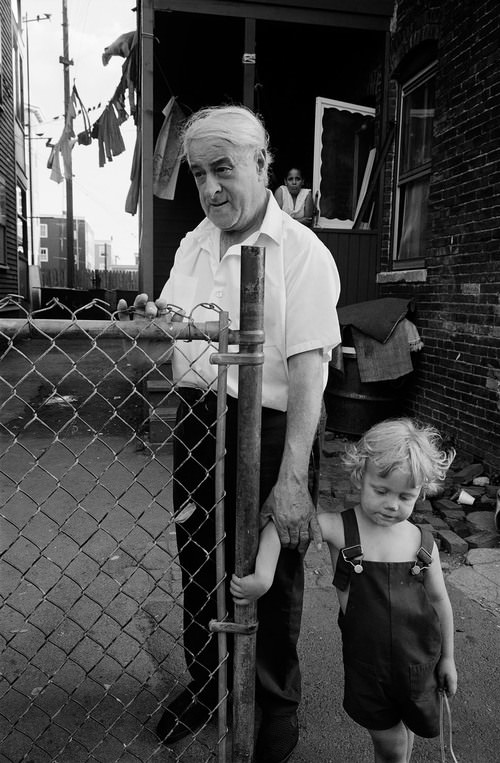
The Pennsylvania photographs from 1983 — taken in Altoona, Throop, Gas Center, and just outside Mahoney City — document a state dealing with the collapse of its industrial base. Steel and coal were already in steep decline by then, and the communities built around those industries were absorbing the blow in real time.
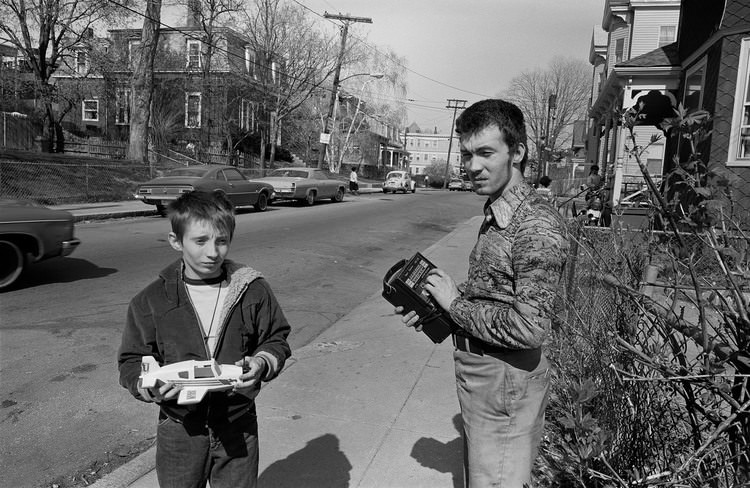
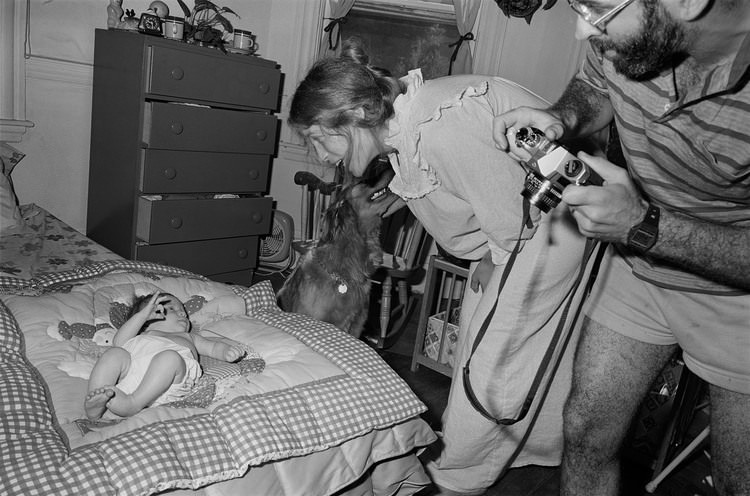
Even within a single city like Boston, Sohier moved between very different worlds. Brookline and Dorchester sat a few miles apart but represented sharply different economic realities in the early 1980s. Sohier photographed both without favoring one over the other.