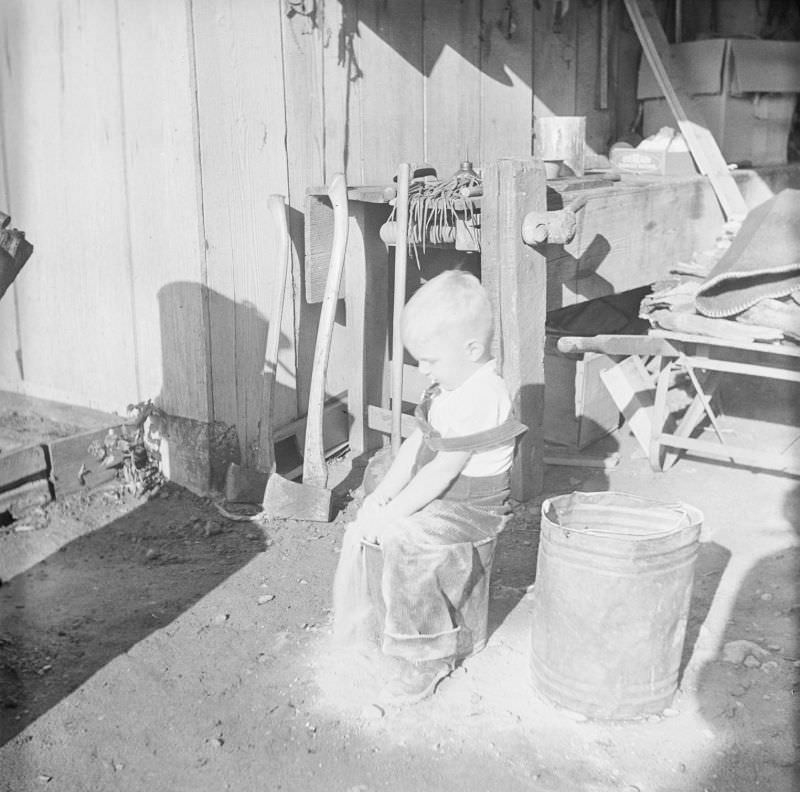
Growing up in 1930s America meant something very different depending on where you lived and what your family’s situation was. The Great Depression cast a long shadow over much of the decade, pushing many families into poverty and forcing children into roles that kids today would rarely recognize. Yet even in hard times, children found ways to play, explore, and simply be kids. These vintage photographs capture that world — farm chores, simple toys, open fields, and animals — a childhood that was often tough but full of life.
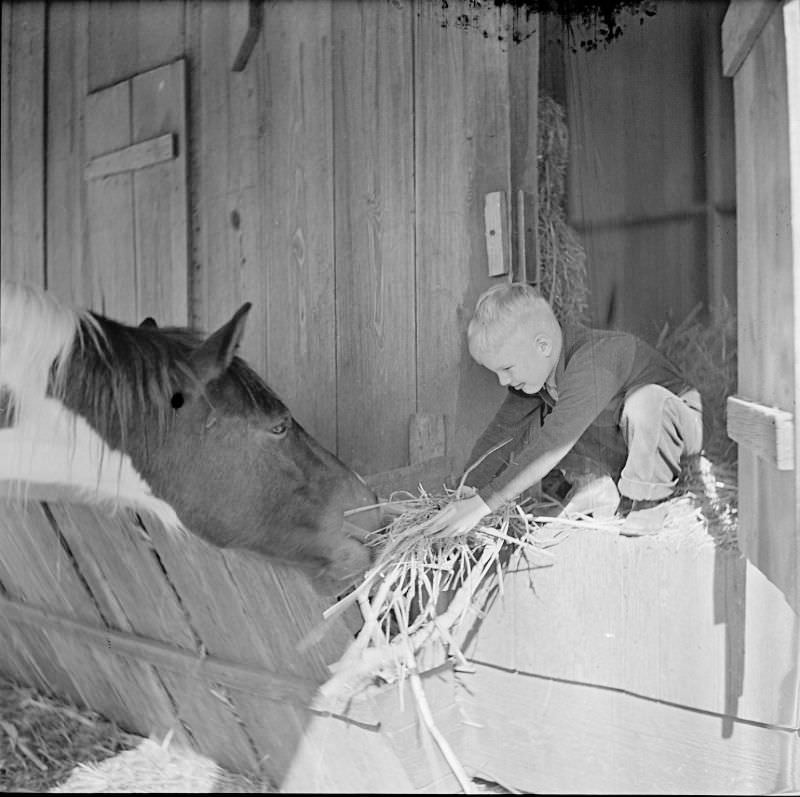
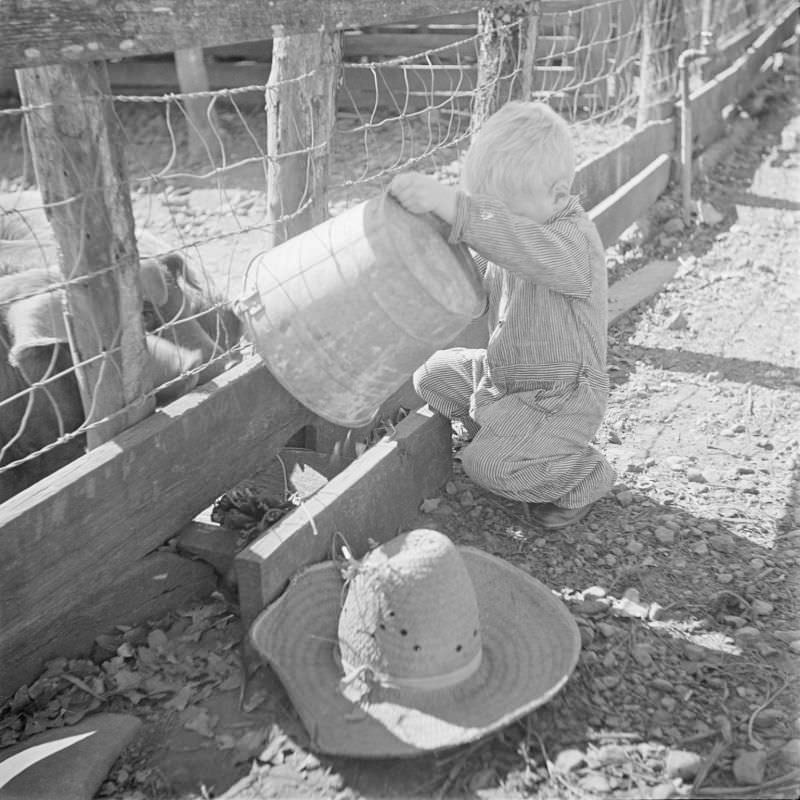
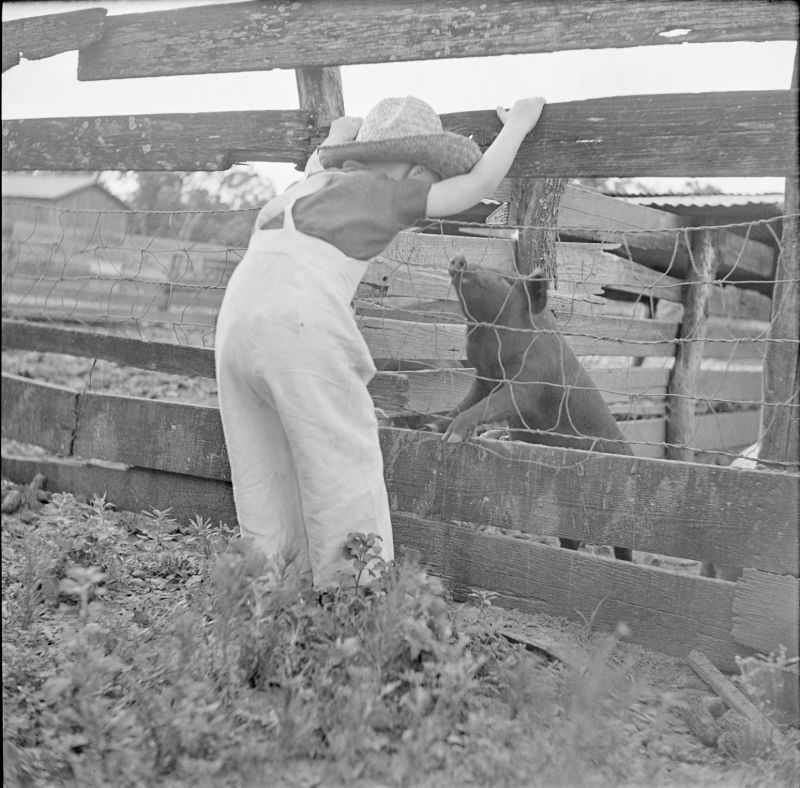
Many children living on farms started helping with animals and chores at a very young age. Horses, pigs, and other livestock were part of daily life, not just background scenery. Boys especially were expected to contribute to the farm’s operation before and after school.
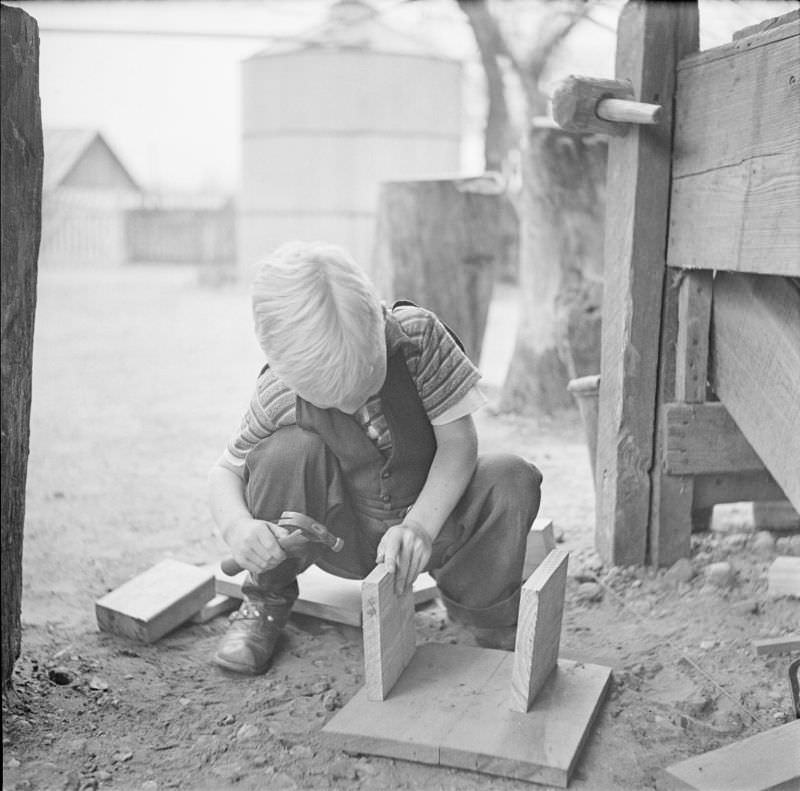
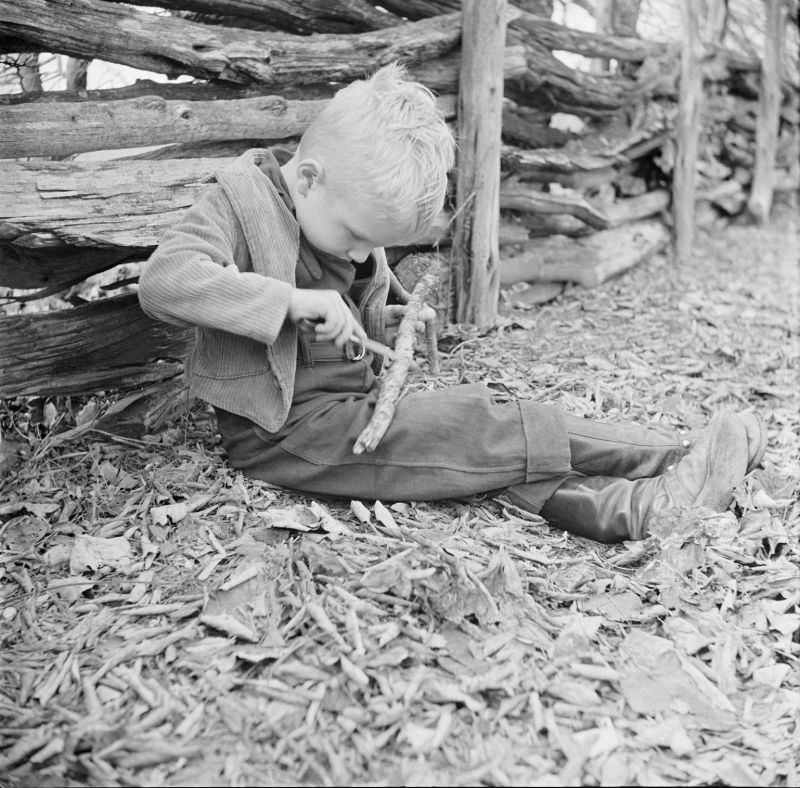
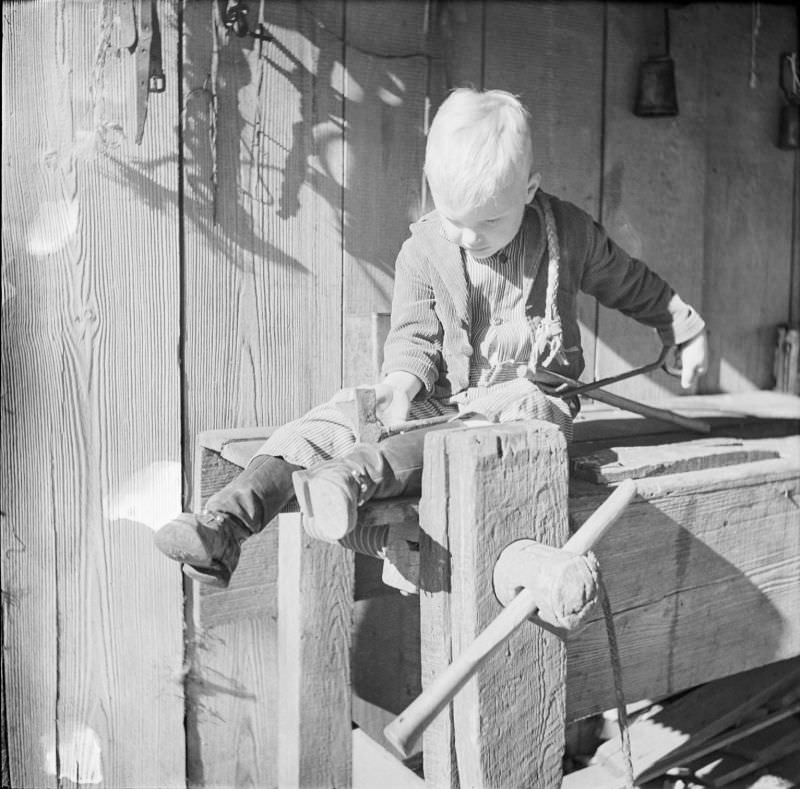
Hands-on work was a regular part of childhood. Boys learned to use tools early, picking up basic woodworking and repair skills that would serve them throughout their lives. This wasn’t considered unusual — it was expected. Self-reliance was a value drilled into children from the time they were old enough to hold a hammer.
Mandatory schooling required all children between the ages of 5 and 14 to attend. A typical school day ran from 9:00 am to 4:00 pm. In smaller rural schools, there was no cafeteria or hot lunch service. During winter months, children would carve their initials into a large potato and bring it to school to bake in the coal oven — a simple way to have a warm meal. Students who attended grammar schools or fee-paying schools could remain enrolled until age 18, but most children left at 14 to work or help at home.
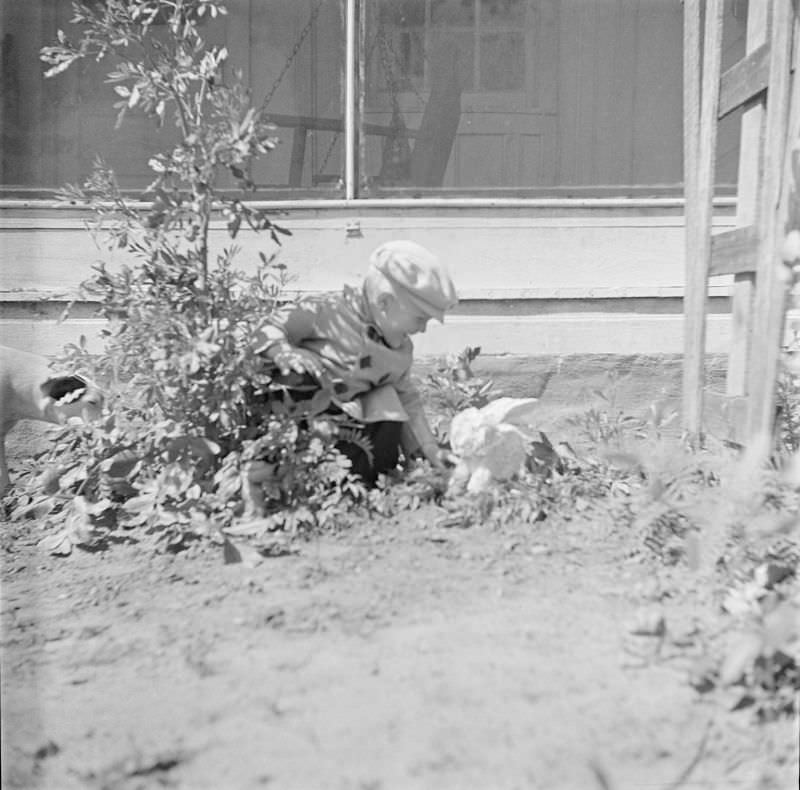
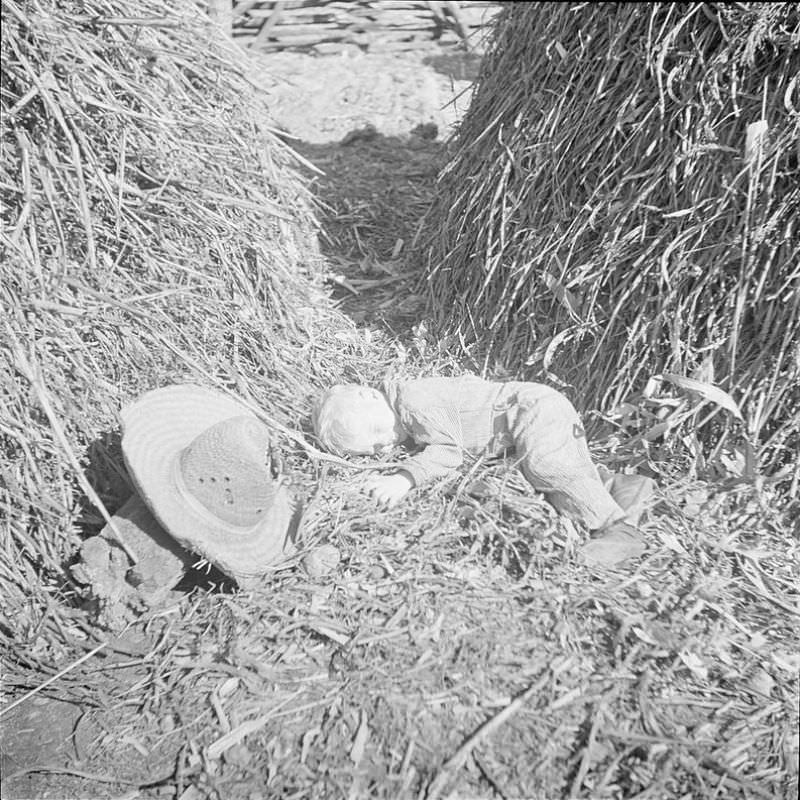
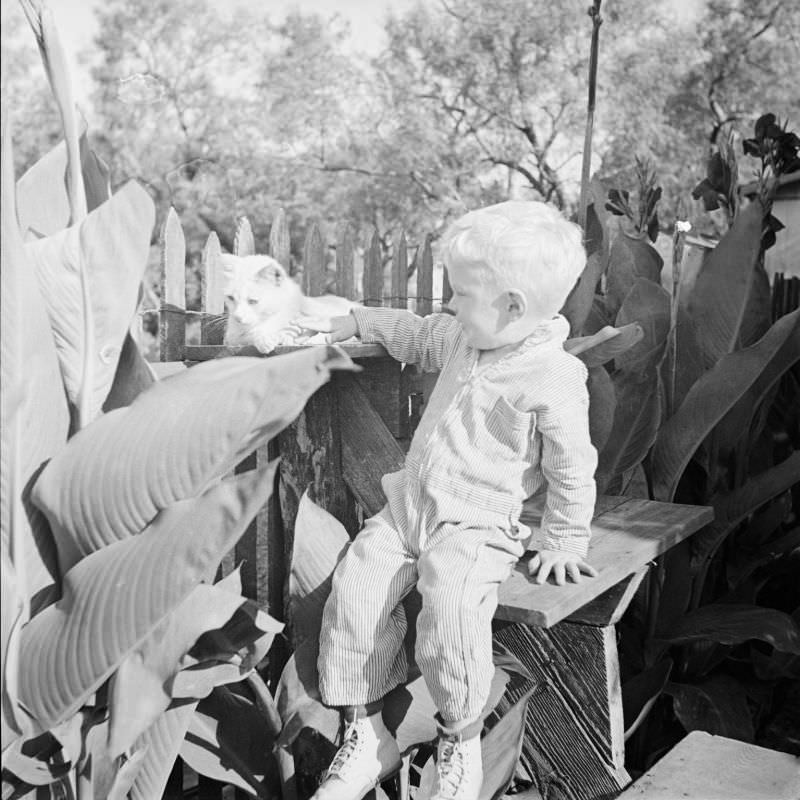
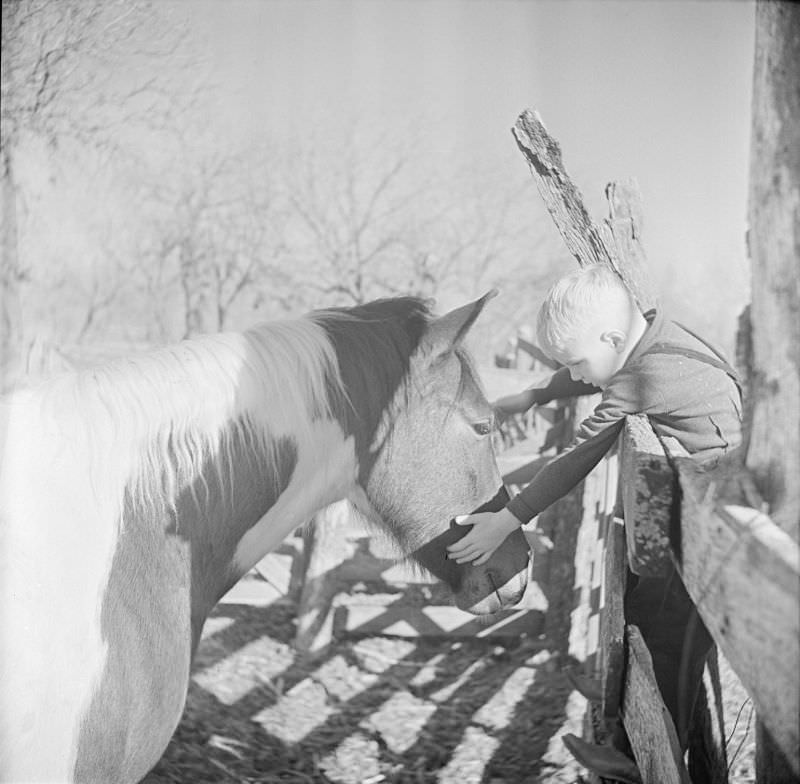
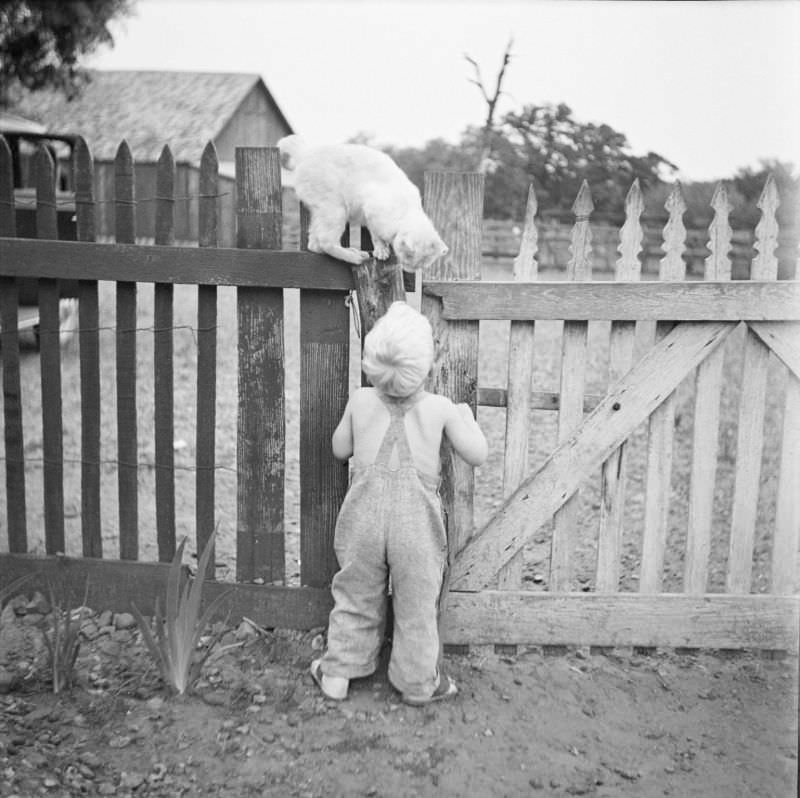
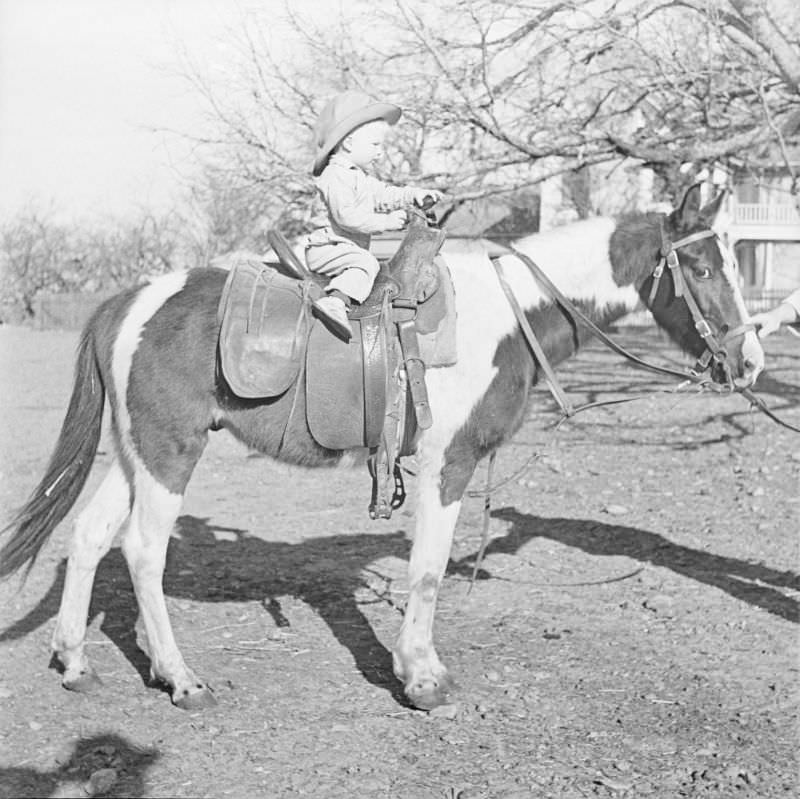
Animals were a constant presence in the lives of rural children. Whether checking on pigs in their pens, riding horses, or watching over the farm, kids and animals shared the same spaces. This familiarity bred a comfort with livestock and nature that was simply part of everyday life.
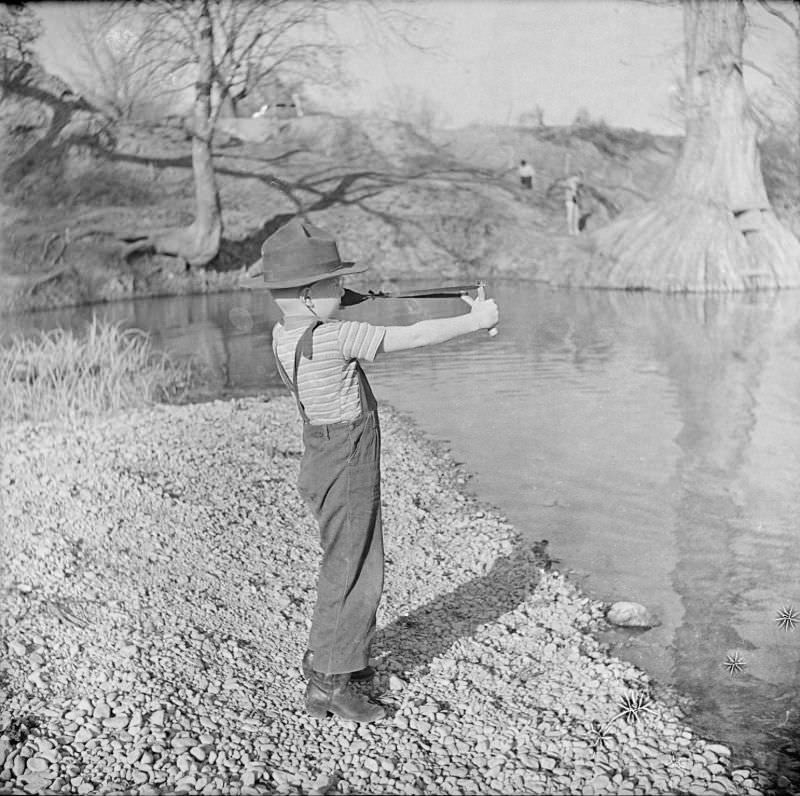
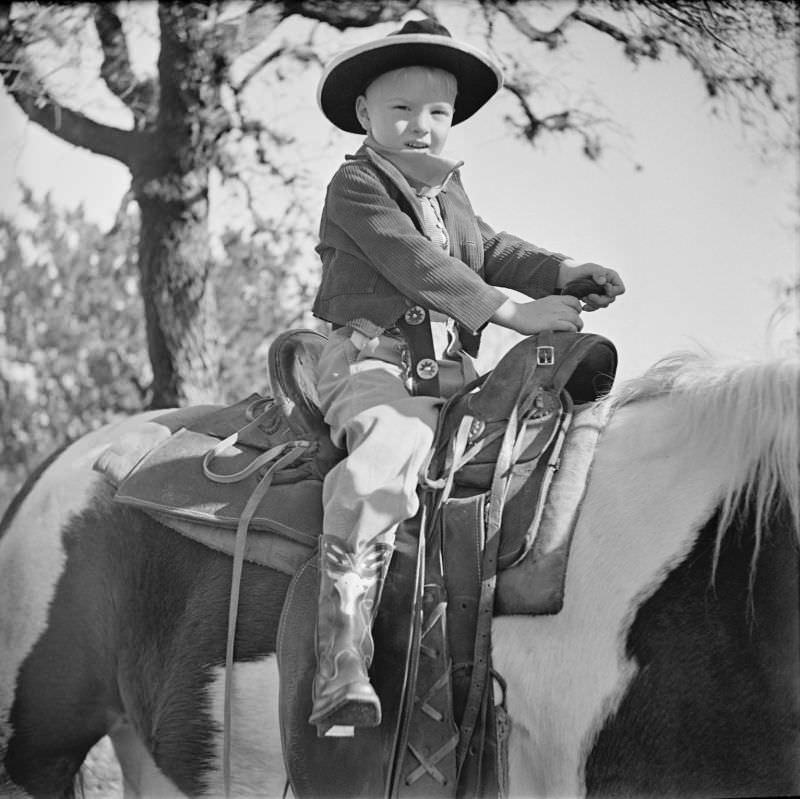
Toys in the 1930s were simple and often homemade. Store-bought items were a luxury many families couldn’t afford during the Depression. Children played with what they had — sticks, ropes, cartons, and scraps of wood. Whip and top was a widely popular street game, though playing on cobblestones made it tricky. Tops were traditionally carved from wood, but resourceful kids also fashioned them from carrots or turnips. Hopscotch and skipping were favorites among girls, and Double Dutch — a skipping game using two long ropes — drew large groups of children together.
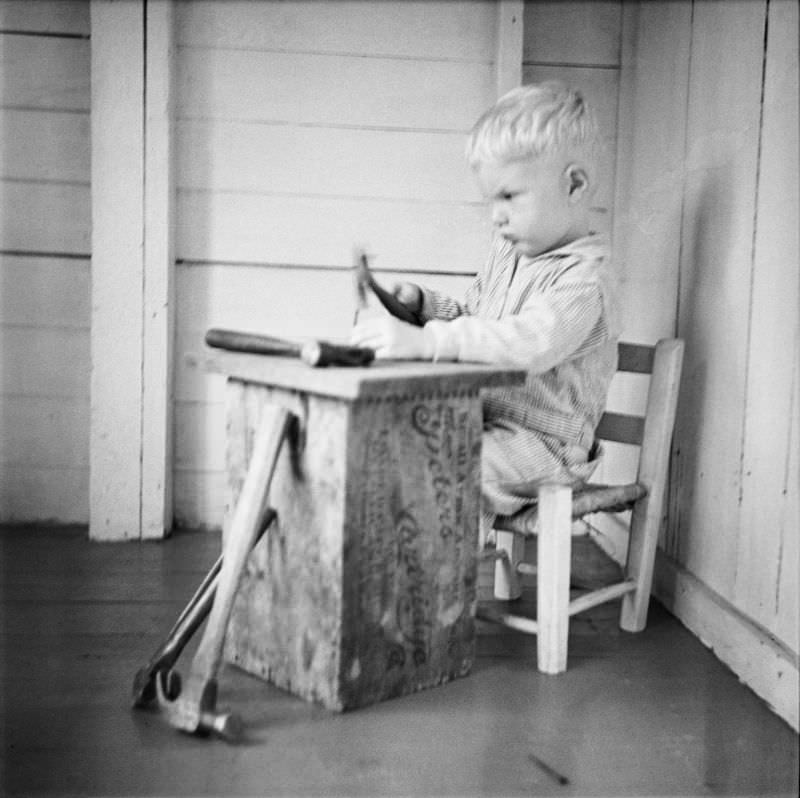
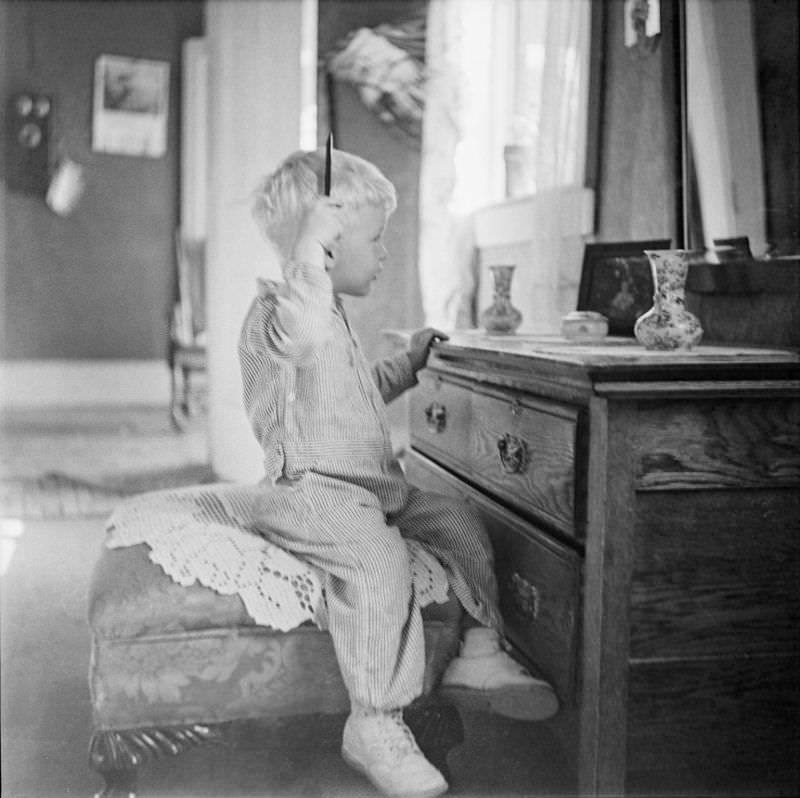
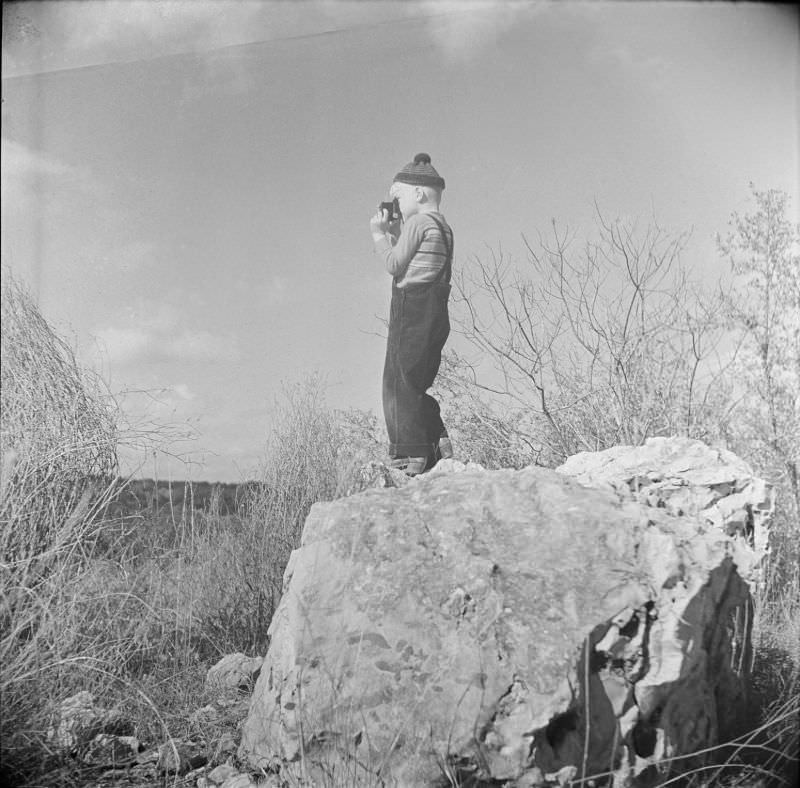
Because few families owned cars, most children spent time outdoors on streets, fields, and riverbanks without much supervision. On weekends and school holidays, kids headed outside after breakfast and often didn’t return until supper. Parents were frequently unaware of exactly where their children were or what they were doing. Most returned home with nothing worse than scraped knees and bruises.
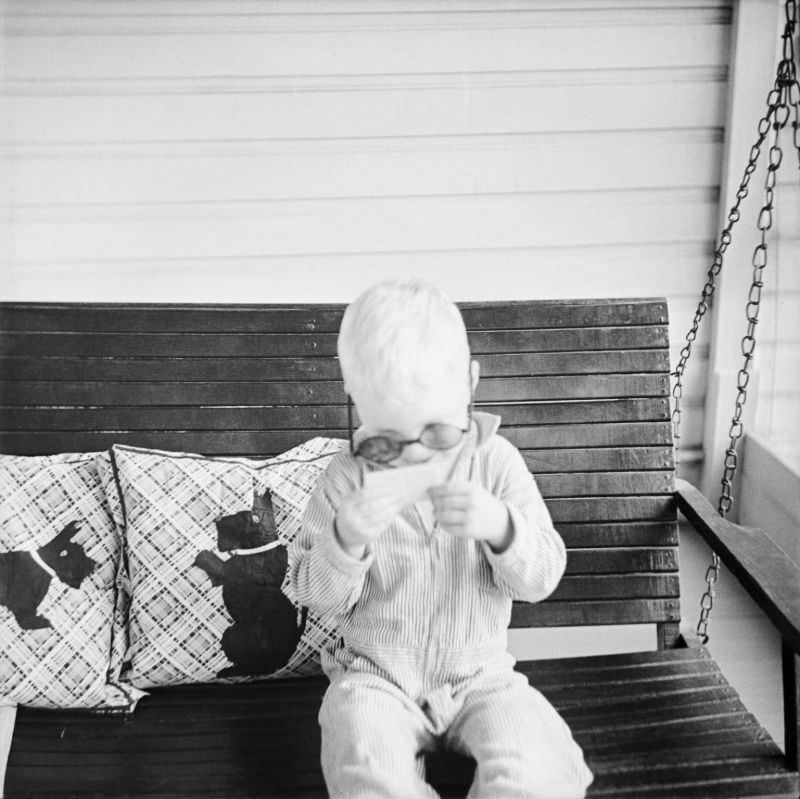
Not every family was struggling. Some households, particularly in cities or more stable industries, enjoyed relative comfort throughout the decade. For those children, there were indoor pastimes too — listening to the radio, playing board games like Ludo and Snakes and Ladders, and playing with toy trains, toy airplanes, and dolls or dollhouses. Organizations like the Boy Scouts, Girl Scouts, Cubs, and Brownies also gave children a structured social outlet outside of school.
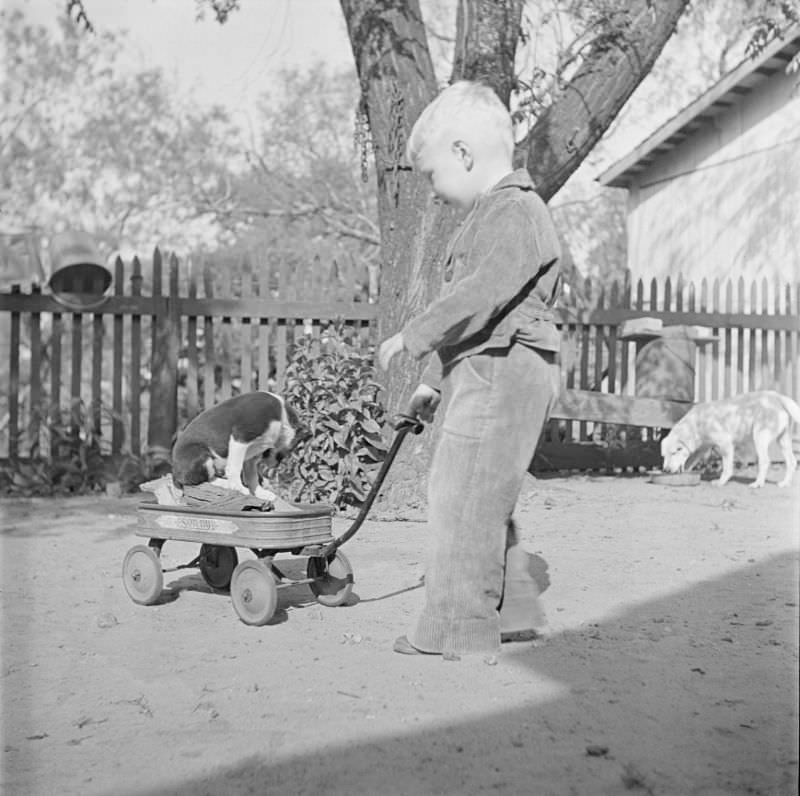
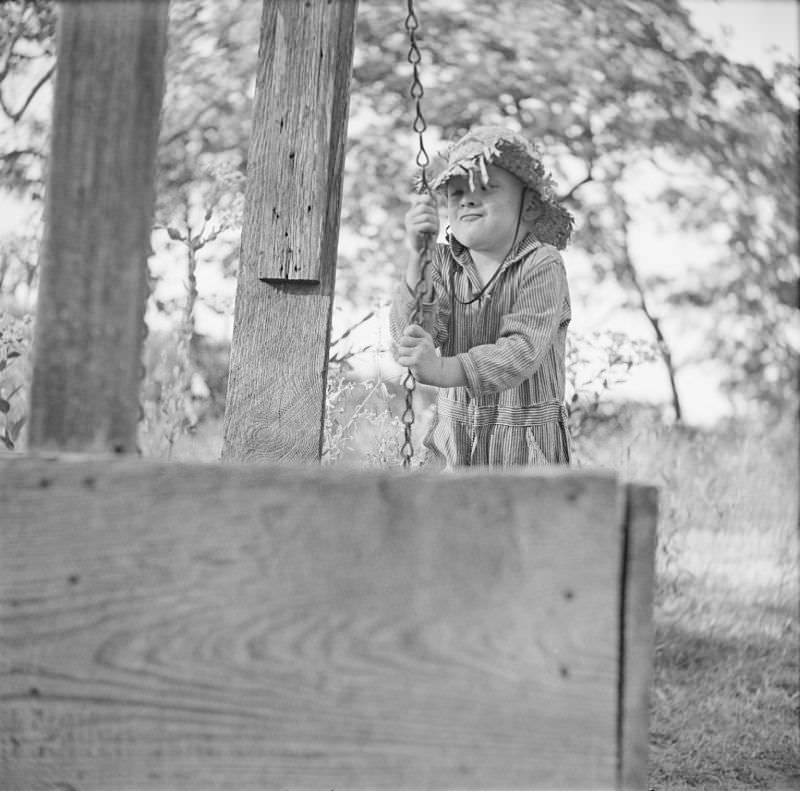
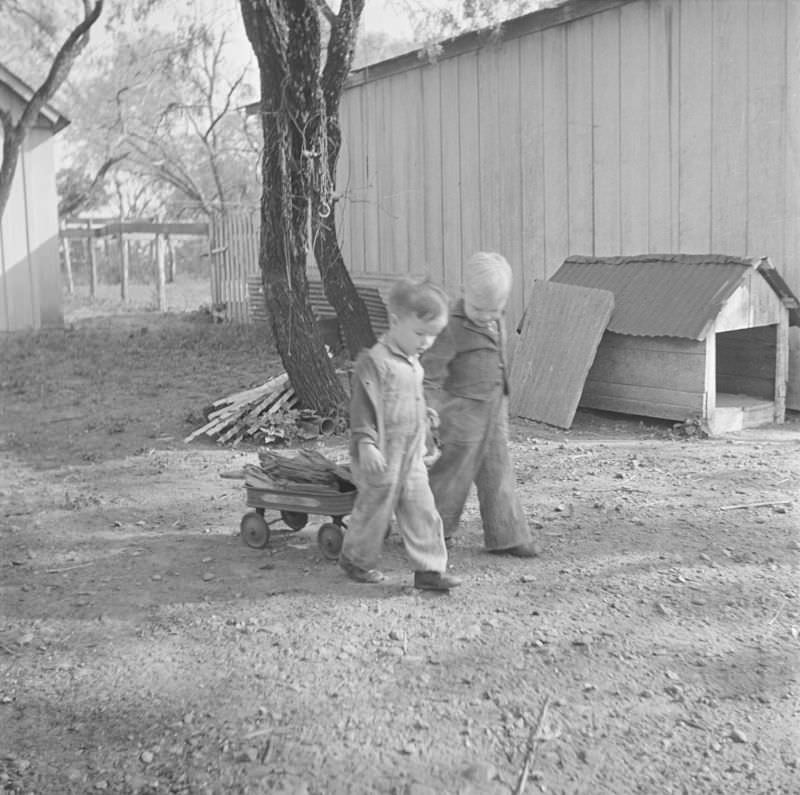
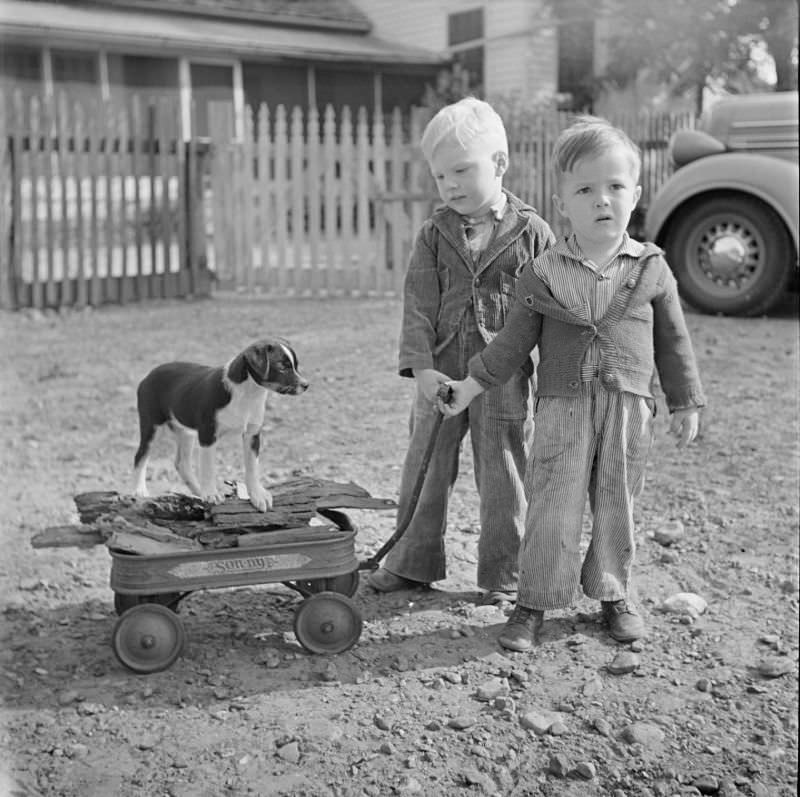
Farm chores weren’t optional — they were part of the daily rhythm. Drawing water from a well, gathering wood, tending to animals, and running errands filled hours that children today might spend on screens. Even leisure time often blended into work. A boy hauling wood with a wagon might turn the task into a game with a friend. Dogs were frequent companions on these outings, tagging along on chores and play alike.
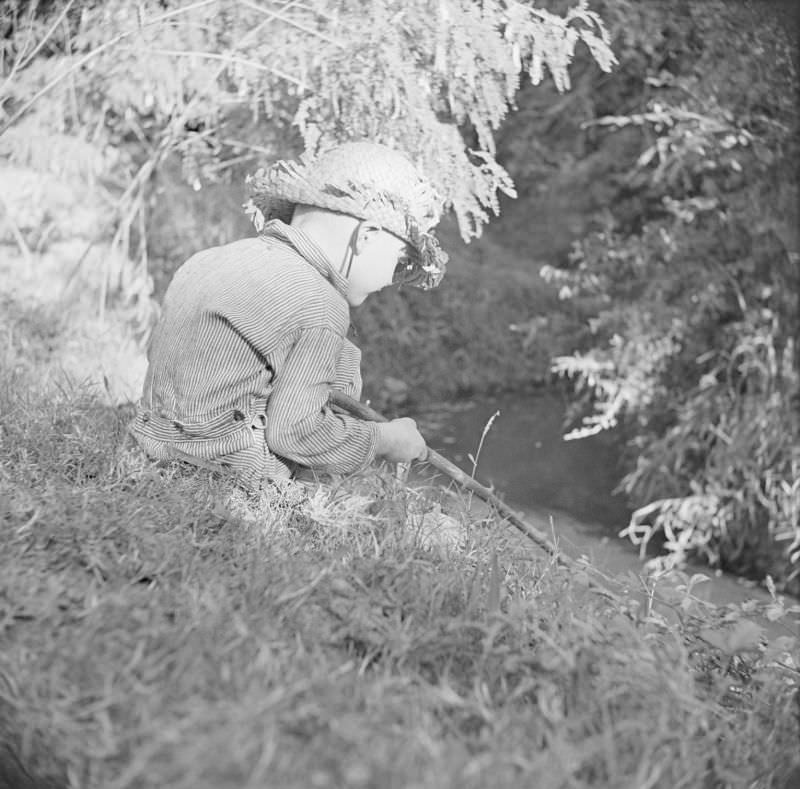
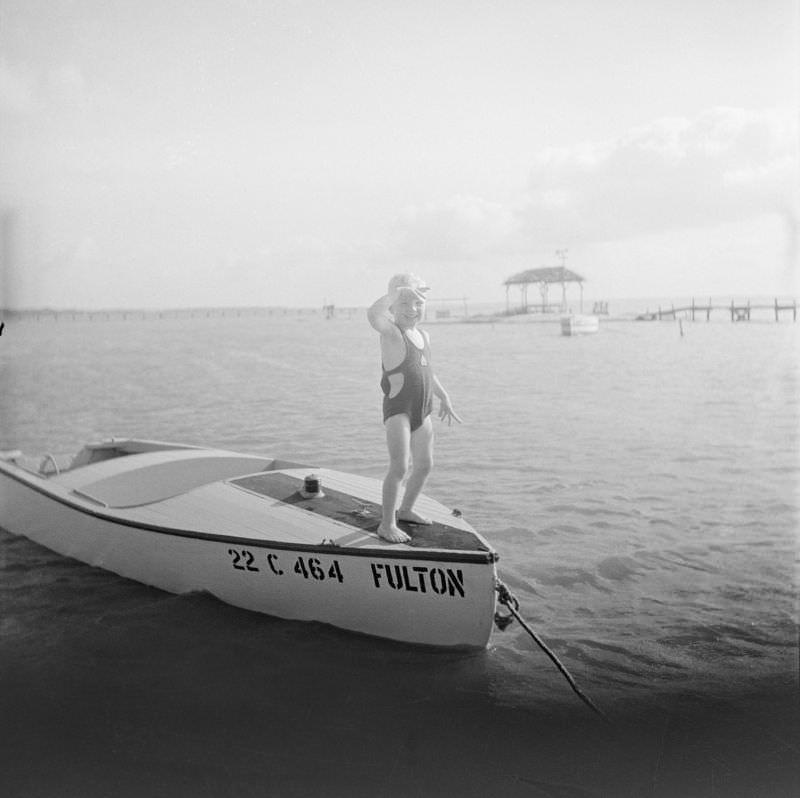
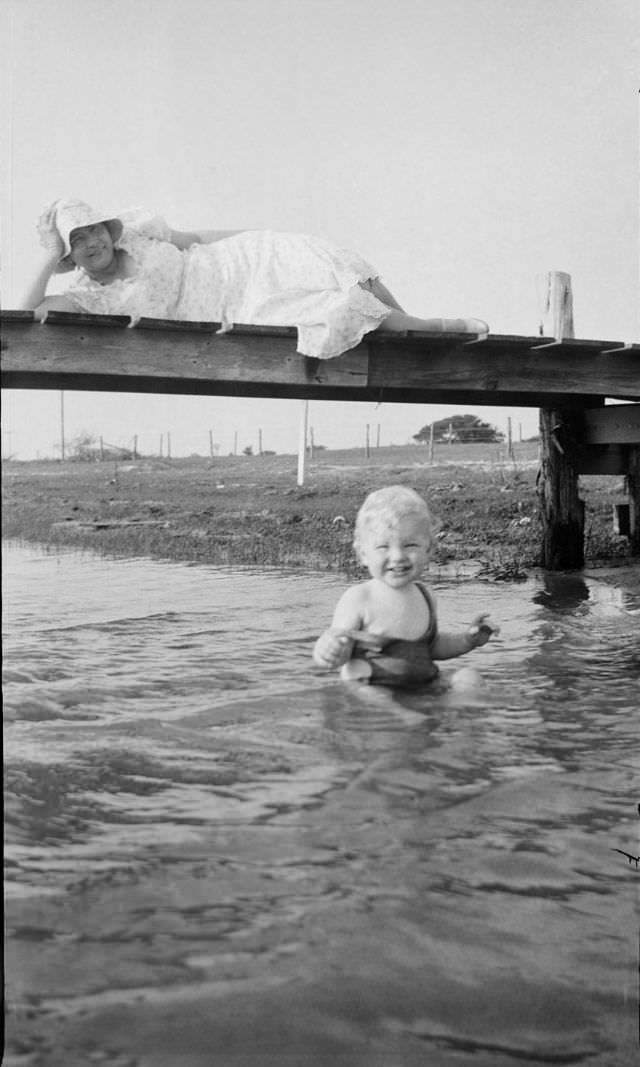
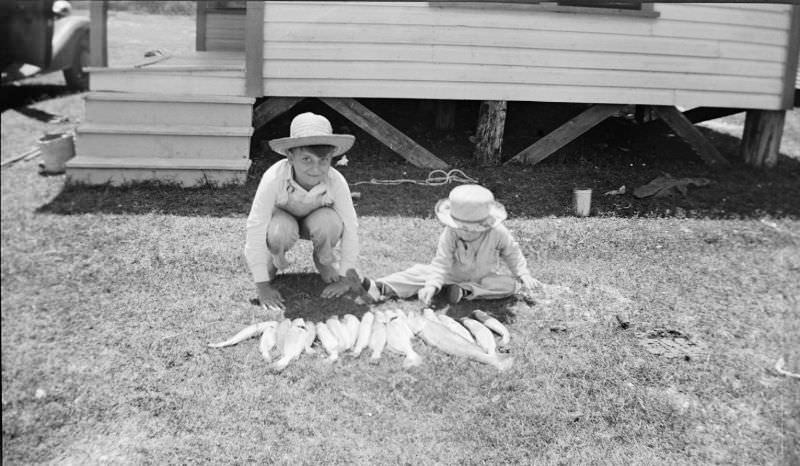
Water was another playground. Rivers, lakes, and even boats offered summer relief from the heat. Fishing was both a recreational activity and a practical one — a good catch meant a meal on the table. Children who grew up near water learned to swim, handle small boats, and fish from a young age.
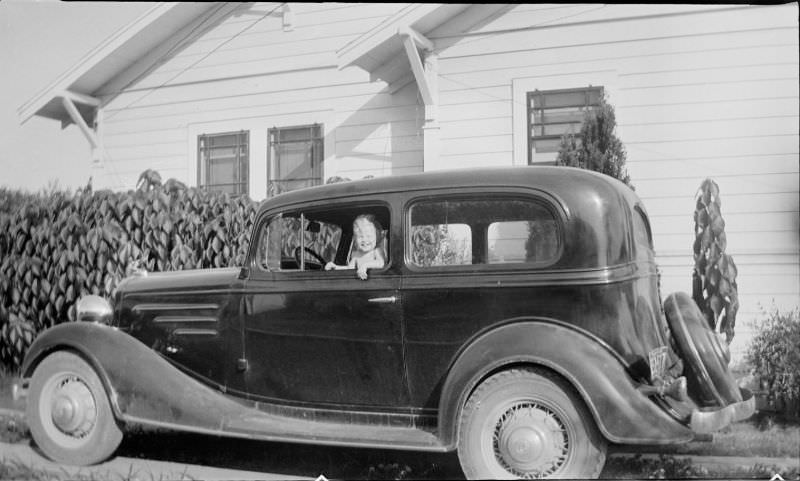
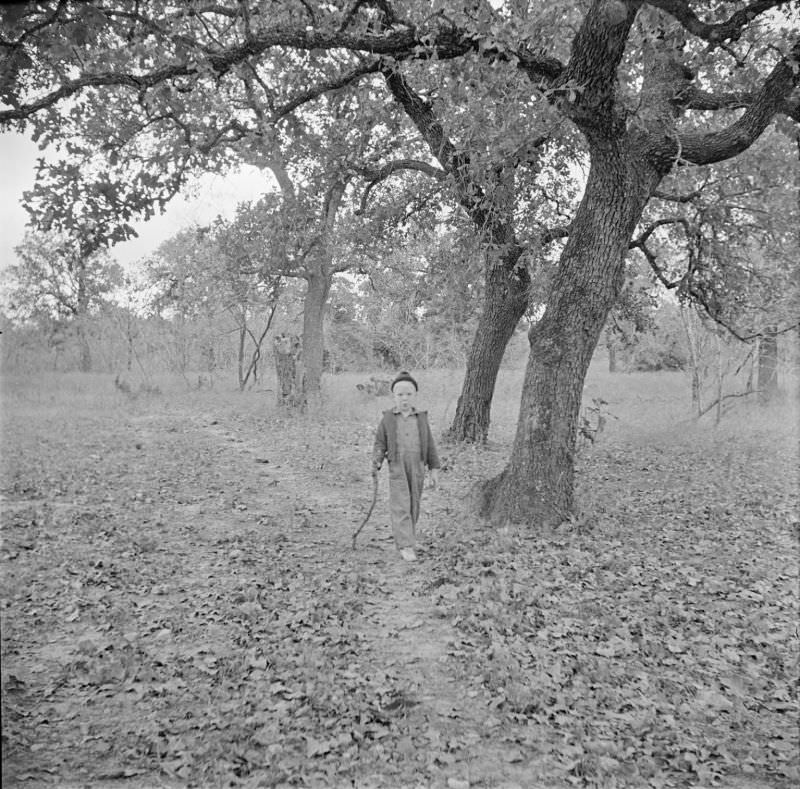
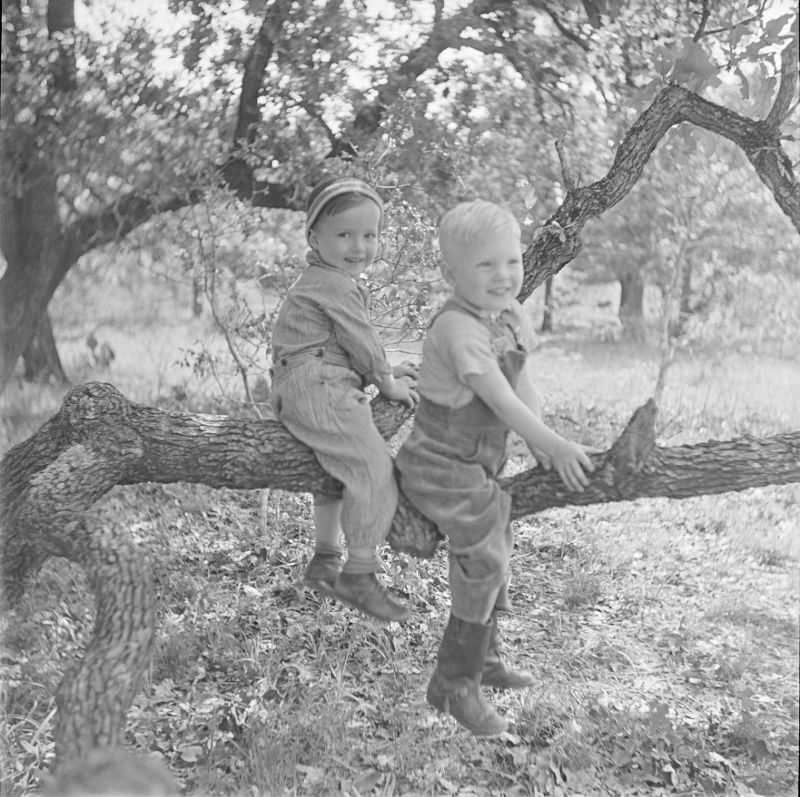
The outdoors served as the main playground for most American children of the 1930s. Trees were climbed, fields were explored, and creeks were waded through. There were no structured play dates or organized after-school programs for most kids — just open time and open space.
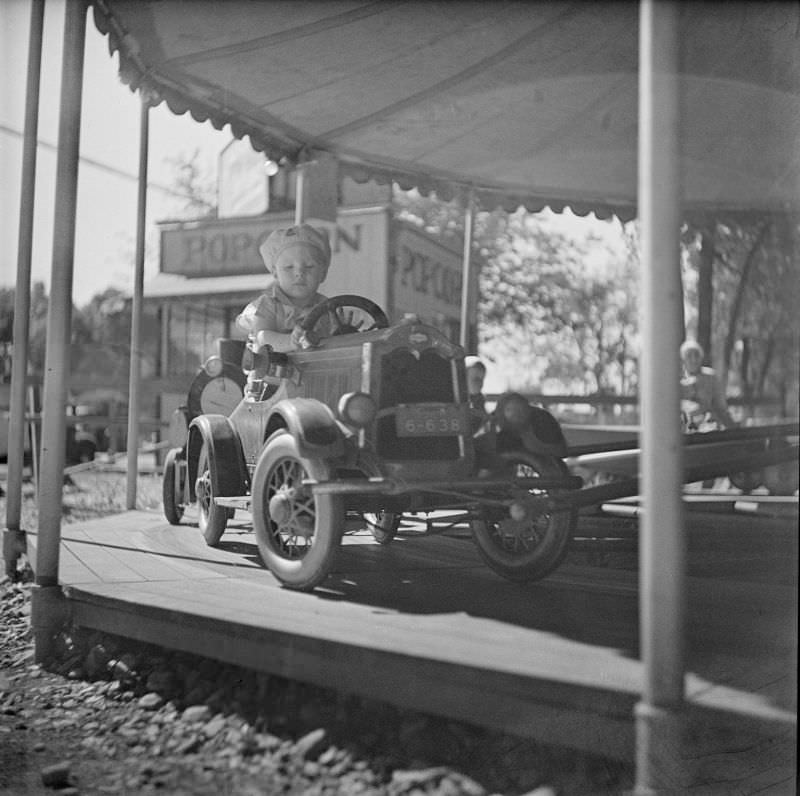
Amusement parks and carousels offered a rare treat for children lucky enough to visit them. A ride in a small toy car on a carousel was a genuine thrill — the kind of moment a child would talk about for days afterward. These outings were not everyday events but special occasions that stood out sharply against the routine of farm chores and school lessons.
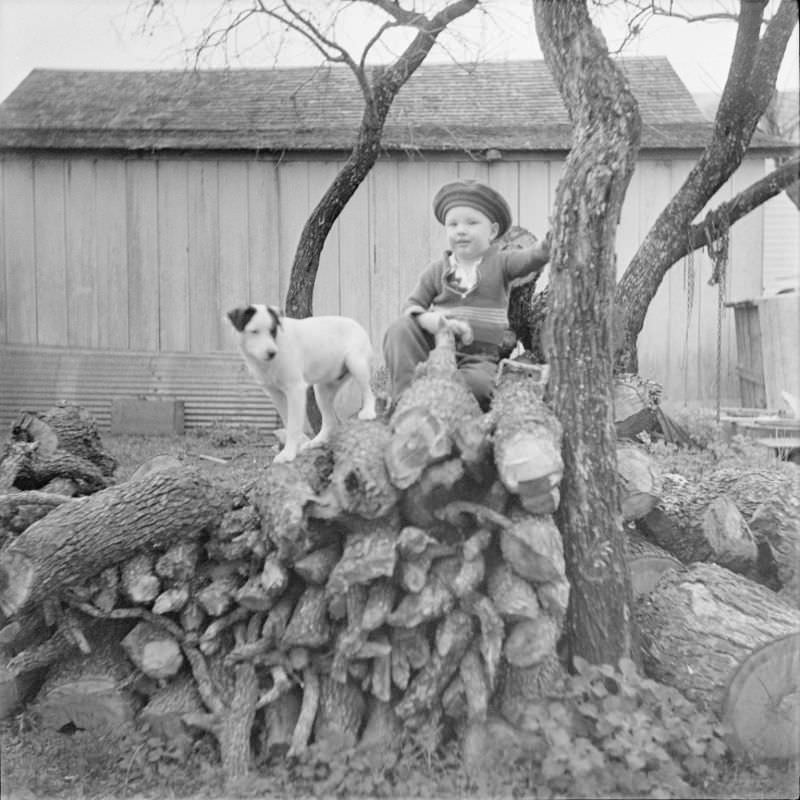
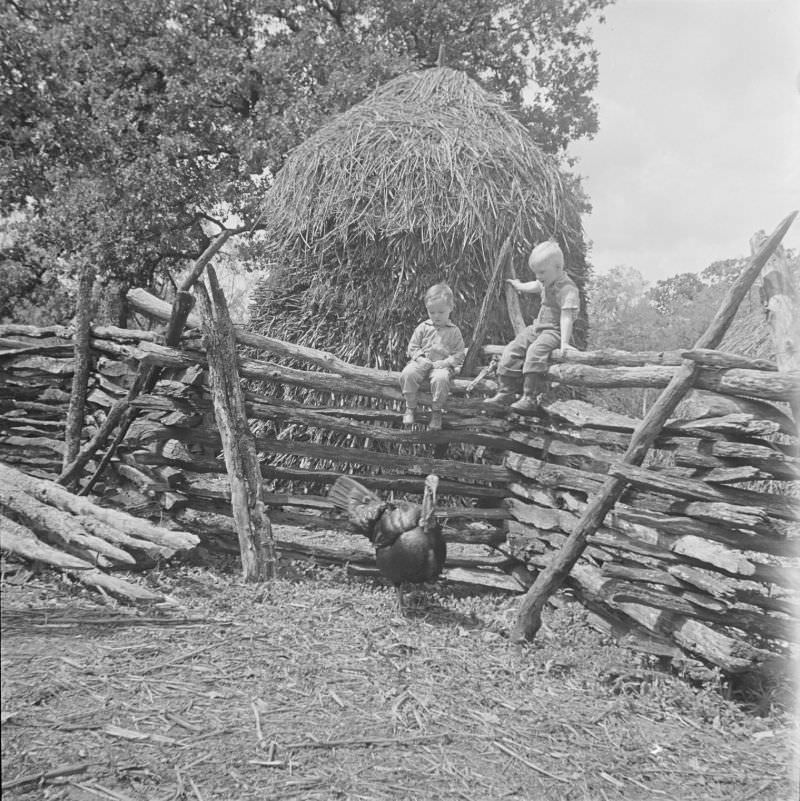
Dogs appeared constantly in the lives of 1930s children. They weren’t just pets — they were working animals, companions on errands, and playmates rolled into one. A boy hauling wood or sitting on a fence was rarely without a dog close by. These animals were woven into the texture of daily rural life.
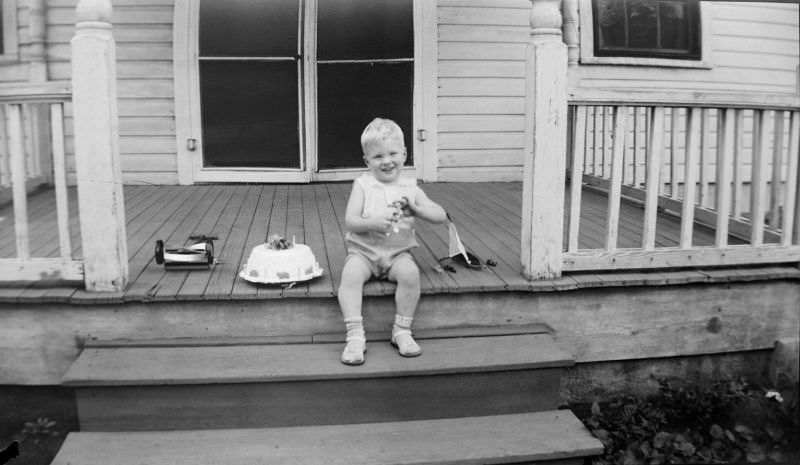
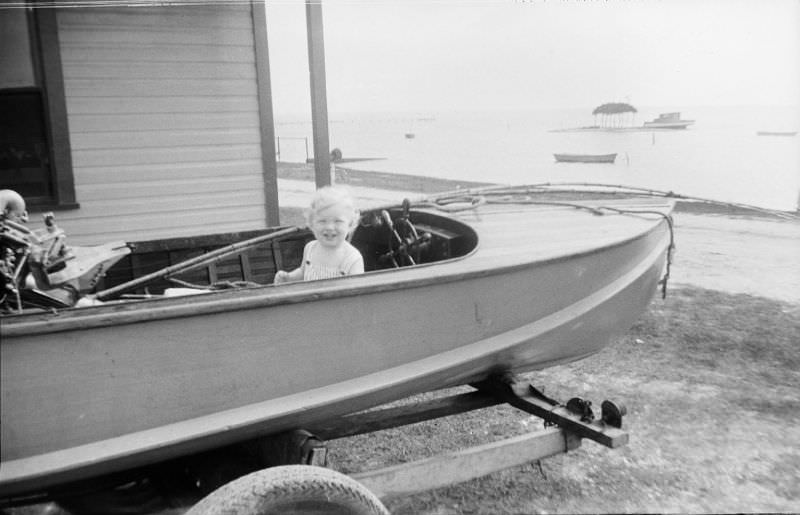
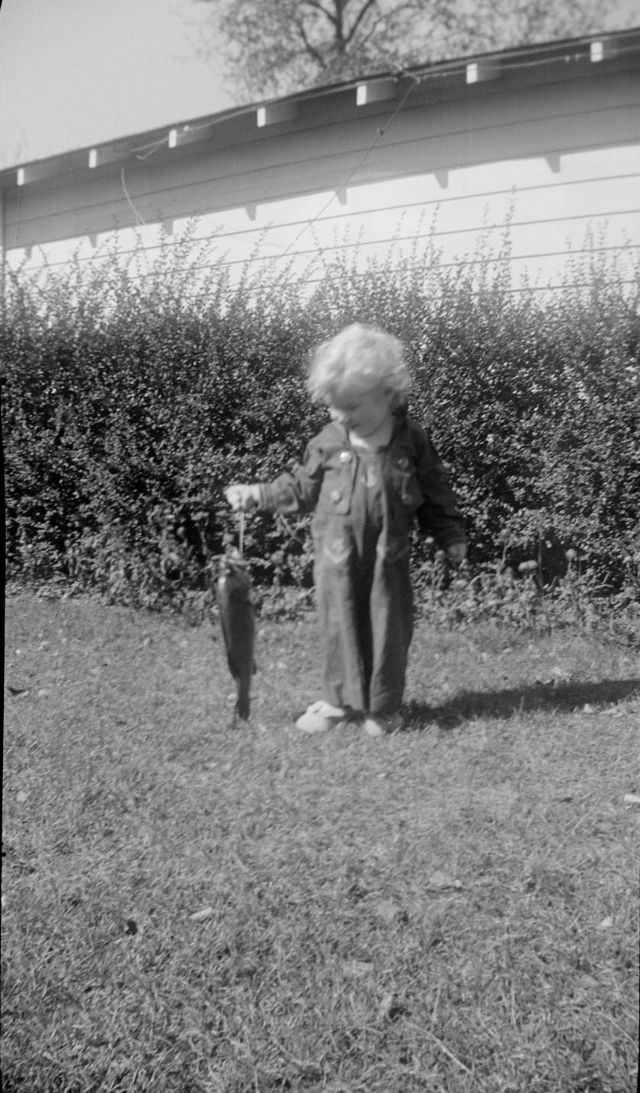
Fishing trips often produced impressive results. Boys would proudly lay out their catches in the grass for a photograph — a row of fish representing both a successful outing and a contribution to the family’s food supply. These images show that even in lean years, children found real satisfaction in what they could catch, build, or grow.
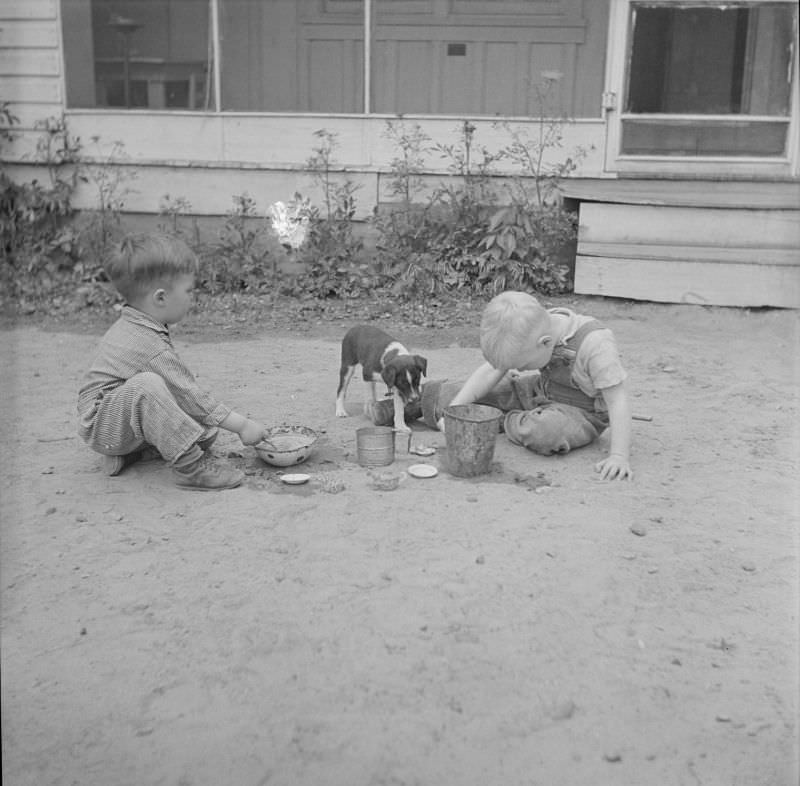
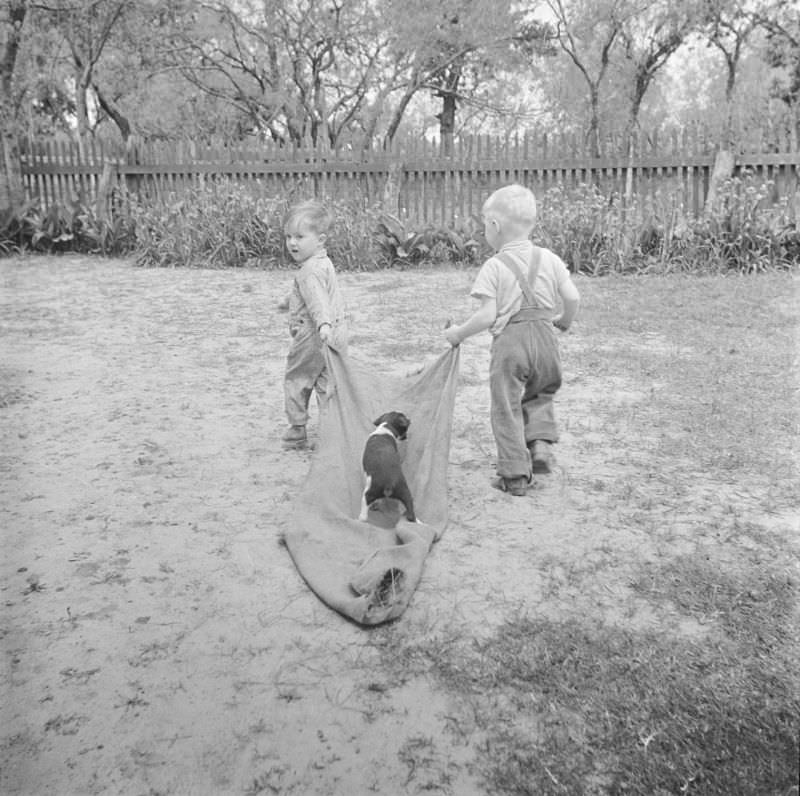
Siblings and neighborhood children worked and played together constantly. Hauling wood, watching over animals, or simply spending time outdoors — these activities were shared experiences. Company made the chores lighter and the play more fun. A wagon full of firewood became an adventure when two boys were pushing it together.
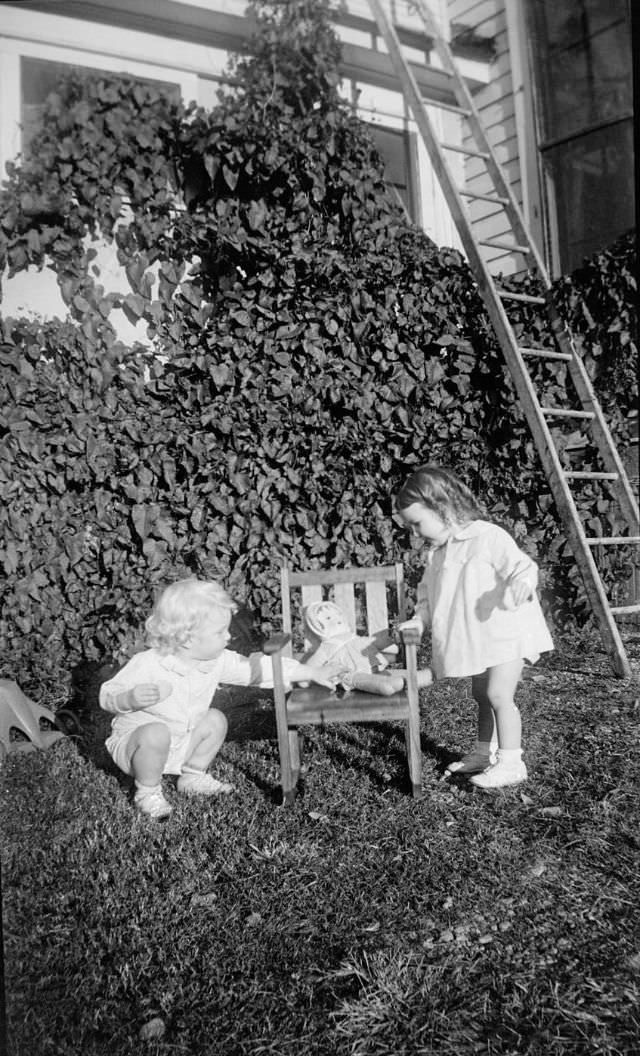
Girls, too, had their place in this world. While boys more often appear in photographs tied to farm work and outdoor adventure, girls participated in their own forms of play. Dolls and dollhouses were among the most common toys, and a small chair set up outdoors with a doll placed just so was a scene that played out in backyards across the country.