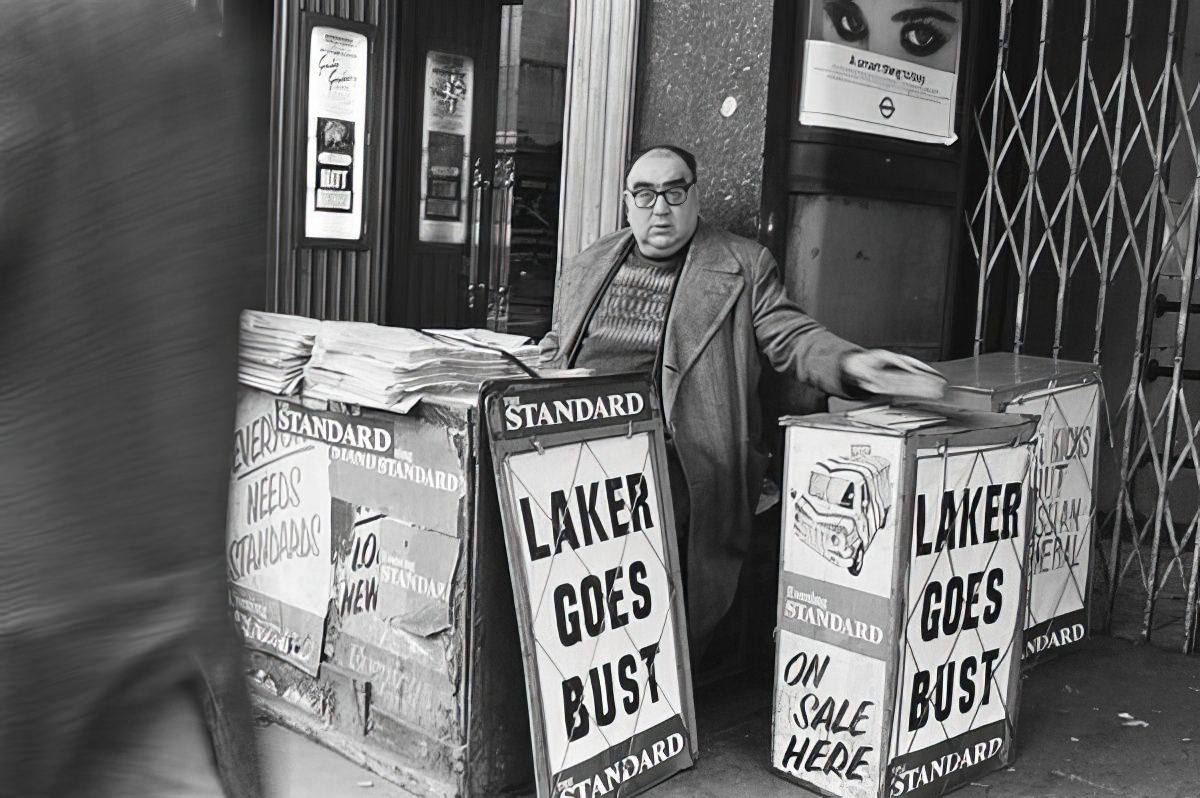
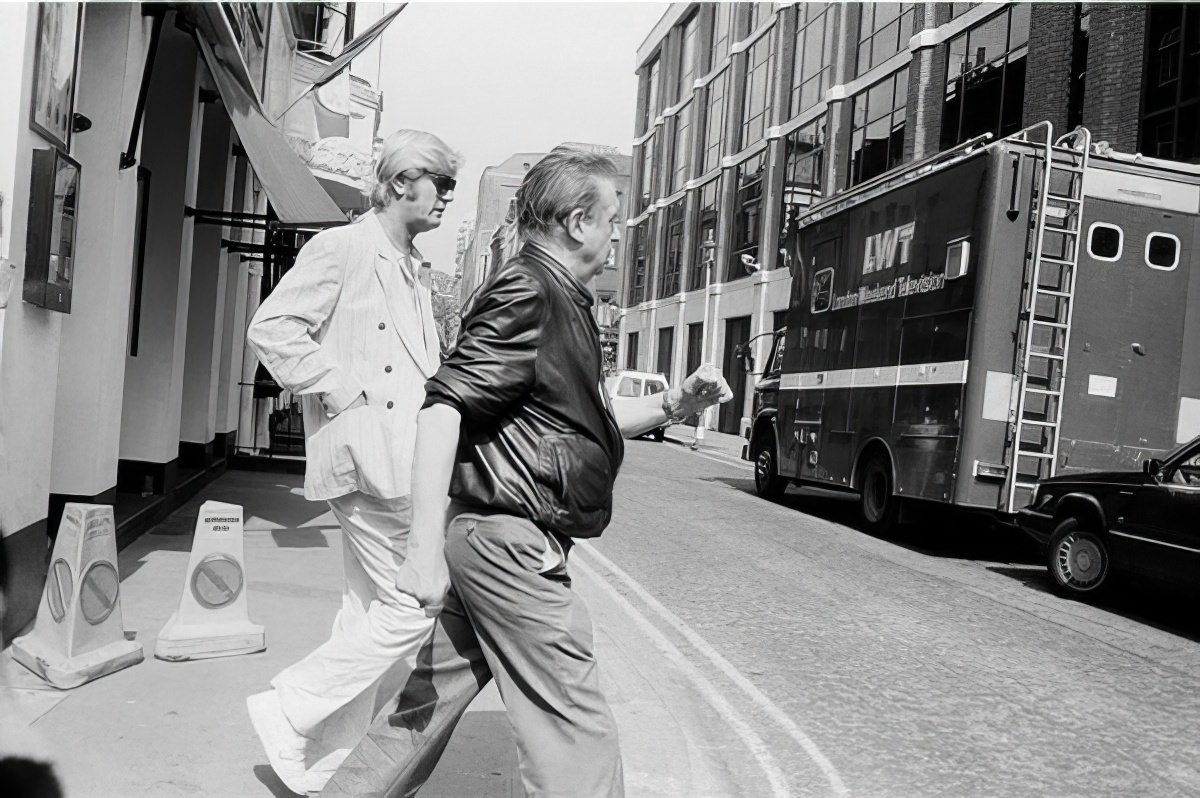
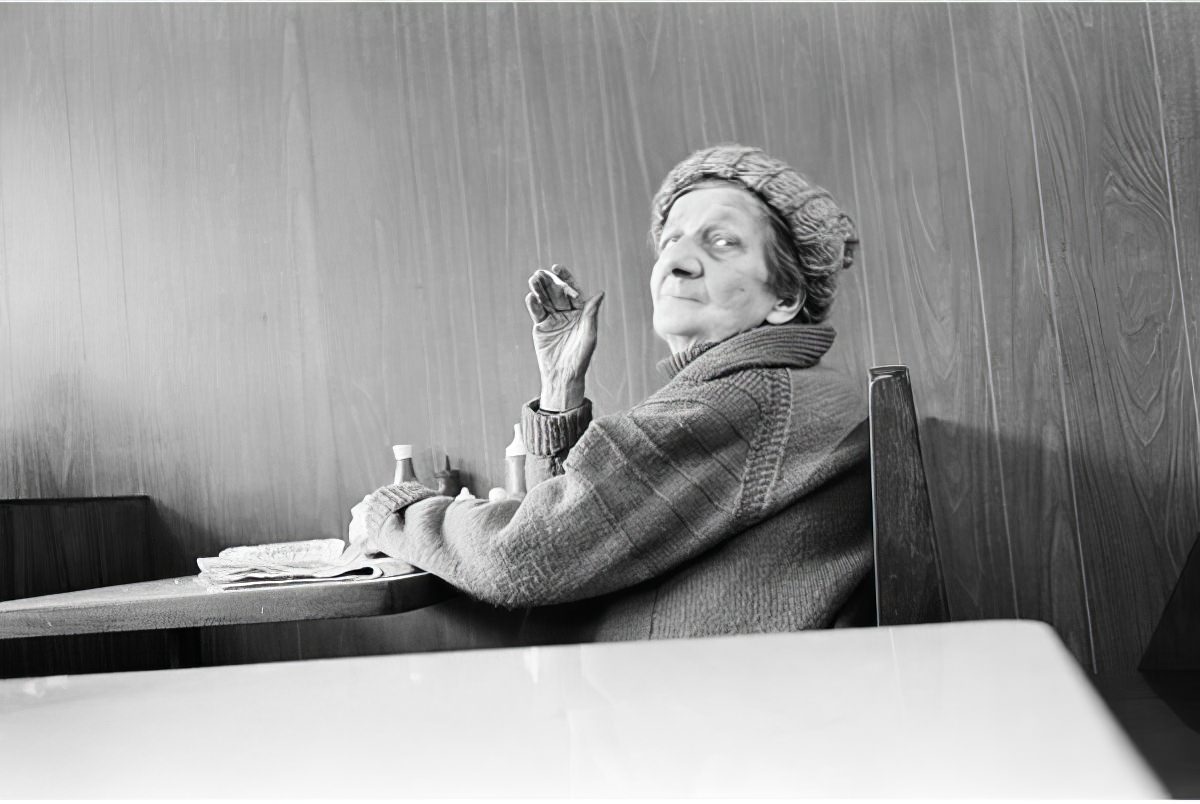
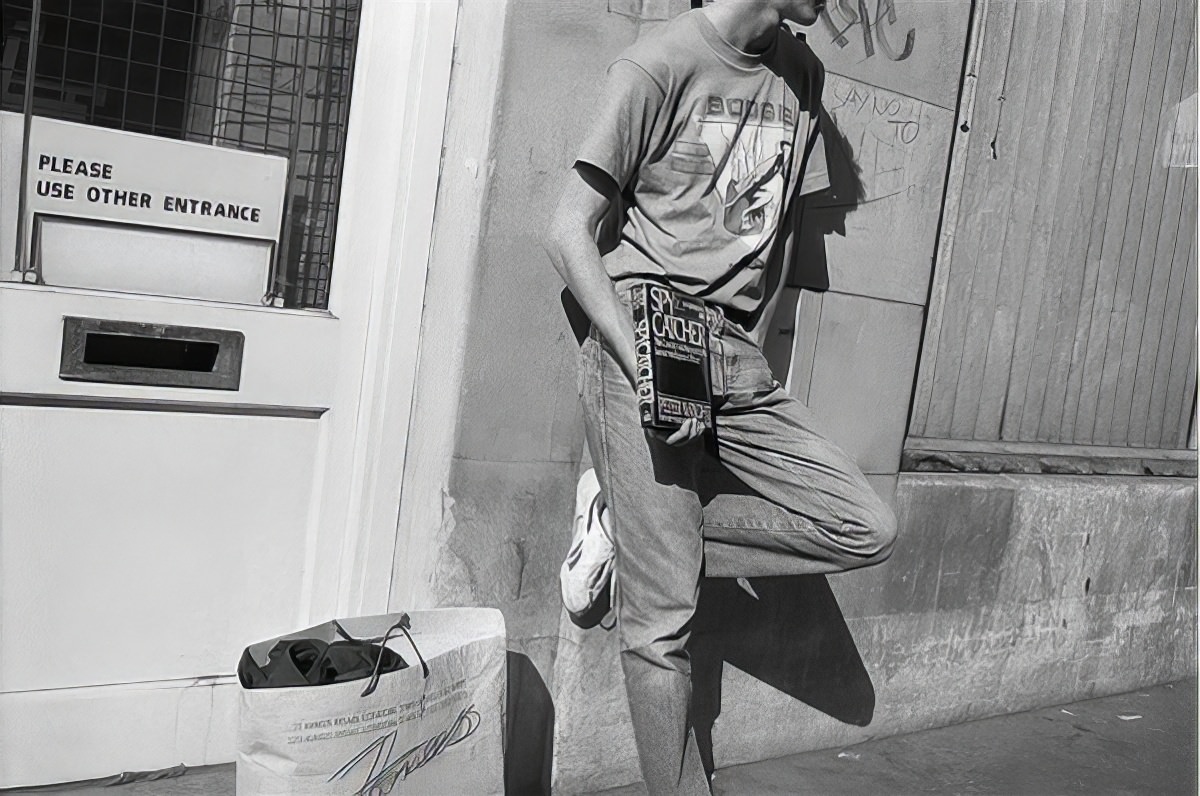
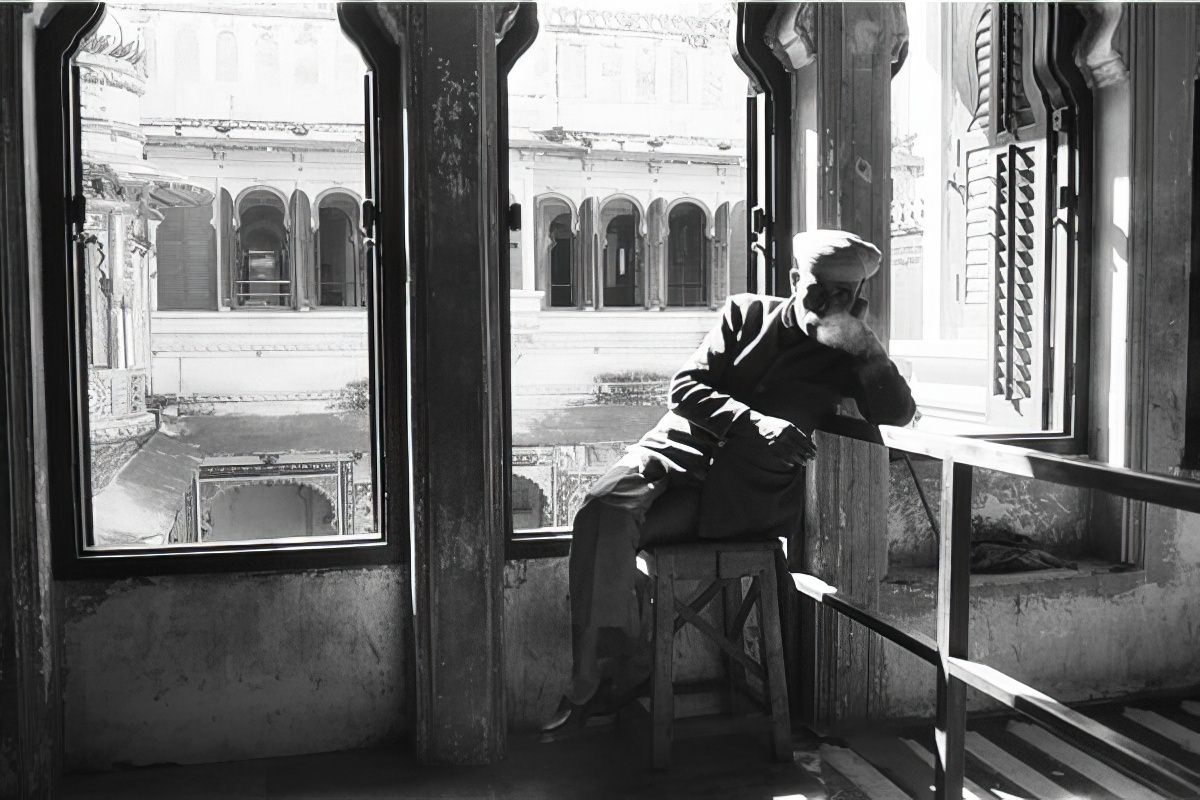
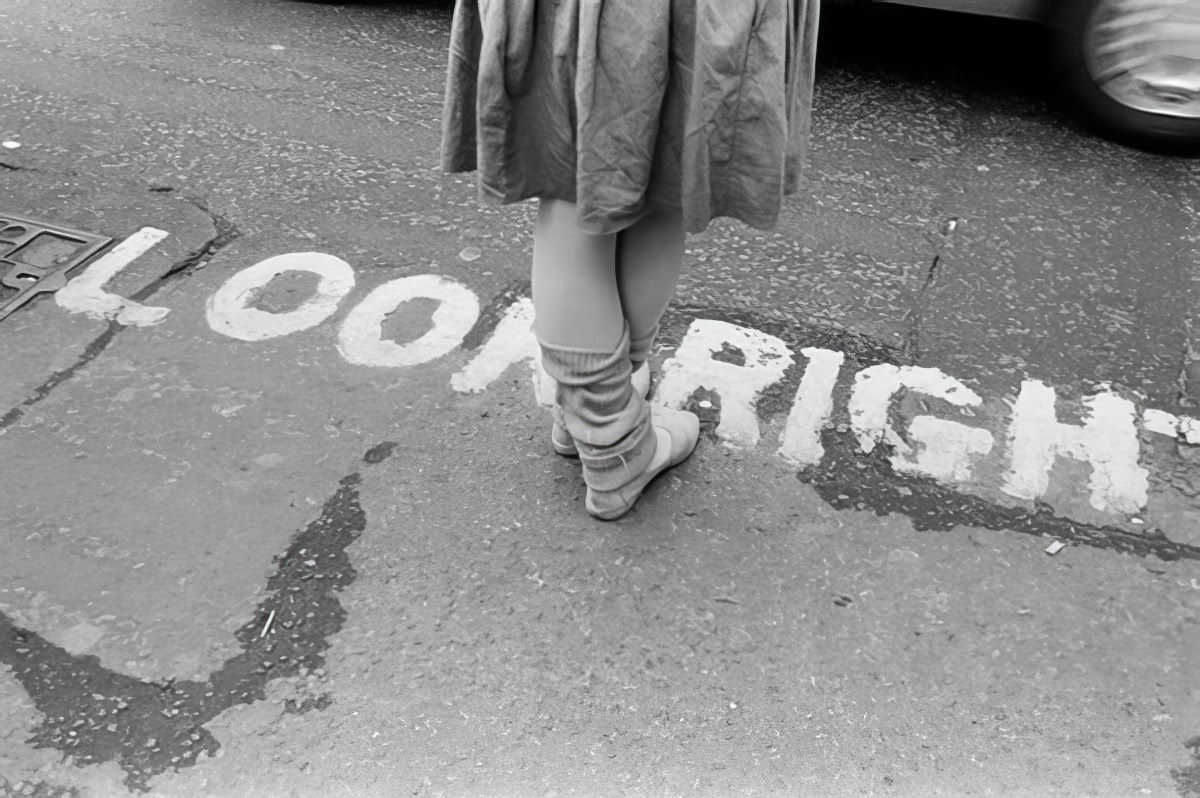
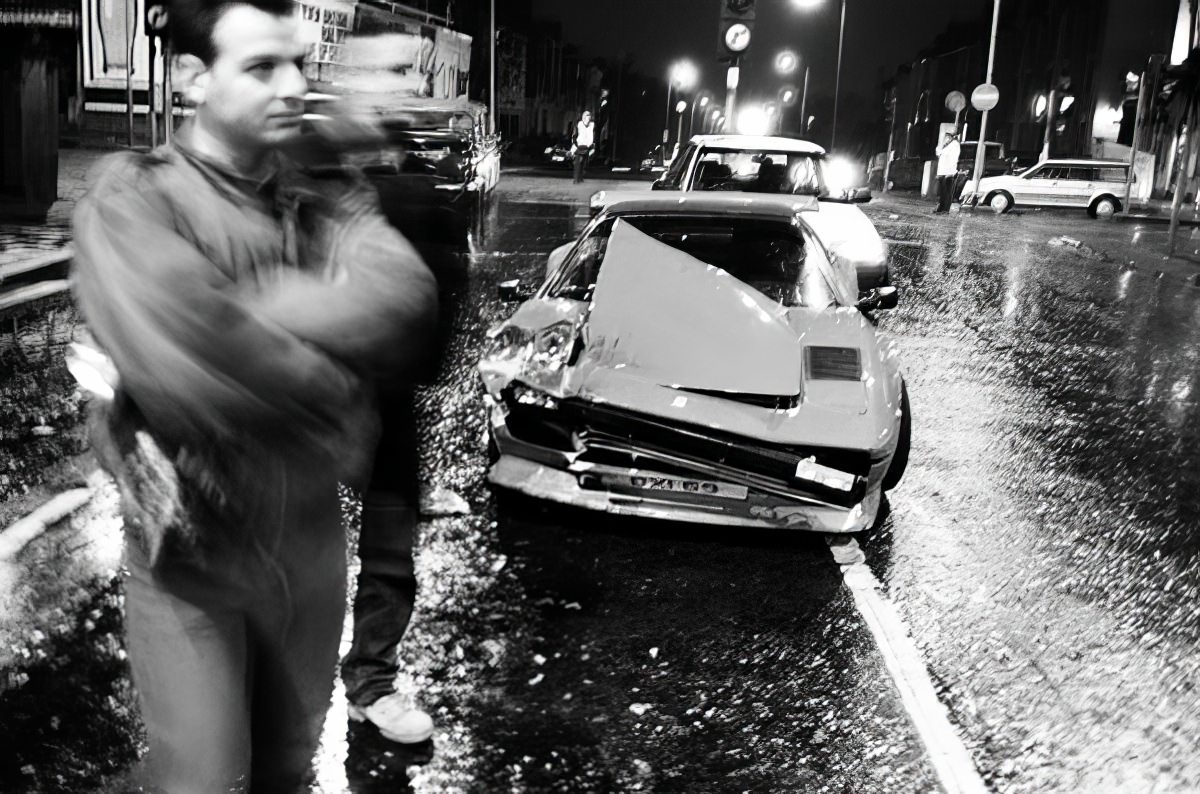
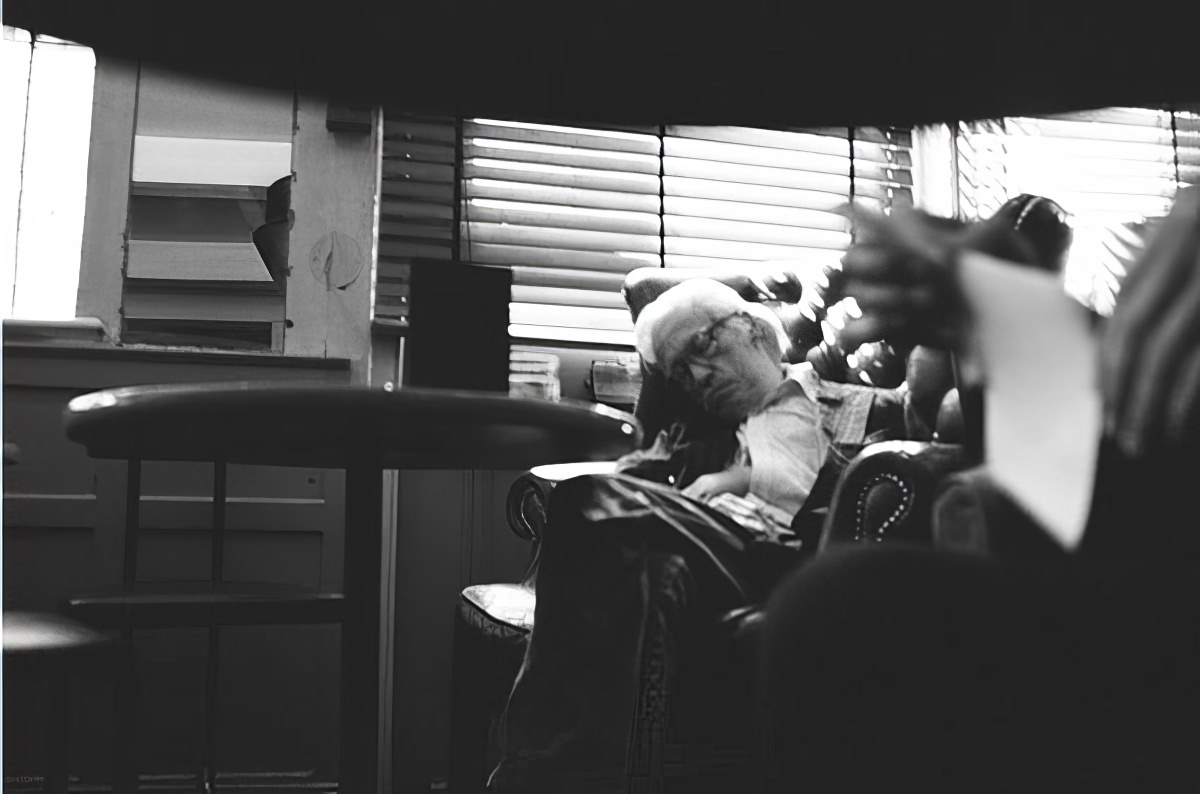
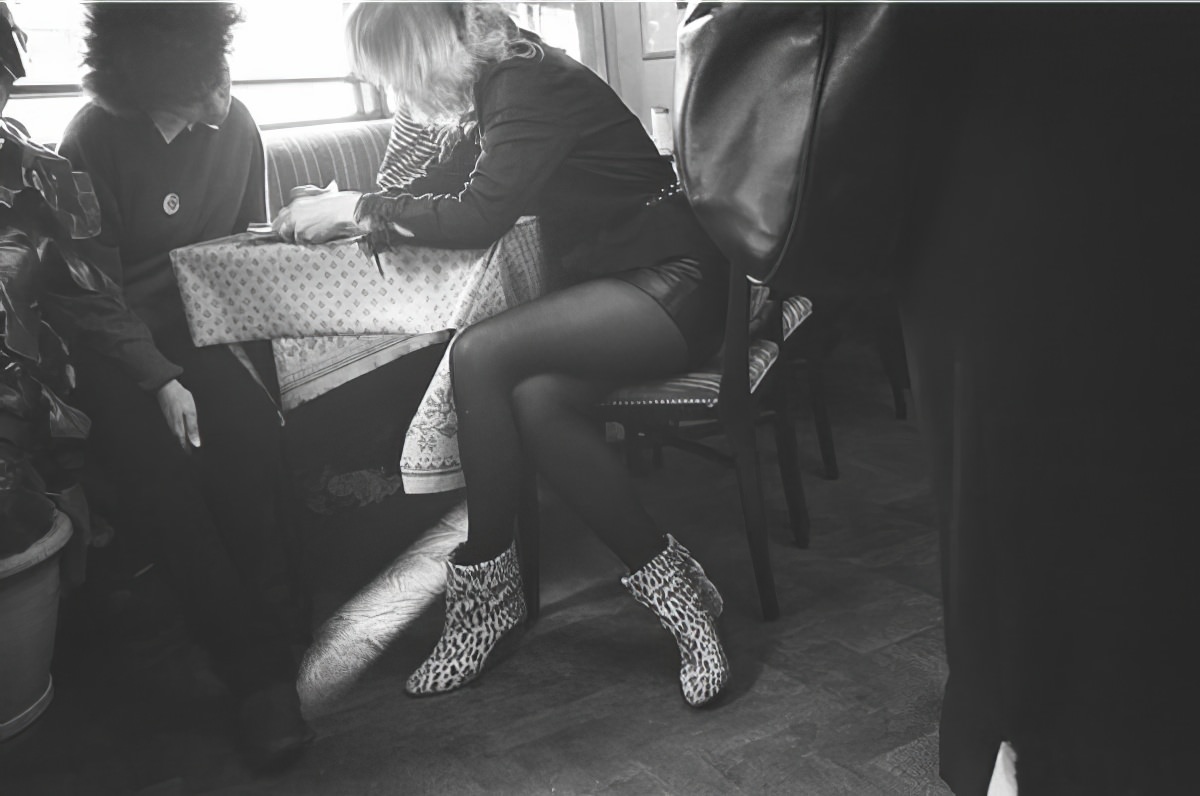
Johnny Stiletto walked the streets of 1980s London with a 35mm camera and a sharp eye. He never posed his subjects or staged a scene. He simply moved through the city and shot what he found — unfiltered, unplanned, and entirely real.
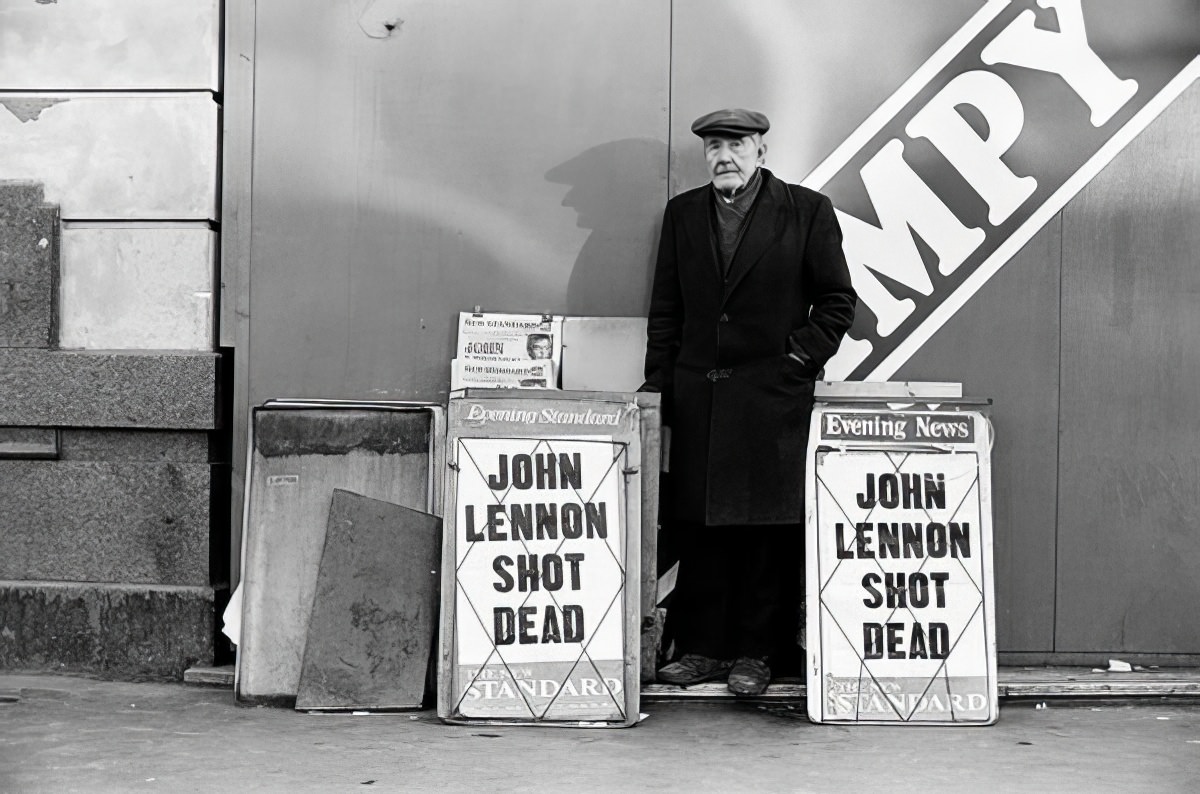
London in the ’80s was a city bursting with distinct tribes. Punks wore studded leather jackets and towering mohawks. Mods turned up in sharp suits alongside their scooters. New Romantics painted on heavy makeup and layered themselves in ruffled shirts. Each group staked its identity loudly and visually.
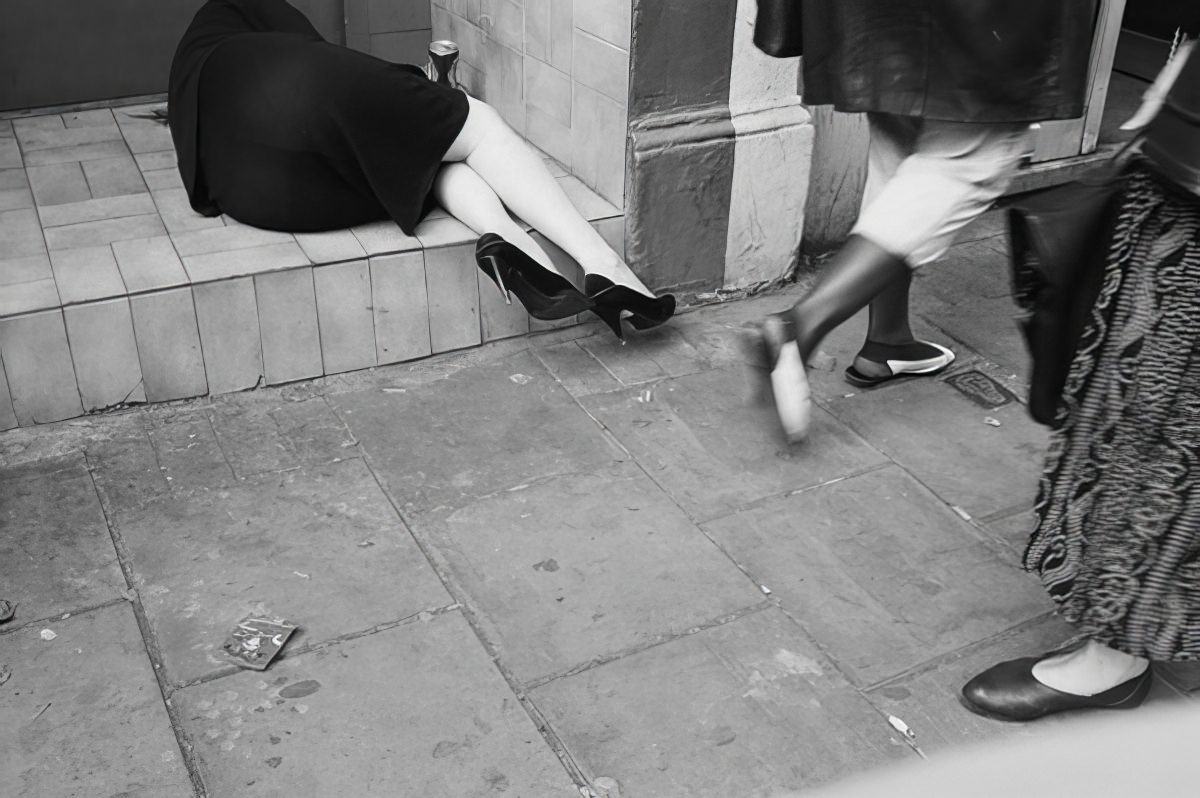
Hair was its own form of protest. Bouffants, gravity-defying spikes, and feathered mullets filled the streets. A haircut wasn’t just a style — it was a declaration. Stiletto’s photos preserve this era of hair-as-art in dozens of candid frames.
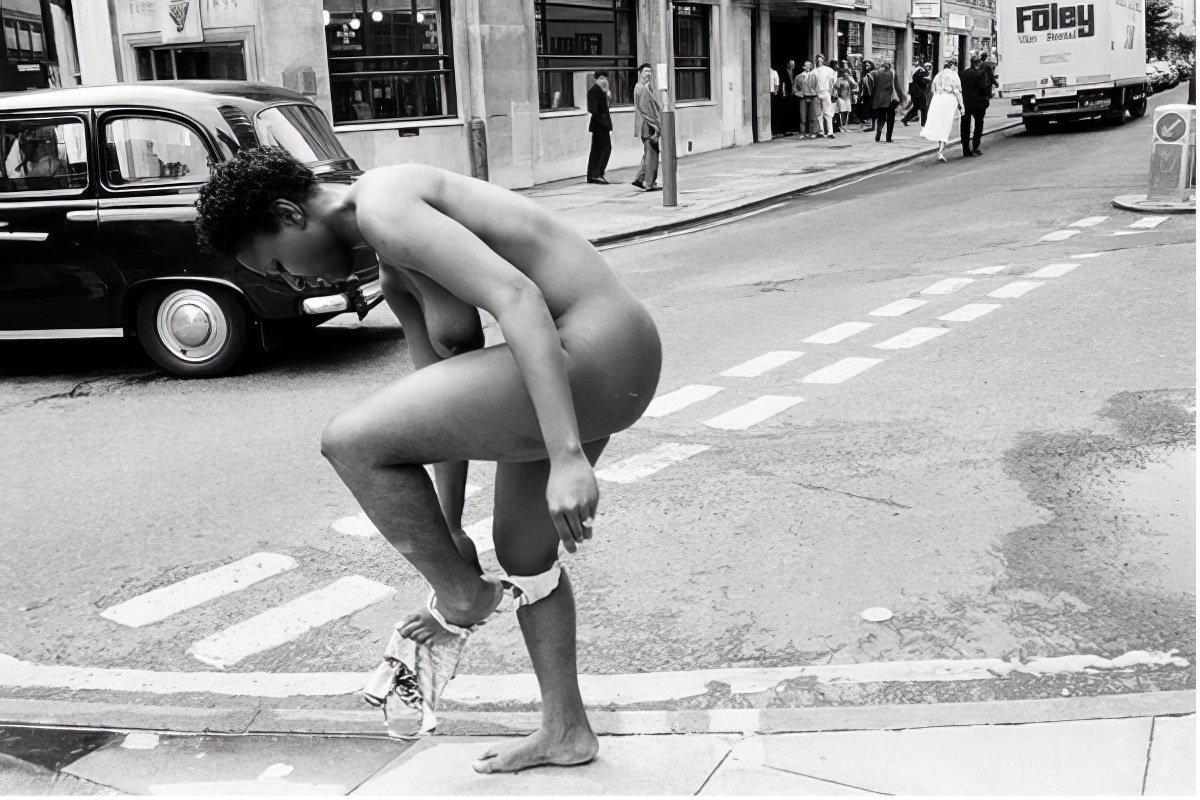
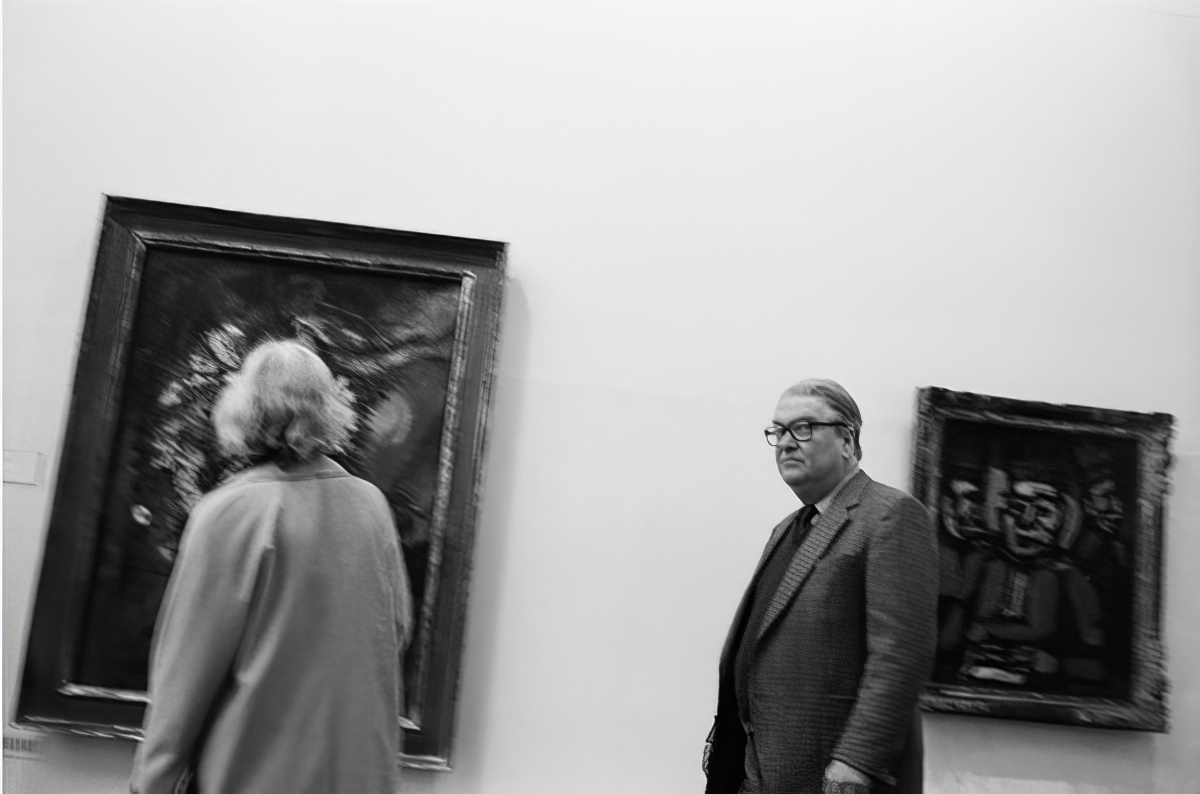
Street markets buzzed with vendors and buskers. Graffiti covered the walls of underpasses and back alleys, marking the territory of a thriving underground art scene. Stiletto caught all of it — the noise, the colour, the clutter of everyday London life.
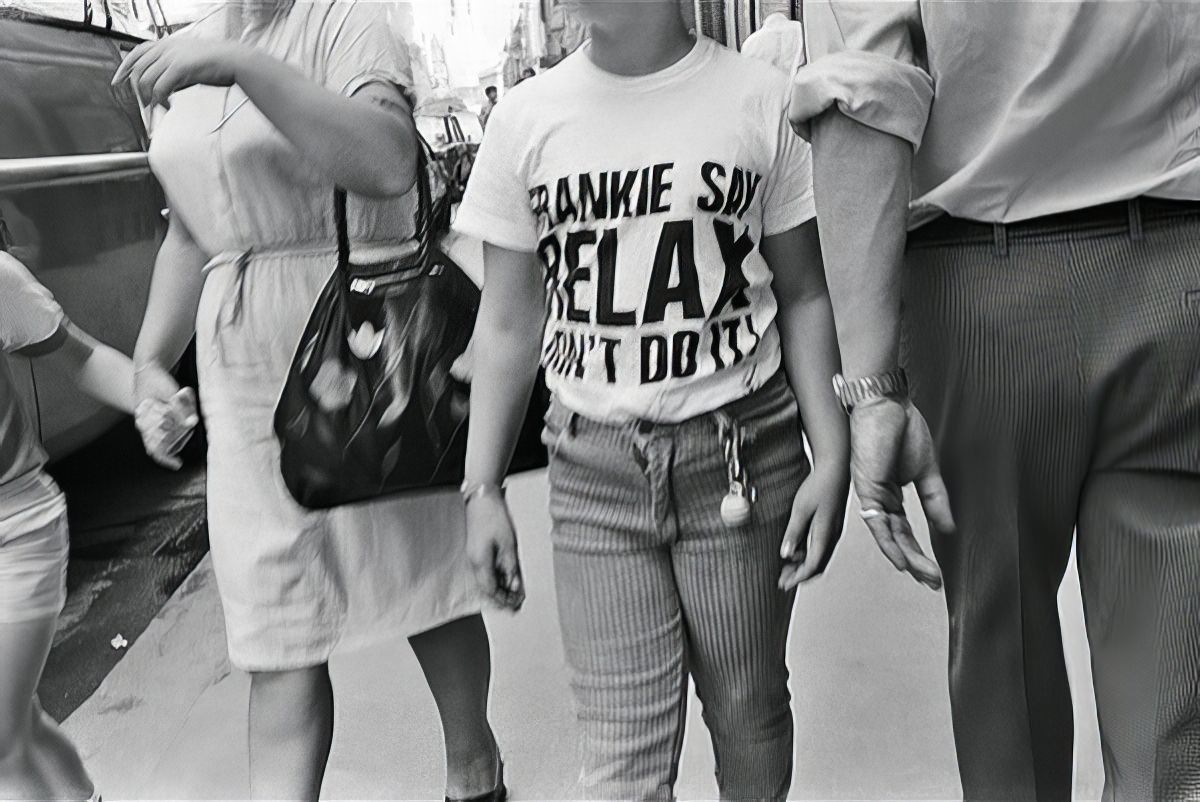
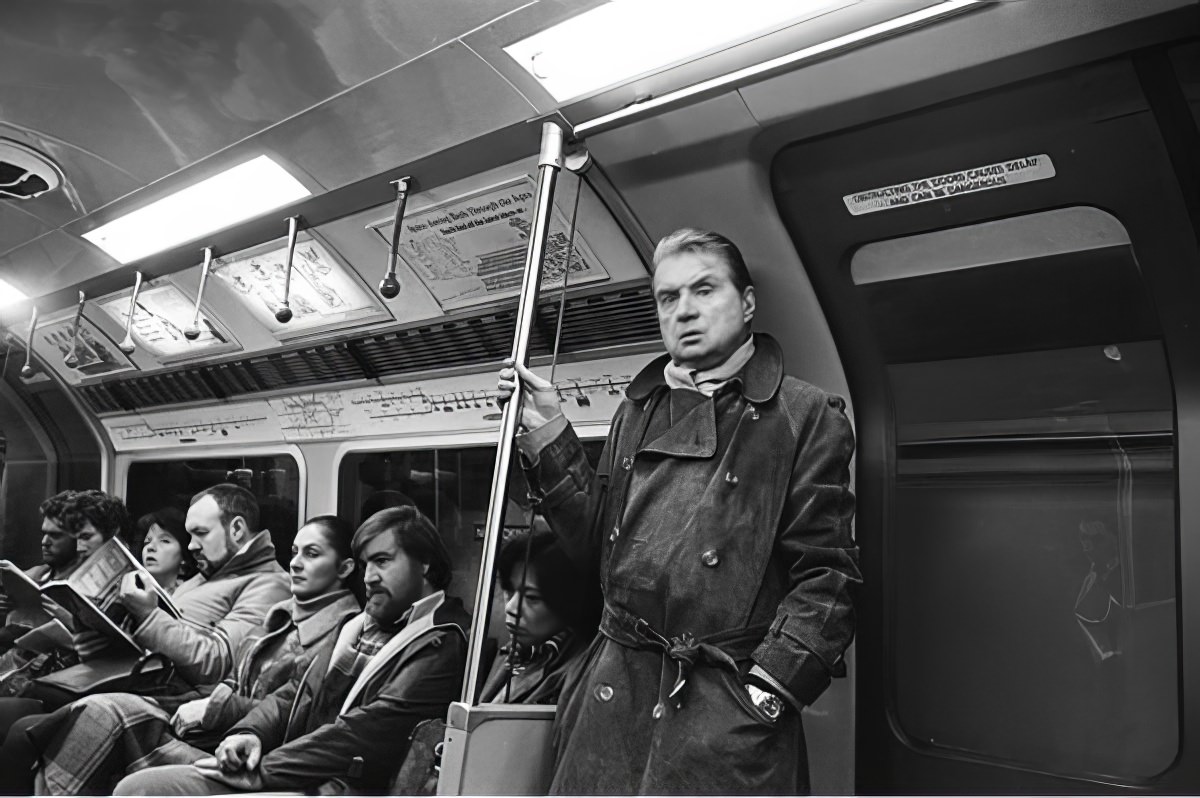
Politics spilled onto the streets too. Rallies and protests drew crowds, and Stiletto was there with his camera, capturing the tension and energy of a city with strong opinions and little interest in staying quiet.
Covent Garden tells its own story in Stiletto’s work. Once a working fruit and vegetable market, it was transforming into a hub for shopping, street performance, and nightlife. The change was visible block by block.
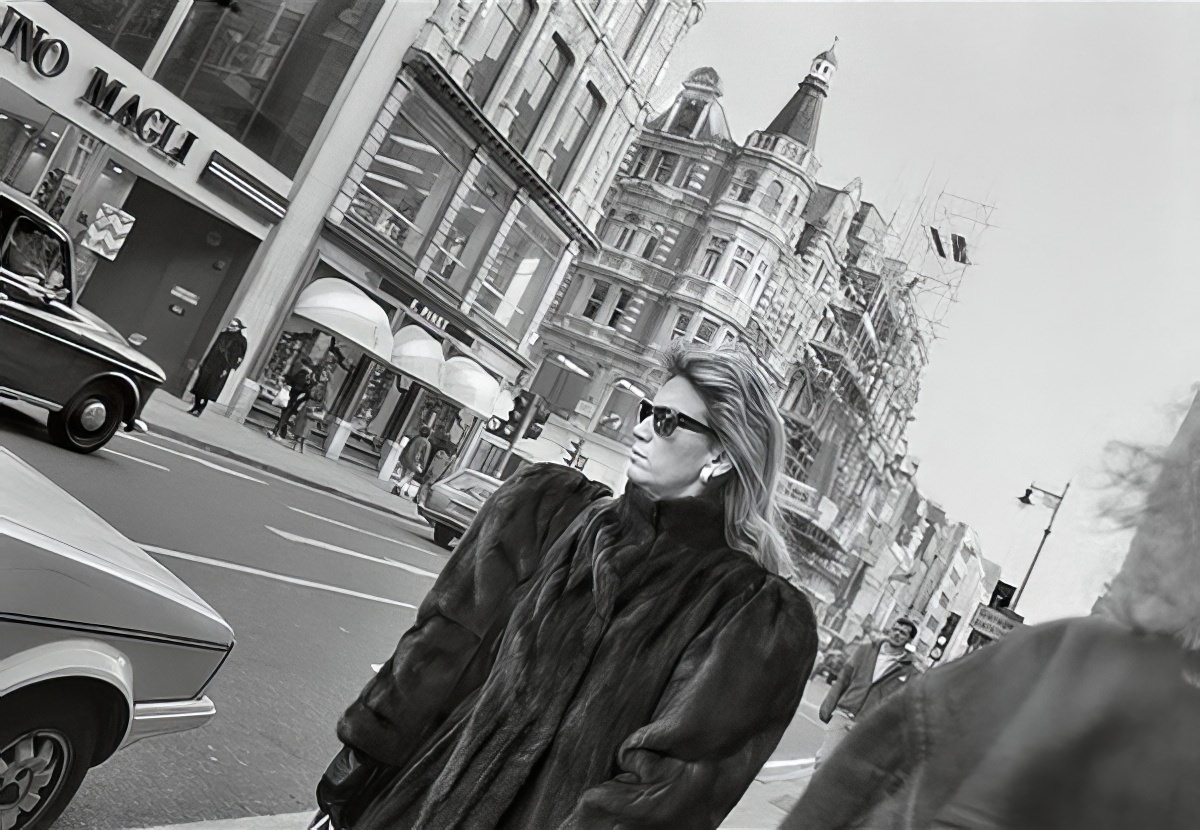
Alongside the punks and the protesters, a new type was emerging: the yuppie. Young urban professionals in sharp coats and briefcases were reshaping London’s relationship with money and ambition. Stiletto photographed them too, without judgment, as just another piece of the city.