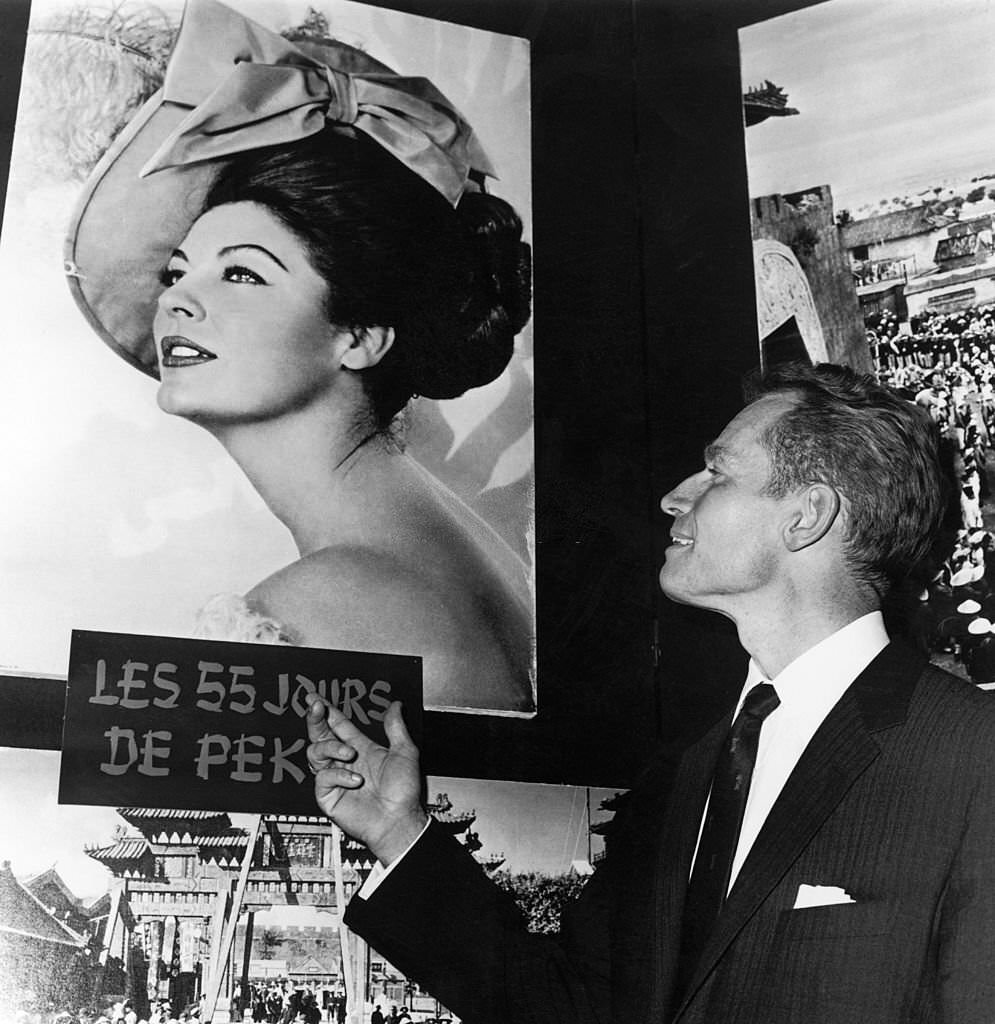
Released in 1963, 55 Days at Peking is a sprawling historical war film set during the Boxer Rebellion in China, which ran from 1899 to 1901. The story centers on the siege of the foreign legations’ quarter in Peking — the city now known as Beijing — when Boxer forces, backed by imperial Chinese power, attempted to drive out Western diplomats, soldiers, and civilians trapped behind fortified walls. Producer Samuel Bronston brought the film to Allied Artists, with a screenplay credited to Philip Yordan and Bernard Gordon, though Robert Hamer, Julian Halevy, and Ben Barzman also contributed without screen credit.
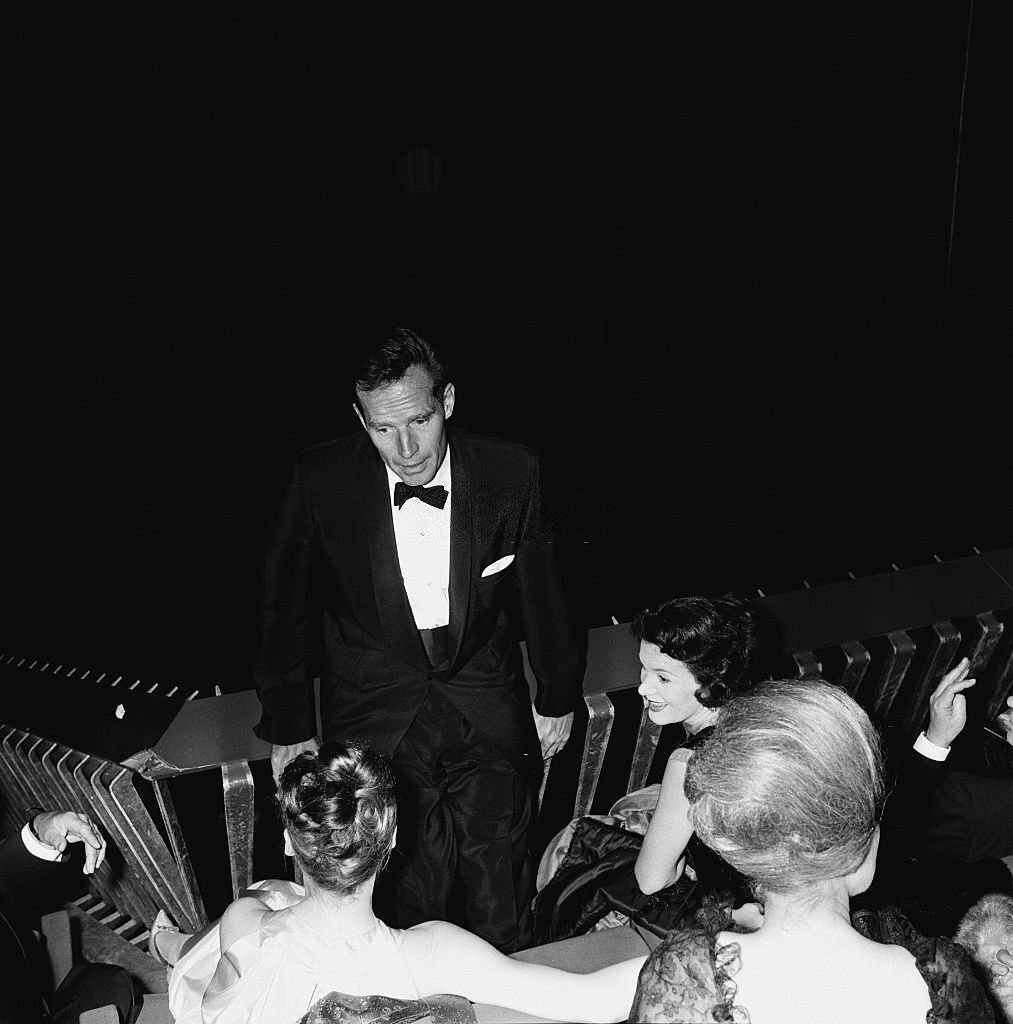
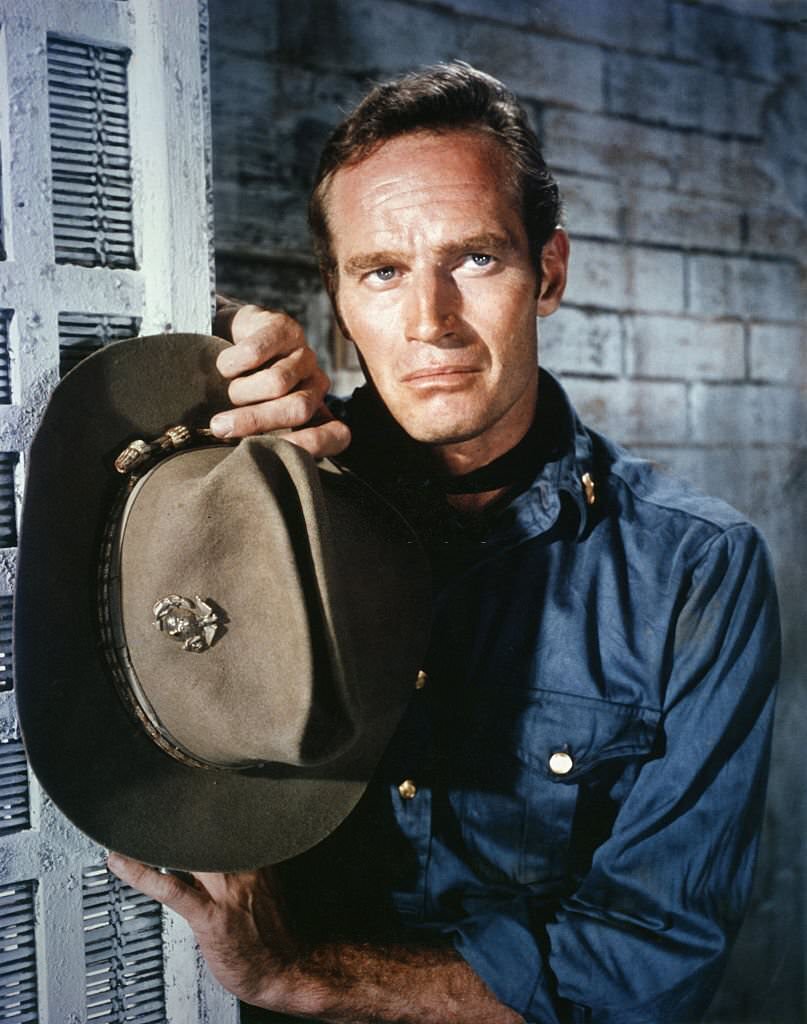
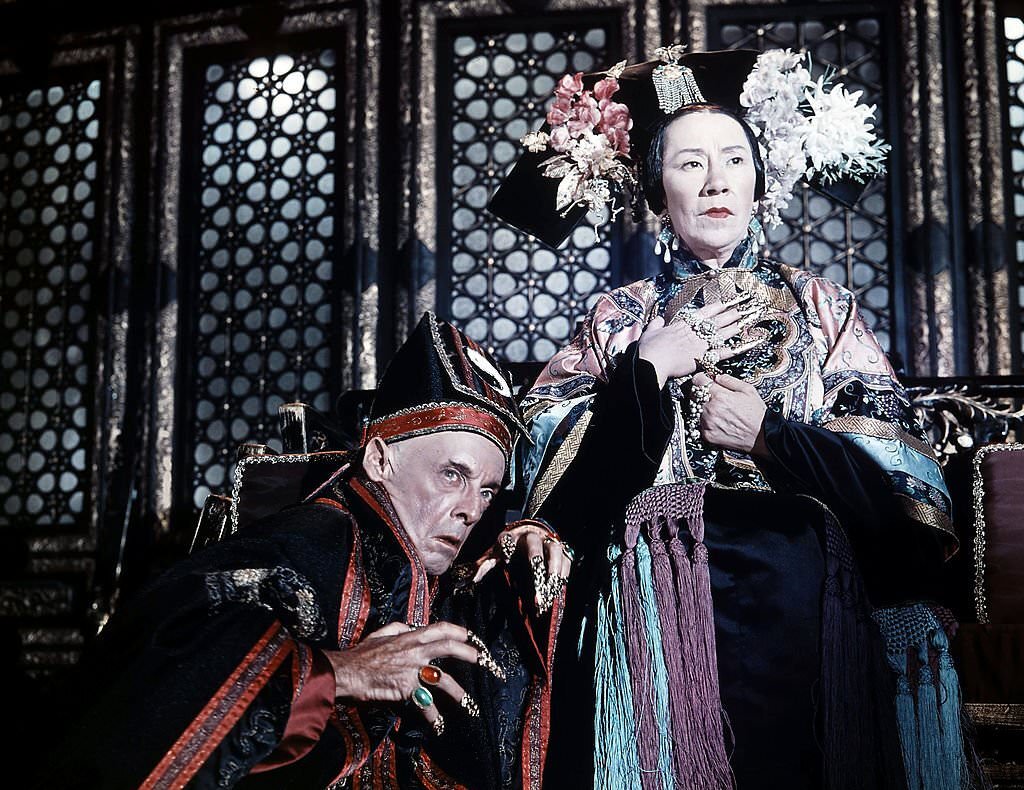
Charlton Heston took the lead role of Major Matt Lewis, the commander of U.S. Marines stationed in Peking. David Niven played Sir Arthur Robertson, the British ambassador holding the legation quarter together through diplomacy and grit. On the Chinese side, Flora Robson portrayed the Dowager Empress Tzu-Hsi, while Robert Helpmann played the scheming, anti-foreign Prince Tuan. Leo Genn appeared as the more moderate General Jung-Lu, who sought accommodation rather than conflict with the Western powers.
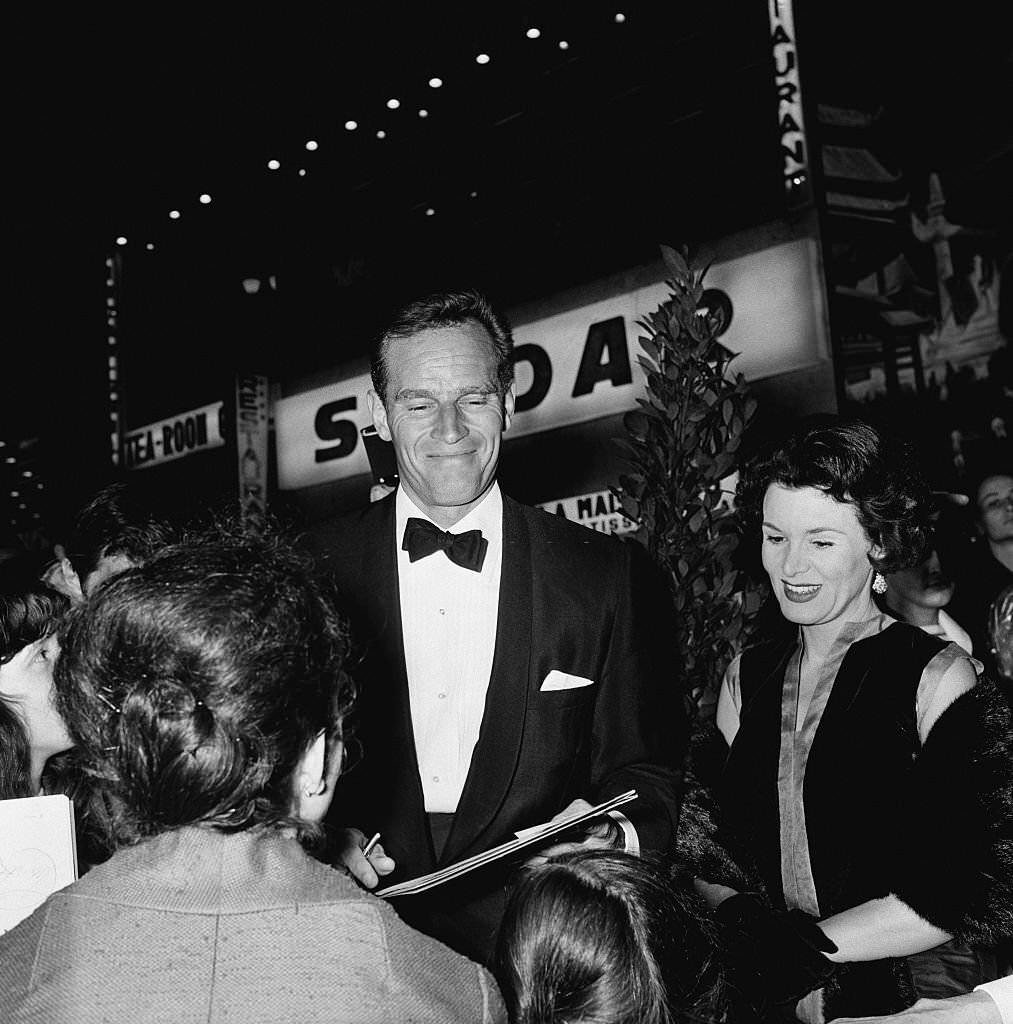
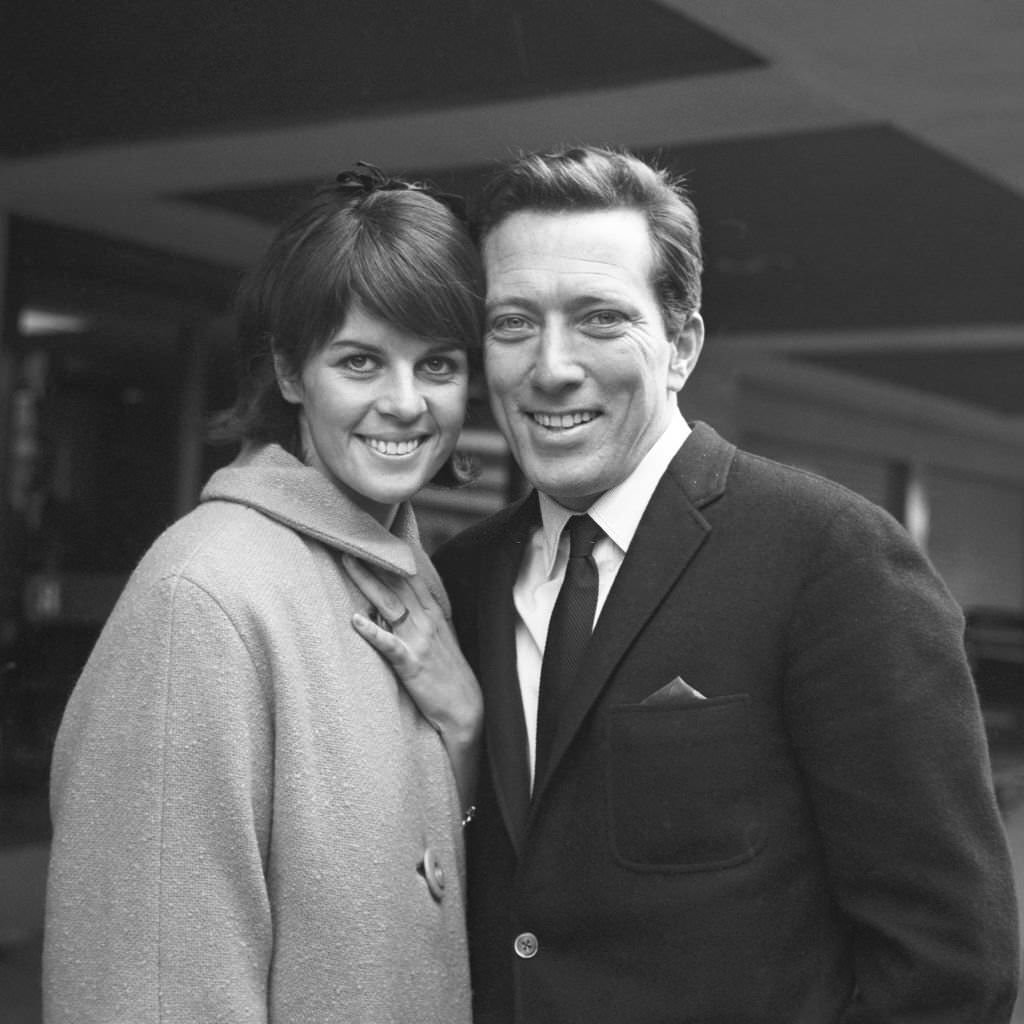
The London premiere drew notable guests from outside the film world as well. Andy Williams, who sang the film’s theme tune, flew in from Paris with his wife Claudine specifically to attend the event.
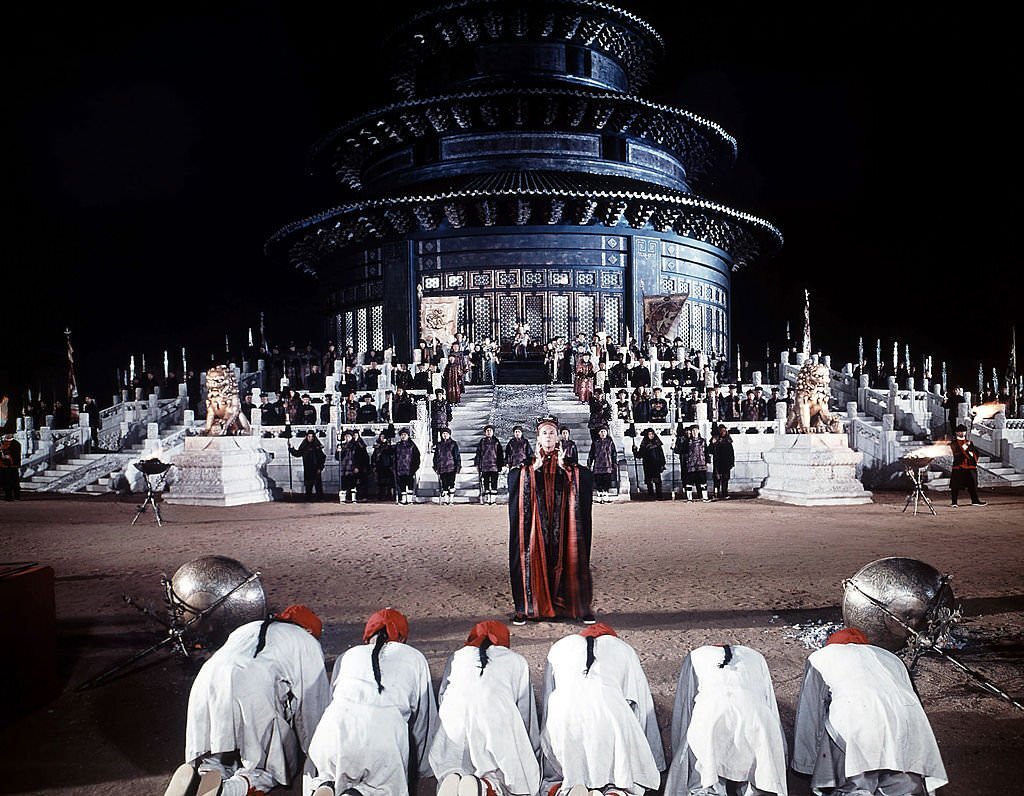
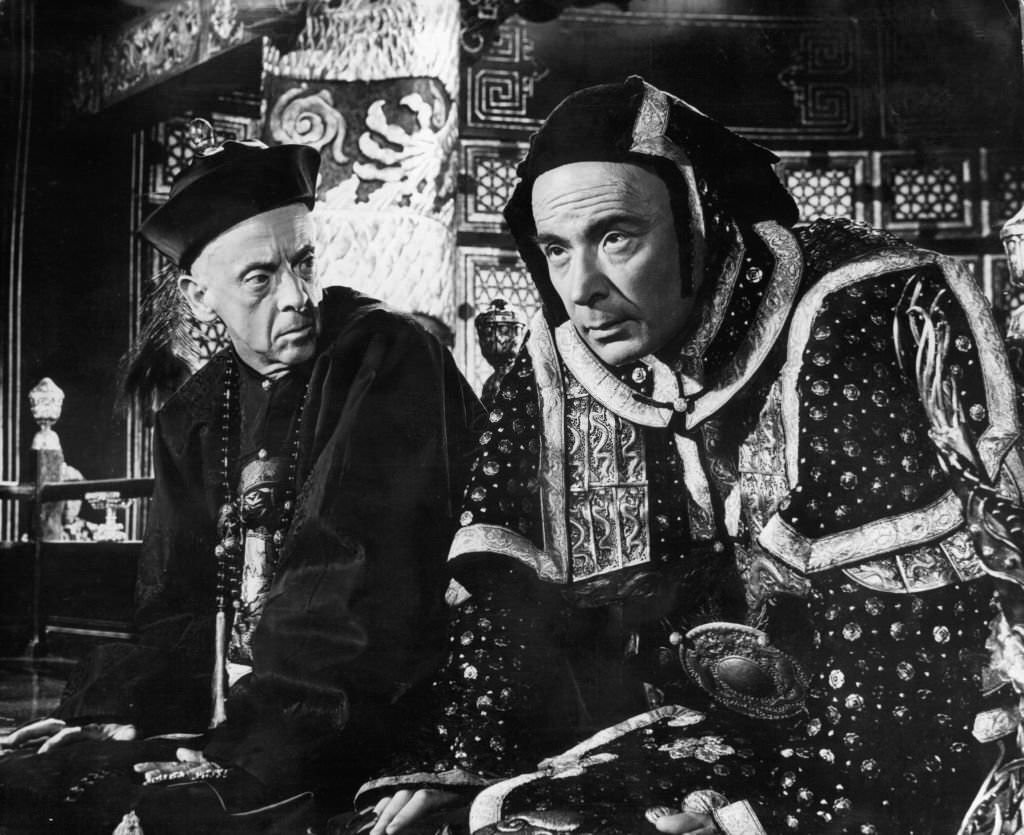
Robert Helpmann’s portrayal of Prince Tuan gave the film one of its most menacing figures. As the chief instigator of hostility toward foreign nationals, Prince Tuan is shown conducting ceremonies and pushing the Dowager Empress toward open conflict. His scenes with Flora Robson gave the Chinese court sequences a theatrical tension that balanced the battlefield action elsewhere in the film.
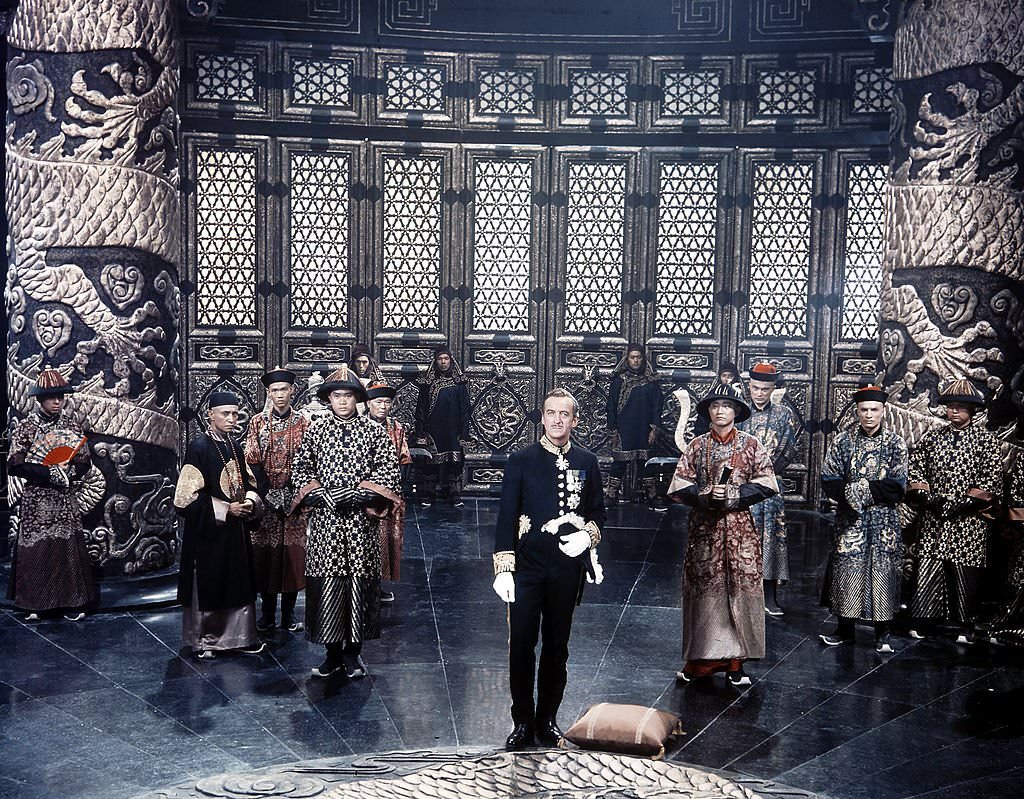
David Niven’s Sir Arthur Robertson serves as the film’s moral anchor on the Western side. His character navigates the competing interests of multiple foreign powers while trying to keep the legation quarter from collapsing under the siege.
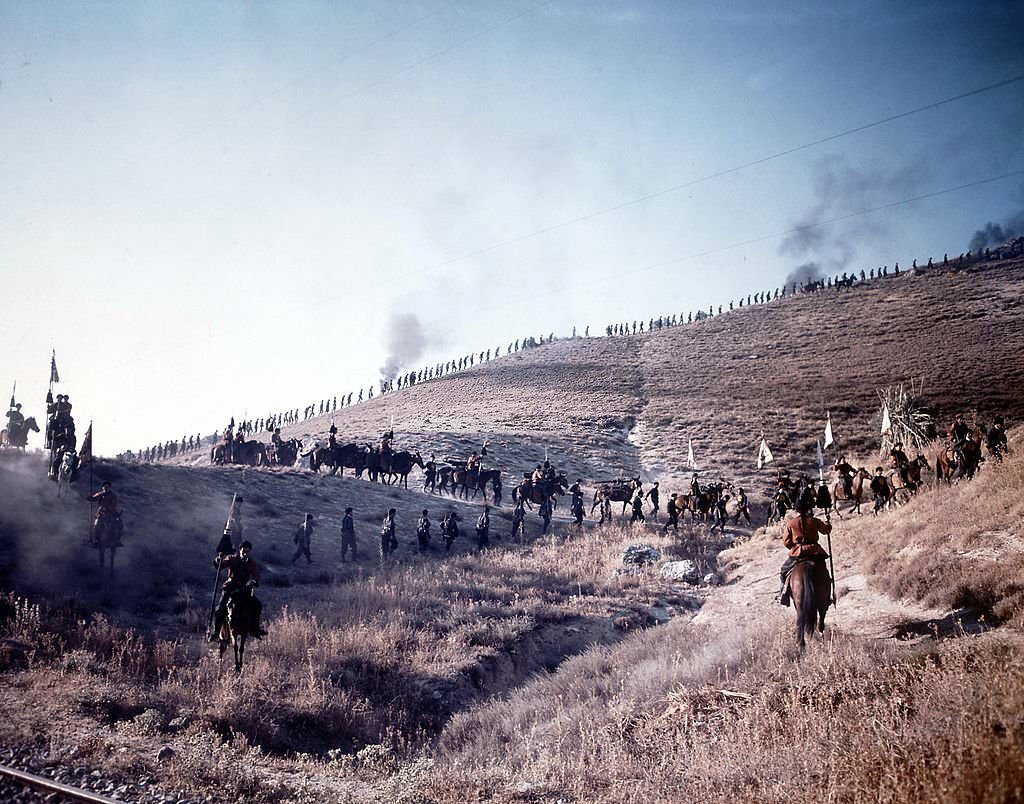
The battle sequences were staged on a massive scale. Director Nicholas Ray oversaw the construction of a full-scale recreation of the Peking Legation Quarter outside Madrid, Spain, and filmed the assault scenes with hundreds of extras. The fights depicted defenders holding fortified walls against wave after wave of Boxer attackers, with casualties mounting on both sides.
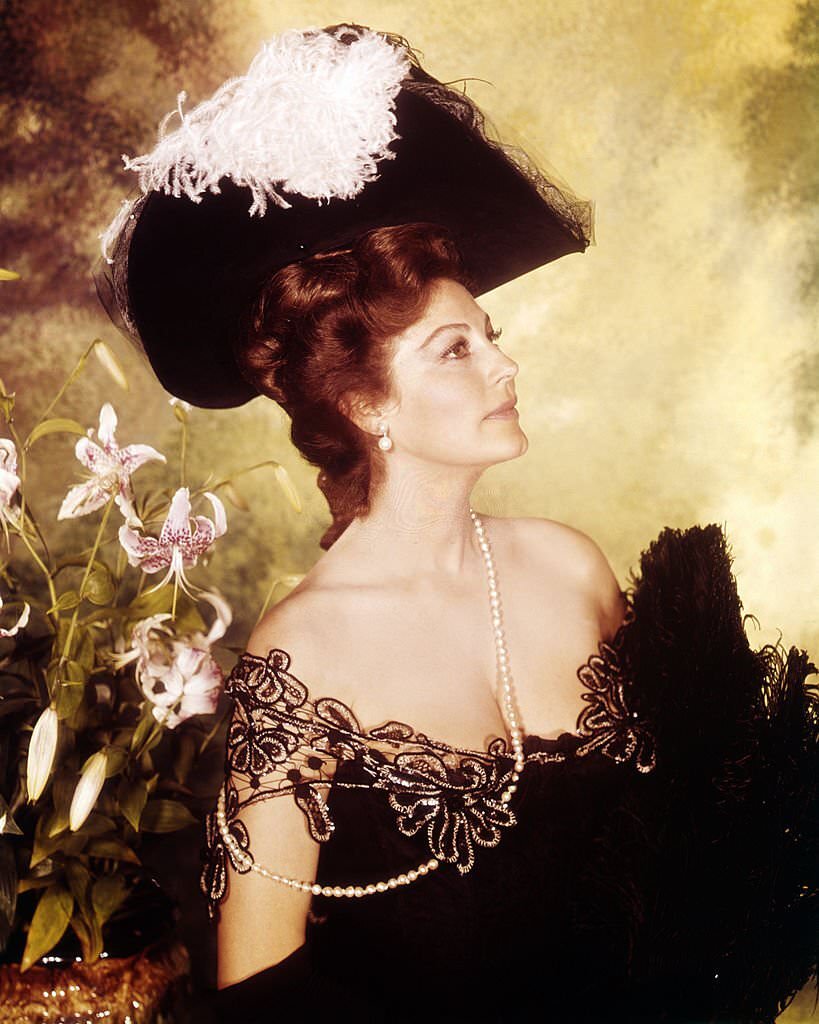
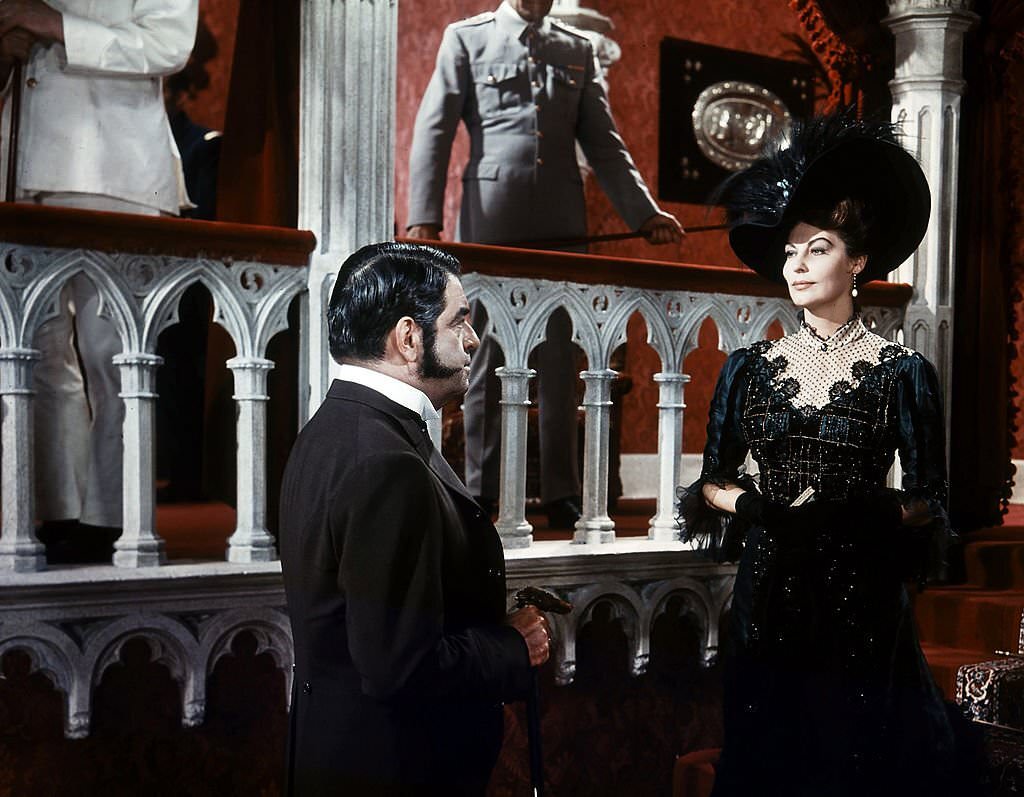
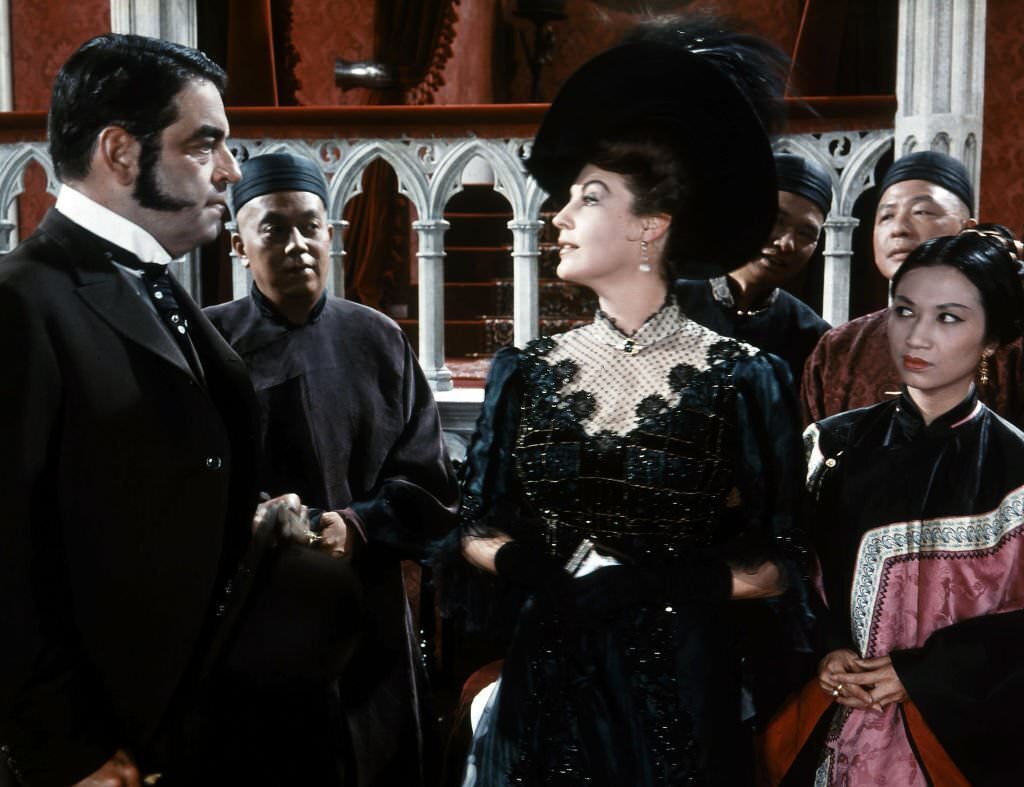
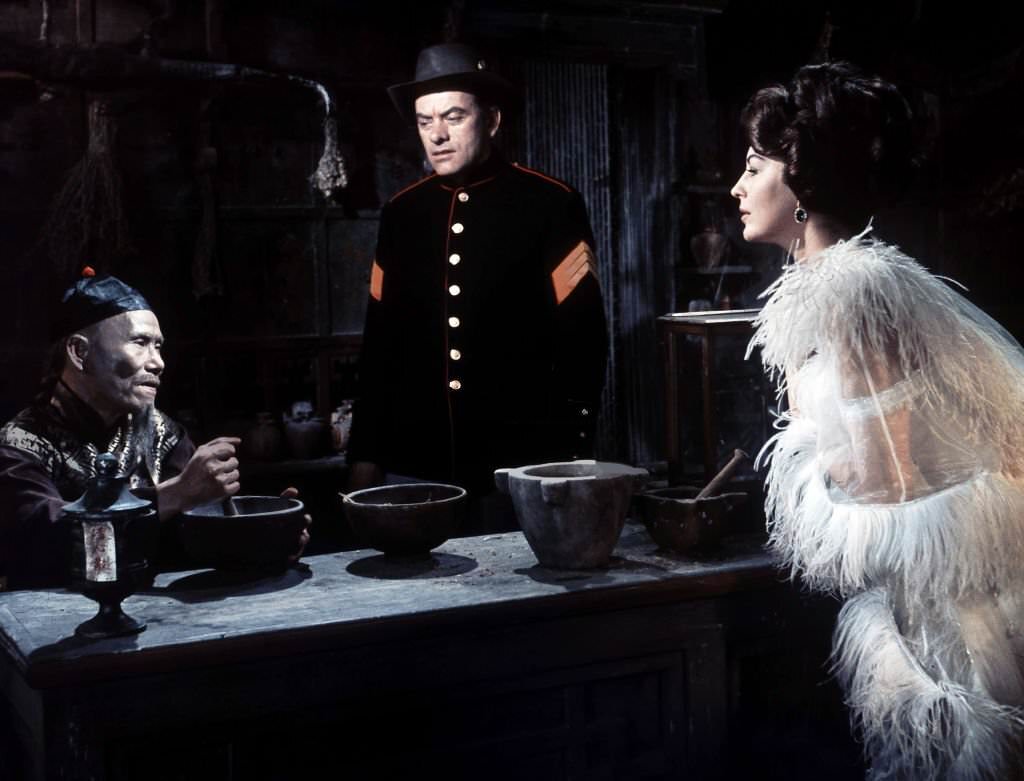
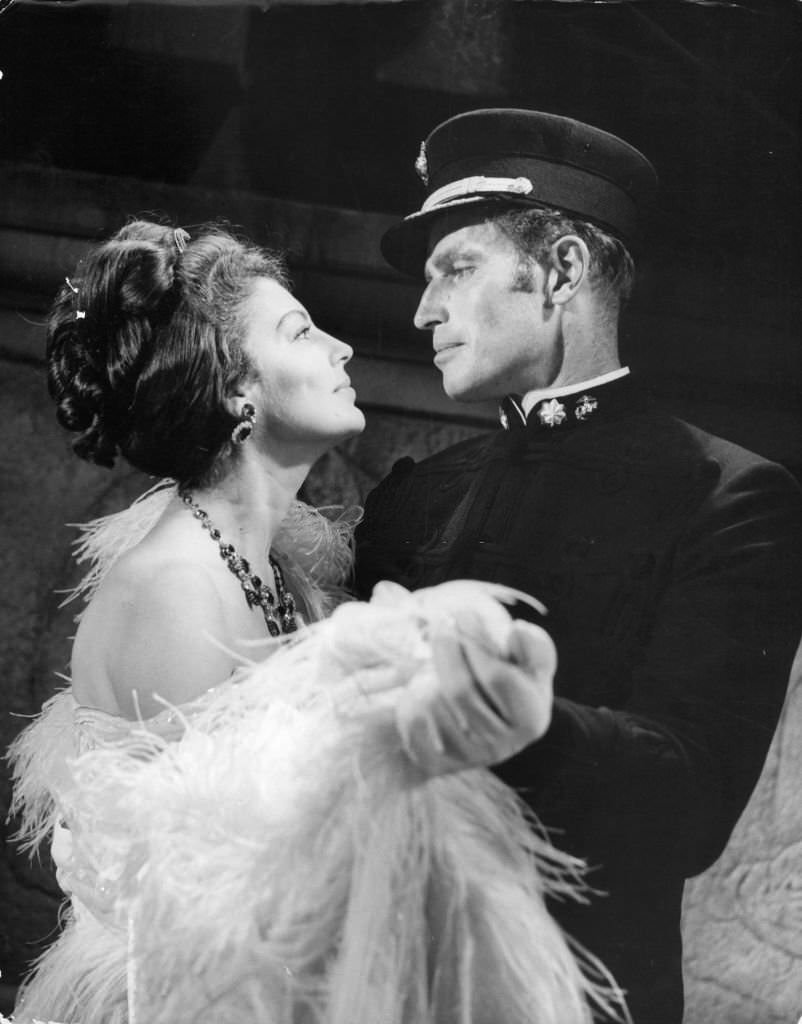
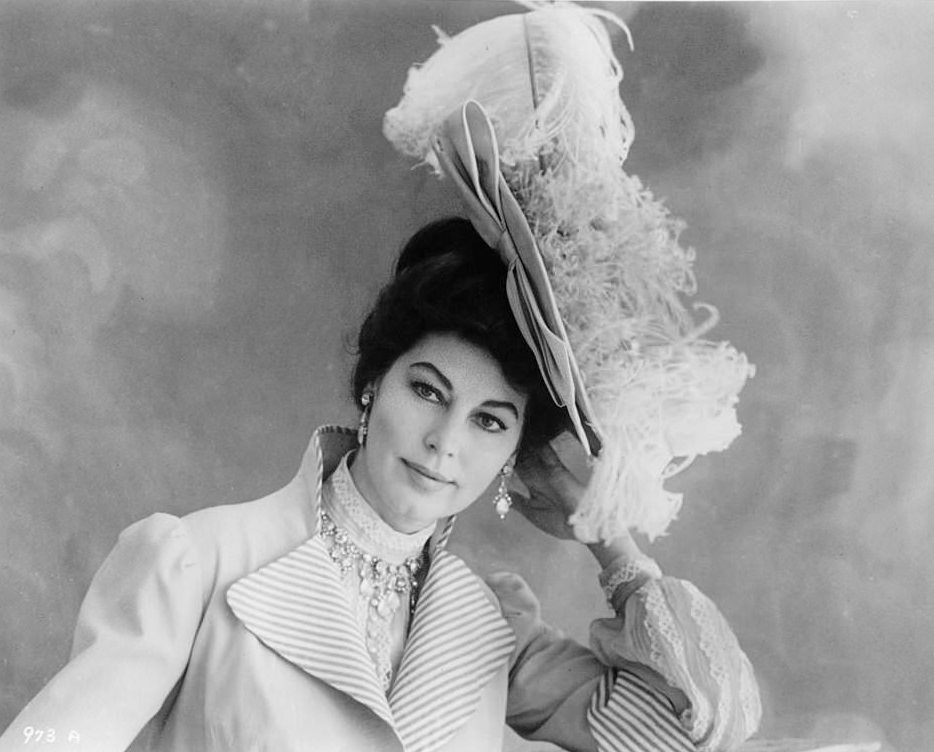
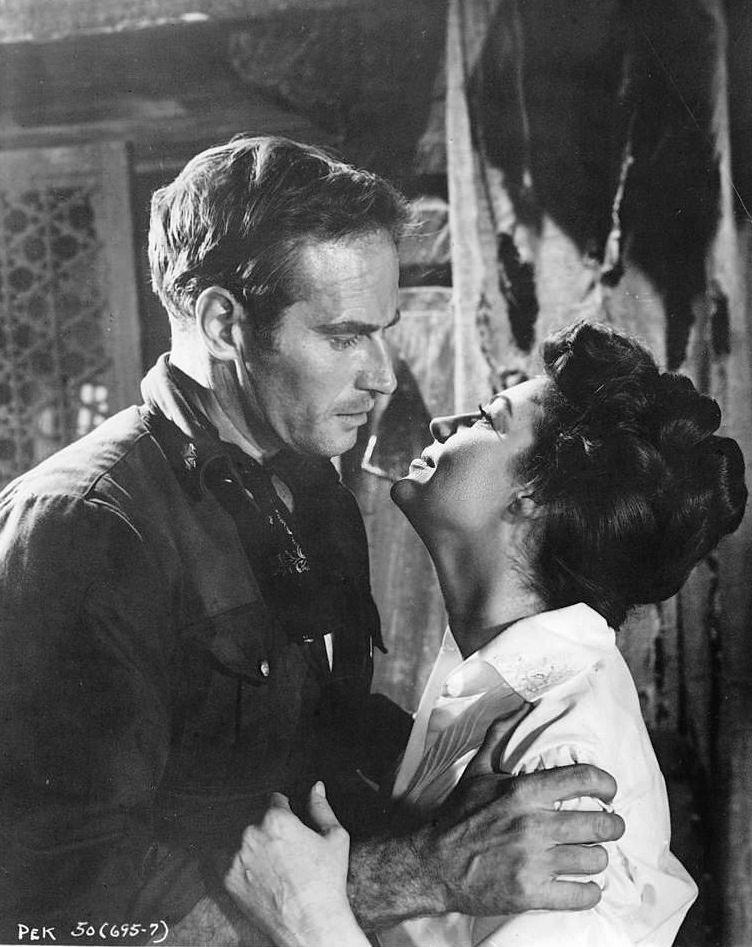
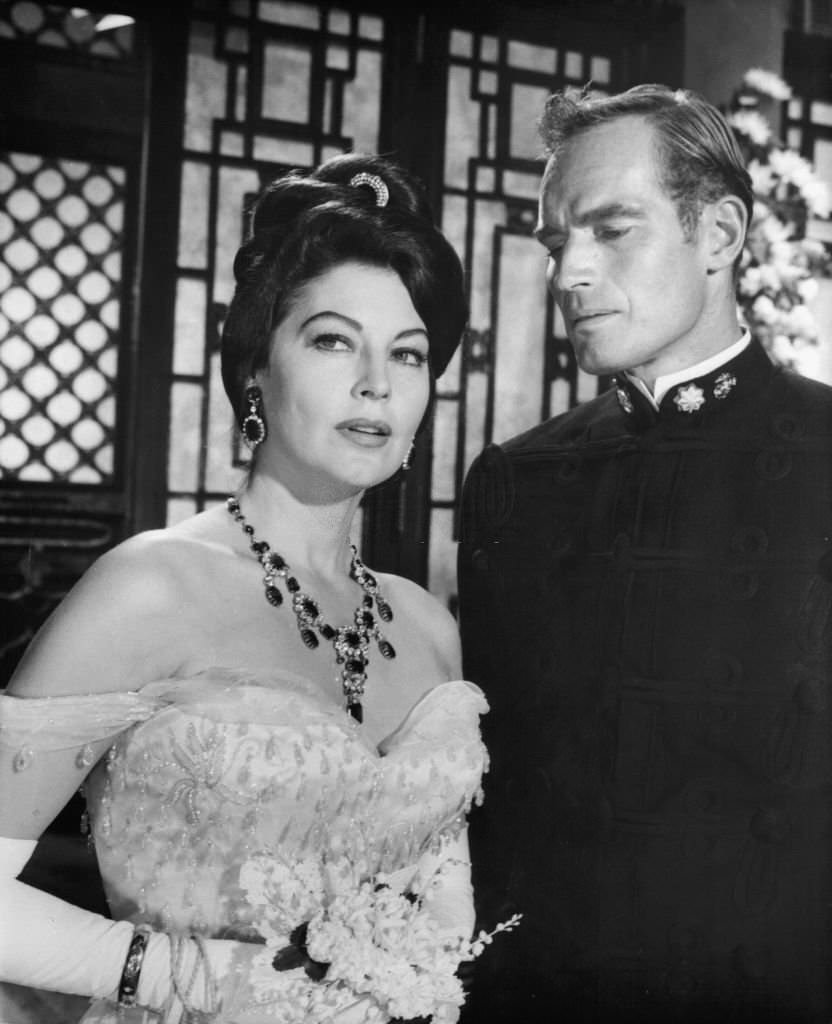
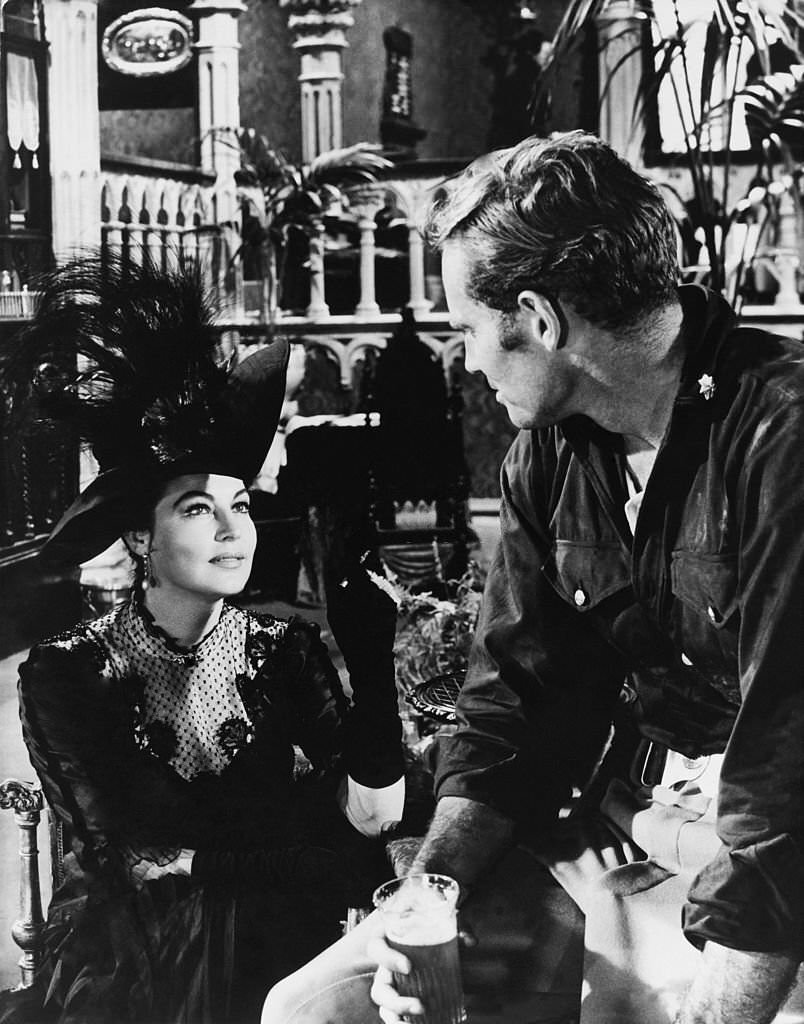
Ava Gardner played the Russian Baroness Natalie Ivanoff, a widow caught inside the legation quarter during the siege. Her character develops a complicated relationship with Heston’s Major Lewis across the course of the film’s 55-day timeline.
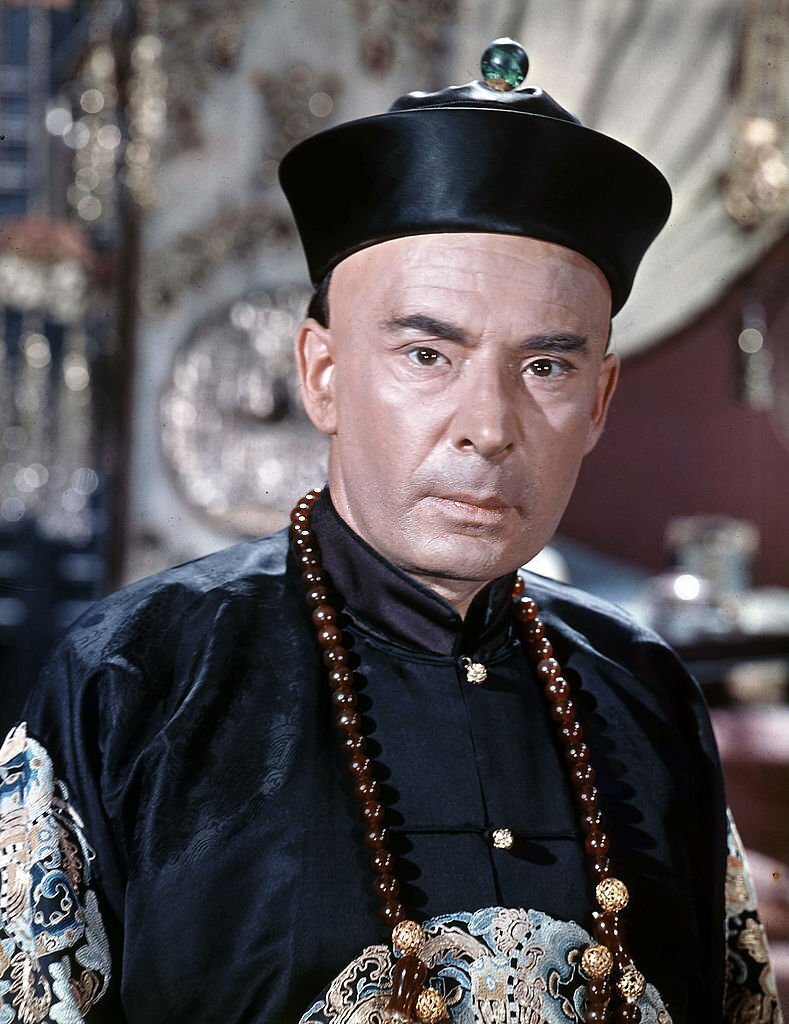
Leo Genn’s General Jung-Lu occupies a morally conflicted position throughout the story. He holds real power within the imperial court but resists the push toward total war with the foreign legations, understanding that such a conflict would end badly for China regardless of the outcome.
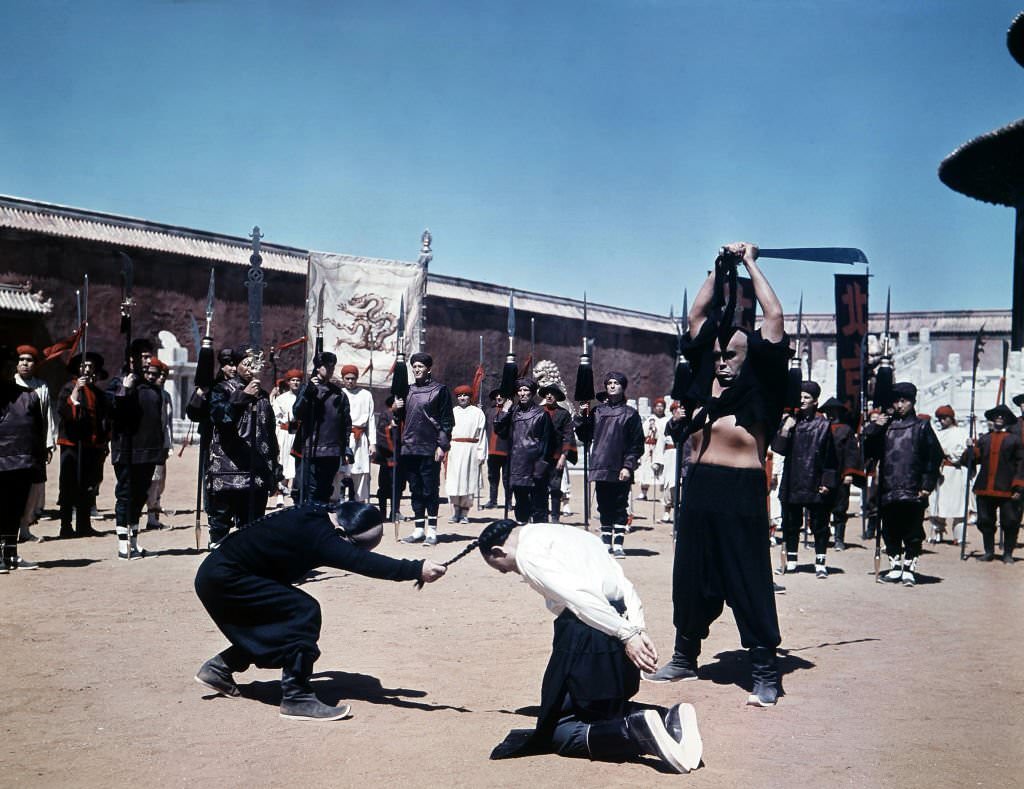
The film does not shy away from depicting the violence of the siege. Defenders are killed at the barricades, and the death toll inside the legation quarter rises steadily as the weeks drag on. These scenes were shot with a directness that reflected the actual brutality of the historical event.
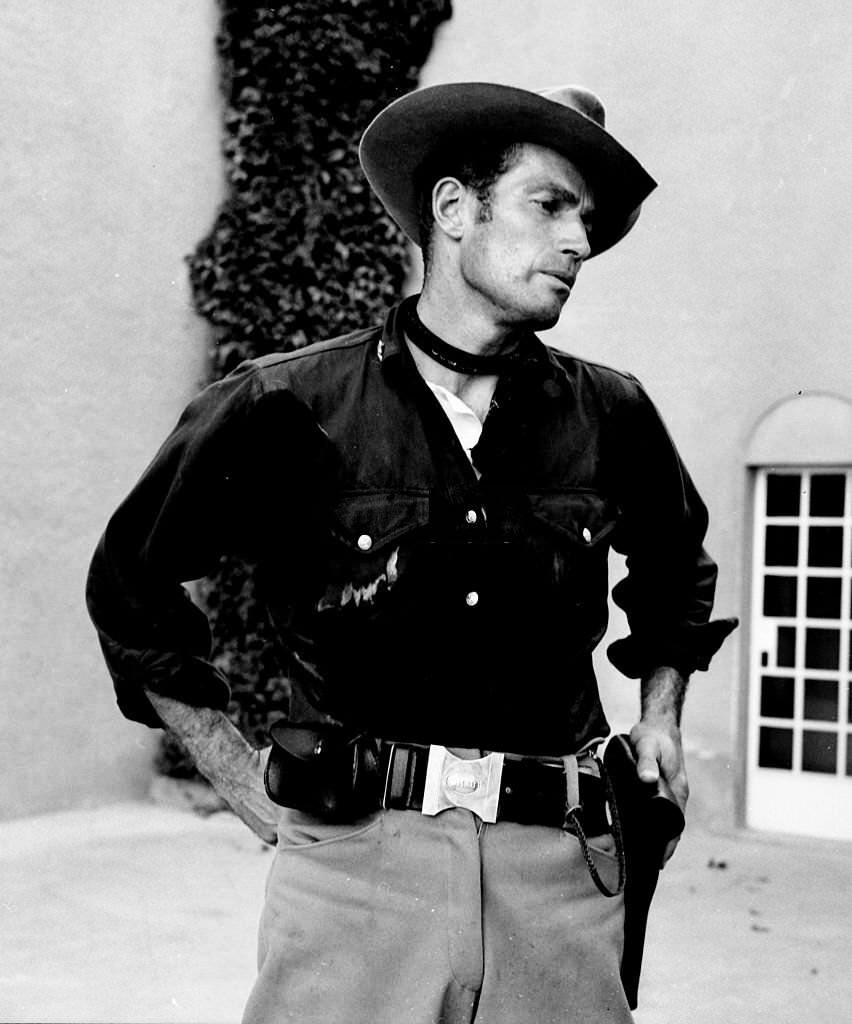
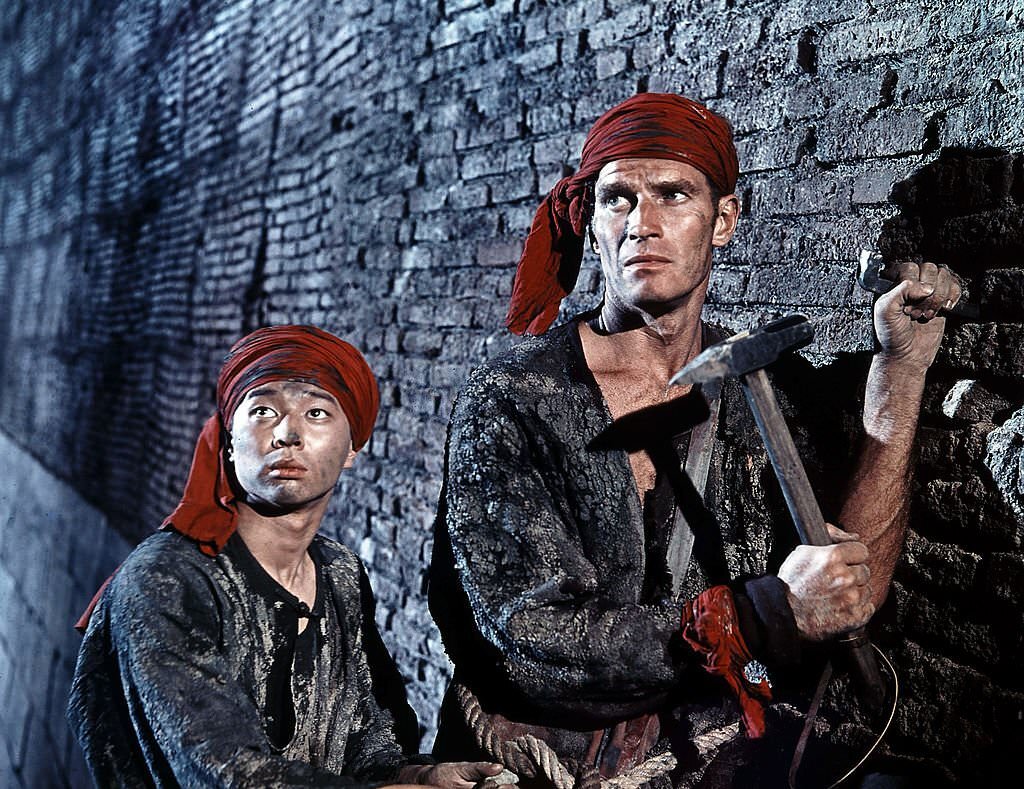
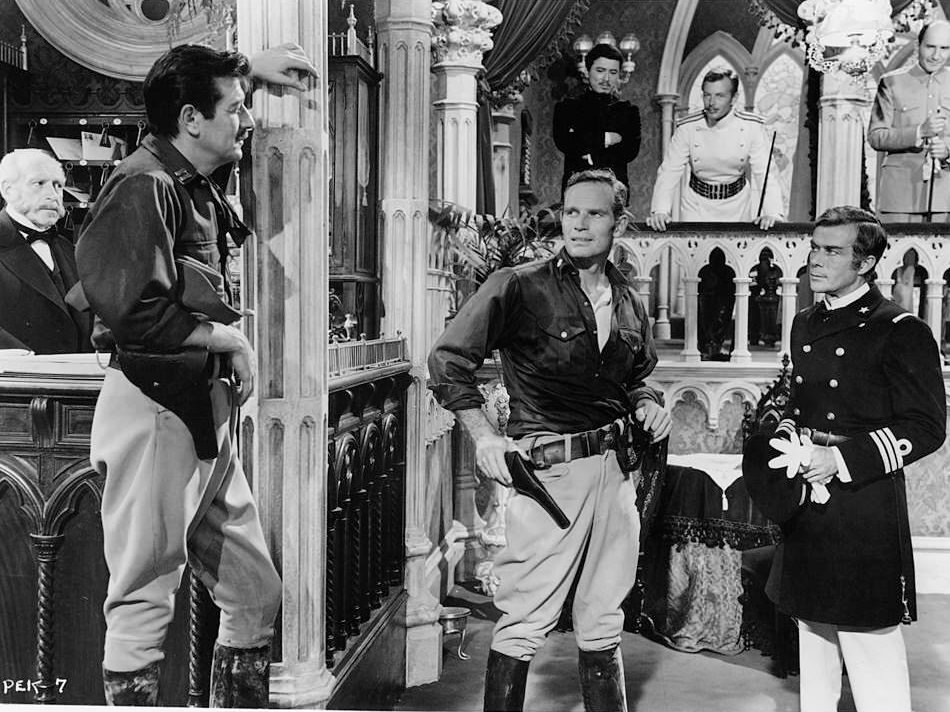
Heston’s Major Lewis is shown throughout the film as a hands-on military commander, working alongside his men rather than directing from a safe distance. He physically takes part in reinforcing defenses and fighting at the walls.
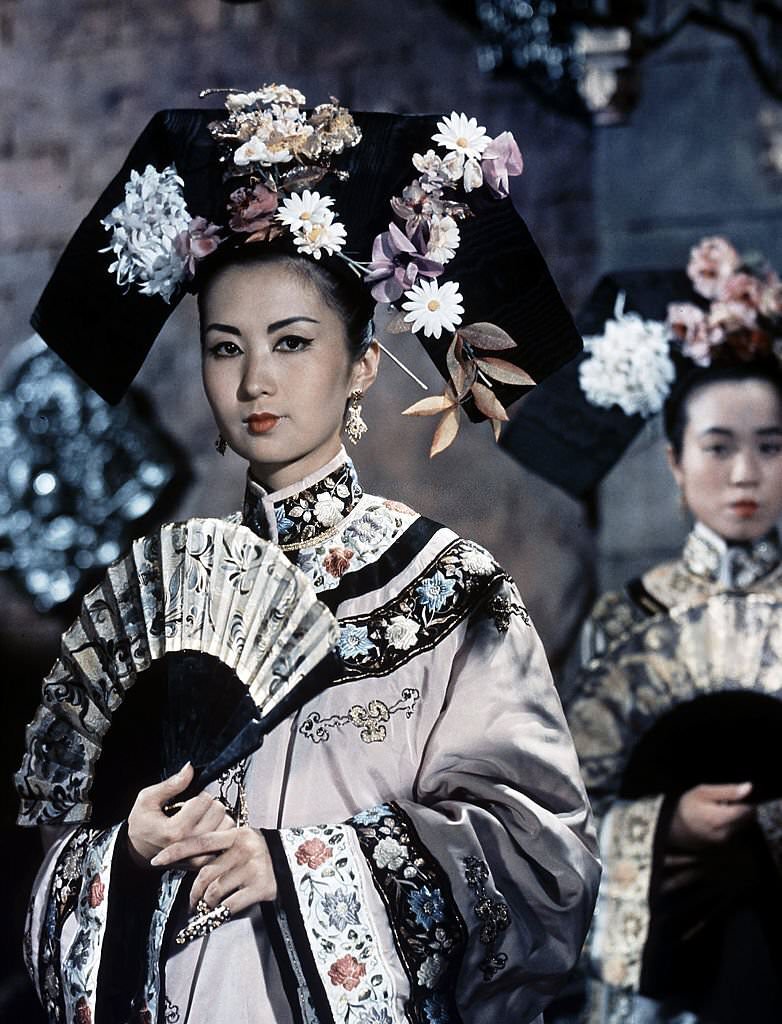
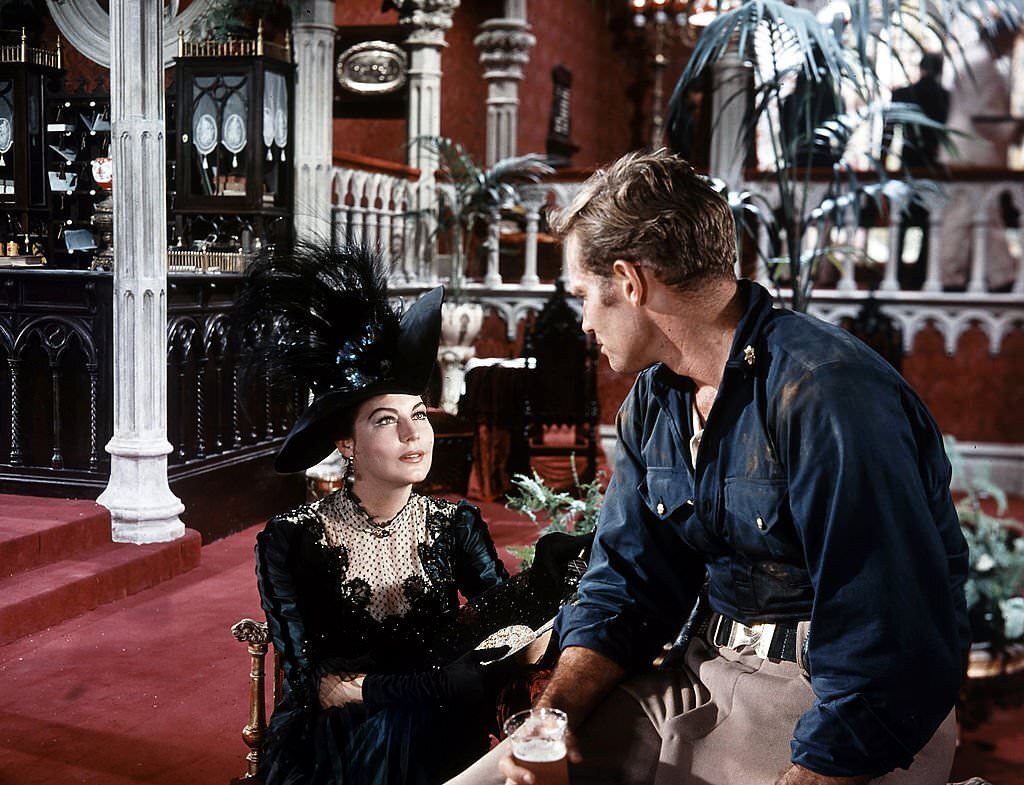
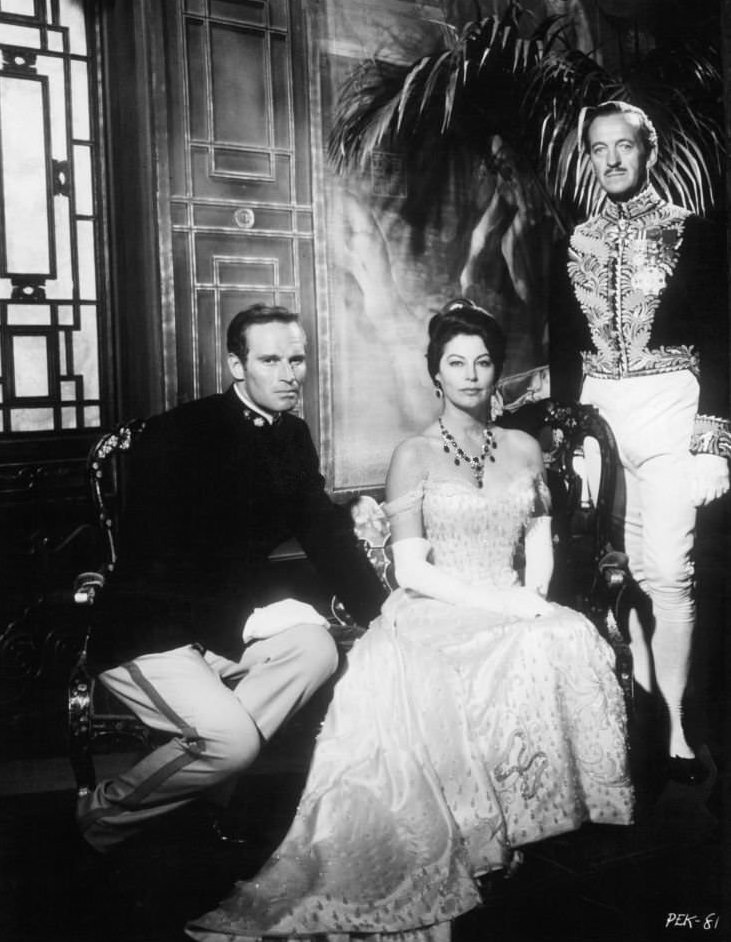
The three leads — Heston, Gardner, and Niven — brought significant star power to the production. Their publicity portraits from the film show the trio in costume, reflecting the multicultural nature of the legation quarter’s defenders.
Behind the scenes, the power dynamics of the Chinese court were played out through the scenes between Helpmann and Genn. Their characters represent two opposing responses to the crisis — escalation versus restraint — and the tension between them drives much of the film’s political drama.
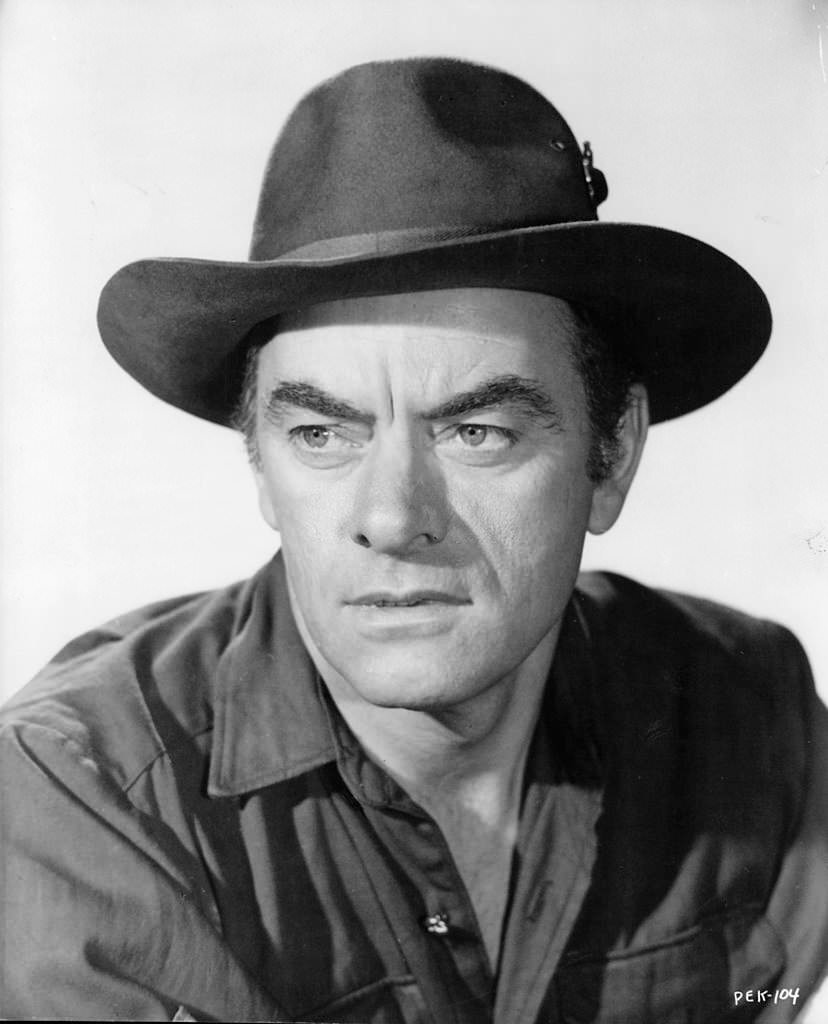
John Ireland played Sergeant Harry, one of the American Marines under Heston’s command. His character represents the rank-and-file soldiers who bore the physical burden of holding the walls day after day throughout the siege.
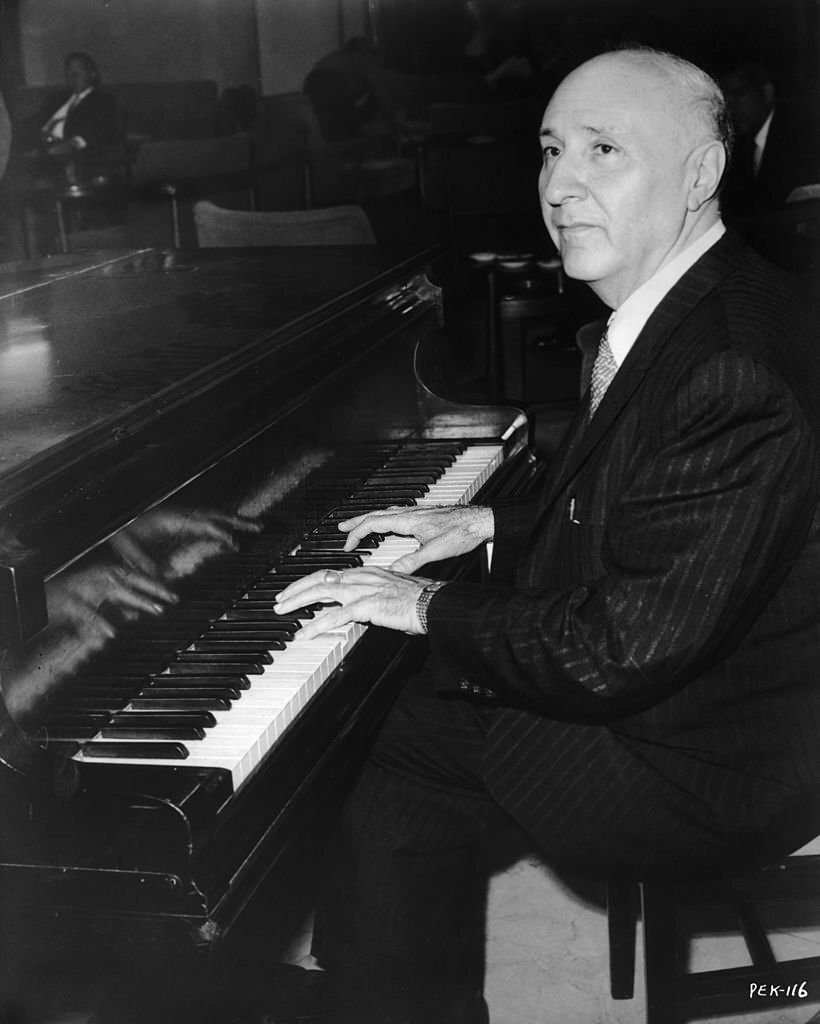
The film’s score was composed by Dimitri Tiomkin, the Ukrainian-born composer known for his work on major Hollywood productions. Tiomkin crafted a sweeping orchestral score to match the epic scale of the battle sequences and the film’s dramatic emotional beats.
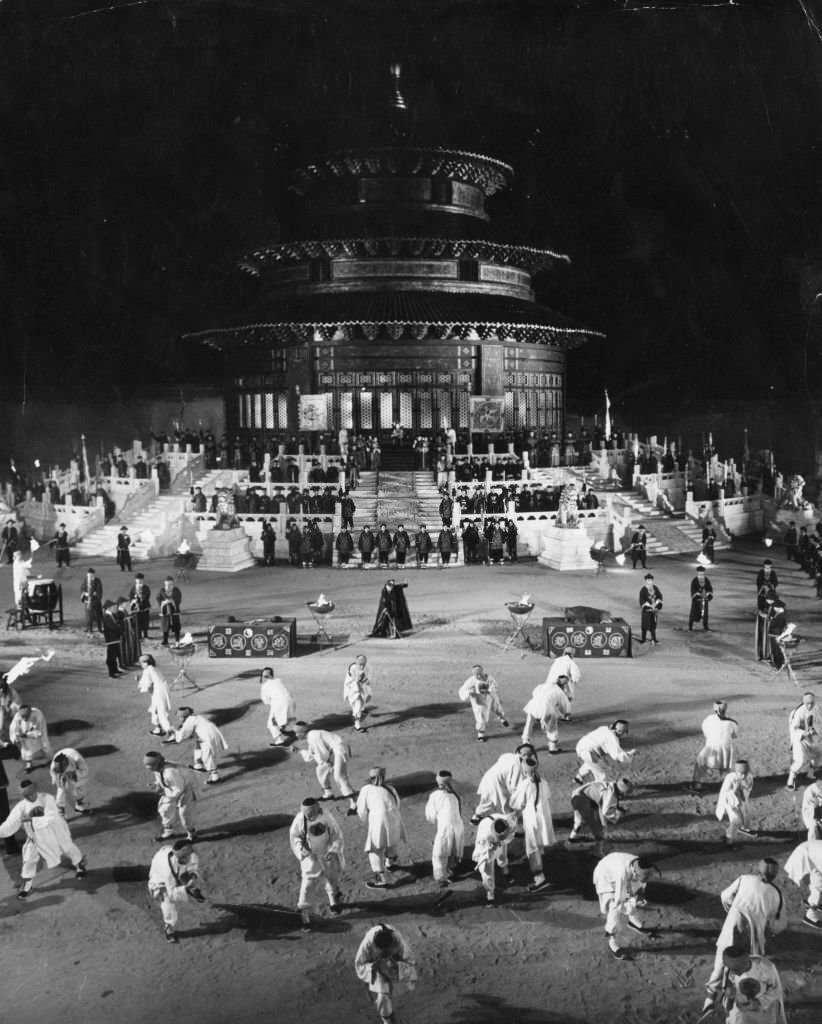
One of the film’s most visually striking sequences involves Prince Tuan leading the Boxer Induction Ceremony at the Temple of Heaven in the presence of the Dowager Empress. The scene was staged in the vast courtyard set built for the production, with Helpmann in full imperial costume presiding over the ritual.
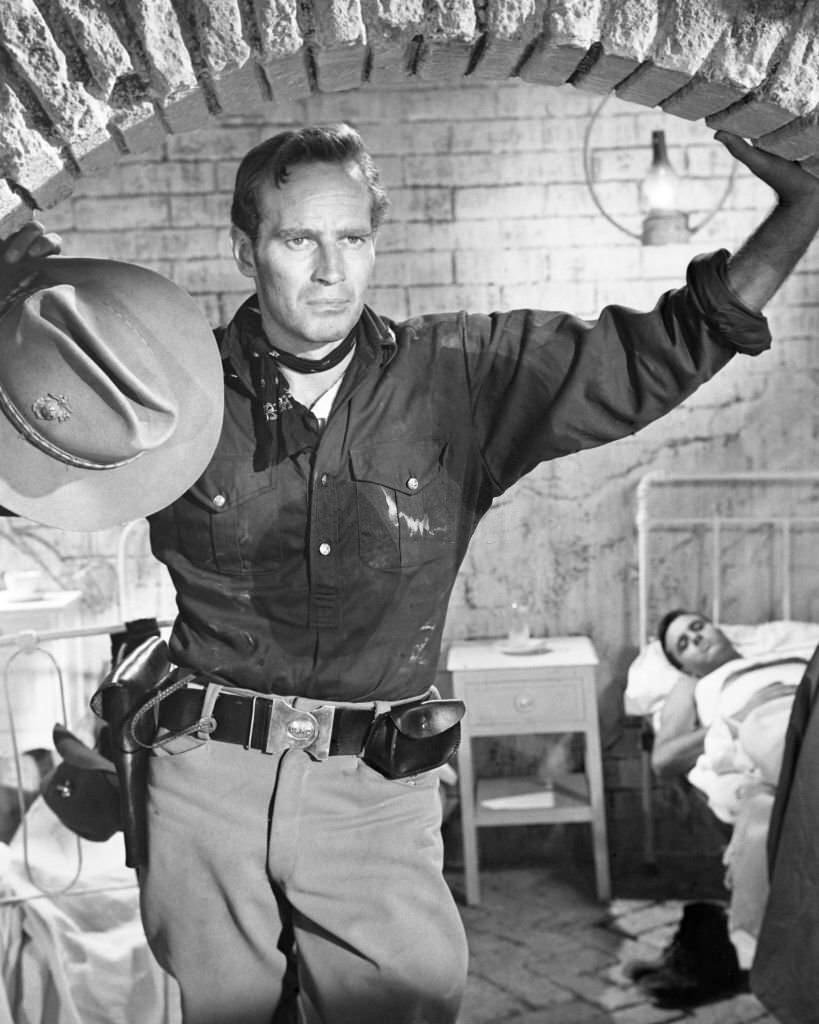
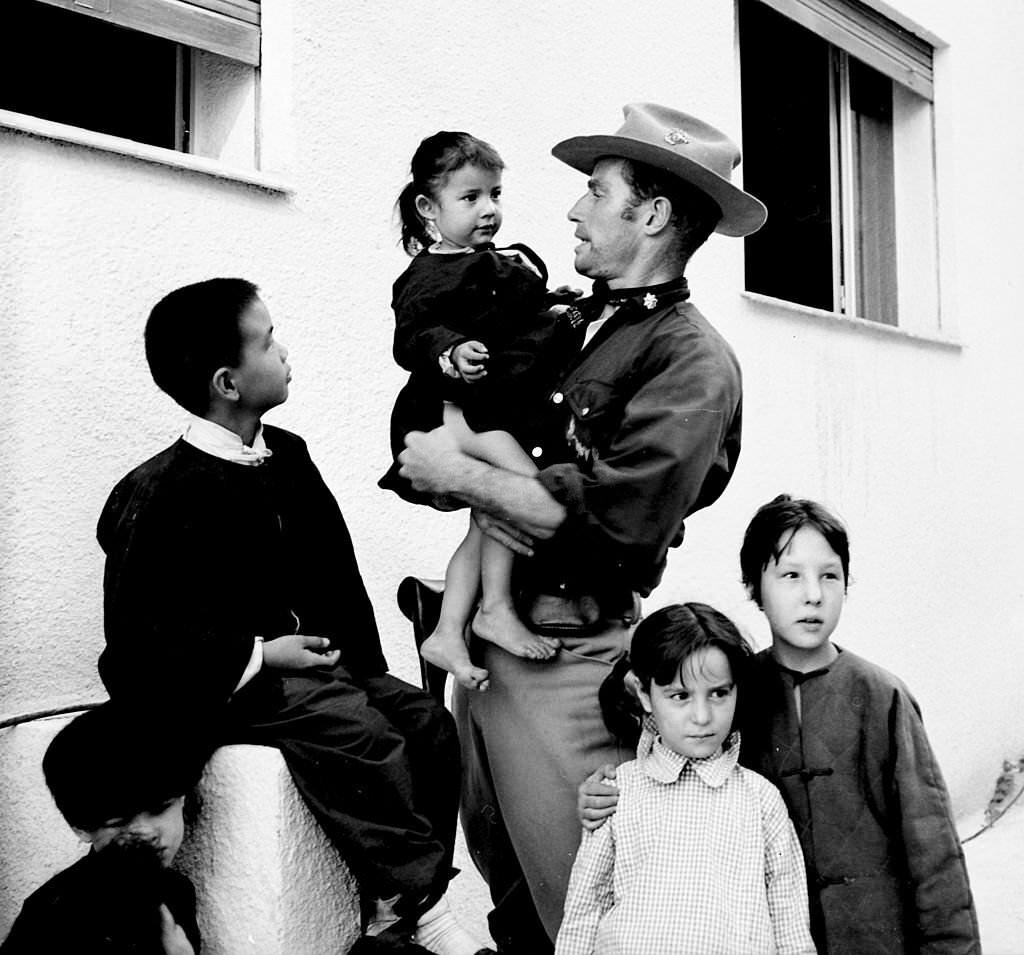
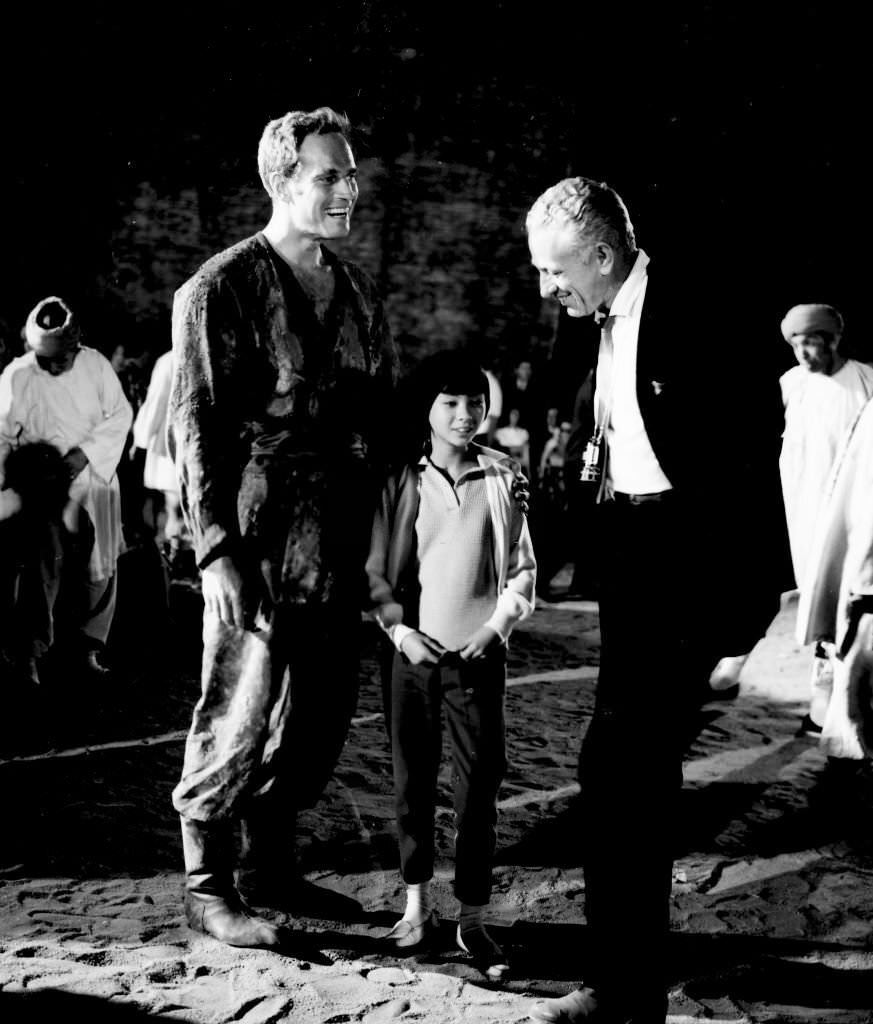
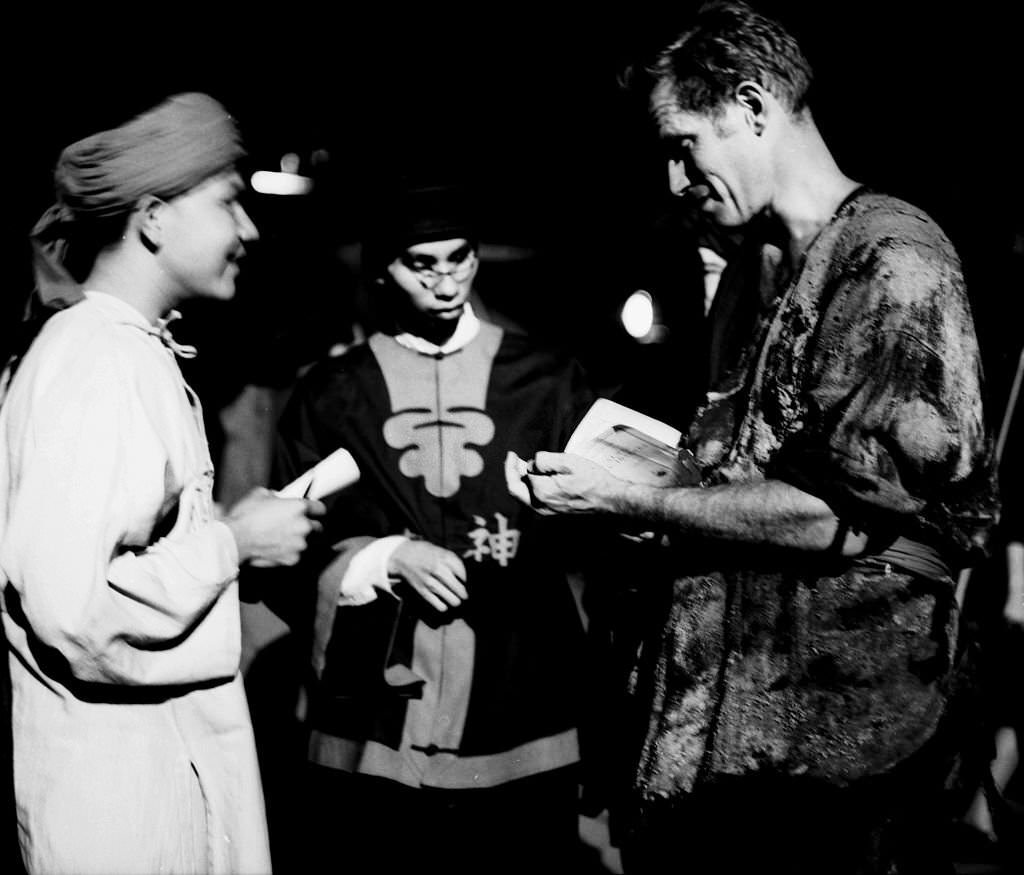
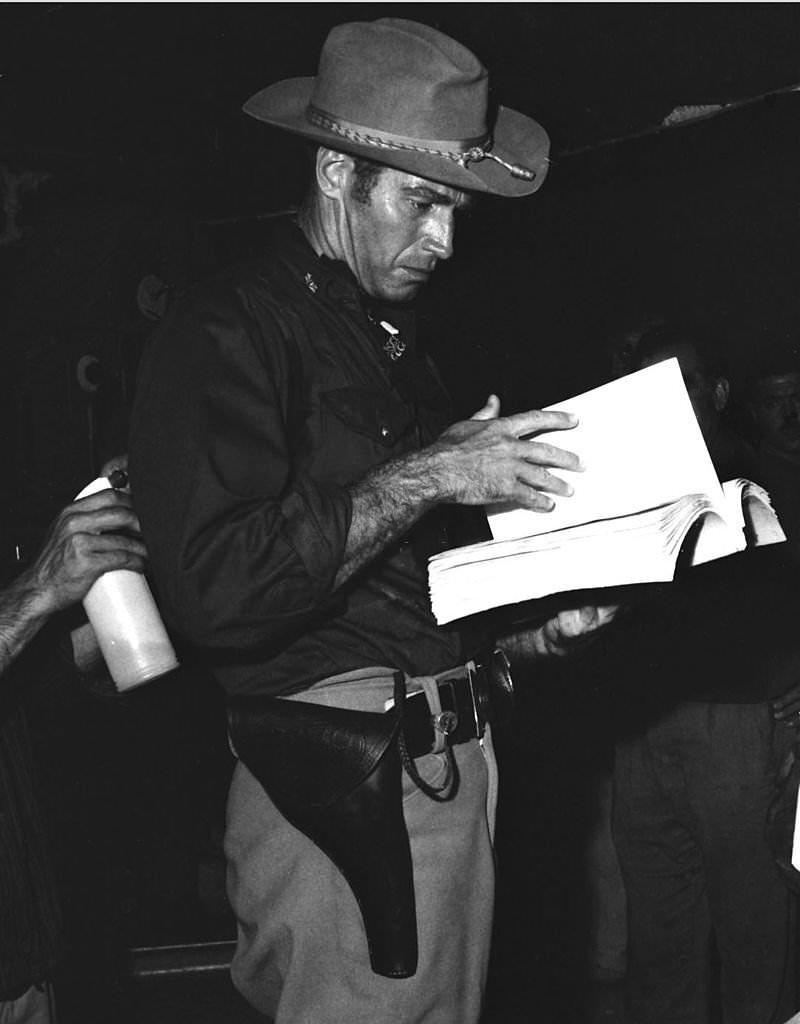
Filming took place largely on location in Madrid, where producer Samuel Bronston had established a production base capable of handling large-scale historical epics. The exteriors of the legation quarter, the surrounding streets, and the battle positions were all built and filmed there. Director Nicholas Ray worked closely with the cast on set throughout the shoot.
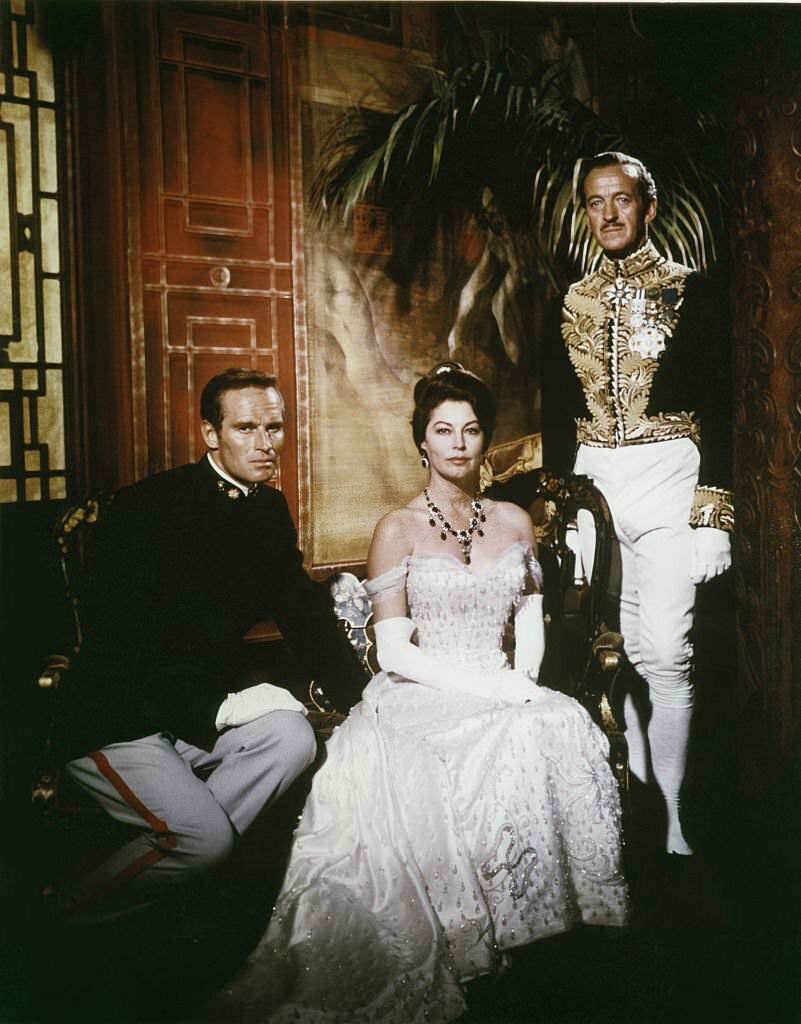
Gardner’s promotional portraits for the film showed a different side of her character — dressed in period-appropriate costumes that reflected the social world of the foreign legations before the siege tightened its grip. The contrast between those early scenes and the desperate final weeks of the siege gave her character a clear arc through the story.