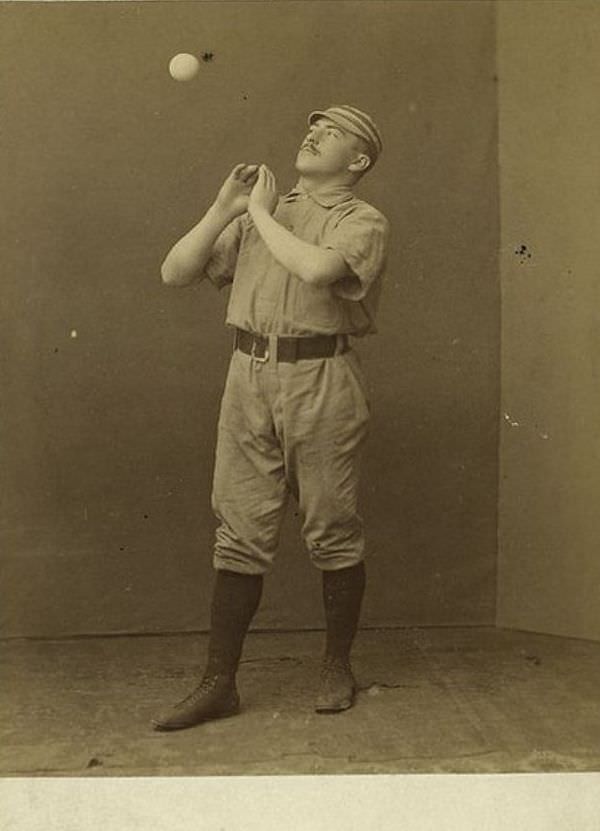
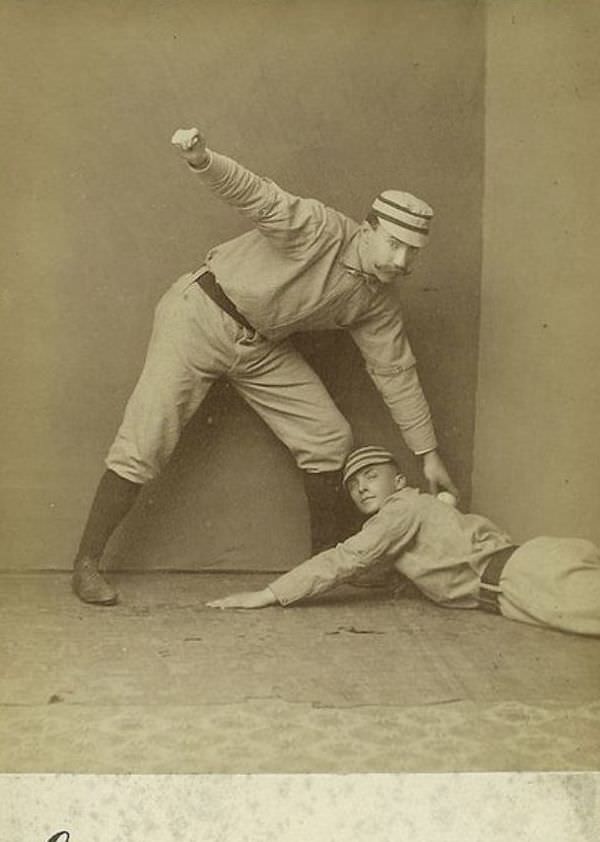
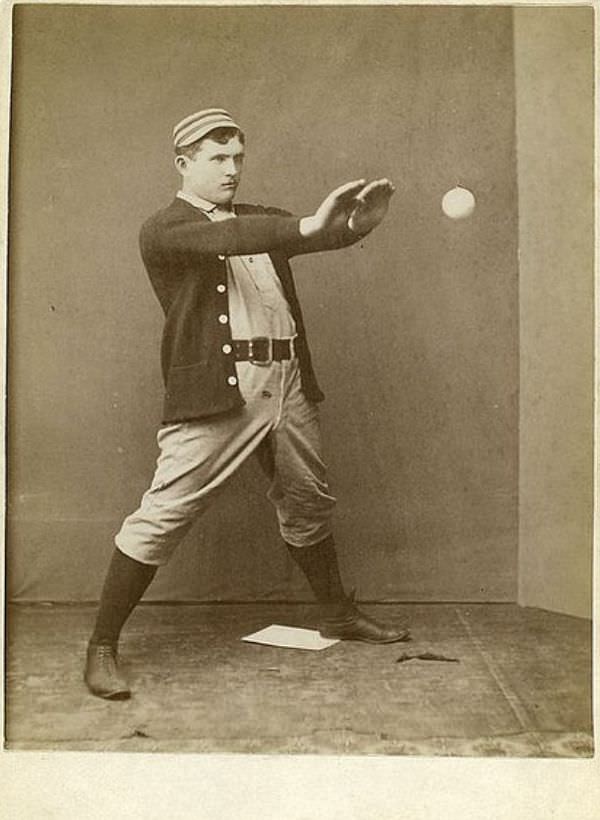
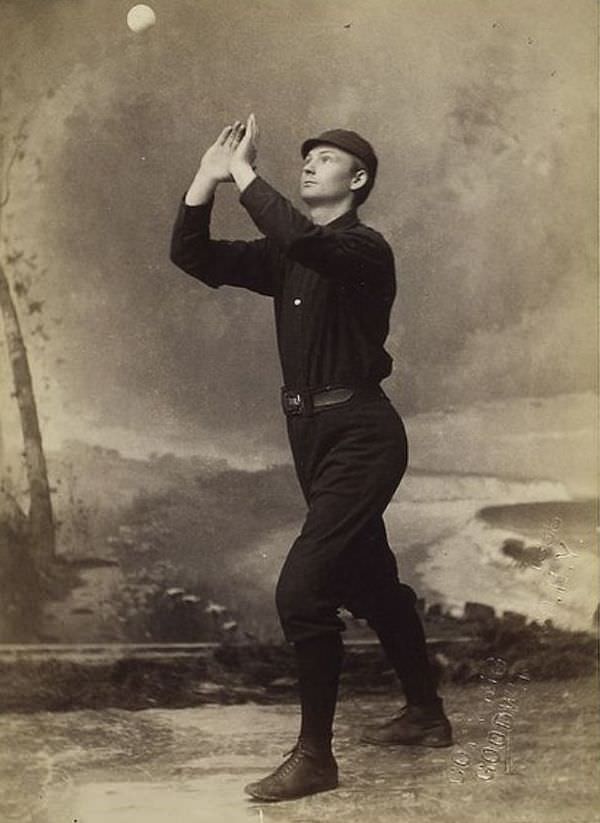
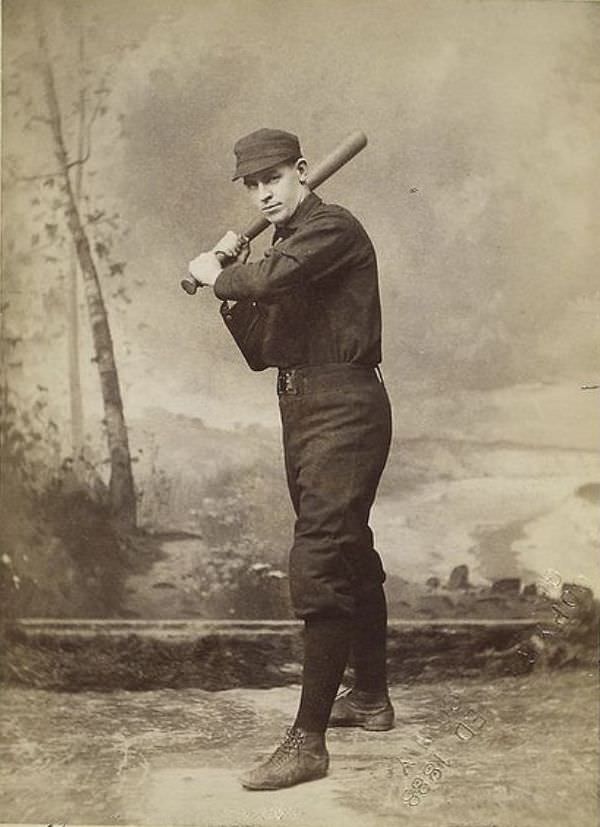
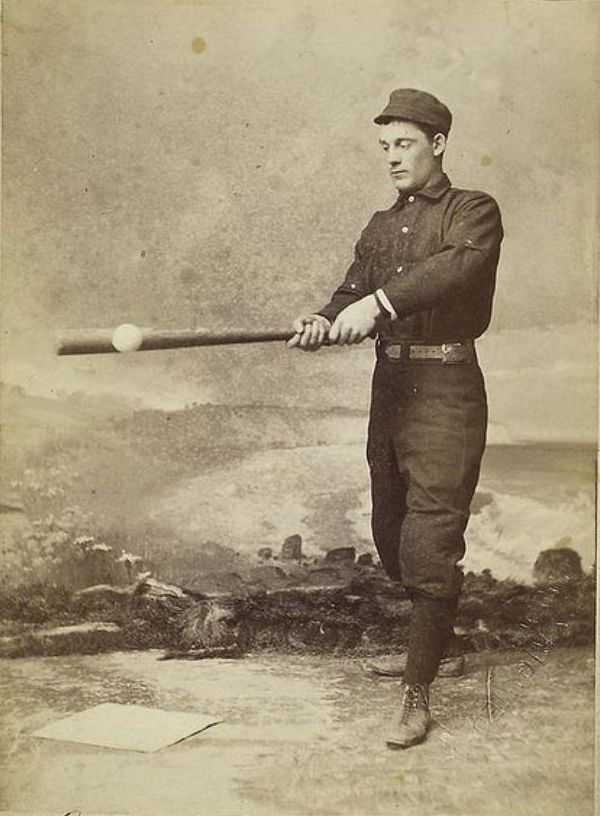
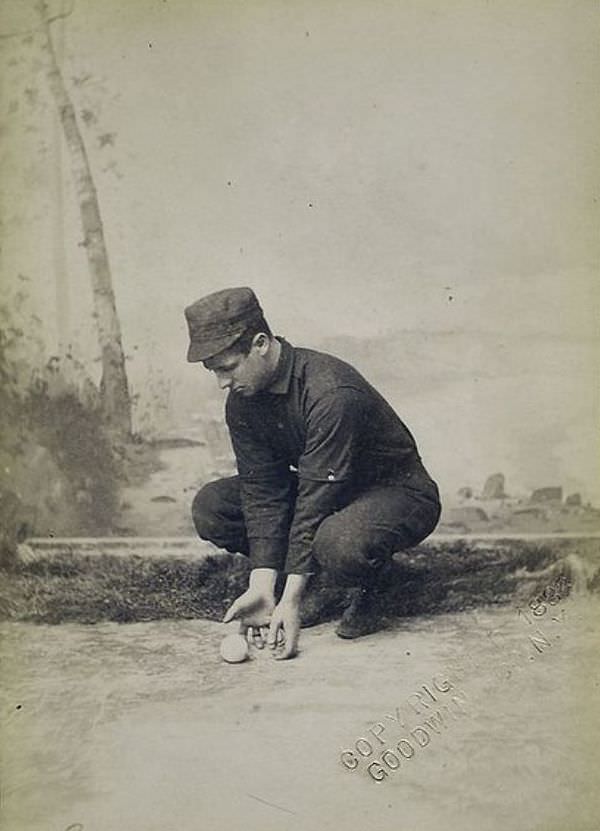
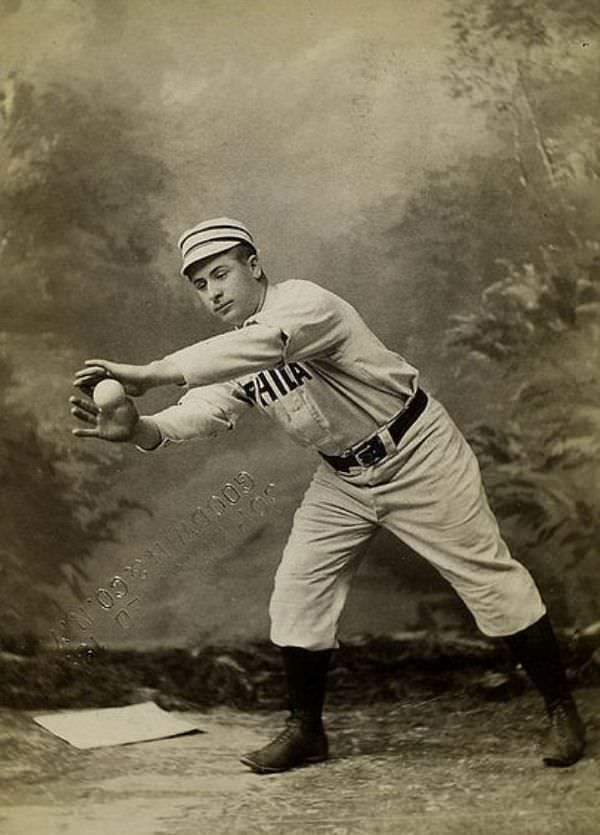
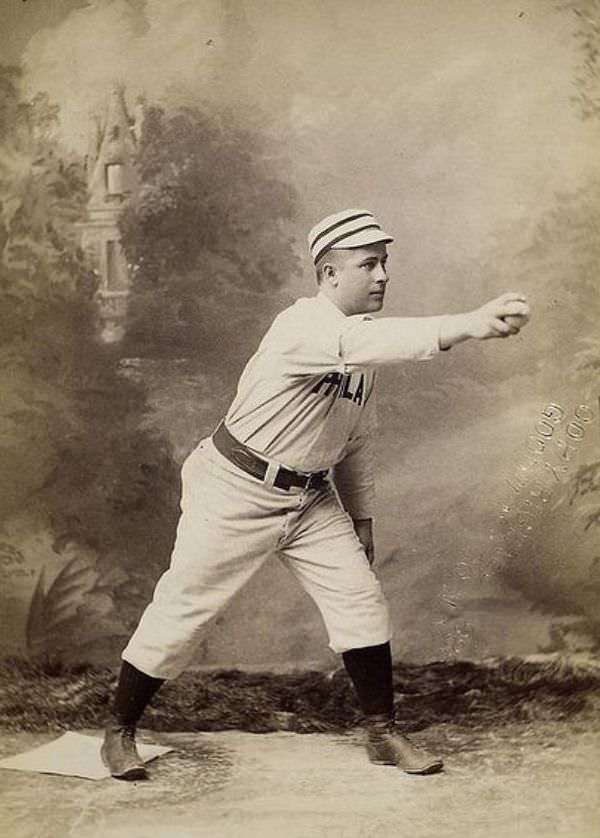
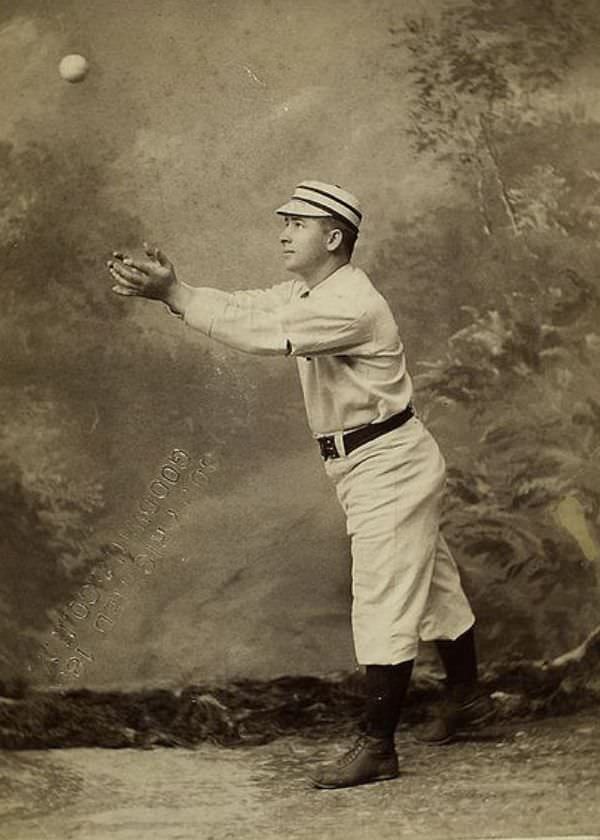
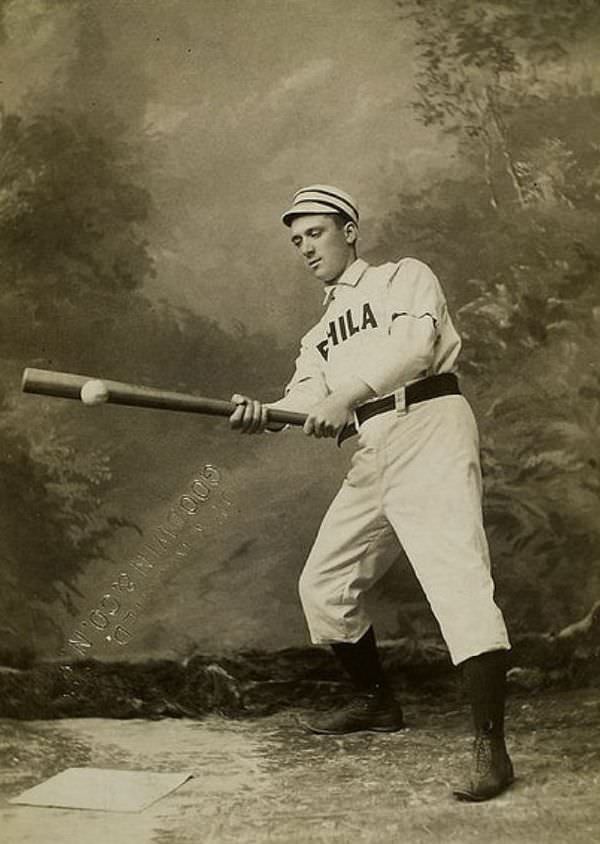
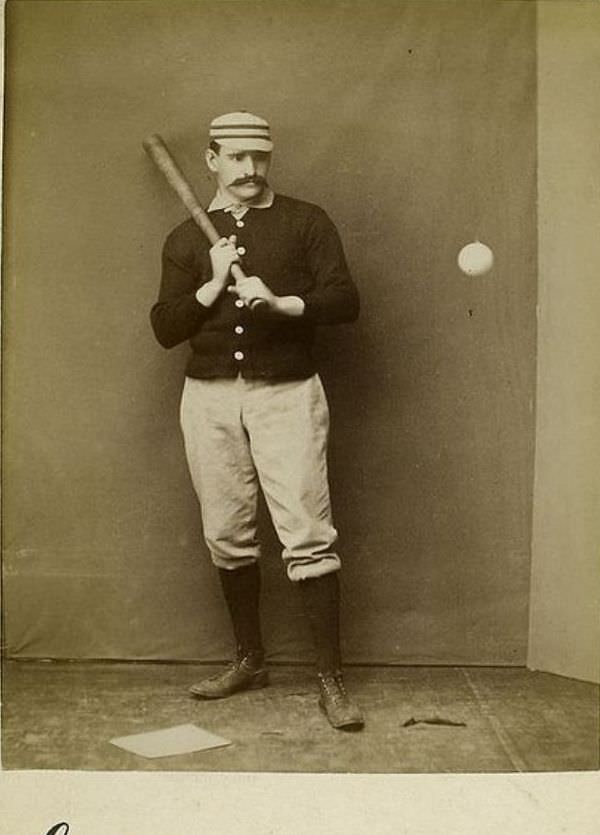
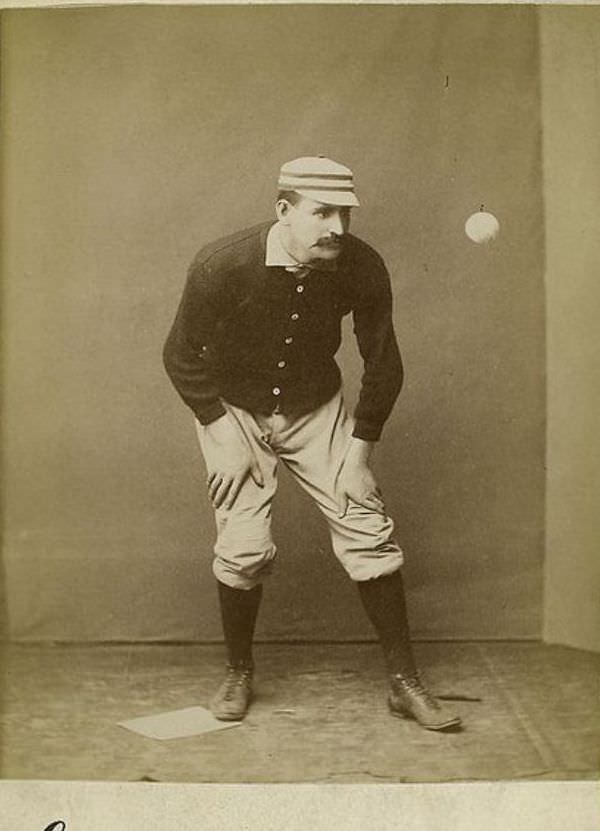
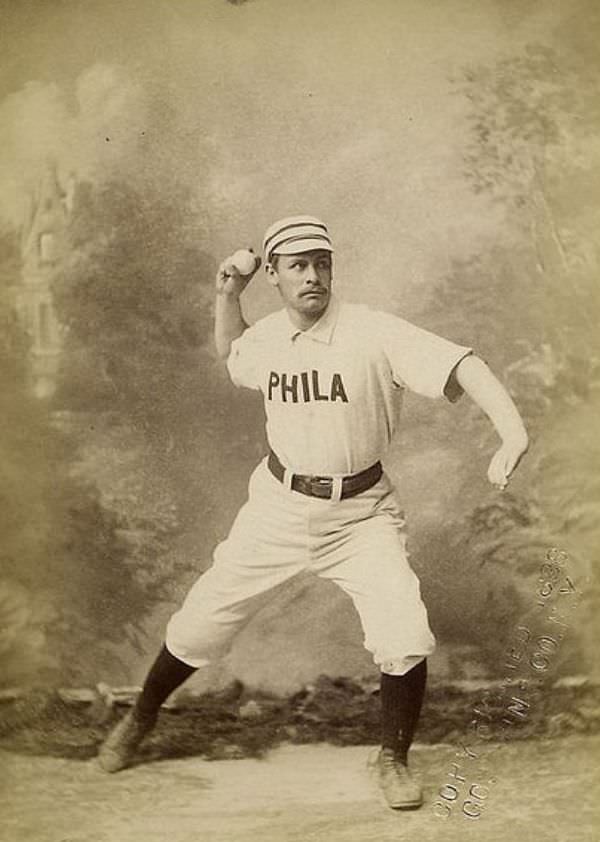
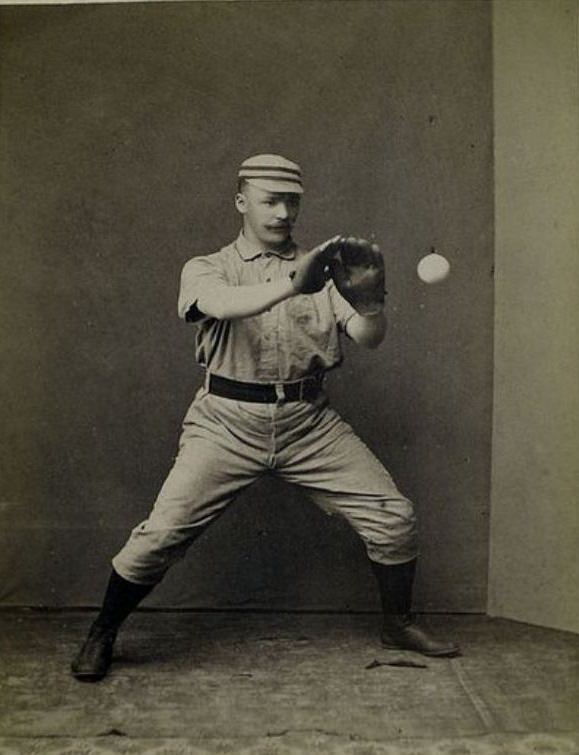
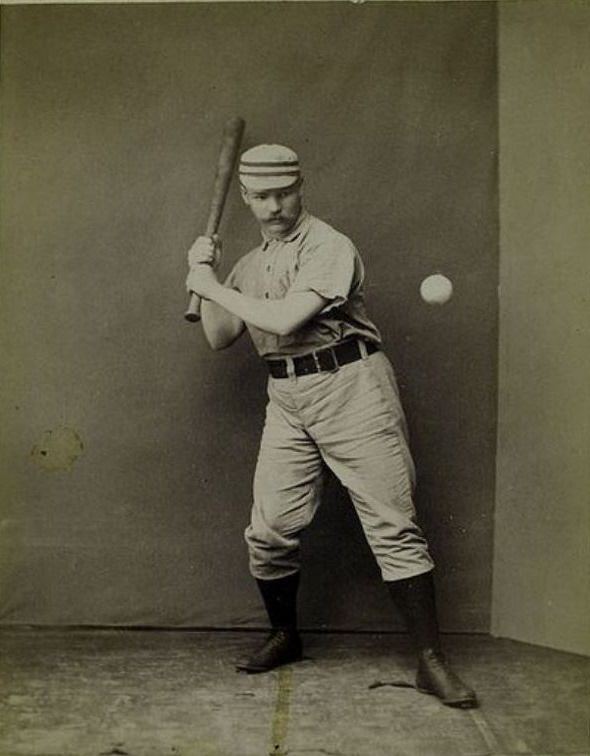
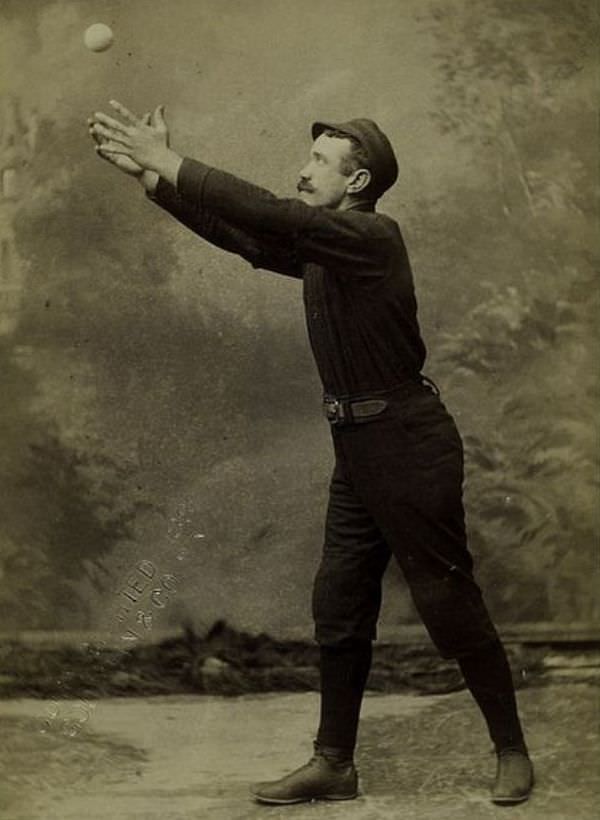
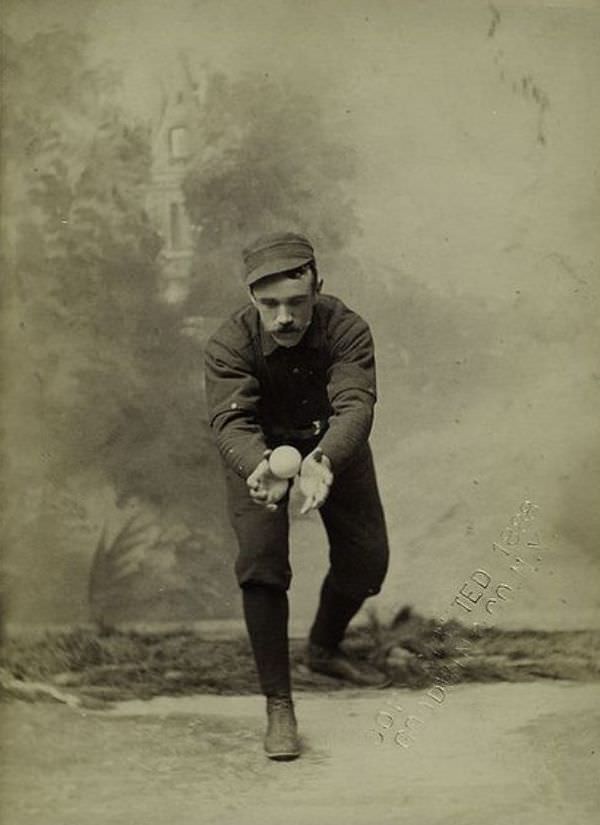
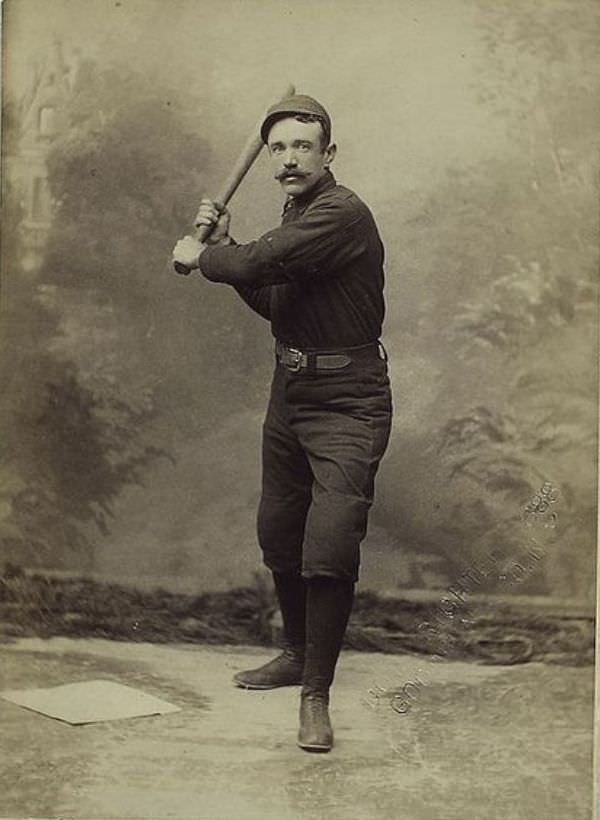
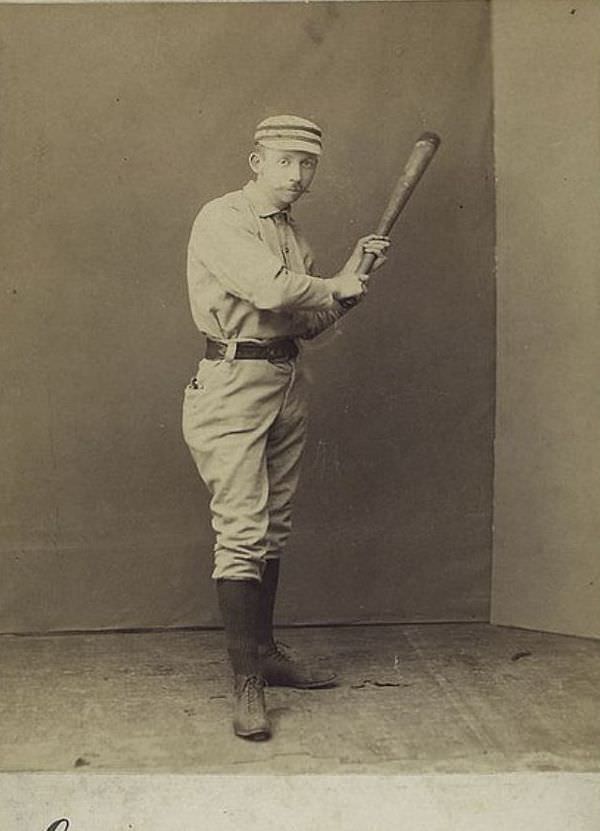
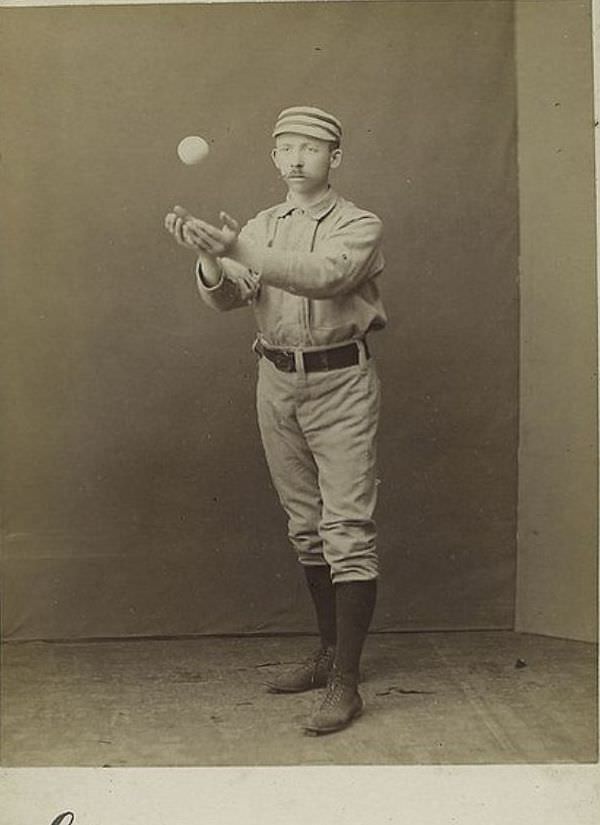
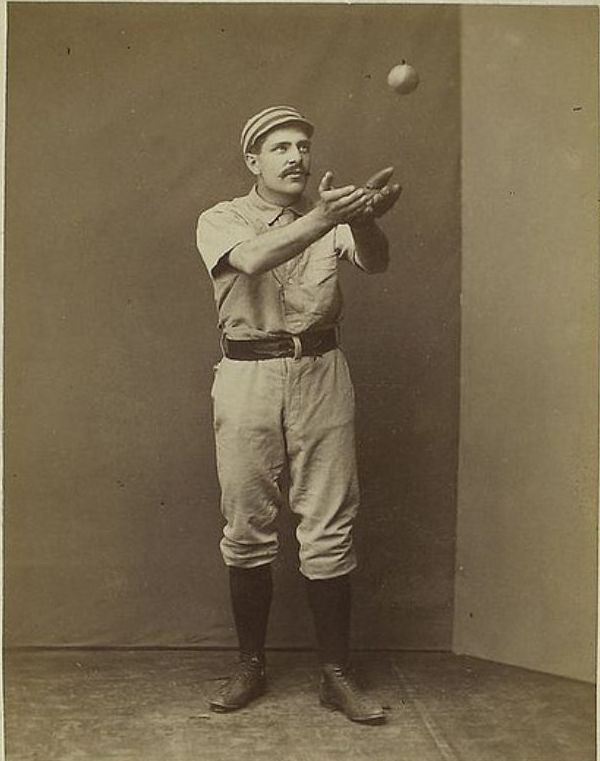
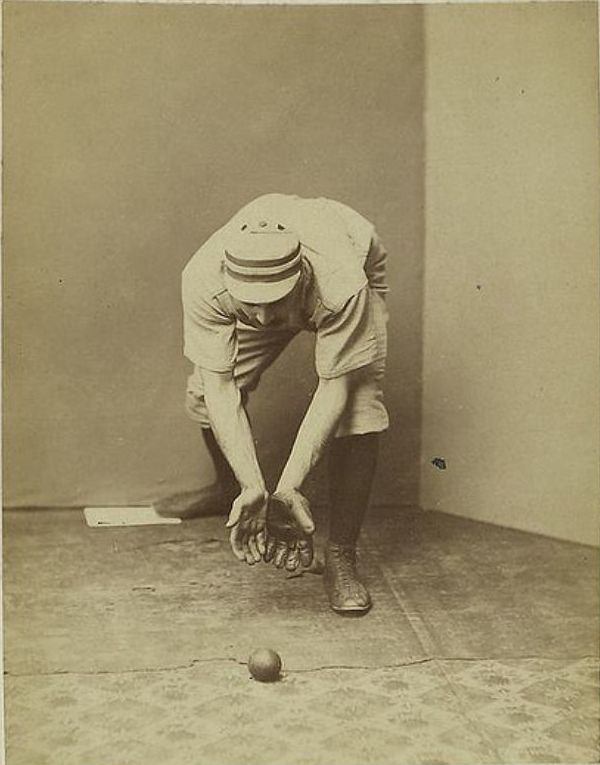
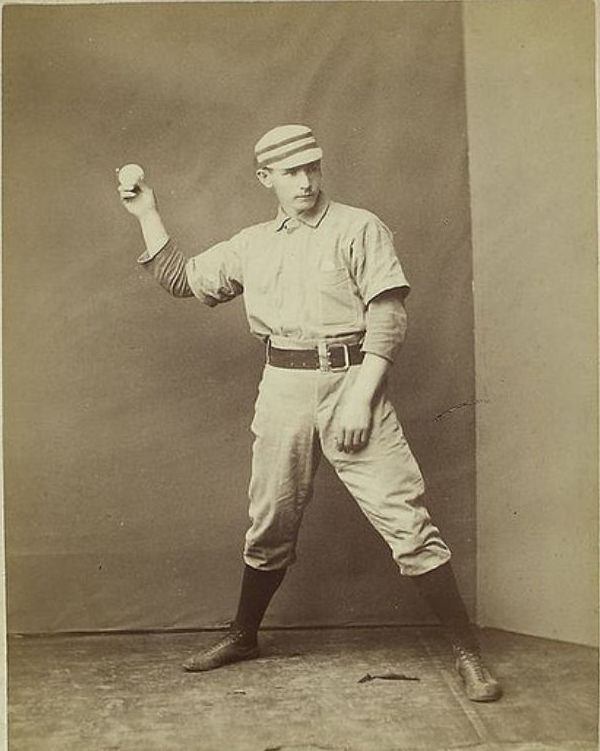
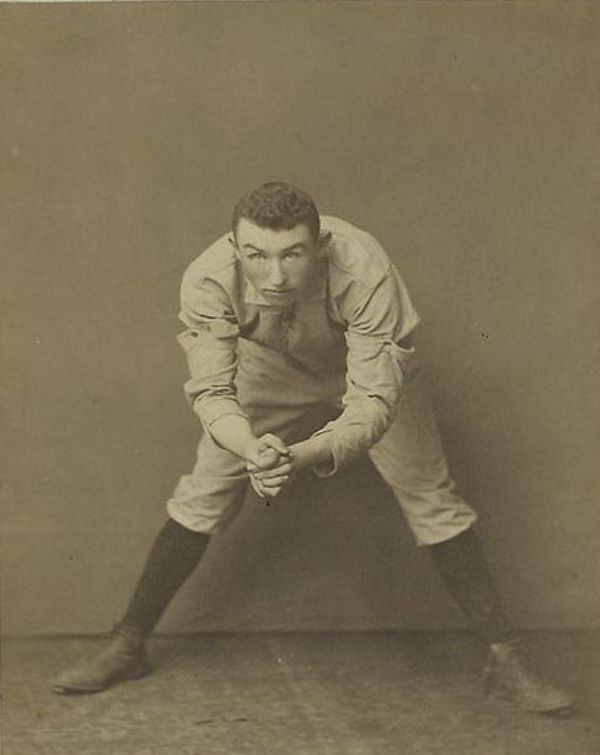
By the 1870s and 1880s, baseball was already a serious sport with serious fans. Those fans wanted to see what their favorite players looked like — but cameras at the time couldn’t freeze motion. Shutter speeds were far too slow to capture a swing or a throw without a blurry mess. Photographers had one solution: bring the players inside.
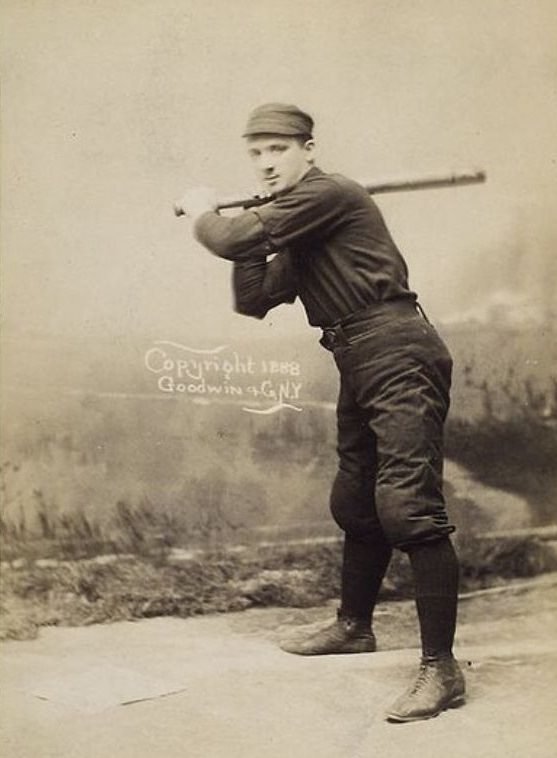
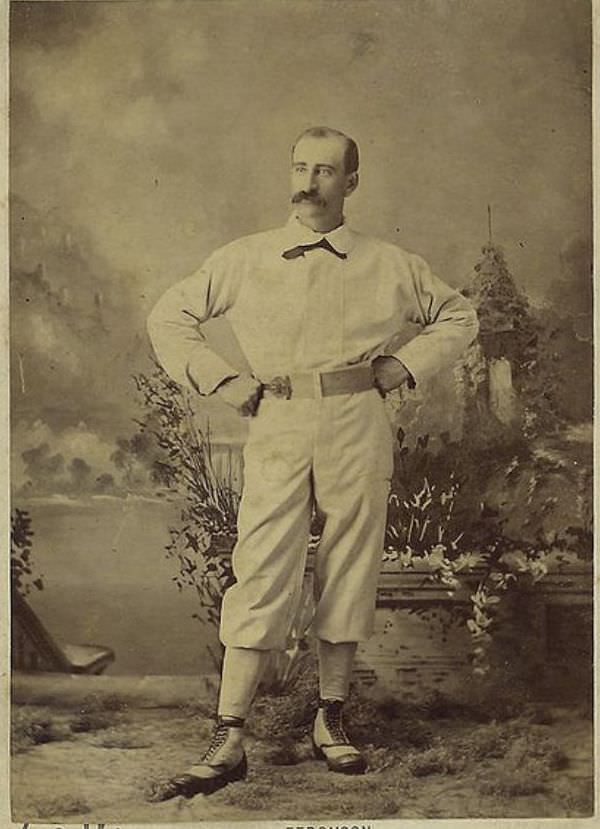
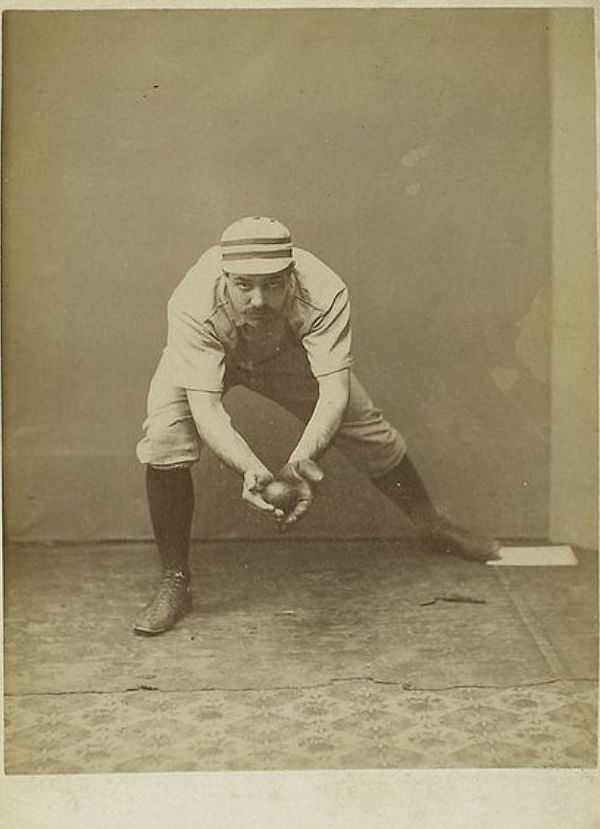
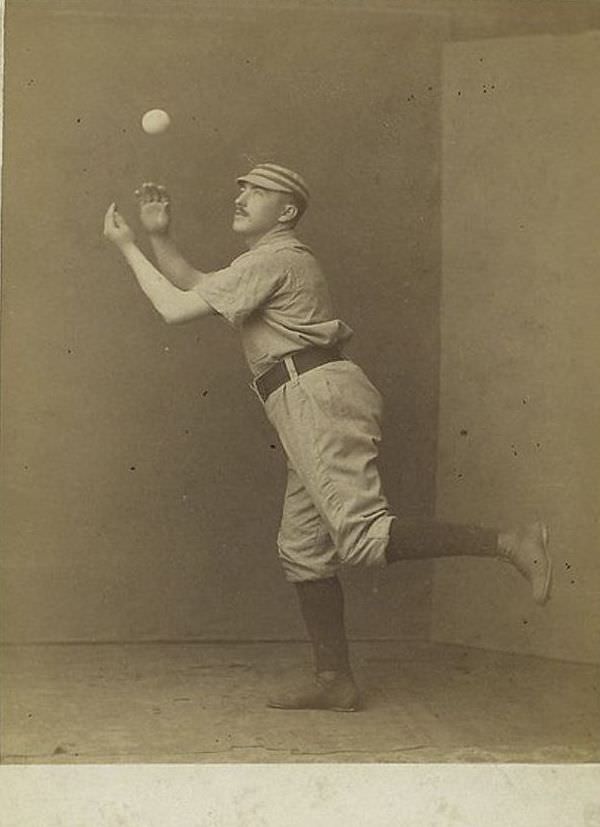
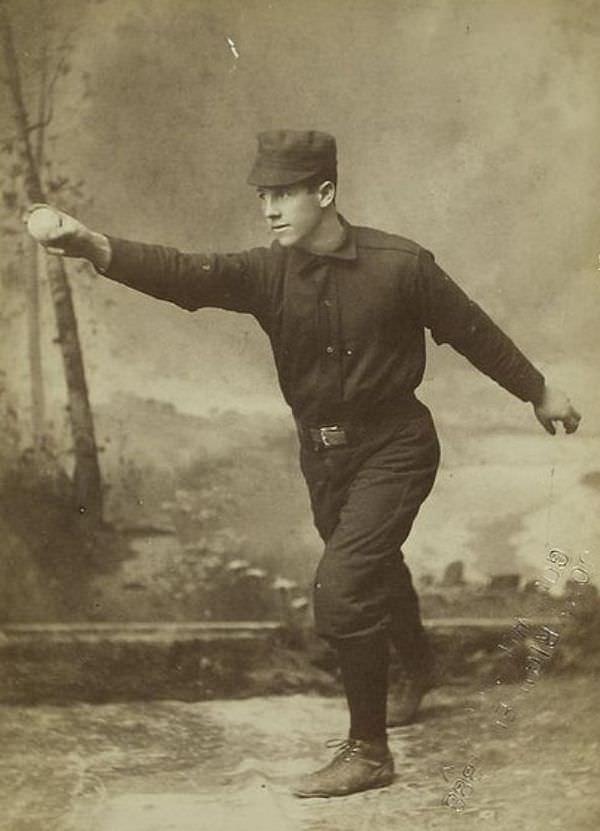
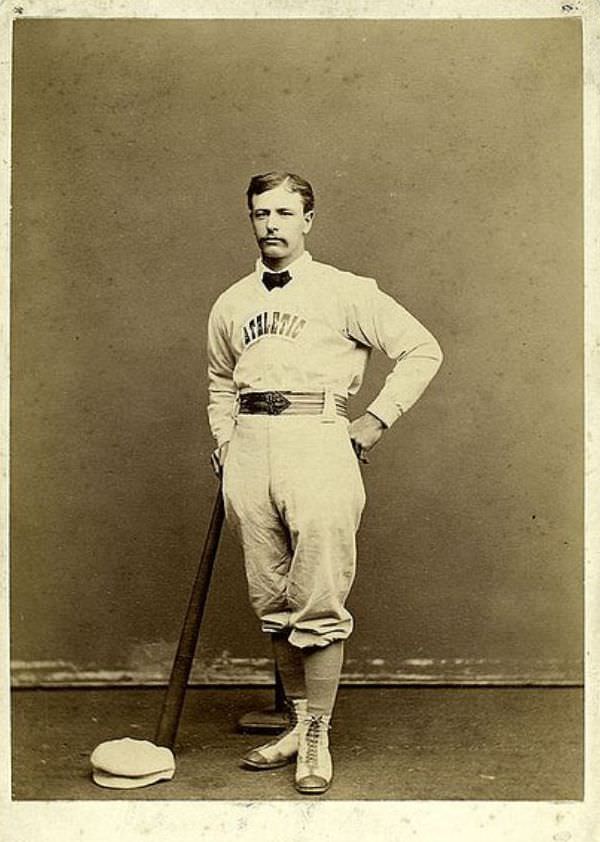
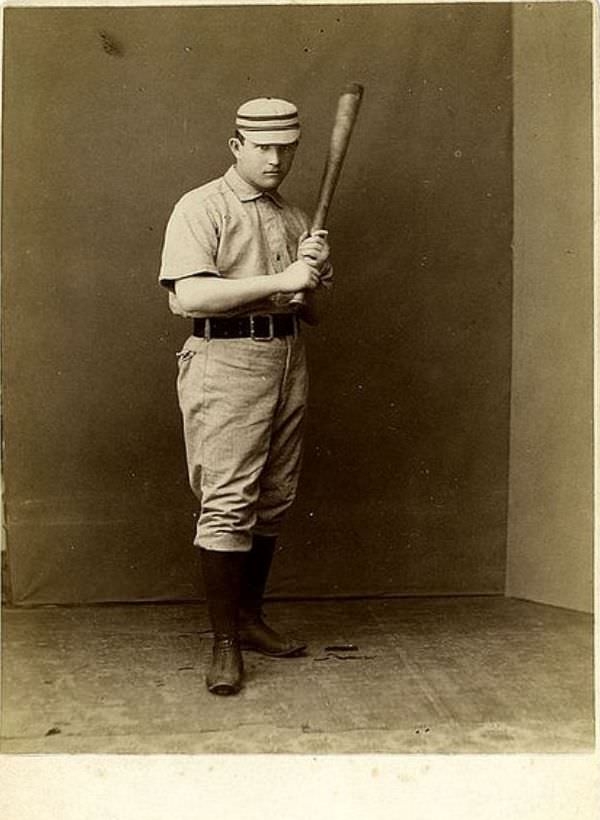
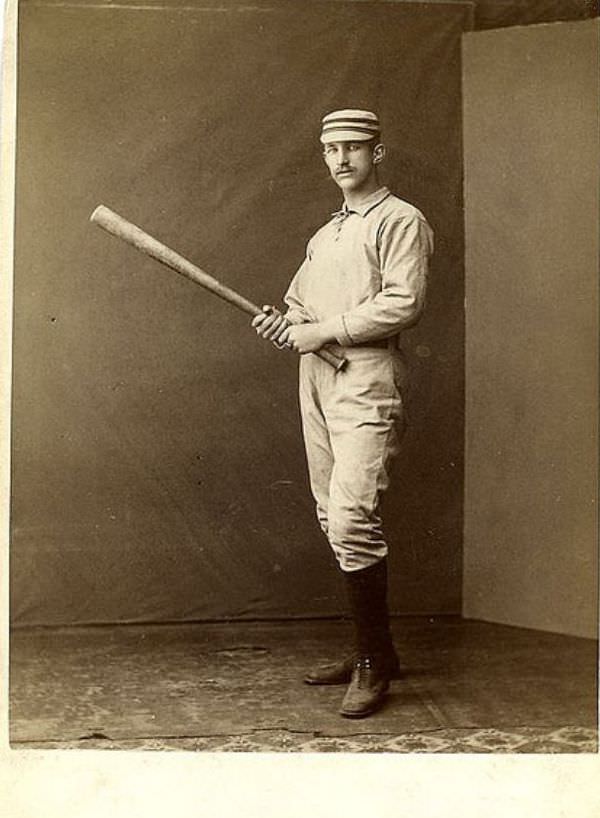
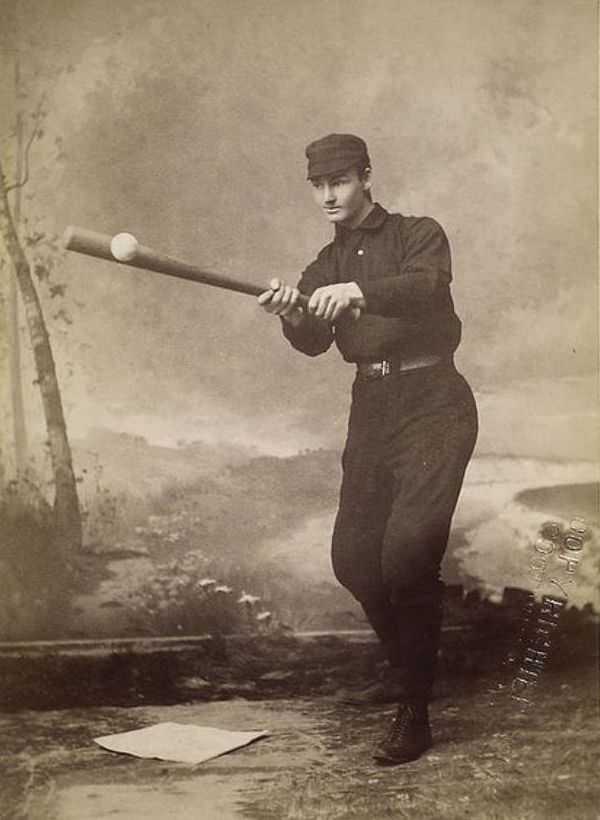
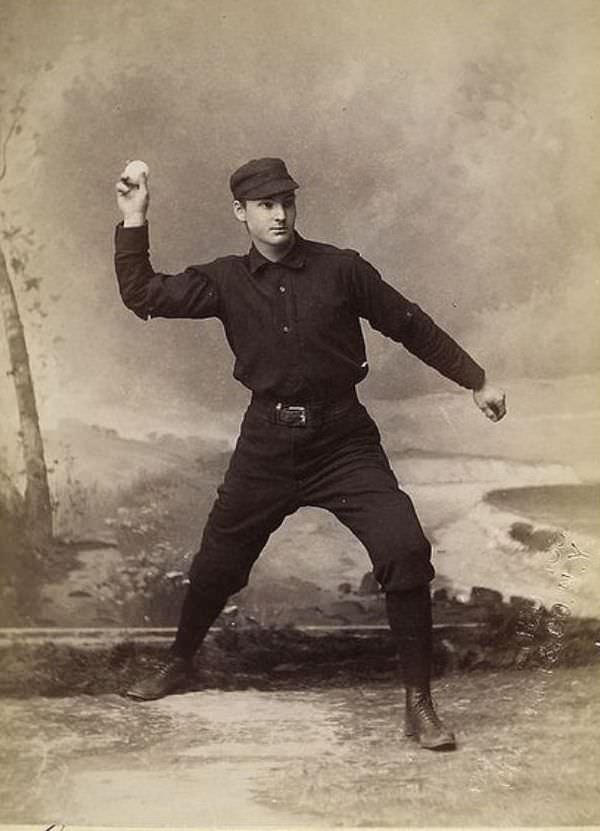
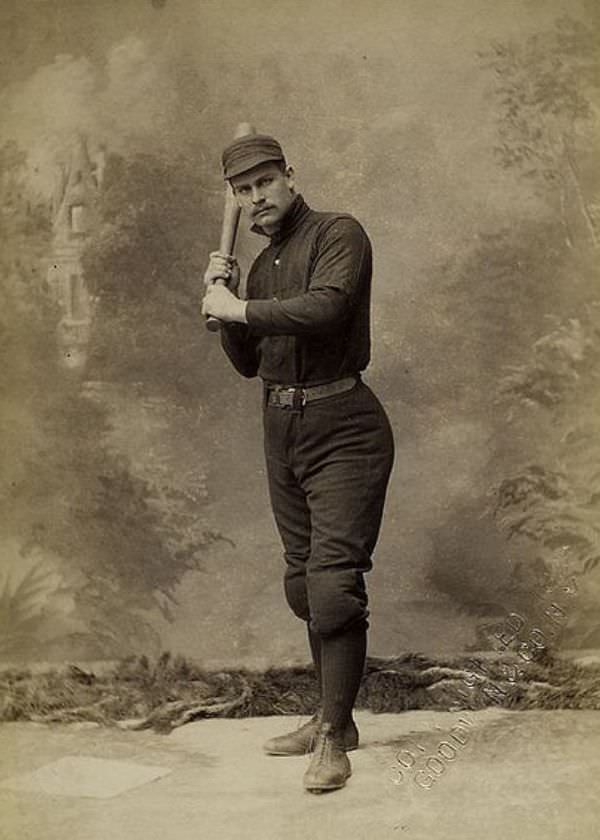
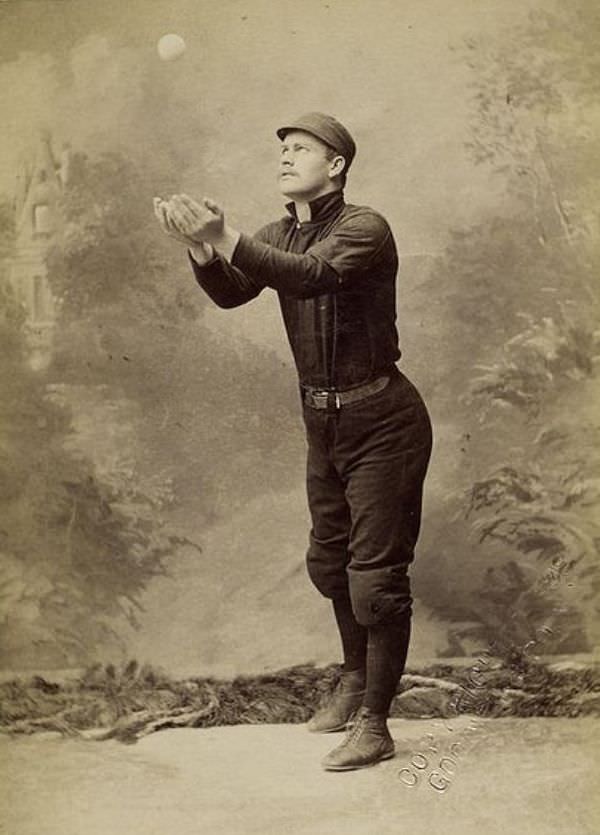
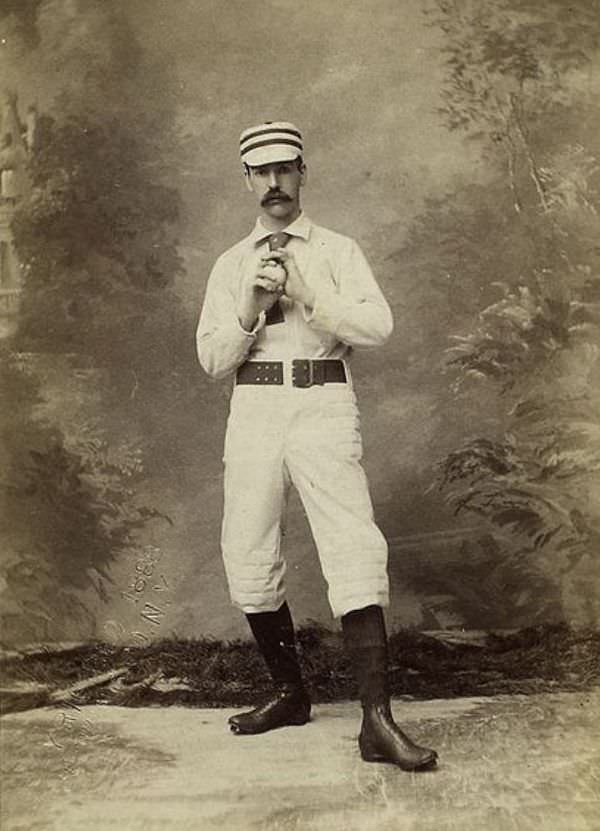
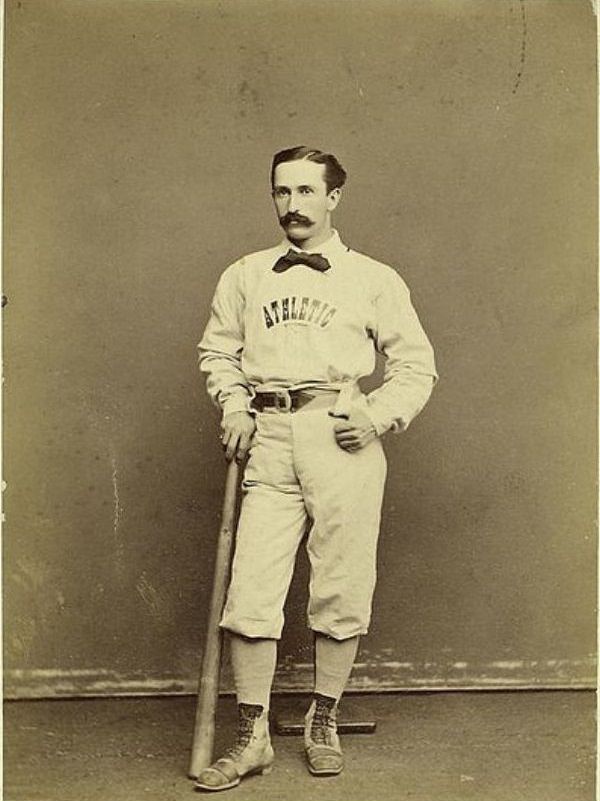
In photography studios, players posed stiffly in their uniforms, gripping bats, holding gloves, or standing at attention. The results were formal and still, but they gave fans a clear look at the men they came to watch. These portraits are now part of the New York Public Library’s Spalding Collection.
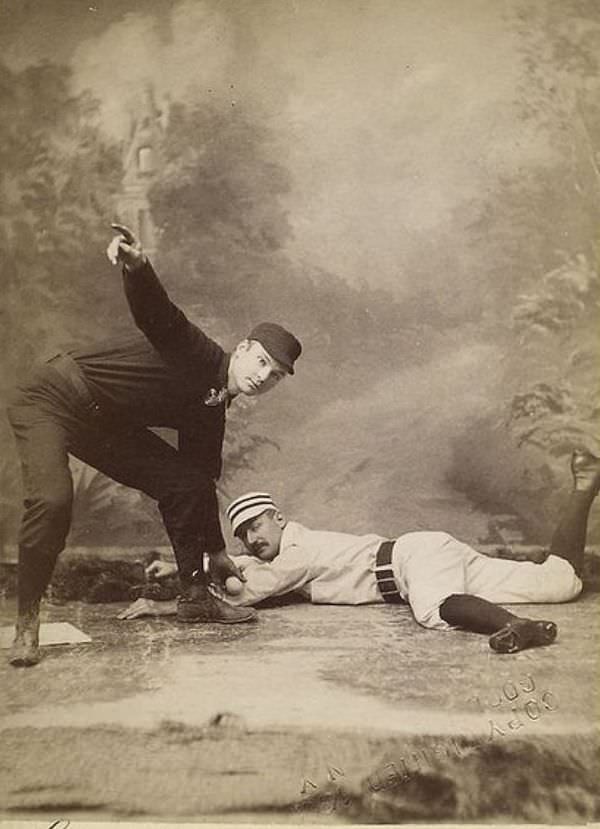
The collection holds over 500 images donated by A. G. Spalding — a star pitcher turned businessman whose name still appears on every official National League baseball today. Most of the photos feature players from teams in New York and Philadelphia.
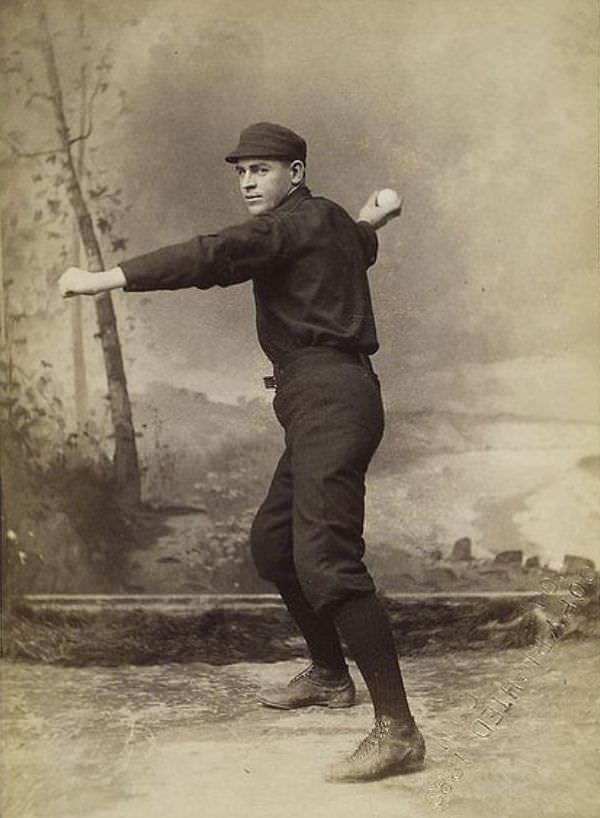
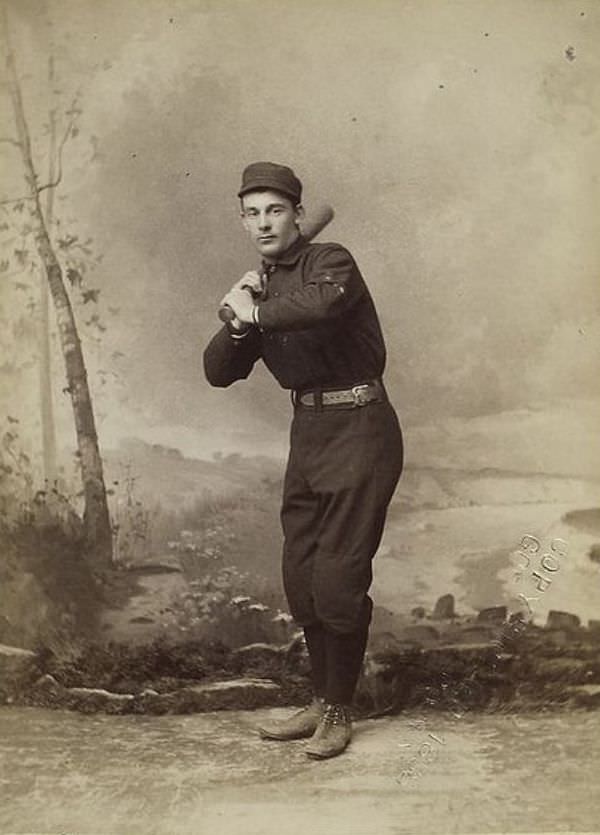
The uniforms in these portraits look nothing like modern baseball gear. Collared shirts, wool fabrics, and flat caps were standard. Gloves were thin and barely padded. Bats were often heavier and less refined than what players use today.
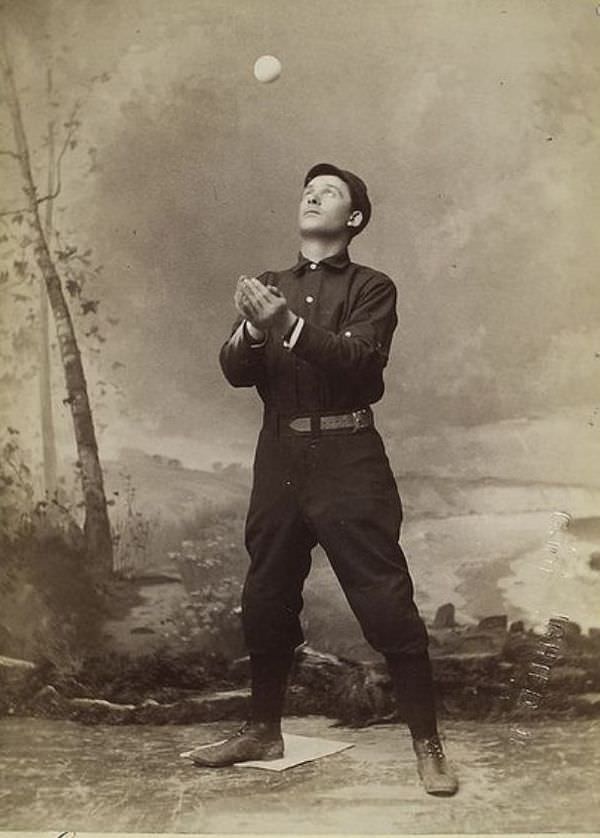
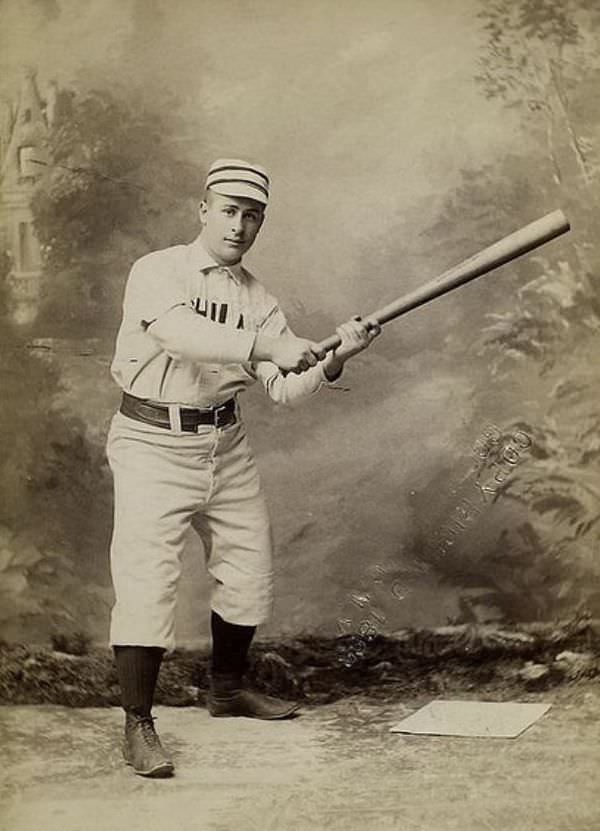
Around the same time, cigarette companies began printing player portraits on small cards tucked into their packs. Early versions showed only a player’s head and shoulders. Fans pushed for more, wanting full-body poses that showed the athletes in their complete uniforms with equipment in hand.
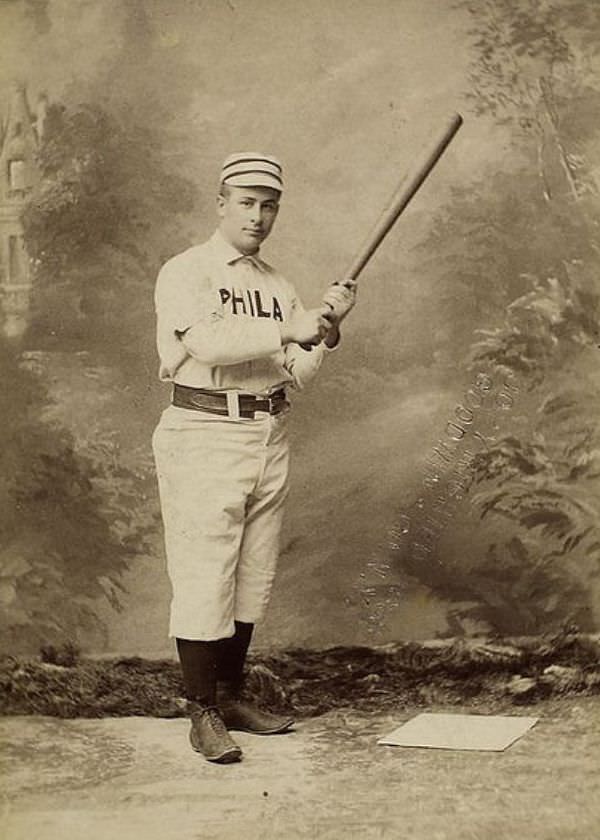
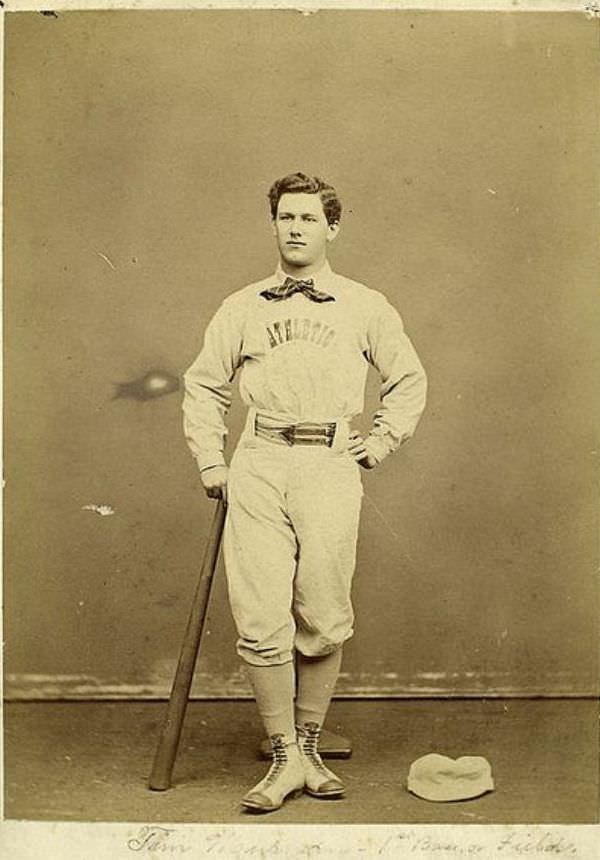
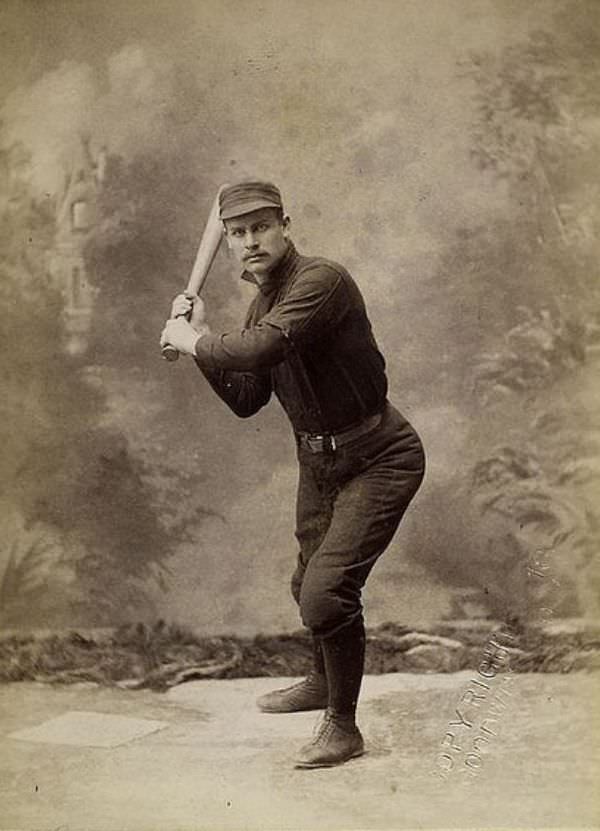
The studio format answered that demand. A photographer could control the lighting, the background, and the pose — producing a clean, printable image that cigarette companies and sports publications could reproduce.
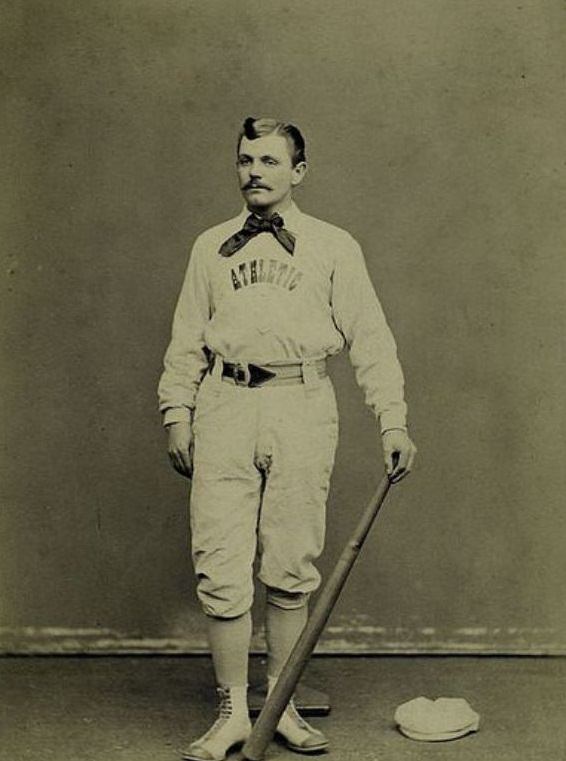
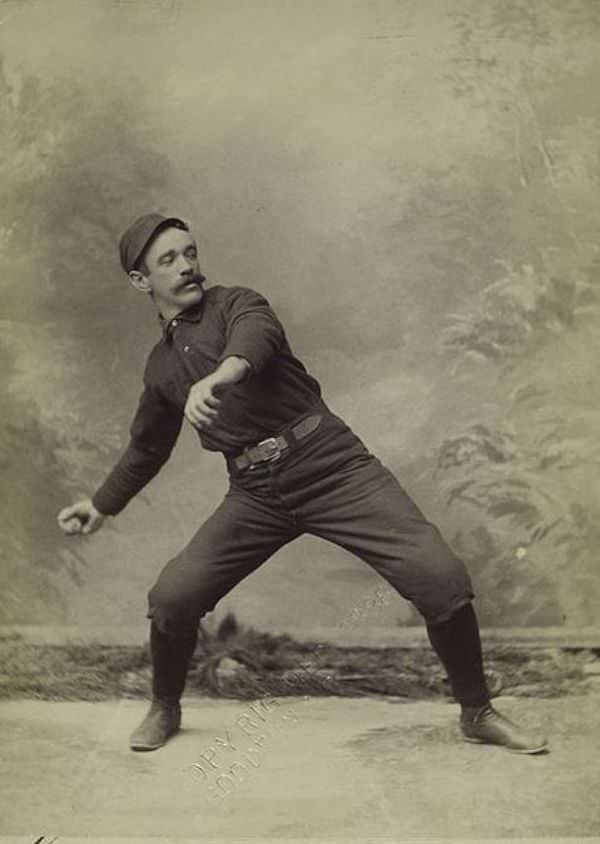
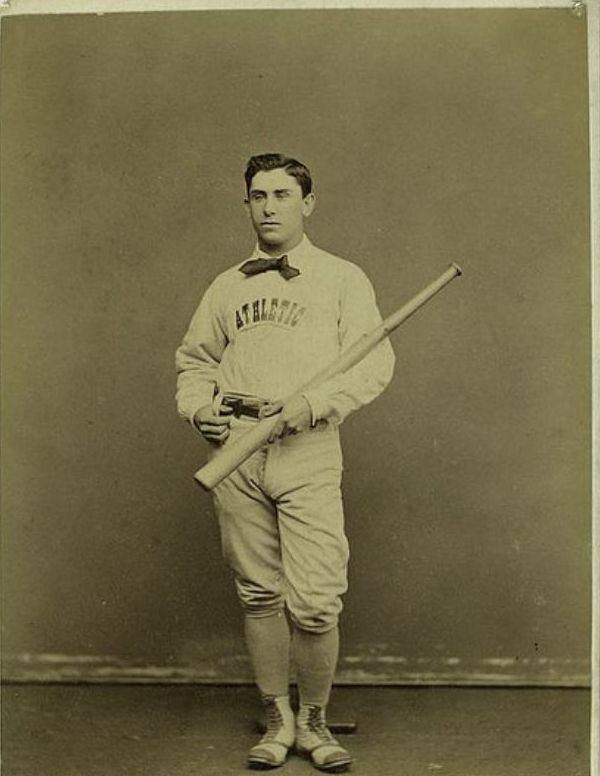
Each portrait in the Spalding Collection is a direct record of how professional baseball players presented themselves in this era. Their stances, expressions, and equipment all reflect the sport as it existed before modern rules, modern gear, and modern media changed everything.