The 1960s were packed with bold experiments — in music, culture, and especially fashion. Few trends captured the decade’s spirit of novelty quite like the paper dress. Fragile, fun, and completely disposable, these garments were a genuine phenomenon.
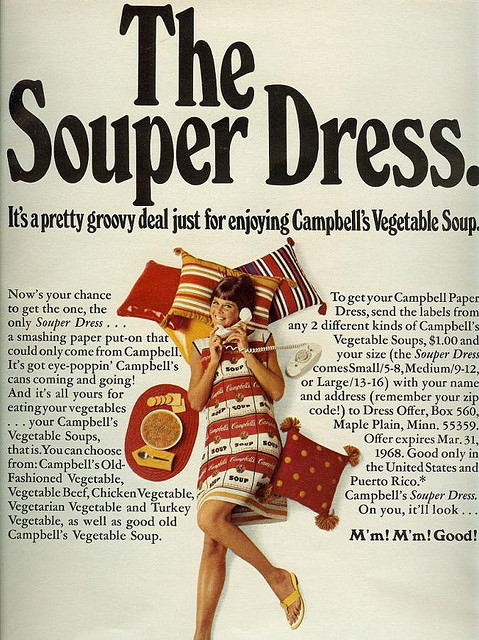
The trend got its start as a marketing stunt. Scott Paper Company introduced paper dresses as a promotional item in the mid-1960s. For a small fee sent through the mail, customers received an A-line dress made from cellulose wadding — a soft, paper-like material. They arrived in basic colors and simple shapes, but they sold like crazy.
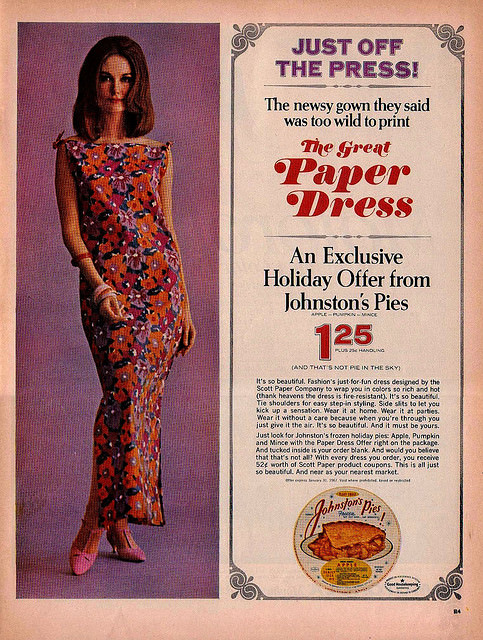
People wore them to parties, casual gatherings, and around the house. At just a dollar or two, they were cheap enough to toss after a single wear. That throwaway quality wasn’t a flaw — it was the whole point. Disposable culture was on the rise, and paper dresses fit right in.
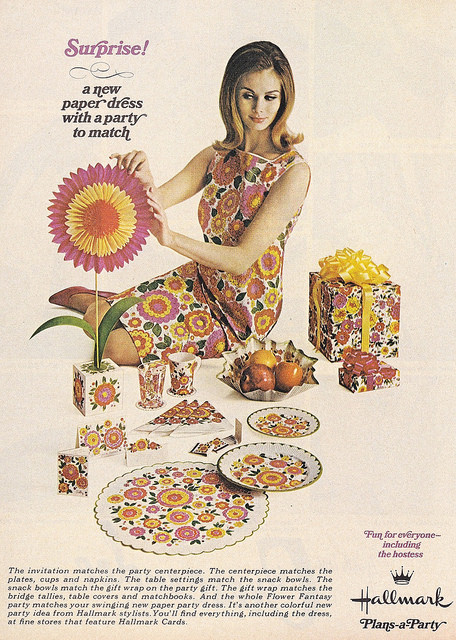
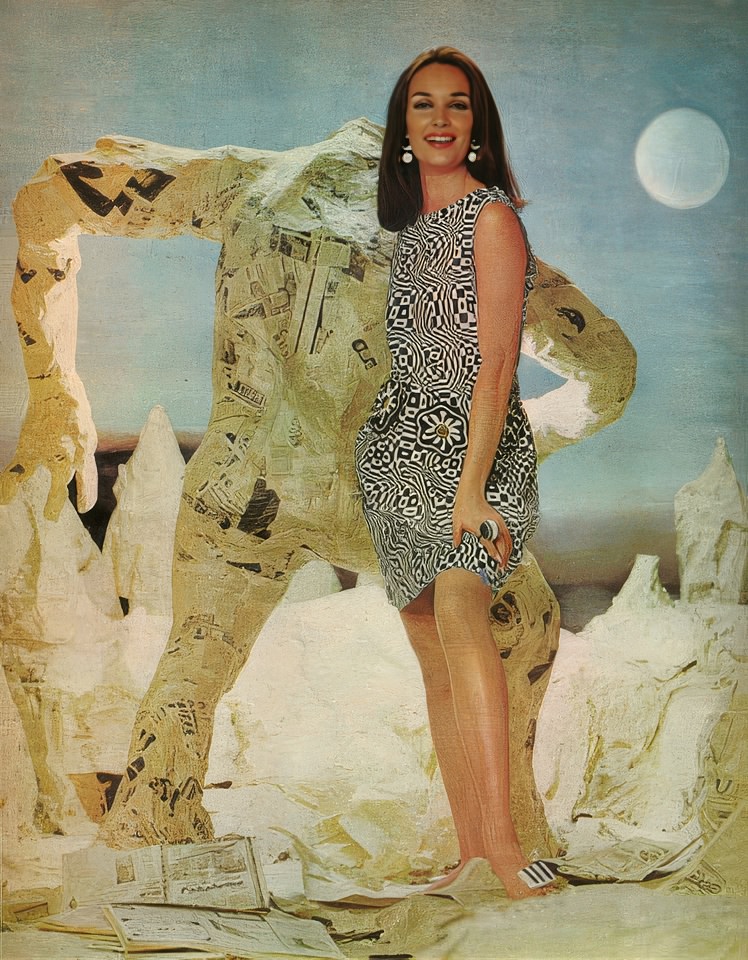
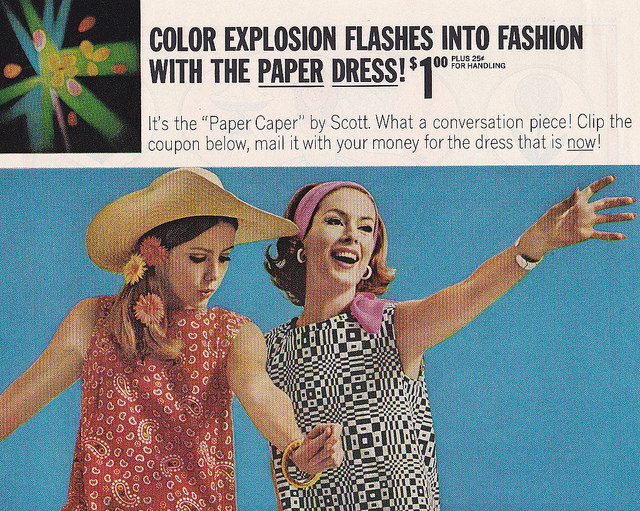
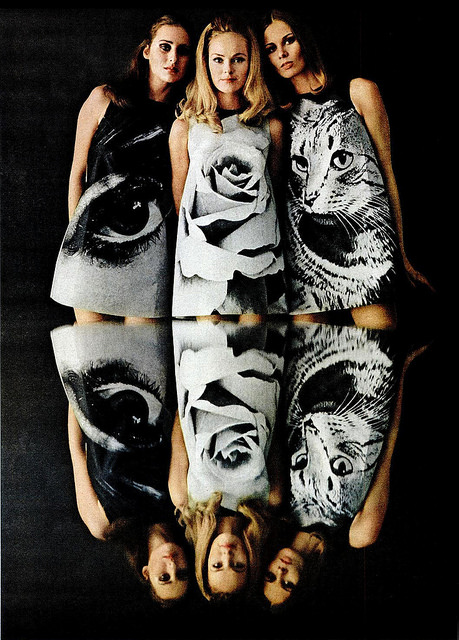
As demand grew, manufacturers upgraded the materials. Cellulose fibers reinforced with nylon made the dresses tougher and less prone to tearing. Designers pushed further, introducing psychedelic prints, geometric patterns, and vivid color combinations that matched the visual energy of the era.
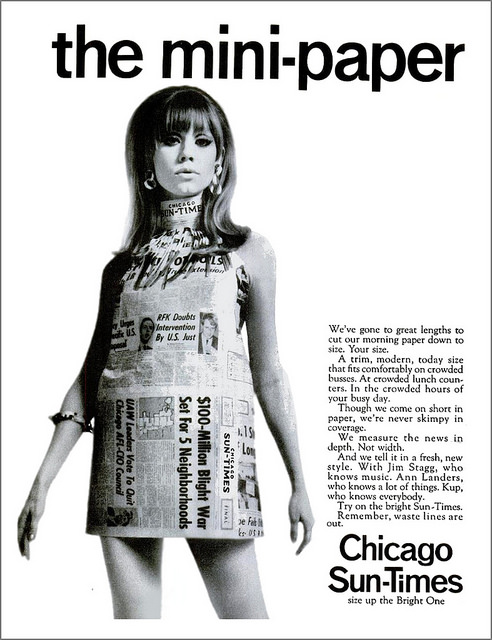
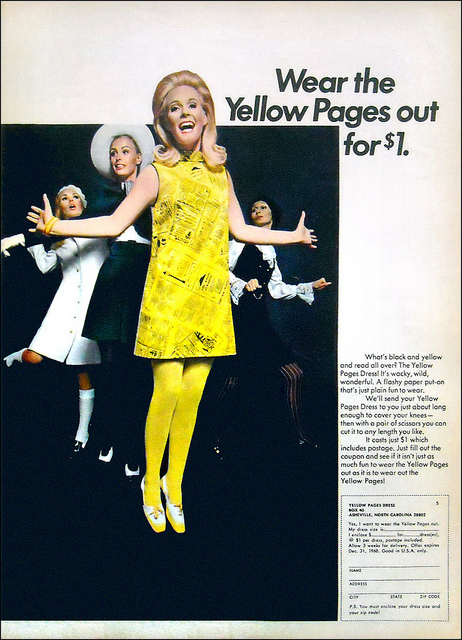
Some designs leaned into current trends with wit. The “Mini-Paper” combined the decade’s beloved mini-skirt silhouette with the paper dress format. Another creative variation used actual Yellow Pages pages, produced as a promotional item for the phone directory. These weren’t serious fashion — they were clever, attention-grabbing novelties.
The trend also crossed into fine art. Andy Warhol and other pop art figures incorporated paper dresses into their work, lifting the garments from gimmick to gallery-worthy objects. Suddenly, a disposable dress was also a statement about consumer culture and mass production.
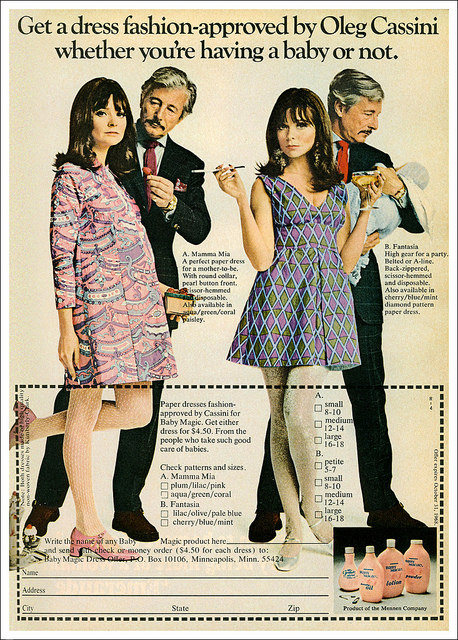
Still, paper dresses had hard limits. They couldn’t be washed. A snag or a rainstorm could ruin one instantly. These practical problems kept them from becoming a wardrobe staple, and by the late 1960s, the craze had faded as new fashion movements took over.
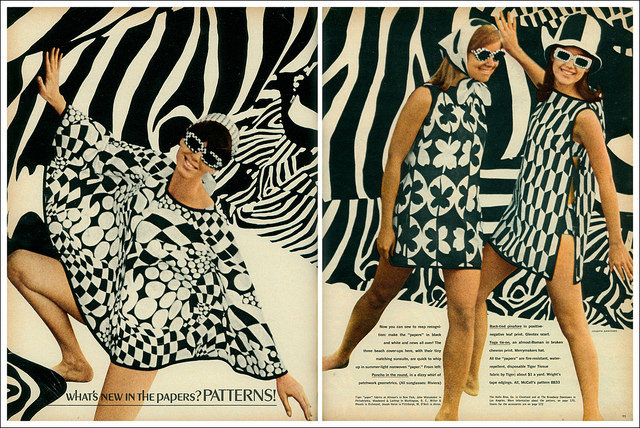
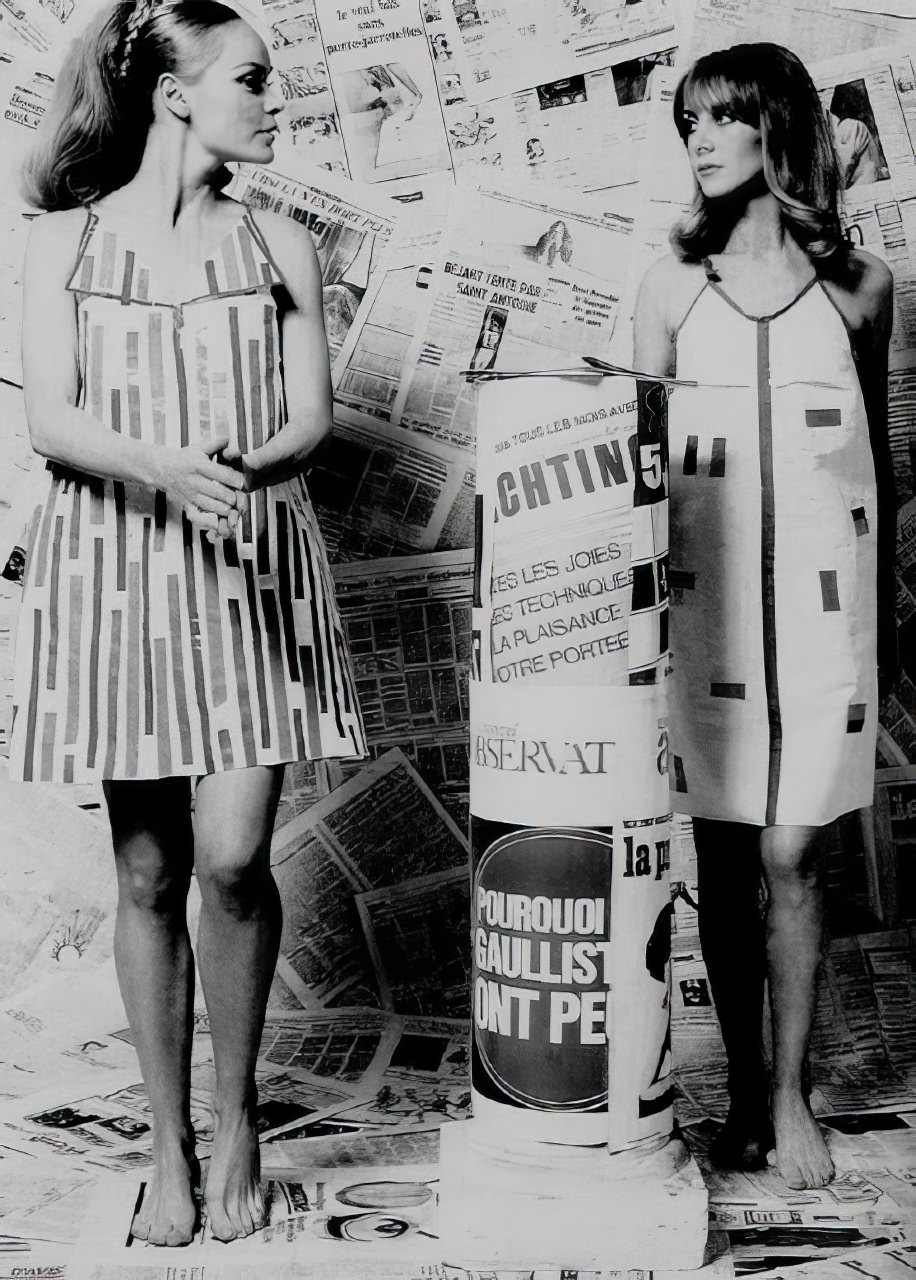
Today, surviving paper dresses are rare collectibles. Most were worn, torn, and thrown away — exactly as intended. The ones that remain tell a vivid story about a decade willing to turn almost anything, even a sheet of paper, into something worth wearing.