The 1956 Horseless Carriage Cavalcade brought together some of the rarest and most historically significant automobiles in American motoring history. Held at Silver Springs in Florida and organized by local car clubs and enthusiast groups, the event drew crowds eager to see vehicles spanning more than five decades of automotive development. From fragile brass-era runabouts to early electric roadsters, each machine on display told a specific story about how personal transportation evolved in the United States.
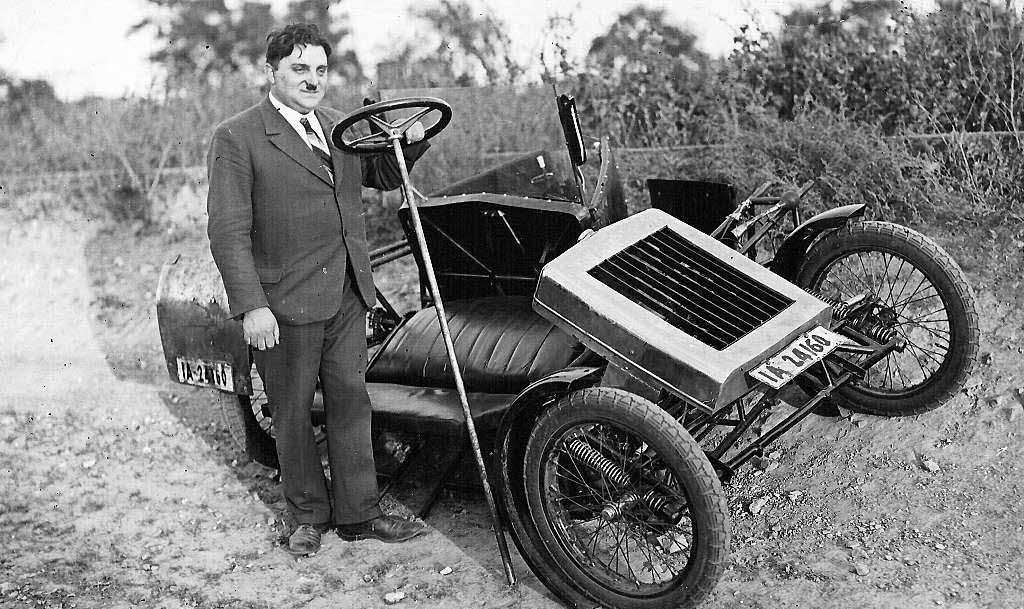
One of the most unusual entries was the Rumpler Drop Car, a German-engineered vehicle that challenged every design norm of its day.
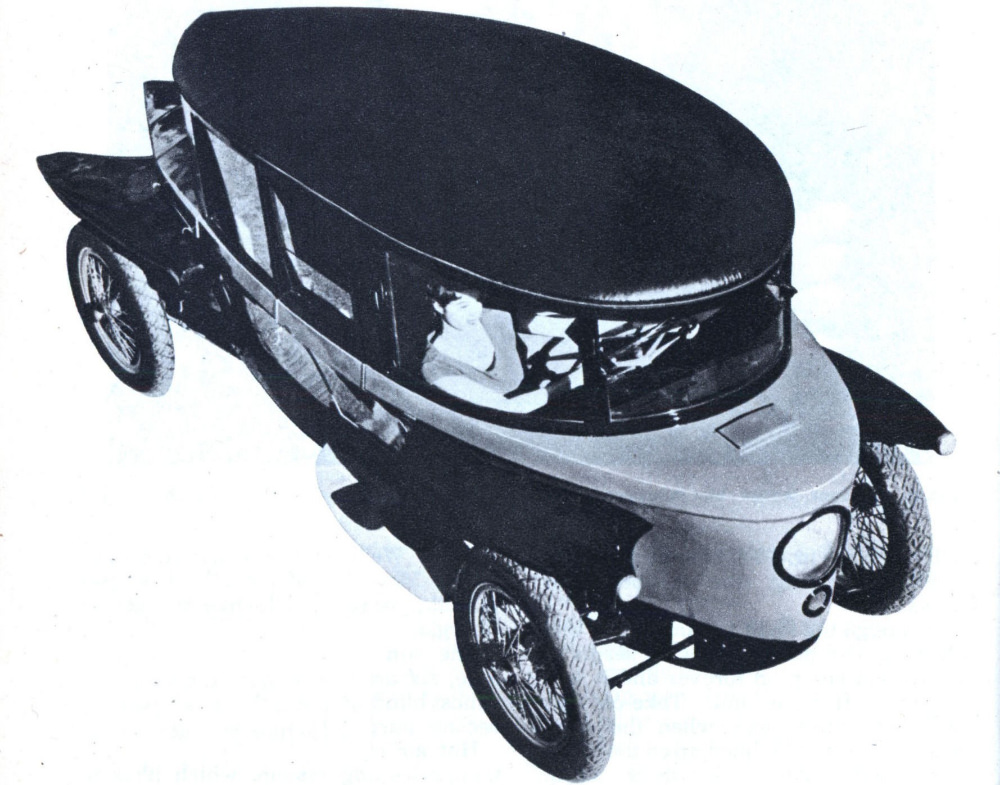
The Rumpler’s teardrop body shape was a genuine attempt to reduce wind resistance on passenger cars — a concept most automakers ignored for another two decades. Its rear-mounted four-cylinder engine pushed it to 60 mph, which was no small feat for the era. By contrast, American engineers were focused on raw speed. The 1913 Stutz Bearcat proved that point directly.
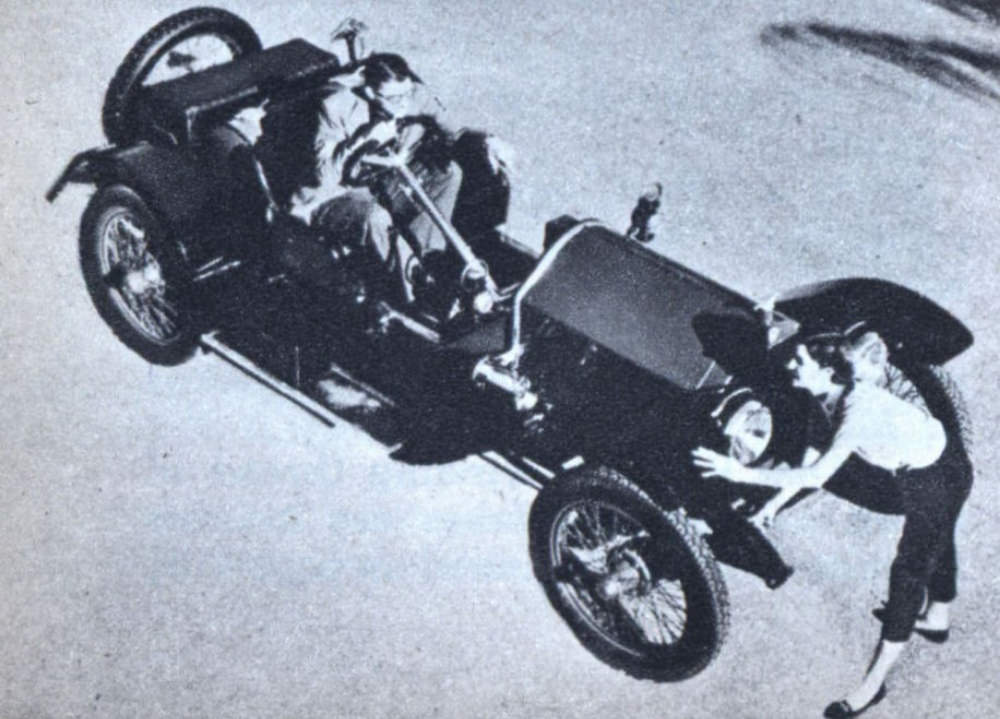
The Stutz Bearcat reached 80 mph and handled with a sharpness that set it apart from heavier touring cars of the same period. It represented the sporting ambitions of early American car buyers. Not everyone could afford such a machine, though. The 1913 Imp Cyclecar was aimed squarely at buyers with tight budgets.
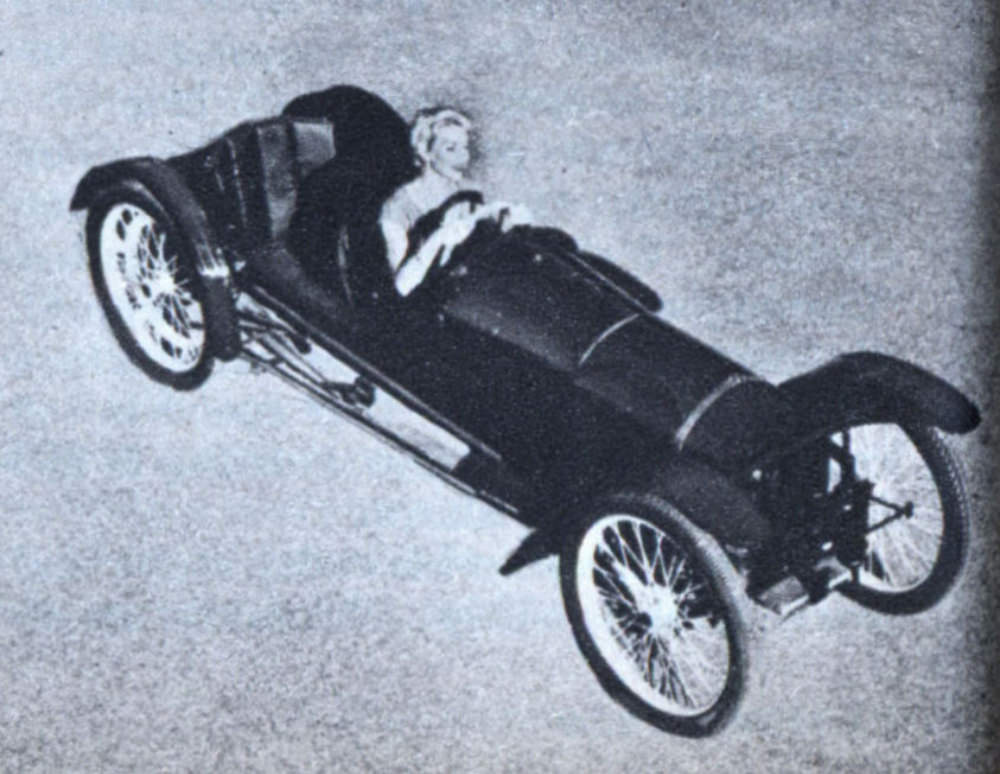
Priced at just $375, the Imp Cyclecar used a two-cylinder air-cooled engine and was stripped down to the essentials. Despite the low price, buyers stayed away, and it never found a real market. On the far opposite end of the price and power spectrum sat the Hispano-Suiza.
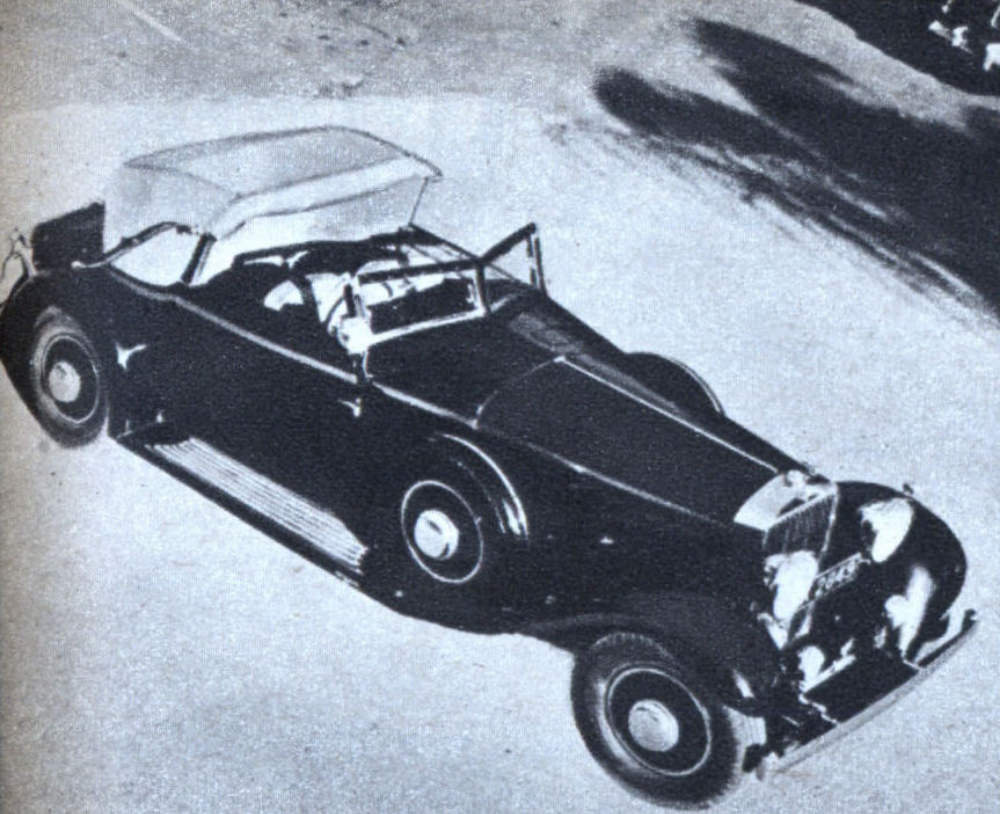
The Hispano-Suiza produced 220 horsepower from its massive V12 engine — without a supercharger. That output rivaled purpose-built racing machines of the era and placed the Hispano-Suiza in a class almost entirely its own. The 1925 Rickenbacker roadster also made a technical statement, though its reputation was more complicated.
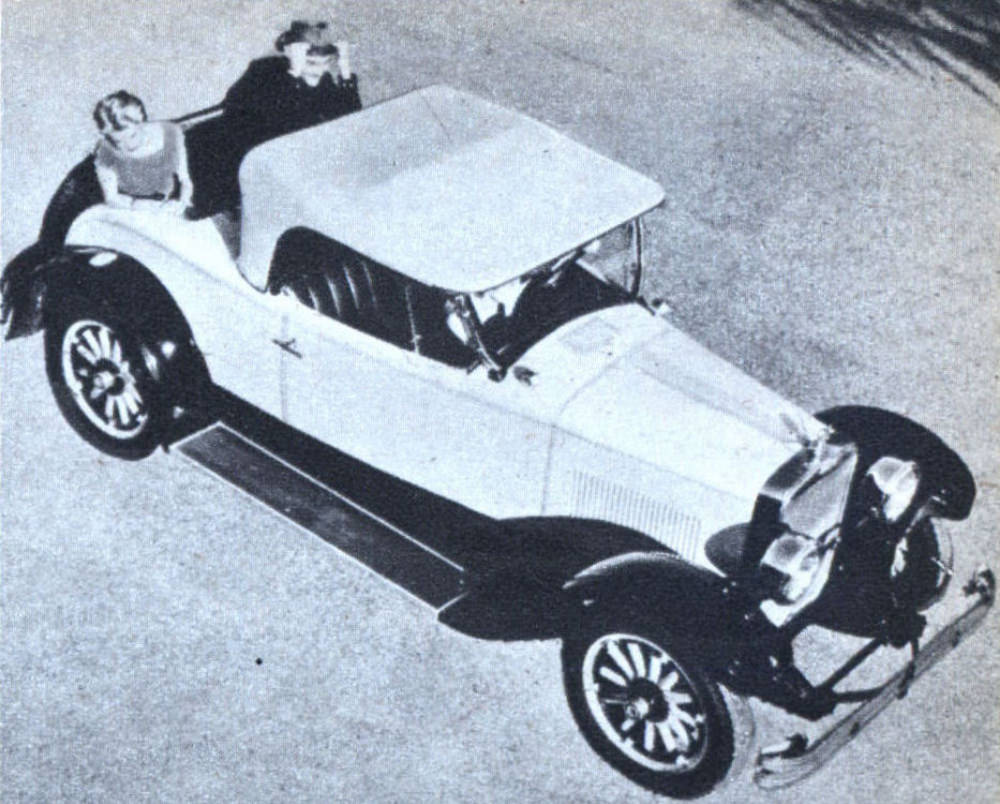
The Rickenbacker was the first production automobile to offer four-wheel brakes, a genuine safety advancement. Critics, however, called the car unreliable, and the marque eventually folded. Safety innovations were not always matched by mechanical dependability in this era. Rarity was another draw at the Cavalcade, and few vehicles were rarer than the 1914 Overland speedster.
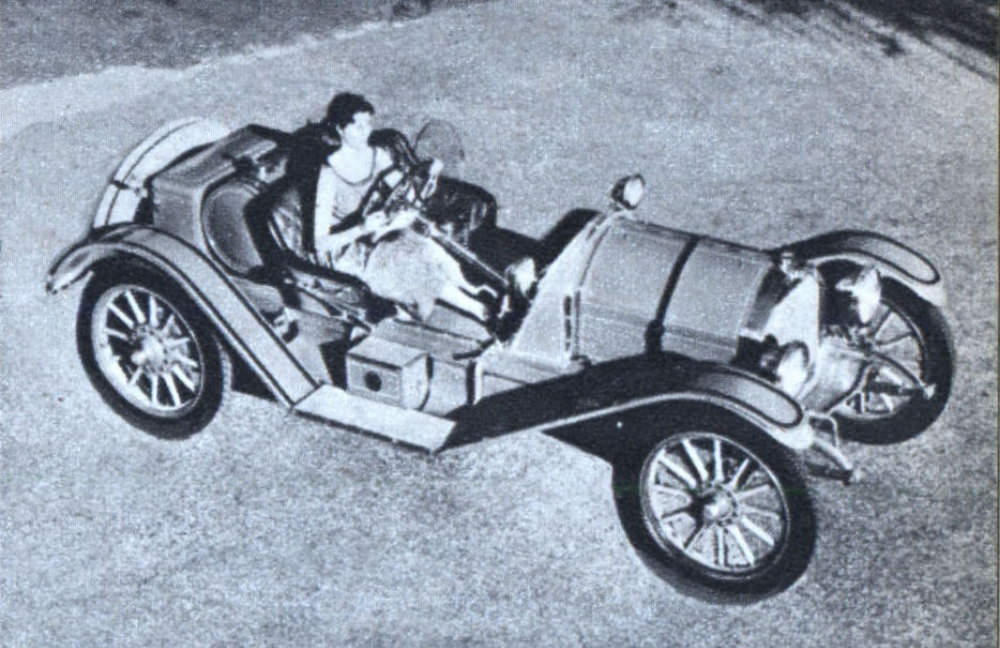
Only 50 Overland speedsters were ever built, making each surviving example a genuine artifact. Its monocle windshield — a single circular glass mounted directly in front of the driver — was a practical solution in an age before enclosed cabins became standard. The 1903 Crestmobile showed just how sophisticated some engineers were even at the very dawn of the automobile age.
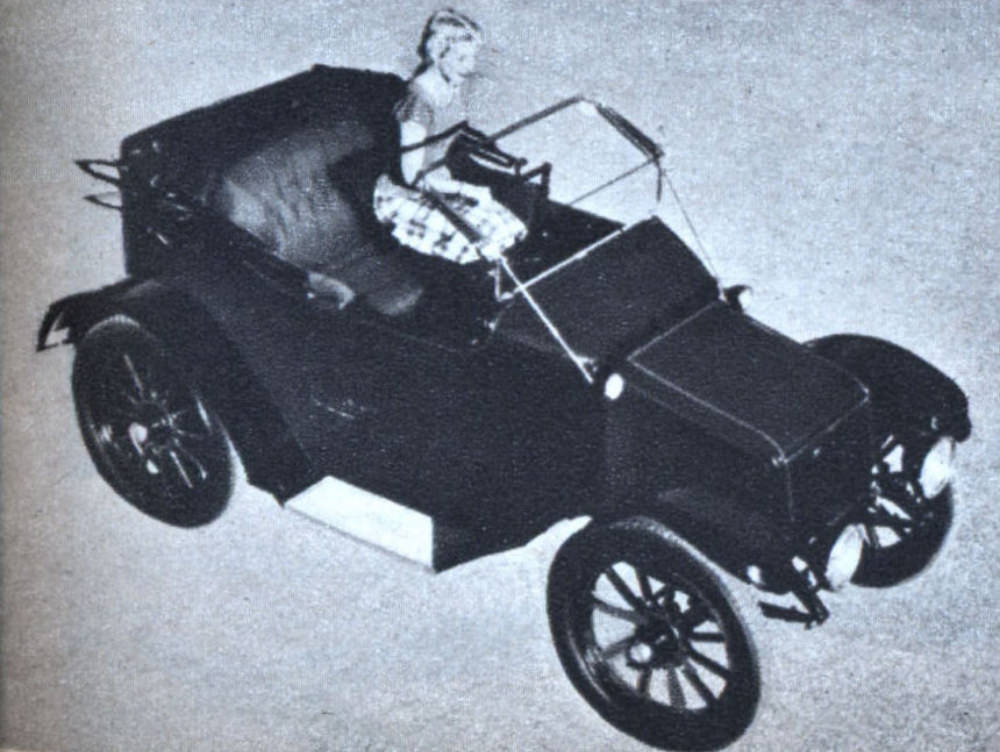
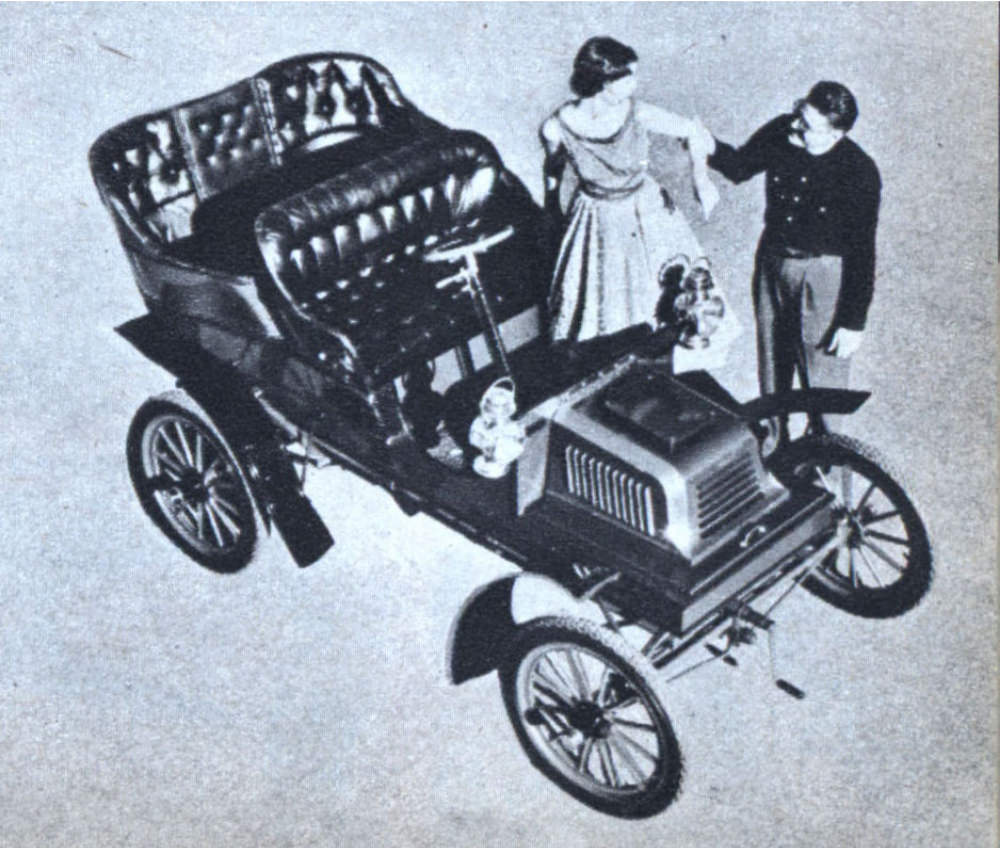
The 1903 Crestmobile featured a steering column-mounted gear shift, an adjustable steering wheel, and an automatic clutch — features that wouldn’t become common on American cars for decades. Its engine design also anticipated the vibration-dampening principles that Chrysler would later market as Floating Power. The final vehicle rounding out the Cavalcade’s highlights took a completely different approach to propulsion altogether.
The 1914 Baker Electric Roadster ran entirely on battery power, covering up to 100 miles at a steady 25 mph. Electric vehicles were a serious competitor to gasoline cars in the early 1900s, particularly for city driving, and the Baker was one of the most capable examples of that technology. The owners who drove these machines through the 1956 Cavalcade weren’t simply displaying old cars — they were presenting working evidence of how many different ideas engineers pursued in the search for the ideal automobile.