

The 1942 Plymouth Special Deluxe Convertible Coupe sits at a fascinating crossroads in American automotive history. Built by the Plymouth division of Chrysler, it represented the top of Plymouth’s lineup at a moment when the entire industry was about to be turned upside down by World War II. What makes this car stand out is not just what it offered drivers, but the circumstances that made it so rare.
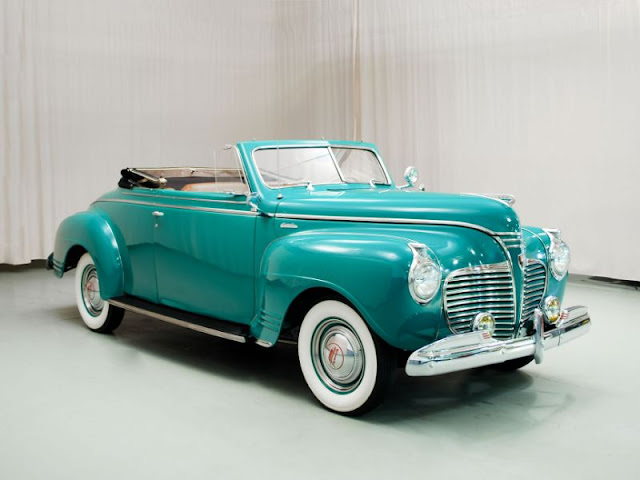
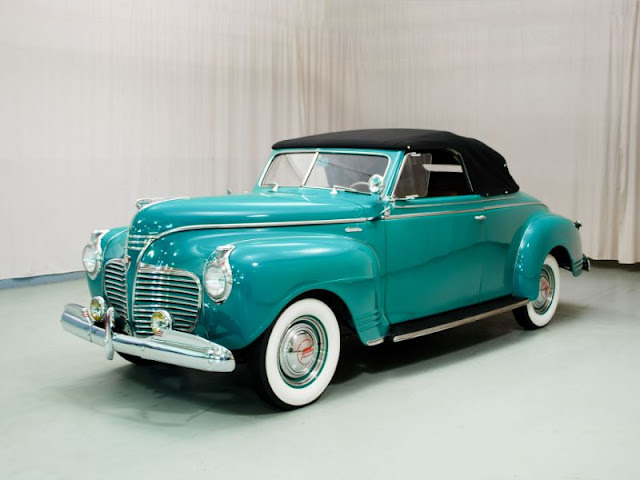
The Special Deluxe was Plymouth’s prestige series in the early 1940s. Within that lineup, the Convertible Coupe was the most open and expressive body style available. It carried a sleek, rounded silhouette that was very much in step with the design language of the era — smooth curves replacing the boxy shapes of the 1930s. The soft convertible top added an element of leisure and luxury that set it apart from Plymouth’s closed-body models.
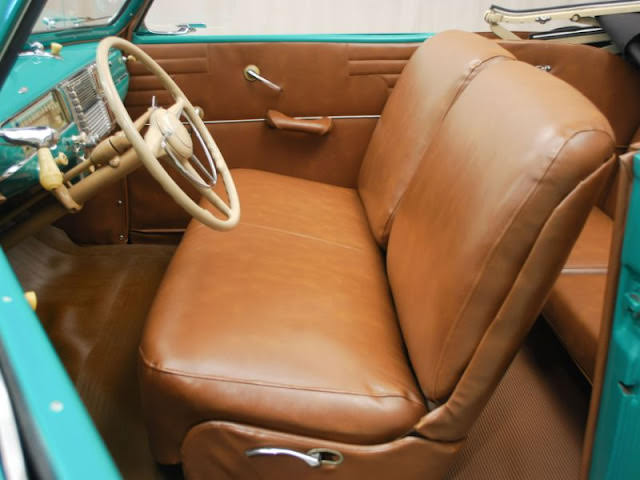
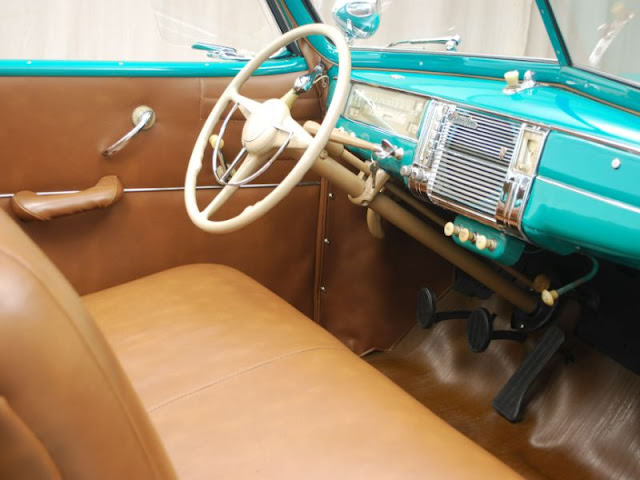
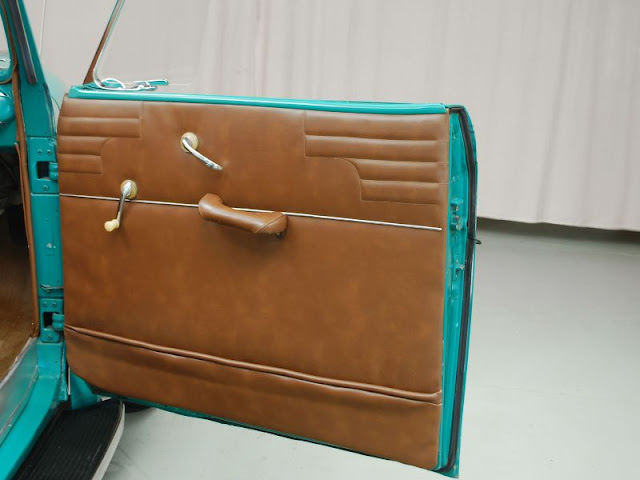
Inside, the cabin was spacious and carefully finished. Plymouth designers paid close attention to passenger comfort, fitting the interior with quality upholstery and thoughtful detailing that matched the car’s upscale positioning within the brand. The dash layout was clean and functional, giving the driver easy access to controls without unnecessary clutter.
Under the hood sat a flathead six-cylinder engine — a design widely used across the industry at the time. Plymouth’s version produced approximately 95 horsepower, which was a solid output for a civilian passenger car in 1942. The engine earned a strong reputation for reliability and smooth operation. It was paired with a three-speed manual transmission, and buyers had the option of adding an overdrive unit, which reduced engine strain during highway driving and improved fuel economy.
The flathead engine’s design placed the valves in the engine block beside the pistons rather than in the cylinder head. This made the engine simpler to build and maintain, which suited both factory production and everyday ownership. Plymouth had refined this layout over years of production, and by 1942 it was a well-sorted, dependable unit.
The three-speed manual gearbox was the standard setup, giving drivers direct control over gear selection. The optional overdrive was a meaningful upgrade for anyone covering long distances. It effectively added a fourth cruising gear, allowing the engine to run at lower RPMs on open roads. For a convertible coupe meant to be enjoyed on leisure drives, this combination of the manual gearbox and overdrive made the car genuinely pleasant to operate.
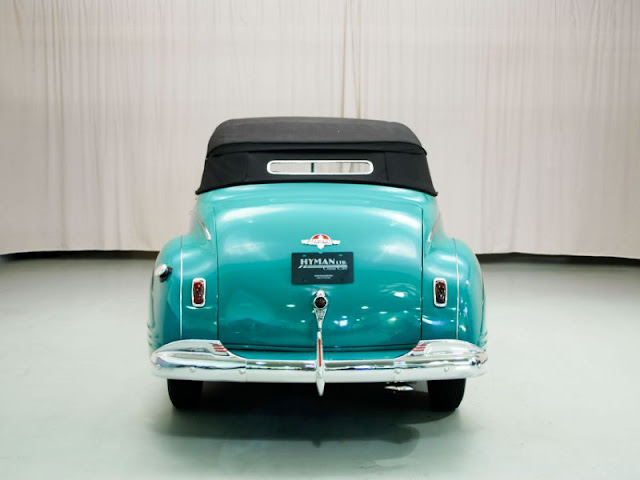
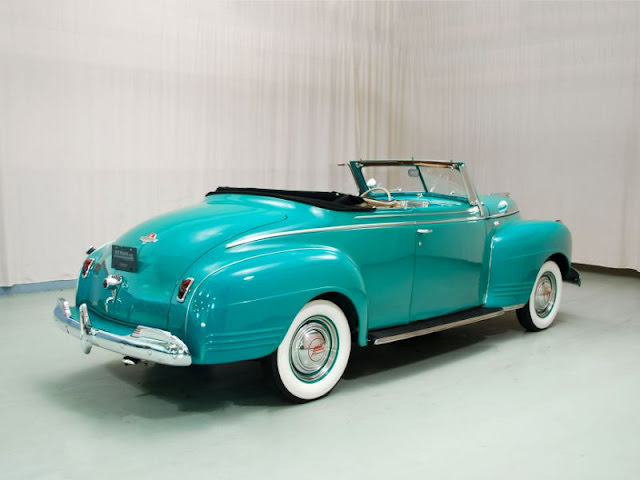
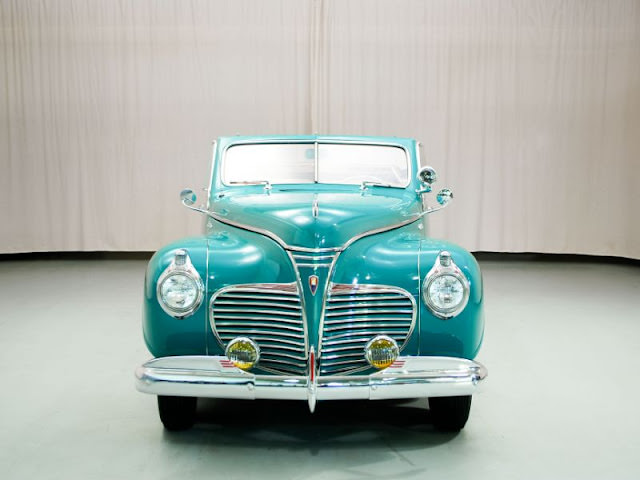
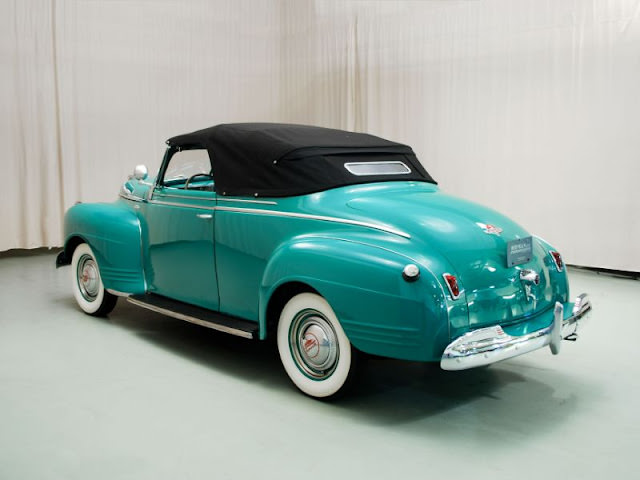
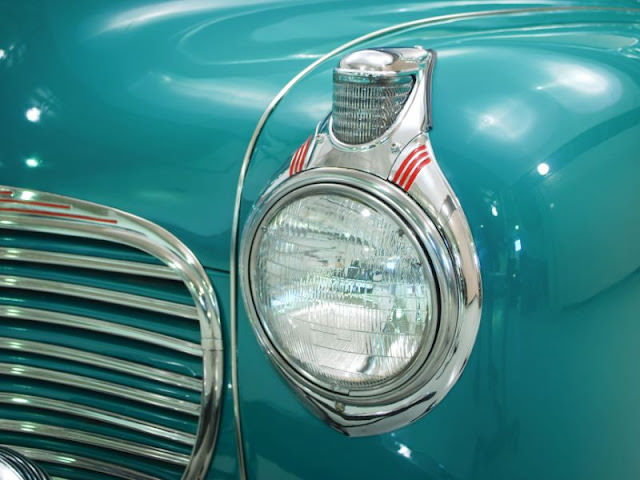
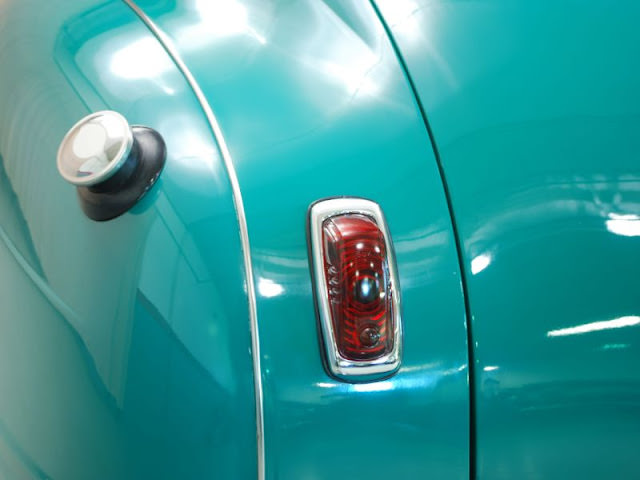
The exterior design reflected Chrysler’s styling direction heading into the early 1940s. The body was lower and wider than previous years, with a long hood, integrated fenders, and a fastback-influenced rear profile. Chrome trim accented the grille, headlamps, and body lines. The overall effect was a car that looked both refined and substantial — a deliberate choice to signal value and status.
Production of the 1942 model year began in the summer of 1941, as it did for most American automakers. However, the Japanese attack on Pearl Harbor on December 7, 1941, brought the United States into World War II. The federal government moved quickly to redirect industrial capacity toward military production. Chrysler, like all major American manufacturers, was ordered to halt civilian car production.
The cutoff date for civilian automobile production was February 9, 1942. After that date, American factories retooled to produce tanks, trucks, aircraft engines, and other war materiel. This meant the 1942 model year was brutally short. Plymouth produced far fewer units than any normal model year, and the Convertible Coupe — already a lower-volume body style — came off the line in especially small numbers.
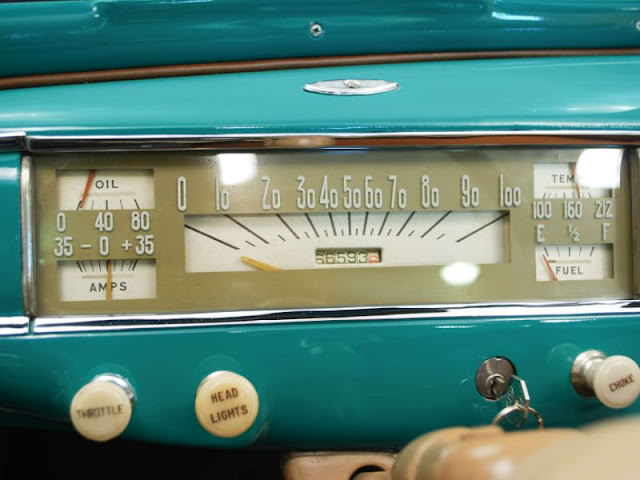
The 1942 models also carried some wartime material restrictions that were already taking effect before production ended. Certain chrome and stainless steel trim pieces were reduced or eliminated on some vehicles as raw materials were diverted to military use. This means individual surviving 1942 Plymouths can vary slightly in their trim details depending on exactly when they were assembled during that compressed production window.
Because no new civilian cars were sold in the United States from early 1942 through the end of 1945, the 1942 models were the last new cars millions of Americans would buy for years. Dealers sold existing stock throughout the war, and owners kept their cars running far longer than they otherwise would have. This extended use took a heavy toll on many 1942 vehicles, and relatively few survive today in original condition.
For collectors, the 1942 Plymouth Special Deluxe Convertible Coupe combines several appealing qualities. The short production run makes it genuinely scarce. The convertible body style was always the rarest and most desirable configuration. And the car’s direct connection to the wartime shutdown of American auto production gives it a specific historical context that closed-body, peacetime models simply do not share.
The mechanics remain accessible by vintage standards. The flathead six is straightforward to service, and many parts were shared across Chrysler’s broader product range during this period, which helps with restoration sourcing. The body, with its all-steel construction and integrated fenders, presents the typical challenges of 1940s sheet metal work — but for specialists familiar with the era, it is well-understood territory. The 1942 Plymouth Special Deluxe Convertible Coupe is a precise snapshot of American automotive ambition at the exact moment history intervened.
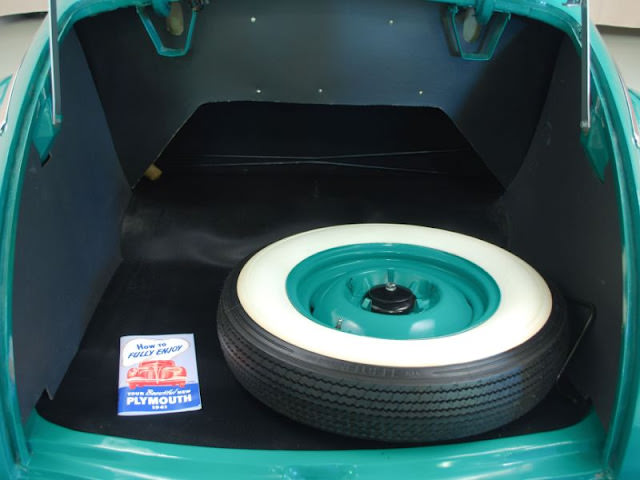

Nice info…..except the car pictured is NOT a 1942….it is in fact a 1941 model….’42 models were a brand new model design for the year, the car here is for sure, only a 1941.