
Birmingham in the 1930s was a city on the move. England’s second-largest city had already crossed the one million population mark, and its economy was booming. Factories hummed, new roads filled with traffic, and workers packed into shops, mills, and manufacturing plants across the region. The decade was defined by growth, but also by the hard realities of industrial life. These photographs capture both sides of that story.
The city’s boundaries had been steadily expanding. Perry Barr was absorbed in 1928, followed by Castle Bromwich and Sheldon in 1931. Birmingham’s city council had made a firm commitment to clearing inner-city slums by building modern housing estates. By the end of the decade, nearly 50,000 council houses had been built across the city, and more than 65,000 homes had also gone up for private owner-occupiers. The Barber Institute of Fine Arts opened in 1932, adding a cultural anchor to a city already buzzing with commercial energy.
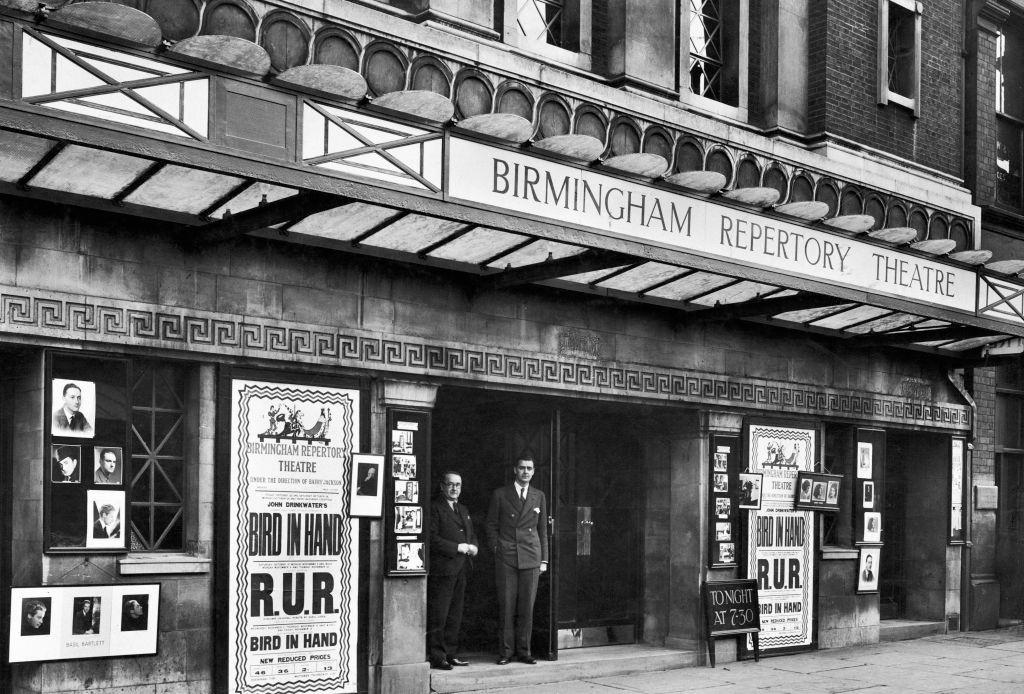
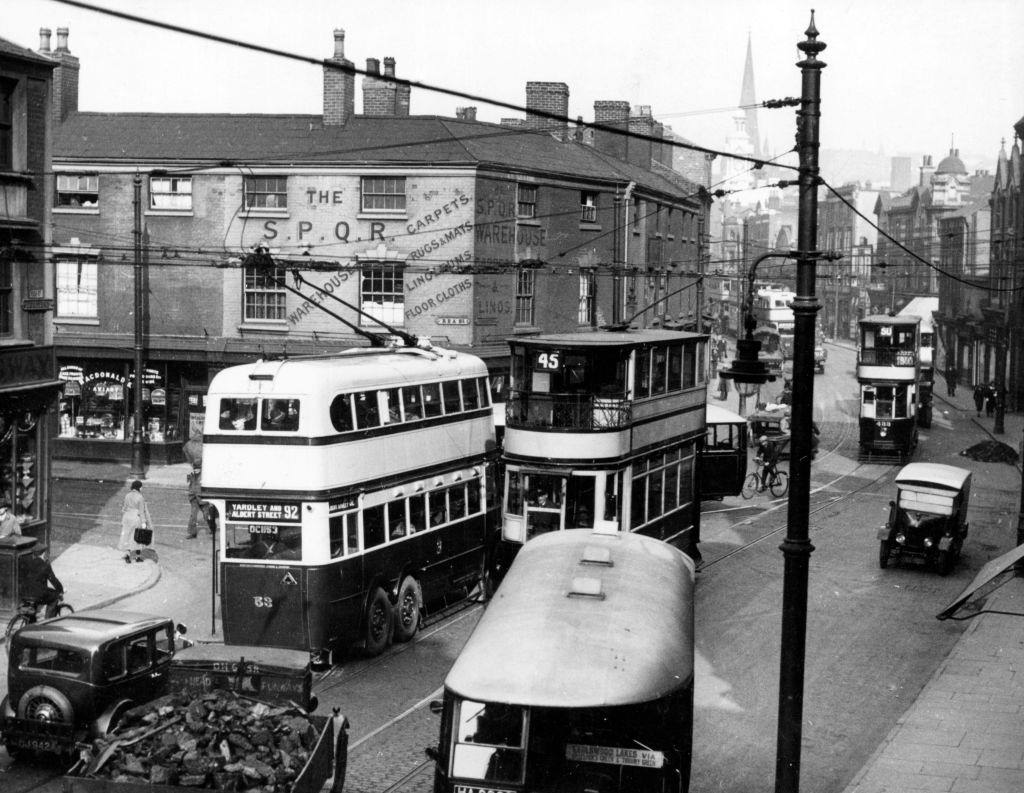
Birmingham’s streets in the early 1930s told the story of a city adapting to the modern age. Motor vehicles and pedestrians jostled for space at busy junctions, and the pace of life was accelerating. The city’s road network was being pushed to its limits as commerce expanded outward from the centre.
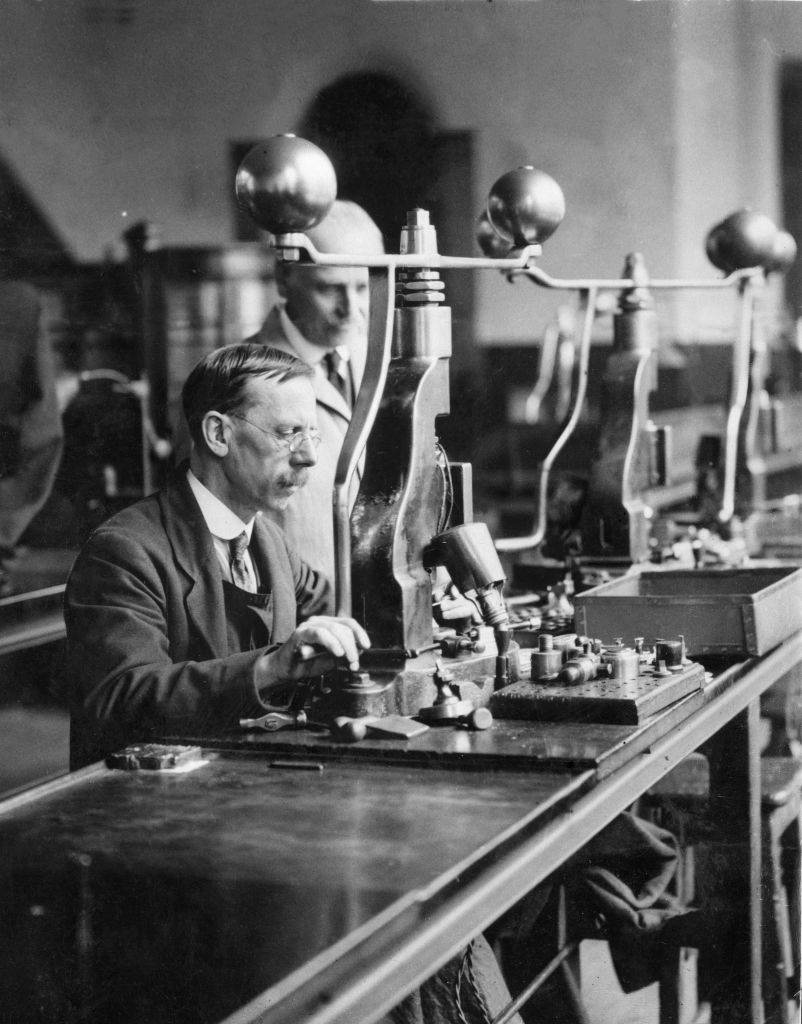
Birmingham had long been known as a hub for skilled trades, and its Assay Office on Newhall Street was one of the most respected in the country. Gold and silver objects had to pass through a rigorous hallmarking process before they could be sold, a standard that protected both craftsmen and buyers alike.
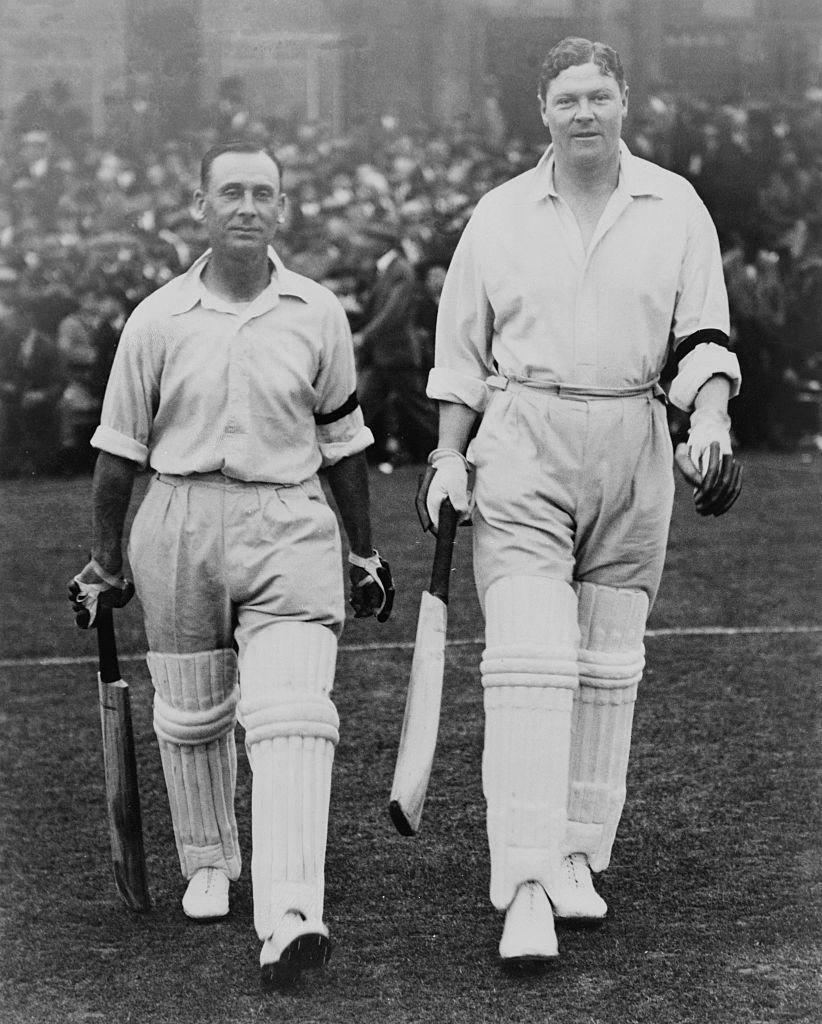
Sport was a major part of Birmingham’s public life. In 1930, Trent Bridge hosted the first Test Match between England and Australia, drawing enormous crowds. England’s batsmen Jack Hobbs and Percy Chapman were among the most recognized names in the game at the time.
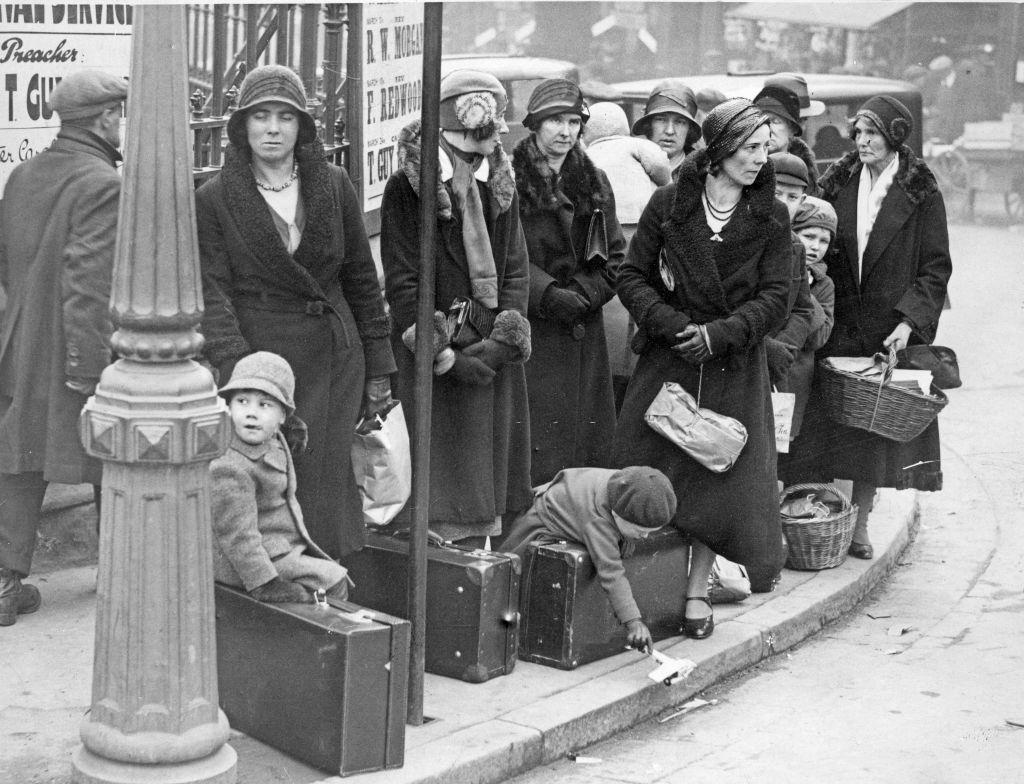
Easter holidays were a big event for working-class families in Birmingham. For many, a trip away was one of the few breaks they got all year. Nannies and mothers gathered children together for bus rides to holiday destinations, marking the season with a rare sense of excitement and escape from the daily routine.
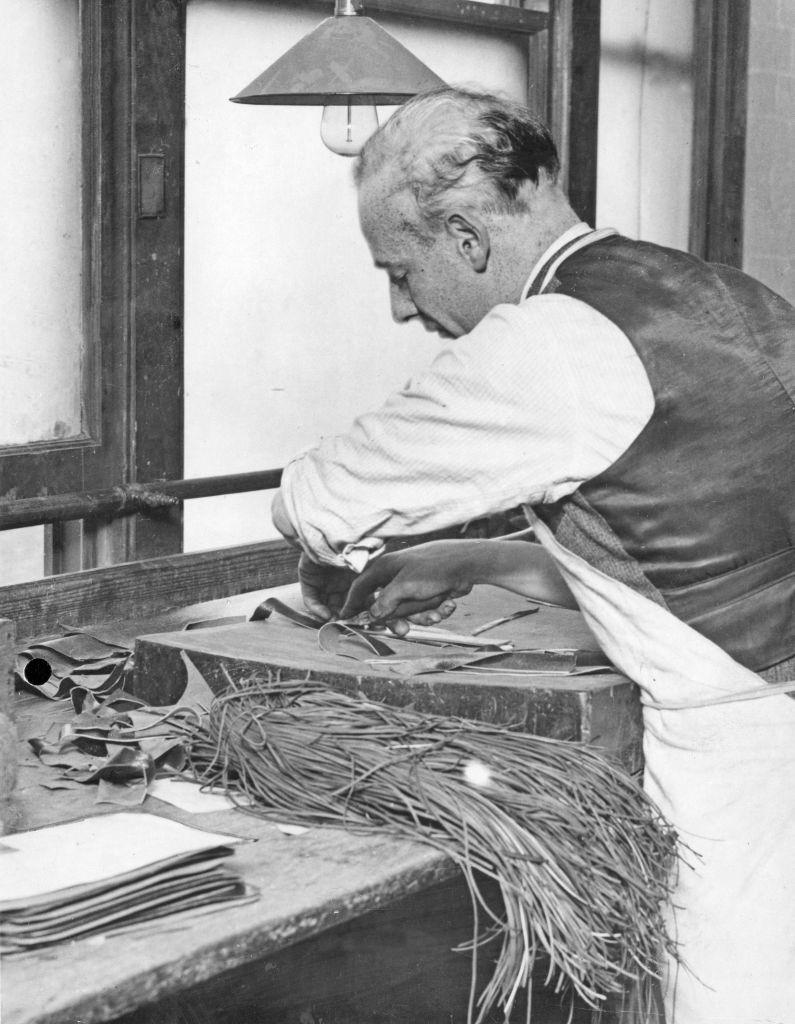
Manufacturing in Birmingham covered an enormous range of goods. Leather work was one of the skilled trades that kept many workers employed. A single handbag required careful hands and an eye for precision right from the first cut of the leather.
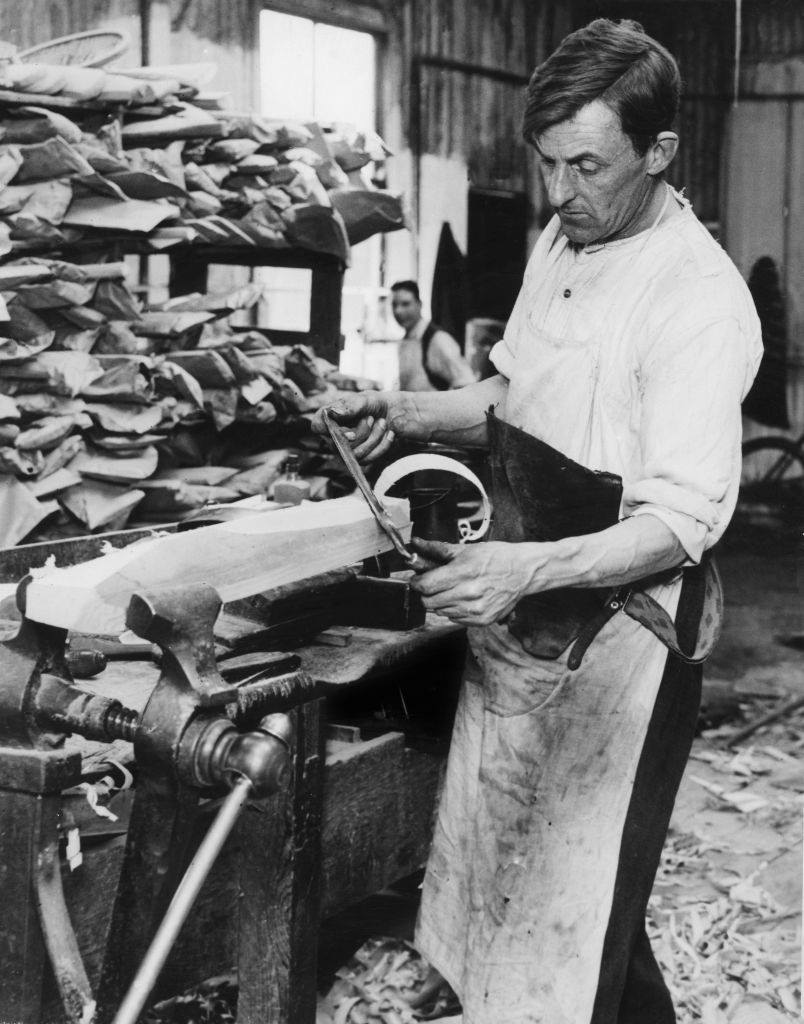
The Midlands had a strong connection to cricket, and local factories reflected that. Sports equipment manufacturers kept skilled craftsmen busy producing bats and other gear, feeding demand from clubs and players across the country.
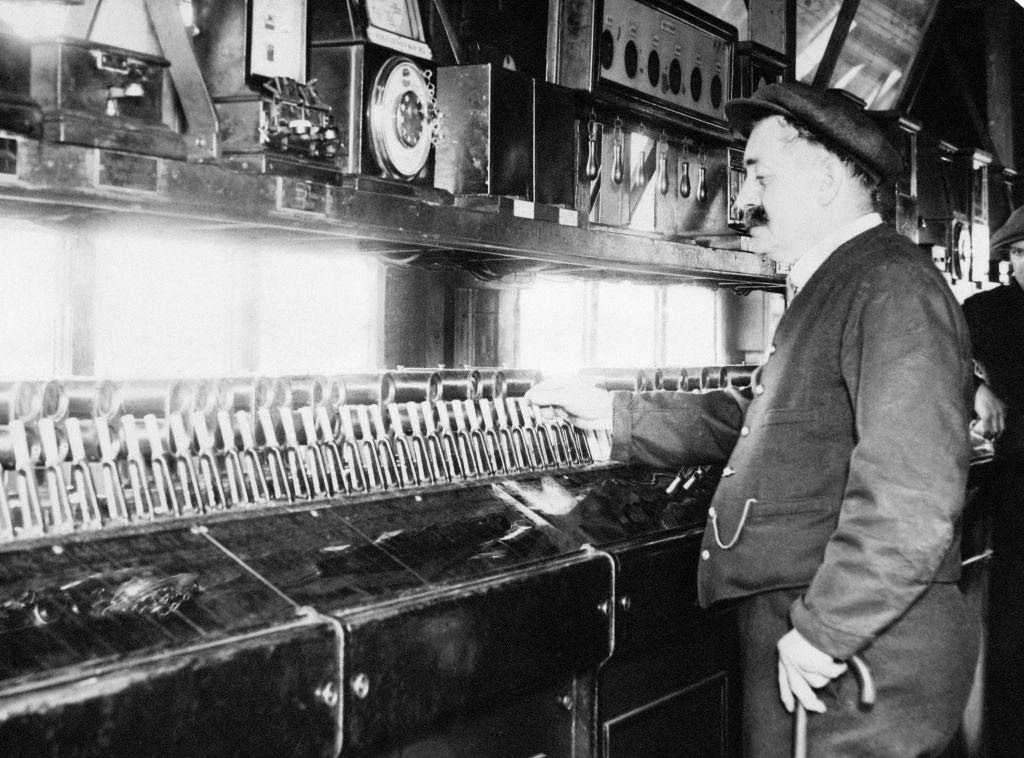
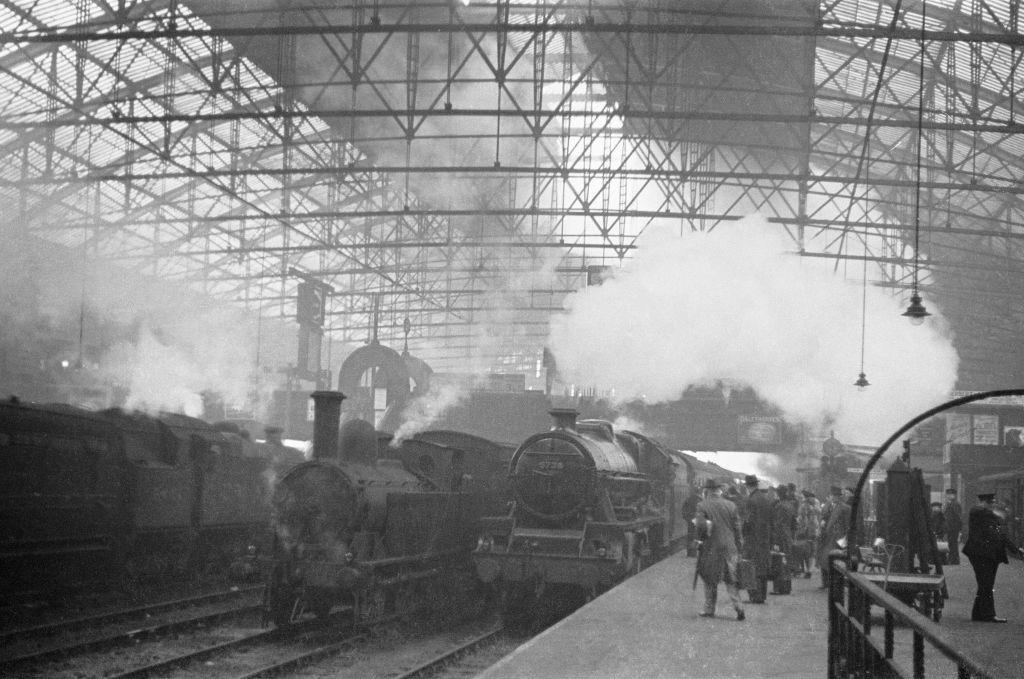
Birmingham’s railway network was a vital artery for both people and goods. Snow Hill station was one of the city’s major terminals, and the signalmen who worked there carried serious responsibility. A single error in the signal box could have deadly consequences on a busy line.
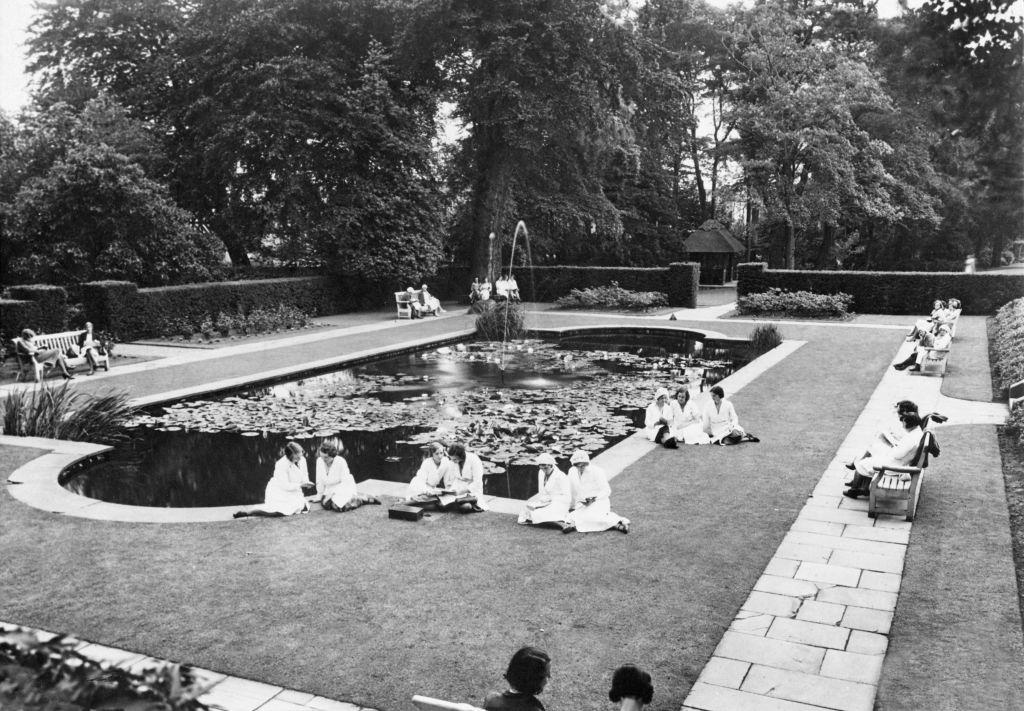
Just outside Birmingham in Bournville, Cadbury’s chocolate factory employed thousands of workers. The company was known for treating its employees relatively well by the standards of the time, including providing outdoor spaces for rest. During a heatwave around 1932, workers took full advantage of any chance to cool off and catch their breath.
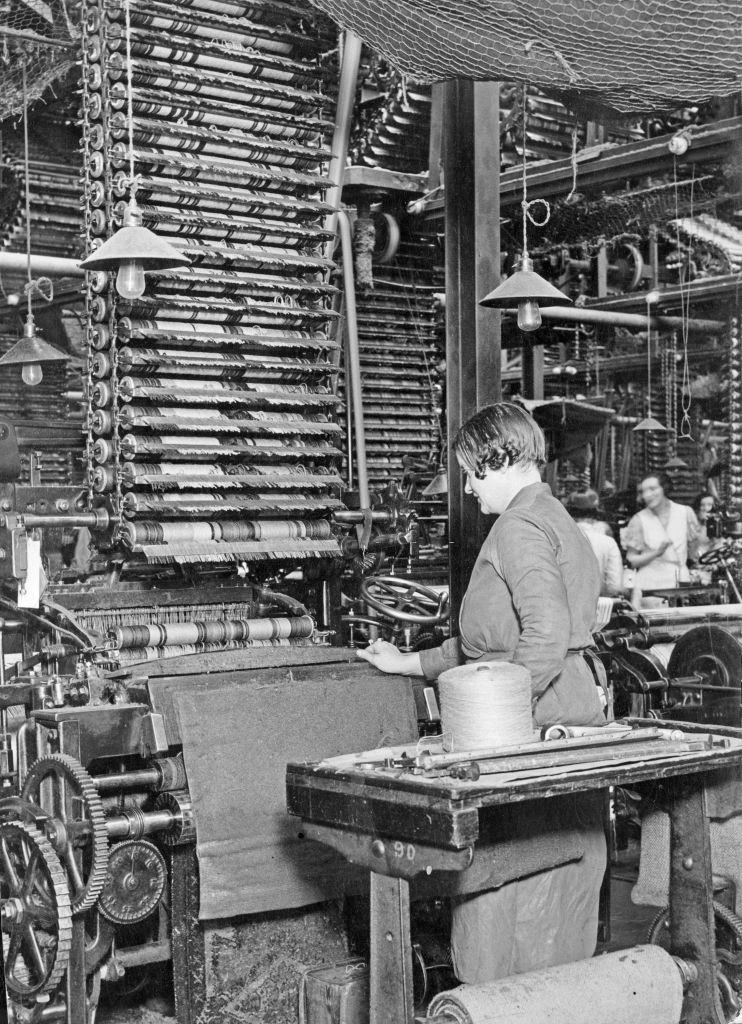
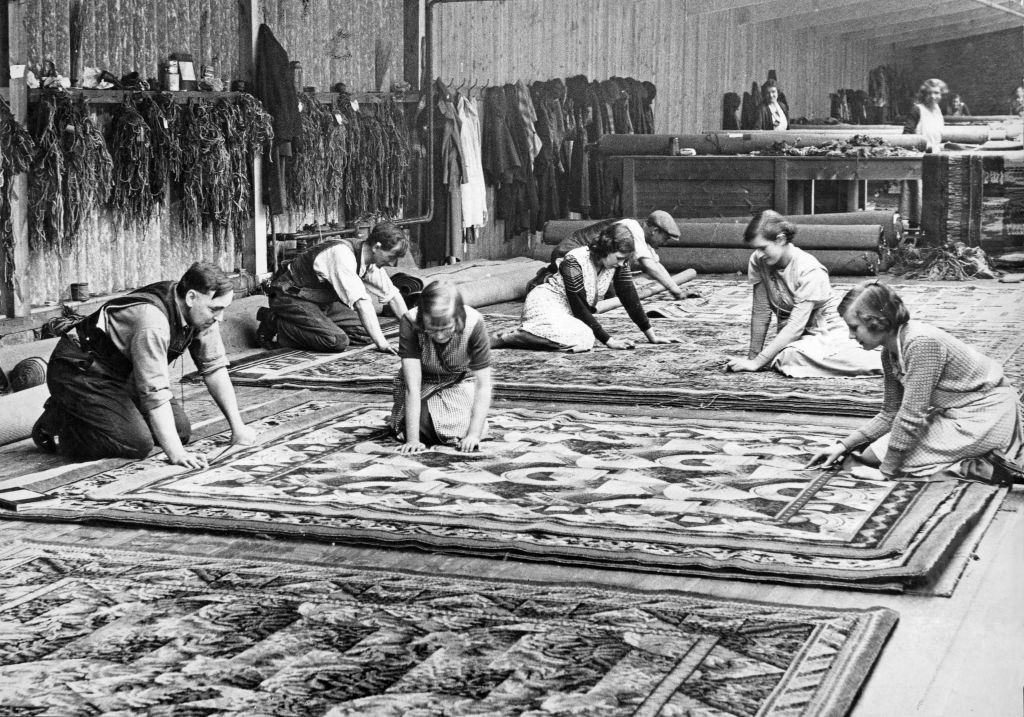
The textile industry in the wider Midlands region was also a major employer. Carpet manufacturing around Kidderminster kept large numbers of workers — many of them women — operating heavy looms for long shifts. The Axminster carpet department alone ran a vast floor of machinery.
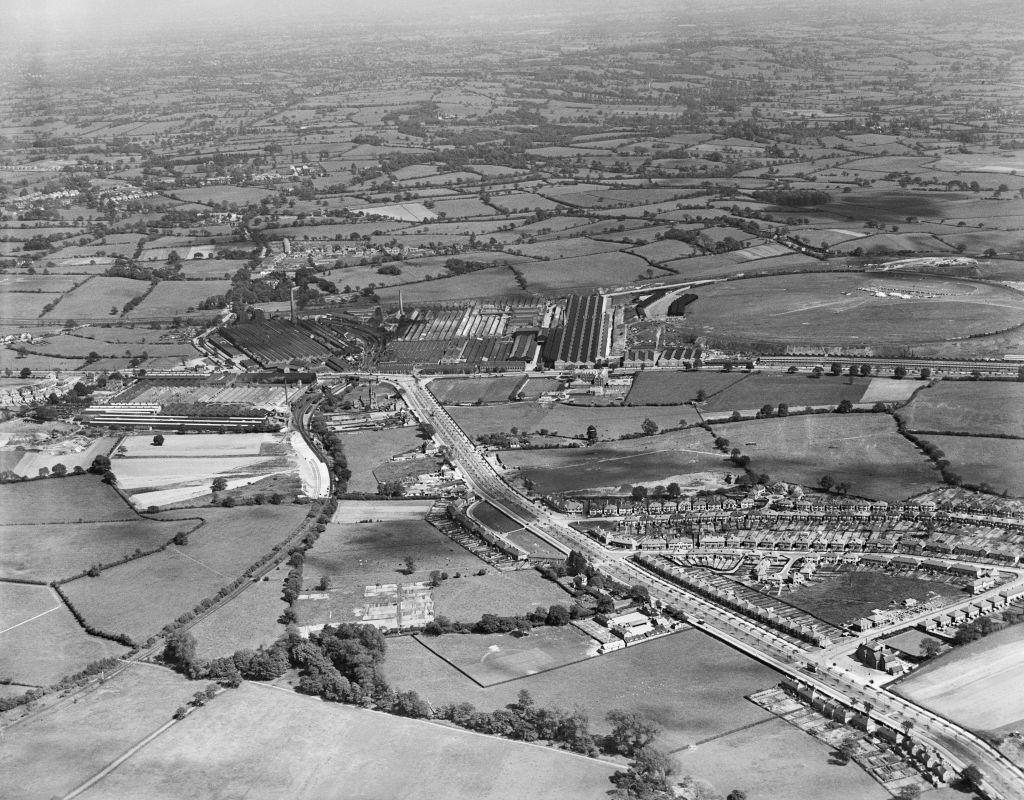
Longbridge was home to the Austin motor plant, one of the most important car manufacturing sites in Britain. By the mid-1930s, Austin was producing vehicles at scale, helping to put the automobile within reach of a growing number of British families. The factory floor was a study in organized industrial production.
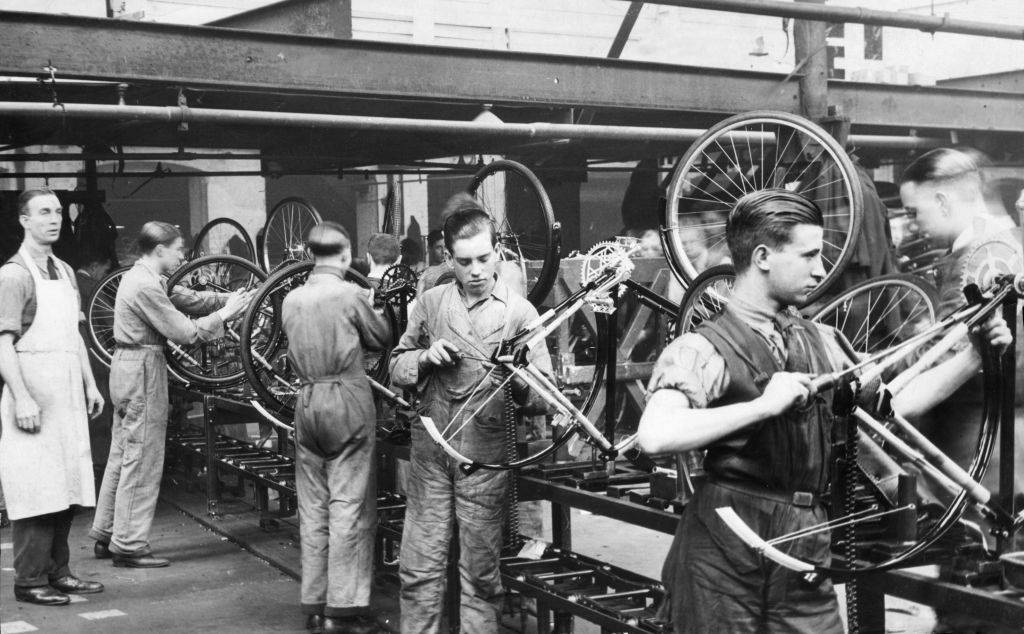
Birmingham was also home to BSA — the Birmingham Small Arms Company — which by 1935 had branched well beyond its original weapons manufacturing into bicycles. Its Small Heath assembly line turned out bicycles in large numbers, reflecting the massive demand for affordable personal transport during the decade.
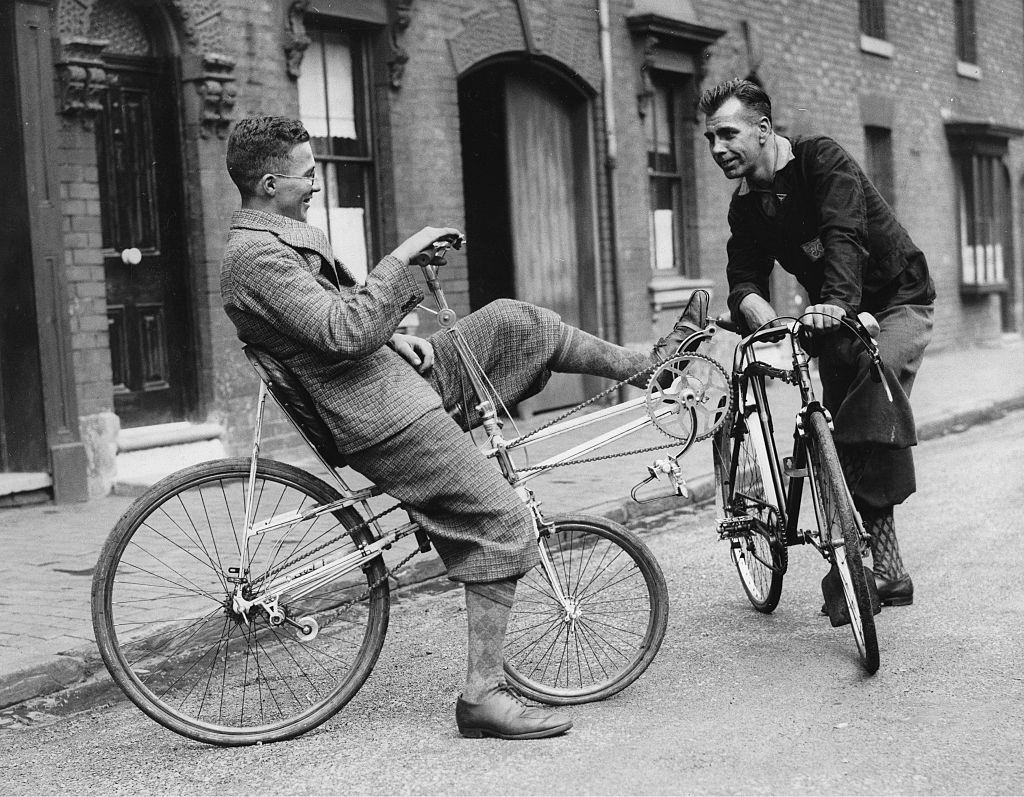
Alongside standard bicycle production, inventors and engineers were experimenting with alternative designs. The recumbent bicycle, which had the rider lying back rather than sitting upright, was one such experiment. Claimed to reach 30 miles per hour, it attracted attention as a curiosity of the age.
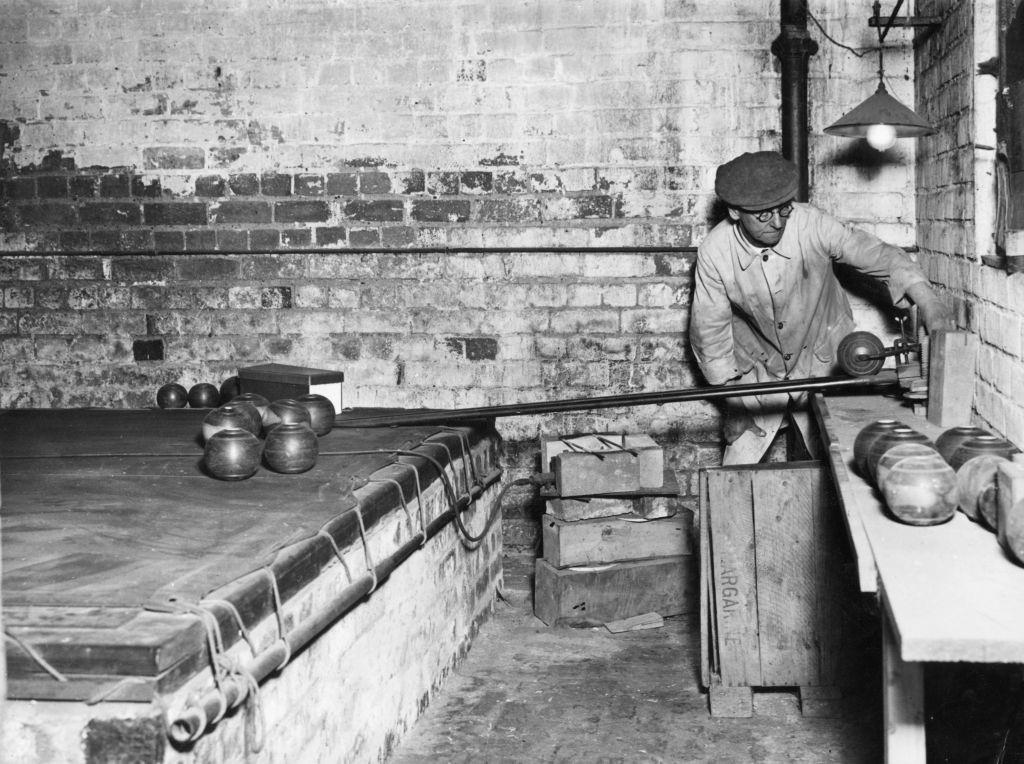
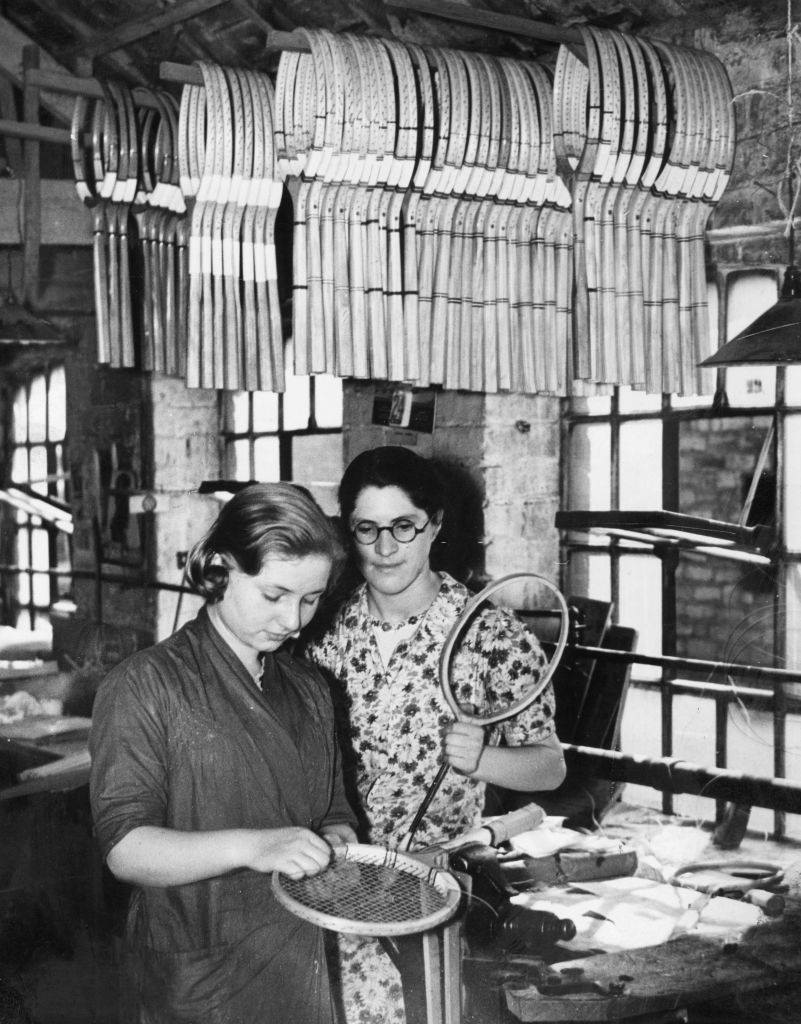
Sports equipment manufacturing was a growing industry in Birmingham during the 1930s. The firm of Clapshaw and Cleave on Coventry Road was one of the companies meeting that demand. Their works produced a range of goods, with tennis equipment among their output.
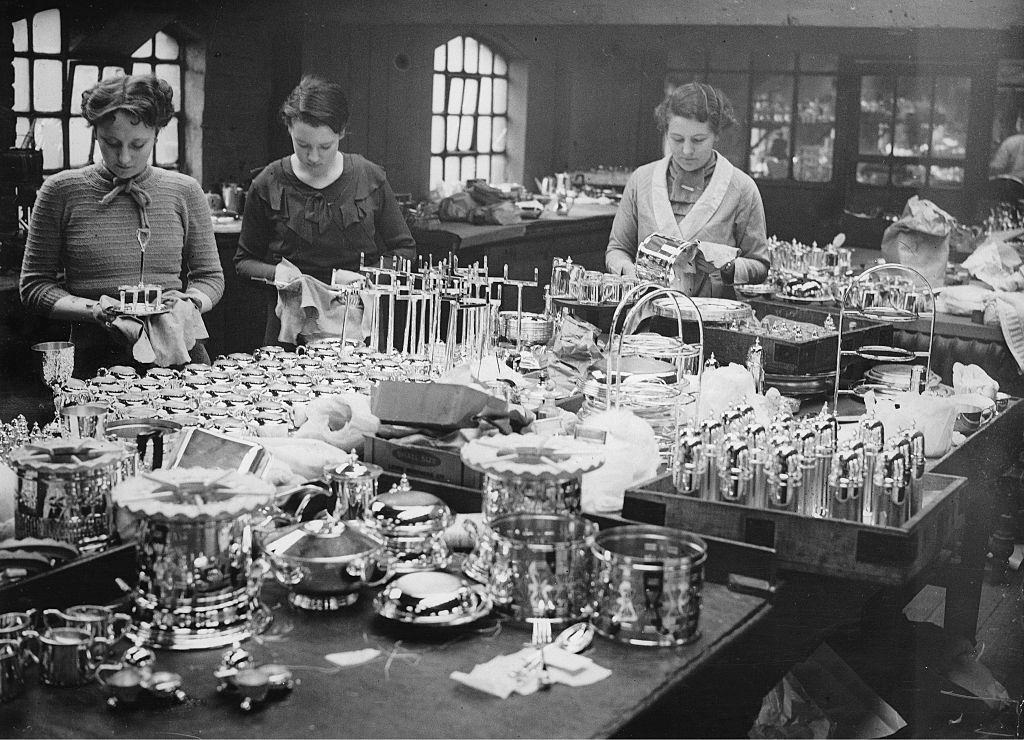
Birmingham’s metalworking heritage extended to some of the most prestigious commissions in the country. The silversmith firm Elkington produced a stunning silver plate collection for the RMS Queen Mary in 1936. This ocean liner was one of the most celebrated ships of the era, and Birmingham’s craftsmen played a direct role in furnishing it.
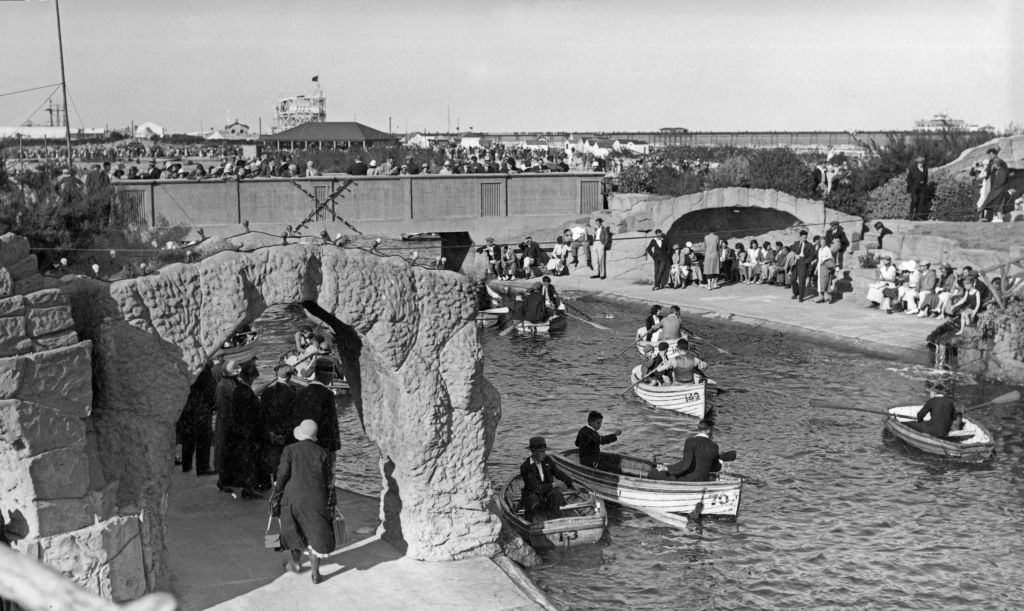
For working people in the Midlands, summer holidays were hard-earned. A trip to the seaside at Skegness was a popular choice. The boating lake there was one of the resort’s main attractions, giving families a chance to relax in a way that factory life never allowed.
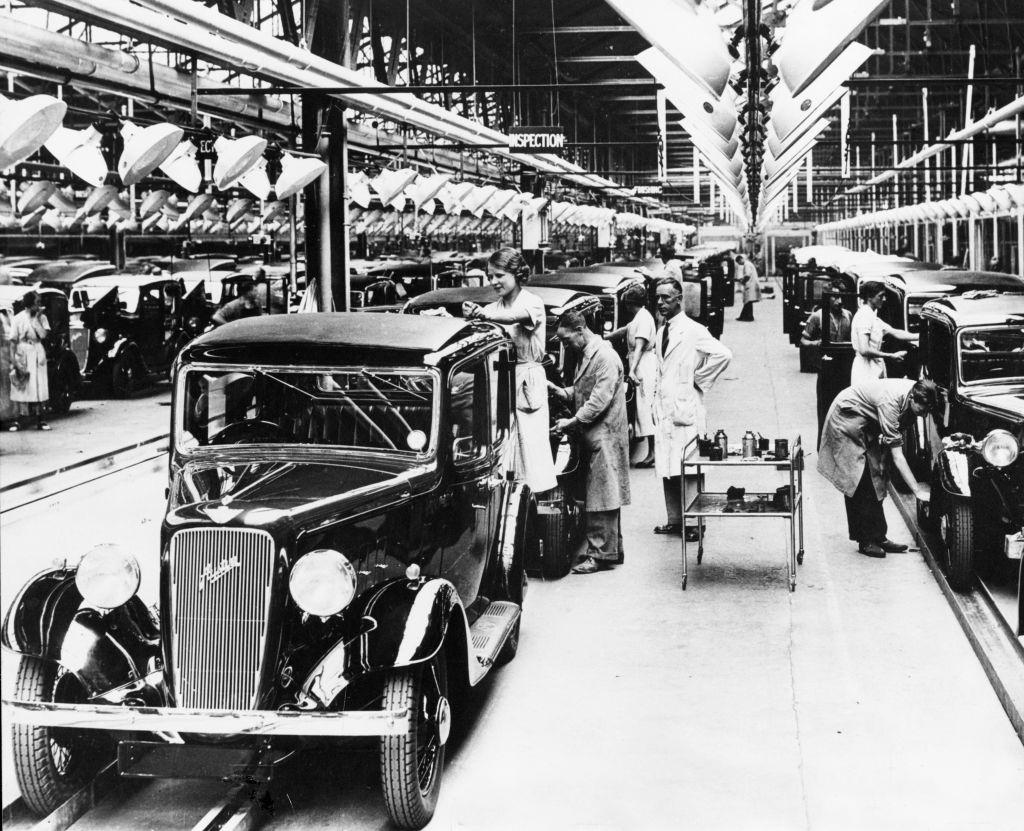
Back at Longbridge, the Austin 10 was one of the company’s most popular models. The final inspection and finishing tracks were where each car received its last checks before leaving the factory. Production was running at a steady clip as demand for affordable motor cars continued to rise through the mid-1930s.
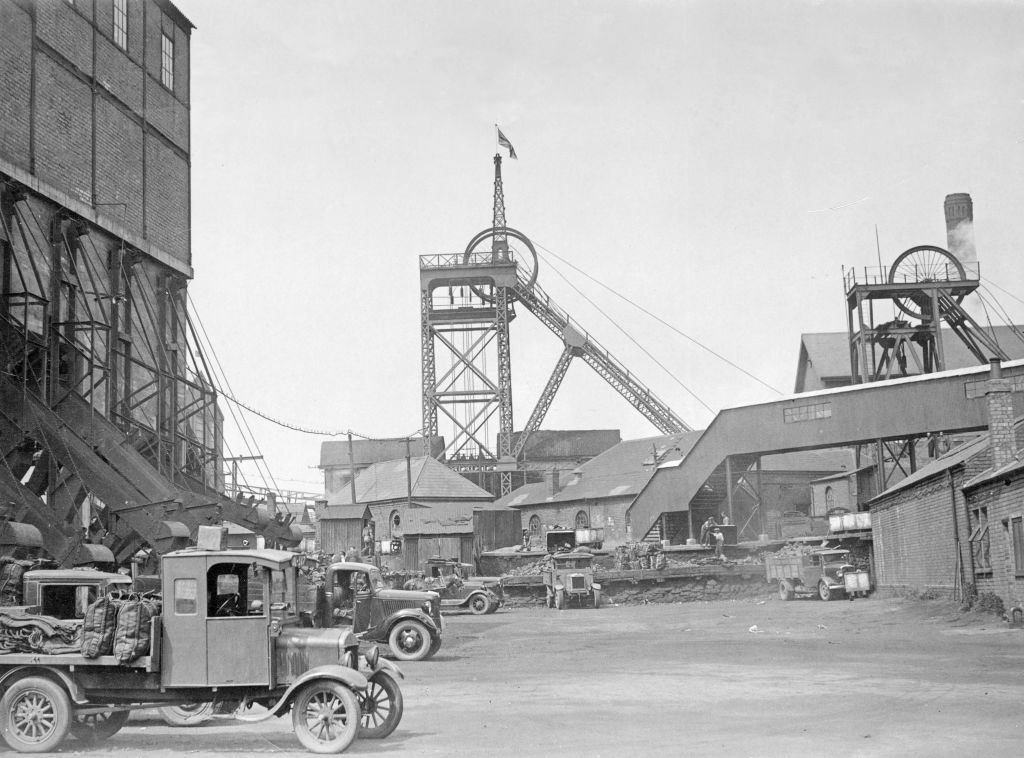
Coal mining remained one of the most dangerous occupations in the region. In 1937, two miners at Hamstead Colliery in West Bromwich were killed by a fall of coal underground. Their bodies were brought to the surface on the same day, and the pit head became the scene of grim recovery work. Mining deaths were a regular feature of life in the communities surrounding Birmingham throughout the decade.
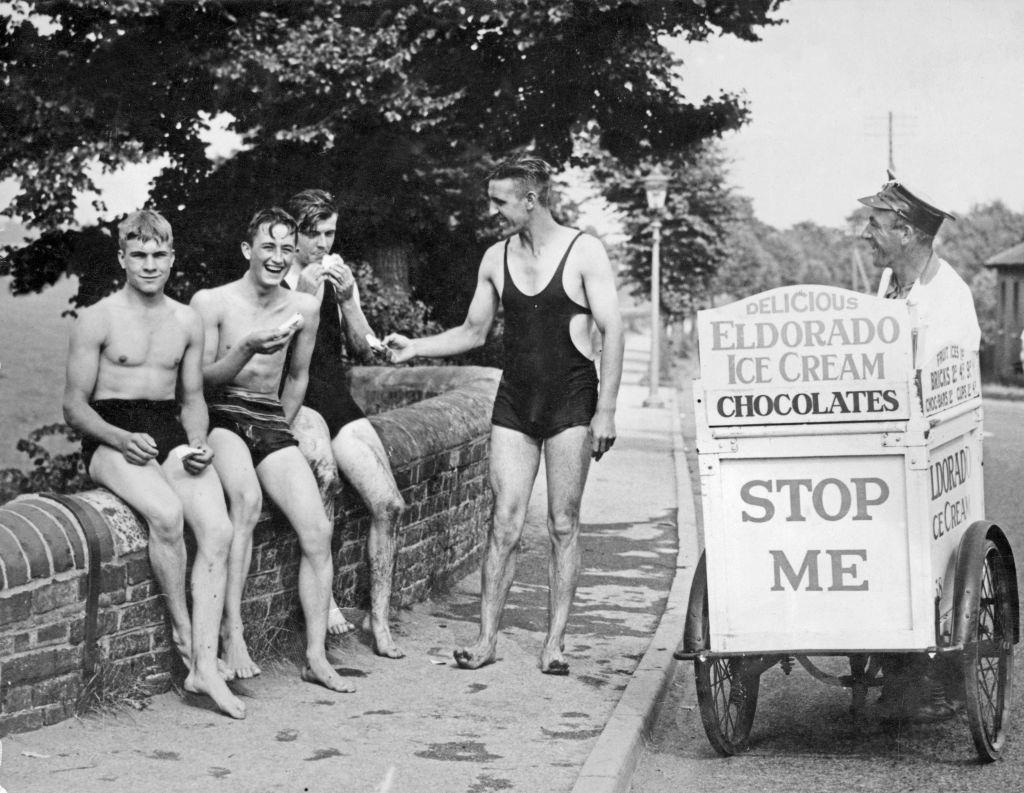
On lighter summer days, life in the region had a completely different feel. Ice cream sellers were a welcome presence at outdoor events in the summer heat. At Warwick in August 1937, the arrival of the ice cream man was met with enthusiasm.
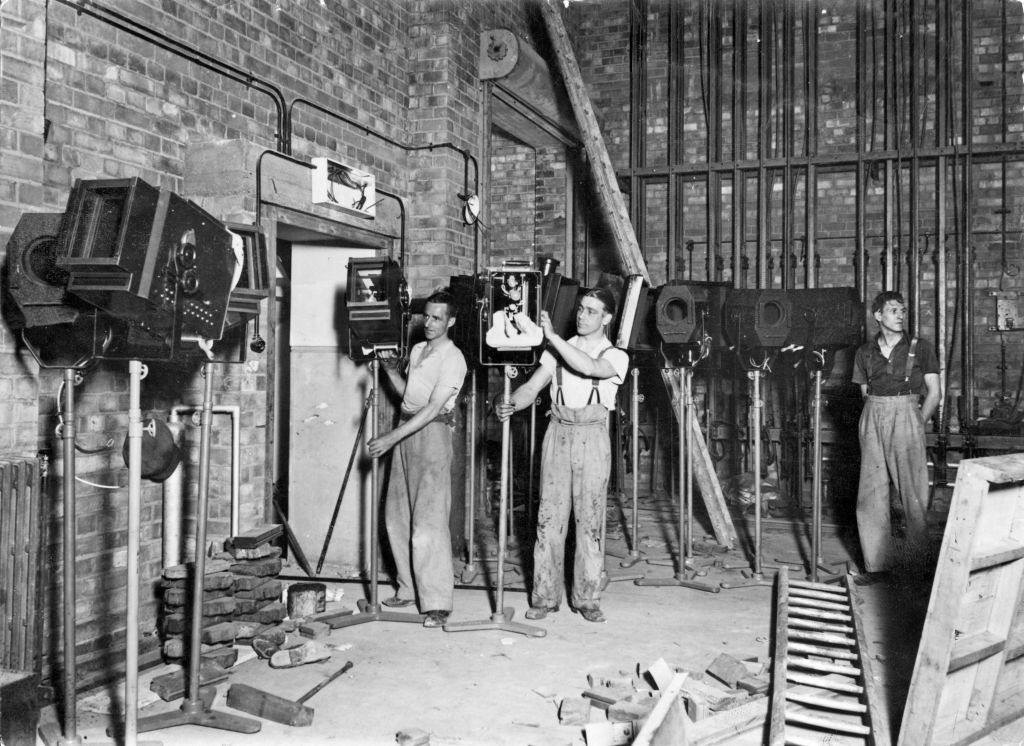
Entertainment in Birmingham was getting a significant upgrade in 1937. The new Paramount Cinema on New Street was nearing completion, and the scale of the project was impressive. Spotlights and full stage equipment were already in place as workers put the finishing touches on what would become one of the city’s most prominent entertainment venues.
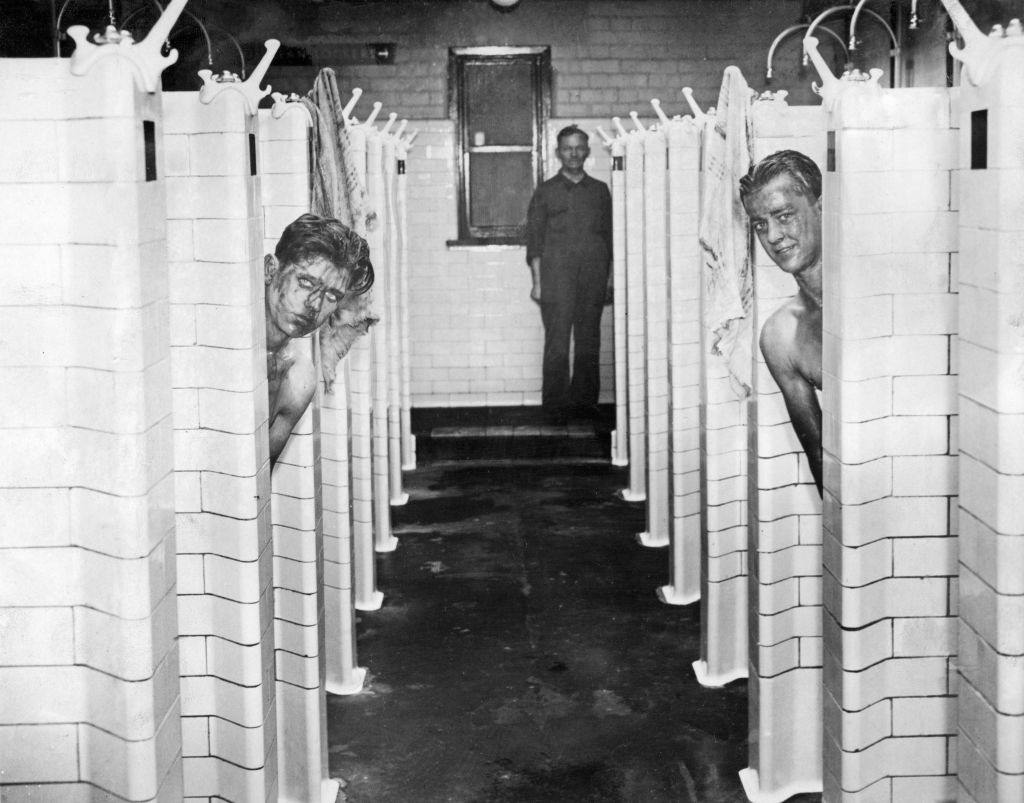
Hamstead Colliery appeared in the news again in August 1937, this time for a different reason. The pit-head baths provided miners with the means to wash off the coal dust after their shifts — a basic facility that made a real difference to the health and dignity of the men working underground each day.
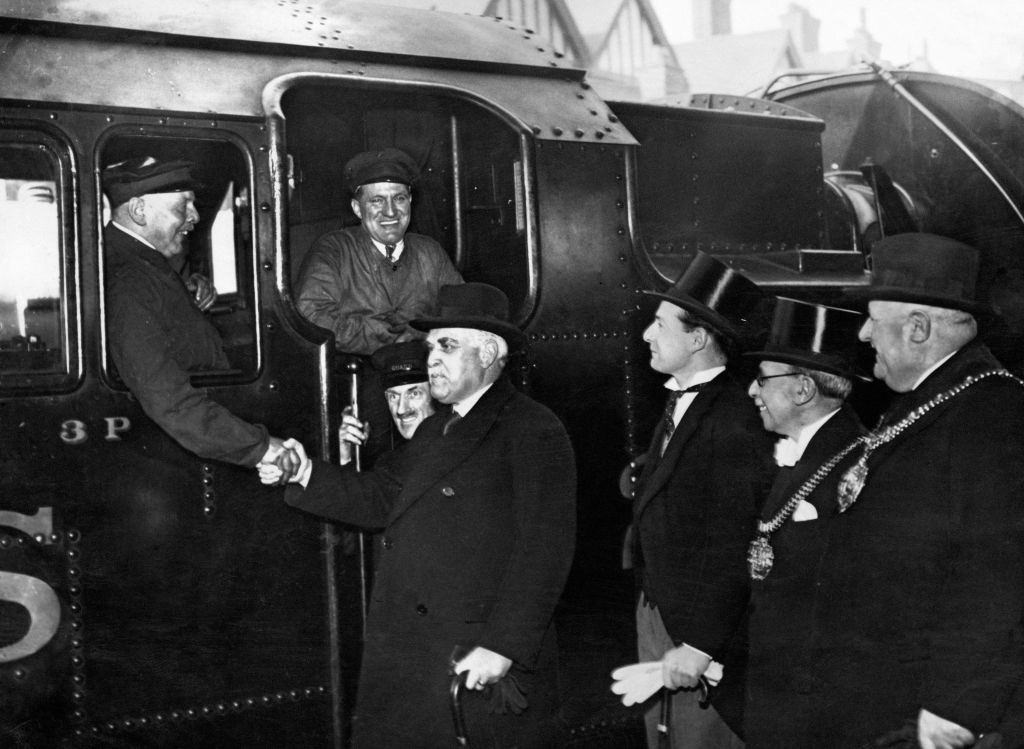
In 1938, Birmingham’s railway history reached a notable moment. Sir Frederick Stamp, Chairman of the LMS Railway, personally shook hands with engine driver Fred Davis, who had operated the last steam train journey from Birmingham Park. It marked the end of an era as the railway system continued to modernize.
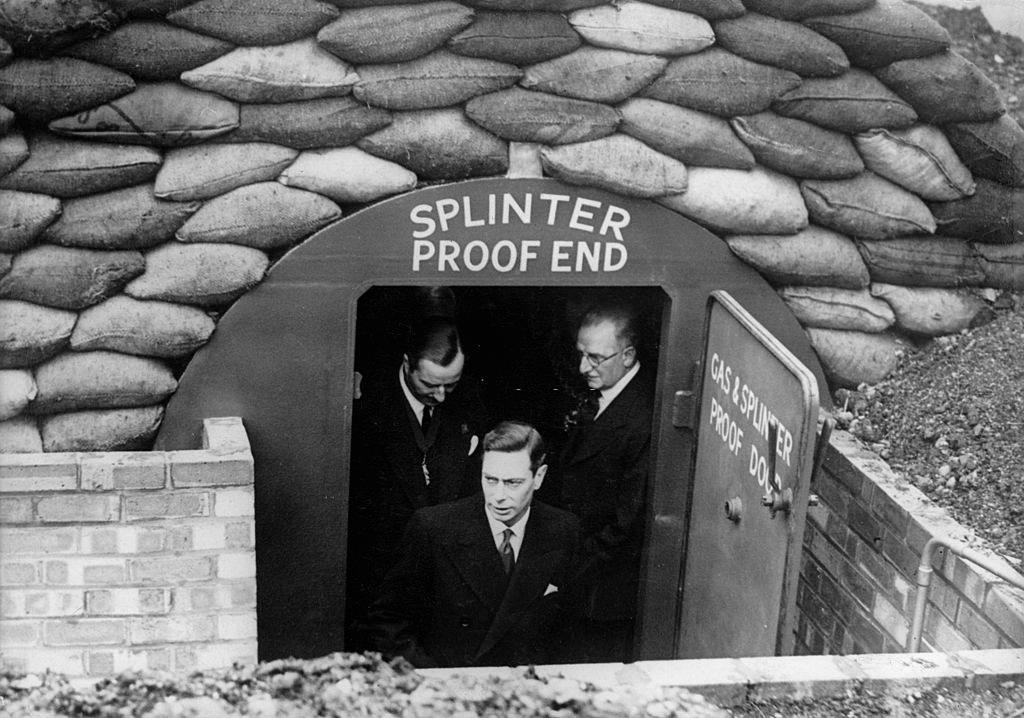
By 1938, the threat of war was already casting a shadow over Britain. King George VI visited Birmingham that year to inspect an air raid shelter at the British Industrial Exhibition. The visit was a clear signal that civil defense planning was being taken seriously at the highest levels of government.
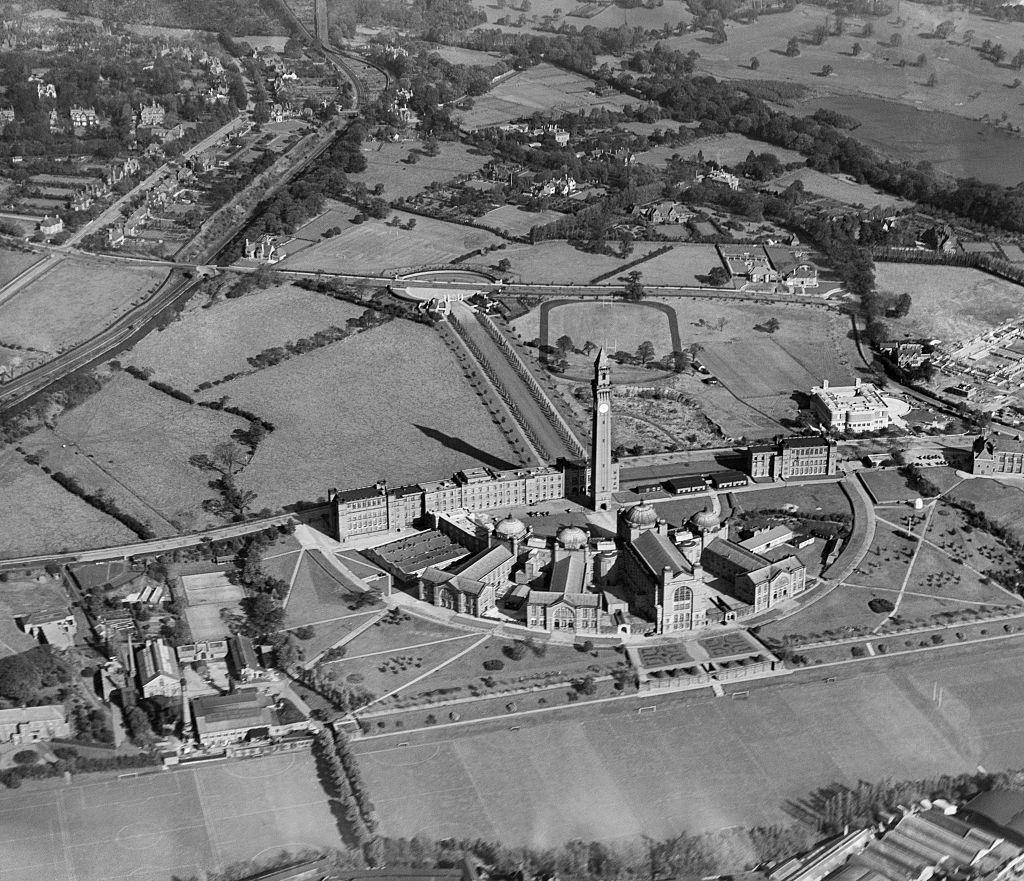
Birmingham’s University was one of the city’s major institutions and continued to grow through the 1930s. Its distinctive buildings reflected the ambition of a city that took education seriously alongside industry.
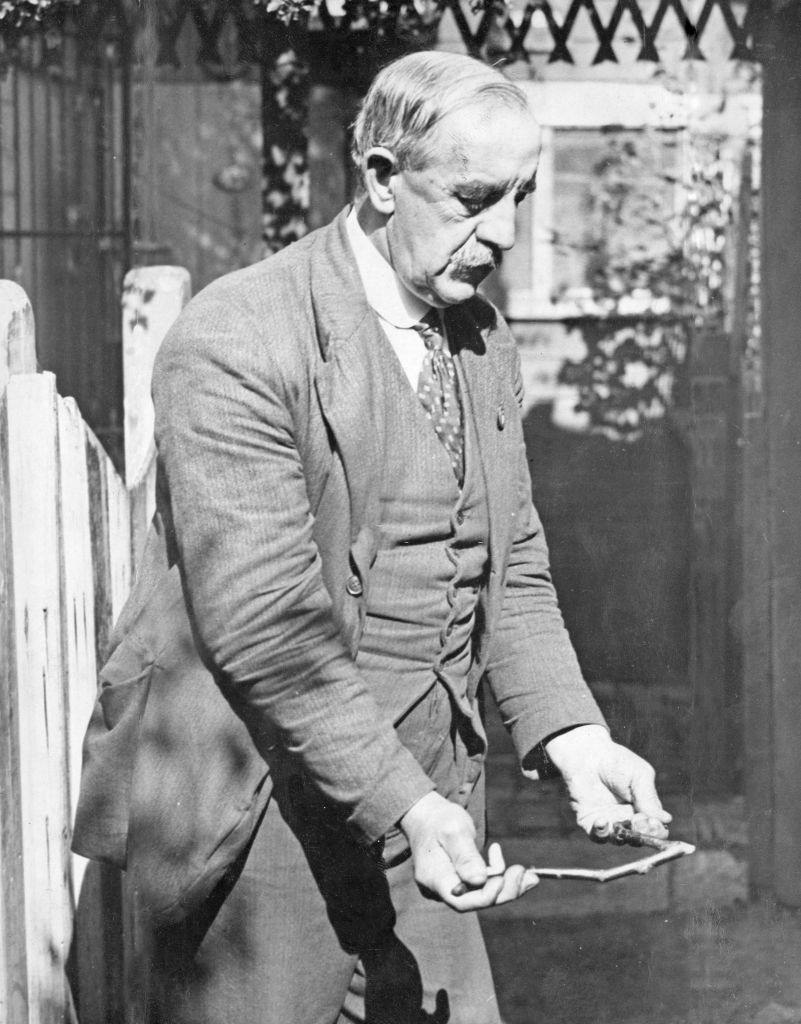
Water divining — the practice of using a rod or stick to locate underground water — was still taken seriously in rural parts of England in the 1930s. Samuel Bloor of Oakengates was one of the more well-known practitioners in the region, attracting interest from those who swore by his methods.
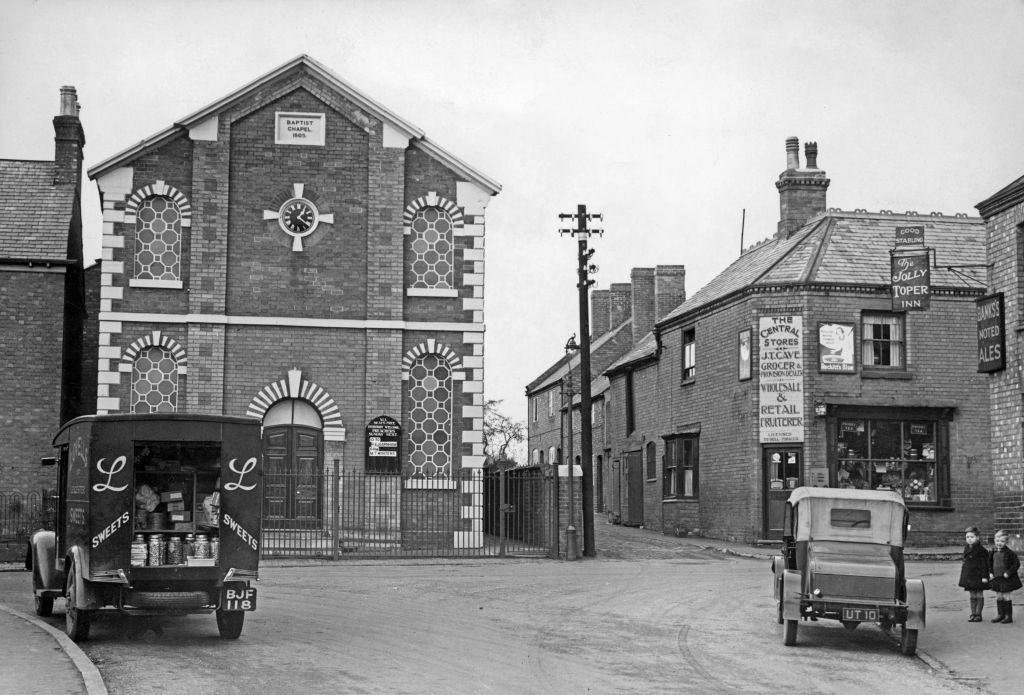
Village life in the wider Midlands region continued at its own pace. In Barlestone, a sweet delivery to the Central Stores was a regular and welcomed event. Small village shops were the heart of local communities, and deliveries like this one kept the shelves stocked and the customers coming in.
By 1939, Birmingham’s railway connections were extensive. London Midland Service locomotives operated regularly through the city, connecting it to the wider national network. As war loomed on the horizon, these rail lines would soon take on a very different importance for troop and supply movements.
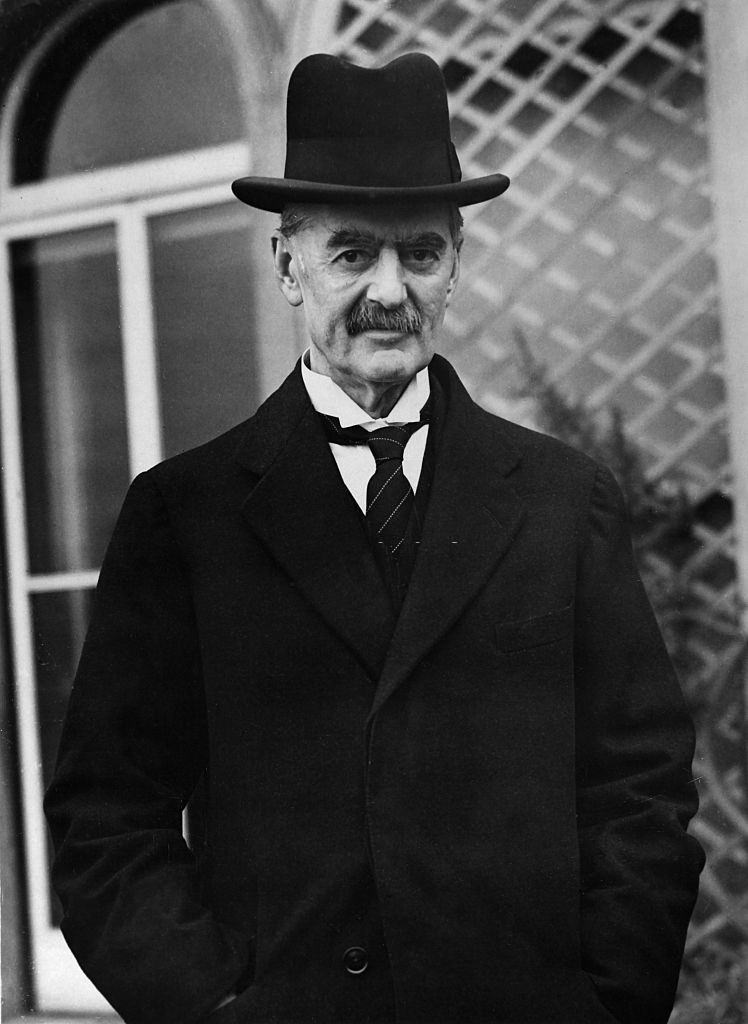
Birmingham’s most famous son in national politics was Neville Chamberlain. Born in the city and deeply tied to its civic life, Chamberlain celebrated his 70th birthday in Birmingham in 1939 — the same year he would return from Munich with his now-infamous declaration of ‘peace for our time.’ The city marked the occasion while the rest of Europe braced for conflict.
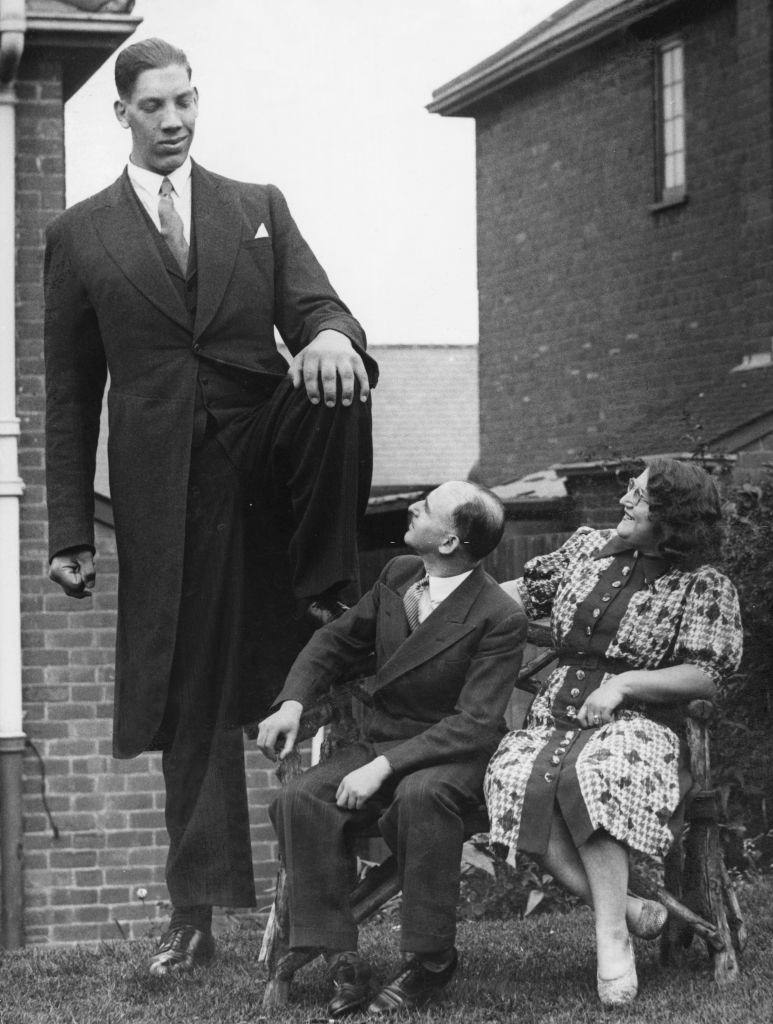
One of the more remarkable figures to pass through Birmingham in 1939 was Väinö Myllyrinne of Finland, recorded as the world’s tallest man at 8 feet 3 inches. He attended the wedding of Pat Collins in the city, turning heads wherever he went and becoming an unforgettable presence at the event.
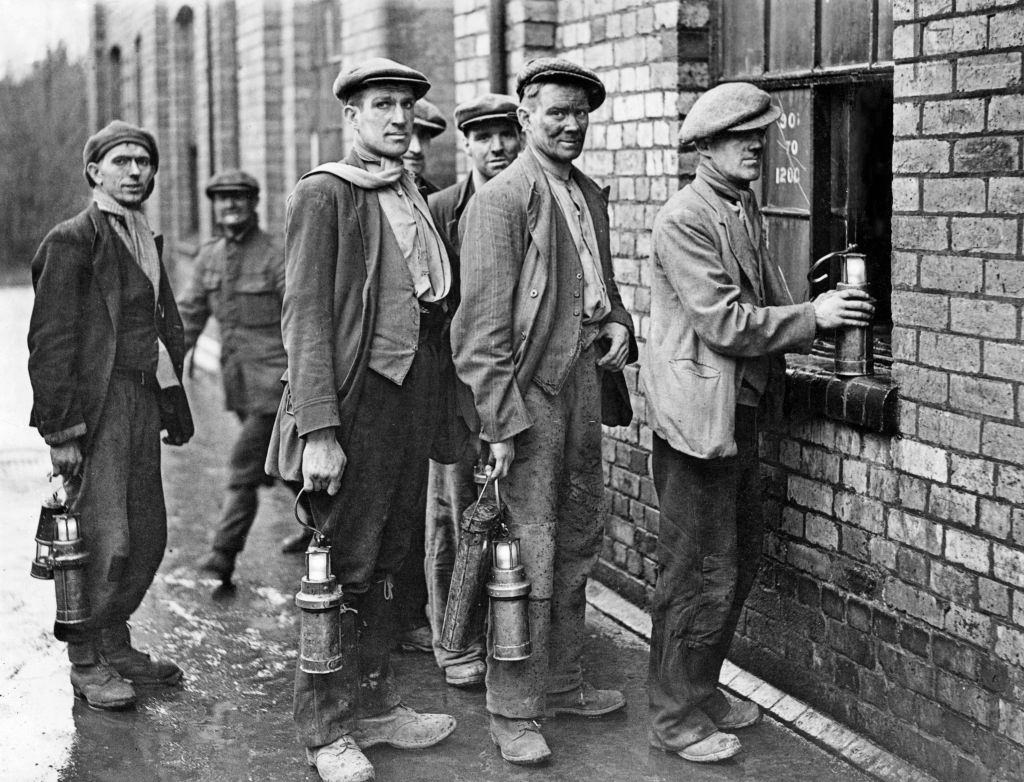
Coal mining communities around Birmingham maintained their own rituals at the end of every shift. At Cannock Wood Pit in 1939, miners handed in their Davy lamps and lanterns as they came up from underground — a nightly routine that marked the boundary between the darkness of the pit and the world above.
Clapshaw and Cleave, the Birmingham sports equipment firm, were still going strong in 1939. Their factory workers spent their days stringing tennis rackets by hand, a skilled and time-consuming job that required consistent tension and precision across every frame.
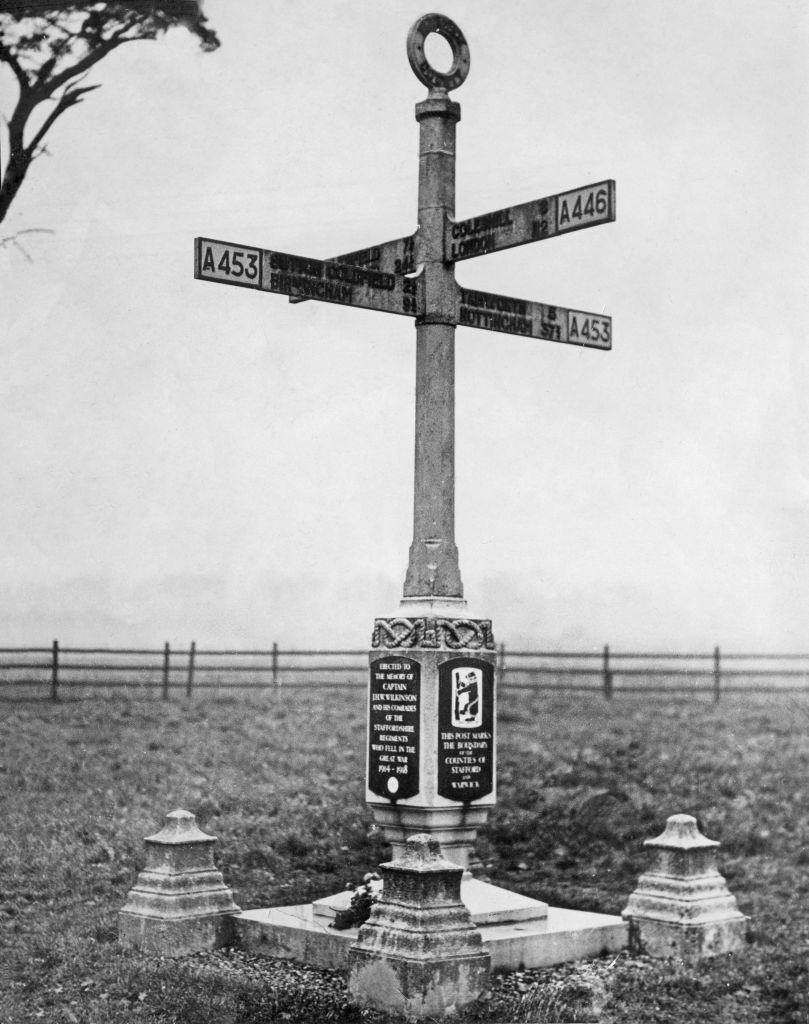
At the crossroads of the A446 and A453, Bassetts Pole stood as a quiet but recognizable landmark in the landscape north of Birmingham. Like many corners of the region, it sat at the intersection of rural England and an industrial city that was constantly expanding toward it.





That High Street picture is just amazing
The place where many theatre and film stars started their careers.
Got taken to the panto there when I was small.