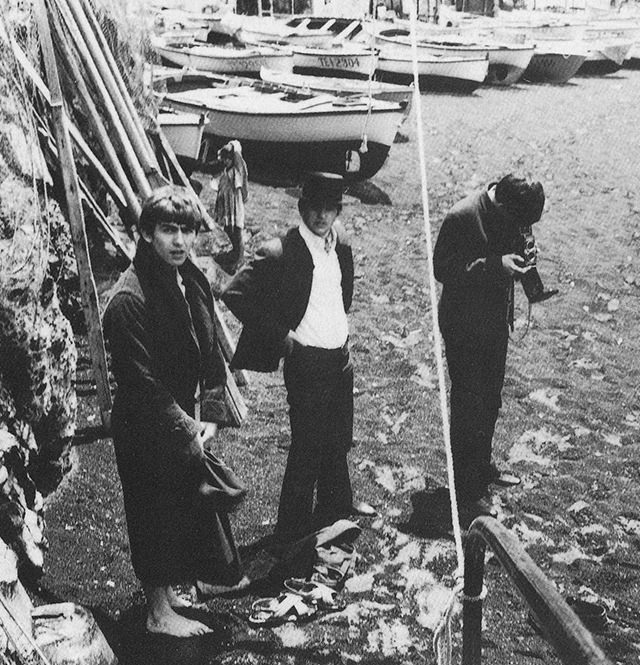
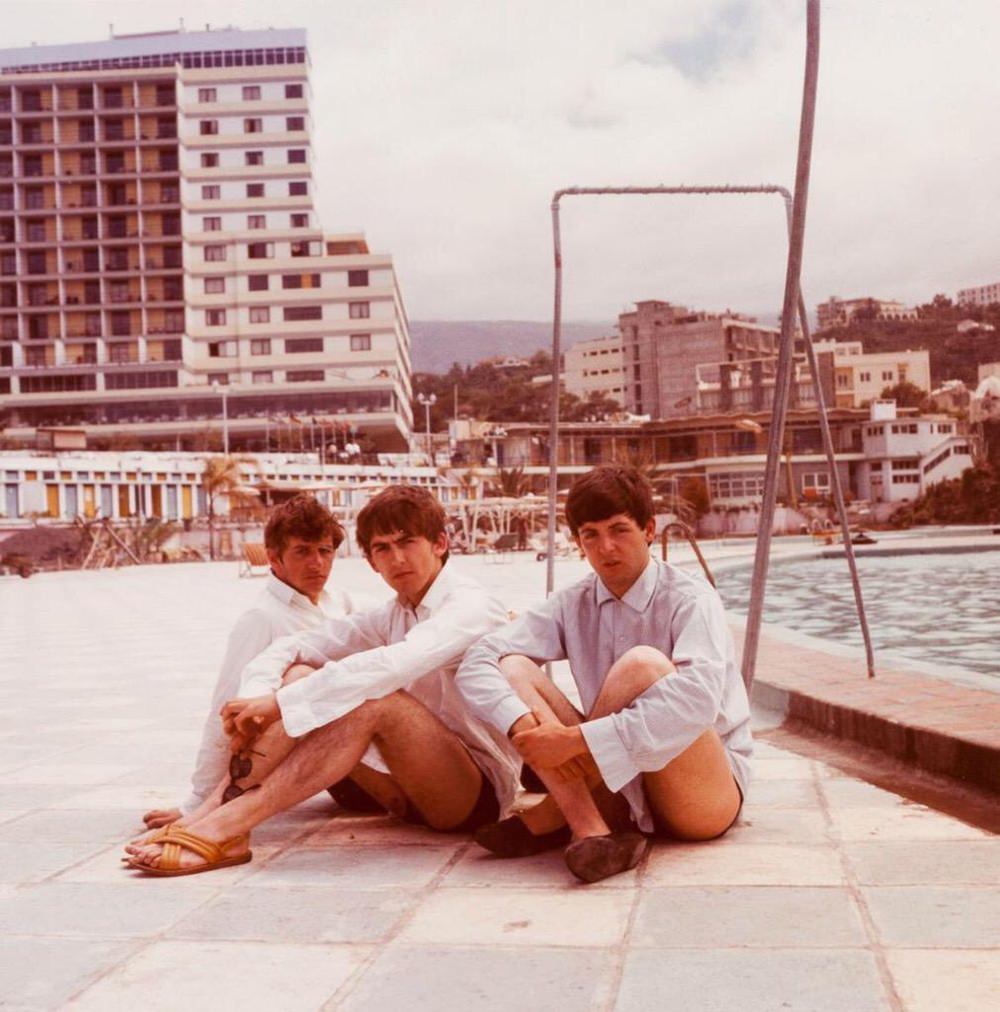
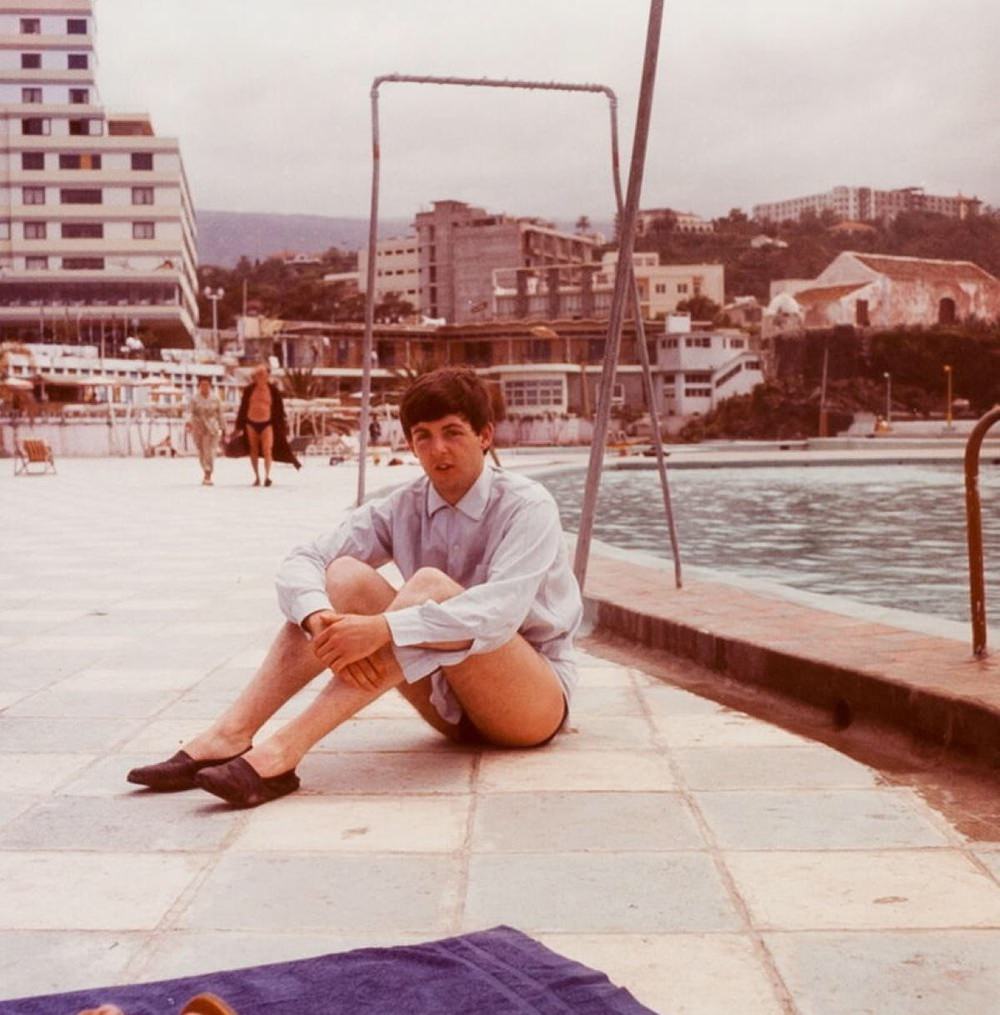
In April 1963, The Beatles were on the edge of something massive. “Please Please Me” had already hit number one in the UK, and the world was about to change for them completely. But for a few weeks that spring, three of the four Beatles — George Harrison, Paul McCartney, and Ringo Starr — slipped away to Tenerife, Spain, for what would turn out to be the last holiday they could take without being recognized. No screaming crowds. No handlers. Just sun, sea, and anonymity.
While George, Paul, and Ringo headed to the Canary Islands, John Lennon and the group’s manager Brian Epstein took a separate trip to Torremolinos, a fashionable resort town on the Spanish mainland. The two holidays happened at the same time, splitting the band for a brief, rare break before the full force of Beatlemania hit later that year.
The trip to Tenerife came together through a personal connection. Klaus Voormann, an artist and close friend the band had met in Hamburg in 1960, had family ties to the island. His father had built a villa in the mountains there, and Klaus had spent seven months living on the island with him. When Paul McCartney wrote to Klaus and asked if they could come and visit, the answer was simple: yes. No grand arrangements, no press coordination — just a letter and an open invitation.
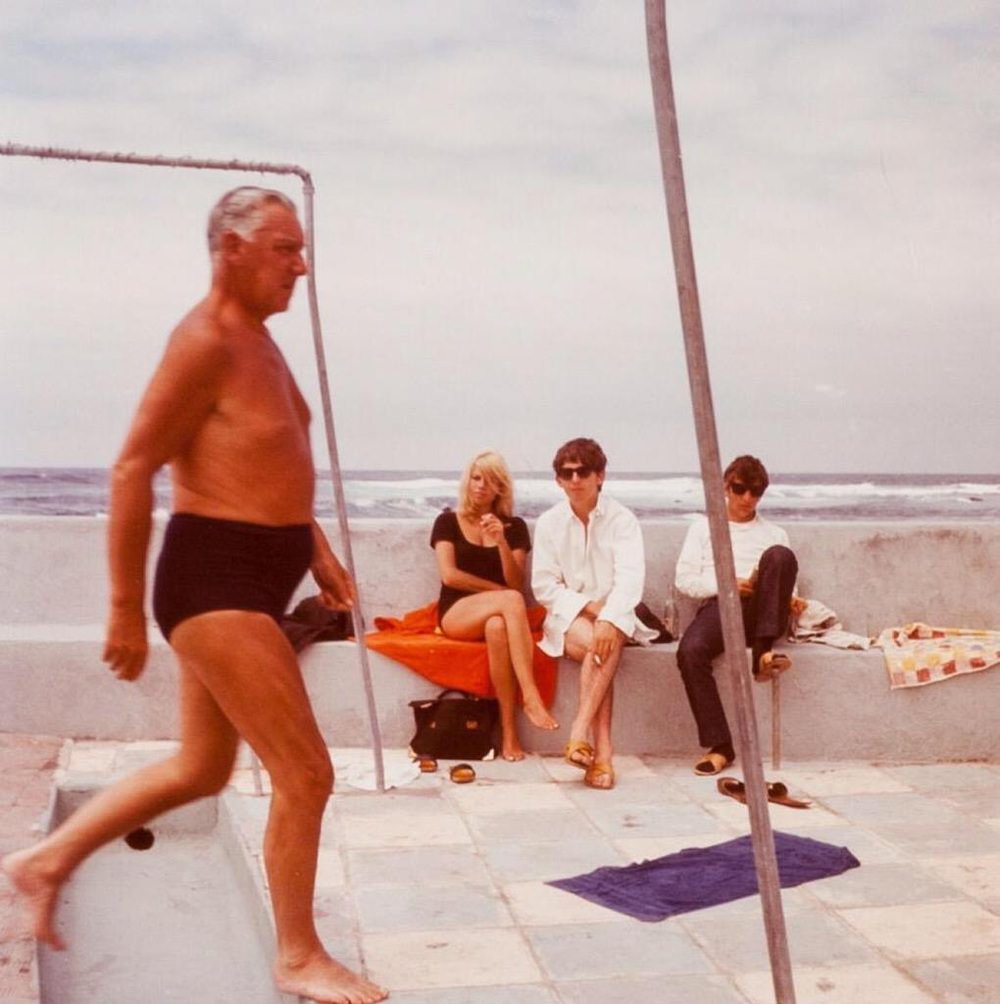
Also along for the trip was Astrid Kirchherr, a German photographer who had been deeply embedded in The Beatles’ story since their Hamburg days. She had been engaged to original bassist Stuart Sutcliffe, who died in April 1962, just a year before this holiday. Her presence in Tenerife with George and Paul speaks to how tight the bond between the band and their Hamburg circle remained. She appears in photo after photo alongside them, clearly at ease and very much part of the group.
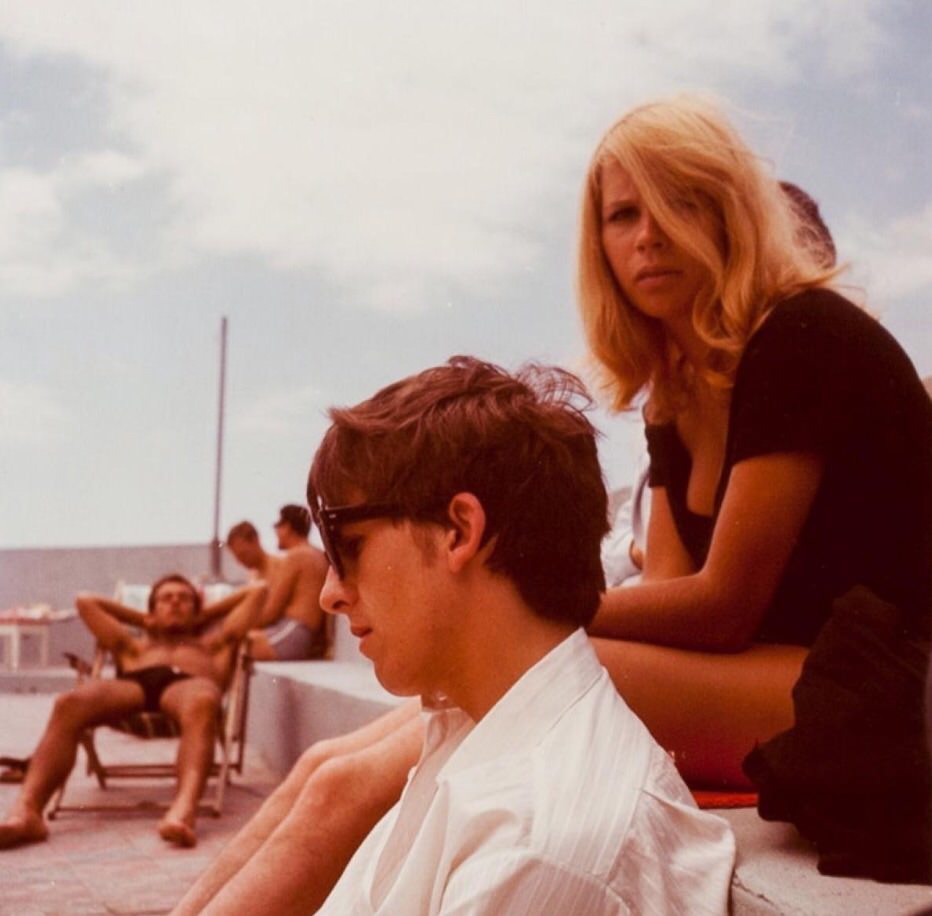
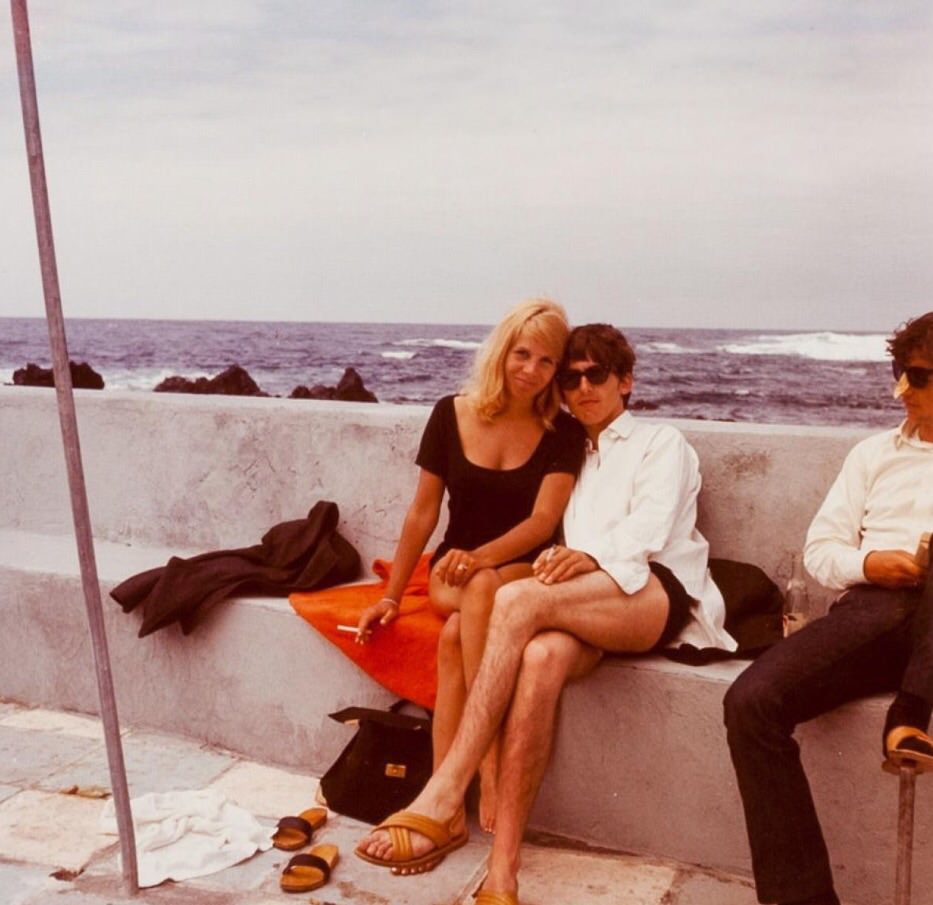
The group spent their days relaxing around the San Telmo Lido, soaking up the sun and getting tanned in a way that their busy touring schedule back home never allowed. There were no concerts to play, no radio appearances to rush off to. Klaus Voormann, reflecting on how he first met them years earlier in Hamburg, remembered walking into a club and being stopped dead by their sound: “I will never forget walking into the club and hearing their sound. I had not heard anything like it before. I went back every night and eventually plucked up courage to talk to them. We have been friends ever since.”
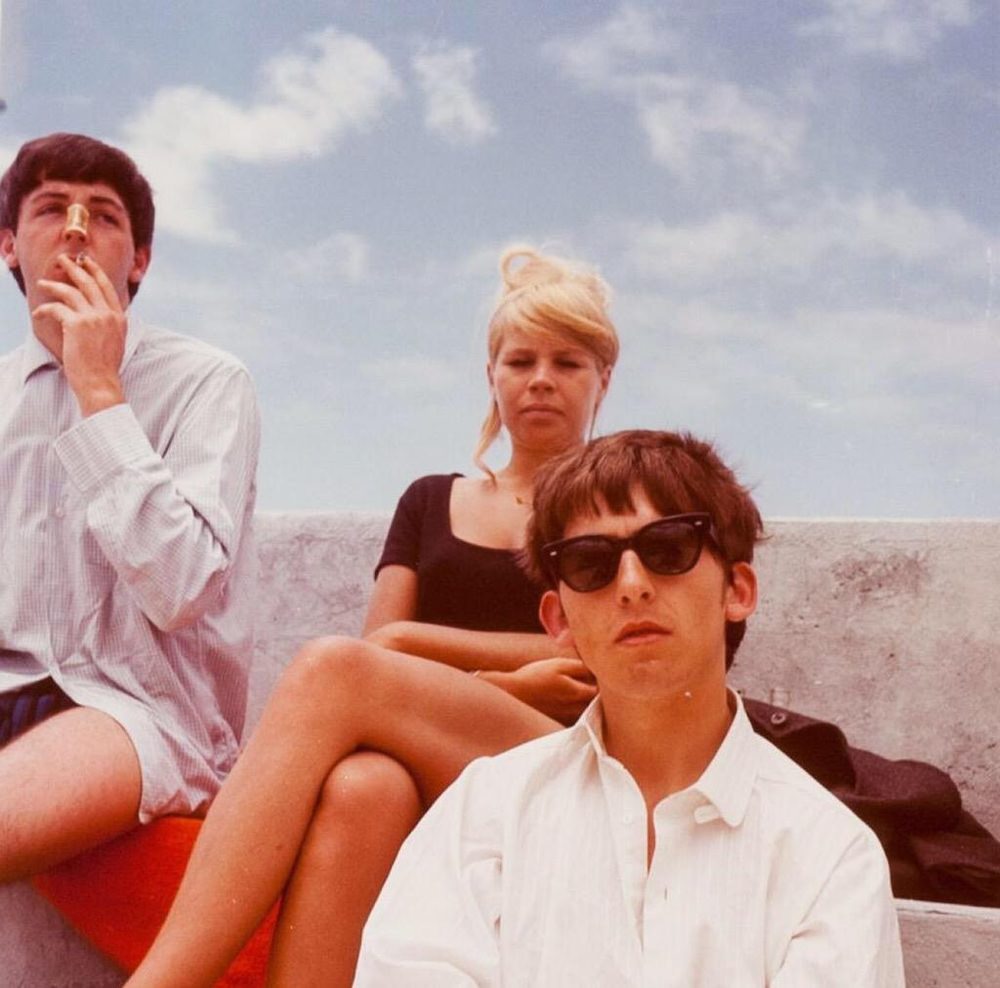
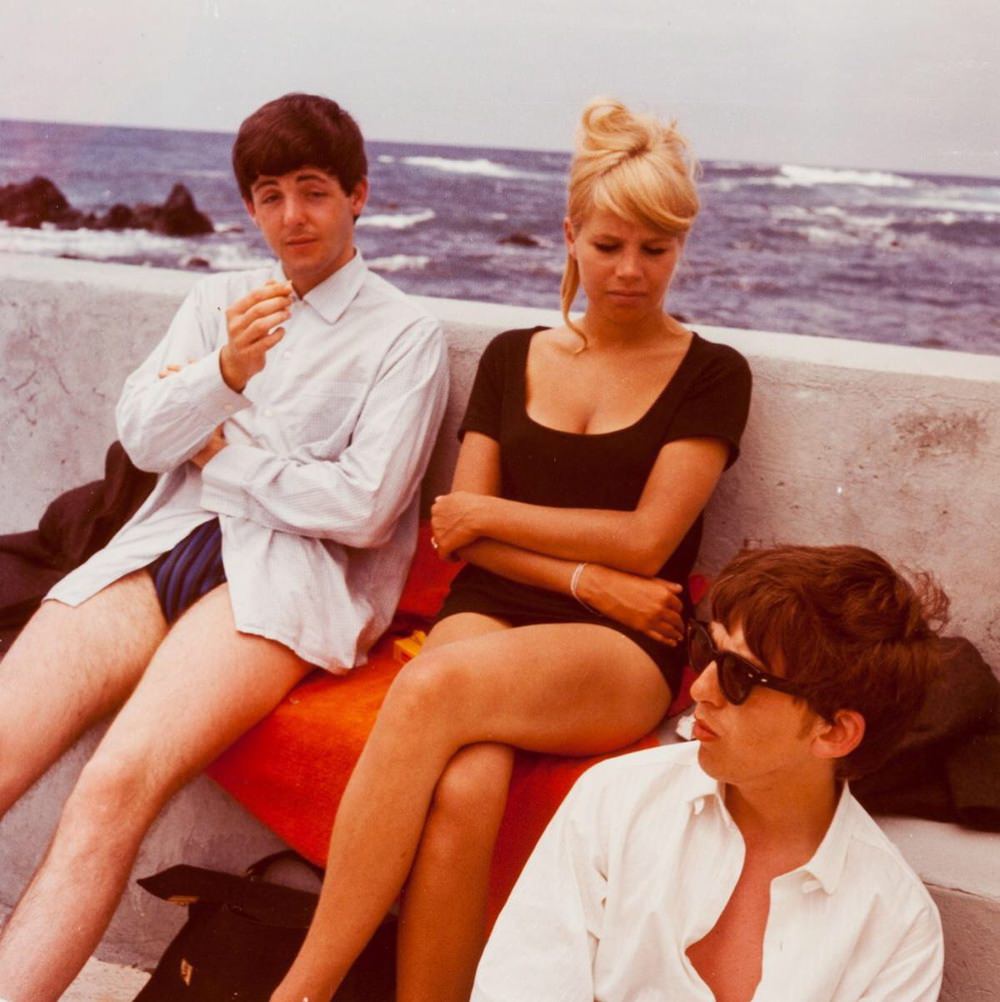
Klaus’s description of the group when he first encountered them — “scruffy boys from Liverpool” — is a useful reminder of just how far they had come in a short time. By April 1963, they were polished enough to top the charts, yet still unknown enough to take a beach holiday in Spain without drawing a single second glance. That window was closing fast.
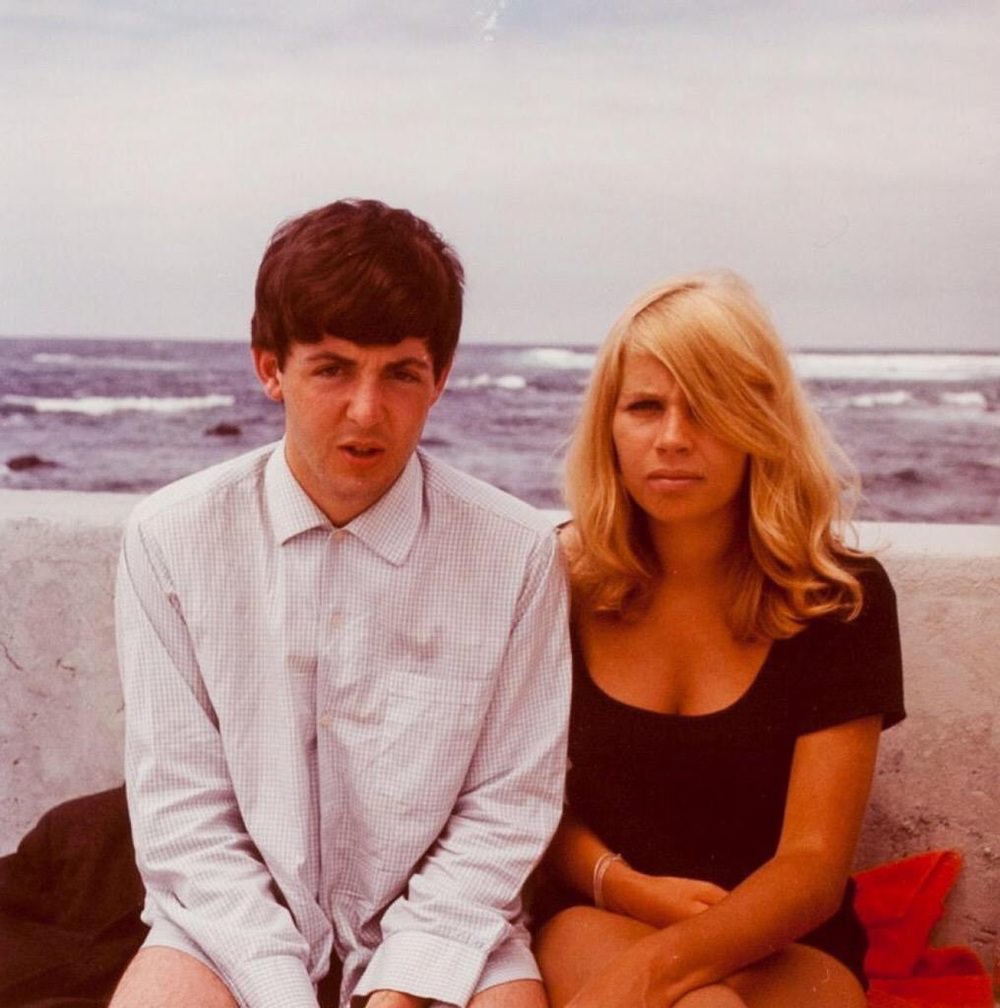
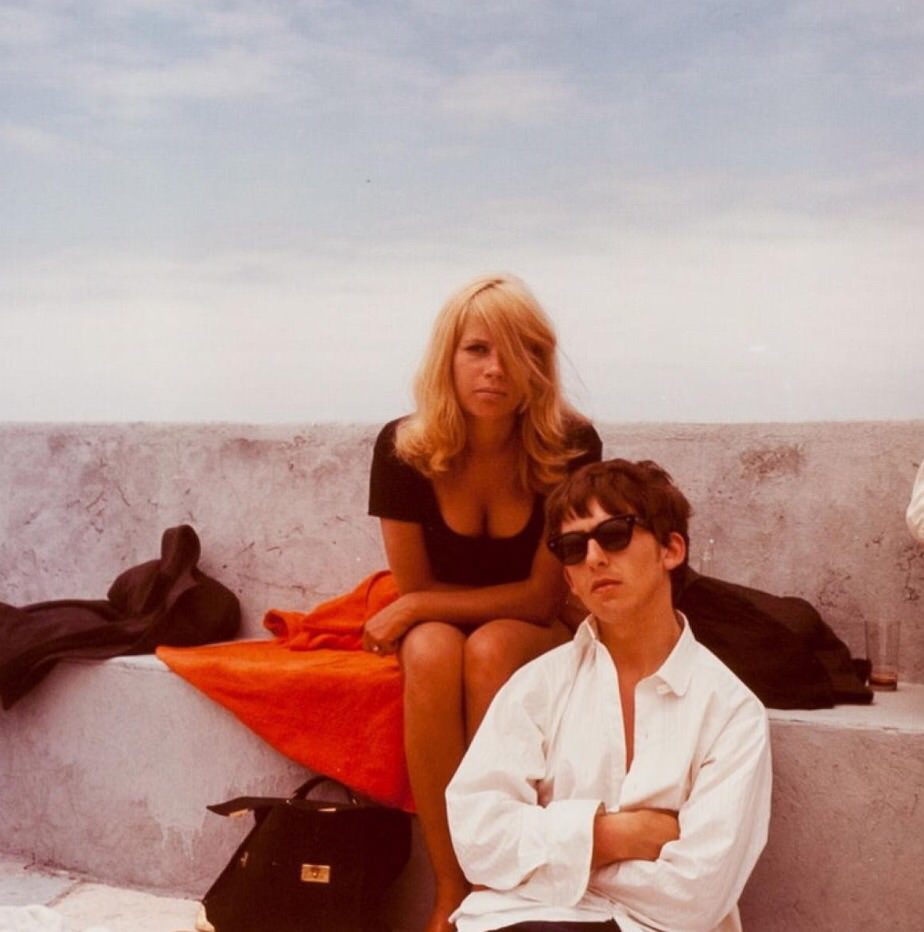
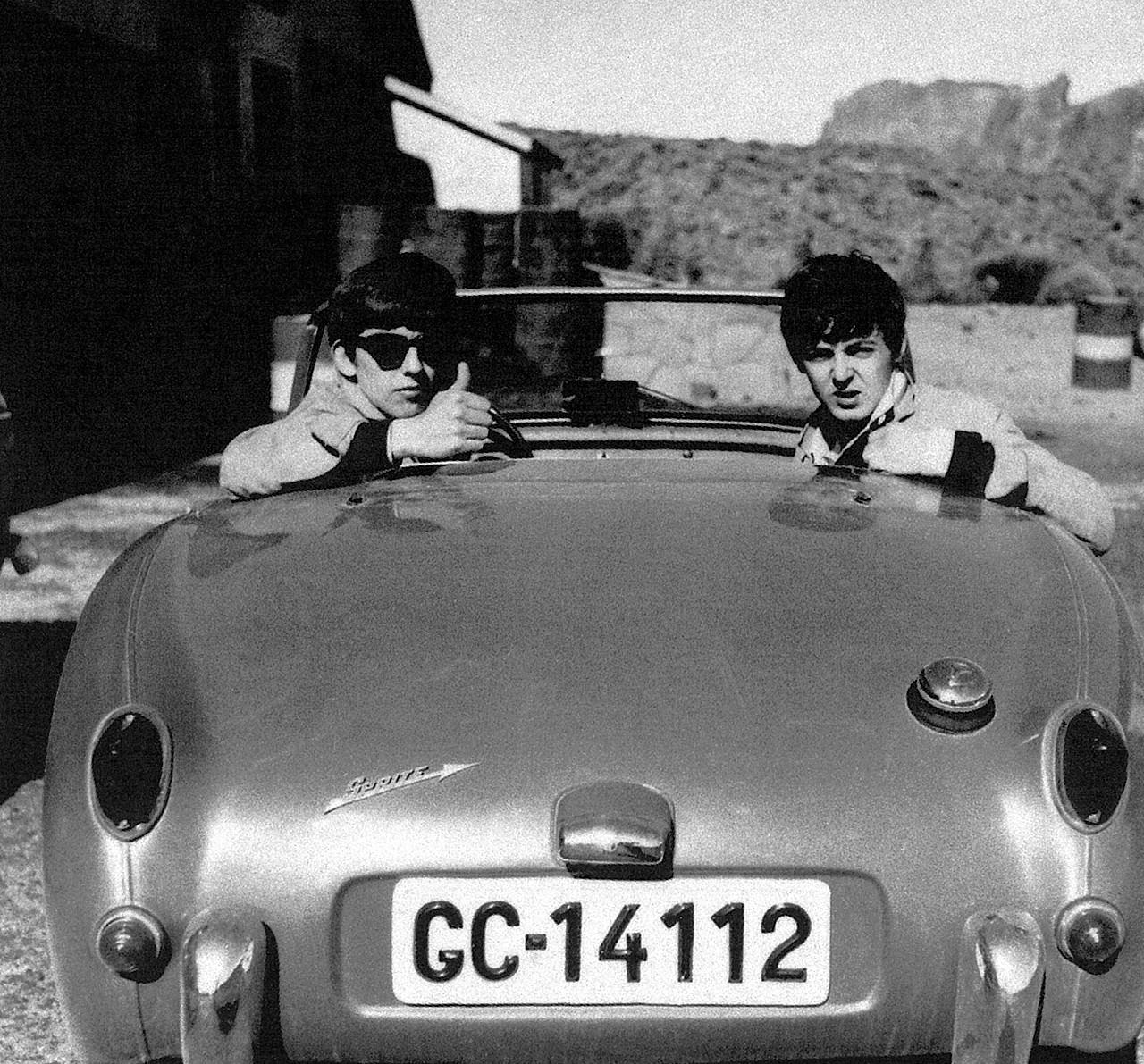
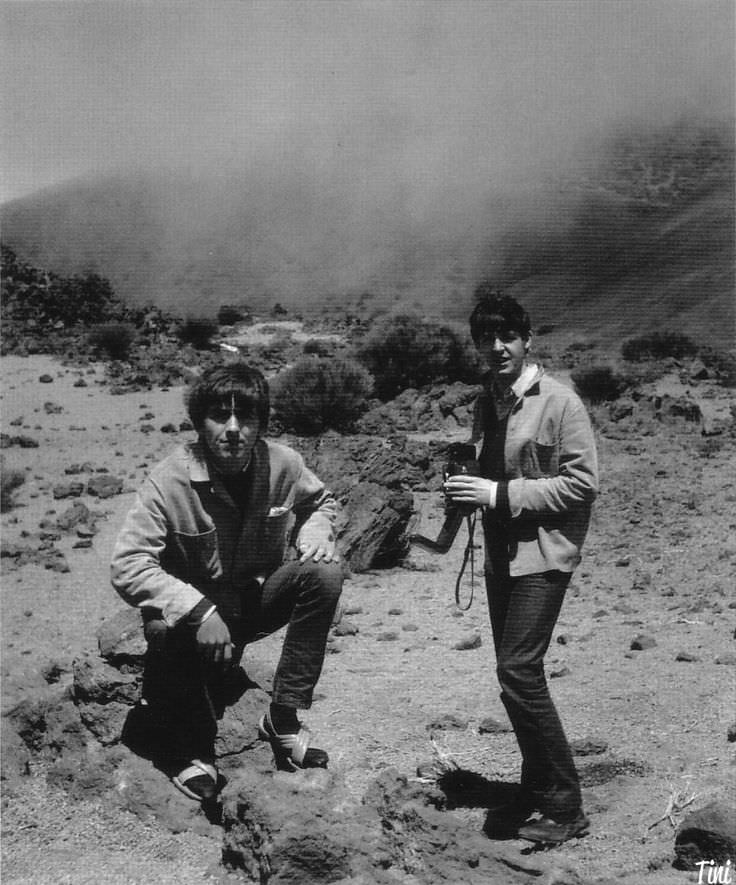
The photographs from the trip have a loose, candid quality to them. There are no staged press shots here. George and Paul are pictured piling into a friend’s Austin Healey Sprite, grinning like any two young men on holiday. On the beach, they look relaxed and ordinary — which, for just a few more weeks, they still were.
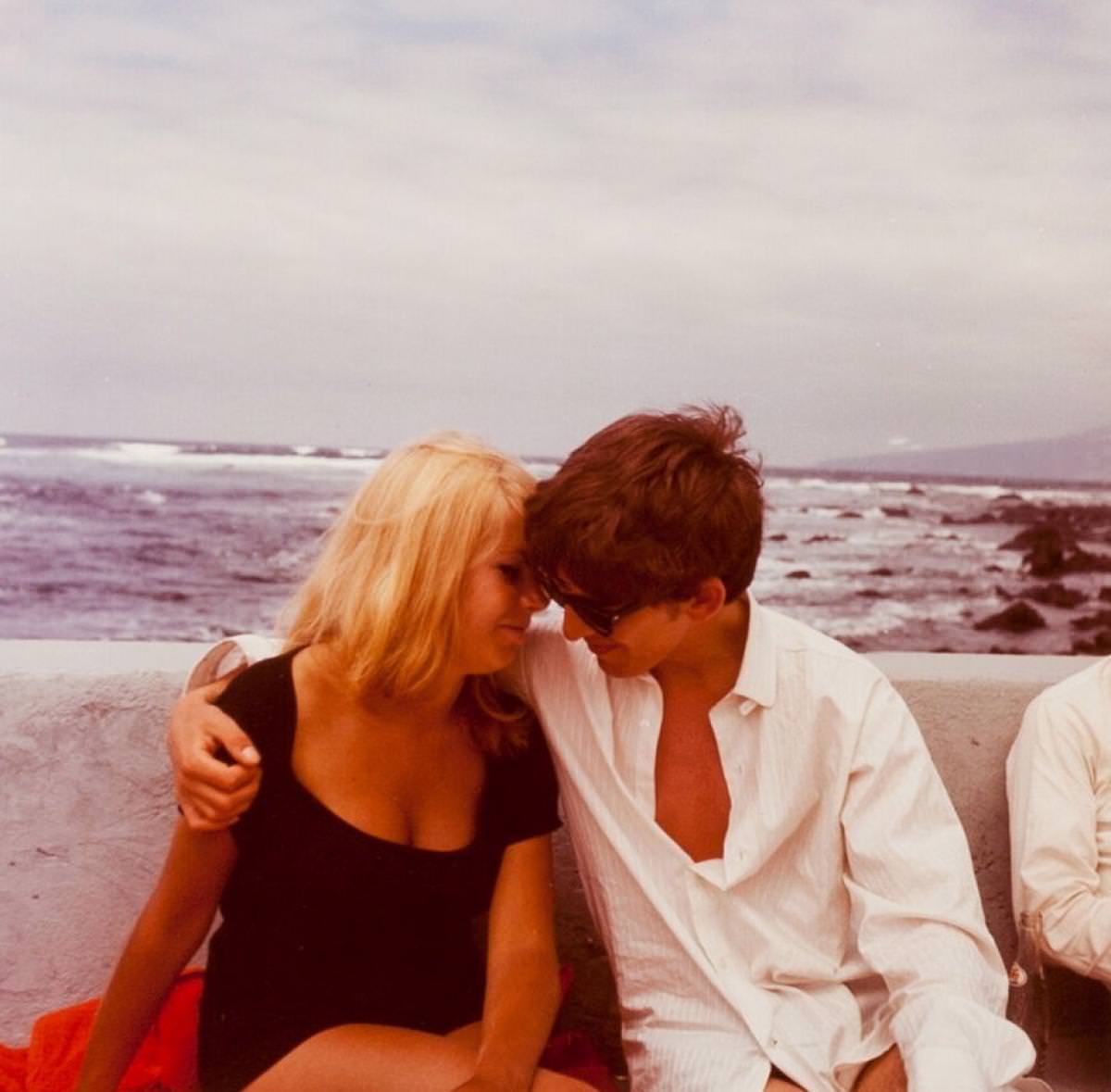
By the autumn of 1963, Beatlemania was in full force across Britain. The band would never again move through a public space without security, planning, and chaos. The Tenerife holiday — arranged with nothing more than a handwritten letter from Paul to an old friend — belonged to a version of The Beatles that the world never really got to know.