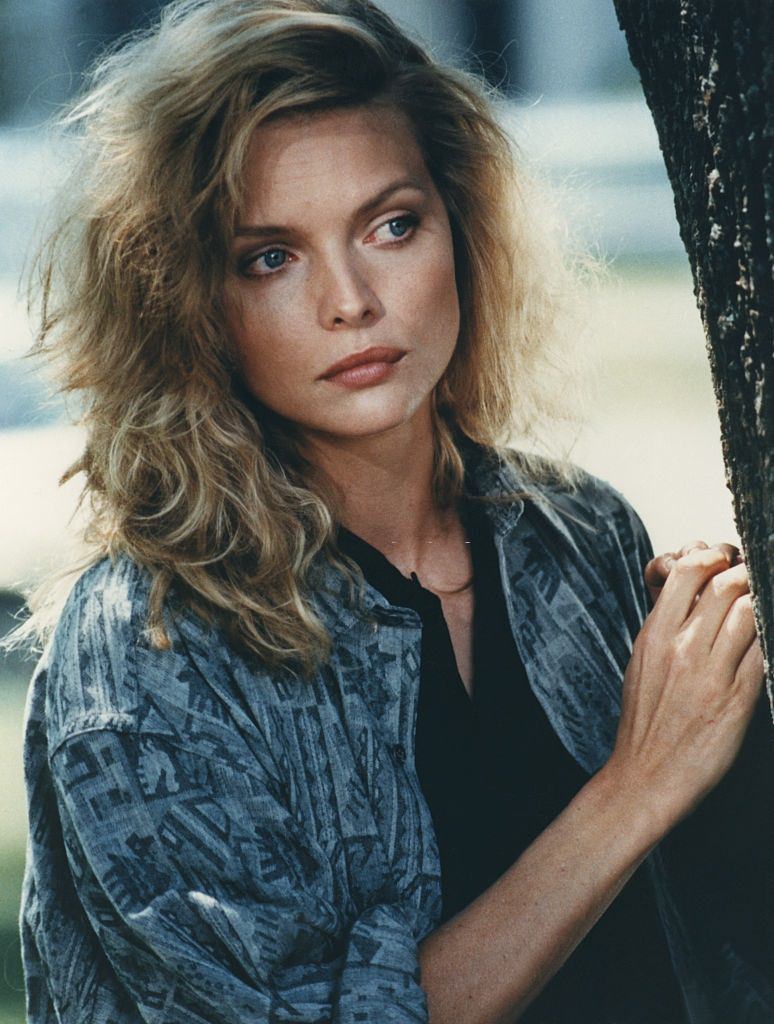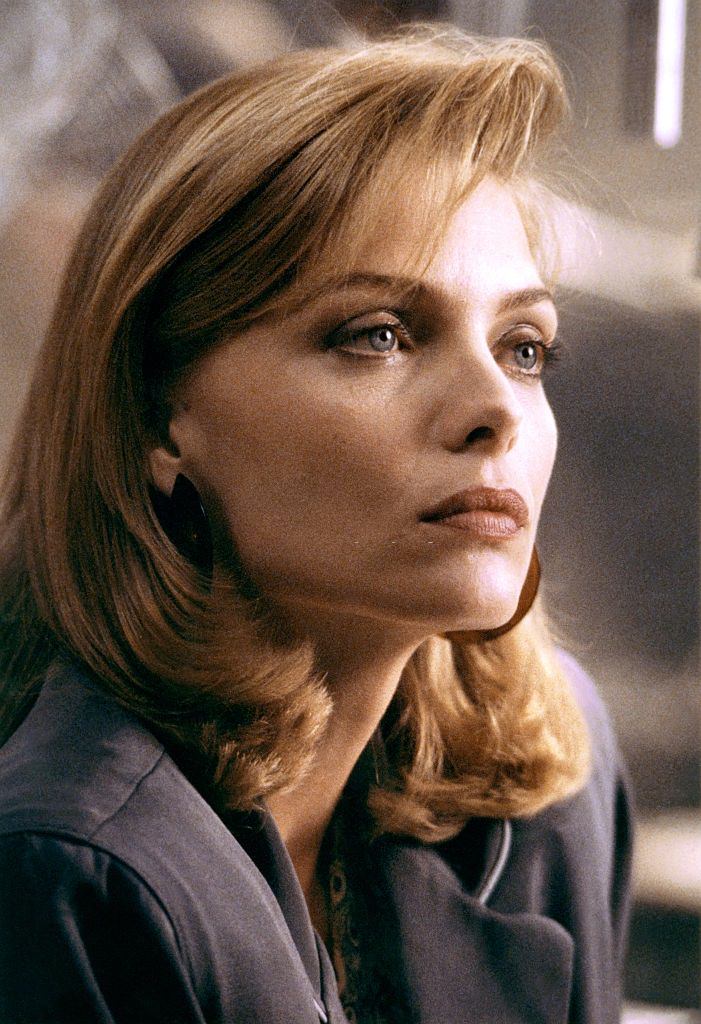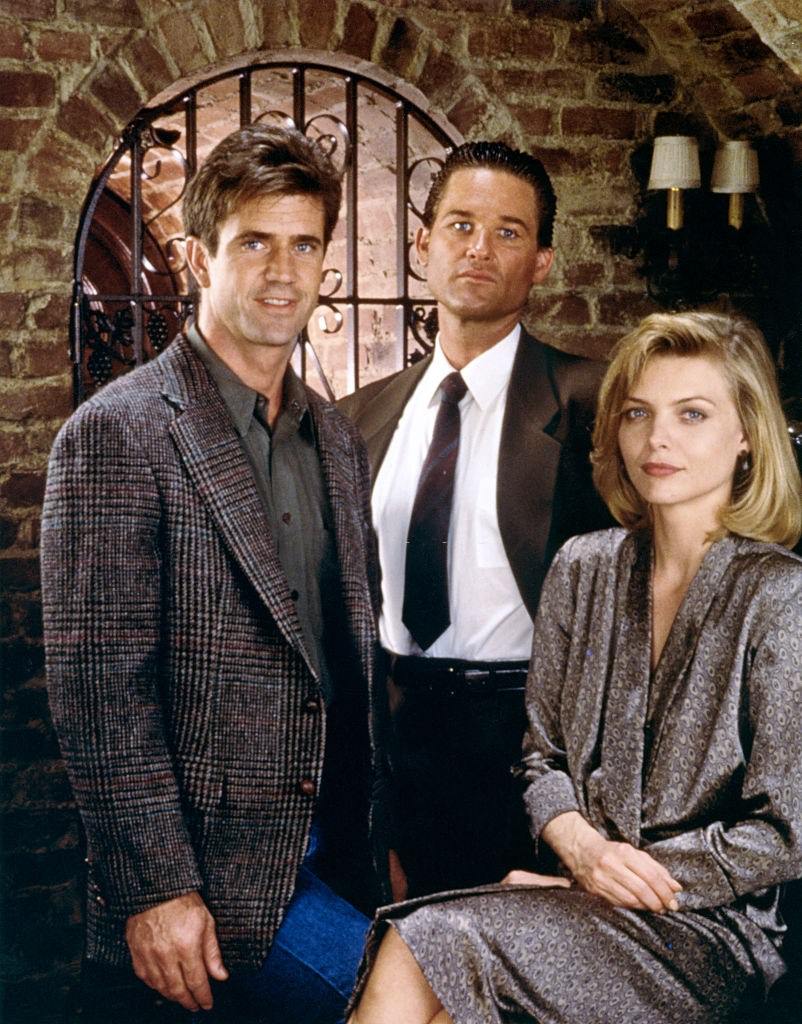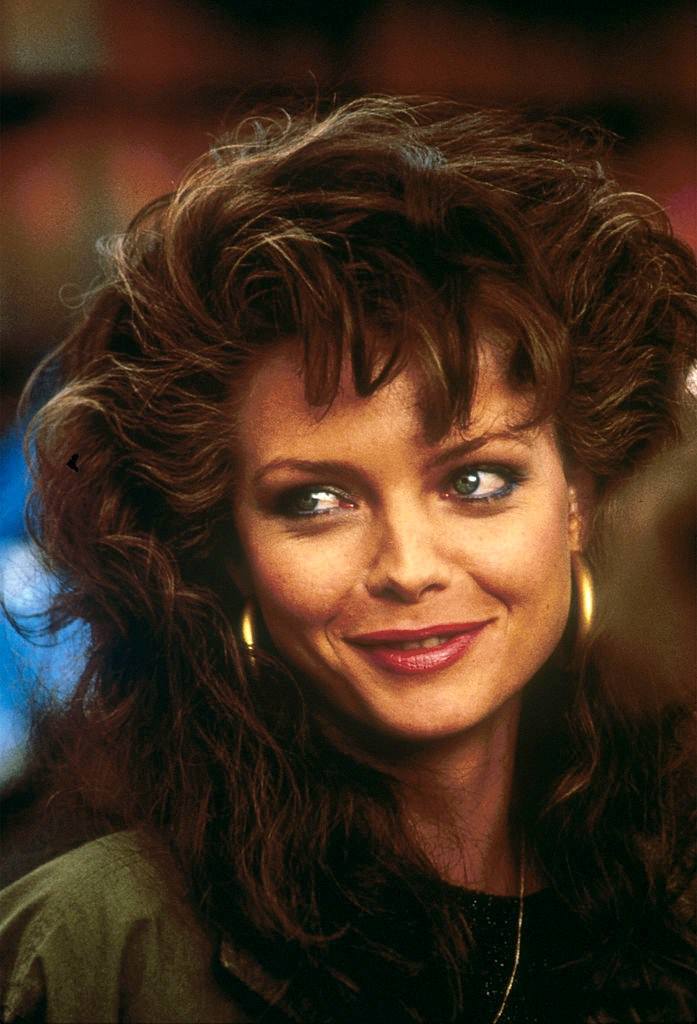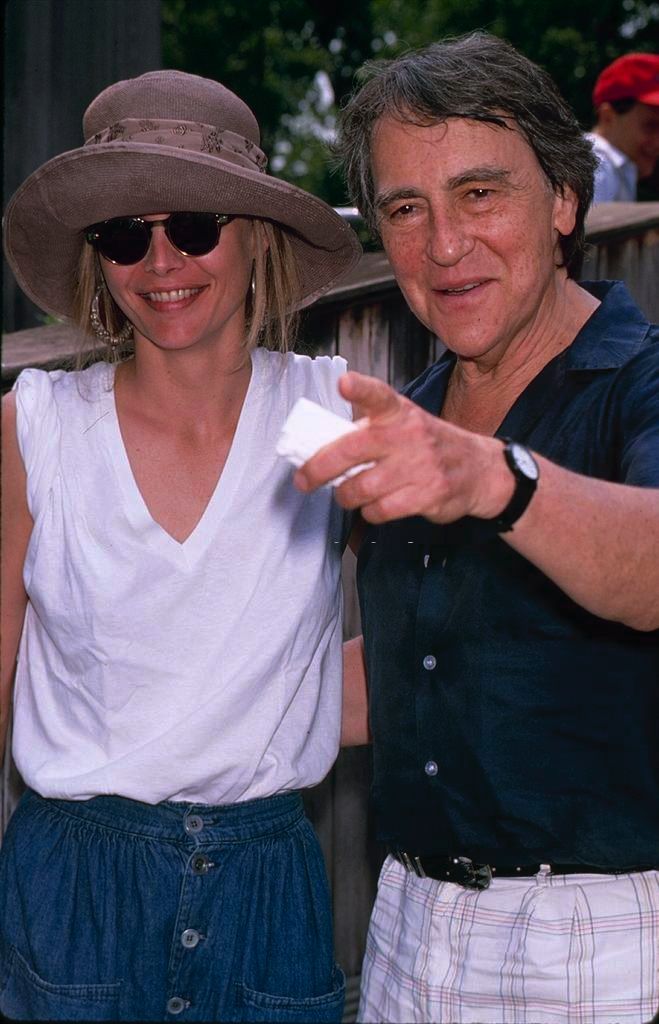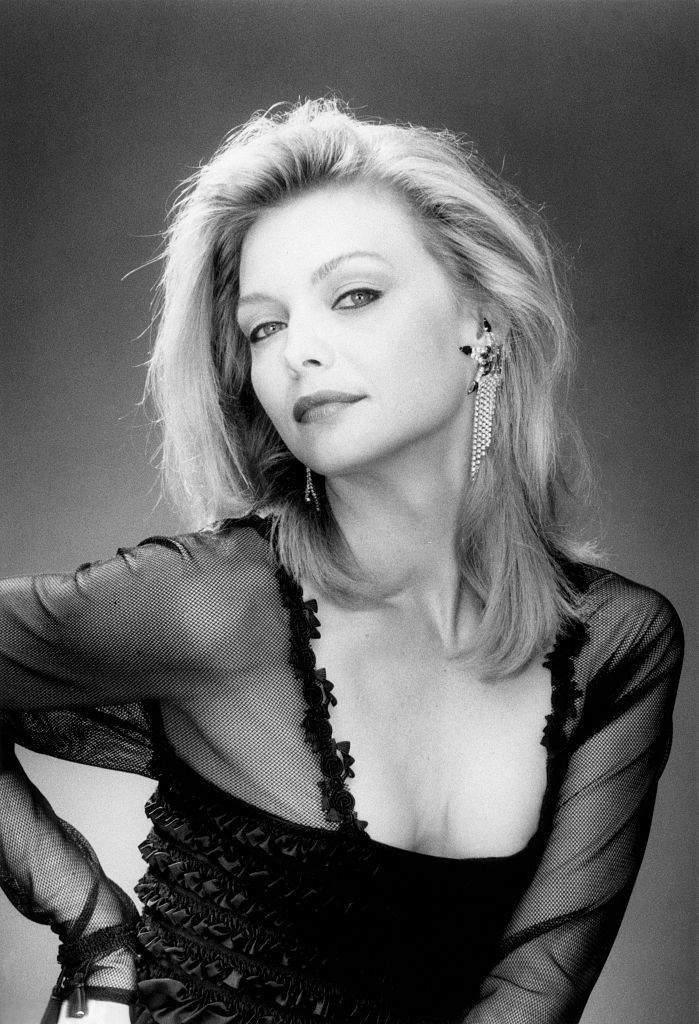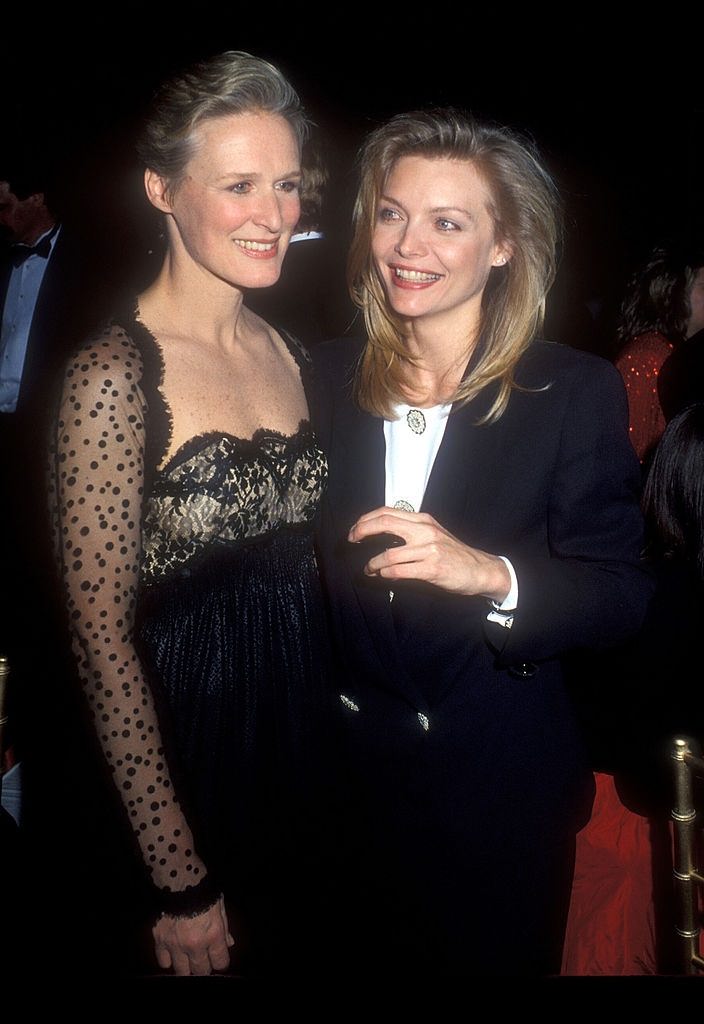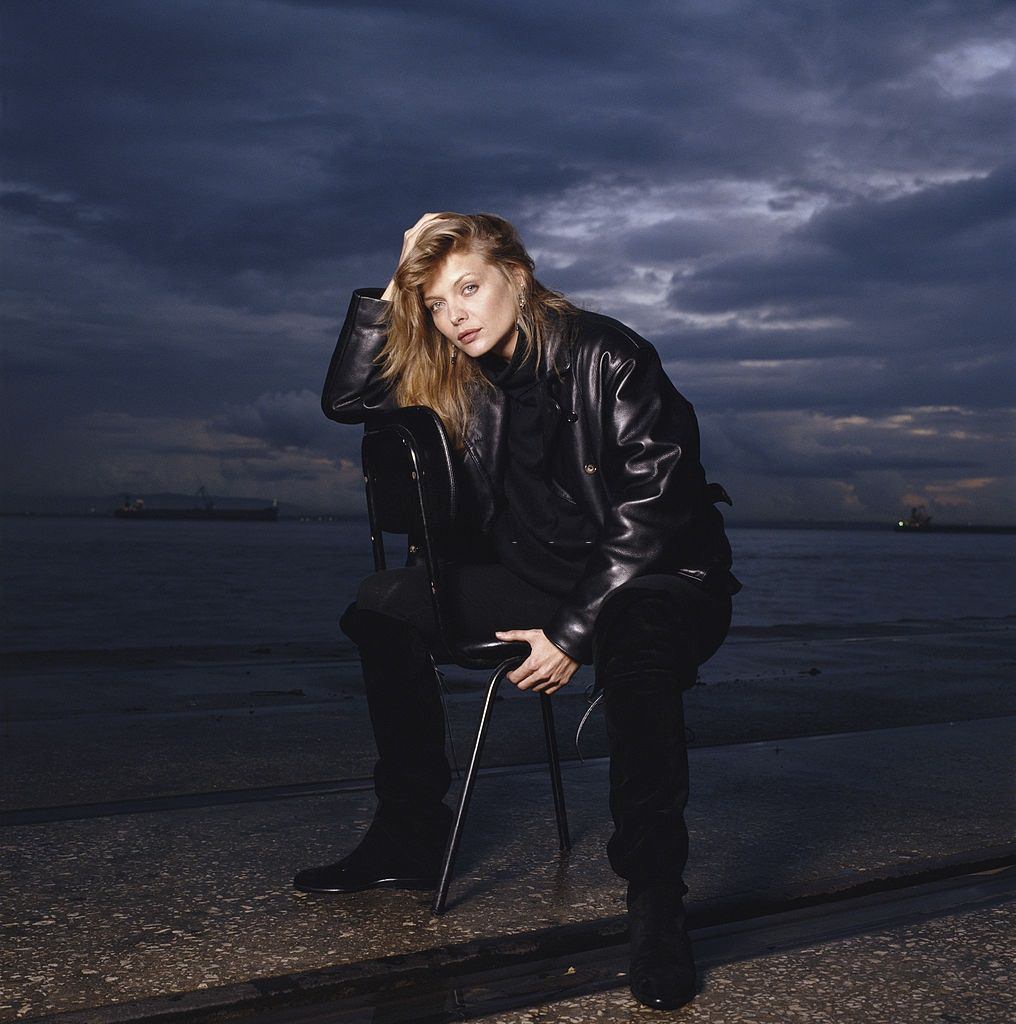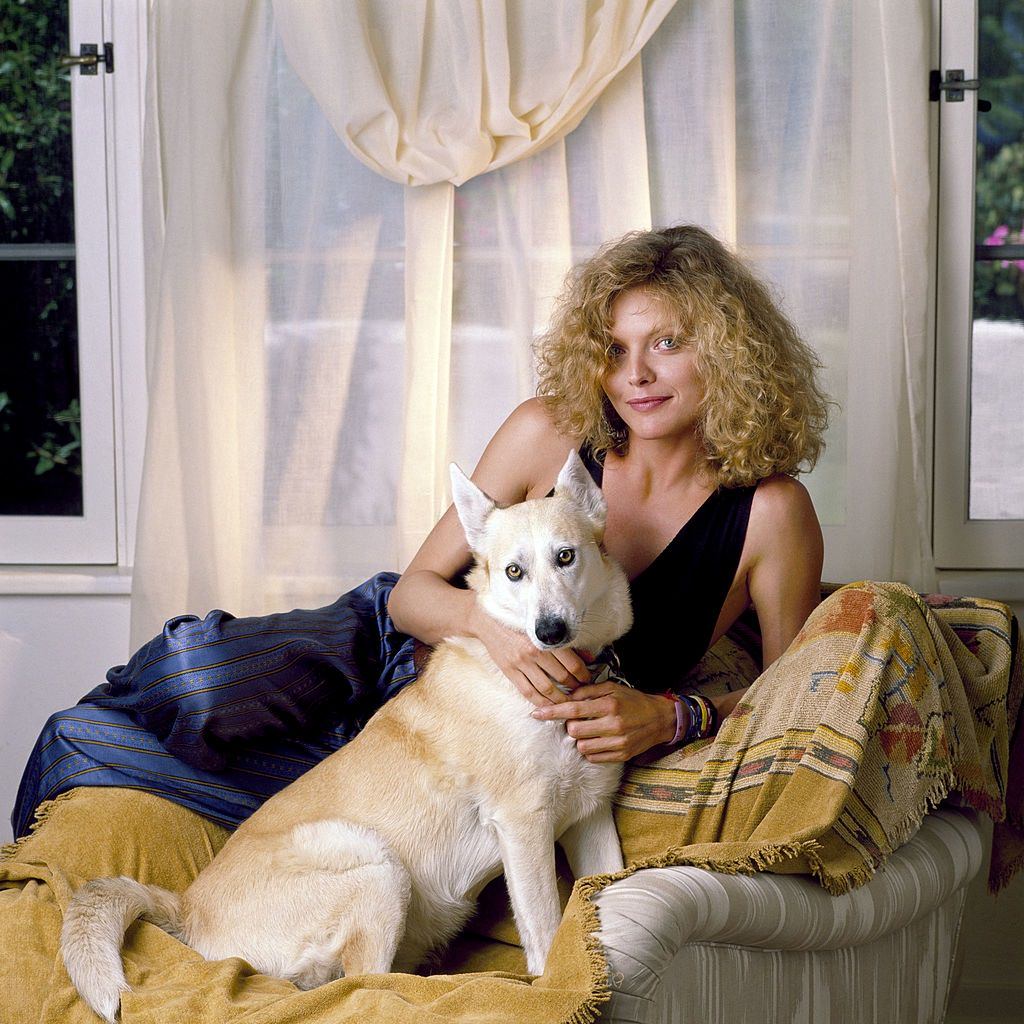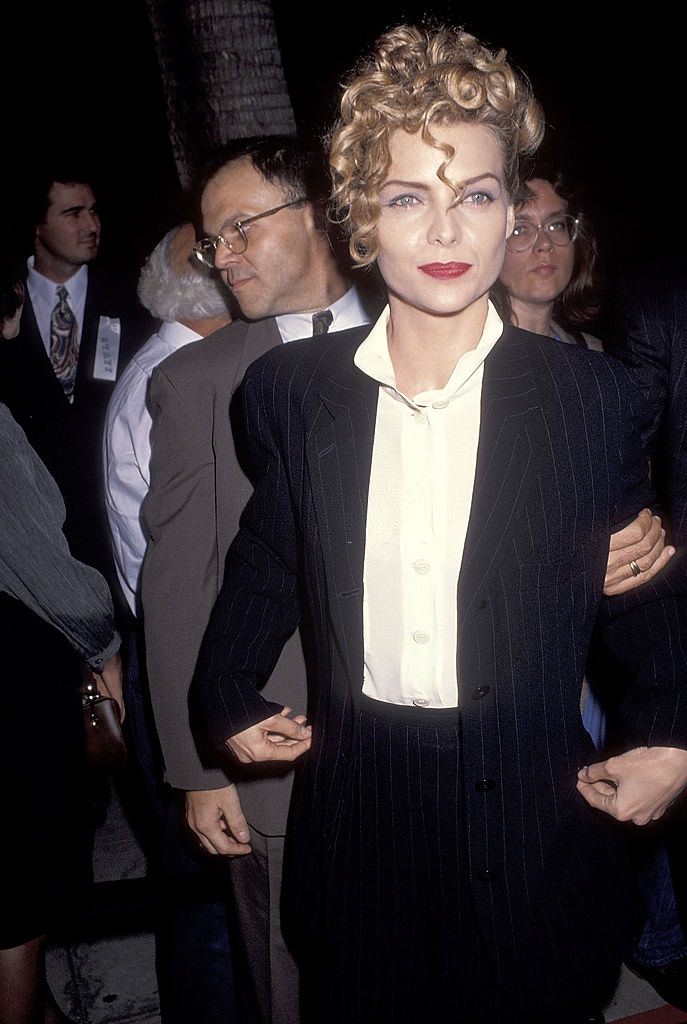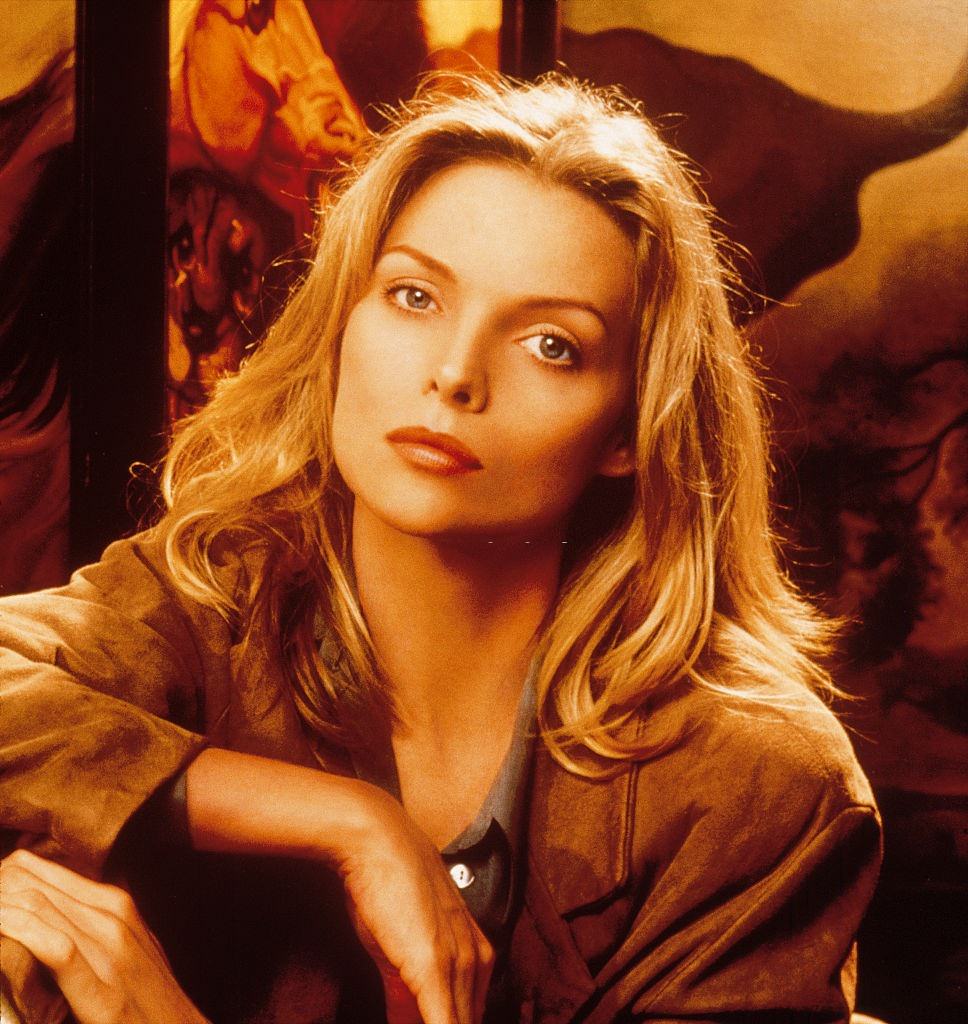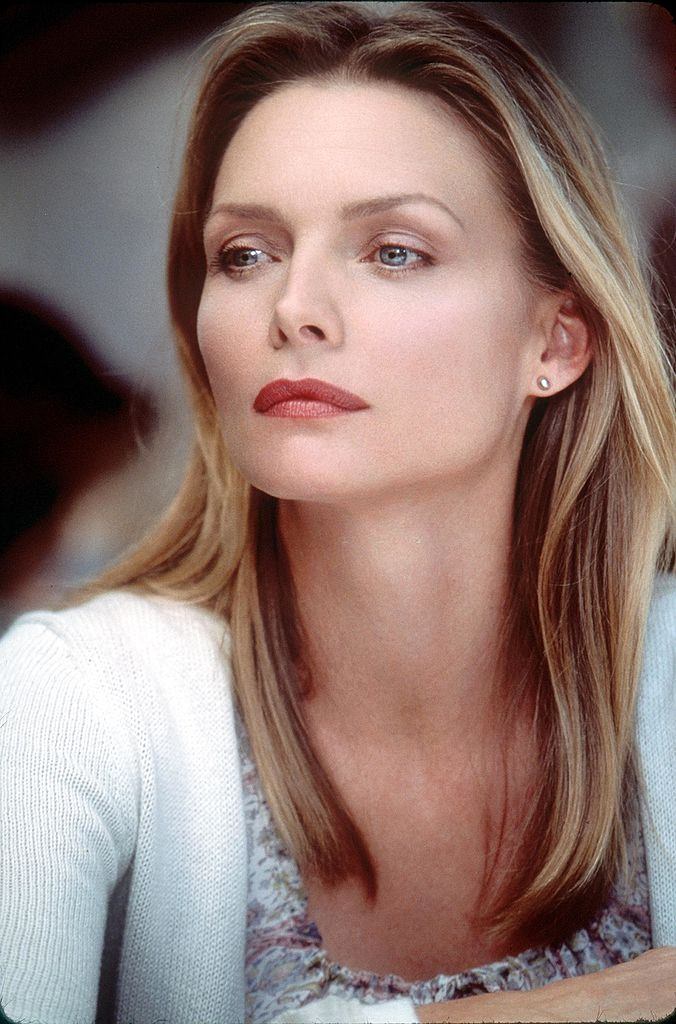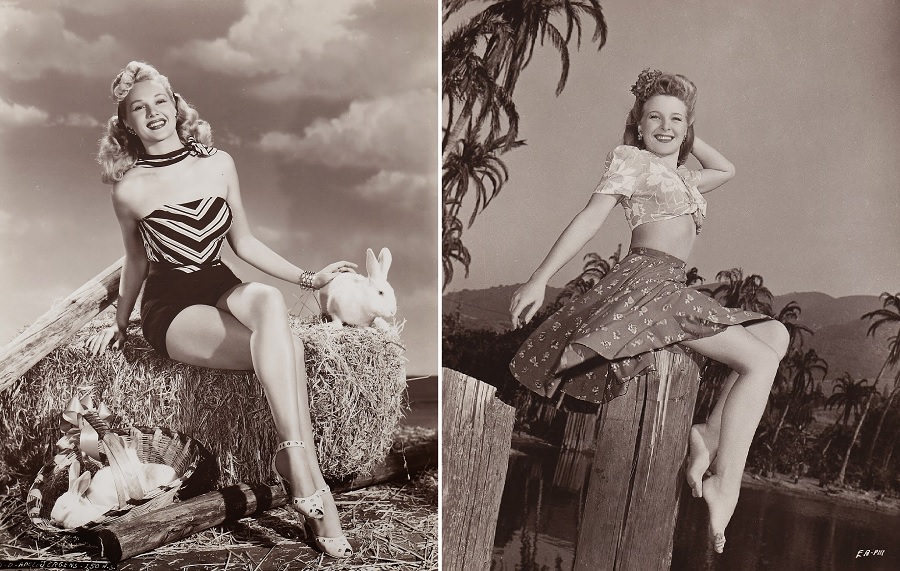
Before Michelle Pfeiffer became one of Hollywood’s most respected actresses, she was checking groceries at a Vons supermarket and briefly working as a court stenographer. Few people would have guessed that the young woman bagging groceries in California would go on to earn Academy Award nominations and land on the covers of major magazines. Her rise was steady, driven by raw talent and a willingness to take on roles that other actresses turned down.
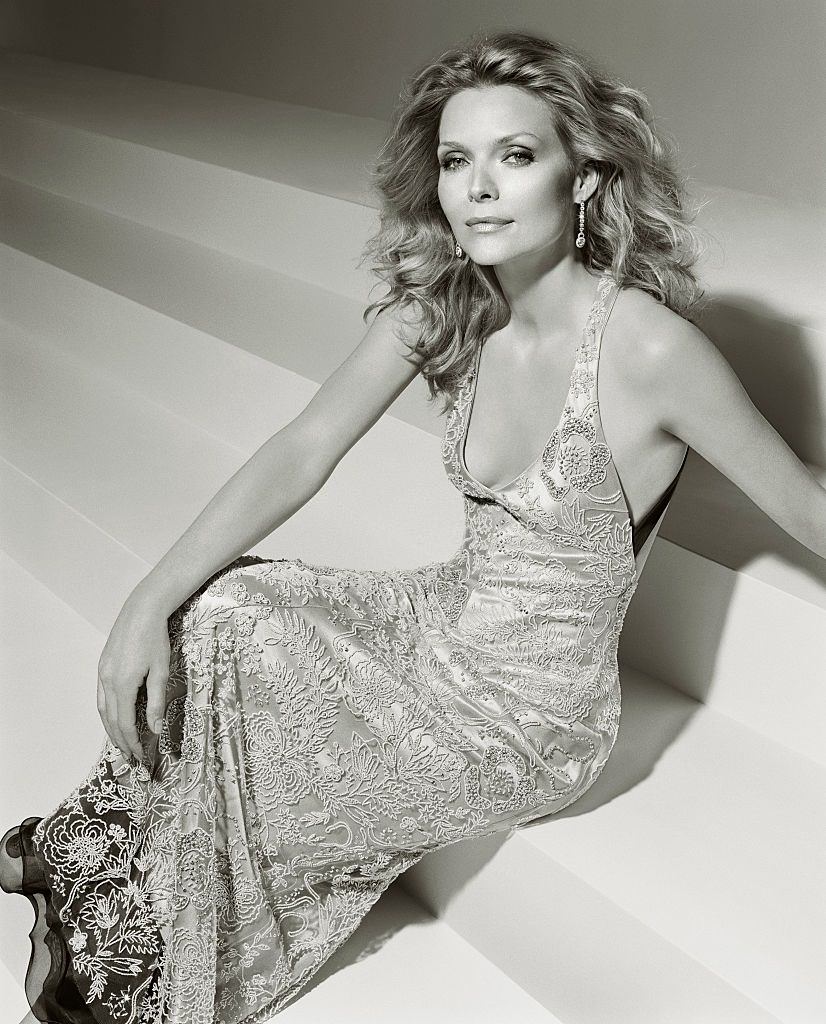
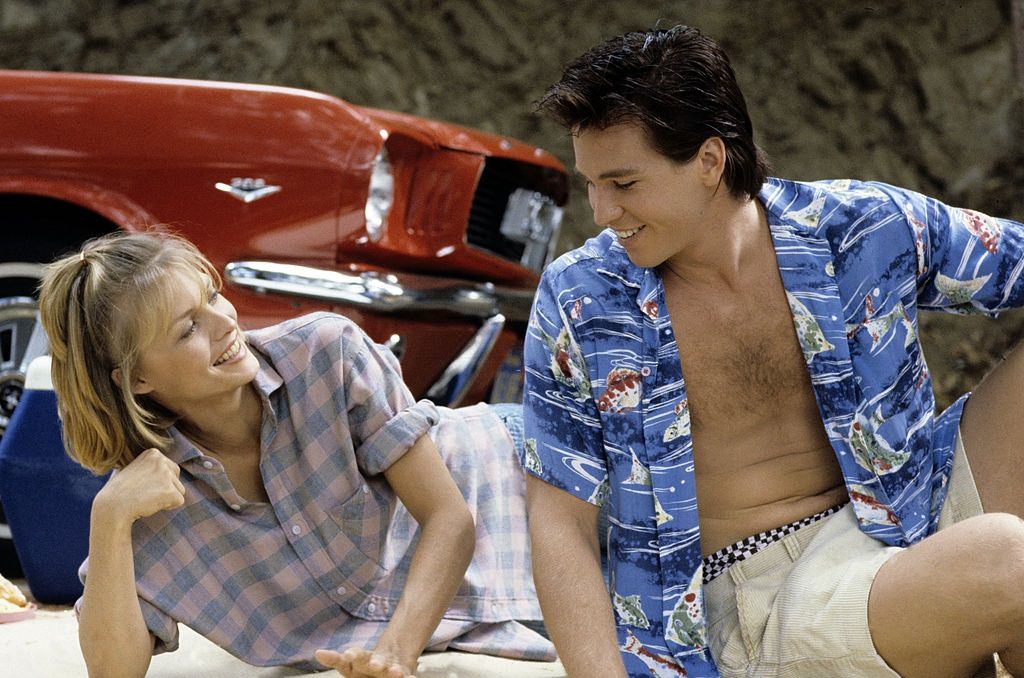
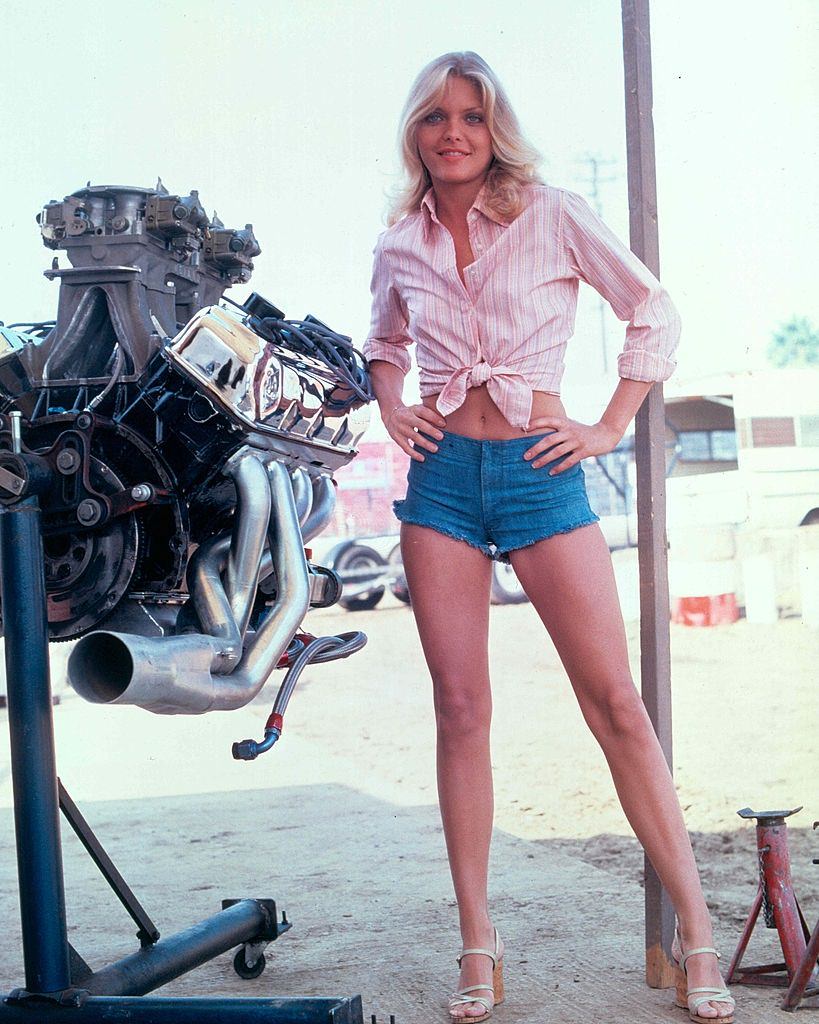
In 1978, Pfeiffer won the Miss Orange County beauty pageant, which opened a few doors in the entertainment world. That same year, she made her screen debut on the television drama Fantasy Island. Her film debut followed in 1980 with the comedy The Hollywood Knights, where she appeared alongside Tony Danza. These early roles were small, but they put her in front of cameras and helped her build experience quickly.
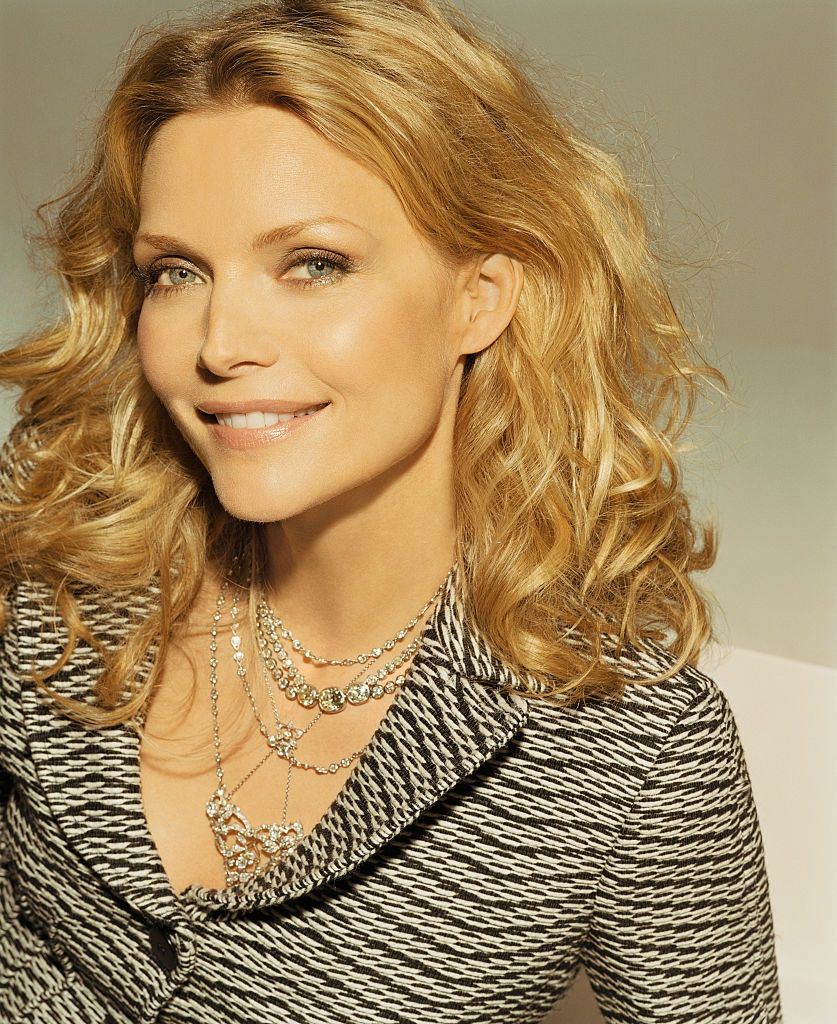
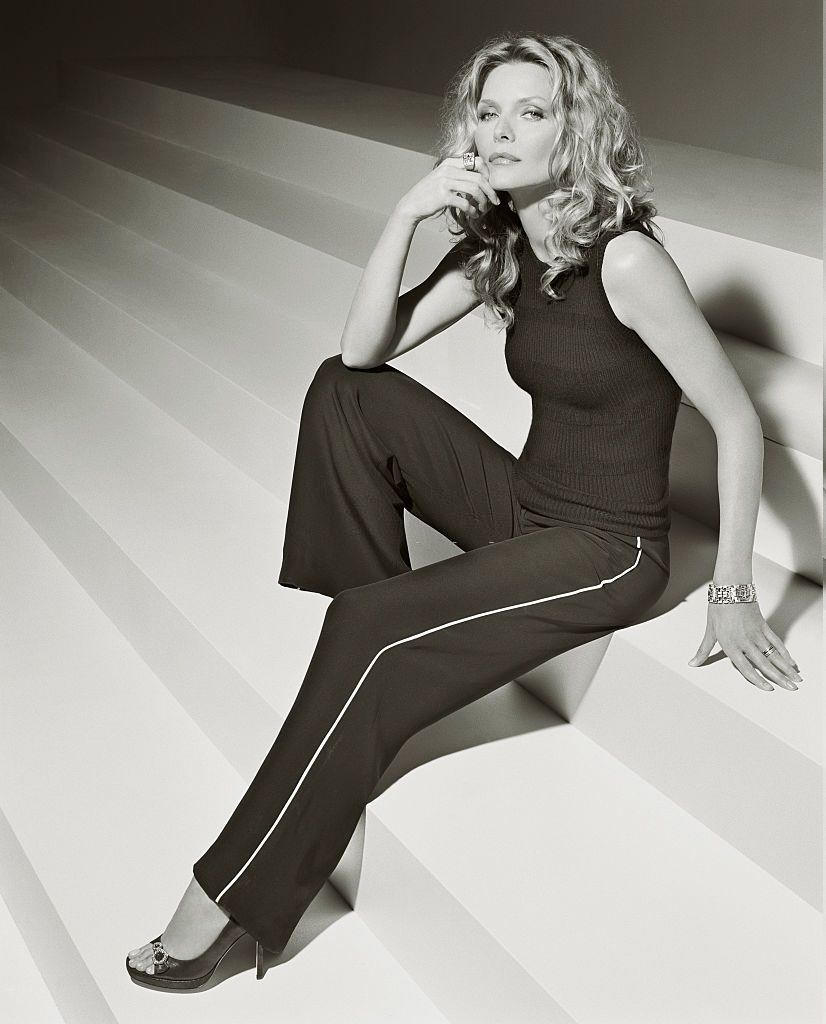
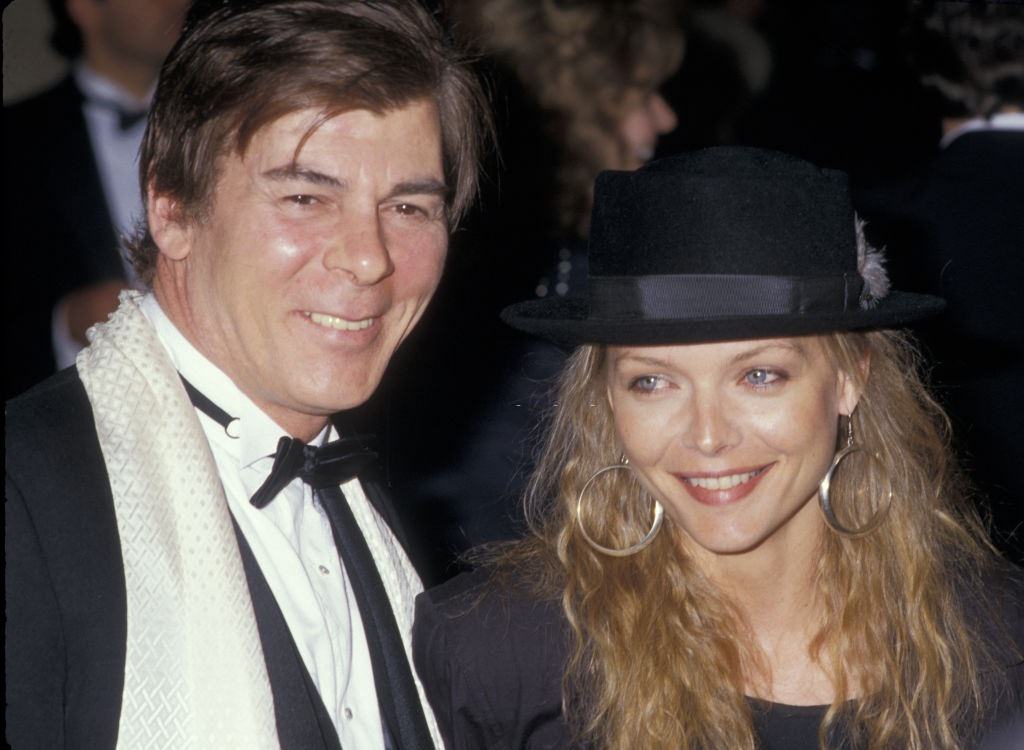
During her acting classes, Pfeiffer met actor Peter Horton. The two began dating and married in 1981. While building her personal life, she was also grinding through auditions and smaller television appearances. It was not an overnight success story — it took several years of consistent work before the bigger opportunities arrived.
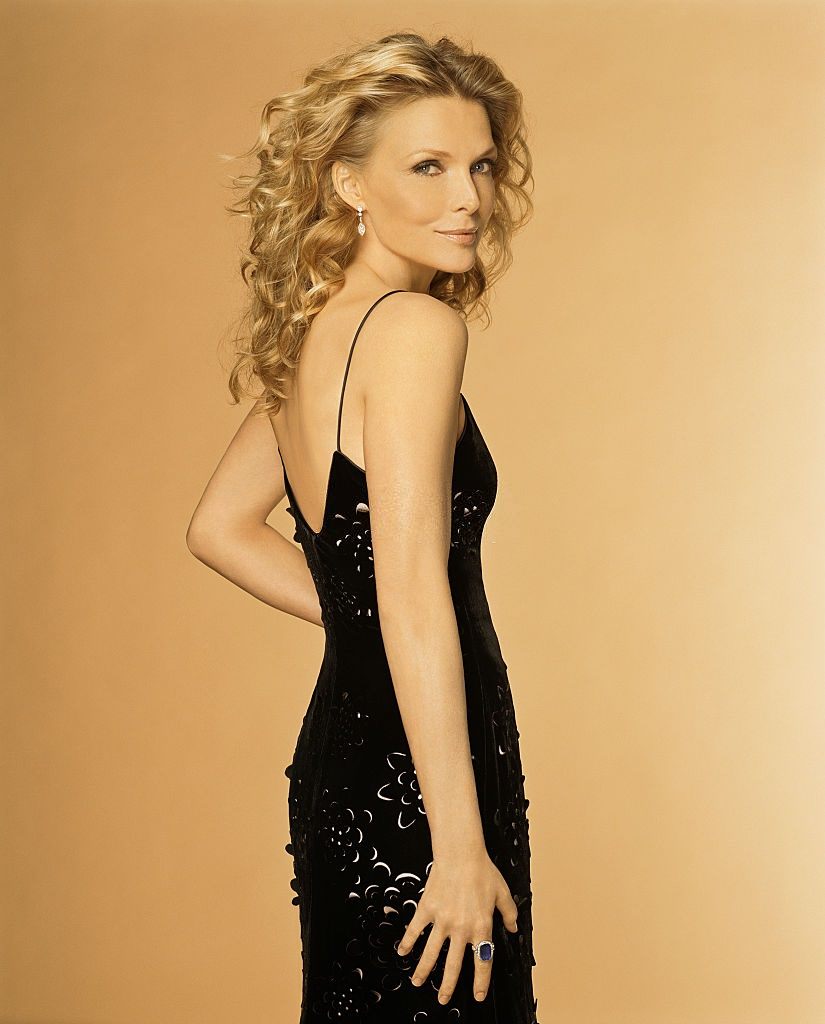
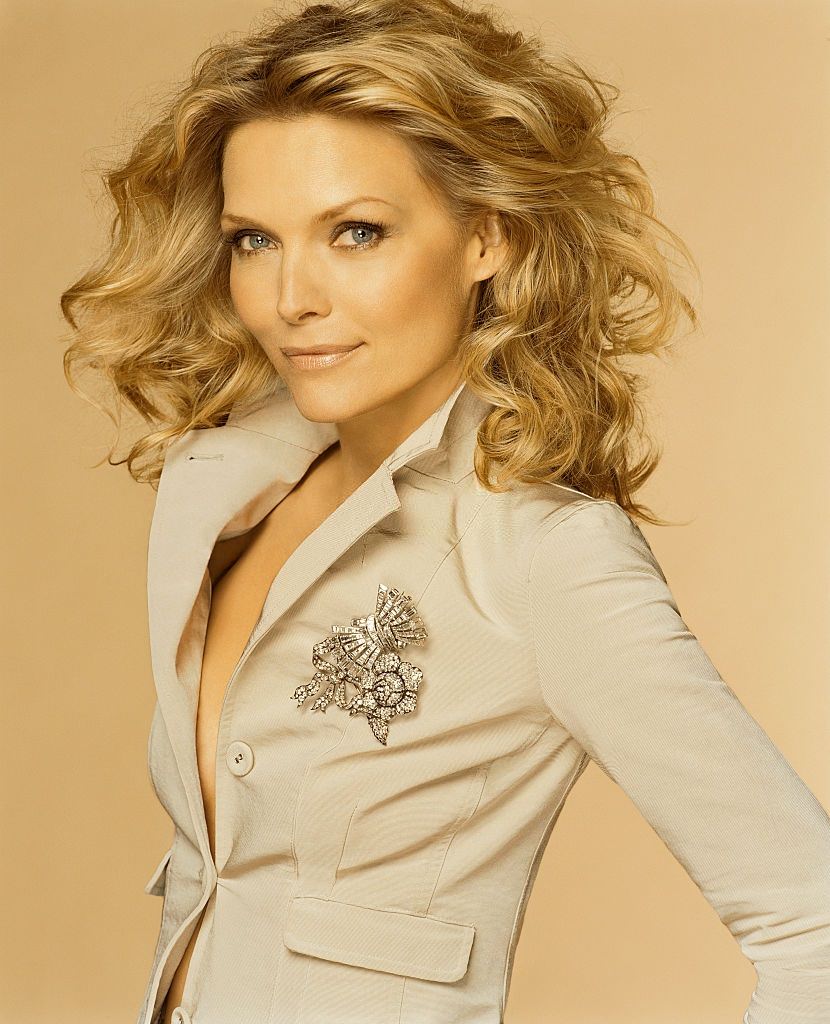
Pfeiffer appeared in the TV series Delta House in 1979 and continued picking up roles throughout the early 1980s. In 1982, she starred in Grease 2, the sequel to the massively popular original. While the film received mixed reviews, it gave Pfeiffer a major studio platform and raised her public profile significantly.
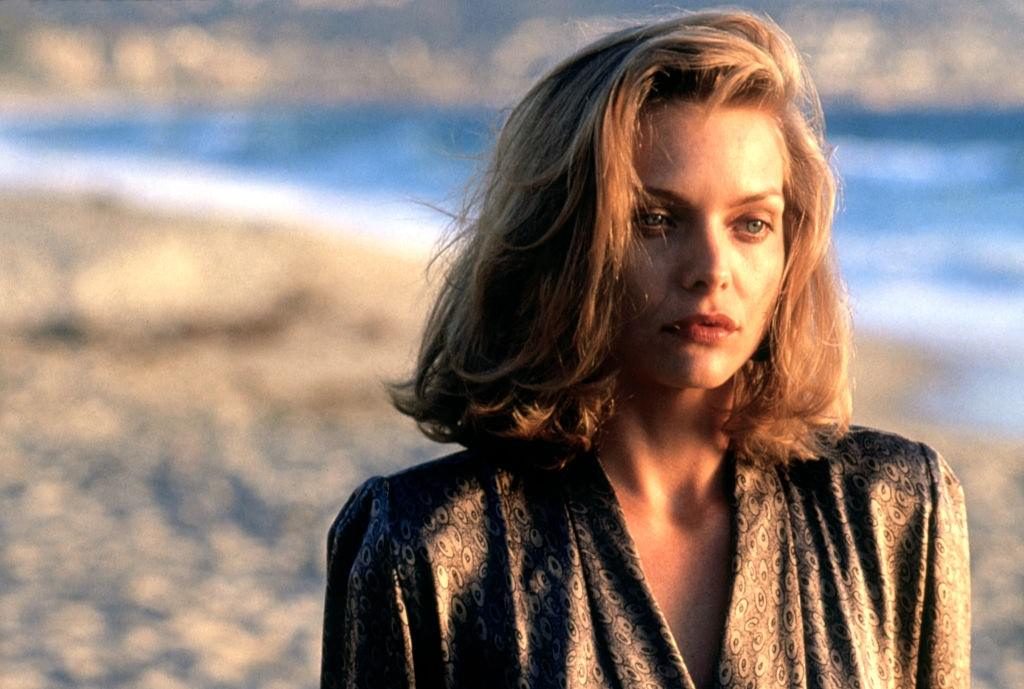
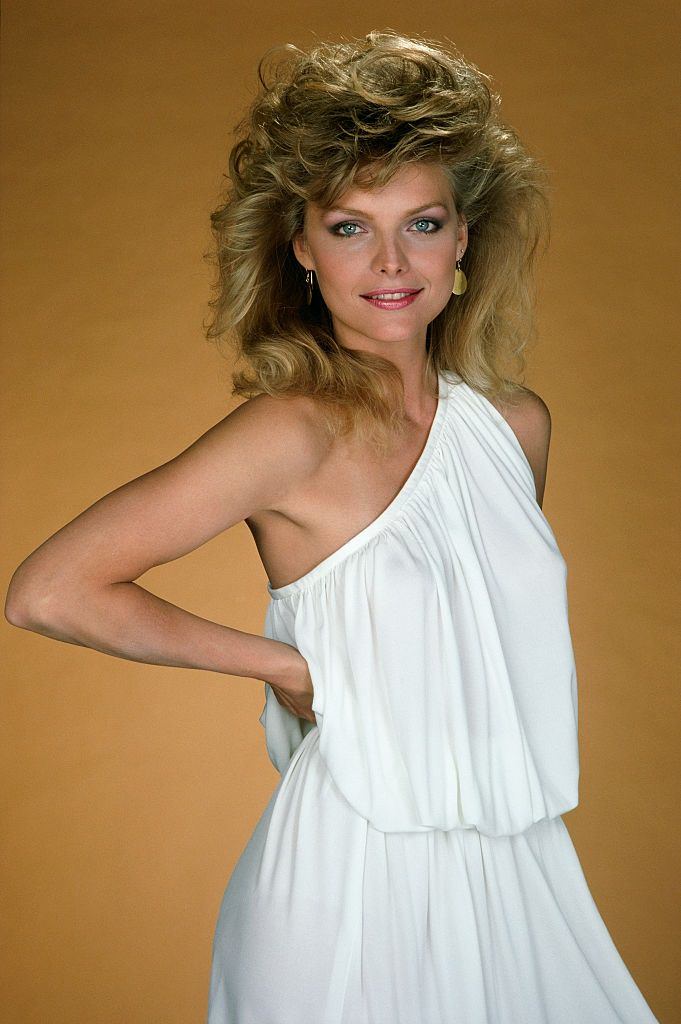
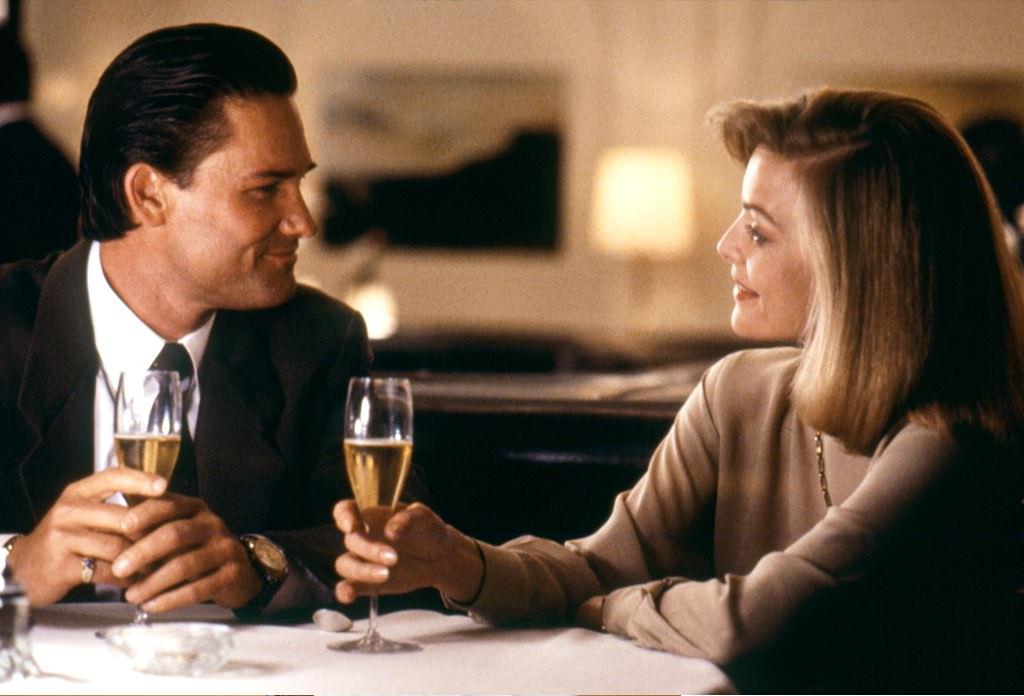
Her breakout came with Scarface in 1983, where she played Elvira Hancock alongside Al Pacino. It was her first major lead role, and audiences took notice. The film became a cultural landmark, and Pfeiffer’s performance proved she could hold her own against some of the biggest names in the industry.
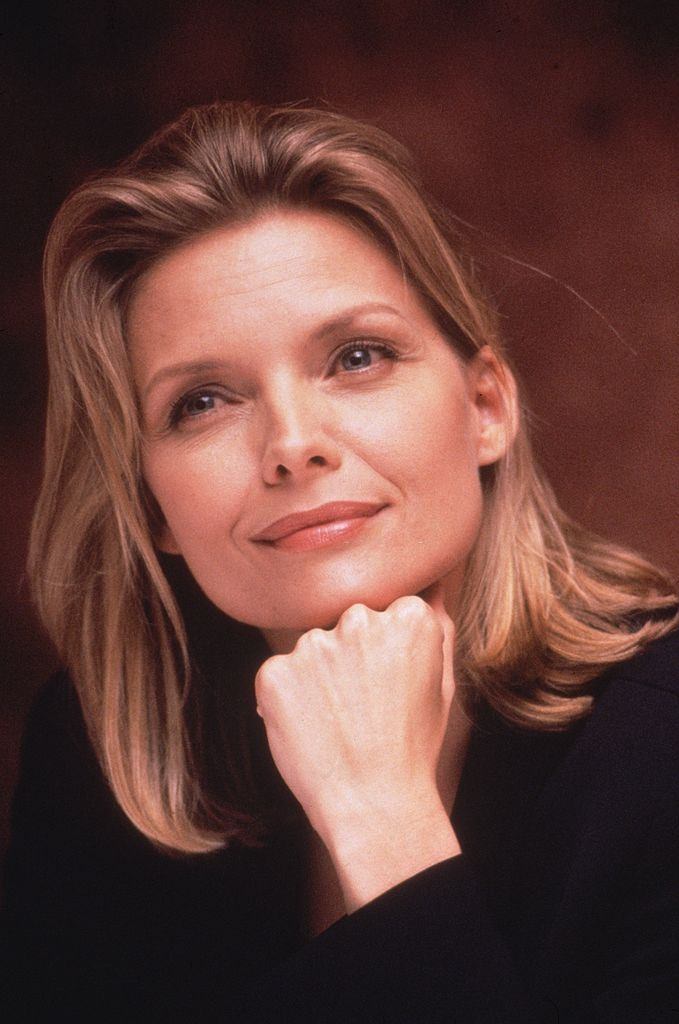
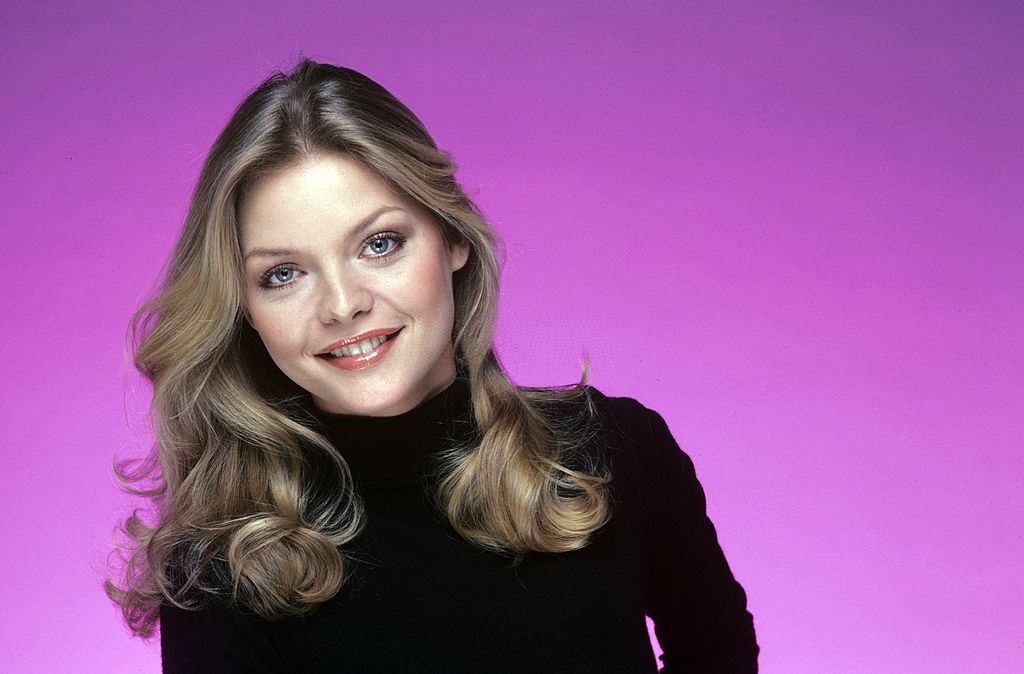
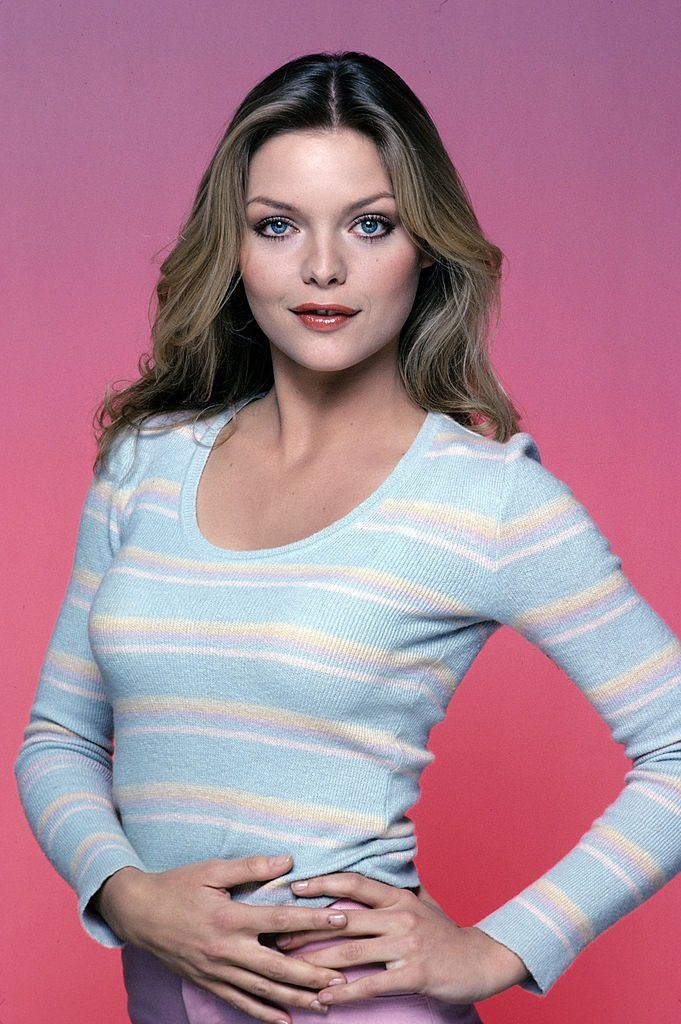
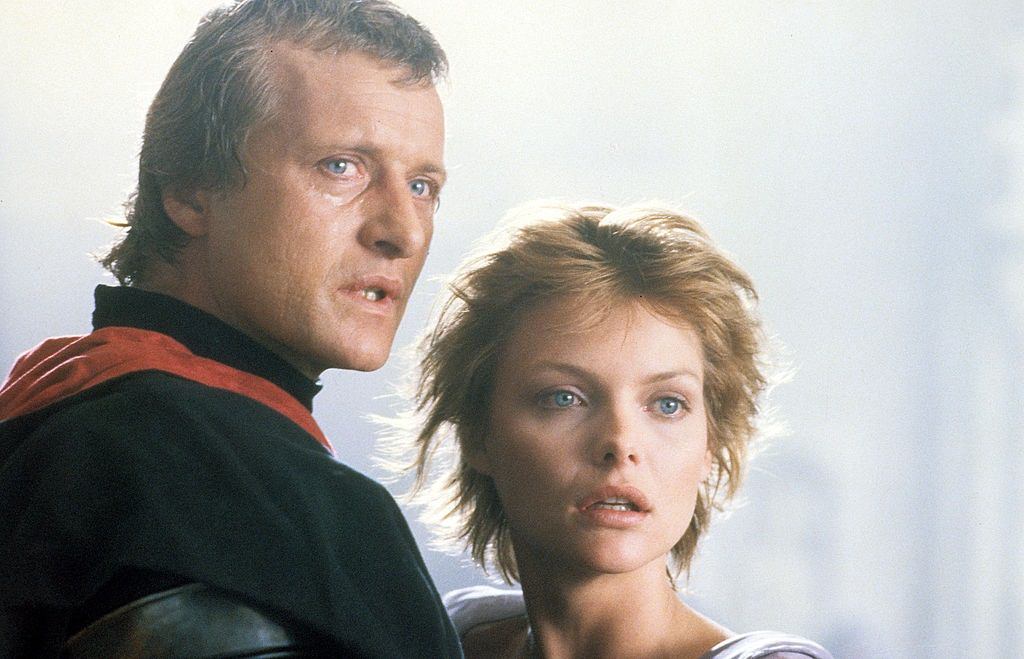
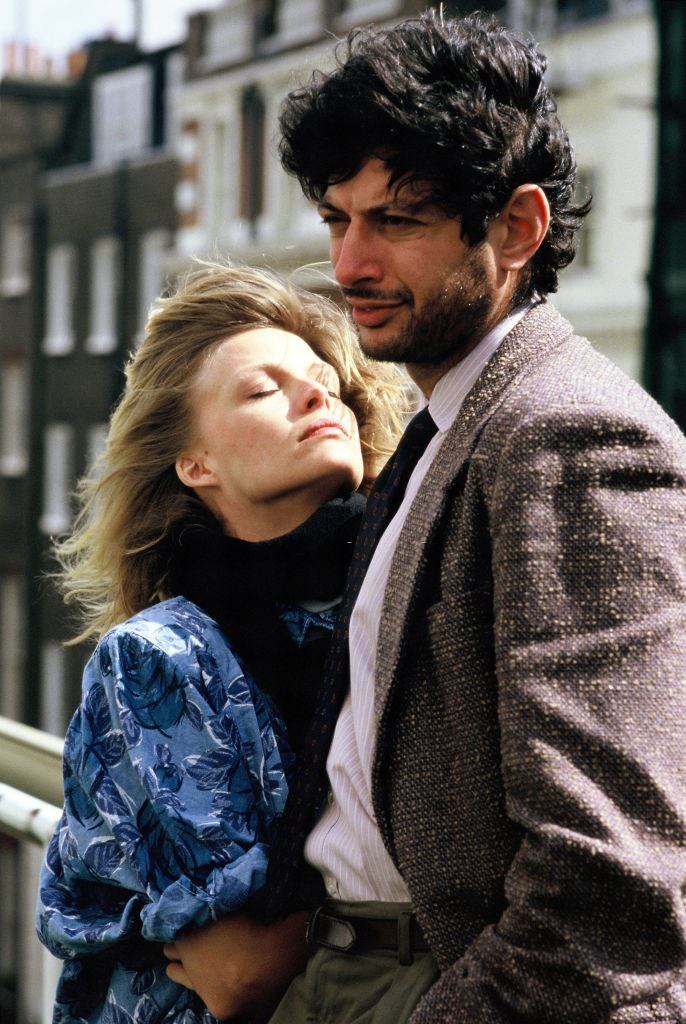
The mid-1980s kept Pfeiffer busy across both film and television. She starred in Ladyhawke in 1985 alongside Rutger Hauer, a medieval fantasy film that showed off her range beyond the glamorous roles she had been offered. That same year, she appeared in Into the Night with Jeff Goldblum, directed by John Landis.
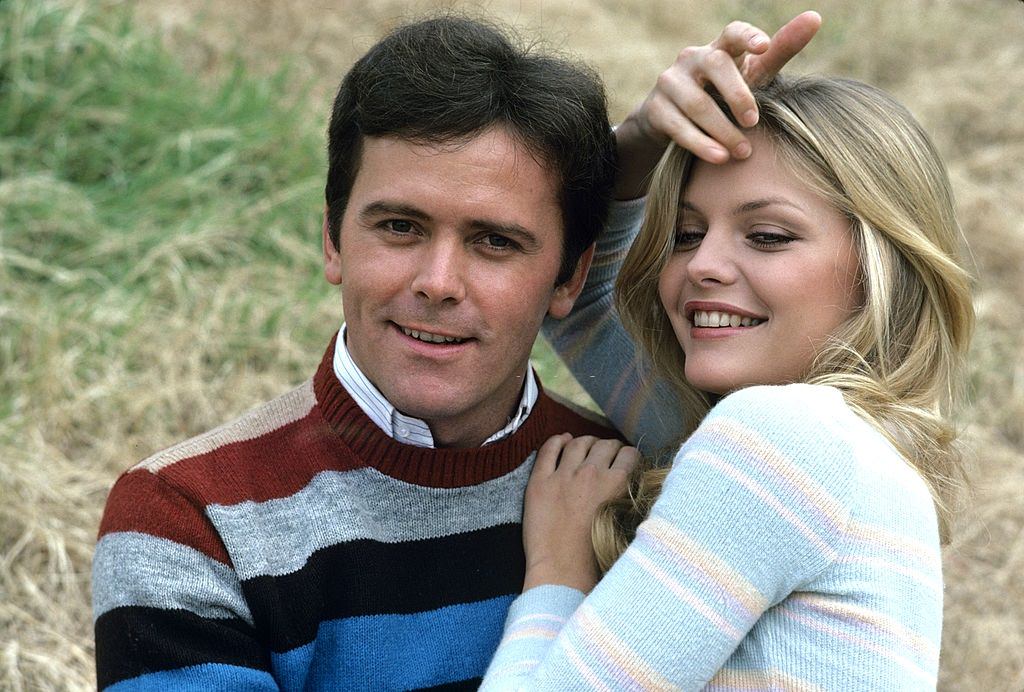
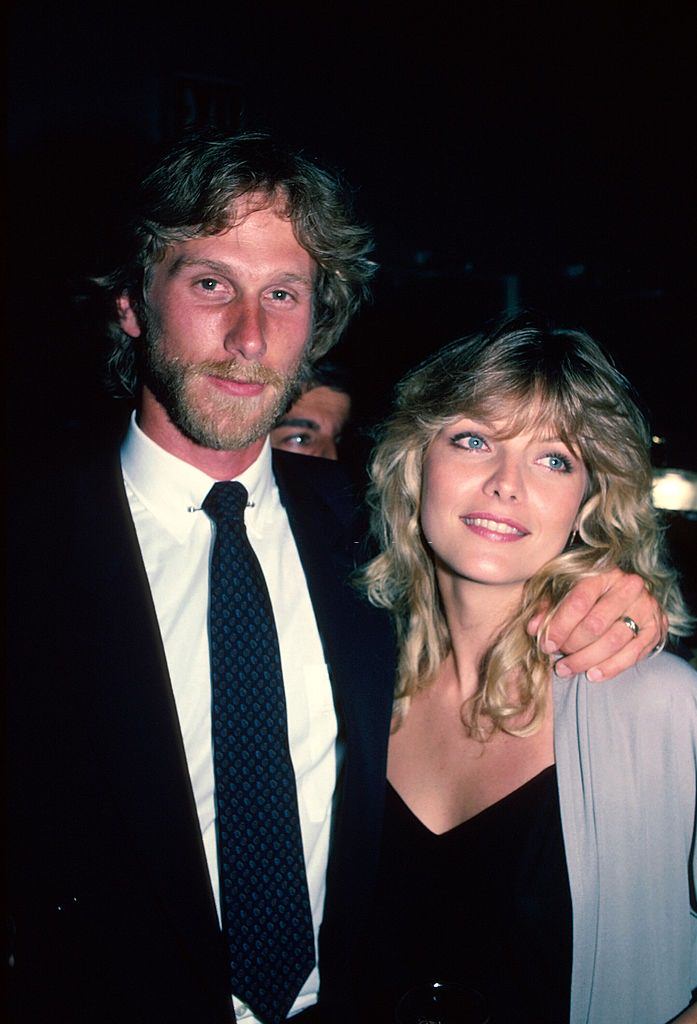
Pfeiffer and Peter Horton separated after seven years of marriage. During this period, she also had relationships with Fisher Stevens and John Malkovich. Her personal life played out alongside a career that was accelerating fast. By the late 1980s, she was one of the most sought-after actresses in Hollywood.
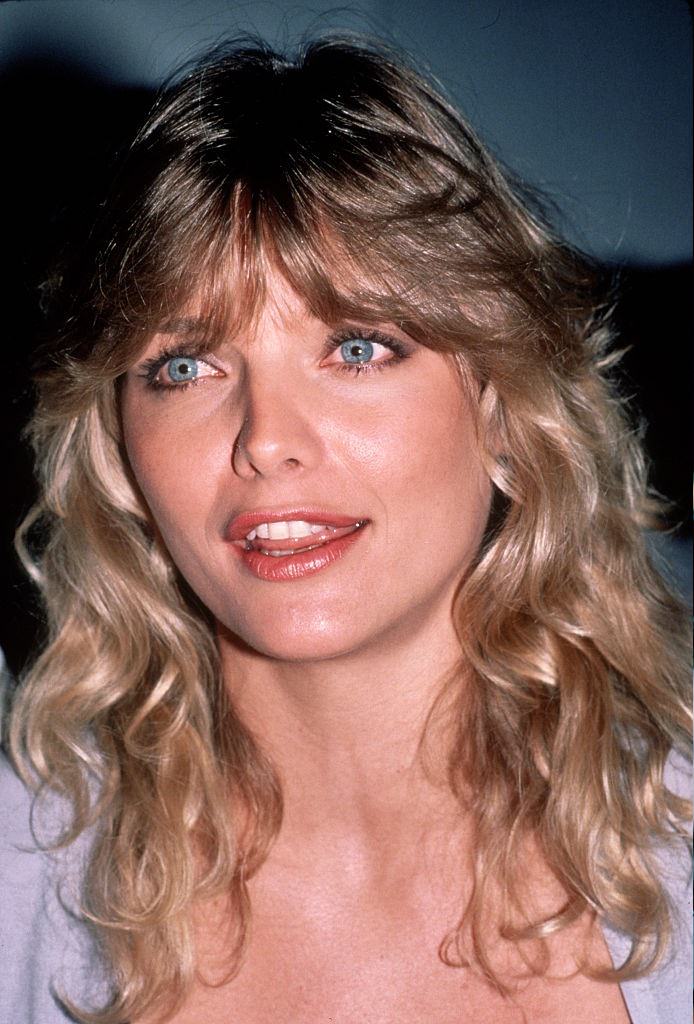
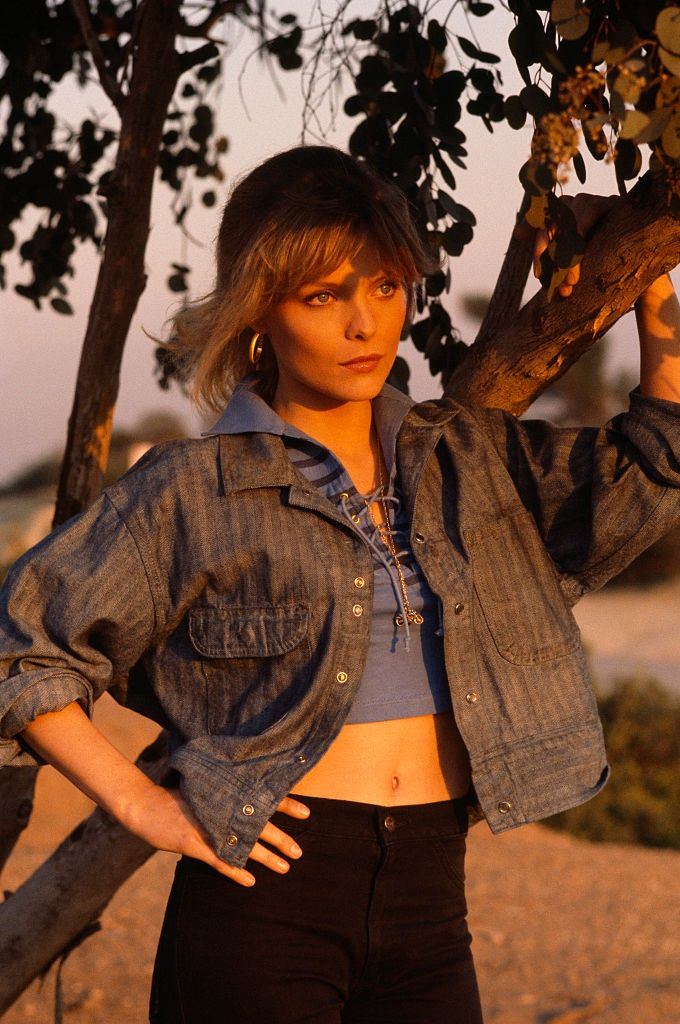
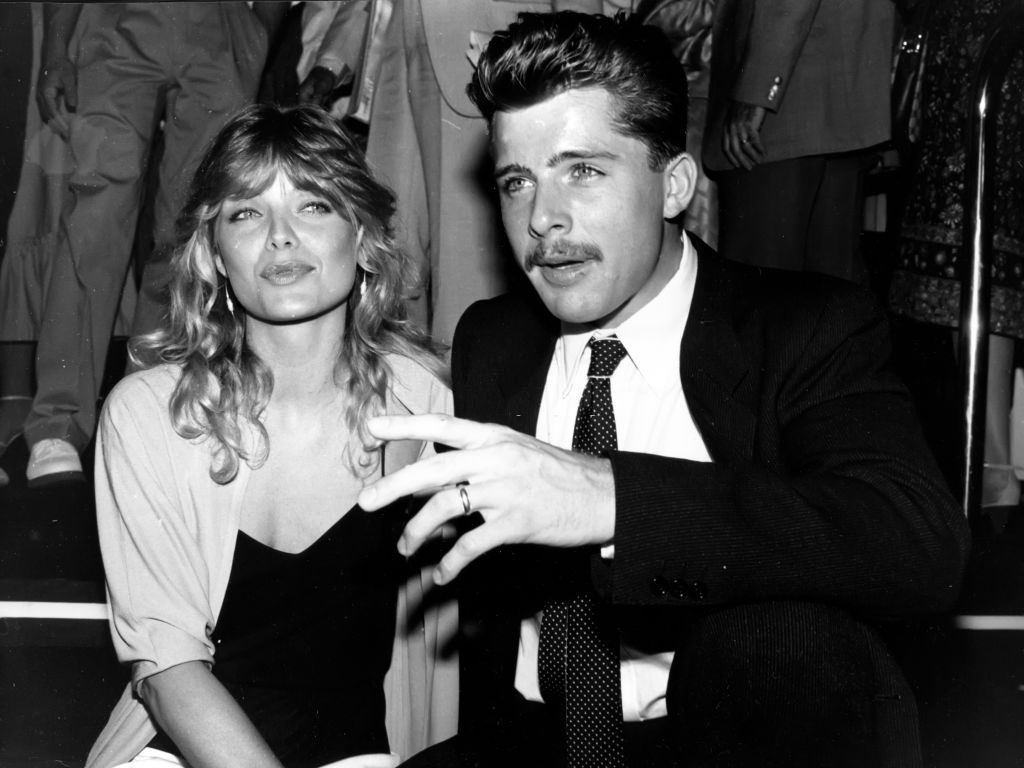
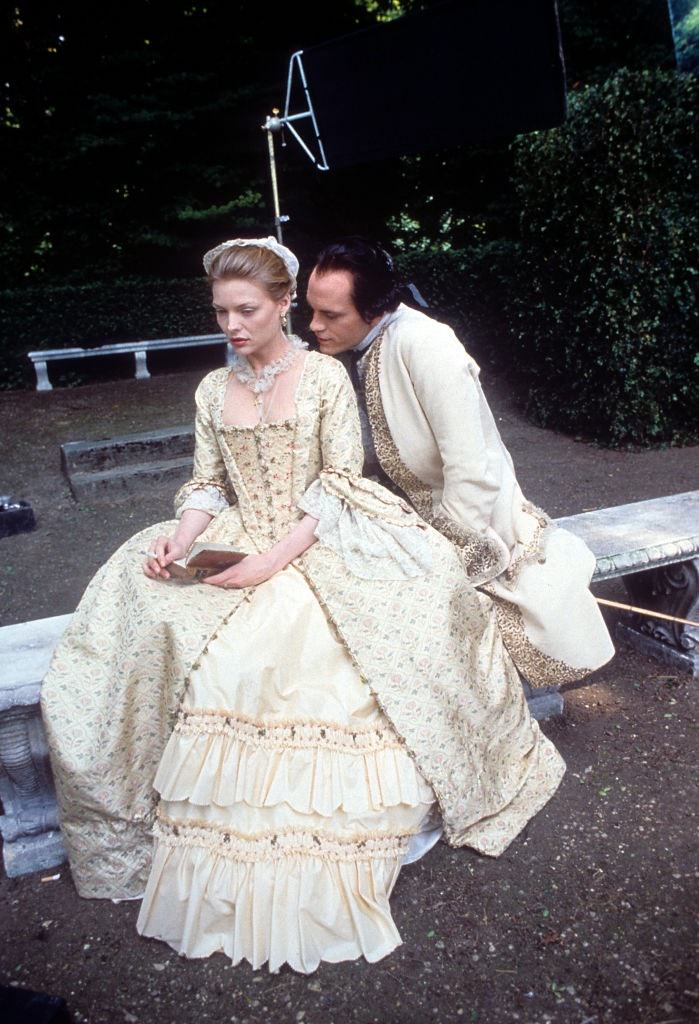
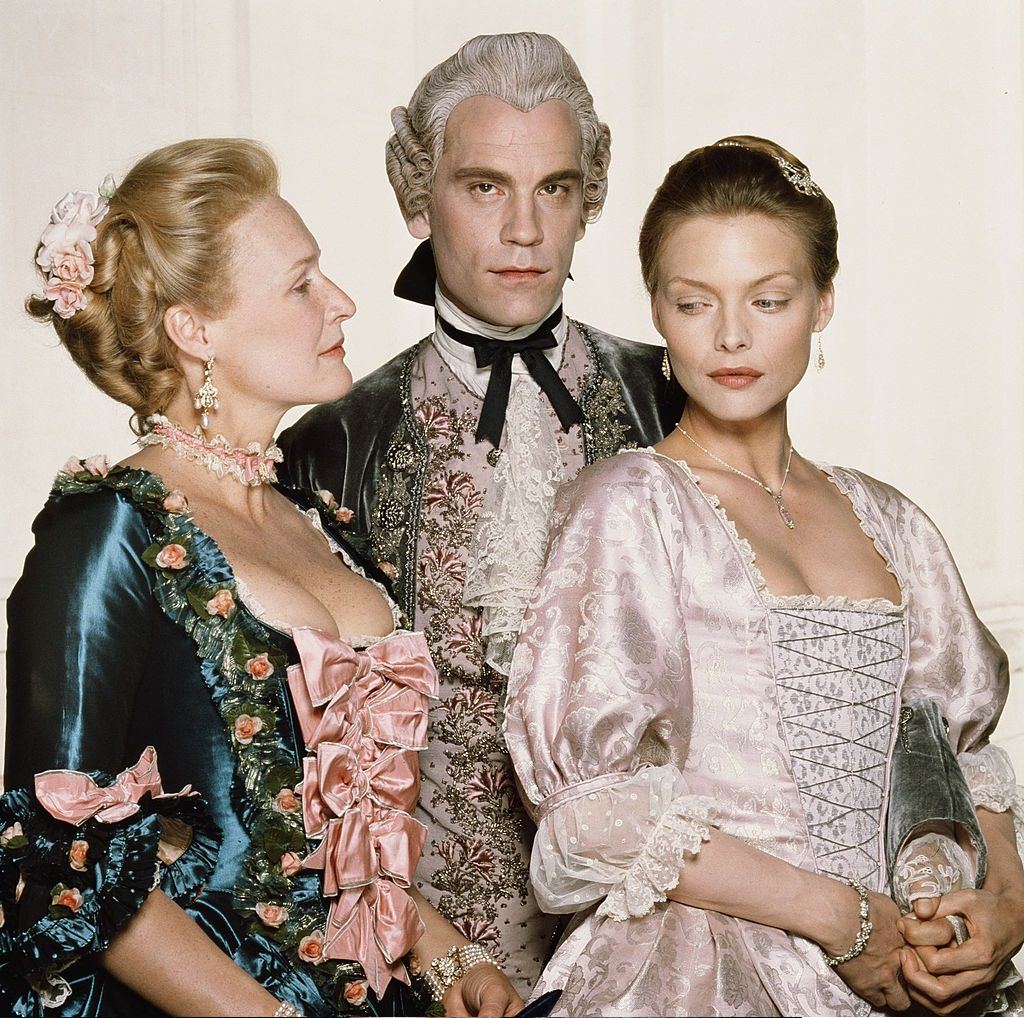
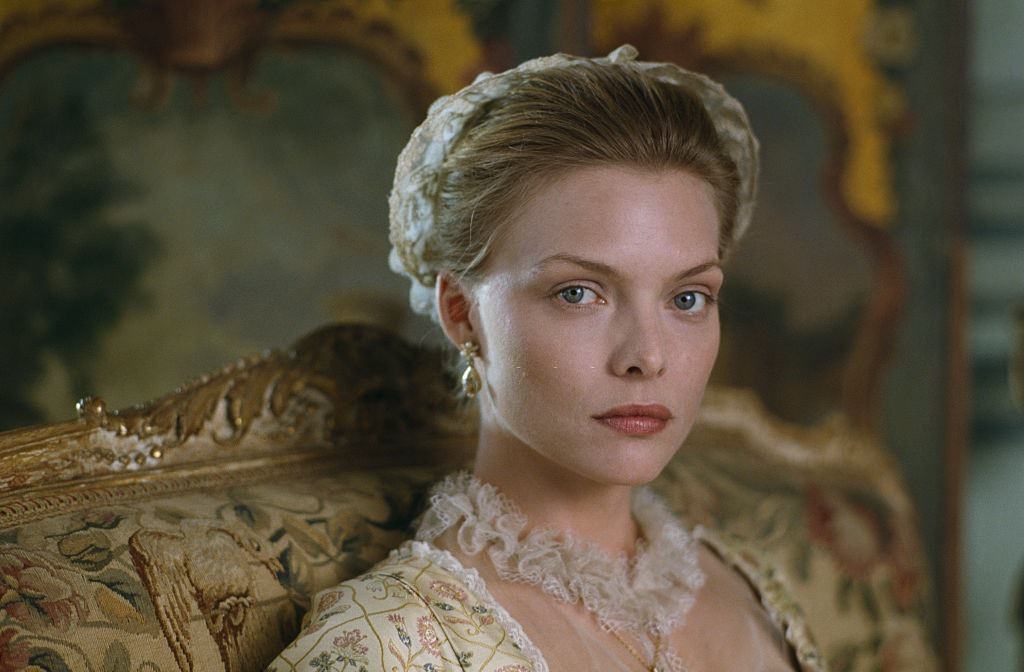
In 1987, she appeared in The Witches of Eastwick, followed by two major films in 1988 — Dangerous Liaisons, where she starred alongside John Malkovich and Glenn Close, and Married to the Mob. Dangerous Liaisons earned Pfeiffer an Academy Award nomination for Best Supporting Actress. People magazine named her one of the most intriguing people of both 1988 and 1989.
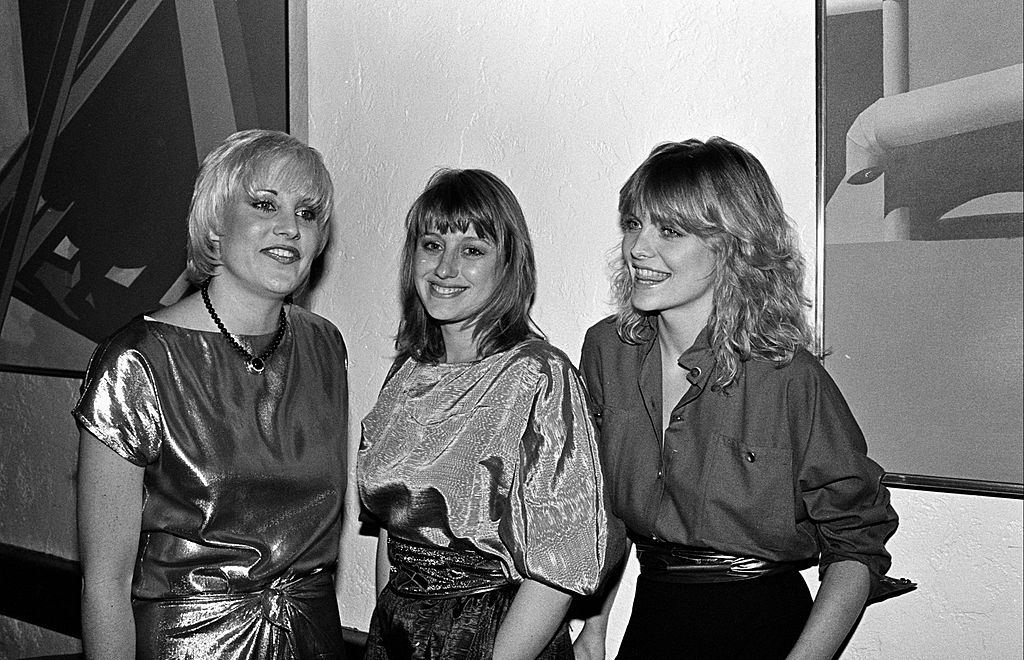
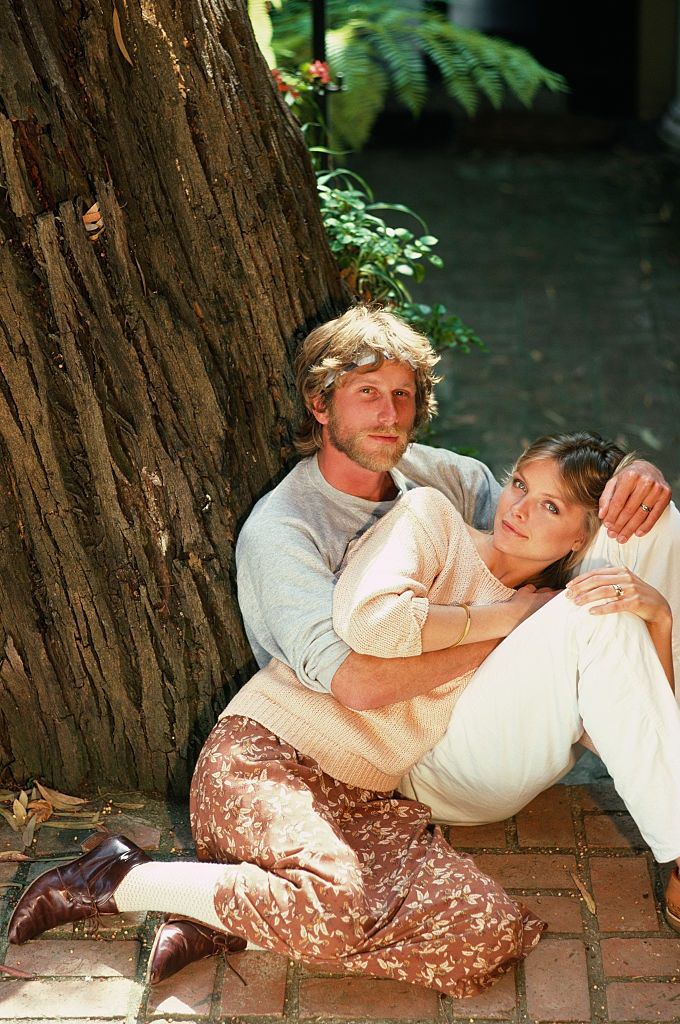

In 1989, Pfeiffer delivered one of her most celebrated performances in The Fabulous Baker Boys. Her scene performing Makin’ Whoopee while draped across a piano became one of the most iconic images of late-1980s cinema. The role earned her a Golden Globe win and another Academy Award nomination, this time for Best Actress.
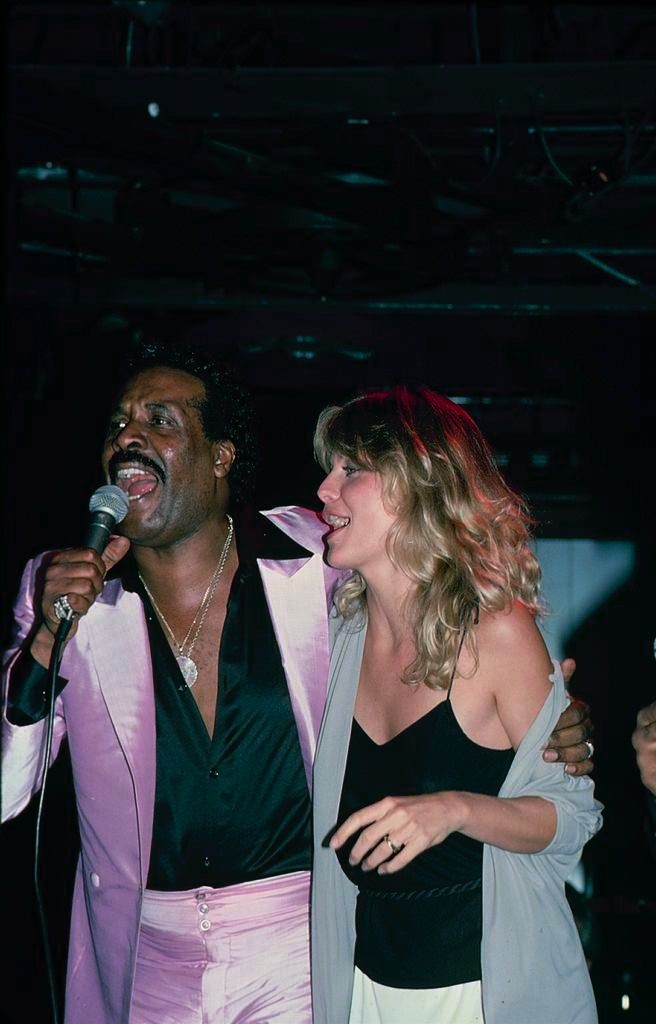
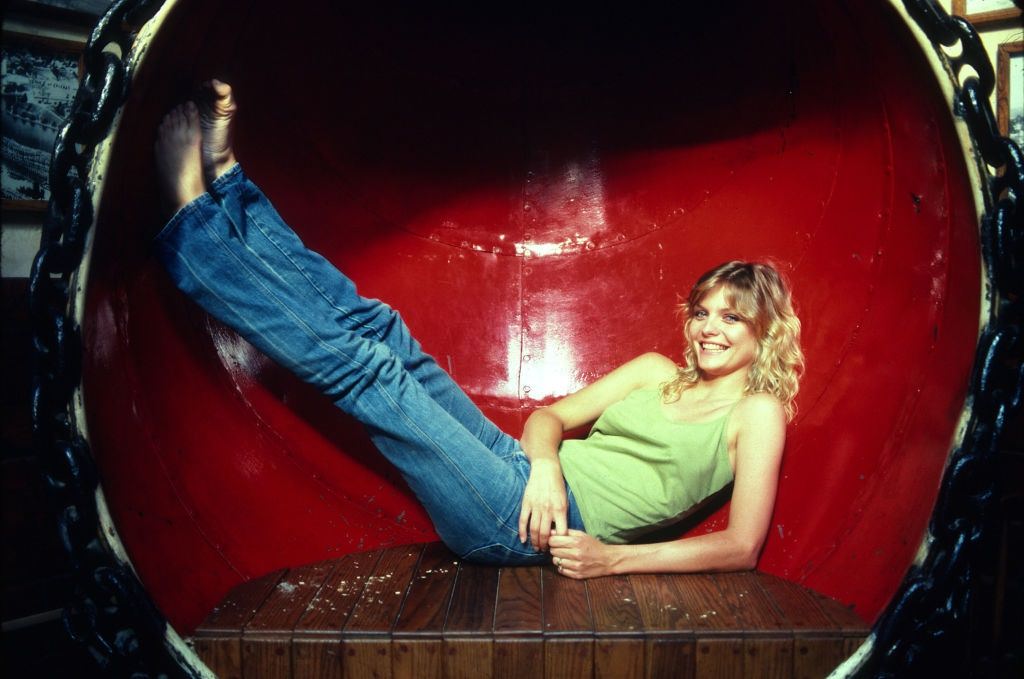
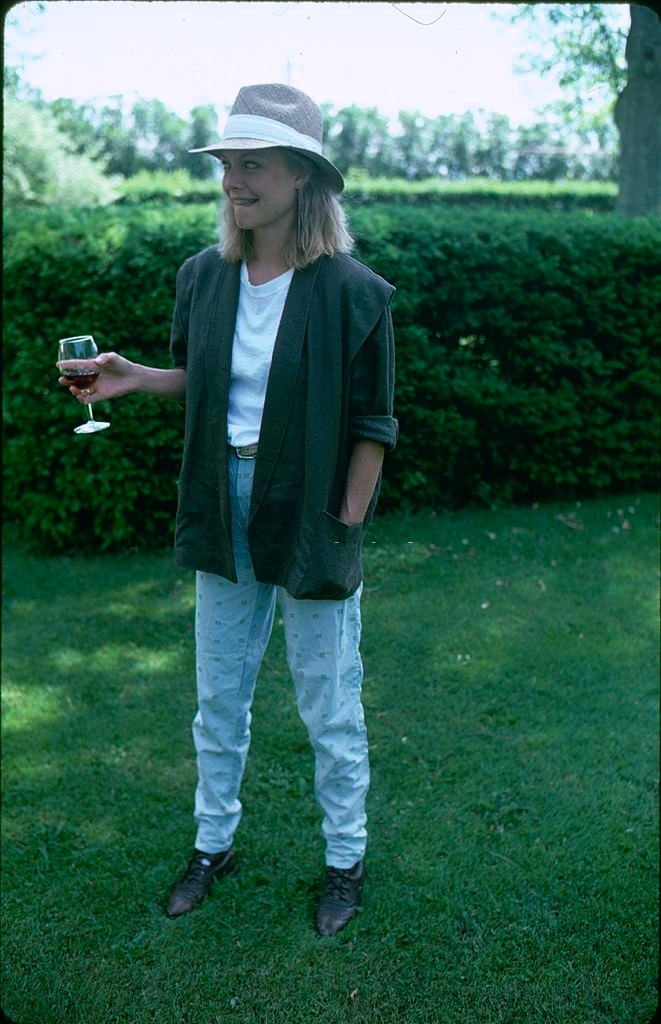
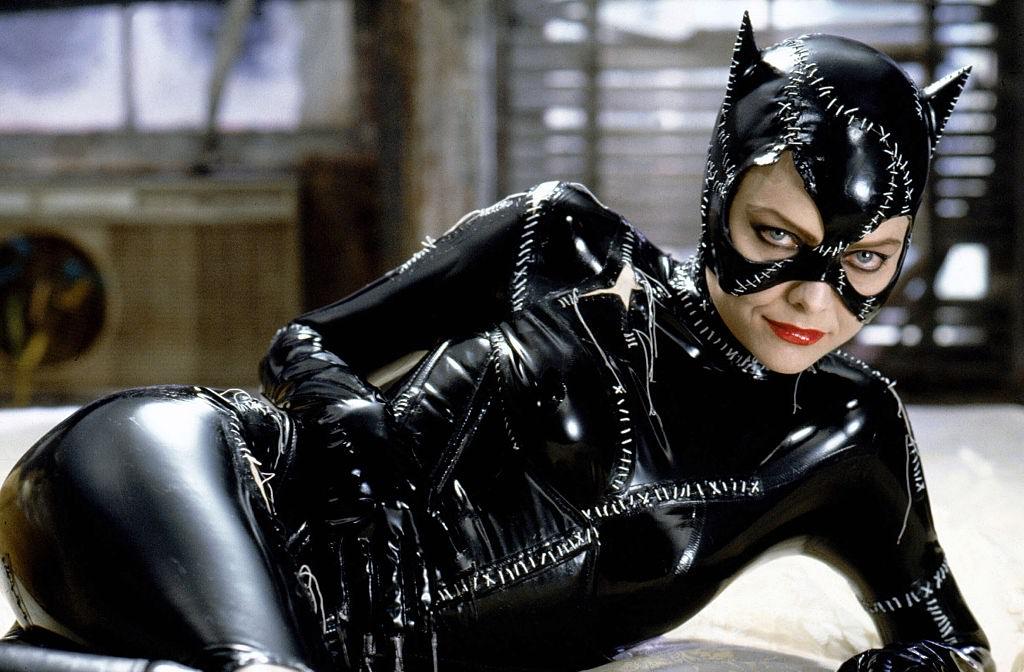
By the early 1990s, Pfeiffer was firmly at the top of Hollywood. She starred in Frankie and Johnny in 1991, then took on the role of Catwoman in Batman Returns in 1992 — a performance that became one of the defining portrayals of the character. The role demanded intense physical preparation and cemented her status as a versatile, bankable star.
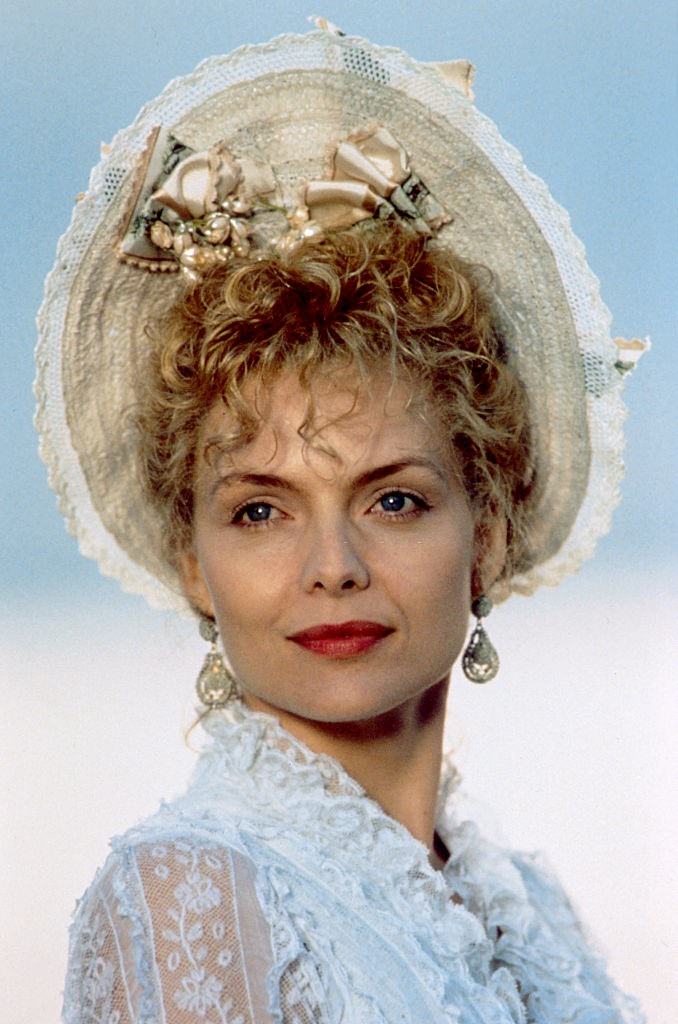
In 1993, Pfeiffer starred in The Age of Innocence, directed by Martin Scorsese. That same year, she married television writer and producer David E. Kelley, and the couple adopted a newborn daughter. In 1994, she gave birth to a son. She also starred in Wolf in 1994 alongside Jack Nicholson, adding another strong performance to an already impressive decade.
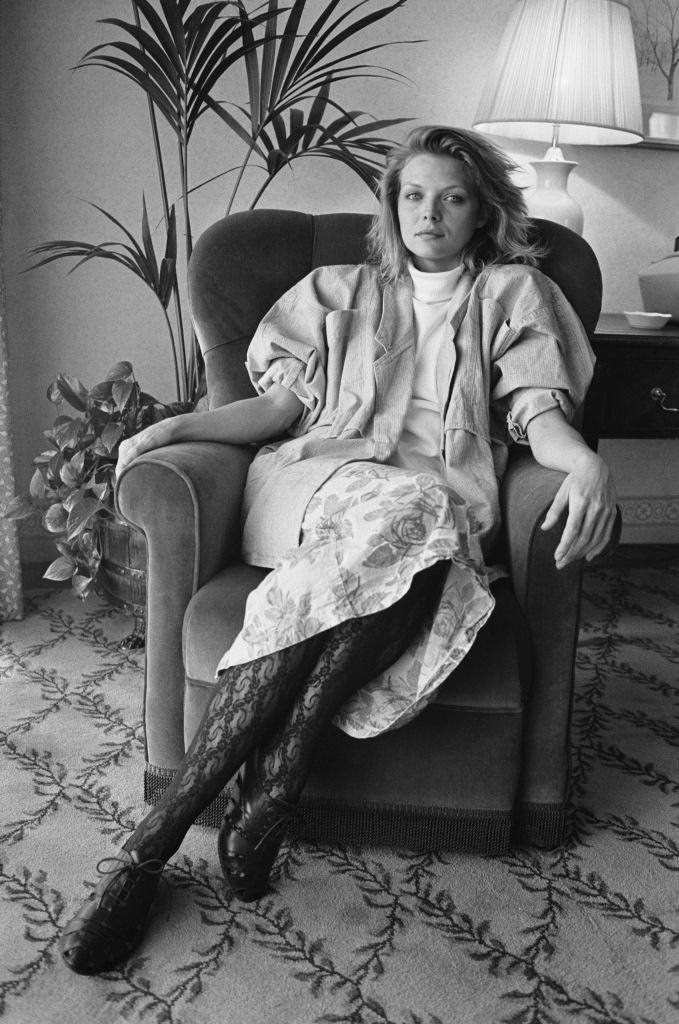
Biography magazine voted Pfeiffer the most beautiful woman of the 1990s — a decade in which she also starred in Dangerous Minds in 1995. Away from acting, she founded her own production company, Via Rosa Productions, through which she produced several films. Her ability to move between action, drama, comedy, and period pieces made her one of the most versatile actresses of her generation.