
In the 1890s, New York City was in the middle of a massive transformation. Factories multiplied, neighborhoods swelled with new arrivals, and the streets hummed with the labor of thousands of working-class men, women, and children. Capturing all of it was Alice Austen, an American photographer whose lens found the people that mainstream society largely ignored — the vendors, sweepers, messengers, and peddlers who kept the city moving.
Austen worked at a time when photography itself was still a relatively new tool. She used it not for portraits of the wealthy but to document street-level life with striking honesty. Her subjects posed on sidewalks, beside their carts, and at their workstations — often looking directly into the camera with a quiet dignity. The result is one of the most detailed visual records of urban working life in American history.
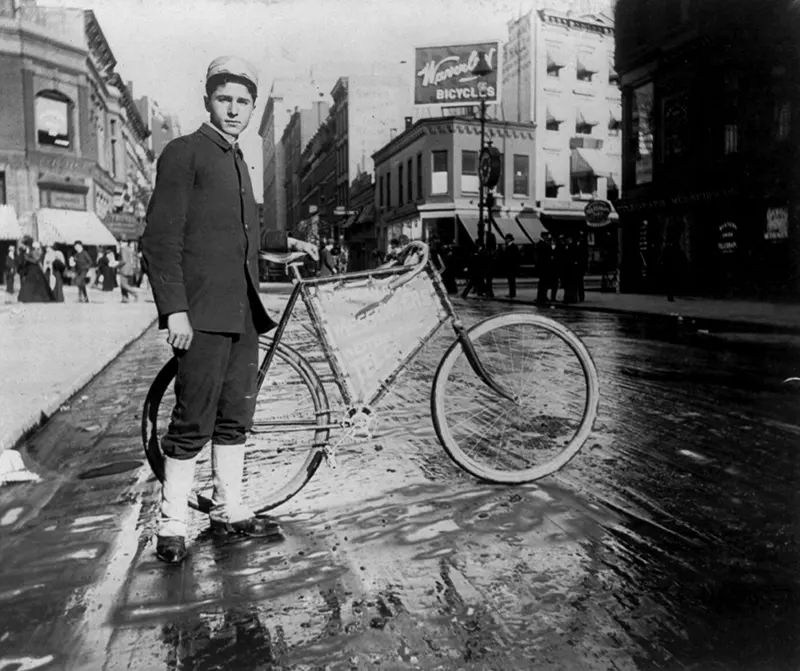
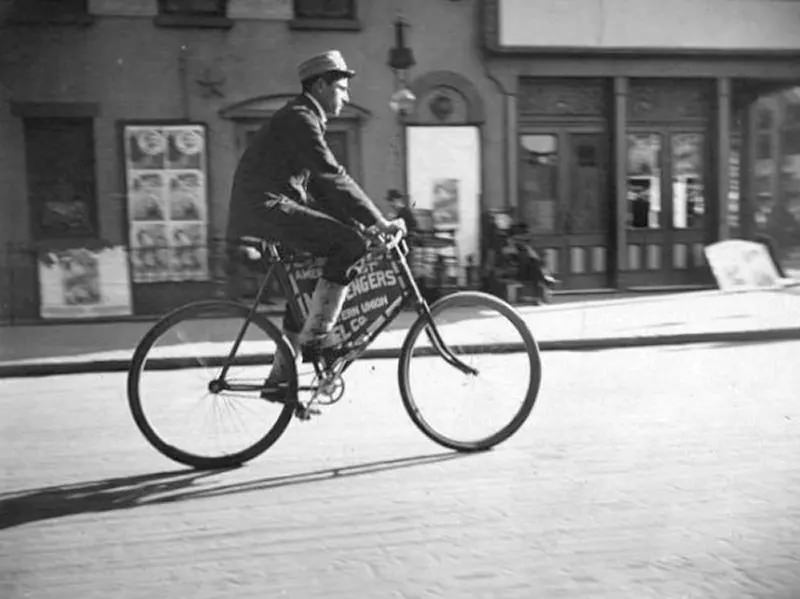
Cycle messengers were a common sight on Manhattan’s streets by the late 1800s. As bicycle technology improved, businesses relied on riders to carry packages and documents across the city quickly. It was demanding, often dangerous work, weaving through horse-drawn traffic and crowded intersections.
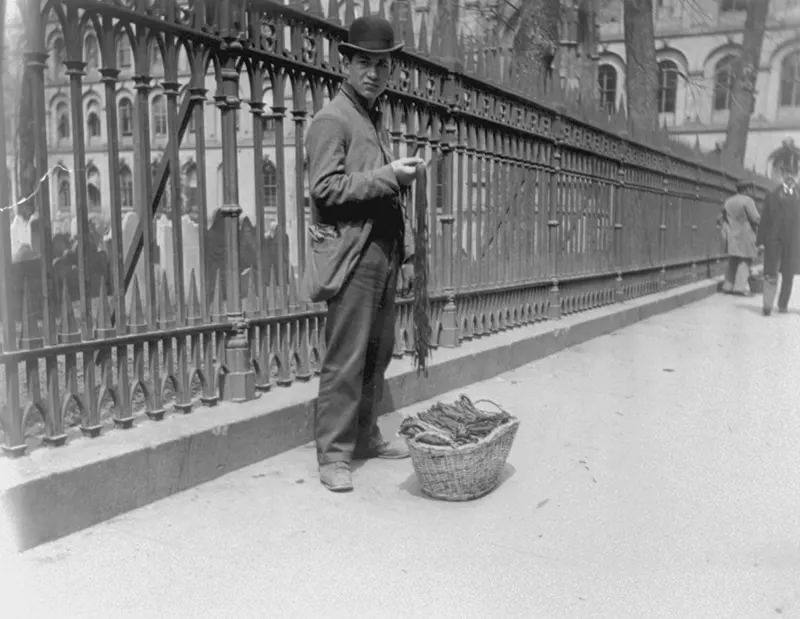
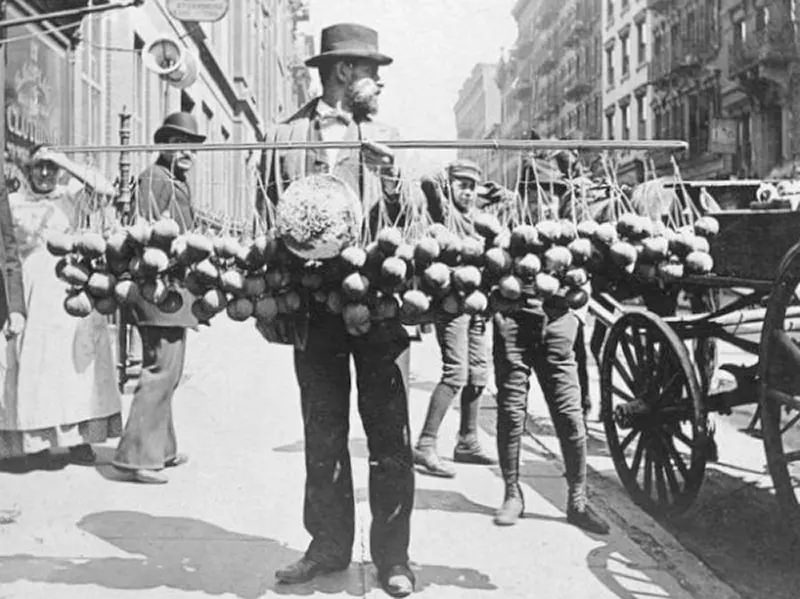
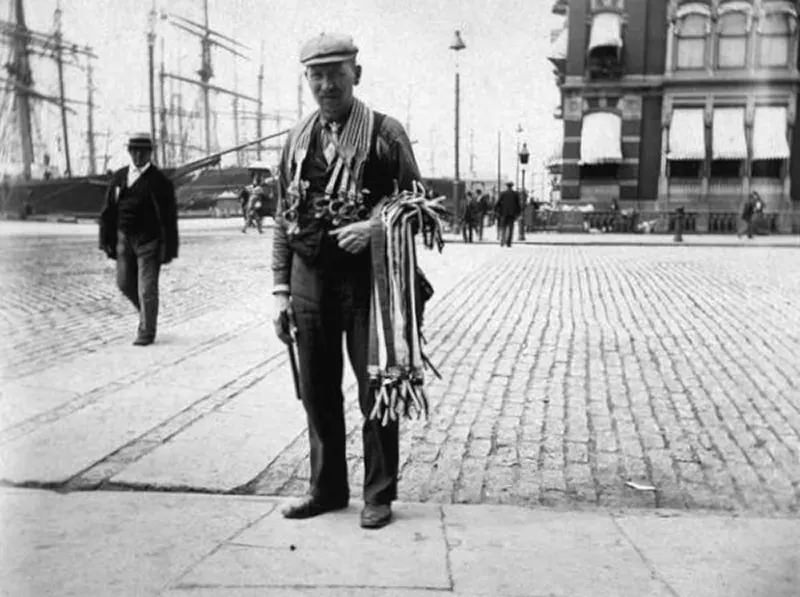
Street peddling was one of the most accessible ways for newly arrived immigrants to earn a living. With little startup cost and no fixed location required, peddlers sold everything from shoe strings to sponges to pretzels. They worked long hours outdoors in all weather, competing for foot traffic in the city’s densest neighborhoods.
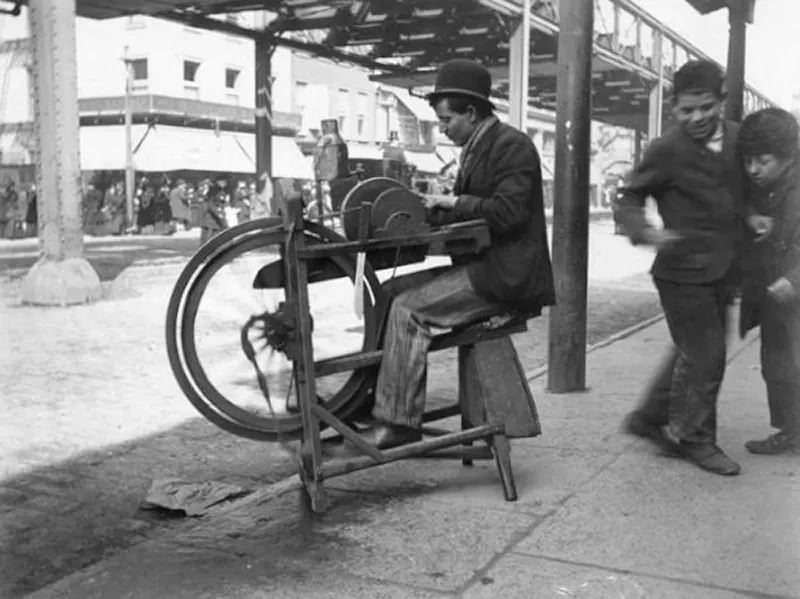
The knife grinder was a familiar figure on New York streets, pushing a wheeled sharpening stone from block to block. Households and butcher shops alike depended on his service. It was skilled trade work dressed up as street labor — and it paid by the blade.
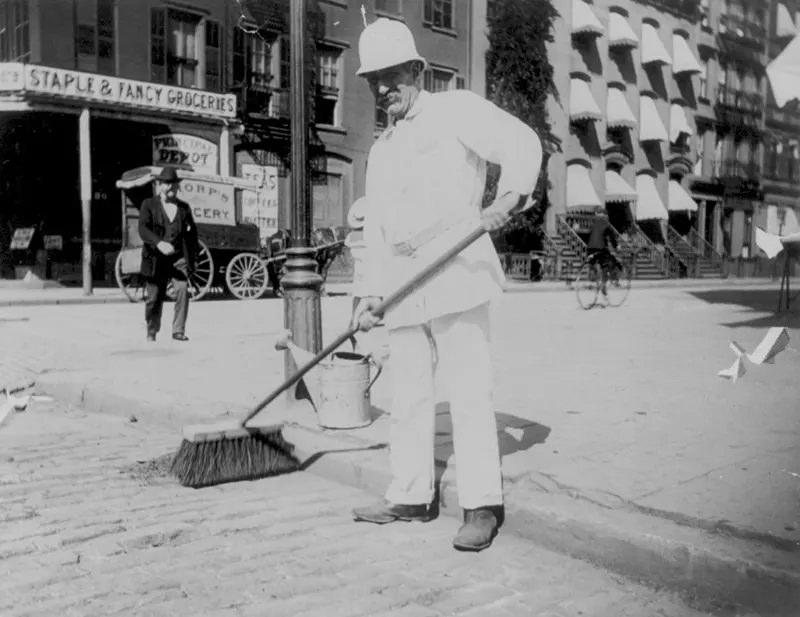
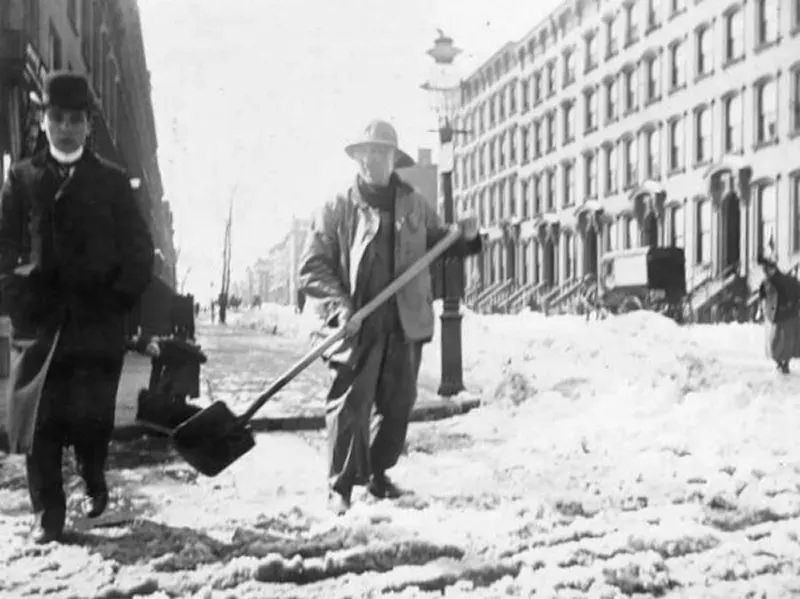
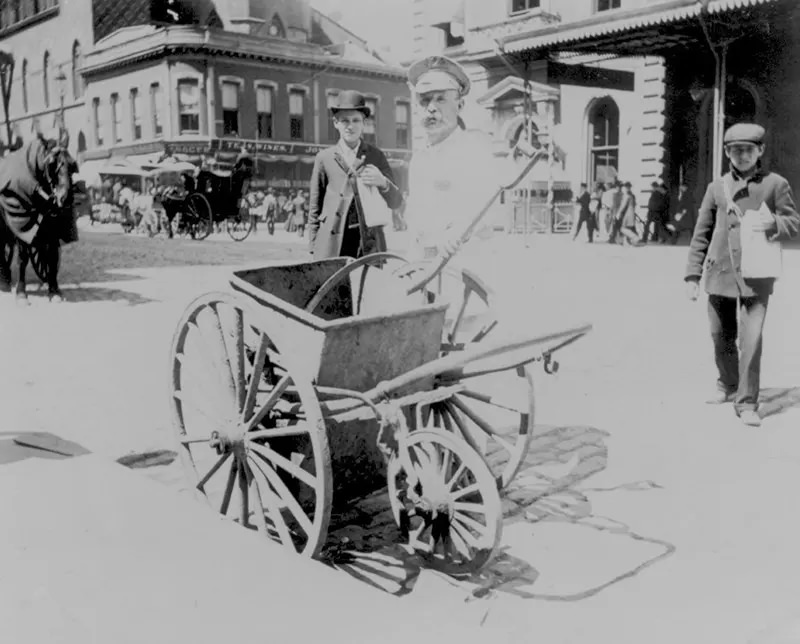
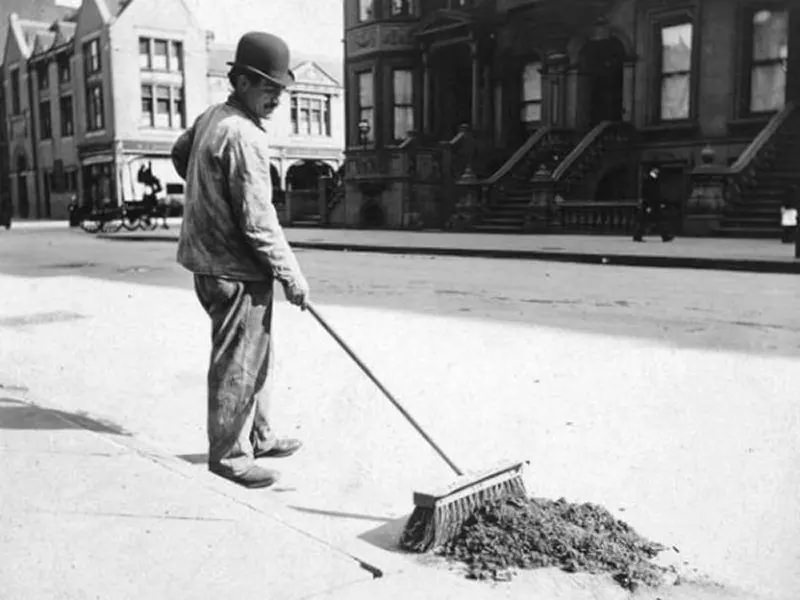
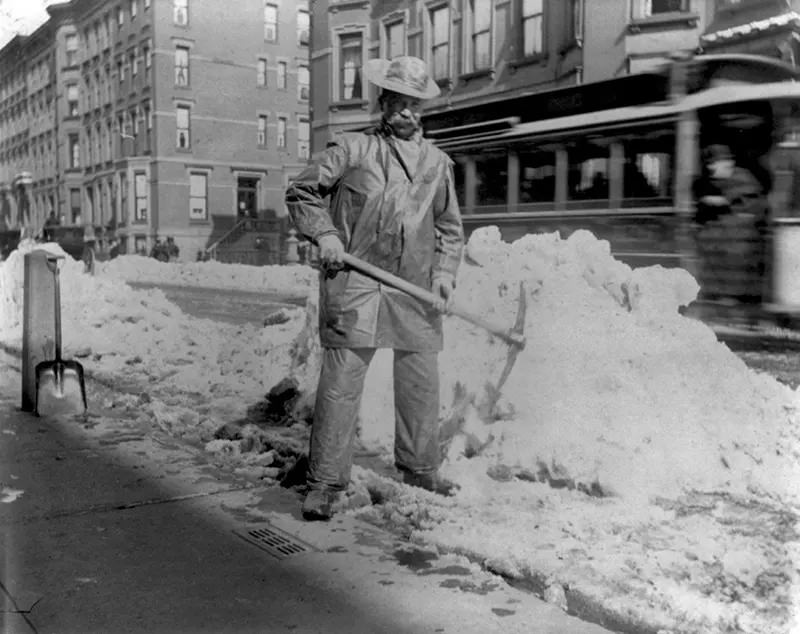
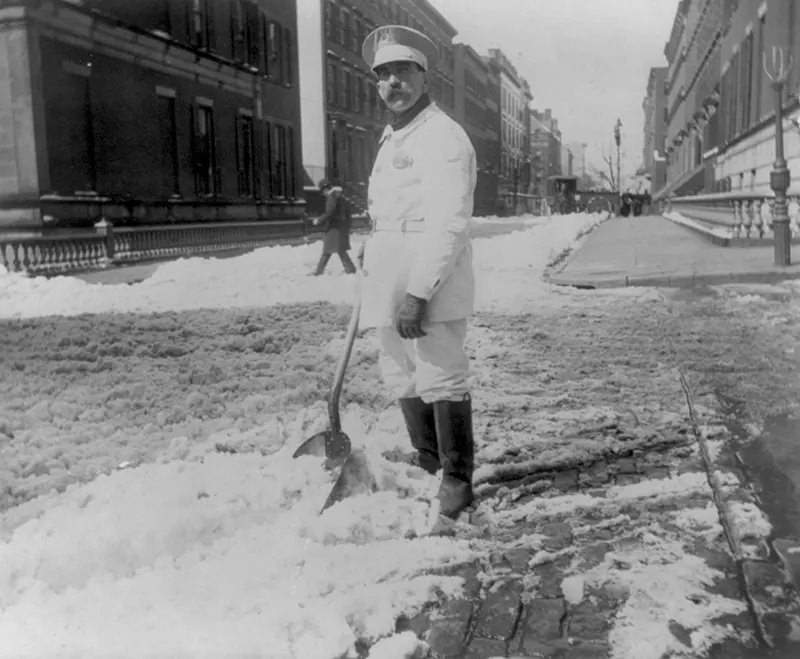
Keeping New York’s streets clean was a year-round job. Street sweepers cleared horse manure, garbage, and debris on a daily basis, while snow removers tackled the city’s brutal winters with shovels and muscle. The Department of Street Cleaning, reorganized under Colonel George Waring Jr. in 1895, put workers in white uniforms — earning them the nickname ‘White Wings.’ It was unglamorous but essential city work.
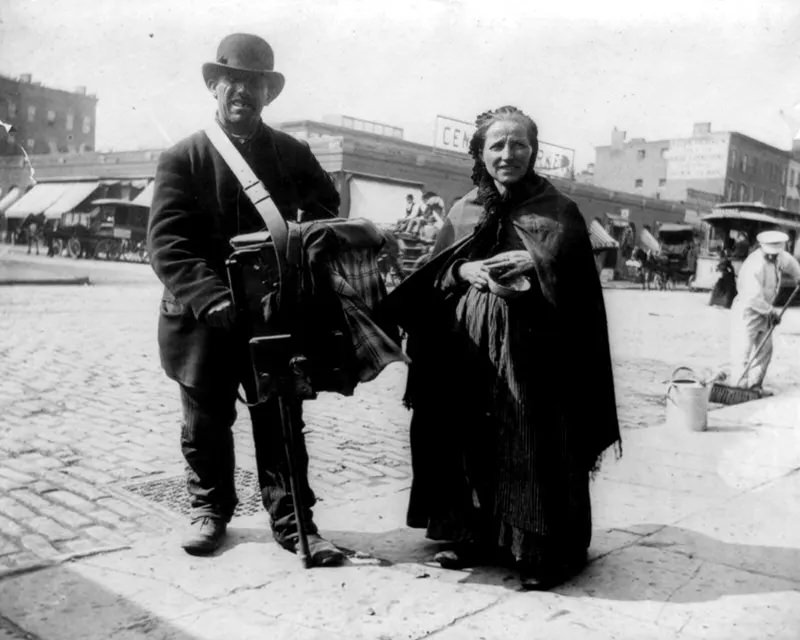
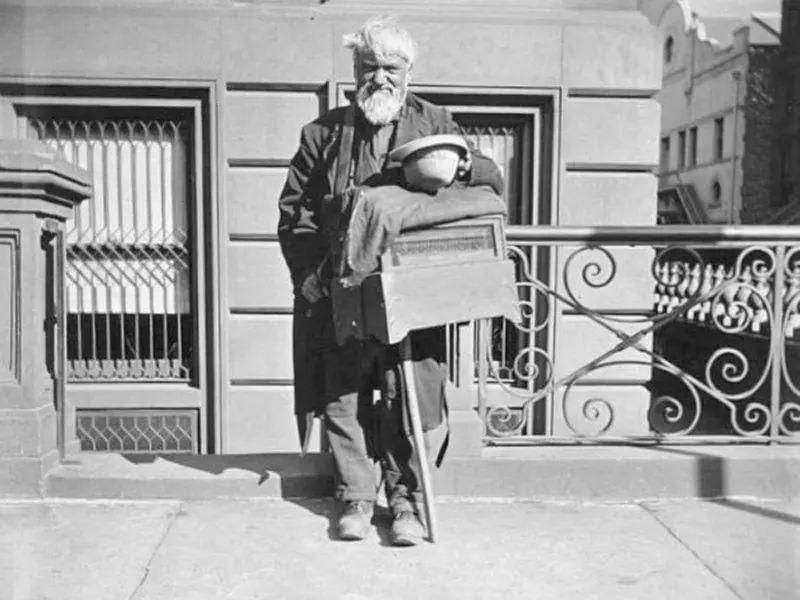
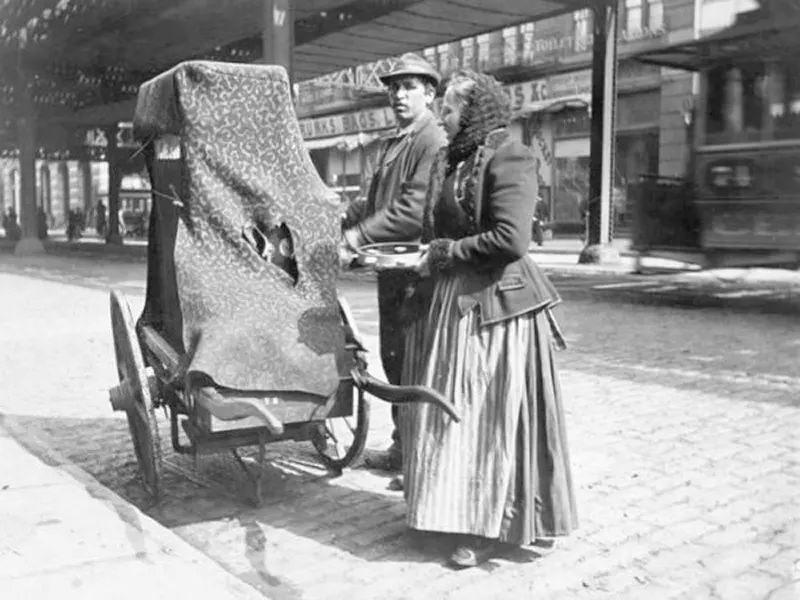
Organ grinders were among the most recognized figures in 1890s New York. Many were Italian immigrants who cranked hand-operated barrel organs on street corners, collecting coins from passersby. They were a source of both entertainment and controversy — some New Yorkers loved the music, while others pushed for ordinances to ban them from the streets altogether.
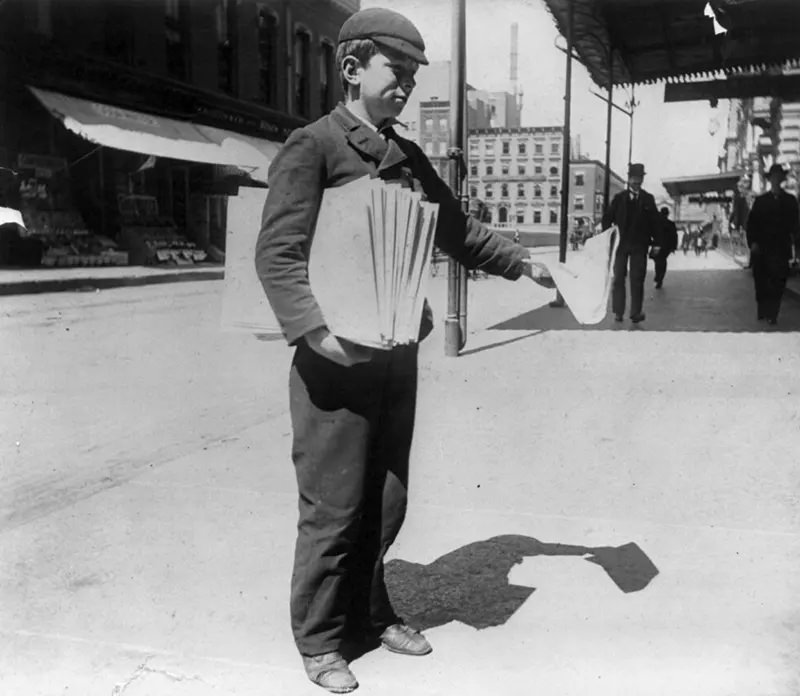
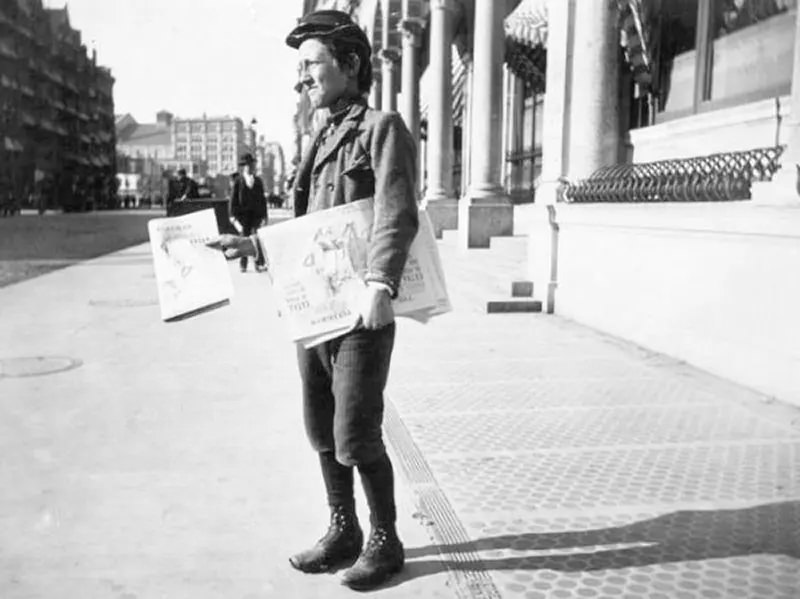
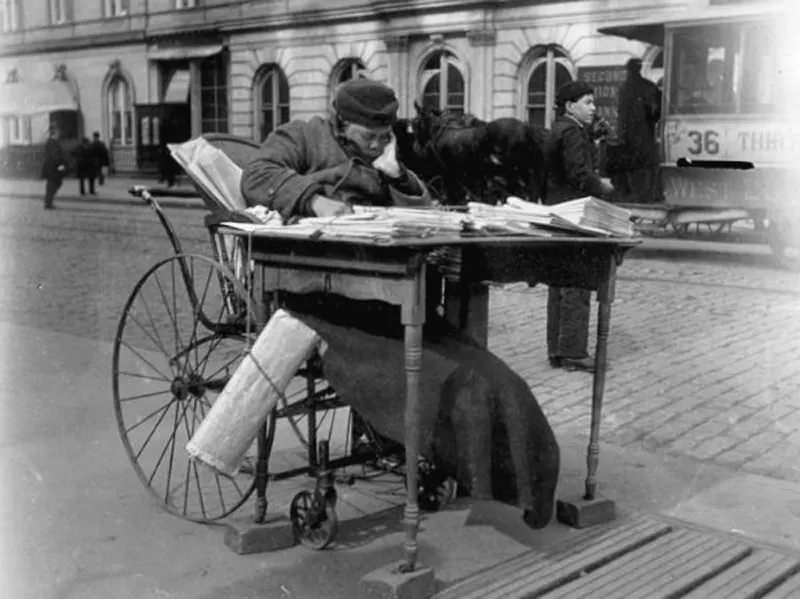
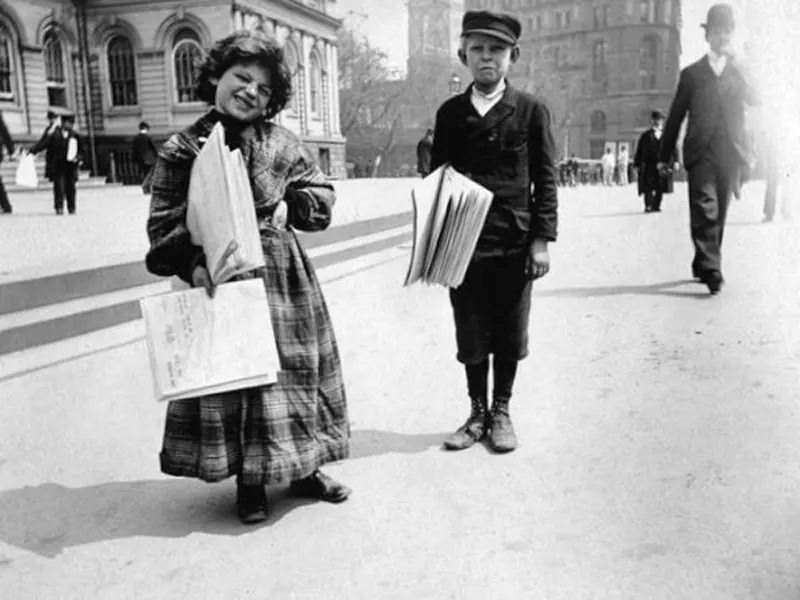
The newspaper trade employed hundreds of children and adults across the city. Newsboys and newsgirls bought papers in bulk from publishers and sold them individually on street corners, keeping the profit margin — usually just a penny or two per paper. The famous Newsboys’ Strike of 1899 was still a few years away, but the tension between publishers and young sellers was already building throughout the decade.
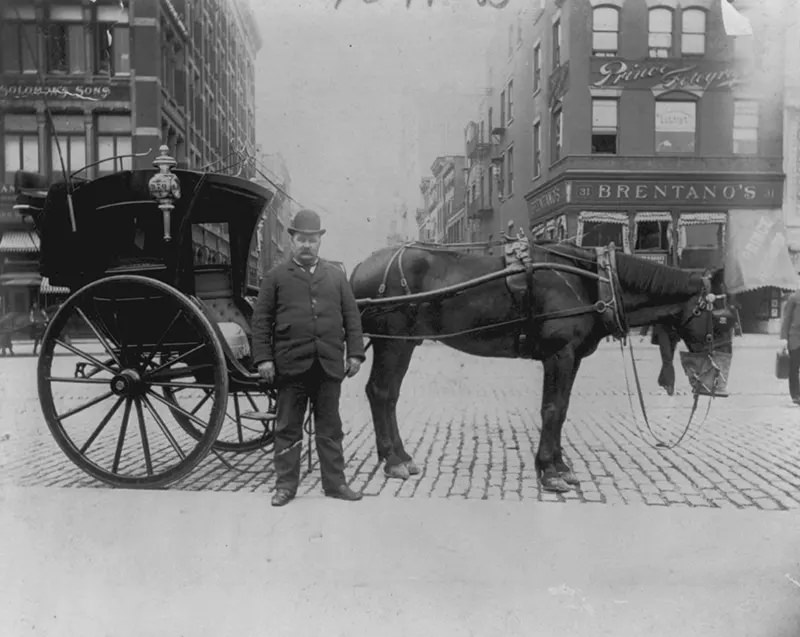
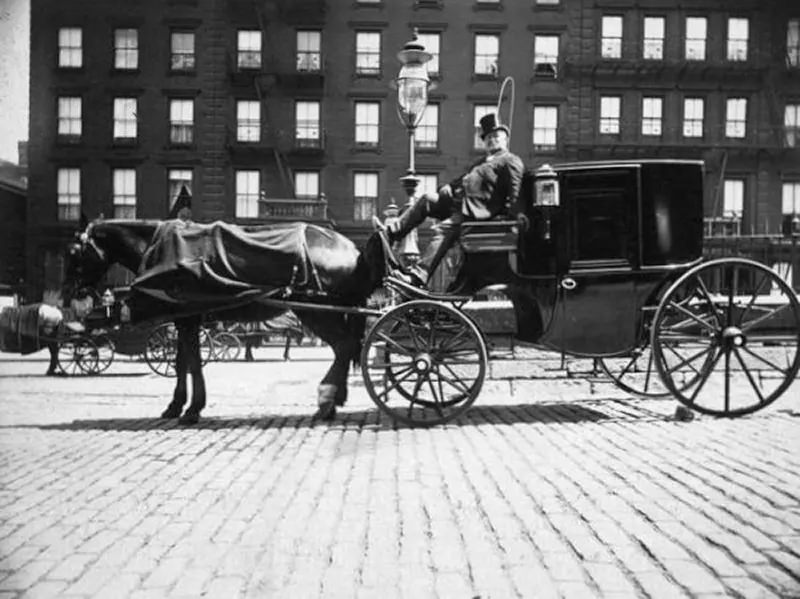
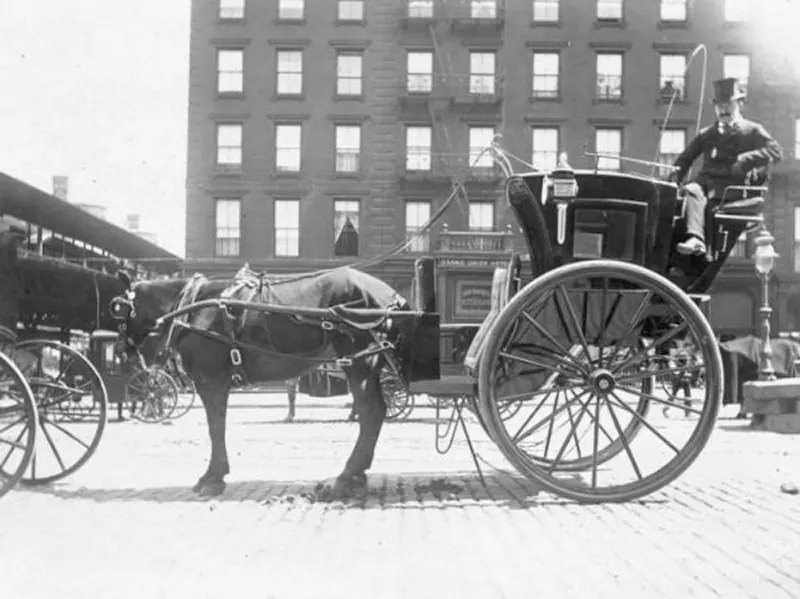
Hansom cab drivers were the taxi drivers of their era. Perched high at the back of a two-wheeled carriage, the driver steered a single horse through traffic while passengers sat enclosed below. It was a competitive trade, and drivers spent long shifts waiting at cab stands or cruising for fares on busy avenues.
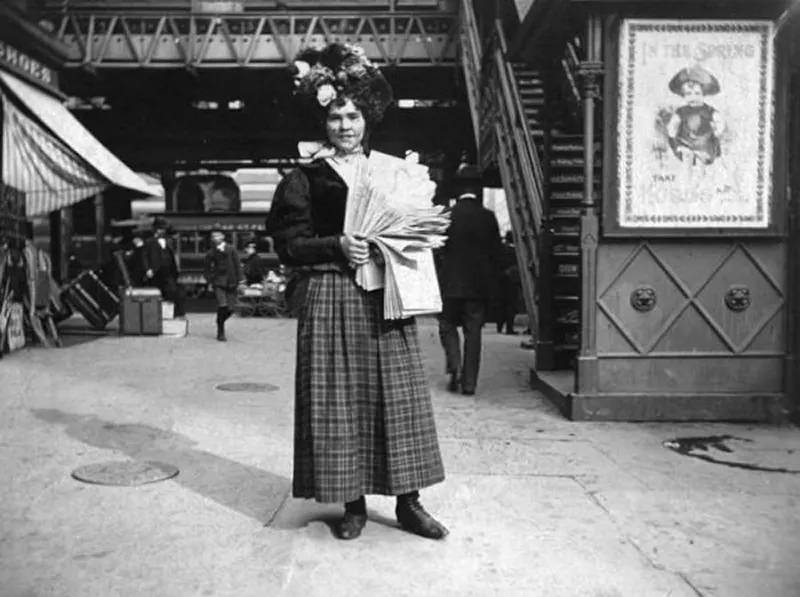
Girls selling newspapers were a common but often underdocumented part of the street economy. Austen’s photographs are among the few records that show them at work, standing alongside their male counterparts in the same trade. They hawked the same papers, faced the same weather, and earned the same thin margins.
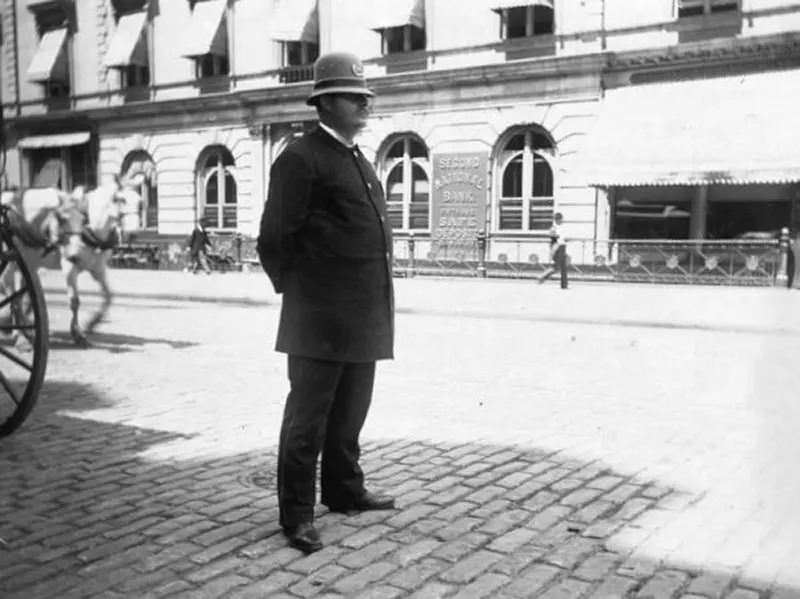
The New York City Police Department in the 1890s was a force in the middle of significant reform efforts. Police officers walked fixed beats, often covering the same blocks for years. They were among the most visible figures of authority on working-class streets, and Austen photographed several of them in full uniform.
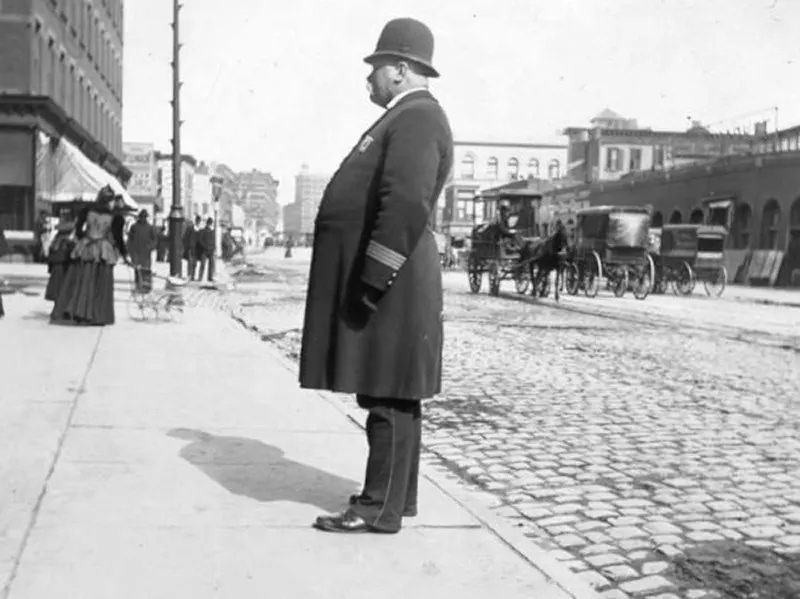
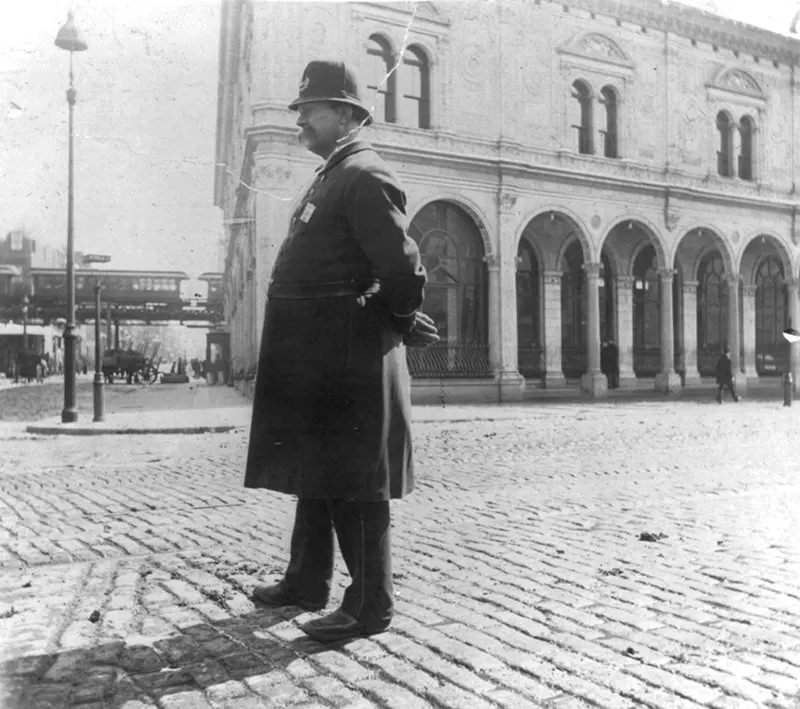
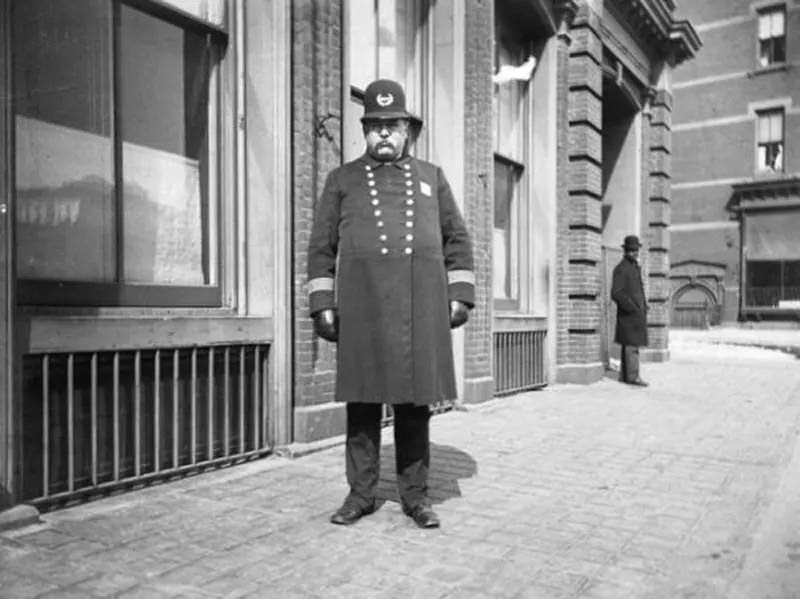
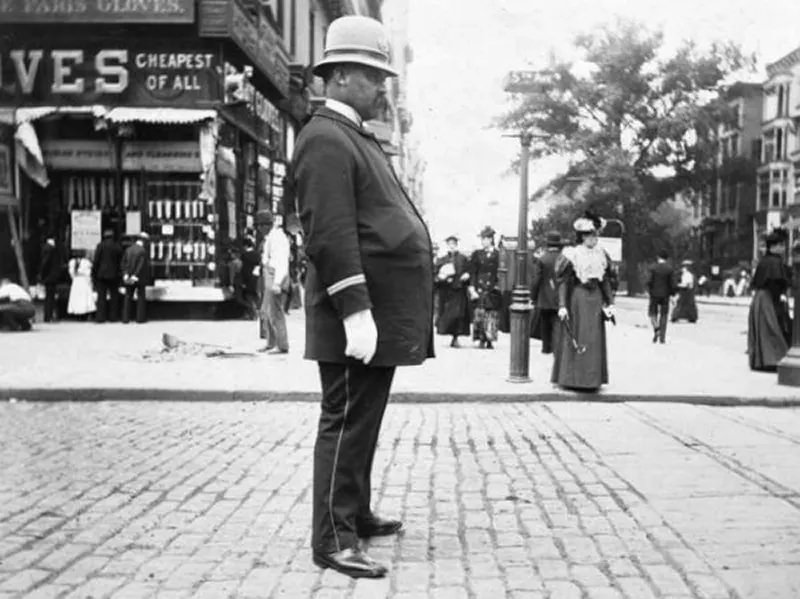
Austen photographed multiple policemen across her street series, capturing them individually and in close detail. The repetition was deliberate — she was building a catalog of city workers, treating each occupation as worthy of its own portrait. A beat cop received the same careful attention as a pretzel vendor or a postman.
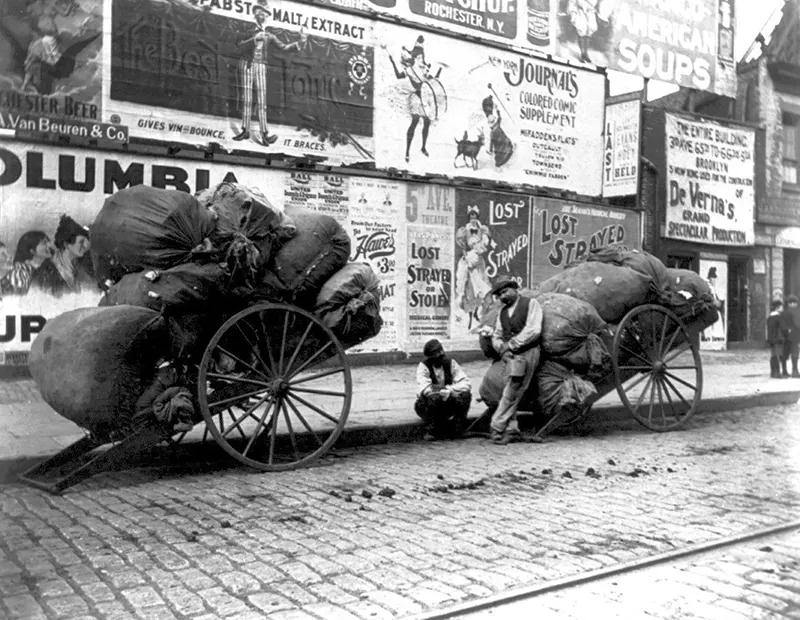
Rag carters collected discarded cloth and textile scraps from homes and businesses across the city. The rags were then sold to paper mills, which used them as raw material before wood pulp became the dominant source for paper production. It was unglamorous recycling work, but it fed into a legitimate industrial supply chain.
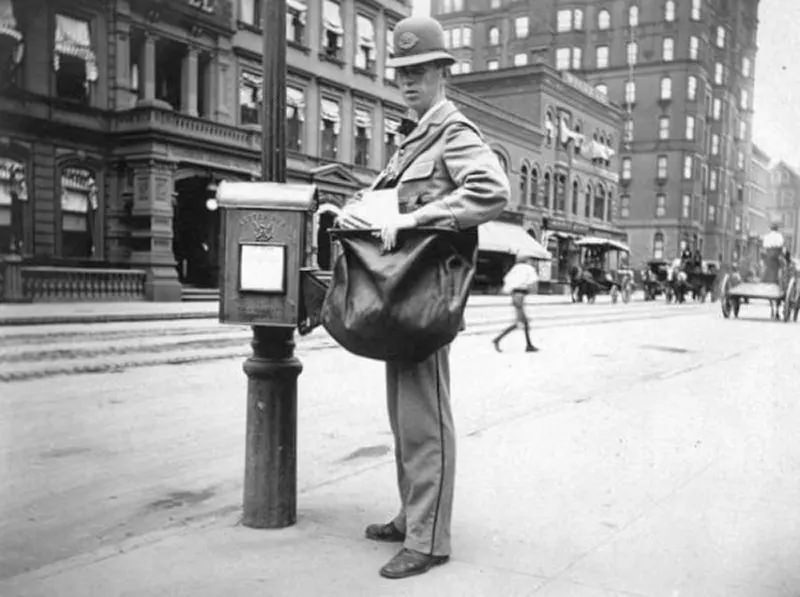
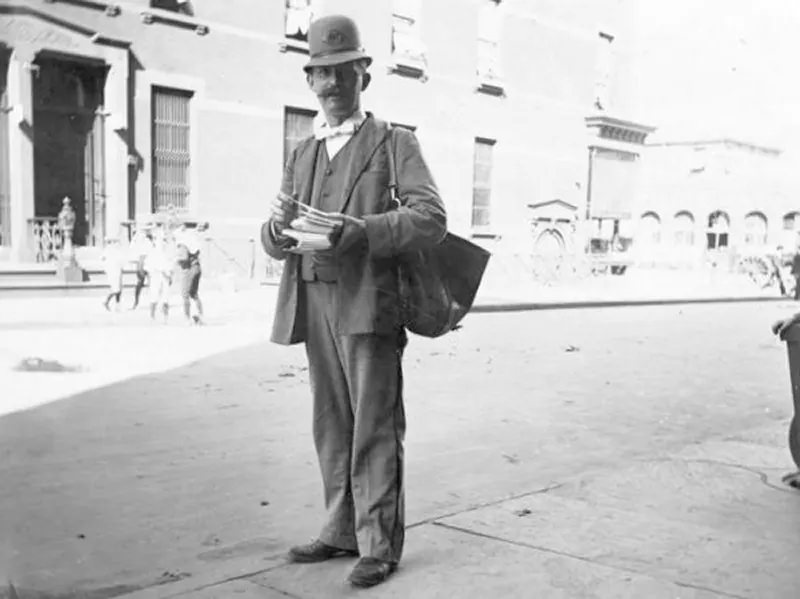
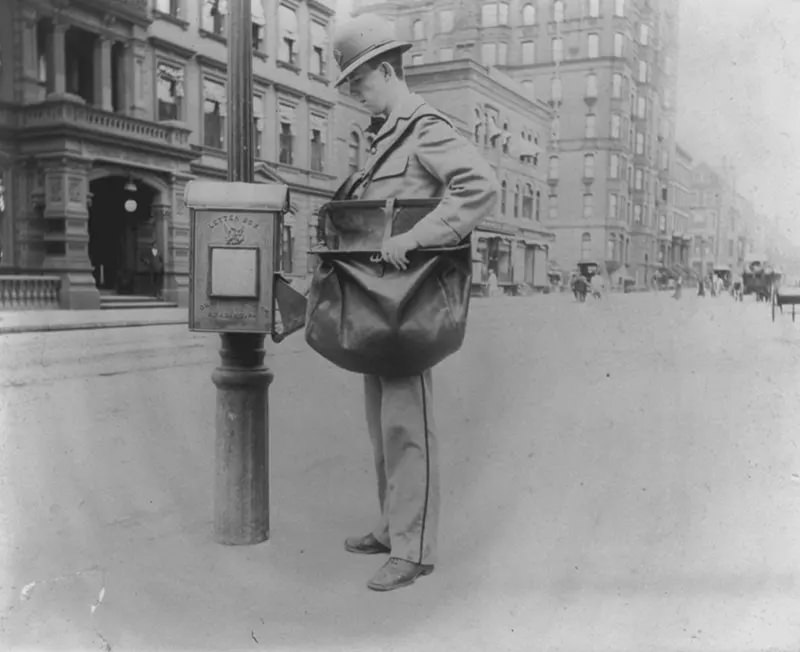
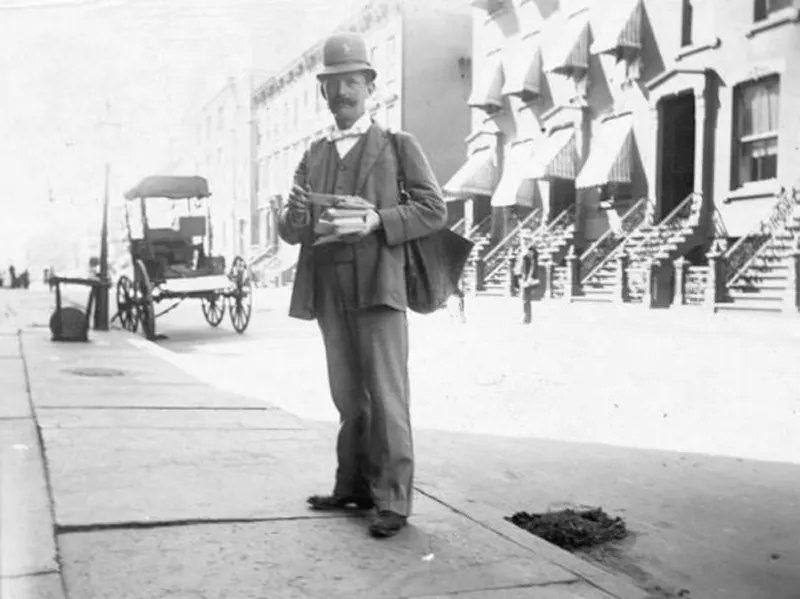
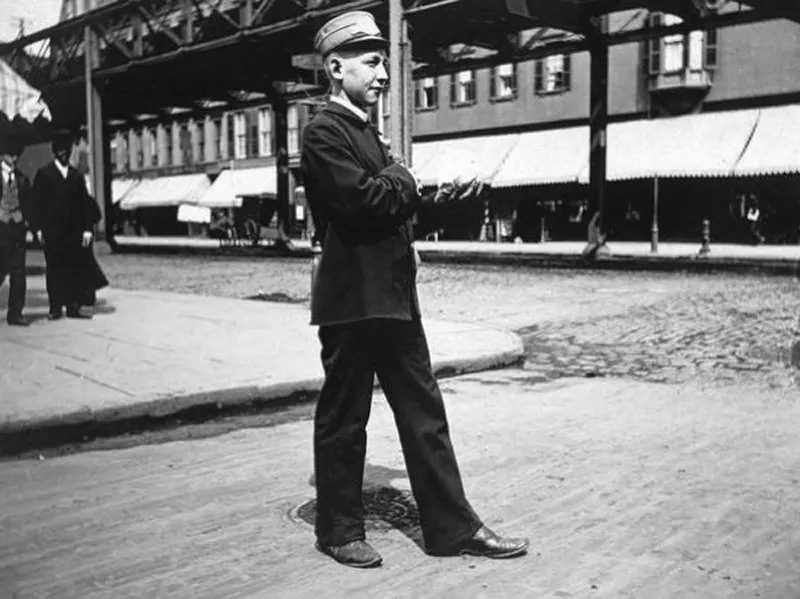
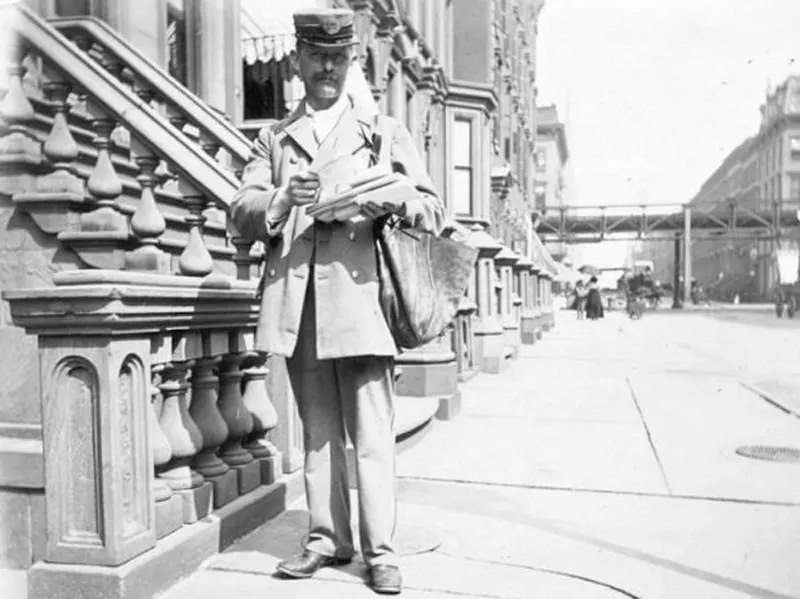
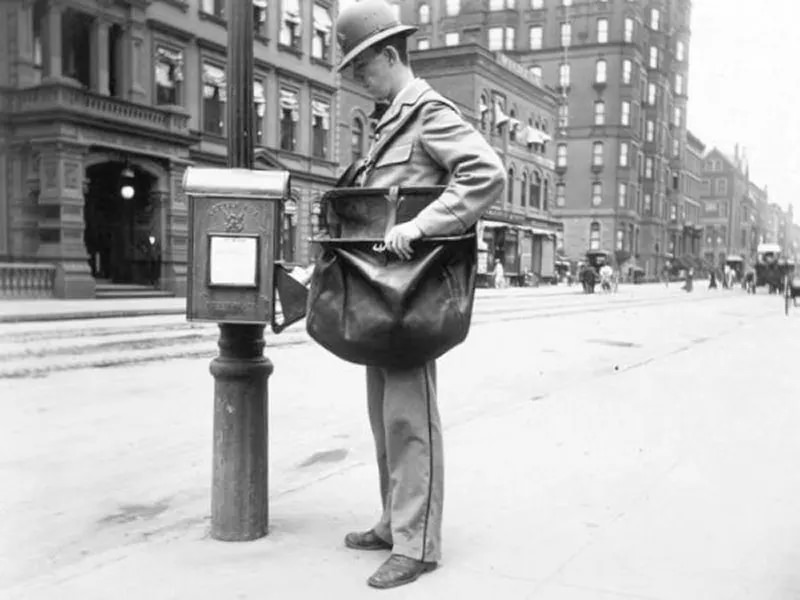
Postal workers and messenger boys formed the communication backbone of 1890s New York. The U.S. Mail was delivered multiple times per day in urban areas, and letter carriers covered their routes on foot. Messenger boys — many of them young teenagers — handled private telegraph and business deliveries, often running between offices in Lower Manhattan.
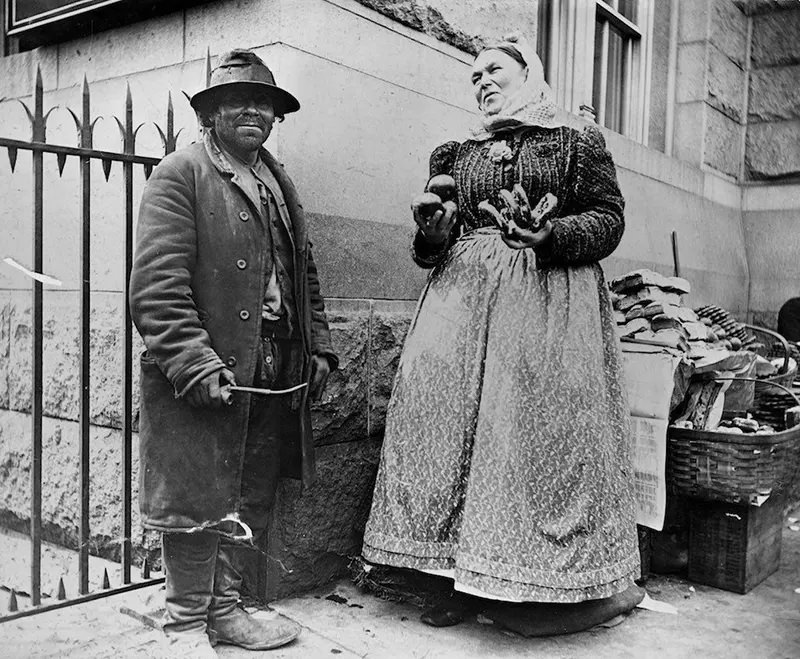
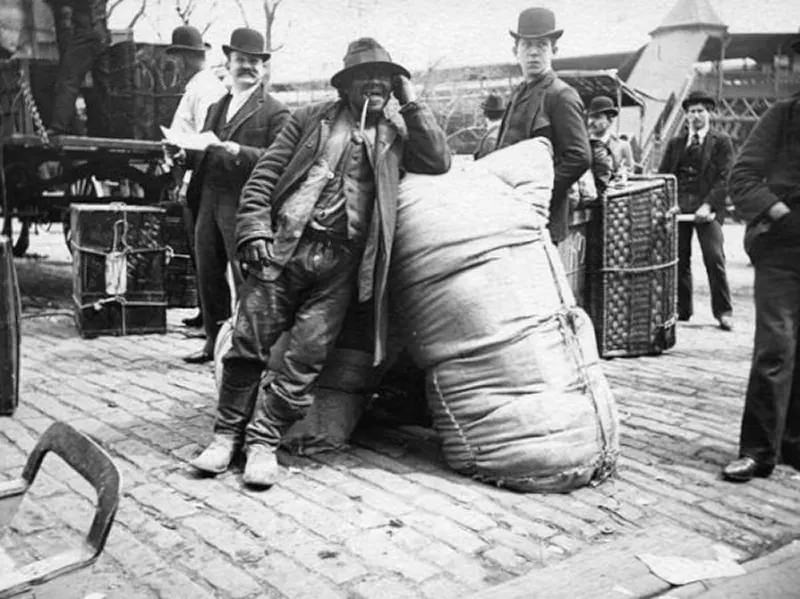
The Lower East Side of Manhattan was the entry point for waves of Eastern European immigrants throughout the 1890s. Tens of thousands settled in crowded tenement blocks, speaking Yiddish, Polish, Russian, and Italian. Many started out as street peddlers before finding factory work or opening small shops. Austen documented them in this transitional space — newly arrived, already working.
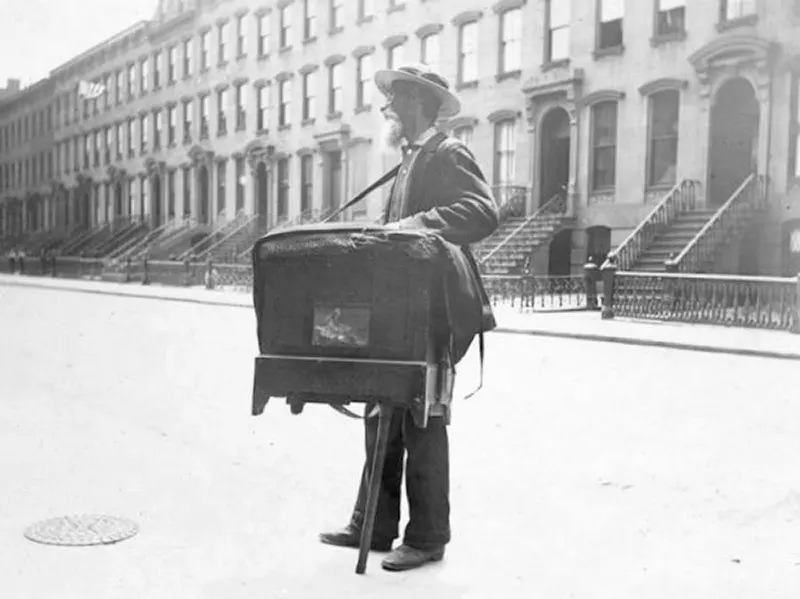
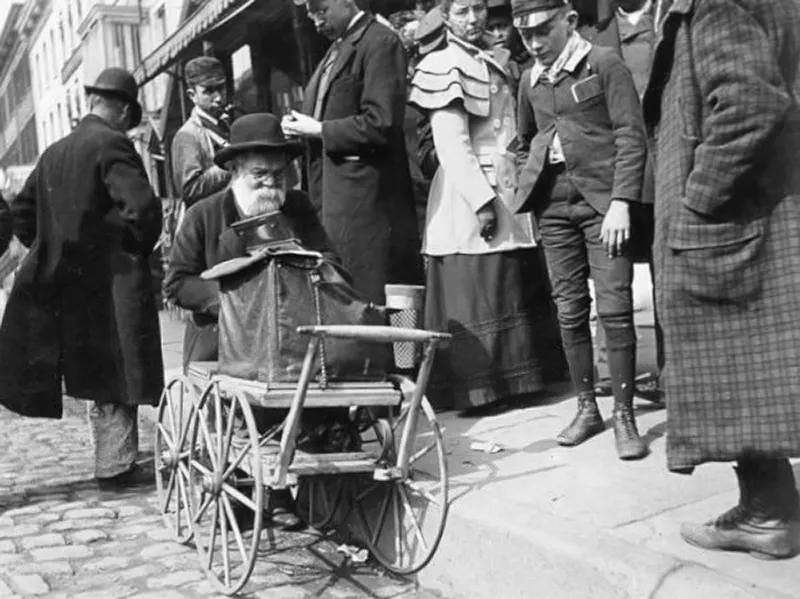
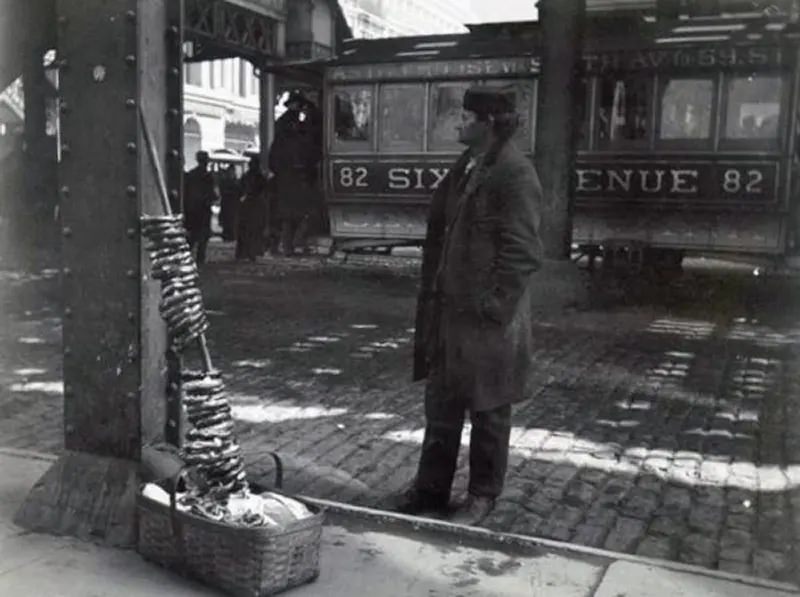
Food peddling was deeply tied to immigrant communities. Pretzel vendors, fruit sellers, and pushcart operators worked the same corners day after day, building a regular customer base. City officials repeatedly tried to regulate or remove pushcarts from certain streets, but the trade persisted because it filled a real need in neighborhoods where grocers were scarce or expensive.
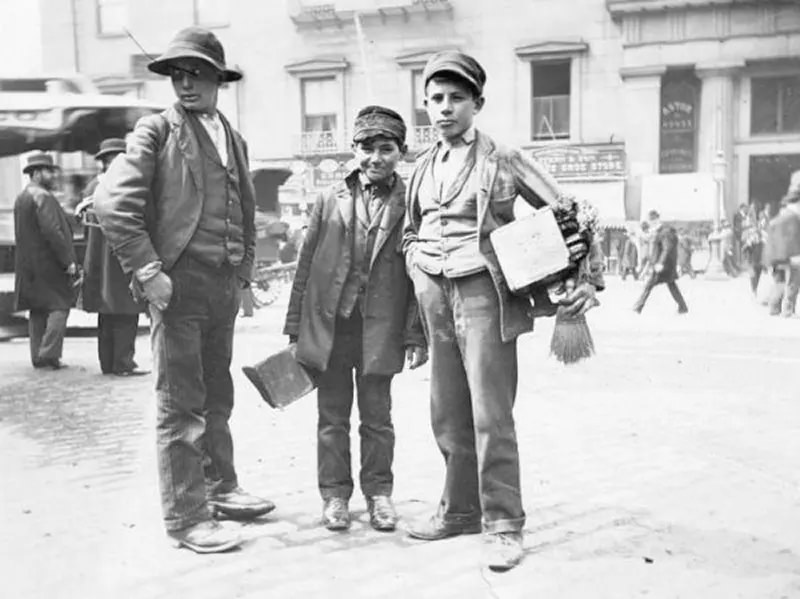
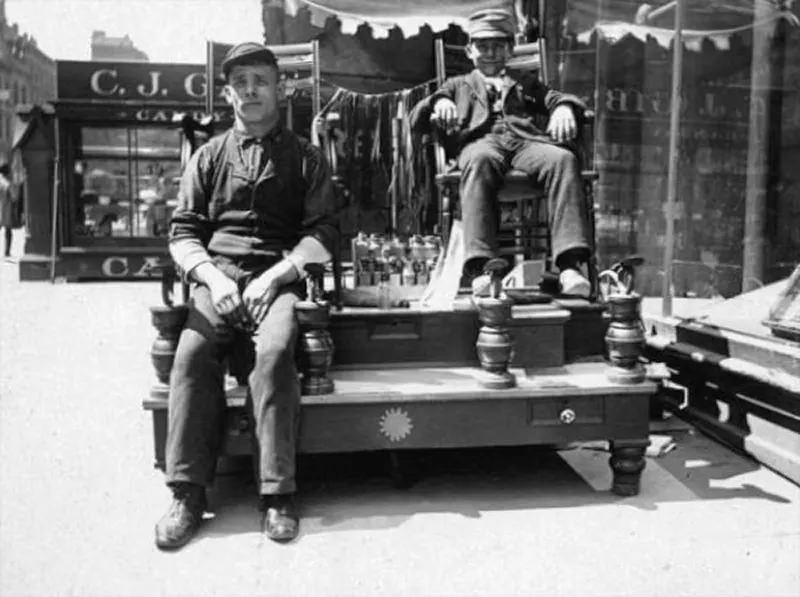
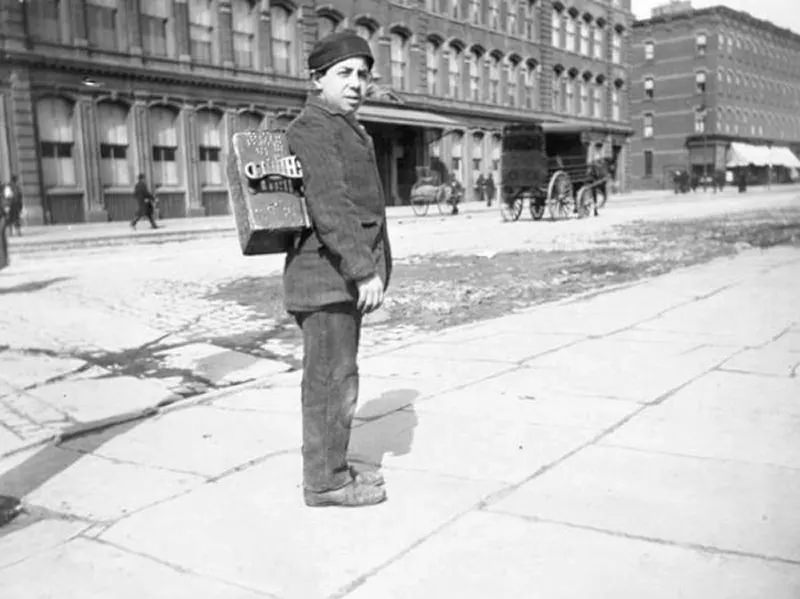
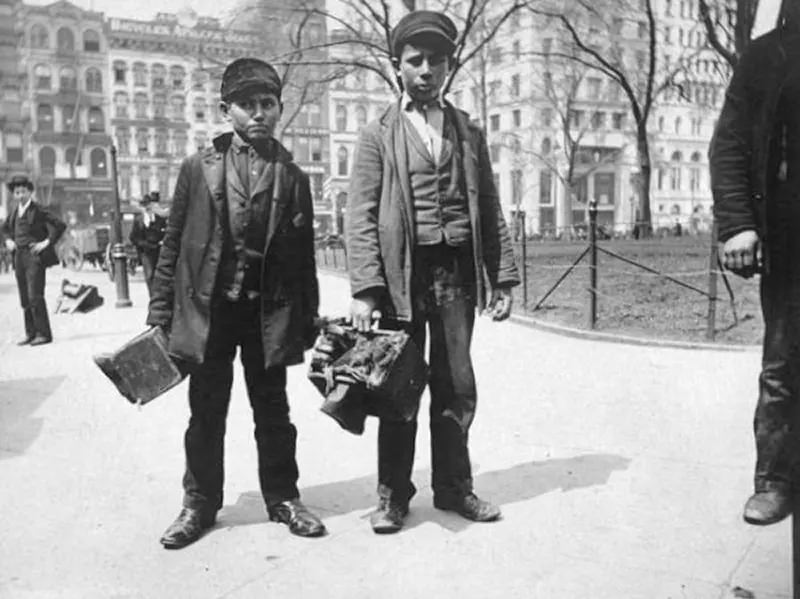
Bootblacks — shoe shiners — set up at busy corners, train stations, and office building entrances across the city. Many were boys as young as eight or nine years old, working outside of school hours or instead of attending school altogether. They charged a few cents per shine and could serve dozens of customers in a day. Austen photographed them in groups and individually, giving each subject space in the frame.




