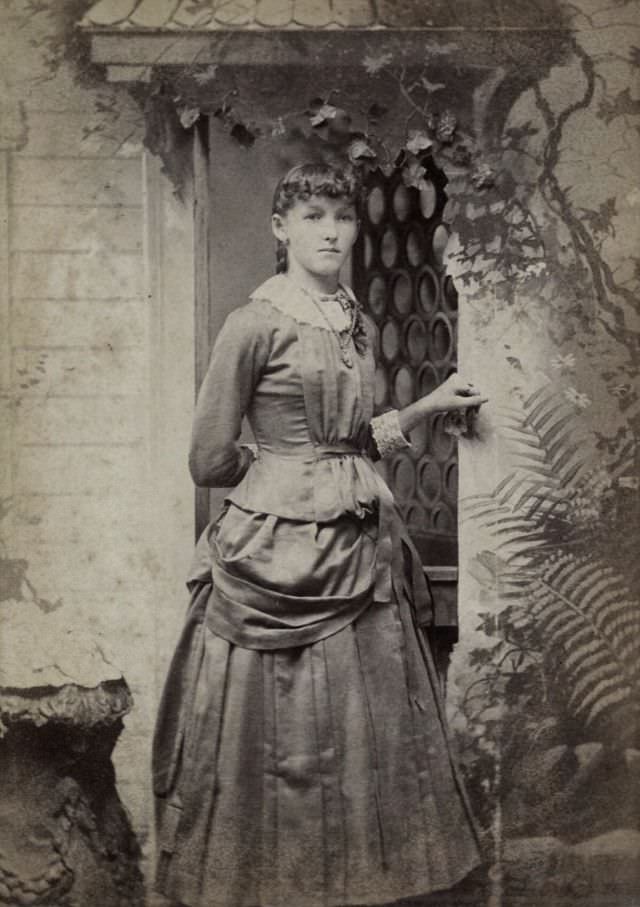
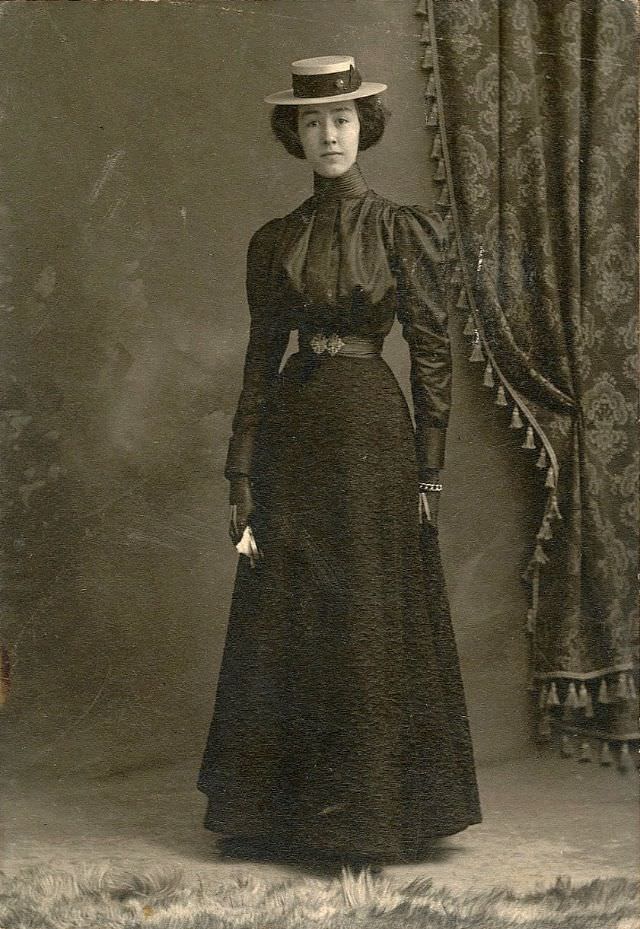
The 1890s were a decade of sharp style and strict social rules. Women’s fashion was built around one central goal: the hourglass silhouette. A nipped-in waist, full bust, and rounded hips defined the ideal figure. To achieve this shape, women wore corsets — tightly laced undergarments that physically compressed the torso. This was standard daily wear, not a special occasion. Hats were just as essential. No outfit was considered complete without one, and they ranged from wide-brimmed styles covered in feathers and flowers to smaller, more structured caps.
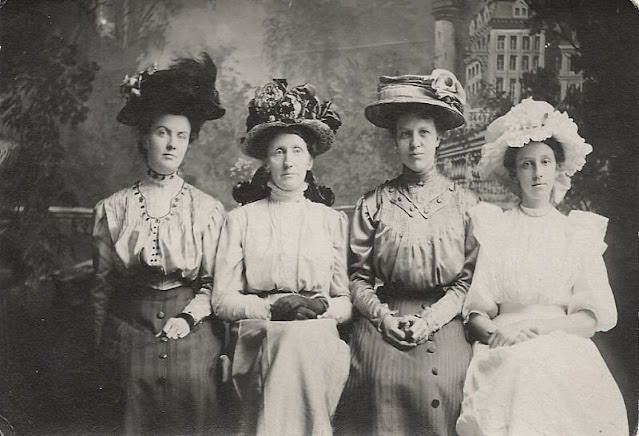
Across the United States, studio photography was booming. Families and young women visited local studios to have their portraits taken, often wearing their finest clothes. These photographs are now invaluable records of everyday fashion from the era.
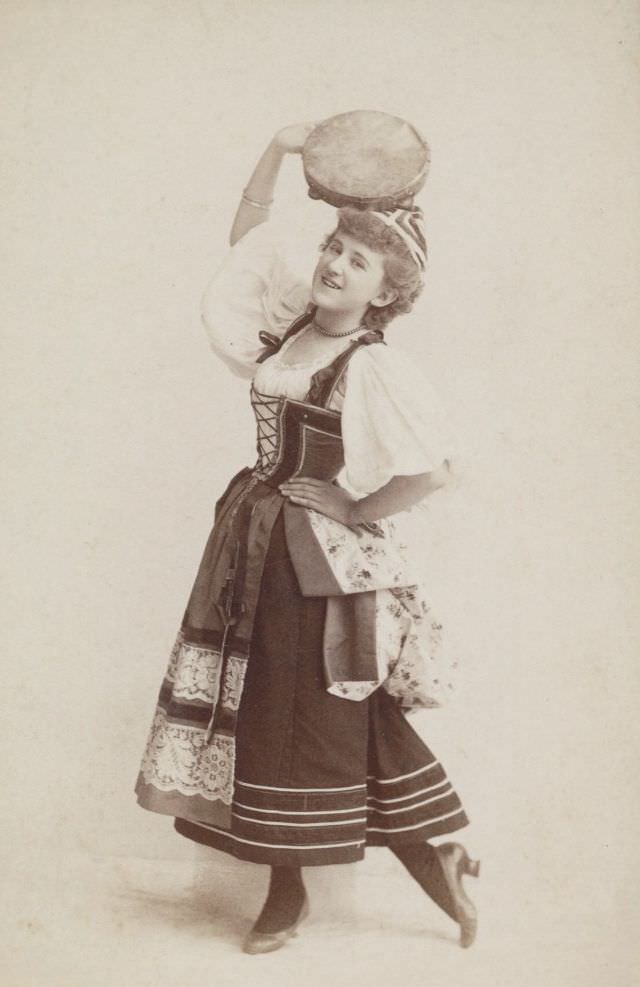
Folk and performance costumes also reflected the era’s flair for detail. Dancers and performers wore elaborate outfits that combined regional traditions with the fashionable silhouettes of the time.
For everyday wear, the shirtwaist was the go-to garment. Styled similarly to a men’s shirt but finished with lace, frills, or decorative buttons, it was practical and adaptable. Paired with a long skirt that swept the floor, it formed the standard daytime look for women across all social classes. A well-tailored shirtwaist and skirt could be worn to work, shopping, or visiting friends.
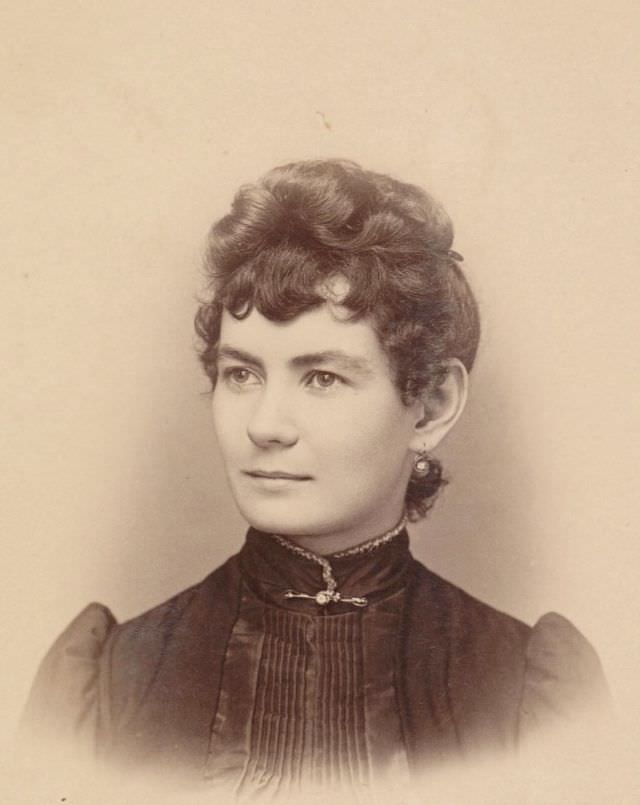
European fashion houses, particularly in France, set the tone for the entire Western world. French studios documented the latest looks, and those styles quickly spread to cities across America and beyond.
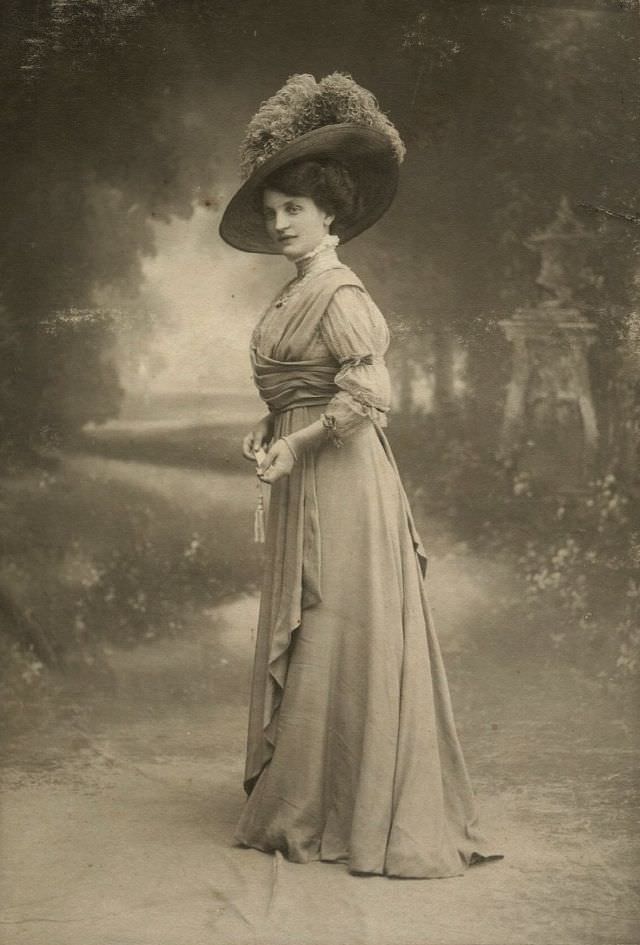
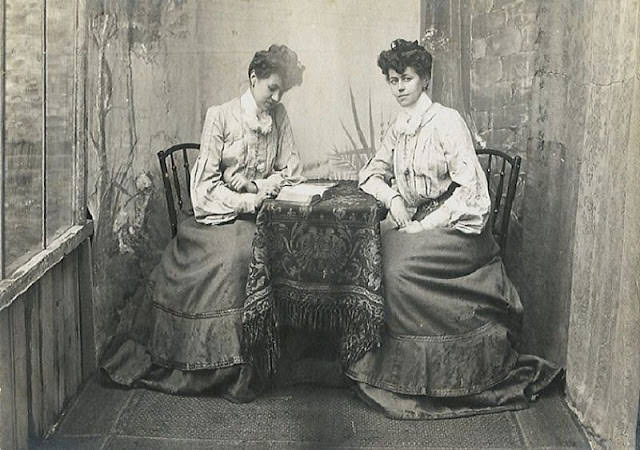
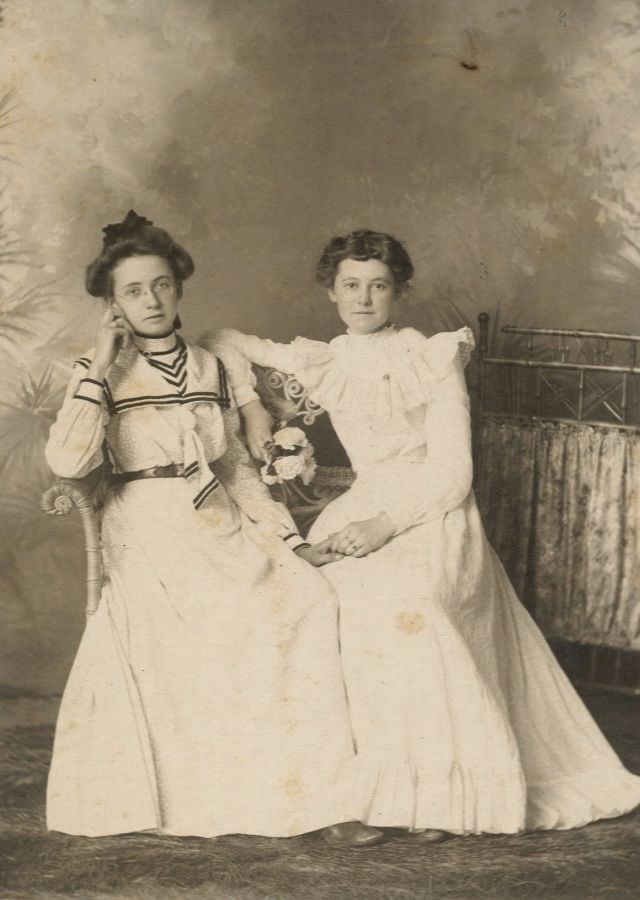
Studio portraits were also a social occasion. Women often posed with friends or sisters, dressed in coordinated or complementary outfits. These group sittings captured not just clothing but the social bonds of the era.
Black was a common and sophisticated choice for formal portraits. The deep contrast it created in photographs made it a favorite for studio sessions, and it also carried associations with refinement and seriousness.
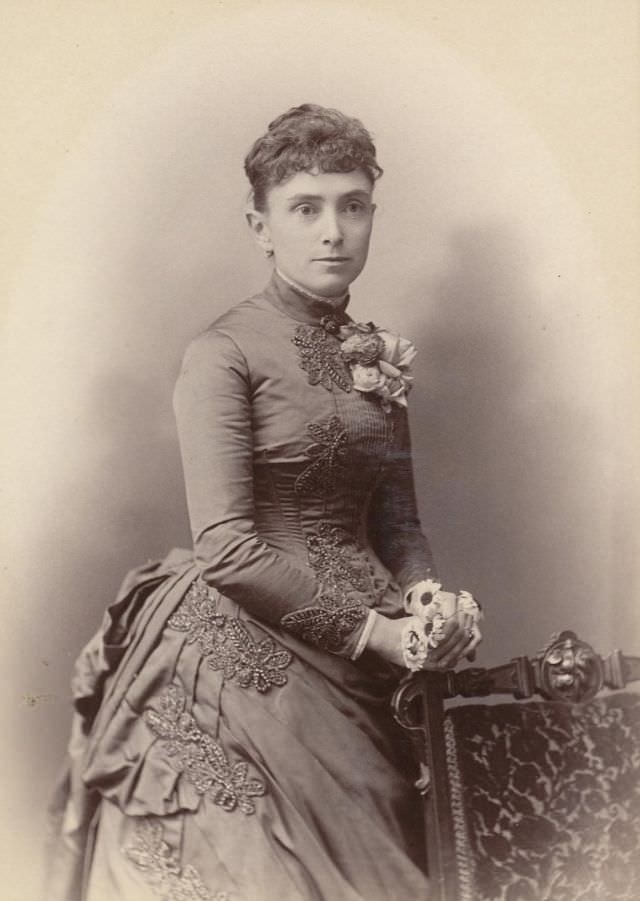
White and light-colored gowns, by contrast, conveyed purity and elegance. Made from silk, satin, or fine cotton, these dresses featured high necklines, full sleeves, and long flowing skirts — hallmarks of the 1890s formal style.
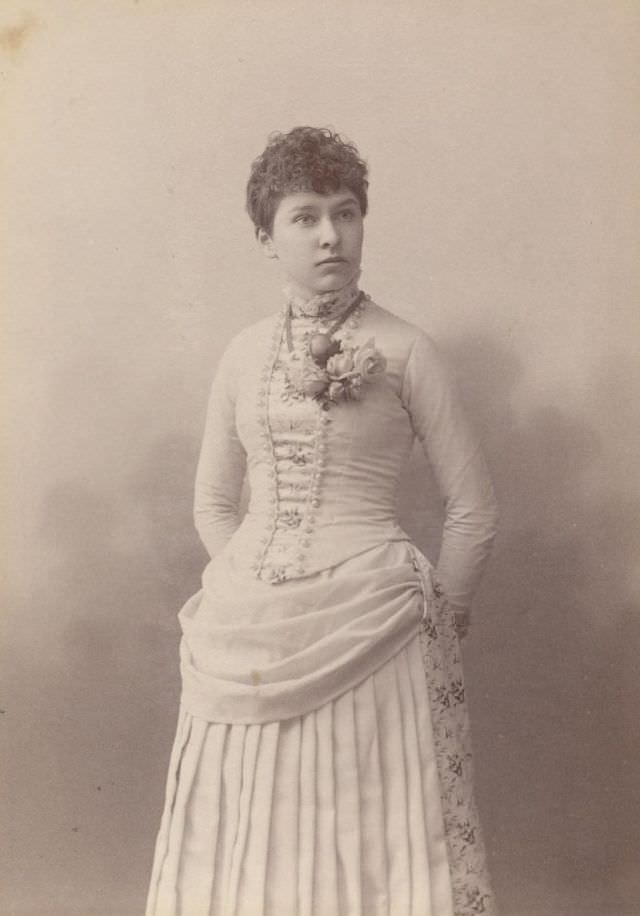
Hair styling in the 1890s followed a neat, controlled aesthetic. Most women wore their hair pulled back into a bun or chignon, sometimes decorated with ornamental pins or combs. A few soft curls framing the face added a touch of femininity without straying from the polished look expected of women at the time.
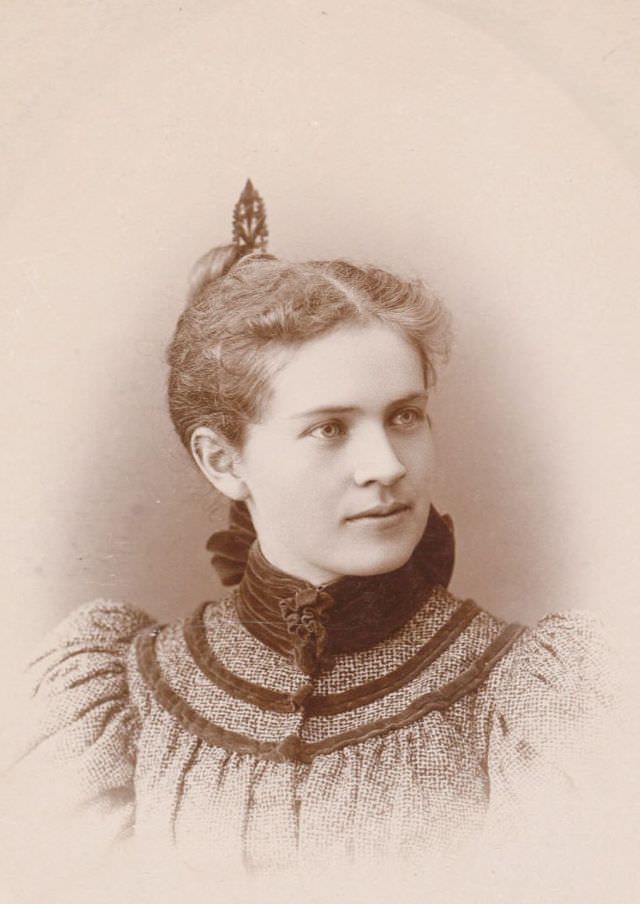
Fashion in the 1890s was not limited to America or France. Across Scandinavia, women followed their own regional styles while incorporating the era’s fashionable silhouettes. Studio portraits from Norway show the same structured bodices and long skirts seen in American photographs.
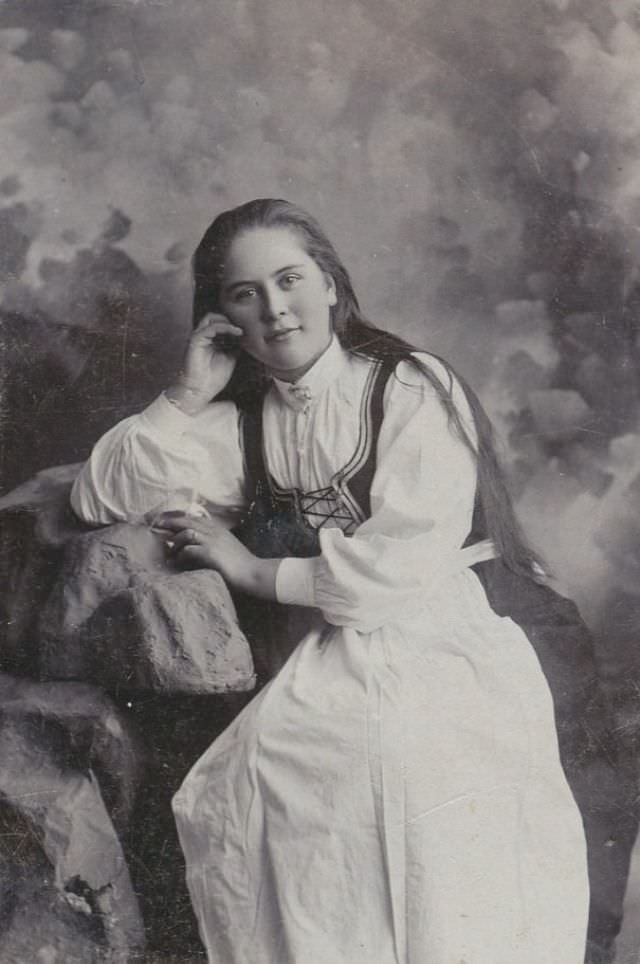
Many surviving portraits from this period were identified on the back with a name, giving us a rare personal connection to the women who wore these fashions. Annie Johnson’s portrait, taken at the G.H. Young studio in Chicago, is one such example.
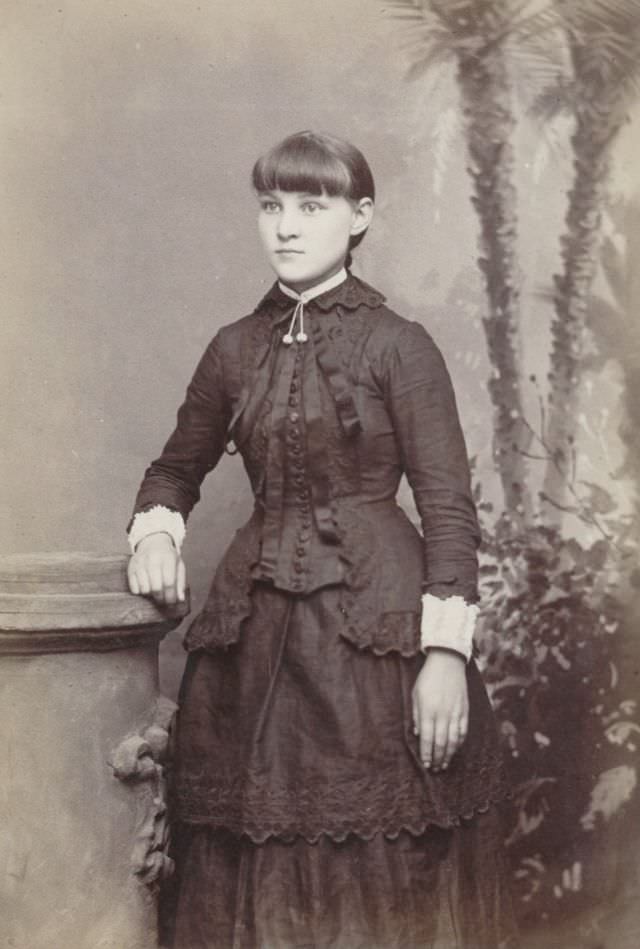
Mae Pearson’s portrait from Mercer, Pennsylvania, shows a woman dressed in the typical structured style of the decade — fitted bodice, high collar, and sleeves that puff slightly at the shoulder before tapering to the wrist.
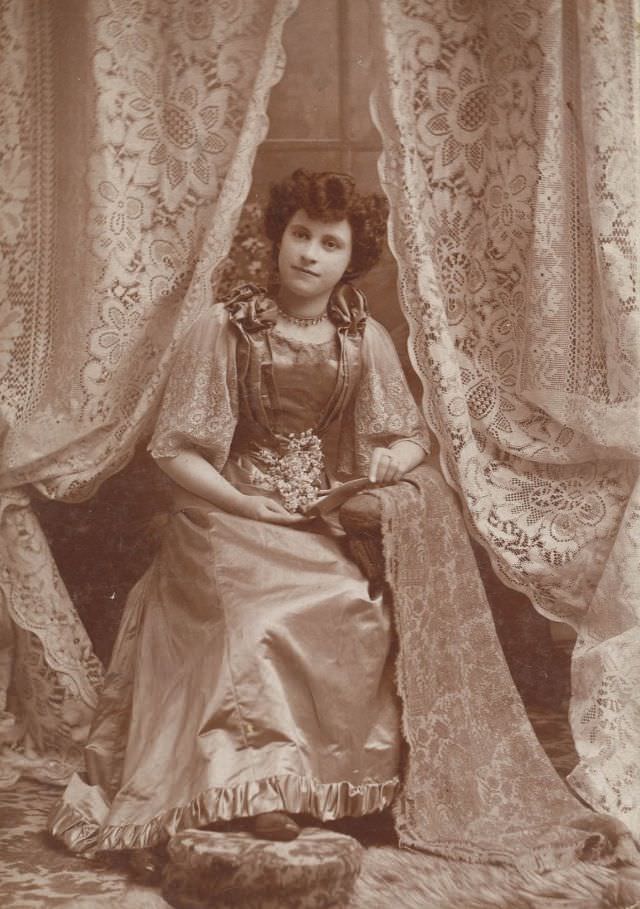
Siblings often visited studios together, dressed in their finest. These portraits were kept as keepsakes and frequently exchanged between family members as tokens of affection — an early form of the personal photograph.
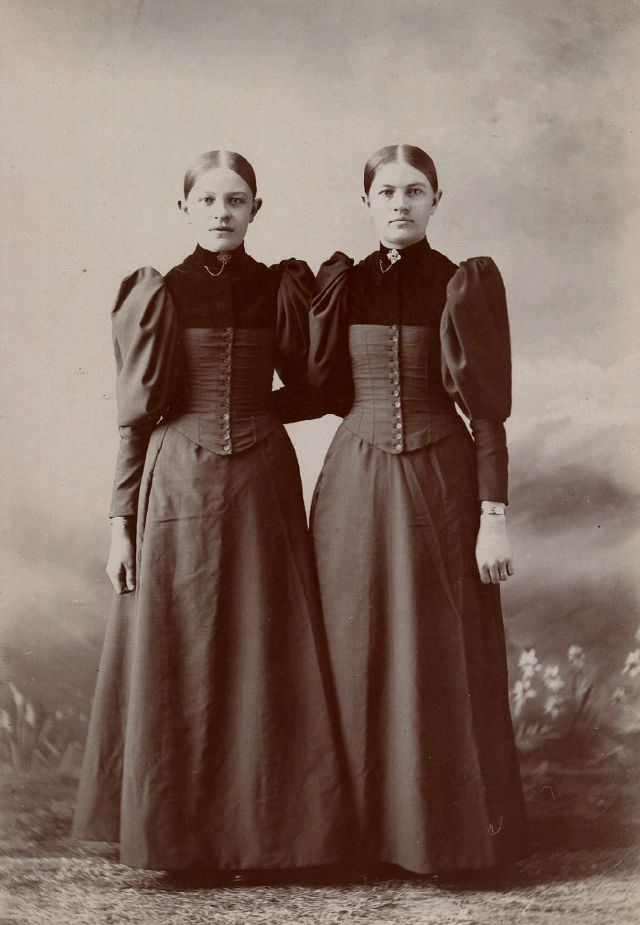
Chicago, as one of the largest American cities of the era, was a fashion hub. Young women there had access to department stores and tailors offering the latest styles, reflected in portraits taken at the city’s many photography studios.
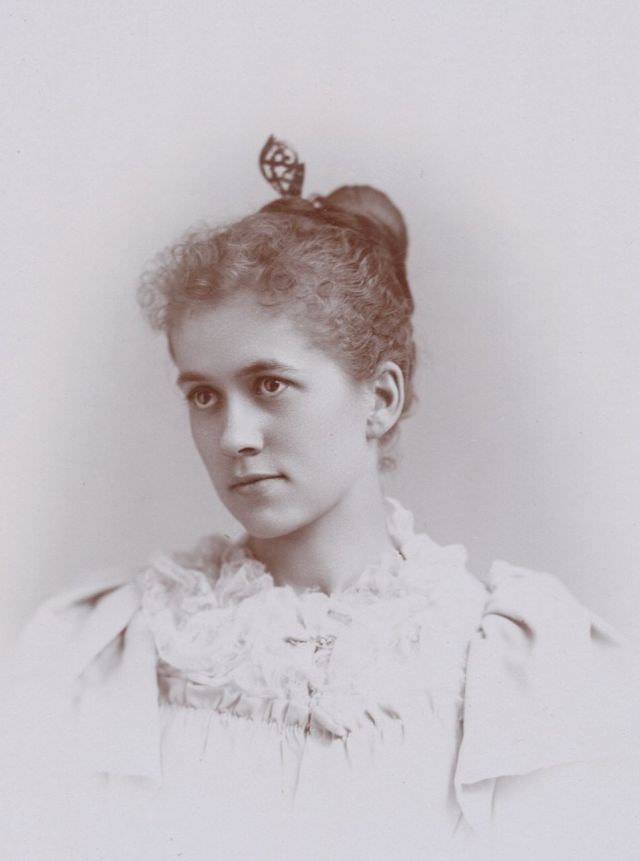
Swedish studio portraits from the 1890s reveal how widely the decade’s fashions had spread. Women in small Swedish towns like Nosund and Uddevalla wore the same structured silhouettes and high-collared blouses seen across the Atlantic.
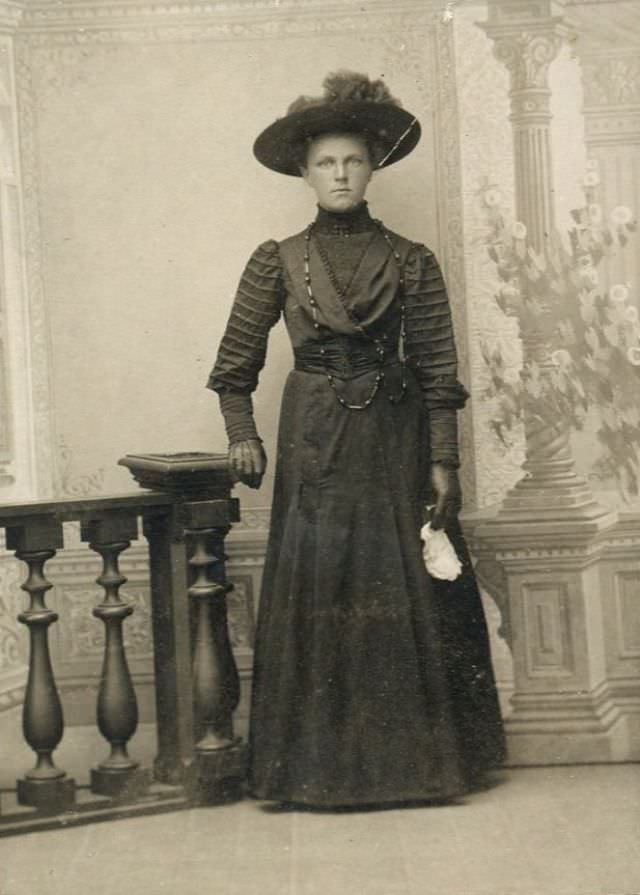
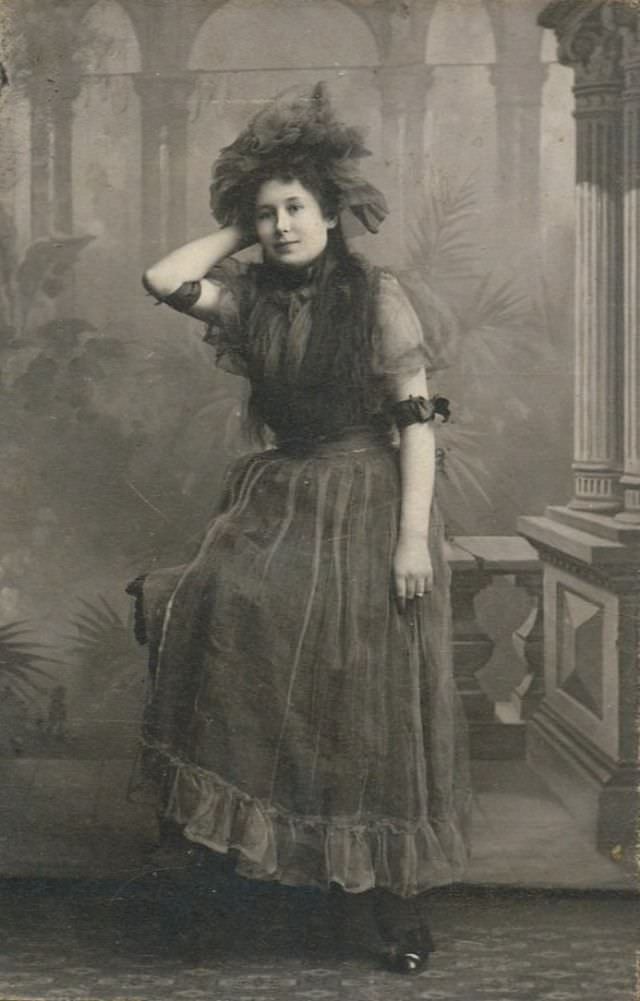
All-black ensembles appeared frequently in studio portraits across the American Midwest. The formality of the color suited the serious, composed poses that studio photography demanded, and the style carried genuine social weight.
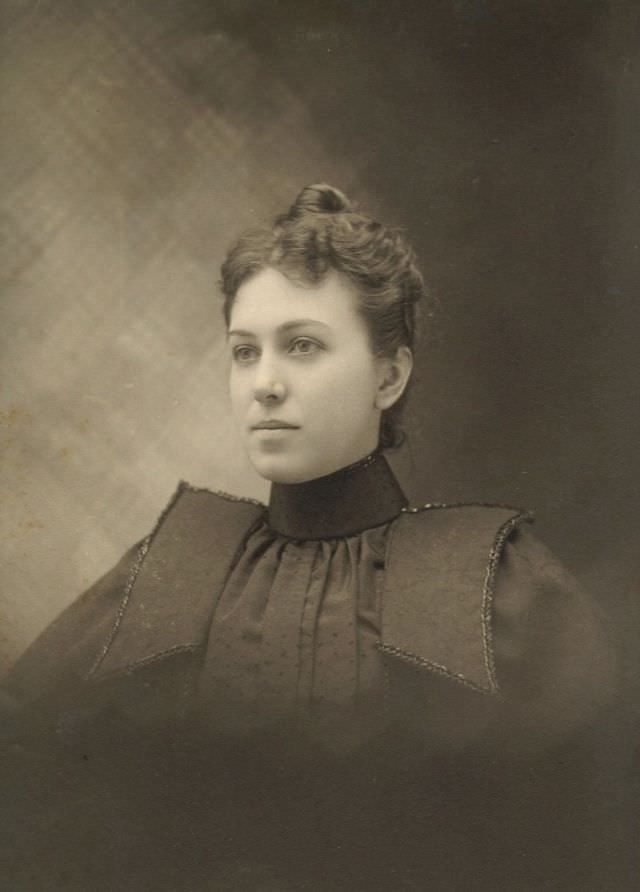
Fancy dress — meaning elaborate, decorative clothing worn for special events — gave women a chance to showcase the most ornate garments of the era. Beading, embroidery, and fine fabrics were all on display at formal gatherings and portrait sessions alike.
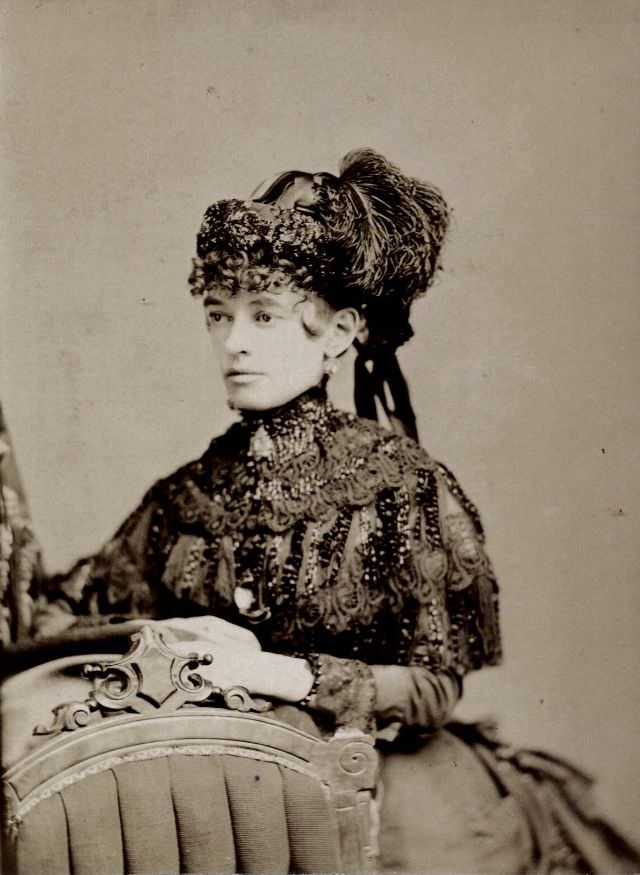
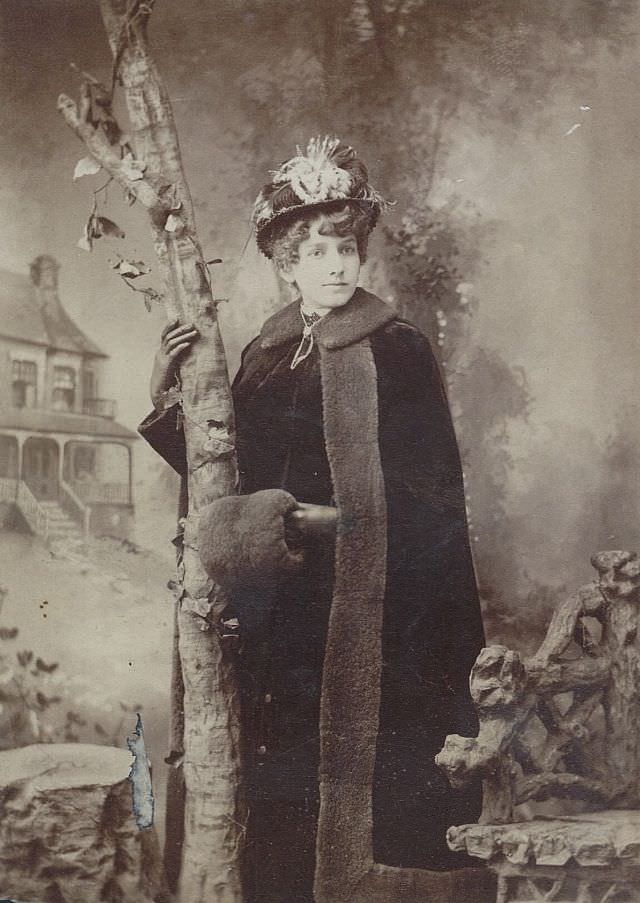
Winter clothing in the 1890s was heavy and layered. Wool coats, thick skirts, and fur-trimmed accessories helped women stay warm while still maintaining the fashionable silhouette. The Sunbeam Gallery in Peoria, Illinois, captured both winter and spring looks in its portrait work.
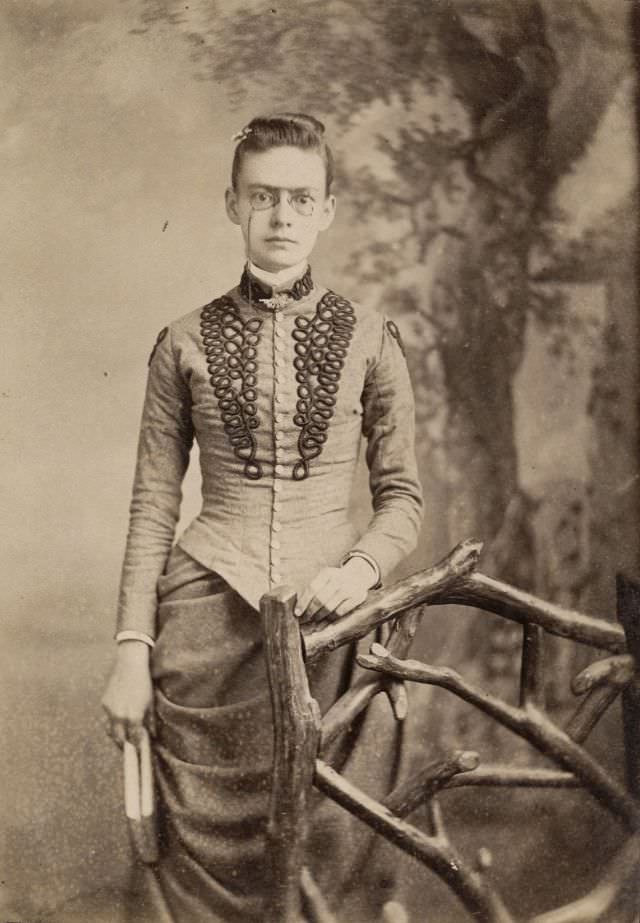
Glasses were a practical accessory, and some women chose to wear them in their formal portraits — a straightforward acknowledgment of everyday life rather than a fashion statement. This portrait from Providence, Rhode Island, is a rare example of this candid choice.
Straw hats were popular for warm-weather outings. Lighter than their heavily ornamented counterparts, they offered a more casual look while still meeting the social expectation that a properly dressed woman always wore a hat outdoors.
Spring brought lighter fabrics and softer colors to women’s wardrobes. Portraits from warmer months capture a different mood — airy blouses, delicate skirts, and a generally brighter palette that contrasted sharply with the heavy wool and dark tones of winter dress.