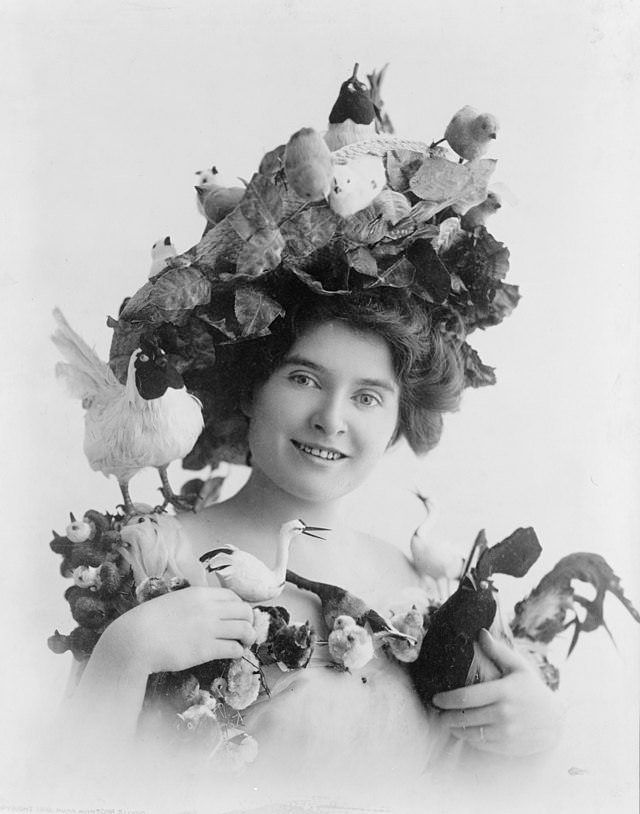
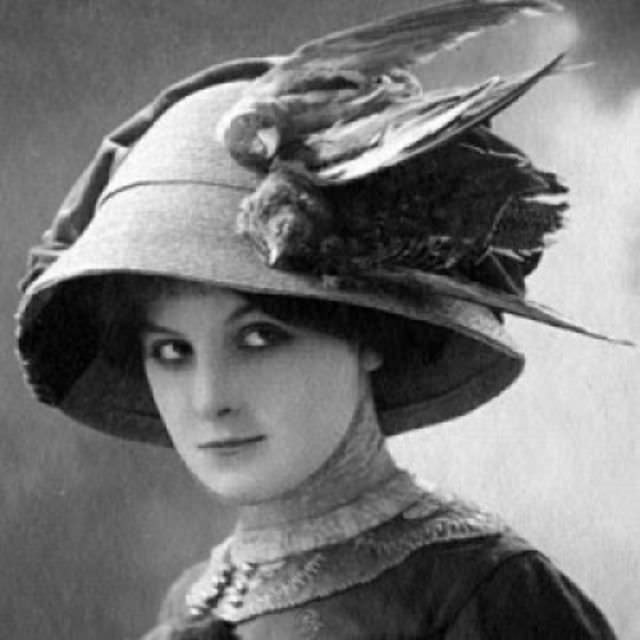
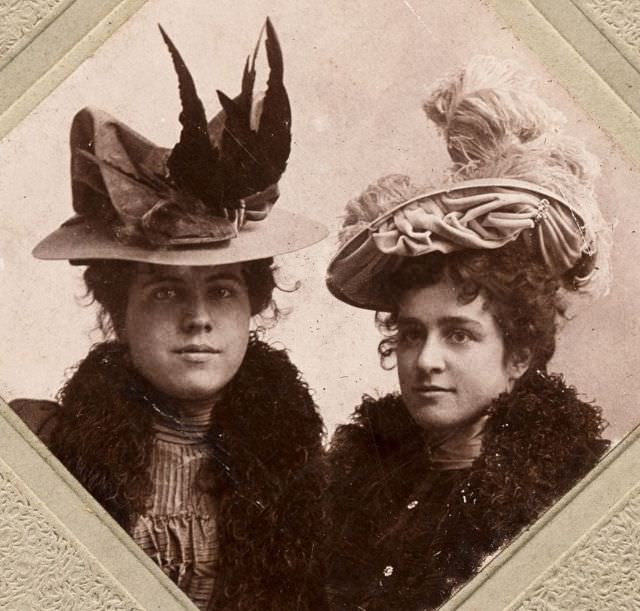
By the late 19th century, women’s hats had grown into elaborate, oversized structures that sat at the center of fashion. They were wide-brimmed, heavily decorated, and secured to the hair using sharp metal hat pins — small but painful tools that held the whole construction in place. What decorated the top of those hats, though, is what makes this chapter of fashion history so striking. Feathers were everywhere. Then came something far more extreme: entire dead birds, mounted and displayed as if in mid-flight, perched on women’s heads as a status symbol.
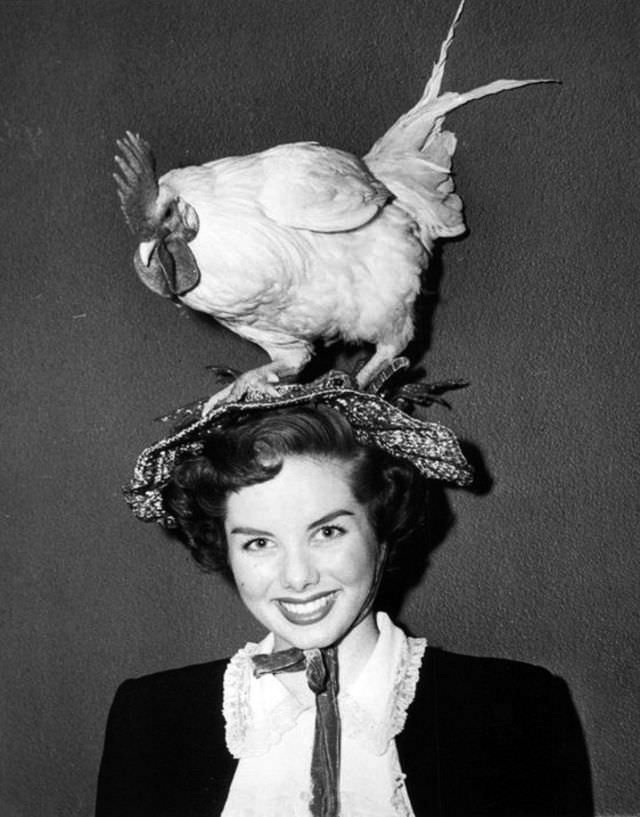
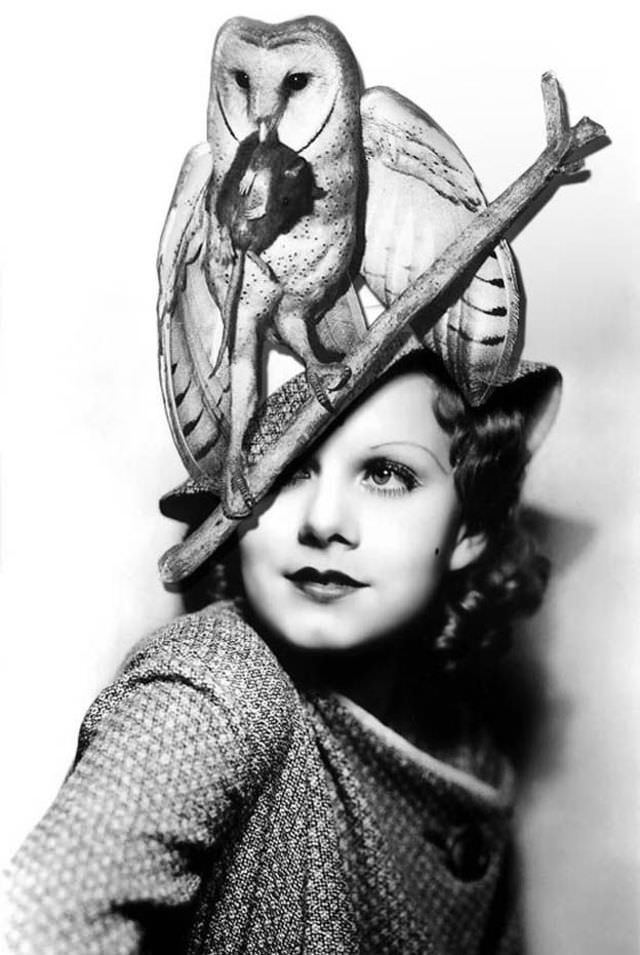
The Victorian era was considered the golden age of taxidermy, and that craft moved straight from the display case onto the hat stand. Milliners — the people who made and sold hats — used whole preserved birds as decorative centerpieces. Snowy egrets were especially prized for their long, delicate plumes. Owls, terns, hummingbirds, and other species were also mounted and fitted onto hat frames. For upper-class women, wearing one of these hats signaled wealth and taste. The more elaborate the bird, the more fashionable the wearer.
The demand was enormous. Milliners in London, Paris, and New York competed to source the most exotic and visually striking specimens. Markets dealing in dead birds ran openly. At the peak of this trend, the feather trade was one of the most profitable wildlife-based industries in the world, with prices for certain plumes matching the price of gold by weight.
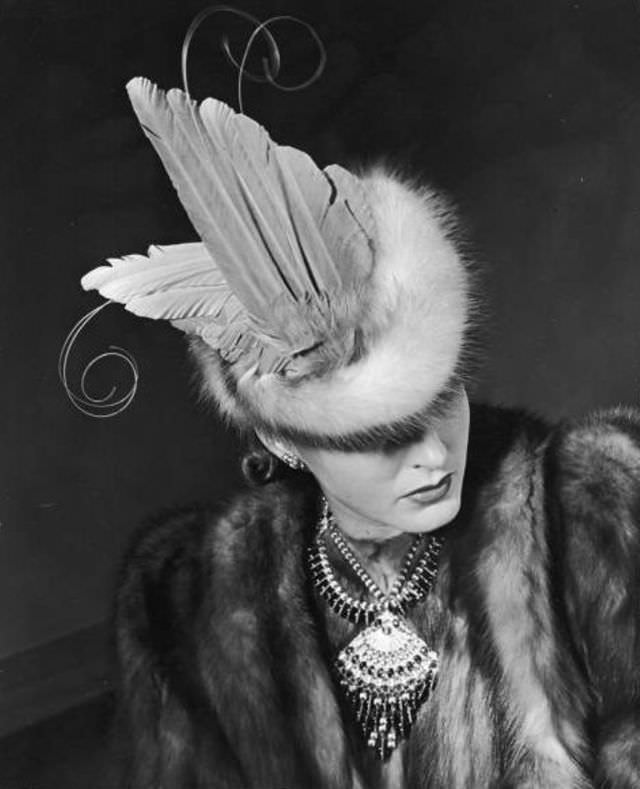
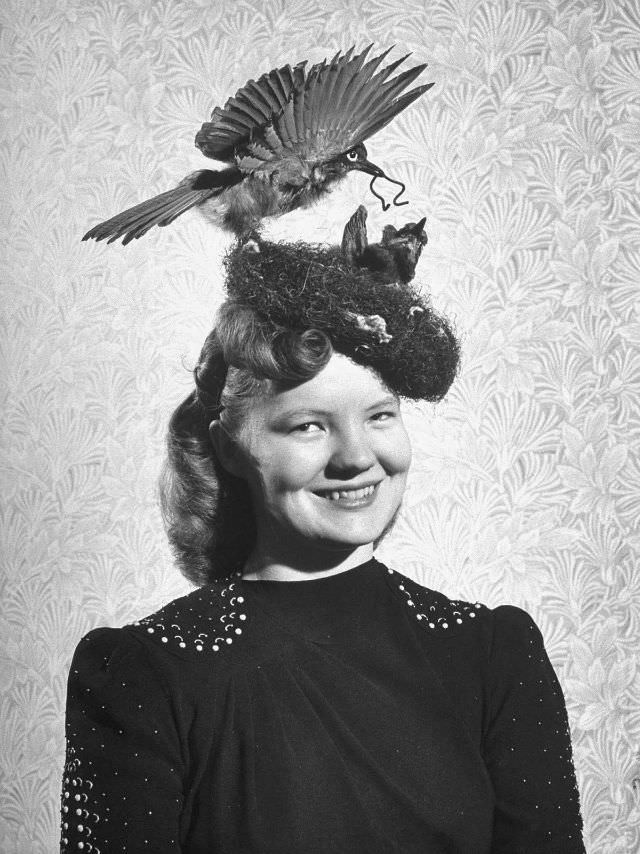
Thousands of birds were killed every year to feed this fashion. Snowy egrets were hunted at their nesting colonies, often during breeding season when their plumes were at their finest — and when the birds were least likely to flee, making mass killing easy. Hunters would wipe out entire rookeries in a single visit, leaving eggs and chicks to die alongside the adults. The populations of snowy egrets, roseate terns, and several other species collapsed sharply during this period.
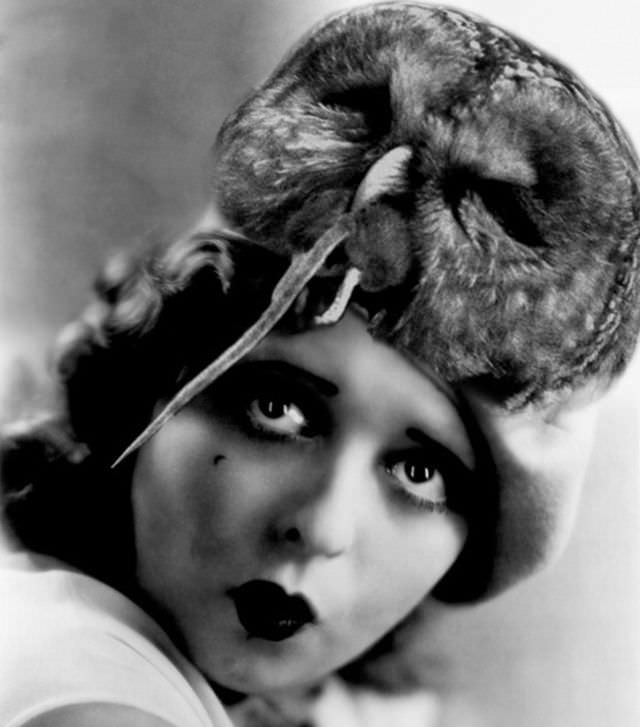
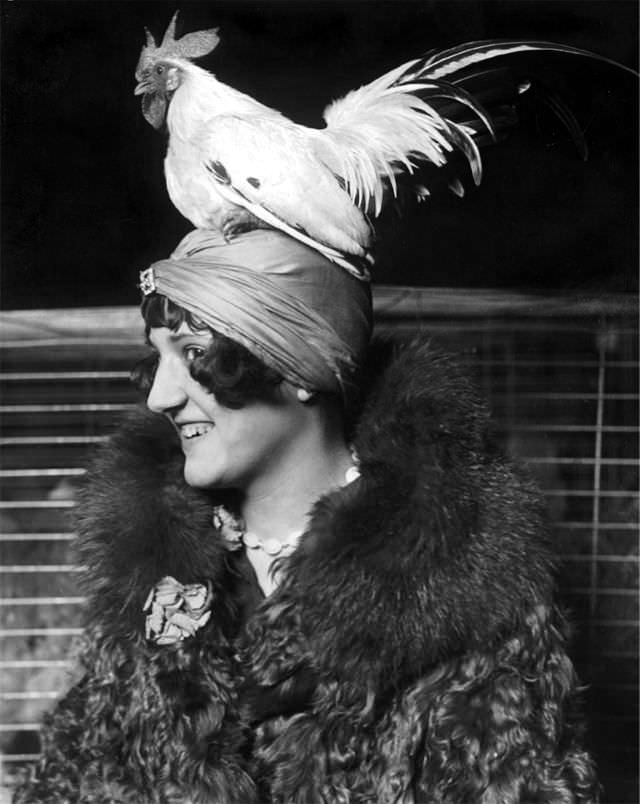
The passenger pigeon took heavy losses as well, though for a combination of reasons. Hunters targeted them for food, but their long tail feathers also had value in the millinery trade. Passenger pigeons flew in flocks so massive — sometimes dozens of miles wide — that hunting them required almost no skill. Hunters used nets, guns, and even clubs. Between the food trade, the feather trade, and habitat destruction, the species was wiped out entirely. The last known passenger pigeon, a female named Martha, died in captivity in 1914.
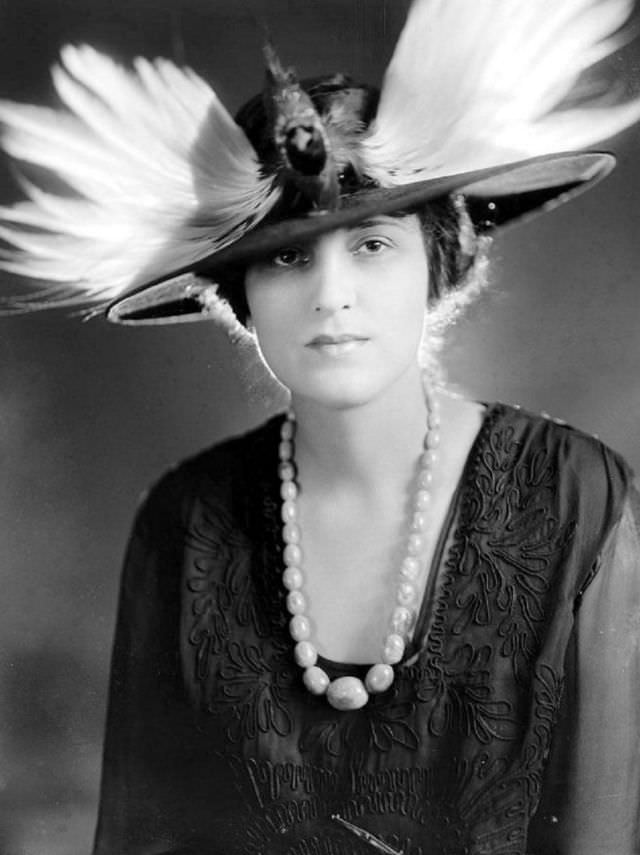
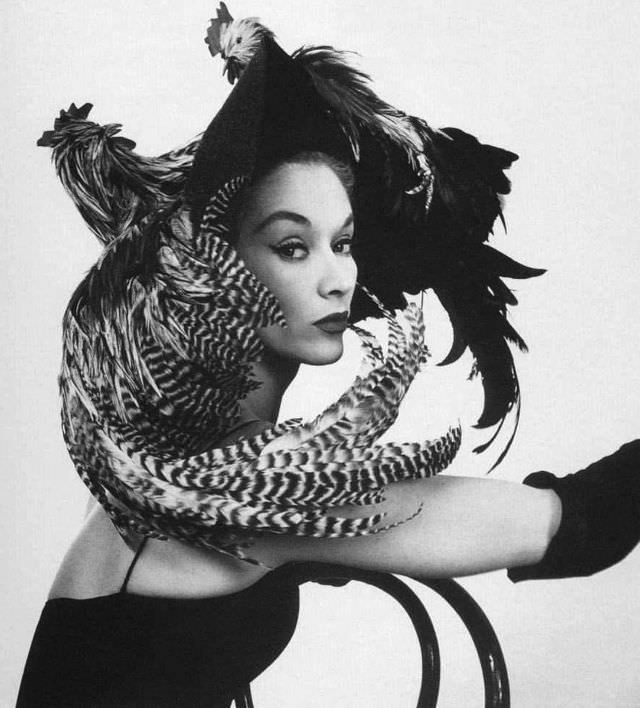
Hats weren’t just worn outdoors. In the early 1900s, there were distinct hat styles for different parts of the day and different activities. A woman might wear one style for a morning walk, another for riding, and yet another for receiving guests at home. Each setting had its own expected level of formality, and the hat was a key part of meeting that standard. Bird-adorned hats appeared across all these categories, from modest feathered styles to full mounted-bird showpieces.
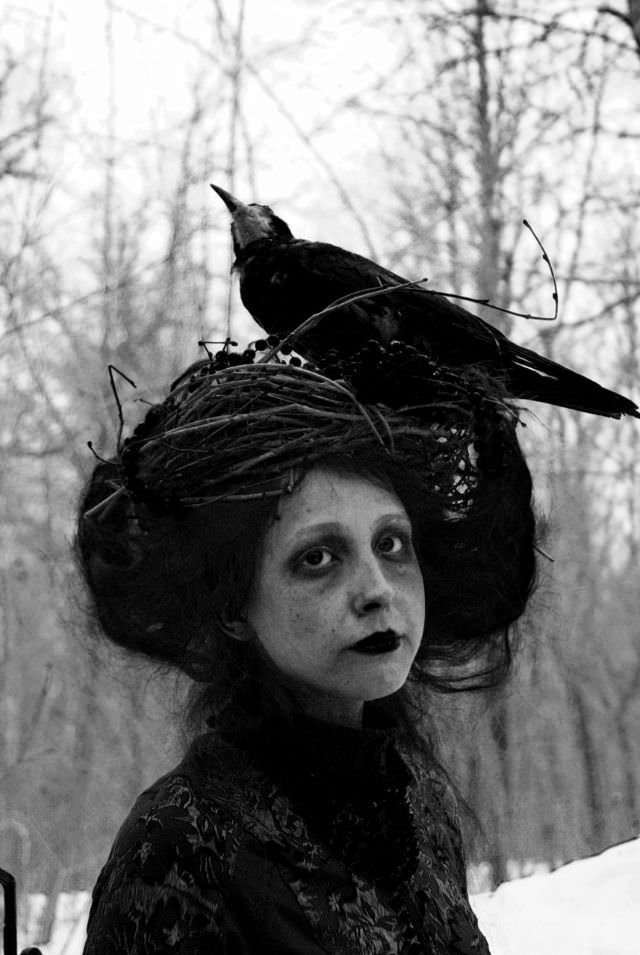

Some of the designs were genuinely unsettling by any standard. A taxidermied bird mounted with wings spread, beak open, or head turned at an angle could give the impression that the wearer had a live animal frozen in place above her brow. Others featured birds arranged in groups, or combined with artificial flowers and ribbons in dense, layered compositions. The effect ranged from theatrical to grotesque, depending on the species and the skill of the milliner.
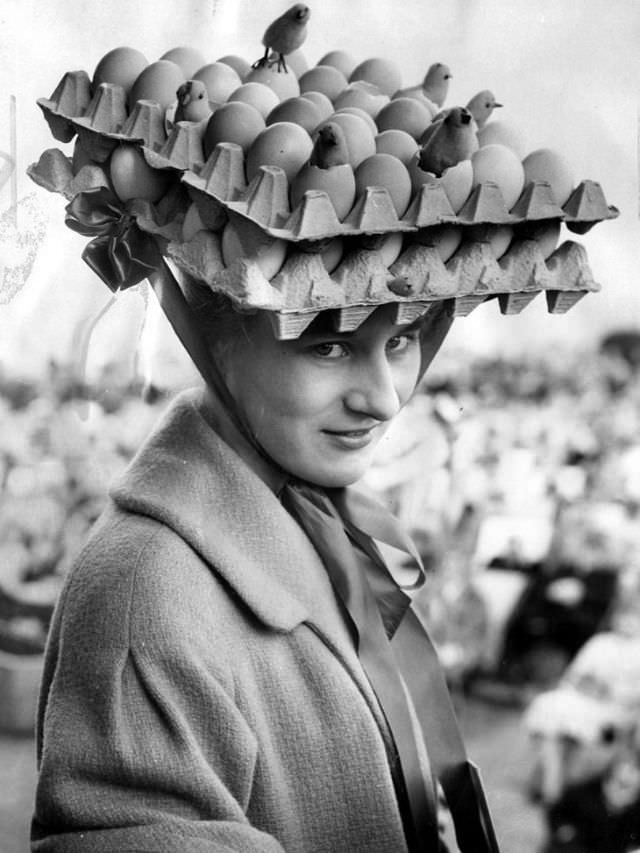
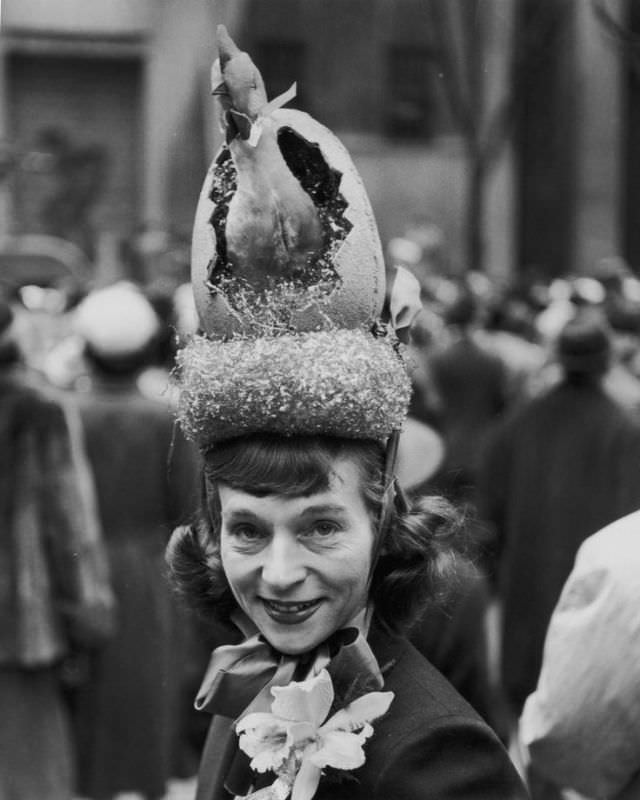
Not everyone accepted this trend quietly. By the early 1900s, a vocal opposition had formed. Women activists, naturalists, and ornithologists began publicly challenging the feather trade. The Audubon Society in the United States was founded partly in response to this crisis. Its members campaigned at the state and national level for laws protecting birds from commercial hunting. Their efforts eventually produced real results — the Migratory Bird Treaty Act of 1918 made it illegal in the U.S. to hunt, sell, or possess most migratory birds without a permit.
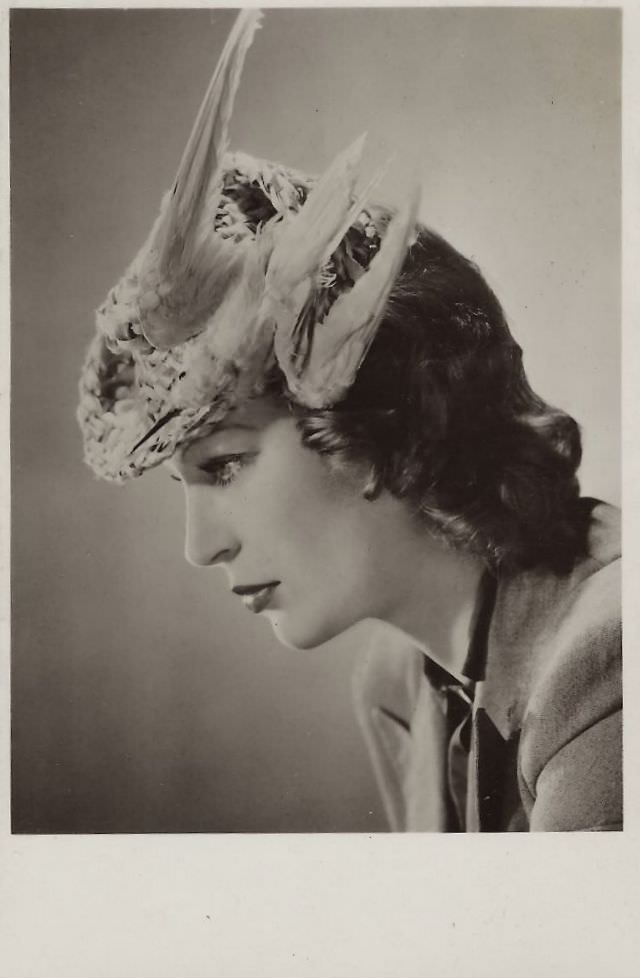
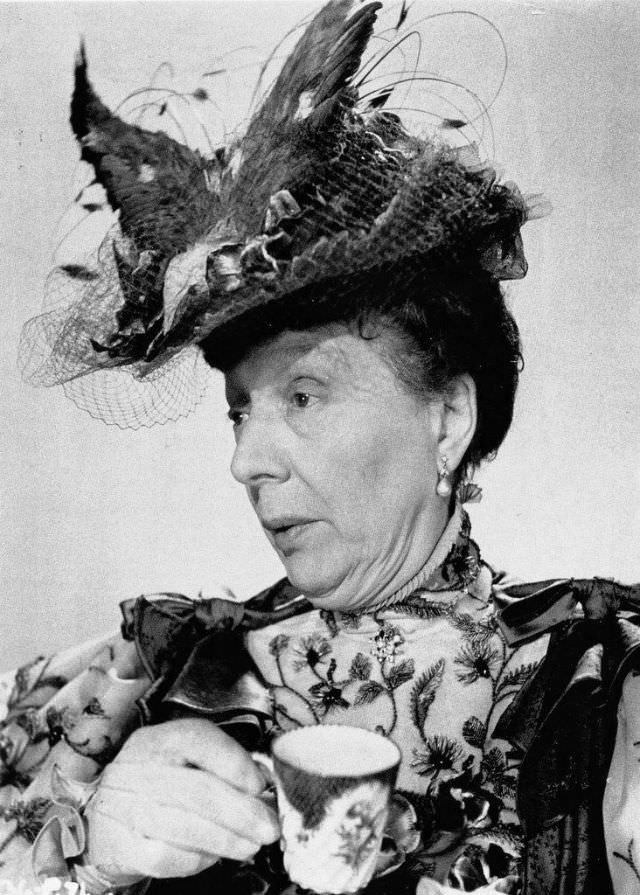
The photographs from this era capture just how strange and extravagant these hats truly were. Women posed in studio portraits with full birds — sometimes multiple birds — arranged across their hats. The taxidermy work varied in quality. Some birds look carefully preserved and almost lifelike. Others are clearly aged, stiff, or oddly positioned. What remains consistent across the images is the sheer ambition of these pieces as fashion objects.
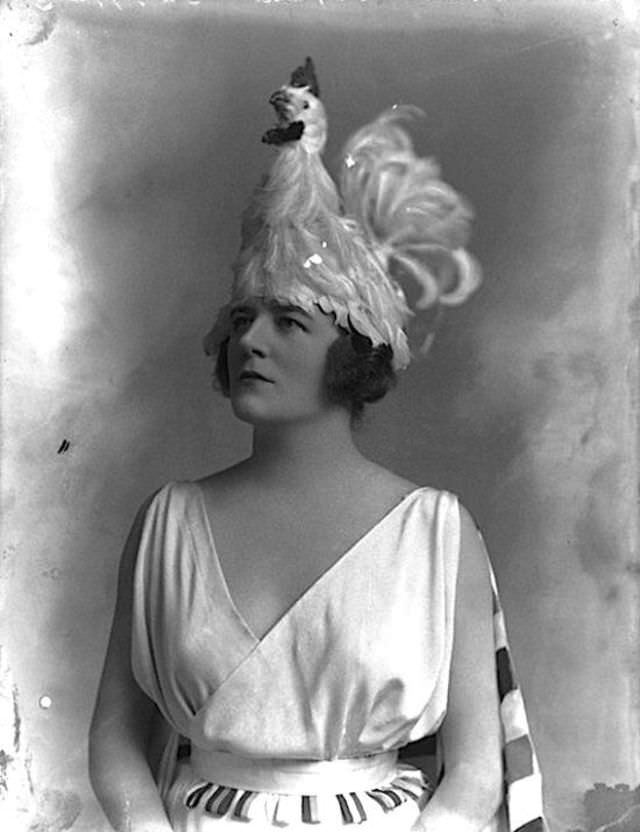
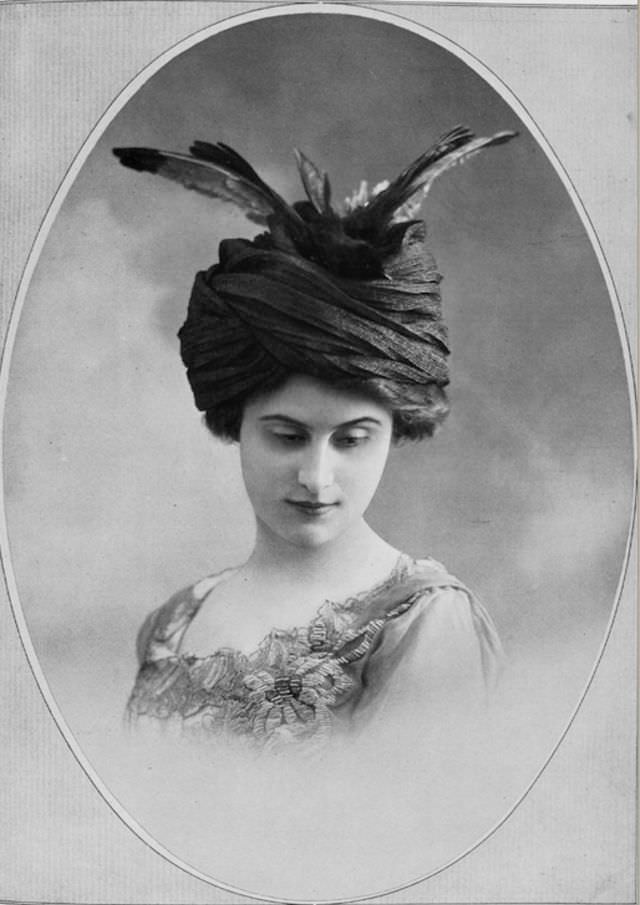
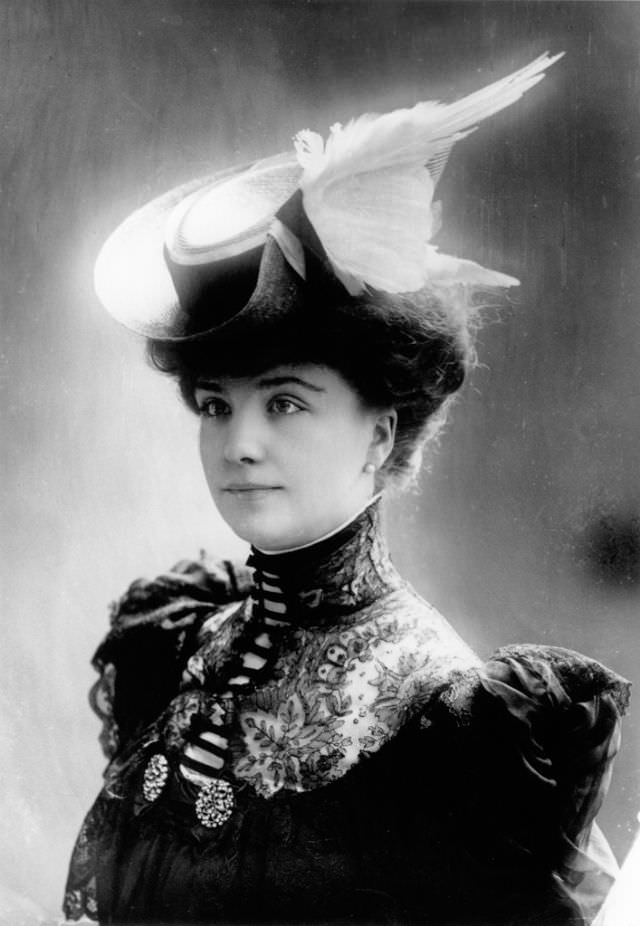
The hats were held in place not just by hat pins but sometimes by ribbons tied beneath the chin — necessary given how top-heavy some of these constructions were. A large hat mounted with a full bird, artificial flowers, and layers of netting could be both physically heavy and awkward to balance. Women wore them regardless.
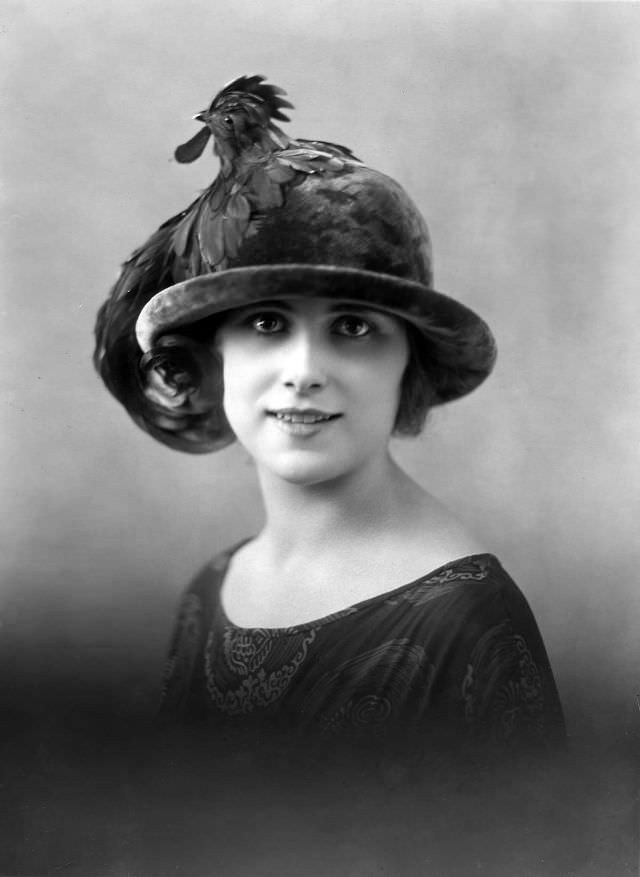
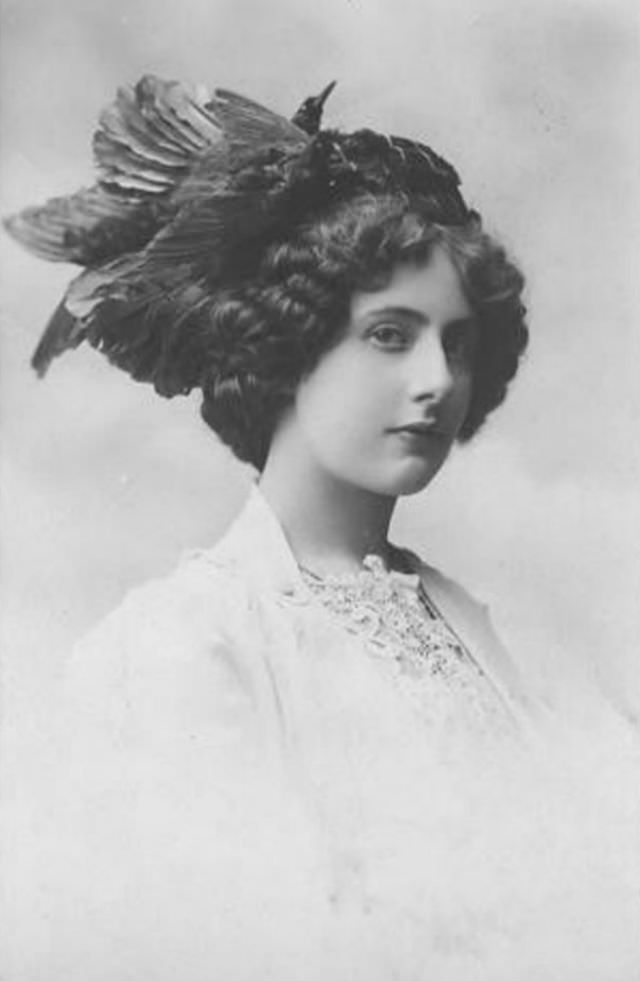
Owls were among the more dramatic choices for hat decoration. Their wide faces, forward-facing eyes, and large wingspans made them visually striking mounted on a hat brim. Hummingbirds were used at the opposite scale — their small, jewel-toned bodies were often clustered together or combined with iridescent feathers. Each species brought its own visual quality to the final piece, and milliners selected them the way a painter selects colors.
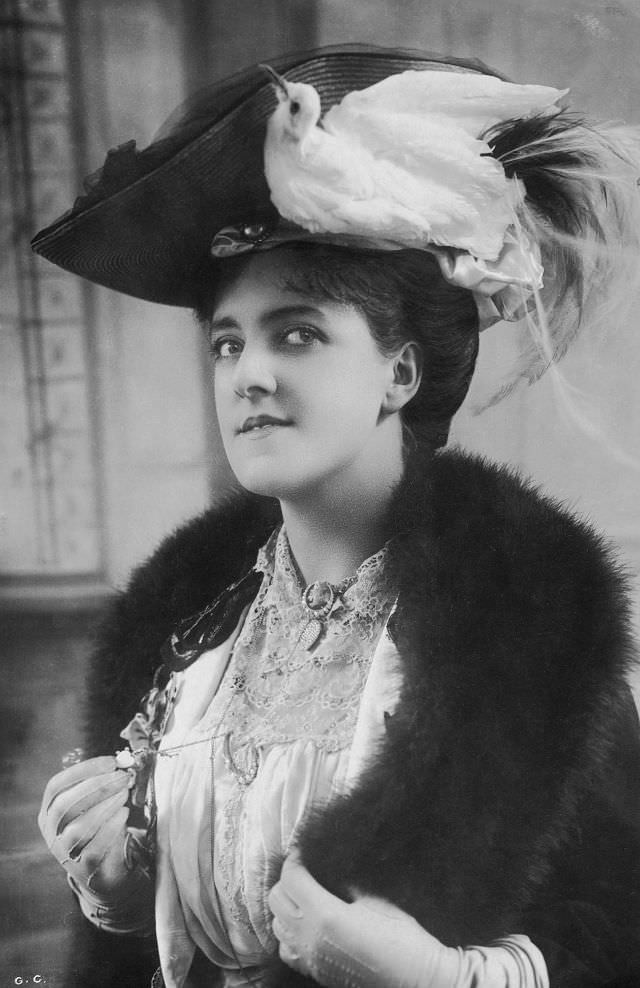
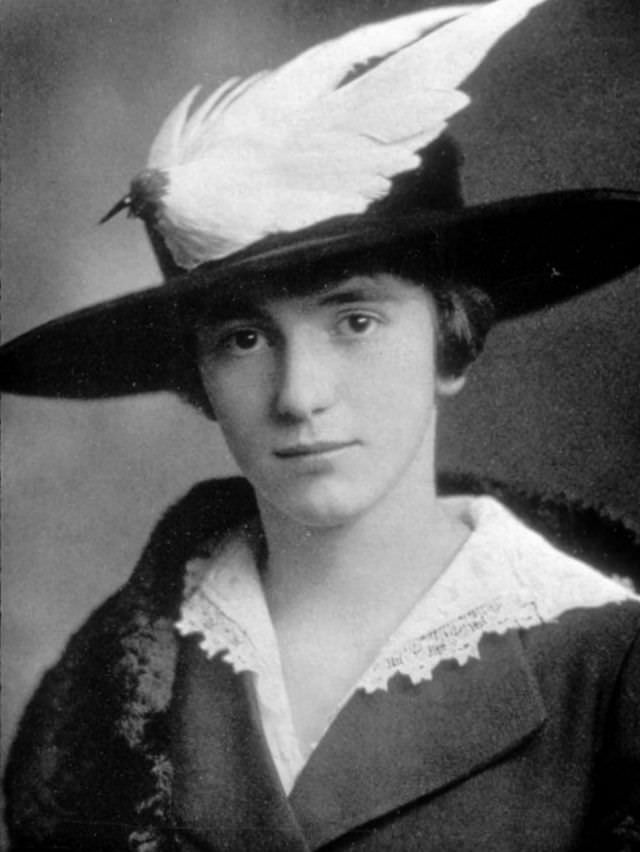
Hat styles changed significantly by the 1910s, moving toward smaller, closer-fitting designs that didn’t accommodate large mounted birds as well. Changes in fashion, combined with growing legal restrictions on the bird trade, pushed the whole-bird hat style out of mainstream use. By the time World War I reshaped everyday life and spending habits across Europe and North America, the extravagant bird hat was already fading.
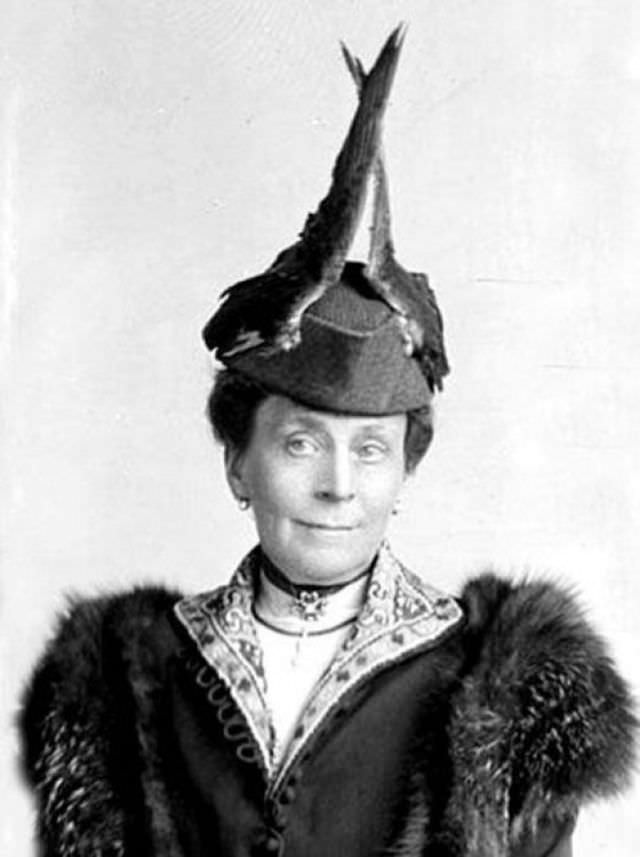
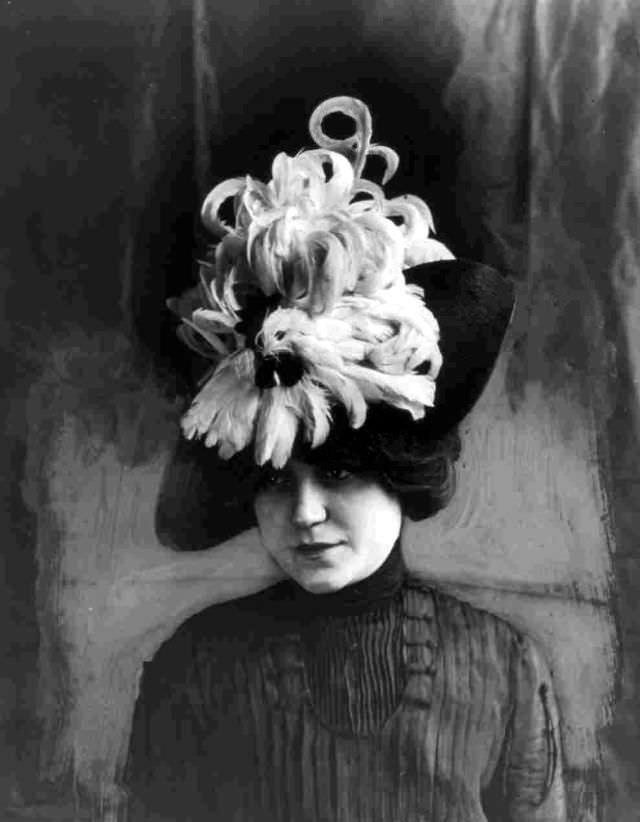
What these hats represent, beyond the unusual spectacle of the images themselves, is a period when wildlife existed almost entirely outside the protection of law. Birds could be taken in any number, from any location, at any time of year. The millinery industry operated without restriction for decades, and the ecological cost was significant and measurable. Several species that were commercially hunted during this era never fully recovered their former population sizes.
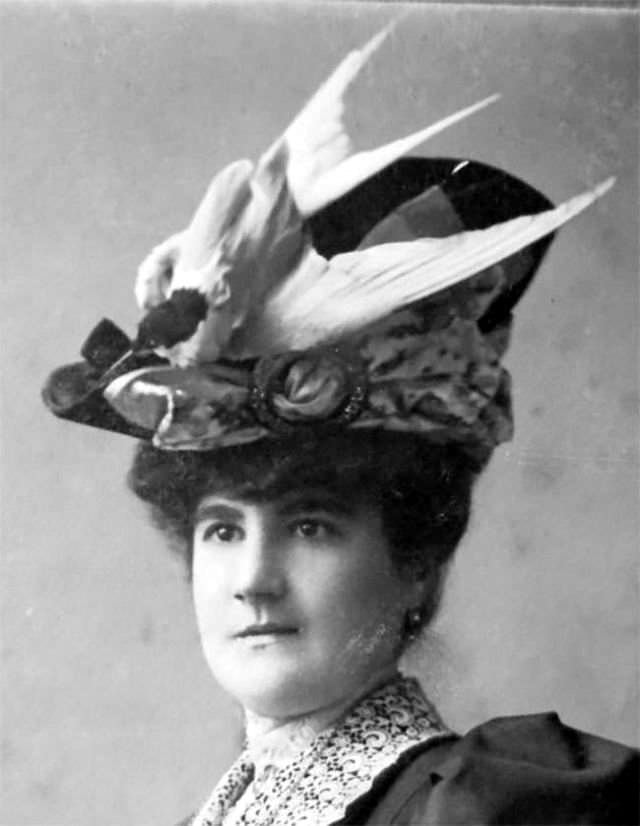
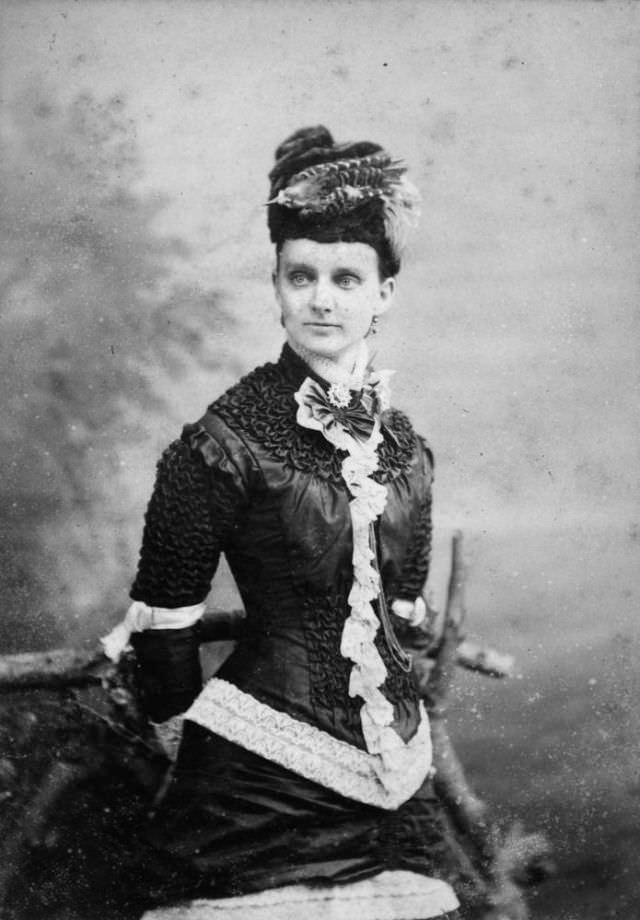
The archive of photographs showing women in bird hats is both a fashion history document and a wildlife history document at the same time. These images record a specific moment when the boundary between the natural world and the commercial world had almost no limits. The hats themselves — strange, elaborate, and disturbing in equal measure — are some of the most unusual objects the history of fashion has produced.