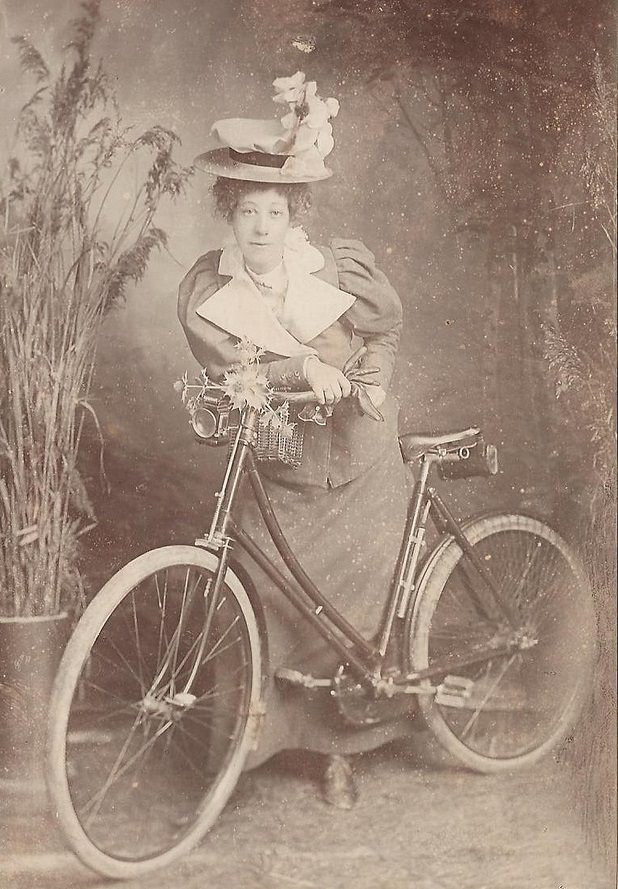
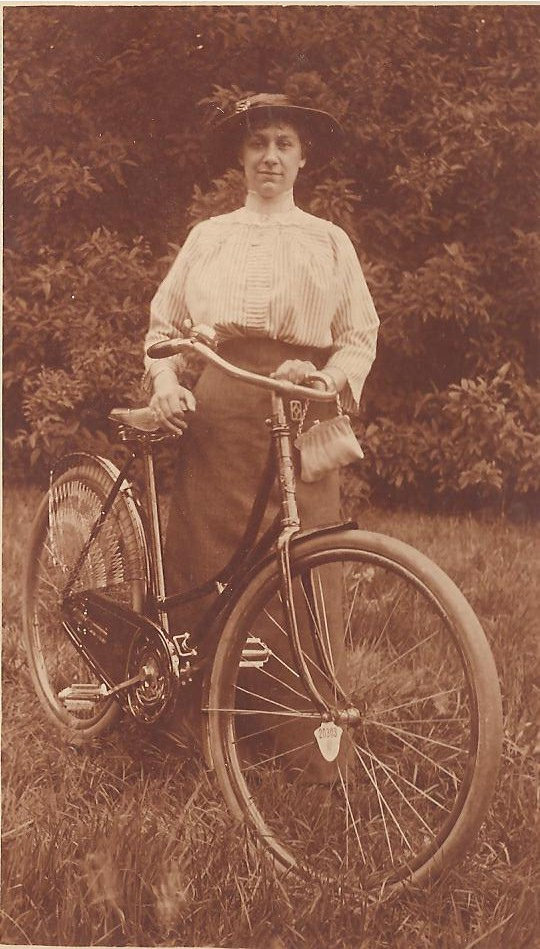
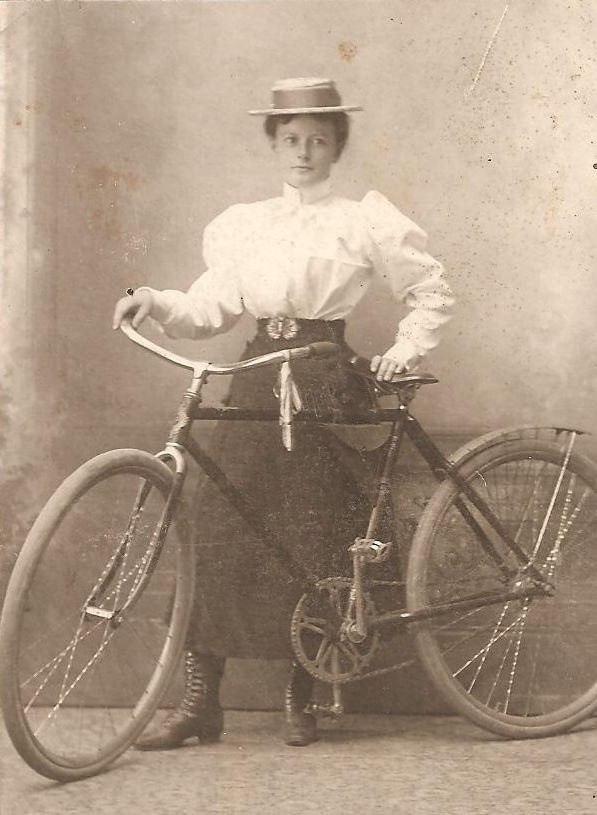
In the early 1900s, the bicycle was more than just a machine—it was a key to independence for women across the country. Social rules at the time kept women close to home, but a bicycle changed that fast.
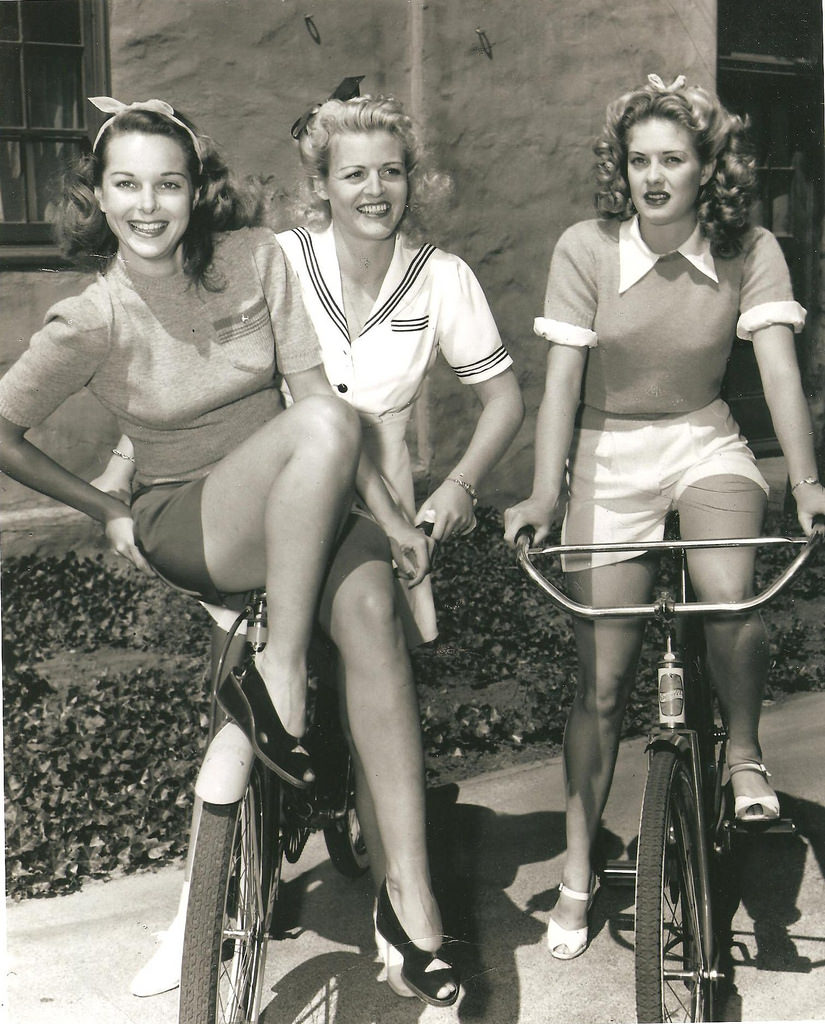
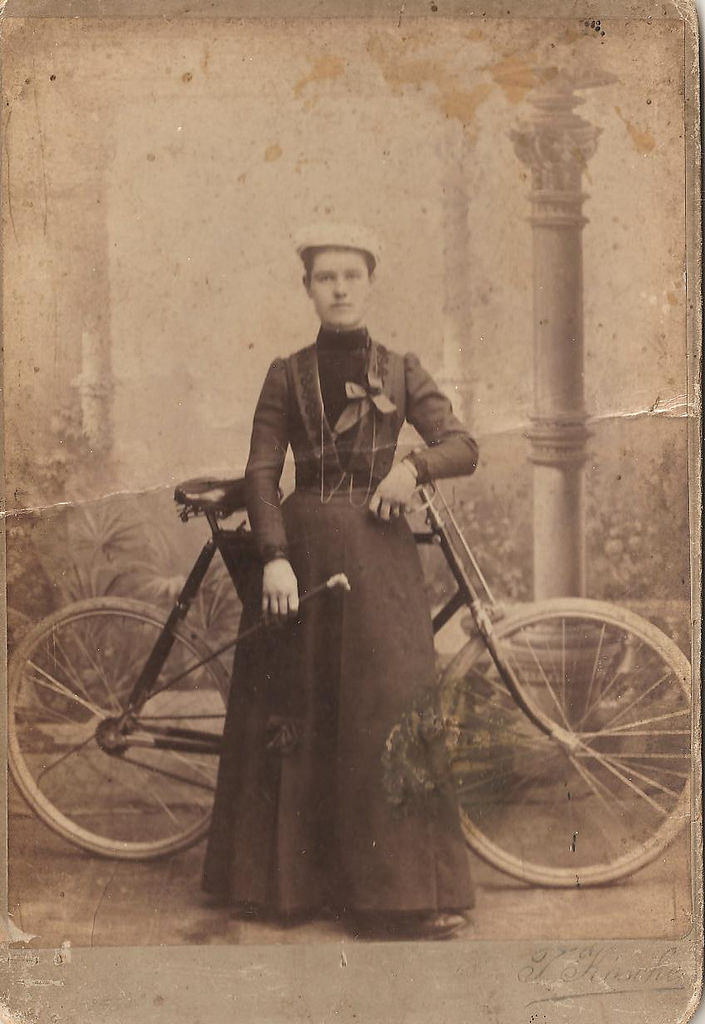
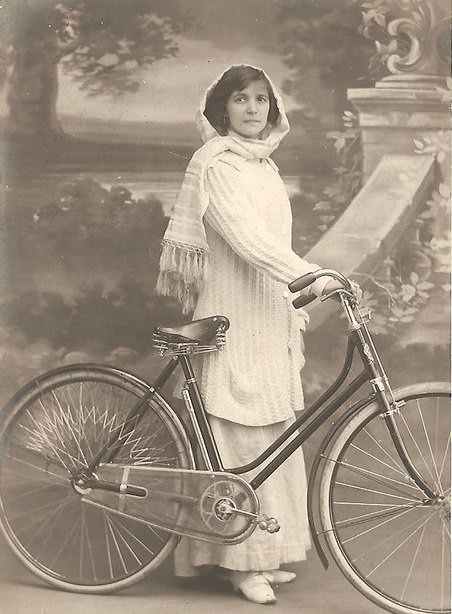
Women in long skirts and blouses rode confidently through city streets and down country roads. They traveled alongside men, showing physical strength and pushing back against the idea that women should stay quiet and still.
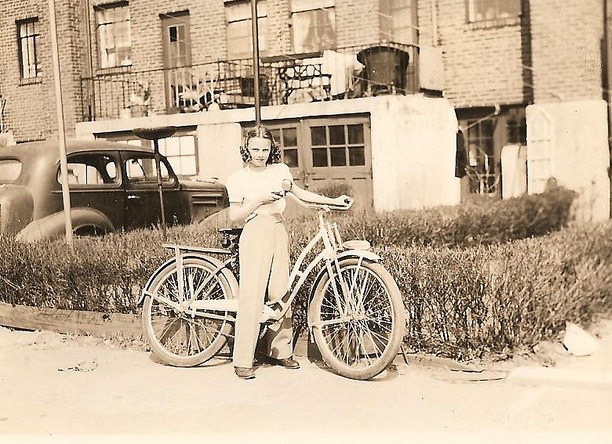
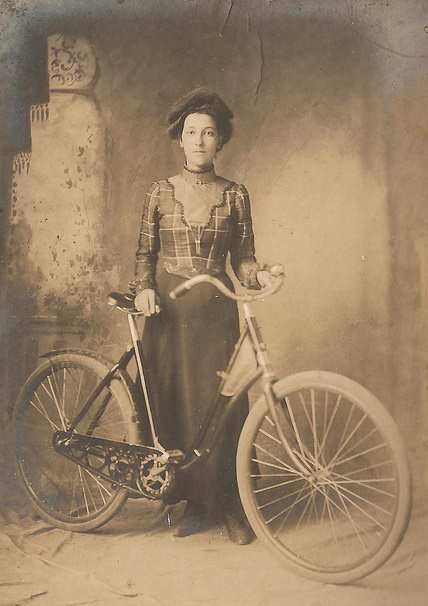
For working women, the bicycle was also deeply practical. It was affordable and reliable, used daily to commute to jobs, run errands, and visit family. Some women even worked as messengers and delivery riders.
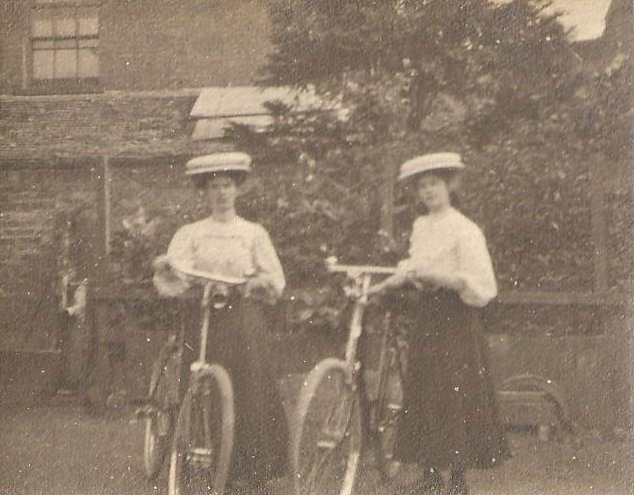
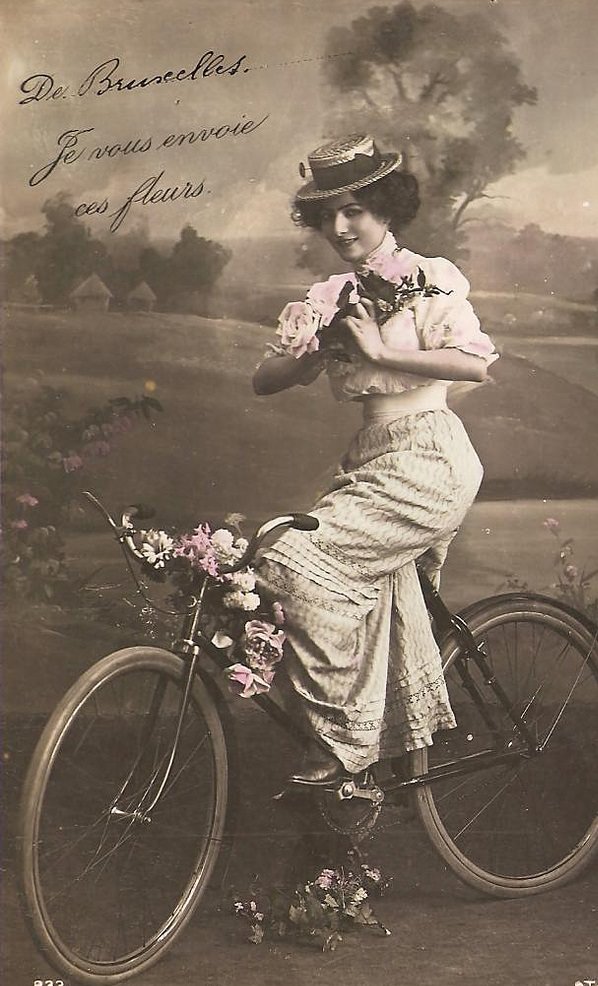
The bicycle also fueled the suffrage movement. Women rode to rallies and protests, covering distances that would have been impossible on foot. The sight of a woman on a bicycle became a direct symbol of the push for voting rights.
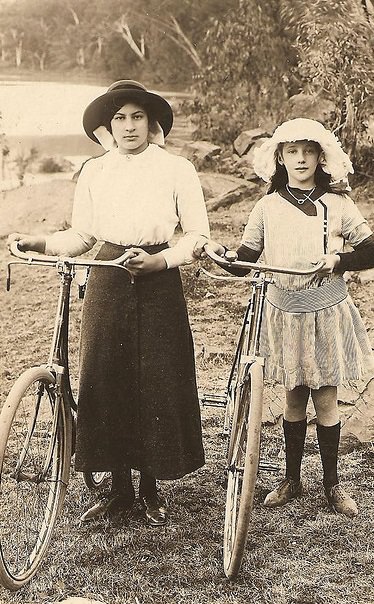
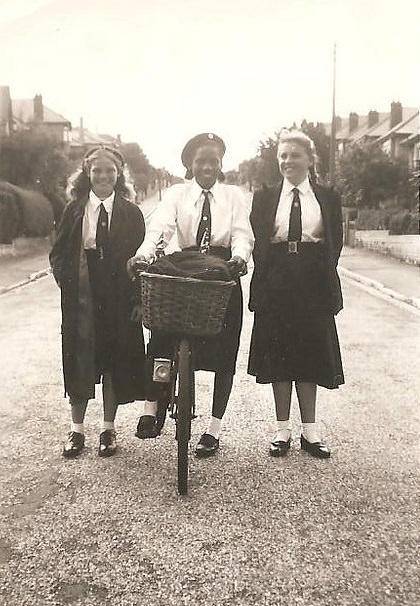
Cycling also brought women together. They formed clubs, planned group rides, and built strong communities around a shared love of the road.
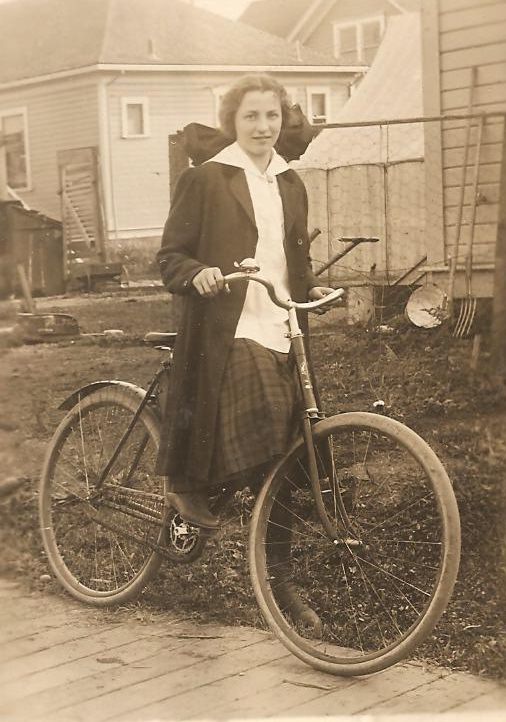
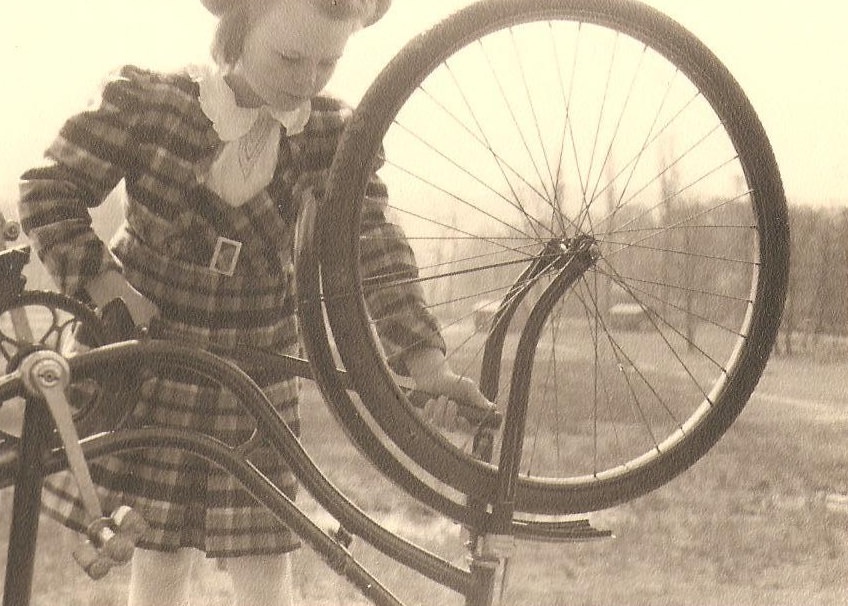
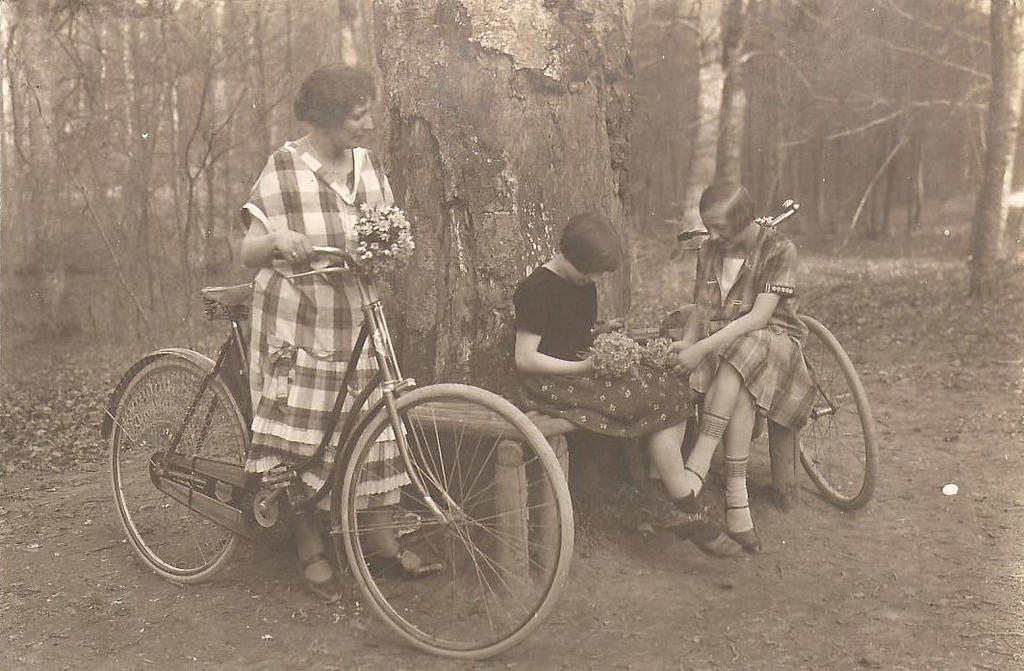
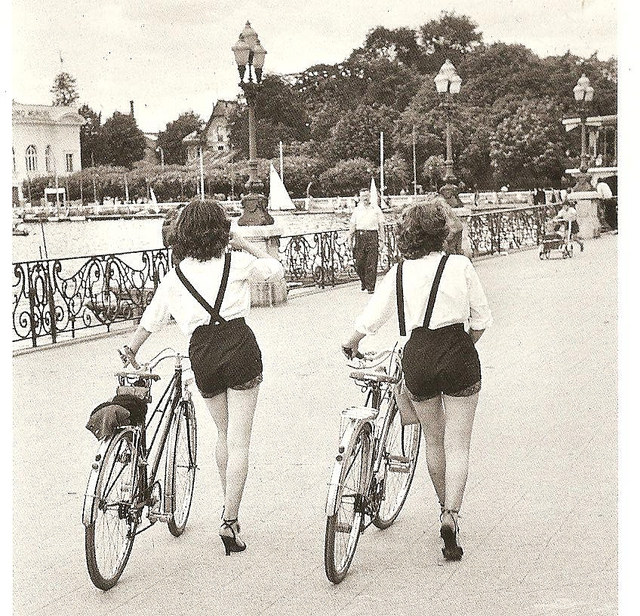
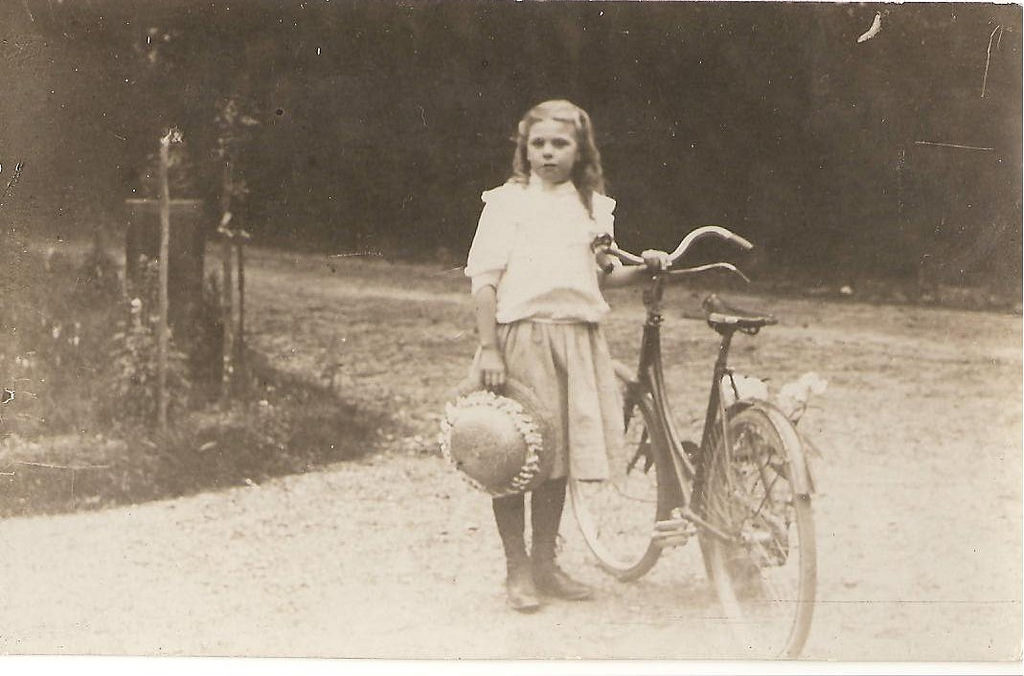
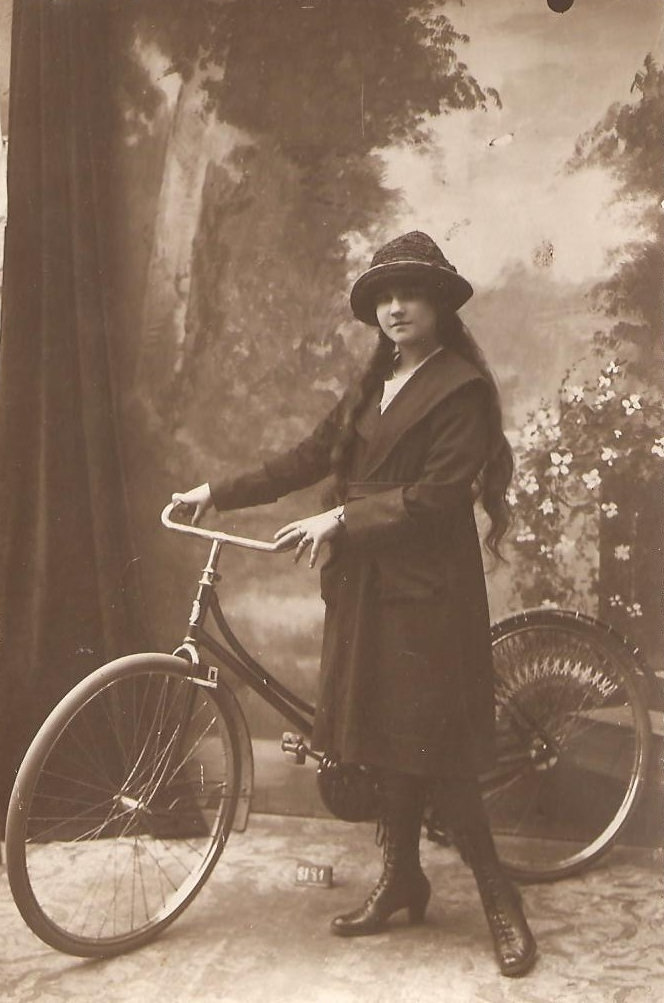
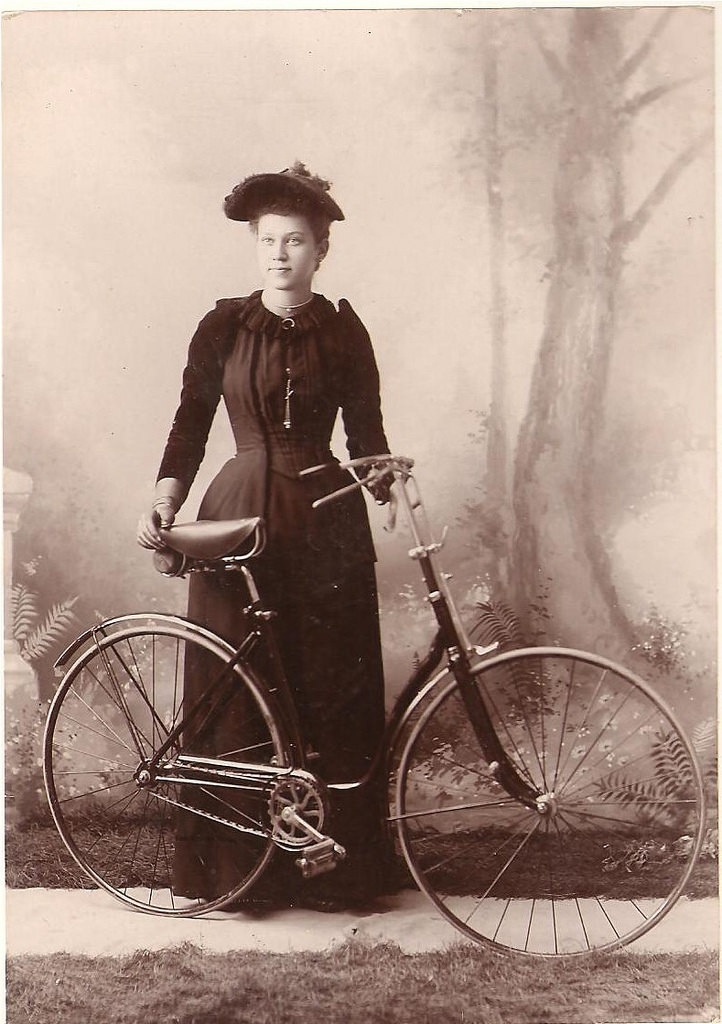
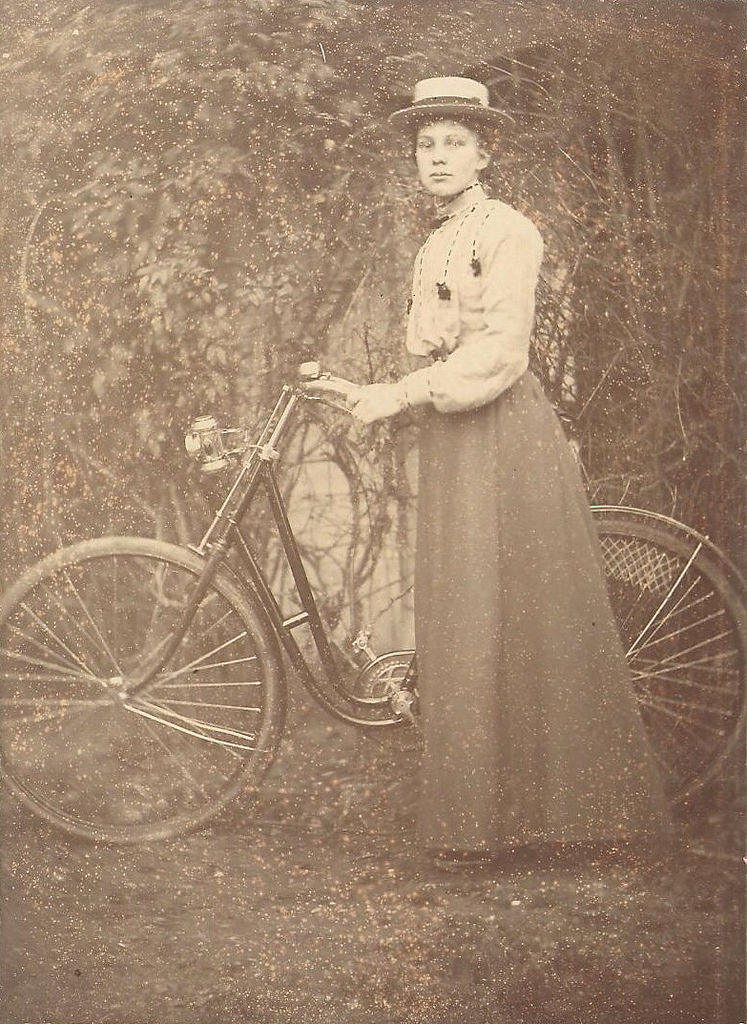
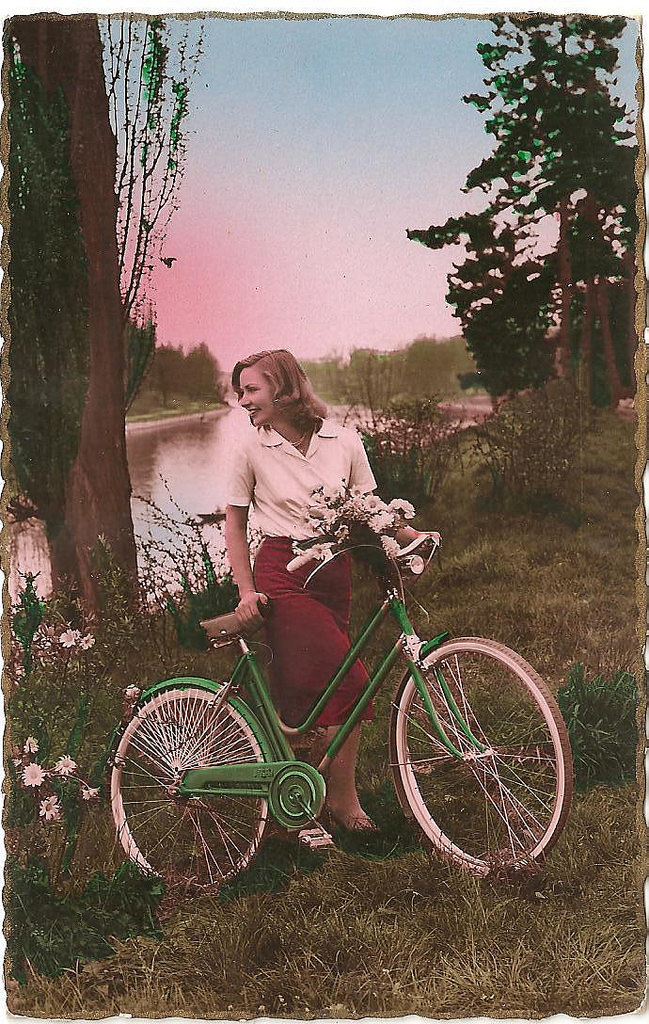
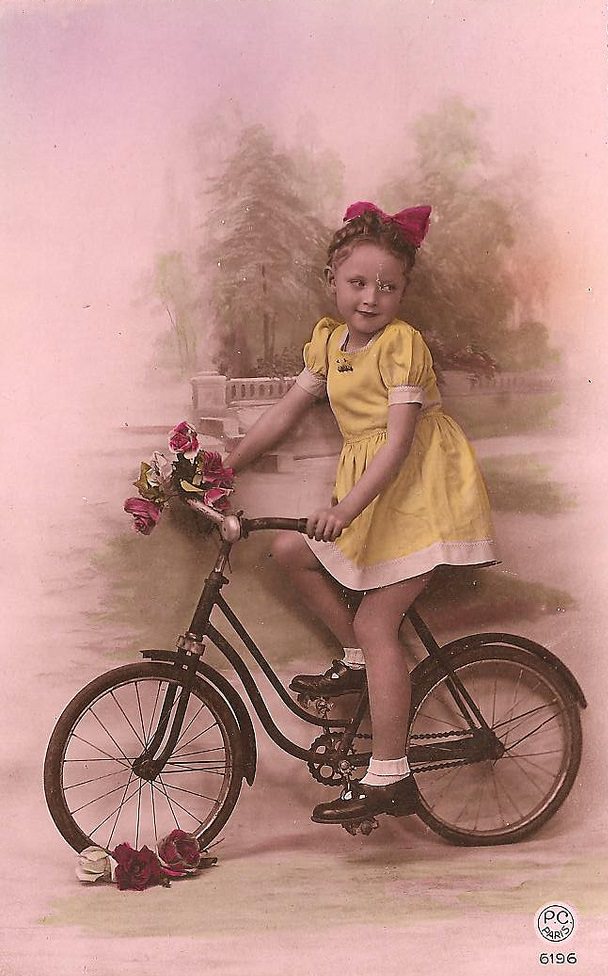
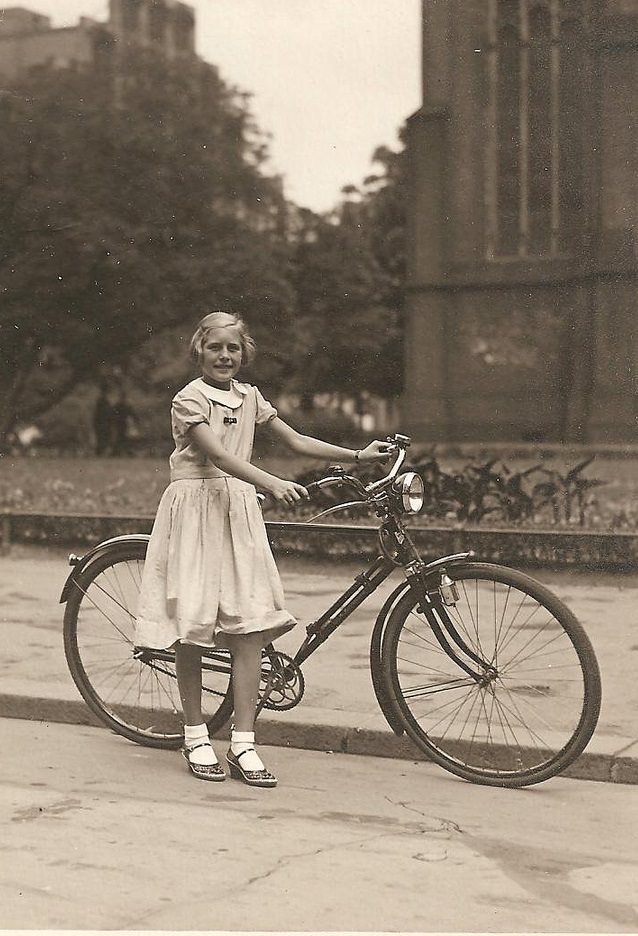
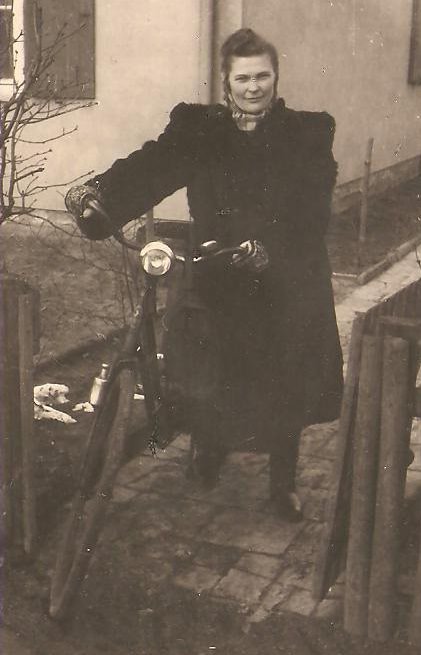
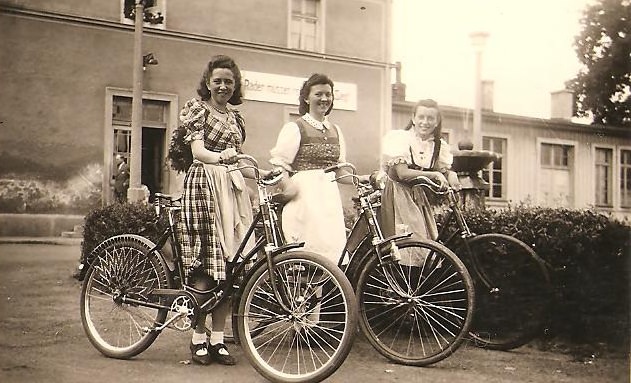
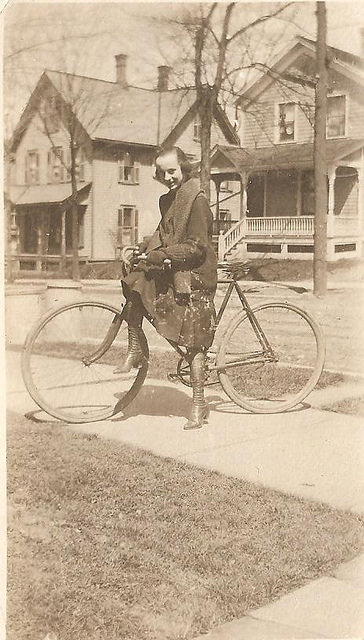
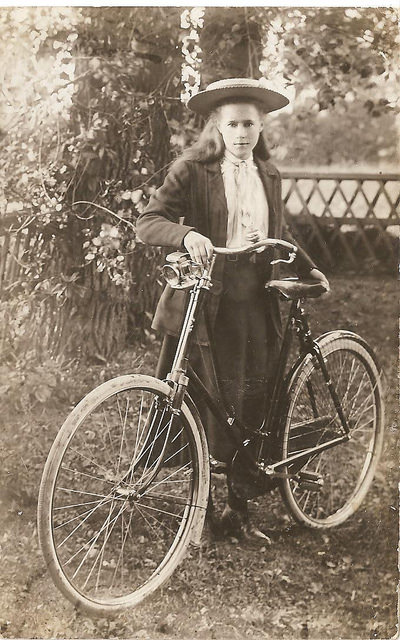
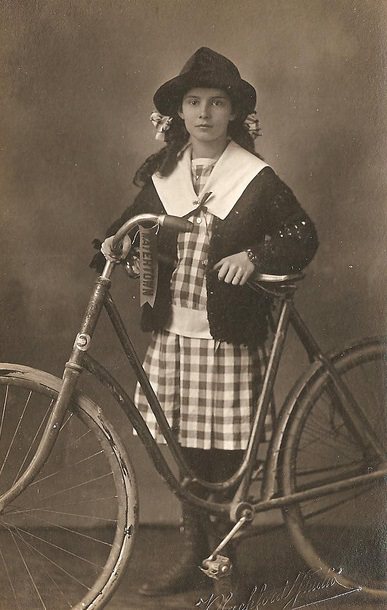
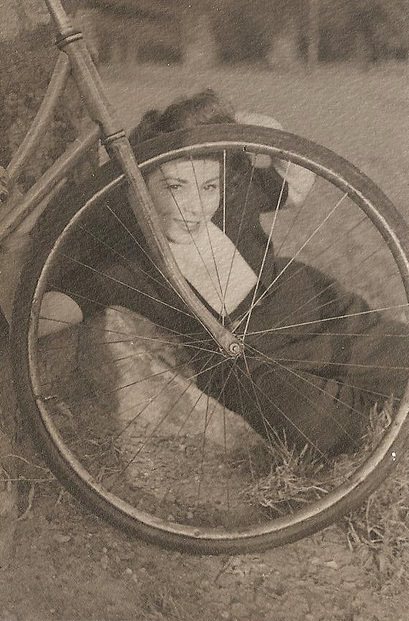
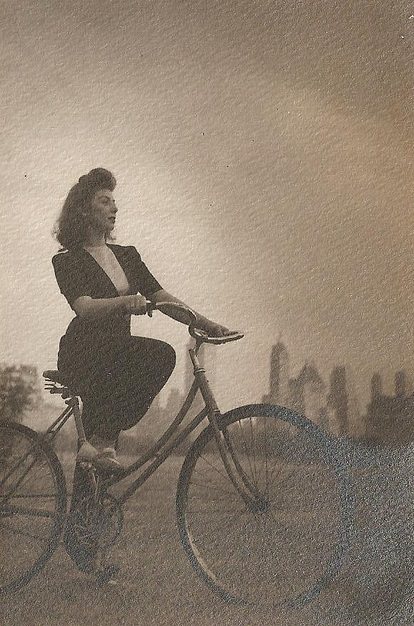
Vintage photographs from this era show women grinning, laughing, and riding freely. These images are a direct record of a generation that refused to stand still.