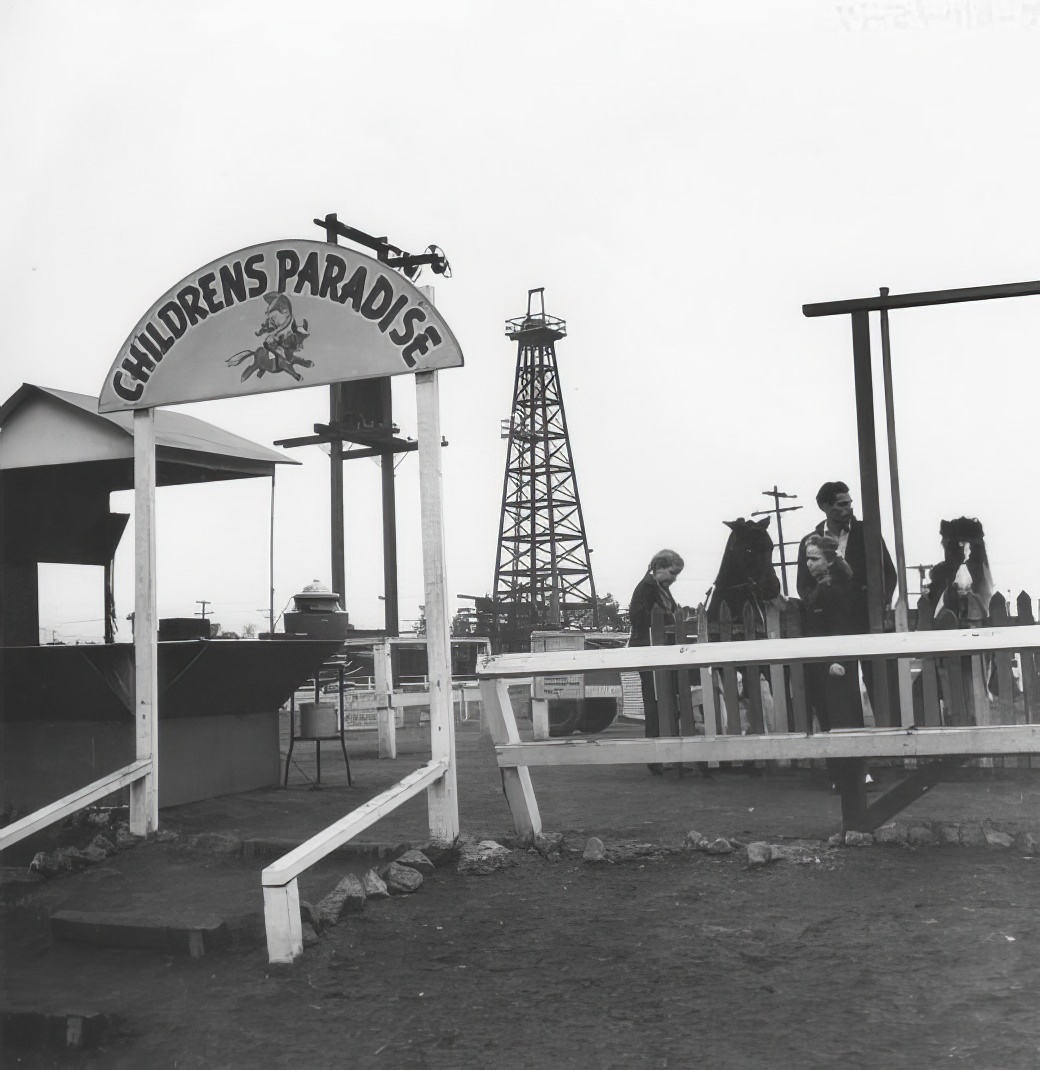
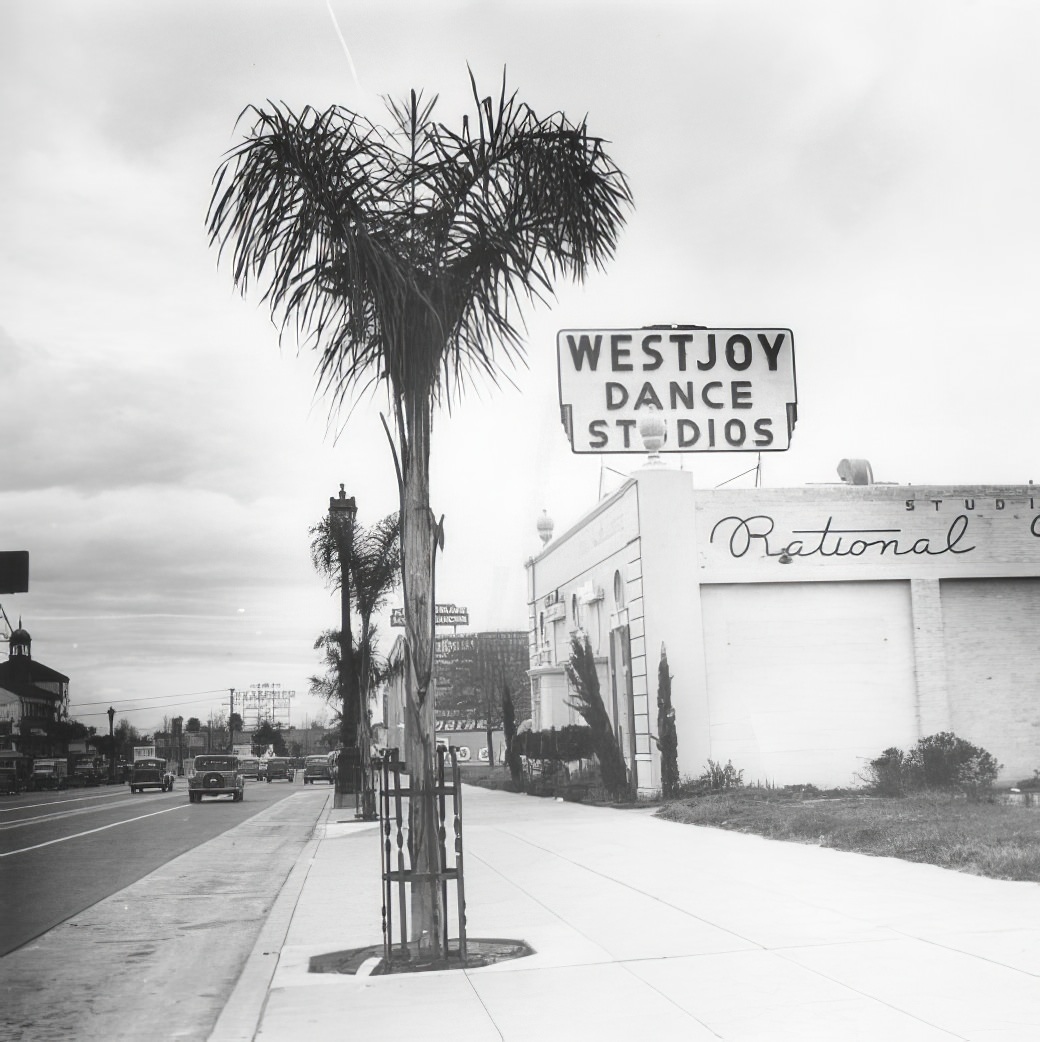
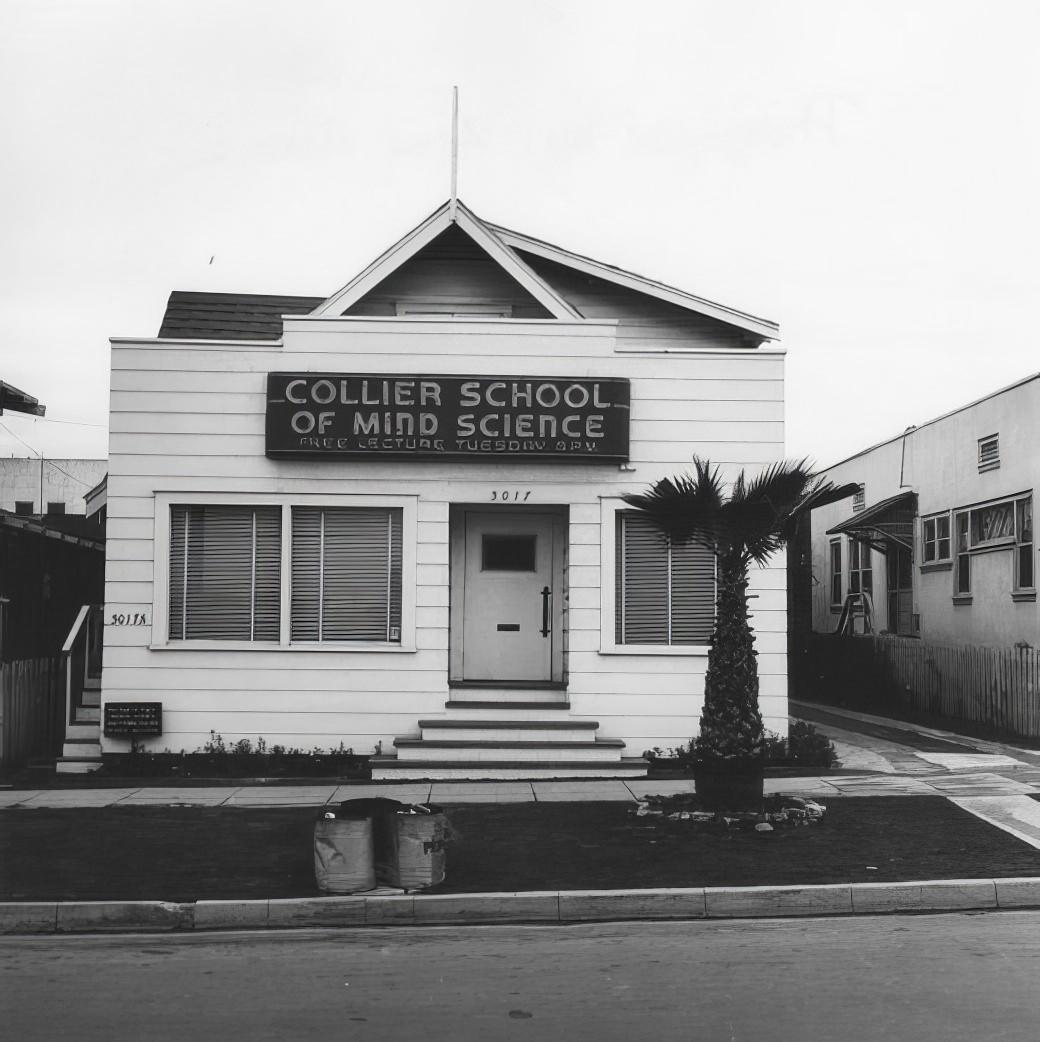
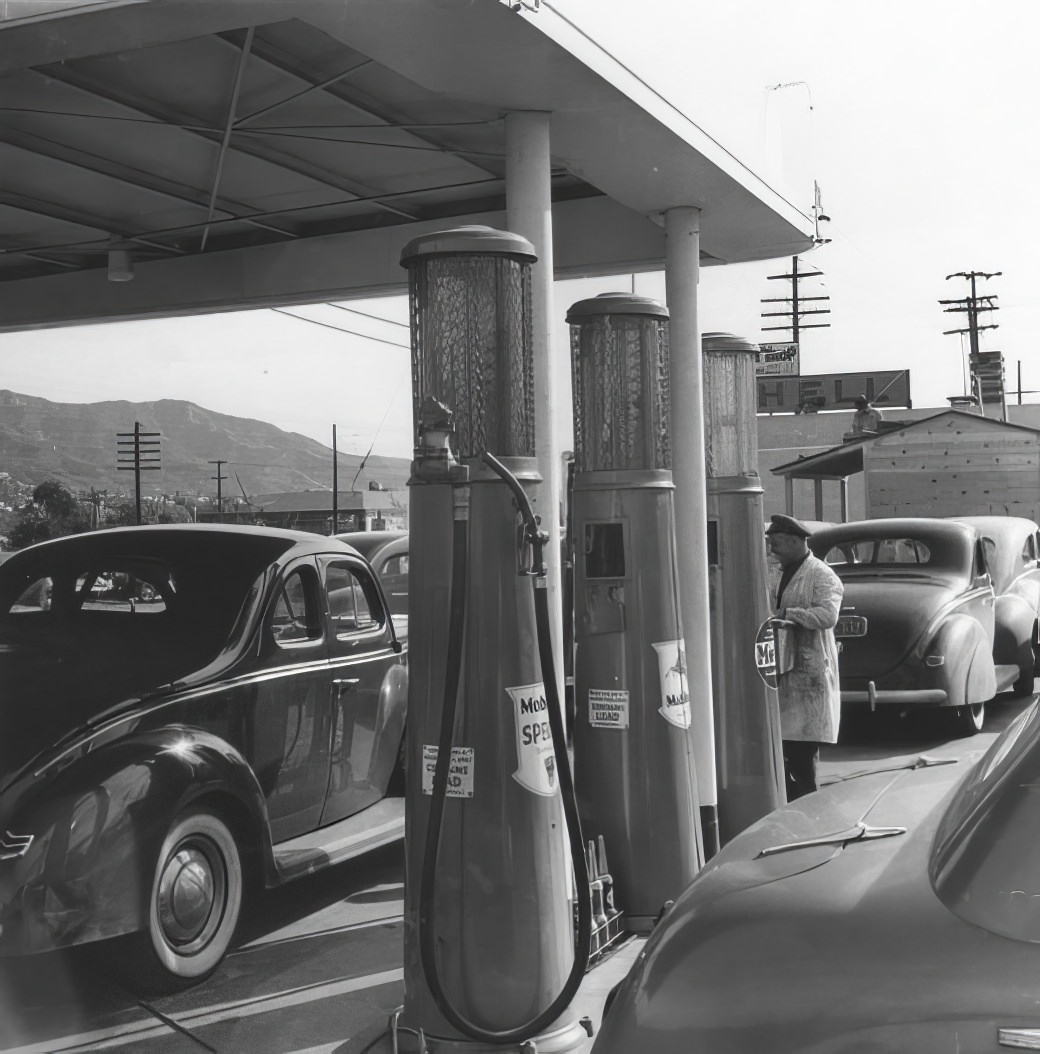
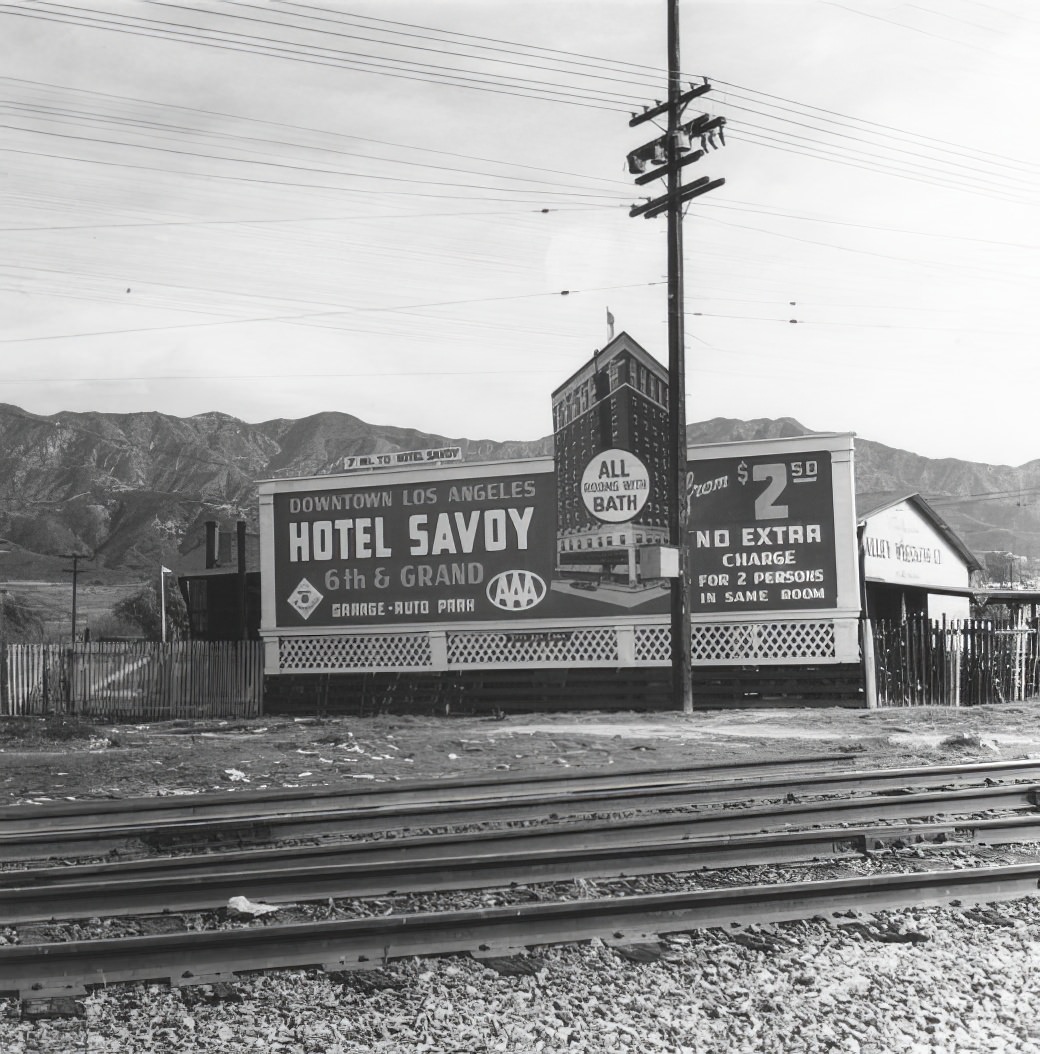
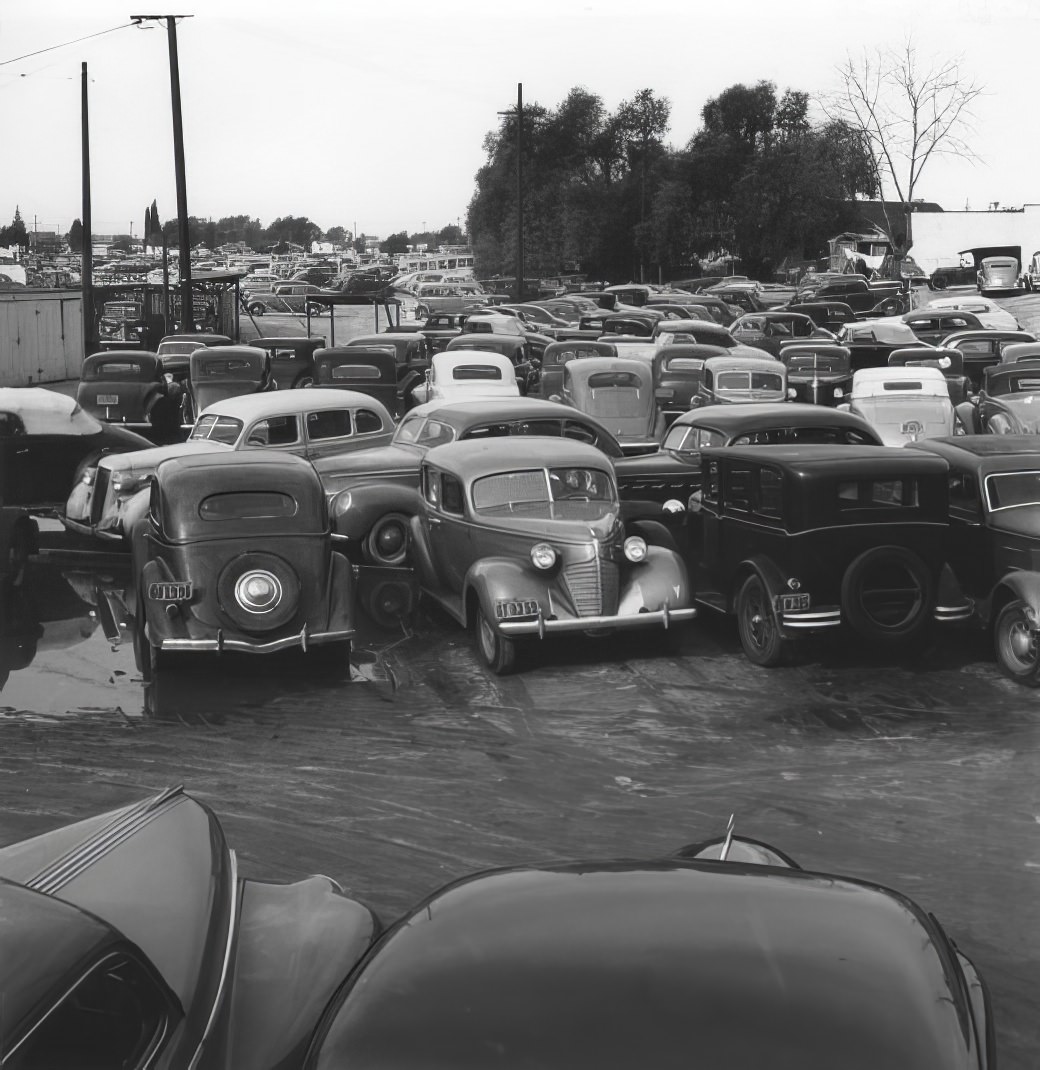
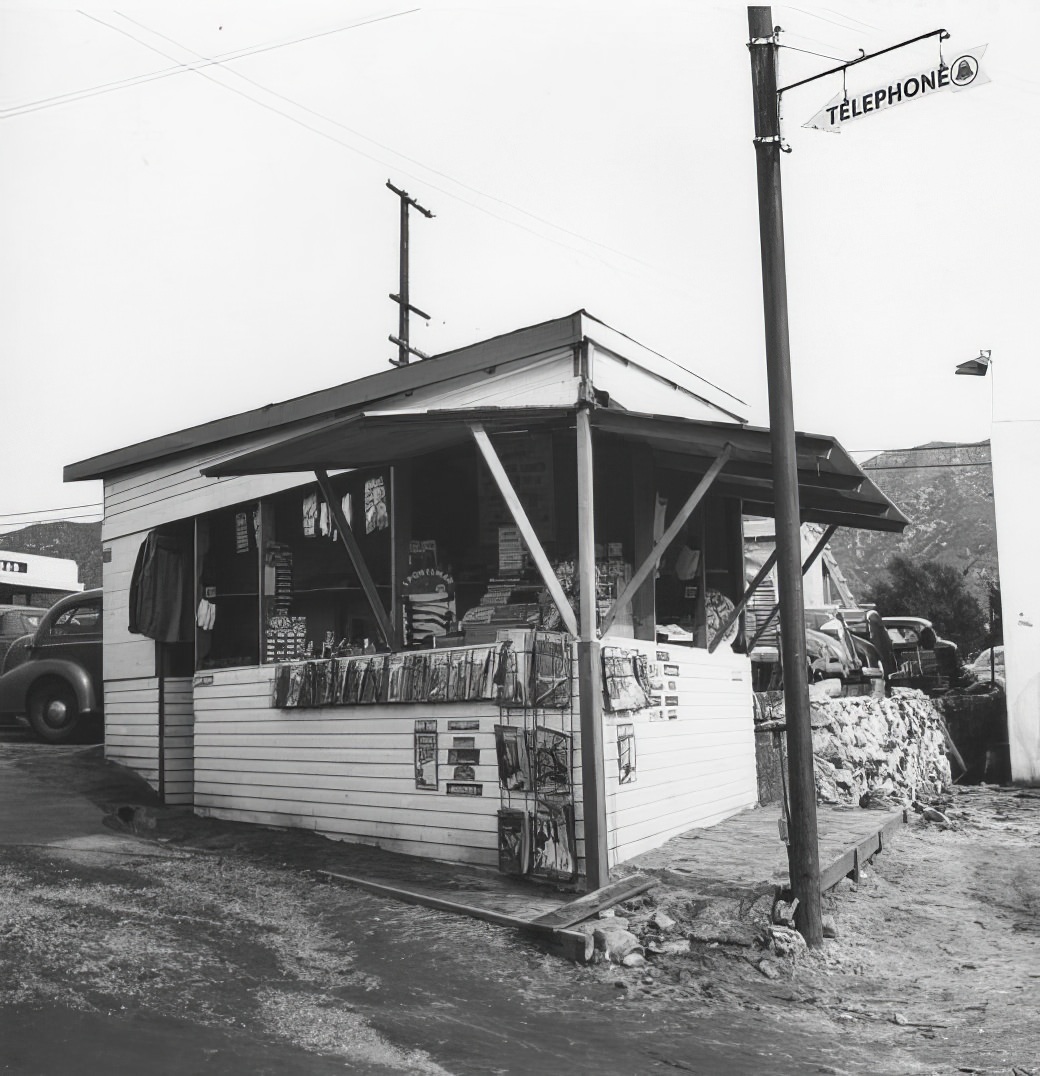
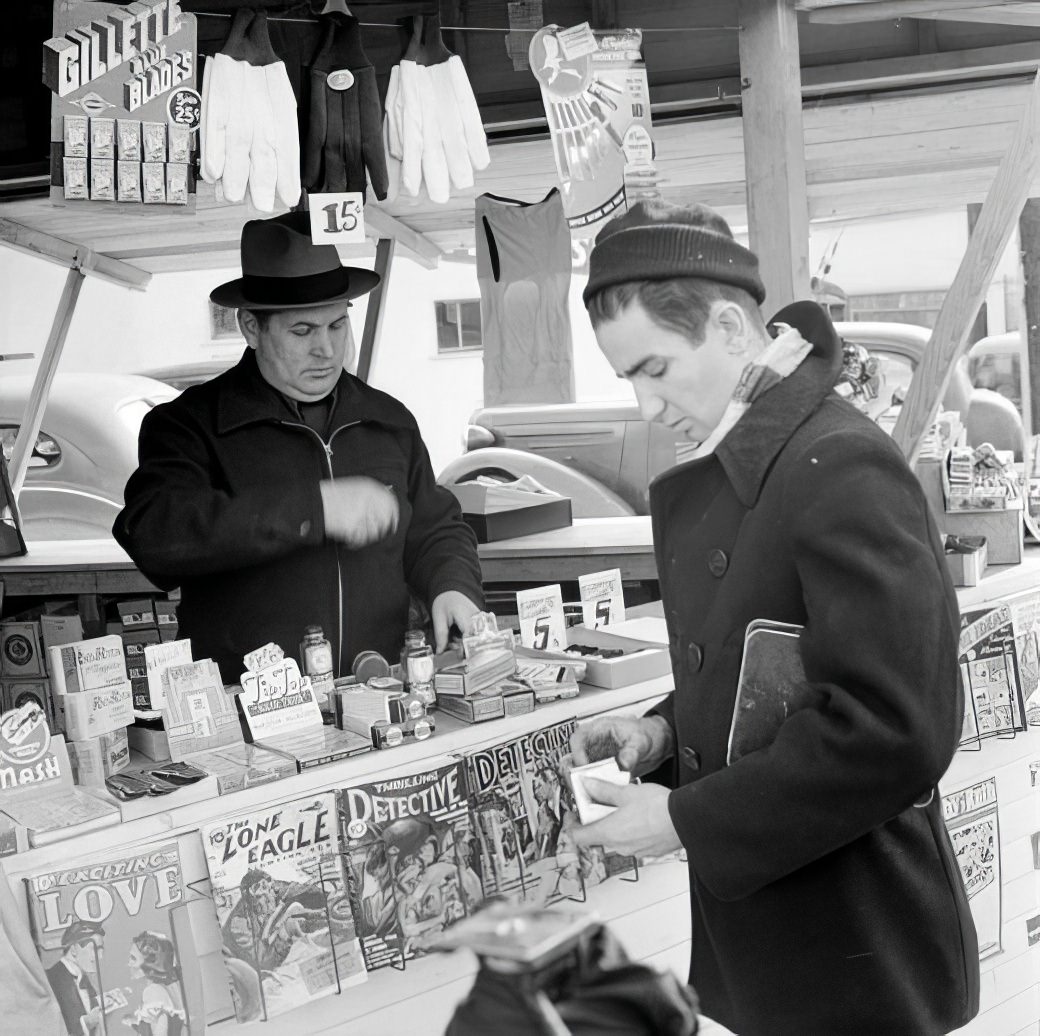
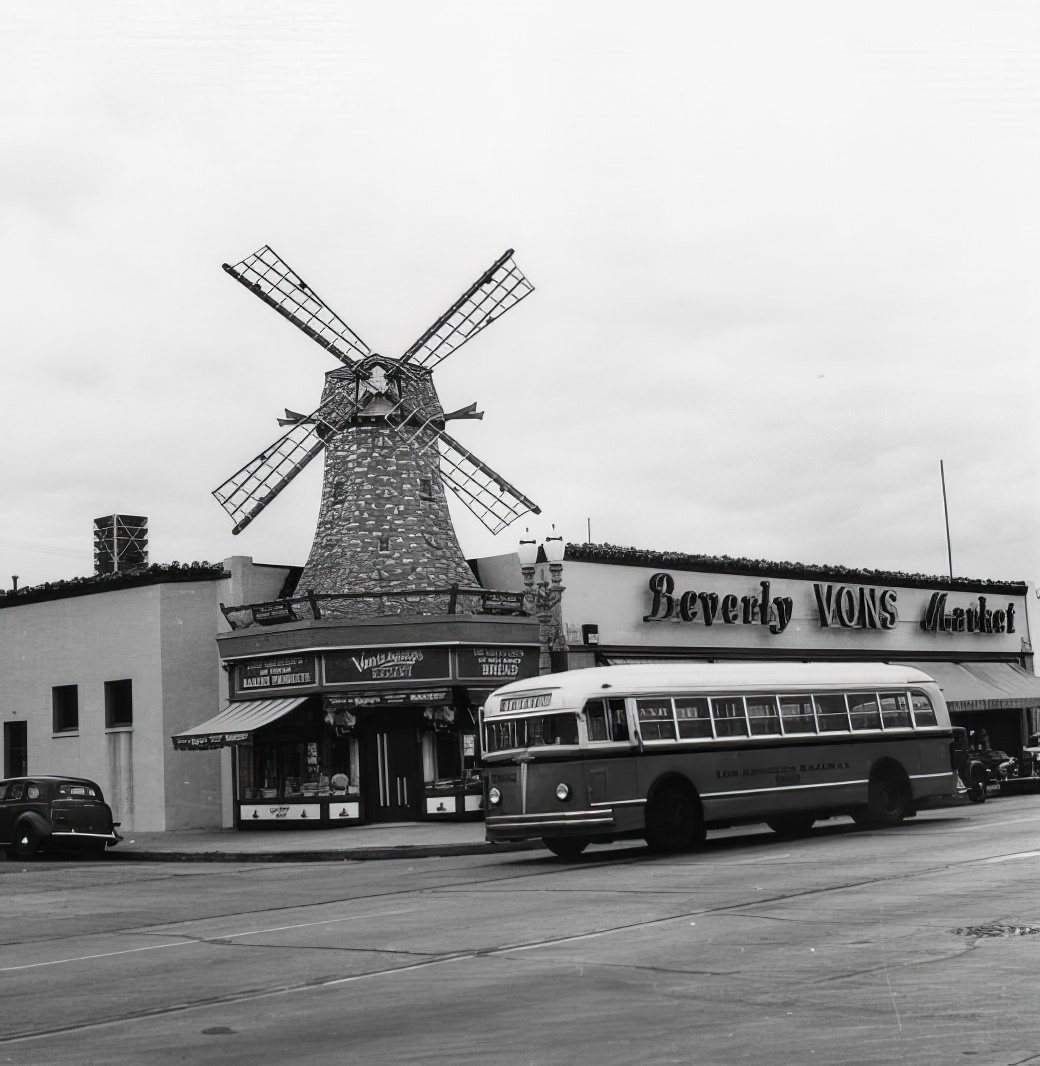
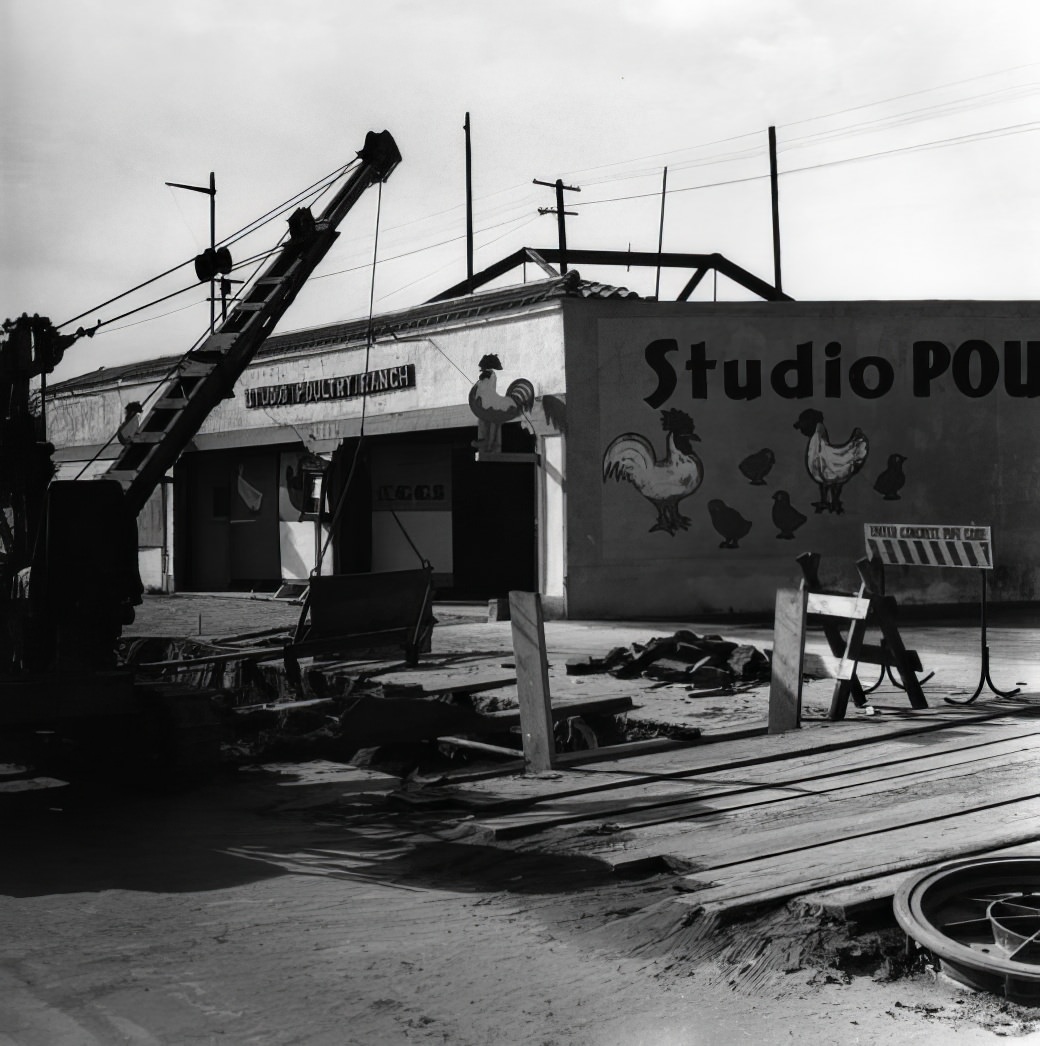
Ansel Adams is best known for his sweeping black-and-white landscapes of Yosemite and the American West. But in the 1940s, he pointed his camera at something very different: the streets, workers, and neighborhoods of Los Angeles.
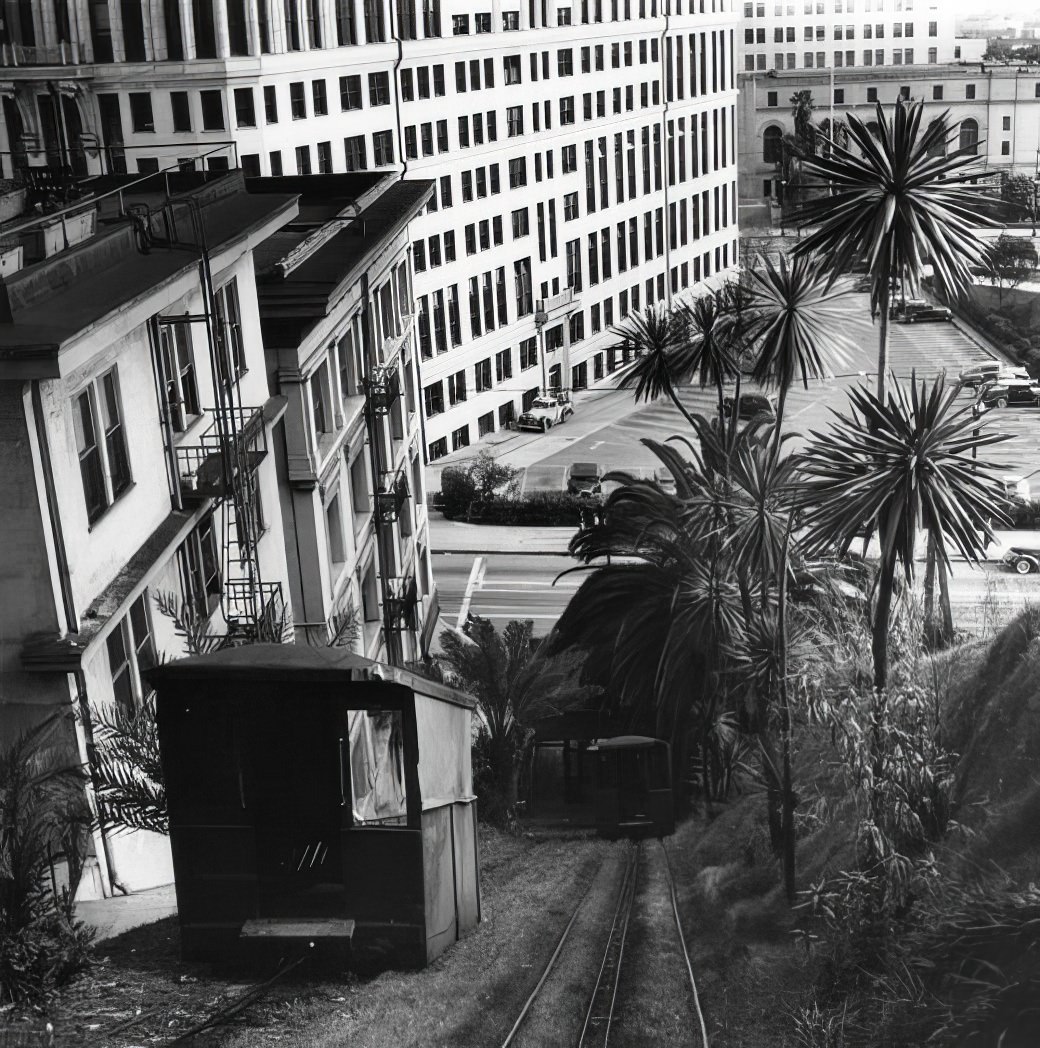
Fortune magazine commissioned Adams to document Los Angeles’ growing aerospace industry. He photographed the factories and aircraft, but he didn’t stop there. He captured the full pulse of a city in the middle of a major boom.
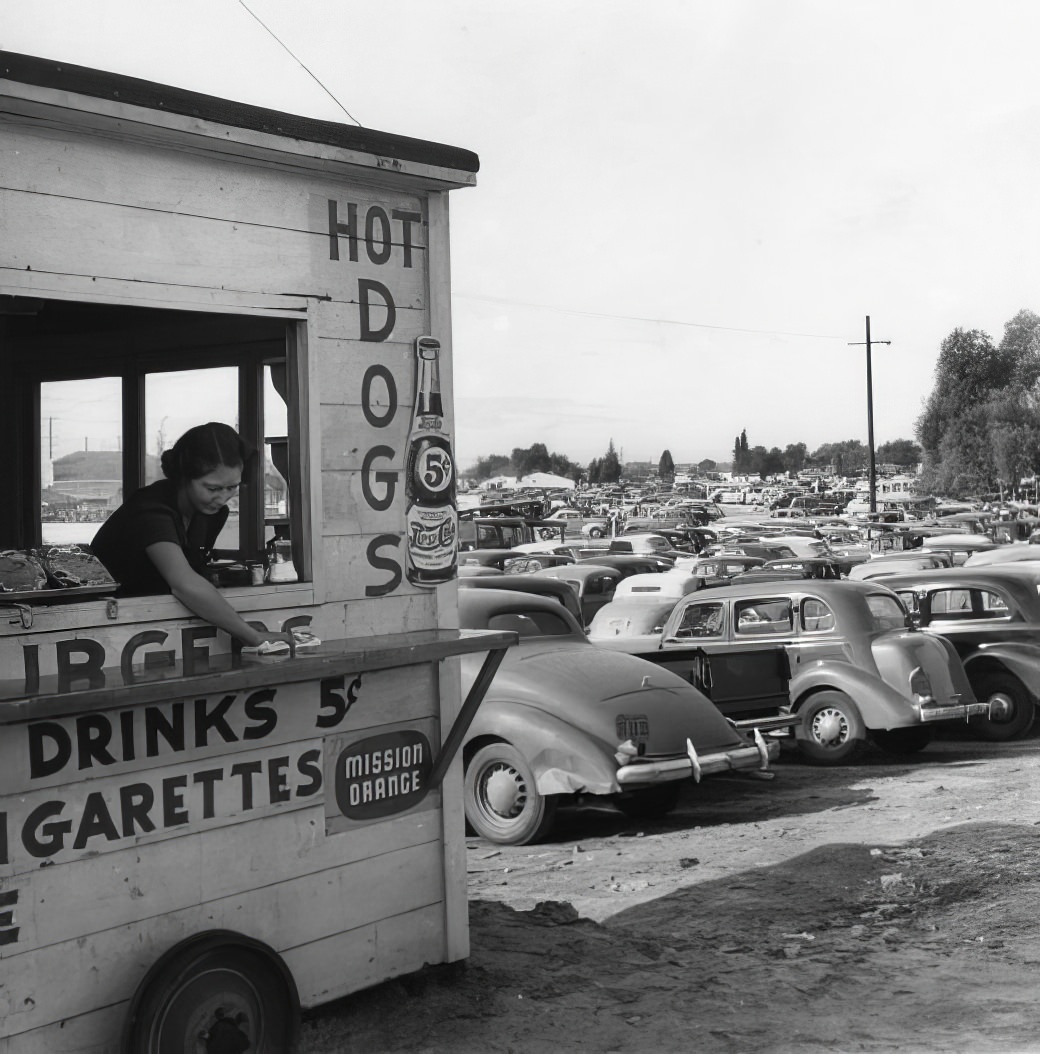
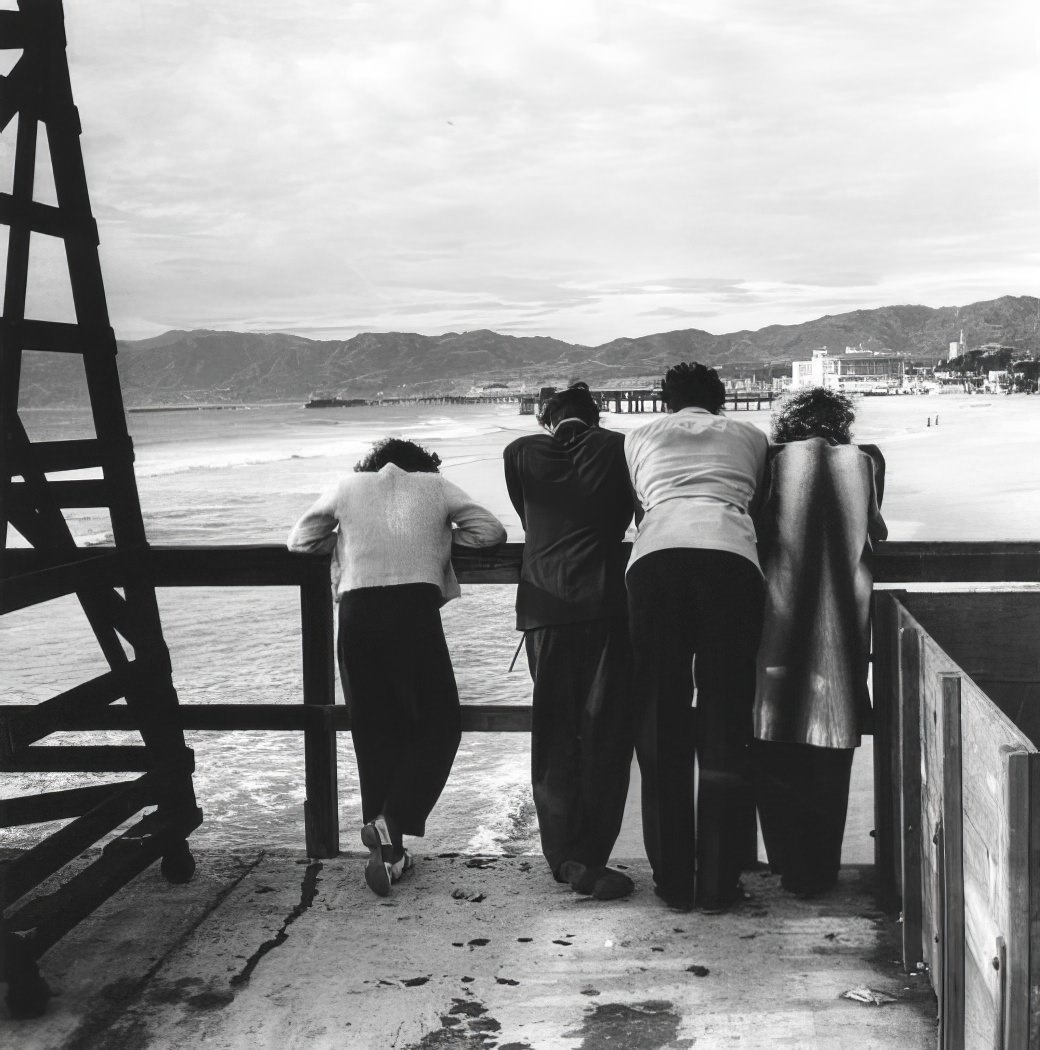
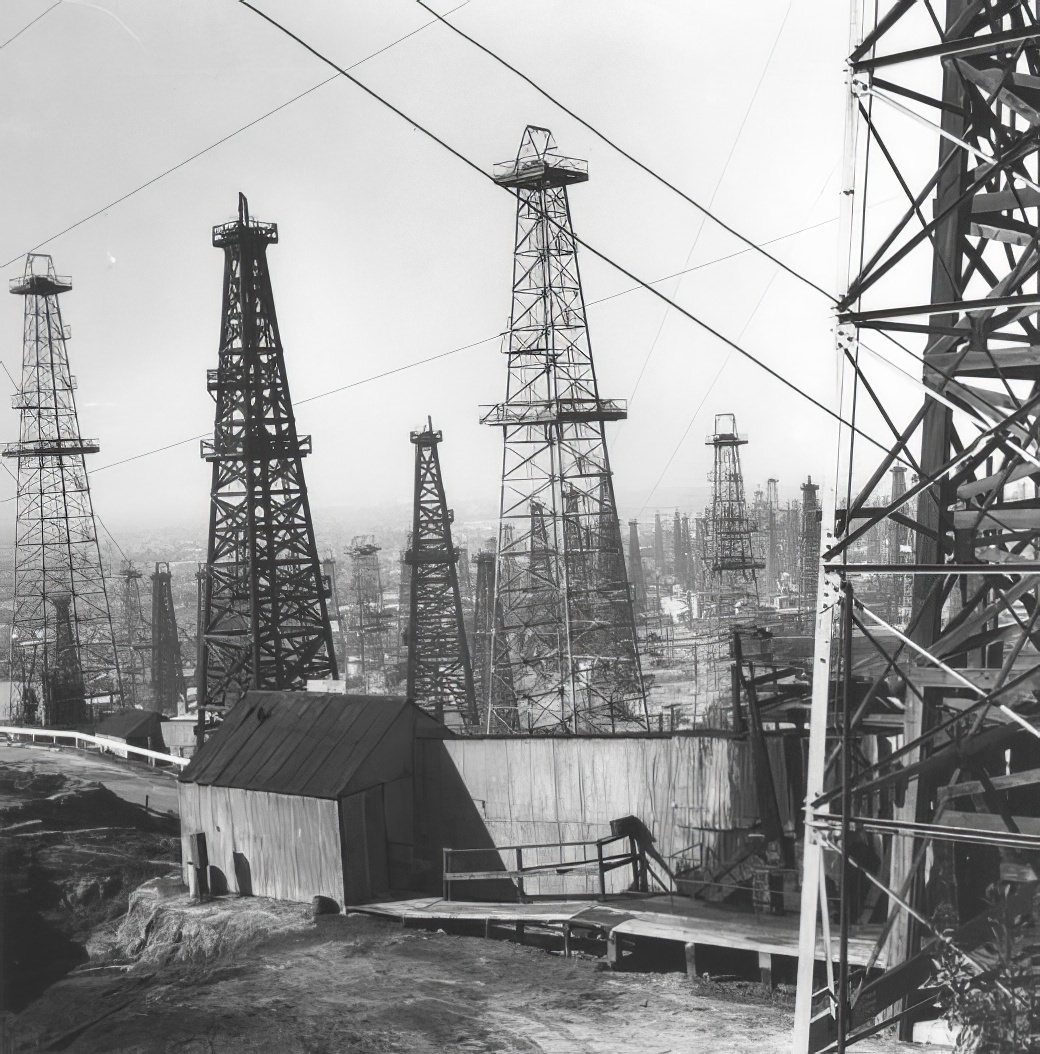
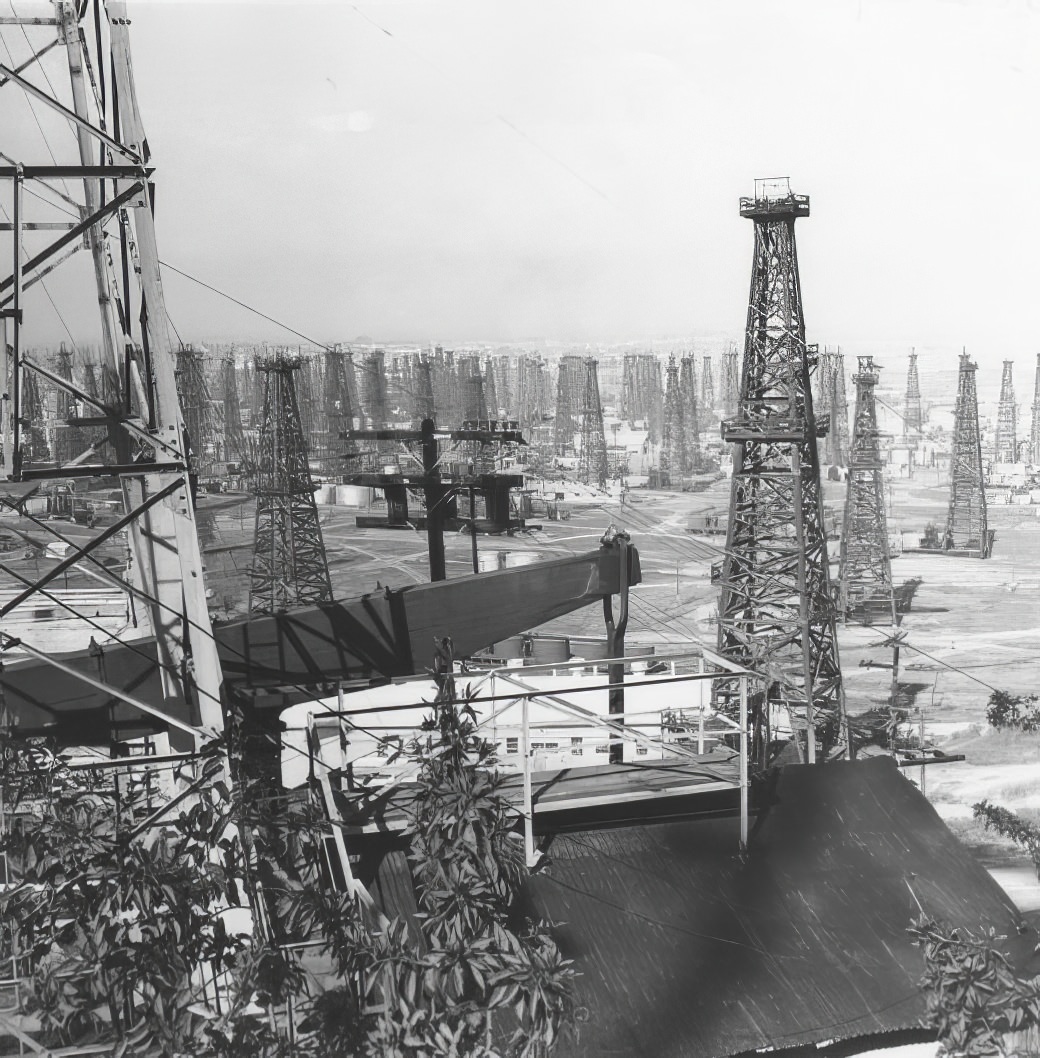
World War II had drawn workers from across the country to Los Angeles. New jobs, new industries, and new neighborhoods were sprouting up fast. Adams documented this wave of change with the same precision he brought to the natural world.
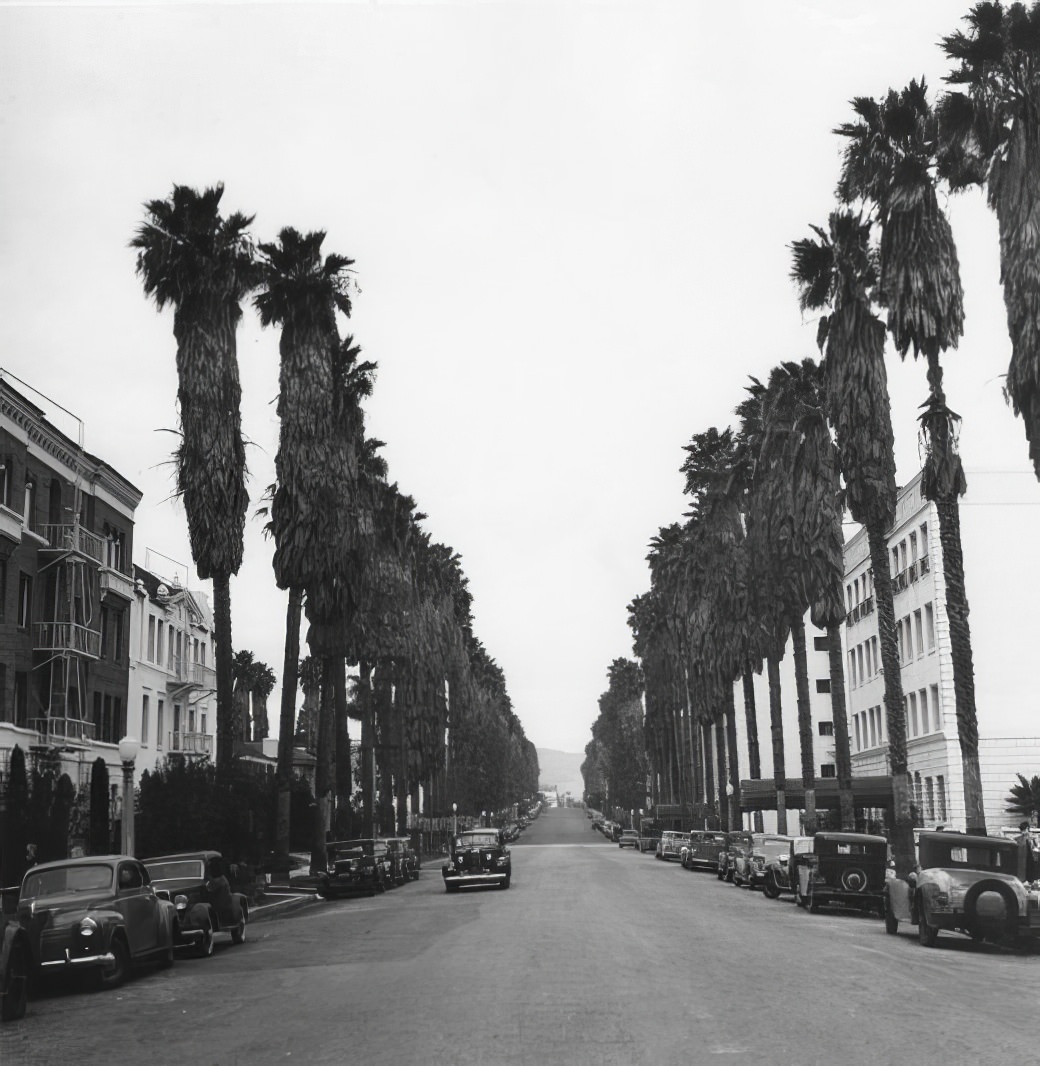
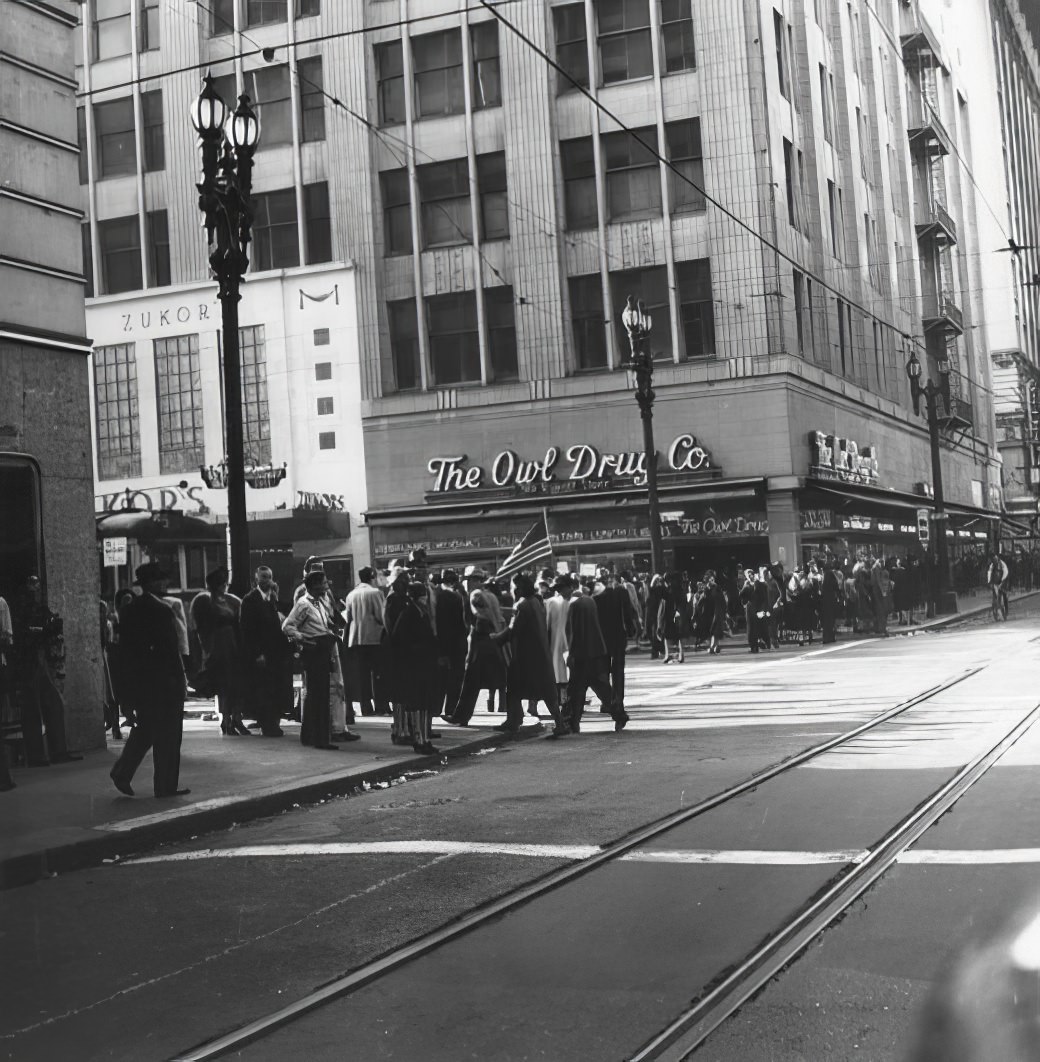
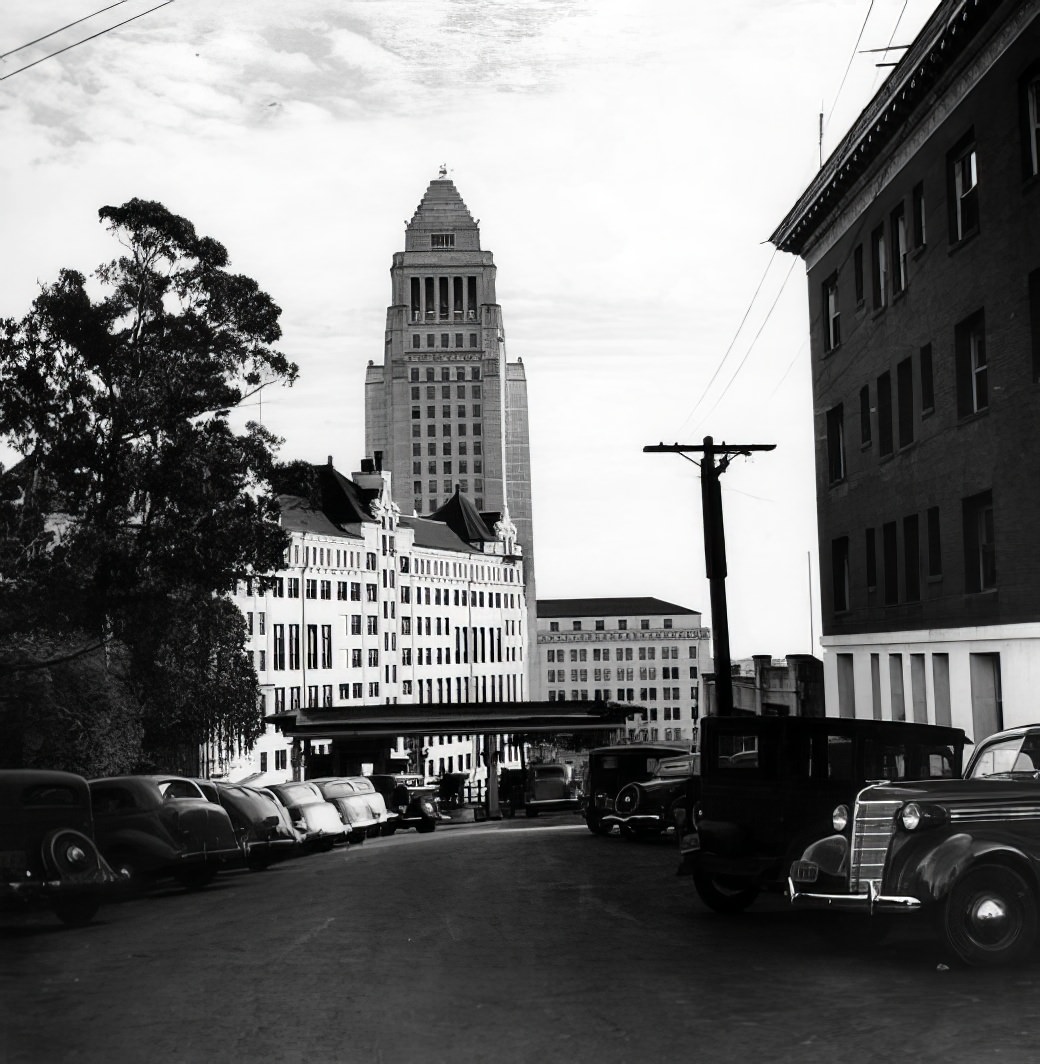
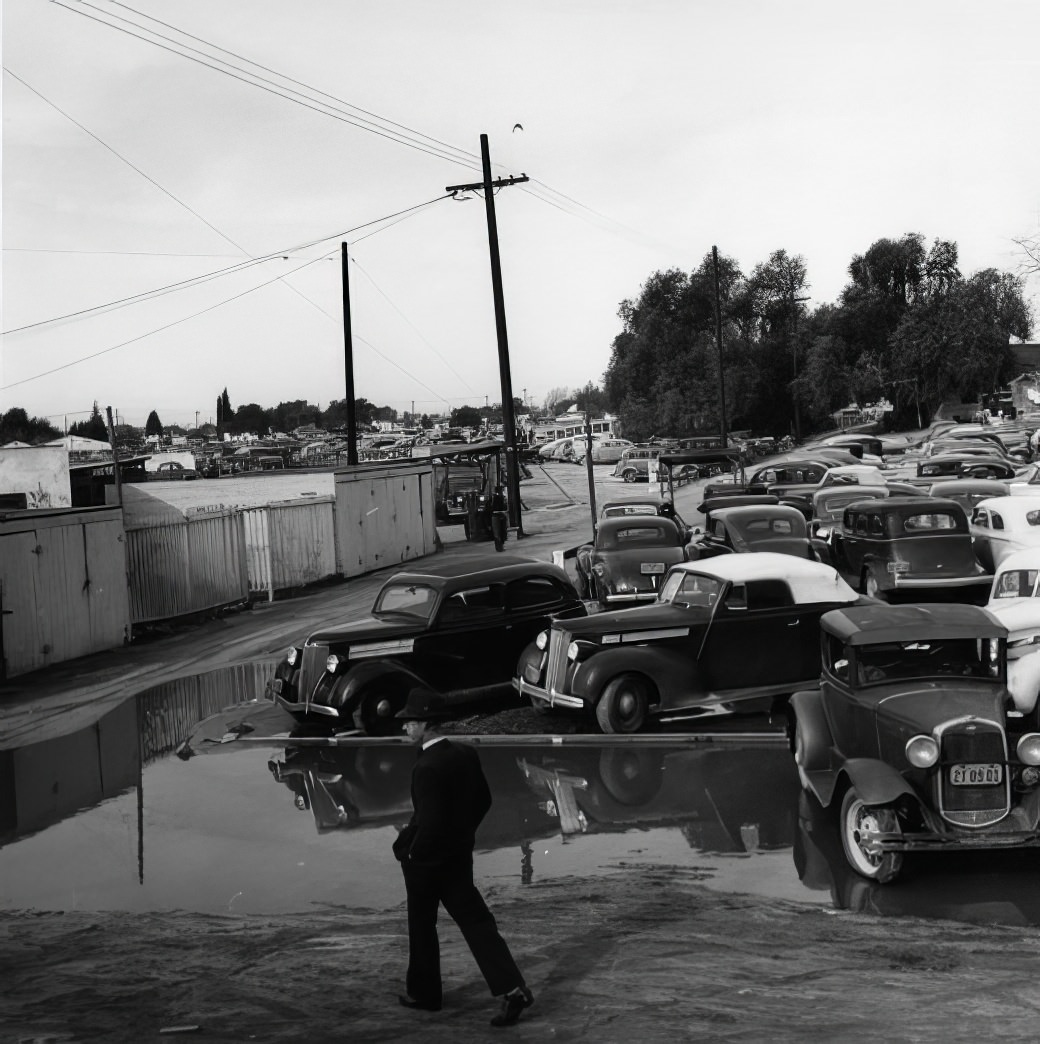
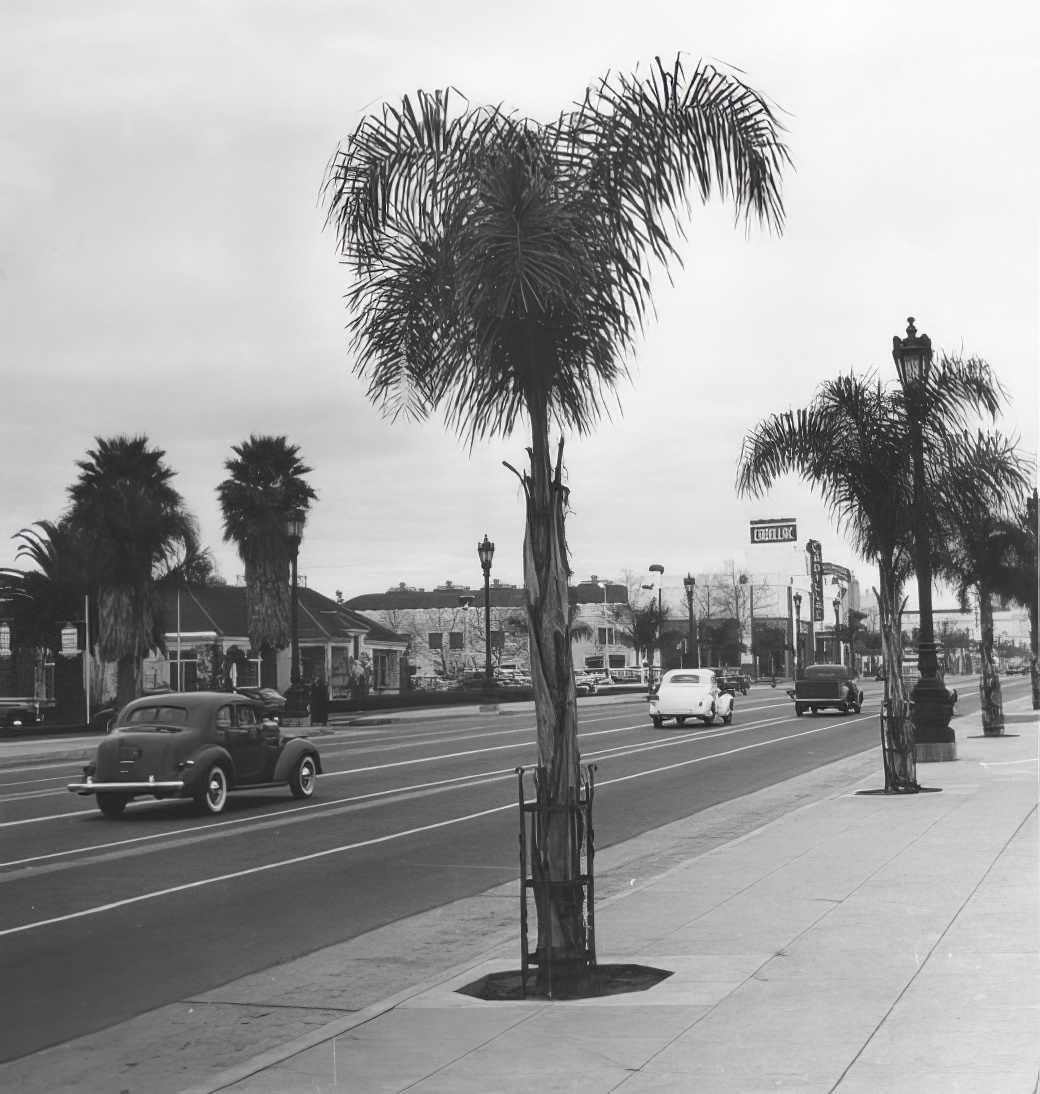
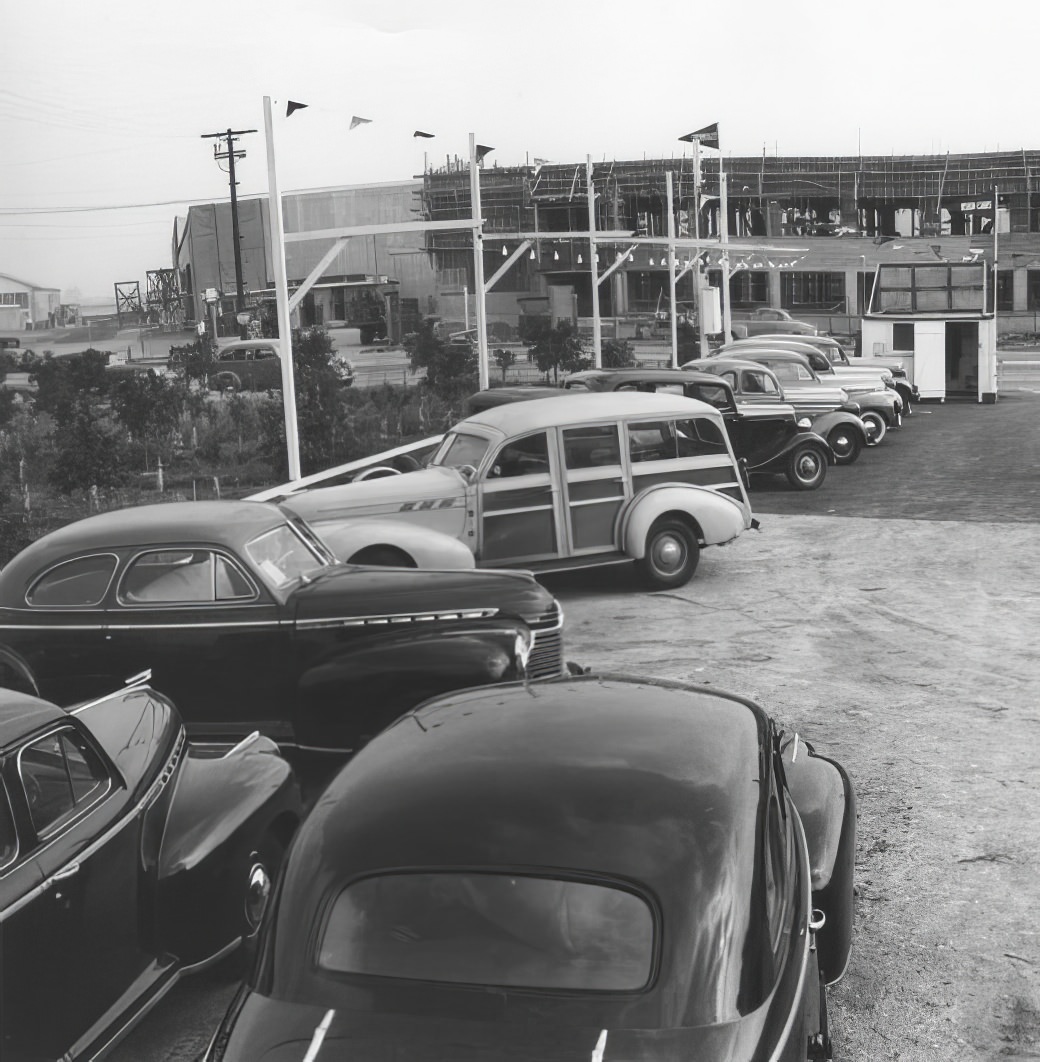
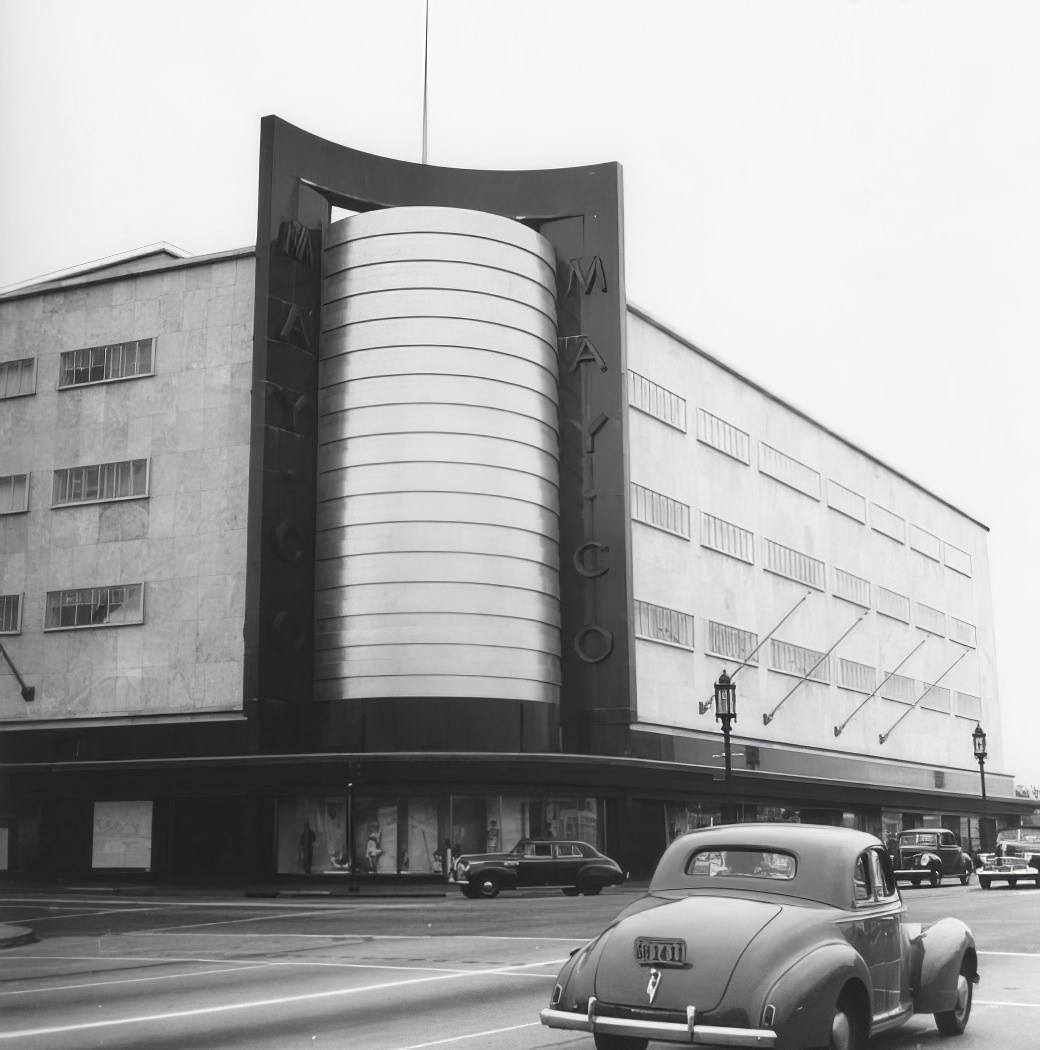
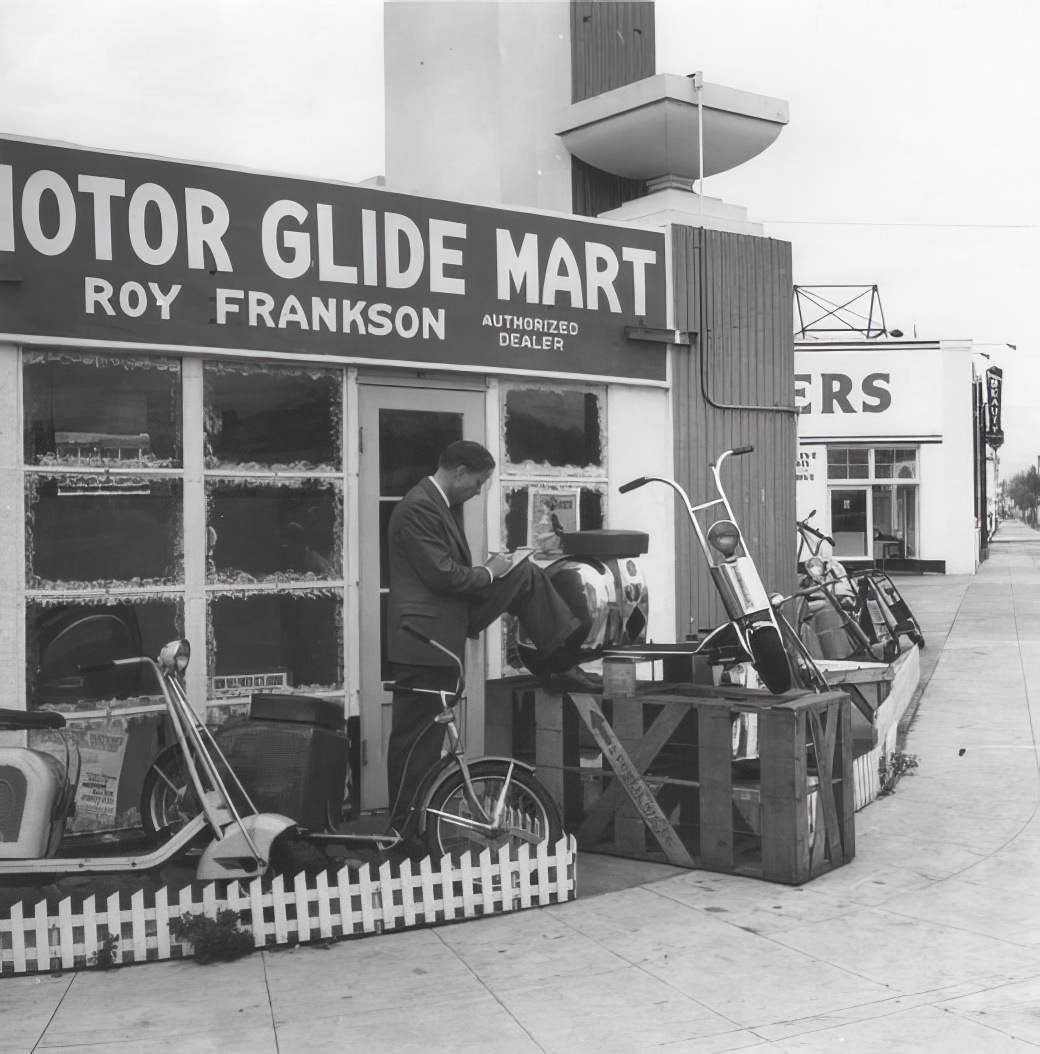
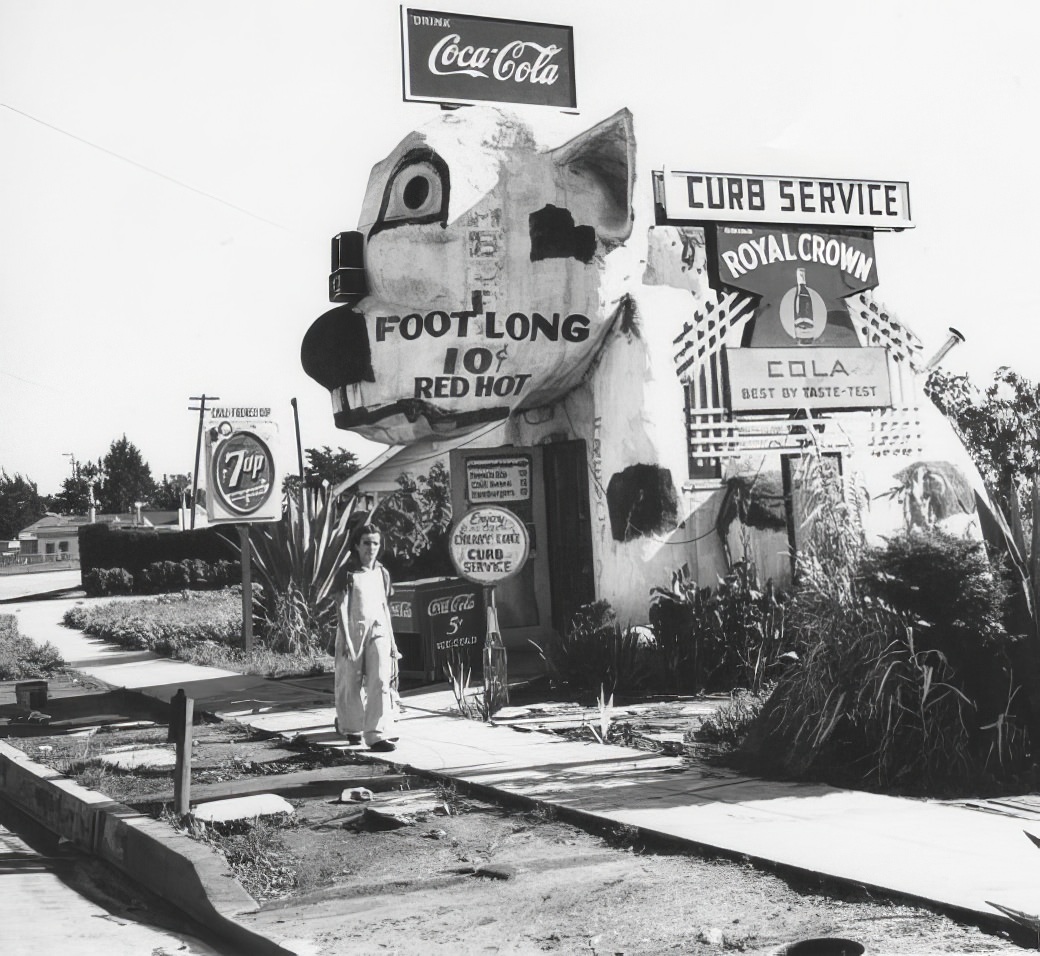
The city’s car culture was already taking hold. Automobiles filled the streets, and freeways cut through neighborhoods at a rapid pace. Adams recorded this shift toward a motorized, modern city.
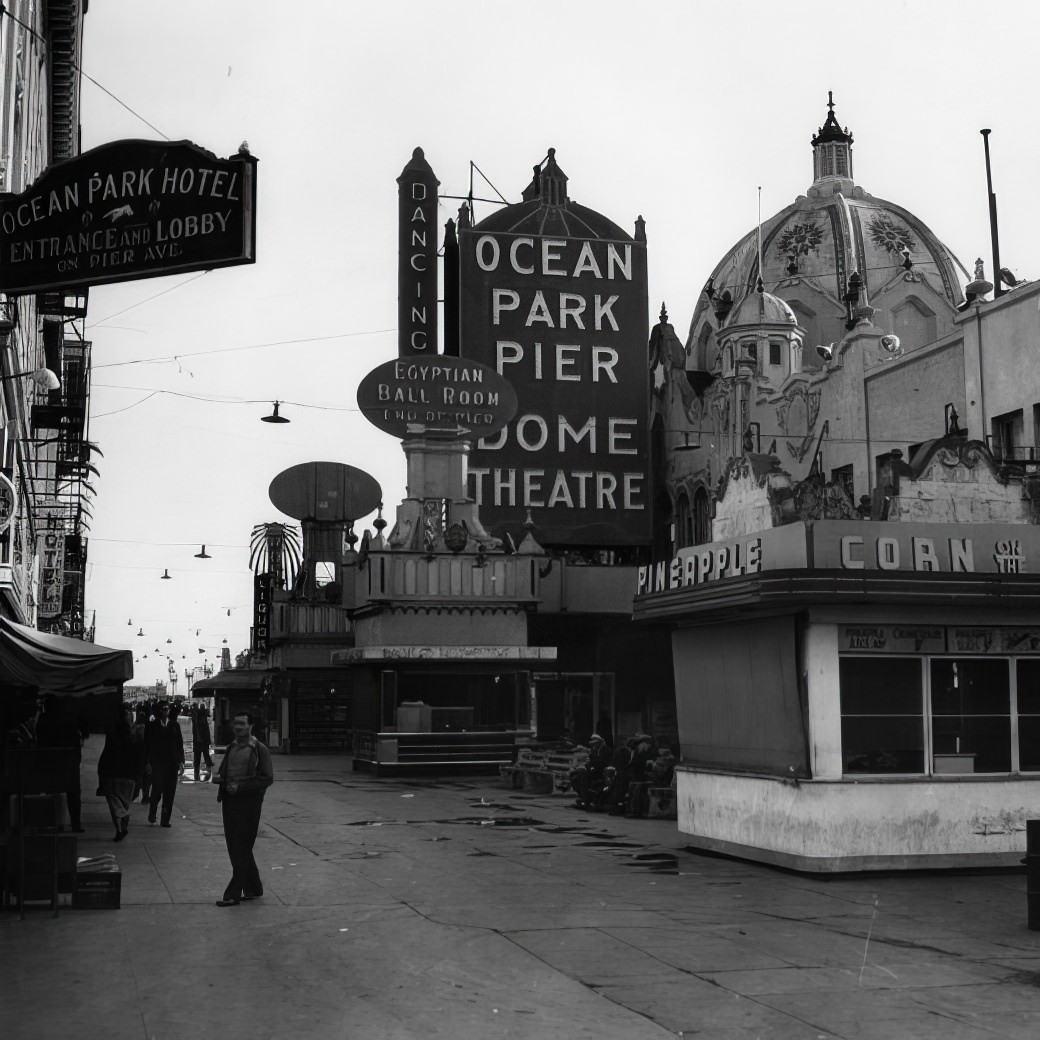
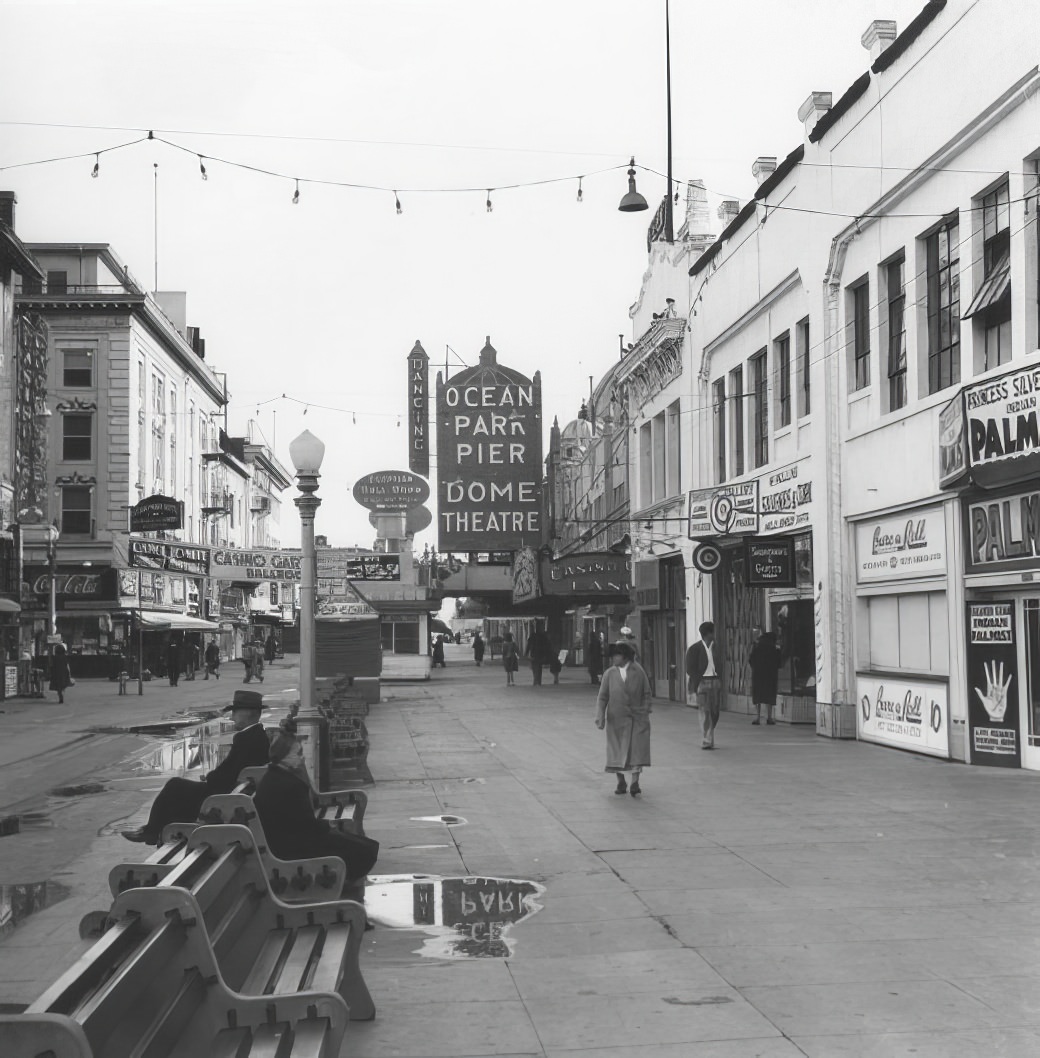
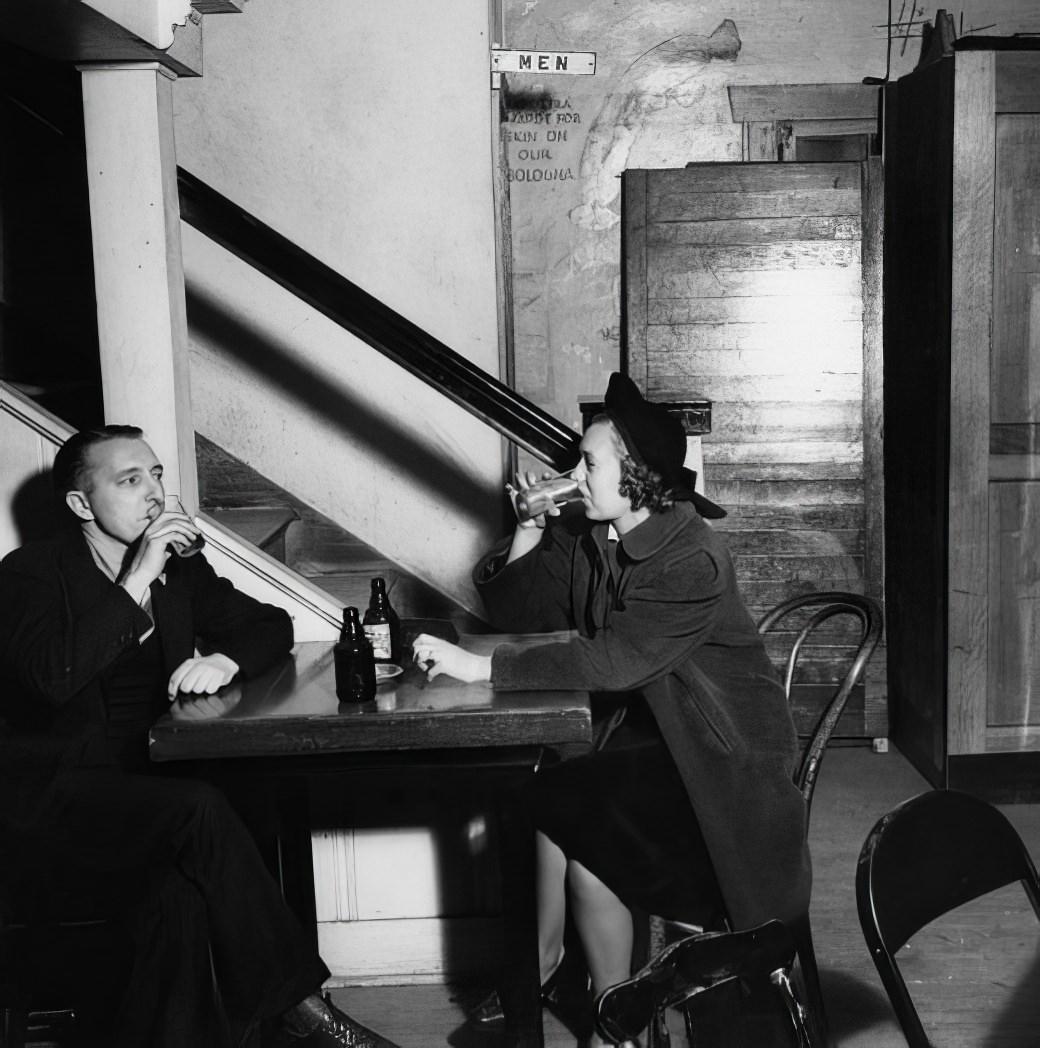
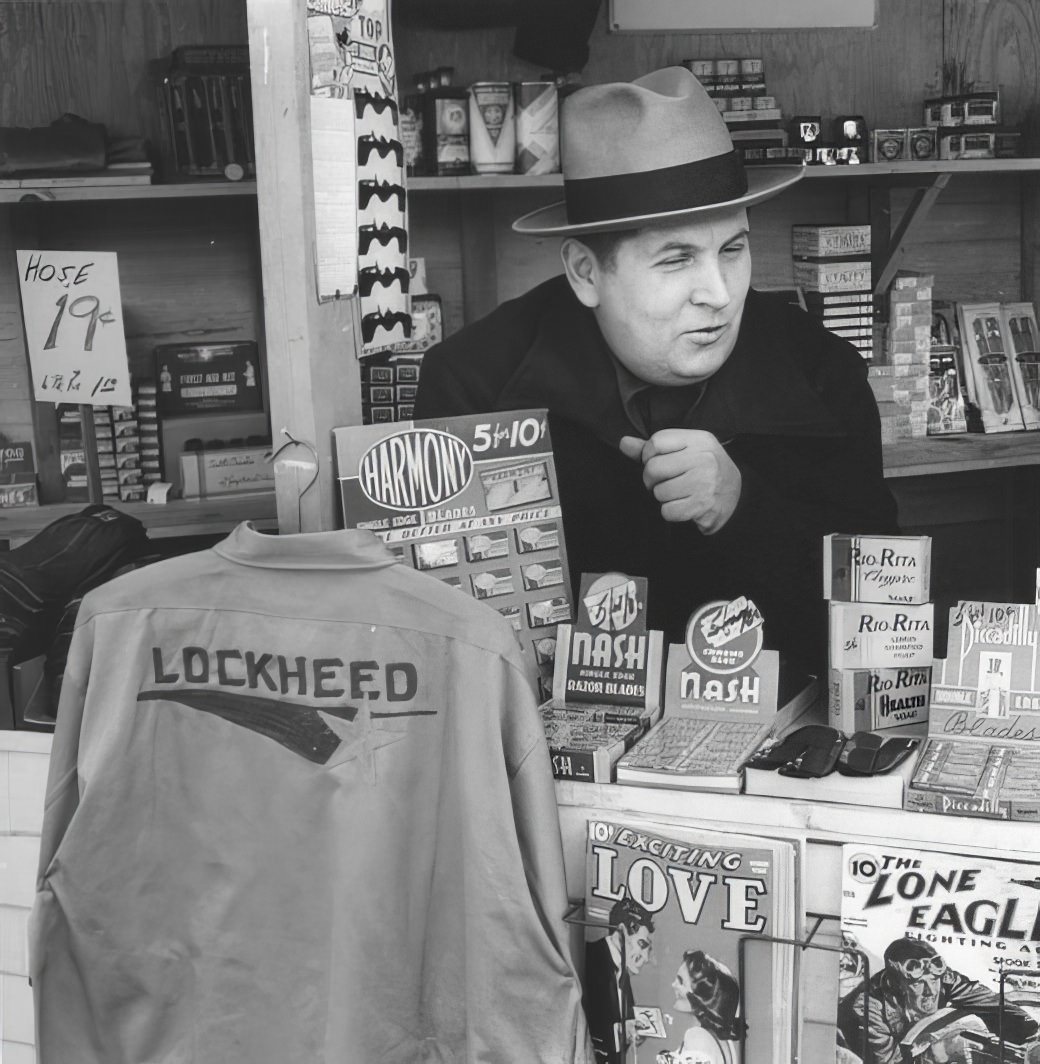
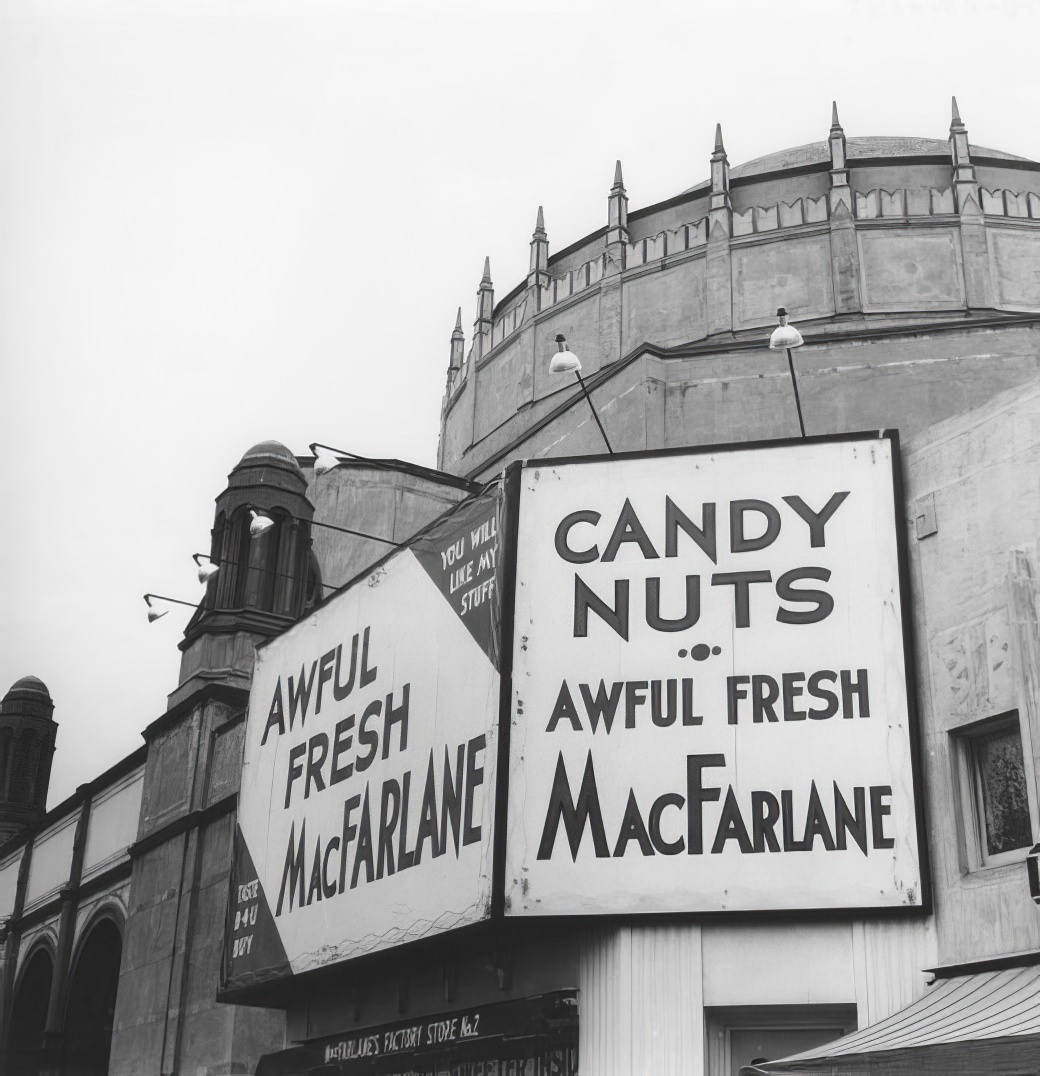
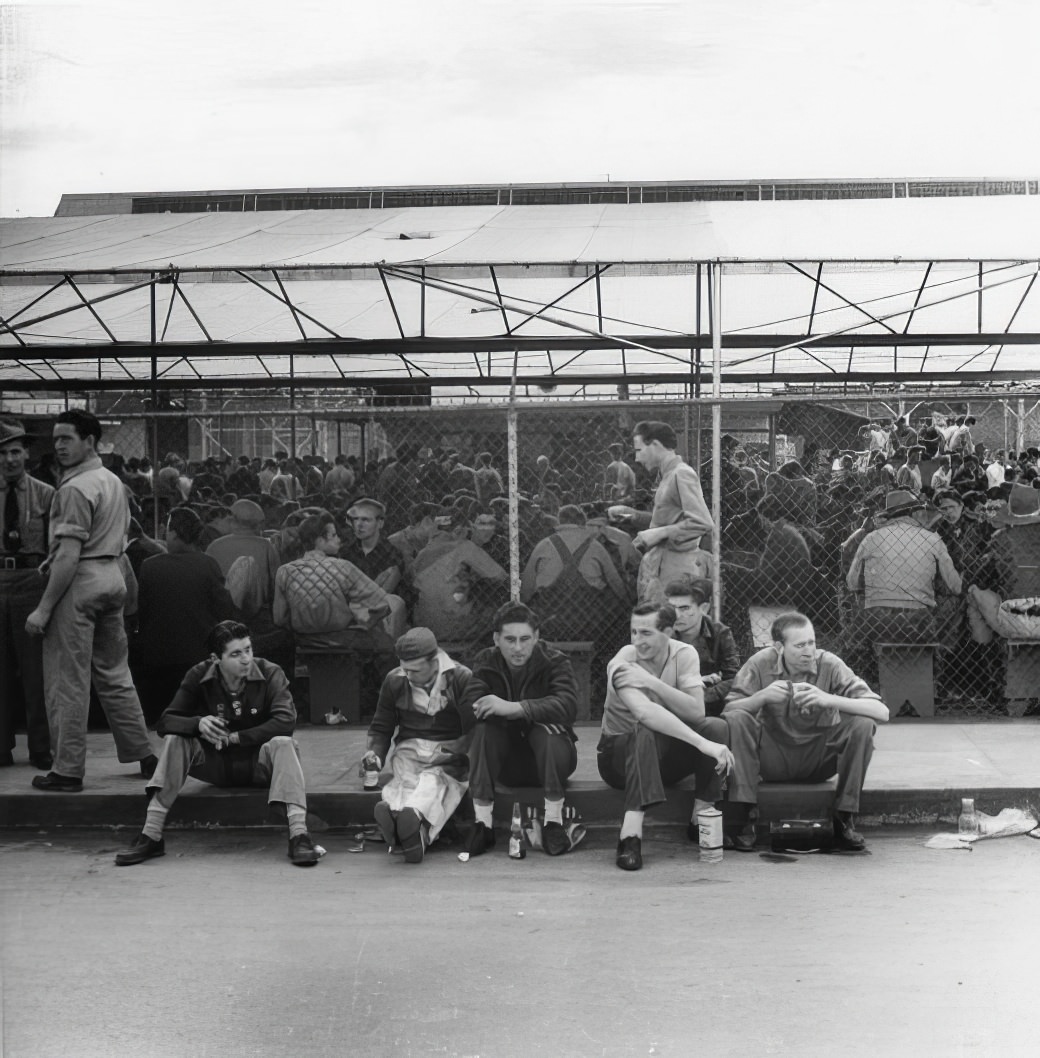
He also photographed everyday moments — shoppers at markets, workers on lunch breaks, families walking along the beach. These images show the range of people who called Los Angeles home, from Beverly Hills to East L.A.
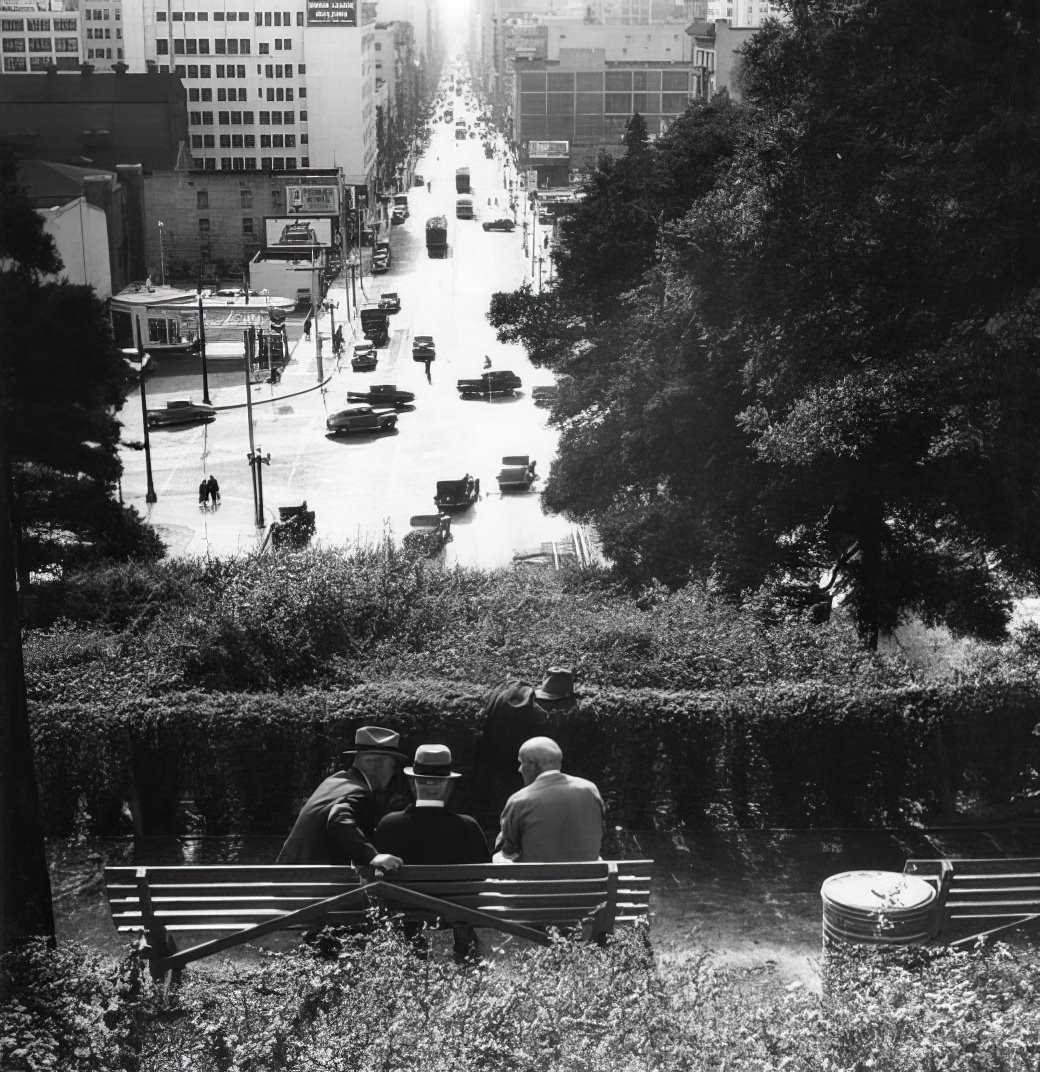
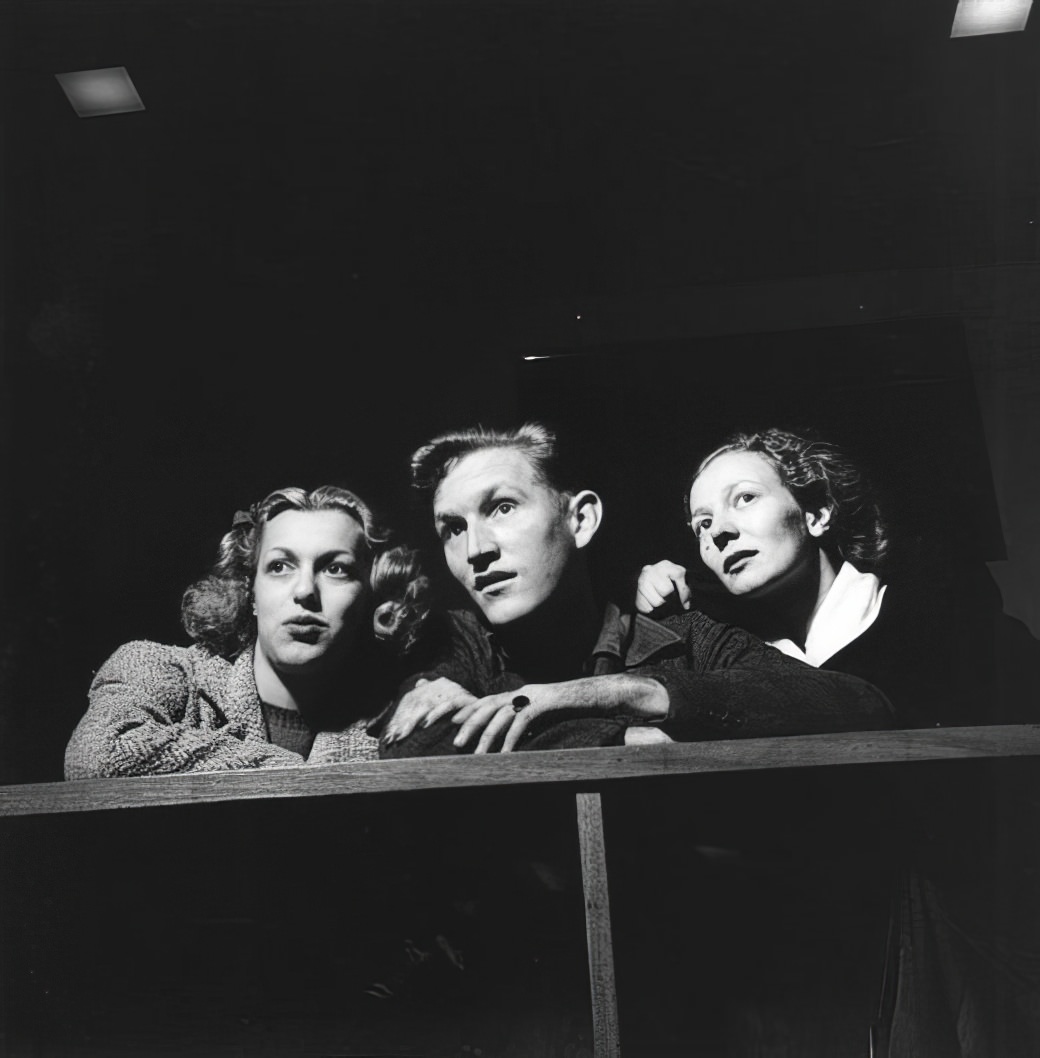
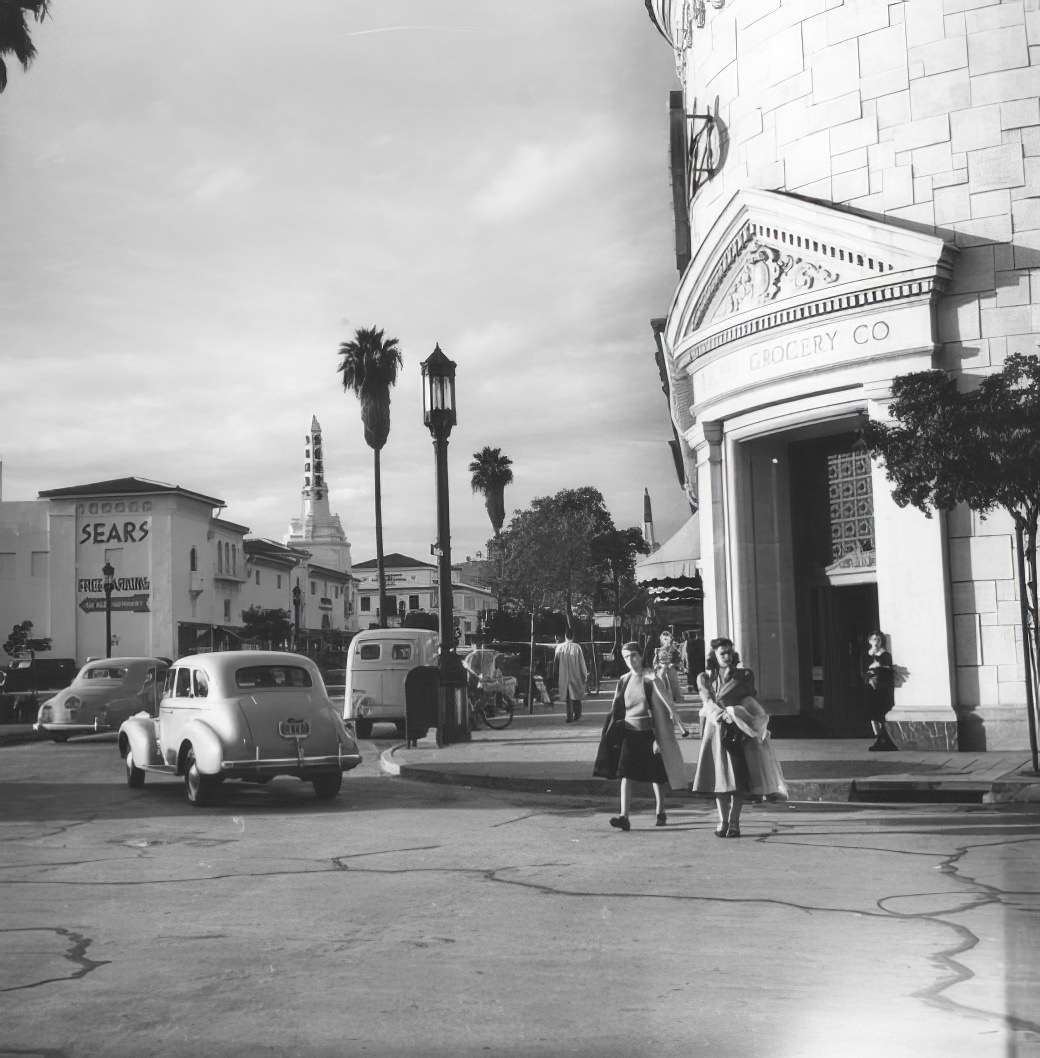
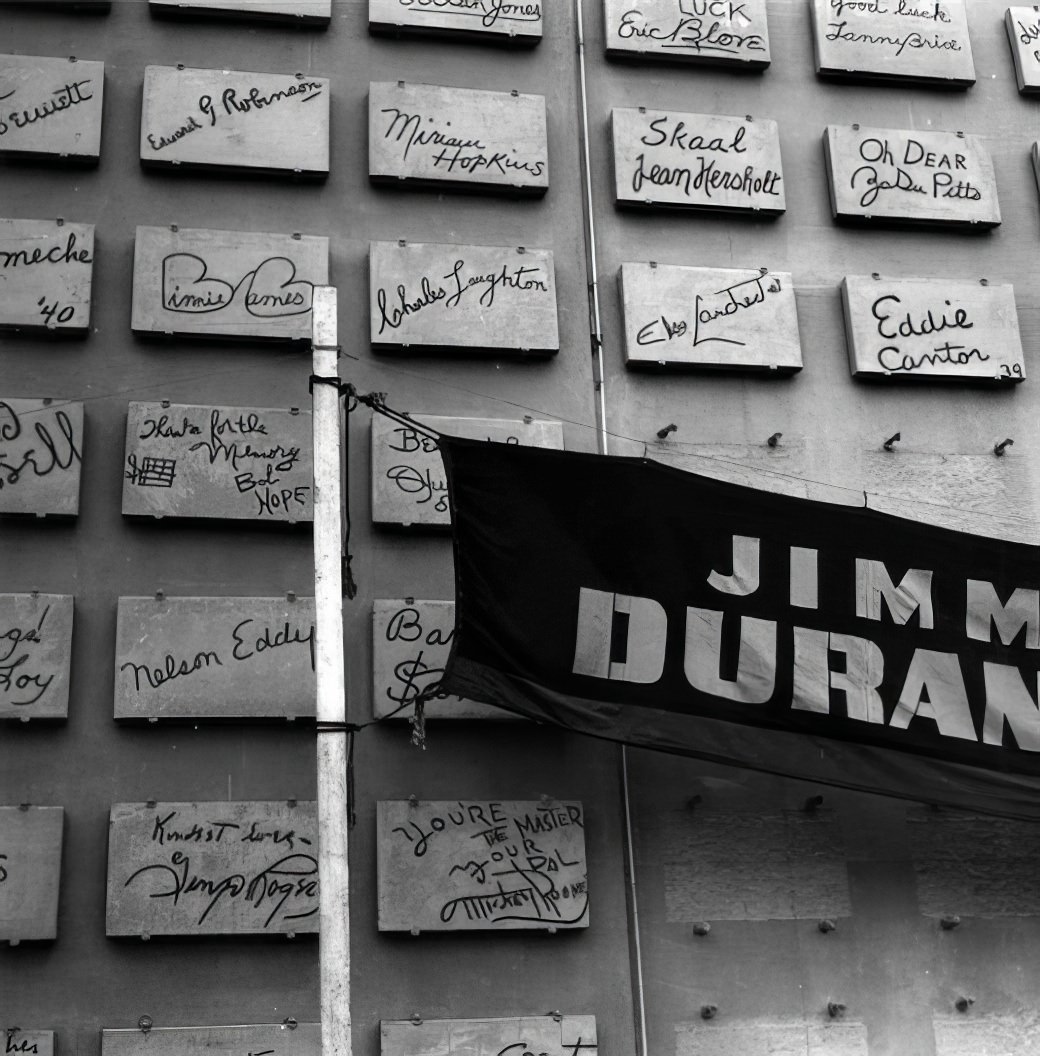
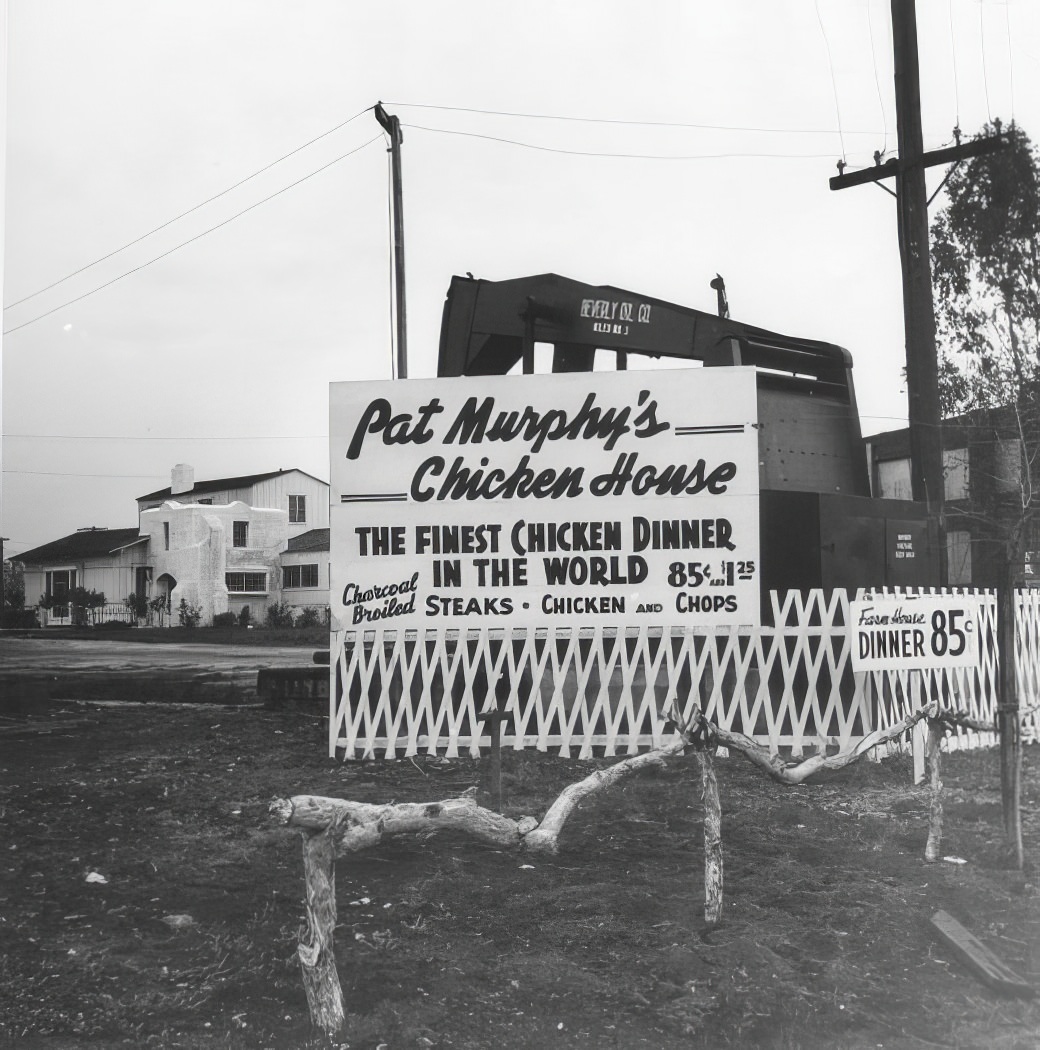
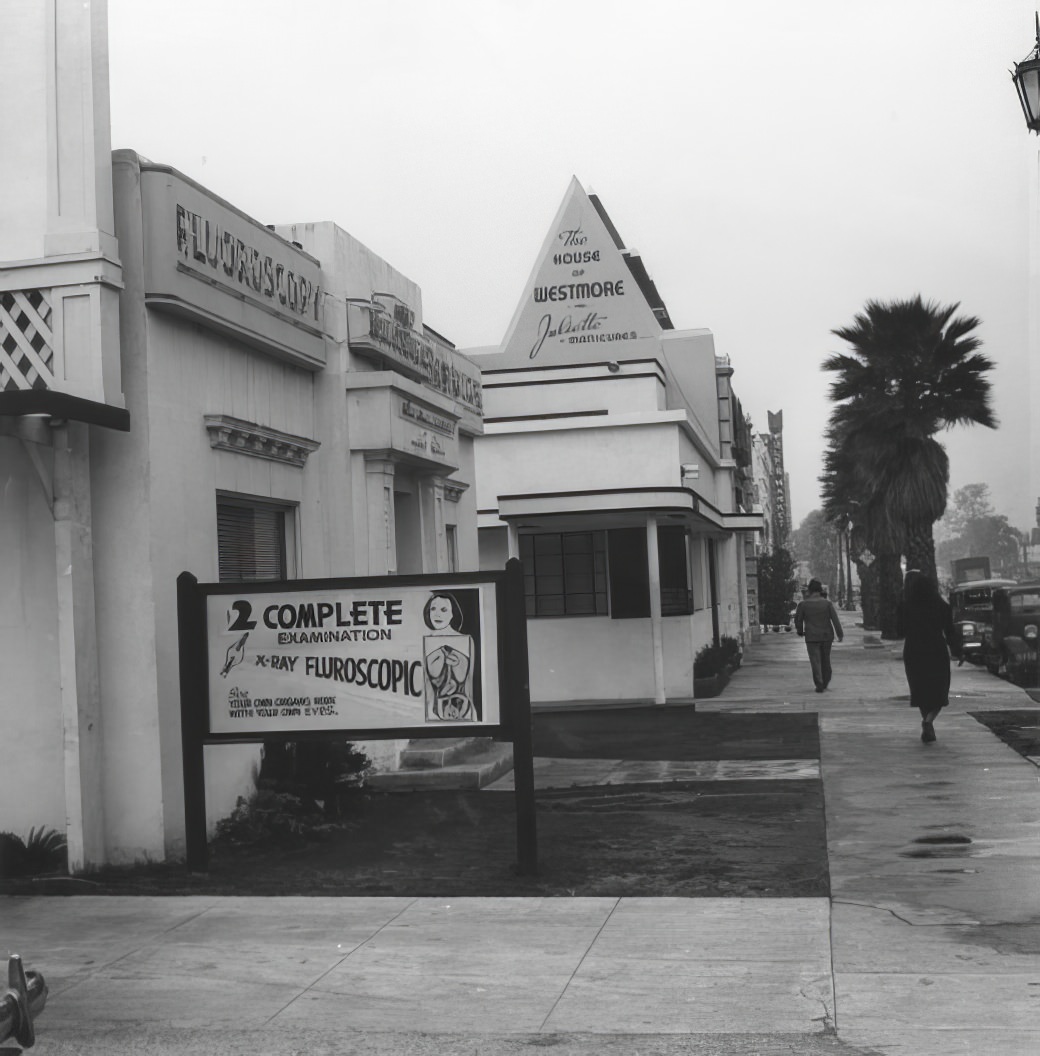
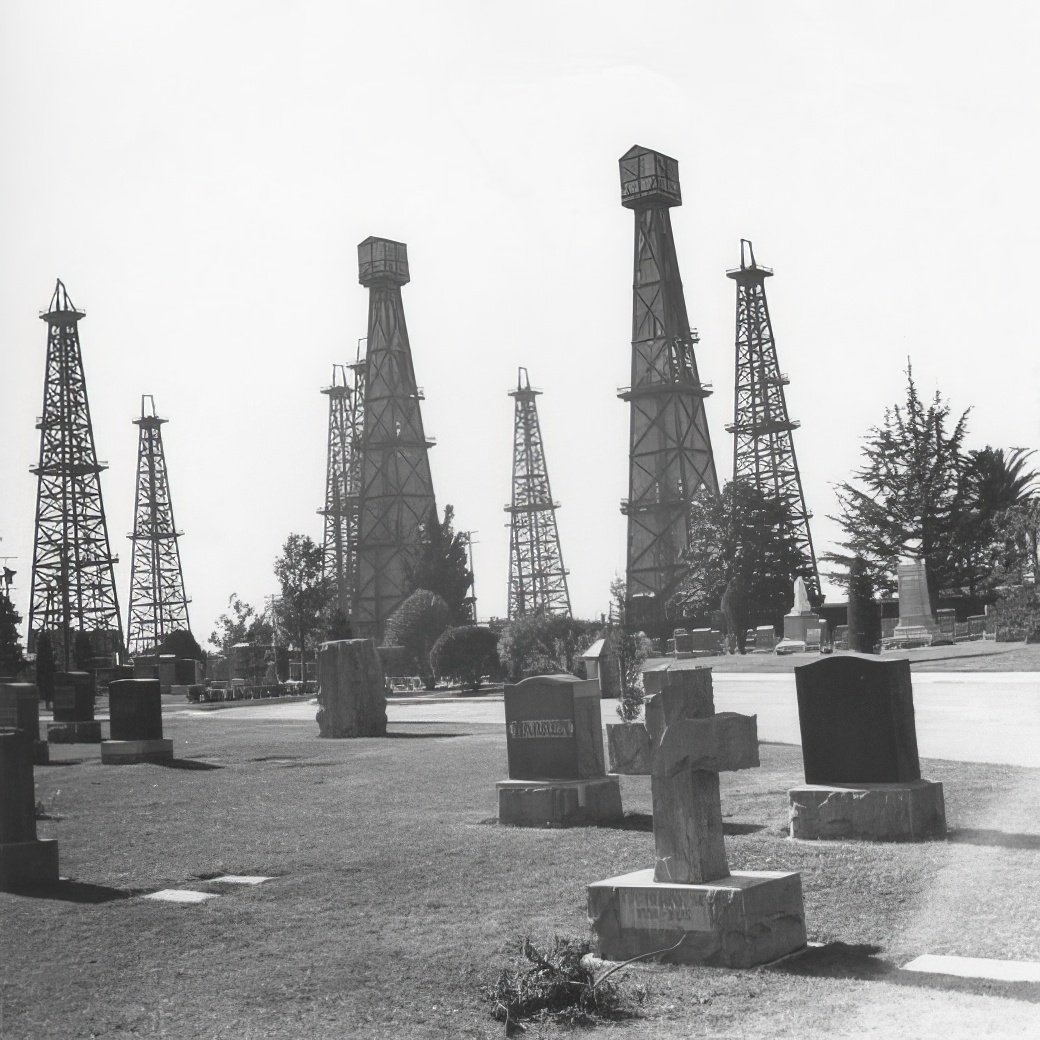
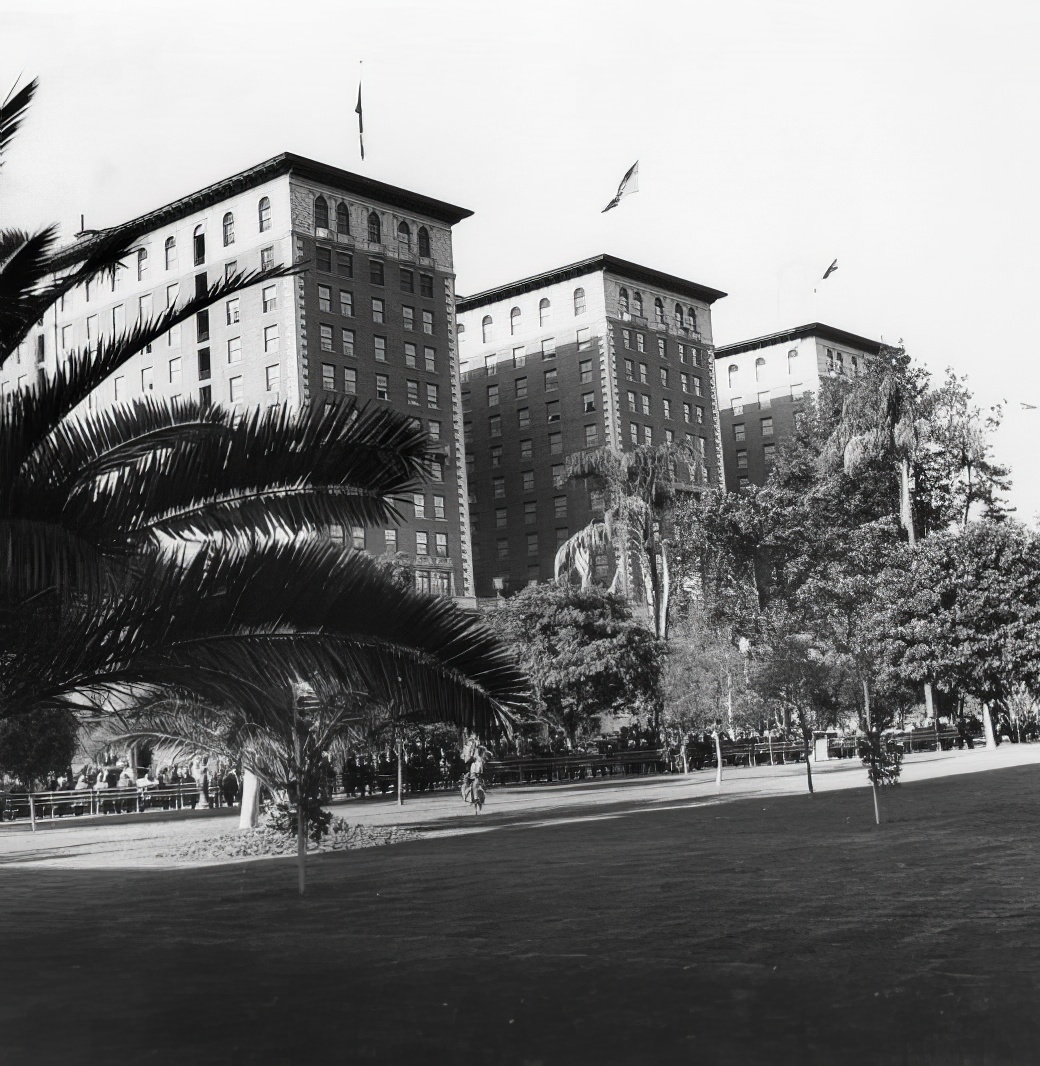
Hollywood’s glamour existed just miles from working-class industrial zones. Adams captured both. His photos didn’t flatten the city into a postcard — they showed its real contradictions.
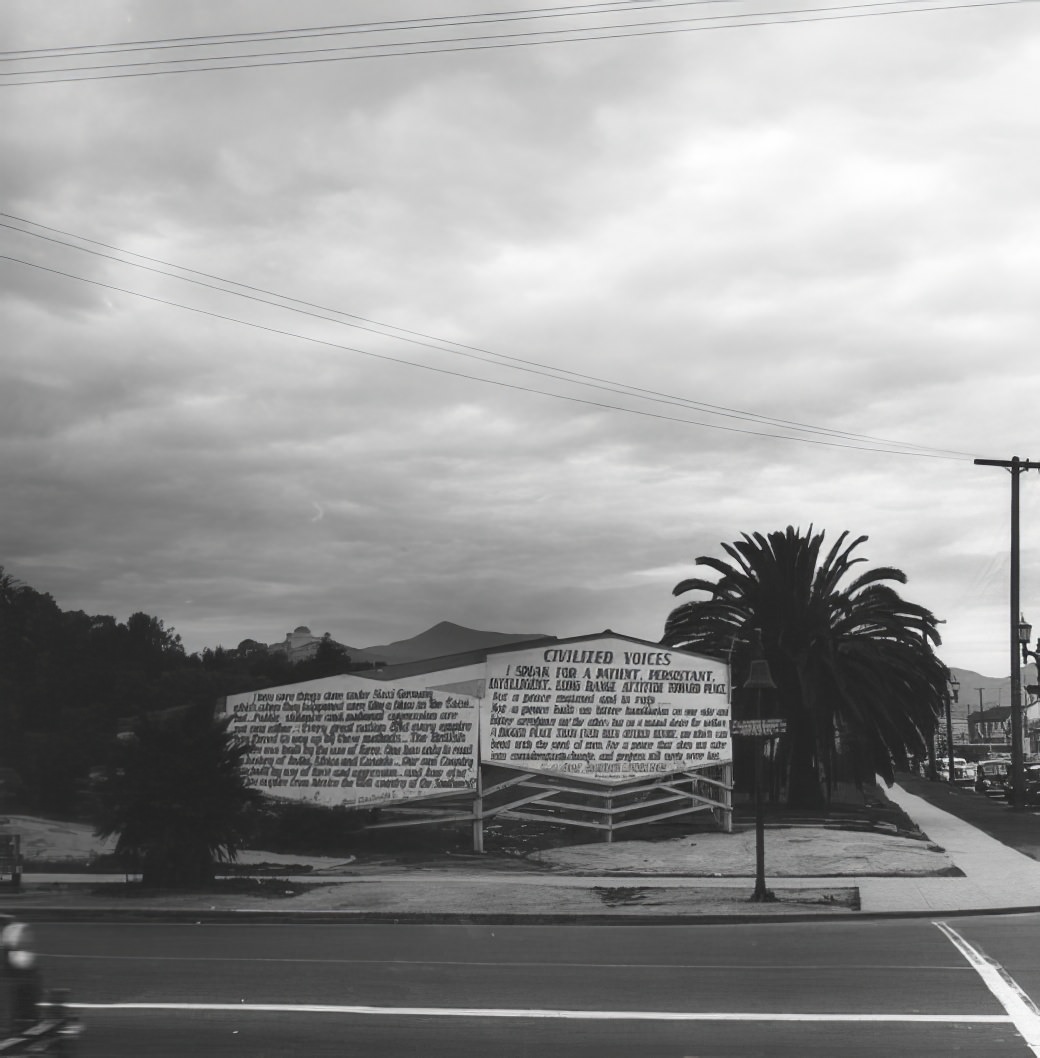
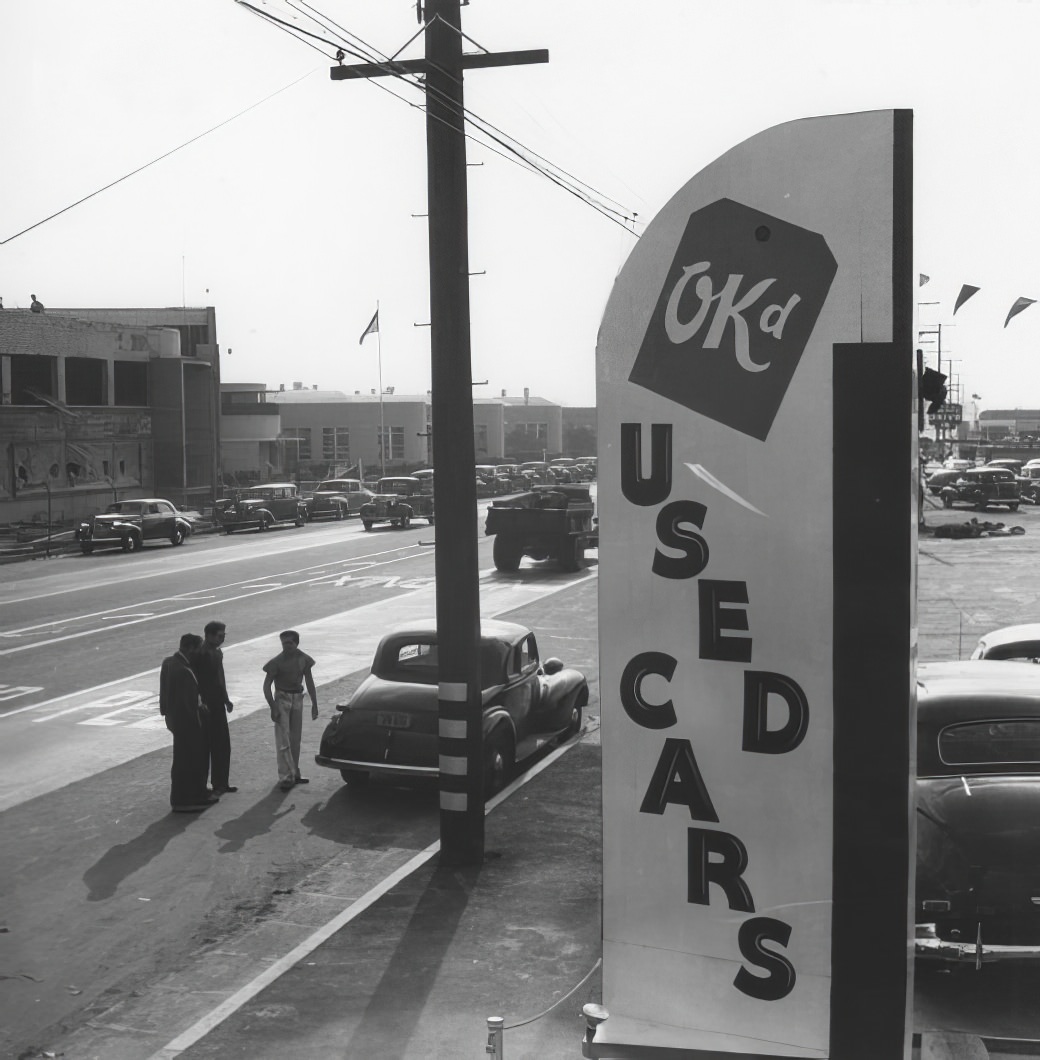
Smog was already settling over the city by this era, a direct result of factory output and rising car use. Adams included it in his frame rather than shooting around it.
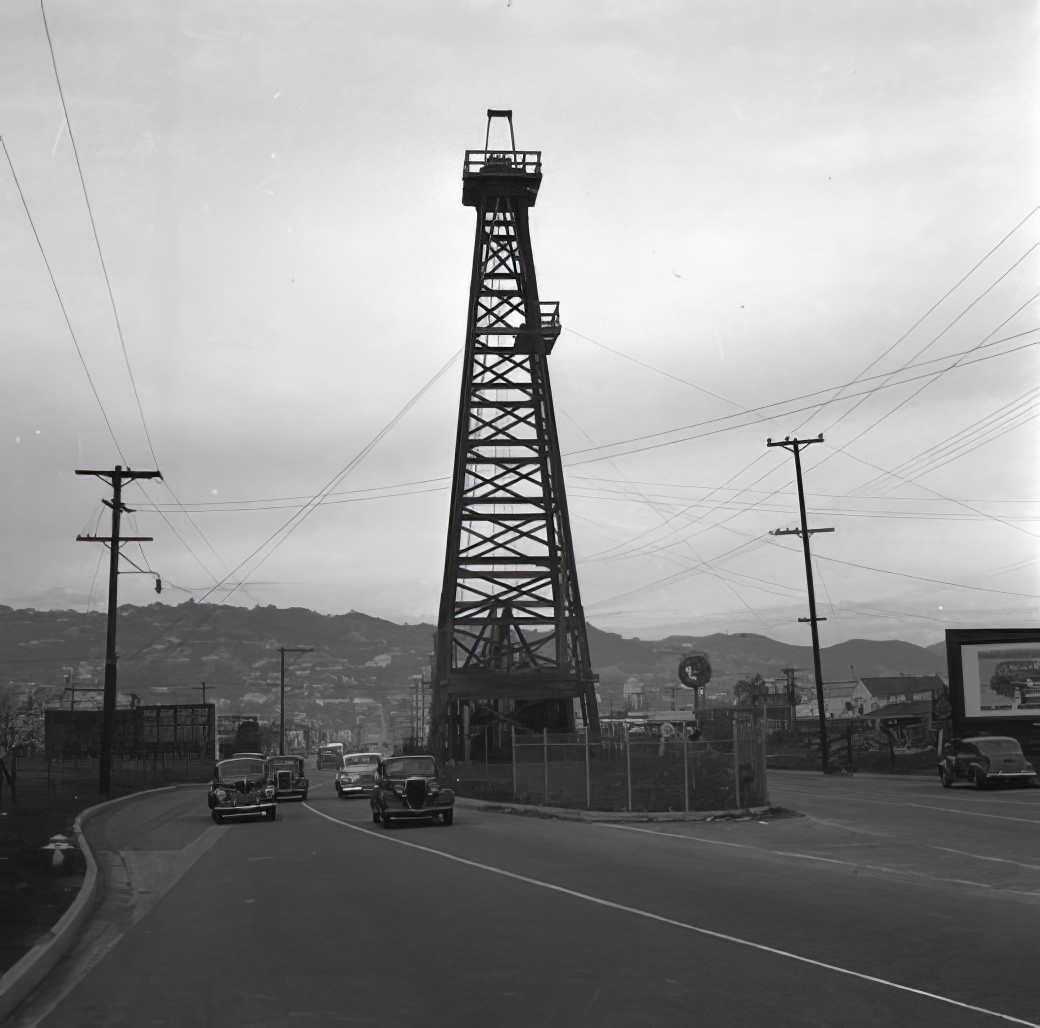
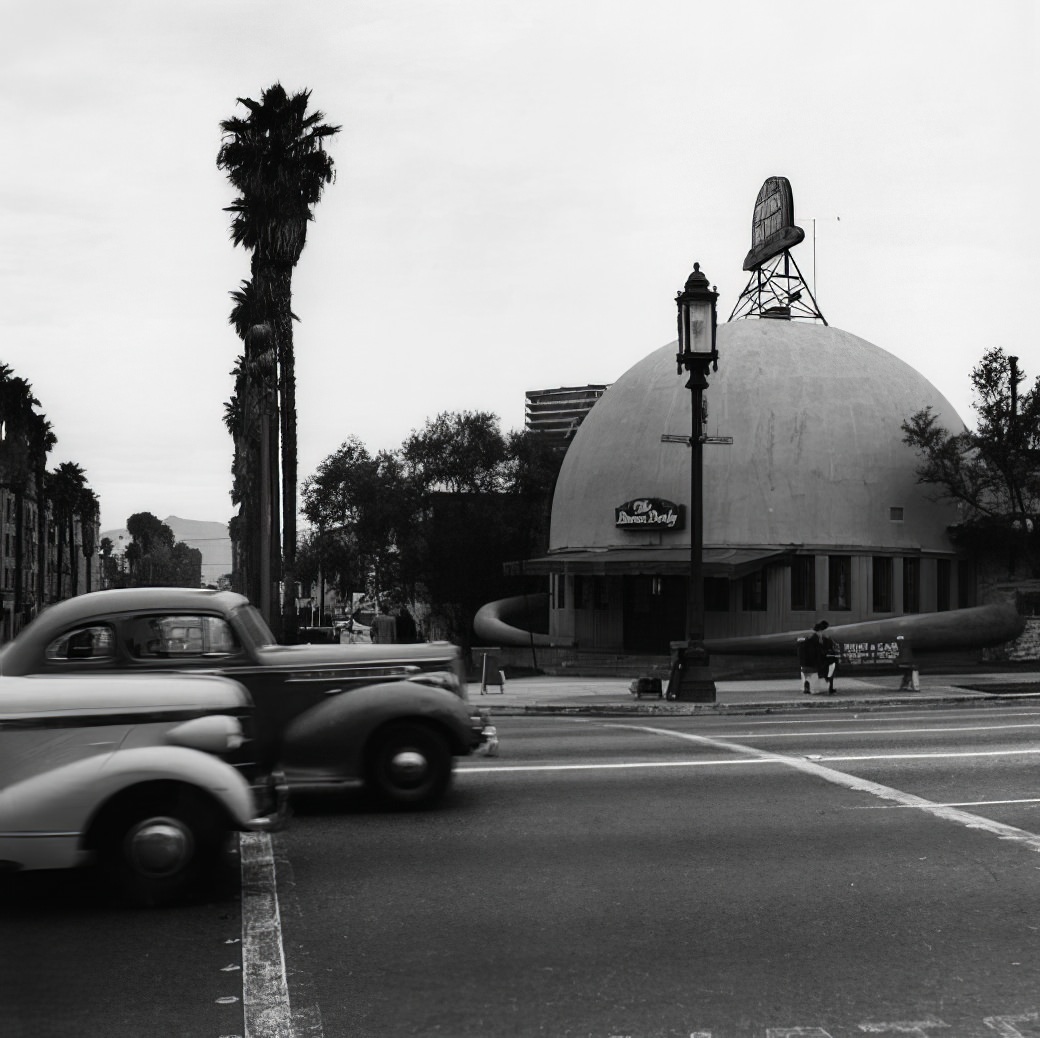
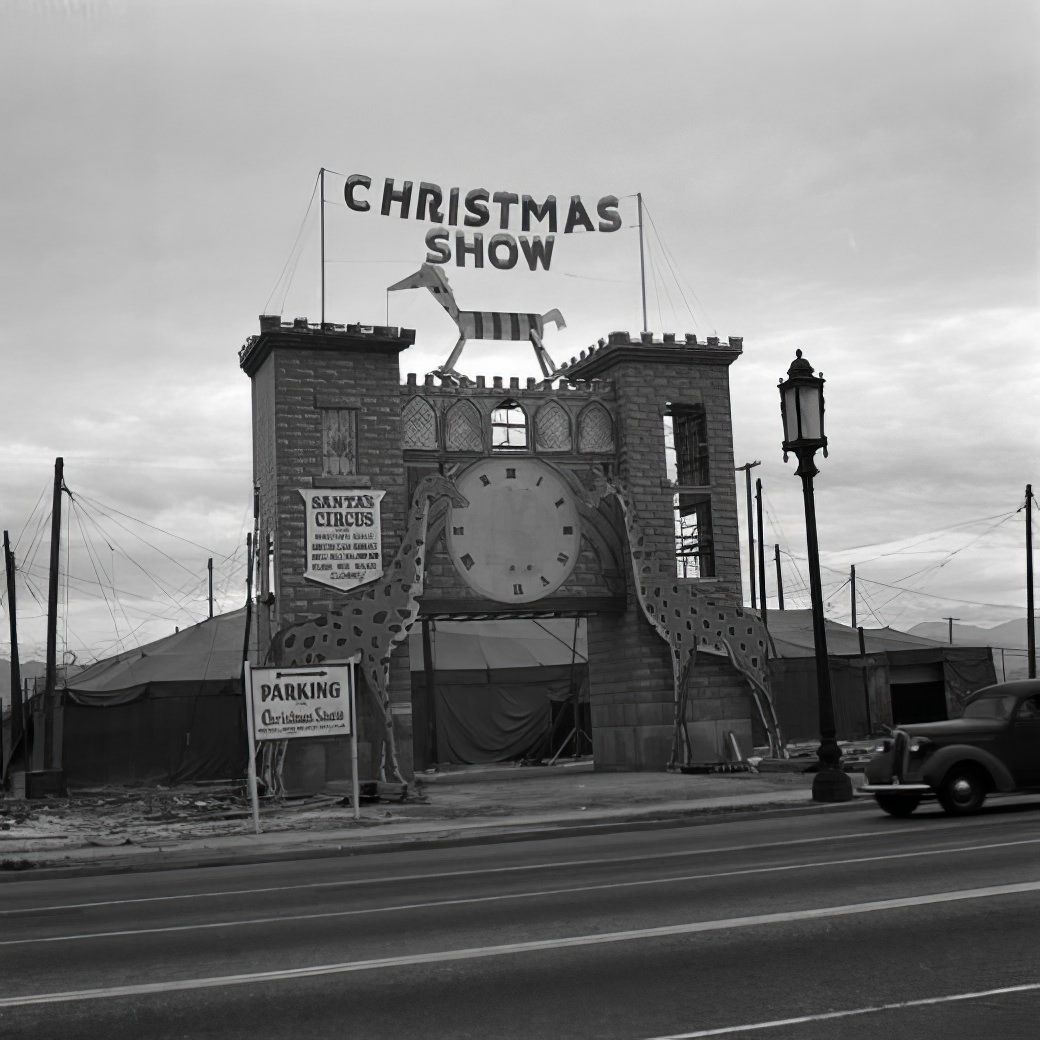
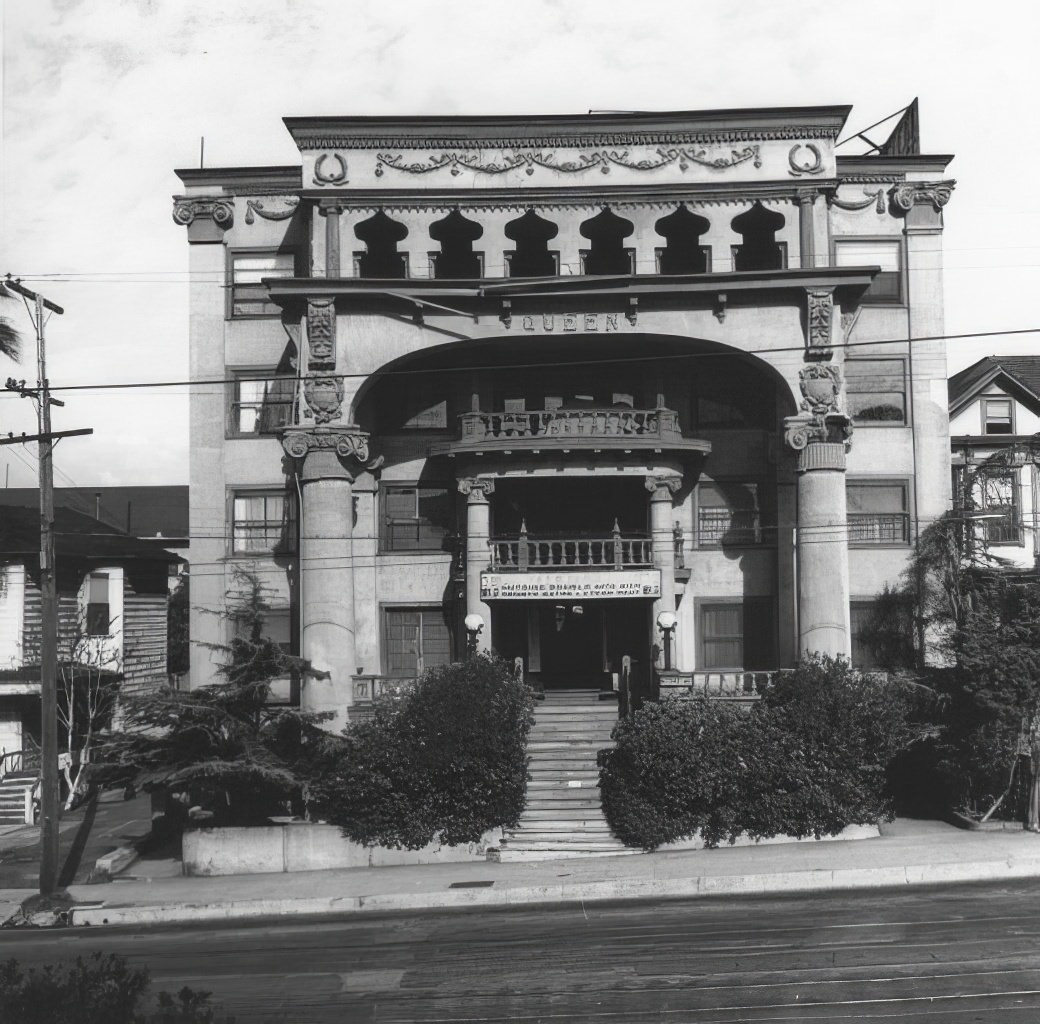
New housing developments spread across the hillsides to accommodate the surge in population. The city was physically reshaping itself, and Adams was there with his camera to document every layer of that transformation.