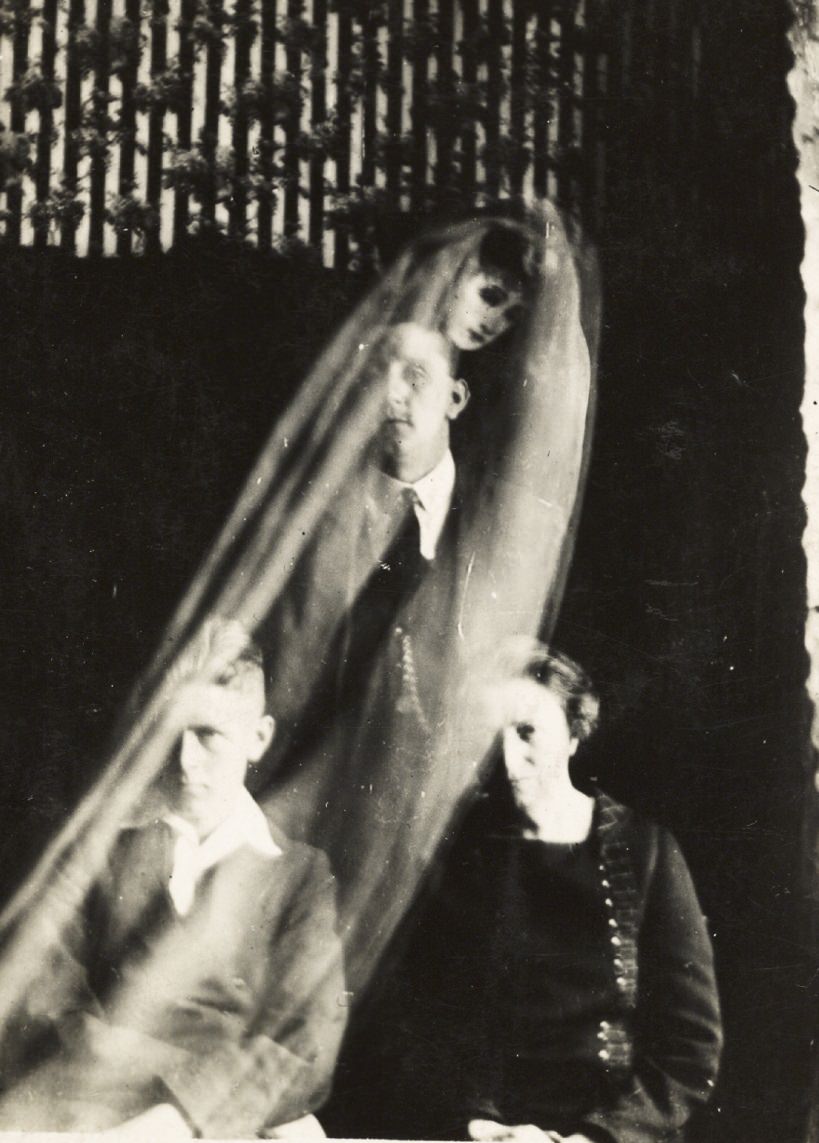
Spirit photography is a practice in which photographers attempt to capture images of ghosts or other supernatural entities on film. The genre has deep roots in the late 19th century, born from a period when death was common, grief was raw, and people desperately wanted to believe that something of their loved ones survived. No figure loomed larger in this world than William Hope — a carpenter turned photographer who built a devoted following around his claim that the dead could appear in his pictures.
Hope was born in England in 1863. He spent most of his working life as a carpenter, with no particular connection to photography or the supernatural. That changed in 1905, when he claimed to have accidentally captured the image of a ghost while photographing a friend. The experience pulled him away from his trade and into a world that would define the rest of his life. He began practicing spirit photography seriously and soon founded a group dedicated to the pursuit — the Crewe Circle, named after the English city where they operated.
Hope’s method had a personal touch that made it feel credible to grieving visitors. Before a sitting, he would often ask clients to bring a photograph of the person they hoped to contact. He believed — or claimed to believe — that the image helped bridge the gap between the living and the dead. Then he would seat the client for a portrait and, when the photograph was developed, a ghostly face or form would appear somewhere in the frame.
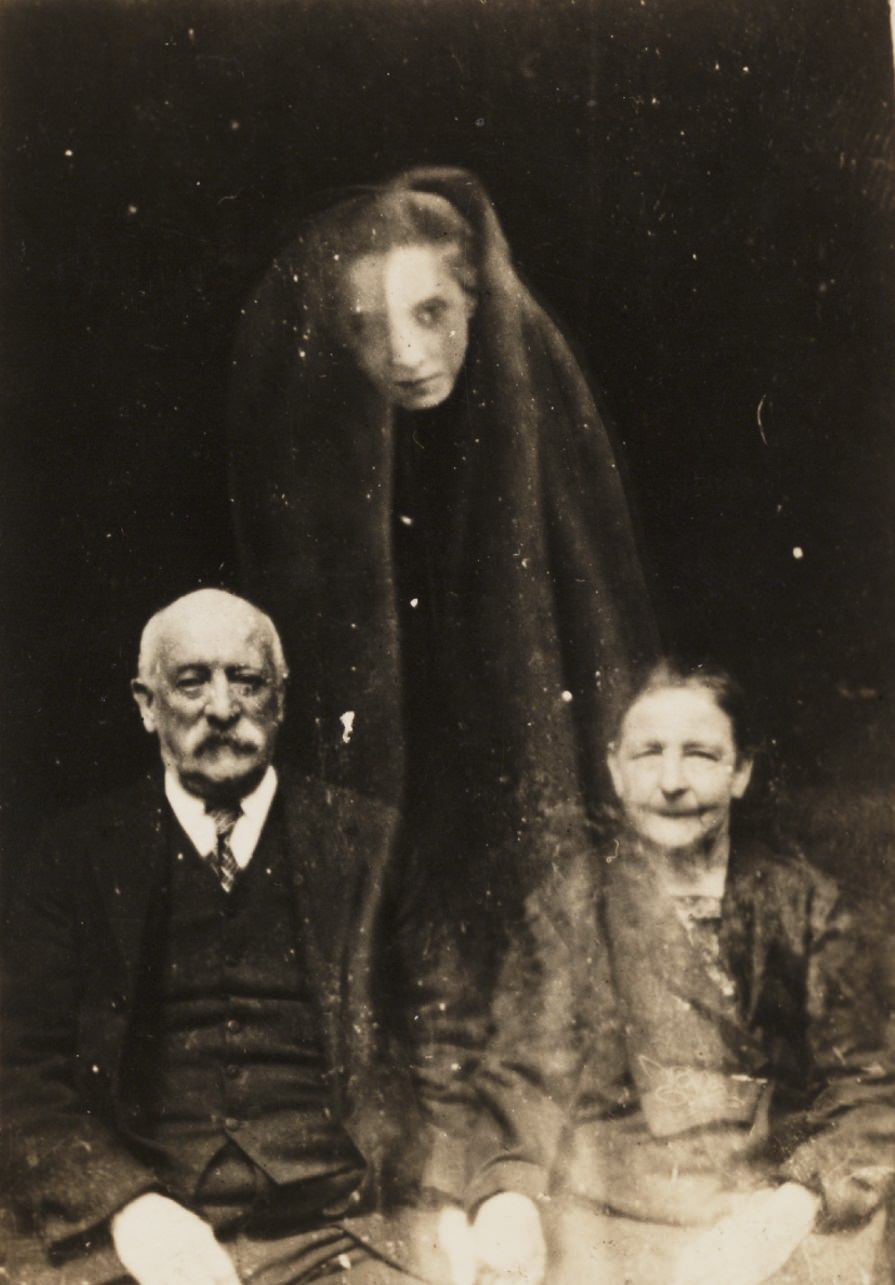
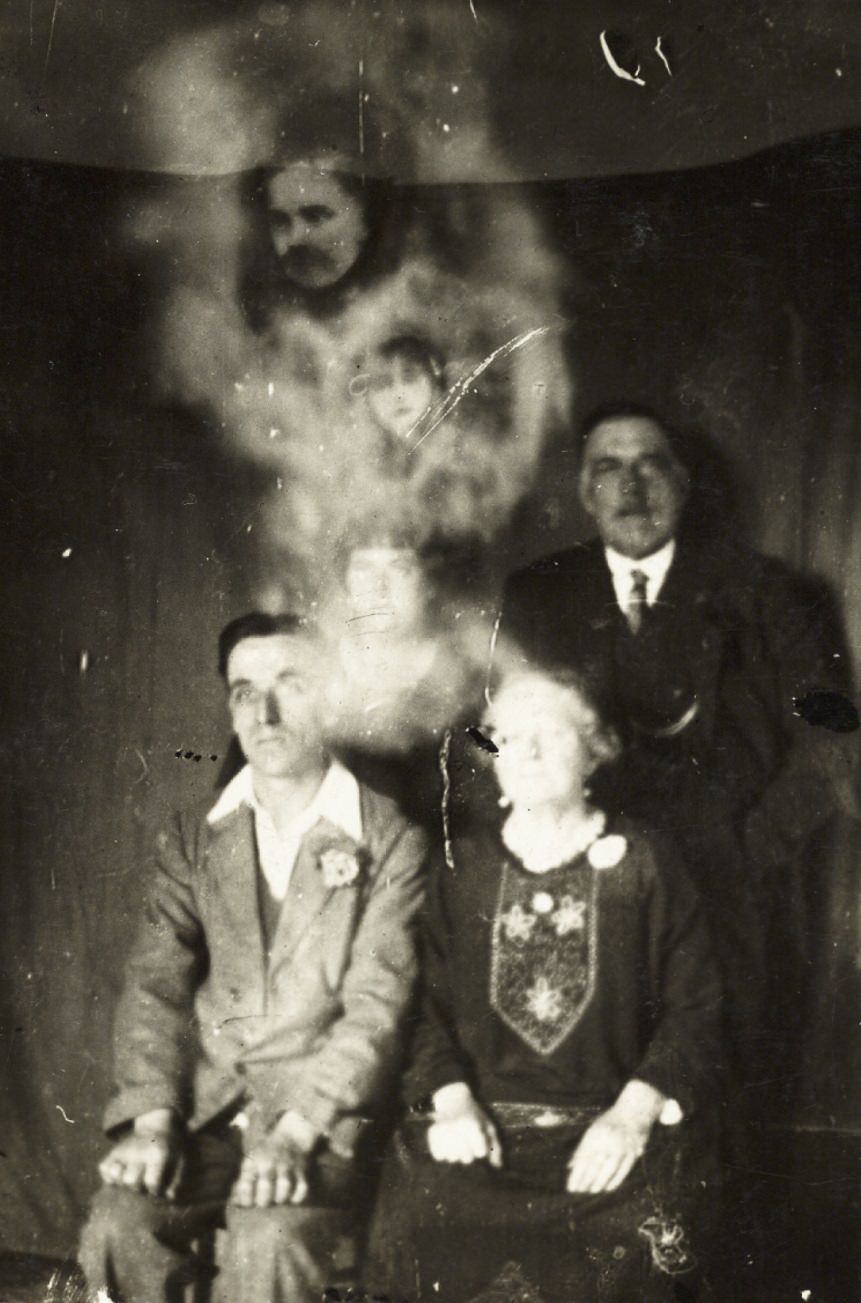
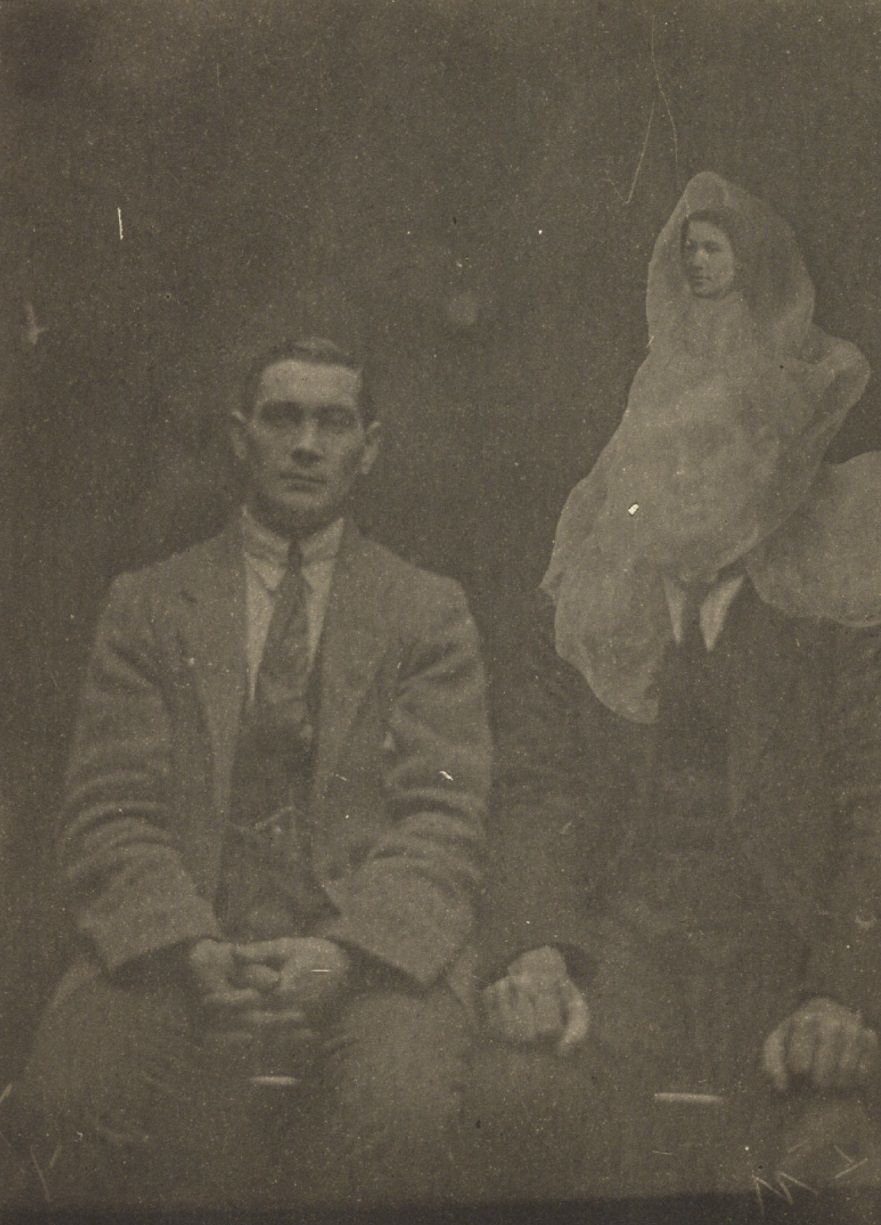
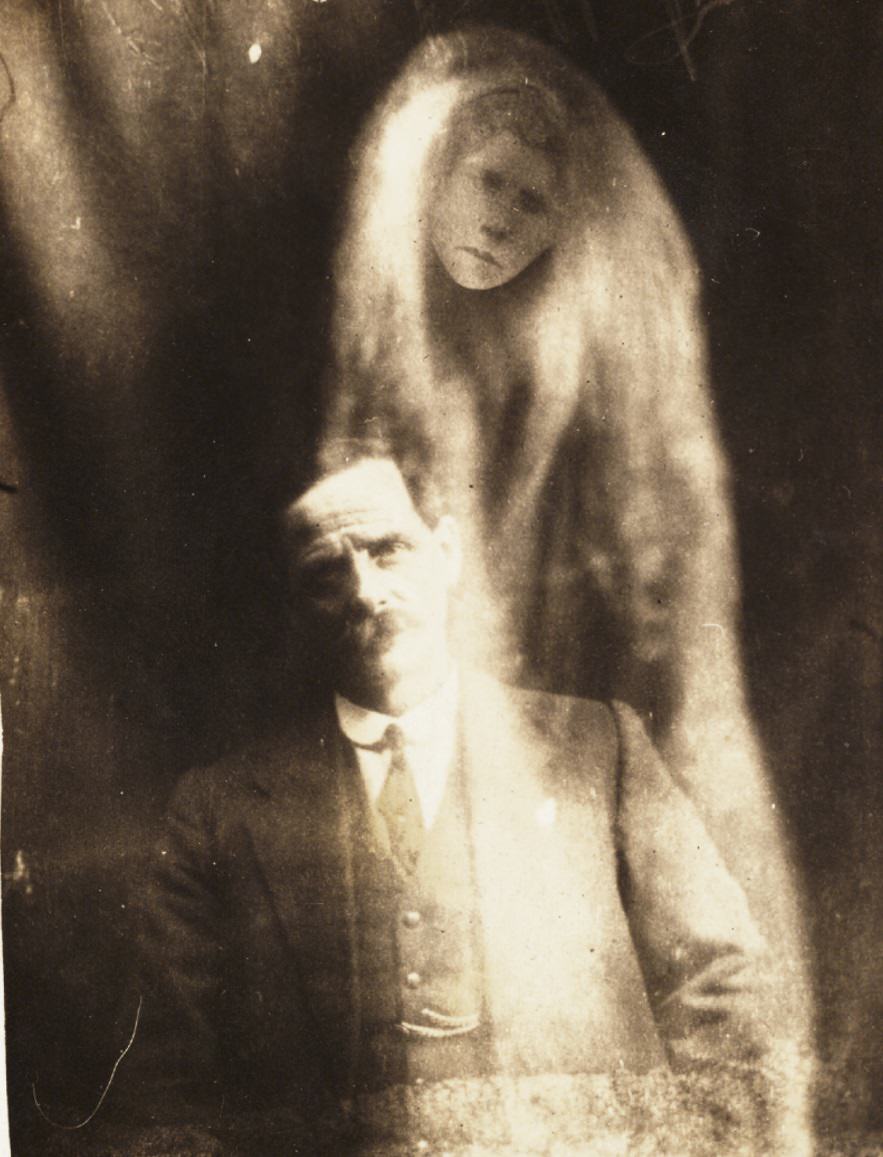
The results followed a consistent pattern. Faint faces hovered above sitters. Shrouded figures materialized beside them. Swirling hazes of light surrounded them. Each image was different in its details, but the structure was always the same — a living person sharing the frame with something that was not supposed to be there.
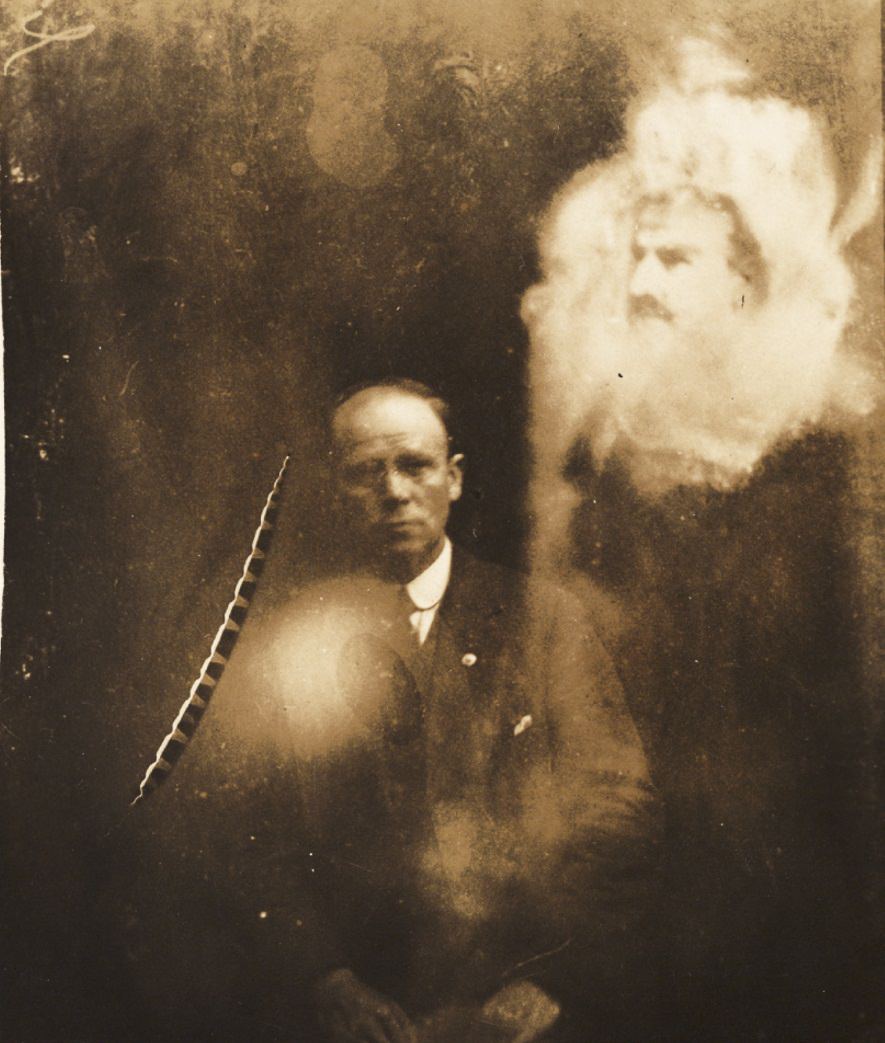
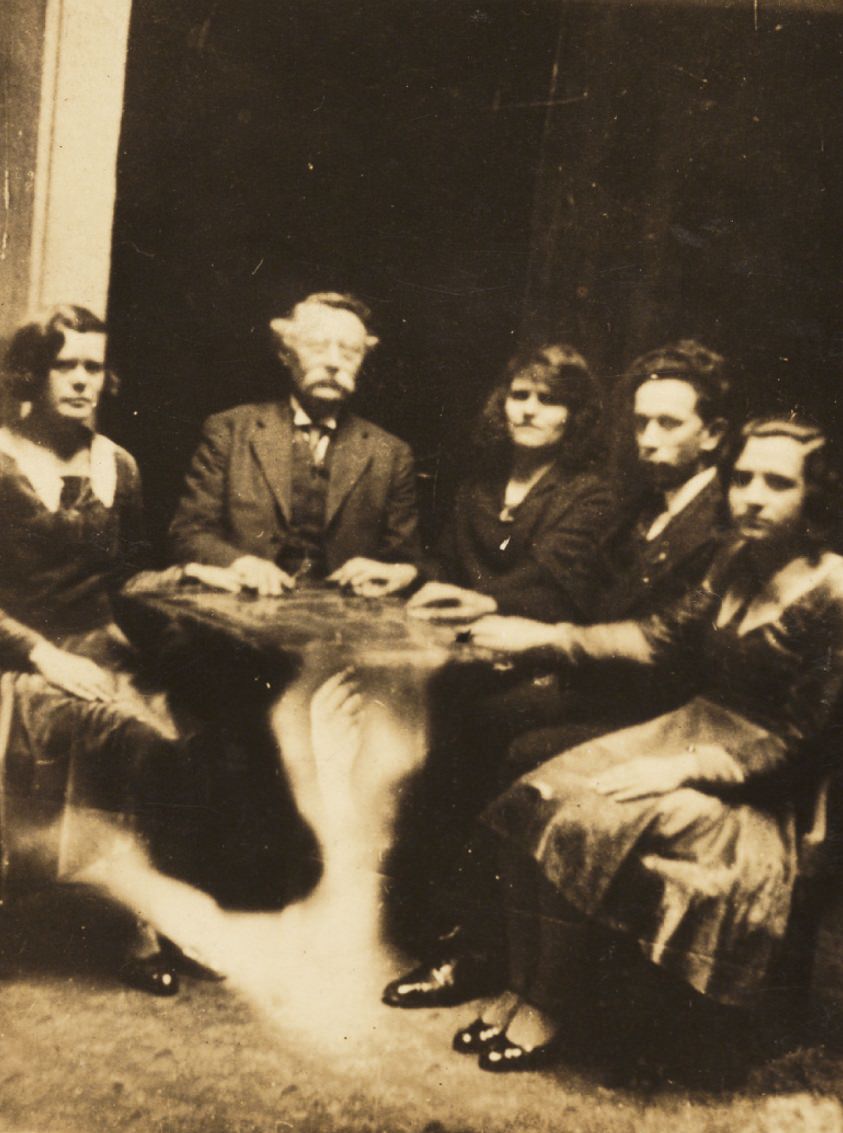
World War I transformed Hope’s practice. The war killed millions of young men across Europe, and Britain was left with entire generations of mothers, fathers, wives, and children in mourning. Many of them turned to spiritualism for comfort, looking for any confirmation that the sons and husbands they had buried — or never recovered — still existed somewhere. The Crewe Circle became a destination for these families. Hope gave them what they came for: a photograph that appeared to show their loved one standing close by, just beyond the living world.
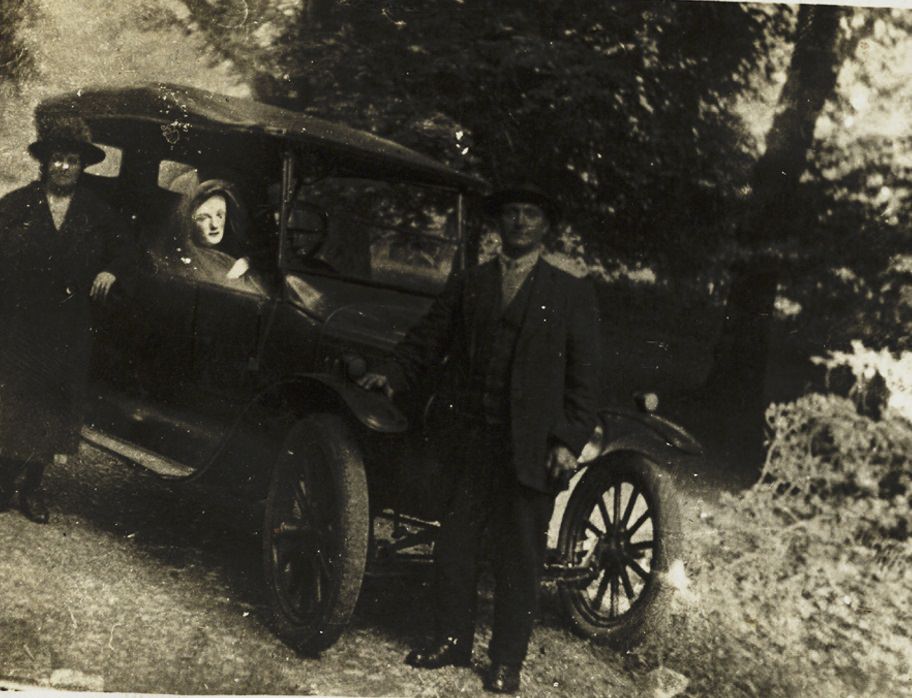
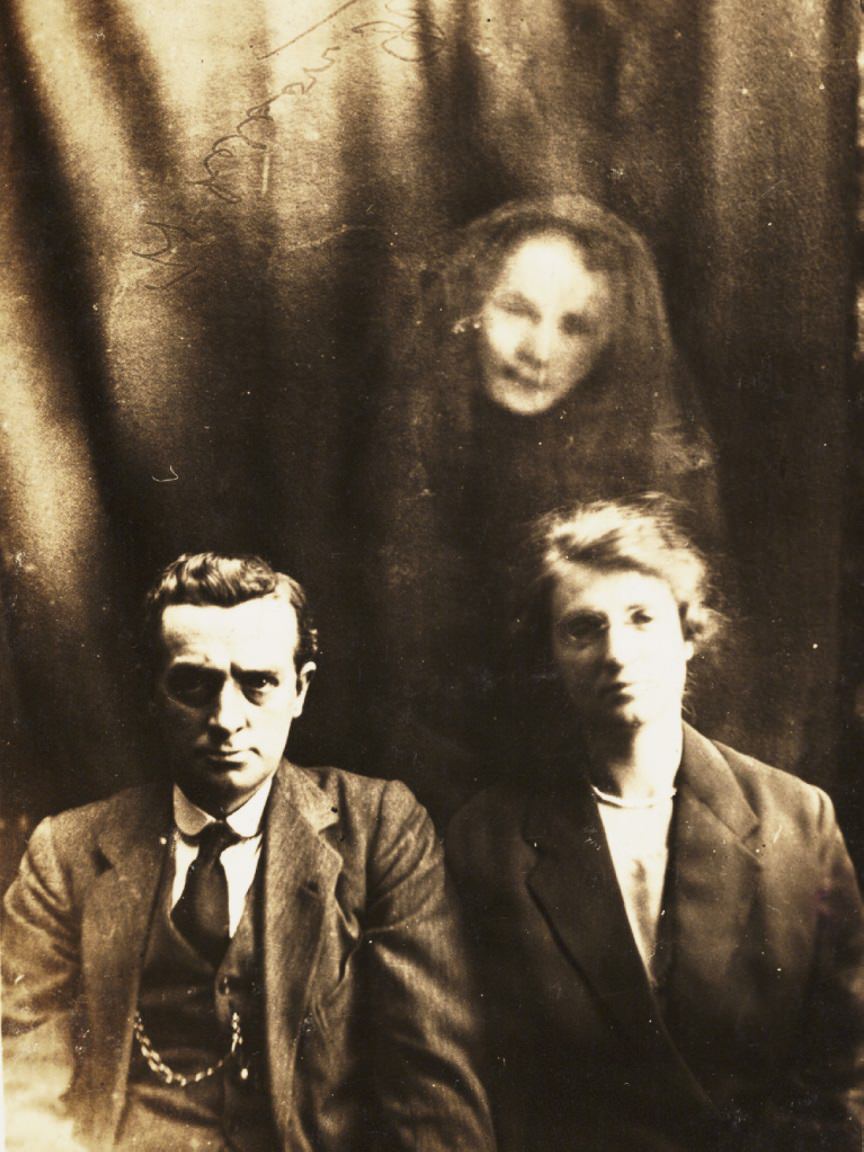
Hope’s rising fame made him a target for investigators. The Society for Psychical Research, an organization founded in 1882 to scientifically examine supernatural claims, studied his work and reached a clear conclusion. His spirit photographs were not supernatural at all. They were produced by combining glass photographic plates — a technique that allowed a second image to be layered, or superimposed, on top of the original exposure. The ghostly faces and forms were simply double exposures, manufactured in the darkroom rather than summoned from beyond.
The investigations did not stop Hope. He continued to photograph, continued to attract clients, and continued to produce images of the dead appearing among the living. His defenders were vocal and, in some cases, famous. Sir Arthur Conan Doyle — best known as the creator of Sherlock Holmes — was a committed spiritualist and one of Hope’s most prominent supporters. Doyle wrote a book titled The Case for Spirit Photography specifically to argue on Hope’s behalf, dismissing the fraud allegations and insisting the photographs were genuine.
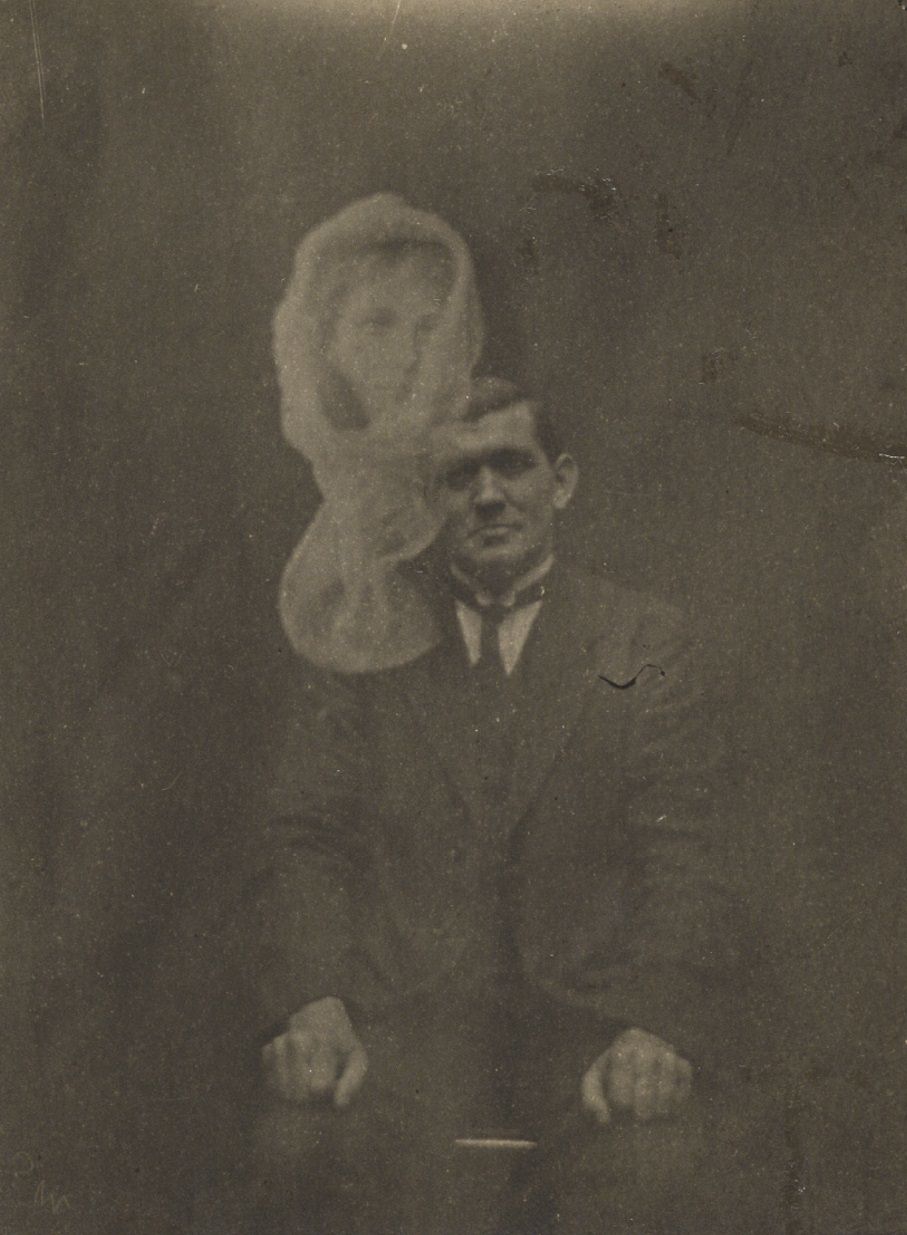
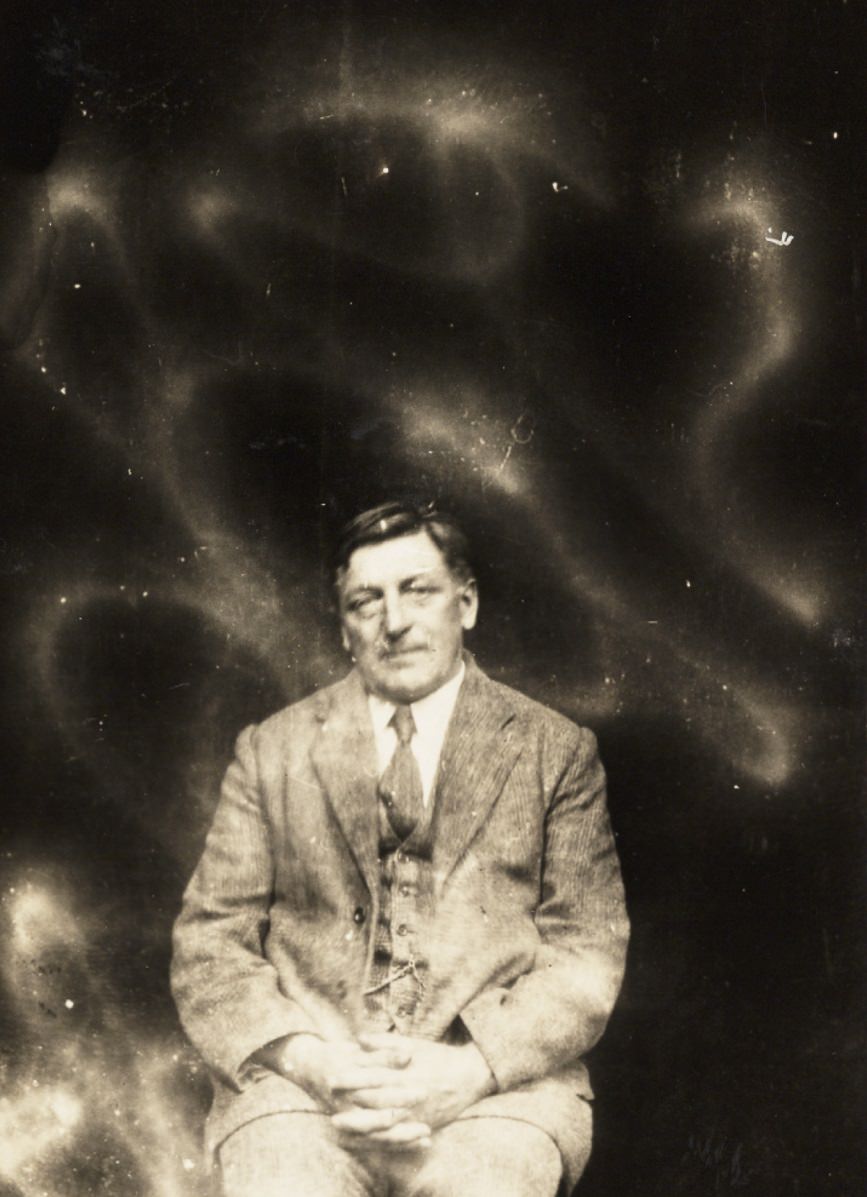
Looking at the photographs today, the technique is visible. The ghostly additions are often softer in focus than the main subject. The lighting does not always match. The superimposed faces sometimes sit at odd angles to the people below them. But in the early 20th century, photography itself was still relatively new to most people. The idea that a camera could lie — that a photograph could be built from multiple exposures and passed off as a single, authentic image — was not yet common knowledge.
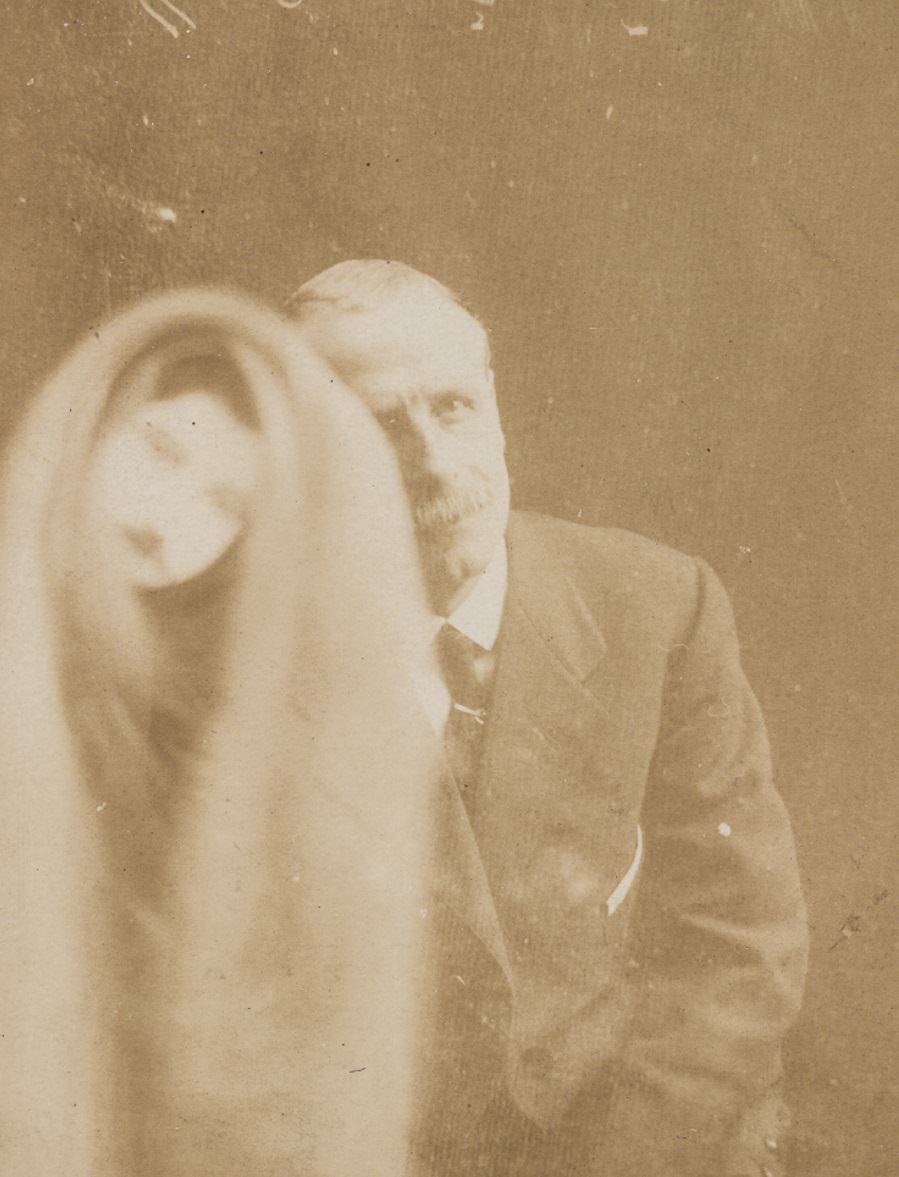
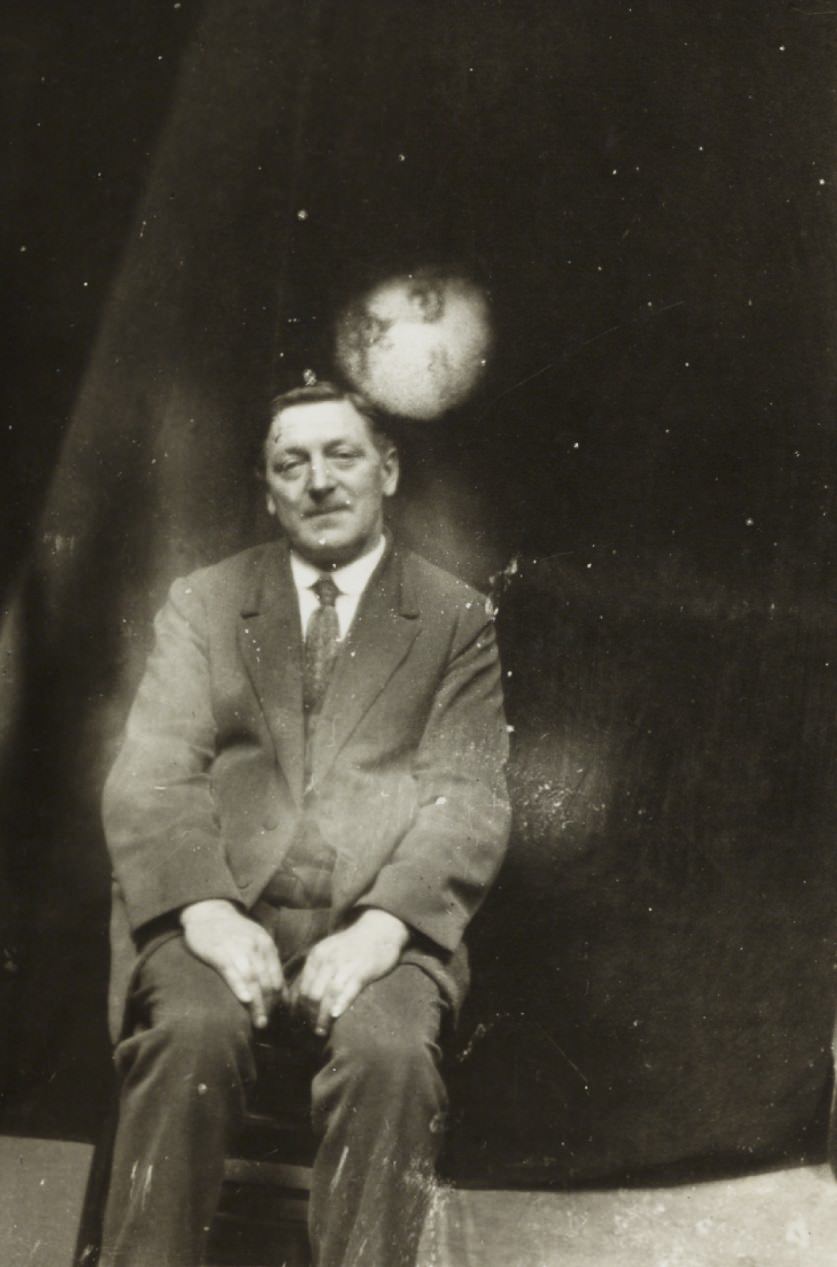
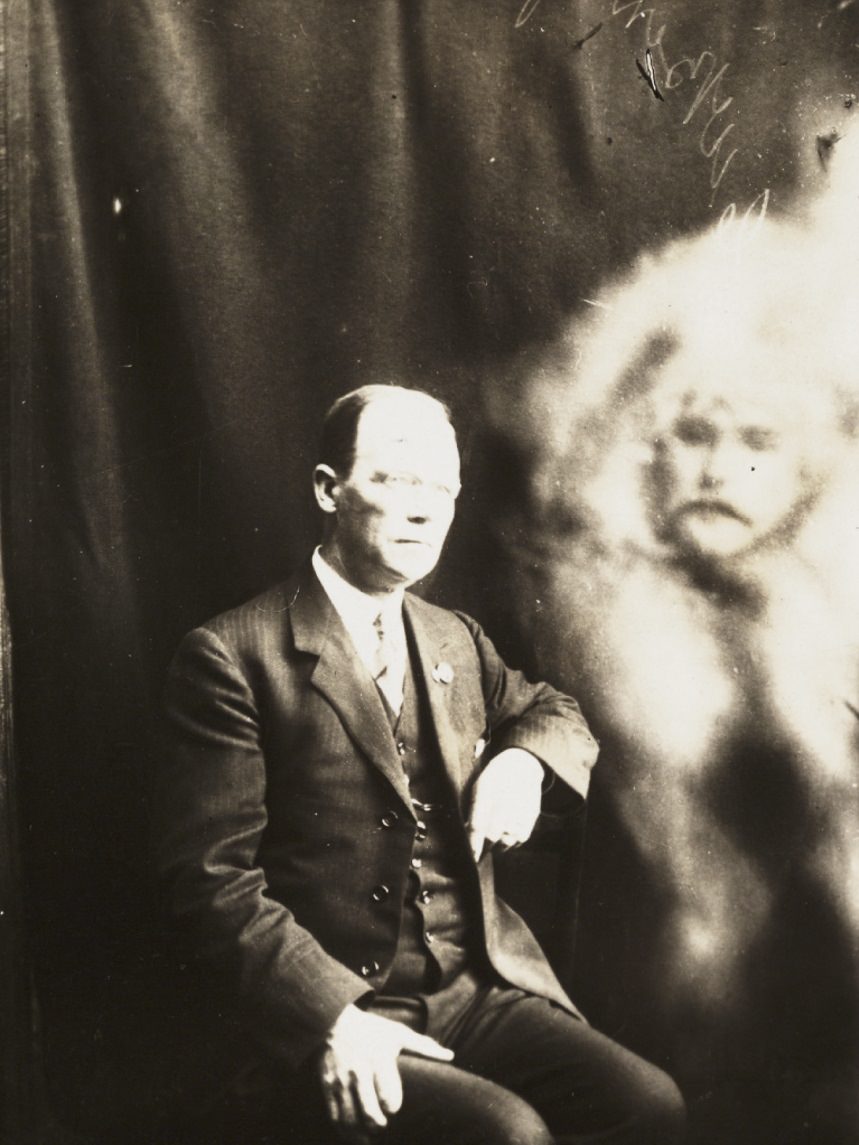
Some of the most striking photographs in Hope’s collection involve the same sitter appearing more than once, each time with a different claimed spirit. A man might sit for one portrait and be shown the face of his deceased first wife appearing beside him. The same man would return, and a second photograph would show the face of his deceased second wife hovering above him. These repeated sessions deepened the clients’ belief and strengthened their bond with Hope.
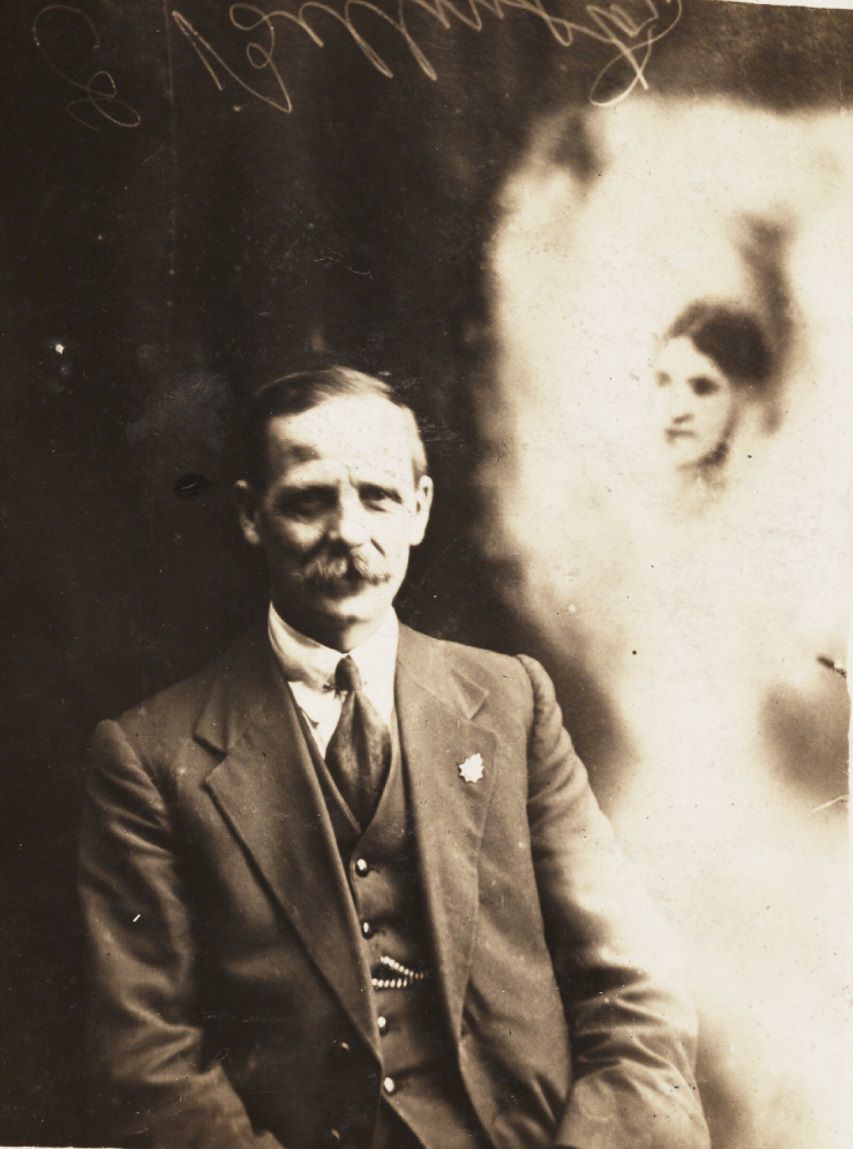
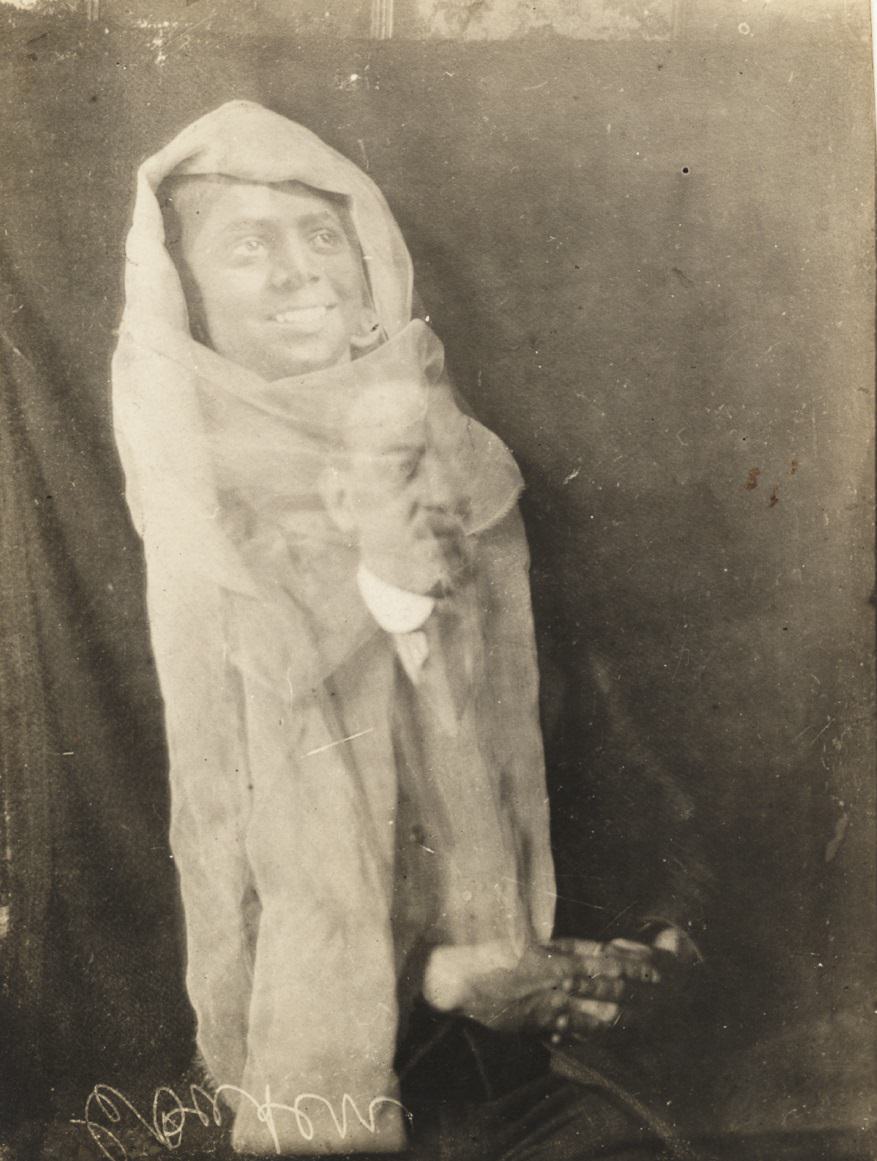
Group photographs presented their own variation of the formula. In several images, ghostly faces appear hovering above clusters of living people — extra presences inserted into family or community portraits. The effect reinforced the idea that the dead did not simply vanish, but remained connected to those they had left behind.
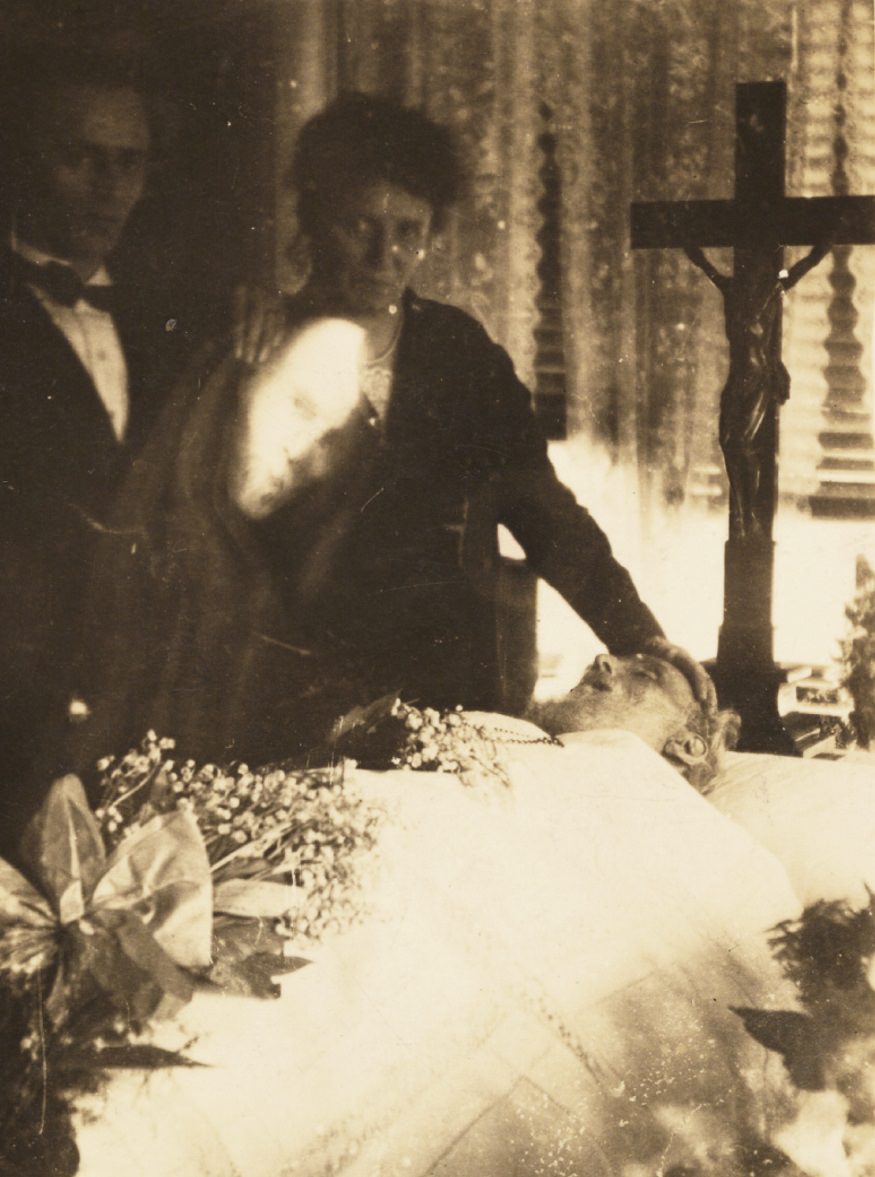
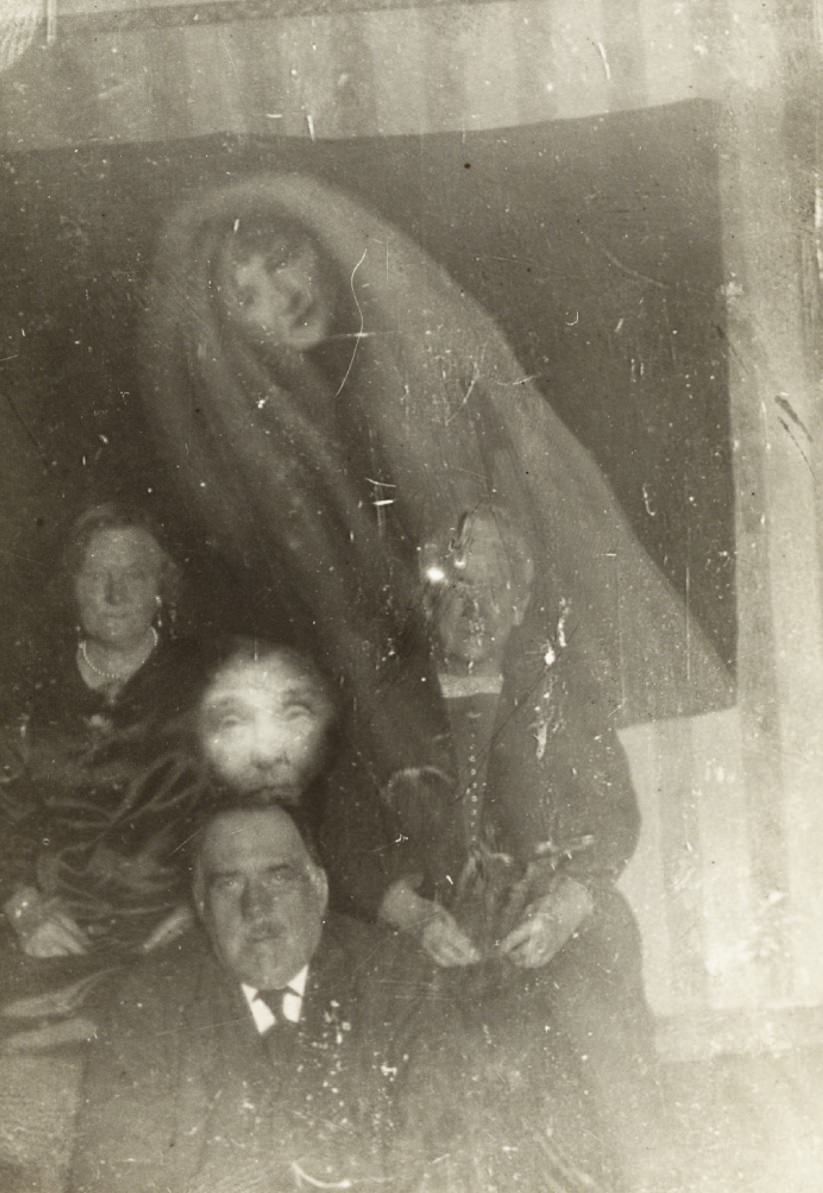
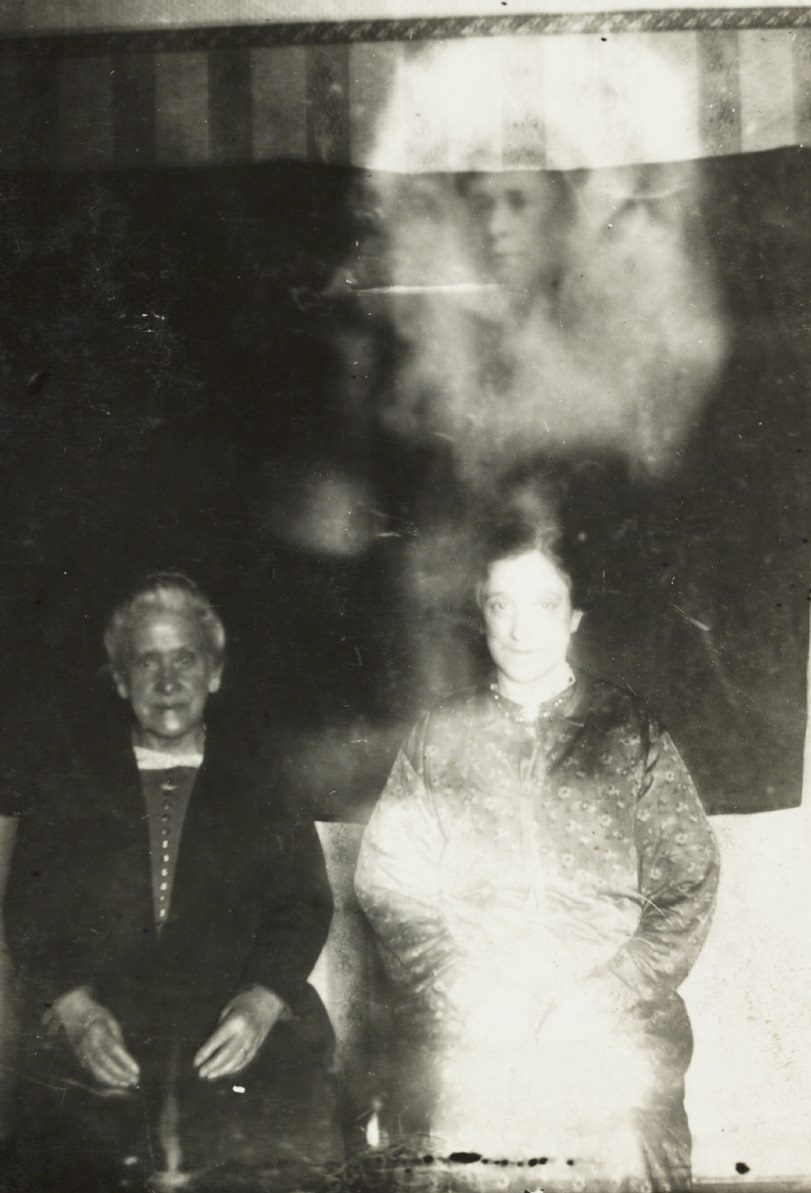
Hope’s association with the Welsh mediums Joe and Will Thomas produced some of his most frequently reproduced photographs. The Thomas brothers were themselves active in spiritualist circles, and their sittings with Hope resulted in images that were circulated widely among believers. These photographs helped cement Hope’s reputation beyond England and spread the Crewe Circle’s name into the broader spiritualist community.
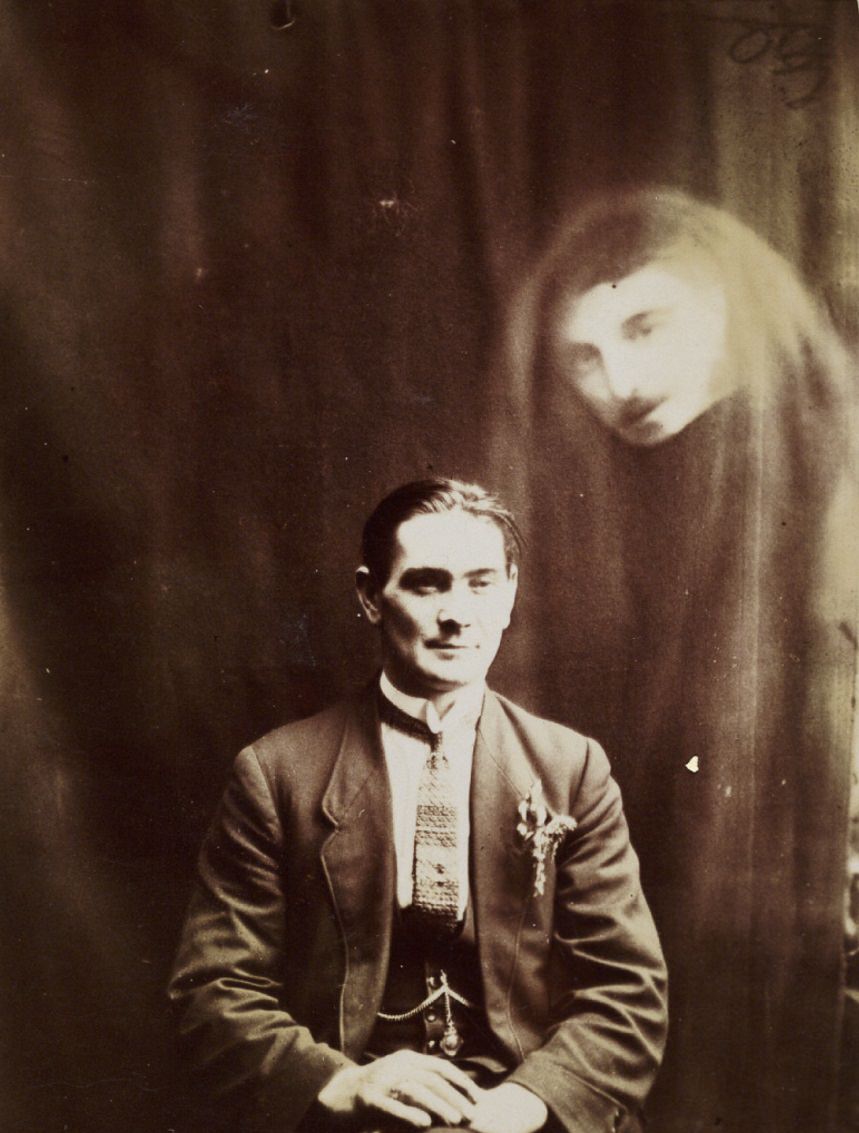
Hope practiced until his death in 1933, never admitting to fraud and never abandoning the claim that his photographs were real. Across nearly three decades, he produced hundreds of spirit photographs for clients who paid for the sitting and left with an image that told them their dead were still near. The Society for Psychical Research’s findings were clear, the technique was documented, and the evidence of manipulation was present in the plates themselves — yet for many who came to him, the photographs were exactly what they needed them to be.