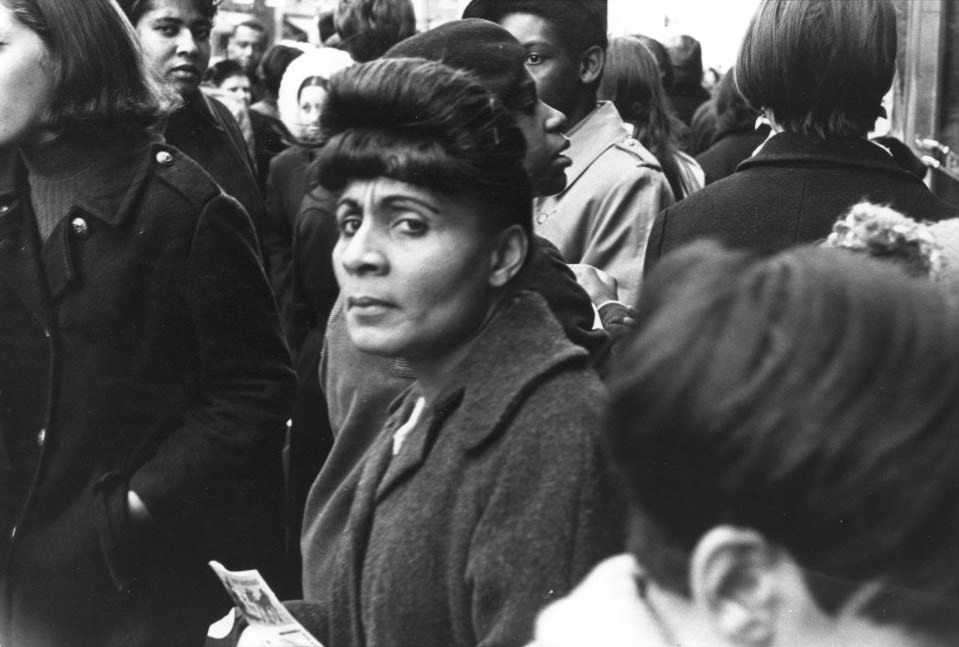
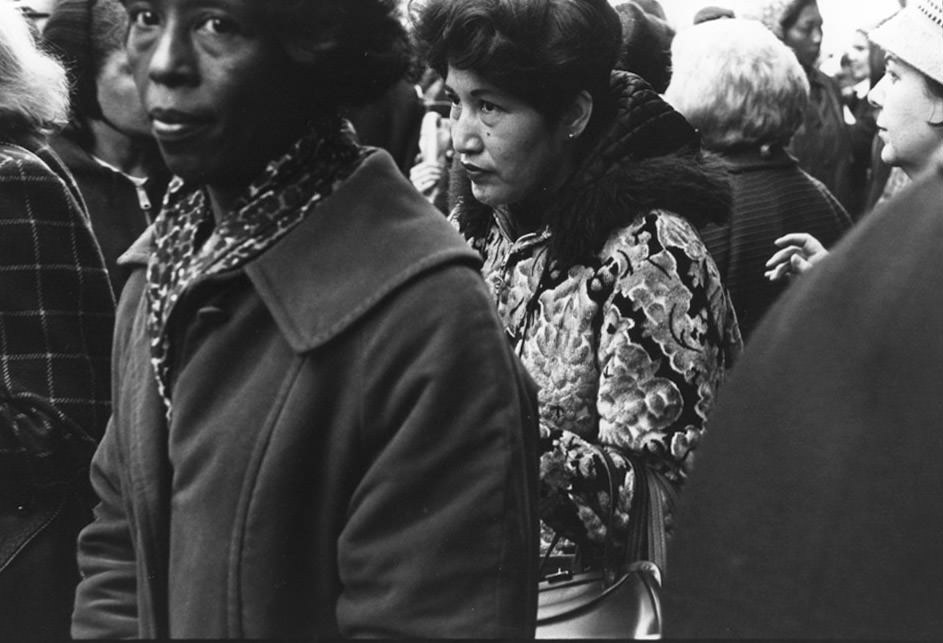
In 1967, photographer William Gedney walked into the crowds of Brooklyn, New York, with a camera and a quiet presence. He wasn’t shooting from a distance or staging anything. He was in the middle of it all — on sidewalks, among strangers, close enough to see the details in their faces.
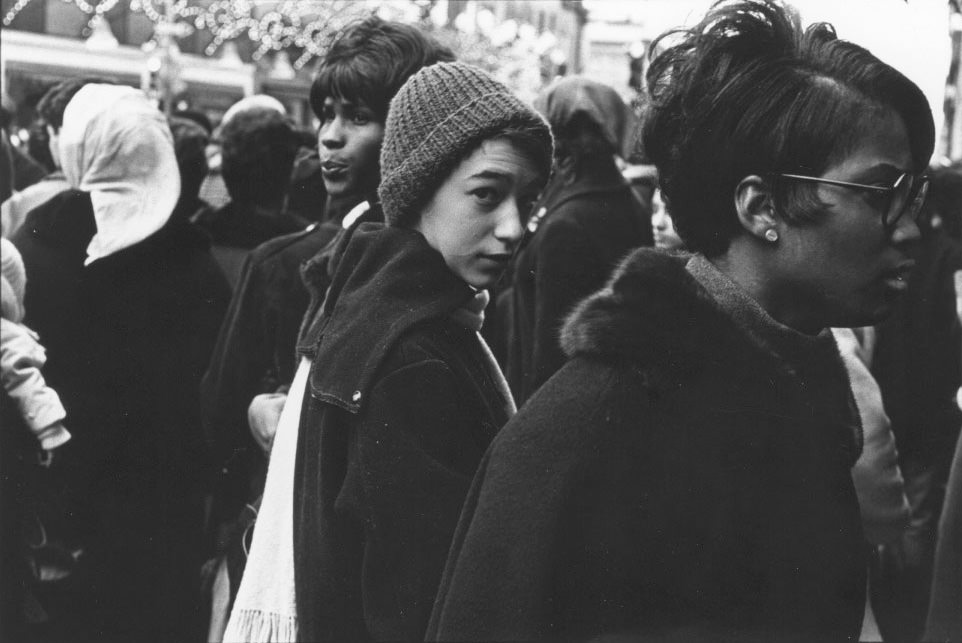
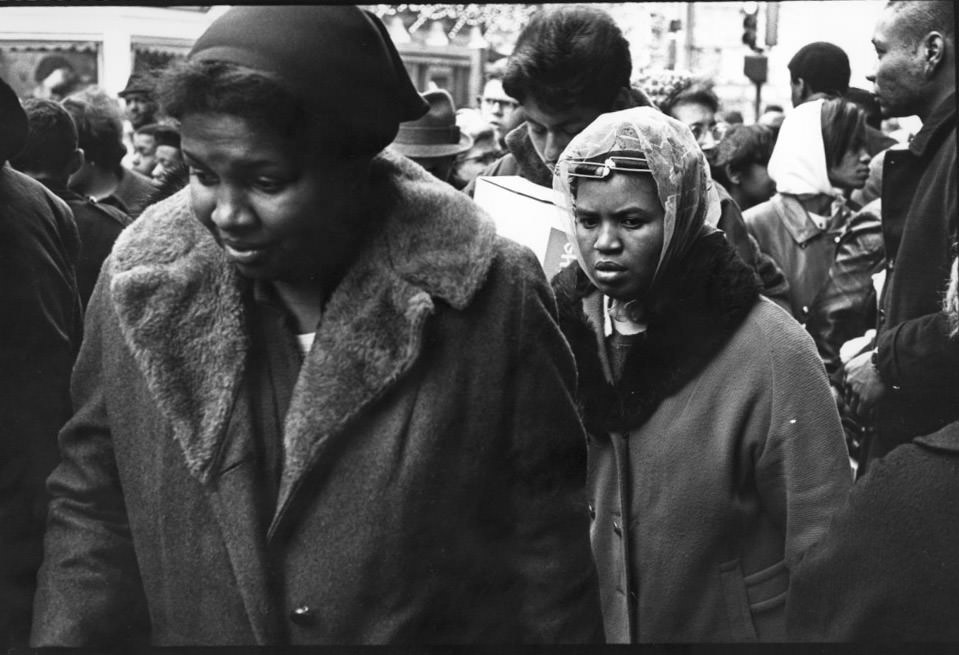
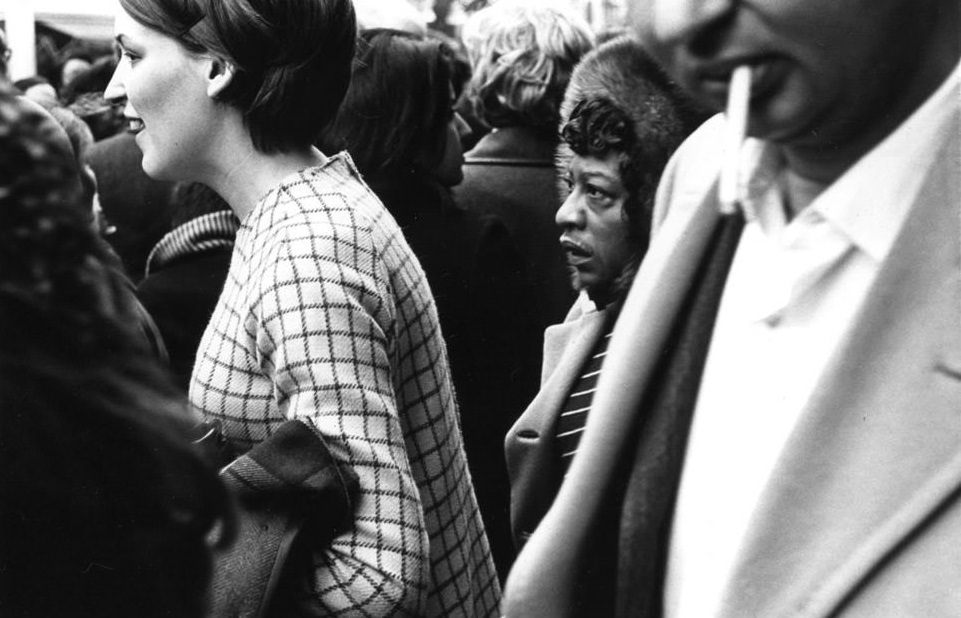
Gedney had a rare skill for documenting American life without making it feel documented. His subjects often had no idea they were being photographed. Some glanced at him. Most didn’t. That unawareness is exactly what gives his street work its power — real people, real moments, completely unposed.
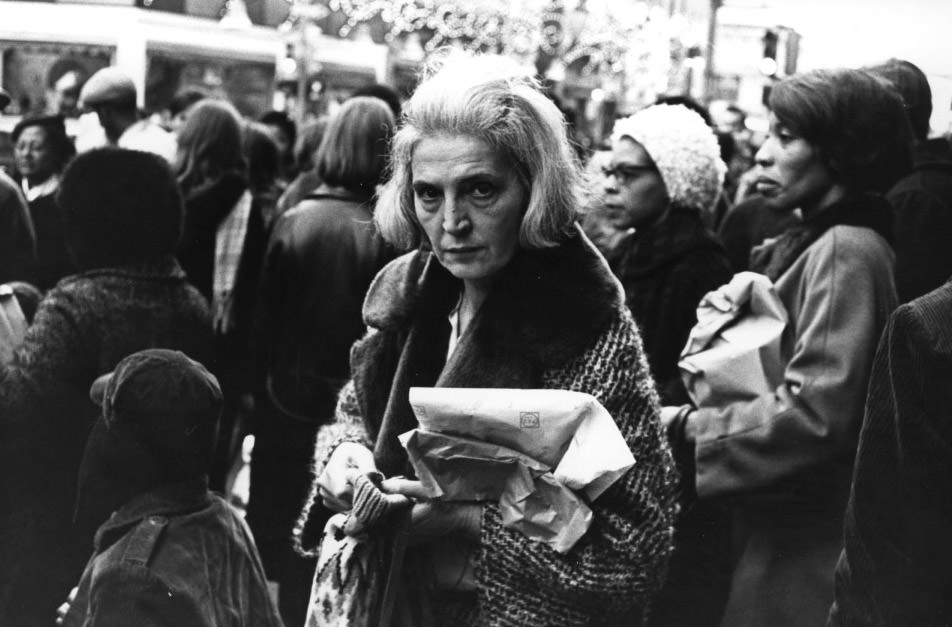
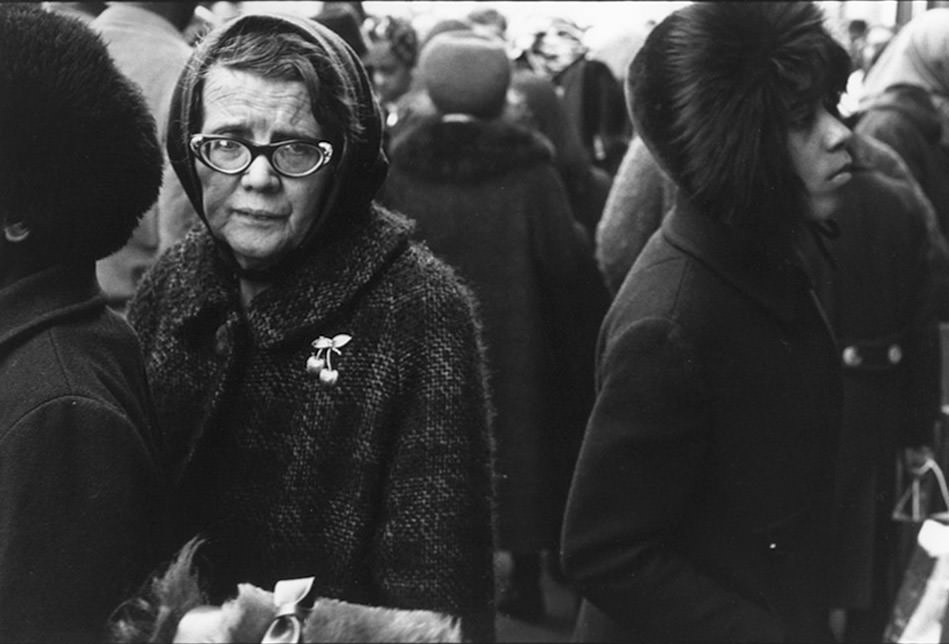
The Brooklyn series sits within a much larger body of work. Duke University’s Rare Book and Manuscript Library holds thousands of Gedney’s photographs, preserving his detailed record of post-war American life. The collection spans years of work and reaches across different communities and regions of the country.
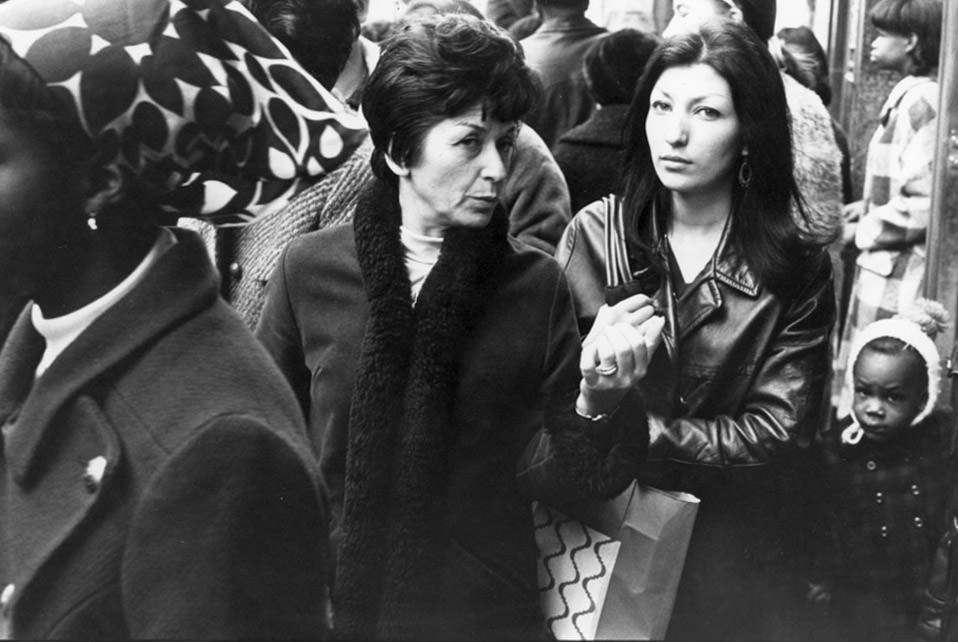
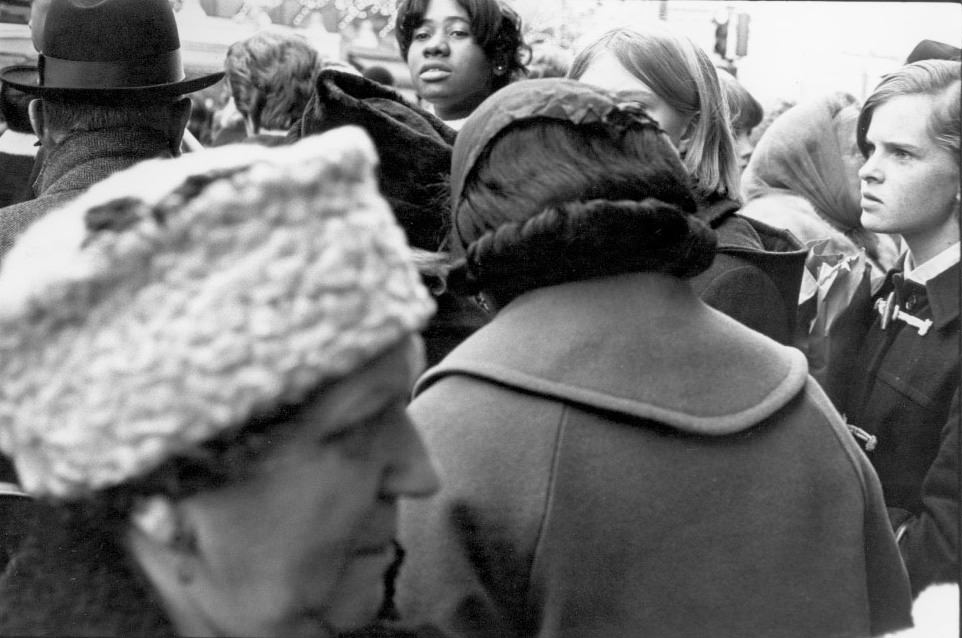
Looking at these Brooklyn frames, one thing stands out right away: a large number of his subjects are women. Women on the street, waiting, walking, shopping, talking. This reflects the social reality of the era as much as it reflects Gedney’s choices behind the lens. In 1967, public street life in urban neighborhoods was heavily shaped by women managing daily routines.
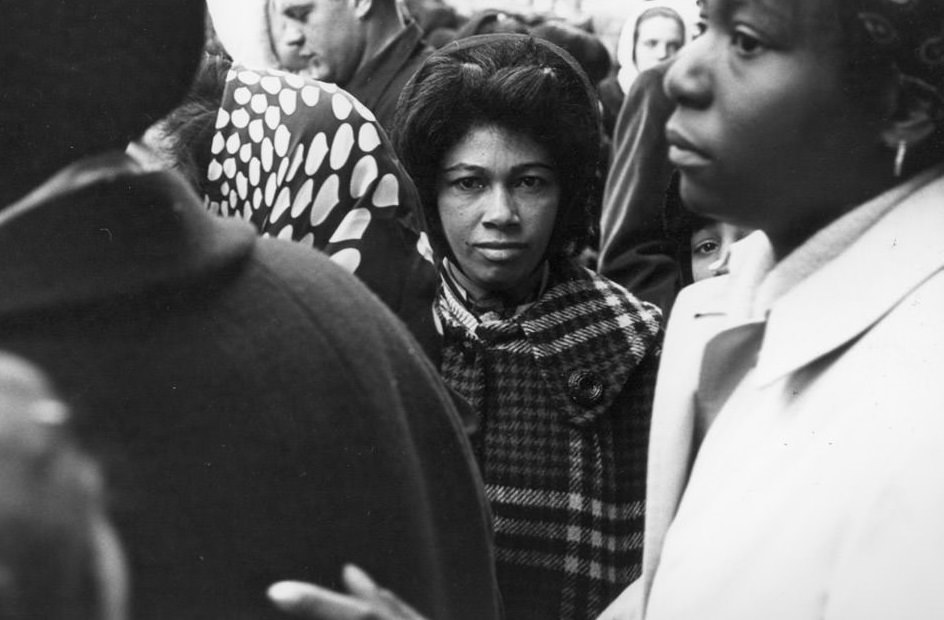
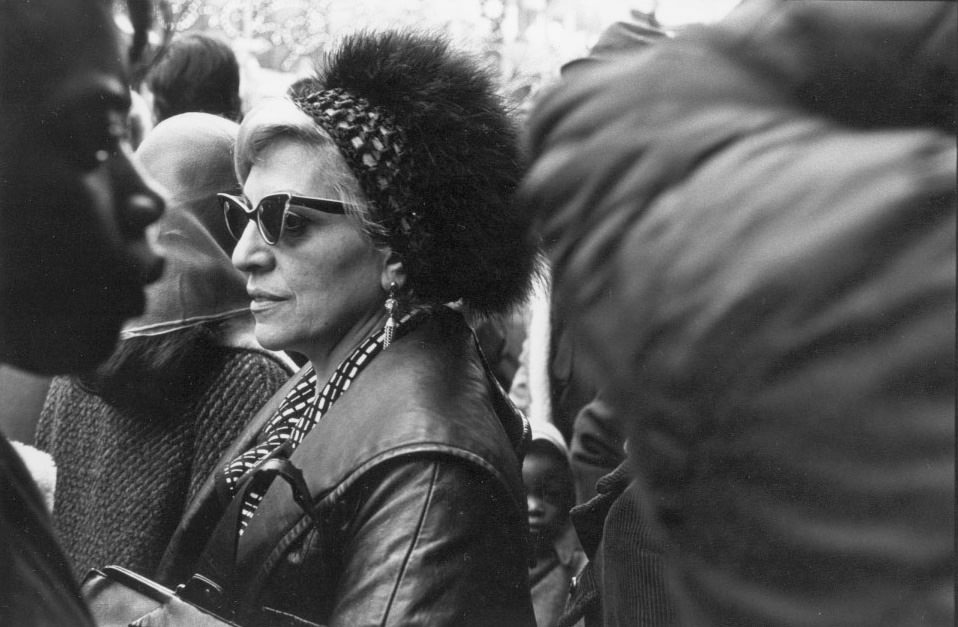
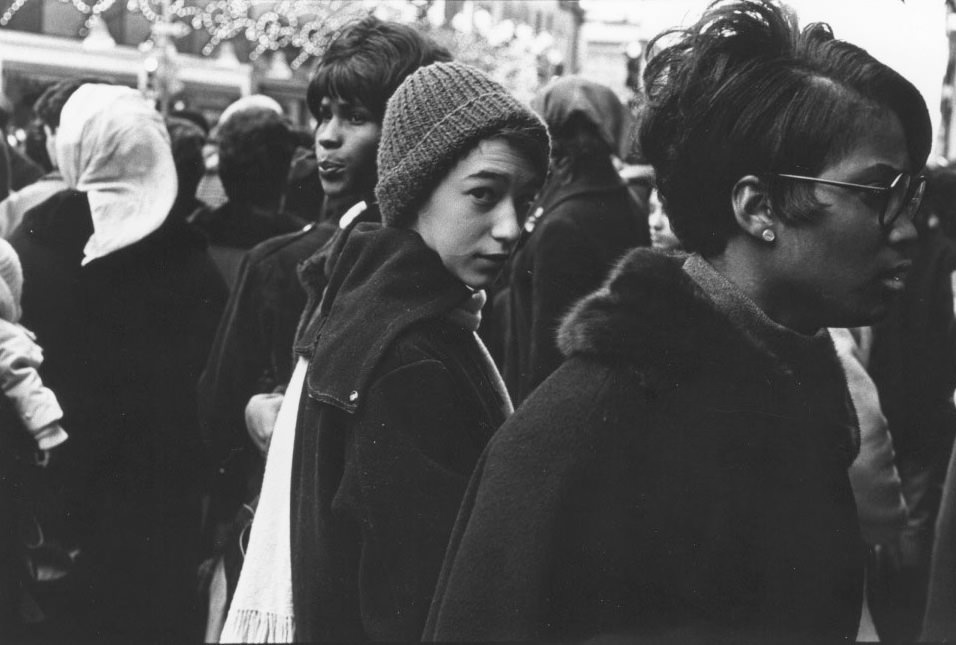
Each portrait carries specific details that place it firmly in its time. Clothing styles, storefronts, the texture of city streets in the late 1960s — nothing in these frames feels vague or generic. Gedney’s closeness to his subjects means you see the fabric of a coat, the expression on a face mid-thought, the weight of a shopping bag.
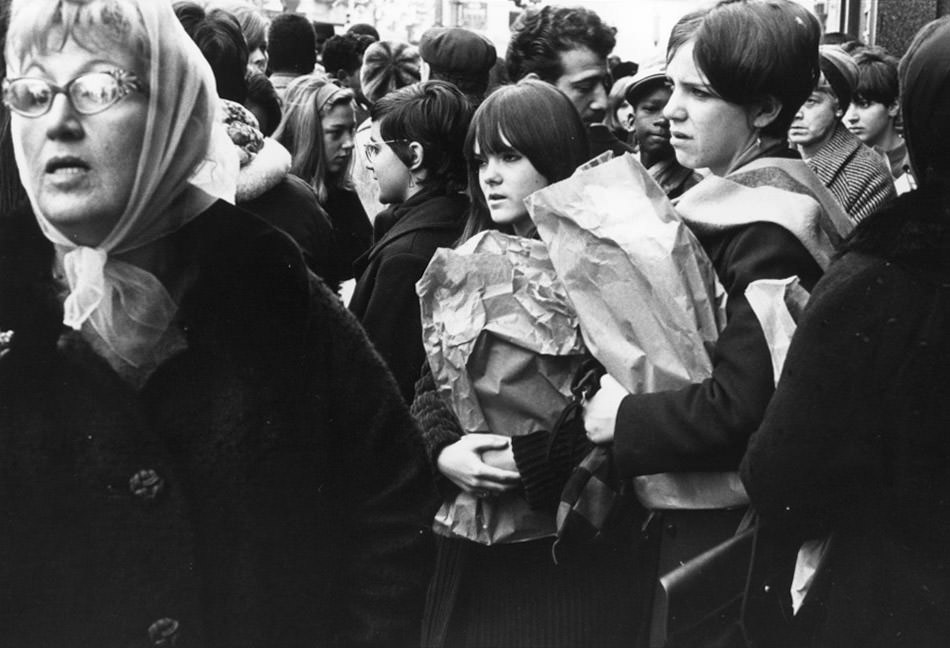
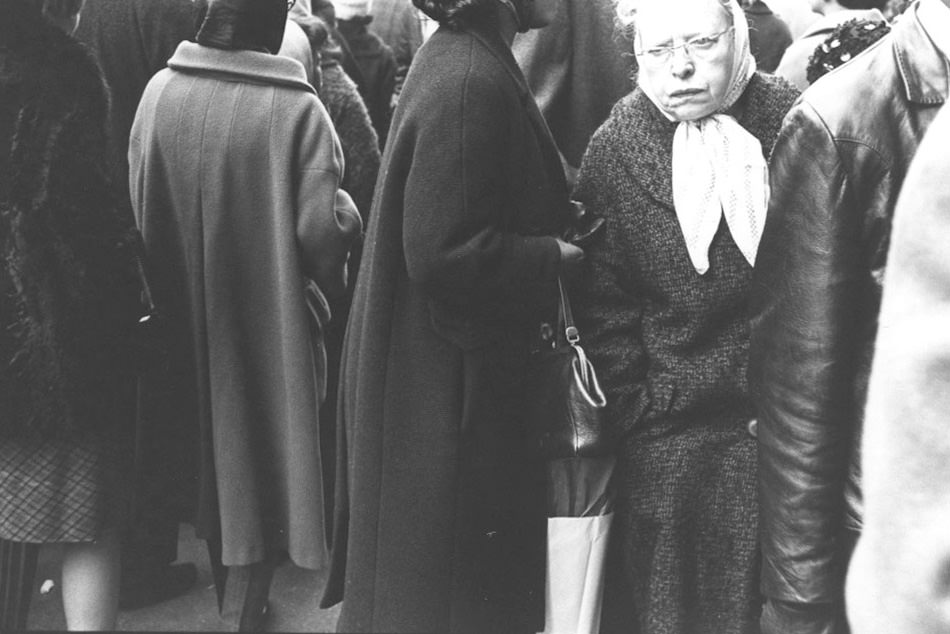
Street photography in this era required patience and nerve. There were no digital previews, no second chances to check an exposure. Gedney worked with film, making quick decisions in shifting light while staying invisible enough not to change the scene in front of him.
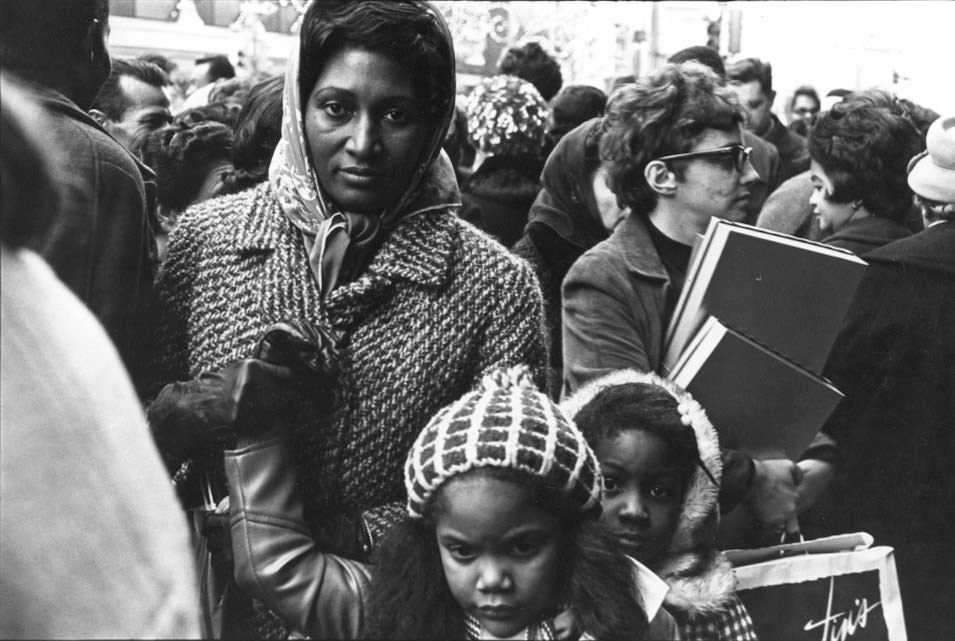
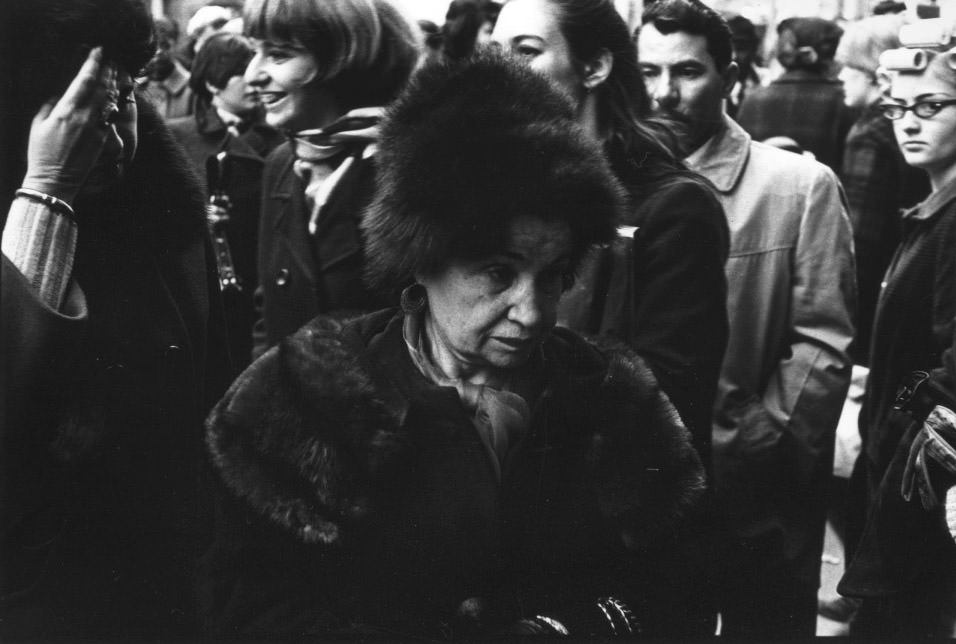
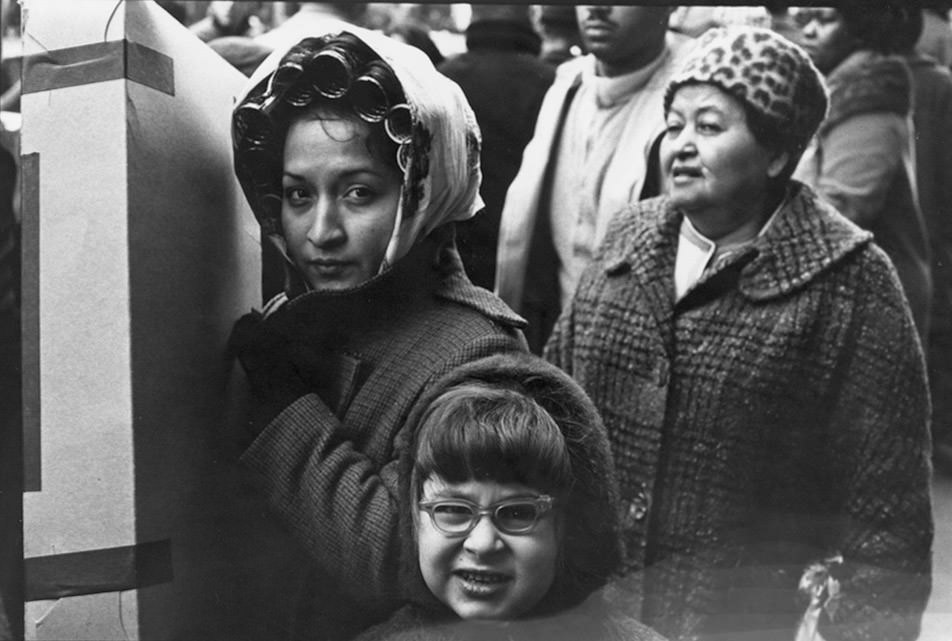
Brooklyn in 1967 was a dense, working-class borough full of distinct neighborhoods. The streets Gedney photographed weren’t tourist spots. They were ordinary blocks where ordinary people moved through their days without any thought of being remembered.
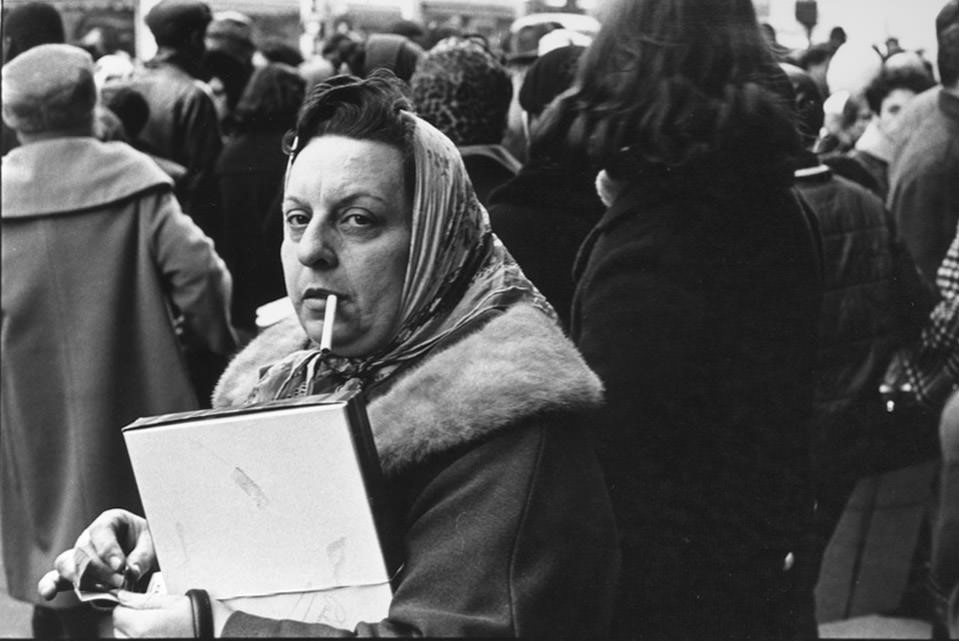
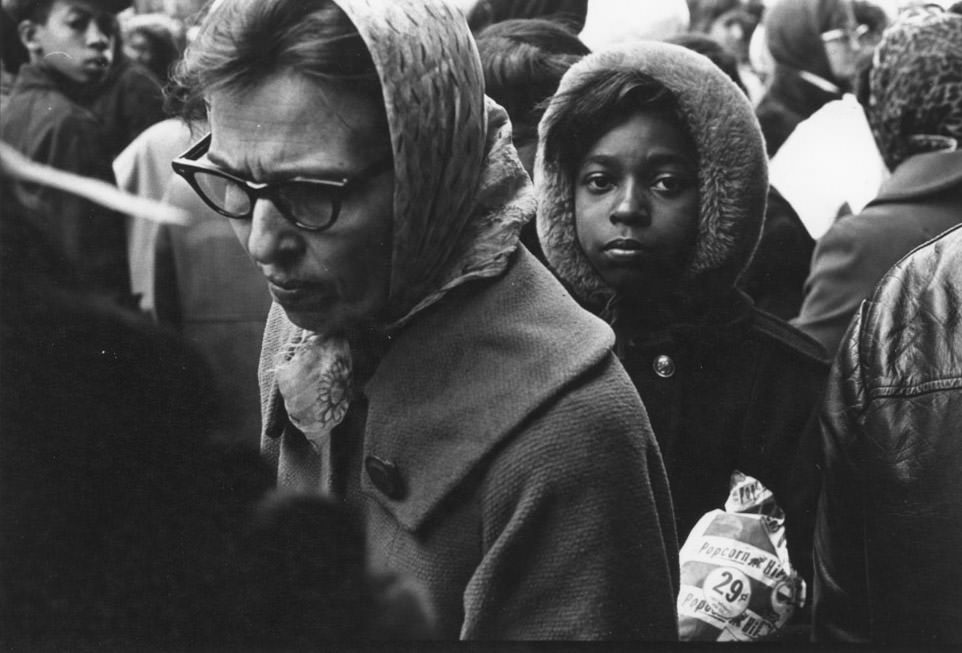
That is precisely what makes this archive so valuable. These aren’t celebrities or public figures. They are anonymous individuals going about their lives, now permanently preserved through Gedney’s lens.
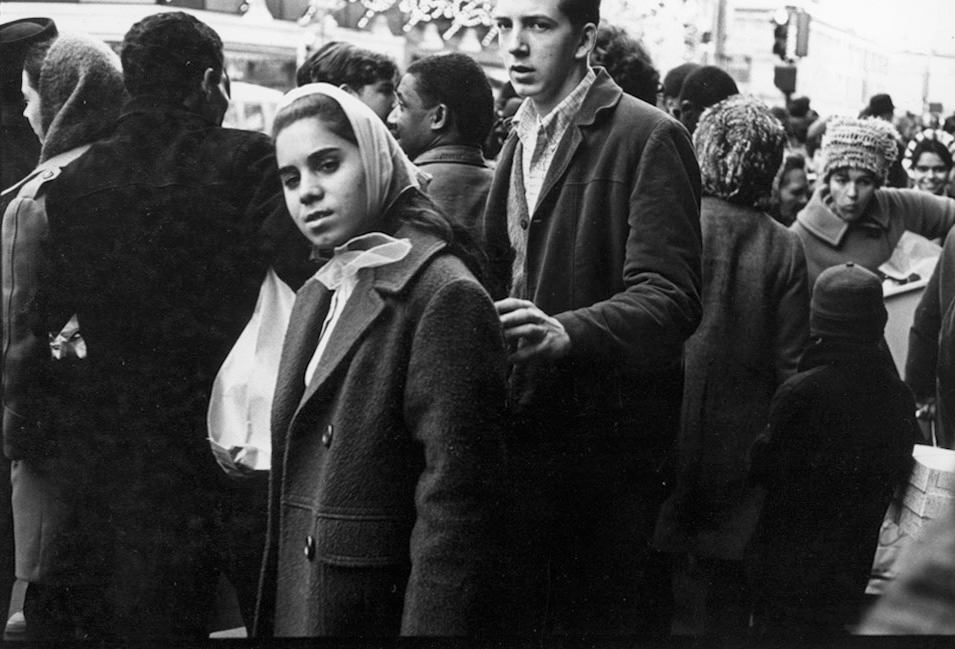
Gedney never sought wide fame during his lifetime. He taught, he traveled, and he kept shooting. His archives at Duke contain work from Kentucky, San Francisco, India, and beyond — but the Brooklyn crowd portraits stand as a sharp, focused snapshot of a single city, a single year, caught by a photographer who knew exactly how close to stand.