
Photographer Jack Corn captured these photos of American coal miners in West Virginia for the Documerica project during the 1970s. Corn was one of 70 photographers the U.S. Environmental Protection Agency commissioned to document the country. Jack Corn said: “You have to treat everybody with great respect, treat everybody the same. Sometimes, the things they say are less profound for college-educated people than what people in the mountains say… If you take time and talk to people, there’s a lot more depth to them than people think.”
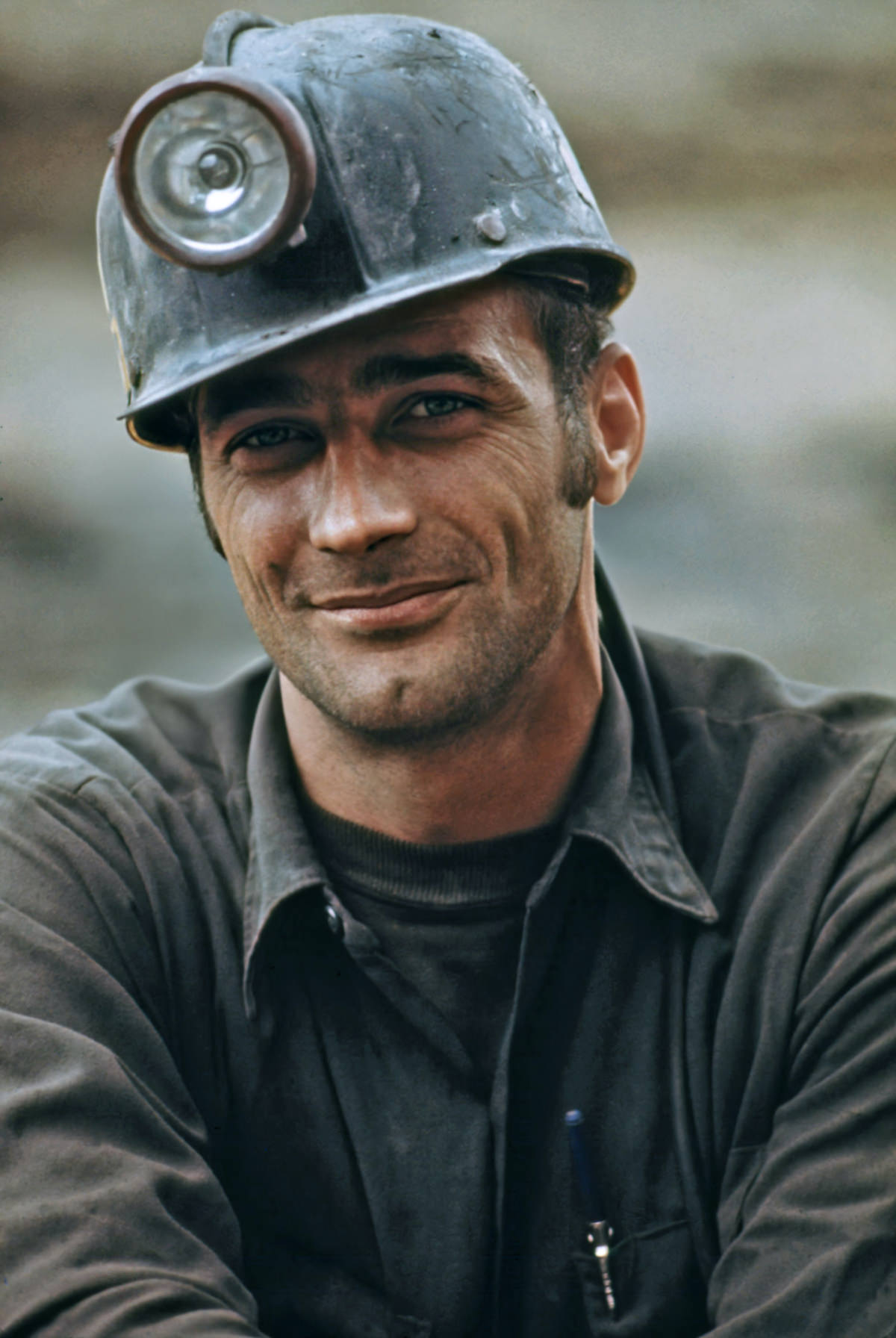
The mines are open around the clock. Two shifts work digging and bringing out coal; the other is involved in cleanup operations. The cleanup, or “Hoot-Owl,” shift begins at midnight.
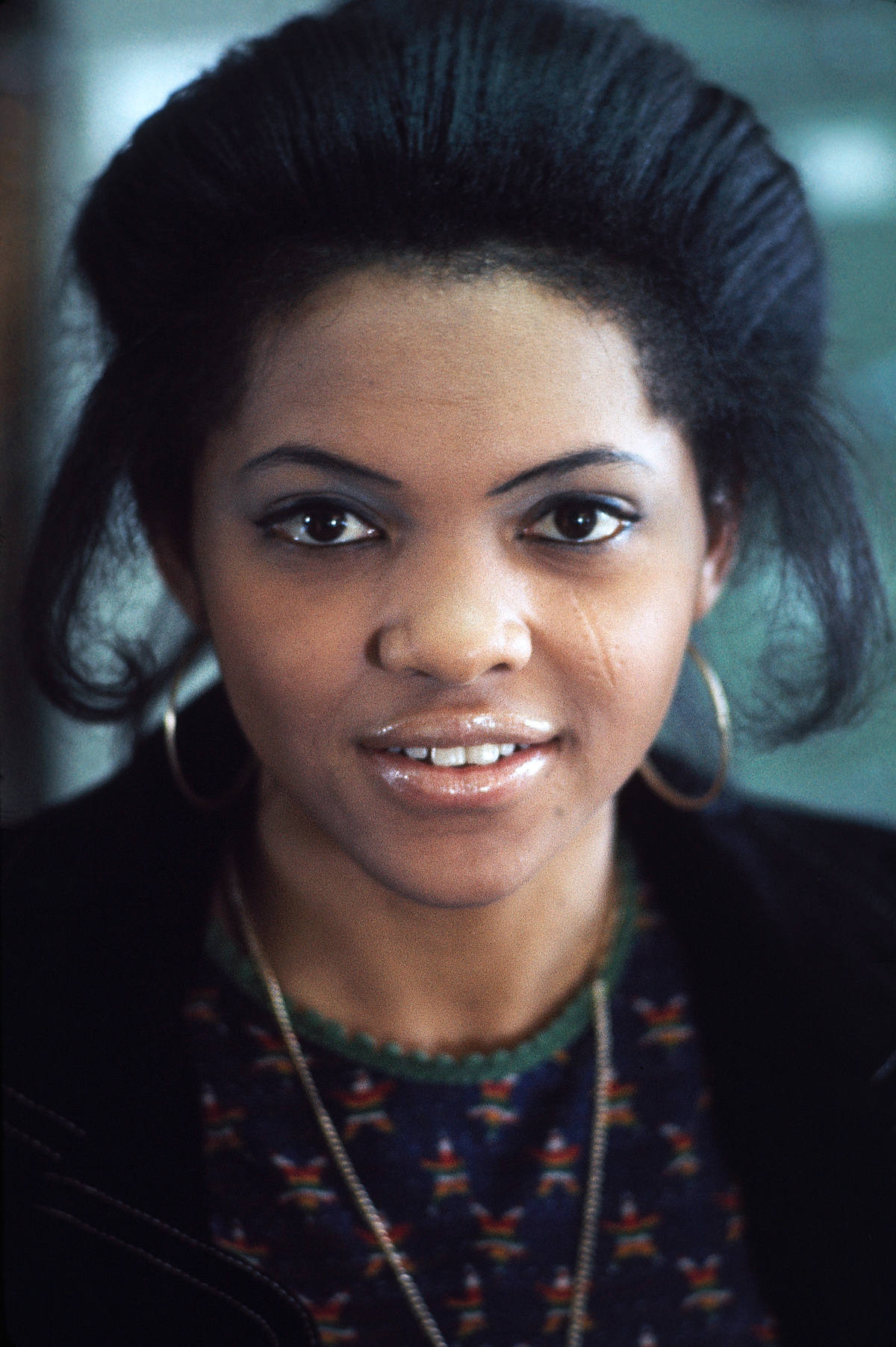
Her father was a miner who died of black lung disease, caused by shortage of breath as the lung sacs fill with coal dust.
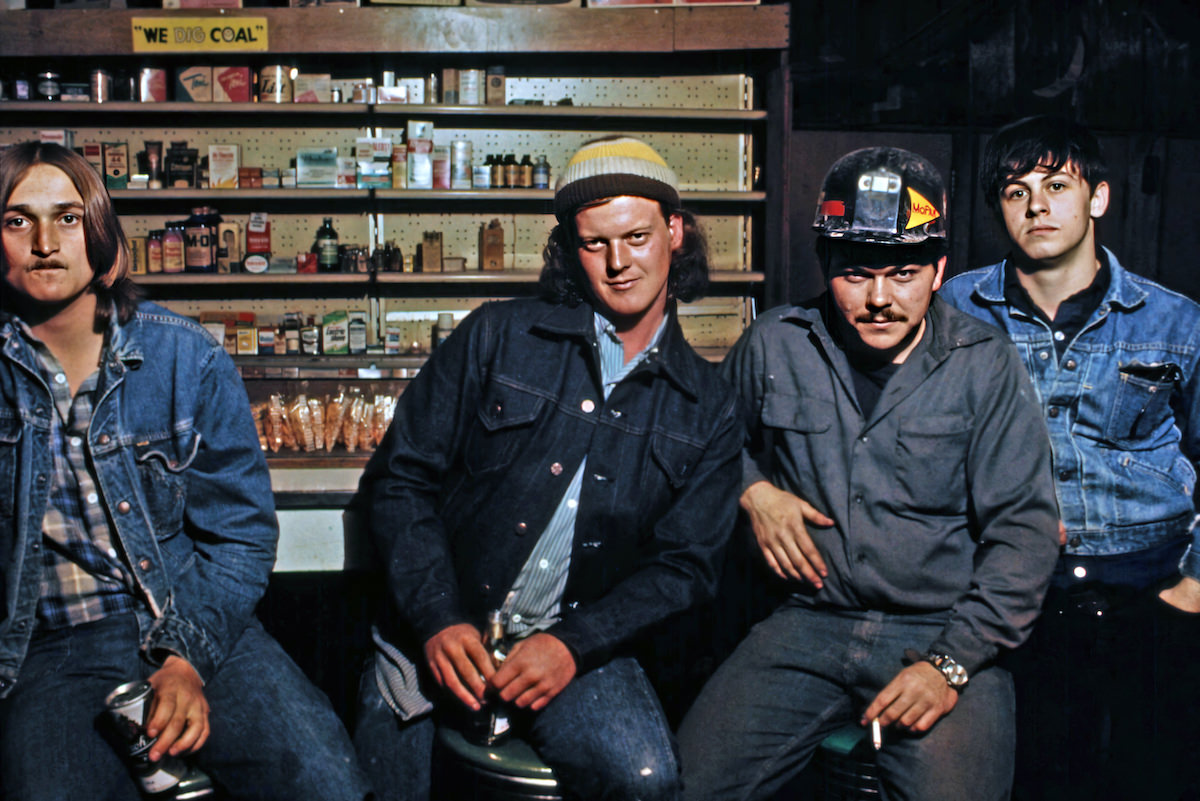
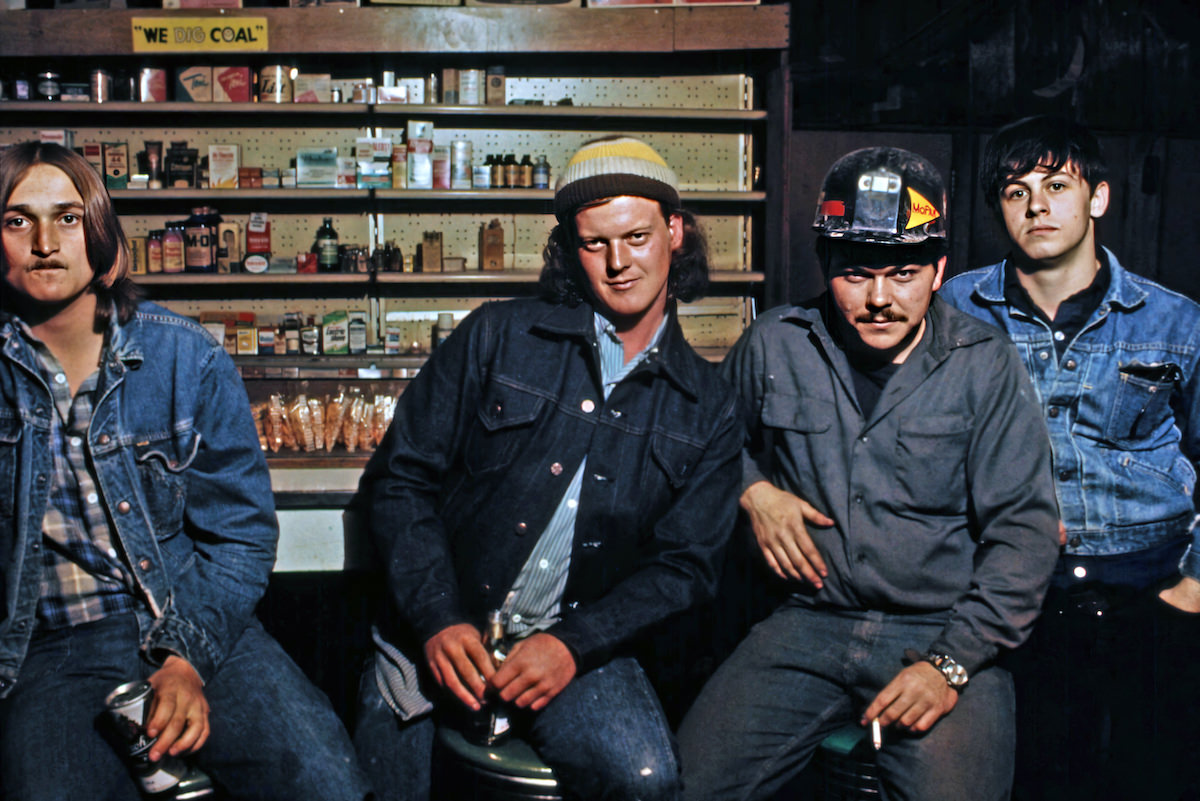
They are (L-R): Michael Doss, 18; Lanny Green, 21; Junior Jefferoy, 20; and Robert Johnson, 18. All their parents work or have worked in the mine. Jefferoy is a mining foreman after two years, but does not like it and wants to join the navy. Green can’t find a job but would like to work for the railroad. Doss isn’t working, but is waiting for a job in the mines.
They are (L-R): Michael Doss, 18; Lanny Green, 21; Junior Jefferoy, 20; and Robert Johnson, 18. All their parents work or have worked in the mine. Jefferoy is a mining foreman after two years, but does not like it and wants to join the navy. Green can’t find a job but would like to work for the railroad. Doss isn’t working, but is waiting for a job in the mines.
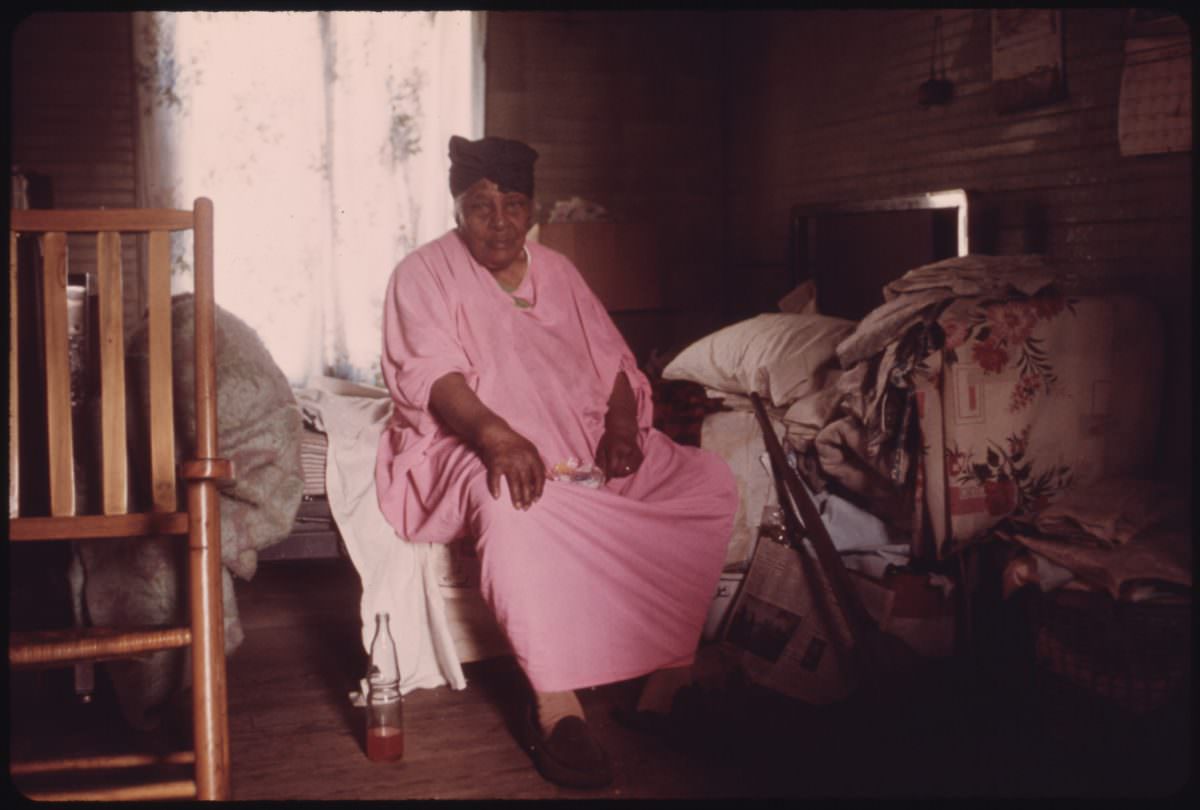
Nurses in the Outreach Program from the Mountaineer Health Plan visit her and check her health. 04/1974
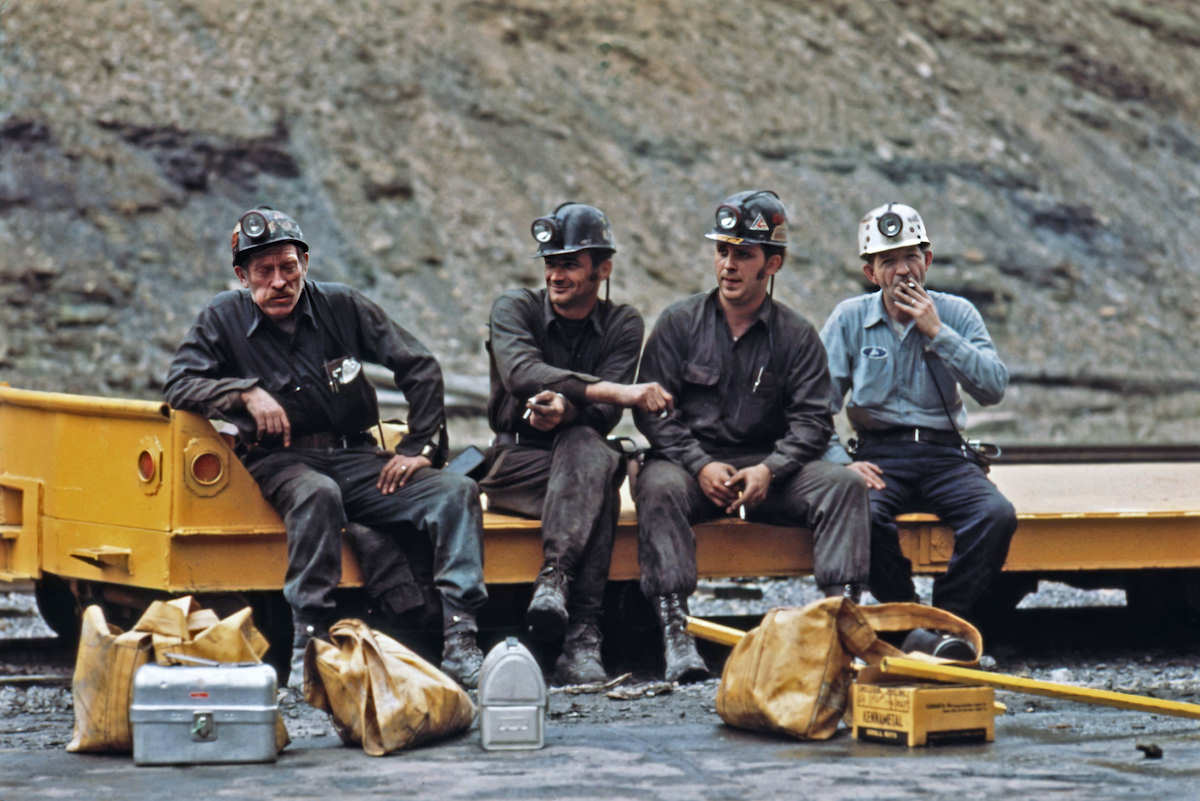
They are sitting on a shuttle car of the type that will take them into the mines and is also used for work on the outside. The yellow bags contain tools and equipment.
Note that some of them are “hunkering down” rather than sitting. This is a familiar stance to all miners, who use this posture in the mine shafts, which have low ceilings.
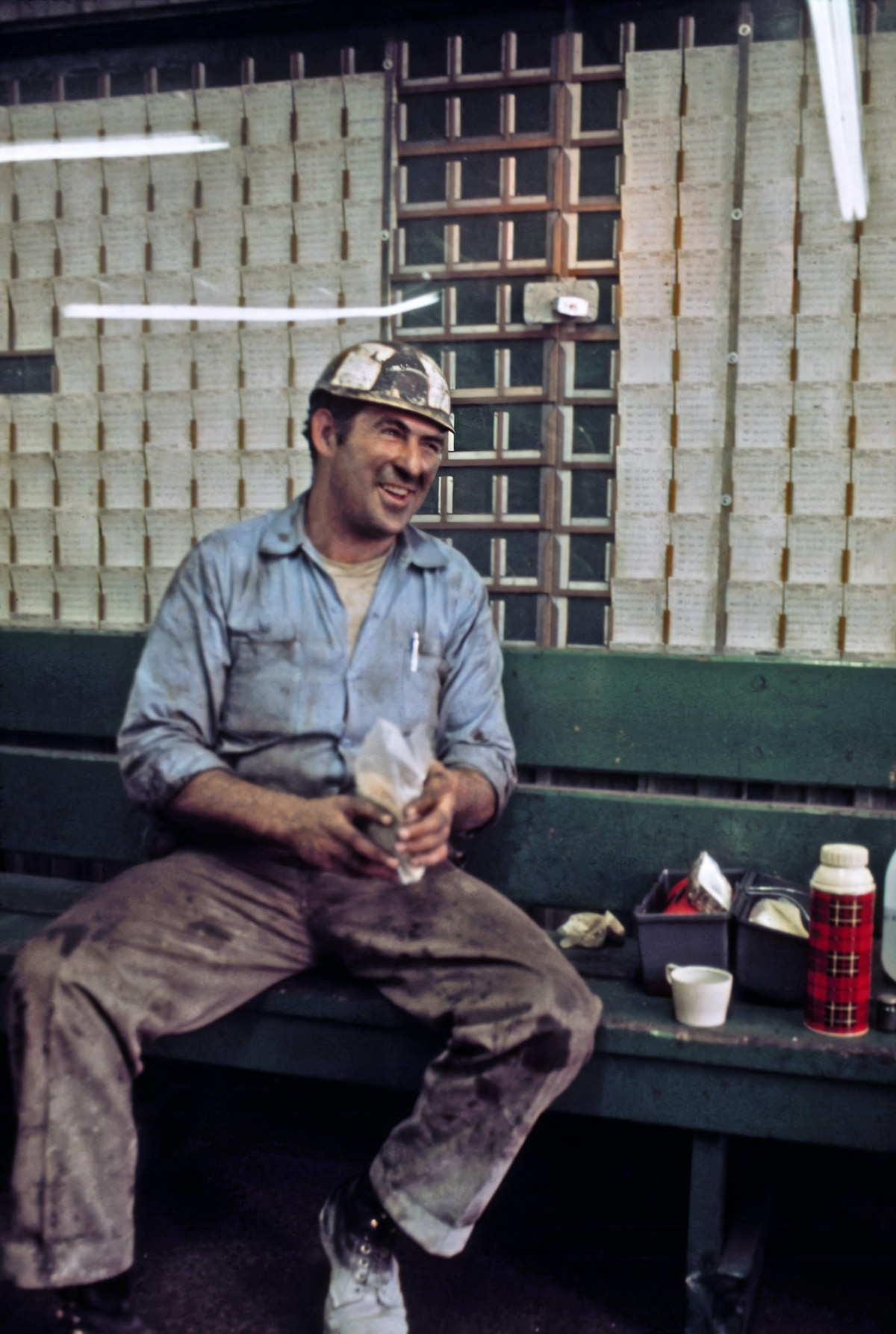
He hauls equipment into the mine during his work shift.
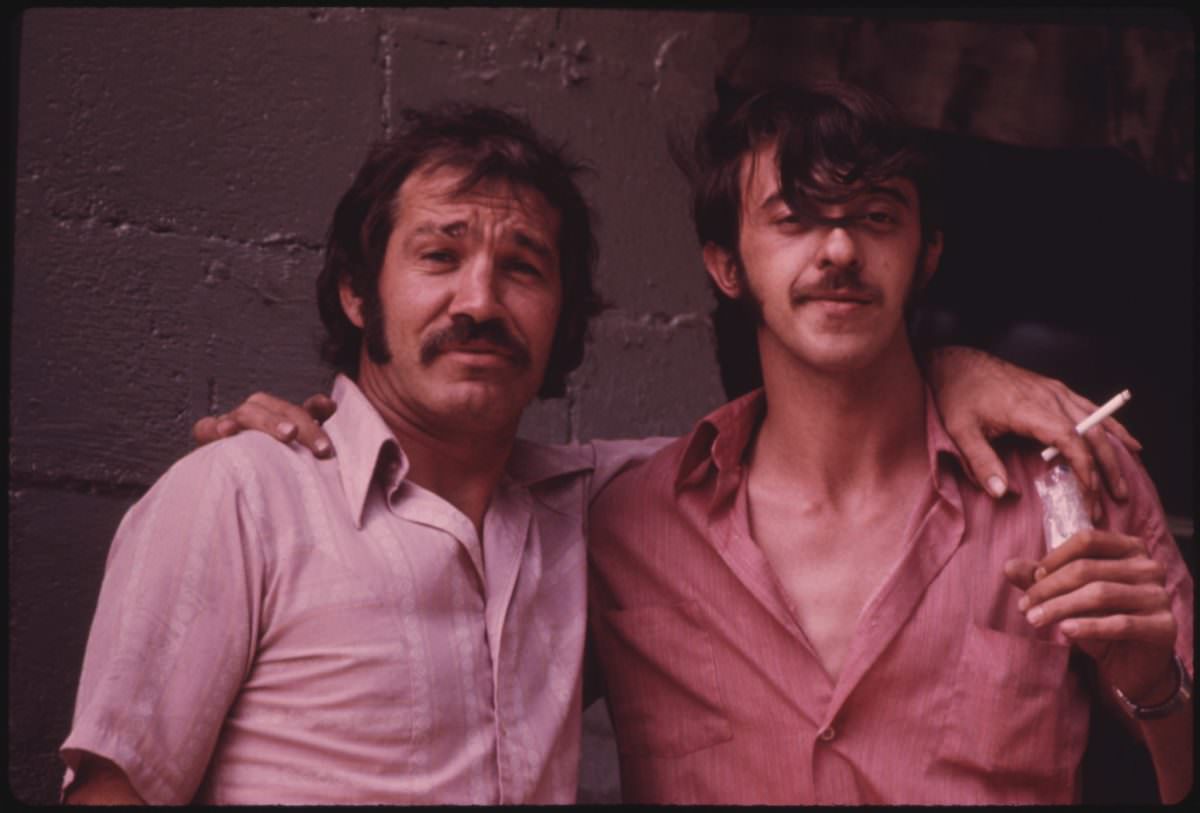
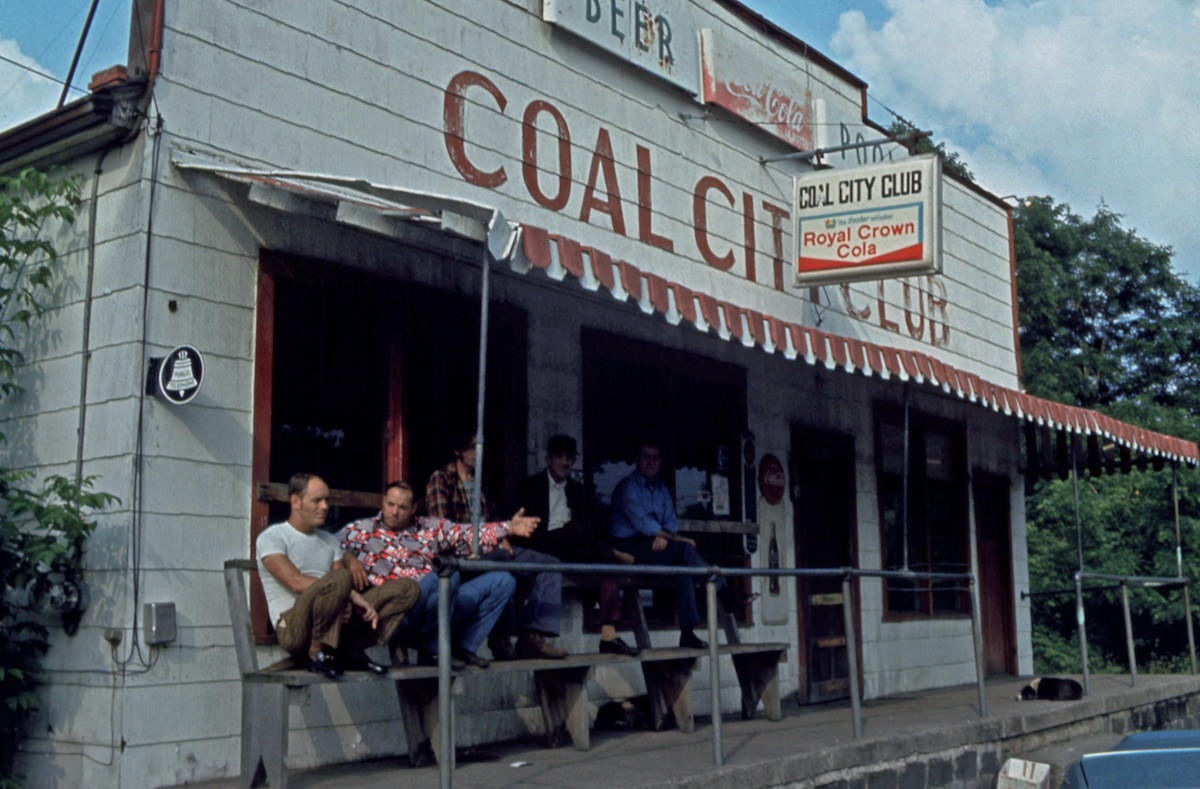
They are shown in the tavern operated by Jack Smith, Rhodell, West Virginia, near Beckley. 06/1974
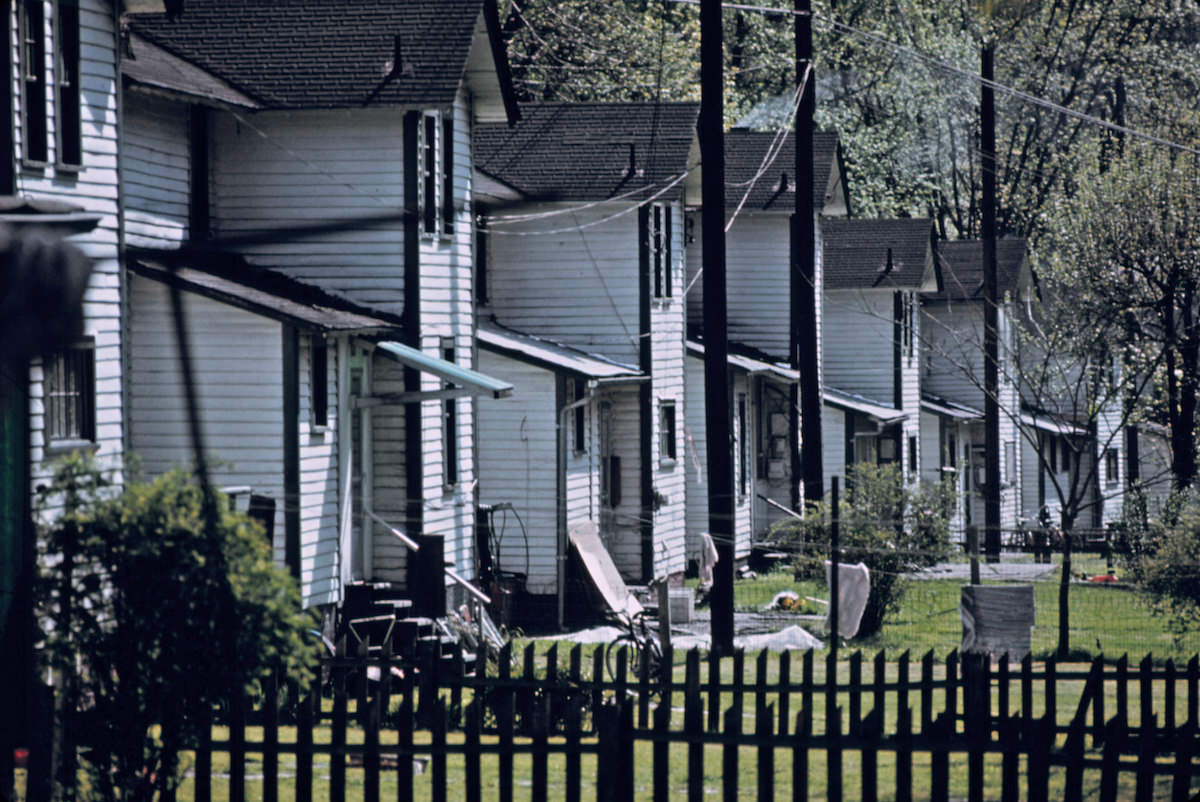
In the older housing, supervisors were given two-story homes with four rooms on each floor, while workers received one-story, four-room dwellings. The houses were also separated from each other, symbolic of a caste system that is now becoming a thing of the past.
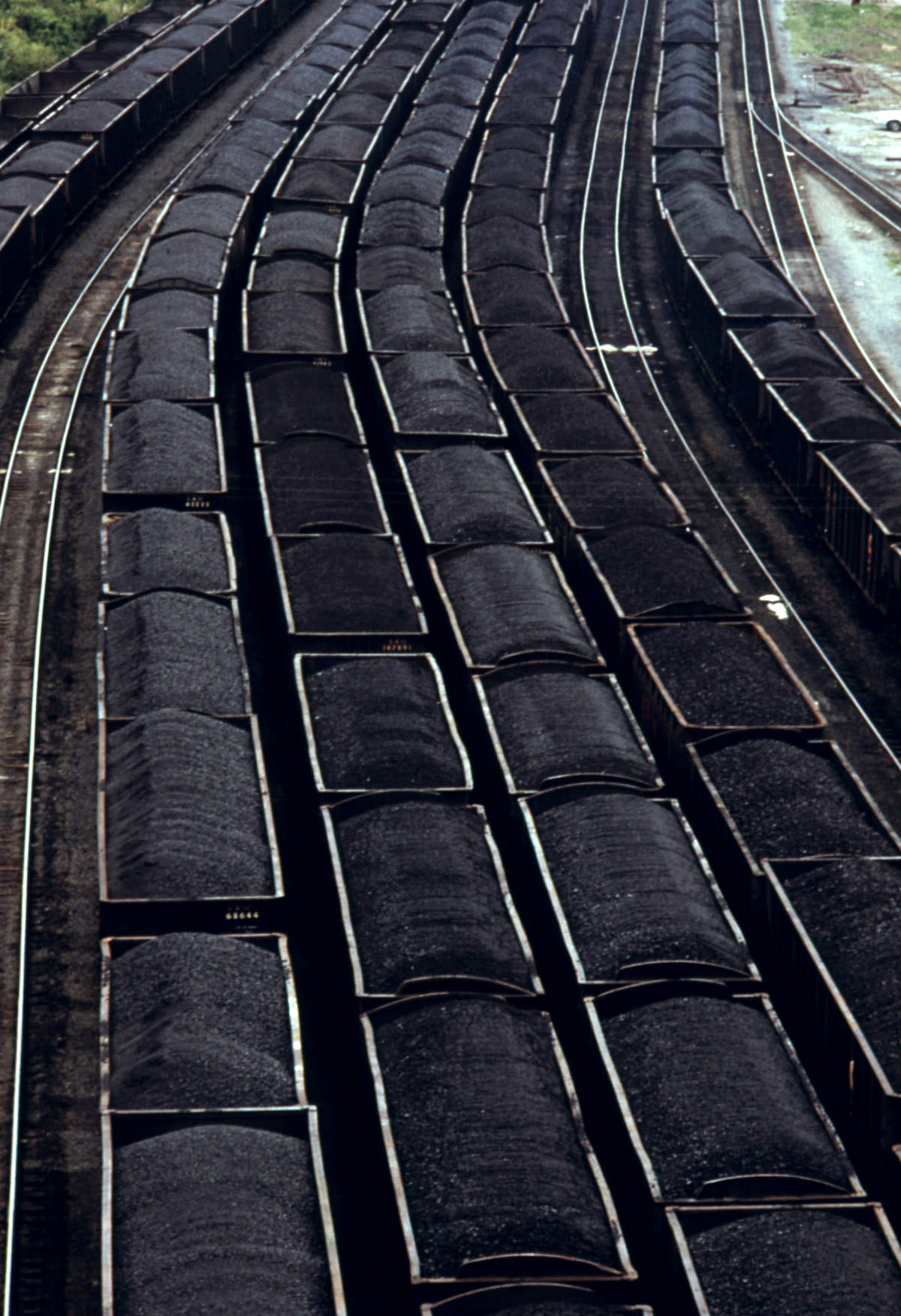
It is one of the largest trans-shipment points for coal in the world. A constant stream of rail cars is moved in and out of the small town.
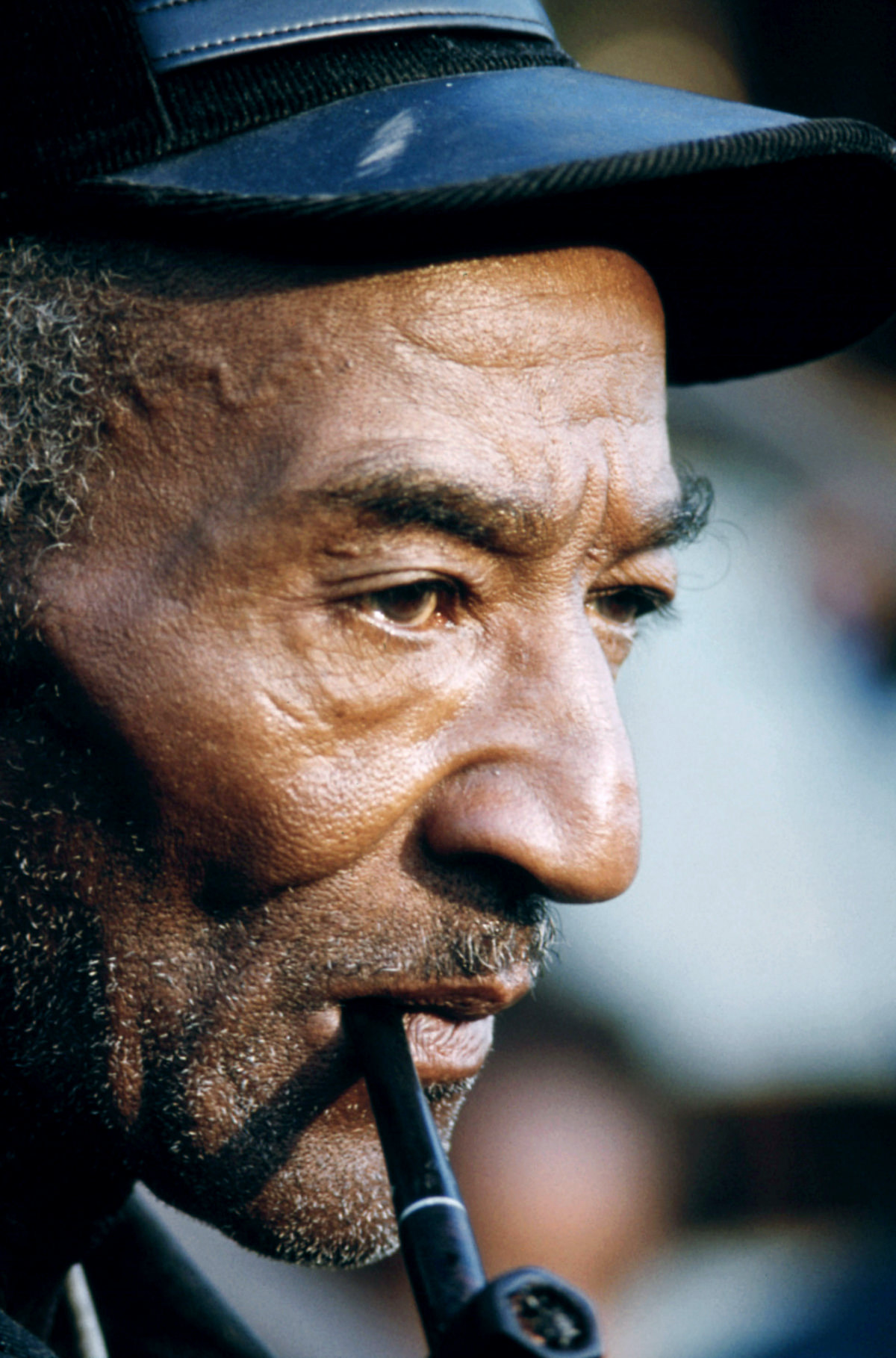
He receives Black Lung benefits and a United Mine Workers pension after working in the mines from 1925 to 1956. He has 20 children and does not regret having them one bit.
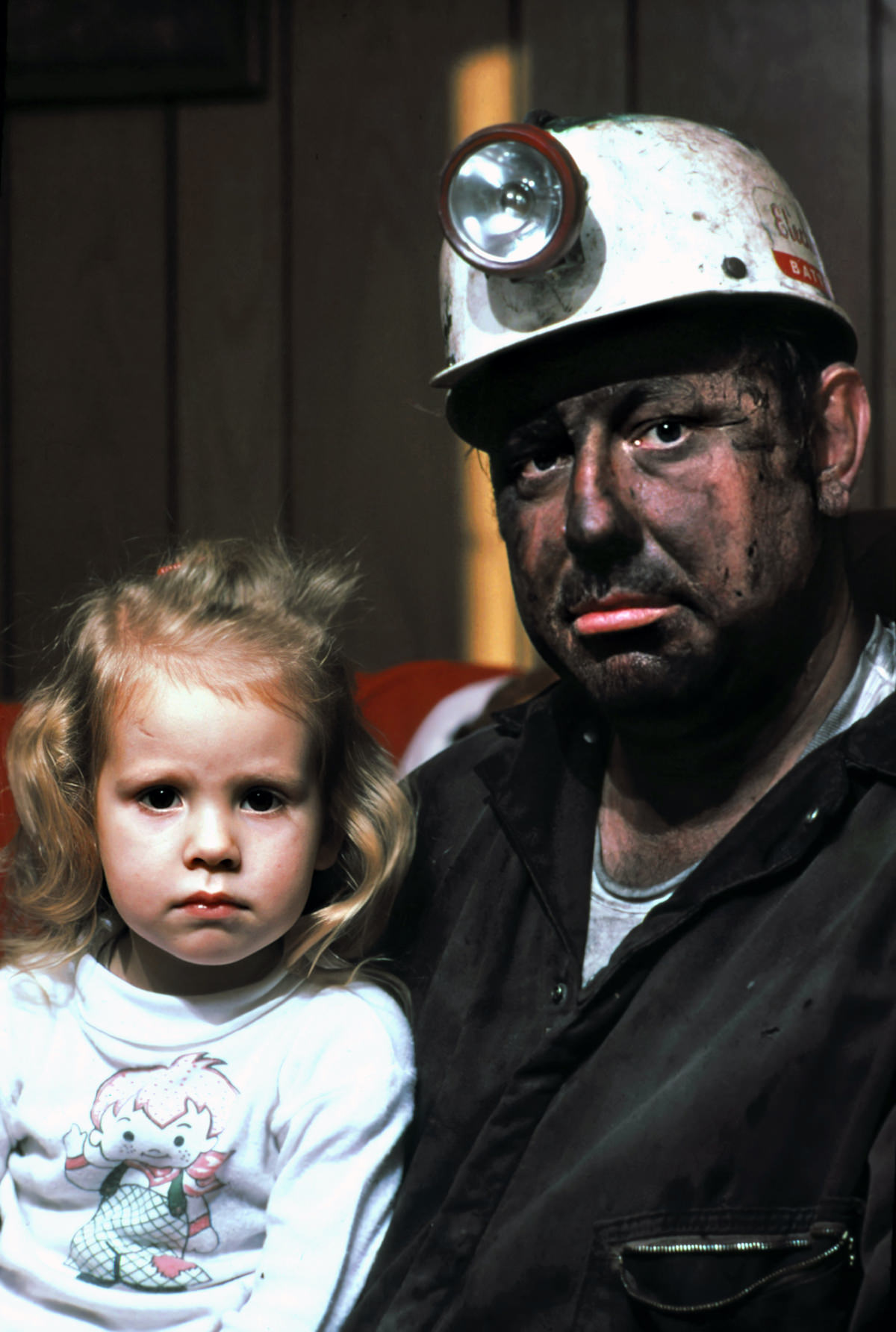
As soon as he arrives, he takes a shower and changes into clothes to do livestock chores with his two sons.
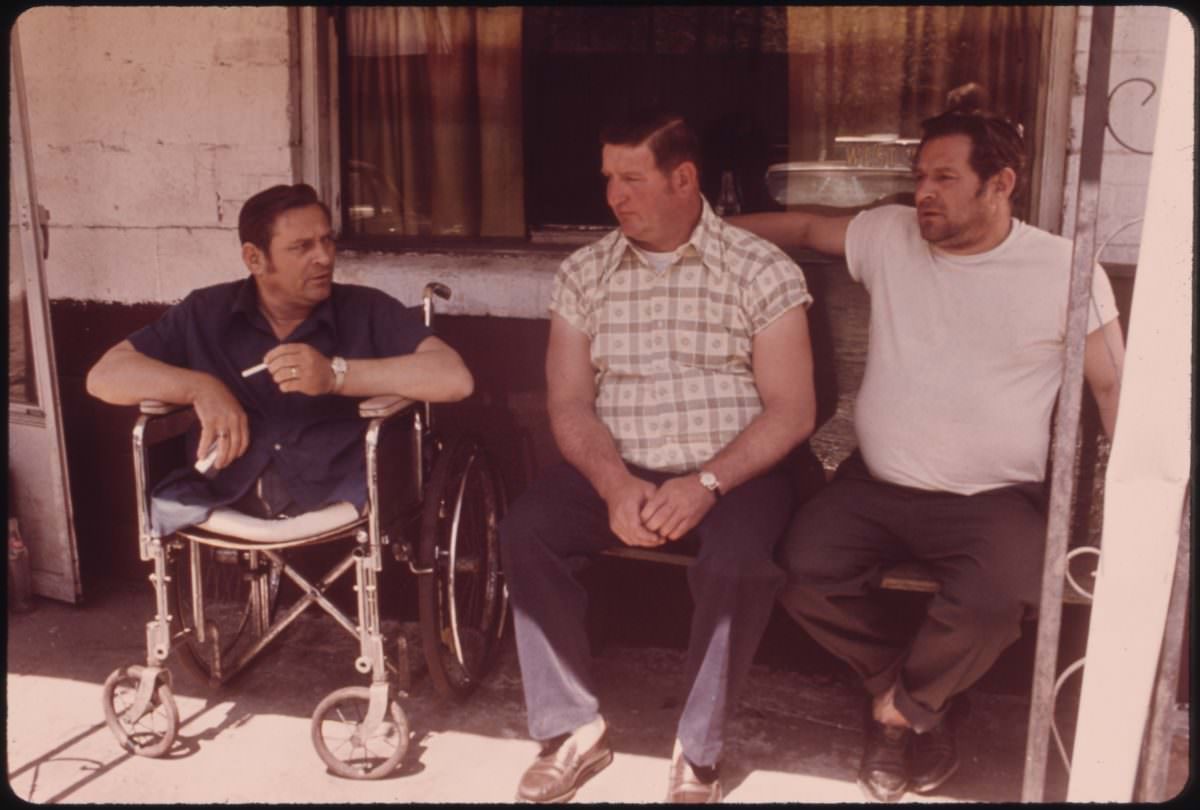
He was 21 when injured and had worked one year in the mines. Of the nine boys and seven girls in his family, all the males went into the mines except one who died in infancy. Smith is shown on the porch of the beer joint he operates. Seated with him are his brothers, Leo, 39, and twin Roy, 42. 04/1974
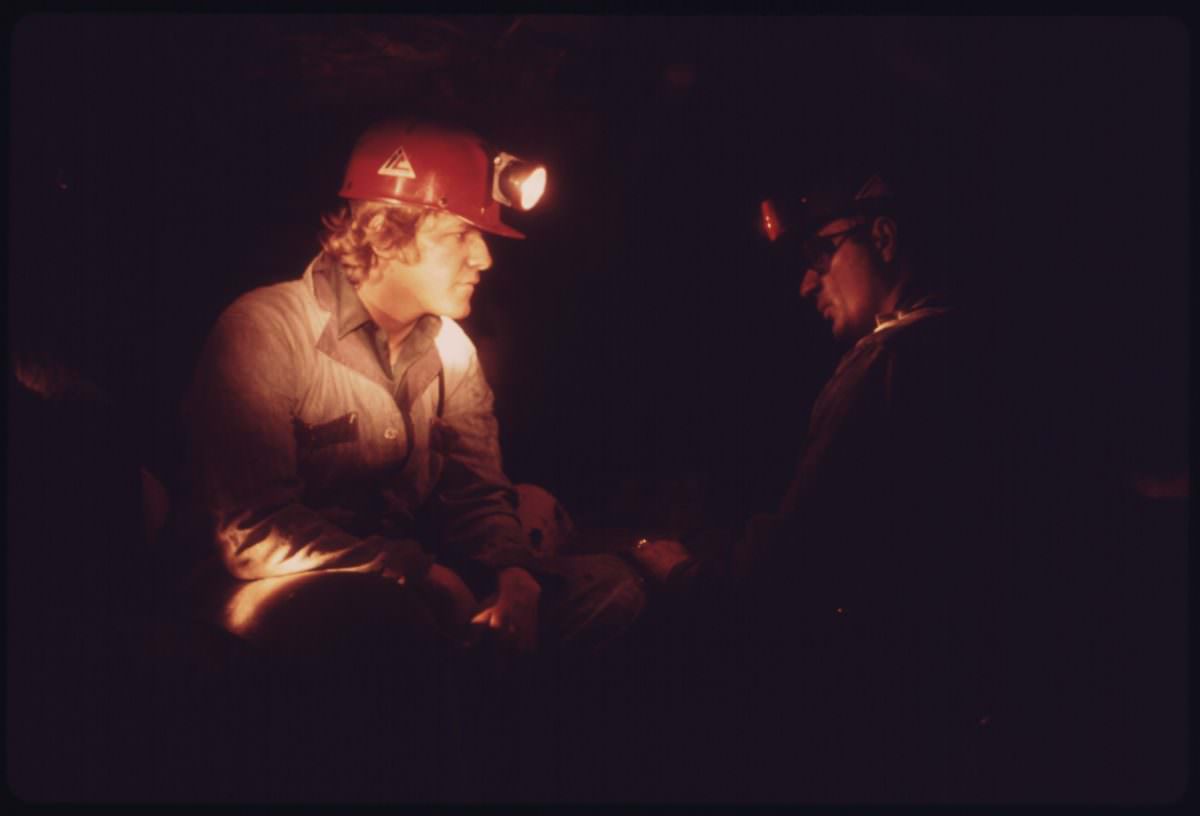
Stanley placed his hand on the new man, shined his lamp in the miner’s face, and said, “Be alert, be safe, and uns (you) will be a good miner and get along just fine.” This is Virginia-Pocahontas Coal Company Mine #3 near Richlands, Virginia. 04/1974
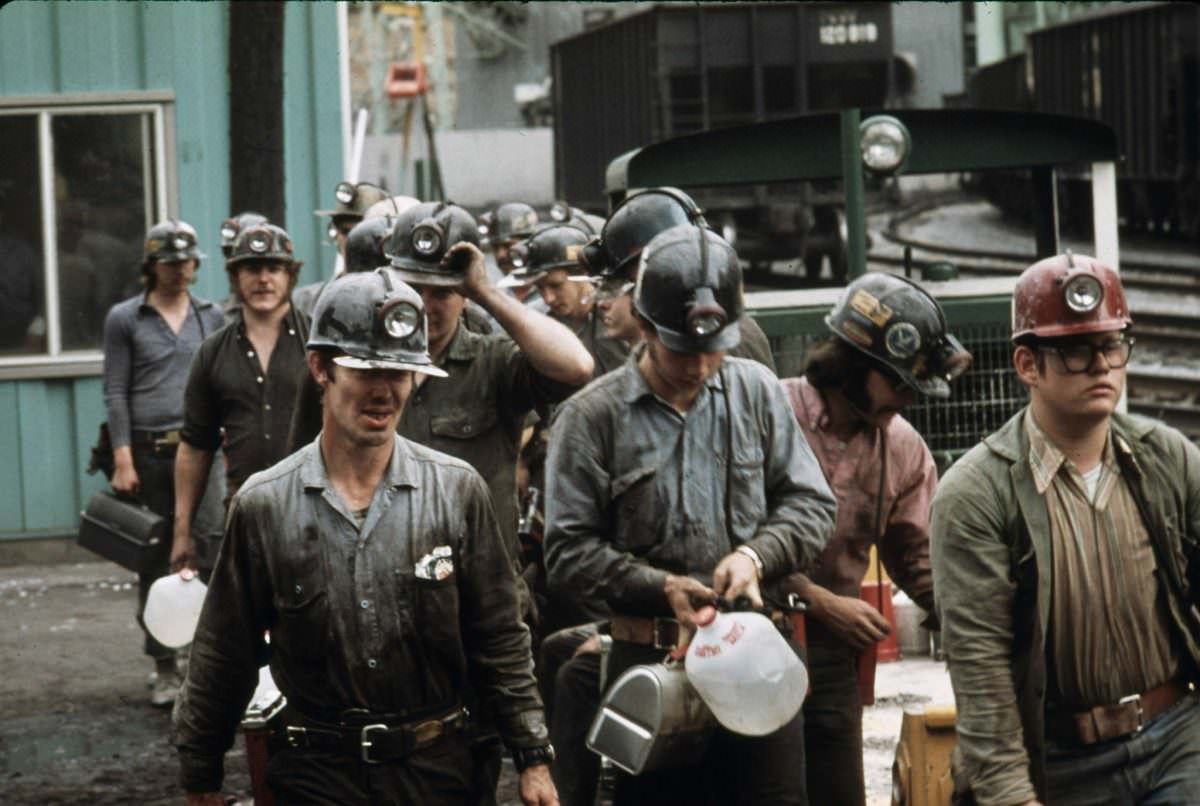
The man at the right wears a red hat, which means he is a new miner and has worked below less than a month. His belt also shows less wear than the others. The miner at the left carries Red Man chewing tobacco, used by many of the men because they cannot smoke in the mines. They also prefer to carry their own water rather than use what the company provides. 04/1974




