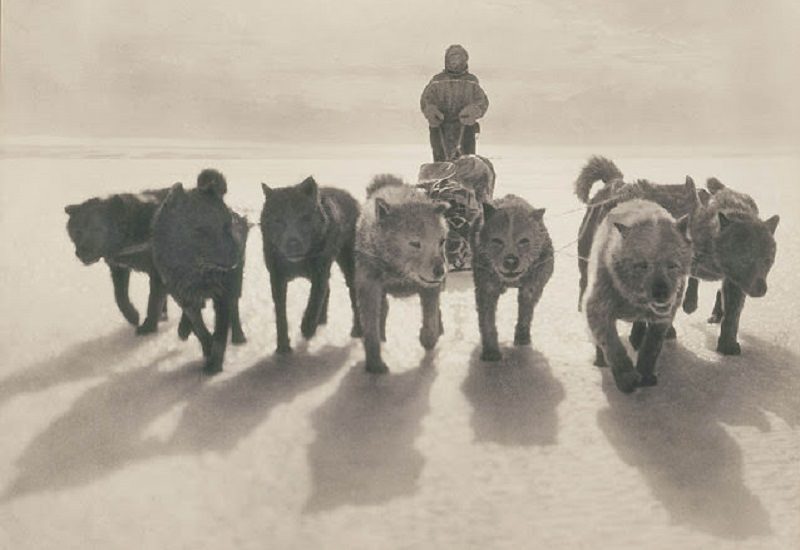
Ernst Haas was born on March 2, 1921, in Austria, and grew up to become one of the most celebrated photographers of the twentieth century. He immigrated to the United States in 1951, and from the moment he arrived, he turned his camera on the country’s vast landscapes, busy cities, and everyday people. He believed photography sat at the crossroads of science and art — precise in technique, but deeply personal in expression. Nowhere did that belief show more clearly than in his work across the American West.
One of Haas’s most striking skills was his use of color saturation. He pushed color further than most photographers of his era, using it to draw out the raw contrasts of the western landscape — the endless flat desert floor against a towering red canyon wall, or the bright noon sky over a dusty small-town street. His images didn’t just document a place; they conveyed a feeling of being inside it.
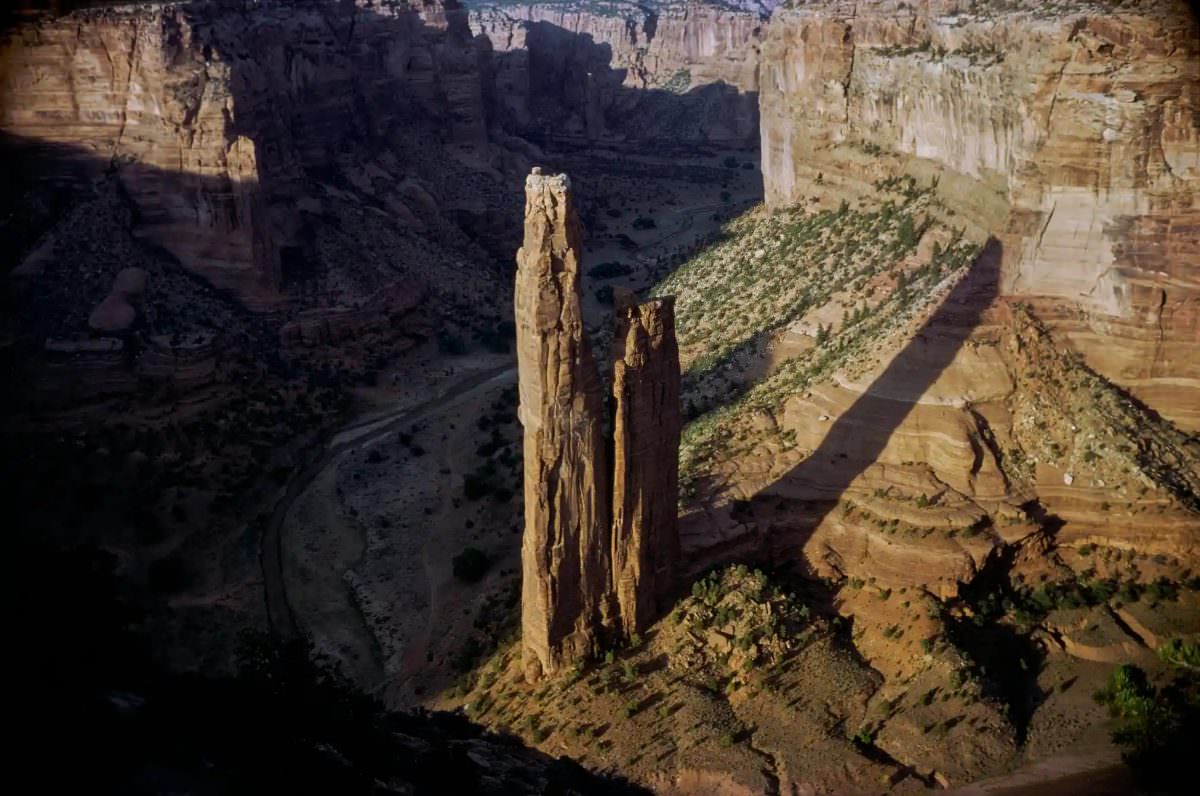
Spider Rock in Canyon de Chelly, Arizona, is exactly the kind of subject that defined Haas’s approach. The 800-foot sandstone spire rises from the canyon floor on Navajo land, and Haas photographed it in August 1977, capturing its scale against the surrounding red rock walls. The image is both geological record and visual statement.

Haas wasn’t only interested in wide-open wilderness. He also turned his lens on the details of modern American life. A television set casting shadows in a California room in 1975 was just as worthy of his attention as a mountain range. These quieter, domestic images revealed the changing texture of American culture in the postwar decades.
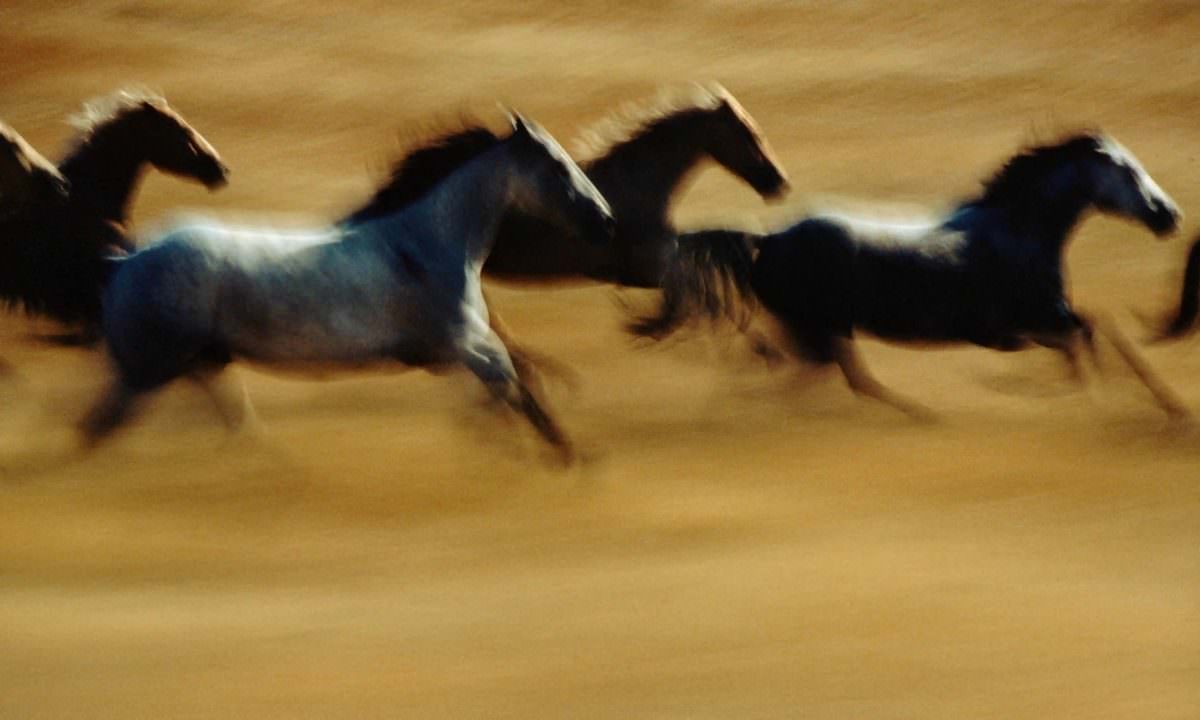
Wild horses were a symbol of the West that Haas returned to more than once. Free-roaming herds still crossed parts of the western states during the mid-twentieth century, and Haas photographed them with a sense of movement and energy. His ability to freeze motion while keeping a photograph feeling alive was a technical hallmark of his work.
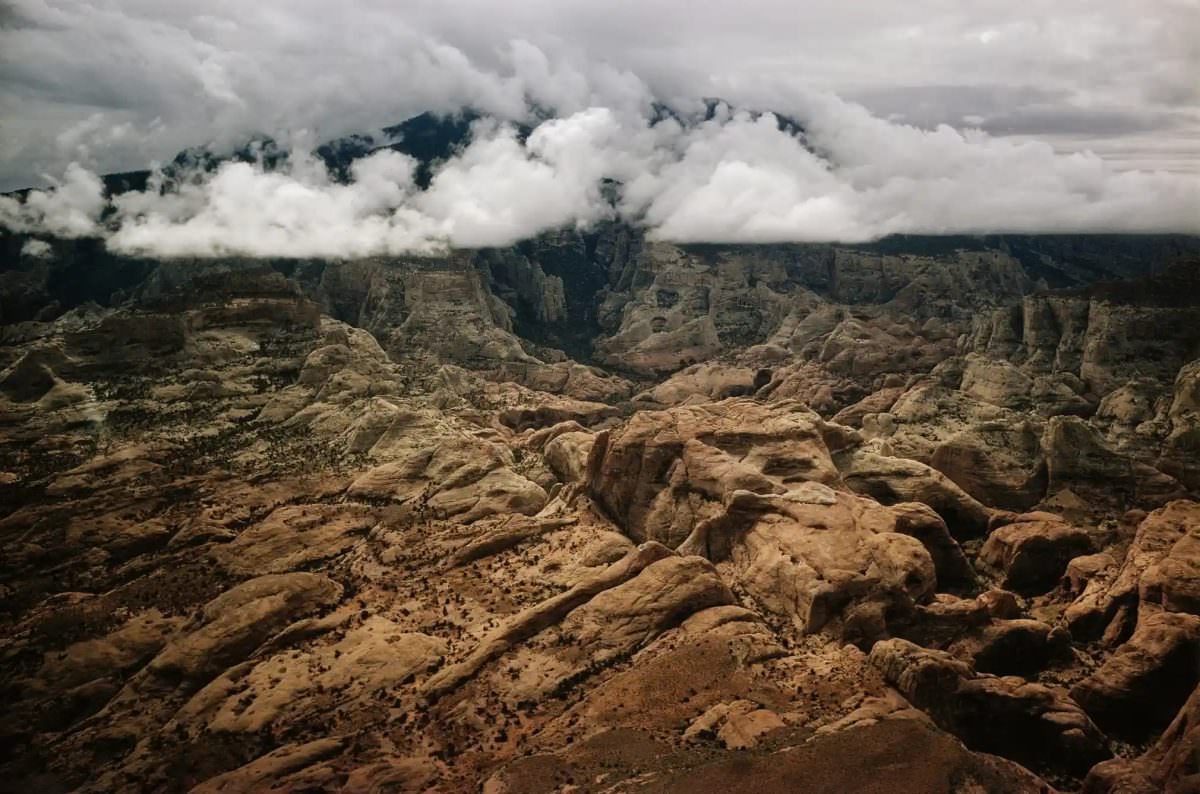
By 1960, Haas was deeply embedded in documenting the American West. His photographs from that year show a region in a particular moment — before the rapid development of later decades reshaped much of the land and the communities that worked it. Cowboys, farmers, and ranchers all appeared in his frame alongside the geography they inhabited.
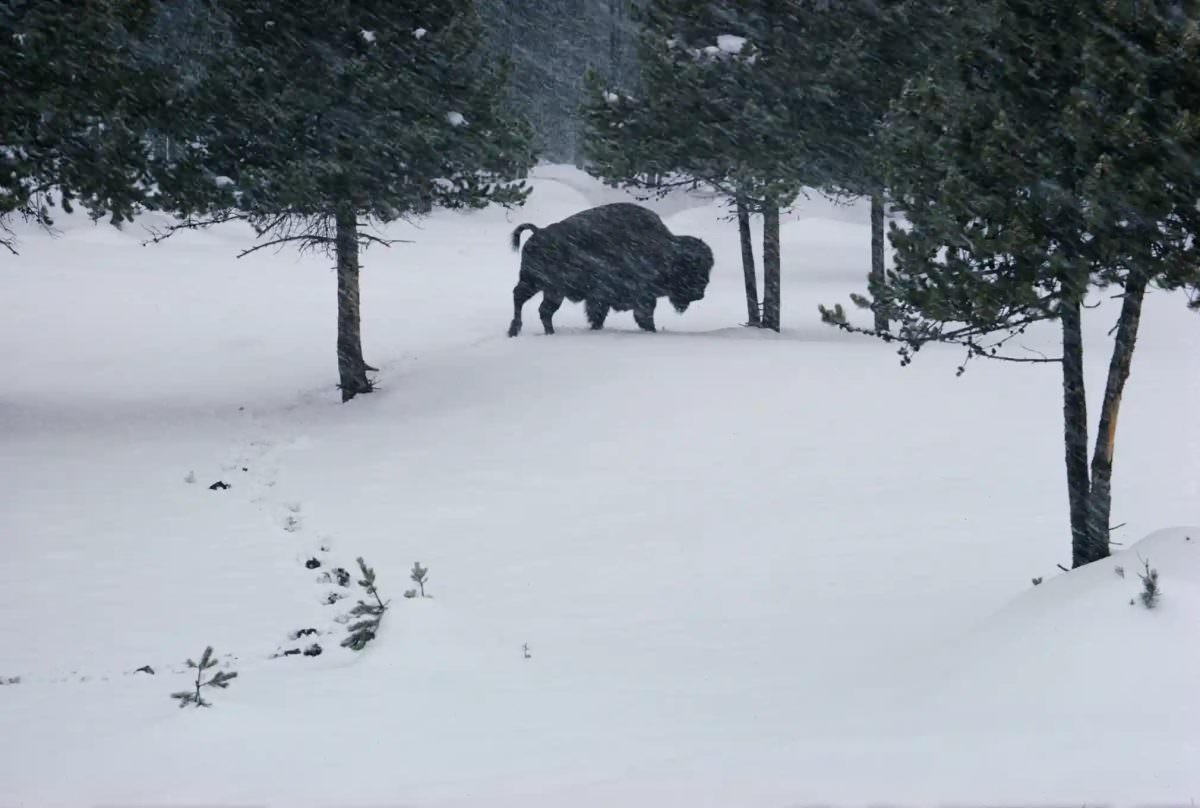
Yellowstone National Park gave Haas access to wildlife on a grand scale. His 1966 photograph of buffalo in the park captures the animals in their environment with a directness that avoids sentimentality. By the mid-1960s, the American bison population had recovered from near-extinction, and Yellowstone’s herds were a visible sign of that recovery.
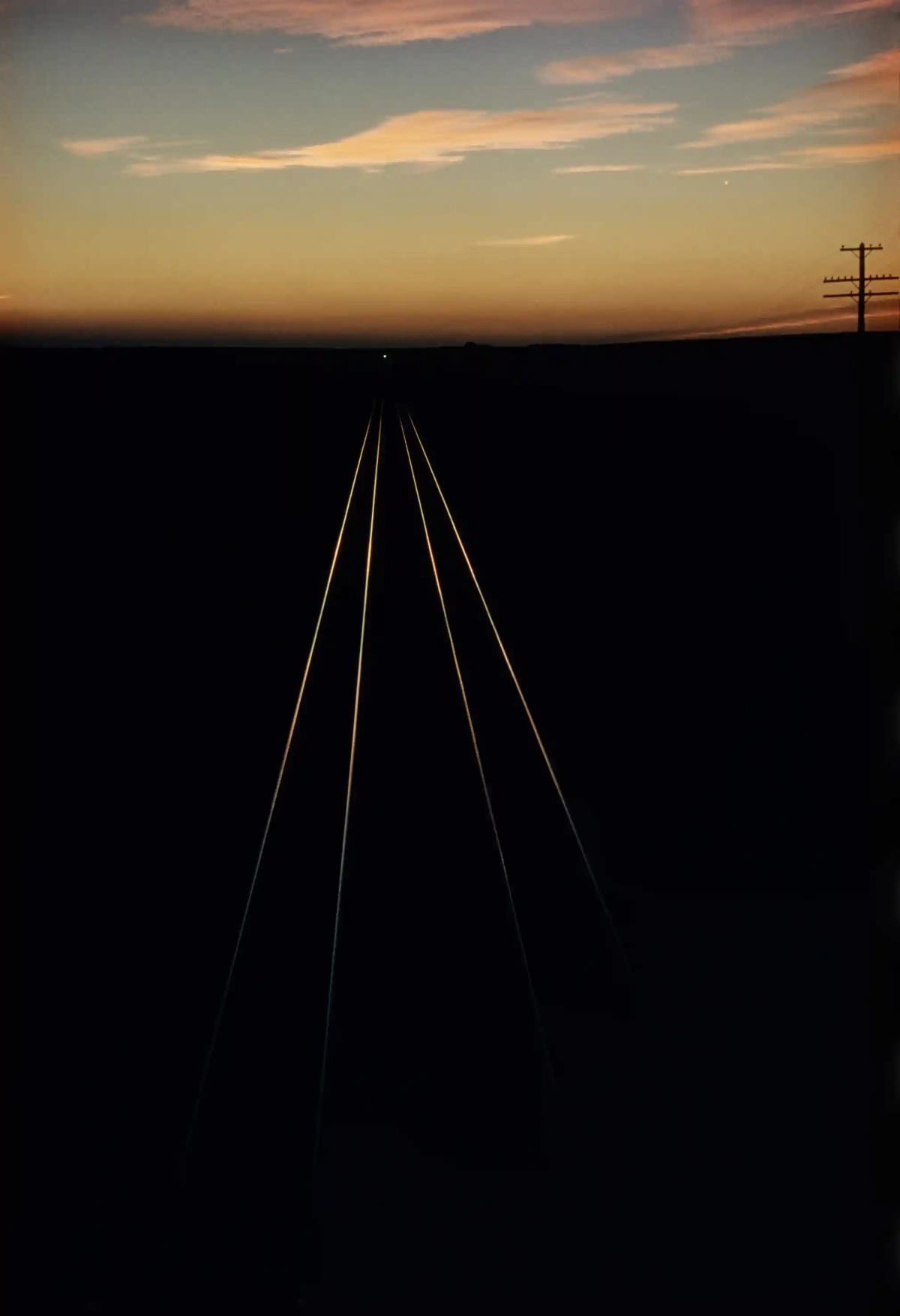
New Mexico offered Haas a landscape unlike anywhere else in the country — high desert, ancient pueblos, and a quality of light that painters and photographers had chased for generations. His 1960 work there reflects the same attention to color and atmosphere that runs through all his western photography. The state’s wide skies and earth-toned terrain were a natural fit for his visual language.
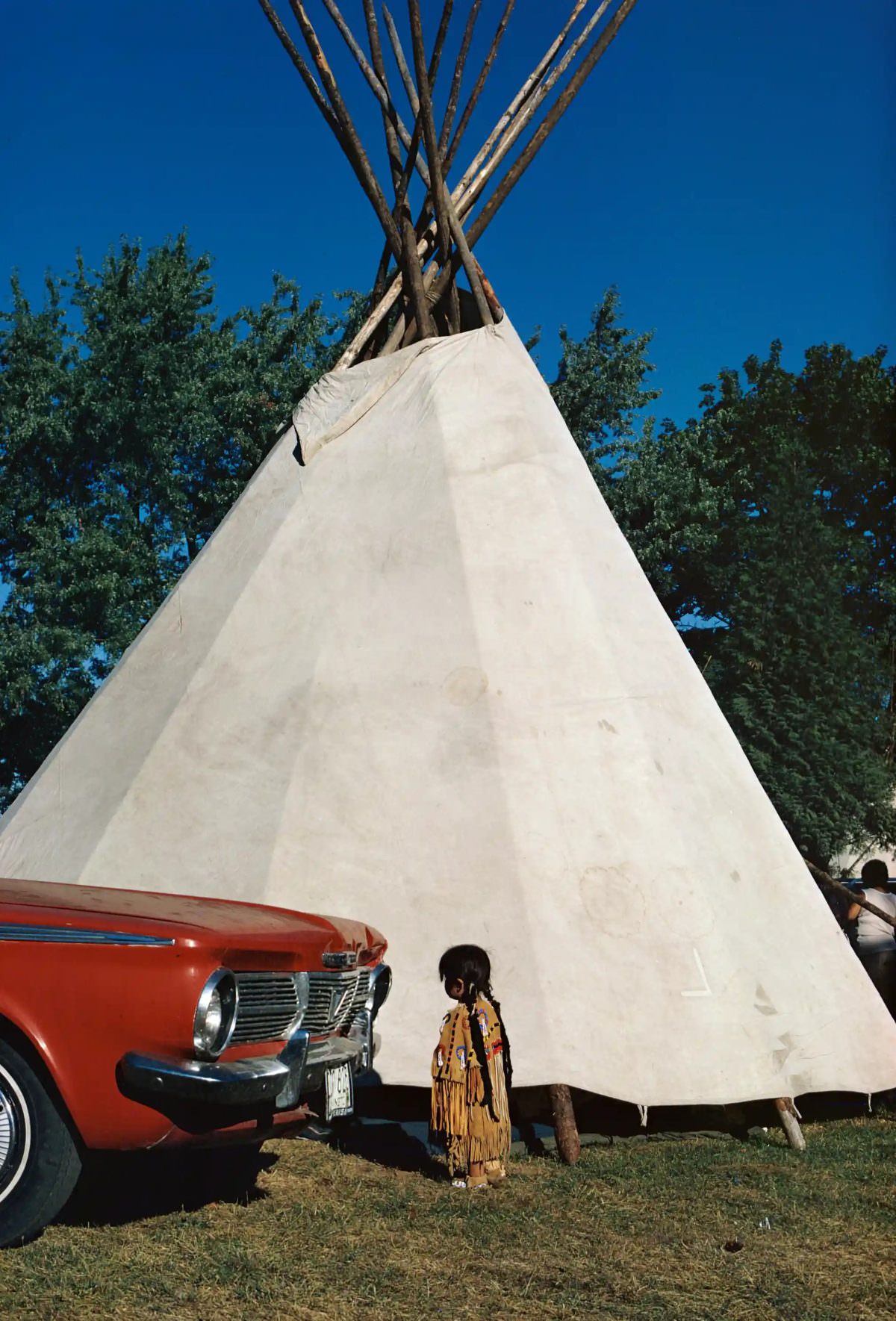
Haas’s vision of the West extended to its major cities as well. Seattle in 1975 was a growing Pacific Northwest hub, and Haas documented it with the same eye he brought to open rangeland. Urban and rural, natural and man-made — his body of work treated all of it as part of a single, complex American story.
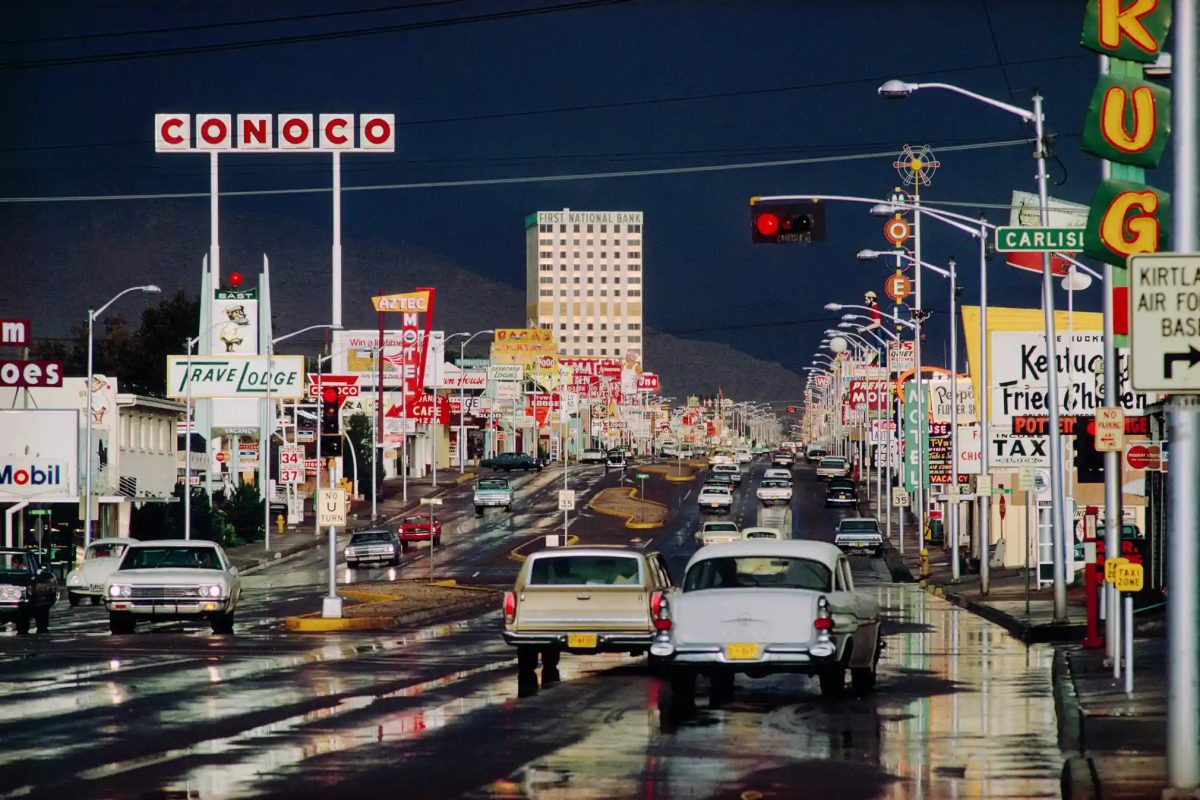
Route 66 cuts through Albuquerque, New Mexico, and was one of the defining roads of mid-century American life. Haas photographed it as a cultural artifact as much as a physical road — roadside signs, storefronts, and passing cars all formed part of a visual record of how Americans moved through and inhabited the West.
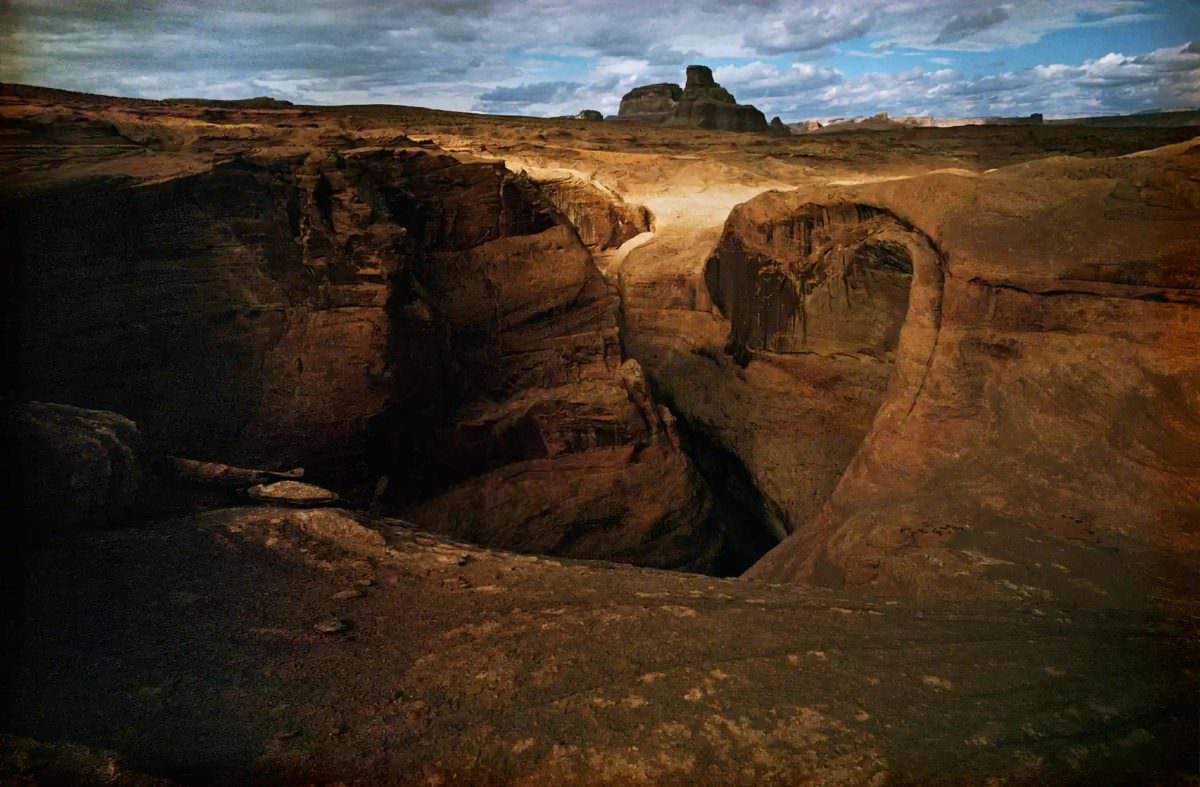
Monument Valley sits on Navajo Nation land straddling the Arizona-Utah border. Haas photographed the flood lands there in 1963, capturing the valley after water had spread across the desert floor. The image shows a side of the iconic landscape rarely seen — temporary water reflecting the towering sandstone buttes above it.
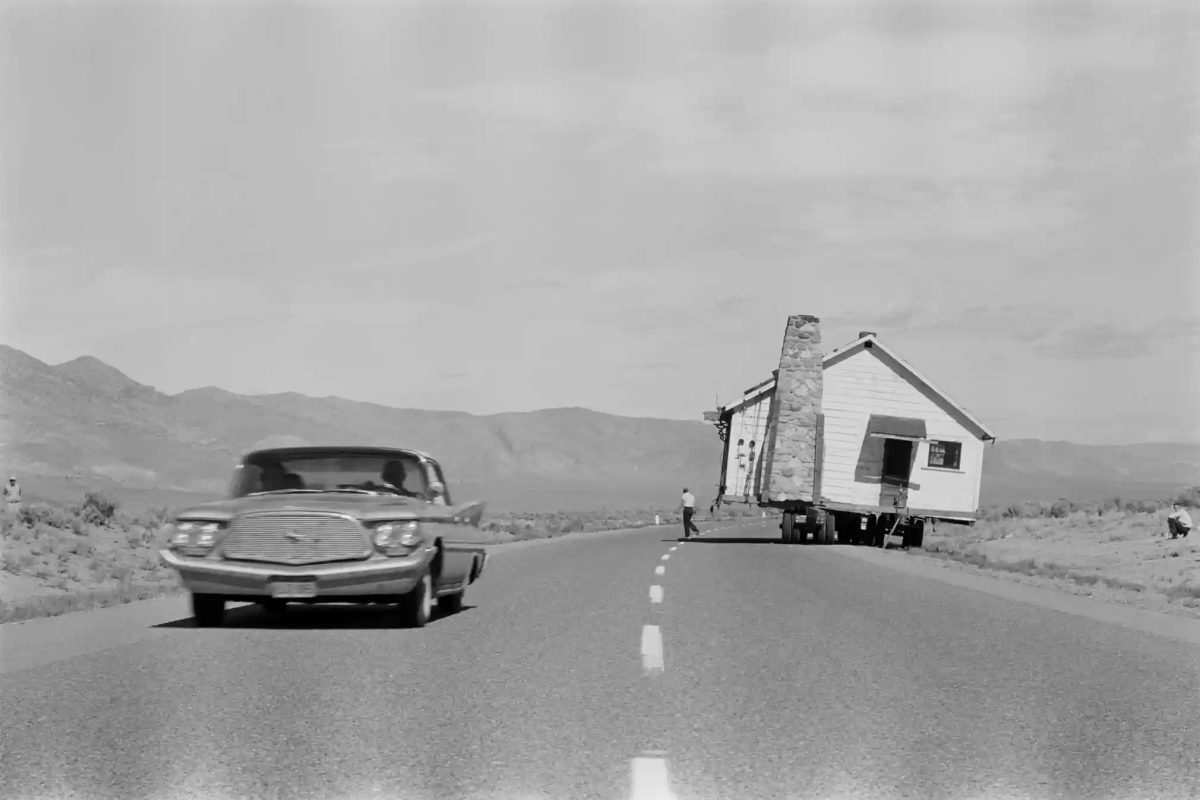
Nevada in 1960 was a state of stark contrasts — booming Las Vegas on one end, and some of the most isolated terrain in the continental United States on the other. Haas moved through both worlds, photographing the desert with the same curiosity he brought to the neon-lit city. His Nevada work from that year is part of the broader collection now featured in the book Ernst Haas: The American West. Haas died on September 12, 1986, leaving behind a photographic record of the West that spans two and a half decades of change across land, people, and culture.