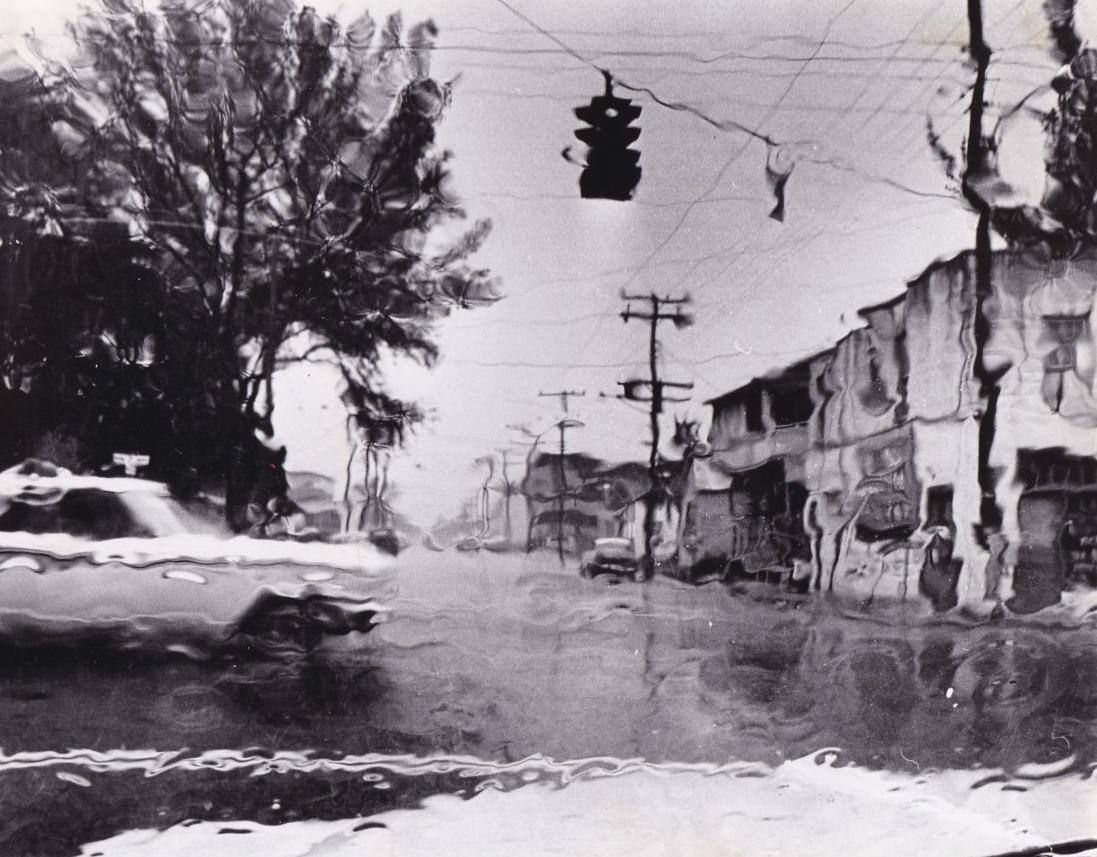
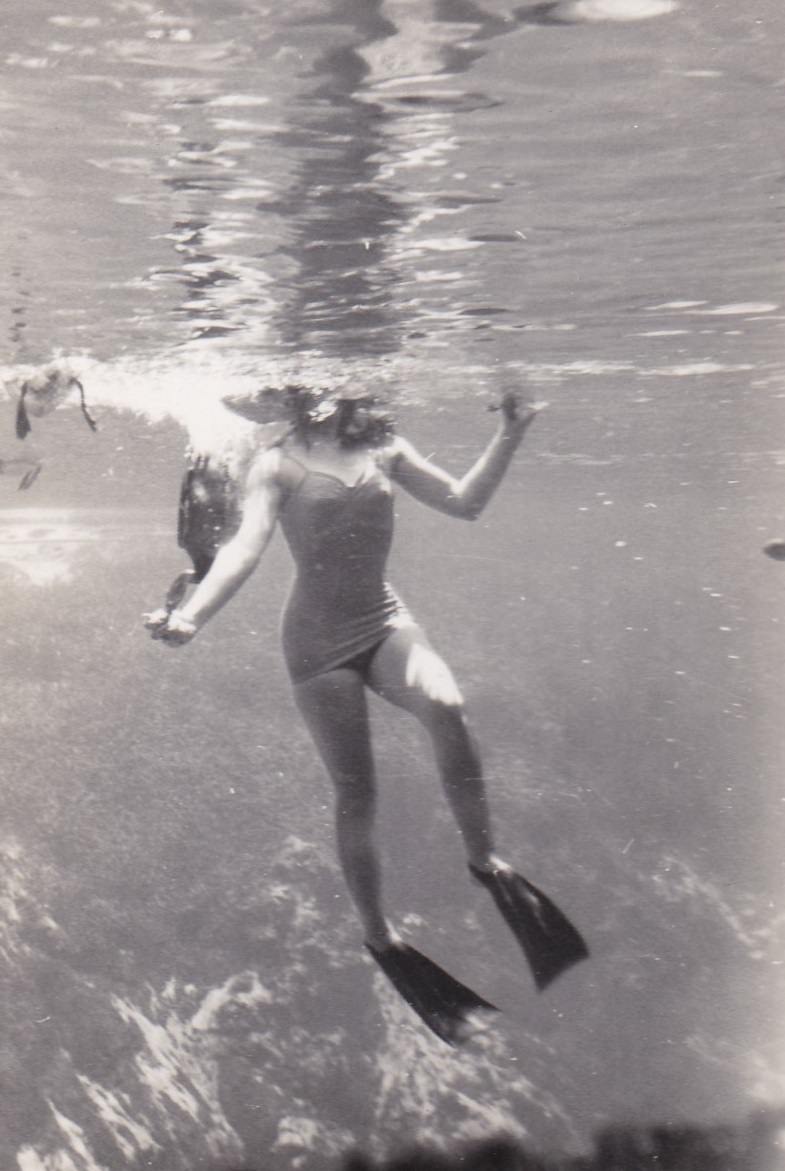
Water has fascinated photographers almost since the camera was invented. Whether it’s a river, the open ocean, a rainstorm, or a backyard sprinkler, water brings out something unguarded in people. Vintage photographs that capture these moments are some of the most compelling images from the past. They show real people — not posed for portraits, but caught mid-splash, mid-laugh, mid-wave — and that rawness is exactly what makes them so striking.
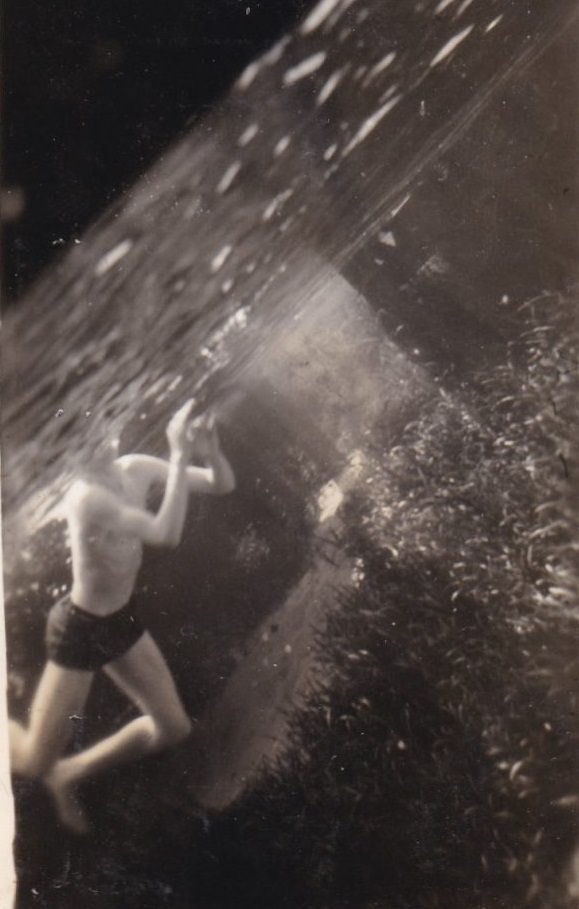
The relationship between humans and water runs deep in literature and art. Samuel Taylor Coleridge’s famous 1798 poem “The Rime of the Ancient Mariner” used the sea as a force of both punishment and redemption. The mariner is trapped on a becalmed ocean, surrounded by water he cannot drink, haunted by what he has done. That tension — water as something beautiful and dangerous at the same time — shows up in vintage photography too. The ocean in these old images is never just a backdrop. It has weight.
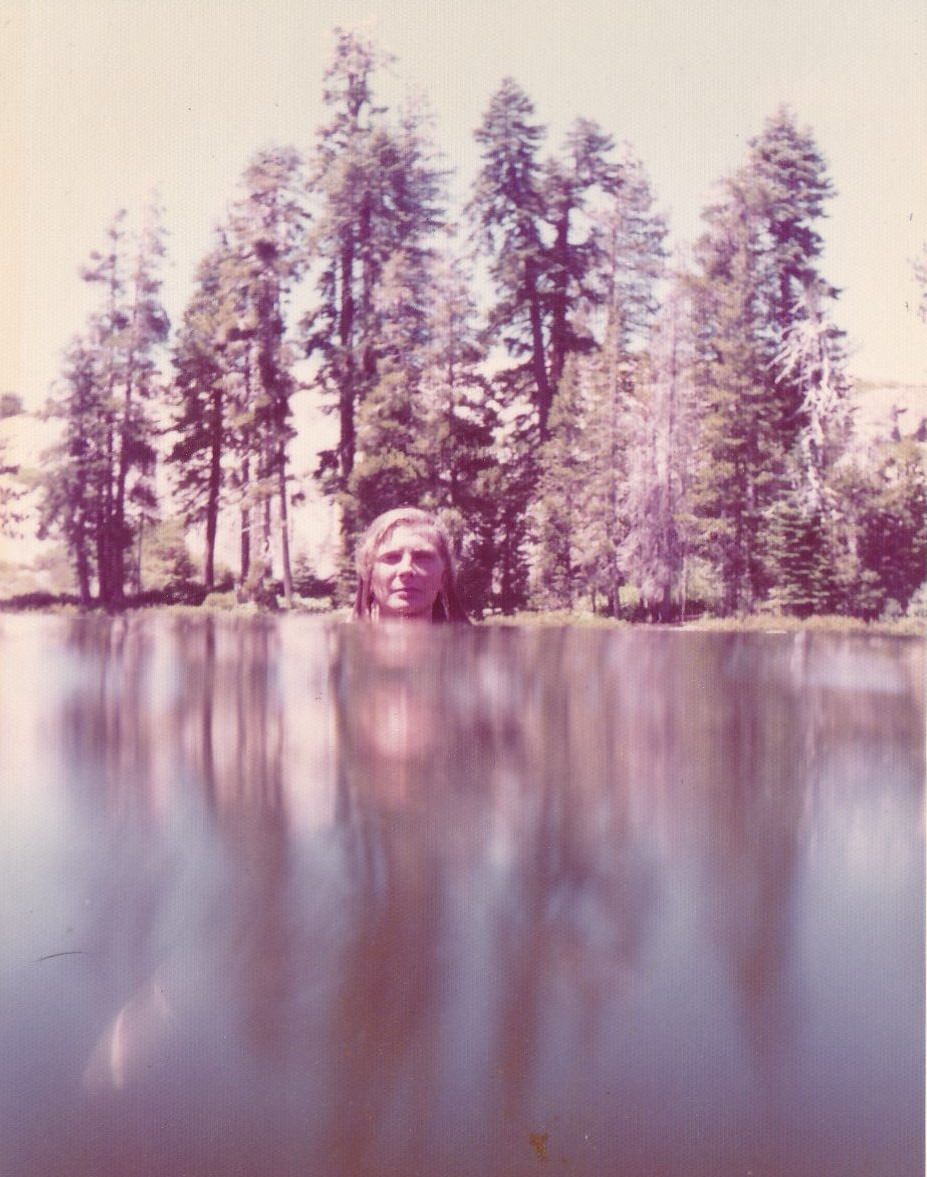
Poets have long reached for water to describe emotion. E.E. Cummings, known for breaking the rules of punctuation and form, used natural imagery — rain, rivers, tides — to talk about love and loss in ways that felt immediate and personal.
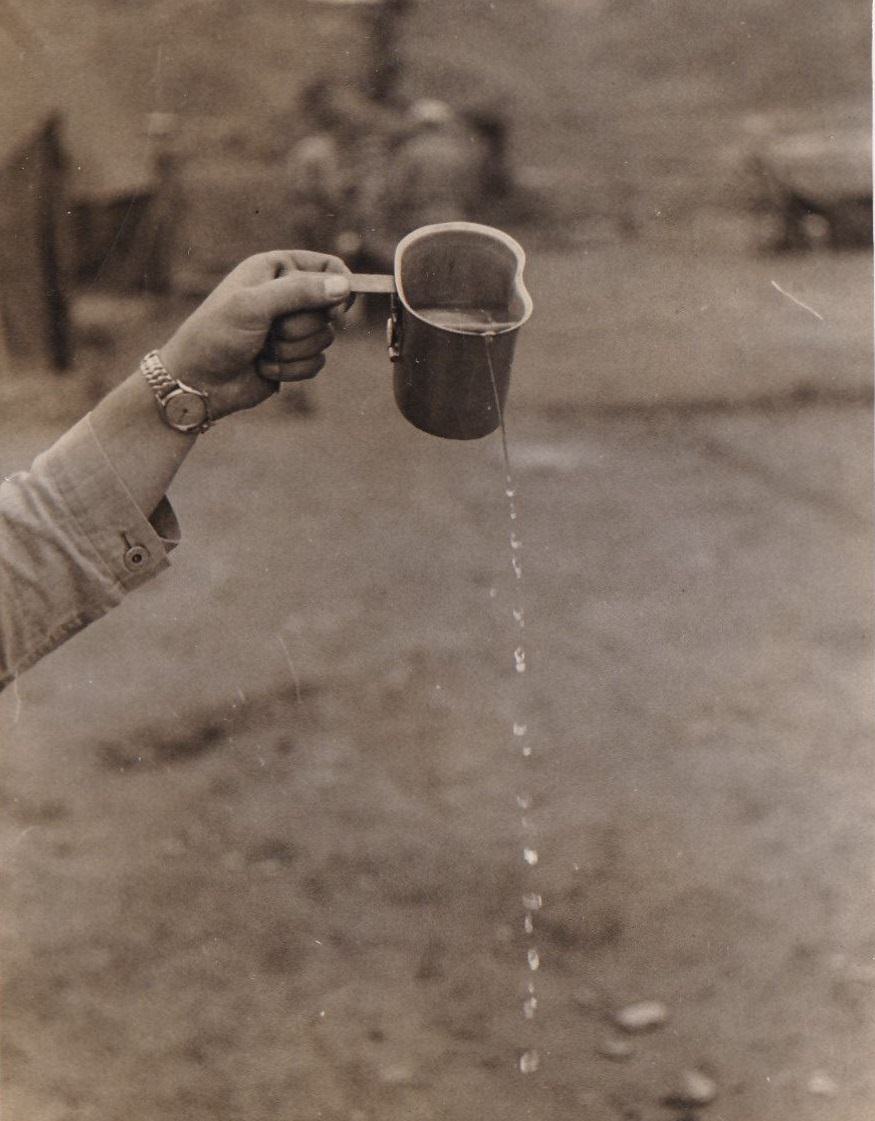
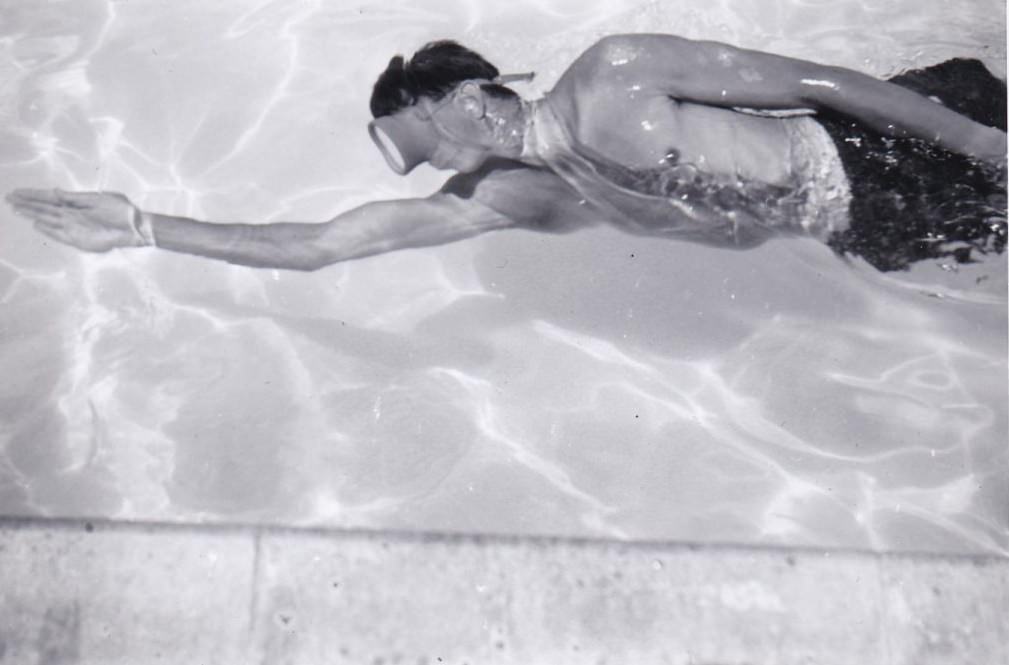
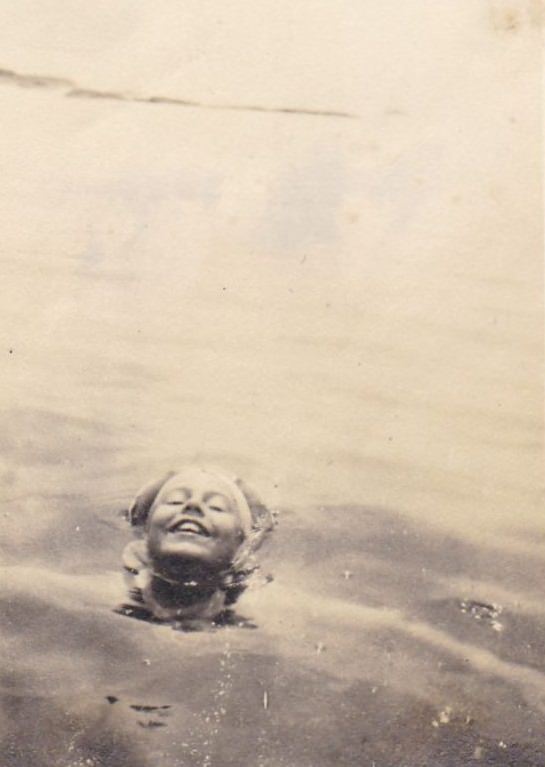
Old photographs of people swimming or wading carry that same directness. There’s no filter, no retouching. Just a grainy black-and-white image of someone chest-deep in the ocean, squinting into the sun.
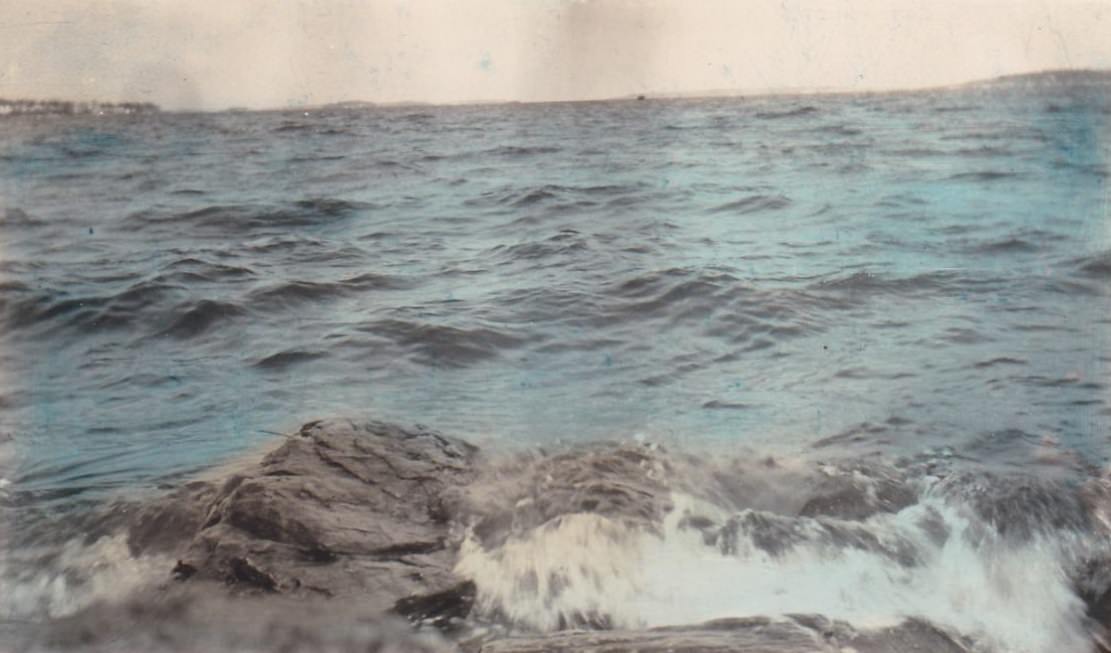
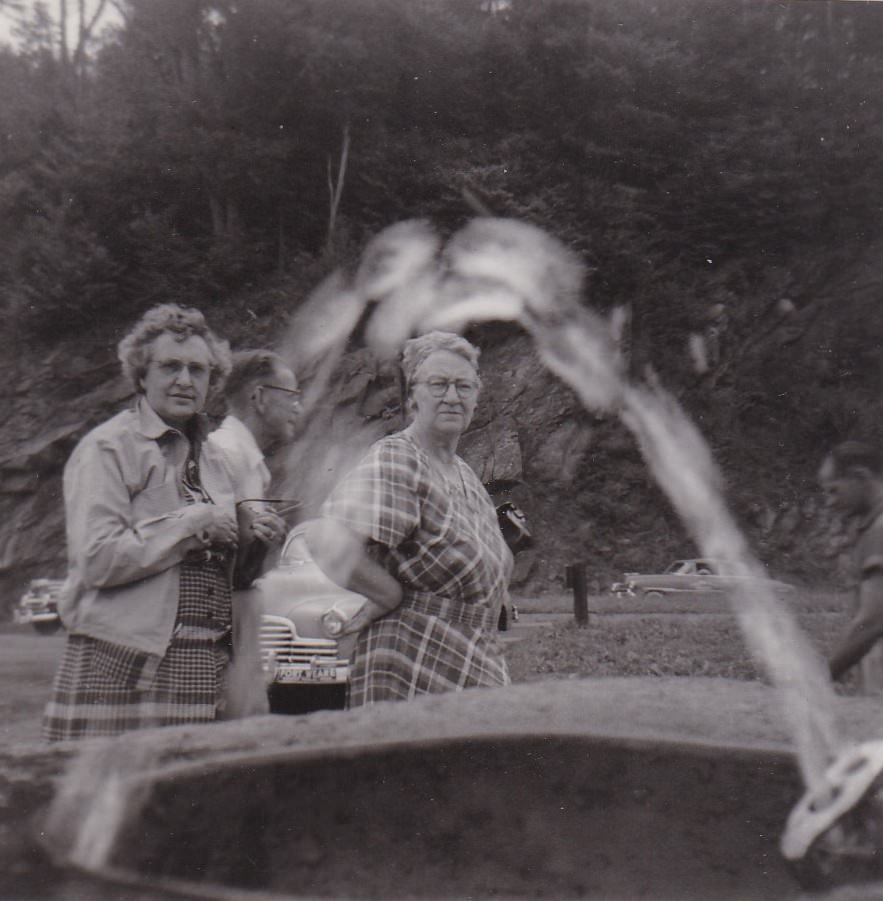
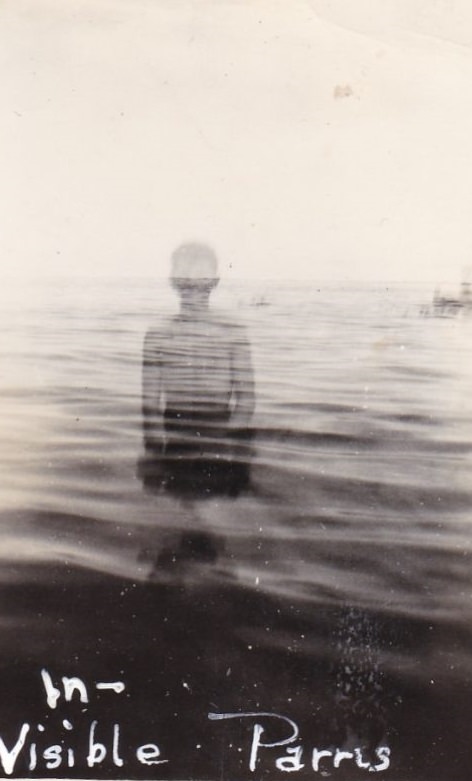
Stephen King used water as dread. In his 1986 novel *It*, a young boy encounters something terrifying speaking to him from inside a stormdrain, the cold water flowing around his fingers as he kneels on the macadam. That scene works because it takes something familiar — rain, a street puddle, a drain — and makes it the entry point for something deeply wrong. Vintage photographs sometimes capture that same unsettling quality without meaning to: a lone figure standing at the edge of dark water, the shoreline barely visible.

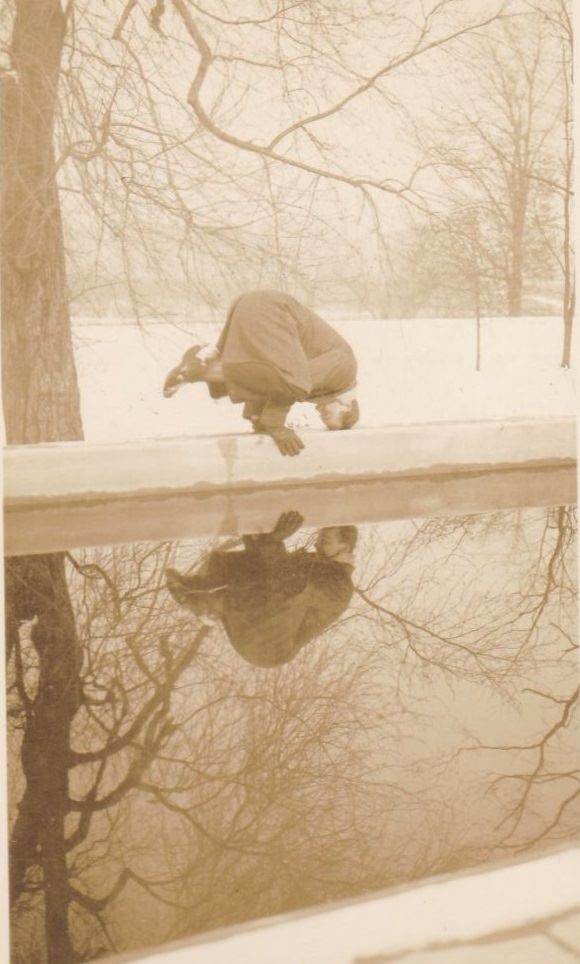
Not all references to water are so heavy. Douglas Adams, in *The Hitchhiker’s Guide to the Galaxy*, treated the universe — and everything in it, including oceans — with absurdist humor. Water, in his world, was just another thing the universe had gotten slightly wrong but that everyone had learned to live with anyway.
Bobby Darin’s 1959 hit “Beyond the Sea” painted the ocean as a place of longing and reunion. The lover standing on golden sands, watching ships pass — it’s a simple image, but it lodged itself permanently into American popular memory. Many vintage beach photographs from that era look exactly like that song sounds.
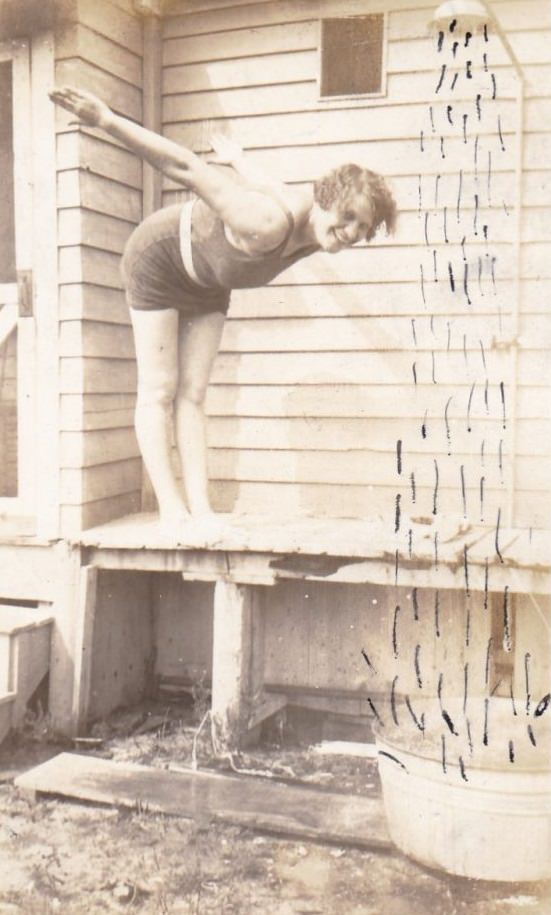
Van Halen’s 1984 anthem “Jump” had nothing subtle about it. The instruction was direct: go ahead and jump. In old photographs, you can find that same energy frozen in time — a kid caught mid-air off a dock, arms out, mouth open, completely committed to the fall.

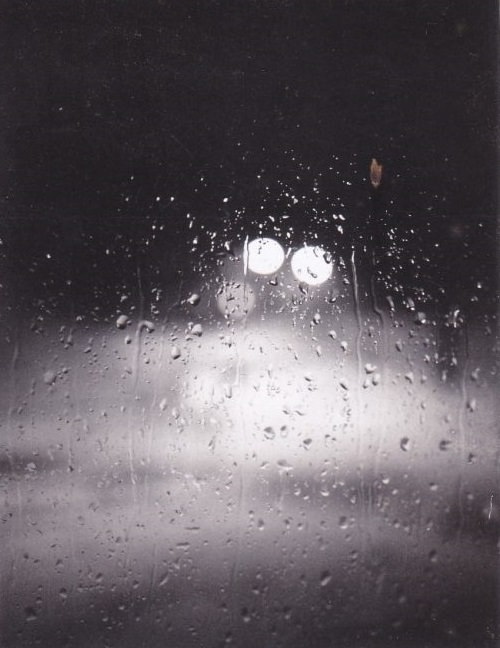
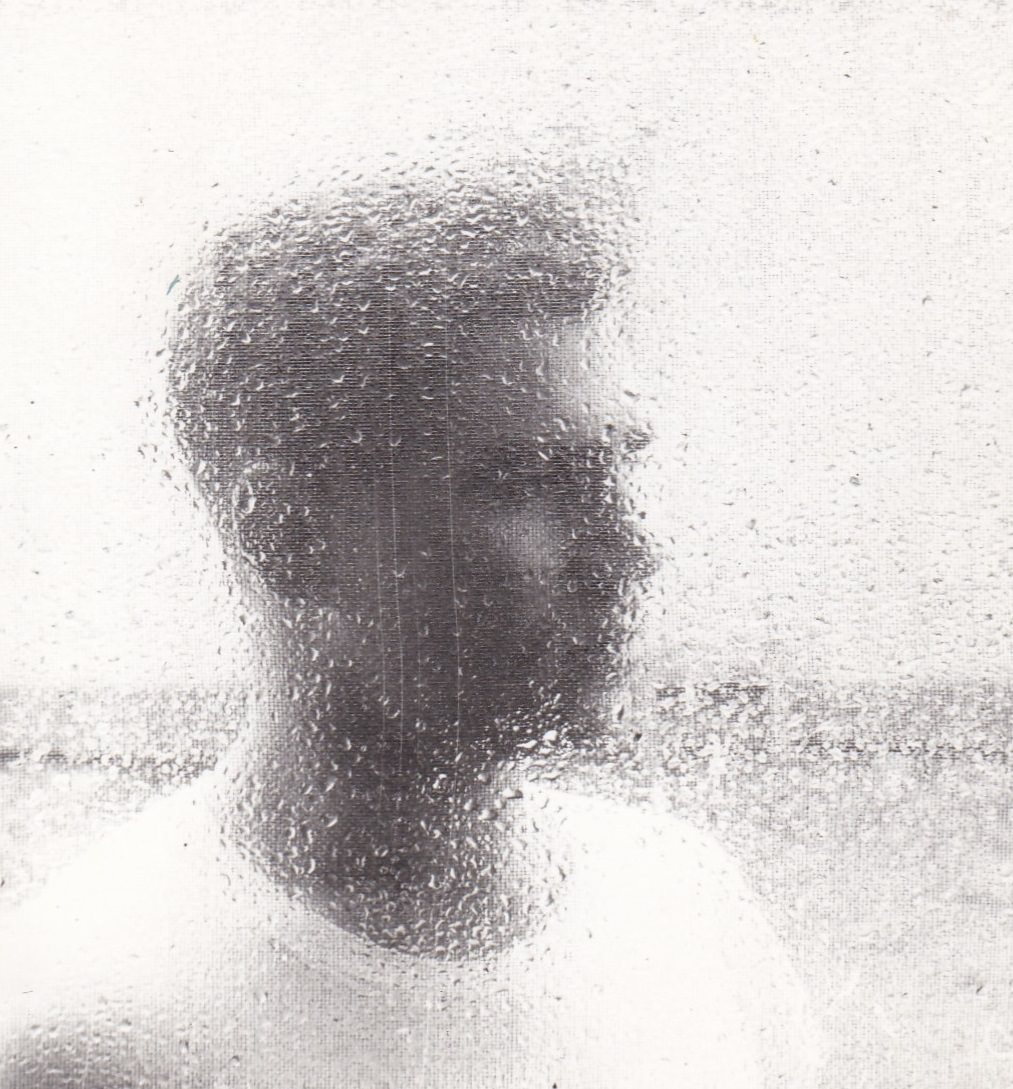
Oran ‘Juice’ Jones released “The Rain” in 1986, a track built around the sound of rain and the sting of betrayal. The lyrics describe jumping into a car and driving through rain after a moment that changed everything. Rain in old photographs carries that same emotional charge — a wet street, a figure under an umbrella, the blurred background of a downpour.
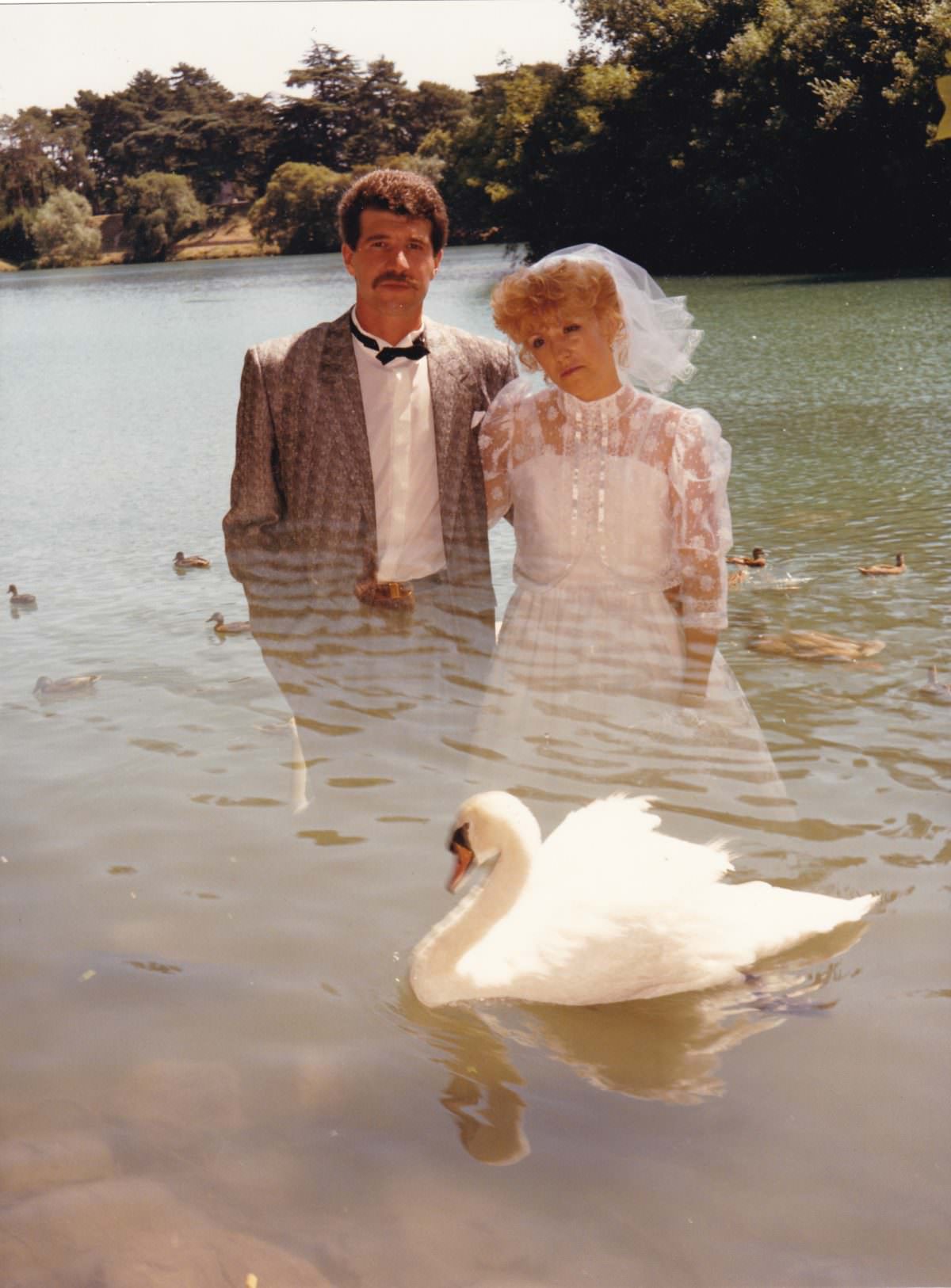
Kazuo Ishiguro’s 2005 novel *Never Let Me Go* uses the image of two people in a fast-moving river, clinging to each other before the current pulls them apart, as a metaphor for a relationship that can’t survive time. It’s one of the most quietly devastating passages in modern fiction. Vintage photographs of people in water together — holding hands in the surf, standing side by side in a river — carry that same weight when you look at them long enough.

In 1937, Lieutenant-Commander Thomas Woodrooffe (1899–1978) delivered a live BBC radio commentary of the Spithead Naval Review — the grand fleet illumination marking the coronation of King George VI. Woodrooffe, clearly having celebrated earlier in the evening, became increasingly incoherent on air, famously declaring “the fleet’s lit up” and then trailing into near-silence. The broadcast became one of the most notorious moments in early British radio history. It’s a reminder that even the most formal occasions involving water and ships could dissolve into the unexpected.