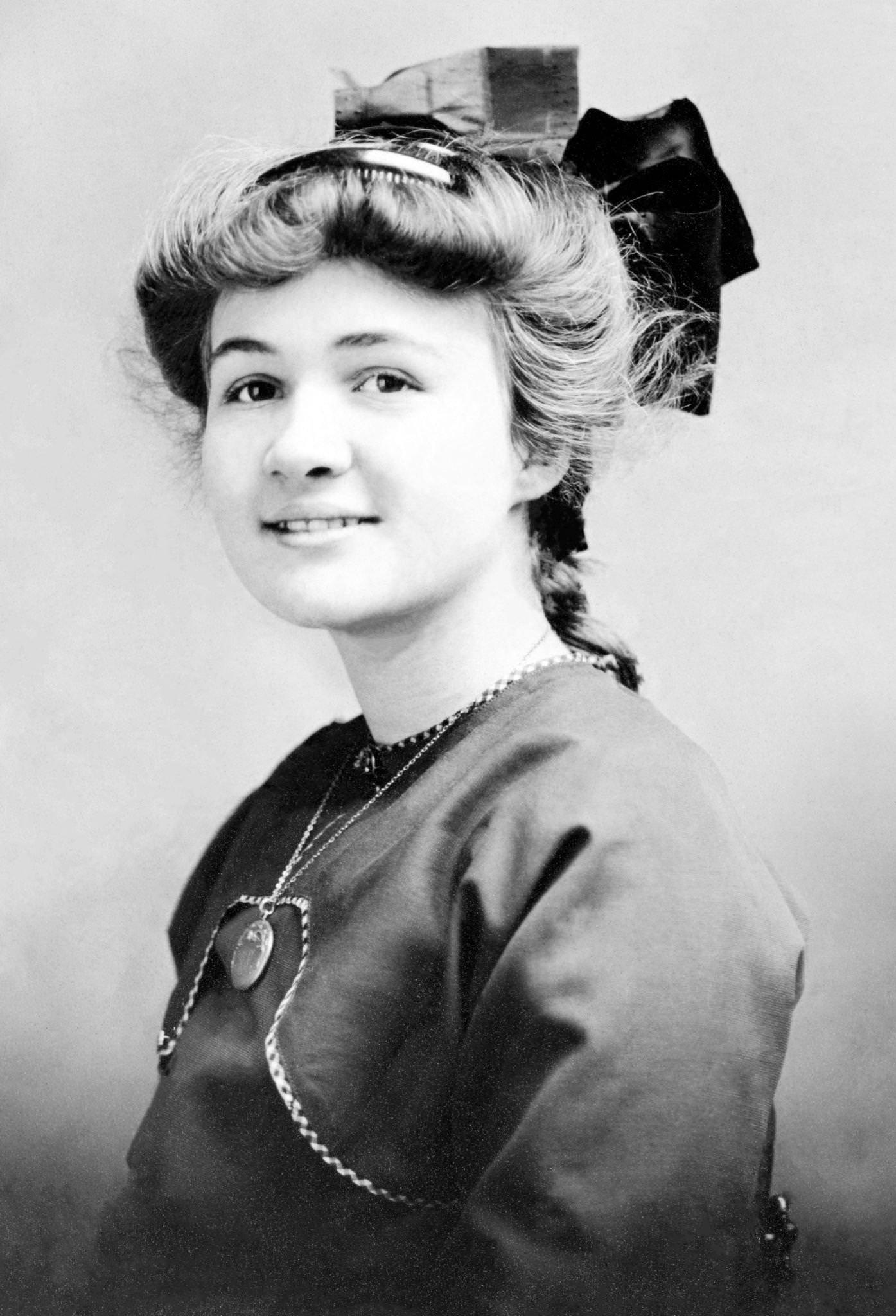
Victorian women treated their hair as a statement. From the early decades of Queen Victoria’s reign to the final years of the 1800s, hairstyles shifted, evolved, and grew increasingly elaborate. A woman’s hair communicated her social standing, her sense of fashion, and even her age. The higher up the social ladder she stood, the more time, tools, and ornaments went into her look. Ribbons, flowers, jeweled combs, and decorative pins were all part of the daily routine for women who could afford them.
Hair color also required effort. Women lightened their hair with lemon juice, while chemical dyes offered more dramatic changes in shade. The problem was that these dyes were unreliable. They often left hair discolored, brittle, or unevenly toned. Despite the risks, women continued to experiment, driven by the desire to match the beauty ideals of their time.
One of the most recognized styles of the era was the Gibson Girl. Illustrator Charles Dana Gibson created this look through his widely published drawings in the 1890s and early 1900s. The style featured a high, voluminous bun piled on top of the head, with soft, wavy tendrils falling around the face. It had an effortless elegance to it — feminine yet confident. Women across the country copied the look, making it one of the most fashionable silhouettes of the late Victorian period.
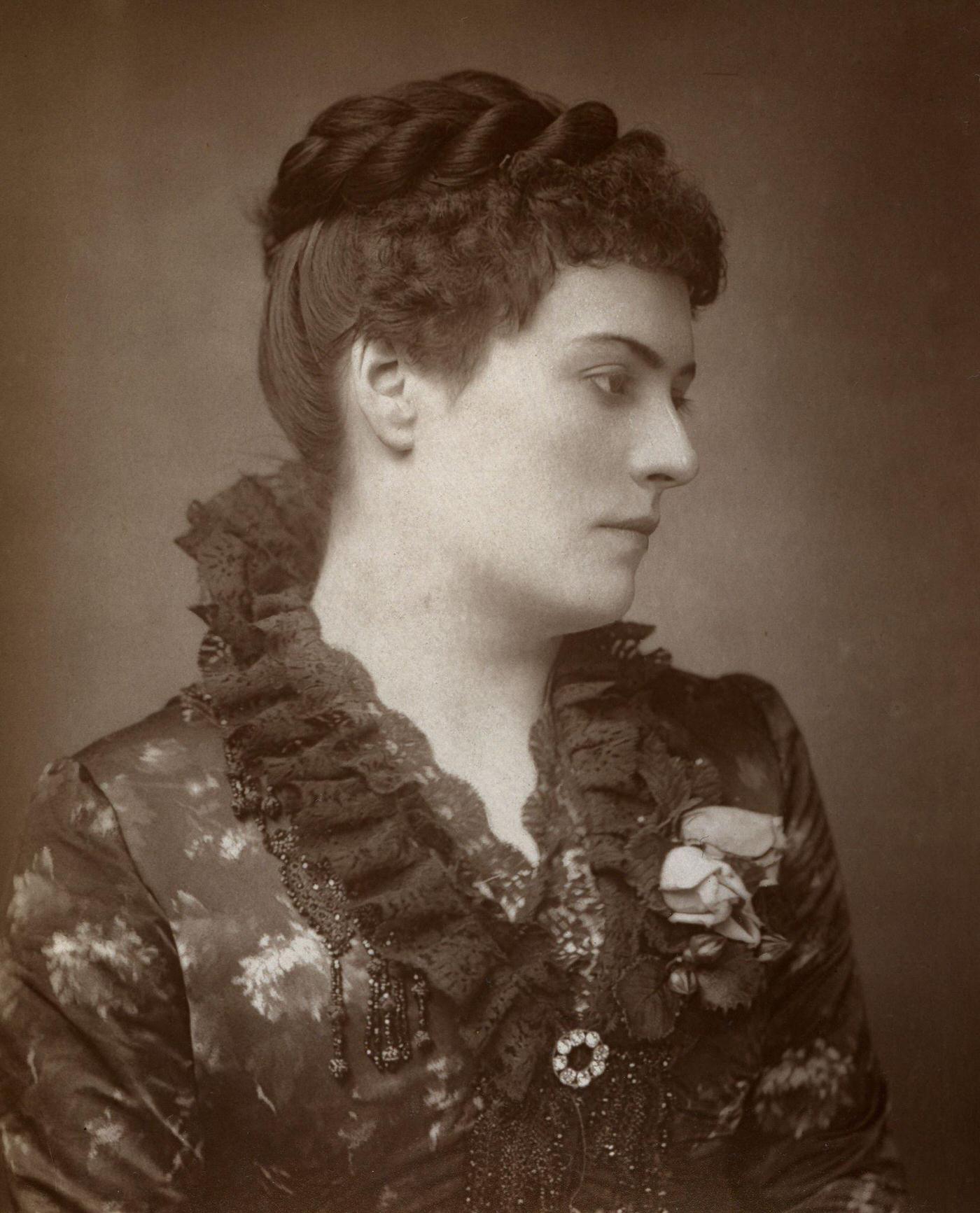
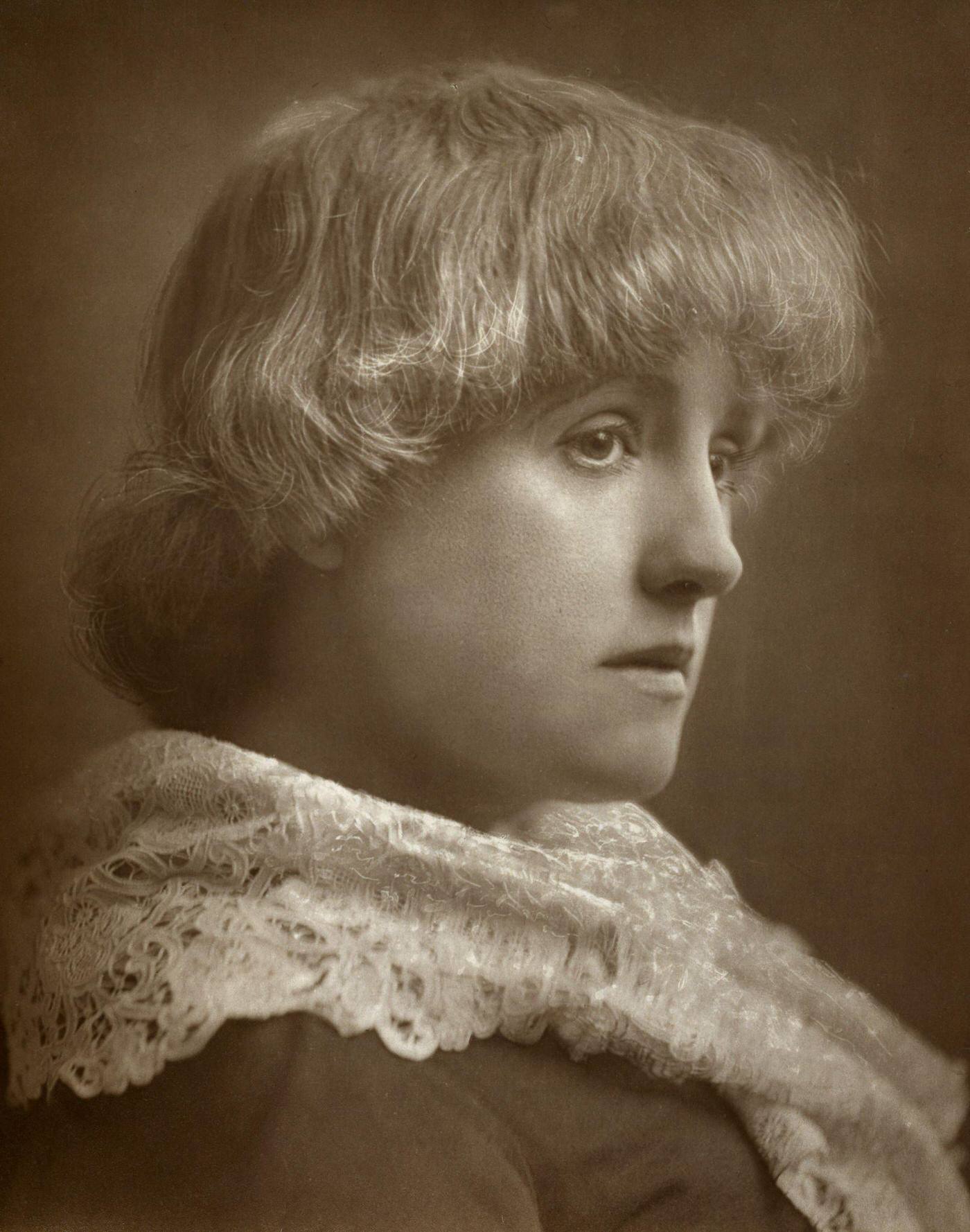
For evenings and formal occasions, the chignon was the go-to choice. This style placed a smooth, neatly constructed bun low at the nape of the neck, often decorated with flowers or small pieces of jewelry. It was refined and restrained — exactly what formal Victorian society expected. The chignon worked well with the structured gowns and corseted silhouettes of the period.
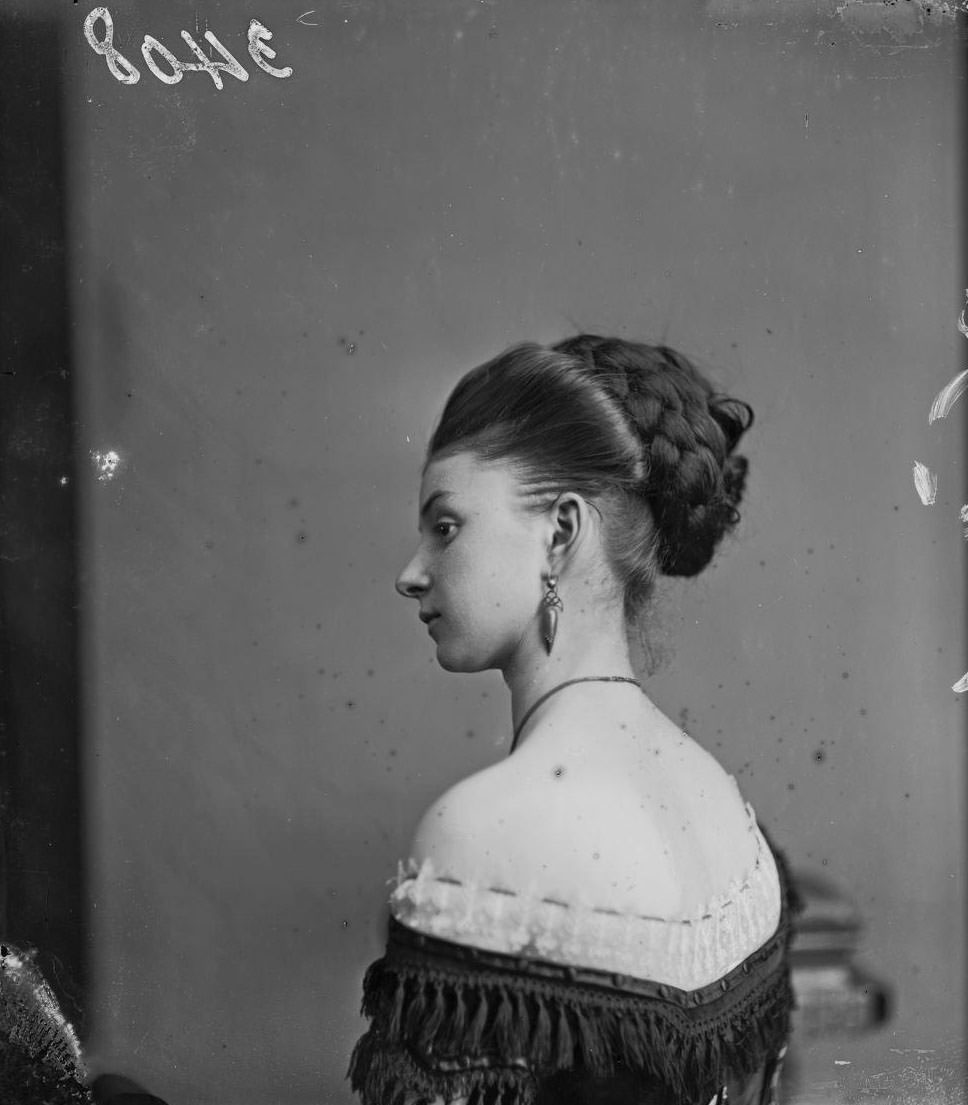
The general updo was a broader category that covered many variations. Hair was gathered and pinned into a bun or knot at the top or back of the head, then dressed up with combs, ribbons, or ornamental pins. Middle and upper-class women wore this style regularly. It kept hair tidy and out of the face while still looking polished — a practical necessity in an era when loose hair in public was considered improper for adult women.
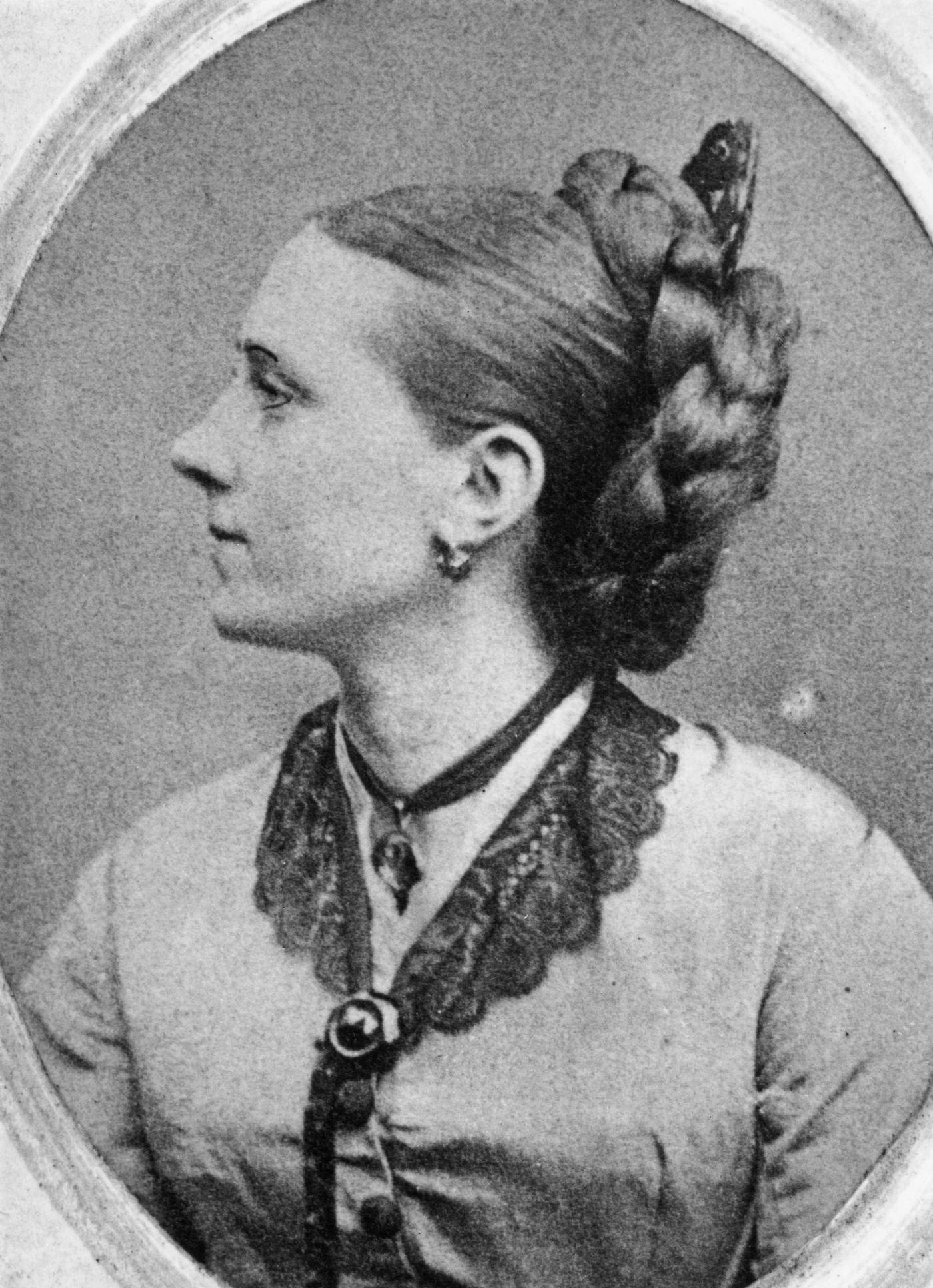
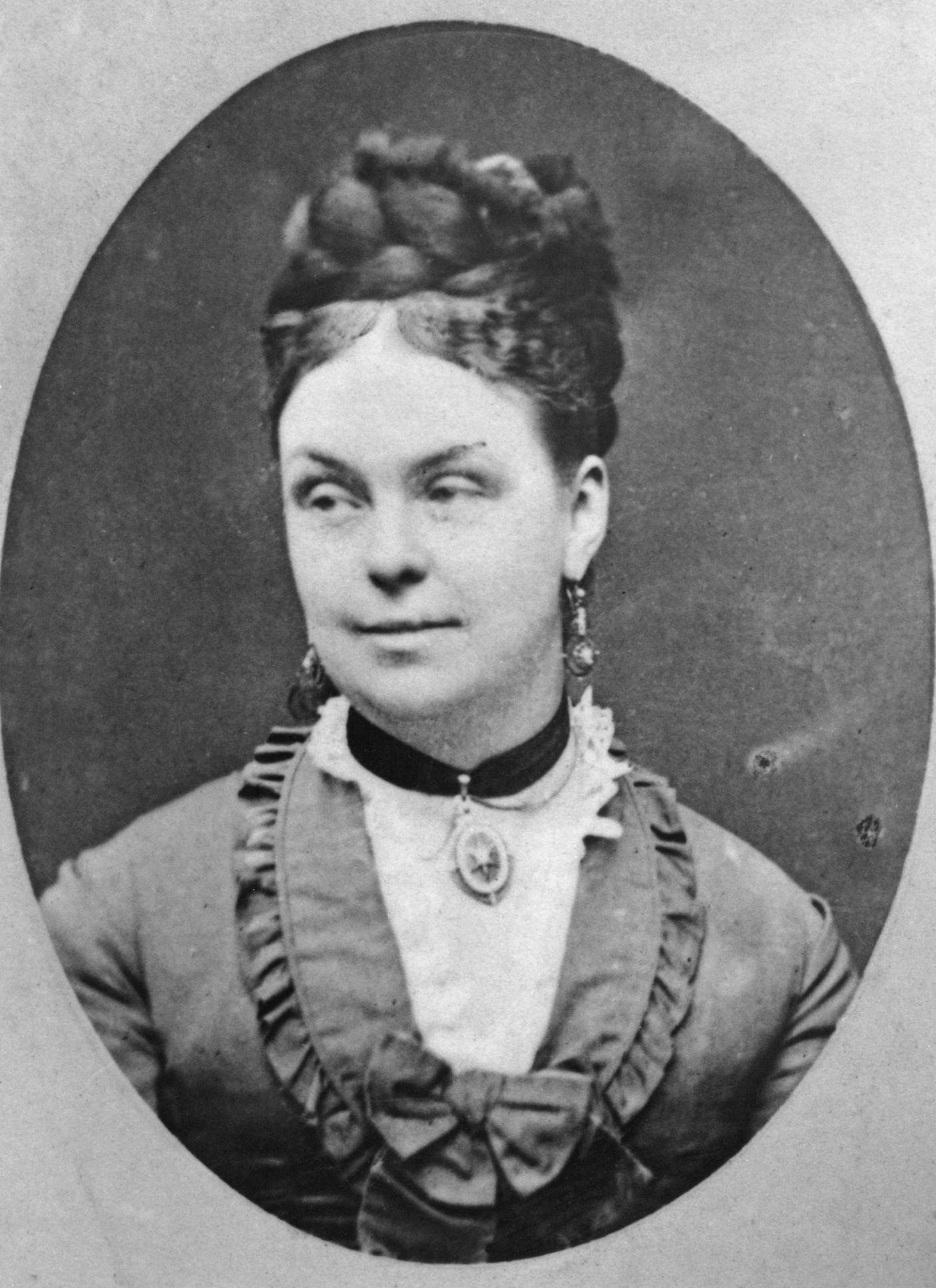
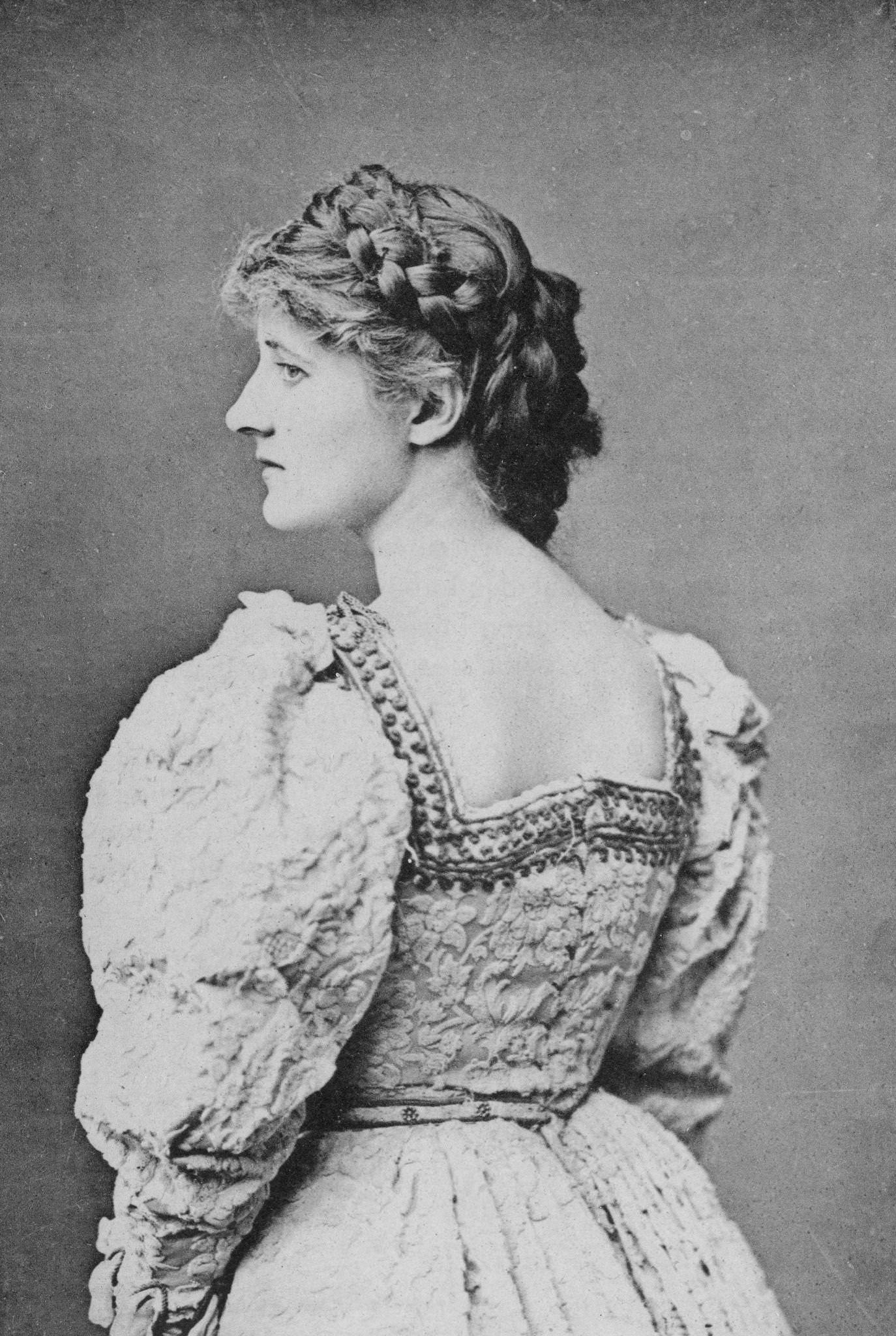
Braiding was another major technique used throughout the Victorian era. The braided coiffure involved weaving braids around the head and securing them with pins, forming a crown-like band of hair. It was a popular choice among middle-class women and suited everyday wear as well as semi-formal occasions. Ribbons woven through the braids added color and decoration without requiring expensive accessories.
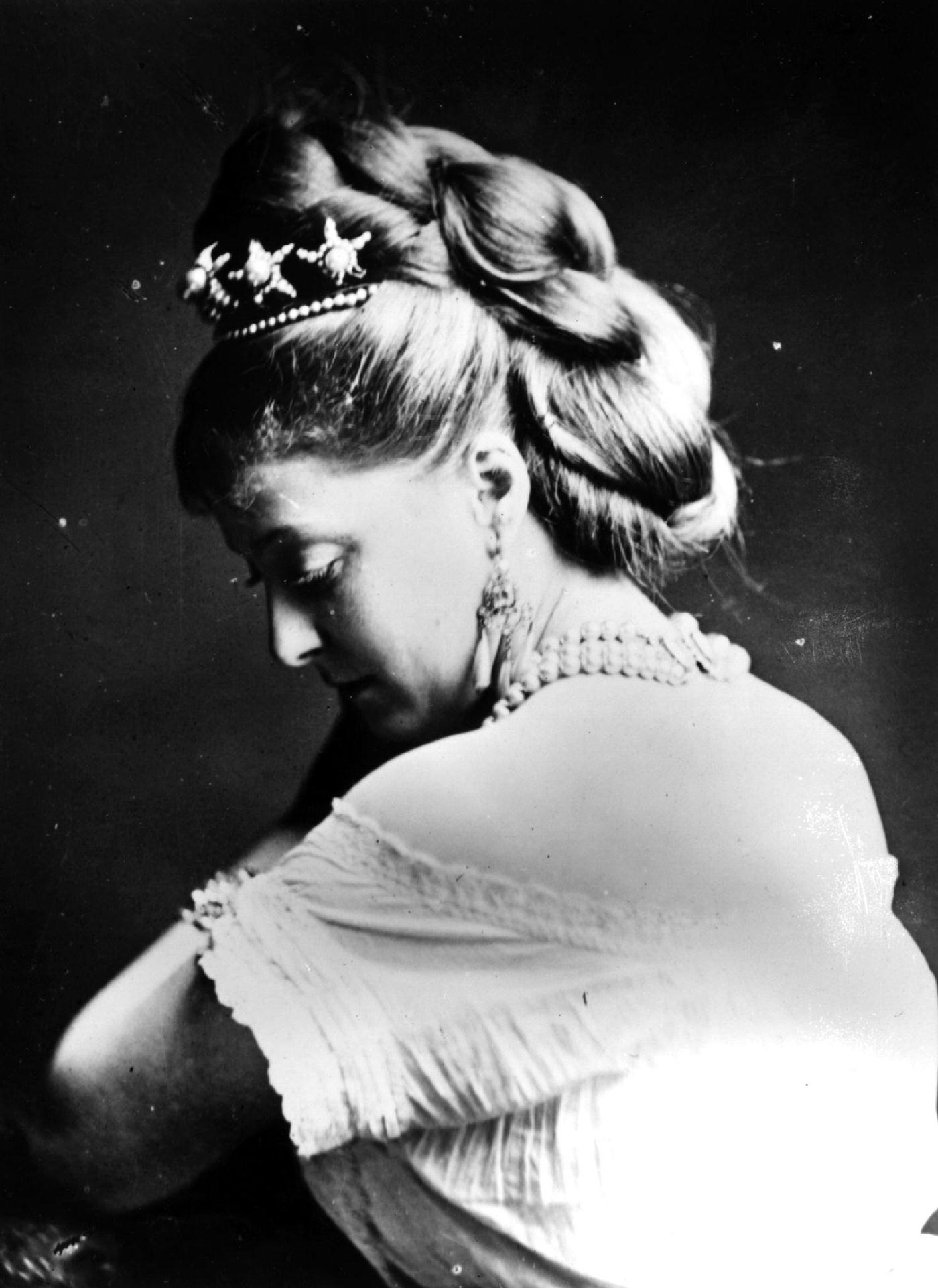
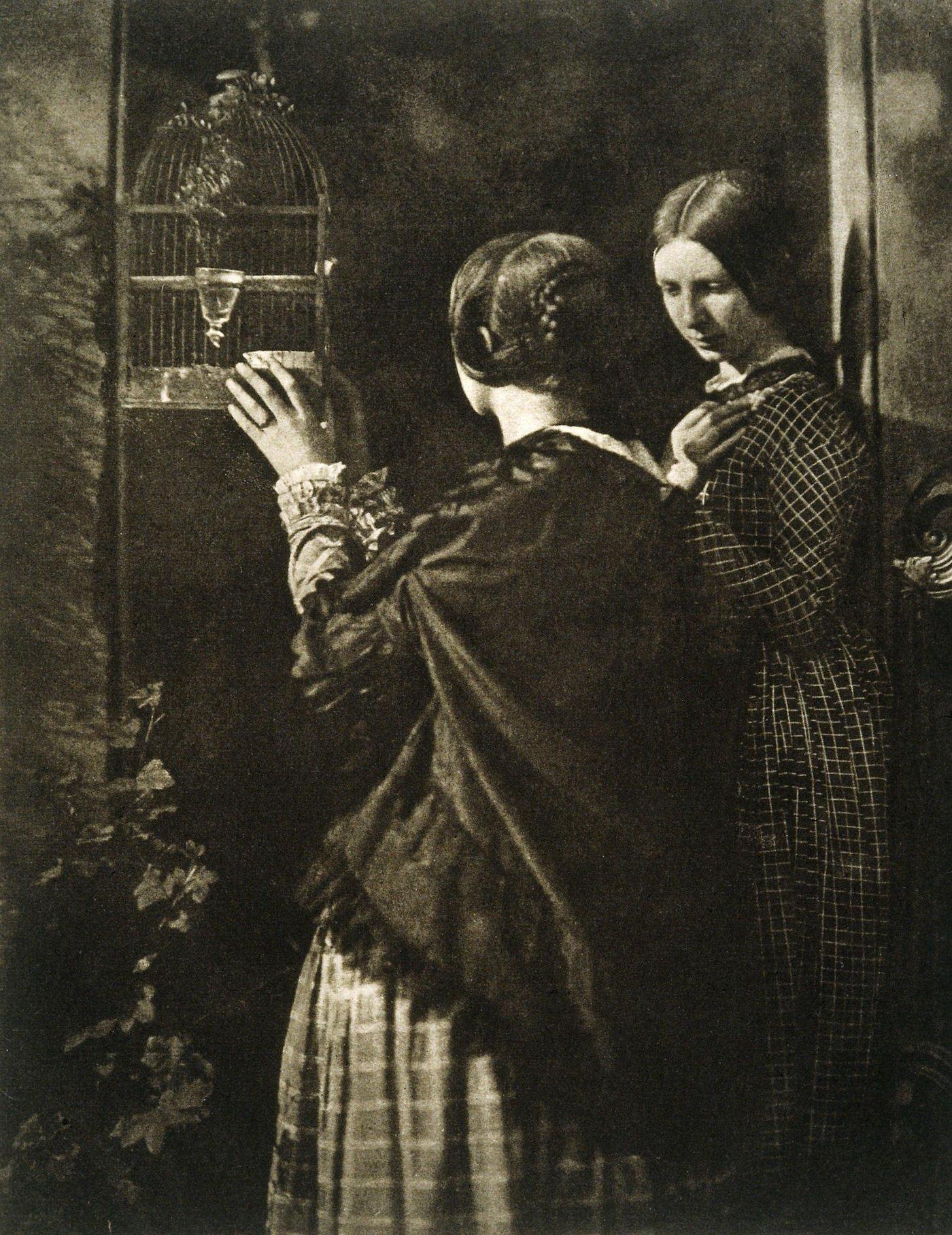
The waterfall braid appeared later in the Victorian period and brought a more romantic, flowing quality to braided styles. Rather than coiling tightly around the head, it cascaded down the back in a loose, open braid. Strands fell through the braid in layers, giving it the appearance of water tumbling over a ledge — hence the name. It was eye-catching and intricate, yet softer in appearance than the more structured styles of earlier decades.
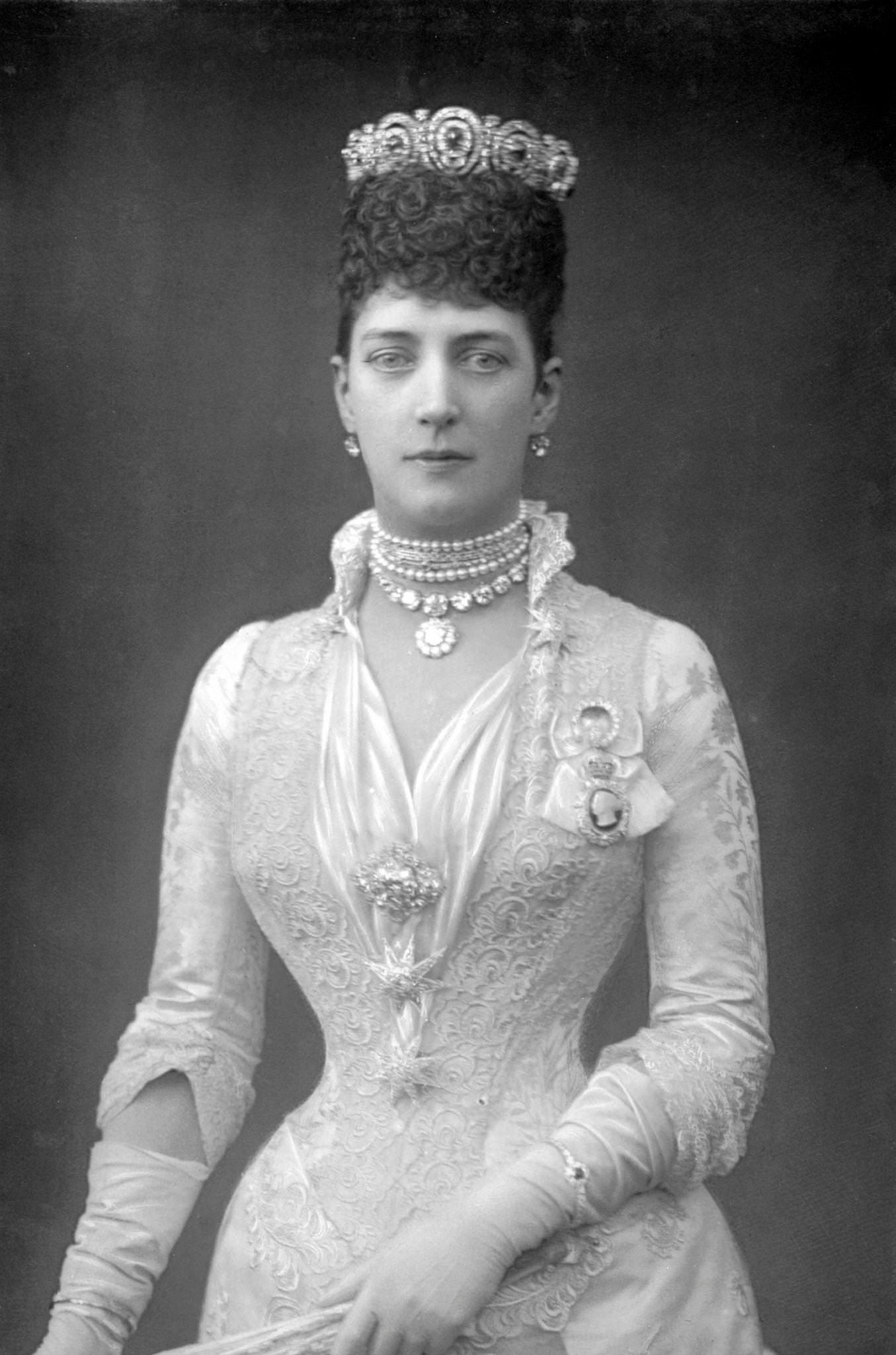
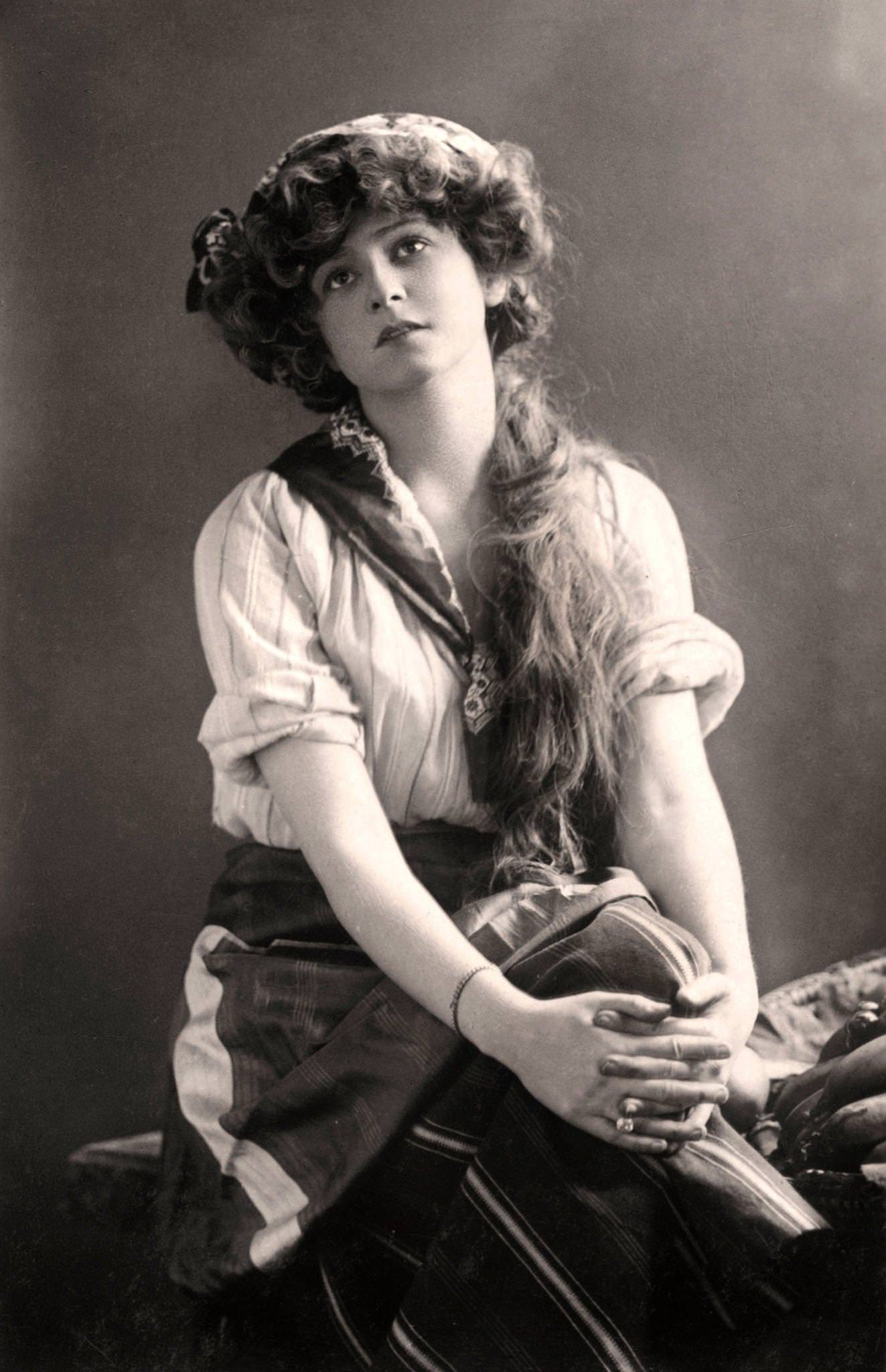
The pompadour carried a name with history behind it. Named after Madame de Pompadour — the influential mistress of French King Louis XV — this style swept the hair upward and away from the face. The front section was combed high and curled back over the forehead, giving the wearer considerable height and a sense of grandeur. Upper-class Victorian women favored it for the authority and elegance it projected.
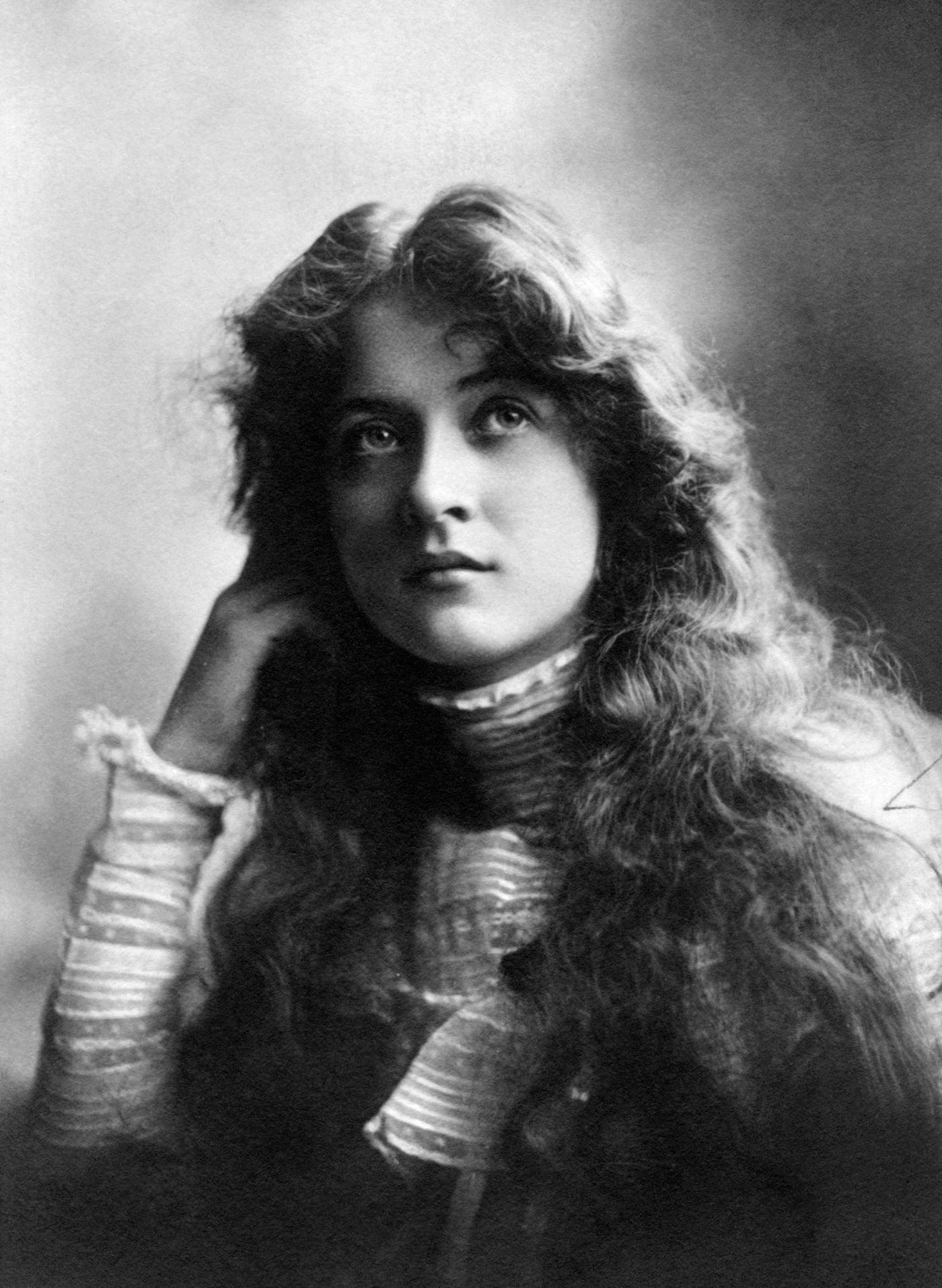
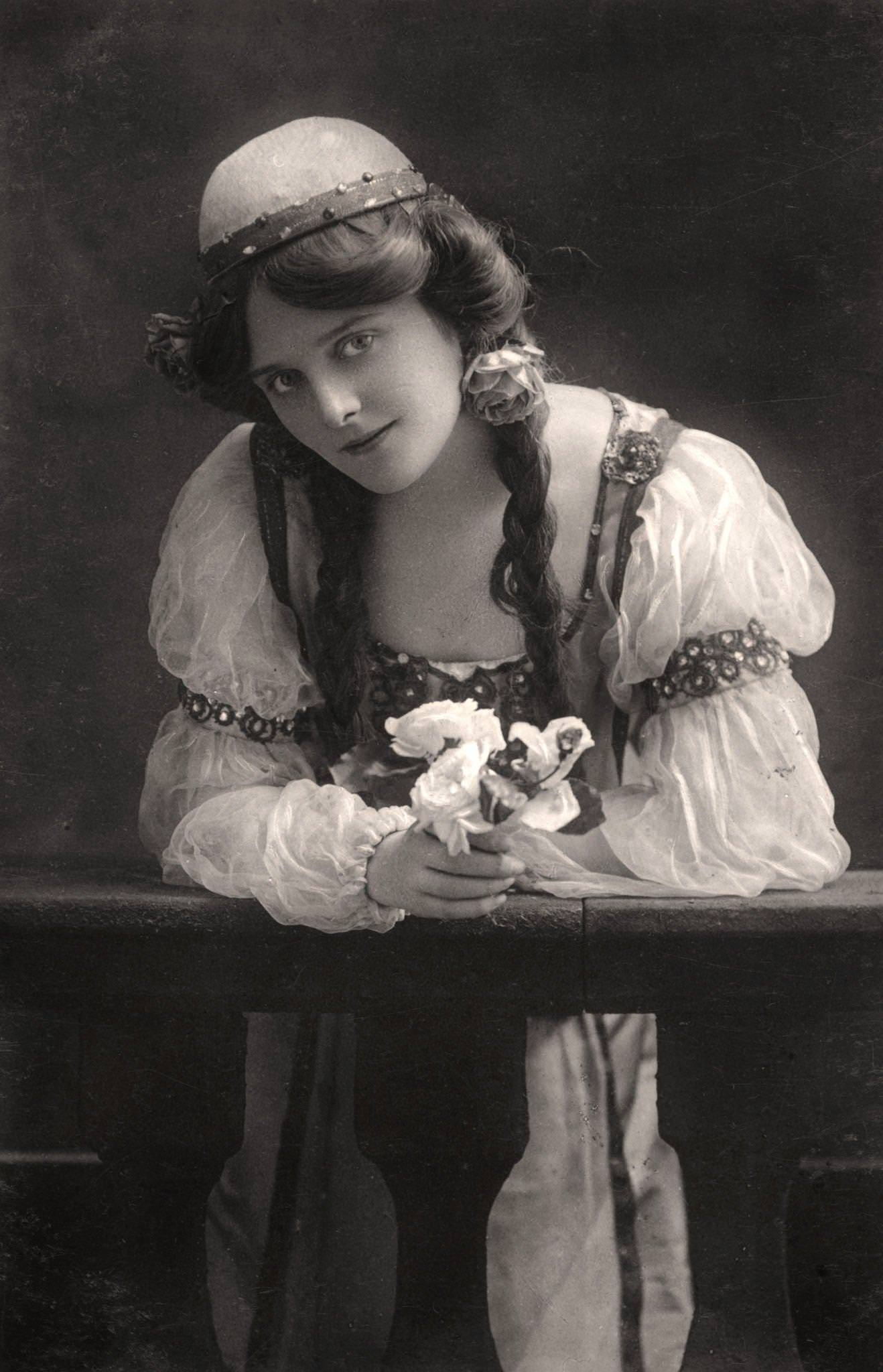
Early in the Victorian era, the fringe — or bangs cut straight across the forehead — was a common sight. Women paired it with updos and chignons, letting the fringe soften the face while the rest of the hair remained pinned and structured. The style was particularly popular in the 1840s and 1850s, before more elaborate updos pushed it aside in later decades.
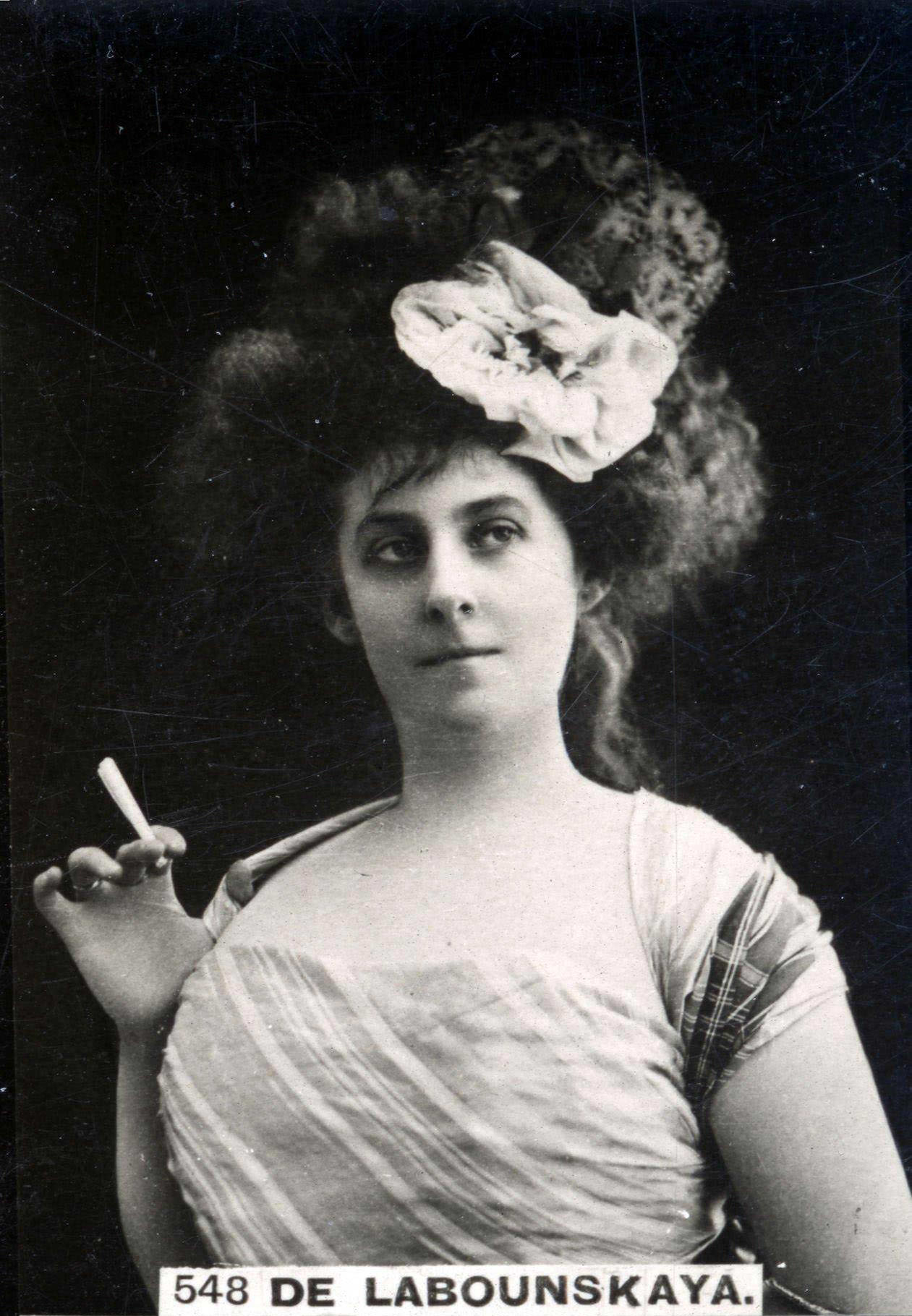
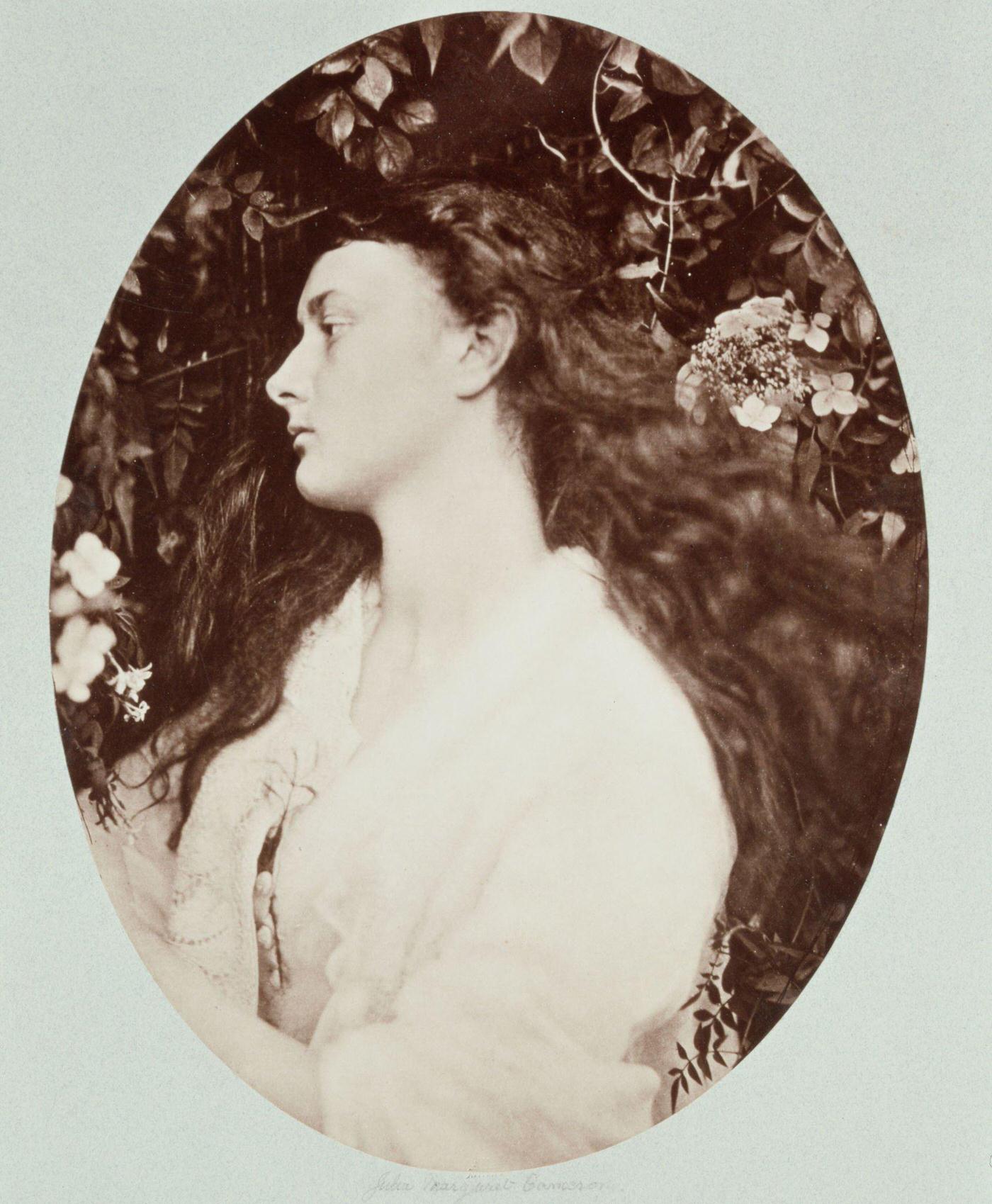
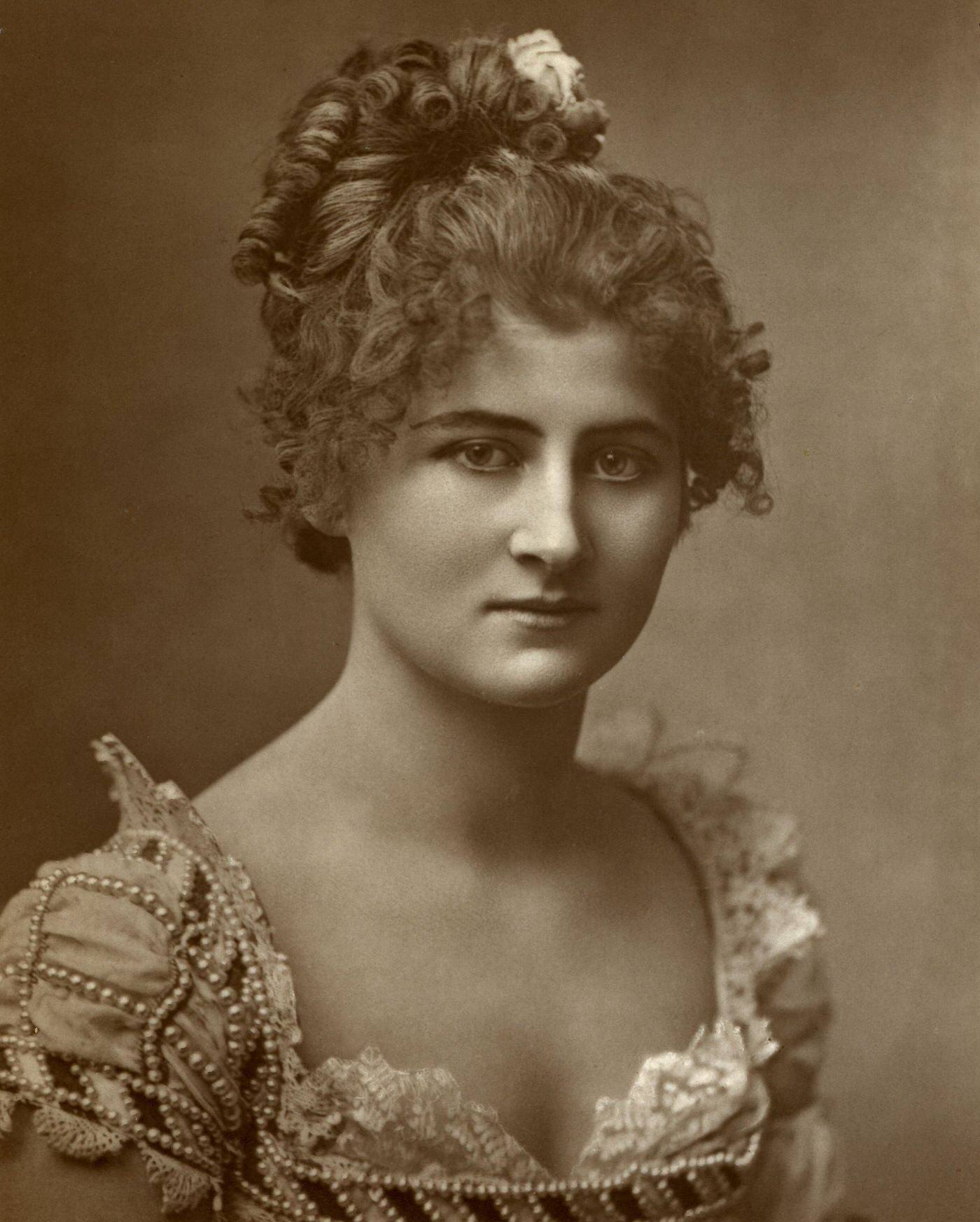
Ringlets were another hallmark of the early Victorian years. Tight, spiral curls framed the face and were often worn in clusters on either side of the head. Young women and girls wore them frequently, and they appeared alongside wide-brimmed hats and the bell-shaped skirts fashionable in the 1850s. As the era progressed, ringlets gave way to smoother, more swept-back styles, but they remained a recognizable symbol of early Victorian femininity.
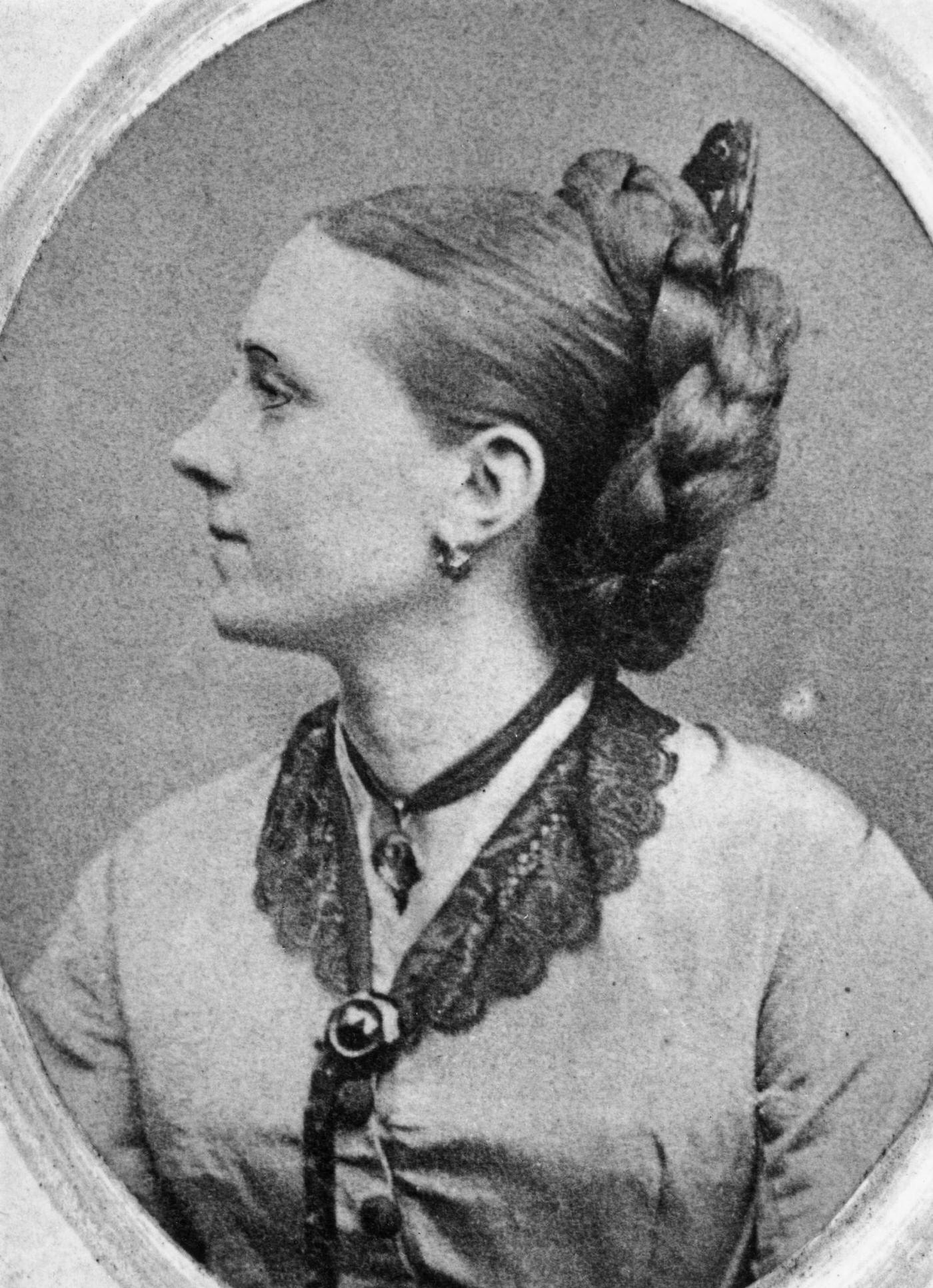
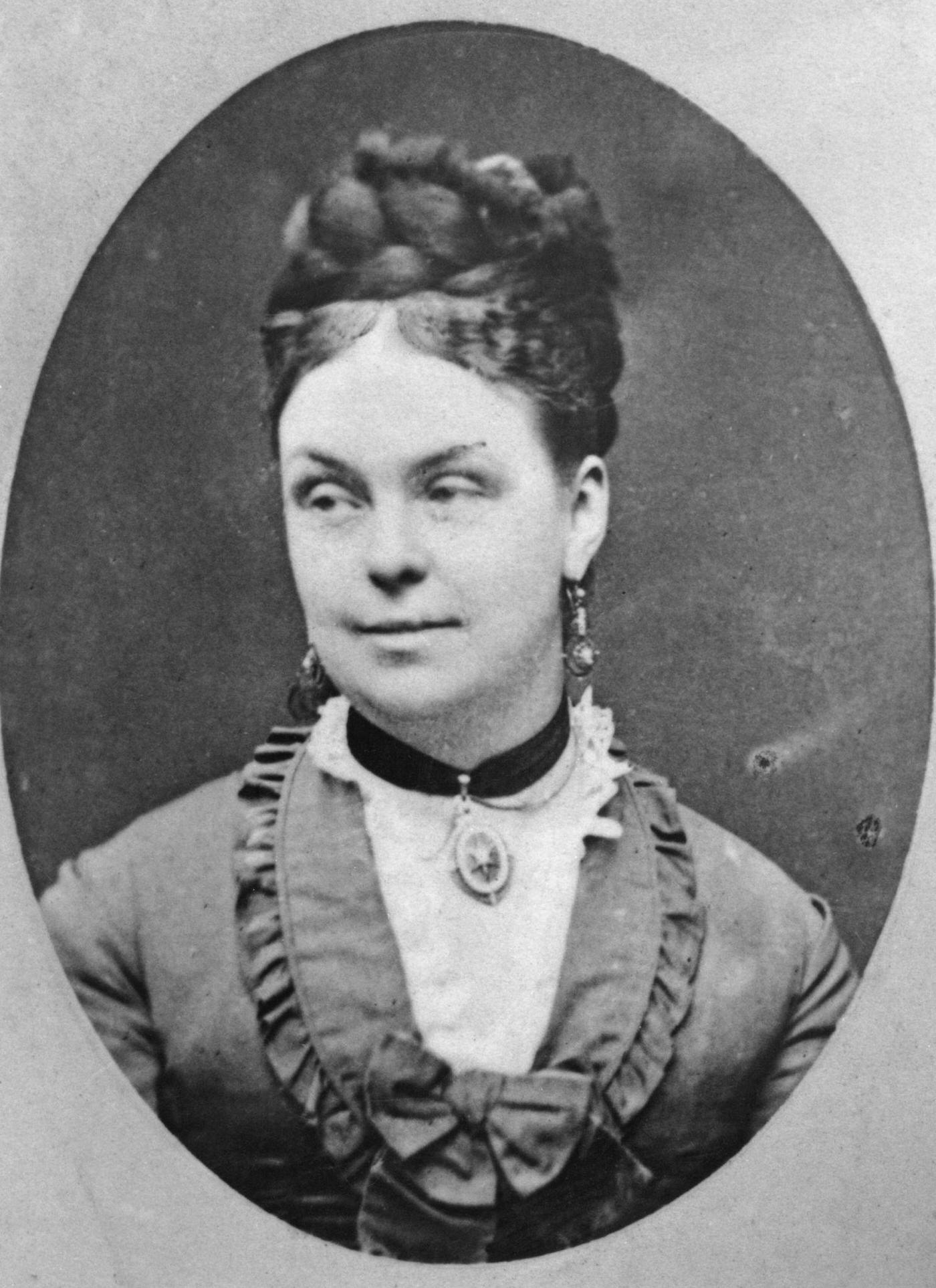
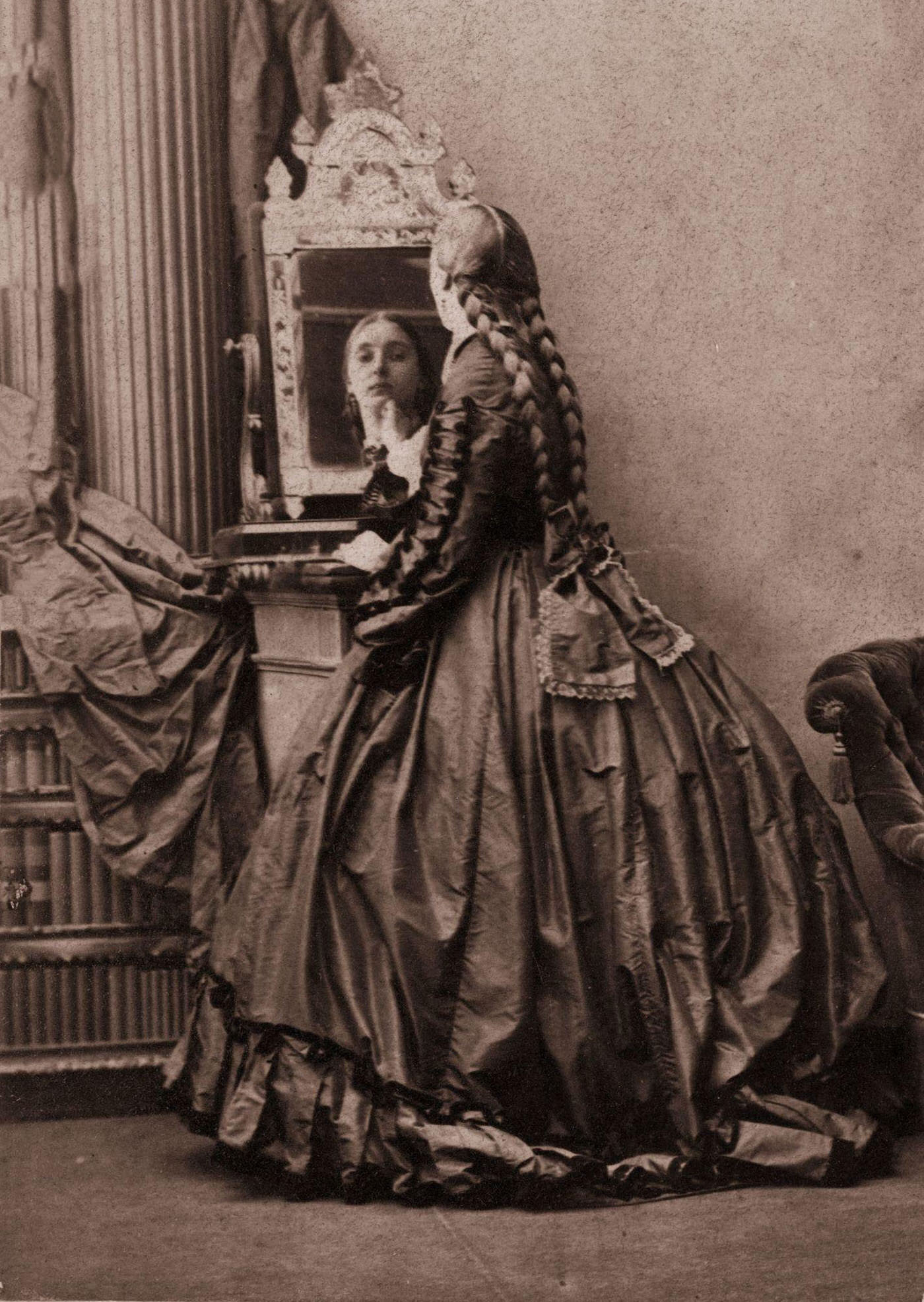
Long plaits were also worn during the mid-Victorian period, particularly among younger women. Some plaits reached all the way to the waist, worn loose or draped over the shoulder as part of a full crinoline look. This was one of the few contexts where length and volume in the hair were displayed openly rather than tucked away.
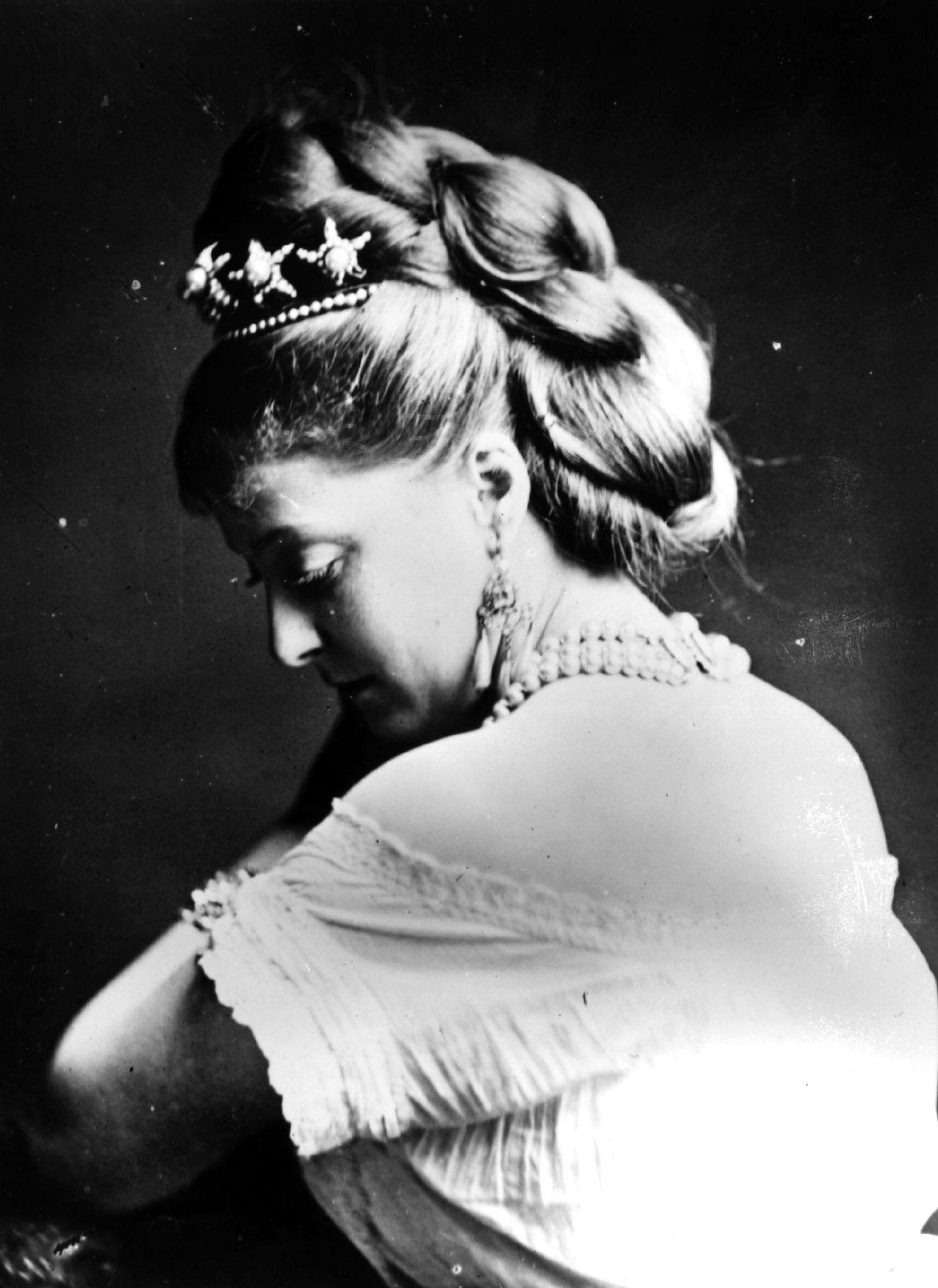
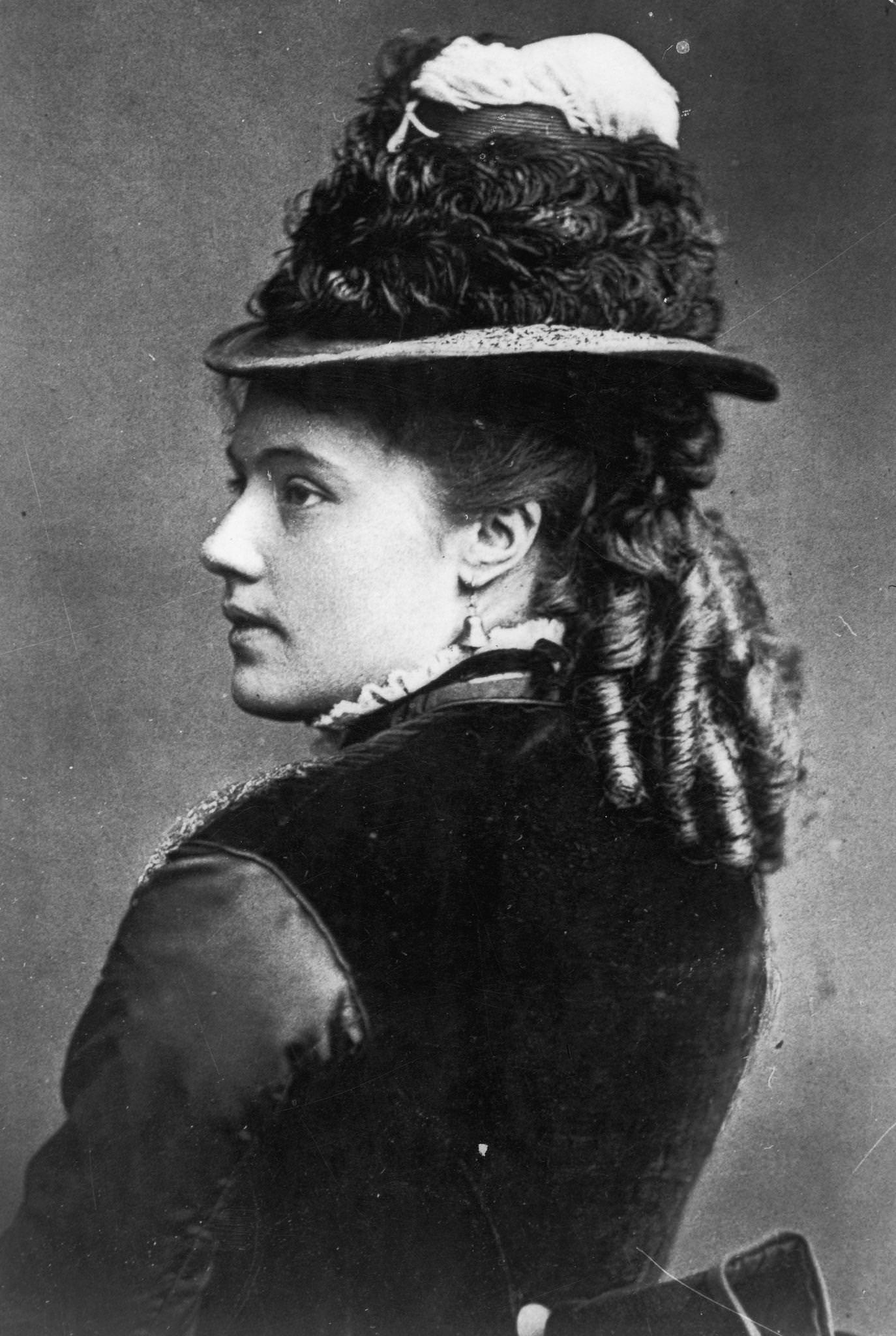
Across all these styles, the common thread was intention. Victorian hairstyles did not happen by accident. Each look required planning, tools like heated curling irons and wire frames, and often the help of a maid or hairdresser. Social class shaped what was possible — wealthier women had the time and resources to maintain the most complex looks — but even working-class women followed the general conventions of pinned-up, ornamented hair whenever social settings demanded it.