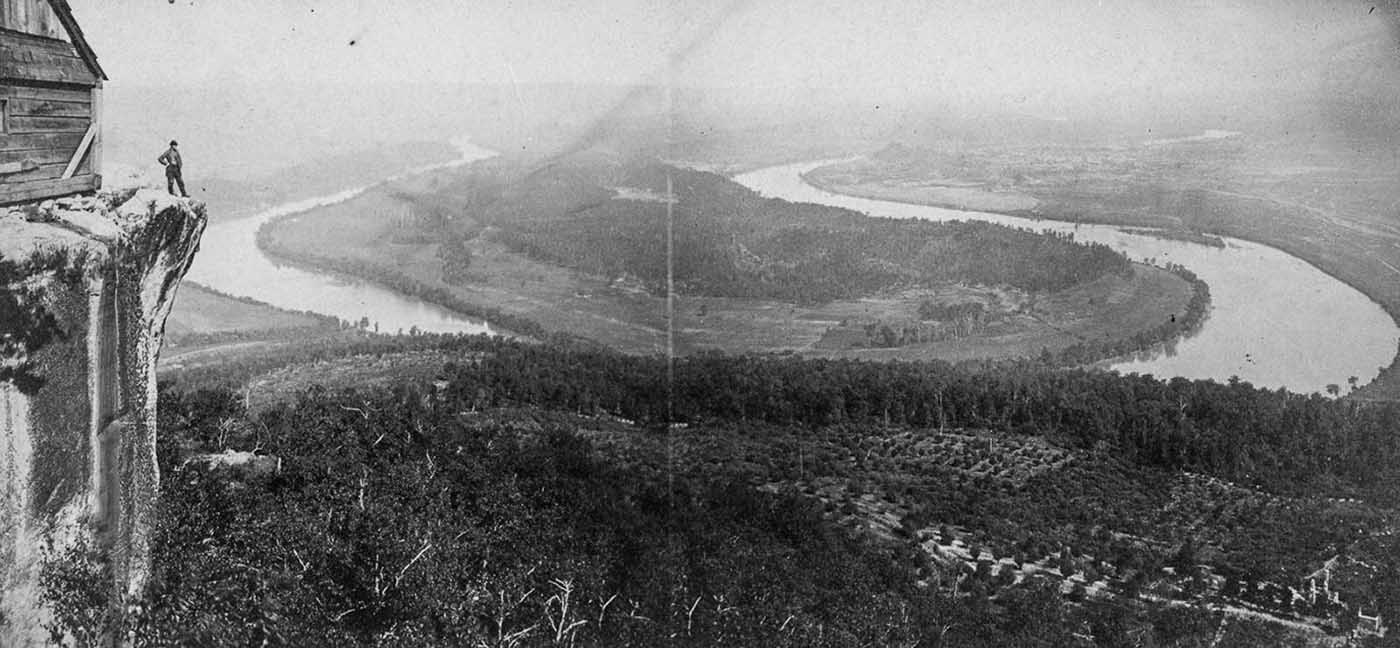
Lookout Mountain sits at the meeting point of three states — Tennessee, Georgia, and Alabama. Its ridge rises above Chattanooga in the southeast corner of Tennessee, and the name itself traces back to a Creek word meaning “rock rising to a point.” The name appeared in print as early as 1795, on Mathew Carey’s “Map of The Tennessee Government.” Long before tourists ever arrived, the Chickamauga people — a branch of the Cherokee — called the mountain home. Their name for the area, Chat-a-nu-ga, eventually gave Chattanooga its name. While no physical structures have survived, the pattern of boulders near the summit suggests that lanes or walls once stood there.
During the Civil War, Confederate forces held Lookout Mountain until November 1863. Union General Joseph Hooker led his army up the mountainside after the Union’s defeat at the Battle of Chickamauga. A thick fog blanketed the mountain during the fight, earning the engagement the name “Battle Above the Clouds.” After the Union secured the summit, the army established a military hospital complex there. Soldiers recovered on one of the most dramatic overlooks in the South.
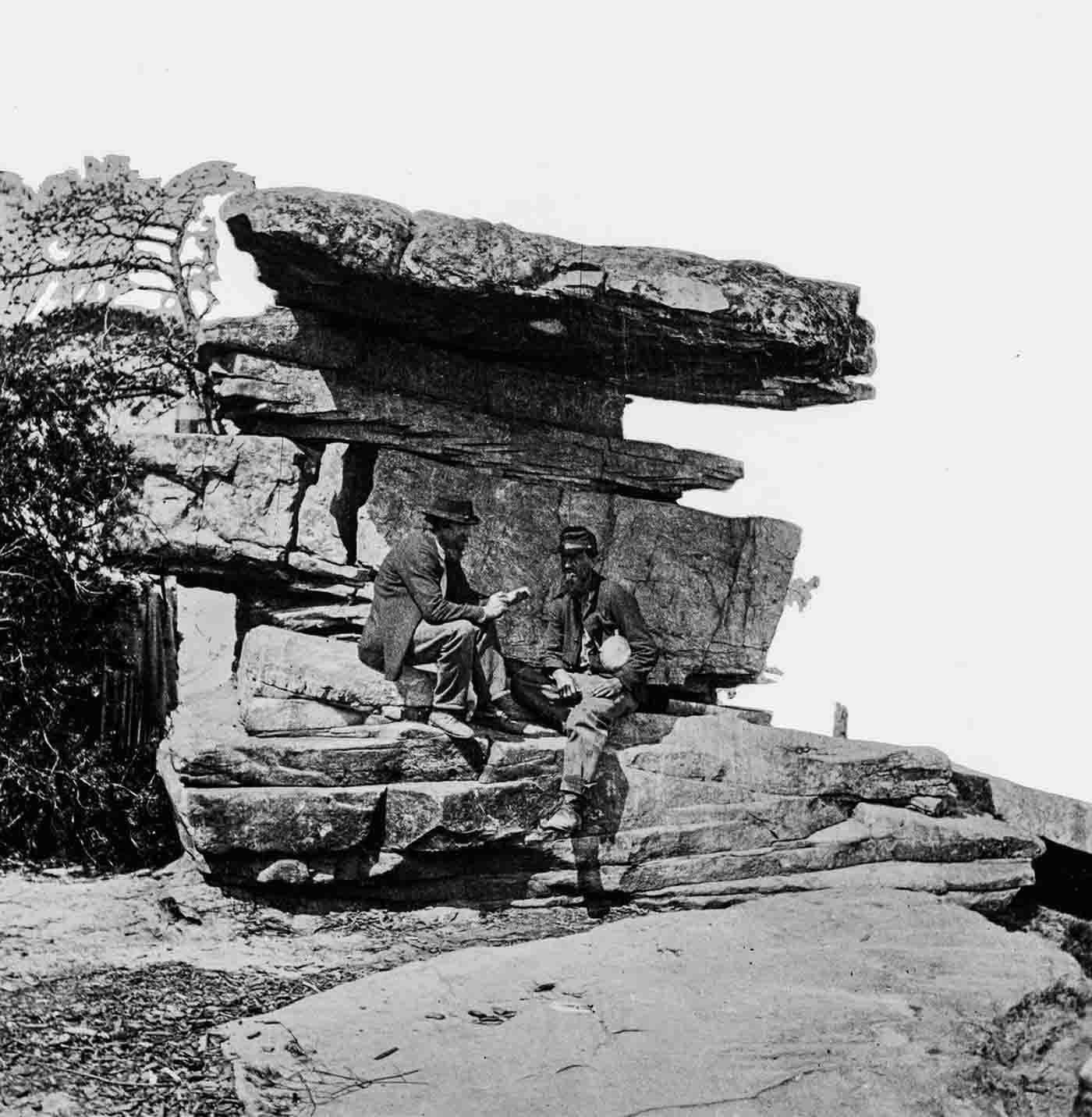
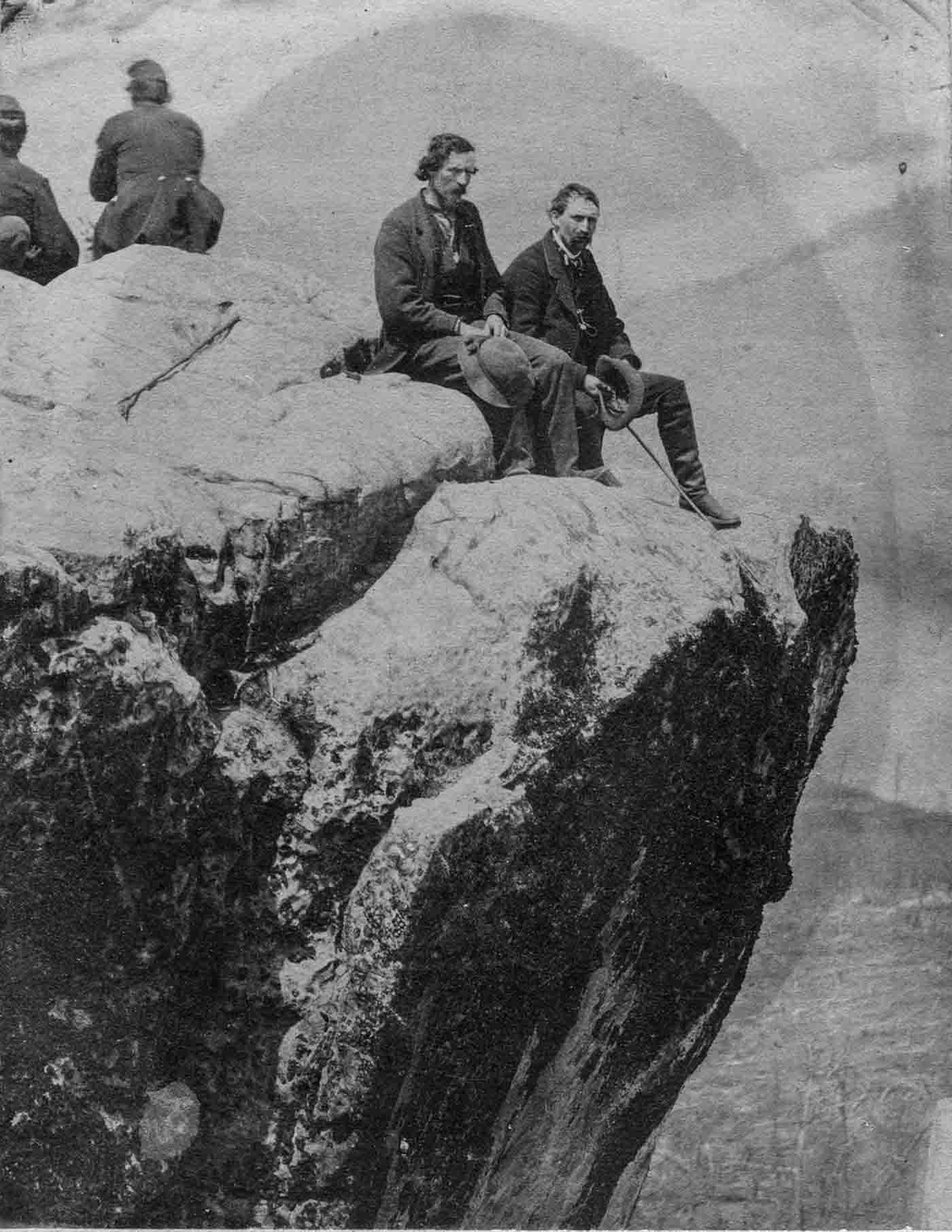
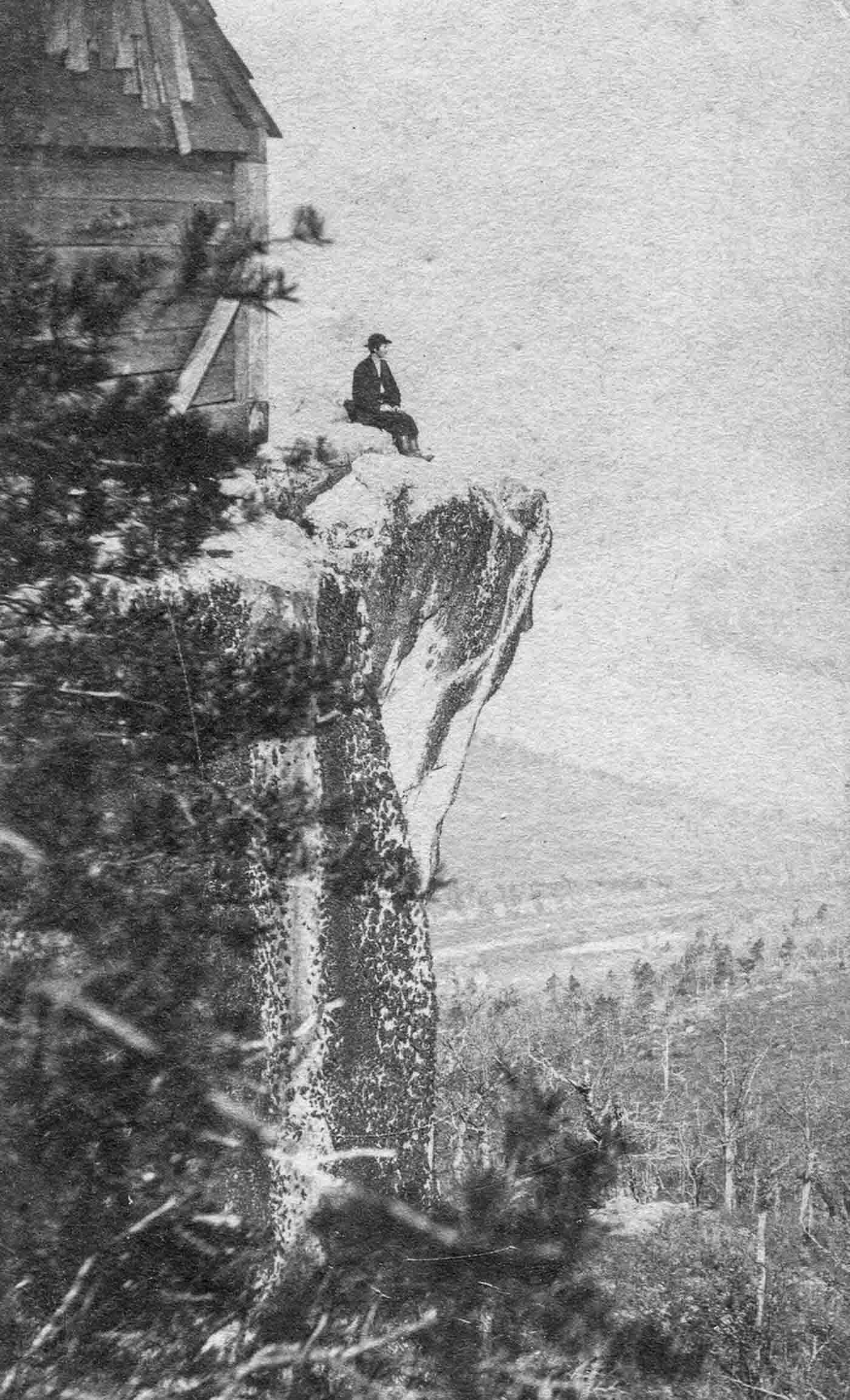
A photographer soon set up a studio at the summit. He photographed Union soldiers standing on the rocky cliffs and on Umbrella Rock, a naturally formed boulder that juts out from the ridgeline. The rock appears dangerously unbalanced, but more than thirty people can stand on its flat top at once. Soldiers carried those photographs home when the war ended, and word spread fast. The images turned Umbrella Rock into a destination.
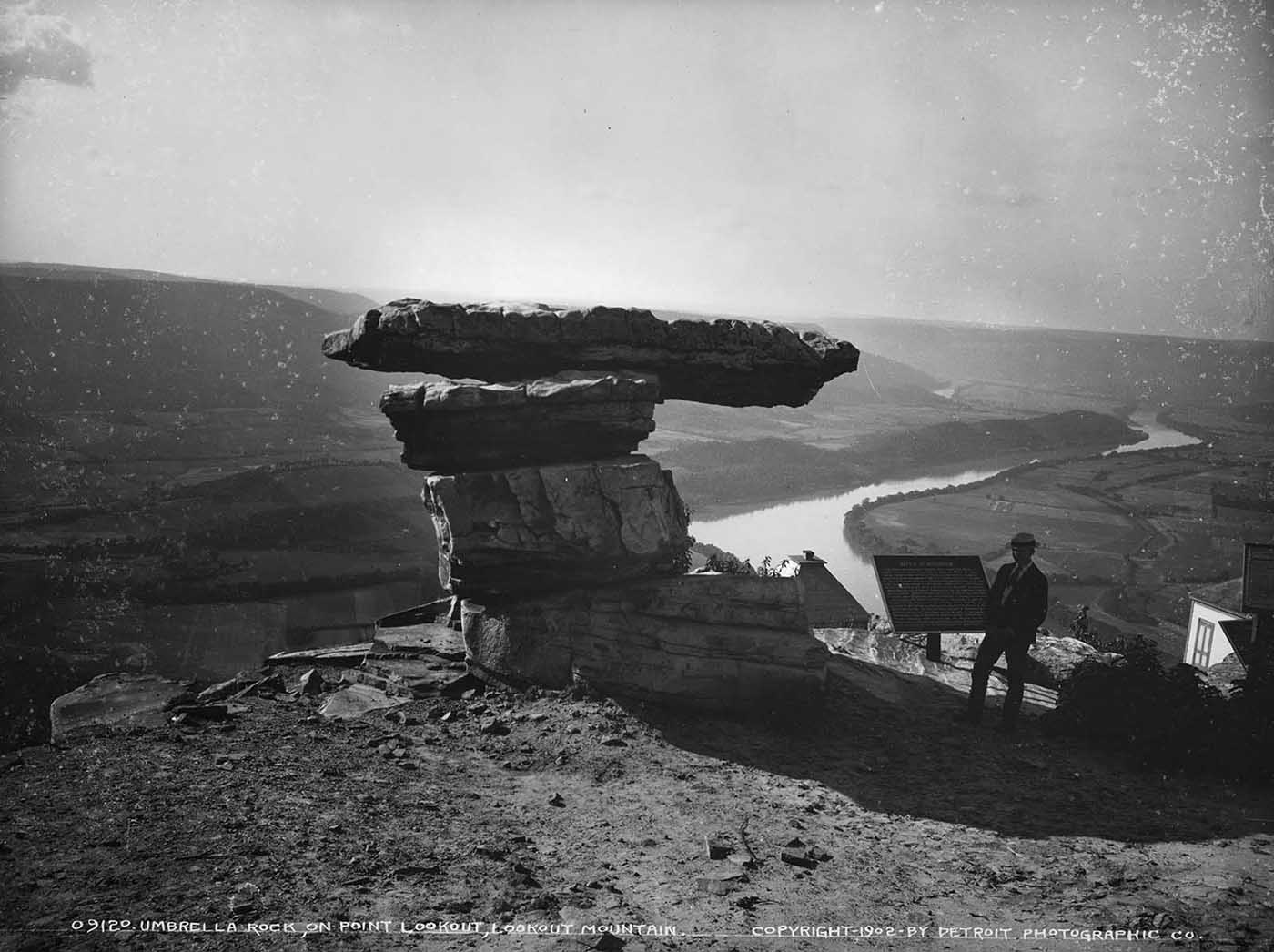
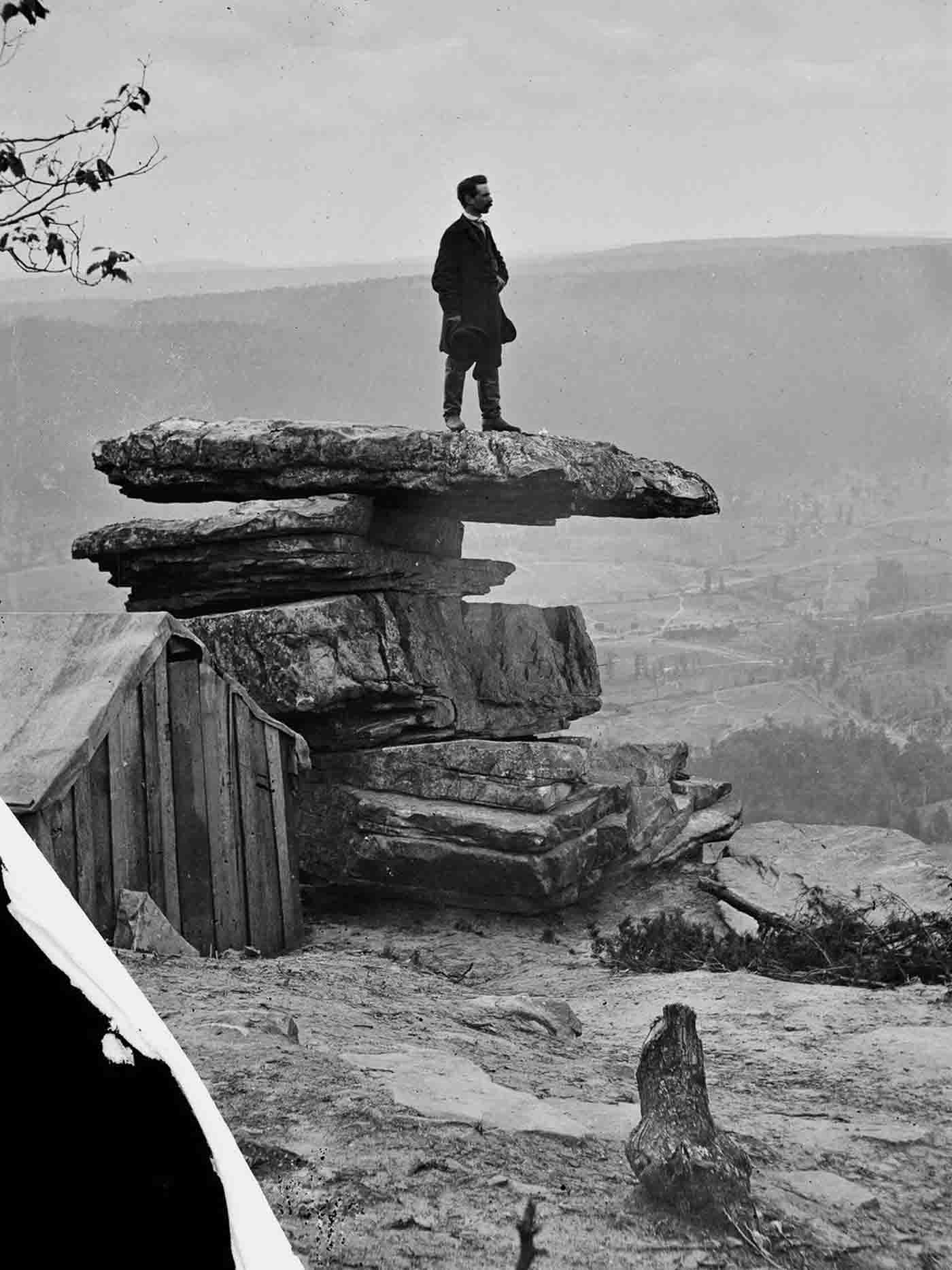
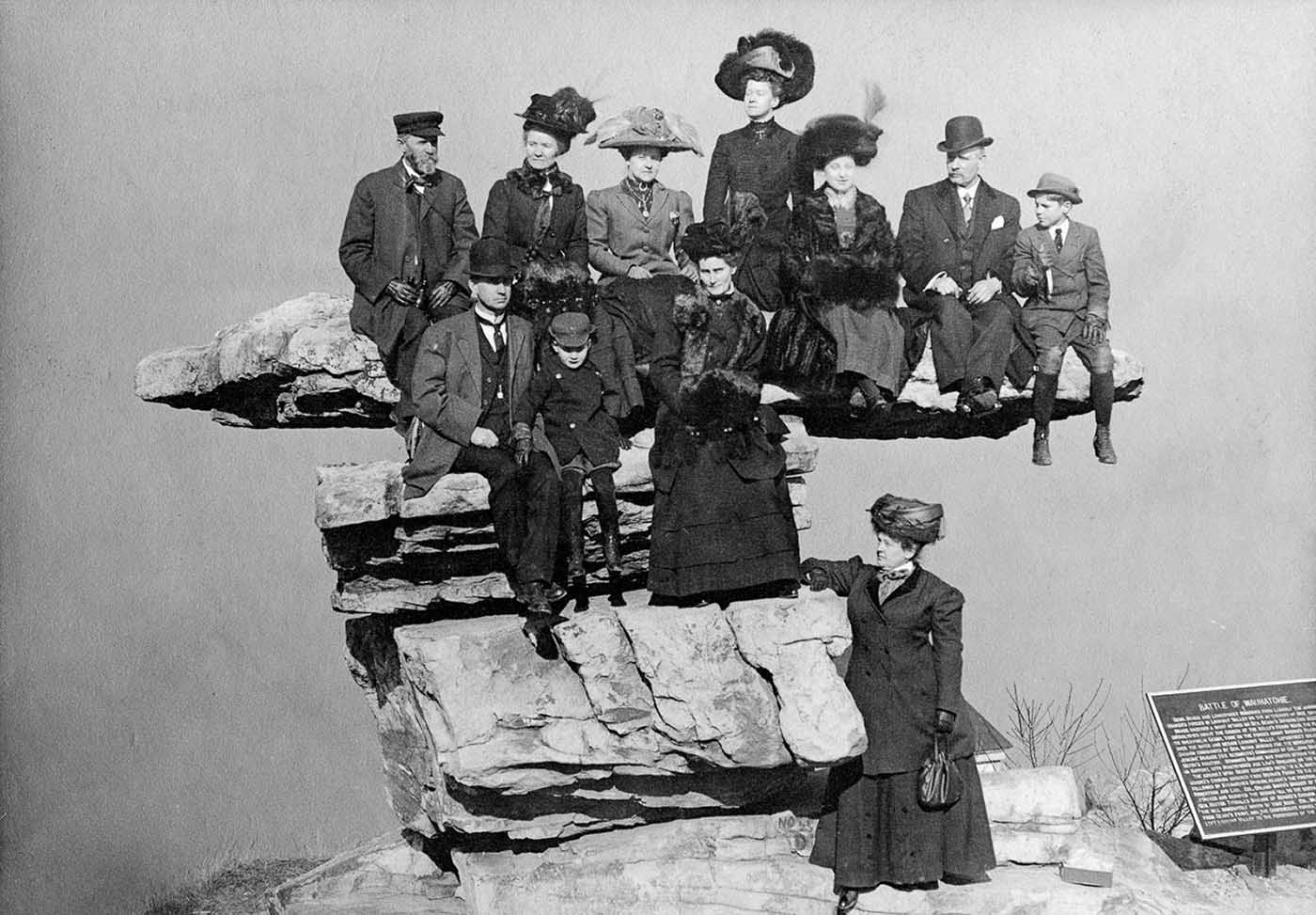
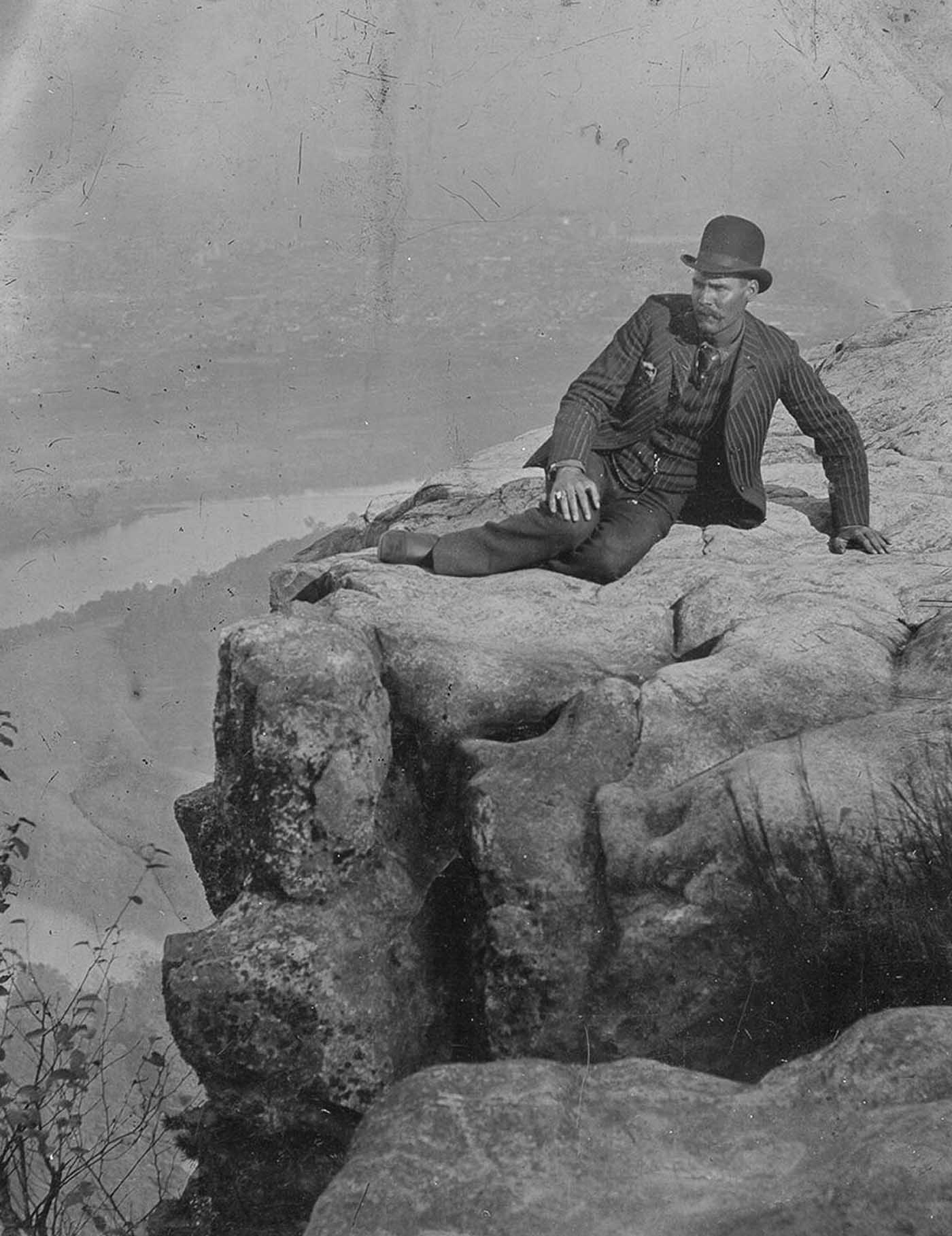
By the 1880s, Umbrella Rock was drawing a steady stream of visitors. Families, couples, and groups climbed to the top and posed for photographs, continuing a tradition that Union soldiers had started two decades earlier. The local Chattanooga historical organization Picnooga assembled a collection of these images spanning more than sixty years, showing how the rock served as a constant backdrop across generations of visitors.
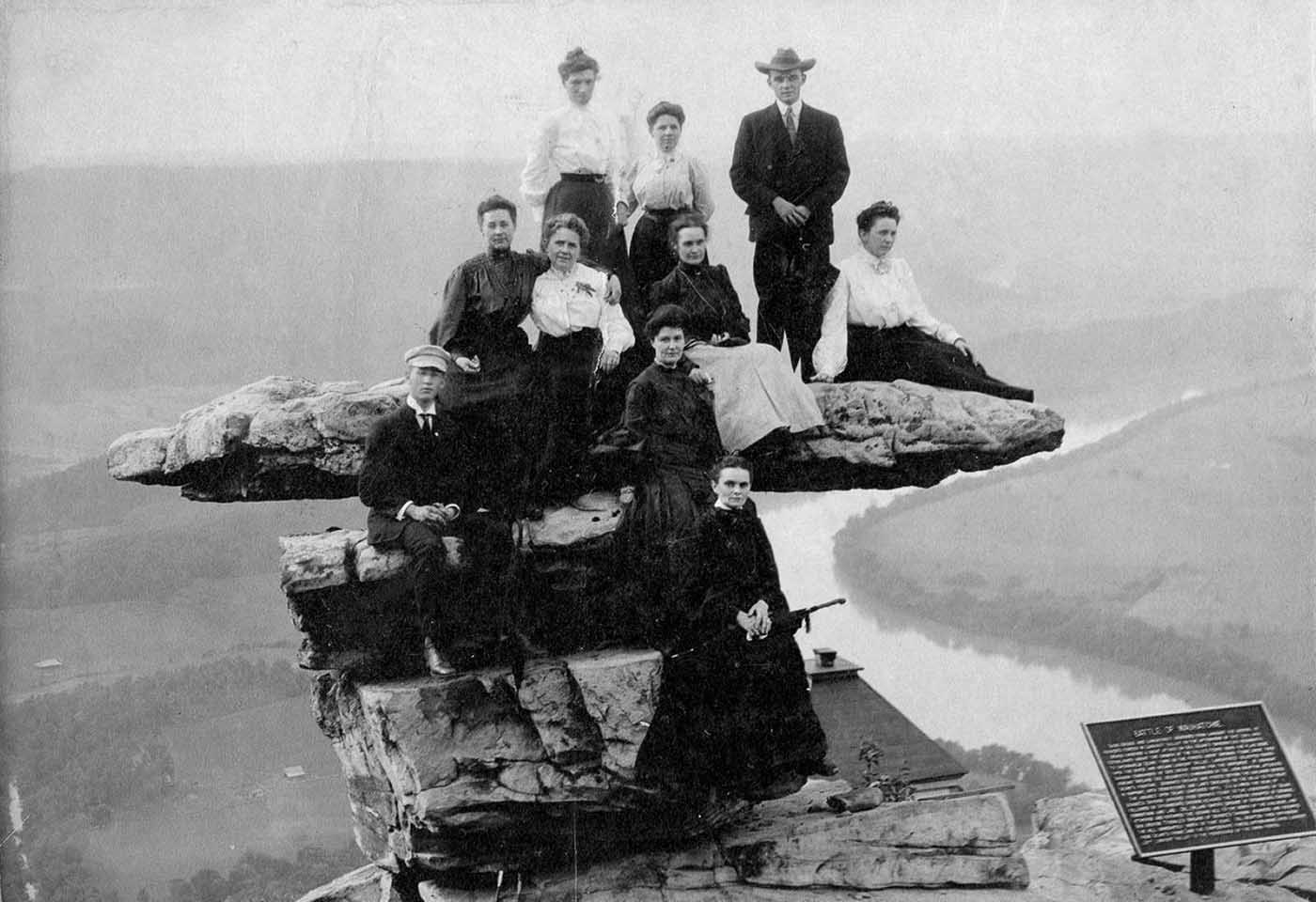
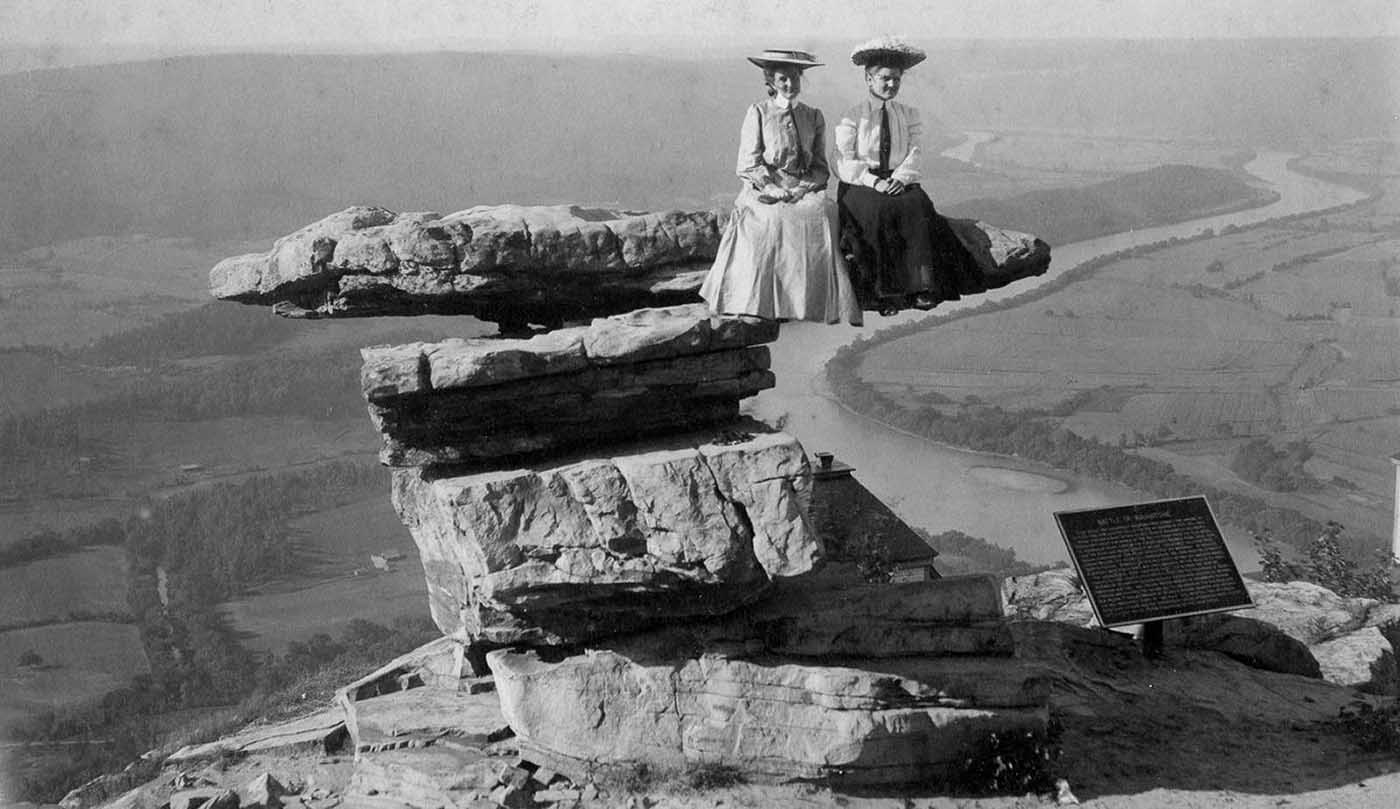
The photographs from this era capture a wide range of visitors — men in suits, women in long dresses, children balanced near the edge. The rock’s narrow top and open drop below made for a striking image, and that sense of height was clearly part of the appeal. Posing on Umbrella Rock was both a thrill and a statement: you had made the climb and stood at the top.
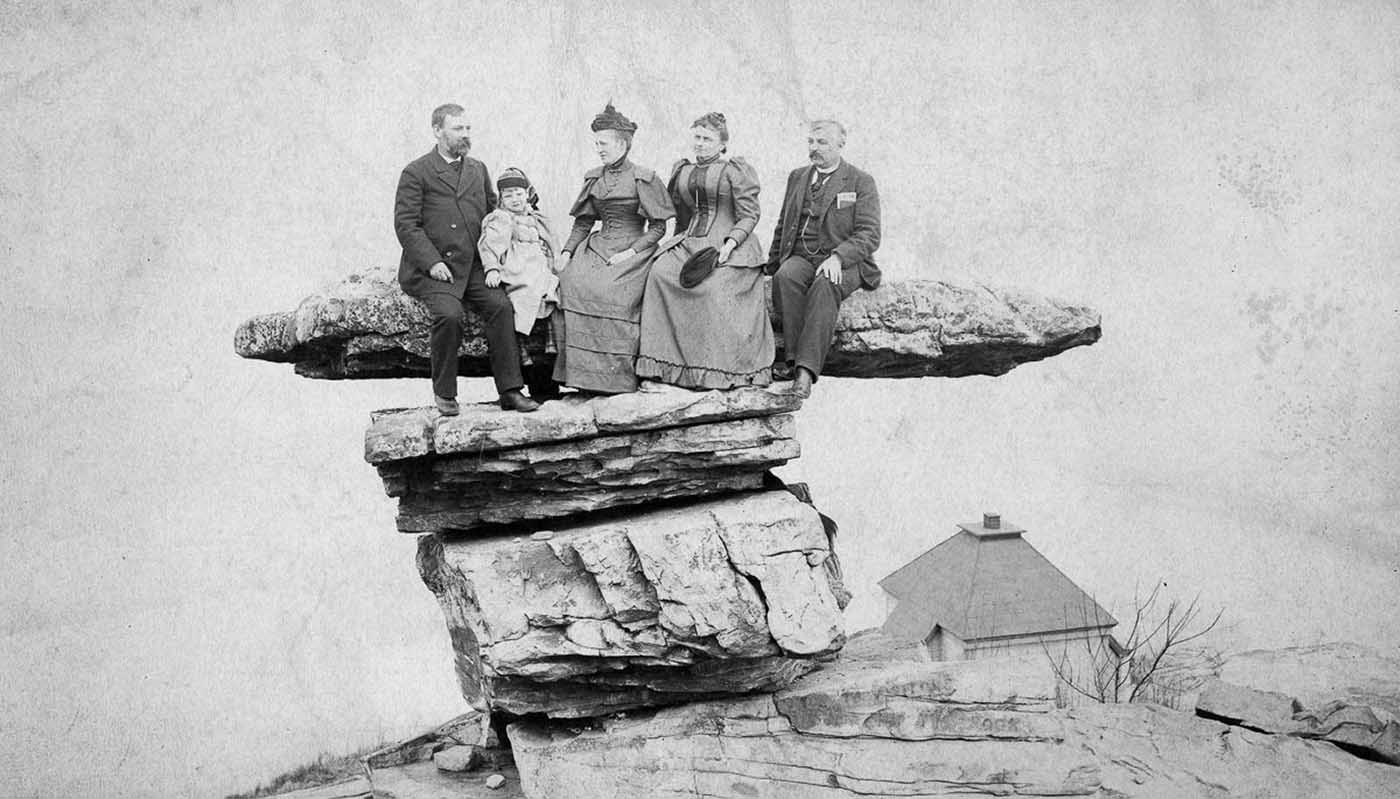
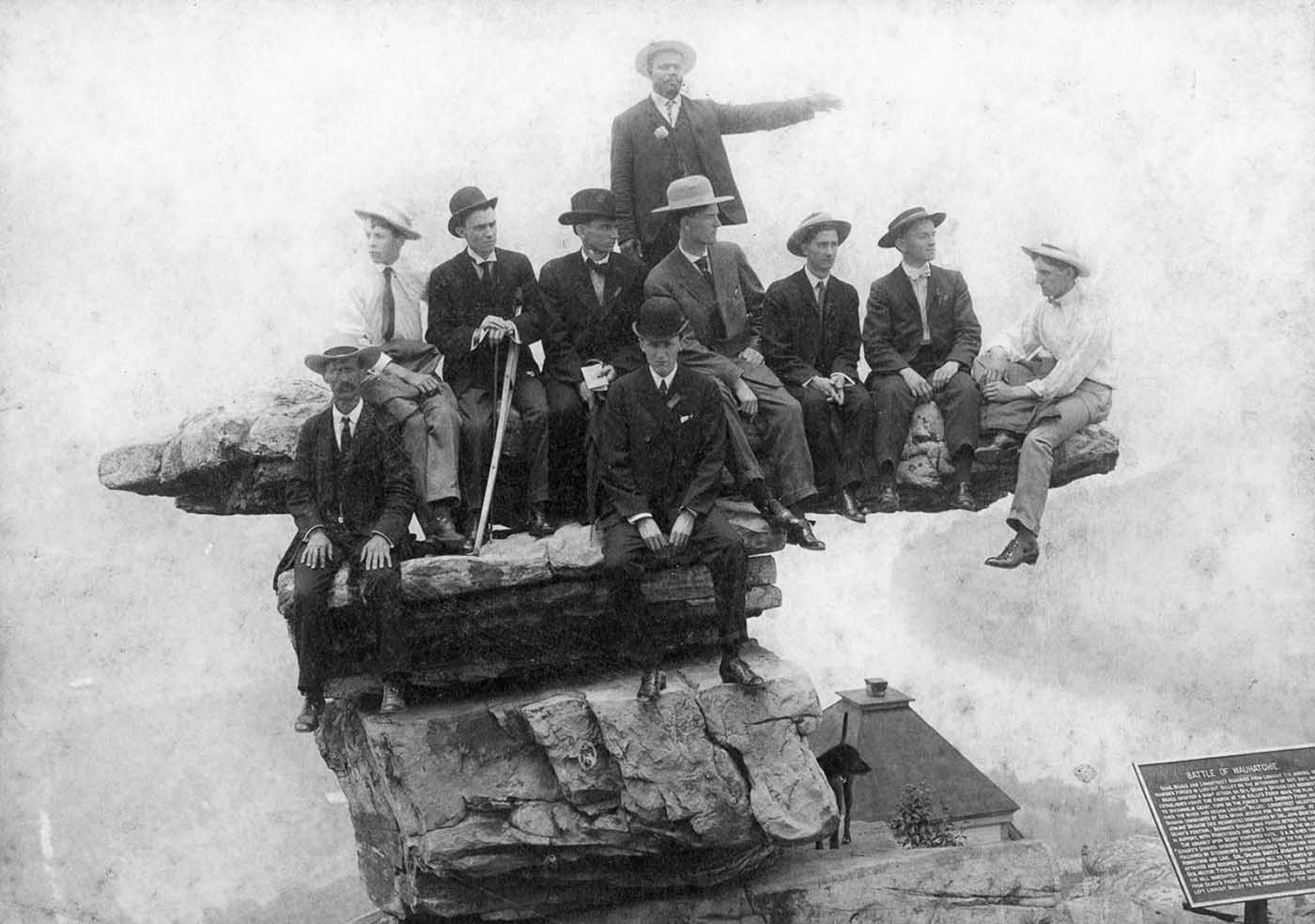
Across the late 1800s and into the early 1900s, the style of dress in these photos changed, but the pose often did not. Visitors stood in the same spots, looked out over the same valleys, and held the same confident postures their predecessors had. The continuity across the collection is striking — decade after decade, people made the trip up the mountain specifically to stand on that rock.
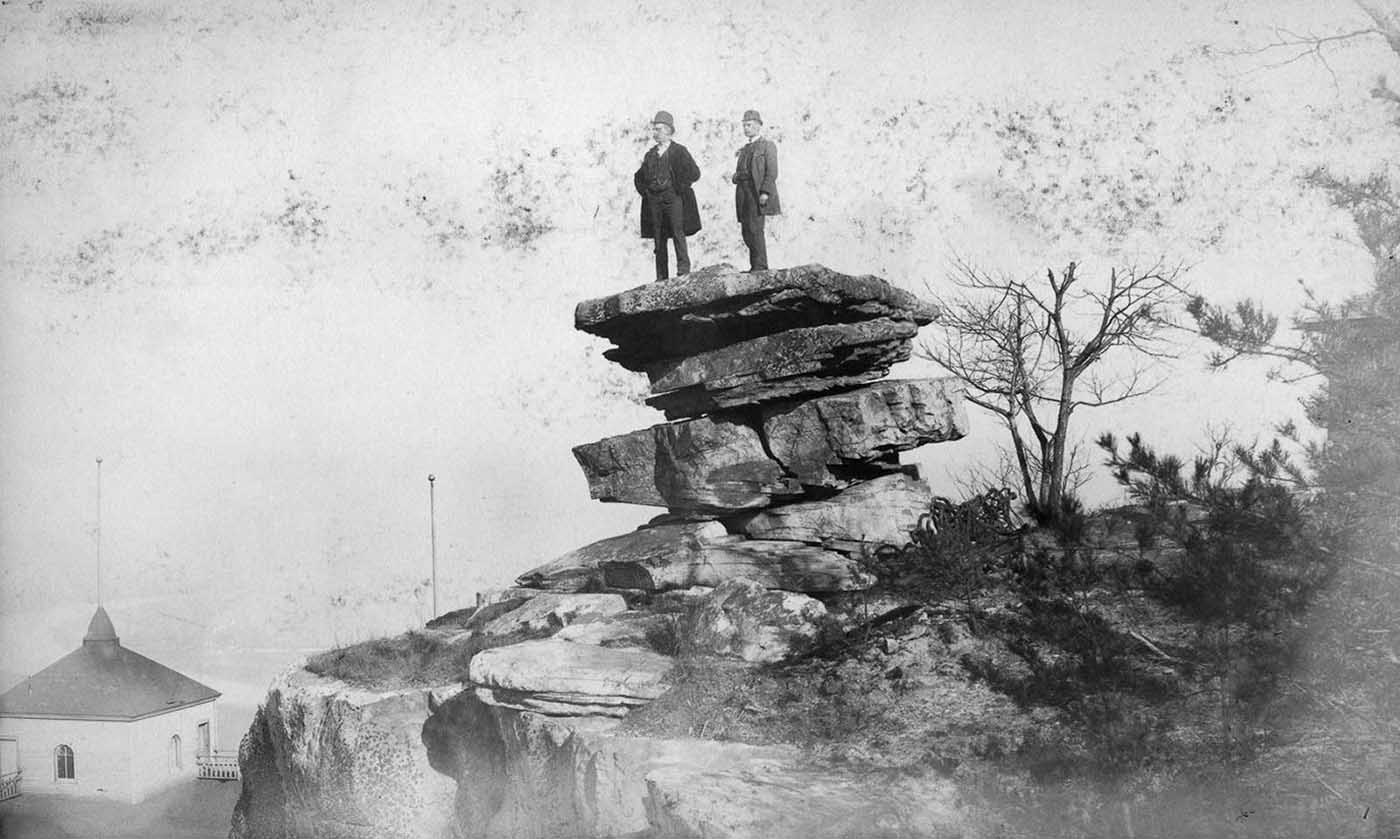
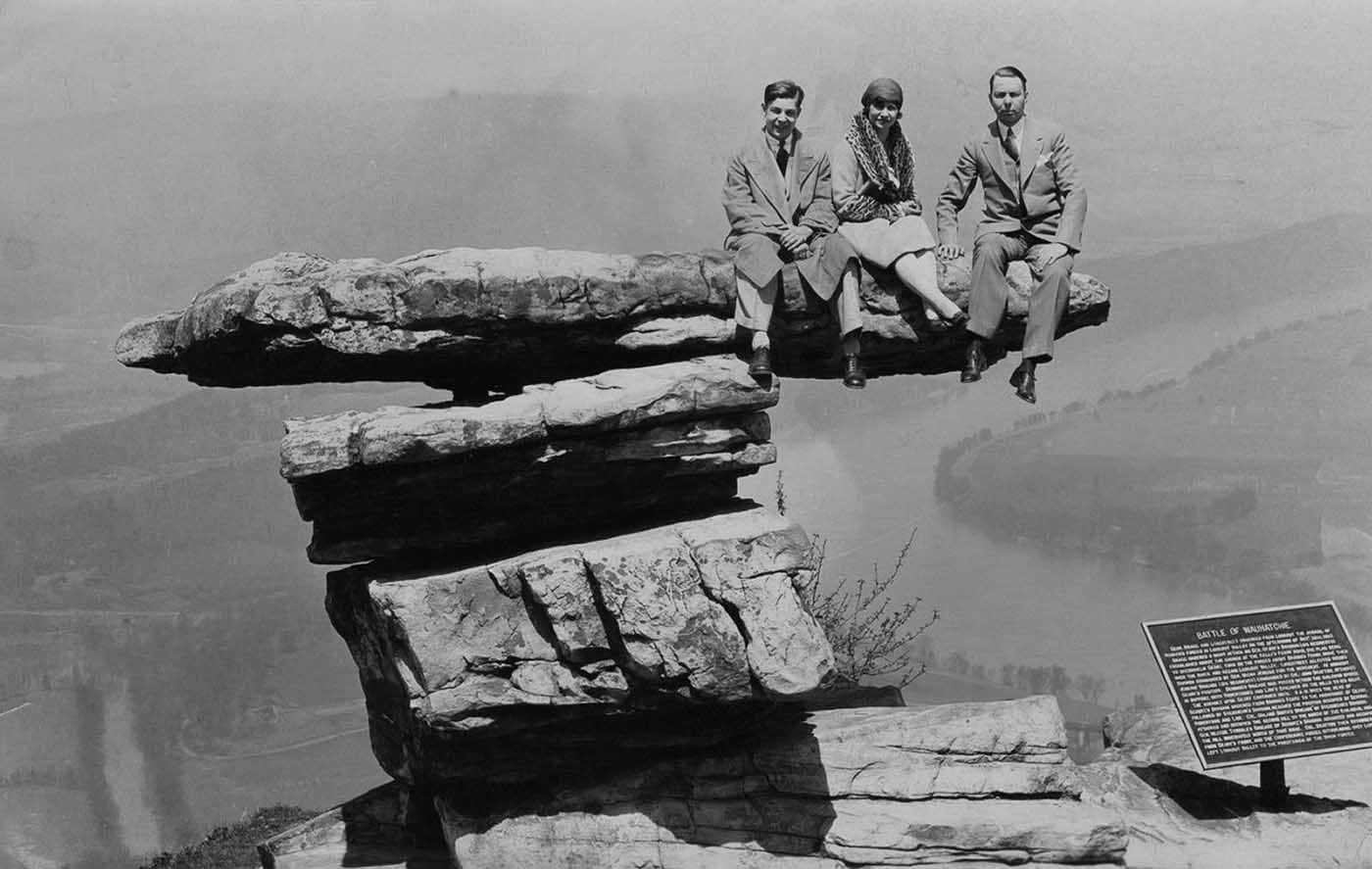
The rock drew visitors of all kinds. Some came as part of organized tours, others as individuals or small groups making their own way up the mountain. The summit photographer — and later photographers who followed — built a trade around capturing these moments. For many visitors, the photograph taken at Umbrella Rock was the proof of the trip.
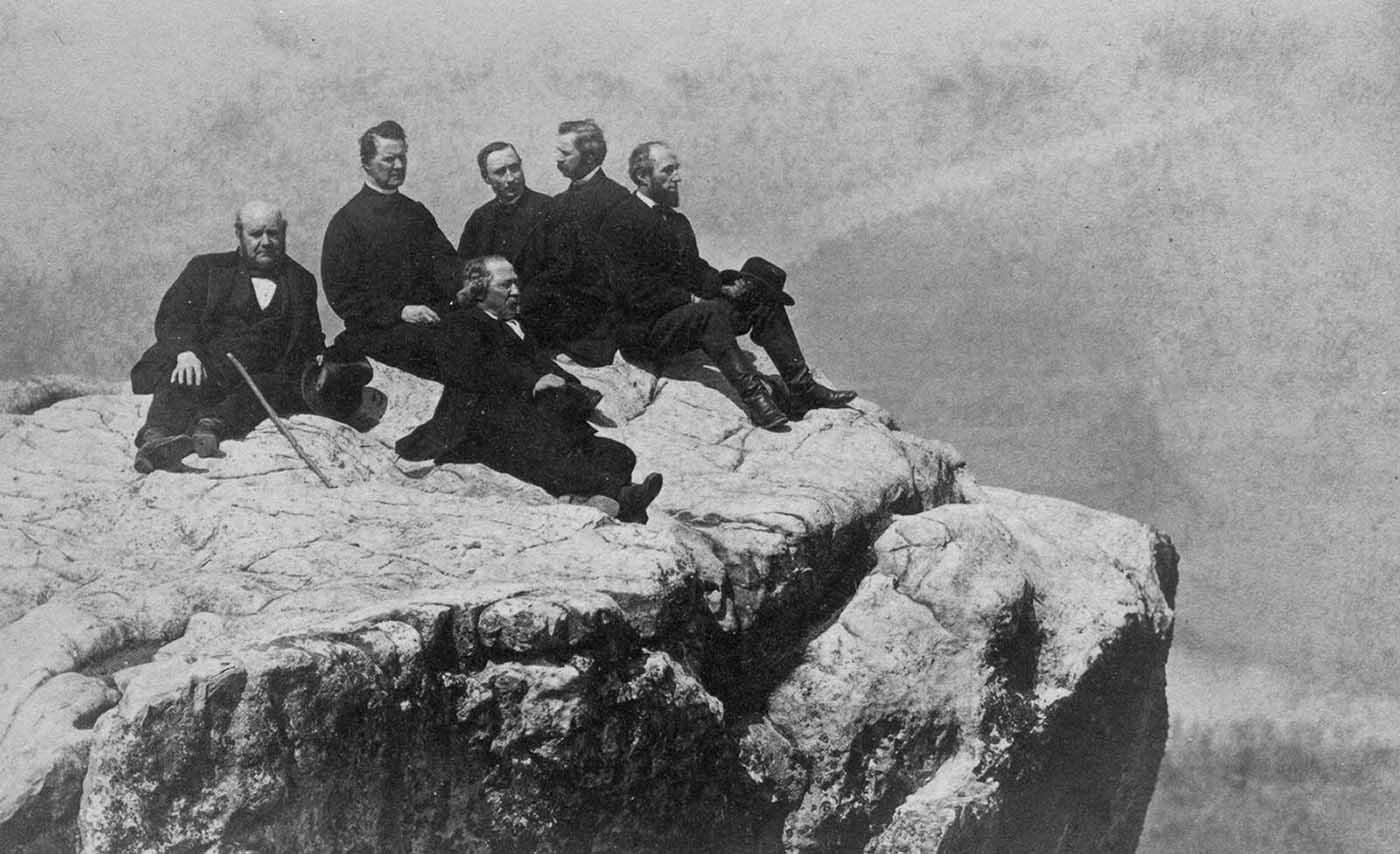
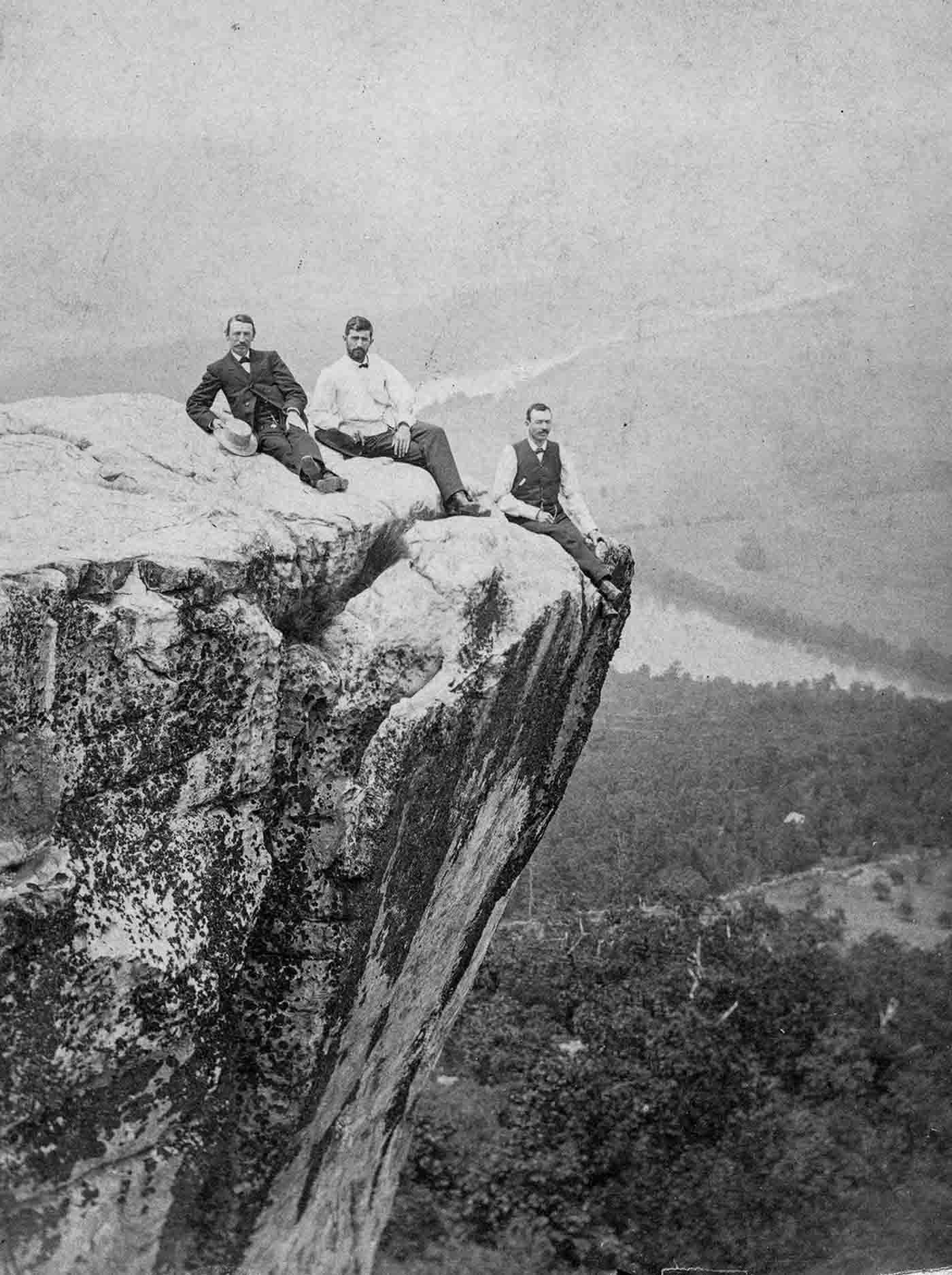
By the 1920s and 1930s, the automobile made Lookout Mountain more accessible than ever. More visitors arrived, and more photographs were taken at Umbrella Rock. The formation had become one of the most photographed spots in the entire region. Groups posed in large numbers on its surface, with the open sky and distant ridge lines filling the background.
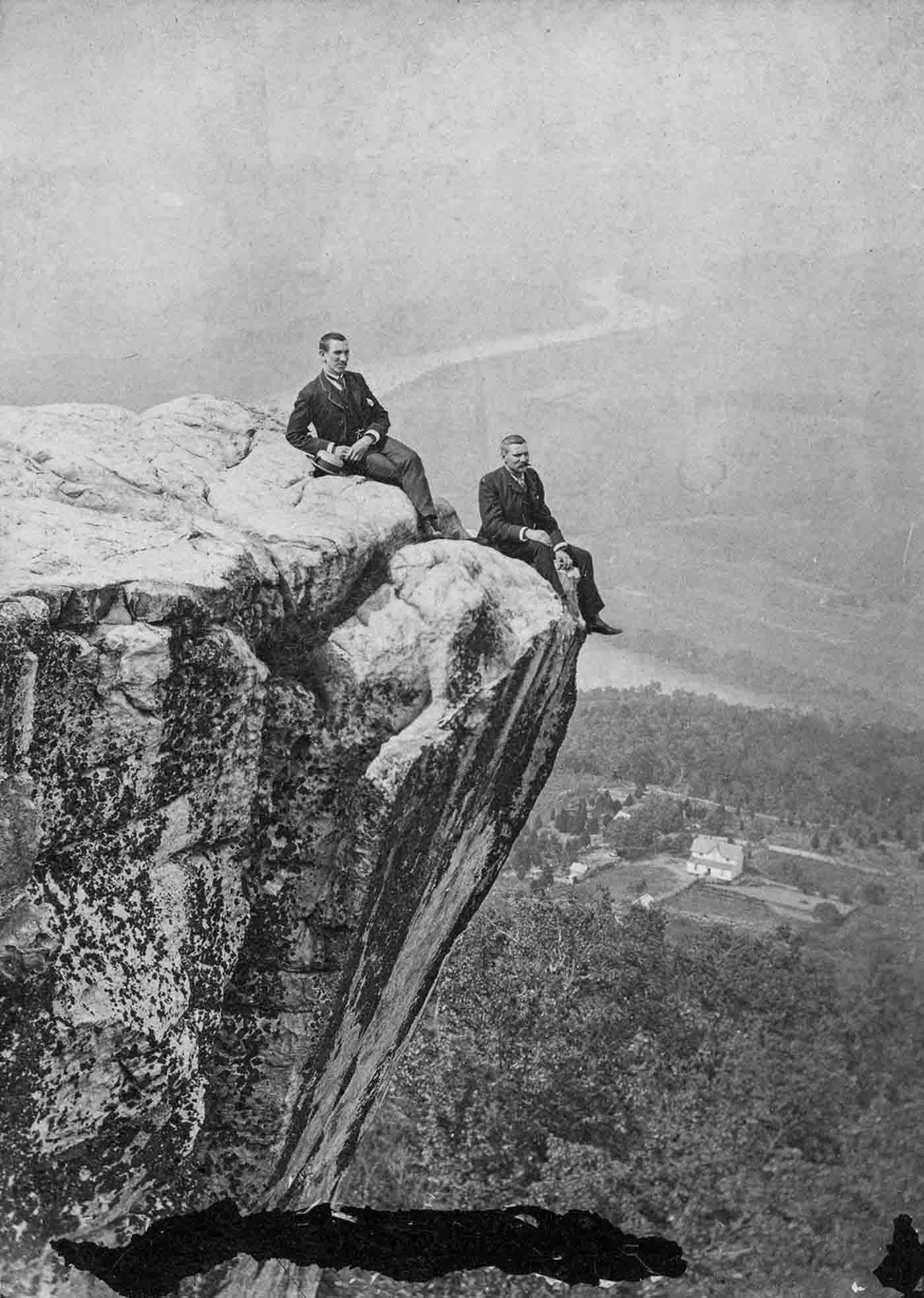
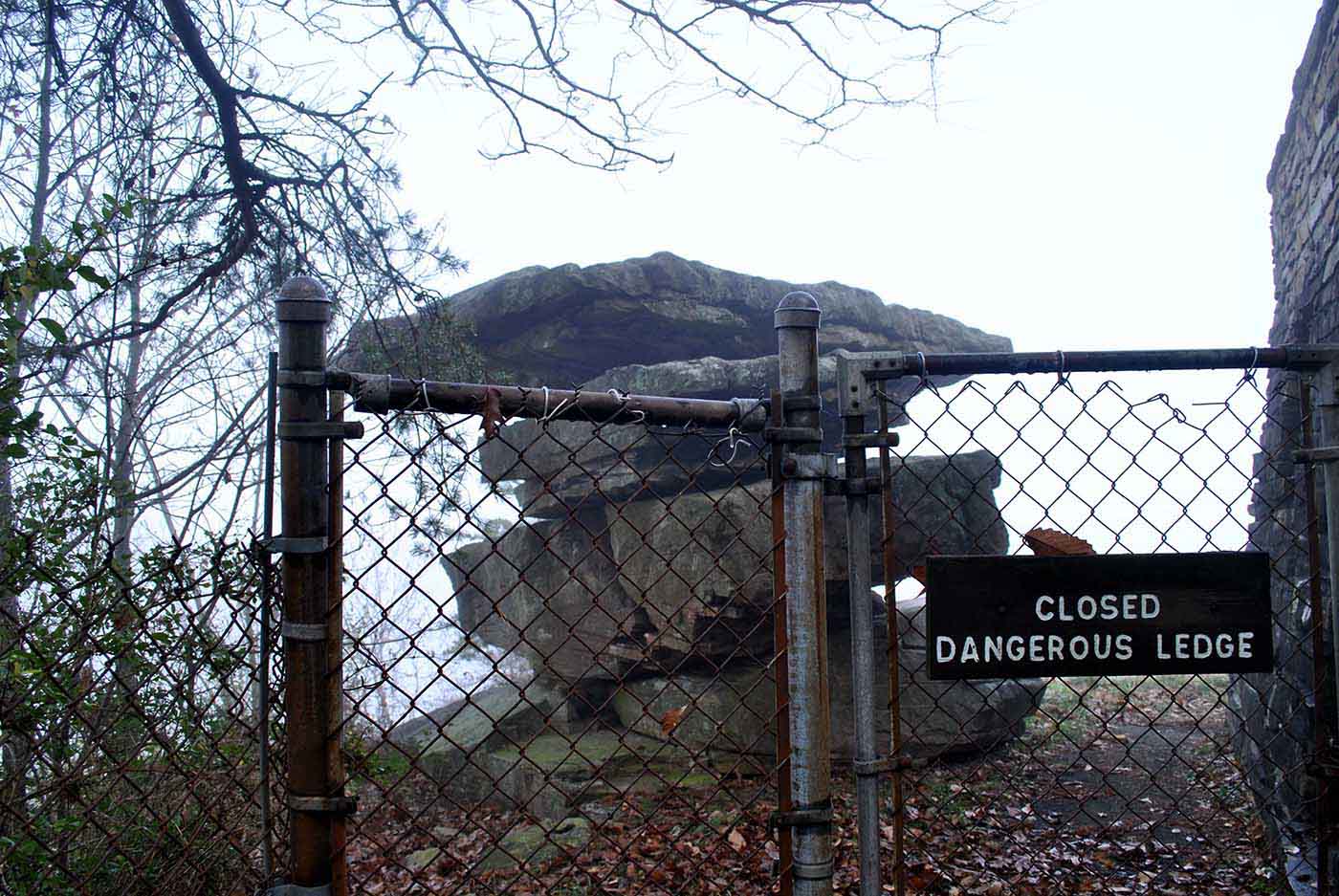
The era of open access to Umbrella Rock came to an end in 1940. Safety concerns prompted officials to erect a fence around the formation, restricting how close visitors could get. The decades of photographs taken before the fence went up — from the early Civil War–era images through the final years of the 1930s — stand as the complete record of what it looked like to stand freely on one of Tennessee’s most distinctive natural landmarks.