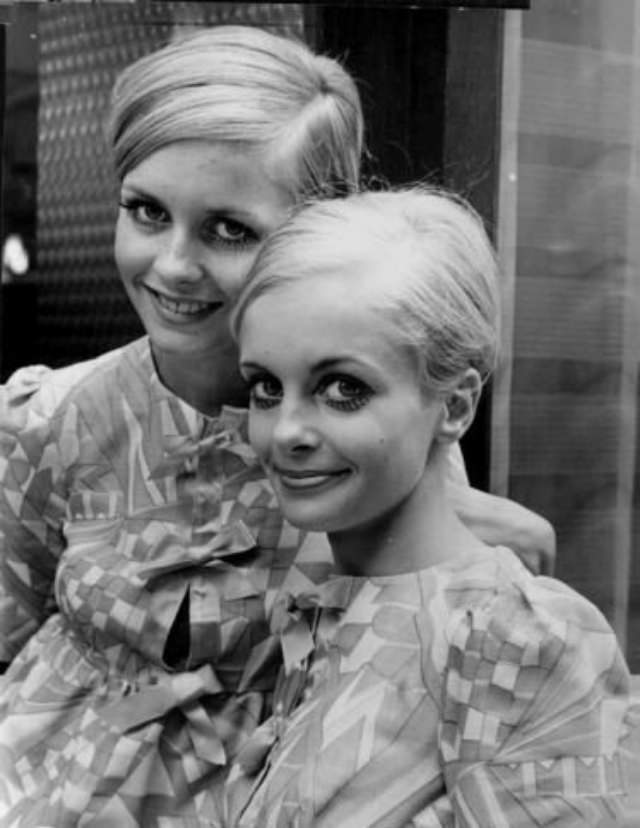
By 1967, Twiggy was everywhere. Discovered at sixteen in a London hairdresser’s just a year earlier, she had risen to become the defining face of 1960s fashion. Her waif-like frame, doe eyes, pouty lips, and short boyish crop set her apart from every model who came before her. She moved through the world of pop art-infused fashion with a look so specific and so striking that the era practically shaped itself around her image.
That level of fame had a natural side effect: imitation. In Stockholm, Sweden, a Twiggy lookalike competition drew an astonishing 800 hopefuls, each one convinced — or at least hopeful — that they carried some trace of her in their features. Girls lined up for a chance to be formally recognized as the closest thing to Twiggy the world had to offer outside of Twiggy herself.
Out of those 800 contestants, one stood out above the rest. Kerstin Lindberg, a 16-year-old Swede, won the competition with a resemblance judges found impossible to overlook. Her prize was not a trophy or a cash sum — it was a trip to London, the beating heart of the Swinging Sixties, and the chance to meet Twiggy in person.
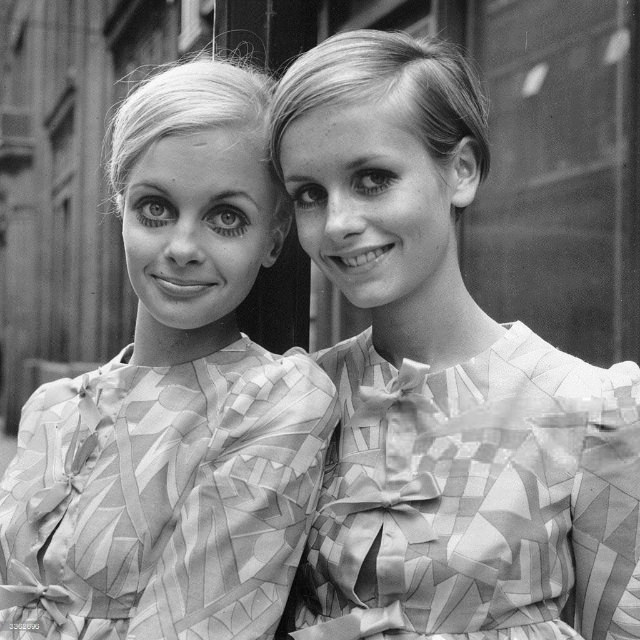
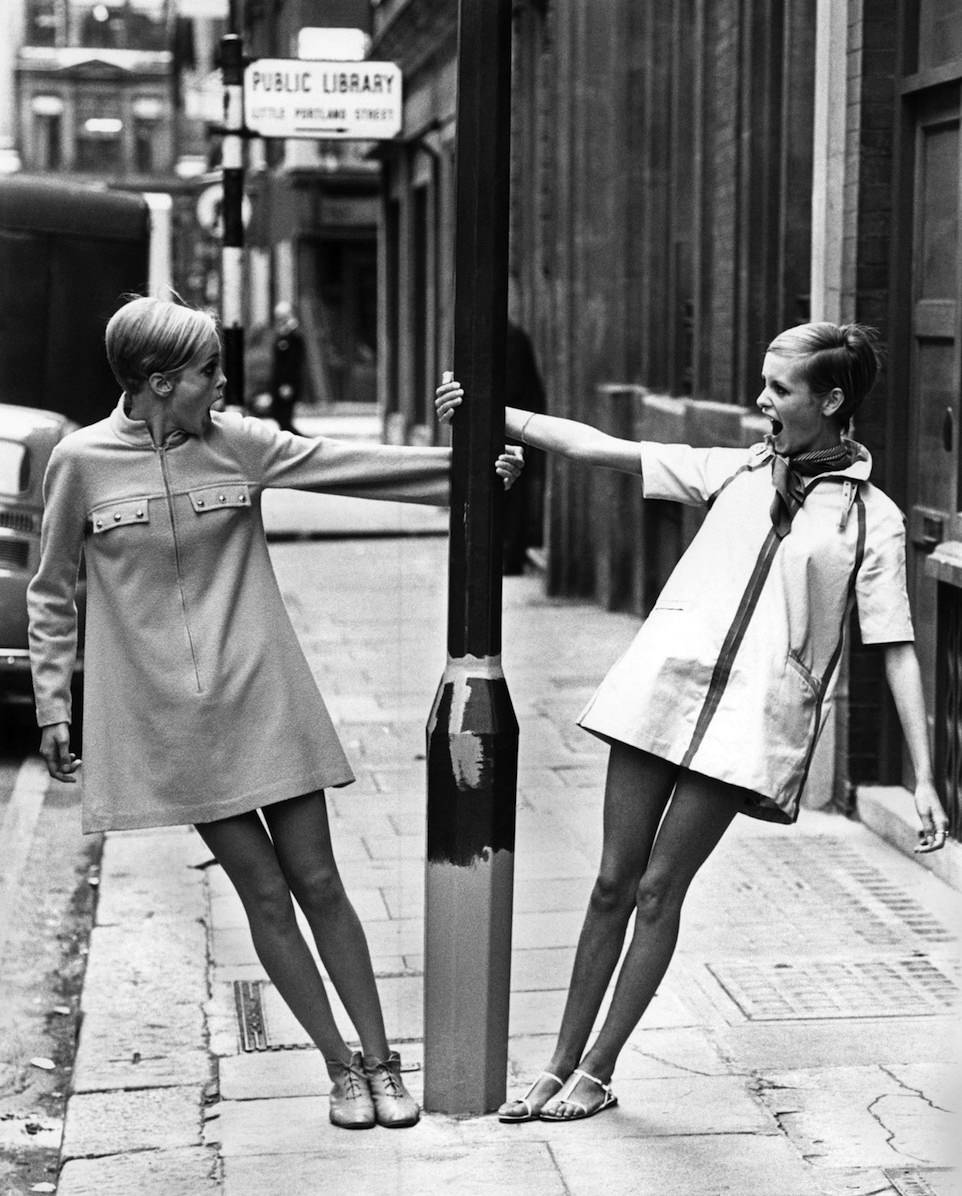
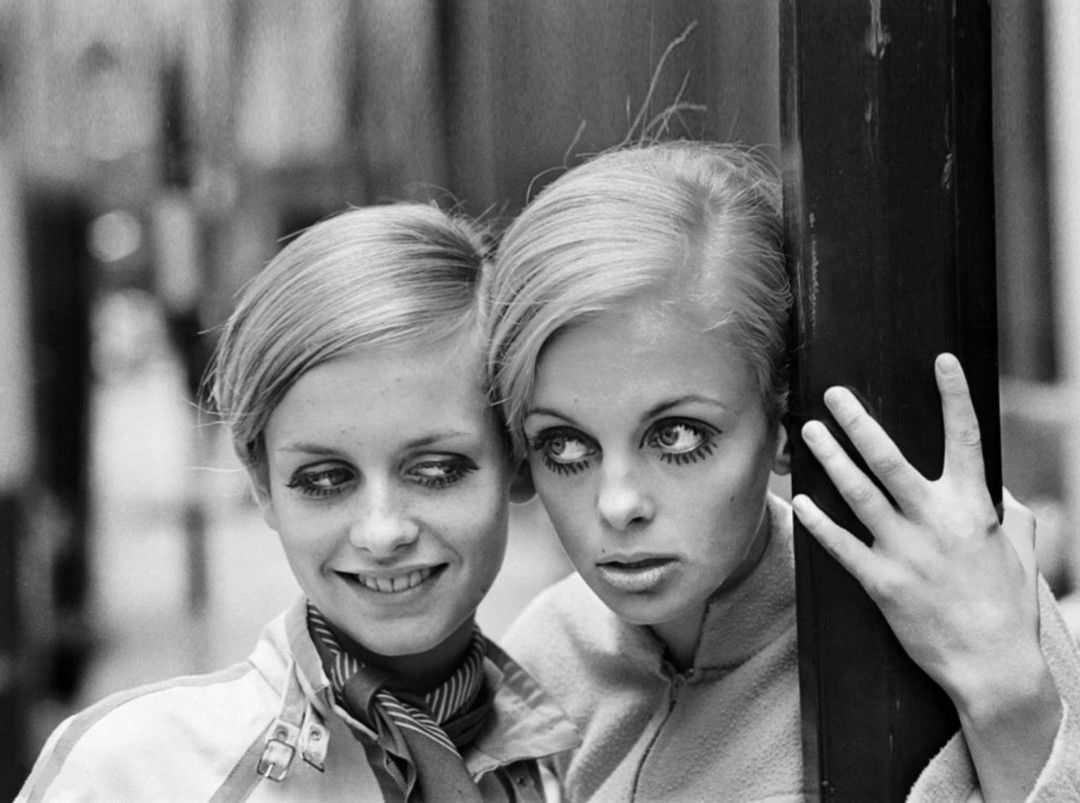
The two met on June 3, 1967, and photographer Eatwell was there for the Daily Herald to capture it. The resulting images show Twiggy and Lindberg swinging together around a lamppost on a London street — grinning, loose-limbed, and completely at ease. The photos carry the lightness of the era without trying to manufacture it. By that point, Twiggy’s own name had gone through its own evolution: from the nickname “Sticks” to “Twigs” and finally to “Twiggy,” each step tracking her transformation from an unknown teenager into a global icon. Her look — thin figure, graphic eye makeup, and a fashion sense borrowed directly from pop art — did not just make her famous. It gave the entire decade a face.