Hey There! Before You Go. 😧
Get the best vintage content straight into your inbox!

Don't worry, we don't spam

Stunning Historical Portraits of Tomboys from the 1930s by Marianne Breslauer

Marianne Breslauer was a German photographer and photojournalist who made the most of the freedoms offered by the Weimar Republic. She became a pioneer of street photography at a time when few women held cameras professionally. Her surviving portfolio spans just a decade — from 1928 to 1938 — yet it stands as one of the most striking records of gender and identity in pre-war Europe.

Marianne Breslauer
Marianne Breslauer

In 1929, Breslauer traveled to Paris to study briefly under the surrealist artist and photographer Man Ray. The experience sharpened her eye for composition and the unexpected. After returning, she joined the Ullstein photo studio in Berlin, which was headed by Elsbeth Heddenhausen. There, she refined her darkroom skills and began placing her work in many of Germany’s leading magazines.

Annemarie Schwarzenbach

In the early 1930s, Breslauer traveled to Palestine and Alexandria, documenting life far outside the borders of Weimar Germany. It was through the writer and socialite Ruth Landshoff that she met Annemarie Schwarzenbach — a Swiss writer, journalist, and photographer who would become one of her most photographed subjects. The two formed a close working relationship that took them across Europe.

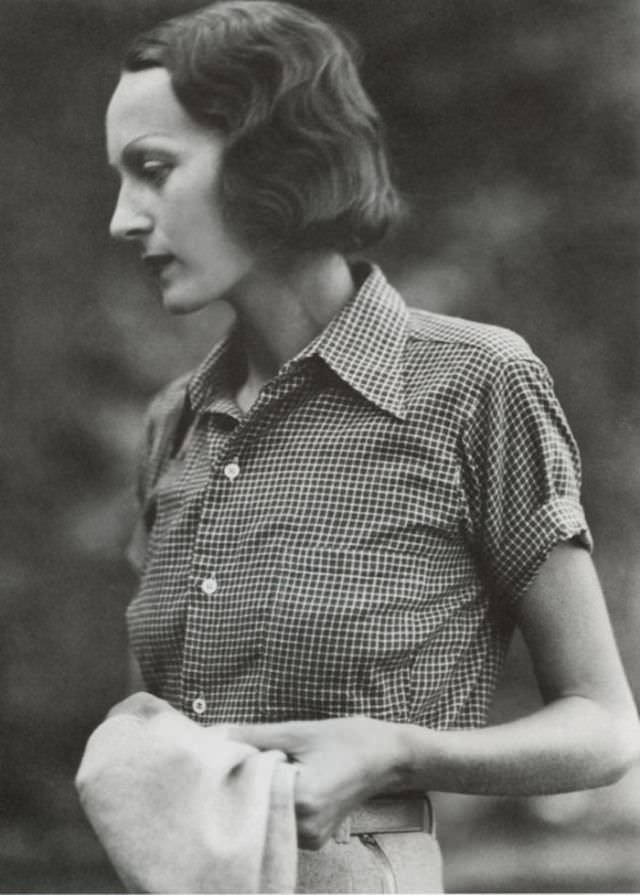
Ruth von Morgen, Berlin, 1934
Lisa von Cramm, Berlin, 1934

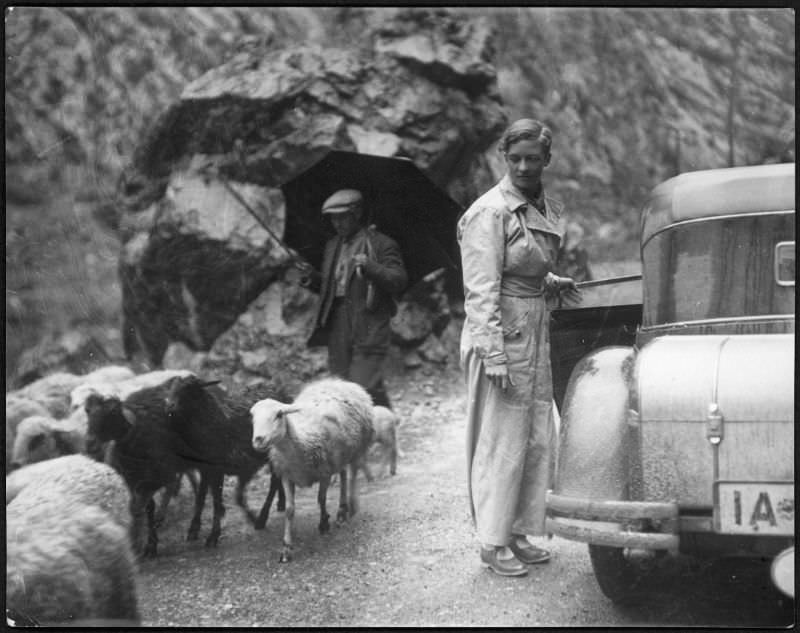
In 1933, Breslauer and Schwarzenbach undertook a photographic assignment in the Pyrenees for Berlin’s Academia agency. The journey produced some of Breslauer’s most memorable outdoor portraits — candid, unguarded images that captured her subjects in motion and at rest. That same year, the political climate in Germany was shifting rapidly, and Breslauer found herself directly confronting rising anti-Semitism.

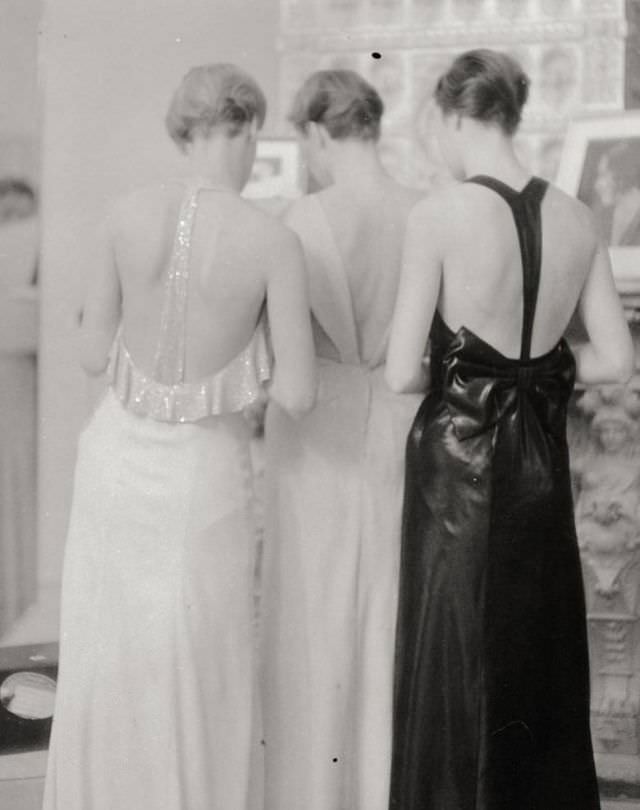
Mannequins, Berlin, 1932
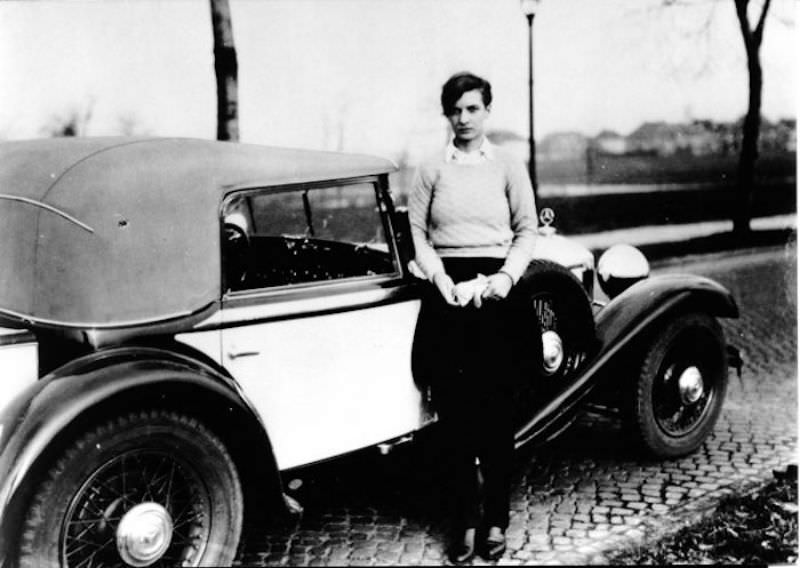
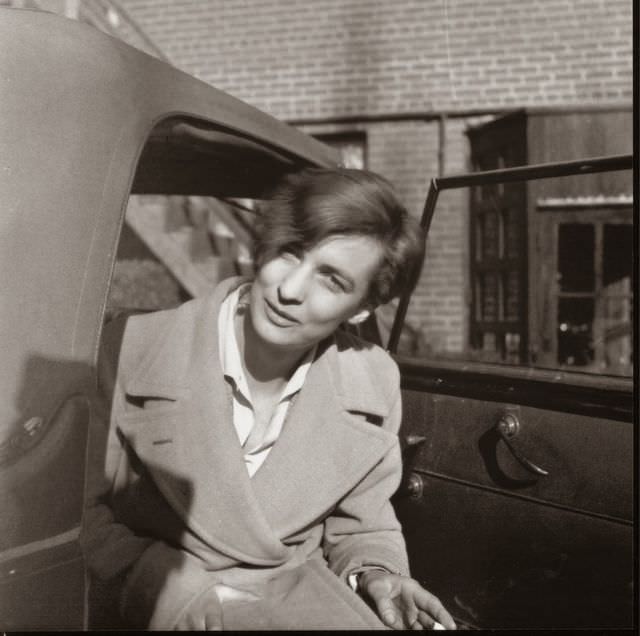
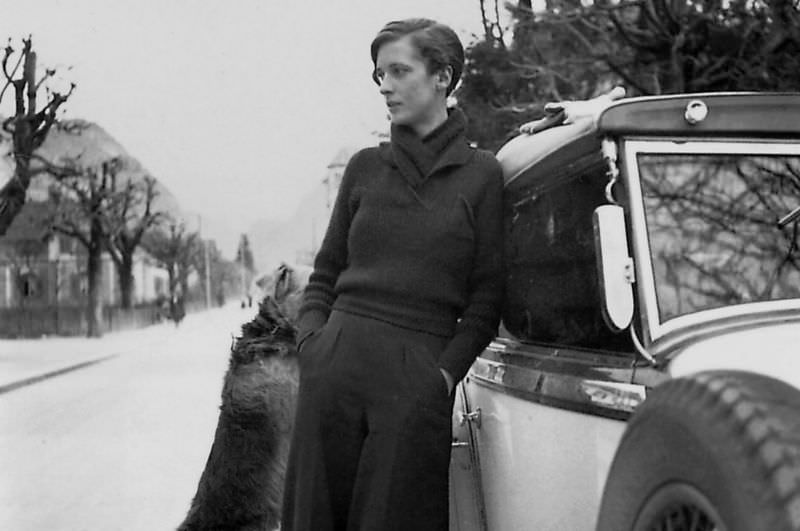
Annemarie Schwarzenbach and her Mercedes, Berlin, 1932

Despite her Jewish background, her employers wanted to keep publishing her avant-garde photographs — but only under a pseudonym. Breslauer refused. As the Second World War broke out and Germany descended further into Nazi rule, she fled the country rather than publish her work under a false name. During this period, she admitted she was “done with photography.” For her, the camera was inseparable from her identity, and stripping her name from her work was not a compromise she was willing to make.

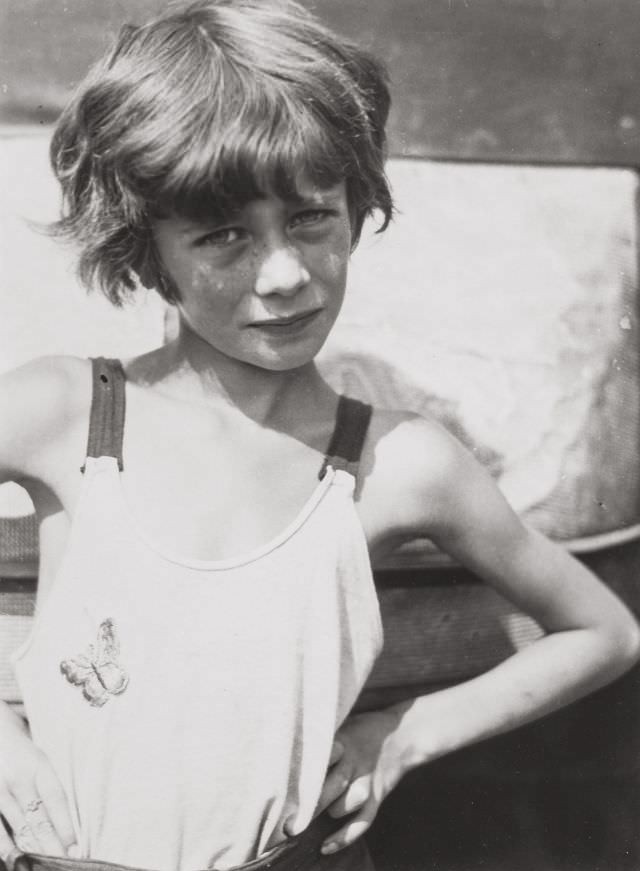
Zirkus-Junge, 1932
Zirkus-Junge, 1932
Annemarie Schwarzenbach

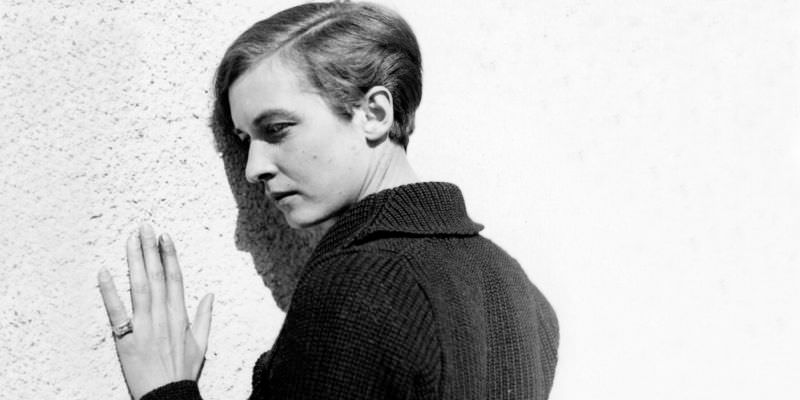
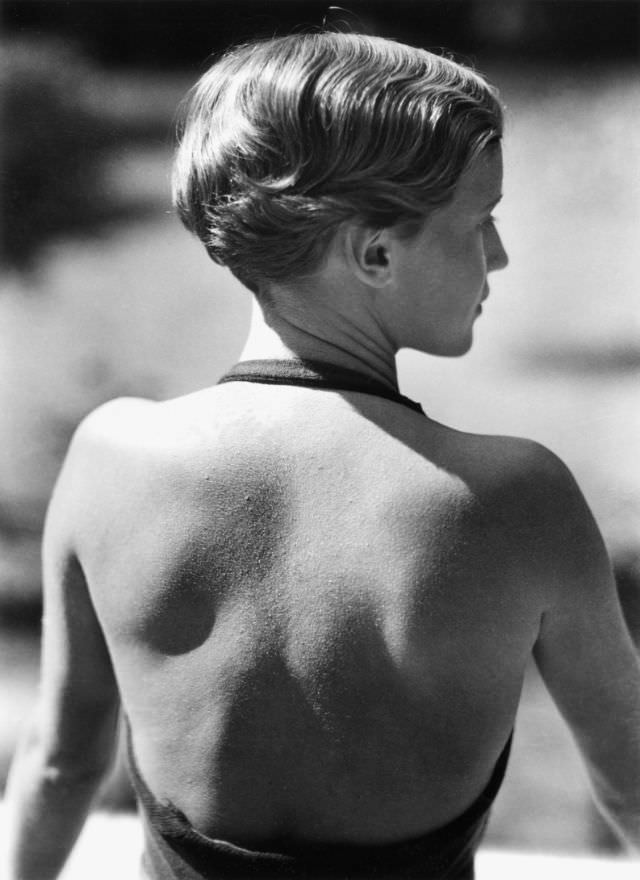
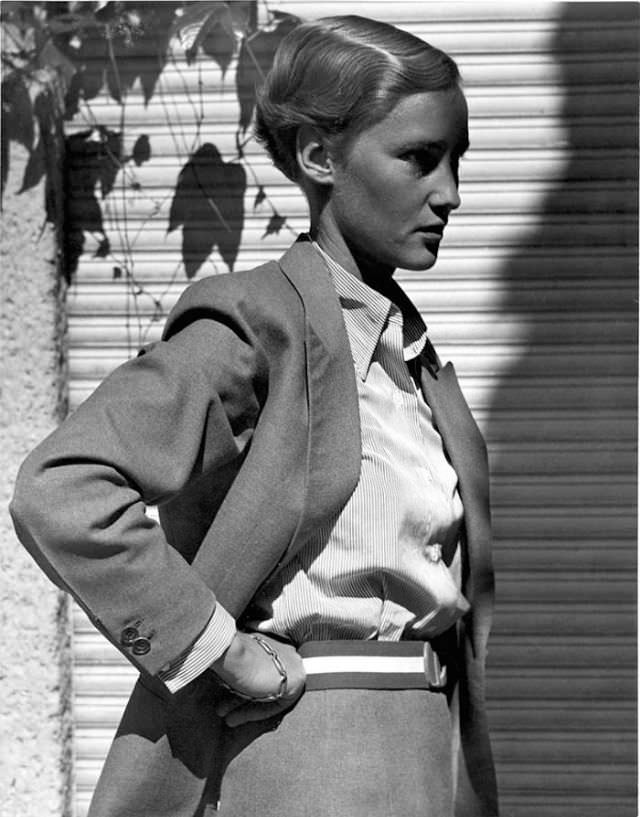
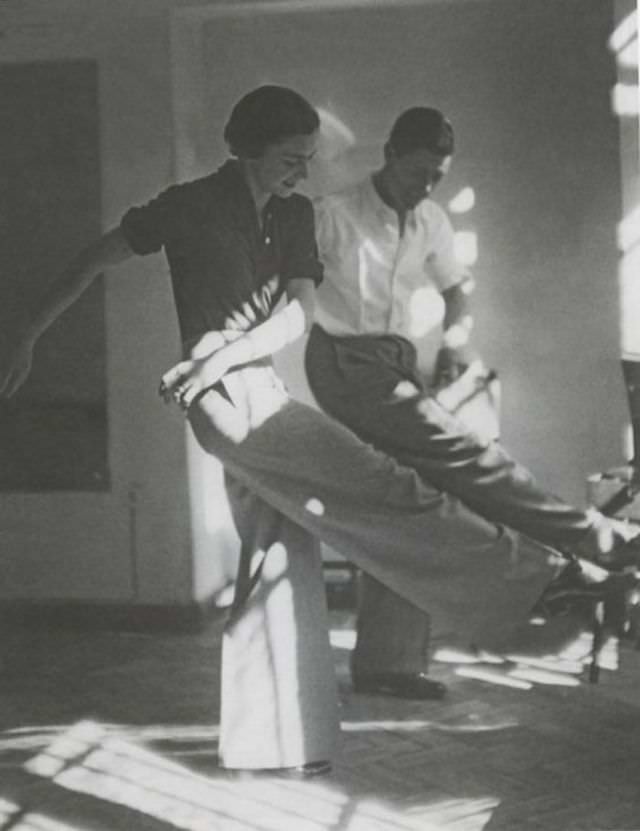
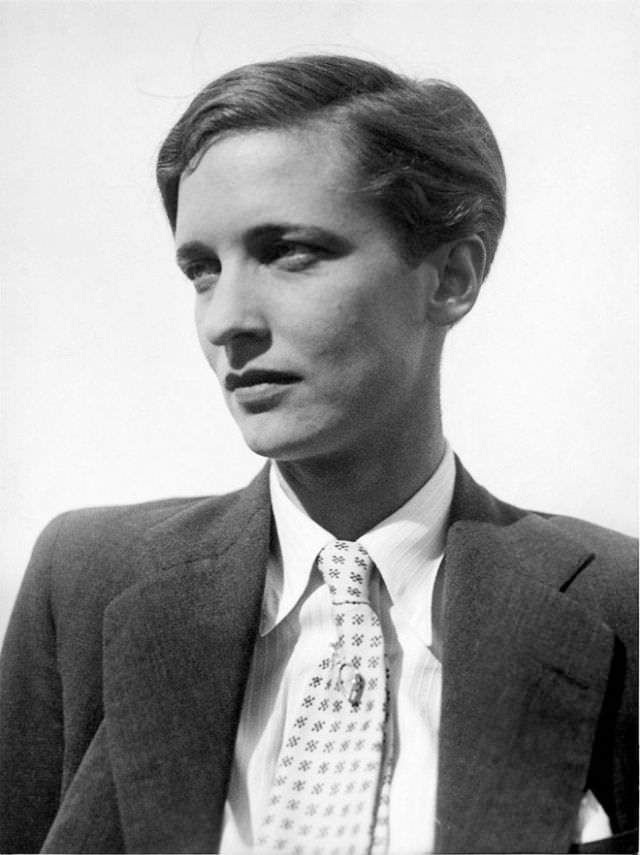
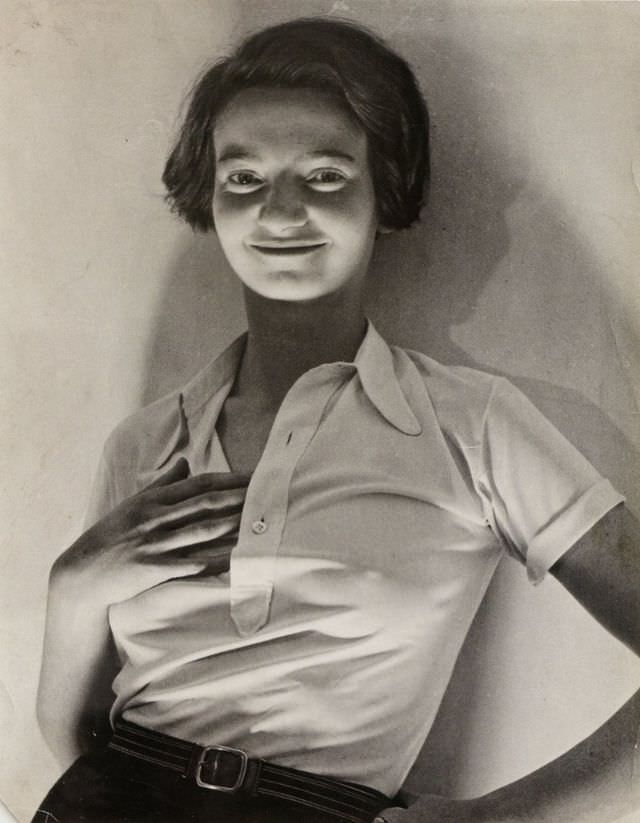
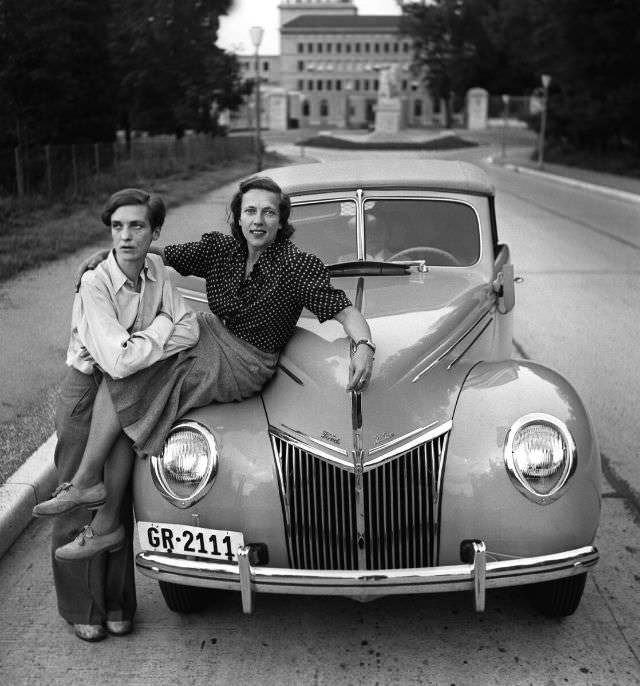
What makes Breslauer’s portraits so remarkable is what they show about the women in front of her lens. Her subjects often wore soft, slouchy trousers and button-down shirts — clothing borrowed from men’s fashion — while projecting an ease and confidence that felt genuinely modern. These were not women performing masculinity awkwardly; they wore it with the natural grace of someone entirely at home in their own skin.

Annemarie Schwarzenbach with her car and a shepherd in the Pyrenees, 1933
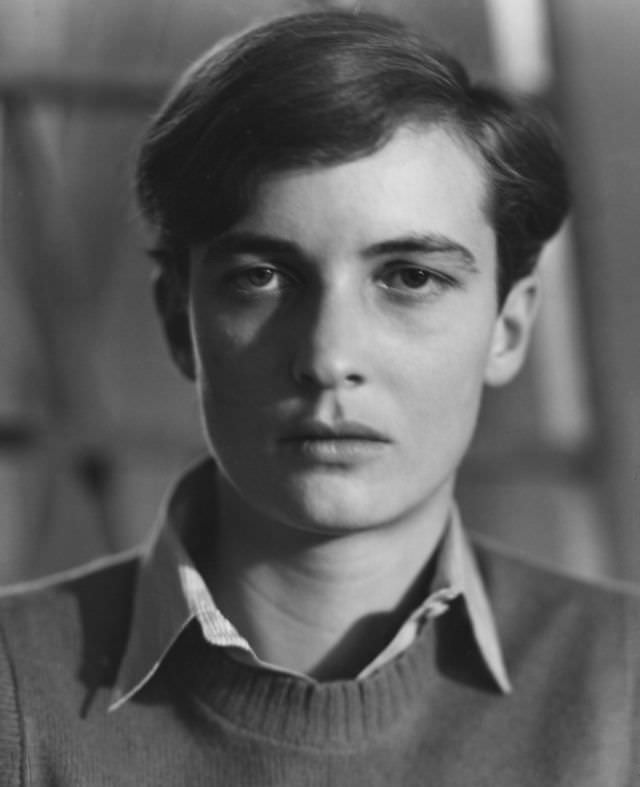
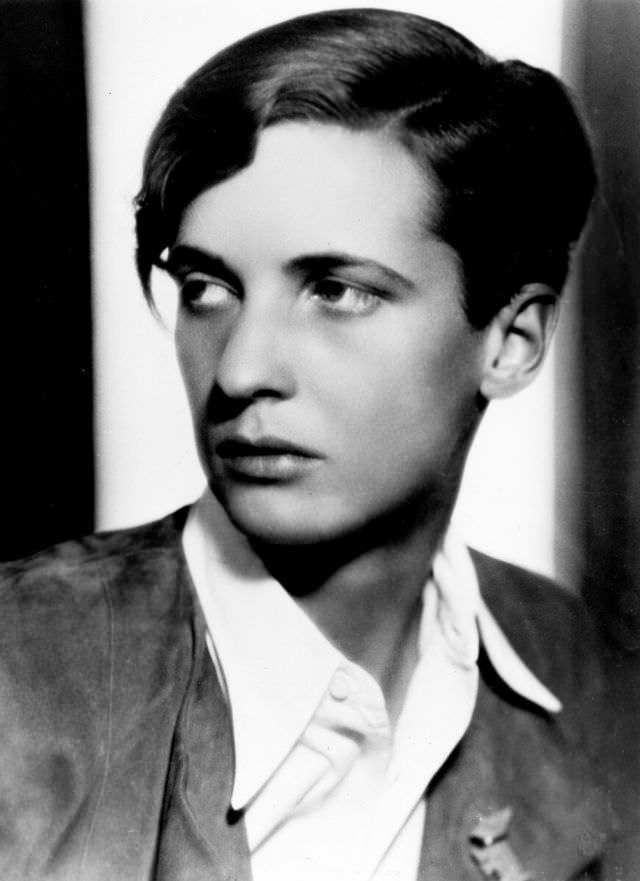
Annemarie Schwarzenbach, Berlin, 1932

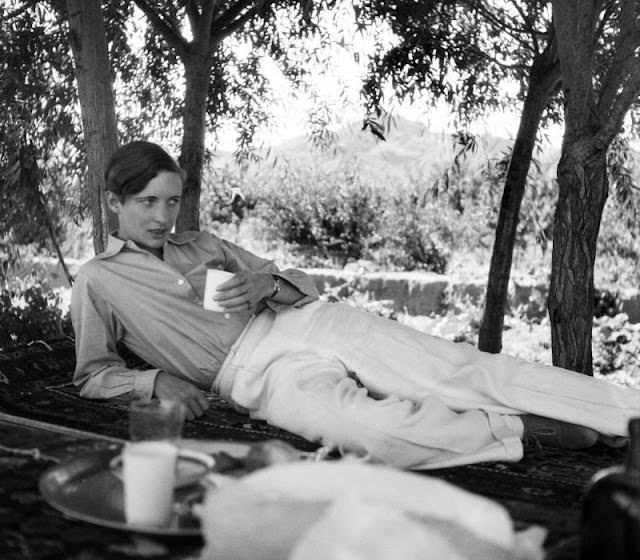
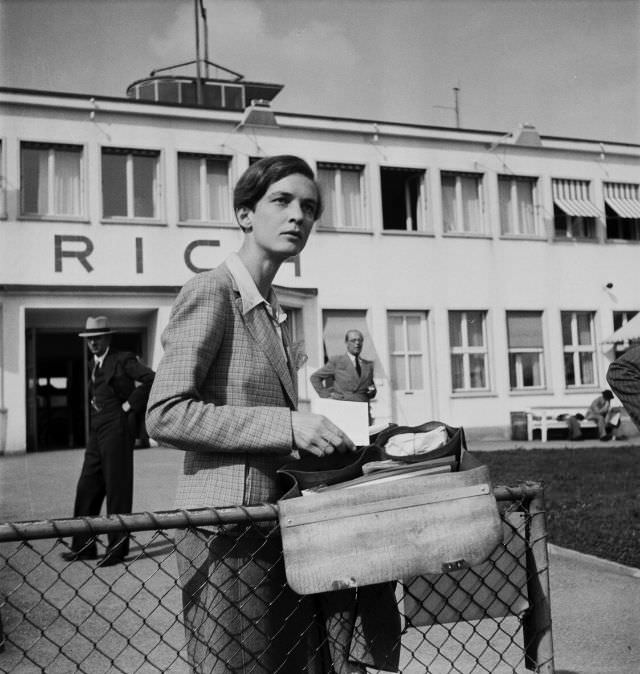
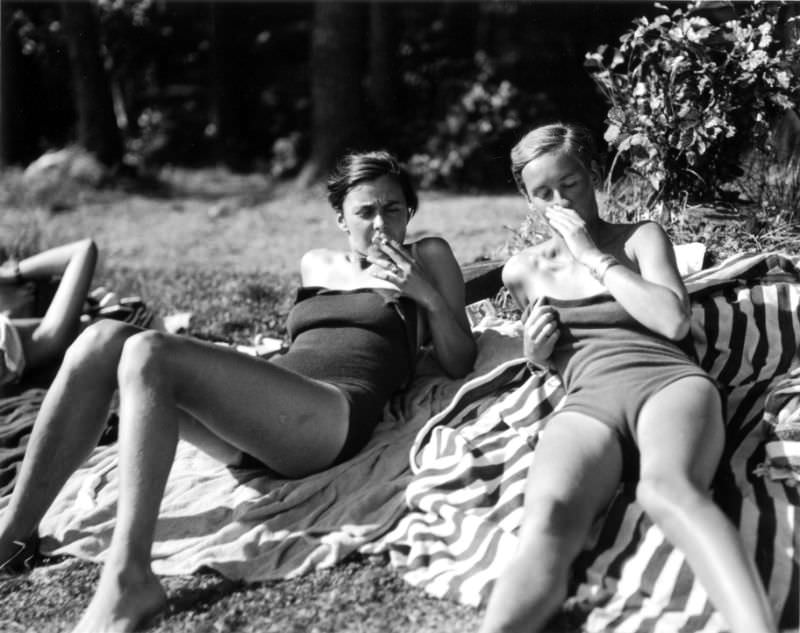
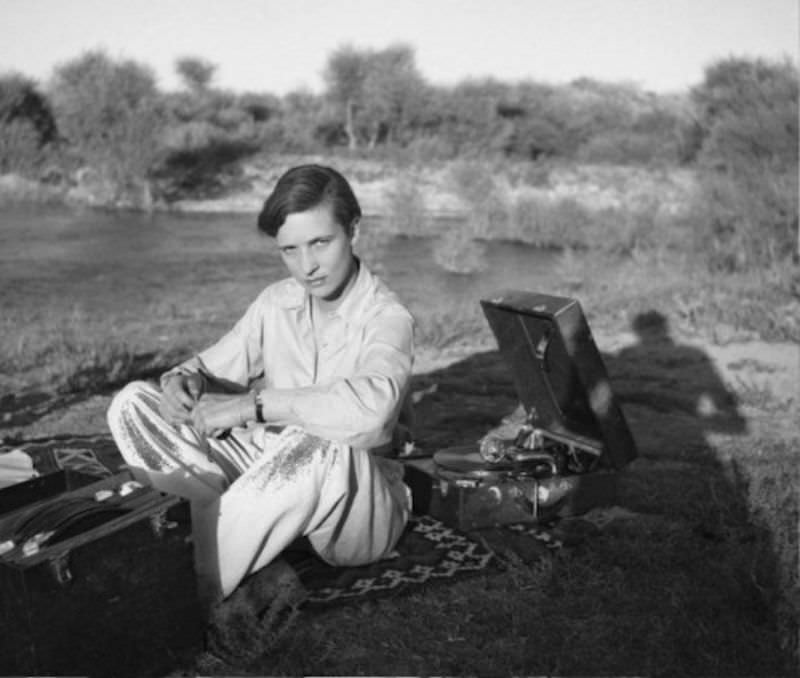
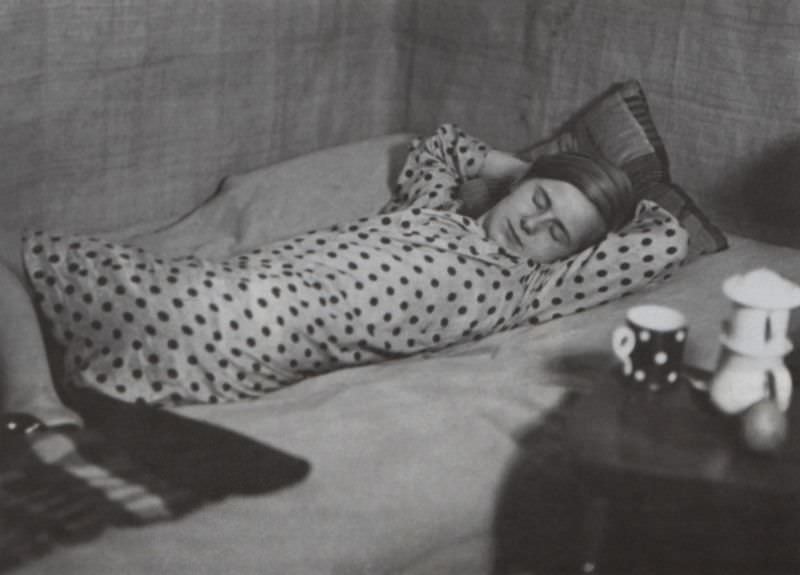
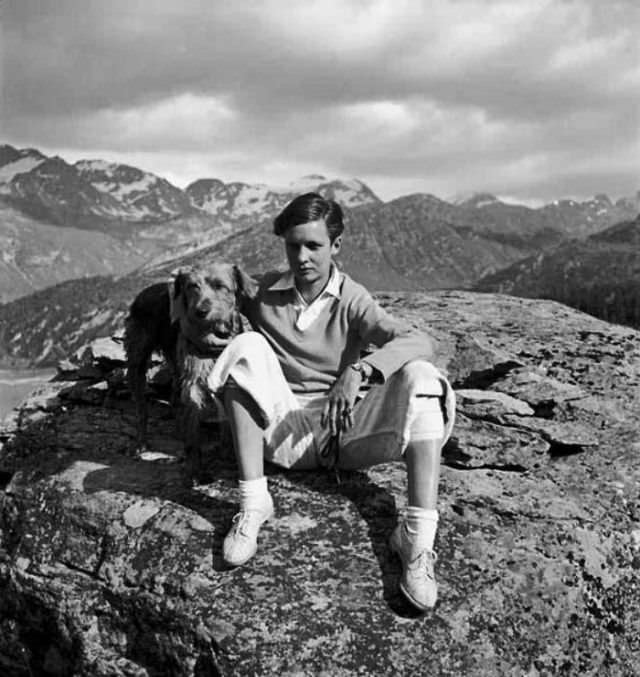
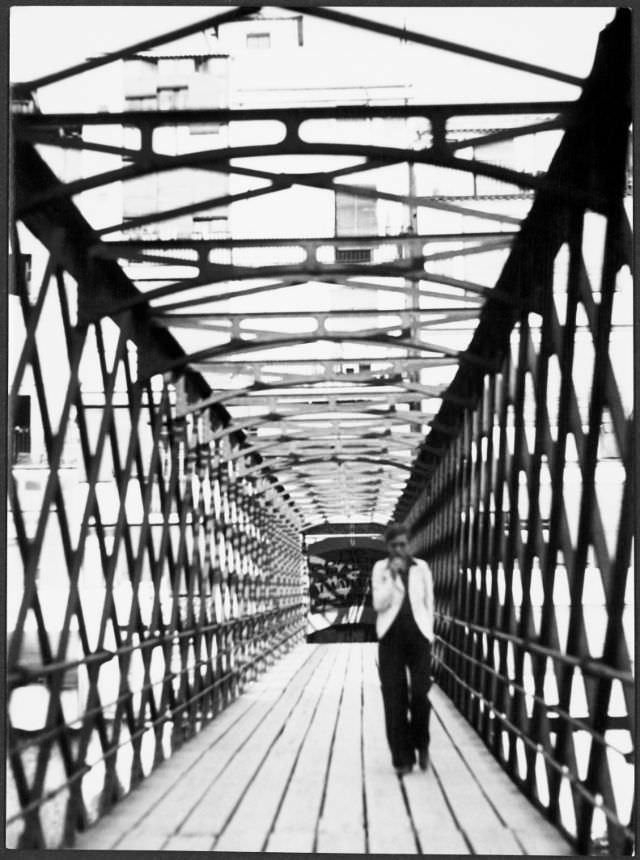
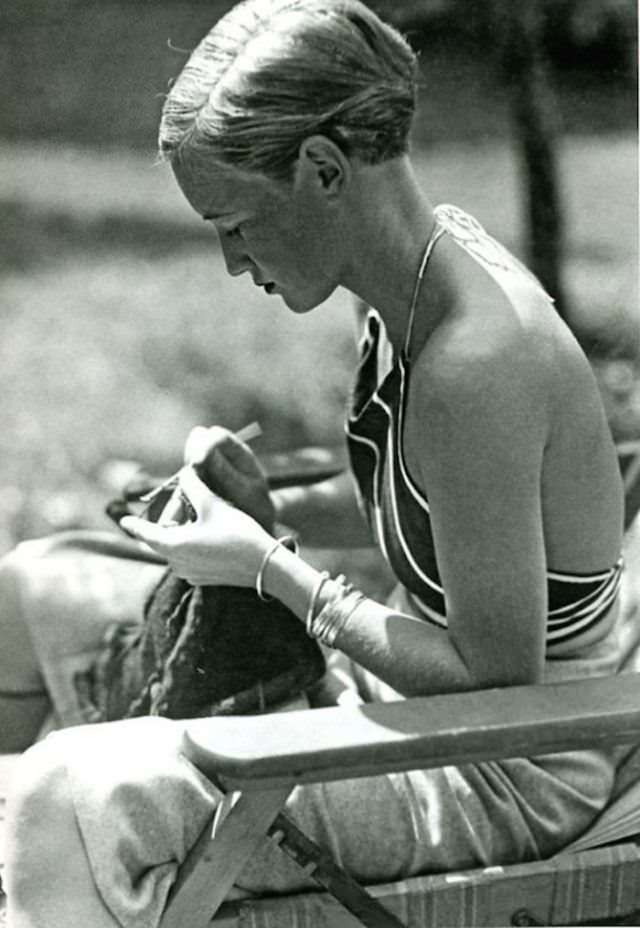
Schwarzenbach herself embodied this quality completely. She appeared in front of Breslauer’s camera repeatedly — leaning against her Mercedes, walking bridge crossings in Spain, lounging at picnics — and in every frame she carries the same cool, androgynous stillness. Her face, angular and unsmiling, became one of the defining images of Breslauer’s whole body of work.

Annemarie Schwarzenbach
Annemarie Schwarzenbach with a friend in Potsdam, 1934

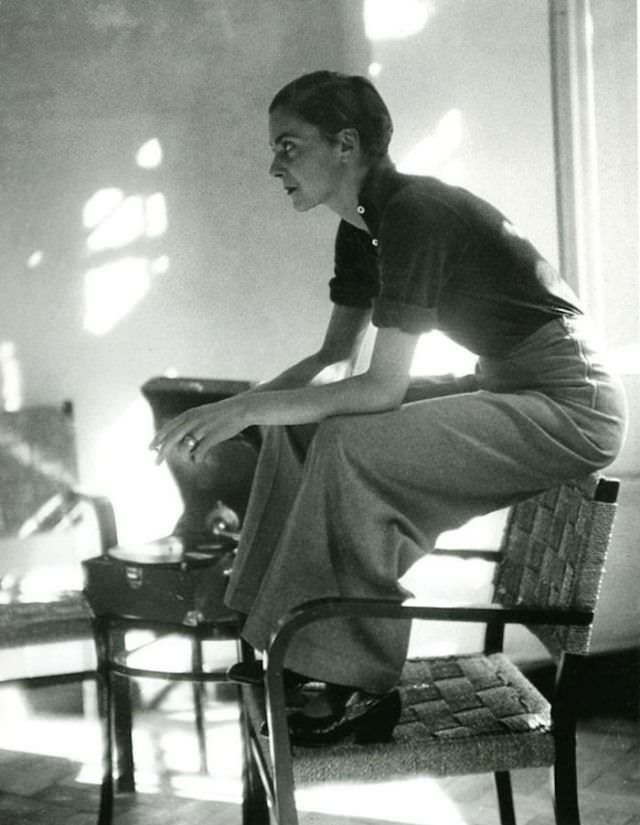
Breslauer’s other subjects, like Ruth von Morgen and Lisa von Cramm, carried a similar energy. Even when photographed in long evening gowns, these women wore a sullen, self-possessed air that tilted the image away from conventional femininity. The effect was never theatrical. Breslauer’s photographs feel like documents, not performances — stolen moments from real lives lived with intent.

Ruth von Morgen
Ruth von Morgen
Annemarie Schwarzenbach

Her street work from Berlin in the early 1930s adds another layer to this portrait of a city on the edge. Images of mannequins, working girls at leisure, and circus performers reveal a photographer equally drawn to the staged and the spontaneous. Breslauer moved between formal portraiture and street observation without losing her distinct point of view.

Annemarie Schwarzenbach, Picnic, 1930
Working girl at her leisure, Berlin, 1933
Jutta Zambona-Remarque

The Pyrenees assignment in 1933 marked the last major chapter of Breslauer’s active photographic career. The images she made there — Schwarzenbach beside her car, a shepherd in the background, the open landscape stretching wide — have a quiet finality to them. Within a few years, the world that made her work possible had collapsed entirely.

Annemarie Schwarzenbach, 1933
Photo by Marianne Breslauer

After the war, Breslauer built a second career entirely removed from photography. She became an art dealer, specializing in French paintings and 19th-century art. The camera she had once used to document Weimar Germany’s most free-spirited women was set aside permanently. Yet the photographs she left behind continued to speak — precise, unposed, and full of the kind of confidence that doesn’t need an audience to exist.

Annemarie Schwarzenbach with her dog, 1932
Annemarie Schwarzenbach crossing the Eiffel Bridge over the Onyar river, Girona, 1933
Ruth von Morgen, Berlin, 1934
Annemarie Schwarzenbach, Zürich, 1934
Marianne Breslauer, 1933.
With the ethnologist Ella Magyar, Sweden, 1939
Enjoyed this post? Get new ones in your inbox.

Leave a Comment

Your email address will not be published. Required fields are marked *

Share this Post 🥺

Please take a moment to share this content. Your support is greatly appreciated! 🙌🙏

Share this Post 🥺

Please take a moment to share this content. Your support is greatly appreciated! 🙌🙏
Scroll to Top
 
Hey Friend, Before You Go.. Please like & follow for more interesting content