On October 24, 1901, a 63-year-old schoolteacher climbed into a wooden barrel on the bank of the Niagara River. Within minutes, it was pushed out into the current and carried toward the edge of Horseshoe Falls — a 160-foot drop into one of the most powerful bodies of moving water in the world. Her name was Annie Edson Taylor, and no person had ever survived that plunge before.
Taylor was born in 1838 in Auburn, New York. She trained as a schoolteacher, married, and had a son who died in infancy. Her husband also passed away, leaving her to support herself through a series of jobs across the country. By the time she reached her early sixties, Taylor had a pressing fear: ending up in a poorhouse. These were institutions where people with no money and no family were sent to live, often in grim conditions. She needed a plan — and a bold one.
She landed on an idea that nearly everyone around her called insane. She would go over Niagara Falls in a barrel. The Falls, which straddle the border between the United States and Canada, draw millions of visitors each year. The largest of the three waterfalls — Horseshoe Falls, also called Canadian Falls — sends an enormous volume of water crashing more than 160 feet. No one had successfully survived a trip over the edge. Many who had tried were killed.
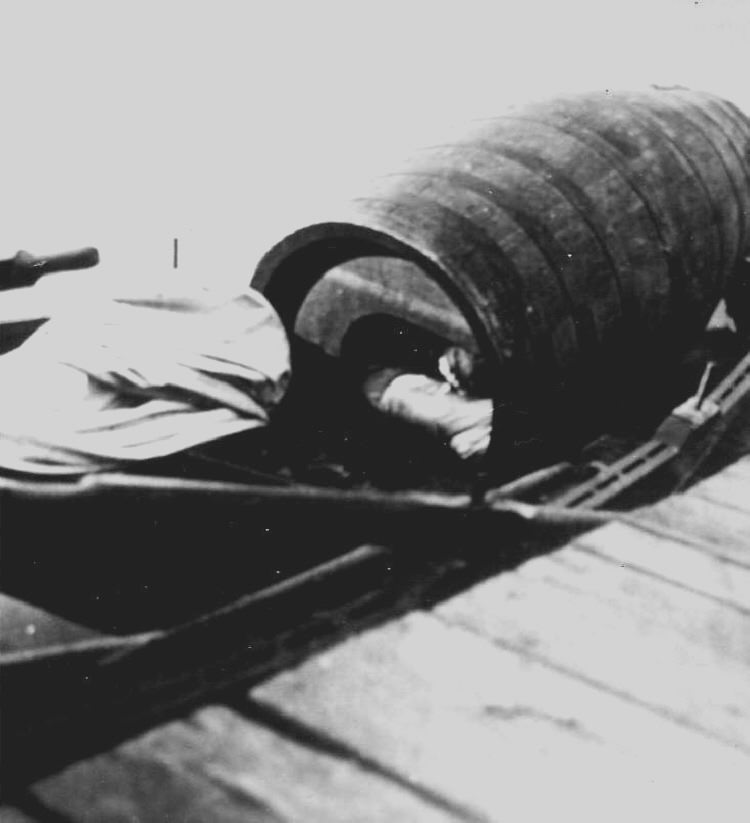
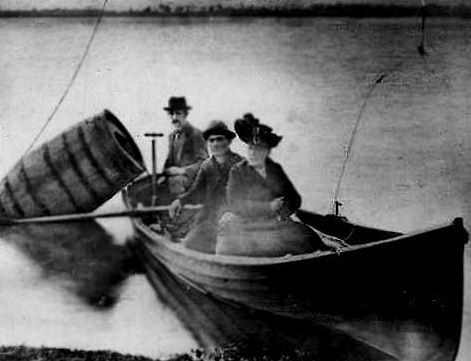
Taylor saw the stunt as her best shot at fame and financial security. She began planning immediately. The barrel she commissioned was built from sturdy oak wood and reinforced with iron hoops. It stood about 4.5 feet tall and measured 3 feet in diameter. The inside was padded with a mattress to absorb the impact of the fall, and a leather harness was fitted inside to keep her body from being thrown around. The barrel was sealed to be completely watertight.
Finding people willing to help her proved difficult. Many refused outright, worried about the legal and moral consequences if she died. Several delays pushed the attempt back as Taylor searched for a crew. She held firm throughout, refusing to abandon the plan. When the day finally arrived, it also happened to be her 63rd birthday.
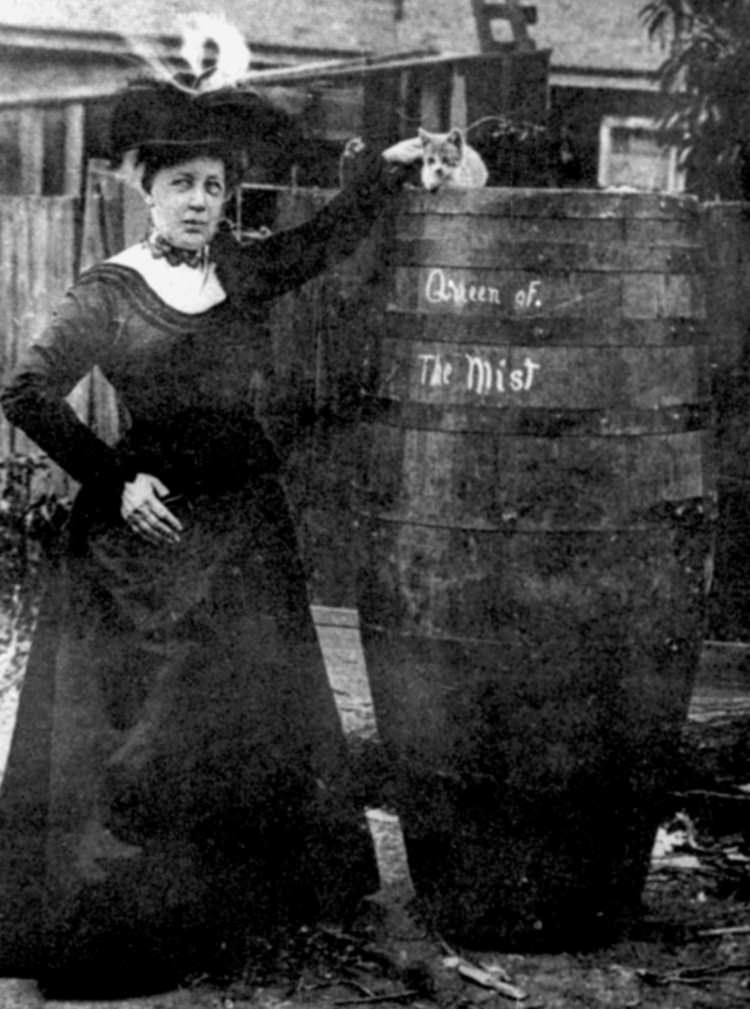
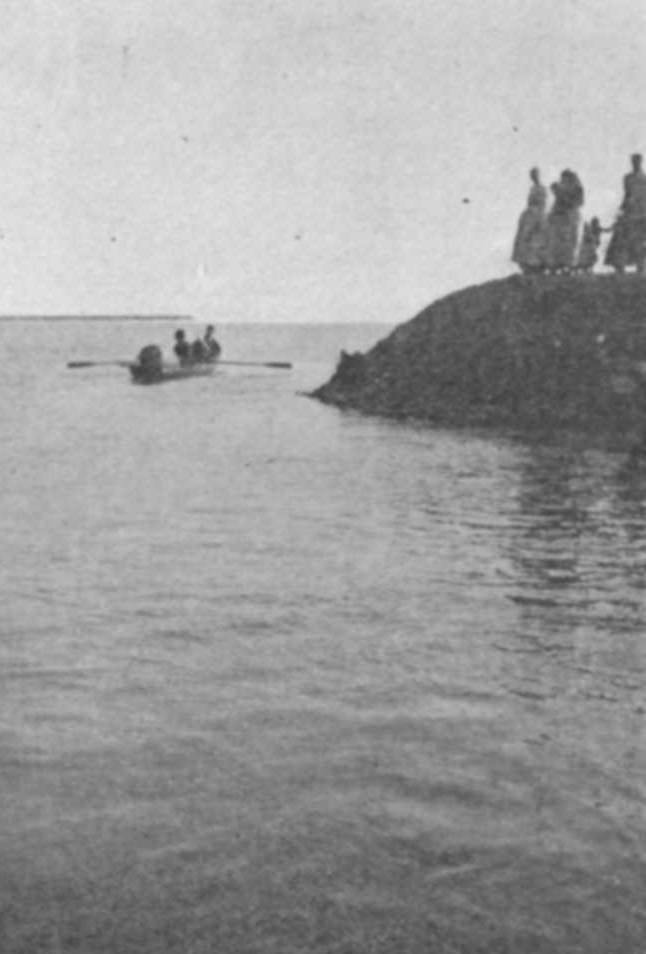
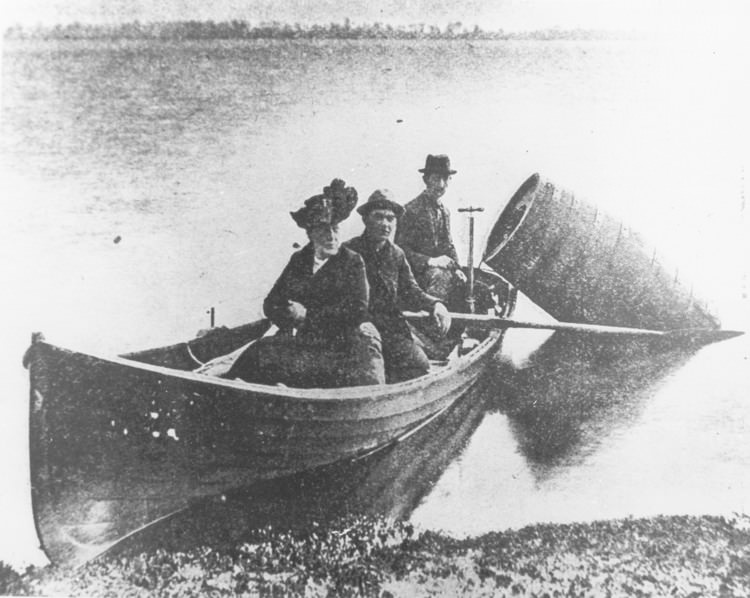
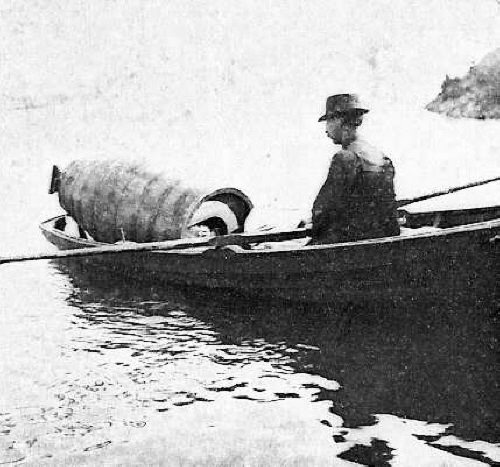
Before climbing in herself, Taylor placed her cat inside the barrel as a test run. The cat was sent over the Falls and survived — though it reportedly never went near water again. With that small confirmation in hand, Taylor climbed in. Her assistants sealed the lid and used a bicycle tire pump to compress air inside the barrel, giving her roughly 30 minutes of breathable air. The barrel was then towed into the Niagara River and set adrift upstream from Horseshoe Falls.
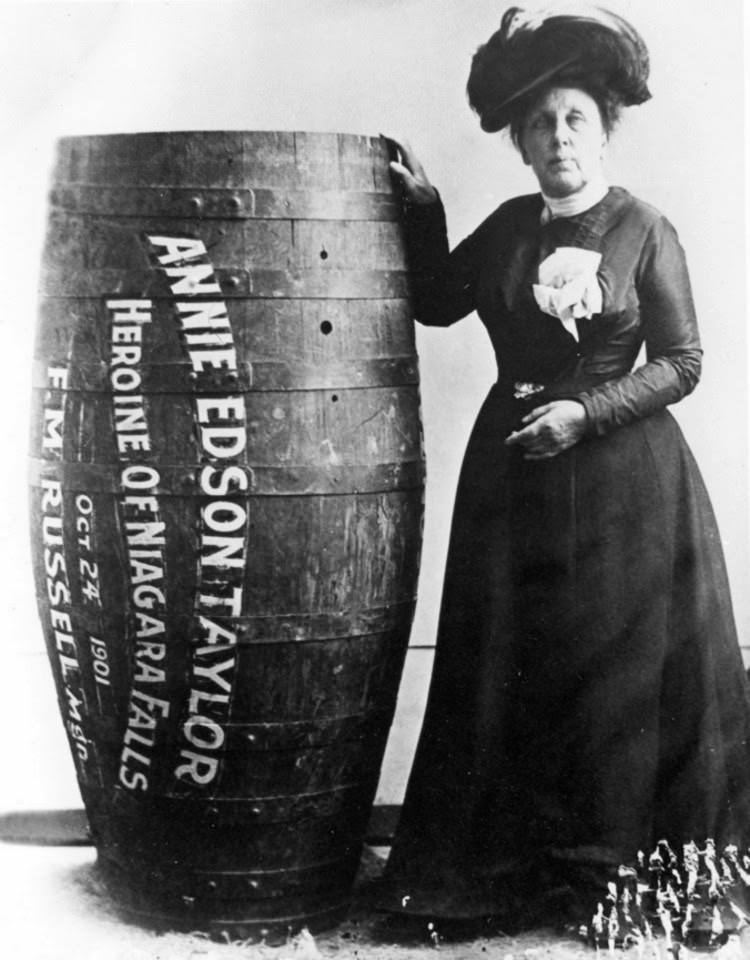
A crowd gathered at the edge of the gorge and watched as the barrel bobbed and spun in the current, moving steadily toward the precipice. Then it went over. The barrel dropped the full height of the Falls and slammed into the churning water below. It was hurled through the rapids at the base, tossed by whitewater on all sides. For roughly 18 minutes, no one knew whether Taylor was alive inside.
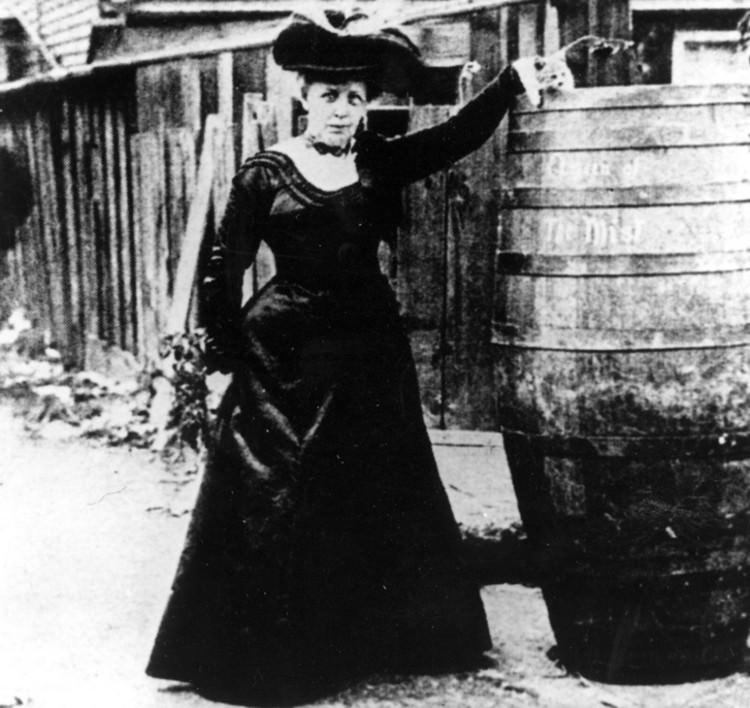
Rescuers finally pulled the barrel to shore and pried open the lid. Taylor was alive. She was dazed, bruised, and had a small cut on her head — but she was conscious and breathing. She became the first person in recorded history to survive going over Niagara Falls in a barrel. Newspapers around the world ran the story. She was quickly nicknamed the “Queen of the Mist.”
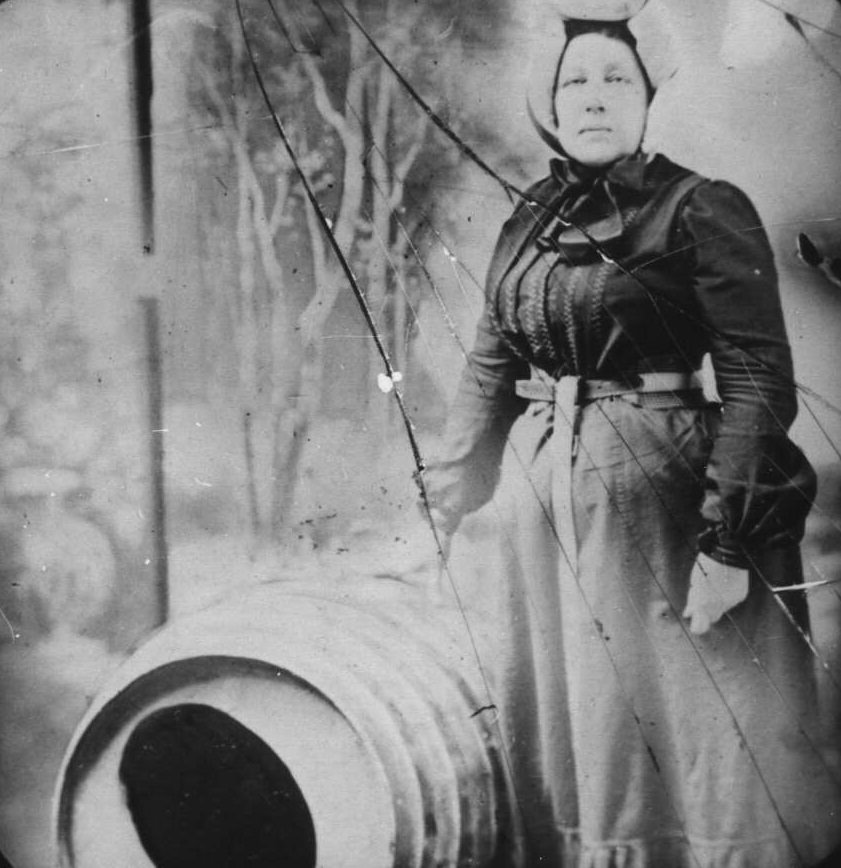
Taylor immediately set out to turn her fame into income. She toured the country giving lectures, displayed her barrel at exhibitions, and sold souvenirs and booklets about her adventure. For a time, she posed for photographs with tourists at Niagara Falls and sold postcards of herself. The financial success she had hoped for never fully materialized, however. Her manager absconded with a large portion of her earnings. Public interest faded faster than she expected. She tried other ventures — a tea room, a brief appearance as a movie extra — but she never secured the lasting wealth the stunt was meant to bring her.