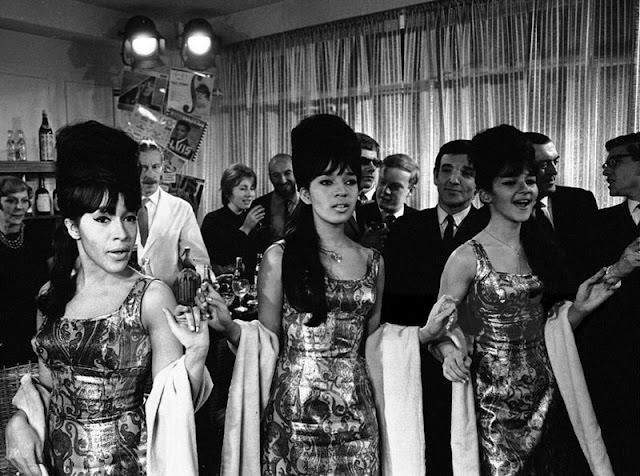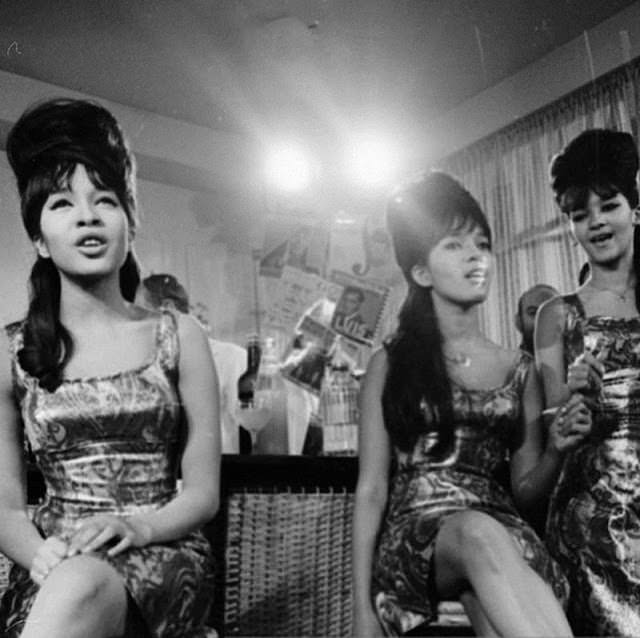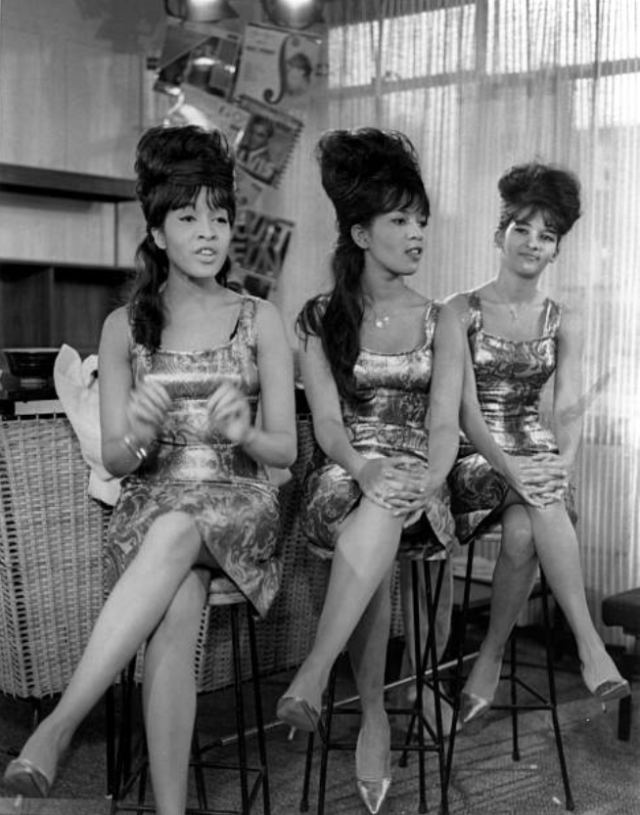

By 1964, The Ronettes were already turning heads across America. That year, they brought their sound across the Atlantic to London, adding a bold new chapter to their fast-rising careers. The group came from Washington Heights, Manhattan, and was made up of lead singer Veronica Bennett — later known as Ronnie Spector — her older sister Estelle Bennett, and their cousin Nedra Talley.

The three had started out as teenagers singing under the name The Darling Sisters. By the early 1960s, they signed with Phil Spector’s Philles Records, and everything changed. Spector shaped their sound using his famous “Wall of Sound” — a dense, layered recording technique that made their vocals hit harder and feel bigger than anything else on the radio.


London audiences were already hungry for American pop and soul, and The Ronettes delivered exactly that. Their vocal harmonies, anchored by Ronnie’s raw, expressive lead, connected with British fans right away. The group fit perfectly into the moment — a time when American music was shaping tastes across the UK.
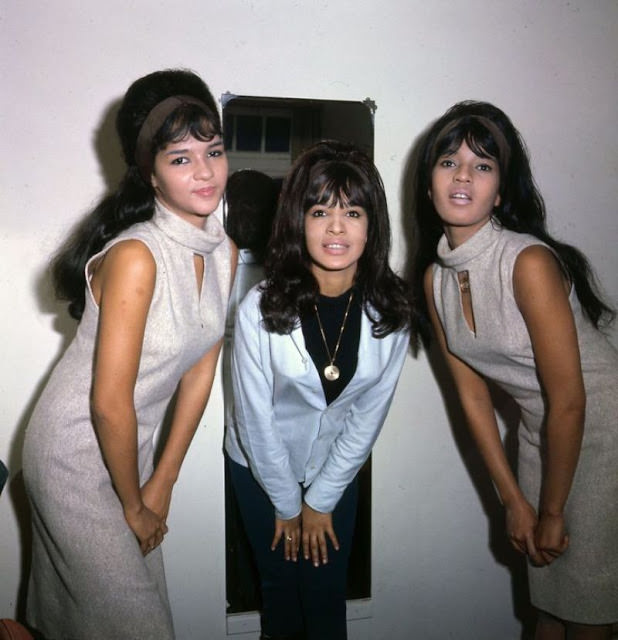

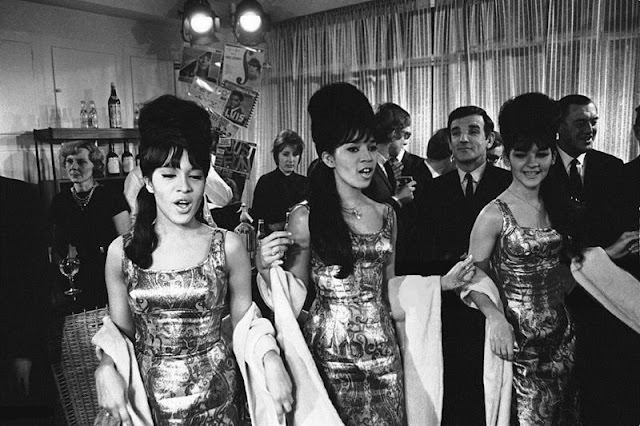
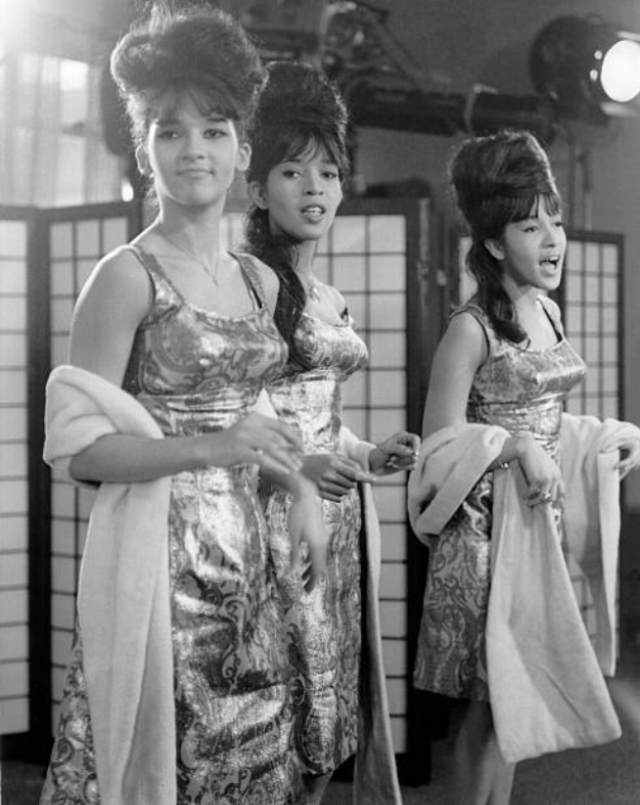
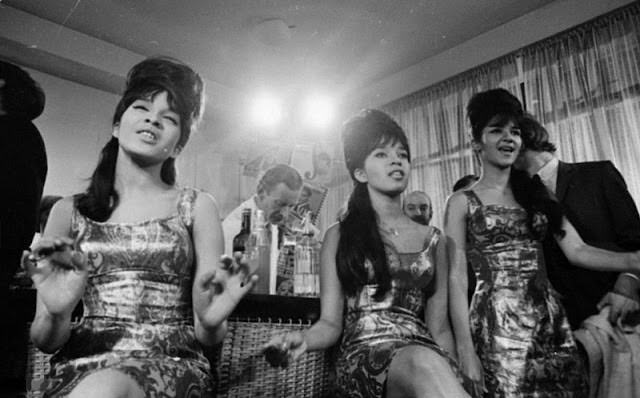
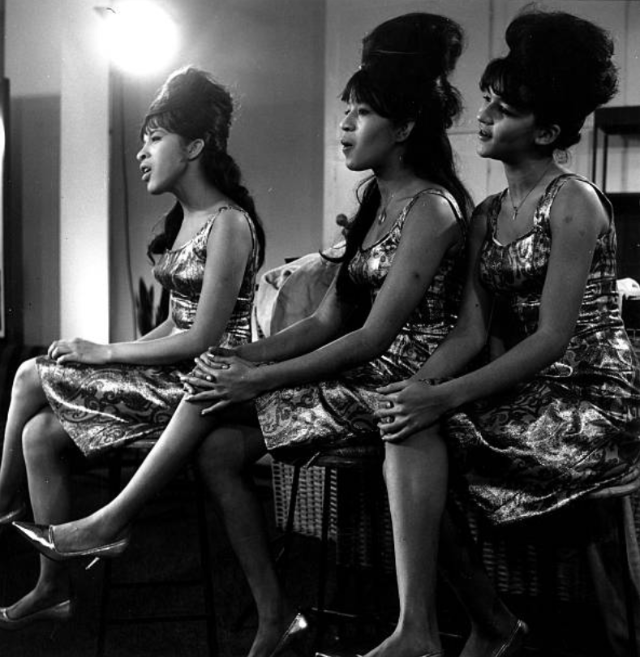
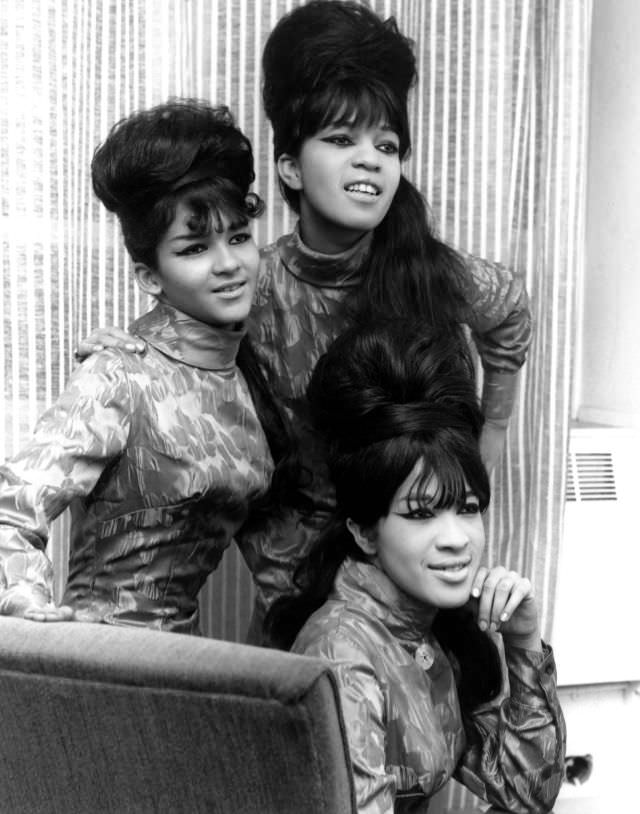
Their look was just as striking as their sound. The Ronettes wore towering beehive hairstyles, heavy eye makeup, and tight, glamorous outfits that stood out on any stage. In London, their style drew as much attention as their music. No one in the audience forgot what they saw.
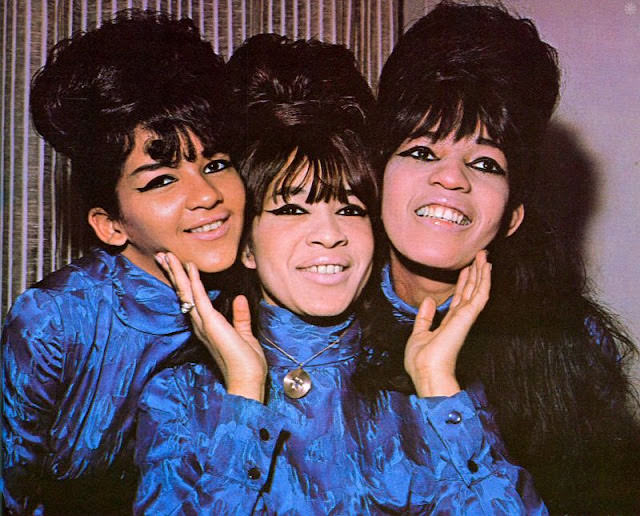
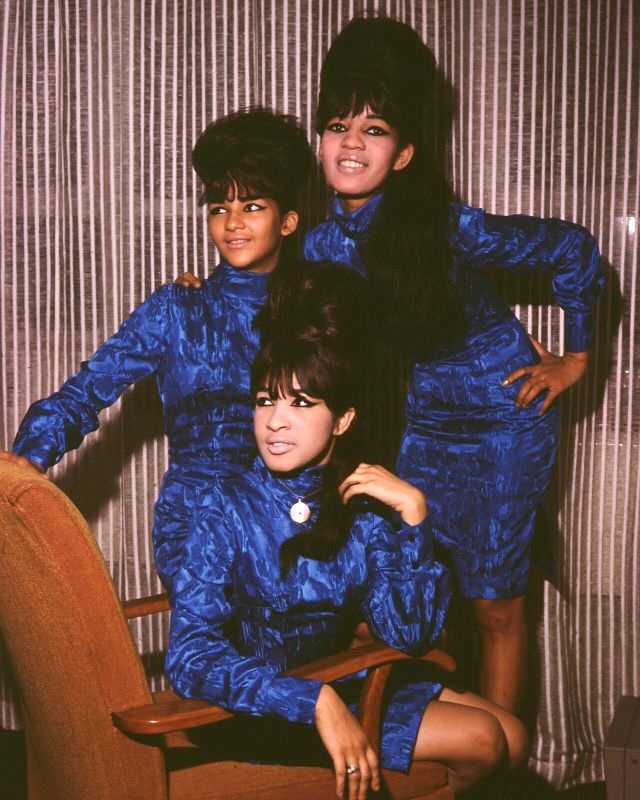

The performances themselves were high-energy and tightly rehearsed. The trio moved together with a confidence that was rare for the time, especially for a group so young. Each show reinforced why Phil Spector had bet so heavily on them.

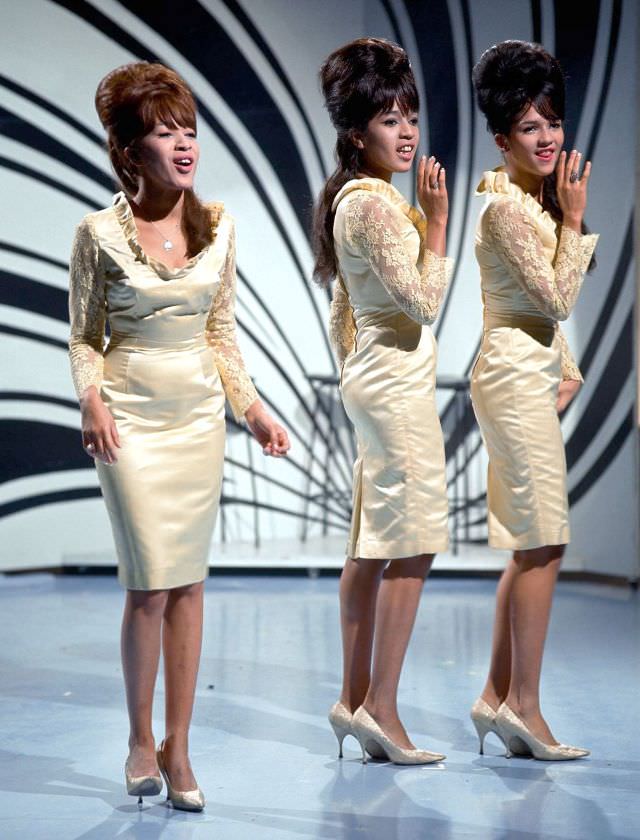
Off stage, the women were photographed around London, and those images captured something just as compelling — three young women from New York navigating a city far from home with total self-assurance.
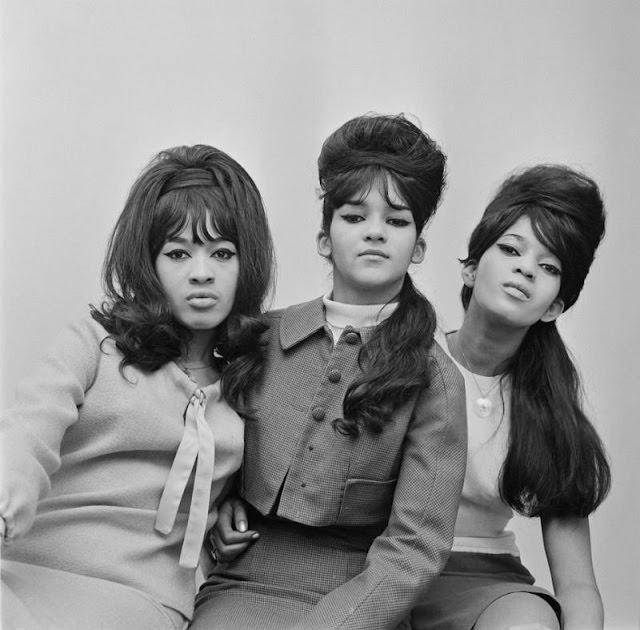
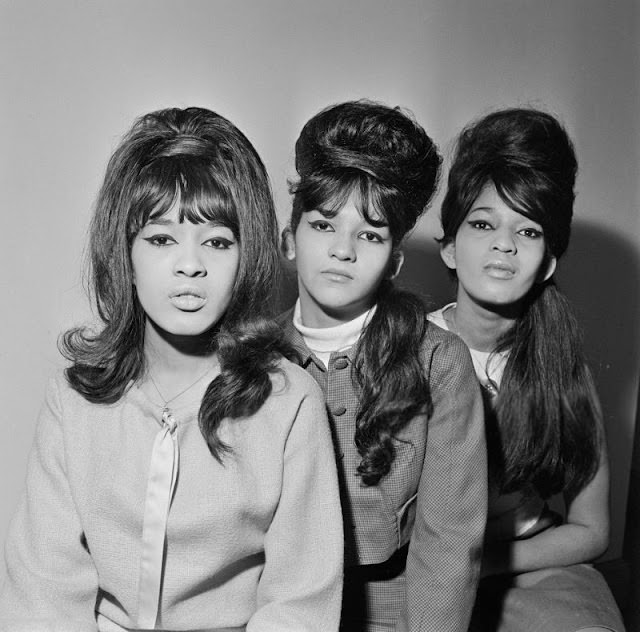
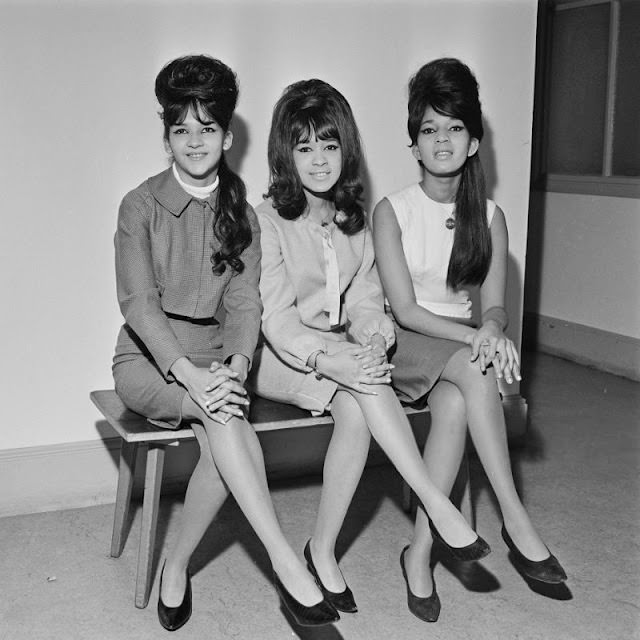
The photos from this visit document a group operating at the peak of their early fame. Veronica, Estelle, and Nedra were all in their early twenties, and their energy in these images is unmistakable. They carried themselves like stars — because by 1964, they were.
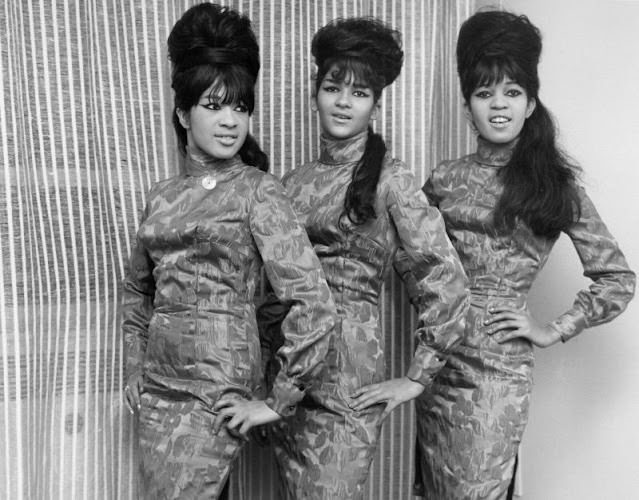
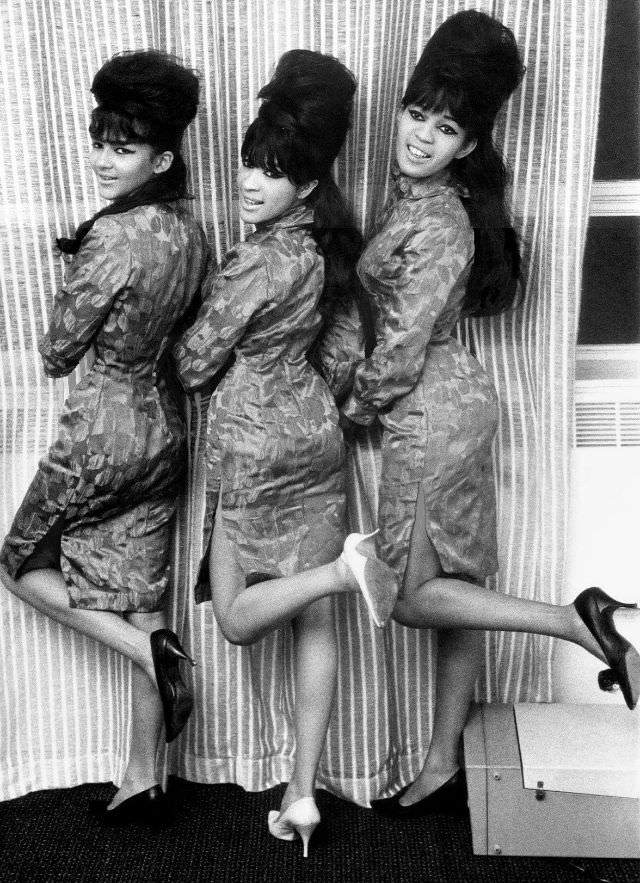
The London trip placed The Ronettes directly inside one of the most exciting musical moments of the 20th century. Both sides of the Atlantic were trading sounds, styles, and ideas at a rapid pace, and this group stood at the center of that exchange.