Hey There! Before You Go. 😧
Get the best vintage content straight into your inbox!

Don't worry, we don't spam

The Challenger disaster 1986: Historic Photos of the National tragedy that Unfolded on Live Television

On the morning of January 28, 1986, Space Shuttle Challenger lifted off from Kennedy Space Center in Florida. Seventy-three seconds later, it was gone. The orbiter broke apart over the Atlantic Ocean, killing all seven people on board — five NASA astronauts and two payload specialists. It remains one of the most witnessed disasters in American history.
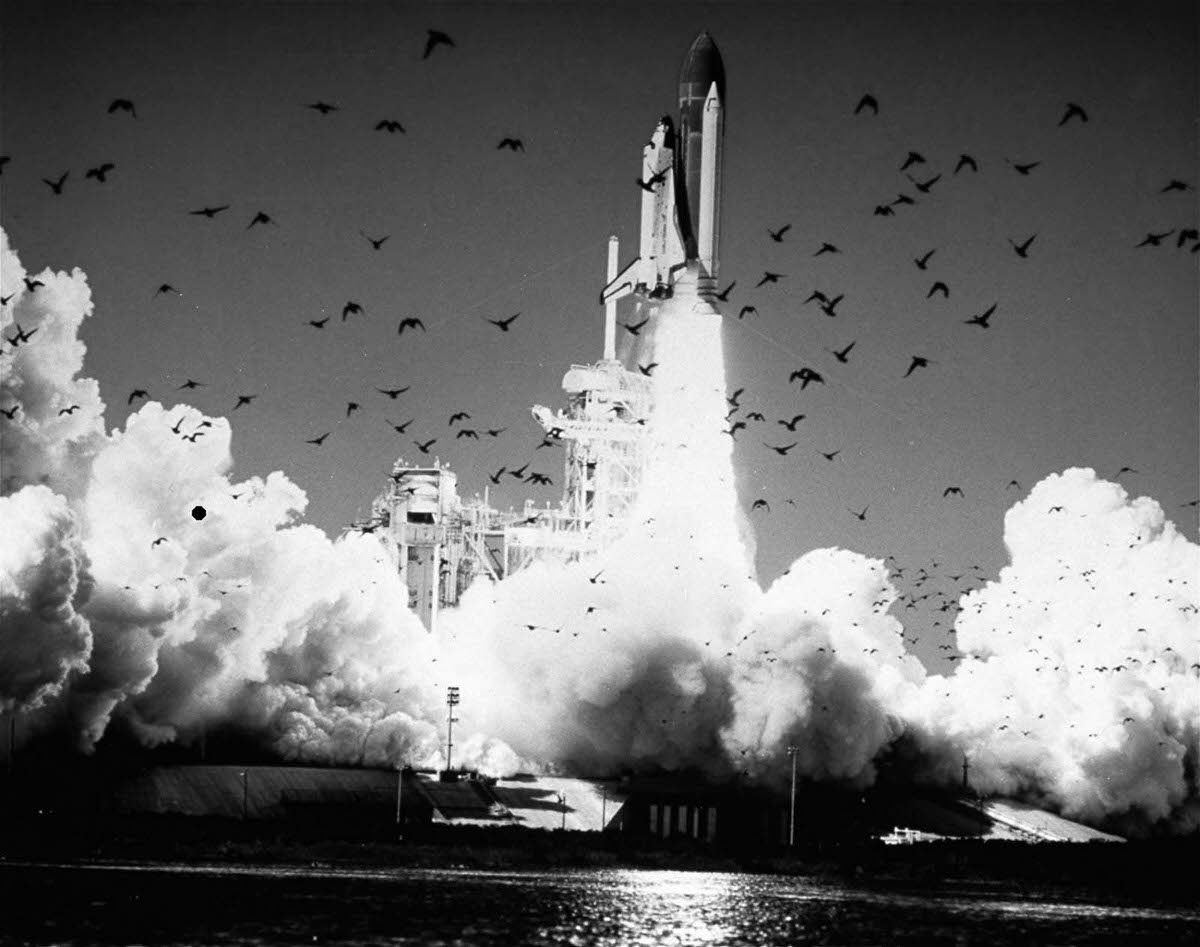
The Challenger launches, moments before its destruction. Jan. 28, 1986.

The crew was led by Commander Francis “Dick” Scobee, with Pilot Michael Smith at his side. Mission Specialists Ellison Onizuka, Judith Resnik, and Ronald McNair rounded out the NASA crew. Payload Specialist Gregory Jarvis and teacher Christa McAuliffe completed the seven-person team.
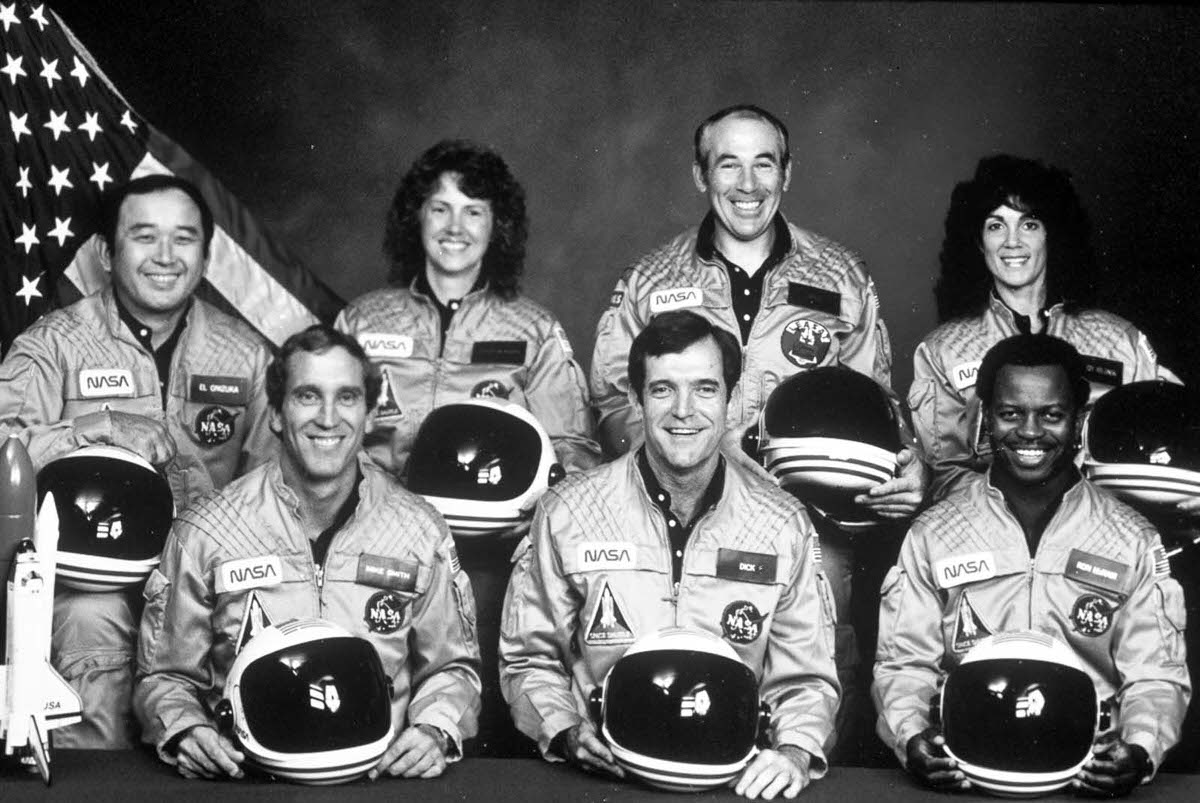
The crew of the Challenger.

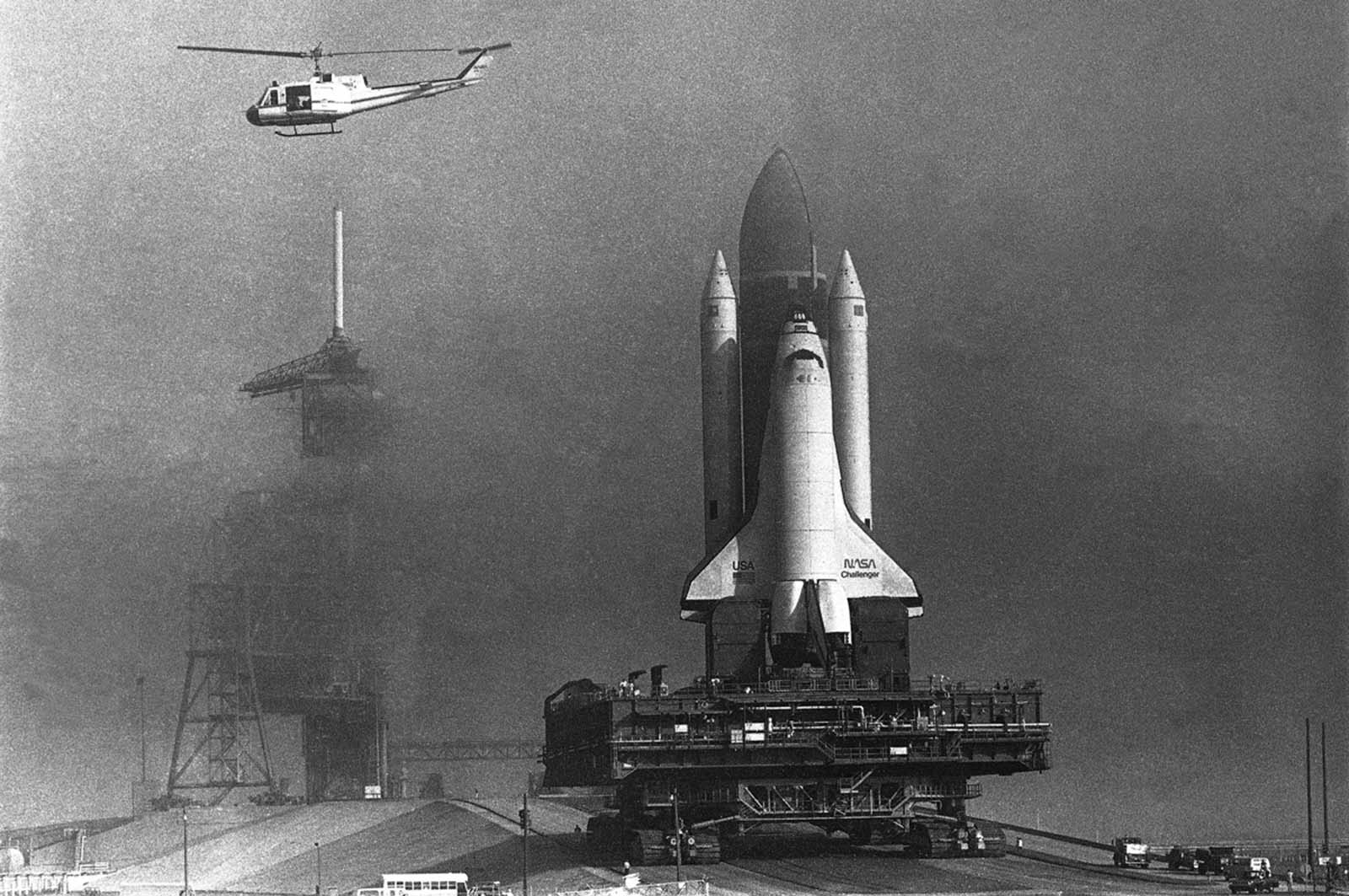
Challenger was no stranger to the skies. The orbiter had been part of the shuttle fleet for years before its final mission, arriving at Kennedy Space Center in the summer of 1982 and completing multiple successful flights.
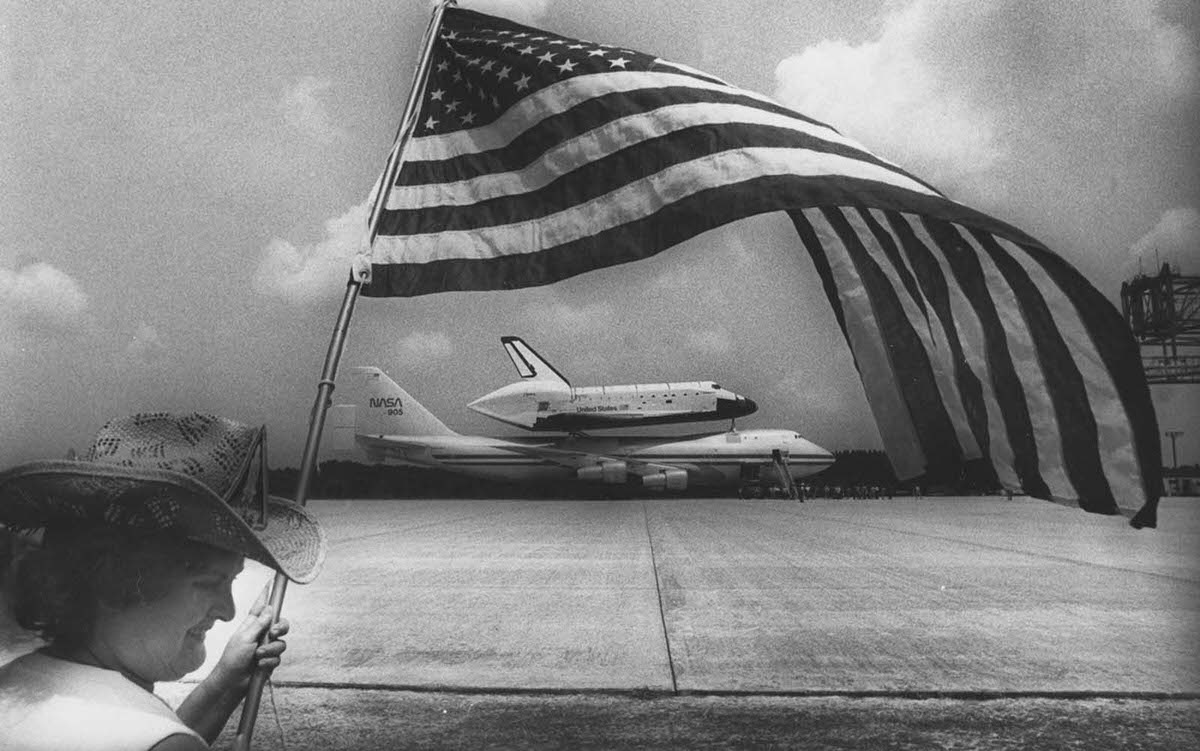
The Space Shuttle Challenger arrives at Kennedy Space Center aboard a Boeing 747. July 5, 1982.
The space shuttle Challenger rolls toward the launch pad at Kennedy Space Center before its first flight on April 4, 1983. Nov. 30, 1982.

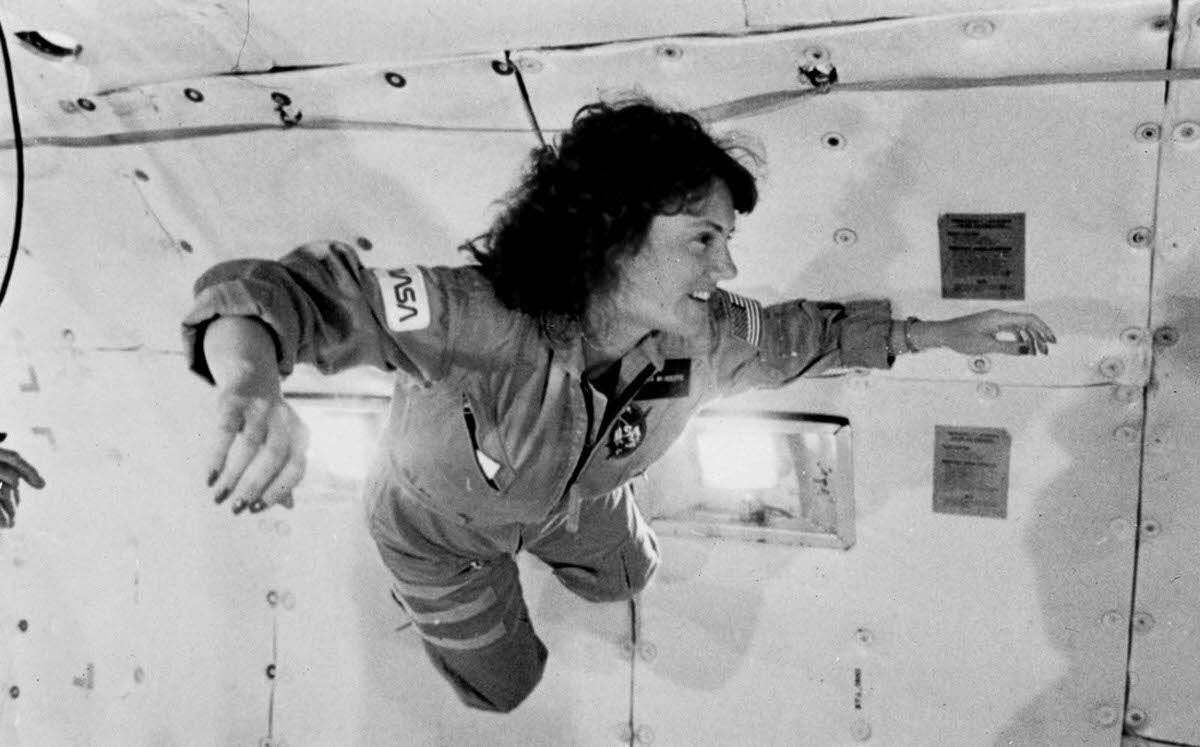
Much of the public attention surrounding this particular mission centered on Christa McAuliffe, a high school social studies teacher from Concord, New Hampshire. She was selected from more than 11,000 applicants to become the first teacher to fly in space. Her inclusion in the crew drew enormous media coverage and brought millions of schoolchildren to their televisions on launch day.
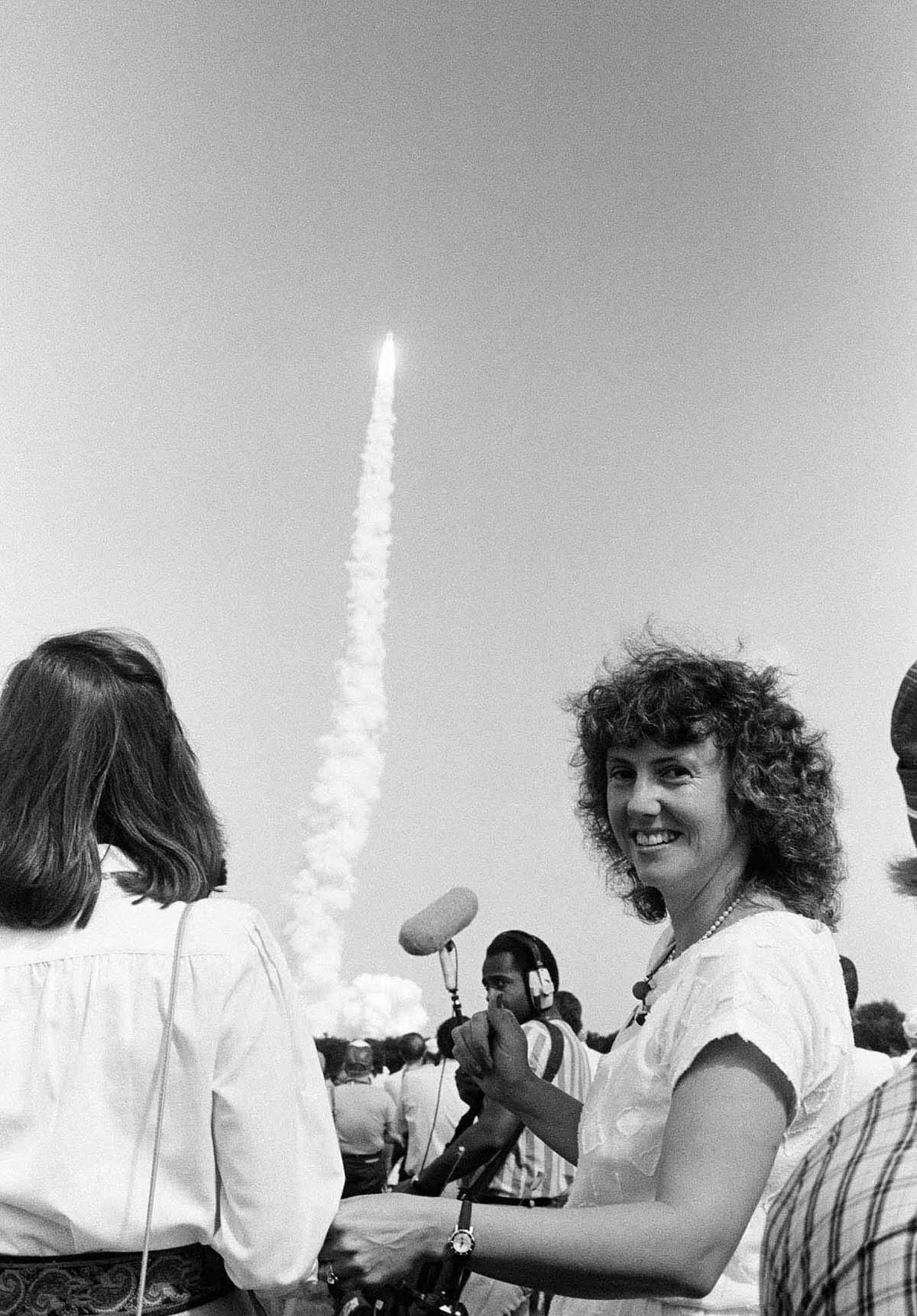
Christa McAuliffe watches a successful launch of the space shuttle Challenger after being selected to join a later mission. Oct. 30, 1985.
Christa McAuliffe experiences weightlessness for the first time aboard a NASA aircraft which flies in parabolic arcs to approximate zero gravity. January 1986.
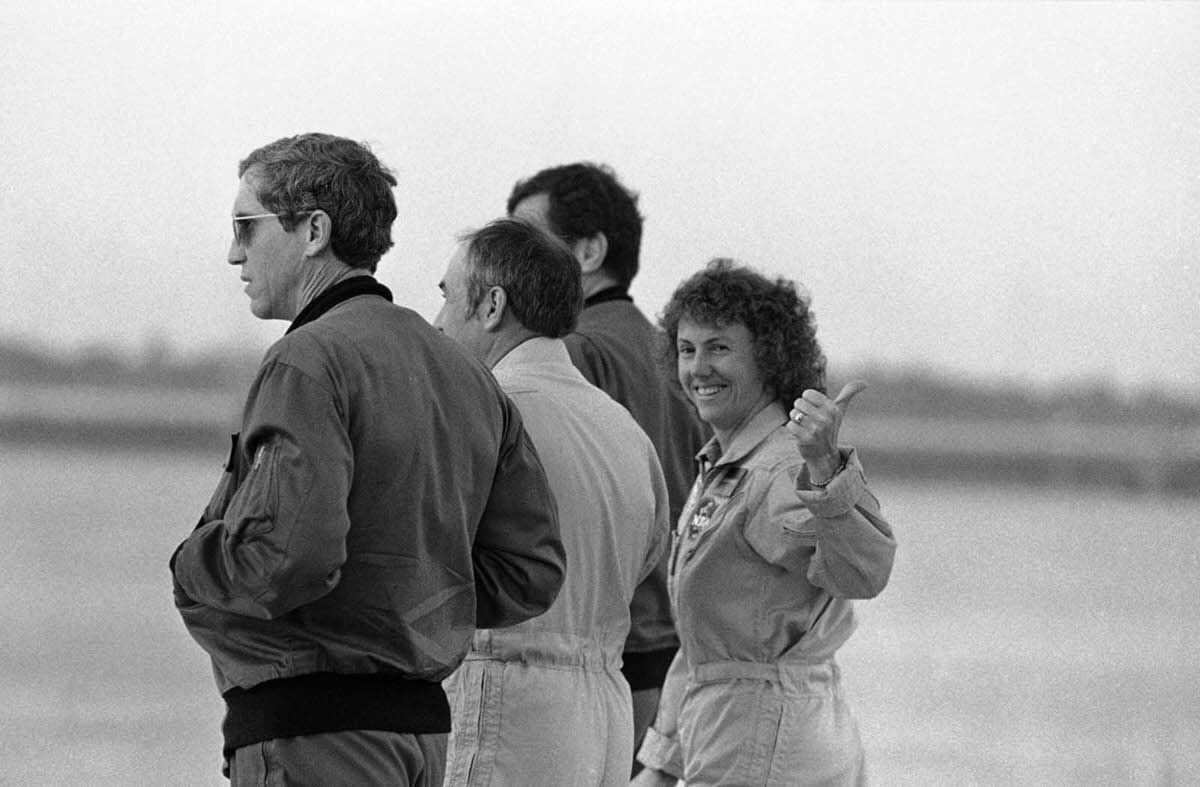
Christa McAuliffe gives a thumbs-up as she prepares for a test flight at Kennedy Space Center. Jan. 24, 1986.

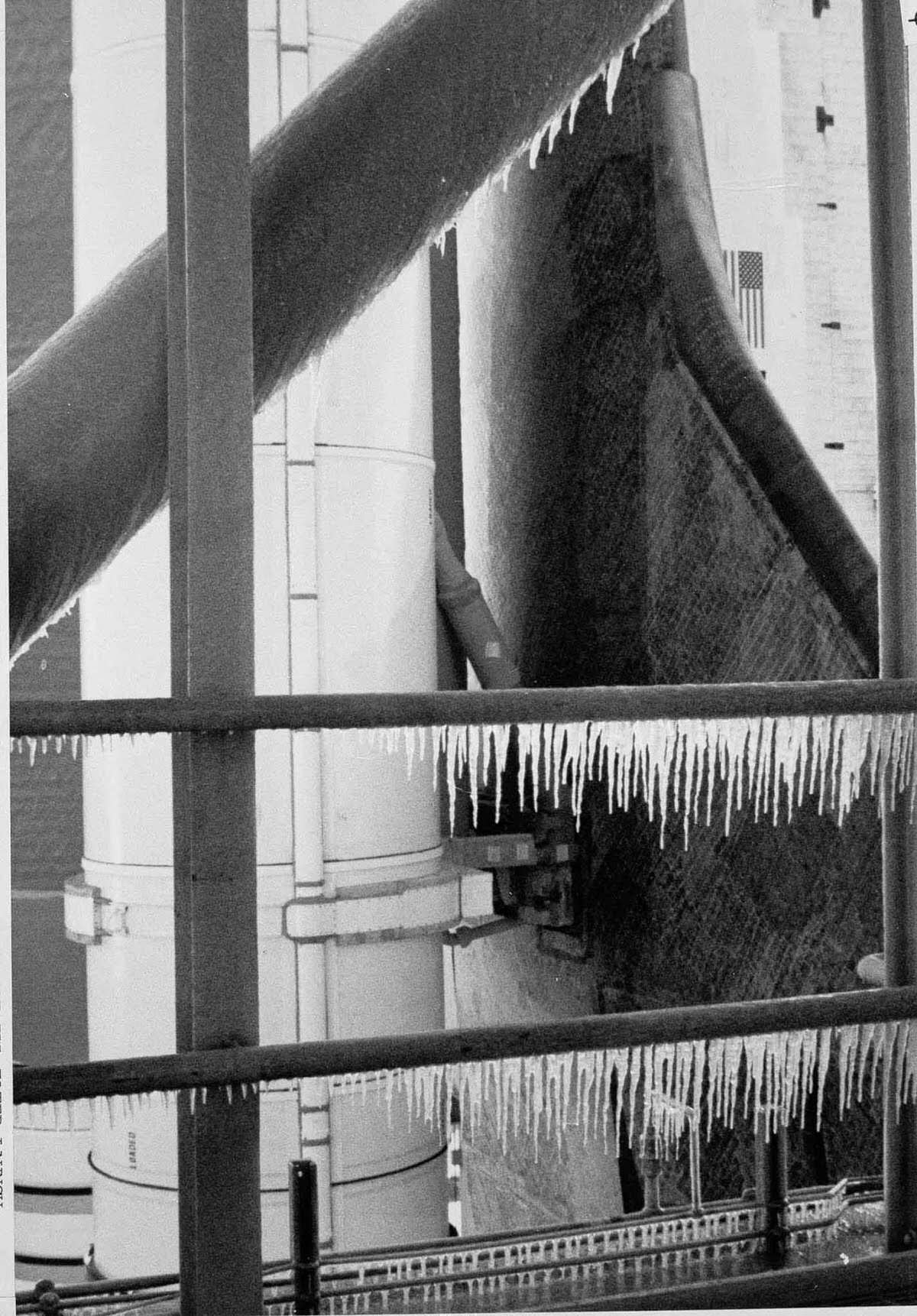
The day before the launch, the crew walked out of their quarters headed for the pad in good spirits. What awaited them the next morning was a launch site coated in ice — the result of overnight temperatures far below what the shuttle’s components were designed to tolerate.
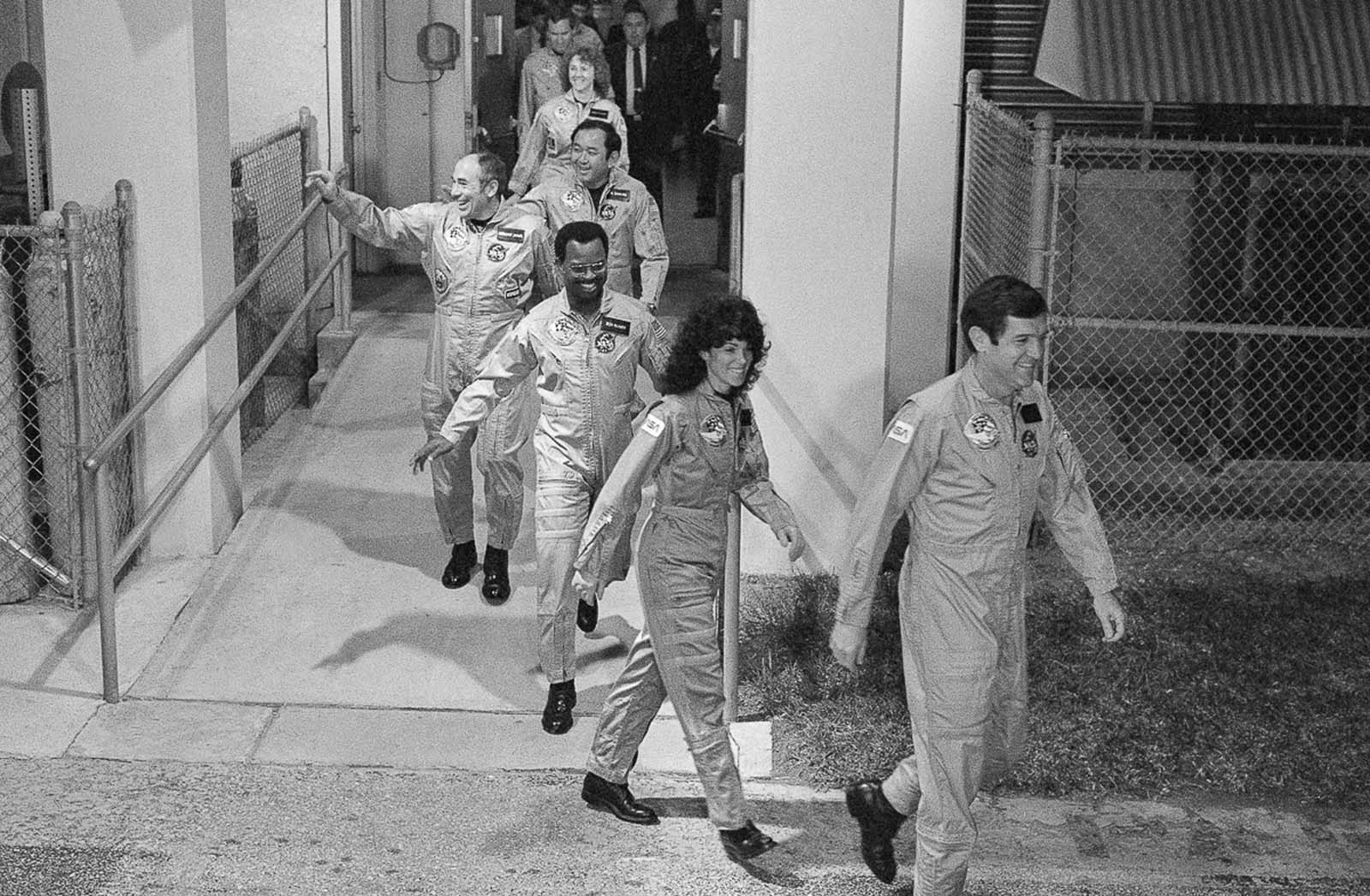
The crew of the Challenger leave their quarters on their way to the launch pad. Jan. 27, 1986.
Ice coats the launch facility on the morning of the launch.

The cold proved fatal. The O-ring seals in the right-hand solid rocket booster’s aft field joint failed in the freezing conditions. Hot pressurized gas from the solid rocket motor escaped through the breach, burning through the external fuel tank’s attachment hardware. The right-hand booster’s aft joint separated from the external tank, causing structural failure. Aerodynamic forces tore the orbiter apart seconds later.
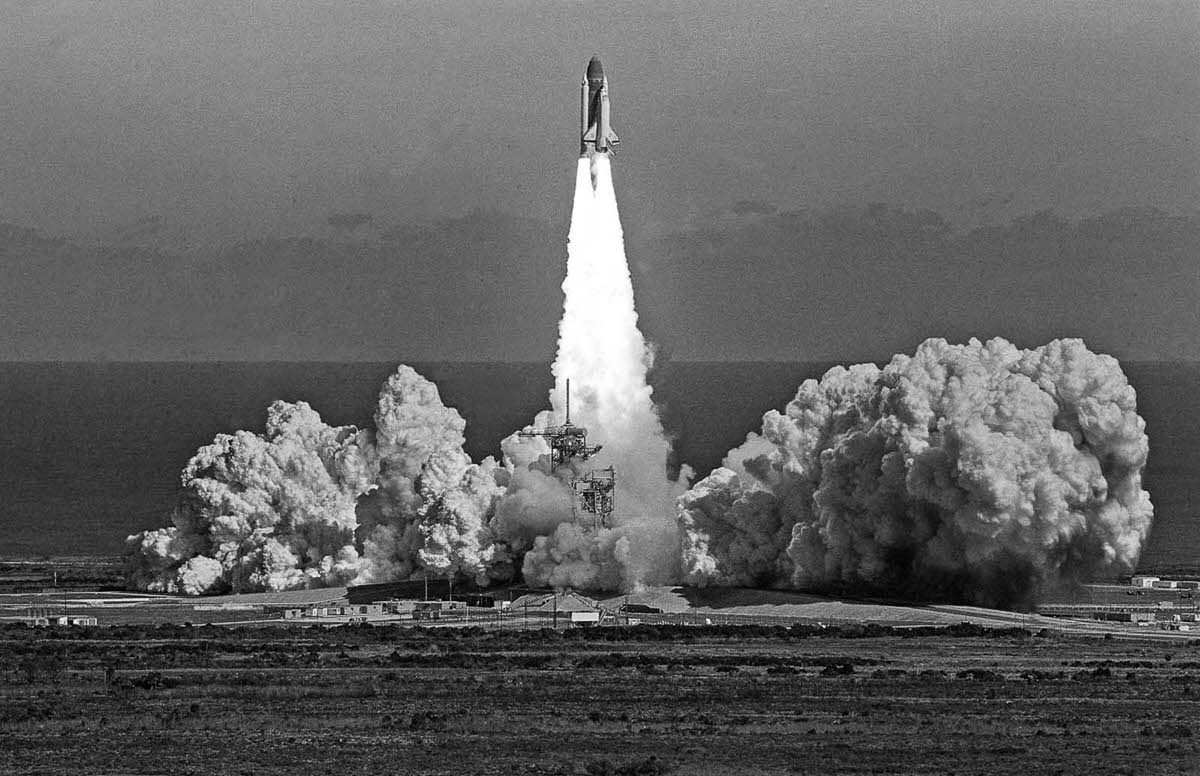
The Challenger lifts off, approximately one minute before its catastrophic explosion.
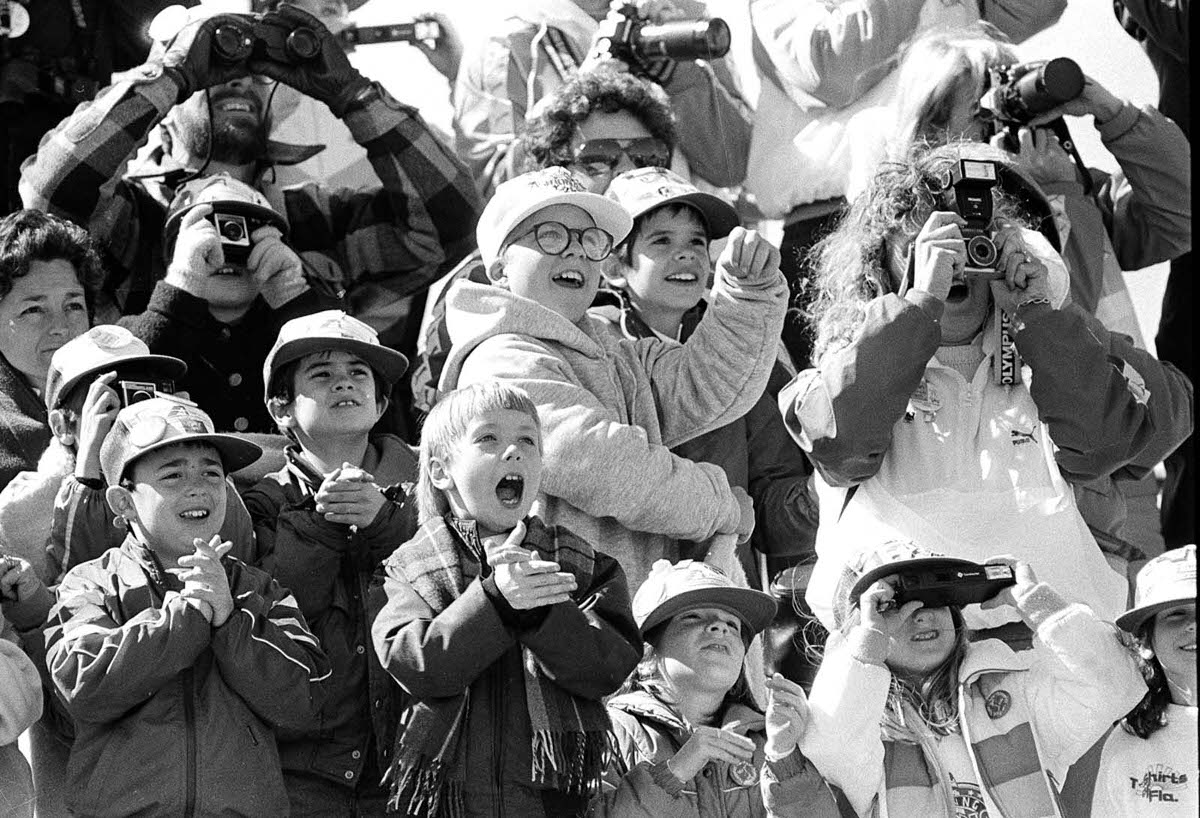
Classmates of Christa McAuliffe's son cheer as the Challenger launches skyward.
Classmates of Christa McAuliffe’s son cheer as the Challenger launches skyward.

At nine miles above the Atlantic Ocean, Challenger exploded. The two solid rocket boosters separated from the fireball and continued flying for another 37 seconds before NASA flight controllers remotely deactivated them.
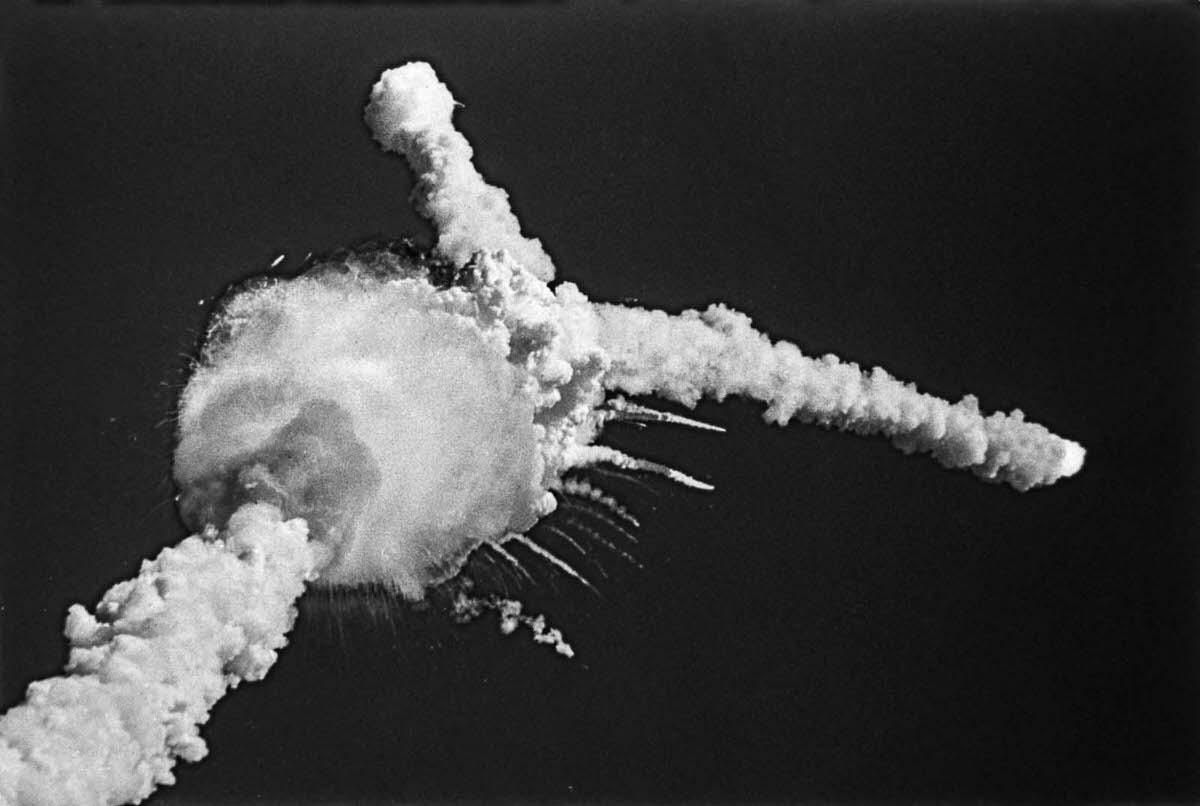
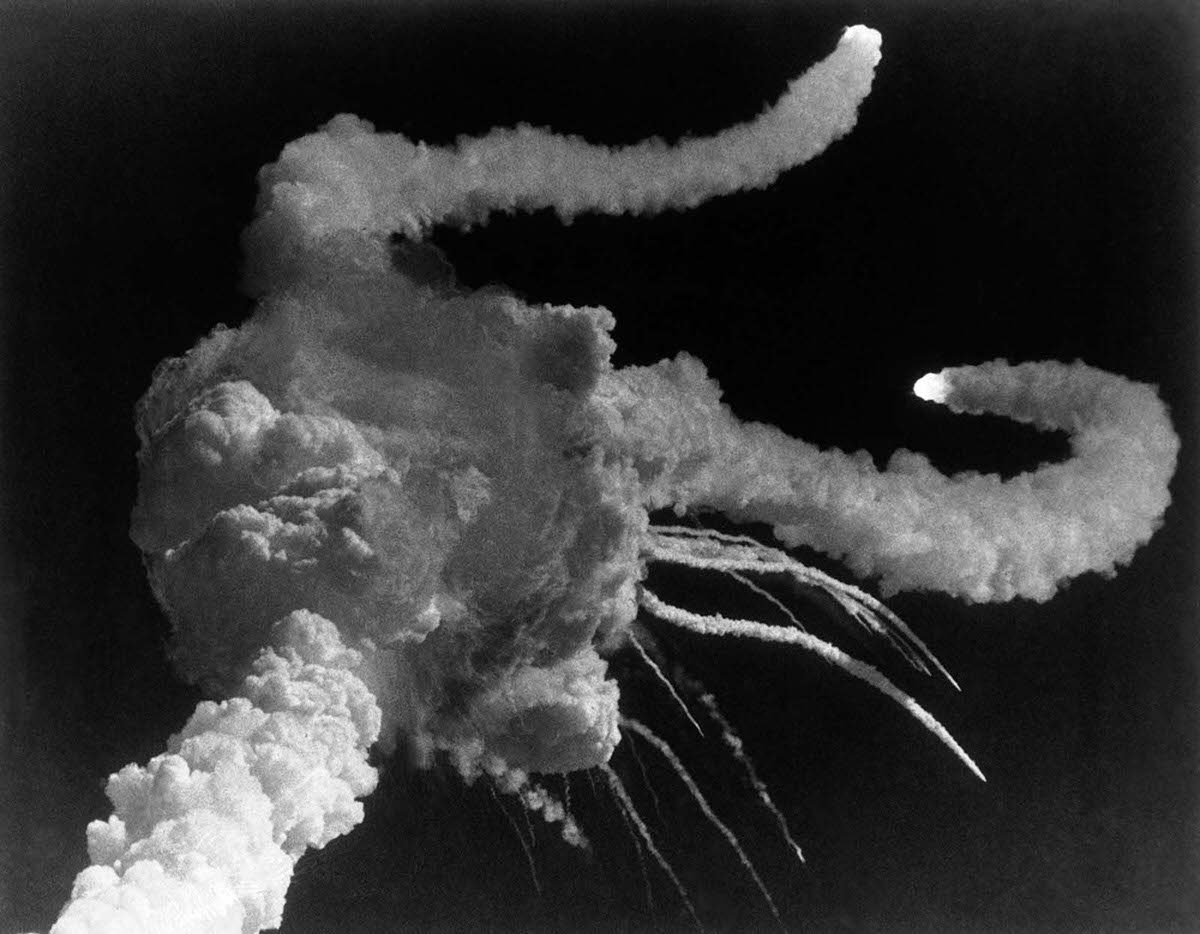
The Challenger explodes 73 seconds into flight, nine miles above the Atlantic Ocean.
The two solid rocket boosters careen on for another 37 seconds before being remotely deactivated.

Roughly 17 percent of all Americans watched the launch live on television, a figure driven largely by McAuliffe’s participation. Schools across the country had tuned in specifically to watch a teacher go to space. Within an hour of the explosion, 85 percent of Americans had already heard the news. The reaction was immediate and visceral — at the launch site, in schools, and in living rooms nationwide.
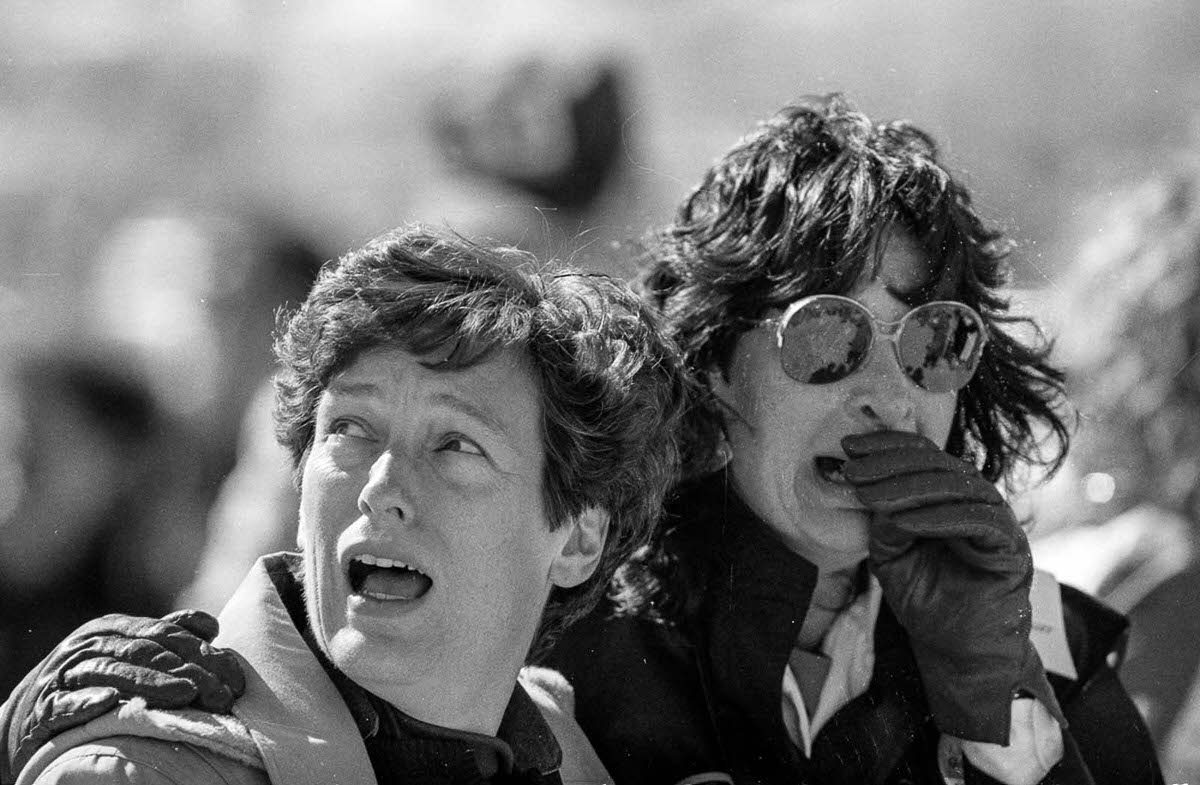
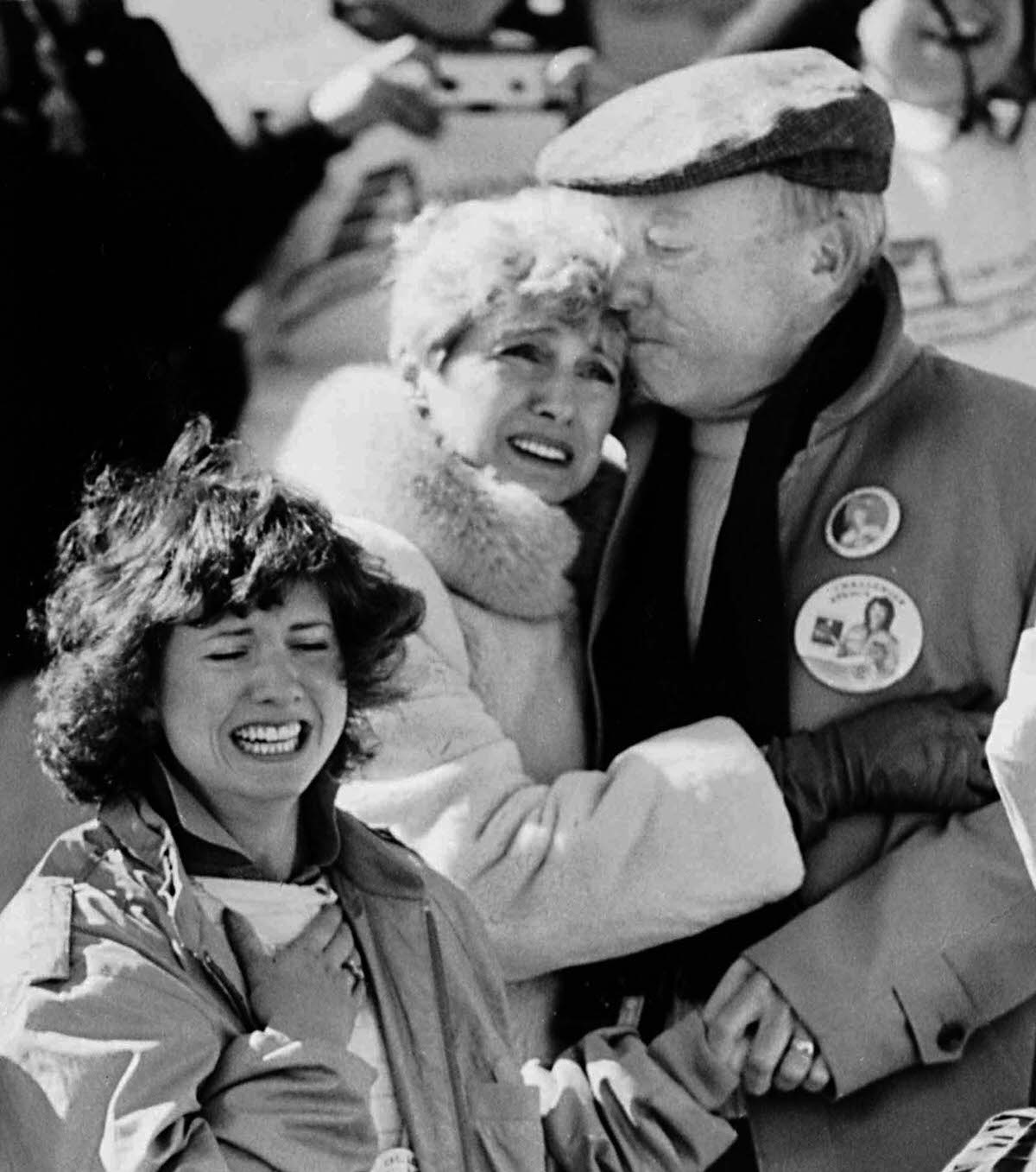
Spectators react after the explosion of the Challenger
Christa McAuliffe's sister Betsy and parents Ed and Grace Corrigan react in anguish to the explosion of the shuttle.
Christa McAuliffe’s sister Betsy and parents Ed and Grace Corrigan react in anguish to the explosion of the shuttle.
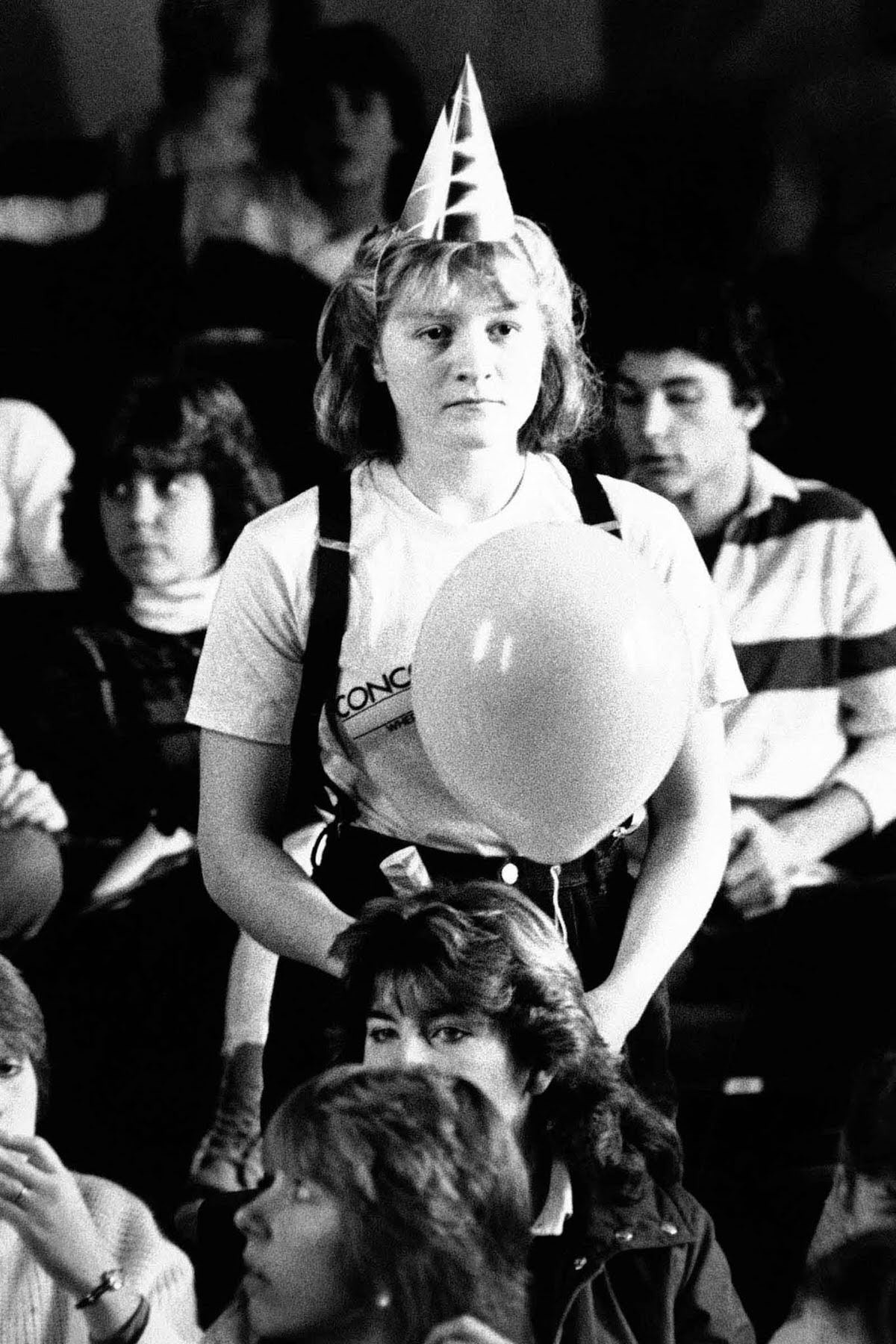
Concord High School student Carina Dolcino stands in stunned silence after watching the live broadcast of the launch at a school assembly.

McAuliffe’s hometown of Concord, New Hampshire, felt the loss with particular intensity. Memorial services drew crowds of grieving residents, including children who had followed her journey since she was first selected. The grief in Concord was raw and public.
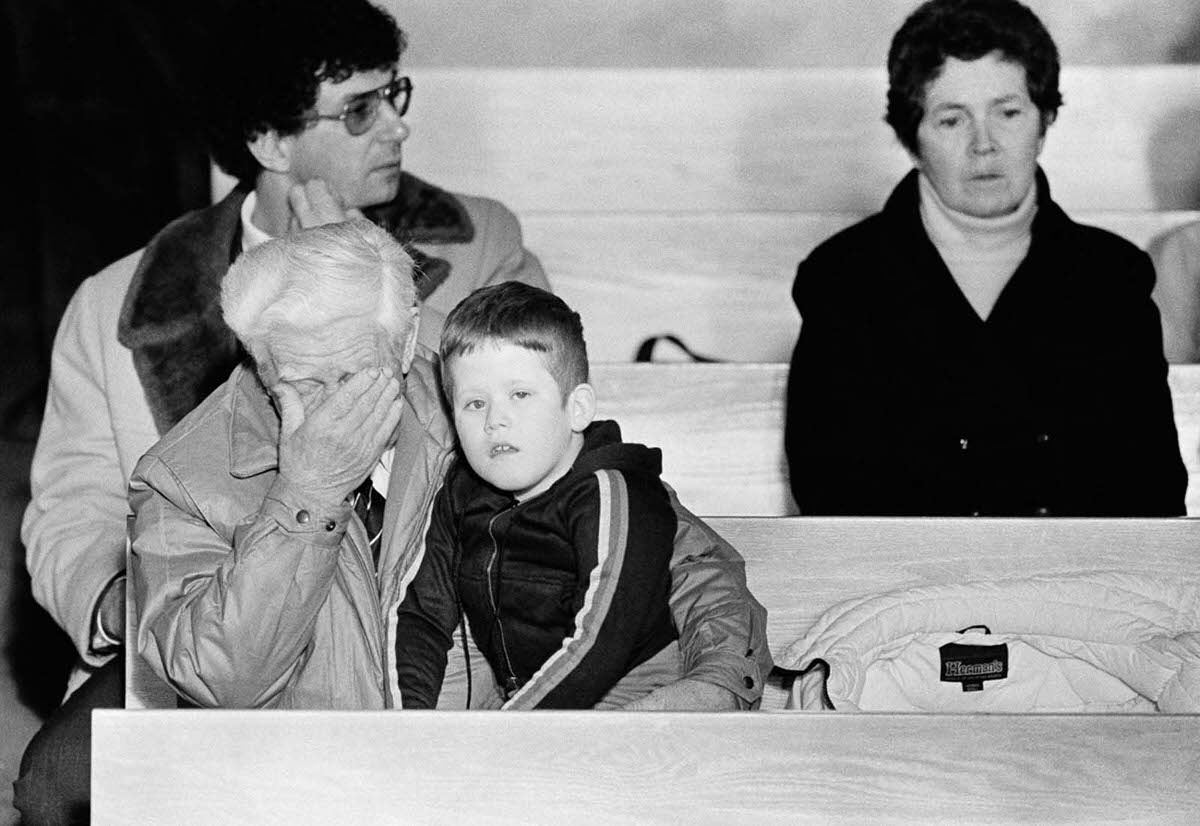
Billy Gifford rubs his eyes while holding his grandson Jimmy Stillman, 8, during a memorial service for Christa McAuliffe at a church in Concord, New Hampshire. Jan. 29, 1986.
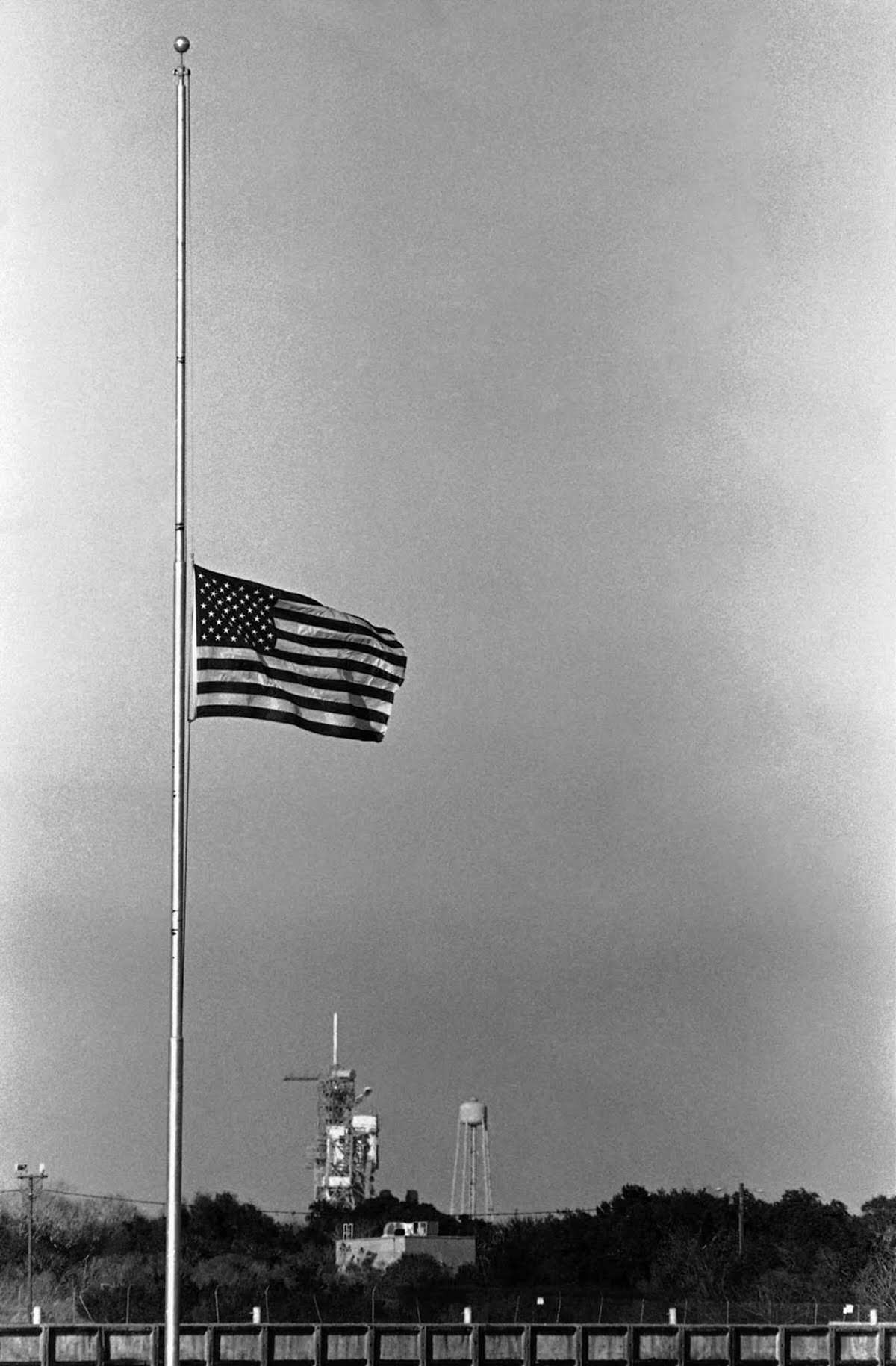
A flag flies at half-mast at Kennedy Space Center after the explosion.
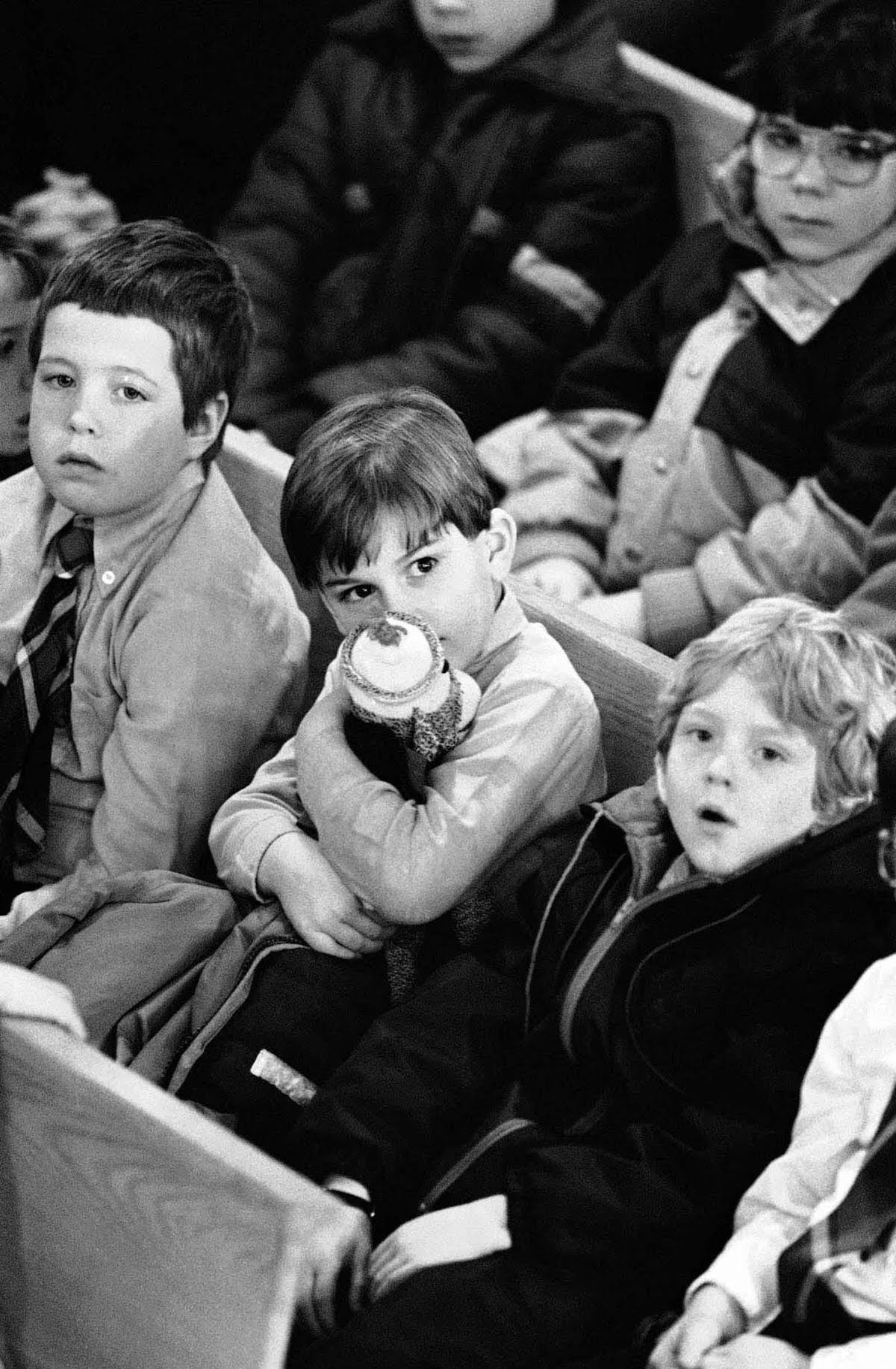
Children attend a memorial service for Christa McAuliffe at a church in Concord, New Hampshire.
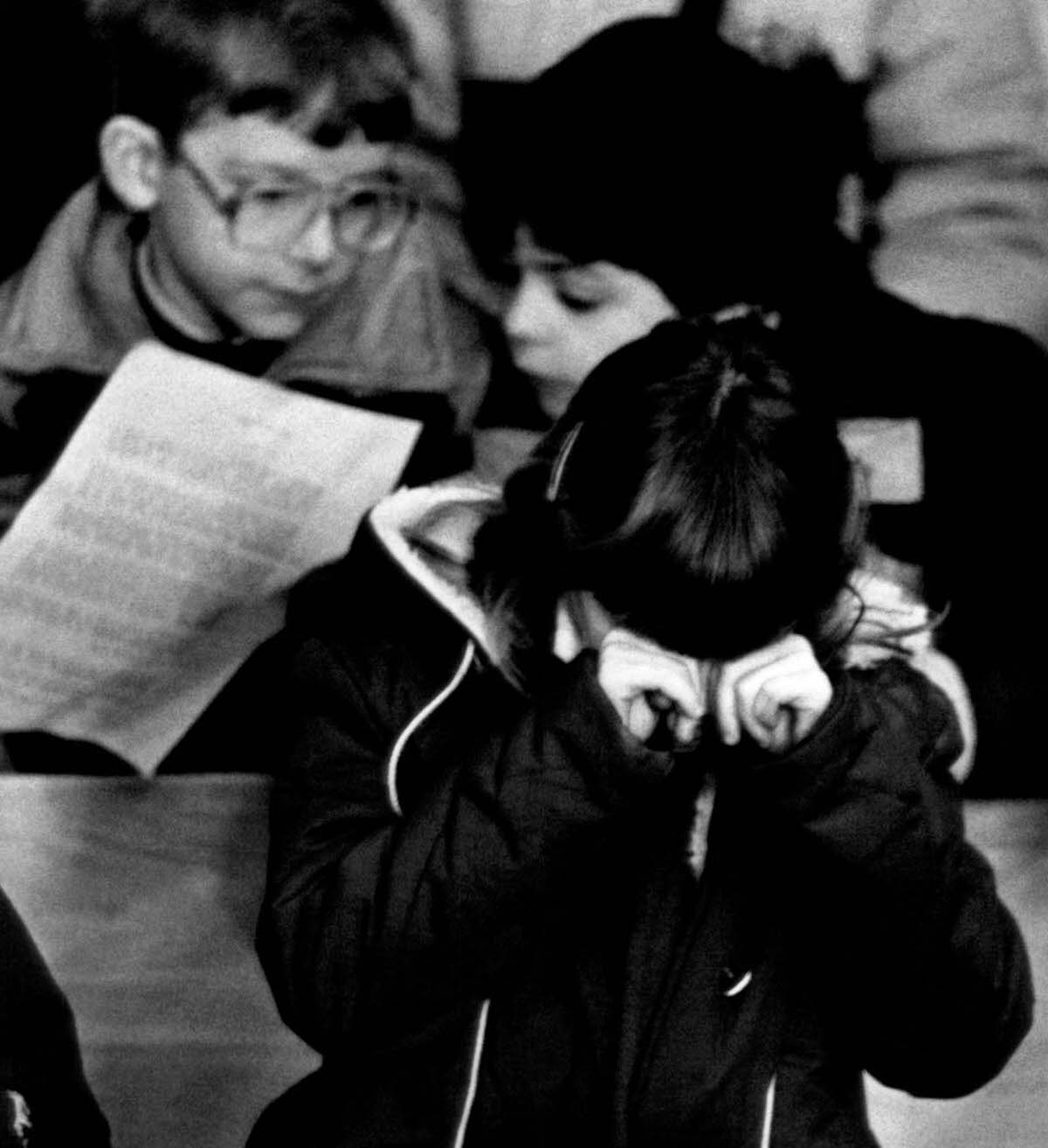
A child cries during a memorial service for Christa McAuliffe at a church in Concord, New Hampshire.

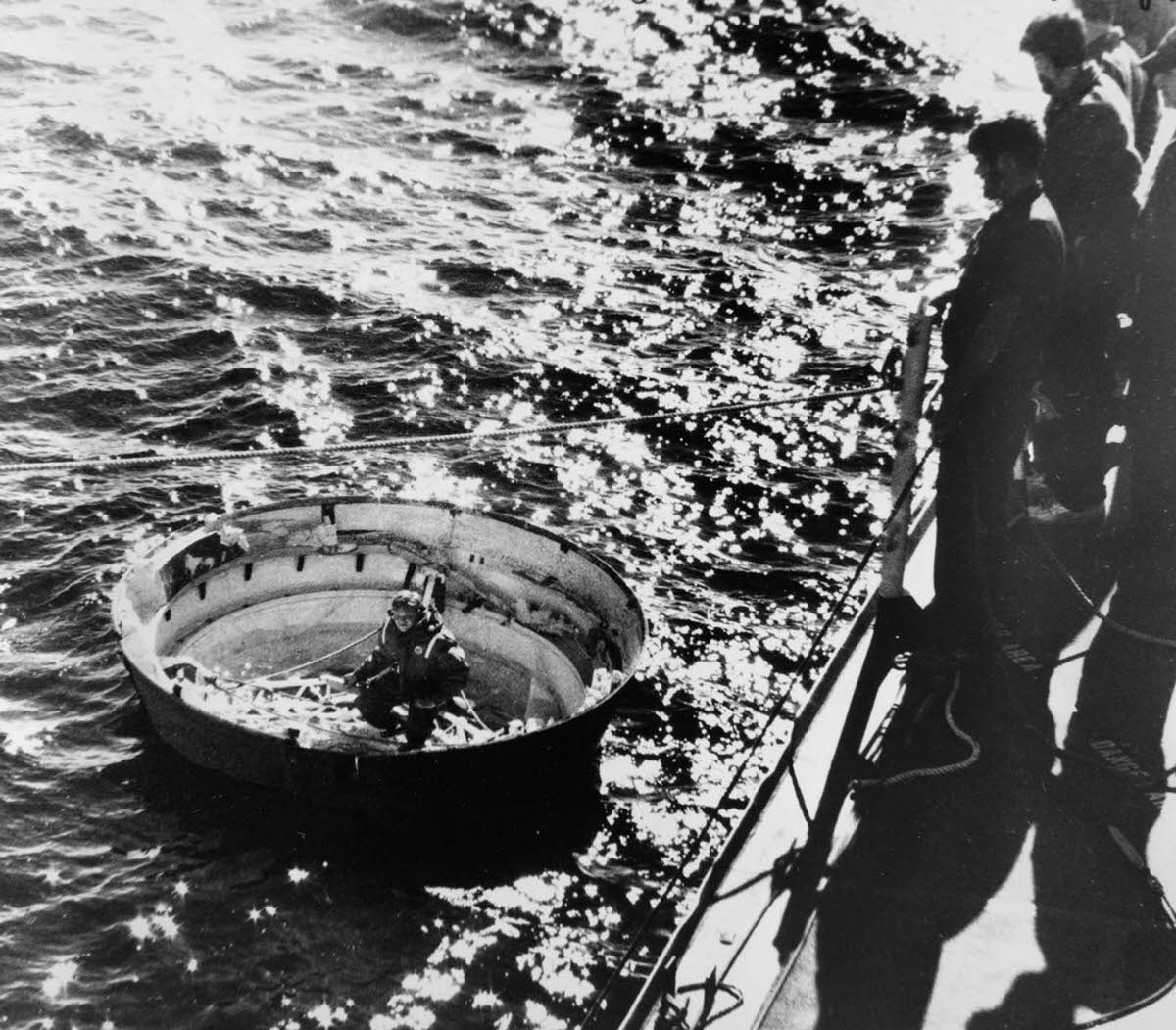
Recovery operations began almost immediately. Salvage crews worked the waters off the Florida coast, pulling wreckage from the ocean floor to piece together the physical evidence of what had happened. The front section of the orbiter and components of the solid rocket boosters were among the pieces recovered.
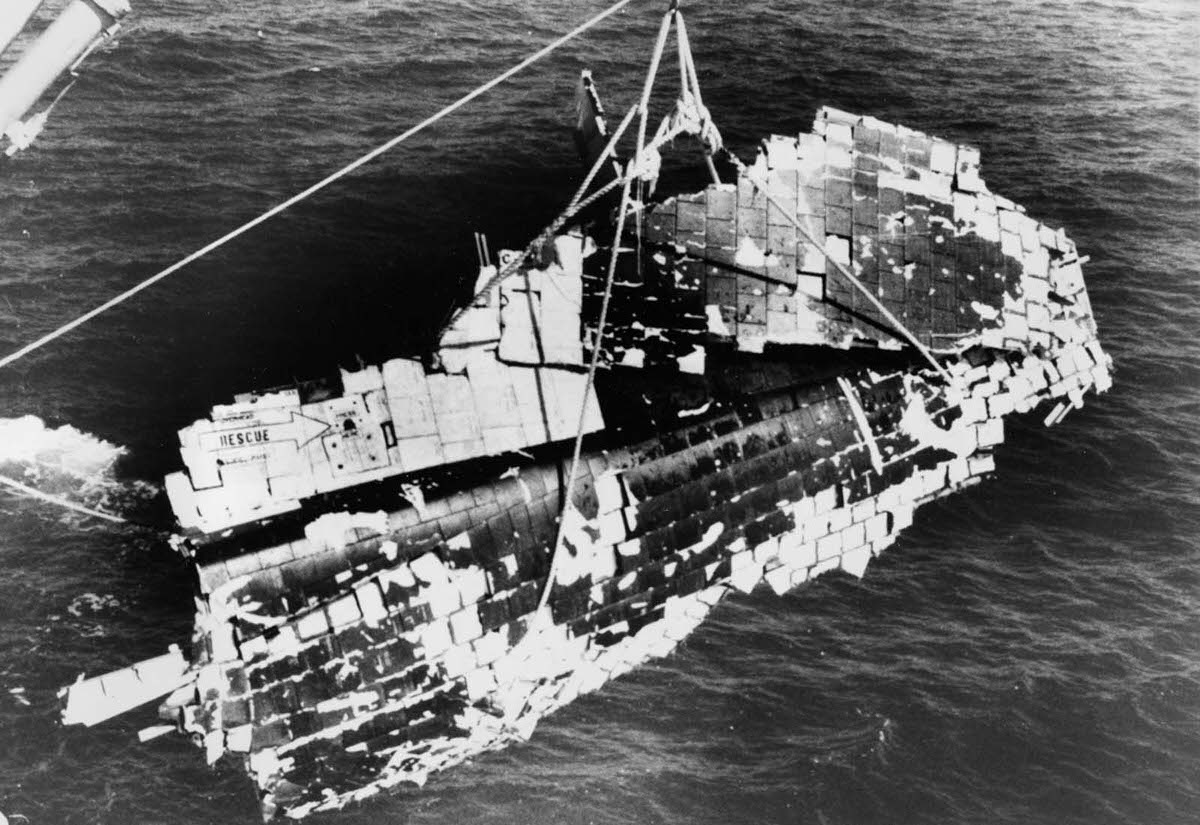
The front starboard section of the shuttle is recovered from the ocean.
Coast Guardsmen prepare to hoist the fulcrum of a solid rocket booster out of the ocean during Challenger salvage operations. Jan. 31, 1986.
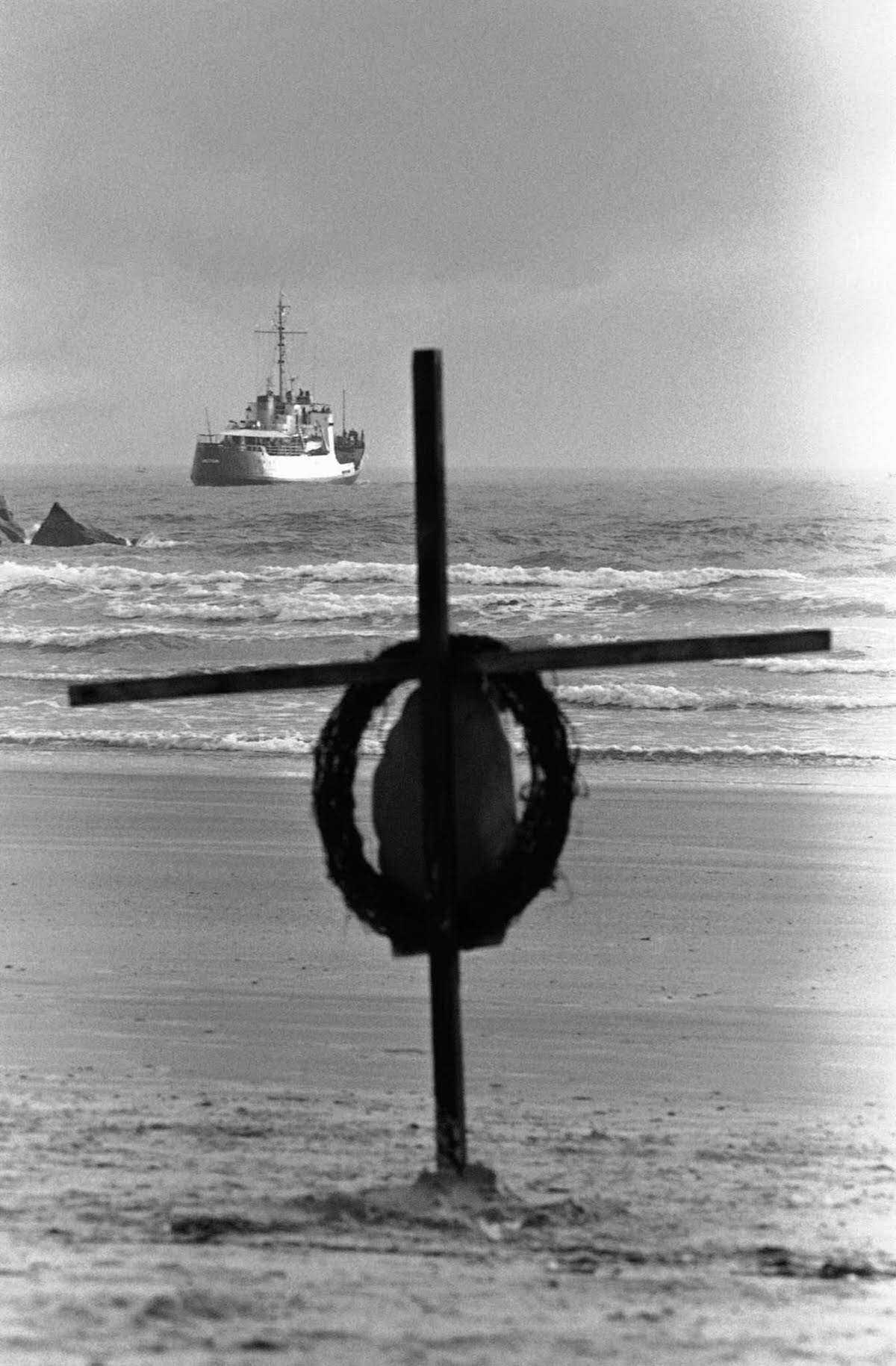
A cross and wreath stand on the beach as a Coast Guard cutter heads out to search for debris from the explosion. February 1986.

President Ronald Reagan convened the Rogers Commission to investigate the accident. The panel’s findings pointed directly to the failed O-ring seals and the decision to launch in freezing temperatures despite internal warnings from engineers at Morton Thiokol, the company that built the solid rocket boosters. The shuttle program was grounded for 32 months while NASA worked to address the design and management failures the disaster exposed.
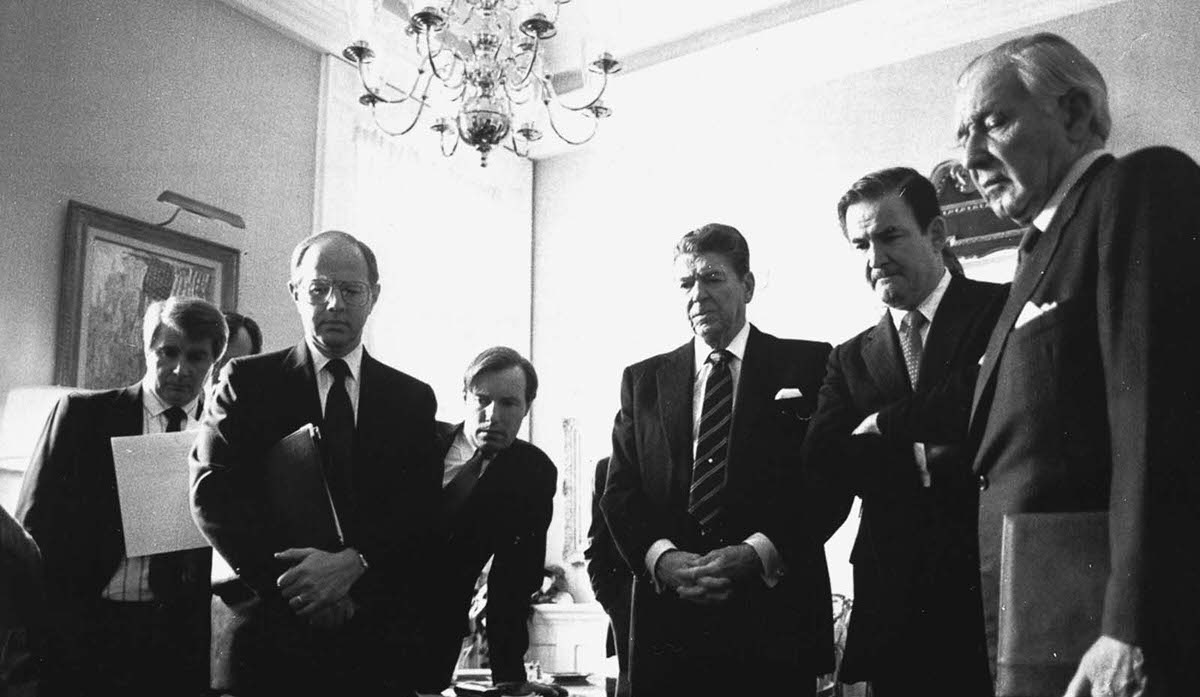
President Ronald Reagan and members of his senior staff watch a replay of the disaster. Feb. 3, 1986.
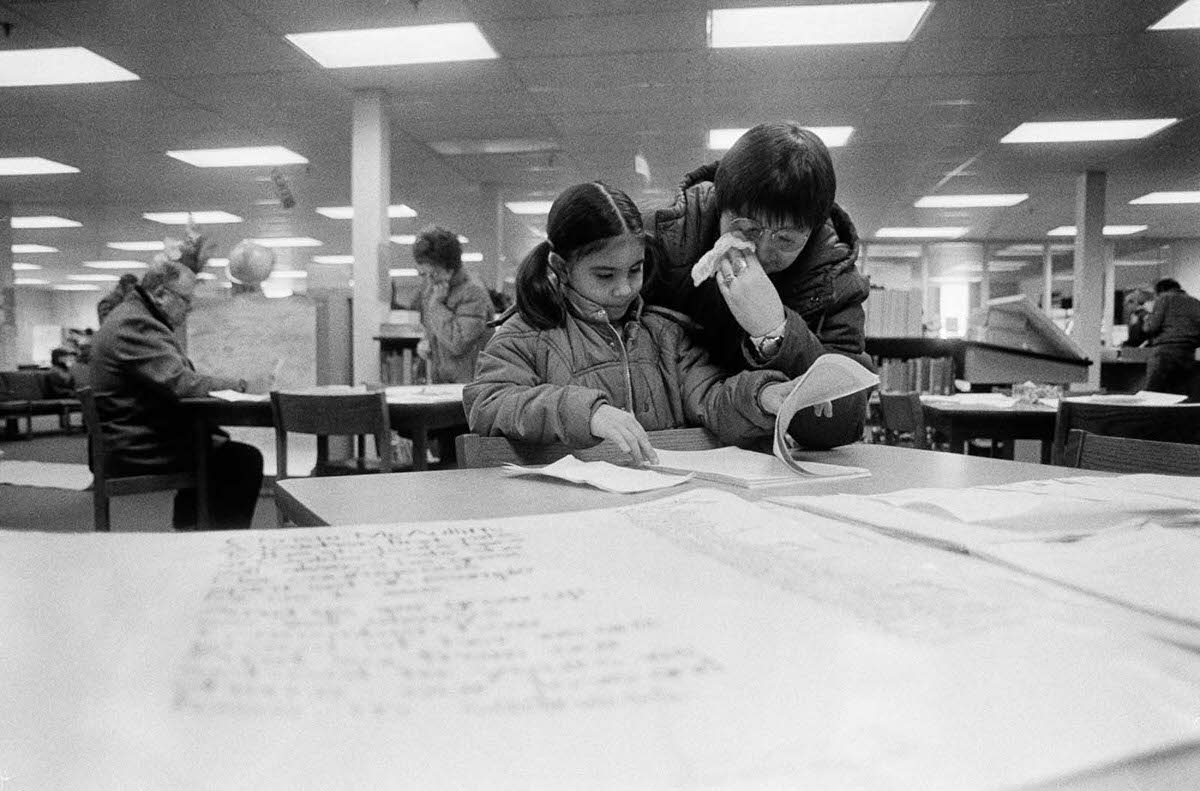
Lisa Mitten wipes tears from her eyes as her daughter Jessica reads some of the letters of sympathy from around the country on display at Concord High School.
Enjoyed this post? Get new ones in your inbox.

Leave a Comment

Your email address will not be published. Required fields are marked *

Share this Post 🥺

Please take a moment to share this content. Your support is greatly appreciated! 🙌🙏

Share this Post 🥺

Please take a moment to share this content. Your support is greatly appreciated! 🙌🙏
Scroll to Top
 
Hey Friend, Before You Go.. Please like & follow for more interesting content