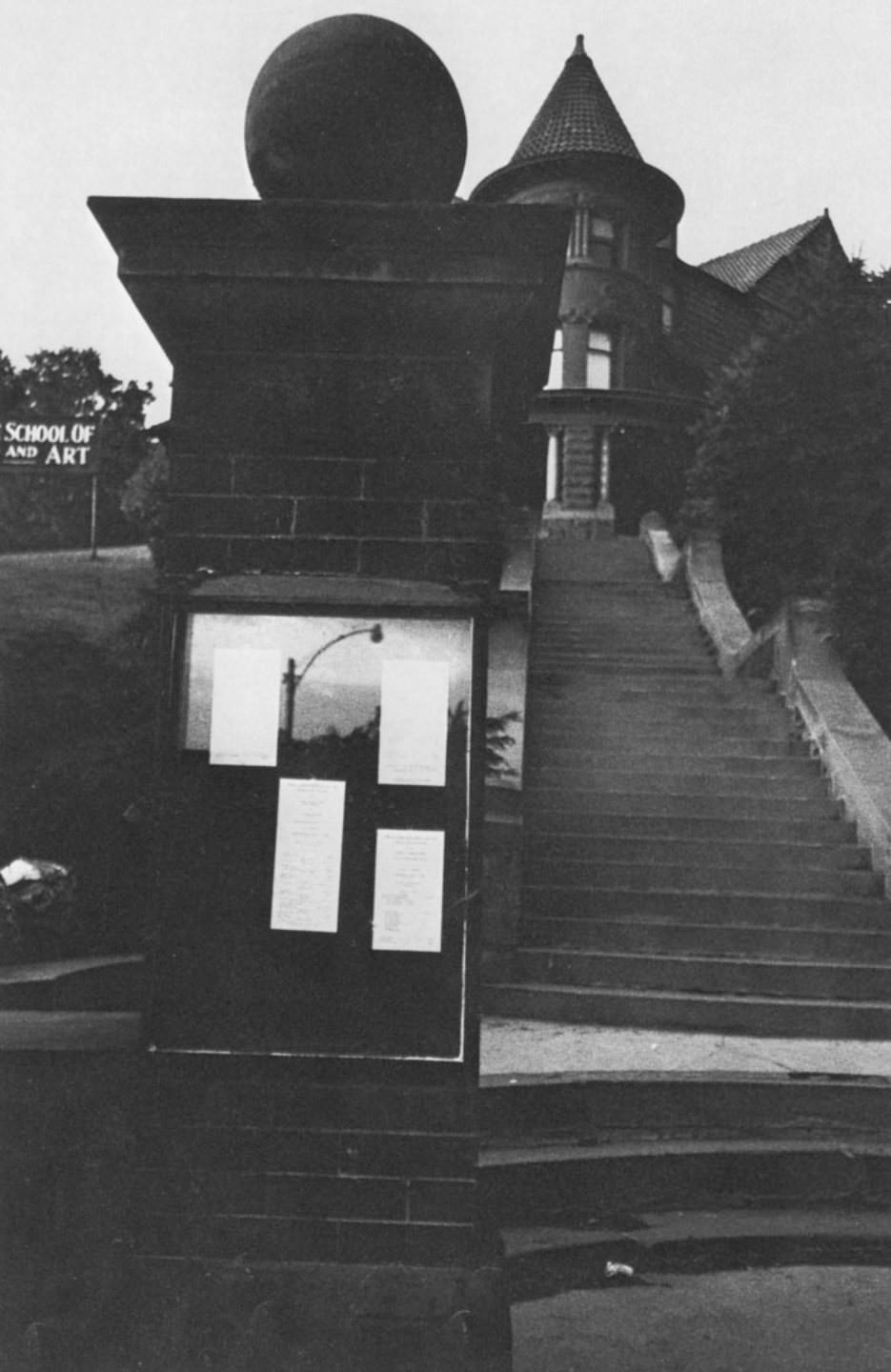
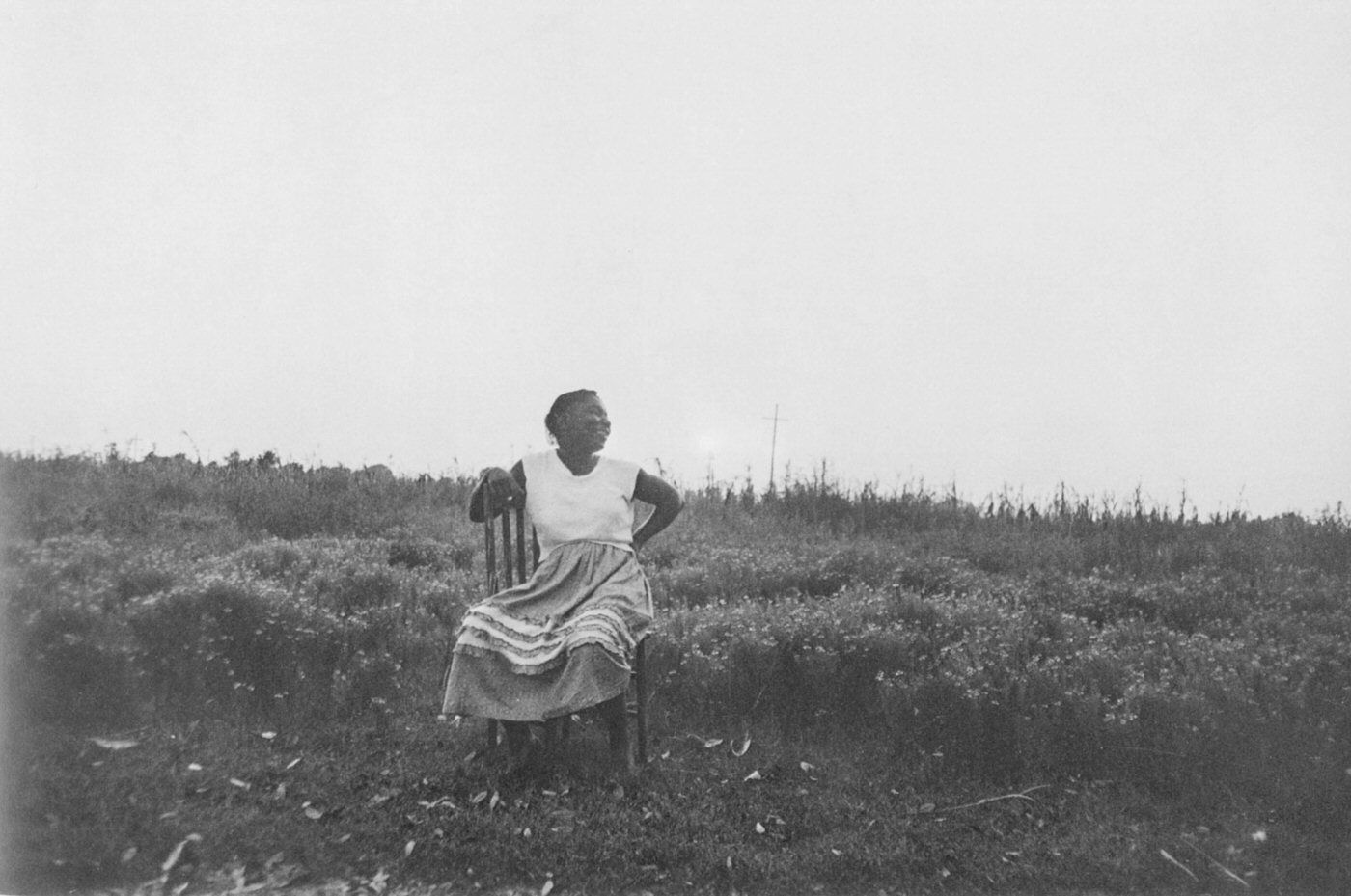
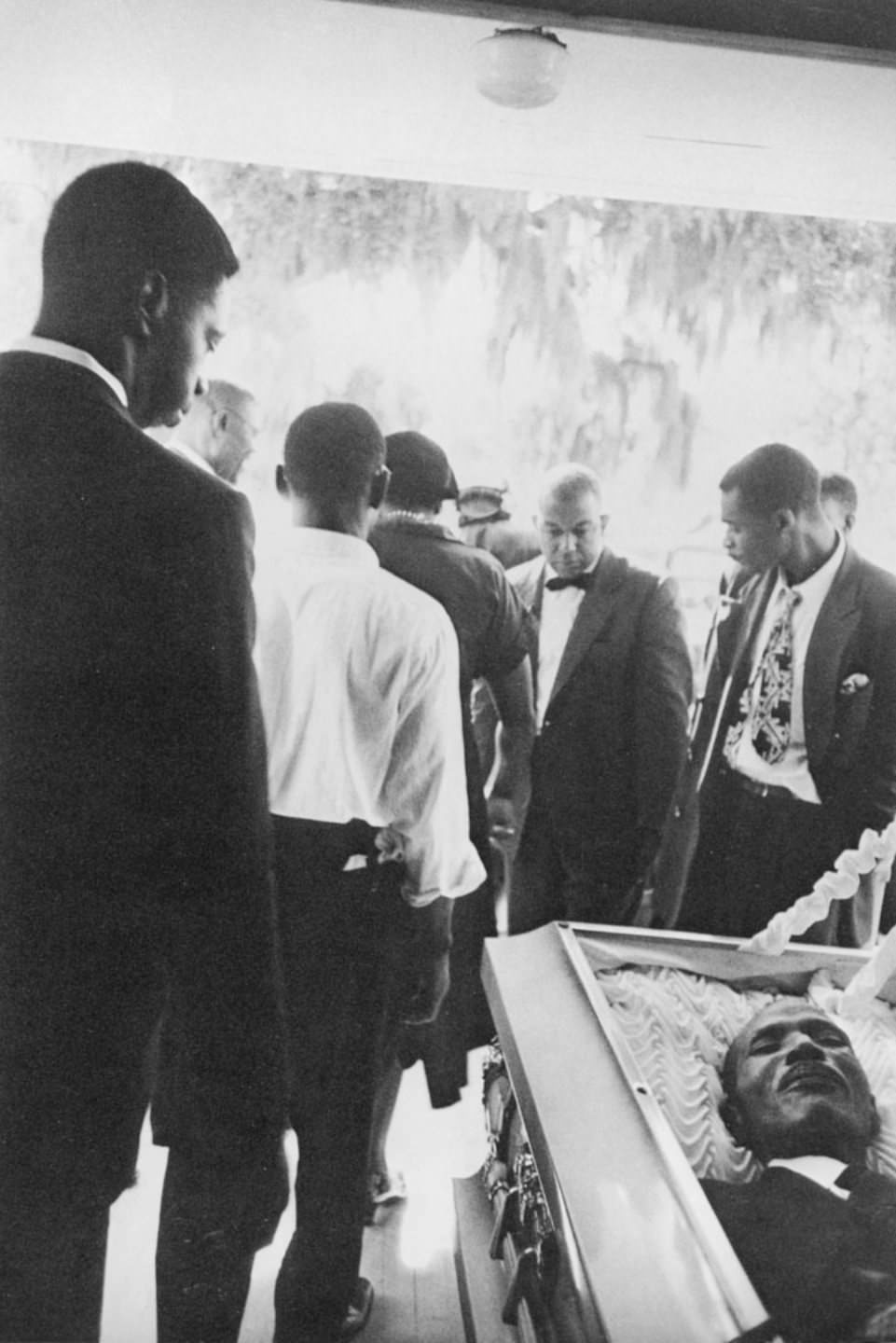
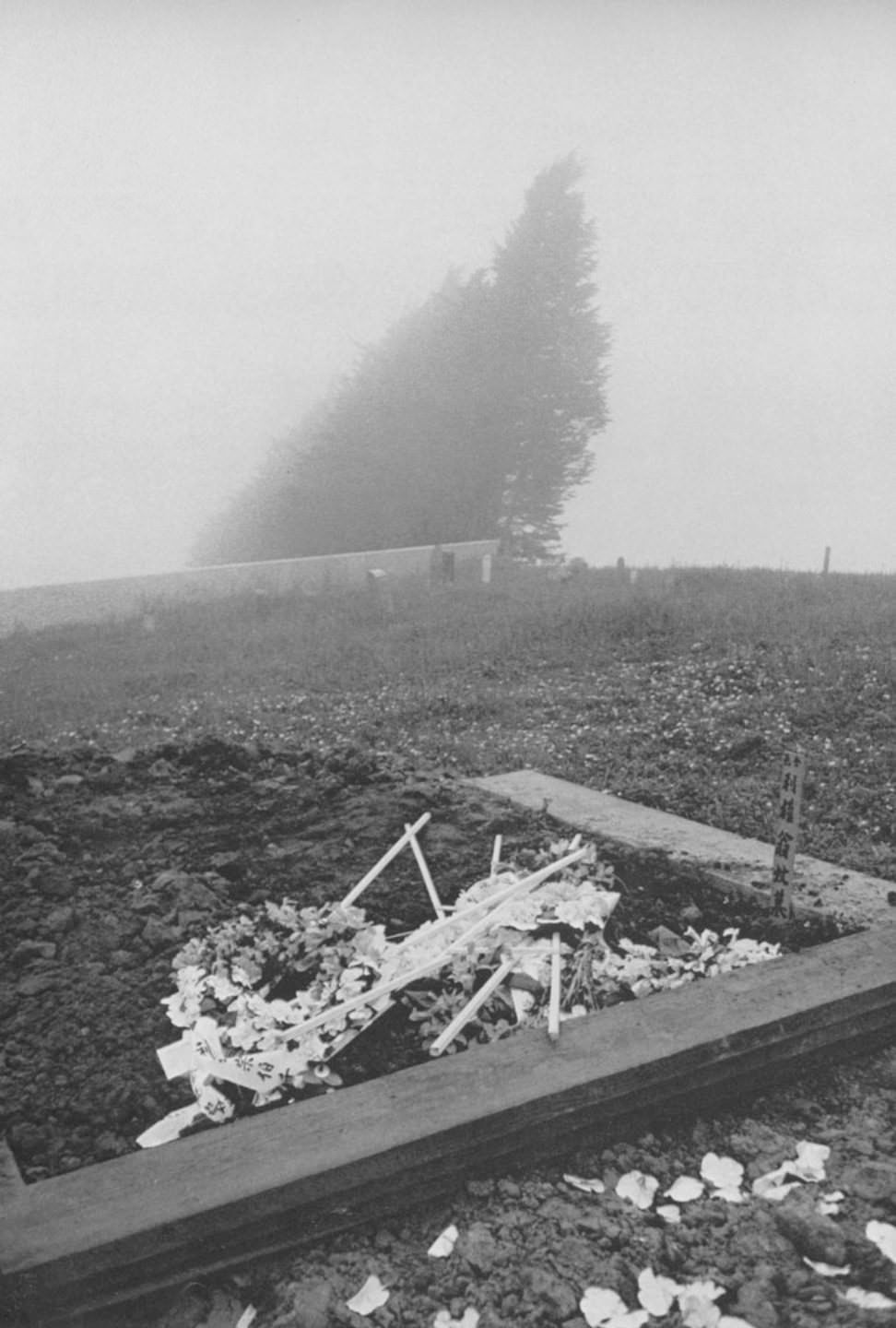
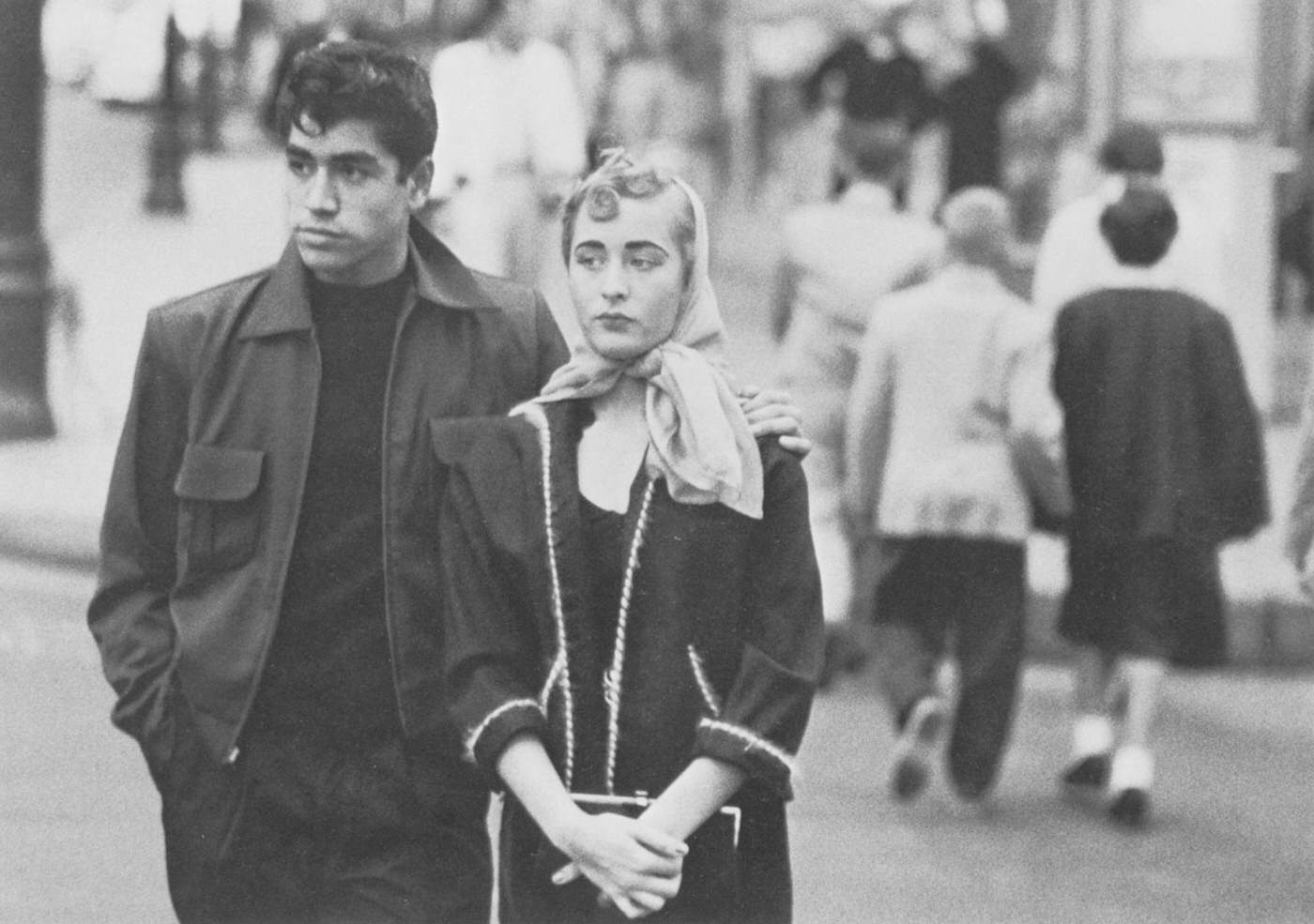
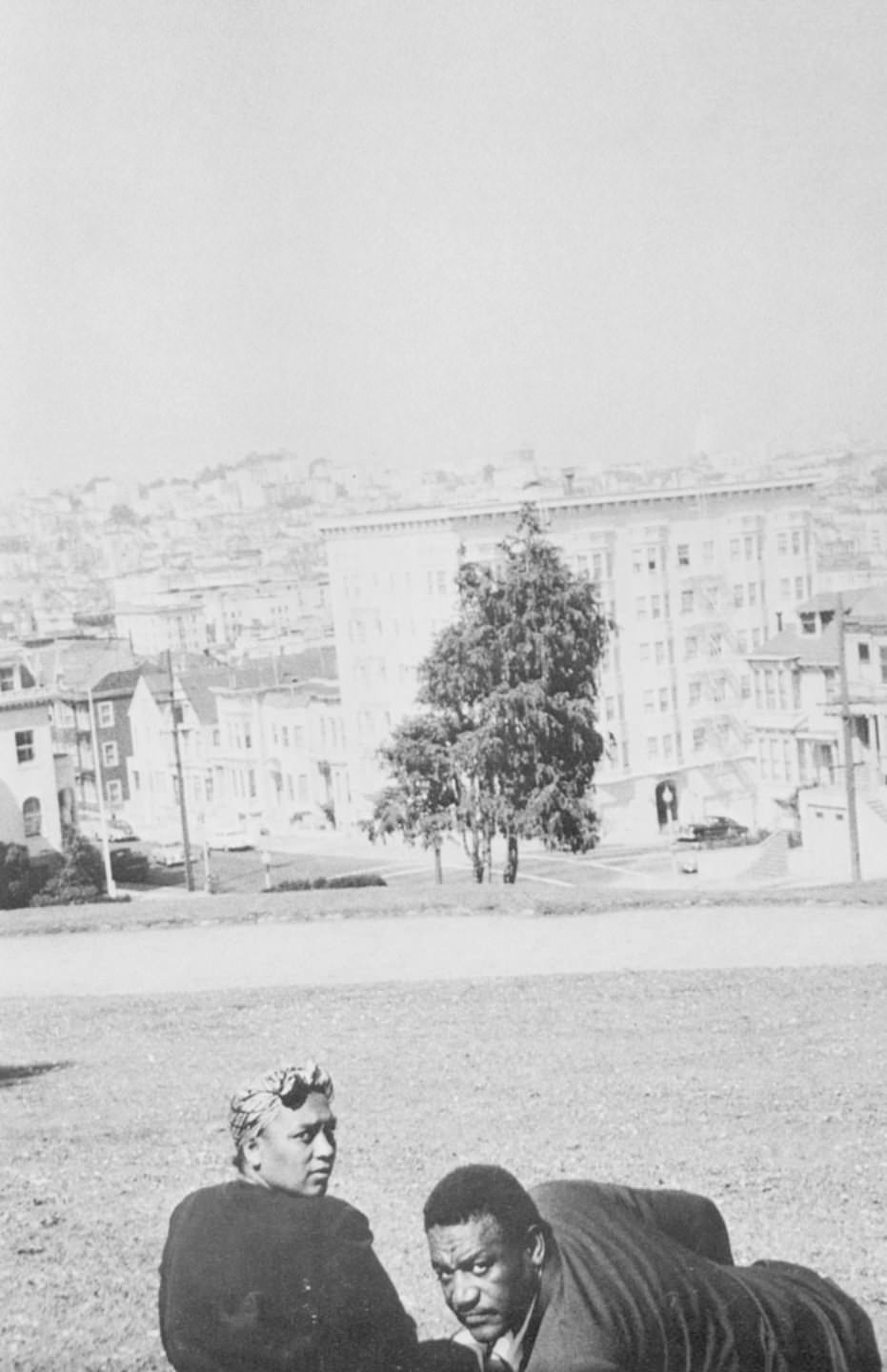
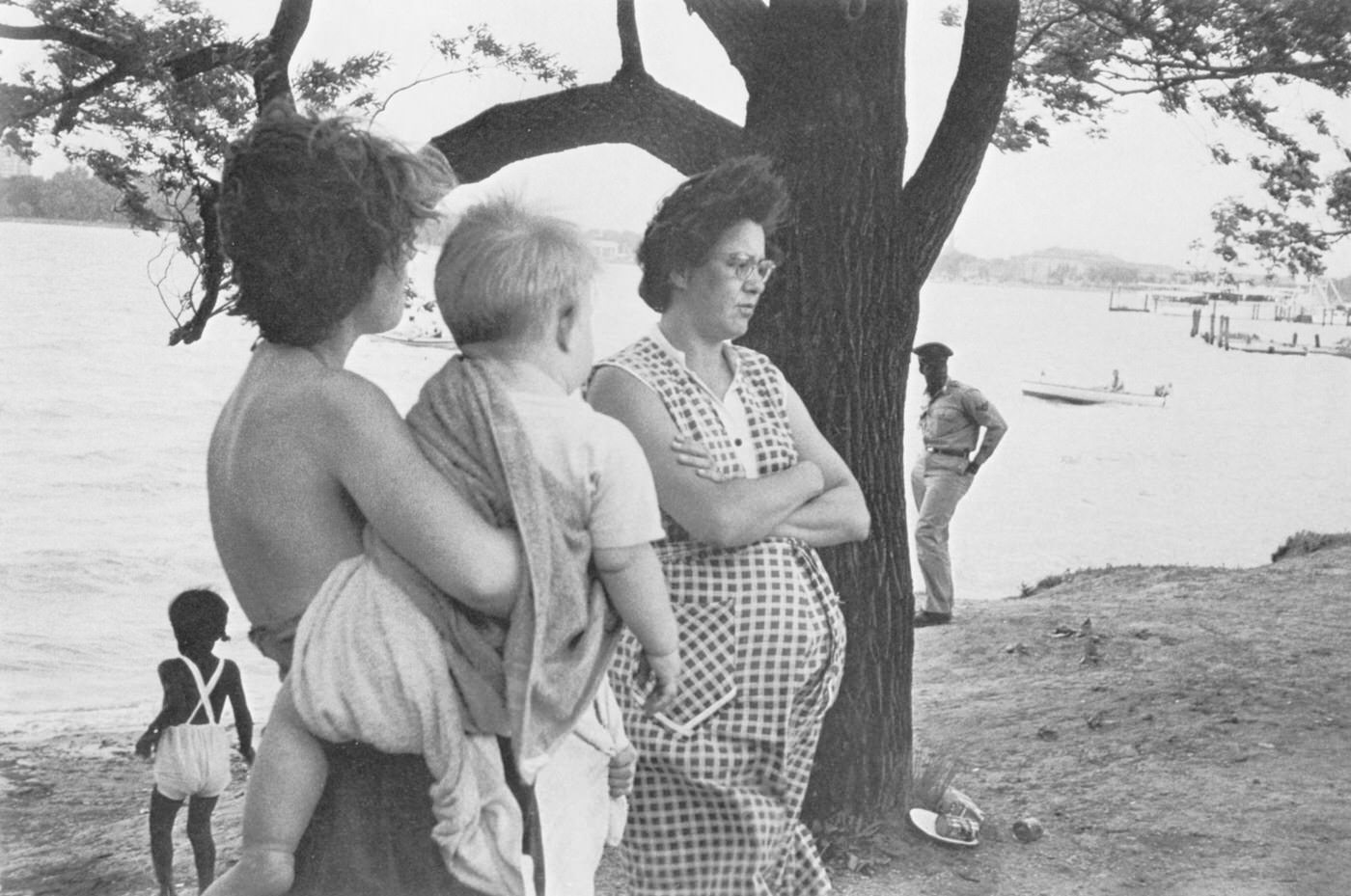
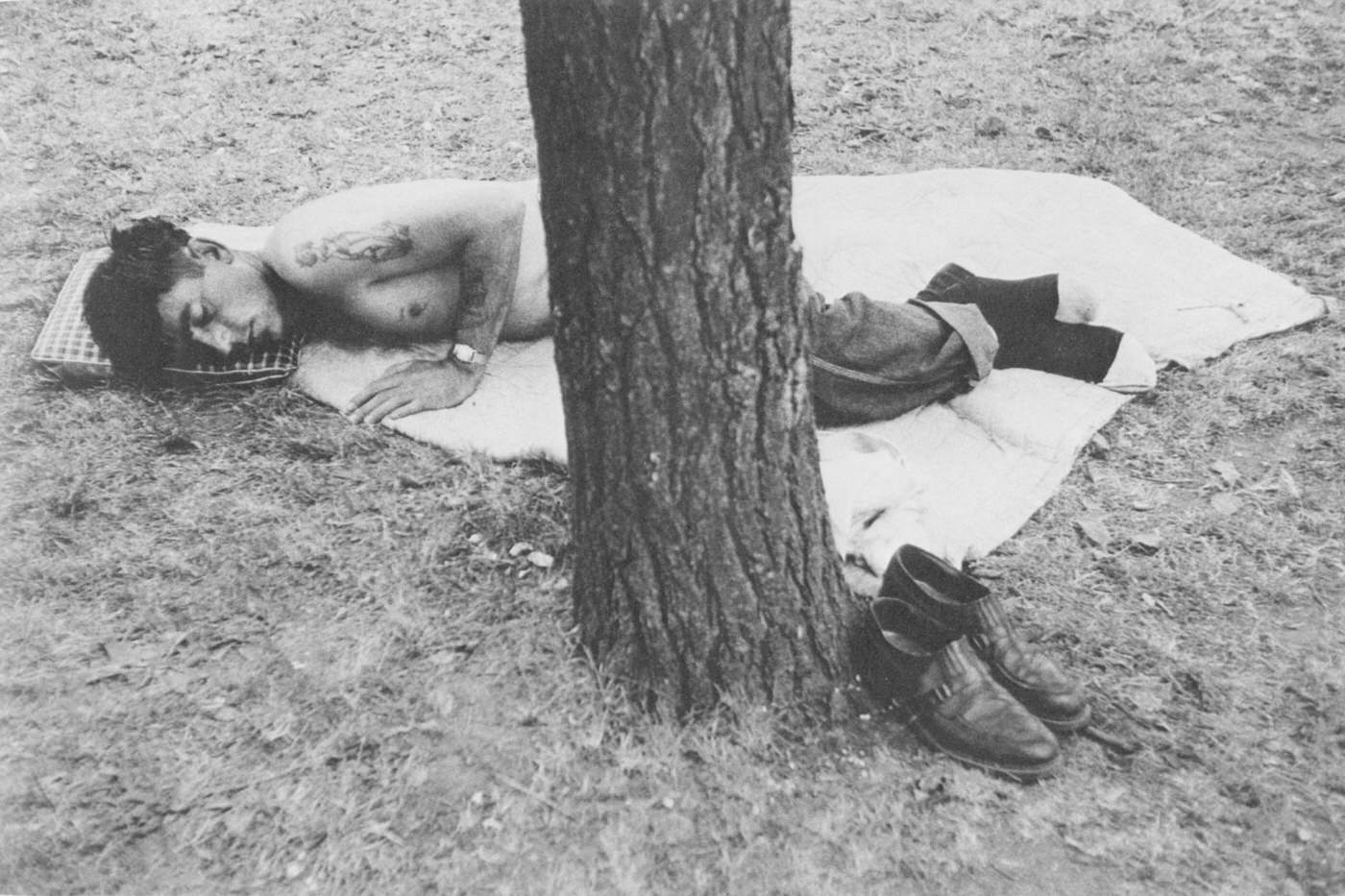
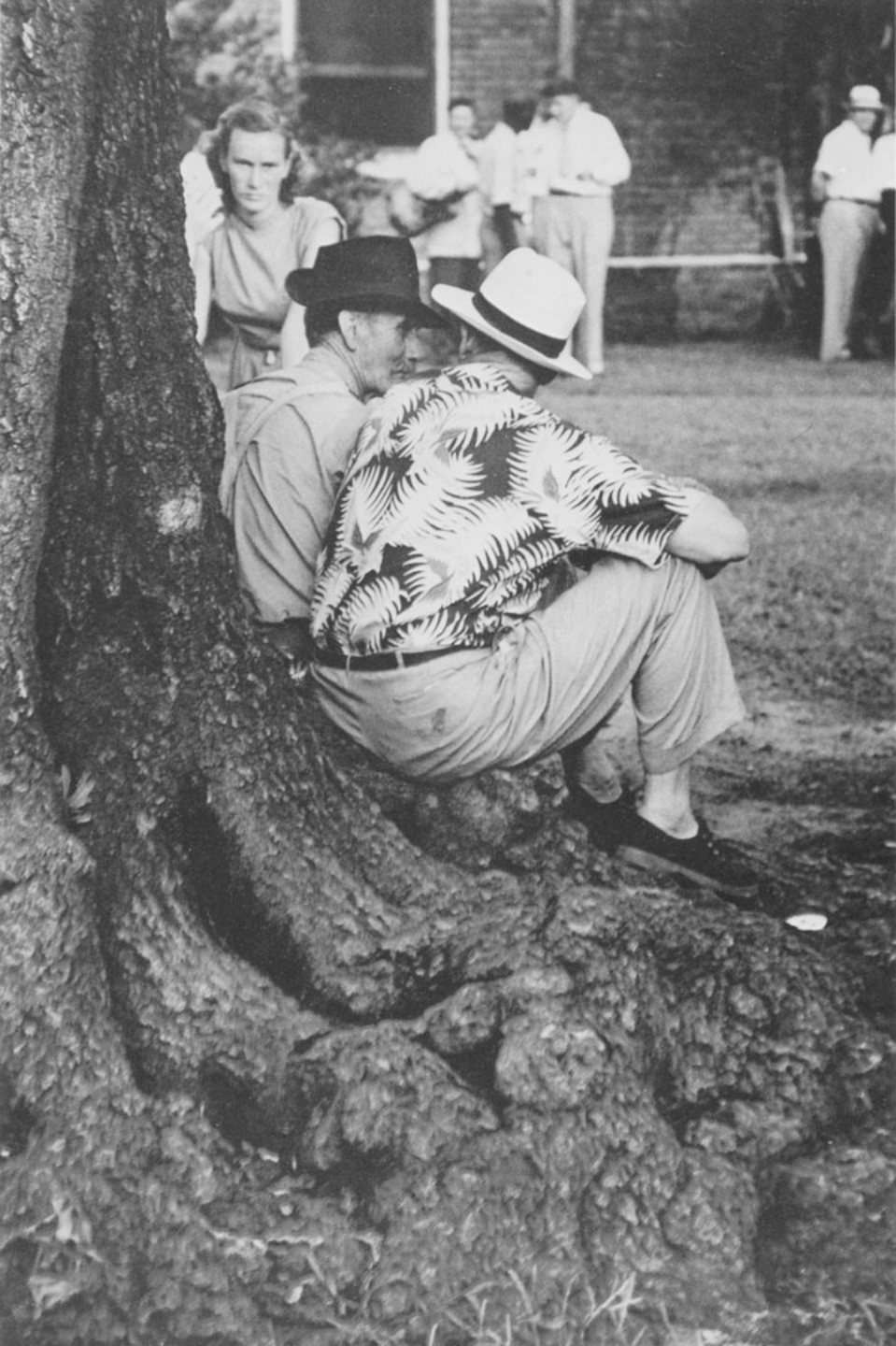
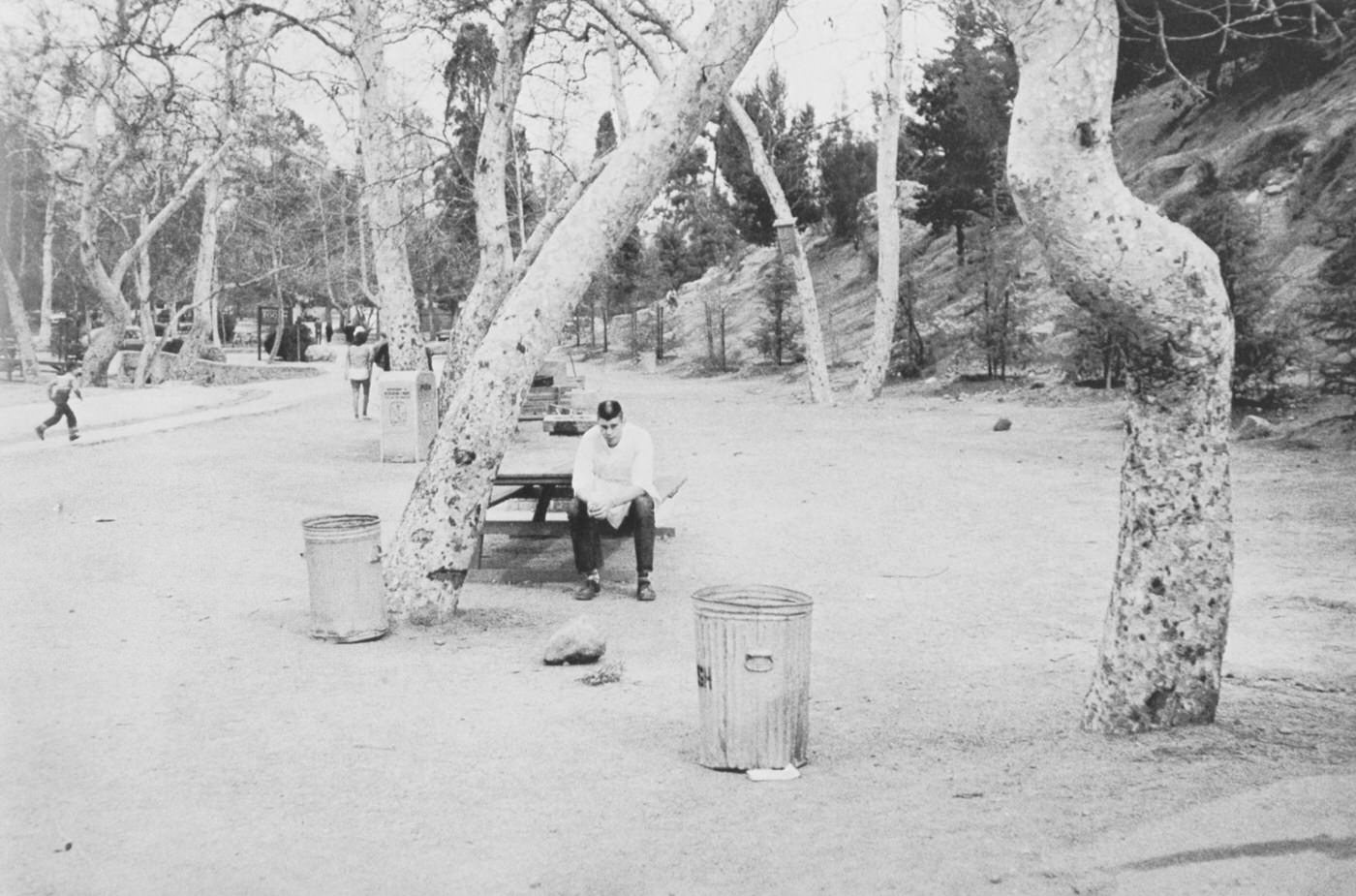
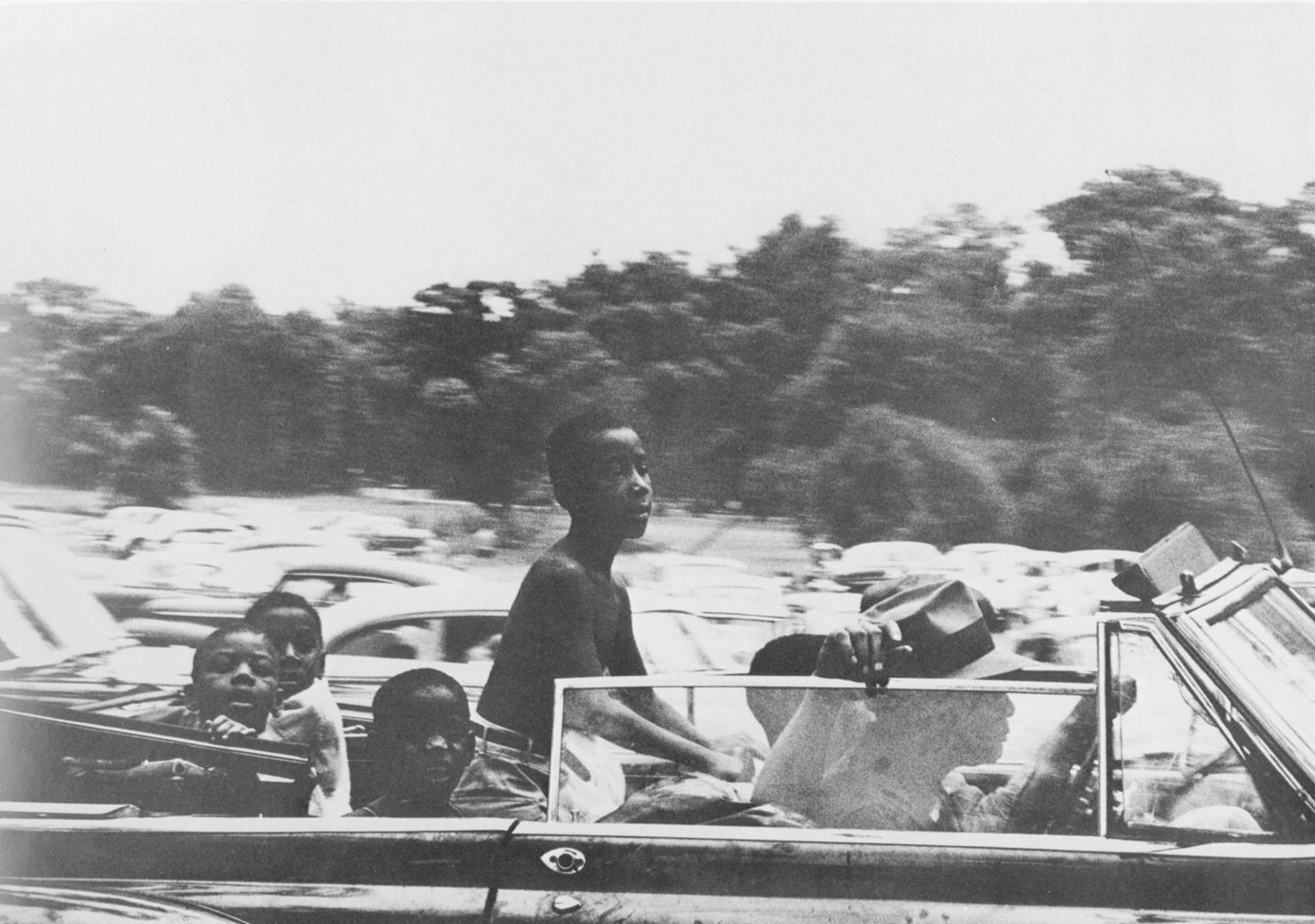
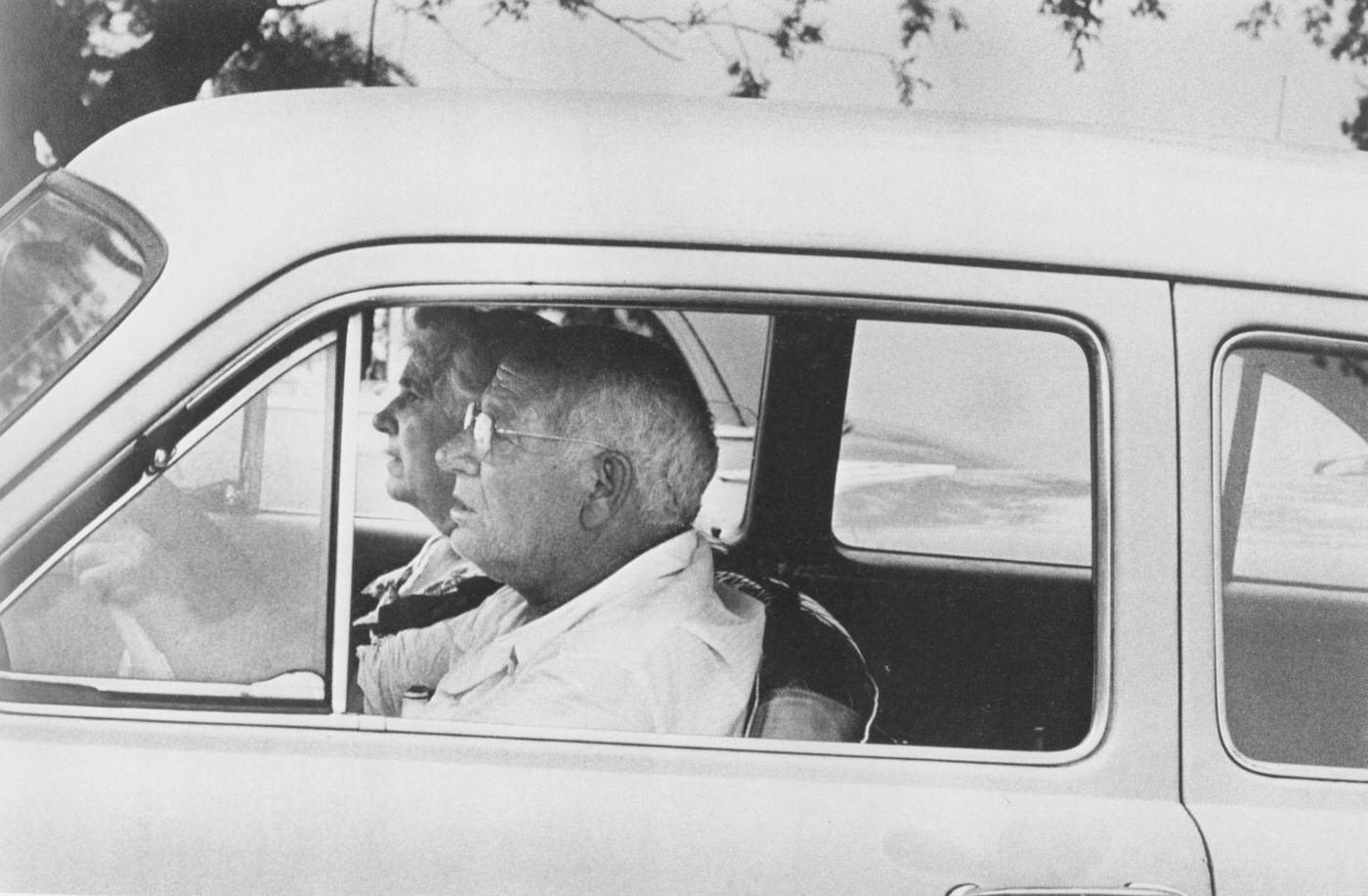
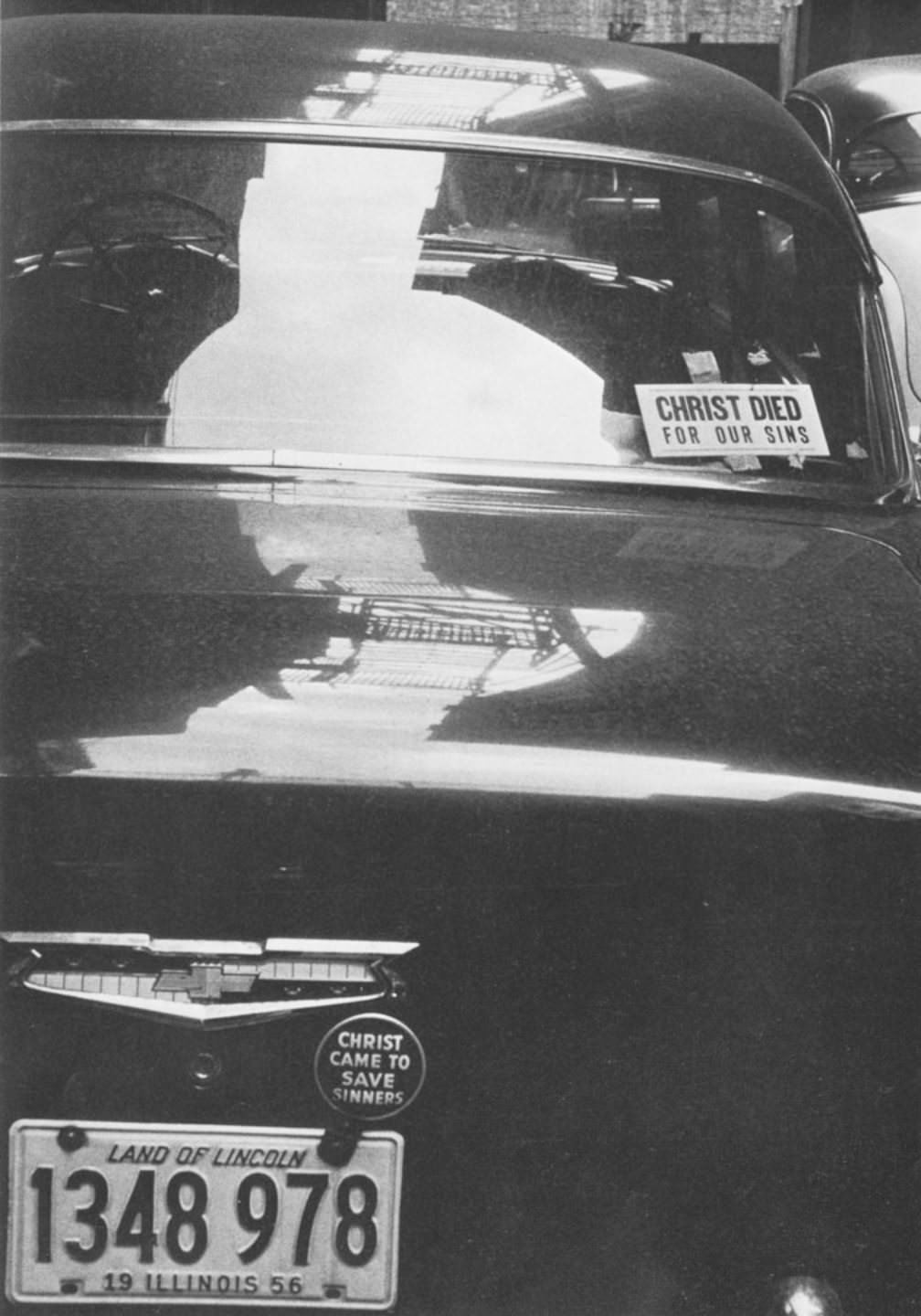
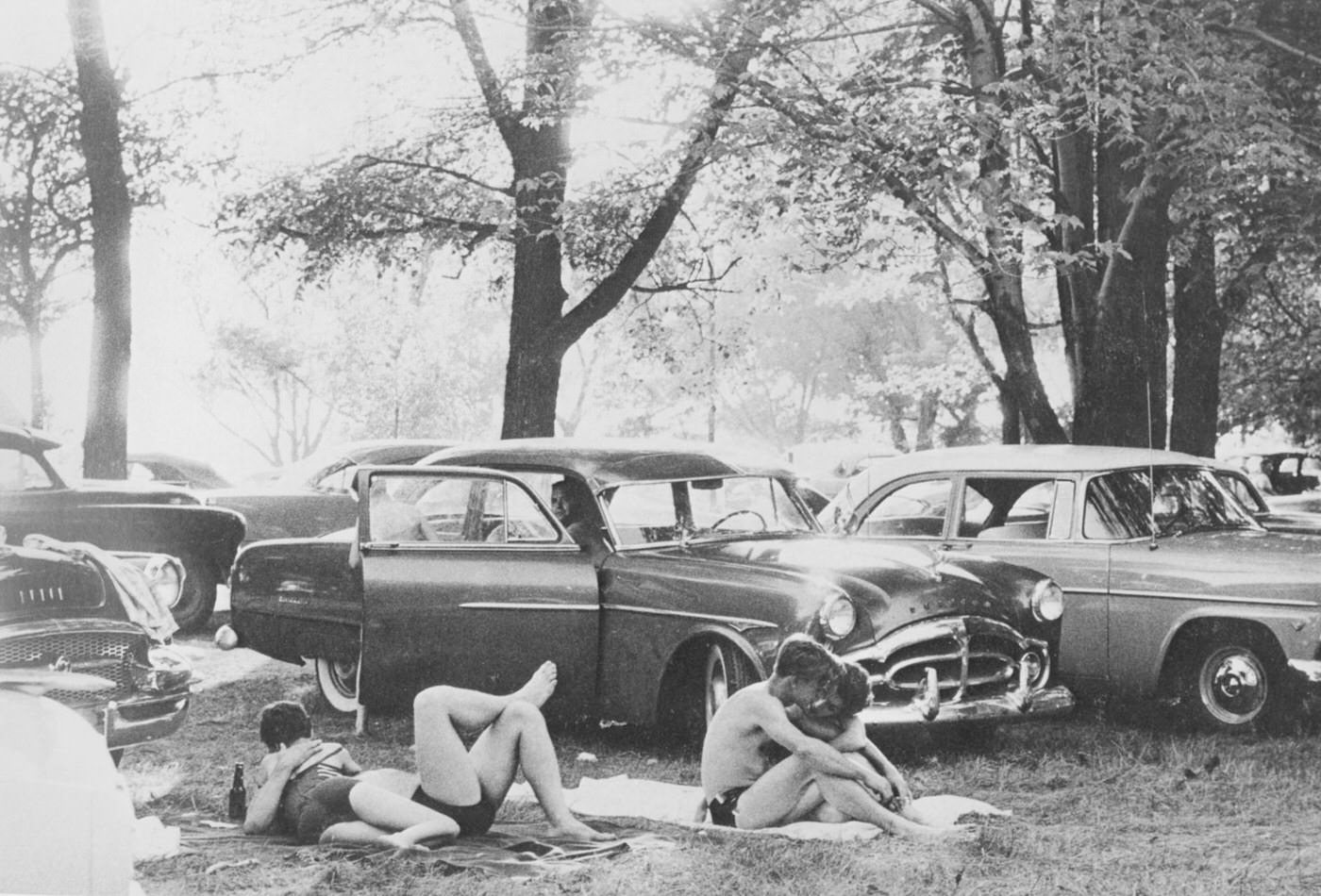
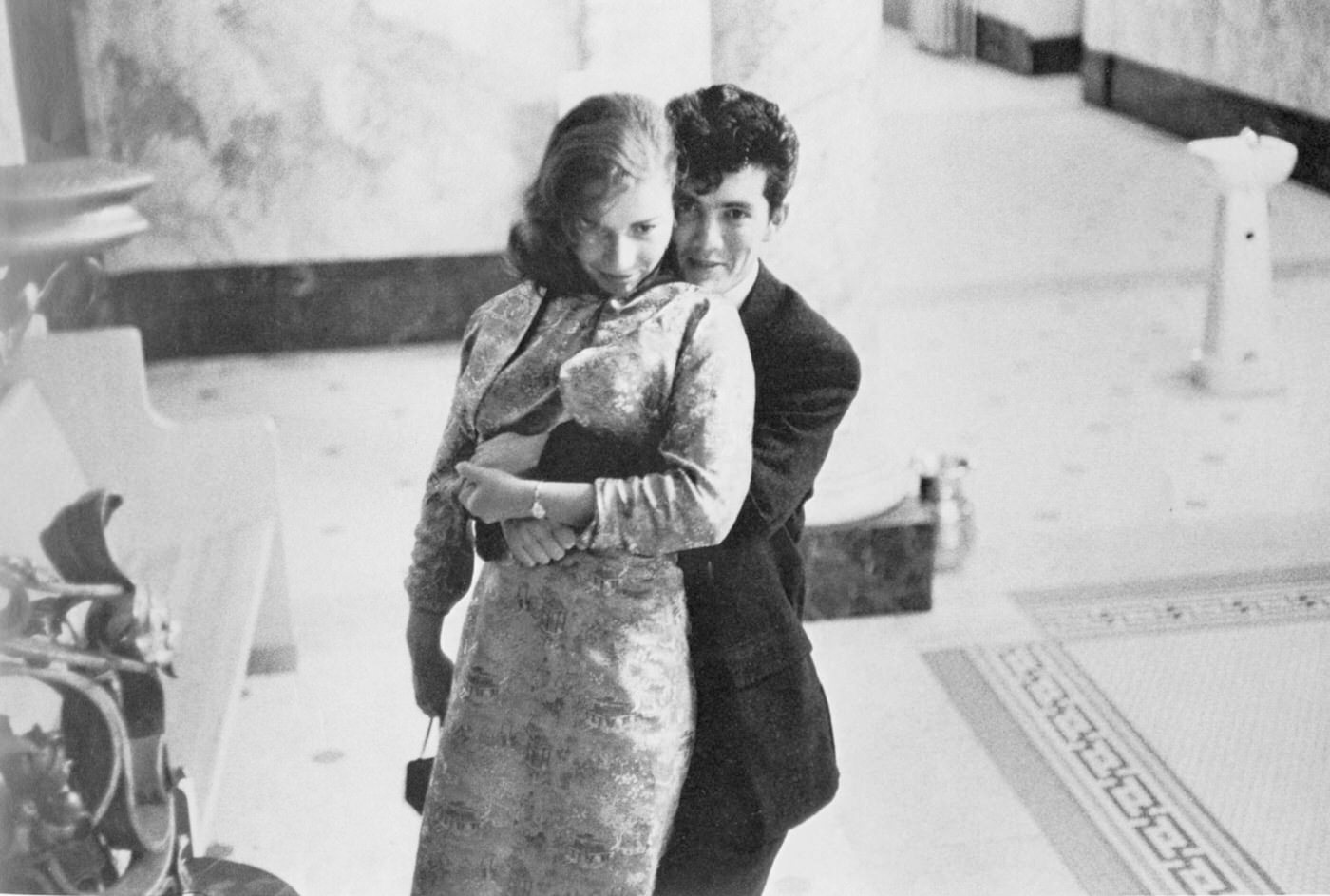
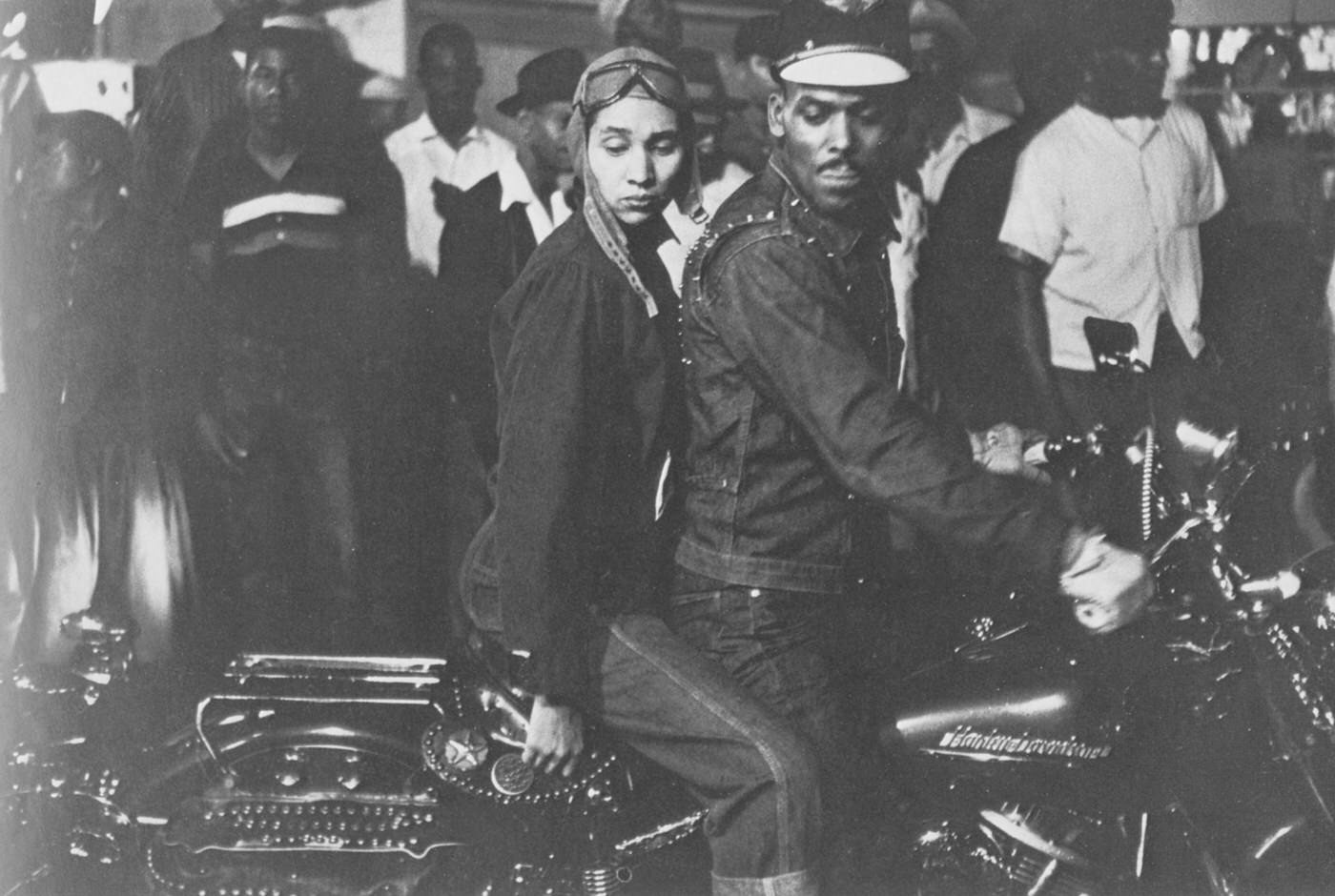
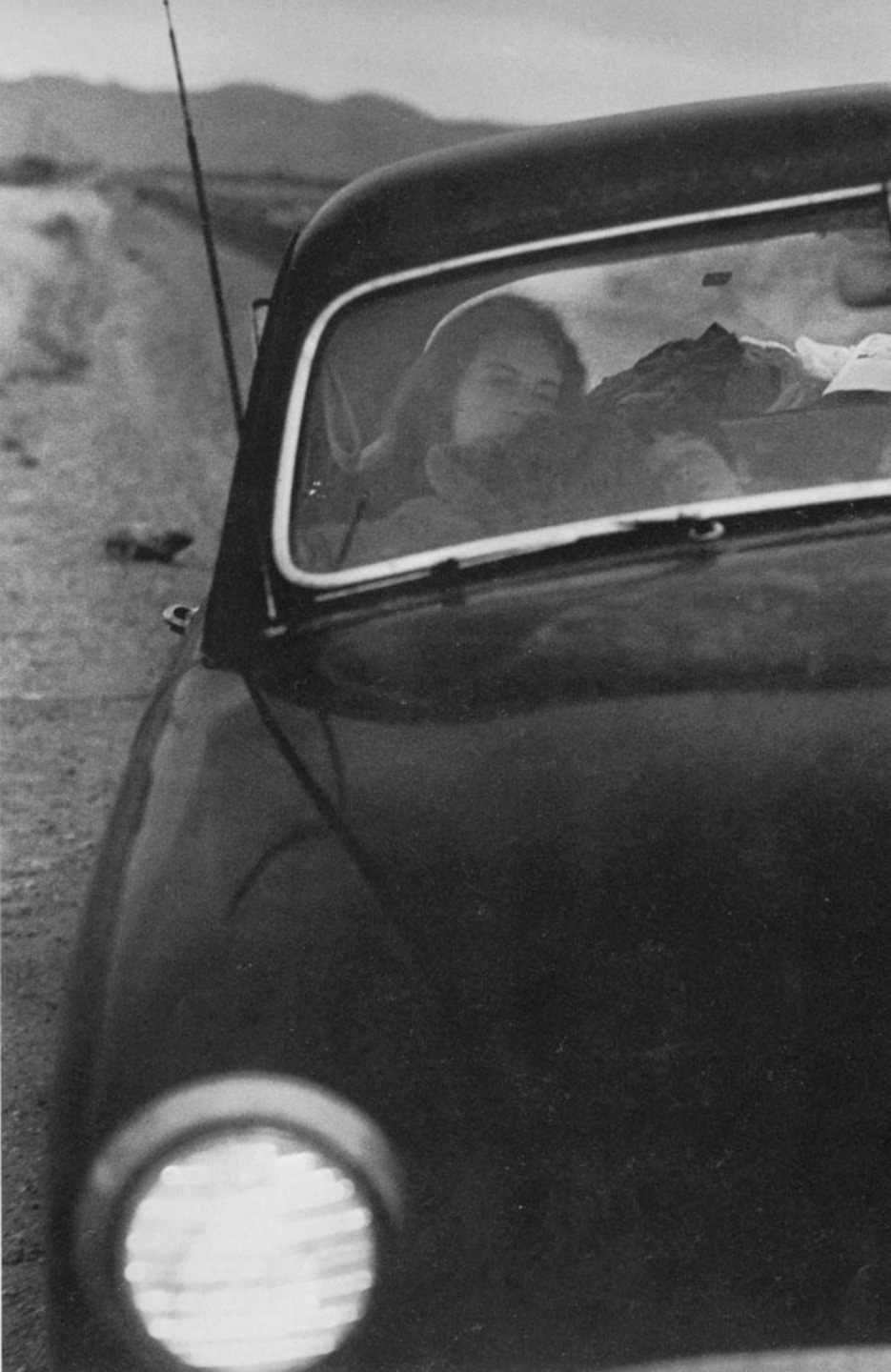
In 1958, Swiss photographer Robert Frank published “The Americans,” a collection of 83 black-and-white photographs taken during his road trips across the United States in the mid-1950s. Armed with a Leica camera and a Guggenheim Fellowship, Frank drove tens of thousands of miles, shooting in cities, small towns, and along open highways from coast to coast. The result was a document unlike anything American photography had produced before.
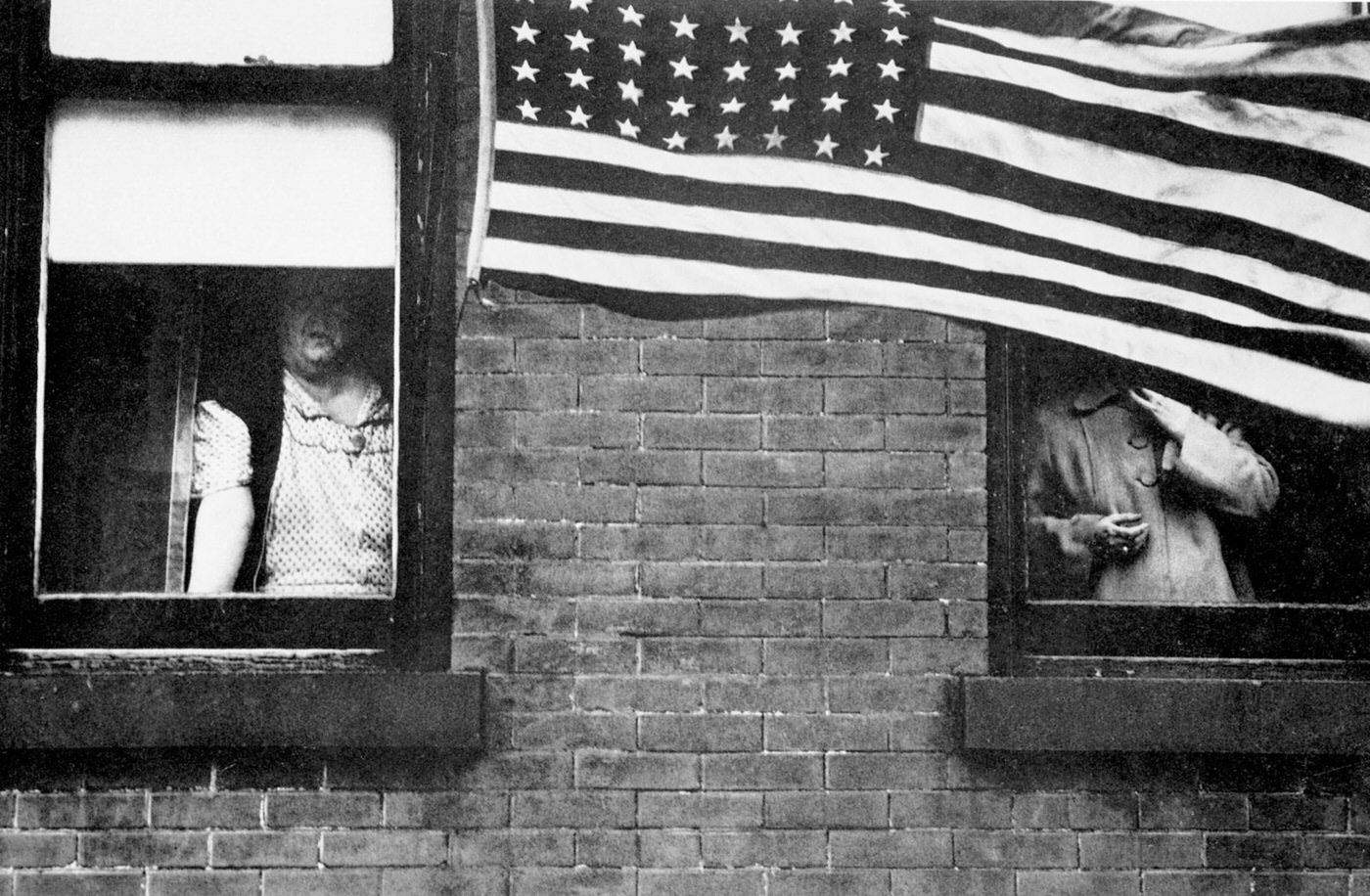
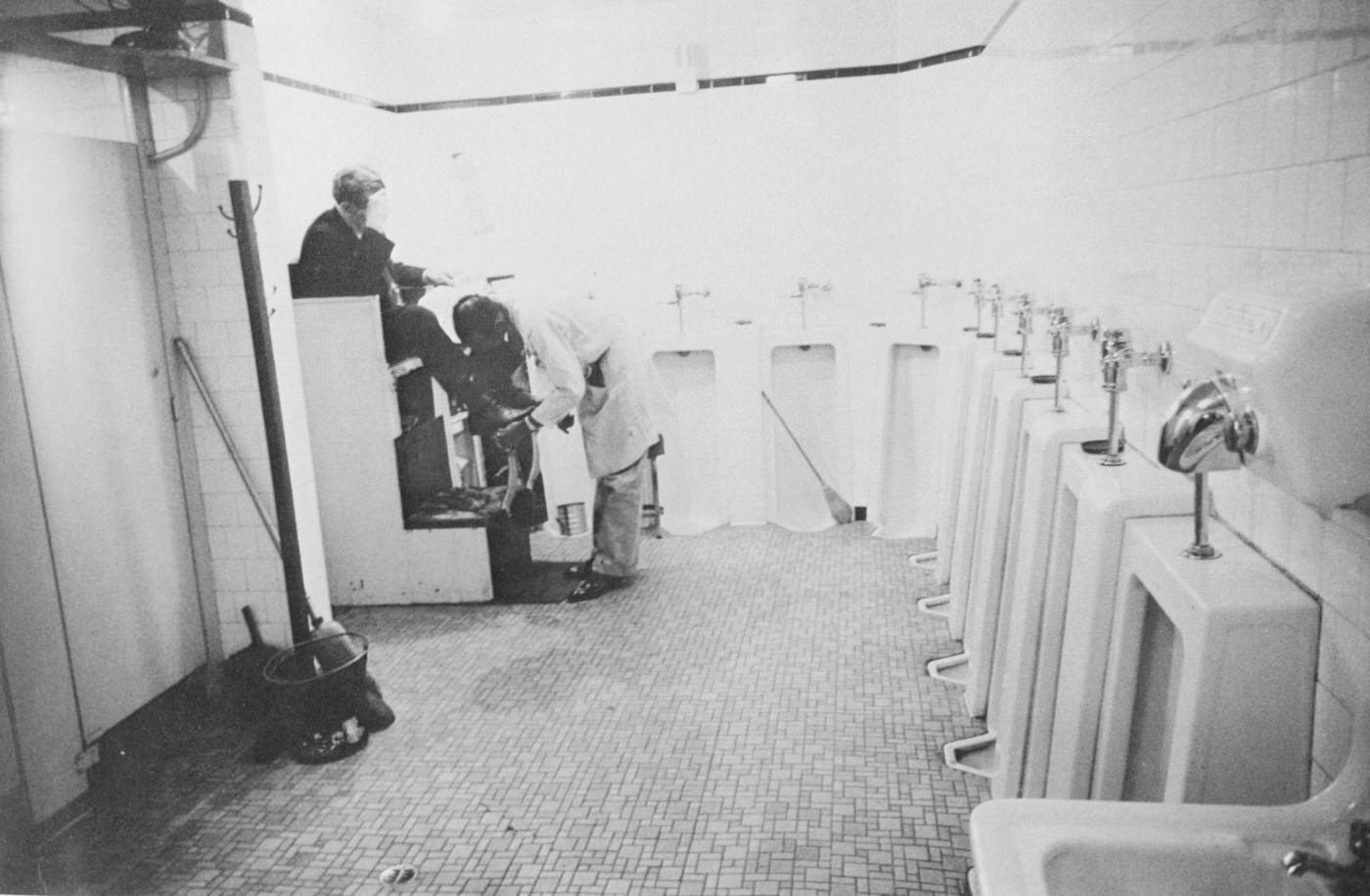
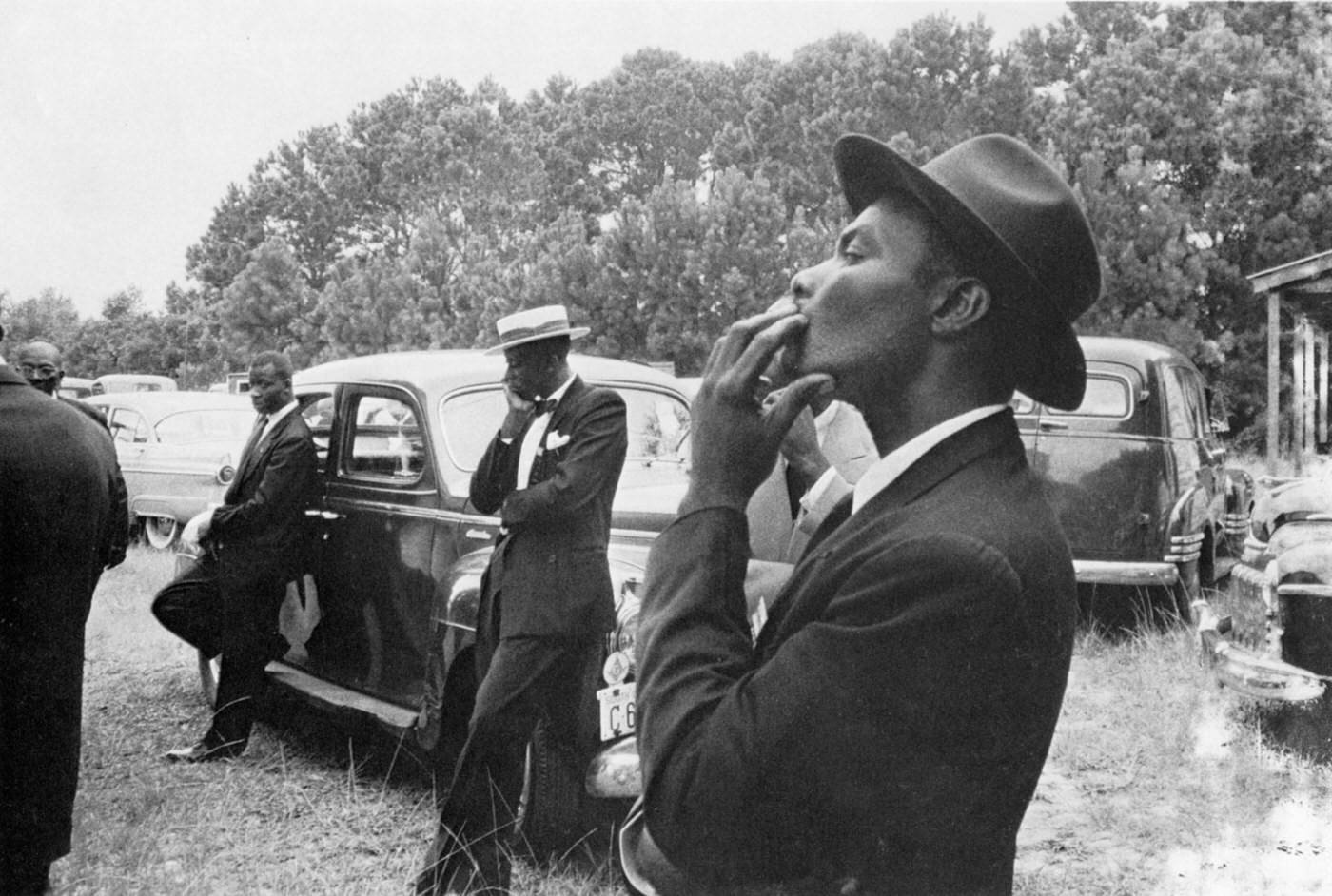
Frank’s lens landed on the unglamorous corners of American life. He photographed segregated streetcars in New Orleans, racially divided funerals in South Carolina, and the stark divide between Black and white Americans that ran through the country’s social fabric. These were not comfortable images. They showed the United States as a place of deep inequality, quiet despair, and racial tension during the height of the Jim Crow era.

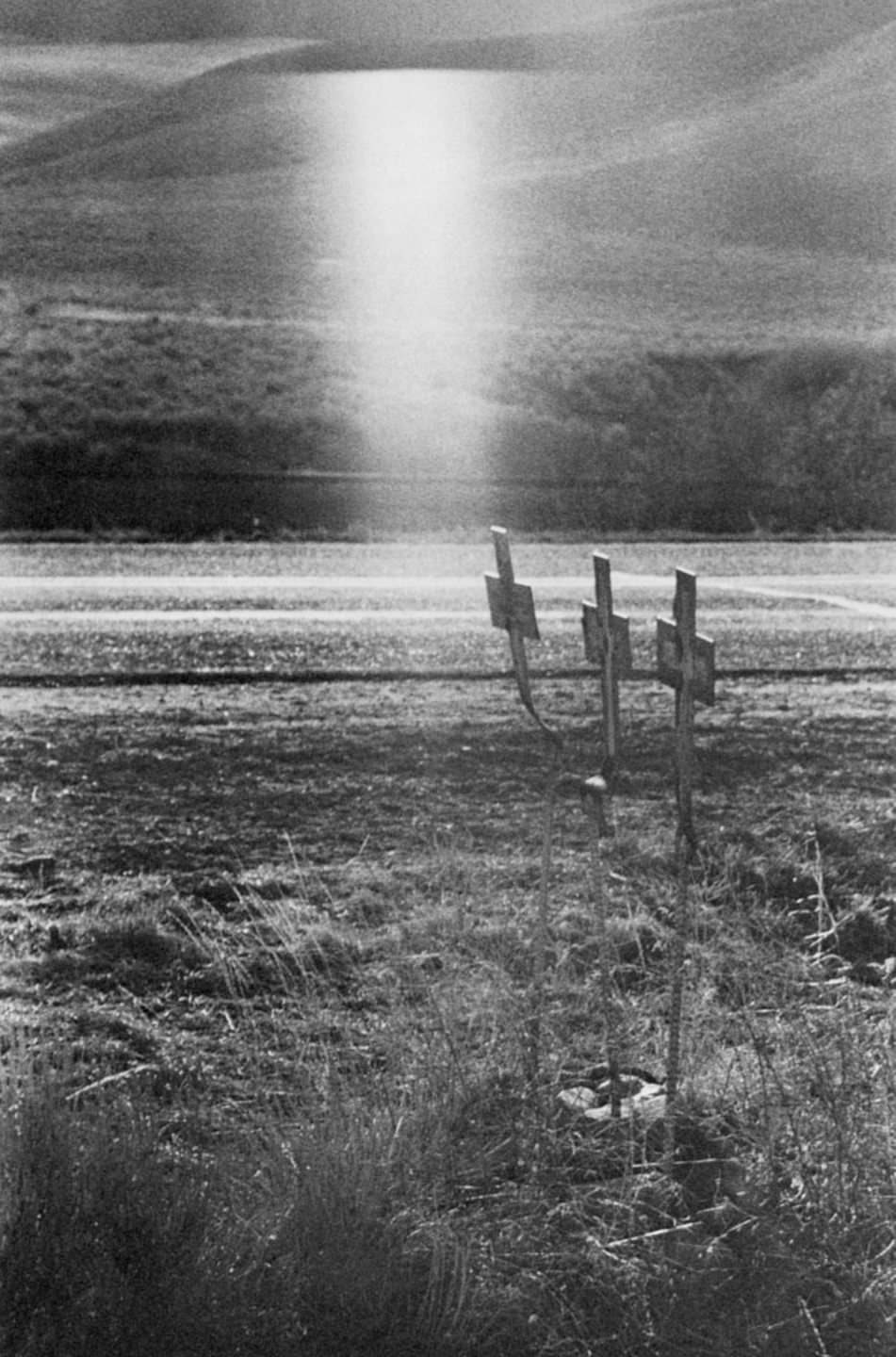
Death was a recurring presence in Frank’s work. He documented funerals in rural South Carolina and roadside crosses marking highway accident sites in Idaho and Arizona, treating grief and mortality as ordinary features of American life rather than events to be kept out of sight.
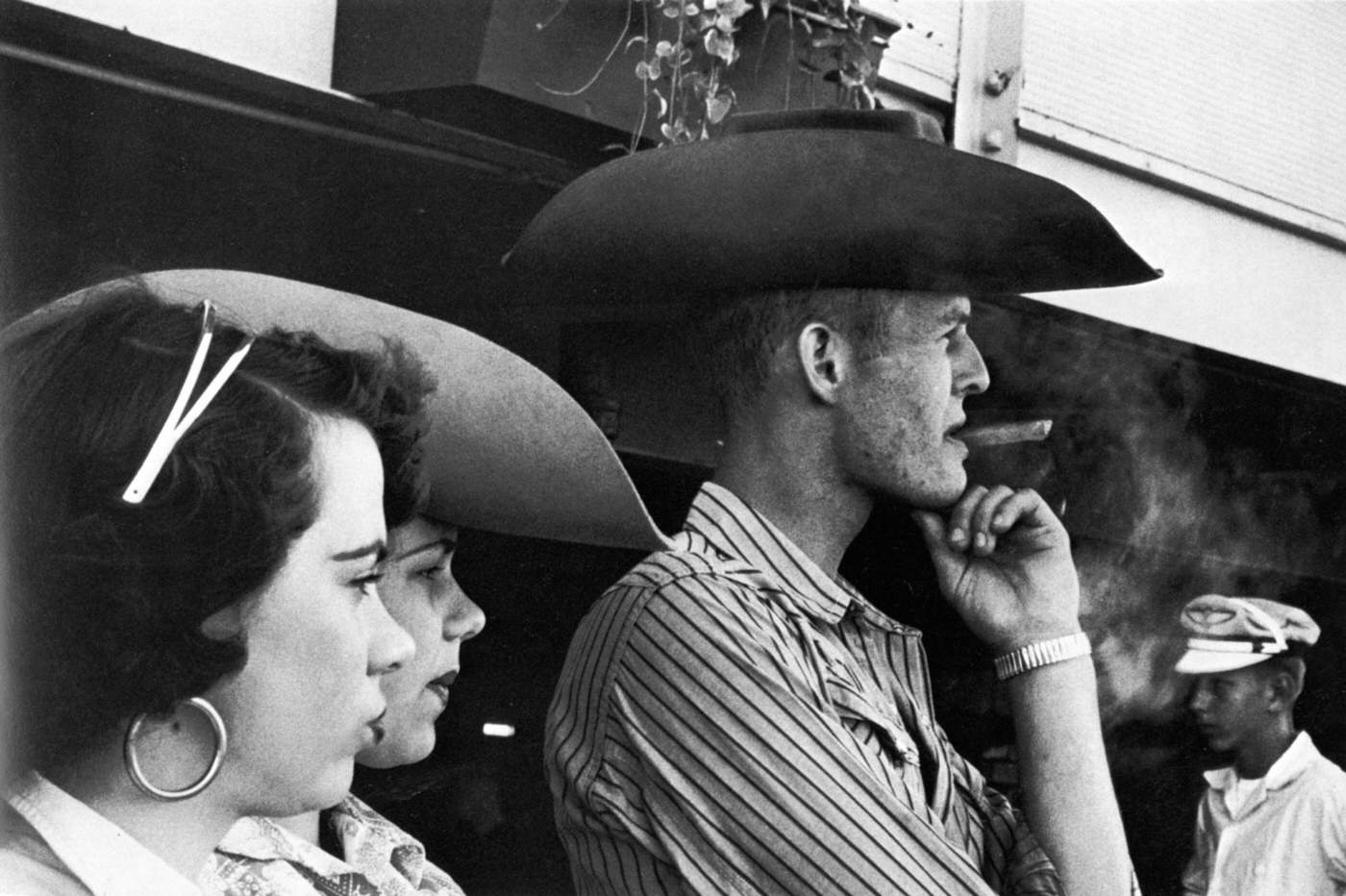
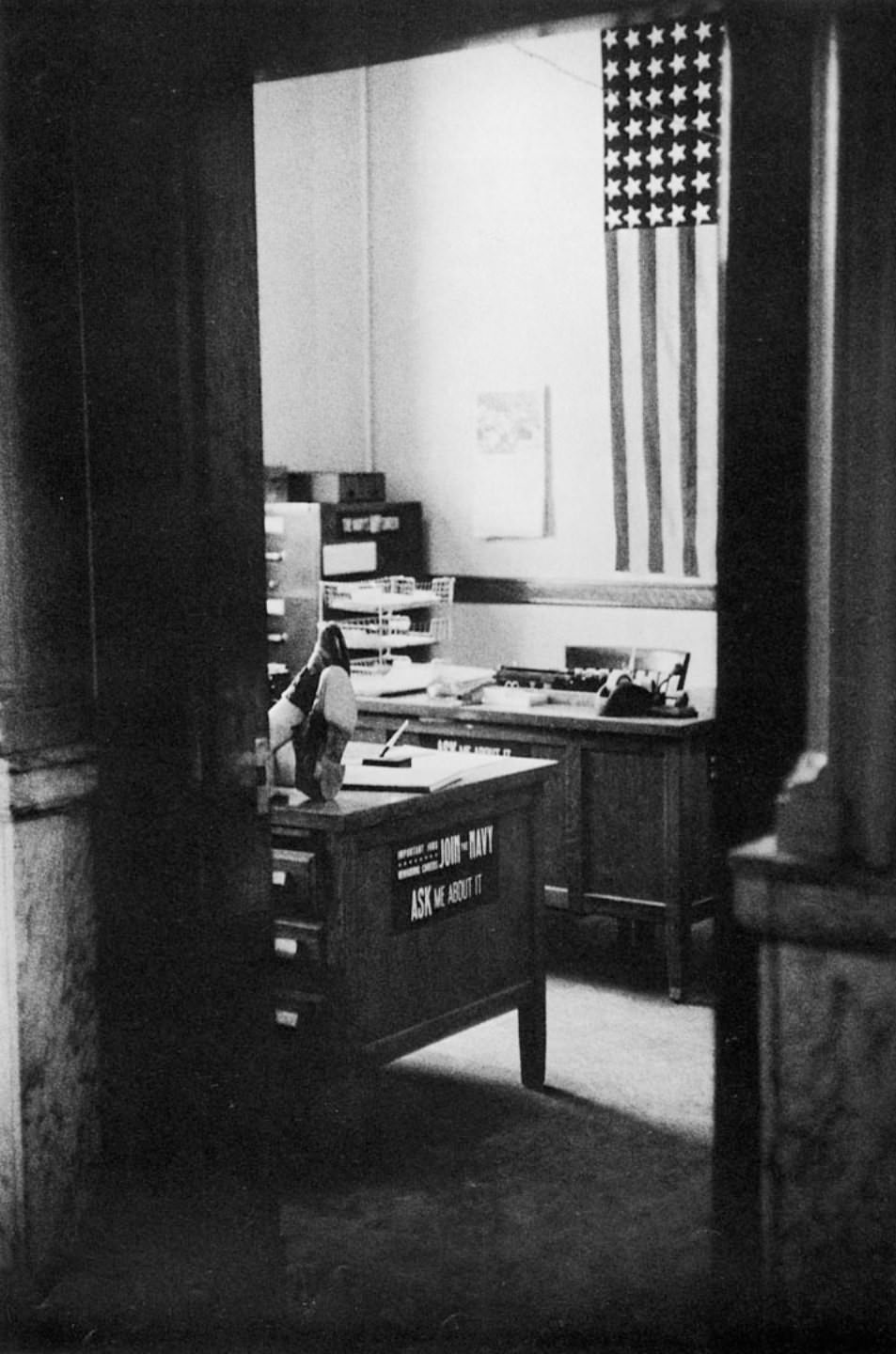
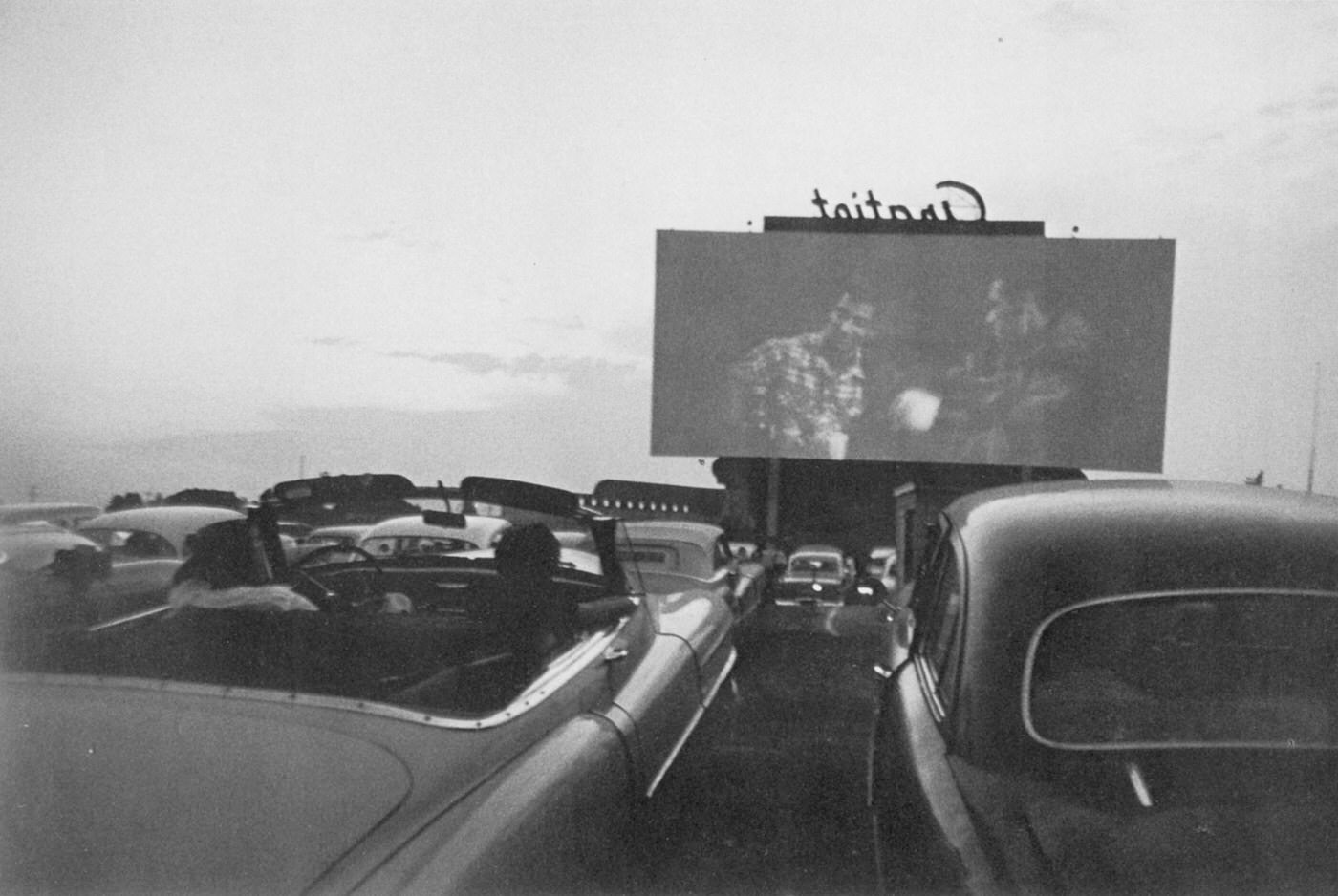
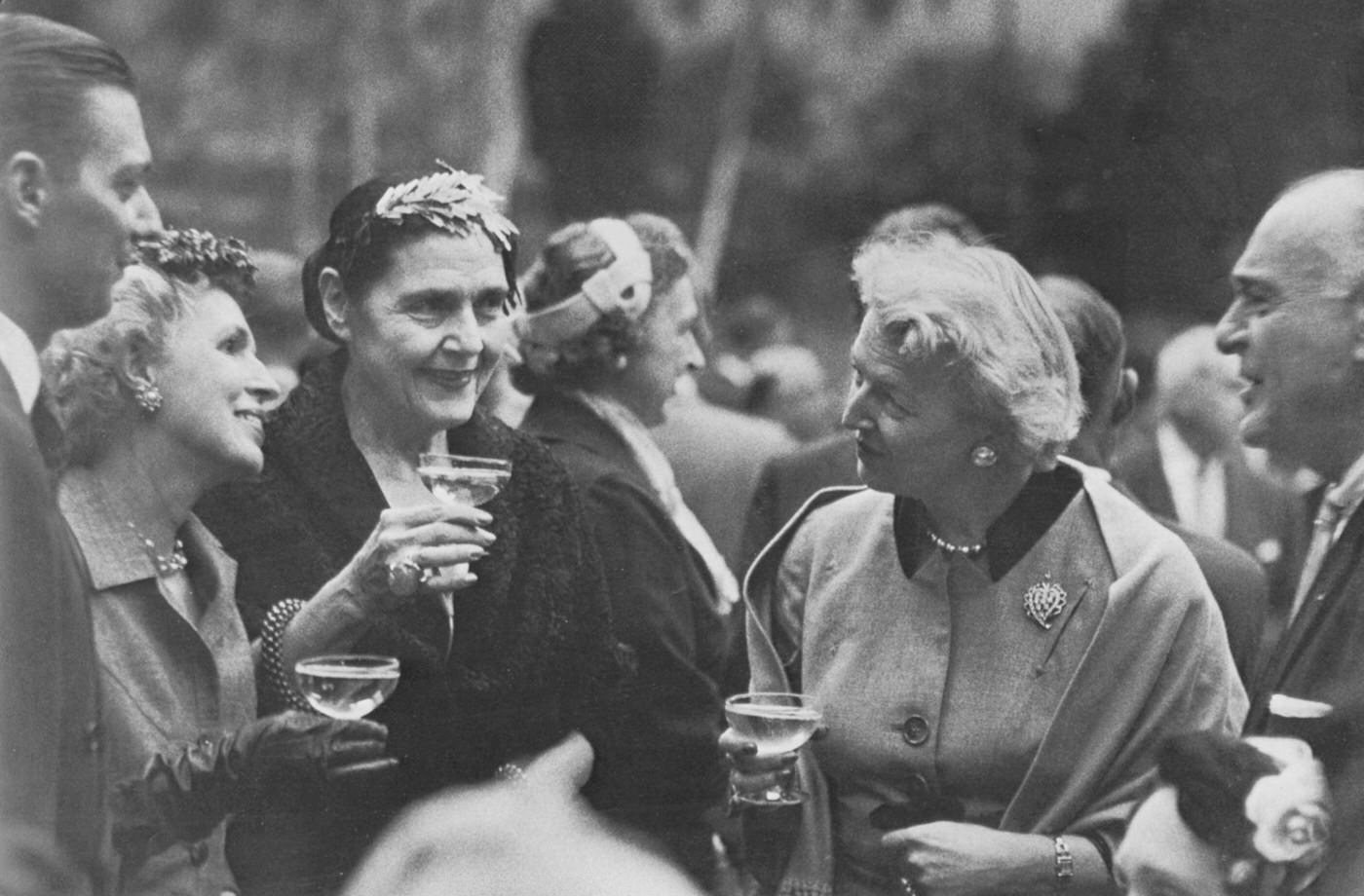
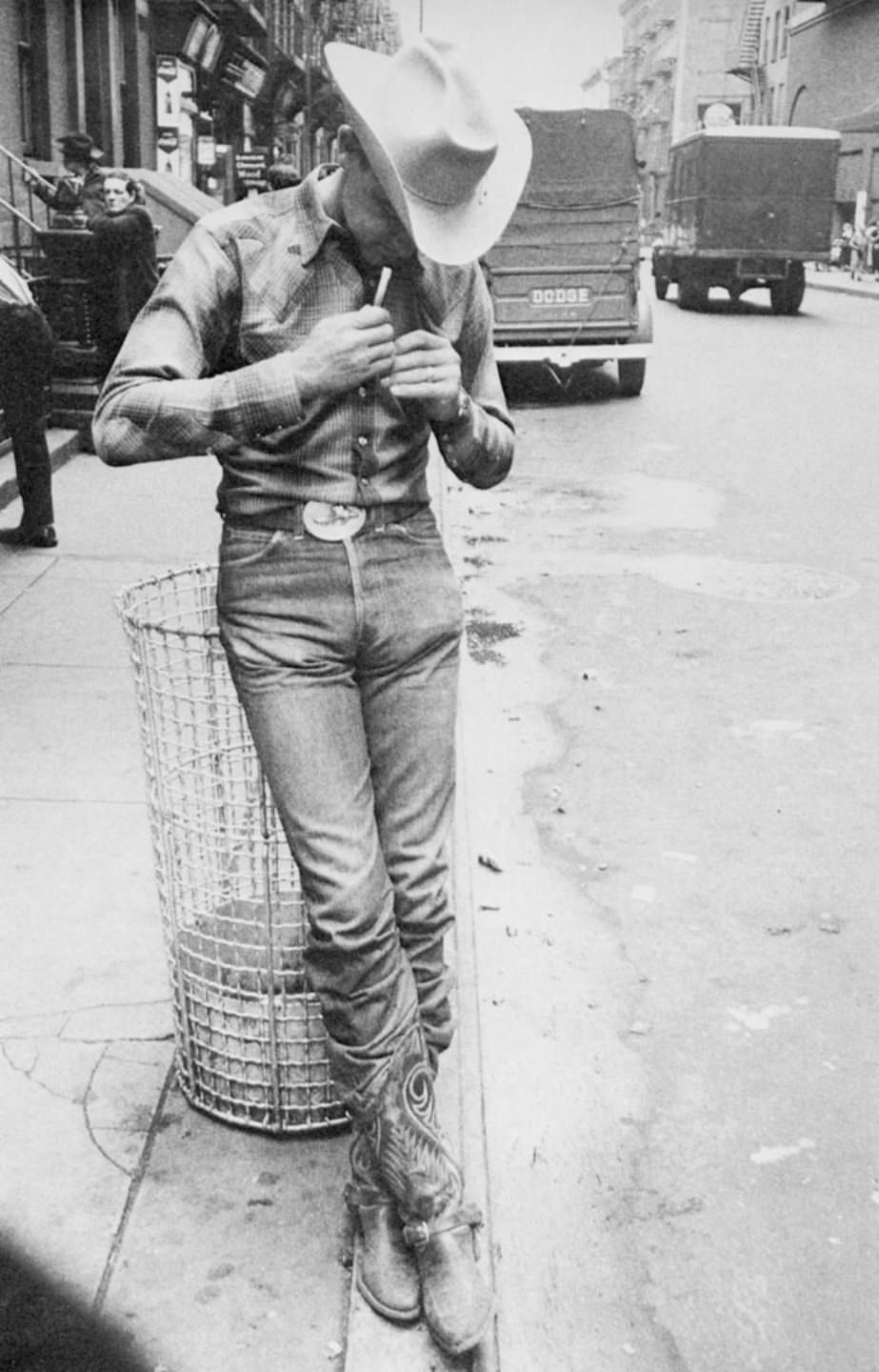
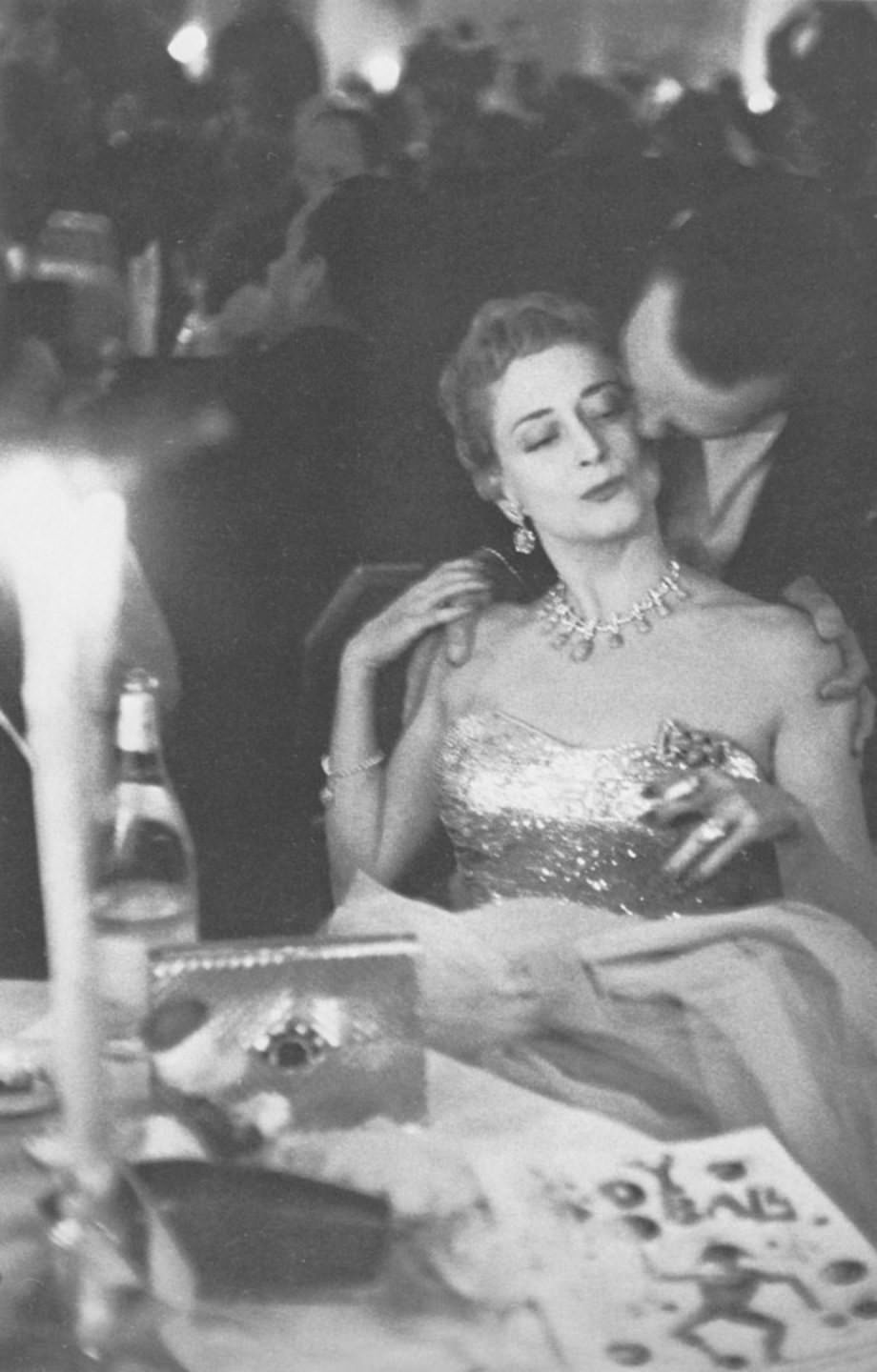
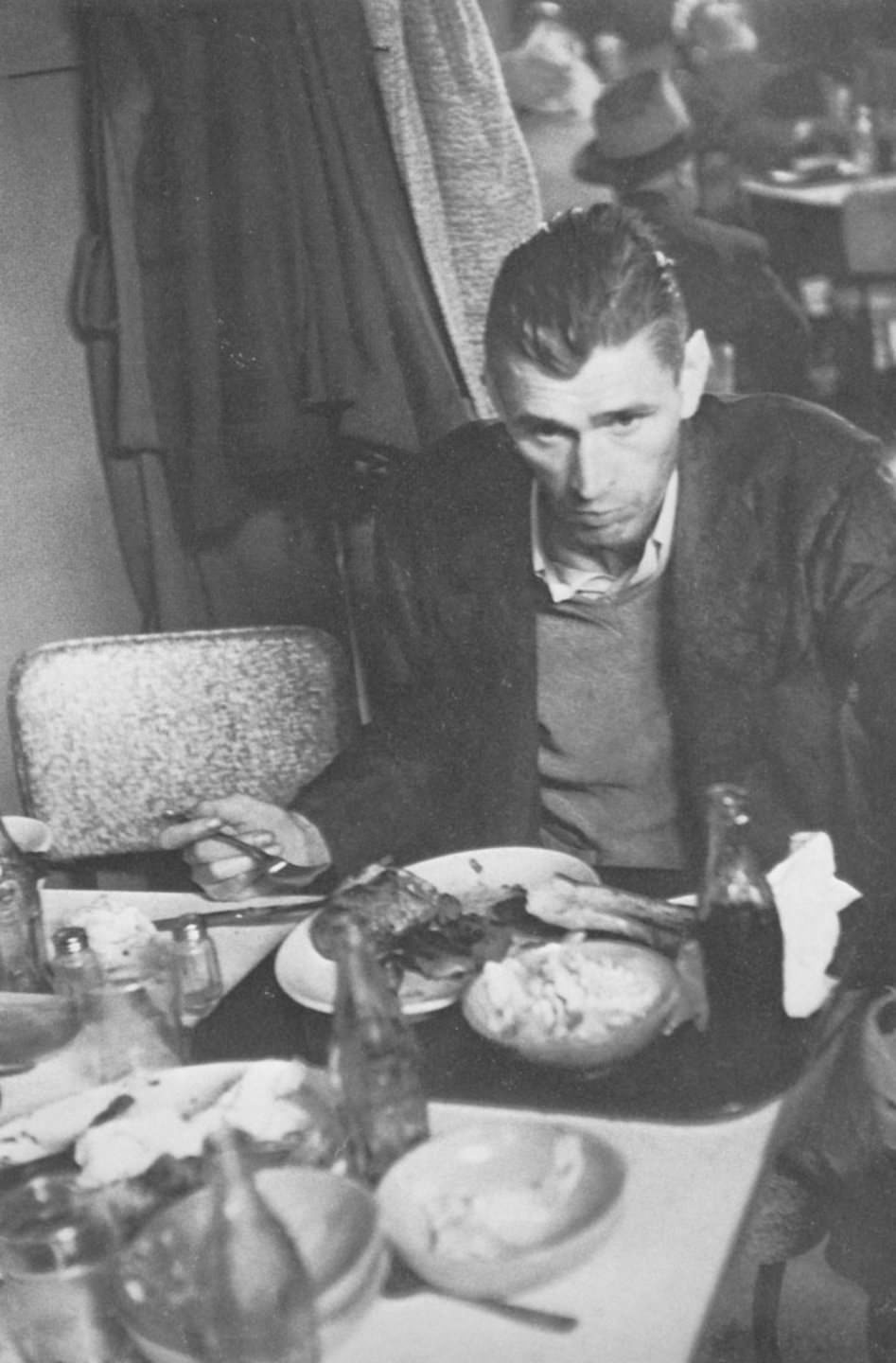
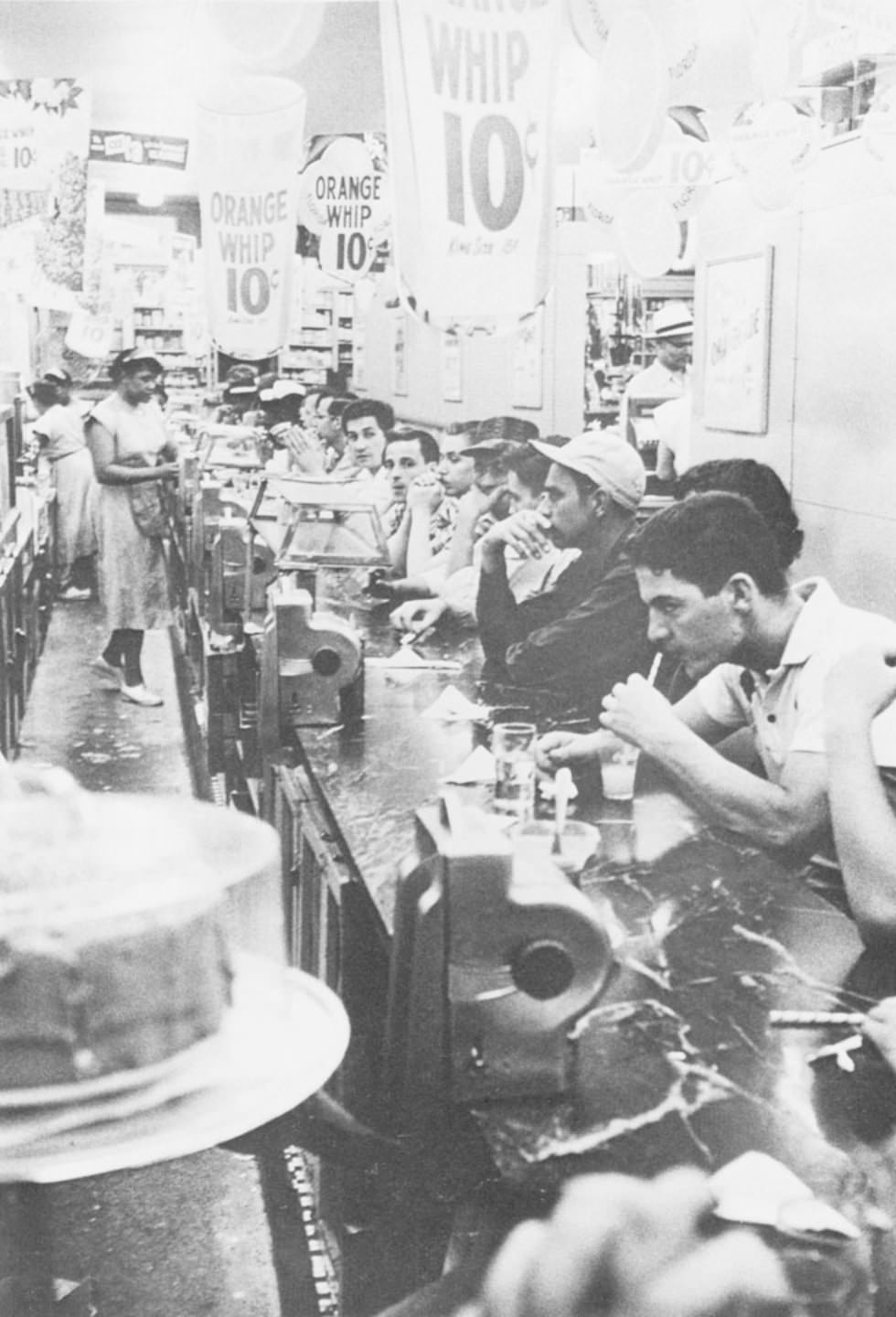
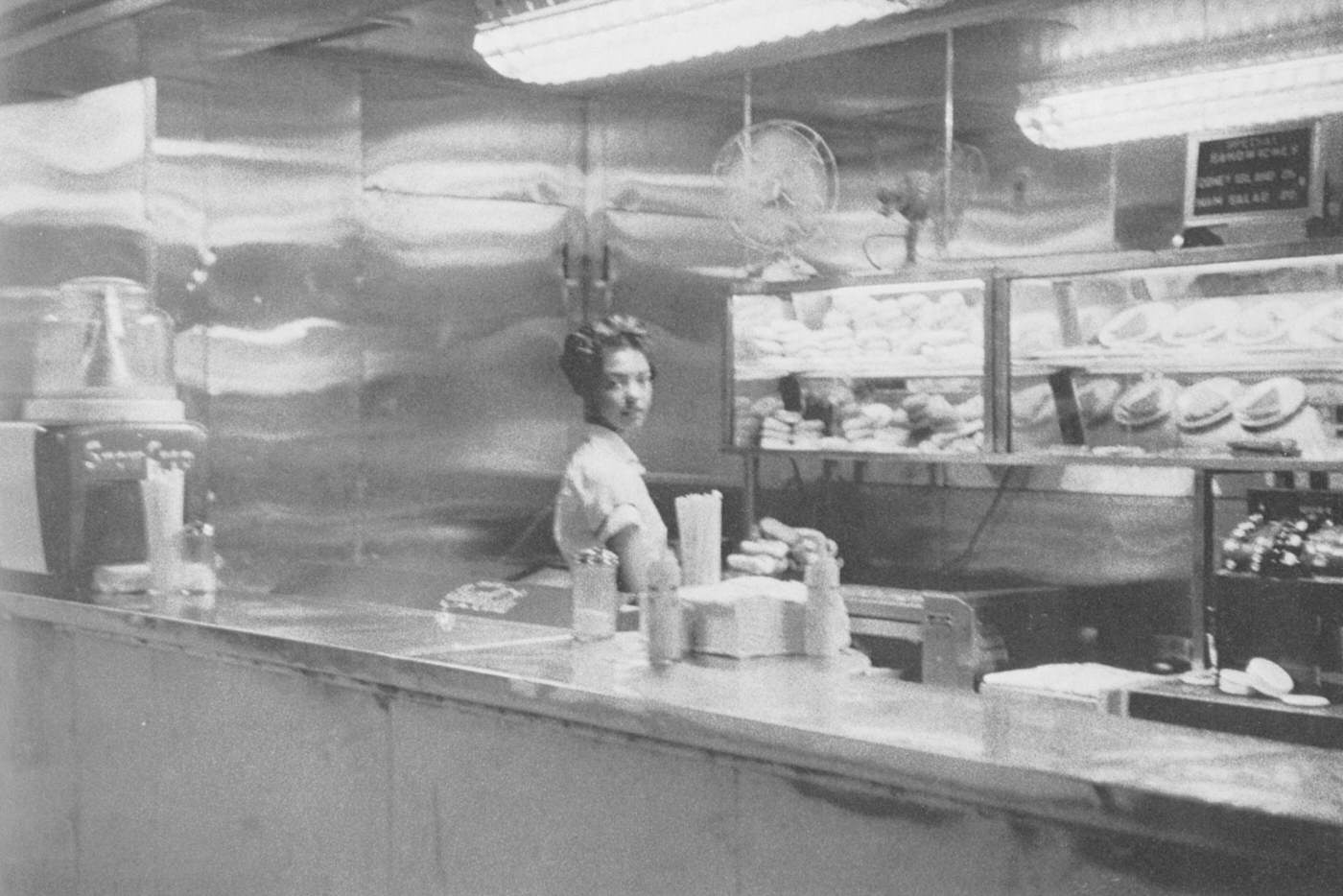
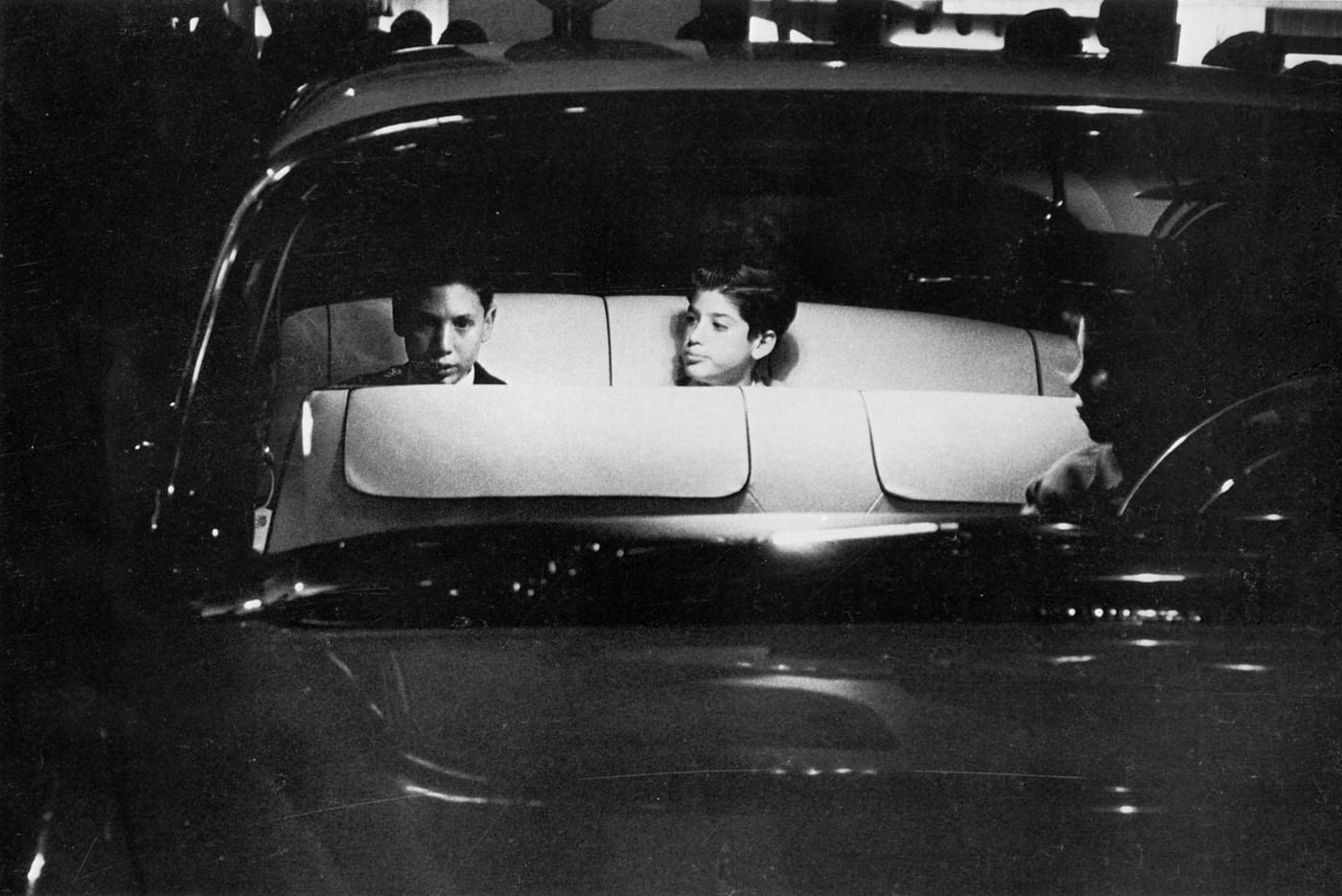
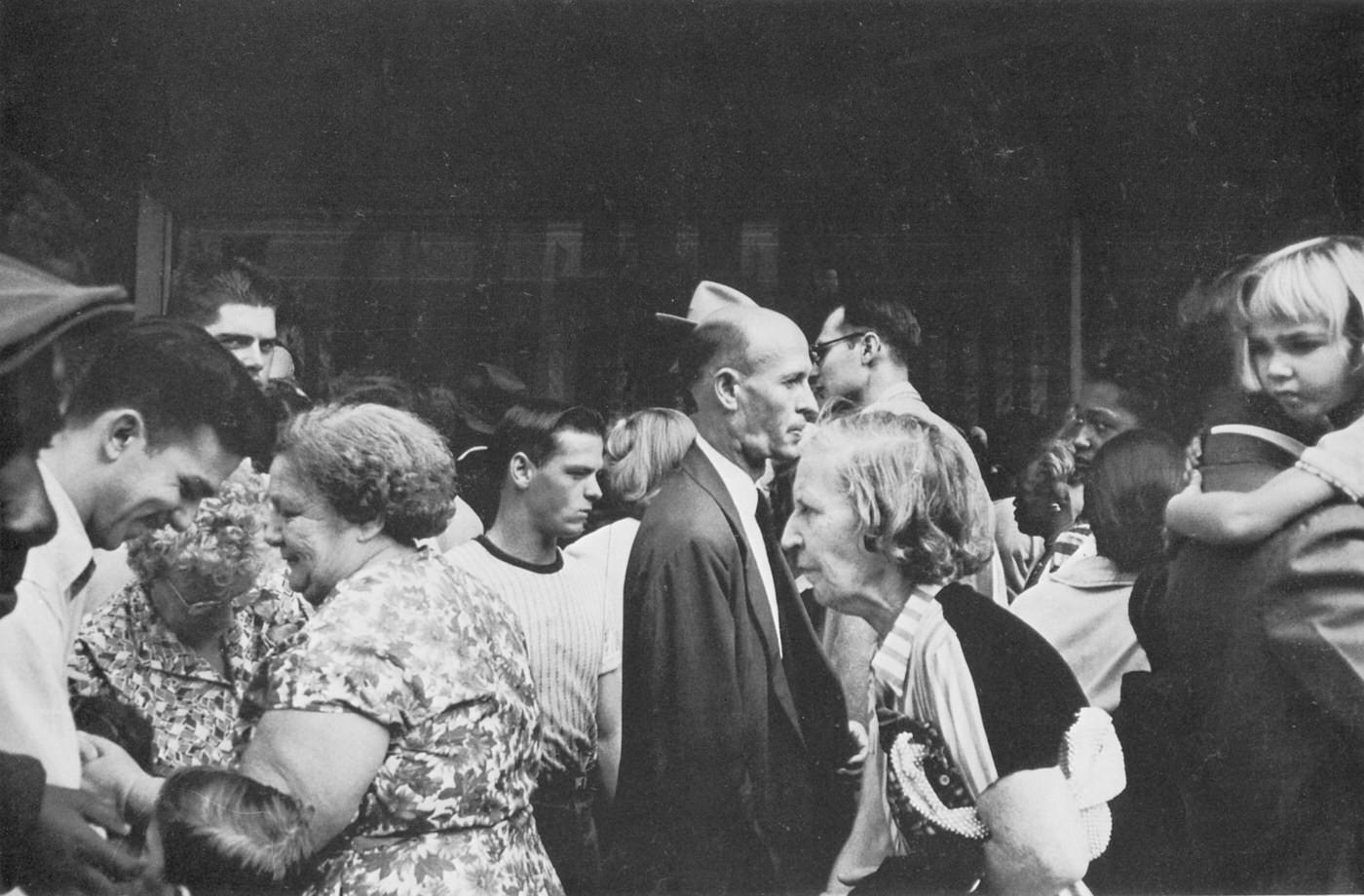
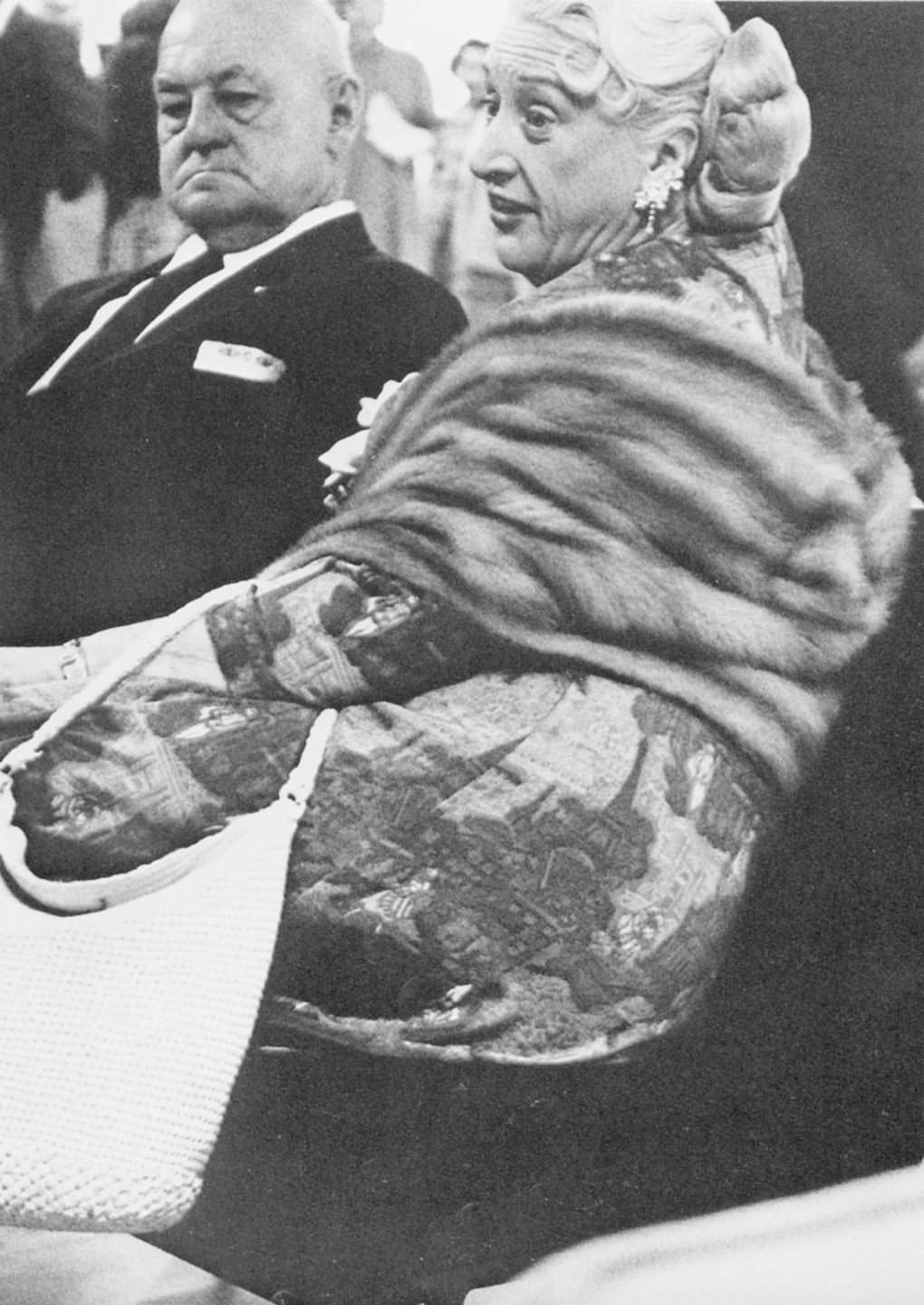
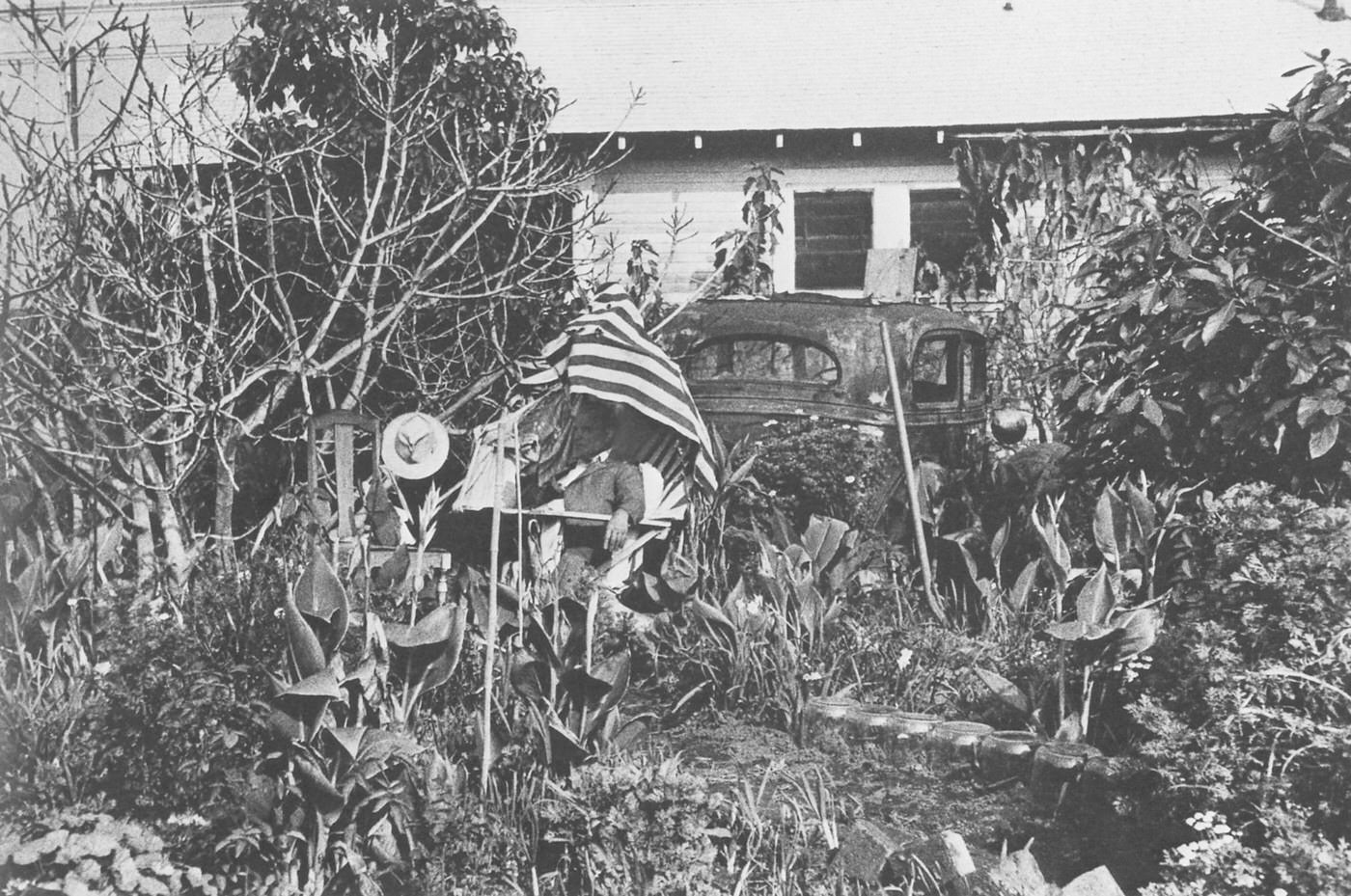
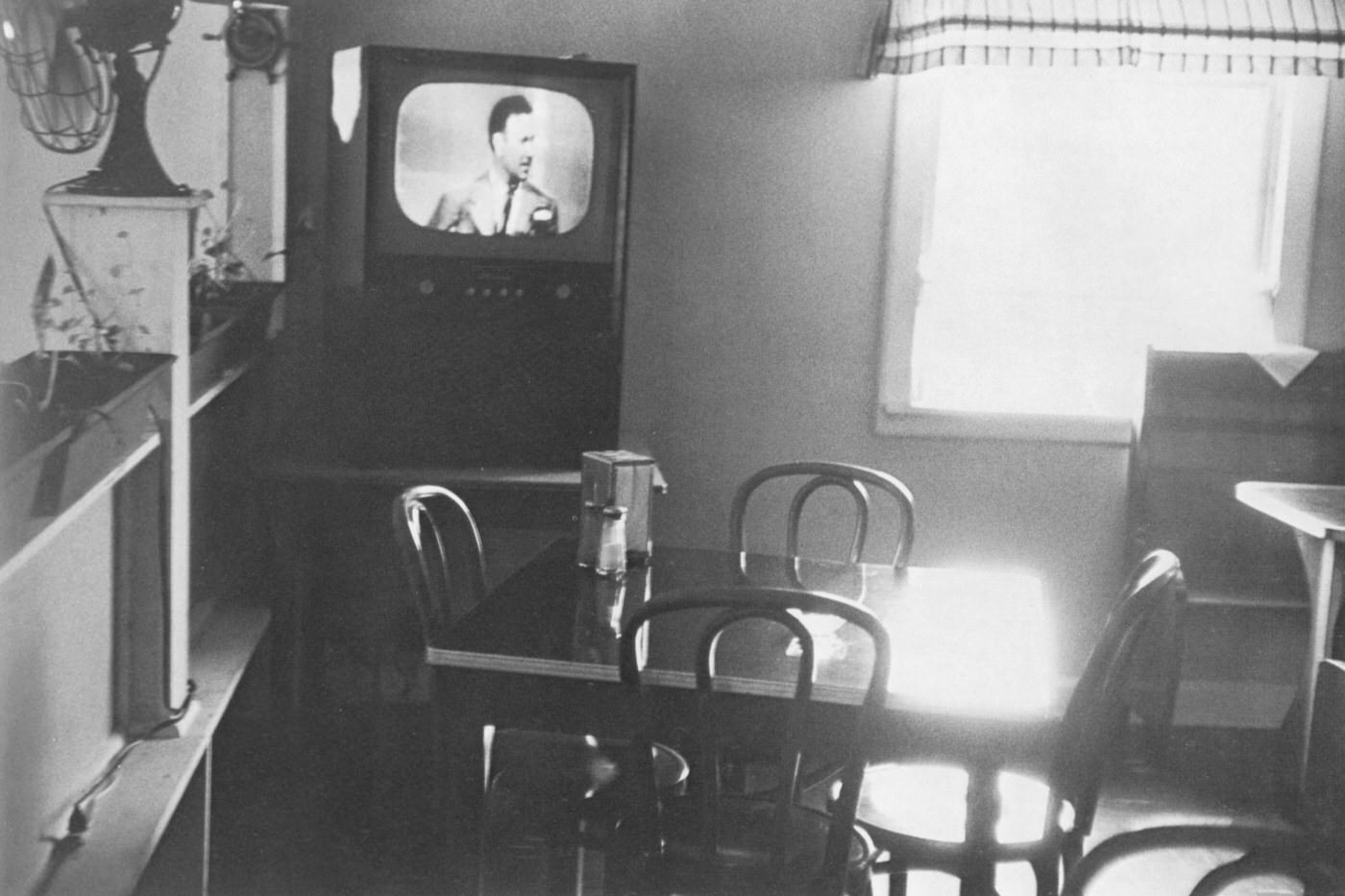
But Frank’s eye was not fixed solely on darkness. He also turned his camera toward diners, gas stations, drive-in movies, candy stores, and roadside attractions. A rodeo in Detroit, a charity ball in New York City, a luncheonette in Butte, Montana — these scenes captured the rhythm of everyday American life with the same unflinching attention he gave to its problems.
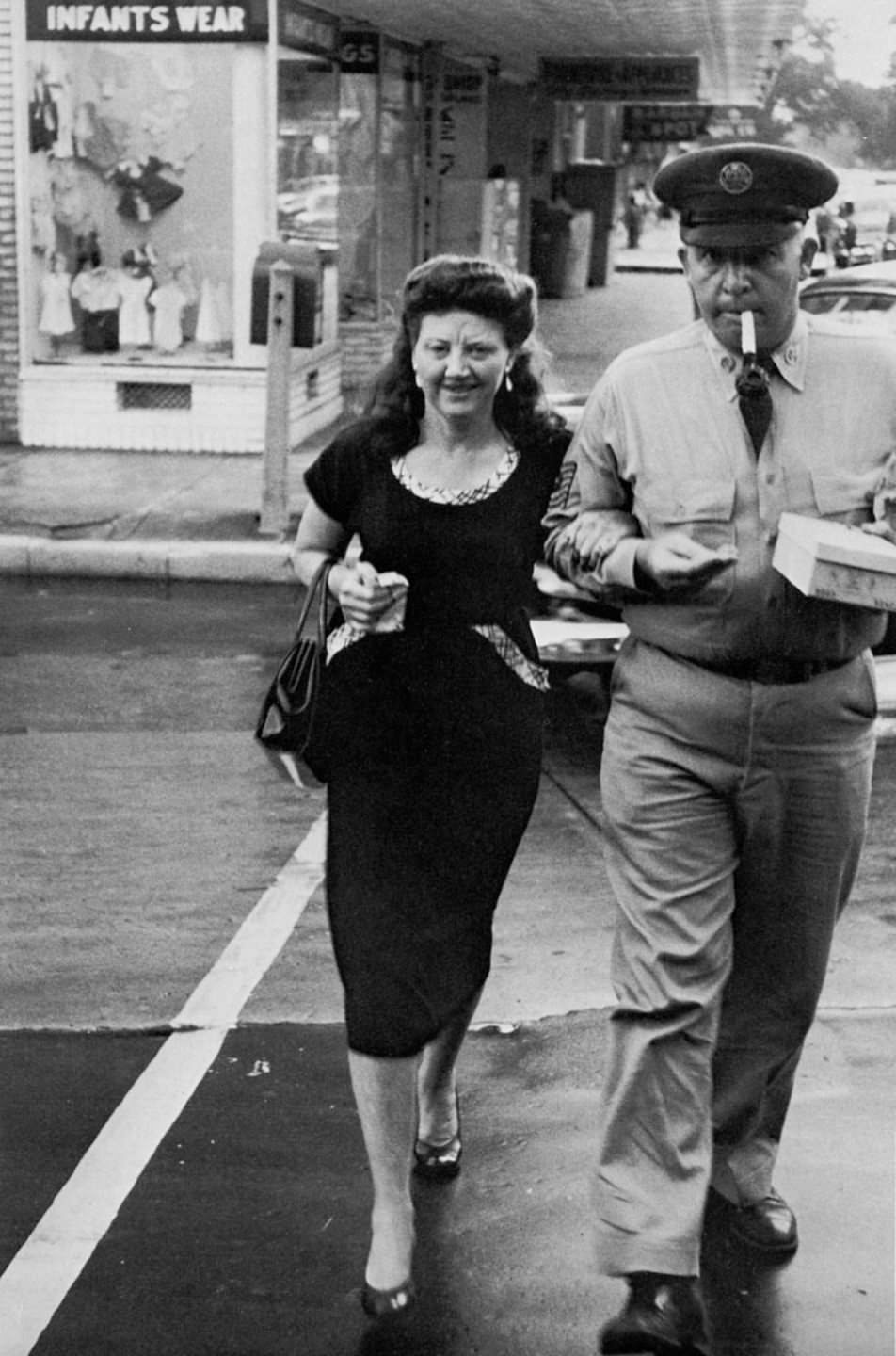
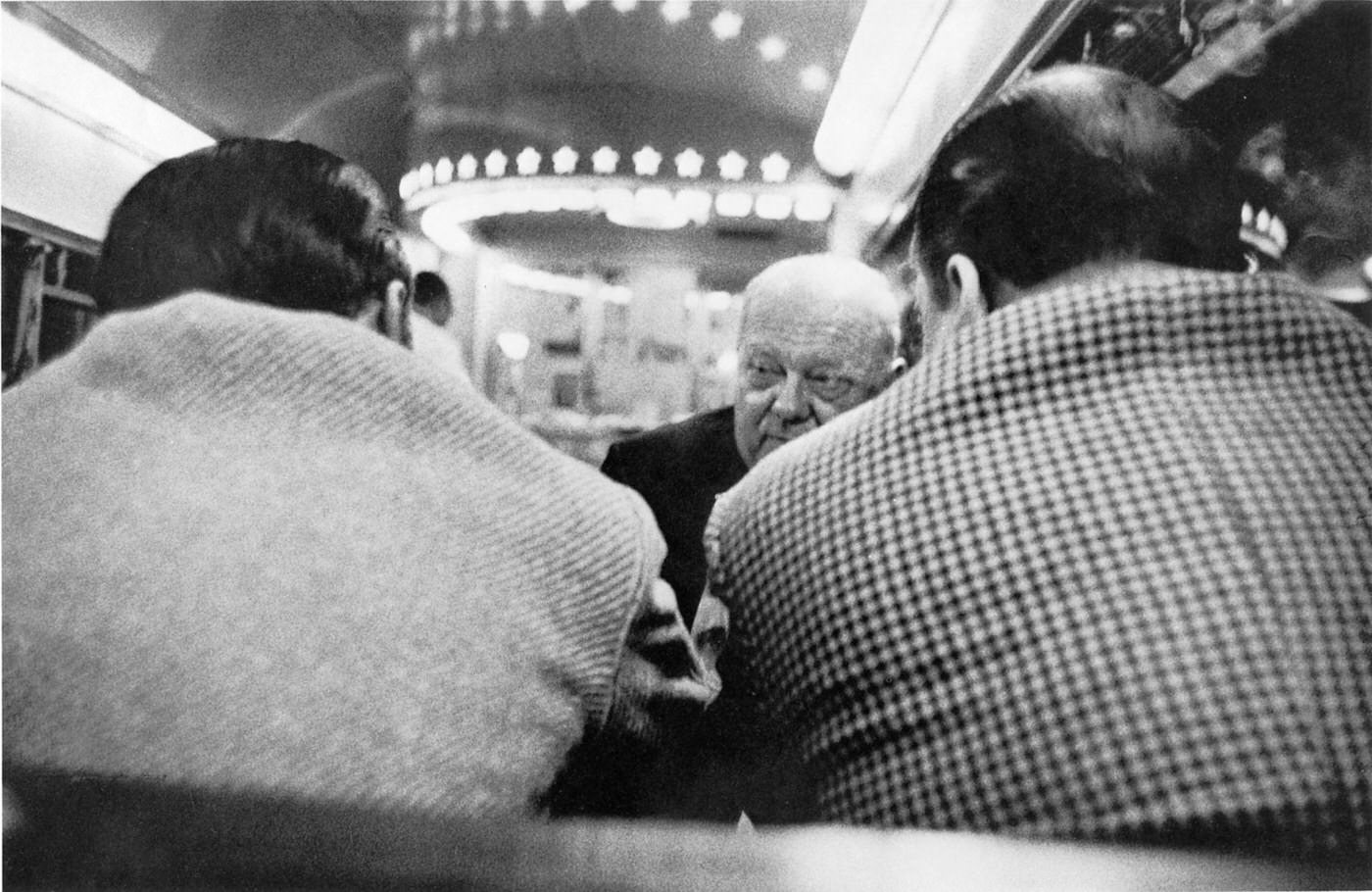
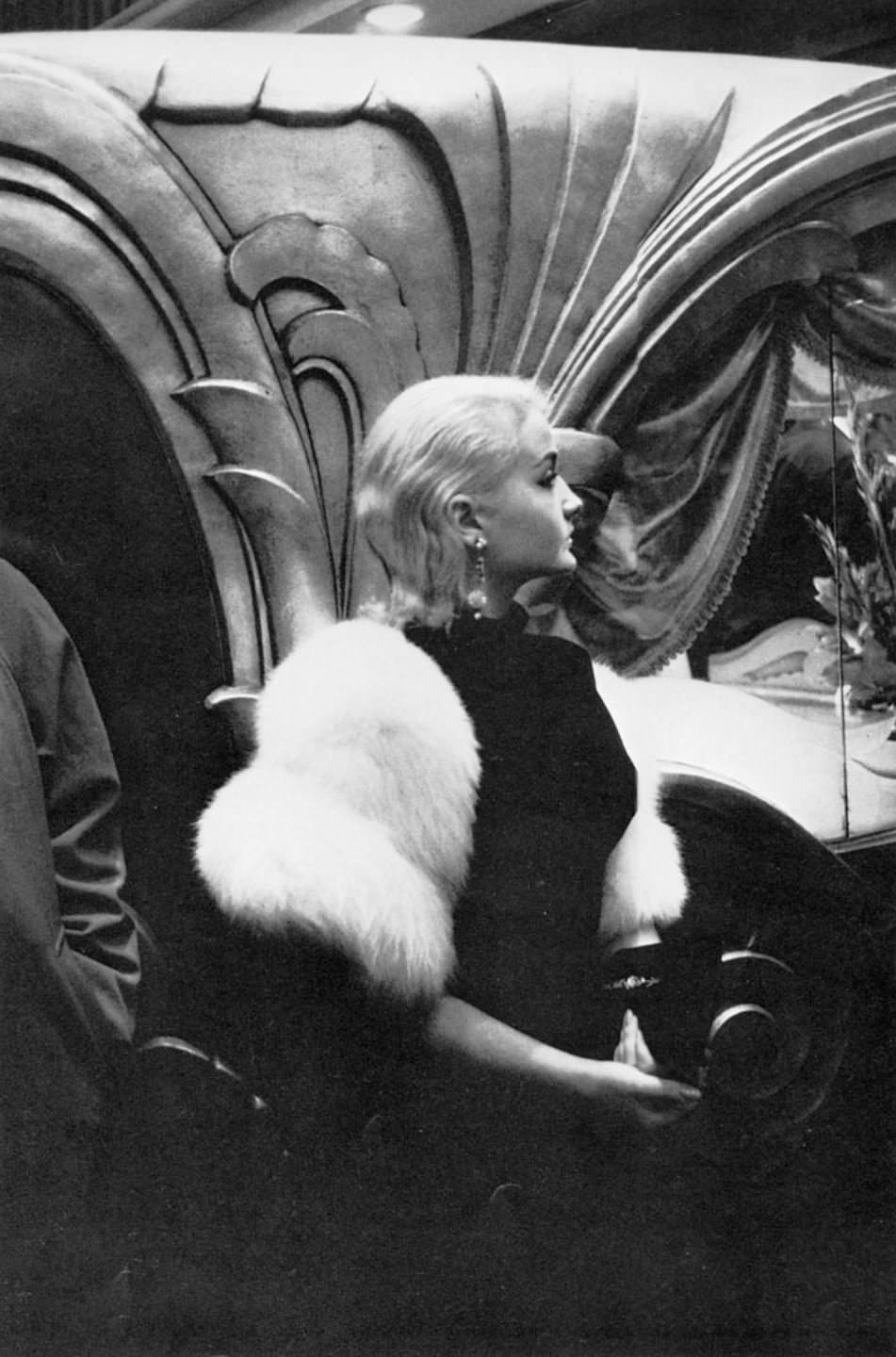
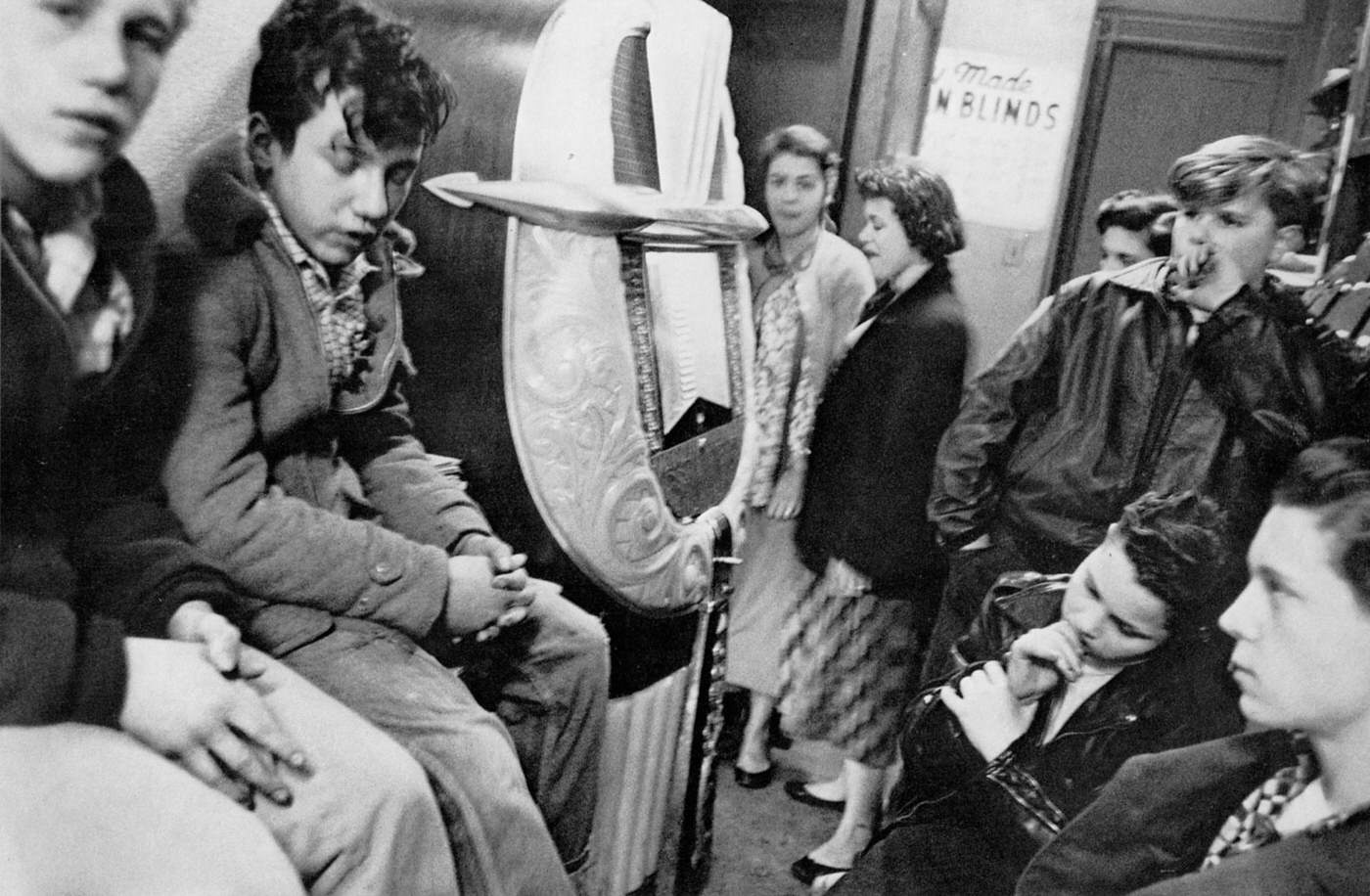
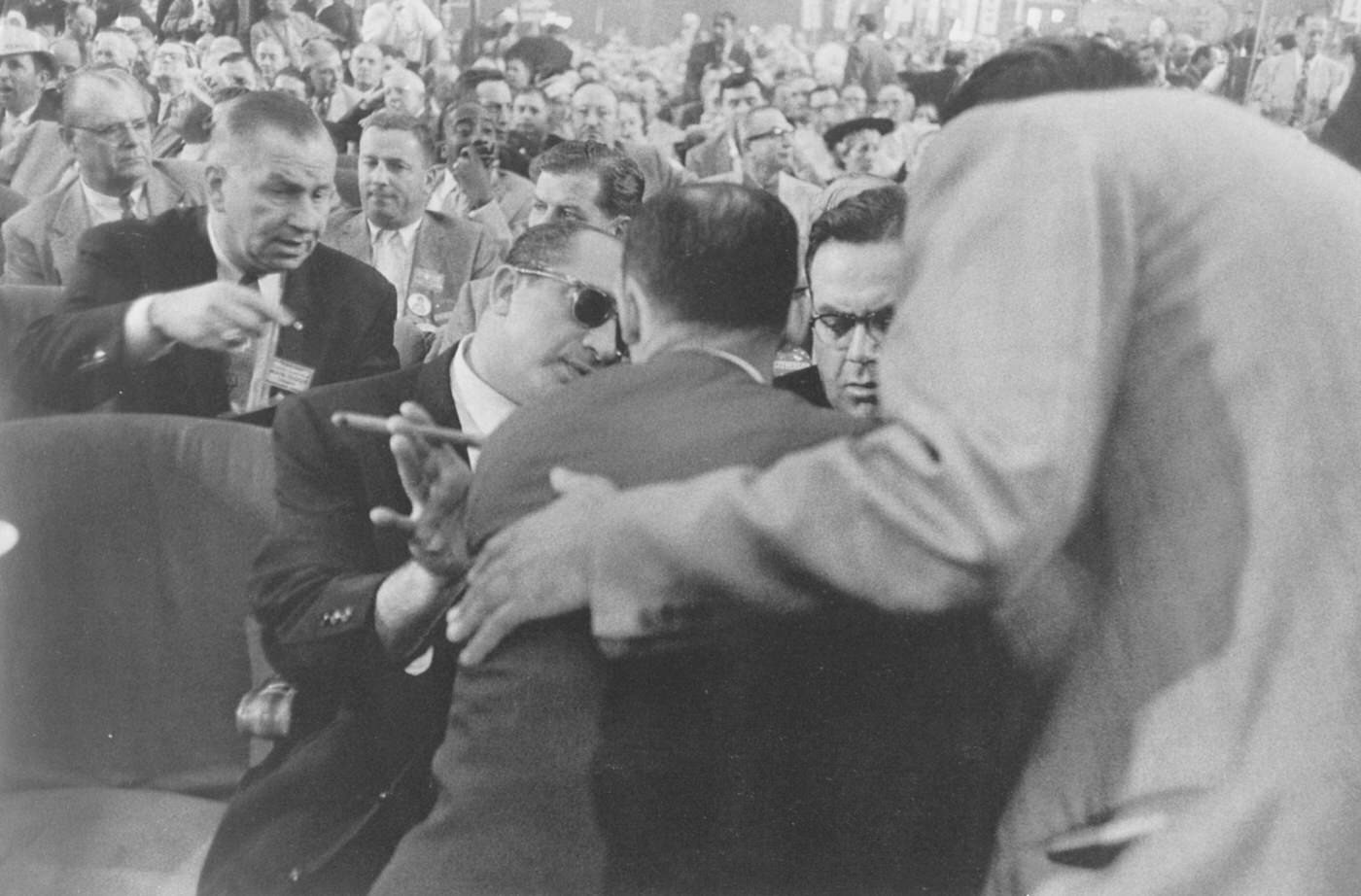
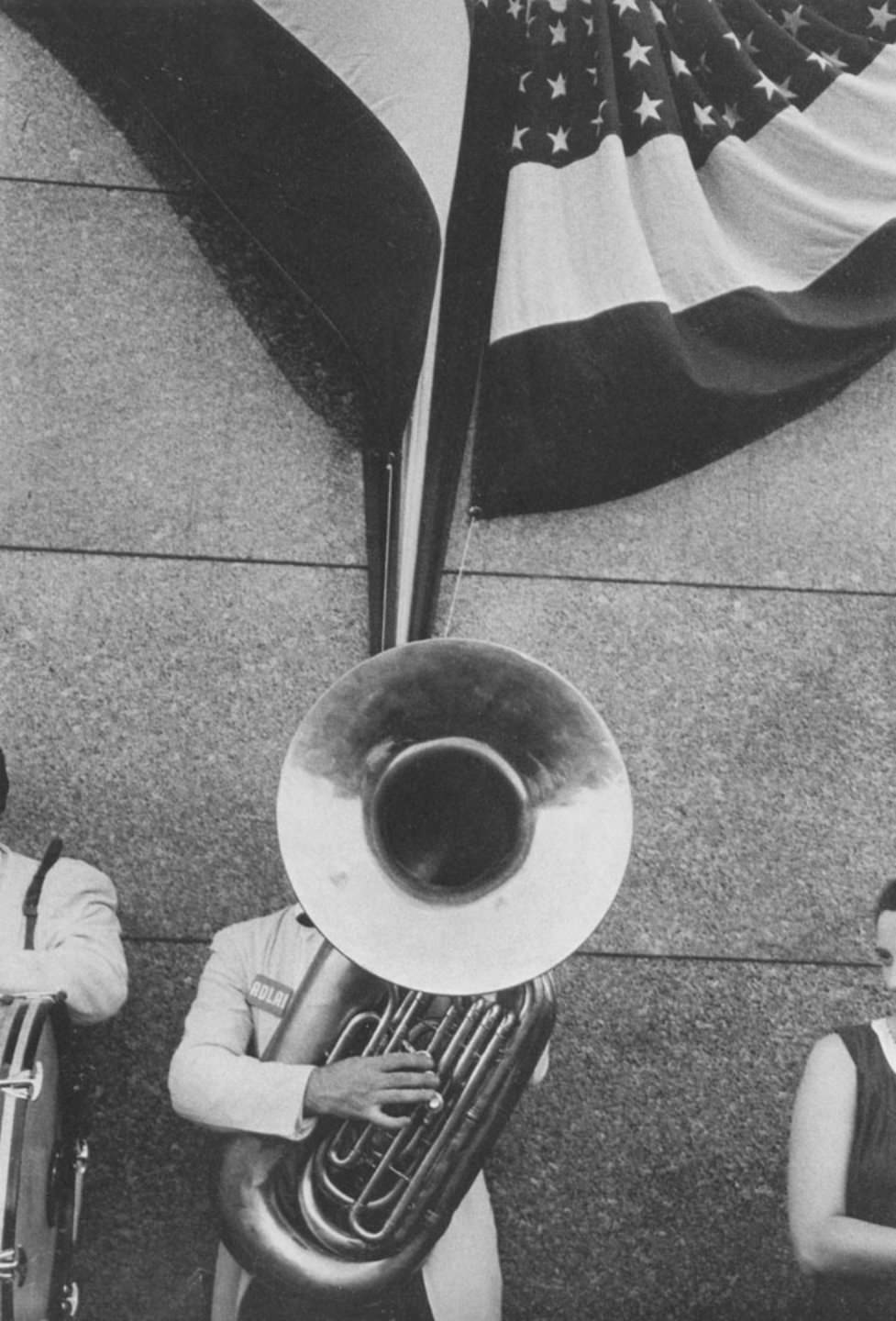
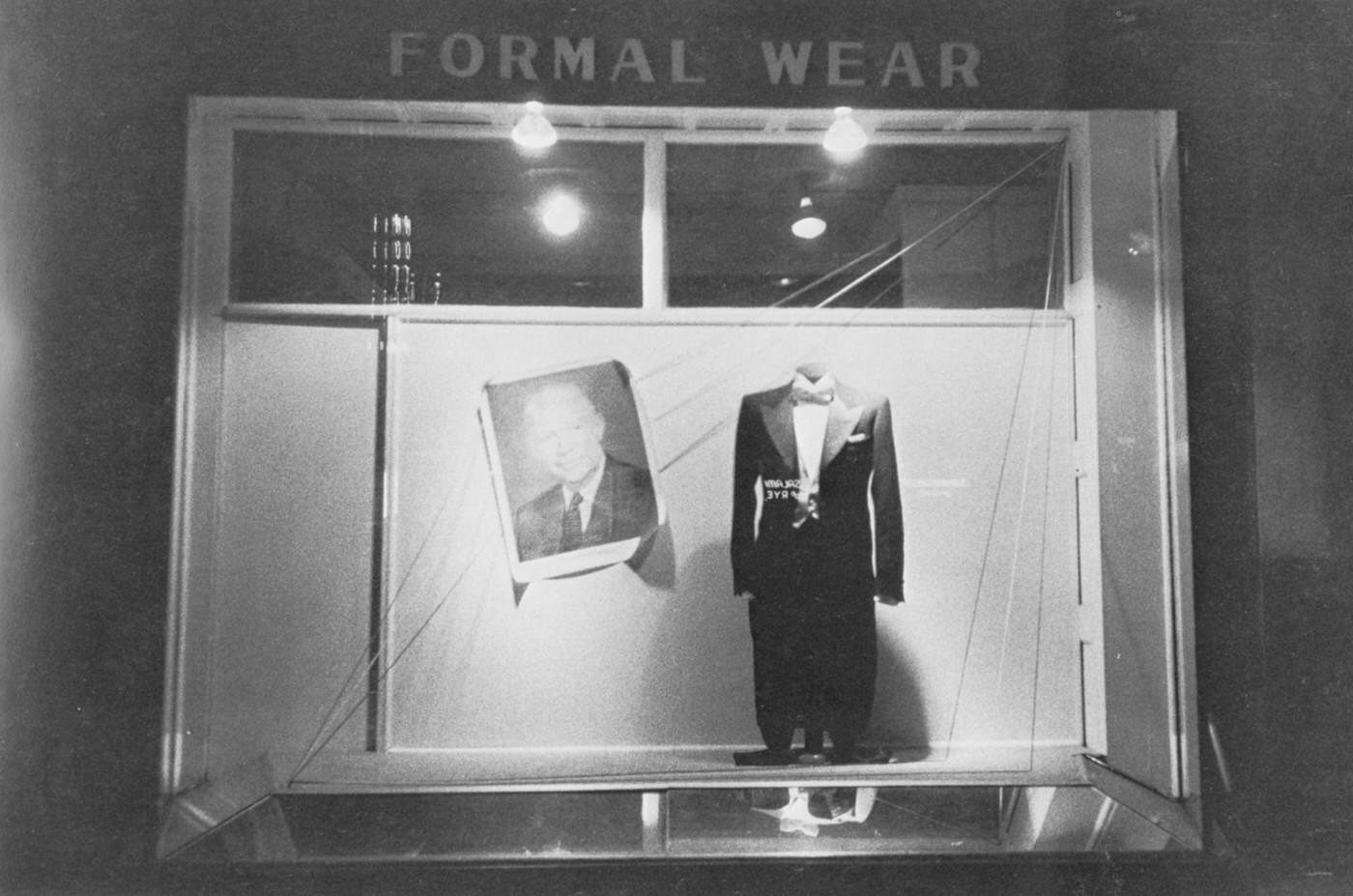
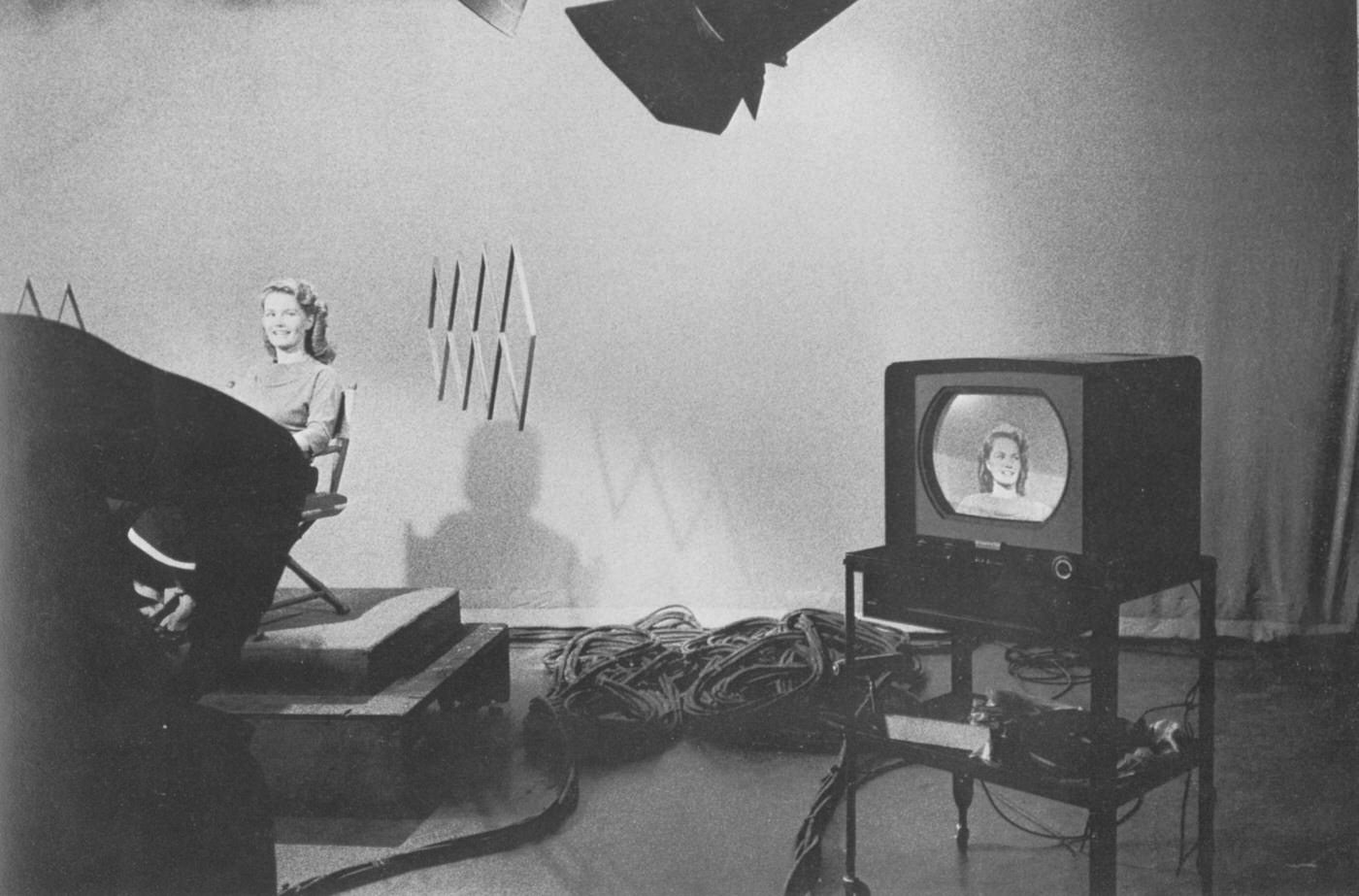
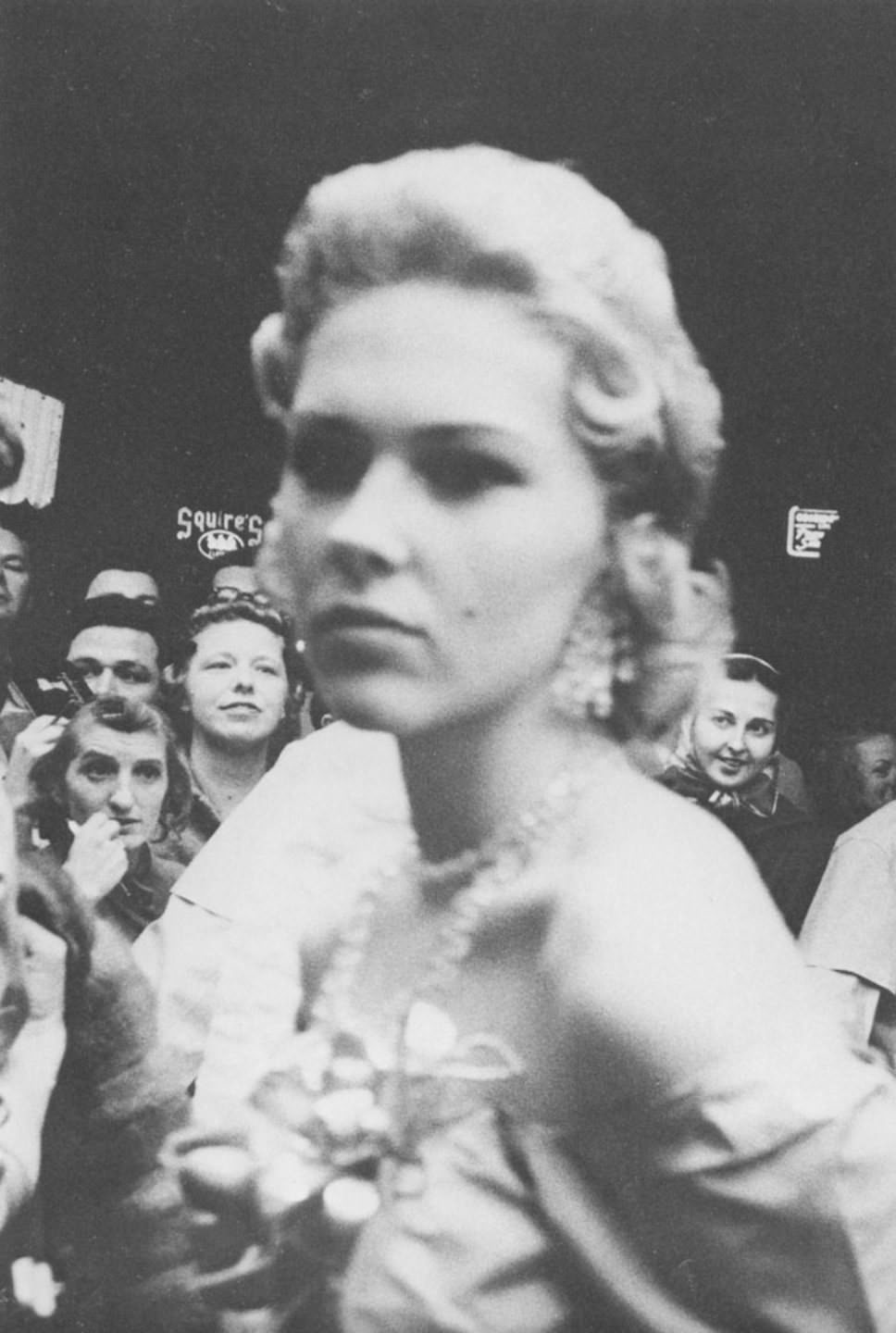
Frank photographed Americans at leisure — at car shows, political rallies, cocktail parties, and movie premieres. The images from Los Angeles’s Motorama car show and a Hollywood film premiere place glamour and consumption side by side with the loneliness and boredom that appear elsewhere in the book.
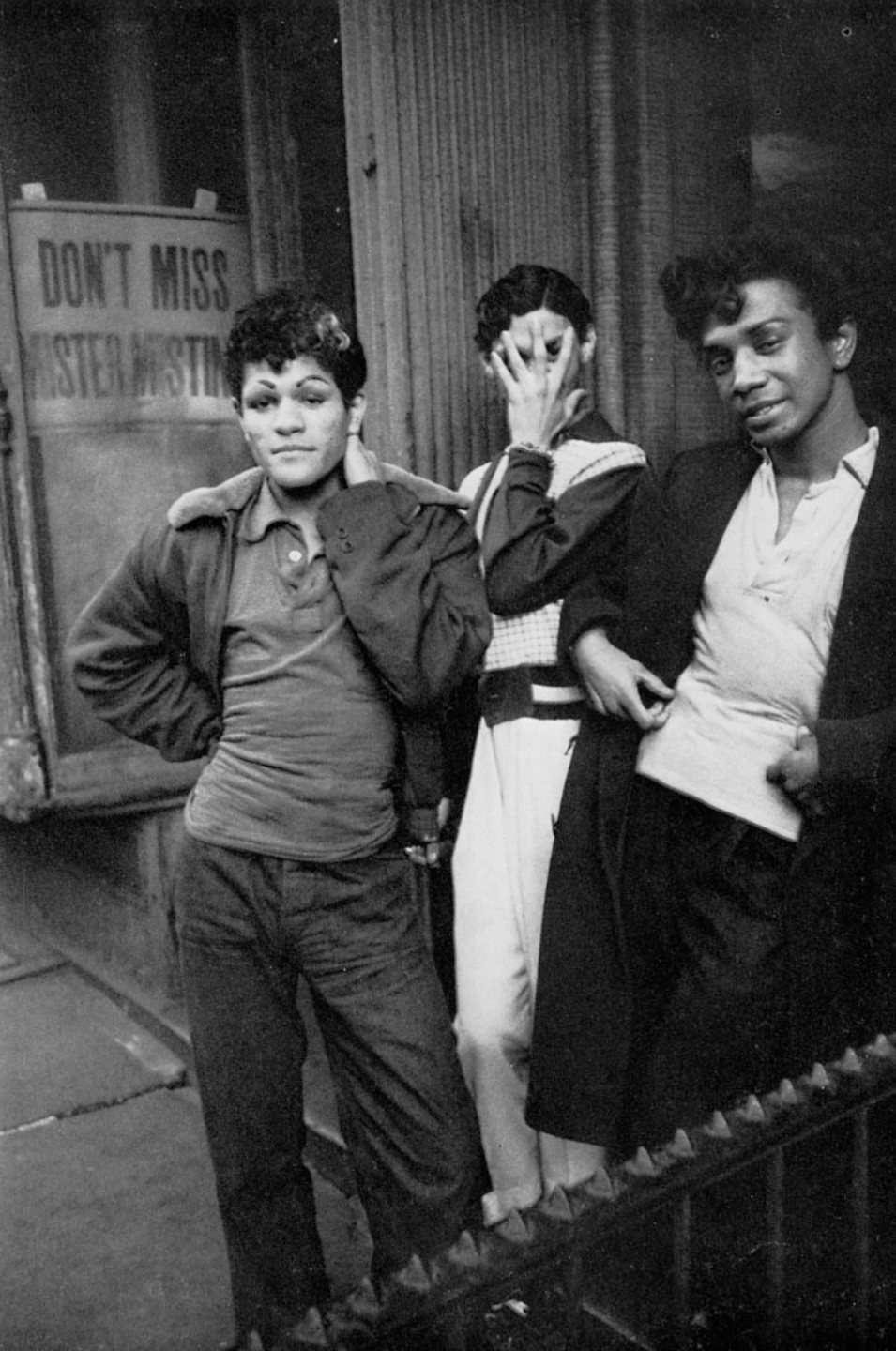
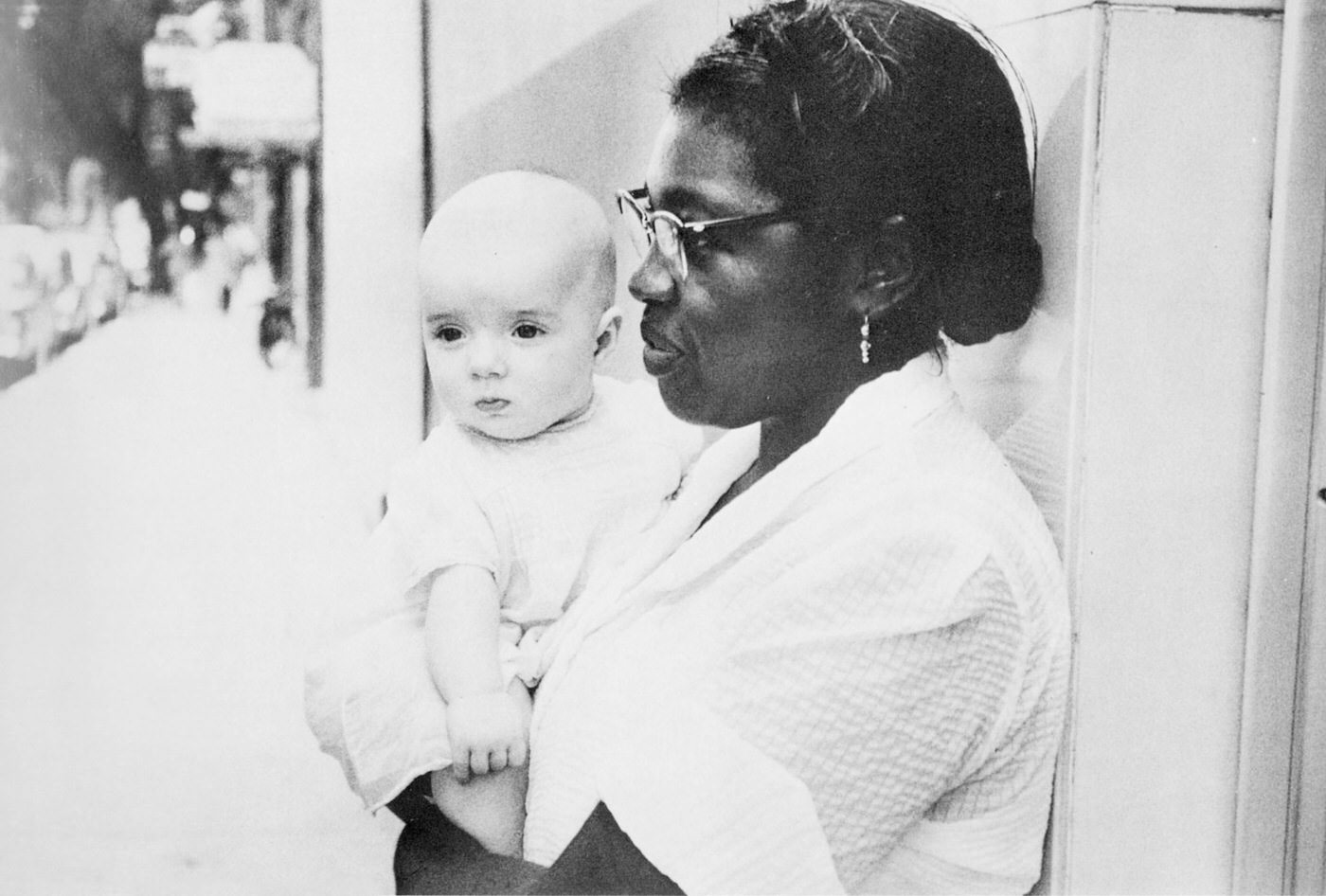
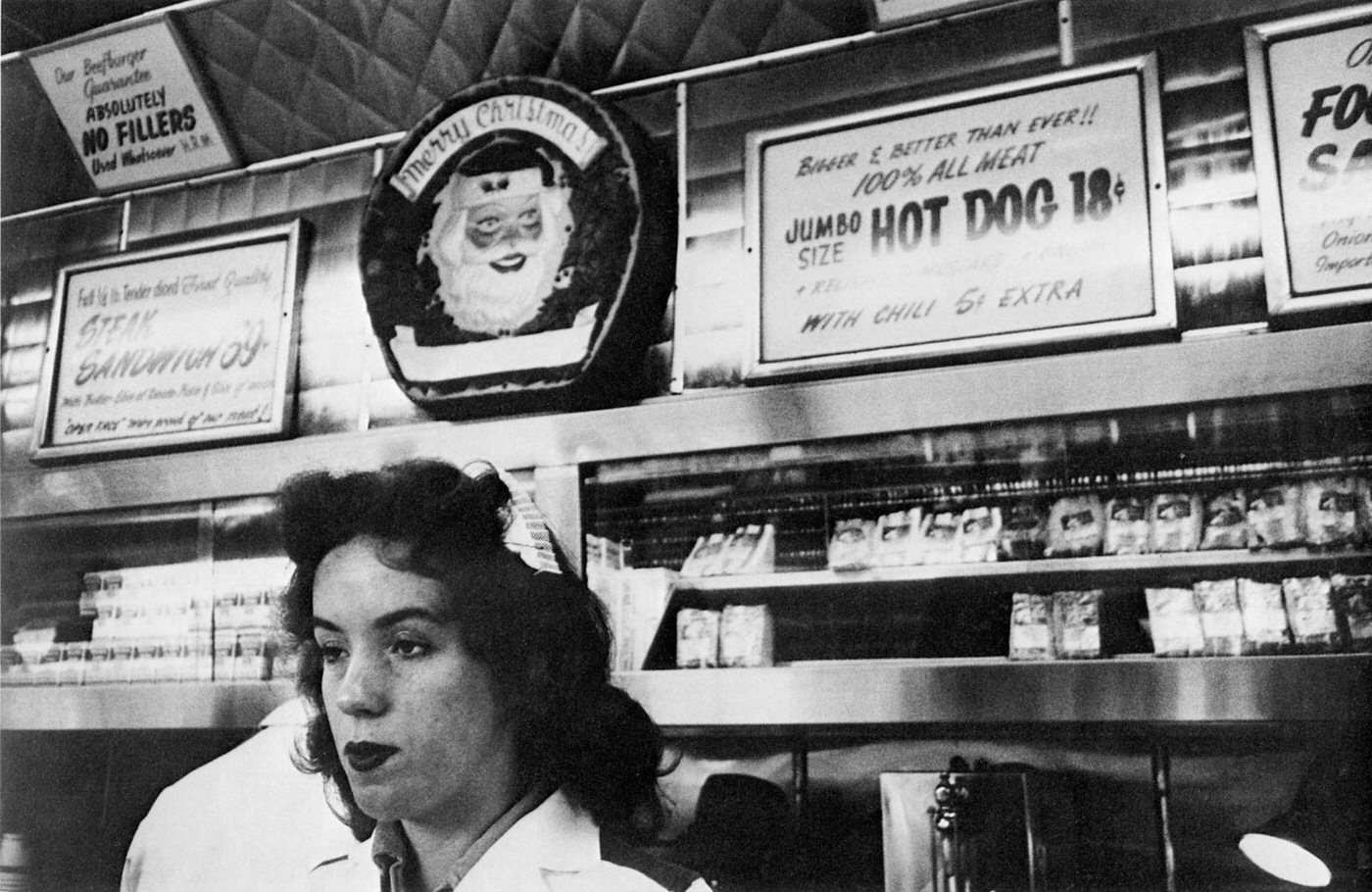
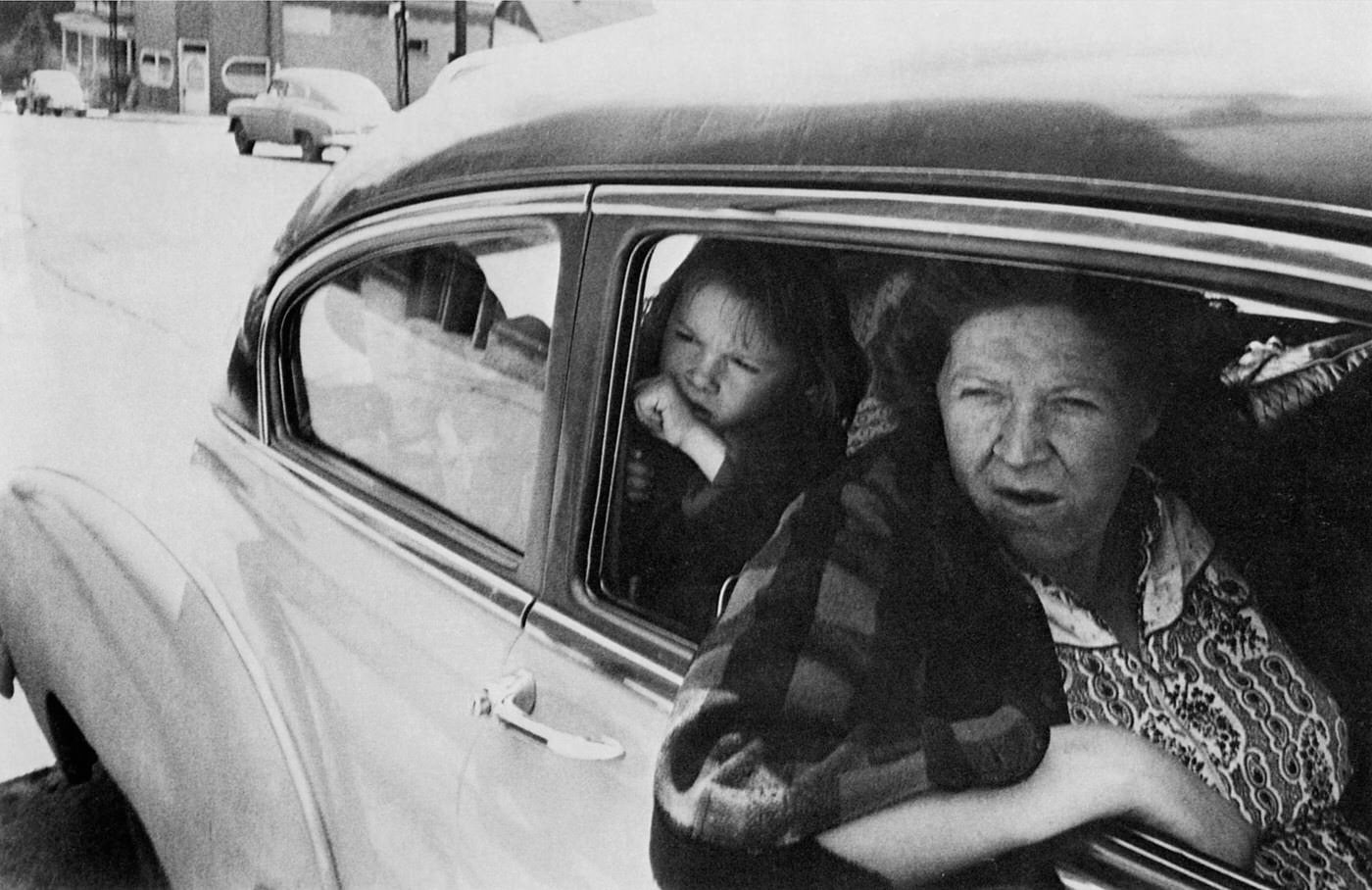
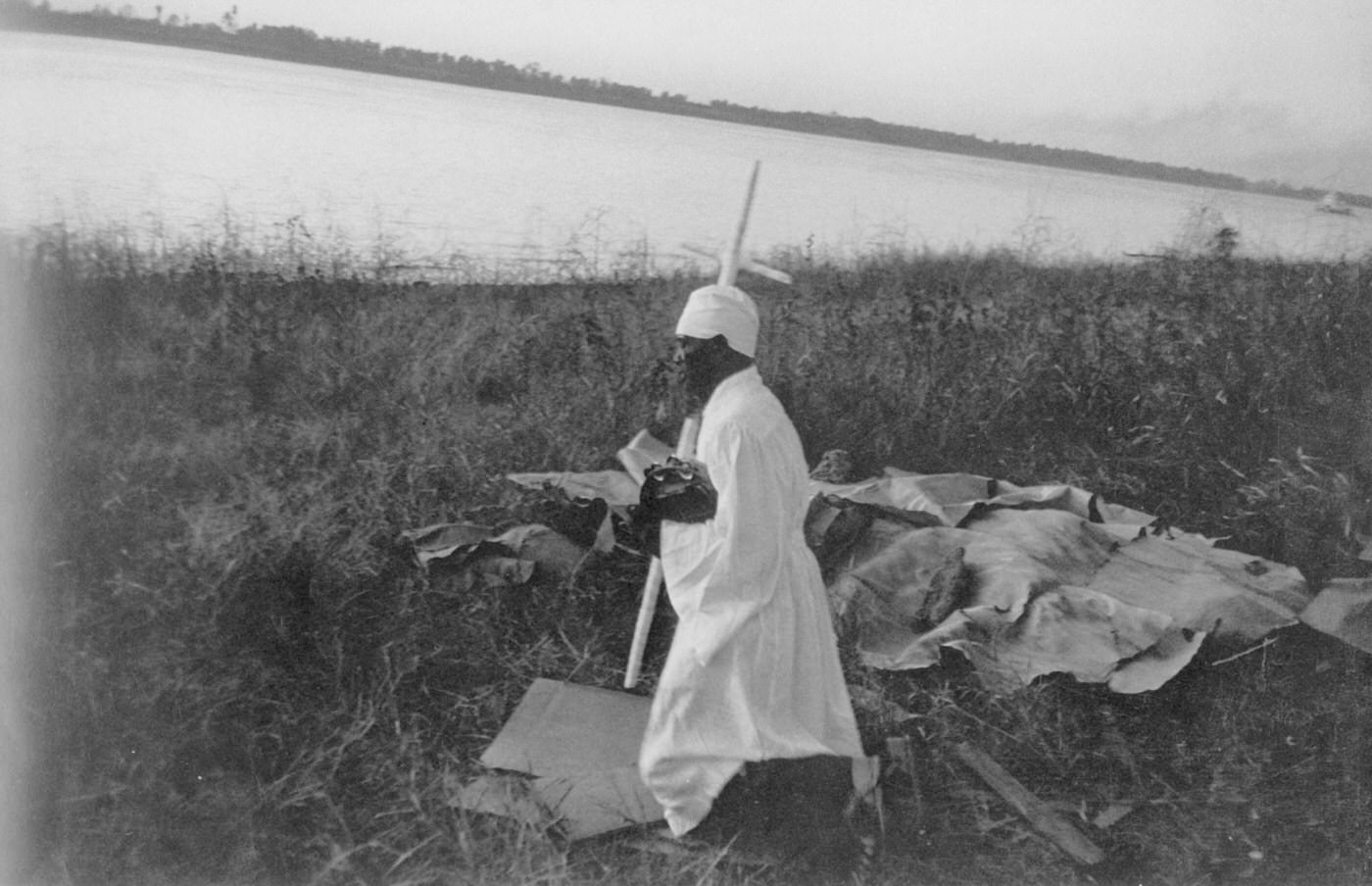
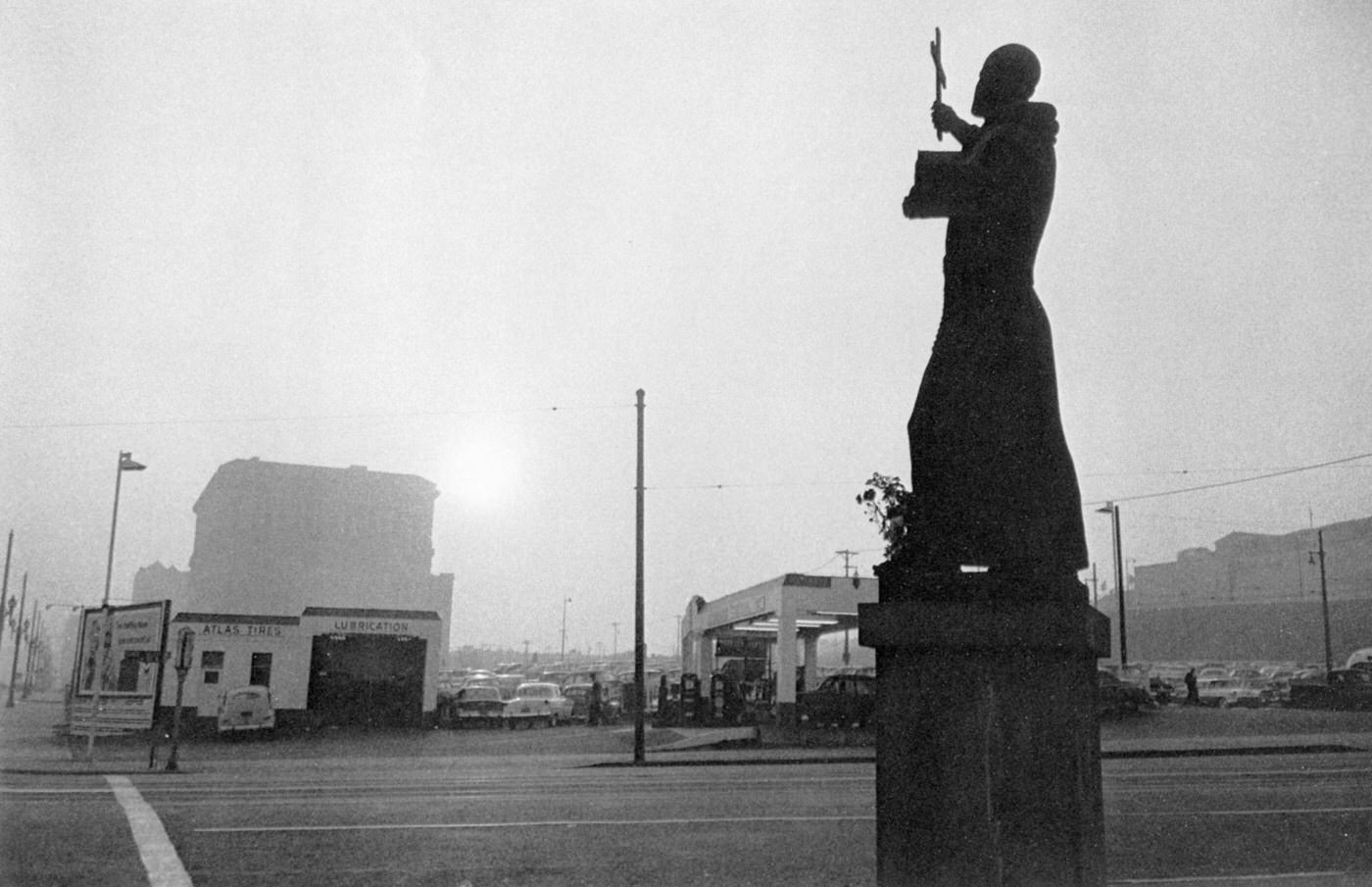
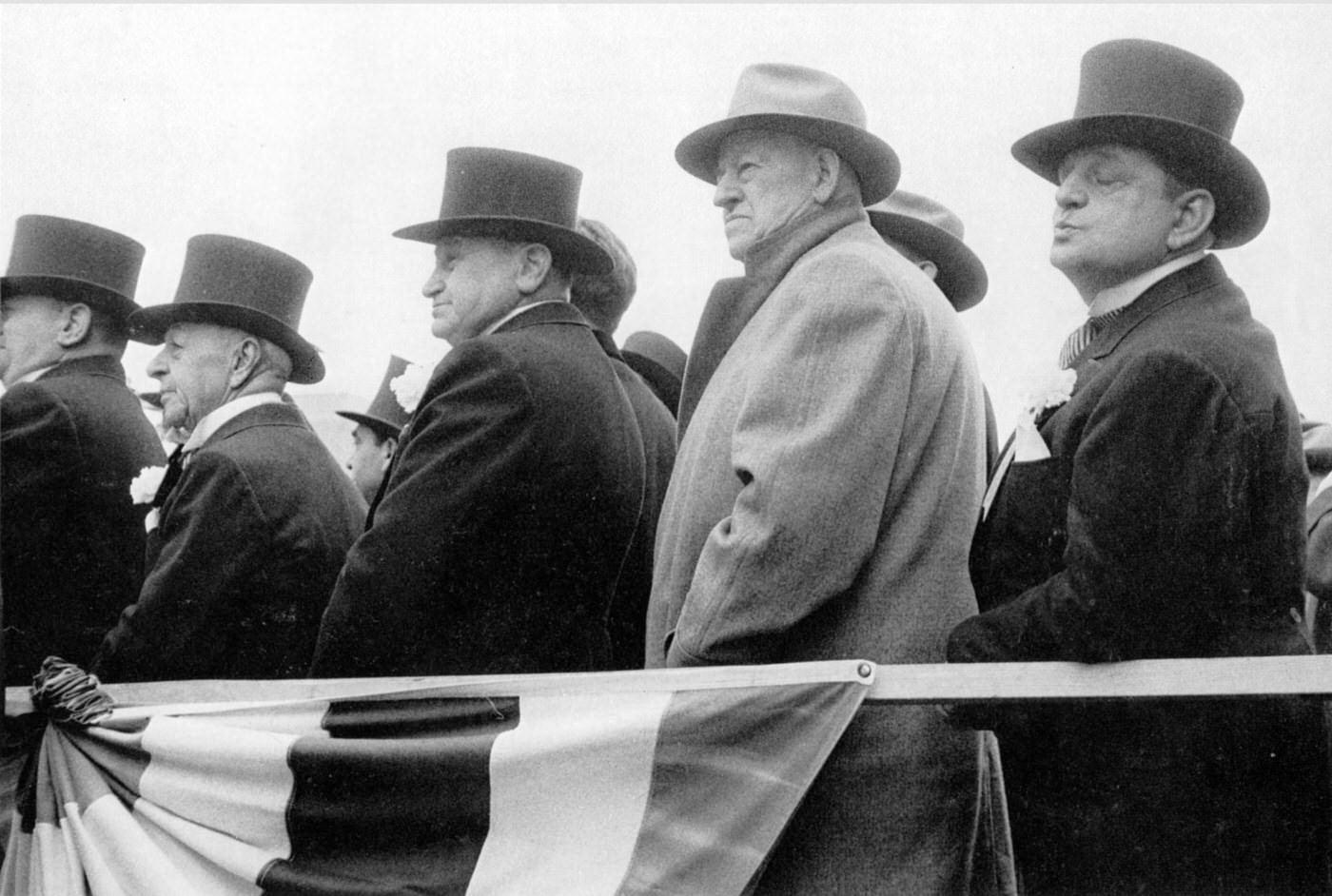
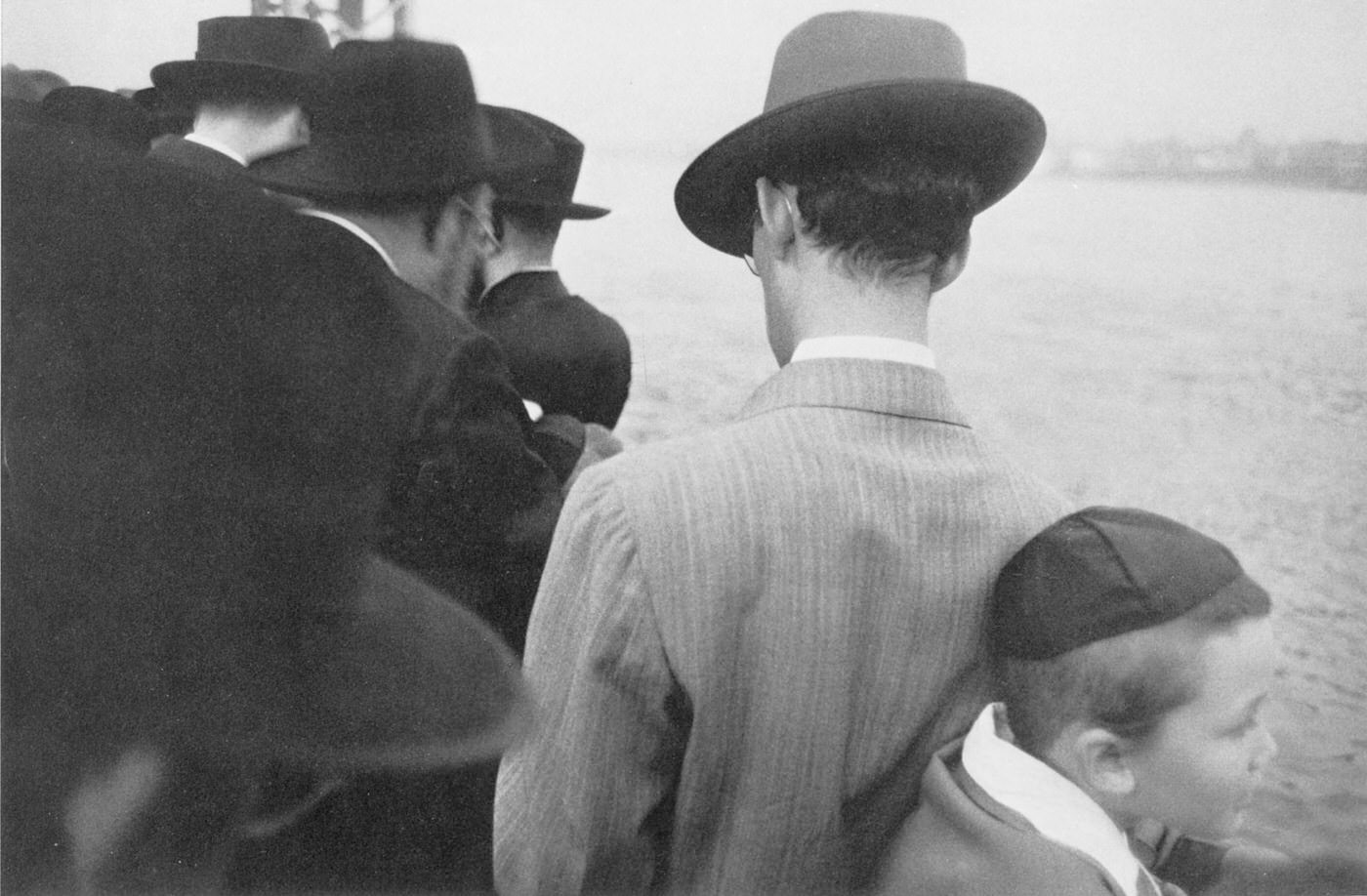
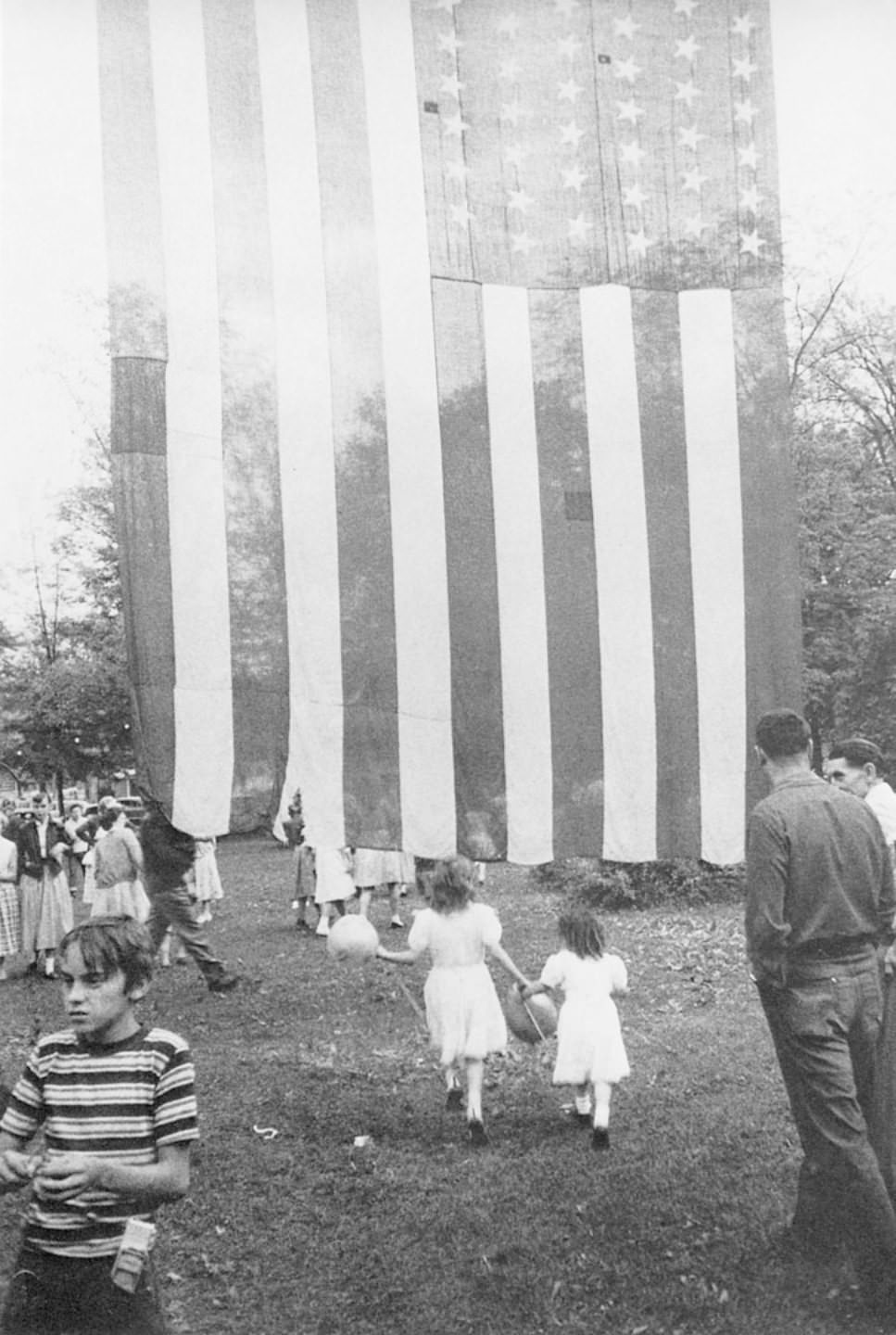
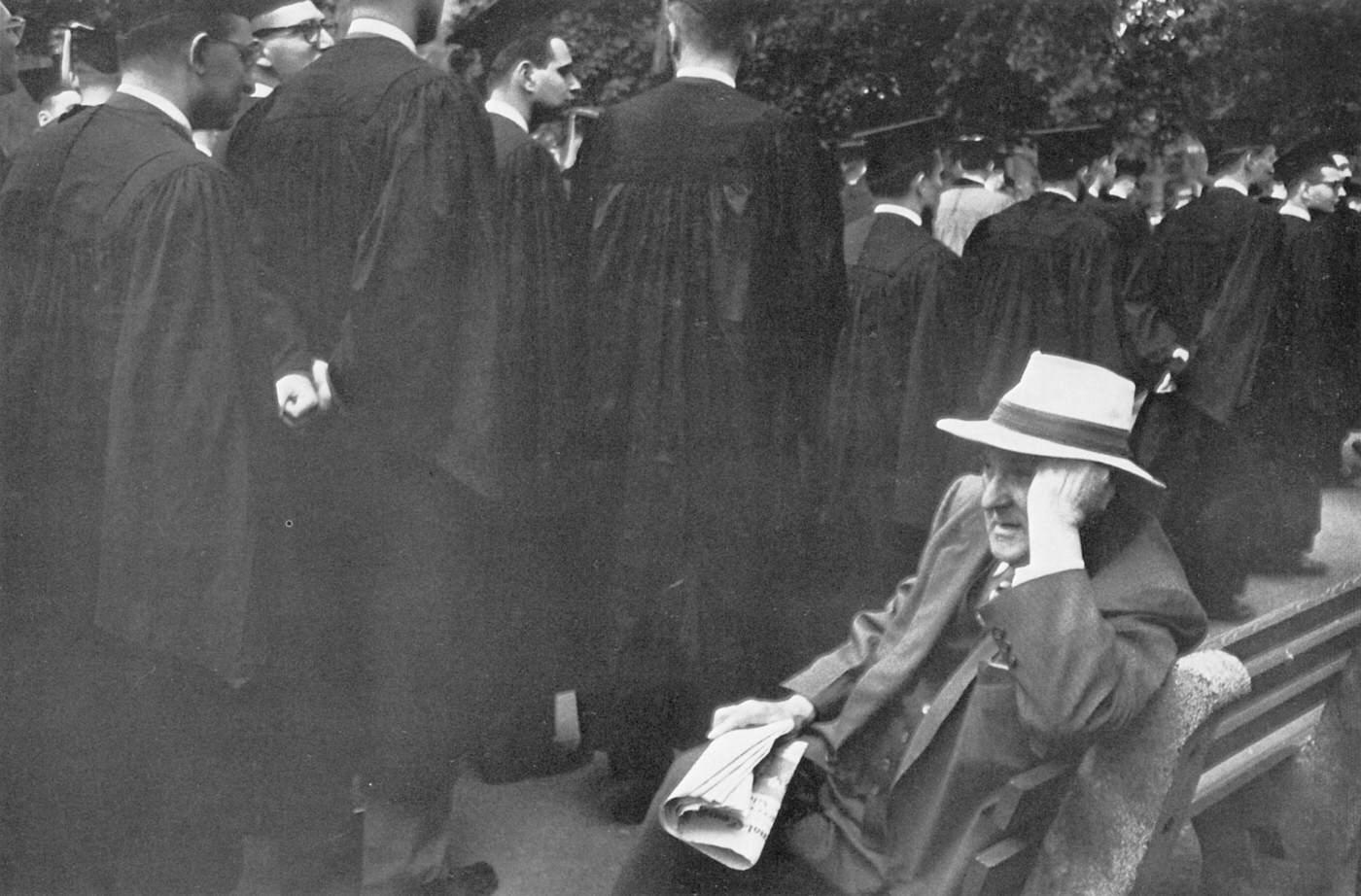
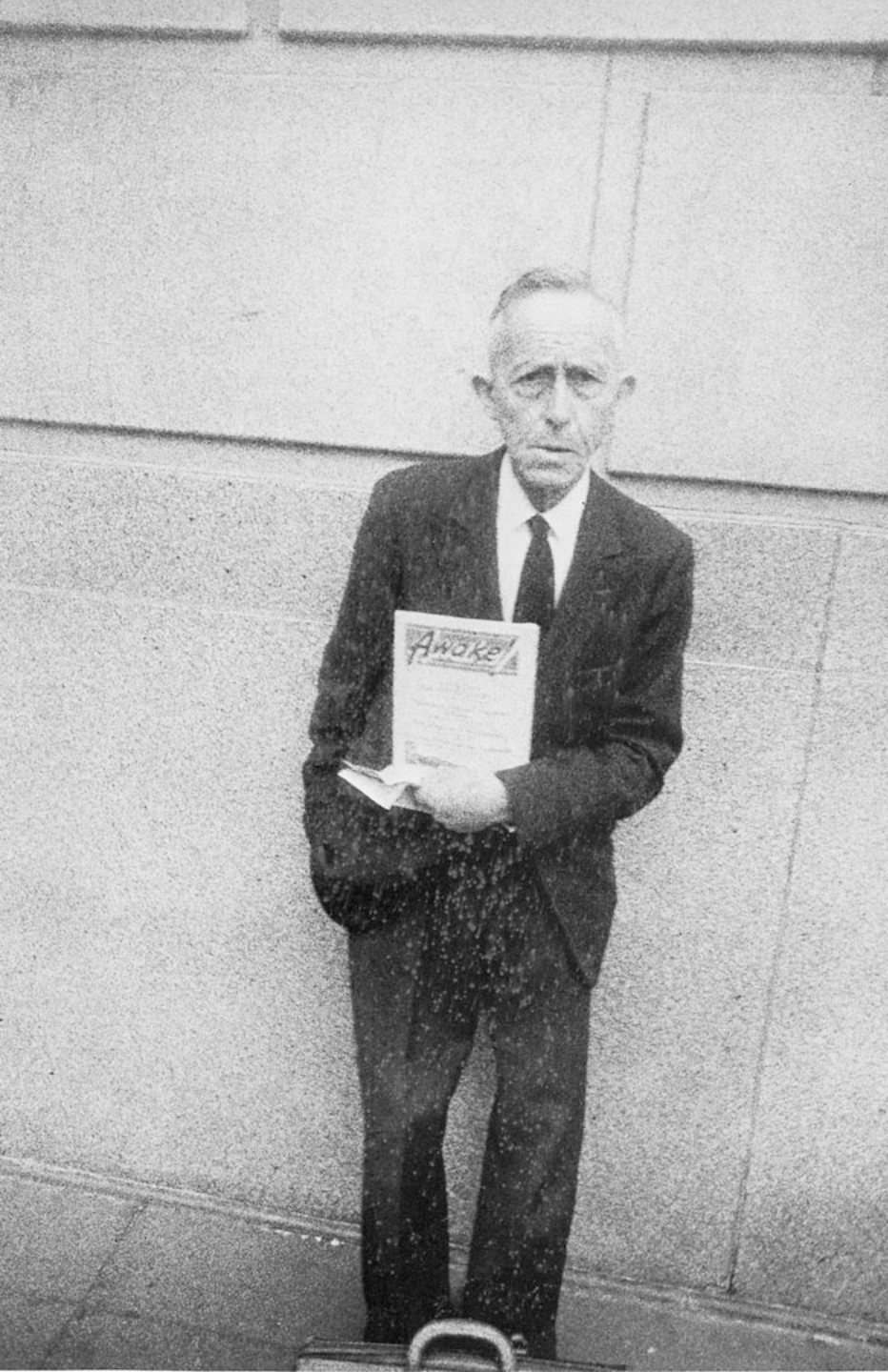
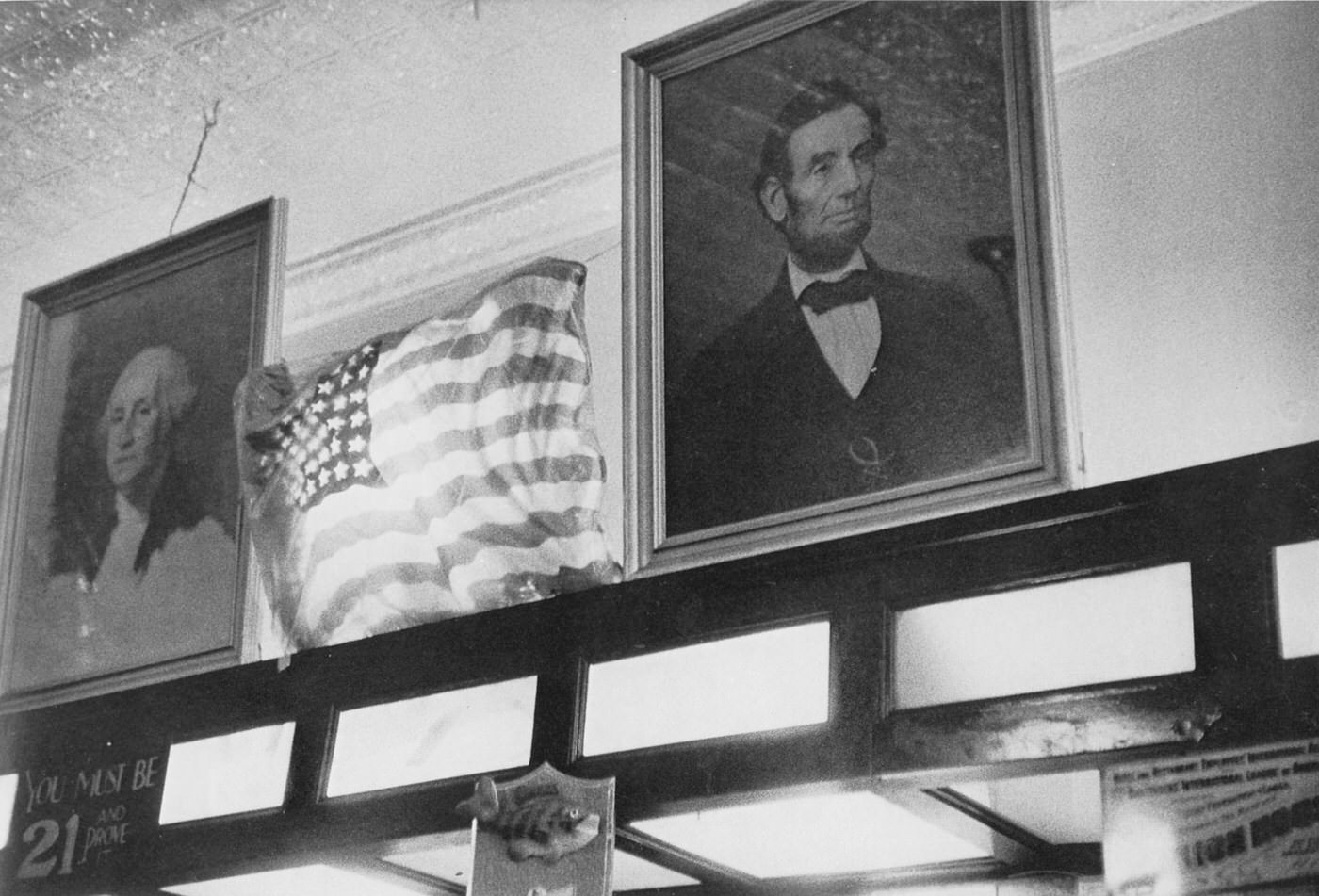
Religion and community gatherings also appear throughout the series. Frank photographed Yom Kippur observances at the East River, a Fourth of July celebration in upstate New York, a Yale commencement, and a Jehovah’s Witness in Los Angeles — moments that showed how Americans marked time and identity.
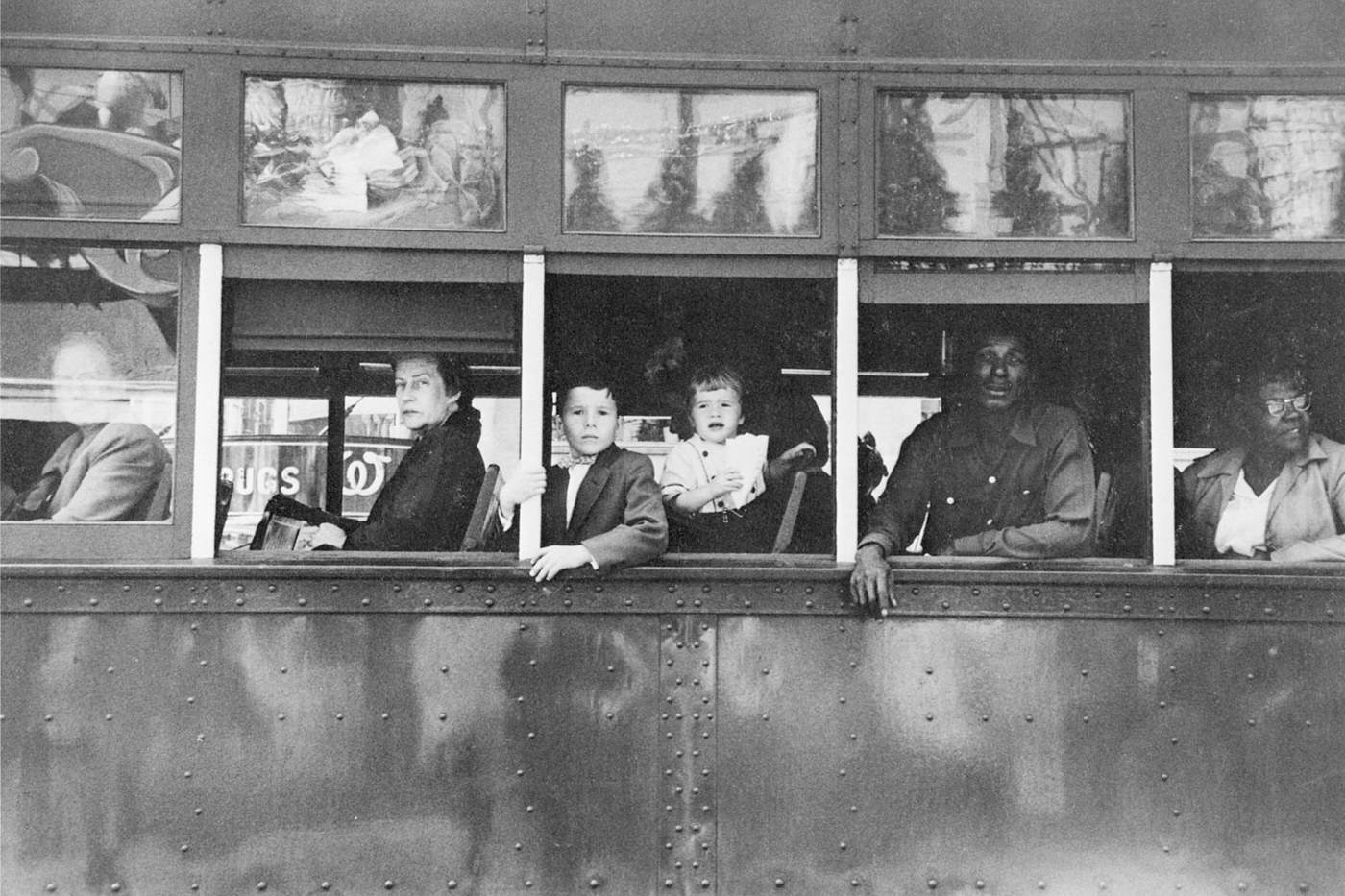
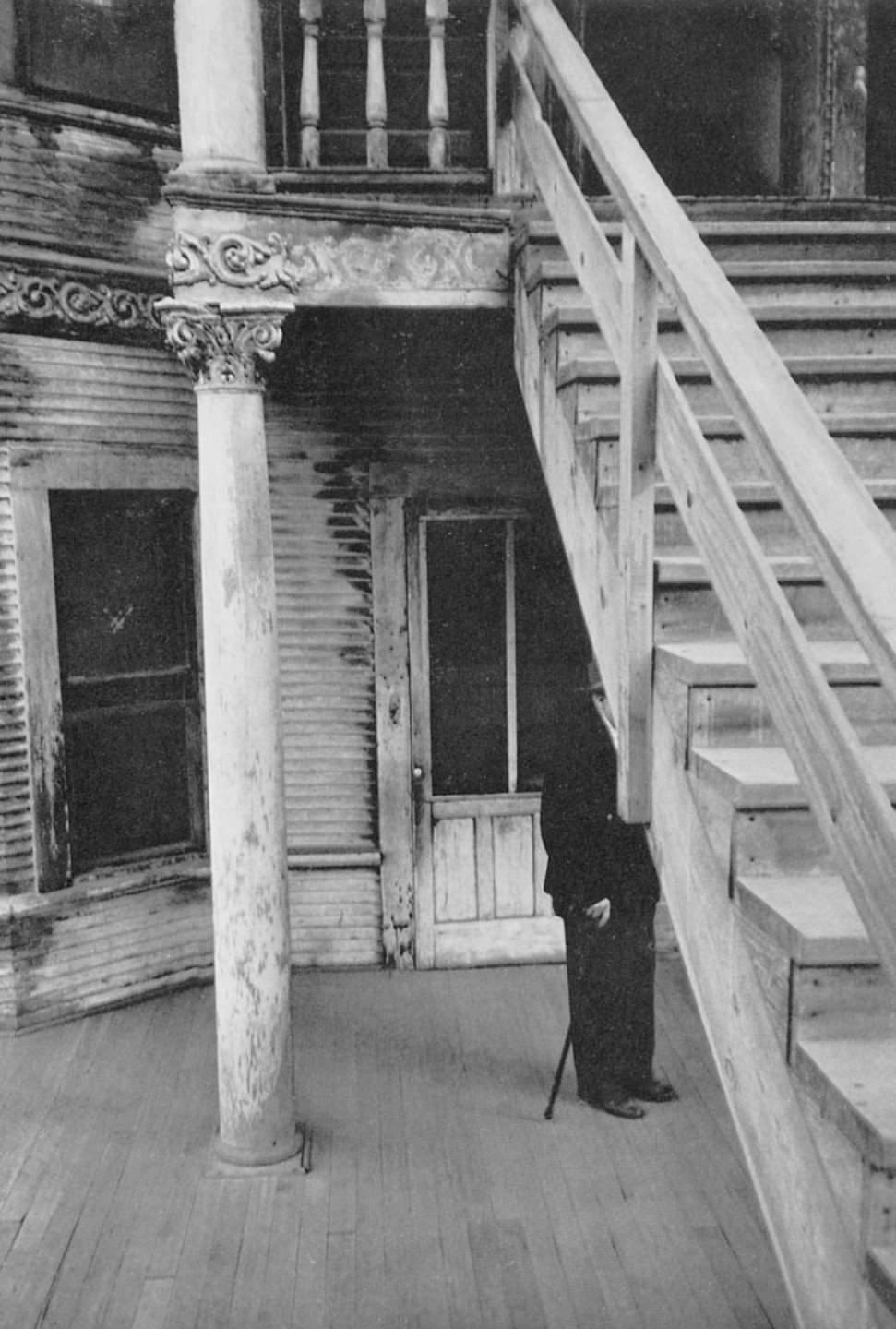
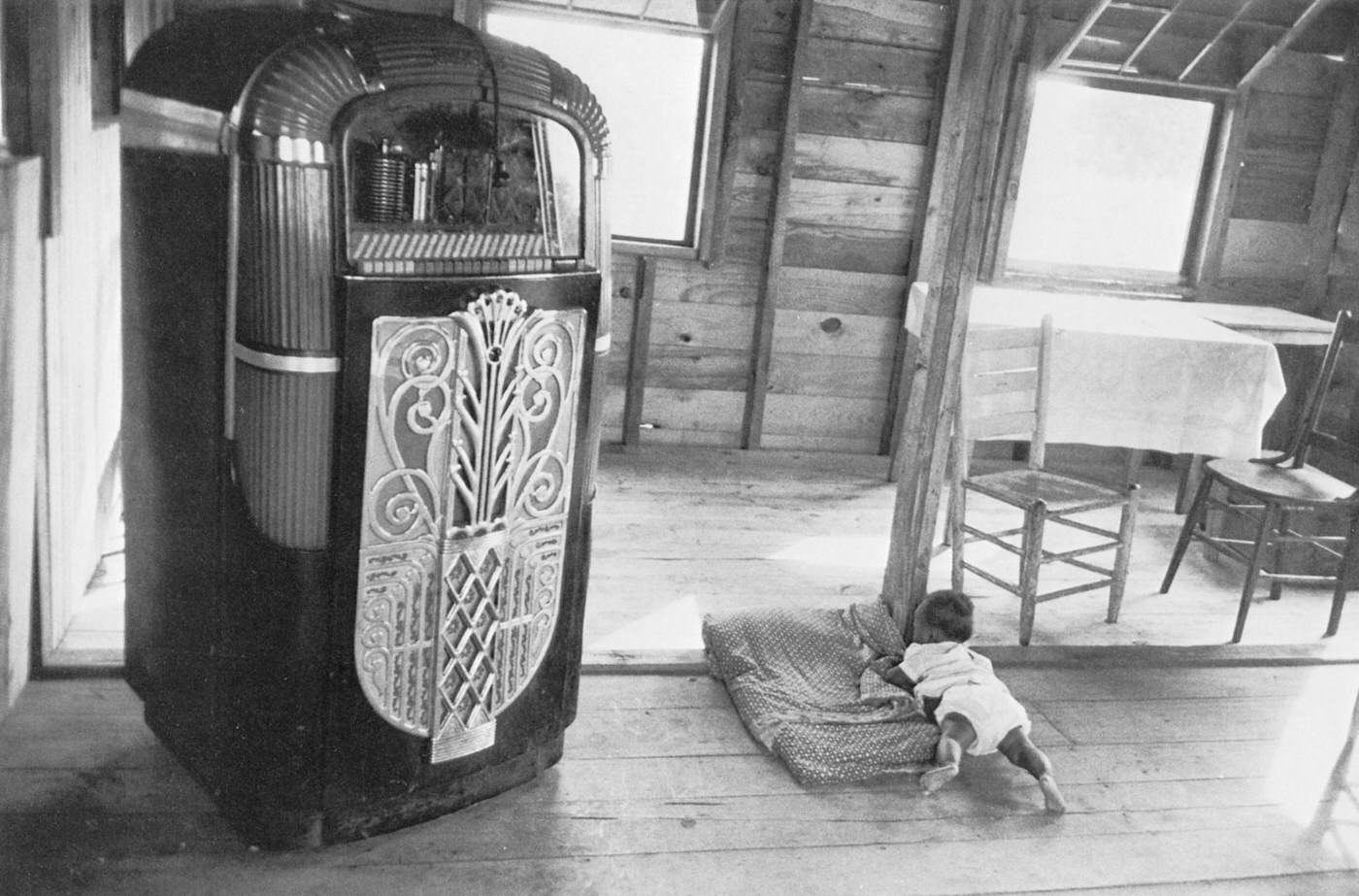
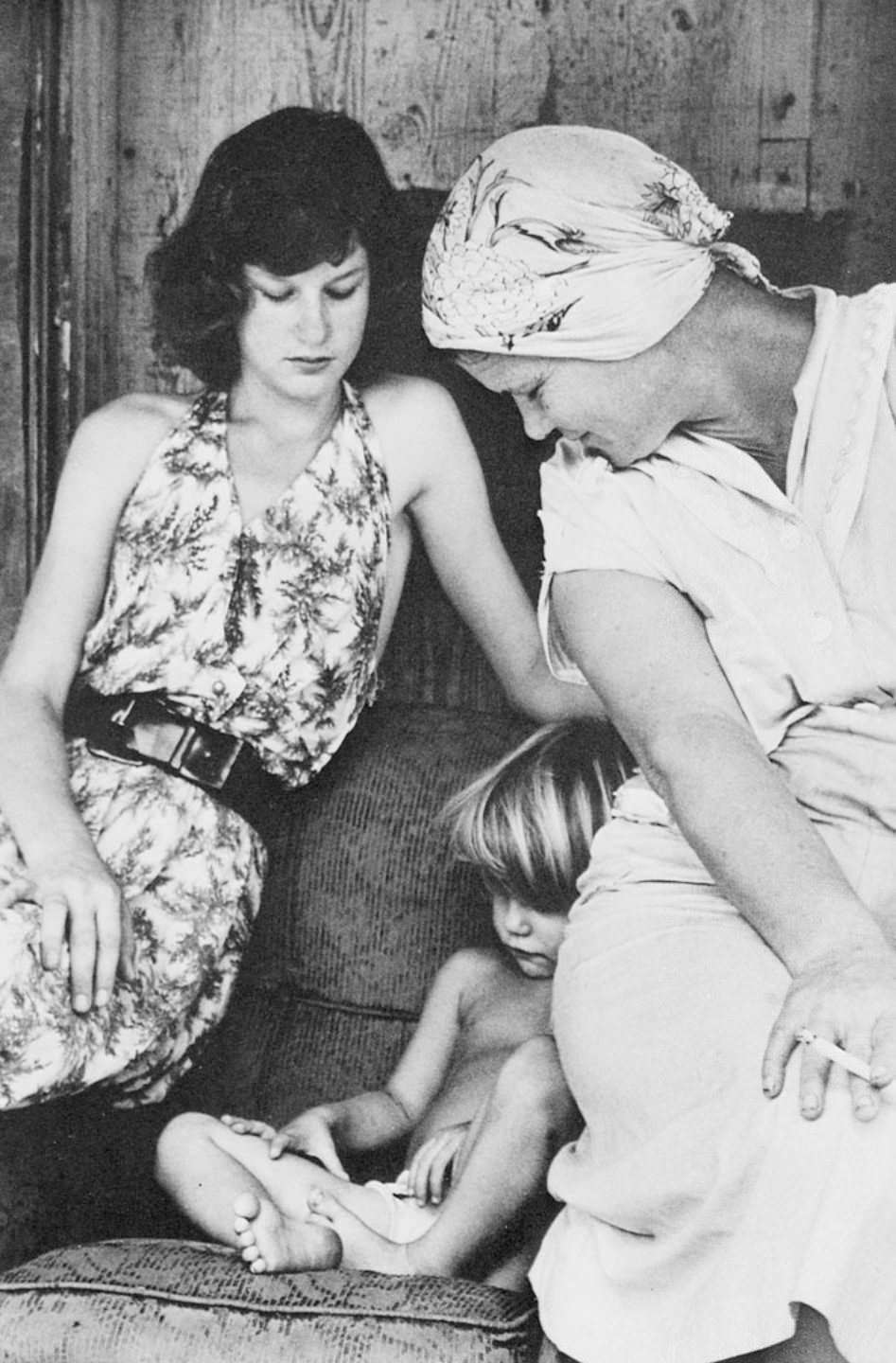
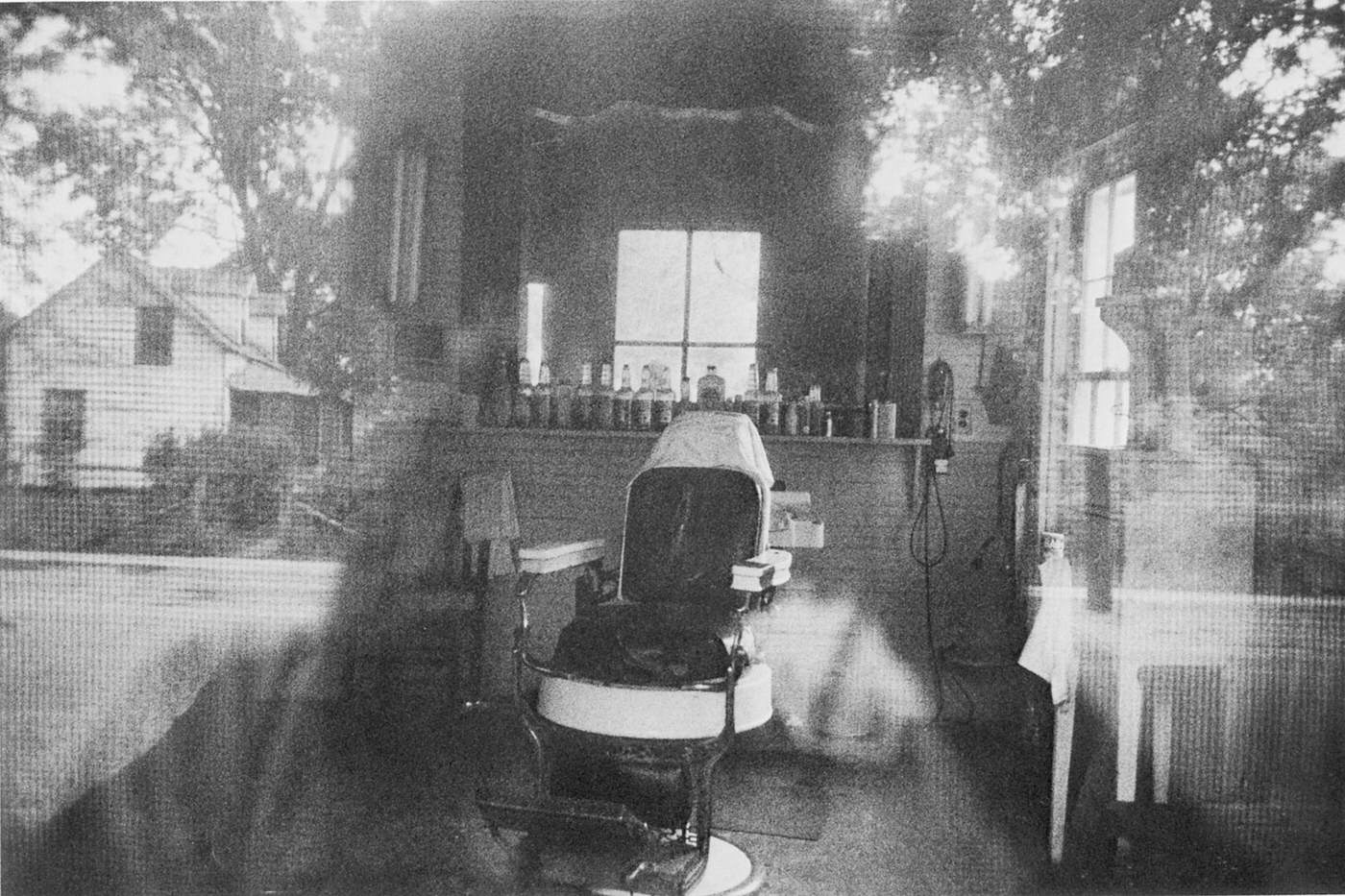
The American South features heavily in the book. Photographs from Beaufort, Georgetown, and McClellanville in South Carolina, as well as Chattanooga, Tennessee, and Savannah, Georgia, document a region still defined by racial segregation and social stratification in 1955 and 1956.
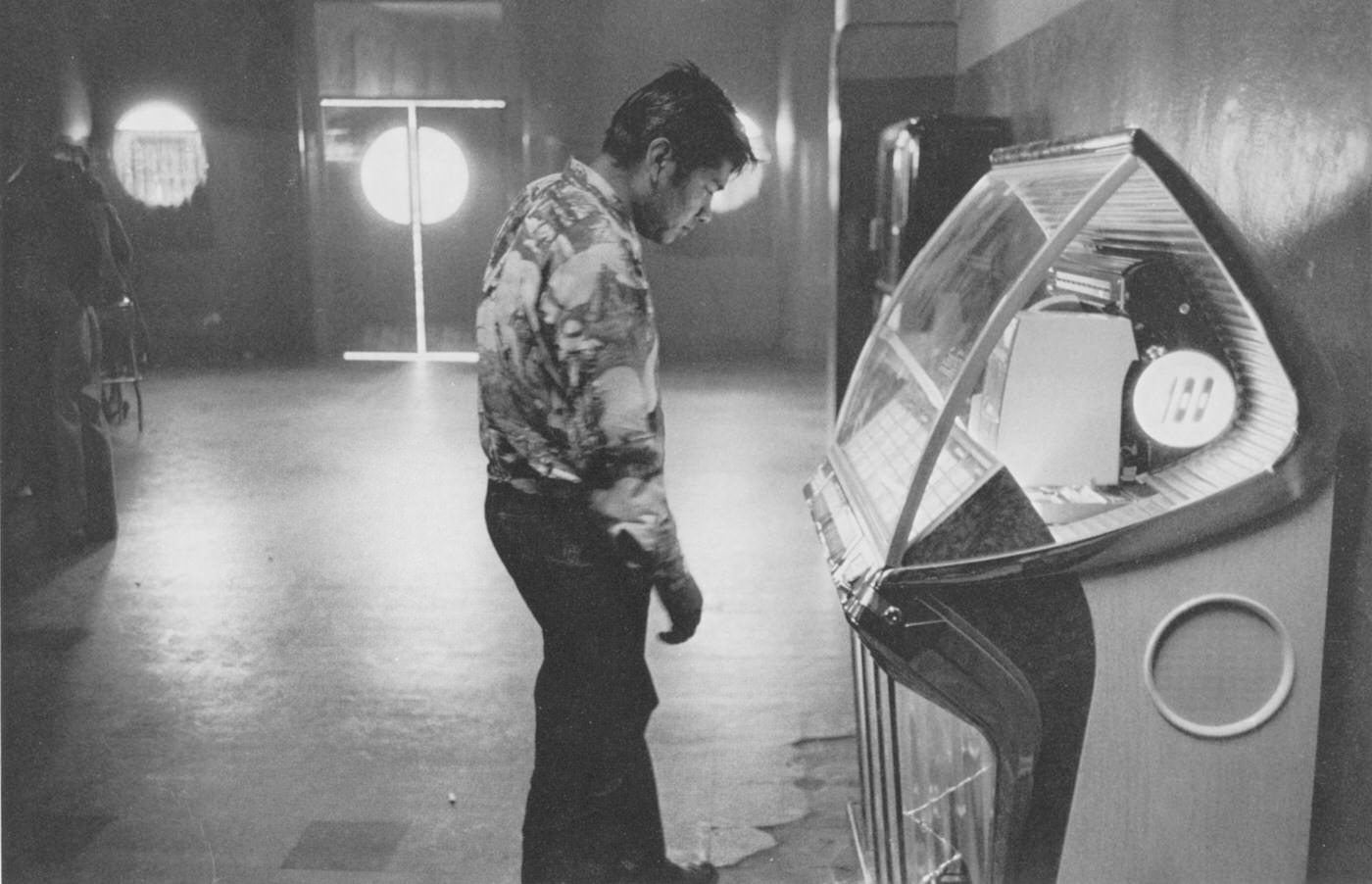
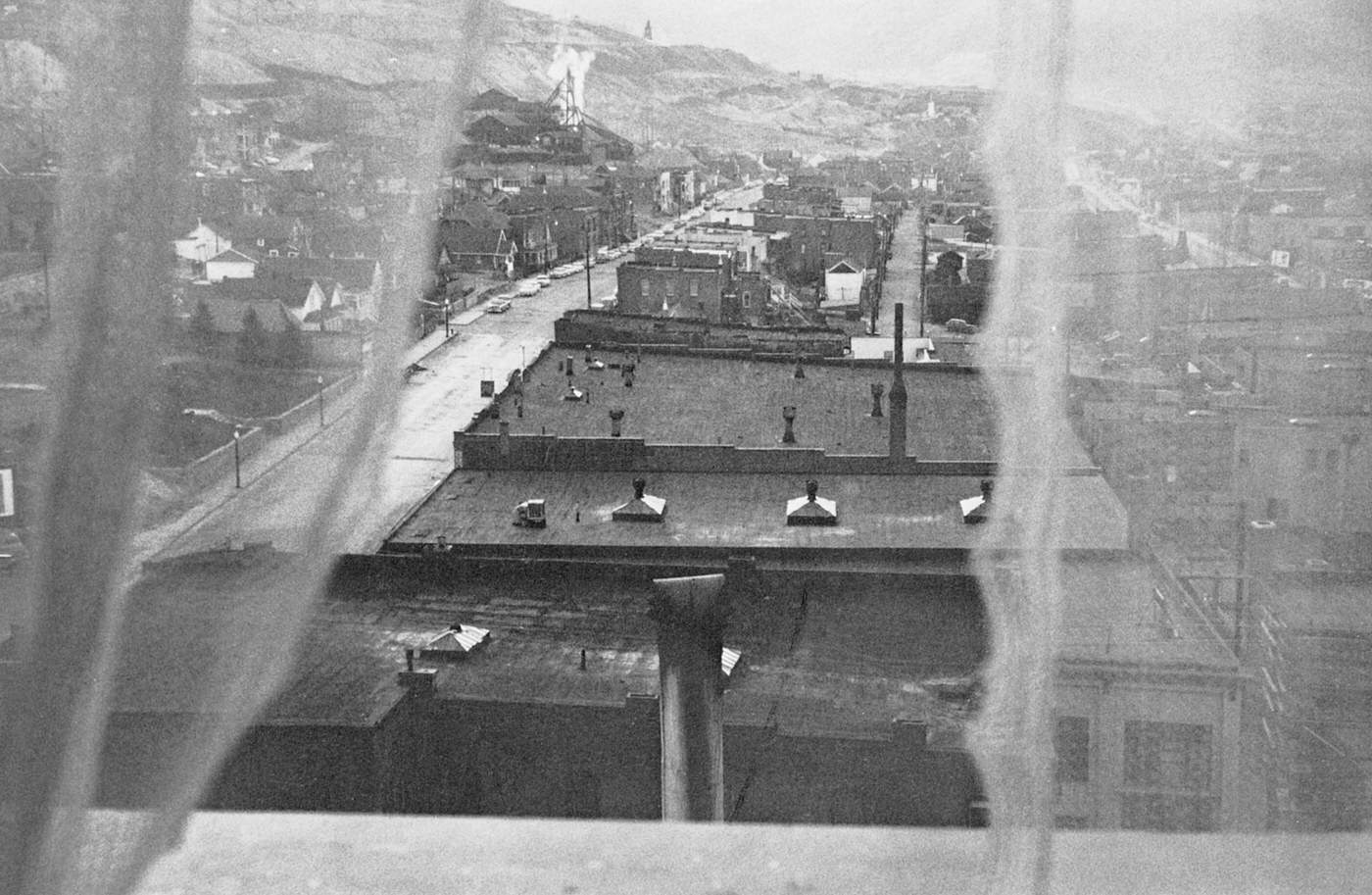
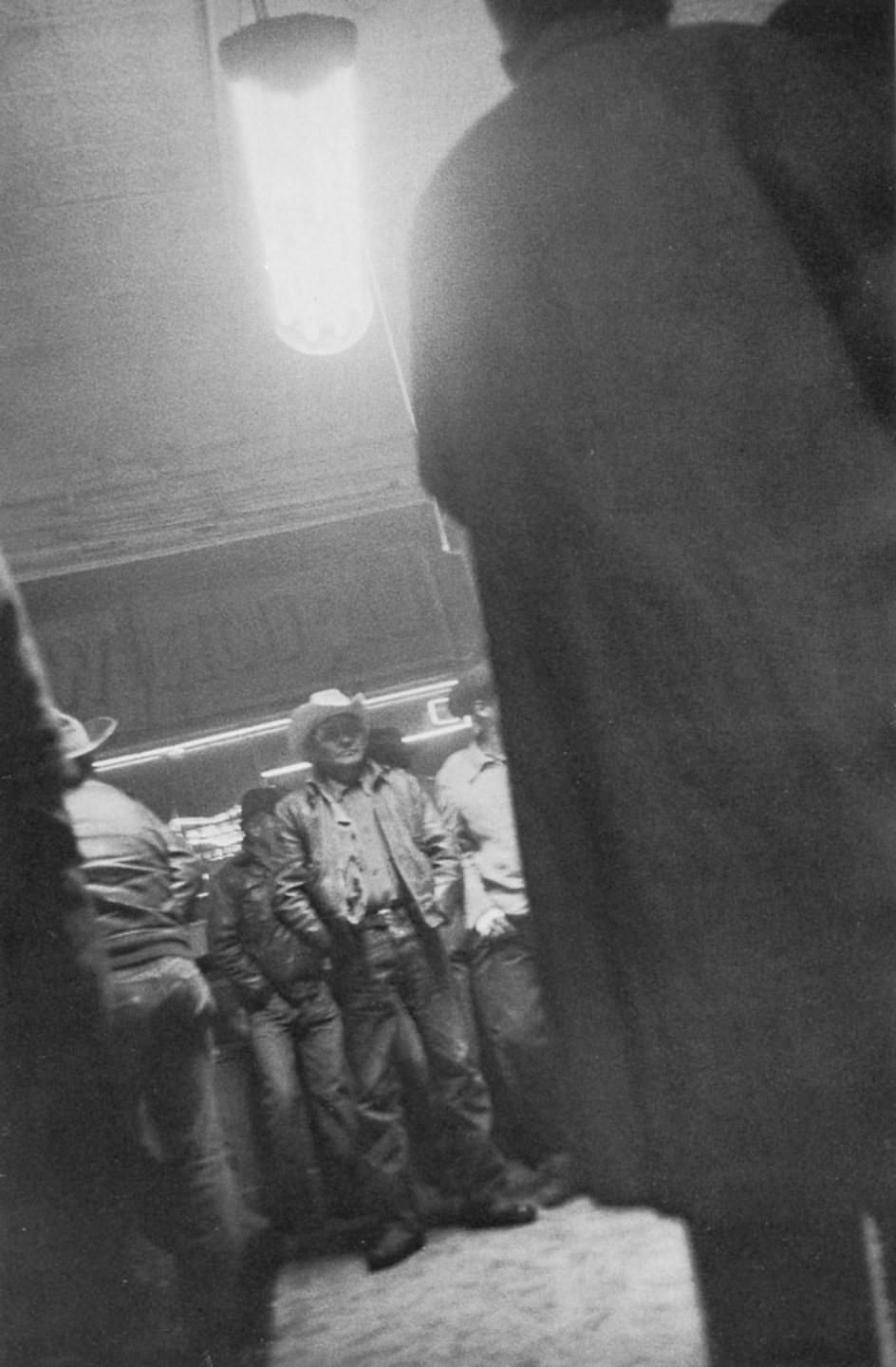
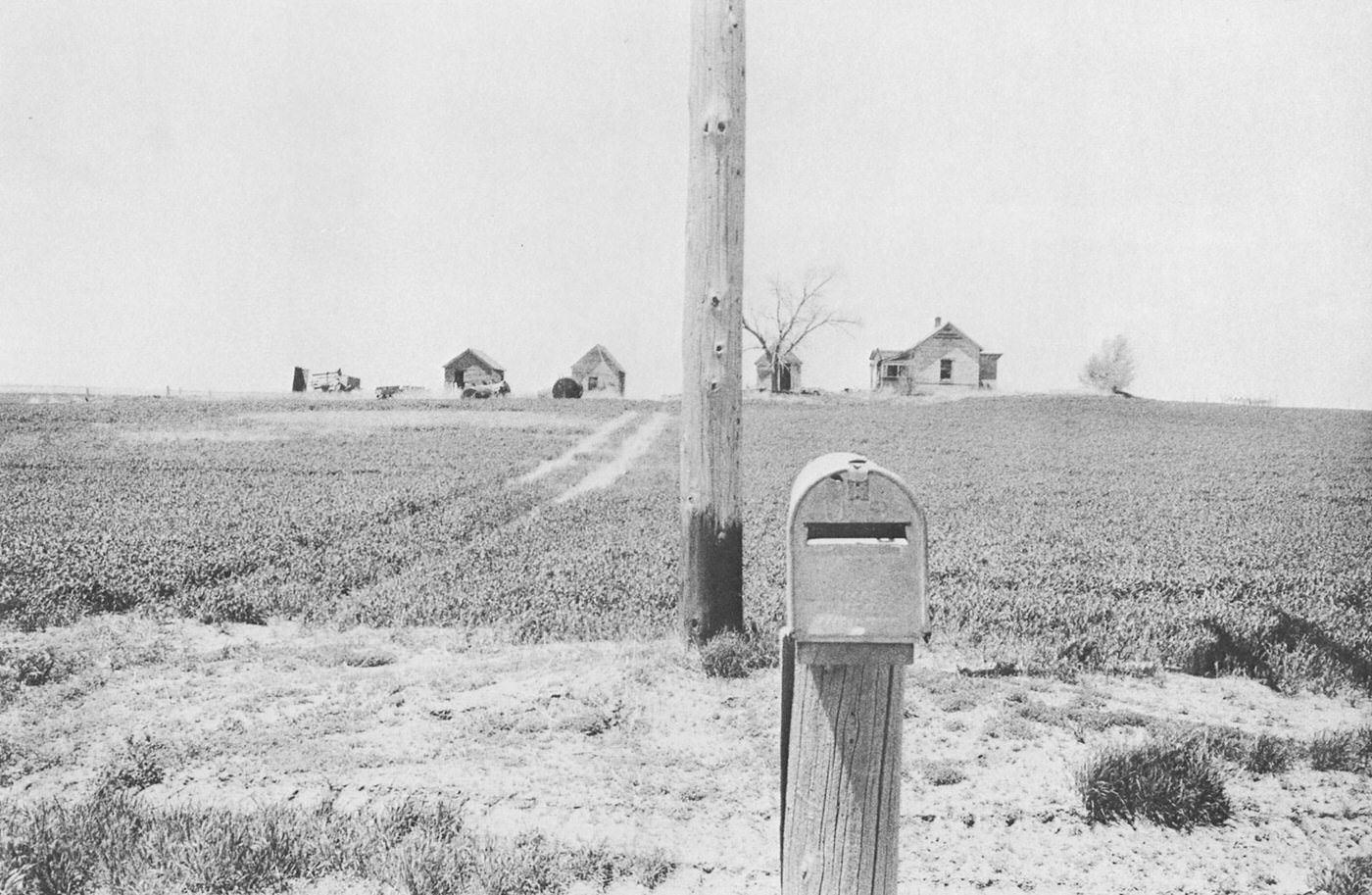
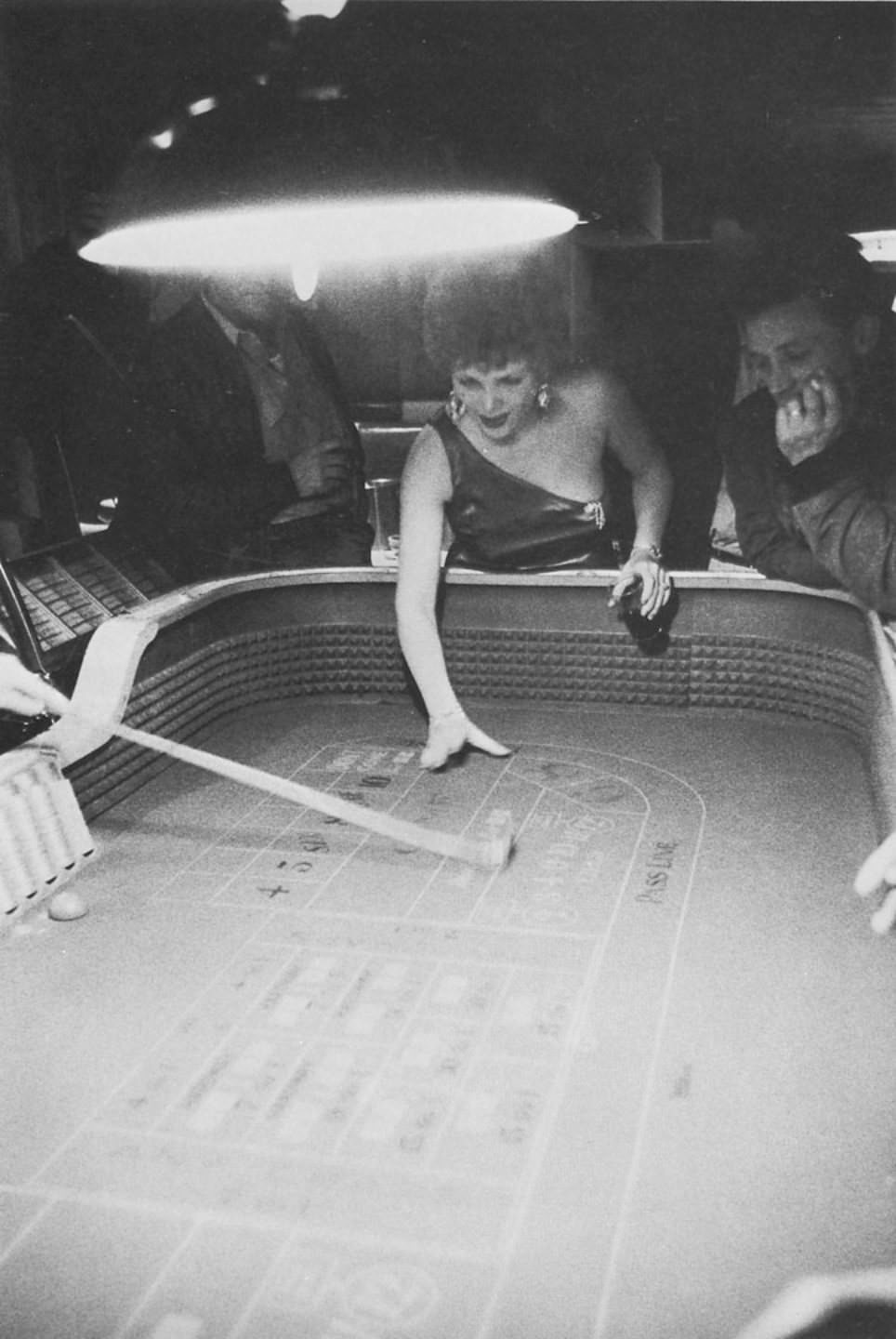
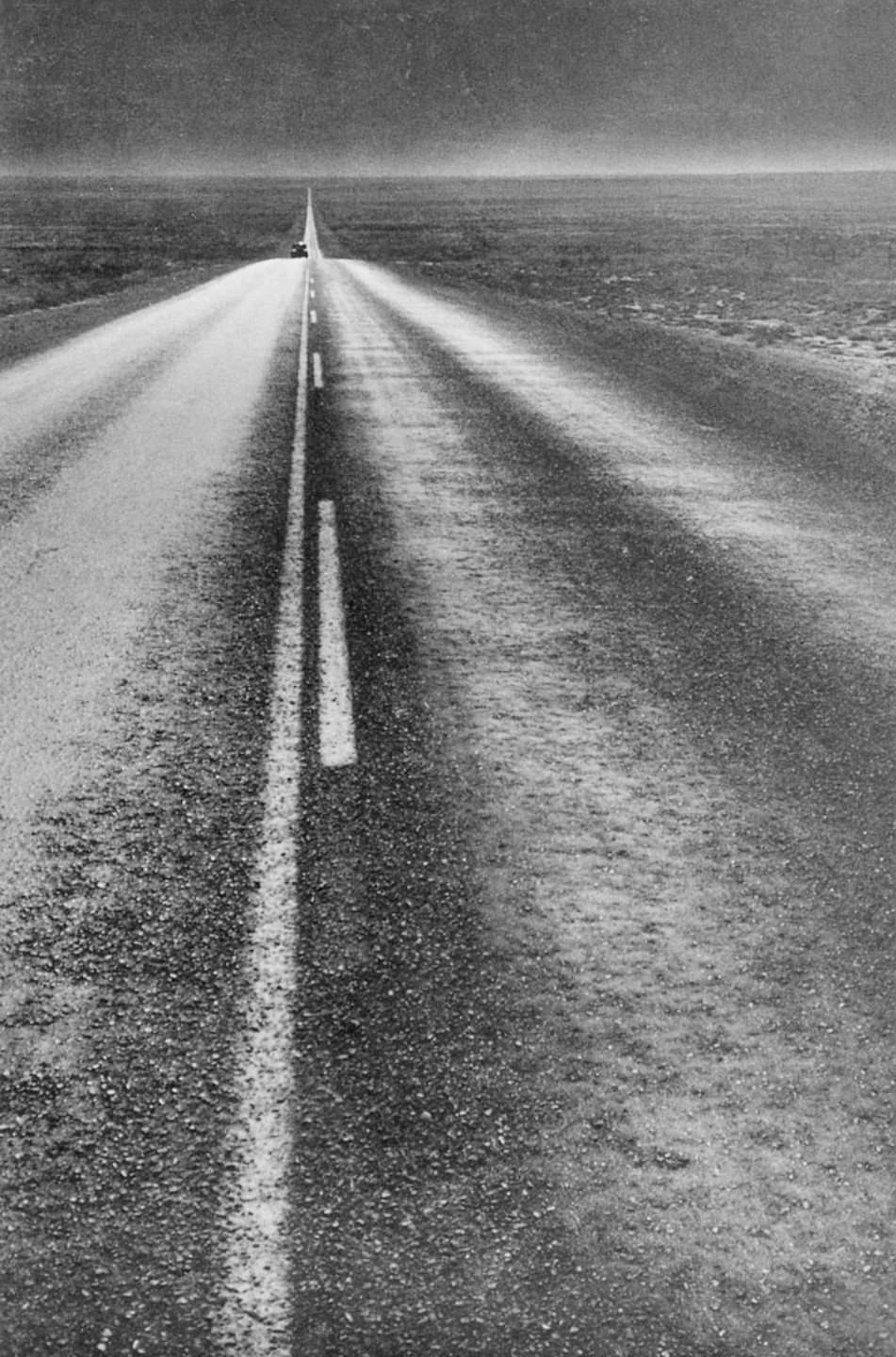
The American West gave Frank some of his most stripped-down images. Empty highways in Nebraska, Idaho, and New Mexico, a bar in Gallup, a casino in Elko, and a hotel window view in Butte, Montana, all conveyed the vast, indifferent space between American communities.
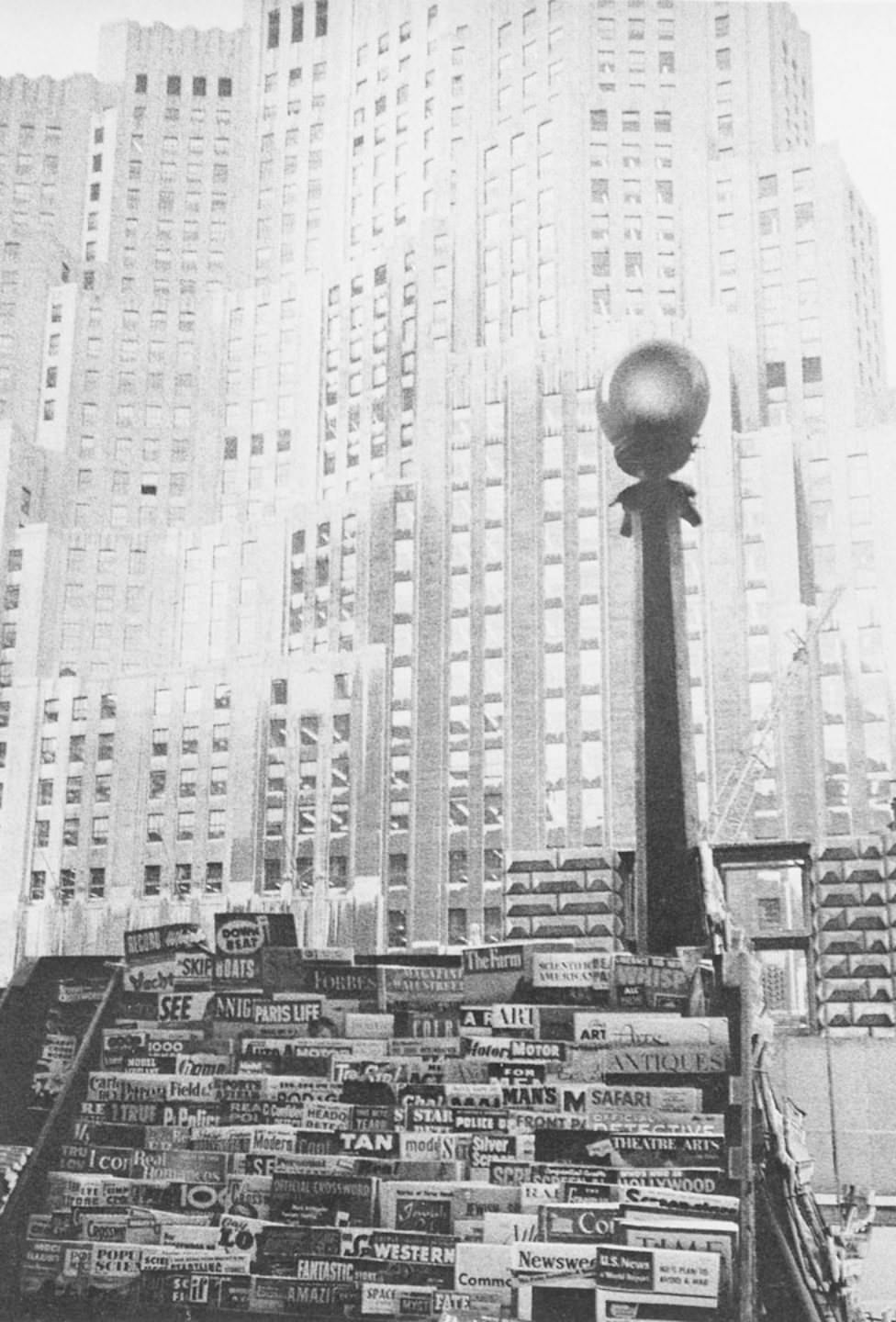
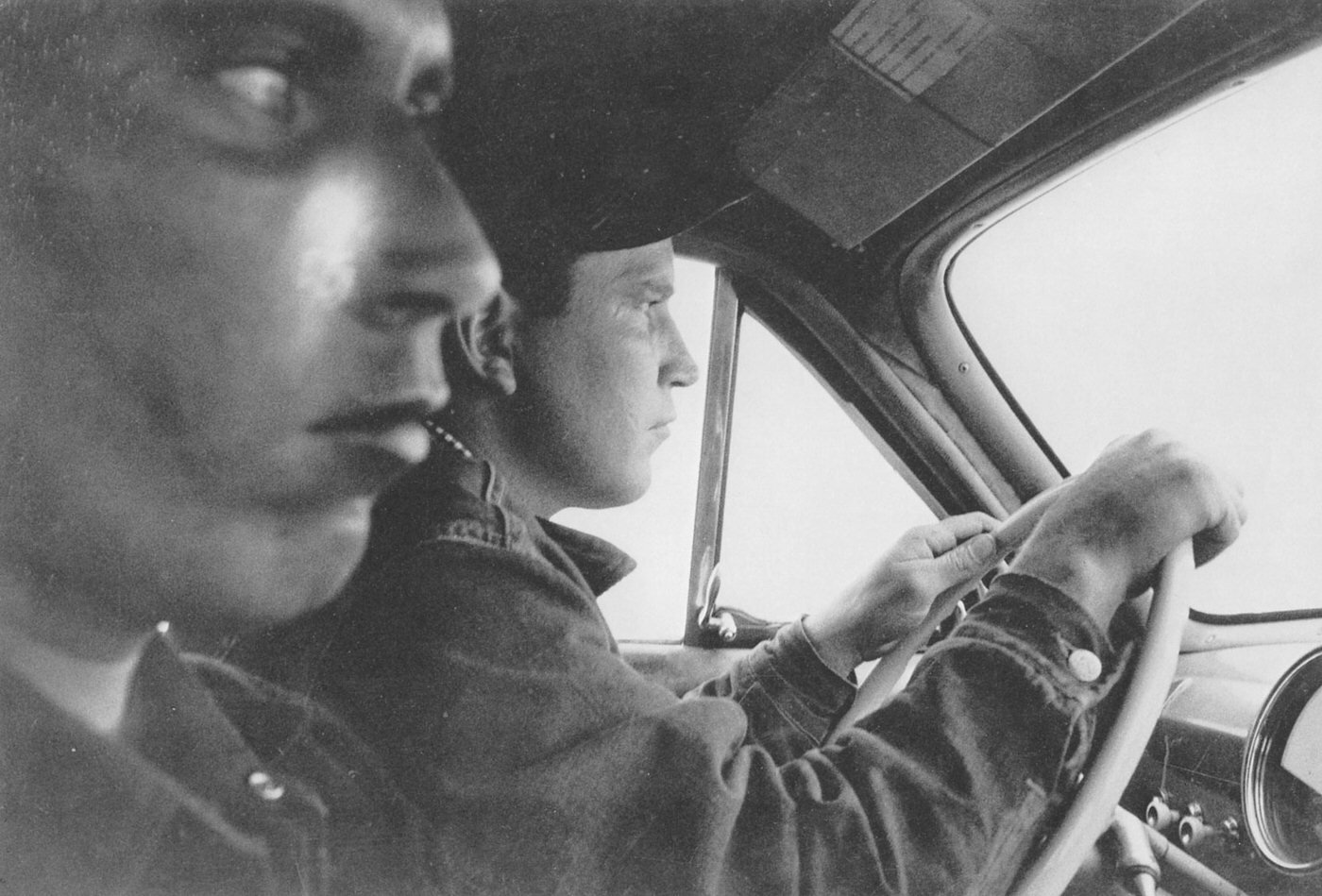
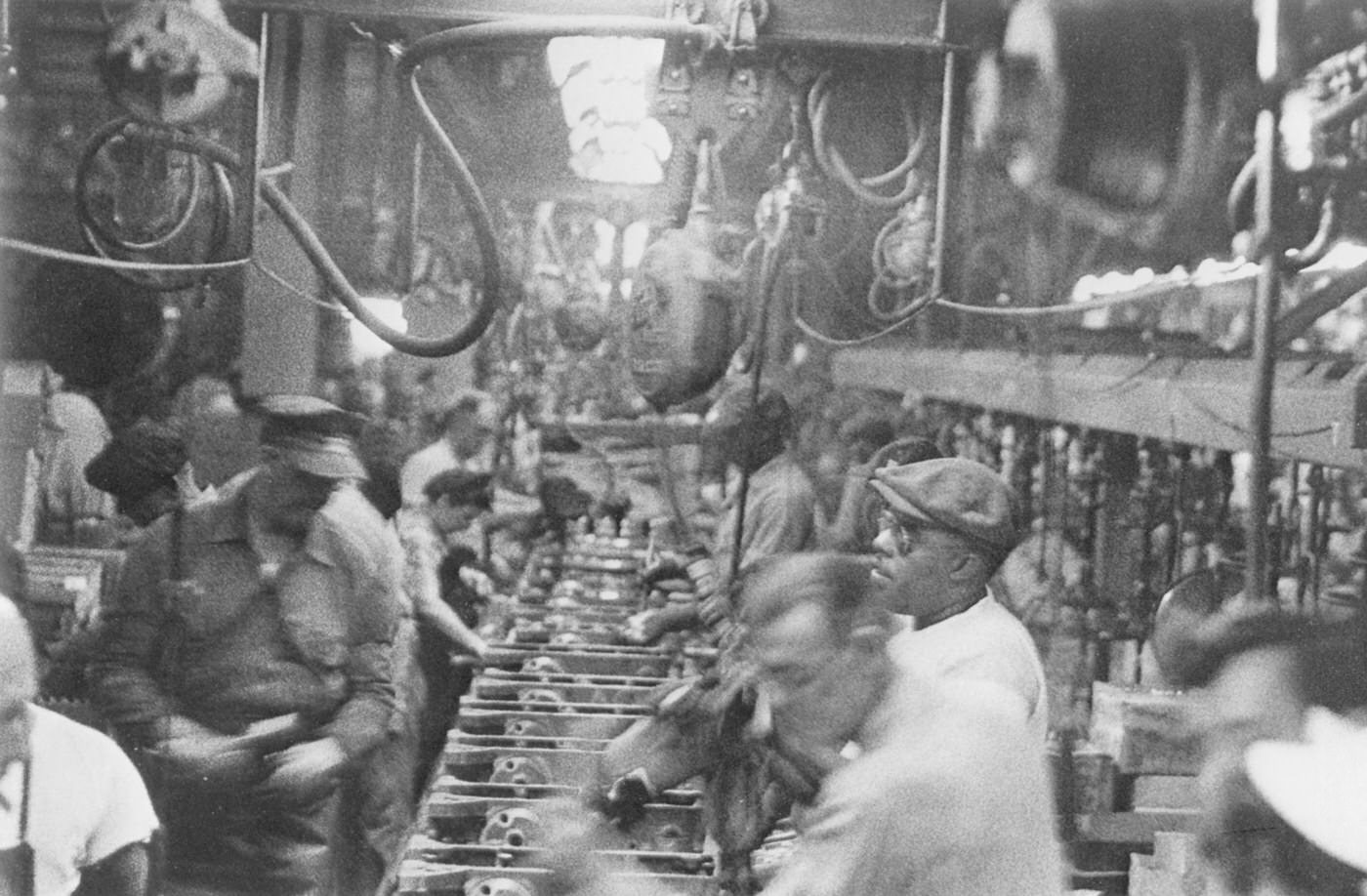
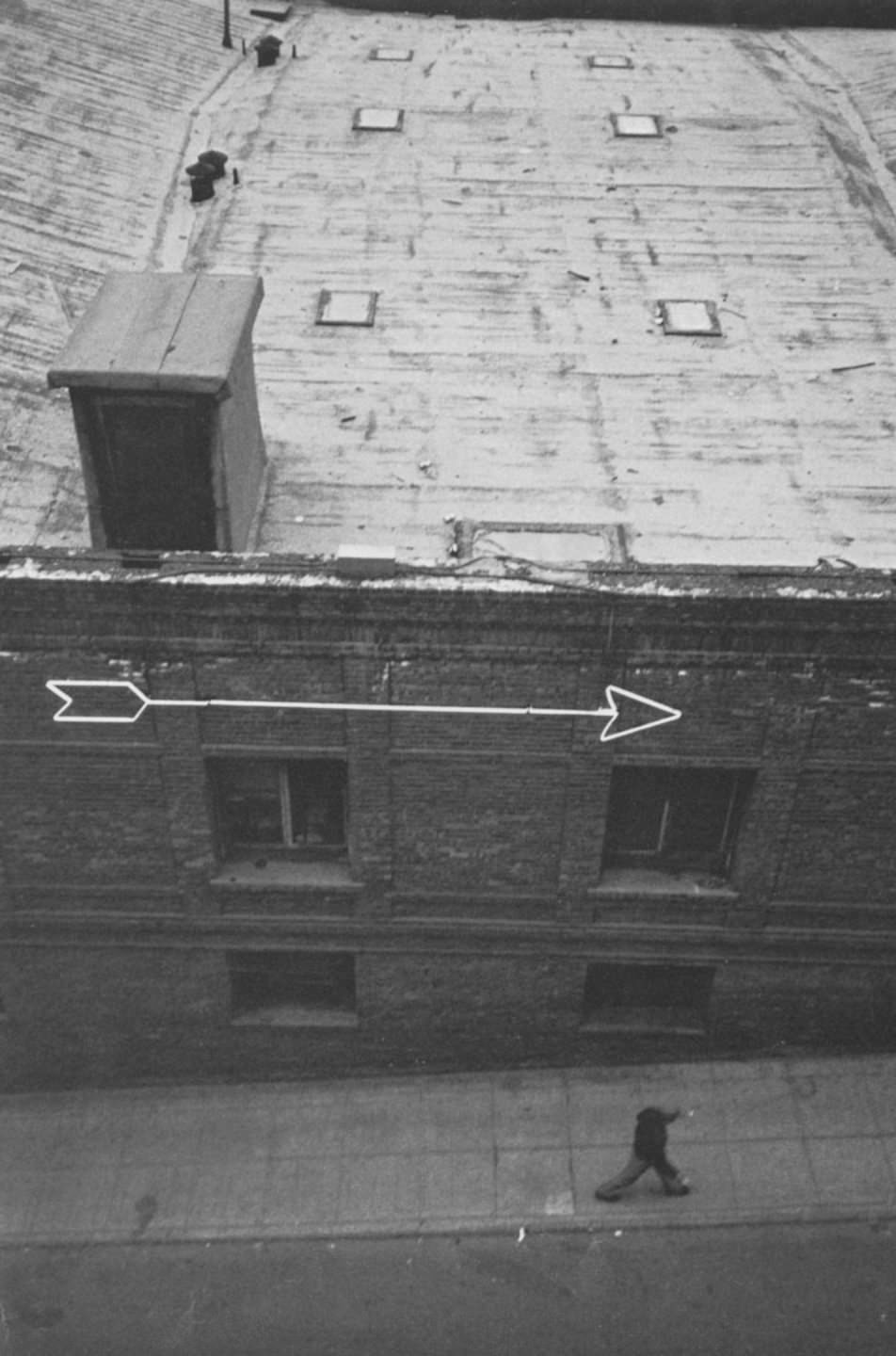
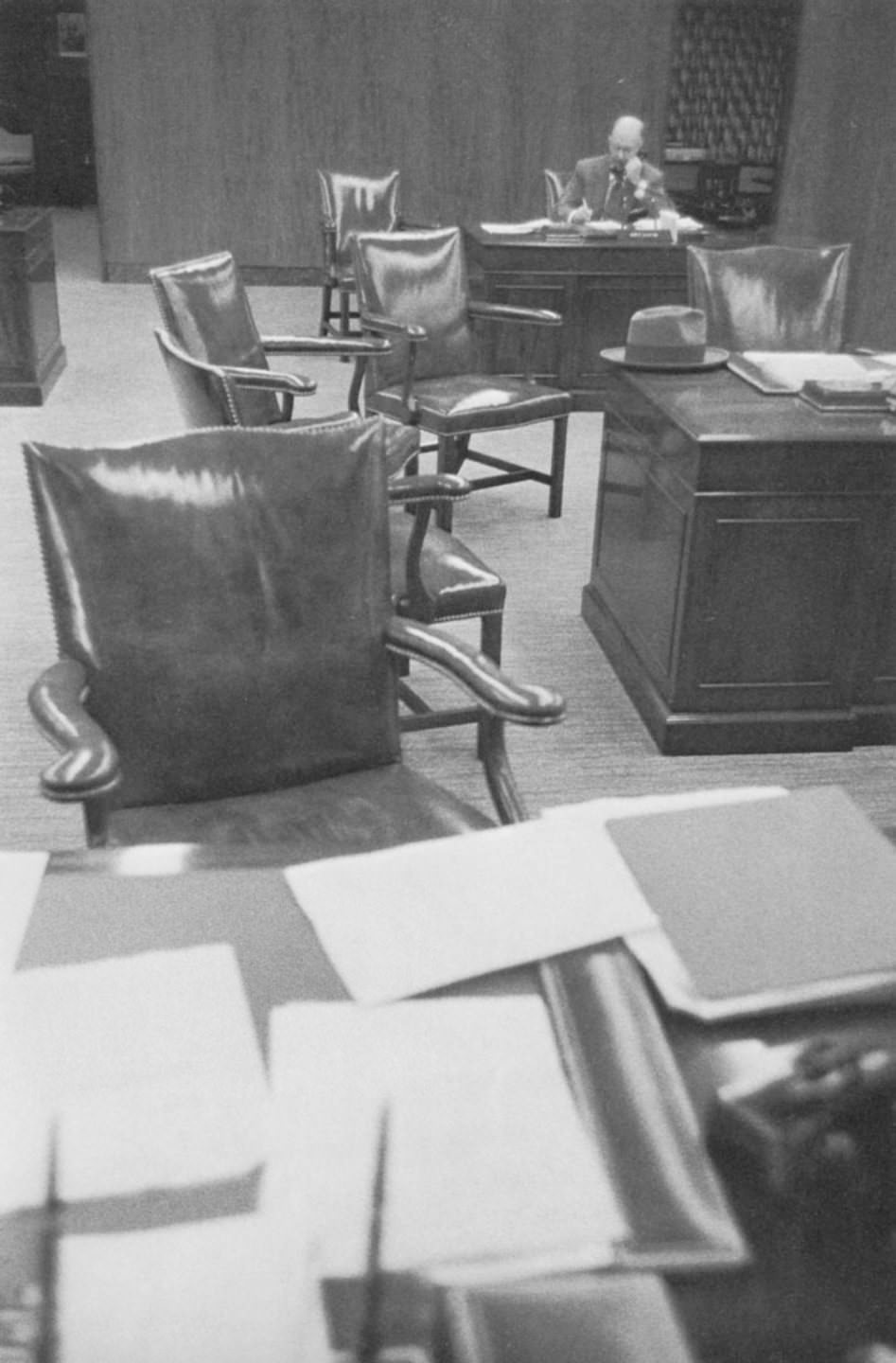
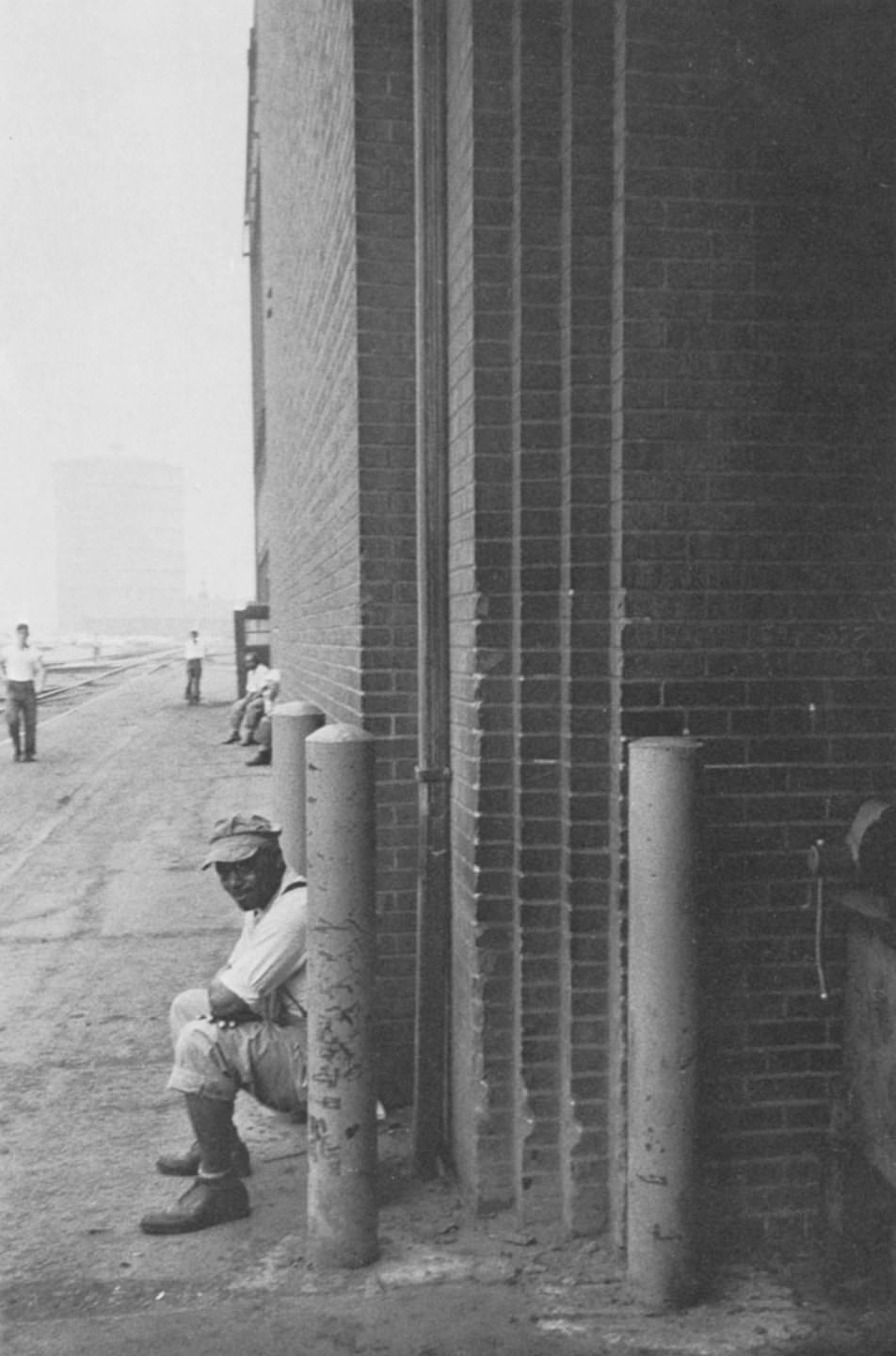
Frank’s photographs of industrial America — Detroit’s assembly lines and factories, a bank in Houston, a department store in Lincoln, Nebraska — presented the machinery of mid-century prosperity without celebrating it. Workers and consumers appear as figures inside systems larger than themselves.
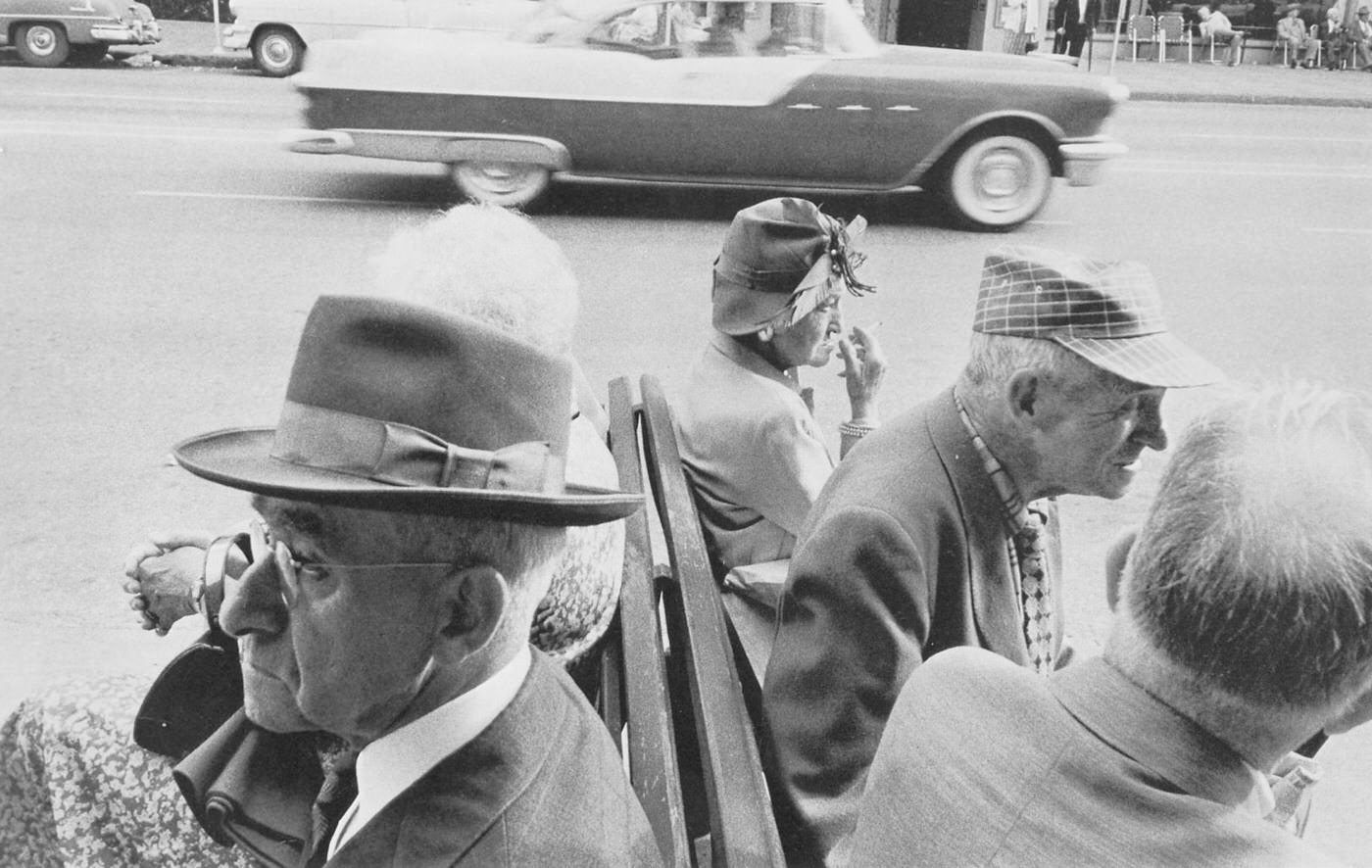
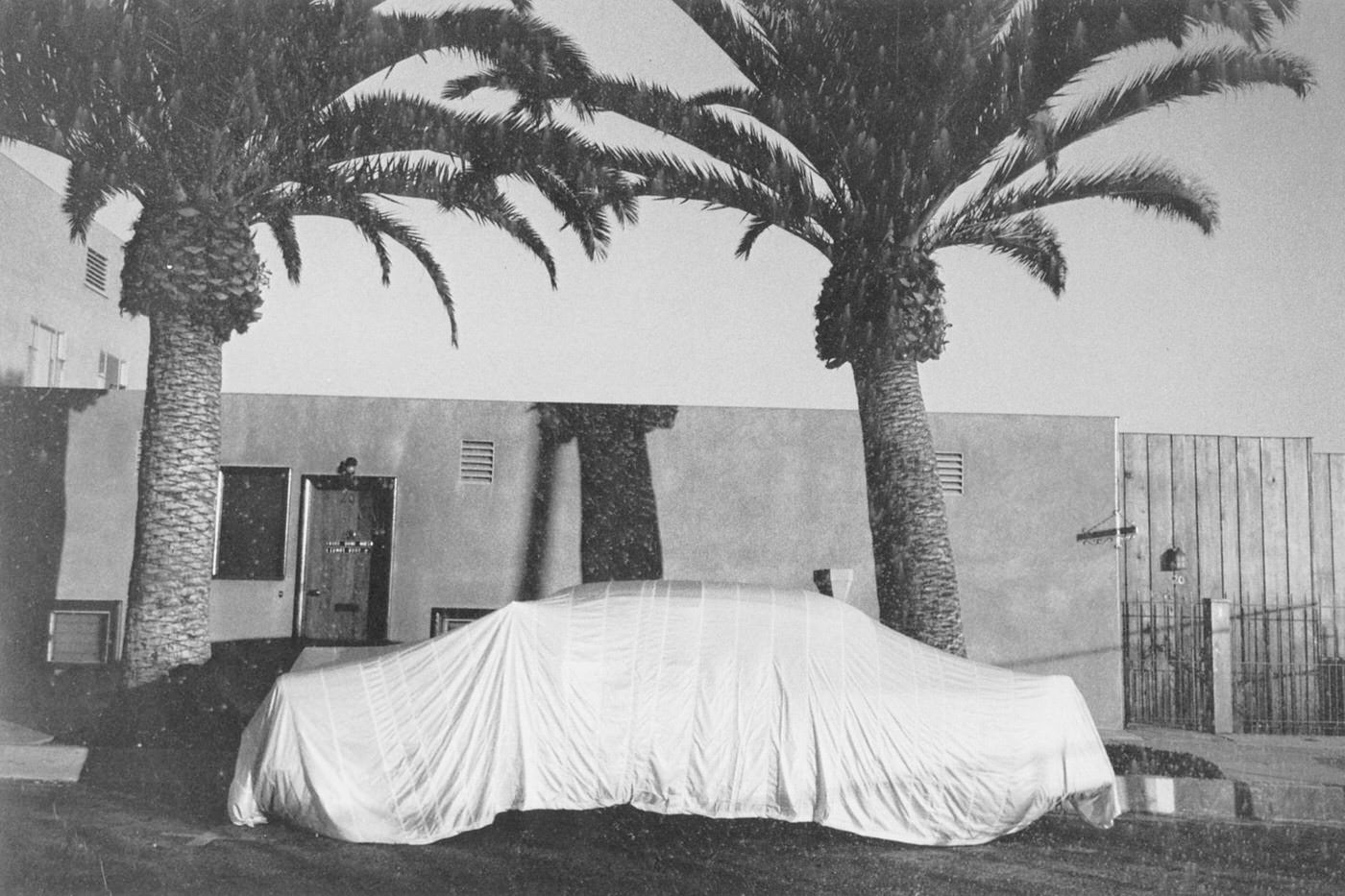
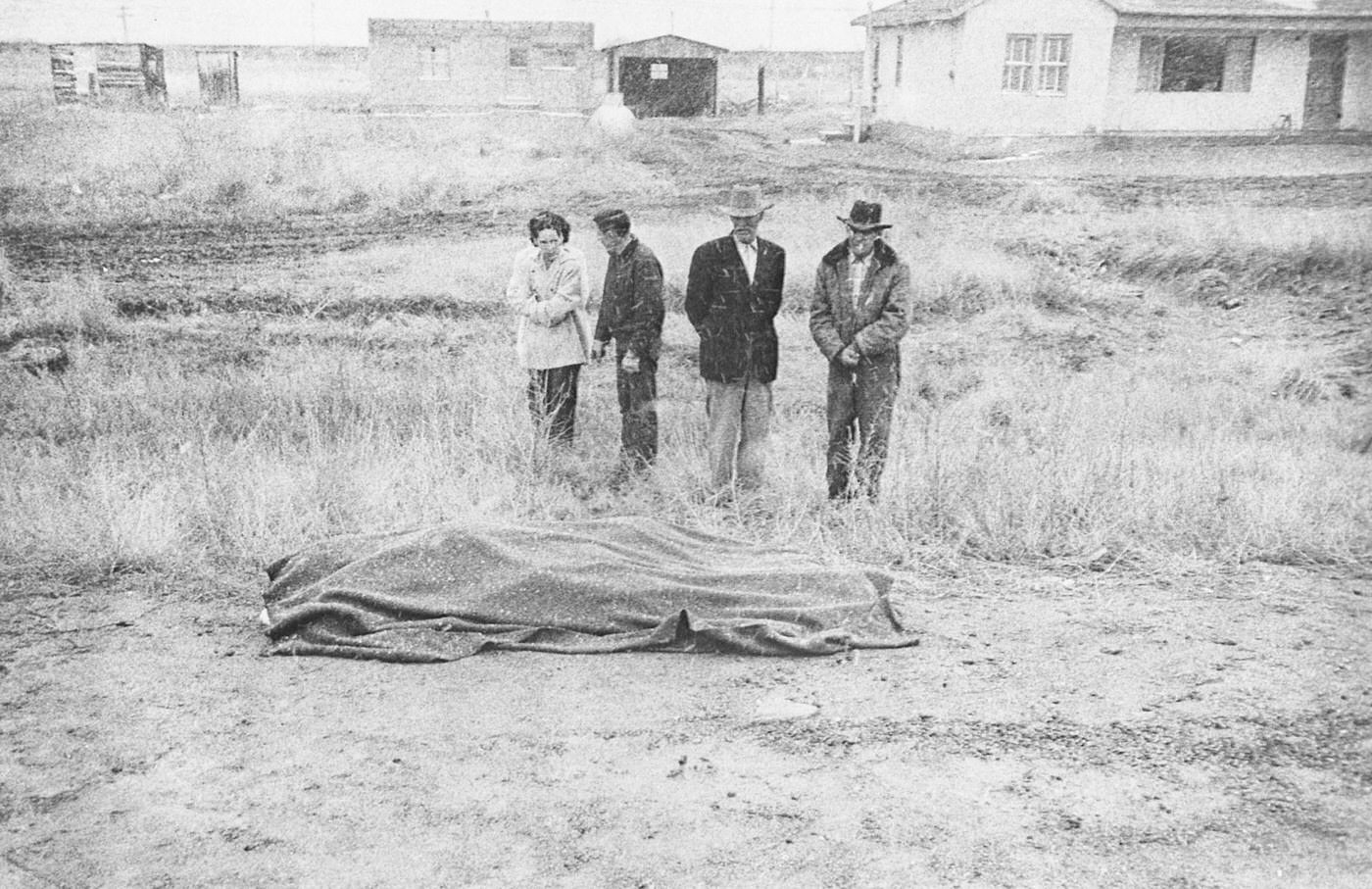
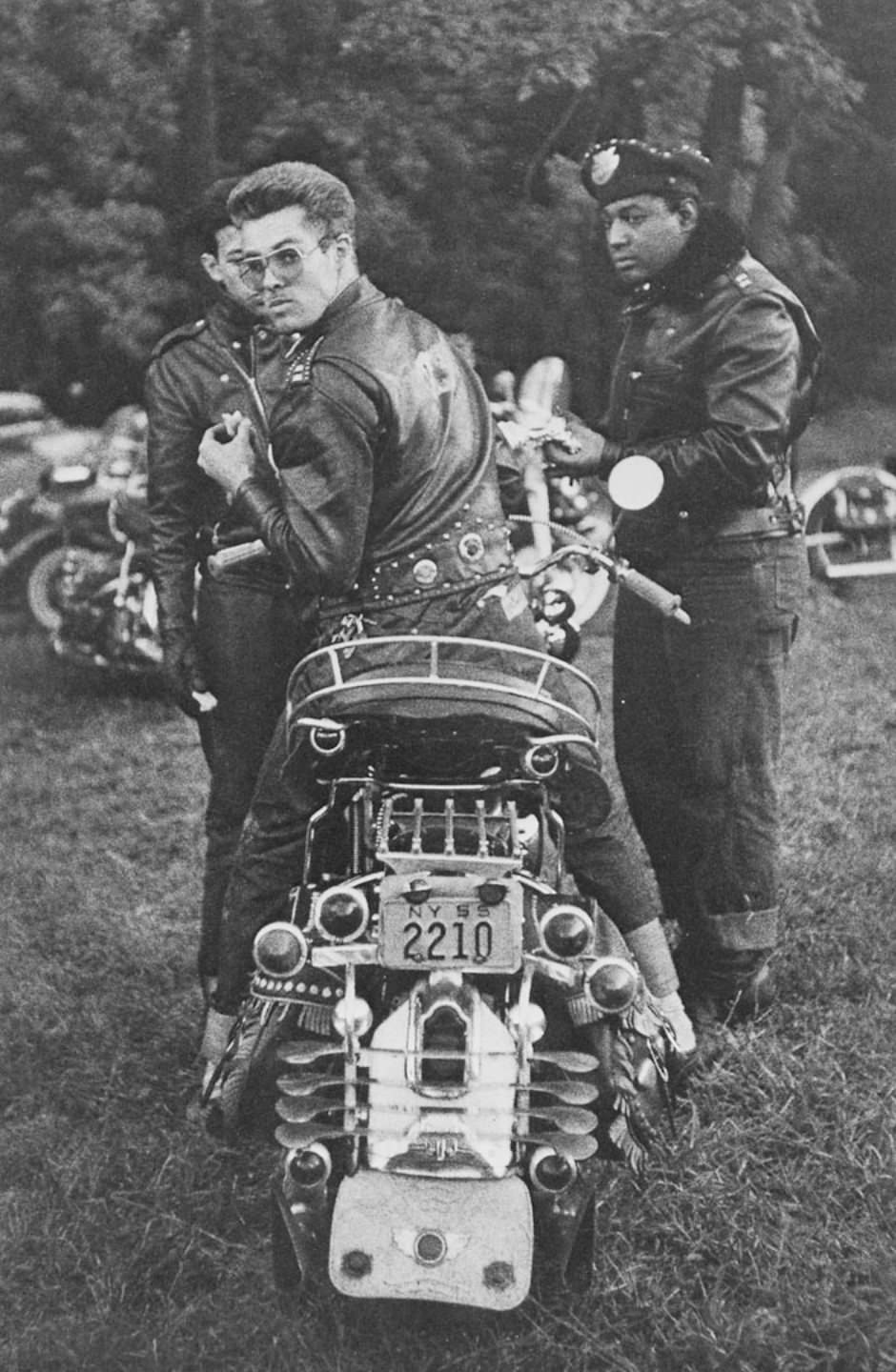
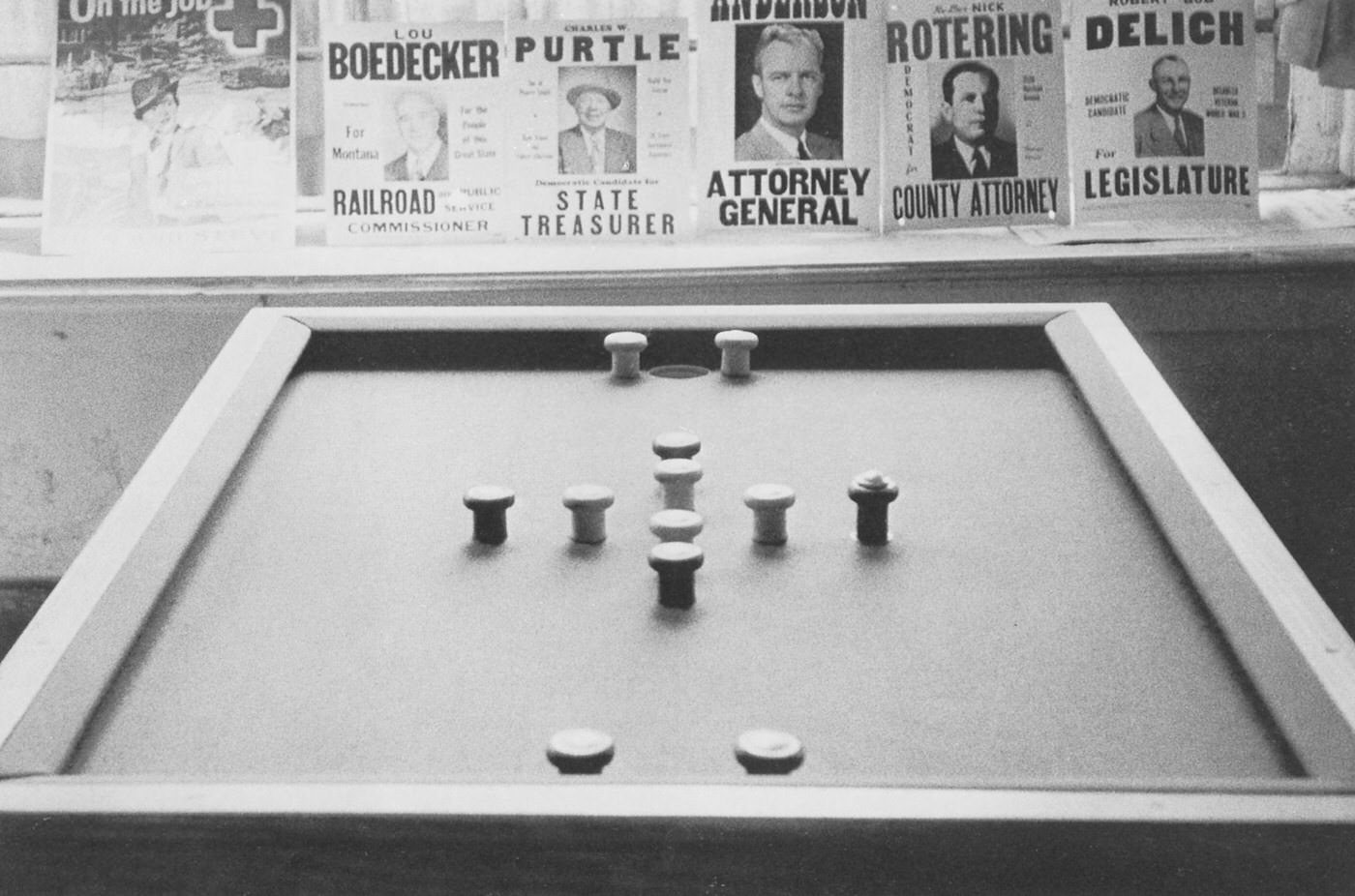
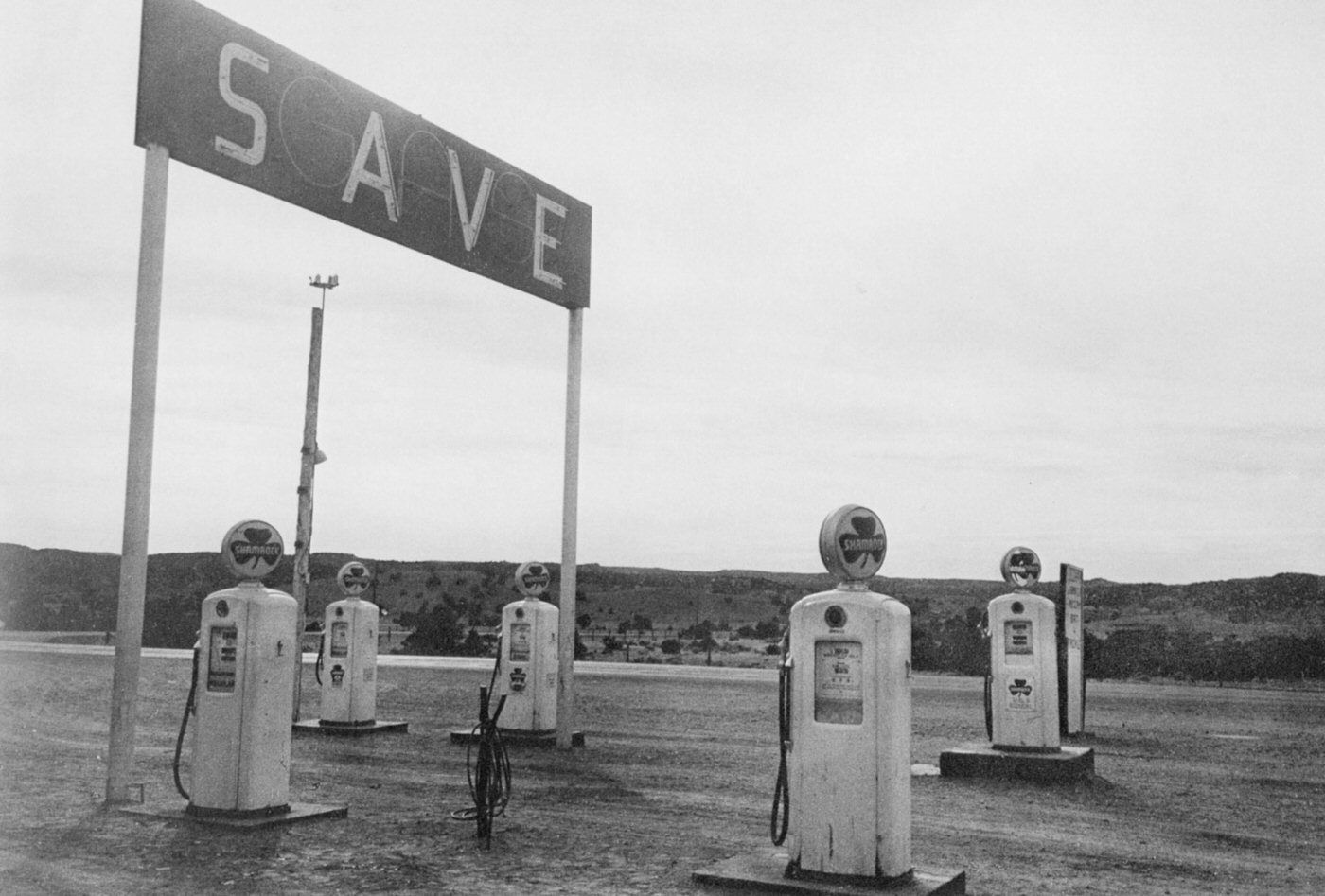
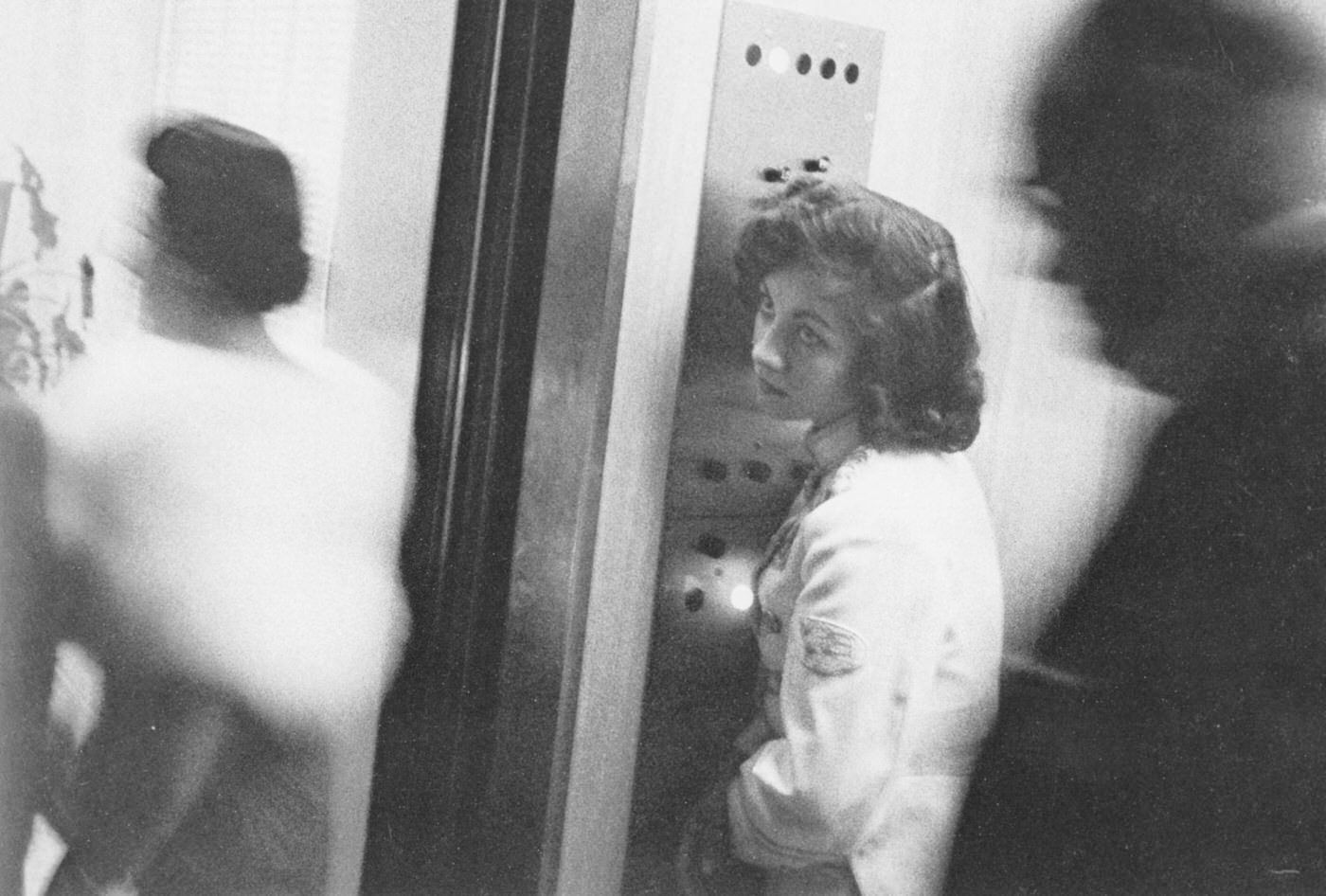
When “The Americans” was first published in France in 1958, and then in the United States in 1959, it split critics sharply. Some praised Frank’s honesty and his willingness to show a version of America that official culture preferred to ignore. Others called his work unpatriotic and accused him of distorting the country’s image. The book’s introduction, written by Beat writer Jack Kerouac, aligned Frank with a literary generation equally skeptical of postwar American optimism.