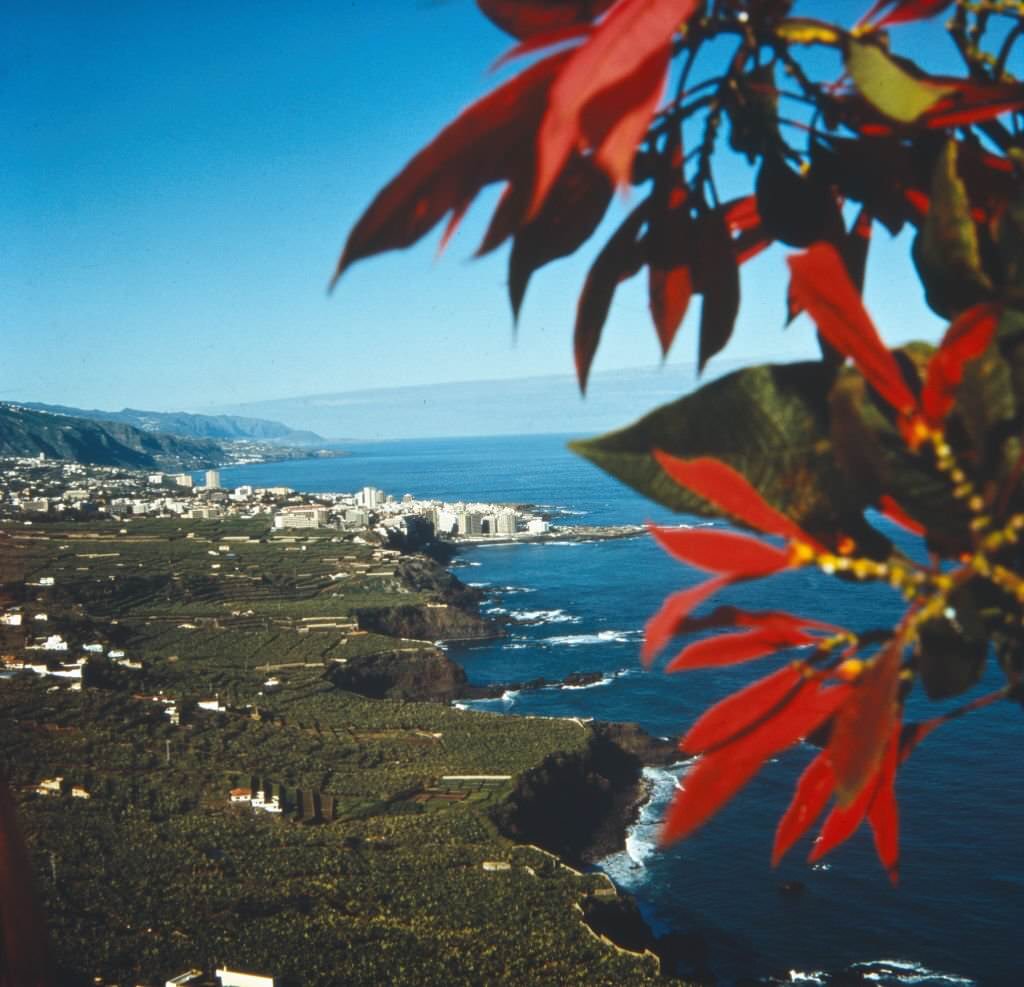
Tenerife is the largest and most populous island in the Canary Islands, an autonomous community of Spain located off the northwest coast of Africa. Its black-sand and gold-sand beaches, an active volcano, dense forests, and dramatic cliffside towns have made it one of Spain’s most visited destinations. By the time the 1970s arrived, the island was deep into a tourism boom that was reshaping its coastline and economy at a rapid pace.
The island’s capital, Santa Cruz de Tenerife, had held that status since 1833, when it replaced the historic city of San Cristóbal de La Laguna. La Laguna, now a UNESCO World Heritage Site, is home to the University of La Laguna — the oldest university in the Canary Islands, founded in 1792. These two cities form the cultural and administrative core of an island that, despite its tourist image, has deep roots in Spanish colonial and academic history.
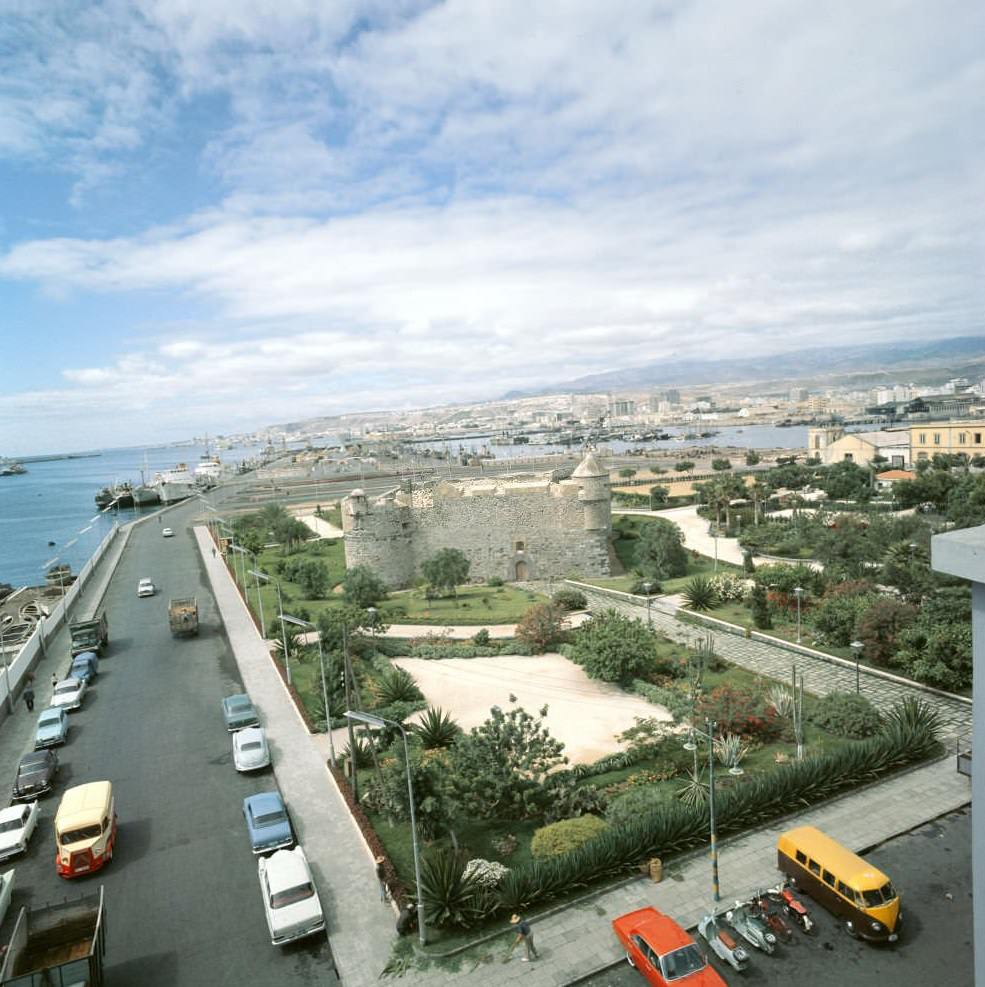
In the early 1970s, Tenerife’s towns still carried the quiet character of an earlier era. Streets were narrow, architecture was low-rise, and daily life moved at a pace that modern mass tourism had not yet fully disrupted. Local workers, fishermen, dockers, and farmers made up the backbone of the island’s non-tourist economy.
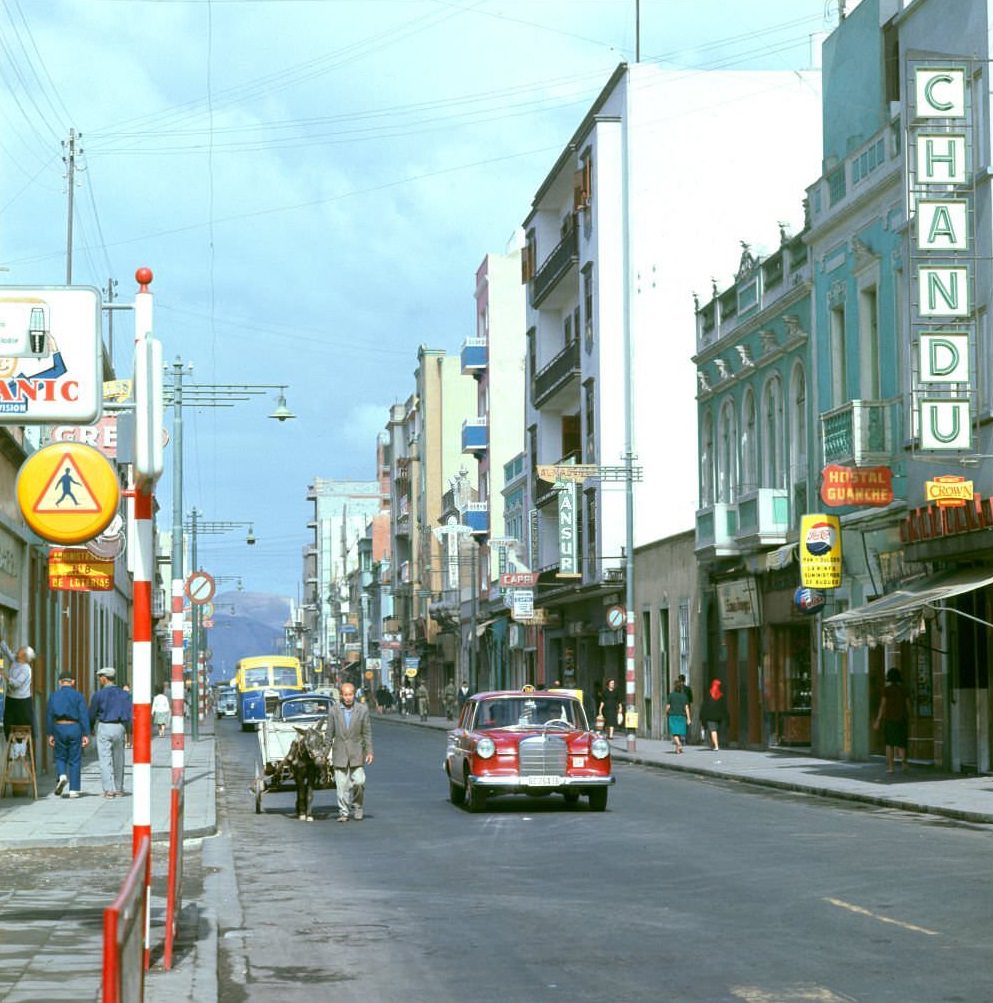
This striking contrast between old and new was visible everywhere. A Mercedes taxi overtaking a man with a donkey cart captures the tension perfectly — modern Europe arriving at speed while traditional rural life carried on in its path. The island was changing fast, but not everyone was changing with it.
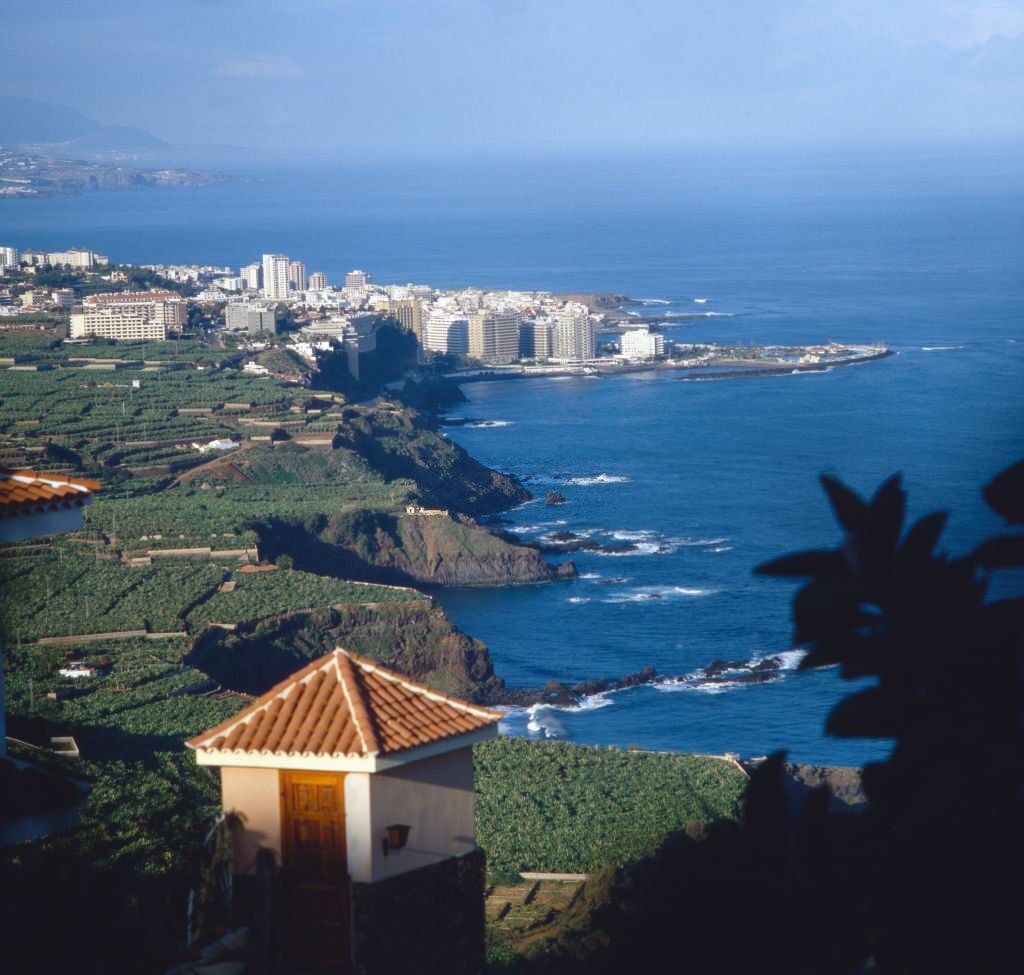
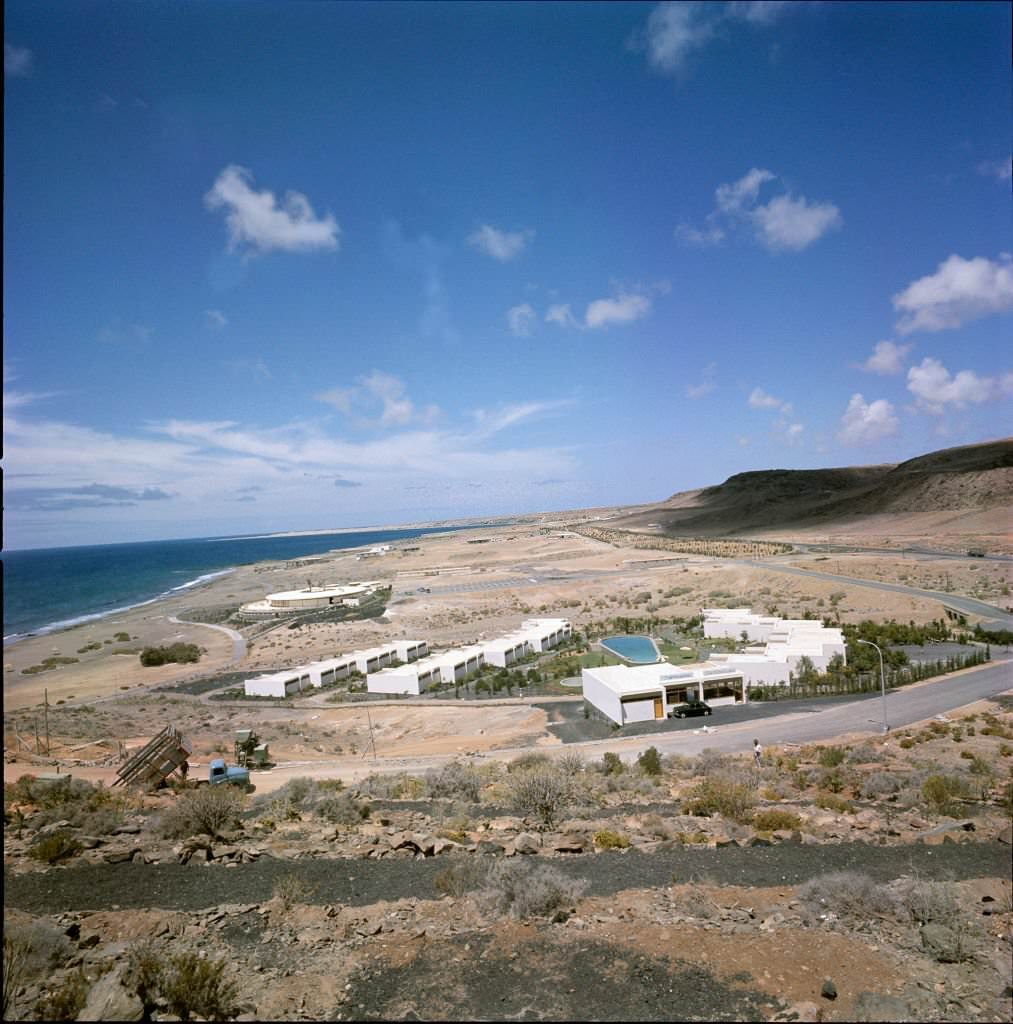
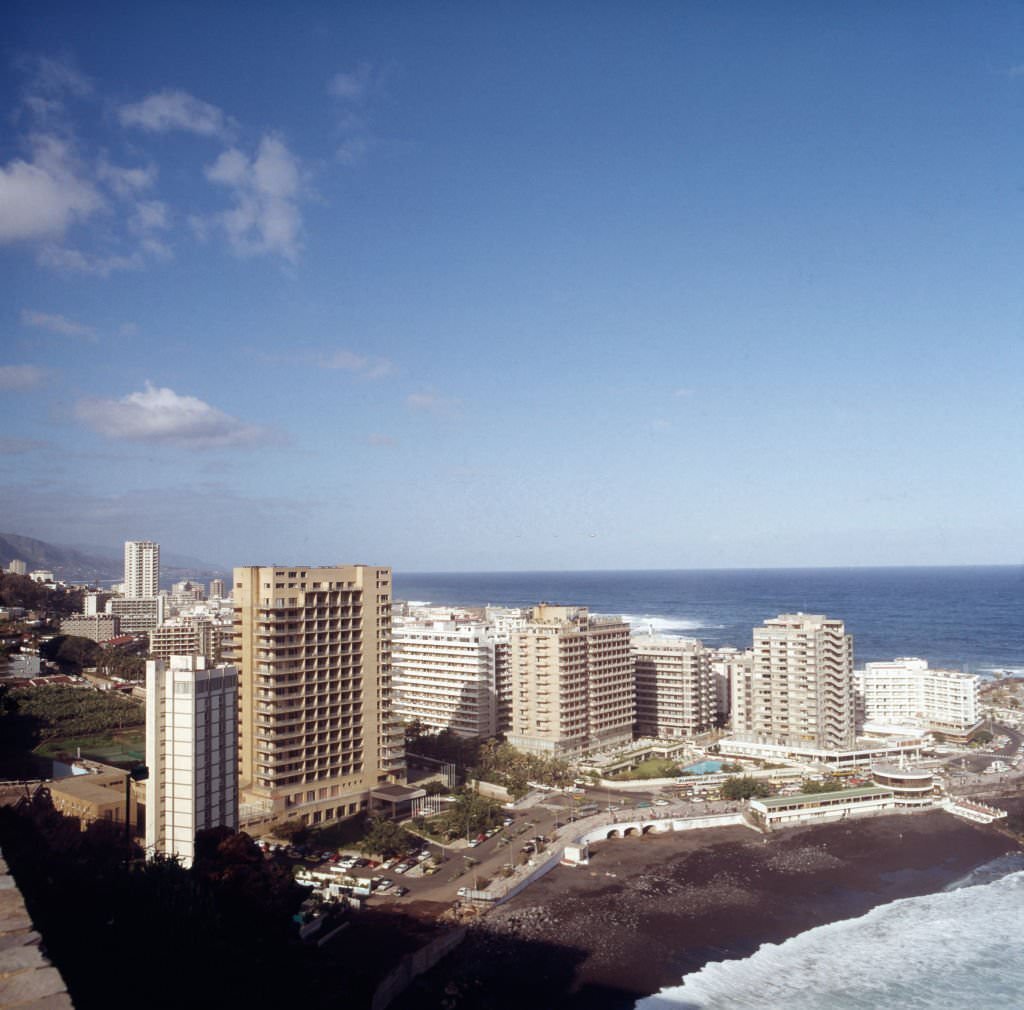
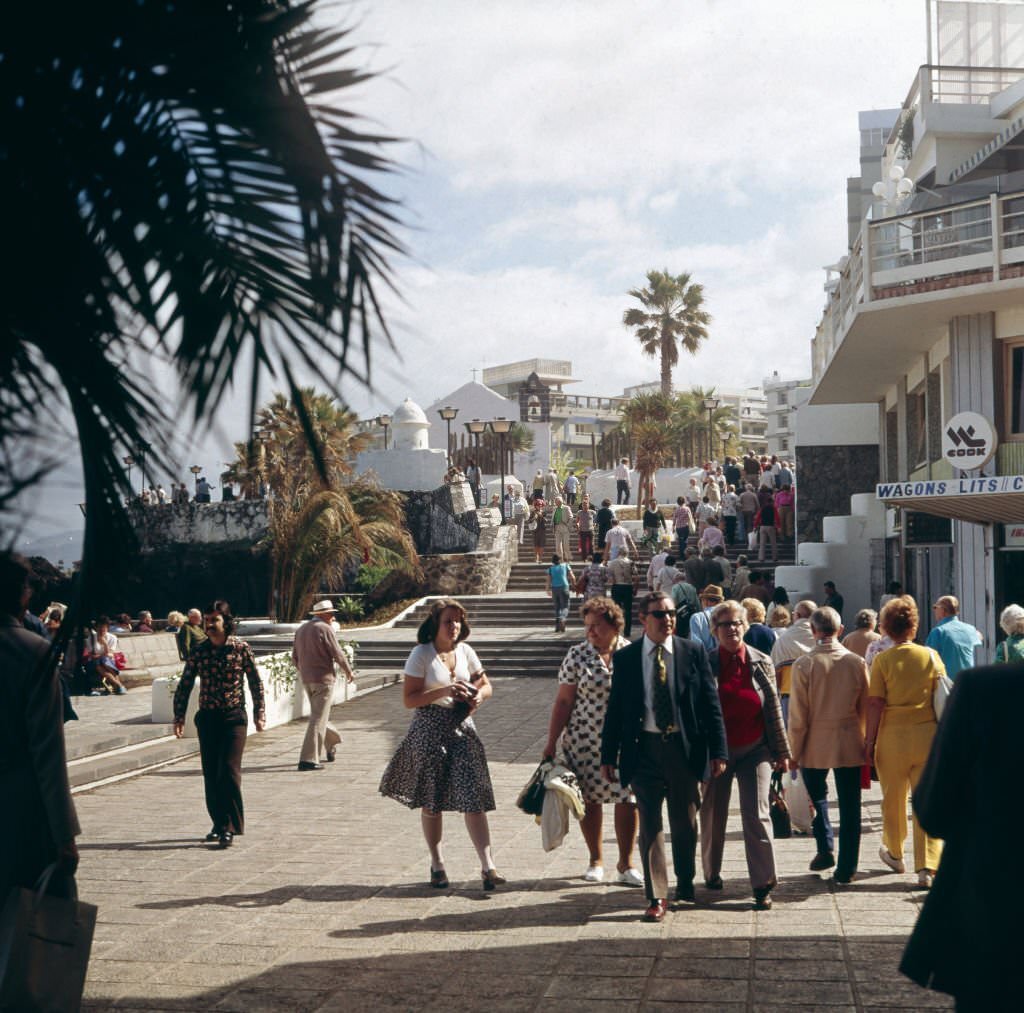
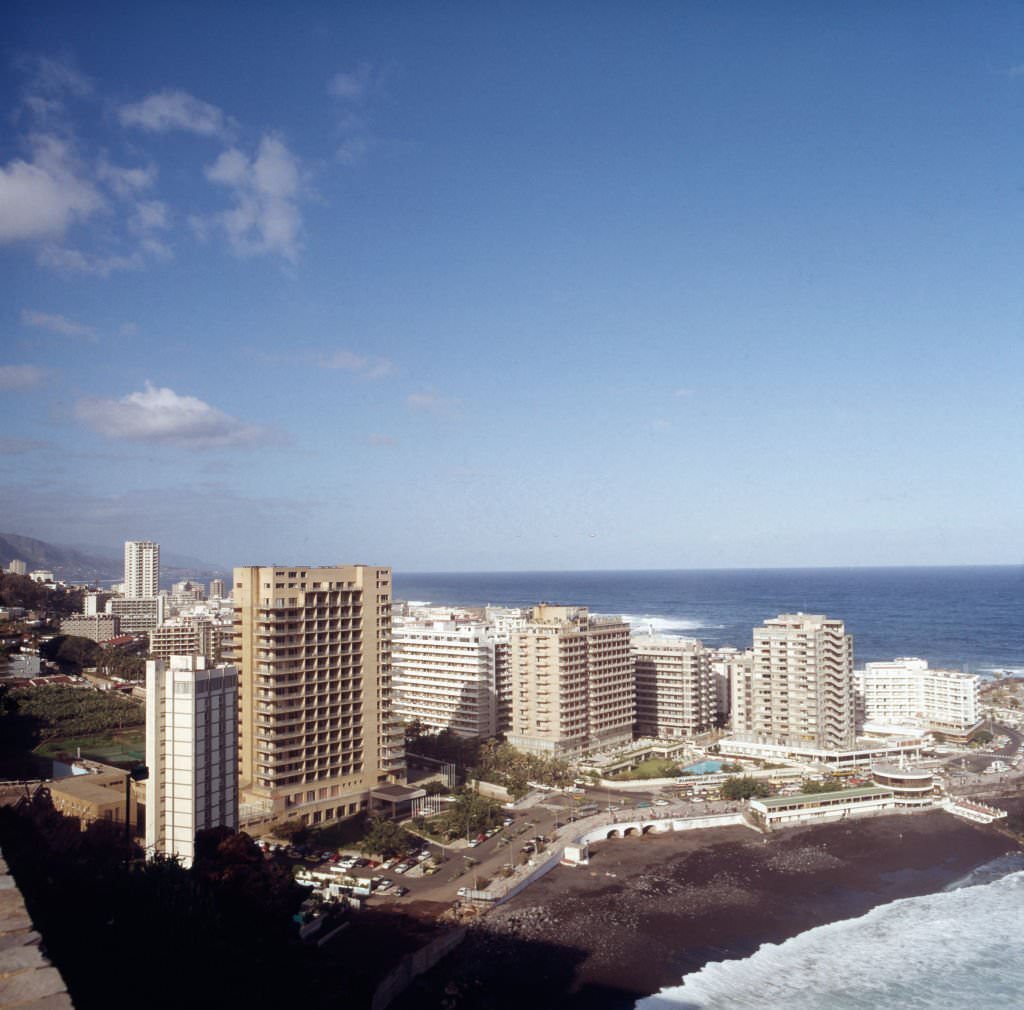
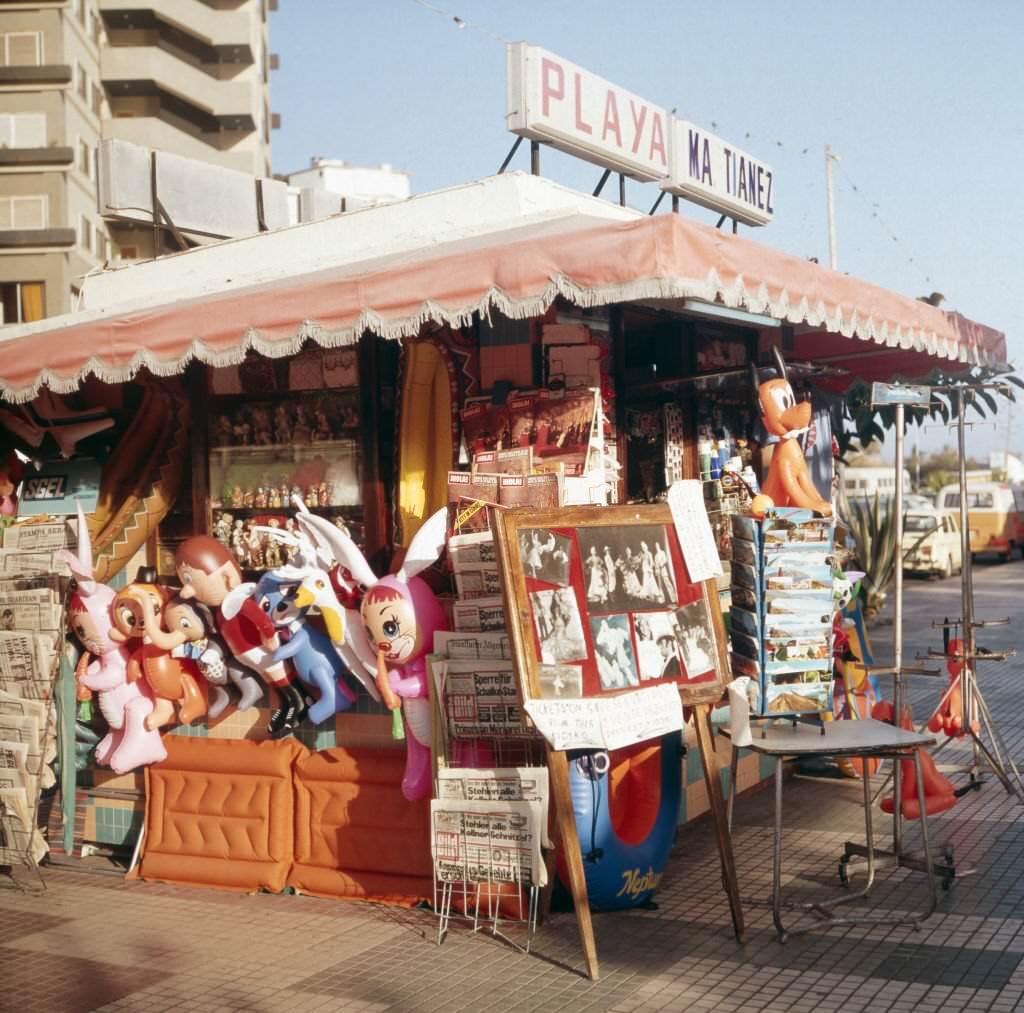
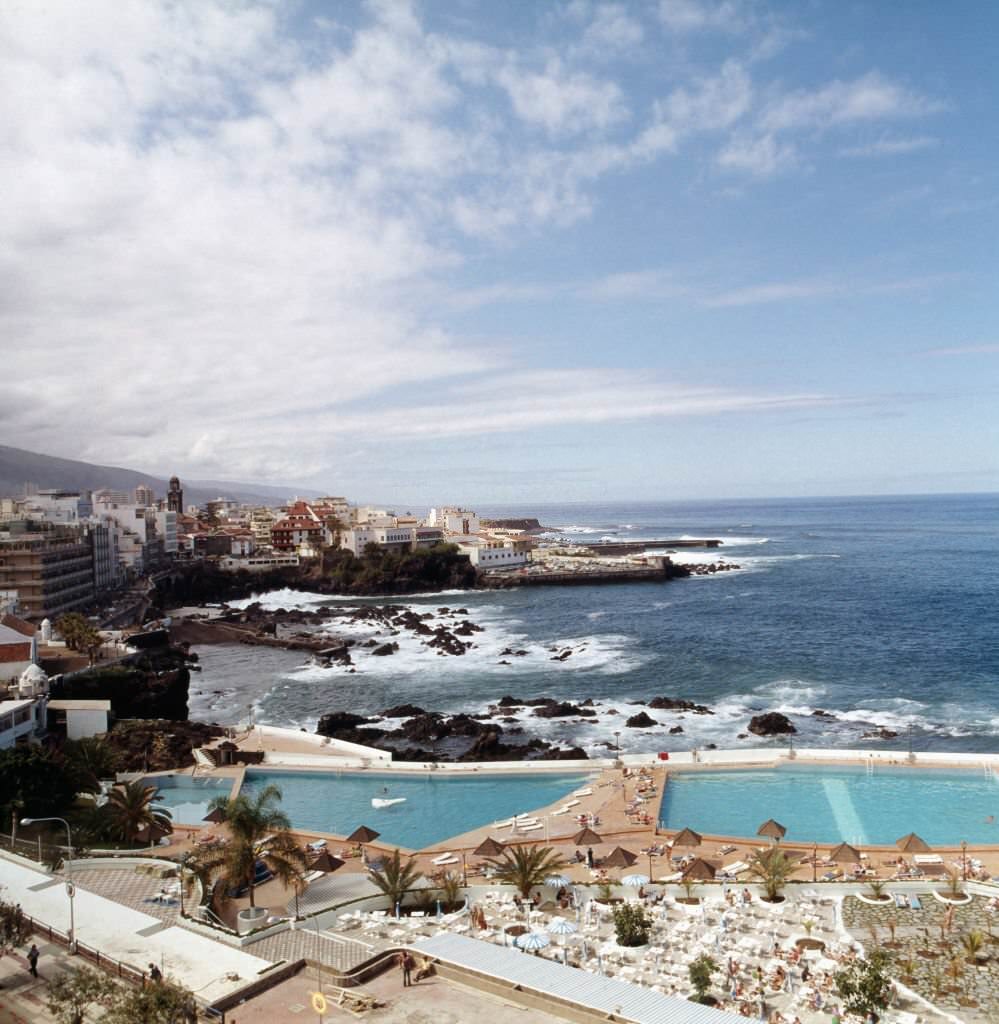
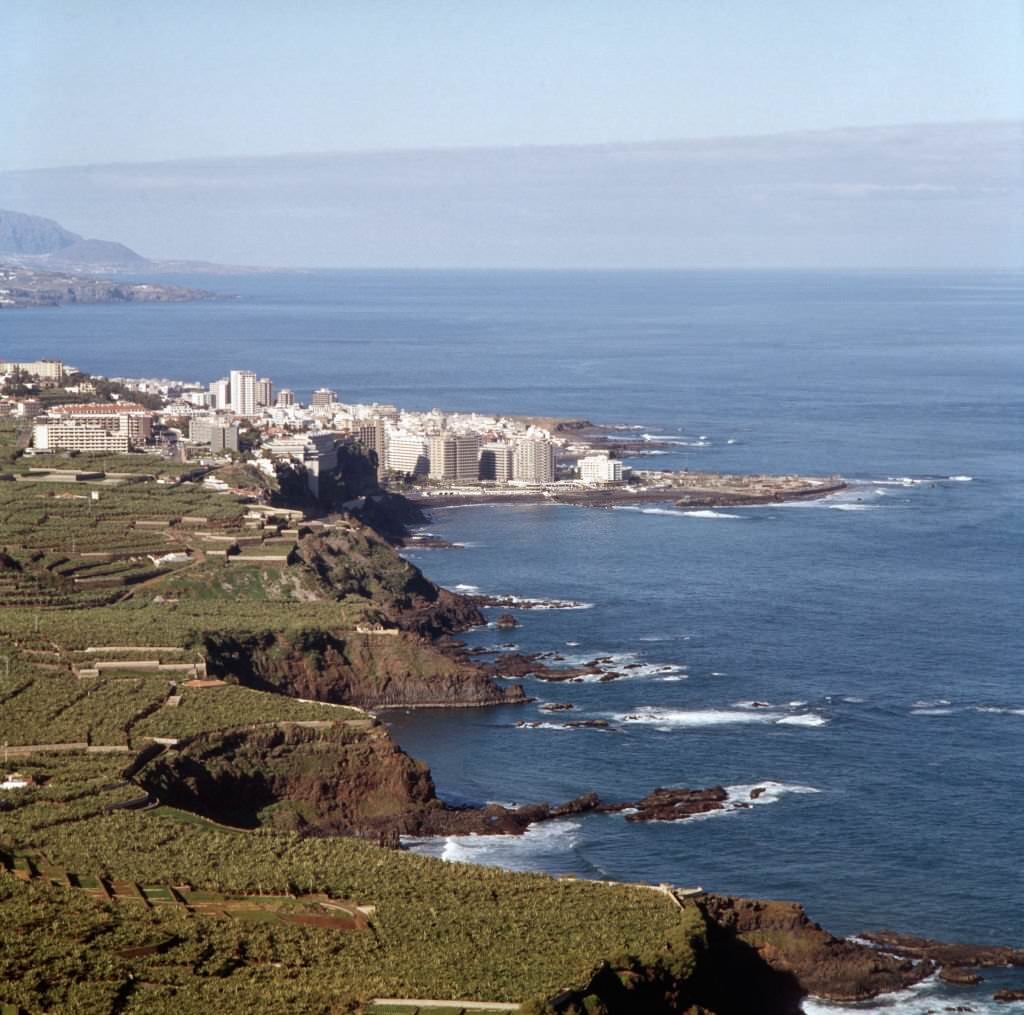
Tourism infrastructure was expanding rapidly throughout the decade. New hotel complexes were being built along the southern coast, and charter flights from northern Europe were bringing visitors in growing numbers. The island’s southern resort areas, which had been relatively undeveloped just years before, were quickly filling with hotels, bars, and beach facilities catering to a new wave of package tourists.
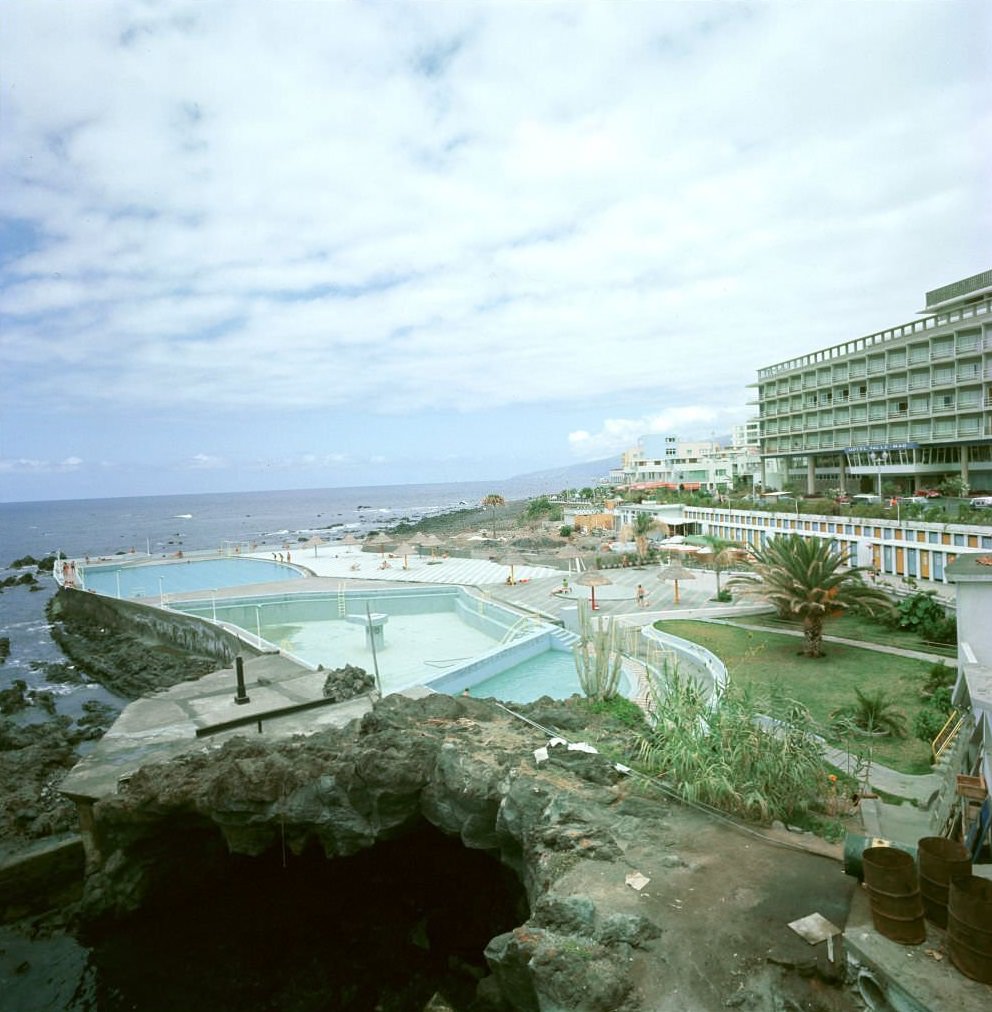
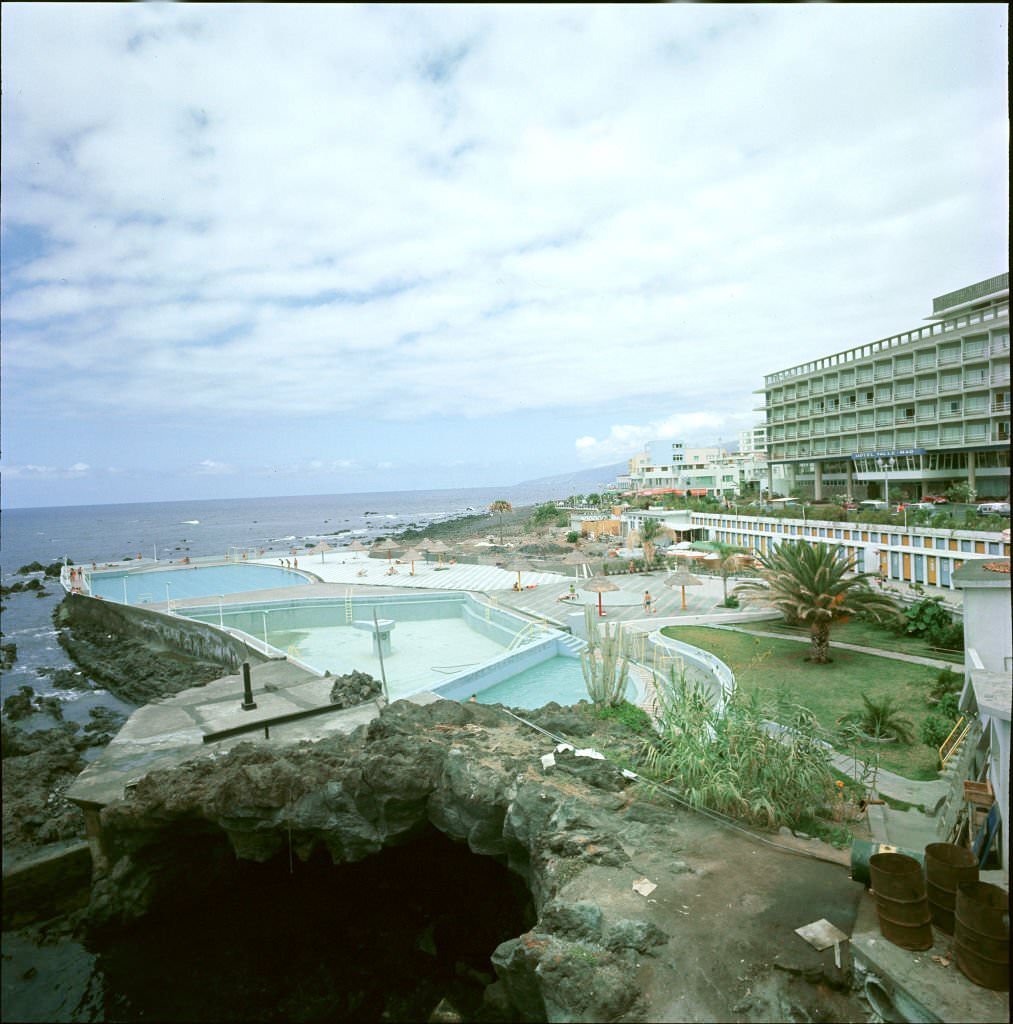
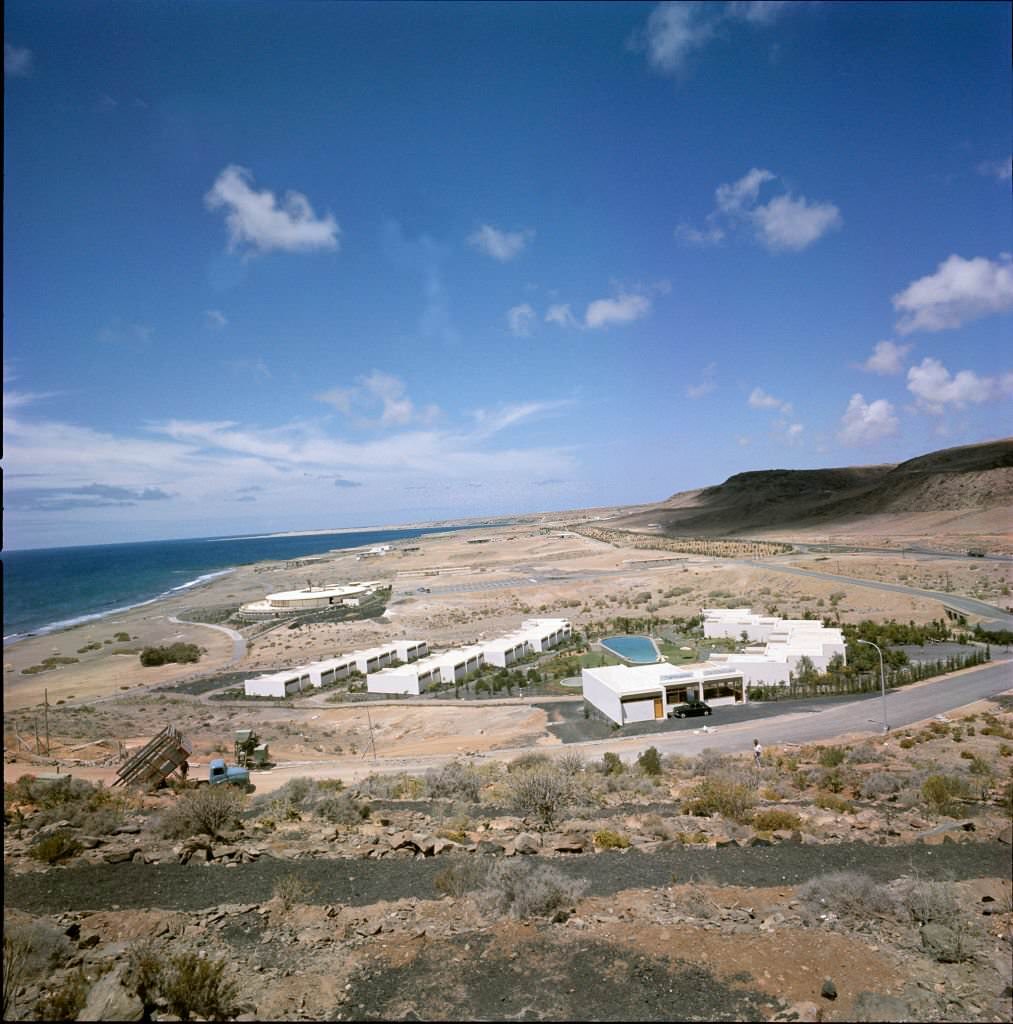
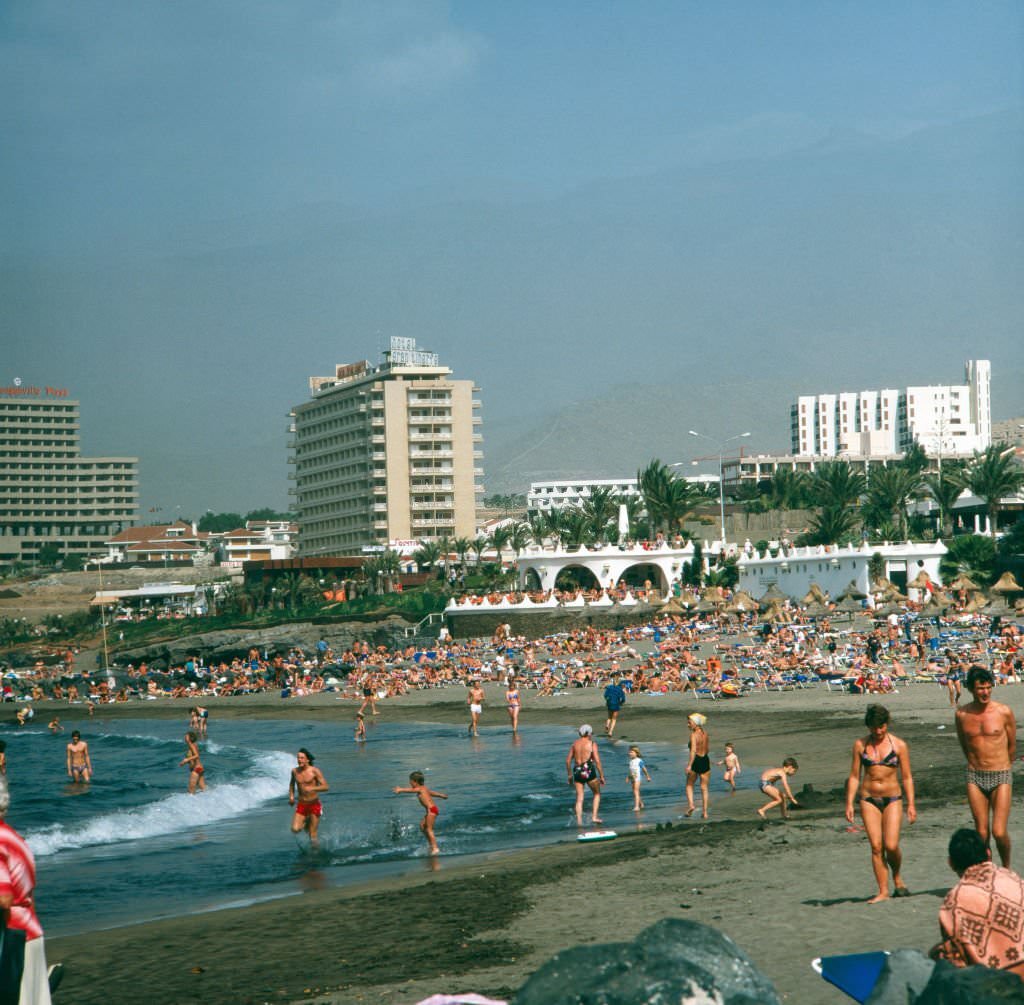
The beaches drew visitors from across Europe who were eager for sun and warmth during the colder months. El Médano, on the island’s southern tip, was one such spot — a wide, wind-swept beach that attracted sunbathers and water sports enthusiasts alike. By the mid-1970s, scenes of tourists stretched out on Tenerife’s shores were common.
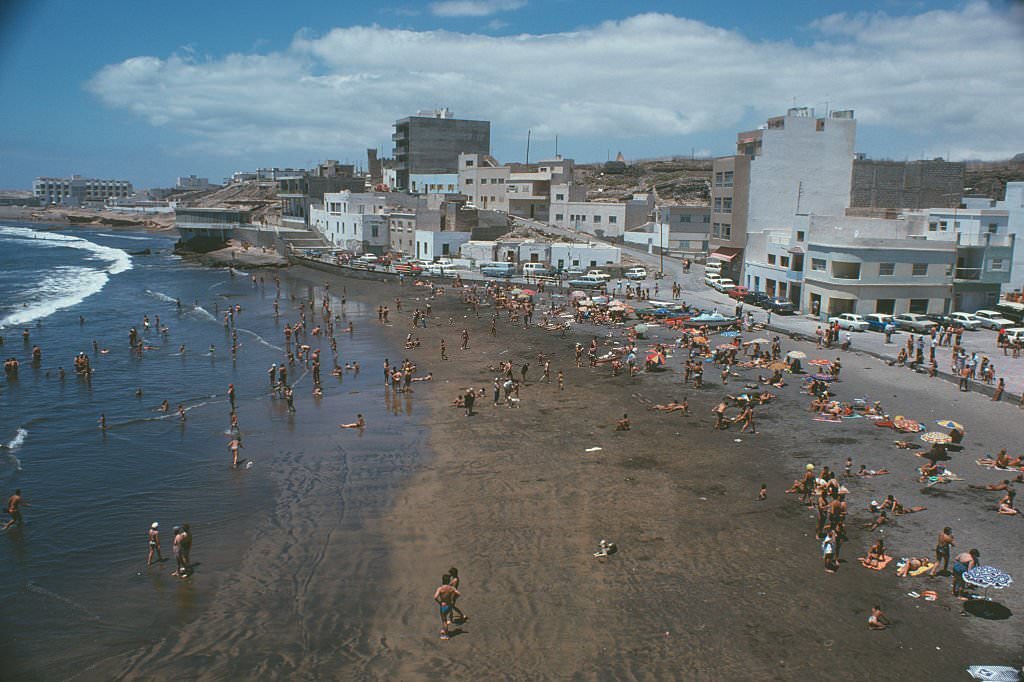
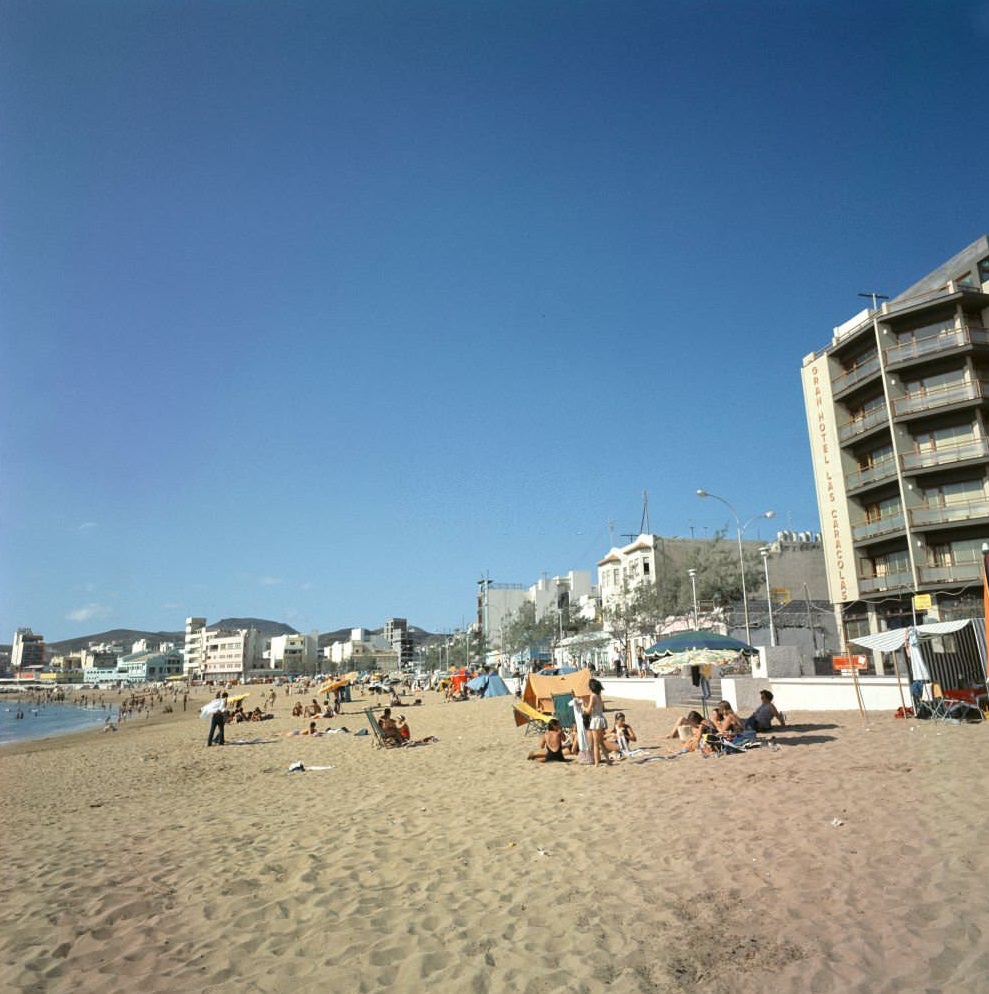
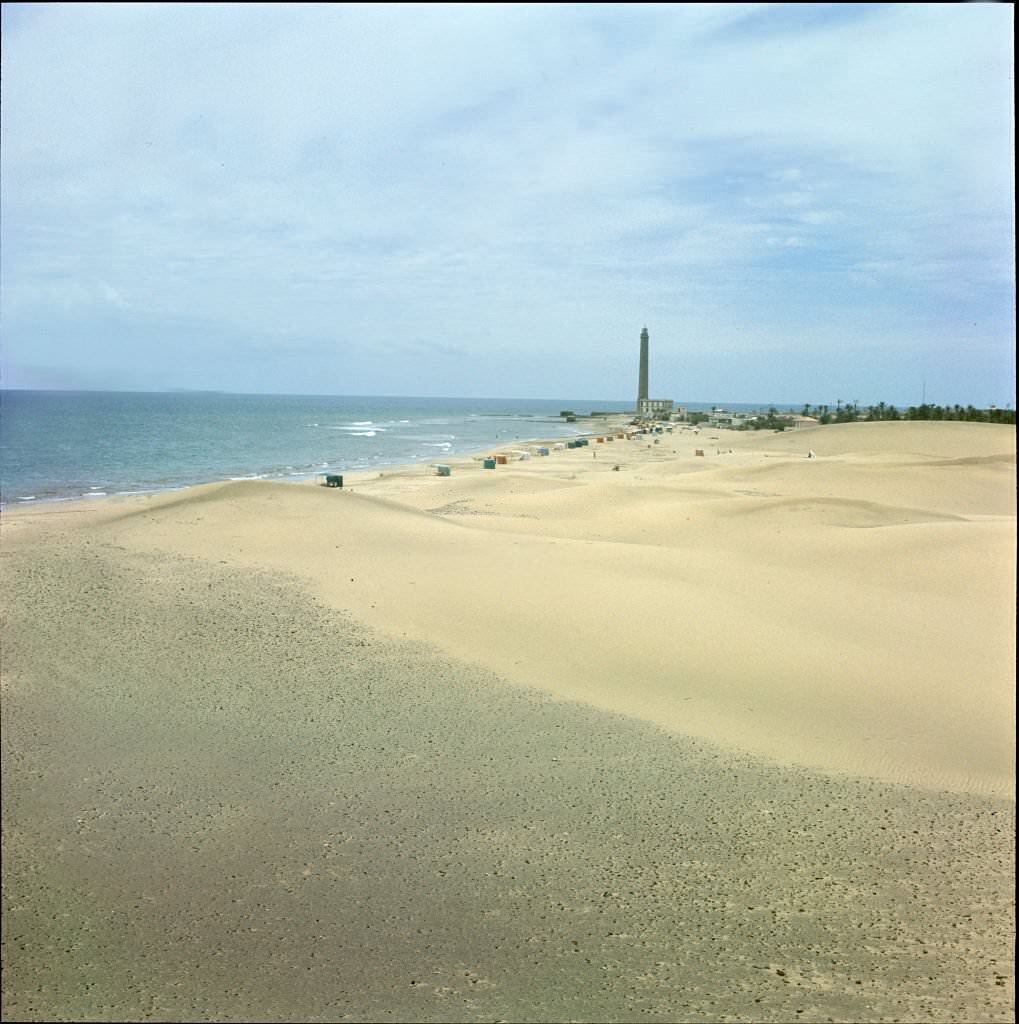
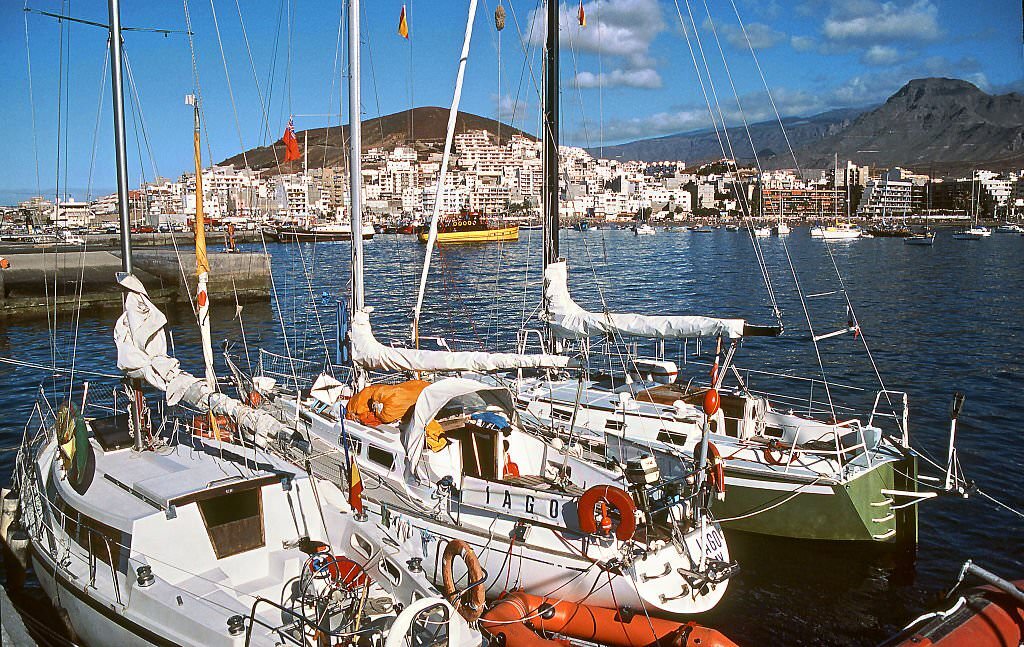
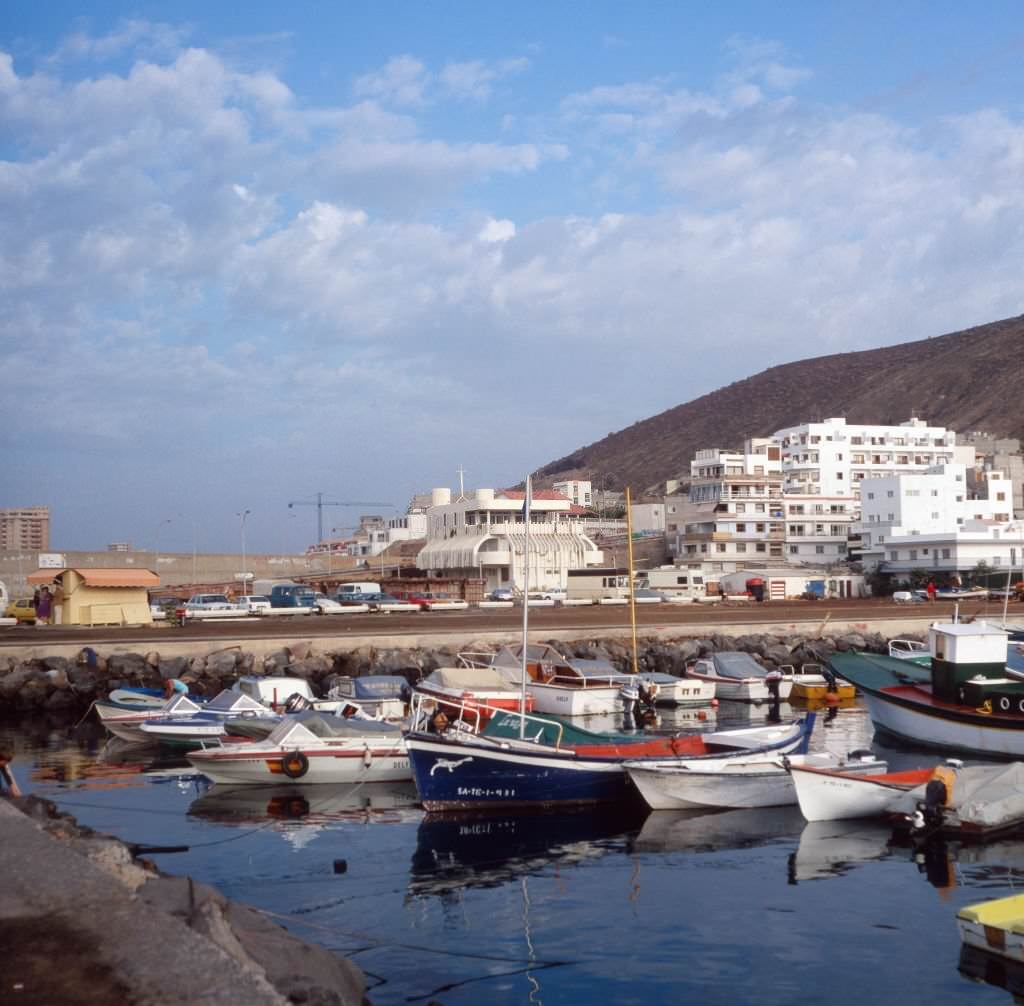
Los Cristianos, on the southern coast, was another area that transformed rapidly during this period. In the early 1970s, it was still a small fishing village. By the end of the decade, it had grown into one of the island’s busiest resort towns, with hotels and tourist amenities spreading along the waterfront.
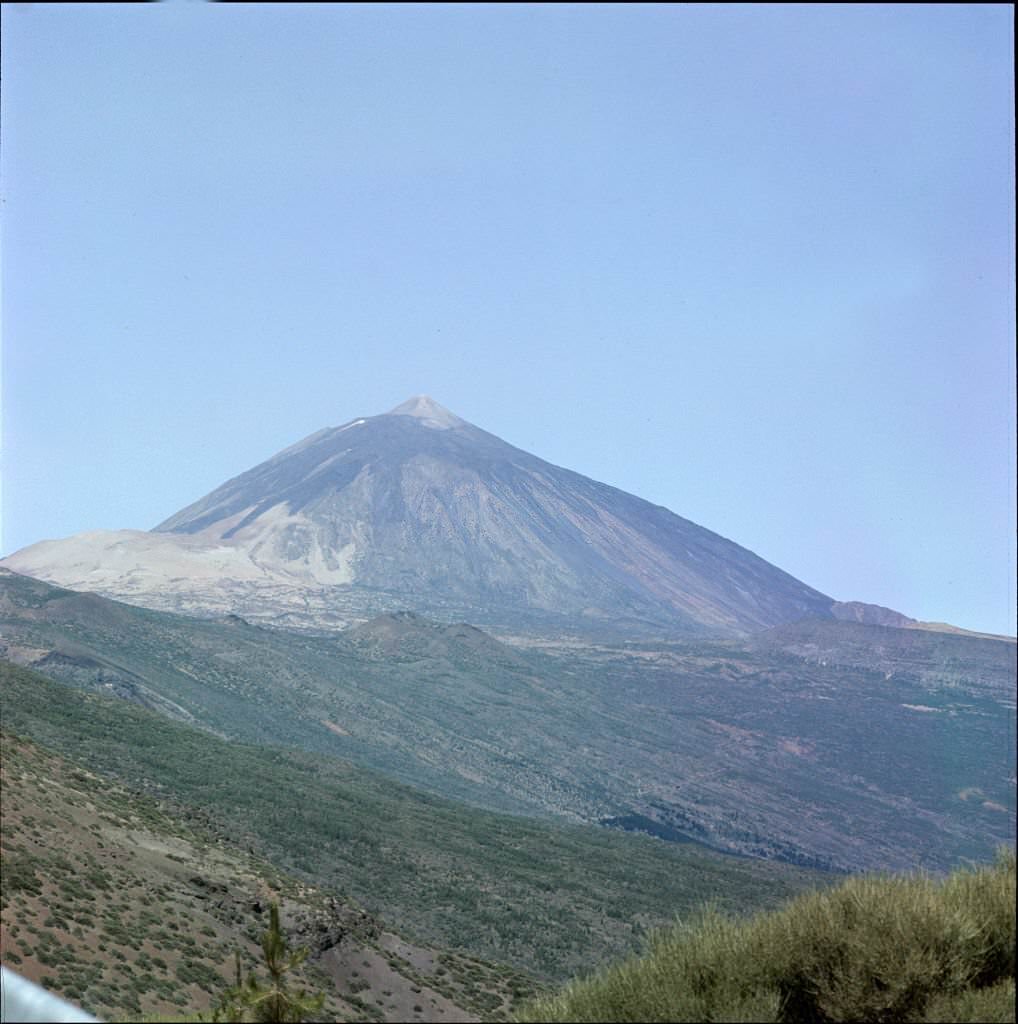
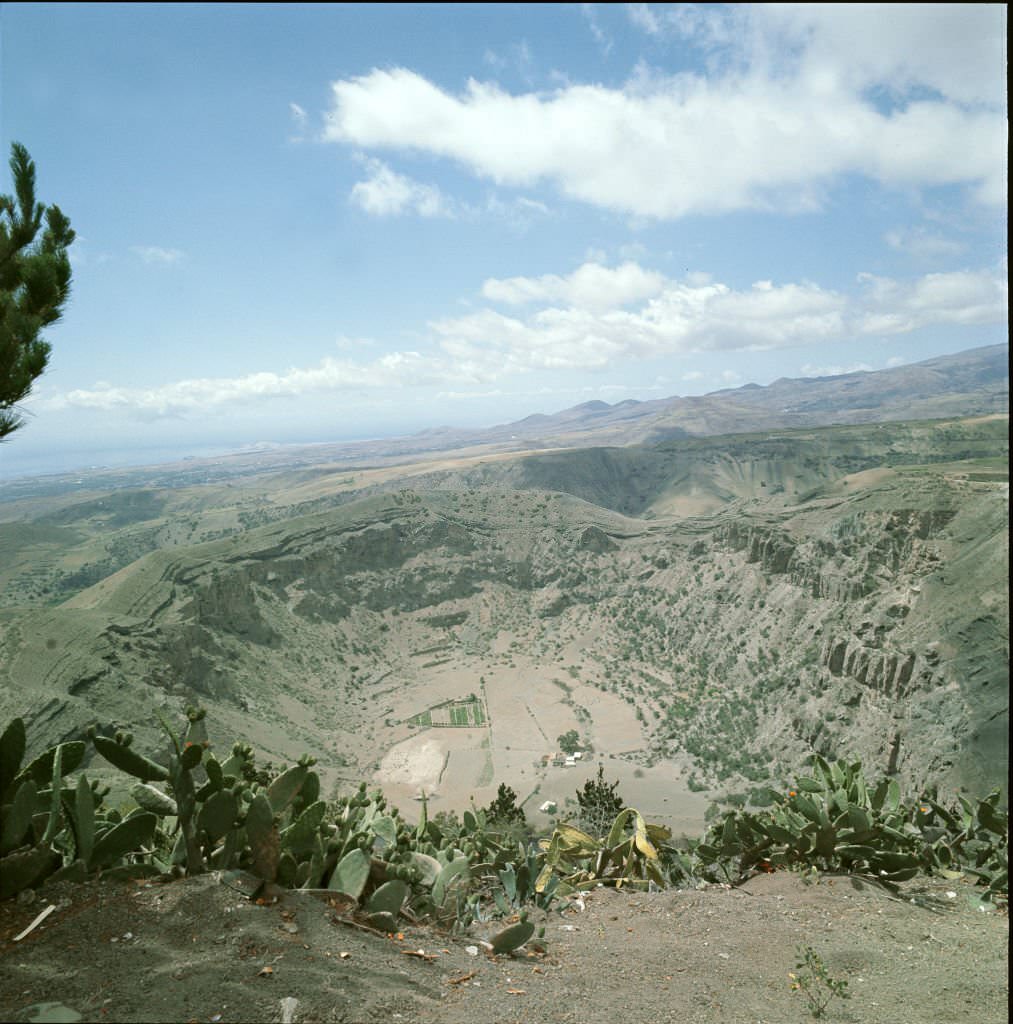
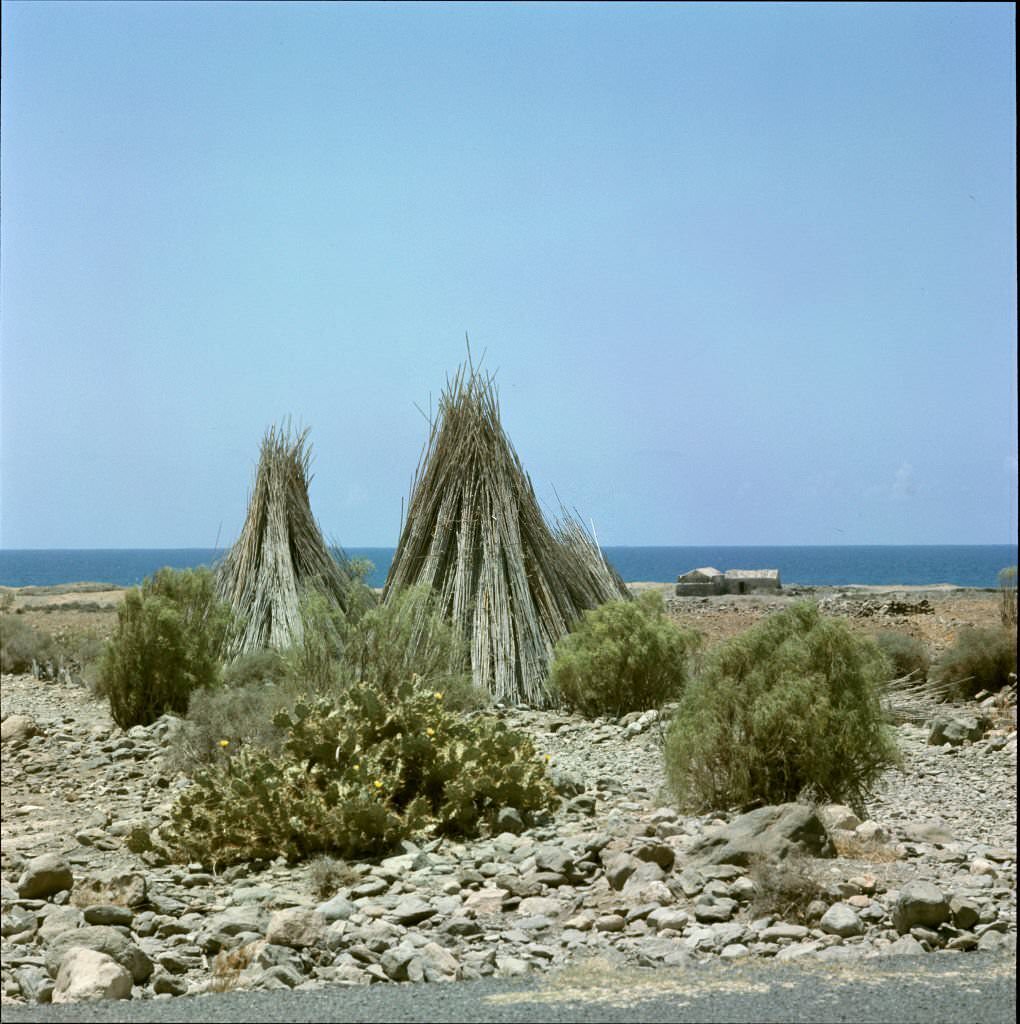
Away from the coast, the island’s volcanic interior offered a completely different landscape. Tenerife sits on a hot spot in the Atlantic Ocean and its geology is dominated by volcanic rock, lava fields, and dramatic elevation changes. At its center stands Mount Teide, a stratovolcano and the highest peak in Spain at 3,715 meters above sea level. Teide is also the third-tallest volcanic structure in the world when measured from its oceanic base.
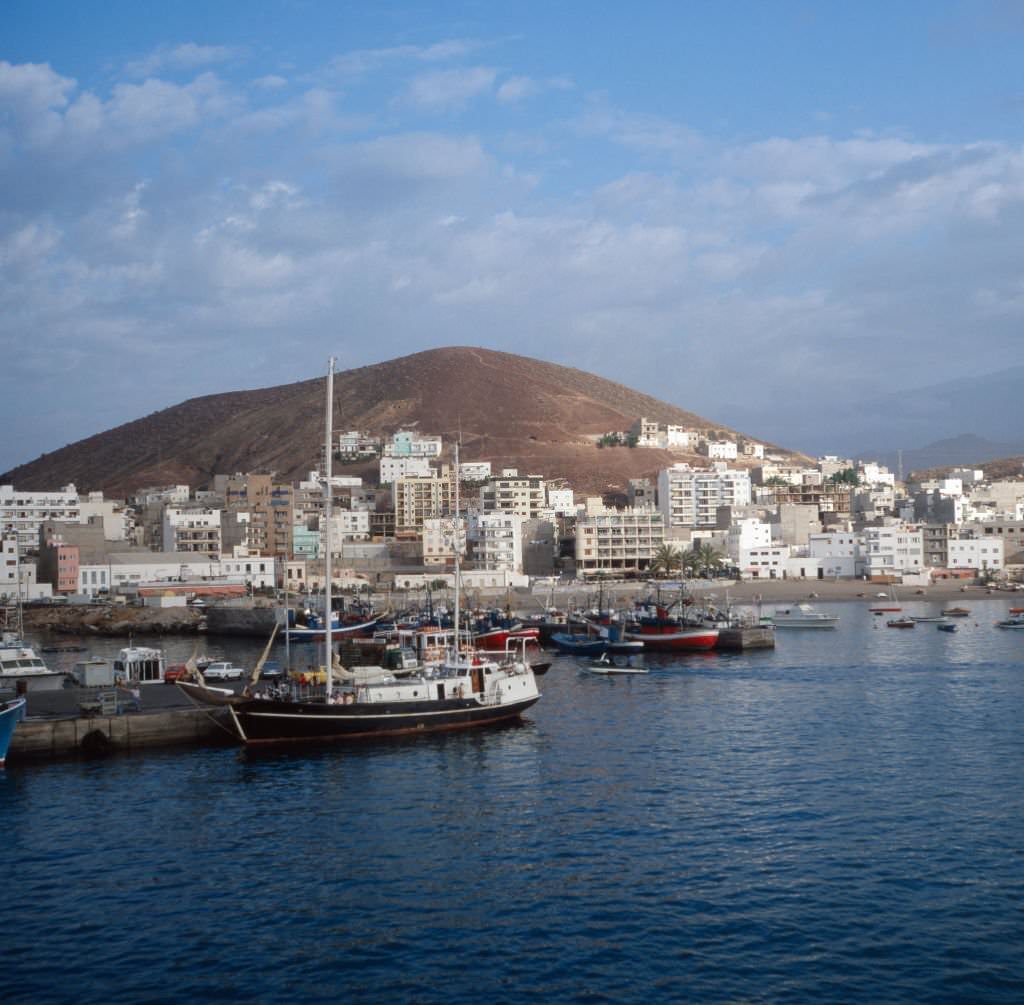
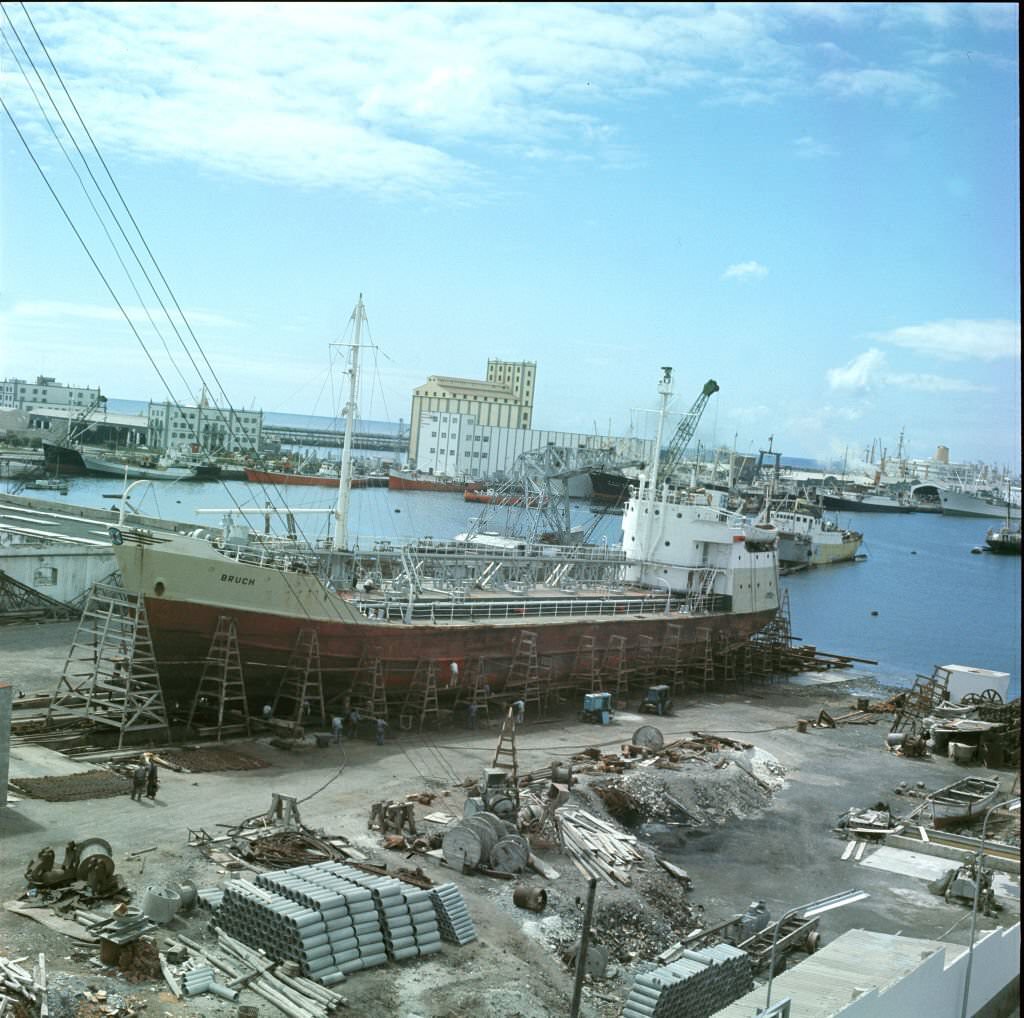
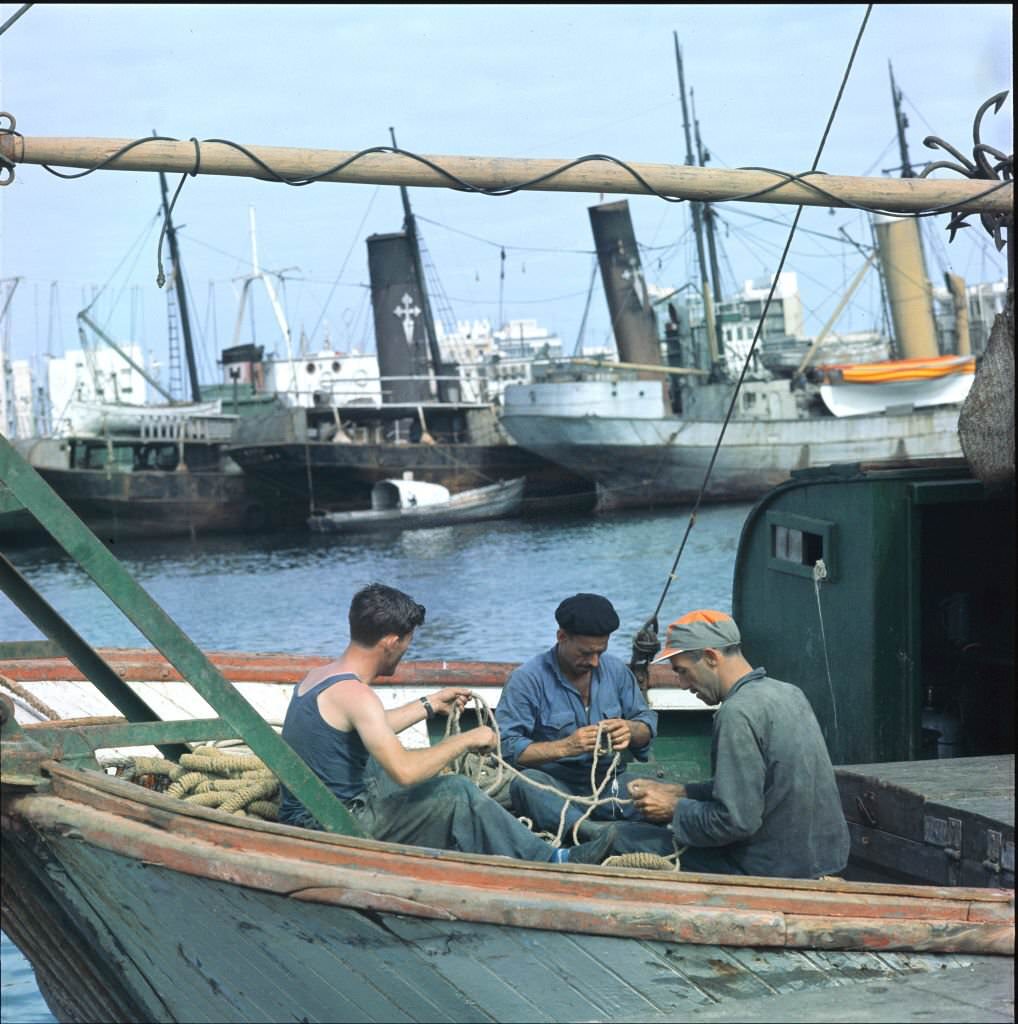
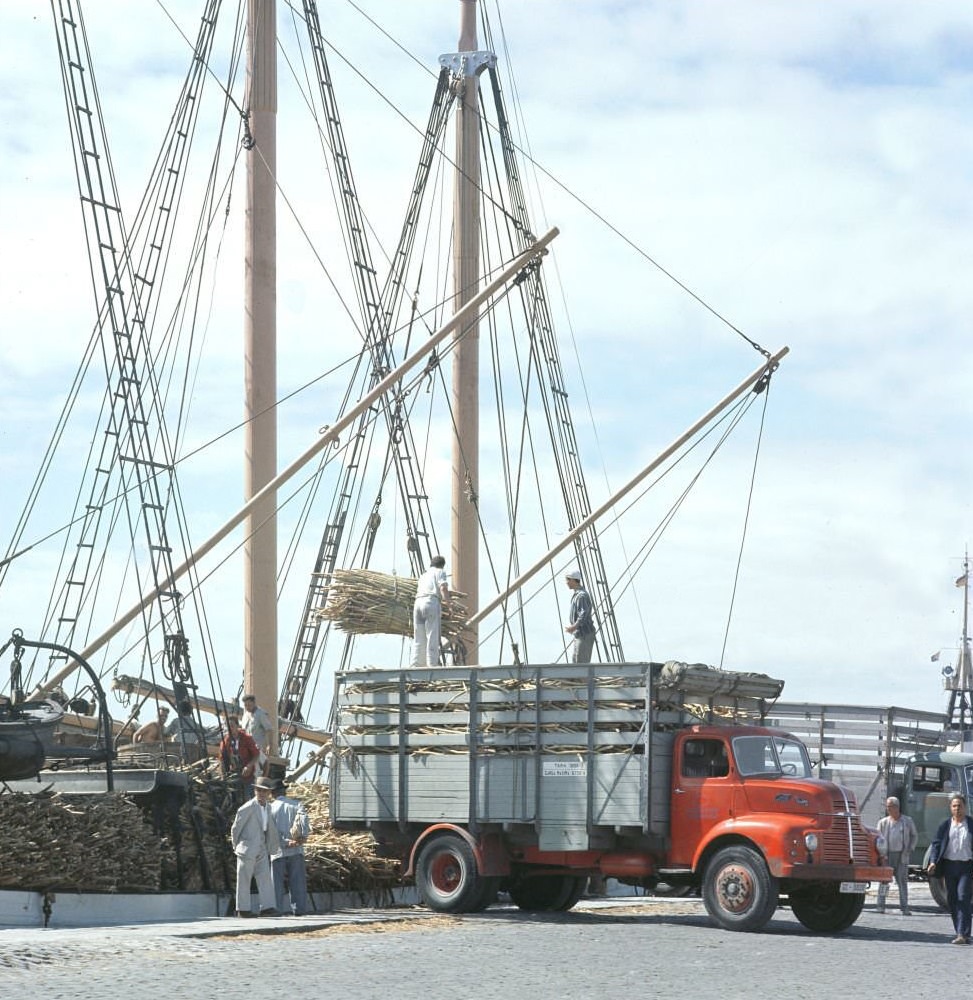
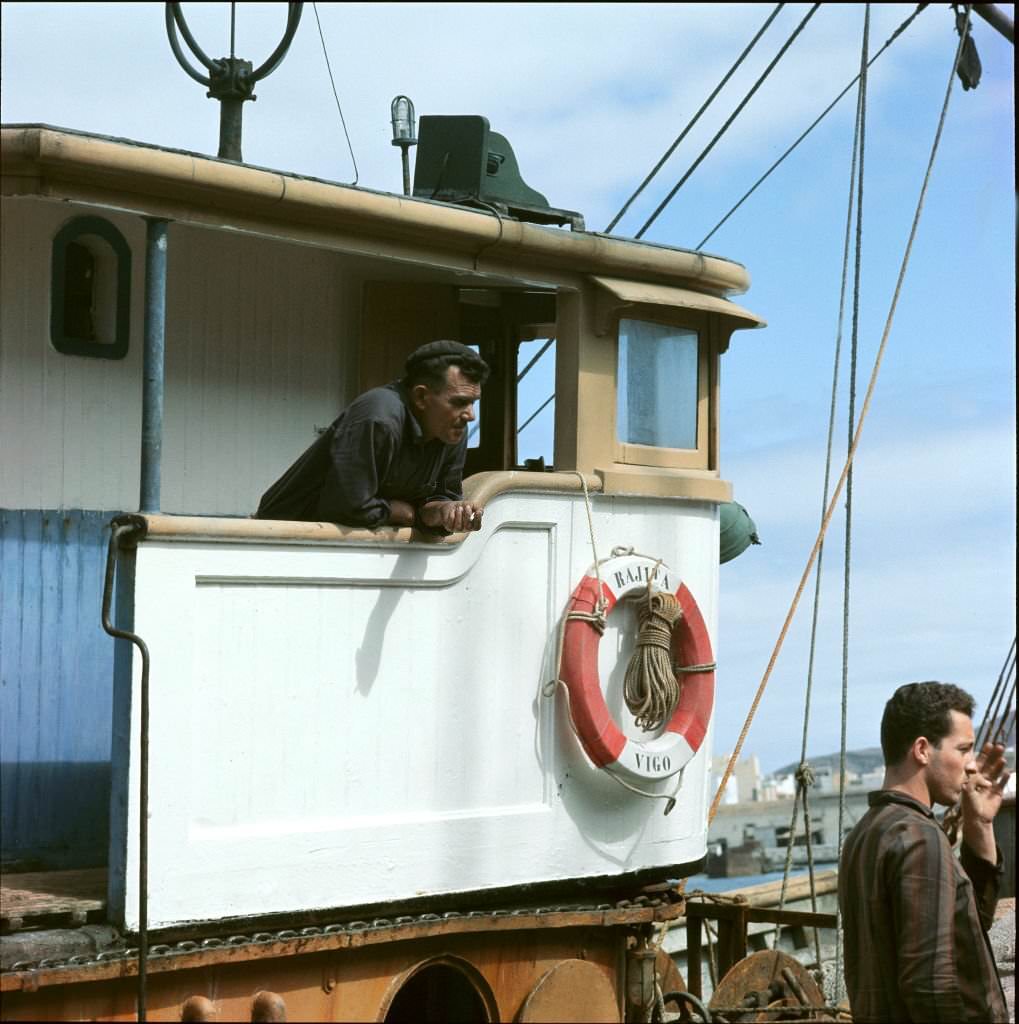
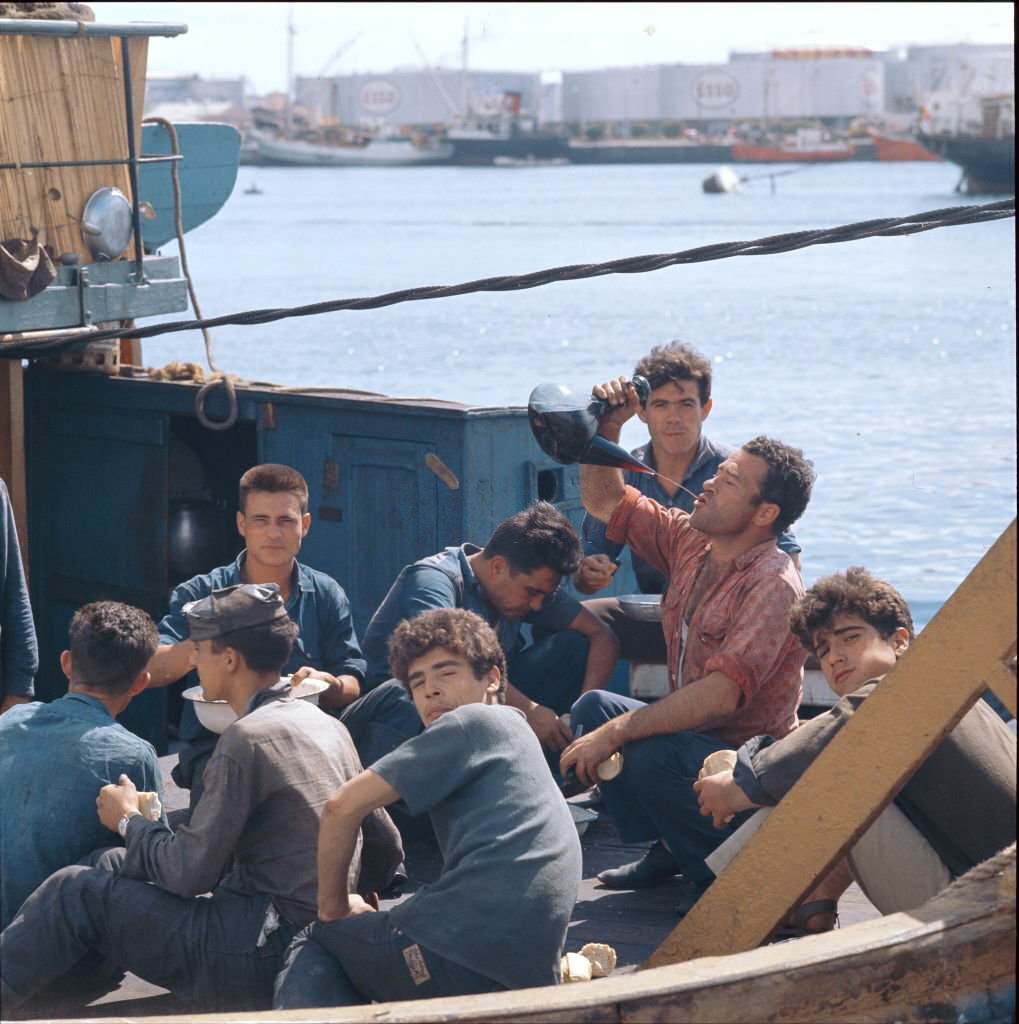
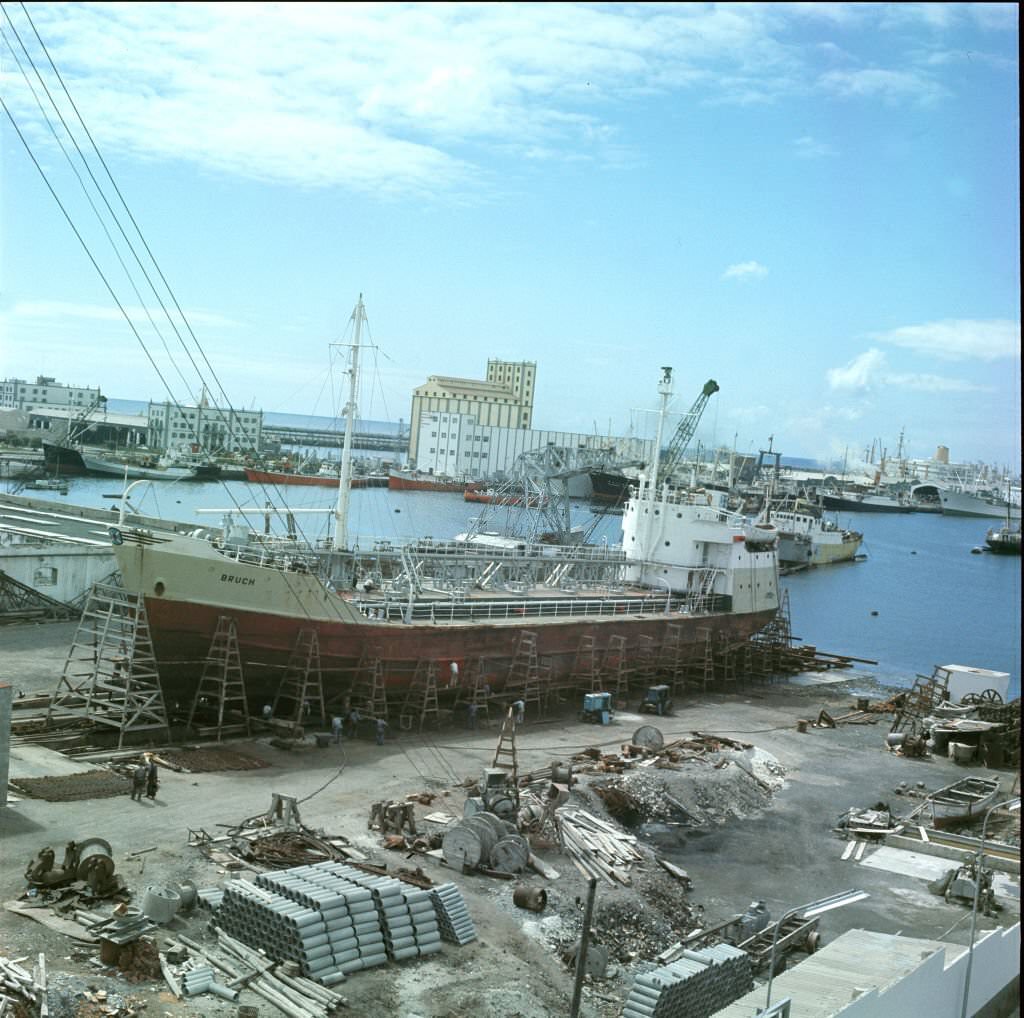
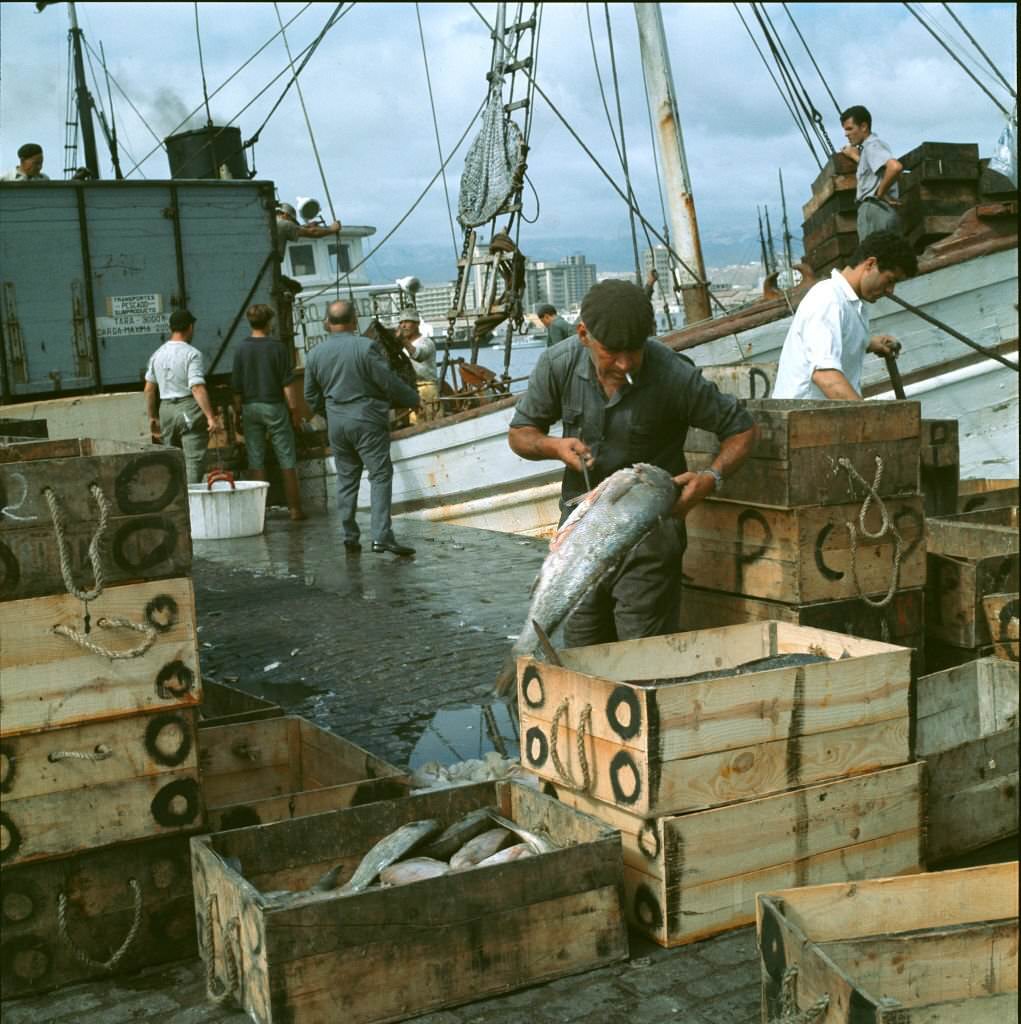
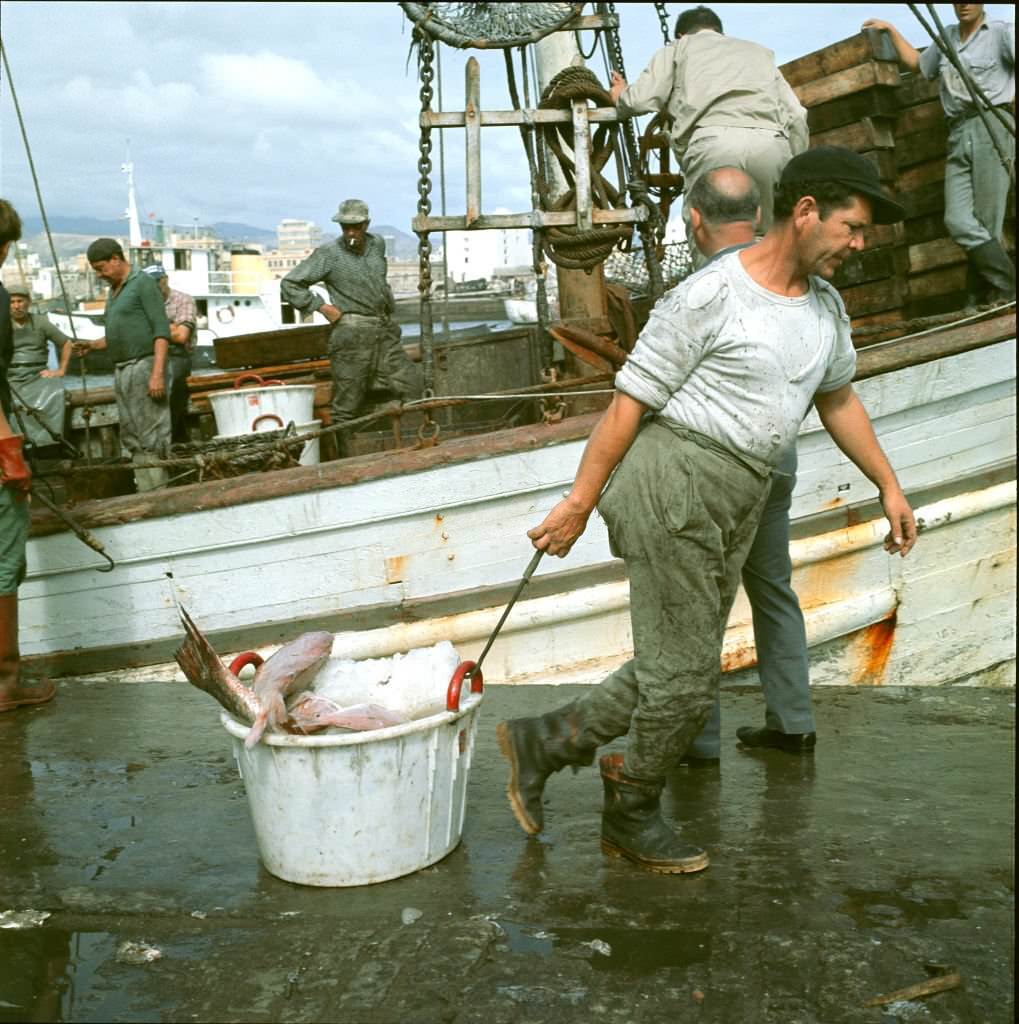
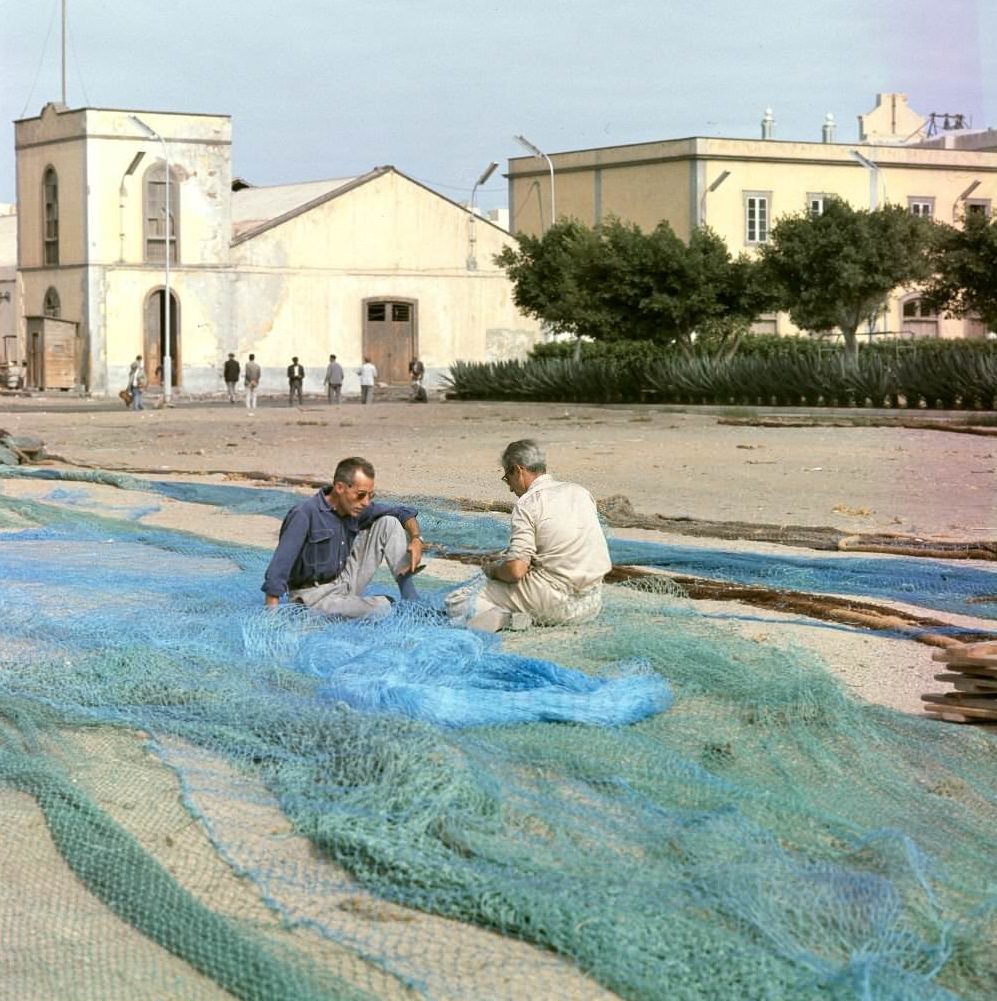
The island’s port was a center of working-class life that tourists rarely saw. Dockers loaded and unloaded cargo ships, sailors repaired rigging, and fishermen mended their nets on the quayside. The port of Santa Cruz de Tenerife was one of the busiest in the Atlantic, serving both commercial shipping and the island’s own fishing fleet.
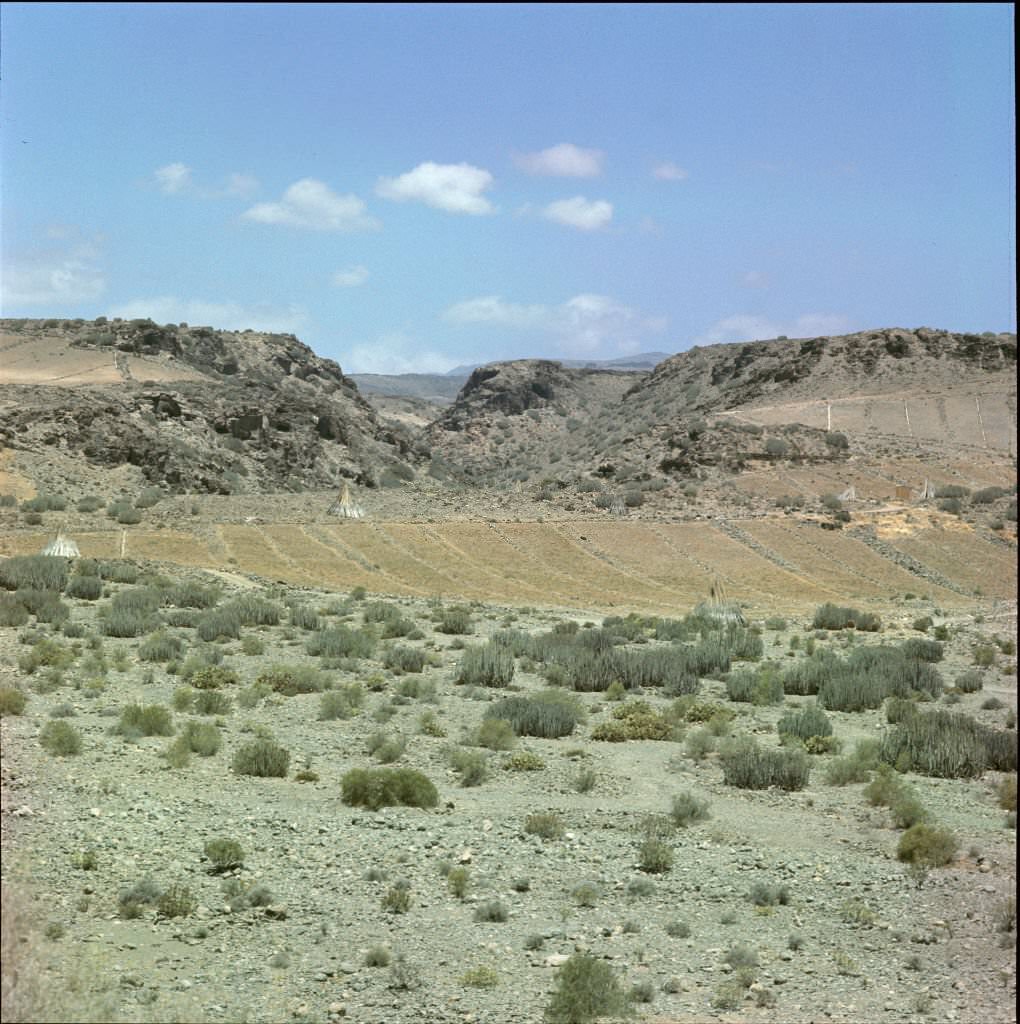
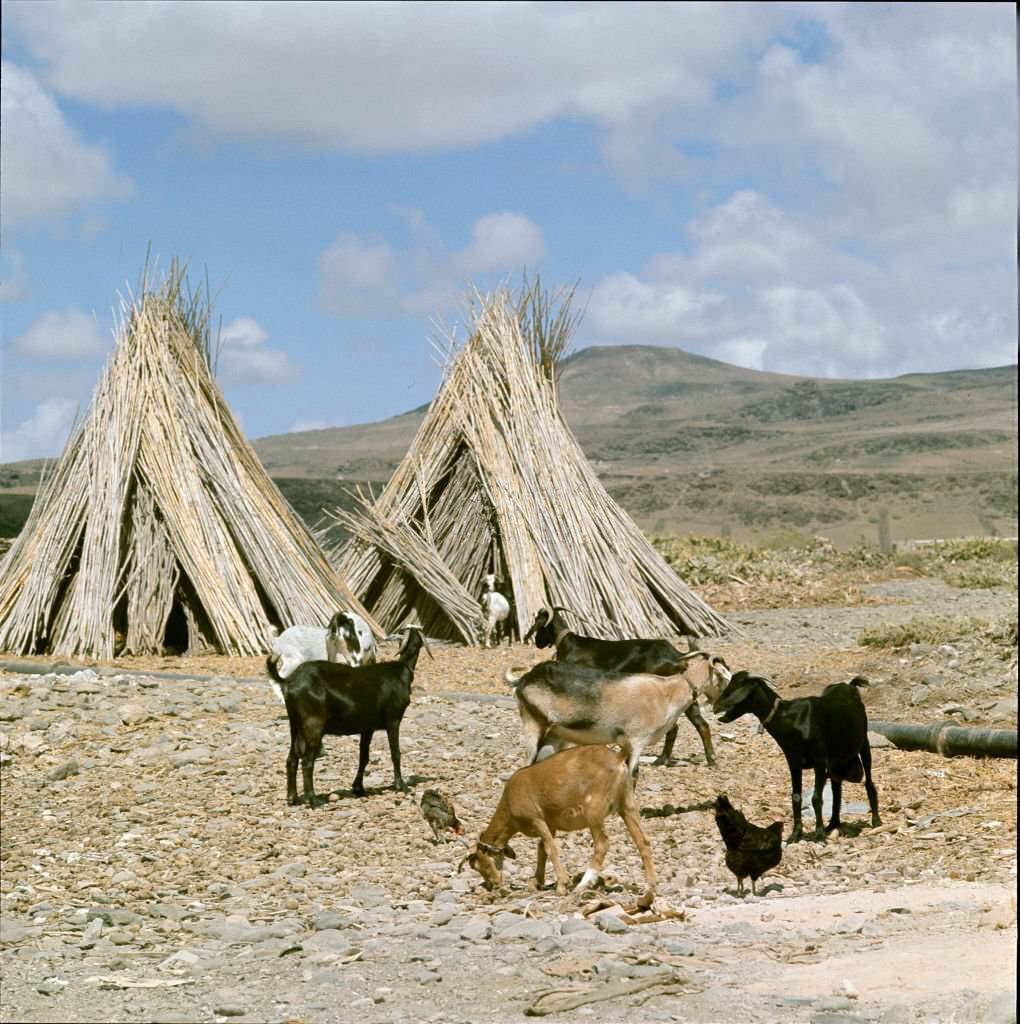
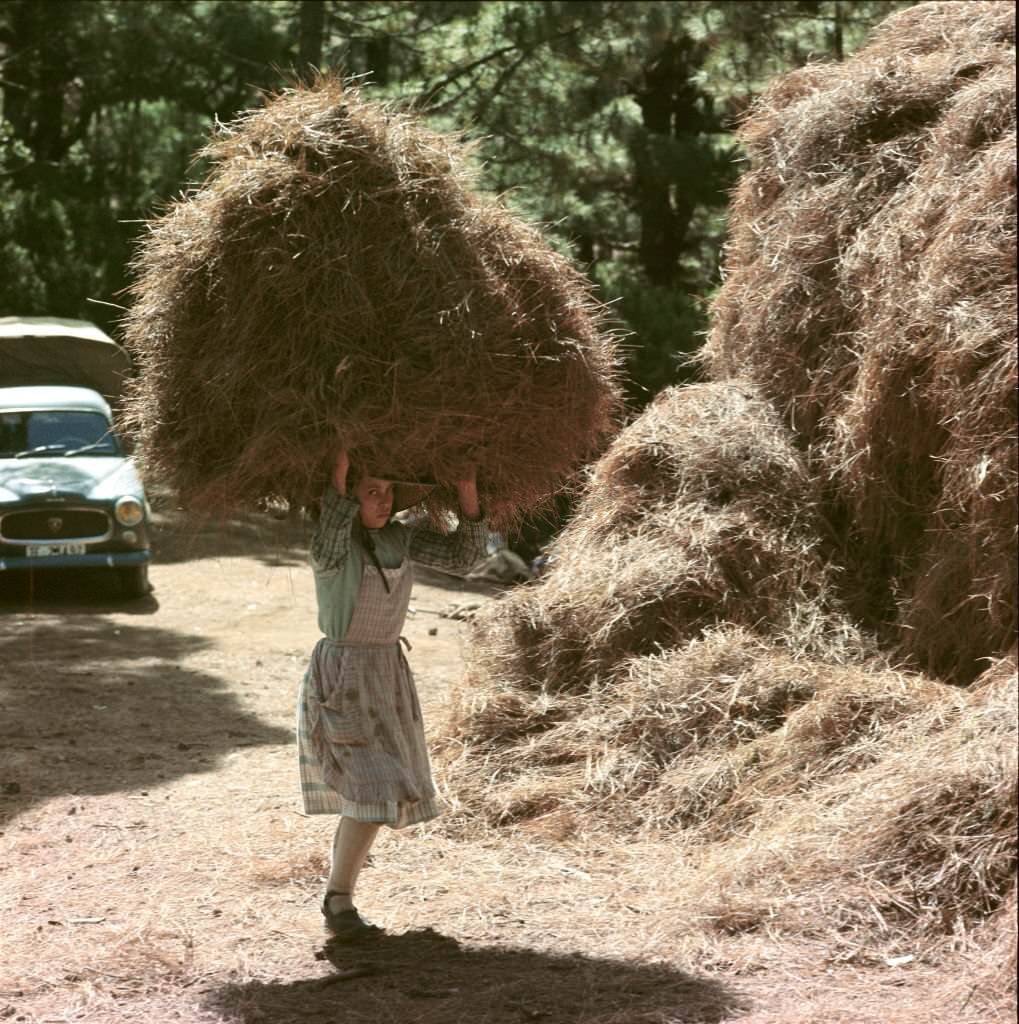
Inland, traditional agriculture was still very much alive. Goat herding, farming, and manual labor defined life for many islanders who lived outside the tourist zones. A young woman carrying hay and a farmer tending goats were everyday sights in Tenerife’s rural interior — a world apart from the hotel lobbies and beach bars springing up along the coast.
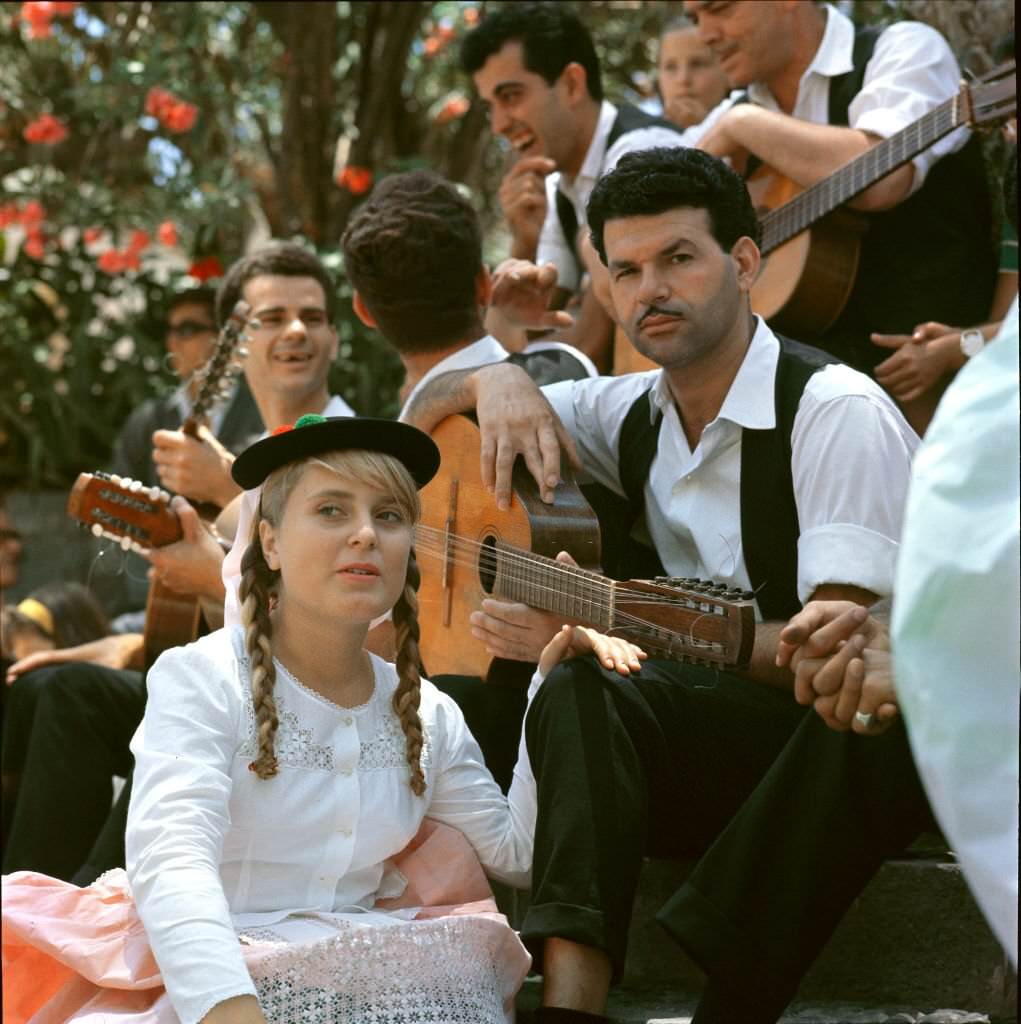
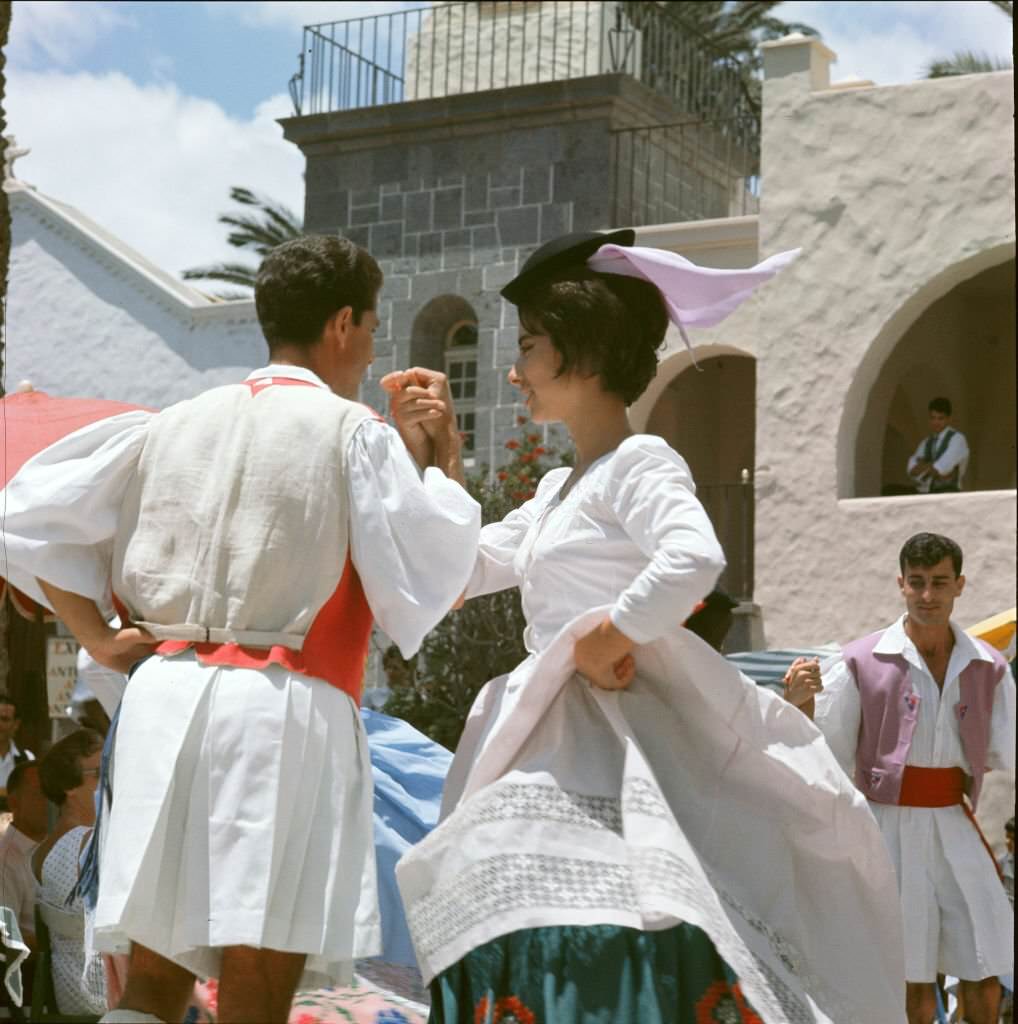
Traditional culture was still performed and celebrated publicly during this decade. Musicians playing folk instruments and dancers in regional dress were a regular feature of local festivals and gatherings. These traditions had been maintained across generations, and they remained a visible part of Tenerife’s identity even as outside influences accelerated.
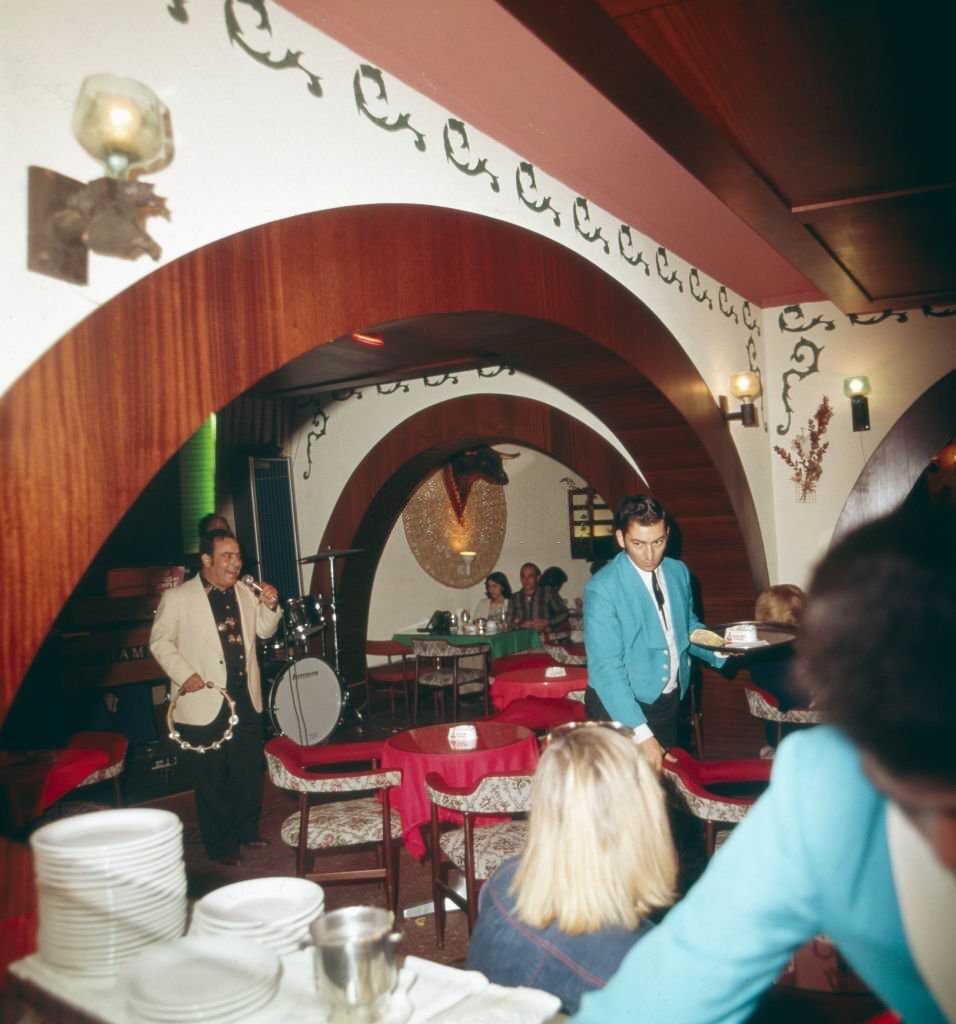
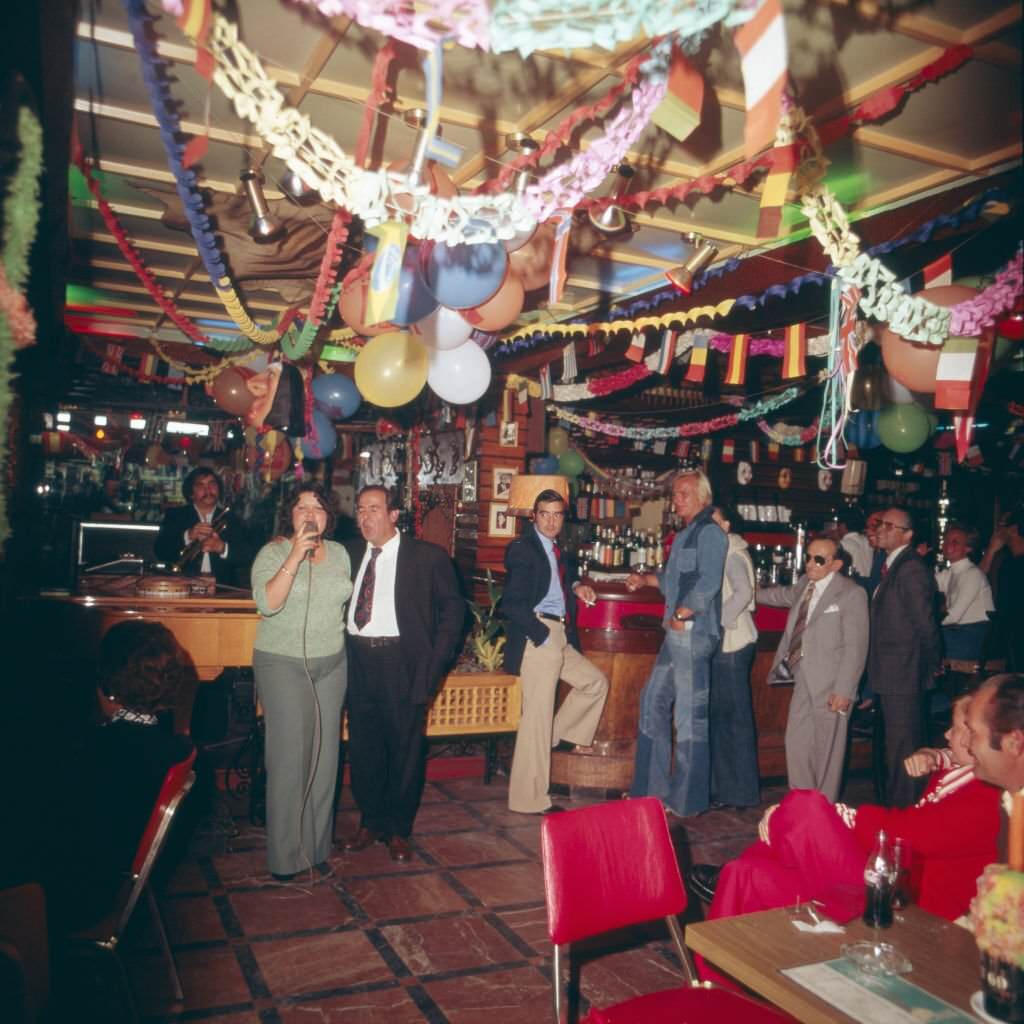
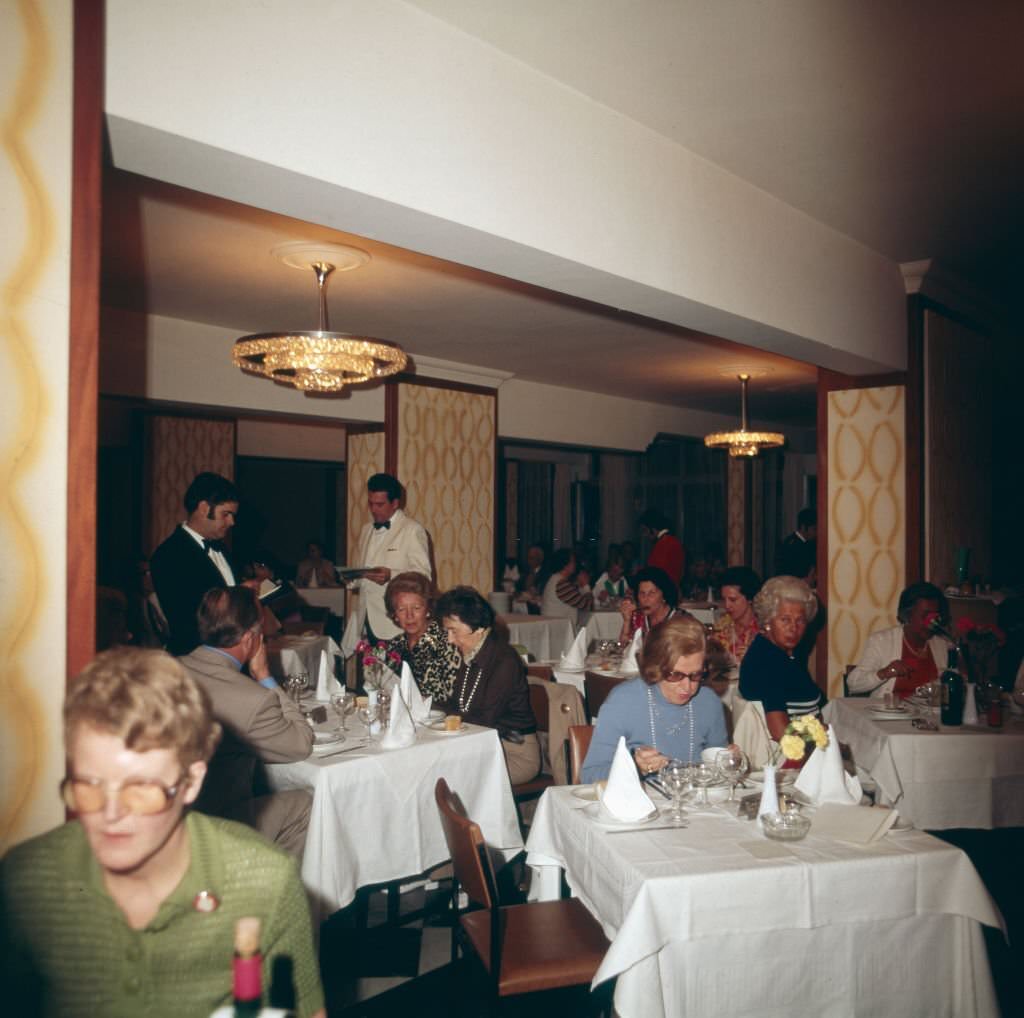
Evening entertainment for tourists took the form of bars, restaurants, and live shows. By 1975, the island’s resort areas had developed a full nightlife economy, with visitors filling bars late into the night and restaurants serving a mix of local and European cuisine.
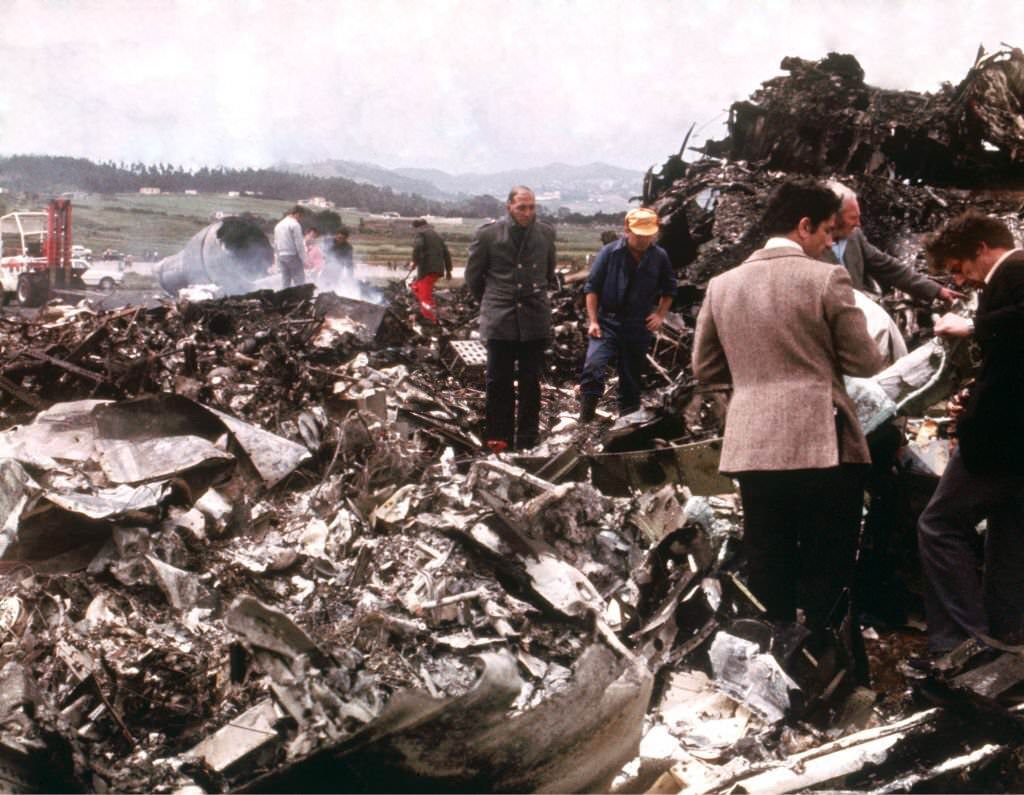
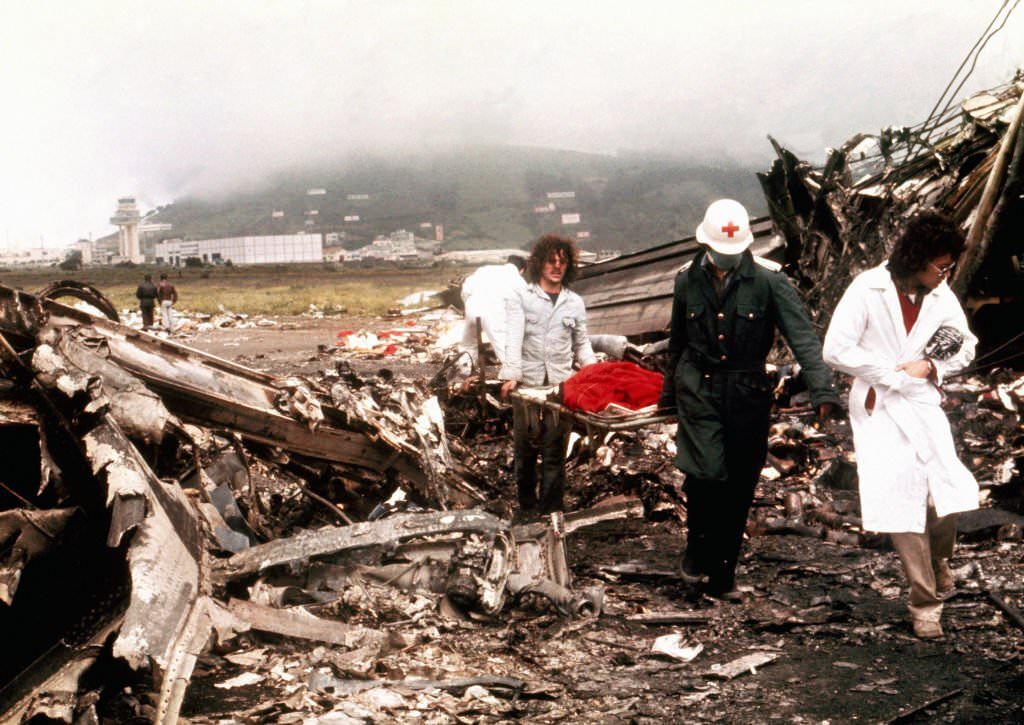
Tenerife’s two airports — Tenerife North Airport and Tenerife South Airport — were critical to the island’s growing tourism economy. But on March 27, 1977, Los Rodeos Airport (now Tenerife North) became the site of the deadliest accident in aviation history. A KLM Boeing 747 attempted to take off without clearance while a Pan Am Boeing 747 was still on the runway. The KLM aircraft struck the Pan Am plane at high speed, and the resulting explosions and fires killed 583 people. The disaster happened in dense fog, with both aircraft on the same runway after a bomb threat at Gran Canaria Airport had diverted multiple flights to Tenerife.