Teenage girls in the 1940s lived through one of the most dramatic decades in American history. World War II pulled fathers and older brothers away from home, and many mothers took on factory and office jobs to support the war effort. That shift left teenage girls with something unexpected: real independence. They had time, spending money from part-time jobs, and the freedom to shape their own social lives in ways previous generations of young women never had.
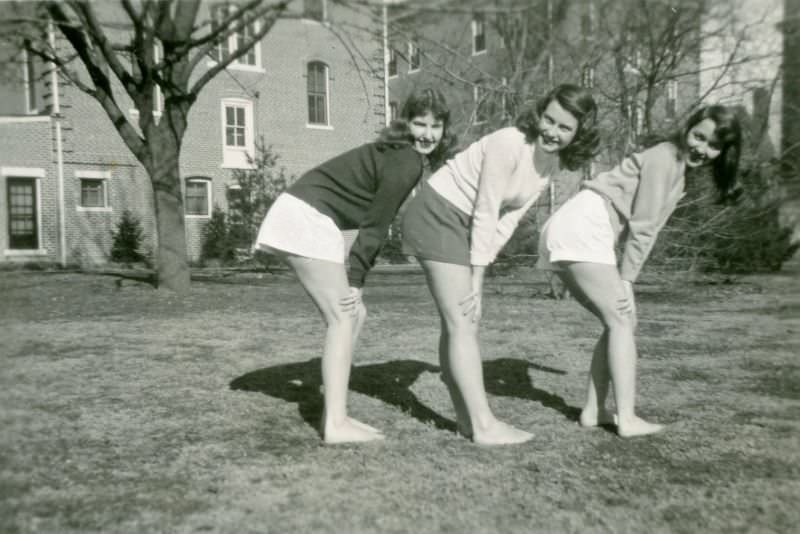
At school, that freedom had clear limits. Dress codes were strict and specific. Schools dictated the type of blouse, the length of the skirt, the style of socks, the cut of shoes, and even how a girl wore her hair. Breaking these rules was not taken lightly. But the moment the school day ended, a different world opened up.
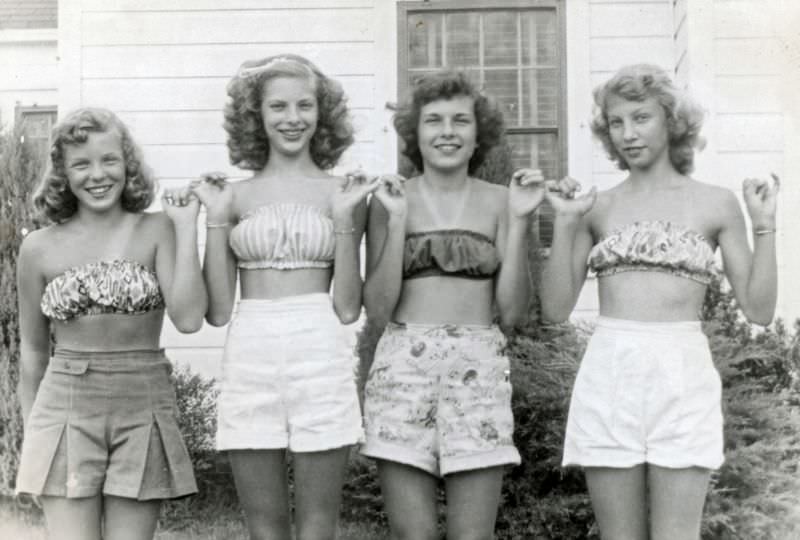
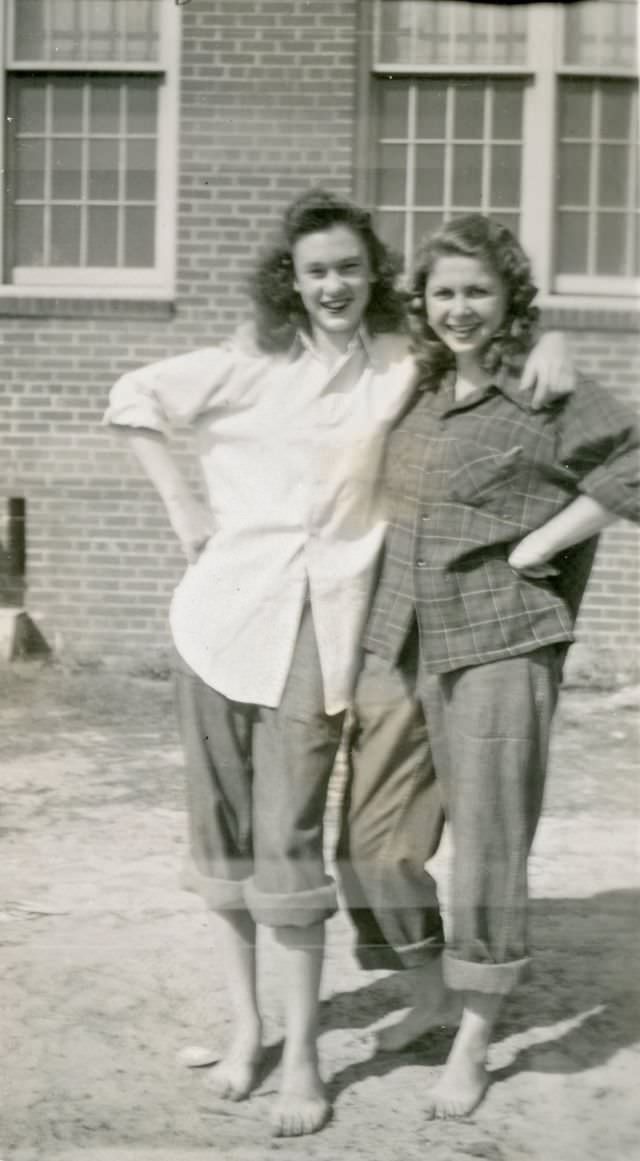
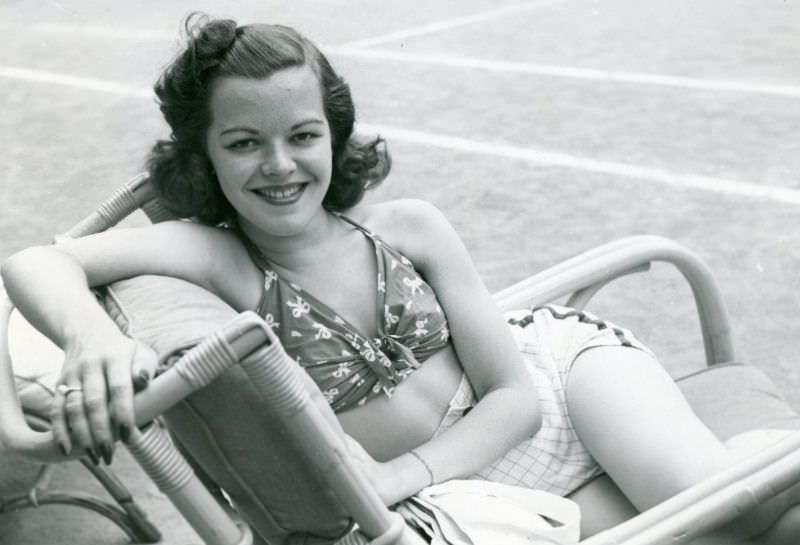
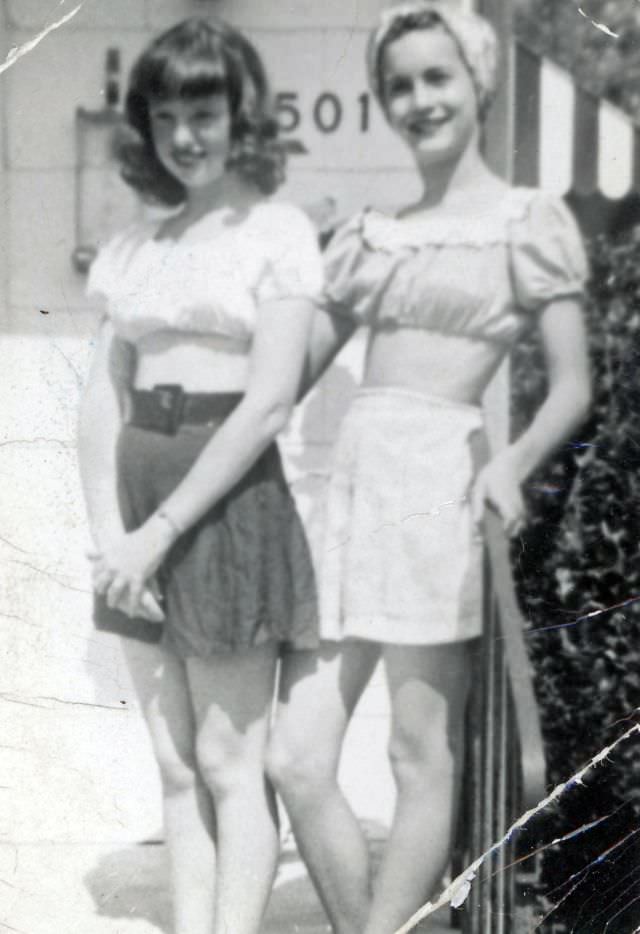
Outside of school, teenage girls of the 1940s built their own sense of style. Sweaters, skirts, bobby socks, and loafers were the go-to look. Some girls even painted their eyeglass frames with nail polish to make them stand out. Fashion was personal, fun, and affordable — a way to express identity in a decade that kept shifting the rules.
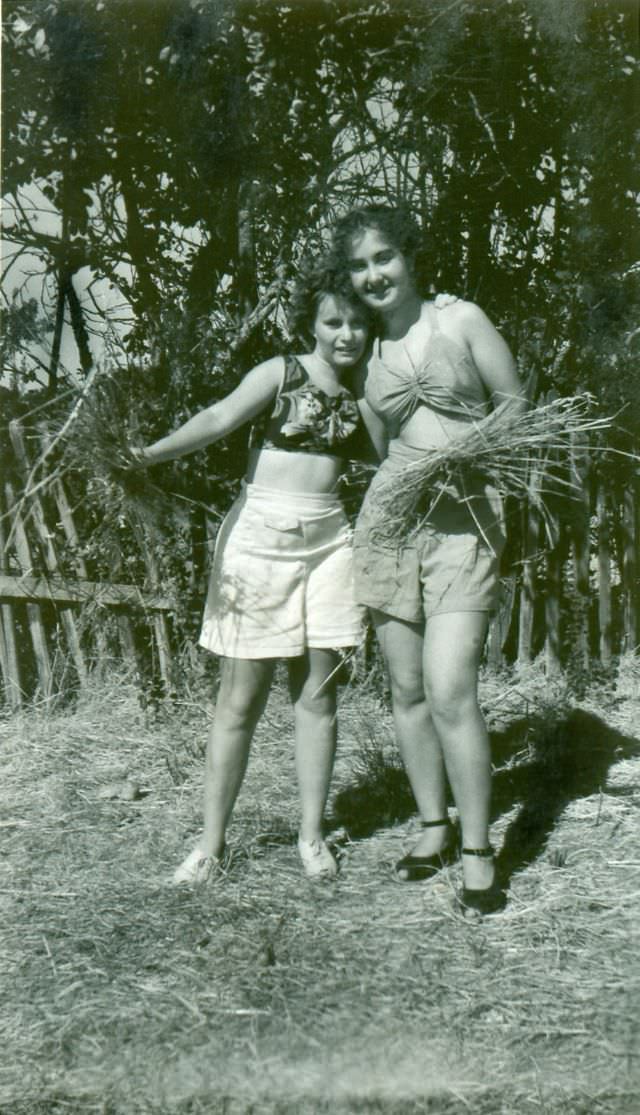
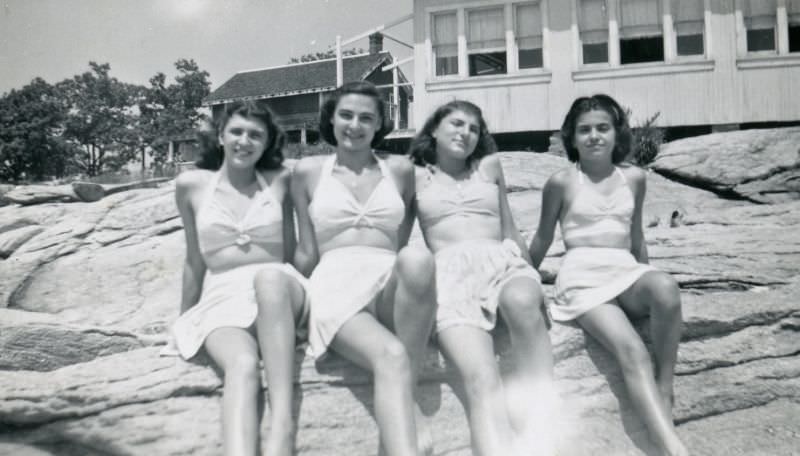
Part-time jobs gave these girls their own money. Parents and schools encouraged them to earn and save — often with marriage in mind, including saving up for things like fine China for a future home. But in practice, having disposable income meant teenage girls could spend on themselves: their clothes, their outings, their music, and their social lives.
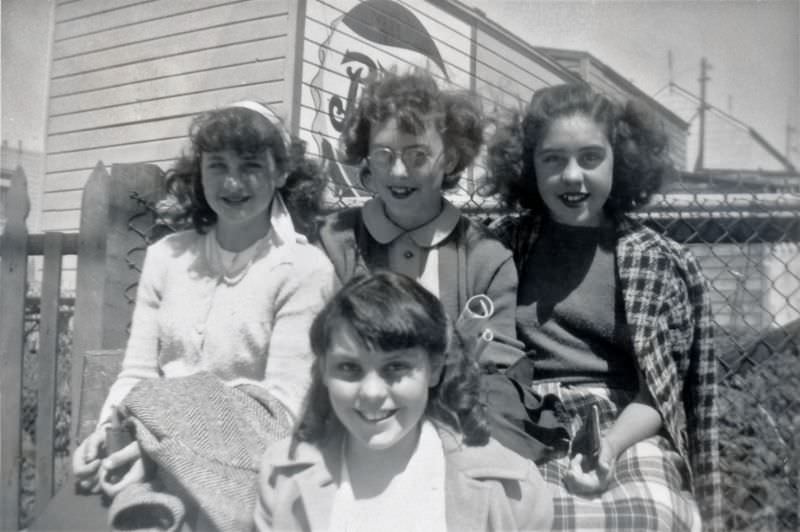
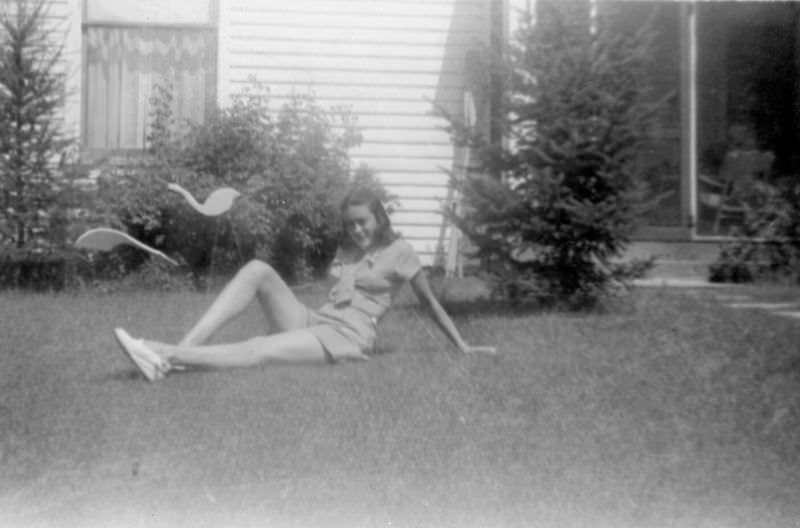
Social life in the 1940s for a teenage girl revolved around friends, music, and community spaces. Diners, school dances, roller rinks, and movie theaters were popular hangouts. Swing music and big band sounds dominated the radio, and many girls danced at every opportunity. These weren’t passive pastimes — they were a central part of how teenagers built friendships and expressed themselves.
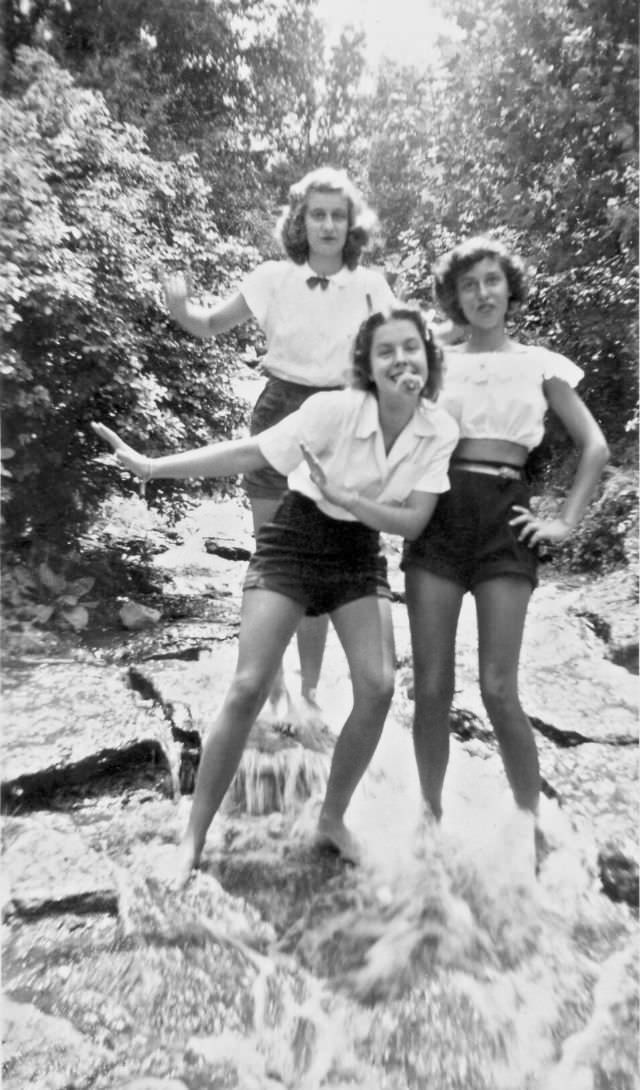
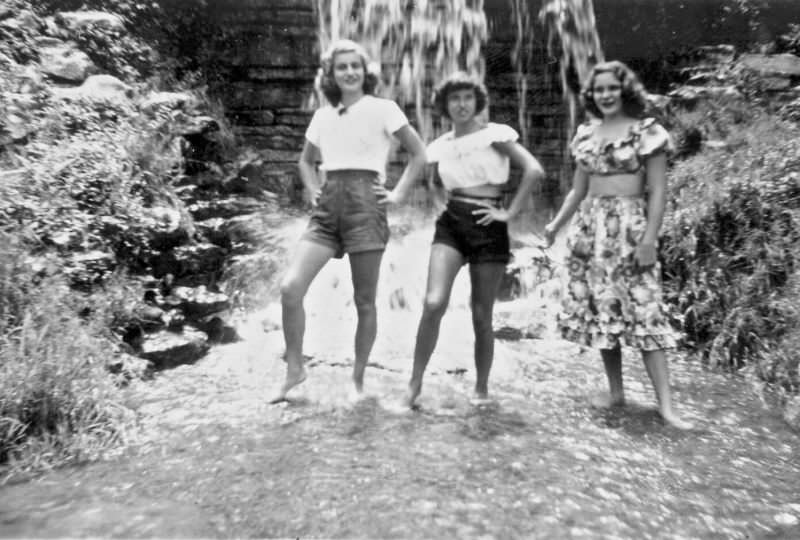
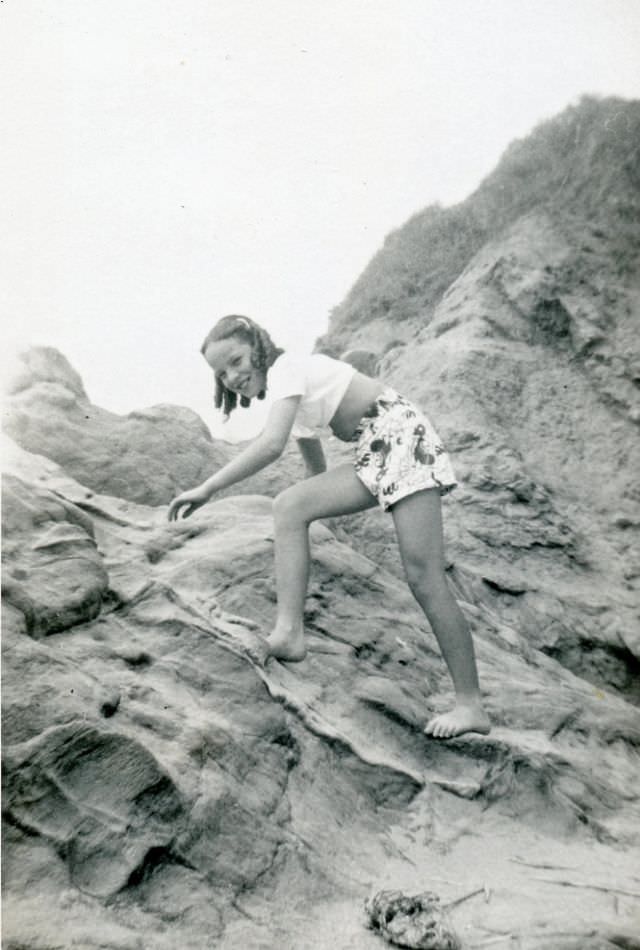
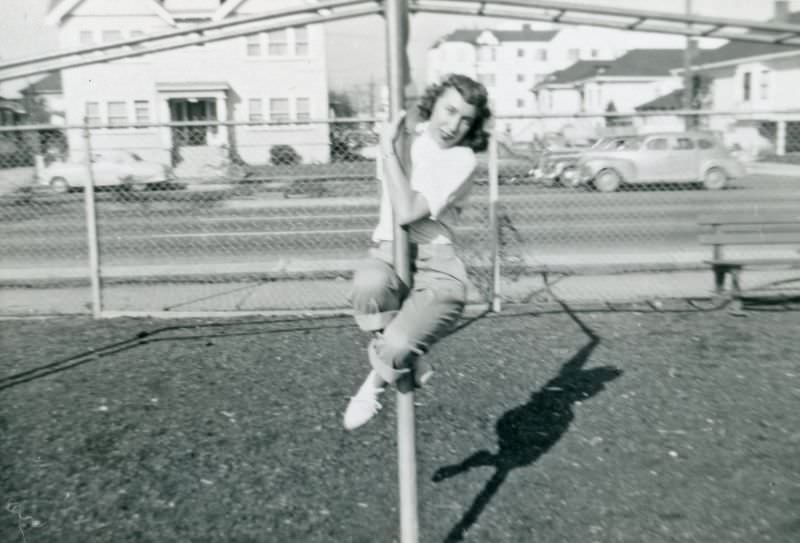
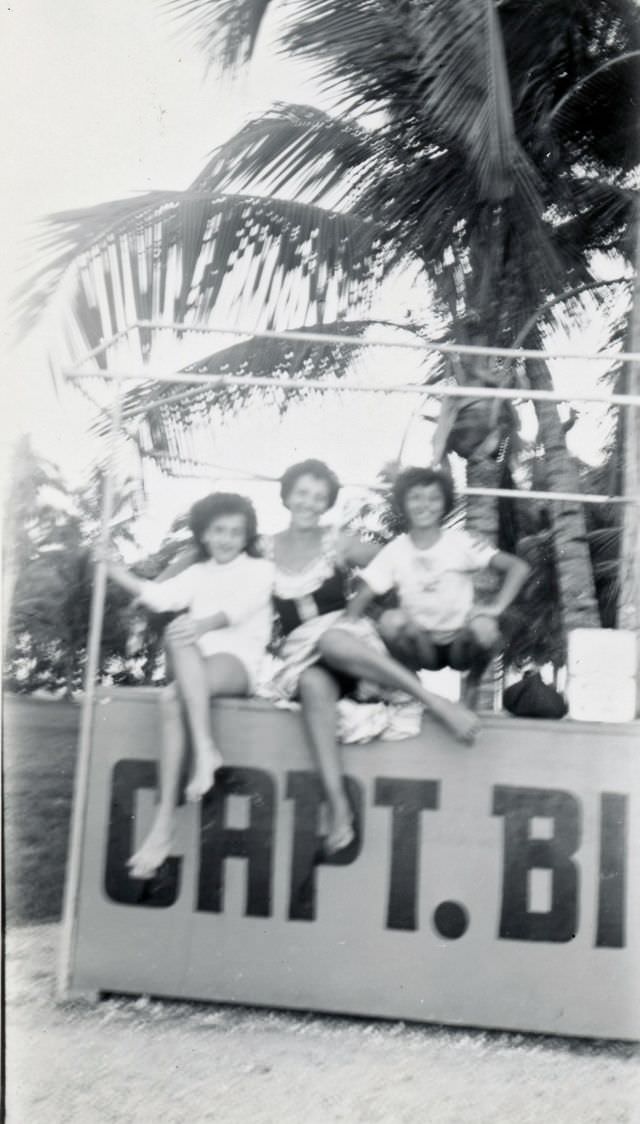
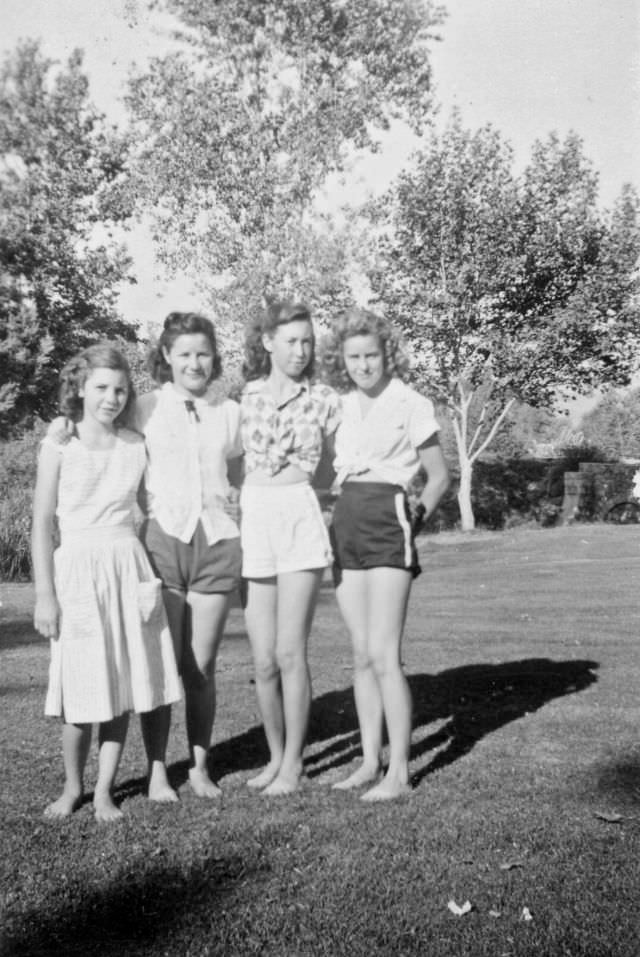
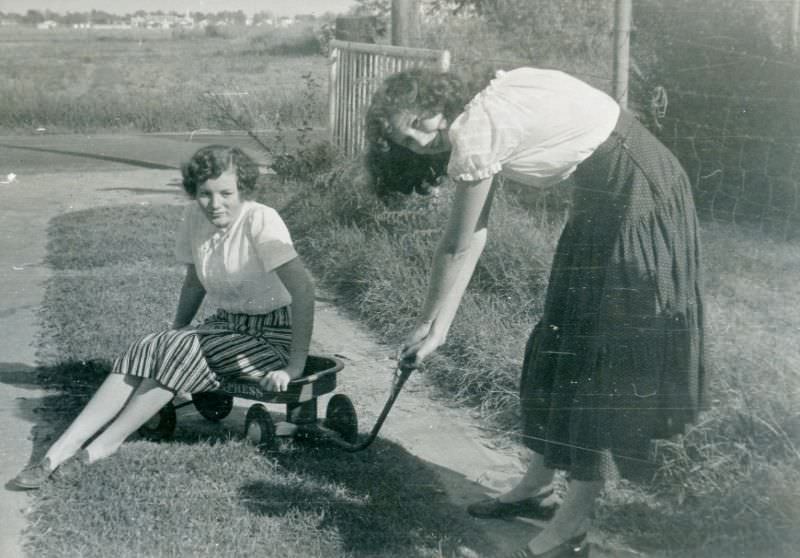
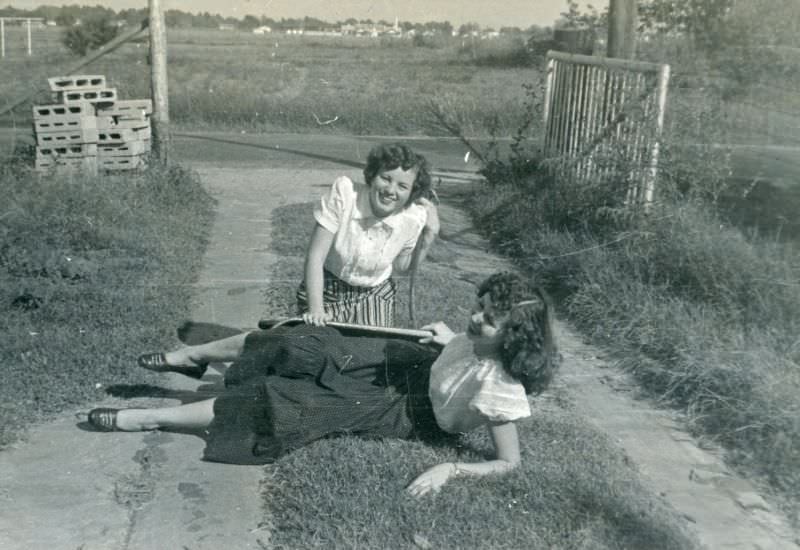
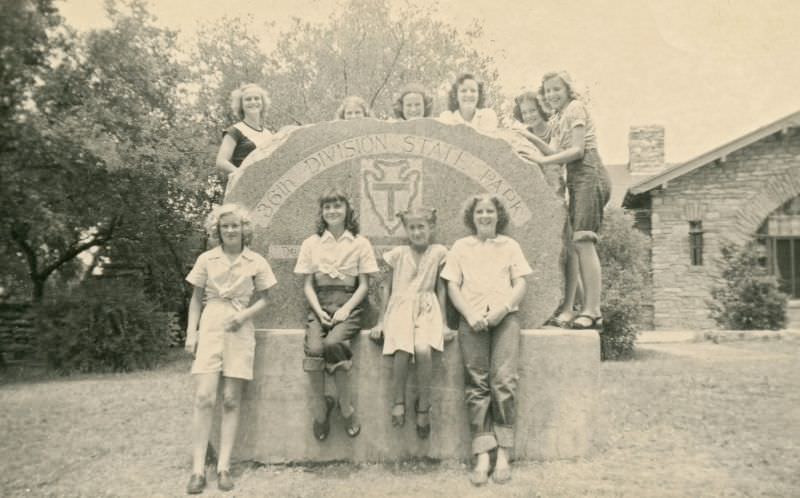
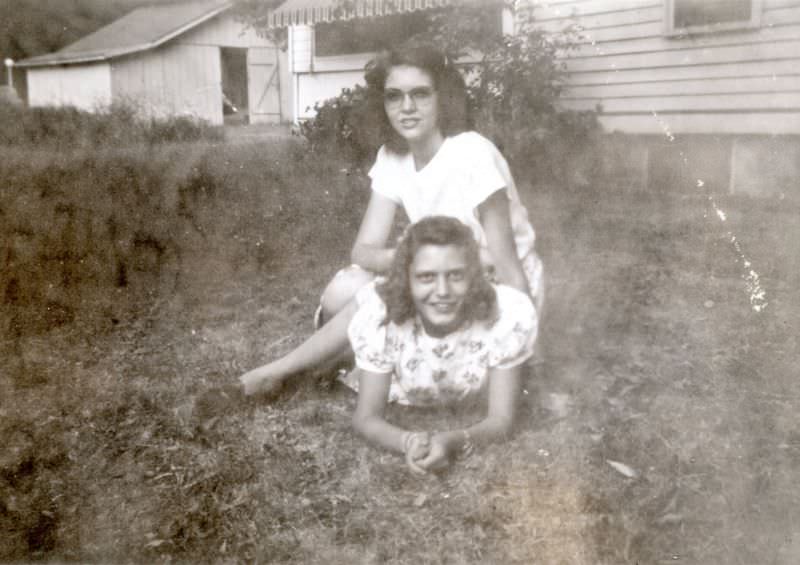
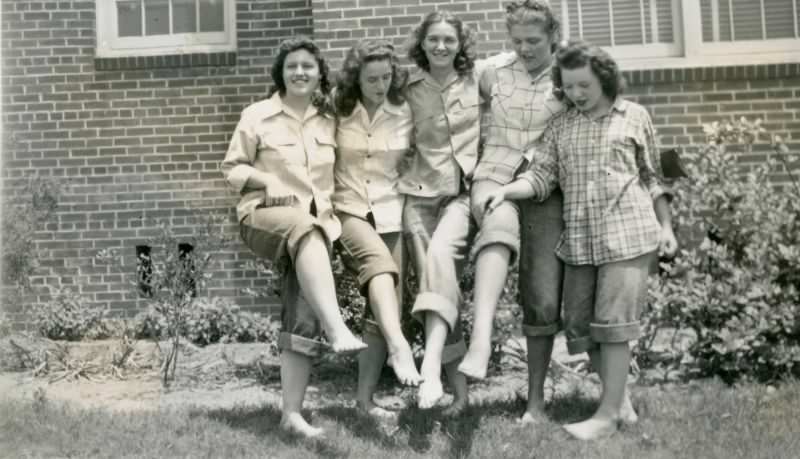
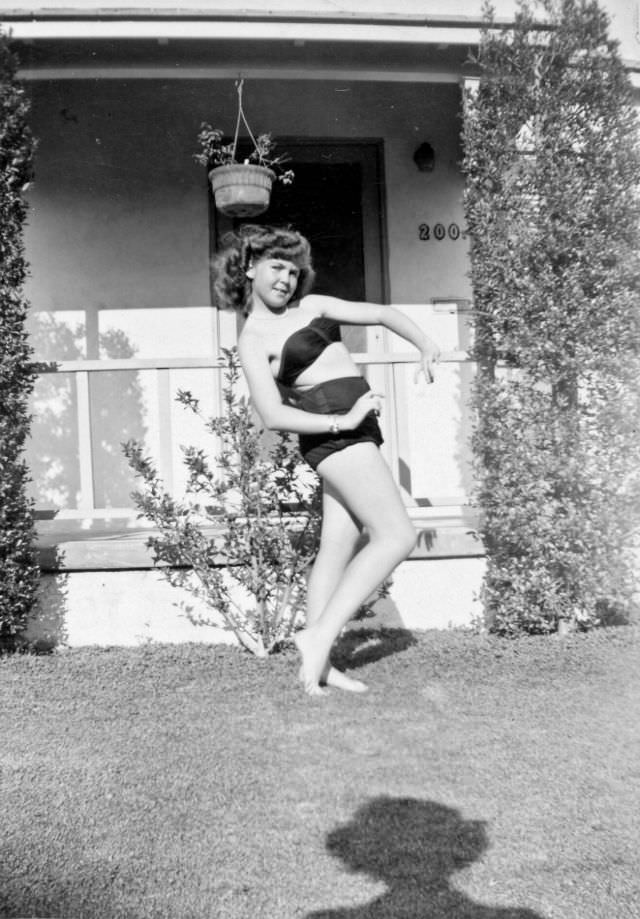
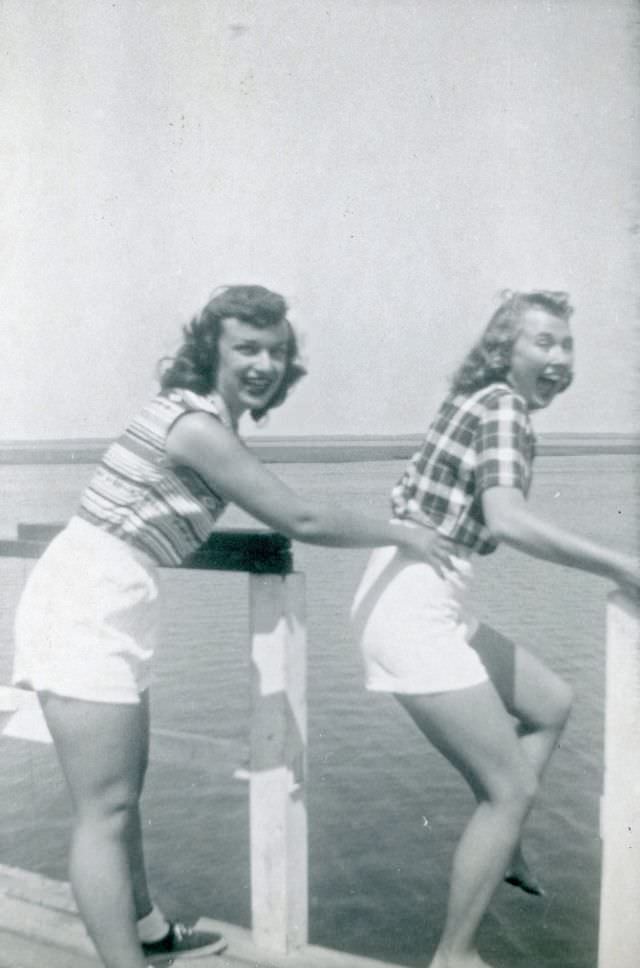
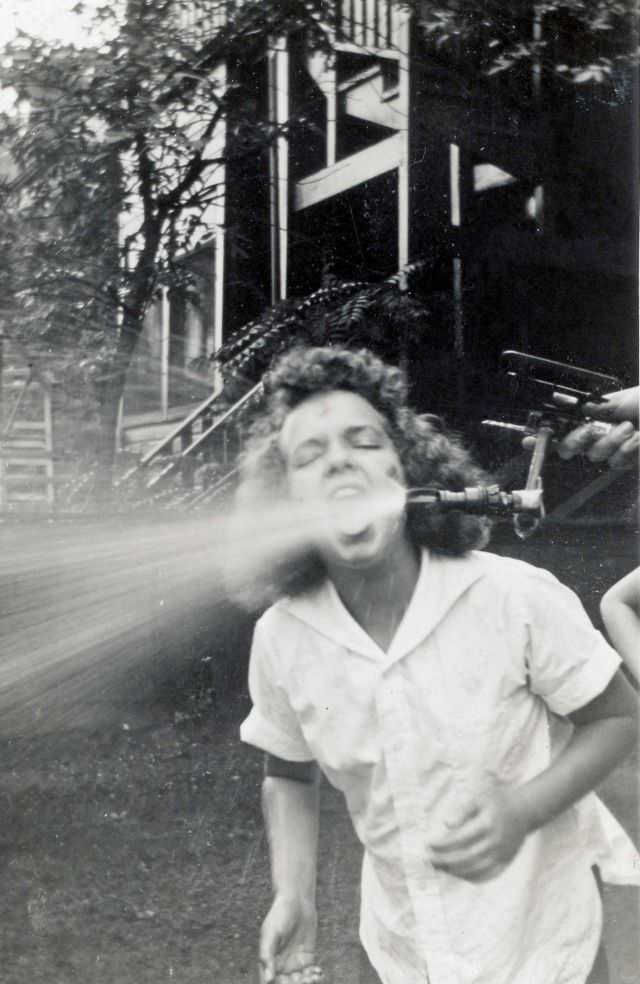
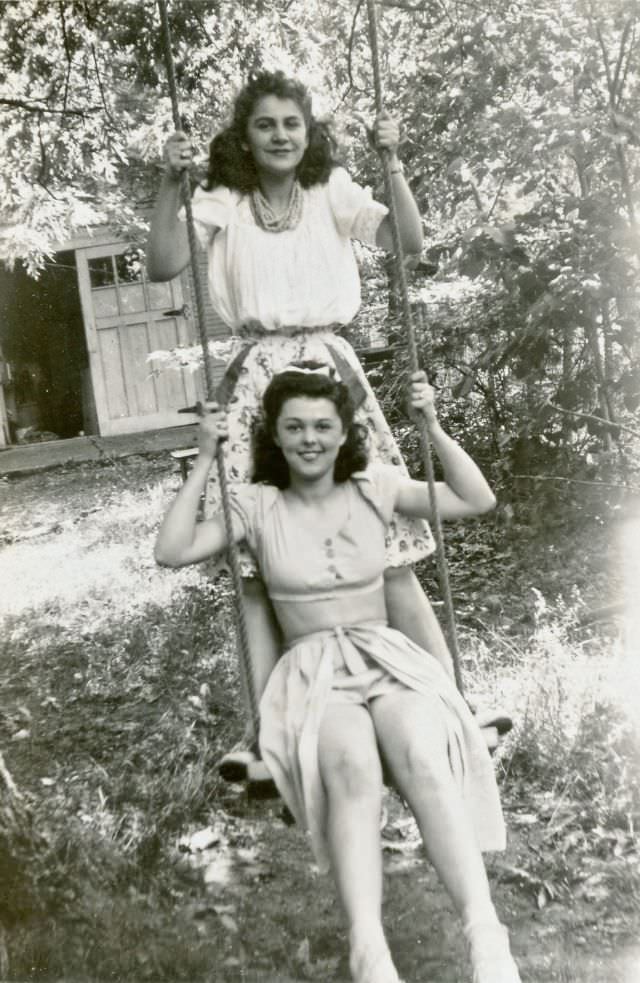
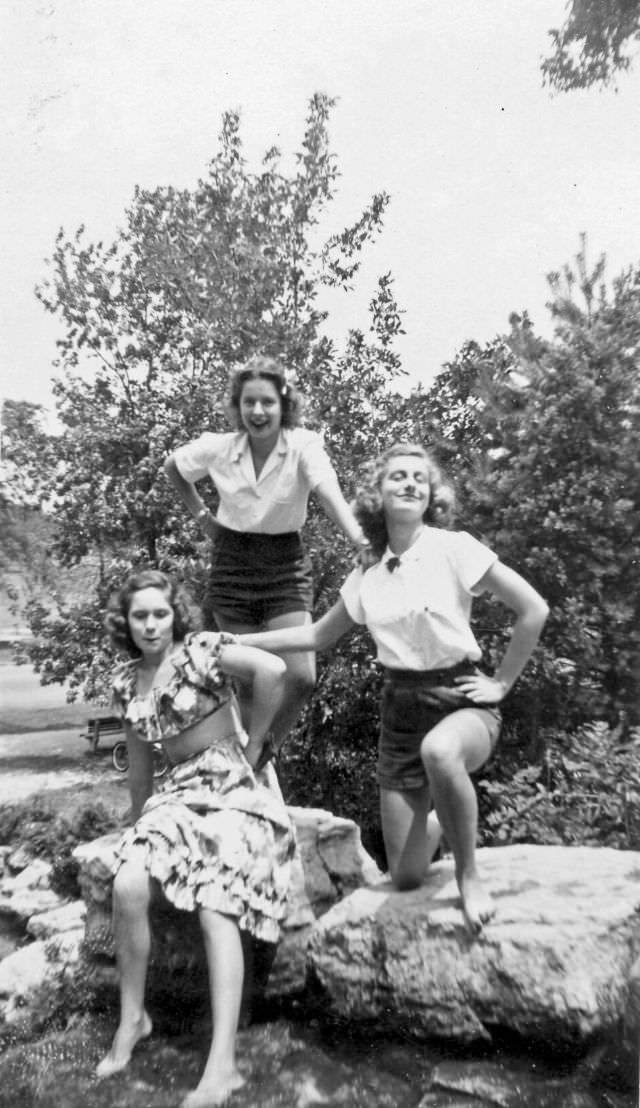
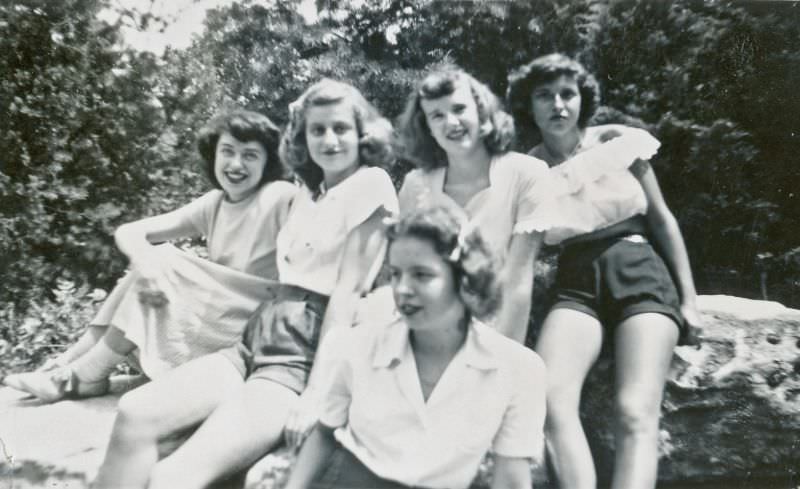
Photography was becoming more accessible during this era, and cameras captured everyday moments that might have gone unrecorded in earlier decades. Candid shots of girls laughing on front stoops, posing with friends at the park, or goofing around after school give us a direct window into what life actually felt like for them — not just what adults thought it should look like.
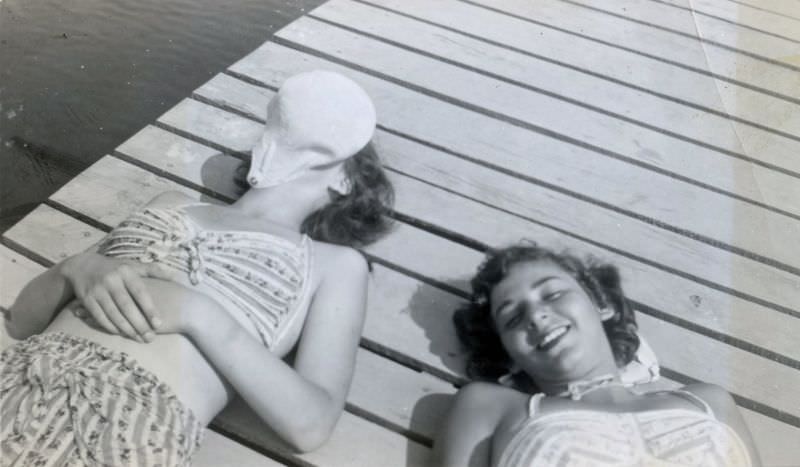
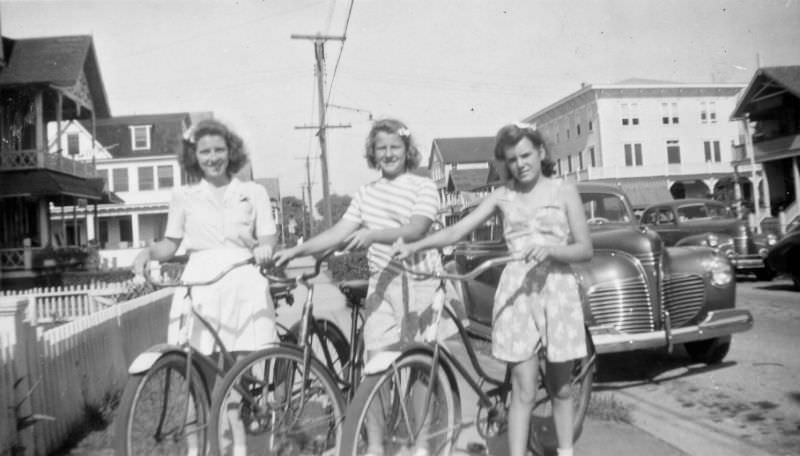
The war years created an unusual social landscape. With so many young men overseas, teenage girls formed tighter bonds with each other. Girl groups — whether school clubs, neighborhood friend circles, or informal hangout crews — became a defining feature of 1940s teen life. These friendships were close and often lasted a lifetime.
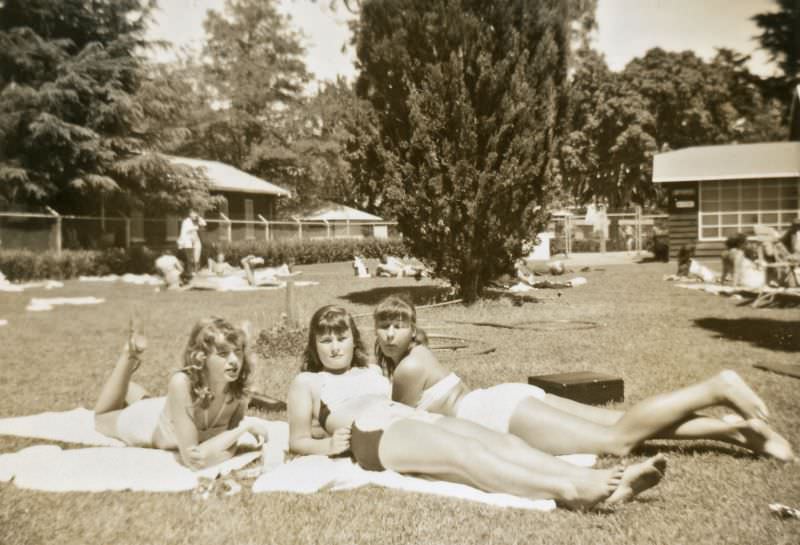
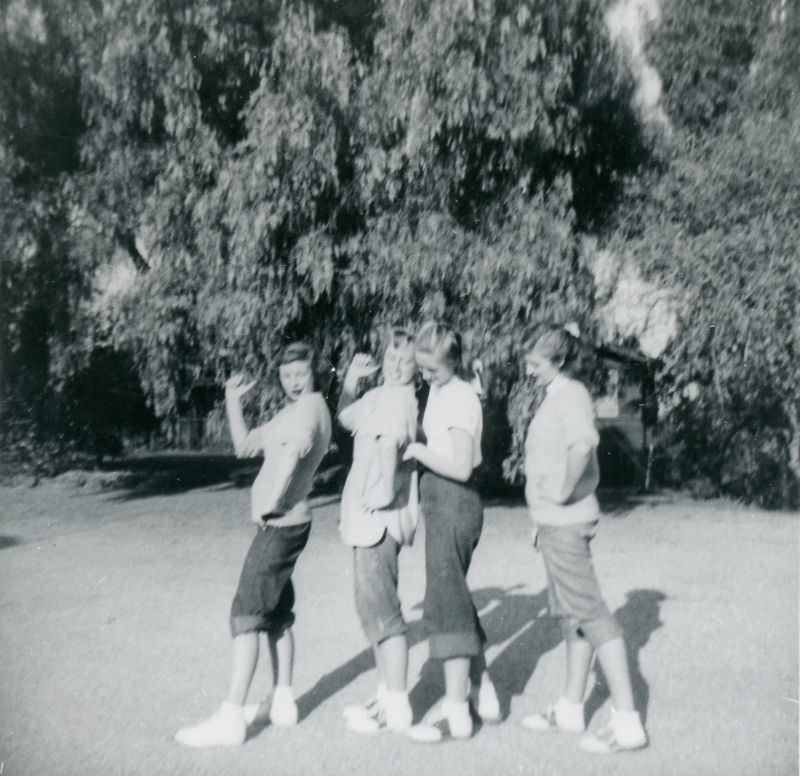
The photos from this era capture a generation that was quietly reshaping what it meant to be a young woman in America. They worked, they spent, they dressed how they wanted after school, and they socialized on their own terms. These weren’t girls simply waiting for life to begin — they were living it fully, right in the middle of a world at war.
After the war ended, society pushed hard to return to traditional roles — men back at work, women back at home. But the teenage girls who had tasted independence through the early and mid-1940s weren’t quick to let it go. The seeds planted during those years would grow into something much larger in the decades that followed.