By 1959, Elizabeth Taylor was one of the most recognized faces in Hollywood — and her role in Suddenly, Last Summer pushed her further into serious dramatic territory. The film, directed by Joseph L. Mankiewicz and produced by Sam Spiegel, was adapted from Tennessee Williams’ 1958 one-act play of the same name. It brought together three of the era’s most powerful performers: Taylor, Katharine Hepburn, and Montgomery Clift.
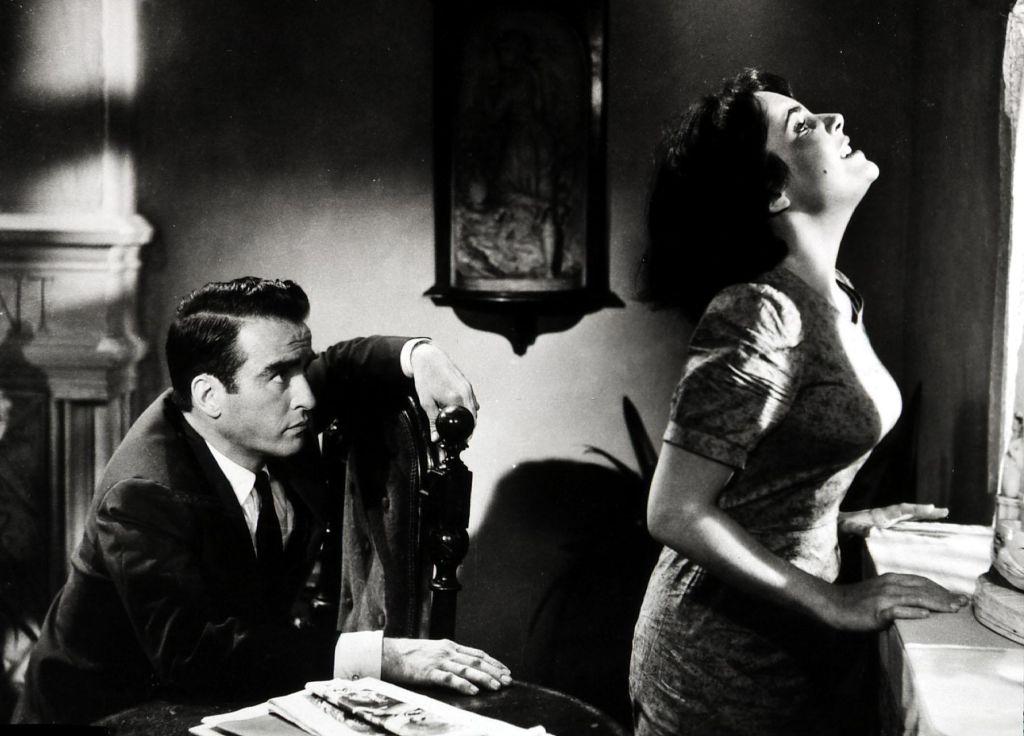
Taylor played Catherine Holly, a young woman trapped in a psychiatric institution. Her wealthy aunt, Violet Venable — played by Hepburn — pressures a neurosurgeon named Dr. Cukrowicz to perform a lobotomy on Catherine to silence her disturbing account of what happened the previous summer in Spain. The story that Catherine carries is the truth behind the death of Sebastian Venable, Violet’s son and Catherine’s cousin. Clift played Dr. Cukrowicz, the doctor caught between the aunt’s influence and the patient’s fragile but credible testimony.
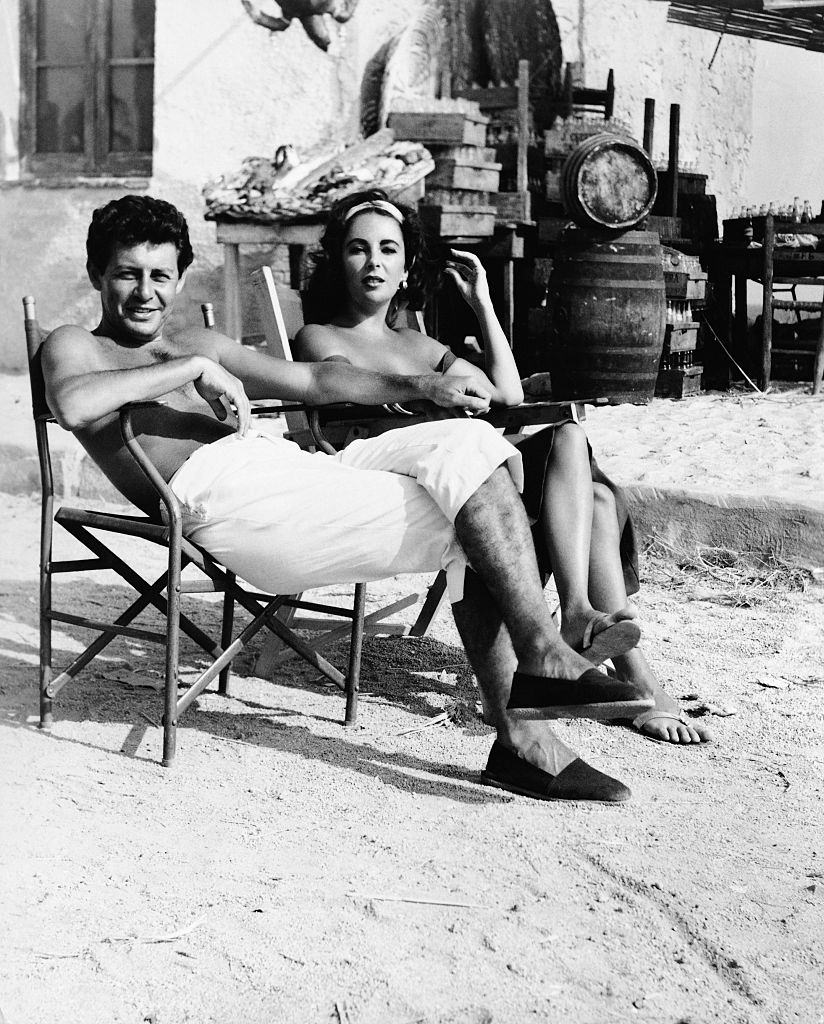
Location shooting took place in Spain, and Taylor was newly married to singer Eddie Fisher at the time. The two were photographed together during the production, with Fisher accompanying Taylor to the set. Their marriage was one of the most talked-about in Hollywood at the time, having followed Taylor’s relationship with producer Mike Todd, who had died in a plane crash the year before.
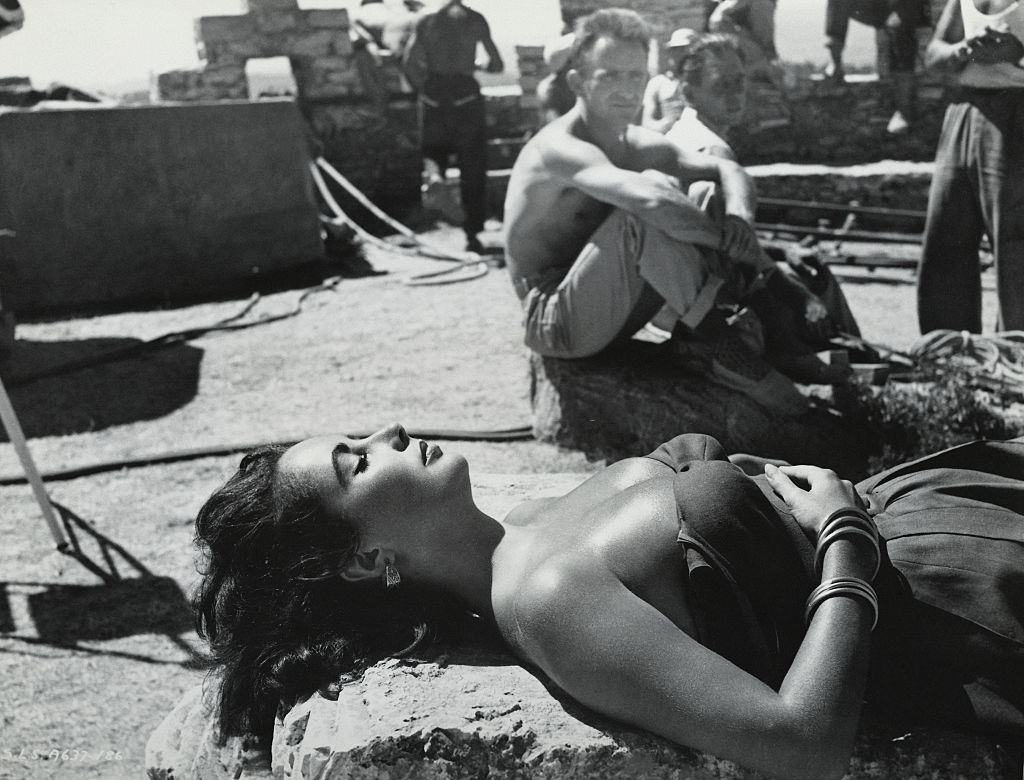
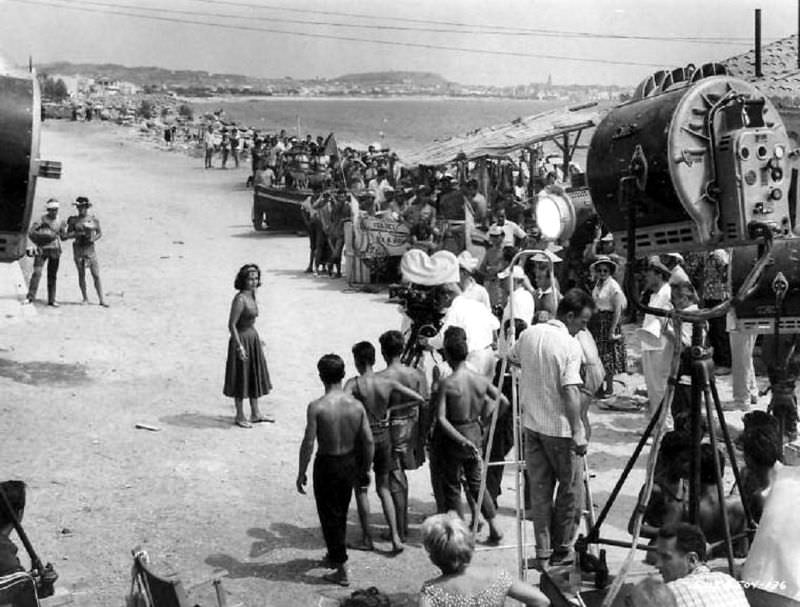
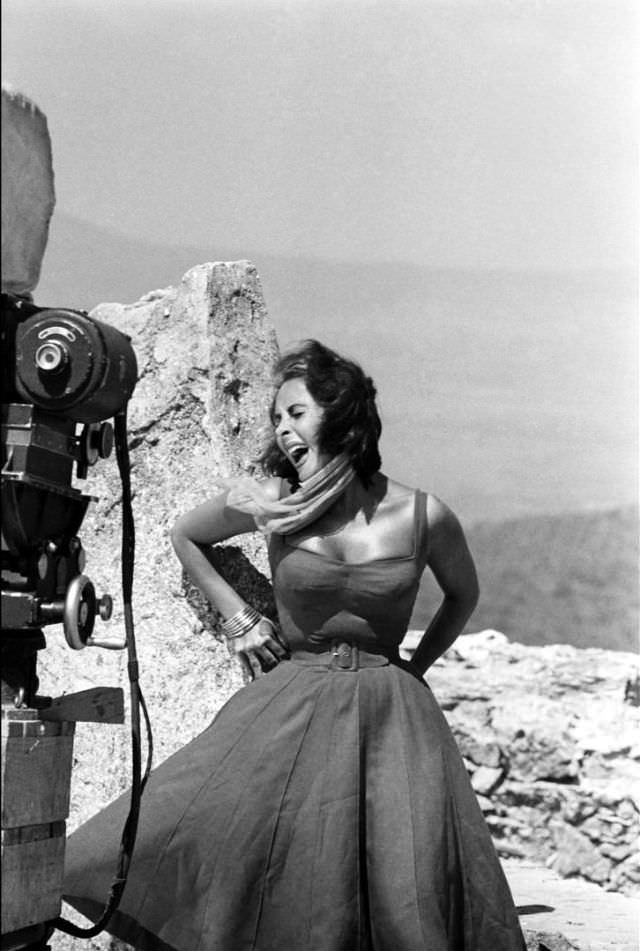
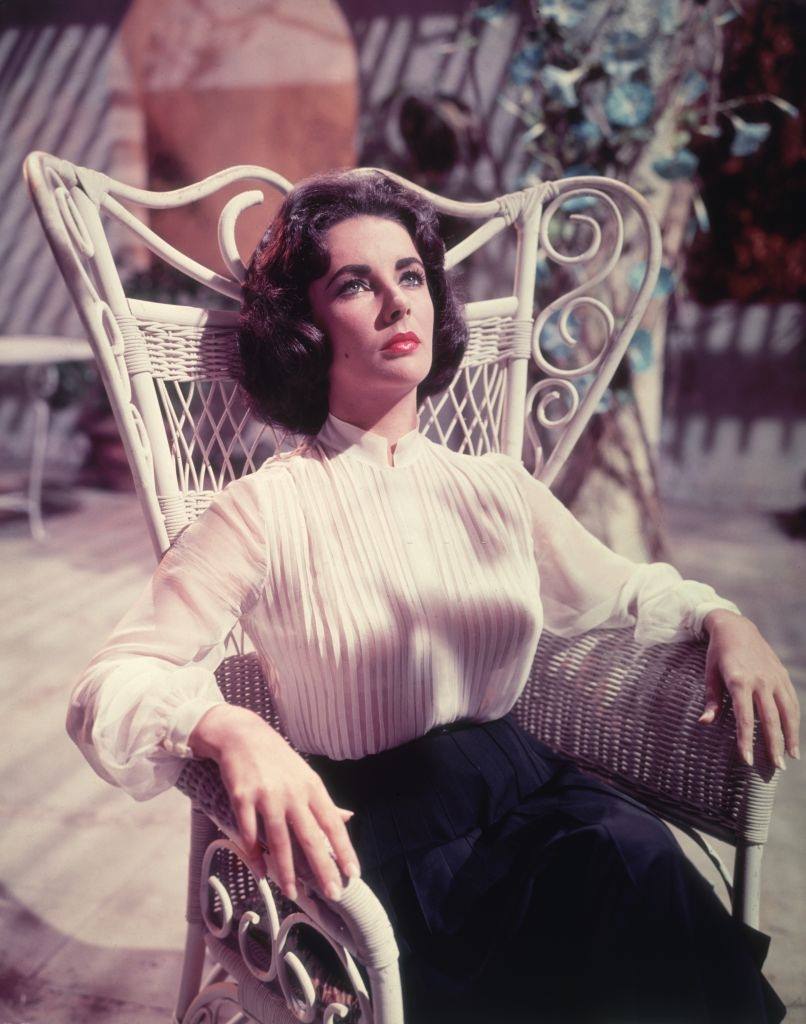
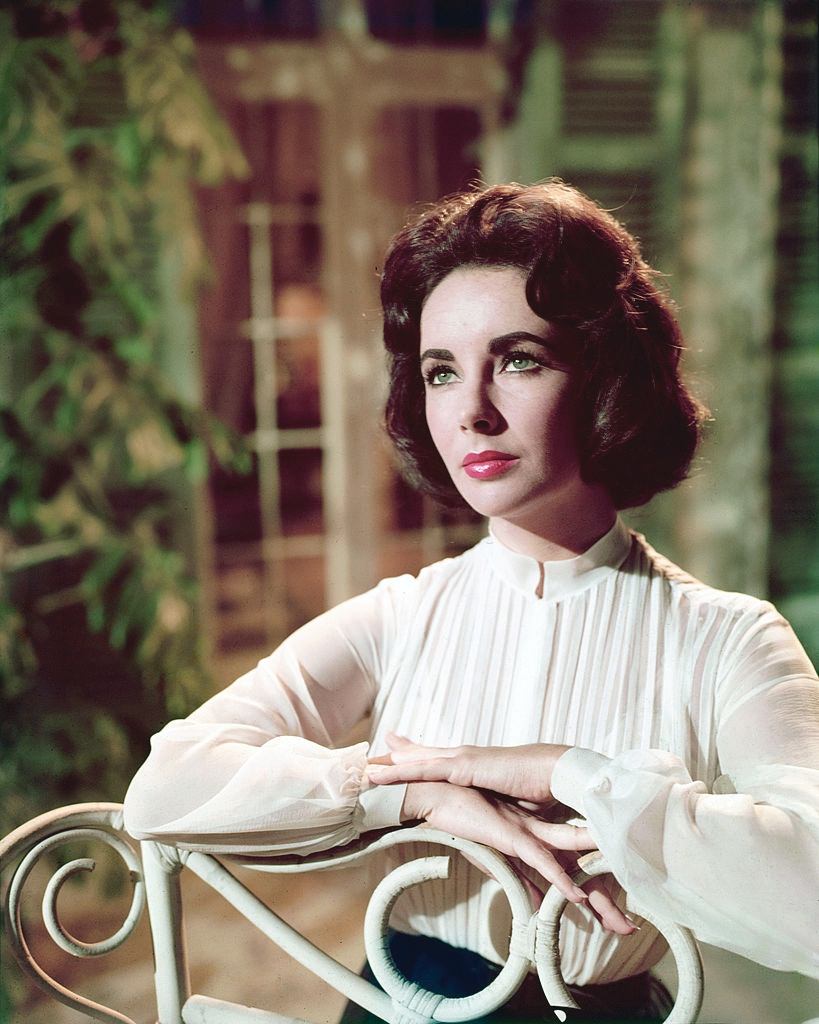
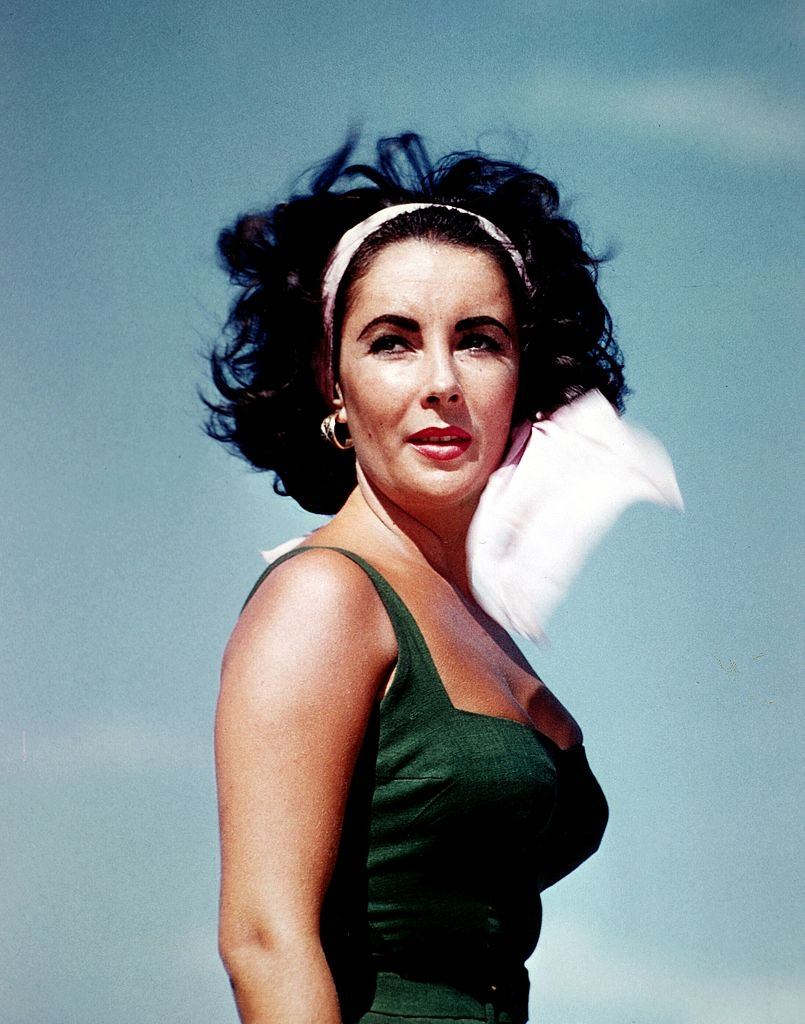
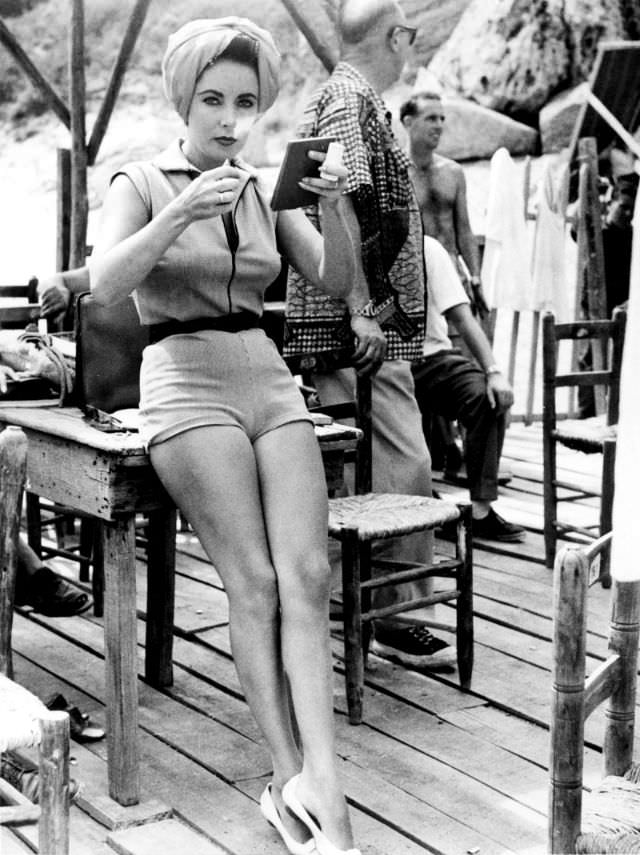
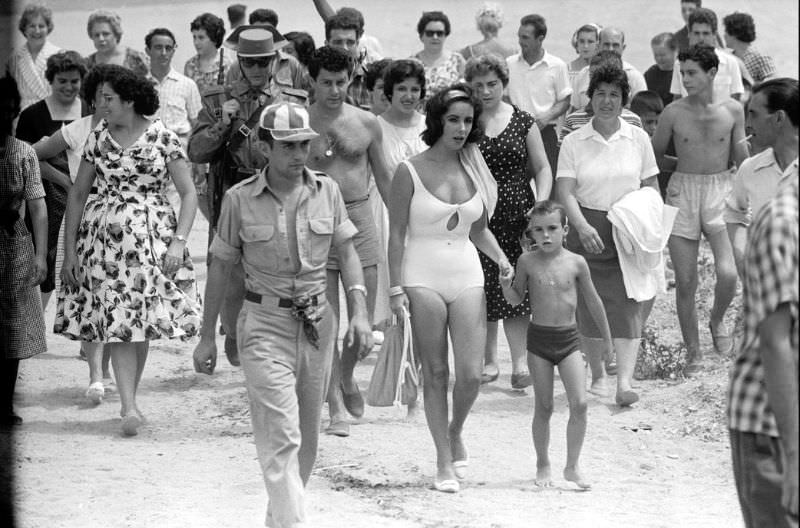
Between the intensity of her scenes, Taylor was photographed relaxing on location in Spain. These candid moments offered a sharp contrast to the dark subject matter she was working with on camera. The film’s story dealt with manipulation, mental illness, forced medical procedures, and a deeply disturbing death — all themes that were pushing the limits of what Hollywood was willing to put on screen in the late 1950s.
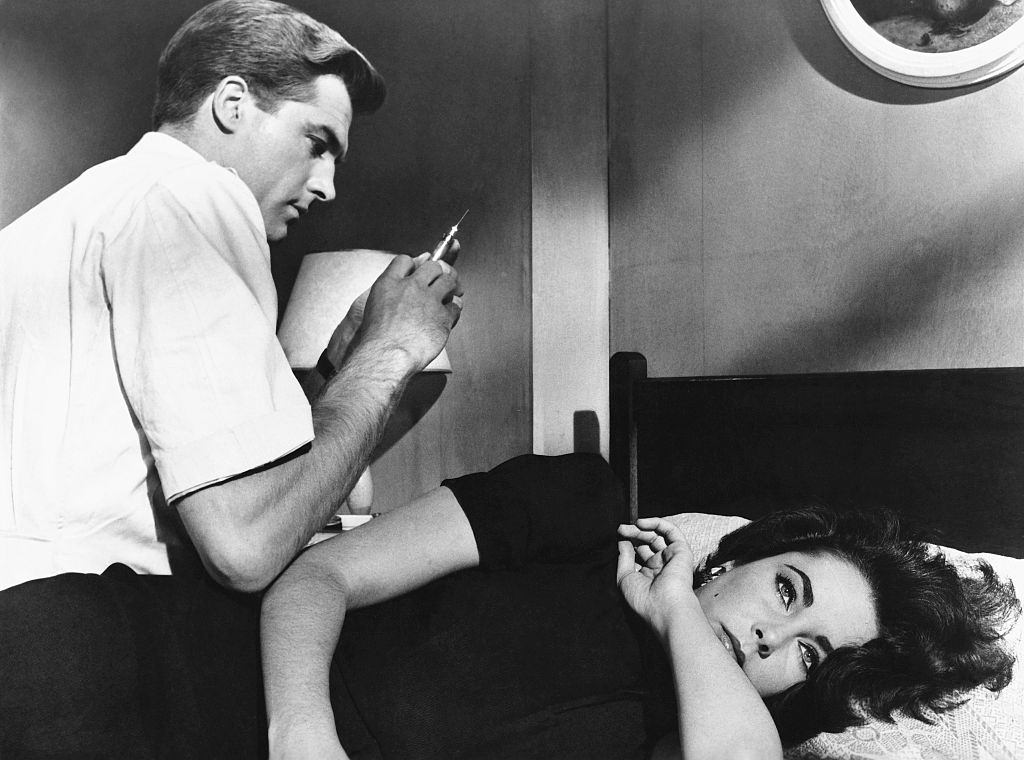
The film does not shy away from the threat of involuntary medical procedures. Catherine faces the prospect of a lobotomy throughout the story, and scenes depicting her being sedated reinforced the power imbalance at the core of the plot. A wealthy woman with connections wants a young, powerless woman silenced permanently — and she is using medicine as the tool.
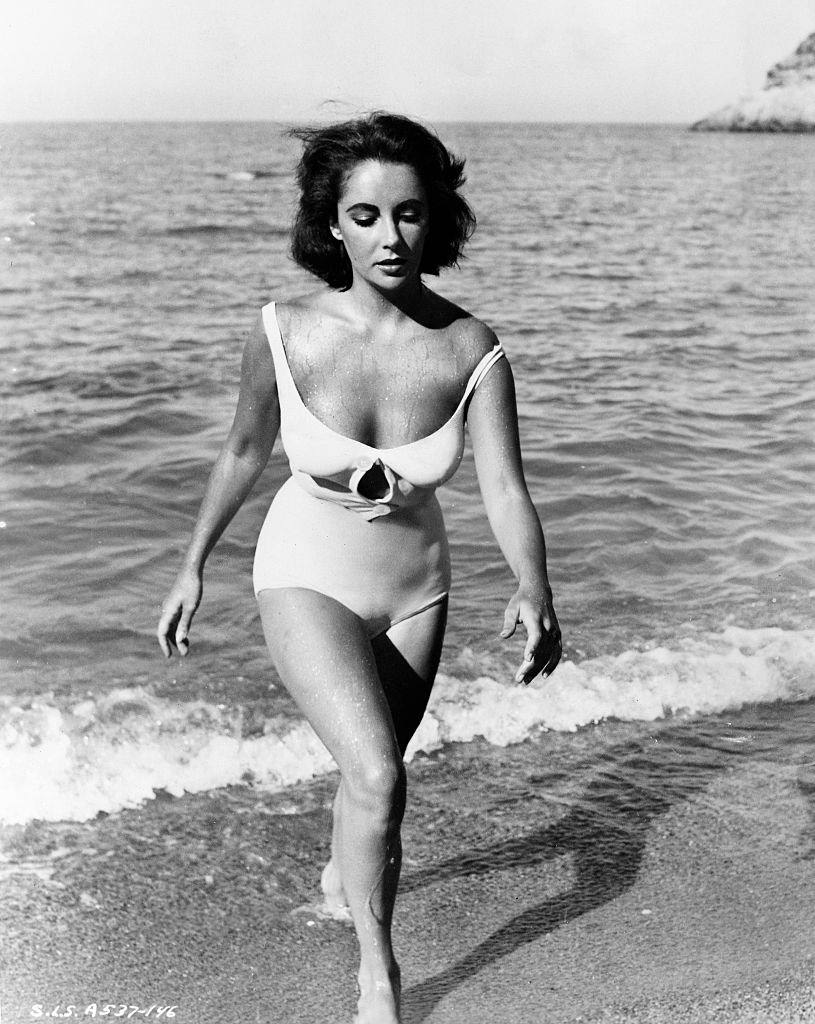
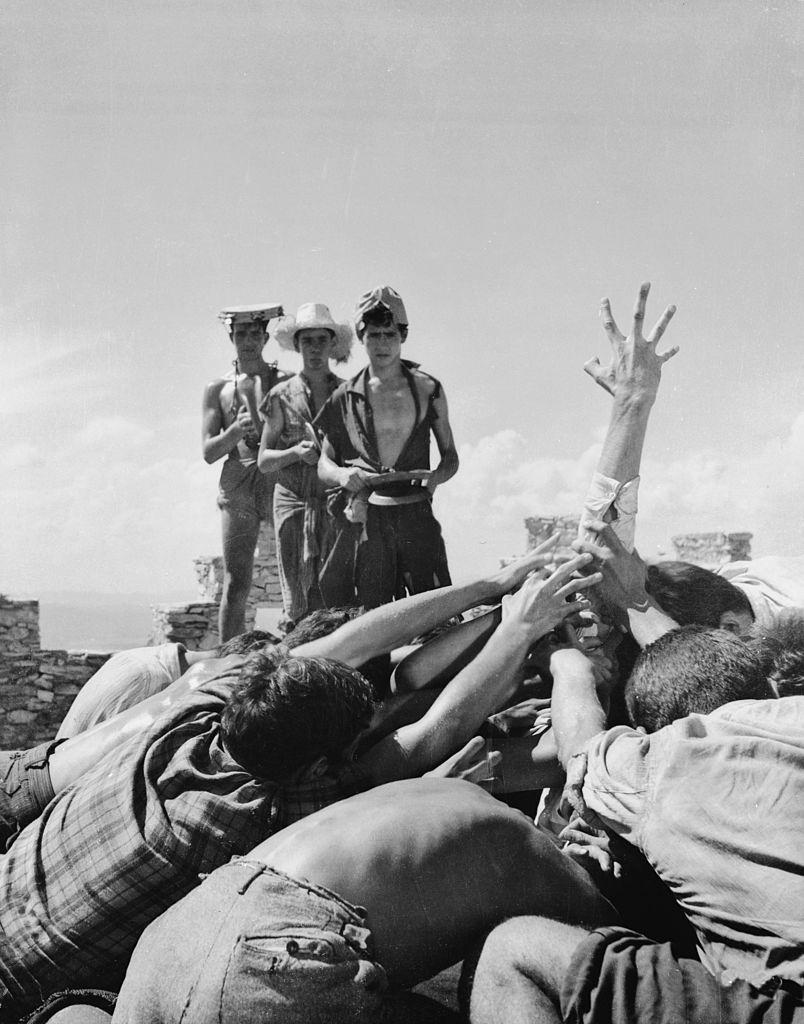
The beach scenes in Spain served as the backdrop for the film’s most harrowing flashback. Sebastian Venable, the elusive and never-fully-seen poet at the center of the story, meets his end on a Spanish beach. He is chased down and consumed by a group of starving street children he had previously exploited. Catherine witnessed it all, and her memory of the event is what Violet Venable is so desperate to erase.
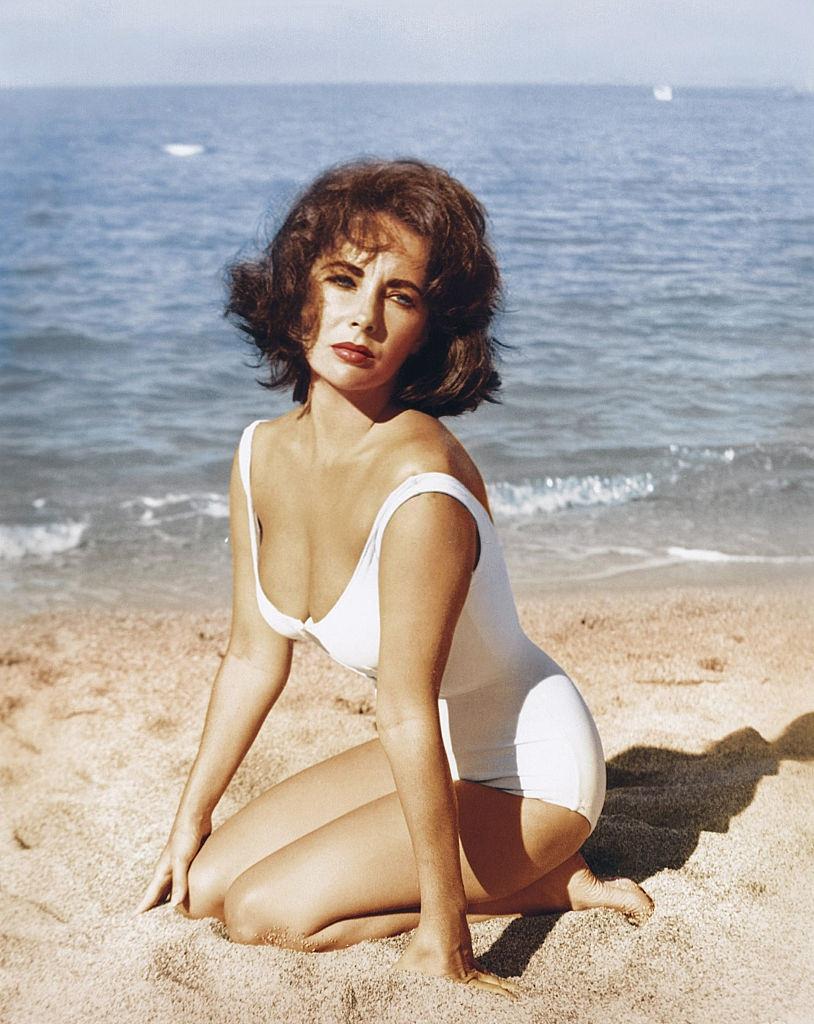
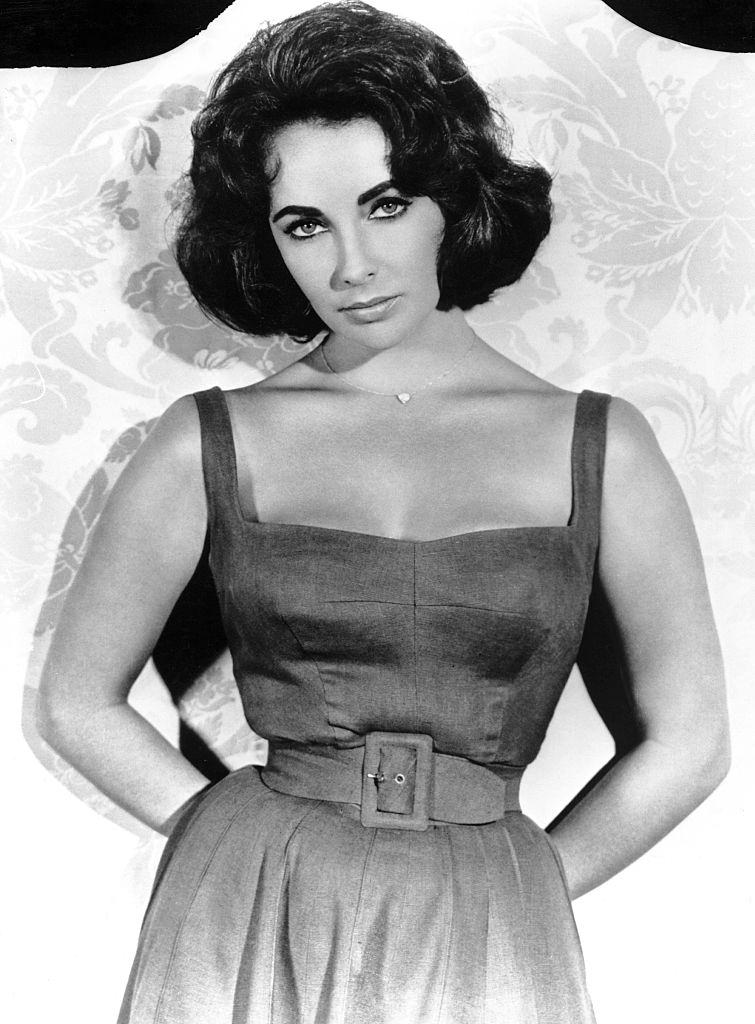
Taylor’s performance drew significant attention. Both she and Hepburn received Academy Award nominations for Best Actress for their roles. For Taylor, it was her third consecutive nomination — following Raintree County in 1957 and Cat on a Hot Tin Roof in 1958 — and the third time in a row she did not take home the award. Simone Signoret won that year for Room at the Top.
The film’s most disturbing sequence involves Sebastian’s death. The cannibalistic attack by the street urchins — children he had lured and used — is presented in fragmented, almost nightmarish terms. It was one of the most unsettling scenes to appear in a mainstream Hollywood film of that period, and it remained controversial even in its toned-down screen adaptation.
Critics at the time were divided. Some praised the performances while others felt the material had been watered down from Williams’ original play to satisfy studio and censorship demands. The play had been a short, punishing piece of theater. Expanding it to a feature-length film meant adding scenes and stretching the tension in ways that some reviewers felt weakened the overall effect.
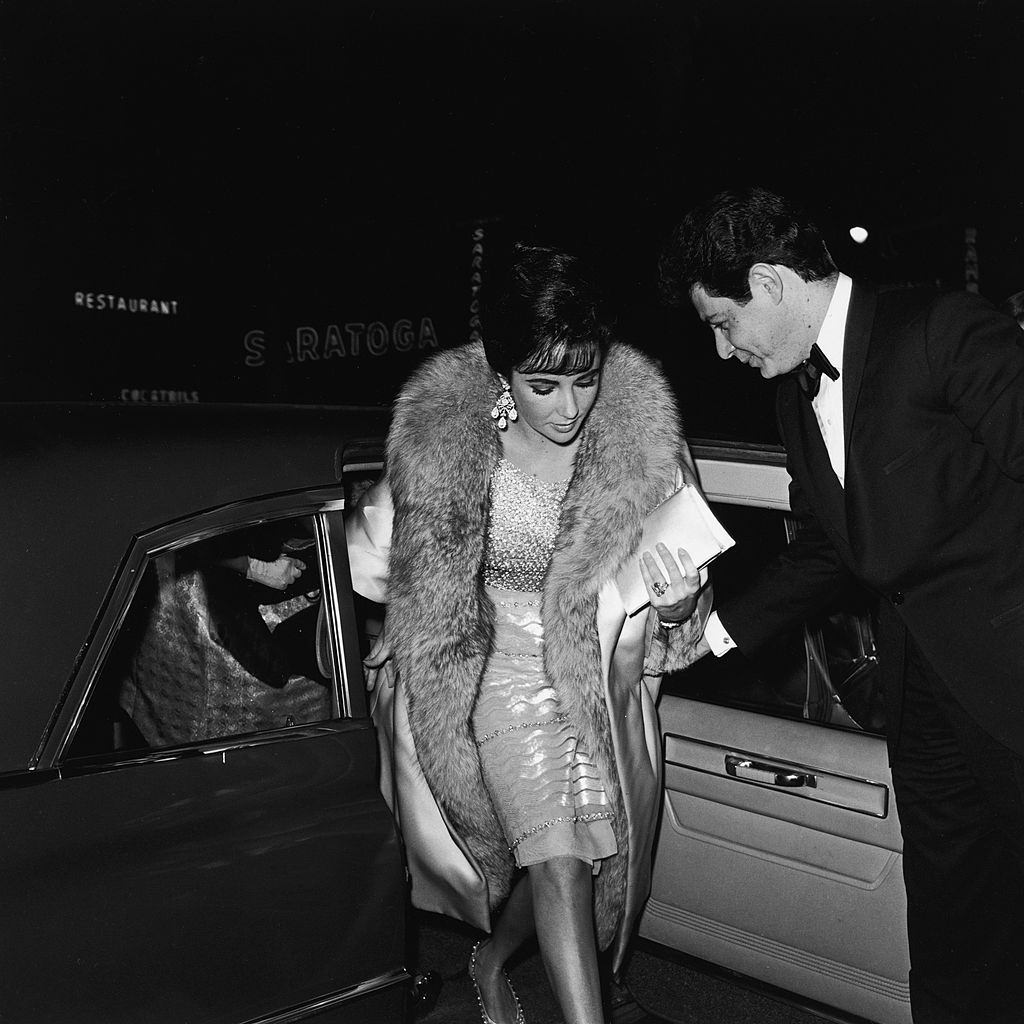
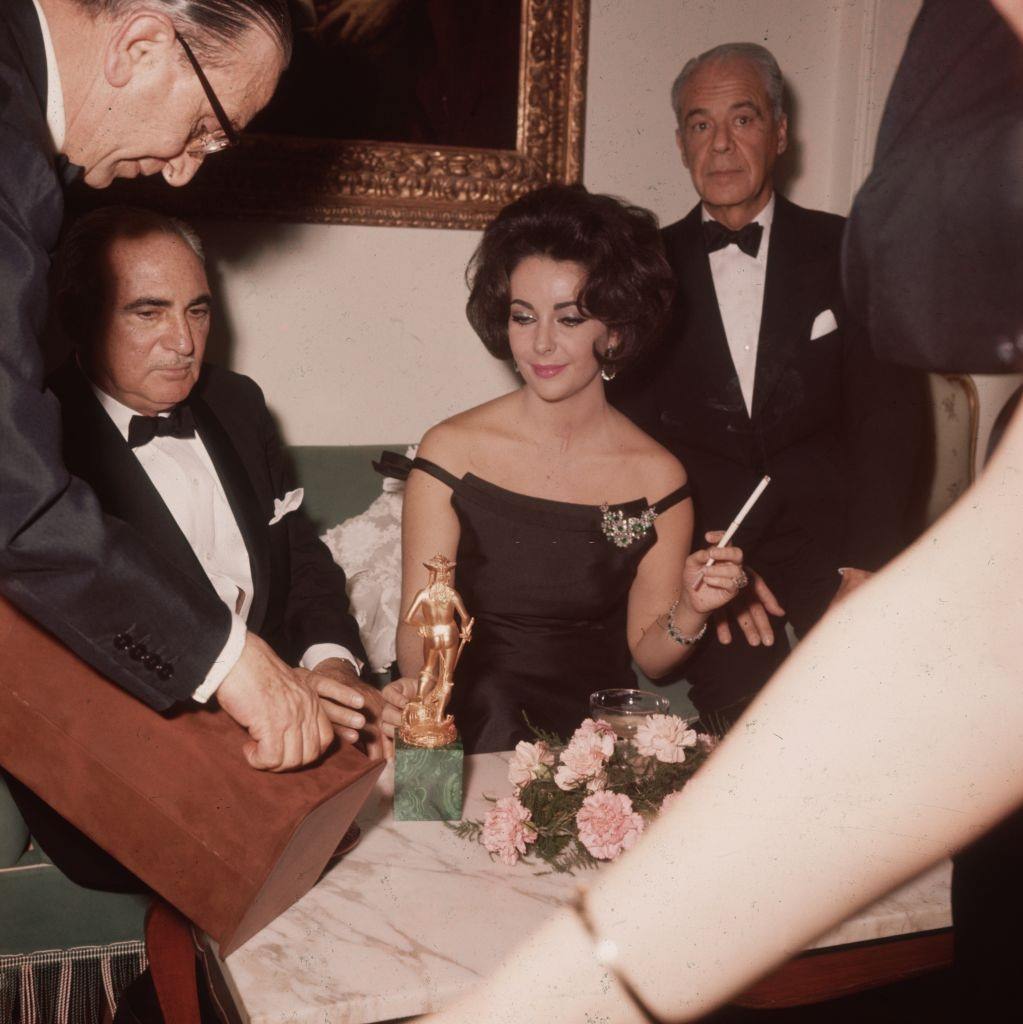
At the film’s premiere, Taylor arrived with Fisher. The premiere drew considerable press attention — not just for the film itself, but because Taylor remained one of the most photographed celebrities of her era. Whatever the critical reception, audiences and media were deeply interested in her every public appearance.
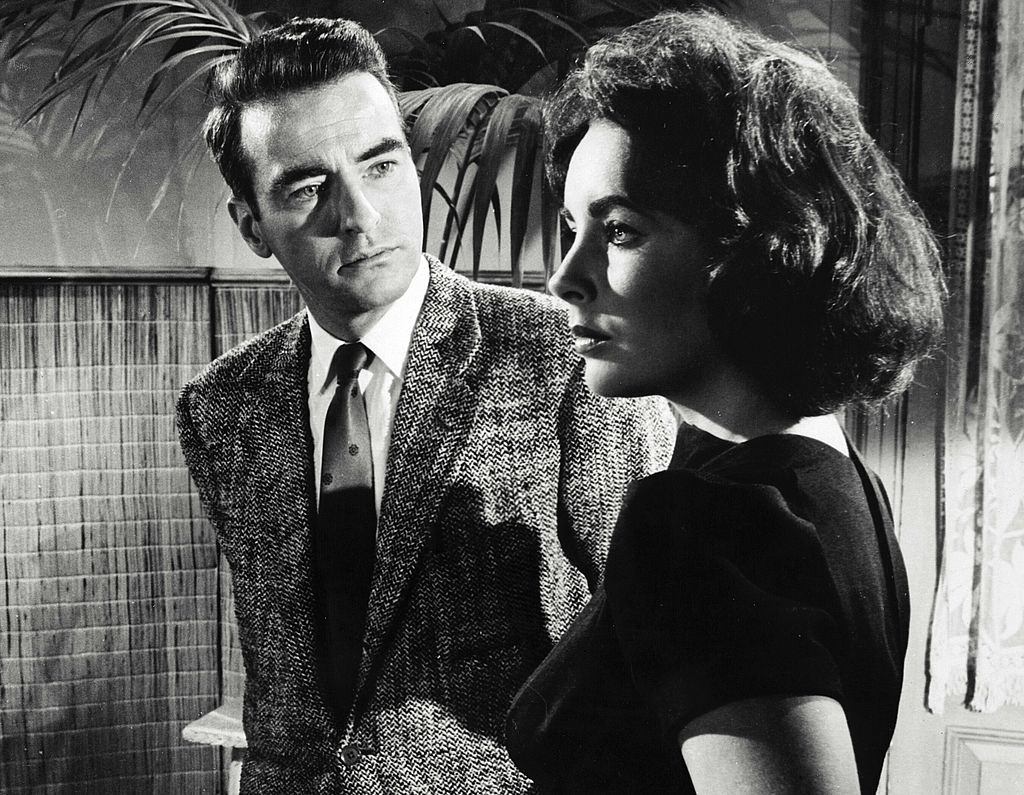
Suddenly, Last Summer was also a significant film for Montgomery Clift. It was the third and final time he and Taylor appeared together on screen, following A Place in the Sun in 1951 and Raintree County in 1957. Clift had been in a serious car accident in 1956, and the physical and emotional toll of those years was visible. Taylor had been a close friend and advocate for him throughout, and their chemistry on screen remained strong despite the difficult circumstances surrounding his personal life.
The supporting cast added considerable depth to the film. Albert Dekker, Mercedes McCambridge, and Gary Raymond all appeared alongside the three leads. McCambridge in particular had a long history of playing intense, morally complex characters, and her presence added to the film’s unsettling atmosphere.
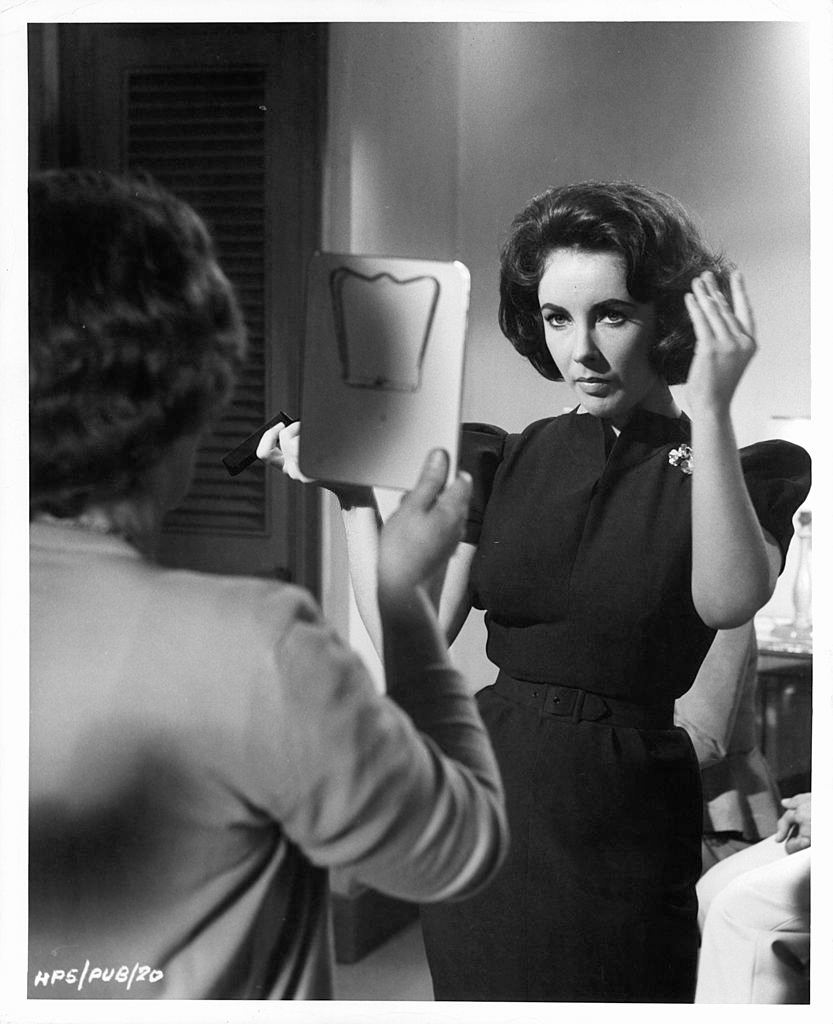
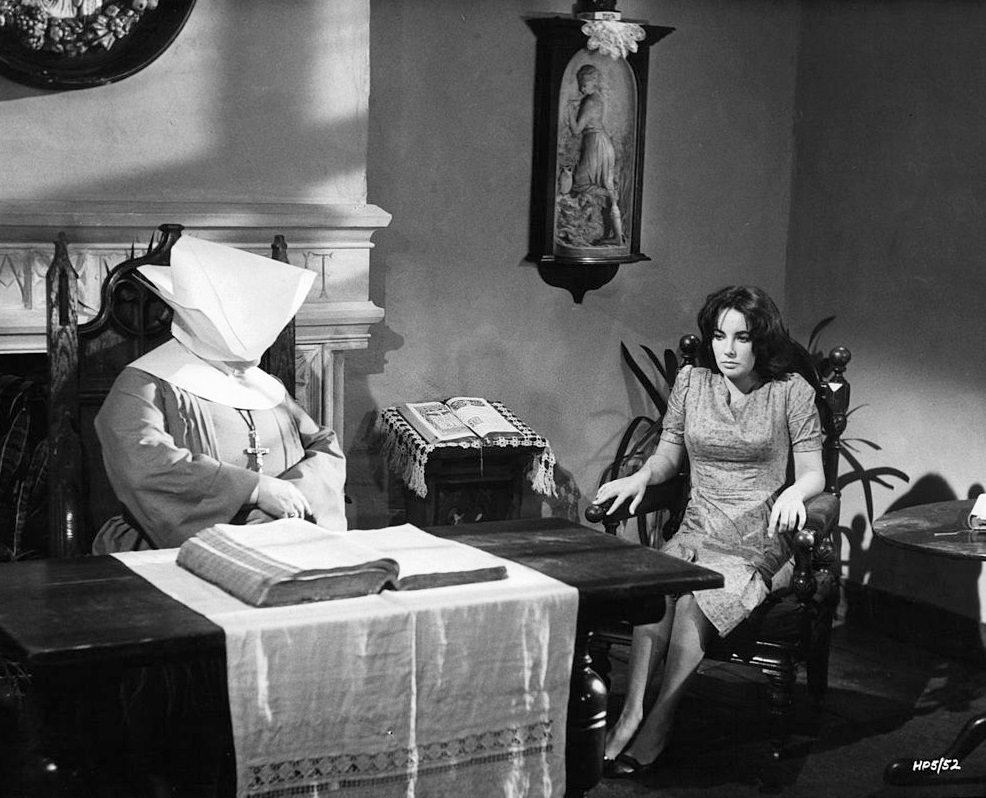
Taylor’s portrayal of Catherine Holly required her to deliver a lengthy, harrowing monologue near the film’s end in which Catherine recounts Sebastian’s death in full detail. It is one of the most demanding pieces of sustained acting in her filmography. The scene asks the audience to sit with something deeply disturbing — and to believe that what Catherine is describing actually happened, despite every effort by Violet to discredit her.
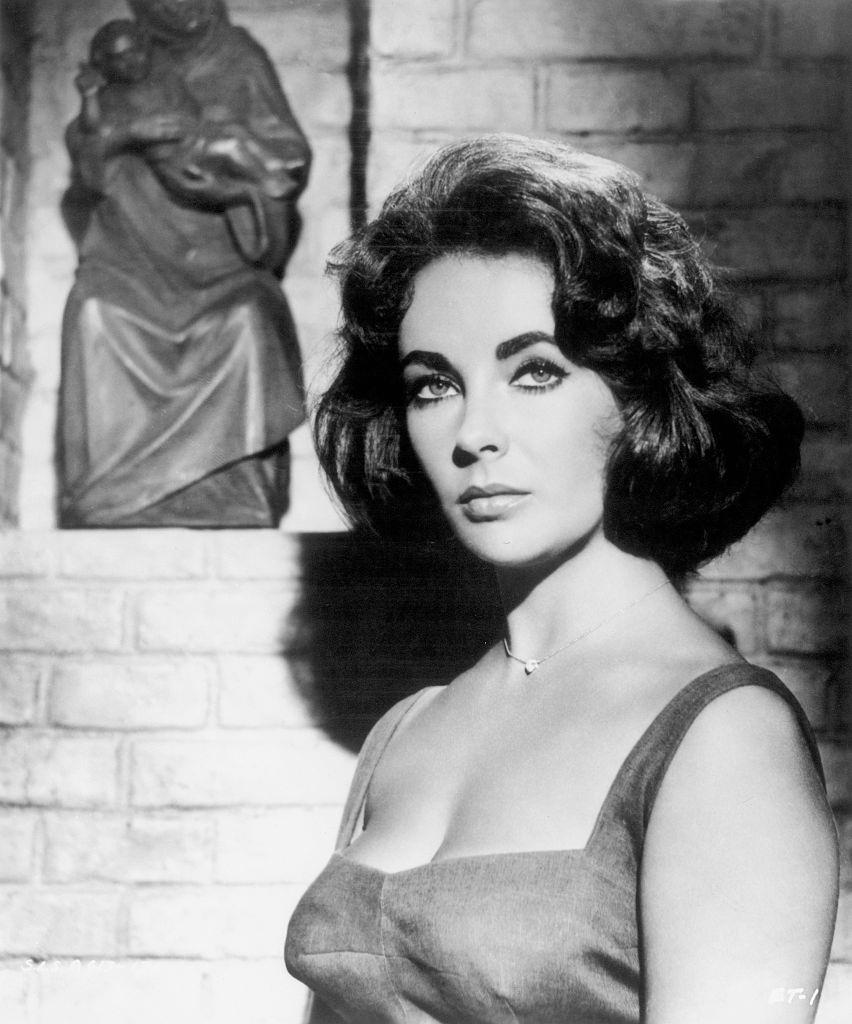
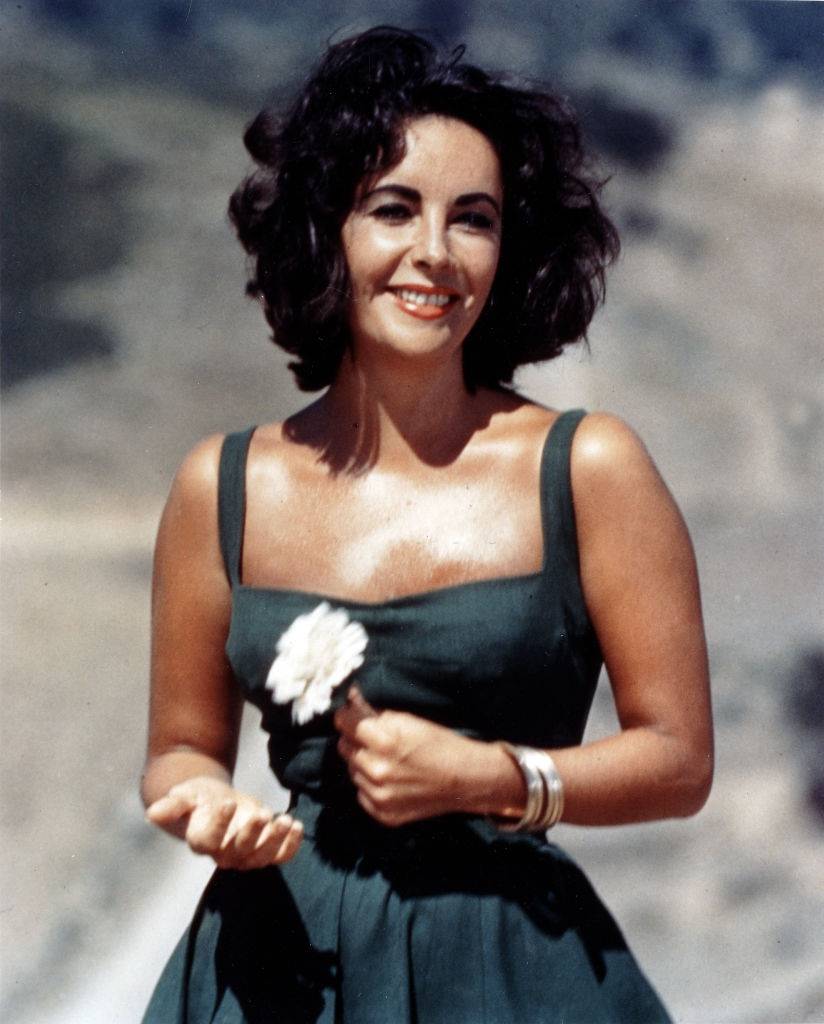
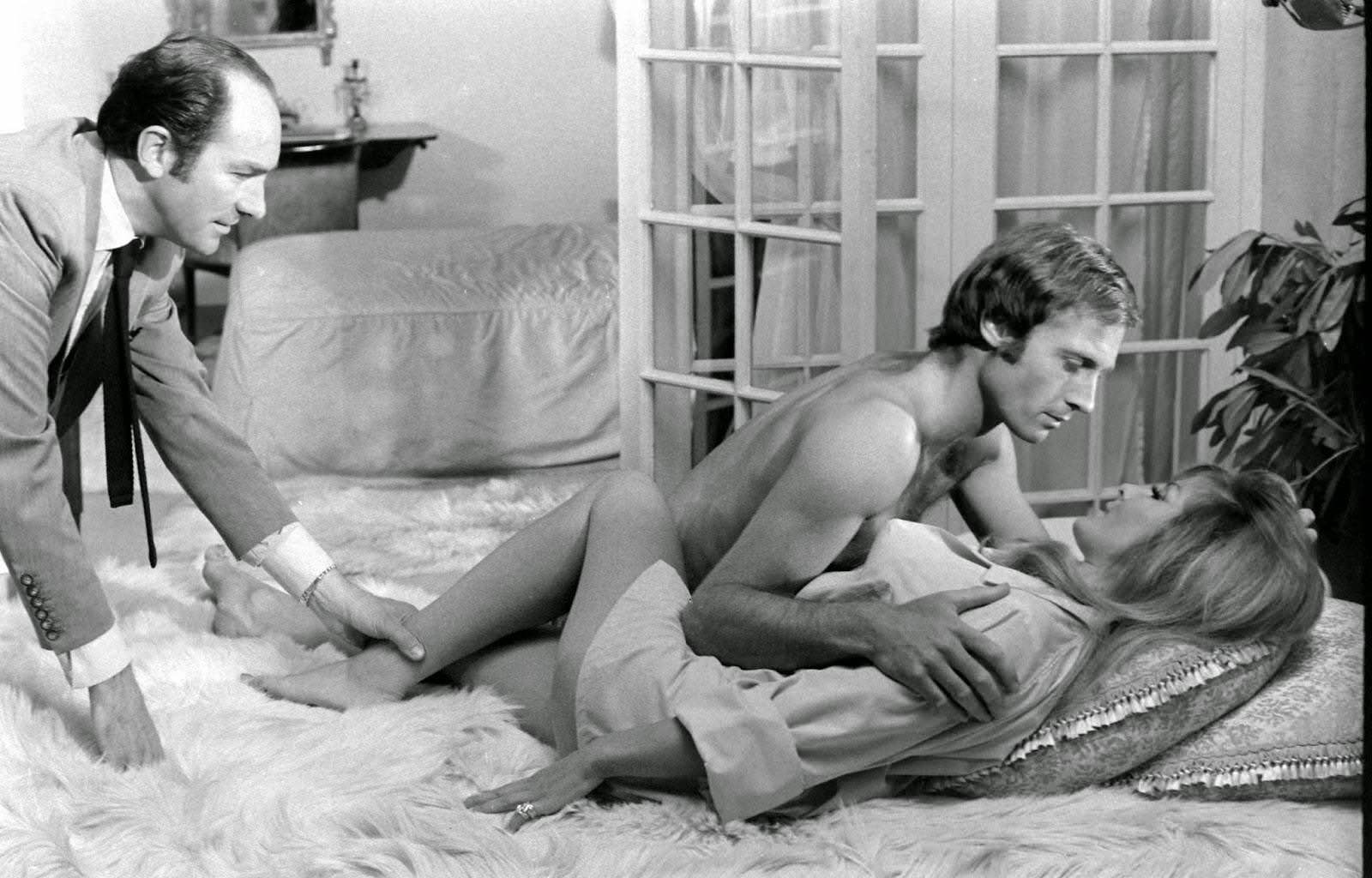
Behind the scenes, Taylor was photographed extensively throughout production — on location in Spain, on studio sets, and during breaks between takes. These images capture the off-screen world of a major Hollywood production in 1959, from makeup chairs to quiet moments between actors.
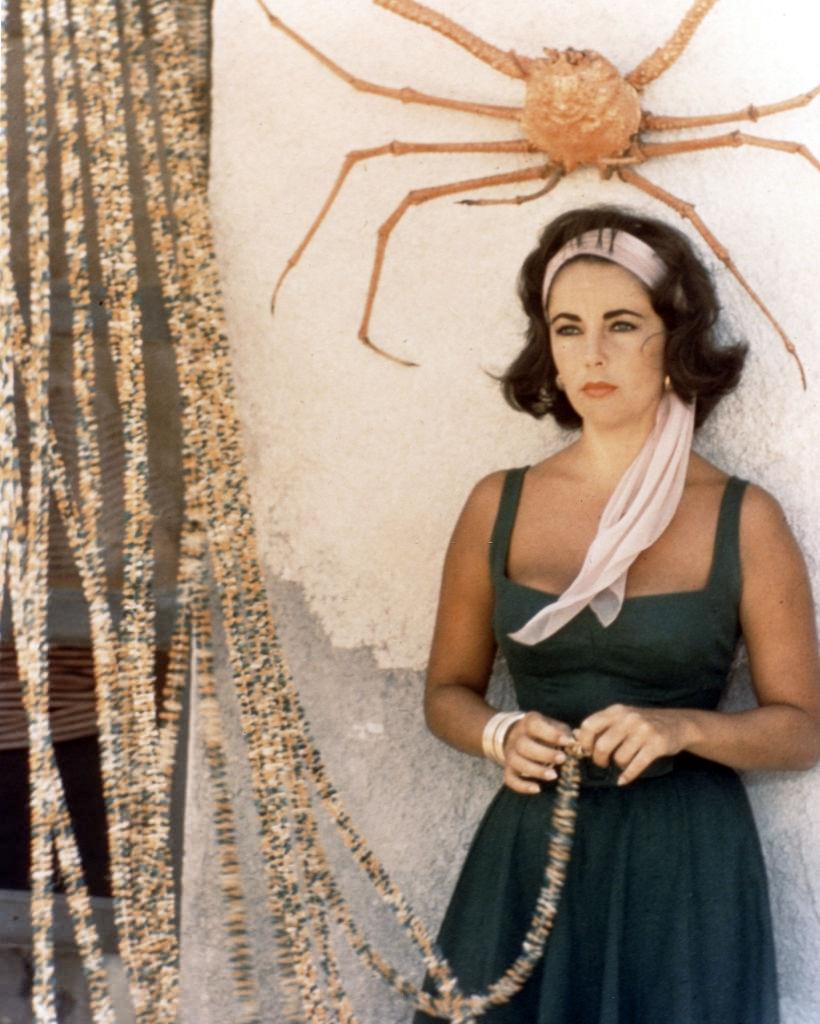
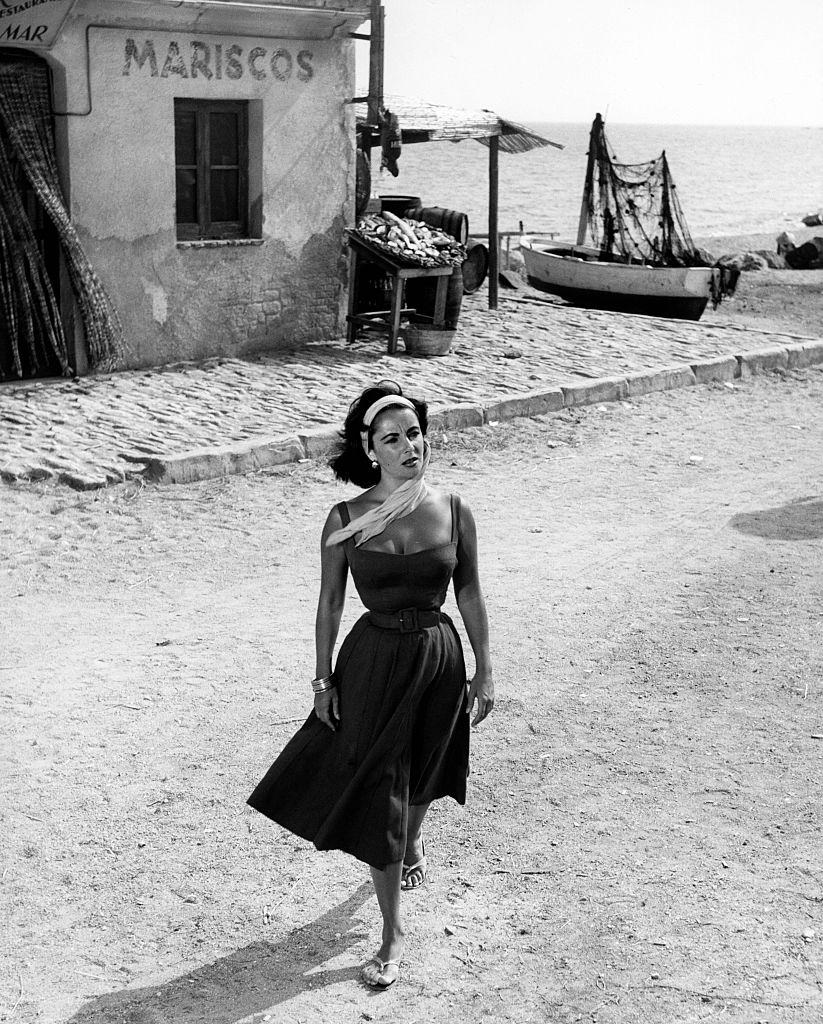
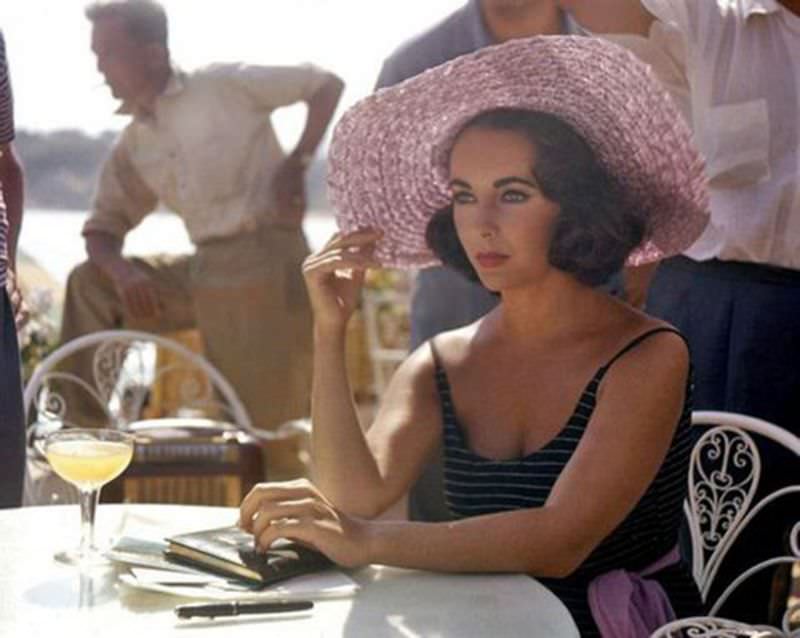
The film’s visual style matched its grim subject matter. Sets depicting the decaying grandeur of a New Orleans garden and the harsh glare of a Spanish coastal town created two distinct worlds — one of repressed wealth and one of raw, uncontrolled violence. Taylor moved through both, anchoring the film’s moral argument in Catherine’s determination to tell the truth.
Tennessee Williams’ source material had already proven itself on stage, but translating it to film required navigating the Production Code, which governed what Hollywood could show and say. References to homosexuality — a clear subtext in the play regarding Sebastian’s nature — were largely removed or obscured in the film version. Williams himself was reportedly dissatisfied with how the adaptation handled certain elements of the story.