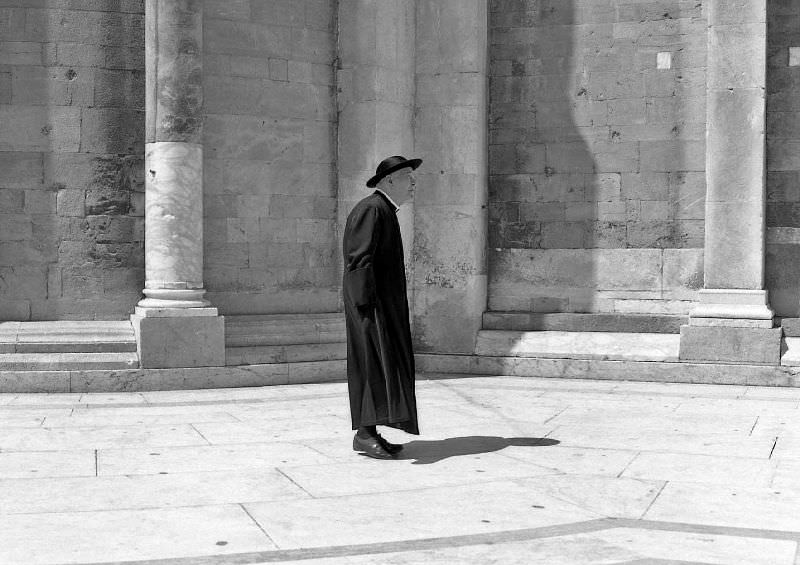
Spain in the 1980s was a country in motion. Fresh out of the Franco dictatorship era and navigating a fragile democracy, the nation faced economic stress, political unrest, and deep social change — all at the same time. Unemployment climbed above 20 percent, the highest rate of any major European country at the time. Yet by the end of the decade, Spain had pulled off one of the fastest economic turnarounds in Western Europe.
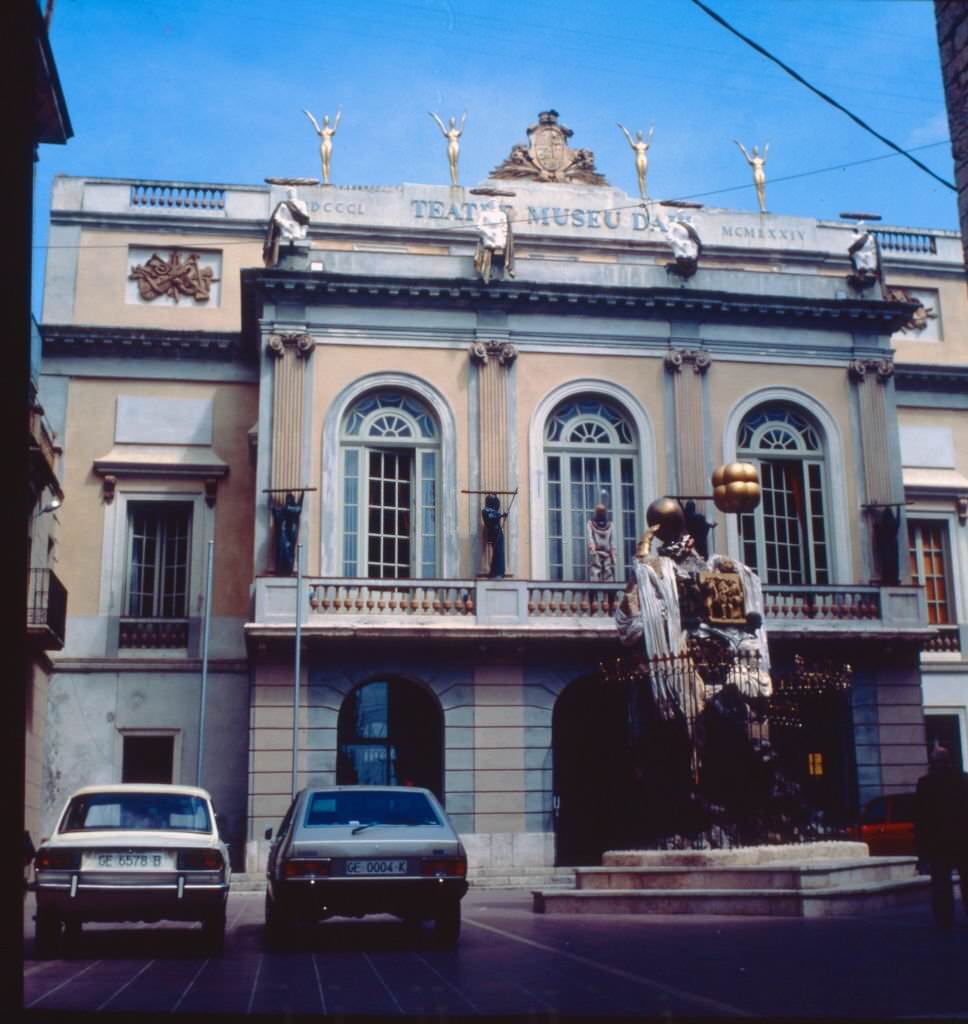
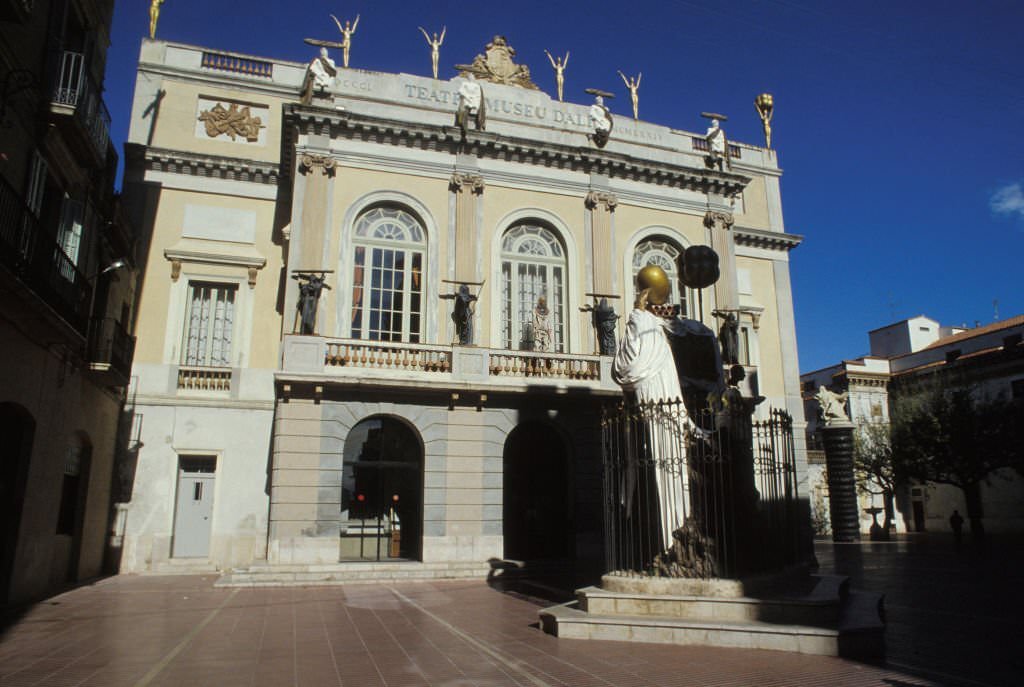
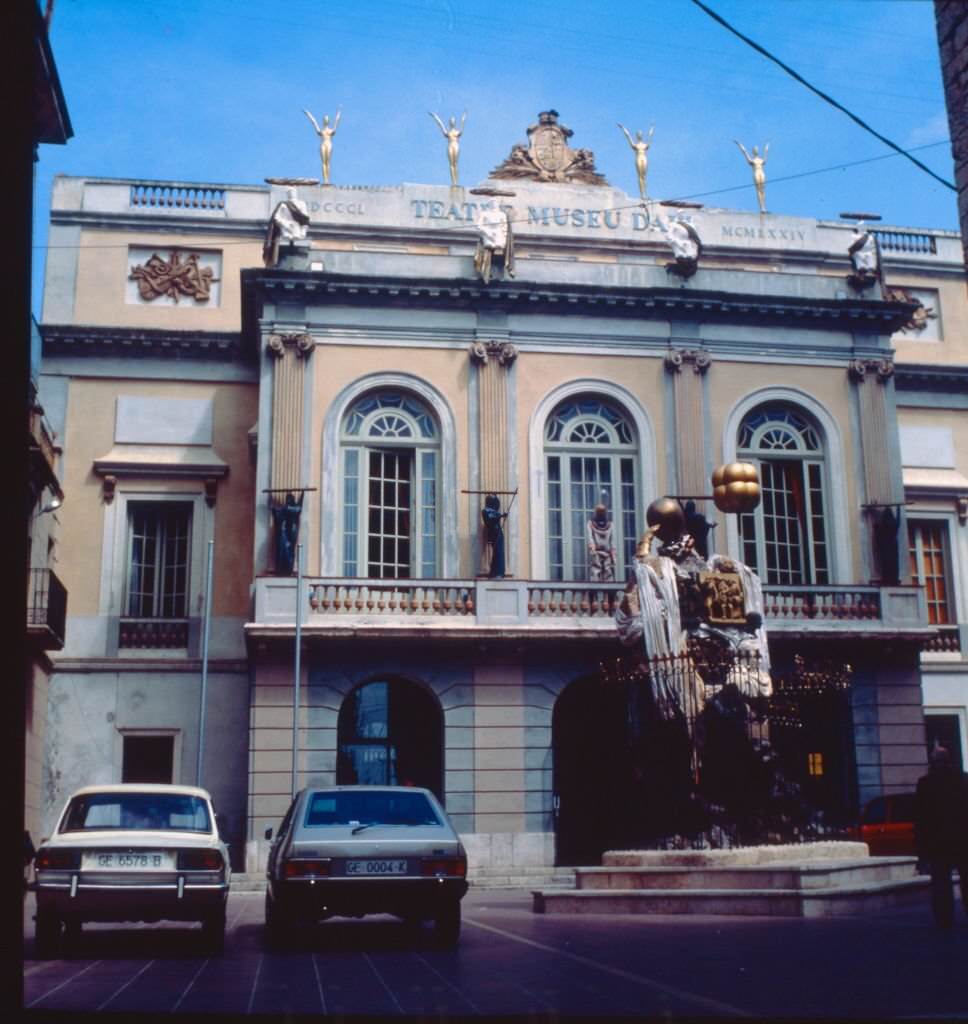
The Salvador Dalí Museum in Figueres stood as a symbol of Spain’s rich cultural identity during this period. Dalí had personally overseen the design of the building, which opened in 1974 and drew growing crowds throughout the early 1980s. It remains one of the most visited museums in Spain.
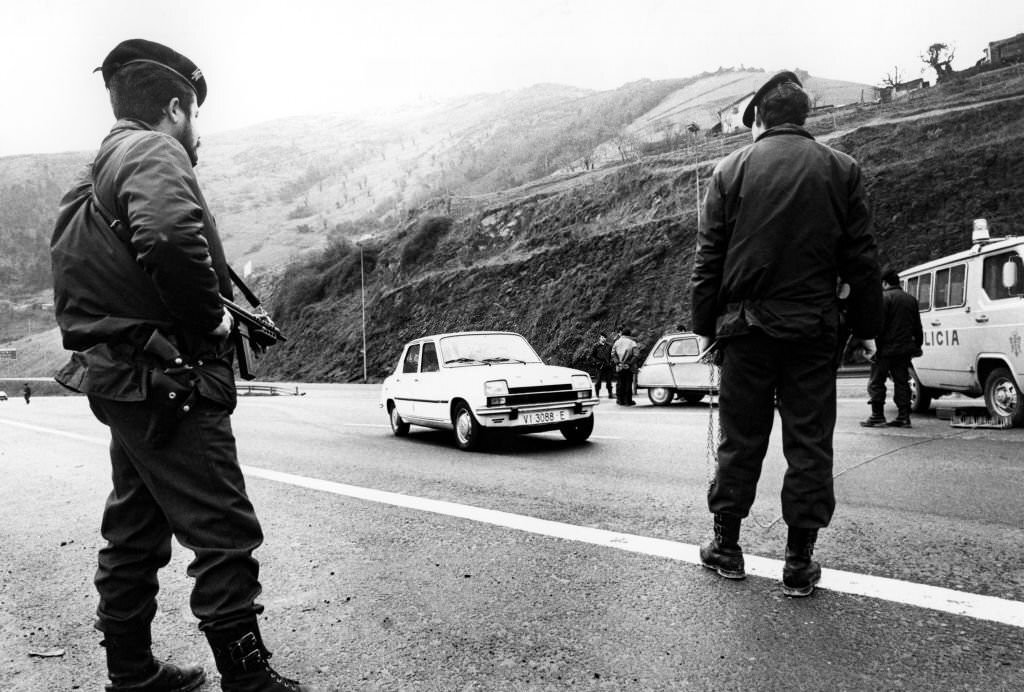
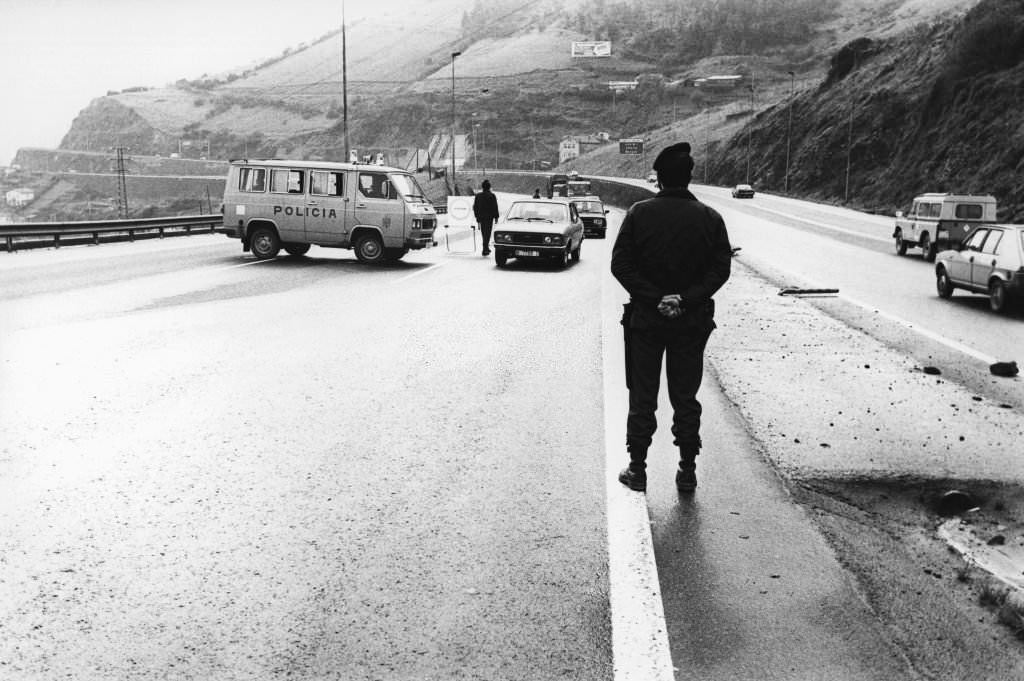
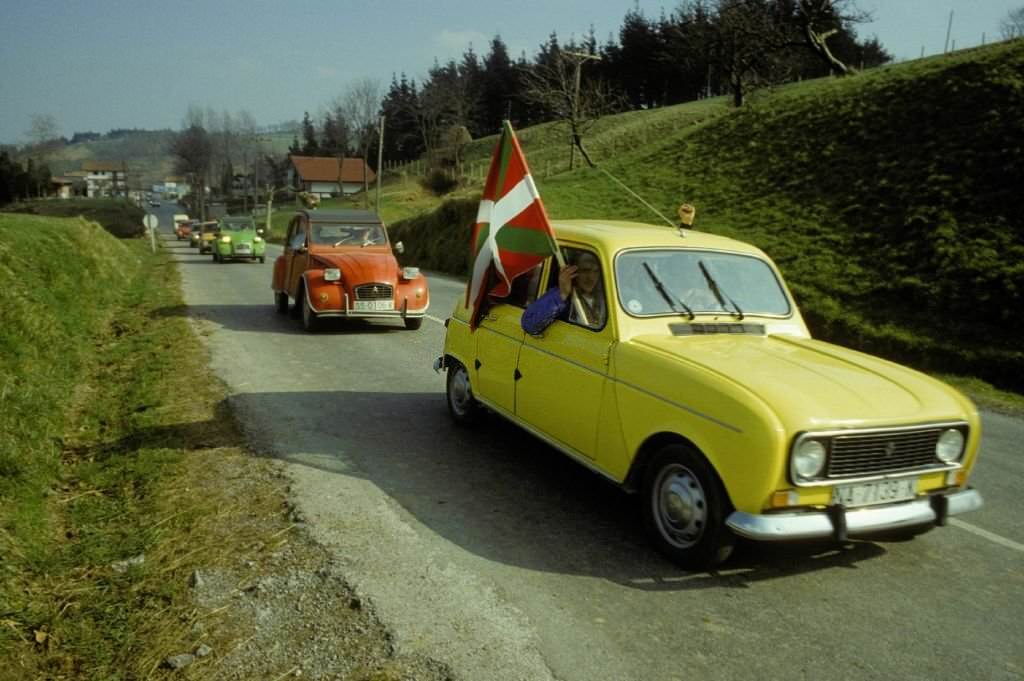
While culture flourished in some corners of Spain, the Basque Country remained a dangerous flashpoint. The separatist organization ETA carried out kidnappings and bombings that forced the government to deploy heavy security throughout the region. Police and military checkpoints became a routine sight on Basque roads in the early part of the decade.
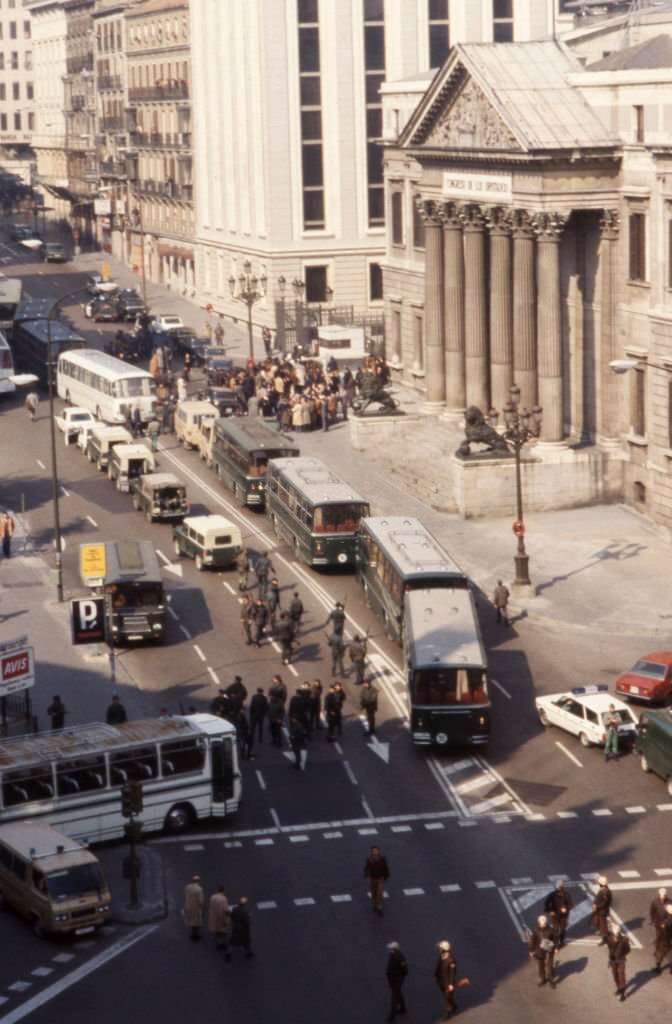
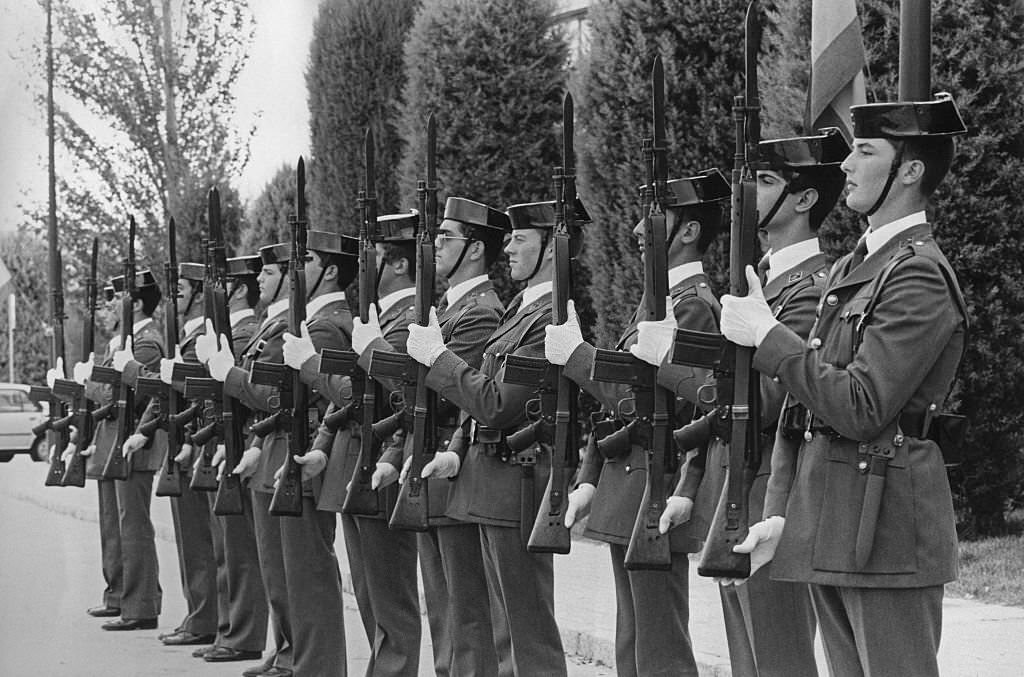
The security crisis in the Basque Country was not the only threat to Spanish stability. In February 1981, a group of Civil Guard officers stormed the Cortes — Spain’s parliament — in an attempted military coup. The putsch failed after King Juan Carlos I appeared on national television and ordered the military to stand down. The event shook the country but ultimately reinforced democratic institutions.
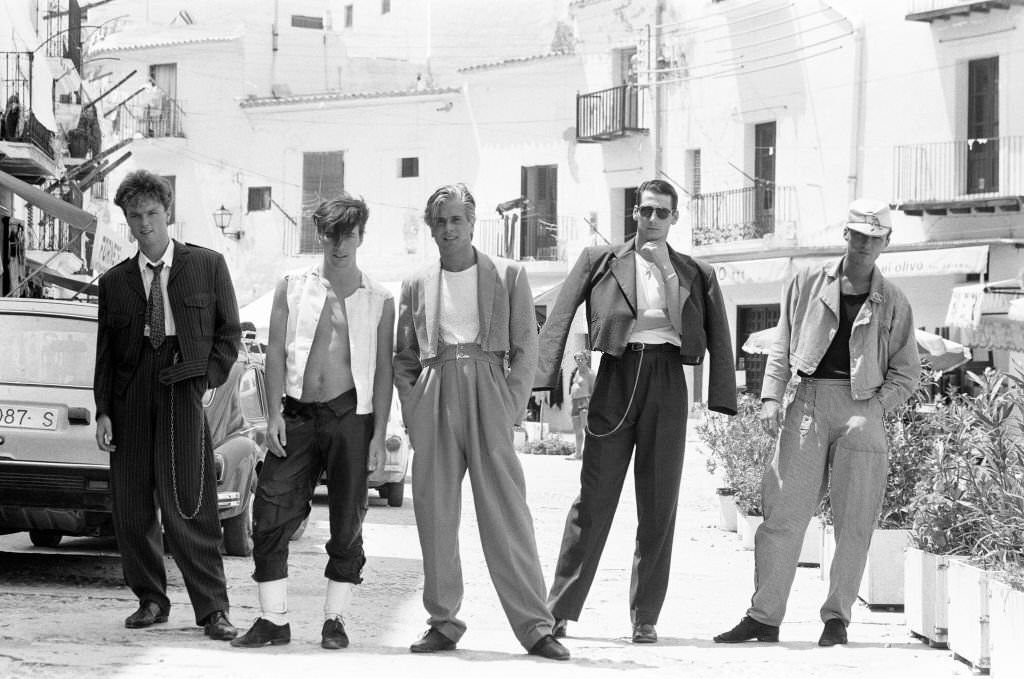
Despite the political tension on the mainland, Spain’s islands were thriving as tourist destinations. Ibiza, in particular, had become a playground for international visitors and musicians. British new wave band Spandau Ballet visited the island in the summer of 1981, adding to its reputation as a hub for European pop culture.
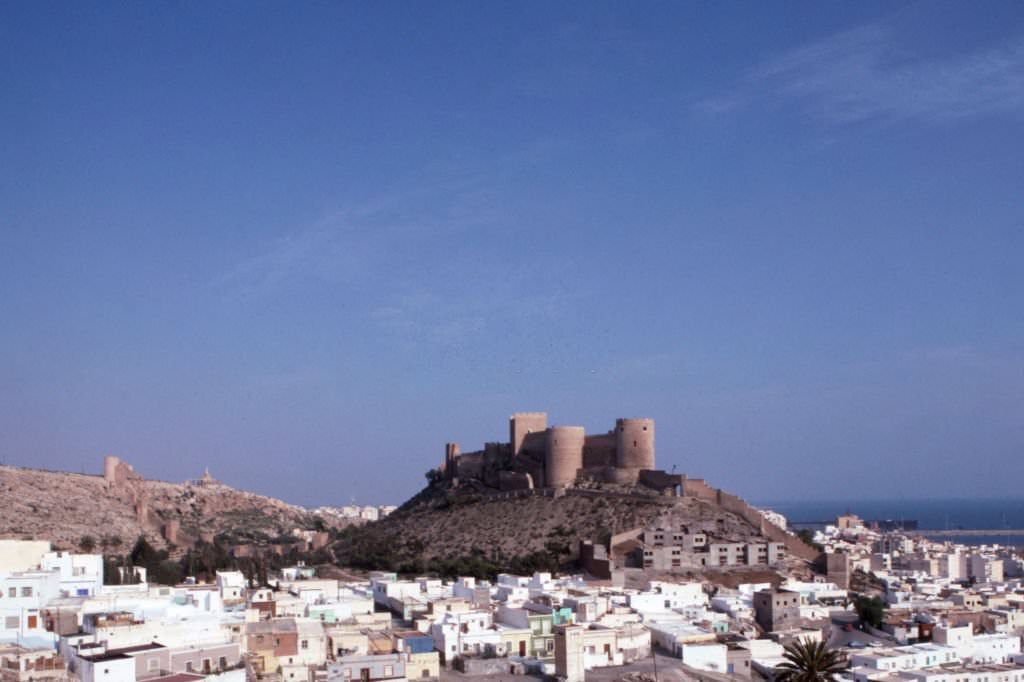
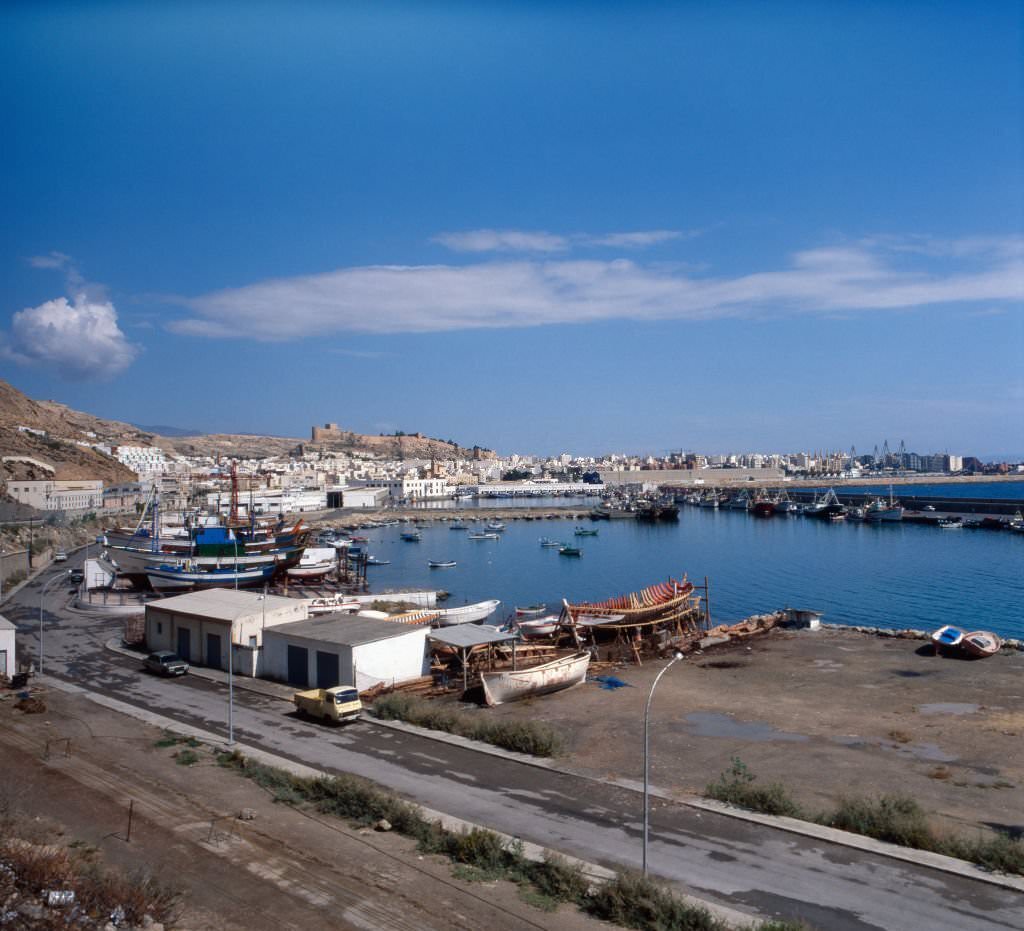
Spain’s architectural heritage stretched across every corner of the country. The Alcazaba fortress in Almería, a Moorish citadel dating back to the 10th century, offered a glimpse into Andalusia’s layered past. Structures like this one were drawing increasing attention from both domestic and international tourists.
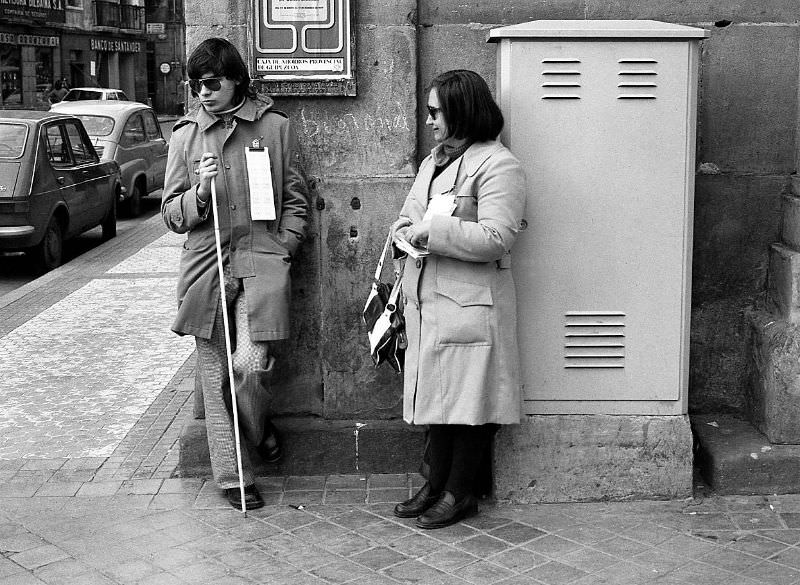
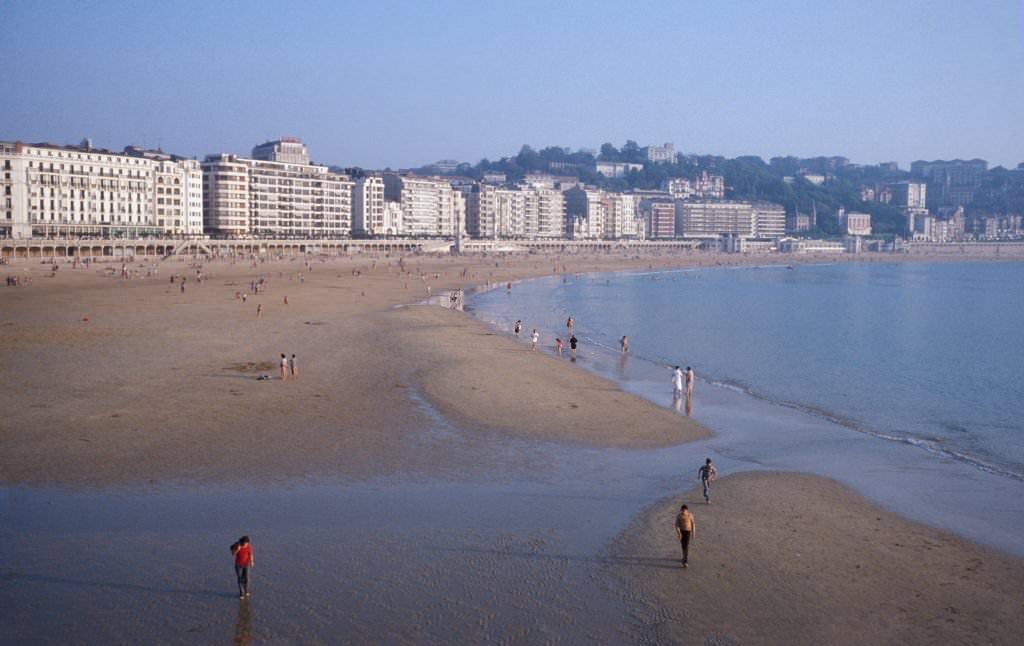
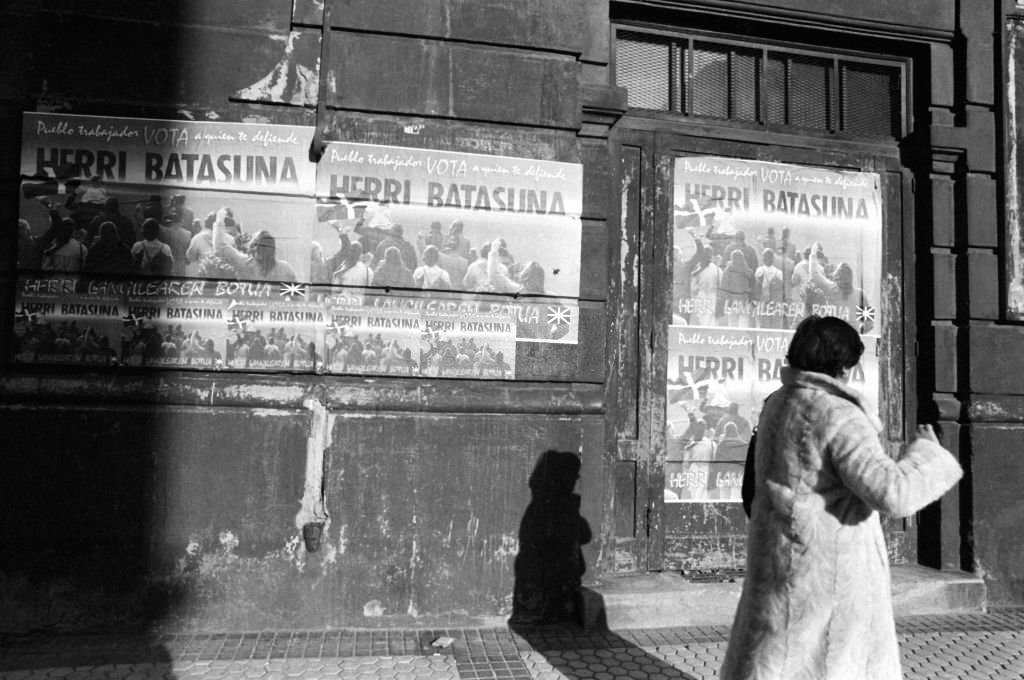
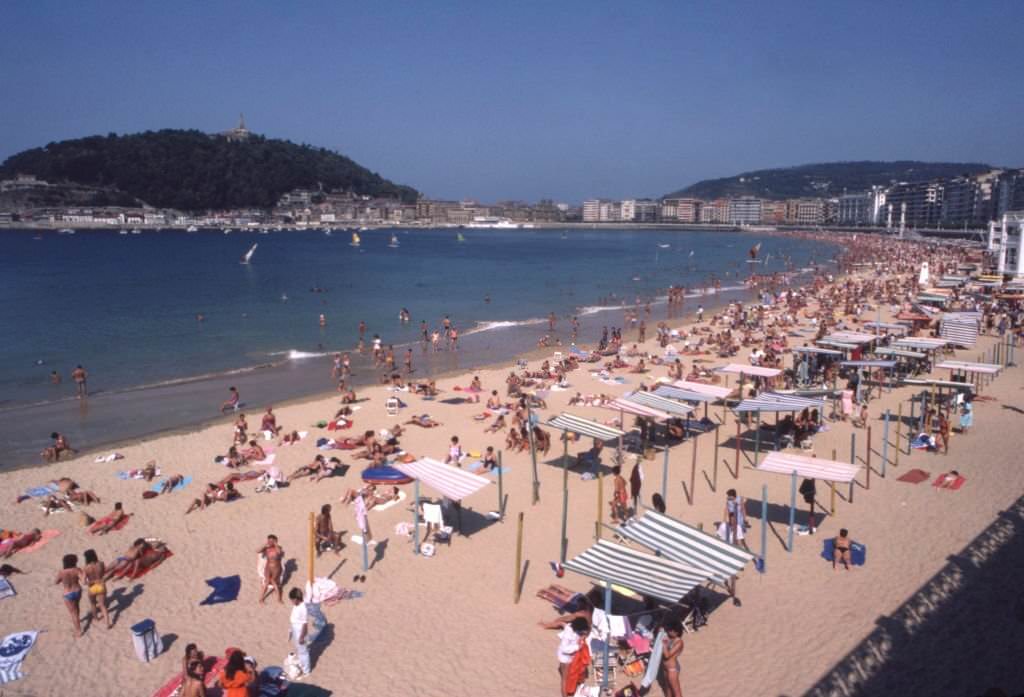
Along the northern coast, San Sebastián’s La Concha beach was one of Spain’s most prized stretches of shoreline. Sheltered by the bay, it attracted locals and visitors alike. Meanwhile, in the Basque capital’s streets, political graffiti and election posters told a different story — one of a region wrestling with its identity and its relationship to the Spanish state.
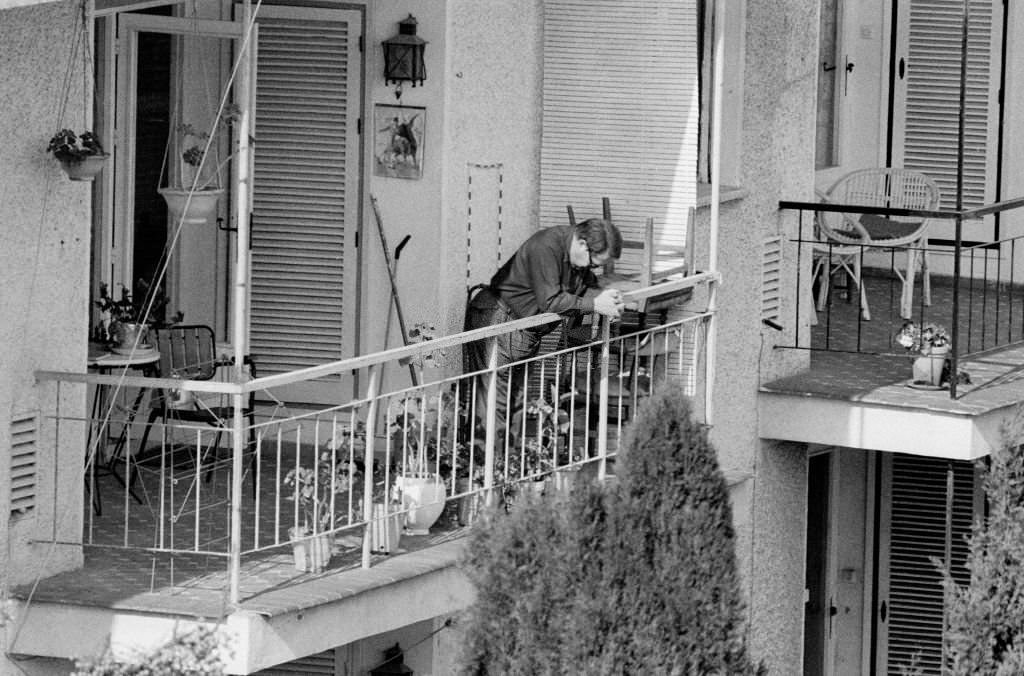
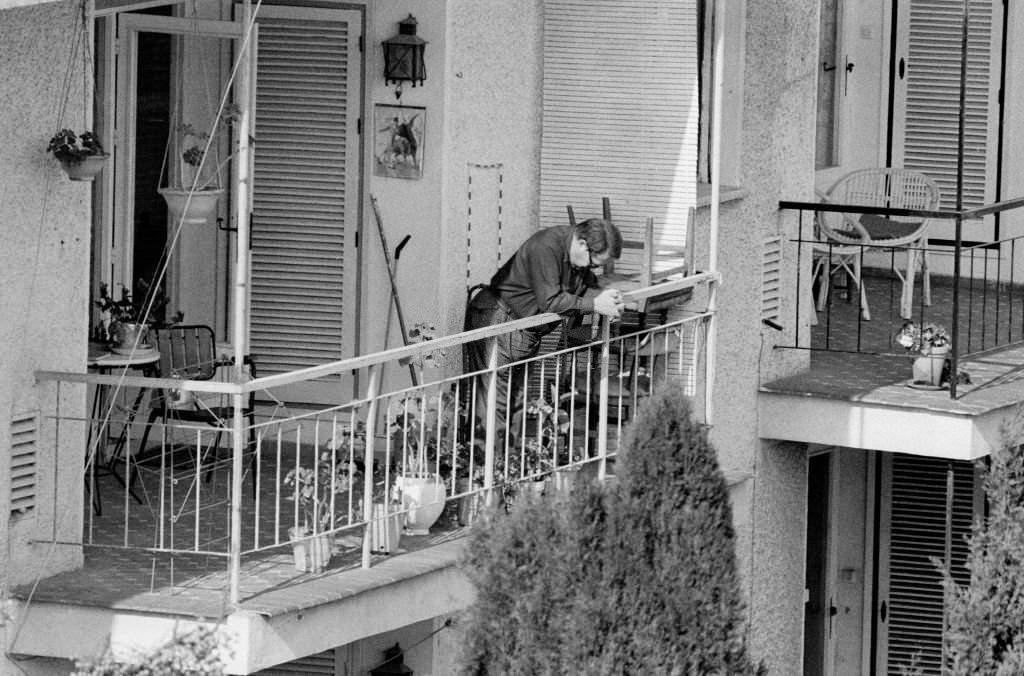
Spain’s southern coast, the Costa del Sol, had become a refuge for more than just vacationers. Joseph Kagan, a Lithuanian-born British industrialist and life peer, was photographed in 1980 on the balcony of an apartment in Fuengirola. He was living there as a fugitive, having fled Britain to avoid prosecution on tax evasion charges.
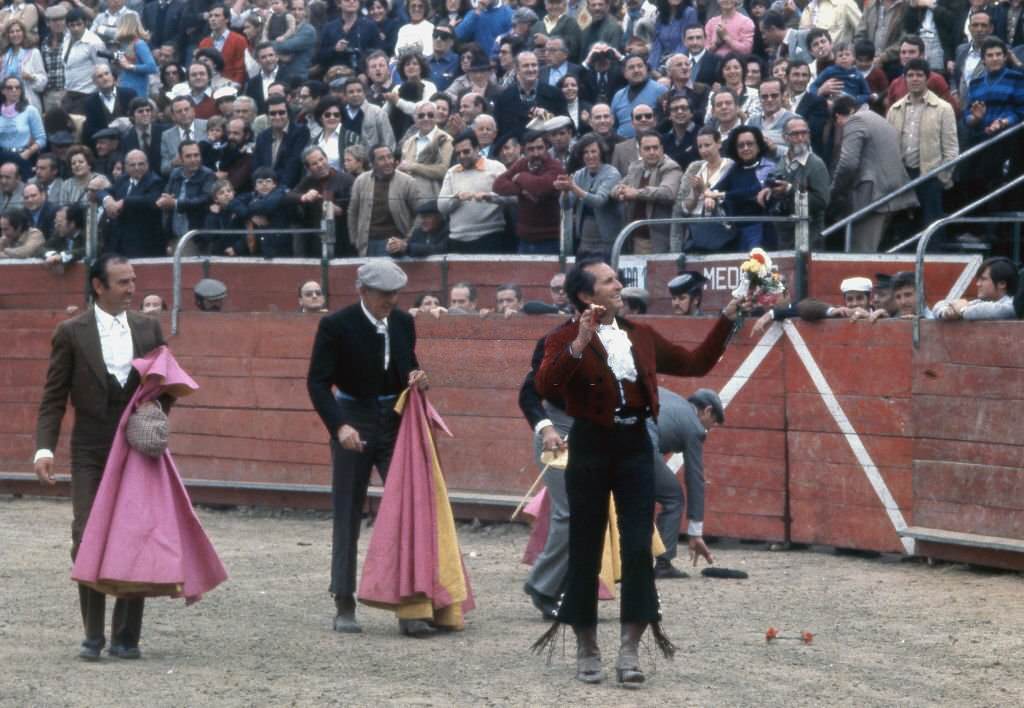
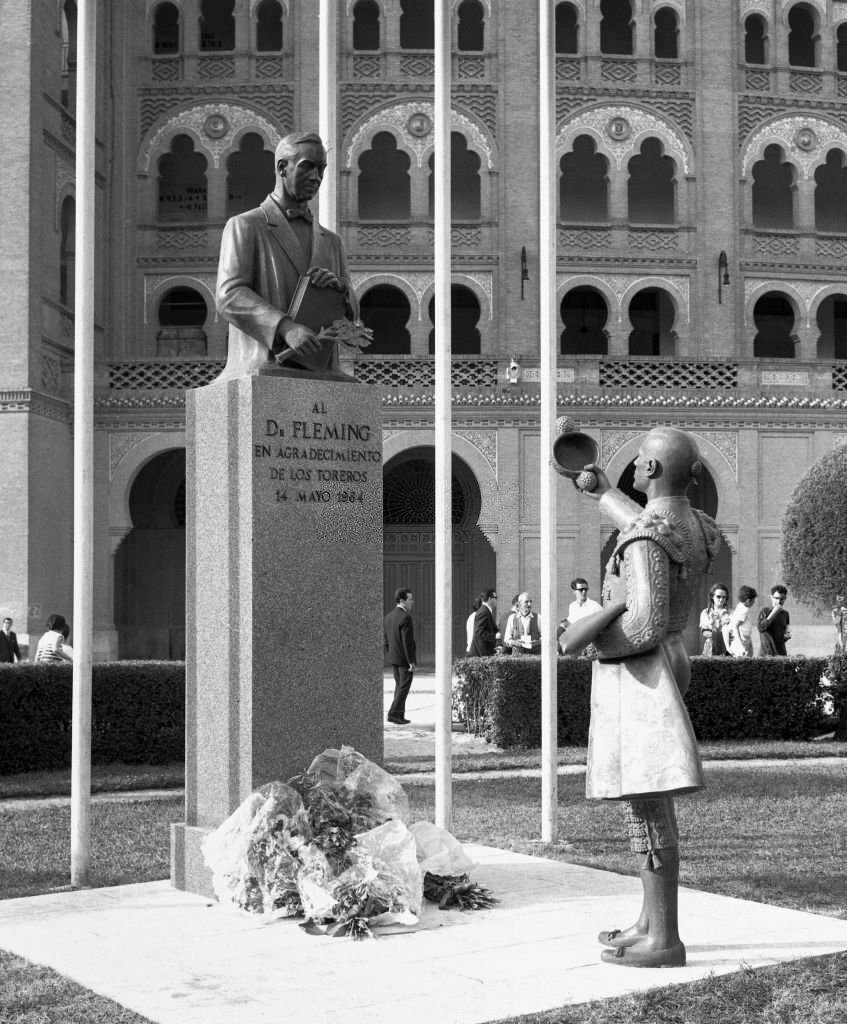
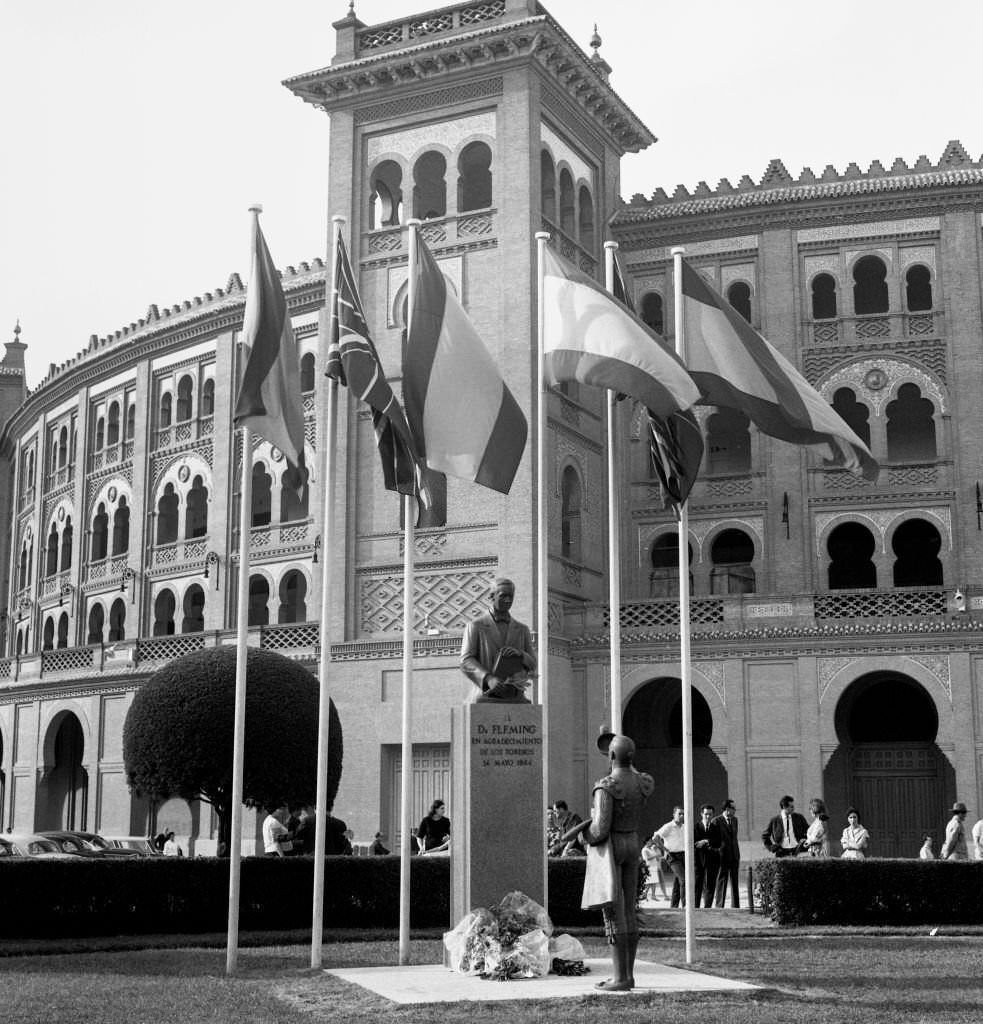
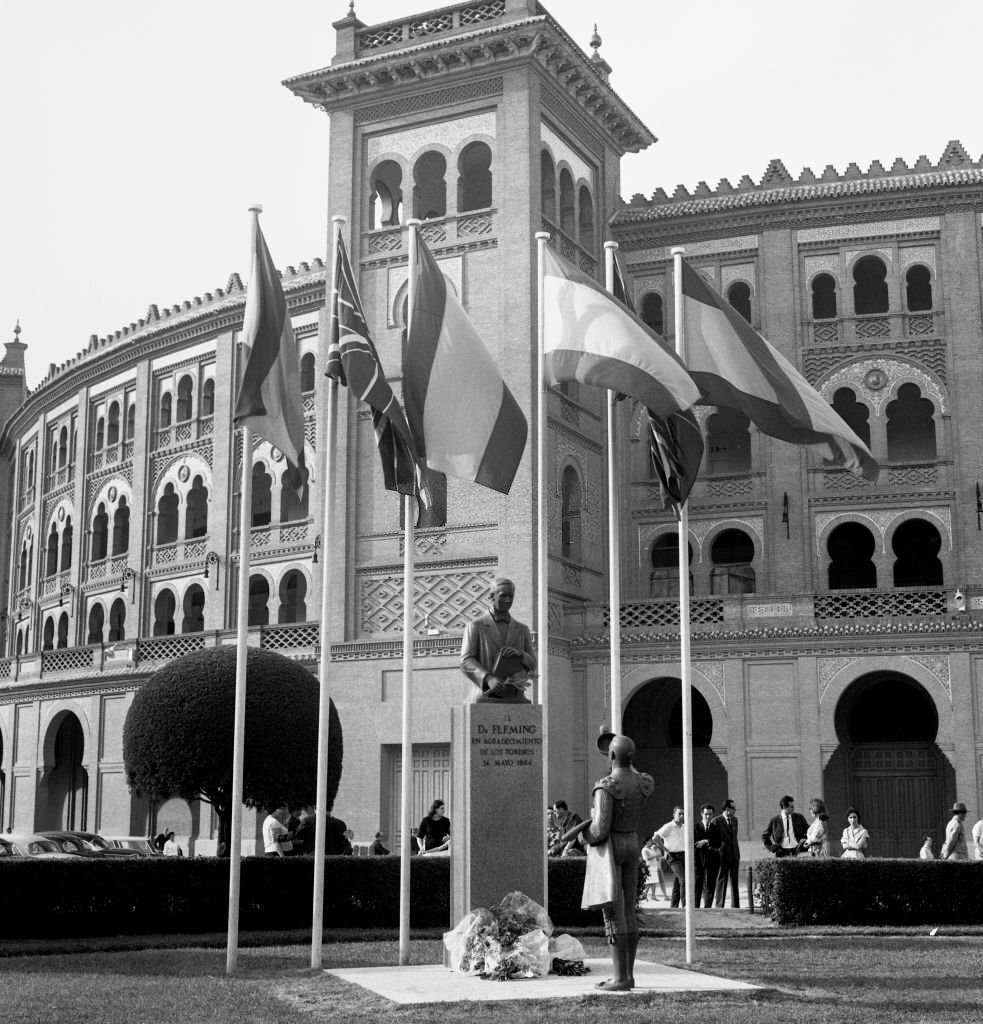
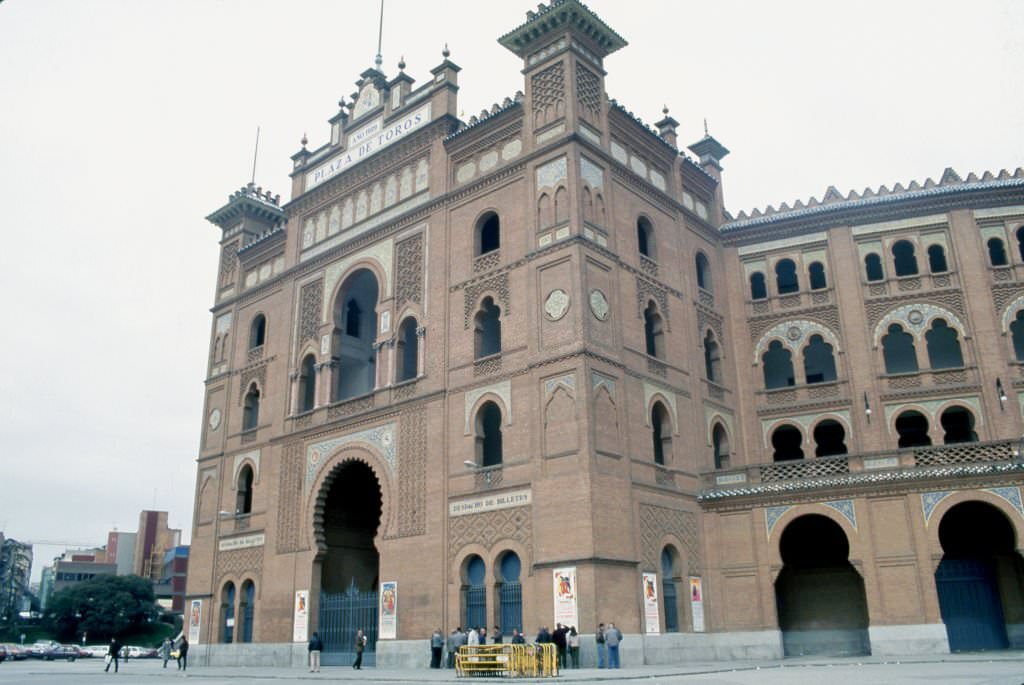
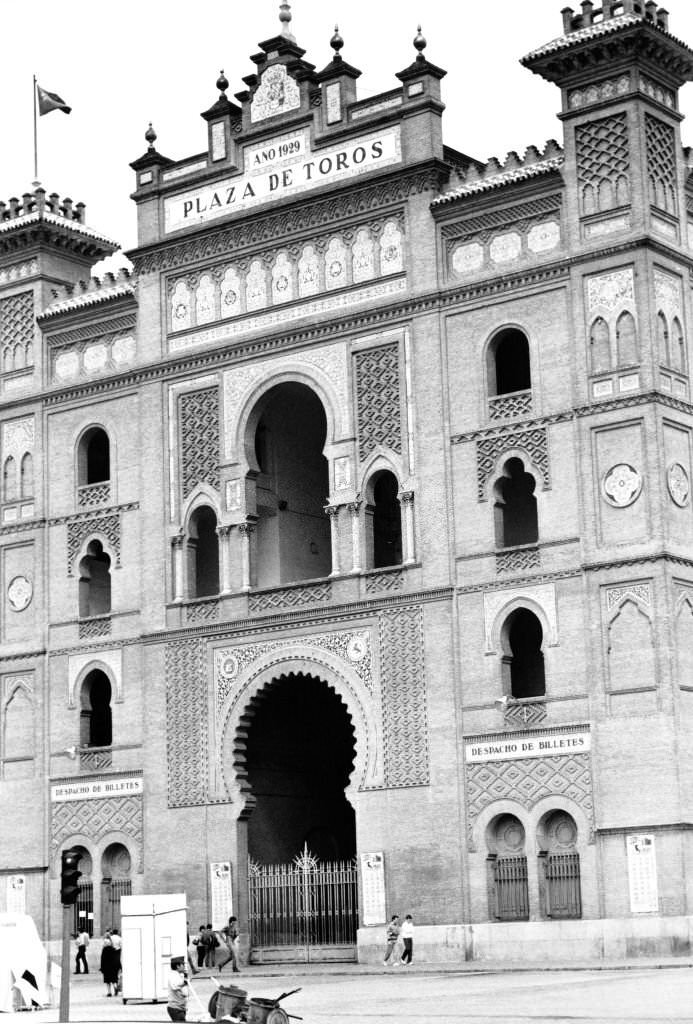
Bullfighting remained a deeply embedded part of Spanish culture throughout the decade. Las Ventas, Madrid’s grand bullring, was the most prestigious arena in the country. Built in a Neo-Mudéjar style and completed in 1934, it held tens of thousands of spectators and served as the ultimate stage for Spain’s top matadors.
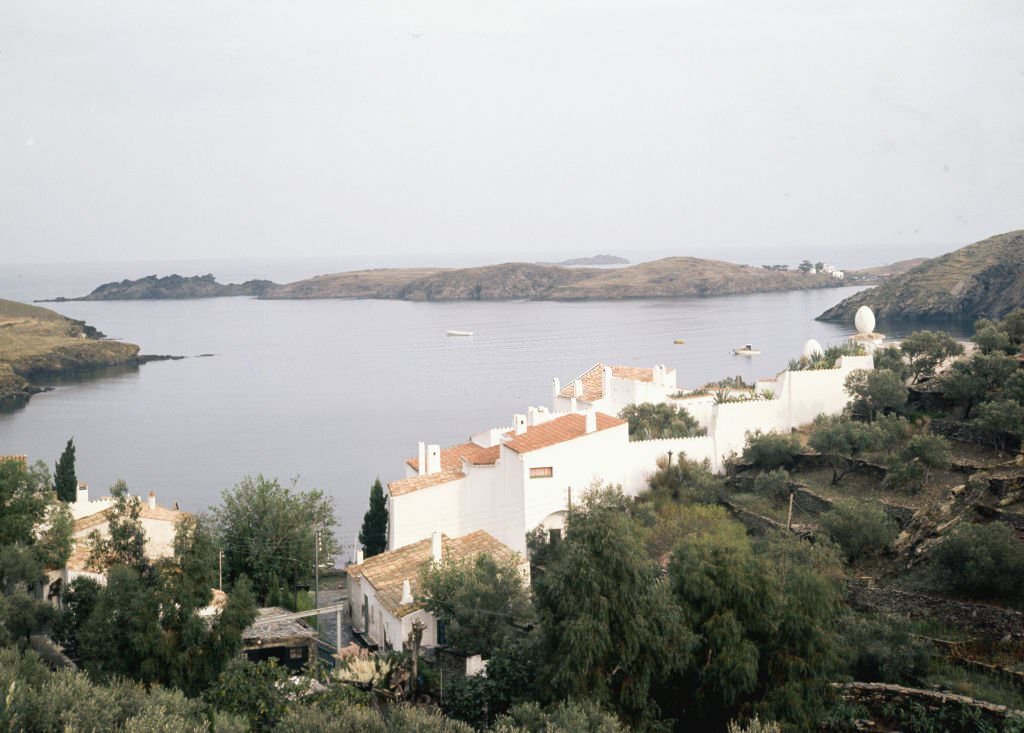
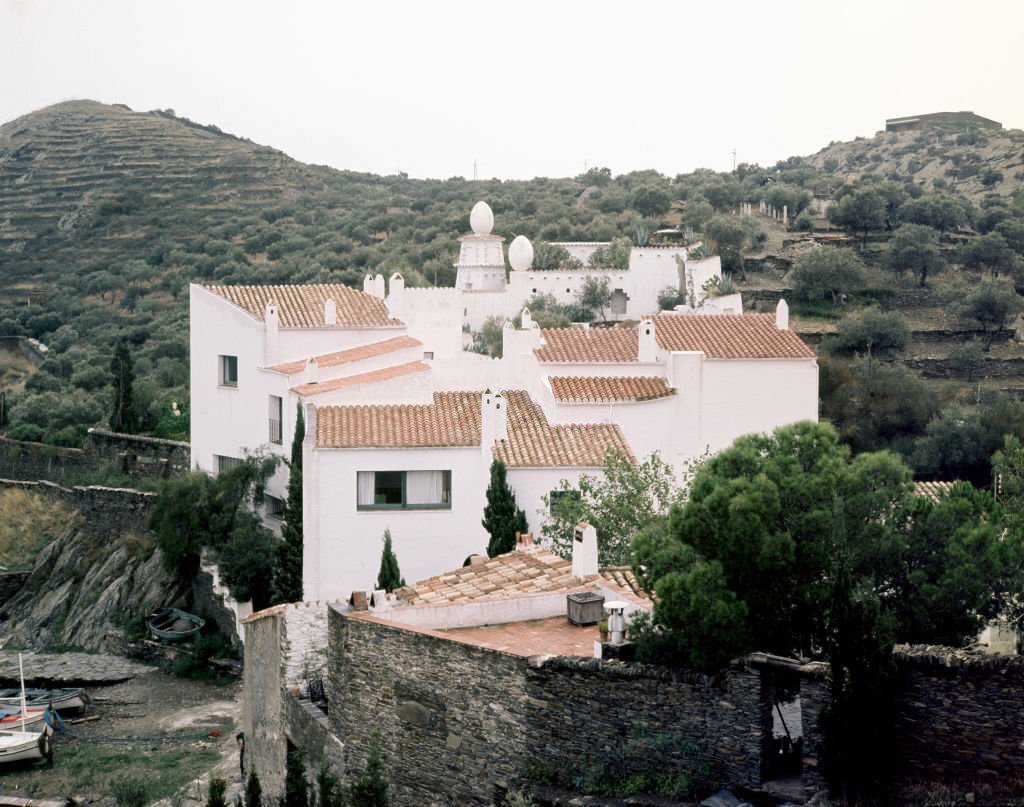
Salvador Dalí’s personal home at Port Lligat in Catalonia was as eccentric as the artist himself. Dalí had lived and worked there for decades, and the house — with its unusual shapes, egg sculptures, and stuffed animals — reflected his surrealist sensibility in every detail.
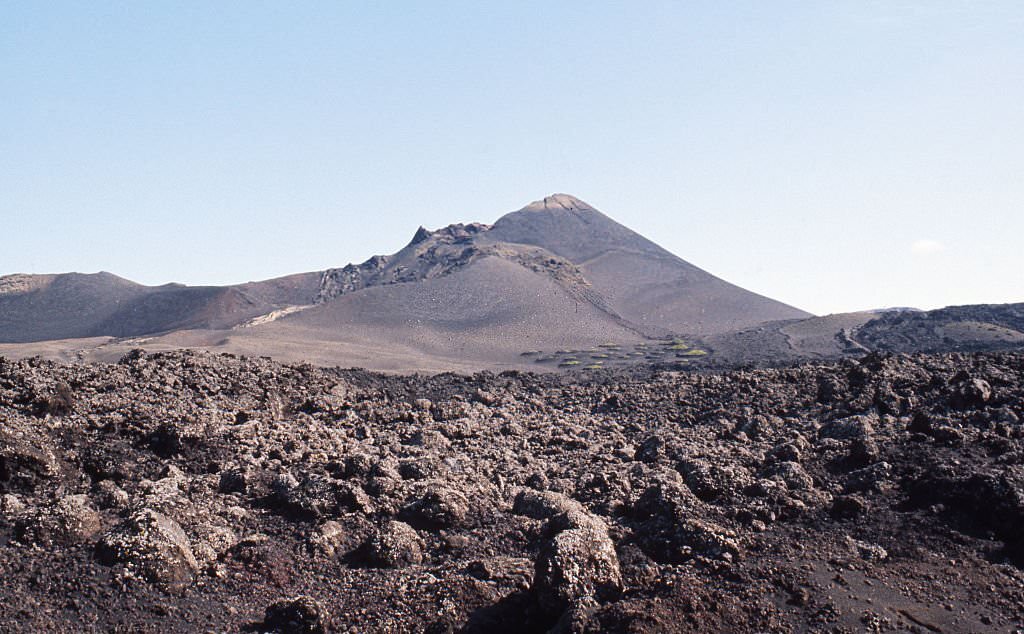
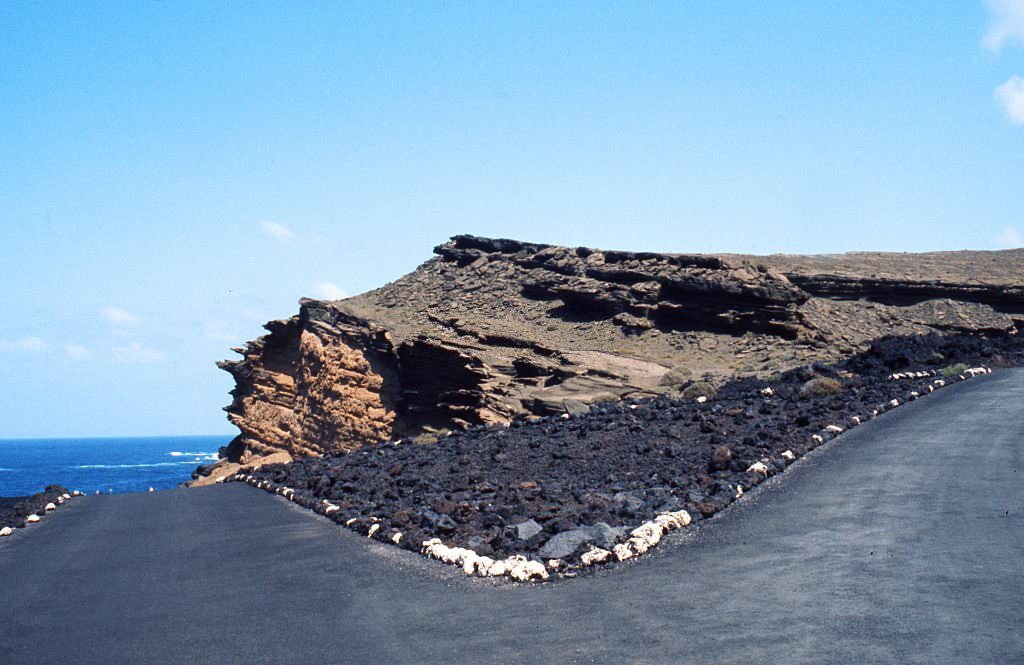
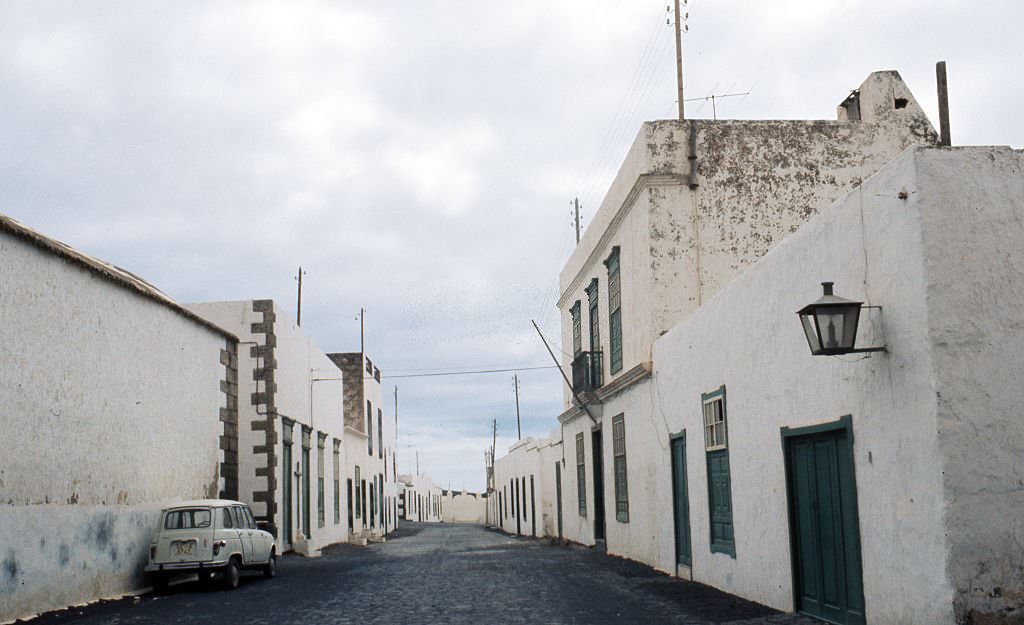
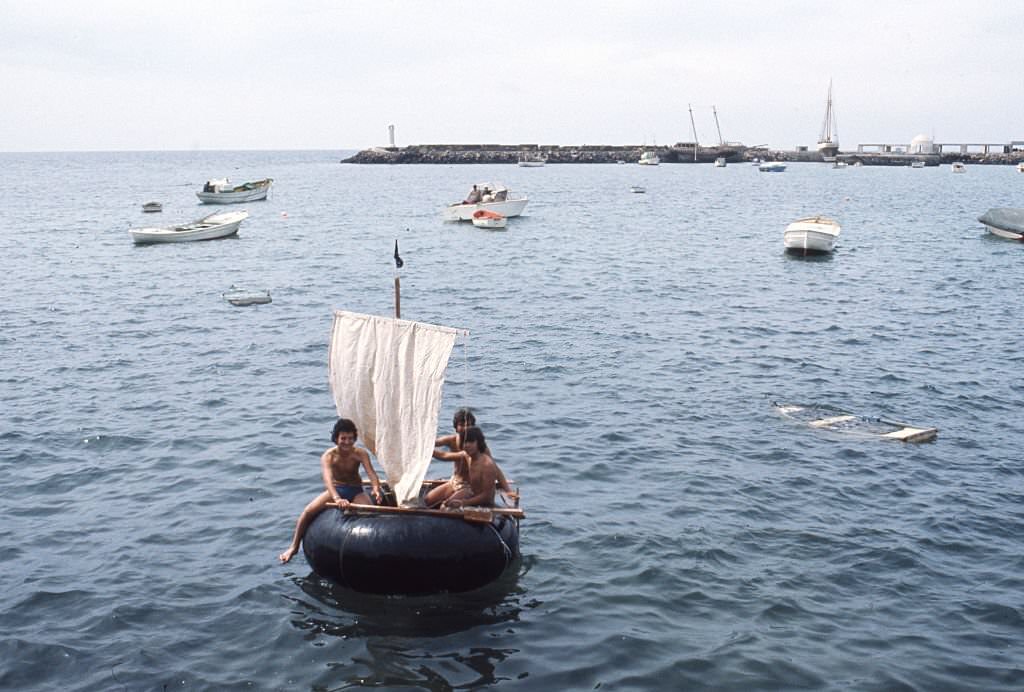
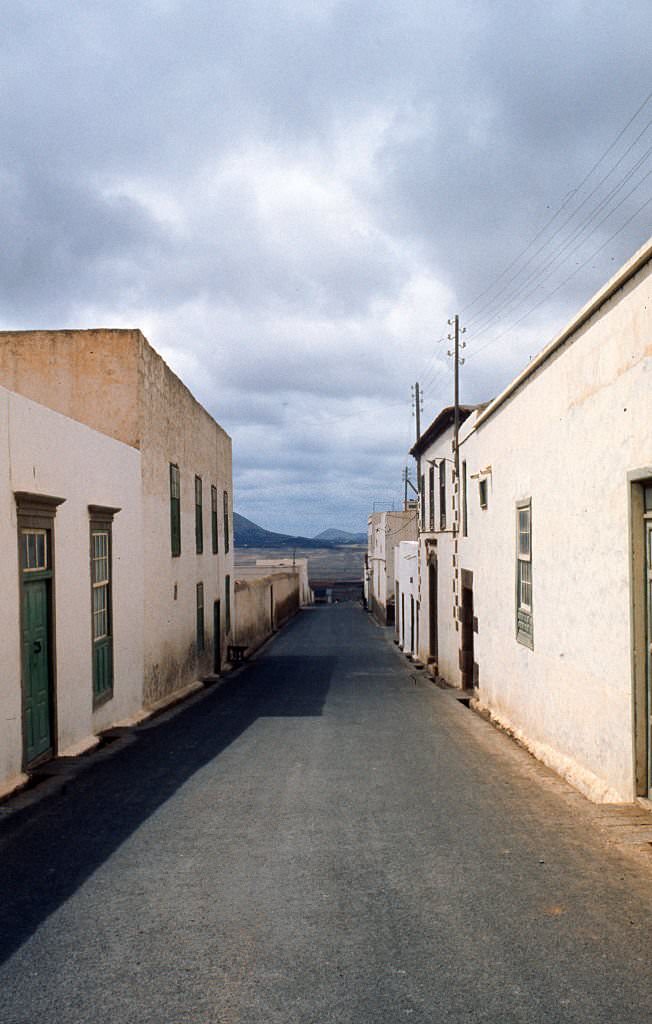
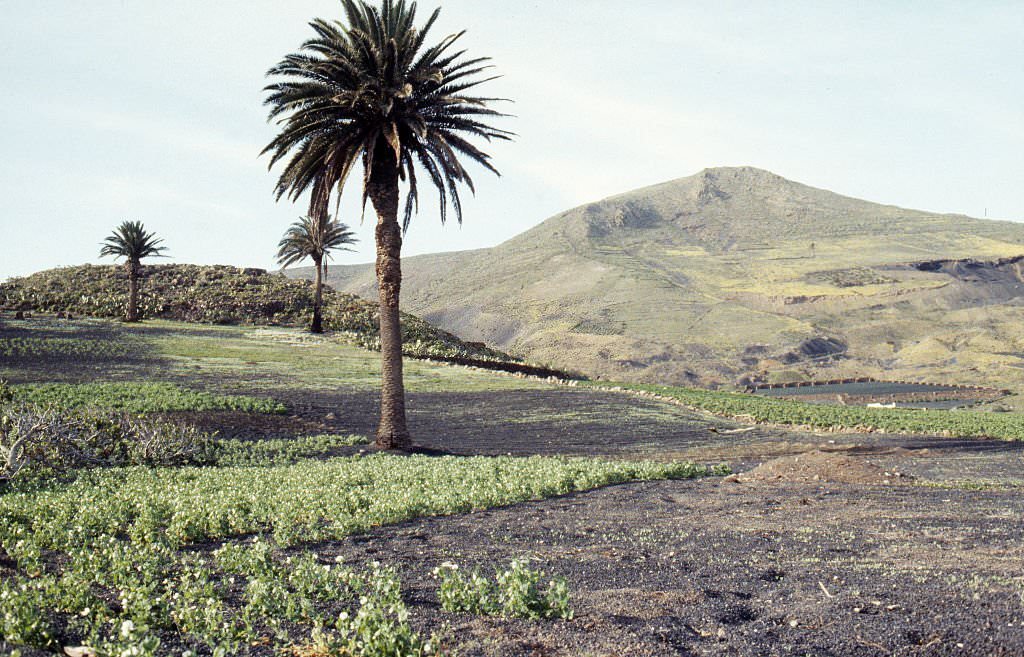
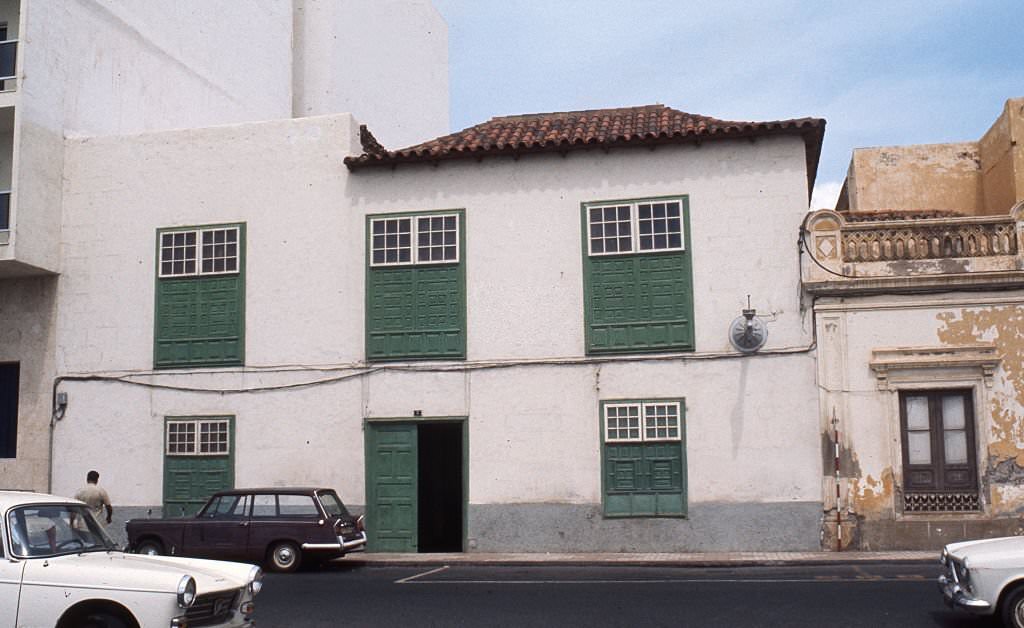
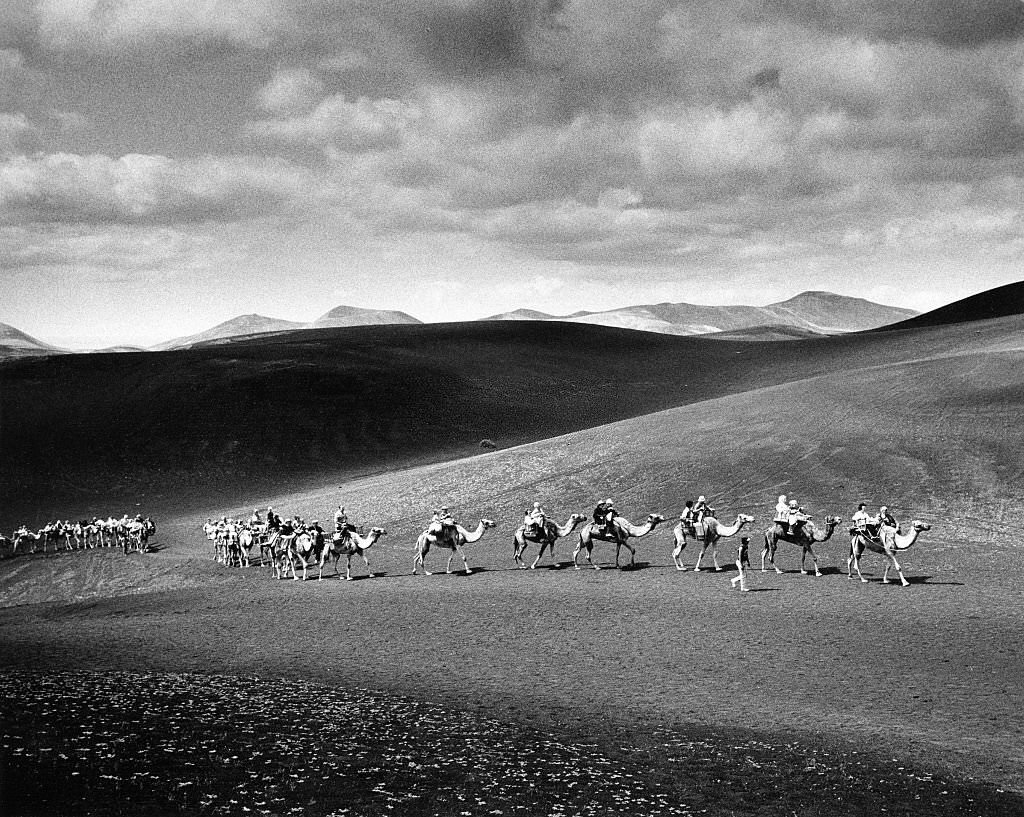
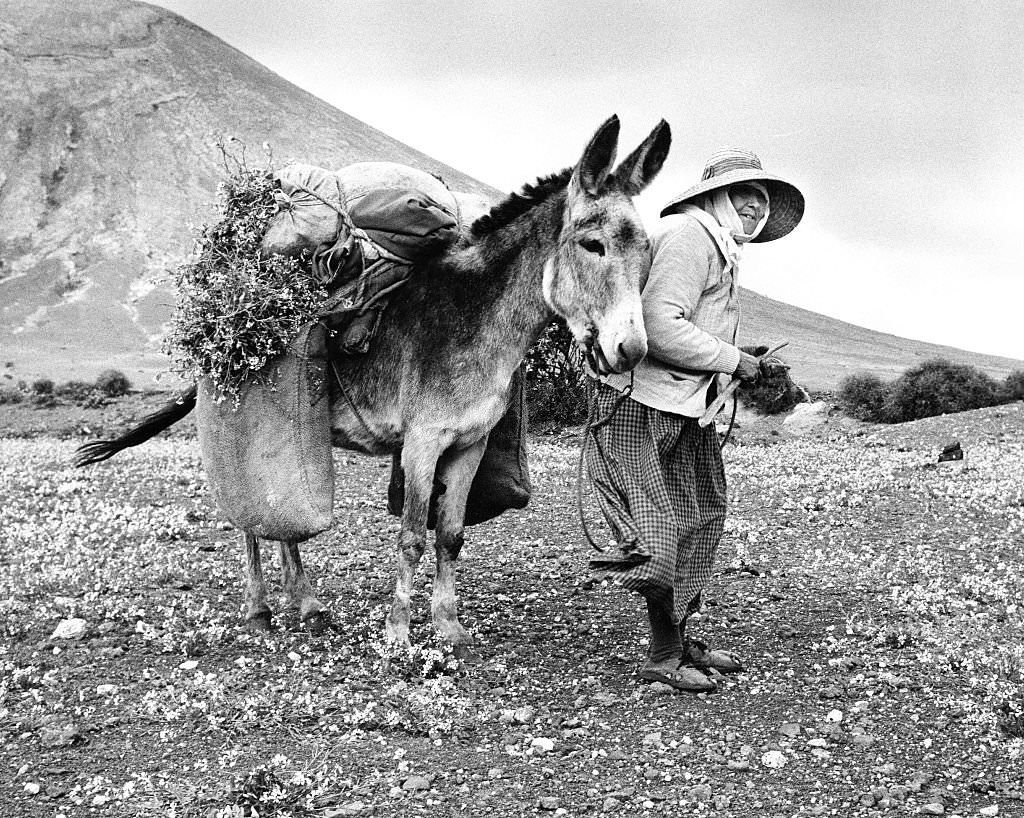
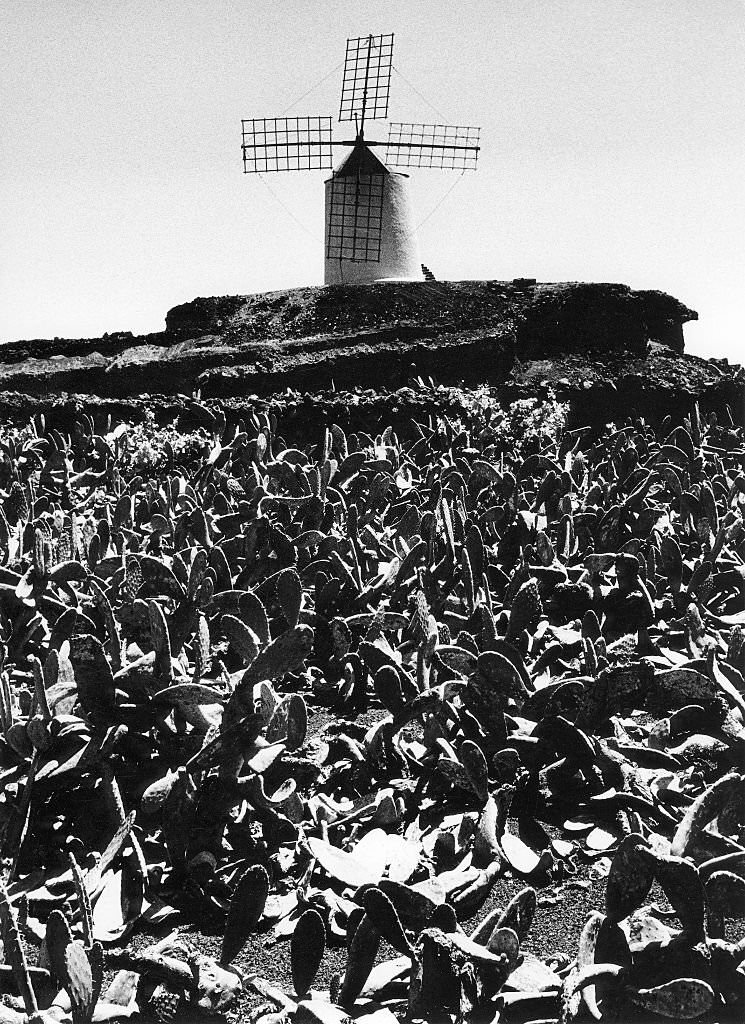
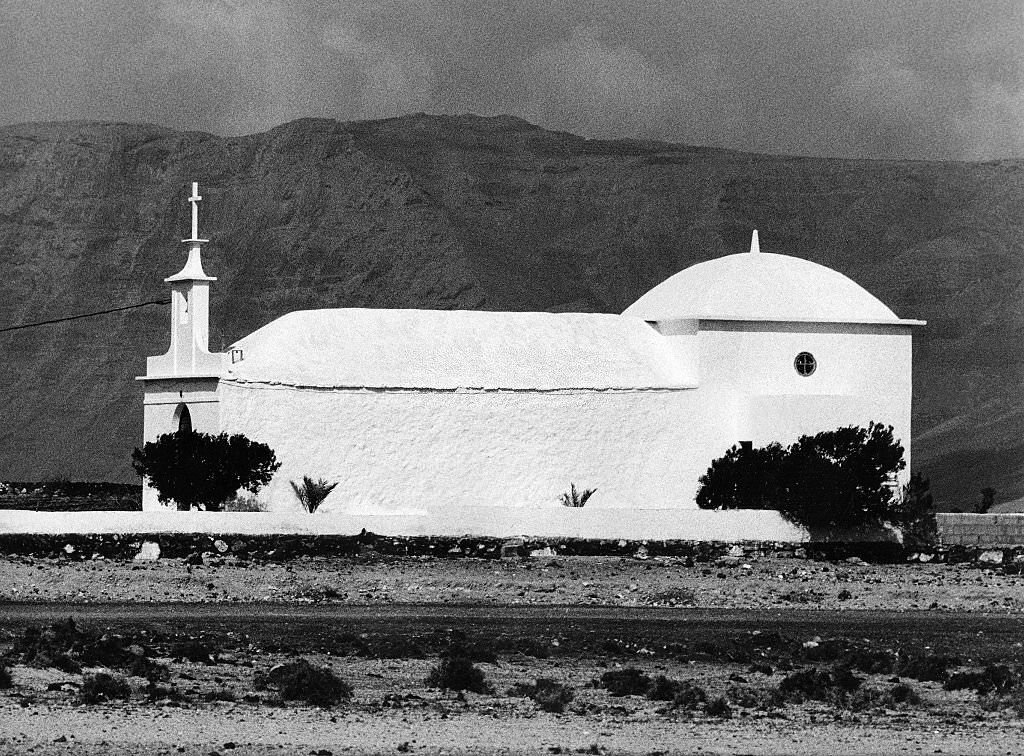
Lanzarote, one of the Canary Islands, offered a striking landscape unlike anywhere else in Spain. Its volcanic terrain, black sand, and lunar-like scenery made it a magnet for travelers seeking something beyond the typical Mediterranean beach holiday. These photos from 1980 capture the island’s raw, otherworldly character.
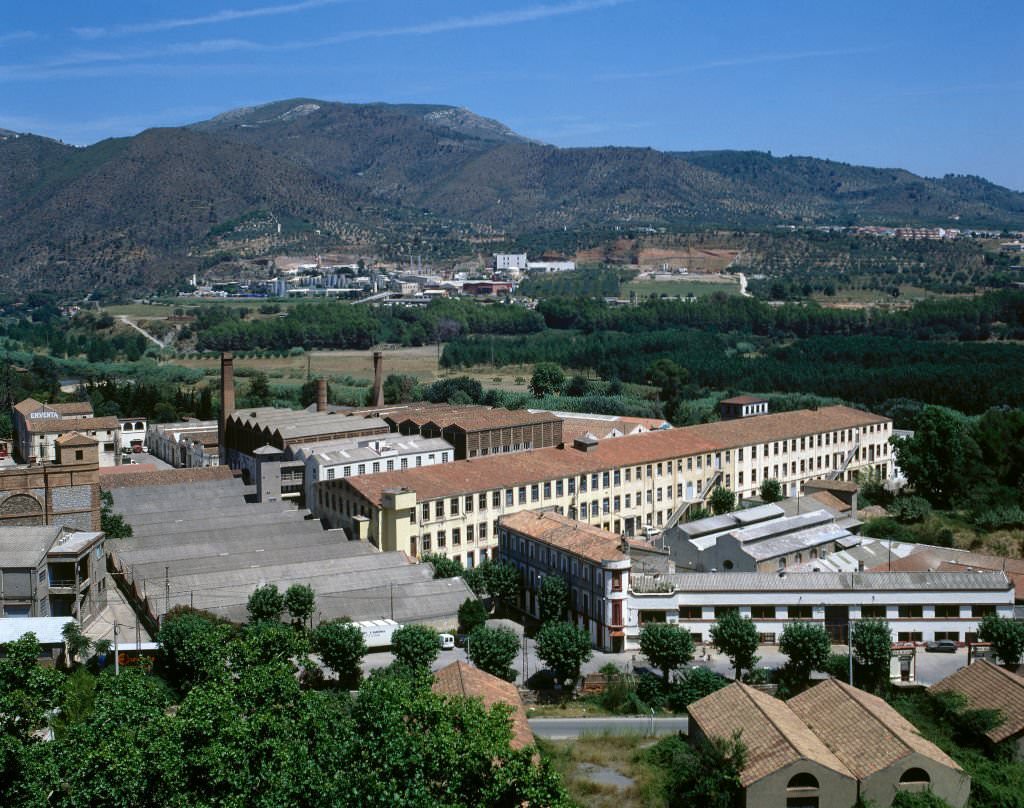
Inland Catalonia had its own quieter rhythm. The town of Esparraguera, set between Barcelona and Lleida, represented the kind of working-class Catalan community that rarely made international headlines but shaped the backbone of Spanish society.
The Basque Country remained tense well into the mid-1980s. Funeral processions, election campaigns, and political graffiti were everyday features of life in the region. The February 1984 scenes below capture the heavy atmosphere that had settled over Basque towns as ETA’s campaign of violence continued.
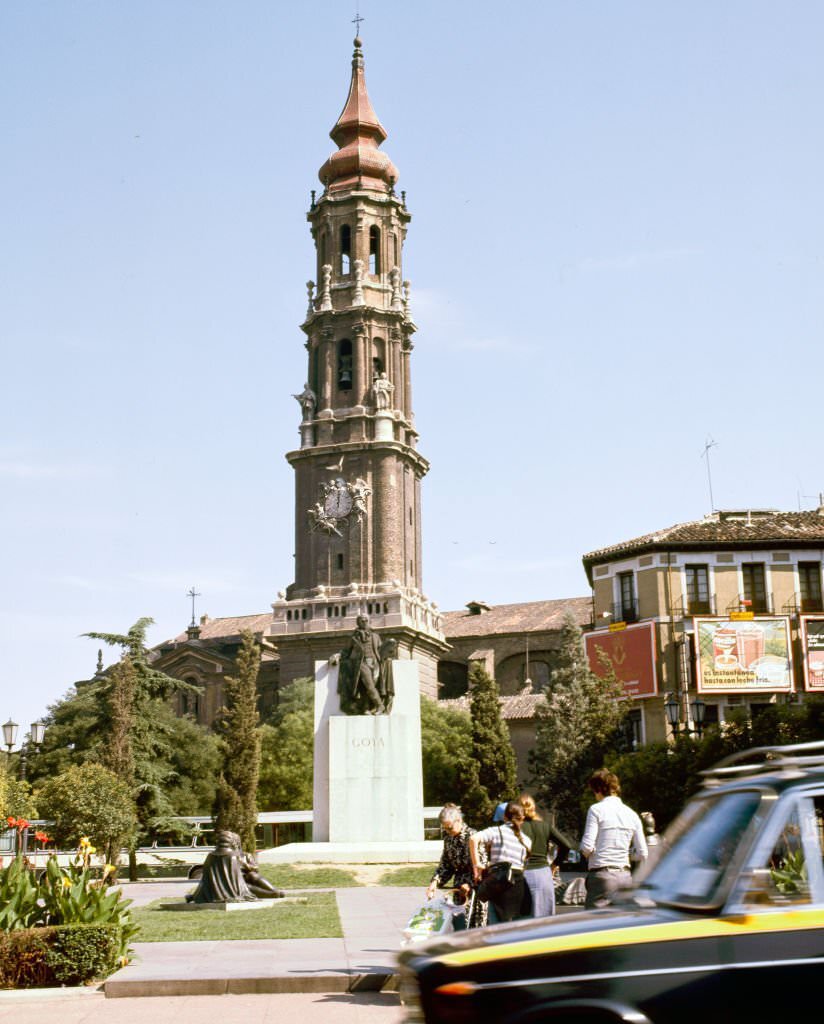
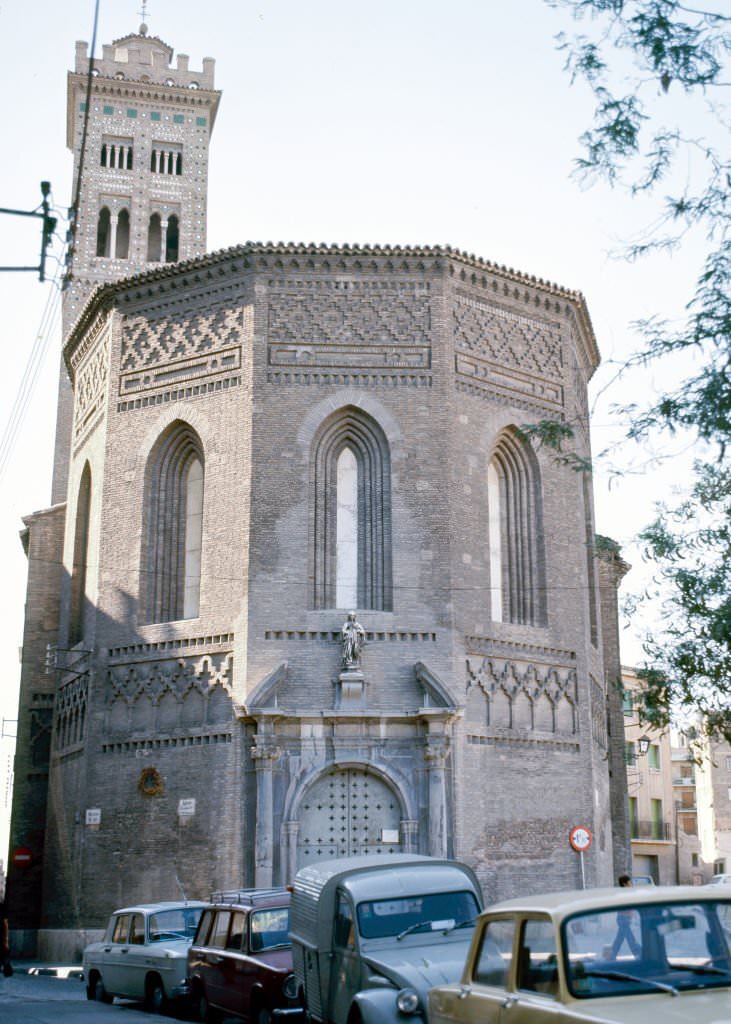
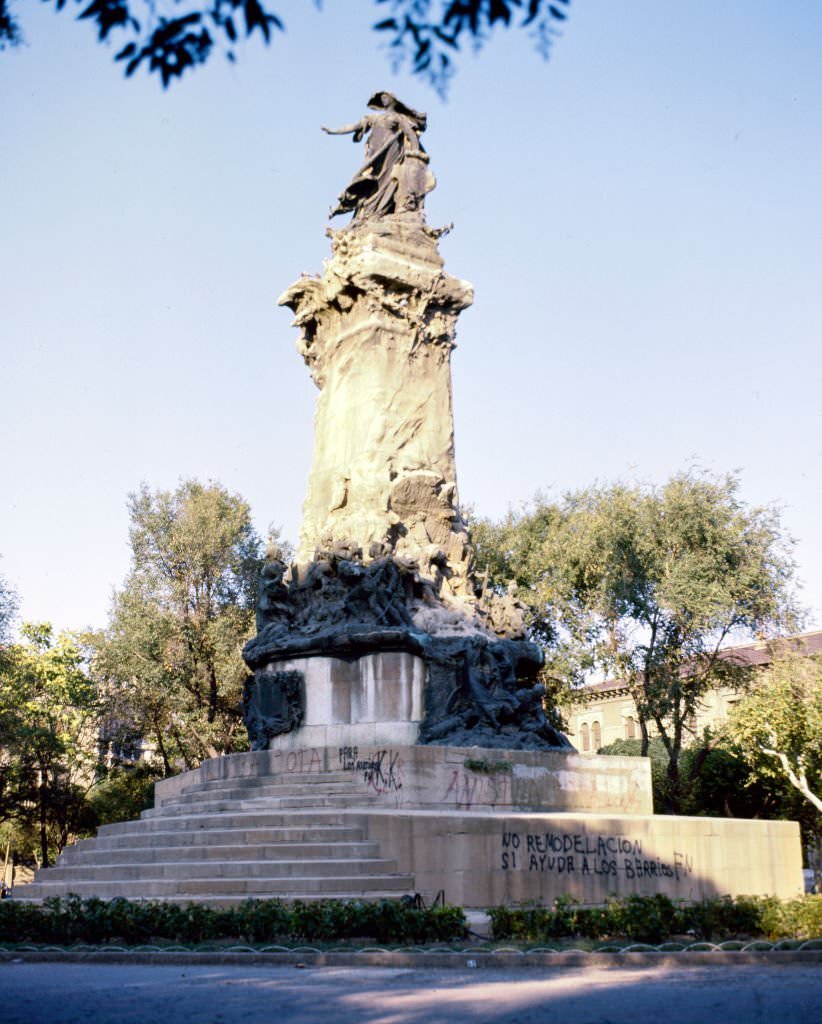
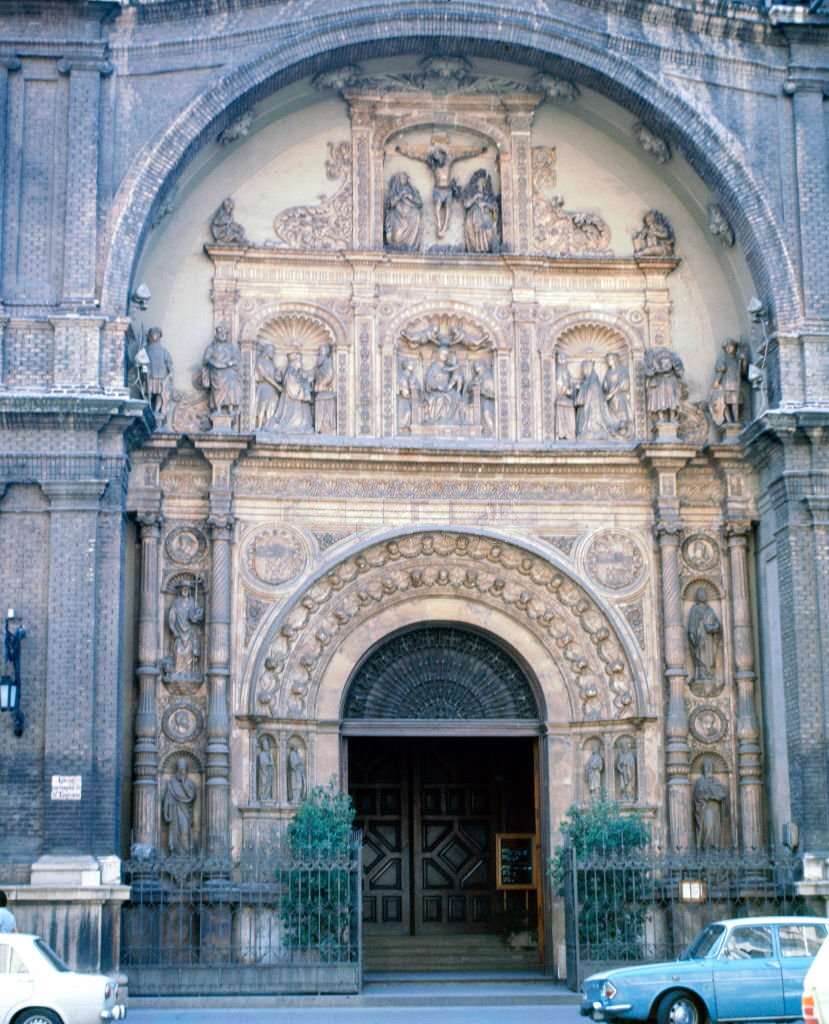
Zaragoza, the capital of Aragon, offered a different face of Spain entirely. The city’s streets combined ancient Roman ruins, towering Baroque churches, and busy commercial avenues. In 1984, photographers documented its landmarks in detail — from the cathedral of Nuestra Señora del Pilar to the remnants of the Roman city wall along Avenida de Cesar Augusto.
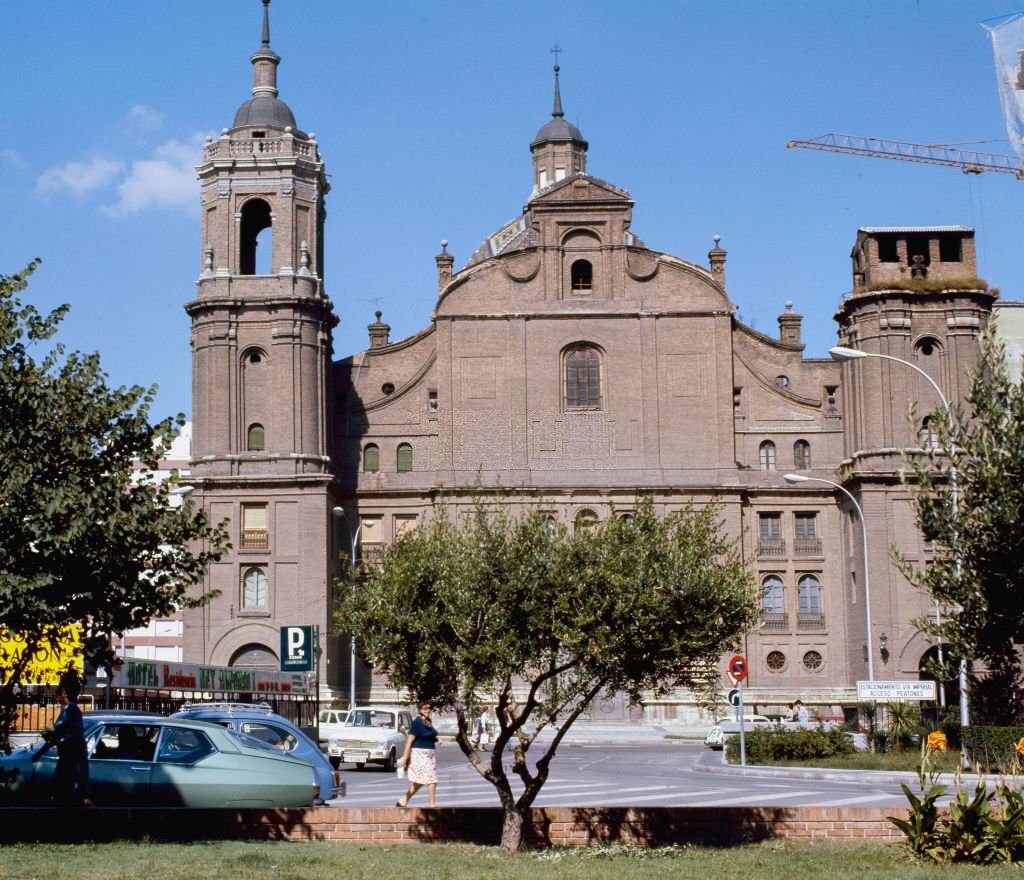
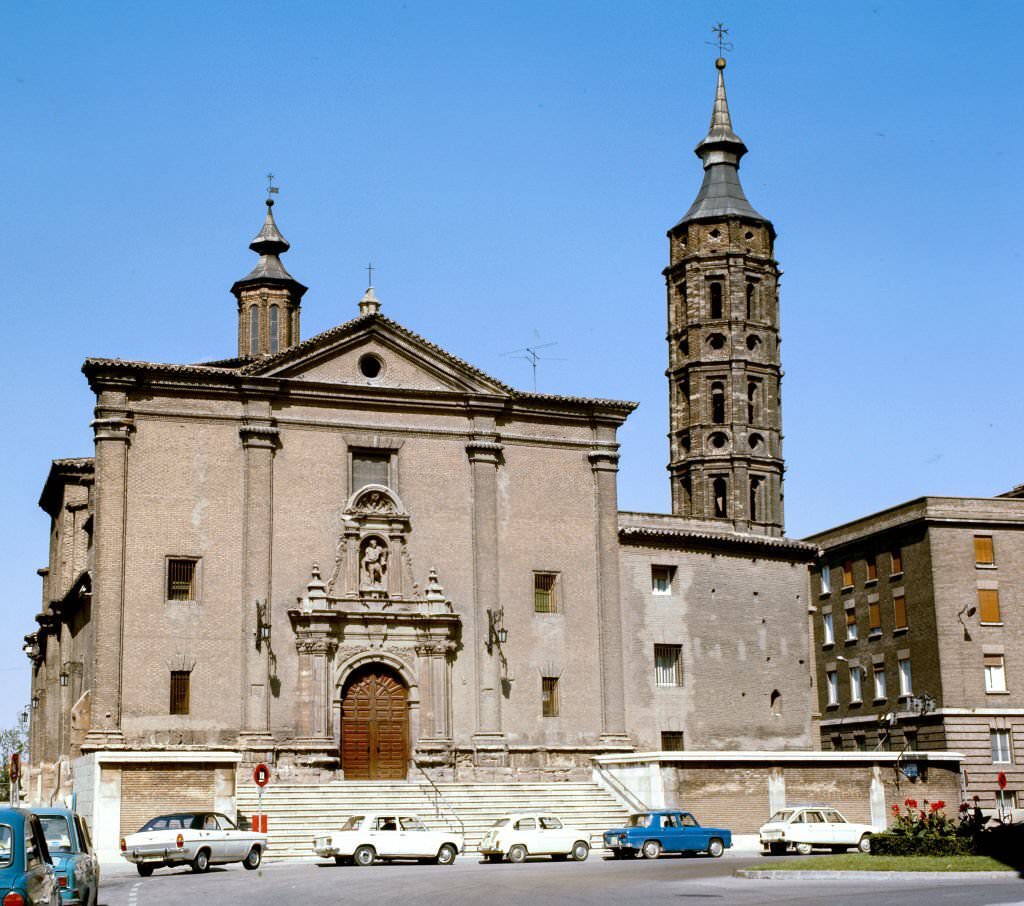
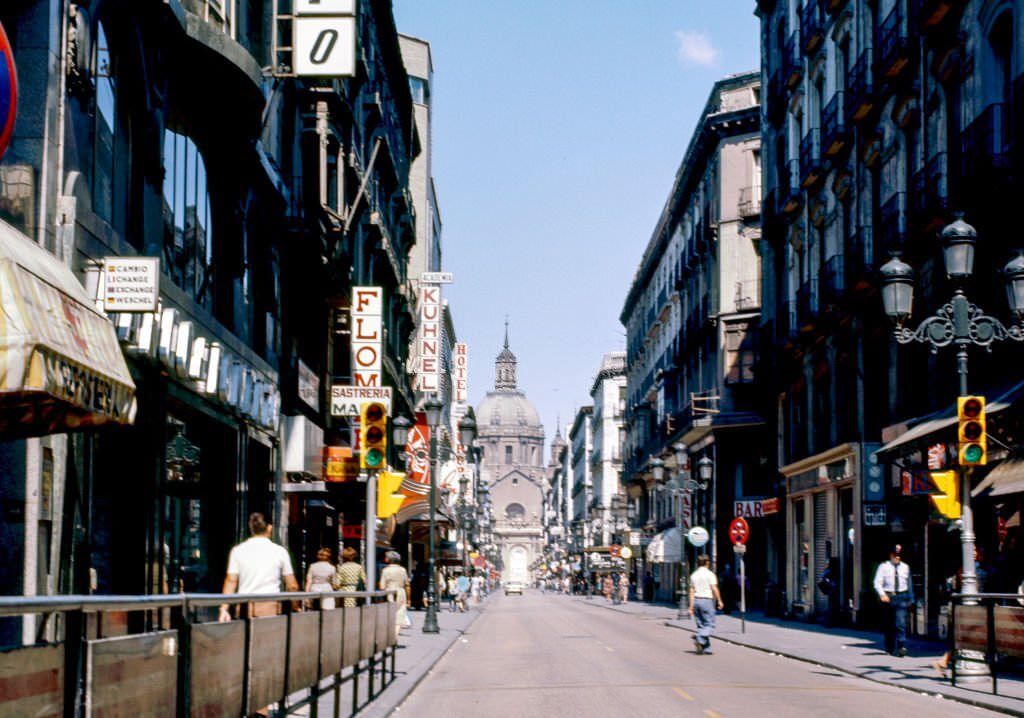
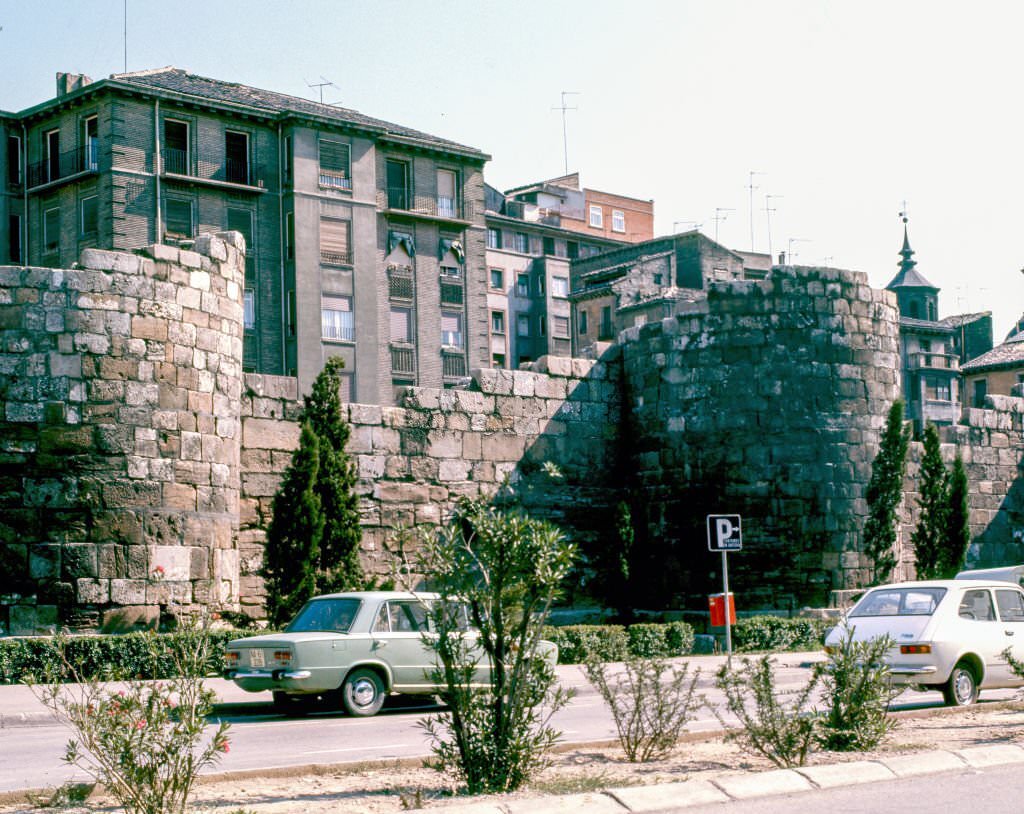
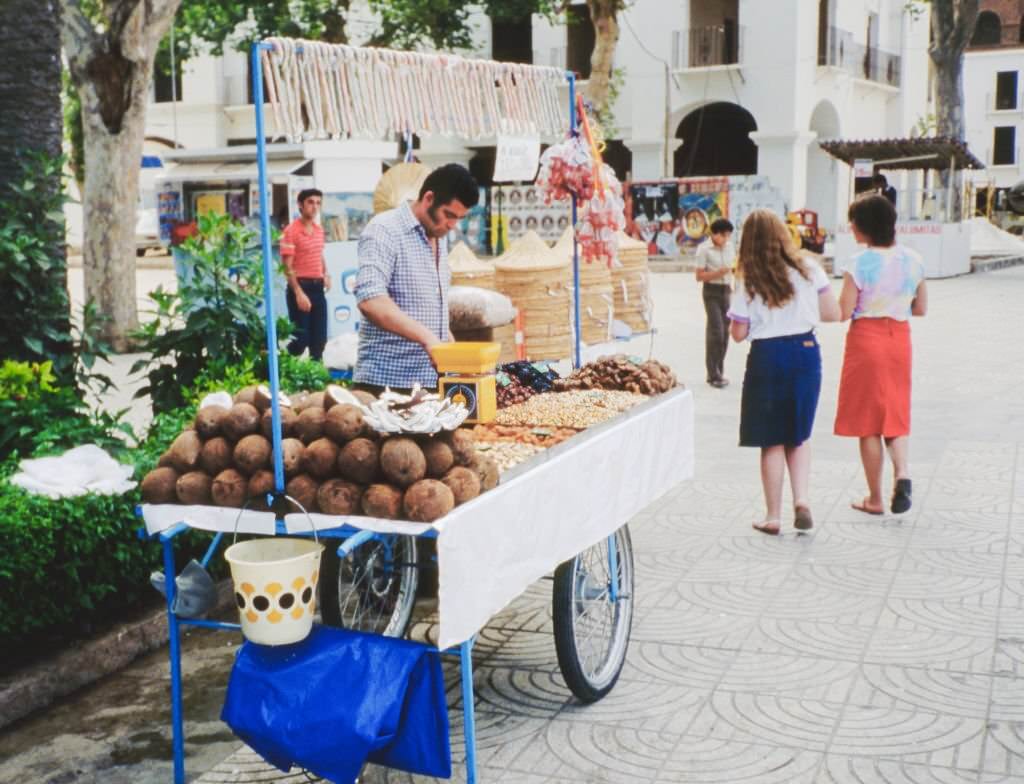
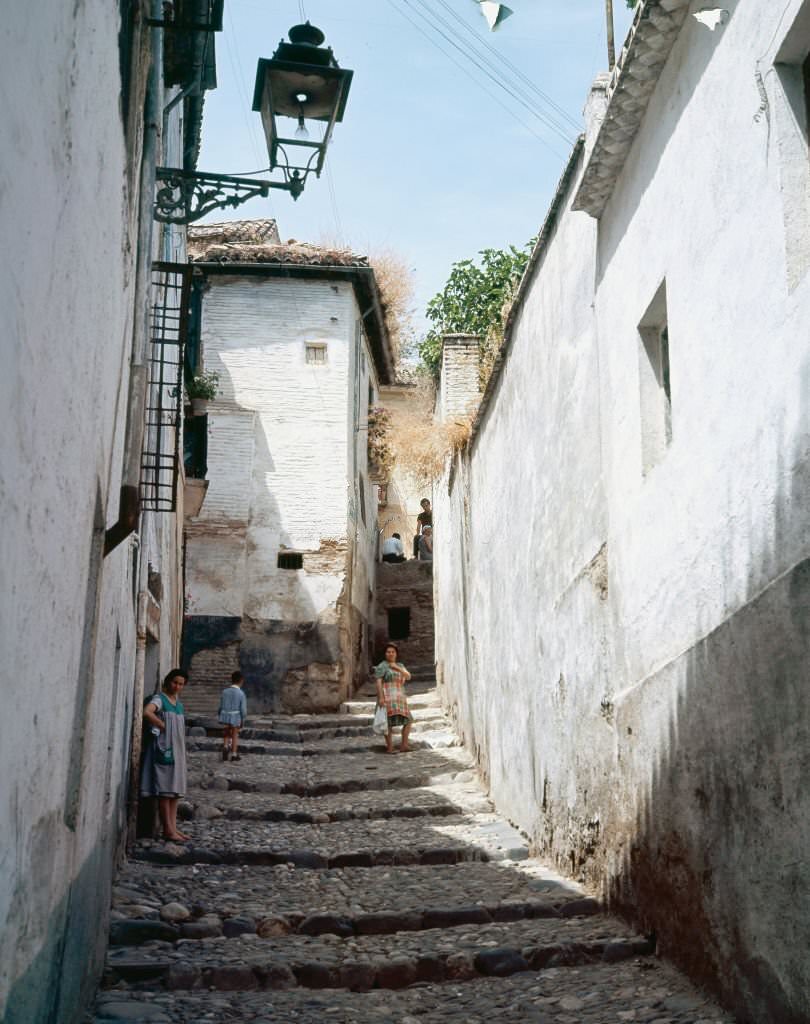
Down in Andalusia, street life continued at its own pace. Almería’s vendors worked their trade on busy city streets, while tourists arriving from northern Europe filled the beaches along the coast.
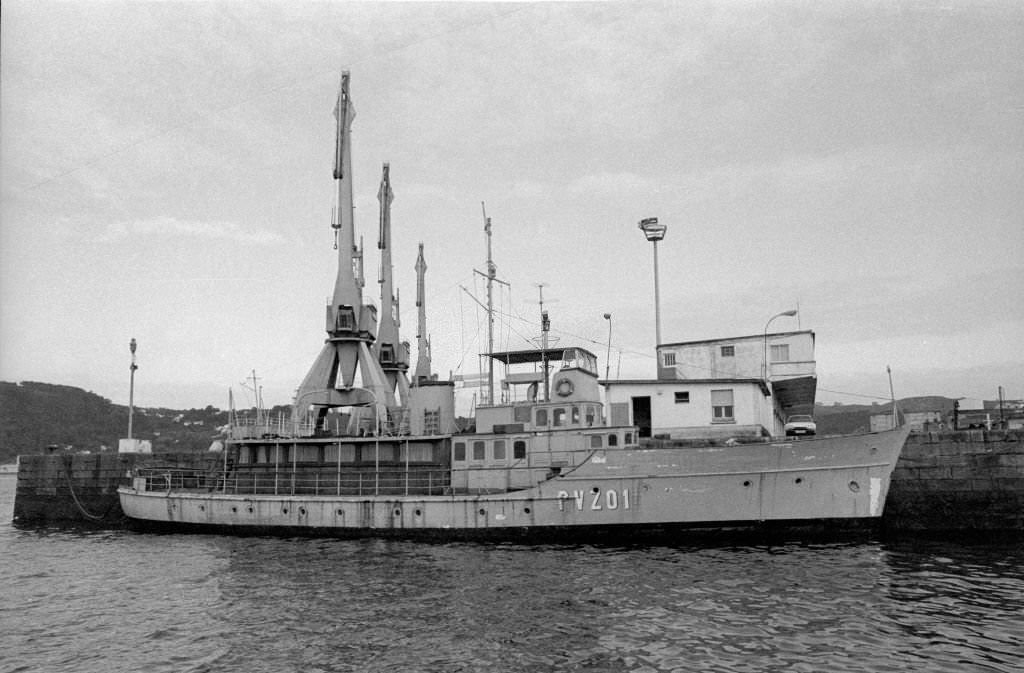
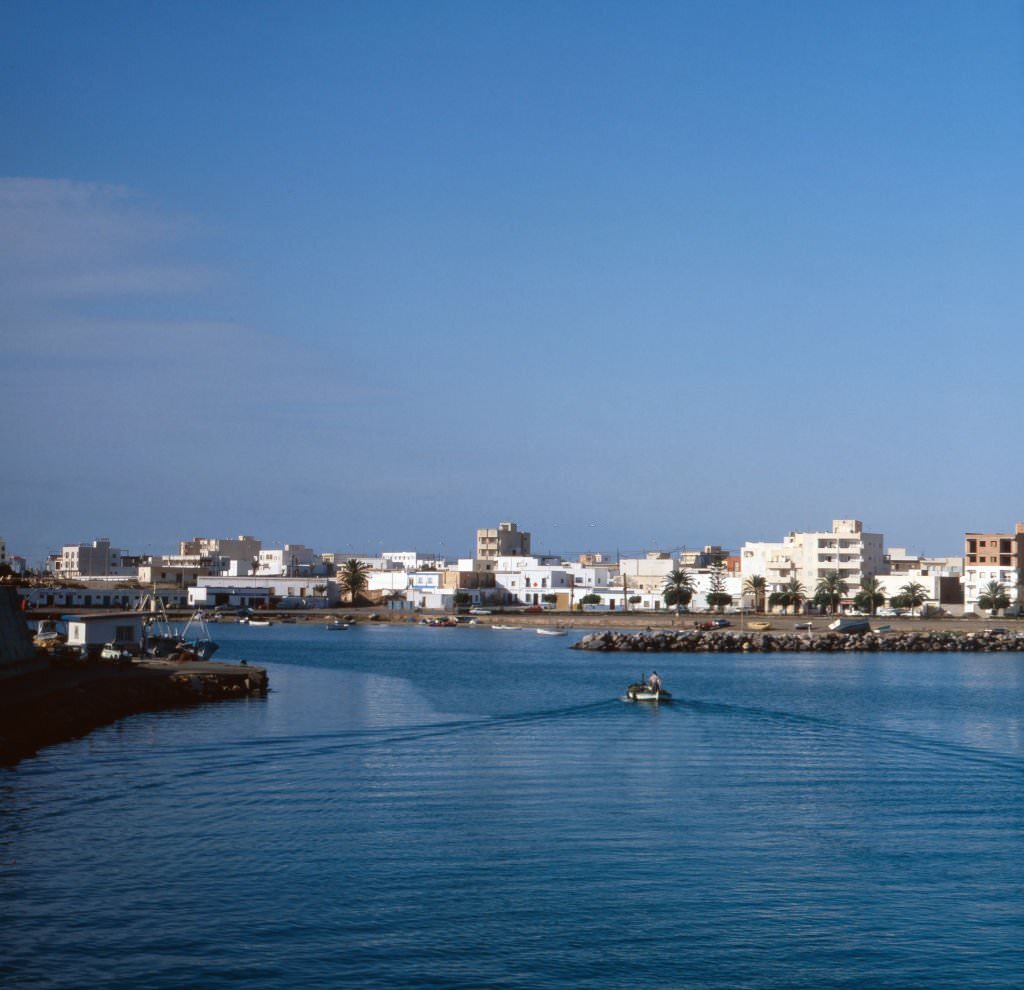
In Galicia, the legacy of Francisco Franco still lingered in physical form years after his death in 1975. His personal yacht, the Azor, sat moored in the port of Sada in A Coruña in 1983. Franco had used the vessel extensively throughout his dictatorship for private holidays along the Galician coast.
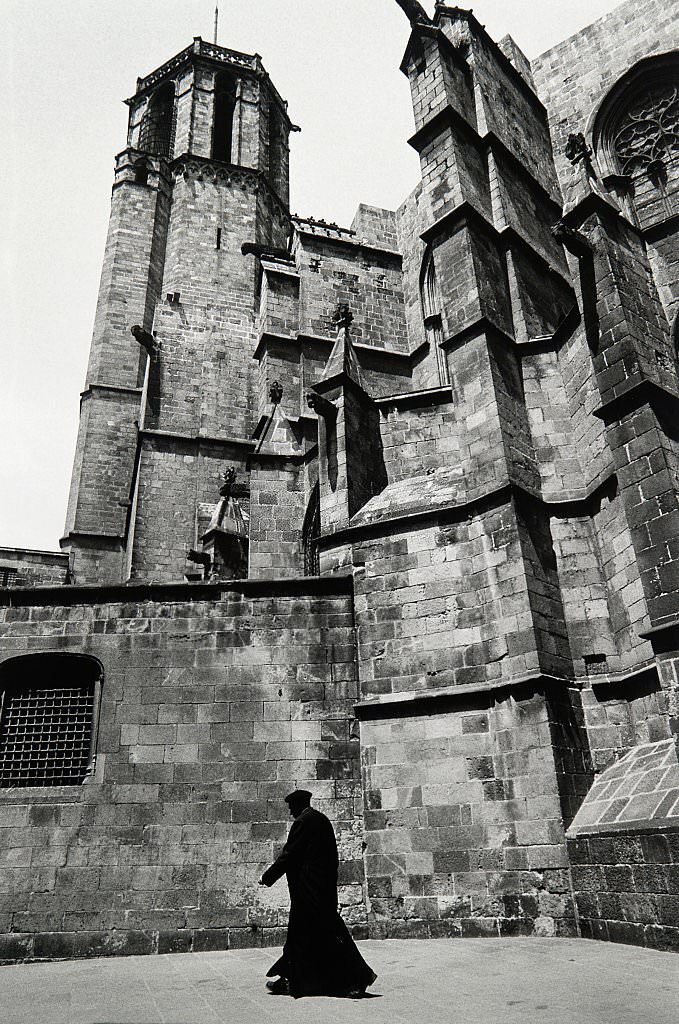
Barcelona’s Gothic Quarter, with its medieval streets and cathedral towers, stood in sharp contrast to the city’s modern ambitions. Spain’s second-largest city was preparing to host the 1992 Olympic Games, and construction and renovation work had already begun to reshape parts of the urban landscape.
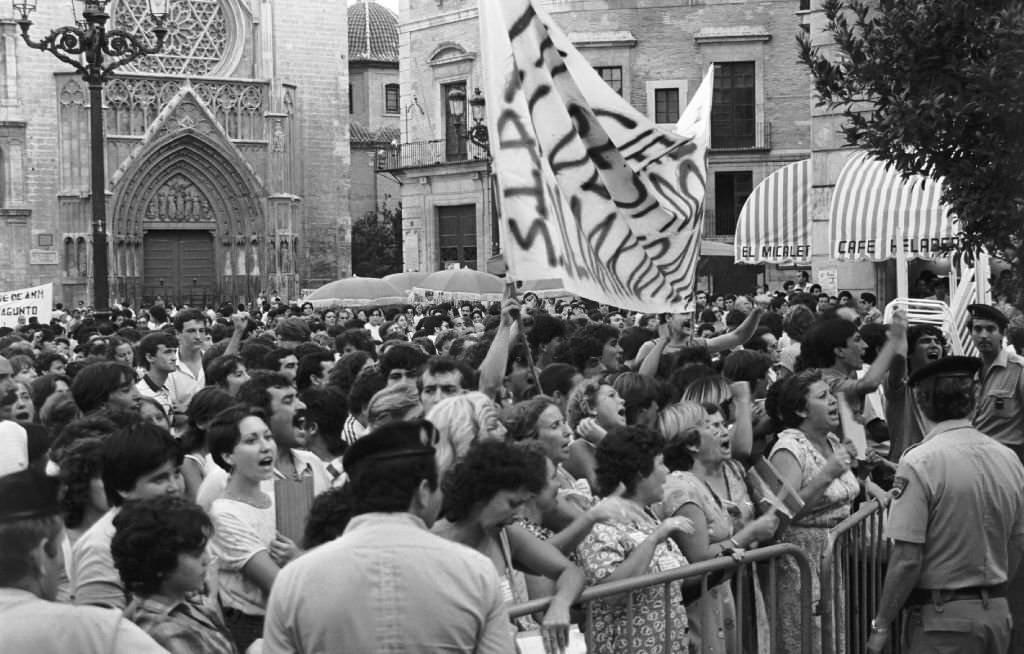
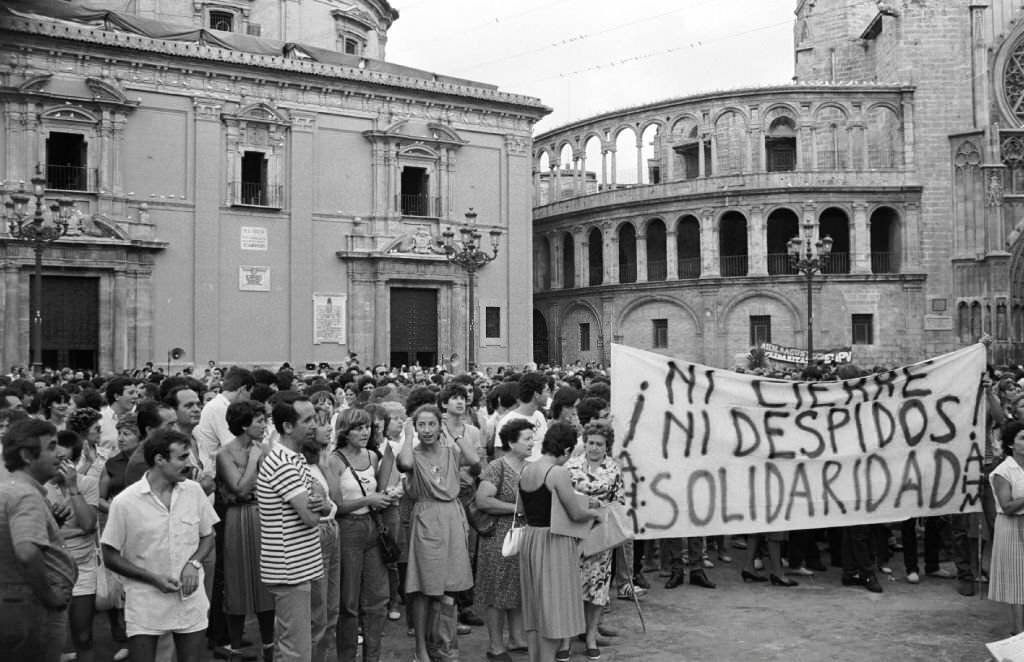
The government’s industrial restructuring policies triggered widespread anger from workers. The planned closure of Altos Hornos del Mediterráneo, a major steel plant in Sagunto near Valencia, brought thousands of workers and trade union members into the streets of Valencia’s Plaza de la Reina. The demonstrations were among the most visible signs of friction between Spain’s Socialist government and organized labor.
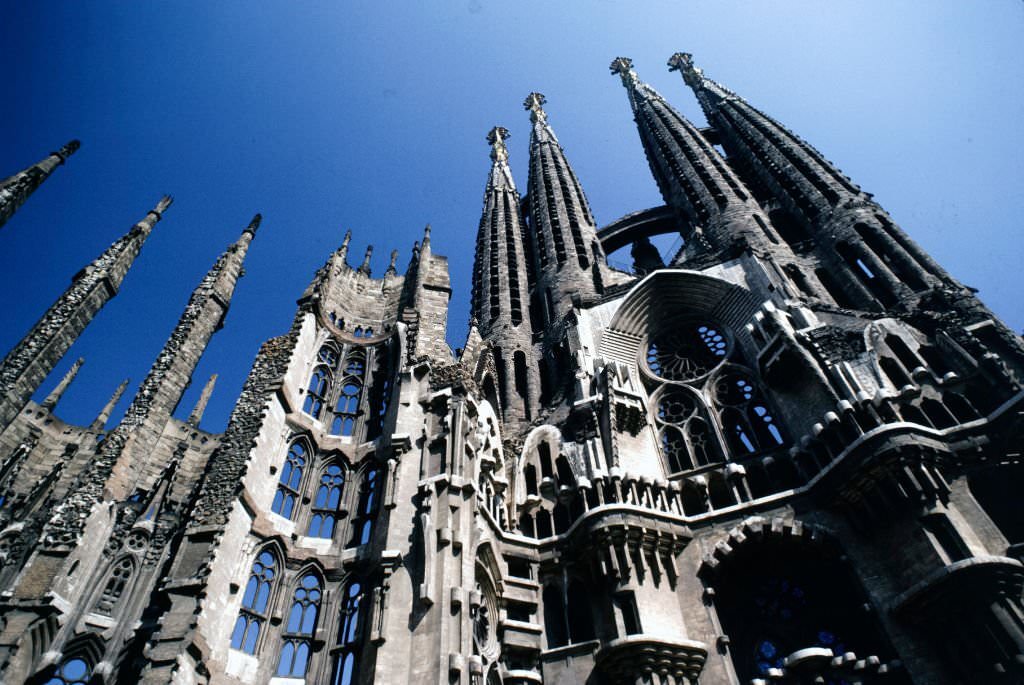
Antoni Gaudí’s Sagrada Família was still very much a construction site in 1983. Work on the Barcelona basilica had resumed in 1954 after a long pause and was advancing slowly, funded entirely by donations and visitor entry fees. The scaffolding-covered façade was a permanent fixture of the Barcelona skyline throughout the decade.
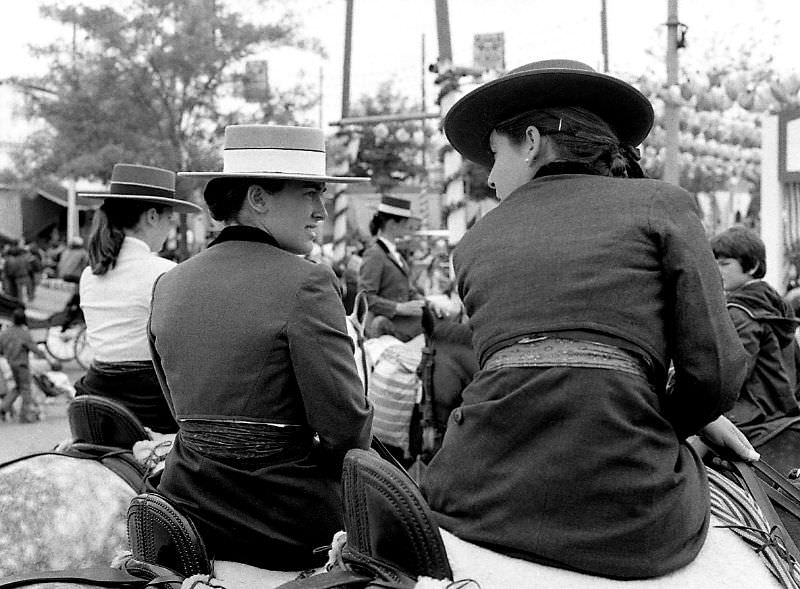
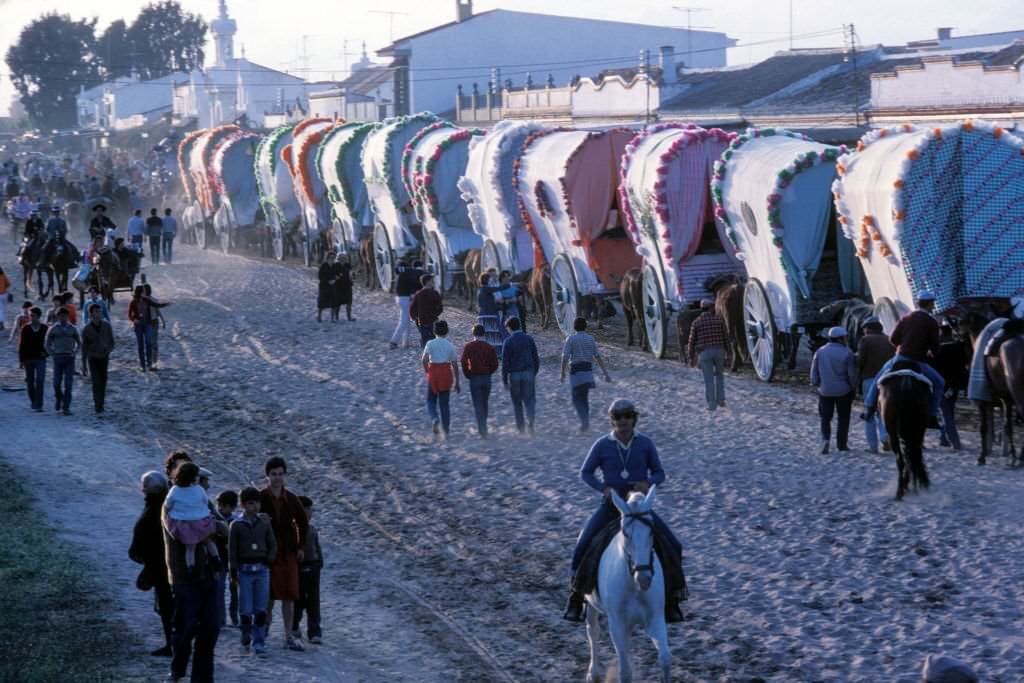
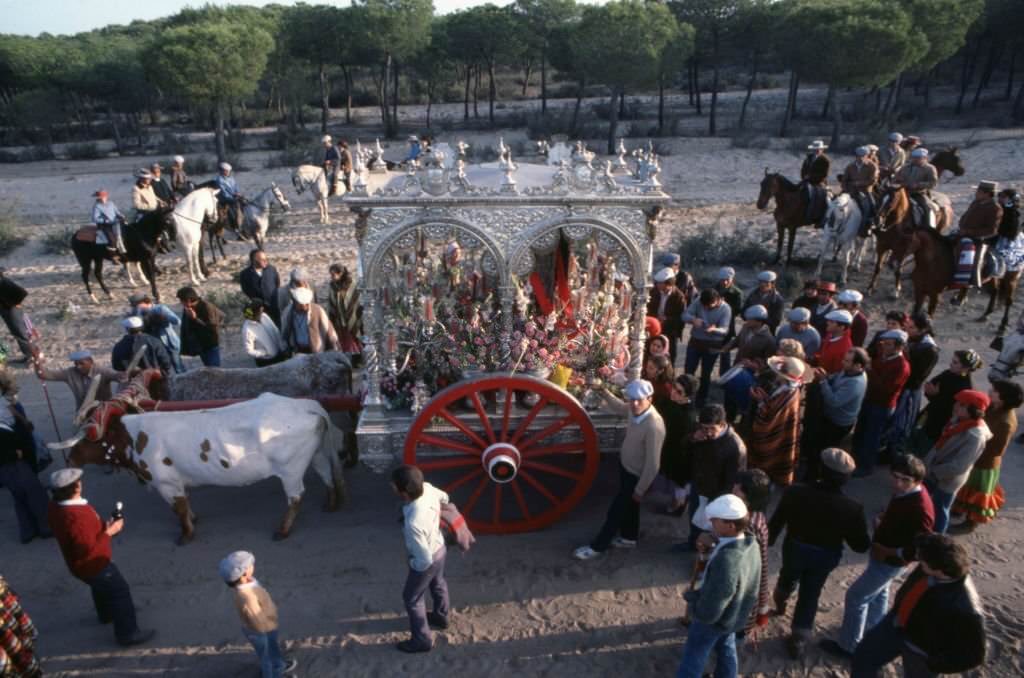
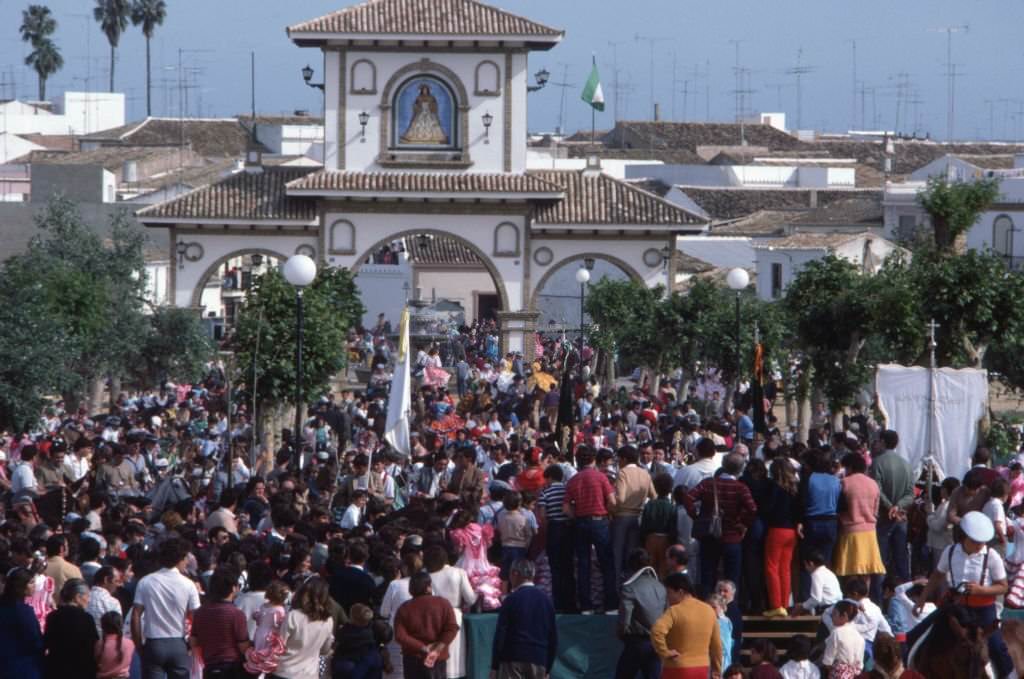
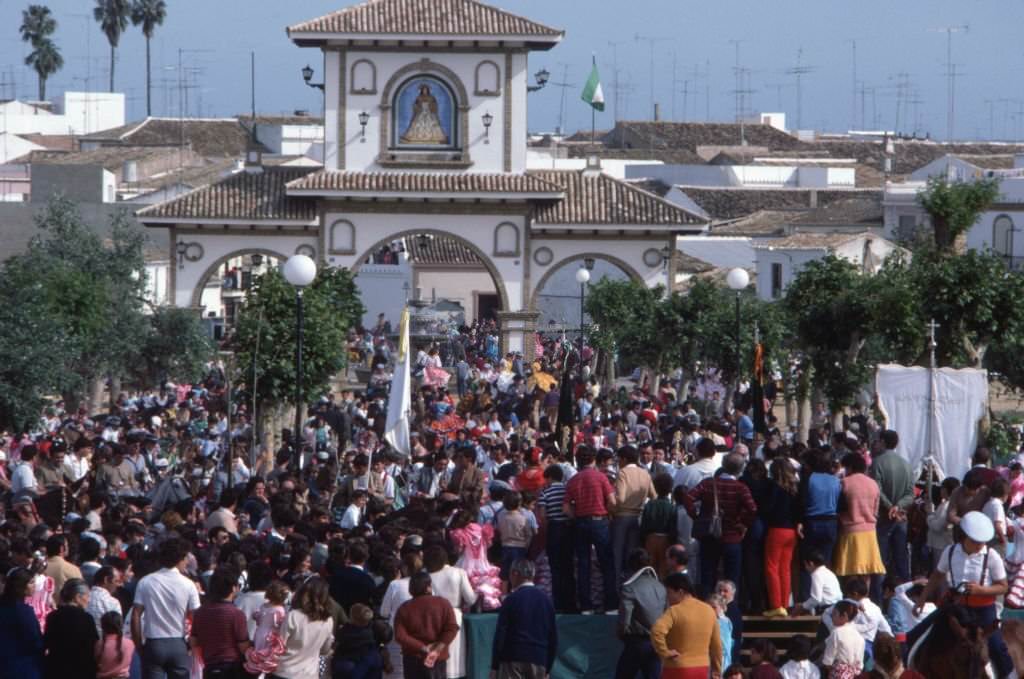
Religious traditions ran deep in Spanish life. The El Rocío pilgrimage in Almonte, Andalusia, drew massive crowds each spring. Horse-drawn carts carried devotees across the marshlands of the Doñana region toward the shrine of the Virgin of El Rocío. The 1983 pilgrimage, like those before it, combined Catholic devotion with festivity on a grand scale.
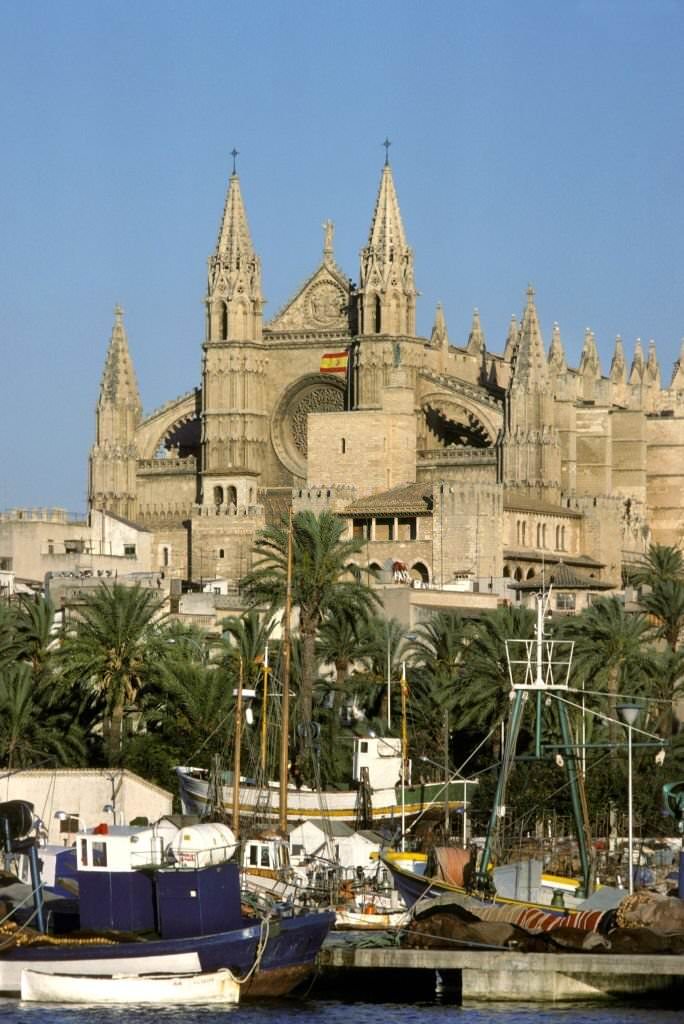
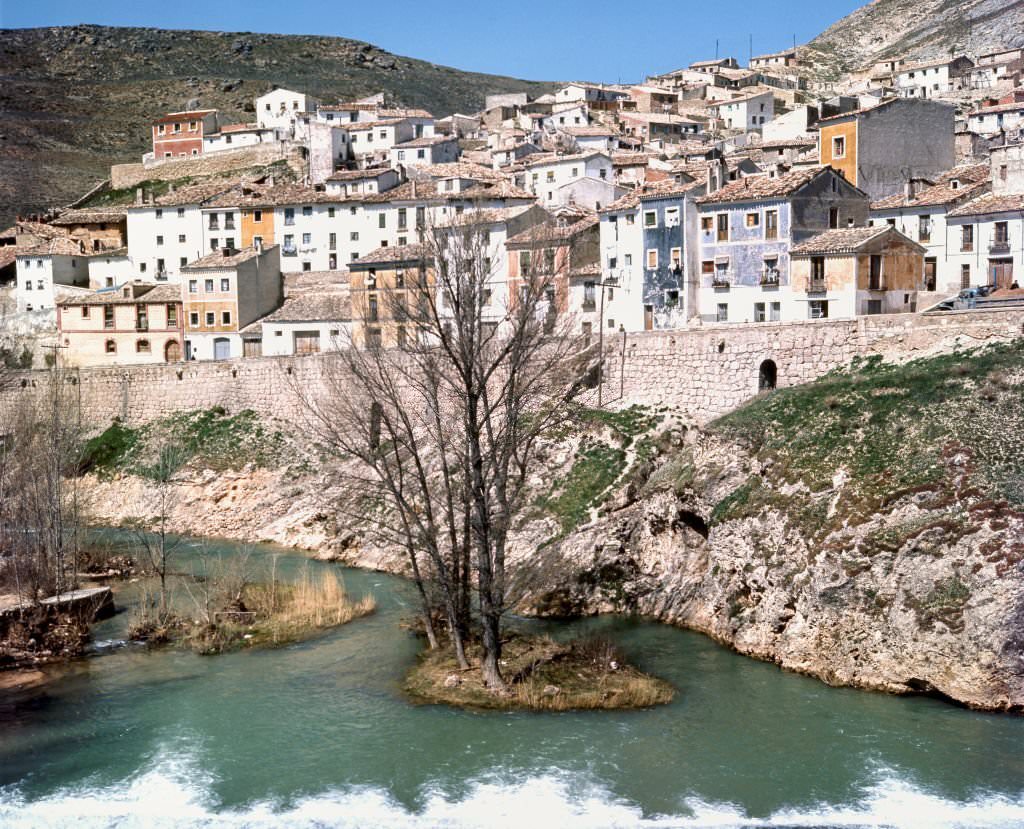
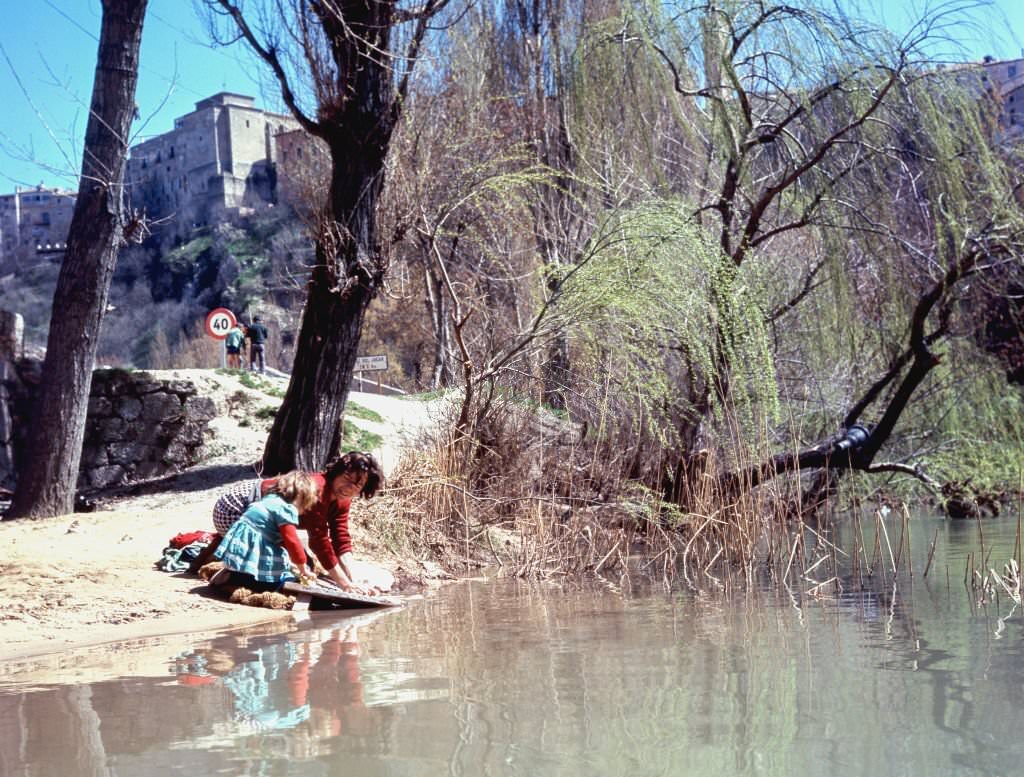
In Castilla-La Mancha, the Júcar River carved its way through the landscape beneath Cuenca’s famous hanging houses. Women still washed laundry in the river in 1983, a practice that would disappear within a generation as modern amenities spread more widely across rural Spain.
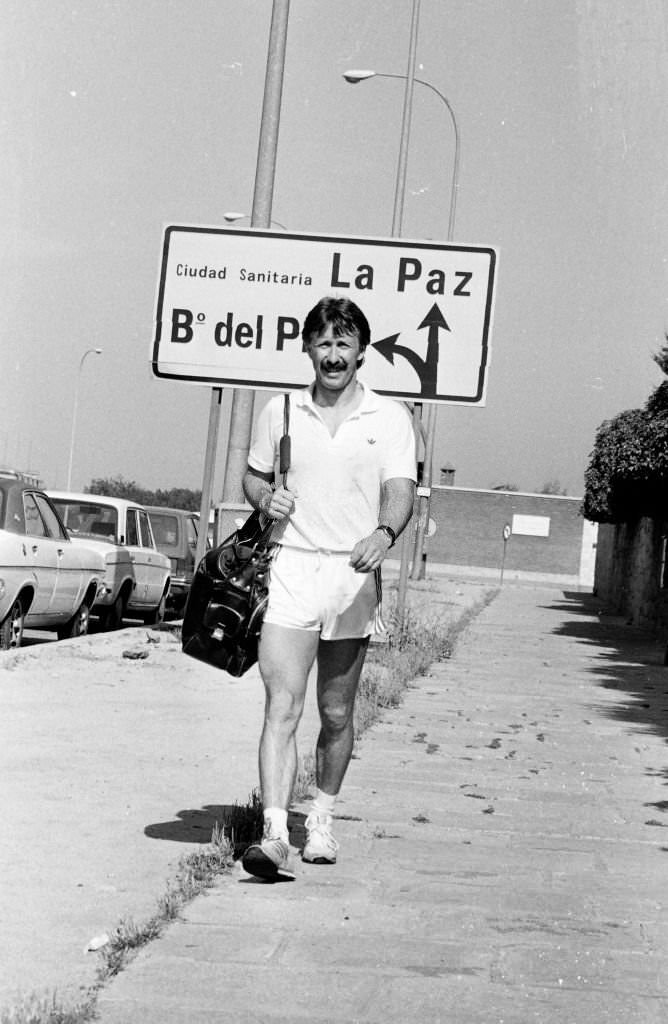
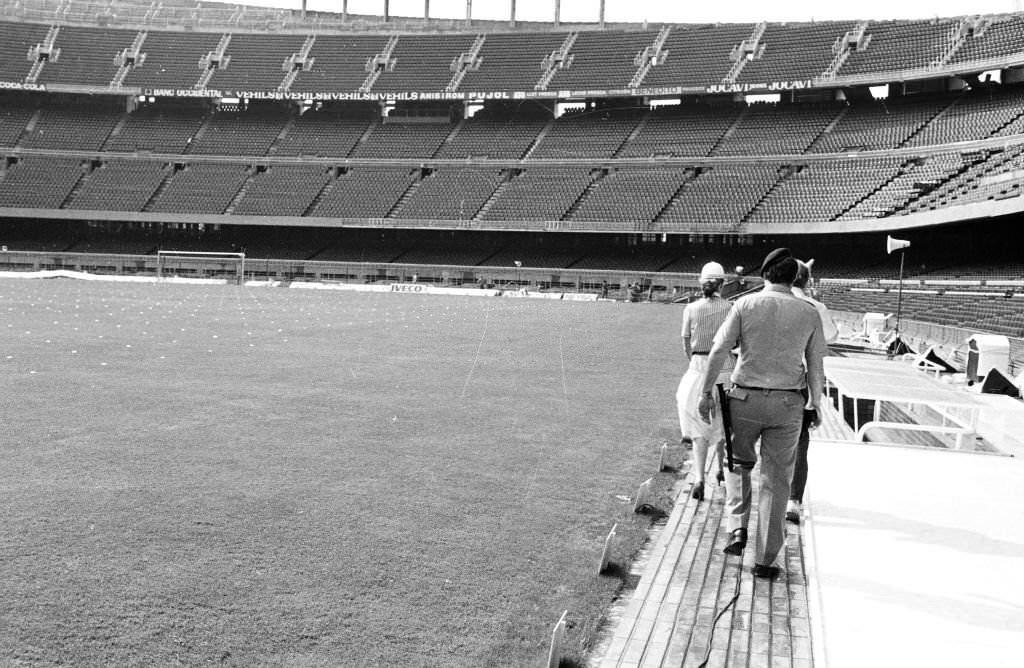
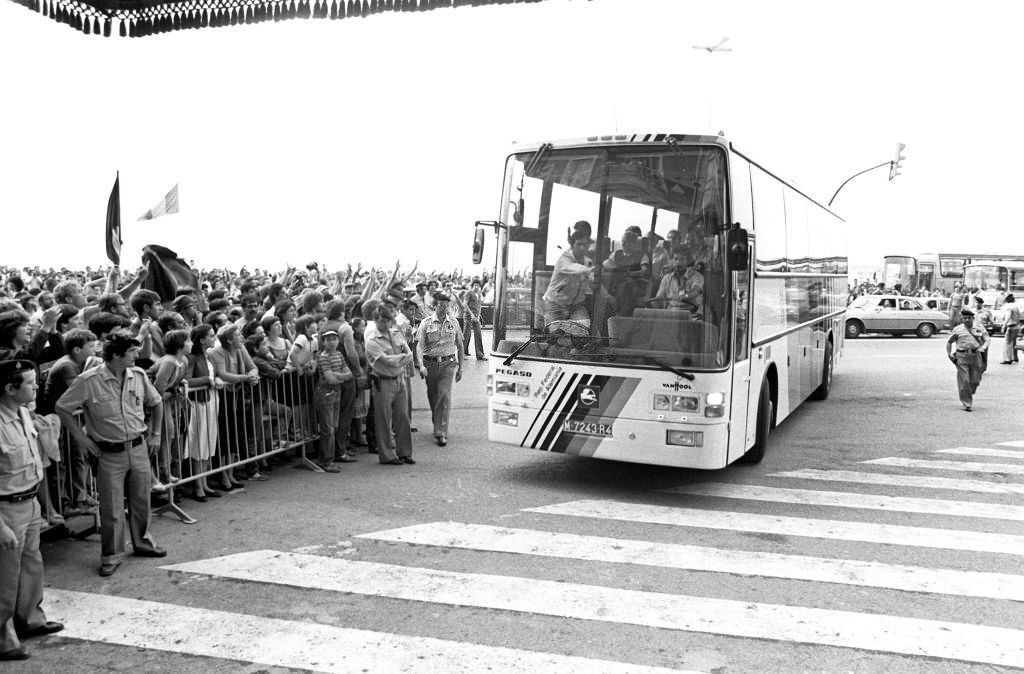
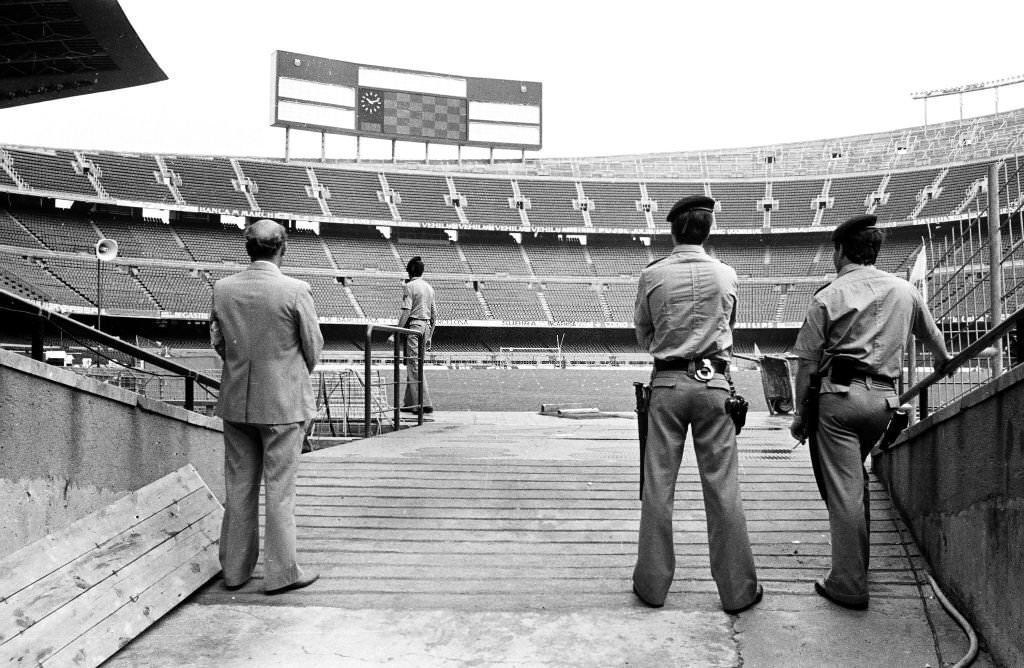
In 1982, Spain hosted the FIFA World Cup — a massive event that put the country on the world stage in a new way. Stadiums across the nation filled with international fans, and security measures were tightly coordinated across multiple host cities. The tournament was one of the most logistically complex in World Cup history, spread across 17 venues.
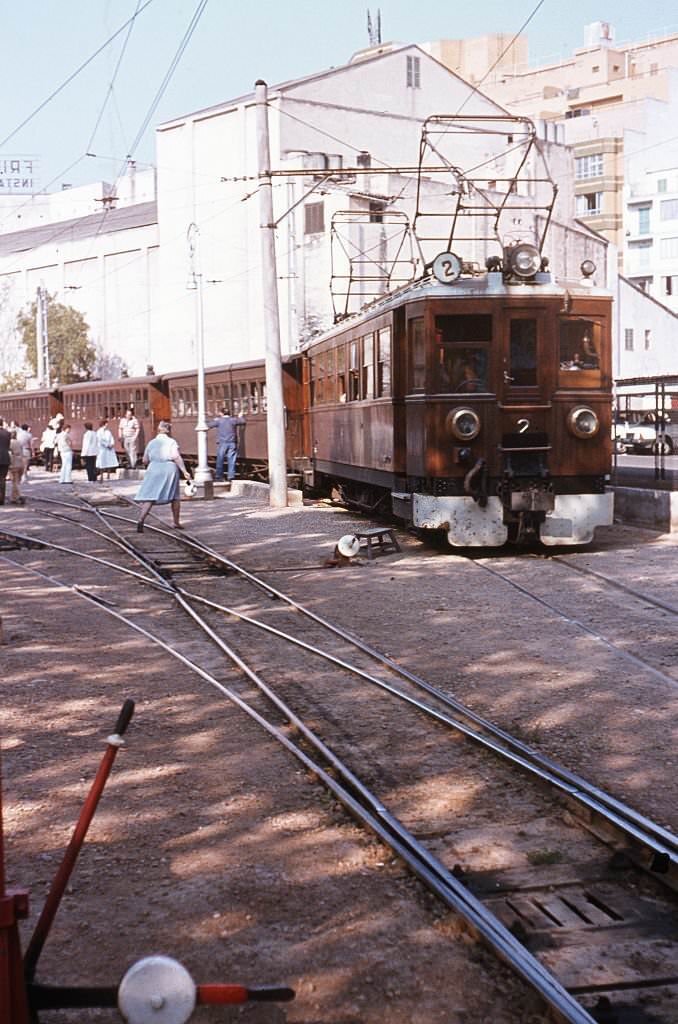
On the island of Mallorca, the historic narrow-gauge railway known as the “Red Lightning” continued to run its regular route between Palma de Mallorca and Sóller. The line, originally opened in 1912, wound through the Tramuntana mountains and remained one of the most scenic train journeys in Spain.
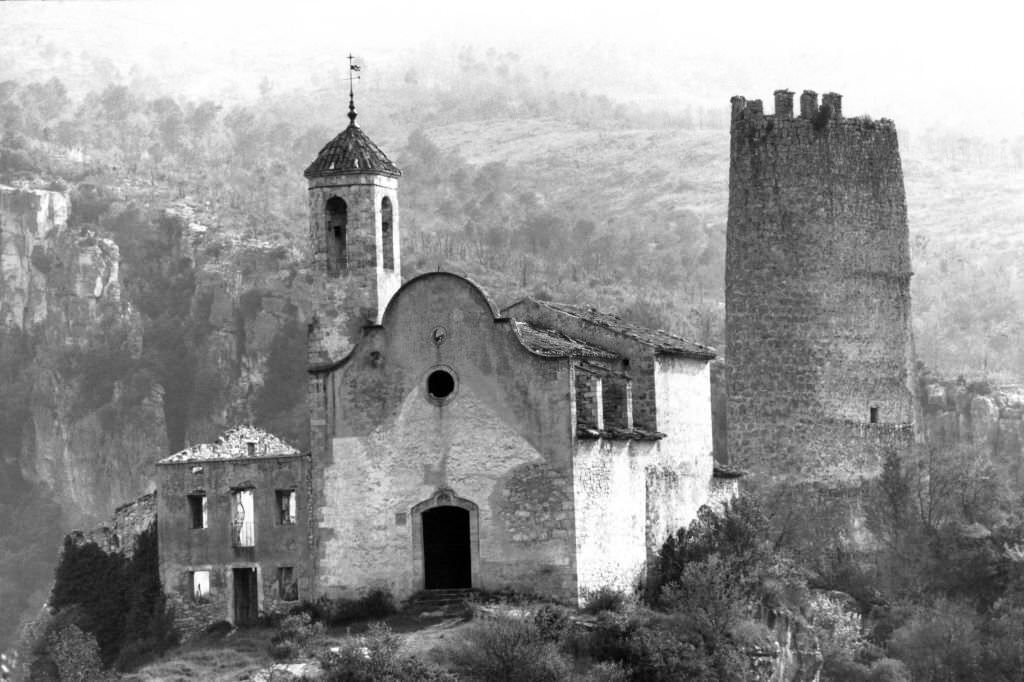
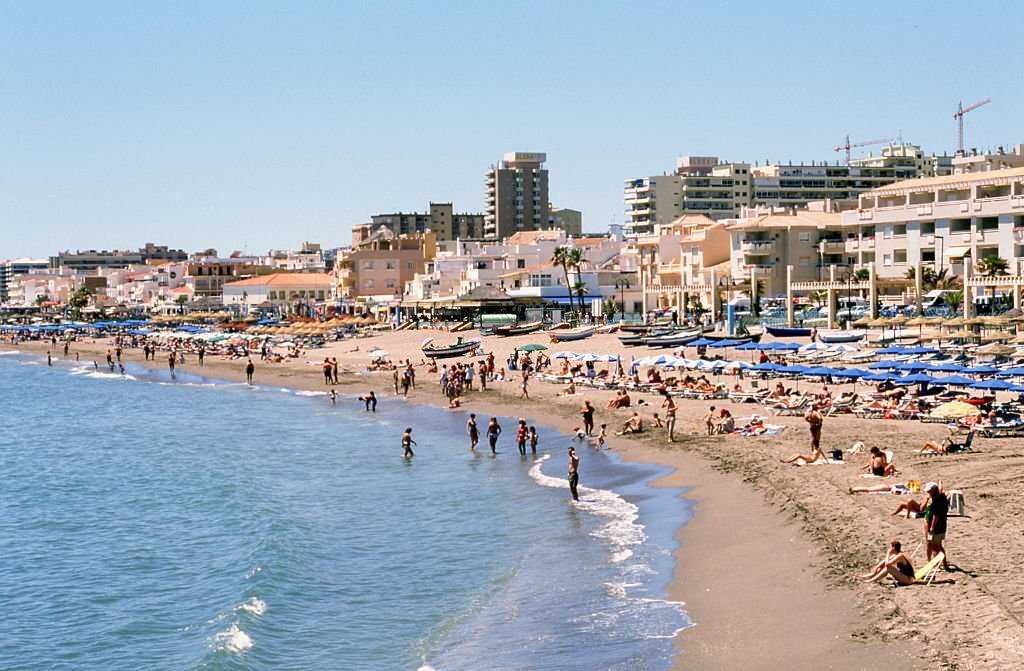
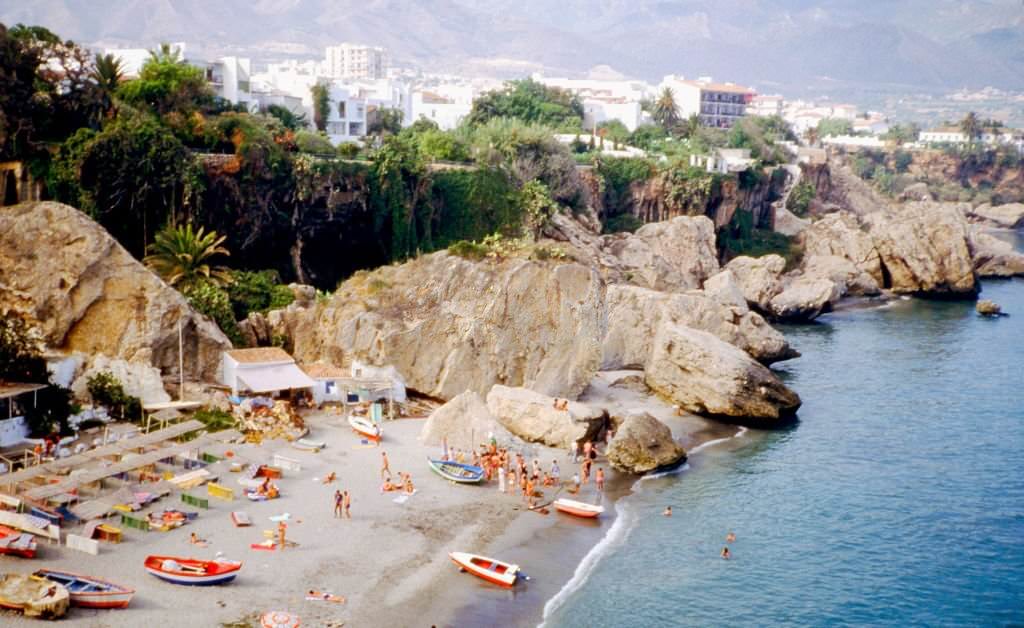
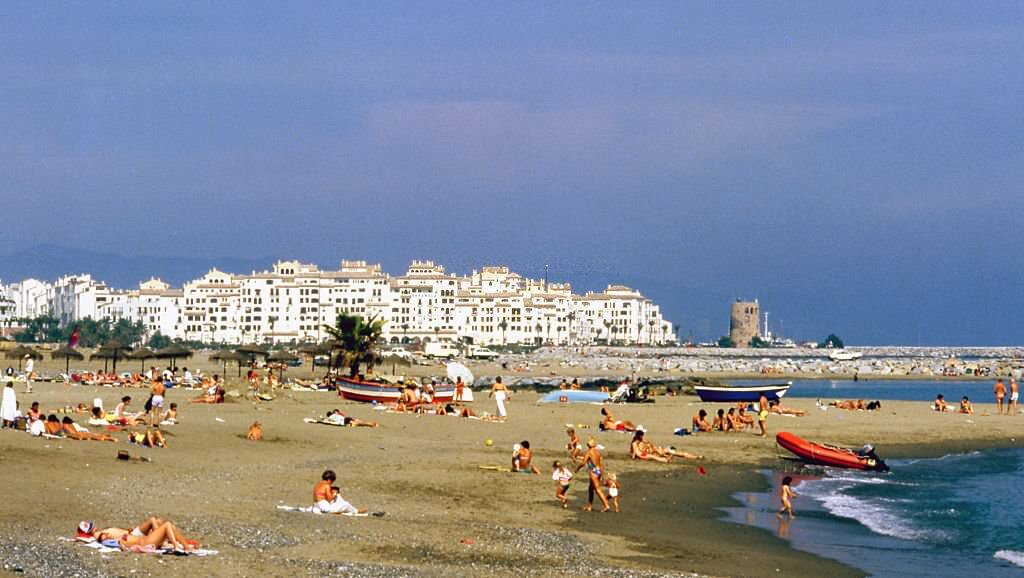
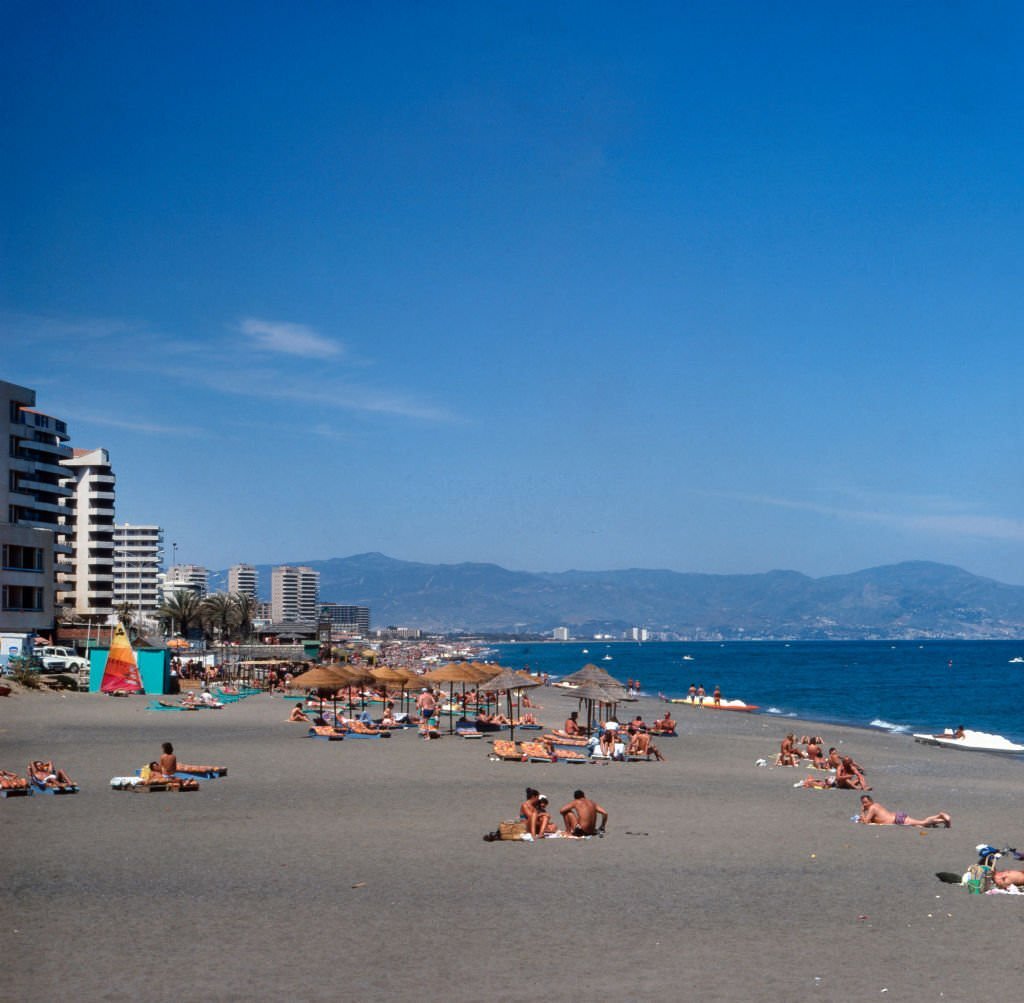
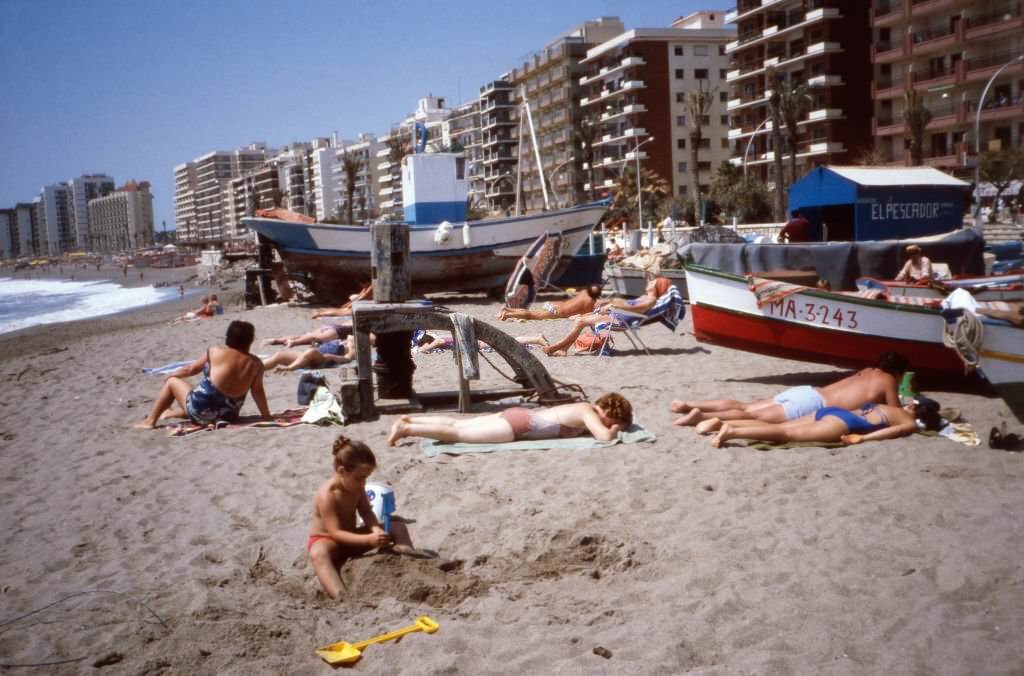
Not all of Catalonia’s historical structures survived intact. The Church of Santa Perpetua de Gaià lay in ruins by 1982, its ancient walls partially collapsed. Across southern Spain, the beaches of Málaga province — from Torremolinos to Nerja — were packed with tourists, representing the booming package holiday industry that had taken root in the 1960s and showed no sign of slowing.
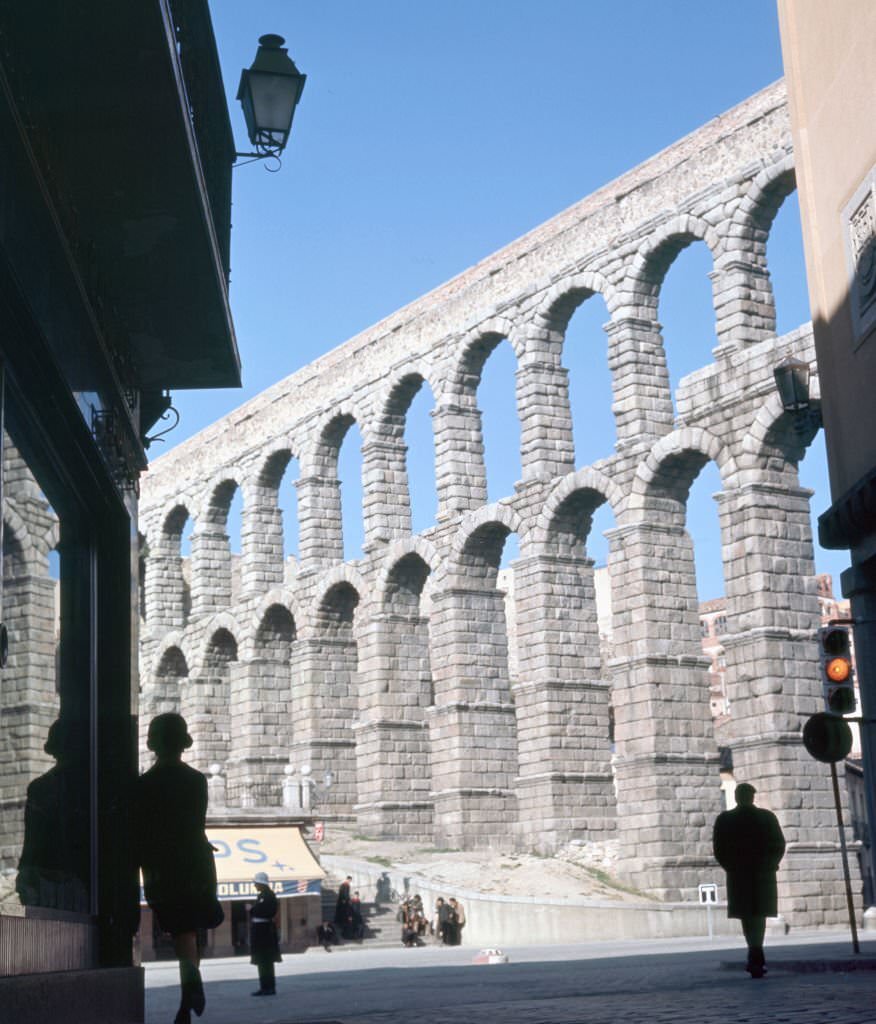
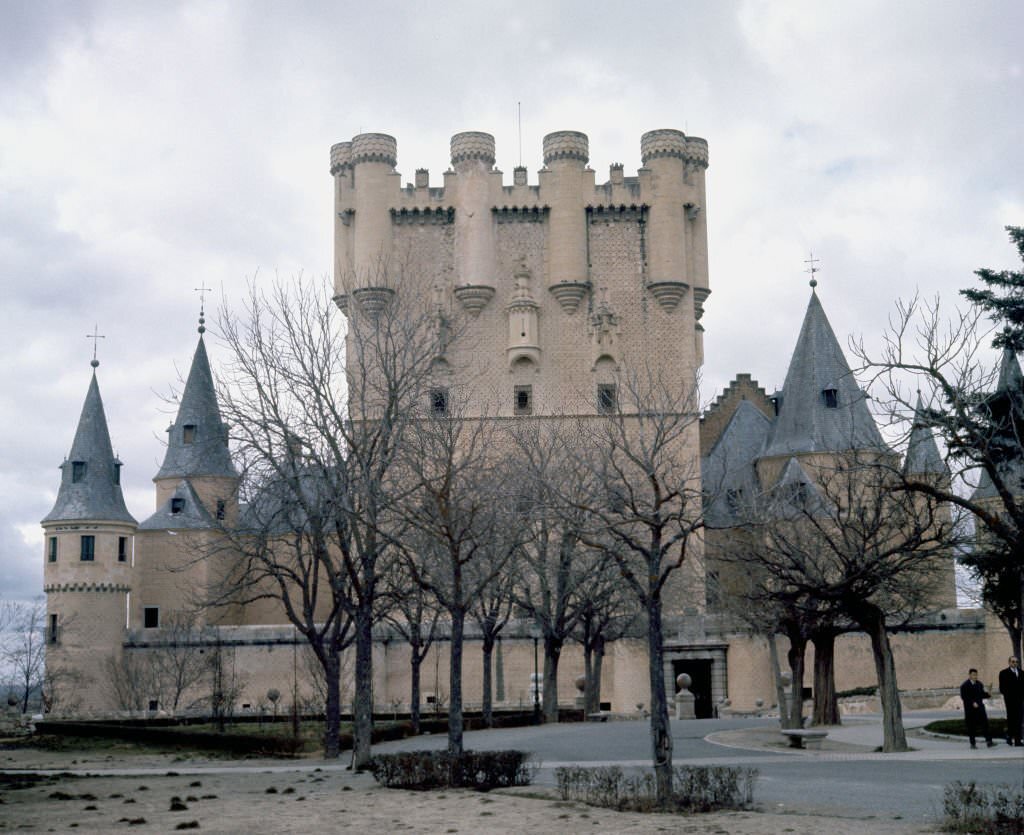
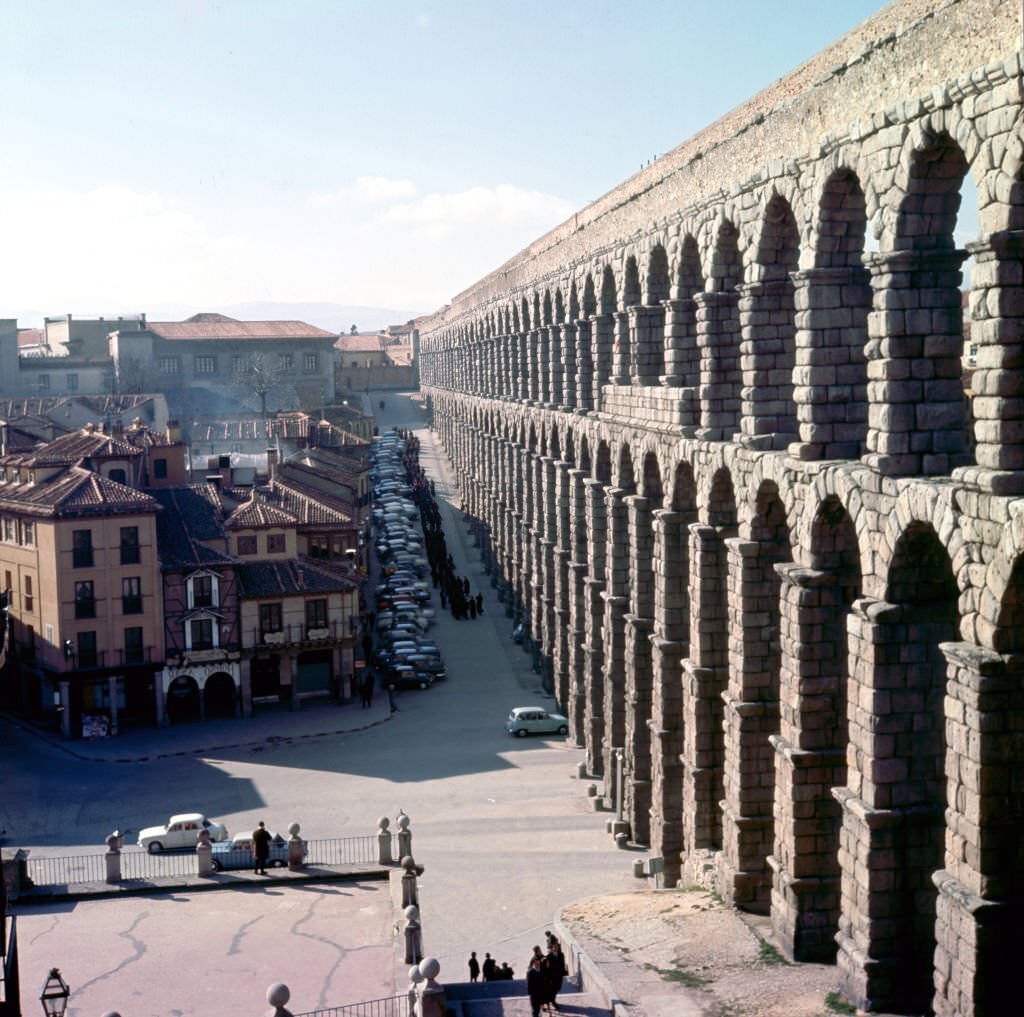
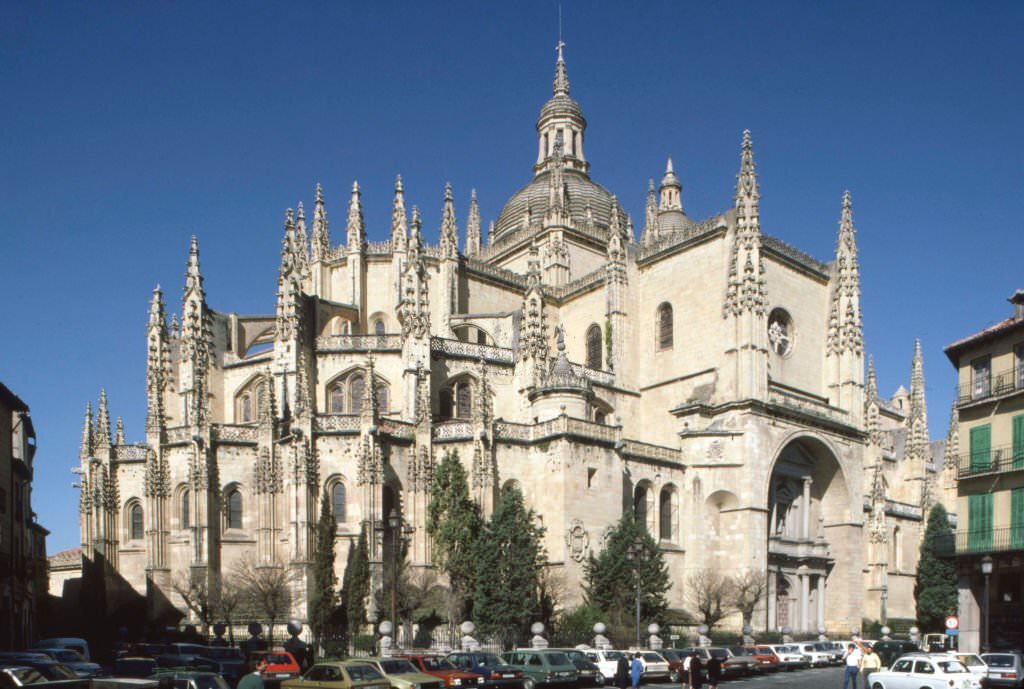
Segovia’s Roman aqueduct, one of the best-preserved ancient structures in the world, continued to dominate the city’s skyline in 1982. Built in the 1st or 2nd century AD without mortar, its 167 arches stretched nearly 800 meters across the city. Just up the hill stood the Alcázar, the fairy-tale castle that had inspired the design of Disney’s Cinderella Castle.
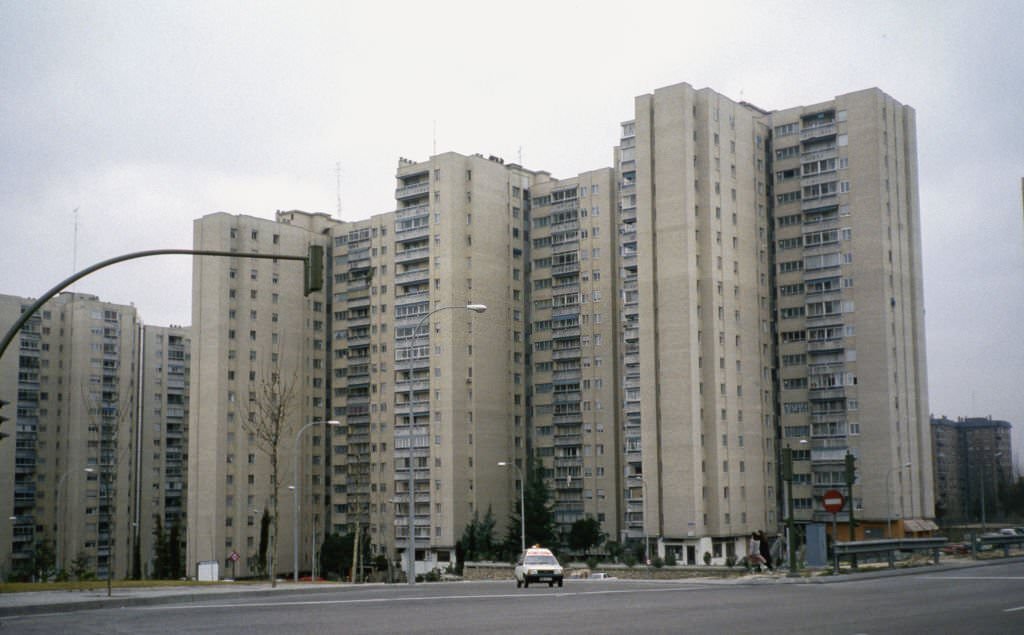
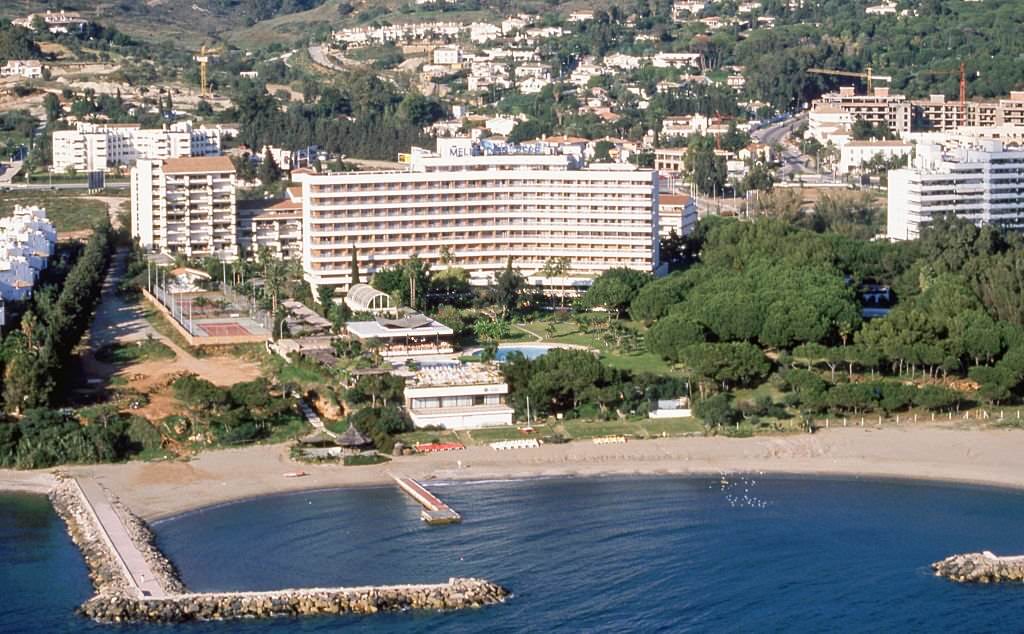
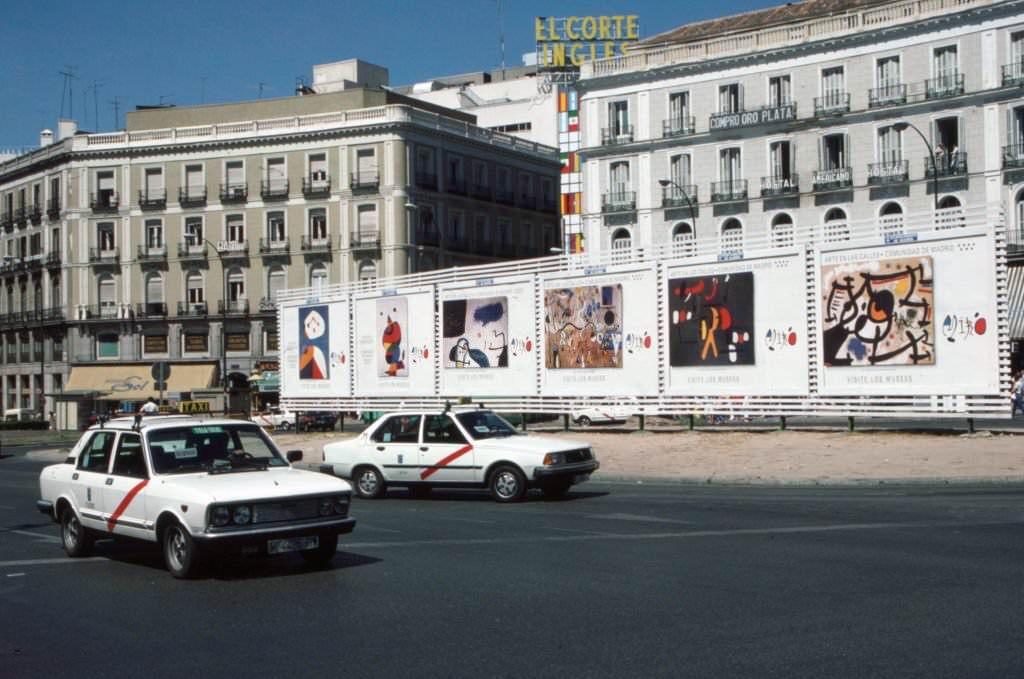
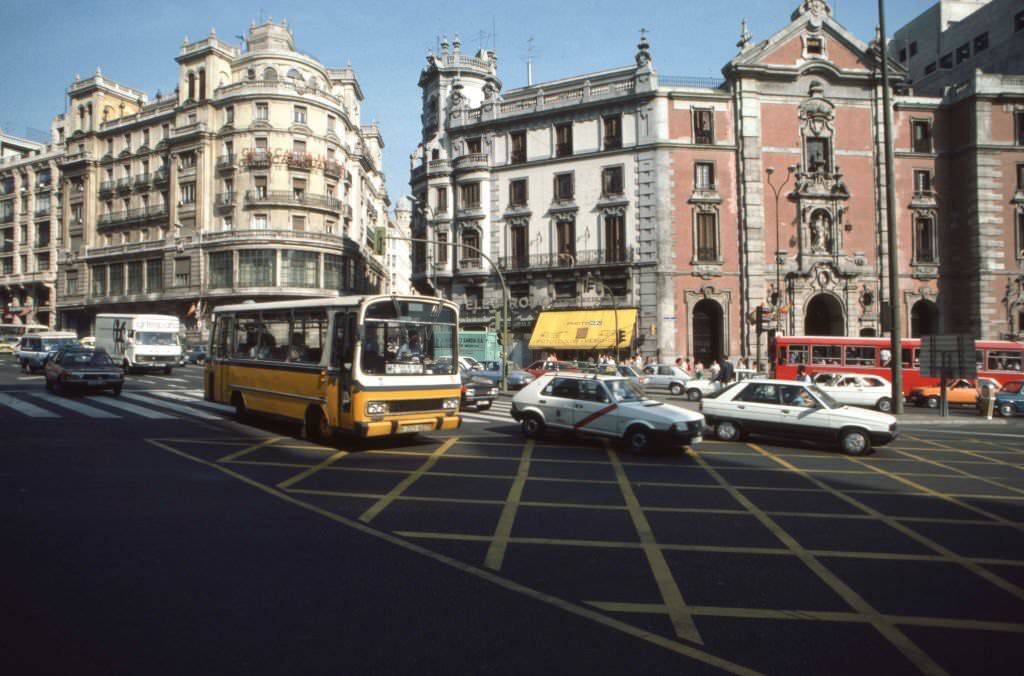
Madrid in the early 1980s was a city of contrasts. Neighborhoods like the Ciudad de los Periodistas — the City of the Journalists — reflected the modernizing urban Spain that was emerging, while the coastline to the south at Marbella was already established as a luxury resort destination favored by wealthy Europeans.
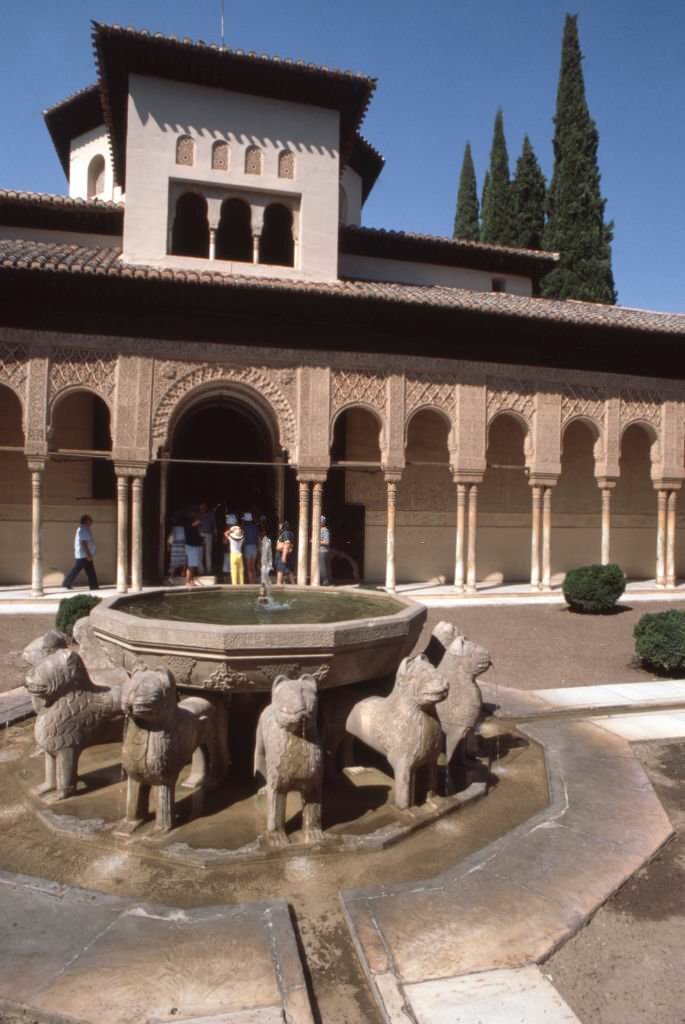
In October 1985, Granada’s Alhambra palace complex drew visitors into its ornate Nasrid halls. The Court of the Lions, with its famous fountain supported by twelve stone lions, was one of the most photographed spaces in Spain. That same month, Madrid’s streets and squares hummed with the energy of a capital city finding its new footing in a democratic era.
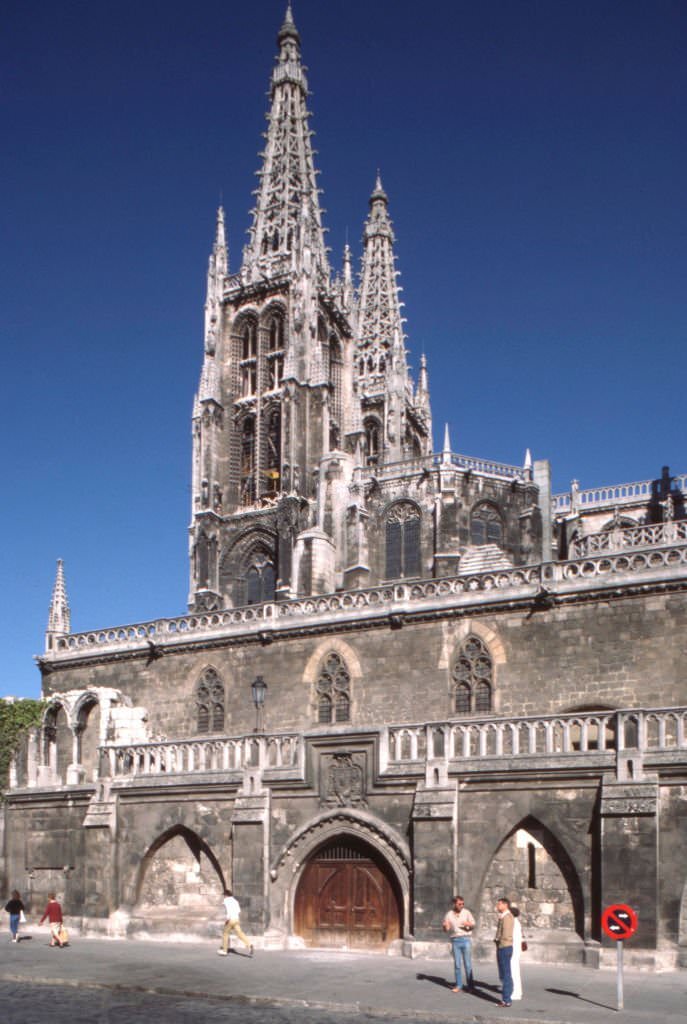
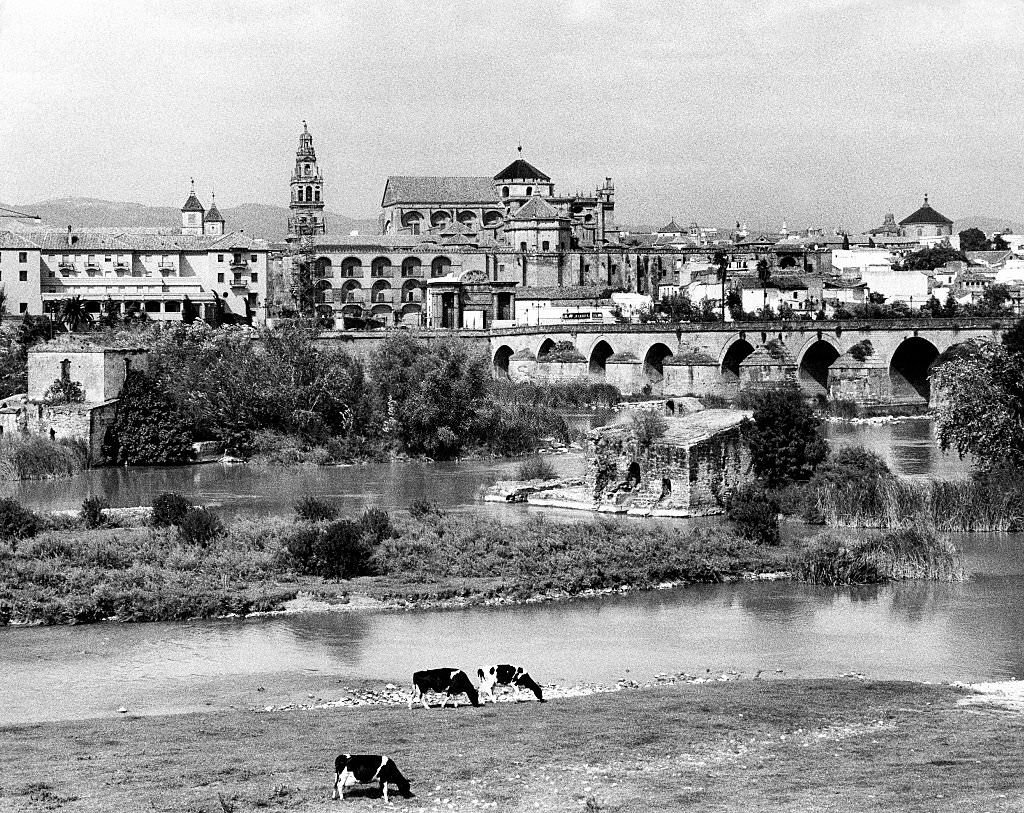
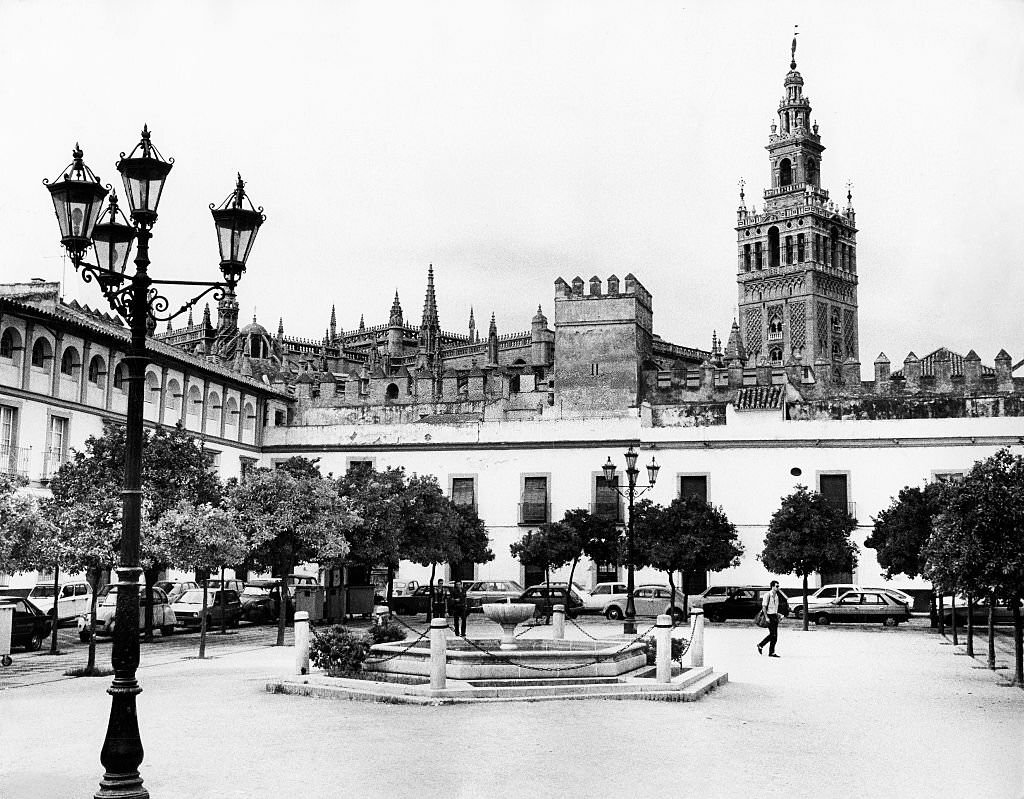
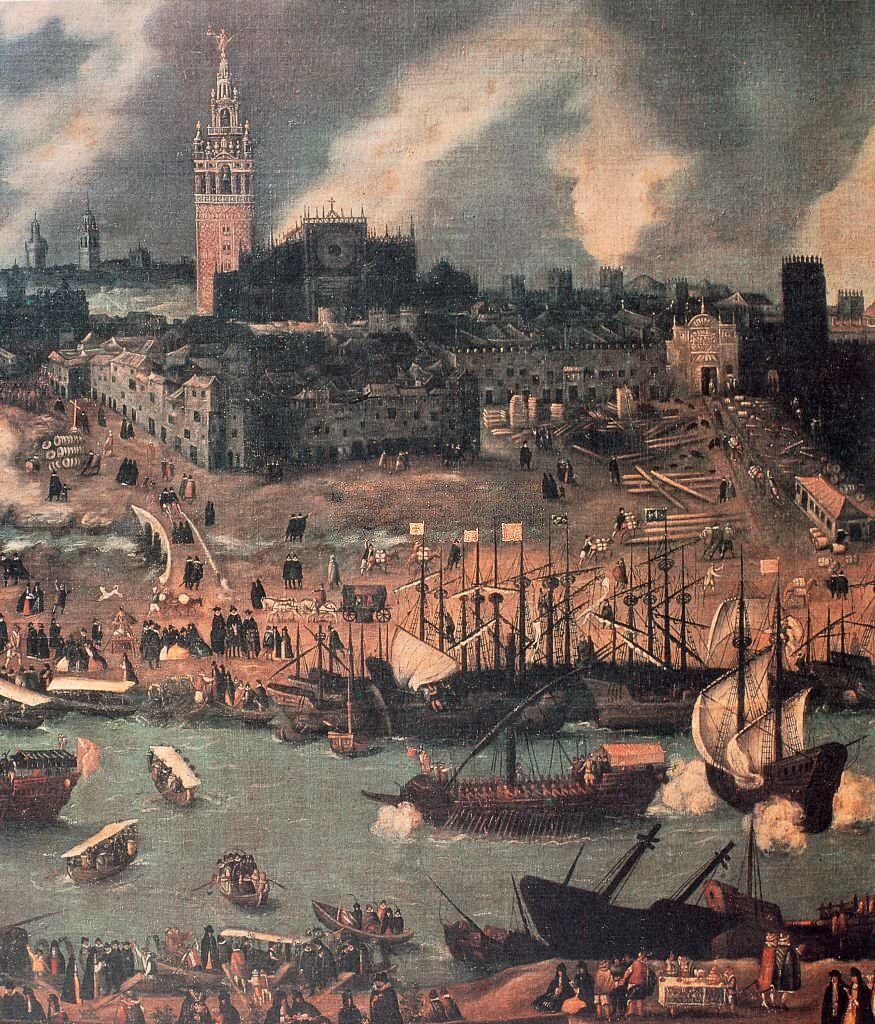
Spain’s admission to the European Community in January 1986 was a turning point. The government of Felipe González had spent years preparing the economy for the transition, cutting waste in state-owned enterprises and controlling inflation. By 1986, the economy was growing faster than almost any other country in Western Europe. Córdoba’s Mezquita and the Cathedral of Seville — the Giralda — stood as reminders of the deep historical layers beneath this modern transformation.
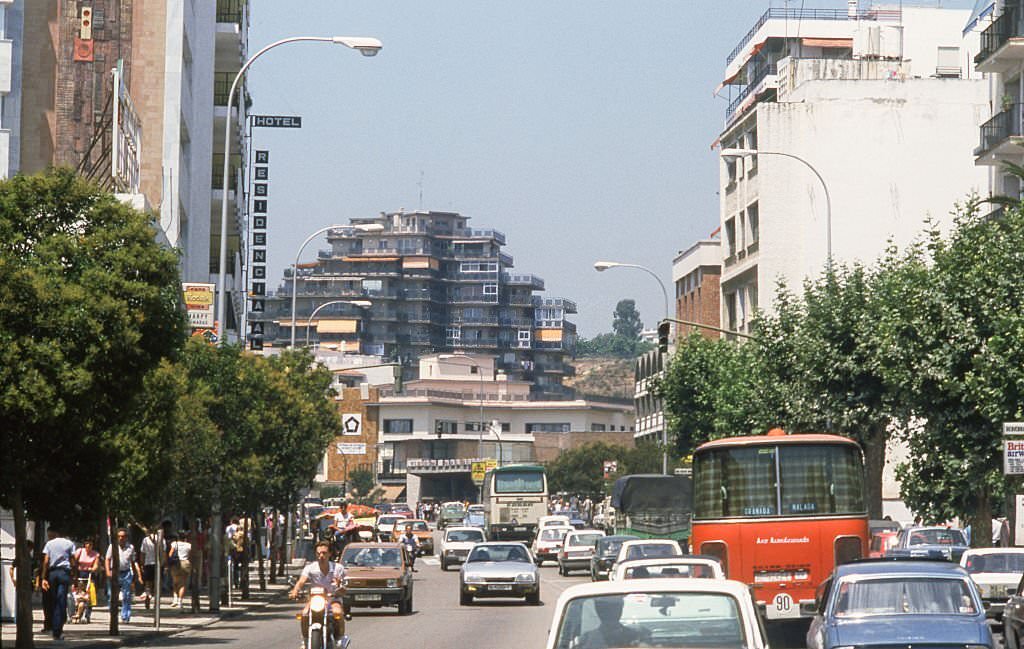
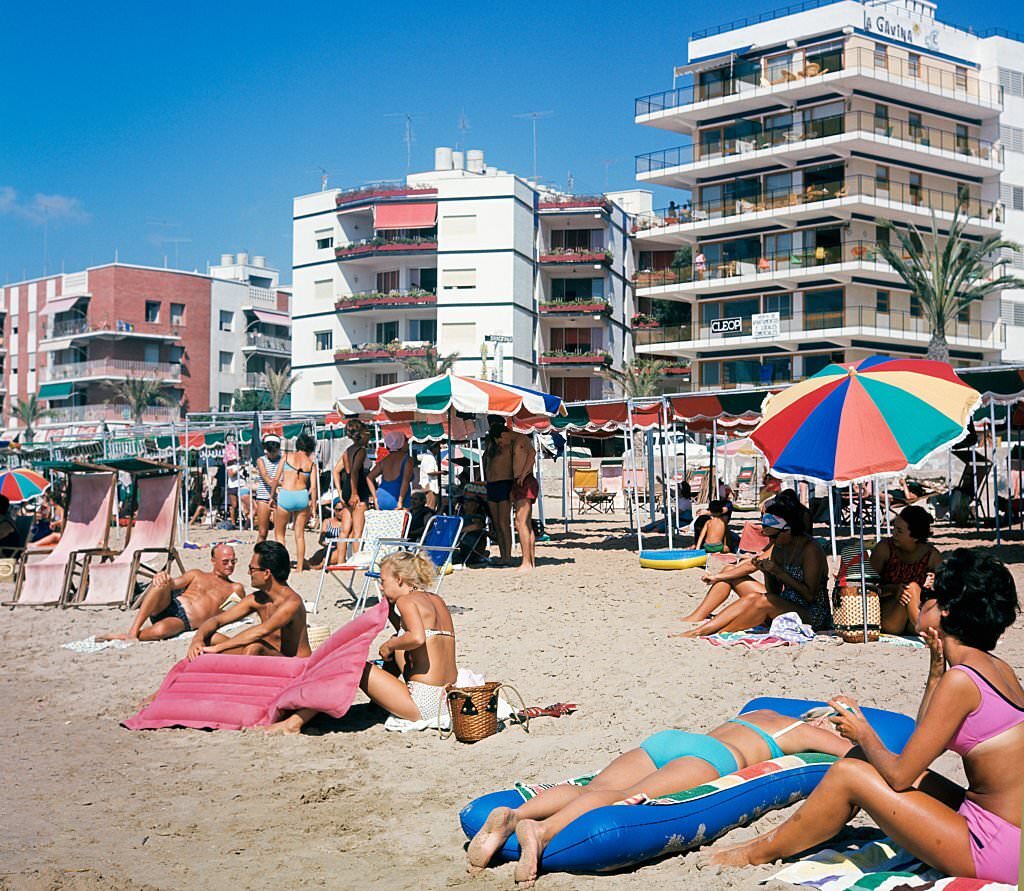
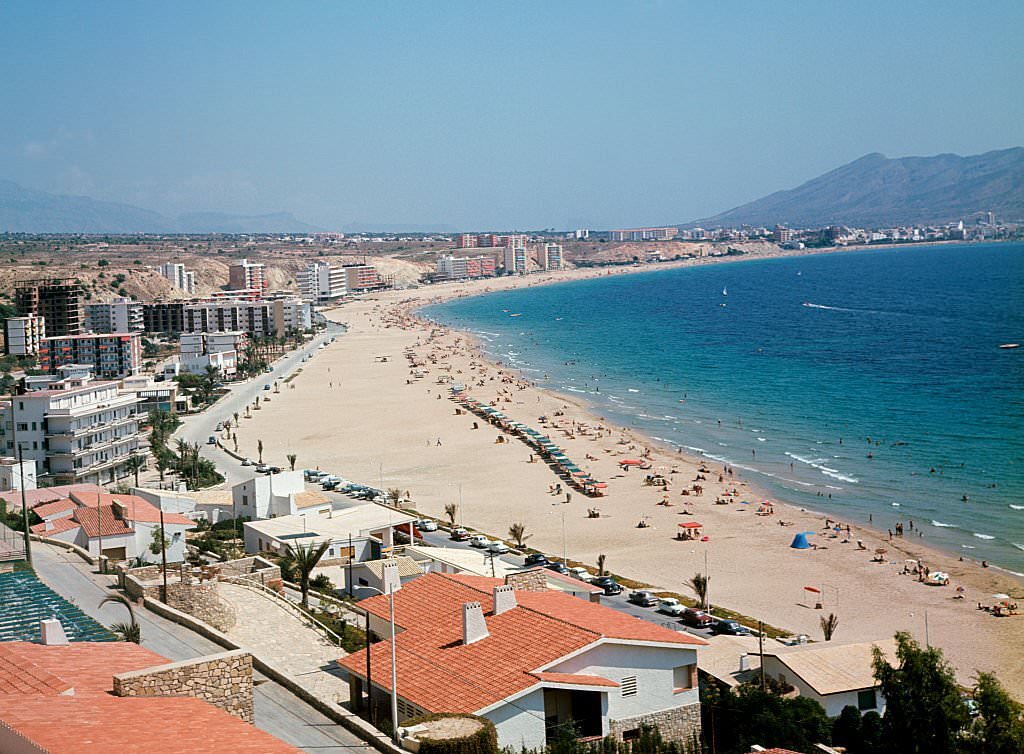
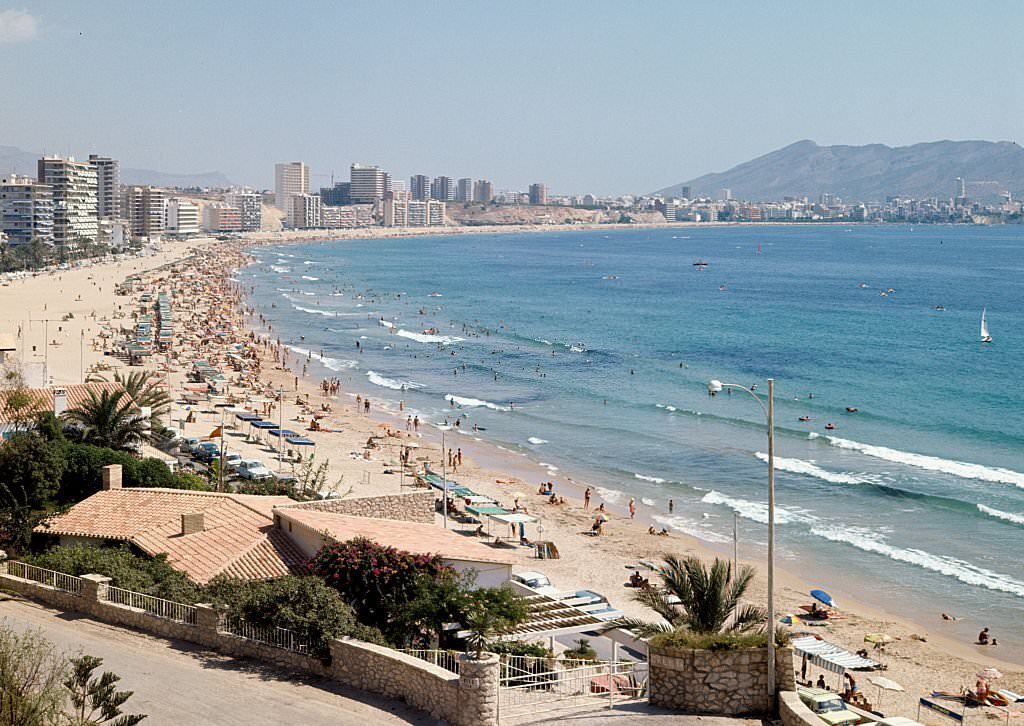
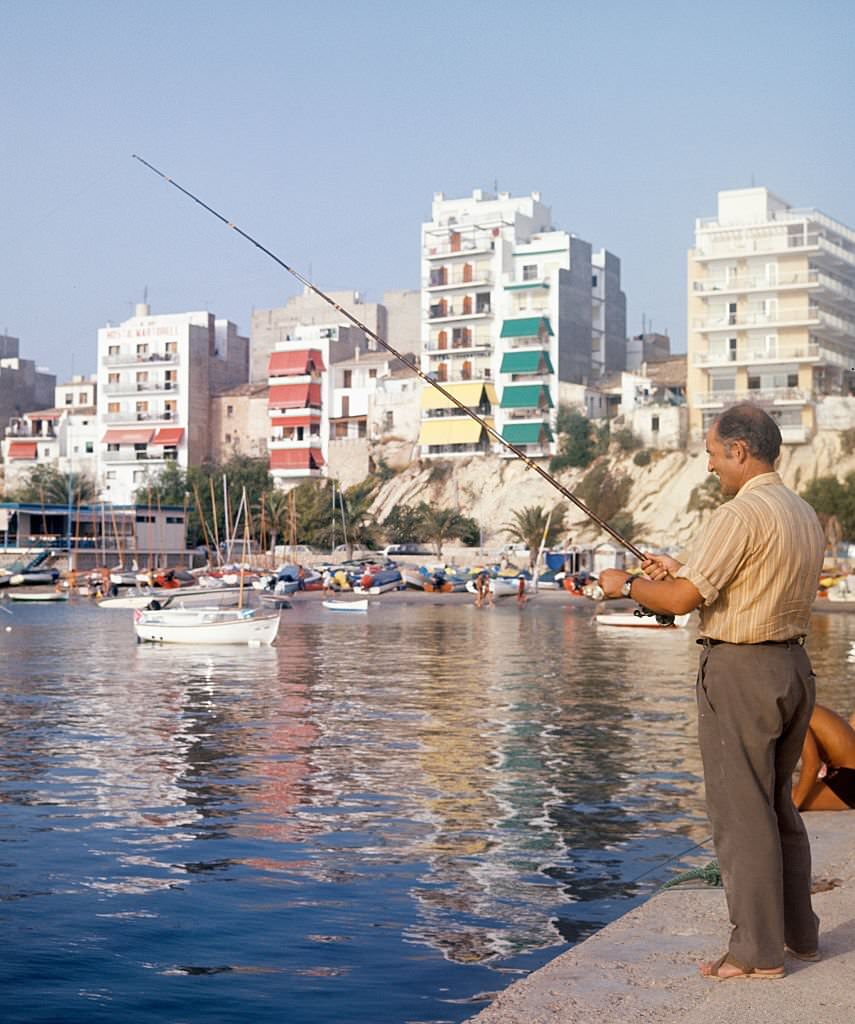
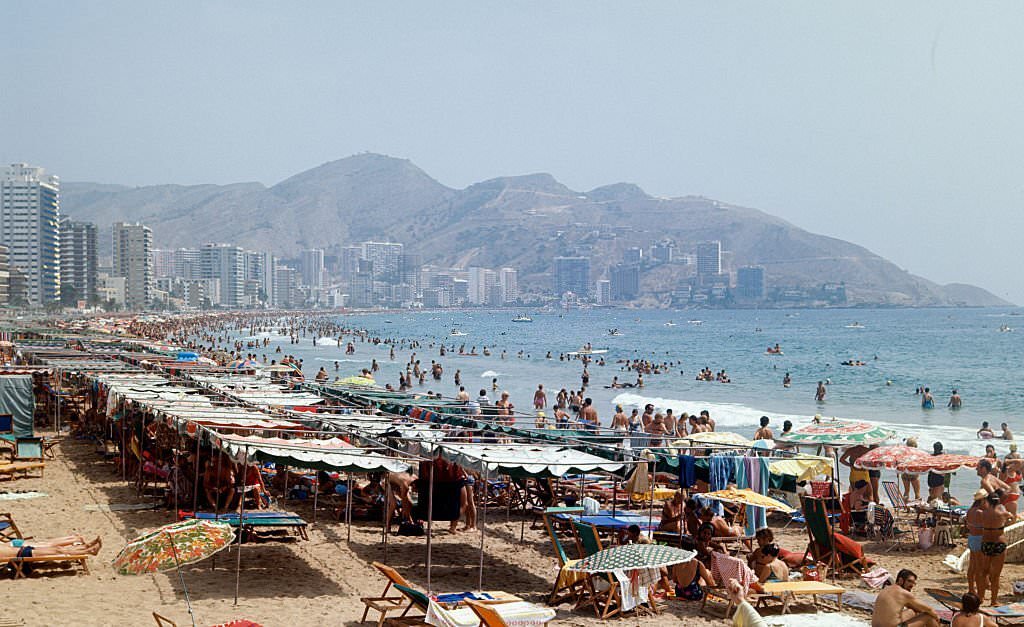
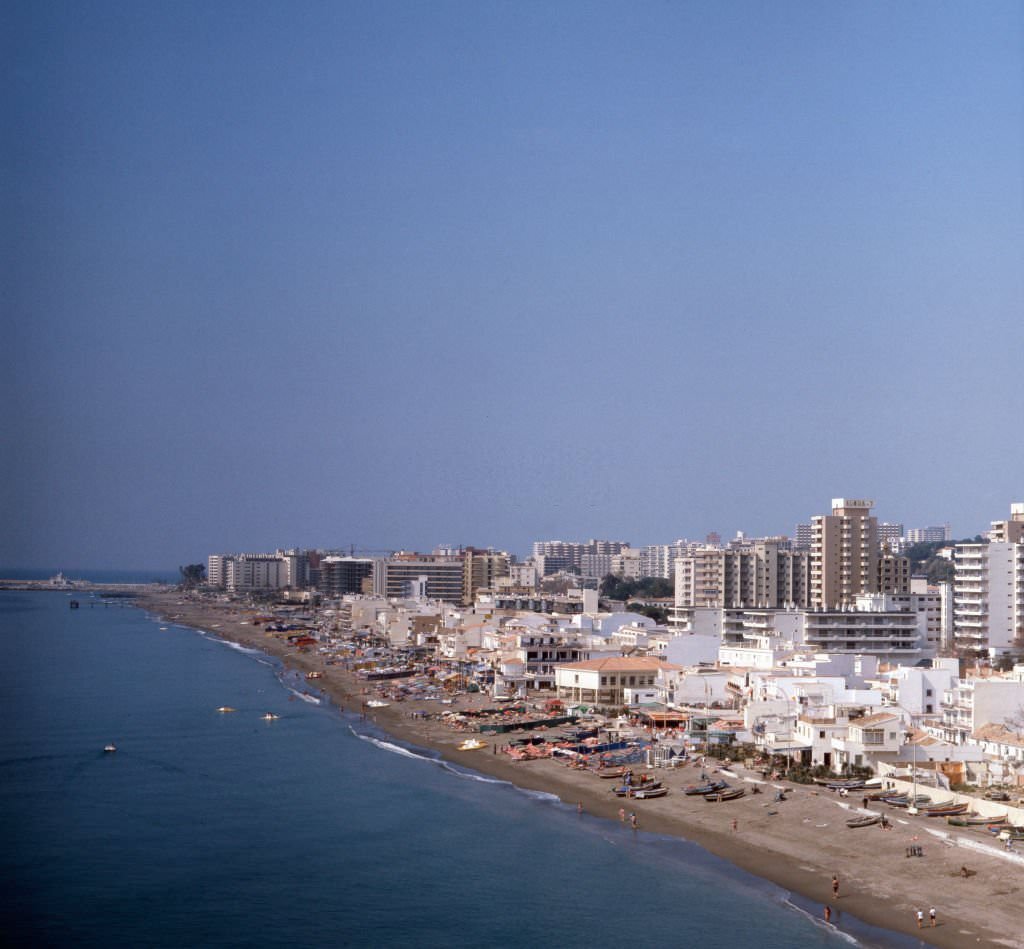
Benidorm, on the Costa Blanca, was one of the most visited beach towns in all of Europe by the mid-1980s. High-rise hotels lined its shore, and in August 1985, its beaches were packed from end to end. The town had transformed itself from a small fishing village into one of the most recognizable symbols of mass tourism in Spain.
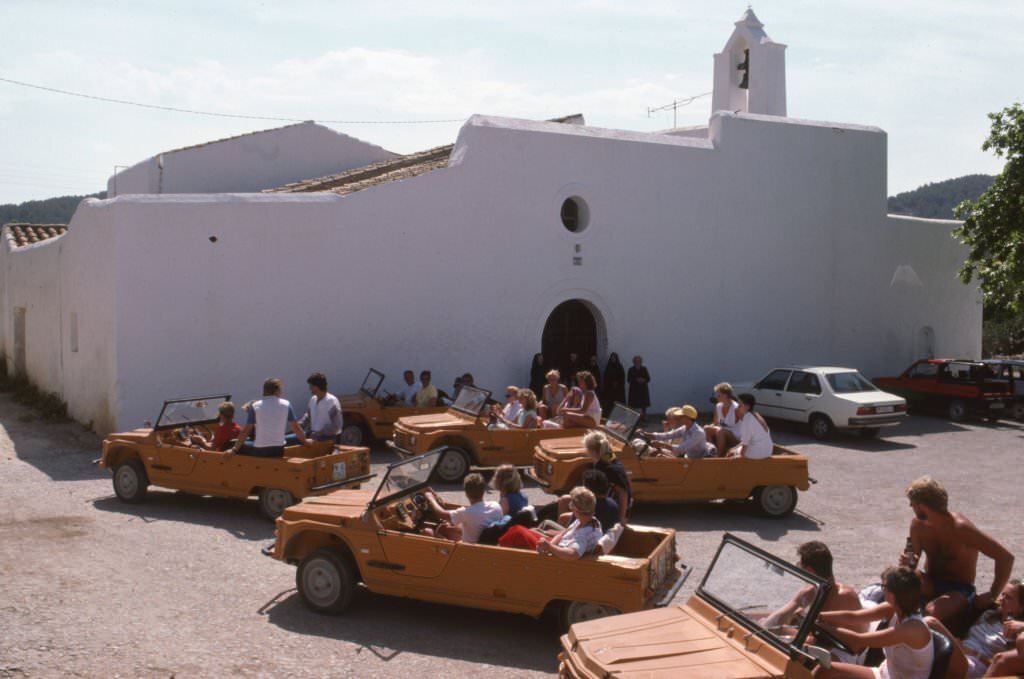
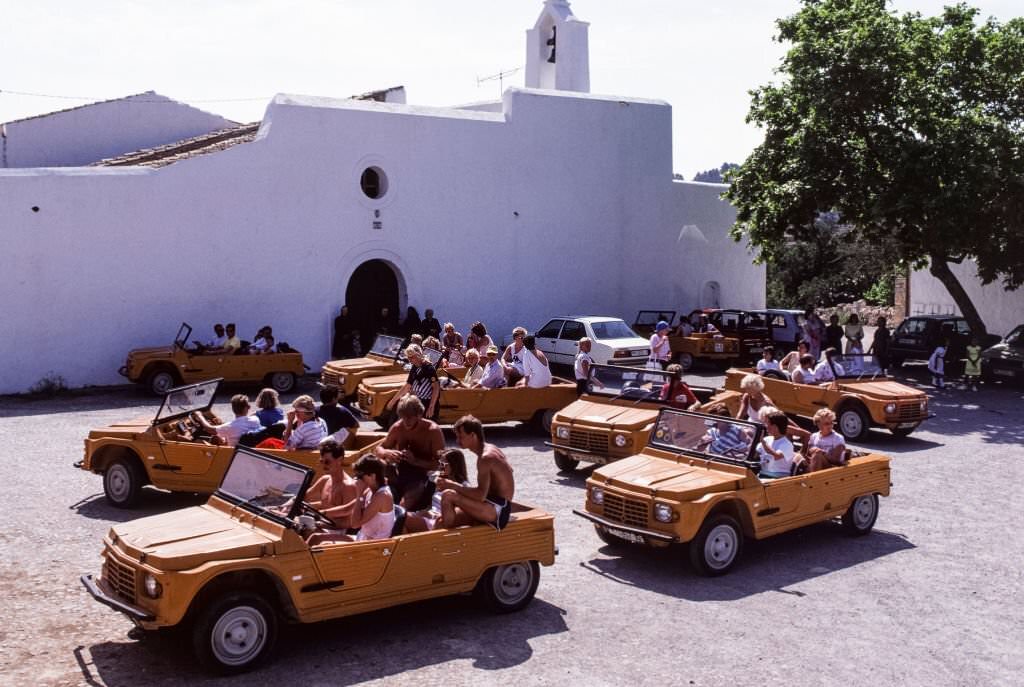
Tourism was not just confined to the mainland’s beaches. Ibiza attracted a different kind of visitor — those looking for freedom, parties, and open roads. In July 1985, tourists drove Citroën Méhari open-top cars across the island, a scene that captured the relaxed spirit that made Ibiza iconic during the 1980s.
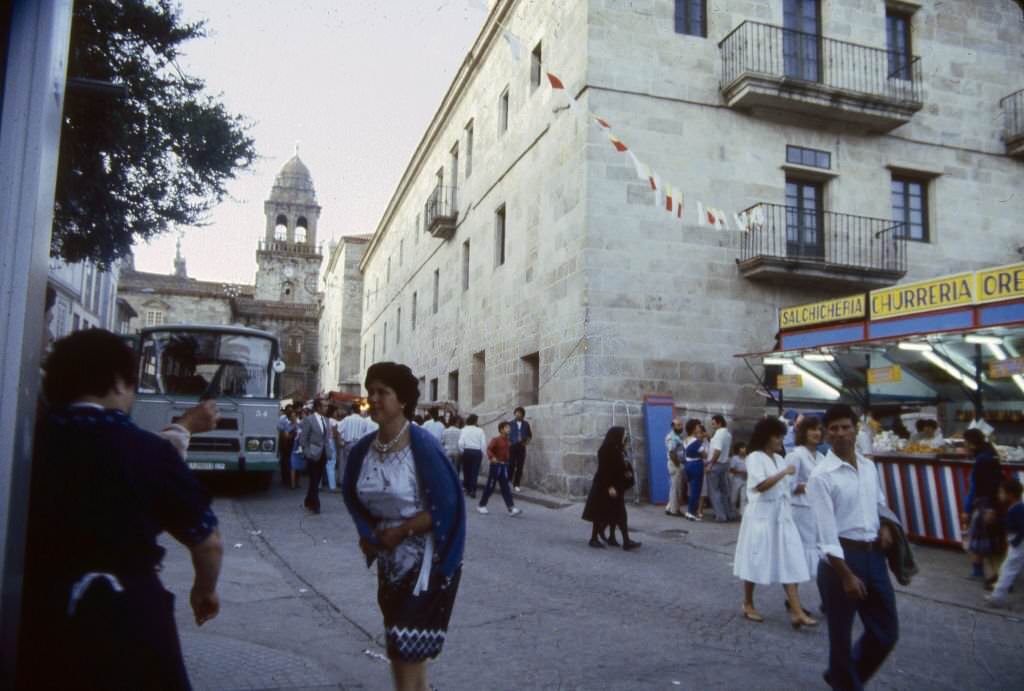
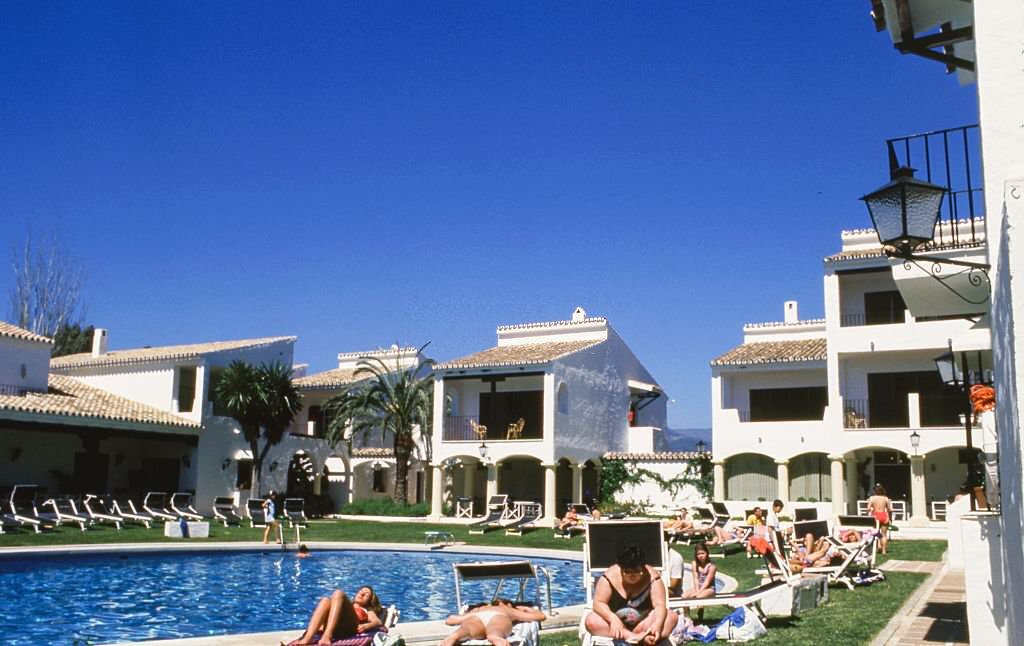
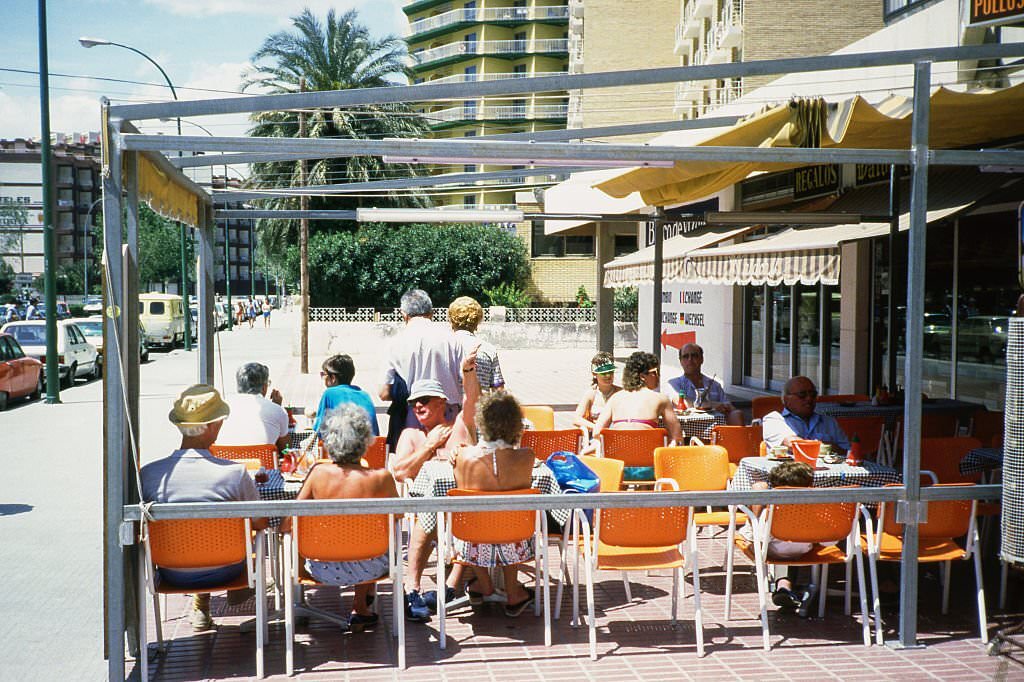
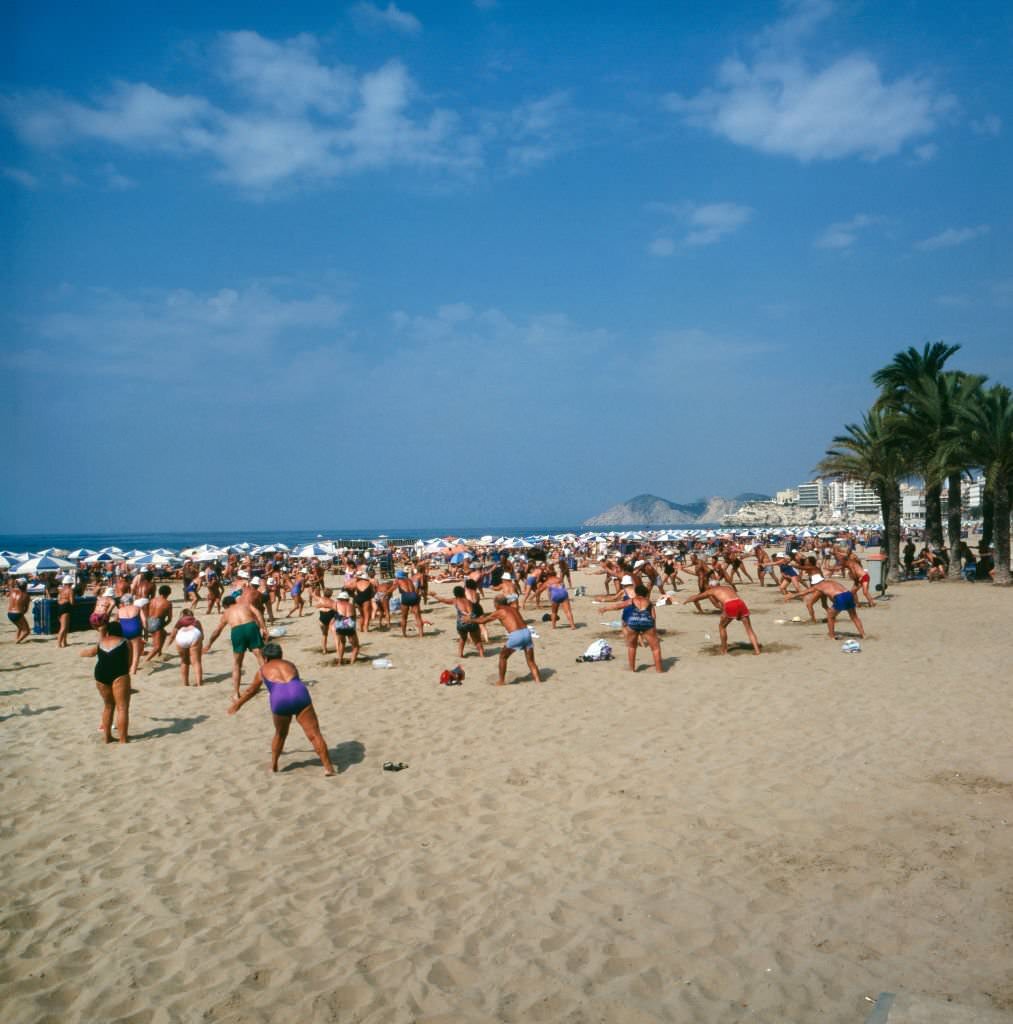
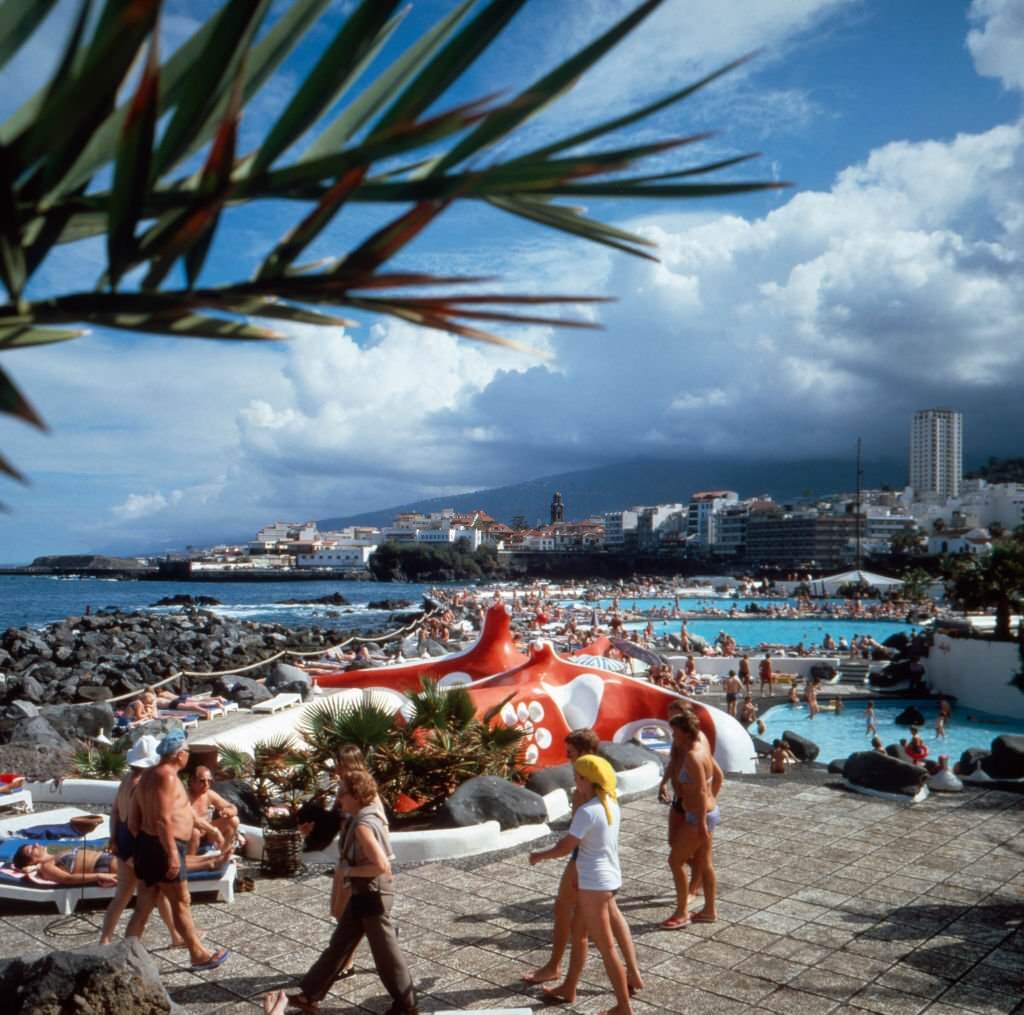
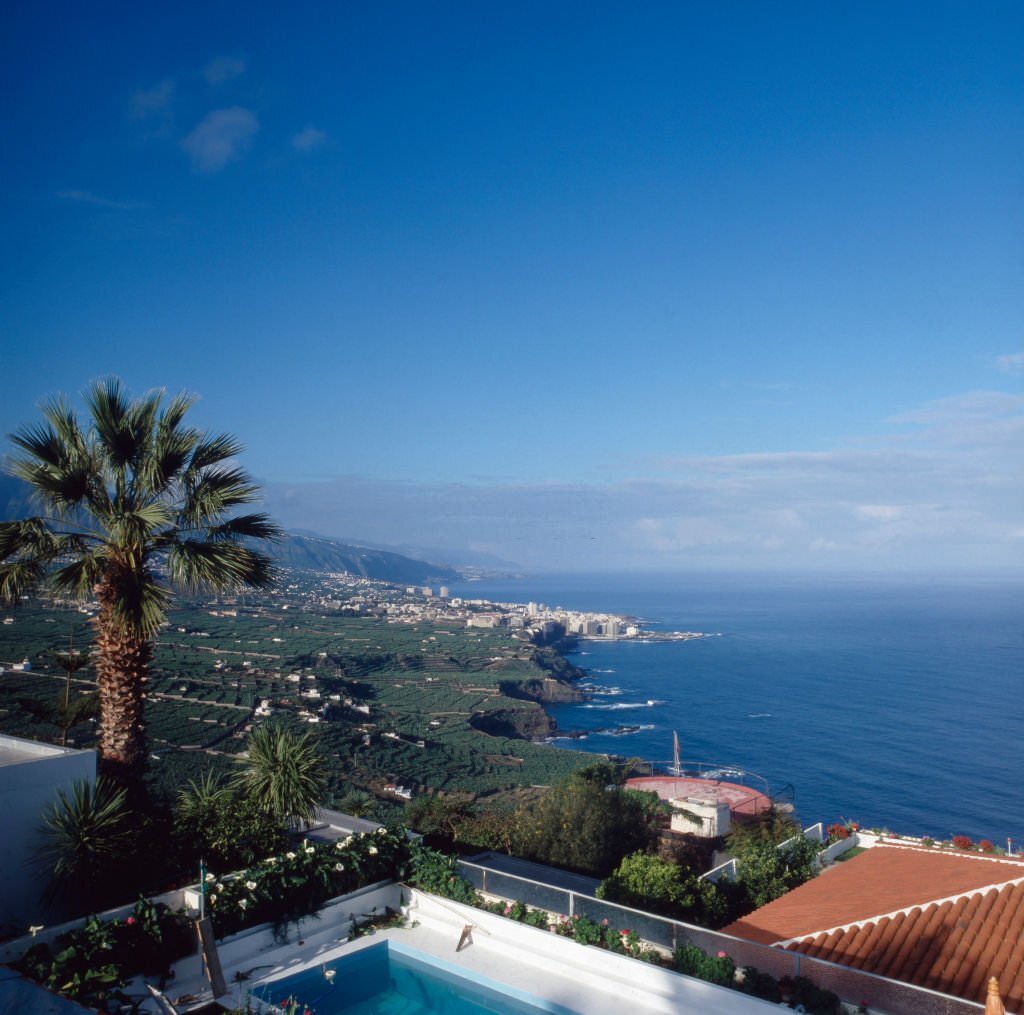
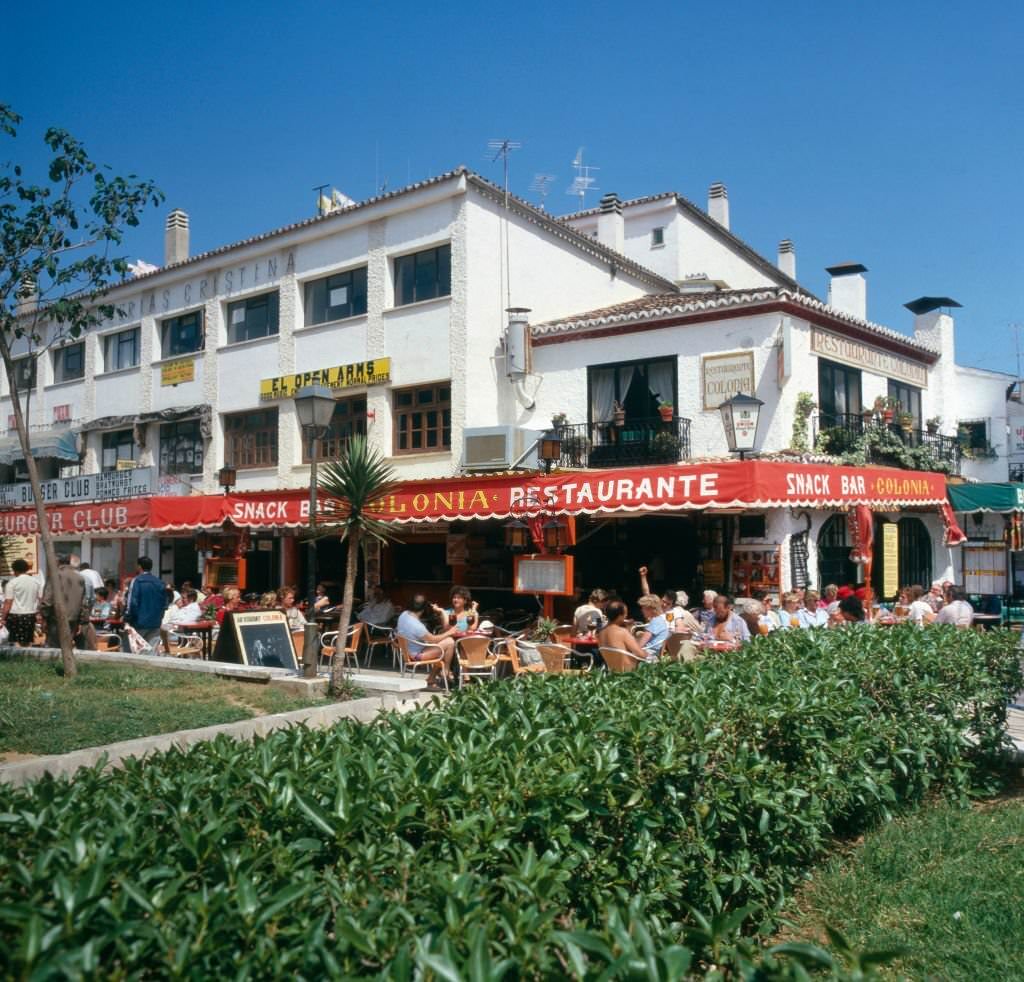
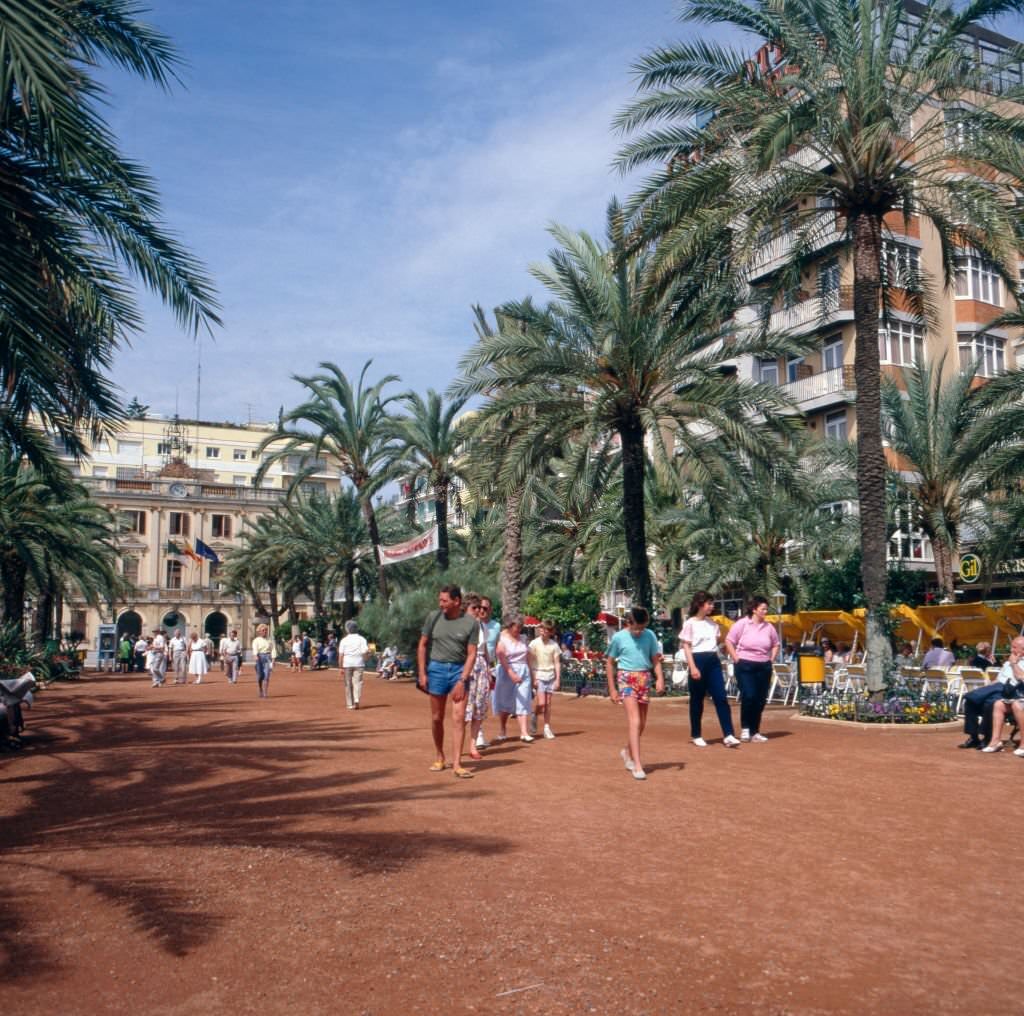
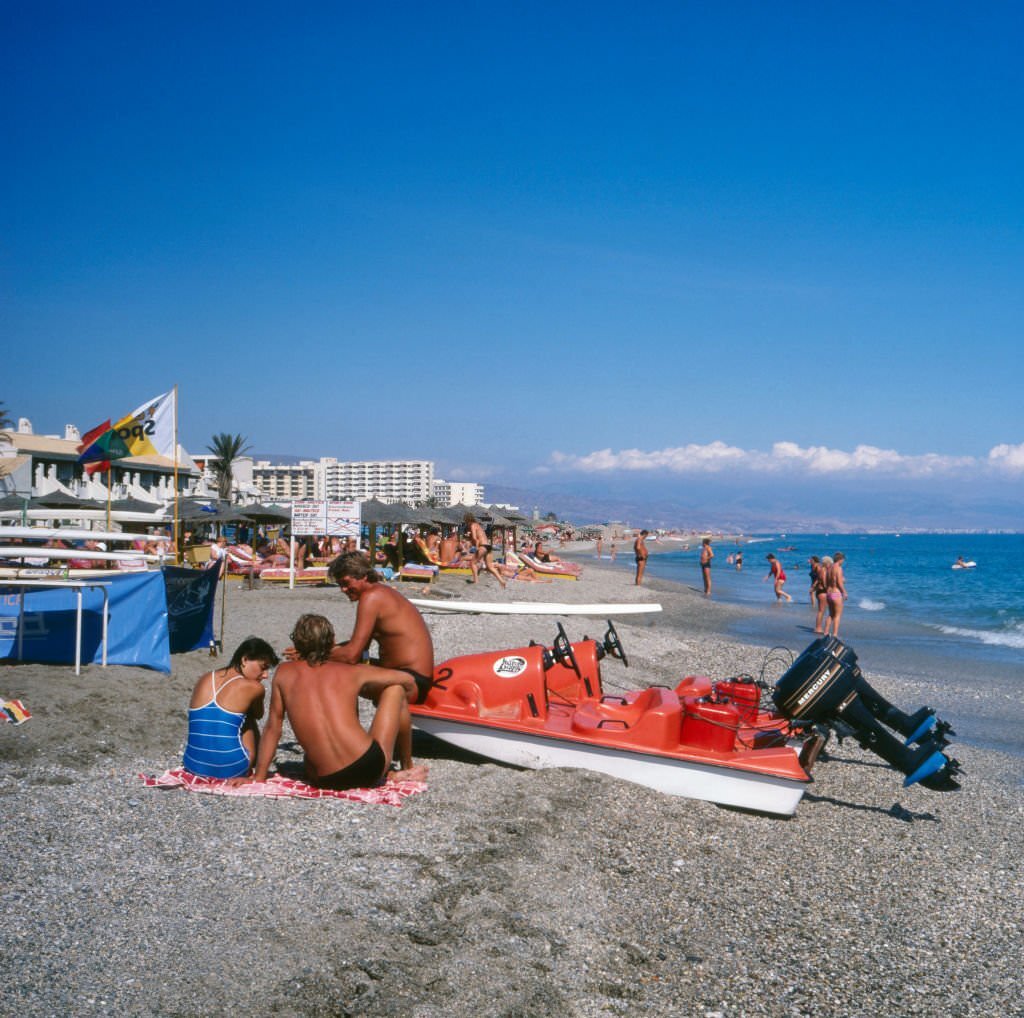
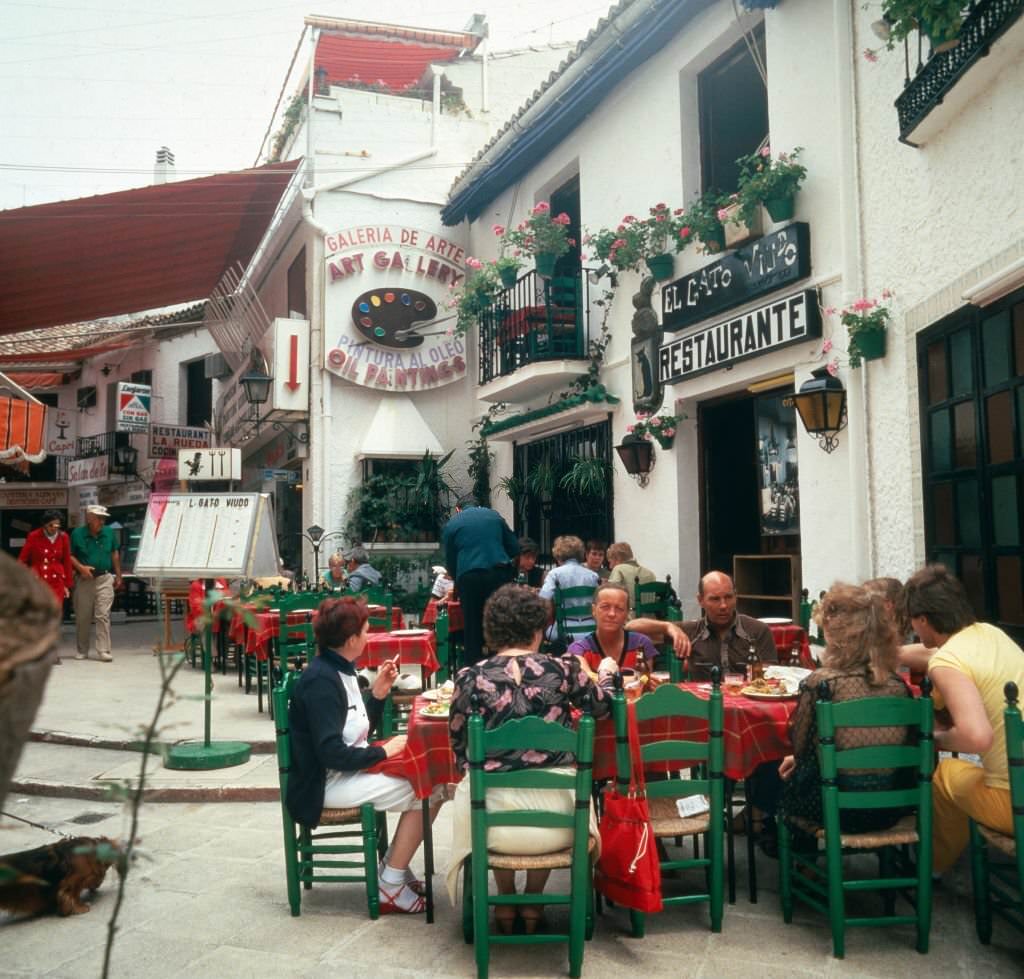
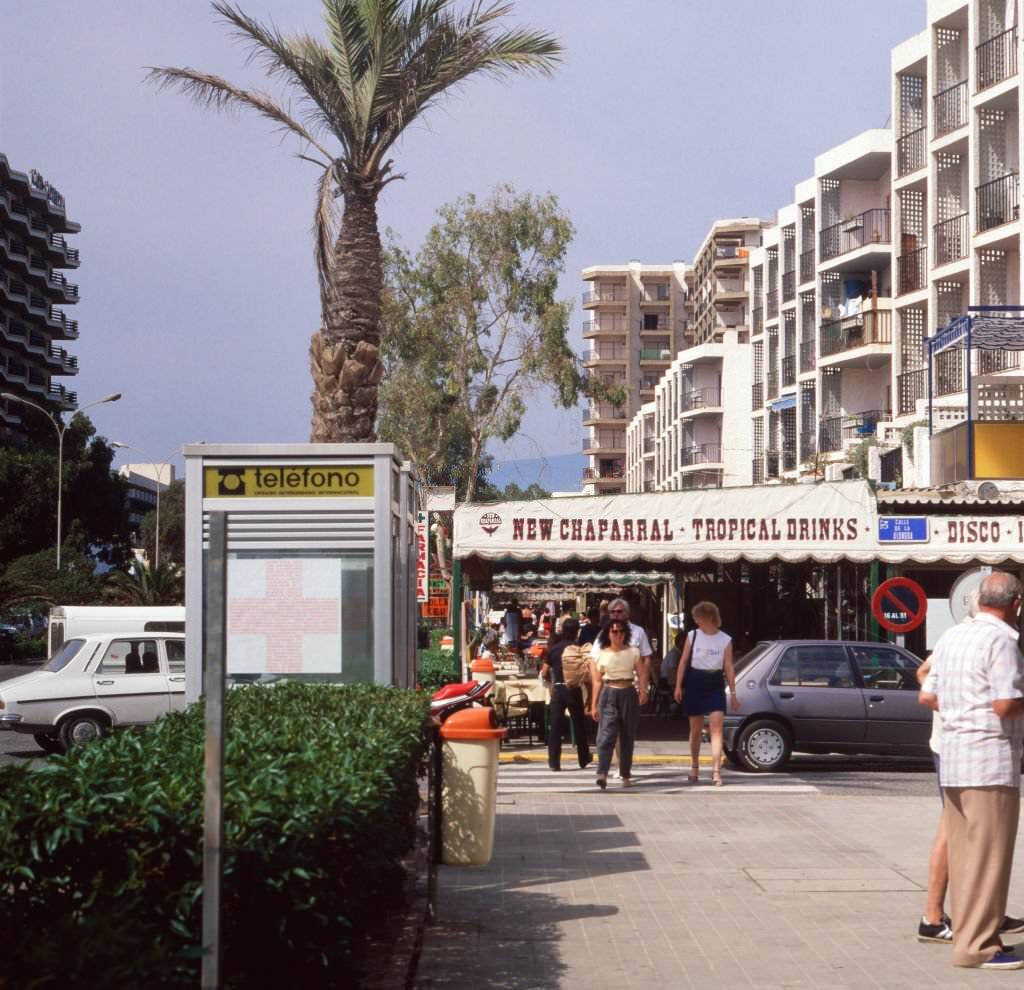
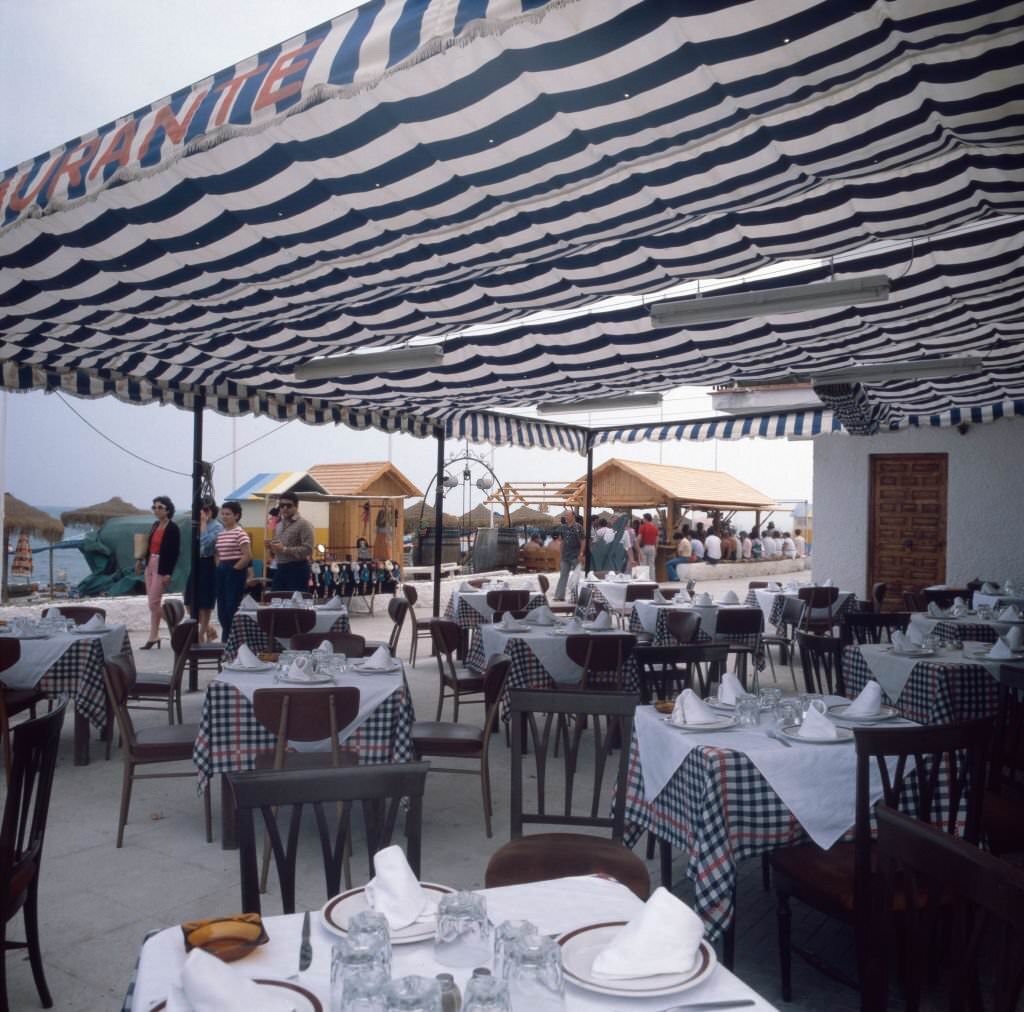
Along the Costa del Sol, tourist infrastructure was expanding rapidly. Torremolinos and Fuengirola offered everything from beach exercises at dawn to seafront restaurants and café-lined streets. The Canary Islands — particularly Tenerife and Gran Canaria — were equally popular, drawing visitors year-round thanks to their mild Atlantic climate.
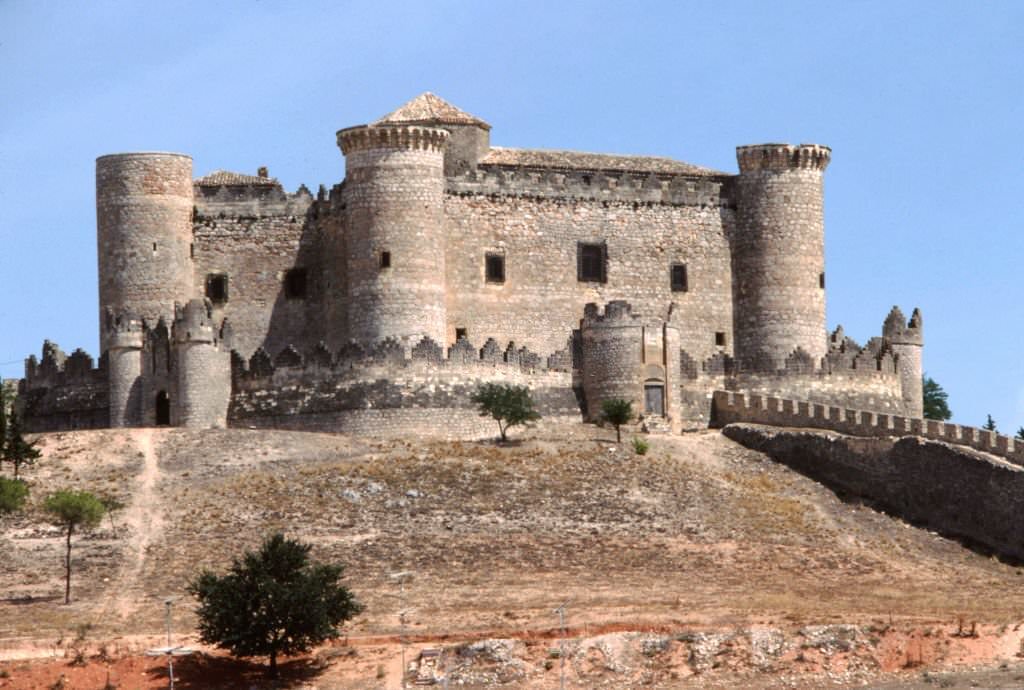
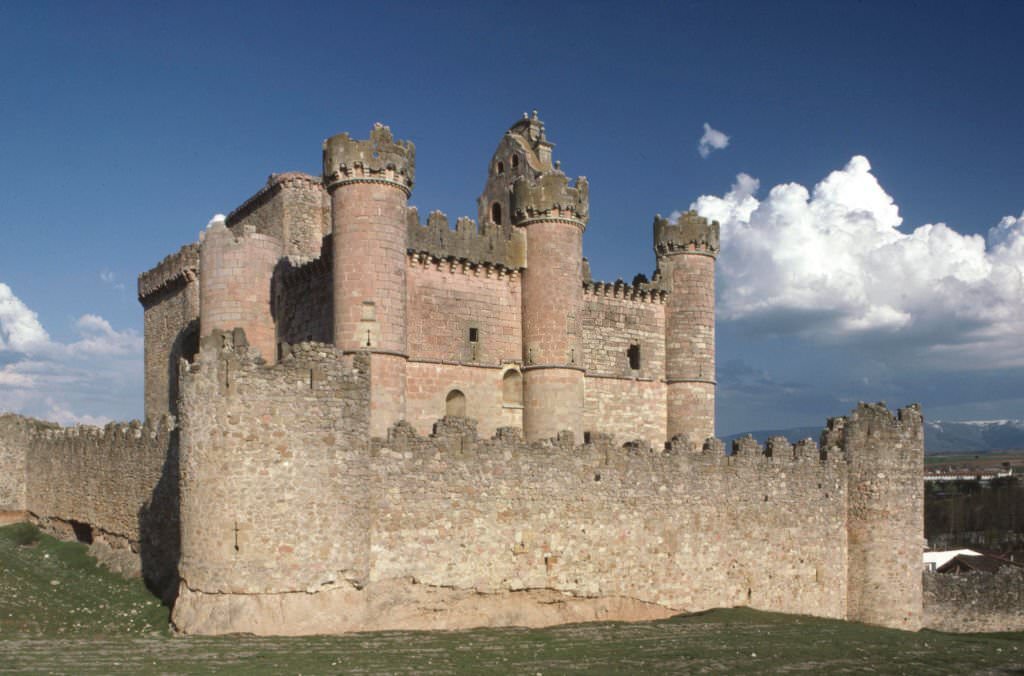
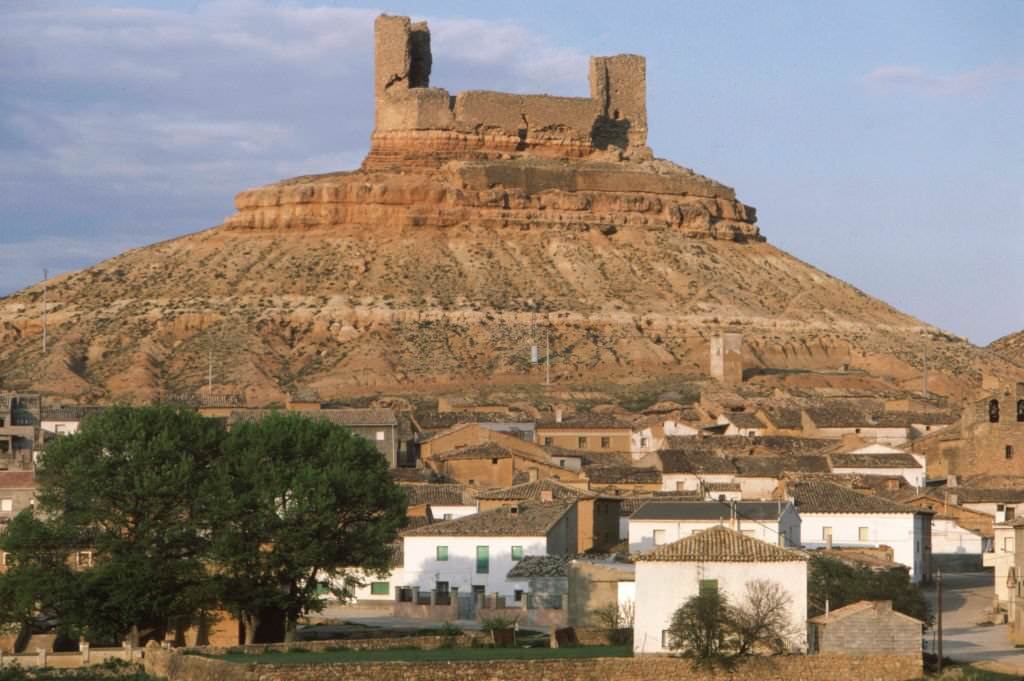
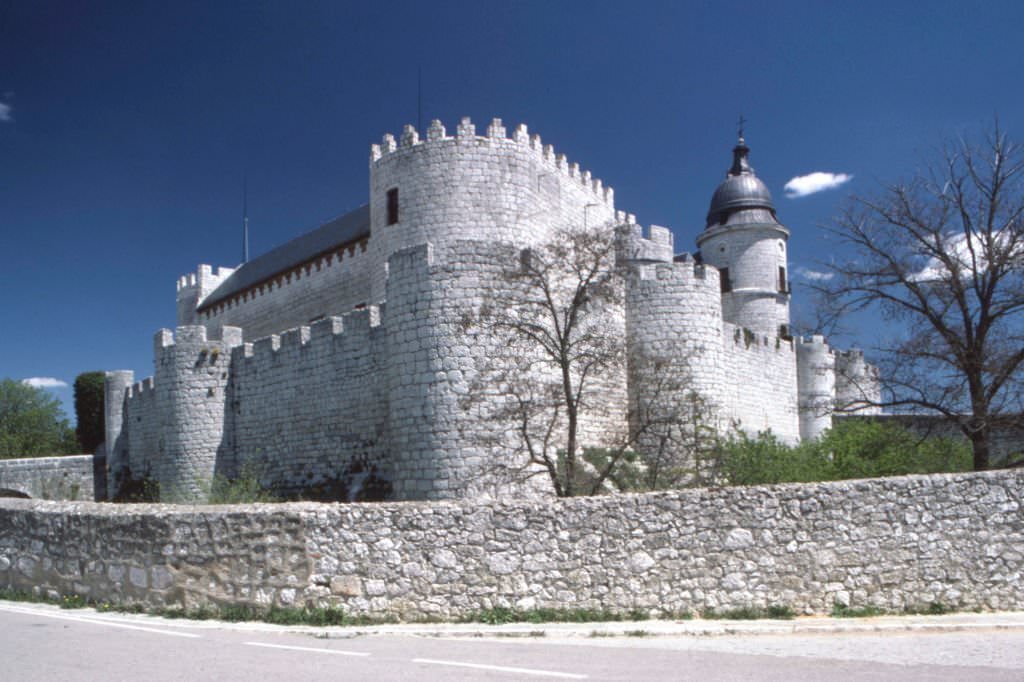
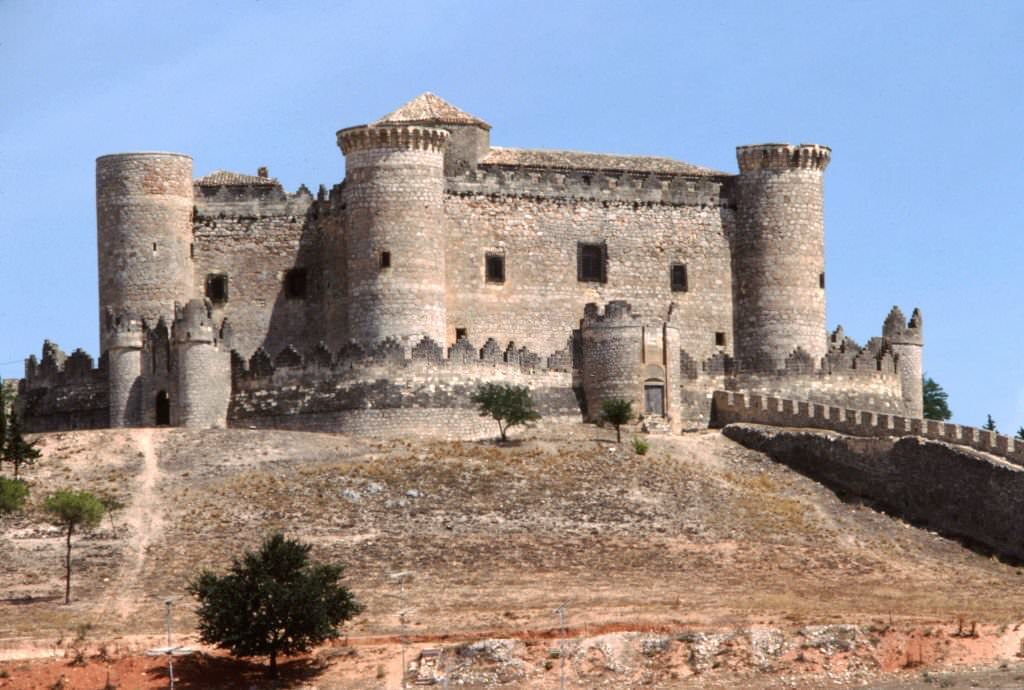
Castile’s medieval castles dotted the plateau in varying states of preservation. Turégano, with its church embedded within the walls of the castle, and Simancas, which housed one of Spain’s most important historical archives, were both photographed in May 1985. Montuenga de Soria’s ruined castle stood in quiet contrast against the open sky.
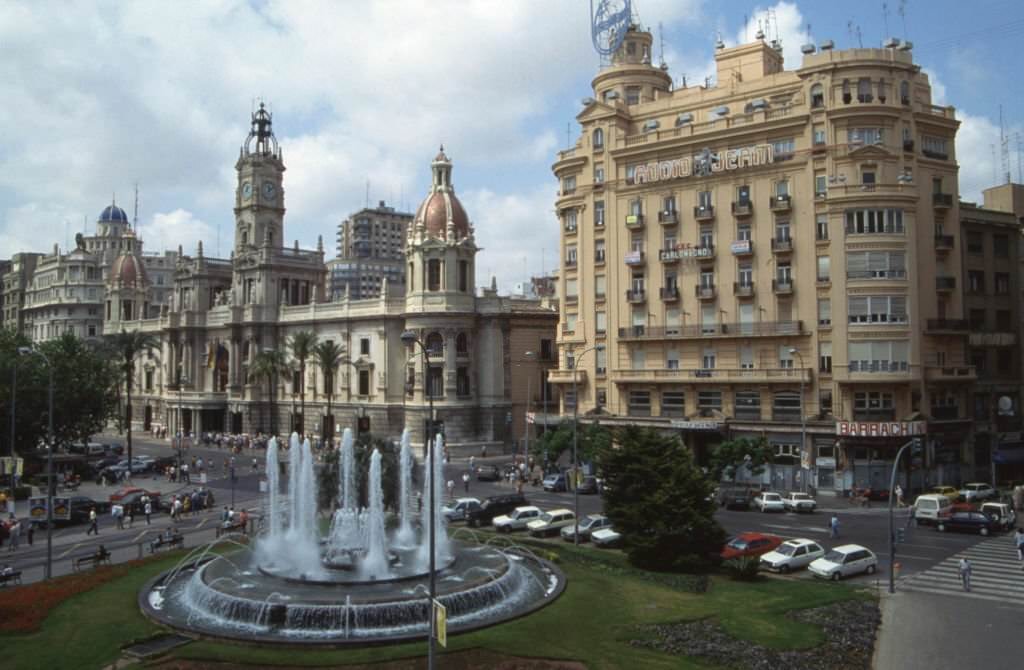
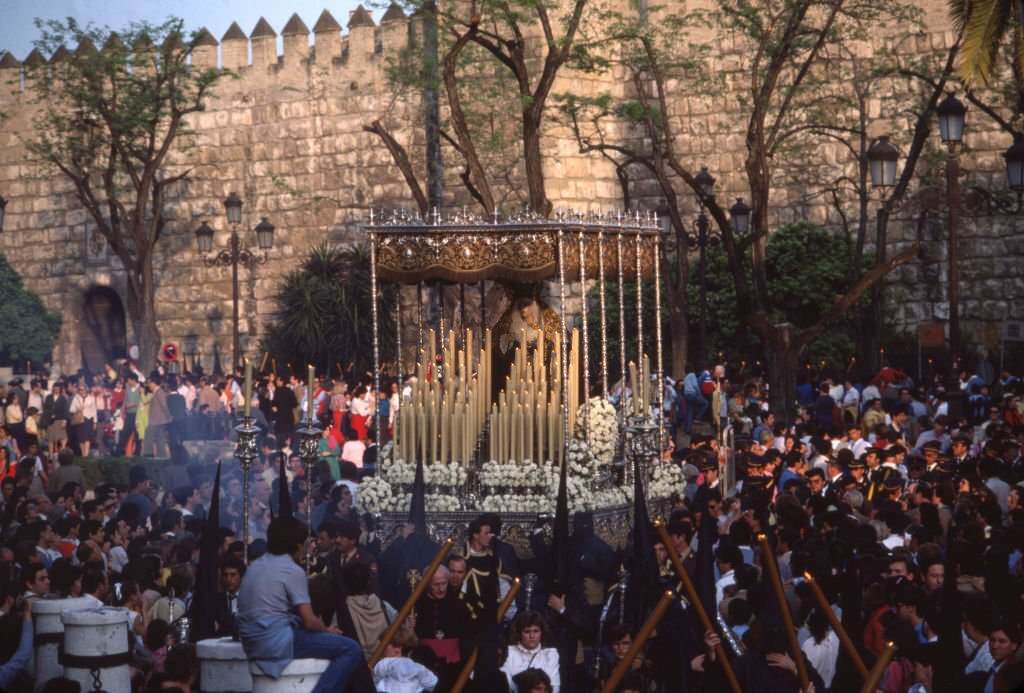
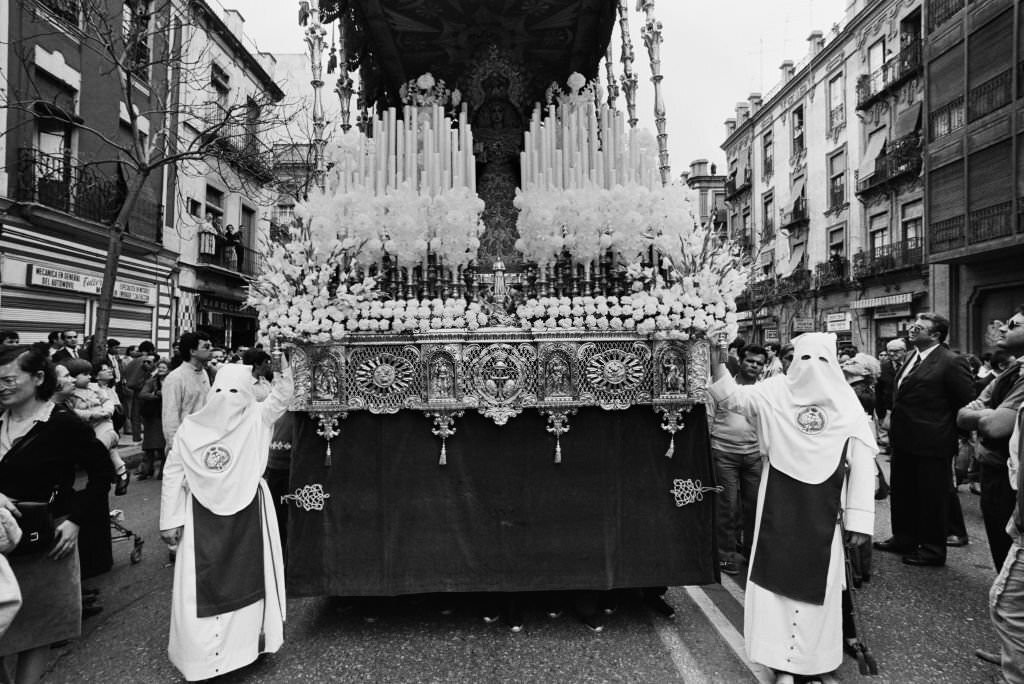
Valencia’s Town Hall Square was the civic center of Spain’s third-largest city. In May 1985, it served as a gathering point in a city that balanced modern commercial life with deep-rooted traditions. Meanwhile, in Seville, Holy Week processions filled the streets, with the paso of the Virgin Mary carried through the city in a display of Catholic devotion that had changed little over centuries.
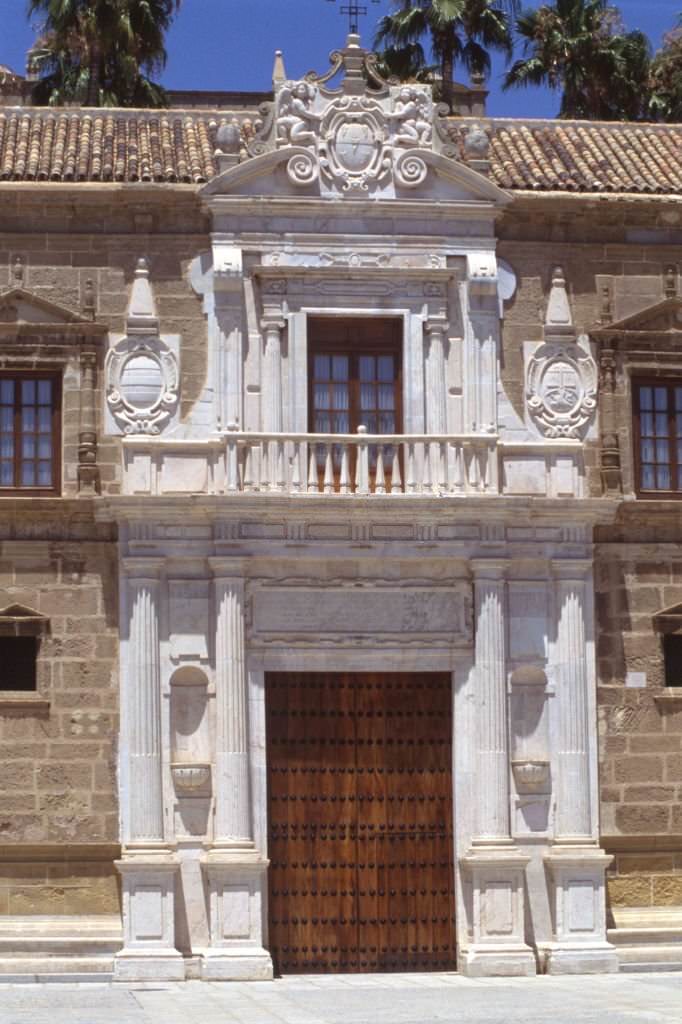
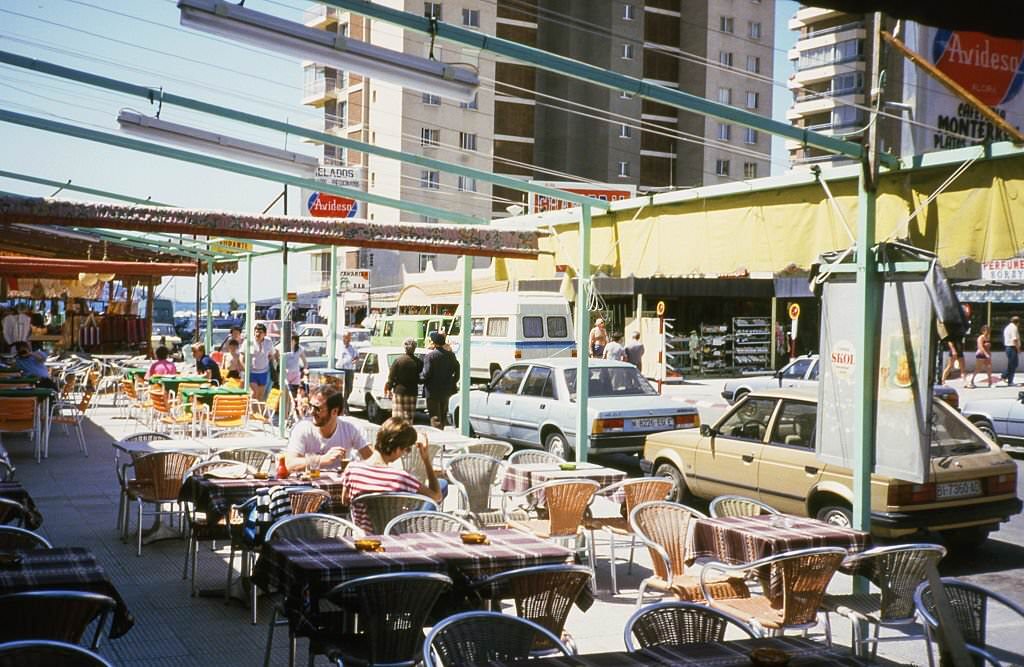
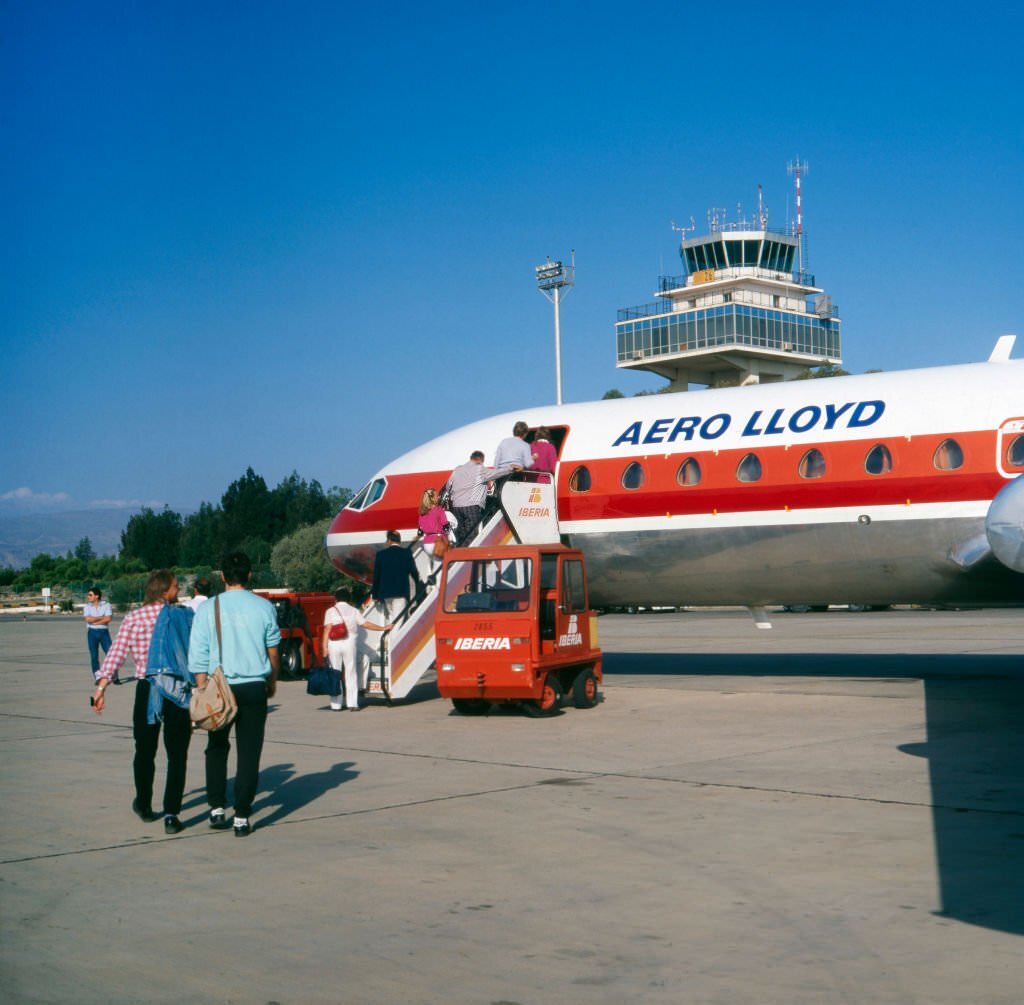
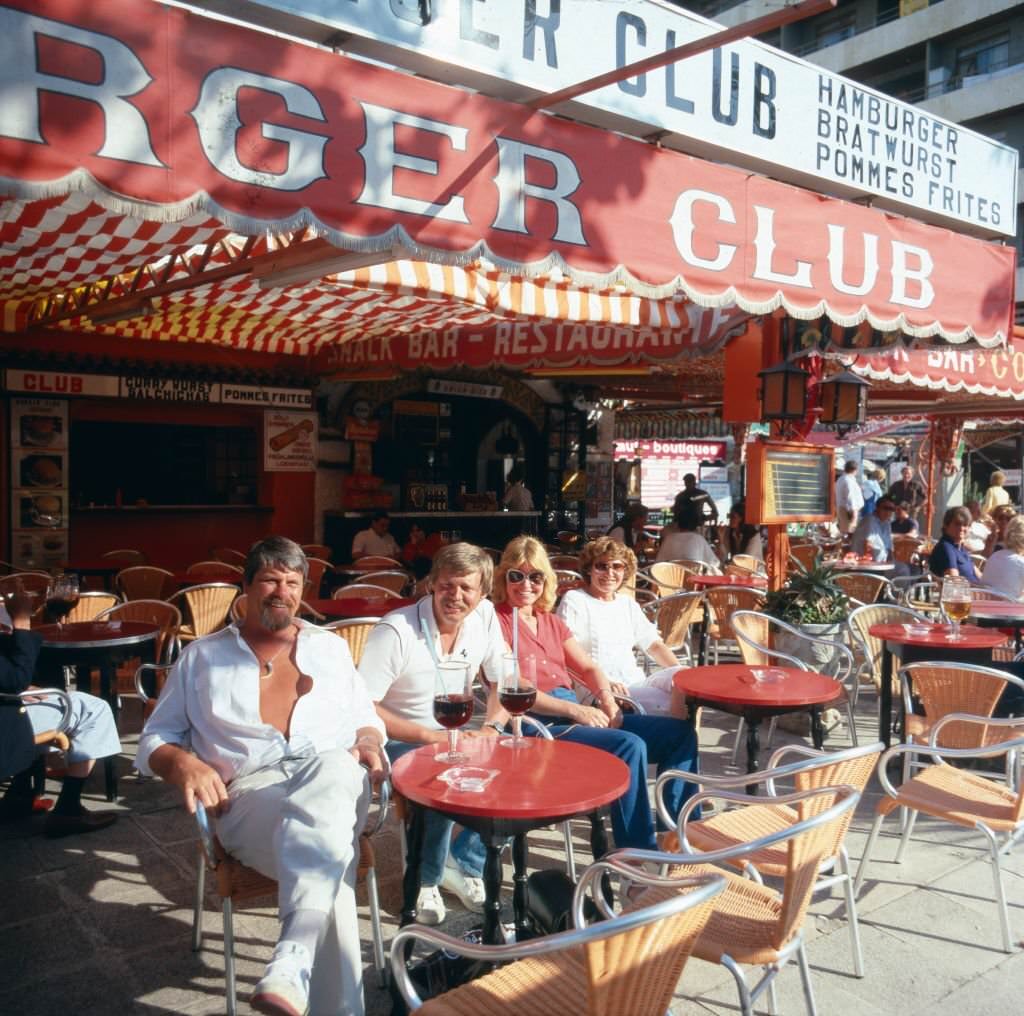
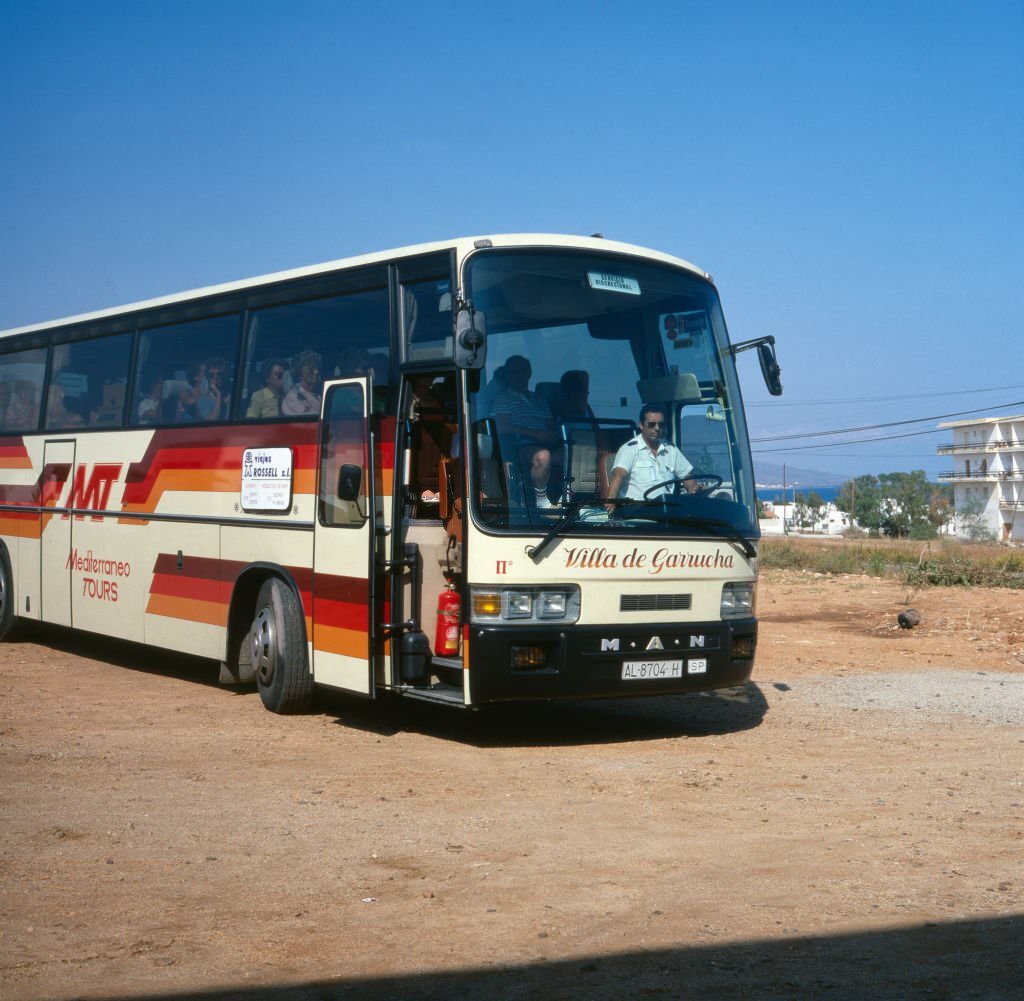
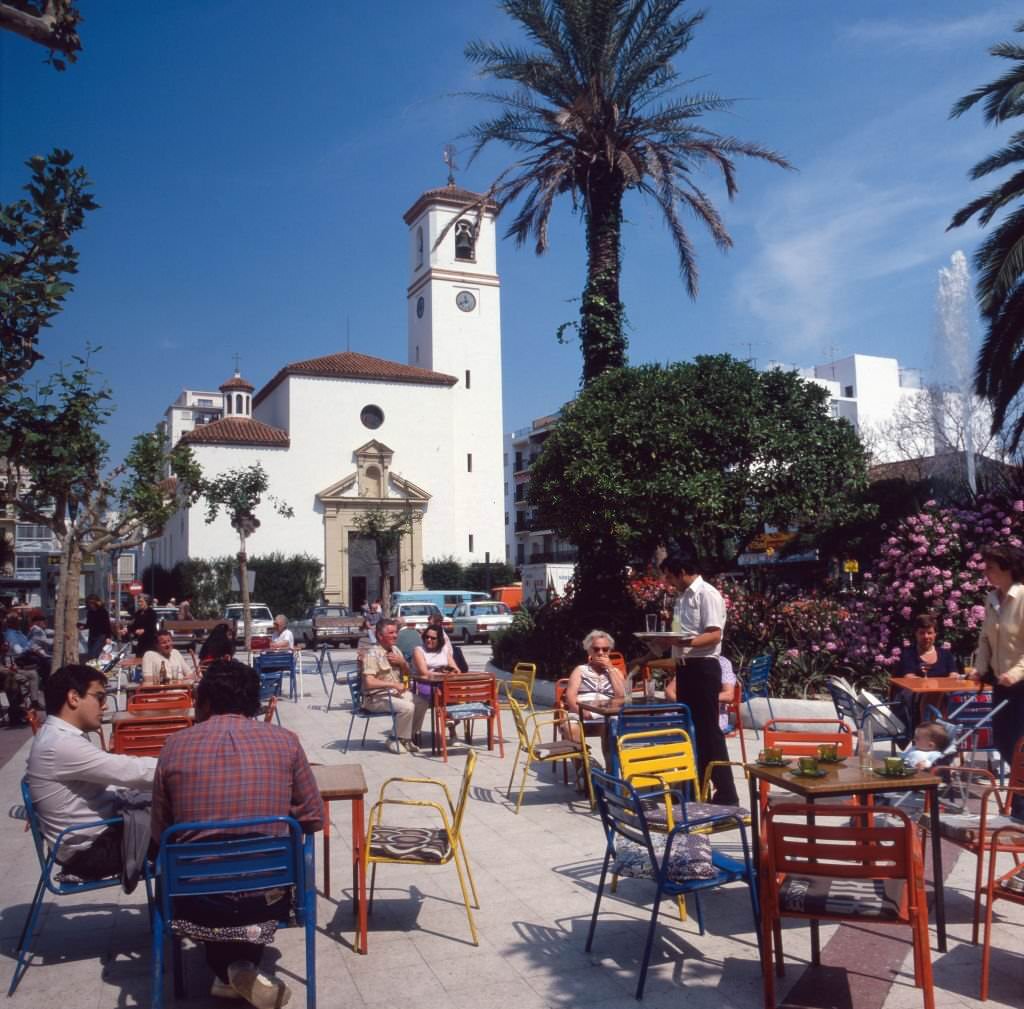
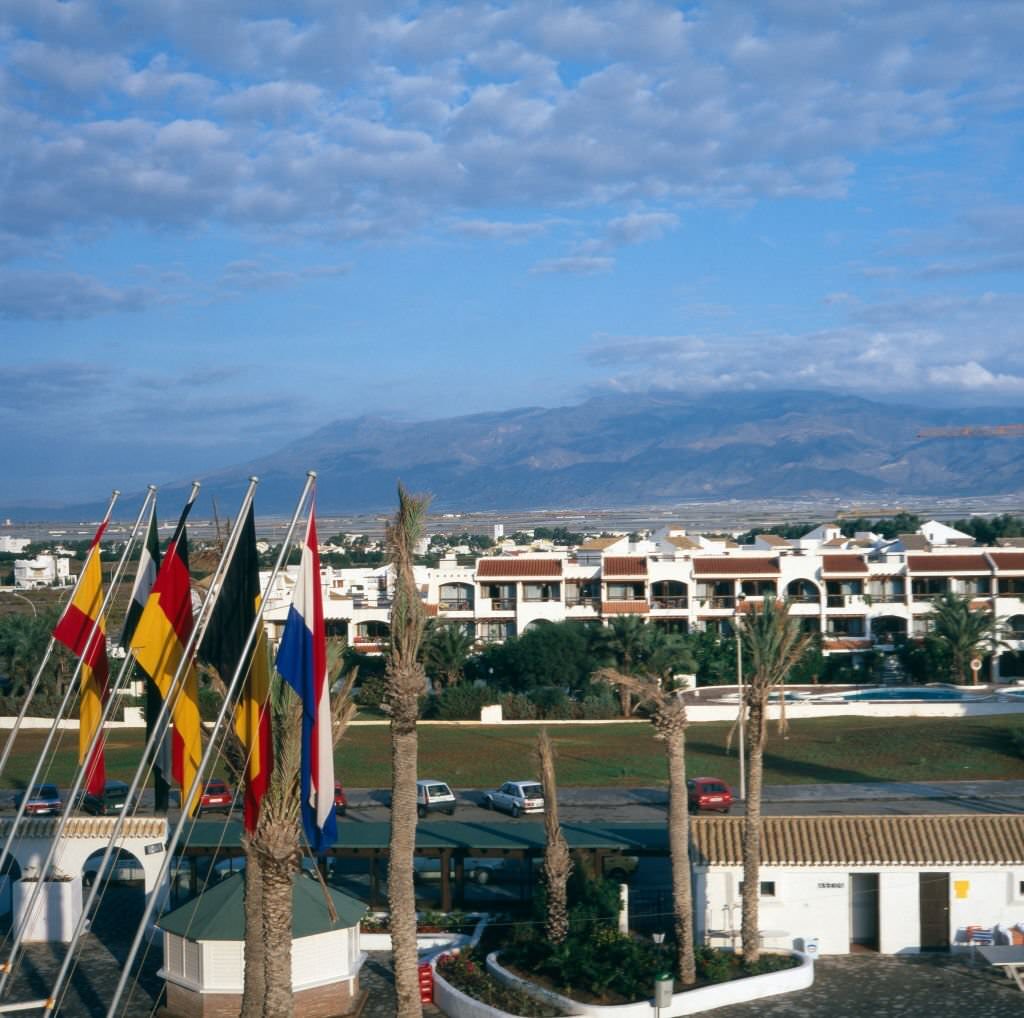
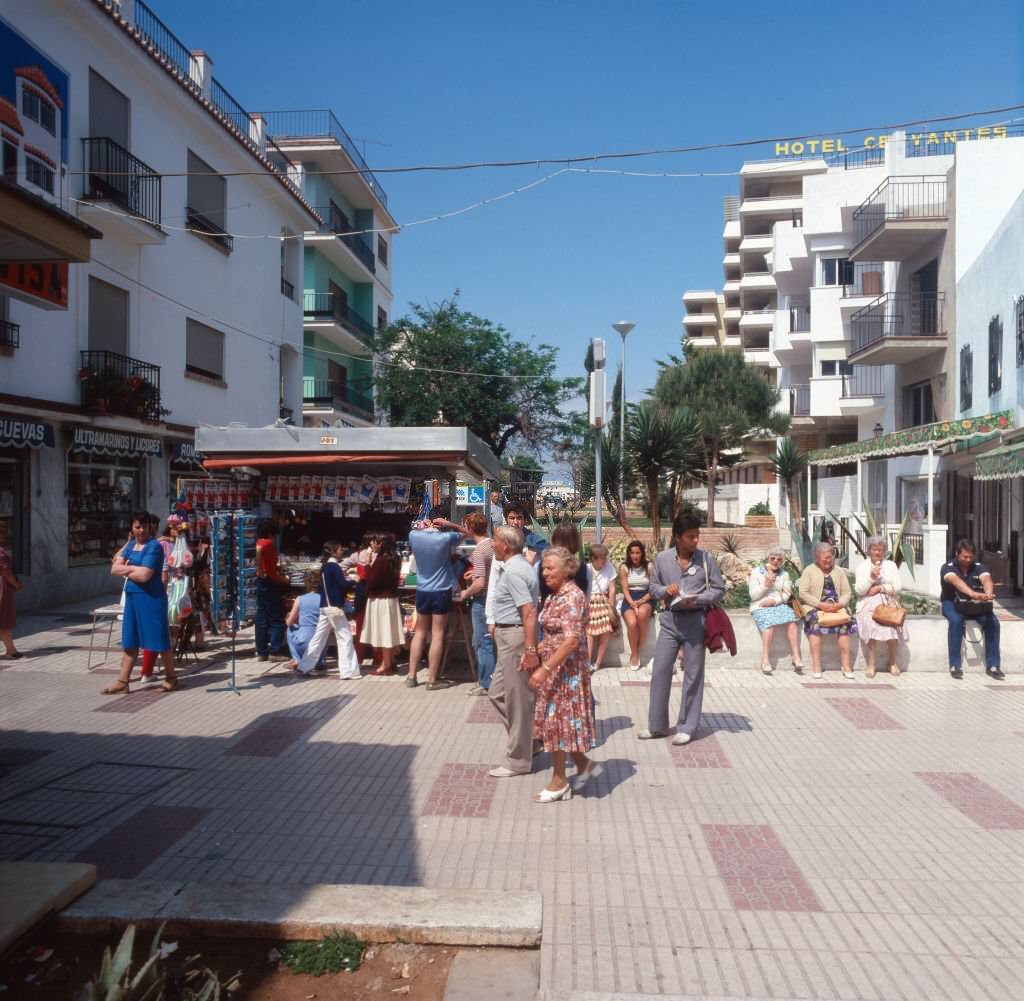
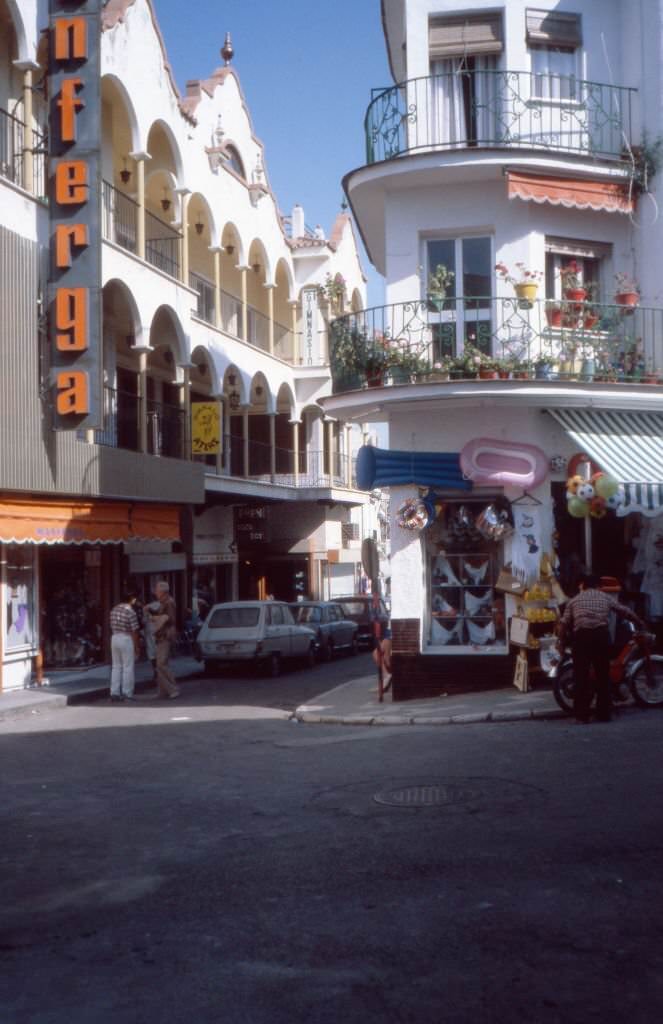
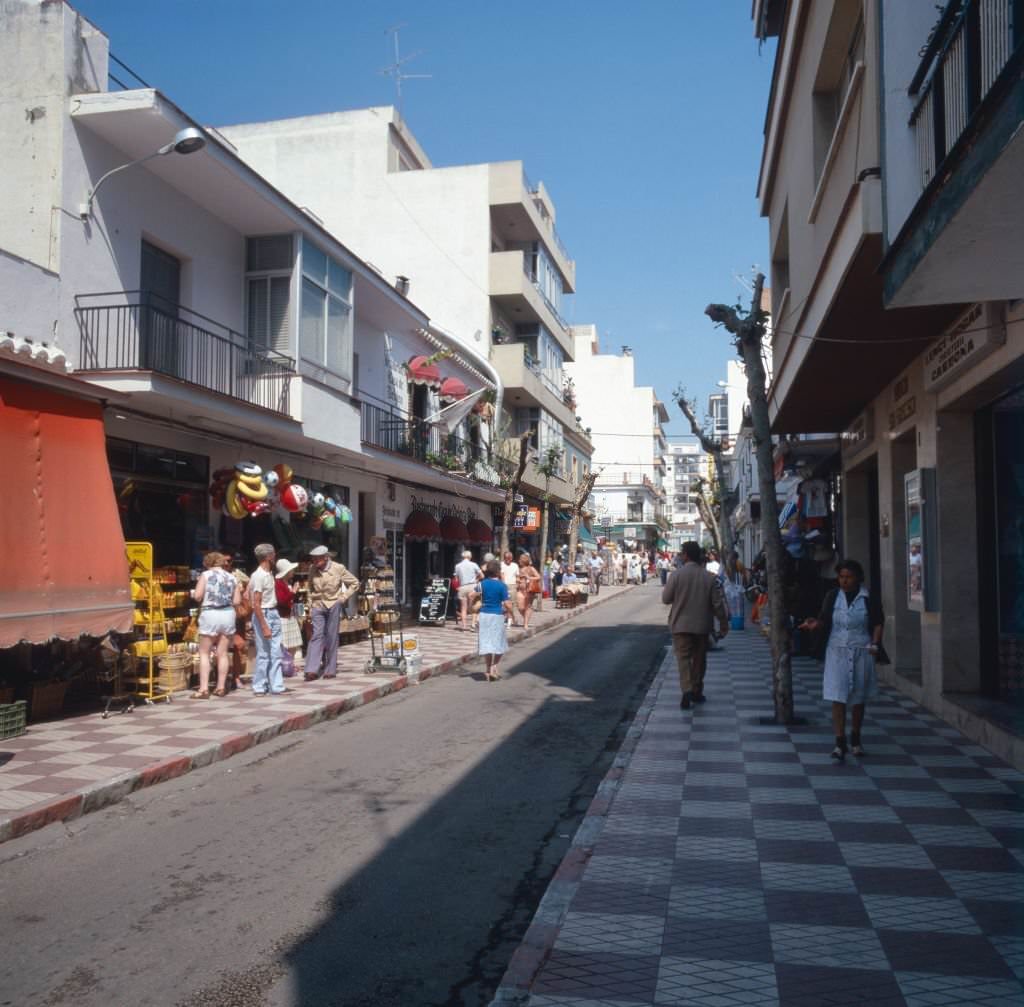
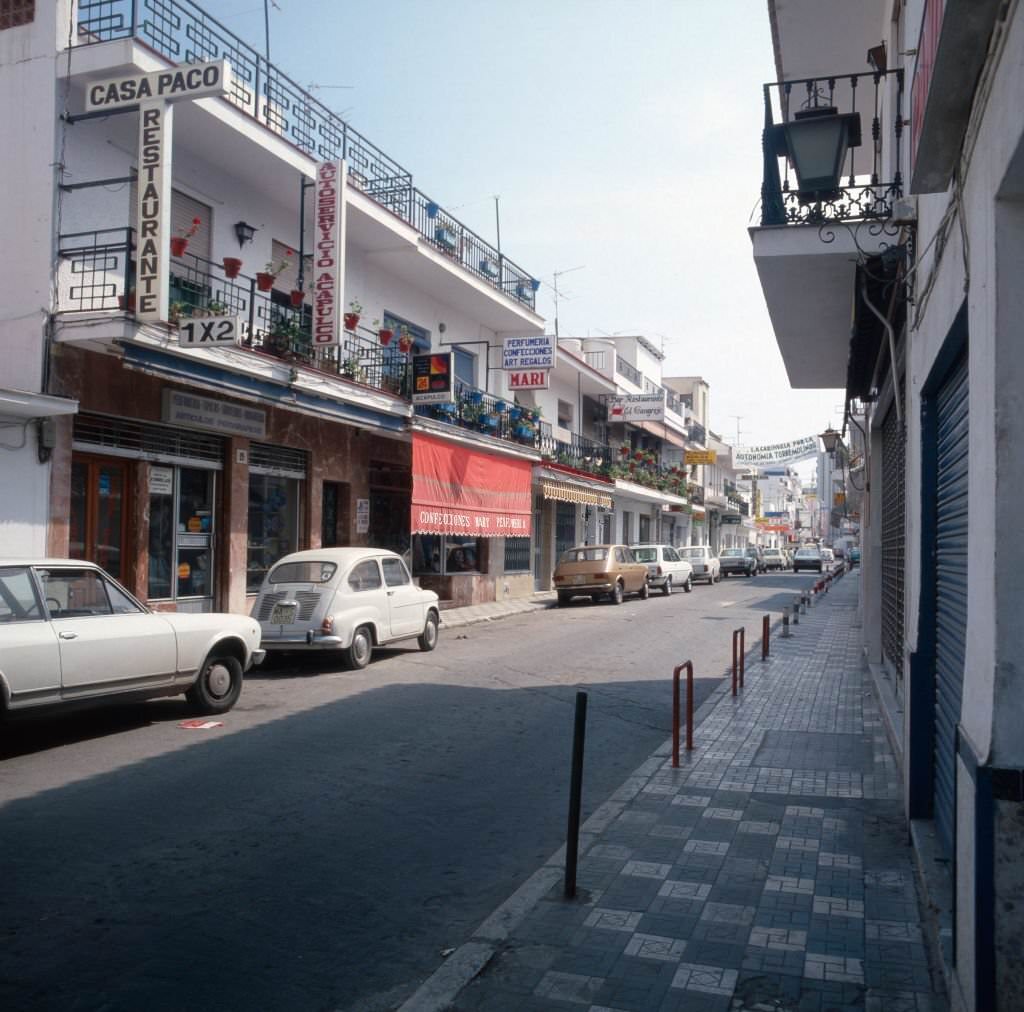
Torremolinos and the surrounding Costa del Sol coastline were firmly established as the center of Spain’s package tourism industry. Cafés, beach restaurants, and resort hotels catered almost entirely to foreign visitors, particularly from Britain, Germany, and Scandinavia. The economy of towns like Fuengirola depended heavily on this steady flow of tourists year after year.
Seville’s Semana Santa — Holy Week — was one of the most dramatic religious events in all of Spain. In 1985, hooded Nazarenos dressed in white robes marched in solemn procession through the city’s streets. The tradition, rooted in medieval penitential practices, drew enormous crowds of locals and visitors alike every spring.
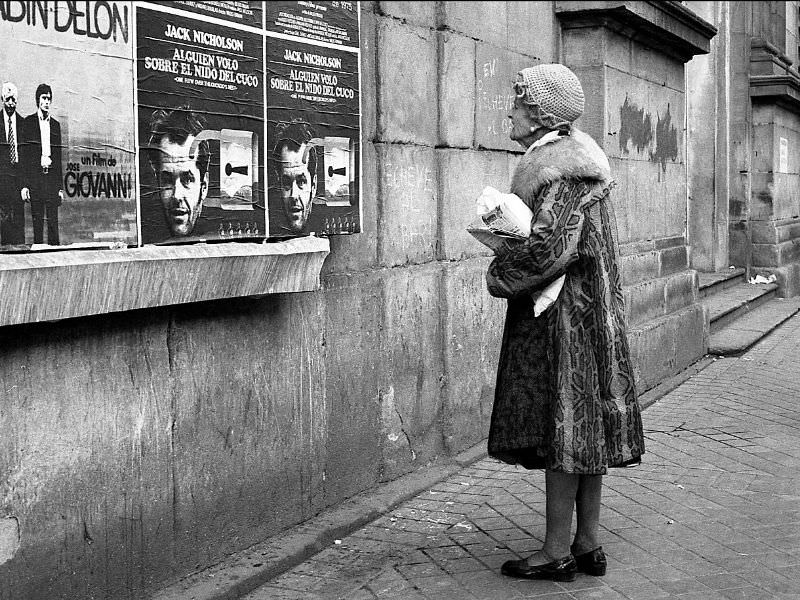
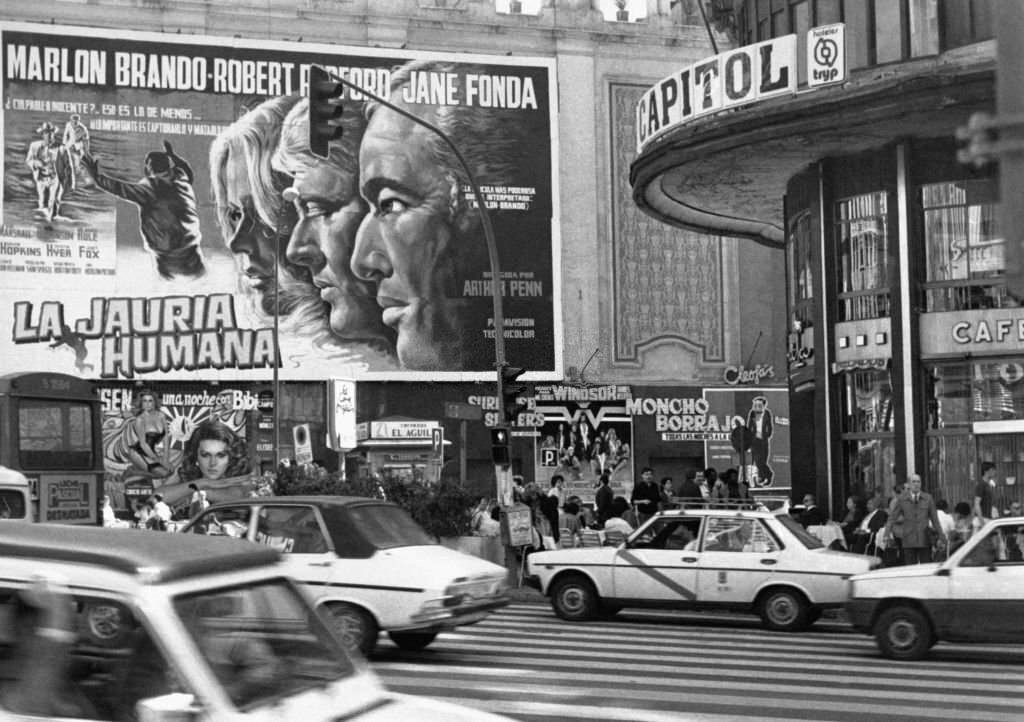
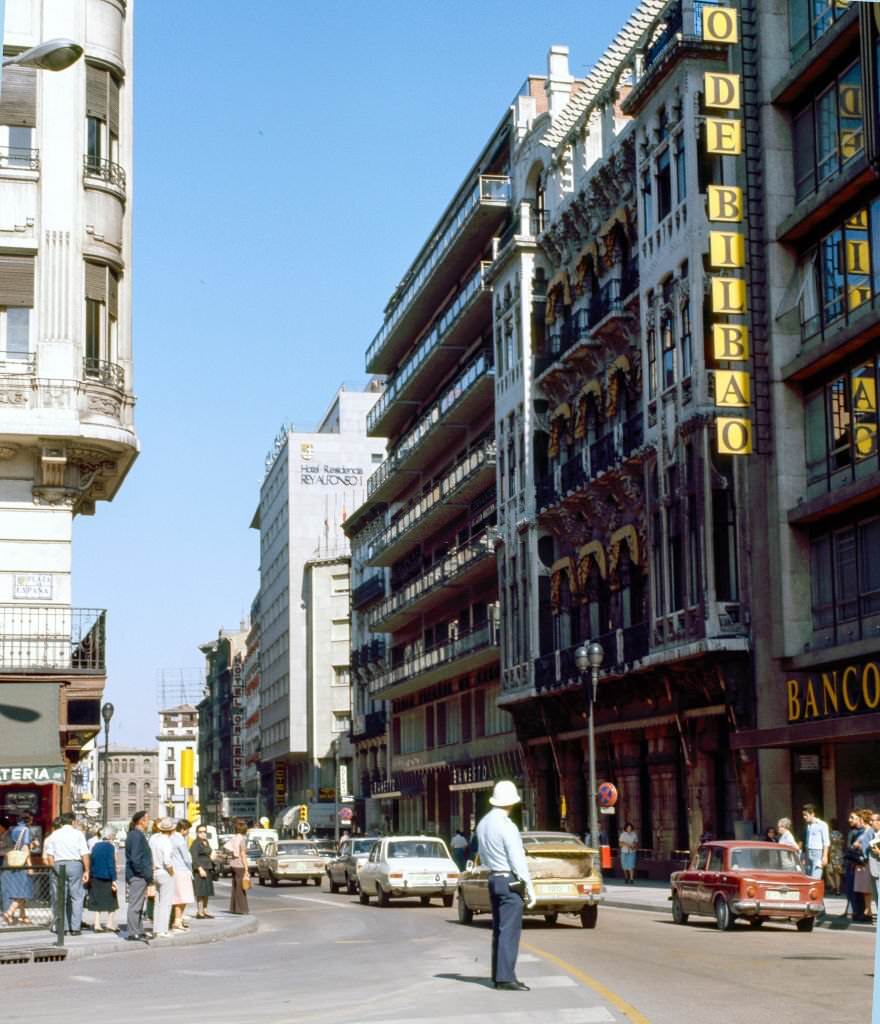
Madrid’s cultural life pulsed throughout the decade. The entrance to Las Ventas bullring, with its Neo-Mudéjar arch and tiled decorations, was a landmark of the capital. On the Gran Vía, cinema posters advertised the latest films to a city that was embracing creative freedom after decades of censorship under Franco.
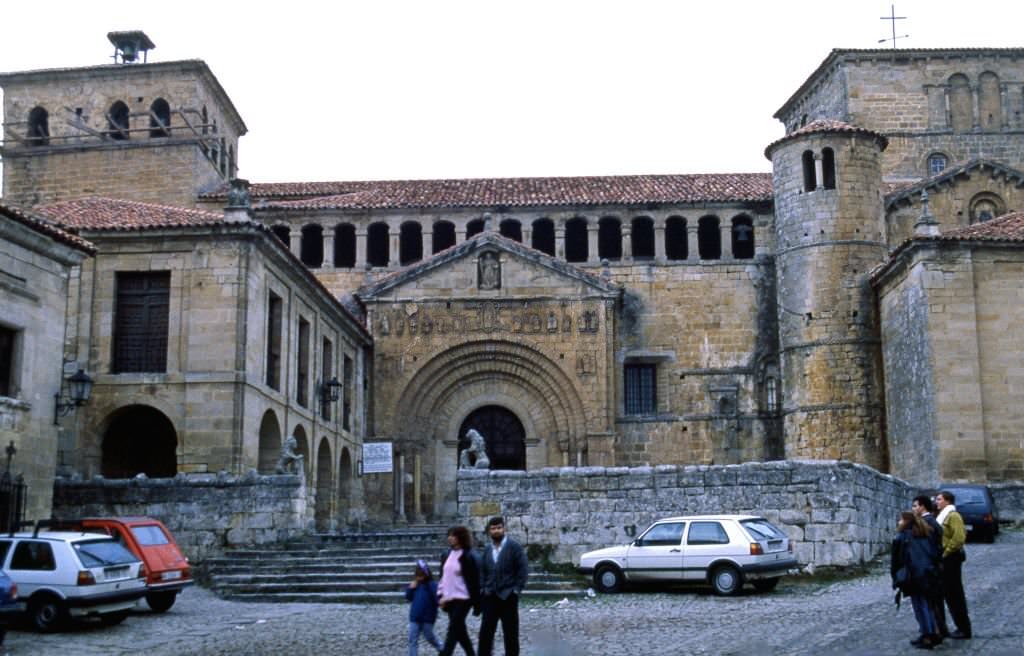
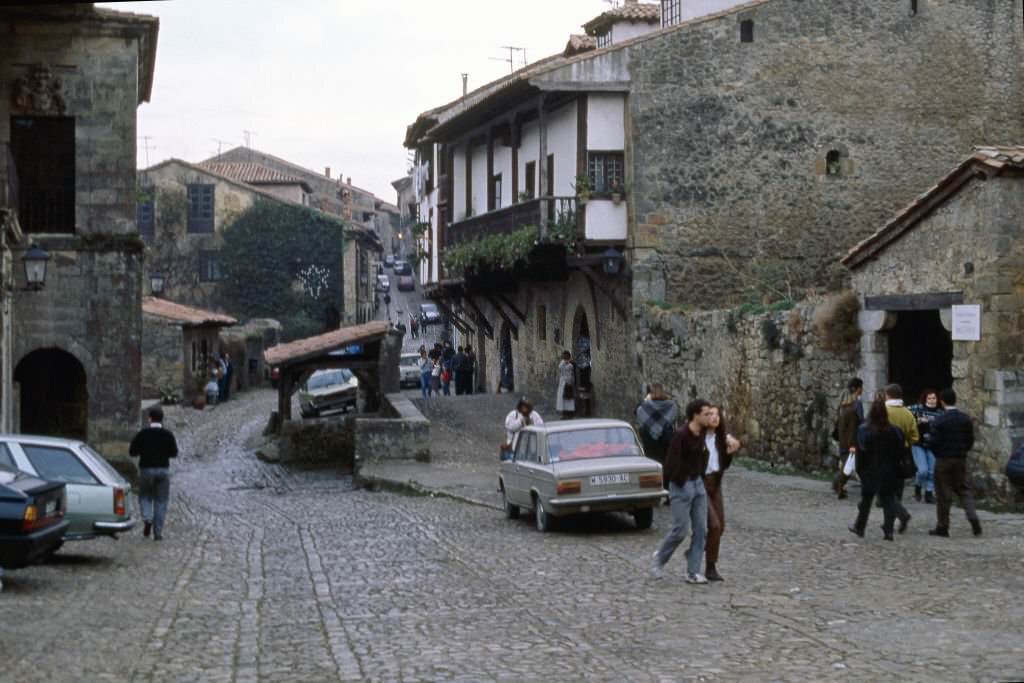
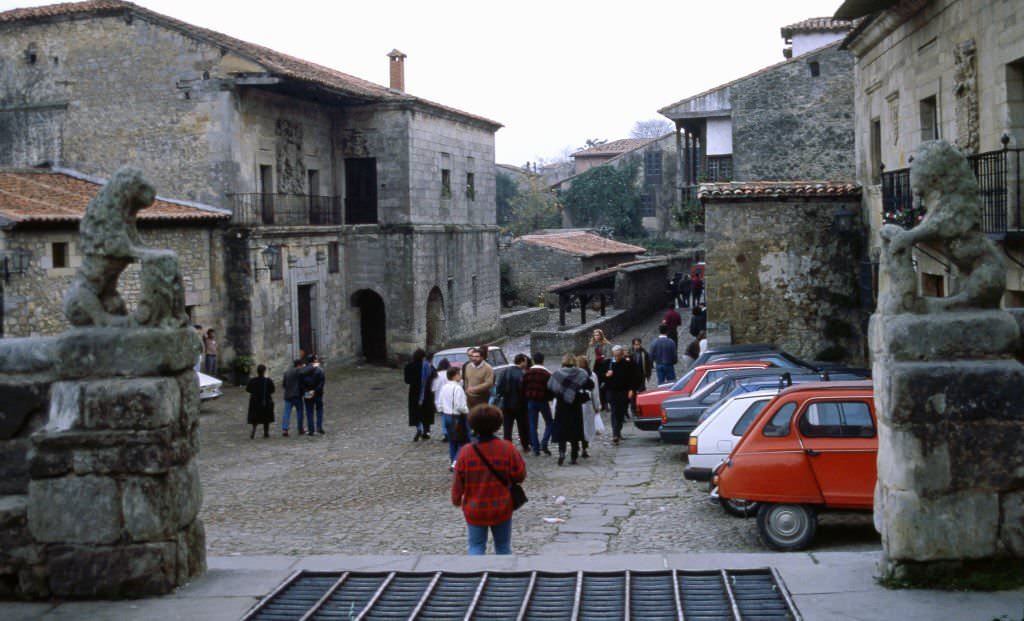
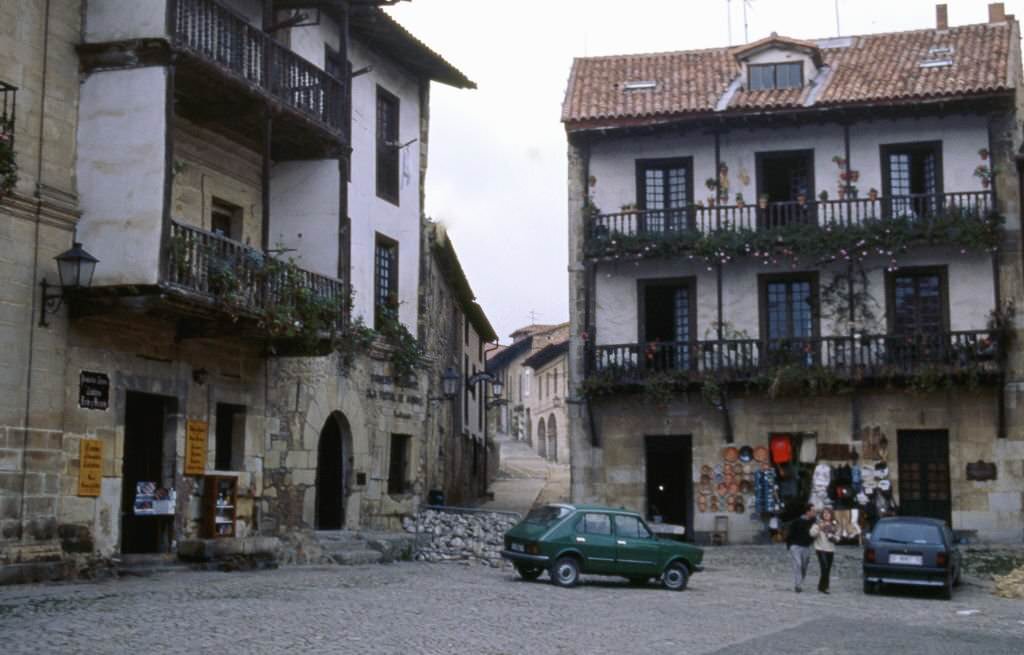
In the north, Santillana del Mar in Cantabria was one of Spain’s best-preserved medieval towns. Its cobbled streets, stone houses, and Romanesque collegiate church had changed little over centuries. Cows still wandered its lanes in 1985, a sight that underscored just how much of rural Spain remained untouched by modern development.
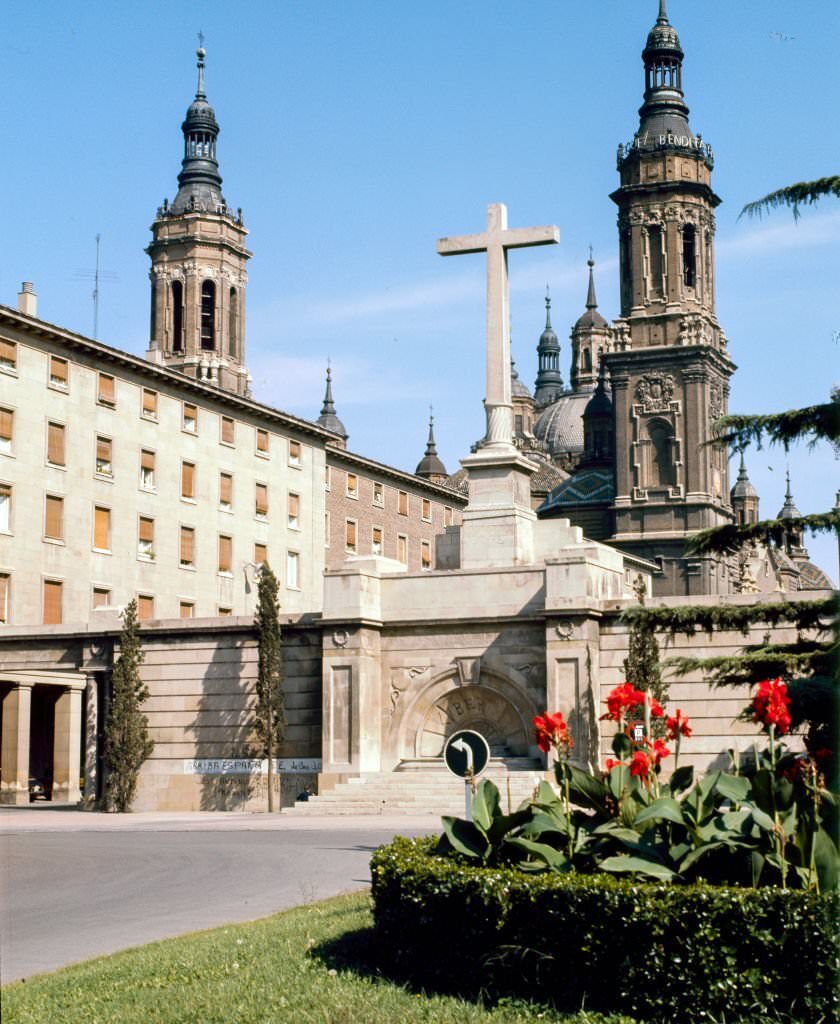
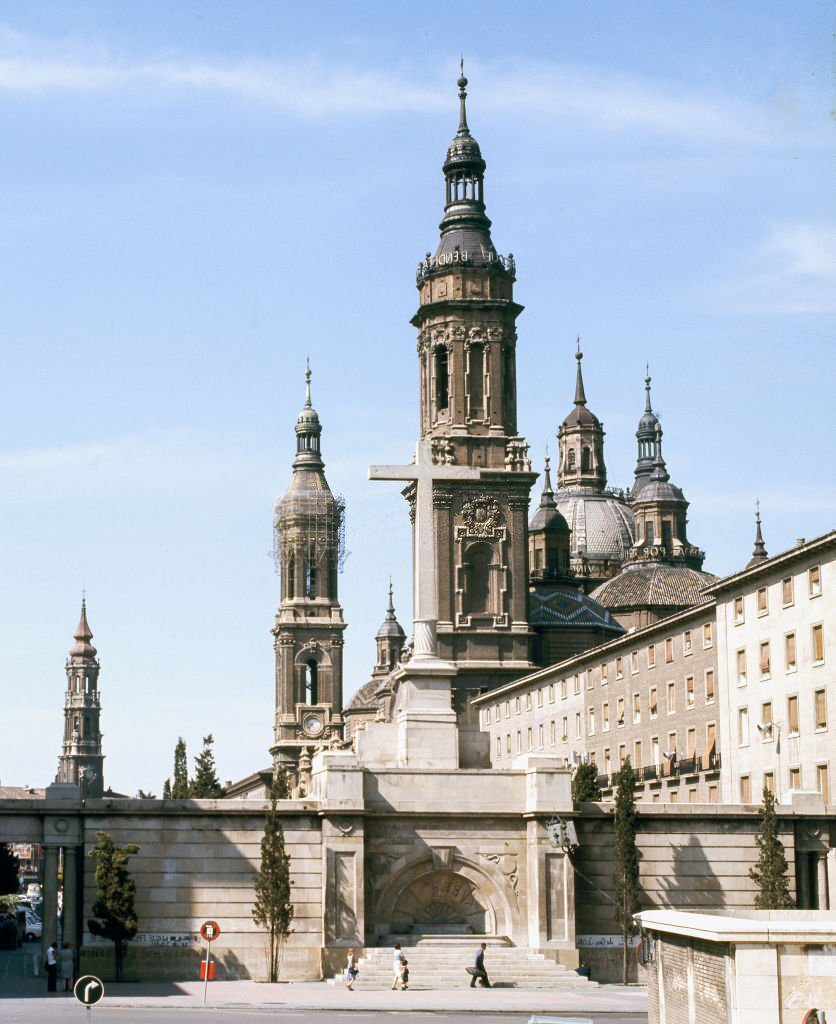
Zaragoza appeared again in 1985 through a different lens. The Plaza del Pilar, one of the largest public squares in Spain, held a massive stone cross and was flanked by some of the city’s most important religious buildings, including the Basílica of Santa Engracia and the twin-towered Nuestra Señora del Pilar cathedral.
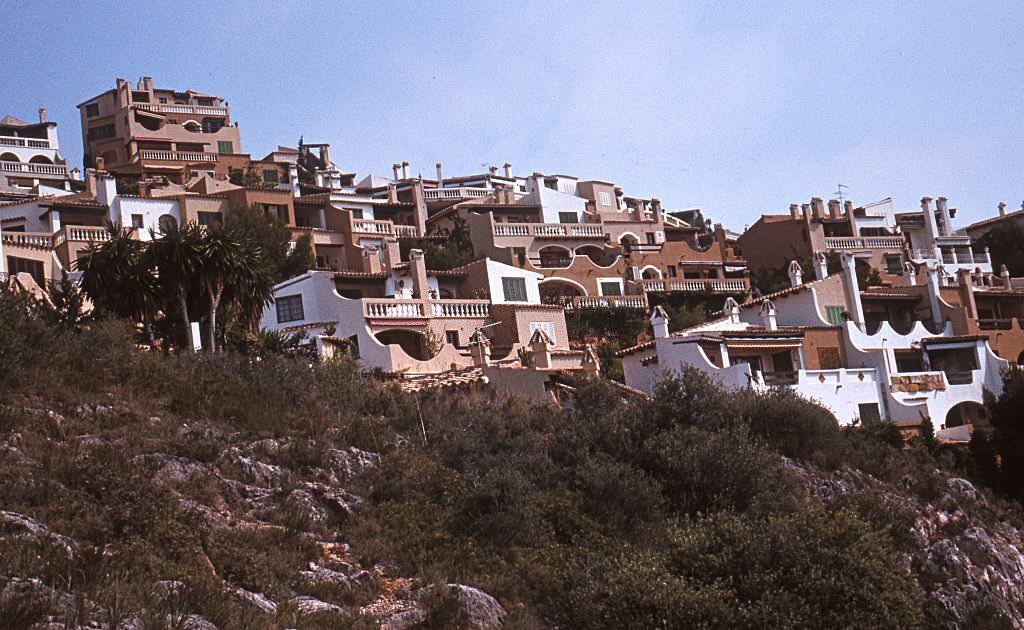
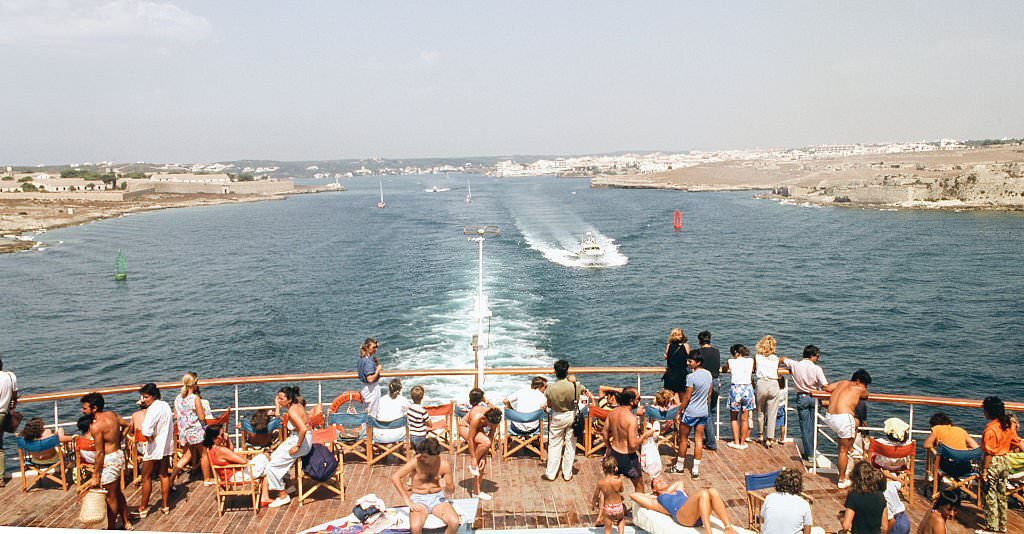
The Balearic Islands offered a mix of natural harbors, historic ports, and holiday retreats. The port of Mahón in Menorca was one of the deepest natural harbors in the Mediterranean and had served as a strategic naval base for centuries. Port d’Andratx in Mallorca, by contrast, had become a quieter, upscale holiday destination by the early 1980s.
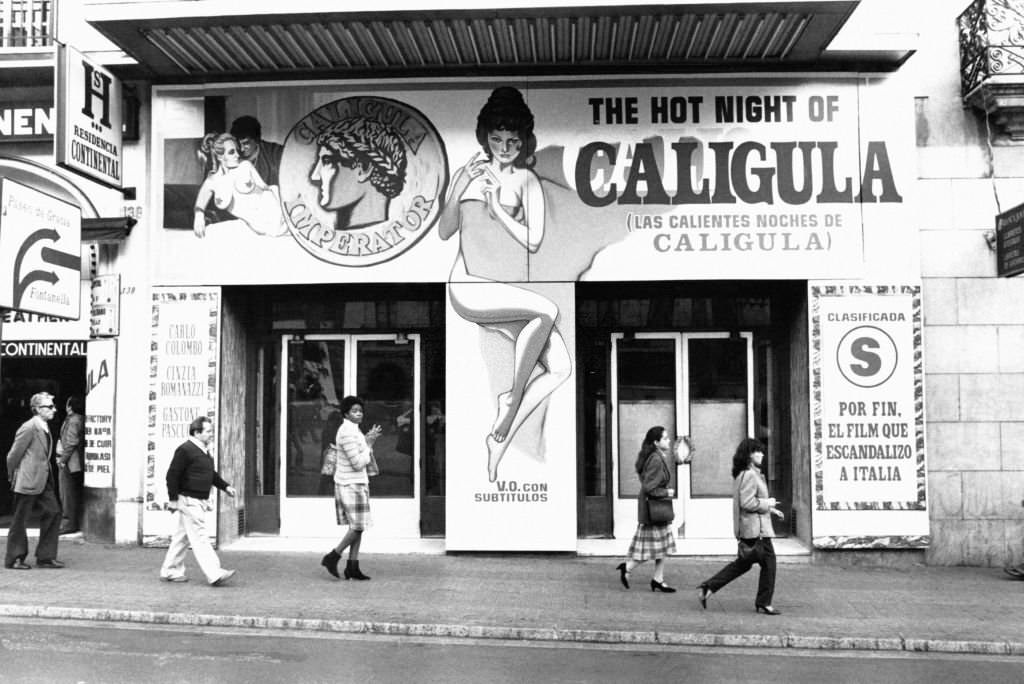
Spain’s post-Franco cultural opening brought significant changes to public life. In November 1982, a Barcelona cinema on La Rambla displayed a poster for an erotic film — the kind of content that would have been banned outright under the dictatorship. The image was a blunt marker of how quickly Spanish public culture had shifted since 1975.
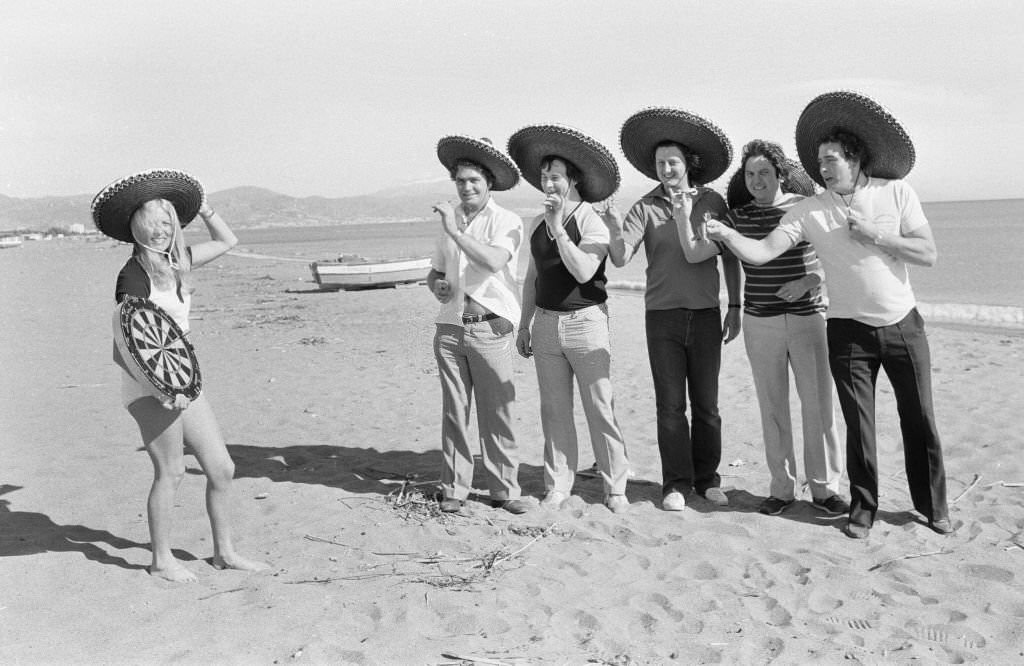
The World Cup brought an unusual mix of visitors to Spain. British darts champion Eric Bristow and fellow players posed on the beach at Torremolinos ahead of the Mediterranean Open Darts Championship in January 1982. It was a glimpse of the diverse international traffic that Spain’s coast was attracting by the early part of the decade.
Lanzarote’s Timanfaya National Park, with its fire mountains and geothermal terrain, was a growing draw for adventure tourists. Caravans of visitors made their way across the volcanic landscape, which sits atop still-active volcanic activity just a few meters below the surface. The island’s rural communities, with their windmills, cacti fields, and ancient churches, gave it a character entirely its own.
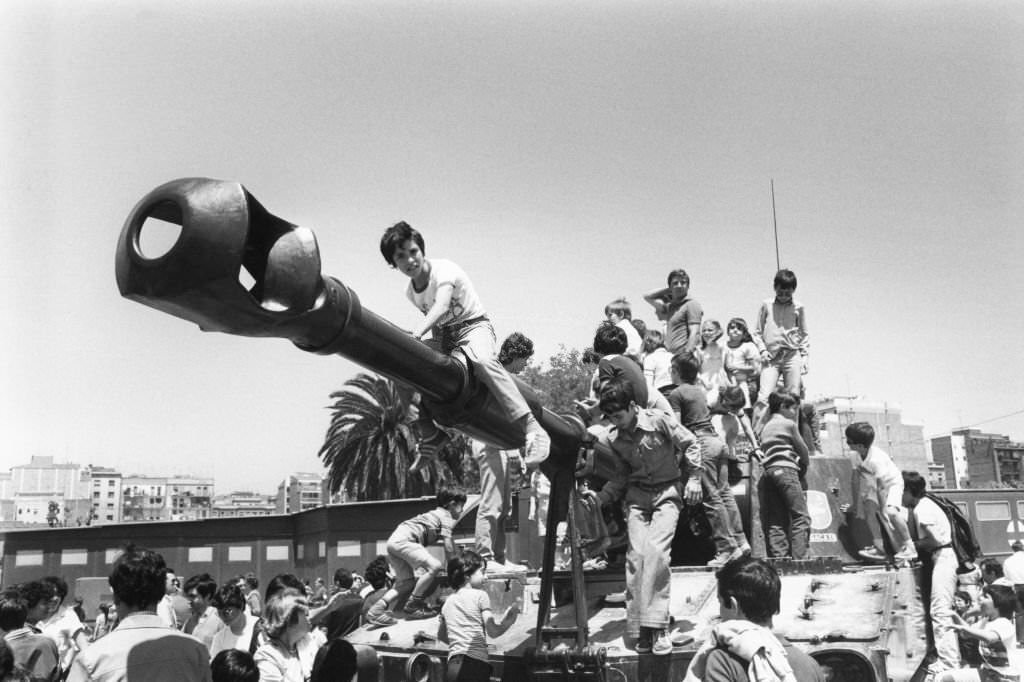
Back on the mainland, the Army Day parade in Barcelona in May 1981 drew crowds onto the streets and even onto military vehicles. The event came just months after the failed coup attempt in Madrid, and the visibility of the armed forces in public life remained high throughout the early part of the decade.
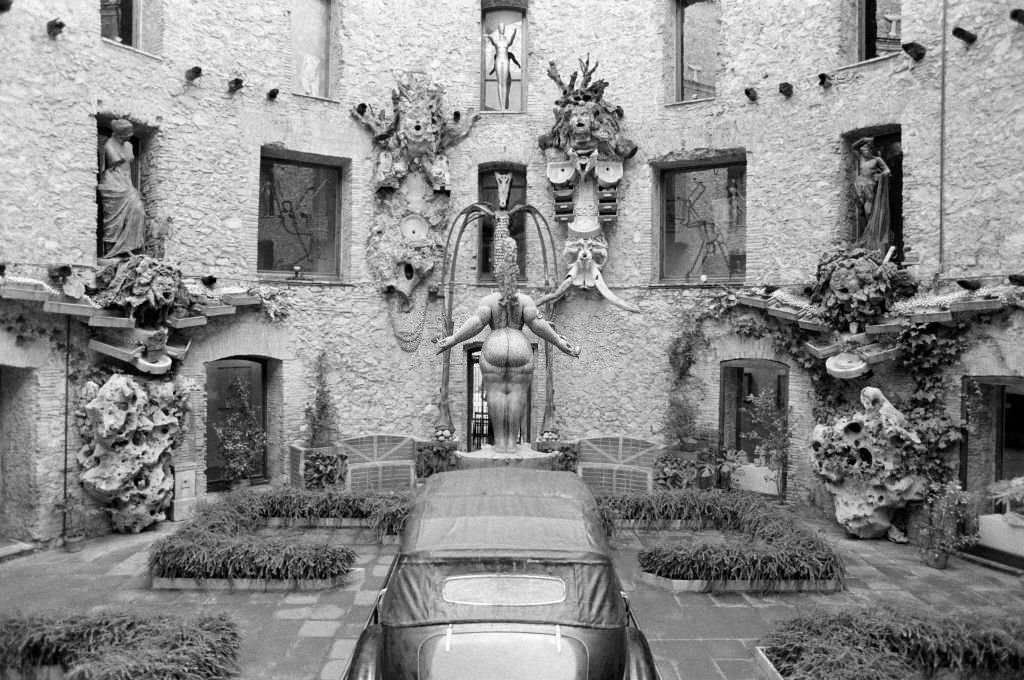
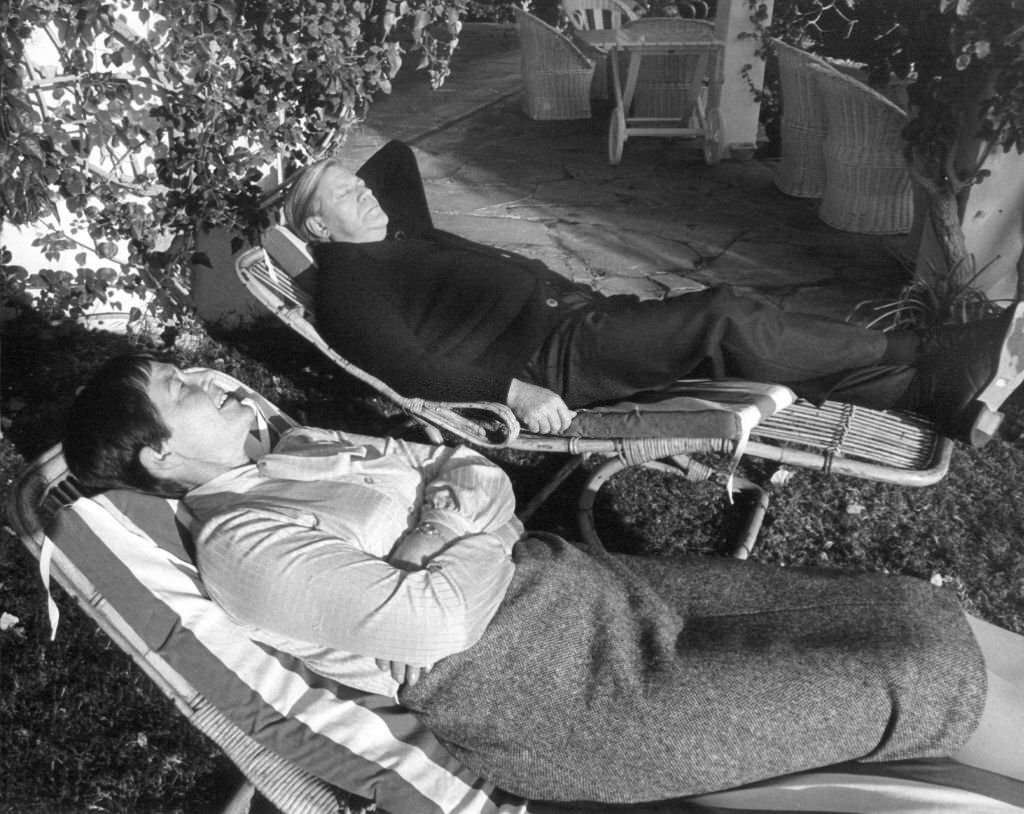
The Dalí Museum in Figueres continued to draw attention for its eccentric installations. One of its most famous pieces was the “Rainy Cadillac,” a 1941 Cadillac De Ville with a system of water flowing through it, parked inside the museum’s central courtyard beneath a pillar of tires topped by a boat. German Chancellor Helmut Schmidt, meanwhile, spent his January 1981 holiday at a private home on Gran Canaria — a sign of Spain’s appeal as a destination even to heads of government.
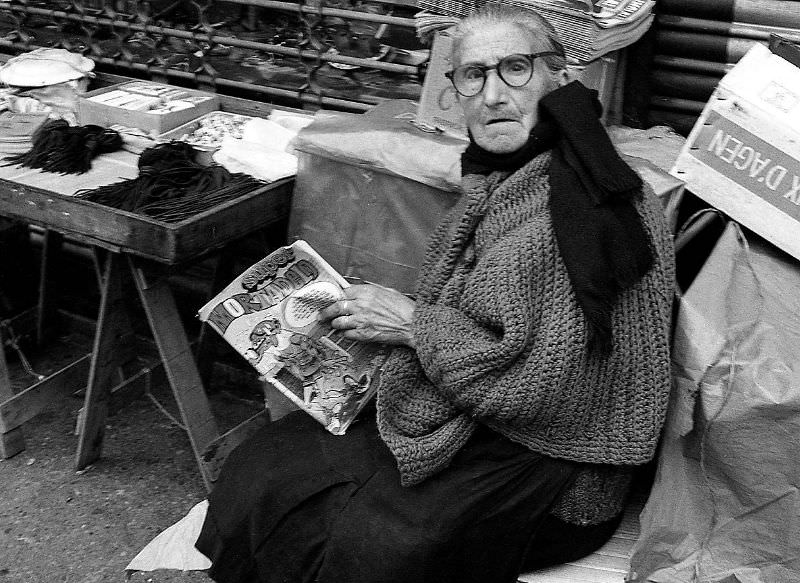
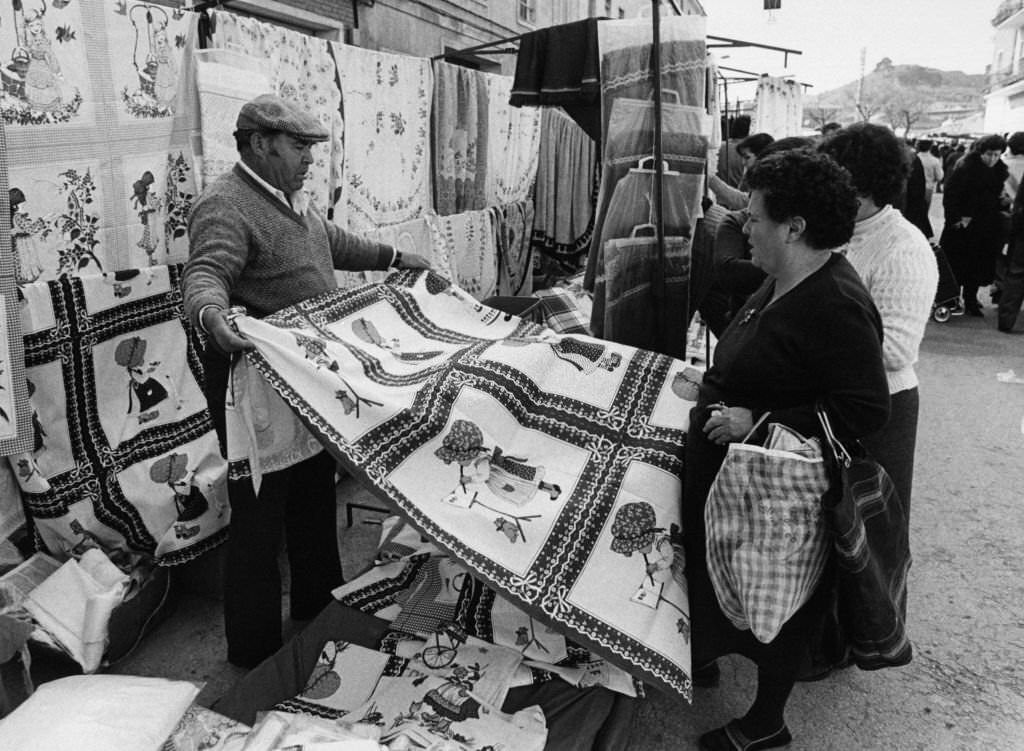
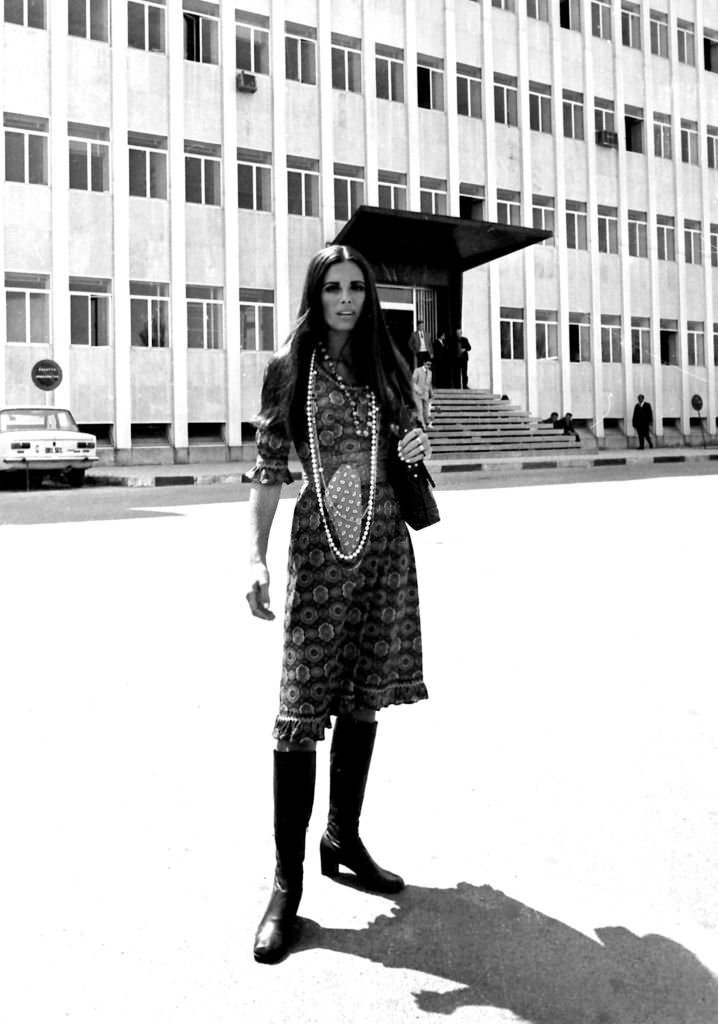
Markets across Spain maintained their traditional character throughout the decade. A fabric seller in the market of Aranjuez in 1981 represented the kind of small-scale commerce that still formed the backbone of local economies in many towns. Israeli actress Daliah Lavi was among the many international celebrities spotted in Spain that year, visiting Madrid as a tourist.
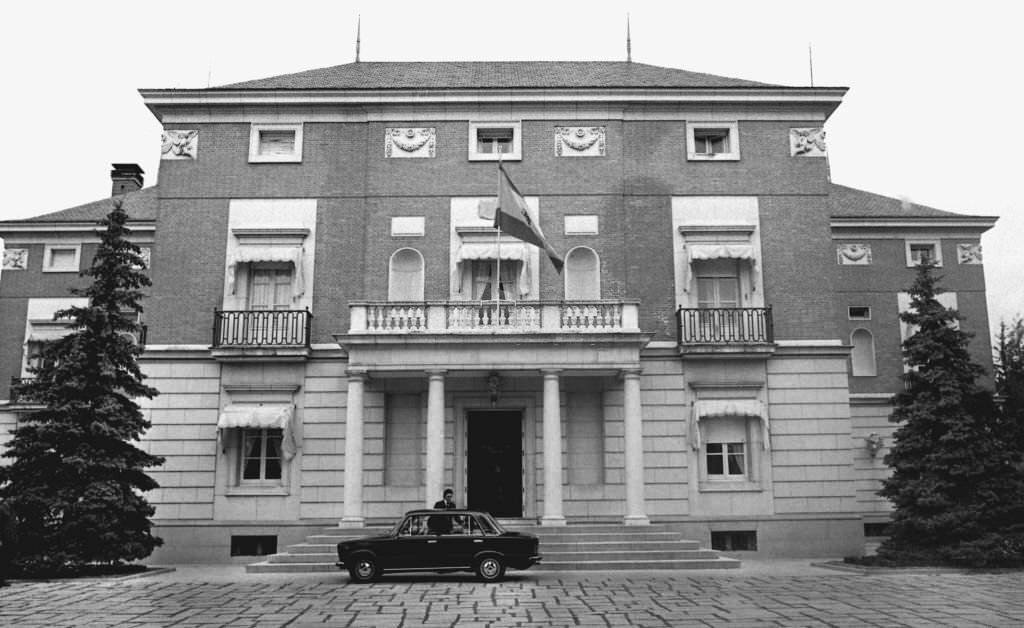
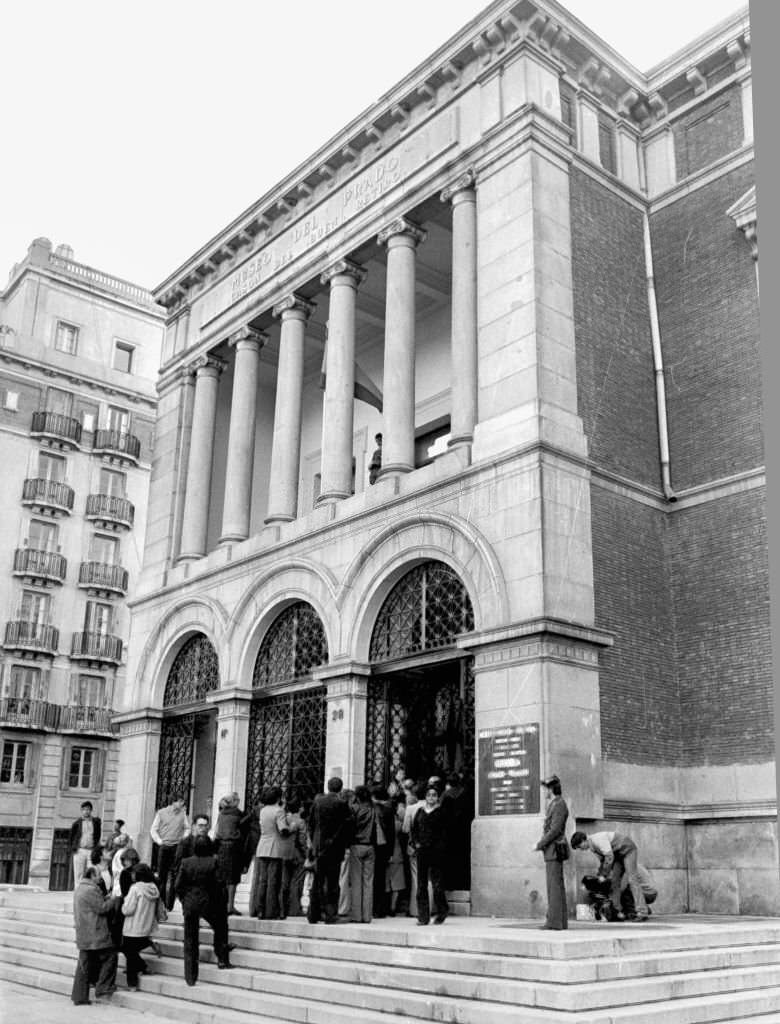
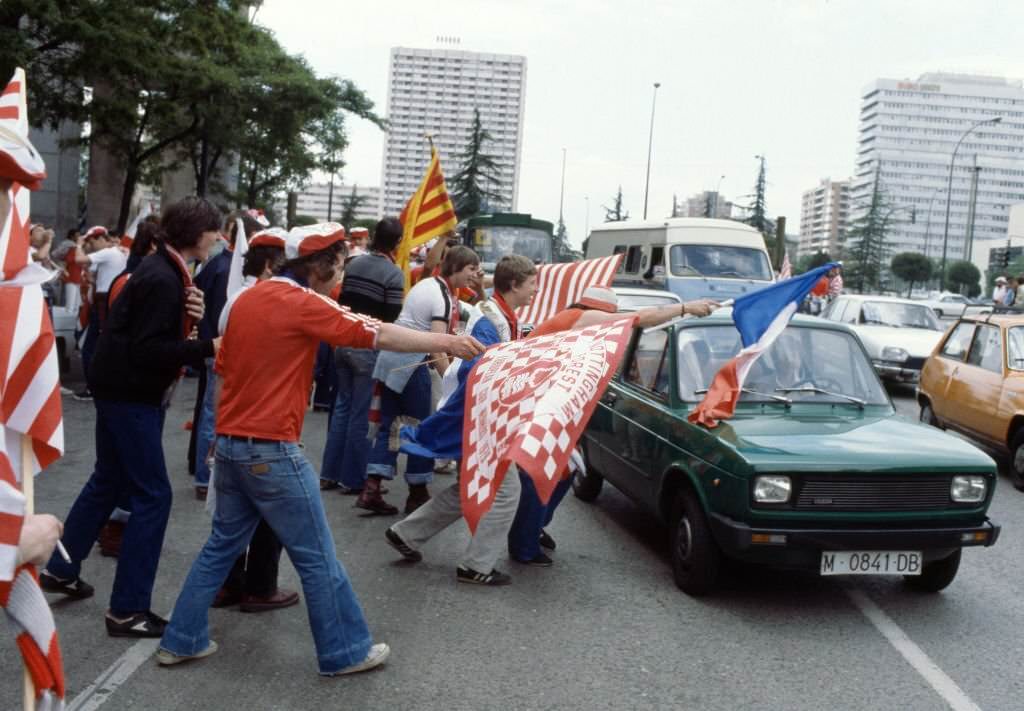
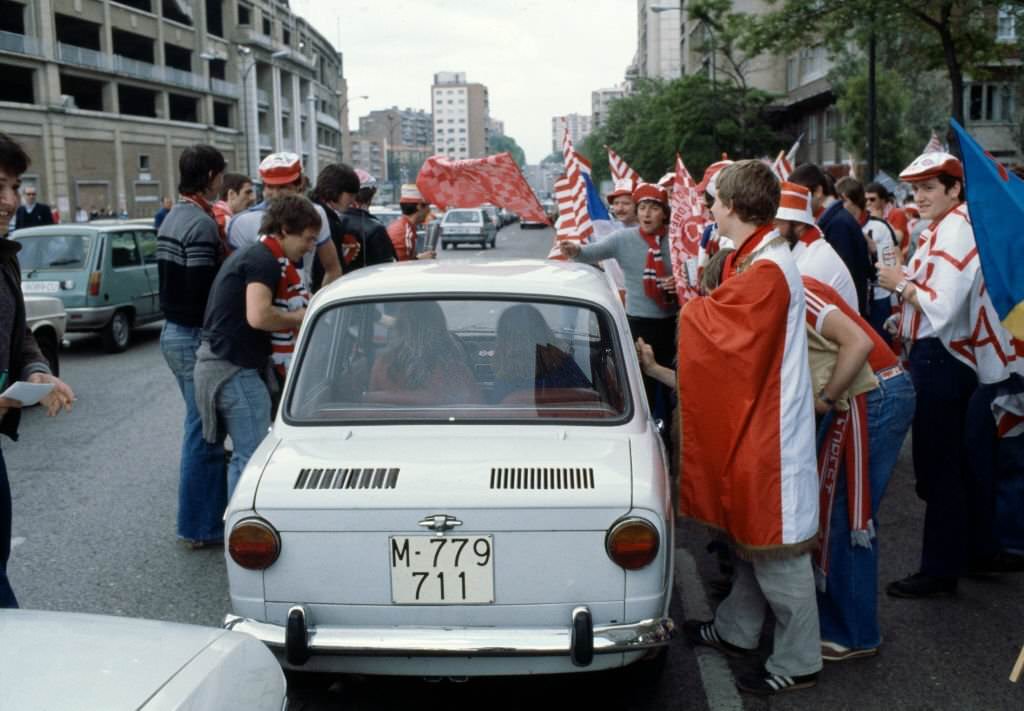
Madrid also played host to major European football in 1980. Nottingham Forest fans flooded the city’s streets before the European Cup Final against Hamburger SV on May 28, 1980. Forest won the match 1–0, claiming their second consecutive European Cup. The scenes of English supporters in central Madrid captured a city that was increasingly connected to the wider European world.
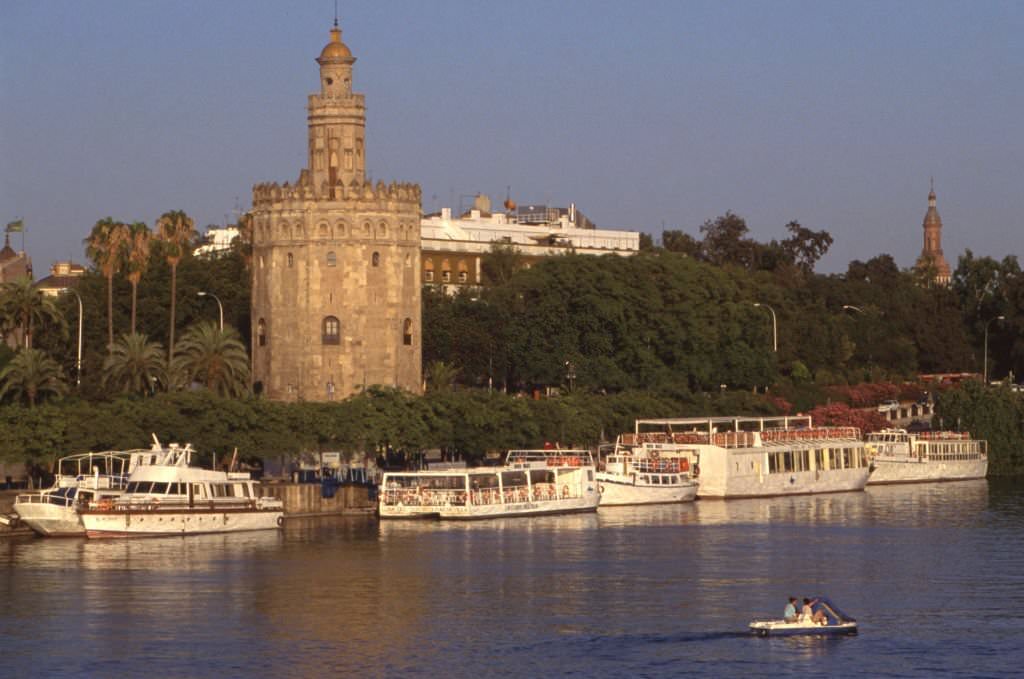
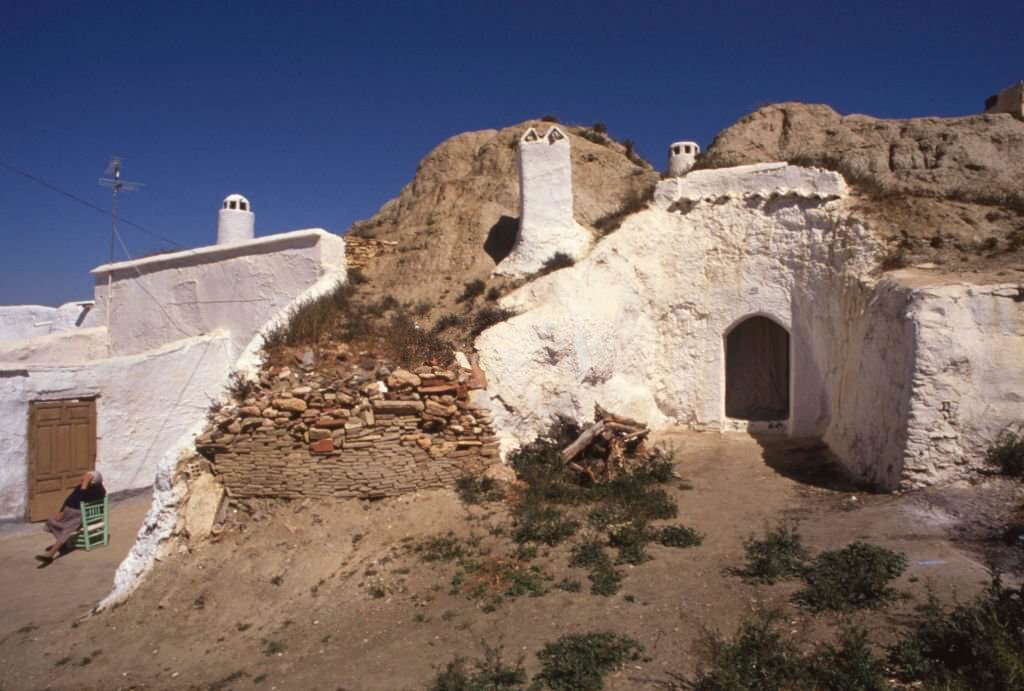
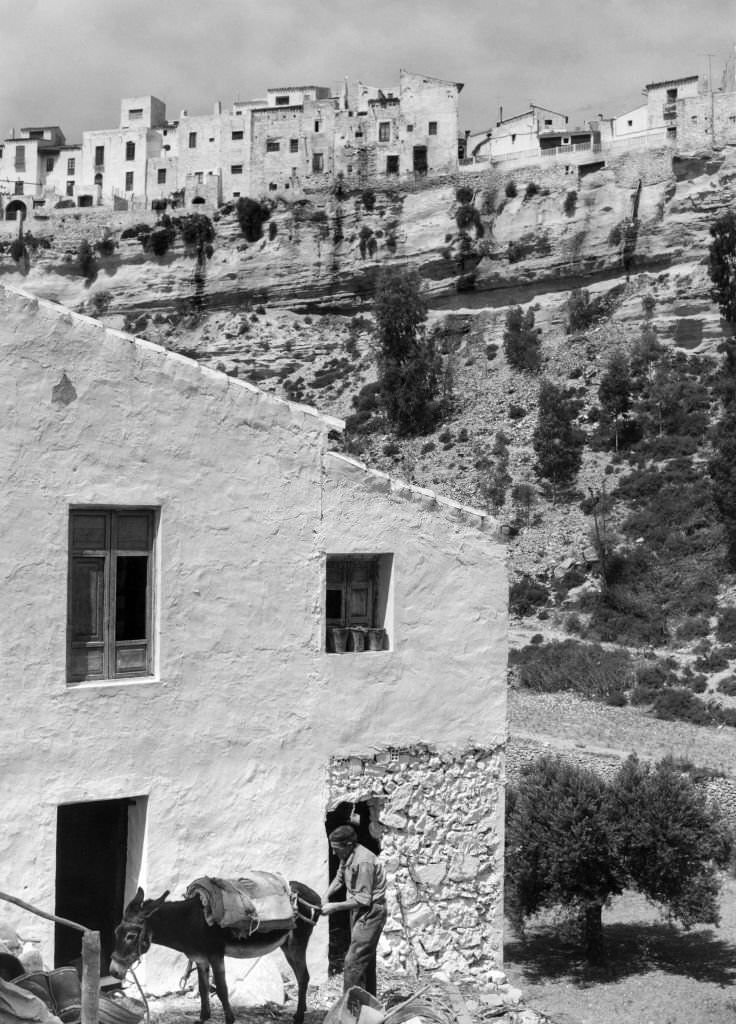
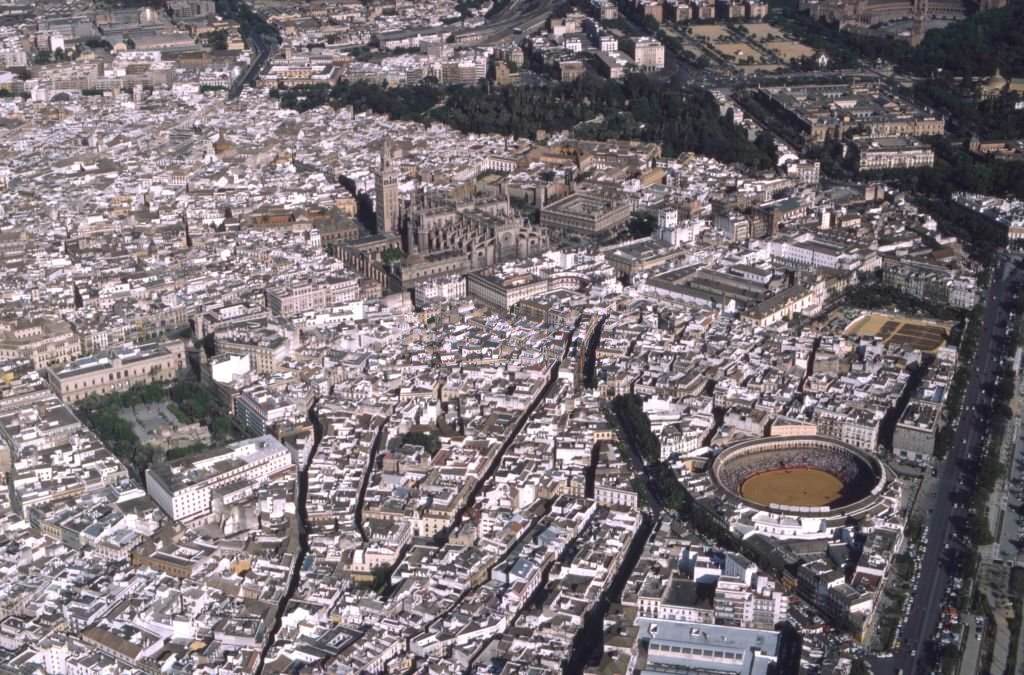
Seville, with the Giralda tower rising above its cathedral, was one of the most photographed cities in Spain. Its riverside location on the Guadalquivir and its long history as a center of trade made it a city of enormous historical weight. Alongside iconic landmarks, Spain’s rural areas preserved equally striking scenes — cave dwellings in Guadix, traditional houses in the Sierra del Aguilar, and ancient castles standing in fields across Castile.
By the late 1980s, Spain’s per capita income had risen above US$8,000. Consumer habits were shifting, and spending patterns began to resemble those found in other European Community countries. In 1989, the peseta joined the European Monetary System, tying it to other EC currencies and signaling confidence in the stability of the Spanish economy. The agricultural sector had been modernized and was now capable of competing with the commercialized farms of France, Italy, and other EU members.