In 1961, Sophia Loren stepped into the role of Catherine Hübscher — a sharp-witted washerwoman who rises through the ranks of Napoleonic society by marrying one of the era’s most powerful military men. The film was called Madame, also known internationally as Madame Sans-Gêne, and it was a major Spanish-Italian-French co-production backed by a budget of approximately $6 million. That was a serious sum for the time, and it showed on screen.
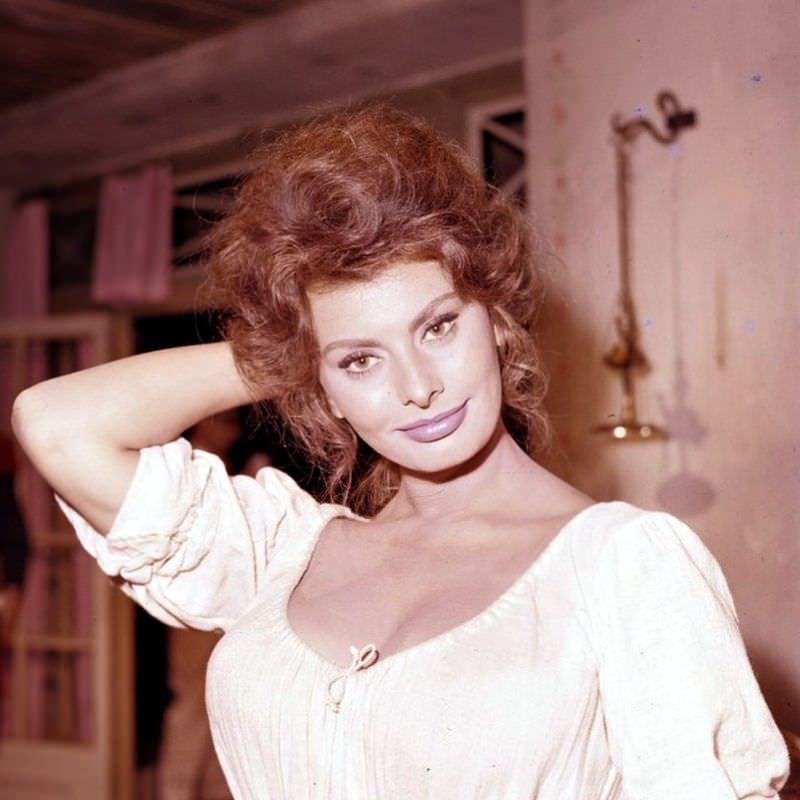
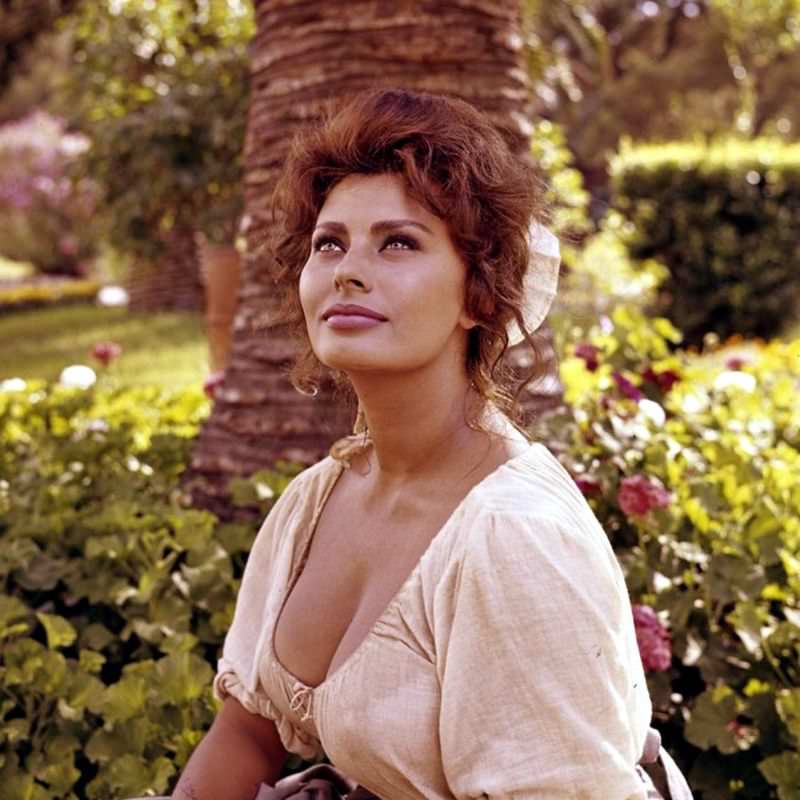
The production spared no expense on period detail. Costume designers Marcel Escoffier and Itala Scandariato created Loren’s wardrobe from scratch, tailoring every piece to fit the Napoleonic setting and to complement her screen presence. The result was a visual spectacle — layer upon layer of 19th-century fashion that balanced historical accuracy with pure cinematic drama.
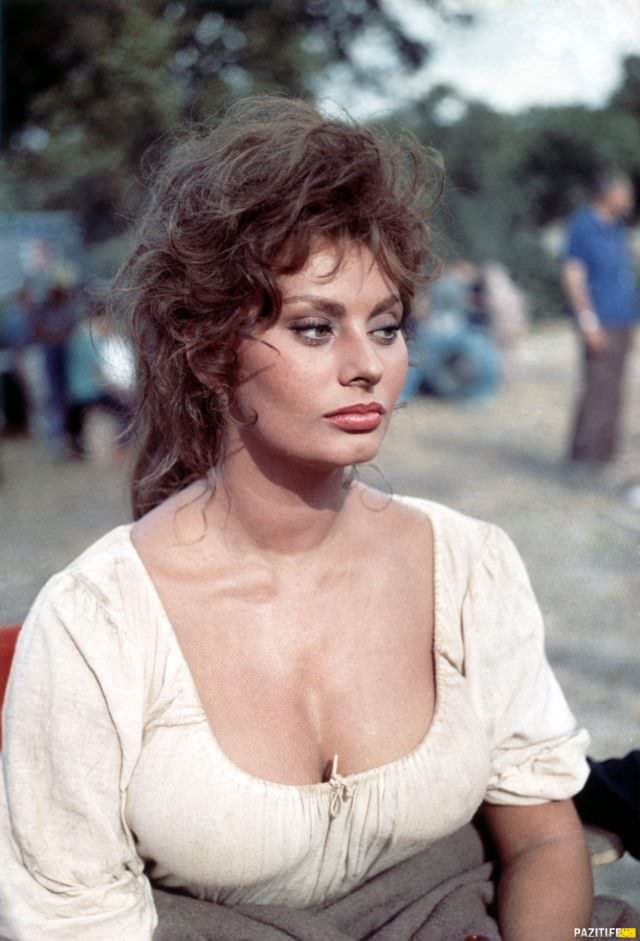
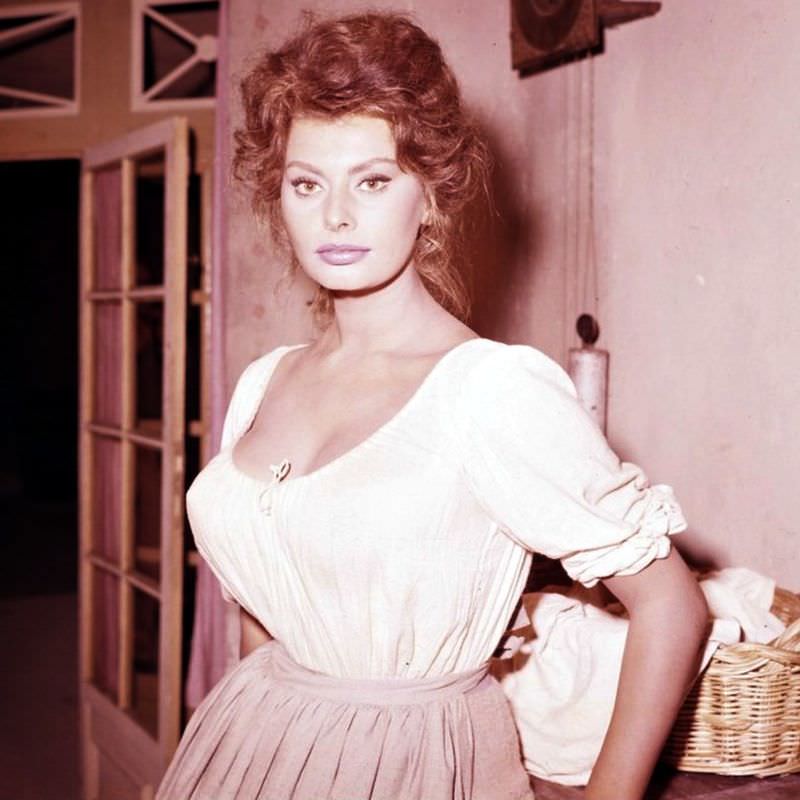
Loren was already a global star by this point, and the producers knew exactly what they were getting when they cast her. Her charisma carried the film’s central arc — a woman born into poverty who refuses to shed her bold personality even after gaining wealth and status. Catherine’s character was famously irreverent, and Loren’s natural confidence made her a perfect fit.
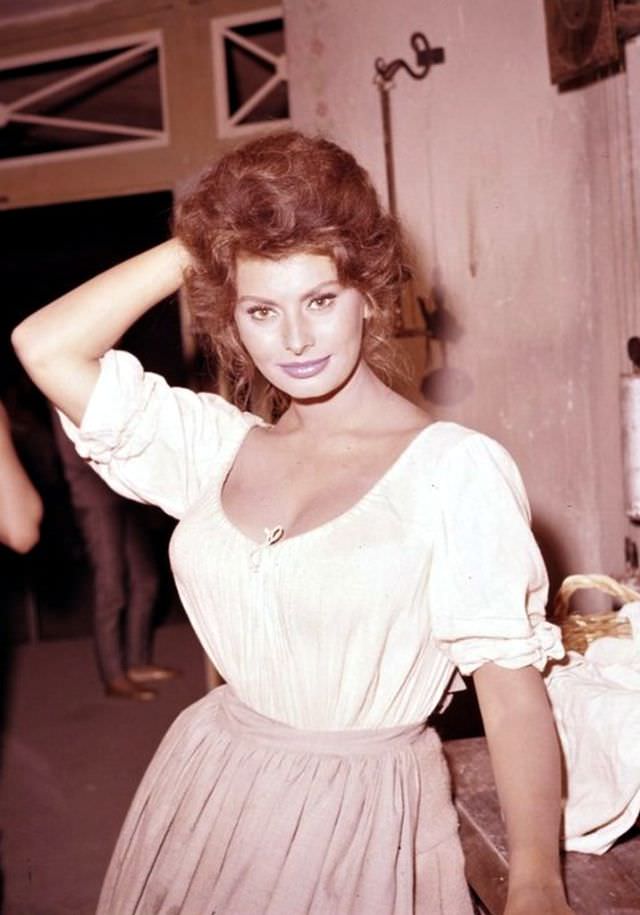
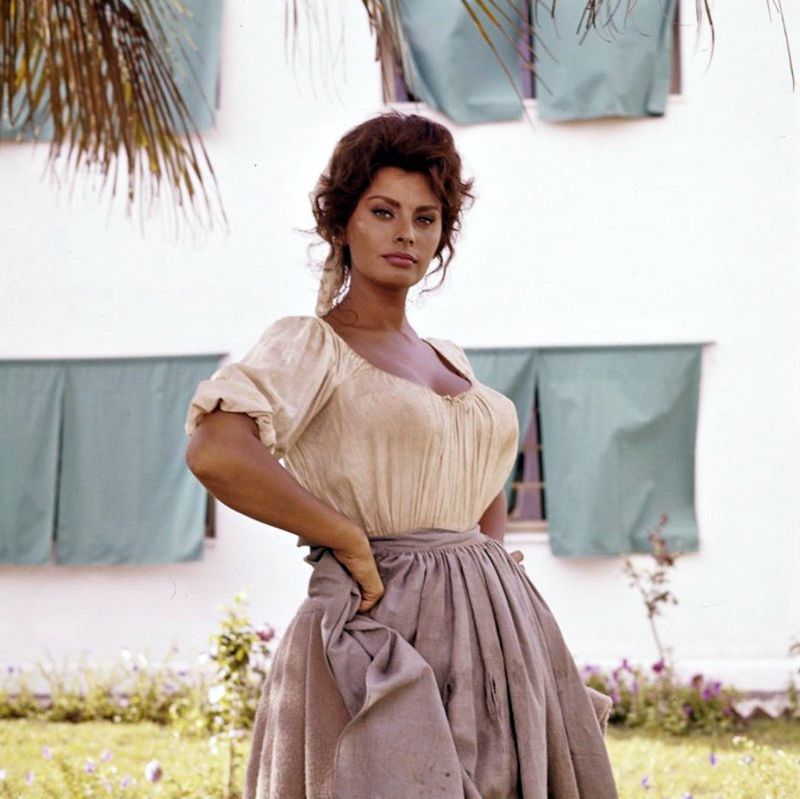
The film’s sets were built to match the grandeur of the Napoleonic era. Lavish interiors, sweeping locations, and carefully dressed props placed every scene firmly in early 19th-century Europe. The production design team worked alongside the costume department to ensure the visual language of the film stayed consistent from frame to frame.
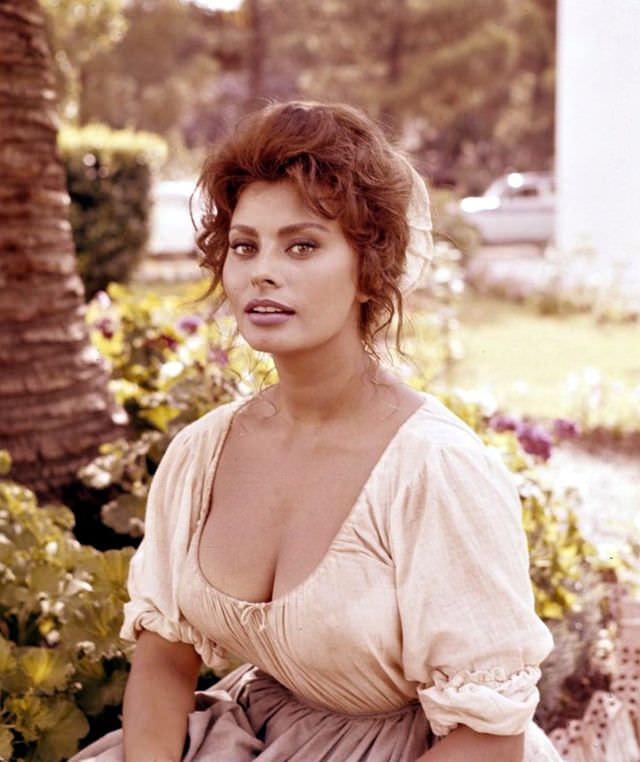
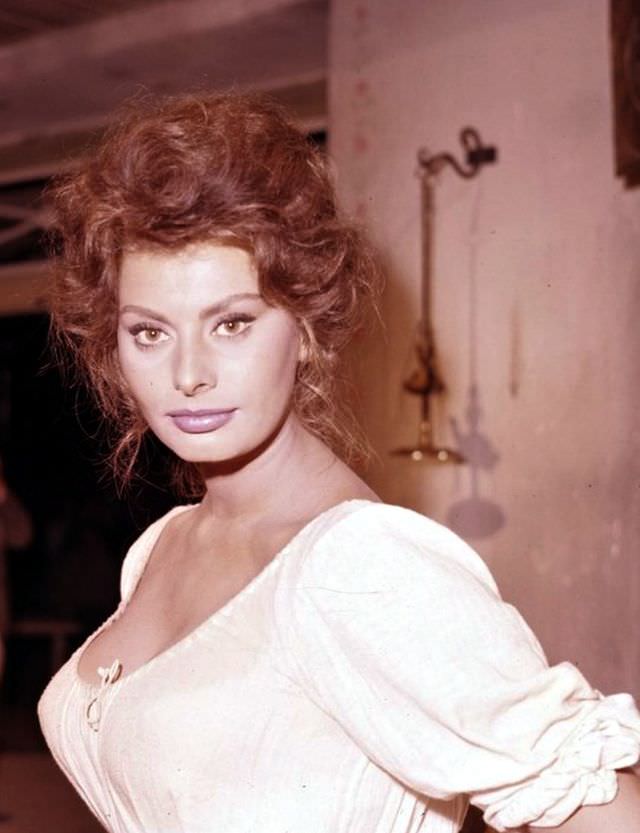
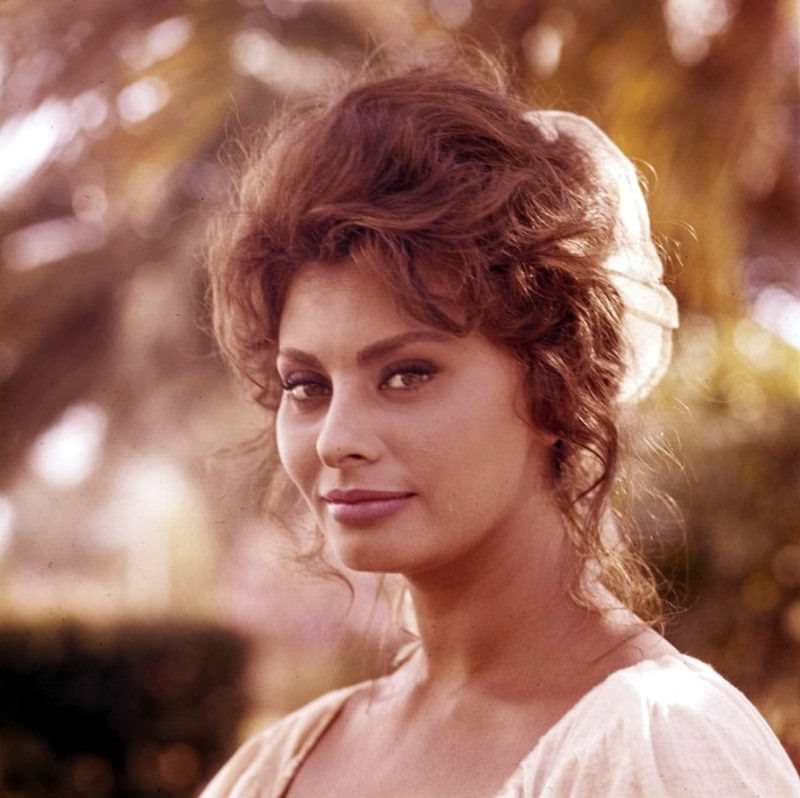
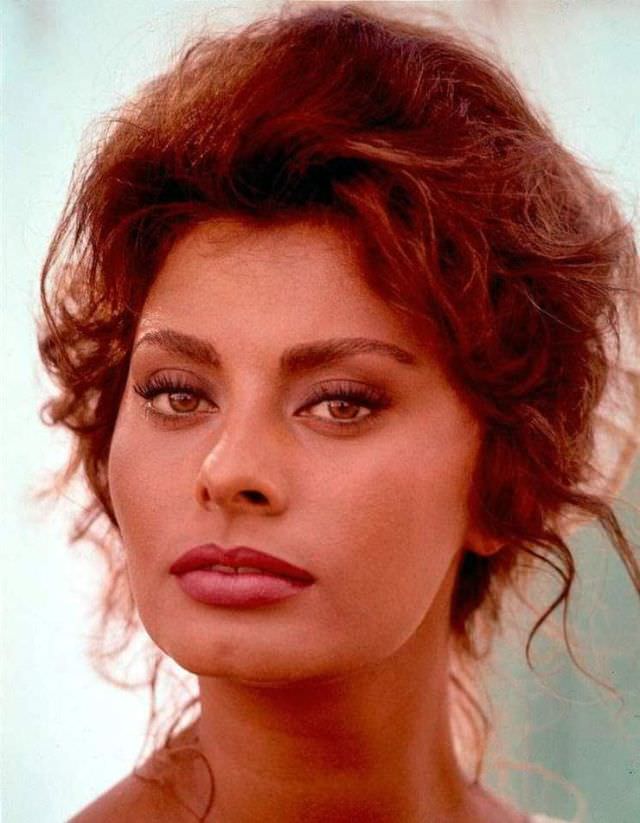
On set, Loren was a commanding presence. Whether posed in full period costume or caught between takes, she brought the same intensity to every moment. The photographs from the production capture that energy — a star completely at ease in front of the camera, even amid the controlled chaos of a major European film shoot.
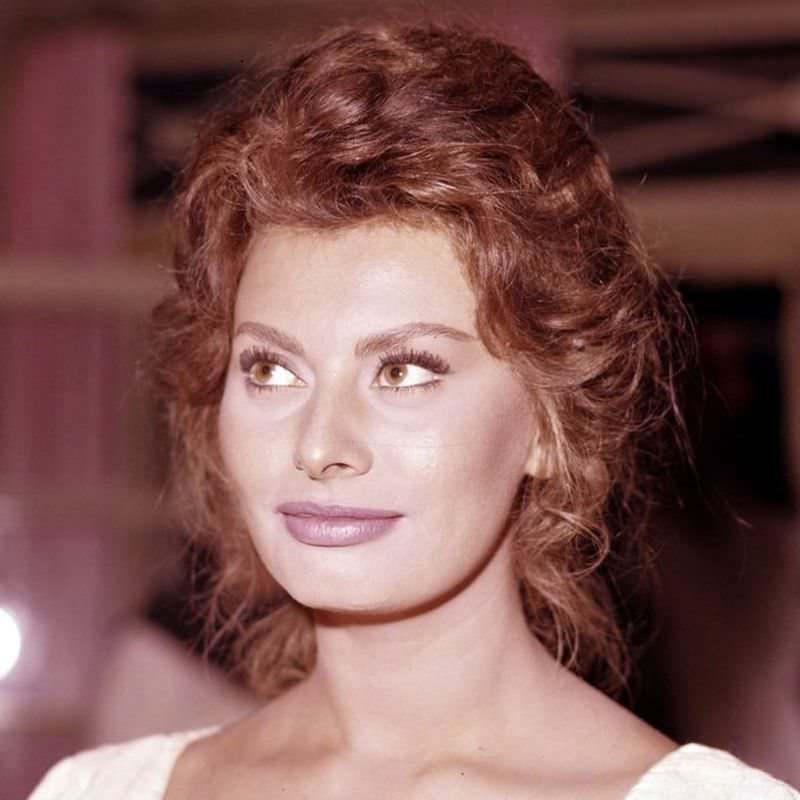
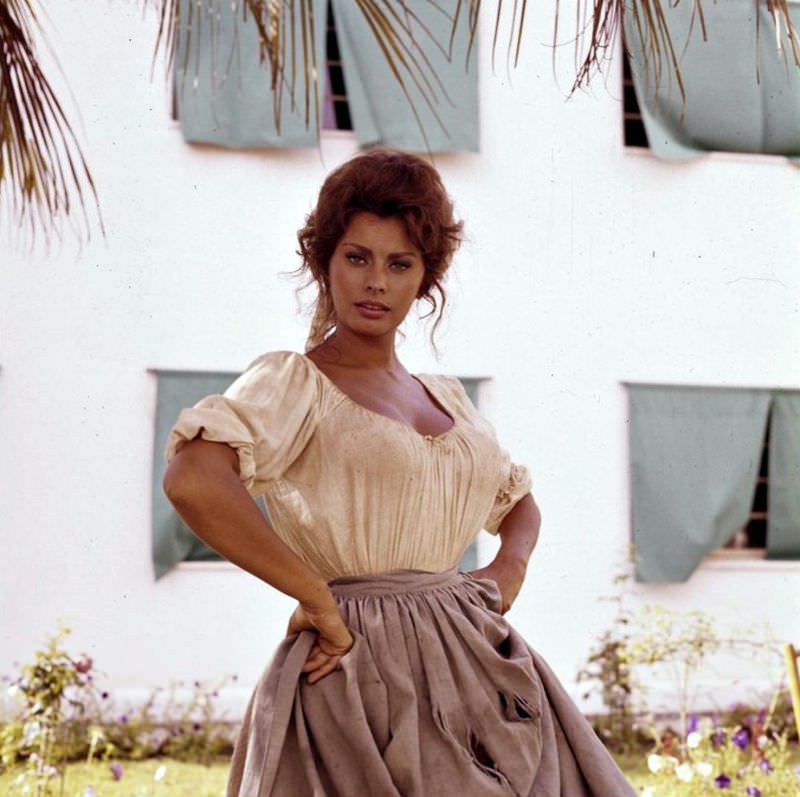
The story itself was based on a long-running stage play of the same name, first written by Victorien Sardou in 1893. By the time this film was made, the character of Madame Sans-Gêne had already been brought to the screen several times. The 1961 version, however, was the most expensive and visually ambitious of them all.
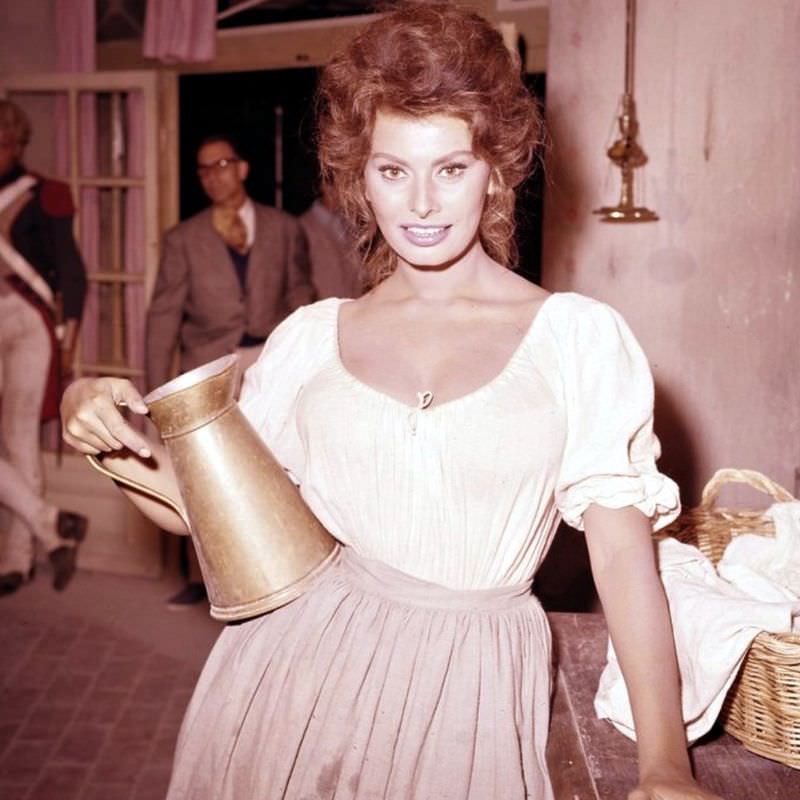
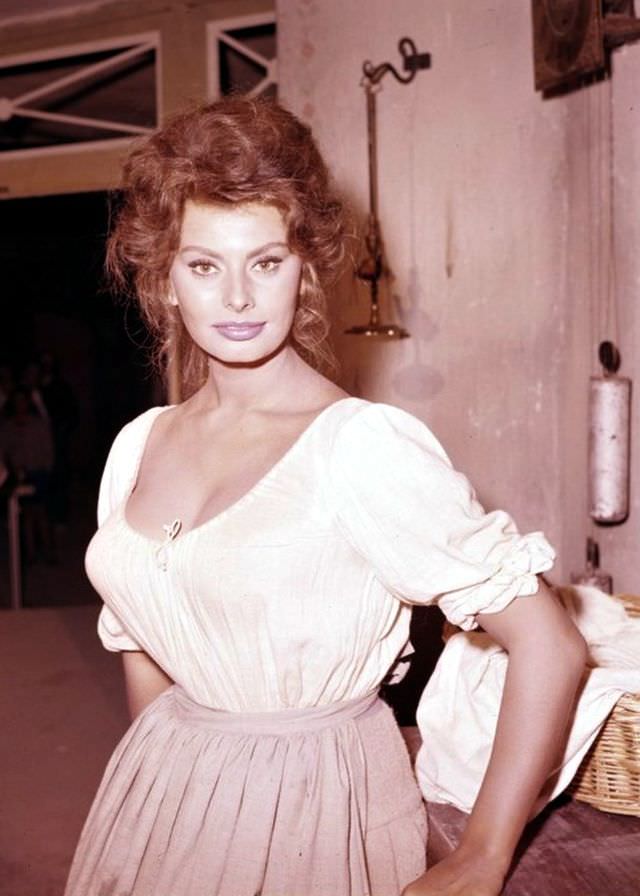
Escoffier and Scandariato’s costumes for Loren ranged from humble working-class dress in the film’s early scenes to elaborate gowns befitting her character’s elevated position at the Napoleonic court. Each outfit marked a stage in Catherine’s journey, using fabric, color, and silhouette to tell the story without a single word of dialogue.
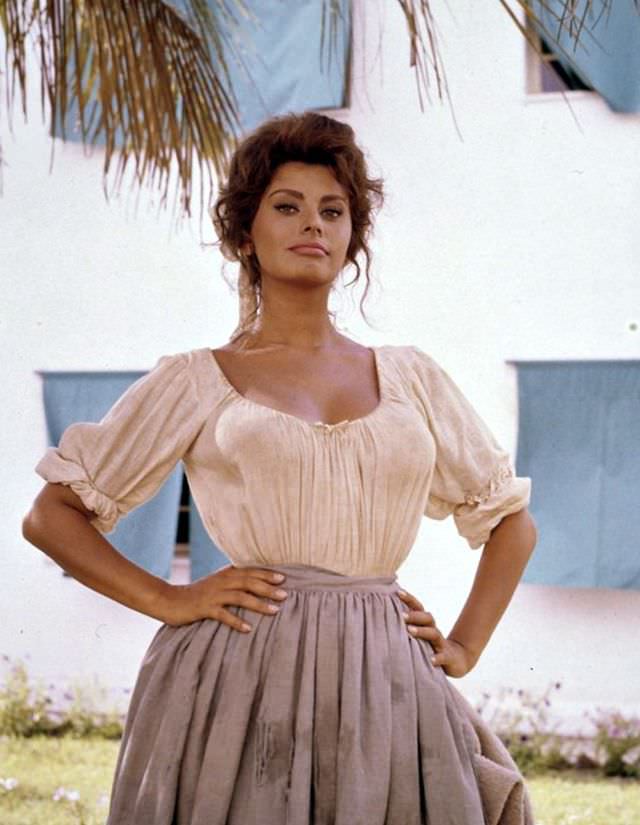
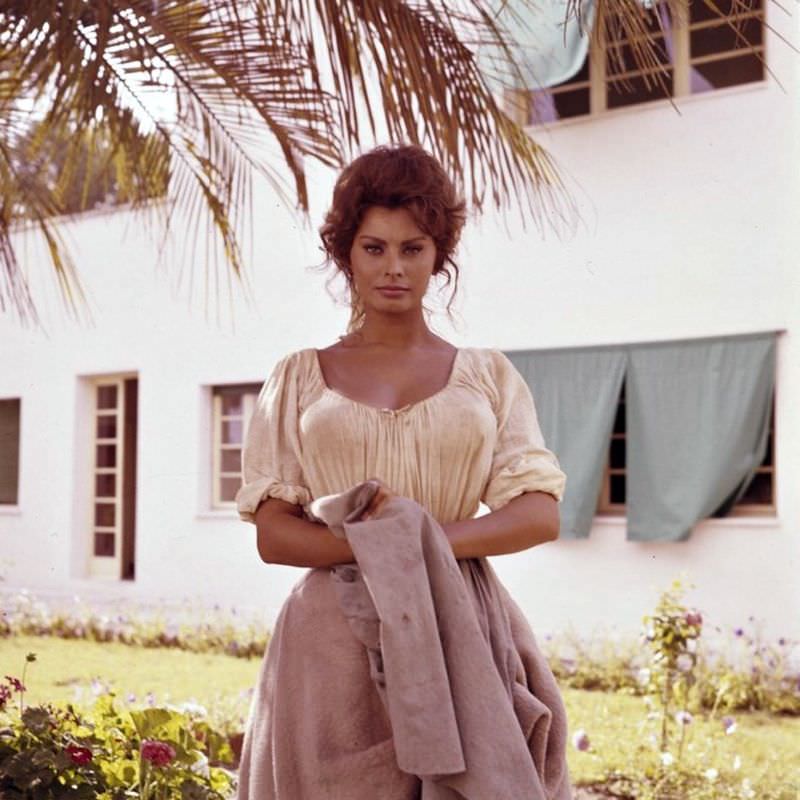
The co-production model — pulling financing and talent from Spain, Italy, and France — was common for large-scale European films of the era. It allowed studios to share costs while drawing on the best crew members from across the continent. For Madame, it meant world-class craftspeople working alongside one of cinema’s biggest names.
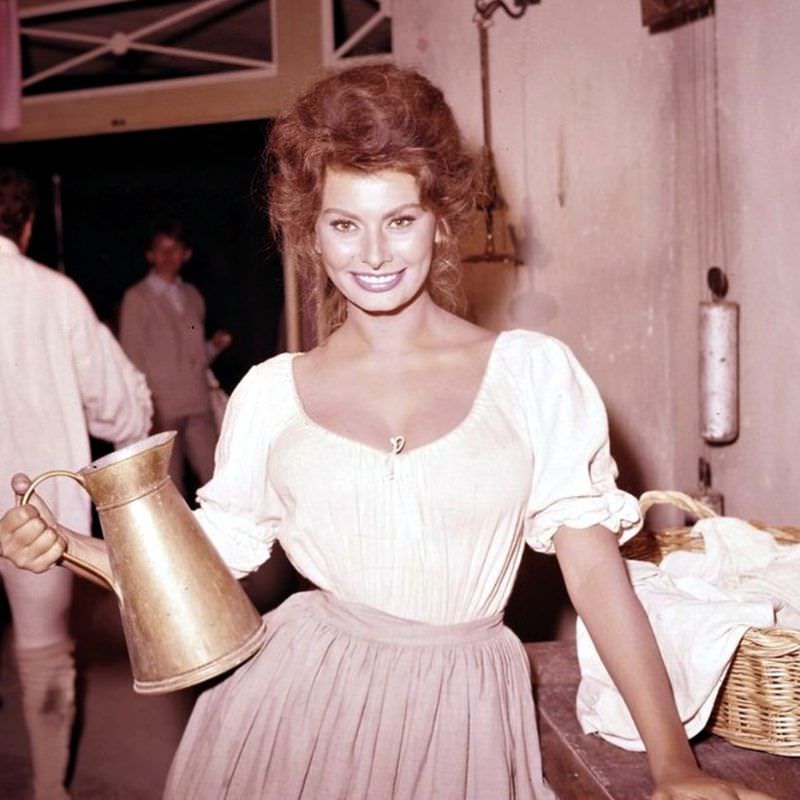
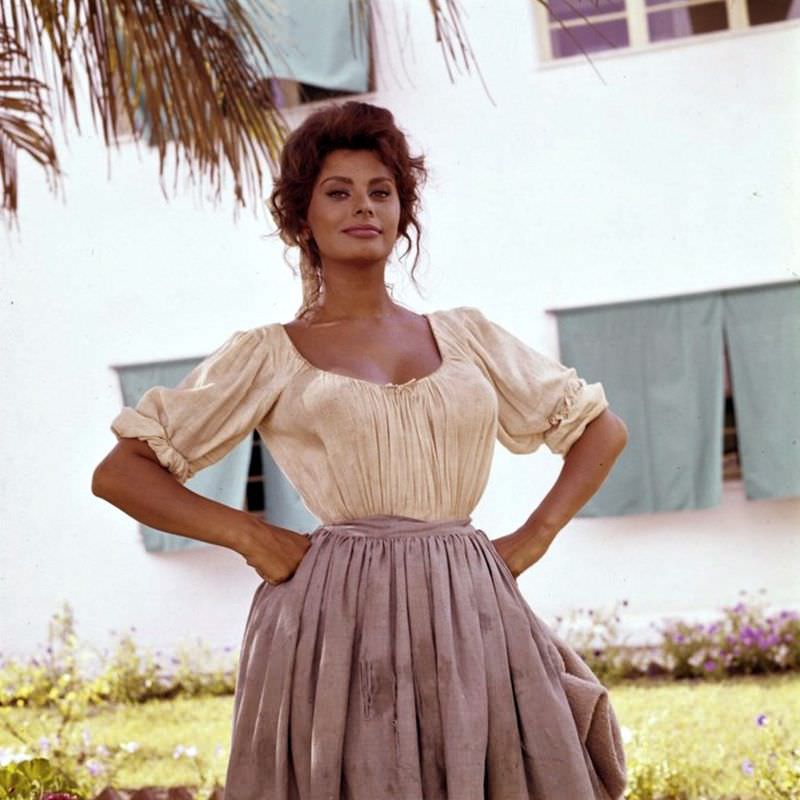
These behind-the-scenes photographs offer a rare look at Loren during the making of the film — in costume, on set, and fully in character. They document not just a movie in production, but a moment in film history when European cinema was operating at a genuinely epic scale.