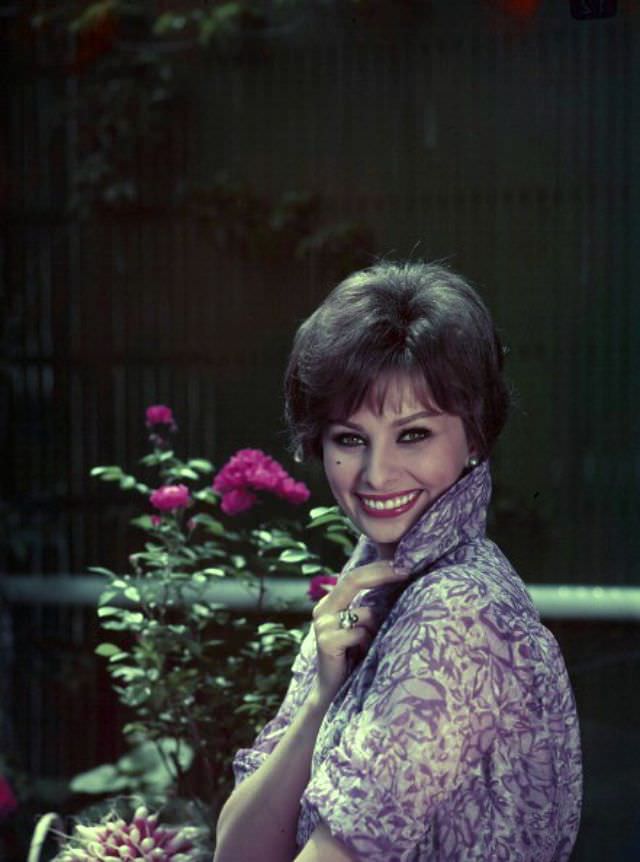
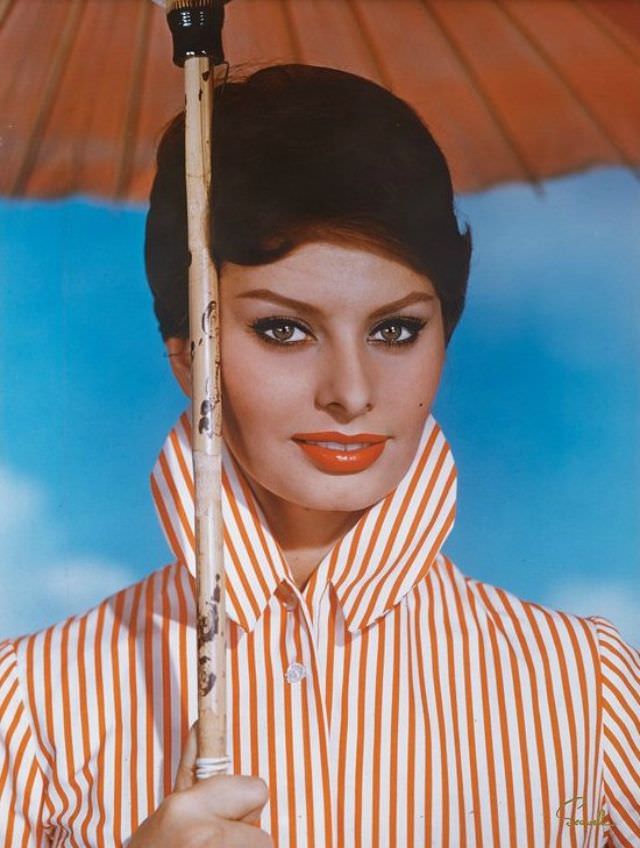
Sophia Loren burst onto the international scene in the early 1950s as a young Italian actress with a look that was impossible to ignore. Born in Rome and raised in Pozzuoli, she carried a brand of glamour that was entirely her own — equal parts Italian elegance and Hollywood heat. By the mid-decade, she was one of the most photographed women in the world.
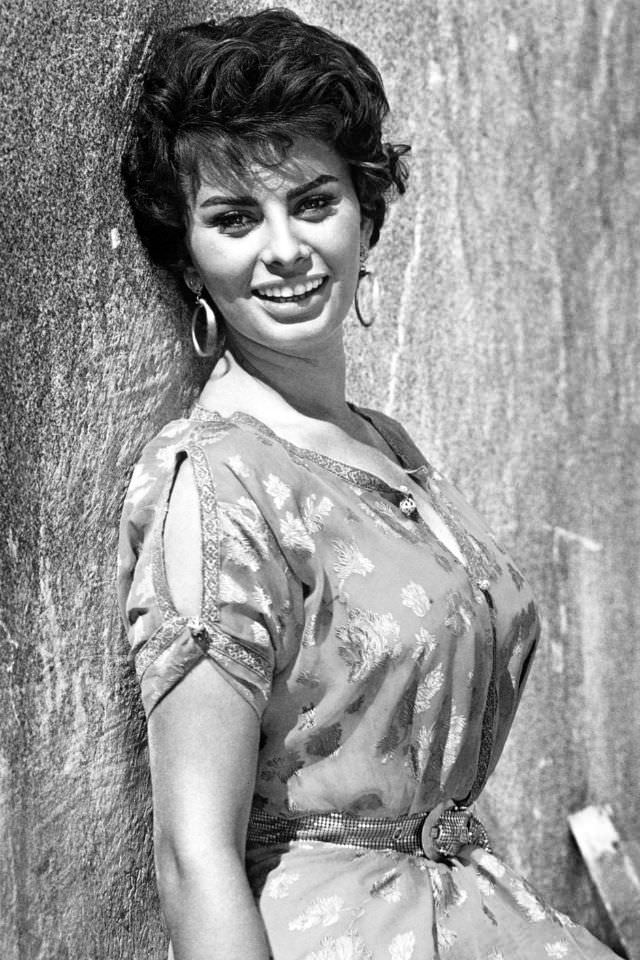
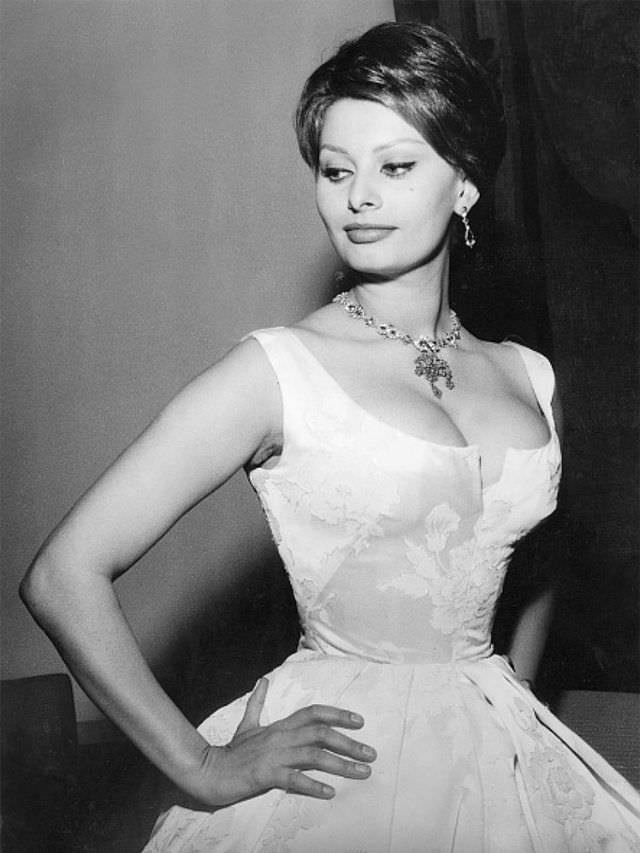
From the very start of the decade, Loren’s style centered on her figure. She favored form-fitting dresses cut to highlight her hourglass shape — a silhouette that defined 1950s fashion. Bold prints, rich fabrics, and deep colors ran through her wardrobe consistently, whether she was on a film set or walking the streets of Rome.
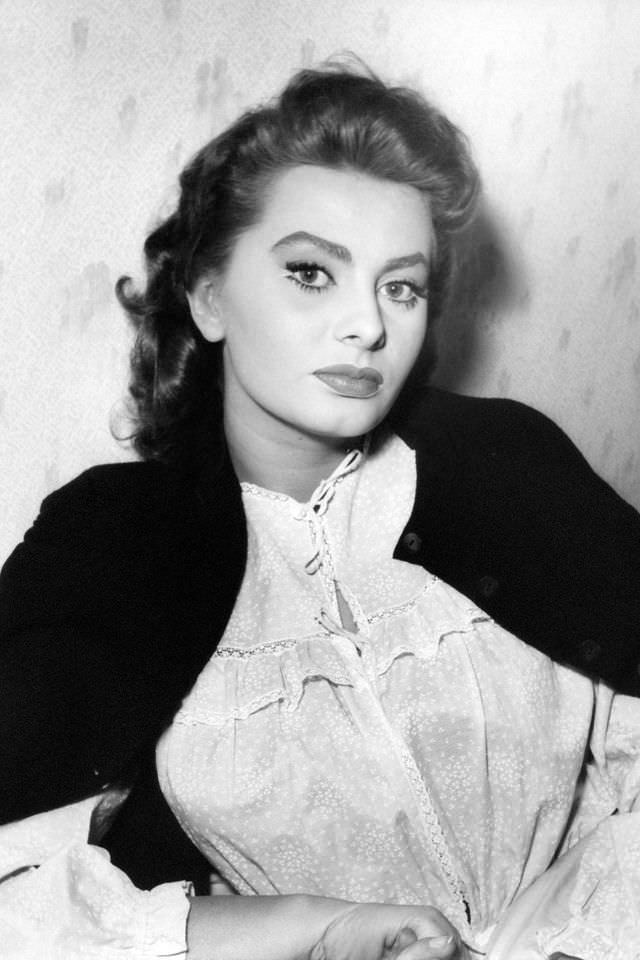
Her public appearances were always deliberate. Arriving at events like the London film festival in 1954, she dressed with a precision that turned heads instantly. Accessories were central to her look — statement jewelry, oversized sunglasses, and carefully chosen bags elevated even her simplest outfits.
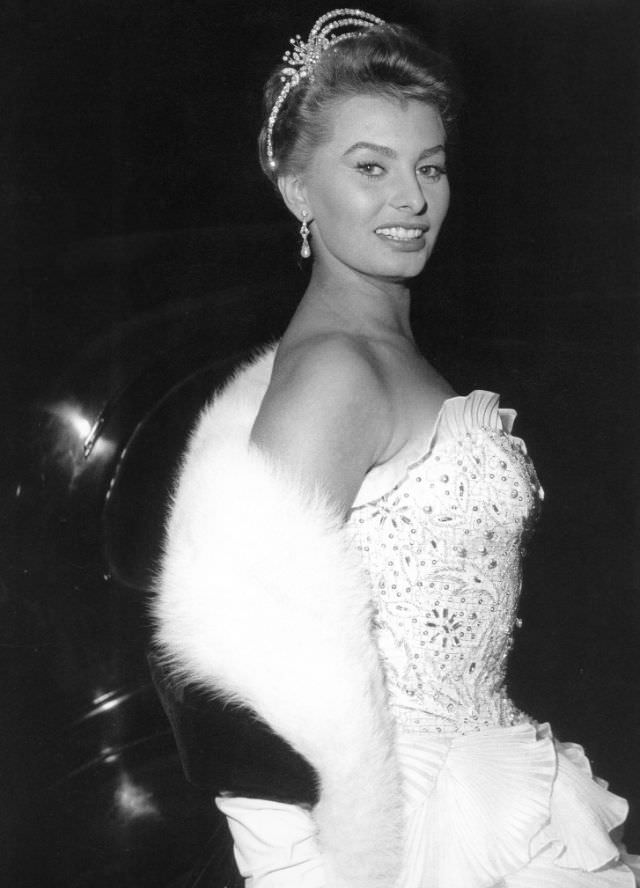
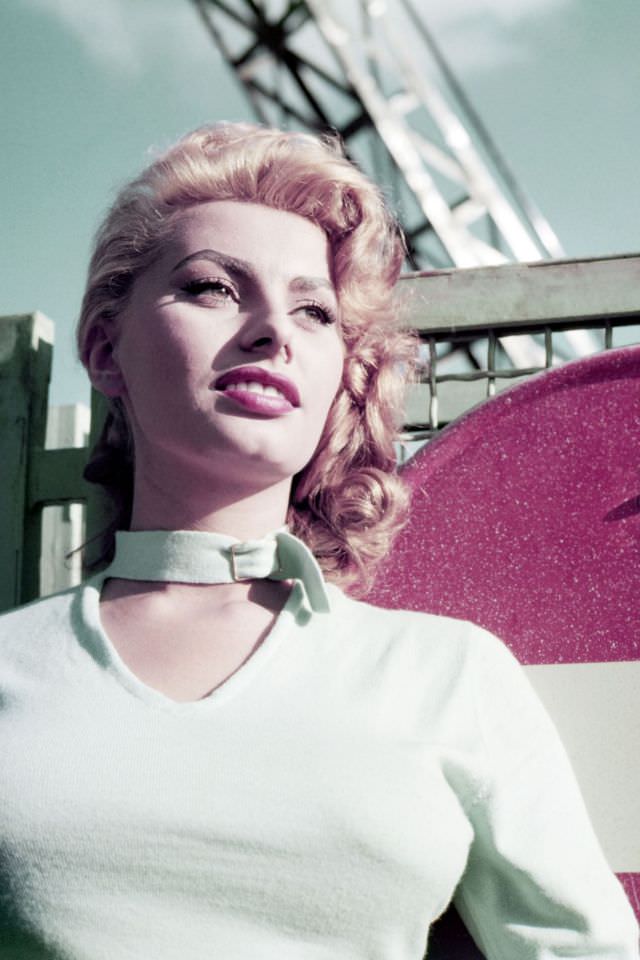
By 1955, Loren was a fixture at major European cultural events. The Cannes Film Festival that year captured her at a peak moment — poised, polished, and fully commanding of the camera. That same year, Venice gave photographers some of their most striking shots of her, dressed in everything from floral halter dresses to richly embroidered gowns.
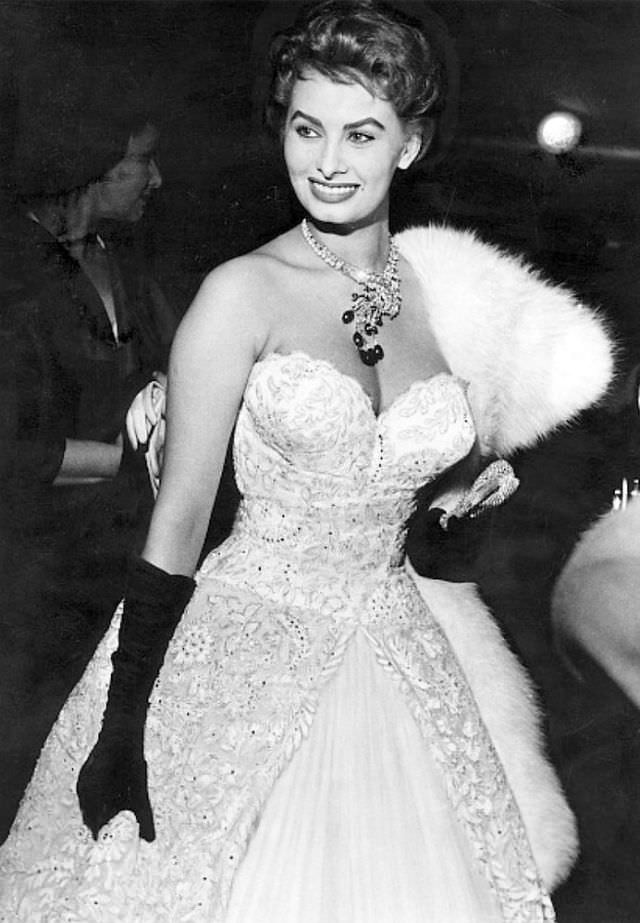
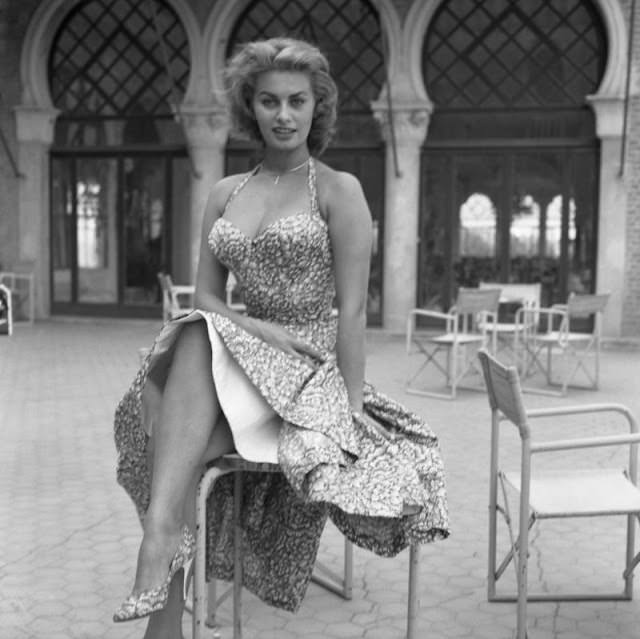
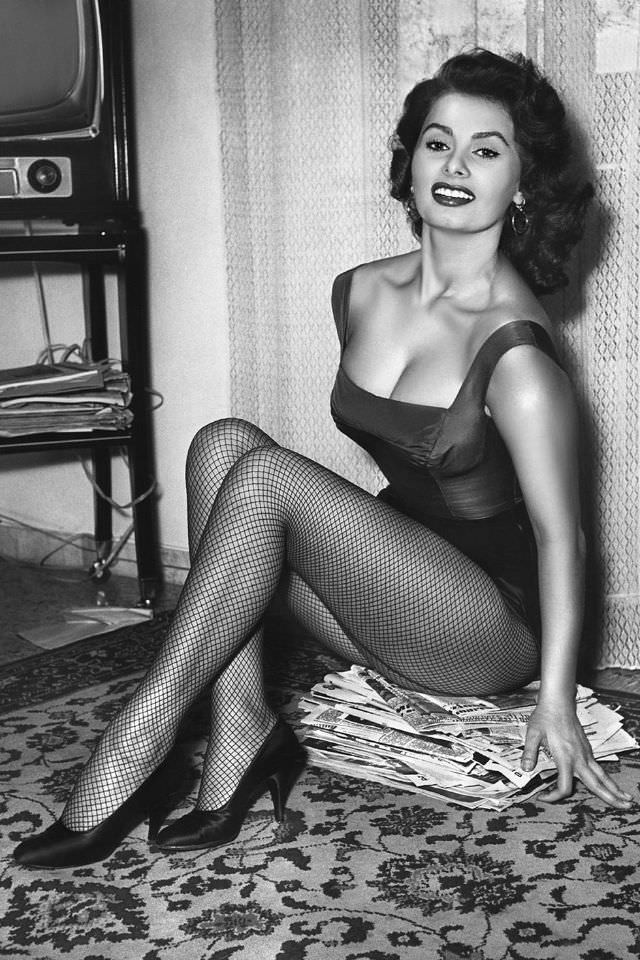
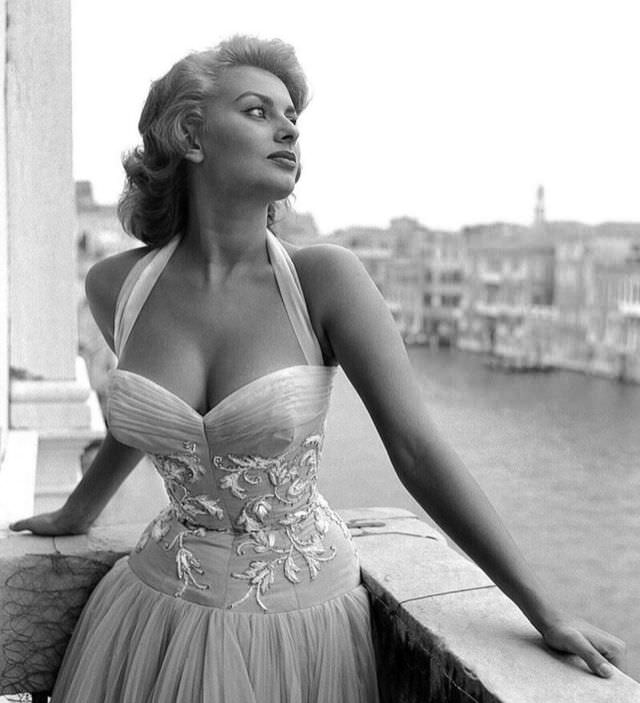
Rome served as her home base throughout the decade, and the city’s streets became a natural backdrop for her style. Whether photographed in Naples or wandering Rome, Loren brought the same ease and confidence to every setting.
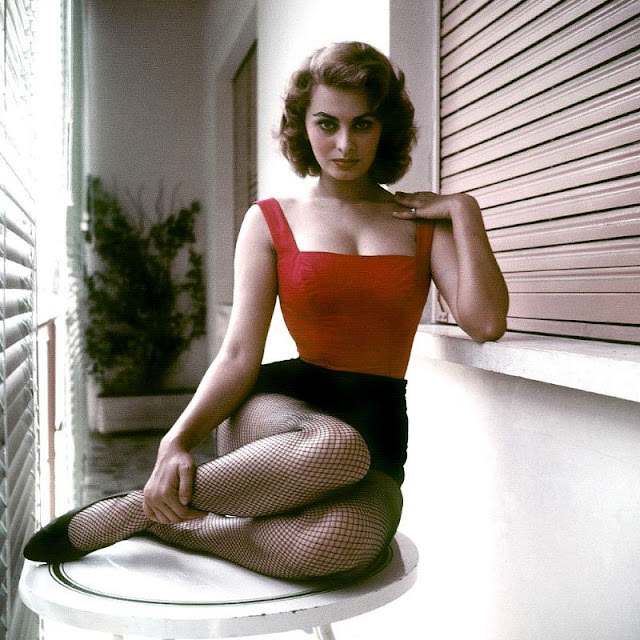
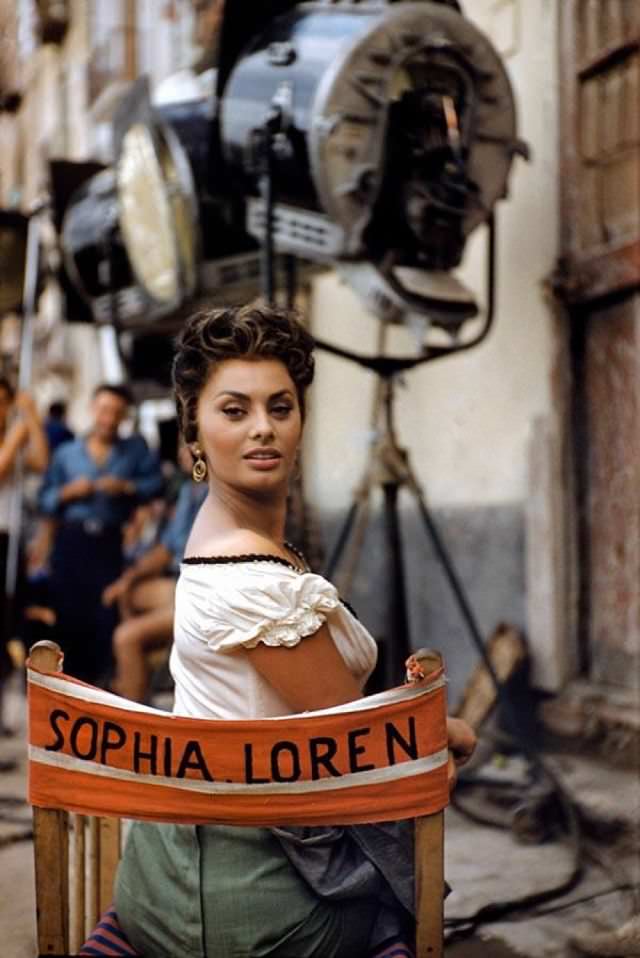
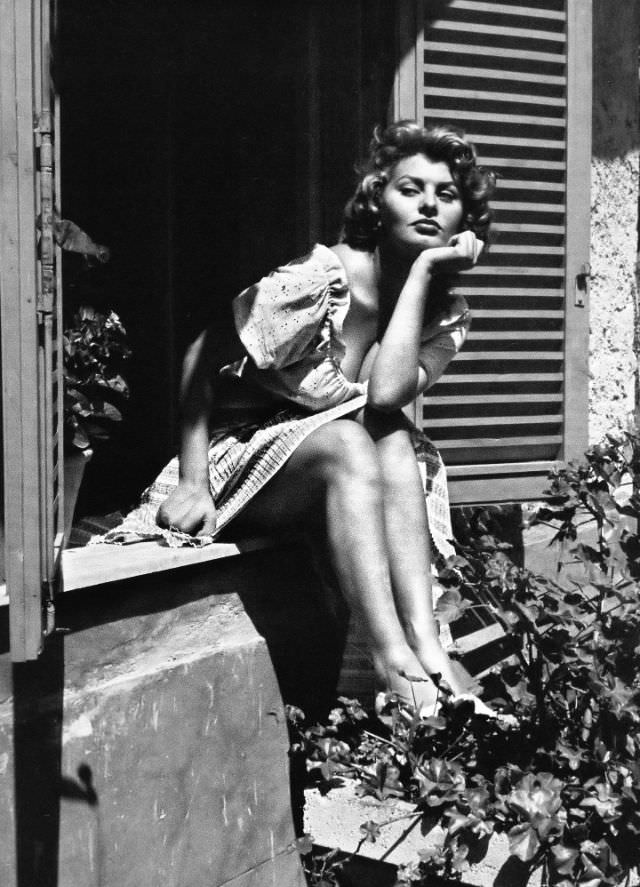
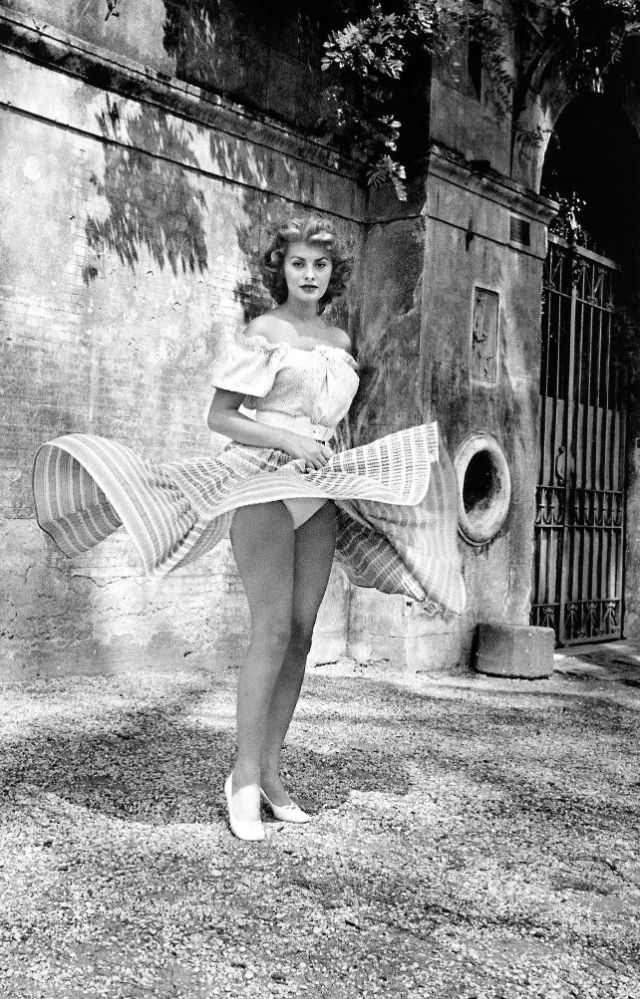
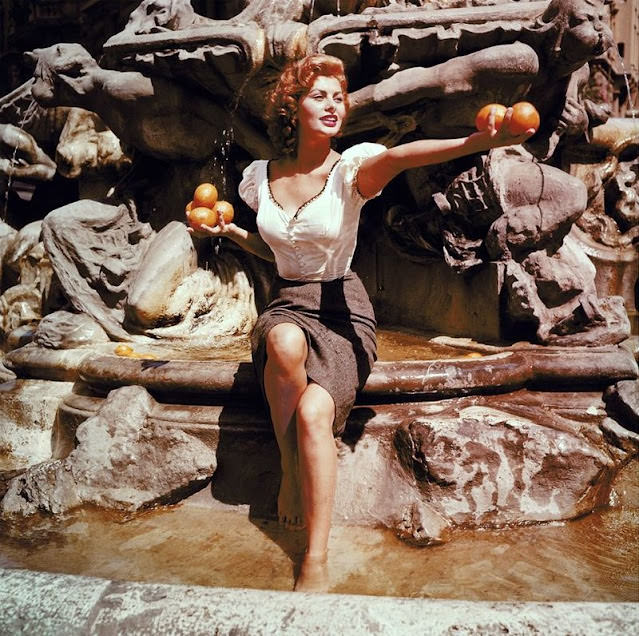
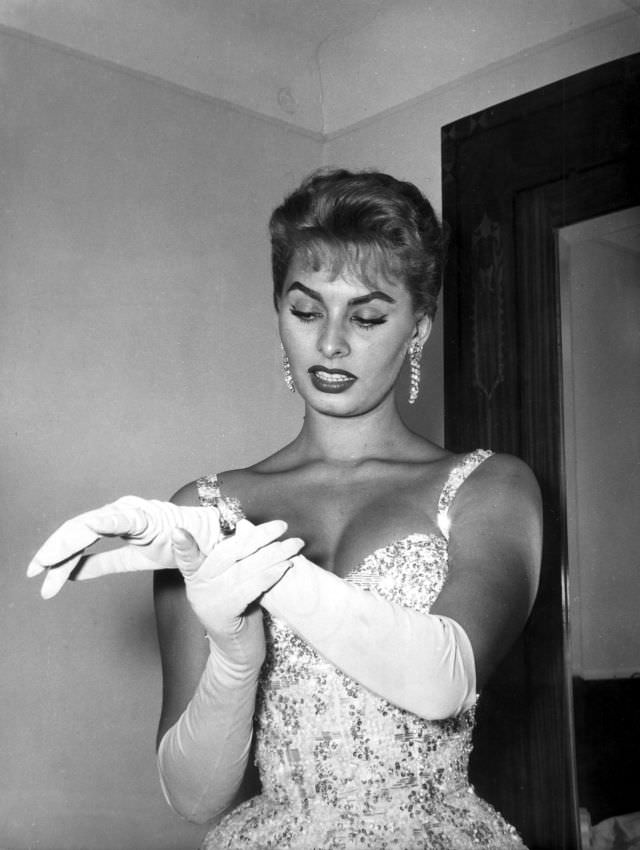
In Venice in 1955, she wore an Emilio Schuberth gown in her suite at the Hotel Excelsior — a moment that showed how naturally high fashion fit her world. Schuberth was one of Italy’s premier couturiers, and Loren wore his designs with the ease of someone who had always belonged in them.
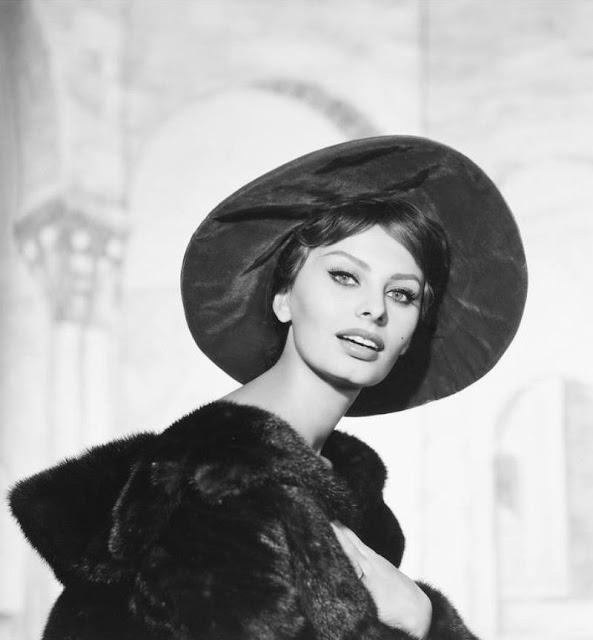
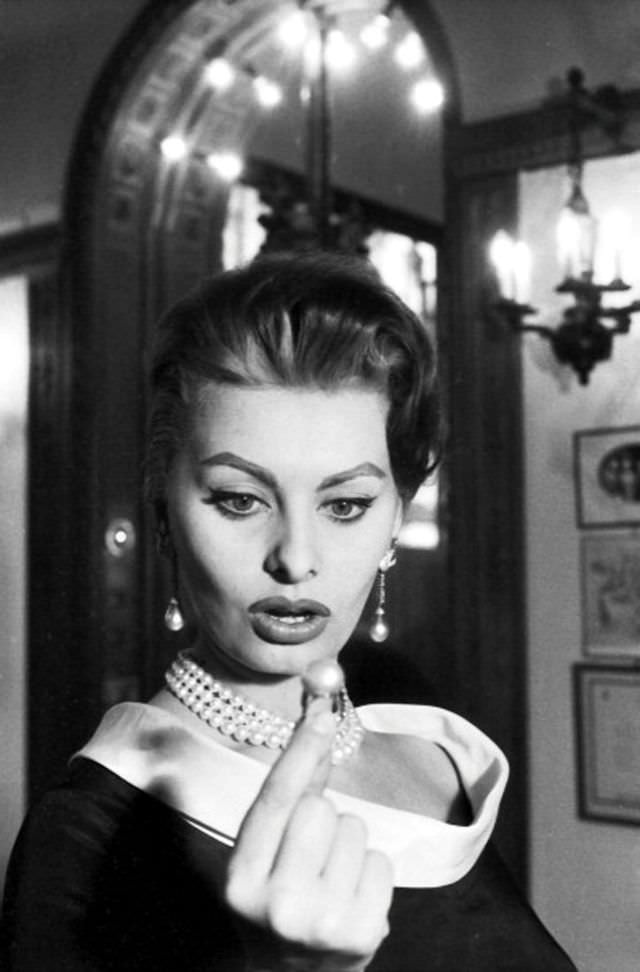
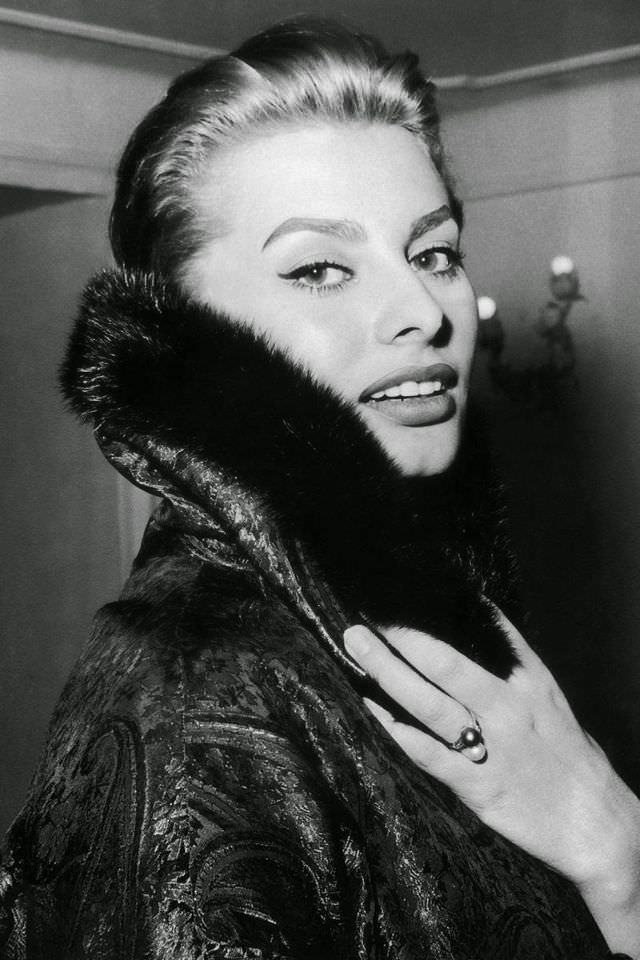
Paris became a frequent destination by 1956. At Cartier, she admired a pearl ring and received a bronze Eiffel Tower as a gift — a scene that captured both her glamour and the celebrity treatment she received across Europe. That February, she was photographed in a Christian Dior brocade coat, one of the most recognized fashion houses of the era.
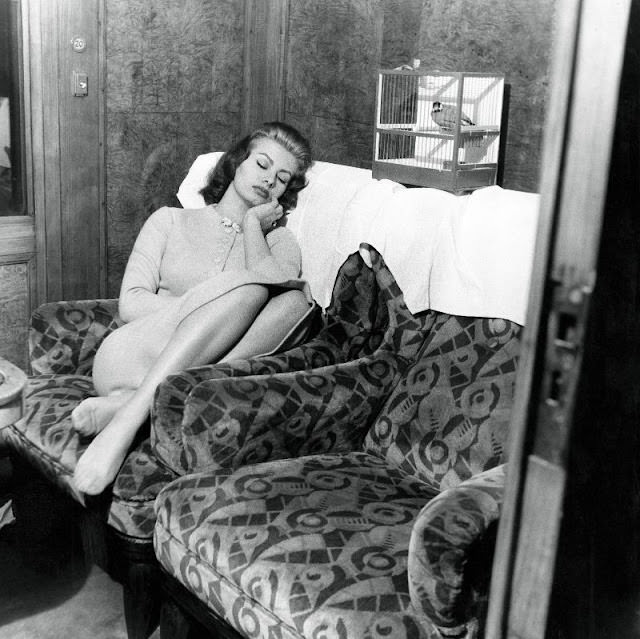
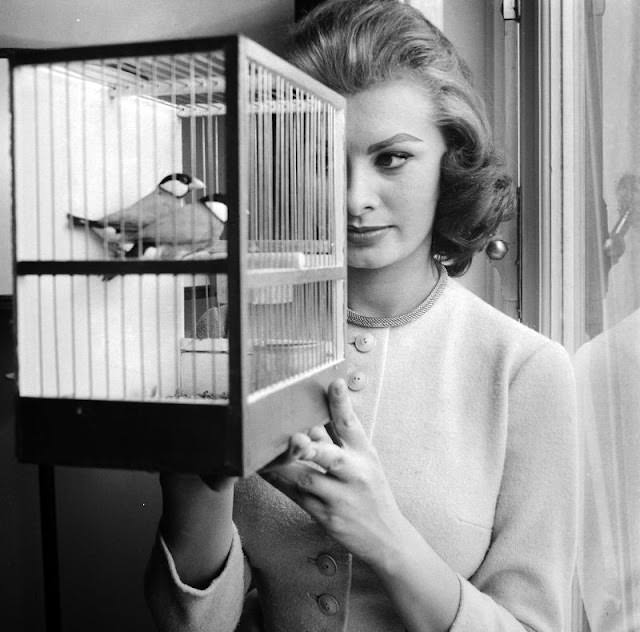
Even off-duty, Loren’s presence was photogenic. Napping on a train from Brussels to Paris in 1956, or posing with a pair of songbirds gifted to her in Brussels, she projected a warmth that balanced her screen-idol image.
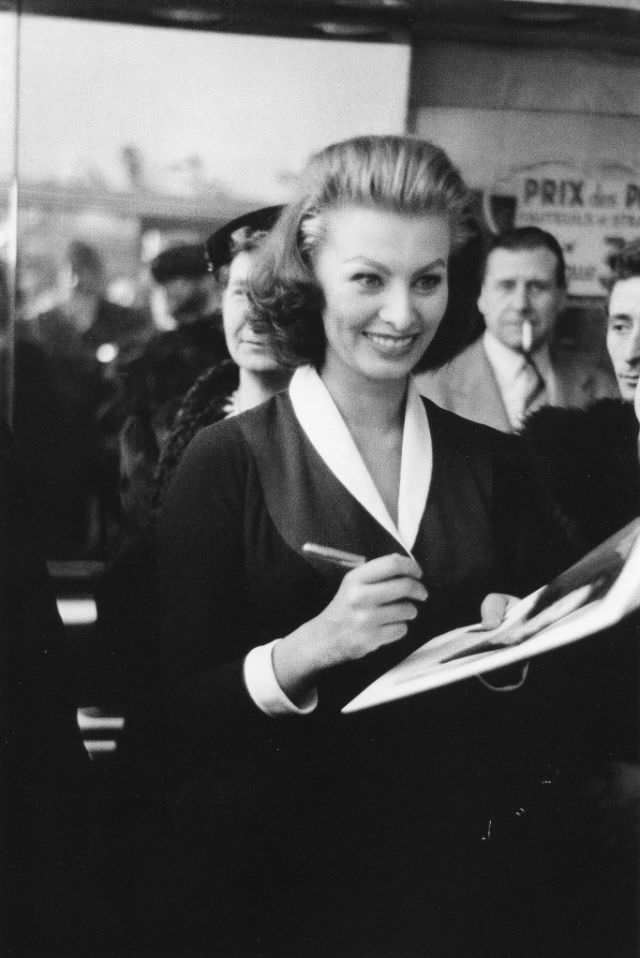
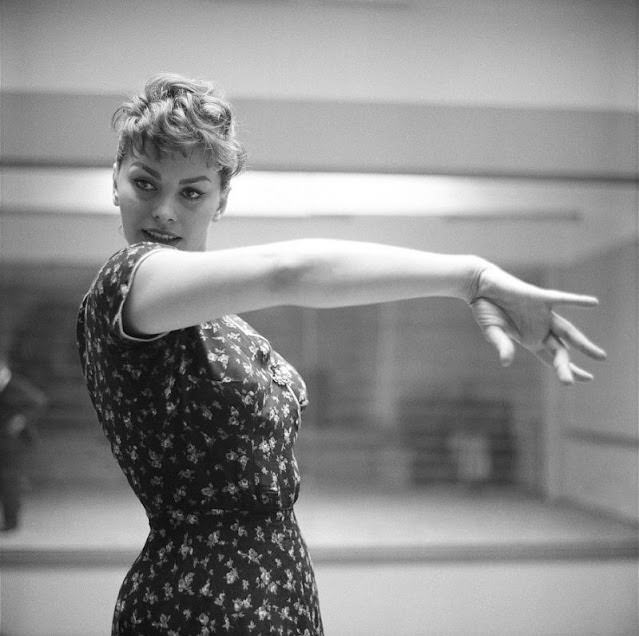
Her film wardrobe in 1957 was just as carefully considered as her personal style. On the set of Boy on a Dolphin, her costuming matched the sun-soaked Mediterranean setting. For The Pride and the Passion, she rehearsed dance moves in character — her on-screen look as deliberate as anything she wore off camera.
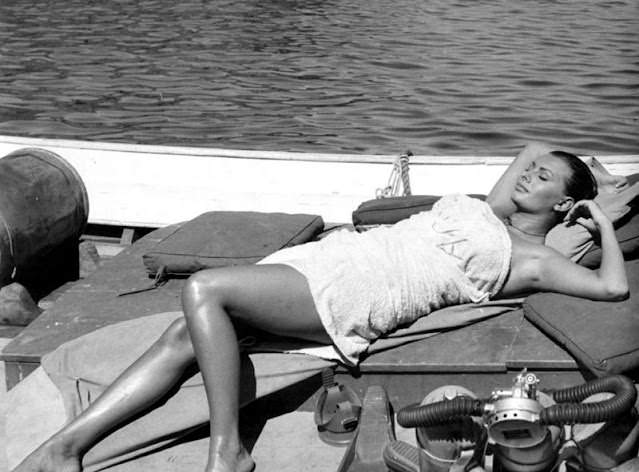
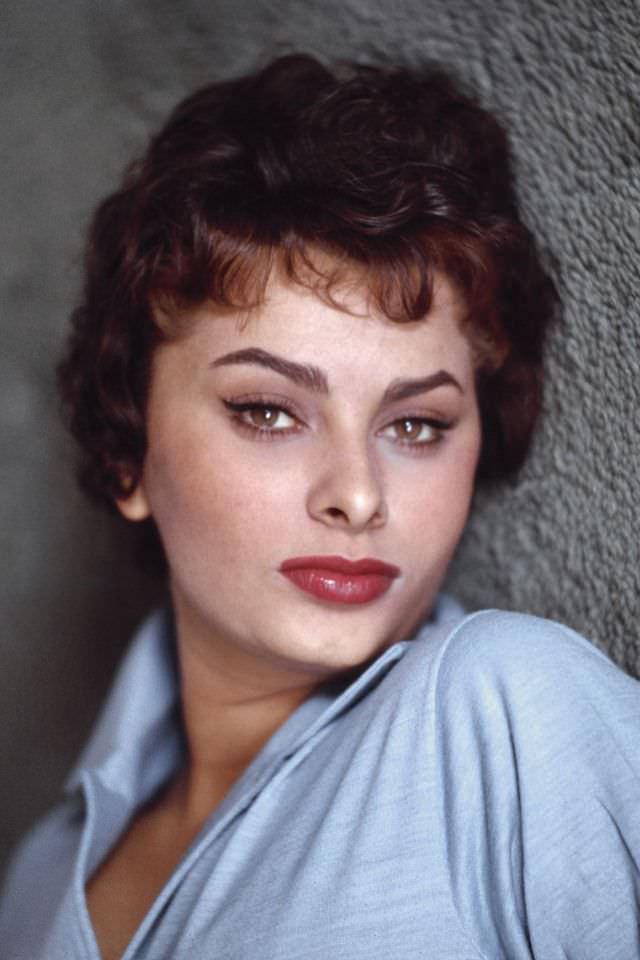
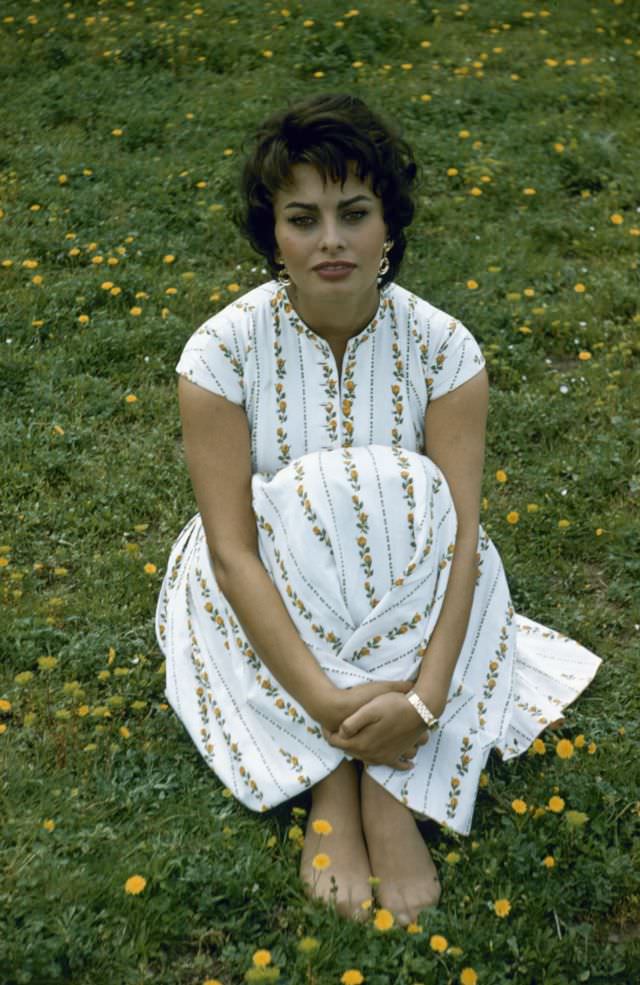
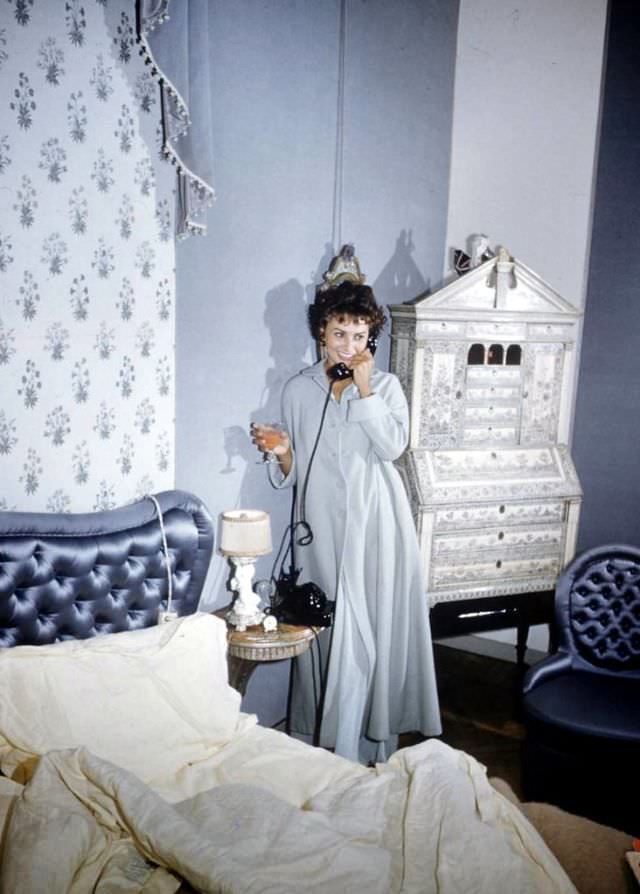
In November 1957, Loren prepared for a meeting with Queen Elizabeth in London — a moment that called for her most refined presentation. That same year, she appeared on the cover of Life magazine, cementing her status as a global cultural figure. Back in Rome, candid shots showed her trying on shoes, lounging in her bedroom on the phone, and sitting among dandelions along the Via Appia Antica.
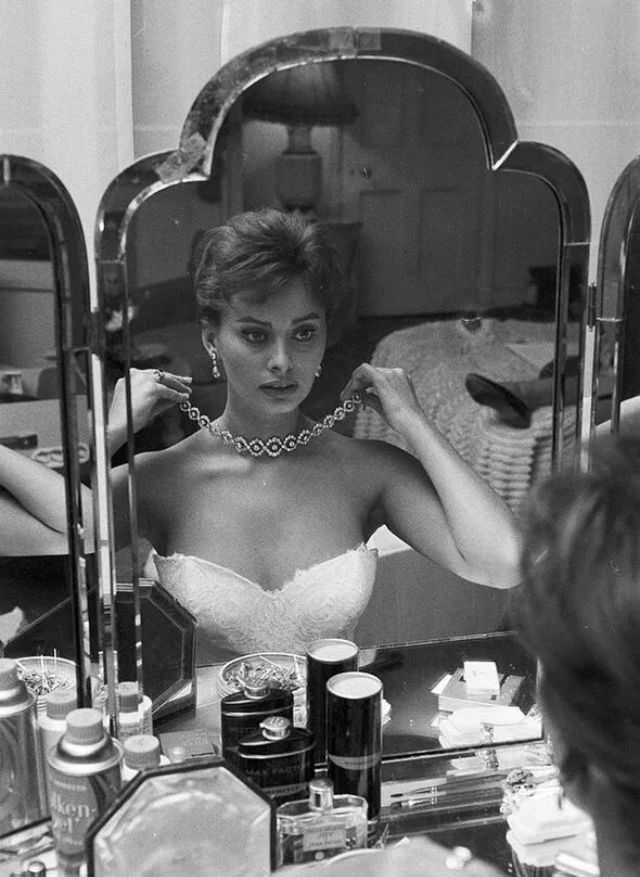
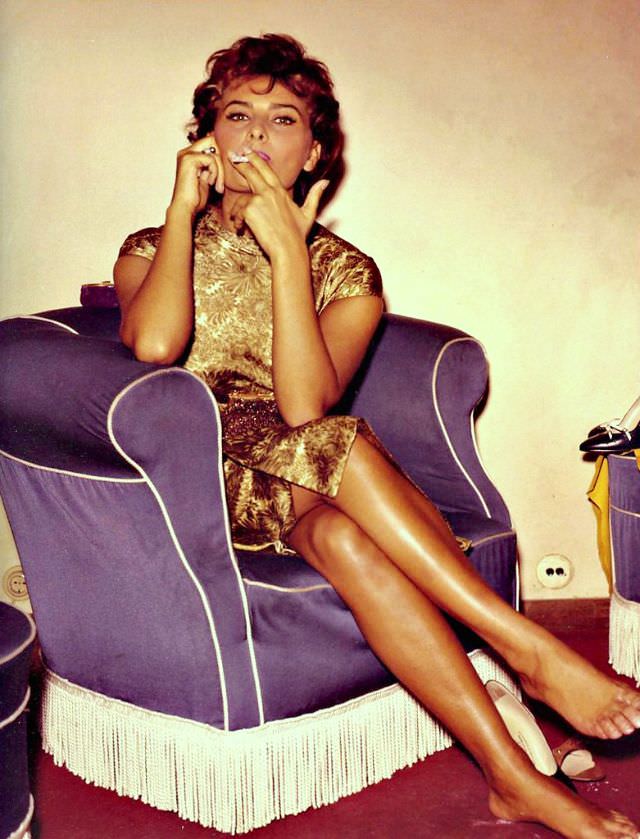
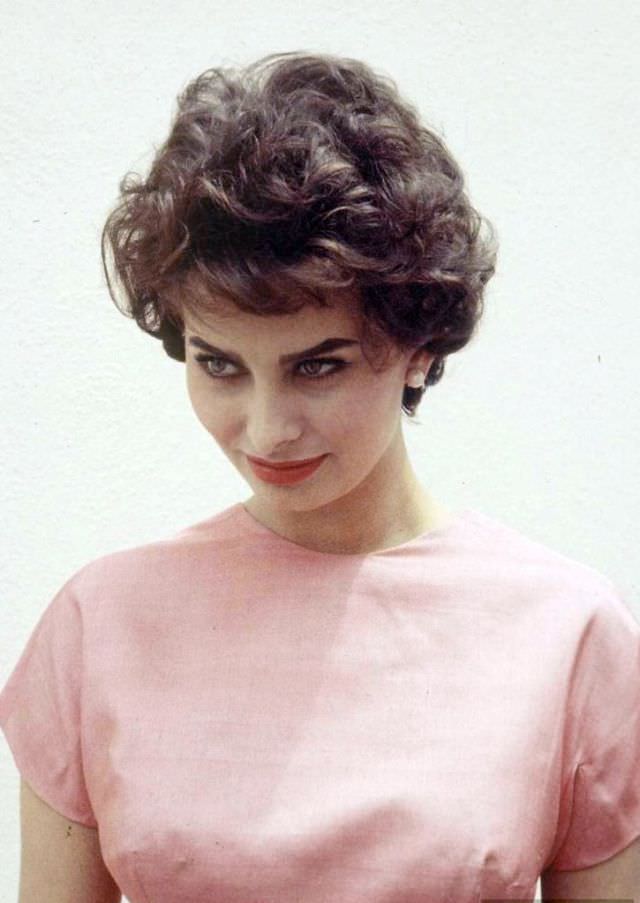
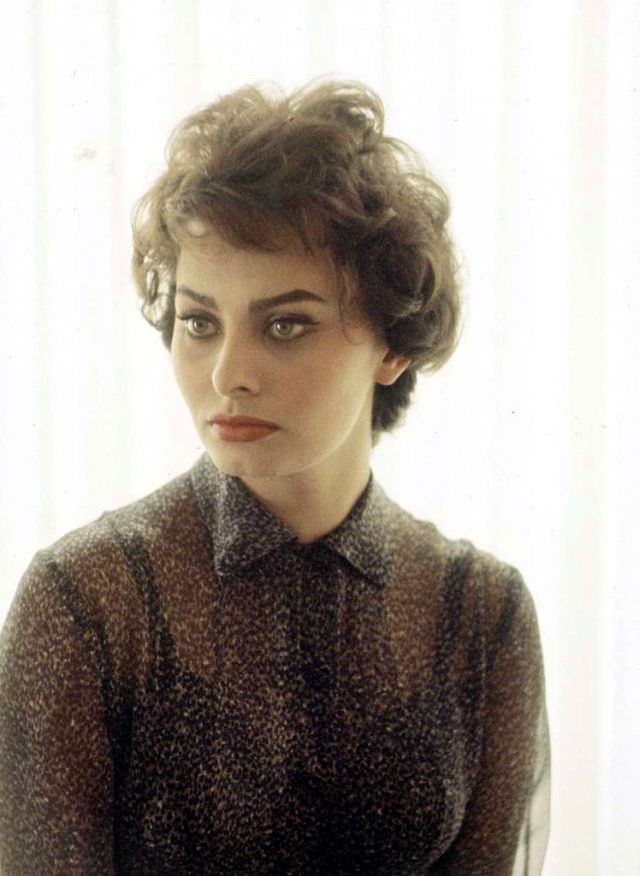
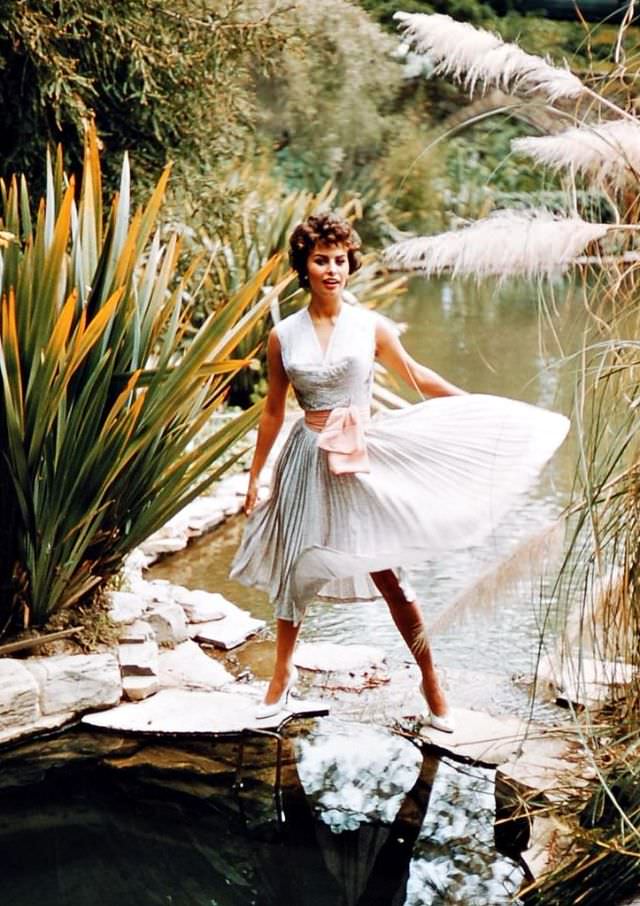
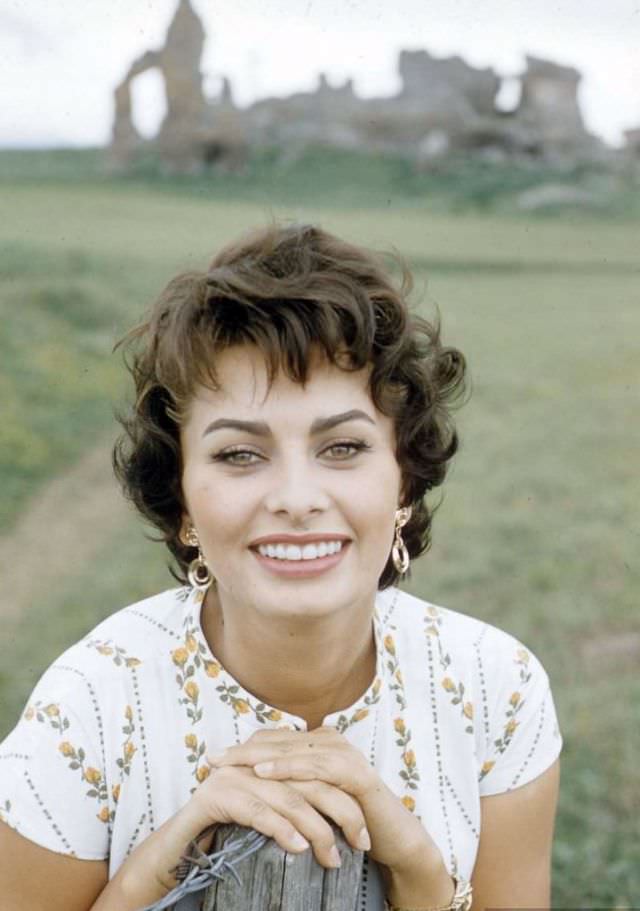
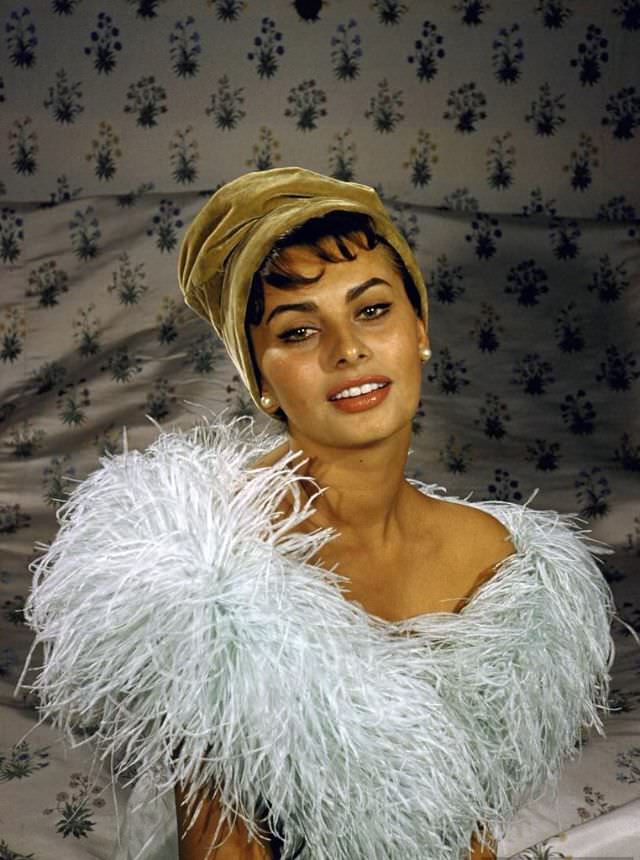
The little black dress — already a wardrobe staple by the late 1950s — looked like it was designed specifically for Loren. A January 1957 photo taken in Rome shows her in one with total command, her makeup sharp and her posture effortless.
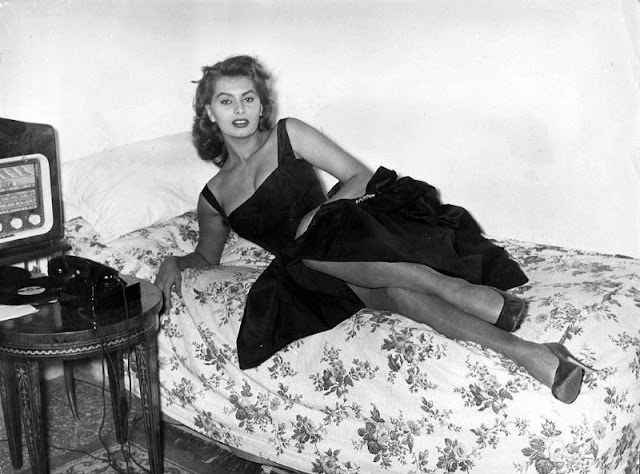
In 1958, she took her style to the French Riviera and New York City alike. A vacation villa in St. Tropez that September offered a relaxed backdrop. Her Paramount Studio publicity photos and on-set shots from Houseboat showed Hollywood’s best attempt at packaging her image — though Loren always looked more herself than packaged.
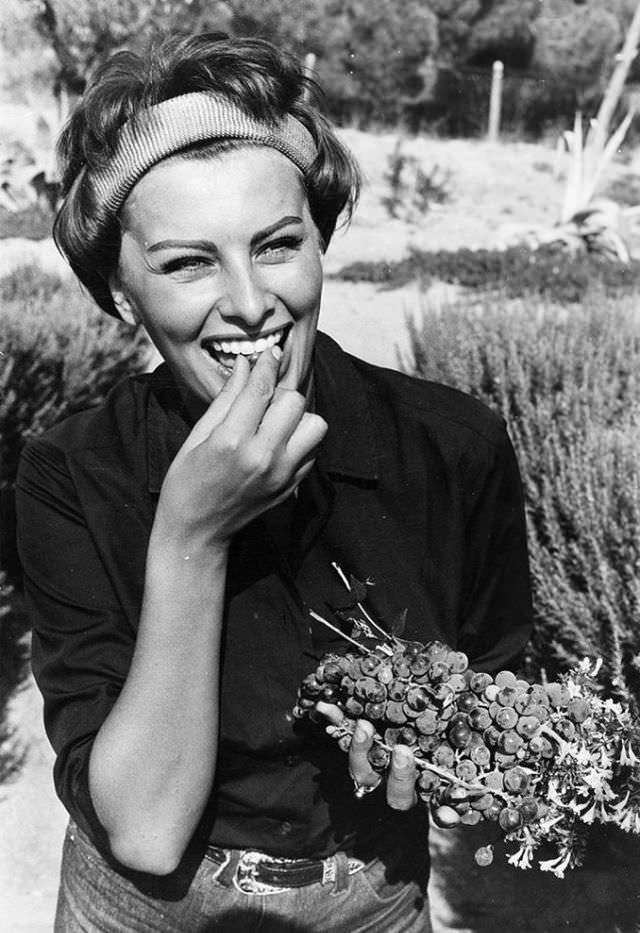
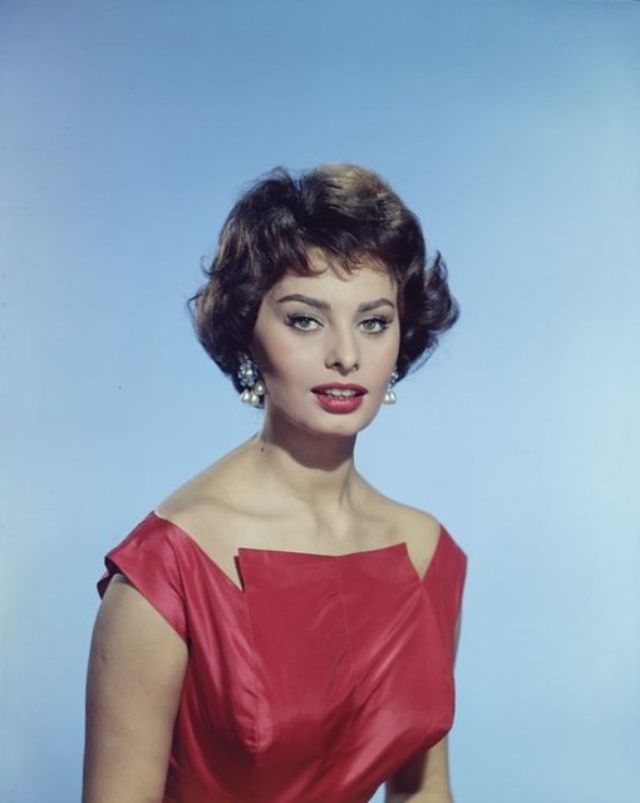
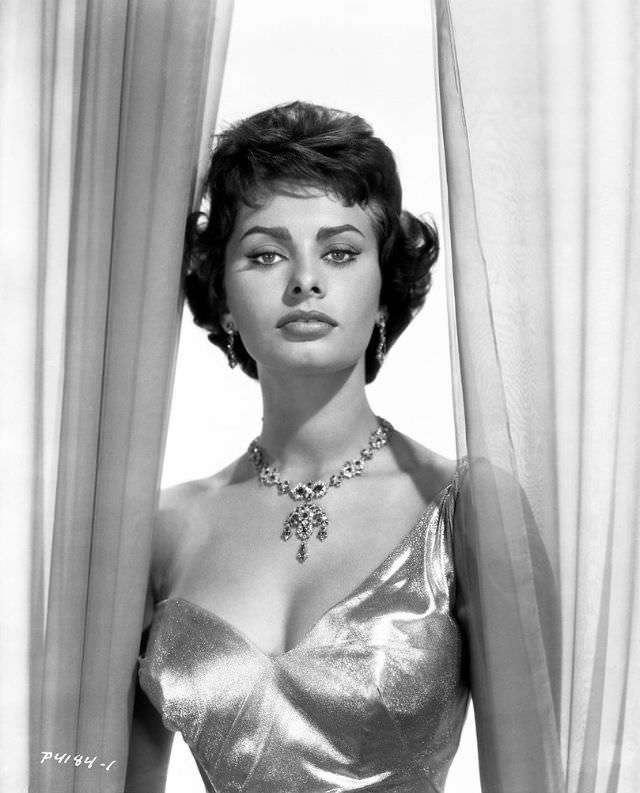
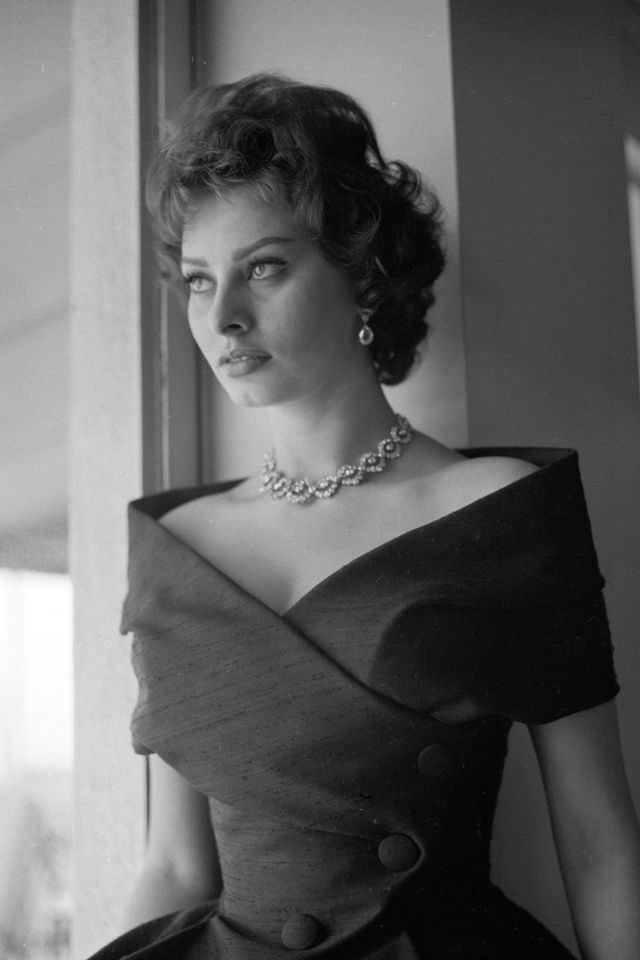
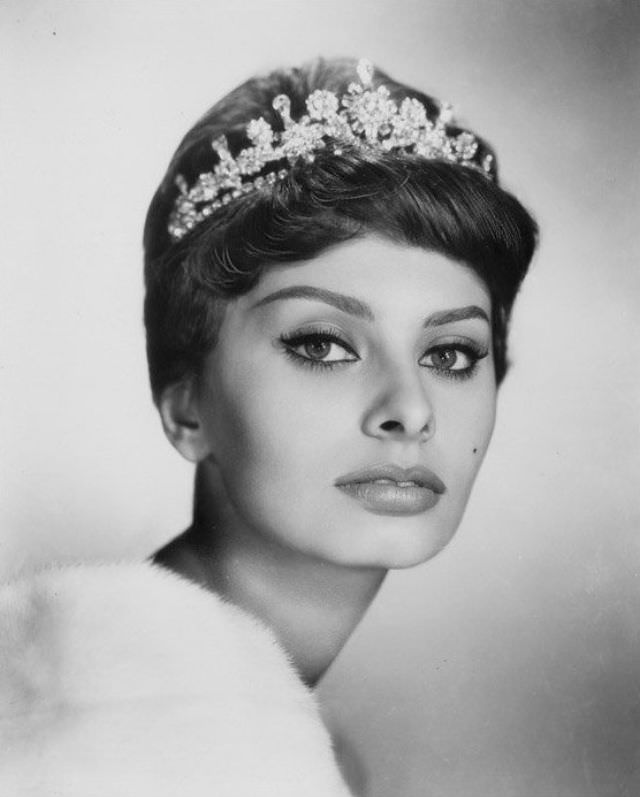
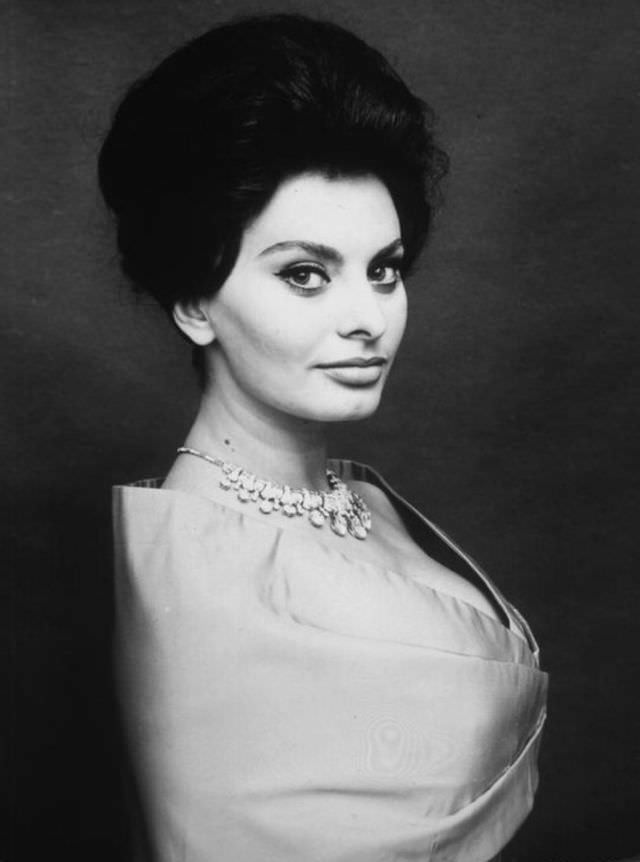
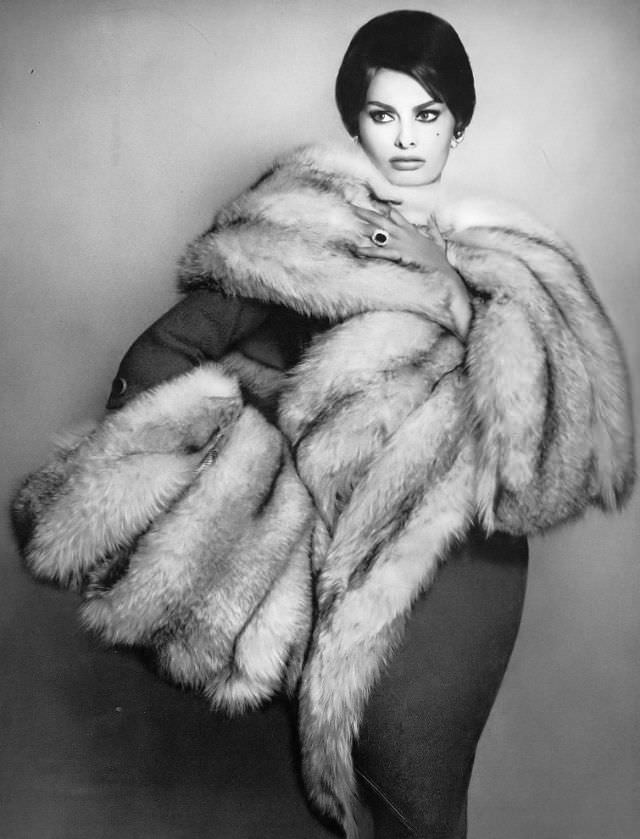
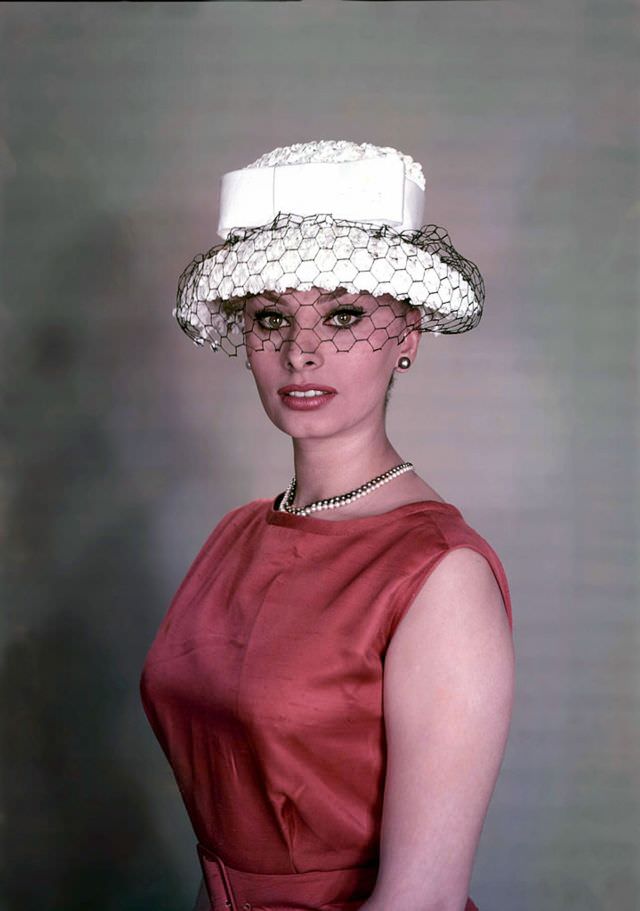
By 1959, Loren’s reach extended across fashion media as well. Harper’s Bazaar featured her that July in a gold-glinted blue fox stole and muff by Revillon — a high-fashion editorial that reflected how seriously the industry regarded her. A hat by designer Jean Barthet and appearances at events like the Berlin International Film Festival rounded out a decade of constant, high-profile visibility.