Sondra Locke was born Sandra Louise Anderson in Shelbyville, Tennessee, and from an early age she stood out. In junior high, she was a cheerleader, class valedictorian, a member of the girls’ basketball team, a PTSA representative, and president of the French club. She was driven and involved in nearly everything around her. Before Hollywood ever entered the picture, she worked as a bookkeeper for Tyson Foods, served as a secretary for a real estate company, and modeled for the fashion page of The Tennessean. She also appeared in commercials and built her stage skills with Circle Players Inc. These weren’t stepping stones she stumbled across — they were deliberate moves by someone who wanted to perform.
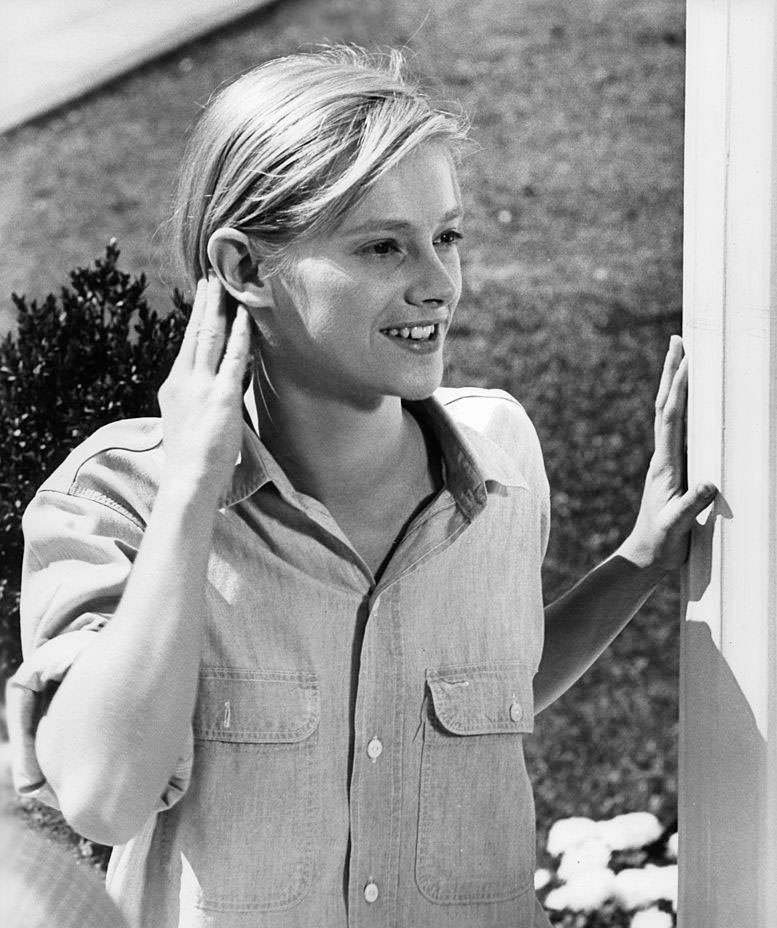
Locke made her Hollywood debut in 1968 with The Heart Is a Lonely Hunter, starring alongside Alan Arkin. For a first-time film role, the performance was remarkable. The Academy of Motion Picture Arts and Sciences nominated her for the Oscar for Best Supporting Actress — a rare distinction for someone so new to the industry. At the Show-A-Rama film exhibitor convention, she was named “Most Promising New Star of the Year.” It was a debut that put every studio in Hollywood on notice.
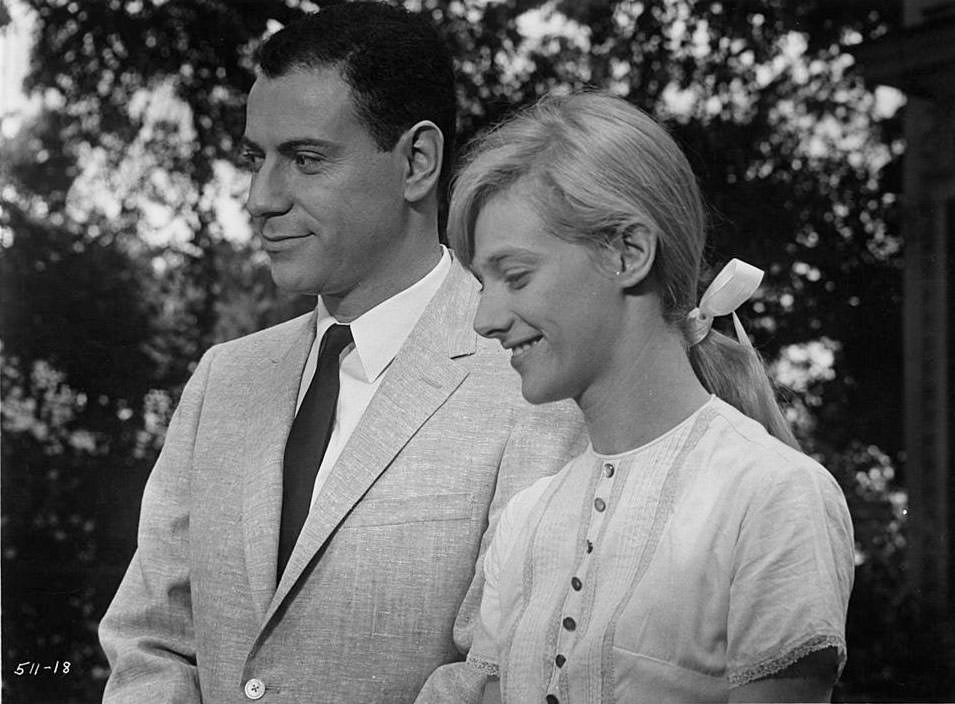
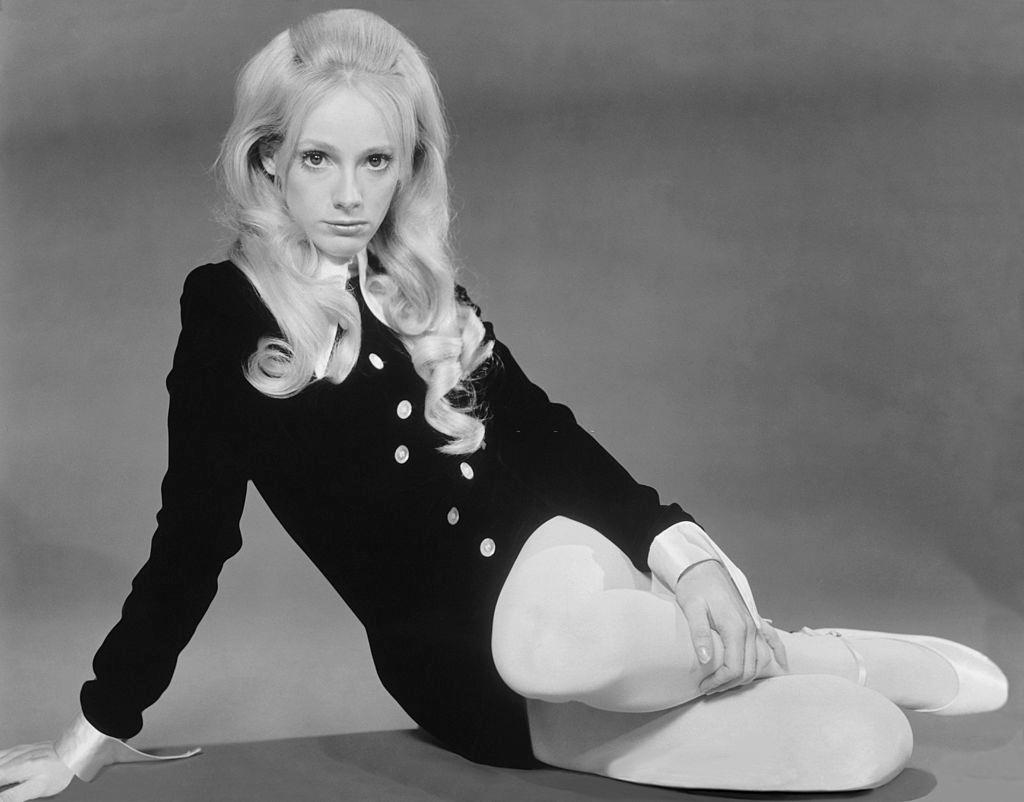
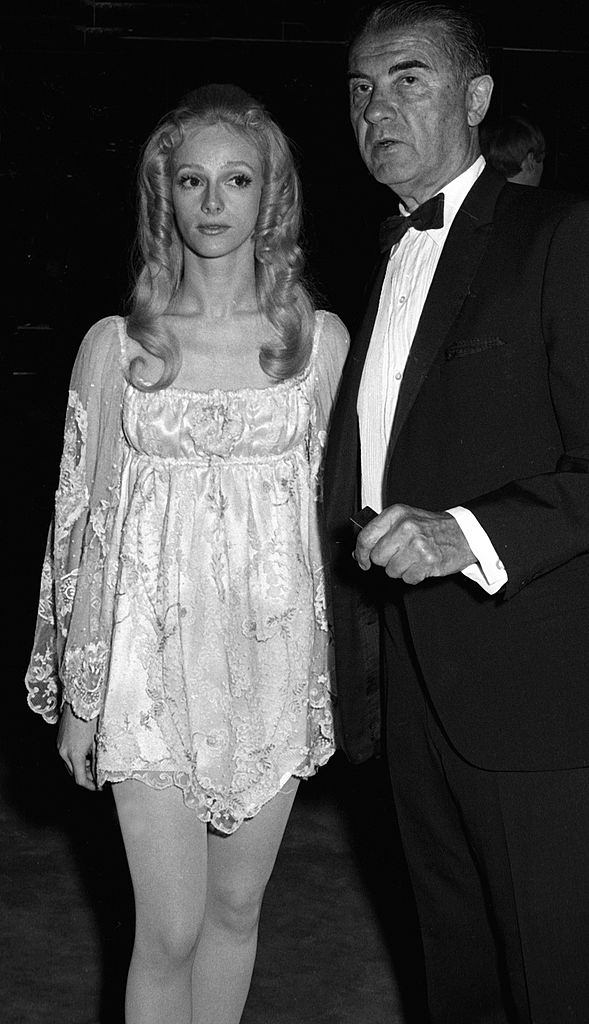
The premiere of The Heart Is a Lonely Hunter in New York City on July 31, 1968, was a milestone moment. Locke attended with her husband, sculptor Gordon Leigh Anderson, whom she had known since the seventh grade at Shelbyville Mills School. The two had met in 1956 and married in 1967. Their relationship was described in a 1989 legal declaration as “tantamount to sister and brother,” and the marriage was never consummated. Despite years of separation in their personal lives, they remained legally married until her death.
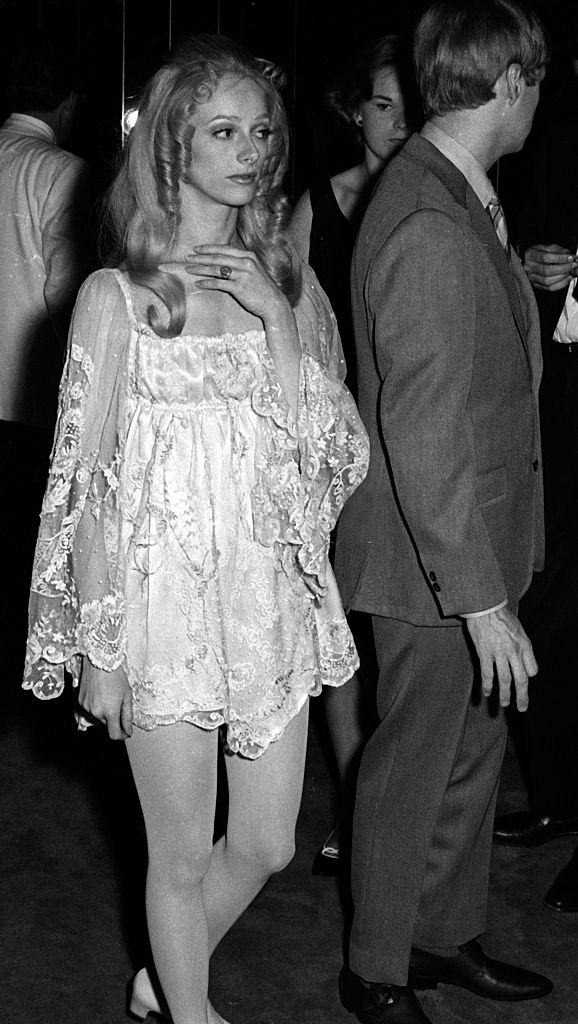
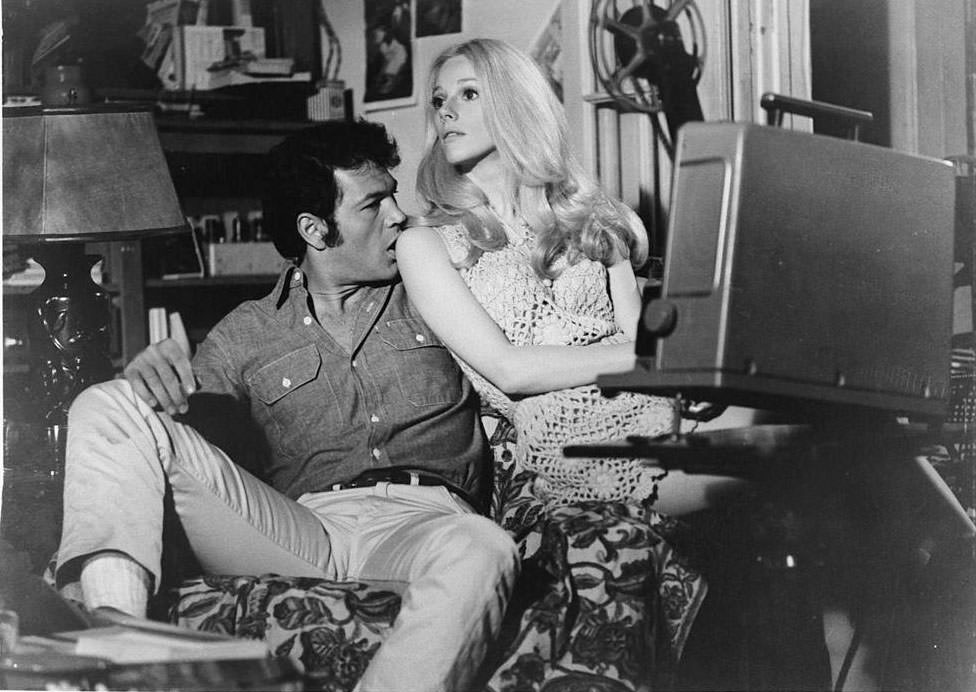
Following her acclaimed debut, Locke took on the role of Melisse in Cover Me Babe (1970), opposite Robert Forster. She then appeared alongside Bruce Davison and Ernest Borgnine in the psychological thriller Willard, which became a surprise box office hit. These films showed that her debut was no accident — she could carry dramatic weight across different genres. During this same period, she dated several of her co-stars, including Bruce Davison, Paul Sand, and Bo Hopkins, as well as producer Hawk Koch and Robert Shriver, the nephew of President John F. Kennedy.
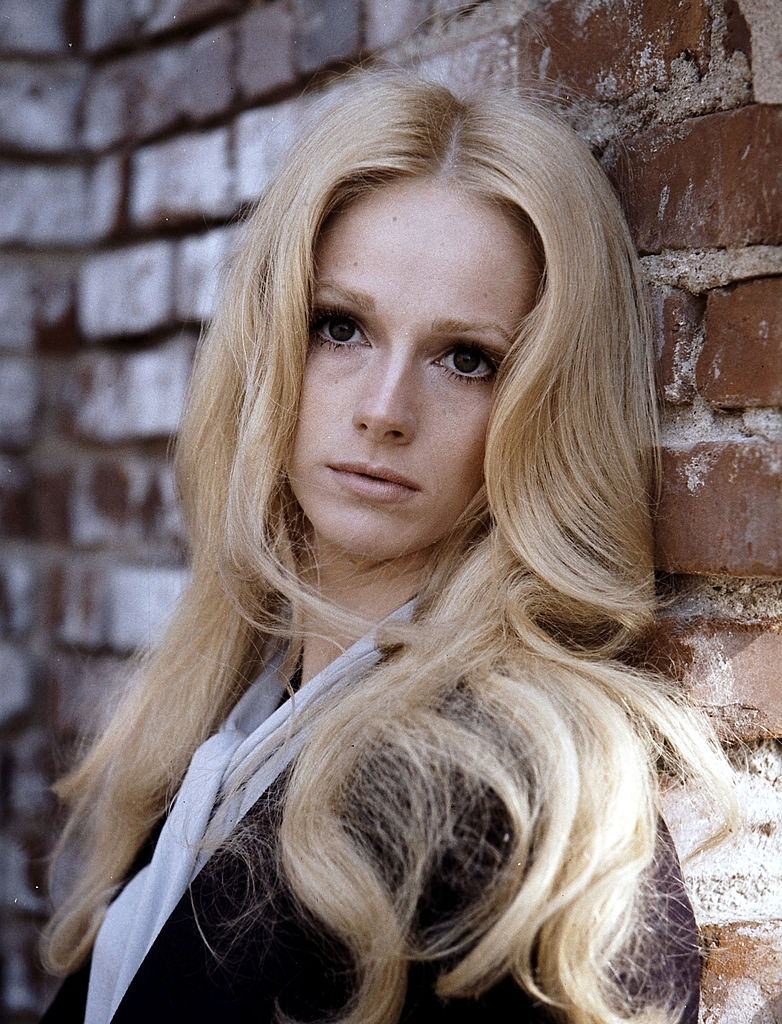
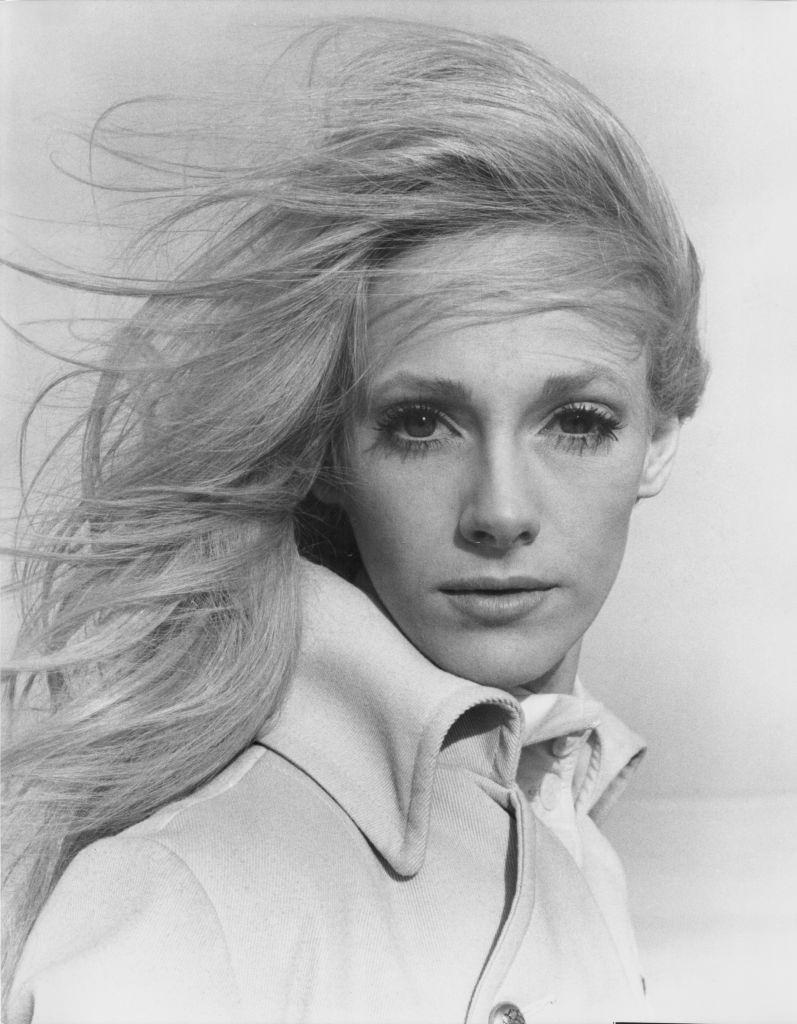
Throughout the first half of the 1970s, Locke made frequent television appearances as a guest star on popular drama series including The F.B.I., Cannon, Barnaby Jones, and Kung Fu. Her representatives urged her to stay away from television, warning it could damage her film career. Locke disagreed. She saw no value in sitting idle between film projects, and she kept herself working. It was a philosophy that defined her approach to the industry — always moving, always building.
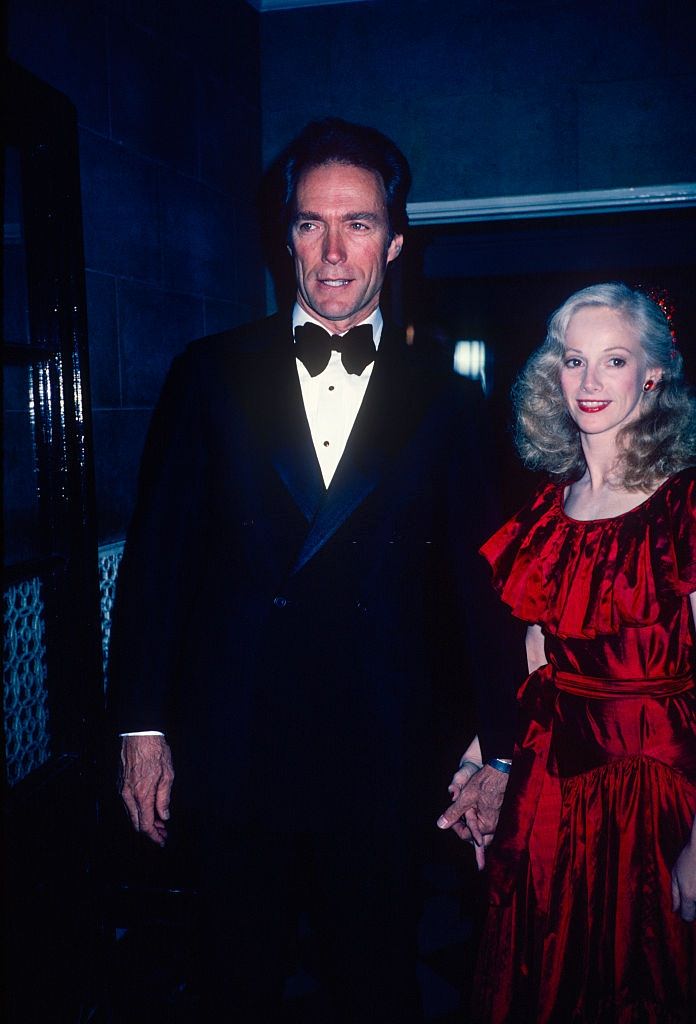
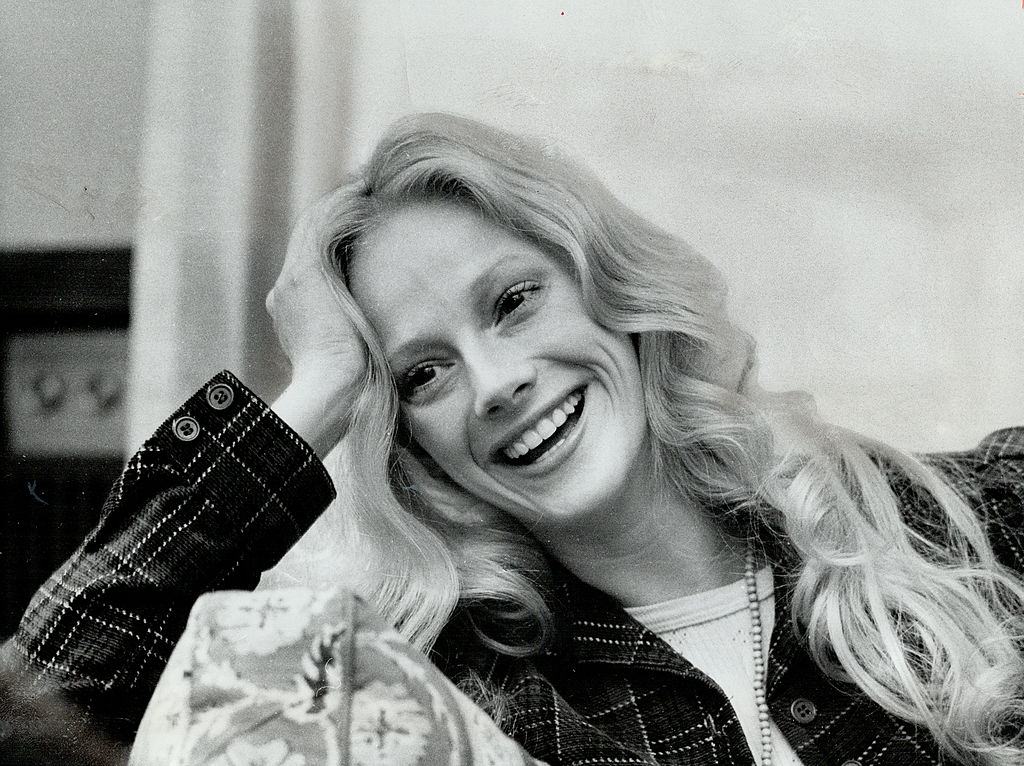
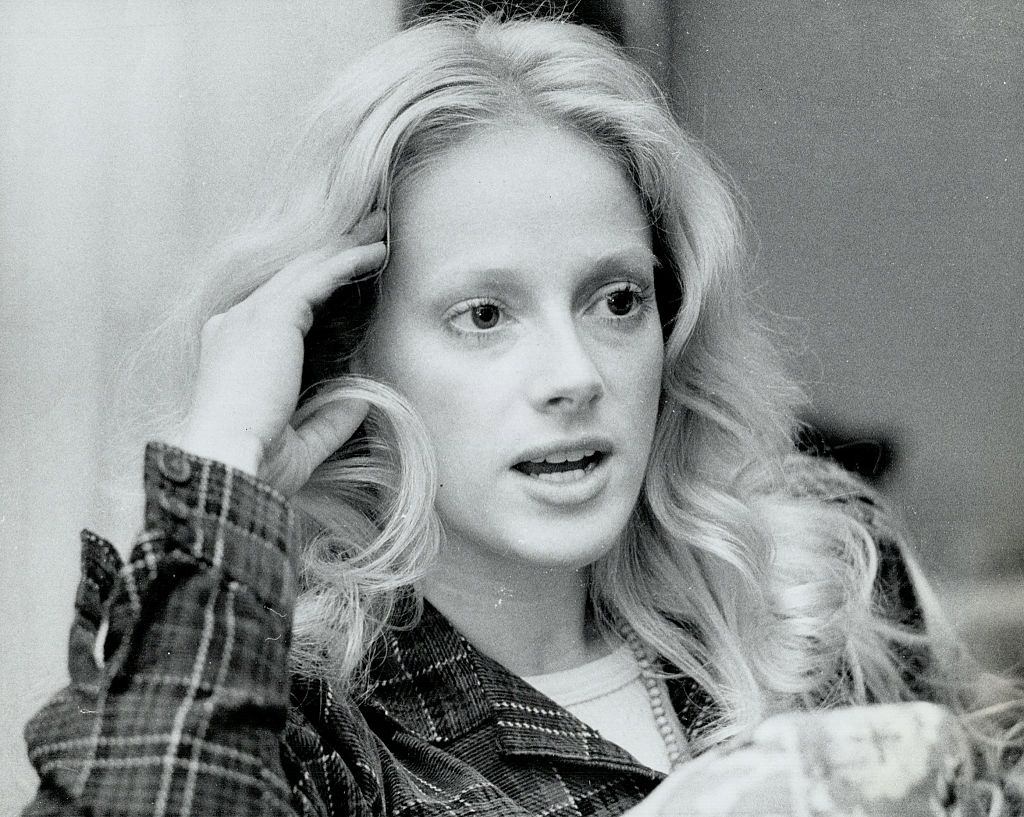
Locke first encountered Clint Eastwood in 1972 when she auditioned for the lead role in his film Breezy (1973). She didn’t get the part, but the connection between them was made. Their personal relationship developed and became public in 1978, years after Eastwood was still married. The role that truly transformed her film career came in 1975 when she appeared opposite Eastwood in The Outlaw Josey Wales. The film ranked among the top 15 highest-grossing films of 1976 and put her back at the center of Hollywood’s attention.
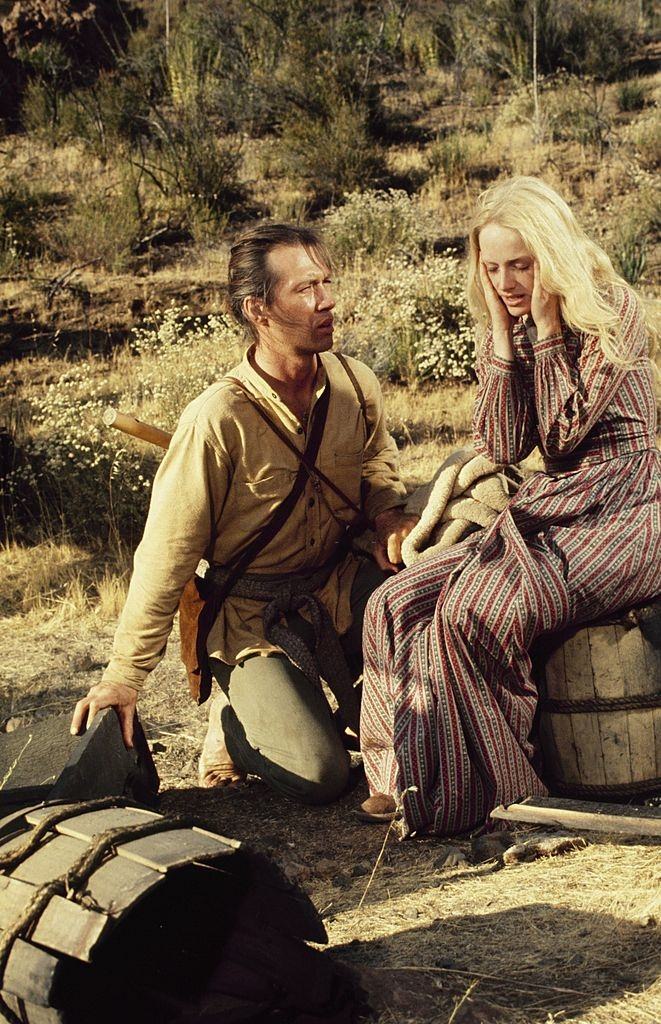
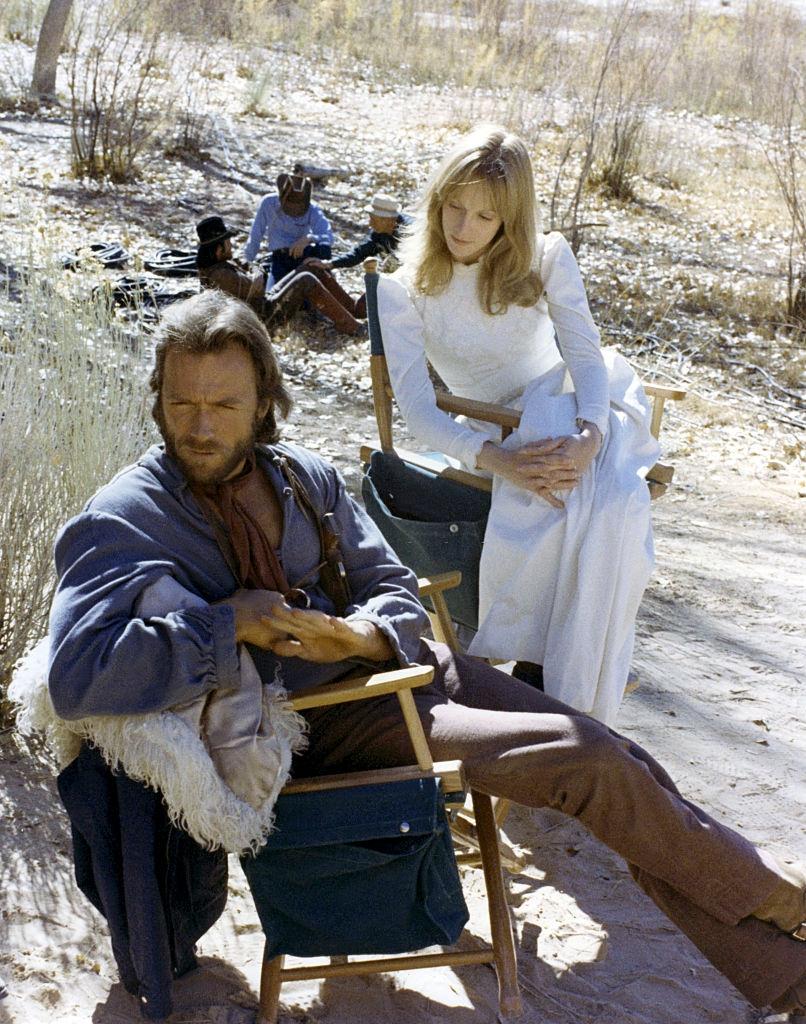
In 1977, Locke stepped into the action film The Gauntlet under circumstances that spoke to her reputation. Both Henry Fonda and Barbra Streisand had withdrawn from the production due to a reported clash of egos, and Locke was brought in to replace them. She delivered. The film added to a run of commercially successful projects that kept her name prominent through the late 1970s and into the 1980s. She also appeared in Bronco Billy (1980) and Sudden Impact (1983), continuing her working relationship with Eastwood on screen even as their personal relationship grew more complicated.
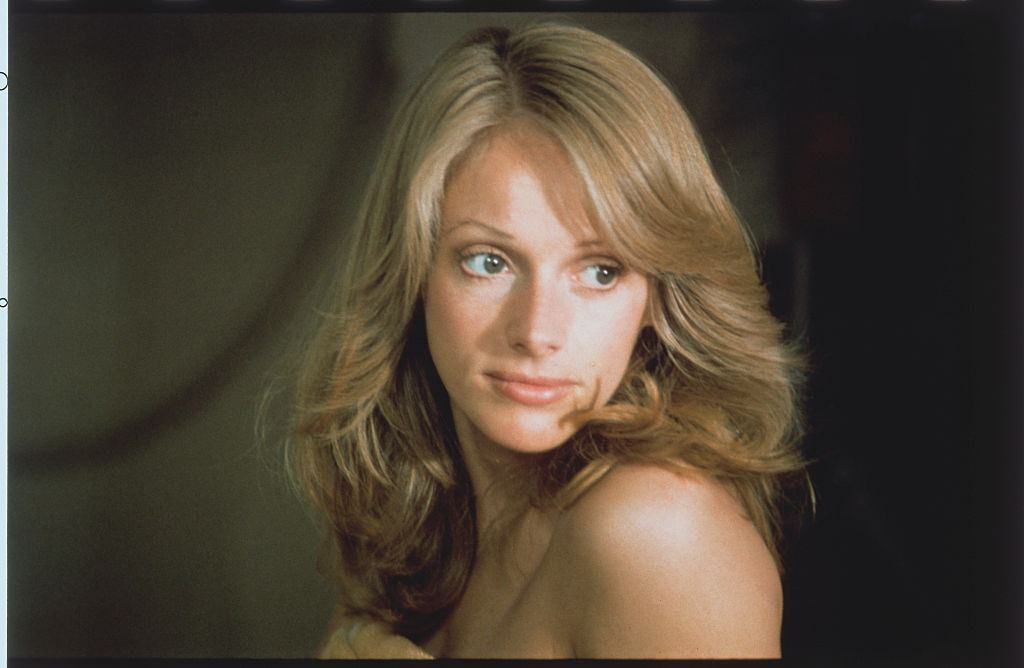
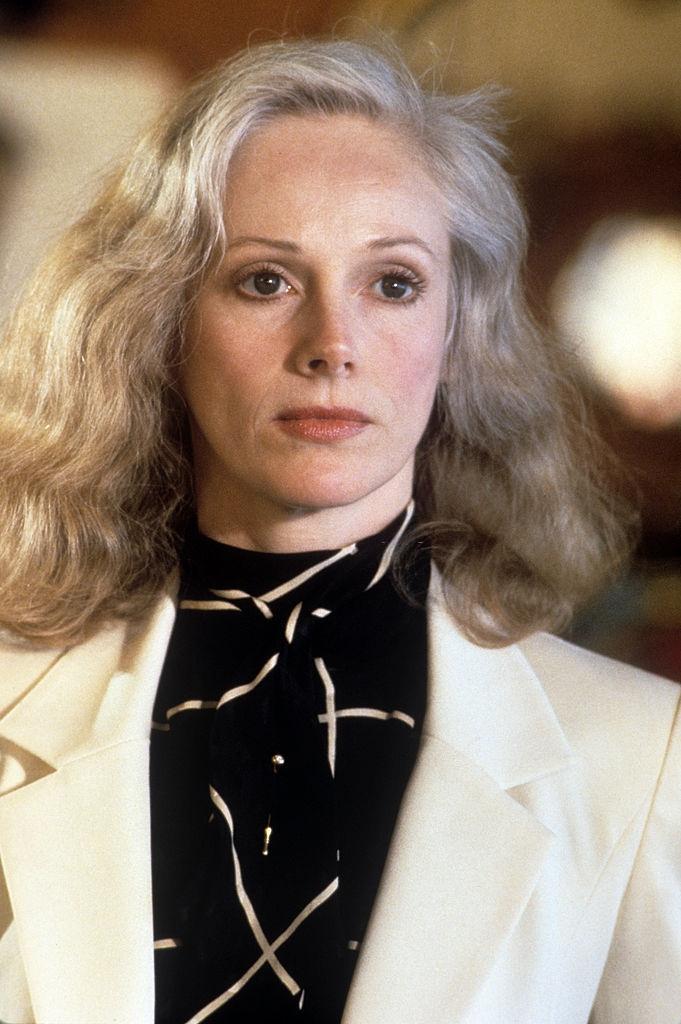
Away from film sets, Locke maintained an active public presence. In February 1979, she appeared at an opening event alongside musician Eddie Rabbitt, drawing attention both for her screen work and her personal style. She was a recognizable figure at Hollywood events throughout this era, attending premieres and industry gatherings with the kind of ease that came from more than a decade in the business.
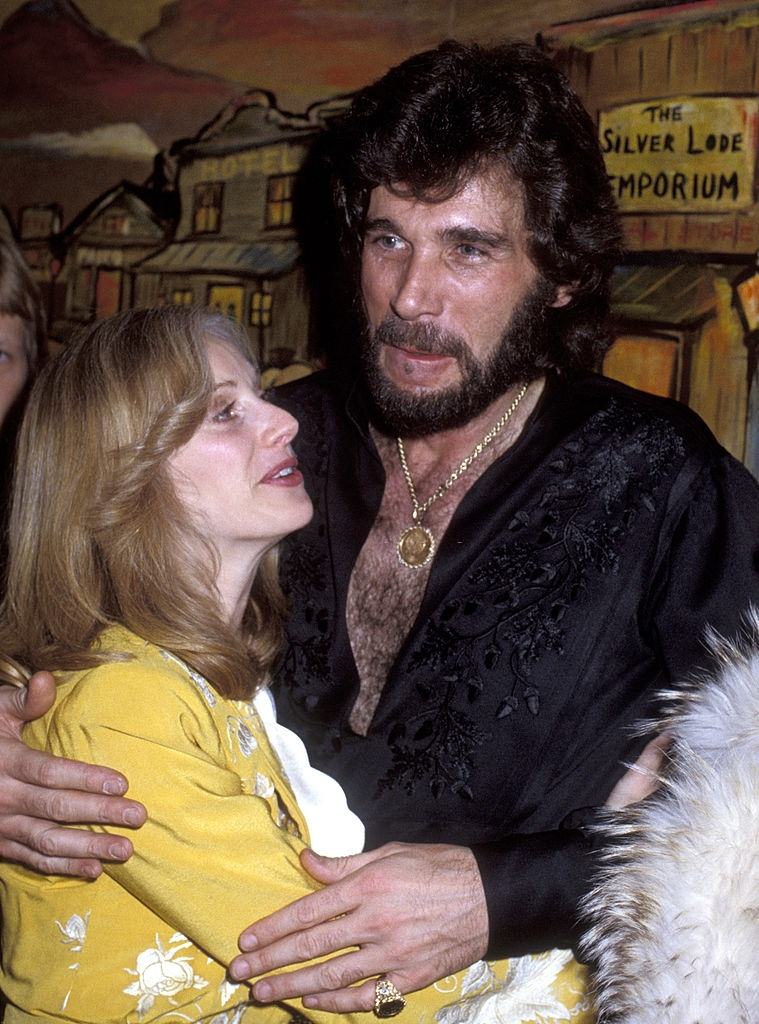
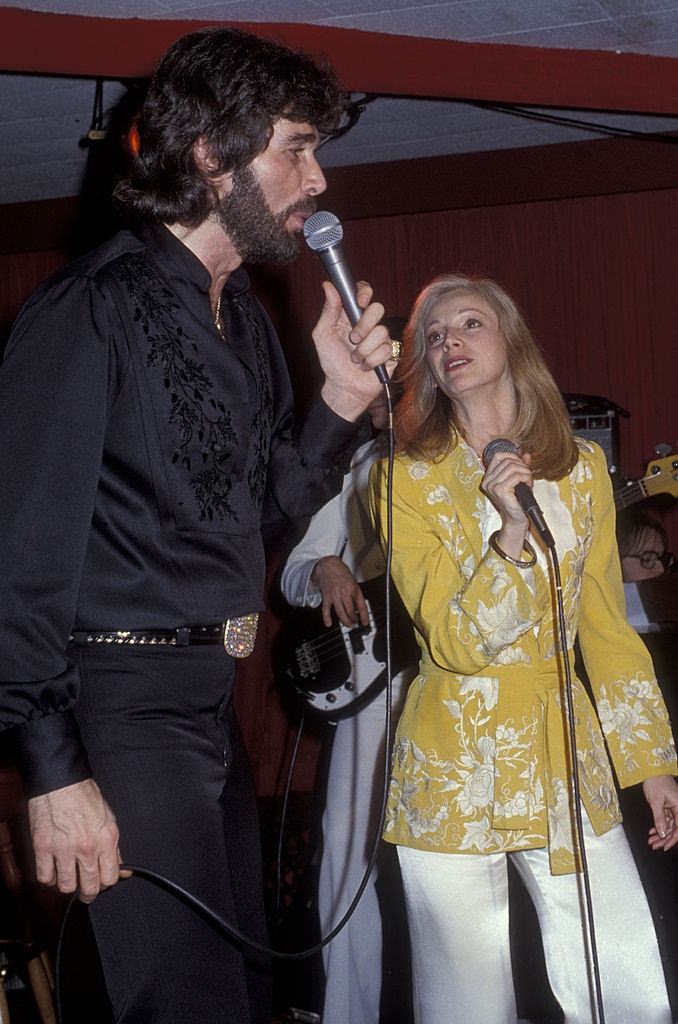
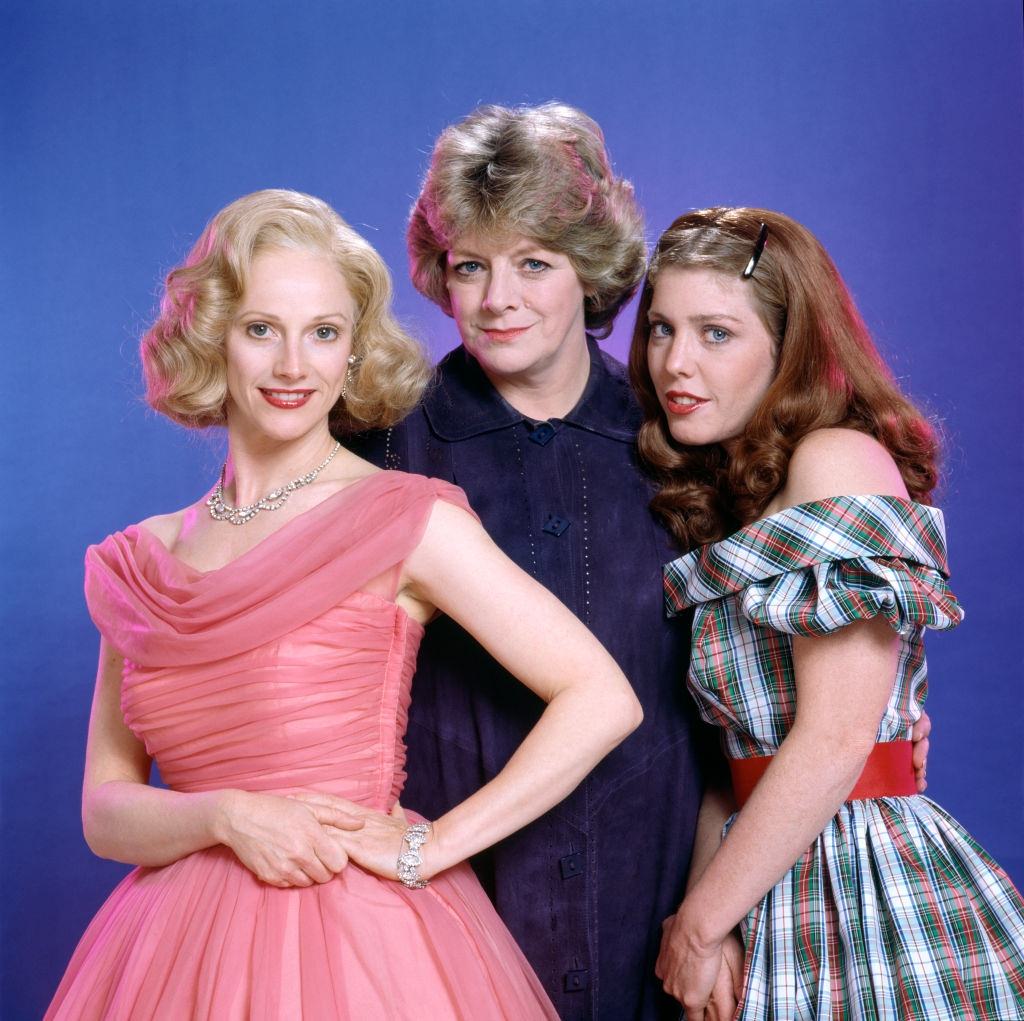
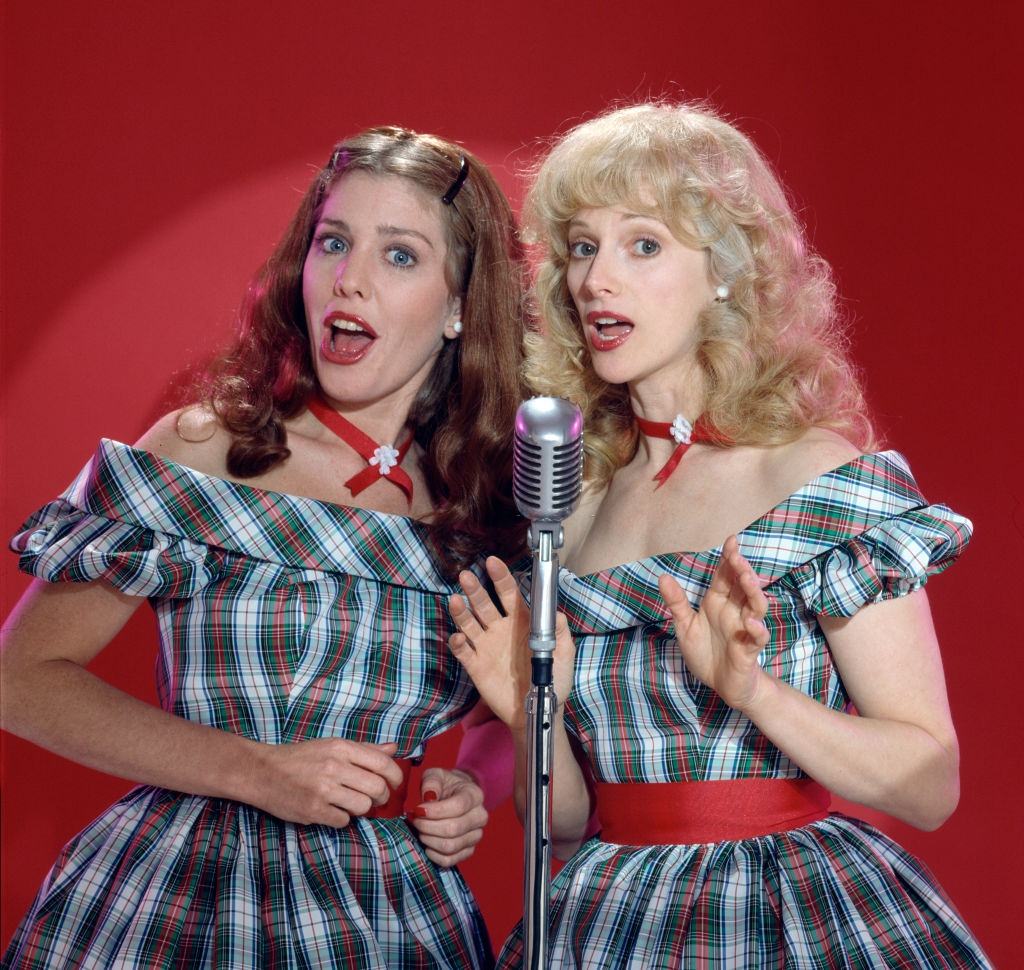
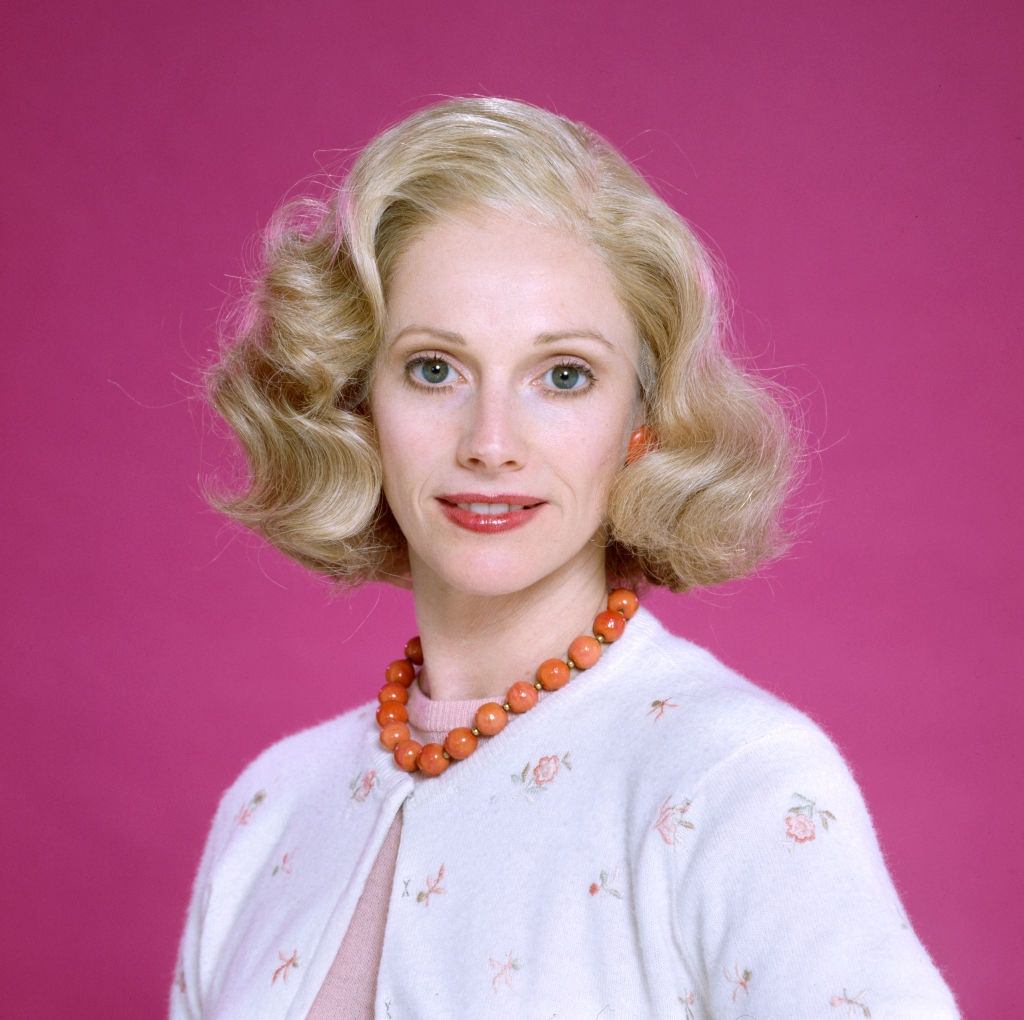
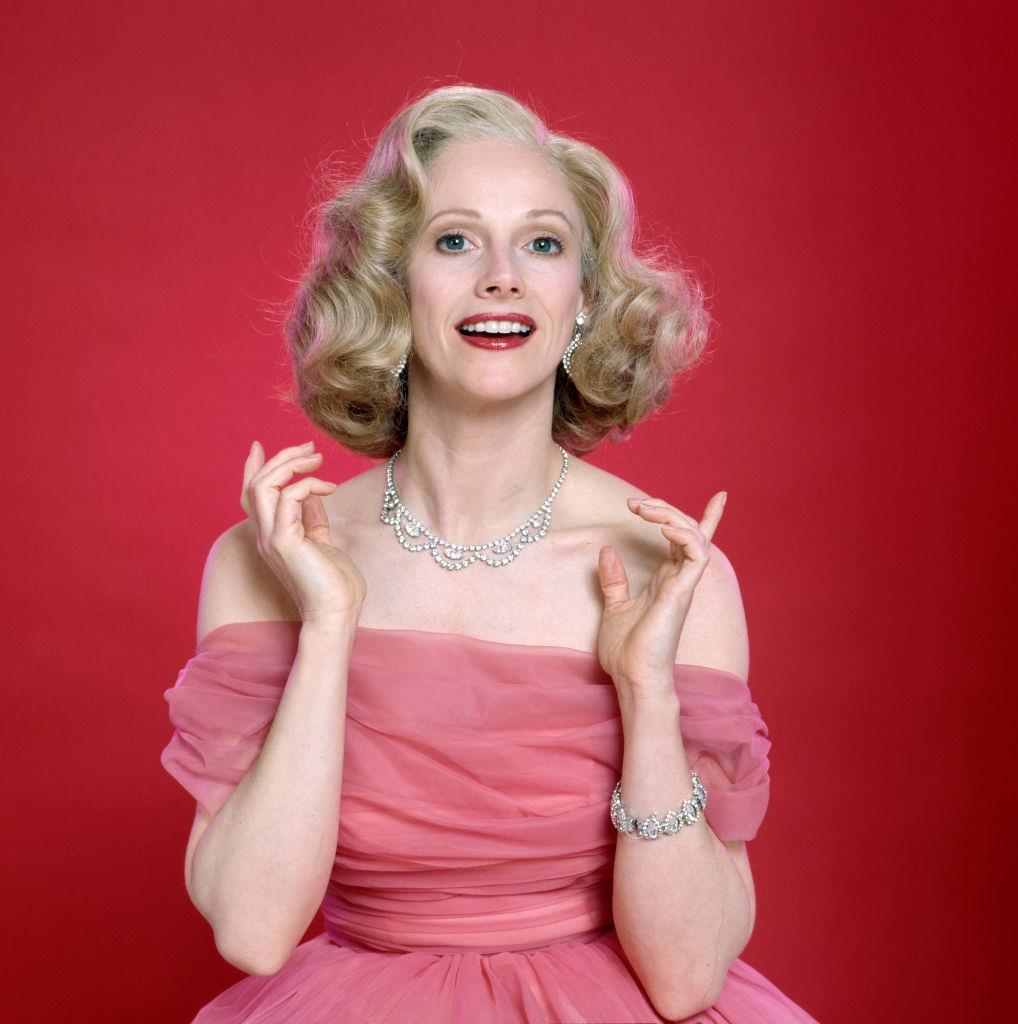
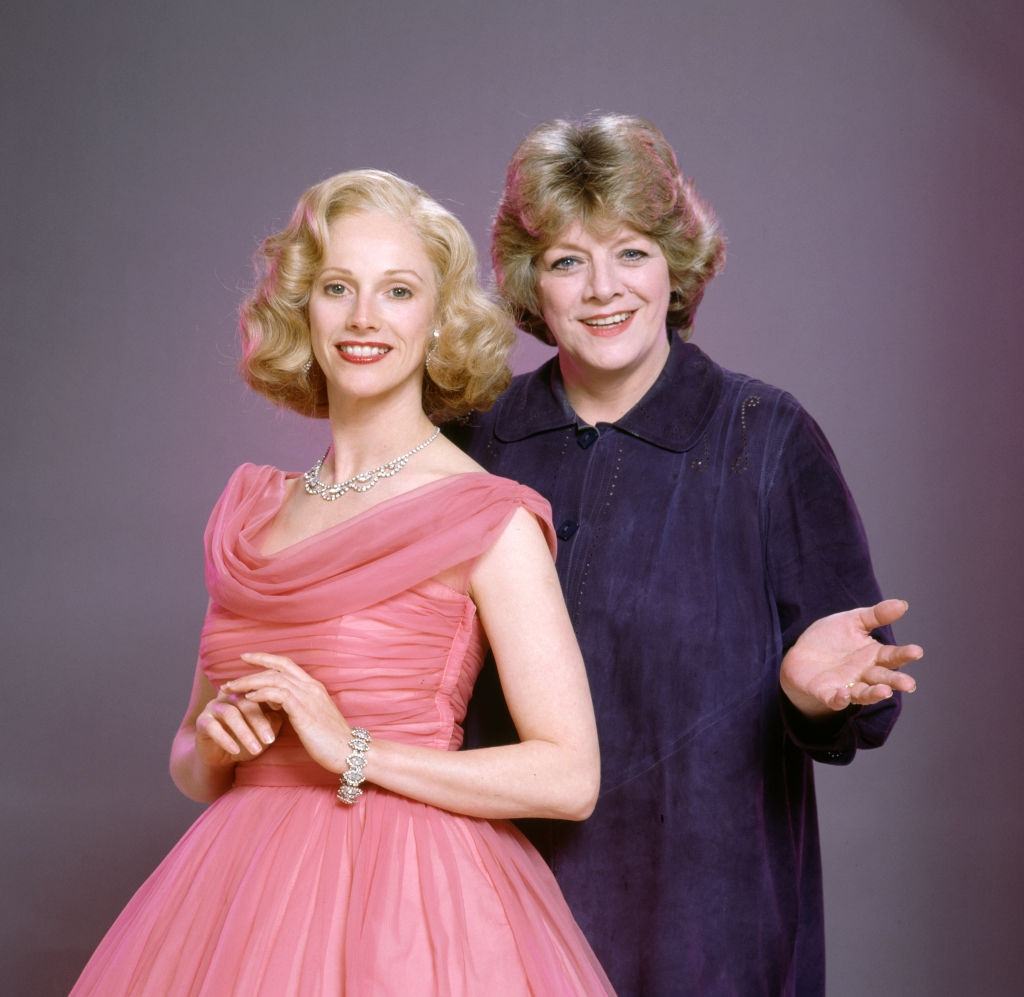
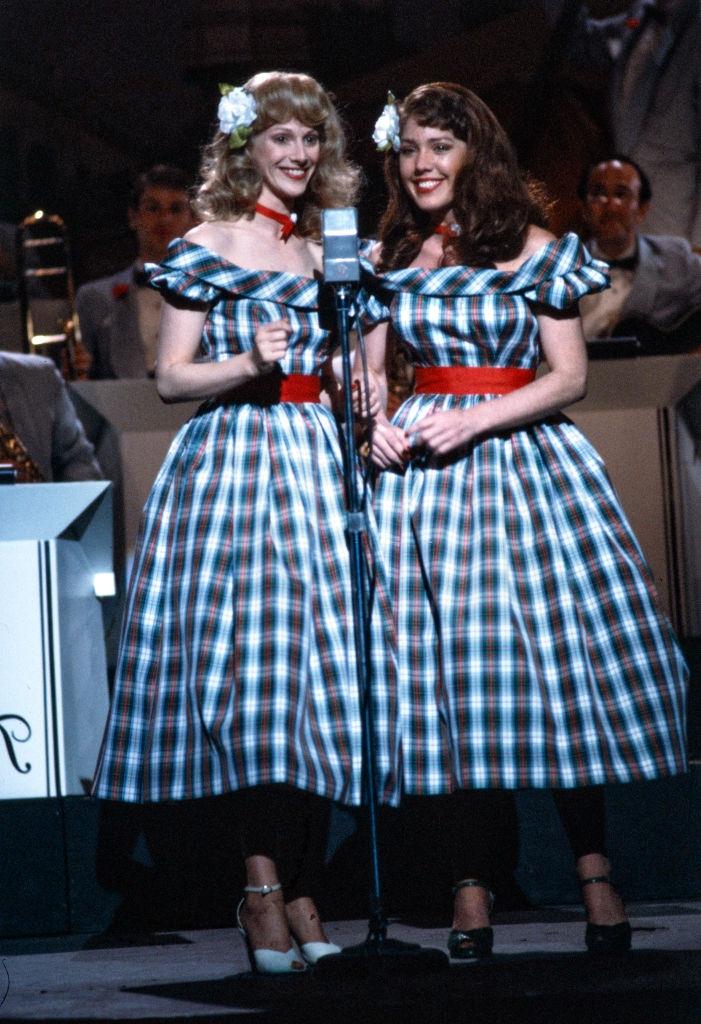
One of her most distinctive roles came in 1982 when Rosemary Clooney personally approached Locke and asked her to portray her in a biopic. Locke accepted and starred as the legendary singer in Rosie: The Rosemary Clooney Story. The production brought Locke together with Clooney herself and co-star Penelope Milford, and she was seen alongside Tony Orlando at events connected to the film. It was a demanding role — playing a real, living person who was actively involved in the production — and Locke handled it with precision.
Locke had been interested in directing for years, closely watching how Eastwood and other directors worked on the films she appeared in. In 1986, she made her feature directorial debut with Ratboy, a fable about a half-rat youth produced by Eastwood’s production company, Malpaso. She went on to direct Impulse, Death in Small Doses, and Trading Favors. Directing gave her creative control she hadn’t had as an actress, and she pursued it seriously.
Her 13-year live-in relationship with Clint Eastwood ended bitterly in 1989. Eastwood had her belongings moved out of their Bel-Air home and changed the locks while she was away. During the 1970s, Locke had two abortions and later underwent a tubal ligation, with Eastwood responsible for each of those decisions — a claim Eastwood denied, stating the choices were entirely hers. Locke filed a palimony lawsuit against him. After a year of litigation, she settled for a film development and directing contract with Warner Bros. That deal turned out to be fraudulent — Warner Bros. rejected all 30 of her project submissions and never hired her as a director. She filed a second lawsuit in 1999, and the case was ultimately settled out of court for an undisclosed amount.
Locke also faced serious health challenges in her later years. She underwent a double mastectomy and chemotherapy to treat breast cancer. On November 3, 2018, she died at her Los Angeles home from cardiac arrest resulting from breast and bone cancers. She was 74 years old. Her death certificate listed Gordon Leigh Anderson as her husband — the same man she had known since seventh grade and married more than 50 years earlier.
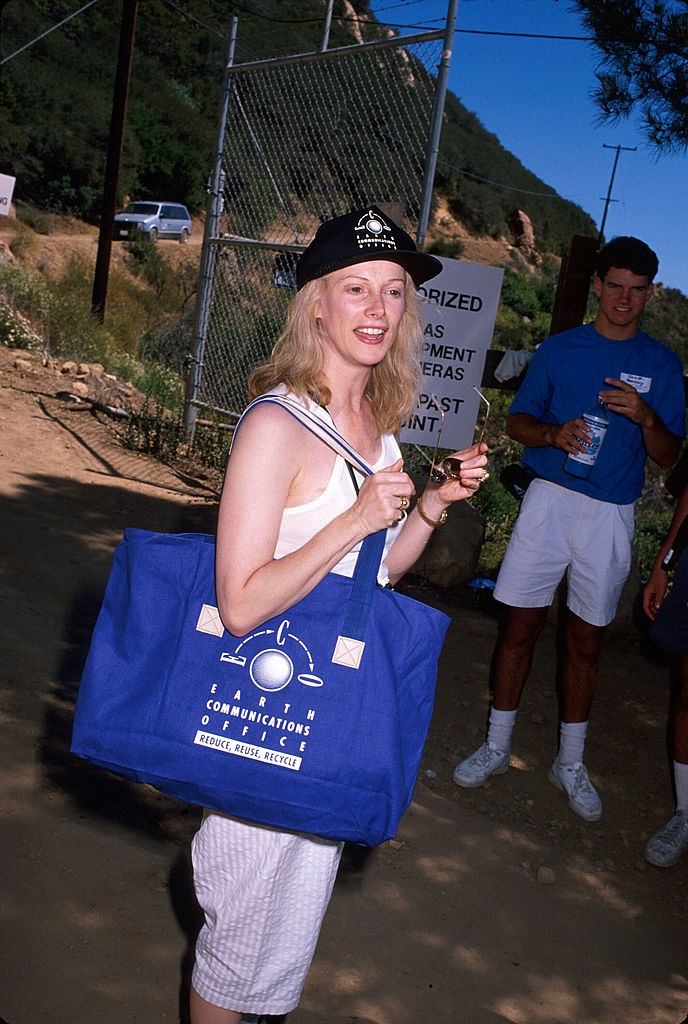
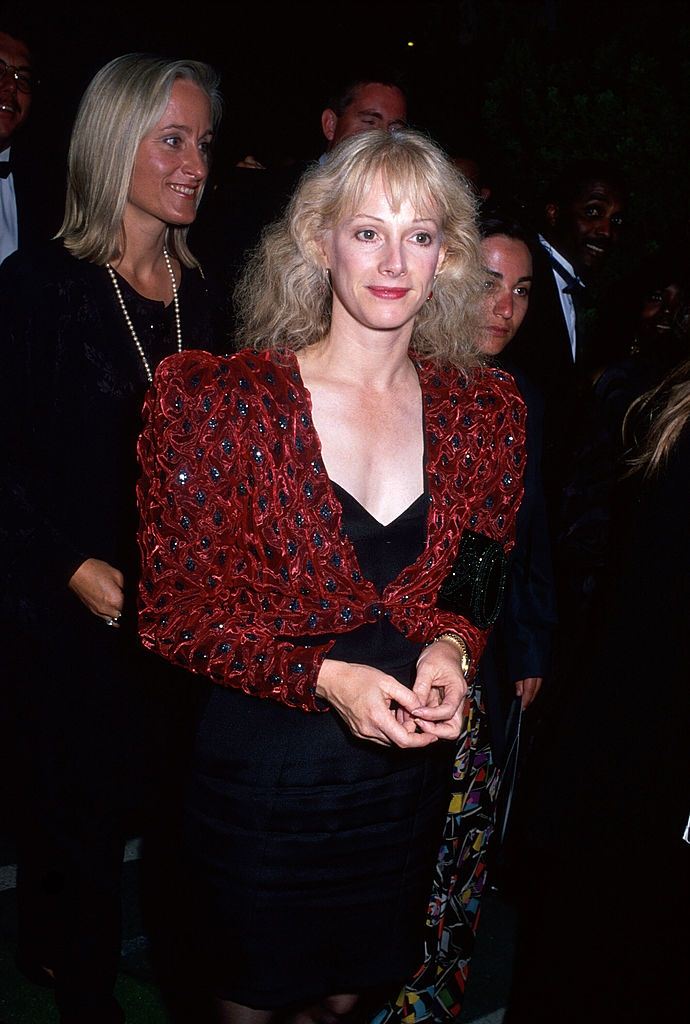
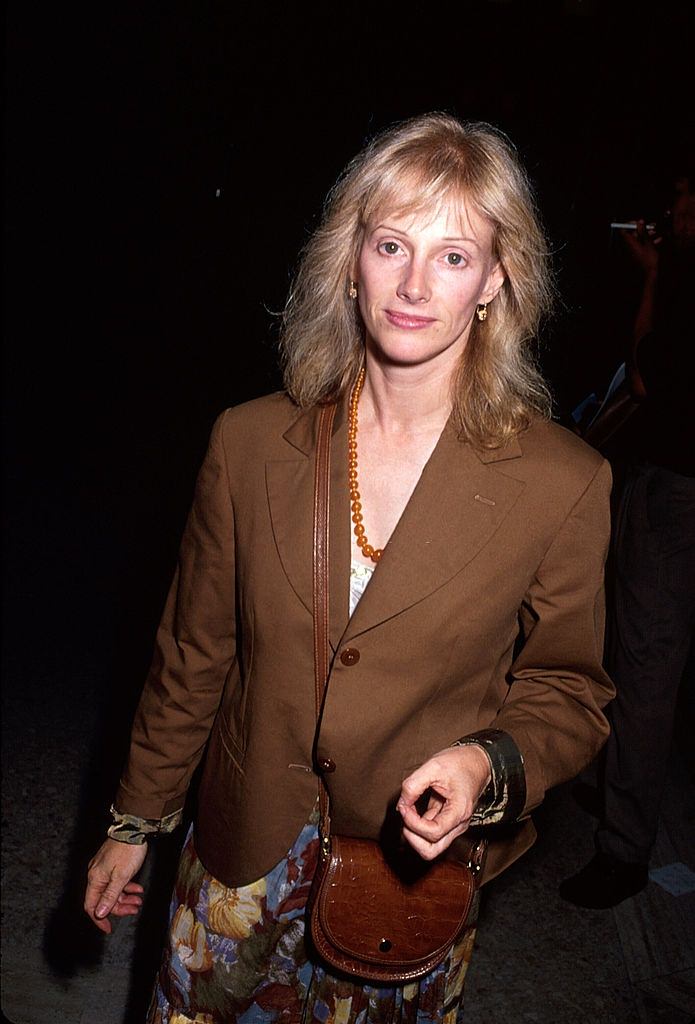
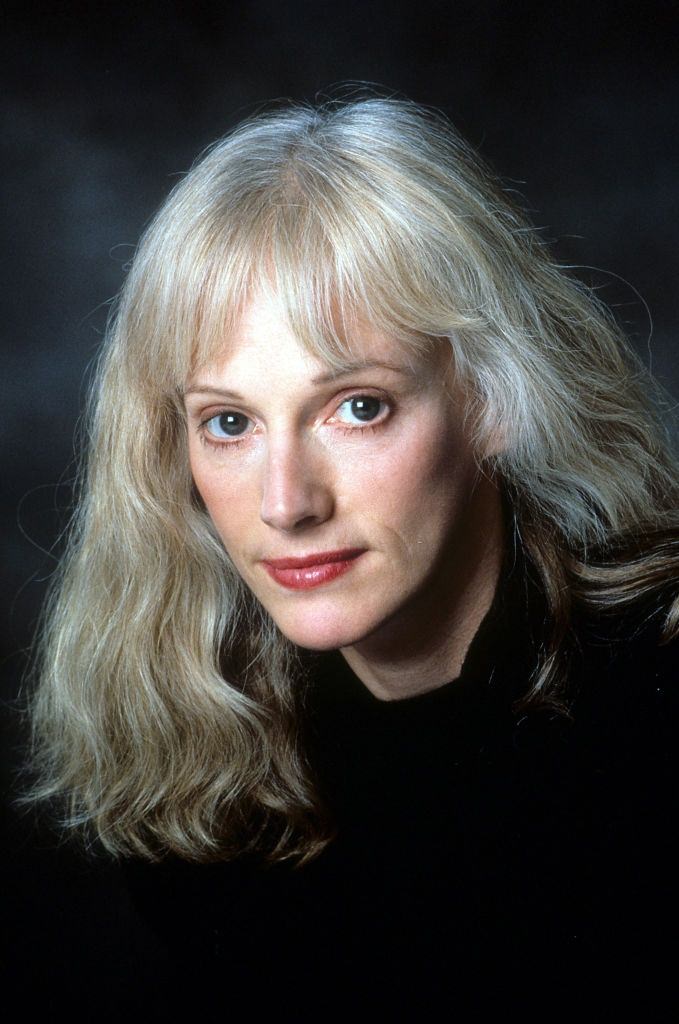
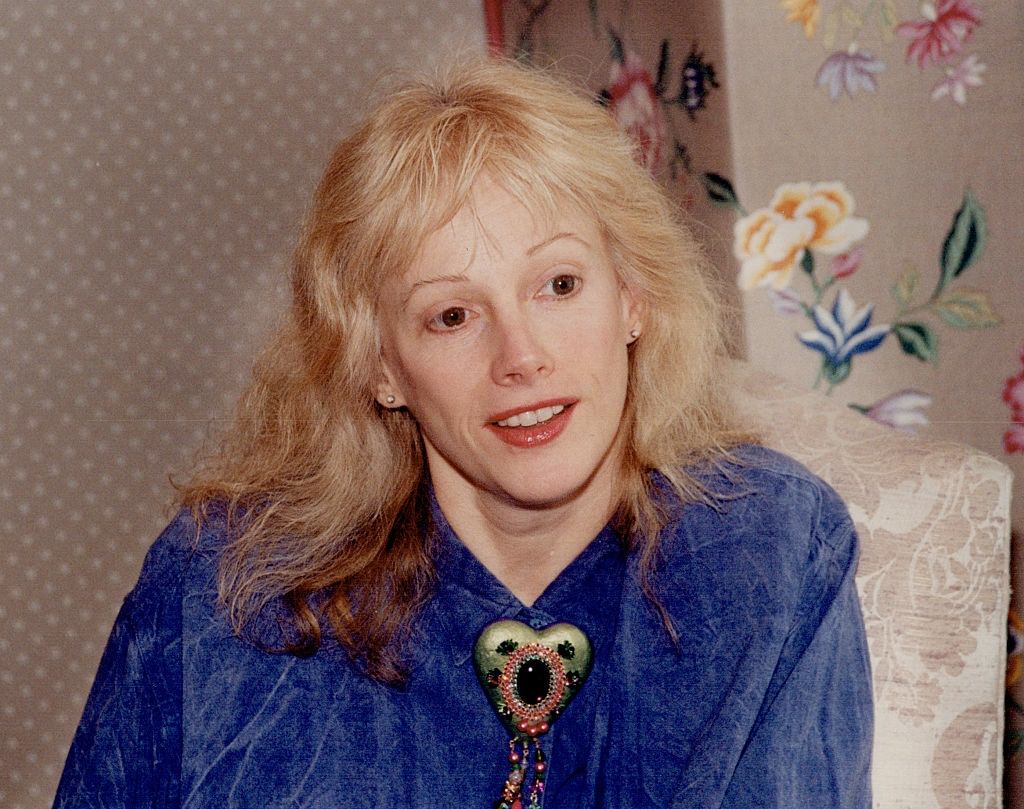
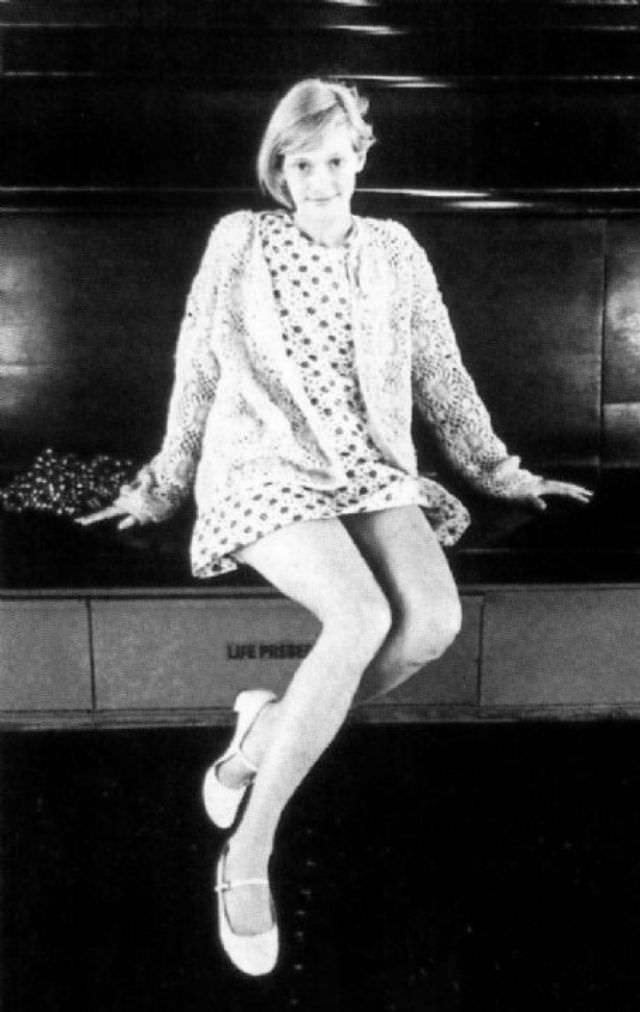
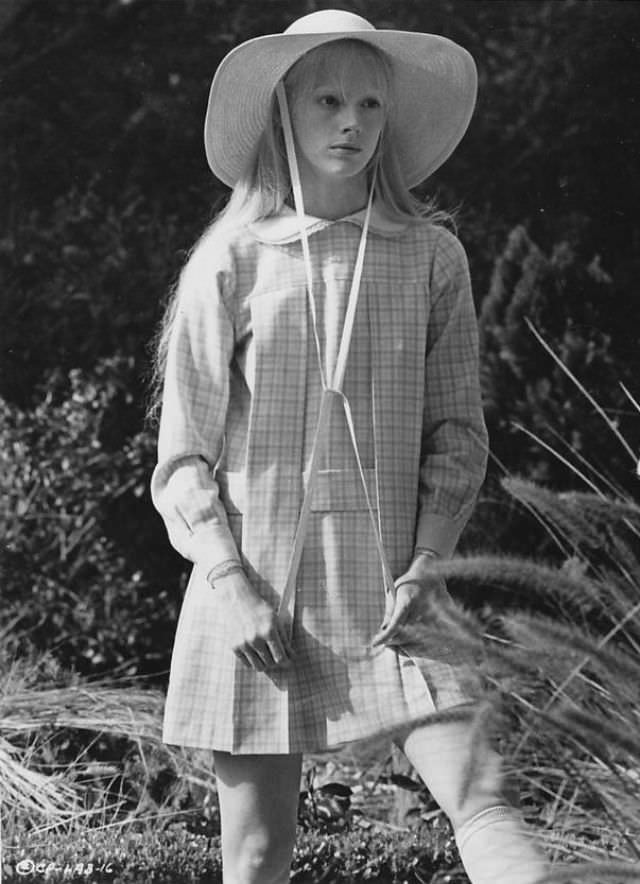
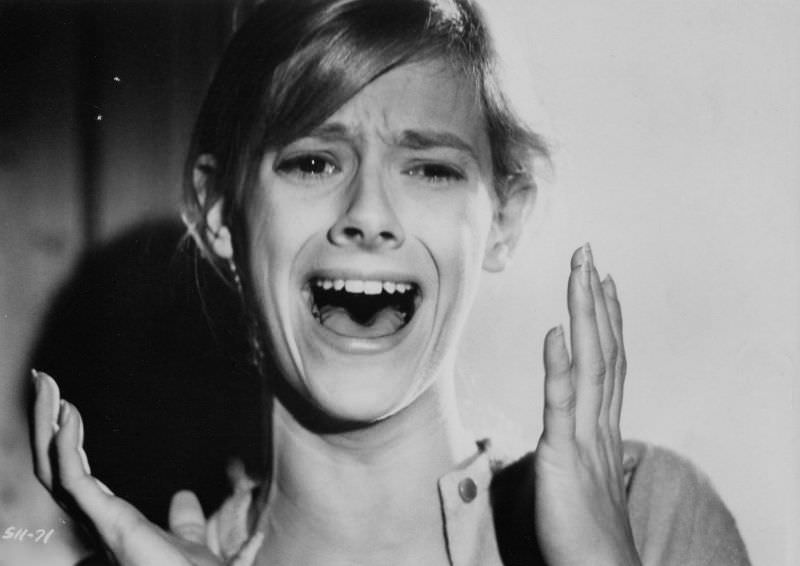
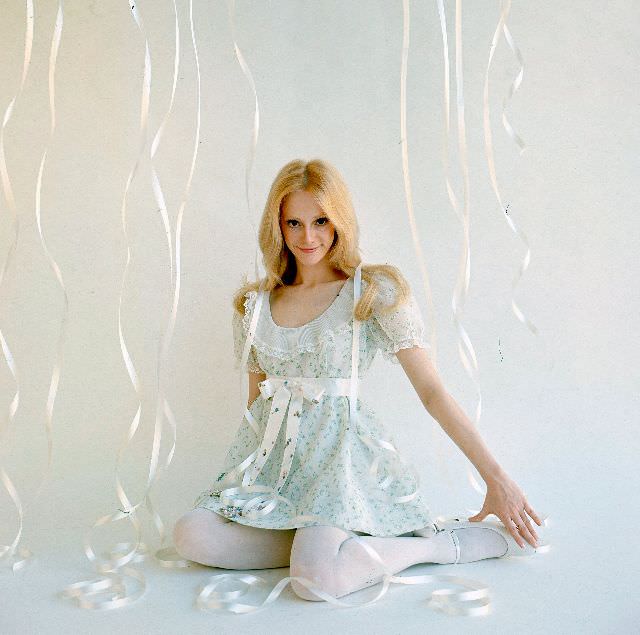
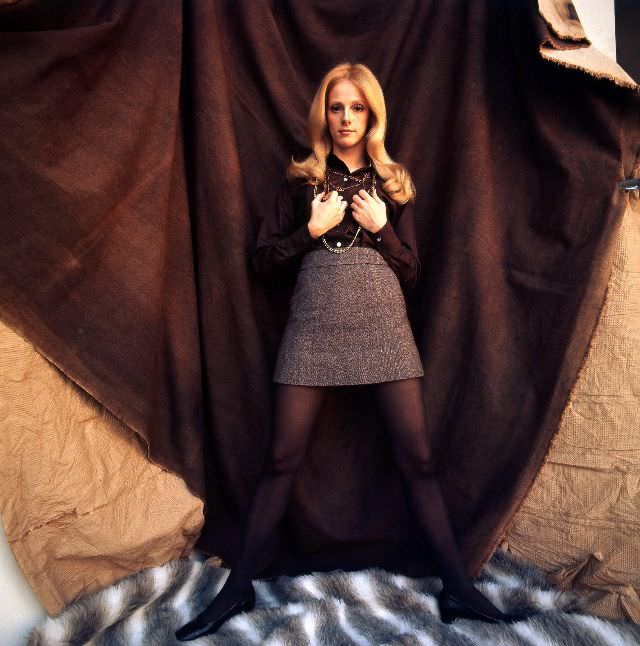
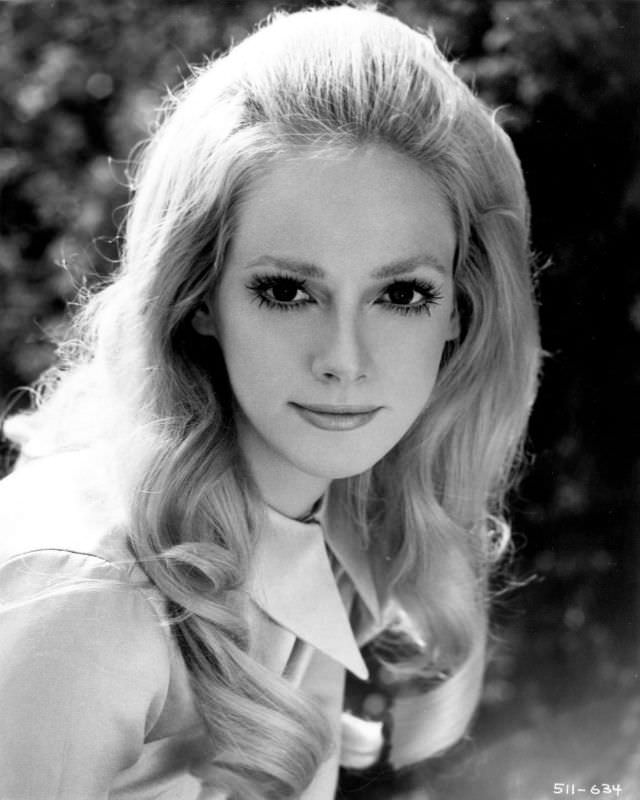
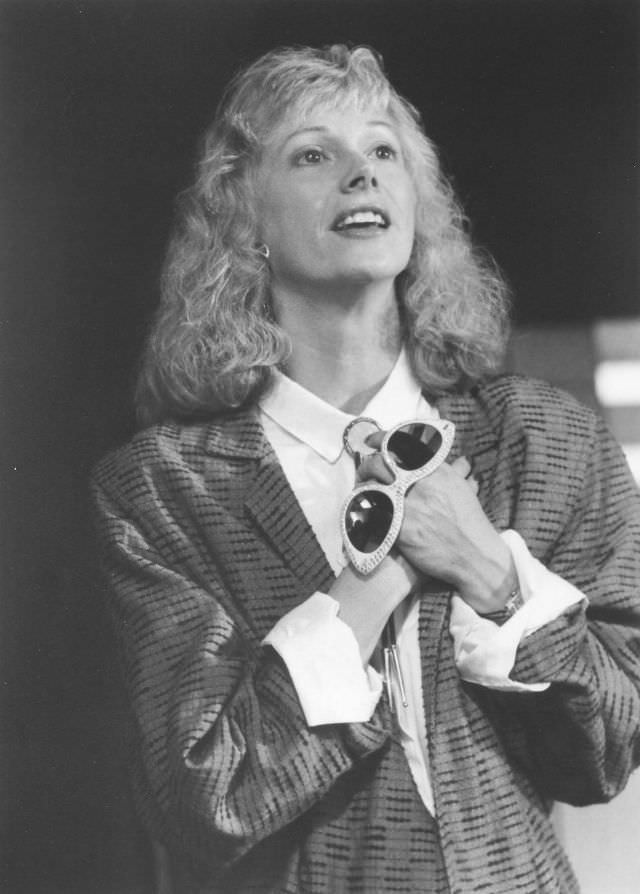
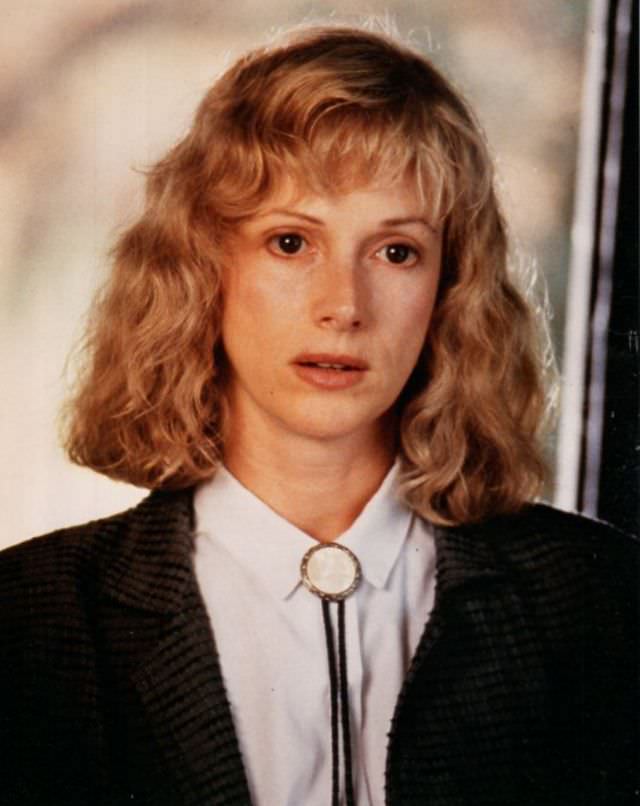
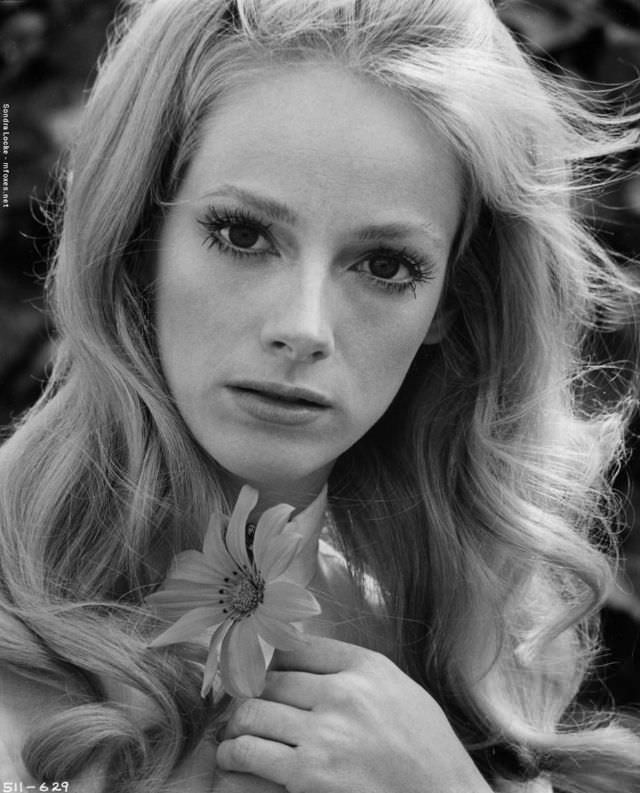
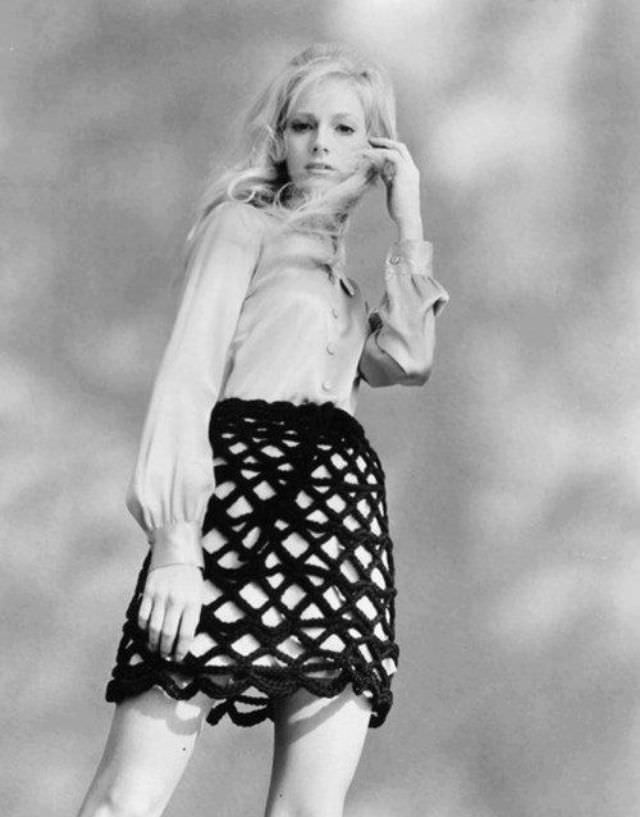
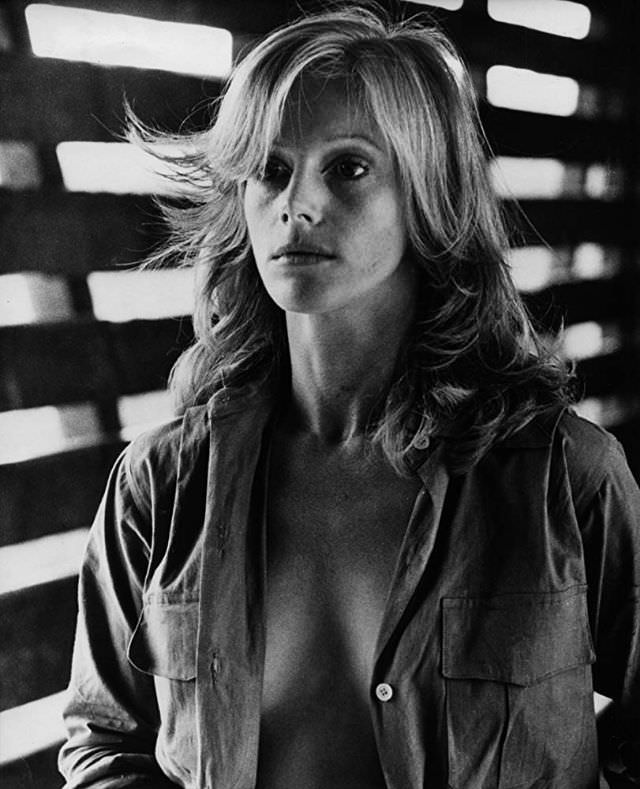
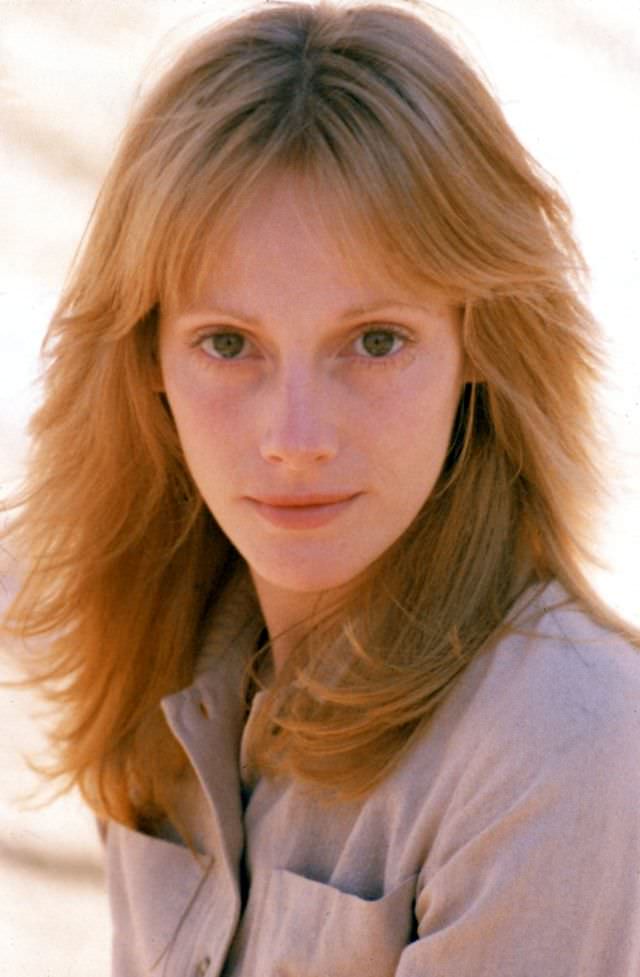
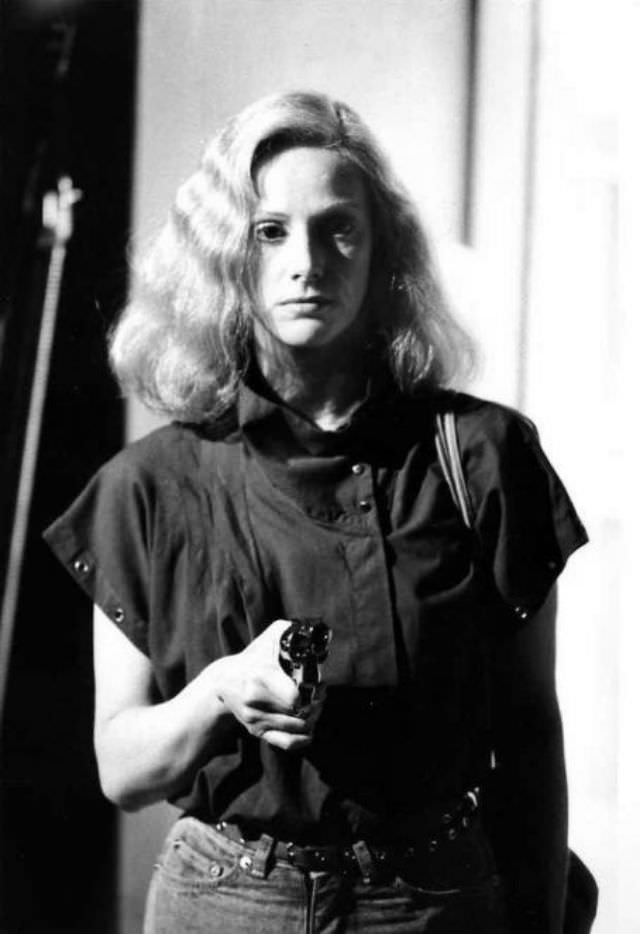
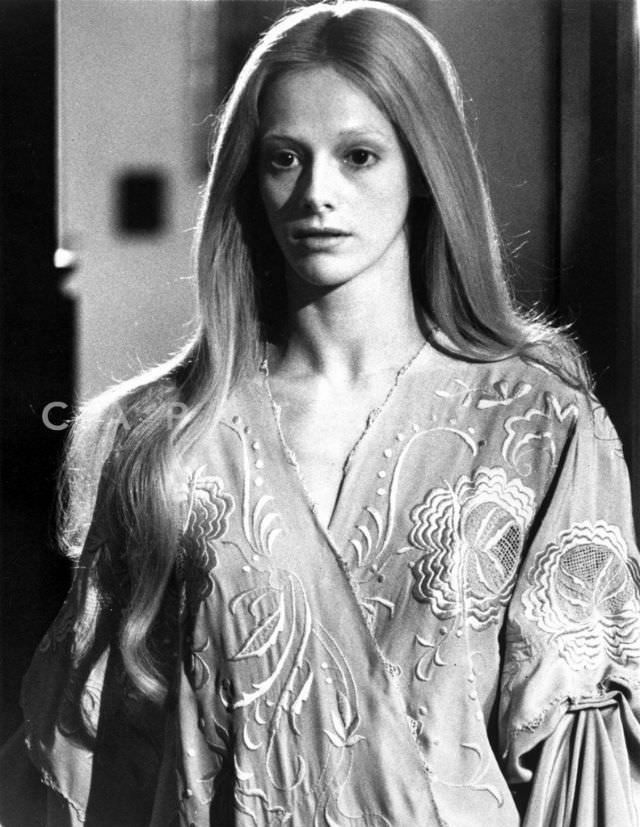
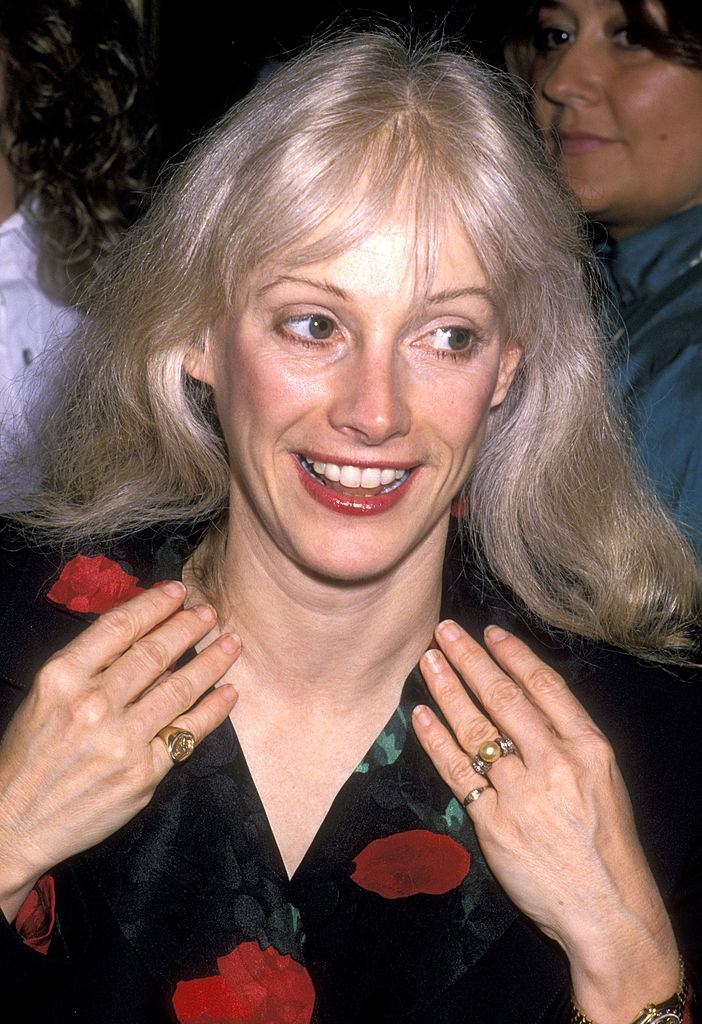
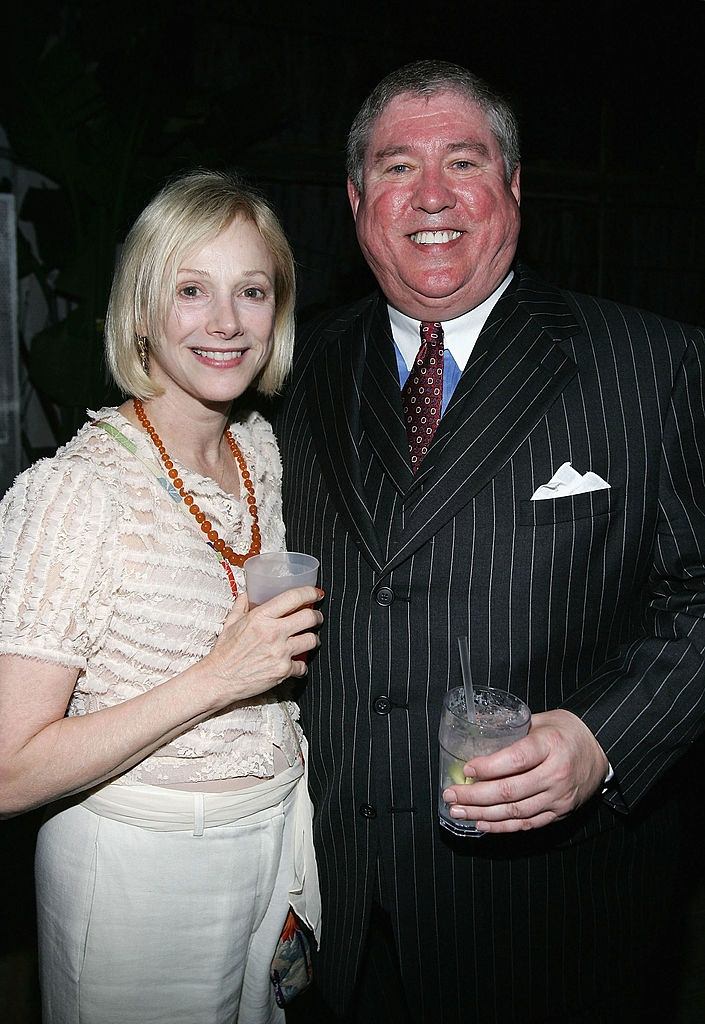
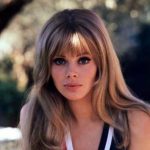
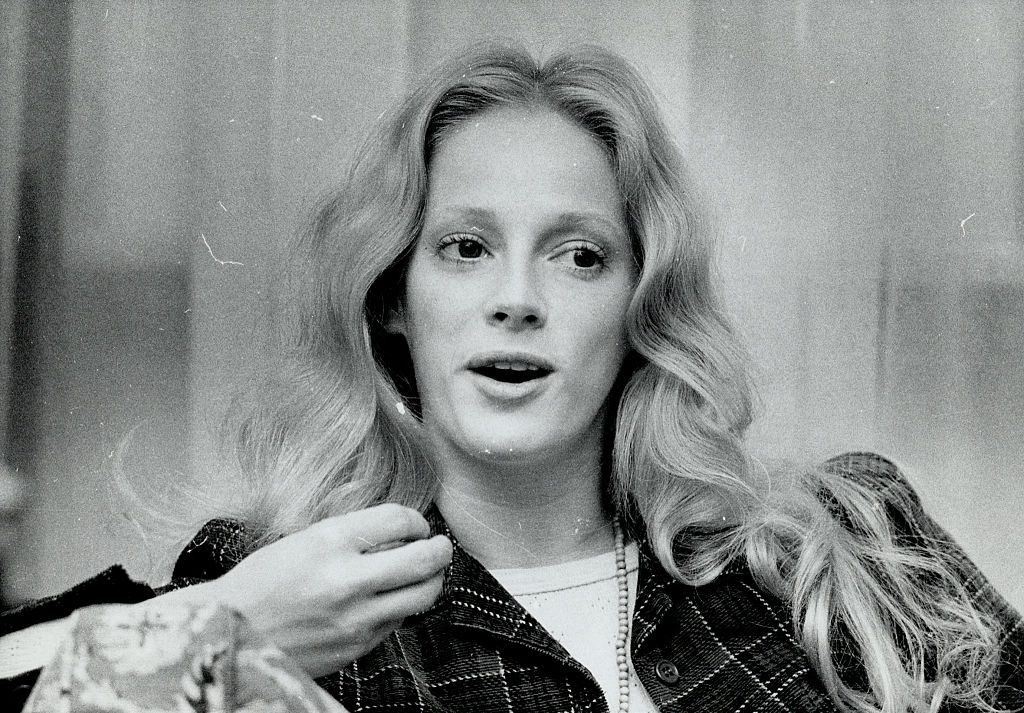
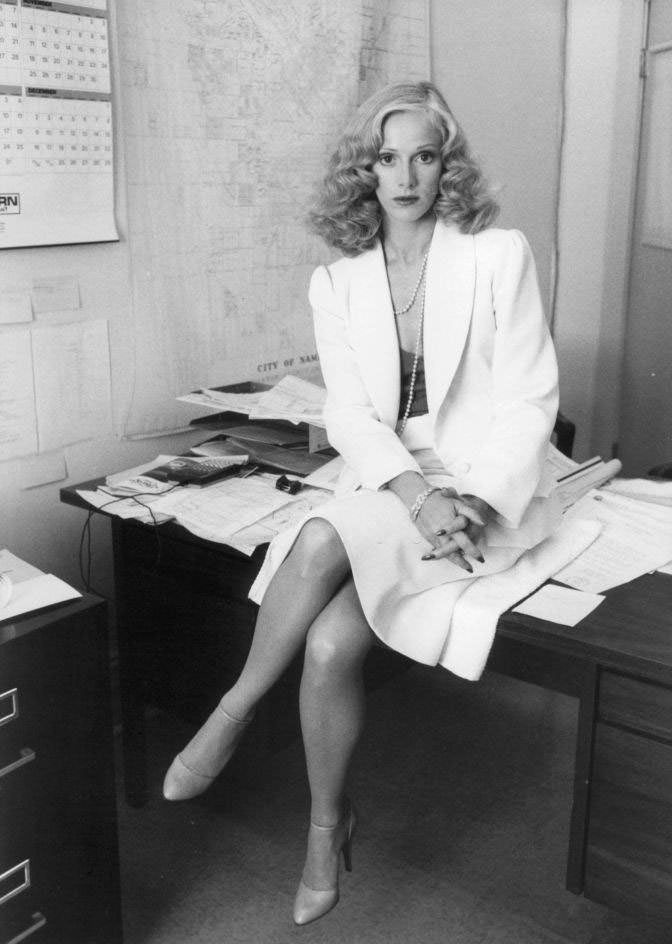
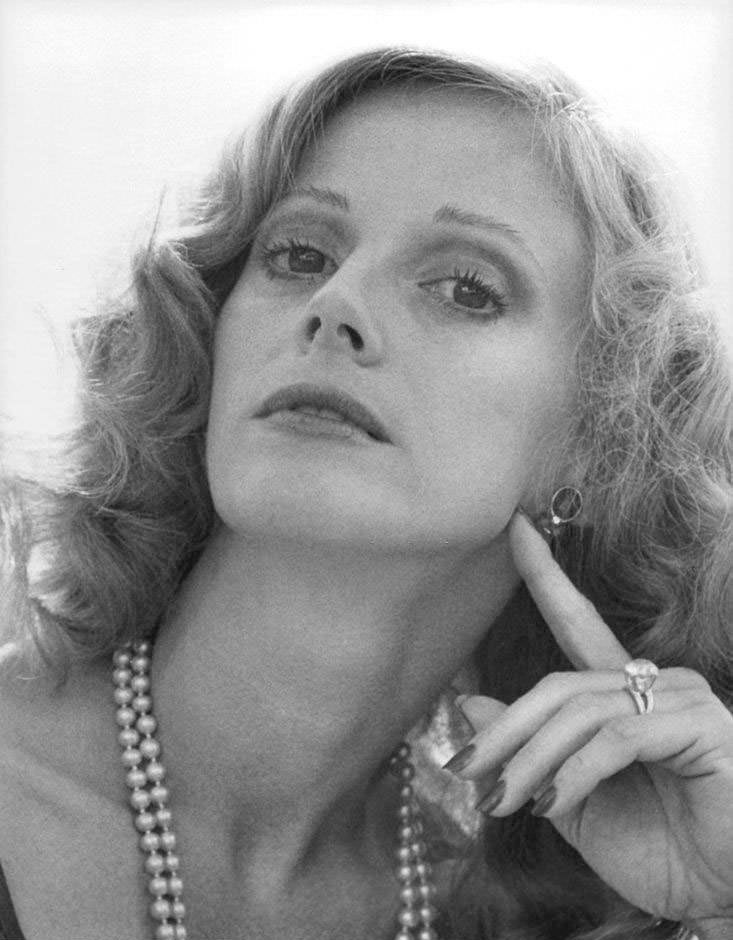
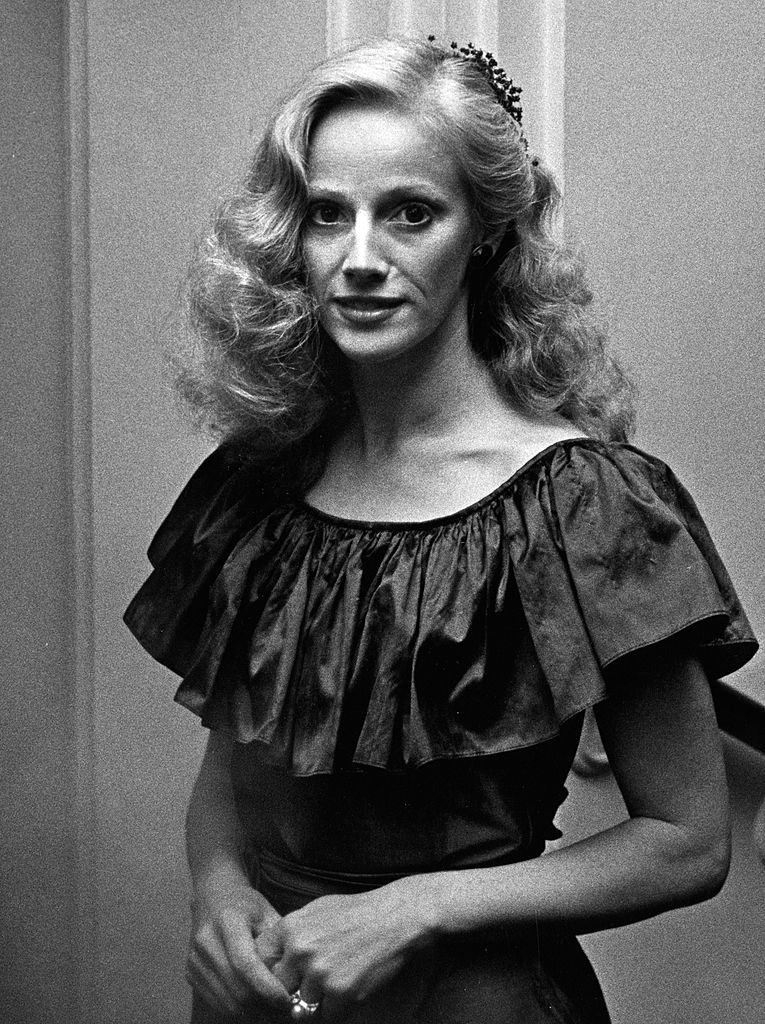
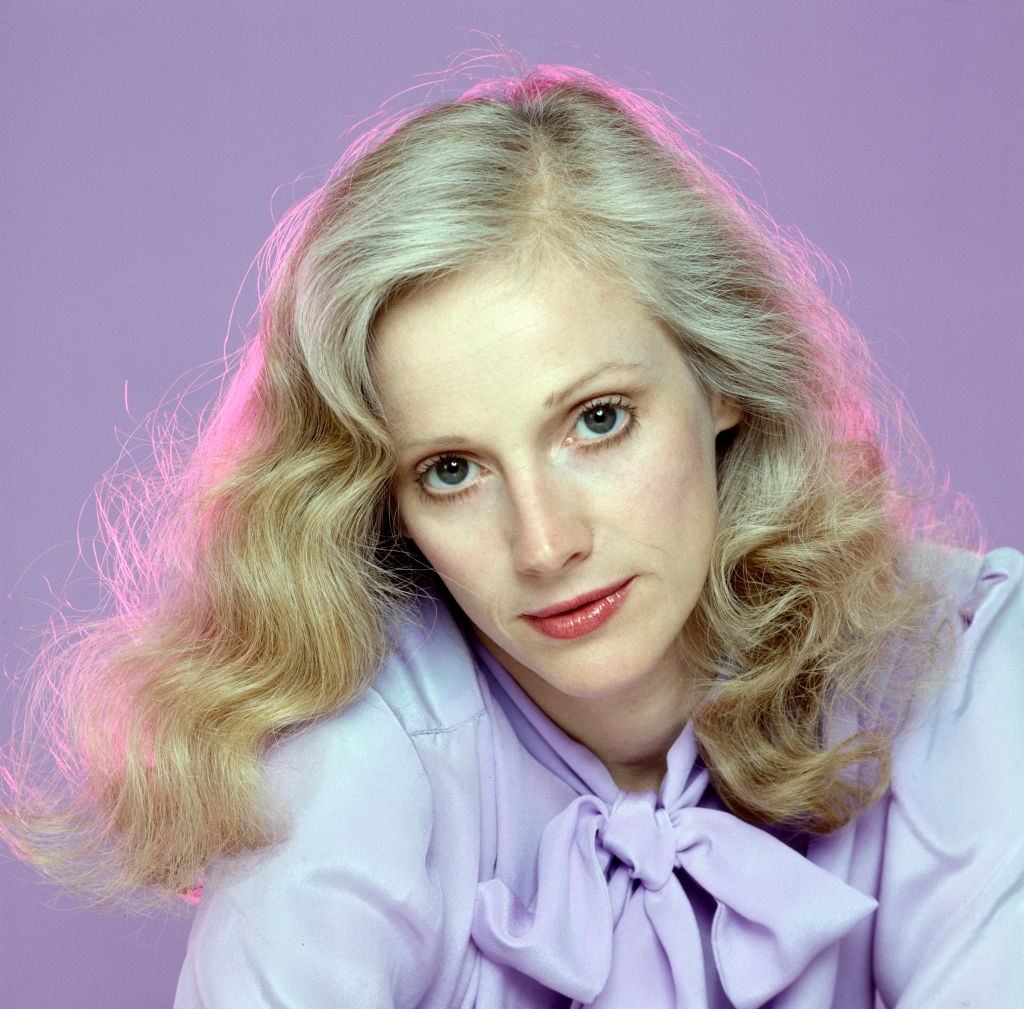
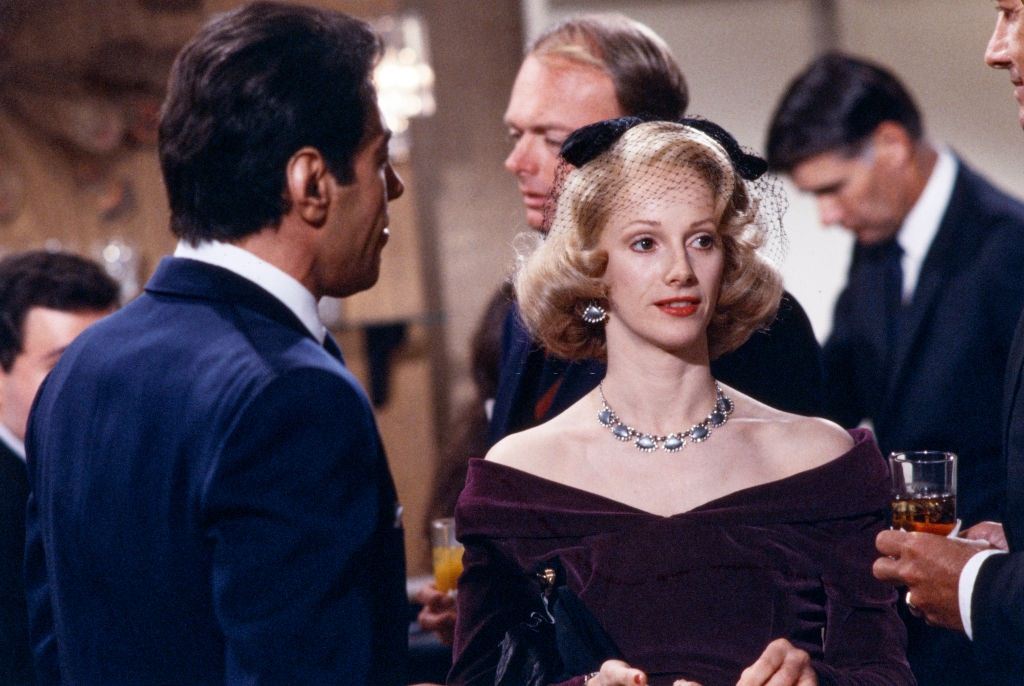
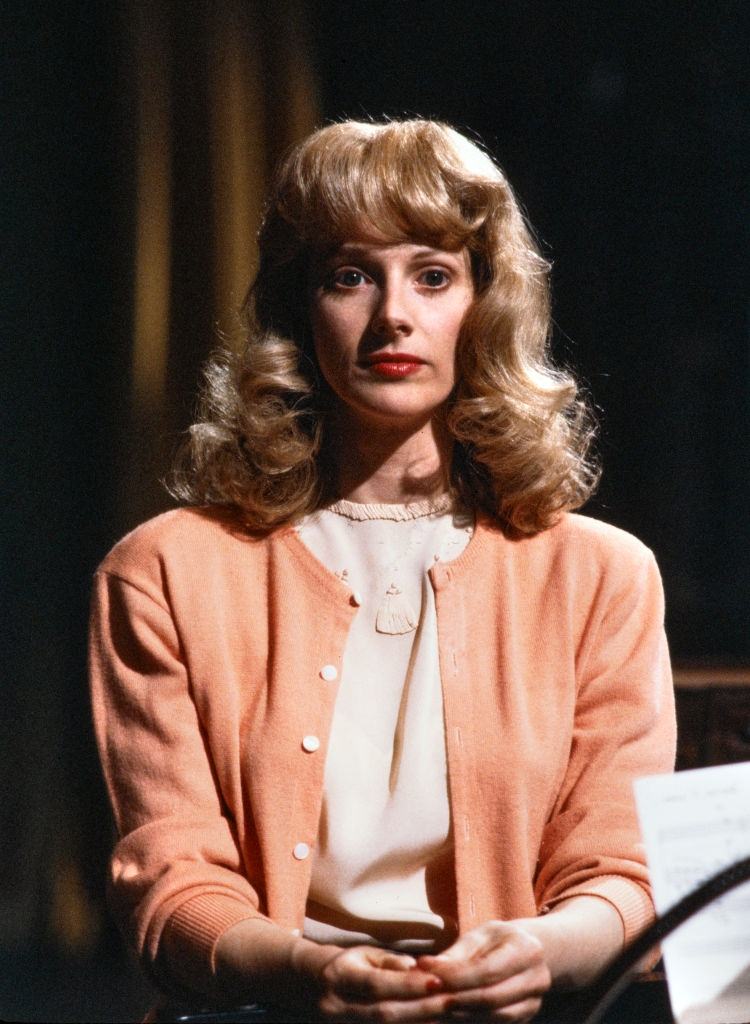
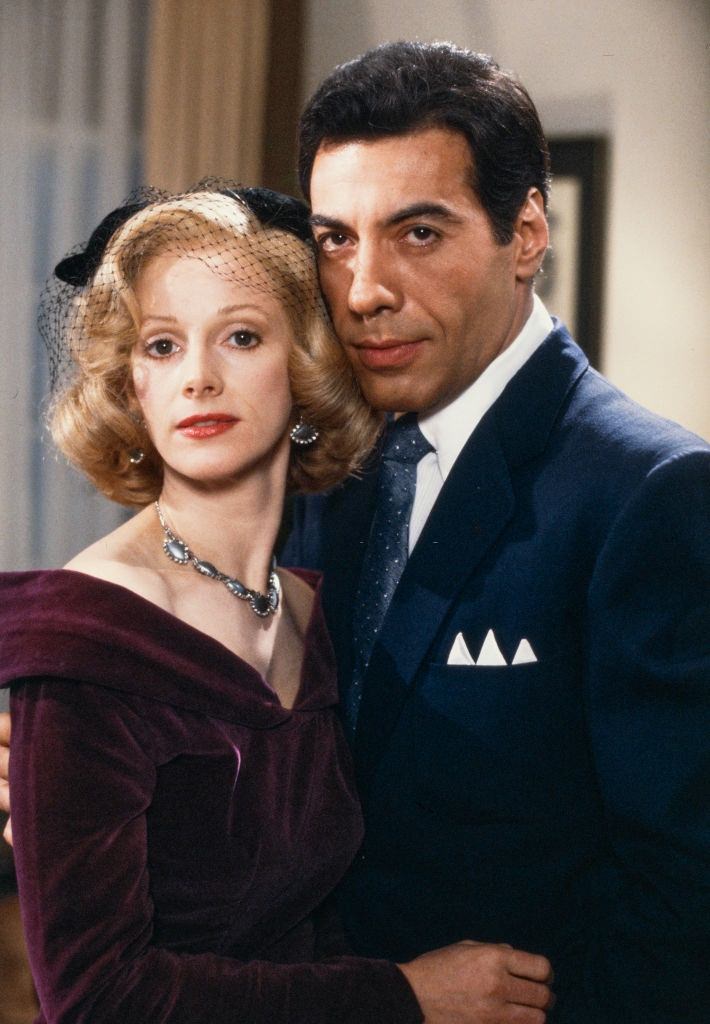
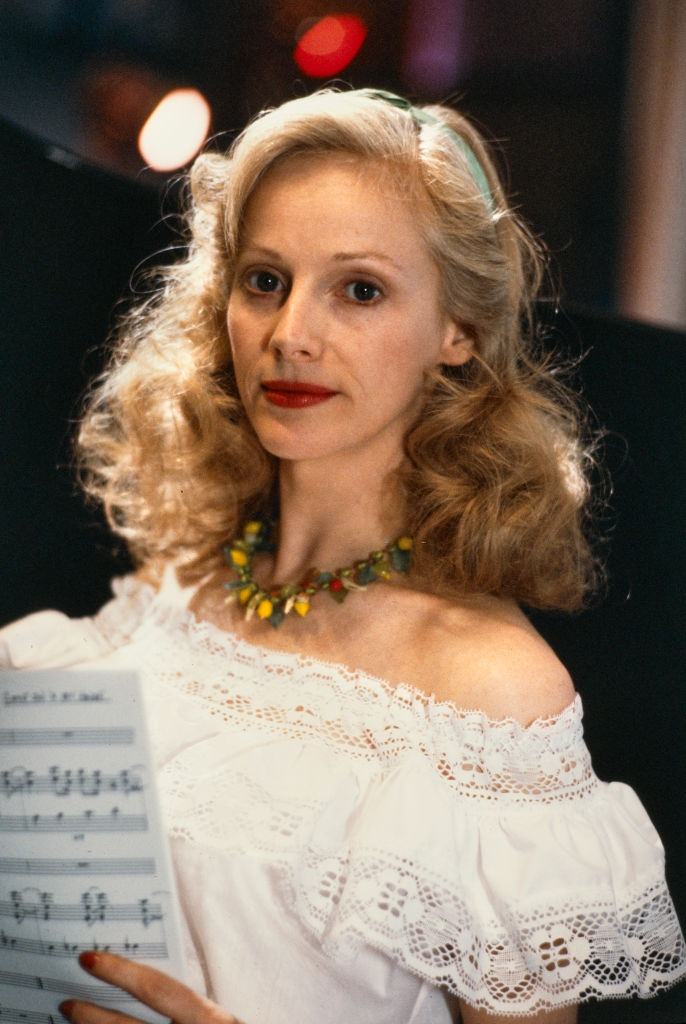
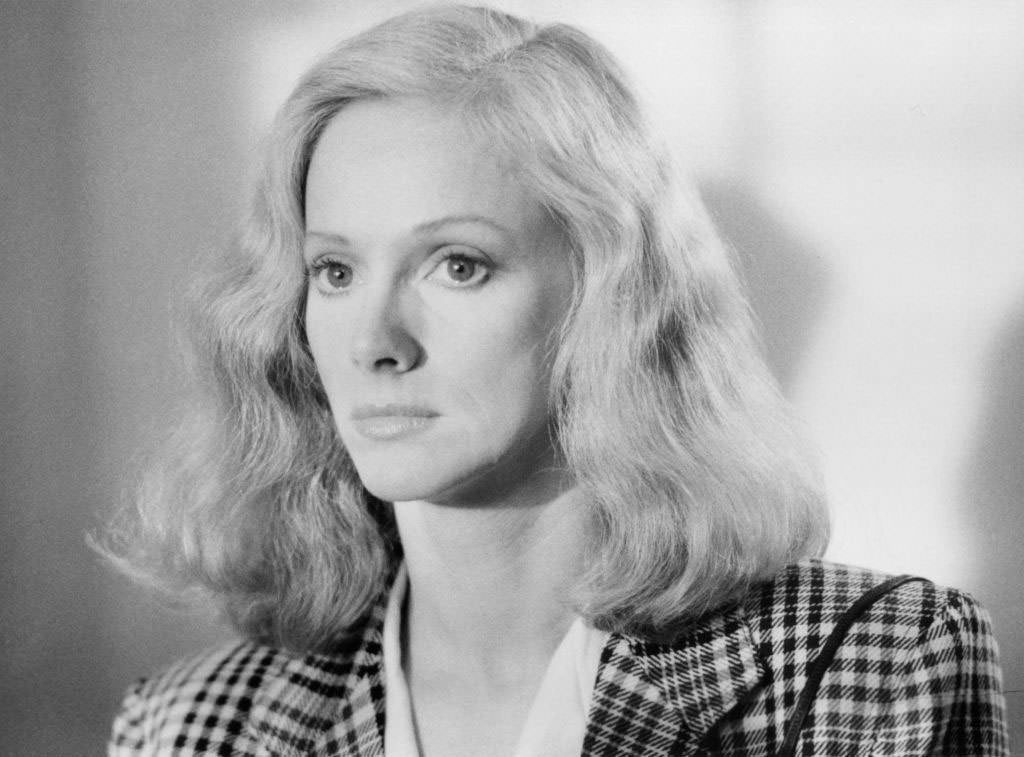
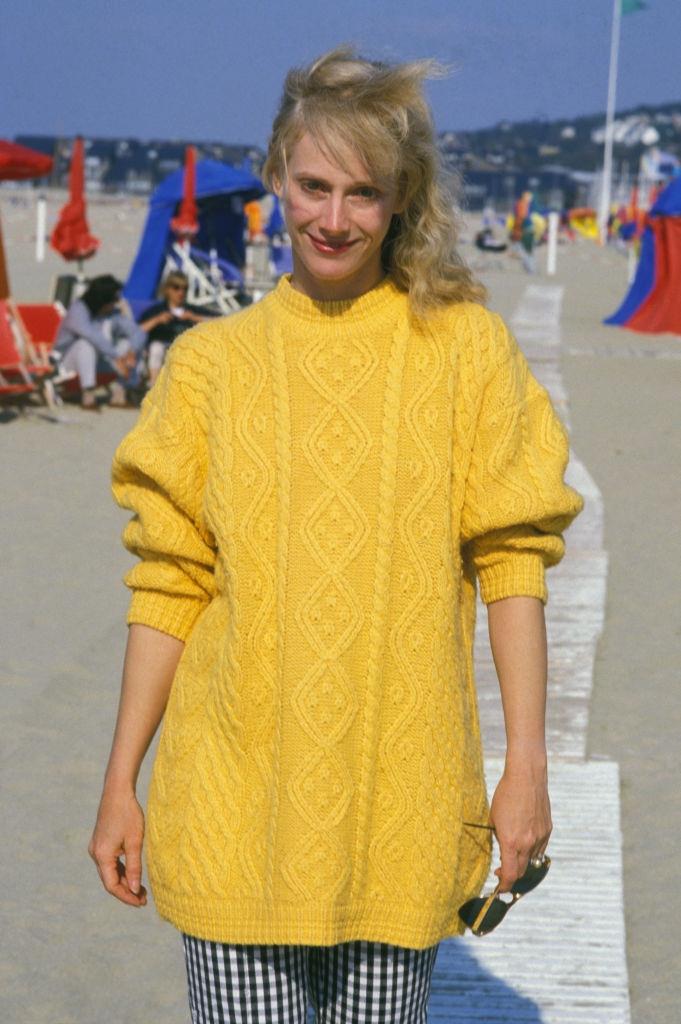
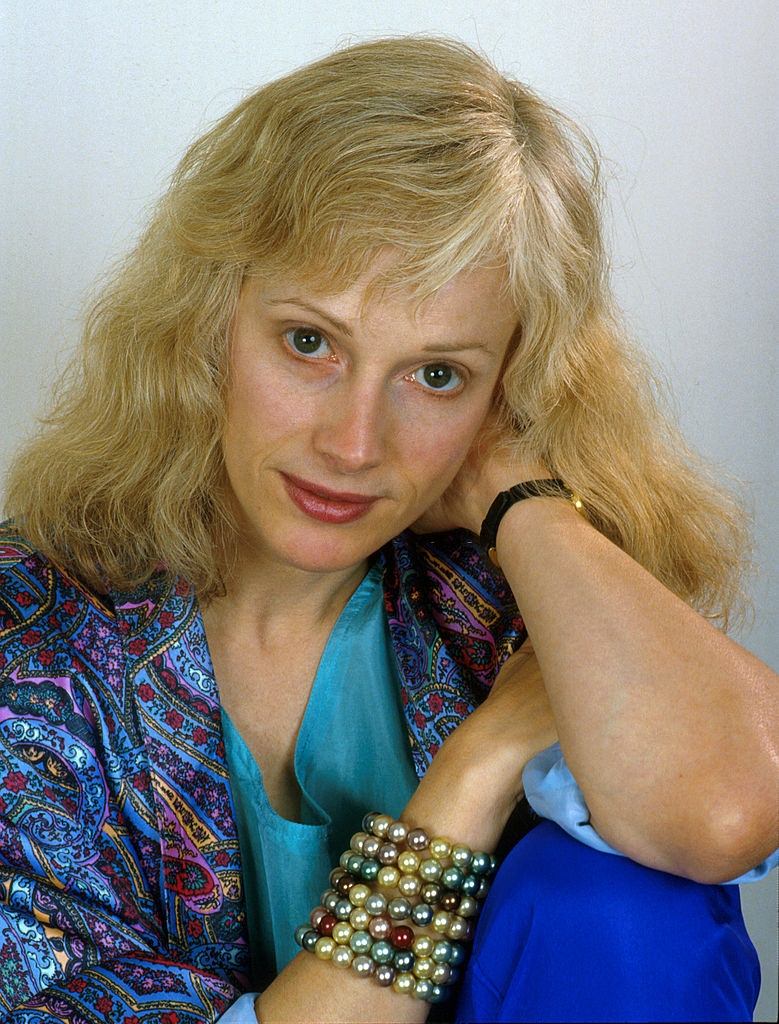
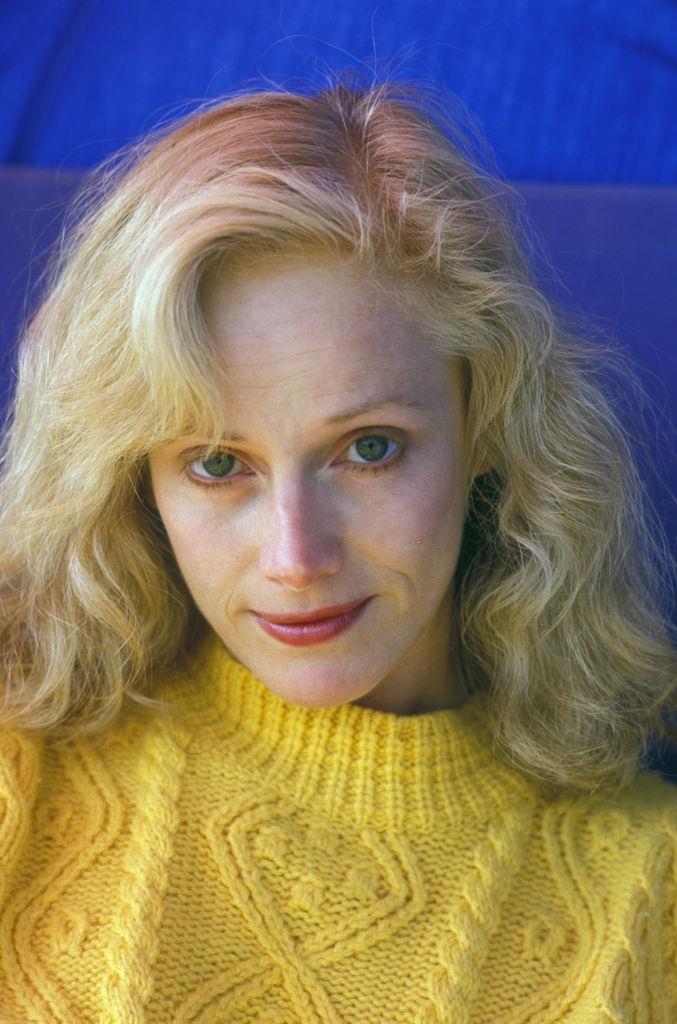
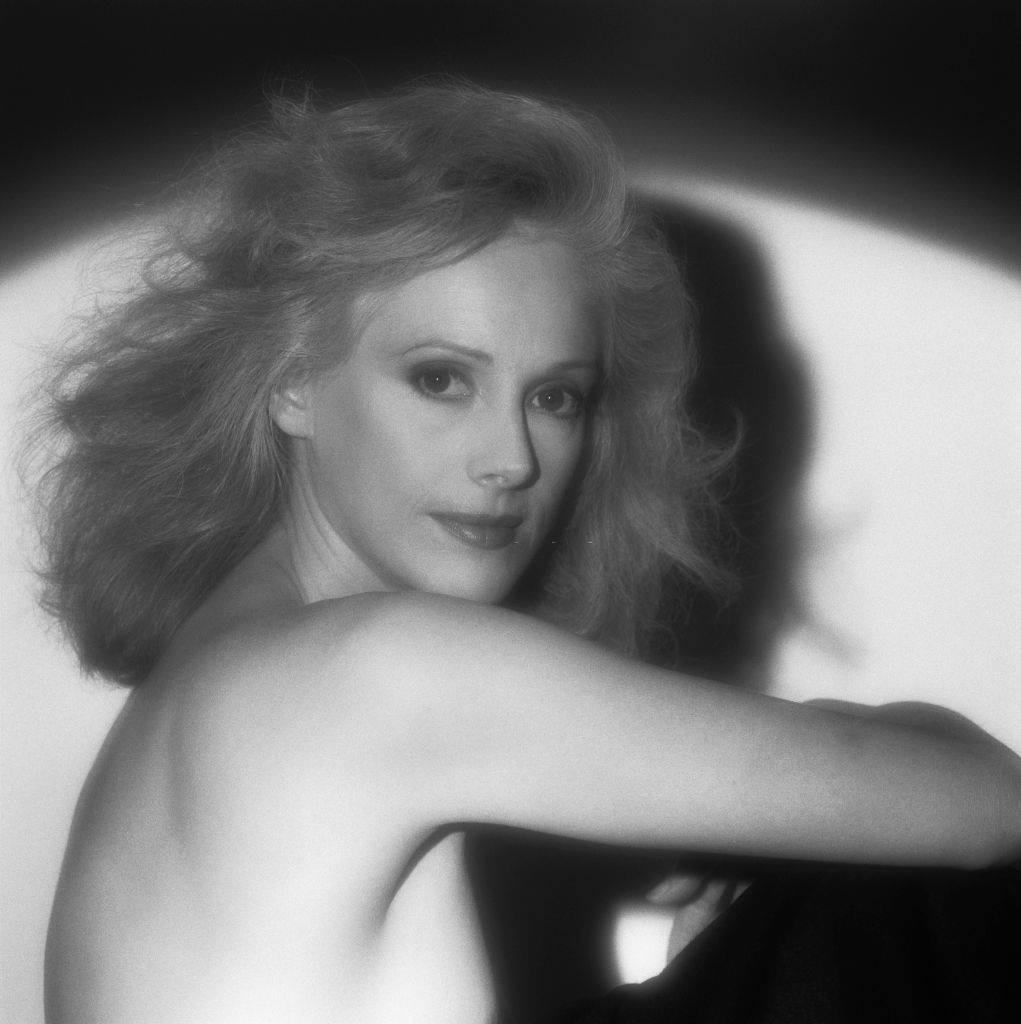
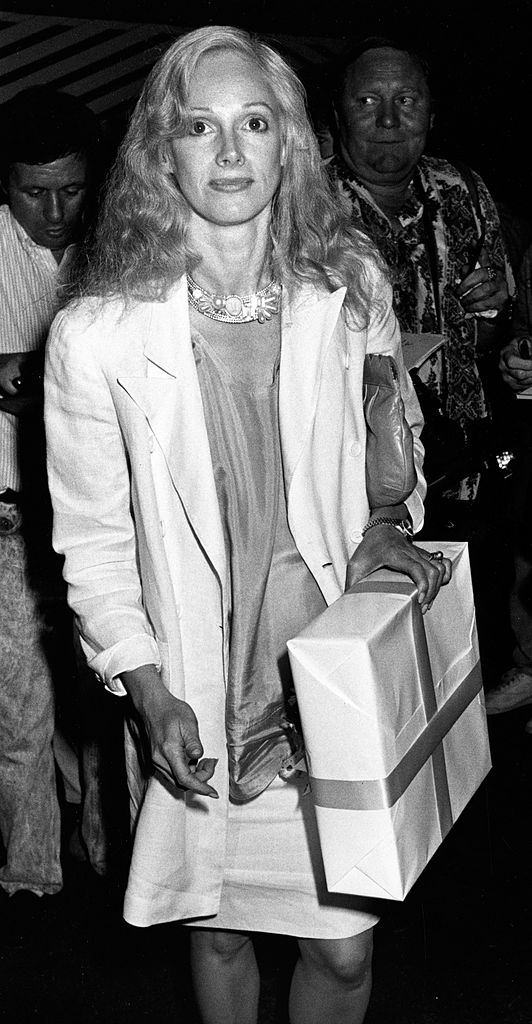
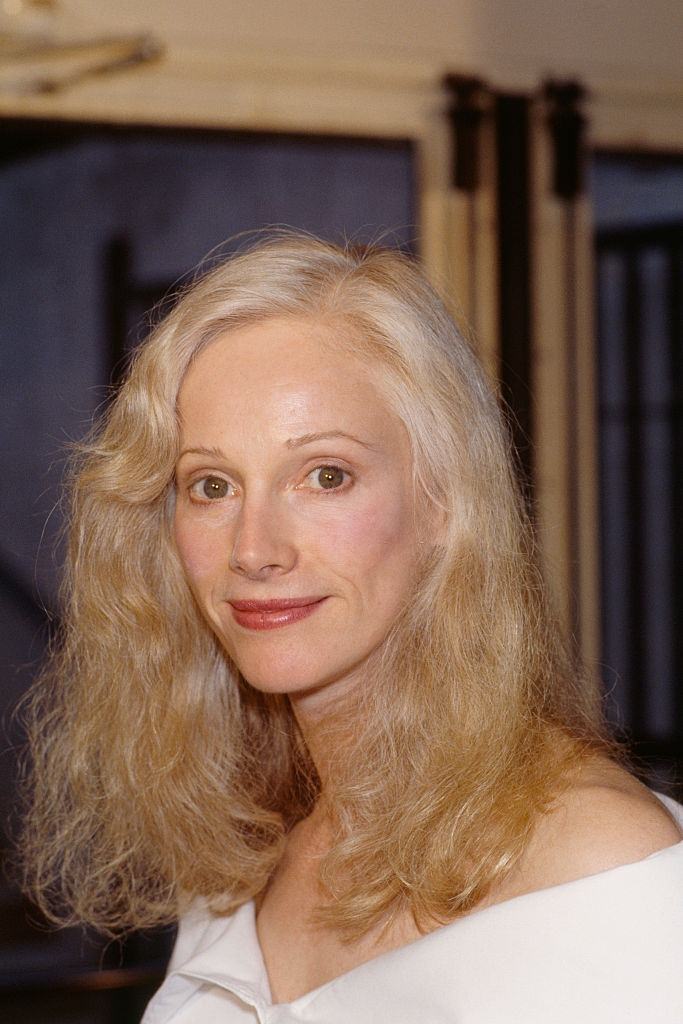
The photos below offer a look at Sondra Locke across the decades — from her earliest days in Hollywood through the peak of her screen career and her years behind the camera. They document a woman who was, at various points, an Oscar-nominated actress, a television regular, a biopic lead, a film director, and a figure at the center of one of Hollywood’s most publicized personal and legal disputes.