Johannes Daniel Kestner, Jr. founded his German doll-making company in 1805, starting with simple papier-mâché heads on peg-jointed wooden bodies. By the 1850s, as the German doll industry boomed, Kestner pushed the craft forward by pioneering the use of porcelain and bisque heads — a move that set the company apart from its competitors. When Kestner died in 1858, his grandson Adolf took over and drove the company toward even greater innovation.

One of the company’s most recognized designs was the ‘Dolly Face’ head. These featured rounded, slightly double-chinned faces with open mouths showing teeth, plus inset or sleeping eyes. The look captured the natural charm of a toddler with striking accuracy, and collectors embraced them immediately. Kestner also produced heads modeled after the long faces of Jumeau dolls and the chubby square faces typical of Bru dolls, giving buyers a wide range of styles.
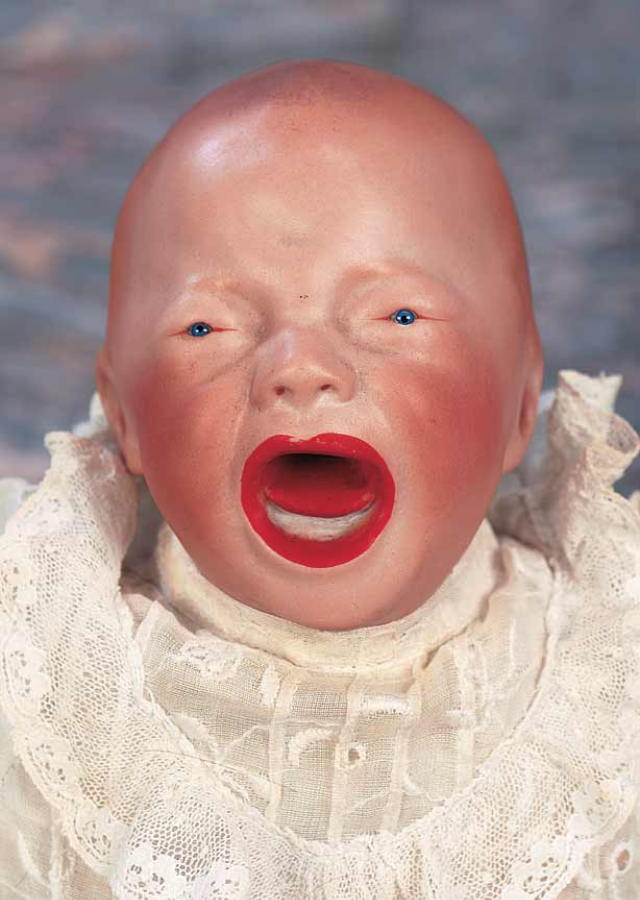
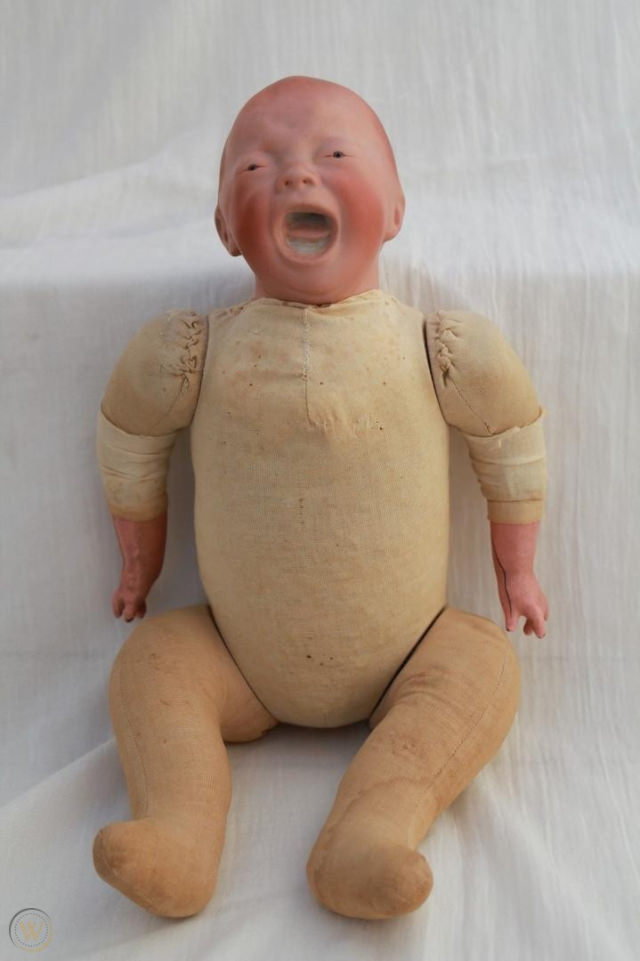
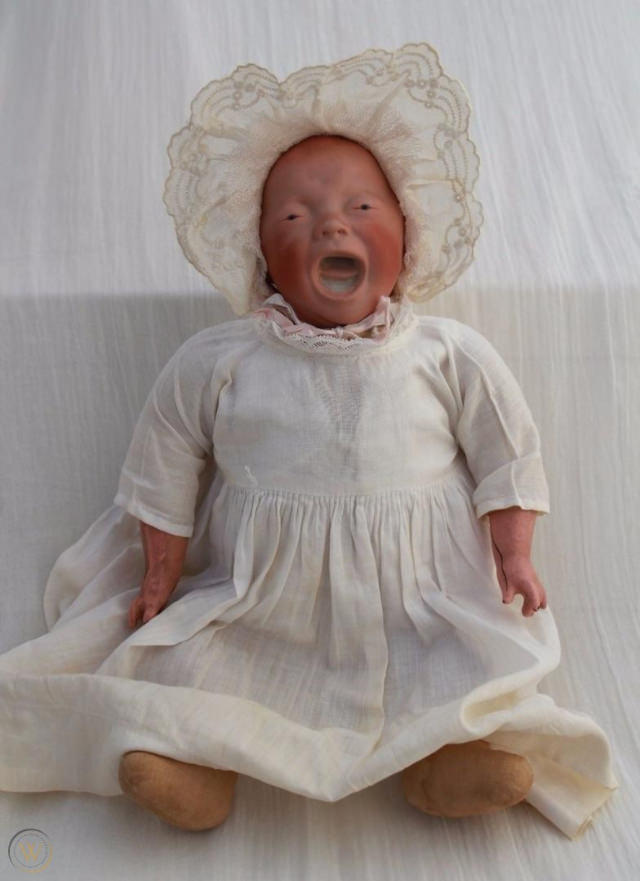
Then came the 1920s — and Kestner’s most daring line yet. The company released a series of screaming baby dolls crafted from bisque porcelain. Each doll had a wide-open mouth frozen mid-cry, a level of realism that had not been seen in doll-making before. They came dressed in their own clothing and fitted with wigs, making them look startlingly close to actual infants.
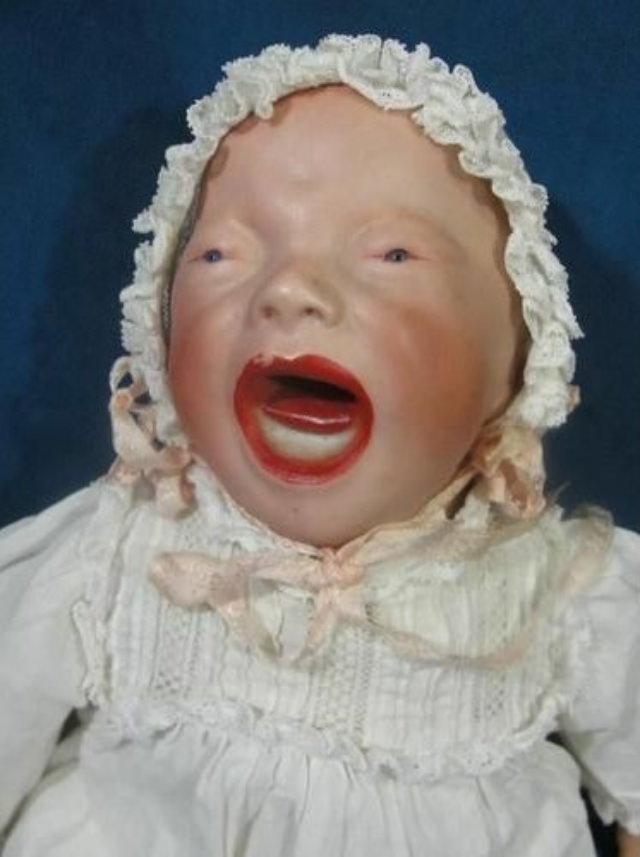
The bodies were just as impressive as the faces. Kestner developed an expensive leather body with riveted joints at the limbs. This engineering allowed arms and legs to move in a natural, fluid way rather than snapping stiffly into fixed positions. No other doll manufacturer at the time matched this level of mechanical detail.
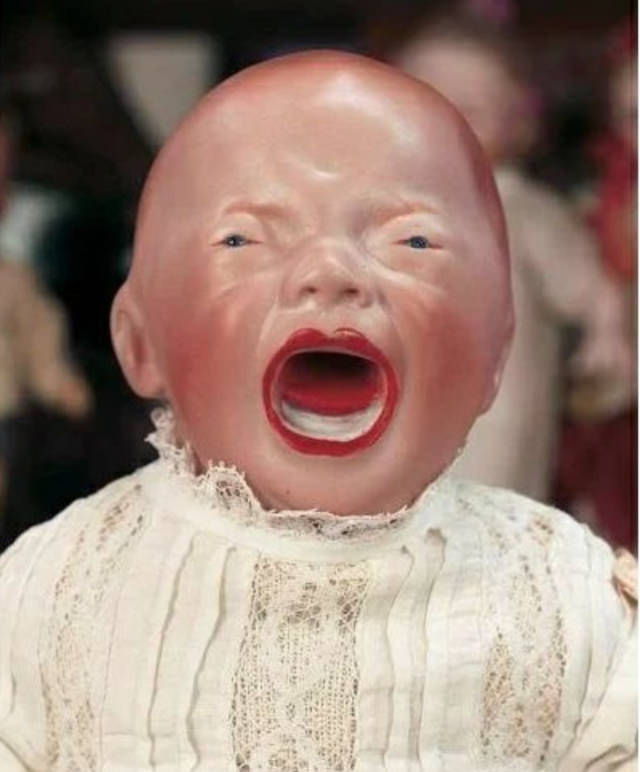
Kestner dolls crossed the Atlantic regularly, finding eager buyers in the United States. In cities like Boston, these dolls were displayed in the drawing rooms of high-society homes — less as playthings and more as status symbols and collectibles.
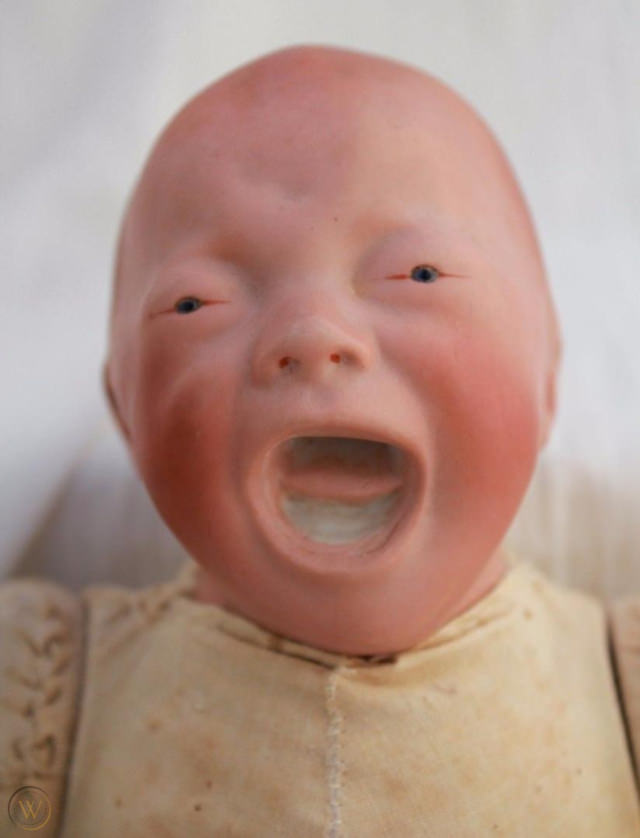
Earlier Kestner dolls had already set a high bar for luxury. ‘Lady Betty Modish,’ released in 1902, came wearing a satin ball gown, delicate jewelry, and a blond human-hair wig. The accessories sold alongside Kestner dolls were equally extravagant — tiny decks of playing cards, miniature nail sets made with ivory, and other meticulously crafted items that reflected the attention to detail built into every product.
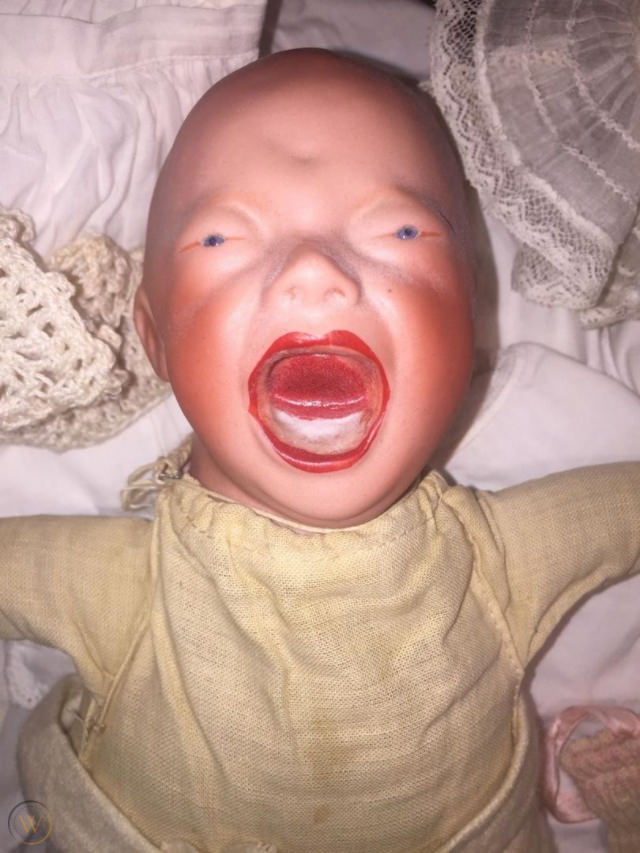
The screaming baby dolls of the 1920s stood at the peak of this tradition. Bisque porcelain gave the faces a soft, skin-like appearance that painted or glazed surfaces could not replicate. The raw emotion locked into each open-mouthed expression was deliberate — Kestner’s craftsmen studied real babies to get the details right.
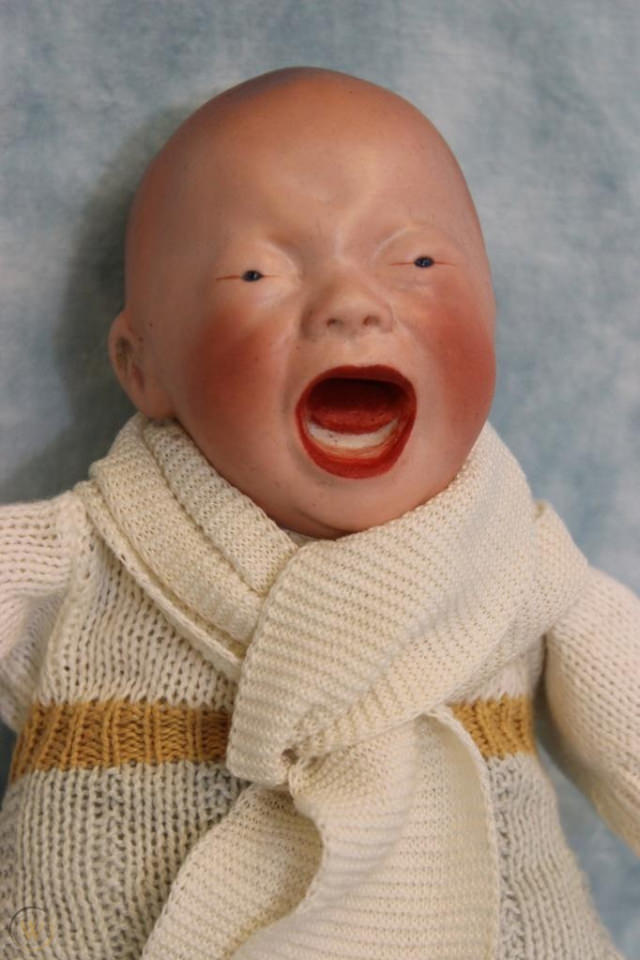
The company operated from 1805 all the way until 1938, producing dolls across more than a century of changing tastes and technologies. Throughout that span, the screaming baby line remained one of its most technically ambitious achievements.
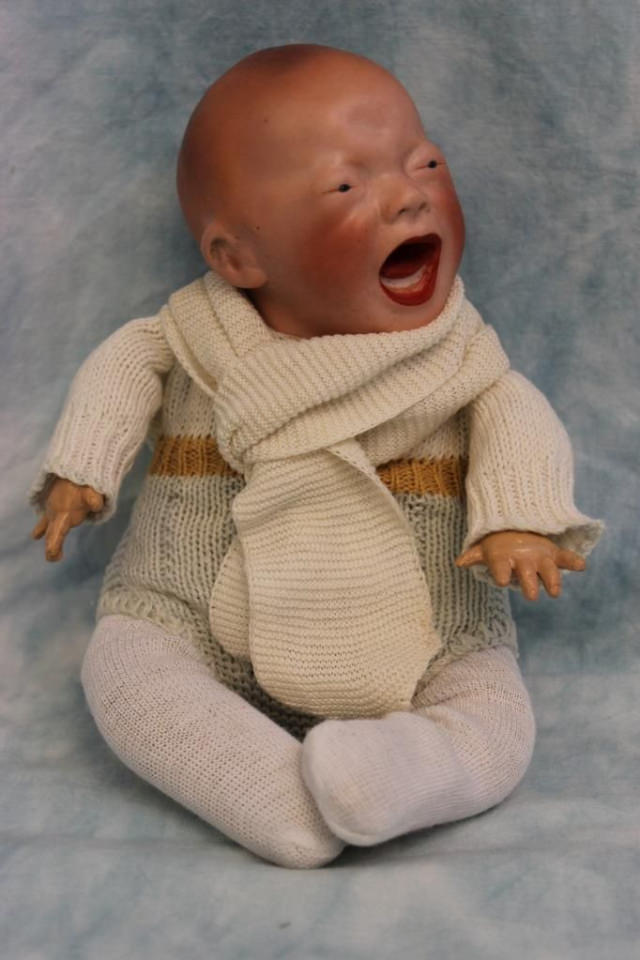
Today, antique dealers and private collectors actively seek out Kestner pieces, particularly the 1920s bisque baby dolls. Original examples with intact clothing, wigs, and riveted leather bodies command serious attention at auction. The combination of artistic detail, engineering, and historical age makes them rare finds.