
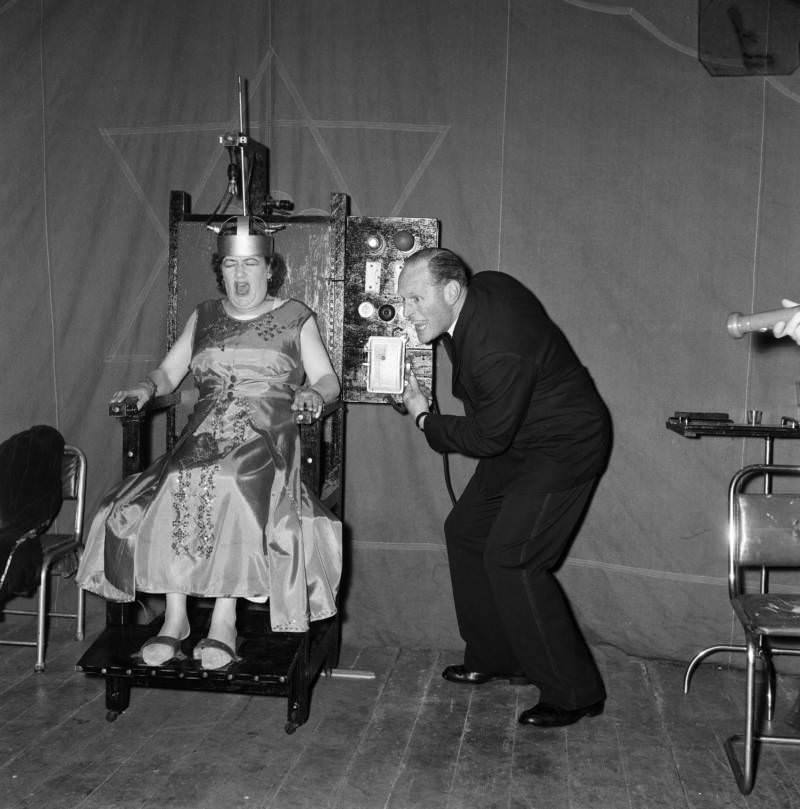
Freak shows were public exhibitions of people and animals considered physically unusual. They drew enormous crowds across Europe and America for roughly three centuries, and the people put on display came from every corner of the world. Some had rare medical conditions. Others were born with extra limbs, fused bodies, or unusual proportions. A few were simply trained performers who pushed the human body to extremes — swallowing swords, bending their limbs into impossible shapes, or enduring electric shocks in front of screaming audiences. What nearly all of them shared was a life spent outside the boundaries of what society considered normal, often exploited by the very showmen who profited from their appearances.
The origins of freak shows stretch back to mid-16th century England, where exhibitions of “human curiosities” drew fascinated crowds at fairs and markets. Even Queen Victoria took interest in some of the performers of the day. By the 19th century, the practice had crossed the Atlantic and found its most powerful promoter in P.T. Barnum, the founder of Barnum and Bailey Circus. In 1841, Barnum opened a human curiosity exhibit at the American Museum in Manhattan, drawing millions of visitors who paid to gawk at people the showmen described as “freaks of nature.” The late 19th and early 20th centuries marked the peak of their popularity.
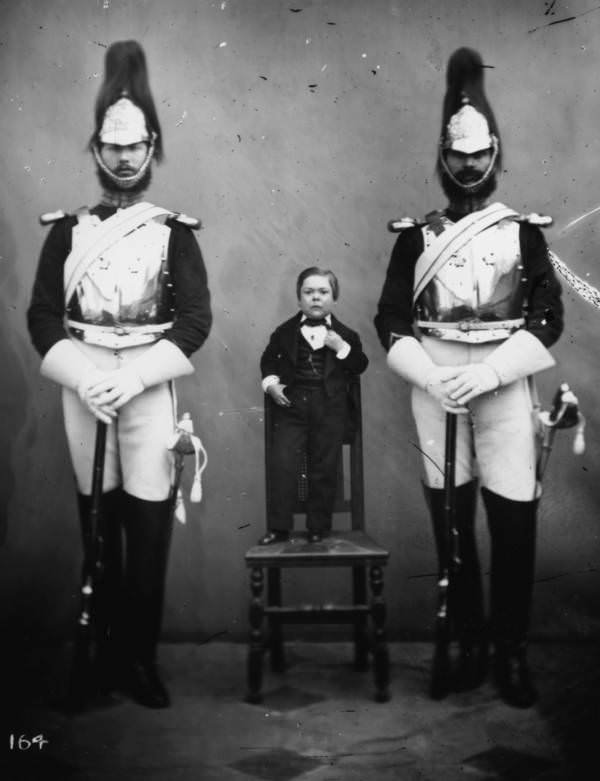
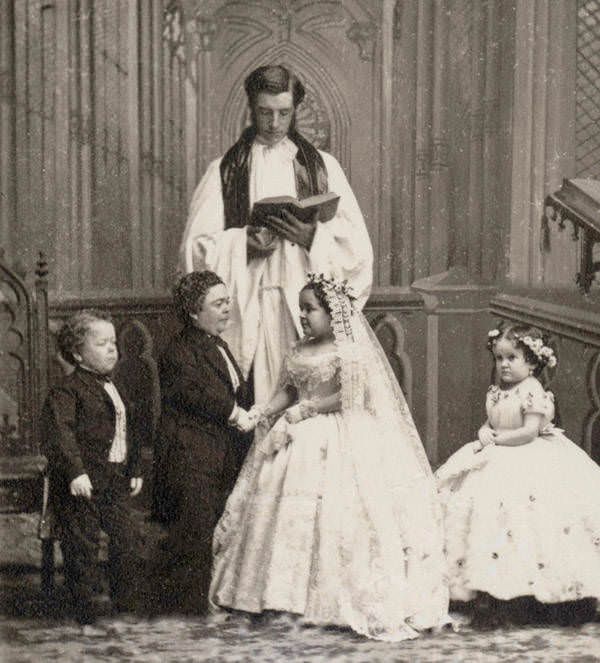
One of Barnum’s most famous acts was Charles Sherwood Stratton, known to the public as General Tom Thumb. Stratton stood just over two feet tall due to dwarfism, and Barnum put him to work at the age of four, paying him just $3 a week. Stratton learned to perform — singing, dancing, and acting in comedic skits — and eventually became one of the most recognized entertainers of the 19th century. He married in 1863 and died at the age of 45. His story captures the strange tension that ran through freak show culture: genuine fame and public adoration built on a foundation of exploitation.
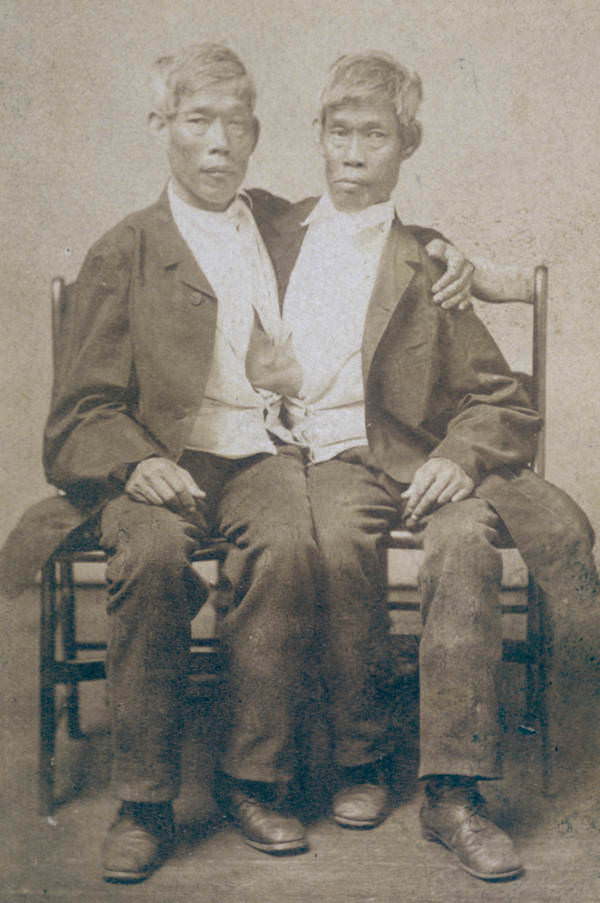
Conjoined twins were among the most sought-after attractions in the freak show world. Chang and Eng Bunker, born in Siam in 1811, became so famous that the term “Siamese twins” entered everyday language. They toured extensively and later settled in the United States, where they married and fathered children. Their lives, though public, were largely managed on their own terms — a rarity among freak show performers.
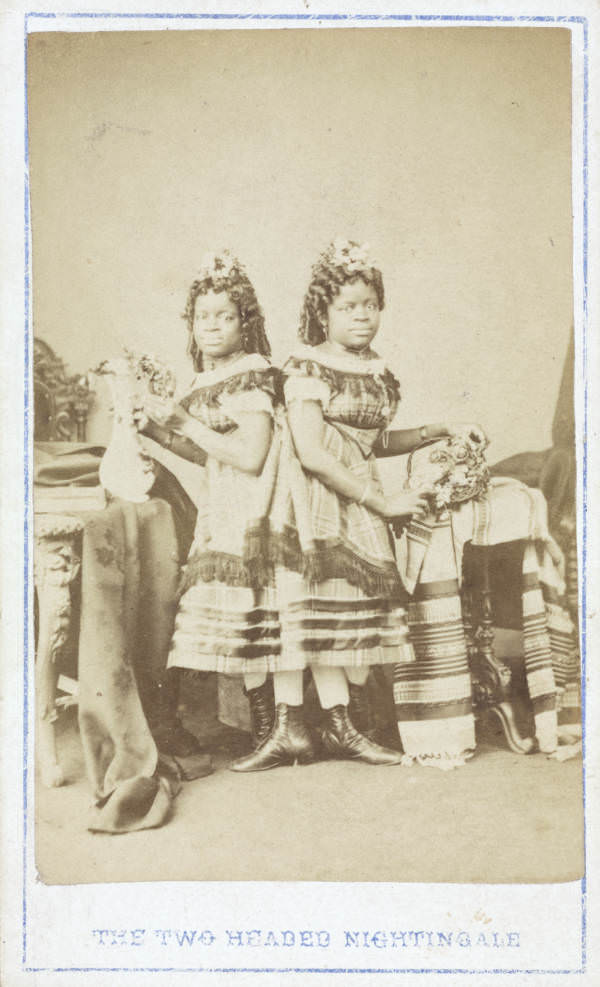
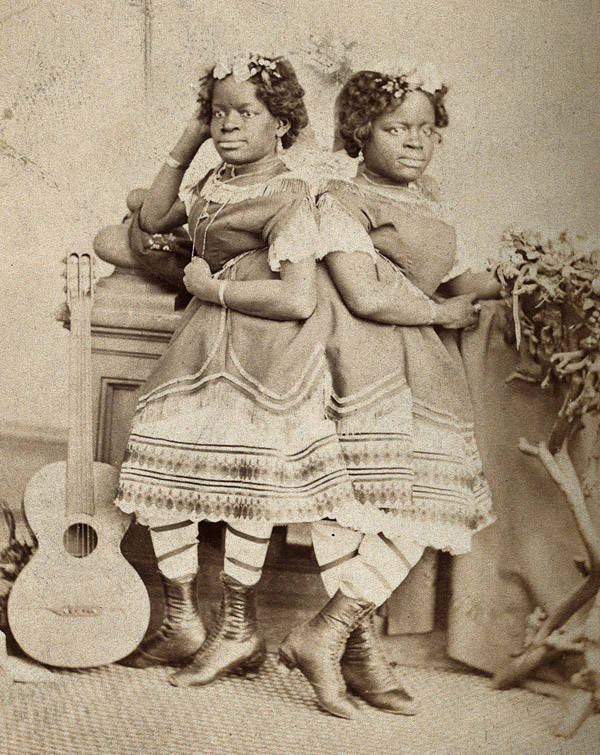
The story of Millie and Christine McKoy stands in sharp contrast. Born into slavery in the American South, the conjoined twins were sold to be displayed as a freak show attraction before they were old enough to choose anything for themselves. They were eventually advertised as the “Two-Headed Nightingale,” touring the Northern United States and Europe as a singing duo. Their talent was genuine, but the conditions under which they entered show business were not.
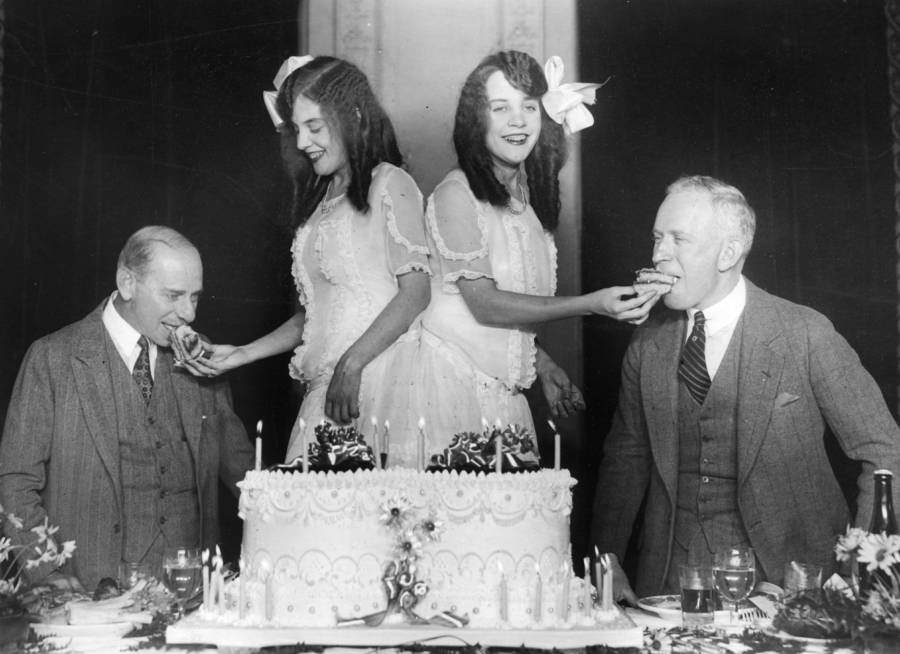
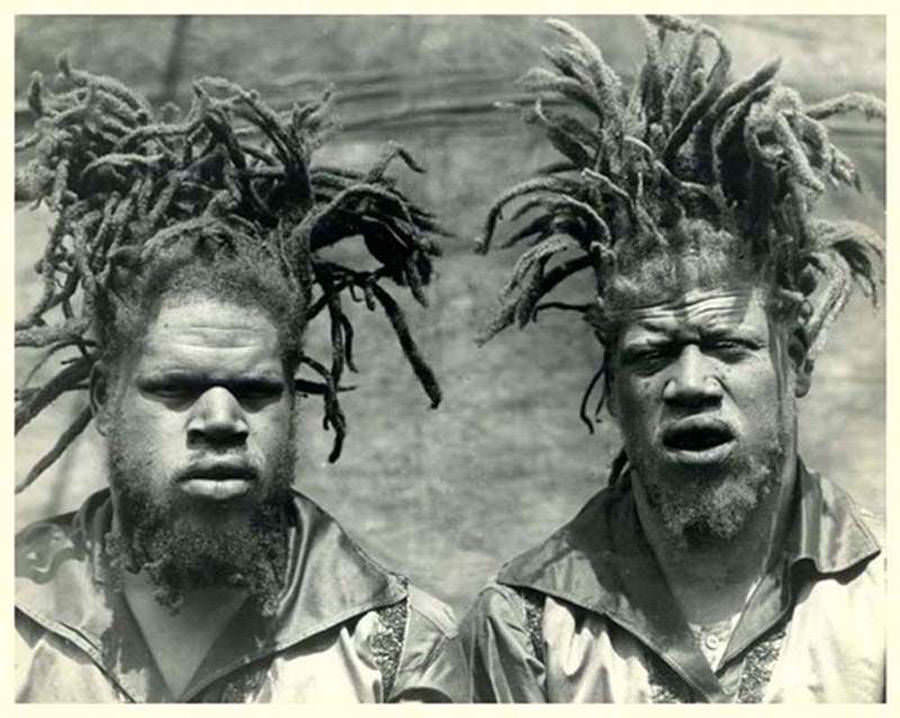
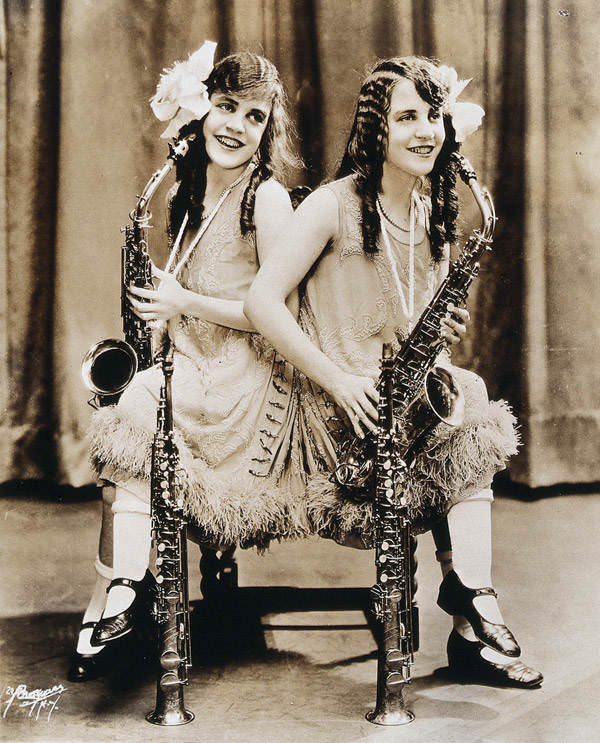
Daisy and Violet Hilton, British conjoined twins fused at the hip, were placed into a circus freak show at just three years old. By the time they were teenagers they were already touring the United States, their lives entirely controlled by the adults who profited from their appearances. George and Willie Muse had an even more violent introduction to sideshow life — the Black albino identical twins were kidnapped from their Virginia home, forced to grow their hair long, and exhibited as “Men From Mars” without their family’s knowledge or consent.
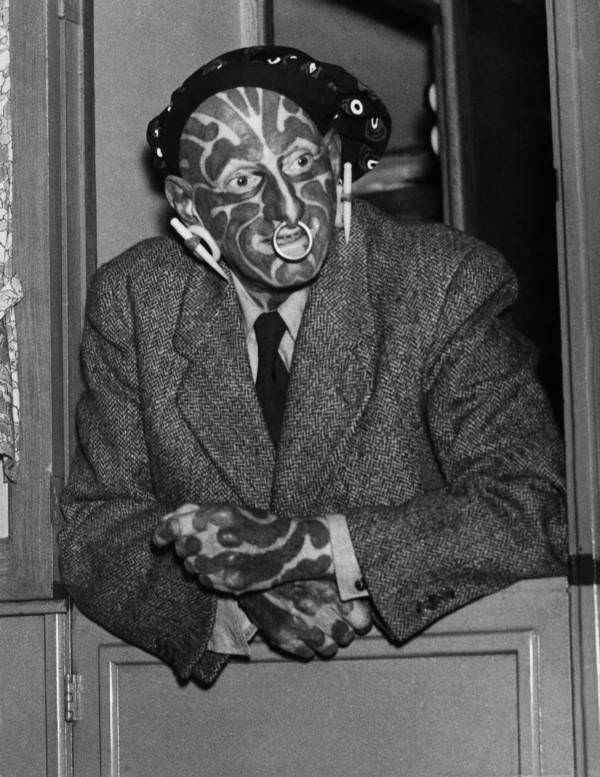
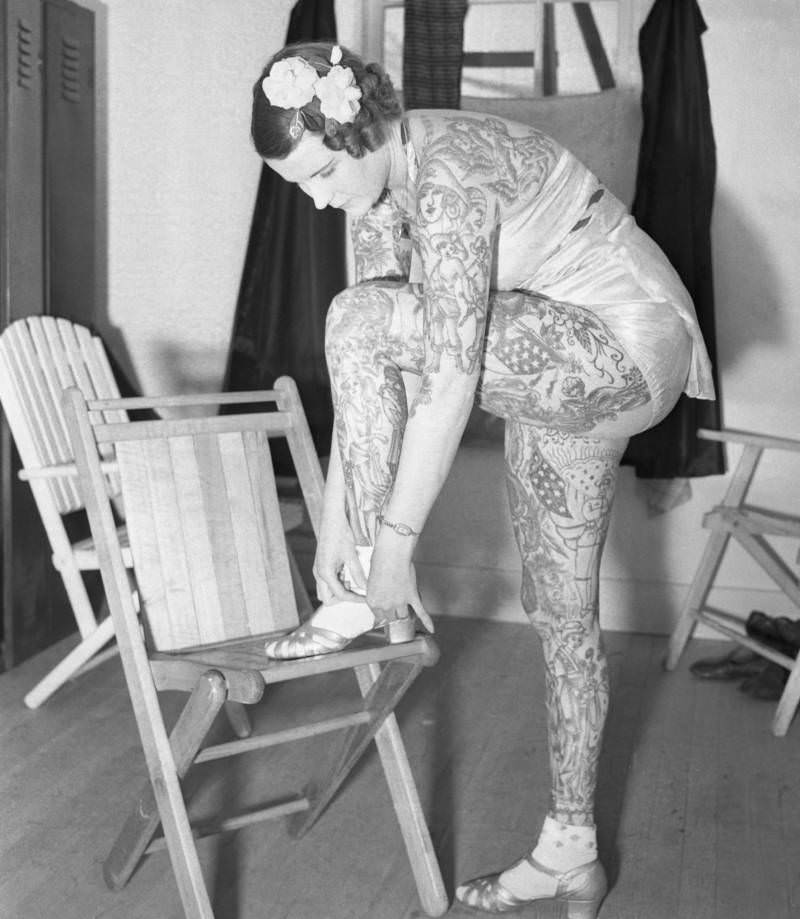
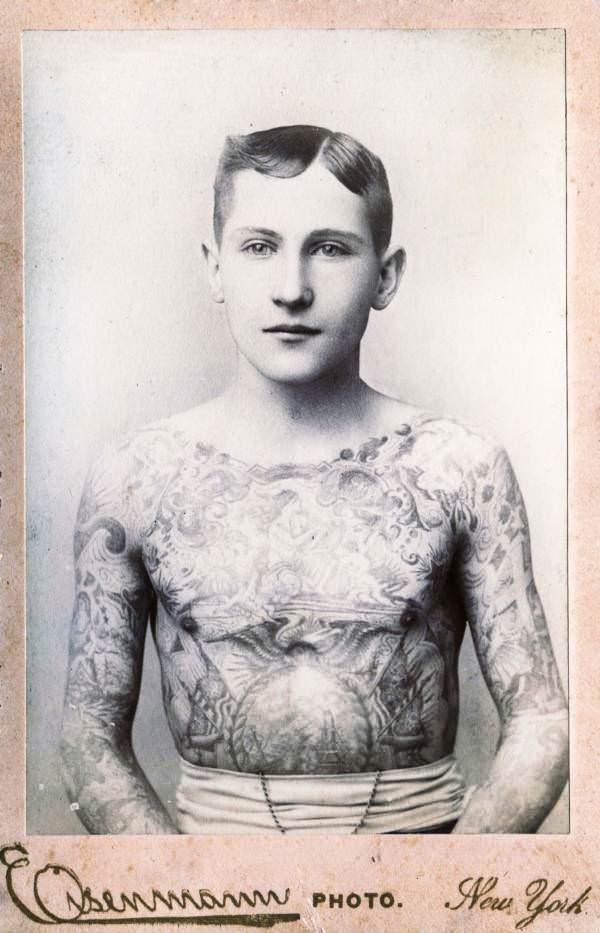
Not every sideshow performer was born with a condition that set them apart. Some actively modified their bodies to create a stage persona. Horace Ridler, an English performer, covered his entire body in zebra-stripe tattoos and filed his teeth to points, billing himself as “The Great Omi” or “The Zebra Man.” Betty Broadbent chose extensive tattooing as her path into show business, becoming one of the most recognized tattooed ladies of the 1930s. Full-body tattoos took years and enormous commitment — these performers built their acts through deliberate and permanent physical transformation.
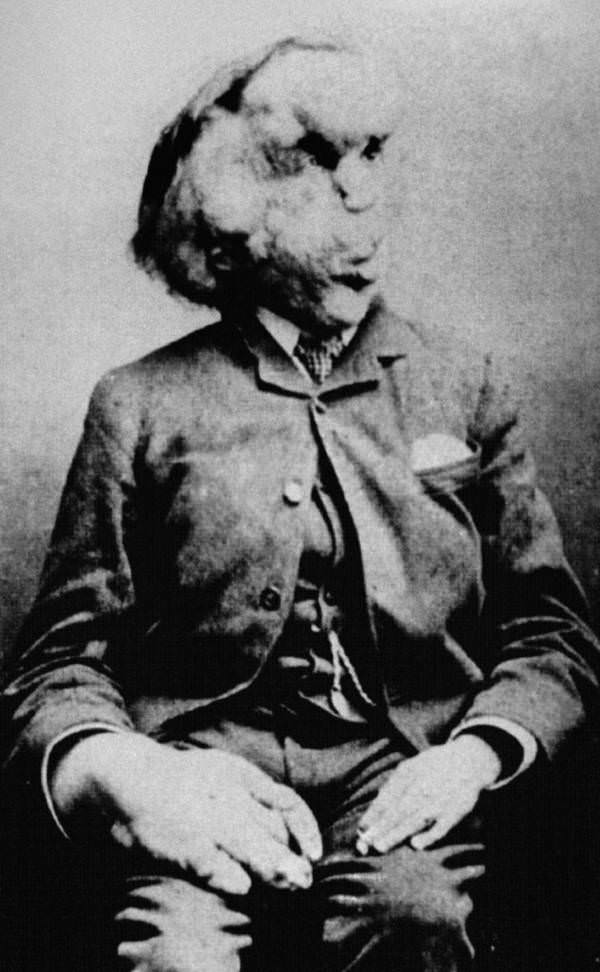
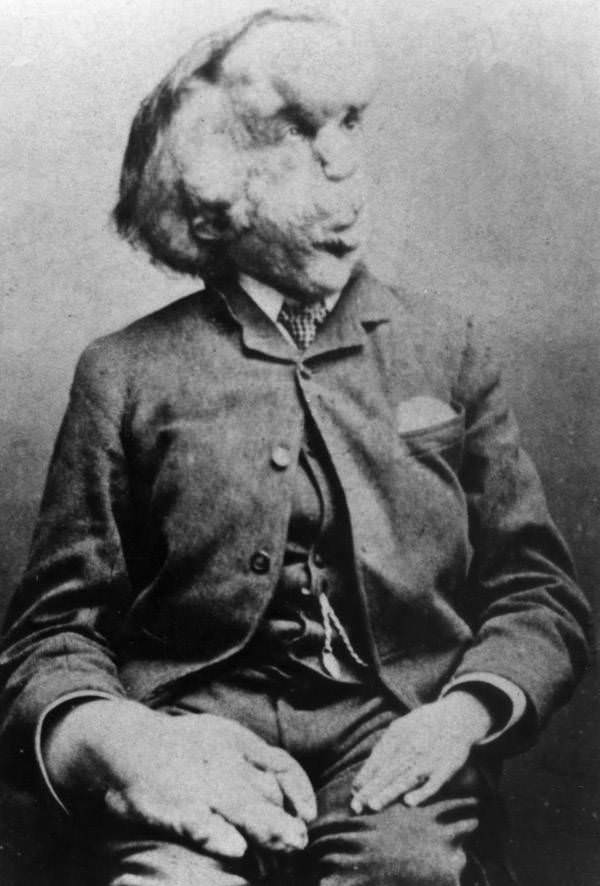
Joseph Merrick, known as the Elephant Man, suffered from a severe condition that caused his bones and skin to grow in grossly distorted ways. He spent years in a London freak show before physician Frederick Treves brought him to the London Hospital, where he lived until his death in 1890 at the age of 27. His story became one of the most documented cases of human exploitation in sideshow history.
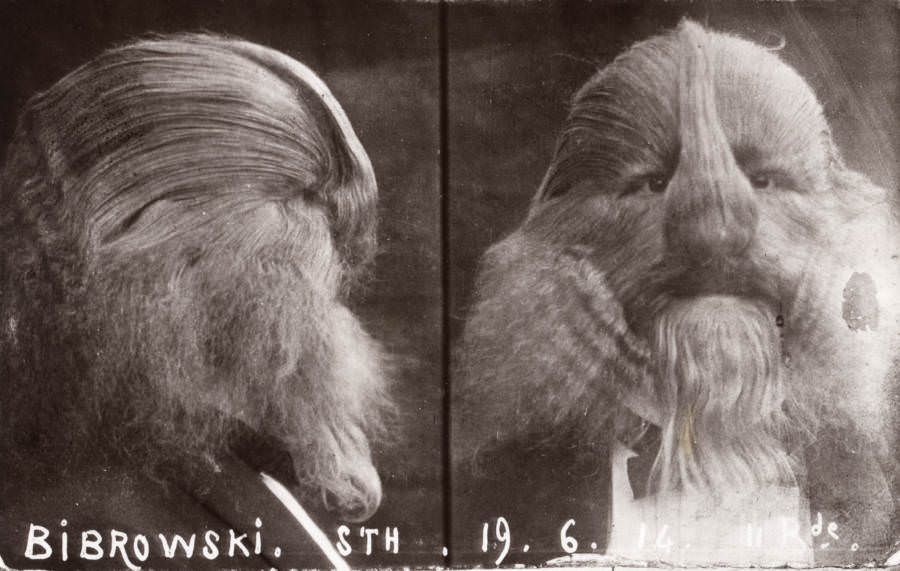
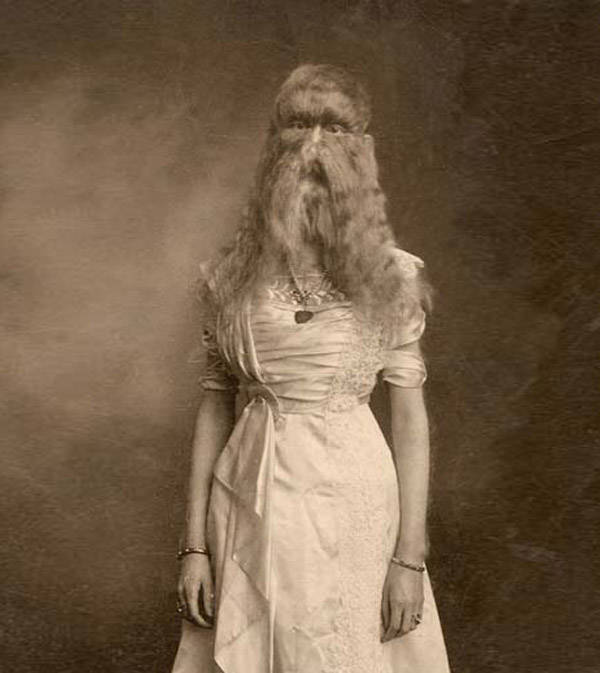
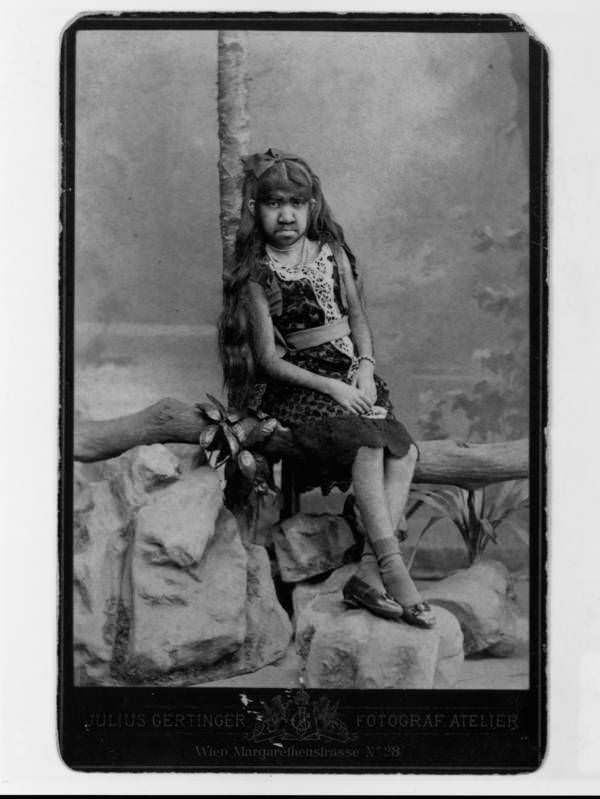
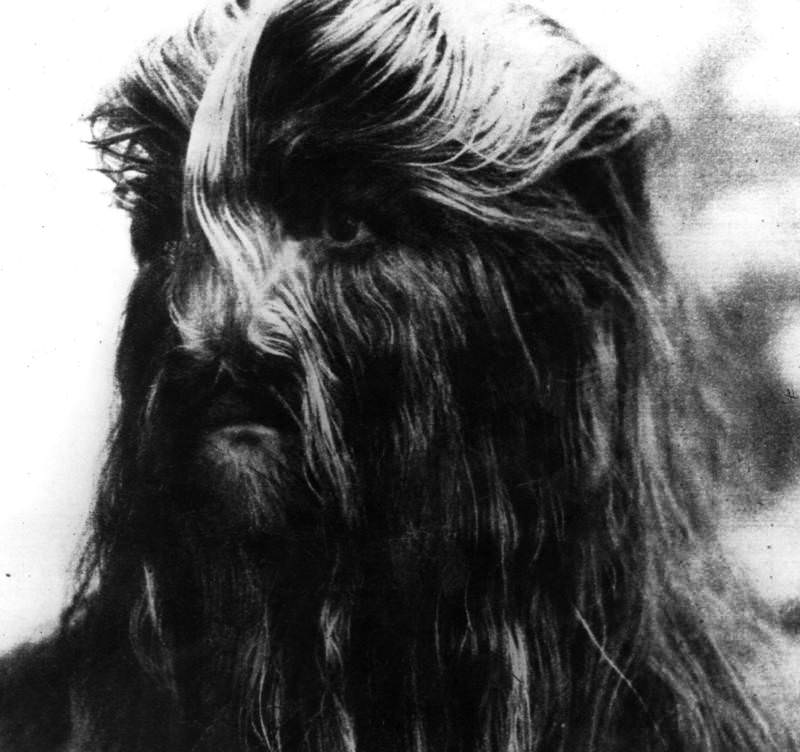
Stephan Bibrowski, known as Lionel the Lion-Faced Man, was born in 1890 with hypertrichosis — a condition that caused thick hair to grow all over his face and body. His mother sold him to a German showman when he was four years old. He spoke five languages, was known as an intelligent and thoughtful man, and performed across Europe and the United States. Alice Doherty was also born with hypertrichosis and was placed in a freak show by her own mother at just two years old, billed as the “Wooly Girl.”
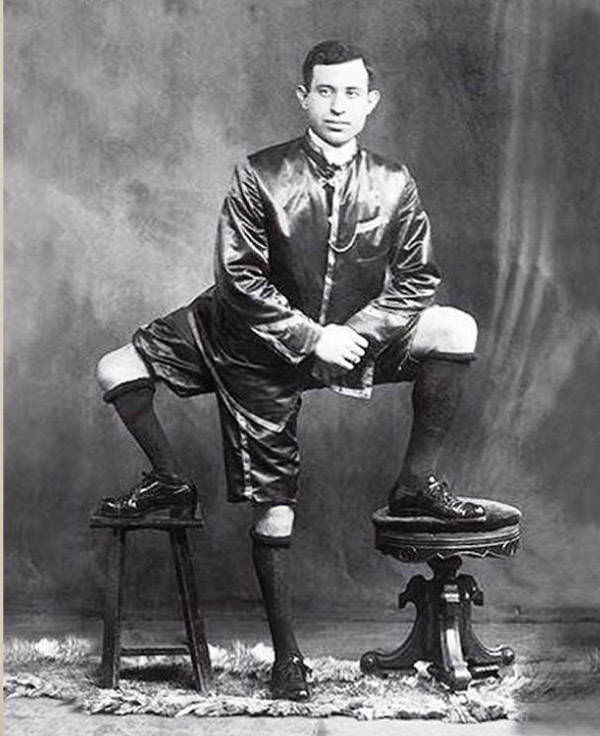
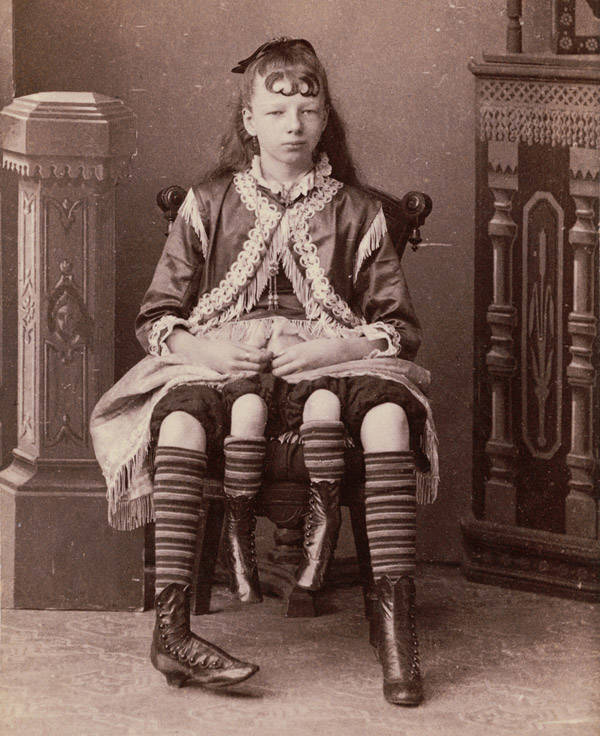
Frank Lentini was born in Sicily with a parasitic twin, which left him with three legs, four feet, and two sets of genitals. When his family emigrated to the United States, he entered the circus world as “The Great Lentini” and performed with the Ringling Brothers Circus. He used his third leg as a stool, kicked a soccer ball with it during performances, and reportedly lived a full and relatively content life. Myrtle Corbin, billed as the “Four-Legged Girl From Texas,” was born with two separate pelvises and a smaller set of legs growing between her normal ones — a condition caused by a severe congenital deformity.
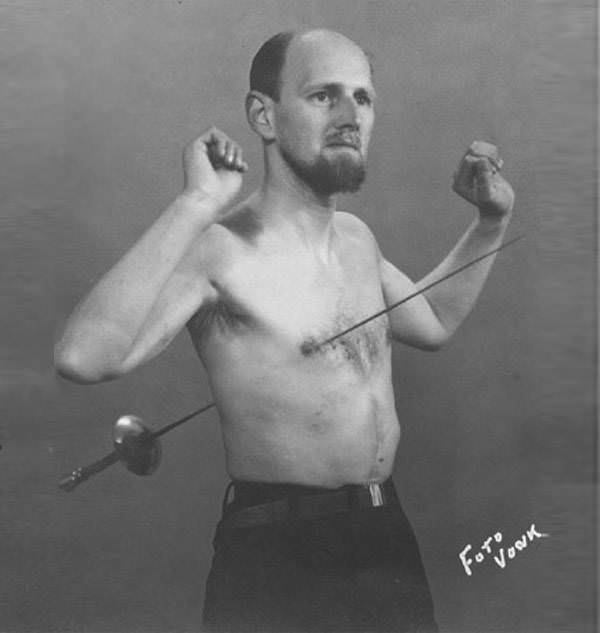
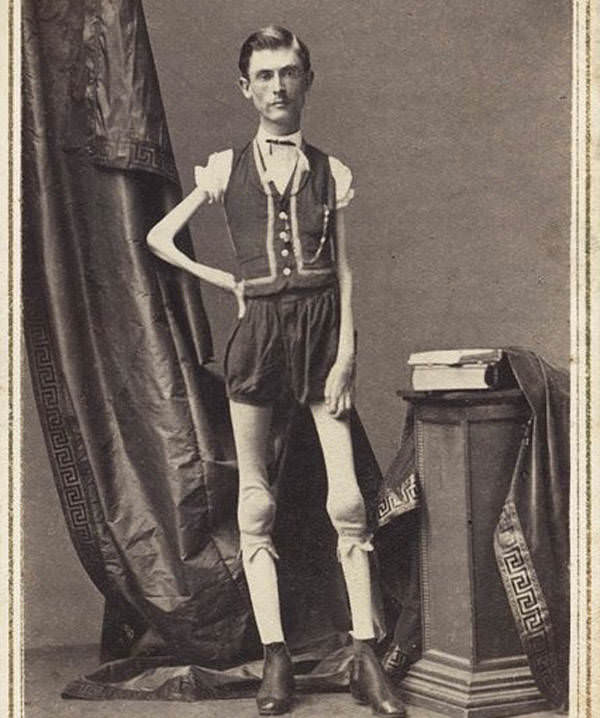
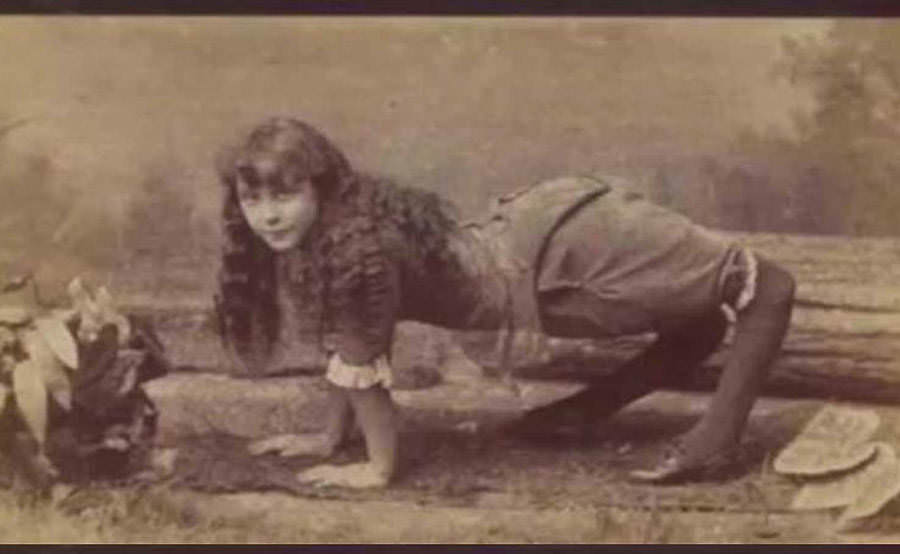
Some performers became famous for acts that involved real physical danger. Mirin Dajo built his reputation by piercing his body with all kinds of sharp objects — a practice that astounded doctors but ultimately killed him when he died from swallowing a needle. Isaac Sprague, billed as the “Living Human Skeleton,” began losing weight irreversibly at age 12. The weight loss never stopped, and he spent much of his life performing in freak shows until his death. Ella Harper, known as “Camel Girl,” was born with a rare condition that caused her knees to bend backward. She earned $200 a week as the star of a touring freak show — a substantial income for the era — before eventually leaving show business.
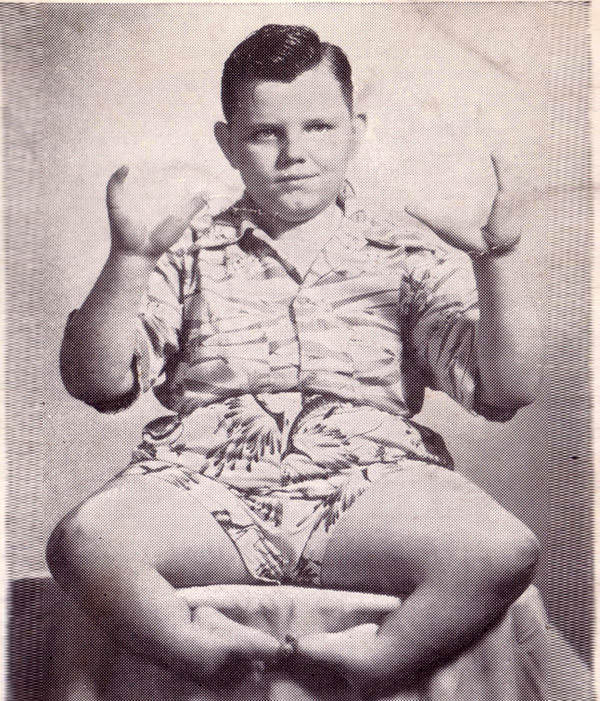
Grady Stiles Jr., known as “Lobster Boy,” came from a family where ectrodactyly — a condition that fused the fingers and toes into claw-like appendages — ran through multiple generations. He became an alcoholic as an adult and in 1978 murdered his daughter’s fiancé the night before their wedding. He avoided prison because Florida had no facilities to accommodate his disability, and he continued performing. He was eventually killed by a hitman hired by his wife and son in 1992.
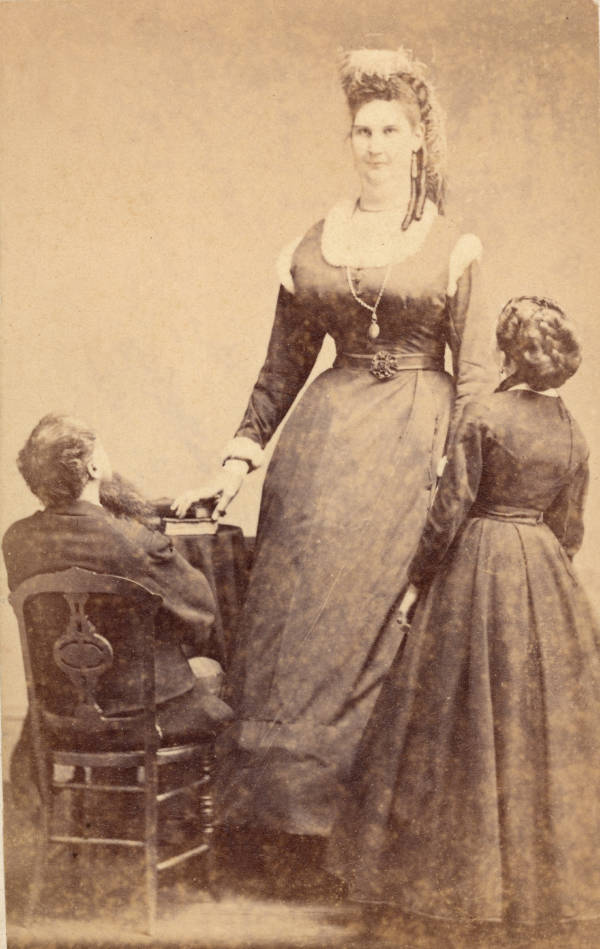
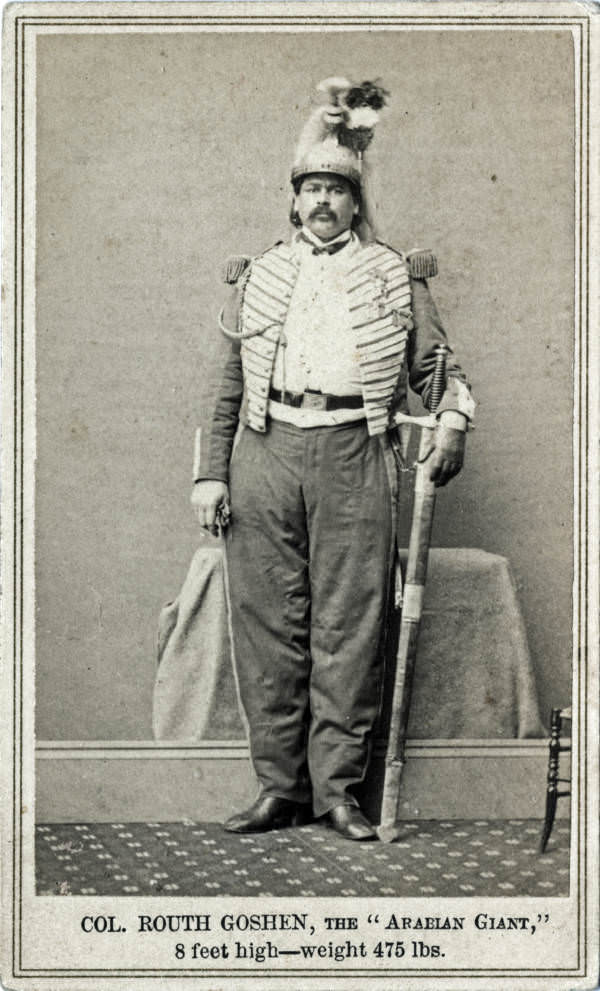
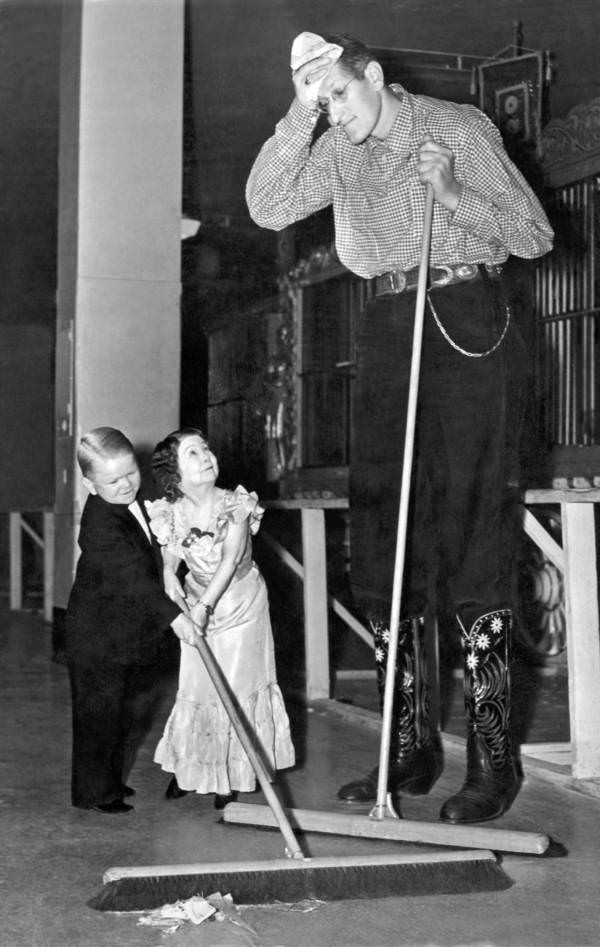
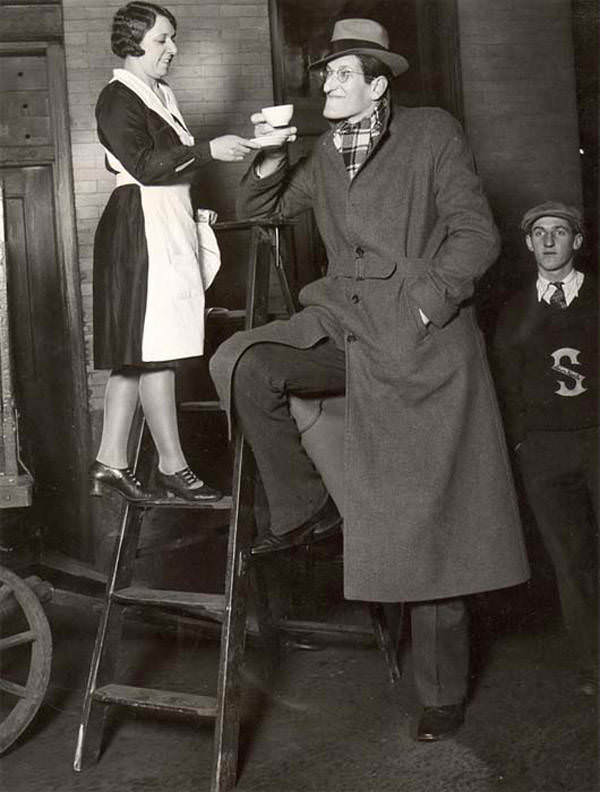
Anna Haining Swan Bates was a Canadian woman who stood 7 feet 5 inches tall due to gigantism. She performed in Barnum’s museum and later toured Europe, where she met her husband, a similarly tall man named Martin Van Buren Bates. Jack Earle, who grew to 7 feet 7 inches due to acromegalic gigantism, traveled with Ringling Bros. and Barnum & Bailey Circus for 14 years before leaving show business to become a salesman. Colonel Routh Goshen, billed as the “Arabian Giant,” also built a career on his extraordinary height during the same era.
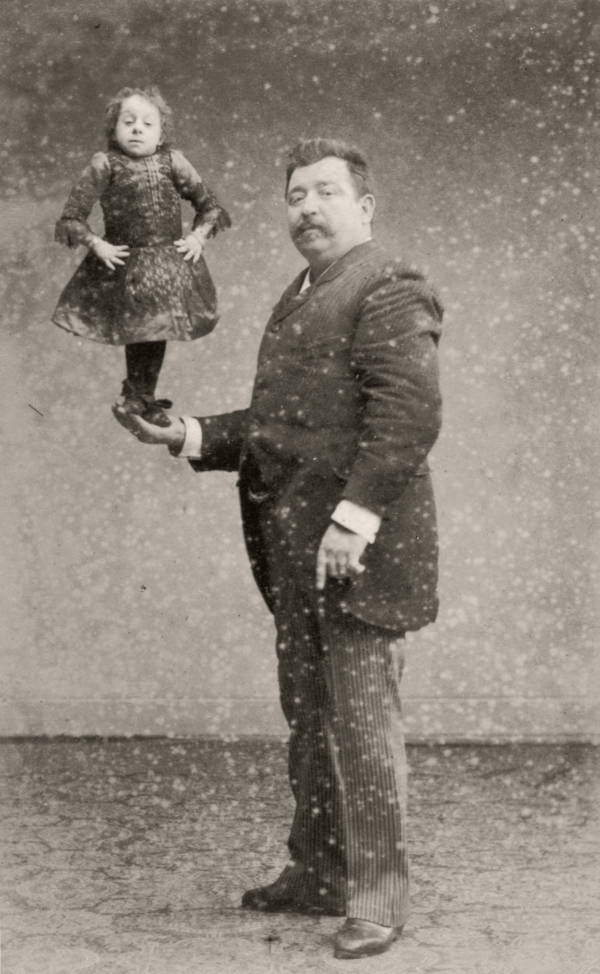
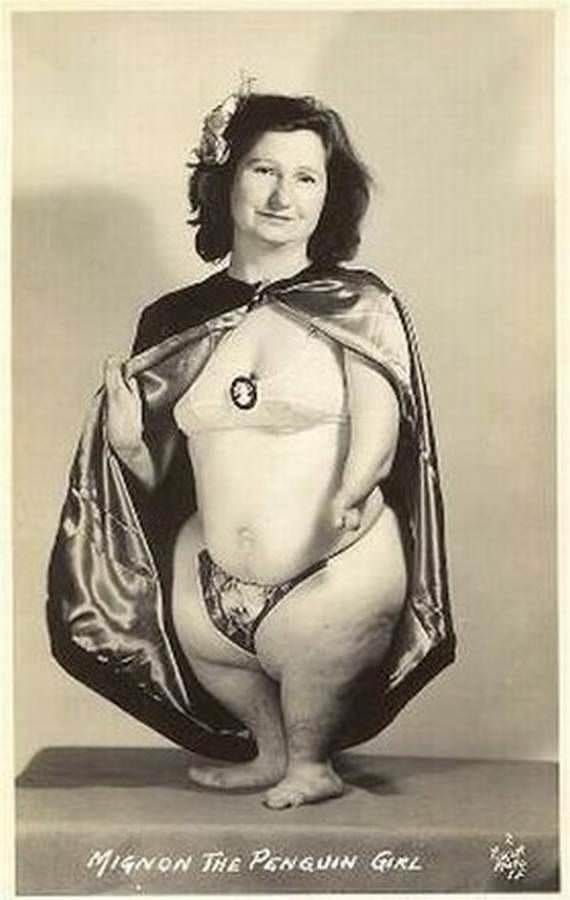
On the opposite end of the spectrum, Johanna Pauline Musters — known as “Princess Pauline” — was a Dutch woman who weighed just eight and a half pounds and stood 17 inches tall, making her one of the smallest people ever documented. Ruth Berry, born around 1910 with phocomelia in all four limbs, had fused fingers that gave her the appearance of having flippers. She performed under the name “Mignon” — French for “cute” — and remained a prominent sideshow attraction from 1930 to 1965.
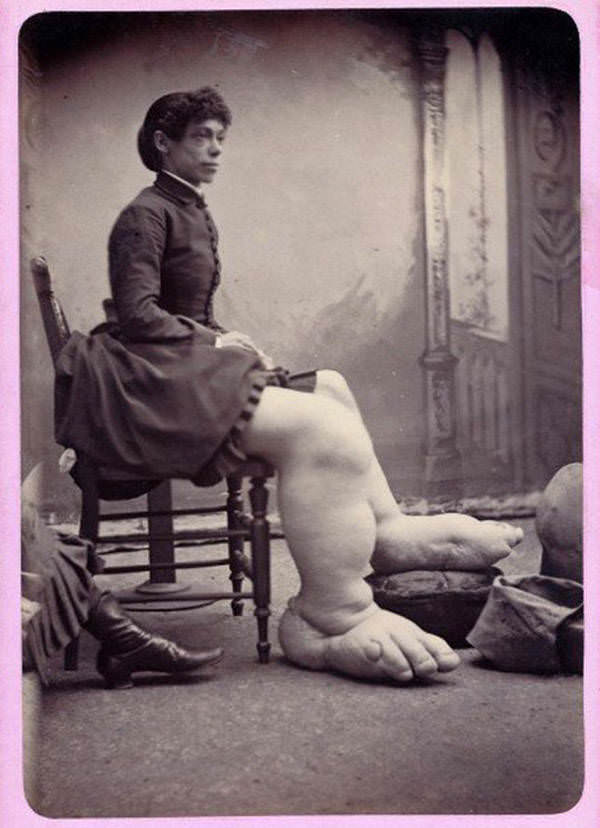
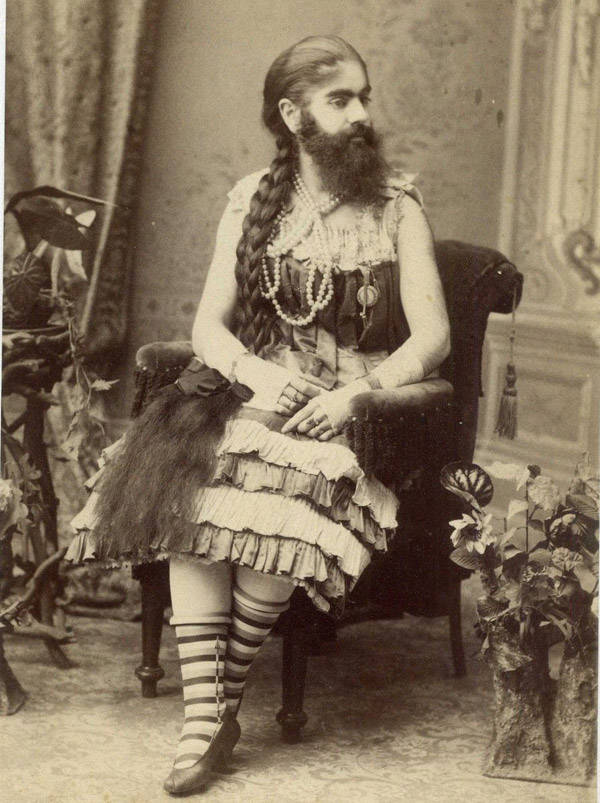
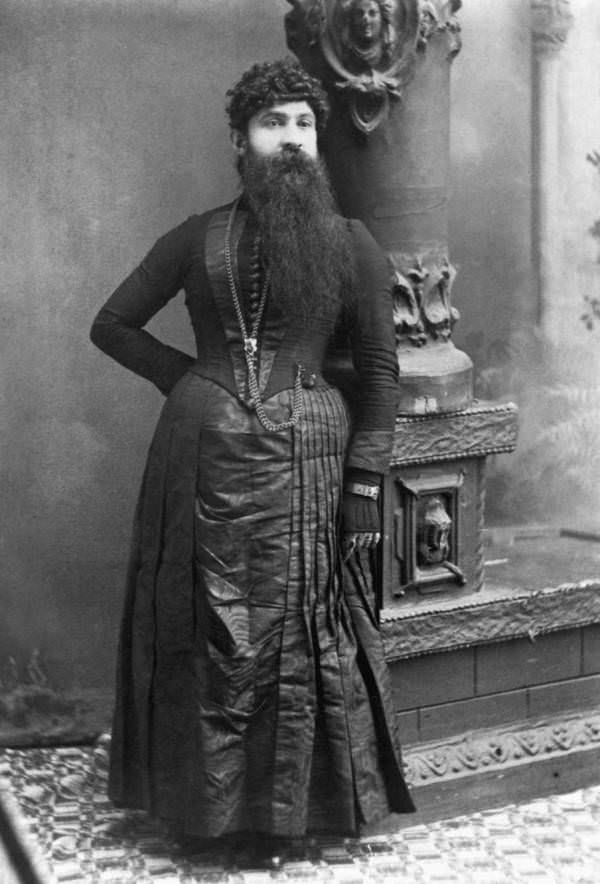
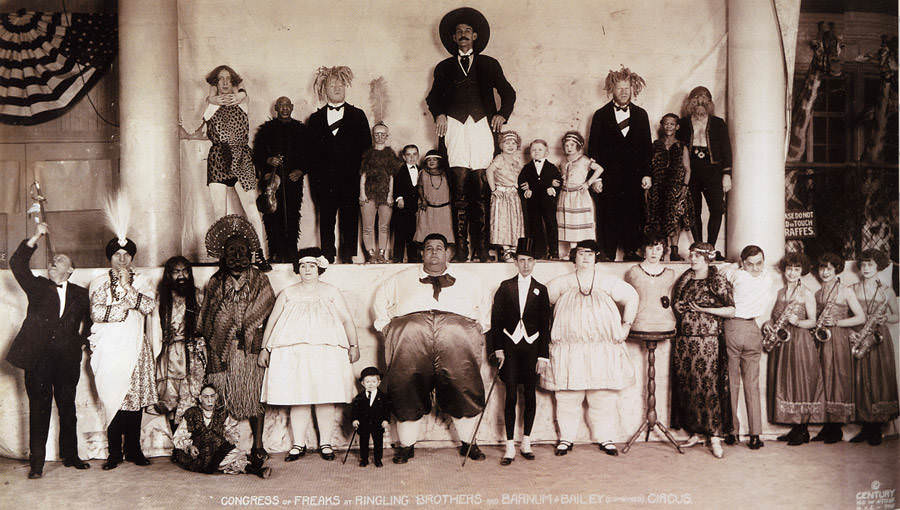
Fannie Mills, known as “The Ohio Big Foot Girl,” suffered from Milroy disease, which caused her legs and feet to swell to enormous size. Annie Jones toured with P.T. Barnum as the country’s leading “bearded lady” and eventually became a spokesperson for Barnum’s “Congress of Freaks,” advocating for better treatment of performers. Madame Devere of Brooksville, Kentucky grew a natural beard 15 inches long and exhibited it in Chicago in 1890. These women navigated a world that simultaneously exploited their appearances and gave them a rare platform for public visibility.
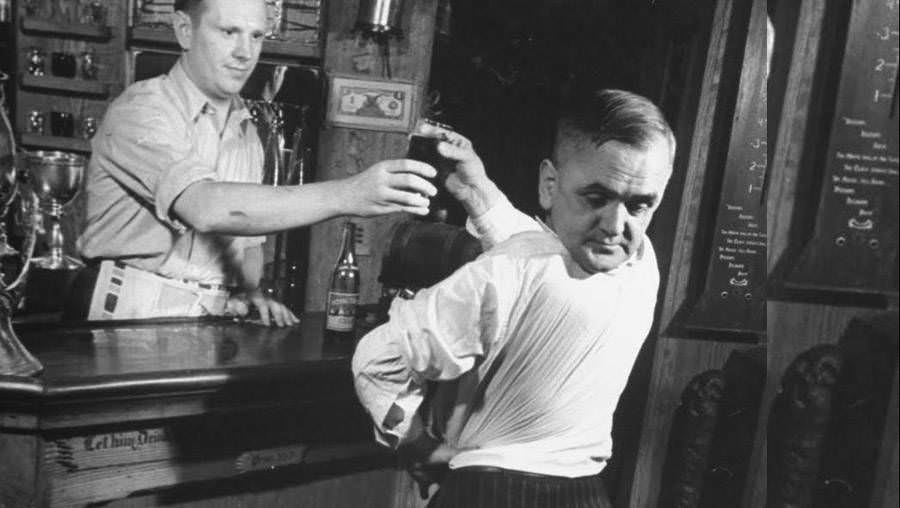
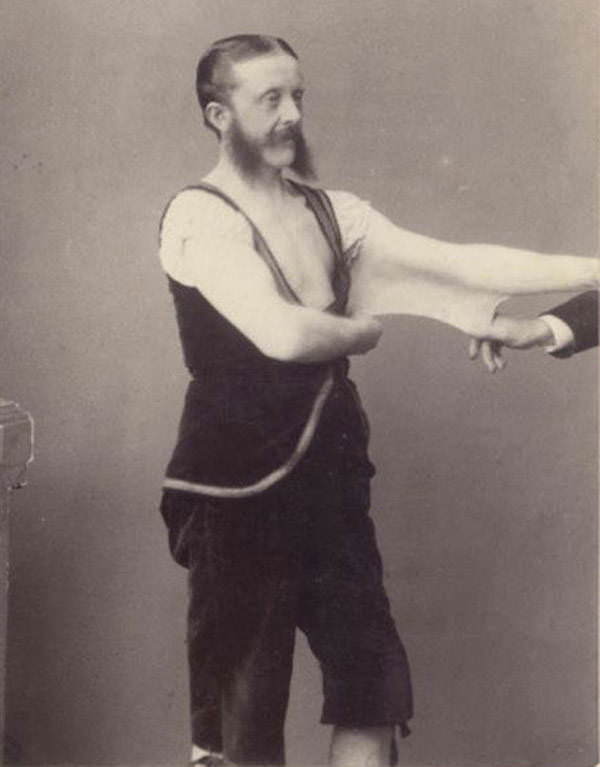
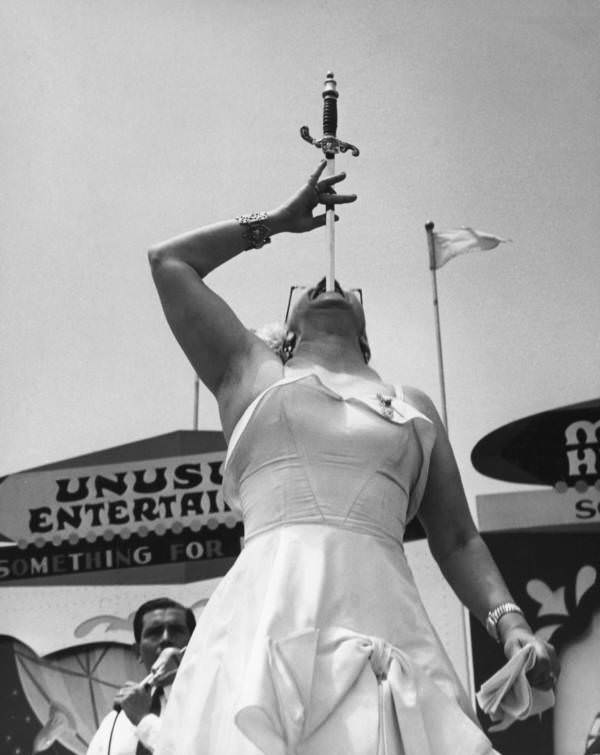
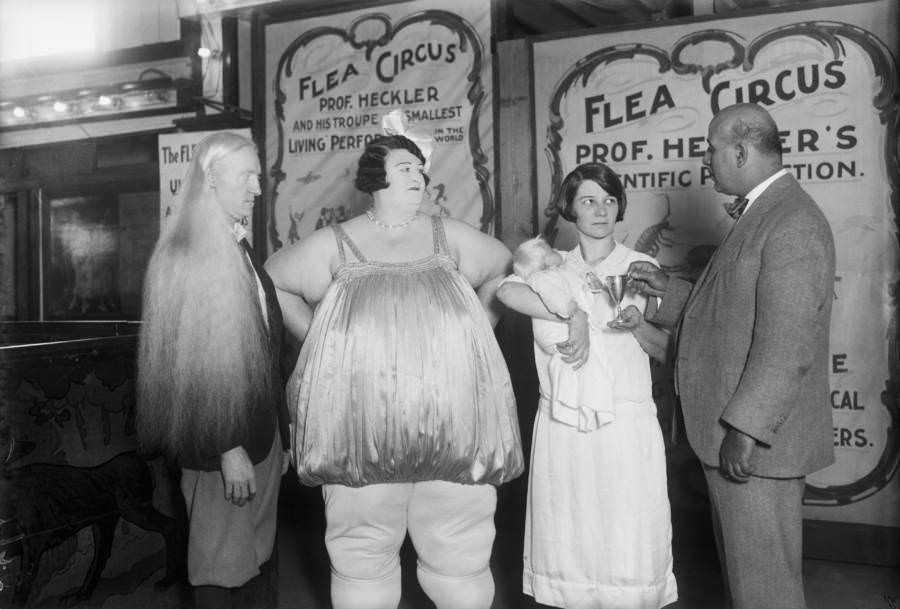
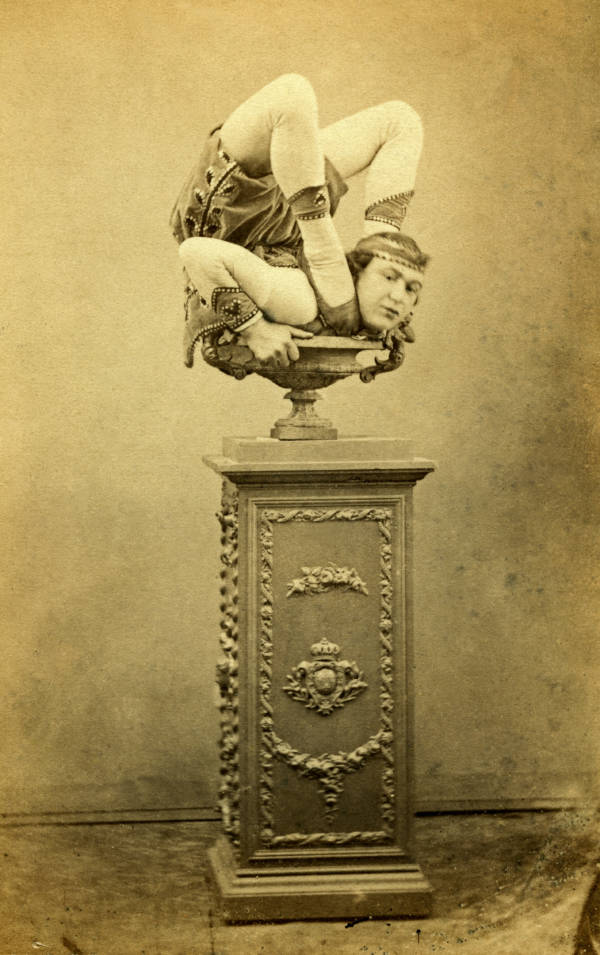
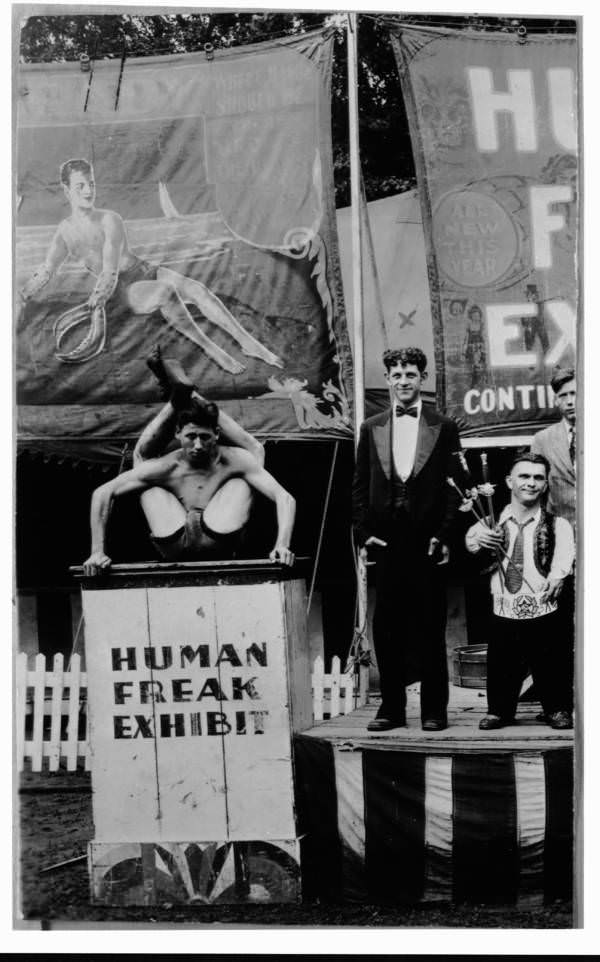
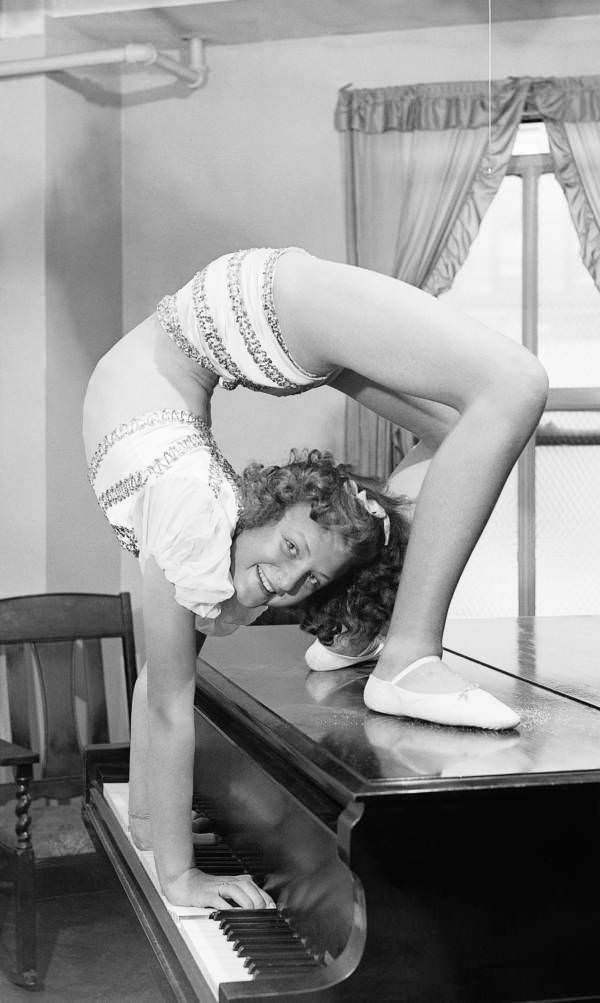
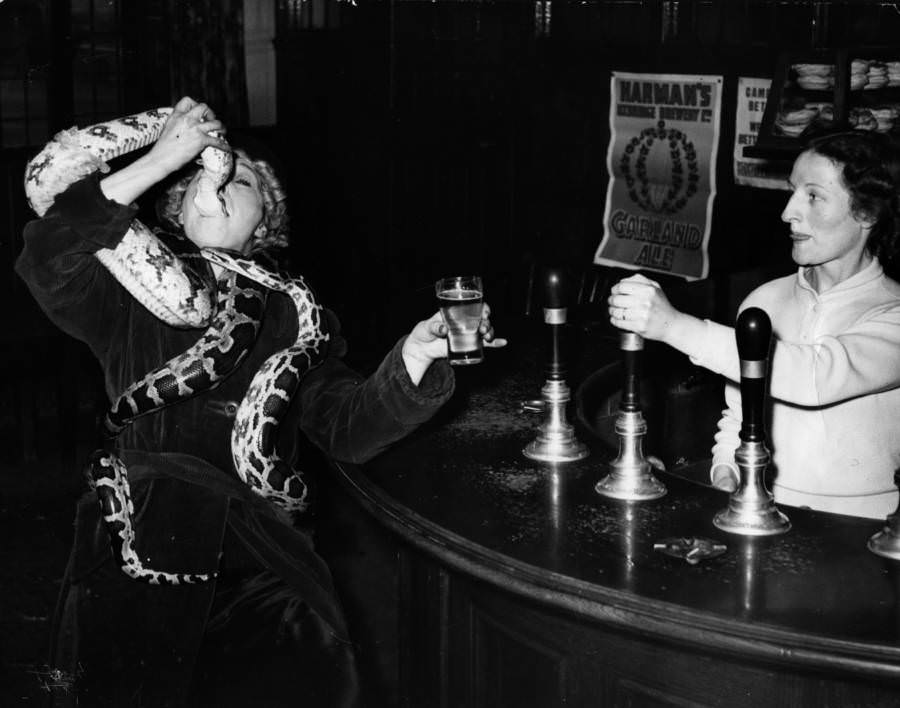
The acts extended well beyond unusual physical traits. Contortionists bent their bodies into shapes that seemed anatomically impossible. Sword swallowers and snake handlers performed regularly at both traveling fairs and established venues like Coney Island, which became the epicenter of American sideshow culture. Martin Laurello, the “Human Owl,” could rotate his head a full 180 degrees and performed at Sam Wagner’s freak show on Coney Island. Felix Wehrle, known as the “Elastic Man,” used Ehlers-Danlos Syndrome — a connective tissue disorder — to stretch his skin to extreme lengths in front of stunned crowds.
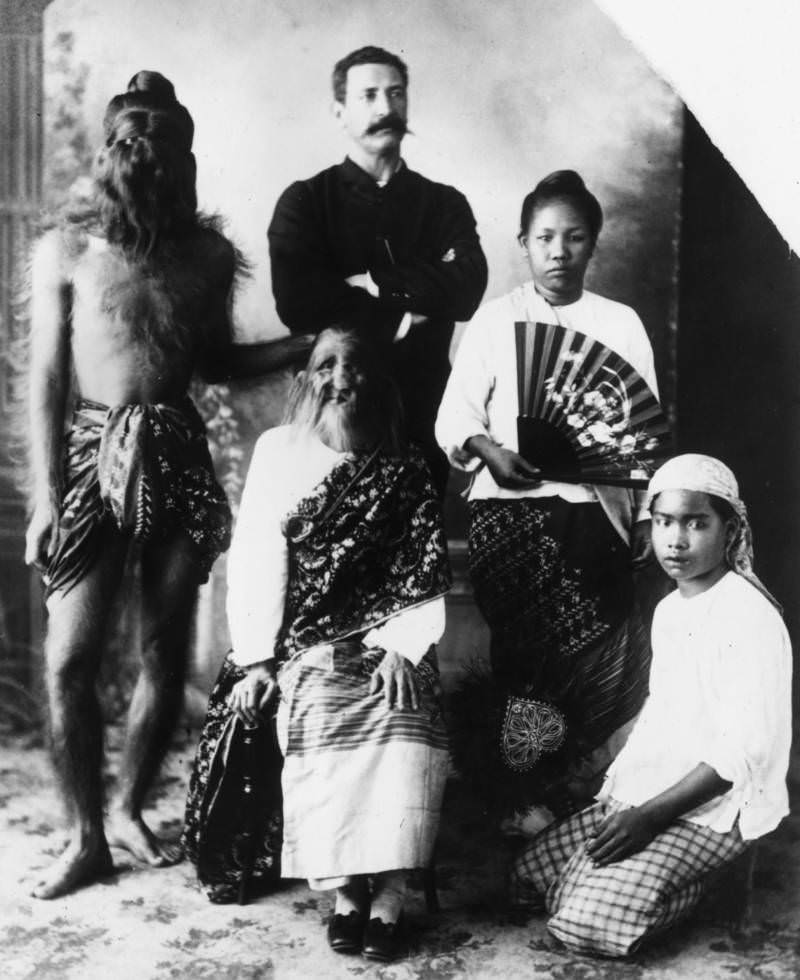
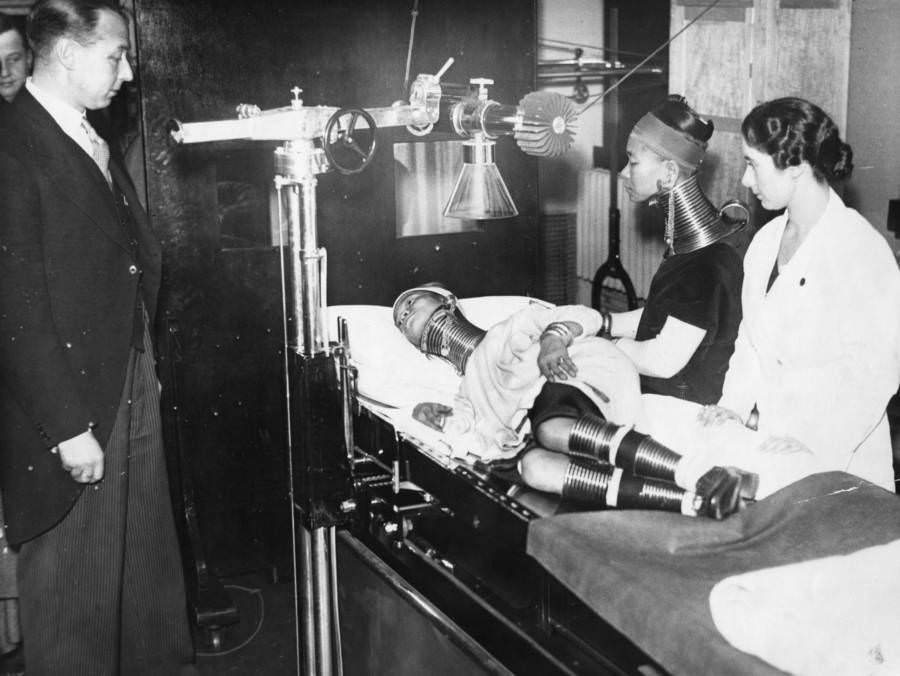
Krao Farini was described as a woman found in the Laotian jungle in 1885 — a claim almost certainly fabricated for marketing purposes. P.T. Barnum exhibited her as a “Missing Link” between humans and primates, playing on the era’s fascination with evolution and racial pseudoscience. She had excess body hair and unusually flexible joints. Barnum also promoted a Burmese family, two of whose members had faces covered in hair, as another exotic attraction in 1890. These presentations routinely blurred the line between exploitation and outright deception.
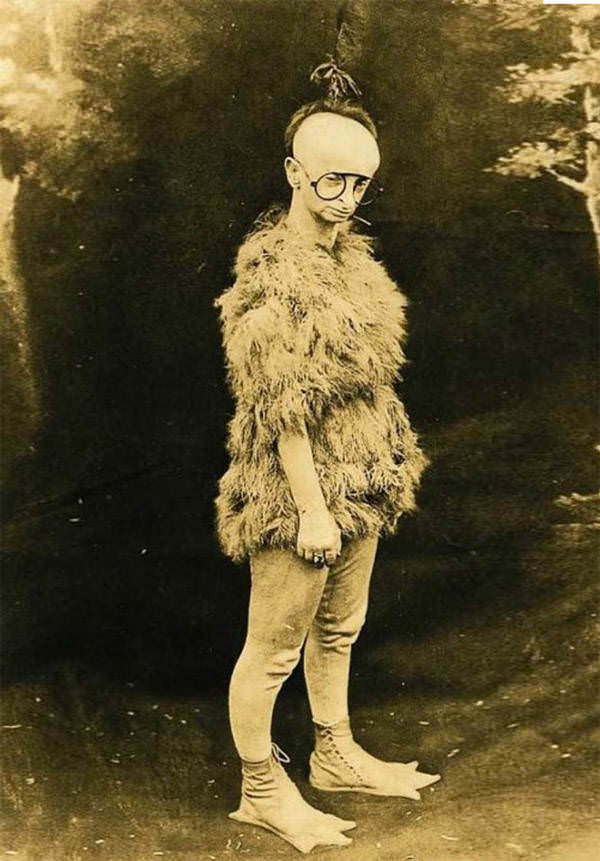
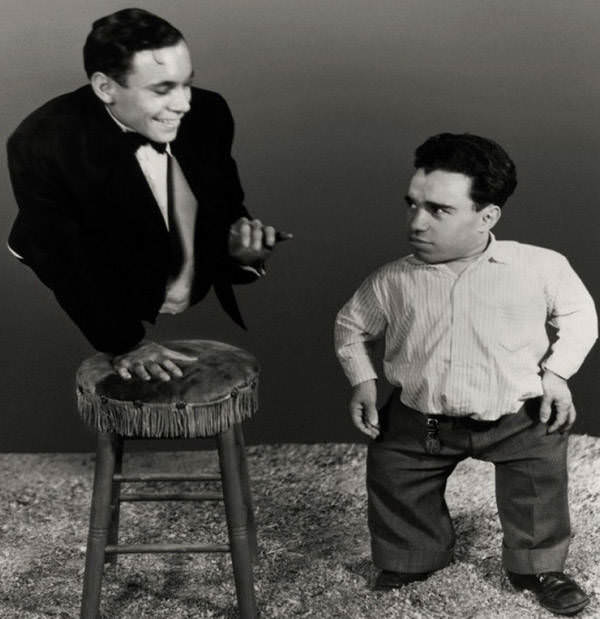
Minnie Woolsey, known as “Koo-Koo the Bird Girl,” suffered from Seckel syndrome, a condition that caused both physical and intellectual disabilities. She had no teeth or hair and worked at a Coney Island sideshow until she died. Johnny Eck was born without the lower half of his torso and became one of the most visually striking performers of his era, appearing in Tod Browning’s 1932 film *Freaks* alongside Angelo Rossitto. That film, which used actual sideshow performers as cast members, was banned in several countries and pulled from theaters after audiences found it too disturbing.
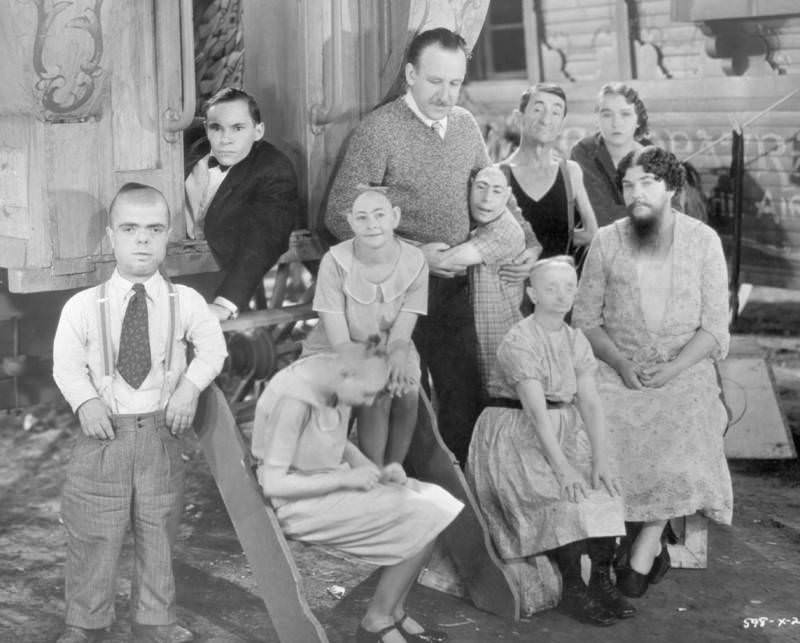
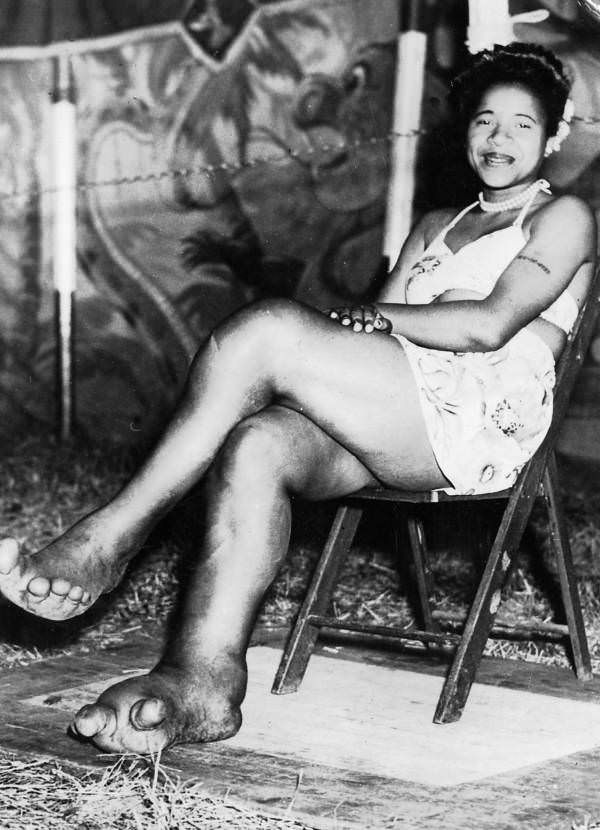
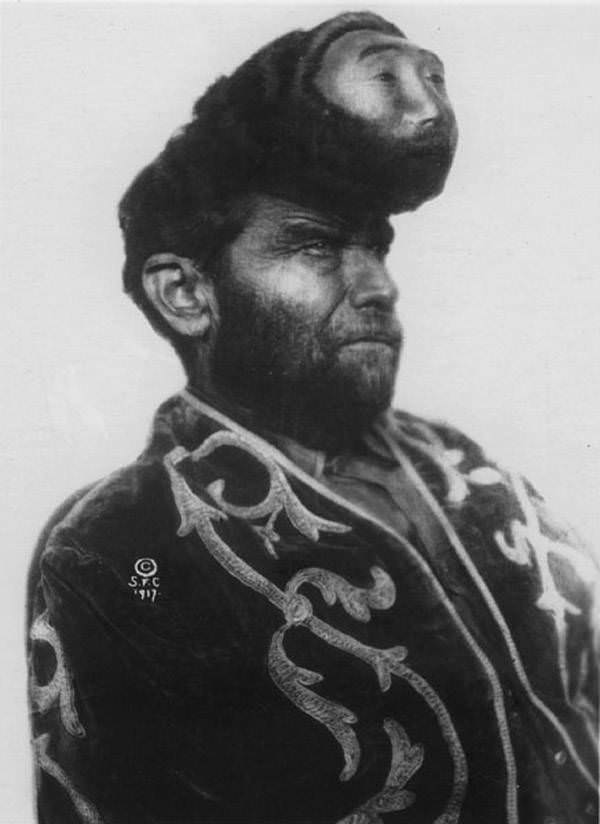
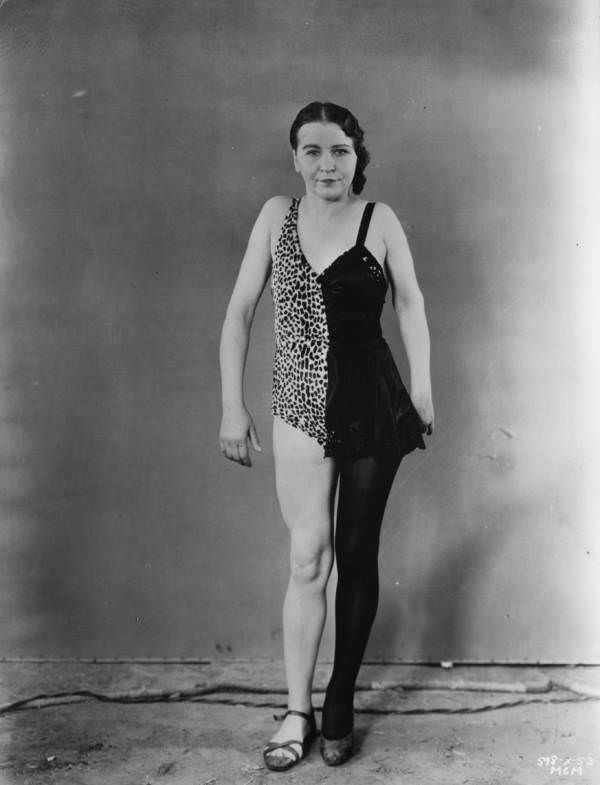
Sylvia Portis, known as “Sylvia the Elephant Girl,” was an African American performer who suffered from elephantiasis, a parasitic disease that caused severe swelling and deformation of the feet. She performed in sideshow circuits through the 1940s. Pasqual Pinon toured as the “Two-Headed Mexican” by decorating the tumor on his head with a sculpted wax face. Josephine-Joseph, whose body appeared visibly different on each side, performed as a half-male, half-female attraction and also appeared in the film *Freaks*.
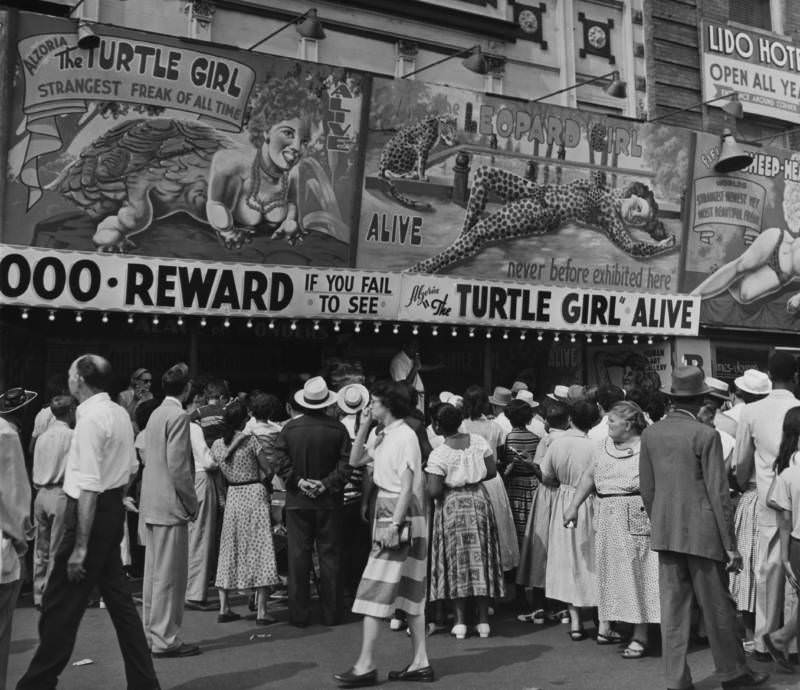
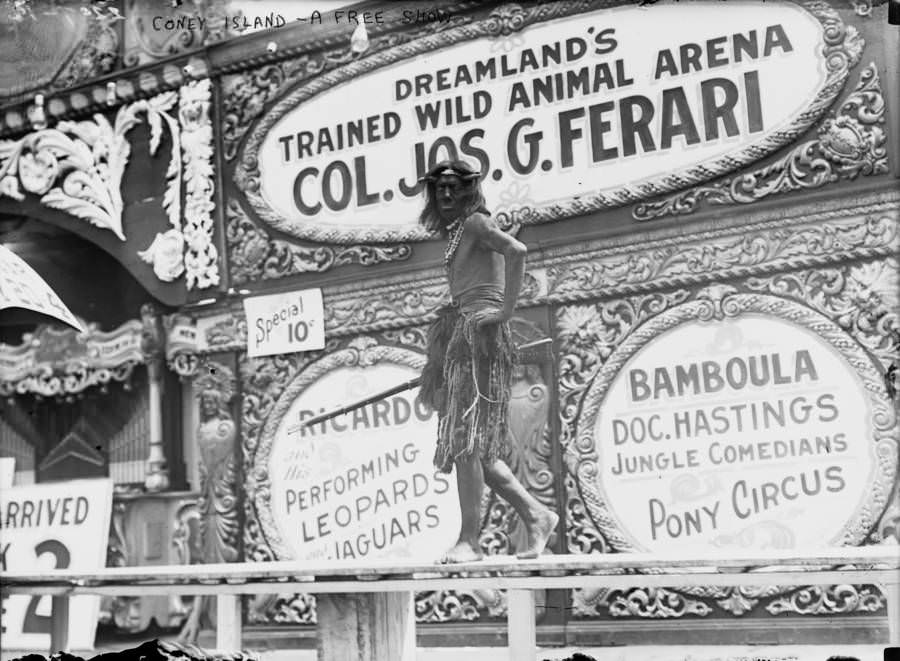
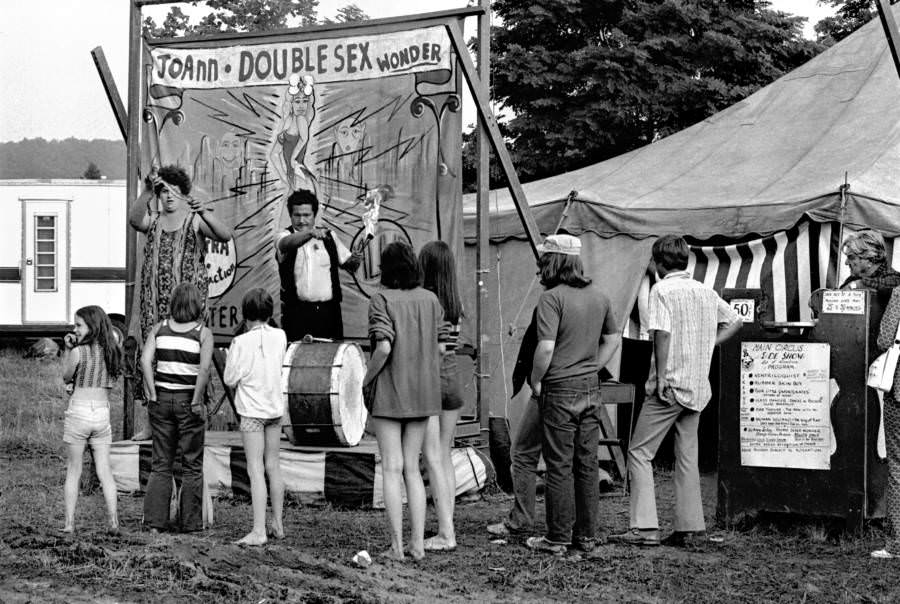
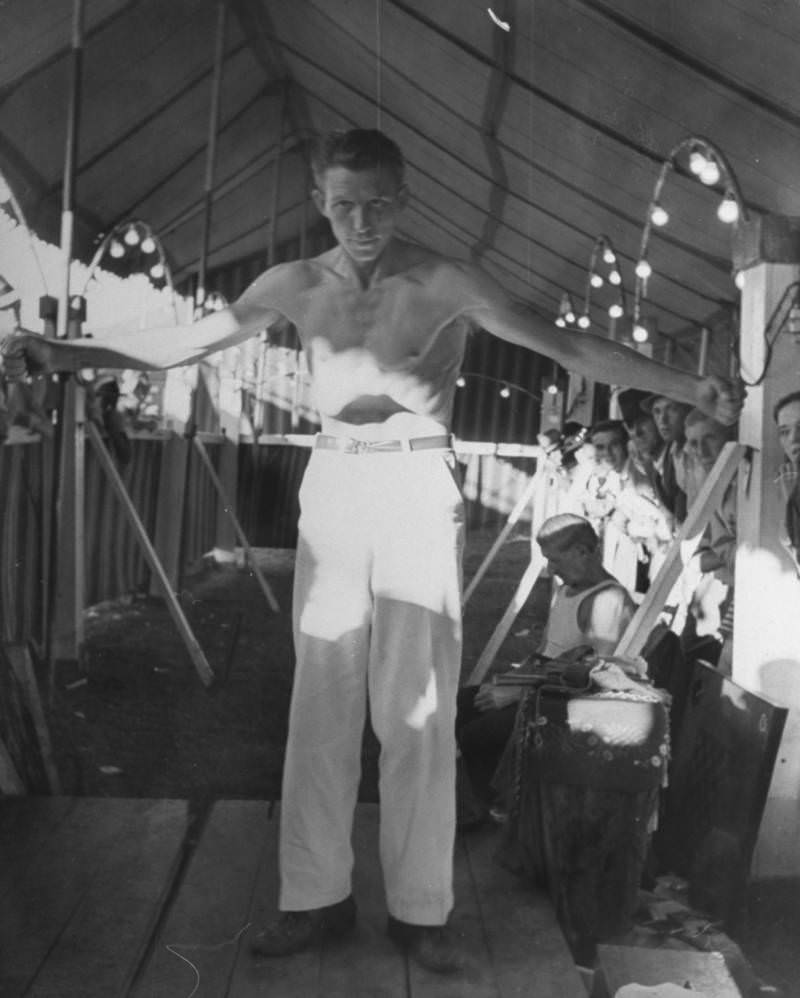
Coney Island in New York became the most famous destination for sideshow entertainment in the United States. Crowds lined up by the thousands to pay for a few minutes of astonishment. The shows ran continuously through the summer season, and performers cycled through multiple acts per day. The atmosphere was carnivalesque — barkers shouted outside tents, banners painted with exaggerated depictions of performers lined the midway, and the smell of food mixed with sawdust and sea air.
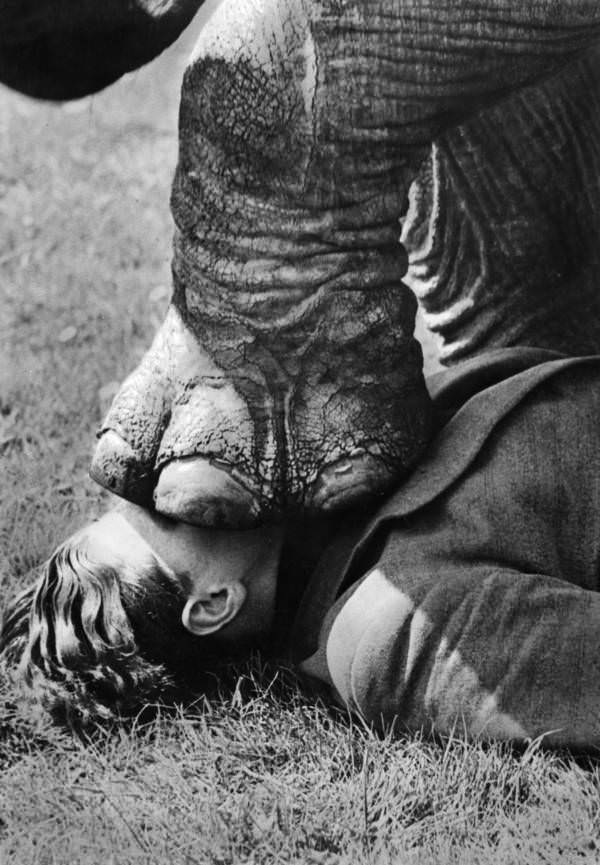
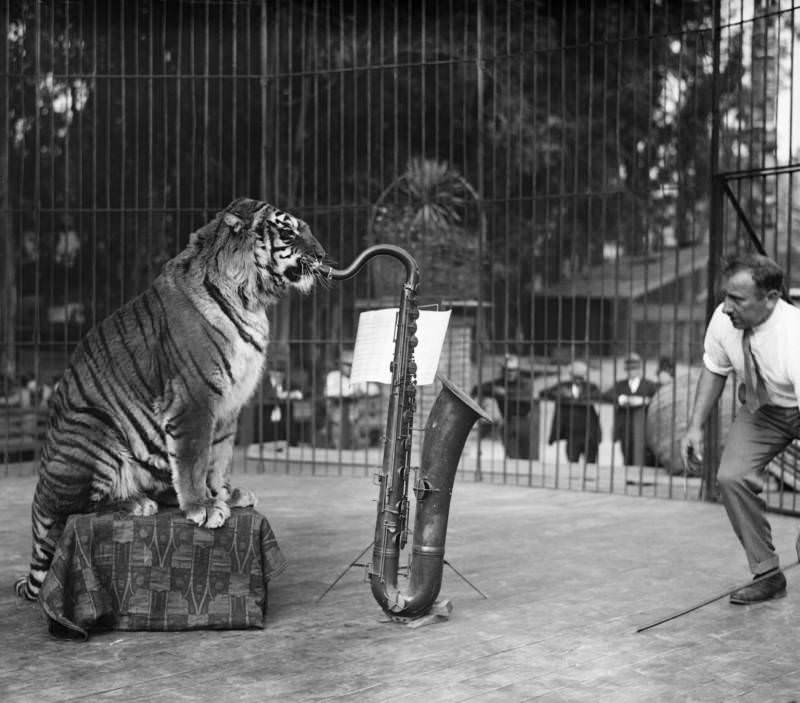
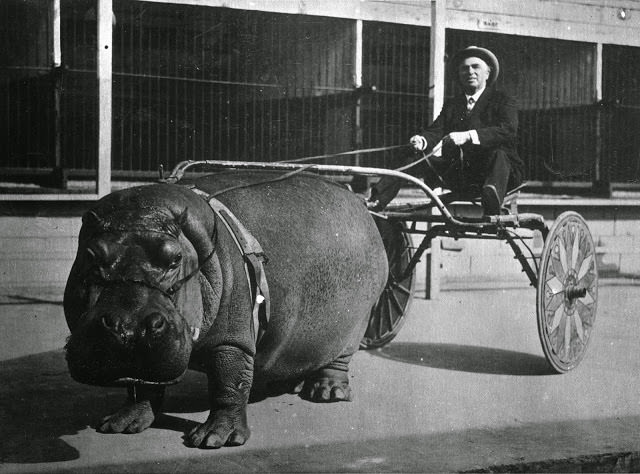
Animal acts ran alongside human performers throughout the history of freak shows and sideshows. Trained big cats, bears, and exotic animals were staples of traveling circuses. Trainers worked in genuinely dangerous conditions — a single elephant foot placed on a trainer’s head, as photographed in 1938, illustrates how fine the line was between performance and catastrophe. Duke, a jungle tiger trained by George Carresello, was taught to play the saxophone and photographed doing so in 1925. These animal acts drew as much curiosity as the human performers beside them.
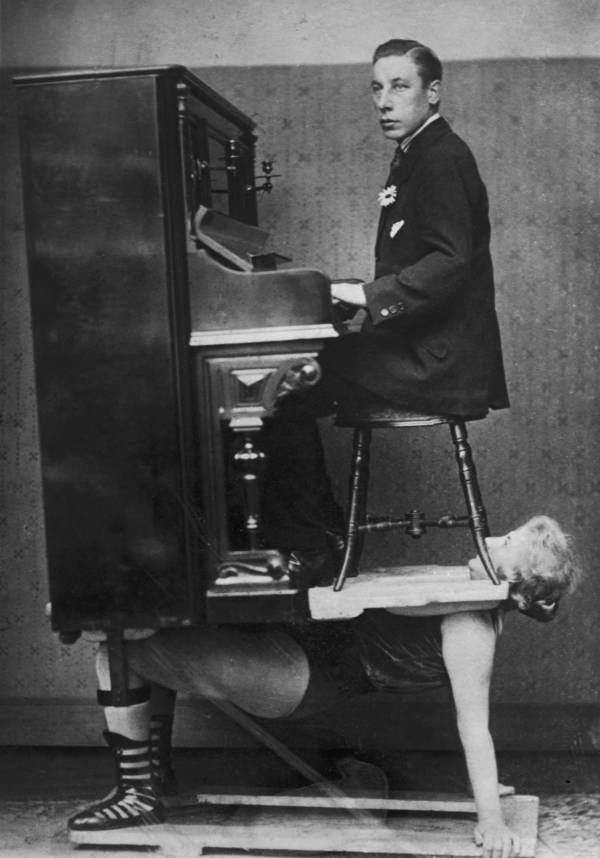
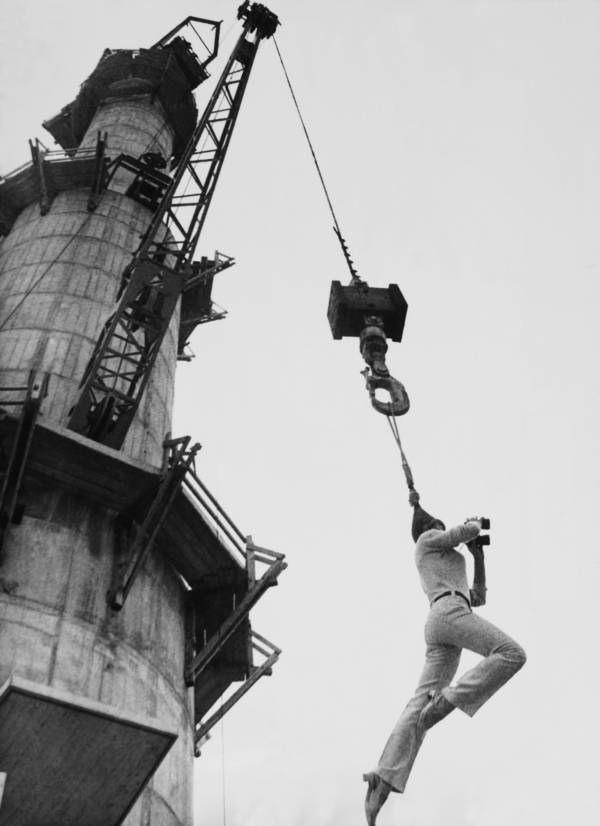
Strongwomen were another staple of sideshow and circus culture. These performers lifted enormous weights, supported automobiles on their bodies, and balanced pianos on their chests — literally. One photograph from 1920 shows a circus strongwoman lying flat while a full piano and its pianist rest on her chest. A German circus performer was photographed in 1960 suspended 656 feet in the air by nothing but her hair. These acts blended athleticism with spectacle in ways that genuinely impressed audiences regardless of how they felt about the rest of the show.
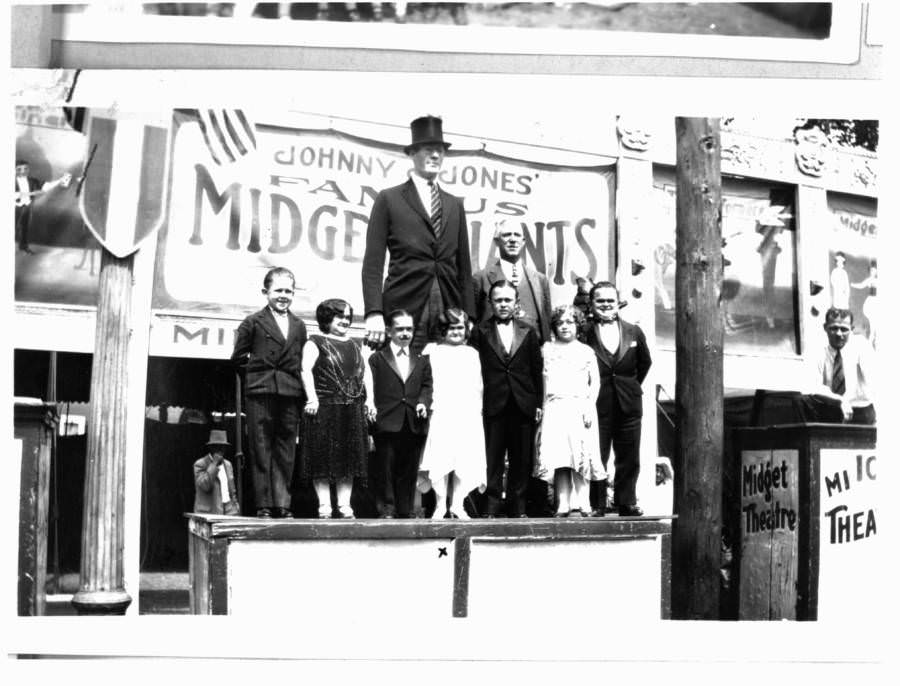
By the mid-20th century, freak shows were in steep decline. Advances in medicine meant that many of the conditions once displayed as curiosities were now being diagnosed and treated. Television brought entertainment directly into people’s homes, reducing the novelty of traveling shows. Public attitudes shifted, and what had once been mainstream entertainment came to be seen as cruel and exploitative. The sideshows that had packed Coney Island and county fairs across America gradually disappeared — but the photographs, posters, and records left behind document one of the most unsettling chapters in entertainment history.
Disabilities are scary. People with disabilities are the real horrors! Not exploitation or dehumanization. Just their bodies.