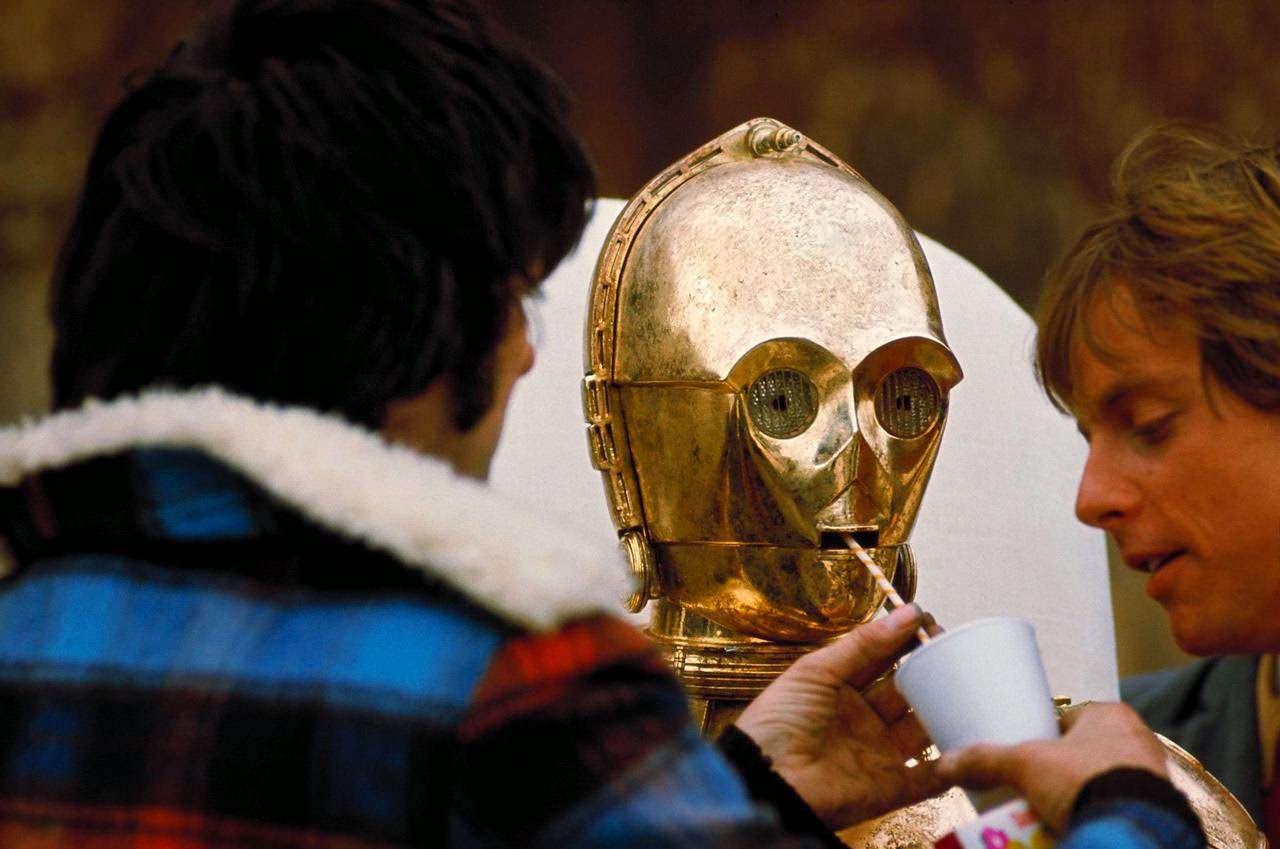
Long before CGI and jump scares took over movie screens, Hollywood built its horror legacy one terrifying creature at a time. Classic monster movies were rarely drenched in blood or packed with the kind of shock value audiences expect today. What they had instead was atmosphere, shadow, and a slow creeping dread that audiences in the 1930s, 40s, and 50s had never experienced before. These films pulled from folklore, science fiction, and mythology to create creatures that felt genuinely threatening — not just physically, but psychologically.
Monster movies have always carried deeper meaning beyond the creature on screen. Giant beasts like the Beast from 20,000 Fathoms were widely read as symbols of atomic warfare — a direct response to the nuclear anxiety gripping the world after World War II. Godzilla carried the same weight in Japan, eventually crossing the line from symbol of destruction to full cultural icon. Some movie monsters even shifted roles entirely, becoming protectors of humanity against greater threats rather than the enemy themselves.
One recurring pattern in the genre is the futile military response. Humans encounter the monster, panic, and immediately reach for their biggest weapons. The assault almost never works — and more often than not, it makes things worse. This became such a reliable story beat that it turned into a genre cliché. The Godzilla series leaned into it deliberately, with Japanese scientists repeatedly inventing superweapons specifically designed to stop him, only to face one disaster after another.
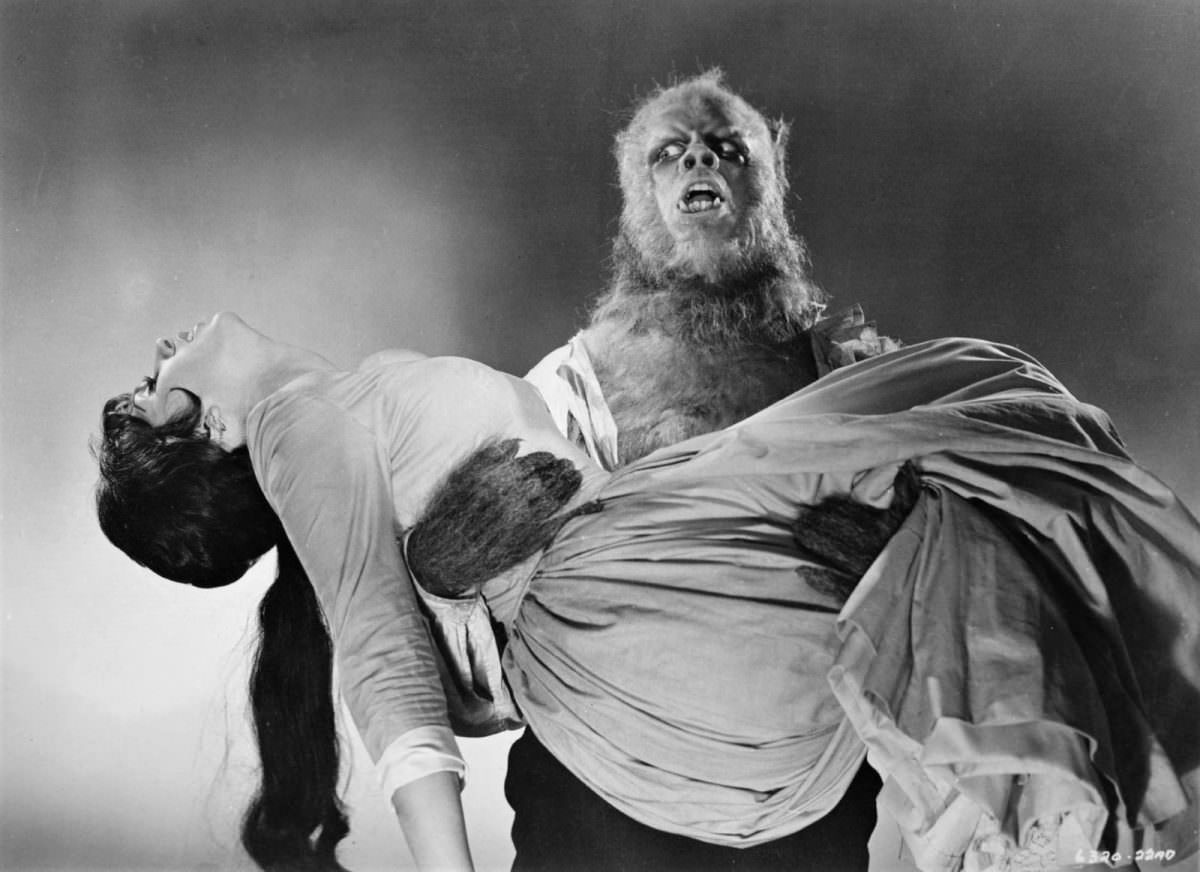
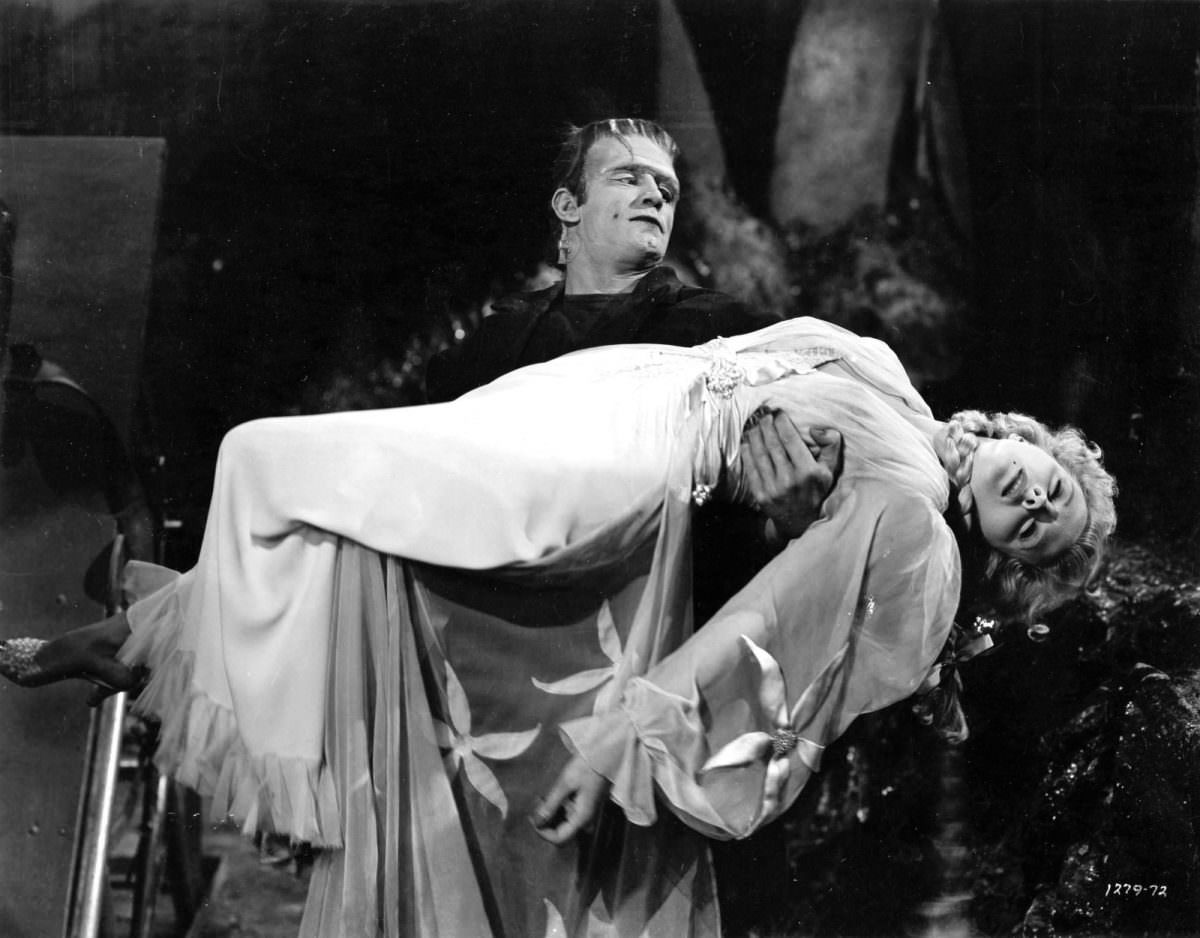
What made these films especially compelling was the contrast between the monster and the women who shared the screen with them. Classic actresses brought elegance, emotion, and humanity to scenes alongside rubber suits, heavy makeup, and elaborate creature costumes. That contrast — beauty and terror side by side — became a defining visual language of the genre.
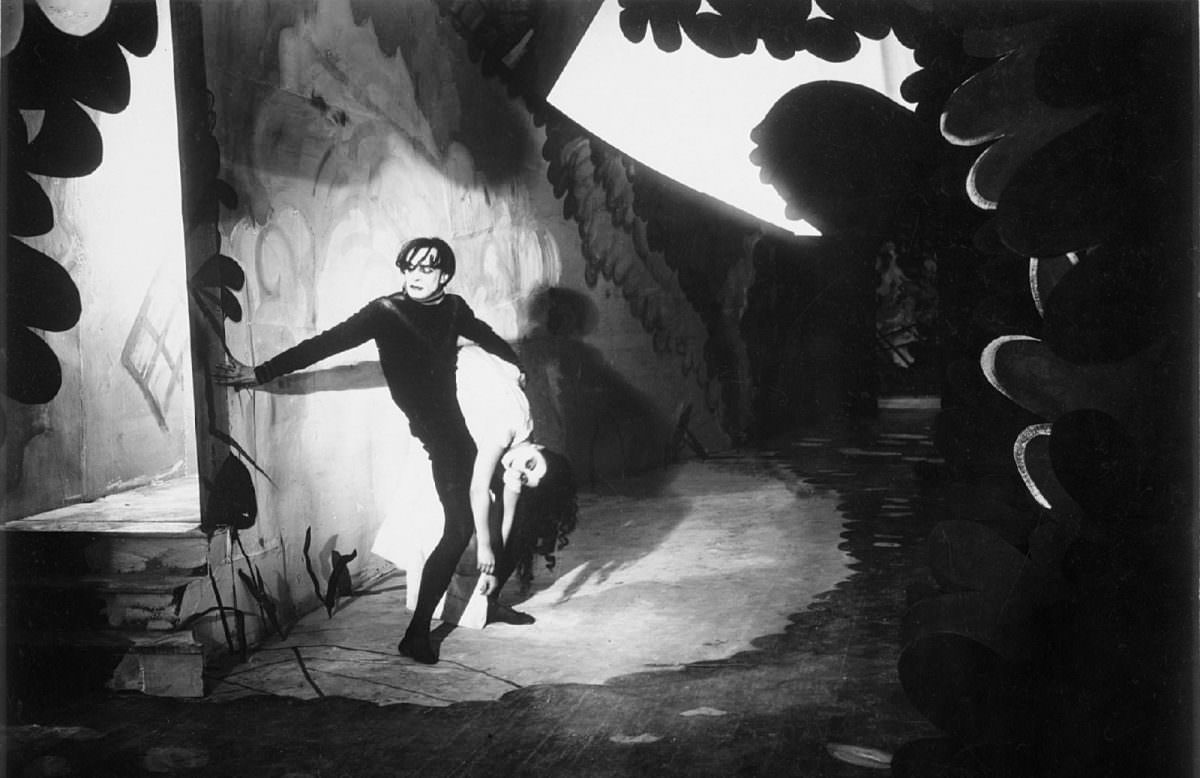
The Cabinet of Dr. Caligari, released in 1920, stands as one of the earliest examples of this dynamic. Its distorted sets and deeply unsettling characters set the template for psychological horror decades before the term was common. By the time Universal Studios was cranking out monster pictures in the 1930s and 40s, the formula was well established: a creature, a woman in danger, and a world unprepared for what it was facing.
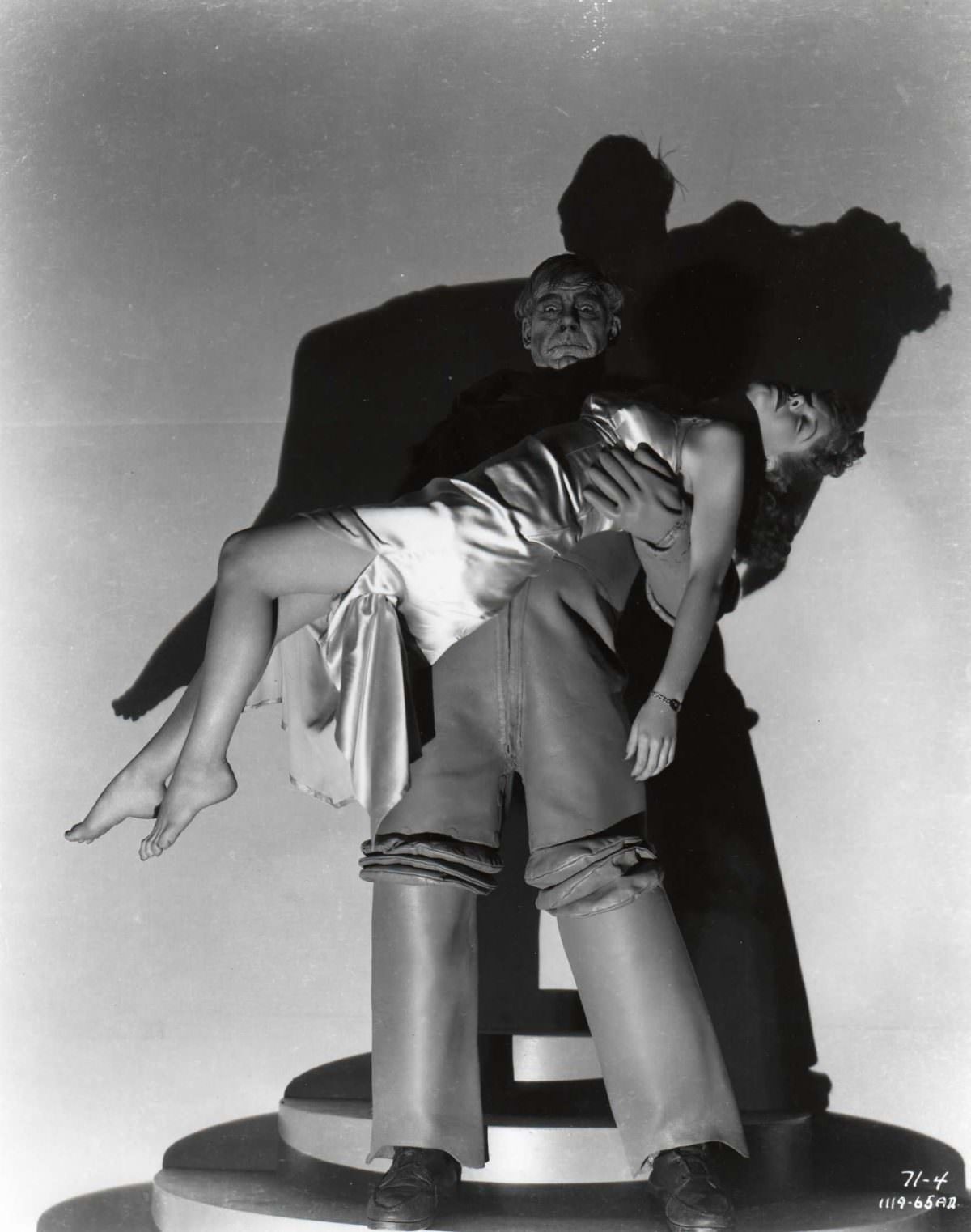
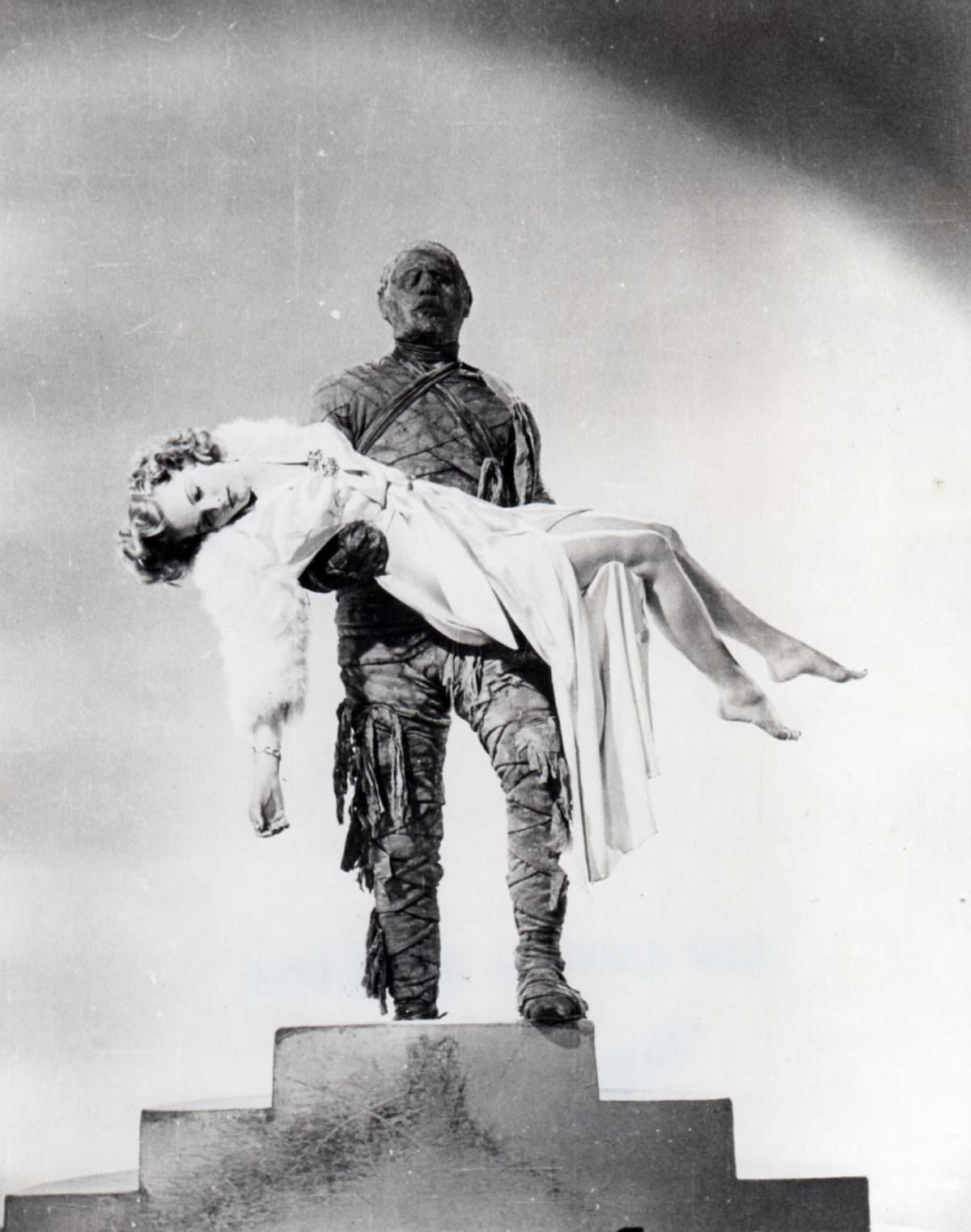
Films like Man-Made Monster (1941) and The Mummy’s Tomb (1942) kept audiences glued to their seats with creatures born from science gone wrong or ancient curses awakened. These weren’t just scary stories — they tapped into real fears about the limits of human knowledge and the consequences of disturbing things better left alone.
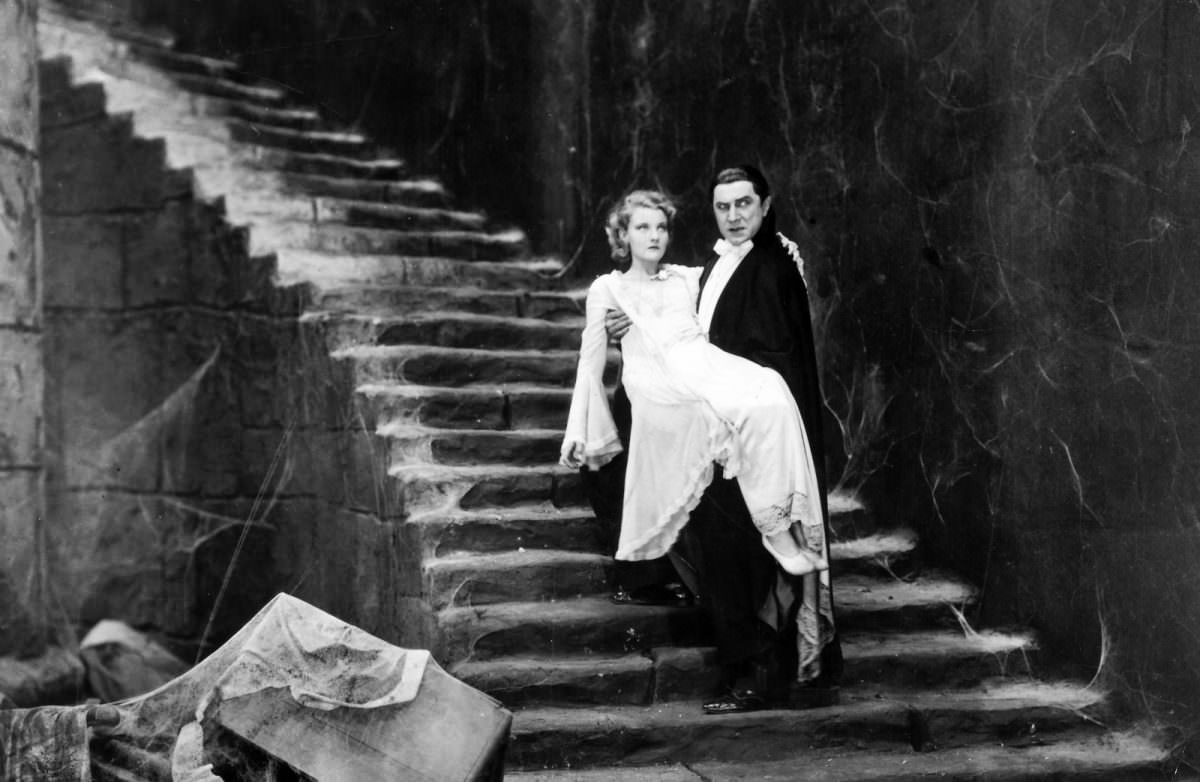
Bela Lugosi’s Dracula in 1931 remains one of the most iconic performances in horror history. The film established vampires as sophisticated, seductive predators — a far cry from the folklore versions they were based on. The women in these scenes weren’t simply victims. Their reactions, expressions, and screen presence gave the monsters weight and credibility.
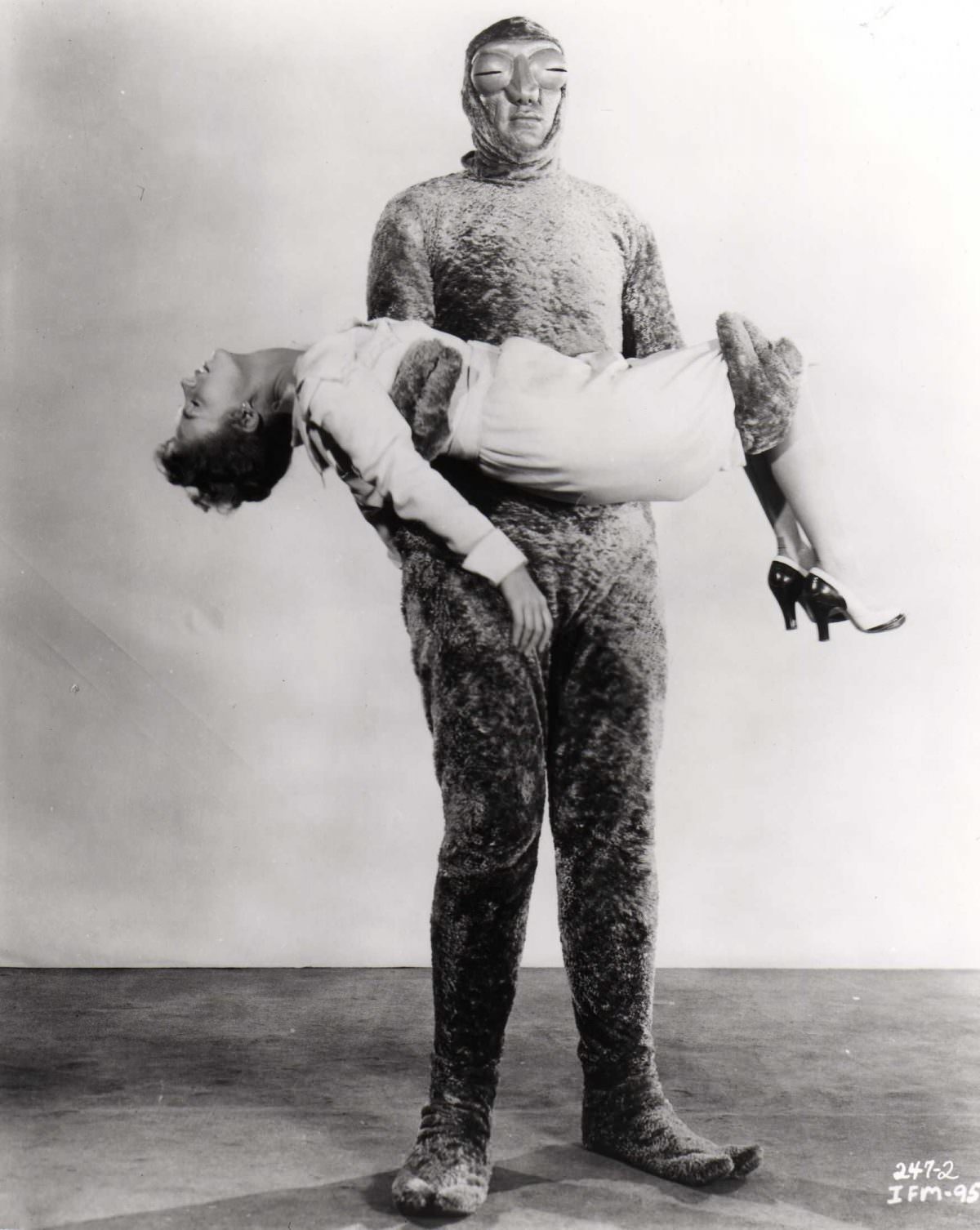
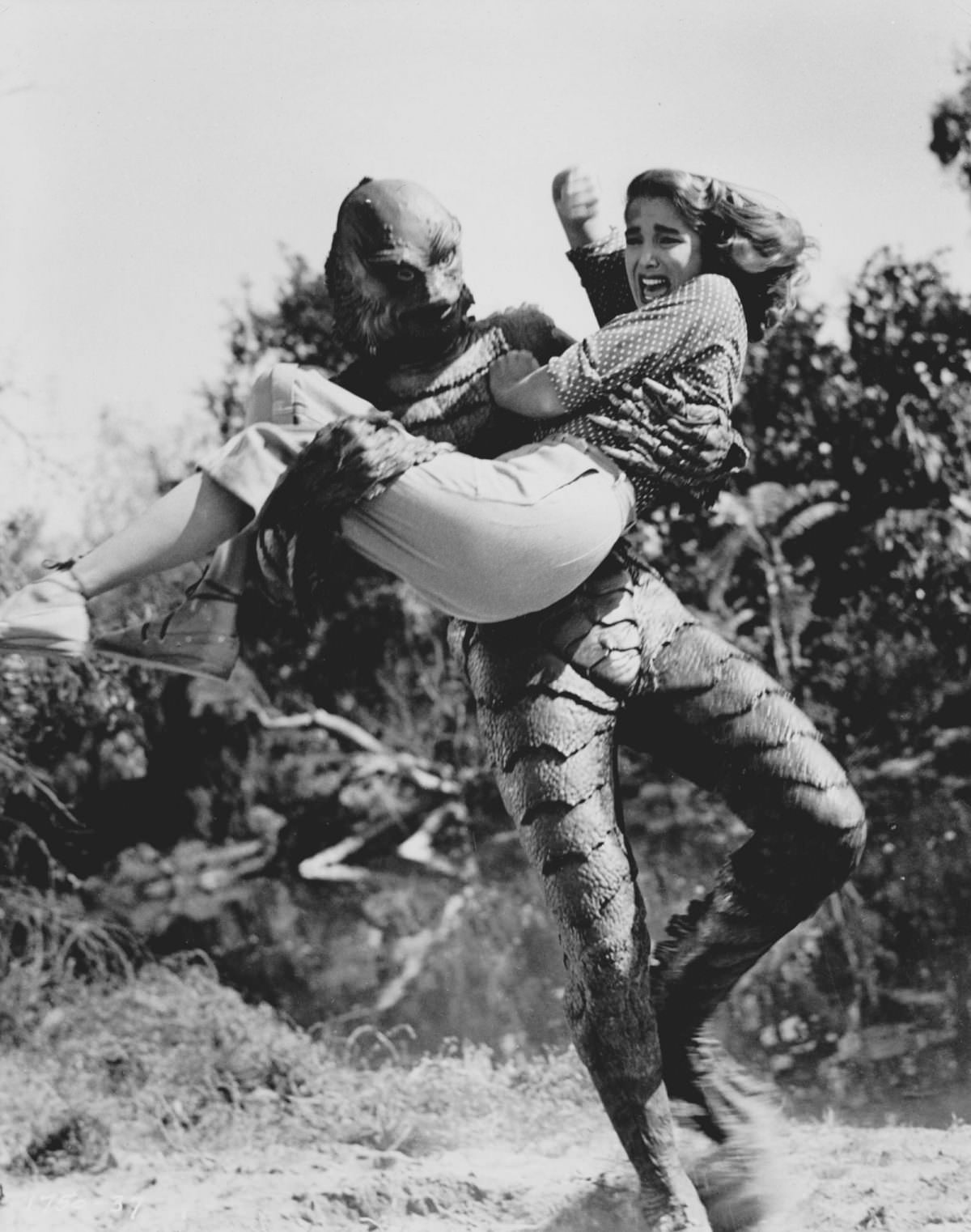
The 1950s brought a new wave of monster films fueled by Cold War paranoia and the space race. Invaders from Mars (1953) and Creature from the Black Lagoon (1954) reflected a nation anxious about threats from above and below — from outer space and from the deep unknown. The Gill-Man in Creature from the Black Lagoon became one of the most visually striking monsters of the era, with his obsession with the film’s lead actress cementing the classic monster-and-woman dynamic in cinema history.
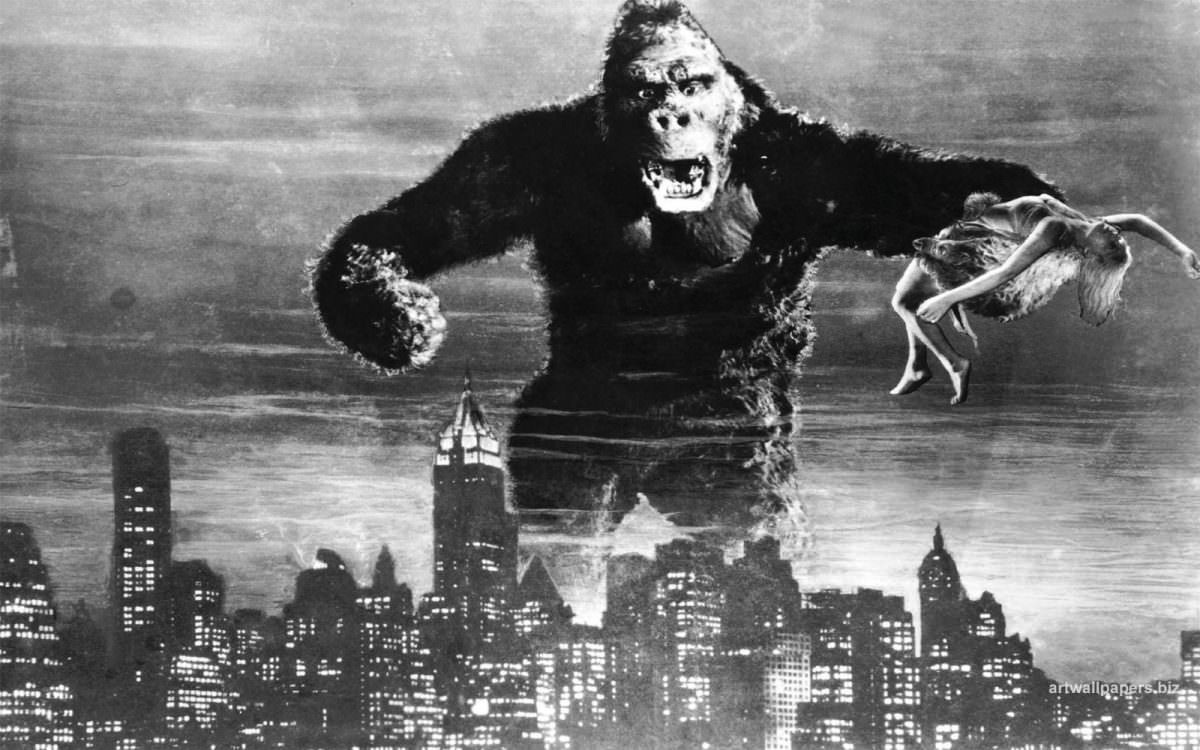
King Kong (1933) took that dynamic to its most extreme form. The giant ape’s fixation on actress Fay Wray became the very heart of the film. Kong wasn’t simply a rampaging beast — he was a tragic figure, powerful enough to tear apart a city but unable to protect the one thing he cared about. The film’s climax atop the Empire State Building remains one of the most recognizable scenes in all of cinema.
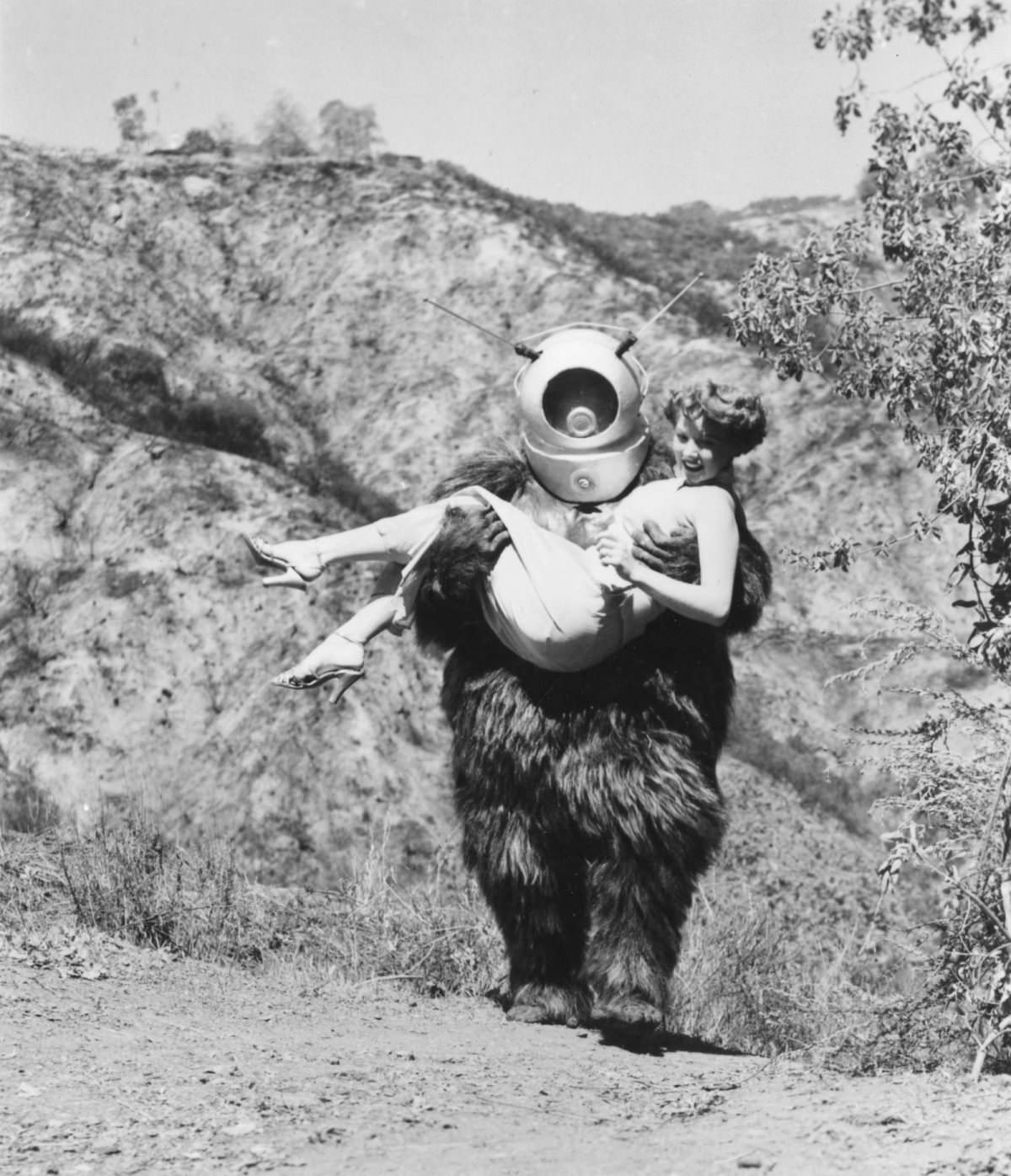
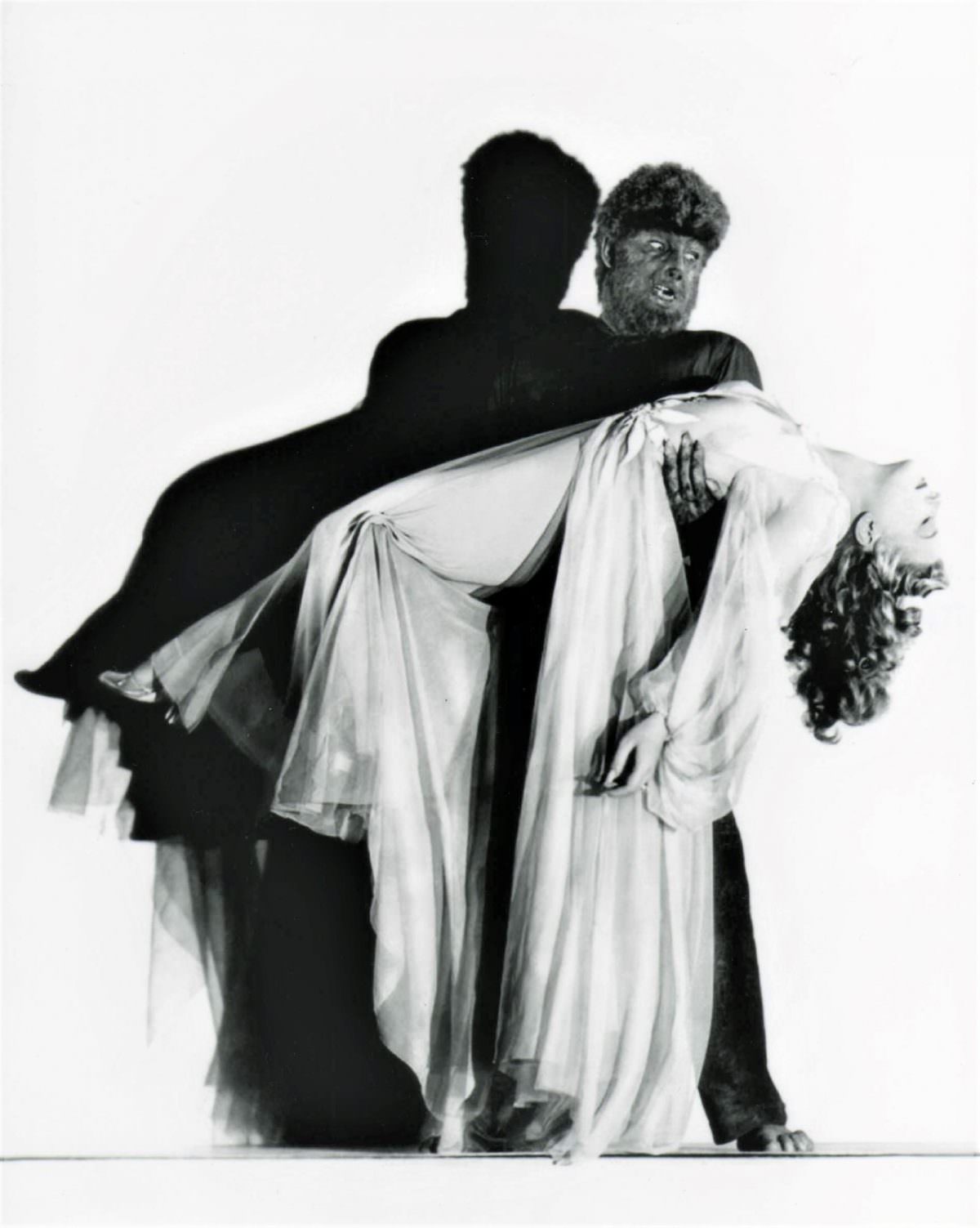
Not every classic monster film reached those dramatic heights. Robot Monster (1953) is widely remembered today as one of the worst films ever made — its alien antagonist was literally a man in a gorilla suit wearing a diving helmet. Yet it still drew audiences. The Wolfman (1941), on the other hand, was a genuine achievement, with Lon Chaney Jr. delivering a performance full of anguish as a man who transforms into a killer against his own will.
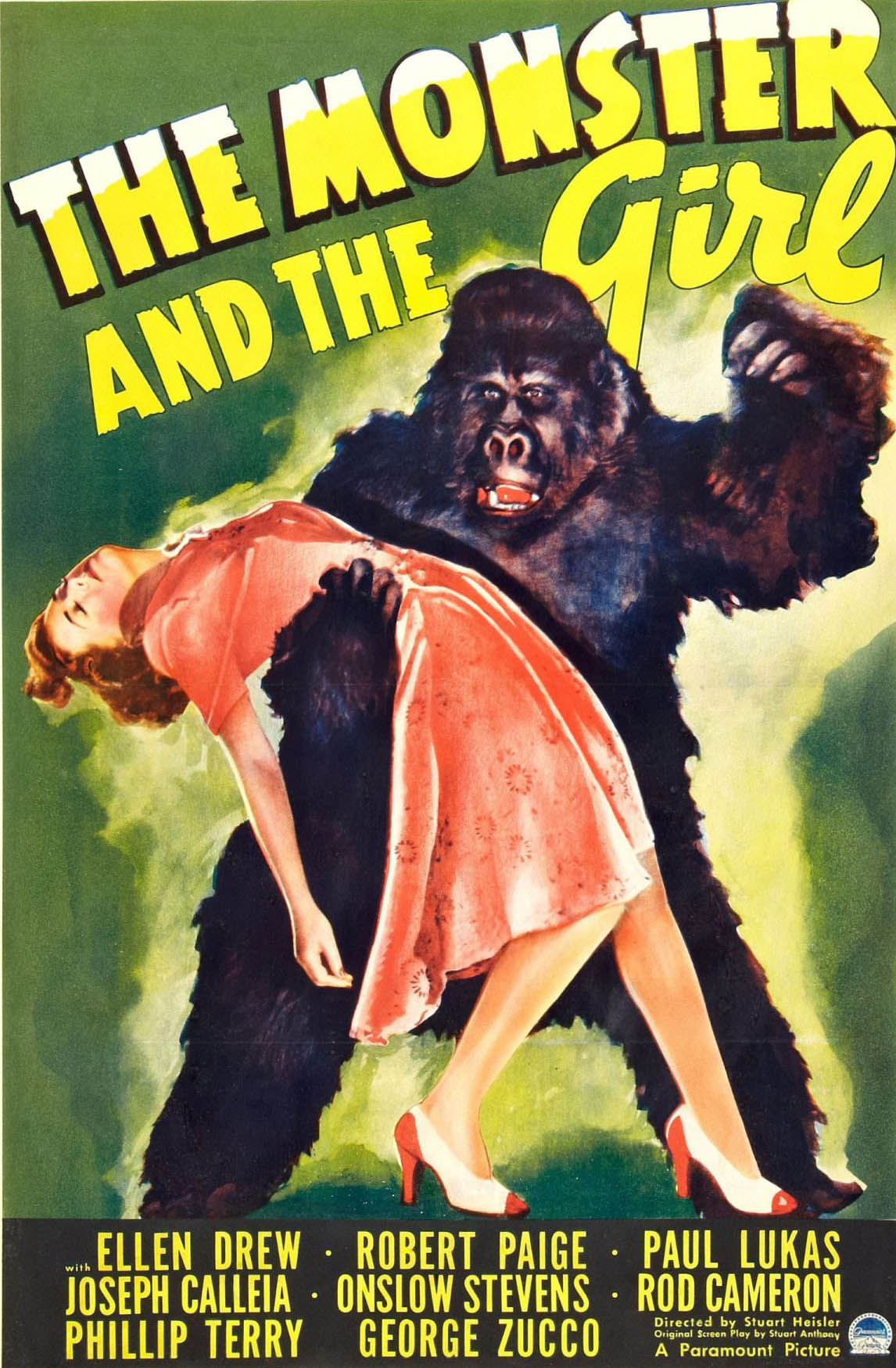
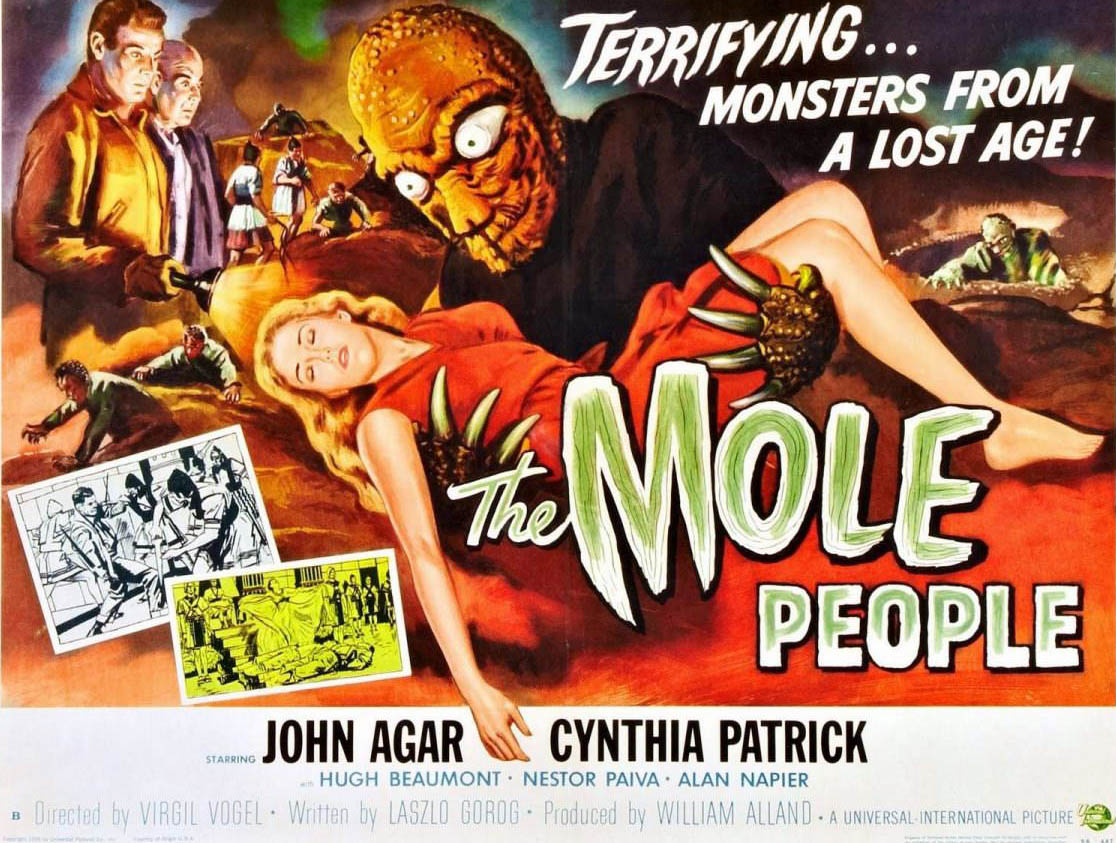
Films like The Monster and the Girl (1941) and The Mole People (1956) kept pushing the boundaries of what a monster could be and where it could come from. Underground civilizations, transplanted brains, ancient evils — the genre had no shortage of creative ideas for placing women and monsters in the same frame.
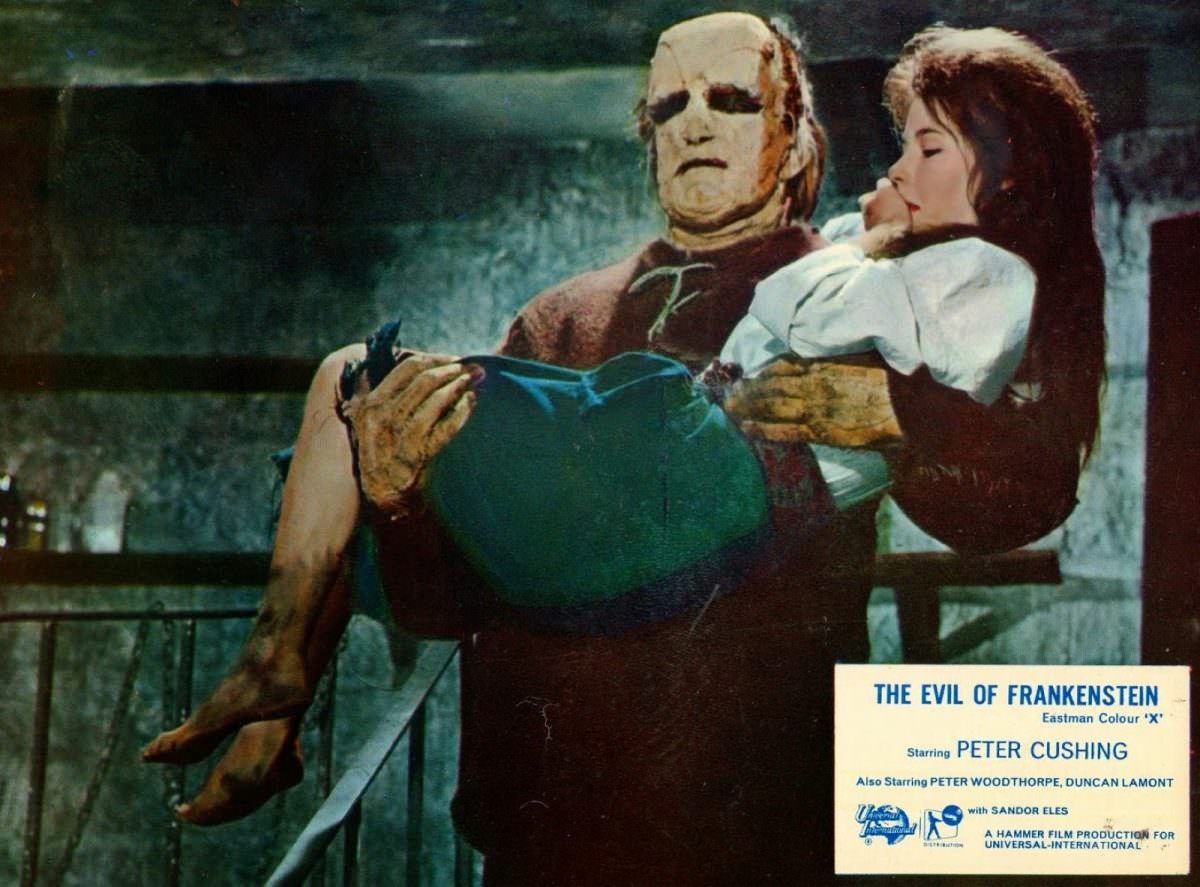
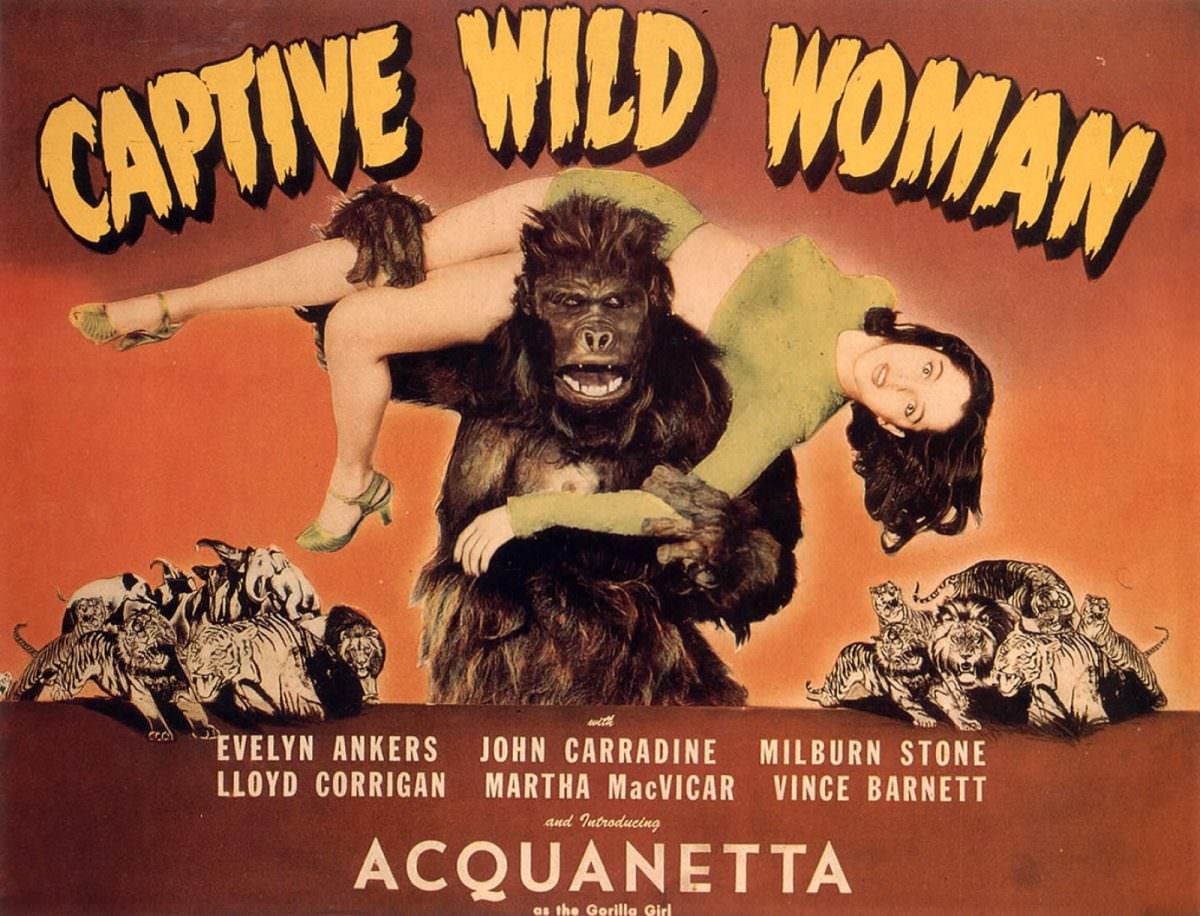
Hammer Film Productions picked up the torch in the late 1950s and early 1960s, releasing films like The Evil of Frankenstein (1963) with richer color, more graphic content, and a new generation of monsters. Captive Wild Woman (1943) explored scientific experimentation and transformation, blending horror with pulp adventure in a way that felt both thrilling and unsettling.
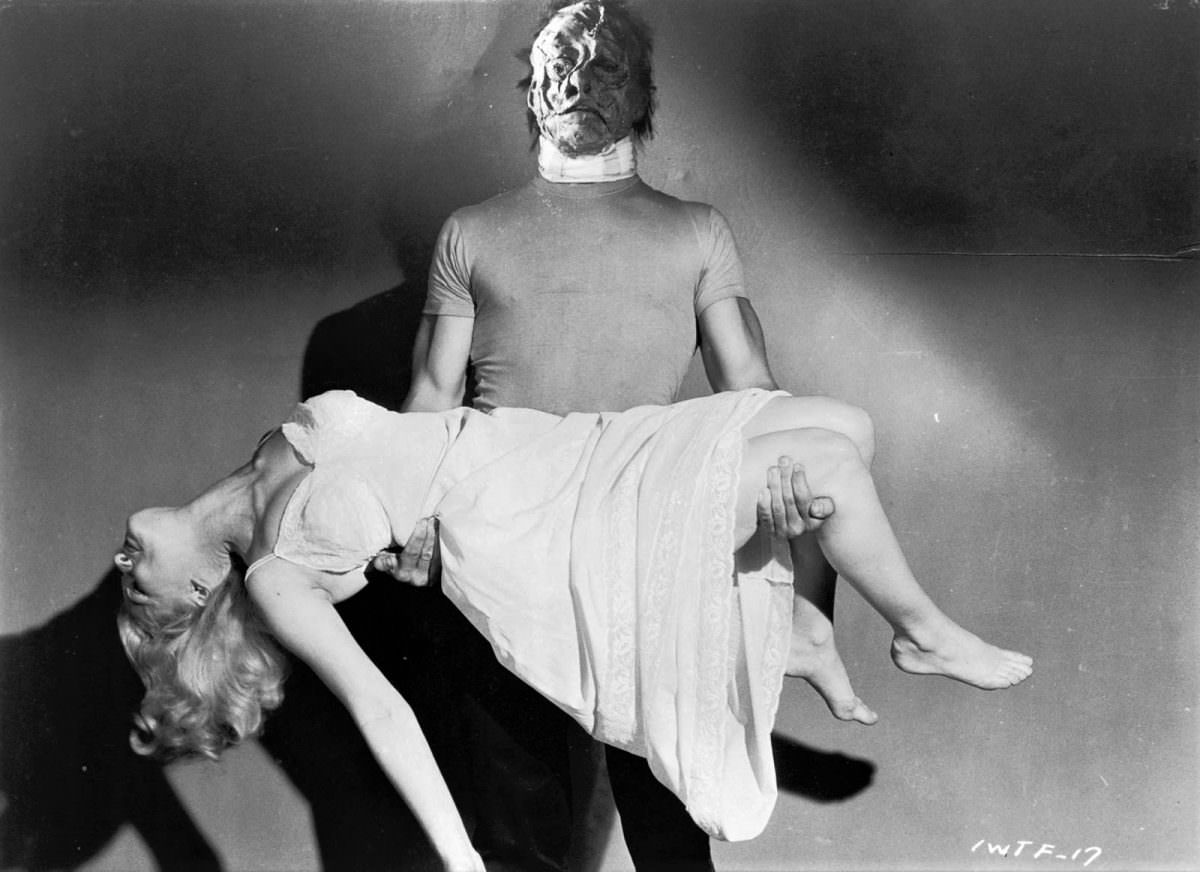
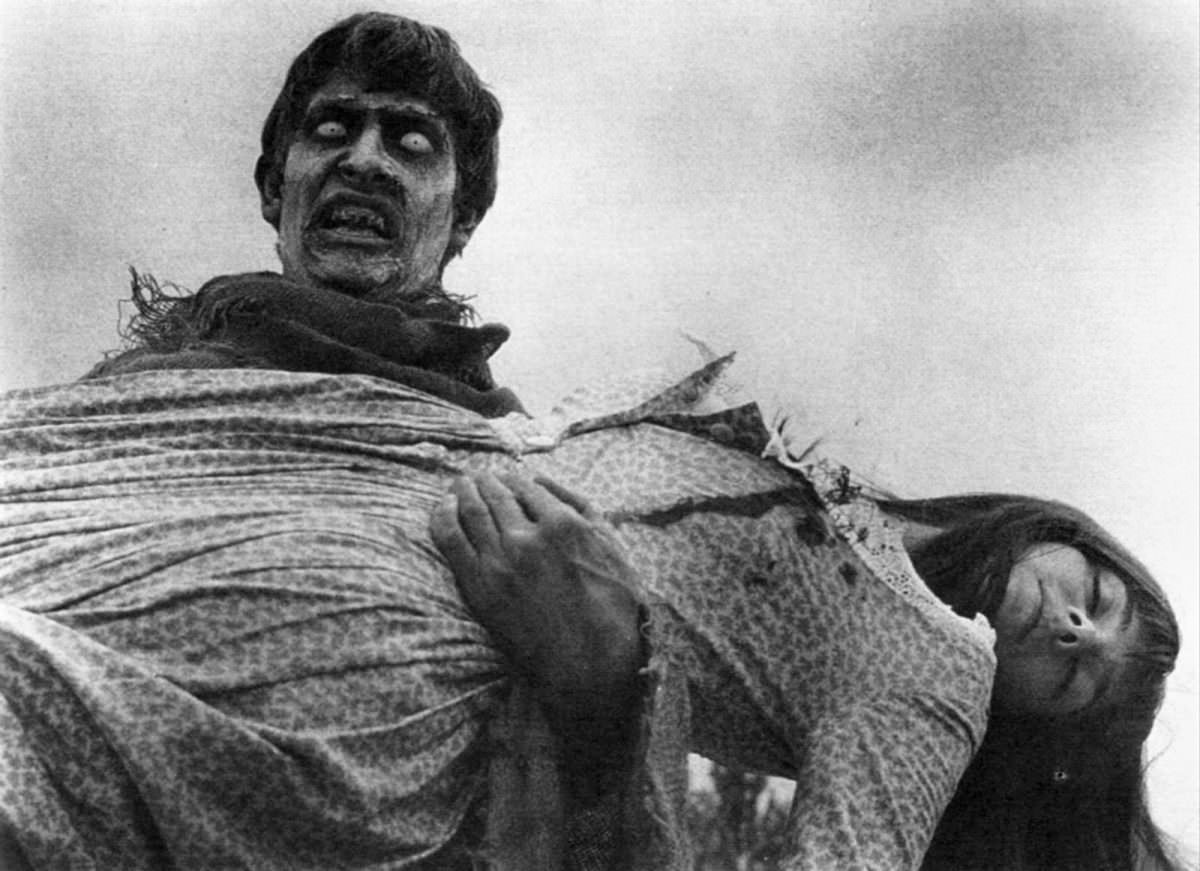
By the mid-1950s, studios began targeting younger audiences with monster movies. I Was a Teenage Frankenstein (1956) made the creature relatable to a generation of teenagers trying to figure out who they were. The Plague of the Zombies (1966) brought Hammer’s signature style to the undead, with a storyline rooted in exploitation and dark ritual.
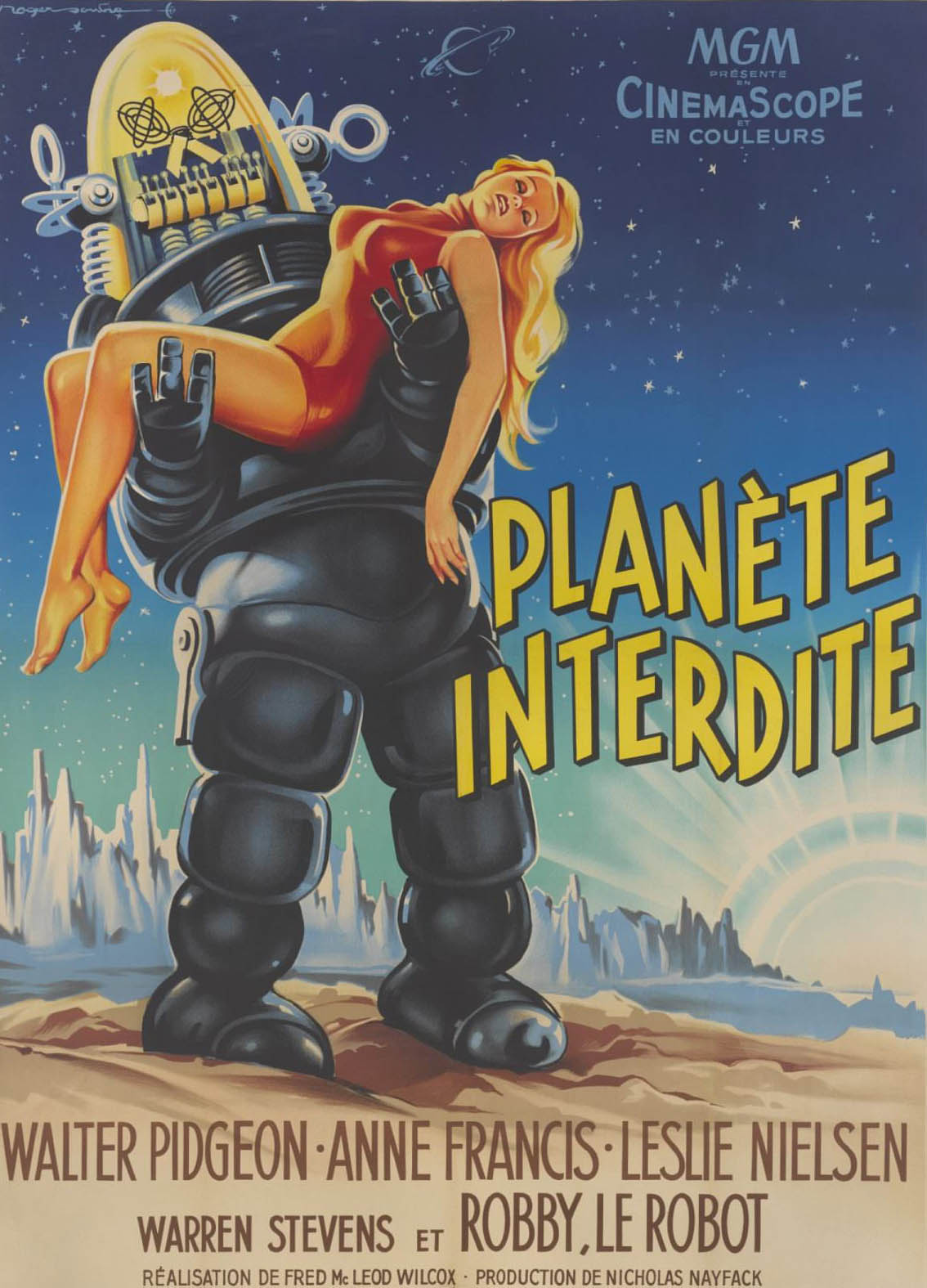
Forbidden Planet (1956) pushed the genre into science fiction territory with serious ambition. Loosely based on Shakespeare’s The Tempest, the film featured one of cinema’s first robotic characters, Robby the Robot, alongside a monster born from the subconscious mind. It’s a film that treated its audience as intelligent — rare for the era.
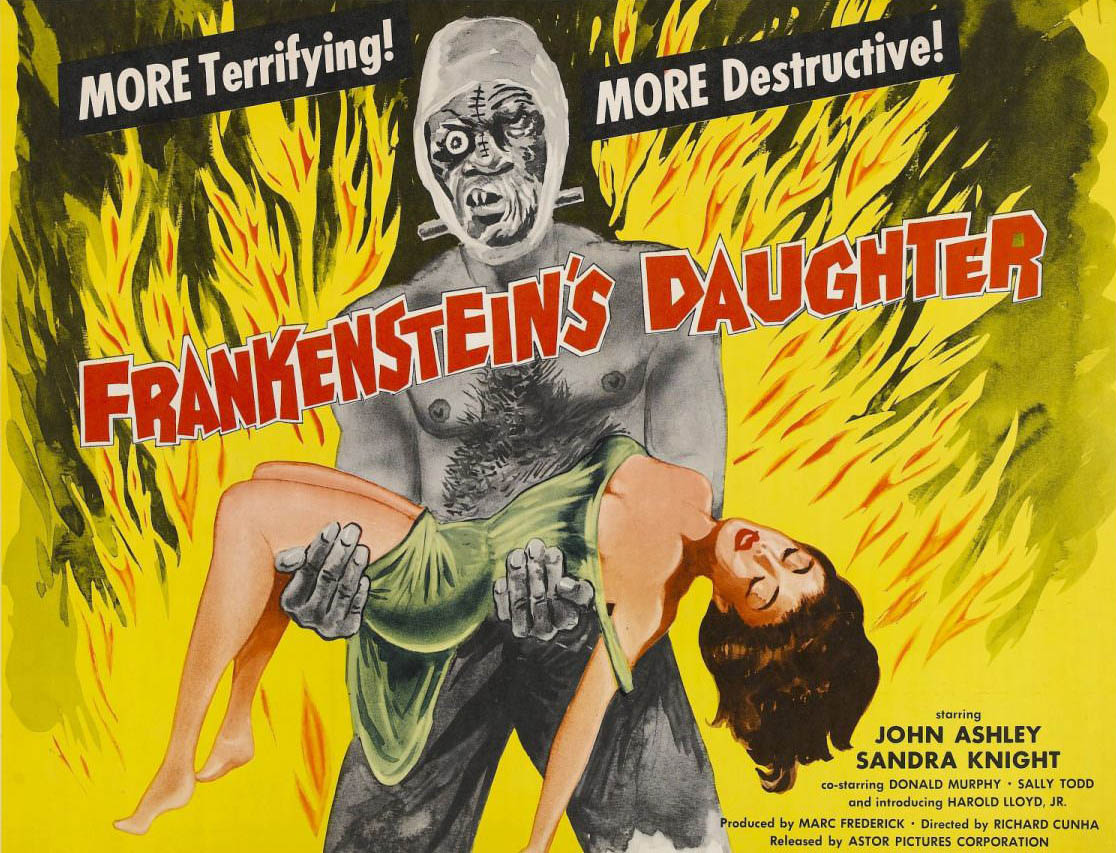
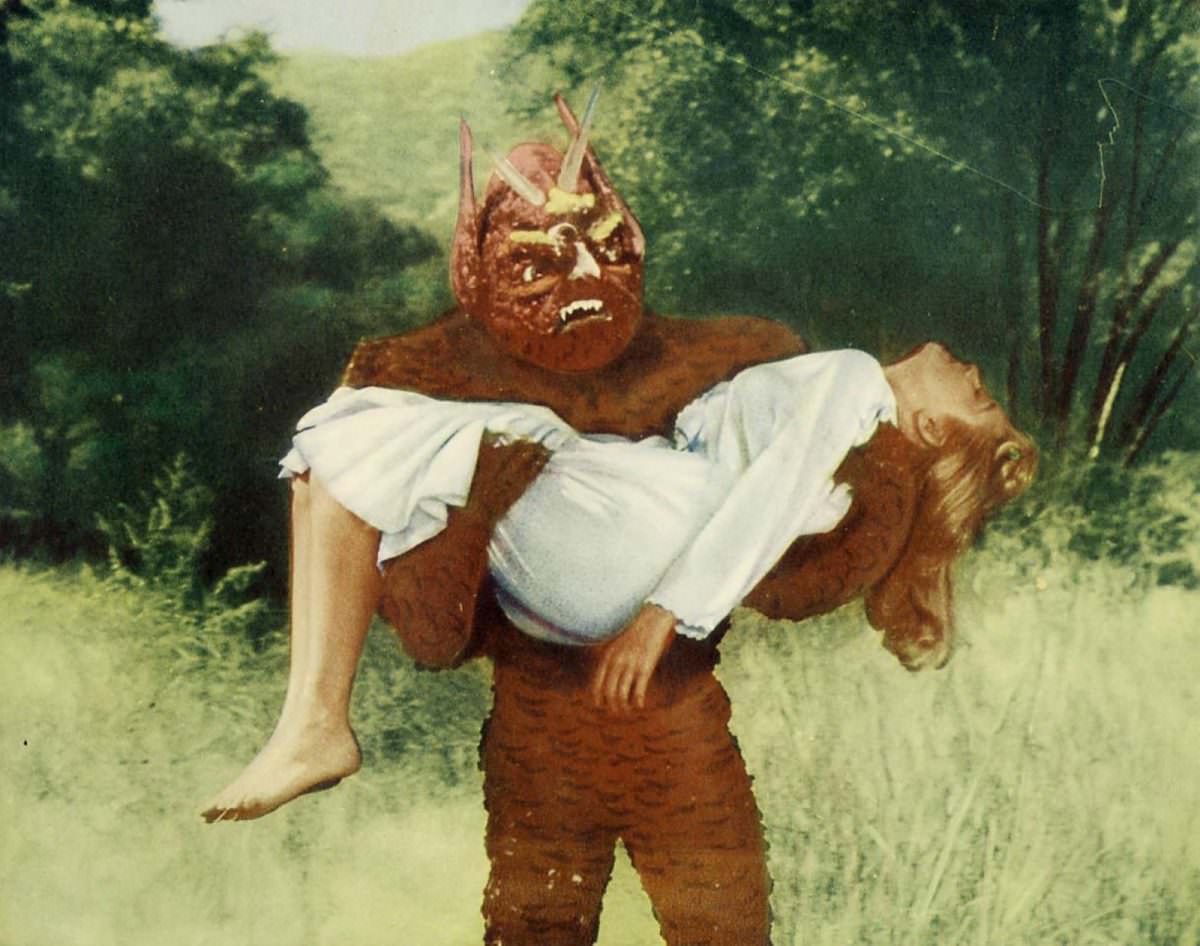
Frankenstein’s Daughter (1958) and The Day the World Ended continued the tradition of pairing female leads with grotesque creations, using the contrast to build tension and drive the story forward. These lower-budget productions may not have had the polish of their Universal predecessors, but they delivered exactly what audiences came to see.
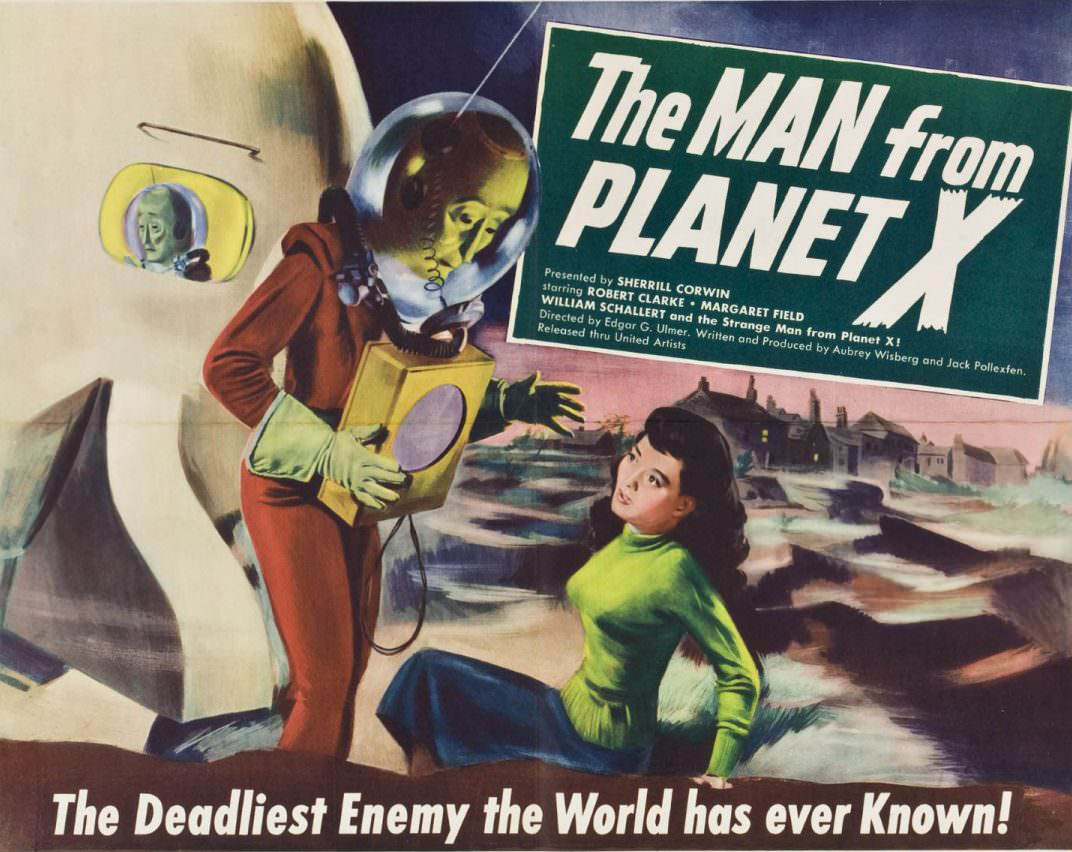
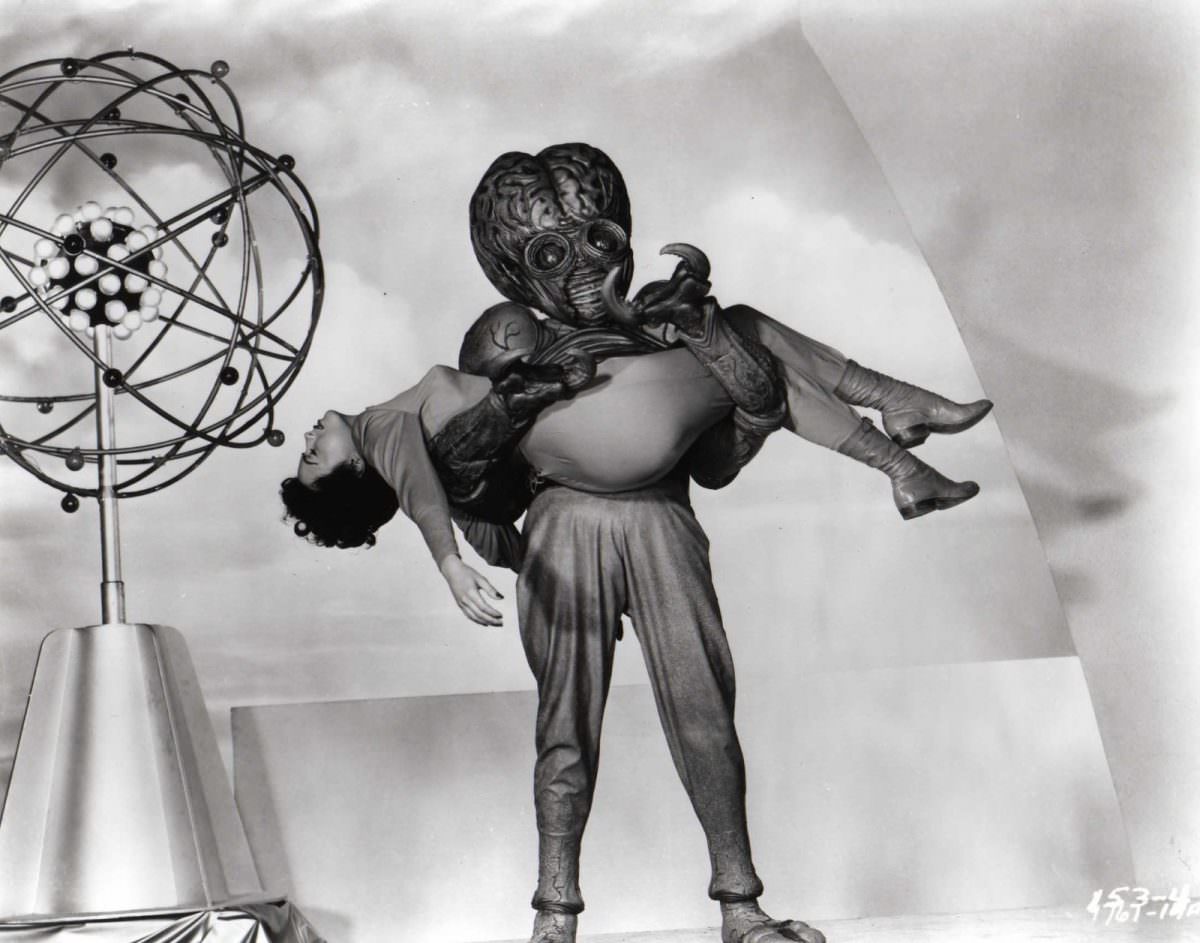
Alien invasion pictures like The Man from Planet X (1951) and This Island Earth (1955) brought a different kind of monster to screens — one that came from the stars rather than the shadows. These films reflected genuine public fascination with the possibility of life beyond Earth, channeling that curiosity into creature features that blended wonder with fear.
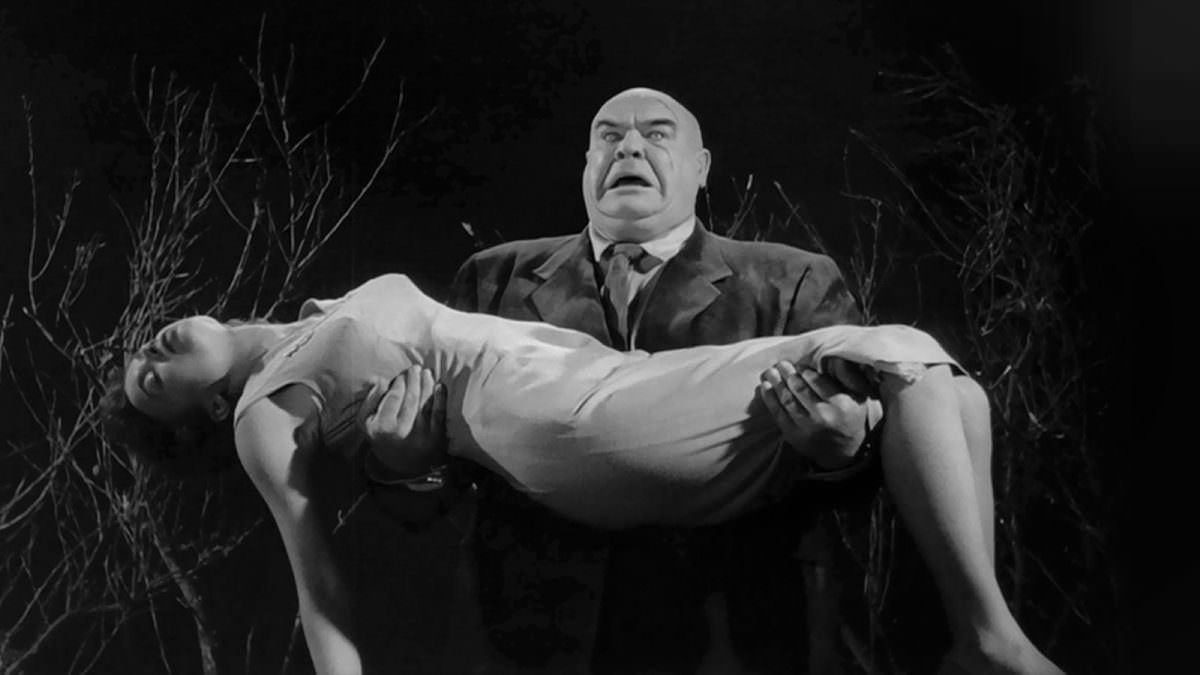
Plan 9 from Outer Space (1959), directed by Edward D. Wood Jr., has earned its reputation as the gold standard of so-bad-it’s-good filmmaking. Aliens resurrect the dead to stop humanity from developing a dangerous weapon — a plot that sounds wild even by the standards of the era. Despite its technical failures, the film draws a devoted audience to this day.
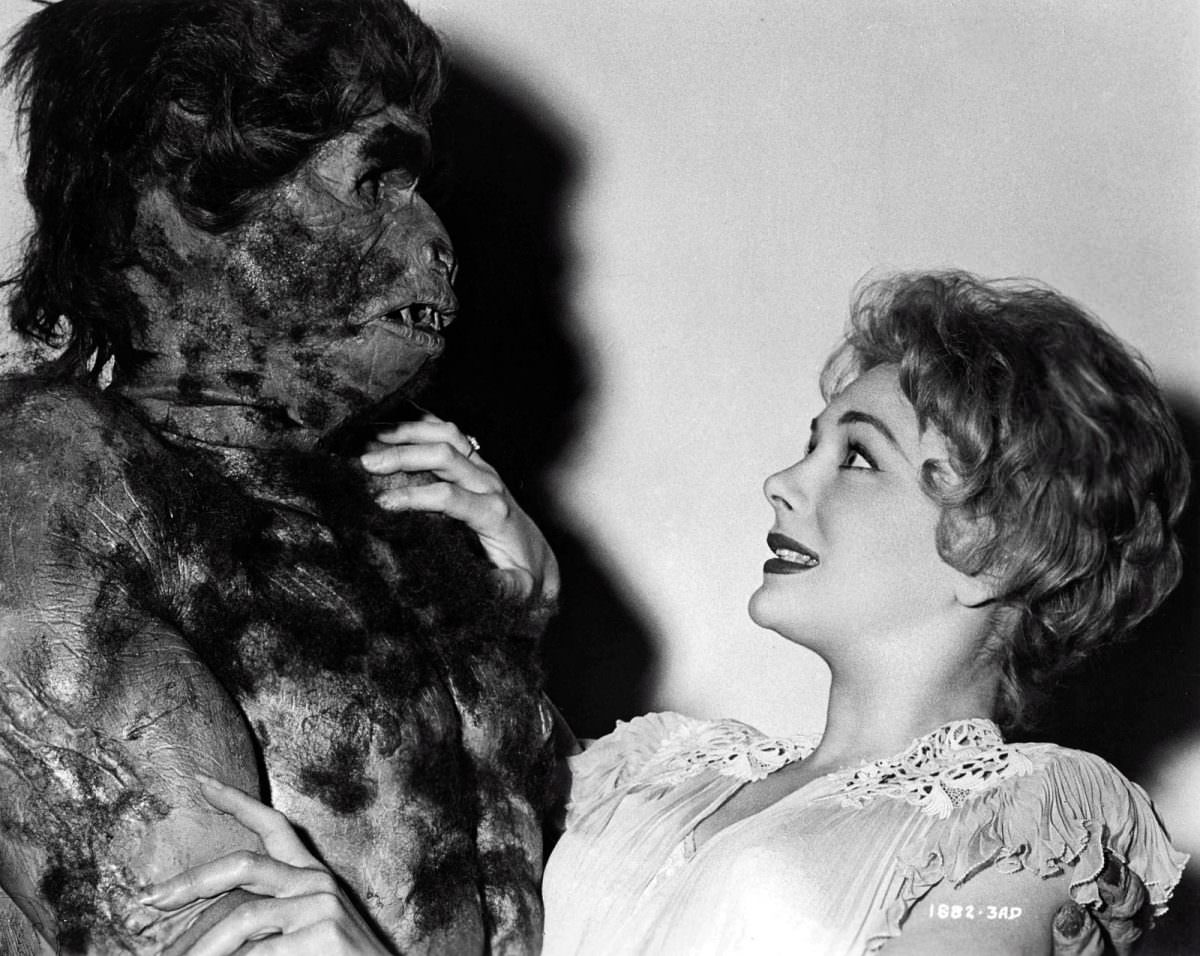
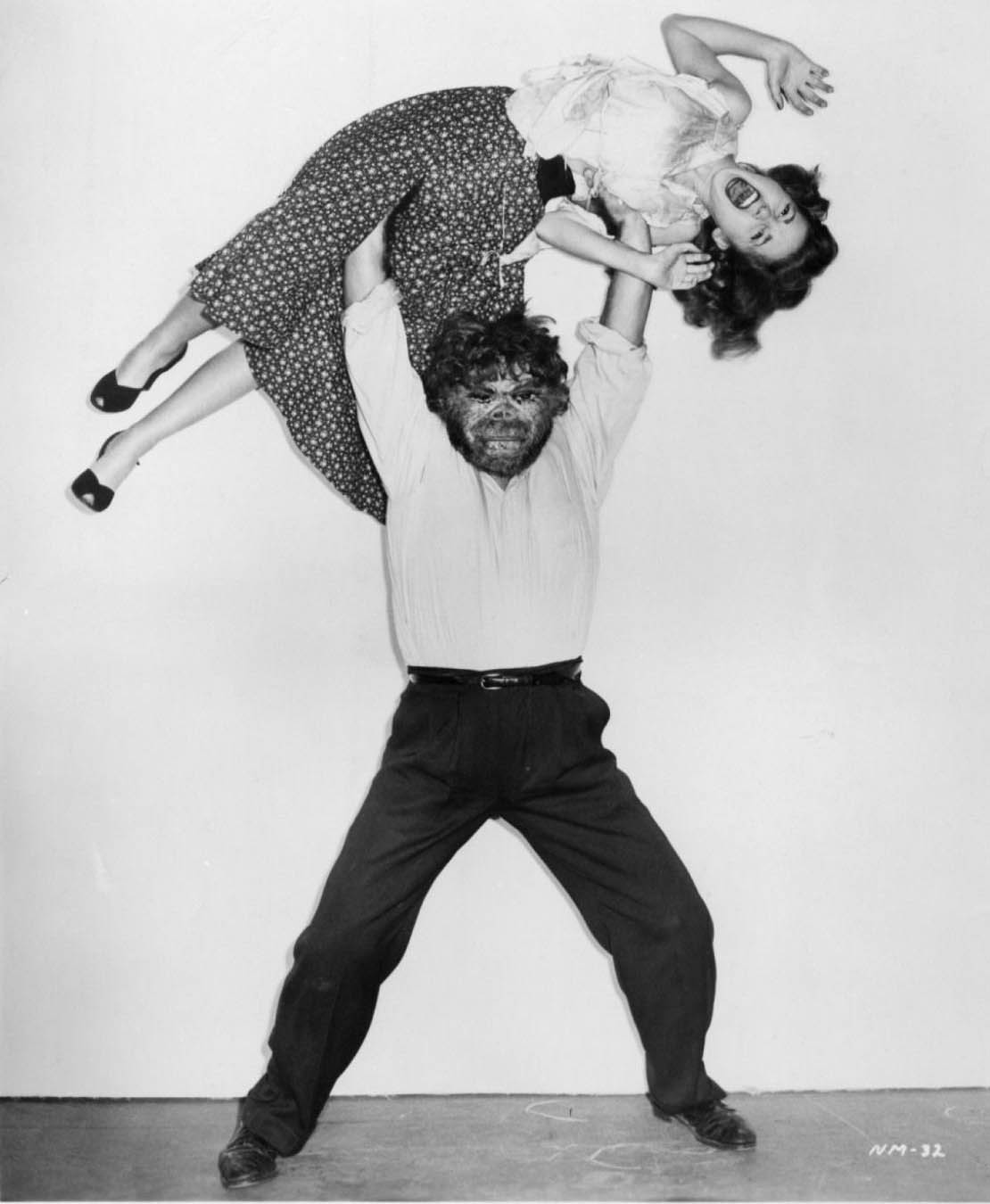
Monster on the Campus (1958) and The Neanderthal Man (1953) both explored the idea of regression — modern humans reverting to primitive, violent states through science or accident. These films played on anxieties about evolution and human nature, asking how thin the line really was between civilization and savagery.
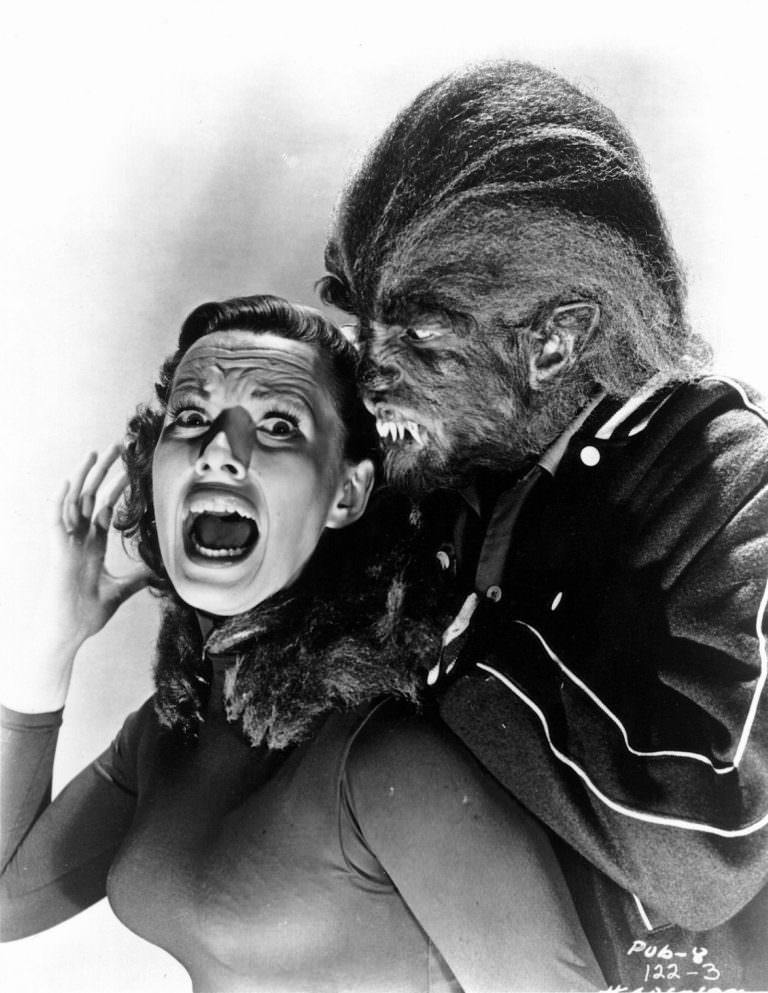
I Was a Teenage Werewolf (1957) starring Michael Landon brought the werewolf myth into a high school setting, connecting teenage rebellion and uncontrollable rage in a way that resonated deeply with young audiences. It was a monster movie, yes — but it was also a story about feeling like a danger to the people around you. Below is a look at some of the most striking vintage photos capturing these classic monsters alongside the actresses who stood beside them on screen.