
Scarborough in the 1980s was a town that lived and breathed the sea. Perched on the North Yorkshire coast, it drew families, day-trippers, and tourists in their thousands every summer. The beaches were the main attraction — wide, sandy stretches where kids built sandcastles, took donkey rides, and paddled in the cold North Sea while their parents settled into striped deck chairs with ice creams in hand.
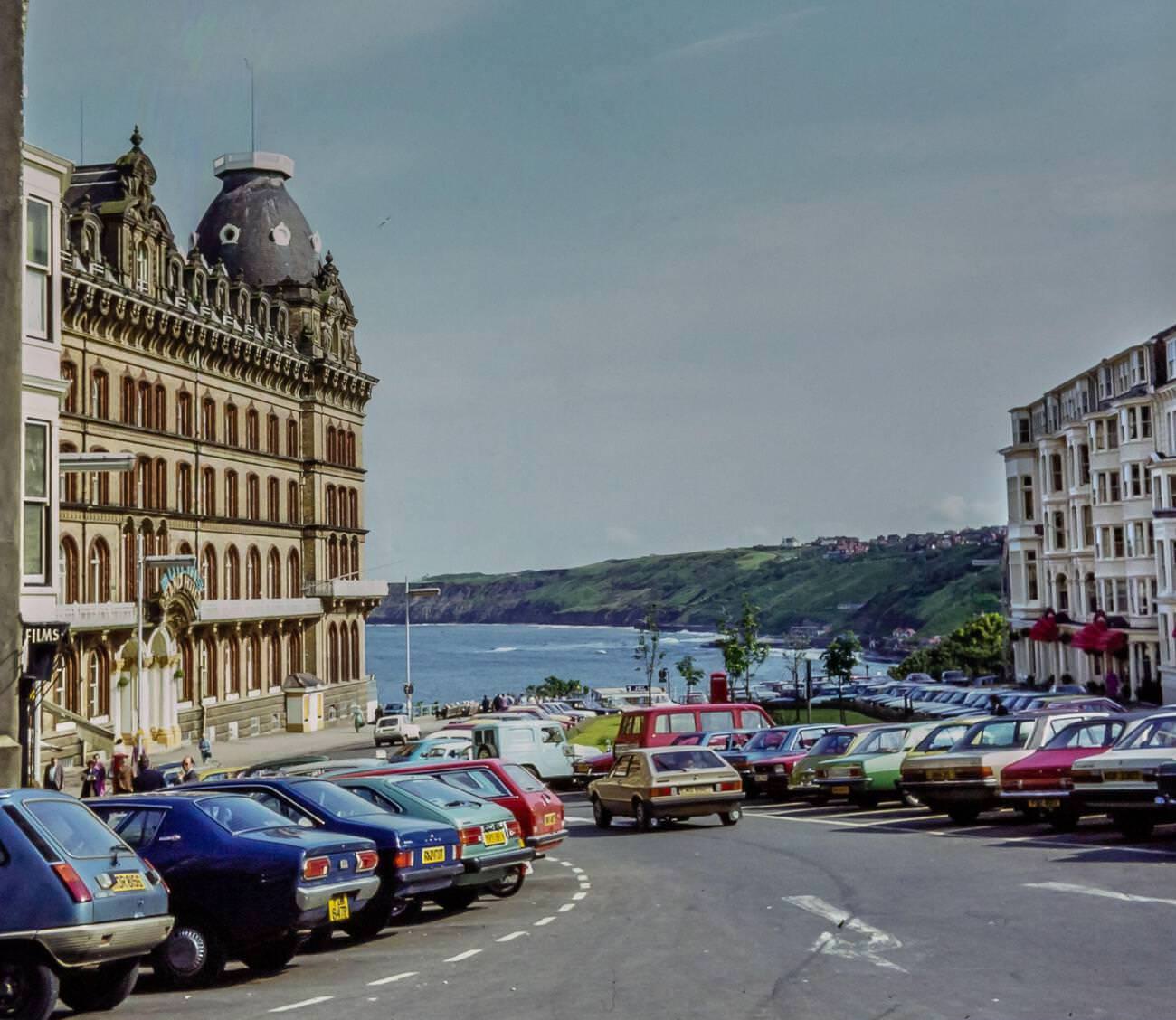
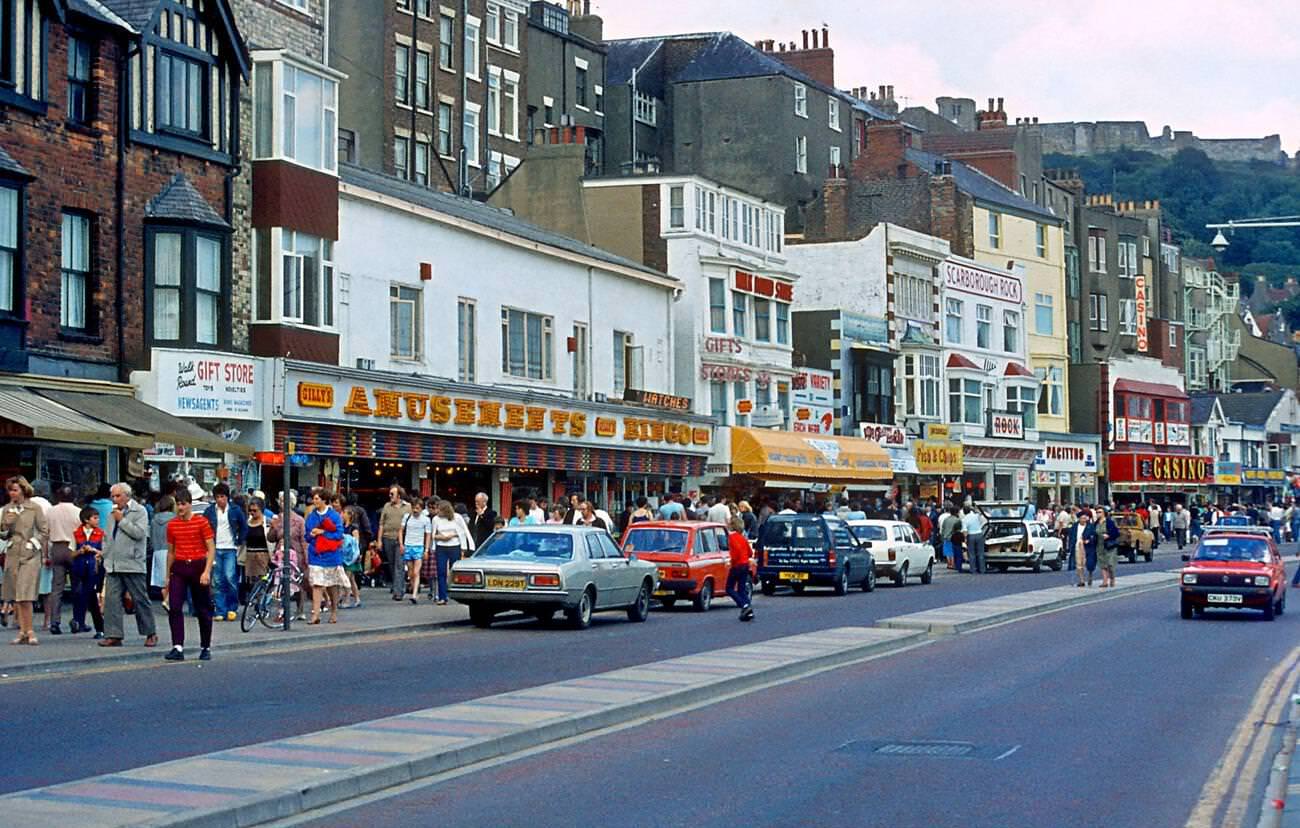
The seafront itself was a hive of activity. Amusement arcades ran the length of the promenade, packed with teenagers feeding coins into video games and pinball machines. The noise spilled out onto the street — bleeps, buzzers, and the clatter of winning tokens. These arcades weren’t just entertainment; they were social spaces where young people spent entire afternoons.
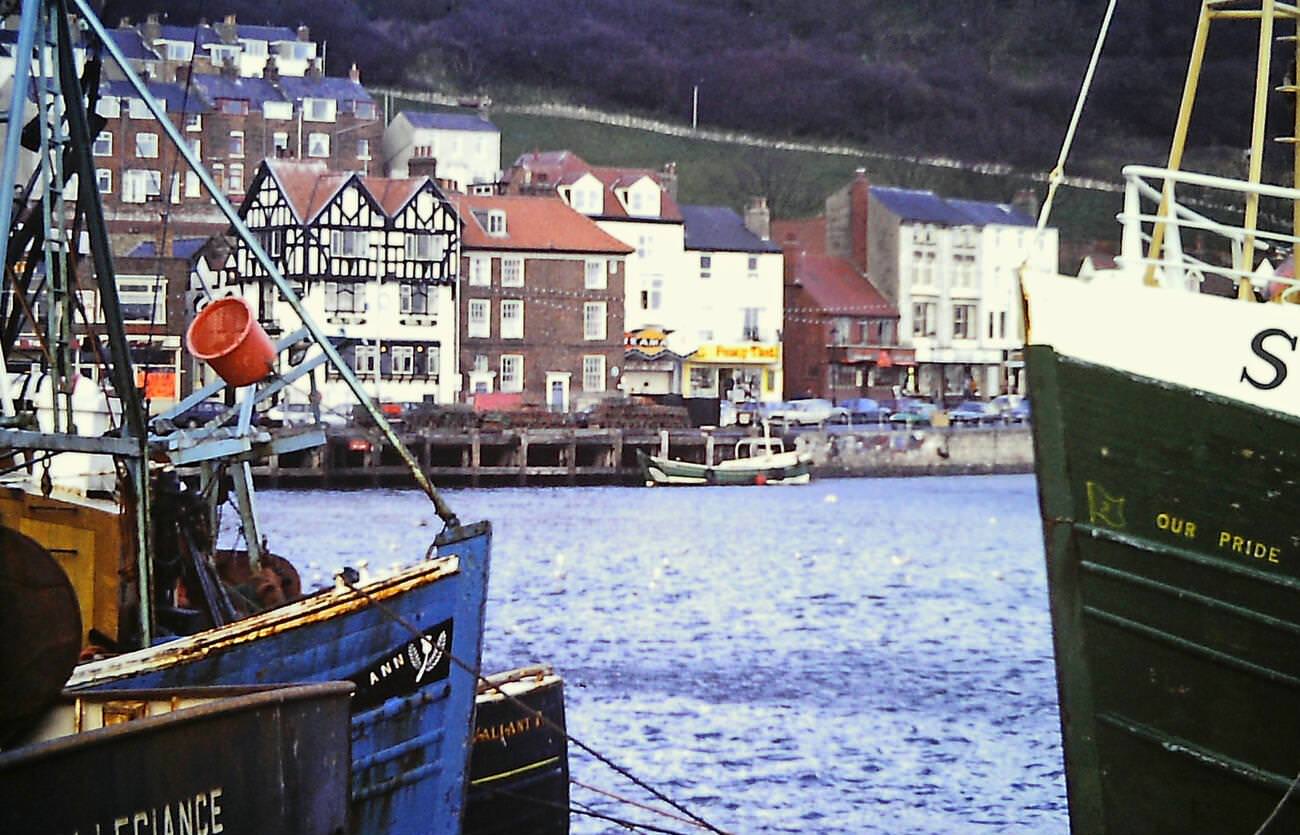
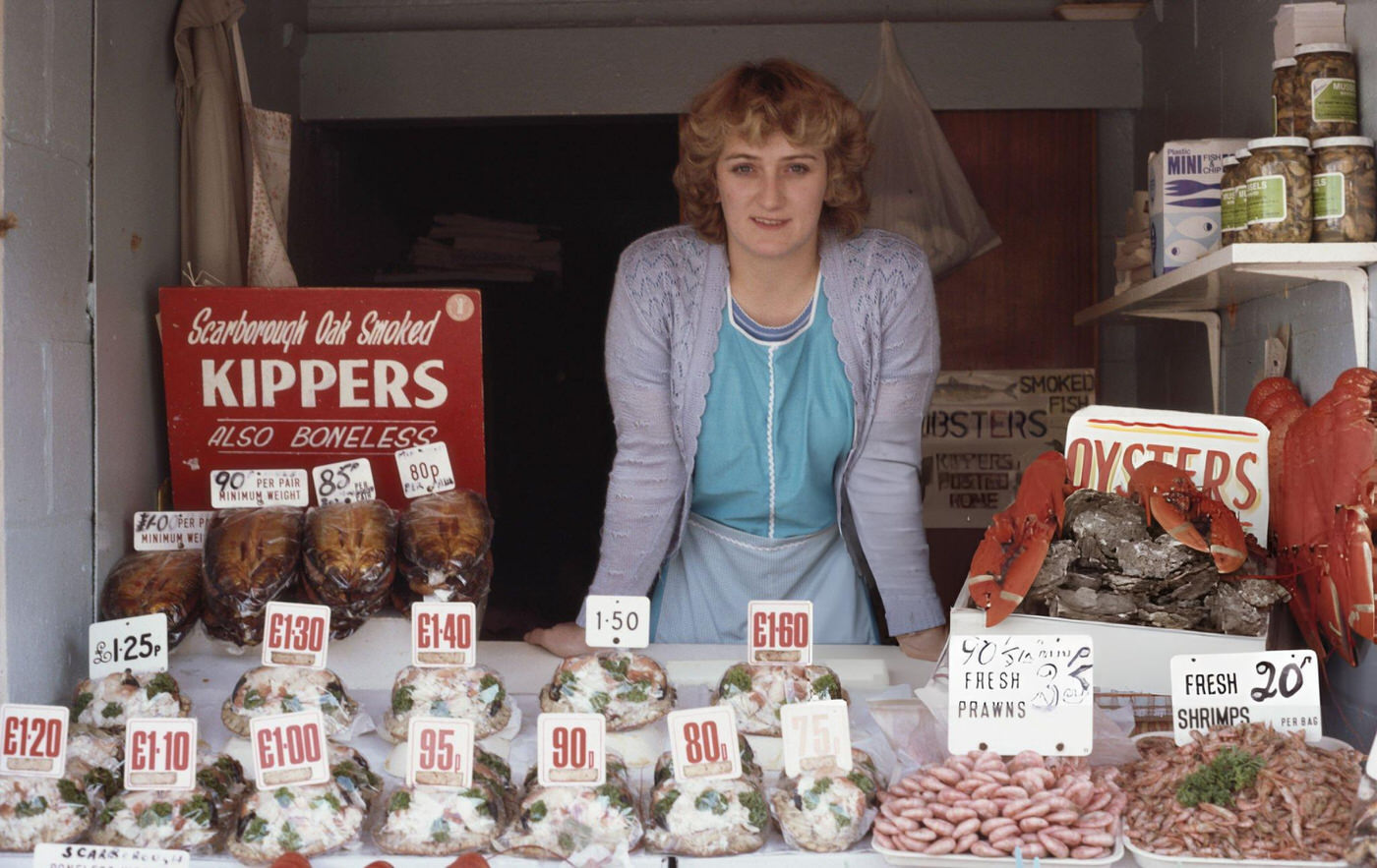
Down at the harbour, fishing boats came and went with their daily catches. The smell of salt and diesel was ever-present. Freshly landed fish moved quickly from boat to market, and seafood stalls along the front sold crab, lobster, and whatever else came in that morning. Scarborough’s fishing industry was still very much alive during this decade, and the harbour gave the town a working, purposeful character that set it apart from purely tourist destinations.
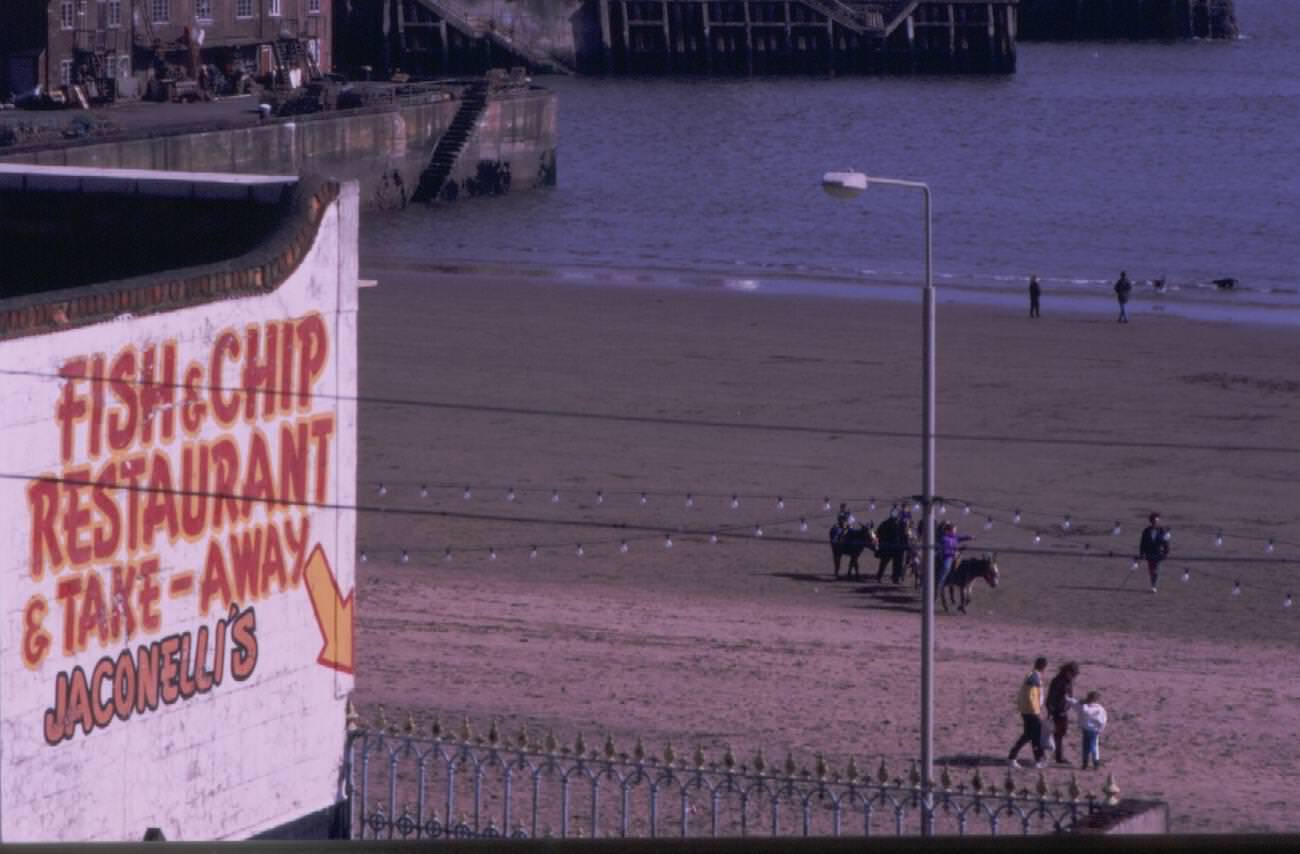
Alongside the harbour trade, the town centre offered a full range of shops. Boyes and Woolworths were firm favourites, stocking everything from clothing to confectionery. Independent shops sold local crafts and seaside souvenirs, and on market days the square filled with stalls loaded with fresh produce, second-hand goods, and cheap clothing. Hand-painted shopfronts like Jaconelli’s gave the streets a distinctive character that no chain store could replicate.
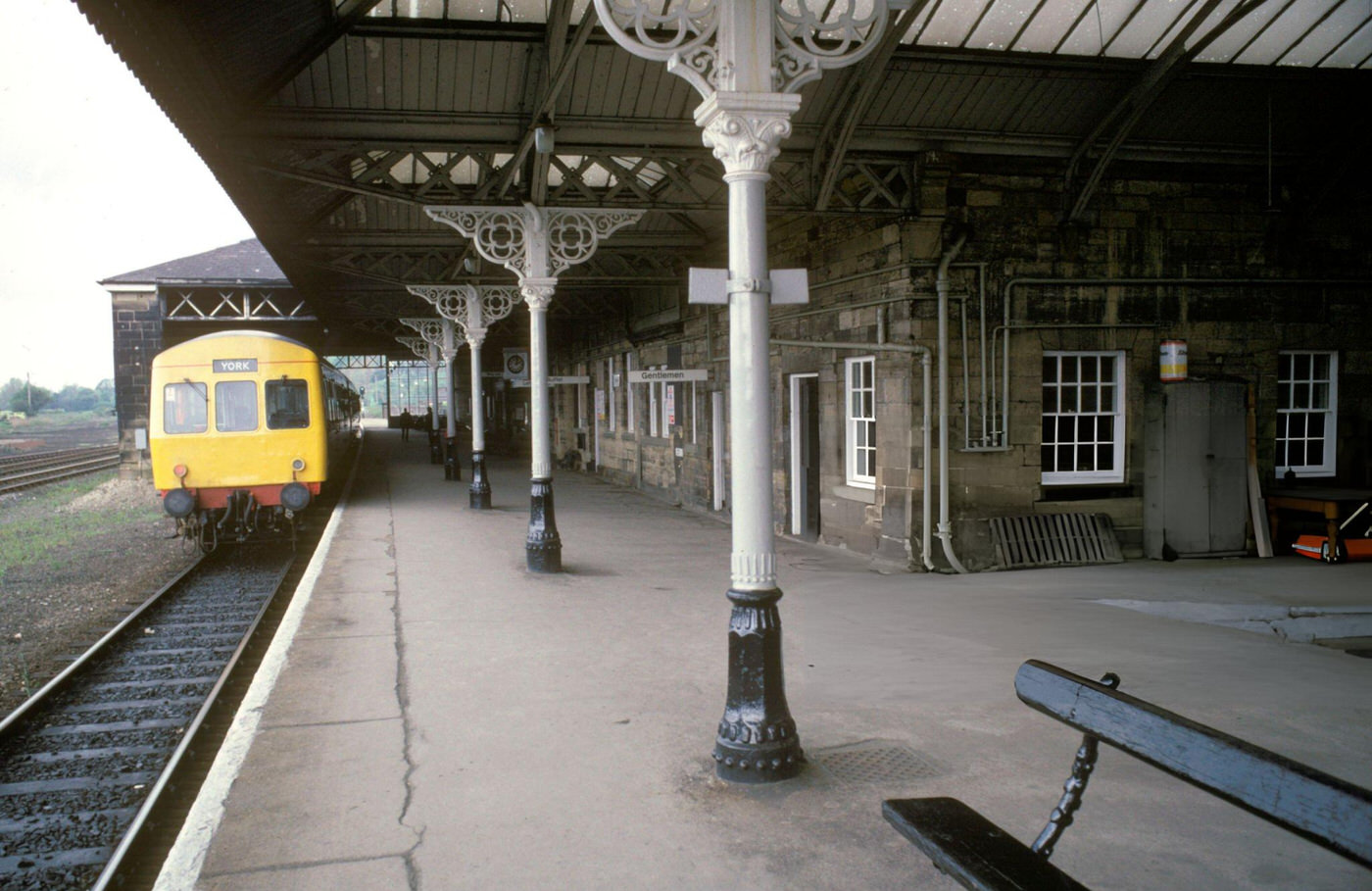
Getting to Scarborough was straightforward by rail. The town’s railway station served as the gateway for visitors arriving from across Yorkshire and beyond. Trains pulled in from Leeds, York, and Hull, disgorging day-trippers onto the platform with bags packed for a full day at the coast.
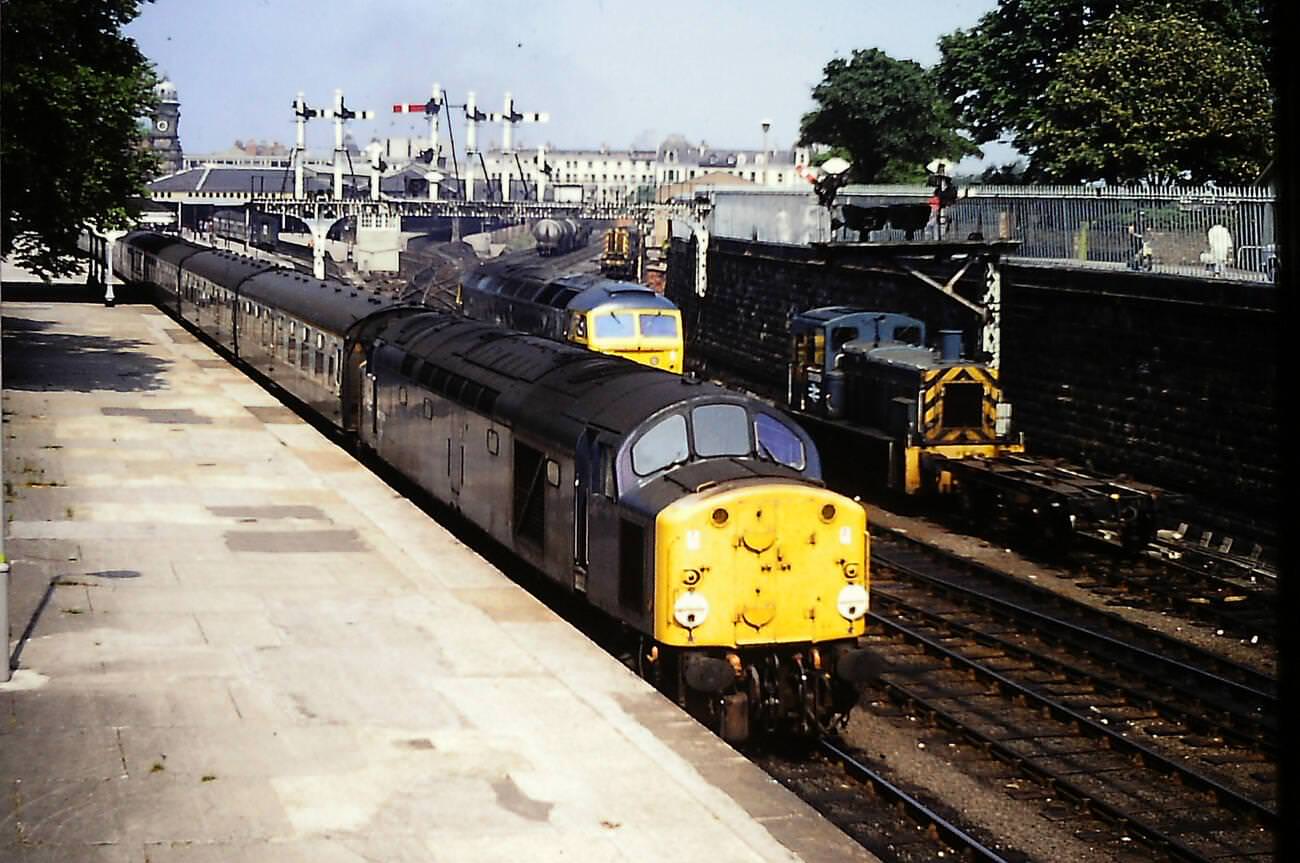
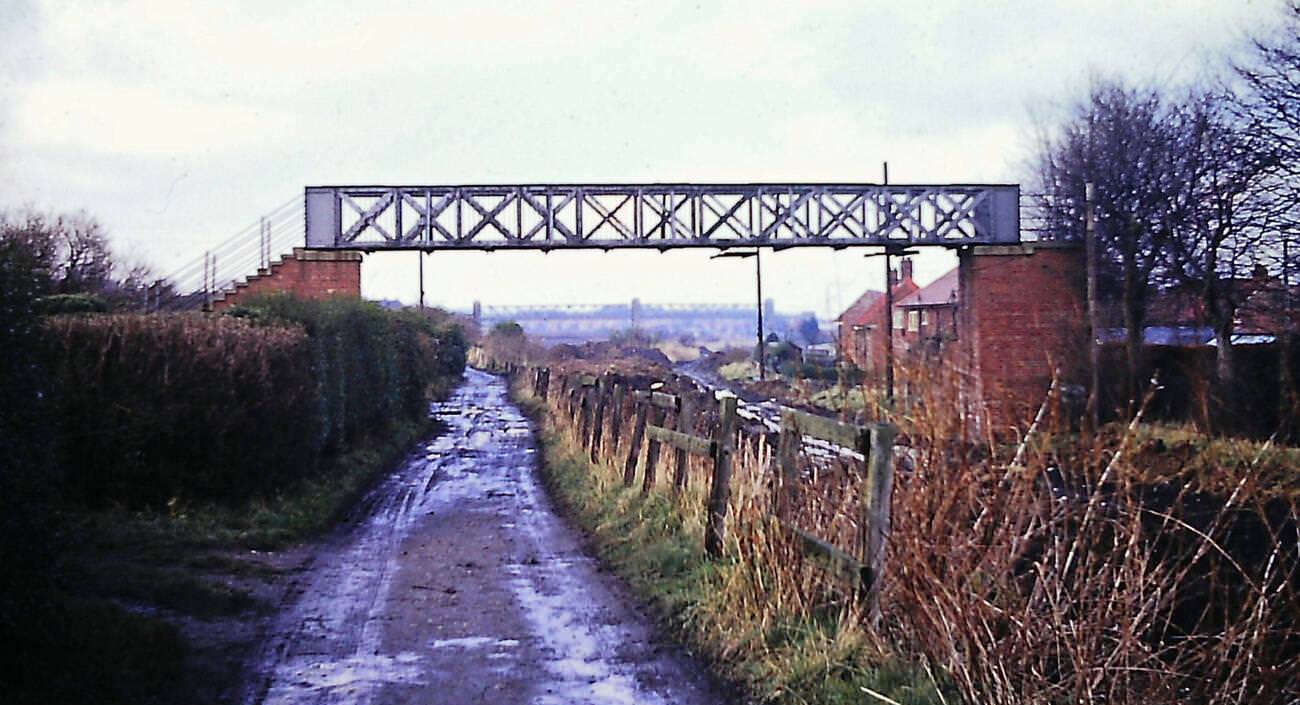
The town’s landscape extended well beyond the beach. Scarborough Castle stood on the headland between the North and South Bays, its medieval ruins visible from almost everywhere in town. Visitors walked the castle grounds, took in the sweeping views of the coastline, and picnicked on the grass. The surrounding streets and footbridges connected the different parts of the town, linking the bays, the rail station, and the residential areas that climbed the hillsides.
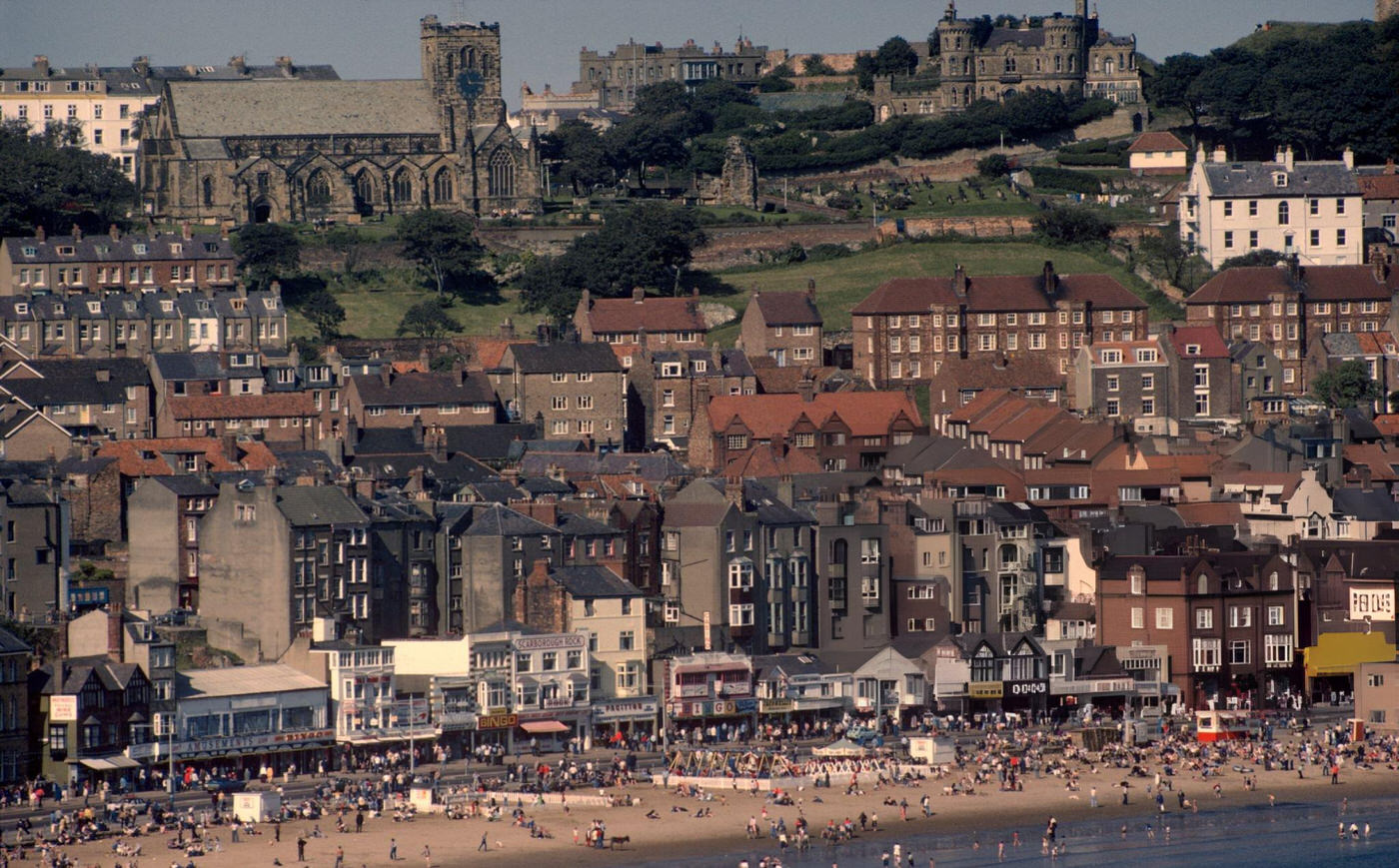
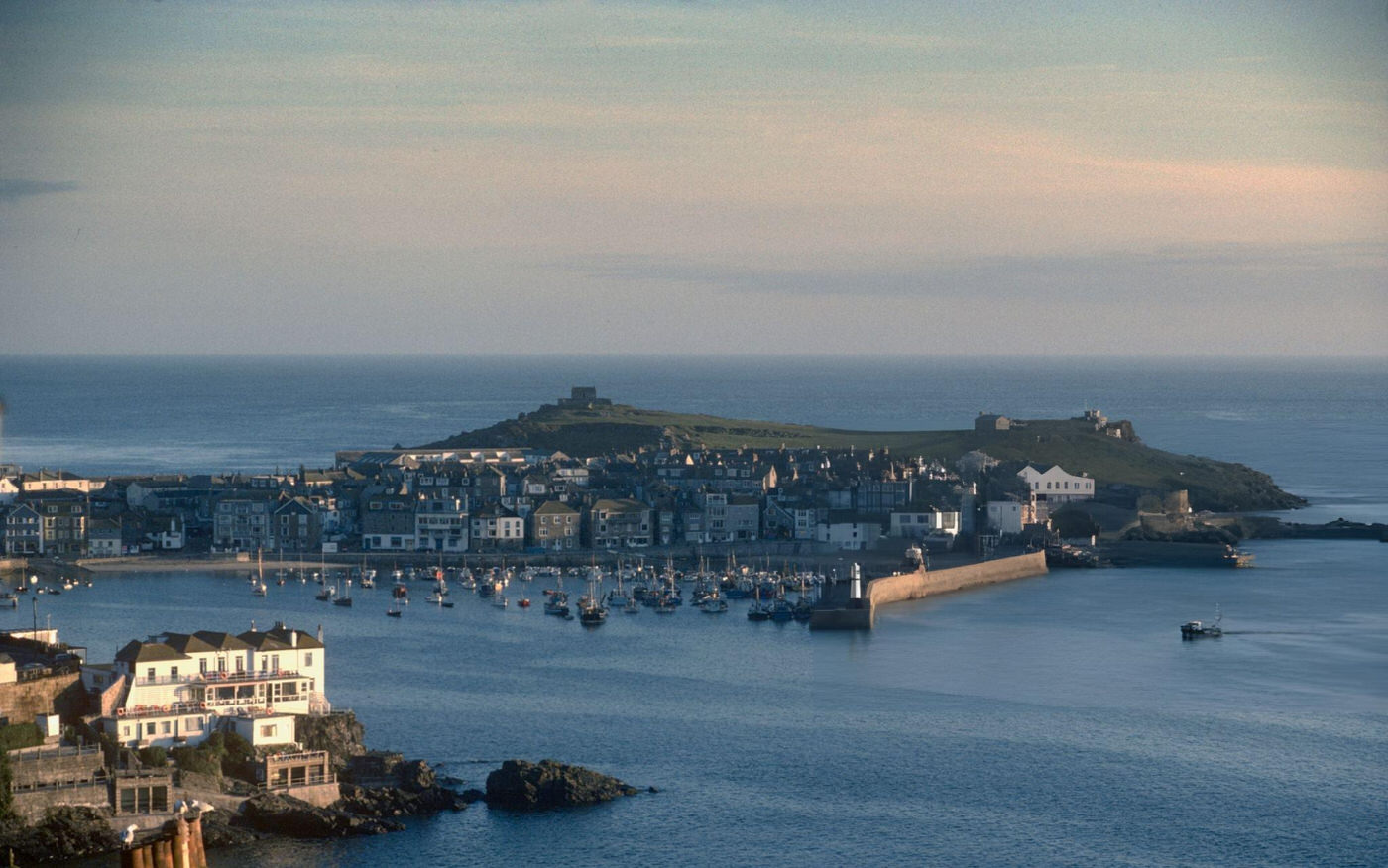
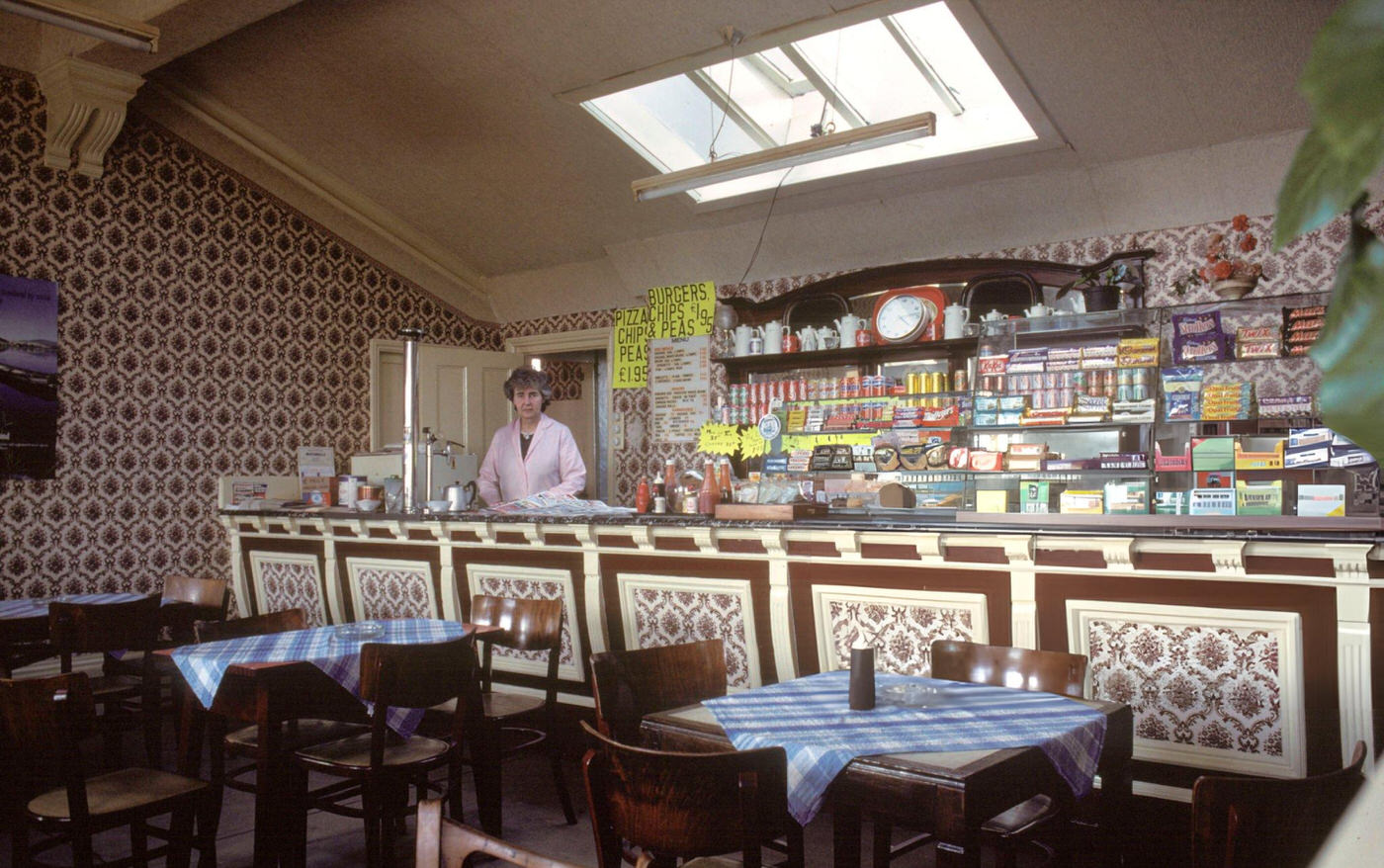
The railway connection ran deeper than just Scarborough’s own station. Malton, a market town on the line between York and Scarborough, served as a key stop along the route. Its station had its own quiet charm — a proper platform café where passengers warmed up with tea and a bite to eat while waiting for the next service.
Back on the Scarborough seafront, local traders kept the food economy moving. Women sold fresh seafood directly to passersby, cockles and mussels laid out in trays. Fish and chip shops were never more than a short walk away, and the queues outside the best ones stretched down the street on busy summer days.
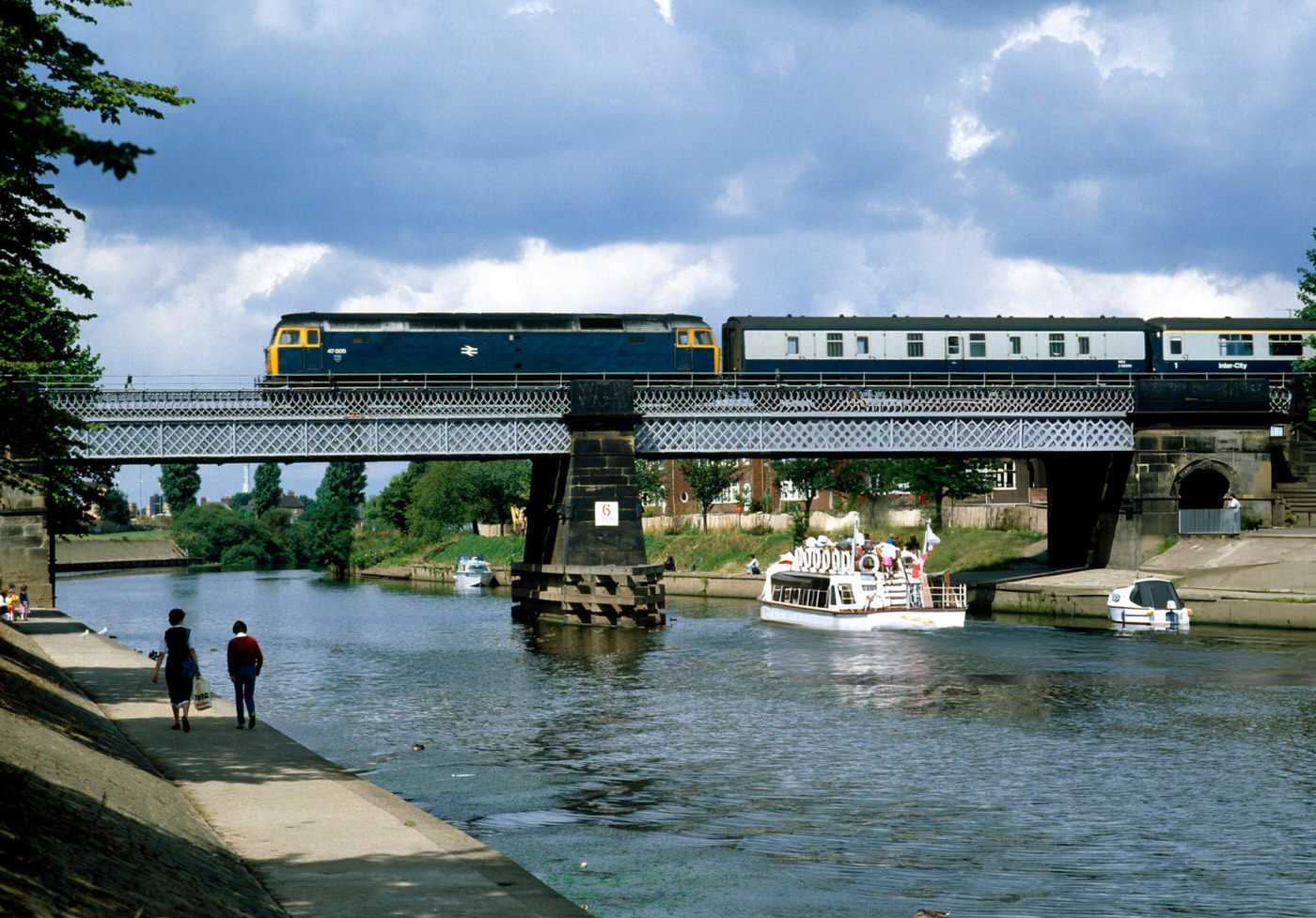
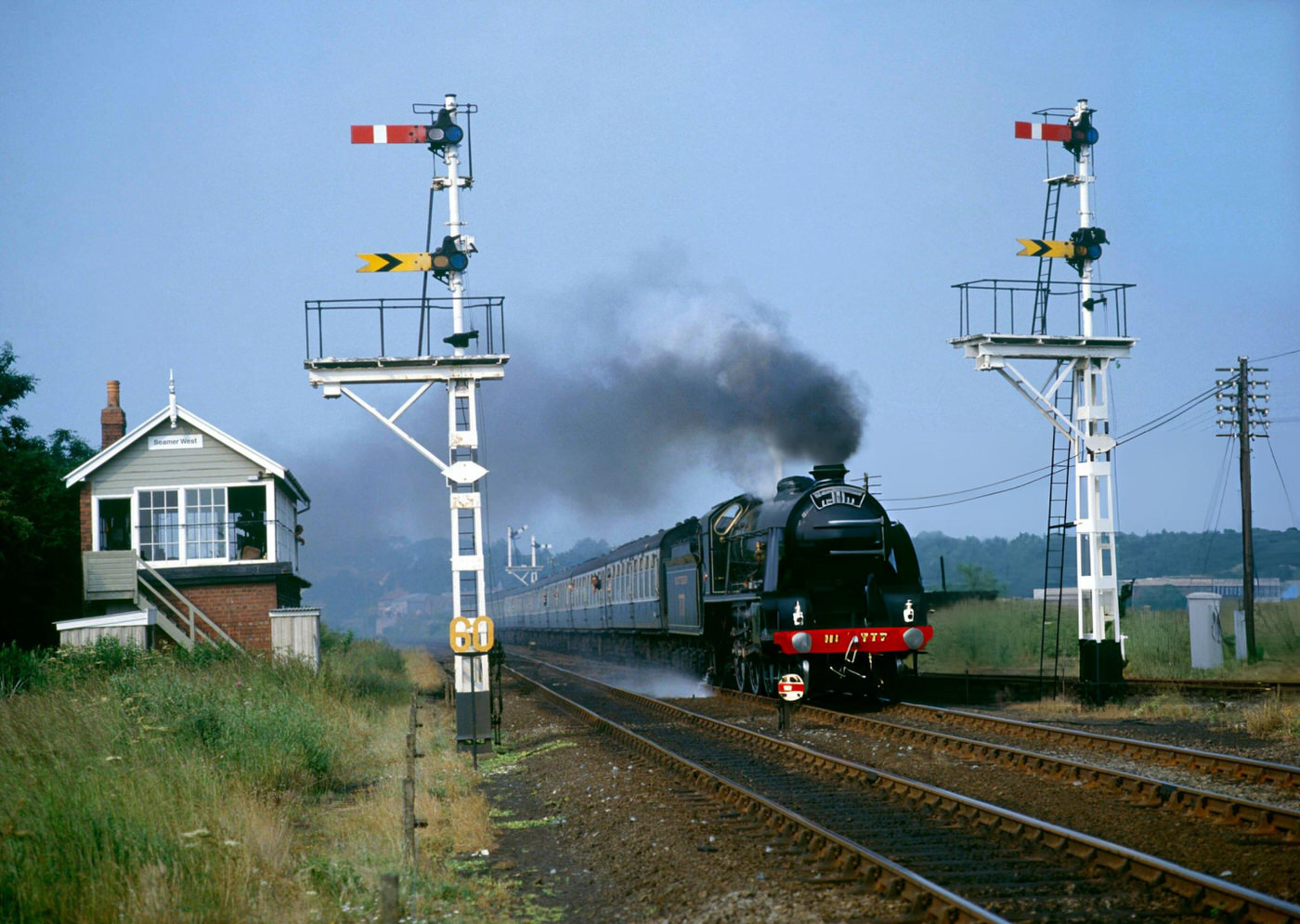
Steam excursions on the mainline were a special event during this era. Locomotive No. 47005 crossed the river Ouse into York as part of services connecting the region’s rail network, while the famous Scarborough Spa Express brought steam haulage back to the route. Locomotive No. 777 Sir Lamiel, a preserved King Arthur Class engine, hauled the express out of Scarborough at Seamer Junction — a spectacle that drew rail enthusiasts from across the country.
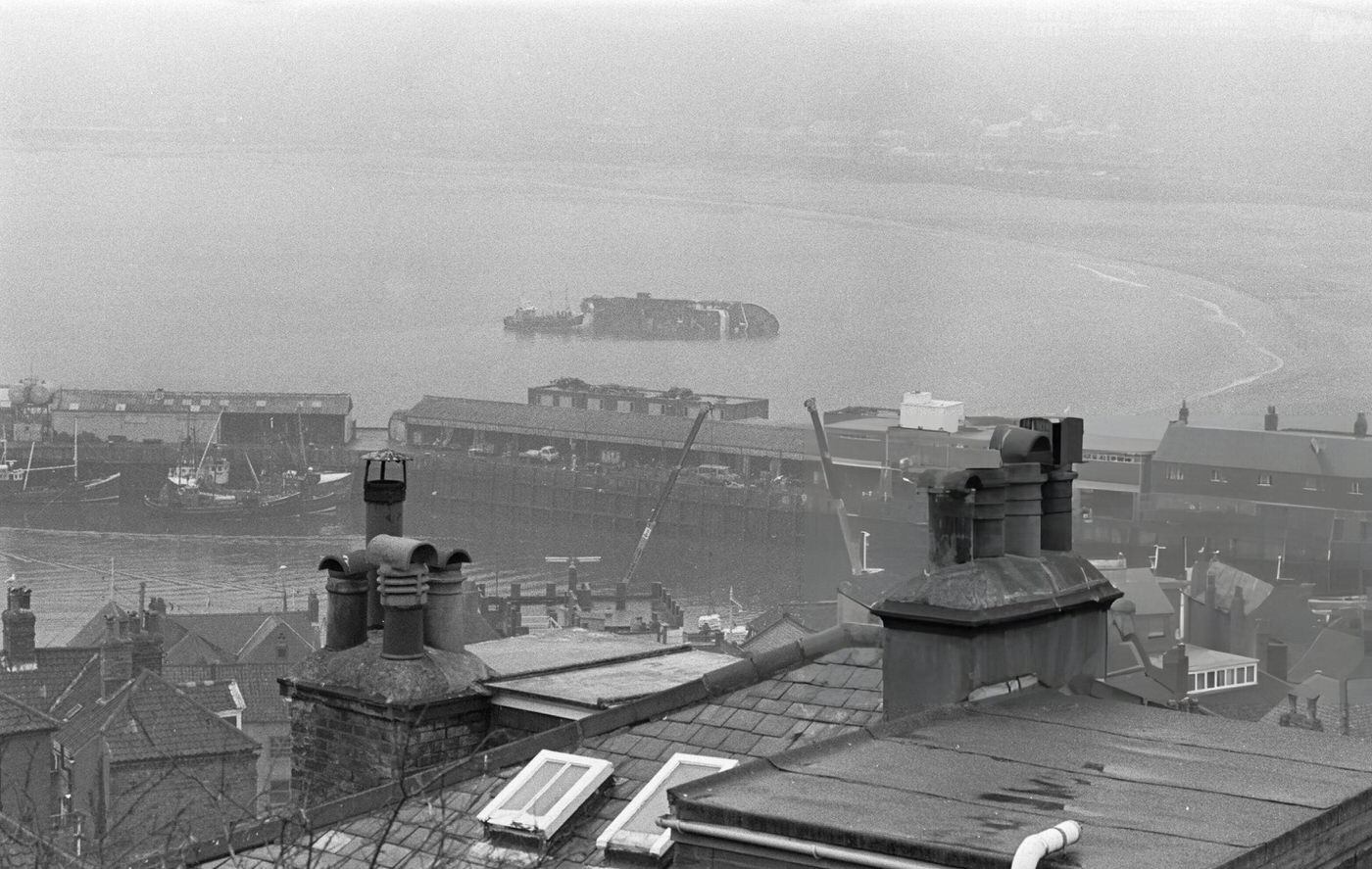
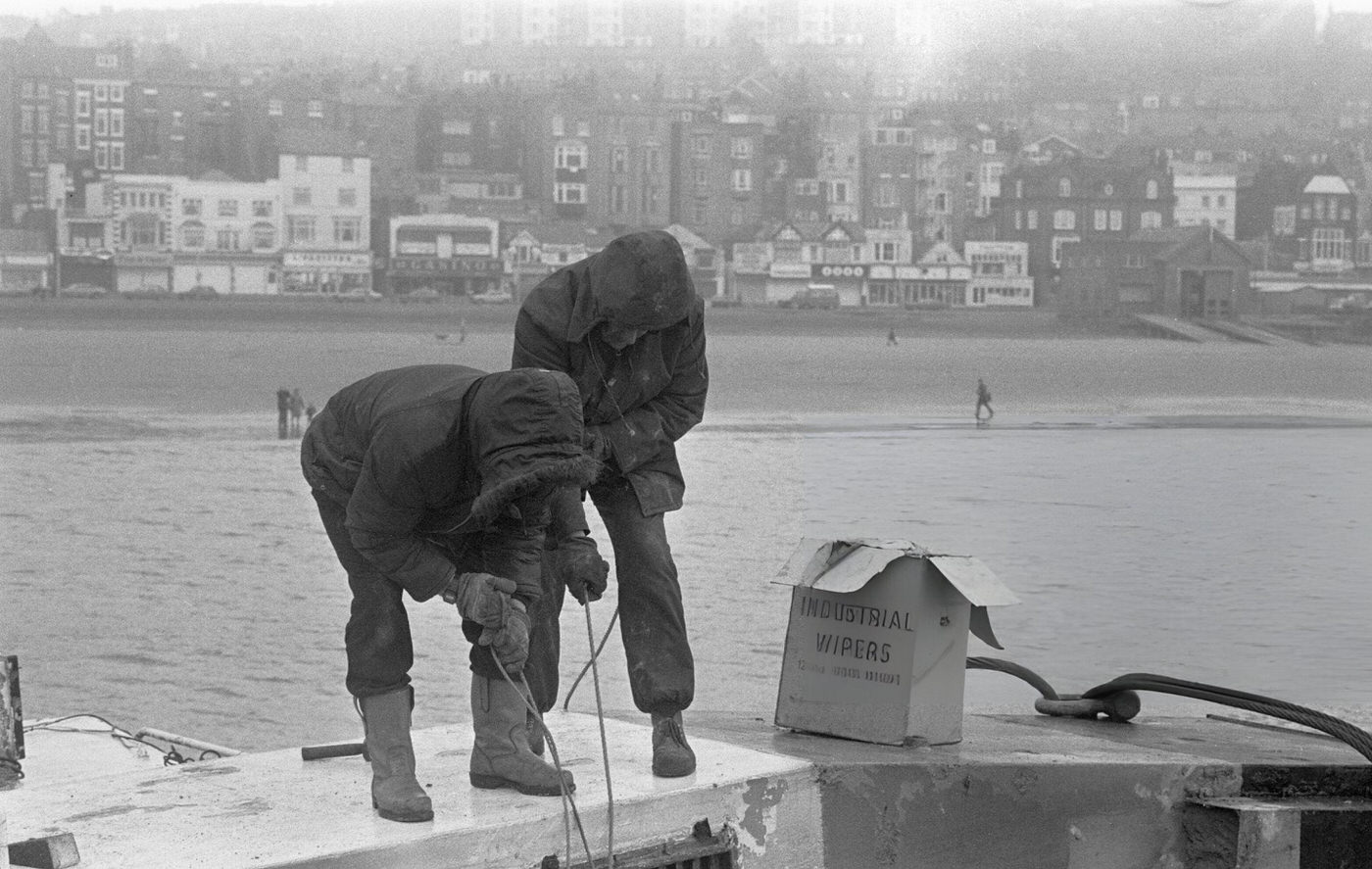
The decade also brought some dramatic incidents to Scarborough’s shores. The J Marr fishing trawler Navena ran aground and was beached on South Beach, drawing crowds of onlookers. Salvage workers moved in to board the stricken vessel and attempt a recovery operation — a reminder of the dangers that working fishing boats faced on the North Sea year-round.
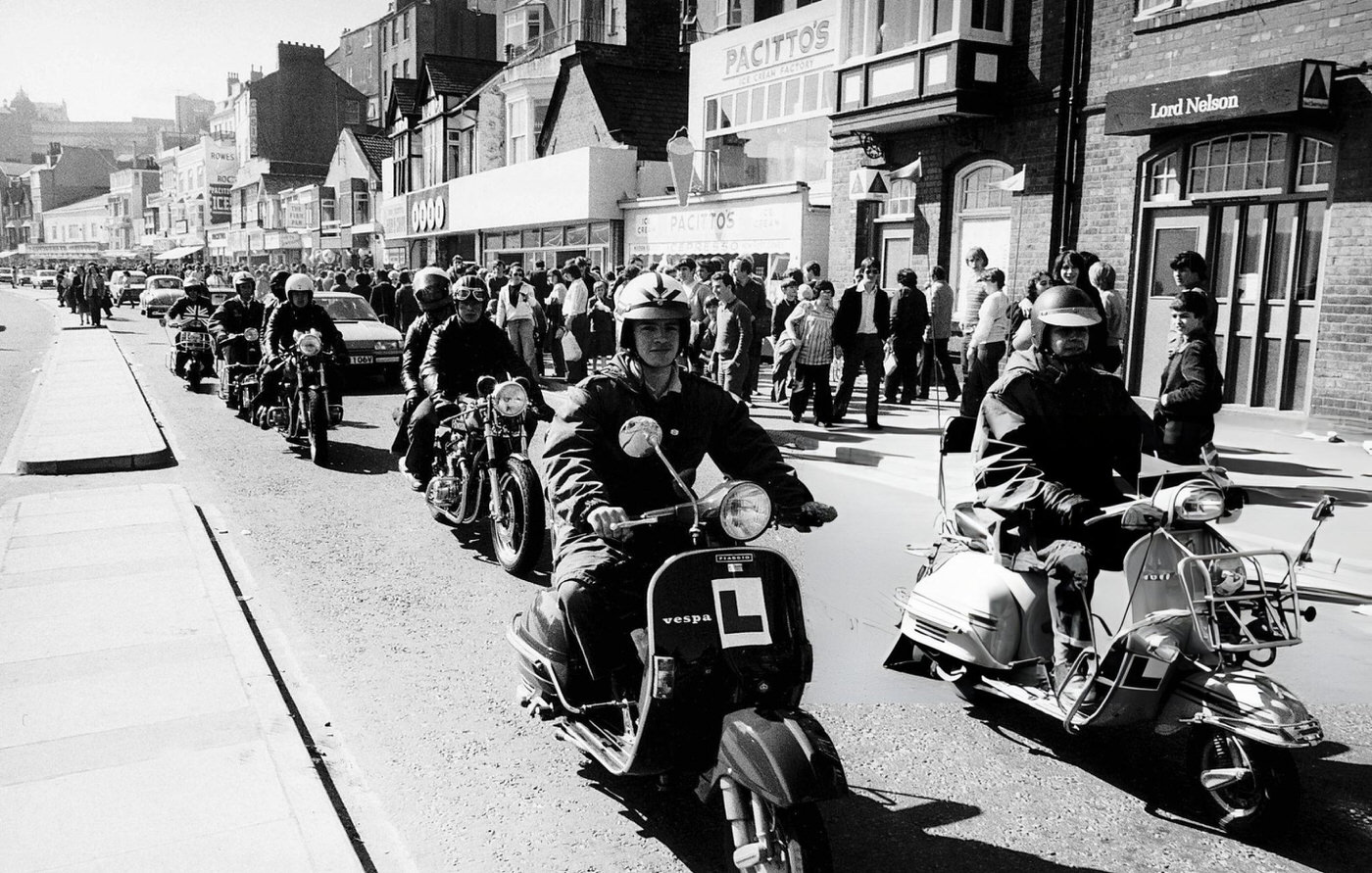
Easter weekends brought a very different kind of spectacle. Scarborough became a destination for mod culture, with scooter riders converging on the town in large numbers every Easter Sunday. The streets filled with Vespas and Lambrettas, their riders in parkas, turning the seafront into a rolling rally that mixed nostalgia with the youth culture of the day.
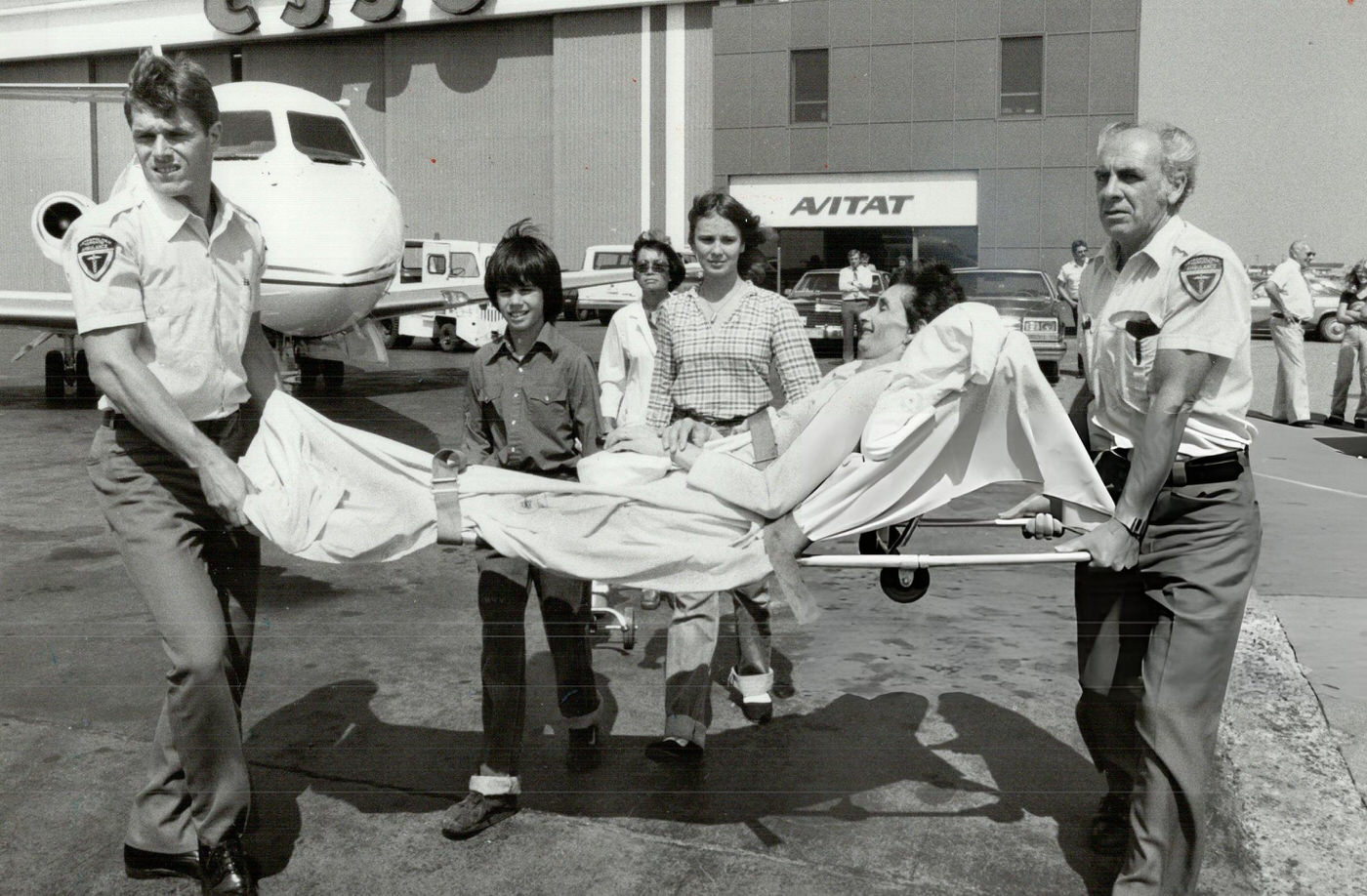
Not every moment captured in photographs from this era was festive. One image documents a sobering scene: Scarborough mother Shirley Chappell being carried to an air ambulance, a reminder that the 1980s in Scarborough, like anywhere, included moments of crisis and community response alongside the sunnier snapshots of seaside life.





Vintage 1980s? Piss off. Next you’re going to tell me that the shitty new music from the 80s is golden oldies.
The 80s are almost 50 years away, looool. Definitely vintage.
Wow, the Bluffs sure looked different then.