
Chinese immigration to the United States began in earnest in the mid-1800s, driven largely by the California Gold Rush. The earliest arrivals came primarily from Guangdong province — especially the Taishan and Zhongshan regions — and they landed in San Francisco before fanning out to work the mines across northern California. Many stayed. Over the following decades, the community they built along the streets of San Francisco grew into one of the most densely populated and culturally distinct neighborhoods in the entire country: Chinatown.
By the 1950s, San Francisco’s Chinatown was a fully realized world of its own. It had its own markets, schools, temples, restaurants, and nightlife. The neighborhood sat at the center of Chinese-American life on the West Coast, and the photographs taken there during that decade capture something rare — a community living fully, publicly, and unapologetically on its own terms.
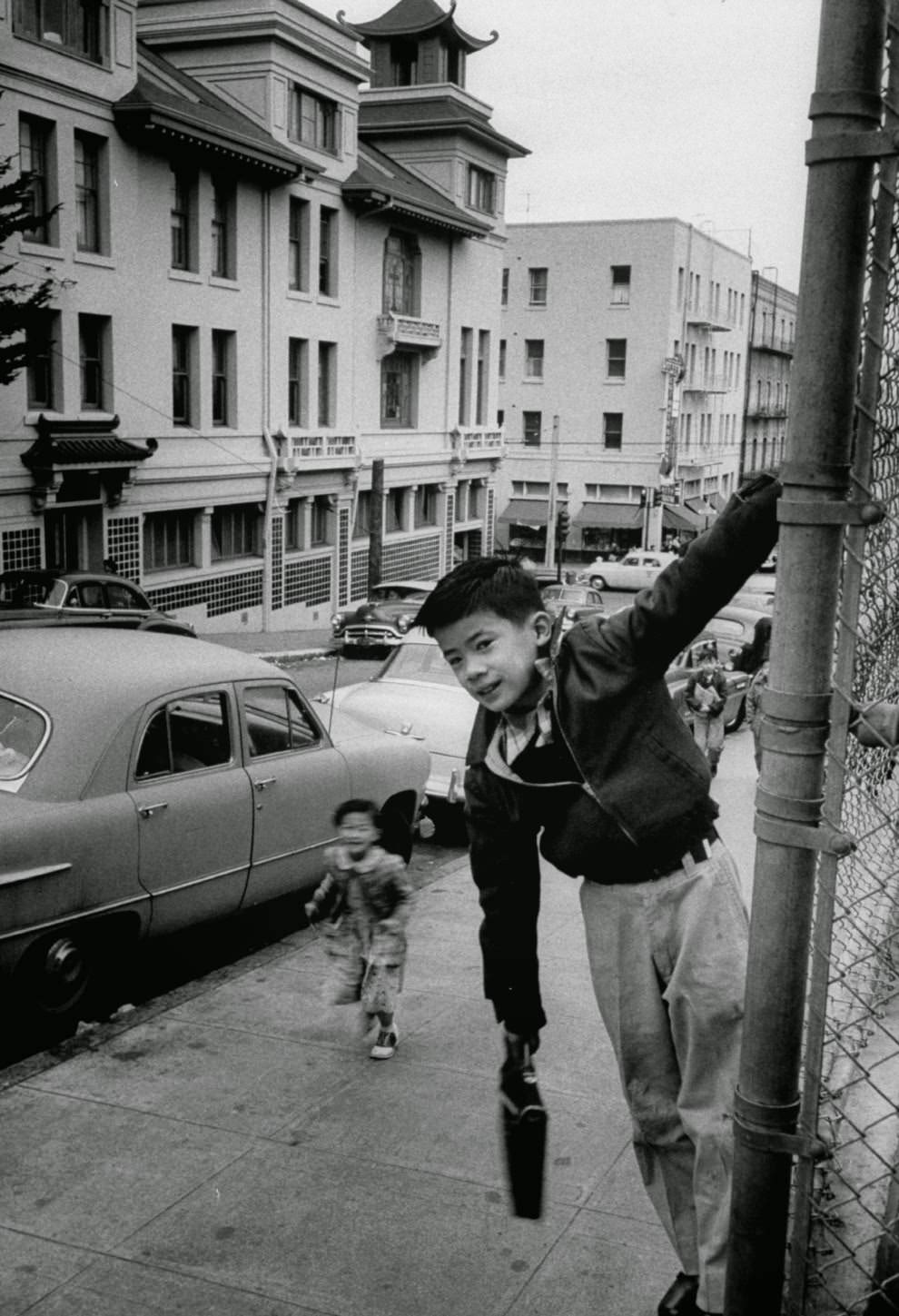
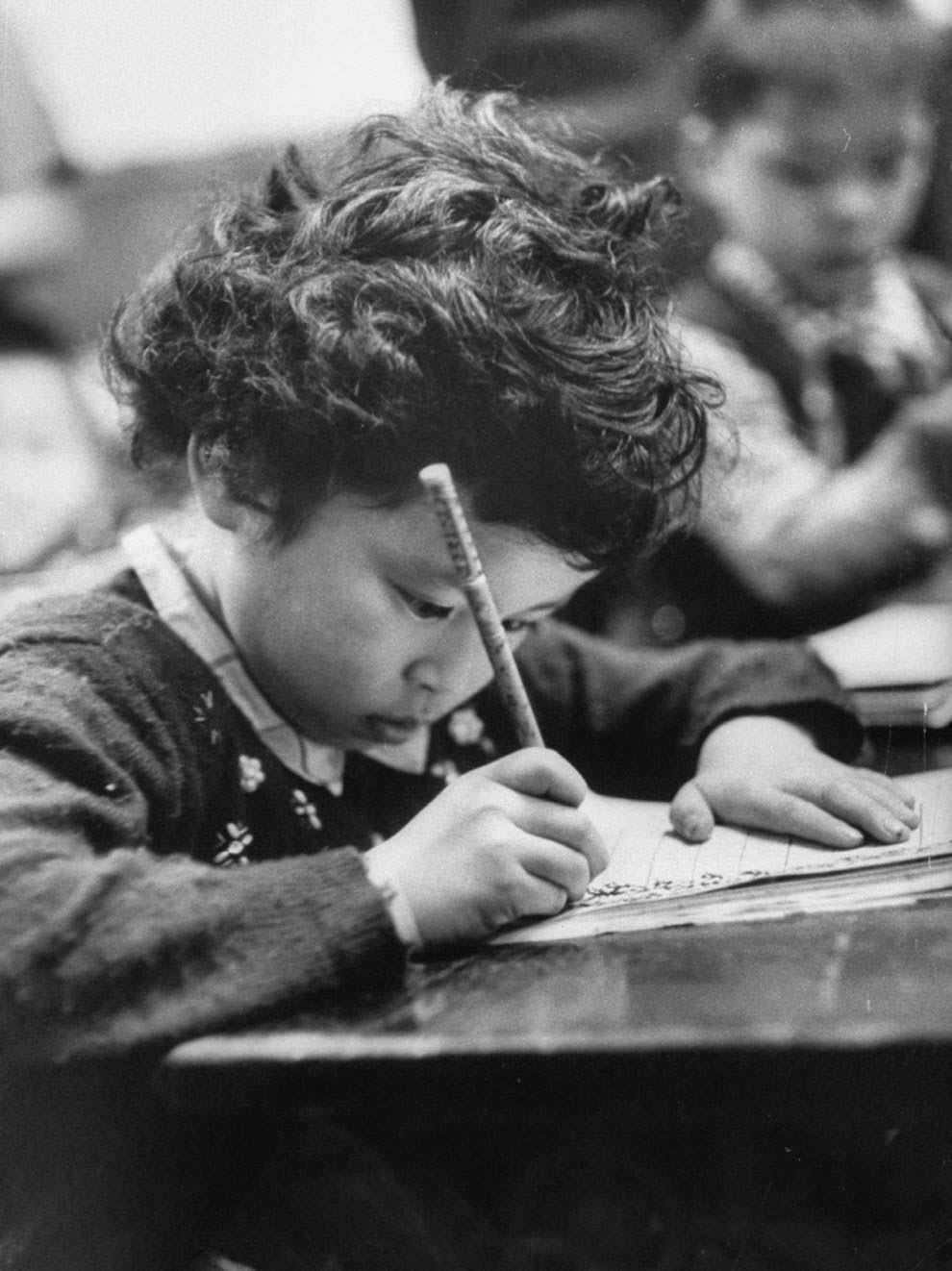
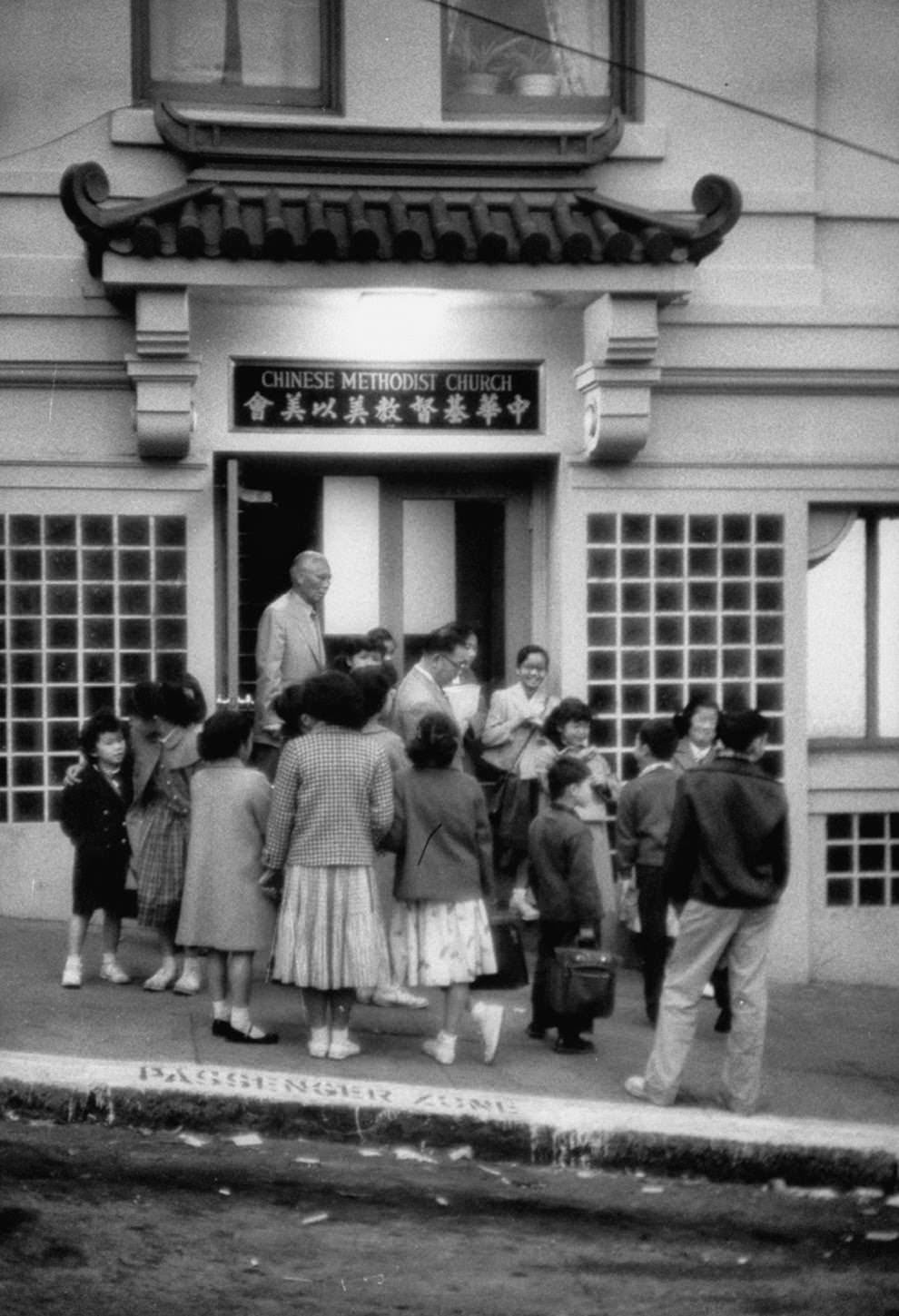
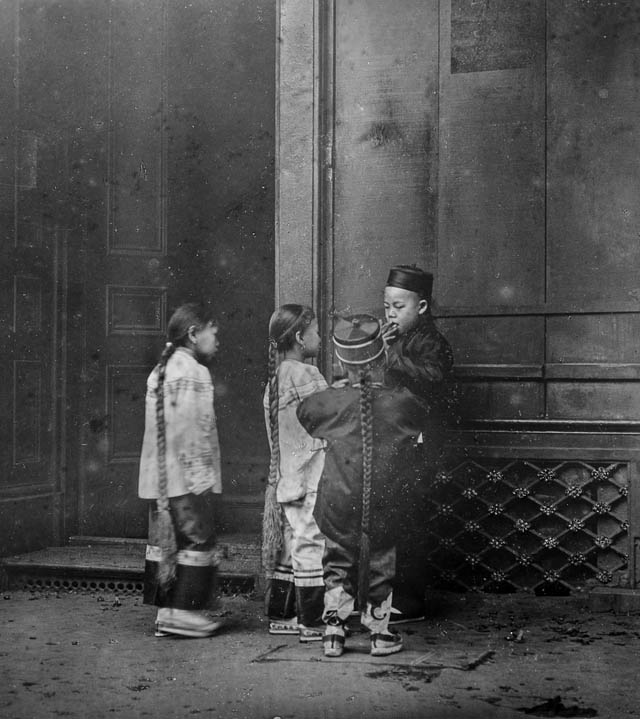
Children were a visible and energetic presence on Chinatown’s streets. The neighborhood had its own schools where kids learned in both English and Chinese, and the walk to class was part of the daily rhythm of the block.
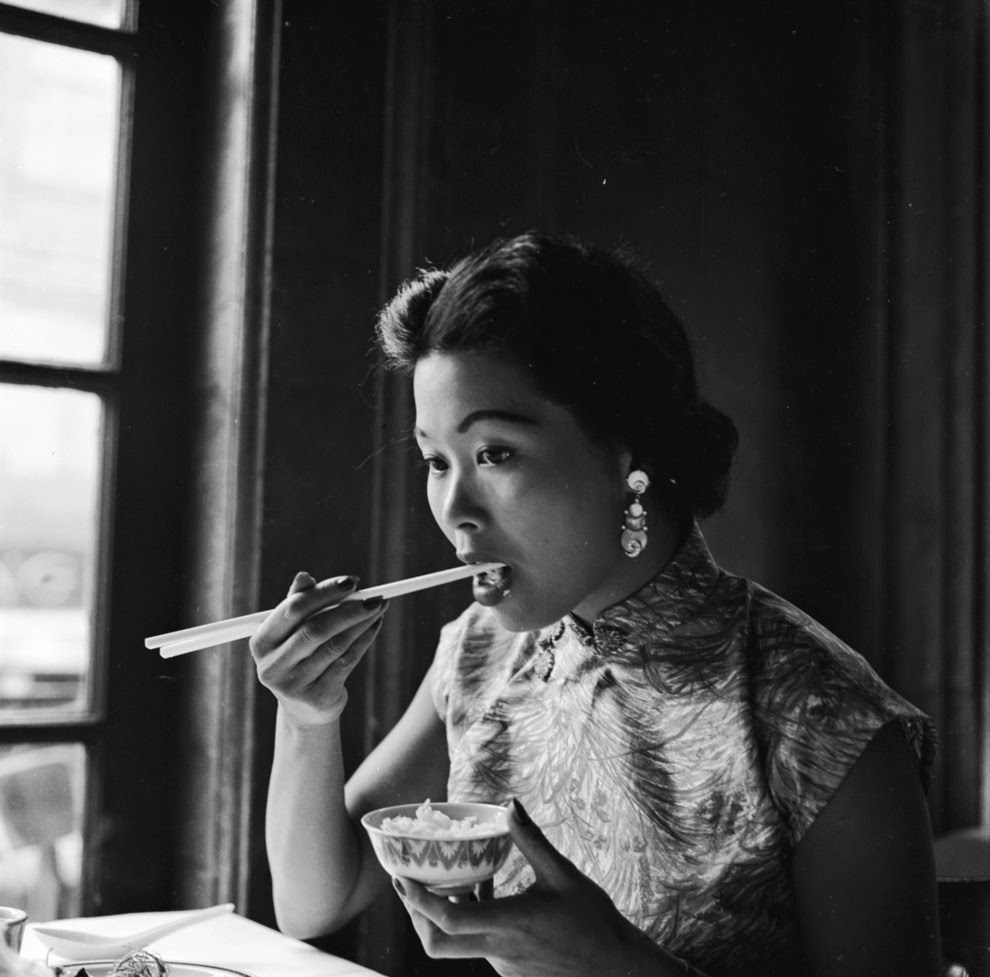
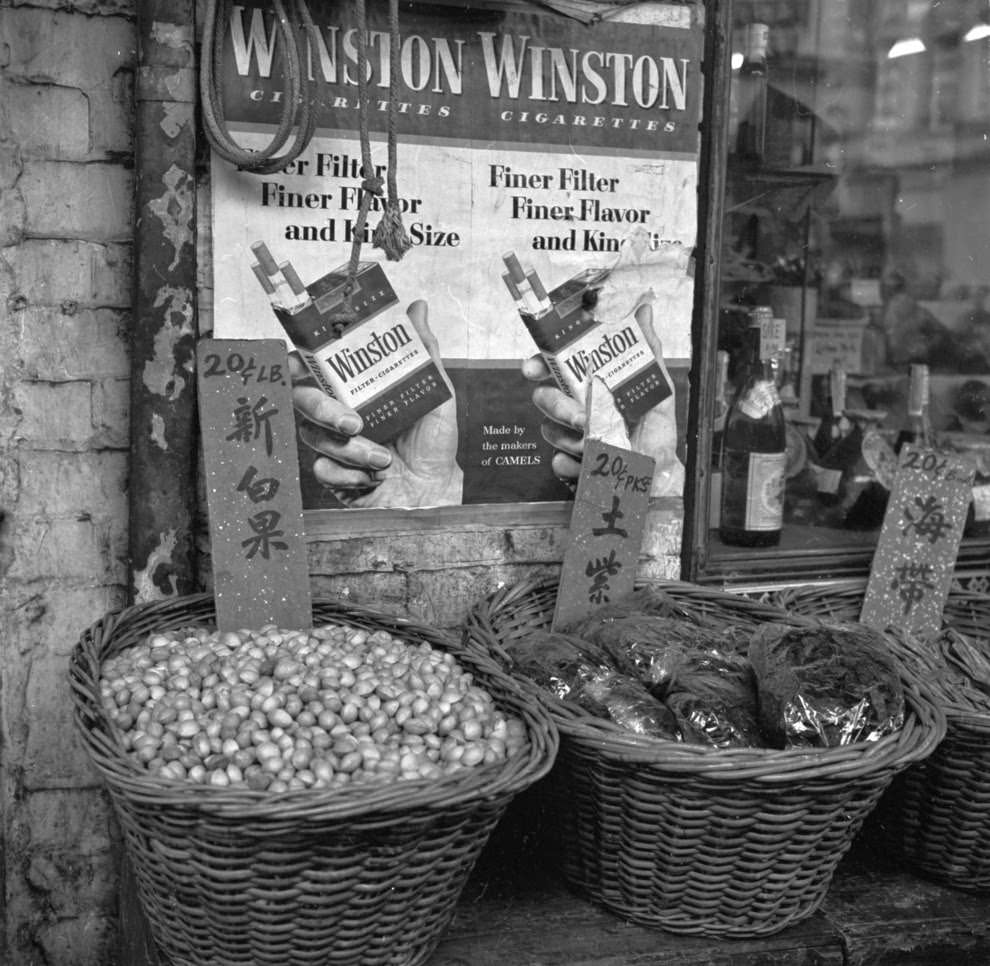
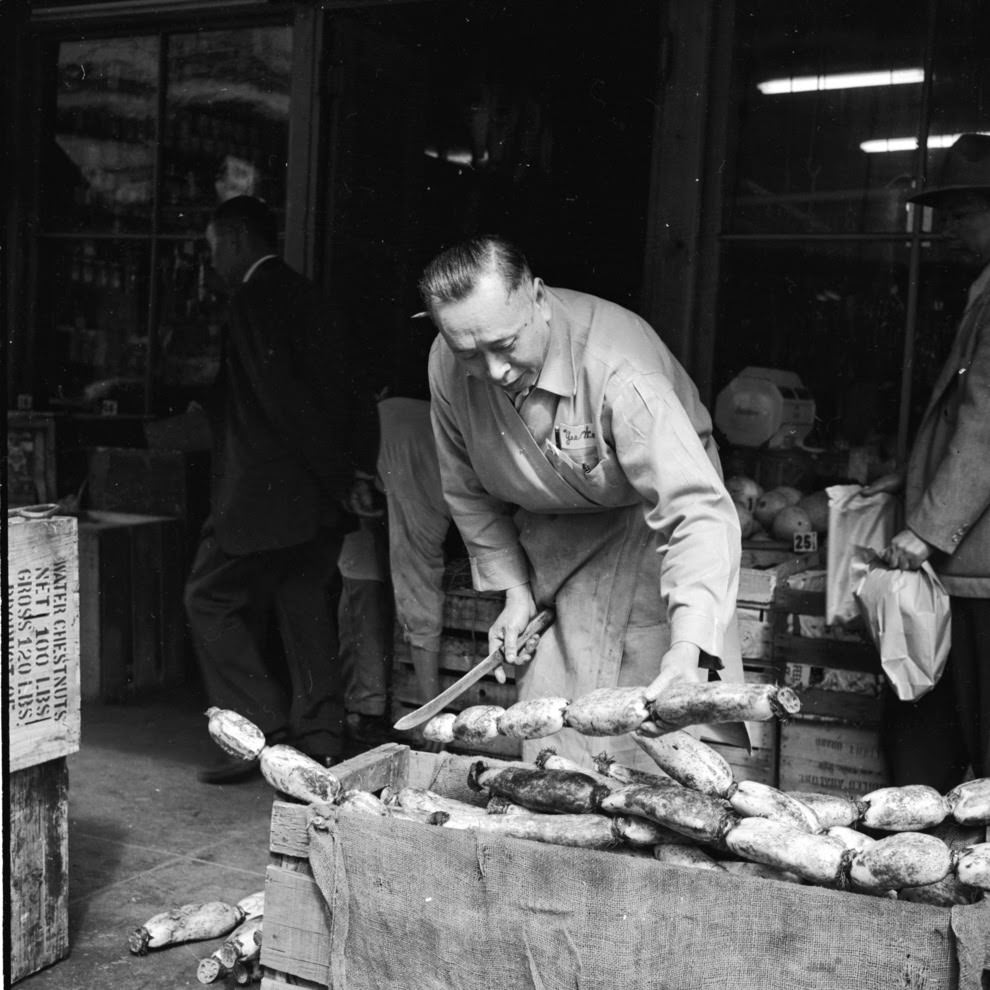
Food was central to daily life in Chinatown. The markets and shops lining the streets stocked ingredients that couldn’t be found elsewhere in San Francisco — fresh produce, live seafood, specialty cuts of meat, and staple grains bought and sold with the ease of long habit.
Walking through Chinatown in the 1950s meant moving between two worlds. Traditional Chinese architecture sat beside American storefronts. Cantonese was spoken on the street while English filled the radio and the newspapers. Grant Avenue, the neighborhood’s main commercial strip, was the clearest example of this blend — a street that looked and felt unlike anywhere else in the city.
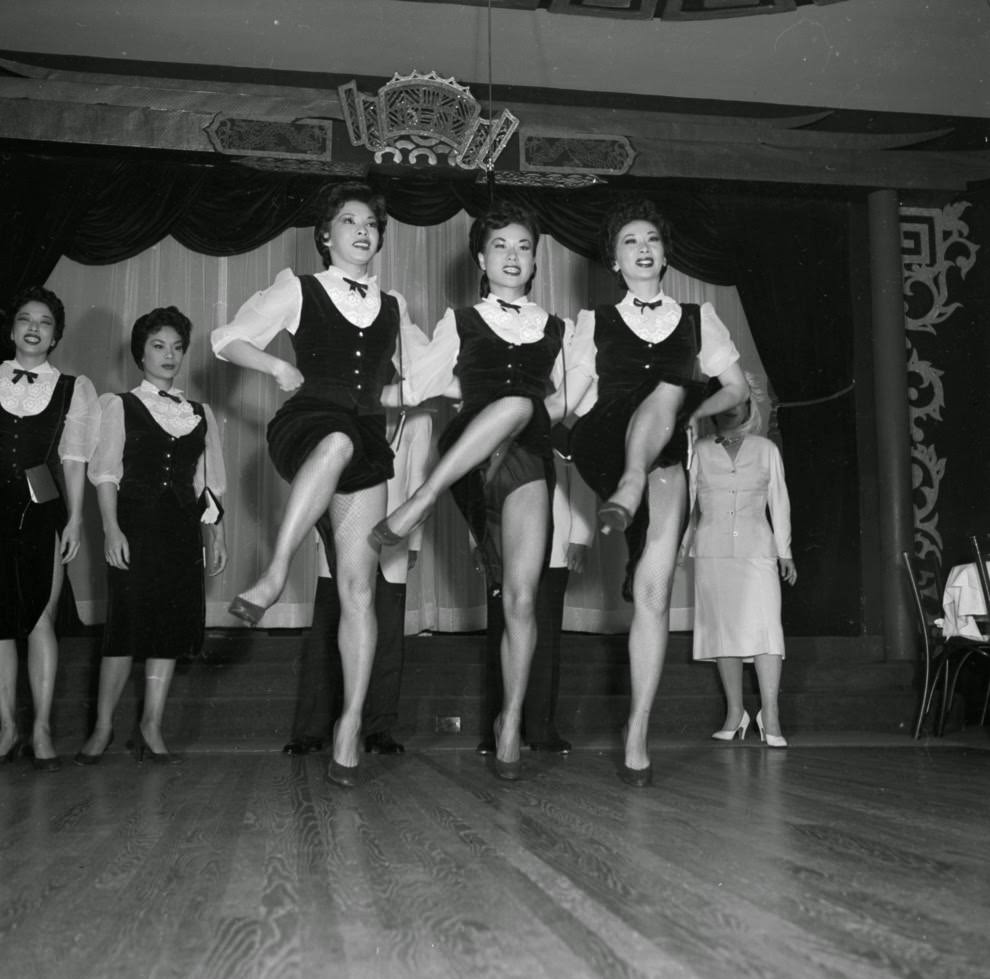
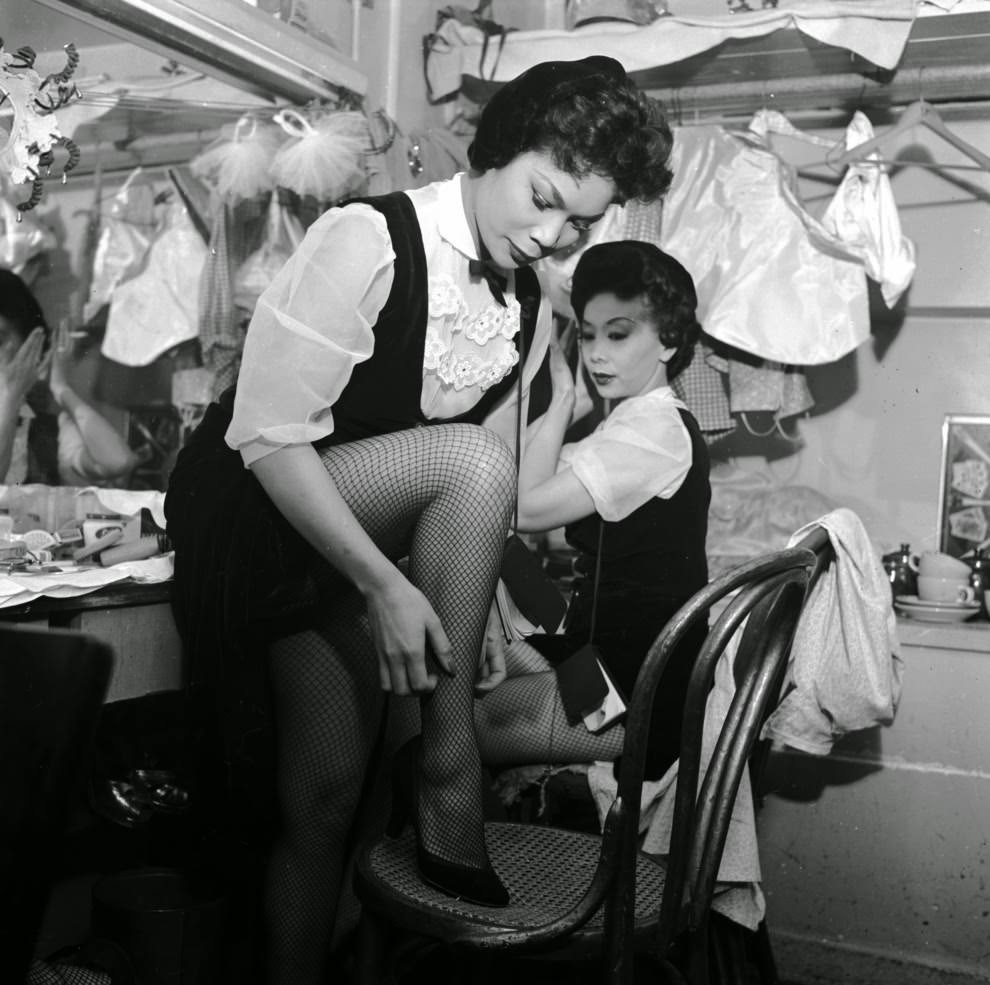
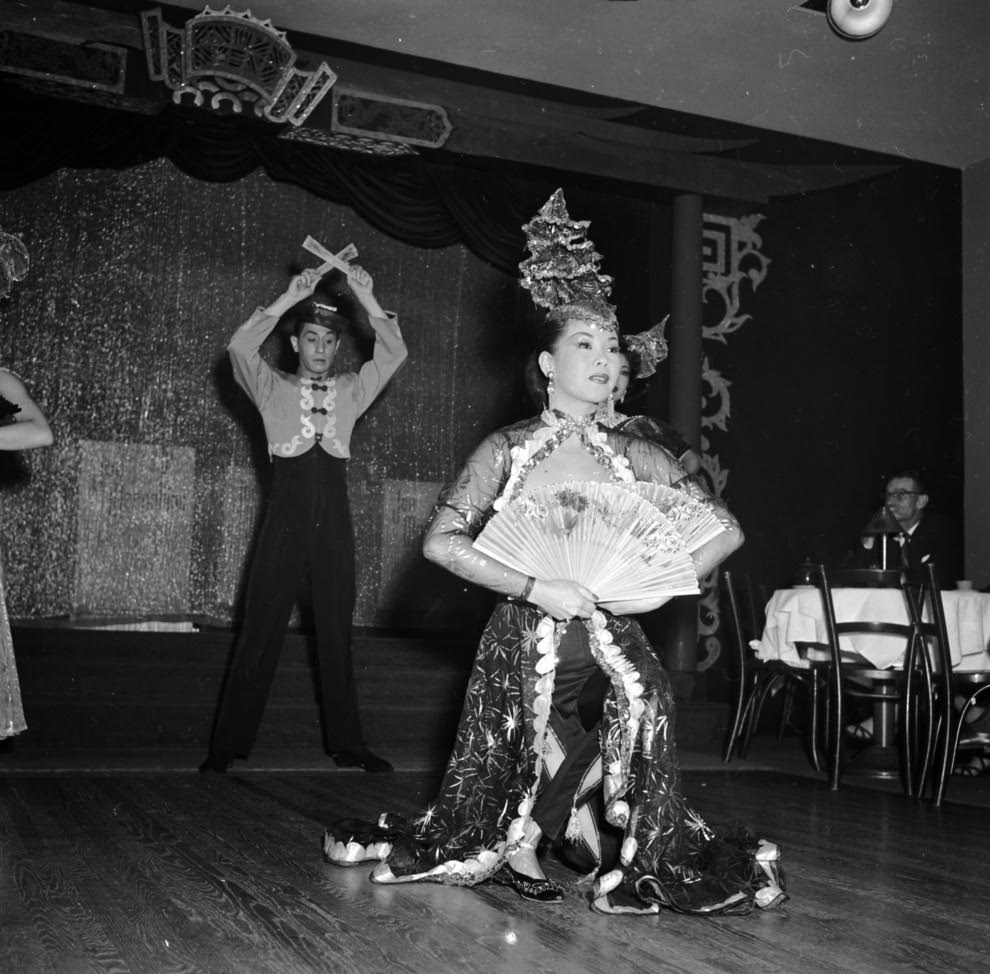
The Forbidden City nightclub was one of Chinatown’s most famous venues. It opened in 1938 and ran through much of the mid-20th century, drawing large crowds from across San Francisco. The club featured Chinese-American performers — singers, dancers, and comedians — who put on elaborate shows that rivaled anything found in mainstream entertainment at the time. The Forbidden City gave many performers their start and became a landmark of the neighborhood’s nightlife.
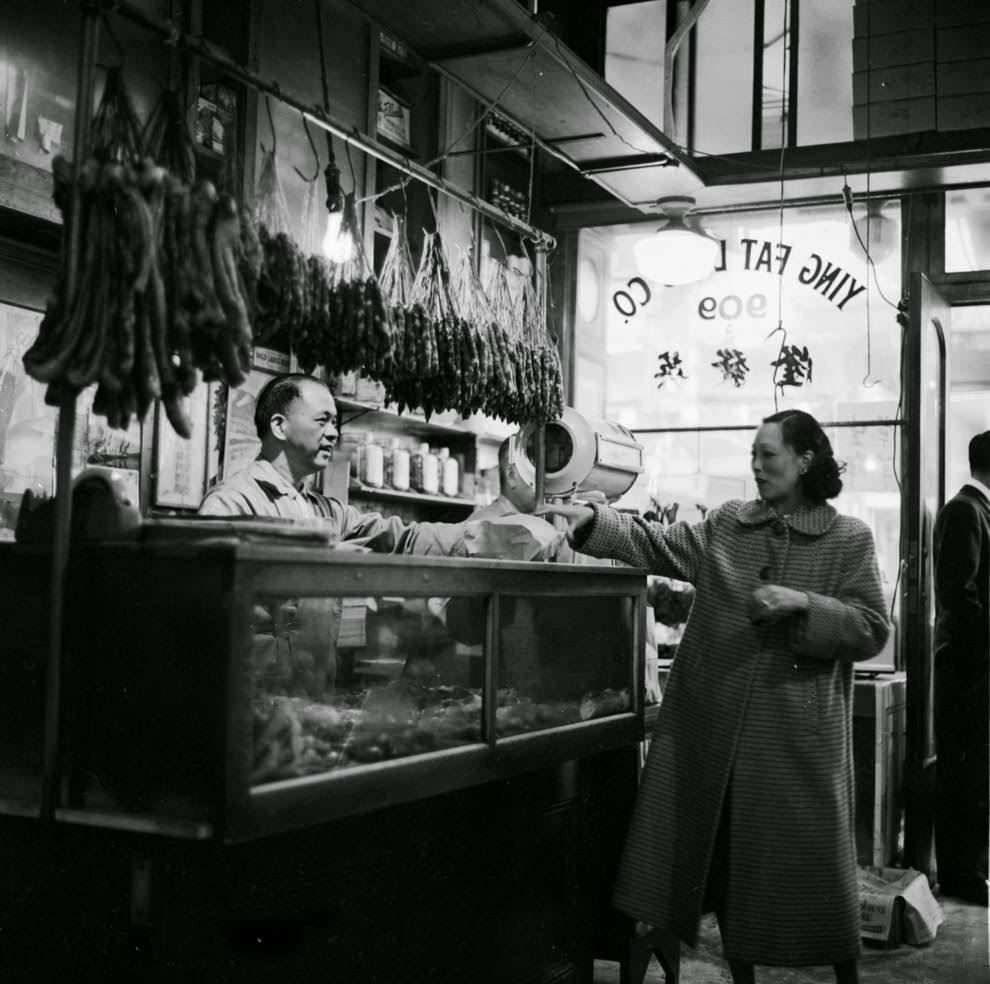
Shops like Ying Fat Lung served as anchors of community life. Customers weren’t just buying meat or groceries — they were maintaining the kind of regular, face-to-face relationships that held neighborhoods together. The butcher knew his regulars. The regulars knew exactly what they wanted.
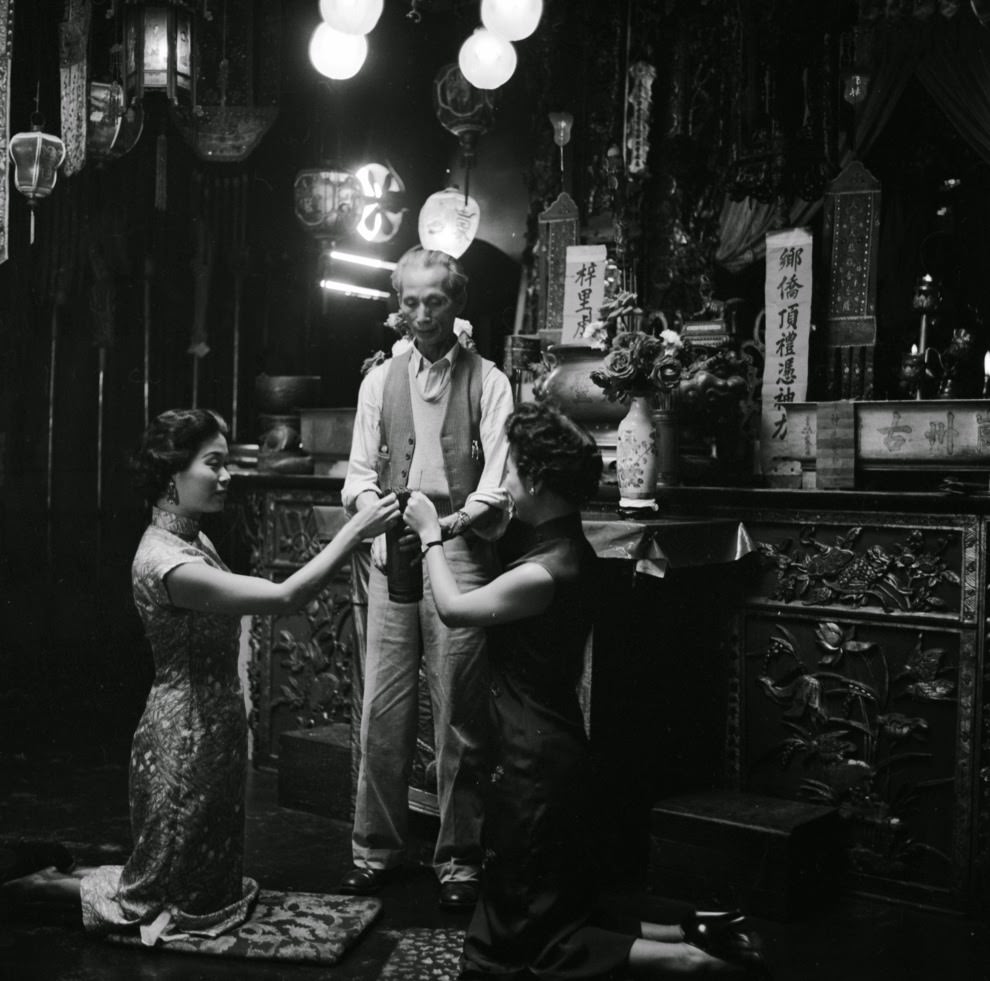
Religious and spiritual life in Chinatown centered around its temples. The temple on Pine Street was one of the places where residents maintained traditional practices — including fortune-telling — that connected them to customs brought over from China generations earlier. These visits weren’t unusual. They were part of ordinary life for many families in the neighborhood.
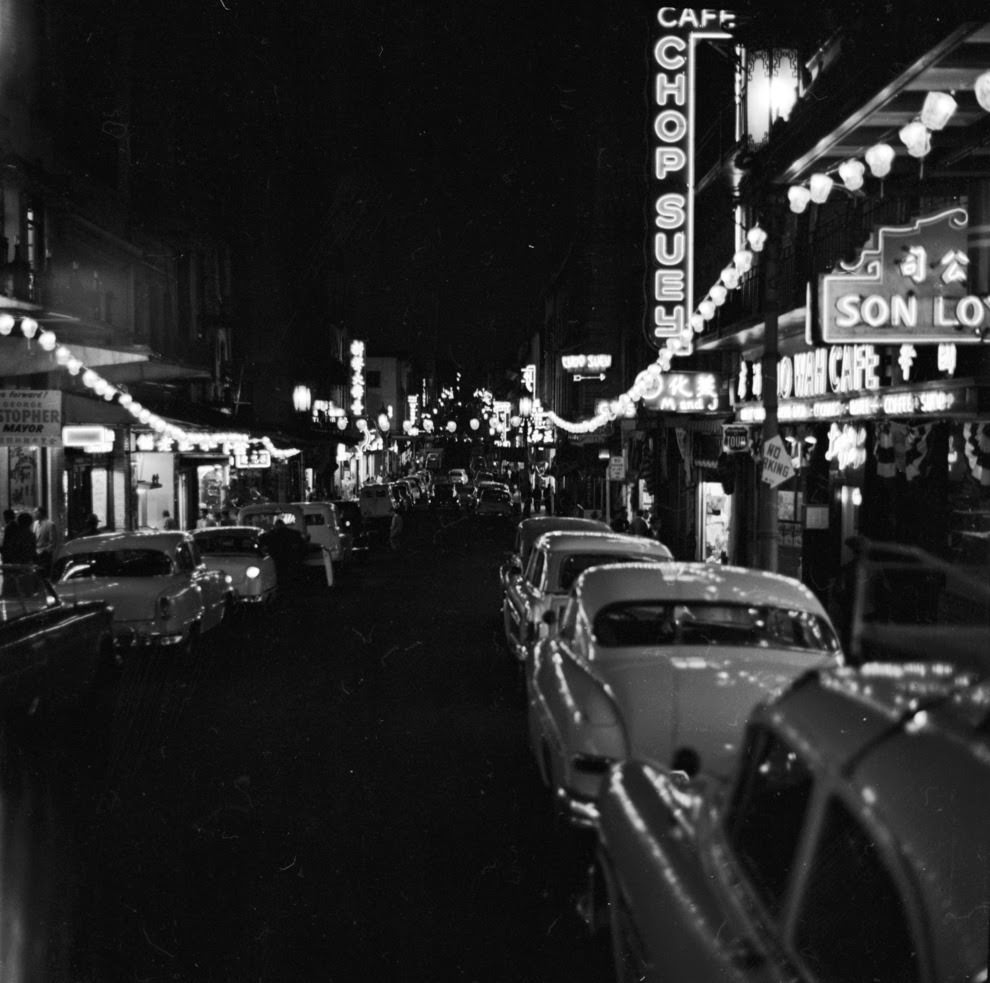
After dark, Grant Avenue transformed. Neon signs buzzed above restaurant doorways, and string lights stretched across the street overhead. The restaurants that lined the avenue served both the local community and the steady stream of visitors who came to Chinatown specifically to eat. By the 1950s, Chinese food had developed a broad following in San Francisco, and the neighborhood’s dining scene reflected that demand.
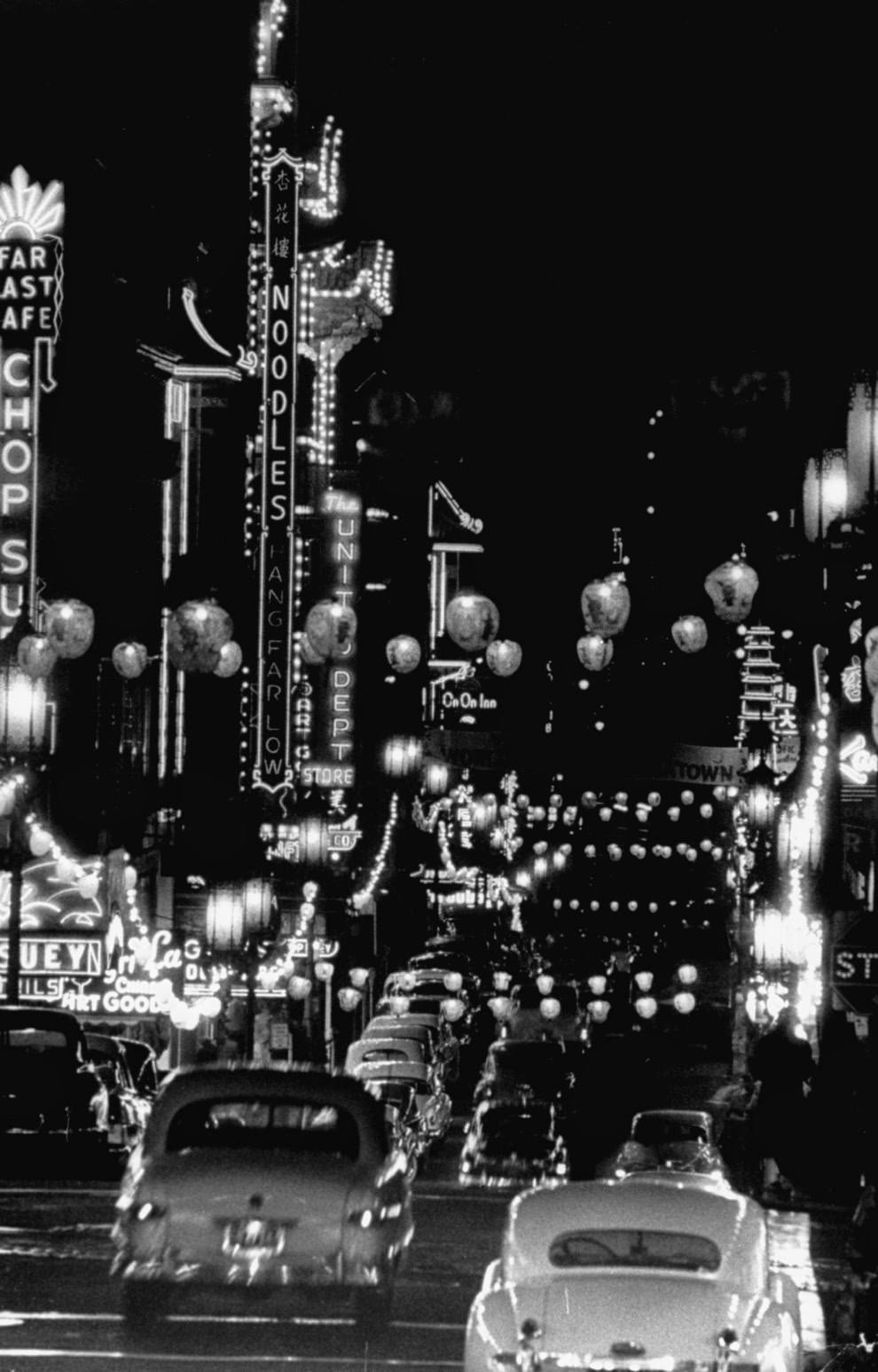
The streets of Chinatown didn’t quiet down when the sun went down. Cars moved through the neighborhood well into the evening, and the sidewalks stayed busy with residents heading to restaurants, shops, and entertainment. The neighborhood operated on its own schedule, one that stretched well past what much of the rest of the city considered closing time.
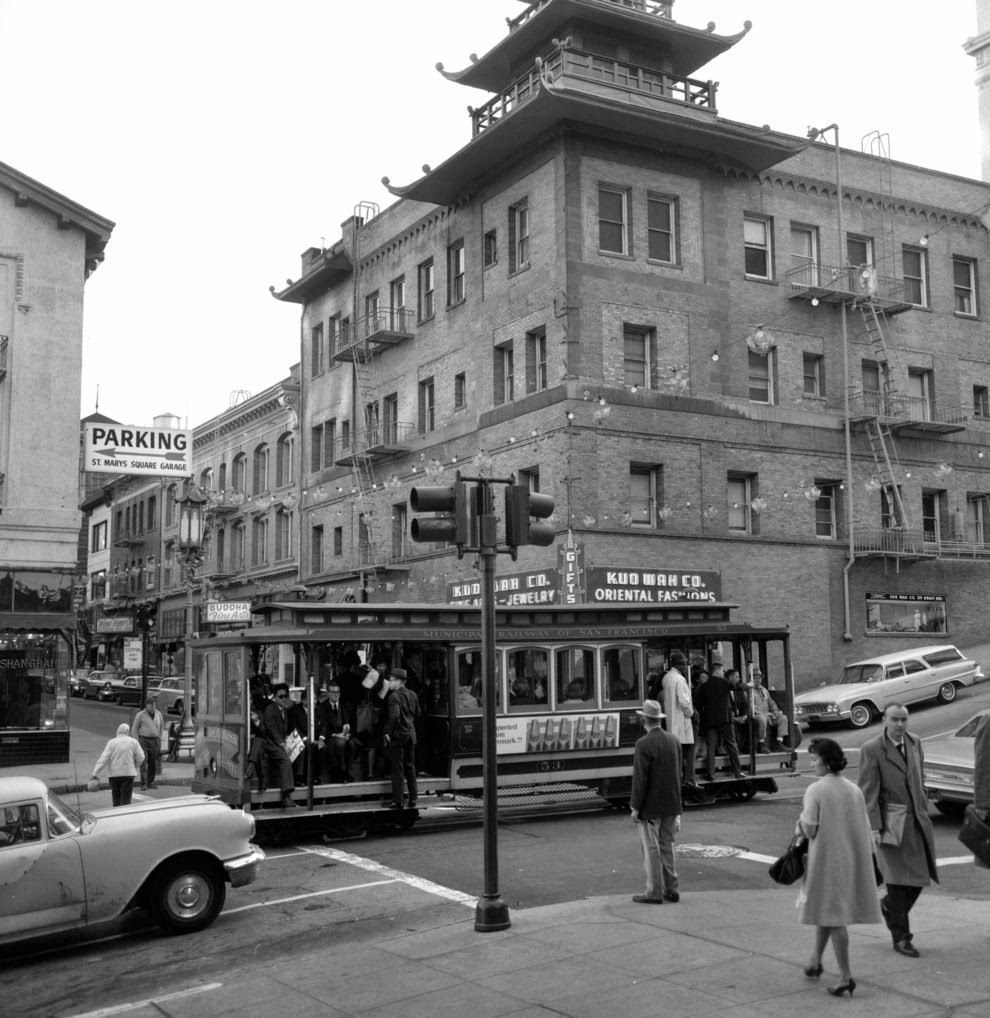
San Francisco’s cable cars connected Chinatown to the rest of the city. For residents who worked outside the neighborhood — in restaurants, laundries, factories, and domestic service — the cable car was the daily link between their community and the broader city. Many Chinese-Americans had worked on the railroads that made California’s infrastructure possible decades earlier, and now their descendants rode the lines that crossed their own neighborhood.
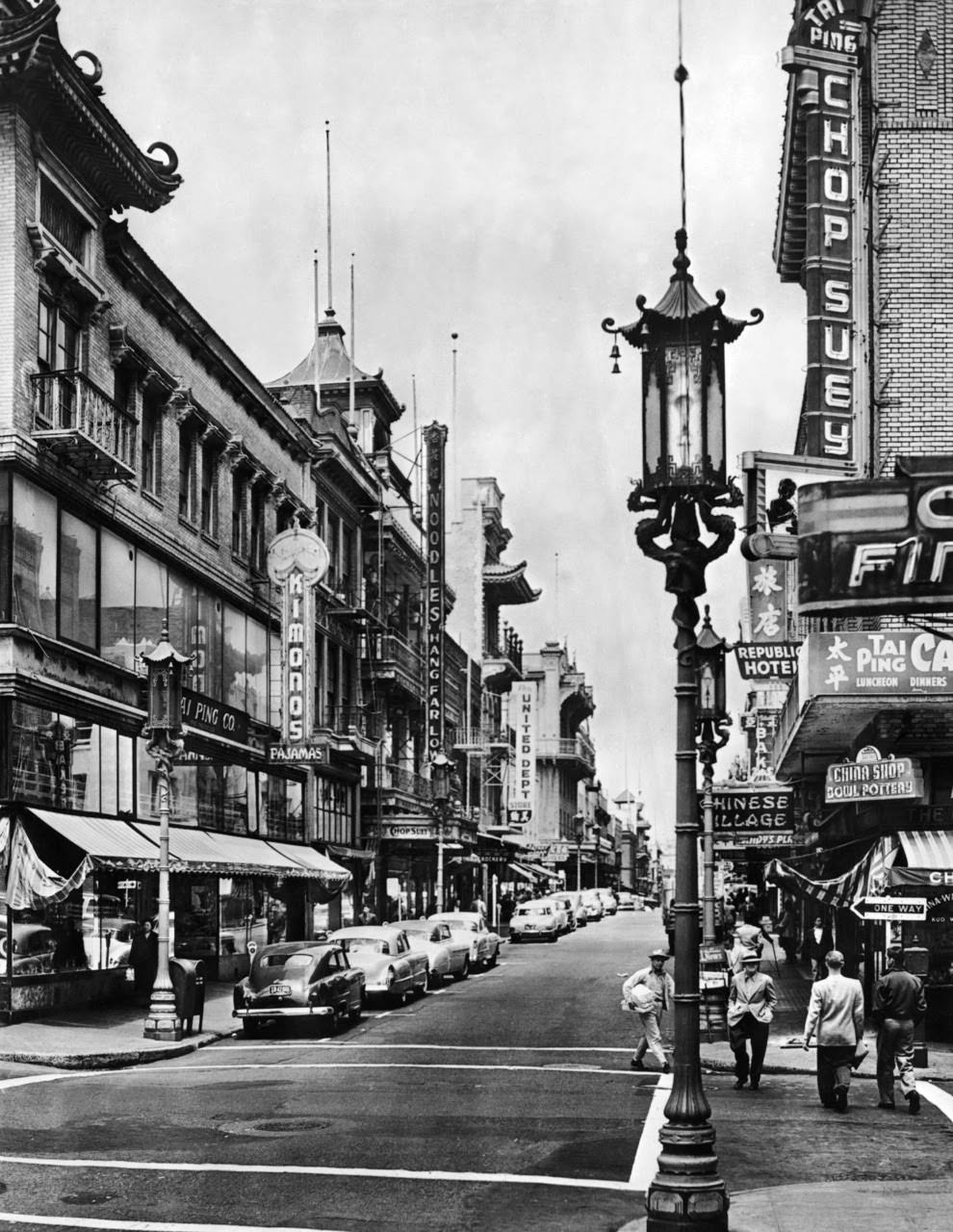
The visual identity of Chinatown was deliberate and distinct. Traditional-style lampposts, ornamental gates, and pagoda-shaped rooflines marked the neighborhood’s boundaries clearly. These weren’t just decorative choices — they were a statement about who lived there and what the community valued about its own heritage.
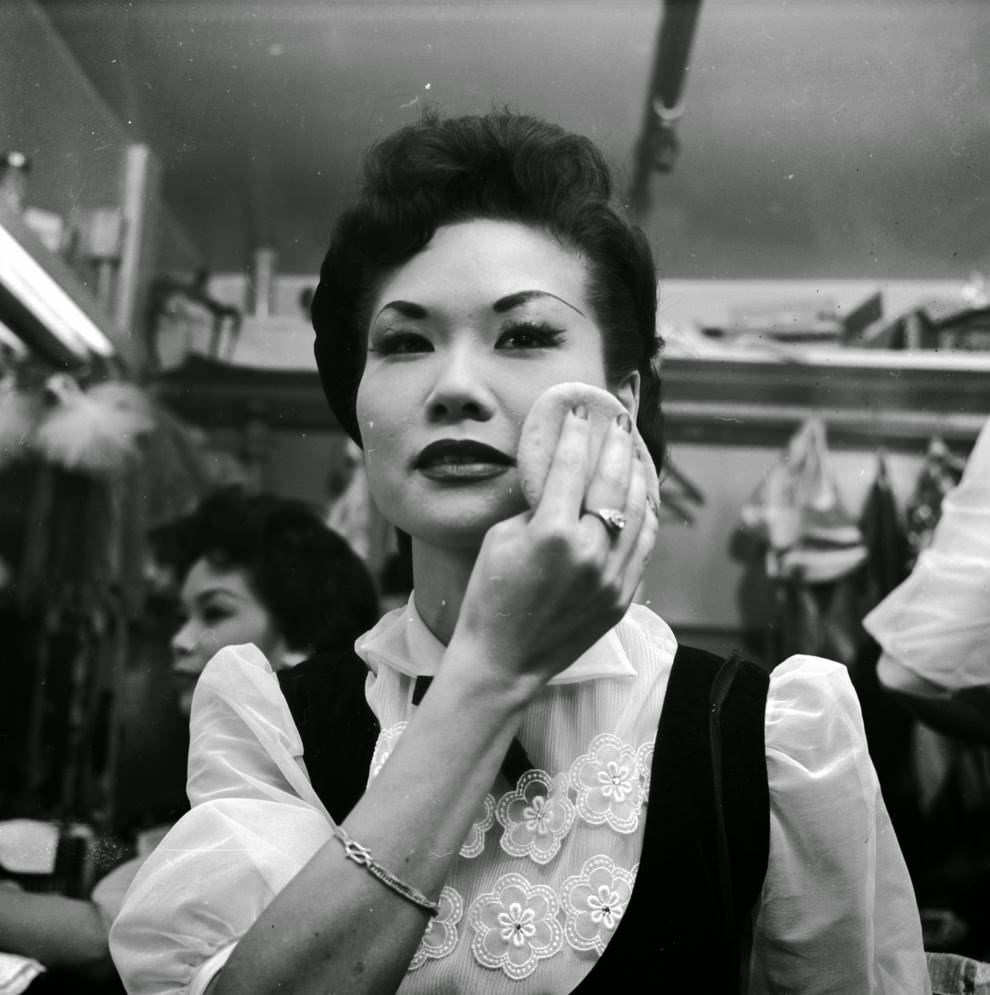
Behind the Forbidden City’s curtain, performers had routines as disciplined as any professional stage act. Getting ready for a show meant careful preparation — costumes, hair, and makeup all done to a standard that the club’s reputation depended on. For many of the women who performed there, the Forbidden City was a full-time career at a time when opportunities for Chinese-American women in mainstream entertainment were almost nonexistent.
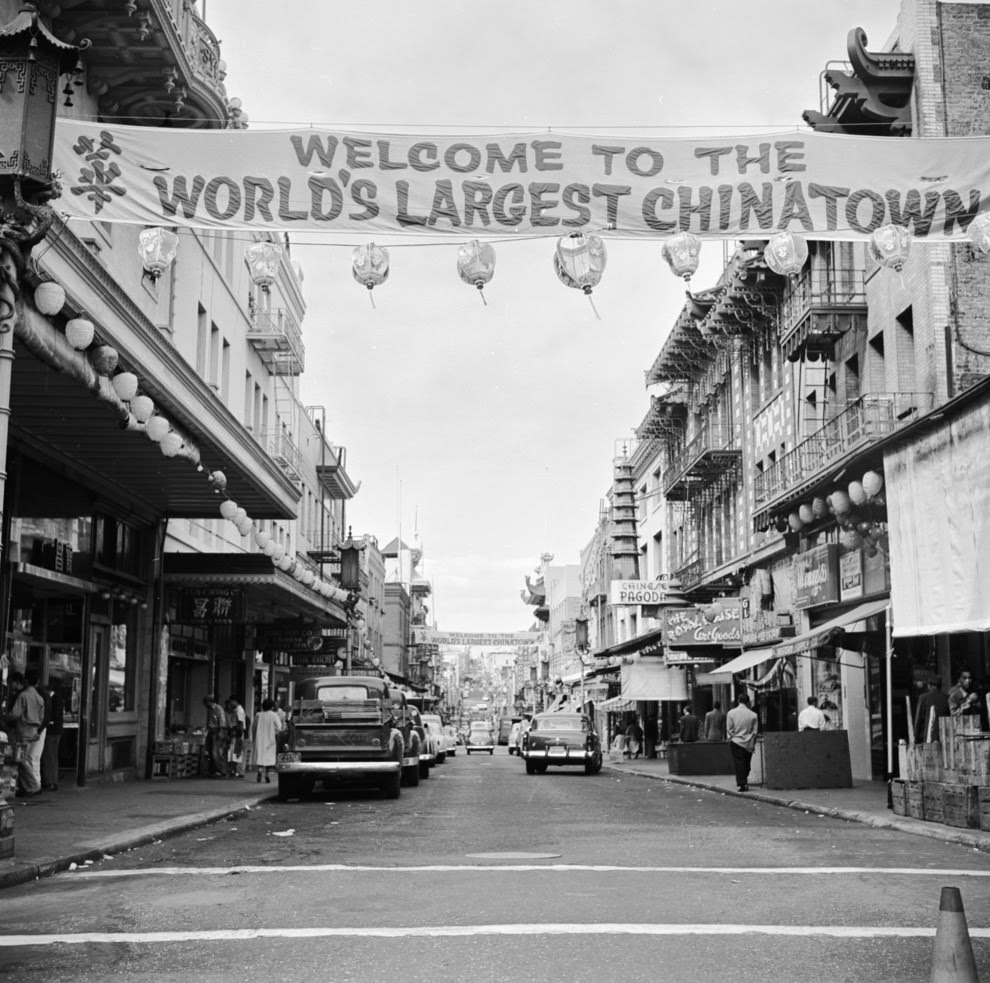
By the 1950s, Chinatown had become one of San Francisco’s most visited areas. The neighborhood actively welcomed tourists while still functioning as a real, working community. The banners and signage along Grant Street were aimed at both visitors passing through and residents coming home.

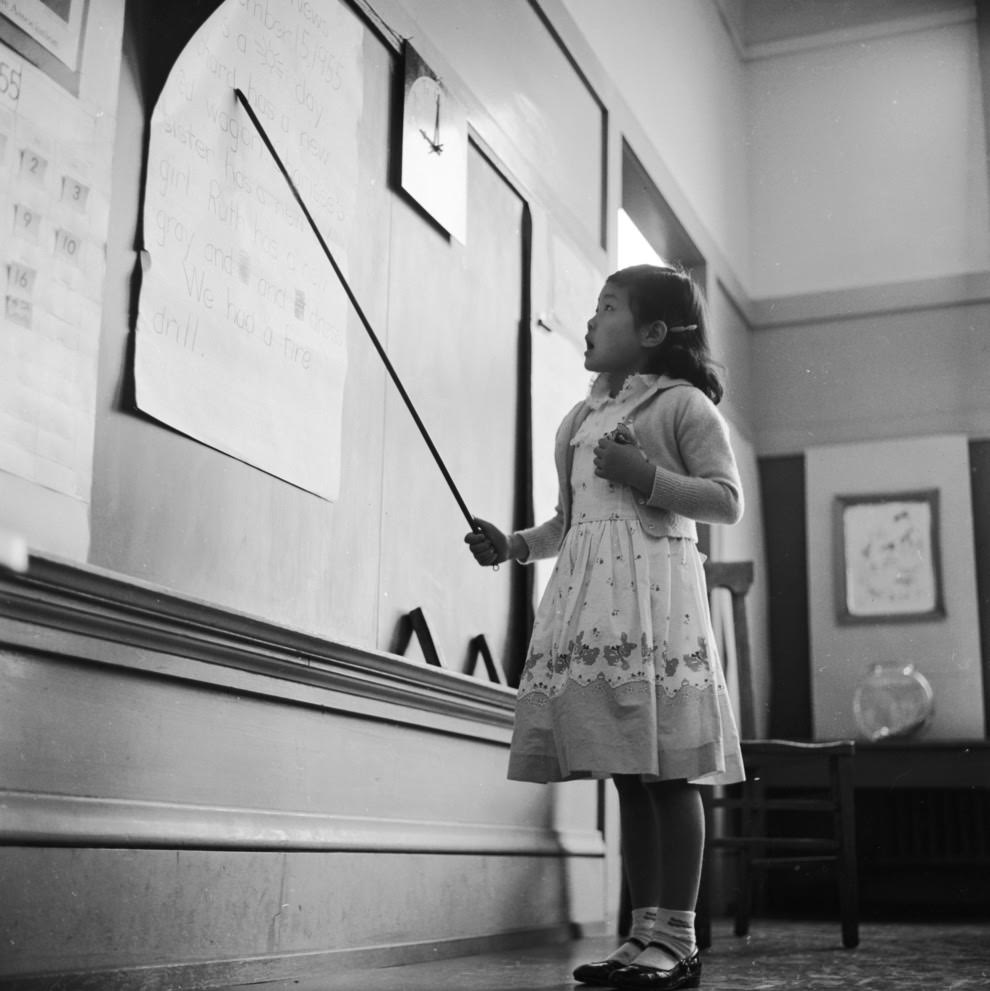
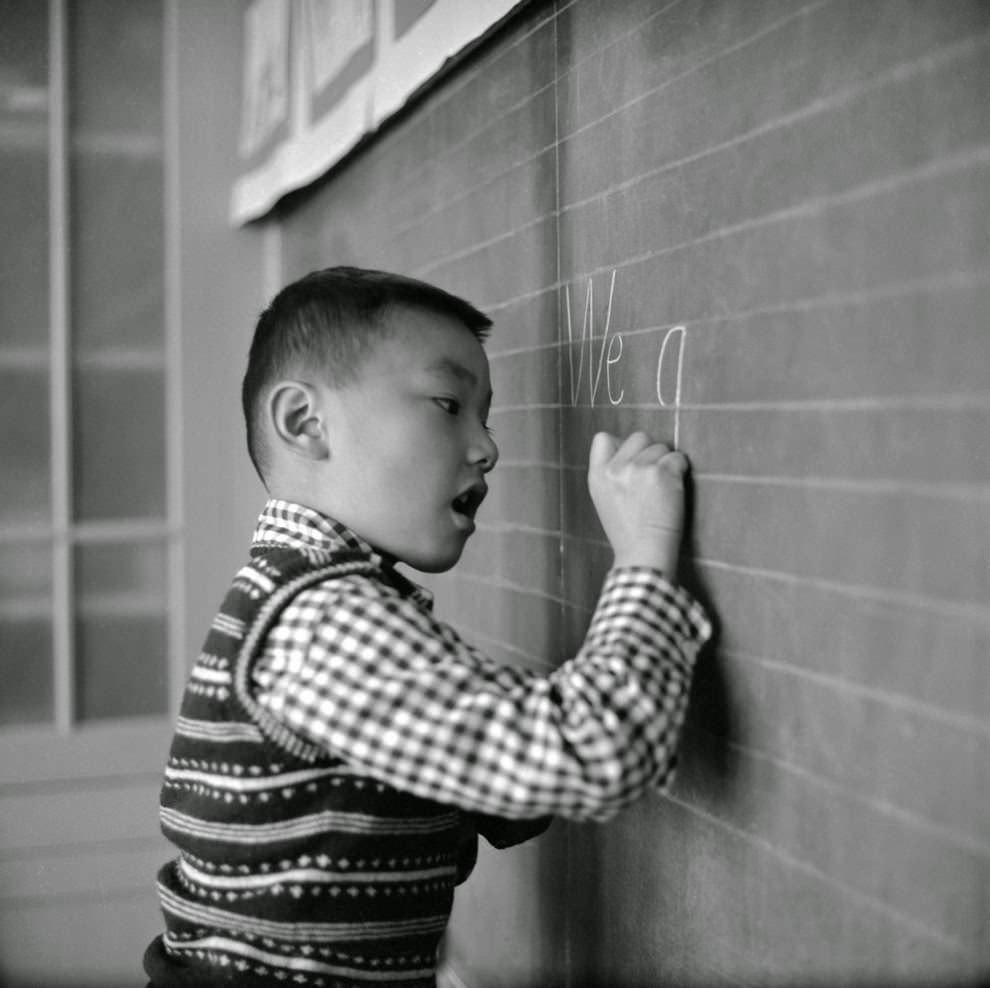
Education was a serious priority in Chinatown. Chinese-language schools ran alongside public schools, often holding classes in the afternoons and on weekends so that children could attend both. Parents placed enormous emphasis on keeping the language and culture alive in children who were growing up entirely in the United States.
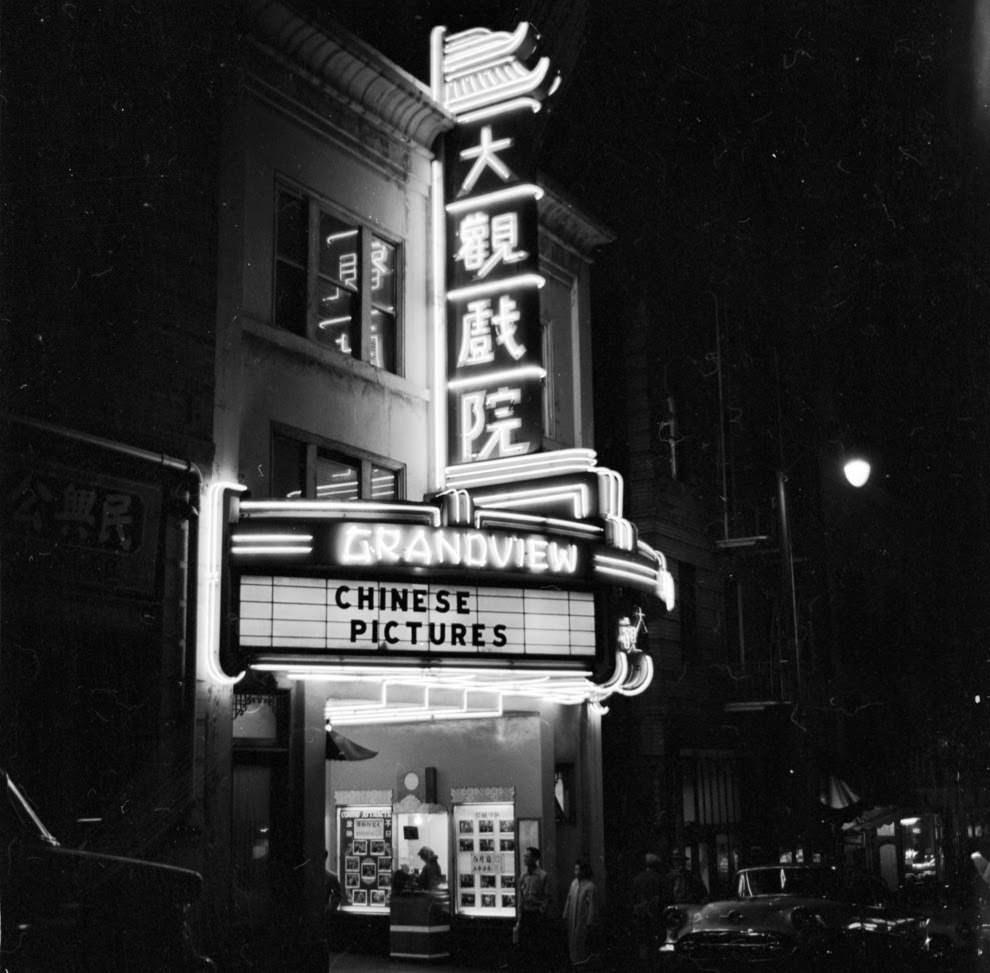
Chinatown had its own movie theater showing films imported from Hong Kong and mainland China. For residents — especially older ones who spoke little English — this was entertainment in their own language, featuring stories rooted in familiar culture. It was one of many institutions that made the neighborhood genuinely self-sufficient.
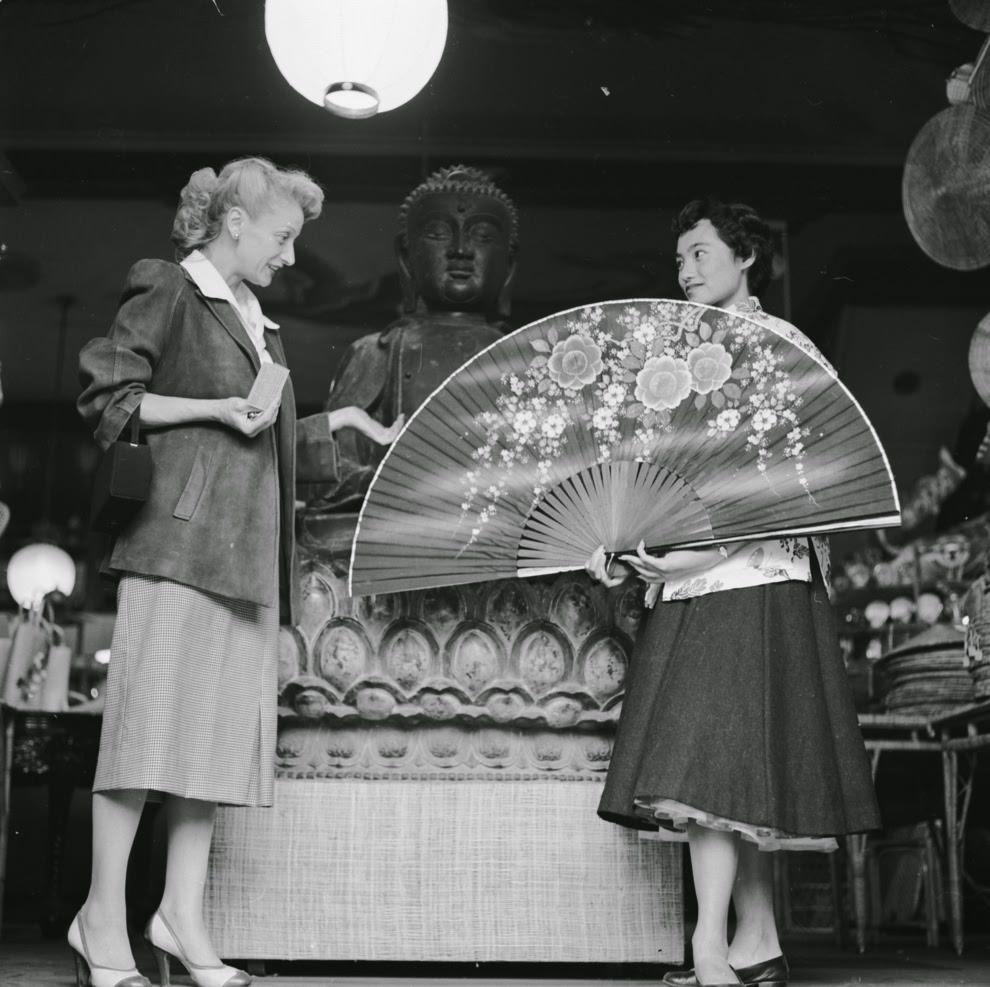
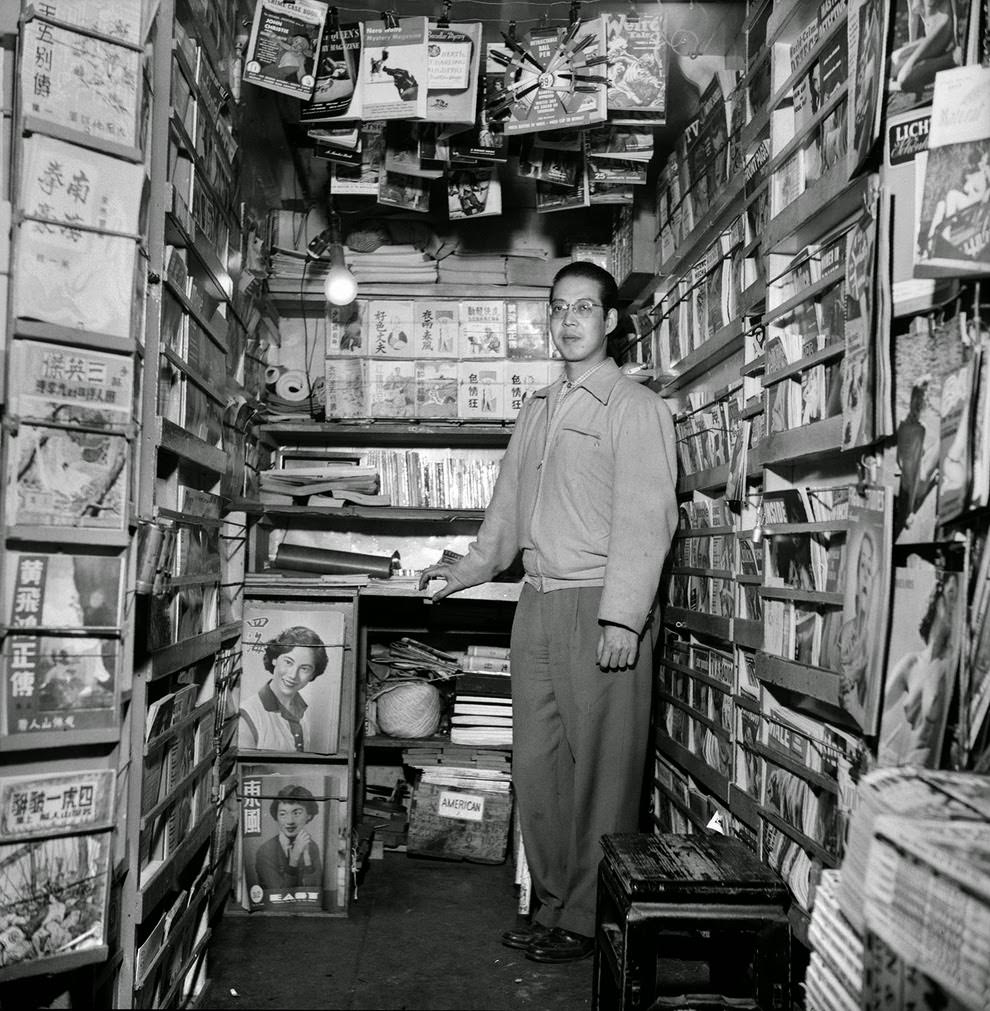
Grant Avenue’s shops sold everything from everyday goods to ornamental items that drew curious visitors. The Tai Ping Company was among the boutiques that catered to both locals and tourists, stocking traditional Chinese goods that couldn’t be found in mainstream American stores. These shops were also employment hubs for residents who lived nearby.
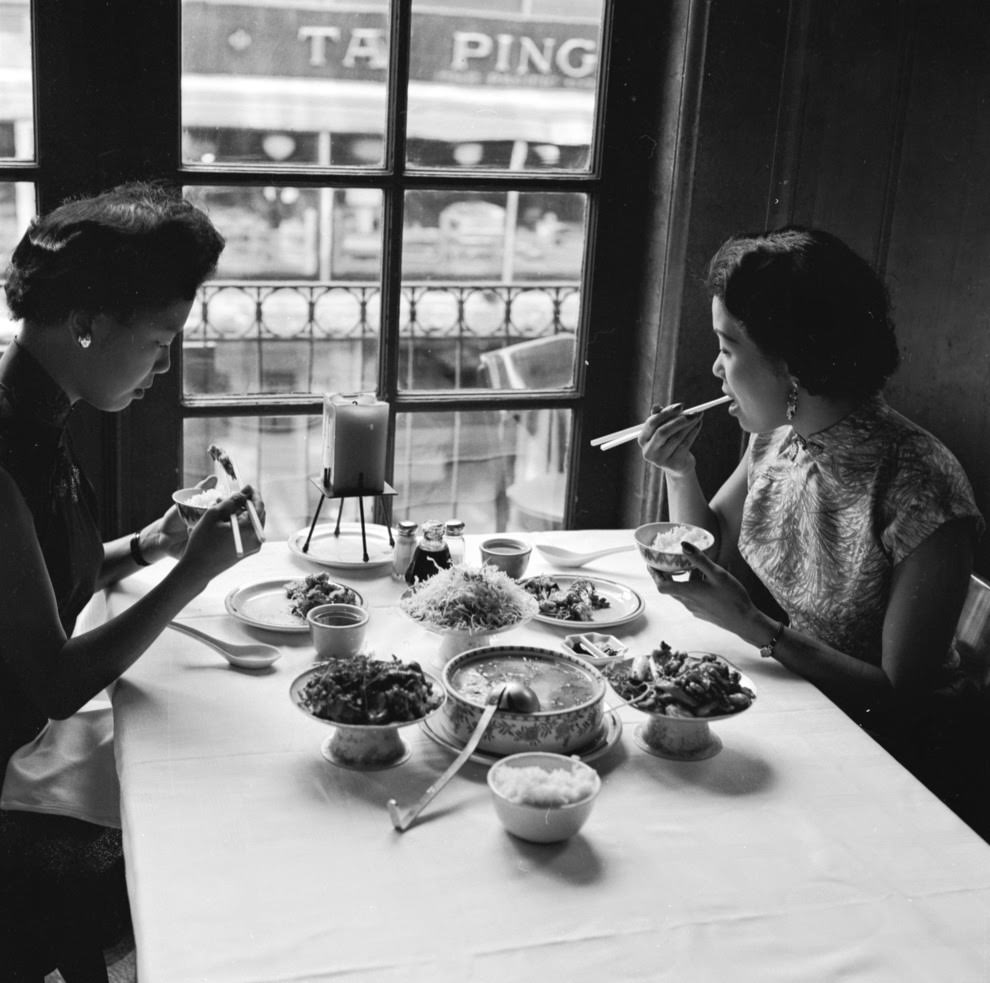
Johnny Kan’s restaurant was one of Chinatown’s most celebrated dining spots in the 1950s. Kan was known for introducing Cantonese cuisine to a wider American audience and for running a kitchen that took both food and presentation seriously. Eating at Johnny Kan’s was an event, not just a meal.
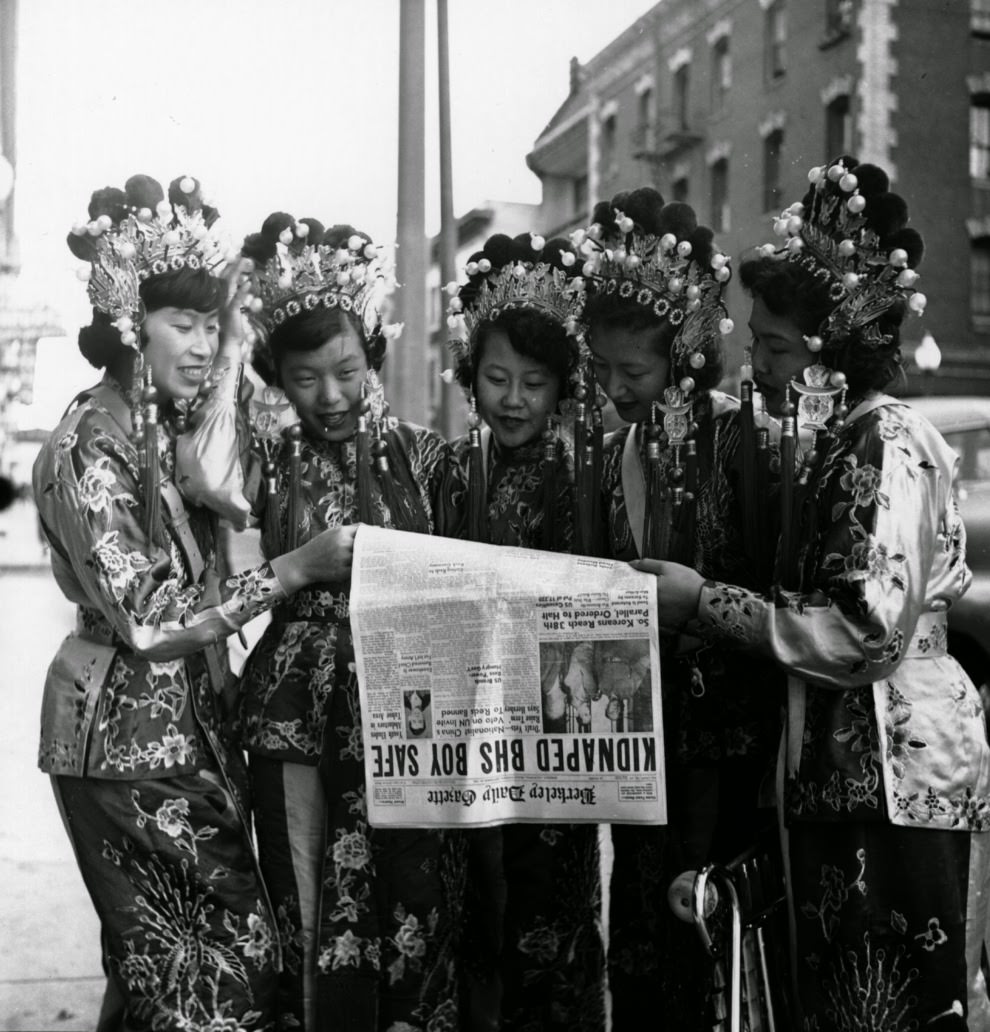
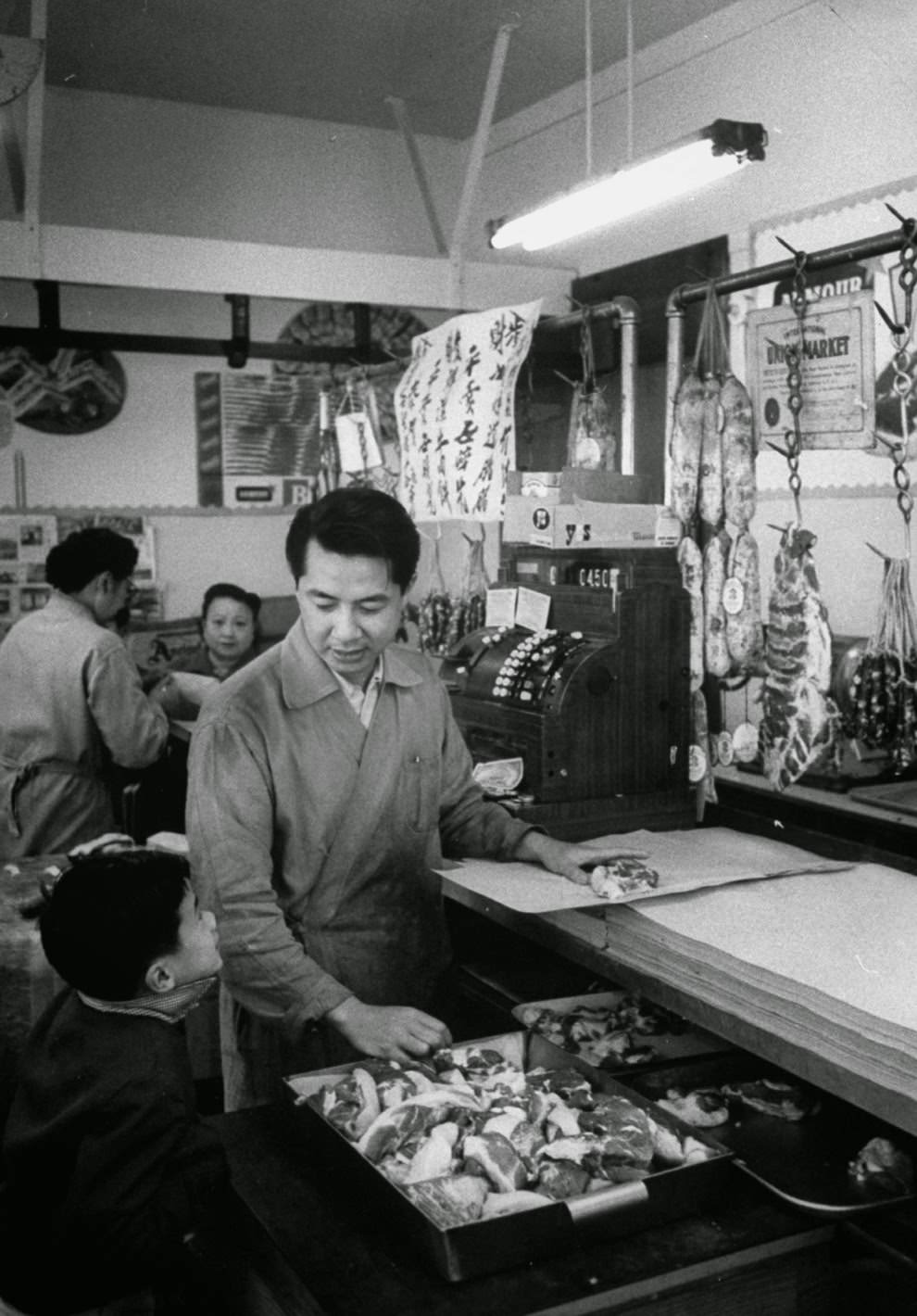
Chinatown’s markets served the community’s specific tastes and dietary habits. The cuts, ingredients, and preparation methods found in the neighborhood’s butcher shops and produce stalls reflected Cantonese cooking traditions. For many families, these shops were the only places in San Francisco where they could get exactly what they needed.
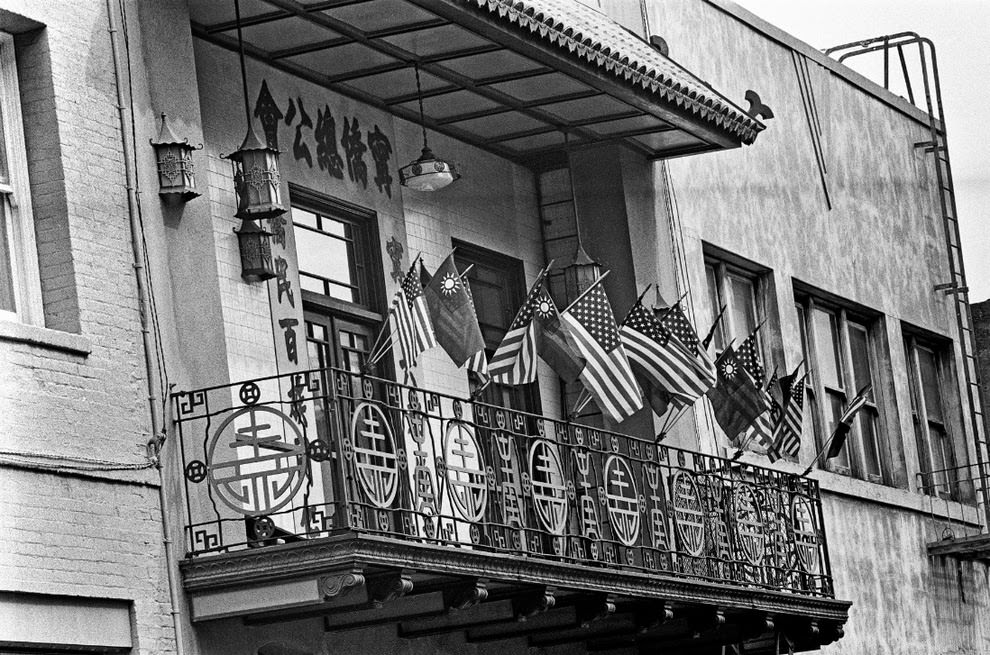
The presence of both the Nationalist Chinese flag and the American flag in Chinatown reflected the community’s political reality. After the Communist Party took control of mainland China in 1949, most Chinese-Americans maintained strong ties to the Republic of China government in Taiwan. The flags on display weren’t ceremonial — they were a clear expression of where the community’s loyalties stood during the early years of the Cold War.
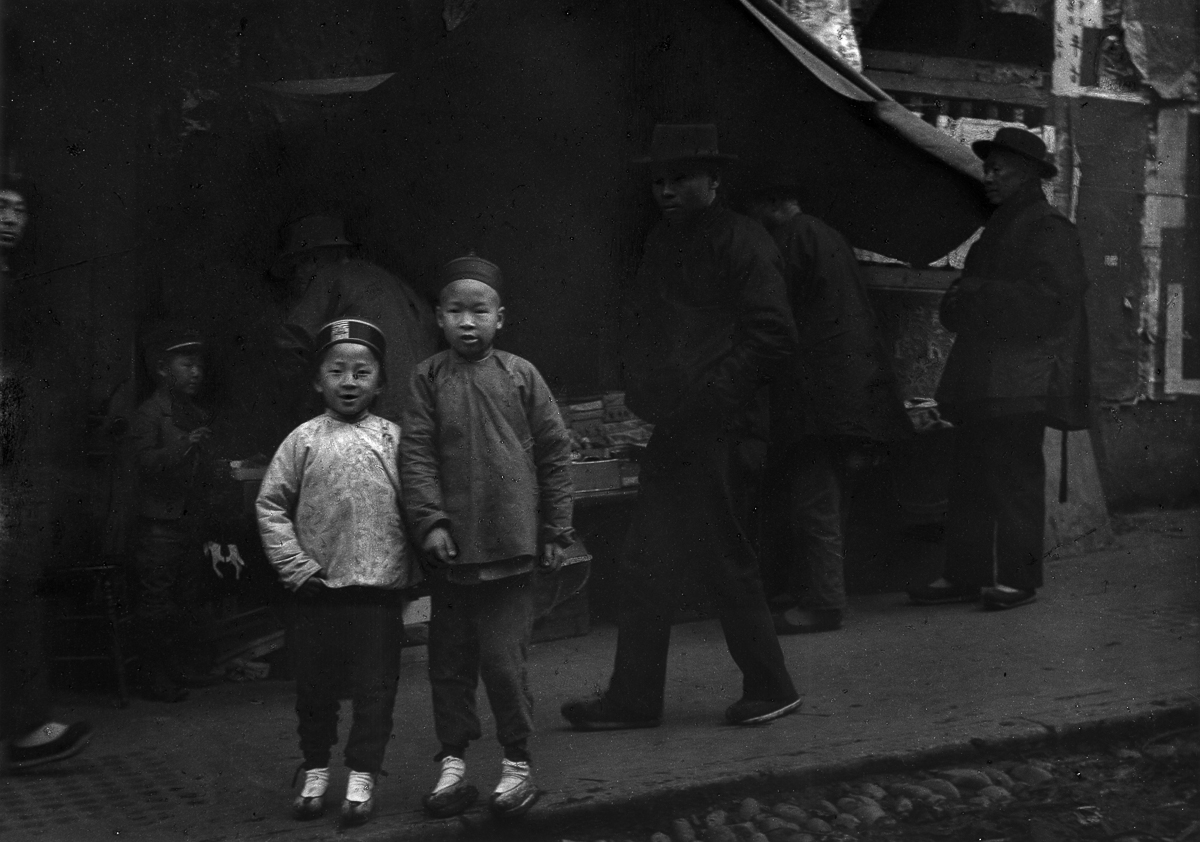
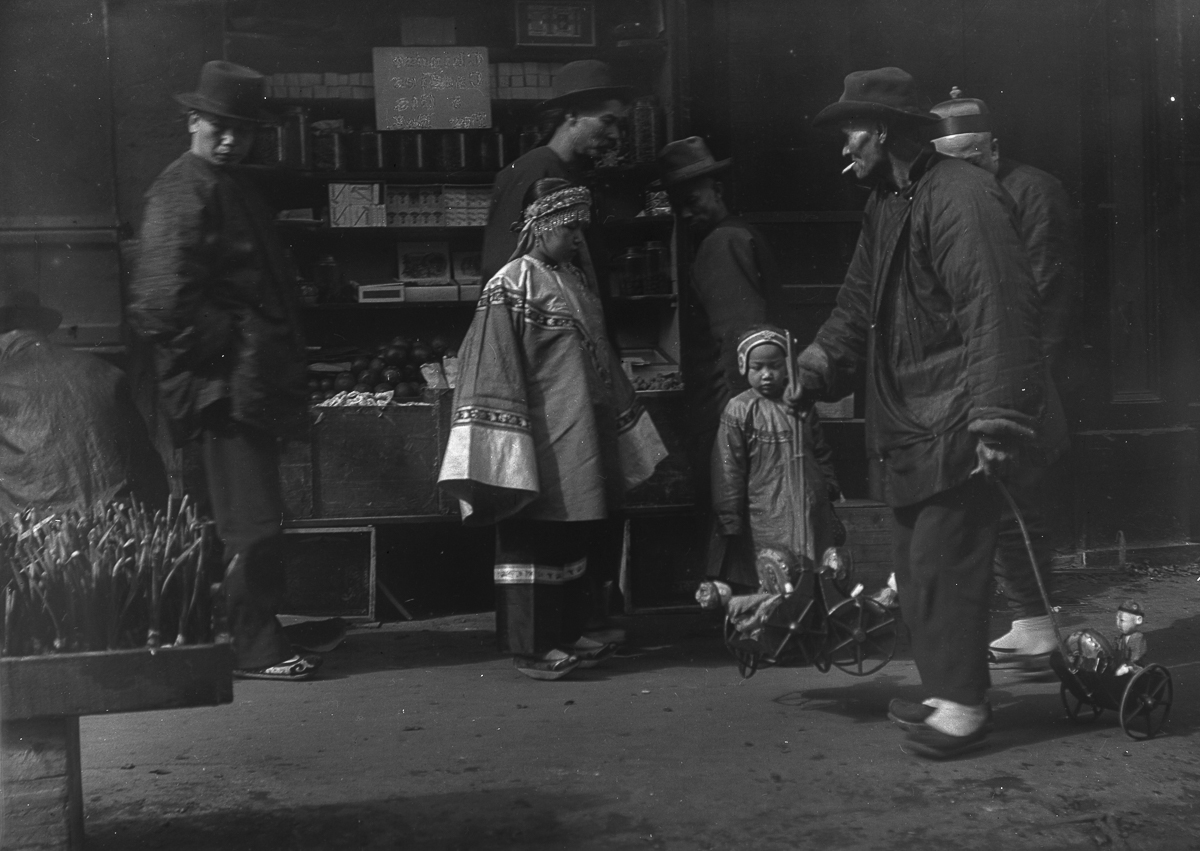
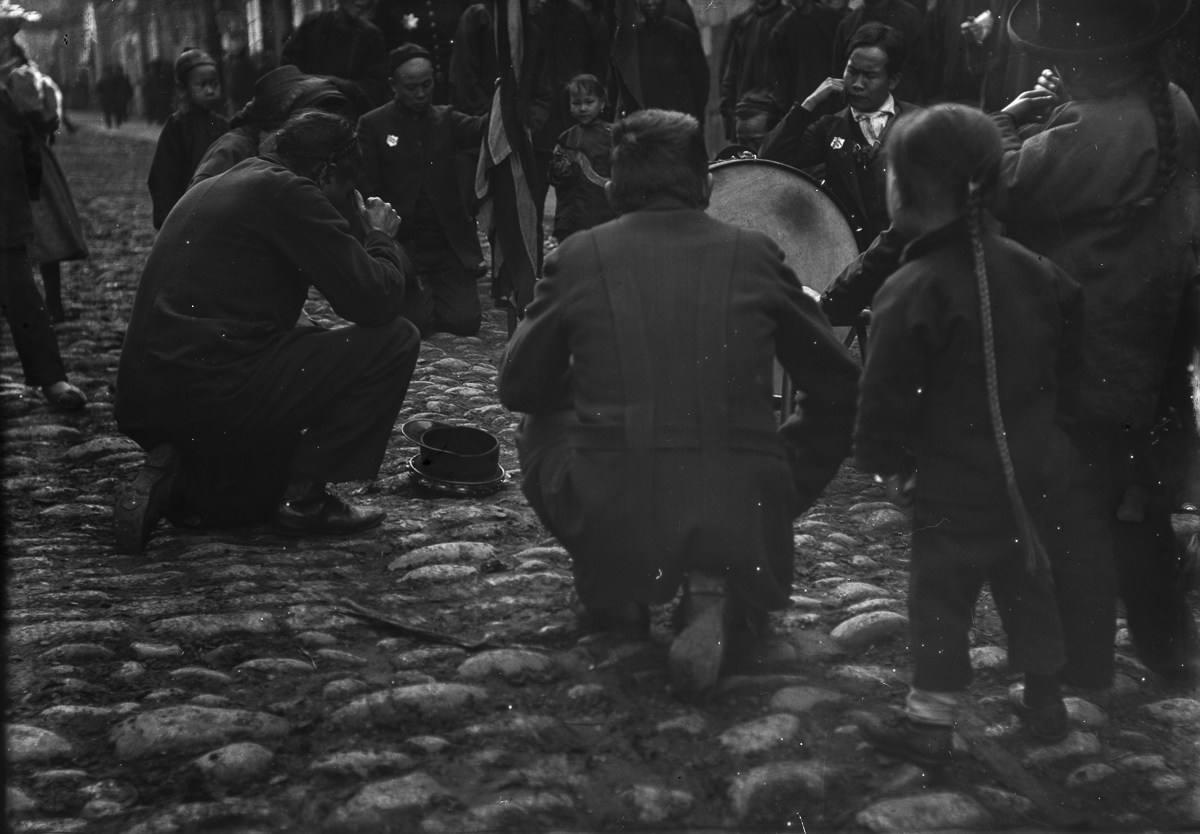
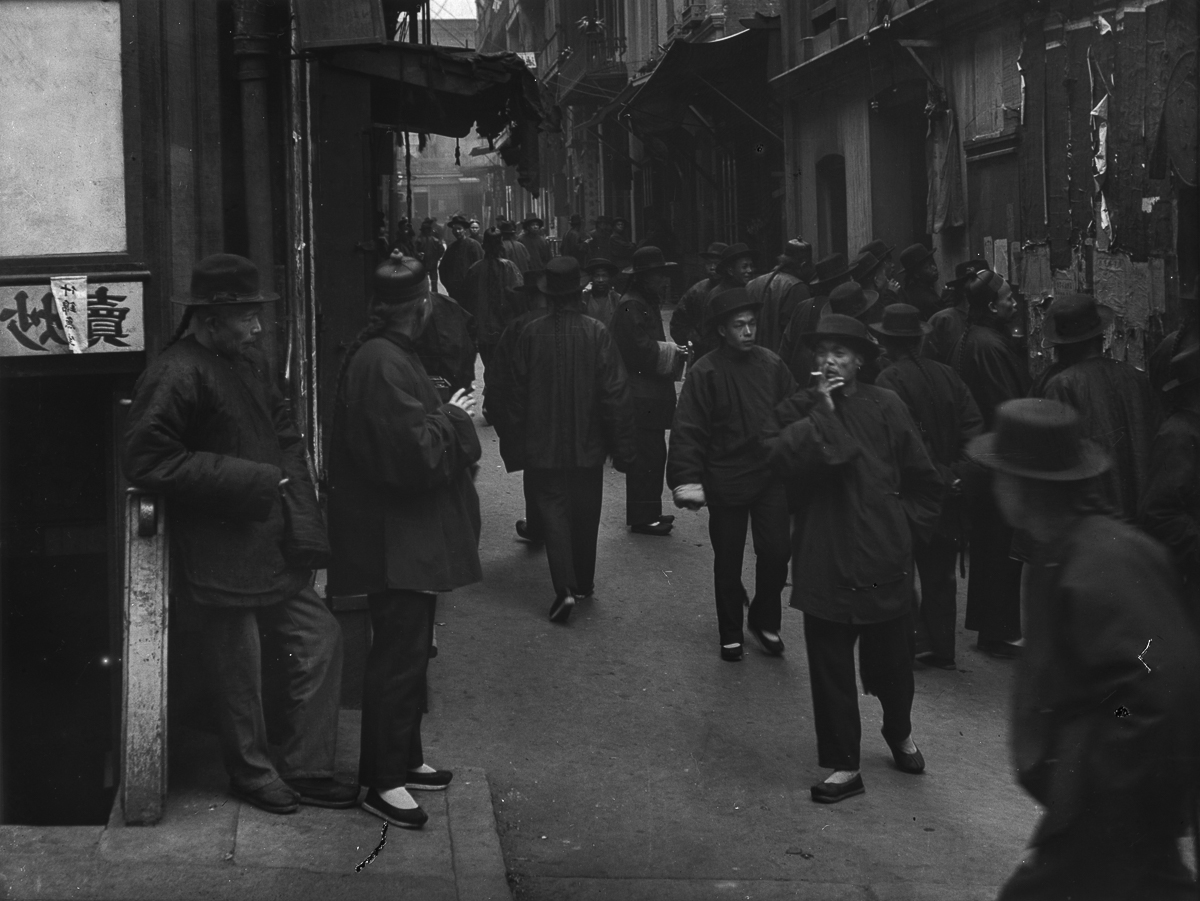
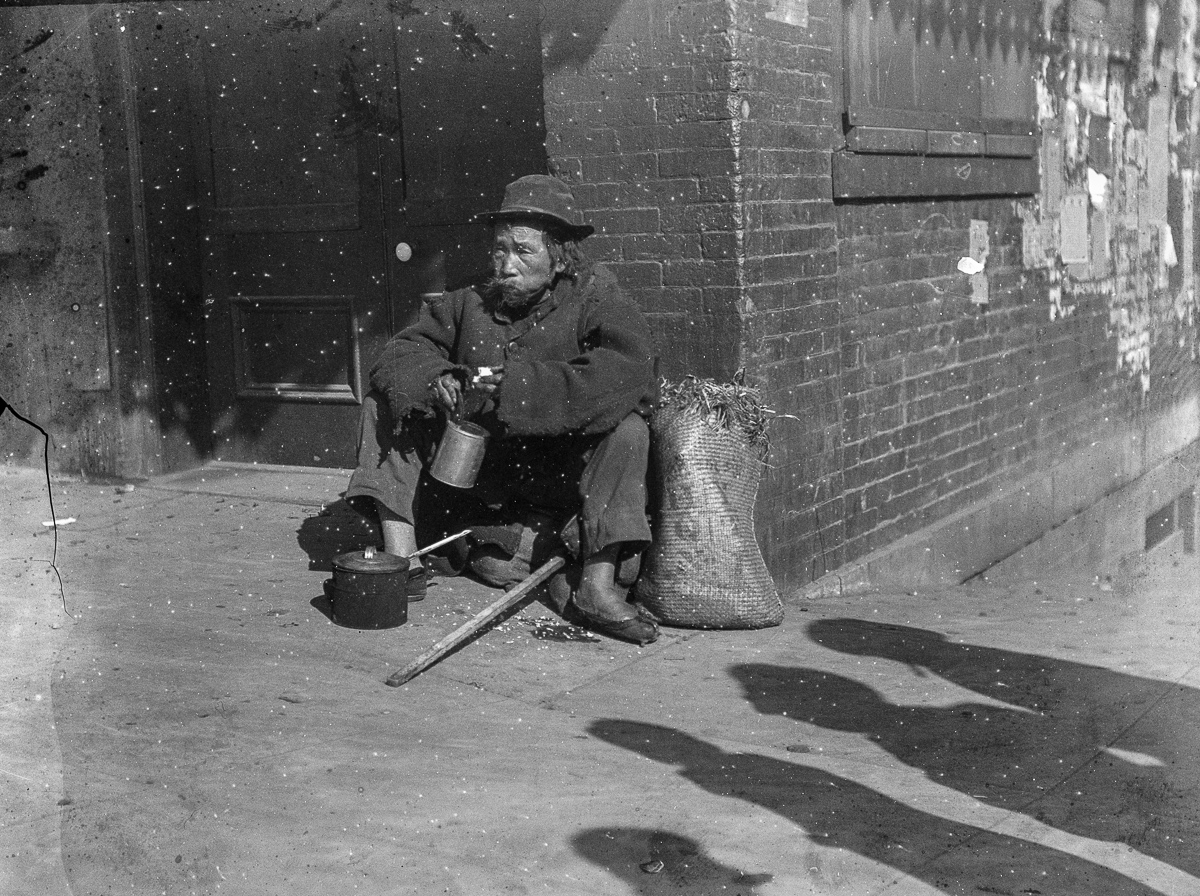
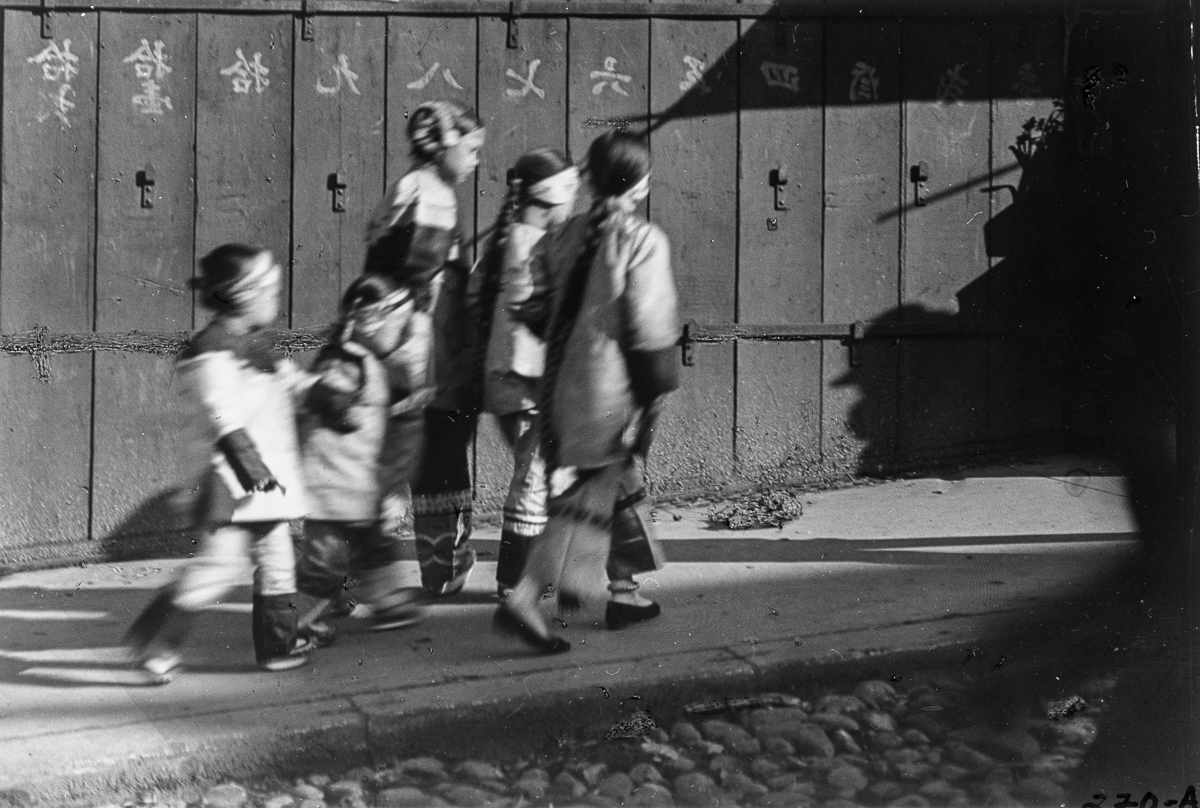
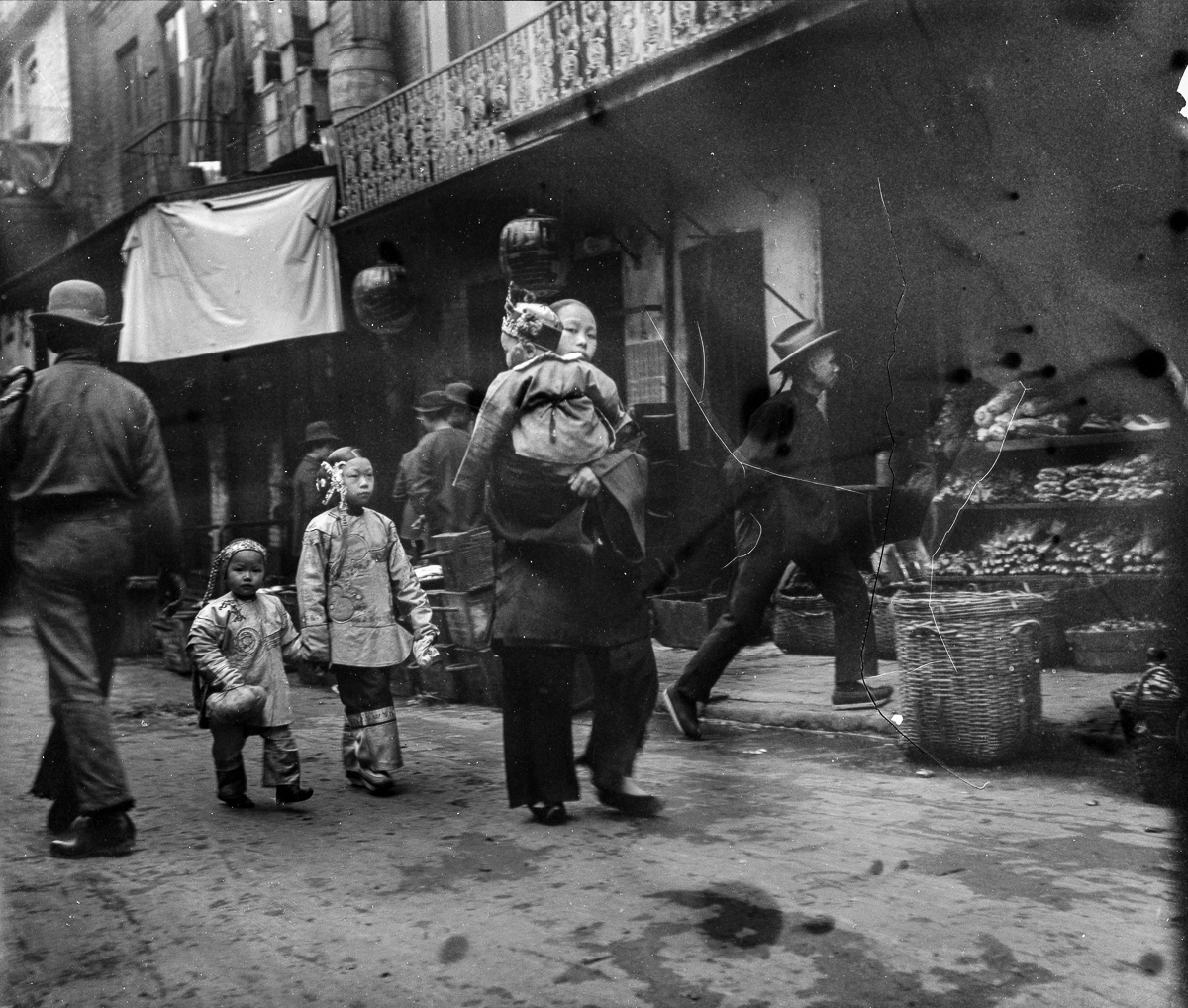
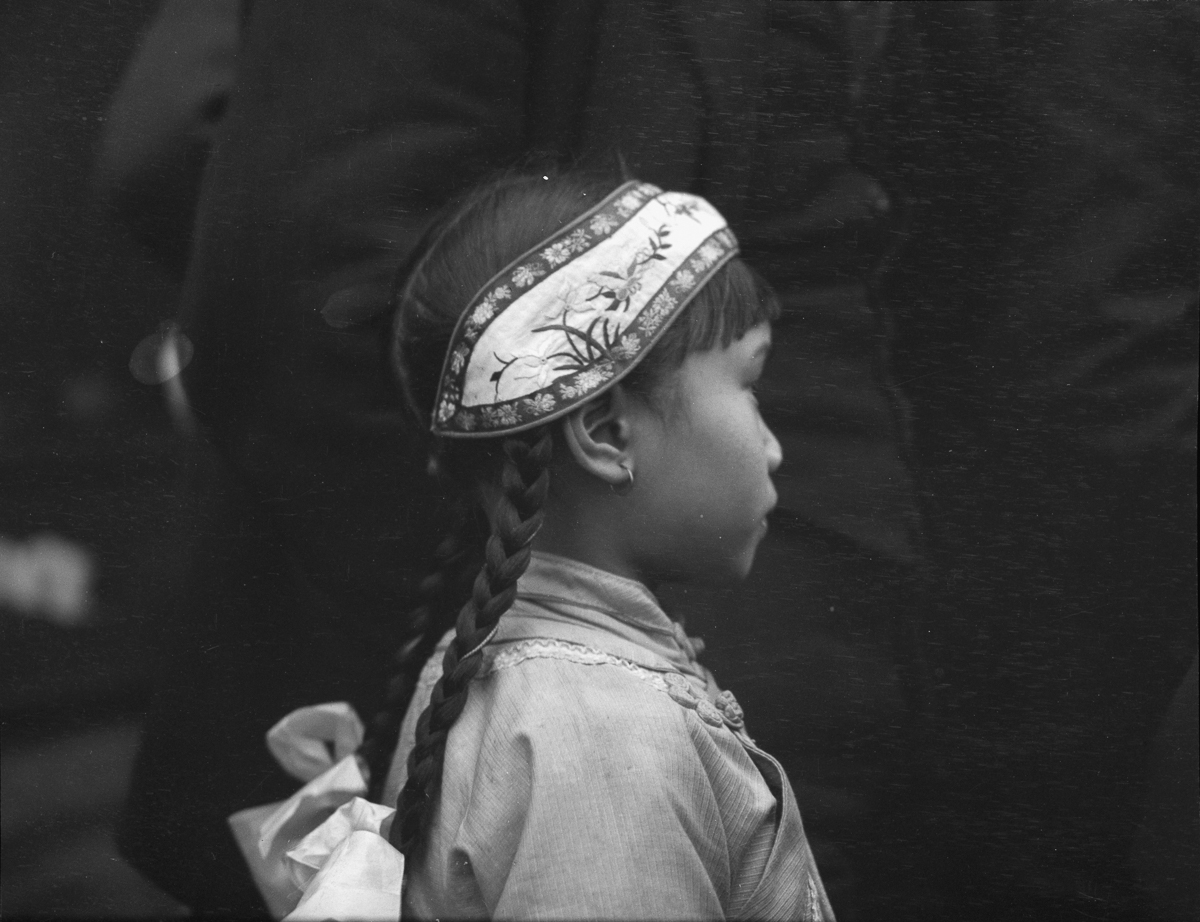
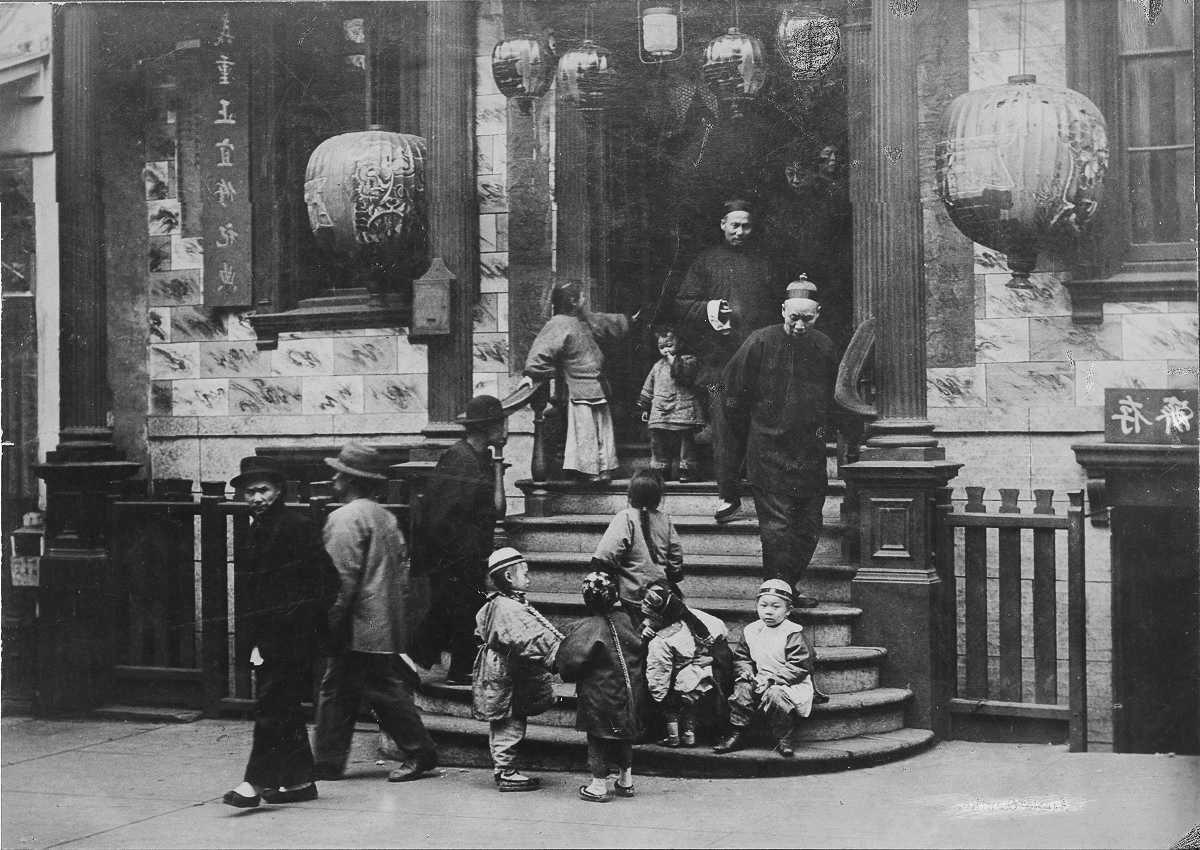
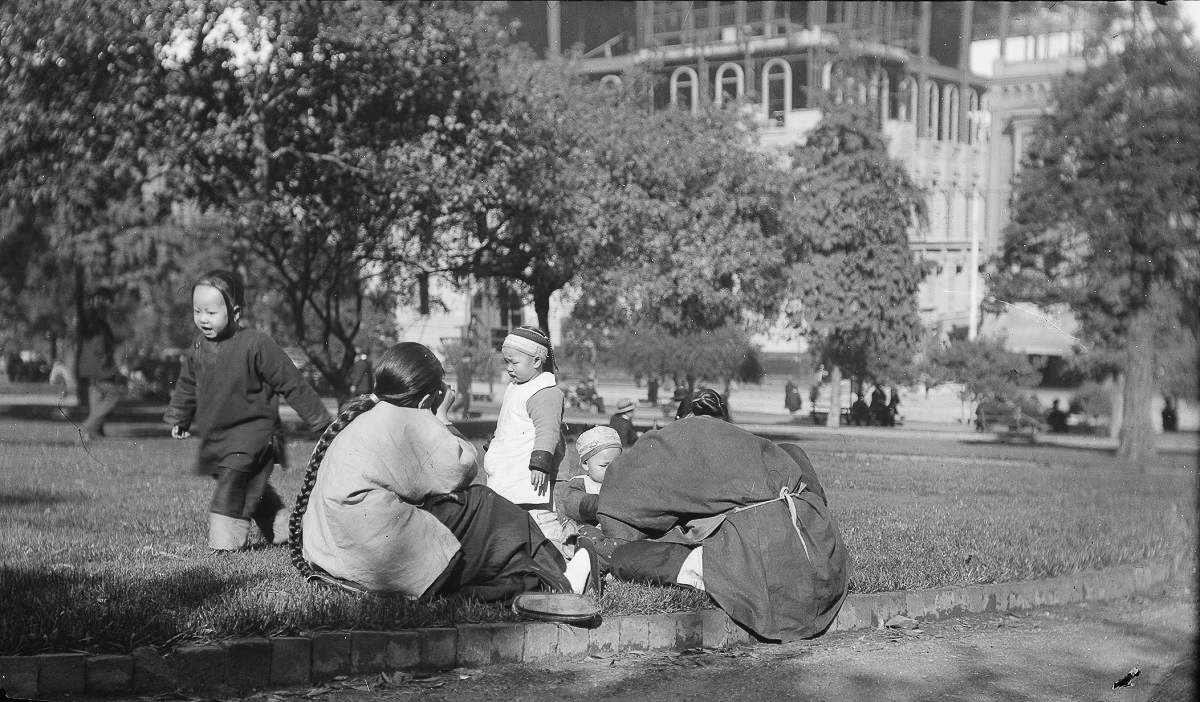
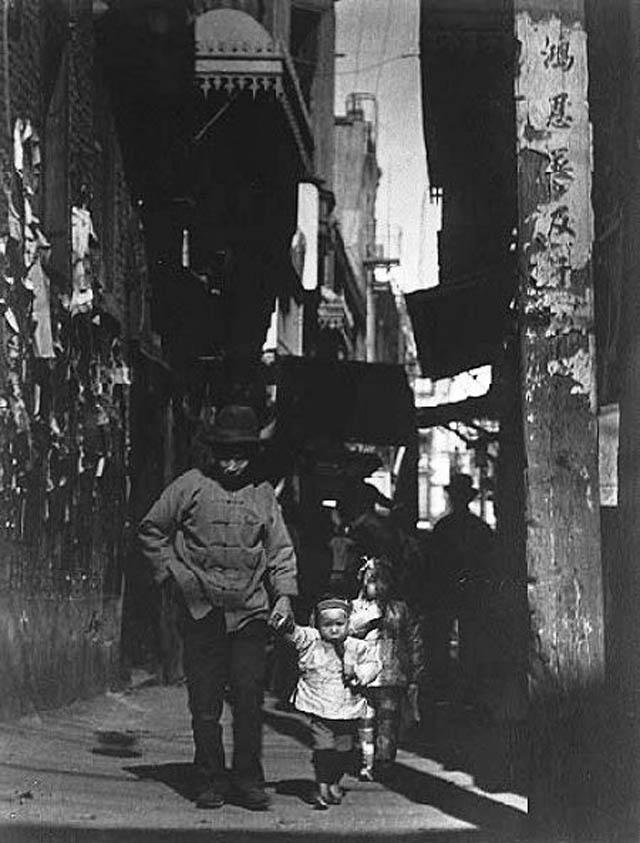
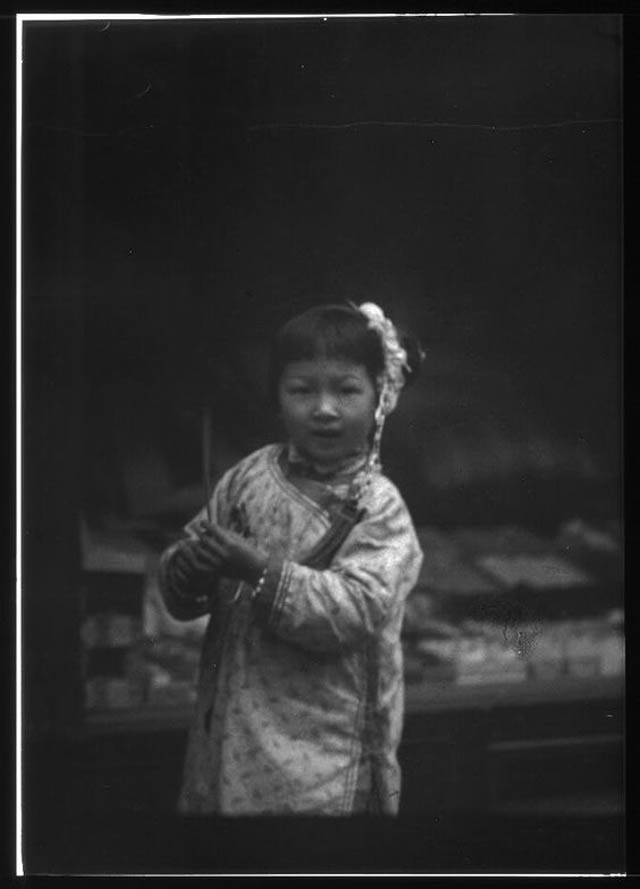
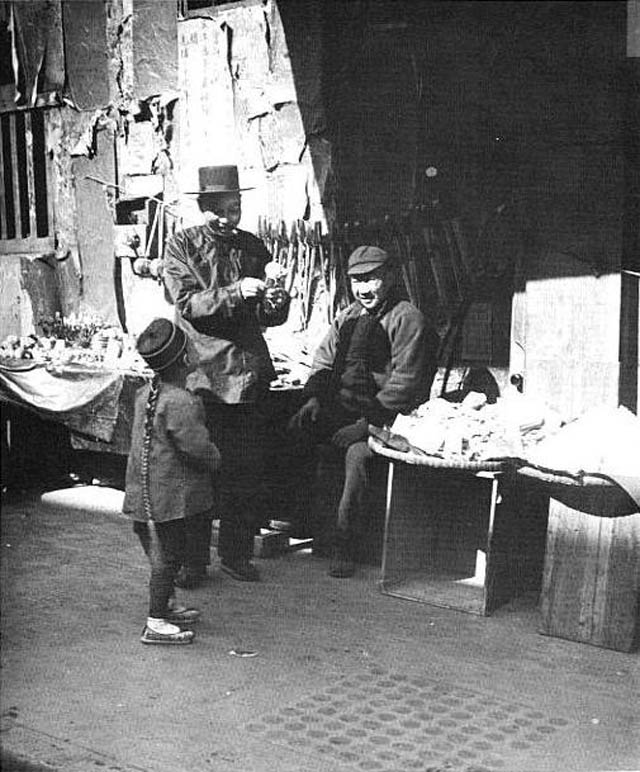
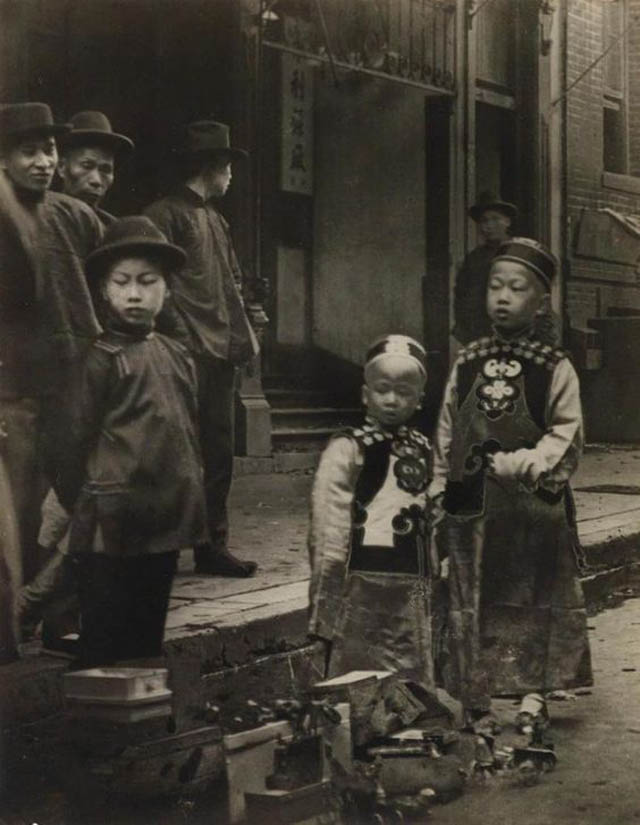
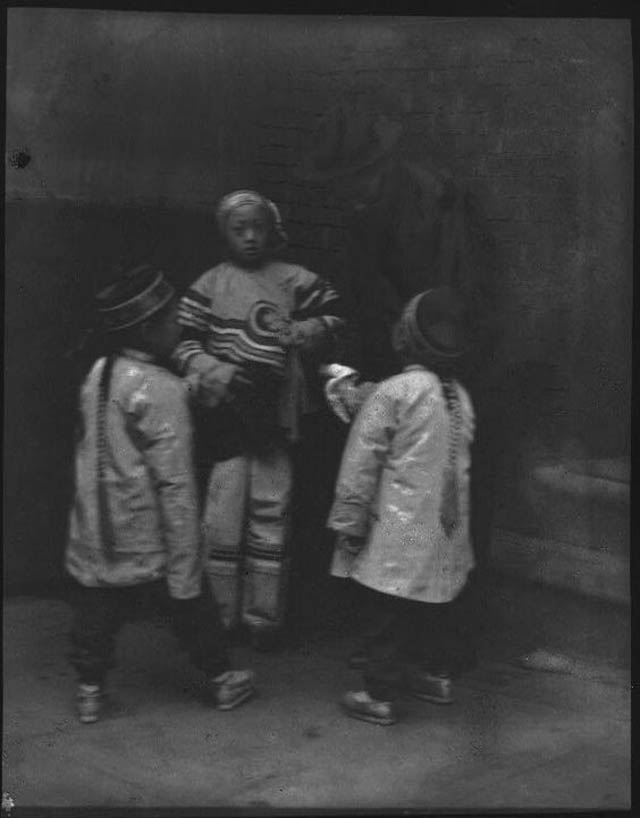
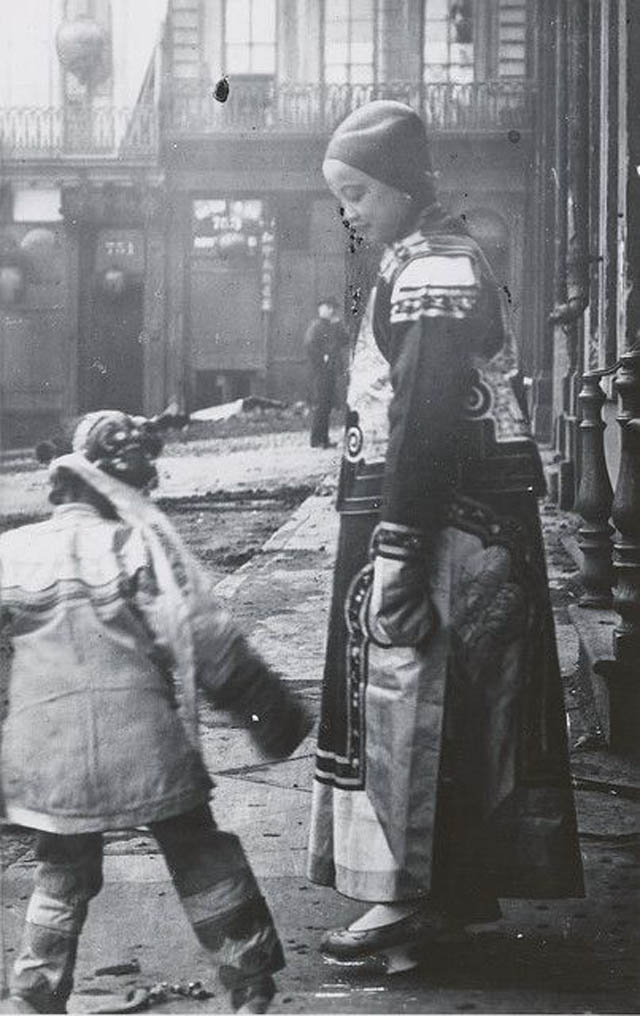
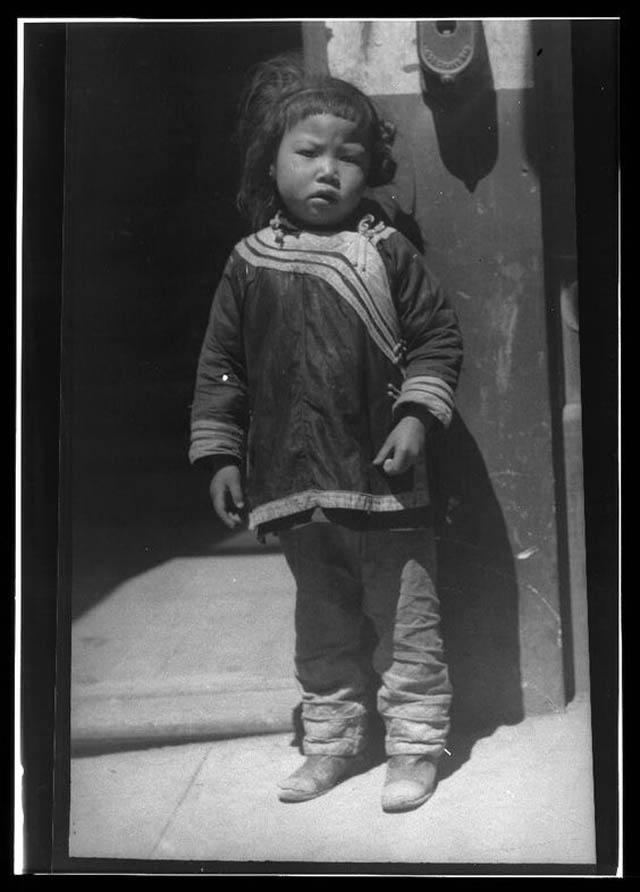
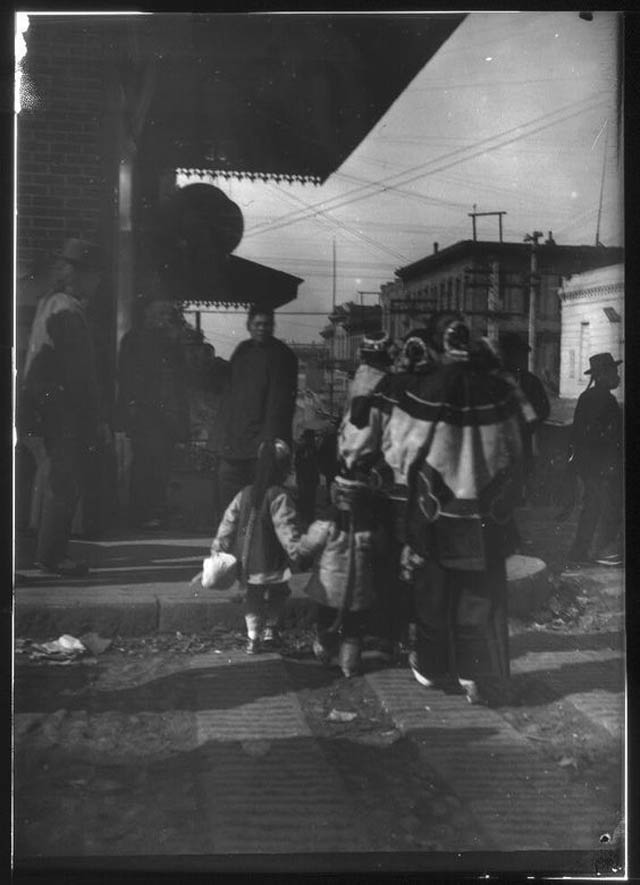
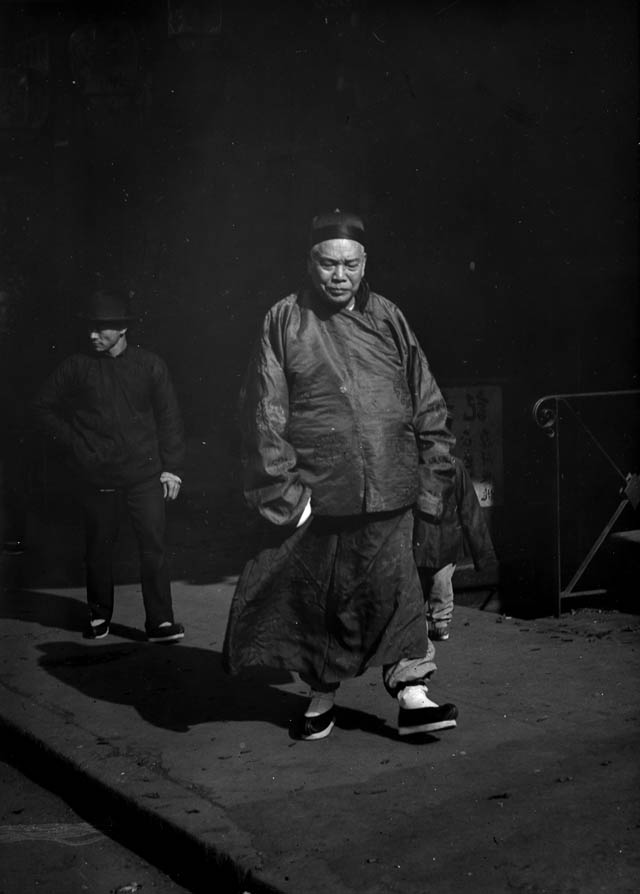
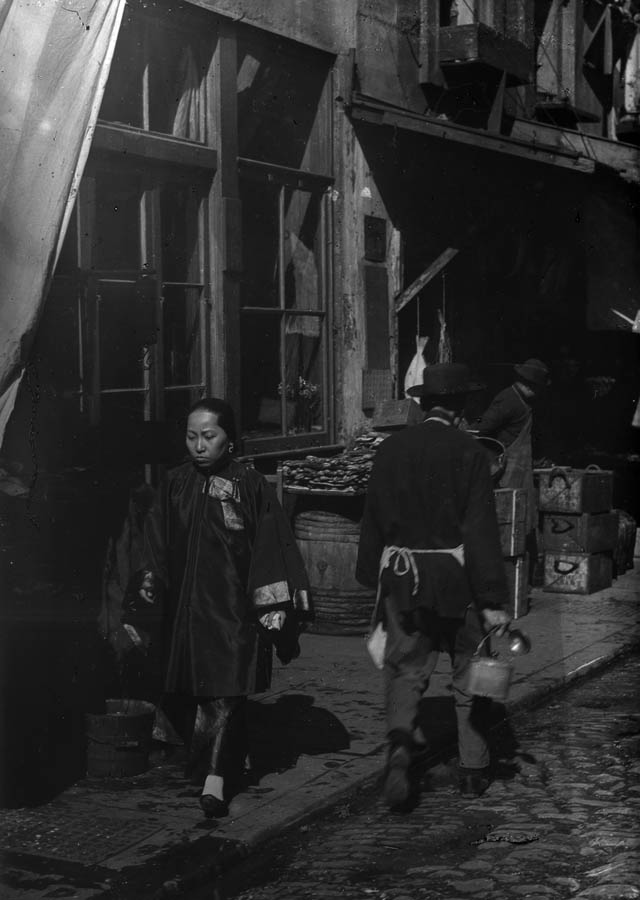
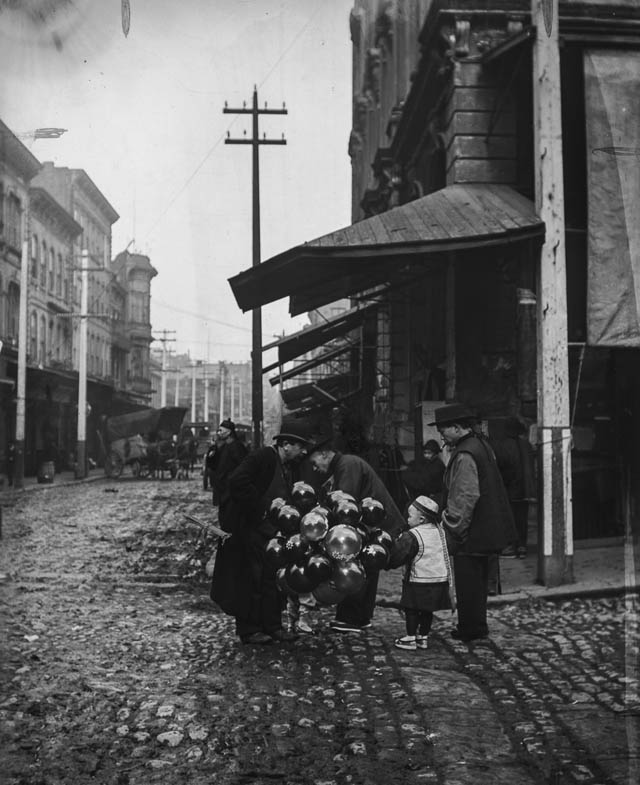
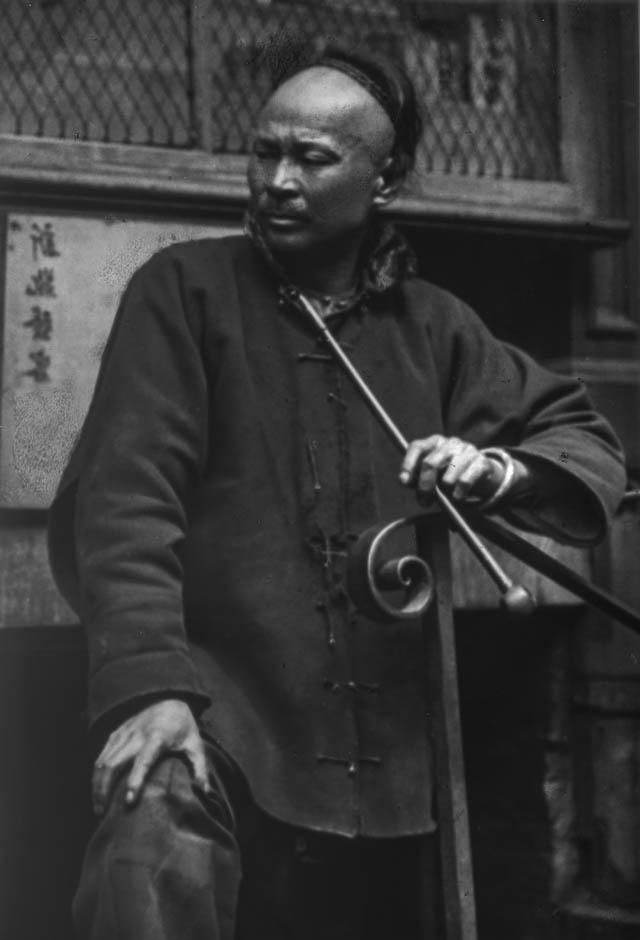
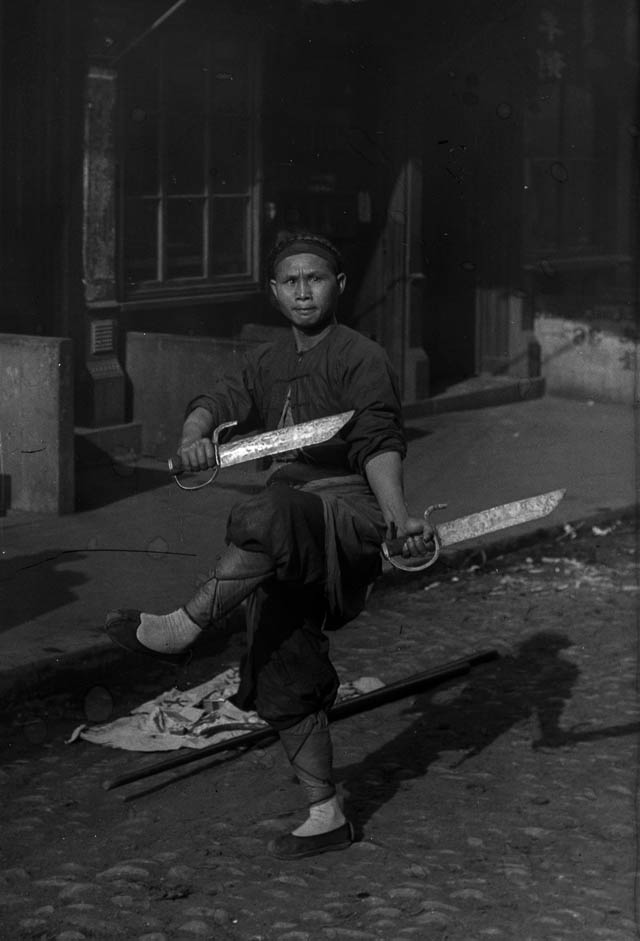
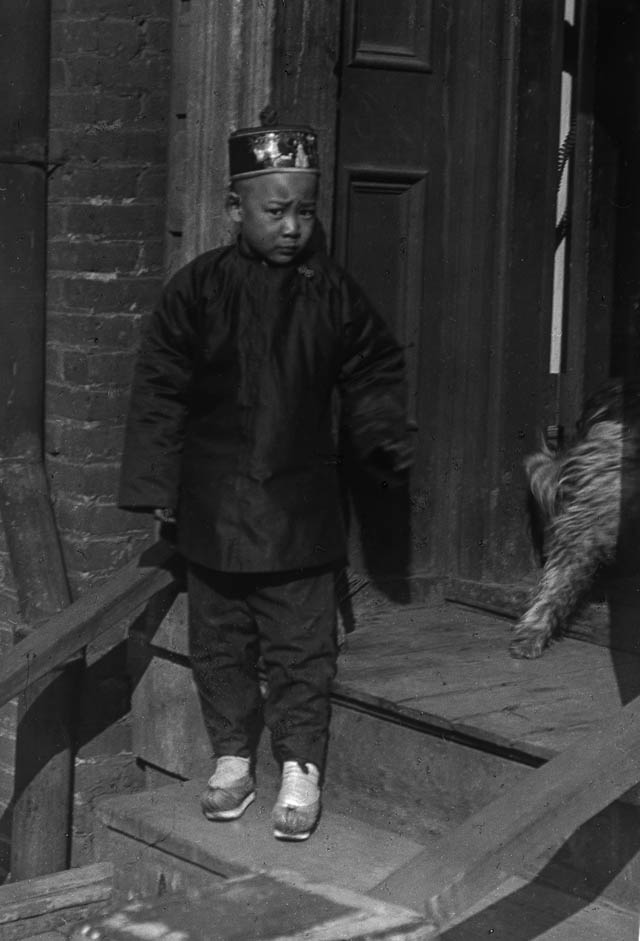
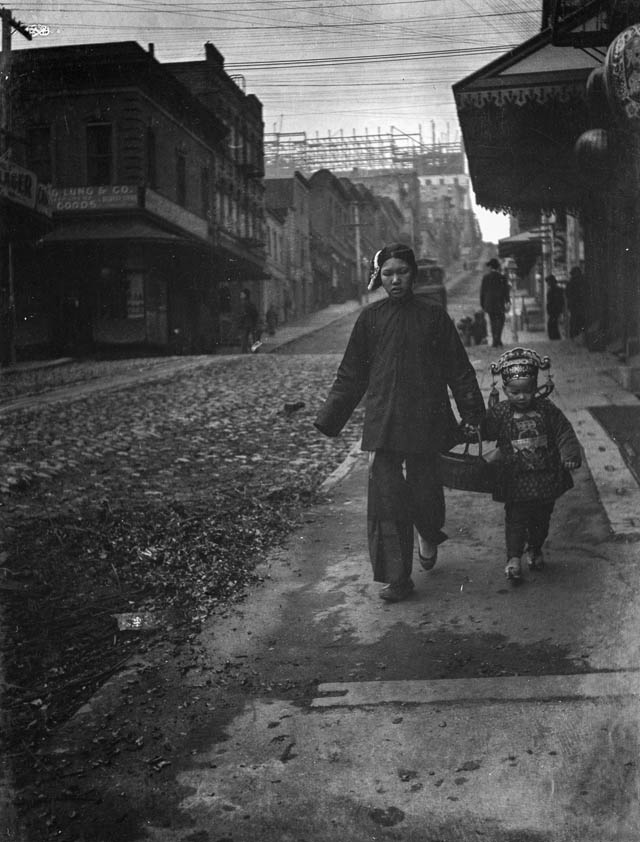
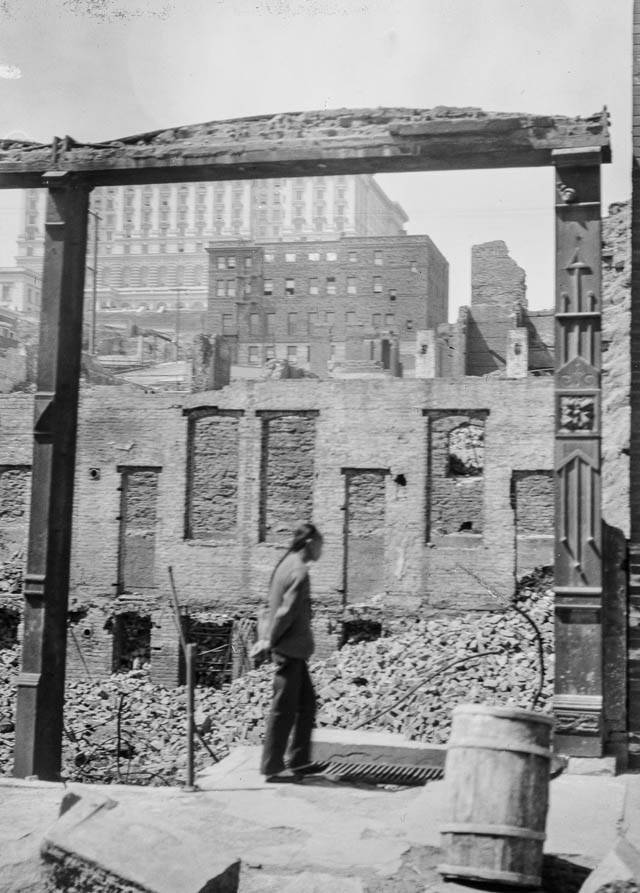
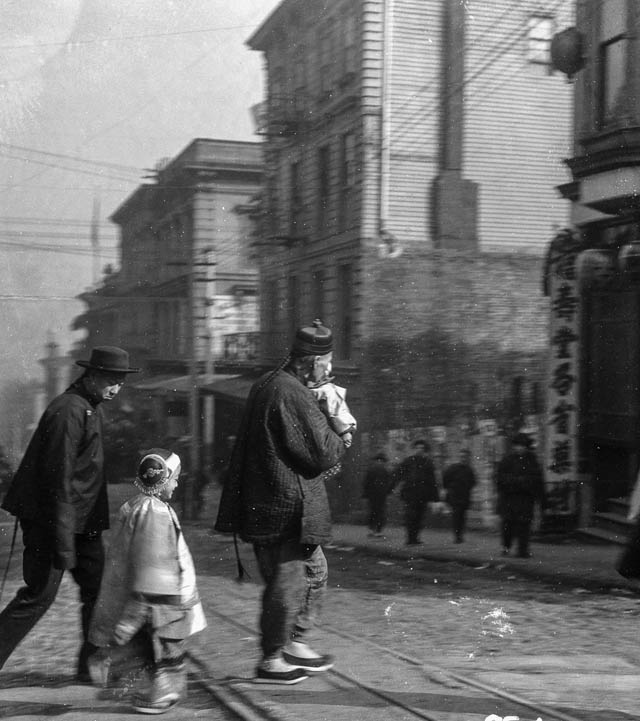
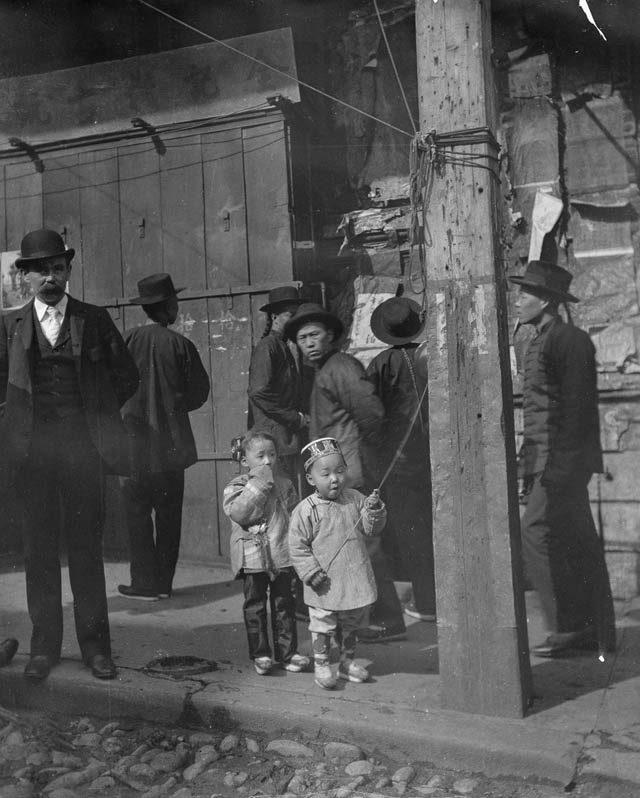
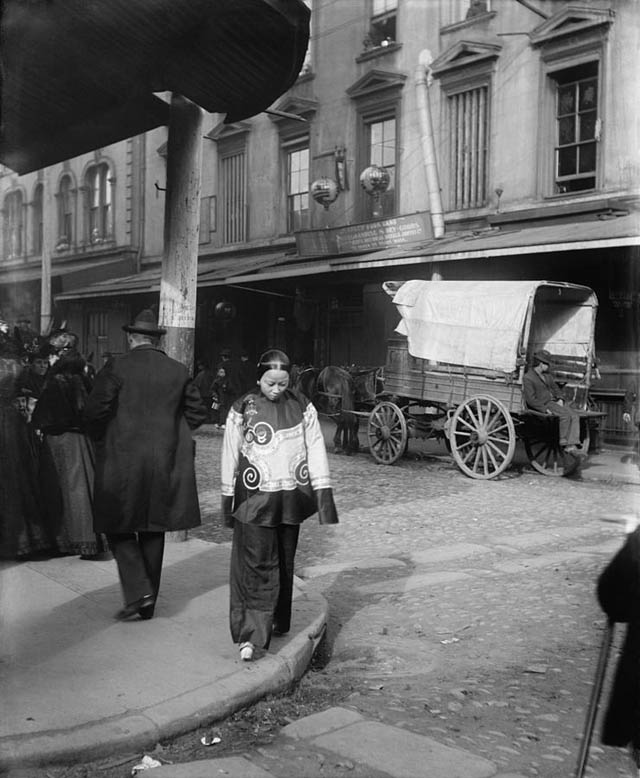




some of these pictures are wayy older than 1950s.
Wow these are cool. Thanks for sharing.